Transforming Trash: Innovative Strategies for Effective Building Waste Recycling
In recent years, the construction industry has faced increasing scrutiny regarding its environmental impact, with building waste recycling emerging as a critical focal point for sustainable practices. According to a report by the World Economic Forum, the construction sector is responsible for approximately 36% of global energy use and nearly 40% of carbon emissions. As urbanization accelerates, the disposal of construction debris has become a pressing issue, with estimates suggesting that about 1.3 billion tons of construction and demolition waste are generated annually worldwide. This staggering figure underscores the urgent need for innovative strategies in building waste recycling to mitigate environmental deterioration.
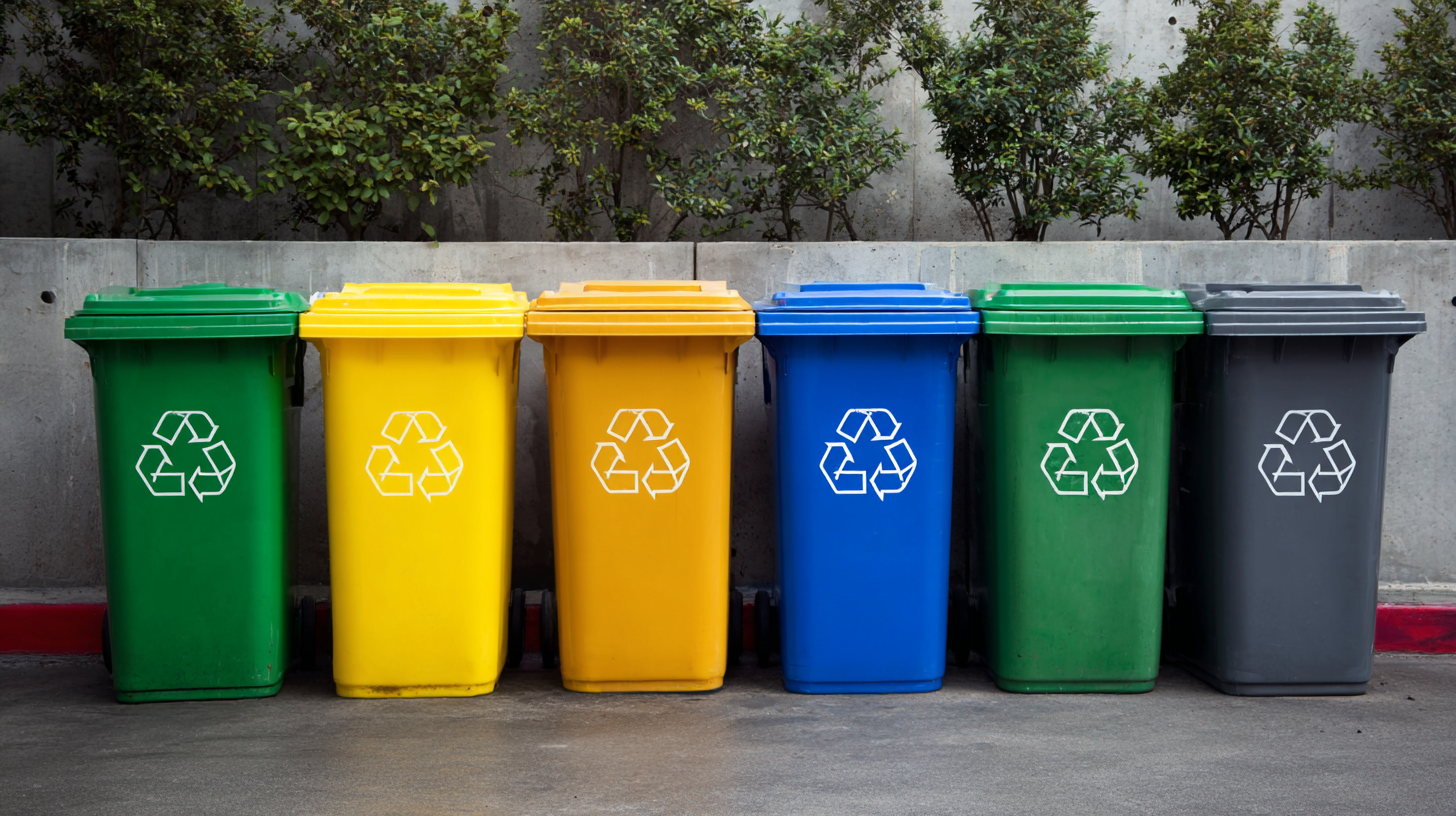
Innovative approaches are not only key to reducing landfill dependency but also offer opportunities for economic growth and resource conservation. The United Nations Environment Programme highlights that effective recycling can reclaim valuable materials, minimizing the carbon footprint and enhancing the circular economy within the construction sector. By adopting cutting-edge technologies and methodologies, companies can transform what was once considered waste into profitable commodities, contributing to a more sustainable future.
This article explores the top five strategies in building waste recycling that can drive the construction industry toward a greener and more efficient operational model, ultimately benefiting both the environment and the economy.
Innovative Technologies for Waste Separation in Construction Projects
The construction industry generates an enormous amount of waste, accounting for approximately 30% of the total waste produced globally. Innovative technologies for waste separation have emerged as crucial tools in mitigating this issue.
Advanced separation techniques, including automated sorting systems and AI-powered waste analysis, significantly enhance the efficiency of recycling initiatives in construction projects. For instance, a report by the World Economic Forum suggests that utilizing smart separation technologies can boost recycling rates up to 90%, transforming how we view building waste.
Moreover, machine learning algorithms are increasingly being integrated into waste management systems to predict and optimize waste generation based on project specifications. According to a study published in the Journal of Cleaner Production, implementing smart waste separation technologies can lead to a reduction in disposal costs by 20-30%, while also promoting sustainable practices within the industry.
As construction projects adopt these innovative practices, the potential for repurposing materials like concrete, metals, and plastics not only minimizes environmental impact but also maximizes resource efficiency, paving the way for a greener future in construction.
Sustainable Material Recovery Practices for Building Sites
Sustainable material recovery practices on building sites have become increasingly vital in addressing the environmental impact of construction waste. According to the Waste and Resources Action Programme (WRAP), construction and demolition activities contribute approximately 60% of the total waste produced in the UK, highlighting the urgent need for innovative recycling strategies. Implementing effective waste management practices not only reduces landfill pressures but also conserves valuable resources.
One effective strategy involves segregating waste at the source, allowing for better sorting and recycling of materials. For instance, studies have shown that segregated waste can achieve recycling rates of up to 90%, as opposed to mixed waste, which typically sees rates below 30%. Additionally, utilizing recycled materials in new constructions, such as reclaimed wood and recycled concrete aggregates, can significantly lower the carbon footprint of building projects.
Tips for sustainable building waste recycling include establishing clear waste management policies on-site to educate all workers about proper disposal methods. Consider investing in mobile recycling units that allow for on-site processing of recyclable materials, reducing the need for transportation and enabling immediate reuse. Finally, engage with certified recycling companies that specialize in construction materials to ensure maximum recovery efforts and compliance with local regulations.
Collaboration Between Builders and Recycling Facilities for Efficiency
The collaboration between builders and recycling facilities is crucial in transforming construction waste into valuable resources. According to the U.S. Environmental Protection Agency, construction and demolition activities account for over 500 million tons of waste annually, representing approximately 25% of the total municipal solid waste in the United States. By partnering with recycling facilities, builders can significantly reduce the volume of waste sent to landfills while maximizing the recovery of materials such as wood, concrete, and metal.
Effective communication and streamlined processes between builders and recycling centers can enhance efficiency in waste management. For instance, a study from the National Institute of Building Sciences highlights that implementing a waste management plan can divert up to 90% of construction waste from landfills. This not only mitigates environmental impact but also leads to cost savings for builders, who can reuse recycled materials in future projects. Additionally, leveraging technological innovations, such as waste tracking systems and sorting equipment at recycling facilities, allows for better data collection and reporting, ensuring that both parties can continuously improve their practices and promote sustainable building methods.

Government Policies Supporting Building Waste Recycling Initiatives
Government policies play a crucial role in promoting effective building waste recycling initiatives. By implementing regulatory frameworks, governments can ensure that construction firms adhere to sustainable practices that minimize waste. Policies such as mandatory recycling quotas, incentives for sustainable materials, and penalties for non-compliance not only encourage responsible disposal of building waste but also foster innovation in recycling technologies.
Tips for construction firms looking to align with these policies include investing in waste sorting equipment to enhance recycling efficiency and collaborating with local recycling facilities to streamline waste management processes. Additionally, conducting regular training for employees on best practices in waste reduction can significantly enhance a company's sustainability profile.
Furthermore, government grants and subsidies can help construction companies adopt greener technologies. Engaging in partnerships with local governments can facilitate access to these resources, creating a win-win situation that benefits both the environment and the economy. By staying informed about new regulations and available support, businesses can effectively contribute to a circular economy while reducing their ecological footprint.
Transforming Trash: Innovative Strategies for Effective Building Waste Recycling
Case Studies: Successful Waste Transformation in Major Construction Projects
In recent years, the construction industry has seen a surge in
innovative waste recycling strategies, with several major projects leading the way.
One notable example is the reuse of concrete in the construction of the new East Side Access project in New York City.
By crushing the old concrete from demolished structures, the team was able to create aggregate for new concrete mixtures.
This not only reduced landfill waste but also minimized transportation costs and the environmental impact associated with sourcing new materials.
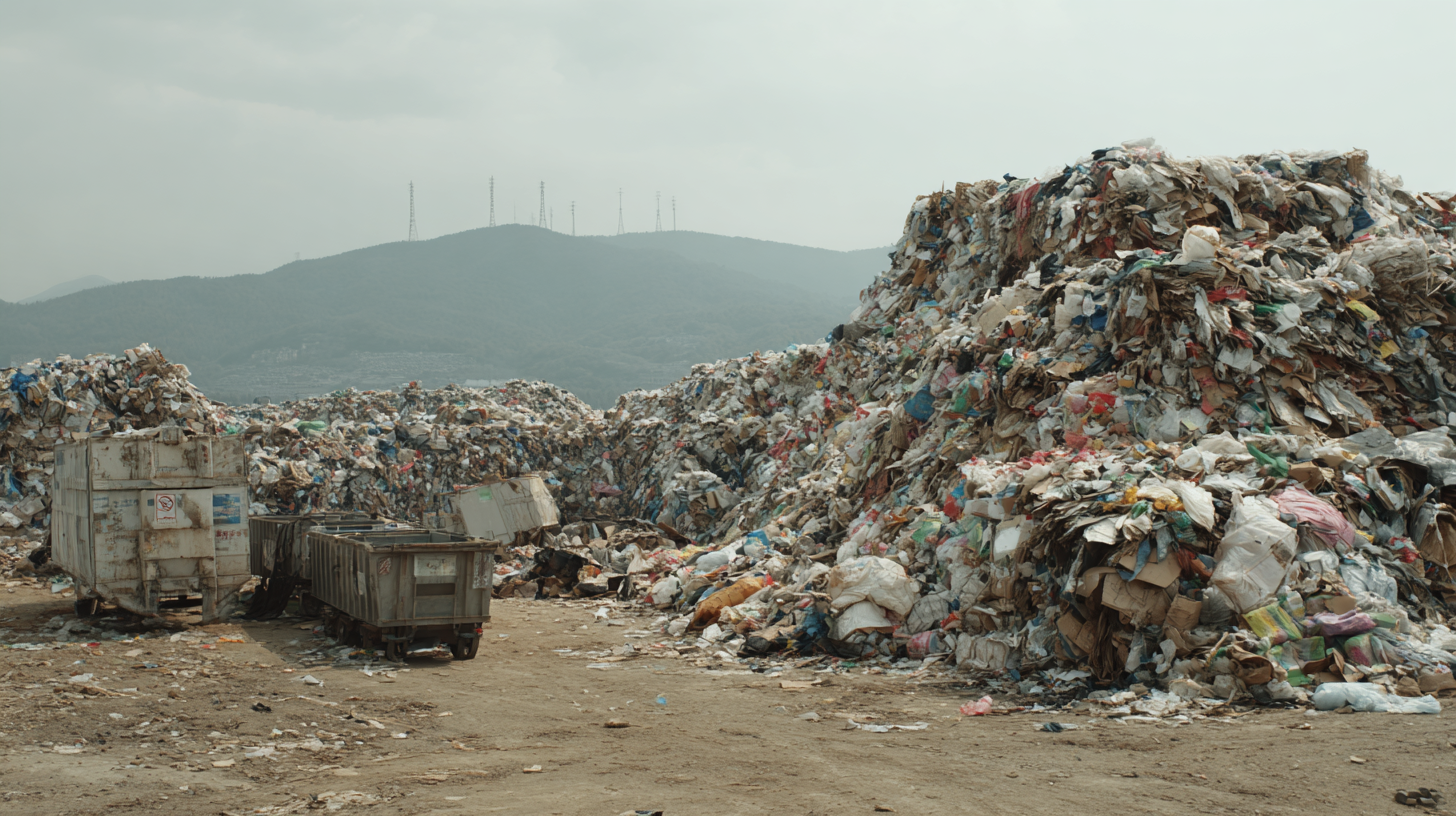
Another impressive case is the transformation of waste from London's Crossrail project.
The initiative incorporated a systematic approach to identify recyclable materials from major demolition and excavation processes.
By collaborating with local recycling facilities, the project managed to divert over
90% of its construction waste away from landfills.
Additionally, the team implemented on-site sorting stations, which fostered a culture of sustainability among workers and ensured that waste was effectively sorted and recycled,
demonstrating the potential for large-scale transformation in the industry.

 Concrete Mixing Plant
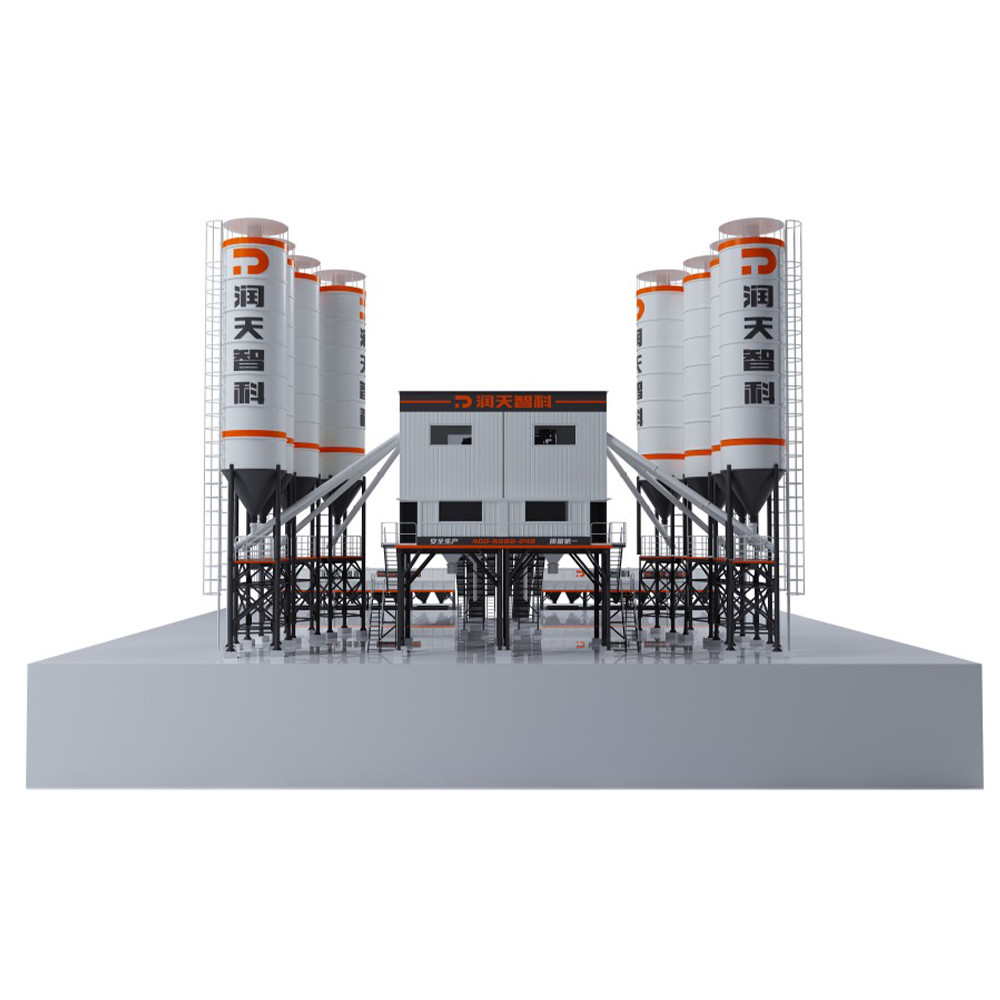 HZS Series Belt Concrete Mixing Plant
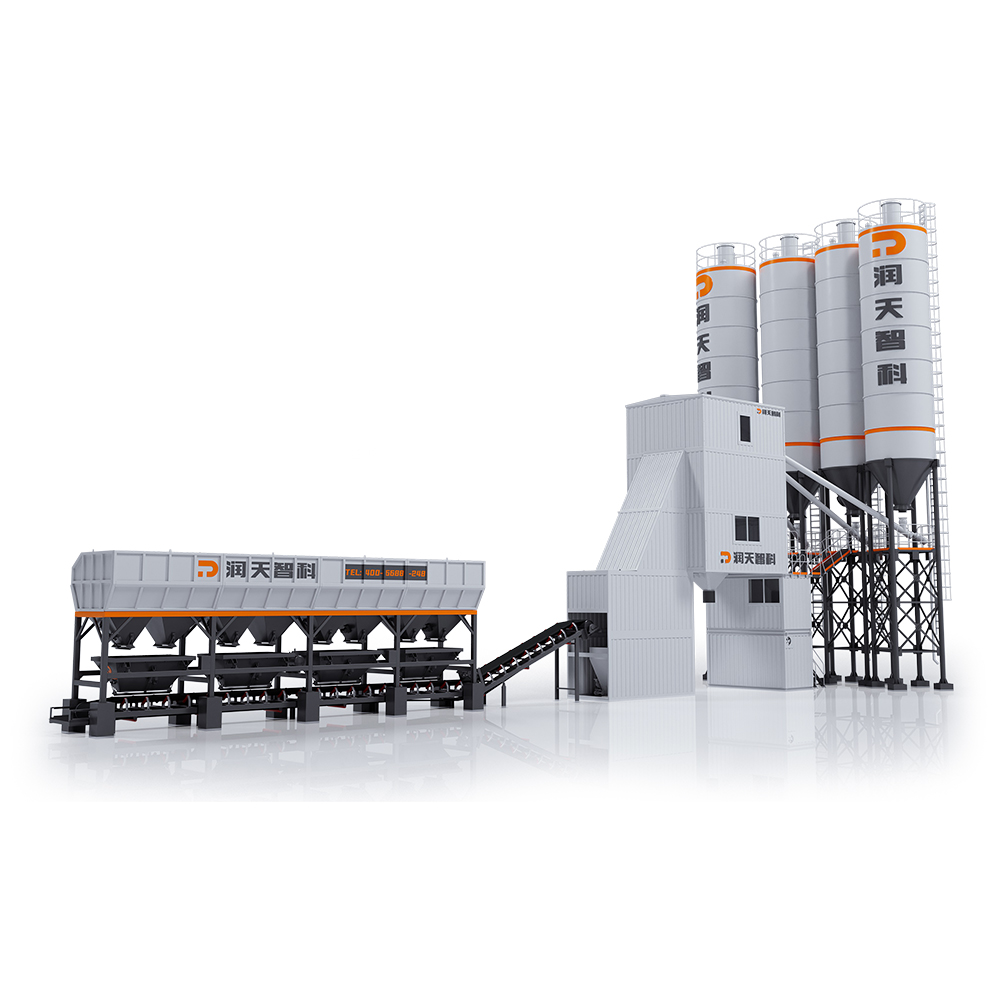 HZS Series Bucket-Lifting Type Container Concrete Mixing Plant
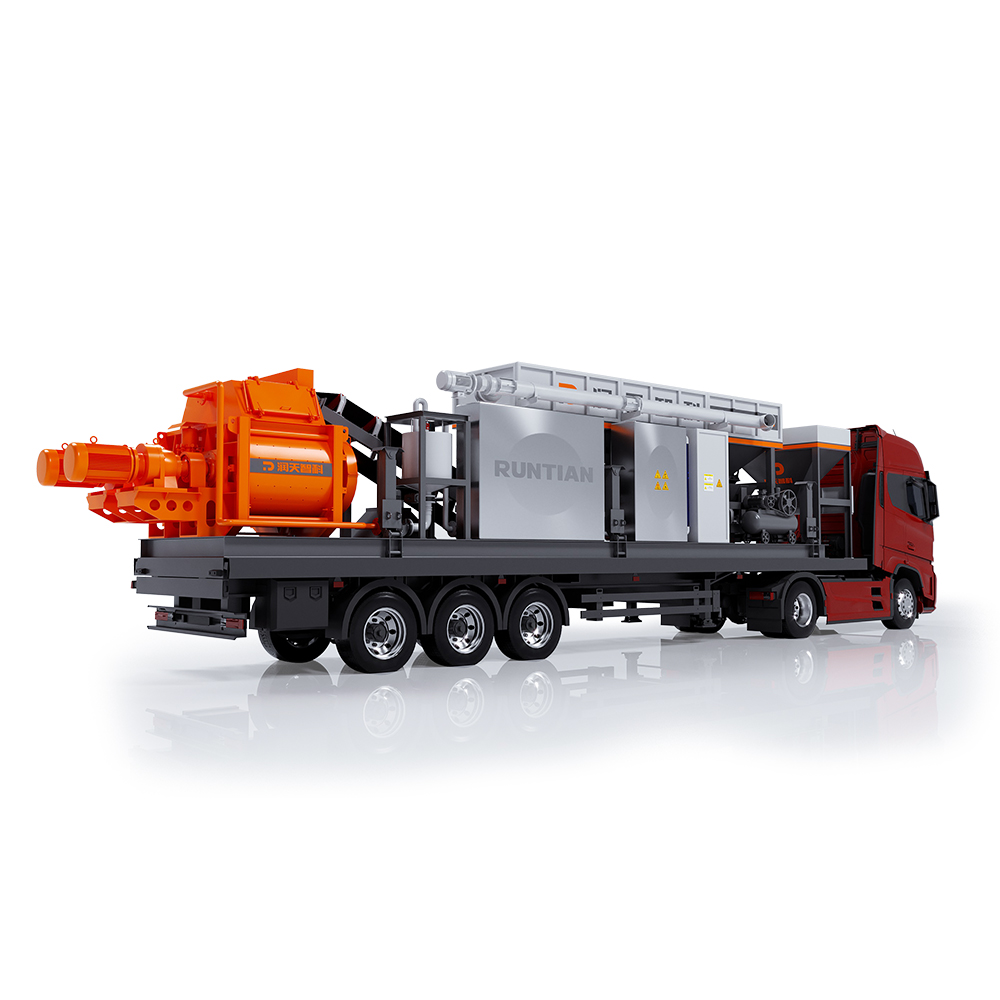 HZS60 Mobile Concrete Mixing Plant
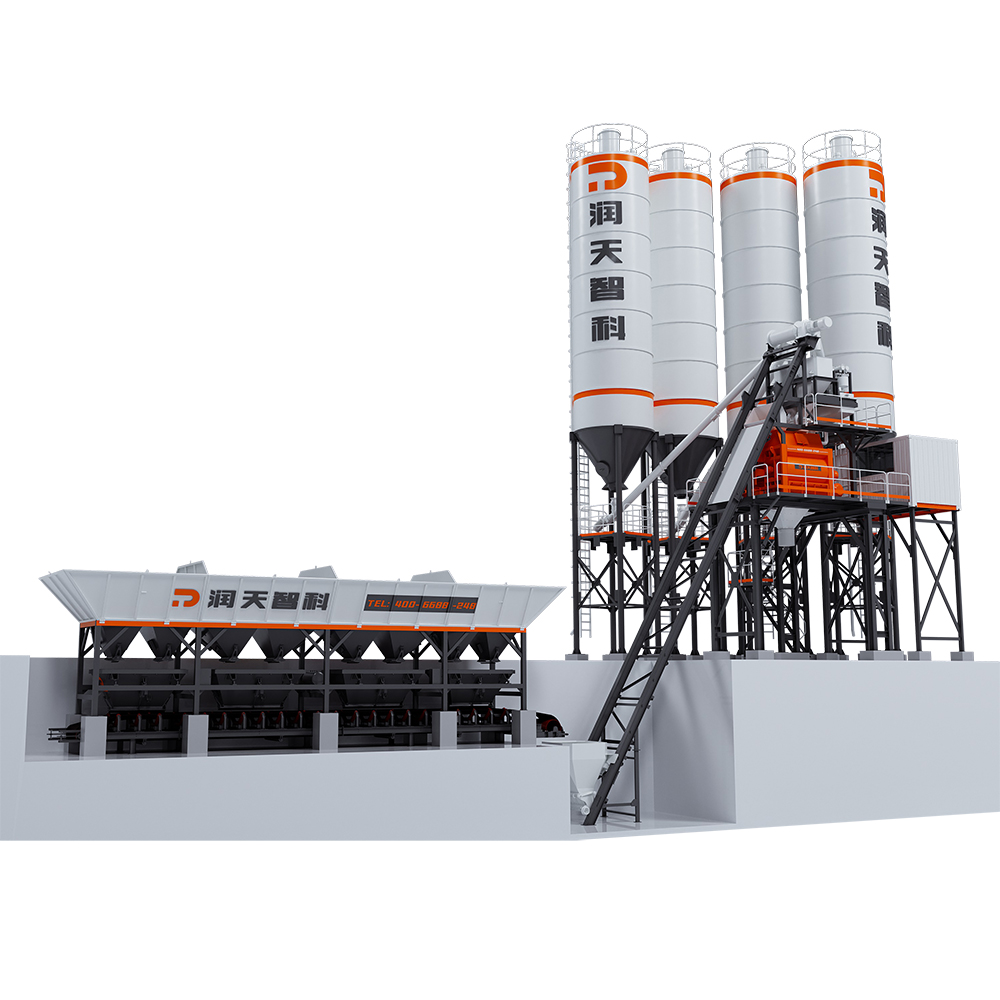 HZS Series Bucket-Lifting Type Concrete Mixing Plant
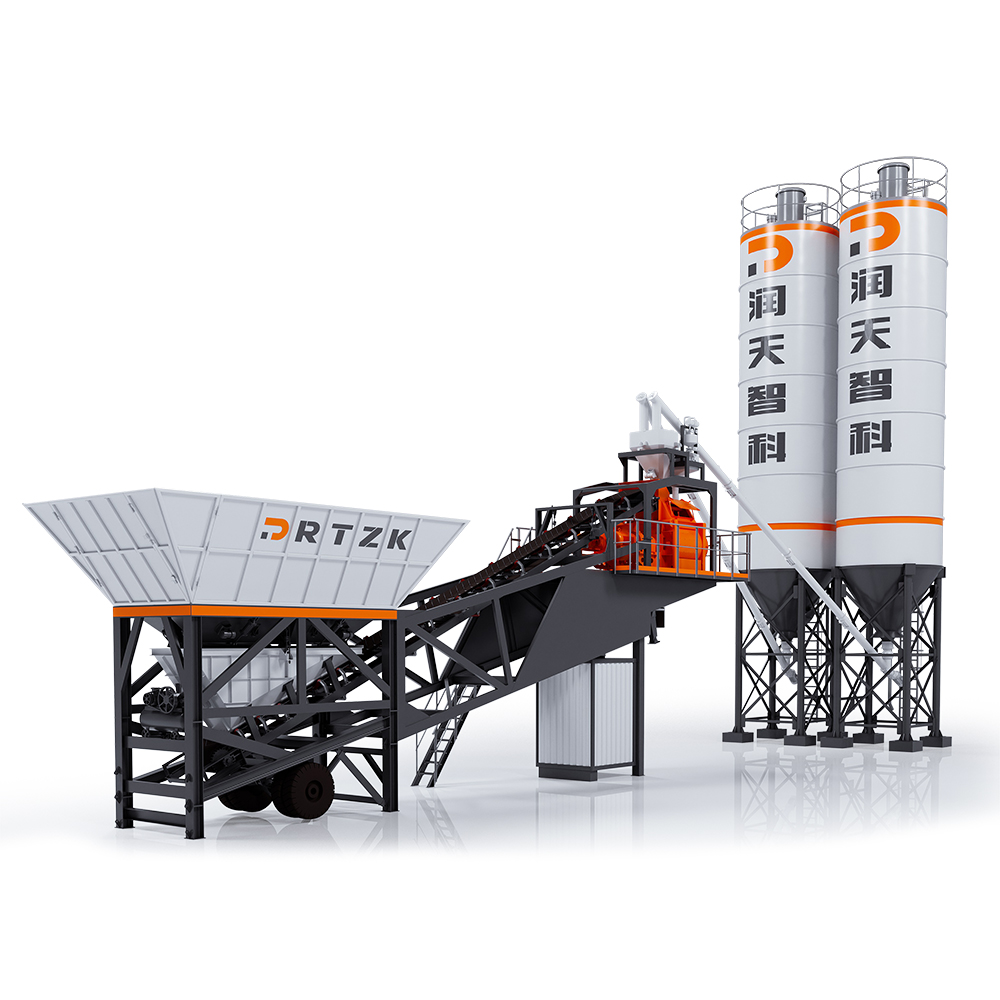 HZS Series Mobile Concrete Mixing Plant
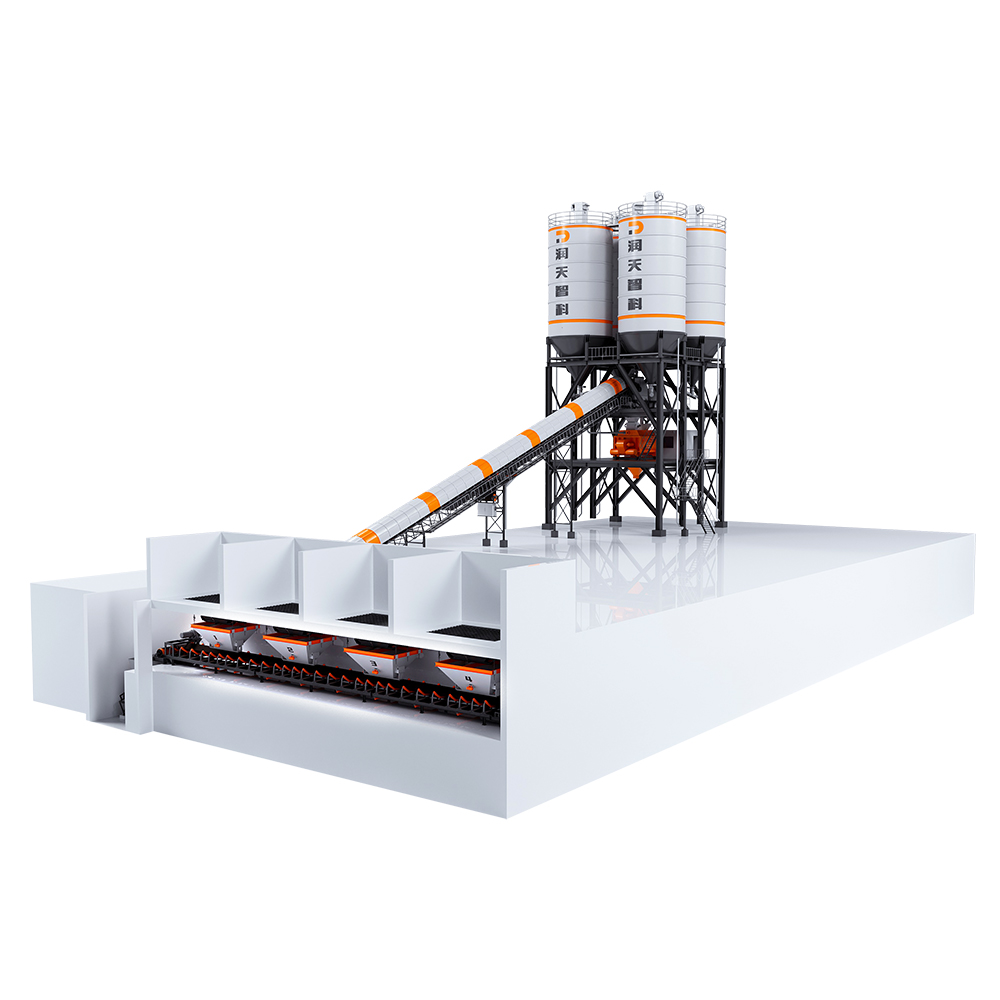 HZS Series Top-Mounted Concrete Mixing plant
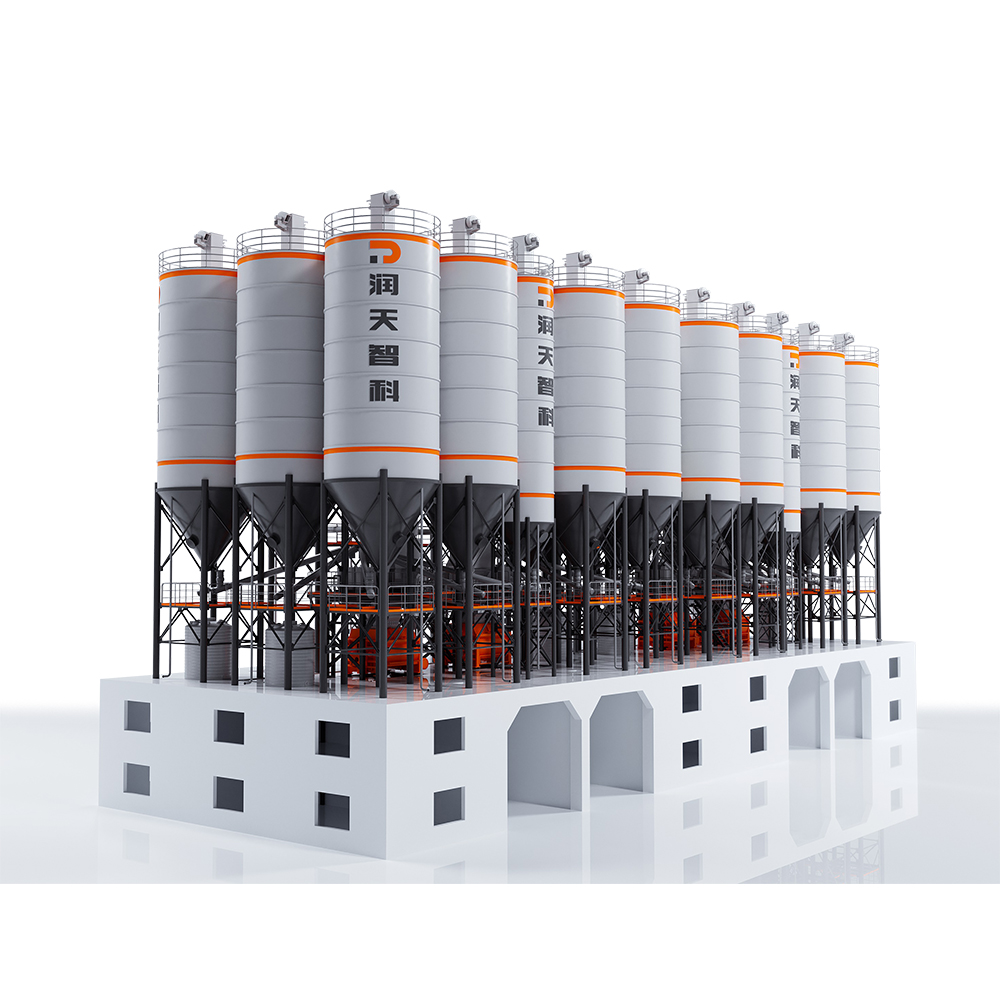 HZS Series Semi-Top Mounted Concrete Mixing Plant
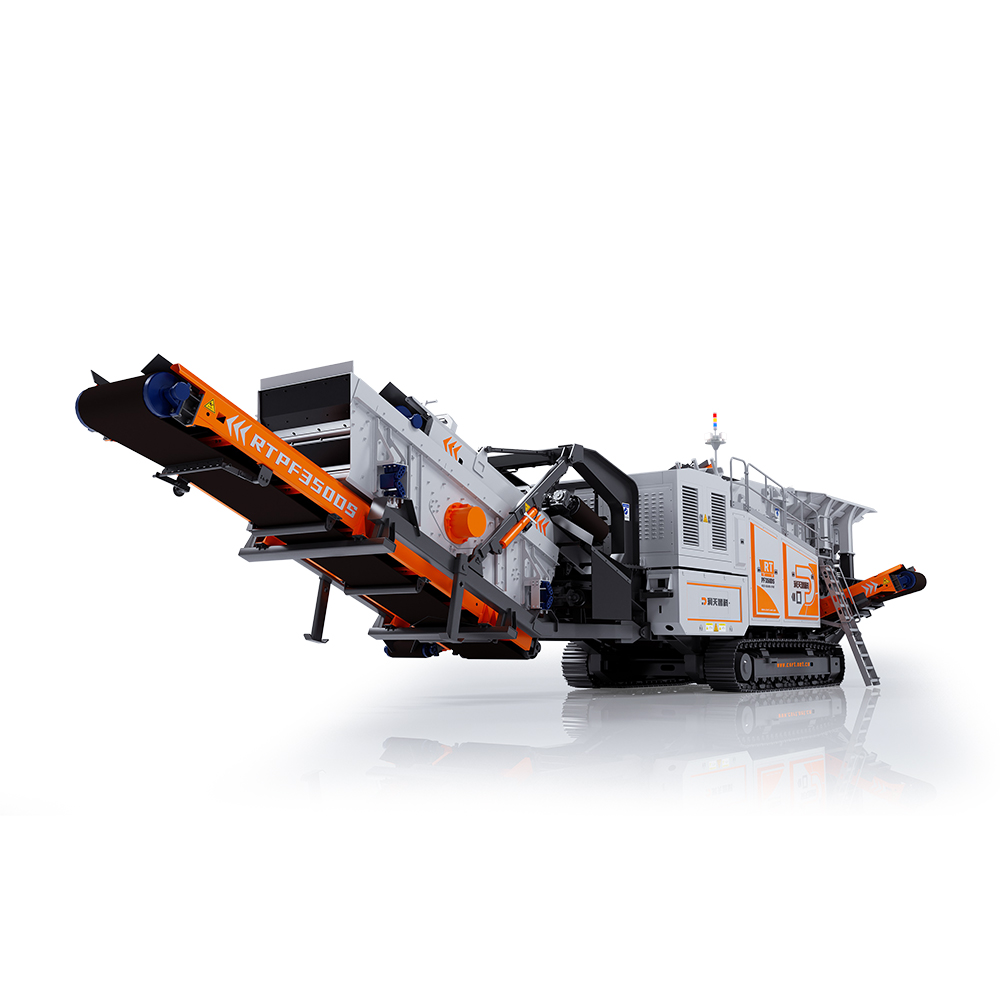 RTPF350DS Crawler Mobile Impact Crushing Plant
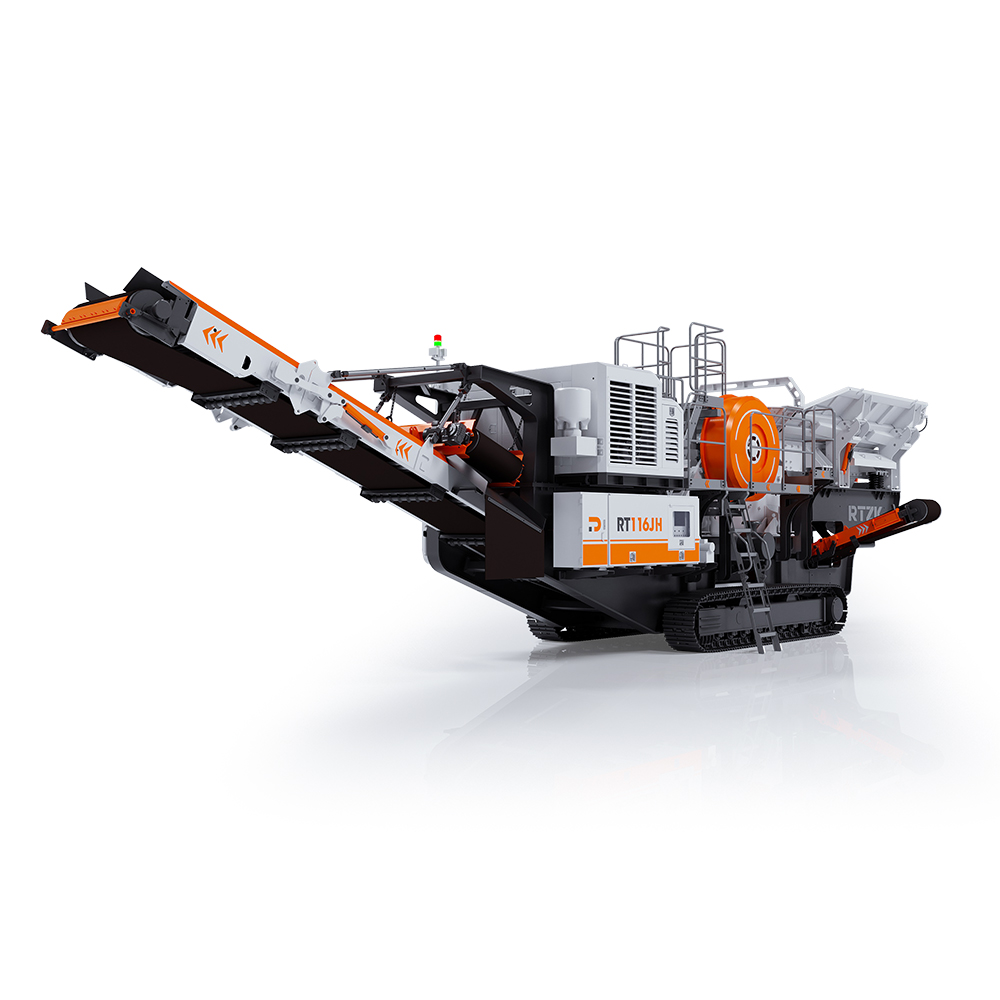 RT116JH Crawler Mobile Jaw Crushing Plant
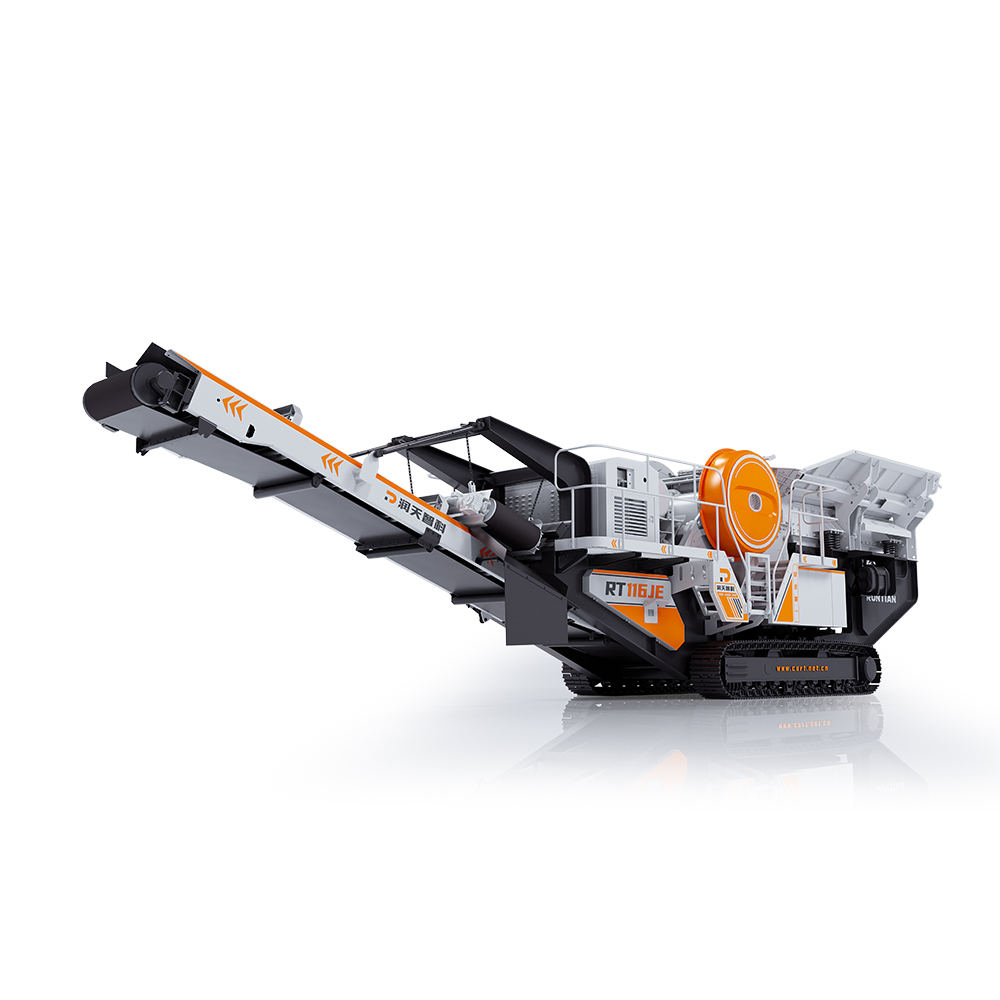 RT116JE Crawler Mobile Jaw Crushing Plant
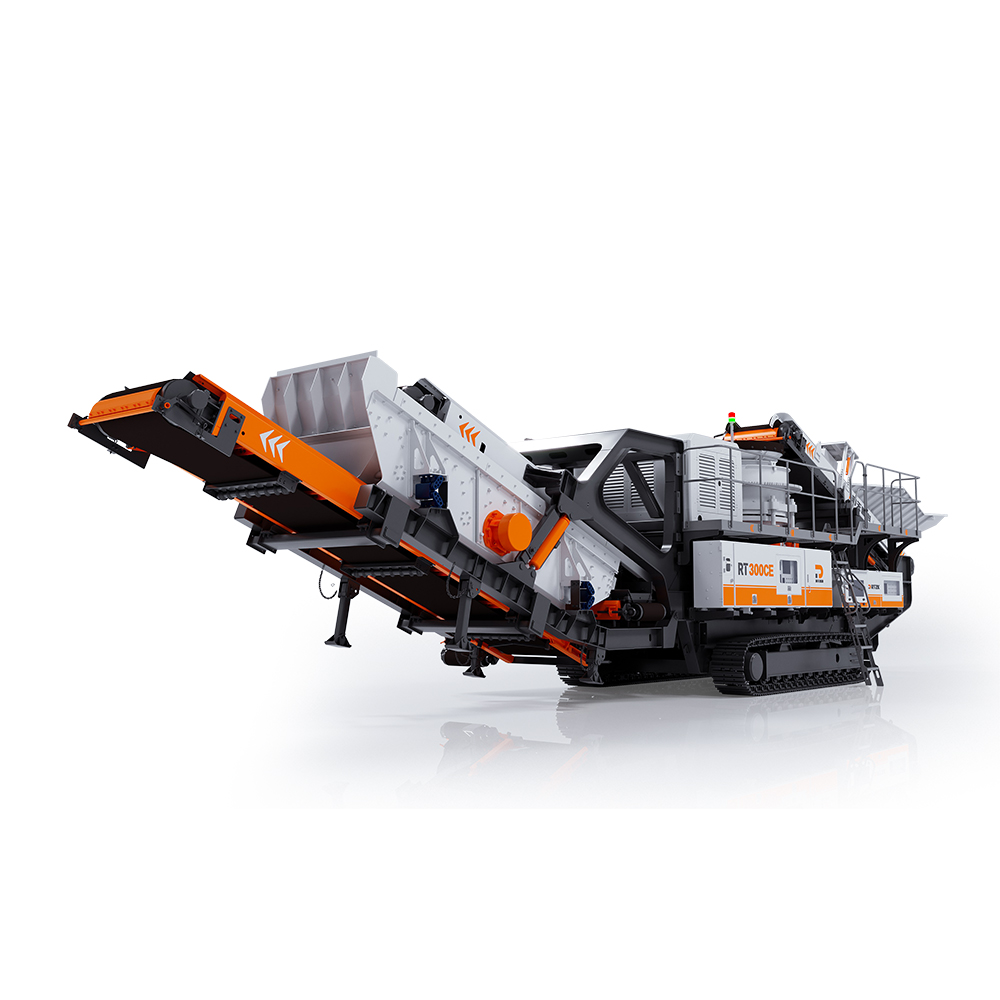 RT300CE Crawler Mobile Cone Crushing Plant
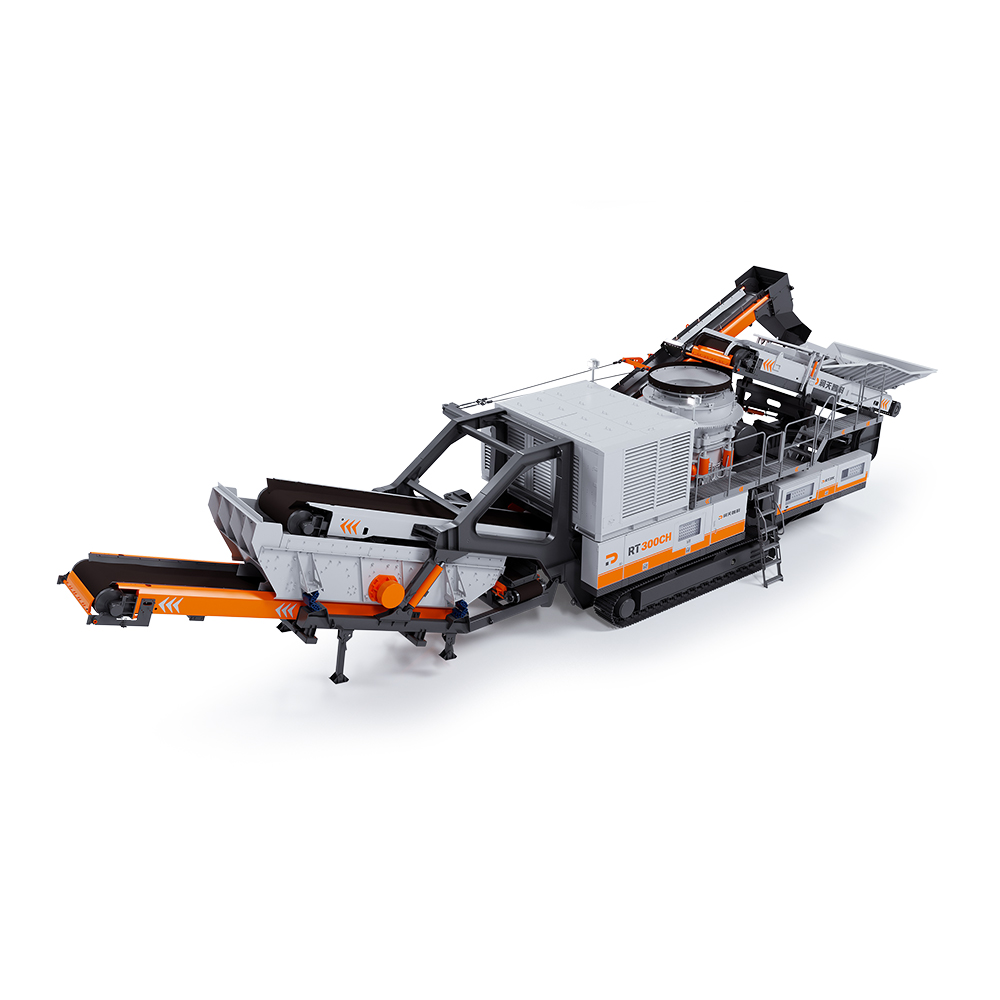 RT300CH Crawler Mobile Cone Crushing Plant
 RT5015H Mobile Scalping Screen
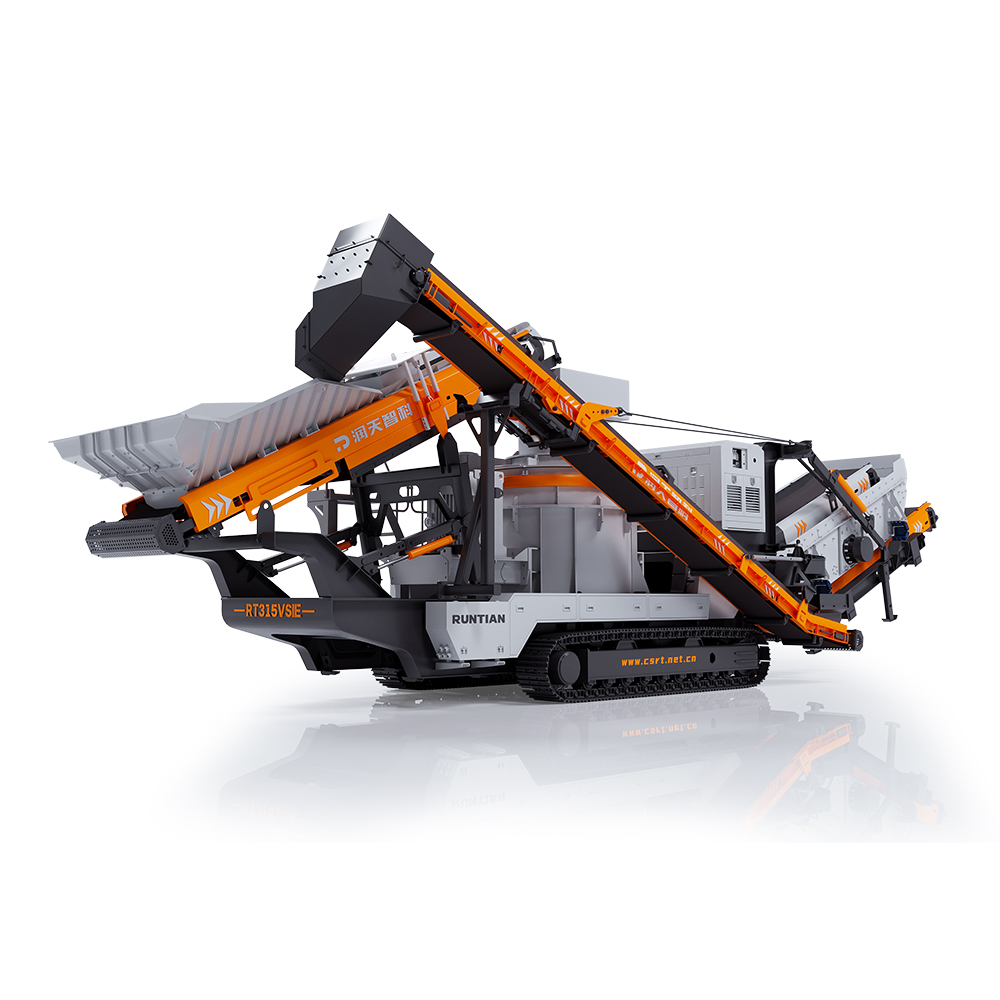 RT315VSIE Crawler Mobile Sand Maker
 RT3YK6020 Crawler Mobile Screening Plant
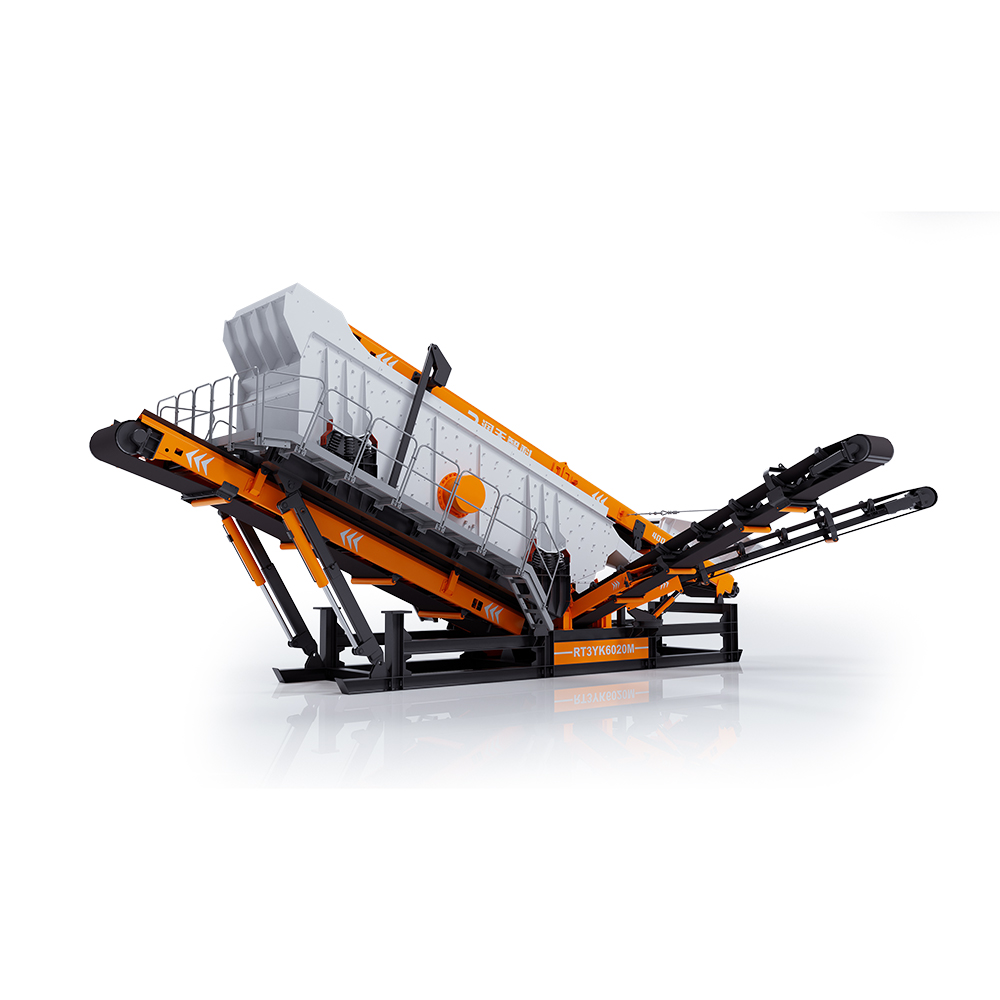 RT3YK6020M Modular Screening Plant
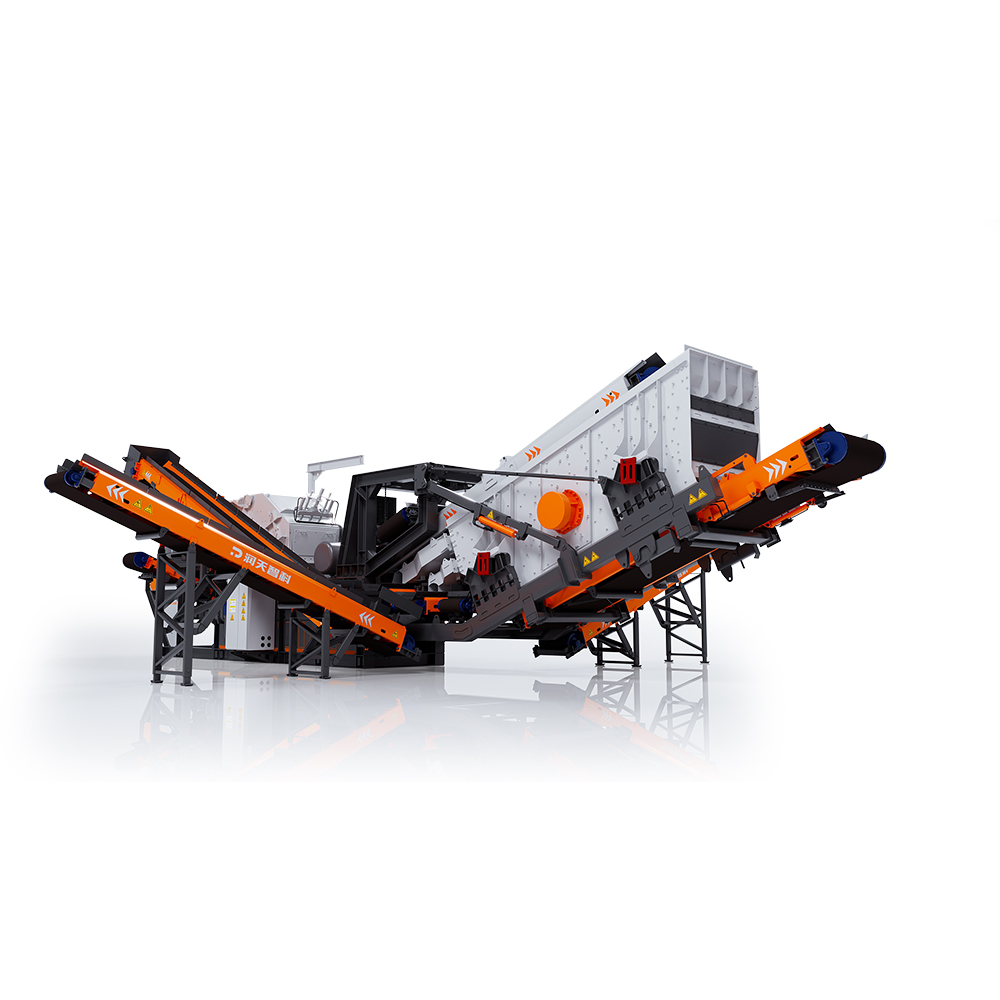 RTF260M Modular Counterattack Crushing and Screening Integrated Machine
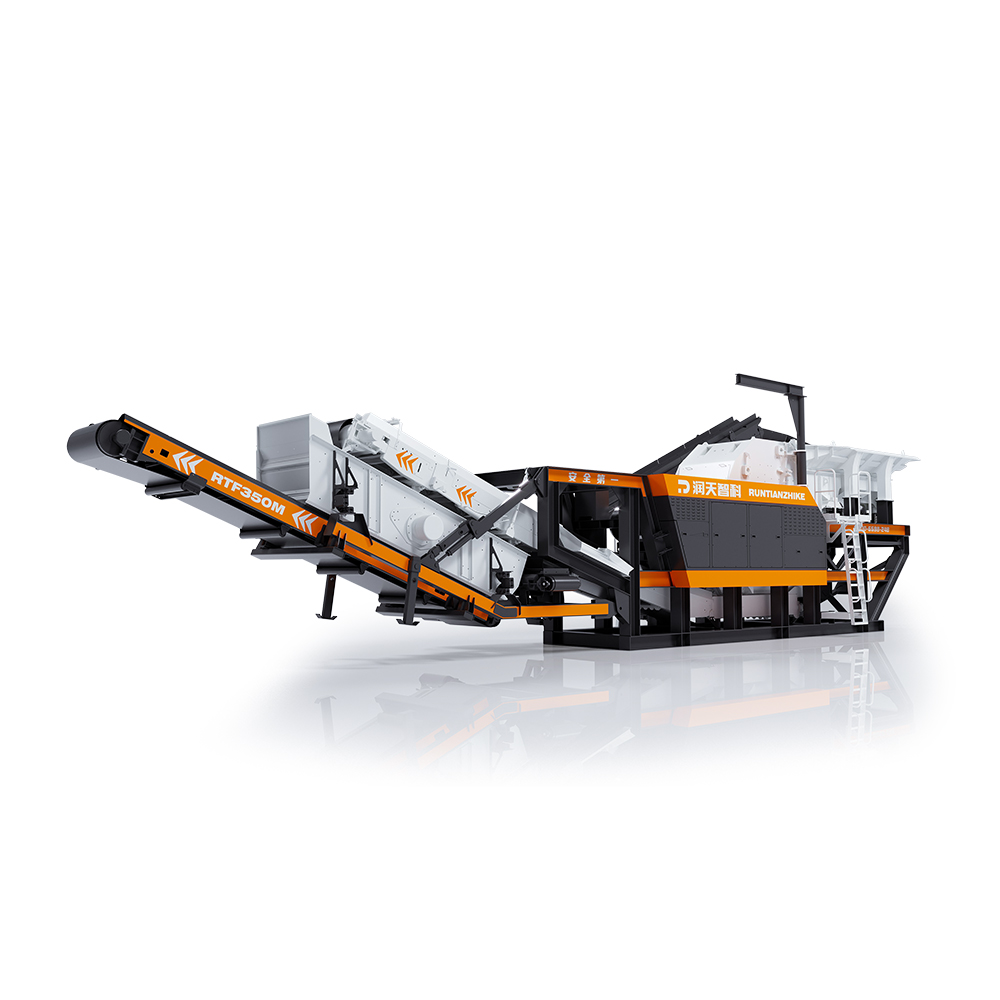 RTF350M Modular Impact Crushing Plant
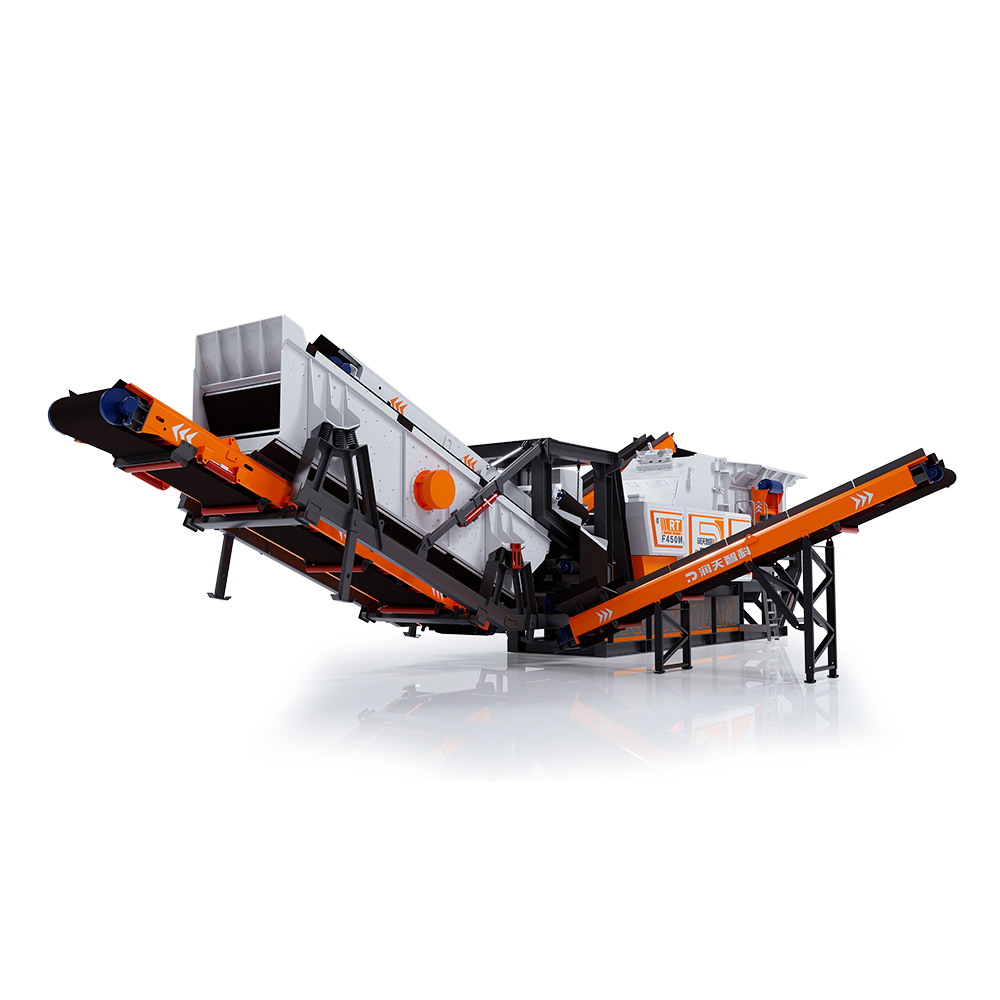 RTF450M Modular Impact Crushing Plant
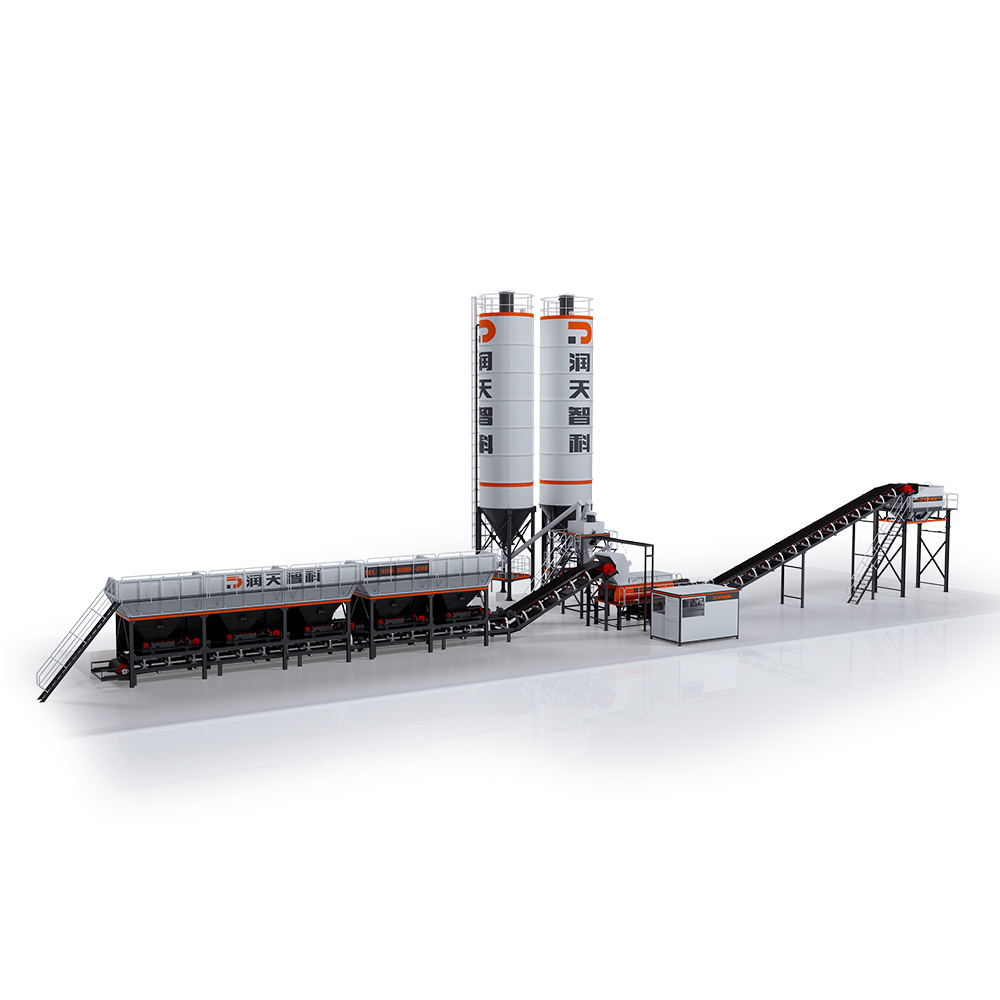 WDB Series Foundation-Free Stability Soil Mixing Plant
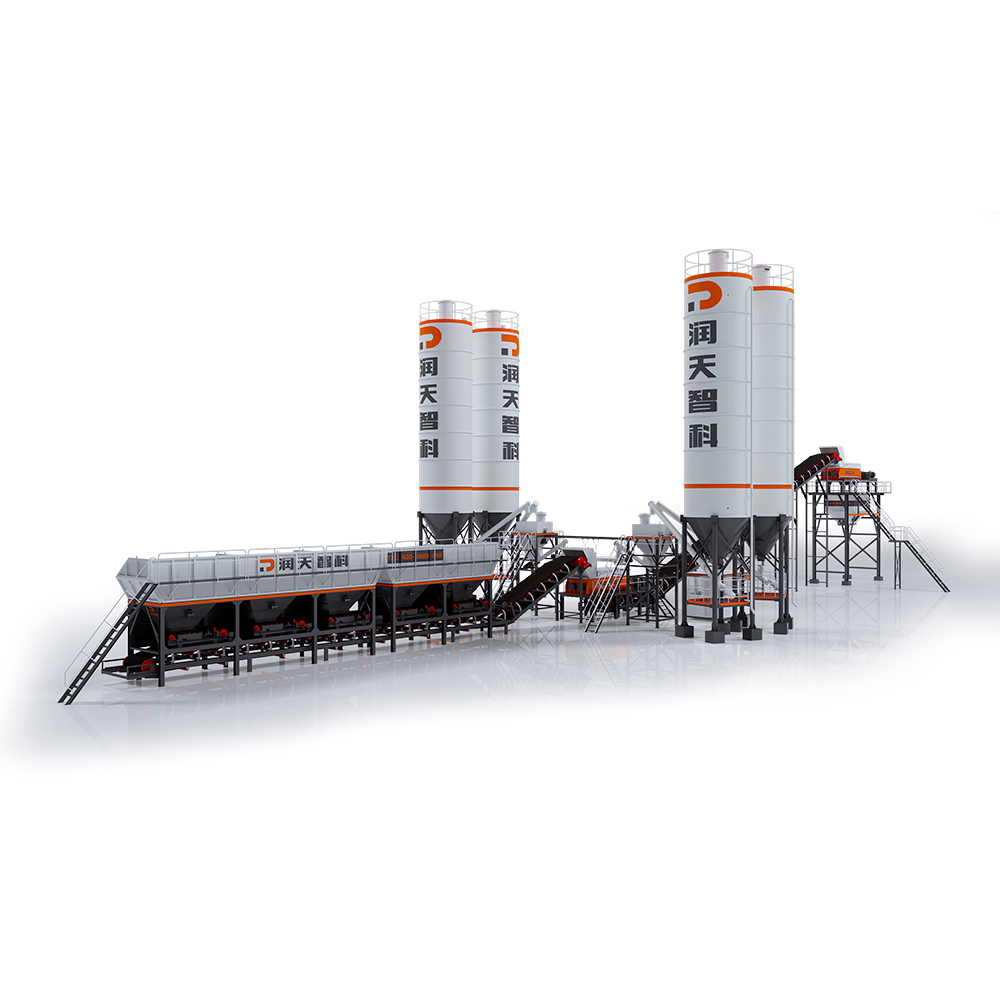 LCB Series Emulsified Asphalt Cold Regeneration Secondary Mixing Plant
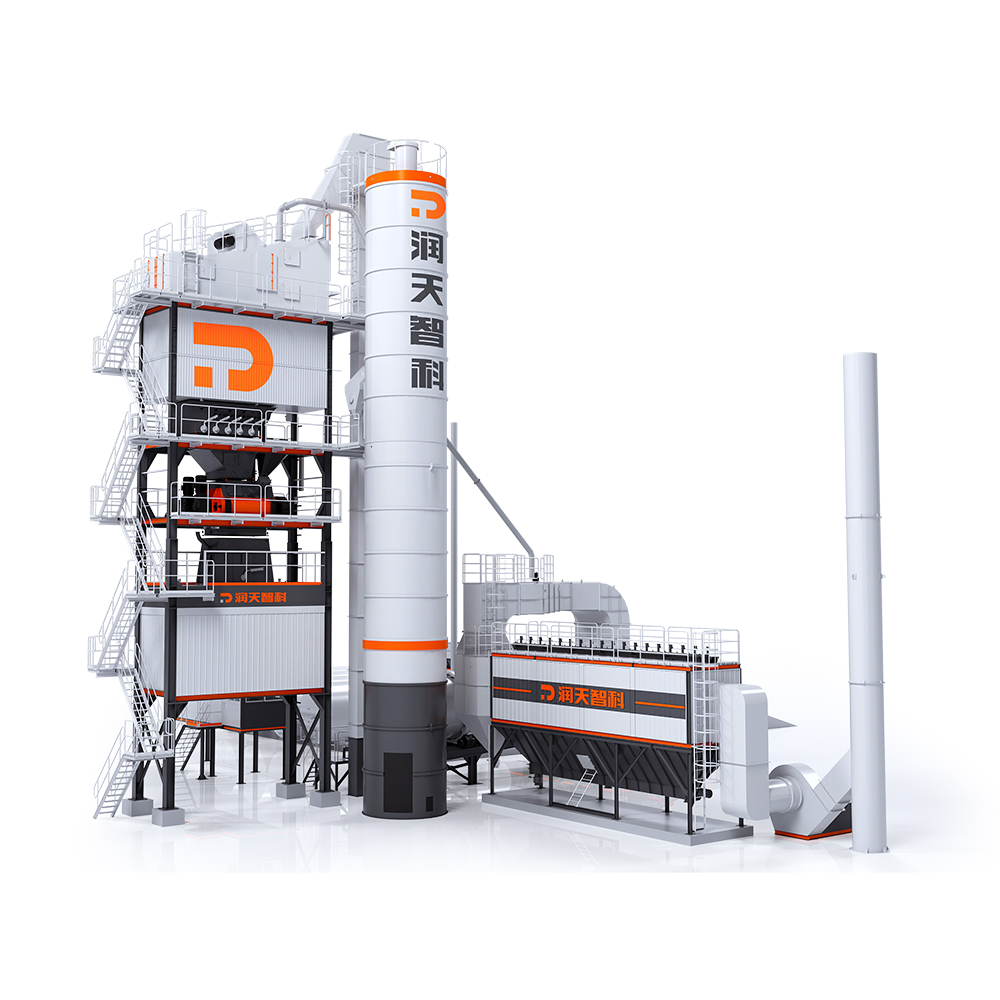 LB Series Asphalt Mixing Plant
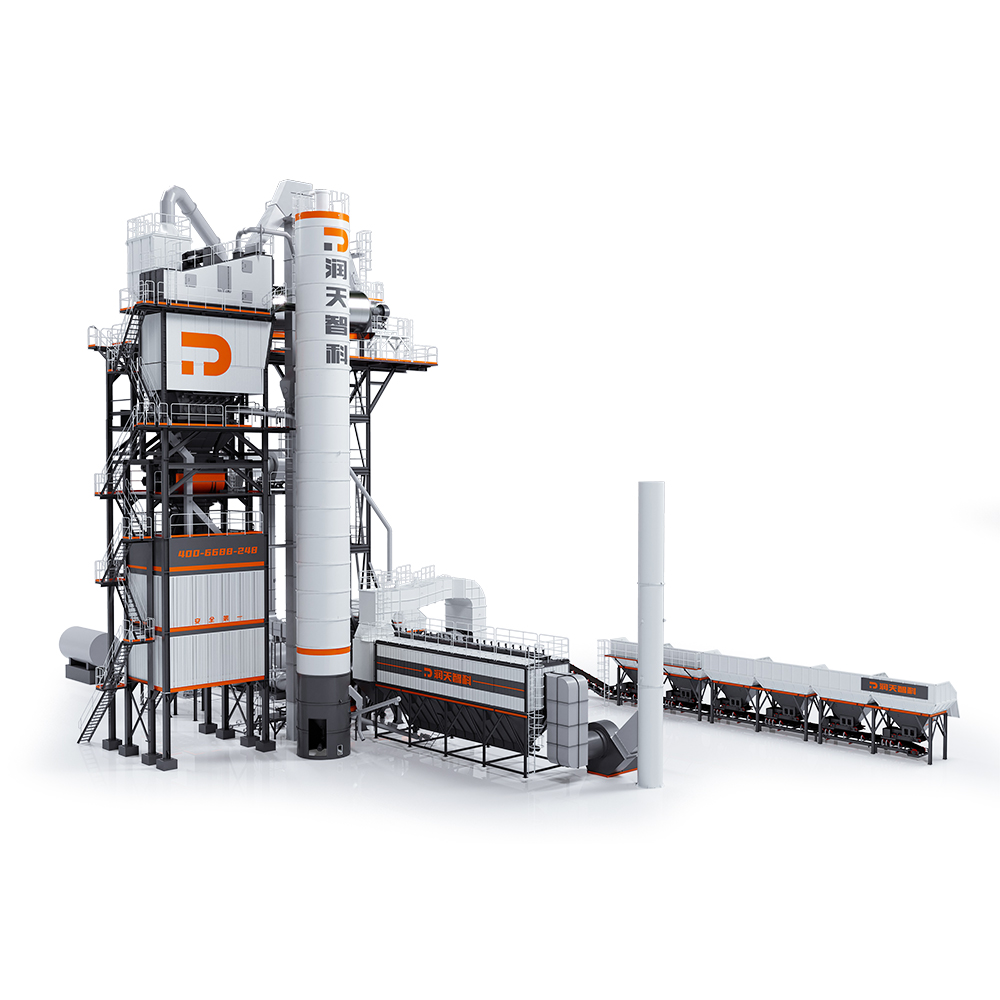 LBR Series Integrated Asphalt Mixing Plant
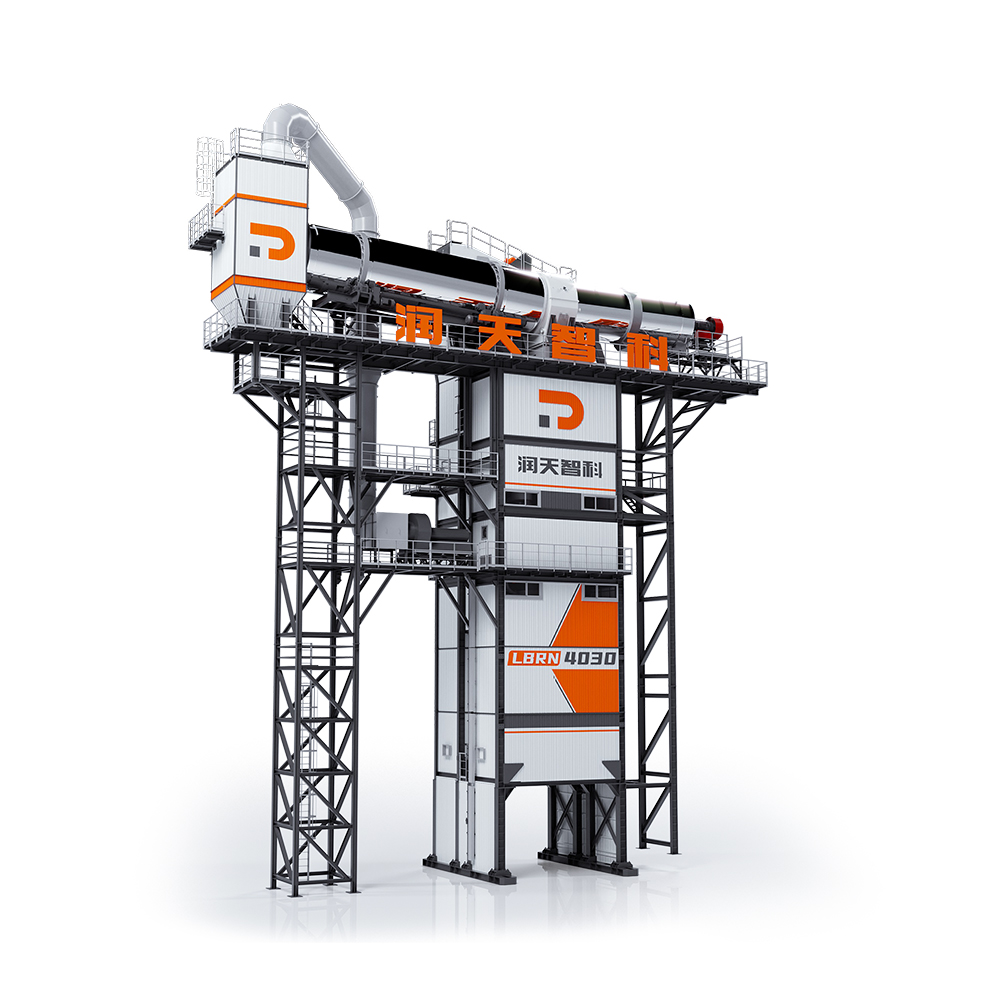 LBRN Series Counterflow Integral Asphalt Mixing Plant
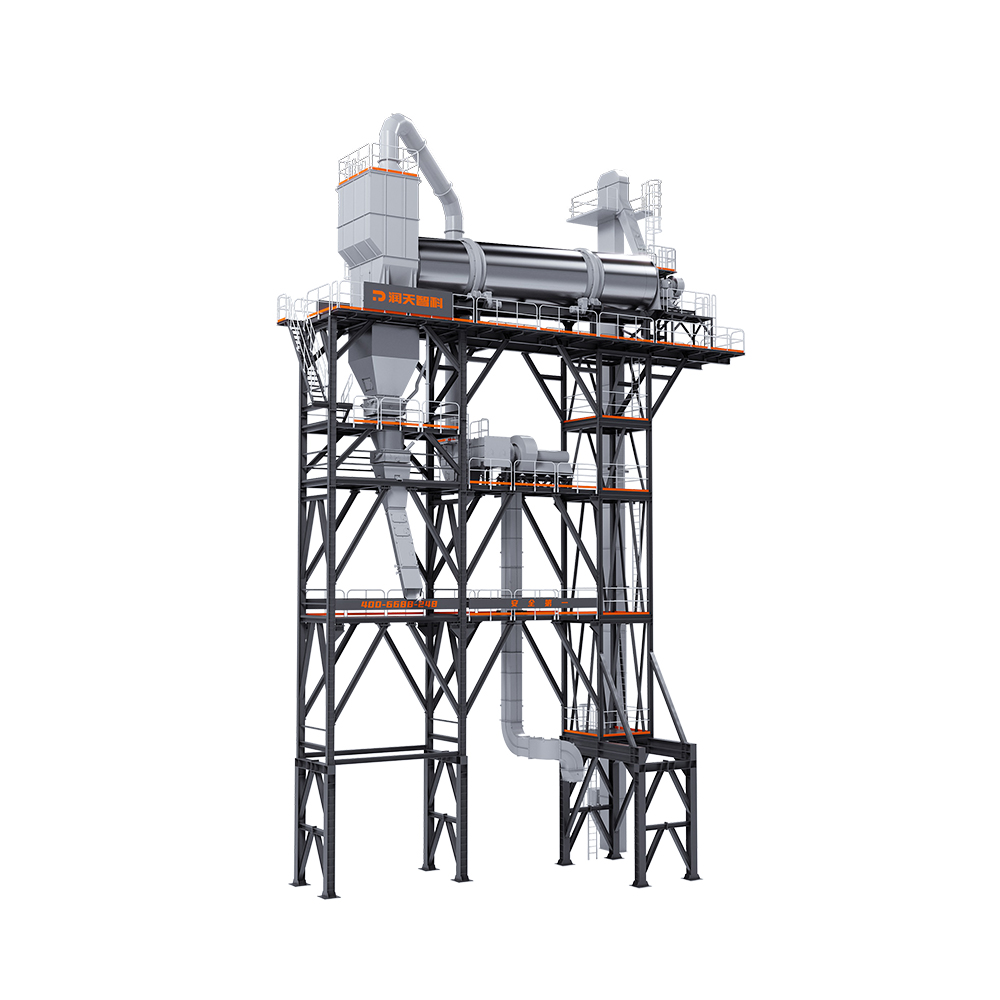 RZS Series Asphalt Mixing Plant
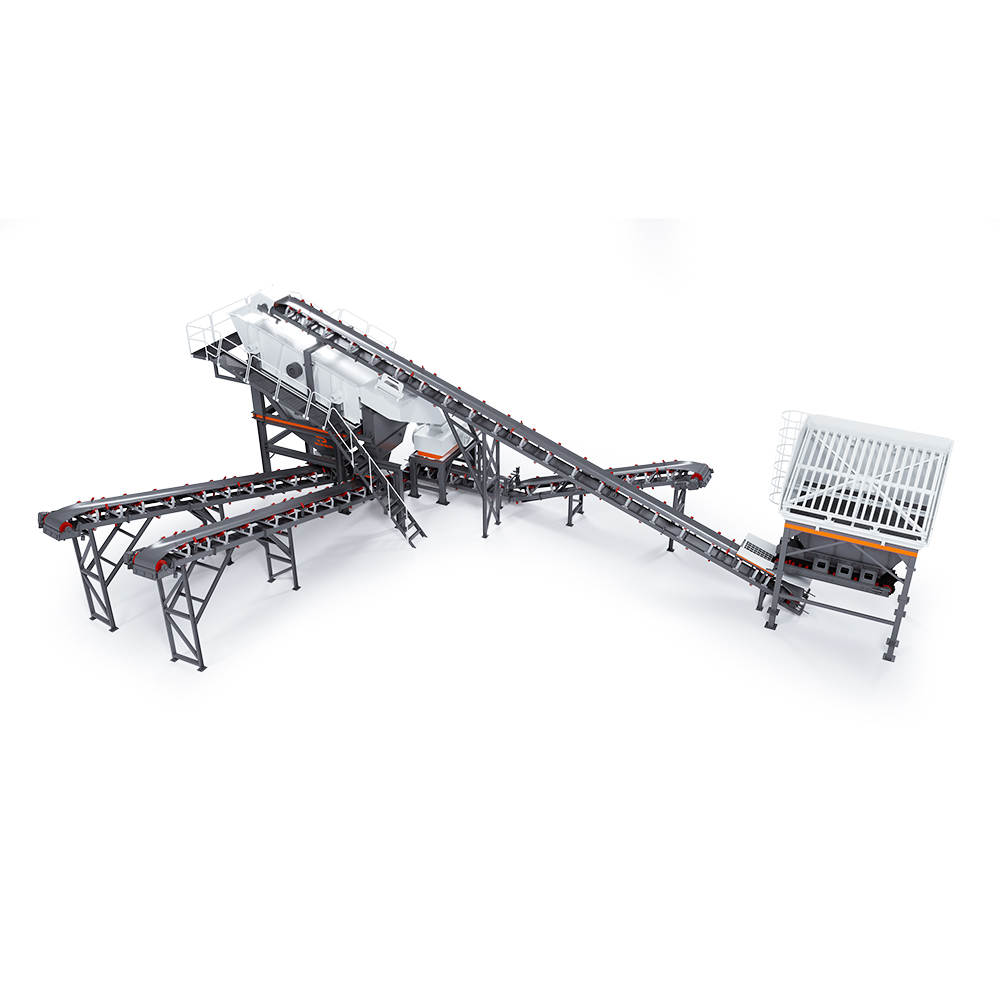 RTZS120 Series RAP Crushing & Screening Plant
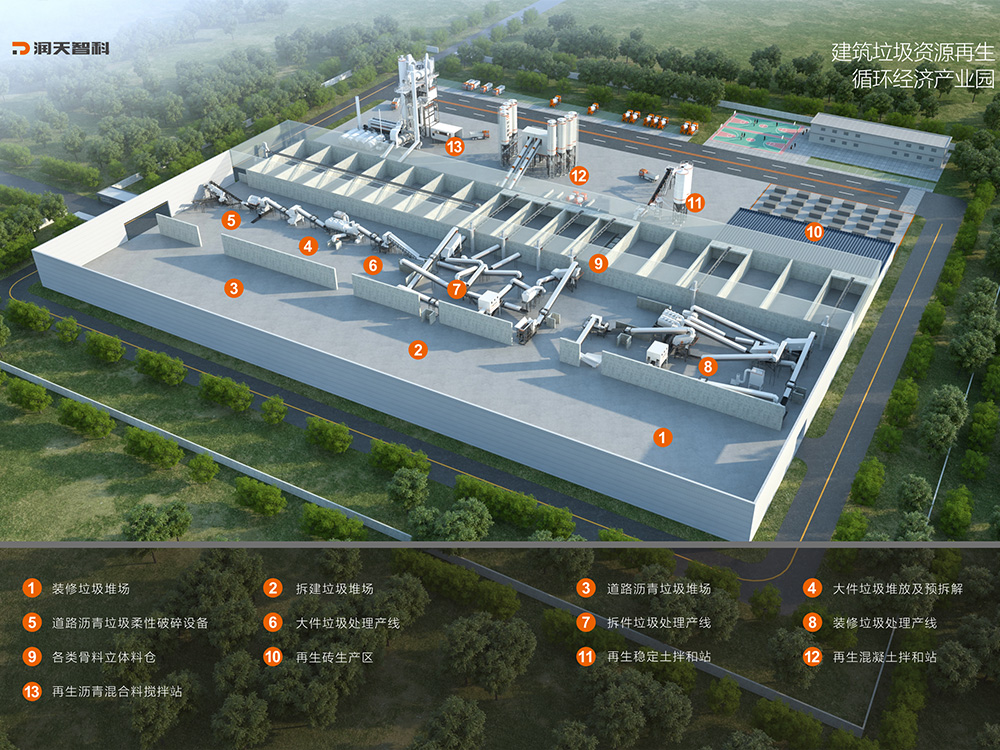 Construction Waste Resourceful Treatment Line