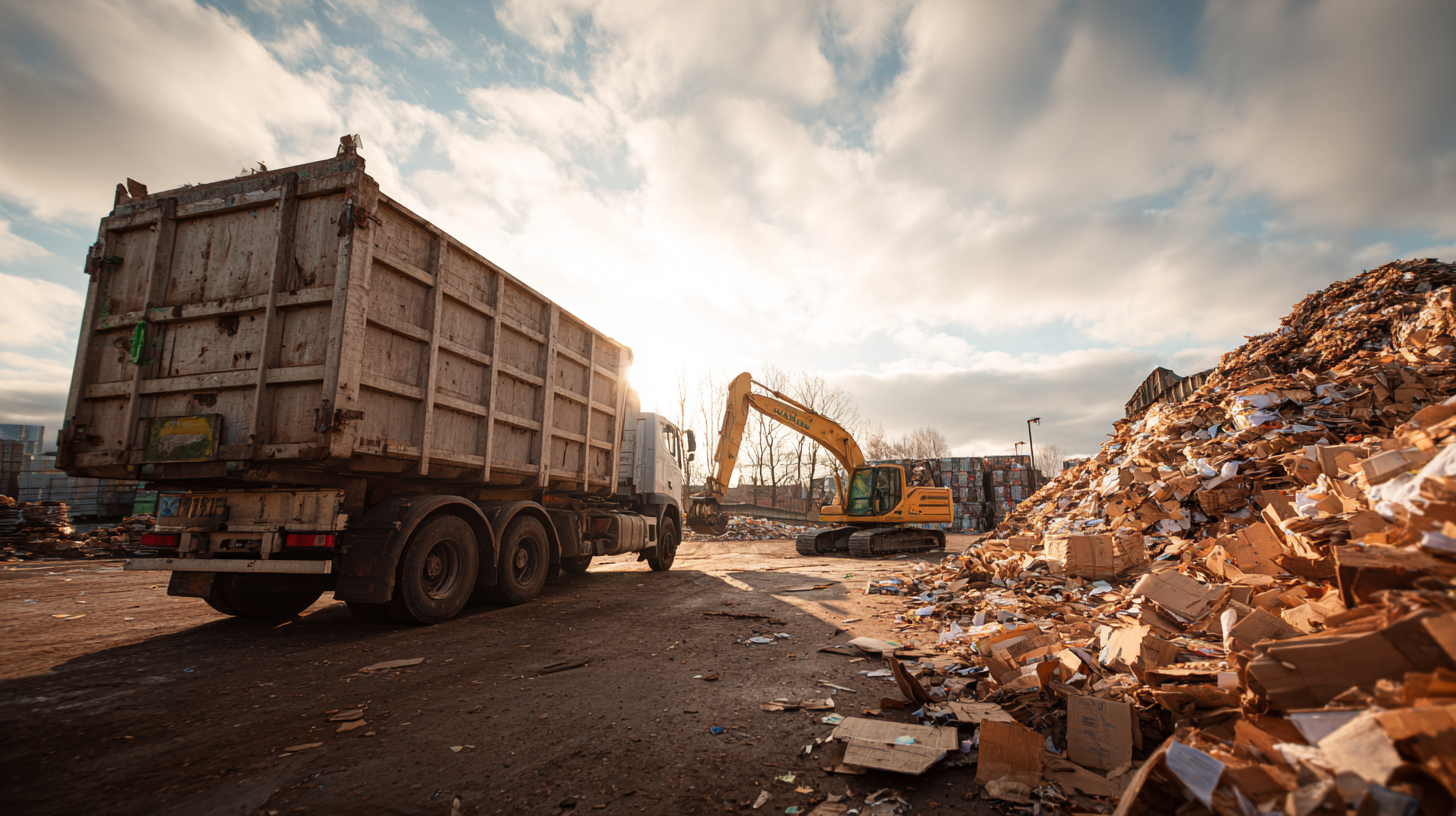
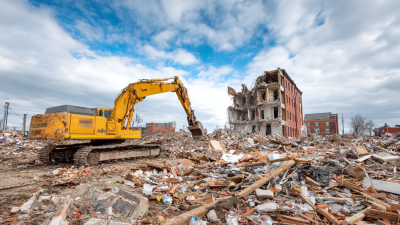
Transforming Builders Waste: Innovative Recycling Solutions for a Sustainable Future
The construction industry is a significant contributor to global waste, generating an estimated 2.2 billion tons of construction and demolition (C&D) waste each year, according to the World Economic Forum. As urbanization and infrastructure development accelerate, the imperative for effective Builders Waste Recycling becomes increasingly urgent.
Innovative solutions are emerging to transform builders waste into valuable resources, aiming to reduce landfill use and minimize environmental impact. Reports indicate that recycling C&D waste can save natural resources, reduce greenhouse gas emissions by up to 50%, and contribute significantly to a circular economy. By adopting advanced recycling techniques, the industry can not only mitigate waste-related challenges but also drive sustainability efforts, aligning with global targets such as the United Nations' Sustainable Development Goals.
Emphasizing Builders Waste Recycling is a critical step towards a sustainable future, promoting environmental stewardship and economic efficiency within the construction sector.
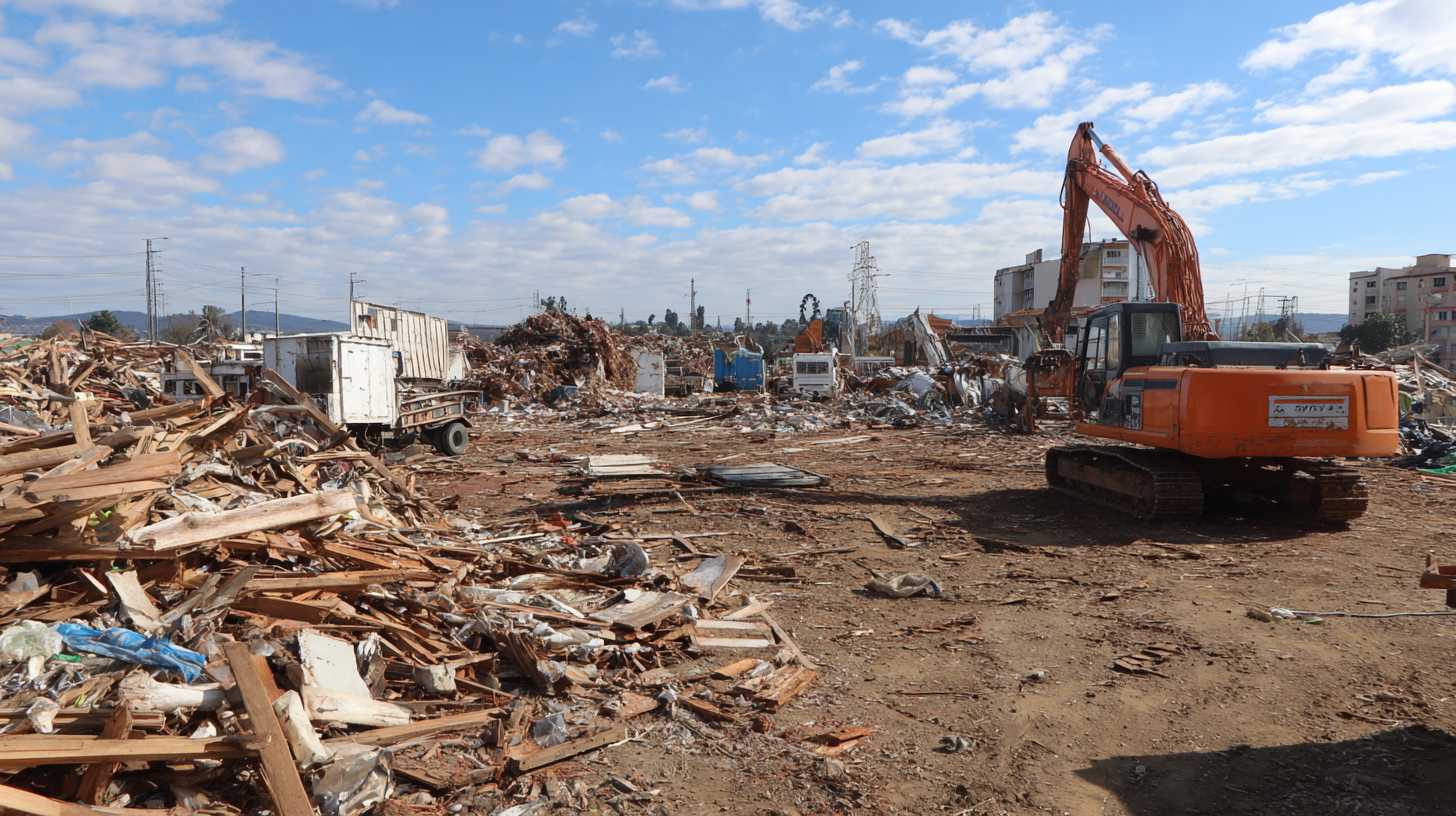
Innovative Technologies in Construction Waste Recycling for Sustainable Development
In recent years, the construction industry has recognized the critical importance of recycling waste materials to promote sustainability and minimize environmental impact. Innovative technologies in construction waste recycling are playing a pivotal role in this transformation. According to a report by the Construction and Demolition Recycling Association (CDRA), approximately 465 million tons of construction and demolition debris are generated annually in the United States alone. Remarkably, over 90% of this waste can be recycled, highlighting the untapped potential of innovative recycling solutions.
Emerging technologies such as advanced sorting systems, automated processing units, and the development of new materials have revolutionized how builders manage waste. For instance, the use of artificial intelligence (AI) in sorting waste can achieve over 95% accuracy in identifying recyclable materials, significantly enhancing efficiency. Moreover, research from the International Journal of Construction Management indicates that adopting circular economy principles within the construction sector could reduce greenhouse gas emissions by up to 40% by 2030. Implementing these innovative recycling technologies not only fosters a sustainable future but also contributes to the economic viability of the industry by reducing material costs and promoting resource recovery.
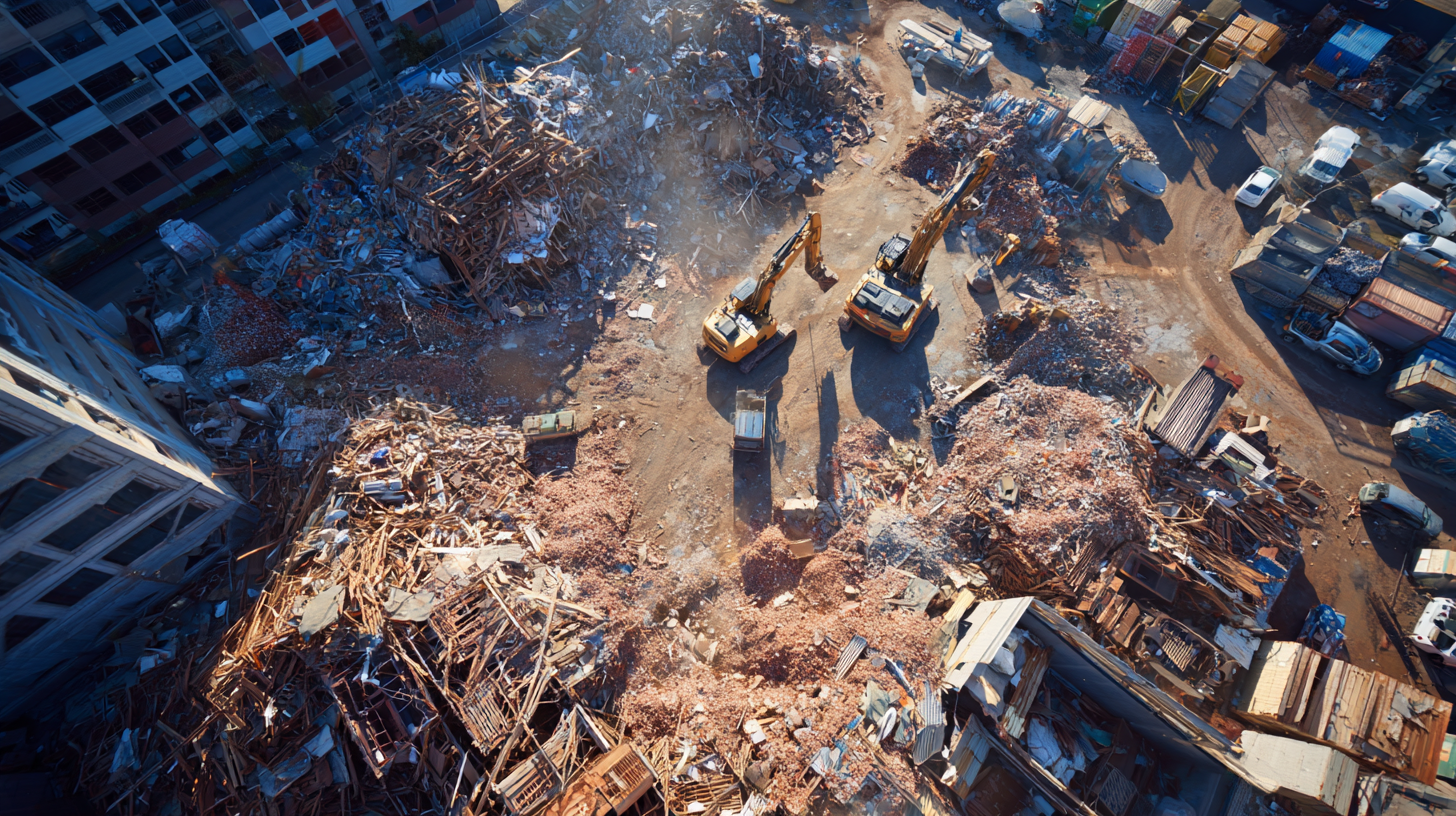
Current Statistics on Builders Waste Generation and Its Environmental Impact
The construction industry is a major contributor to global waste, with
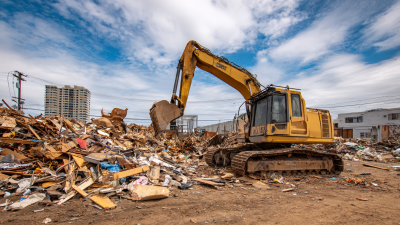
builders waste generation
estimated to reach over 1.6 billion tons annually, accounting for nearly one-third of all waste produced worldwide. According to the World Economic Forum, around 60% of this waste is recyclable, yet only about 10% is currently processed through recycling methods. The environmental impact of builders waste is profound, contributing to pollution, greenhouse gas emissions, and significant land use, which highlights the urgent need for innovative recycling solutions.
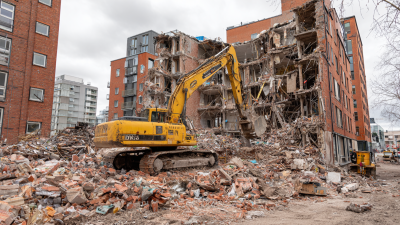
To address the mounting challenge of builders waste, incorporating sustainable practices is essential. Utilizing recovery strategies like deconstruction rather than demolition can vastly improve recycling rates, as it allows for salvaging materials that can be reused. Reports indicate that reclaimed materials can reduce costs by up to 20% while positively impacting environmental sustainability.
Tips:
1. Audit Your Waste: Regularly assess the types of waste generated on your projects to identify opportunities for recycling and reuse.
2. Engage with Local Recyclers: Building partnerships with local recycling facilities can streamline the process of disposing of materials responsibly.
3. Choose Sustainable Materials: Opt for materials with high recycled content and durability, ensuring long-term sustainability in future construction projects.
Case Studies of Successful Builders Waste Recycling Initiatives Globally
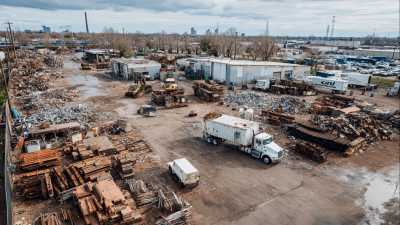
Across the globe, innovative recycling initiatives for builders' waste have emerged as vital solutions for sustainability in construction. In Sweden, the city of Malmö has leveraged a circular economy strategy to transform builders' waste into valuable resources. By implementing a systematic collection of construction debris and partnering with local recycling facilities, Malmö has successfully diverted over 90% of its construction waste from landfills. This effort not only minimizes environmental impact but also promotes the reuse of materials, dramatically reducing the need for virgin resources.
Similarly, in Australia, the "Waste to Energy" project in Melbourne has demonstrated the potential of converting builders' waste into energy. This initiative focuses on the collection and processing of wood, concrete, and metals from construction sites, repurposing these materials to generate clean energy. The project not only addresses the growing issue of construction waste but also supports the city’s energy needs, illustrating a practical approach to integrating waste management with sustainable energy solutions. These case studies exemplify how collaborative efforts and innovative practices can lead to substantial improvements in builders' waste recycling, fostering a more sustainable future in the construction industry.
Transforming Builders Waste: Innovative Recycling Solutions for a Sustainable Future
| Initiative |
Location |
Recycling Method |
Materials Recycled |
Impact (tonnes/year) |
| Waste Concrete Recycling |
Germany |
Crushing and Screening |
Concrete |
150,000 |
| Wood Waste Recovery |
Canada |
Chipping and Reprocessing |
Wood |
50,000 |
| Glass Recycling Initiative |
Australia |
Melting and Reprocessing |
Glass |
30,000 |
| Plastic Waste Program |
UK |
Pelletizing |
Plastic |
20,000 |
| Metal Recovery Project |
USA |
Shredding and Melting |
Metals |
100,000 |
Economic Benefits of Recycling Builders Waste: Cost Savings and Job Creation
Recycling builders waste presents significant economic benefits that extend beyond environmental sustainability. By implementing innovative recycling solutions, construction companies can achieve substantial cost savings. Rather than paying for landfill fees, recycling materials can minimize disposal costs while providing an avenue for reusing valuable resources. Additionally, salvaged materials can often be refurbished for new projects, further lowering materials costs and promoting a circular economy within the construction industry.
Tips: To maximize savings and efficiency, consider establishing partnerships with local recycling facilities. Collaborating with these organizations can ease the logistics of waste management and facilitate the collection of recyclable materials. Moreover, training employees in waste segregation practices can significantly improve recycling rates on site.
Furthermore, the recycling sector itself has the potential to create numerous jobs. As demand for recycled materials increases, new roles in sorting, processing, and distributing these resources will emerge. This growth not only benefits the economy but also contributes to a skilled workforce, supporting communities and fostering local development in the construction sector. Embracing builders waste recycling is a win-win for economic growth and environmental responsibility.
Future Trends in Builders Waste Management: Circular Economy Approaches and Digital Solutions
The construction industry is undergoing a significant transformation as it embraces circular economy approaches to manage builders’ waste. Traditional linear models, which often lead to substantial landfill contributions, are being replaced by innovative practices that focus on waste reduction, reuse, and recycling.
For instance, materials such as concrete, wood, and metals are being reprocessed and reintegrated into new construction projects, minimizing the need for virgin resources. This shift not only enhances sustainability but also reduces overall project costs, making it a win-win for both builders and the environment.
Digital solutions are playing a pivotal role in this transition. Technologies such as Building Information Modeling (BIM) and waste tracking software are enabling construction firms to plan more effectively and monitor waste generation in real-time. These tools allow for the identification of reusable materials and optimize logistics for waste disposal, further promoting sustainable practices.
As the industry continues to adapt, staying ahead of future trends in builders’ waste management will be crucial. Incorporating digital innovations alongside circular economy principles could set a new standard in achieving environmental goals and fostering a more sustainable construction landscape.

 Concrete Mixing Plant
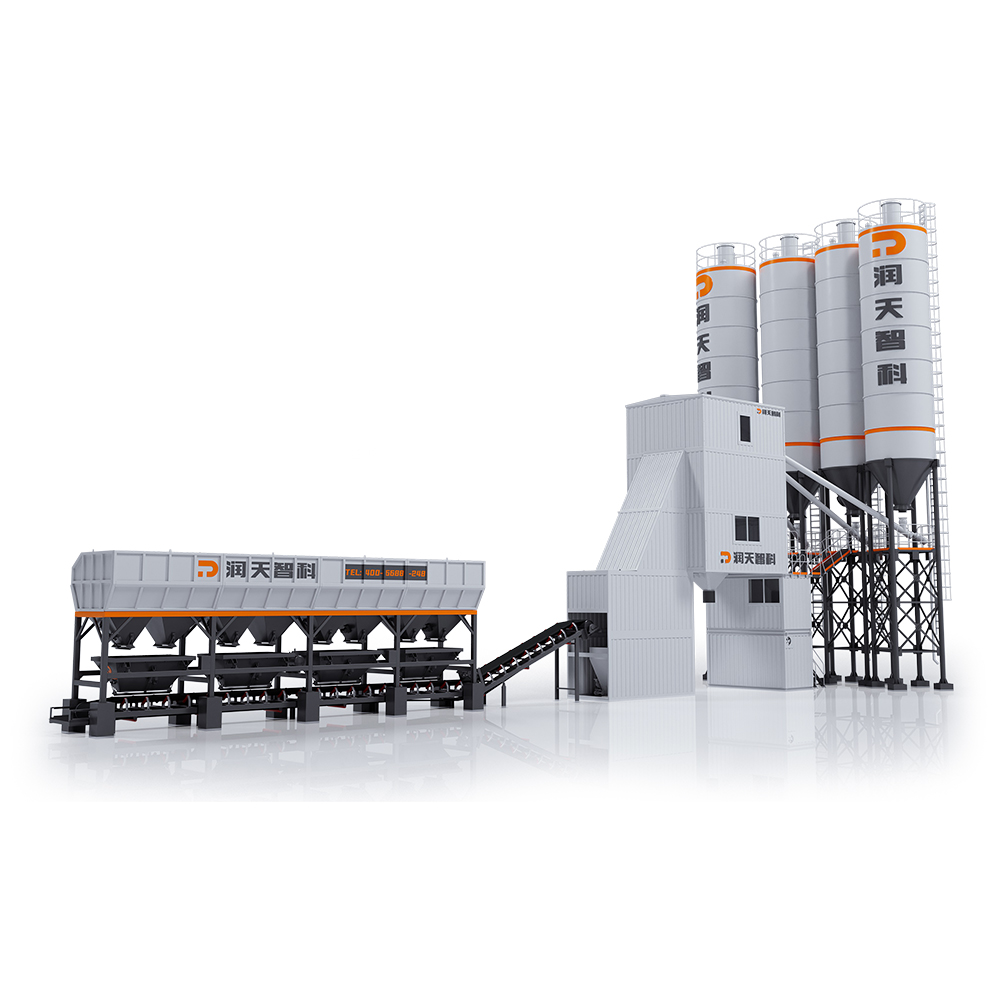
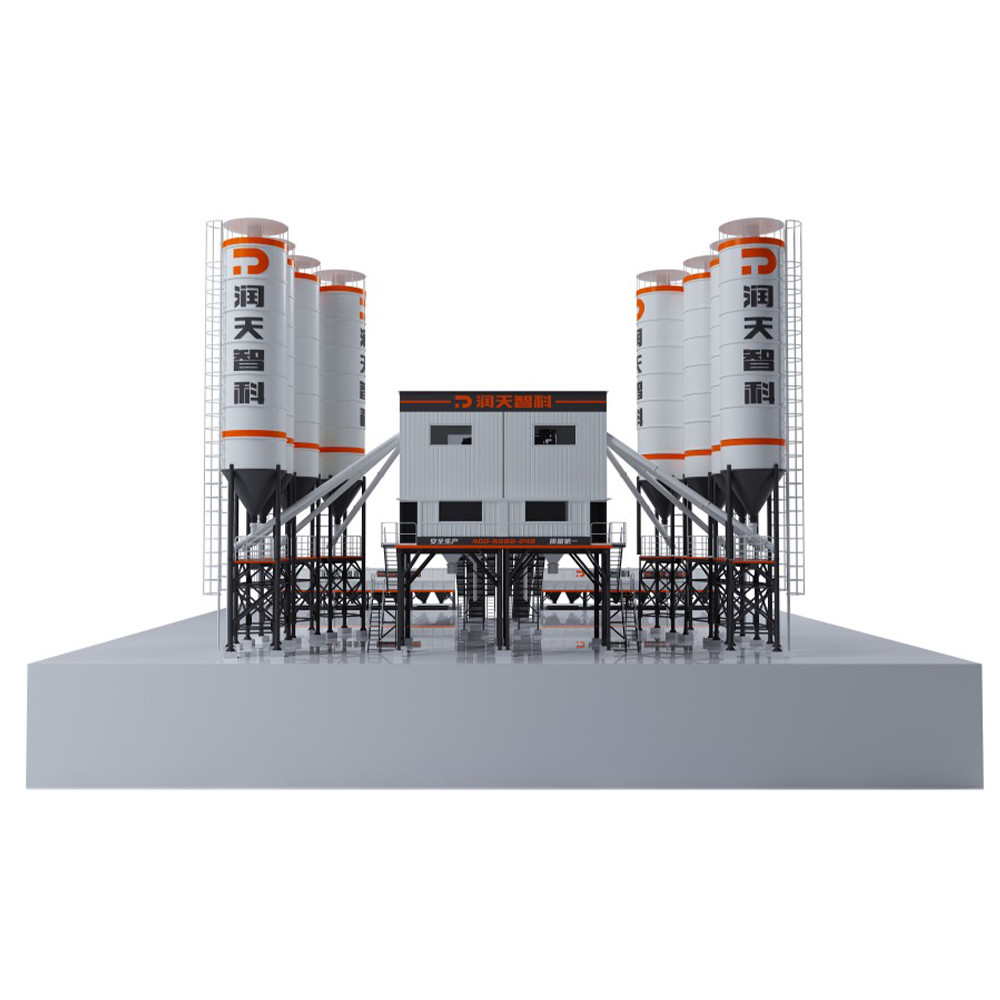 HZS Series Belt Concrete Mixing Plant
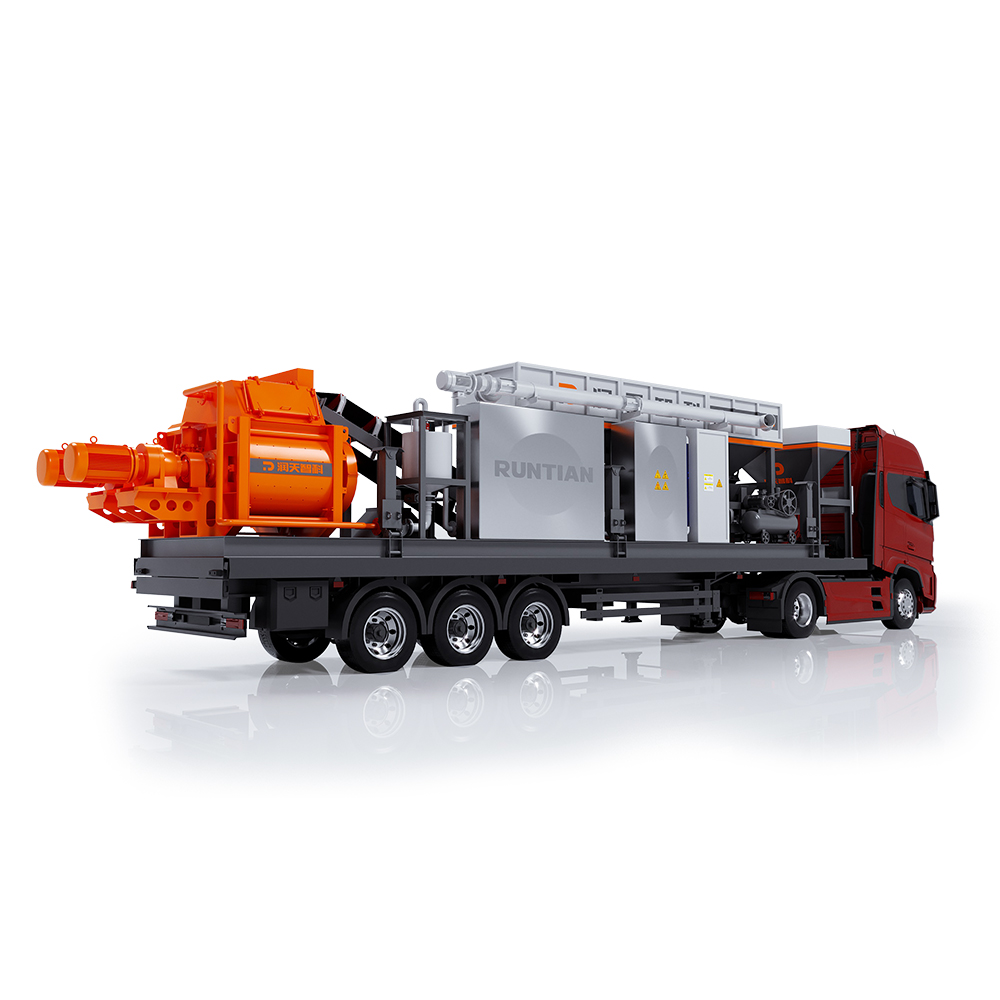
 HZS Series Bucket-Lifting Type Container Concrete Mixing Plant
 HZS60 Mobile Concrete Mixing Plant
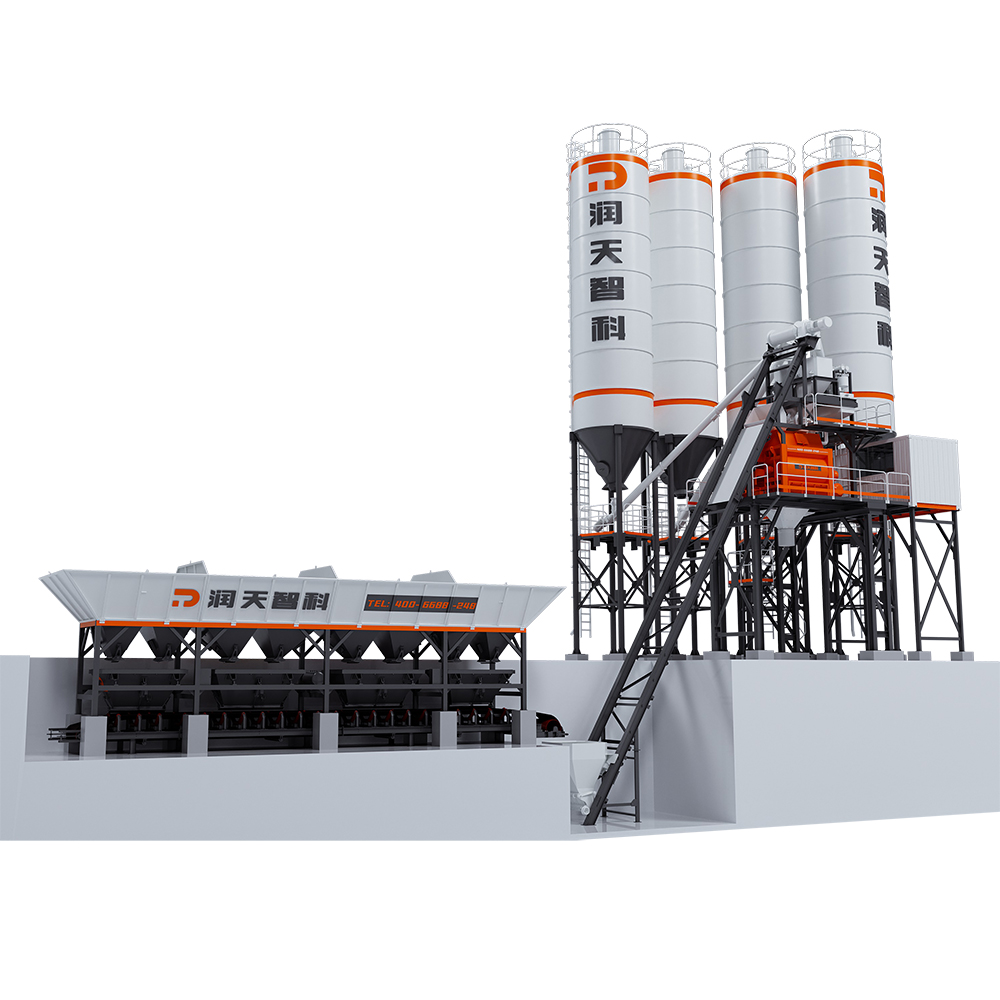 HZS Series Bucket-Lifting Type Concrete Mixing Plant
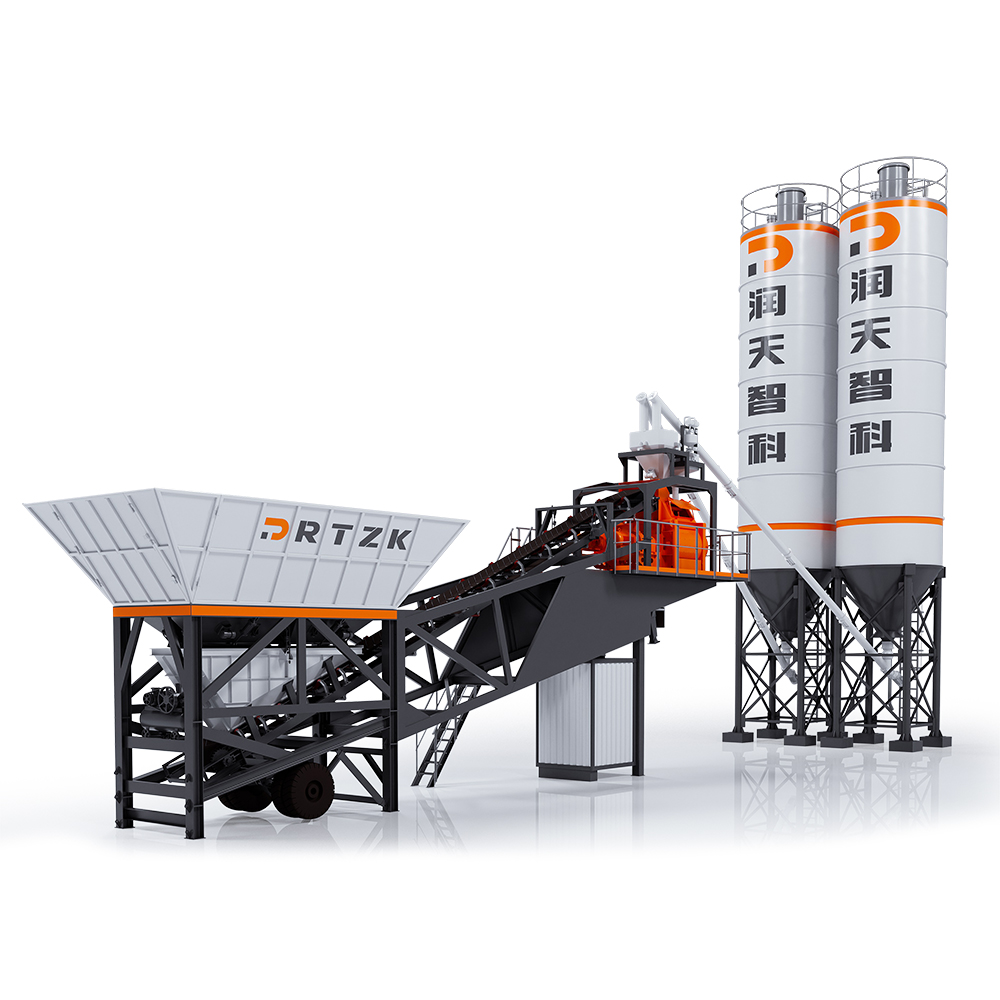 HZS Series Mobile Concrete Mixing Plant
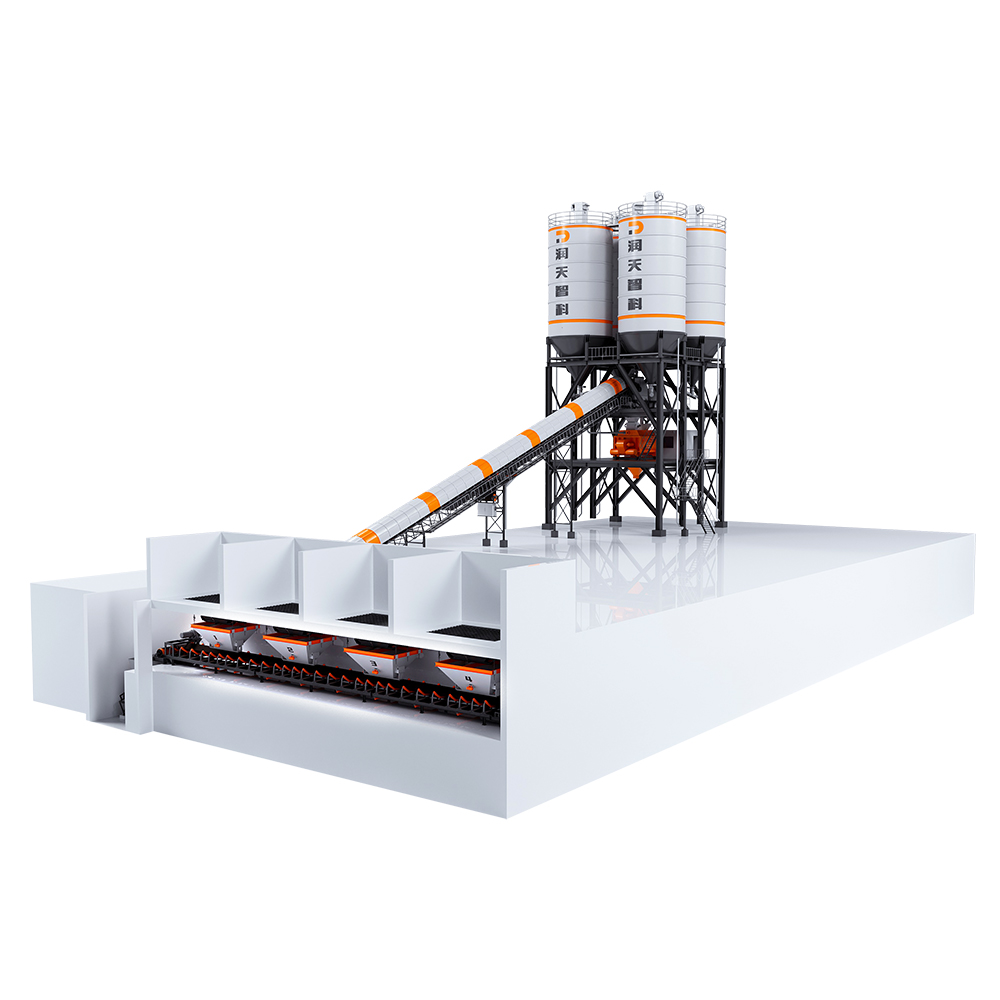 HZS Series Top-Mounted Concrete Mixing plant
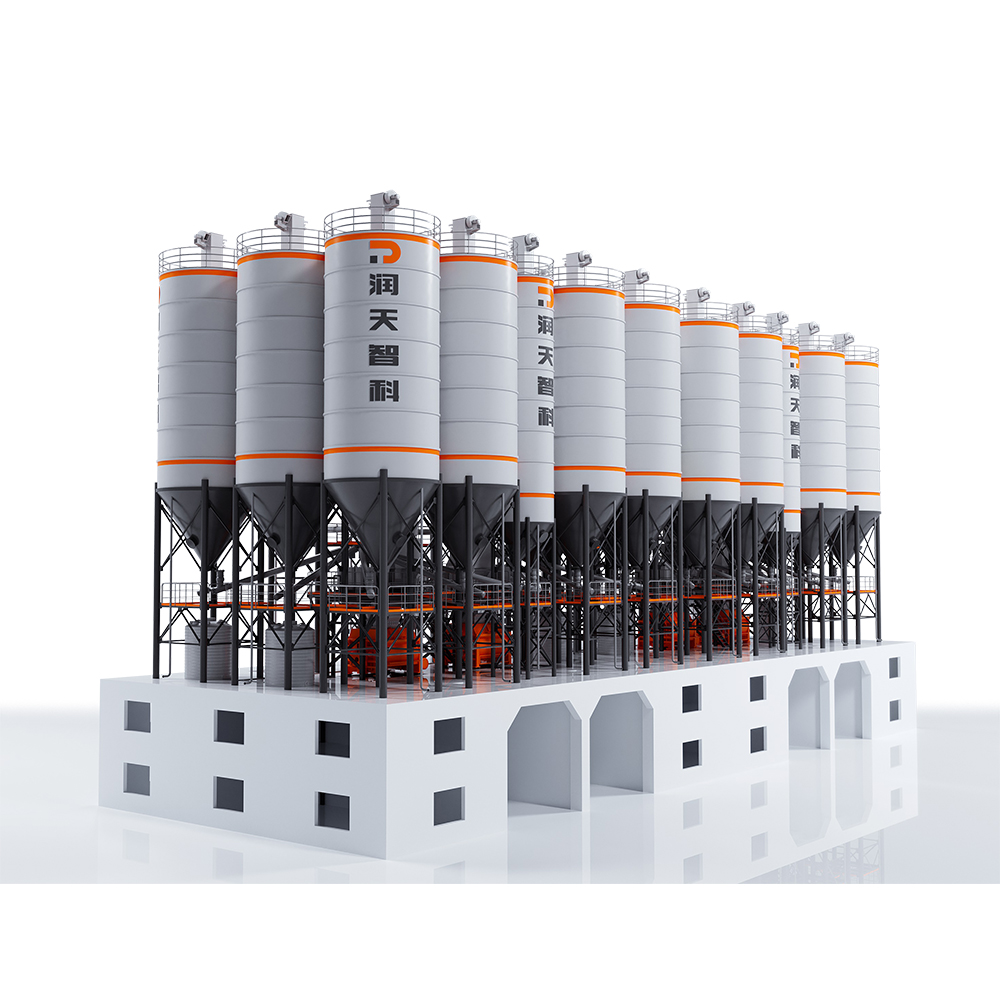 HZS Series Semi-Top Mounted Concrete Mixing Plant
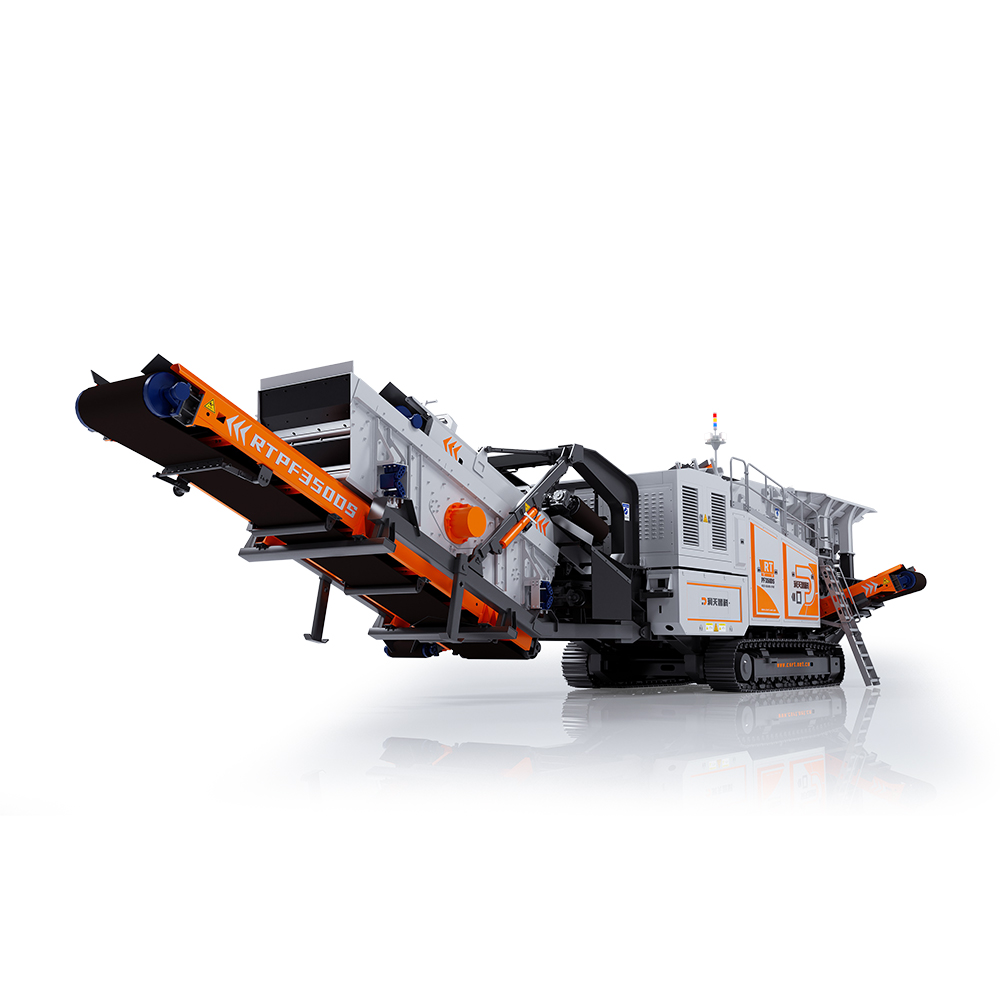 RTPF350DS Crawler Mobile Impact Crushing Plant
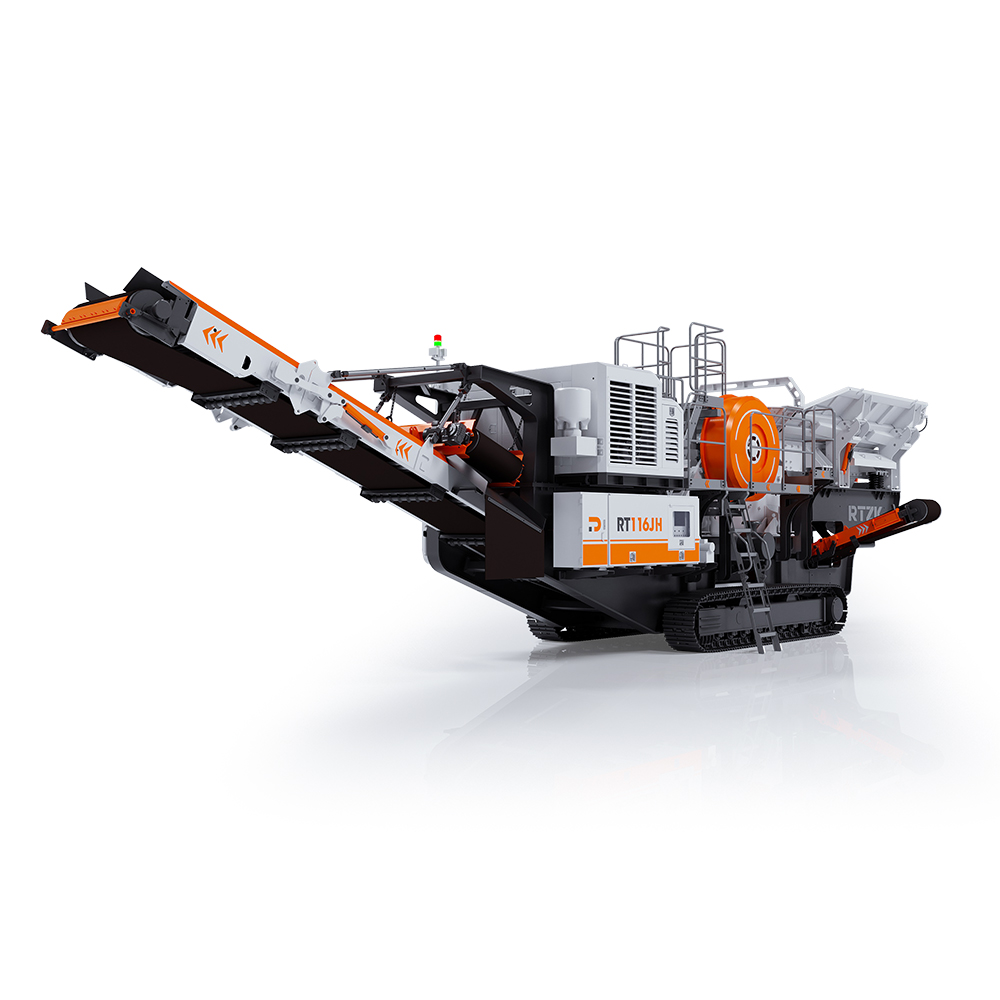 RT116JH Crawler Mobile Jaw Crushing Plant
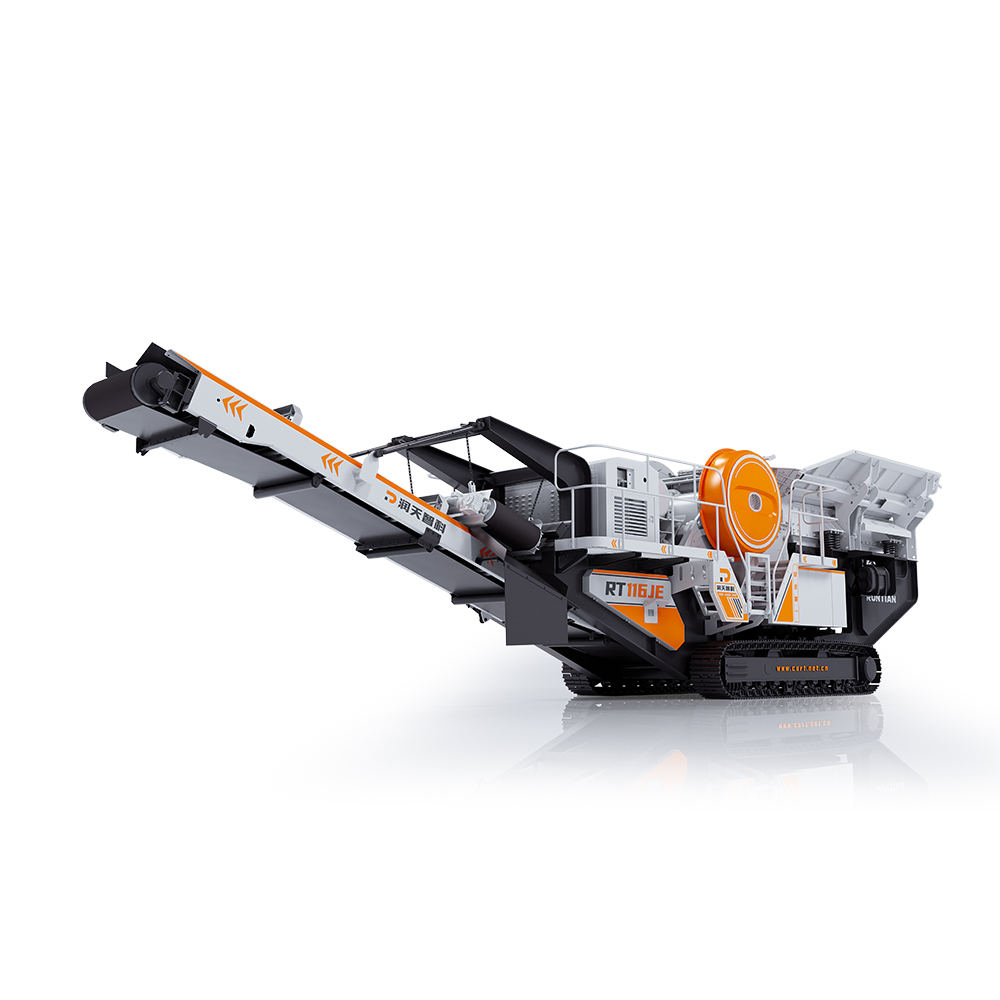 RT116JE Crawler Mobile Jaw Crushing Plant
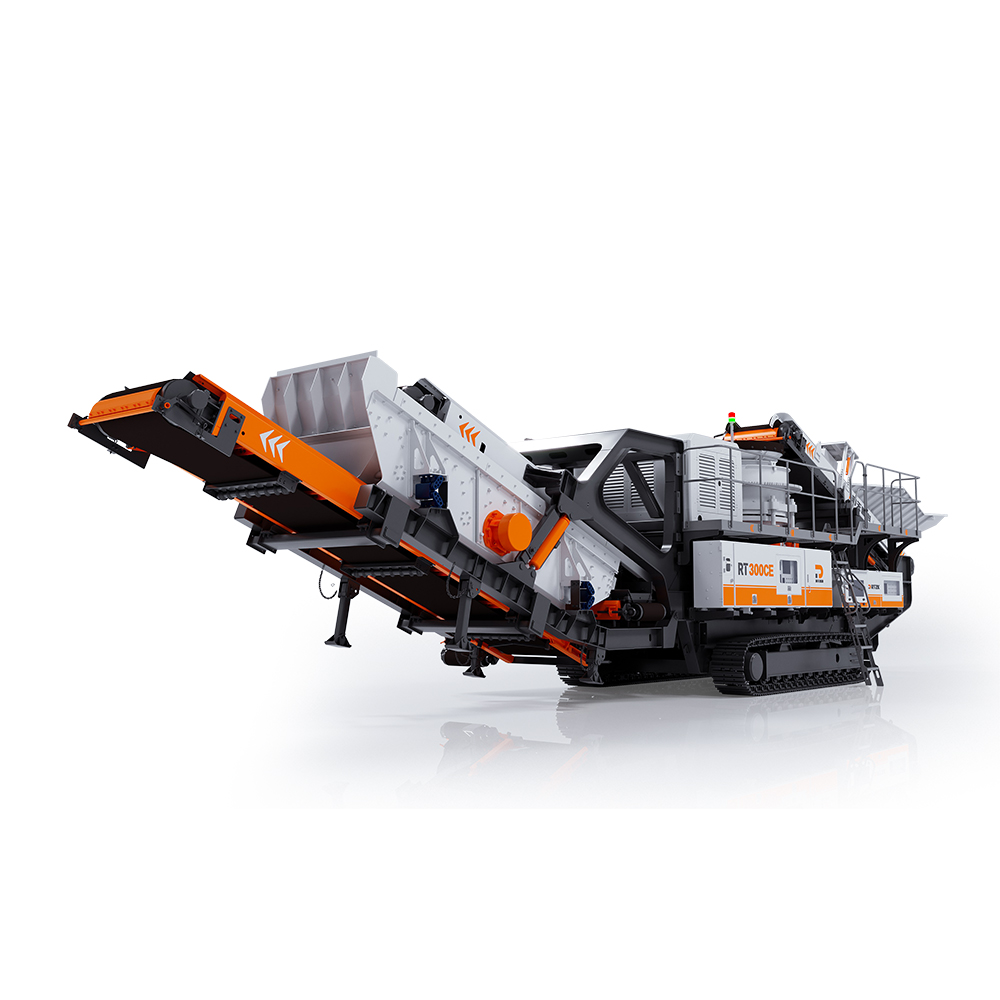 RT300CE Crawler Mobile Cone Crushing Plant
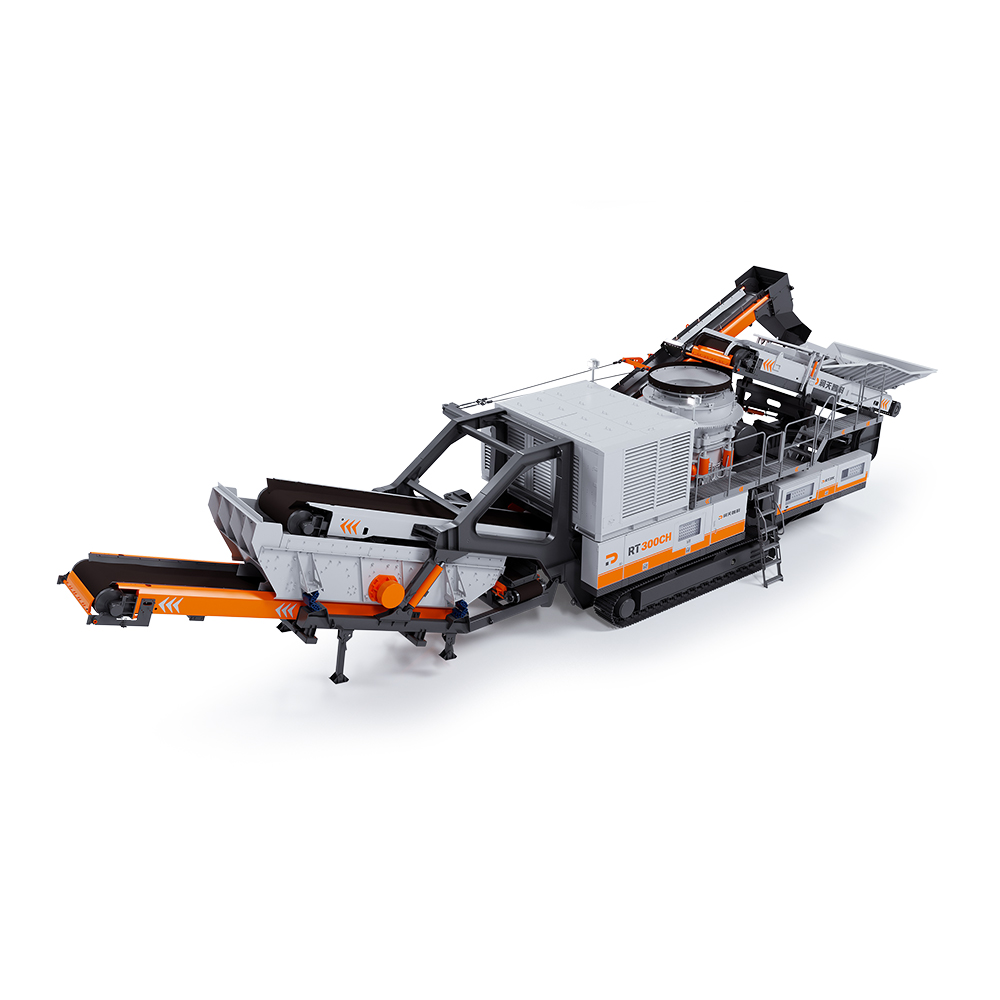 RT300CH Crawler Mobile Cone Crushing Plant
 RT5015H Mobile Scalping Screen
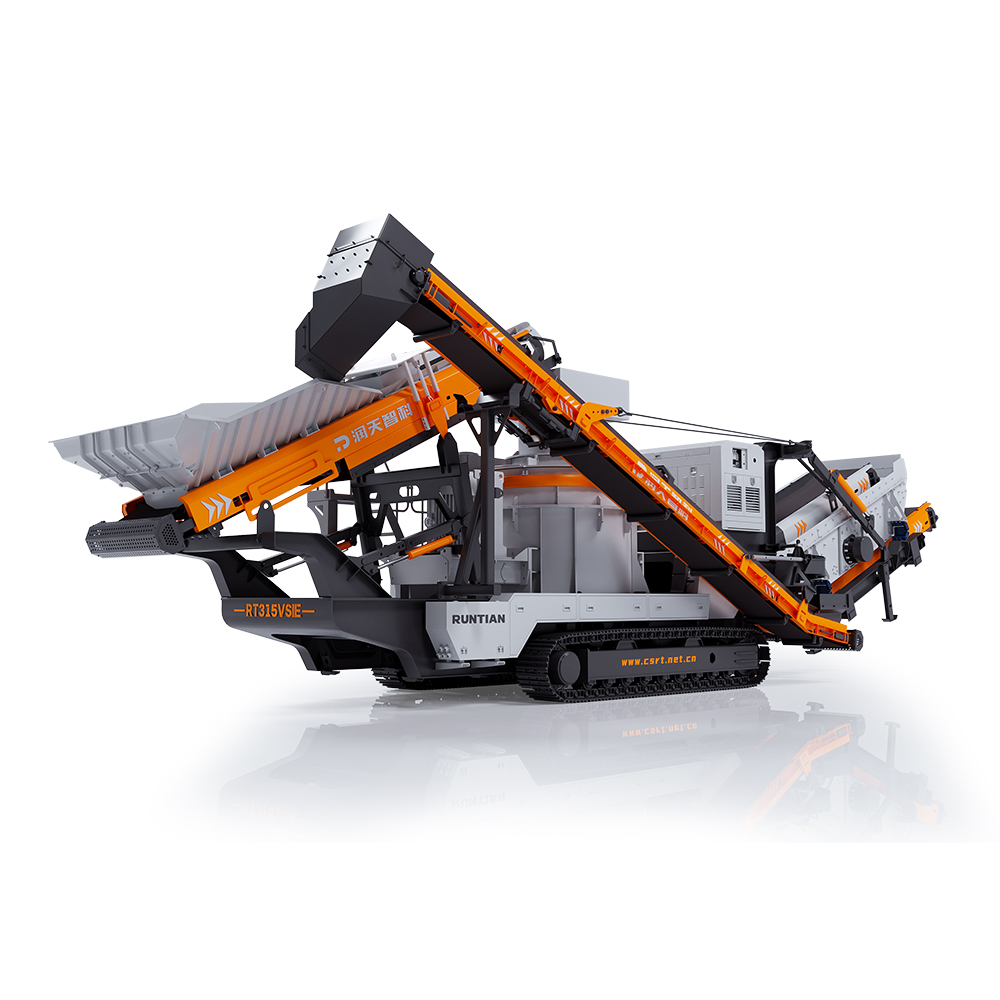 RT315VSIE Crawler Mobile Sand Maker
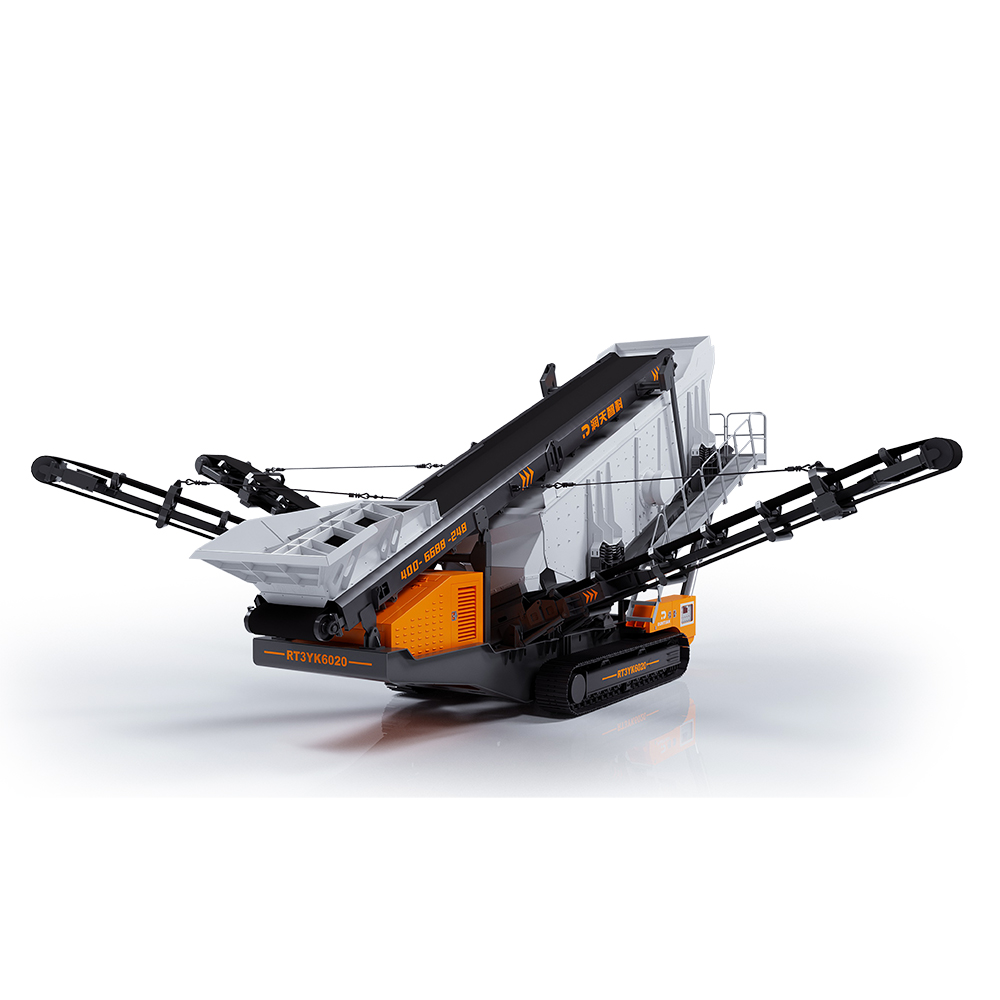 RT3YK6020 Crawler Mobile Screening Plant
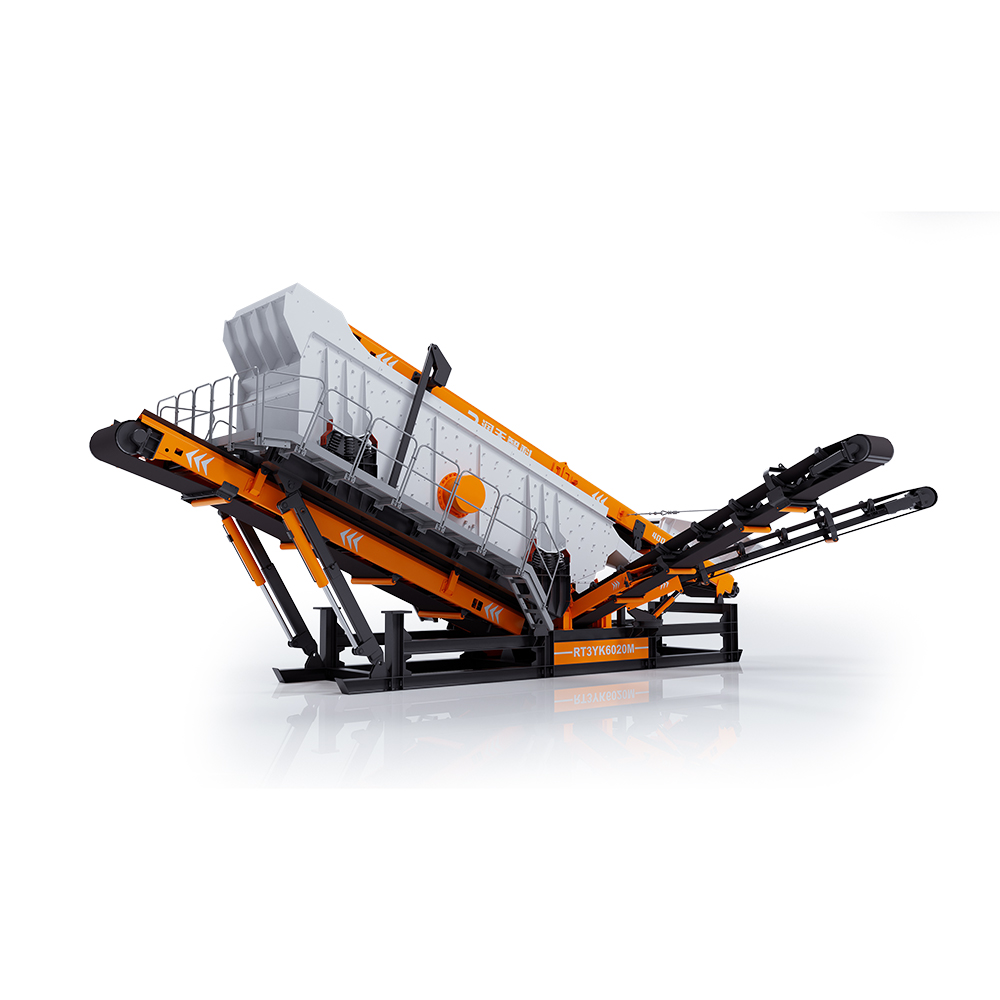 RT3YK6020M Modular Screening Plant
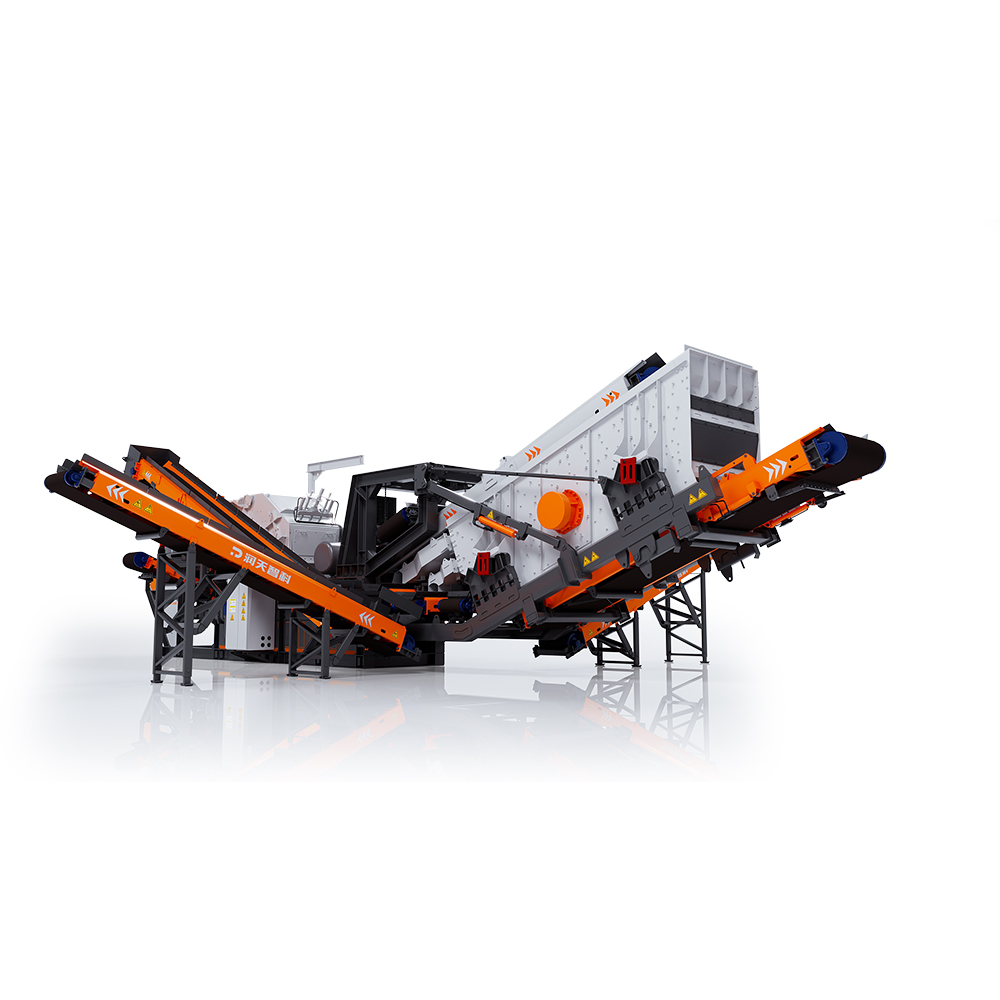 RTF260M Modular Counterattack Crushing and Screening Integrated Machine
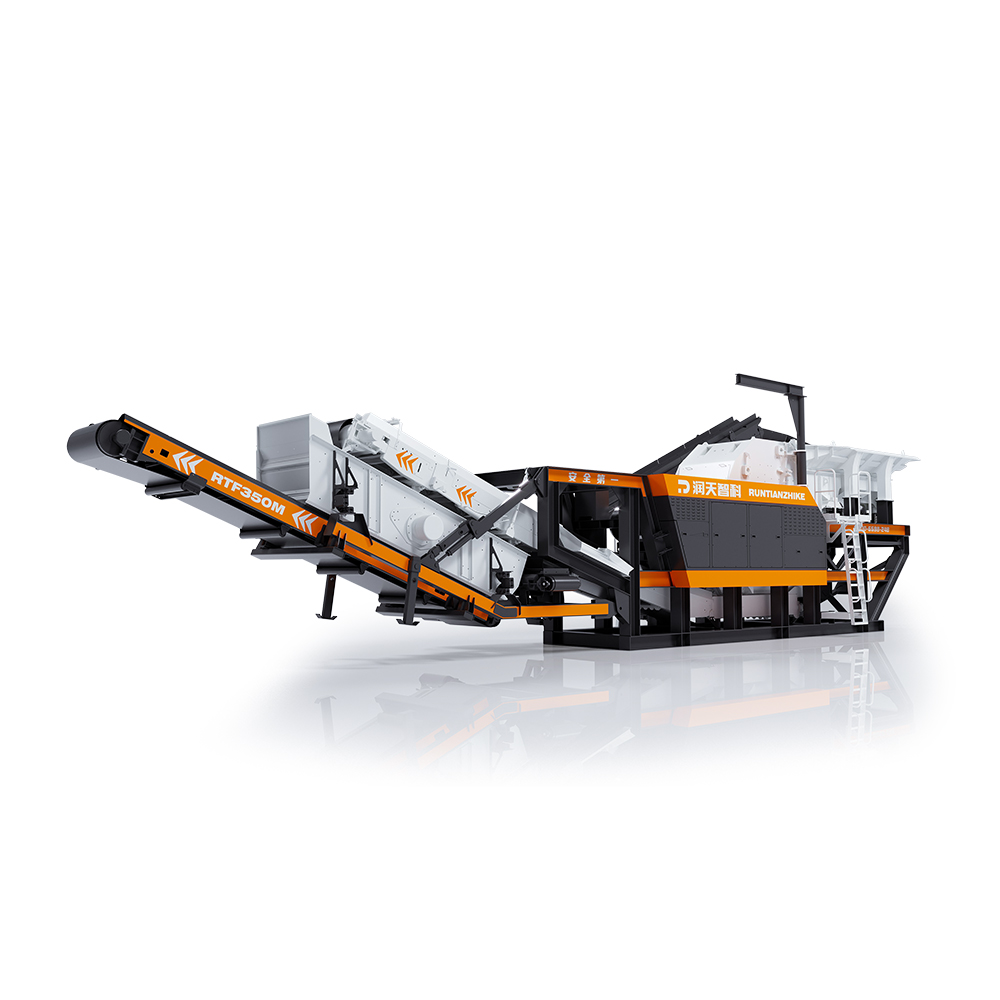 RTF350M Modular Impact Crushing Plant
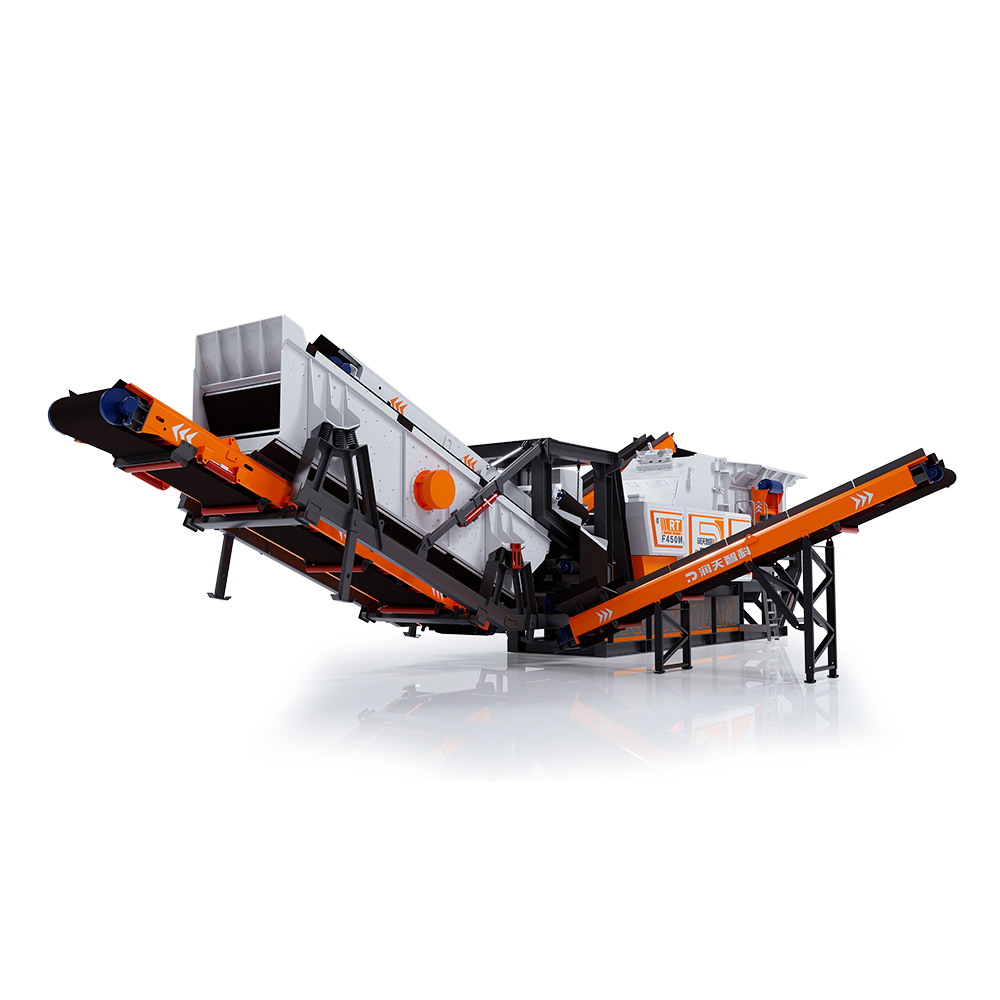 RTF450M Modular Impact Crushing Plant
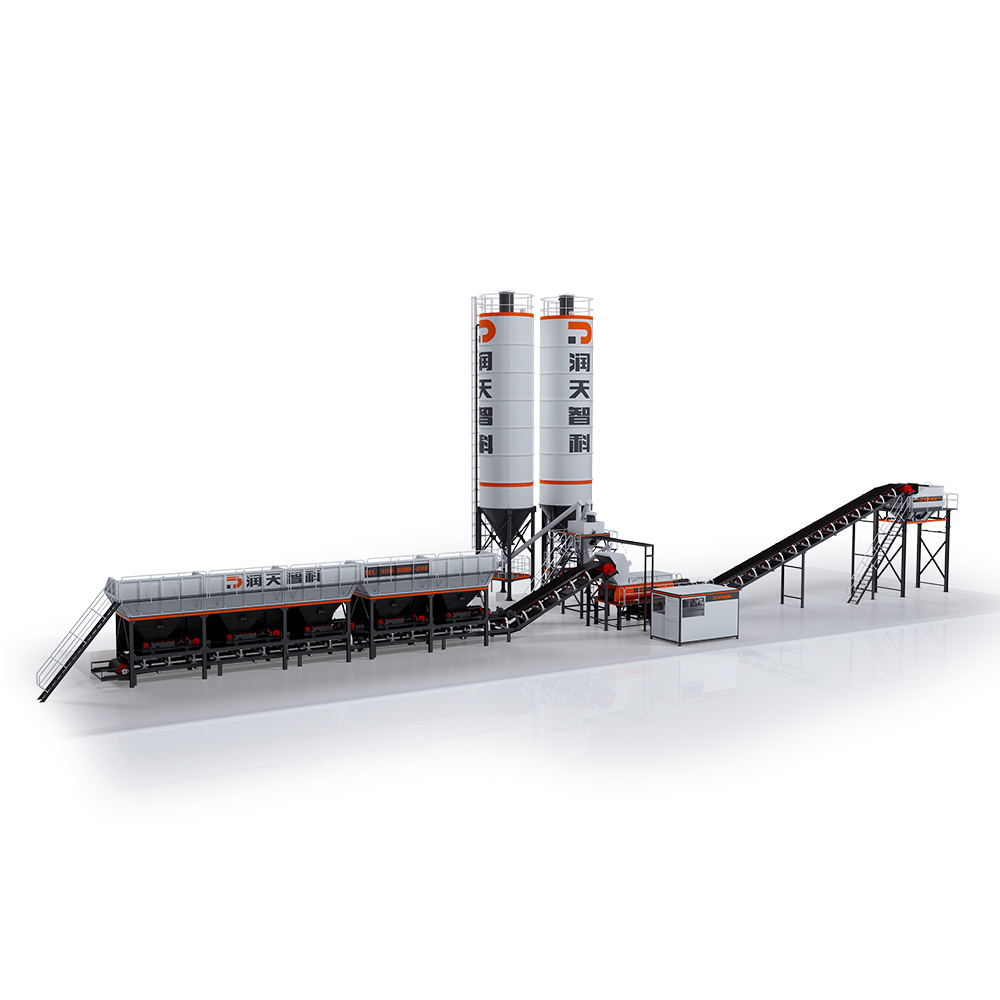 WDB Series Foundation-Free Stability Soil Mixing Plant
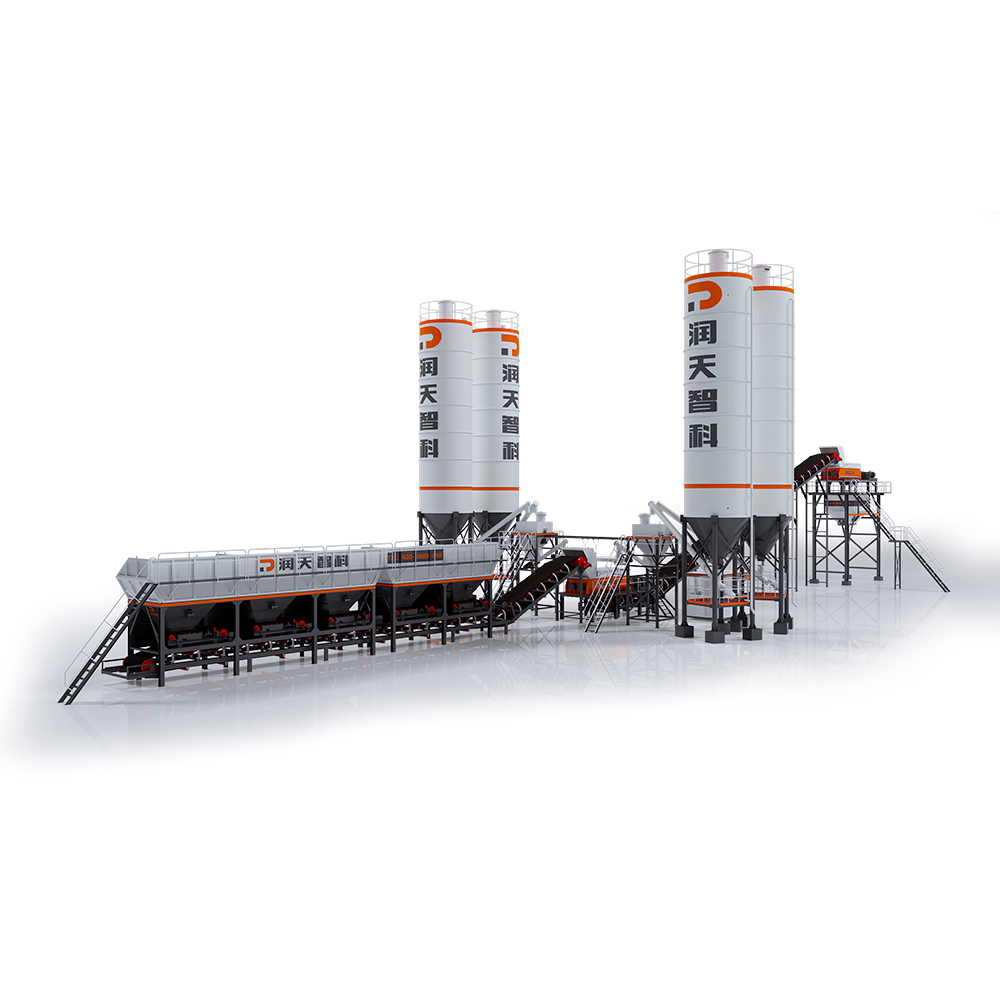 LCB Series Emulsified Asphalt Cold Regeneration Secondary Mixing Plant
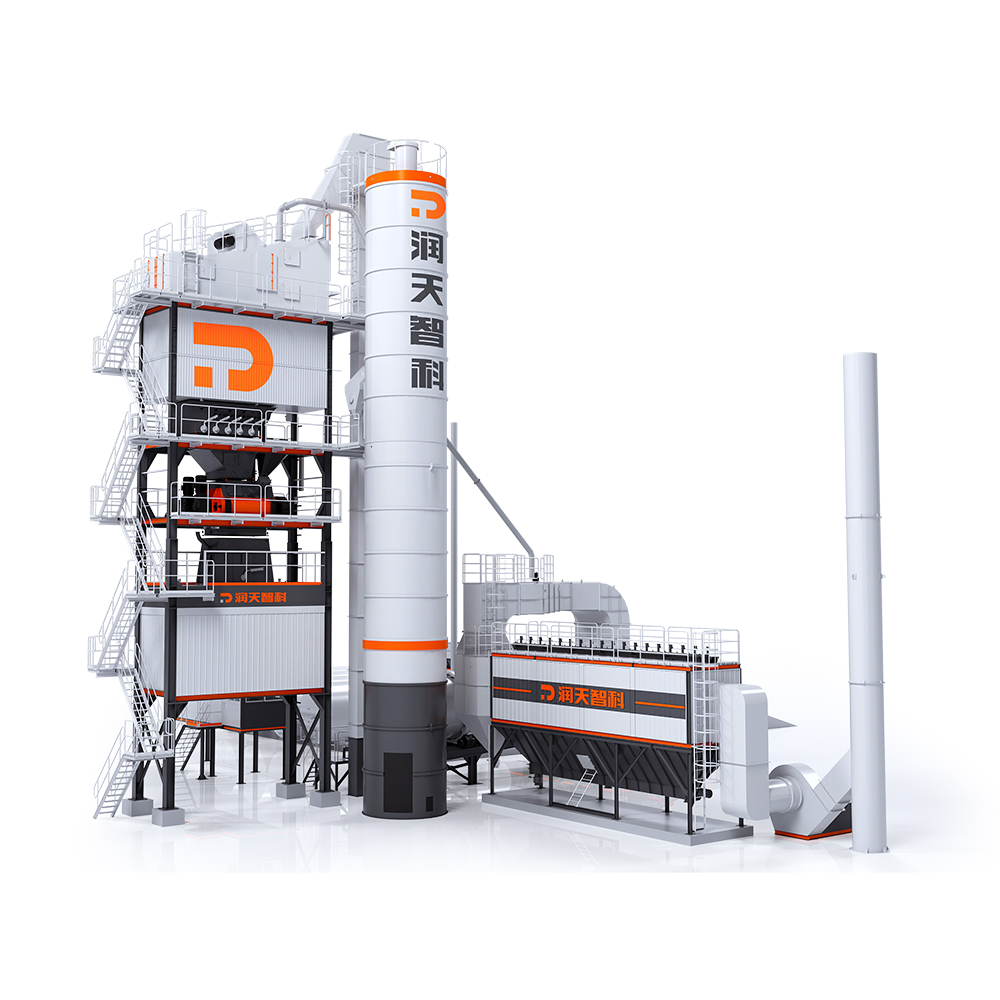 LB Series Asphalt Mixing Plant
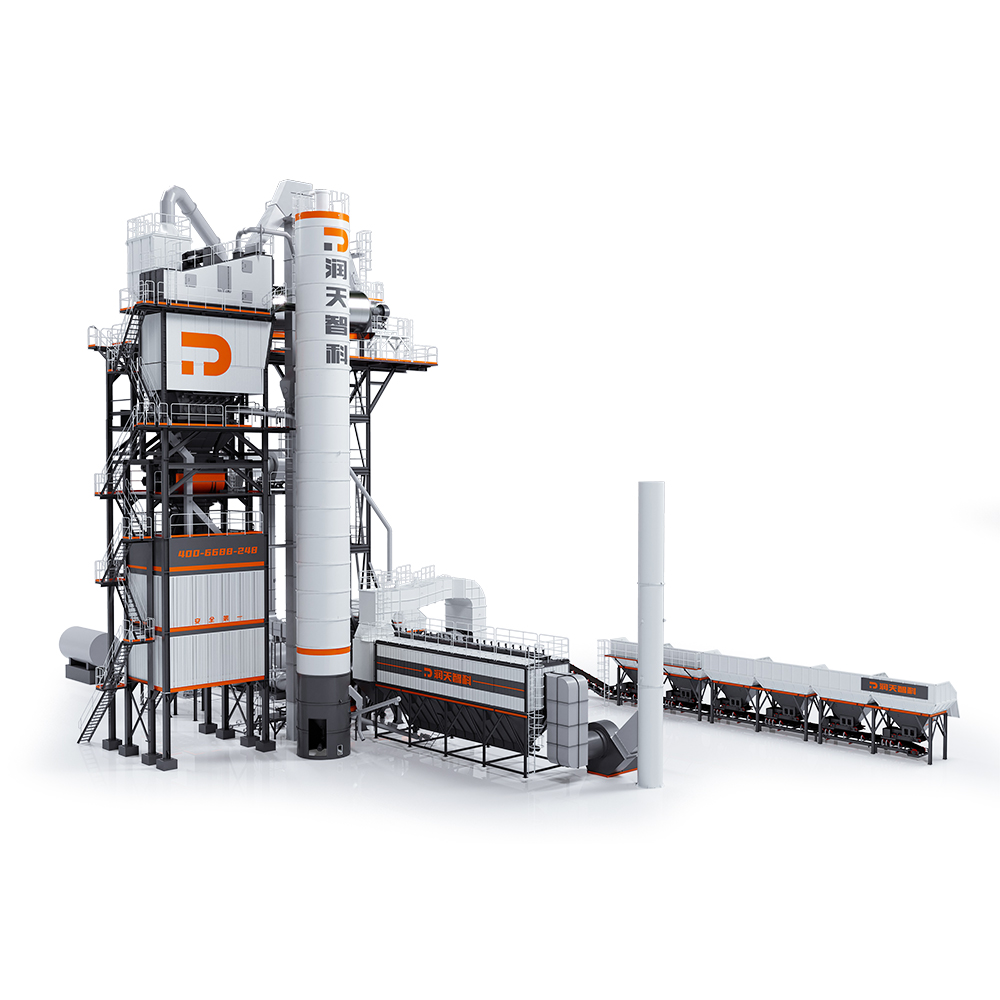 LBR Series Integrated Asphalt Mixing Plant
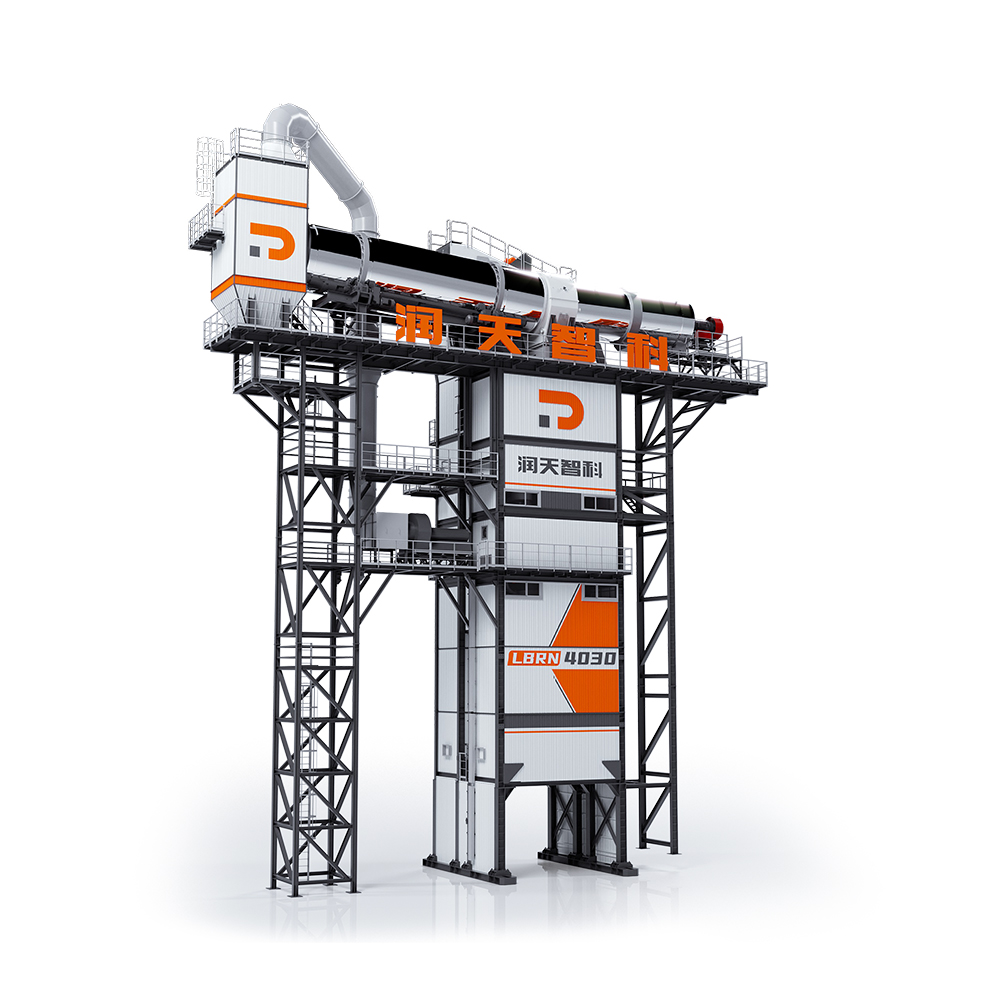 LBRN Series Counterflow Integral Asphalt Mixing Plant
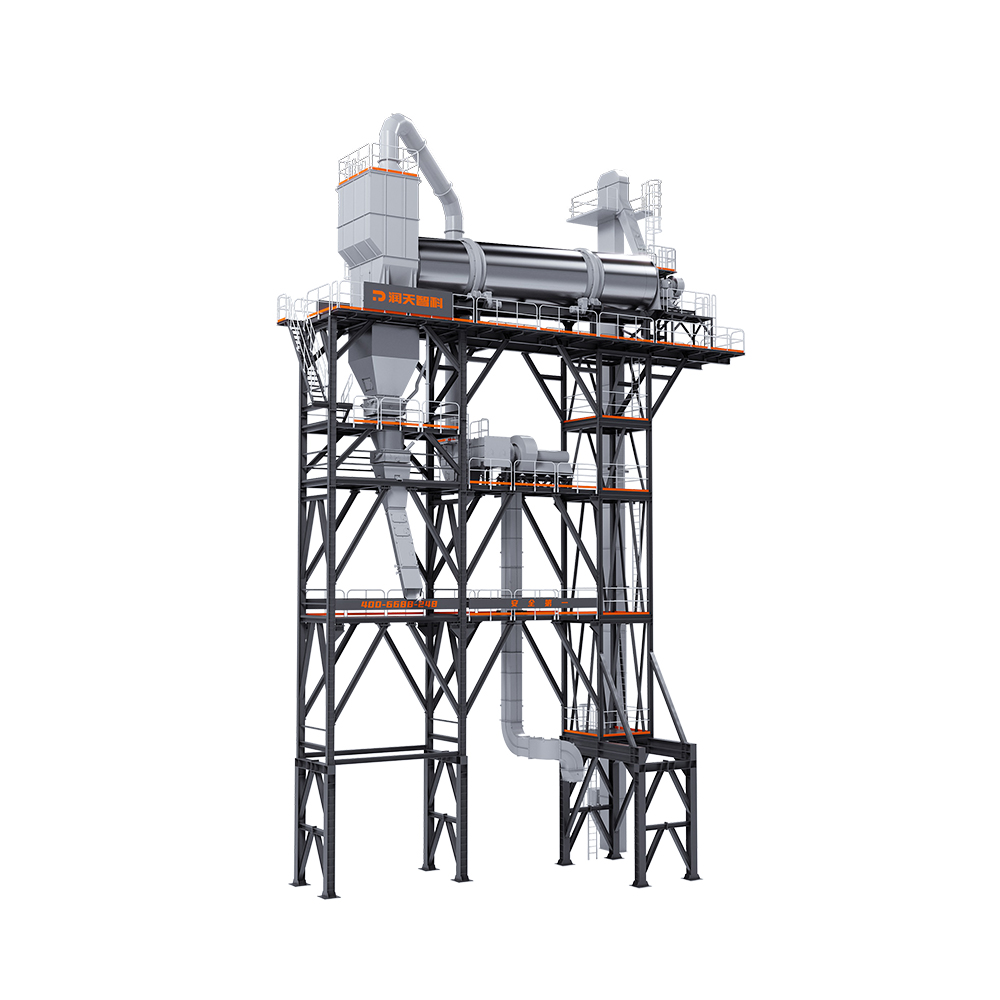 RZS Series Asphalt Mixing Plant
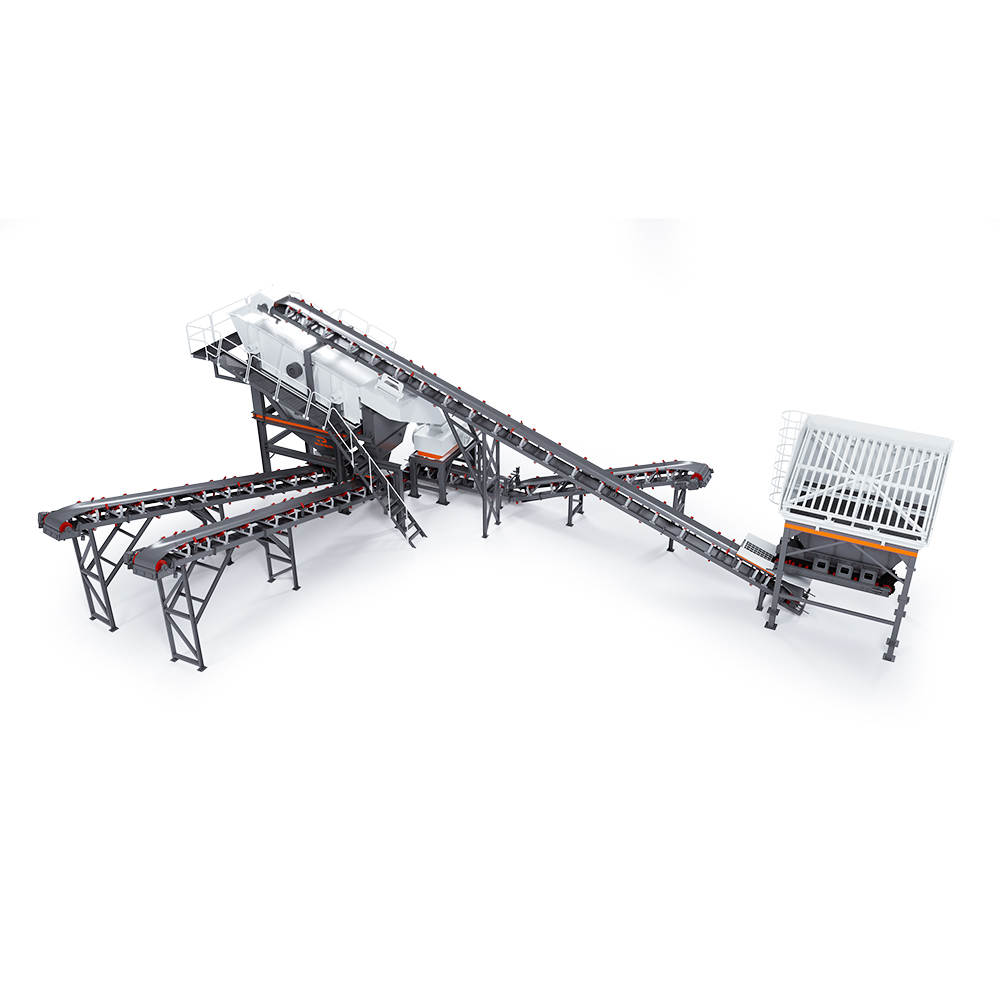 RTZS120 Series RAP Crushing & Screening Plant
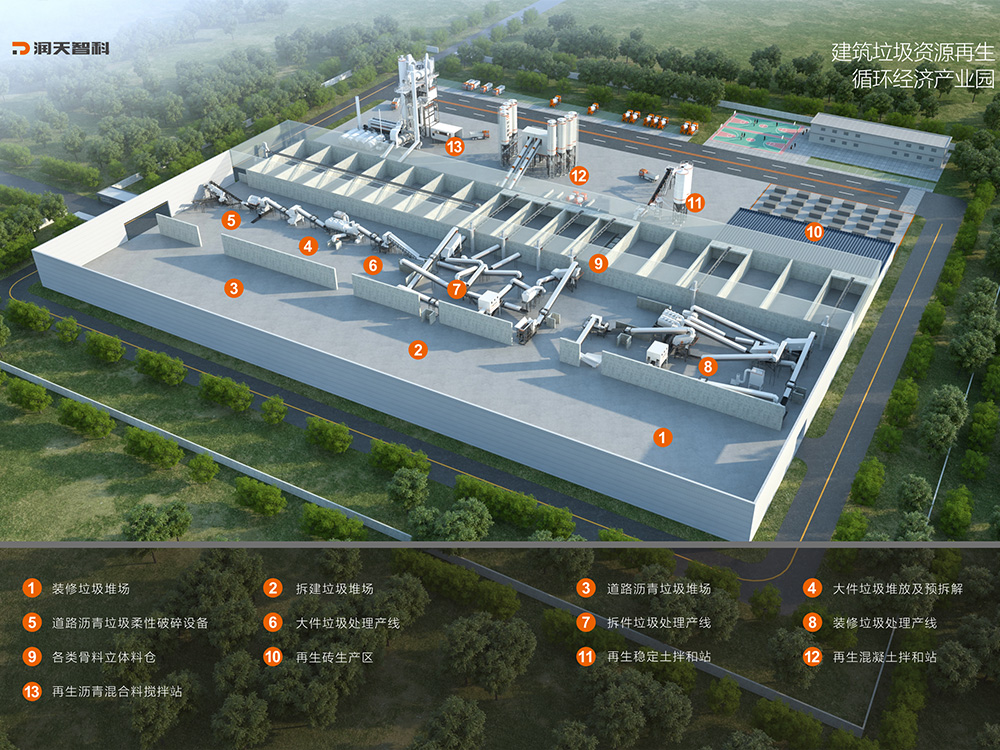 Construction Waste Resourceful Treatment Line