2025 Top Tips for Efficient Construction Trash Disposal and Management
As the construction industry continues to expand, the management of construction trash disposal has become increasingly critical. According to the U.S. Environmental Protection Agency (EPA), construction and demolition (C&D) projects account for approximately 25-30% of all waste generated in the United States, which highlights the urgent need for efficient disposal strategies. In 2020 alone, an estimated 600 million tons of C&D debris were produced, underscoring the importance of developing robust waste management practices to minimize environmental impact and promote sustainability.
Efficient construction trash disposal not only aids in reducing landfill waste but also presents opportunities for material recovery and recycling. A report by the National Waste and Recycling Association indicates that effective C&D waste management can divert up to 90% of construction debris from landfills, contributing significantly to resource conservation and reducing greenhouse gas emissions. Moreover, implementing best practices in waste management can enhance project timelines and cost-effectiveness, making it essential for industry stakeholders to stay informed about the latest strategies and innovations in construction trash disposal.
In this guide, we will explore the top tips for managing construction waste in 2025, drawing on insights and data from industry leaders to equip professionals with the knowledge required to navigate the complexities of waste disposal in an evolving construction landscape. By focusing on efficiency and sustainability, the construction sector can take a proactive role in shaping a greener future.

Best Practices for Sorting and Separating Construction Waste
In the construction industry, effective waste management begins with proper sorting and separation of construction waste, which can significantly reduce landfill contributions. According to a report by the Environmental Protection Agency (EPA), construction and demolition waste accounts for nearly 25-30% of the total municipal solid waste generated. With the global push towards sustainability, it is imperative for construction sites to adopt best practices for waste segregation to enhance recycling rates and minimize environmental impact.
Adopting a systematic approach to sorting construction waste facilitates more efficient disposal and recycling. A study from the Construction Industry Research and Information Association (CIRIA) highlights that separating materials such as wood, metal, concrete, and plastics at the source can improve recovery rates by up to 70%. Implementing designated bins for different types of waste not only aids in compliance with local waste management regulations but also reduces the cost associated with landfill disposal. In addition, regular training and awareness programs for workers can promote an on-site culture of sustainability and encourage diligent waste separation practices.
Furthermore, generating a waste management plan prior to project initiation can enhance the effectiveness of waste sorting and separation. Industry guidelines suggest that including waste minimization strategies in the project planning phase helps in anticipating potential waste streams and establishing designated sorting areas. Utilizing digital tools for tracking and reporting waste generated can also support better management practices, ensuring that construction sites remain both efficient and environmentally responsible.
Understanding Different Types of Construction Waste for Effective Disposal
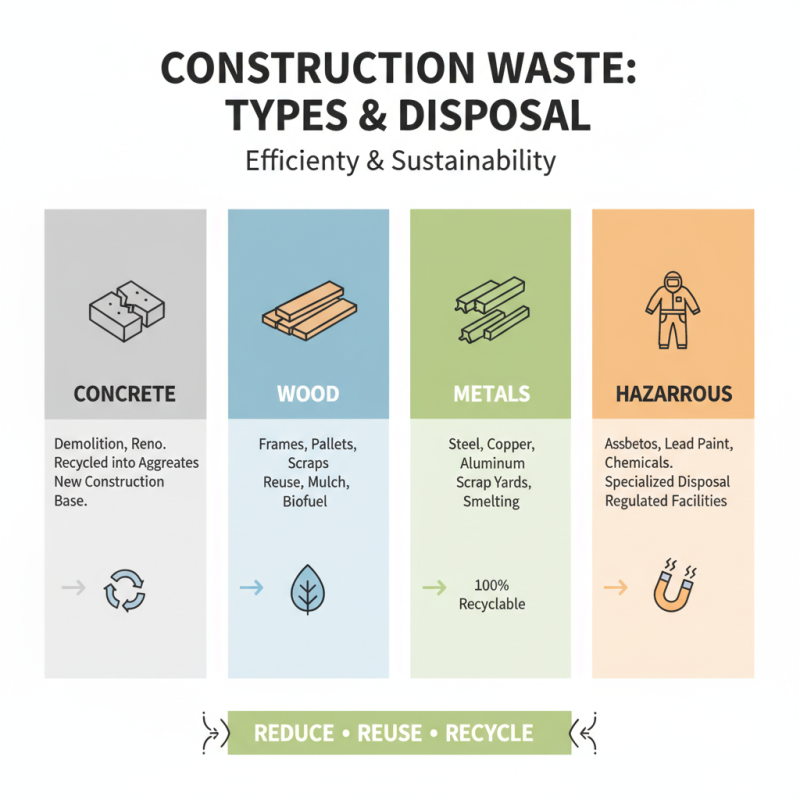
Construction waste comes in various forms, each requiring specific disposal methods to ensure efficiency and sustainability. The primary types of construction waste include concrete, wood, metals, and hazardous materials. Concrete waste, often generated from demolition or renovation, can be recycled into aggregates for new construction projects. This process not only reduces the volume of waste in landfills but also conserves natural resources by minimizing the need for new raw materials.
Wood waste, another significant category, can be repurposed or recycled into engineered wood products, mulch, or biomass energy. It is crucial to separate untreated wood from pressure-treated materials, which may contain harmful chemicals. Metals such as steel, aluminum, and copper are highly recyclable and can fetch a good price in the scrap market. Proper sorting of these materials at the construction site enhances recycling rates. Finally, hazardous waste, including paint, solvents, and asbestos, requires specialized handling and disposal to prevent environmental contamination and health risks. Understanding these different waste types enables construction managers to implement effective disposal strategies, ultimately leading to a more efficient construction process.
Strategies for Recycling and Reusing Construction Materials
Recycling and reusing construction materials is vital for minimizing waste and enhancing sustainability in the construction industry. According to the Environmental Protection Agency (EPA), construction and demolition (C&D) debris accounted for approximately 600 million tons of waste in the United States in 2018, highlighting a significant opportunity for improvement in material management. By adopting effective recycling strategies, construction firms can divert a substantial amount of this waste from landfills. For instance, concrete, wood, metal, and bricks can be repurposed in various forms, not only reducing disposal costs but also providing material savings.
One promising approach is the implementation of deconstruction instead of traditional demolition. Deconstruction involves carefully disassembling a building to salvage materials for reuse, which can lead to the recovery of up to 85% of materials. The National Institute of Standards and Technology (NIST) estimates that reusing materials can reduce greenhouse gas emissions by 35% compared to standard disposal methods. Furthermore, incorporating recycled materials in new projects not only conserves resources but also meets the growing demands for eco-friendly building practices. As regulations increasingly favor sustainable operations, construction companies that prioritize recycling and reuse can gain a competitive edge, demonstrating a commitment to environmental responsibility and resource efficiency.
2025 Top Tips for Efficient Construction Trash Disposal and Management
| Tip Category |
Tip Description |
Expected Benefit |
| Waste Segregation |
Separate construction waste at the source to streamline disposal. |
Improved recycling rates and reduced landfill waste. |
| Material Reuse |
Identify materials that can be reused in future projects. |
Cost savings on new materials and reduced environmental impact. |
| Donation of Materials |
Donate usable materials to local charities or organizations. |
Support community and minimize waste. |
| Implement Recycling Programs |
Establish effective recycling programs on-site for waste diversion. |
Increased recycling and compliance with environmental regulations. |
| Use Eco-Friendly Materials |
Choose sustainable materials that enhance recyclability. |
Reduced environmental impact and improved project reputation. |
| Training and Awareness |
Conduct training sessions for staff on waste management strategies. |
Enhanced employee engagement and improved waste handling practices. |
Choosing the Right Disposal Methods for Construction Trash
Choosing the right disposal methods for construction trash is essential for promoting sustainability and efficiency in the construction industry. Reports indicate that construction and demolition (C&D) activities account for nearly 40% of solid waste generated in the United States. Effective waste management practices not only minimize the environmental impact but also reduce project costs and enhance site safety.
One of the most efficient ways to manage construction waste is by implementing a waste sorting system on-site. By categorizing materials such as wood, metal, concrete, and plastics, contractors can more easily recycle and repurpose these items. According to the Environmental Protection Agency, recycling or reusing C&D materials can divert approximately 75% of waste from landfills.
Additionally, collaborating with local recycling facilities can streamline the disposal process. Many regions offer specialized services for construction waste, enabling quicker and more efficient disposal of materials. It's also beneficial to conduct regular waste audits to track disposal methods and identify areas for improvement. This proactive approach allows construction teams to enhance their waste management strategies, ultimately leading to more sustainable practices in the long run.
Partnering with Waste Management Services for Efficient Disposal Solutions
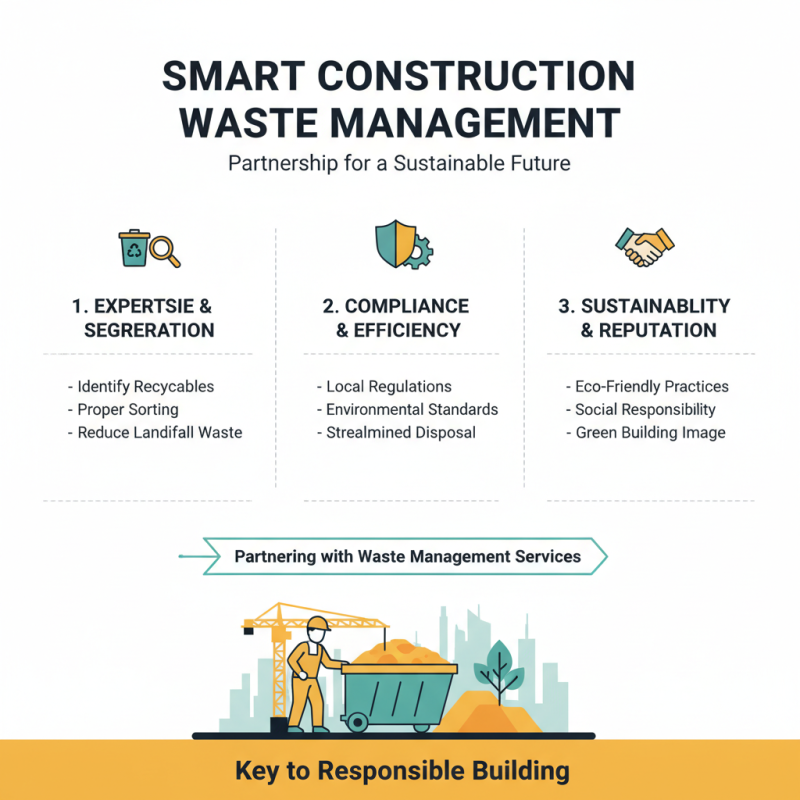
Partnering with waste management services is essential for effective construction trash disposal and management. These services bring expertise in identifying the best practices for waste segregation and recycling, which is vital in reducing landfill contributions. By collaborating with professionals who understand local regulations and sustainable practices, construction companies can streamline their disposal processes. This partnership not only ensures compliance with environmental standards but also contributes to a company's corporate social responsibility initiatives.
Moreover, waste management services can provide tailored solutions that cater specifically to the unique needs of construction projects. From organizing regular pickups to offering specialized containers for hazardous materials, these services enhance efficiency on-site. Implementing innovative waste tracking systems is another way that waste management companies assist in monitoring disposal rates and maximizing recycling efforts. By relying on the knowledge and resources of waste management services, construction teams can focus on their core operations while maintaining environmentally sound practices in waste disposal.

 Concrete Mixing Plant
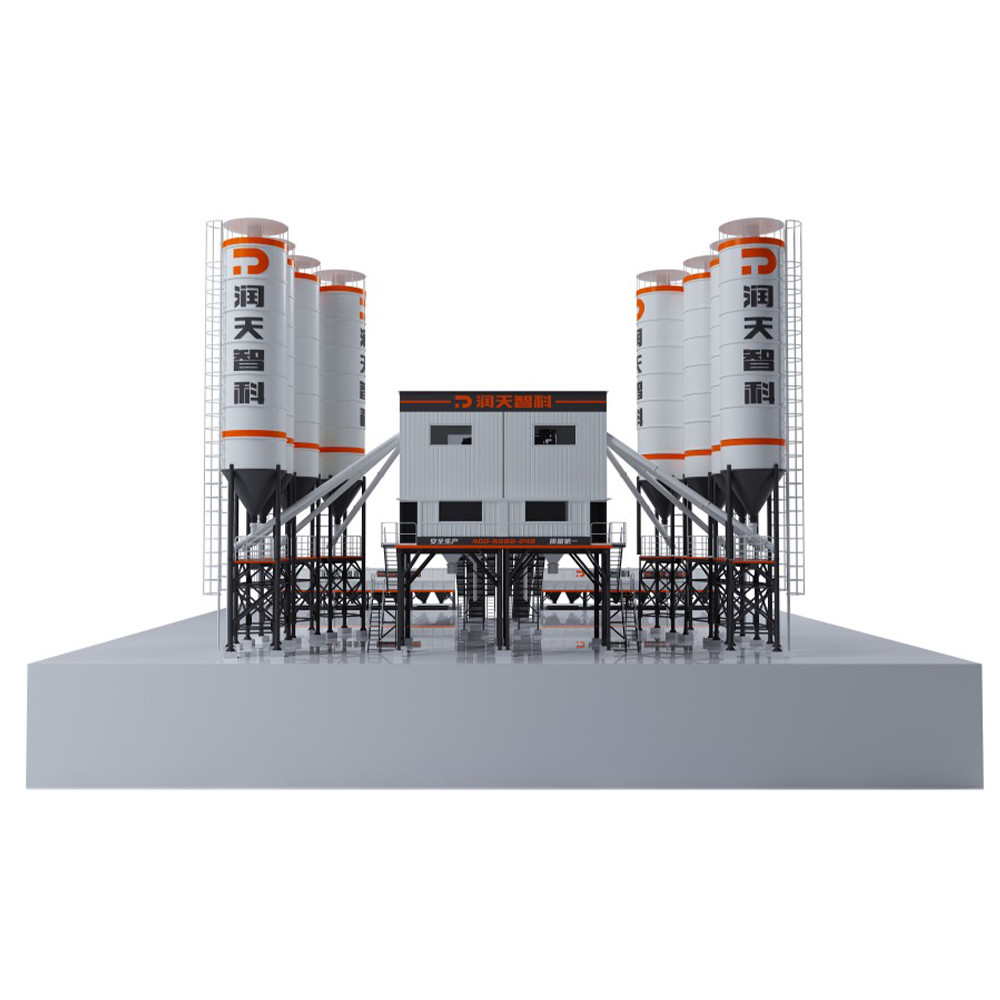 HZS Series Belt Concrete Mixing Plant
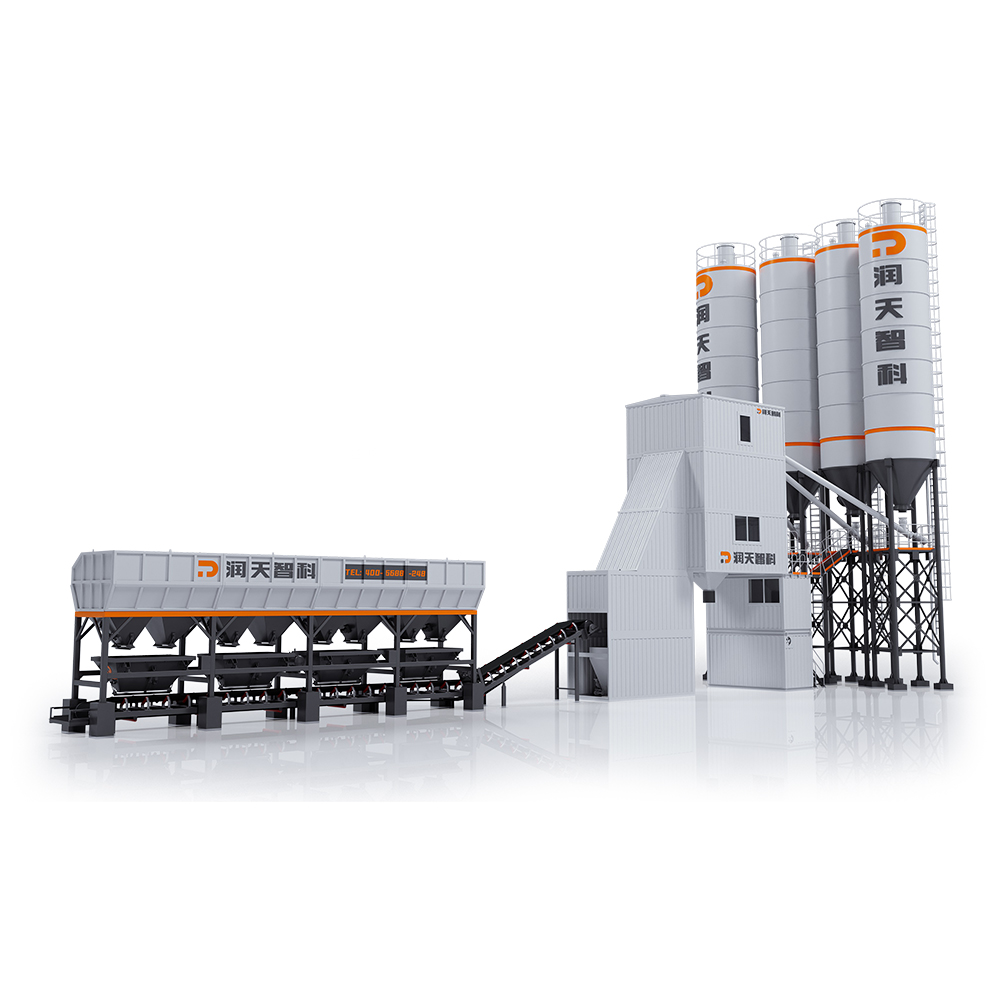 HZS Series Bucket-Lifting Type Container Concrete Mixing Plant
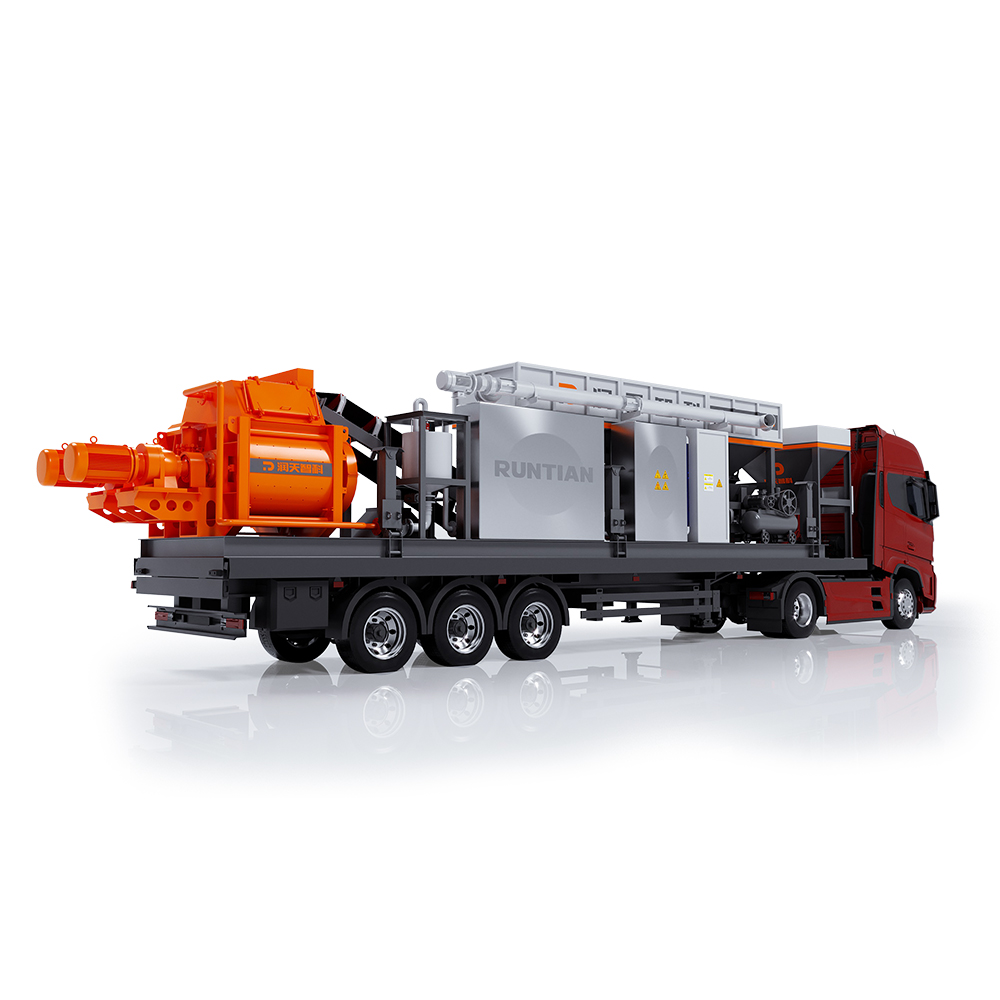 HZS60 Mobile Concrete Mixing Plant
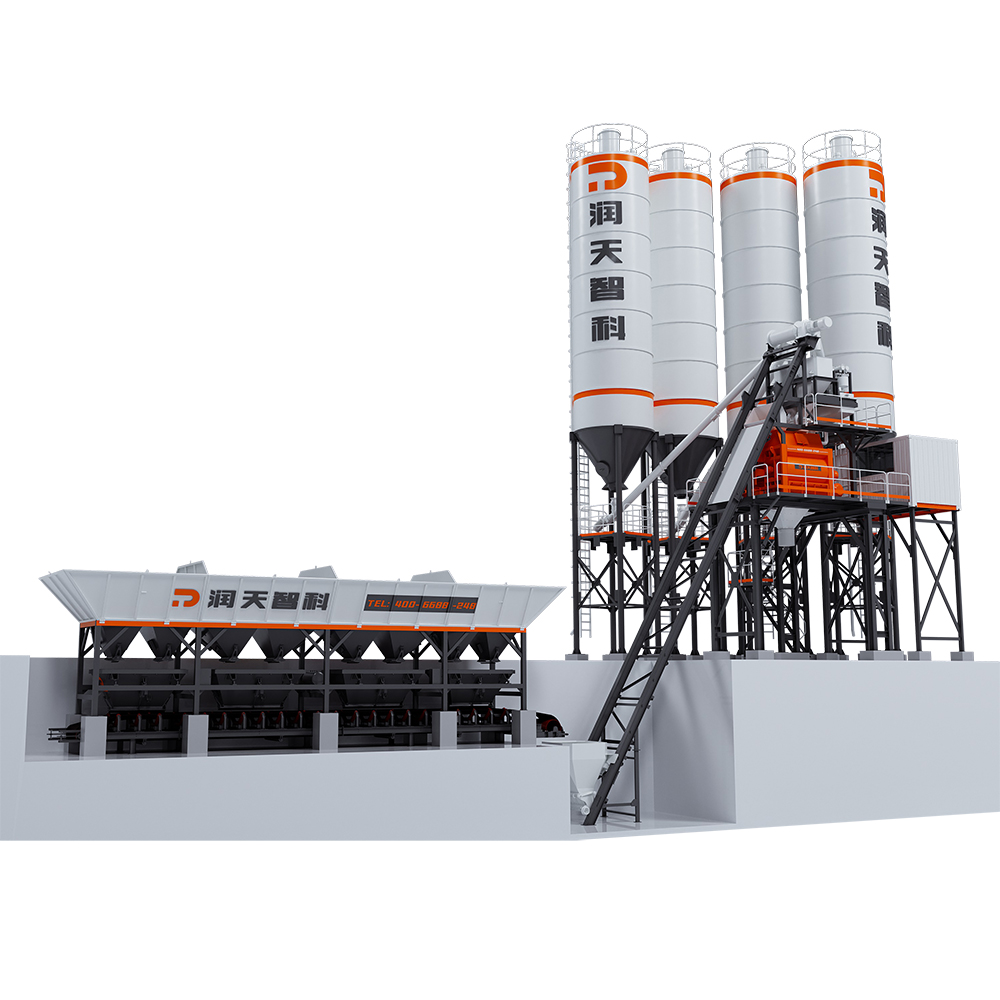 HZS Series Bucket-Lifting Type Concrete Mixing Plant
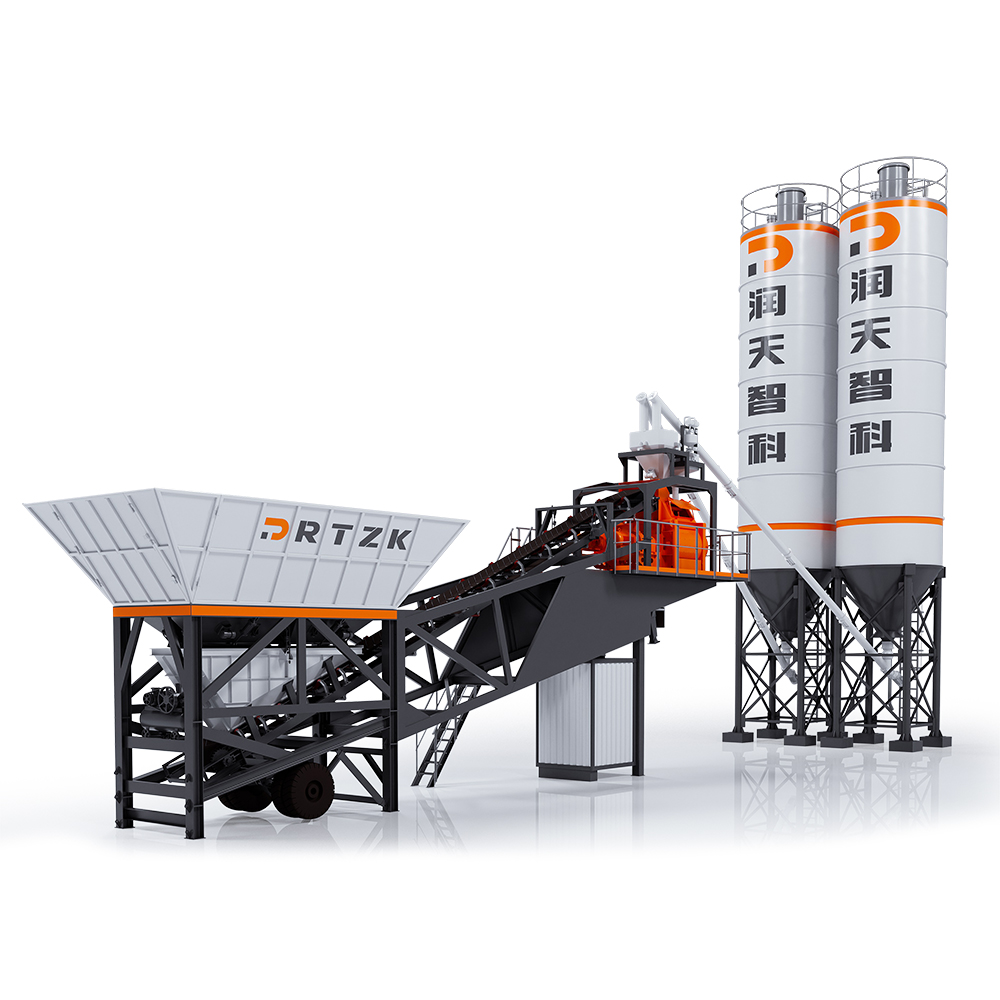 HZS Series Mobile Concrete Mixing Plant
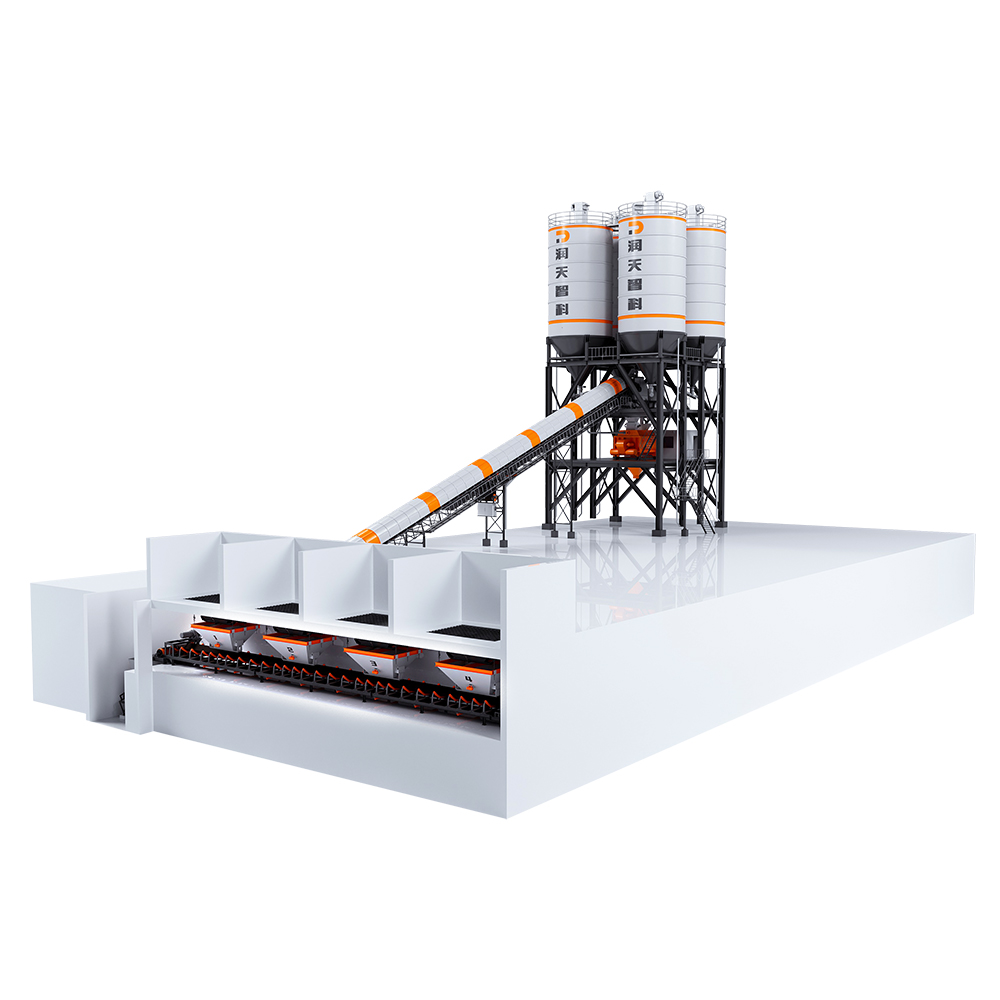 HZS Series Top-Mounted Concrete Mixing plant
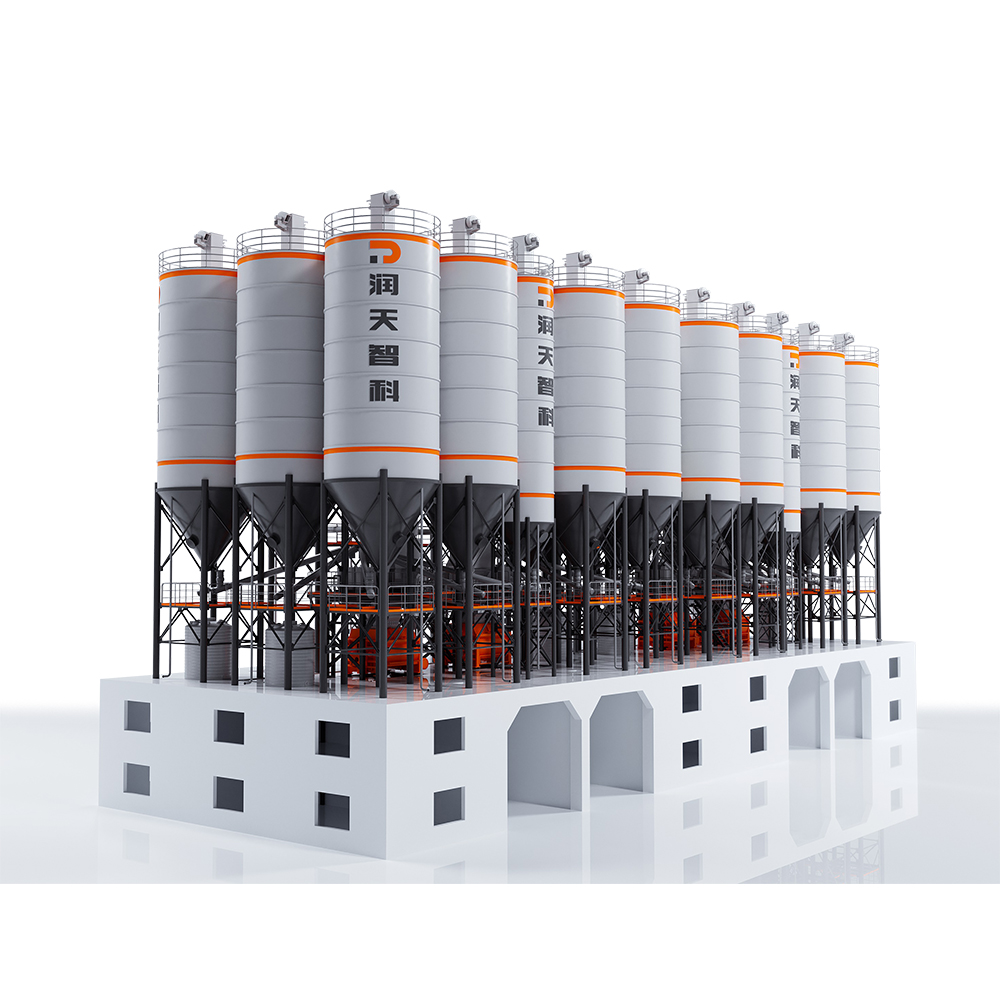 HZS Series Semi-Top Mounted Concrete Mixing Plant
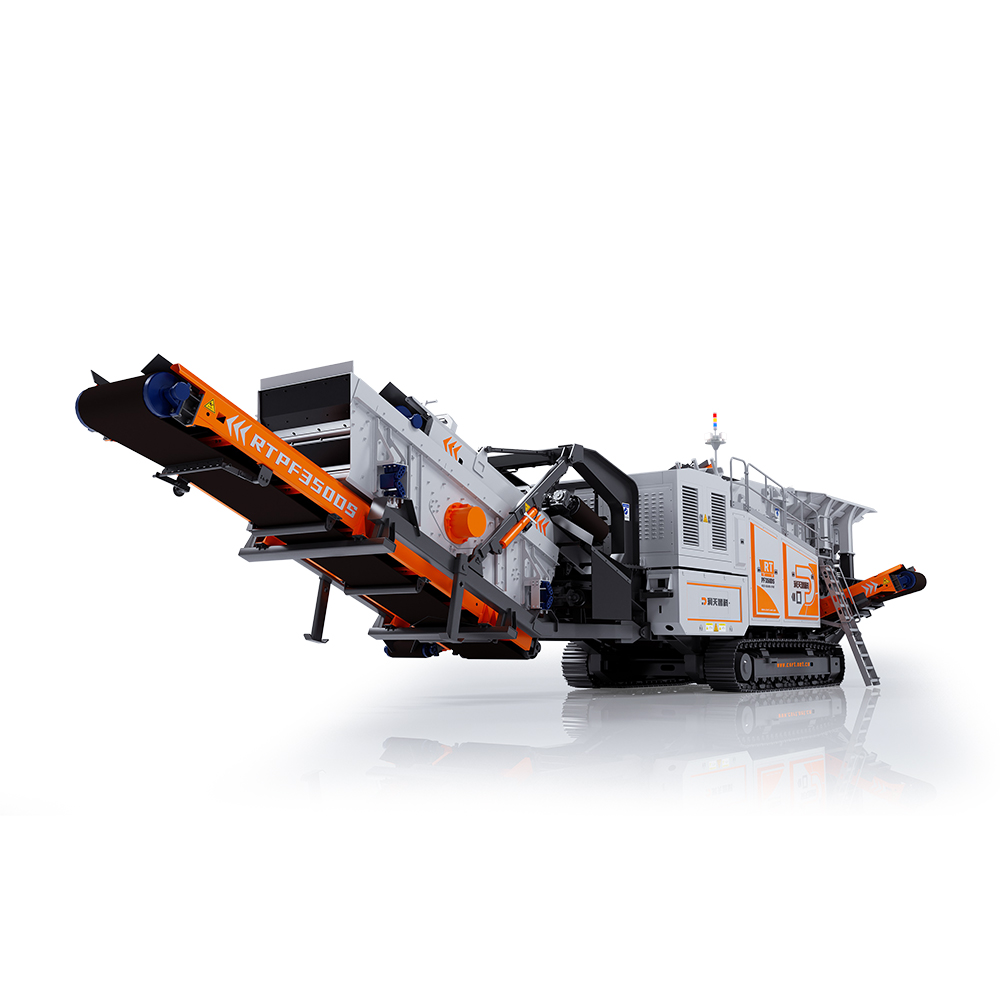 RTPF350DS Crawler Mobile Impact Crushing Plant
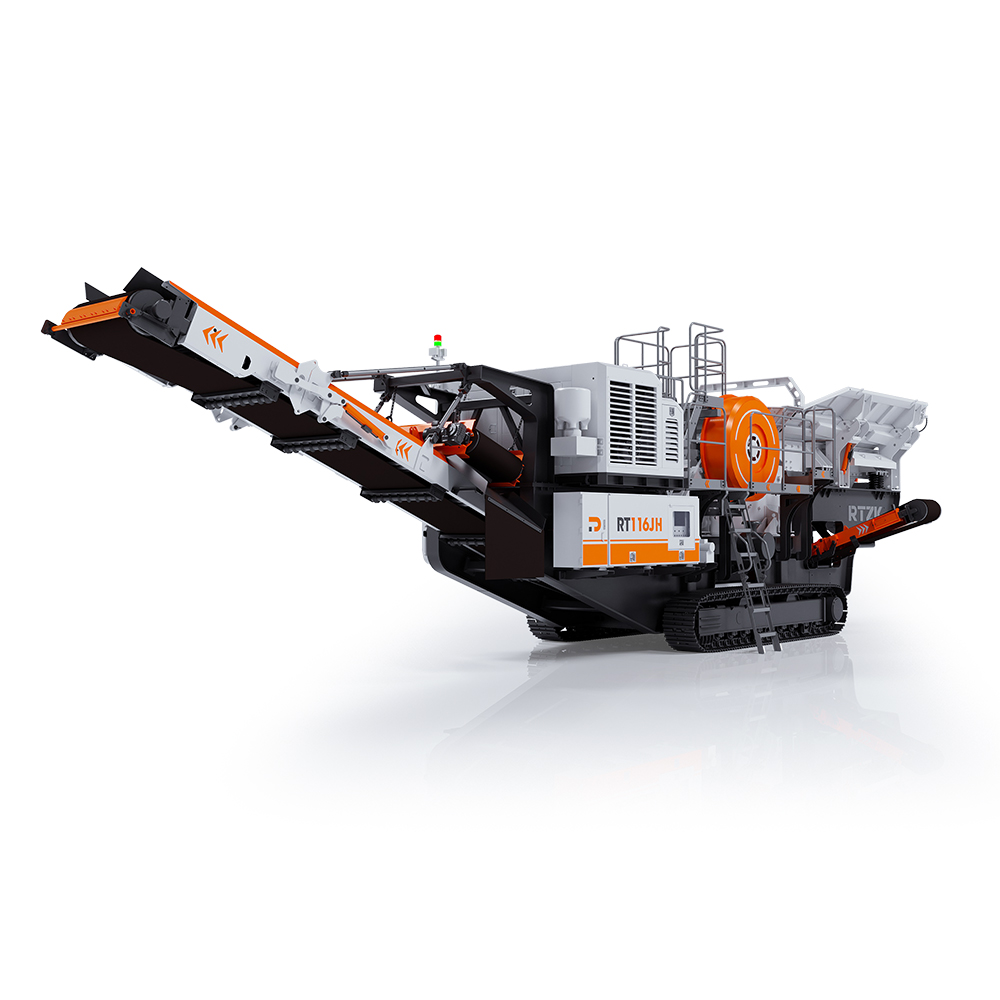 RT116JH Crawler Mobile Jaw Crushing Plant
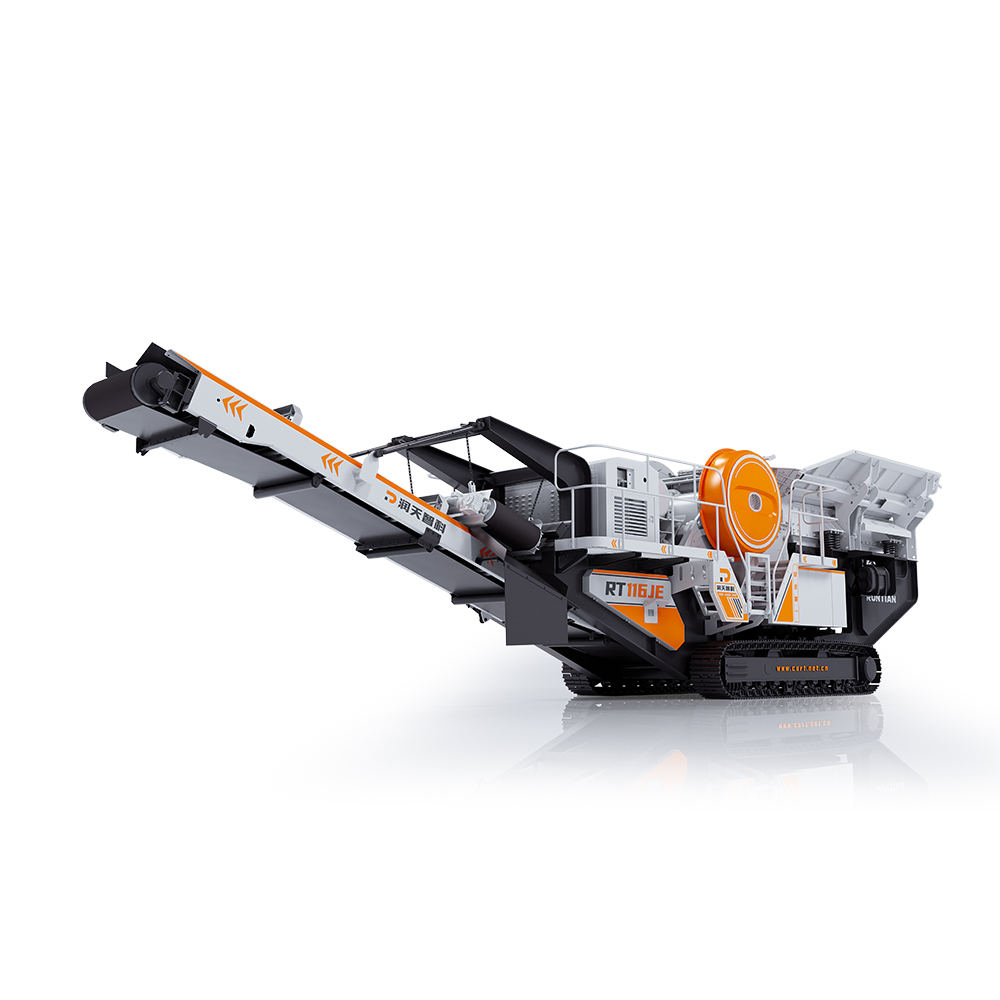 RT116JE Crawler Mobile Jaw Crushing Plant
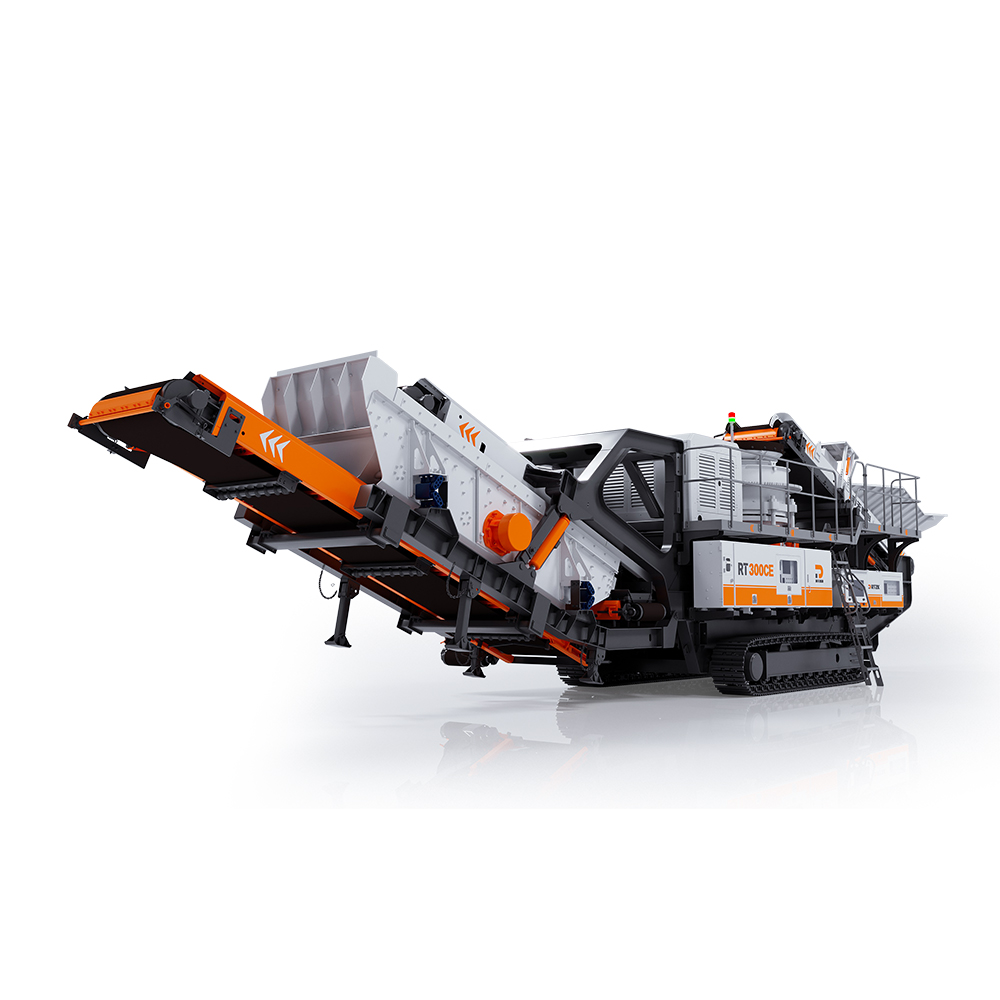 RT300CE Crawler Mobile Cone Crushing Plant
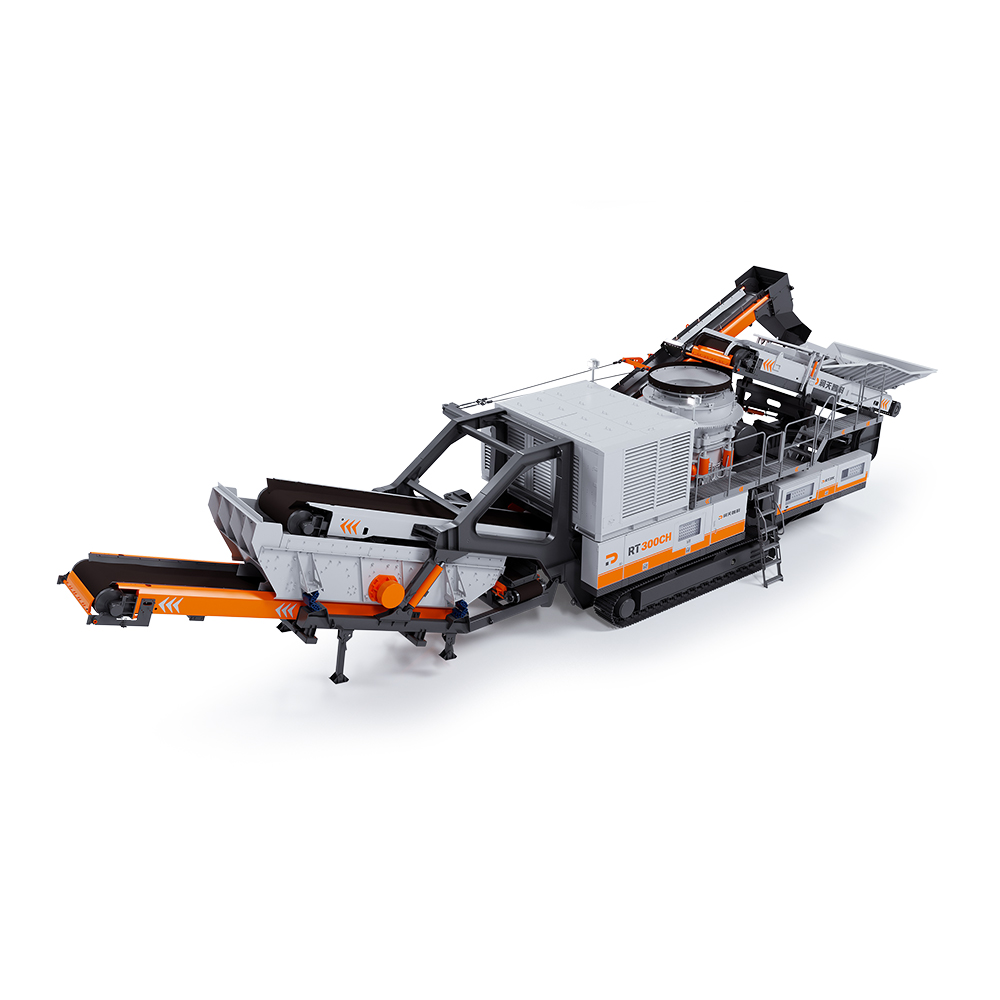 RT300CH Crawler Mobile Cone Crushing Plant
 RT5015H Mobile Scalping Screen
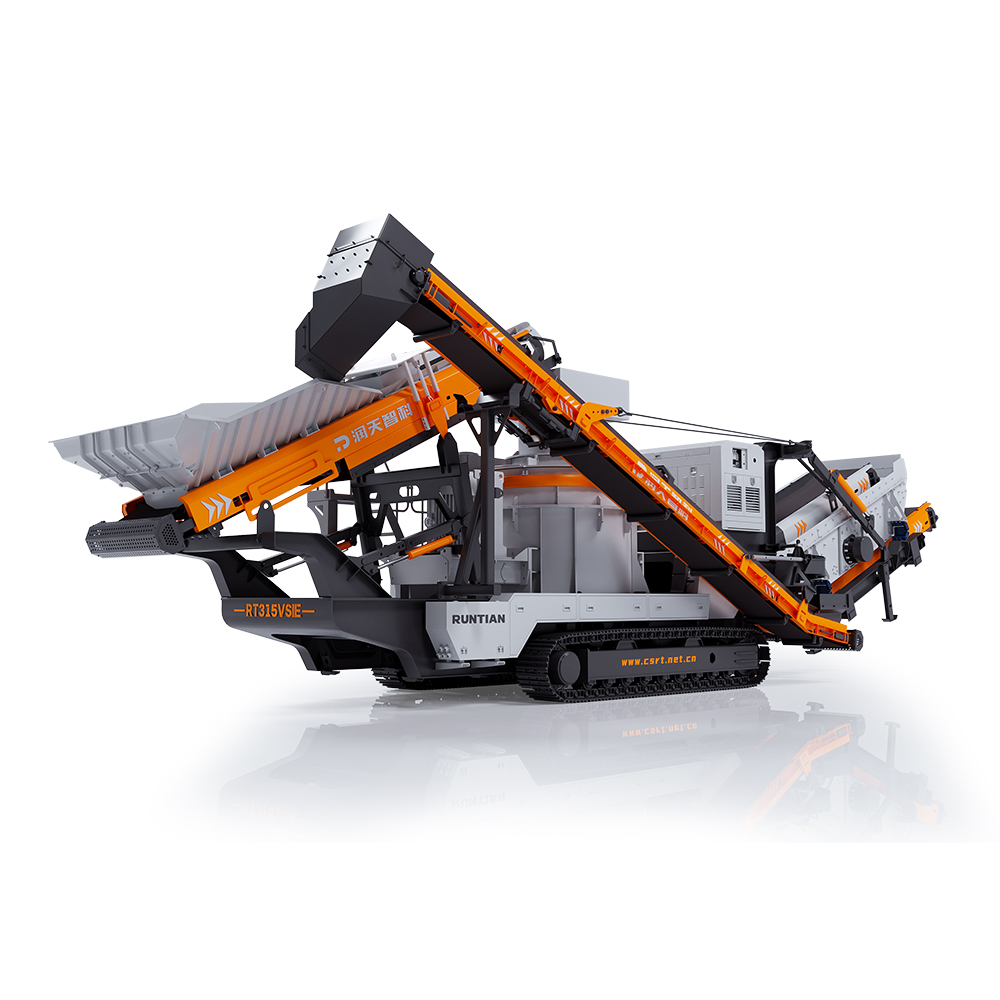 RT315VSIE Crawler Mobile Sand Maker
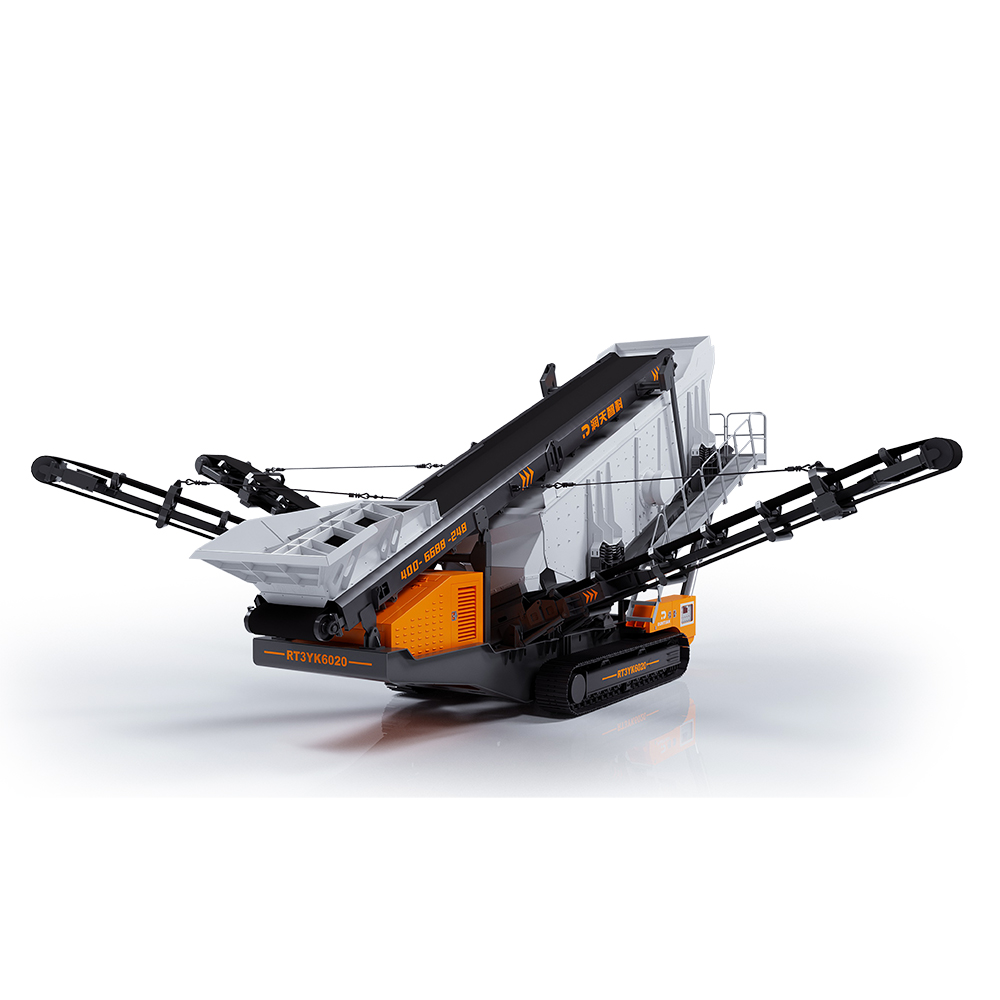 RT3YK6020 Crawler Mobile Screening Plant
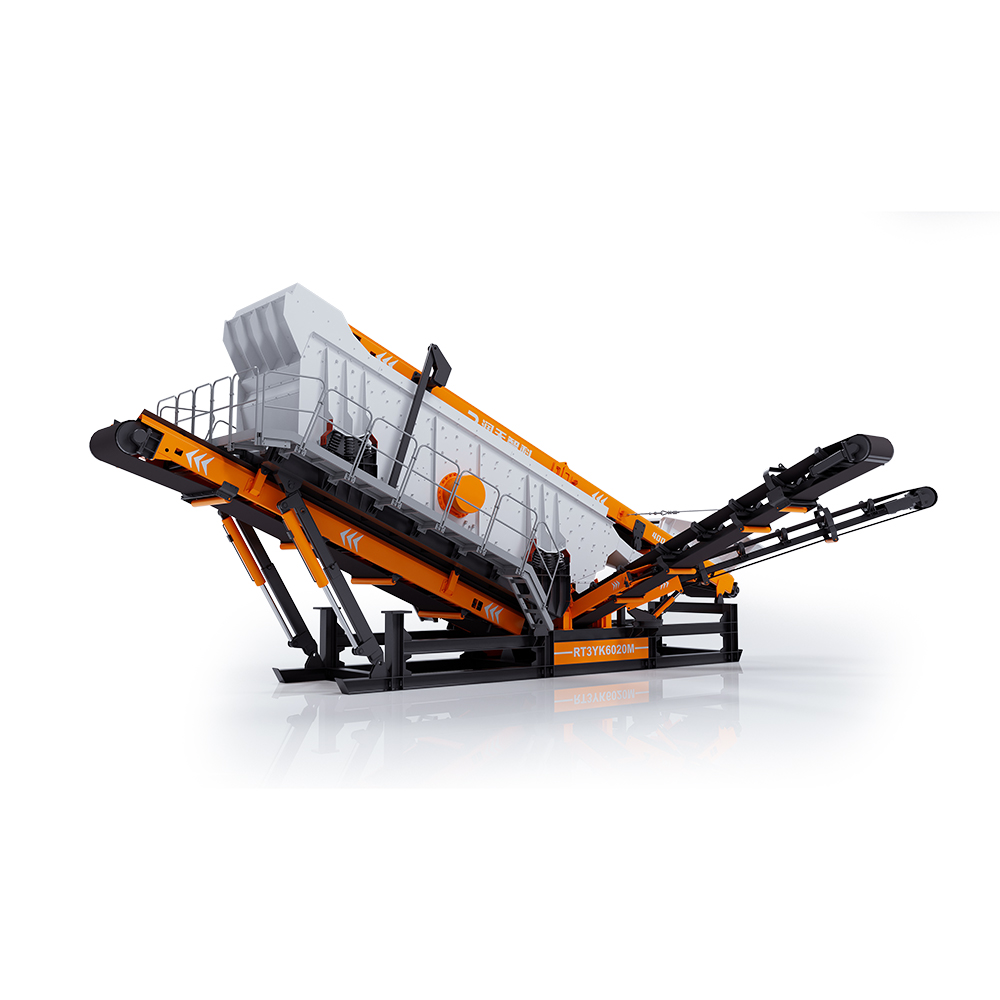 RT3YK6020M Modular Screening Plant
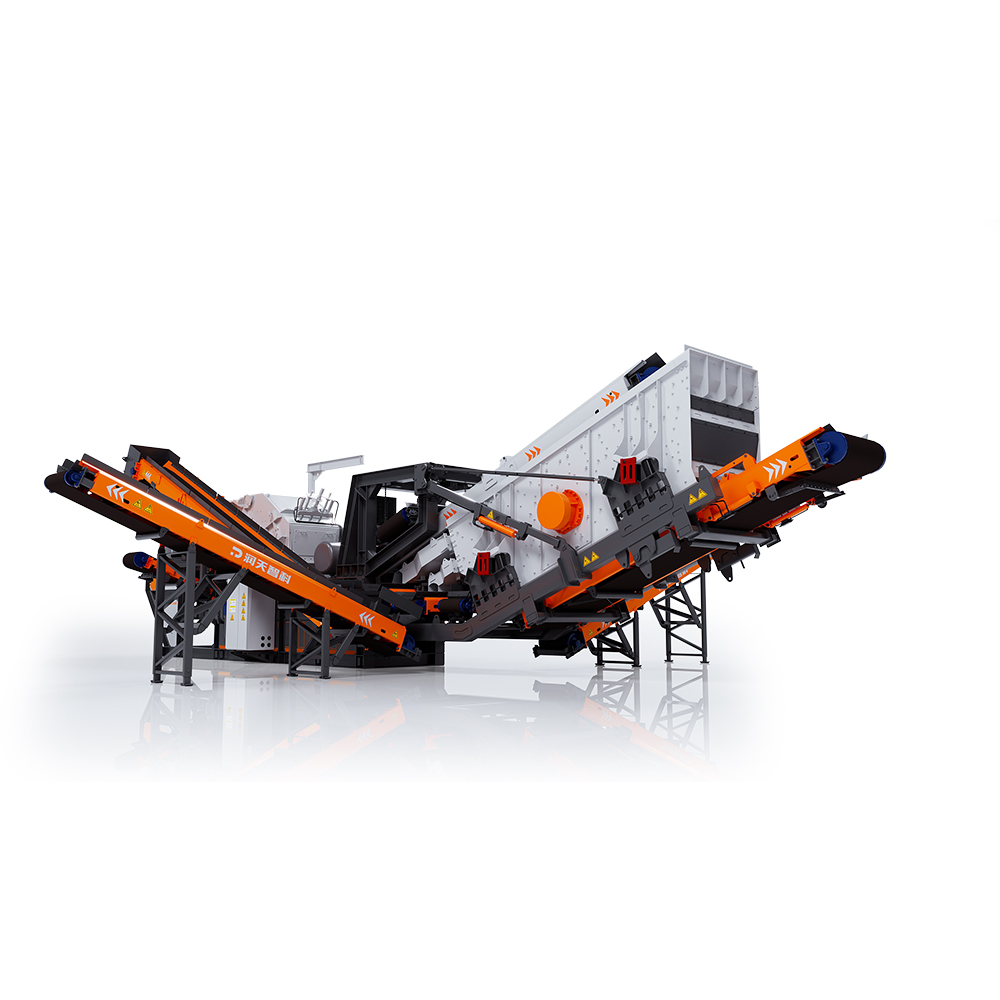 RTF260M Modular Counterattack Crushing and Screening Integrated Machine
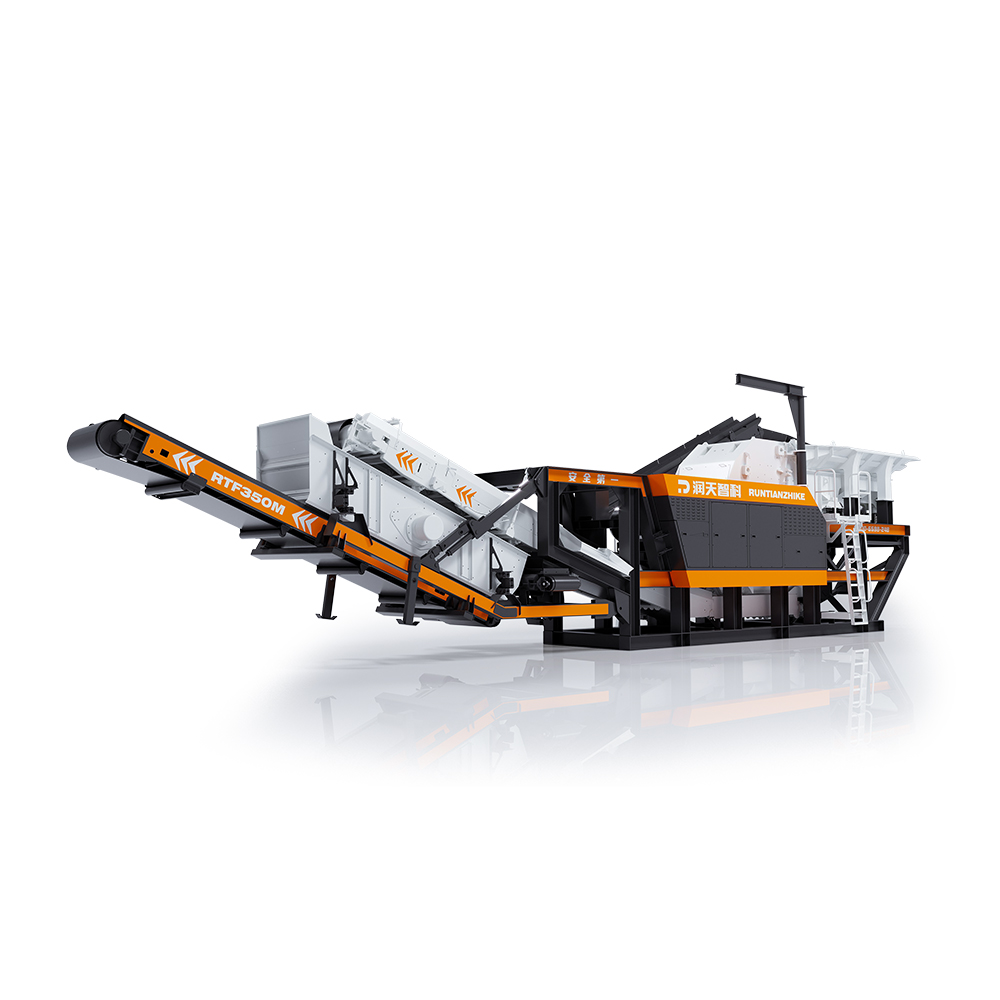 RTF350M Modular Impact Crushing Plant
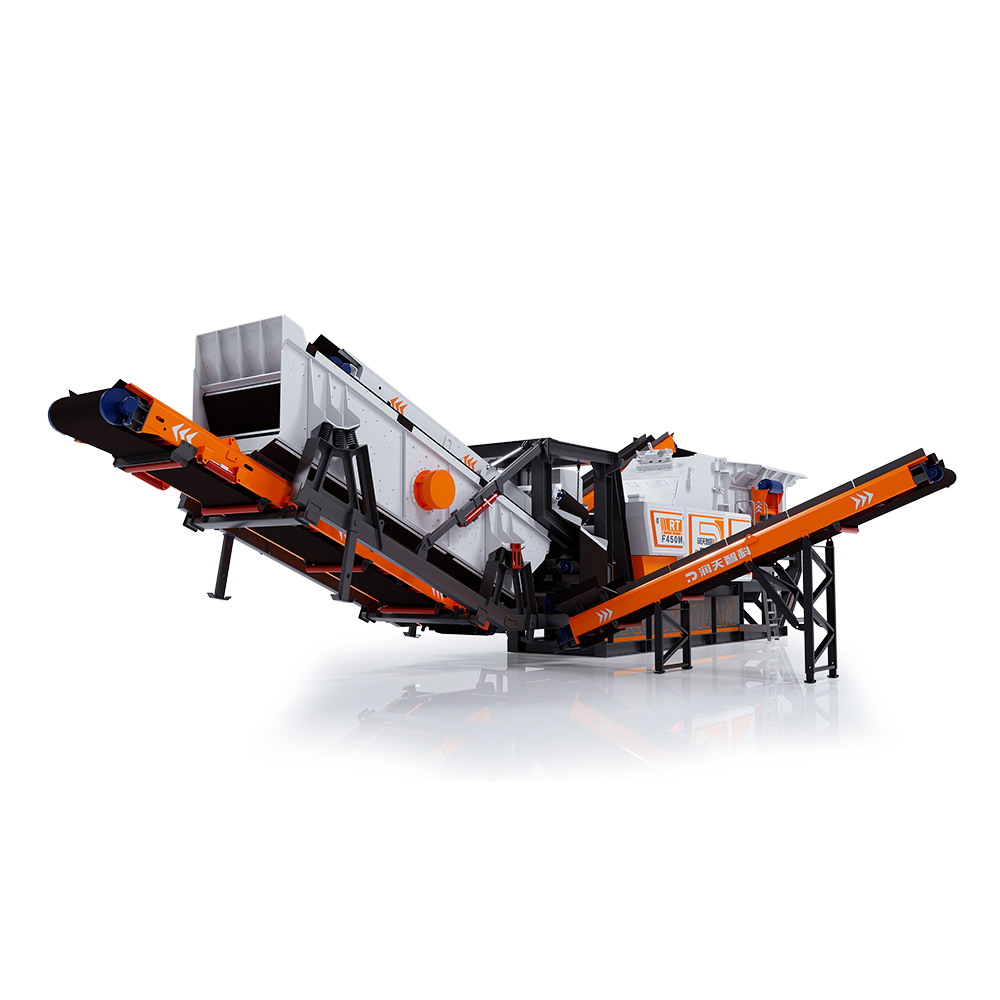 RTF450M Modular Impact Crushing Plant
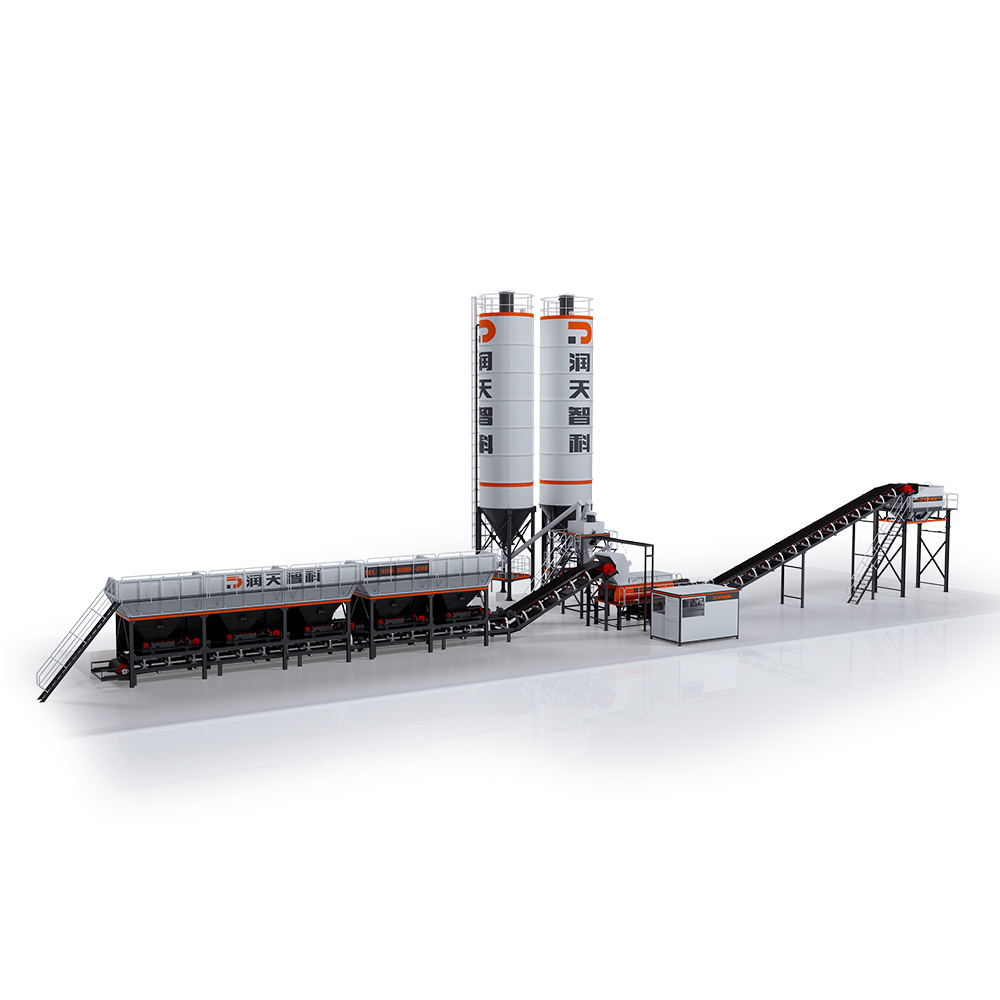 WDB Series Foundation-Free Stability Soil Mixing Plant
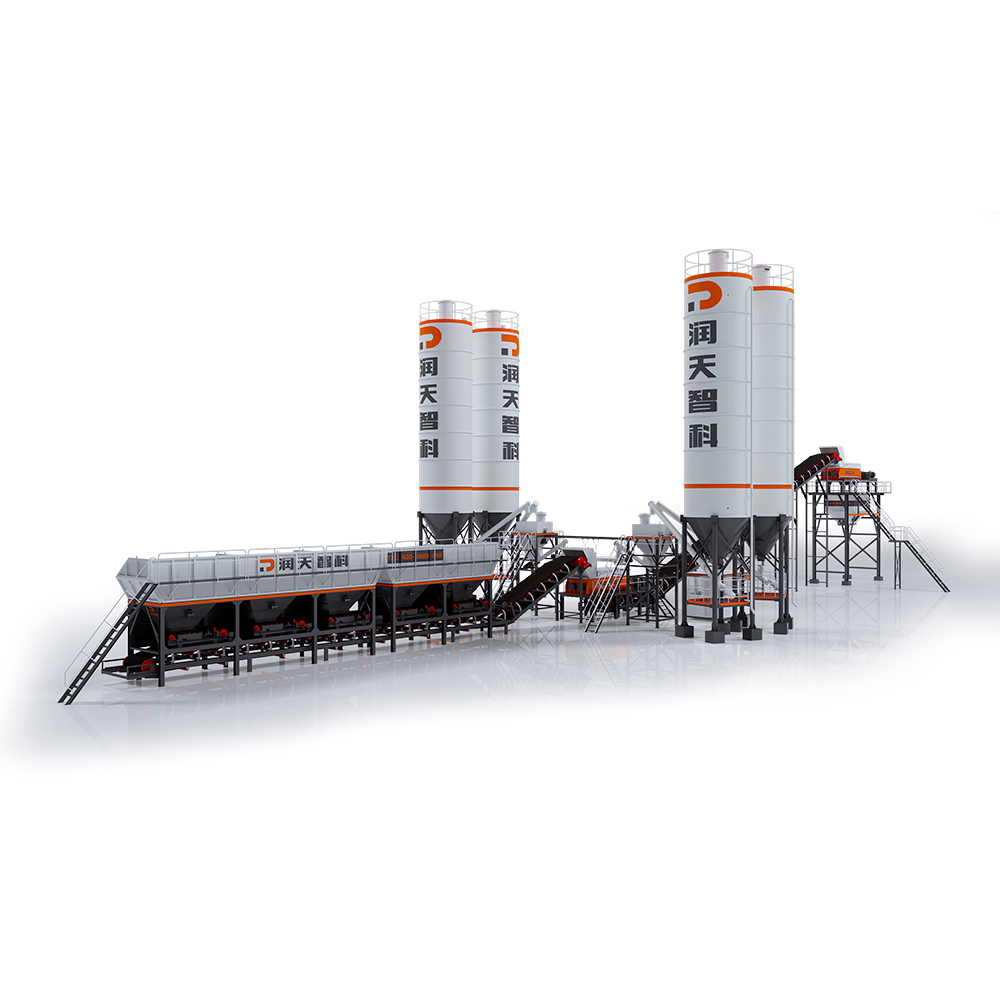 LCB Series Emulsified Asphalt Cold Regeneration Secondary Mixing Plant
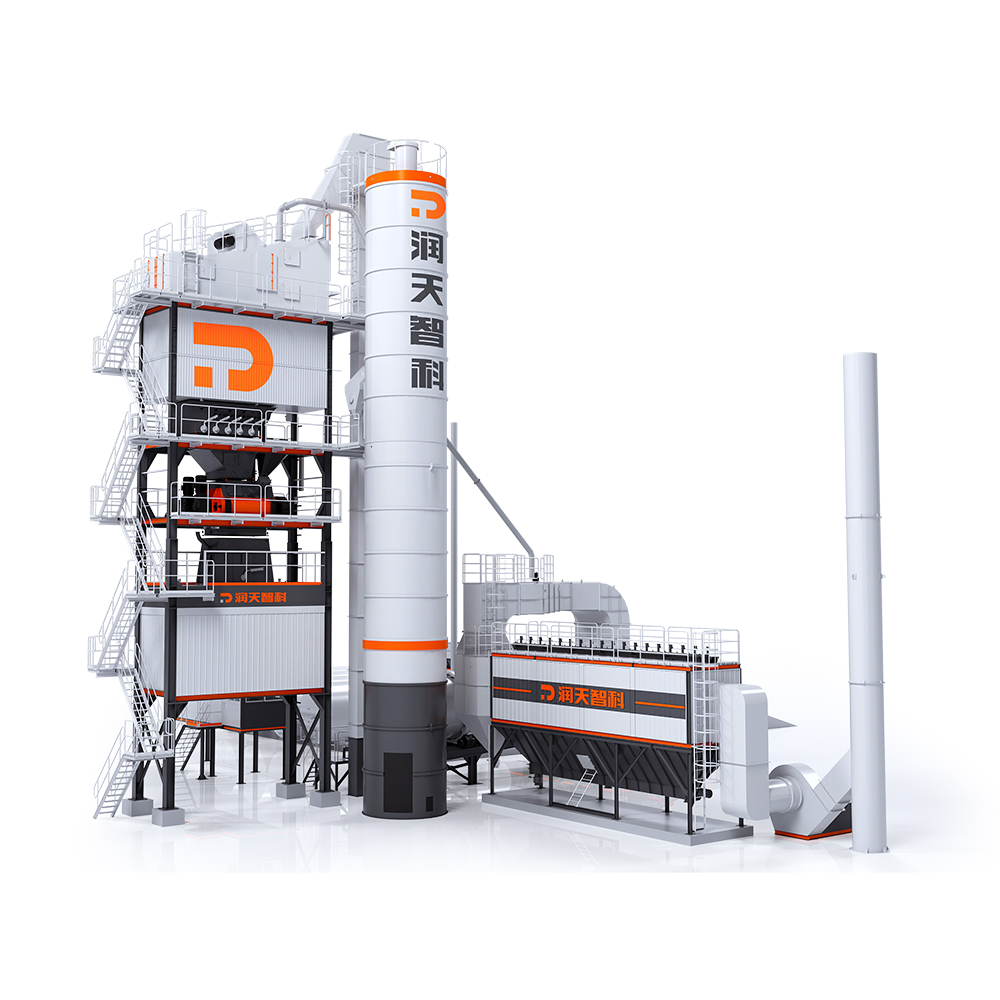 LB Series Asphalt Mixing Plant
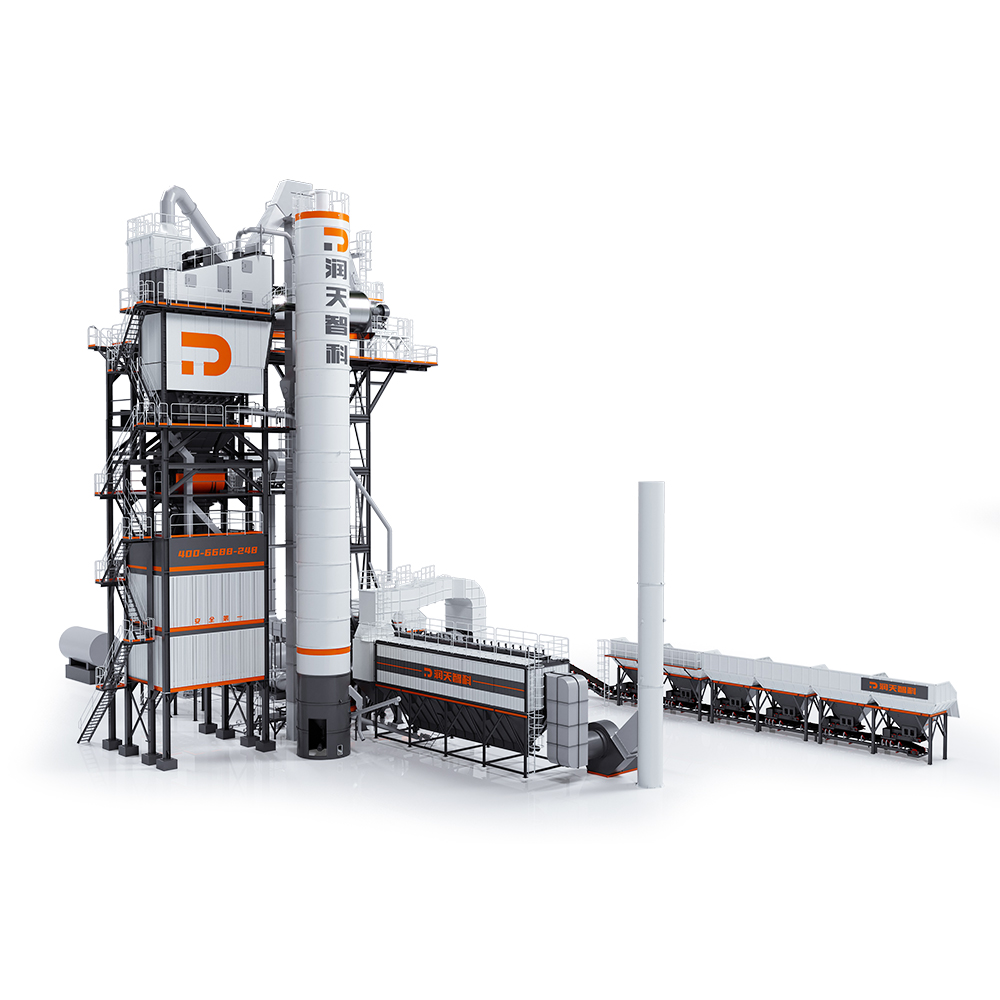 LBR Series Integrated Asphalt Mixing Plant
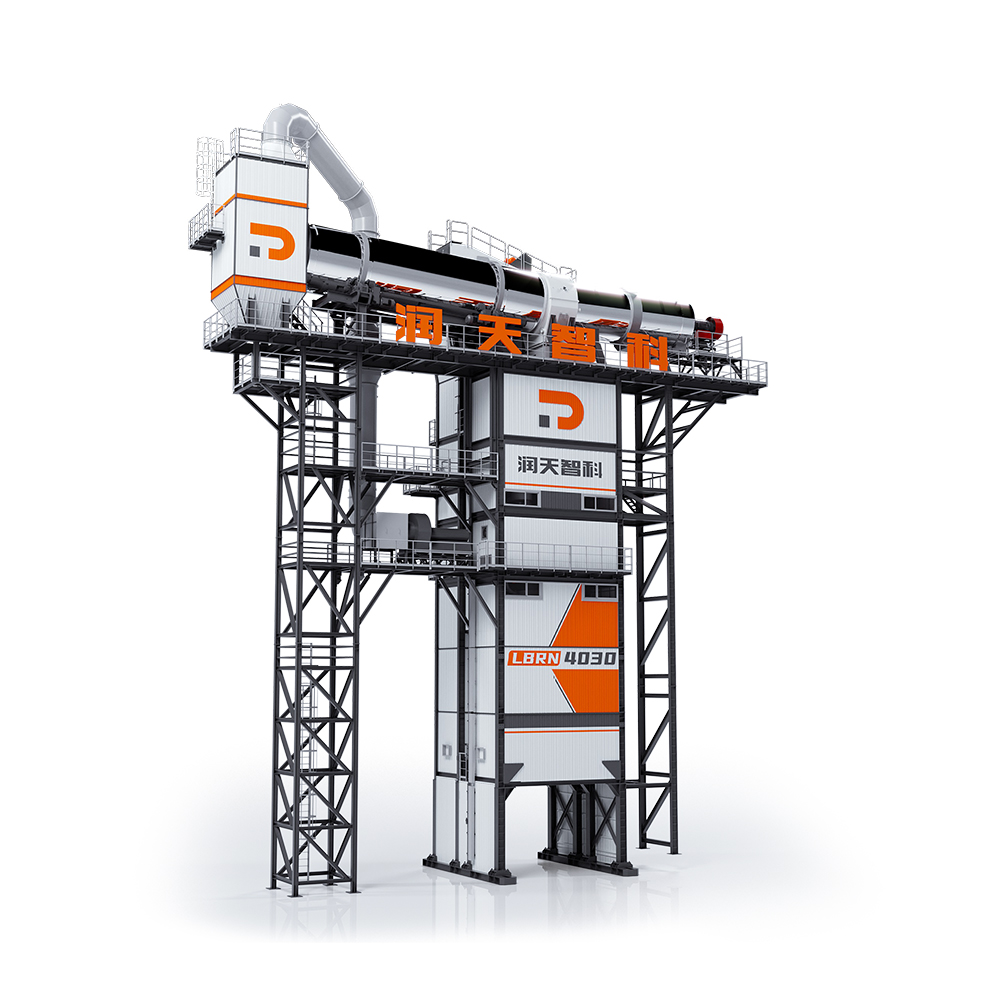 LBRN Series Counterflow Integral Asphalt Mixing Plant
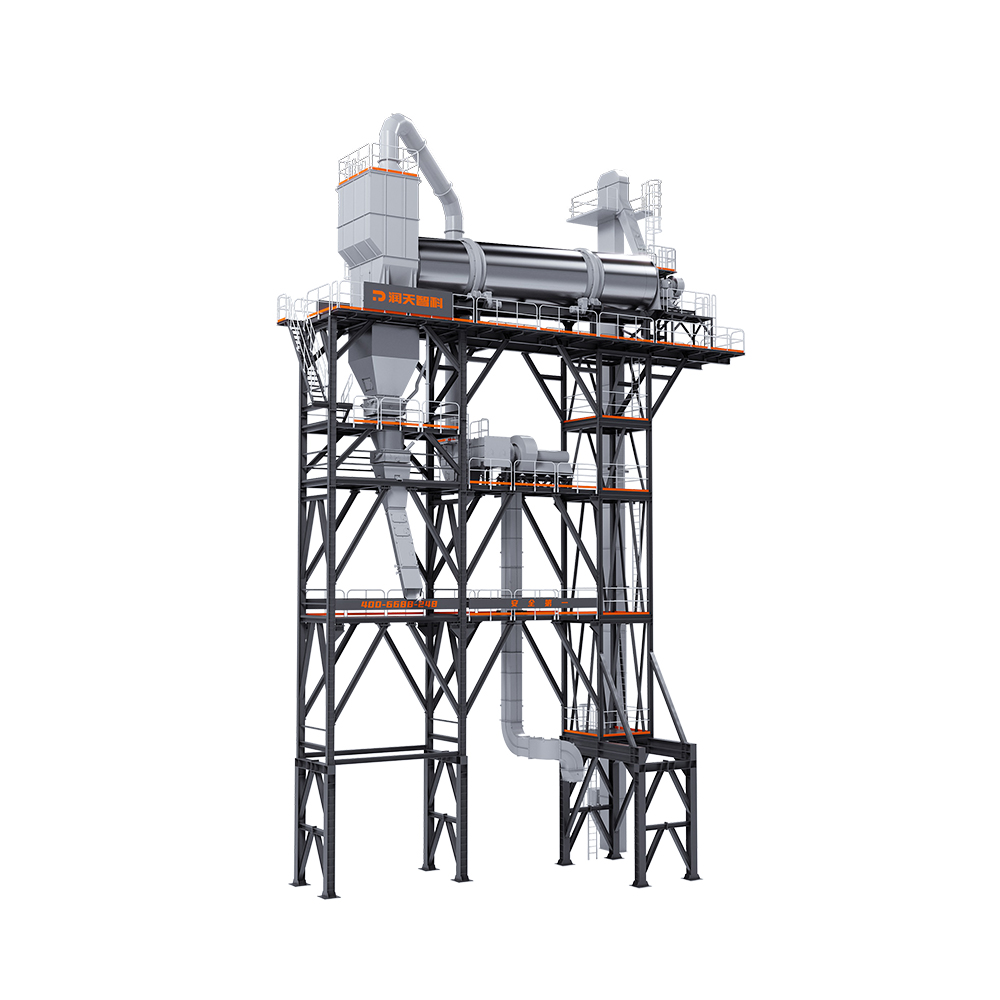 RZS Series Asphalt Mixing Plant
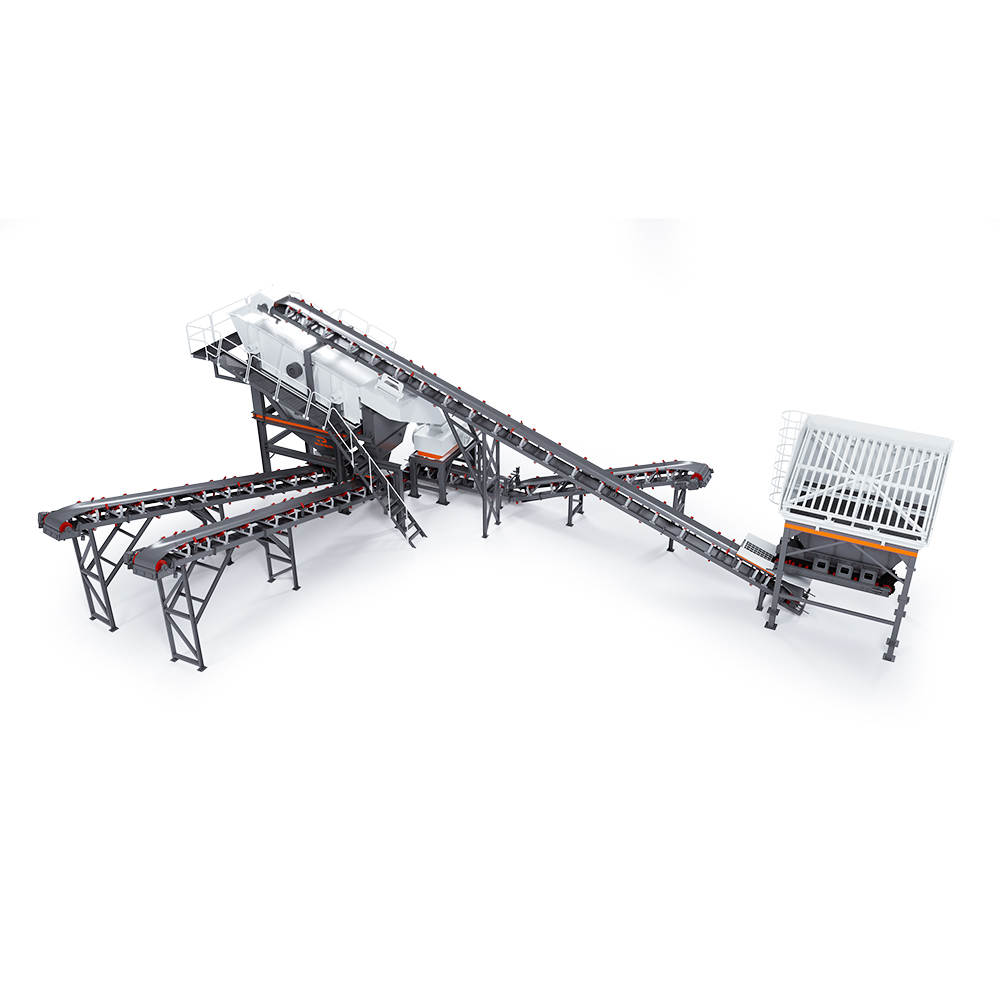 RTZS120 Series RAP Crushing & Screening Plant
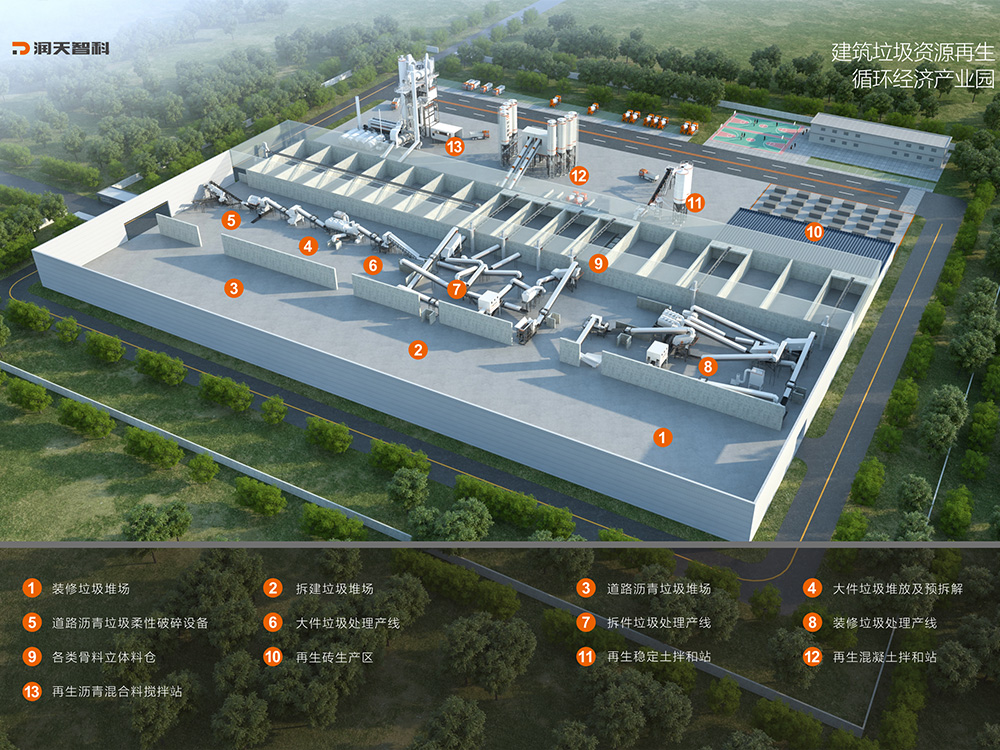 Construction Waste Resourceful Treatment Line