2025 Top Asphalt Mixing Plant Innovations for Enhanced Performance and Efficiency
The asphalt mixing plant industry is undergoing a remarkable transformation as innovations in technology and design continue to emerge. As we look ahead to 2025, it becomes evident that these advancements are pivotal not only in enhancing performance but also in improving efficiency. In an era where sustainability and cost-effectiveness are paramount, the latest innovations in asphalt mixing plants are set to redefine industry standards.
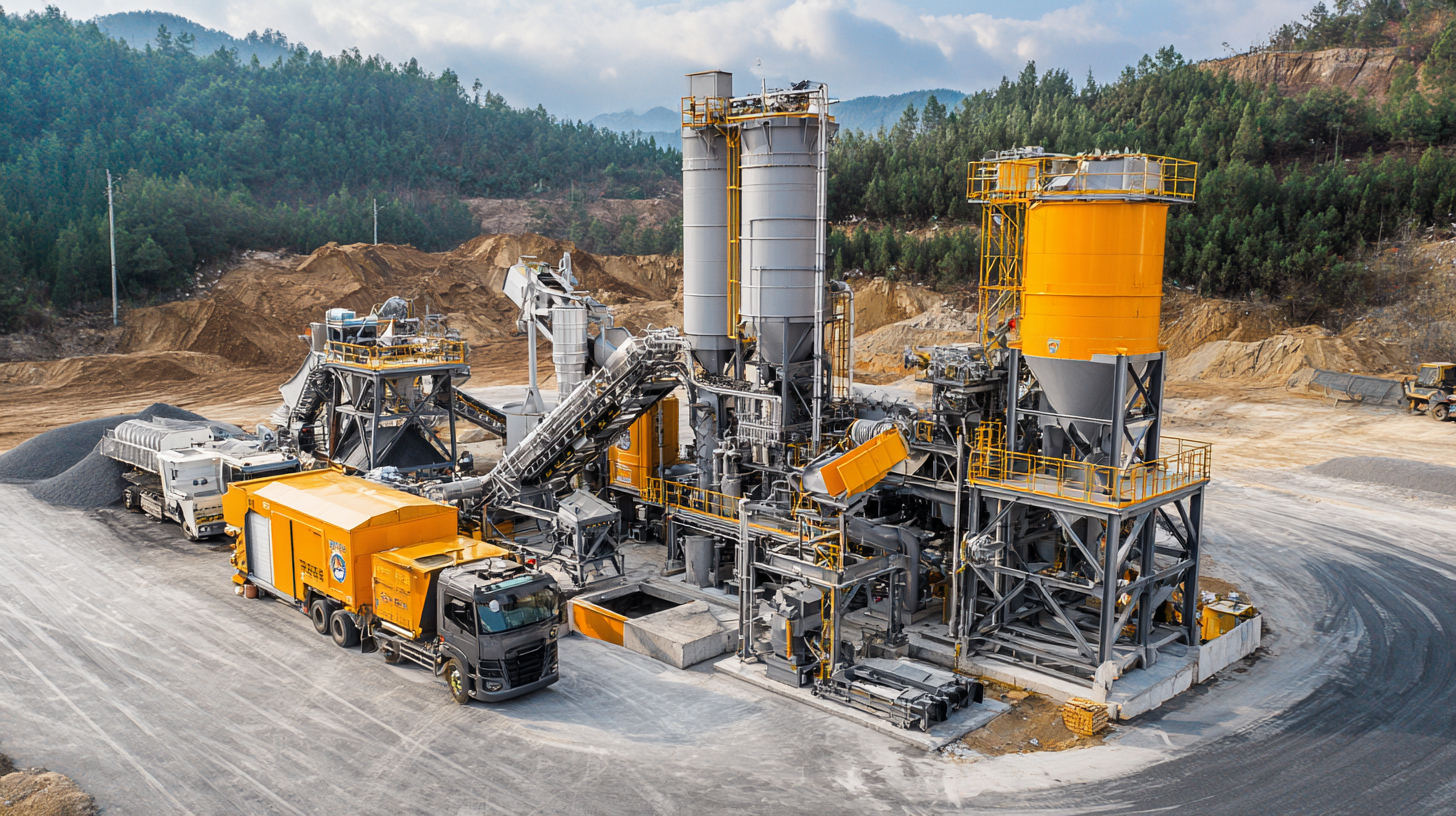
This article explores the "Top 10" innovations that are expected to make a significant impact on the asphalt mixing plant landscape. From the integration of automation and real-time monitoring systems to advancements in warm-mix asphalt technology, each innovation aims to streamline operations and reduce environmental impact. These cutting-edge solutions promise to enhance the overall functionality and reliability of asphalt mixing plants, providing contractors and operators with the tools necessary to meet the increasing demands of modern infrastructure projects.
Join us as we delve into the innovations shaping the future of asphalt mixing plants, which not only improve productivity but also contribute to a greener and more sustainable approach in the construction industry.
Innovative Technologies in Asphalt Mixing Plants: A 2025 Perspective on Efficiency
Asphalt mixing plants are undergoing transformative innovations that significantly enhance their performance and efficiency. By 2025, several cutting-edge technologies are expected to revolutionize the industry. Central to these advancements is the integration of IoT (Internet of Things) systems, which enable real-time monitoring and data analytics. This allows for better control over the mixing process and ensures optimal ingredient ratios, leading to higher-quality asphalt and reduced waste.
Tips: When selecting an asphalt mixing plant, consider models that incorporate smart technology features. These innovations can provide insights into operational efficiency and help in predictive maintenance, saving both time and costs in the long run.
Another promising trend is the development of environmentally friendly practices, such as warm-mix asphalt techniques and the use of recycled materials. These methods not only lower energy consumption during production but also reduce the carbon footprint of paving projects. Investing in plants that adopt these sustainable practices can align your operations with global efforts toward greener construction.
Tips: Stay informed about the latest materials and technologies in asphalt production. By adopting newer, eco-friendly methods, you can enhance your company's competitive edge while contributing to sustainable development in the construction industry.
2025 Top Asphalt Mixing Plant Innovations for Enhanced Performance and Efficiency
| Innovation |
Description |
Efficiency Gain (%) |
Environmental Impact |
| Smart Automation |
Integration of AI and IoT for real-time monitoring and adjustments. |
15% |
Reduces waste and optimizes resources. |
| Reclaimed Asphalt Technology |
Utilizing recycled materials to enhance mix quality. |
10% |
Lowers carbon footprint by reducing new material usage. |
| Advanced Burner Technology |
Burners that optimize fuel use and decrease emissions. |
20% |
Significantly lowers particulate emissions. |
| Dynamic Mix Design Software |
Software that provides optimal mix formulas based on real-time data. |
12% |
Improves efficiency in material usage. |
| Heat Recovery Systems |
Capturing and reusing heat from production processes. |
25% |
Reduces energy consumption dramatically. |
Digital Transformation in Asphalt Production: Smart Solutions for Real-Time Monitoring
The asphalt mixing industry is on the cusp of a digital revolution, with smart solutions paving the way for enhanced performance and efficiency. Real-time monitoring technologies are at the forefront of this transformation, enabling operators to gather critical data during the production process. By integrating Internet of Things (IoT) devices into asphalt mixing plants, stakeholders can track temperature, moisture levels, and aggregate compositions with unparalleled precision. This not only improves product quality but also allows for immediate adjustments, reducing waste and minimizing downtime.
Moreover, the application of artificial intelligence (AI) and machine learning algorithms is set to revolutionize decision-making processes in asphalt production. These advanced technologies assist in predictive maintenance, identifying potential equipment failures before they occur, thus ensuring seamless operations. The data collected through sensors and analytics platforms can also be leveraged to optimize the mixing process, resulting in better resource allocation and cost efficiency. As digital transformation continues to unfold, the asphalt mixing sector stands to benefit immensely, driving innovations that elevate both performance and sustainability.
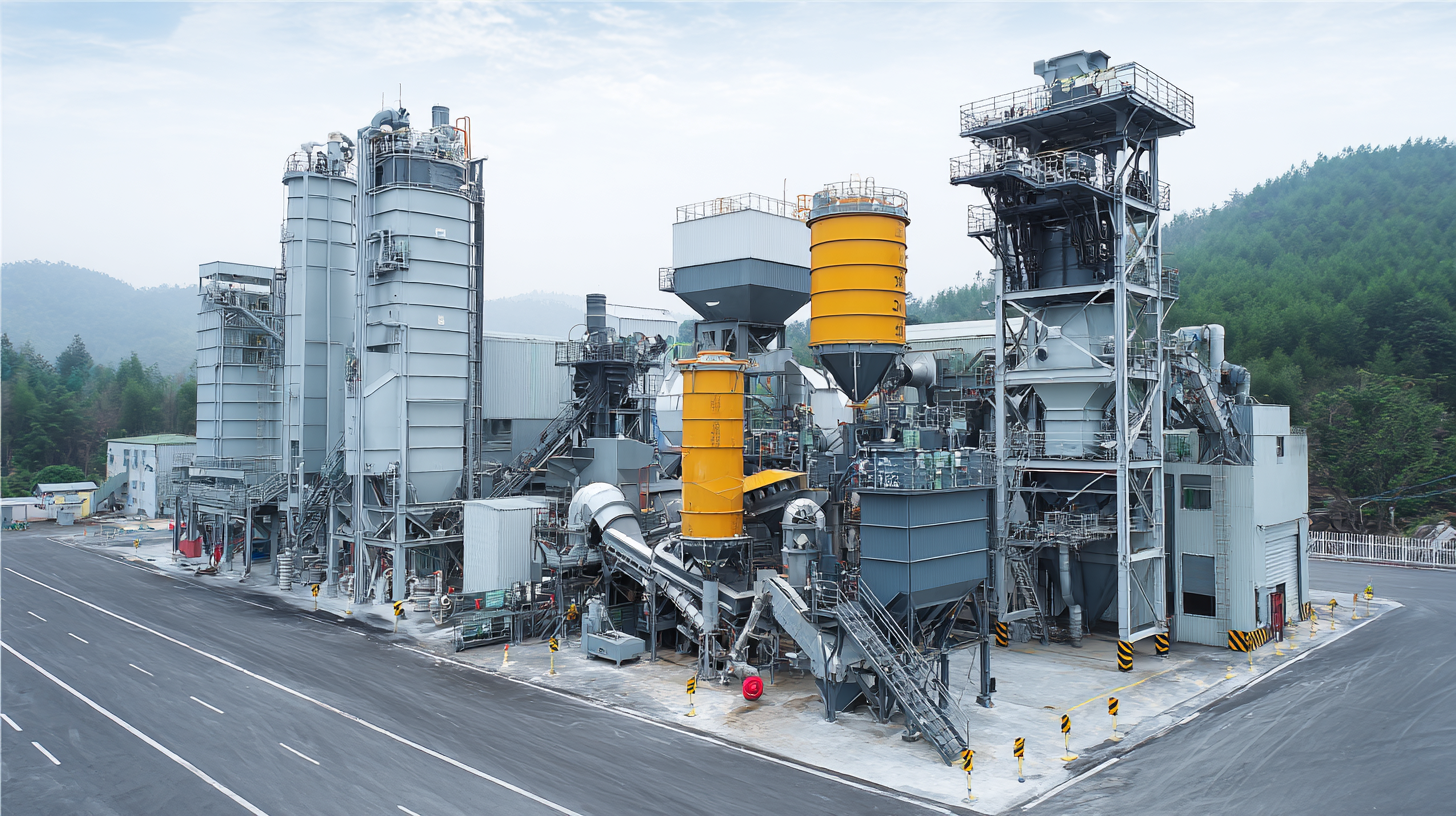
Sustainable Practices: Integrating Recycled Materials in Asphalt Mixing Processes
The asphalt mixing industry is increasingly embracing sustainable practices, particularly through the integration of recycled materials in asphalt mixing processes. According to a report by the Federal Highway Administration, the use of recycled asphalt pavement (RAP) in asphalt mixtures has grown significantly, with over 99% of asphalt used in the U.S. containing RAP in some form. This not only reduces the demand for virgin materials but also enhances the overall environmental sustainability of road construction.
Moreover, incorporating recycled materials has proven to improve the overall performance of asphalt mixtures. A study published by the National Asphalt Pavement Association noted that mixtures containing RAP exhibit better resistance to cracking and deformation, which enhances their durability and lifespan. In fact, it is estimated that utilizing RAP can save approximately 35% on material costs while simultaneously cutting greenhouse gas emissions by up to 20%. These innovations in asphalt mixing are pivotal for paving the way toward a more sustainable infrastructure while maintaining high standards of performance and efficiency.
2025 Asphalt Mixing Plant Innovations: Performance and Efficiency
Energy Efficiency Upgrades: How New Designs Reduce Operational Costs by 20%
In the pursuit of reduced operational costs and enhanced sustainability, the asphalt mixing plant sector is seeing significant advancements in energy efficiency. The latest innovations in design focus on integrating smarter technology and optimized processes, targeting a reduction in energy consumption by up to 20%. This transformation is critical, as companies are increasingly held accountable for their environmental impact while grappling with rising energy prices.
New designs incorporate high-efficiency burners and improved heat recovery systems that minimize energy wastage. These systems utilize advanced algorithms to adjust operations based on real-time data, ensuring that energy is used only when necessary. Furthermore, the introduction of renewable energy sources, such as solar panels or wind turbines, further complements these upgrades, allowing asphalt plants to operate sustainably while cutting down on electricity costs.
As the industry evolves, these energy efficiency upgrades not only promise economic benefits but also align with global goals for greener construction practices.
Future Trends: The Role of AI and Machine Learning in Optimizing Asphalt Mix Quality
The integration of artificial intelligence (AI) and machine learning in the asphalt mixing plant sector is set to revolutionize the industry's approach to mix quality optimization. By leveraging data analytics, AI can facilitate real-time monitoring of material properties and environmental conditions, ensuring that the asphalt mix meets stringent quality standards. Predictive algorithms can analyze historical data to forecast performance outcomes, allowing for proactive adjustments in the mixing process that enhance efficiency and reduce waste.
Furthermore, the ongoing innovations in AI technology are fostering a more sustainable approach in asphalt production. Machine learning models can identify patterns in material performance, leading to the development of optimized mixtures that utilize recycled materials without compromising quality. As the asphalt mixing plants market is projected to grow significantly over the next decade, these advancements are not only expected to boost operational productivity but also align with global sustainability goals, making AI an indispensable tool for future industry leaders.
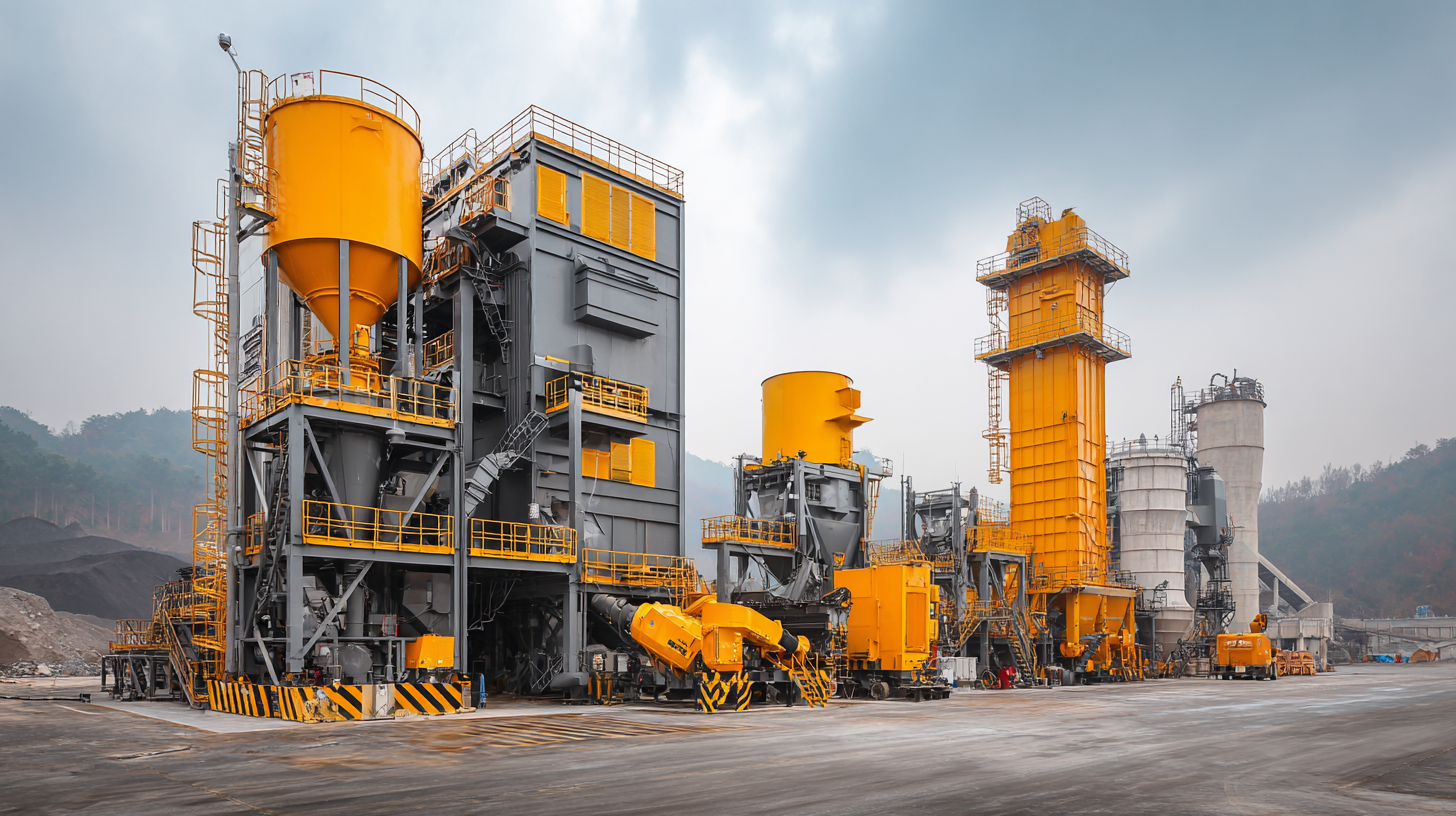

 Concrete Mixing Plant
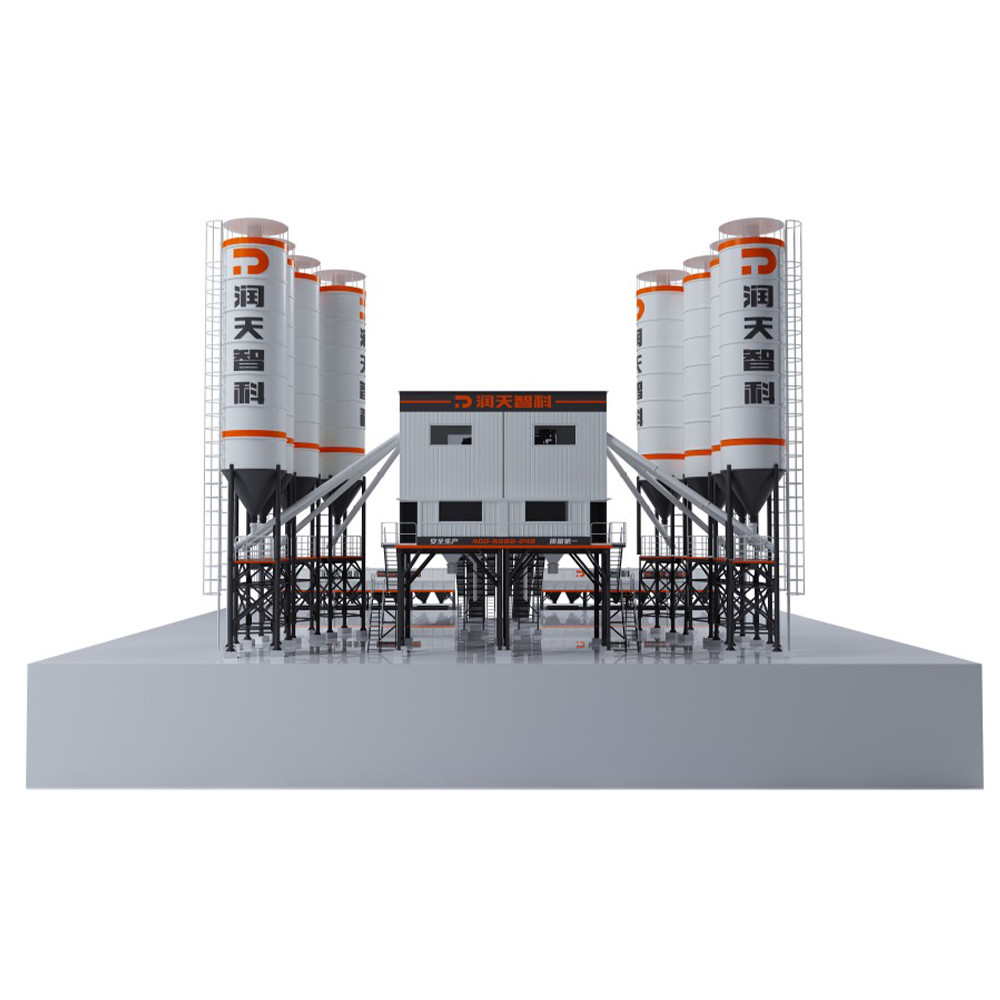 HZS Series Belt Concrete Mixing Plant
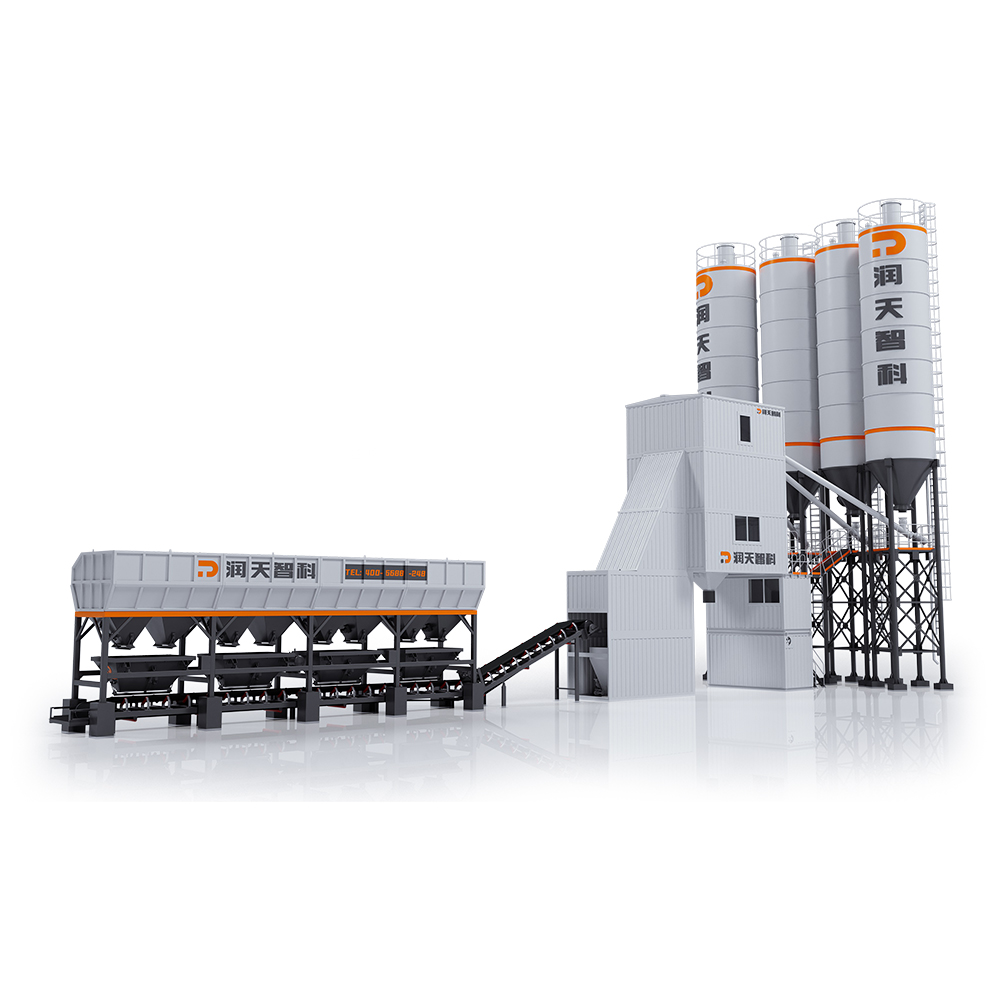 HZS Series Bucket-Lifting Type Container Concrete Mixing Plant
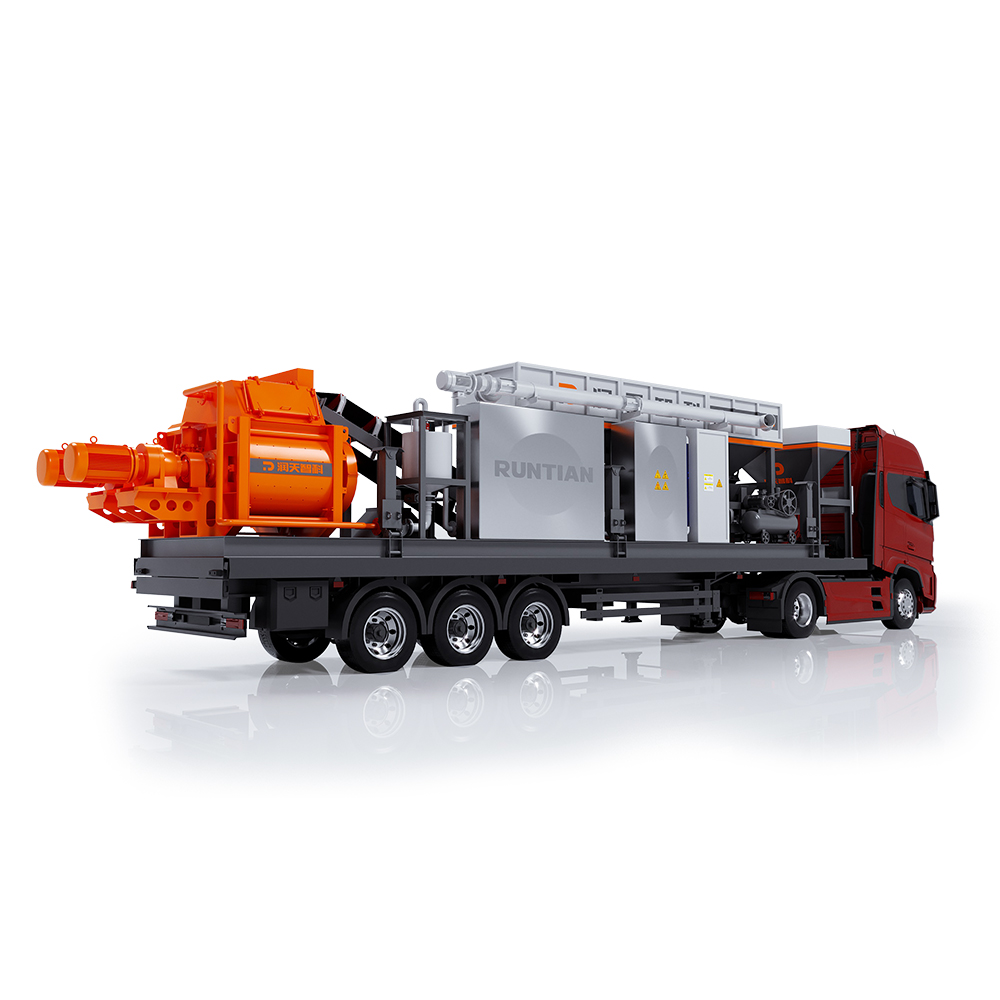 HZS60 Mobile Concrete Mixing Plant
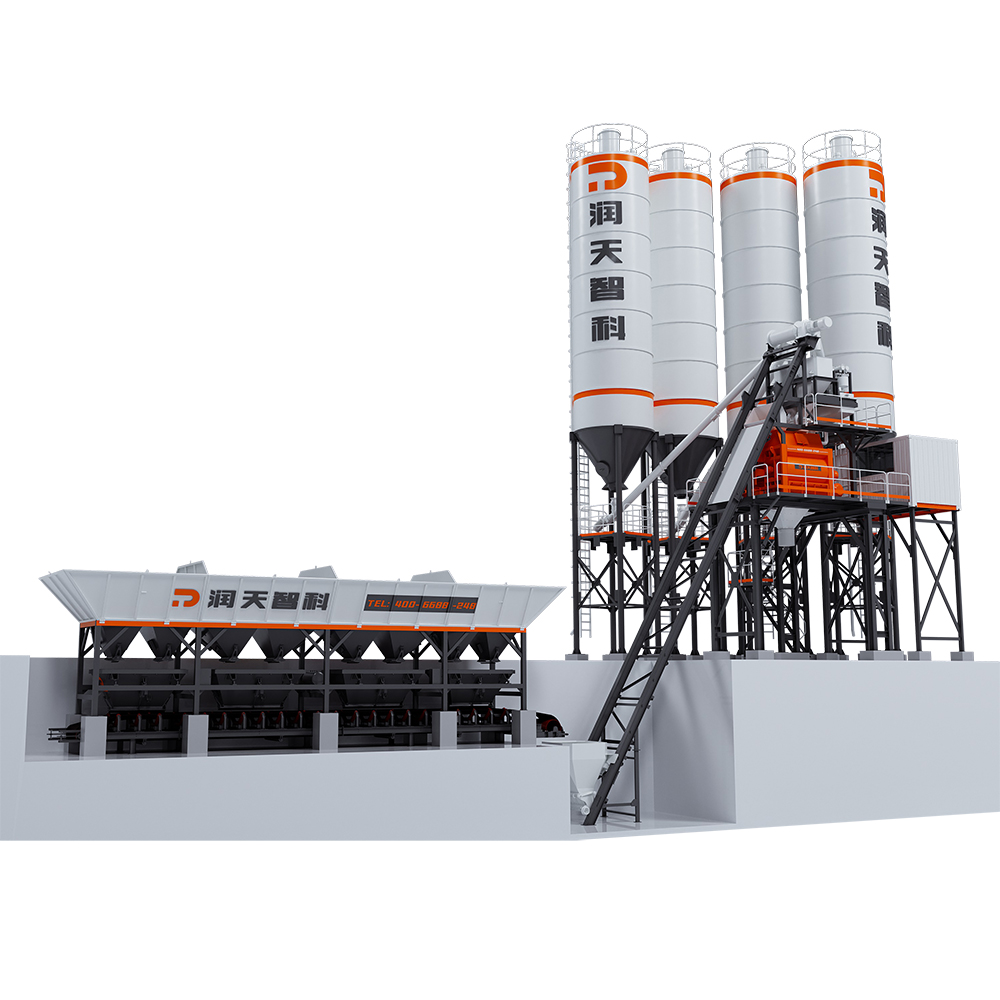 HZS Series Bucket-Lifting Type Concrete Mixing Plant
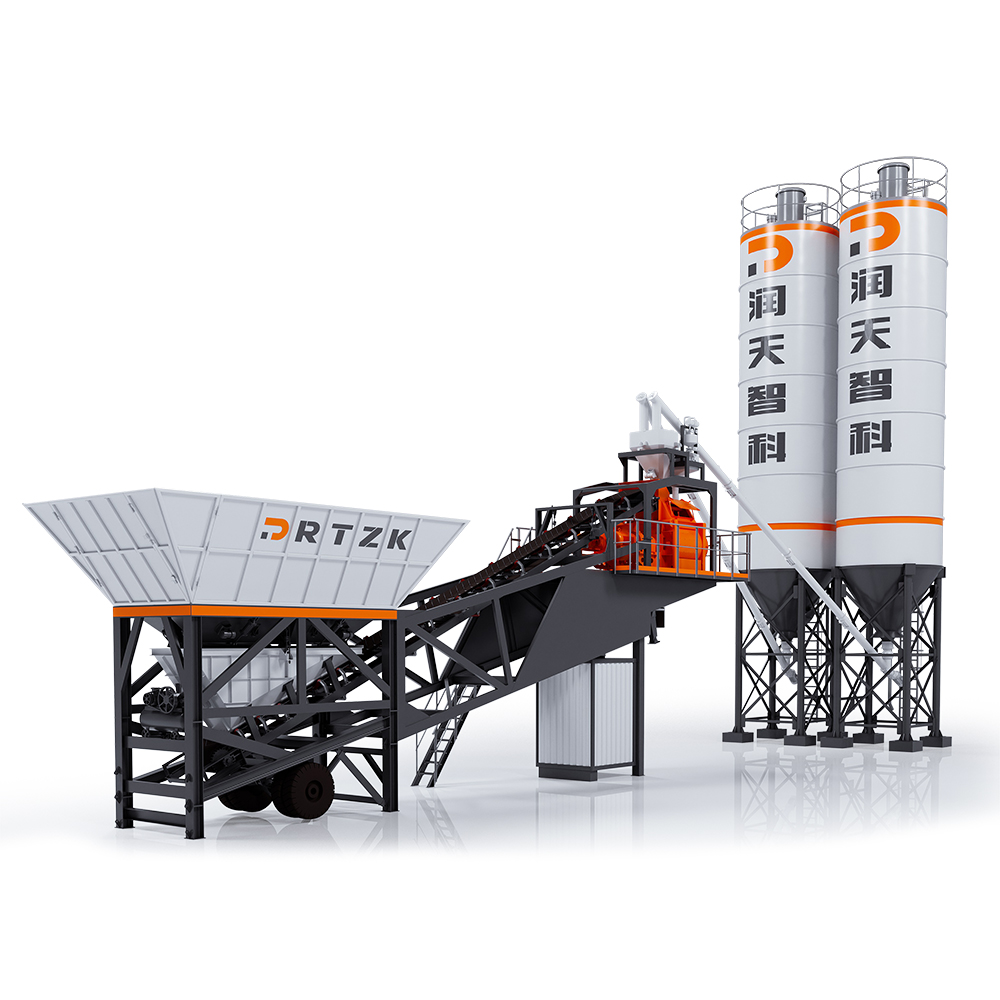 HZS Series Mobile Concrete Mixing Plant
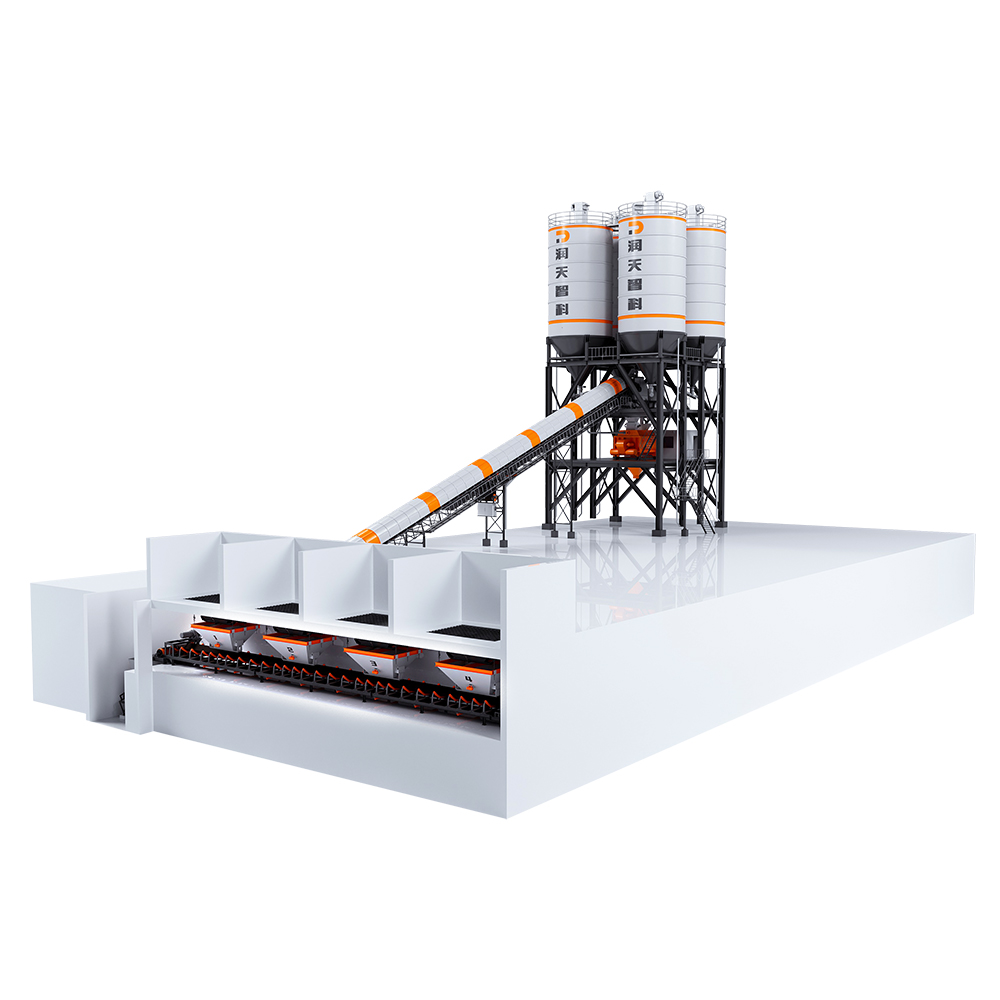 HZS Series Top-Mounted Concrete Mixing plant
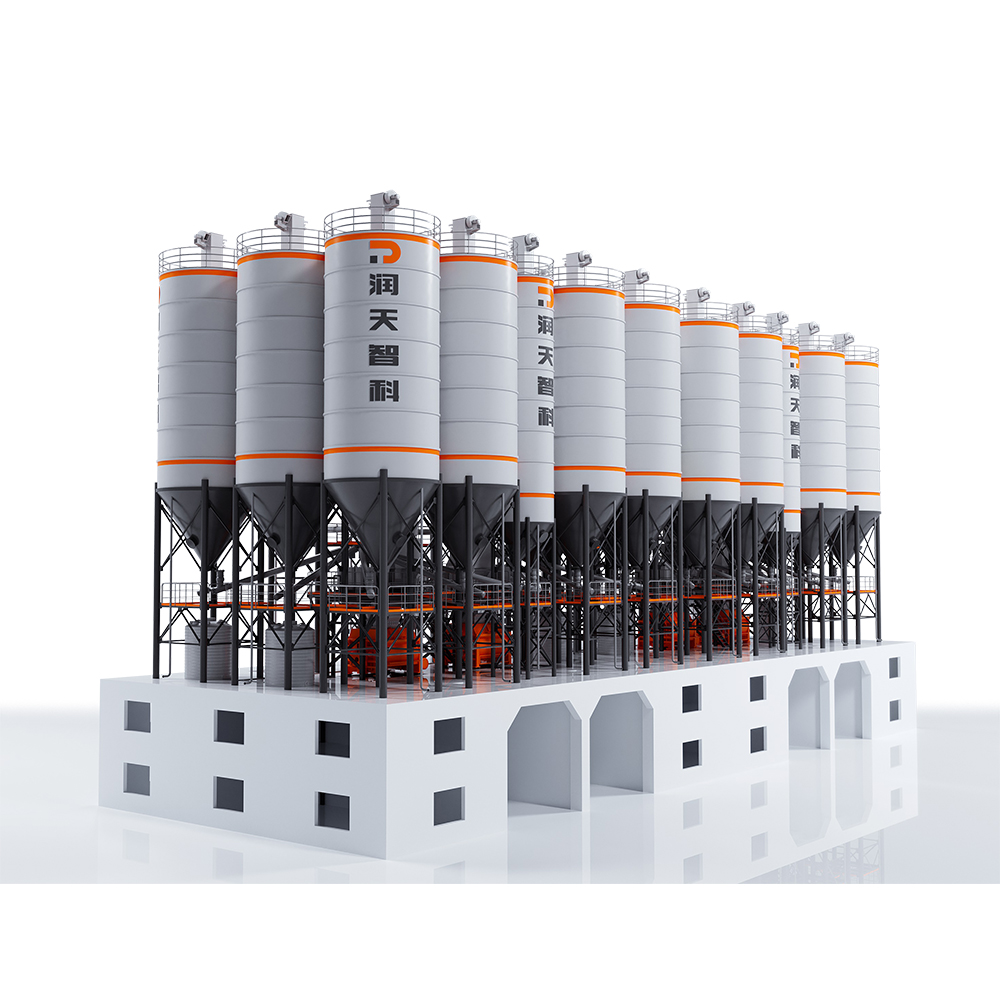 HZS Series Semi-Top Mounted Concrete Mixing Plant
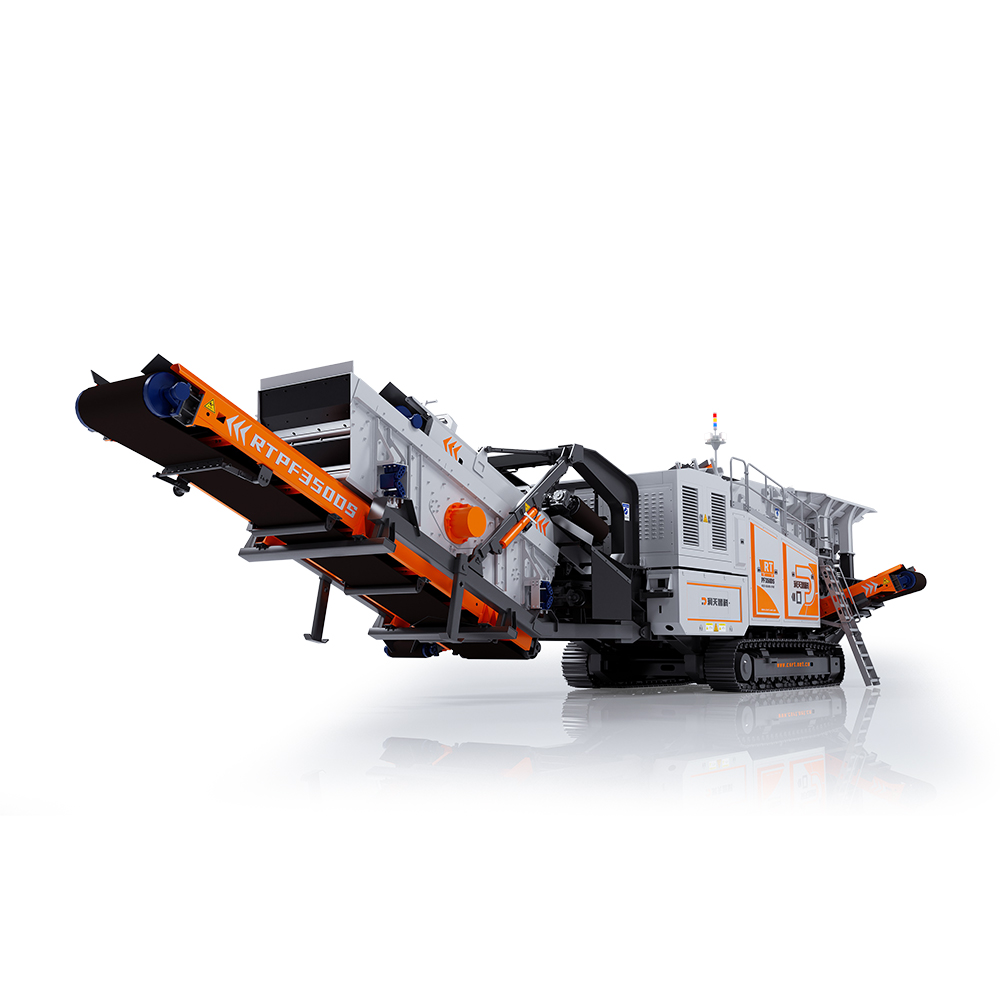 RTPF350DS Crawler Mobile Impact Crushing Plant
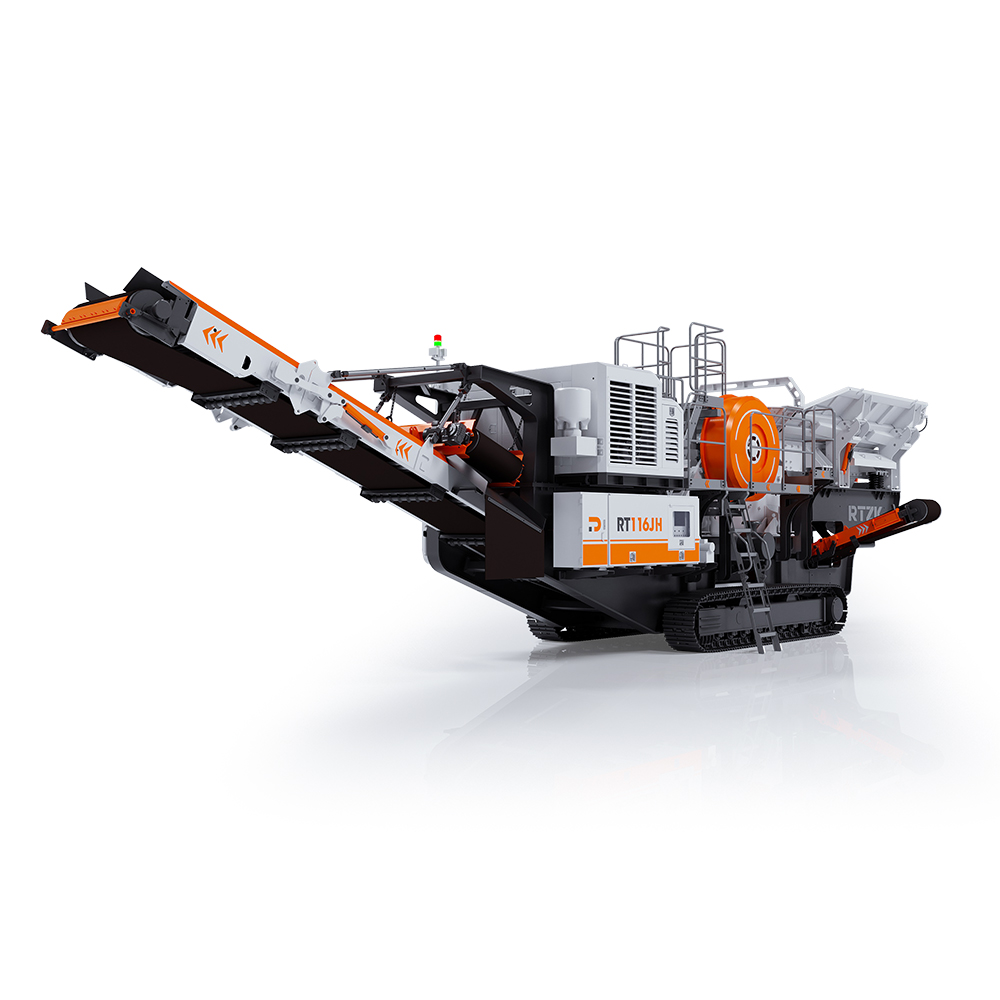 RT116JH Crawler Mobile Jaw Crushing Plant
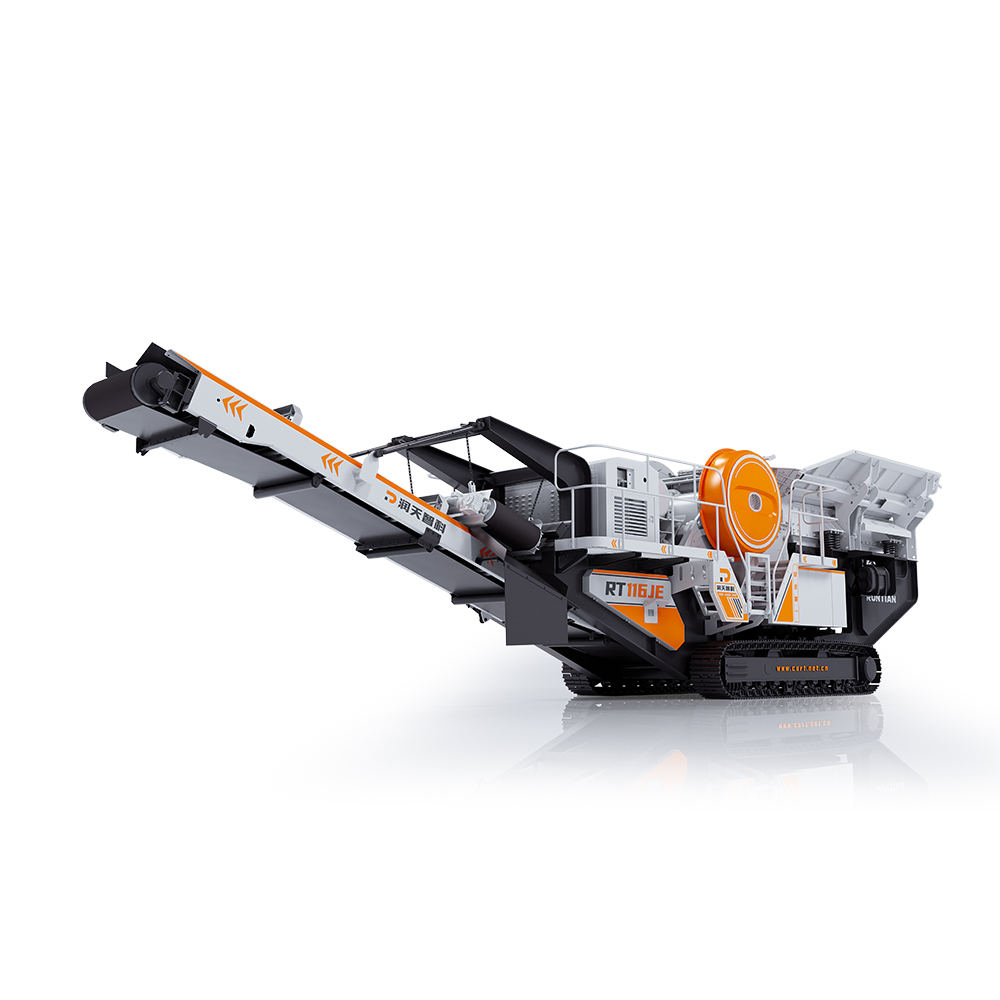 RT116JE Crawler Mobile Jaw Crushing Plant
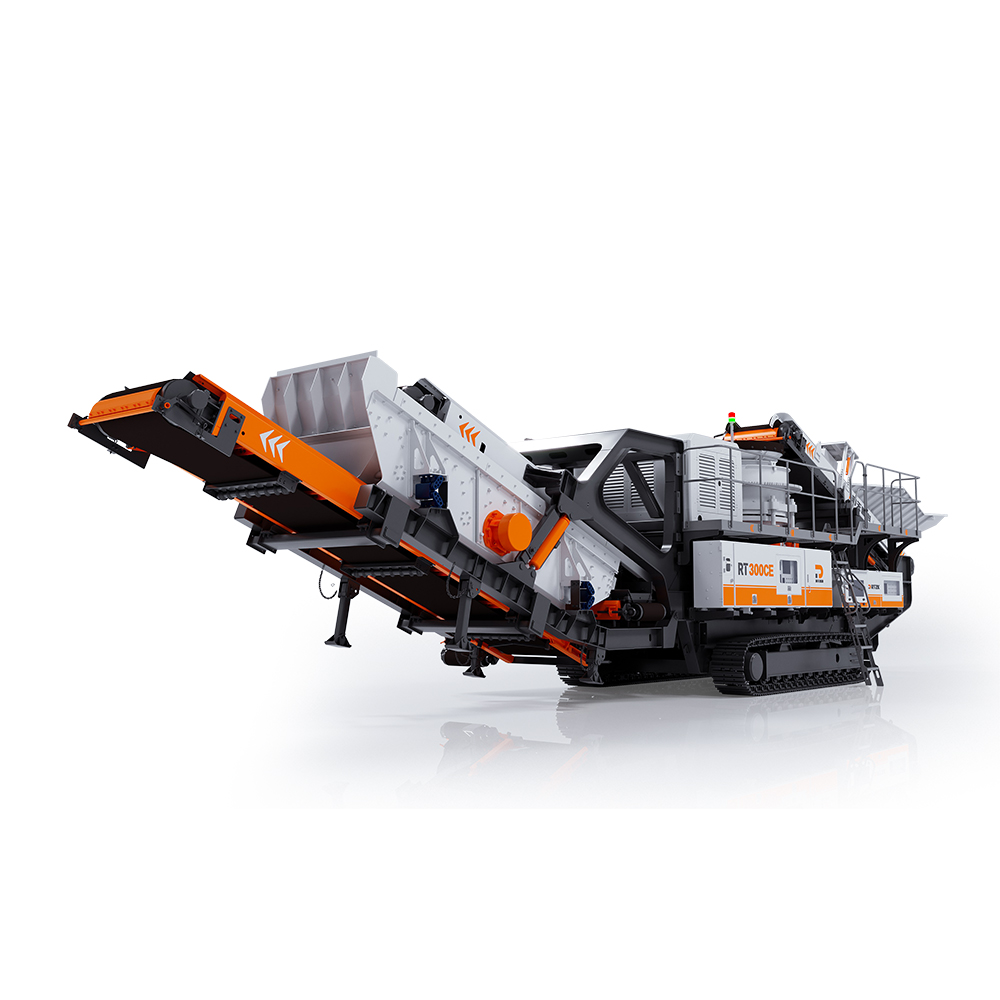 RT300CE Crawler Mobile Cone Crushing Plant
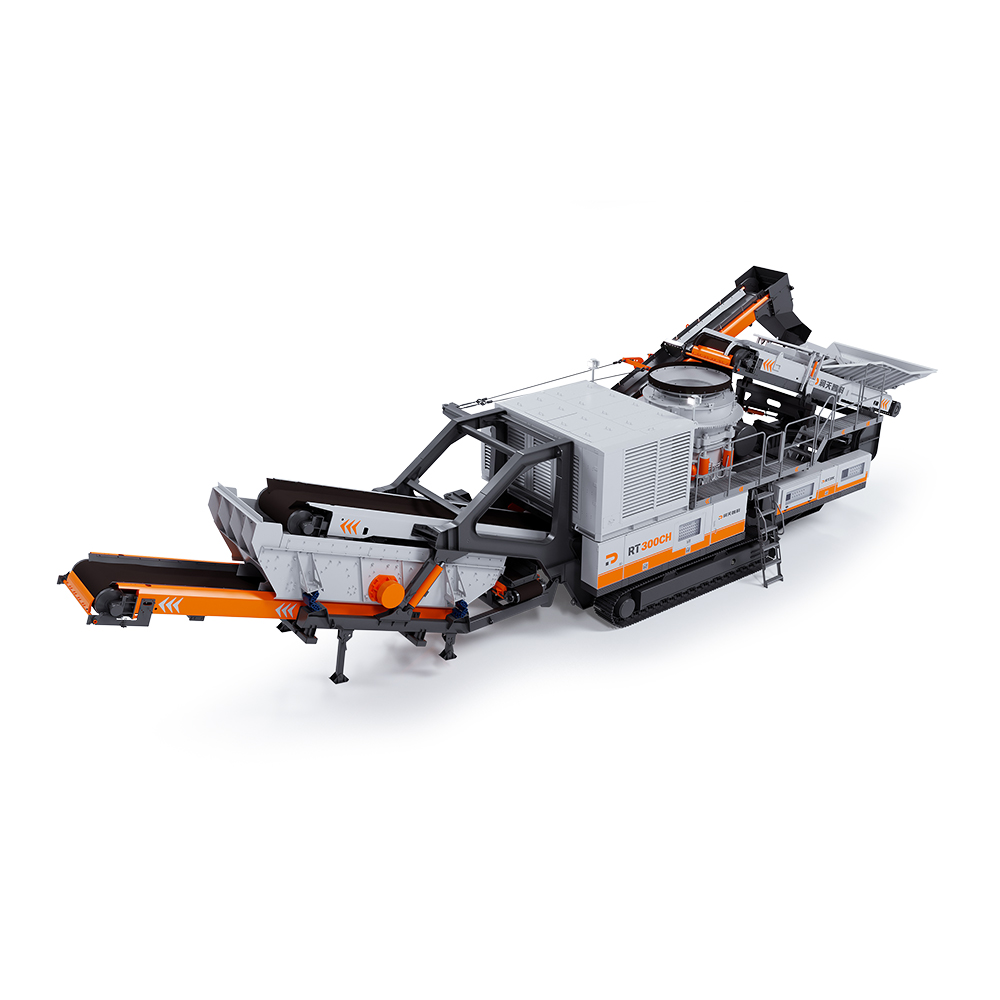 RT300CH Crawler Mobile Cone Crushing Plant
 RT5015H Mobile Scalping Screen
 RT315VSIE Crawler Mobile Sand Maker
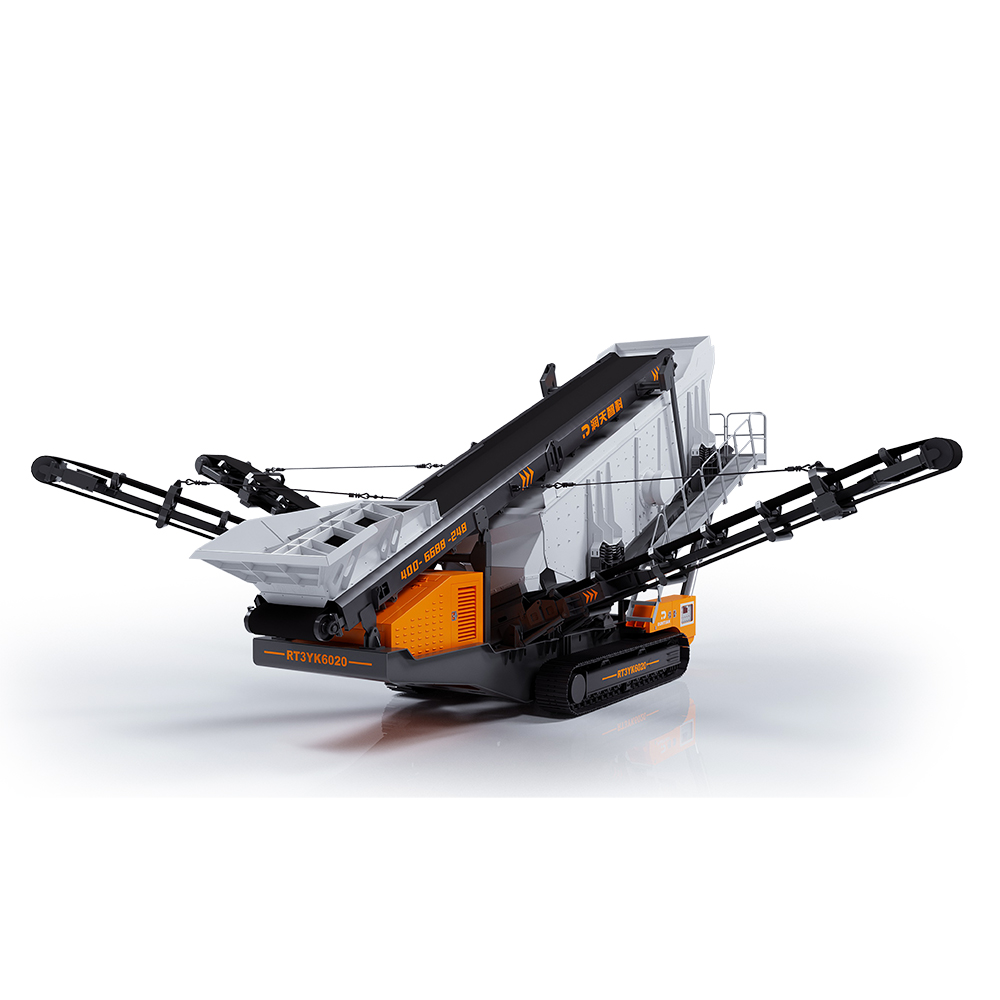 RT3YK6020 Crawler Mobile Screening Plant
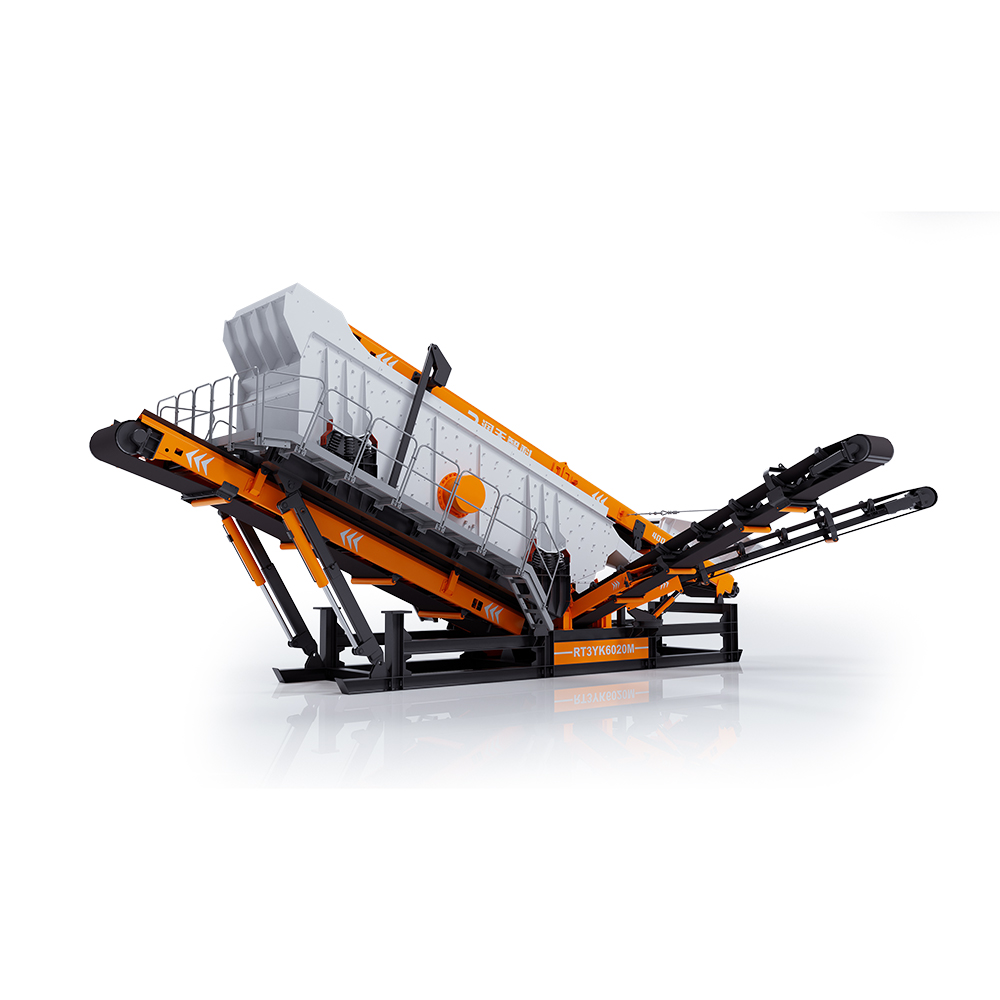 RT3YK6020M Modular Screening Plant
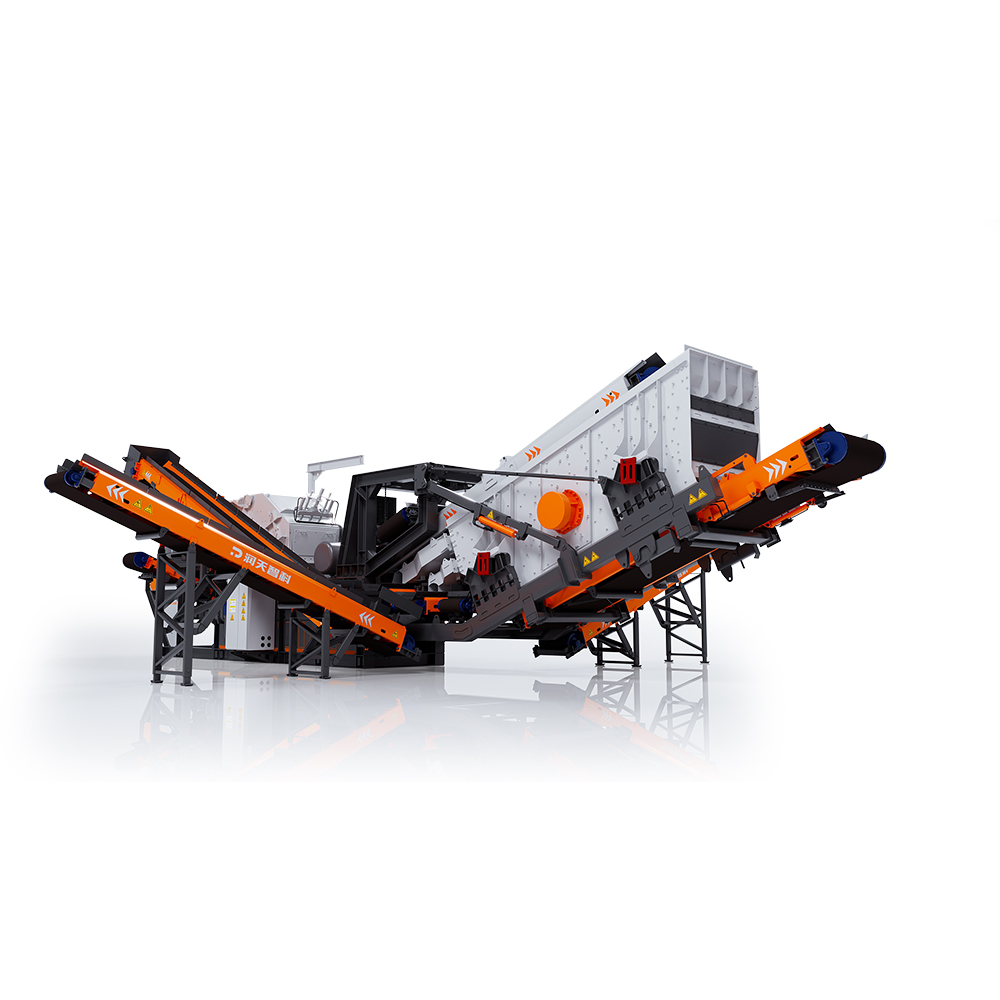 RTF260M Modular Counterattack Crushing and Screening Integrated Machine
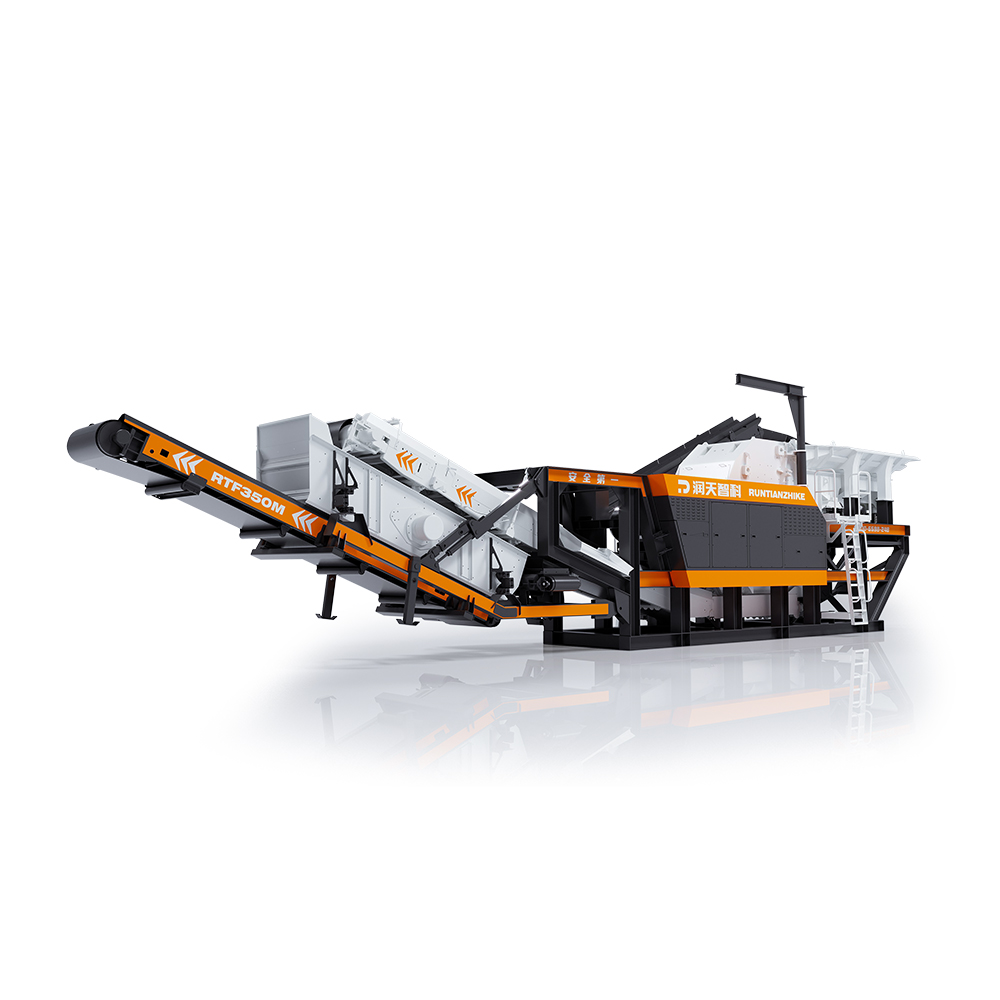 RTF350M Modular Impact Crushing Plant
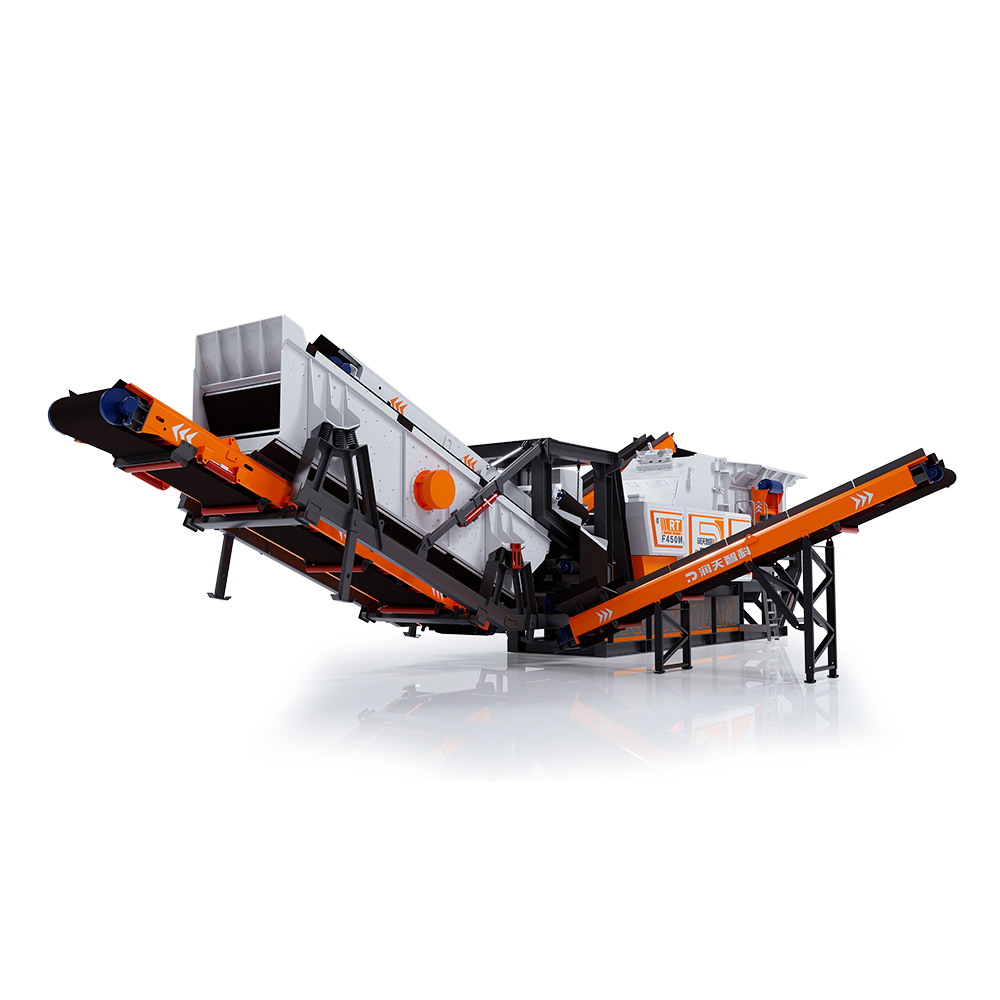 RTF450M Modular Impact Crushing Plant
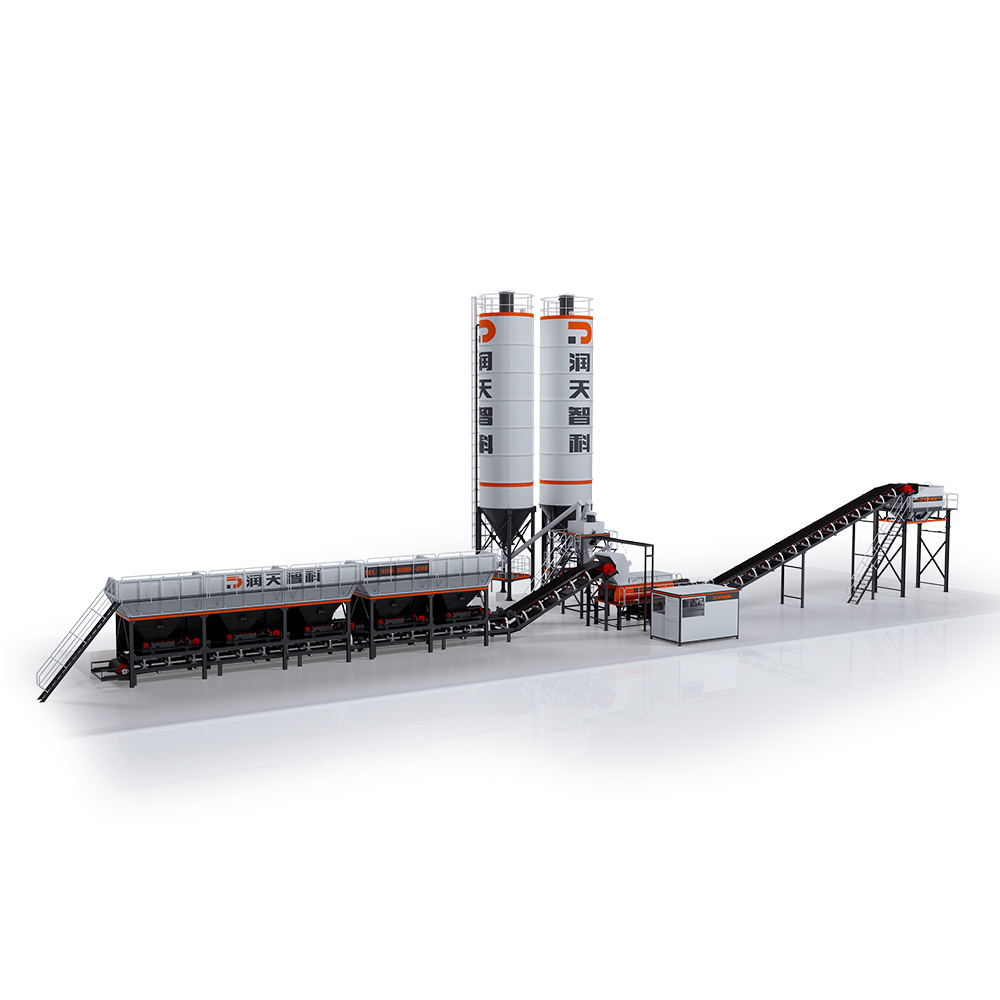 WDB Series Foundation-Free Stability Soil Mixing Plant
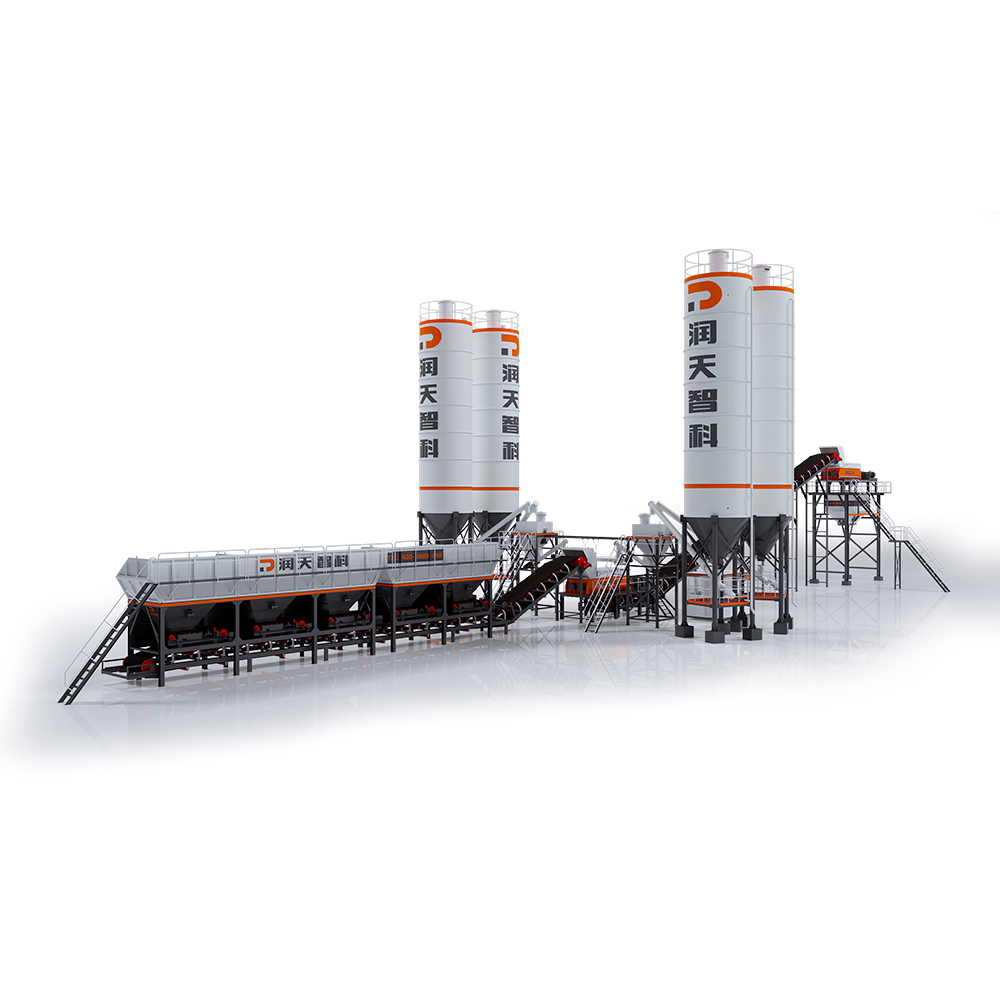 LCB Series Emulsified Asphalt Cold Regeneration Secondary Mixing Plant
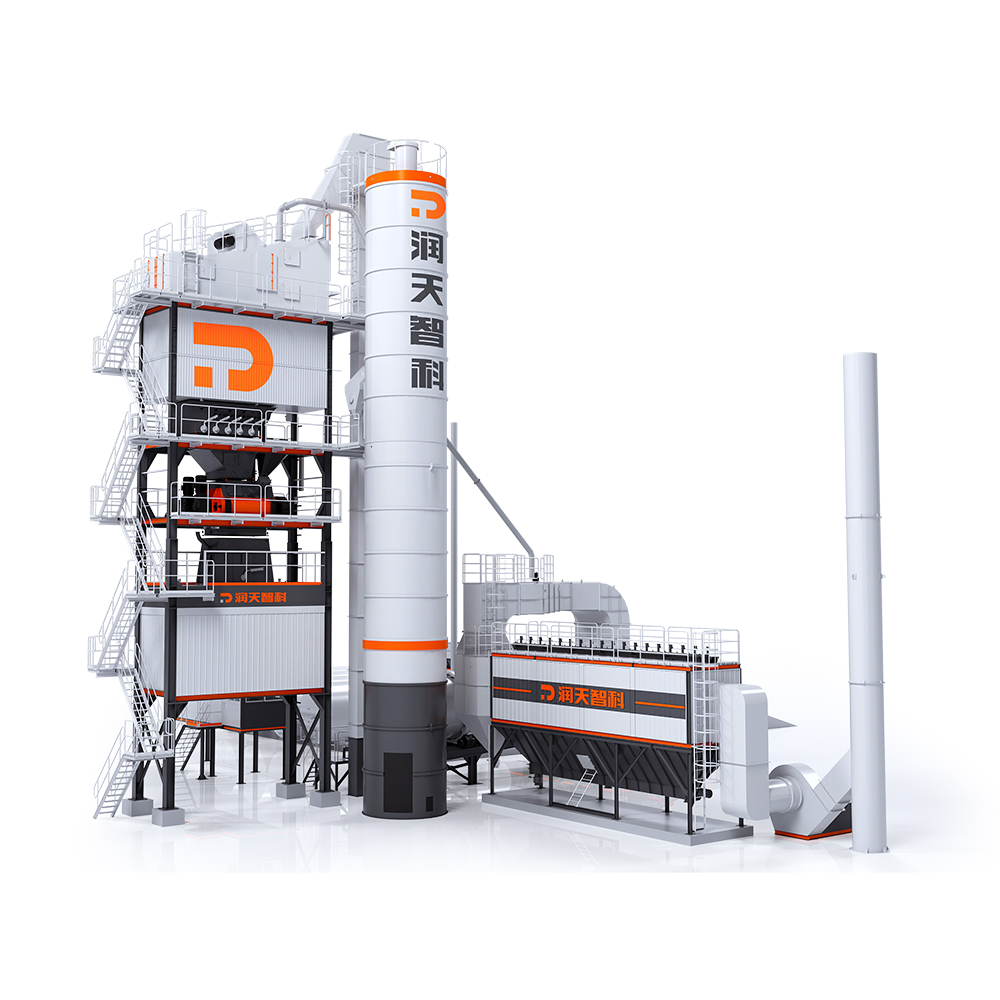 LB Series Asphalt Mixing Plant
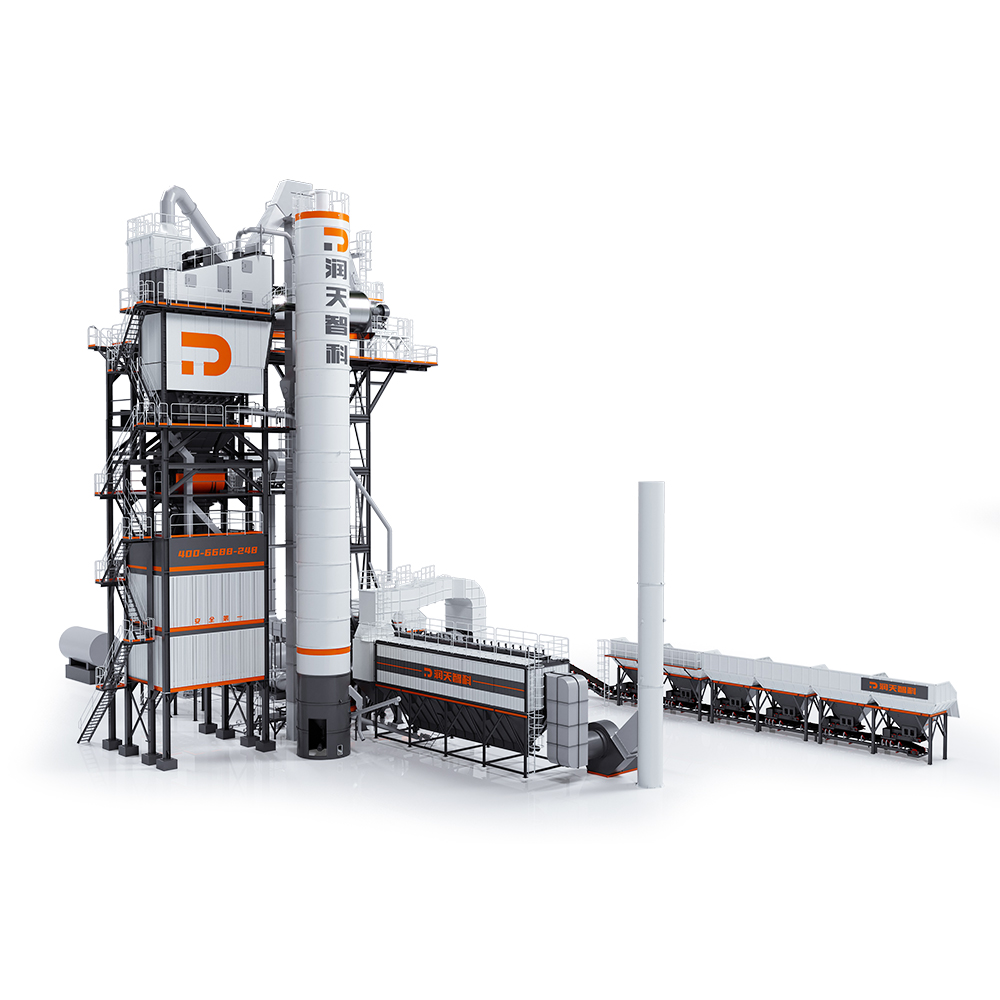 LBR Series Integrated Asphalt Mixing Plant
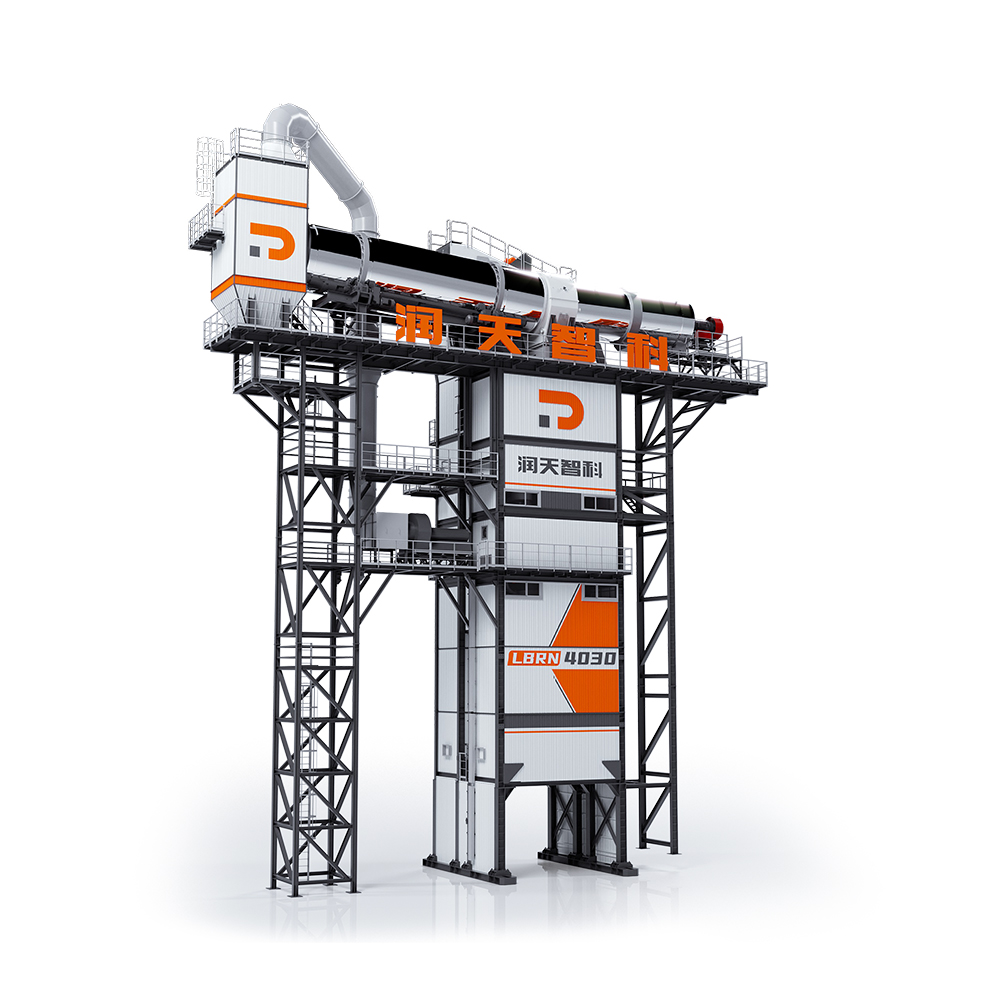 LBRN Series Counterflow Integral Asphalt Mixing Plant
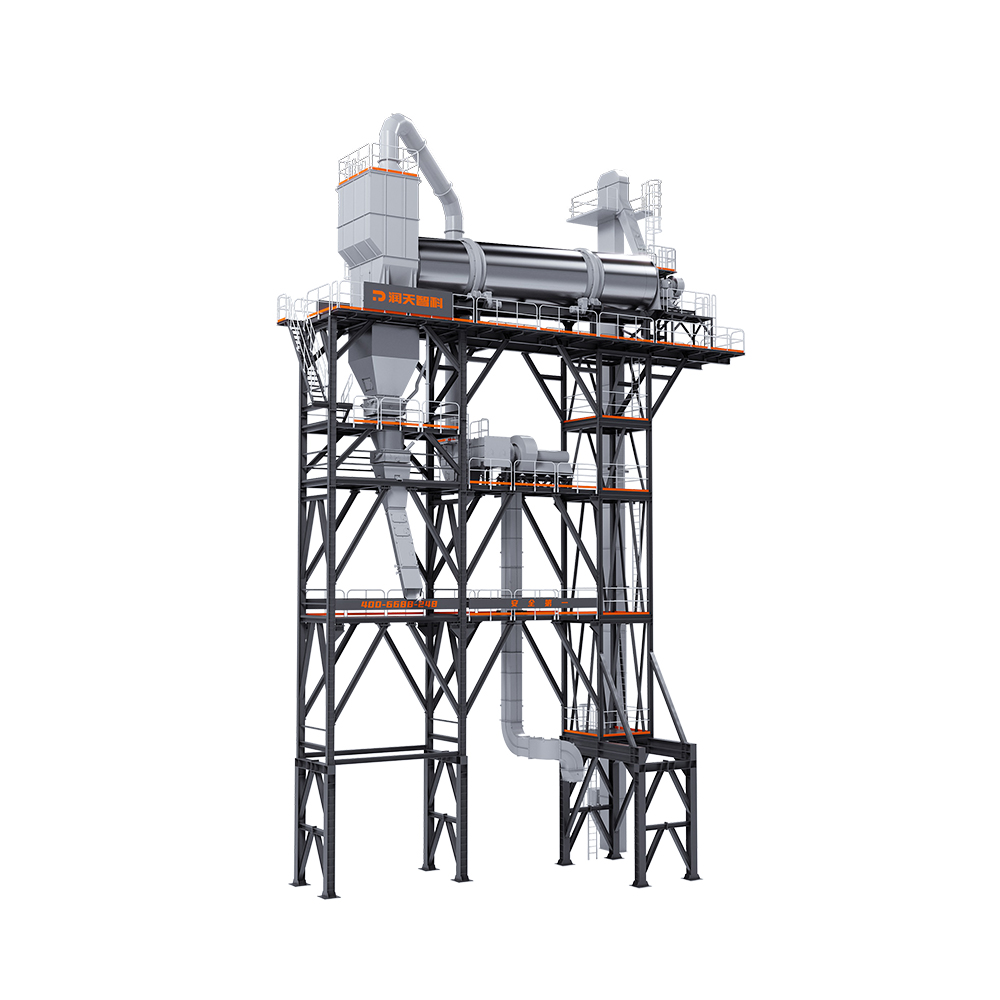 RZS Series Asphalt Mixing Plant
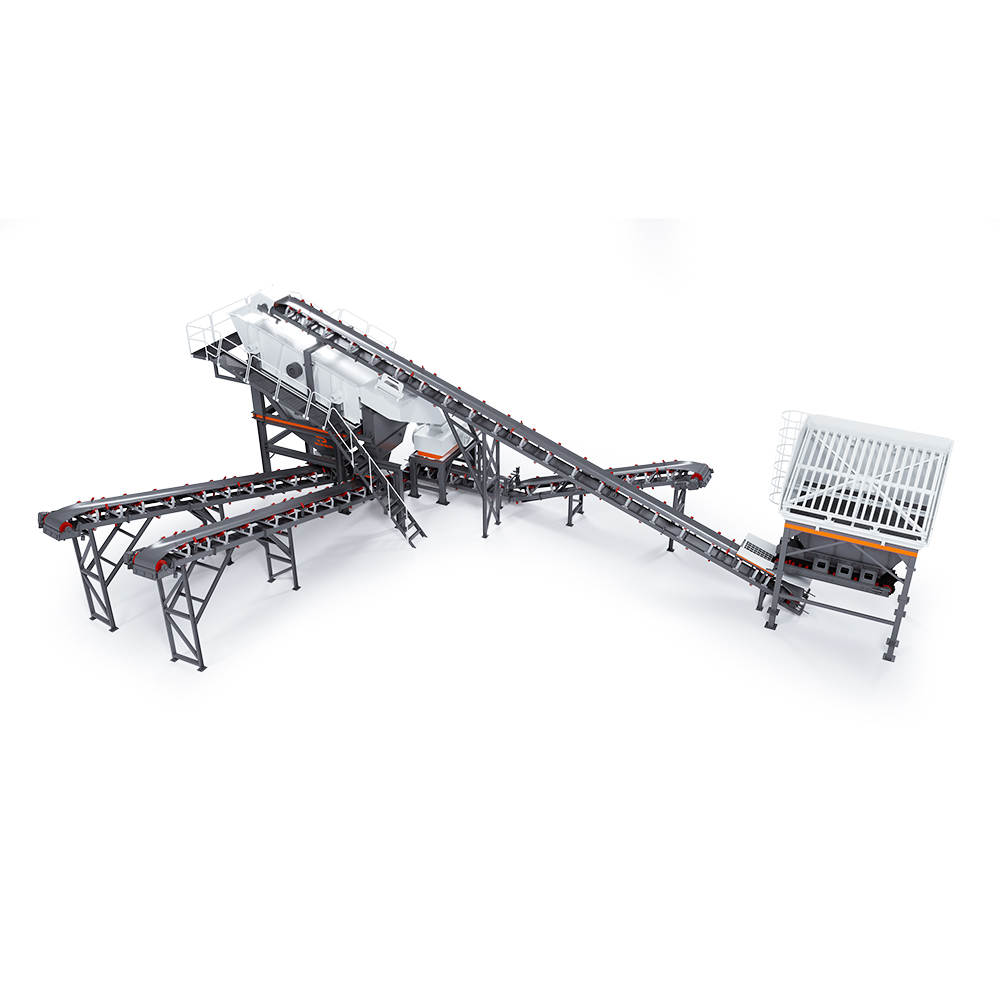 RTZS120 Series RAP Crushing & Screening Plant
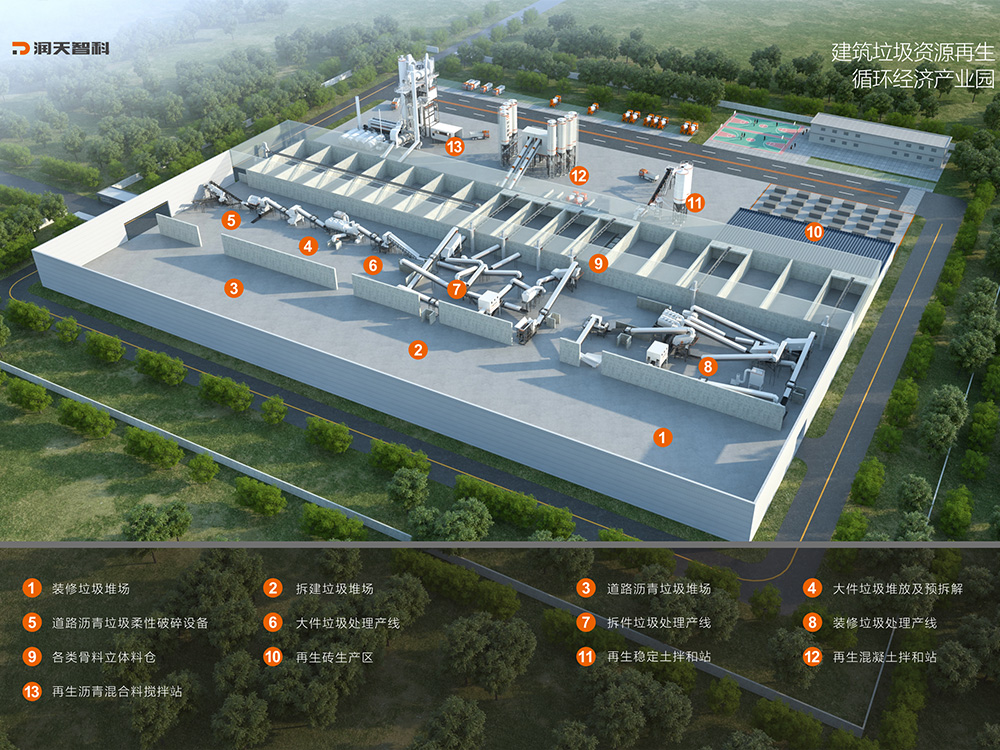 Construction Waste Resourceful Treatment Line