Top 10 Types of Cement Machines You Should Know About
In the ever-evolving construction industry, the use of various Cement Machines plays a crucial role in enhancing efficiency and productivity on job sites. According to Dr. Emily Johnson, a renowned expert in construction technology, “Understanding the different types of cement machines is essential for any contractor looking to optimize their operations.” As construction projects grow in scale and complexity, the right machinery becomes vital for ensuring timely and quality delivery.
Cement Machines, which encompass a range of equipment from mixing and batching to transporting and pouring, are the backbone of modern construction practices. Each type serves a specific purpose, addressing unique challenges faced during the construction process. From volumetric mixers to mortar sprayers, these machines not only streamline workflows but also contribute to the sustainability of construction practices by minimizing waste and maximizing resource efficiency.
In this article, we will explore the top 10 types of Cement Machines you should know about, providing insights into their functions, benefits, and applications. By familiarizing ourselves with these integral tools, construction professionals can make informed decisions, leading to more successful project outcomes.
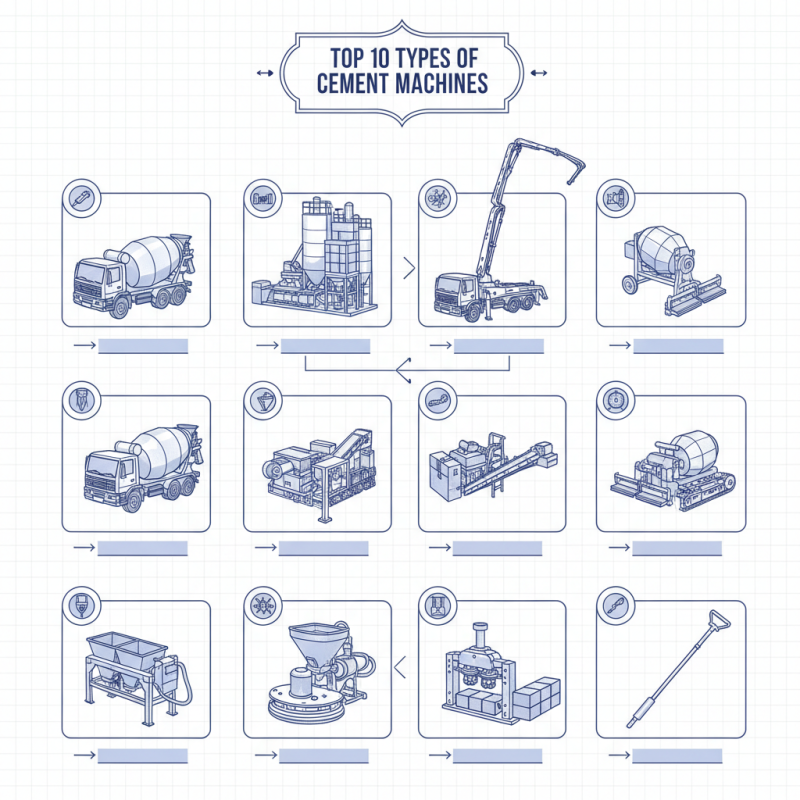
Types of Cement Machines: An Overview of Their Functions
Cement machines play a crucial role in the construction industry, facilitating the production and processing of cement, which is a fundamental material used in various structures. The types of cement machines are diverse, each serving distinct functions that contribute to efficiency and productivity on construction sites. Typically, these machines include cement mixers, batching plants, and concrete pumps, among others. According to a report by the Global Cement Market Research, the rise in infrastructural development is projected to increase the demand for cement equipment, with market growth expected to reach 3.8% annually through 2027.
Cement mixers are essential for creating homogeneous mixtures, ensuring that aggregate materials and water combine effectively with cement. Batching plants, on the other hand, are designed for large-scale operations, allowing for precise measurement of components which enhances the quality of the final product. Furthermore, concrete pumps are critical for transporting liquid concrete to desired locations, significantly reducing labor costs and time on-site. As noted in a 2022 report by Allied Market Research, advancements in automation and technology are poised to revolutionize the functionality of these machines, improving both safety and operational efficiency in cement production processes.
Batching Plants: The Backbone of Cement Production
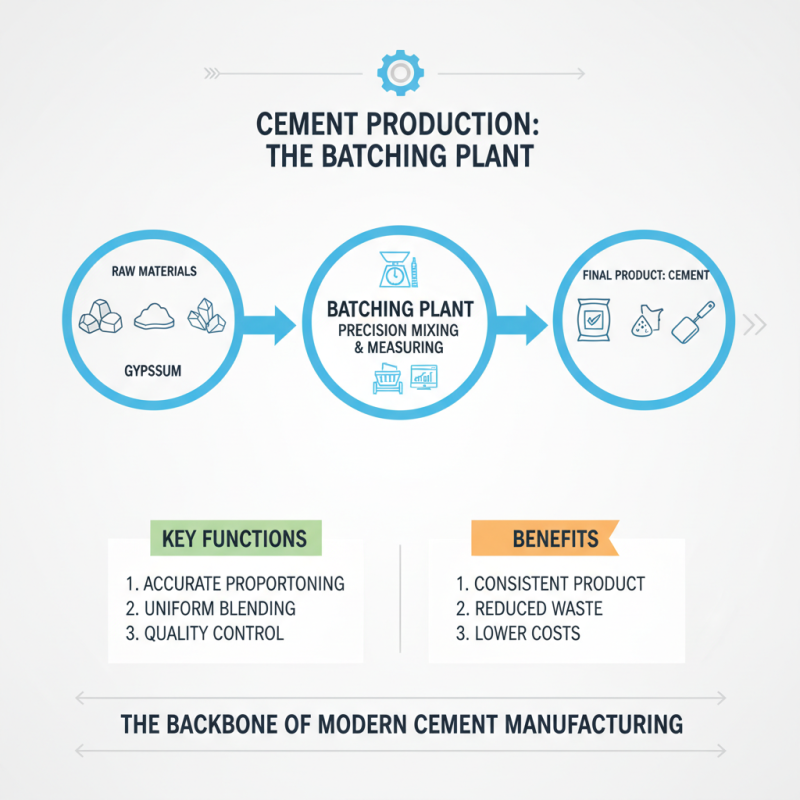
Batching plants play a crucial role in the production of cement, serving as the backbone of the entire process. These plants are responsible for accurately measuring and mixing the raw materials needed to create cement, ensuring consistency and quality in the final product. By efficiently managing the input of materials like limestone, clay, and gypsum, batching plants help cement manufacturers achieve optimal performance and reduce waste, ultimately lowering production costs.
When operating a batching plant, it is essential to maintain the equipment regularly to prevent breakdowns and ensure longevity. Regular inspections and preventive maintenance can help identify potential issues before they escalate, ensuring that the plant runs smoothly. Additionally, investing in automation can enhance precision in weighing and mixing processes, leading to better quality control and increased productivity.
Tips for effective batching include keeping a close eye on the moisture content of the raw materials, as this can affect the mixing ratios and the overall quality of the cement. Implementing an automated monitoring system can aid in tracking these variables in real-time. Furthermore, training staff on the best practices for batching and safety protocols can lead to a more efficient operation and a safer work environment.
Mixers: Essential Equipment for Homogeneous Cement Mixtures
Mixers play a crucial role in ensuring the quality of cement mixtures in construction projects. They are designed to achieve homogeneous blending of raw materials, including cement, aggregates, and water, which is essential for producing durable concrete. According to industry reports, uniformity in cement mixtures can improve the compressive strength by up to 15%, significantly enhancing the longevity and load-bearing capacity of structures.
When selecting a mixer, it's vital to consider its capacity and type, as these factors directly affect the operational efficiency of mixing processes. High-performance mixers, such as planetary and twin-shaft types, have been shown to reduce mixing times by nearly 30% while maintaining consistent quality. Furthermore, adopting advanced mixing technologies can lead to considerable cost savings, with estimates suggesting a reduction of operation costs by up to 20% due to decreased labor and energy requirements.
Tips: Always adhere to the recommended mixing times and speeds to avoid compromising the quality of the mixture. Regular maintenance of mixing equipment ensures optimal performance and longevity, preventing potential disruptions in the construction workflow. It’s also advisable to keep abreast of the latest advancements in mixing technology to continuously enhance productivity and outcomes in your projects.
Top 10 Types of Cement Machines: Mixers
This bar chart illustrates the usage frequency of different types of cement mixers in construction projects. It provides insight into which mixers are most commonly used, helping professionals make informed decisions on equipment selection.
Cement Grinders: Techniques for Fine Cement Grinding
Cement grinders play a crucial role in the cement manufacturing process, particularly in achieving the desired fineness for various applications. Fine cement grinding is essential to enhance performance in structural designs and improve durability. Different grinding techniques can be employed depending on the specific requirements of the project, including ball milling, roller milling, and air-jet milling. Each of these methods offers distinct advantages, allowing for some flexibility in choosing the most suitable technique for a particular setting.
**Tips:** When selecting a grinding technique, consider the material characteristics and the required particle size distribution. For instance, ball mills are typically more effective for larger quantities and coarser materials, while air-jet mills excel at producing finer powders. Additionally, maintaining the equipment properly will ensure consistent performance and extend the lifespan of the grinder.
For optimal results, it's essential to monitor the grinding process closely. Factors such as grinding time, speed, and the type of grinding media used can significantly influence the quality of the final product. Regular assessments and adjustments may be required to achieve the desired cement properties, ensuring that the final product meets the specific standards needed for construction projects.
**Tips:** Always perform a test grind before full-scale operations. This will help in determining the best settings and processes to yield the best quality cement. Keeping a close eye on the transition stages during grinding can also provide insights into necessary adjustments, leading to better efficiency and reduced waste.
Packing Machines: Ensuring Efficient Cement Distribution
Packing machines play a crucial role in the efficient distribution of cement. These machines are designed to automate the packing process, ensuring that cement is accurately dosed and securely packed into bags or bulk containers. By utilizing advanced technology, packing machines minimize human intervention, reducing the risk of errors and enhancing overall productivity. This automation not only streamlines operations but also contributes to a higher level of precision in the packing of cement, which is vital for maintaining product quality during transportation.
Moreover, the design of packing machines can vary significantly based on the type of cement being processed and the packaging requirements. Some machines are equipped with features such as weight control systems, automated sealing, and labeling functions that enhance the efficiency of the packing line. Additionally, these machines can handle various packaging formats, from small bags for individual consumers to large sacks for industrial applications. By investing in modern packing machines, cement manufacturers can improve their distribution processes, reduce waste, and ensure that their product reaches the market in optimal condition.

 Concrete Mixing Plant
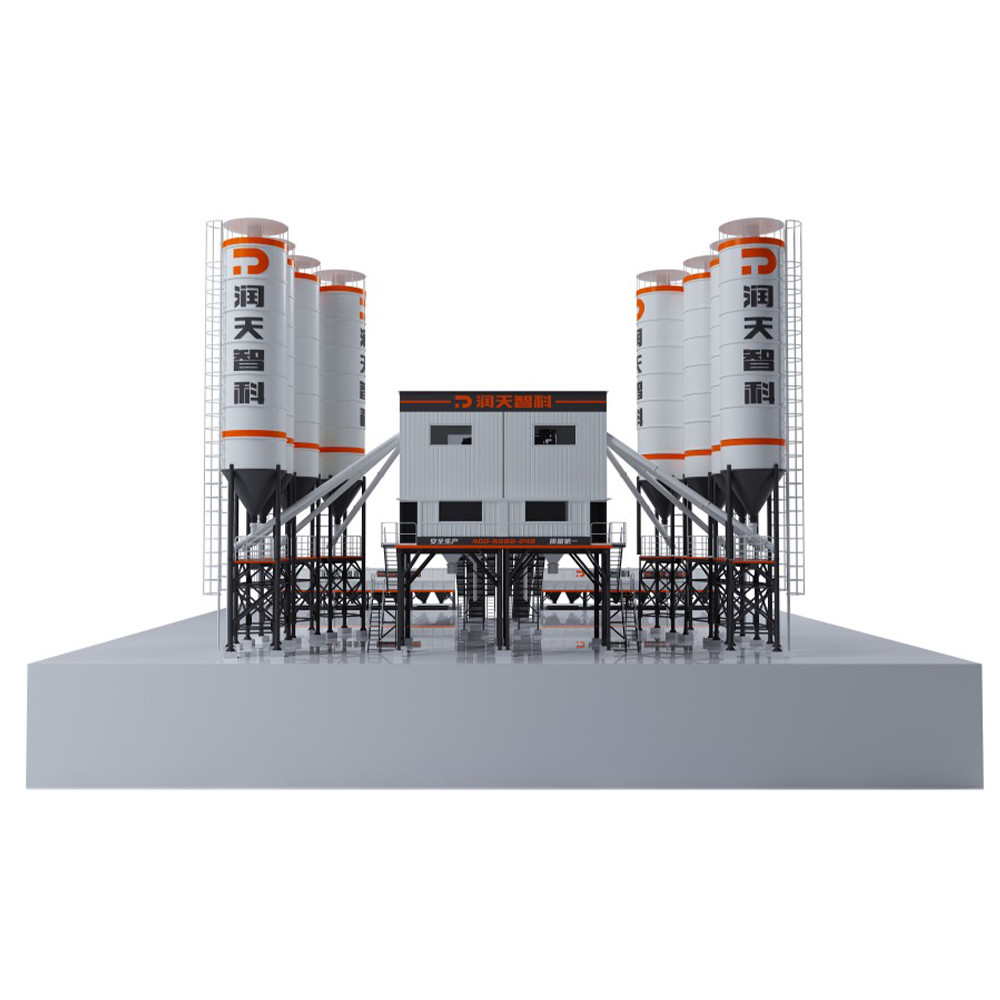 HZS Series Belt Concrete Mixing Plant
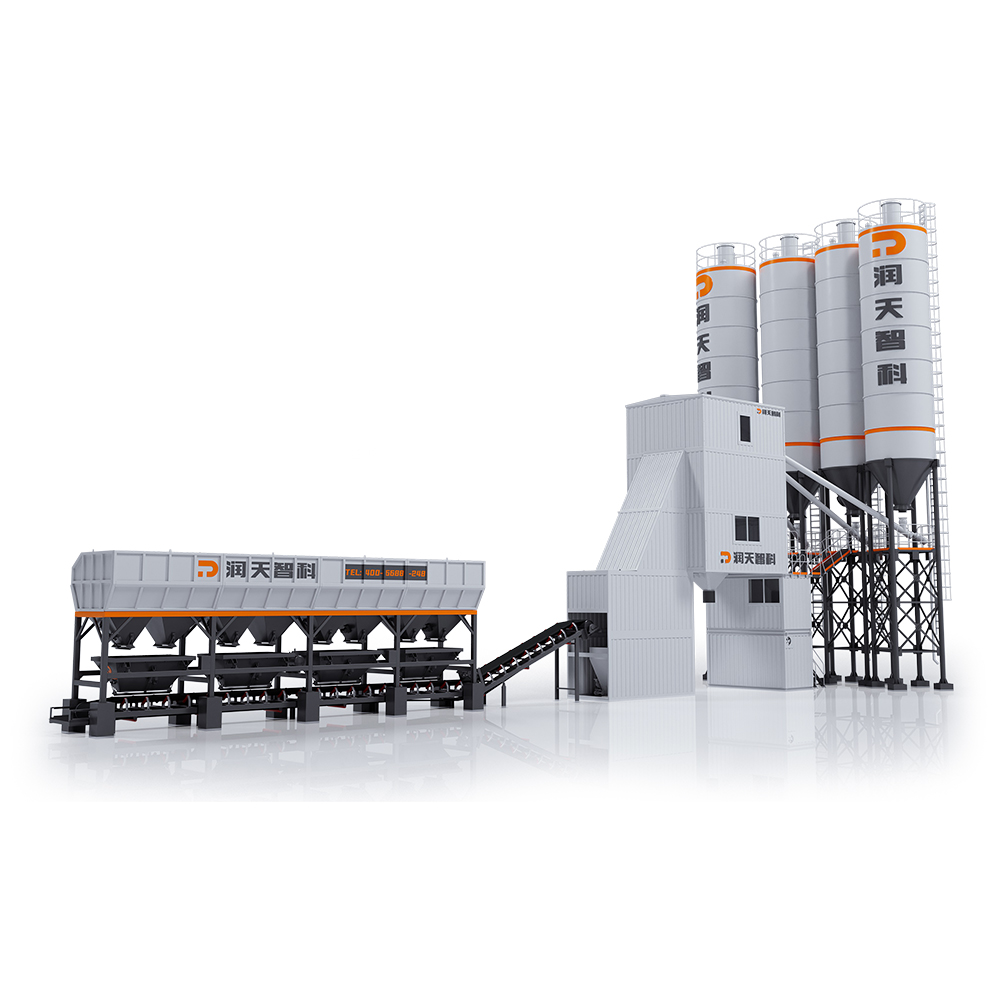 HZS Series Bucket-Lifting Type Container Concrete Mixing Plant
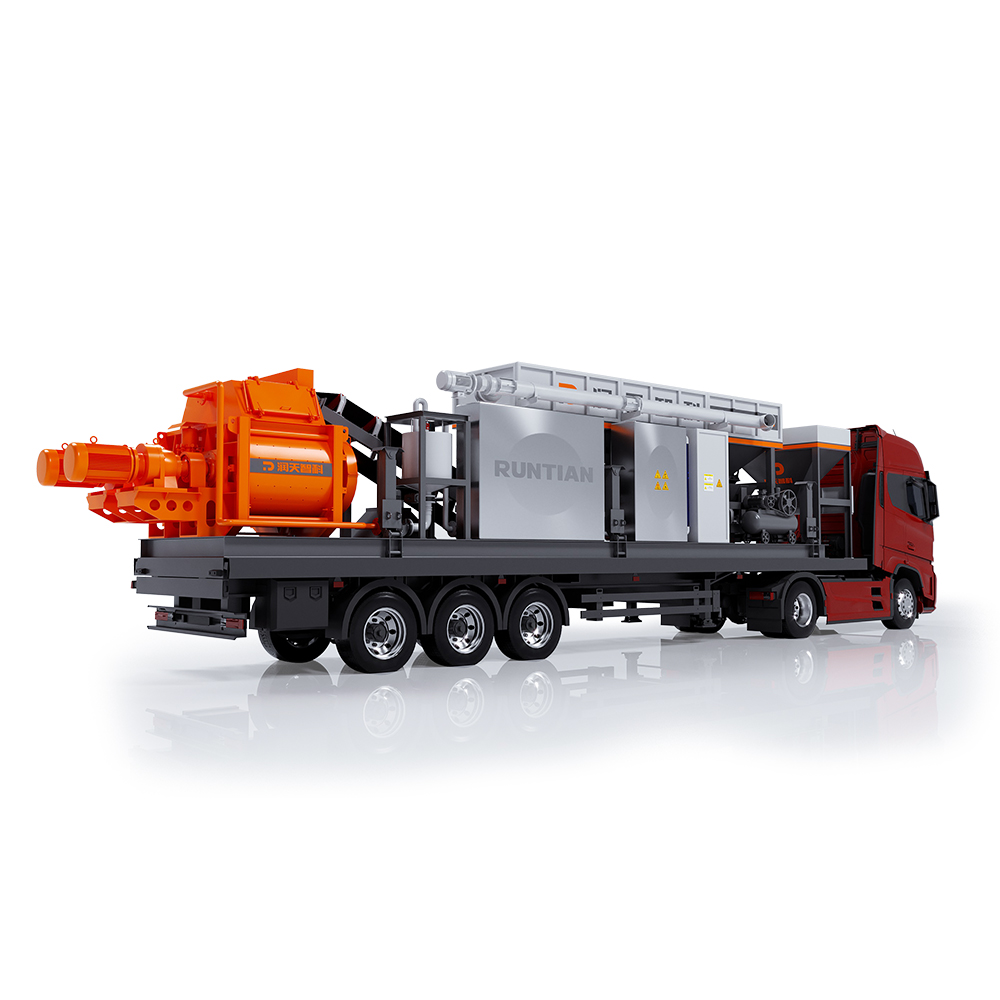 HZS60 Mobile Concrete Mixing Plant
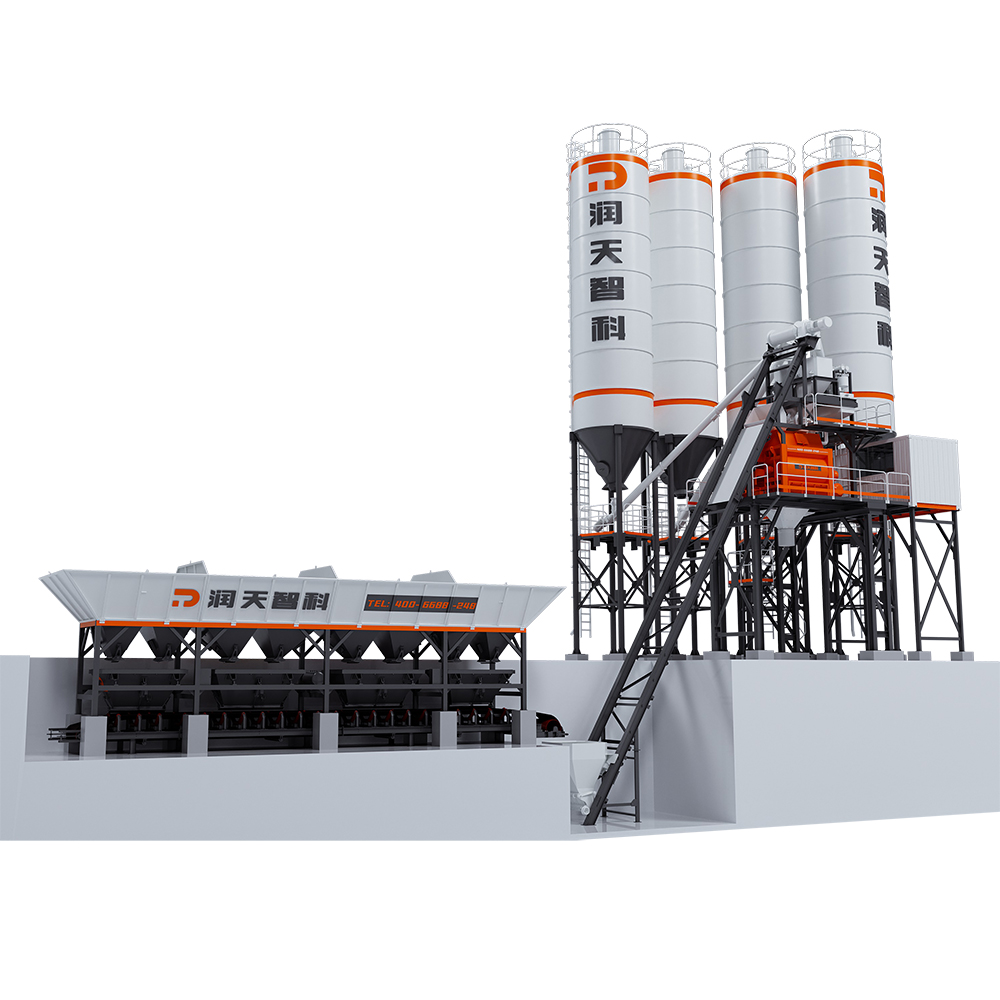 HZS Series Bucket-Lifting Type Concrete Mixing Plant
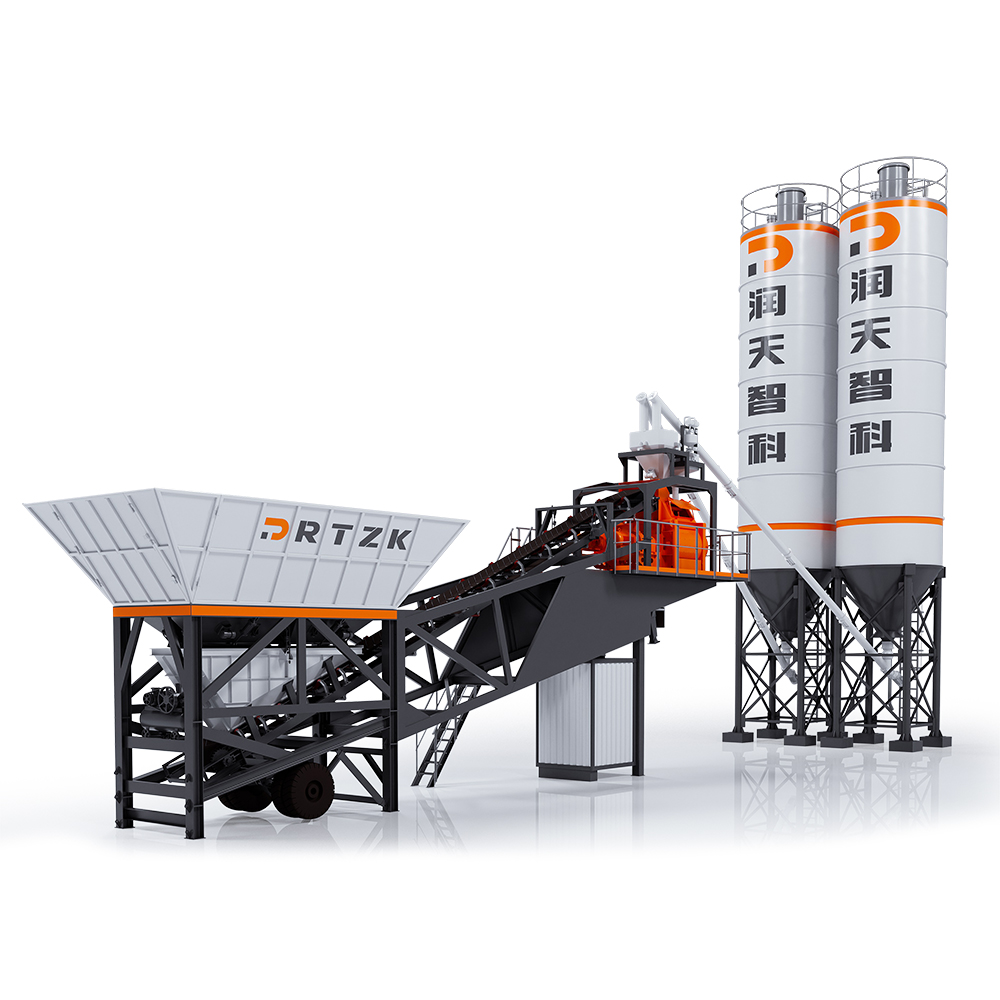 HZS Series Mobile Concrete Mixing Plant
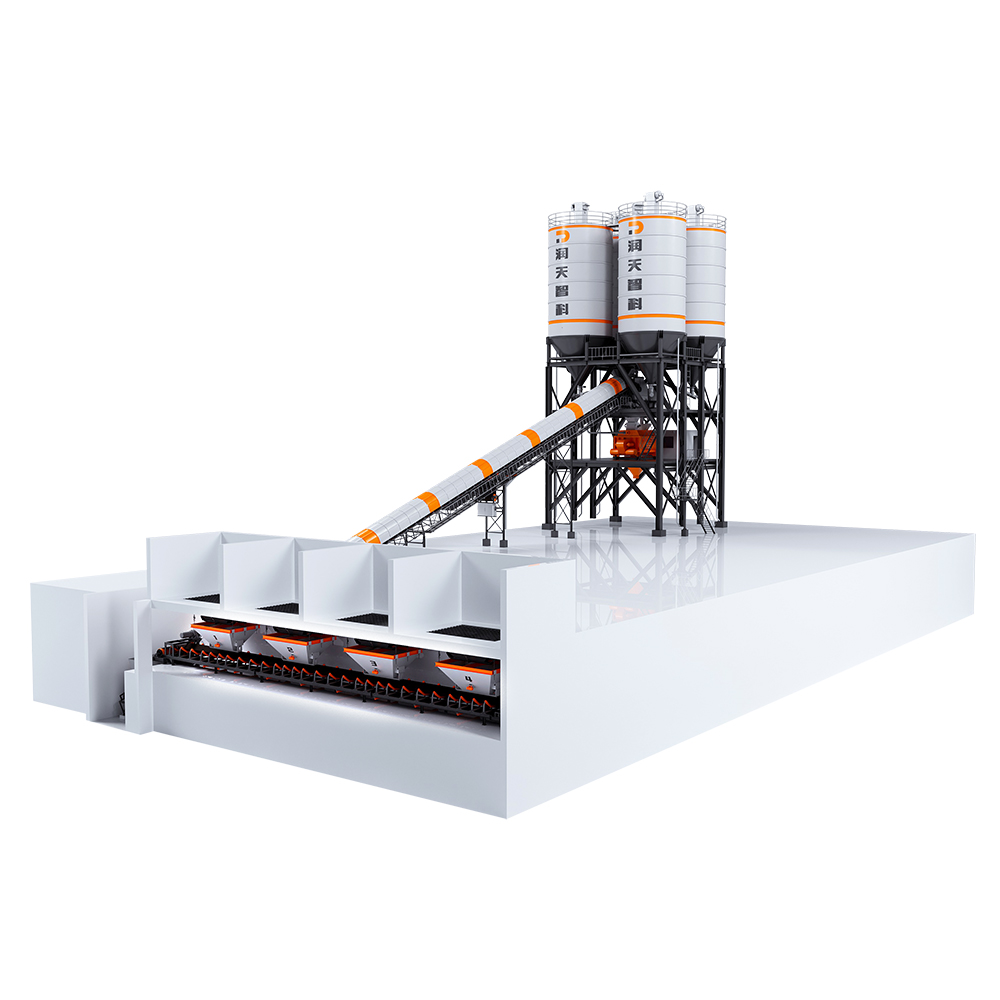 HZS Series Top-Mounted Concrete Mixing plant
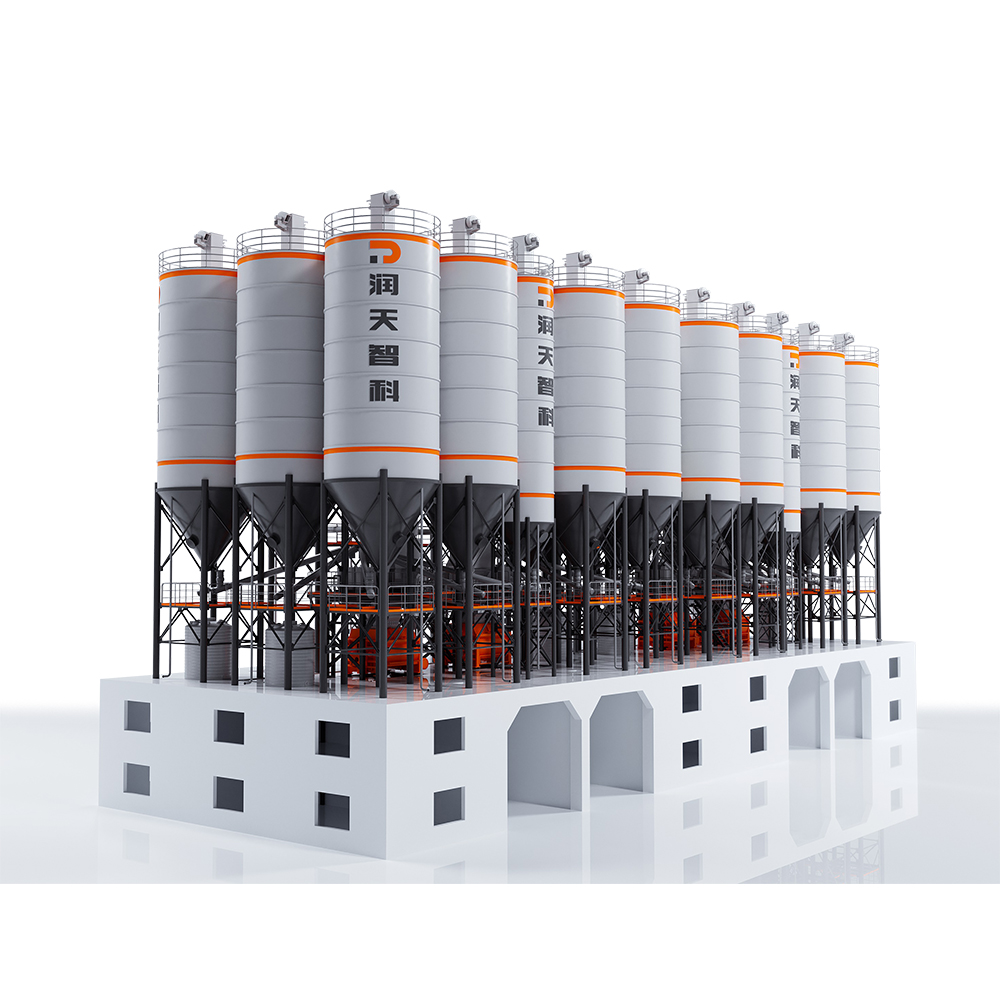 HZS Series Semi-Top Mounted Concrete Mixing Plant
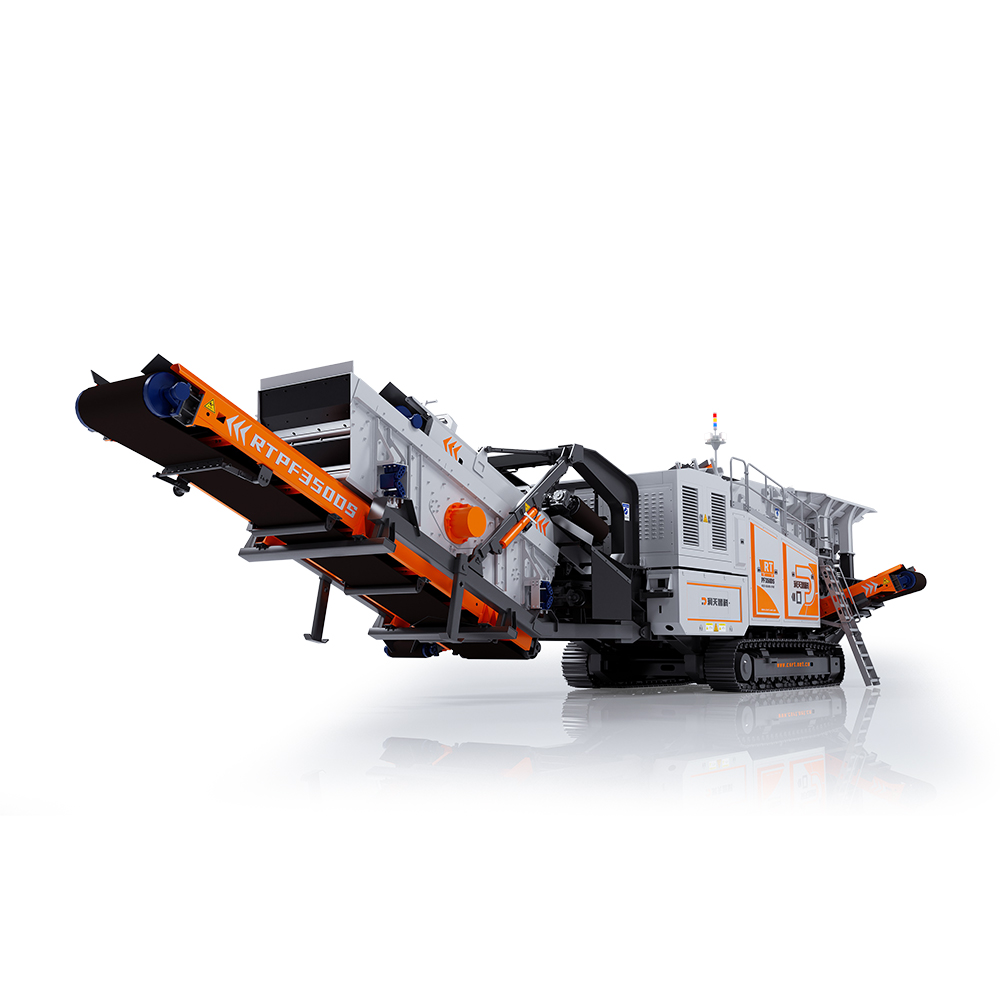 RTPF350DS Crawler Mobile Impact Crushing Plant
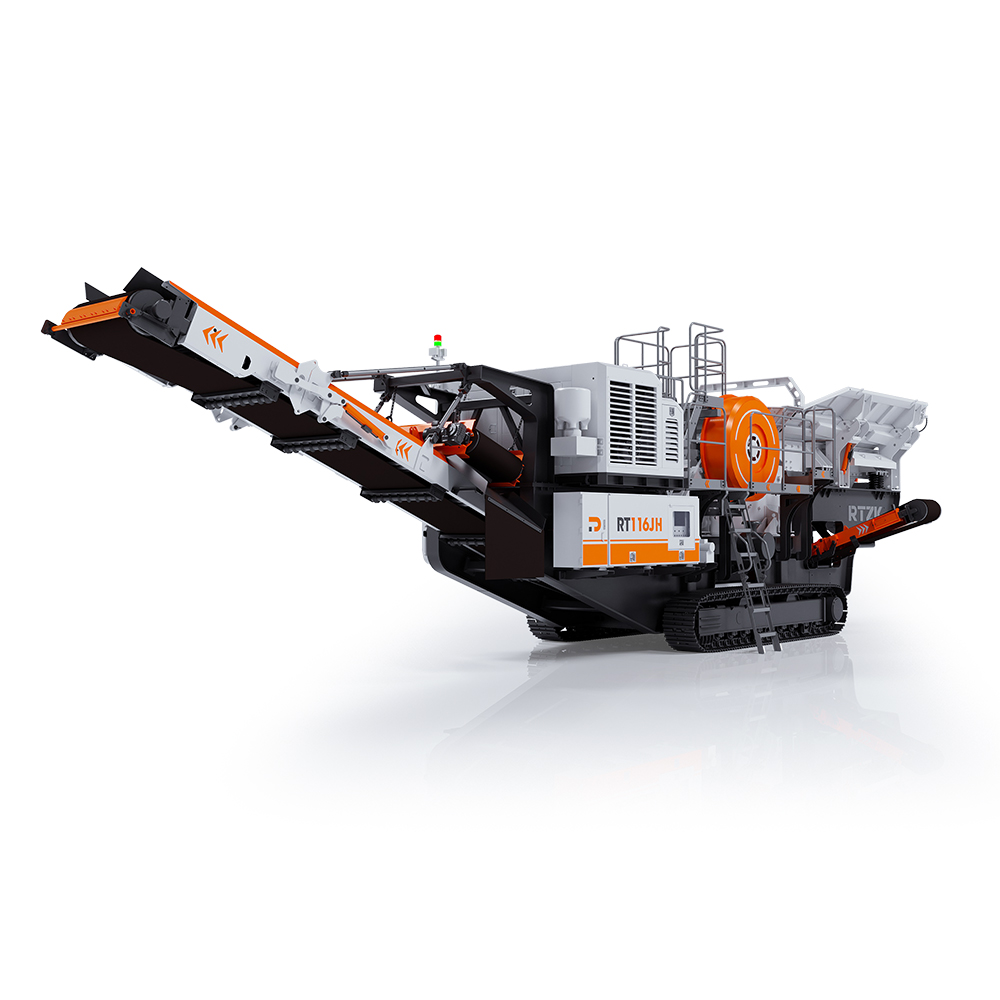 RT116JH Crawler Mobile Jaw Crushing Plant
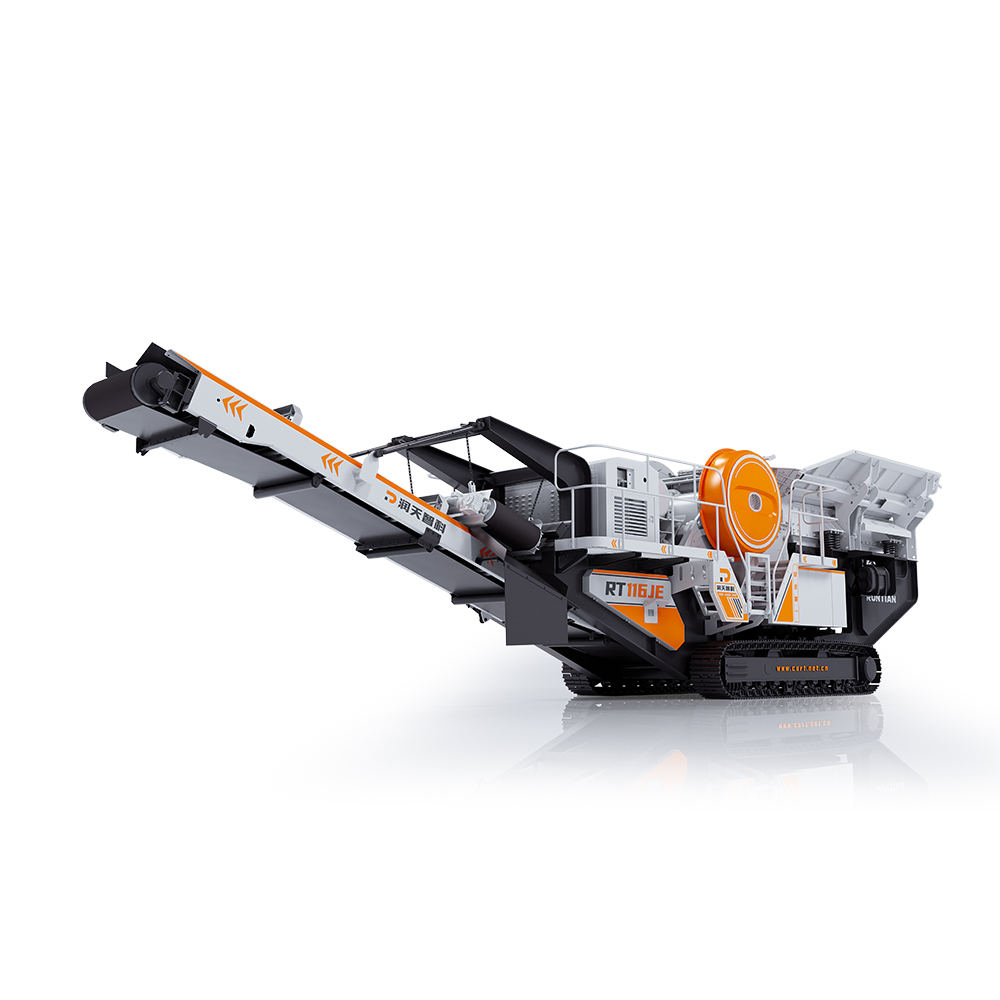 RT116JE Crawler Mobile Jaw Crushing Plant
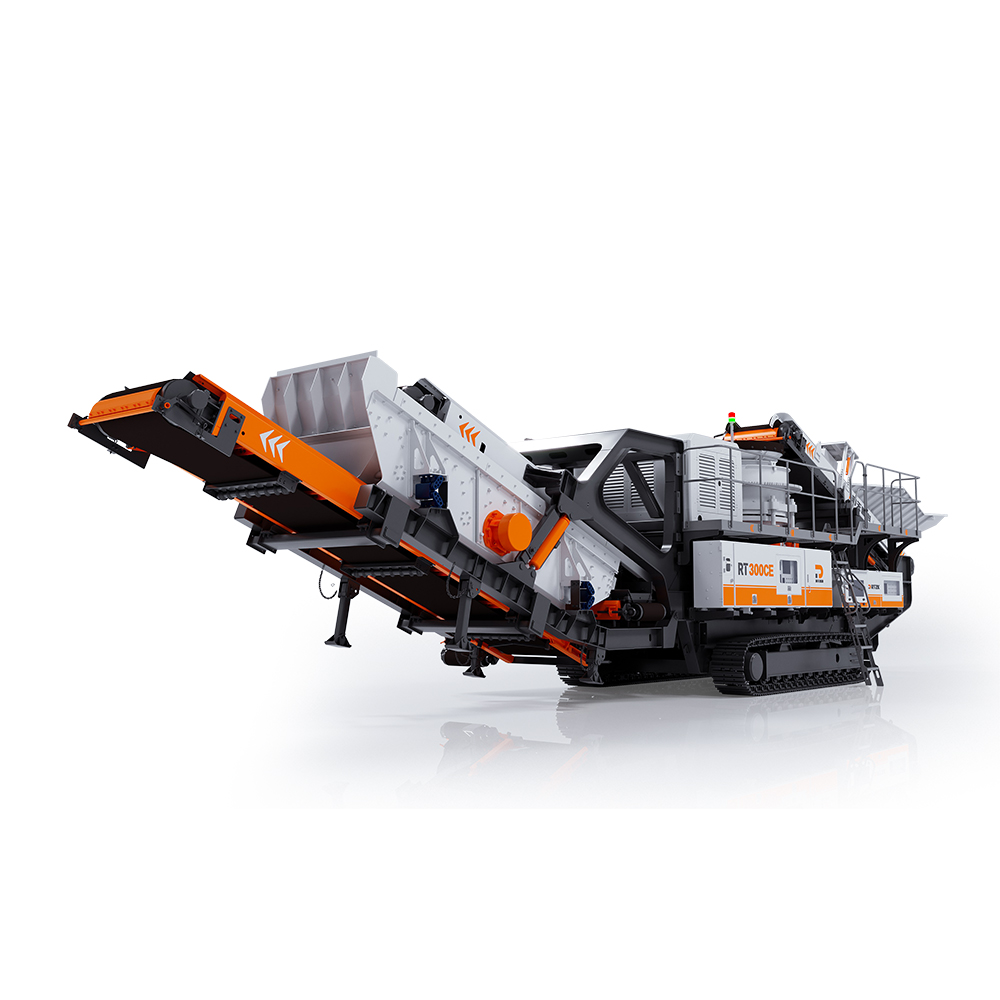 RT300CE Crawler Mobile Cone Crushing Plant
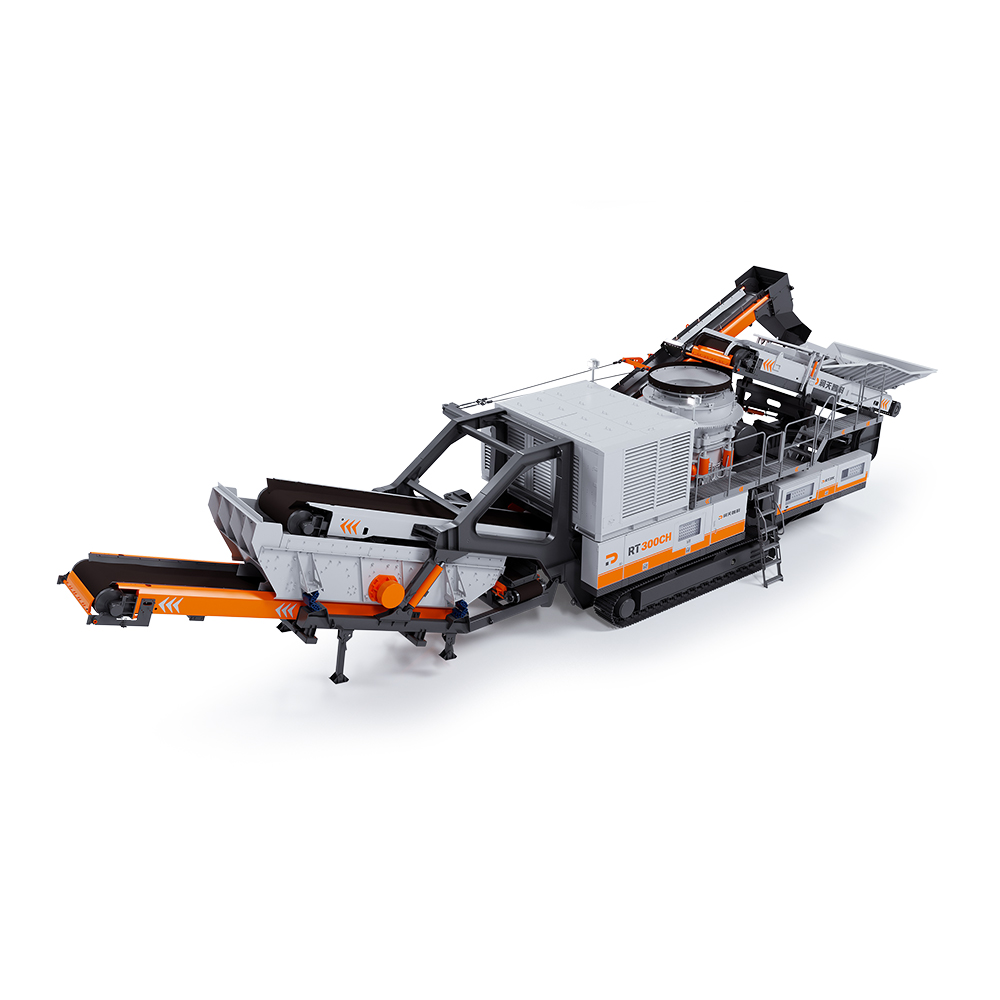 RT300CH Crawler Mobile Cone Crushing Plant
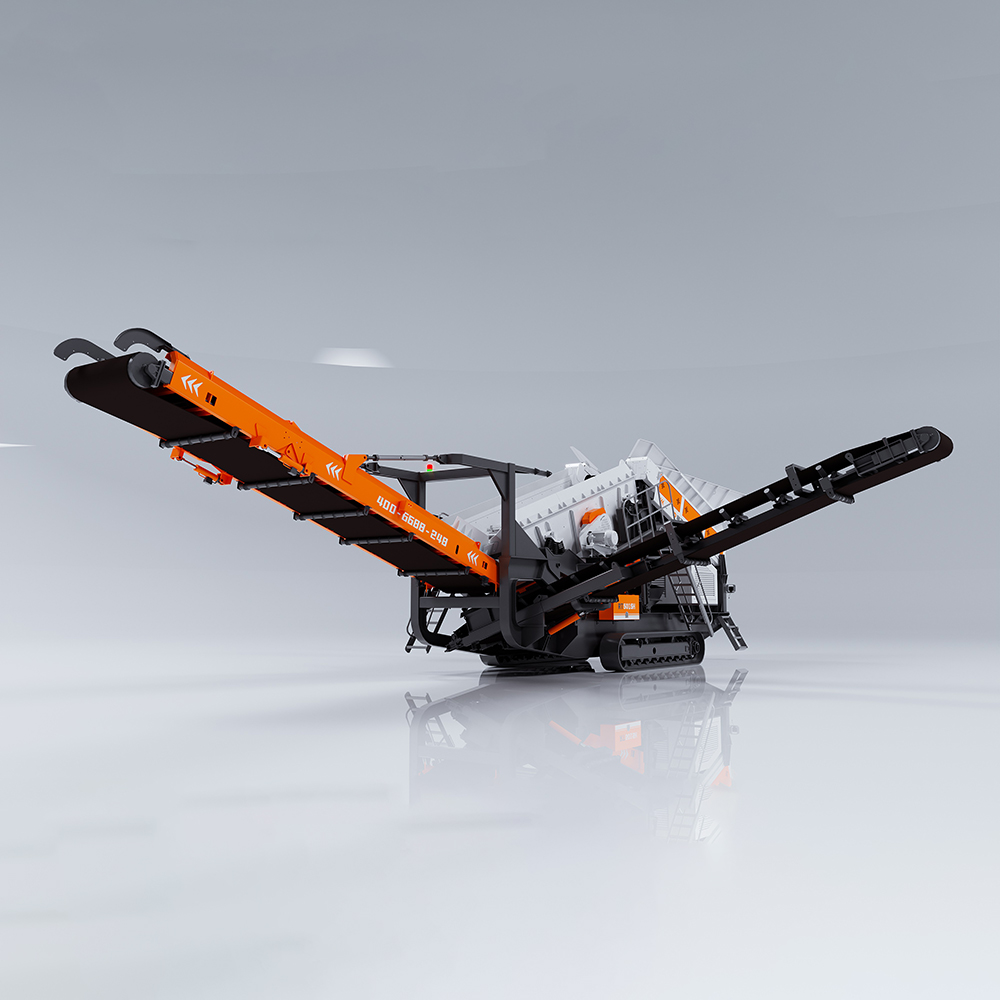 RT5015H Mobile Scalping Screen
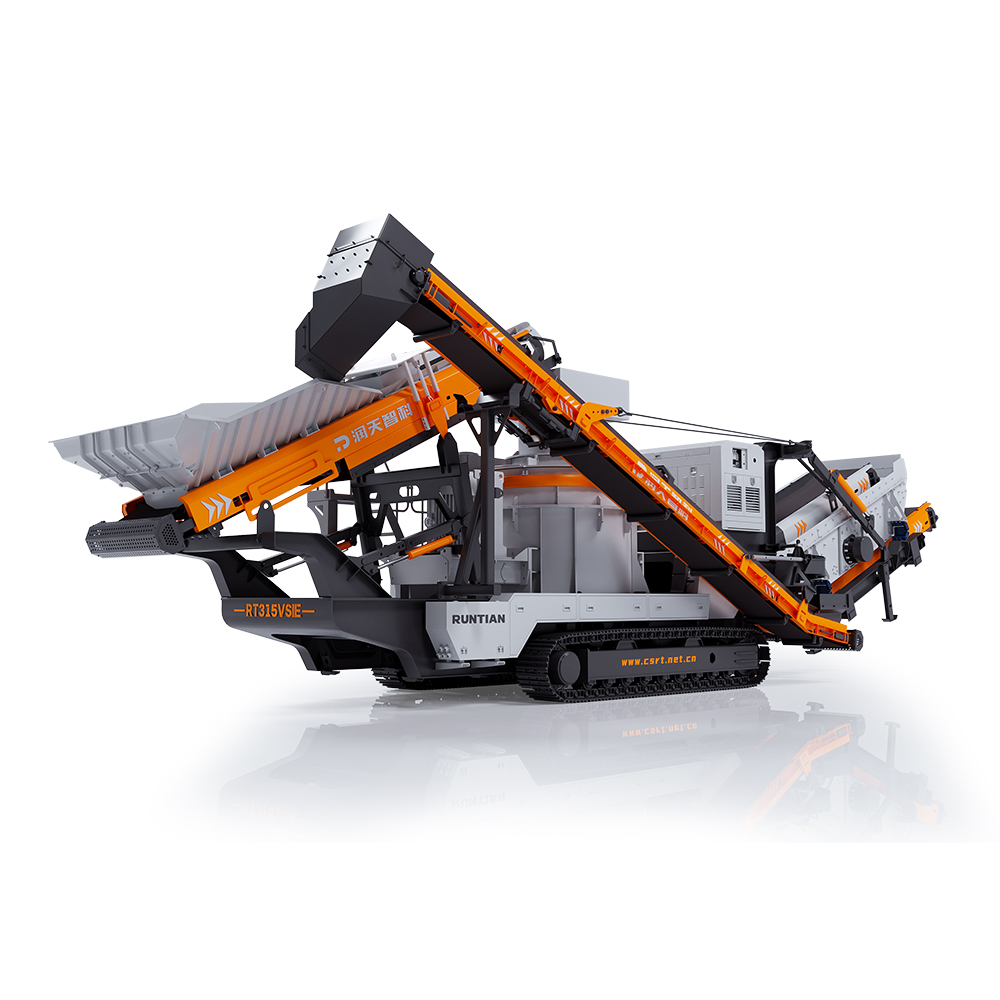 RT315VSIE Crawler Mobile Sand Maker
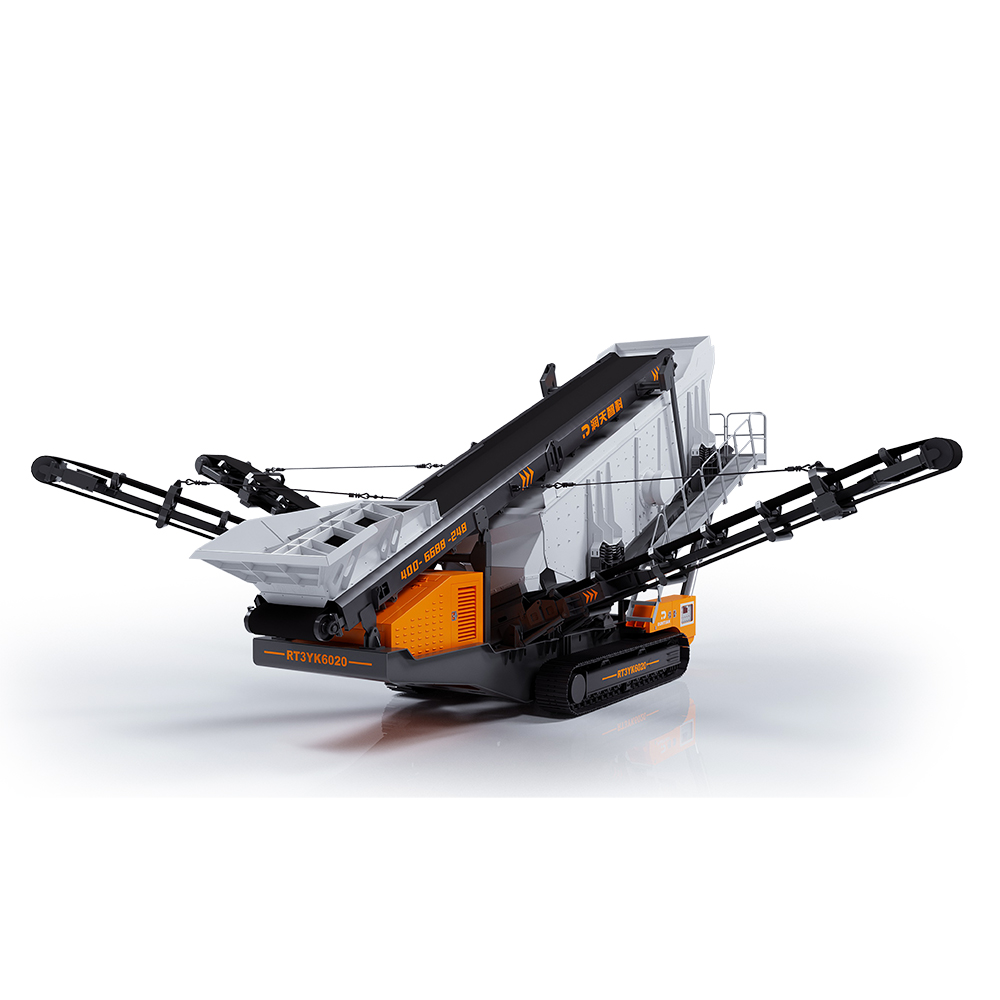 RT3YK6020 Crawler Mobile Screening Plant
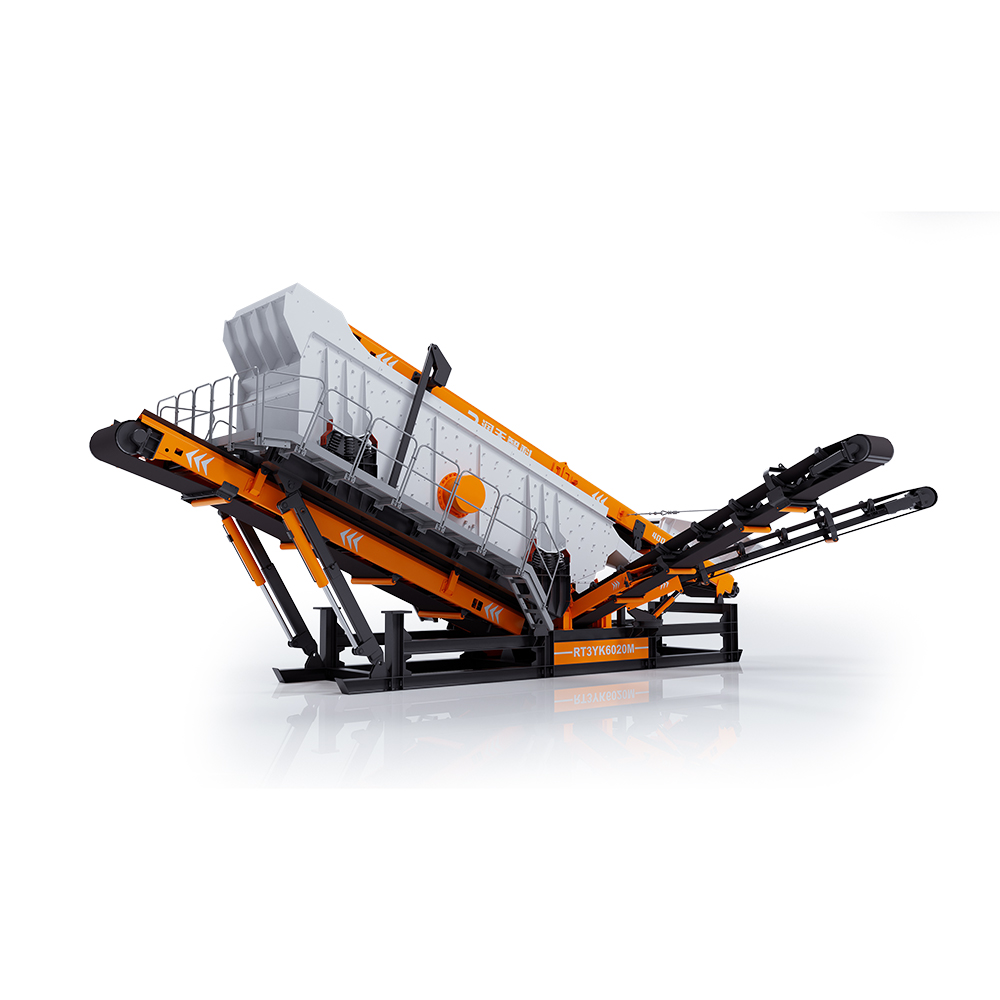 RT3YK6020M Modular Screening Plant
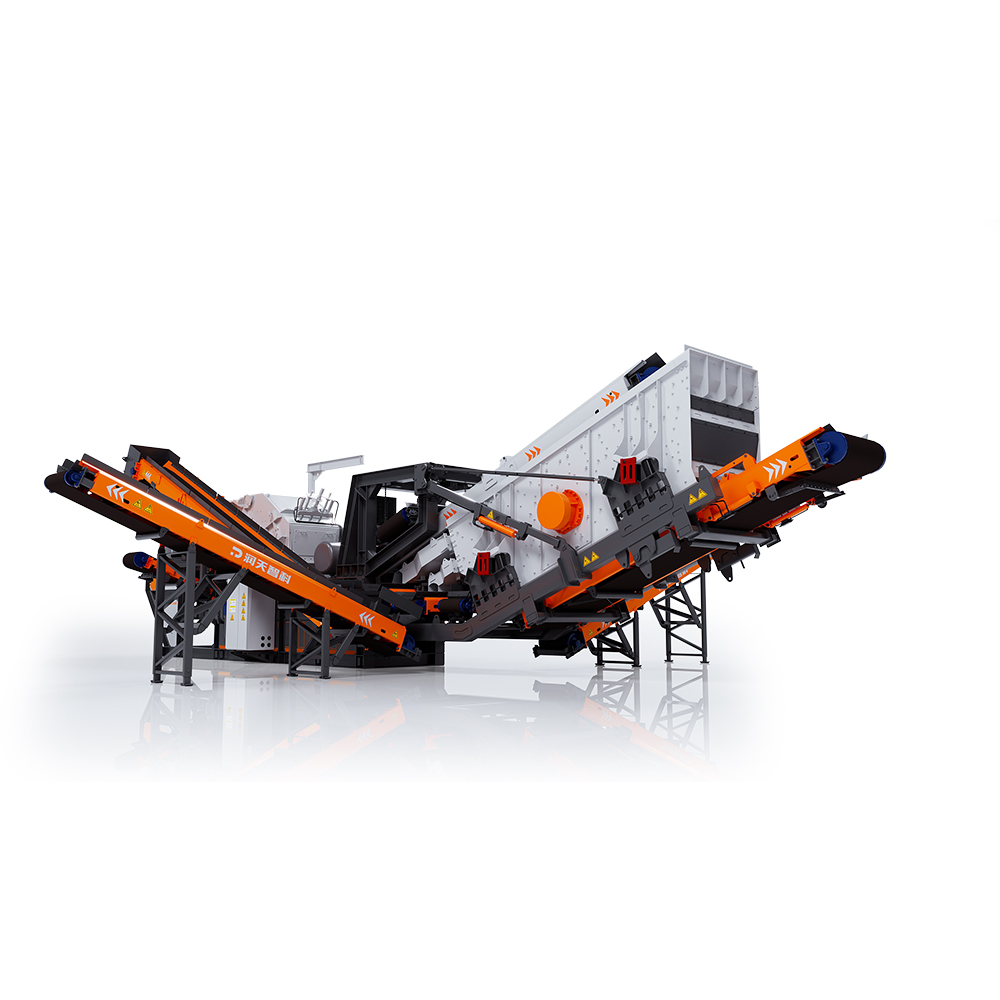 RTF260M Modular Counterattack Crushing and Screening Integrated Machine
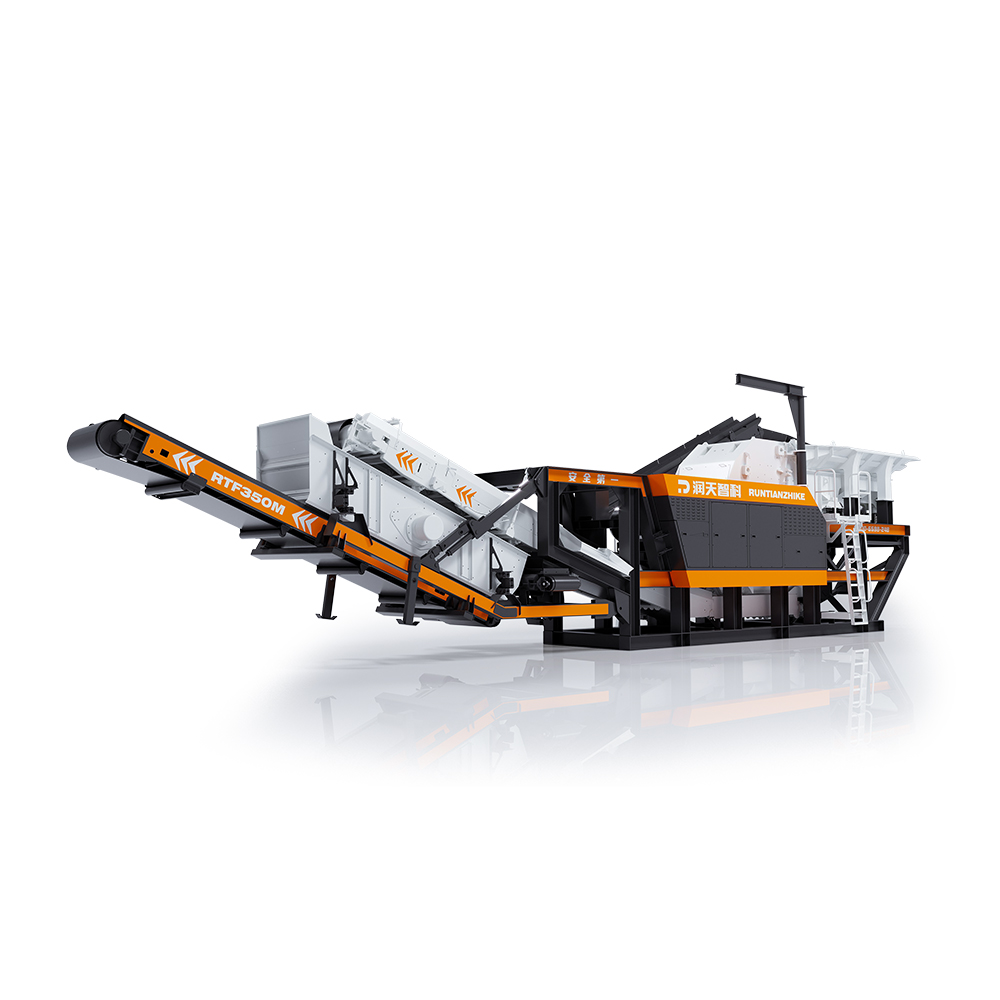 RTF350M Modular Impact Crushing Plant
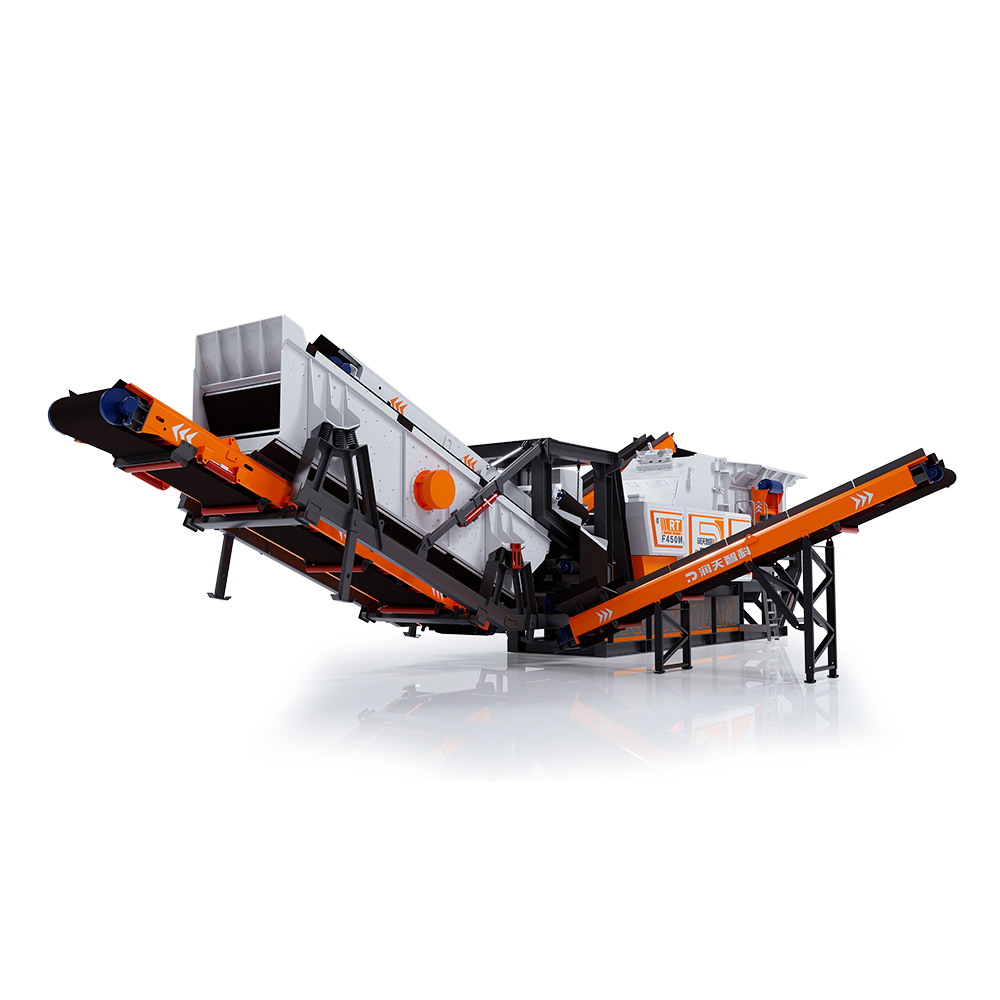 RTF450M Modular Impact Crushing Plant
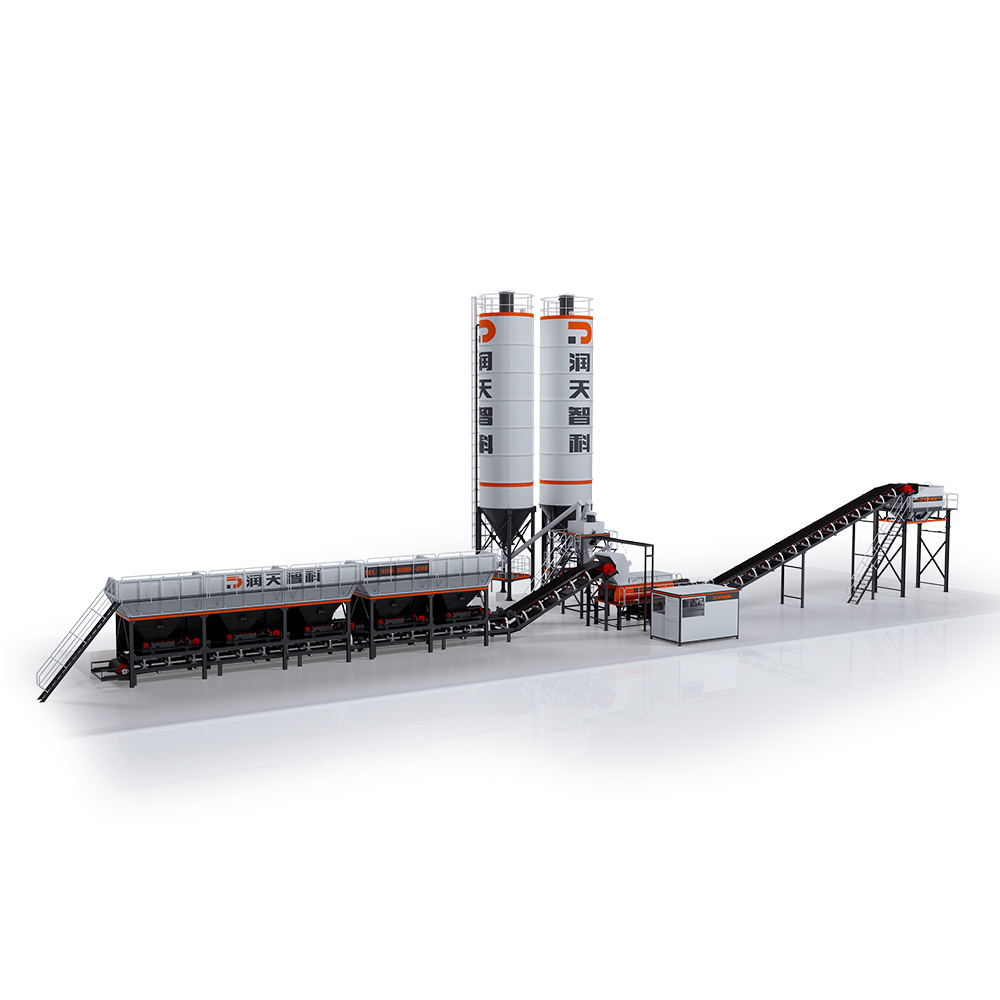 WDB Series Foundation-Free Stability Soil Mixing Plant
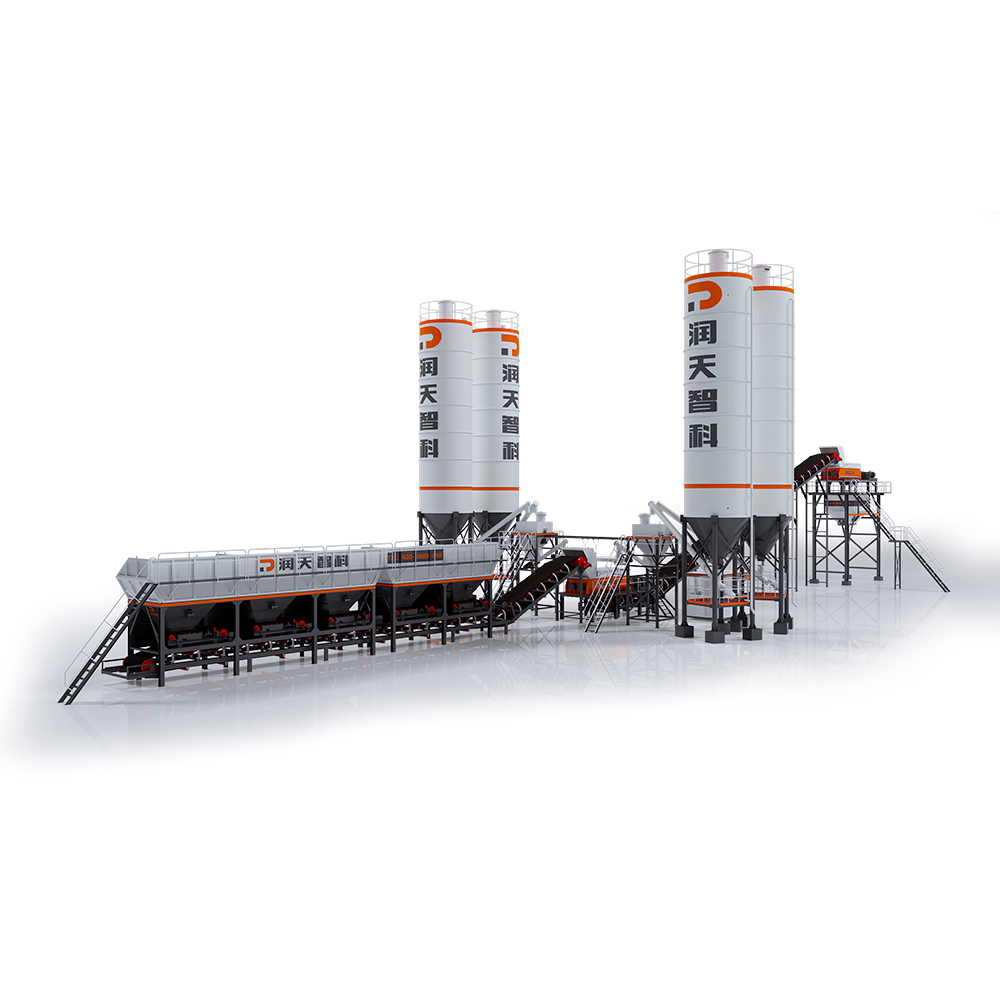 LCB Series Emulsified Asphalt Cold Regeneration Secondary Mixing Plant
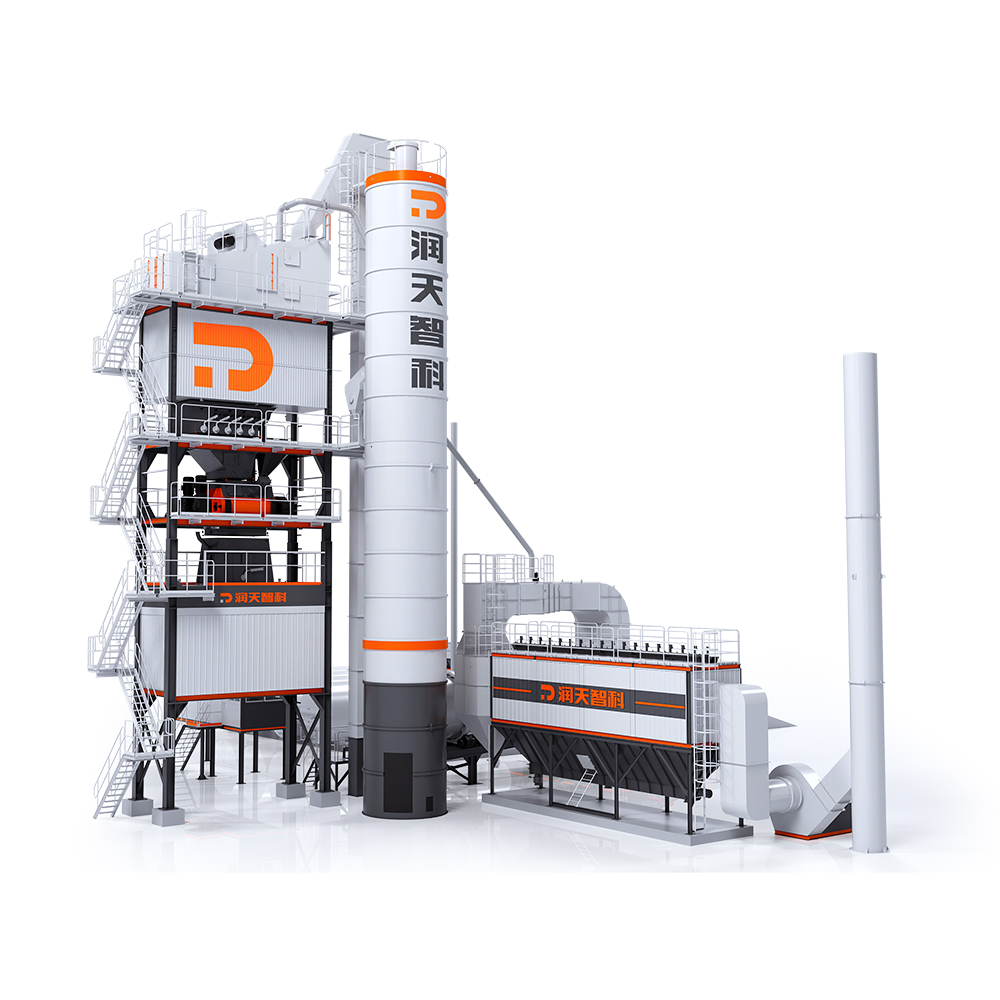 LB Series Asphalt Mixing Plant
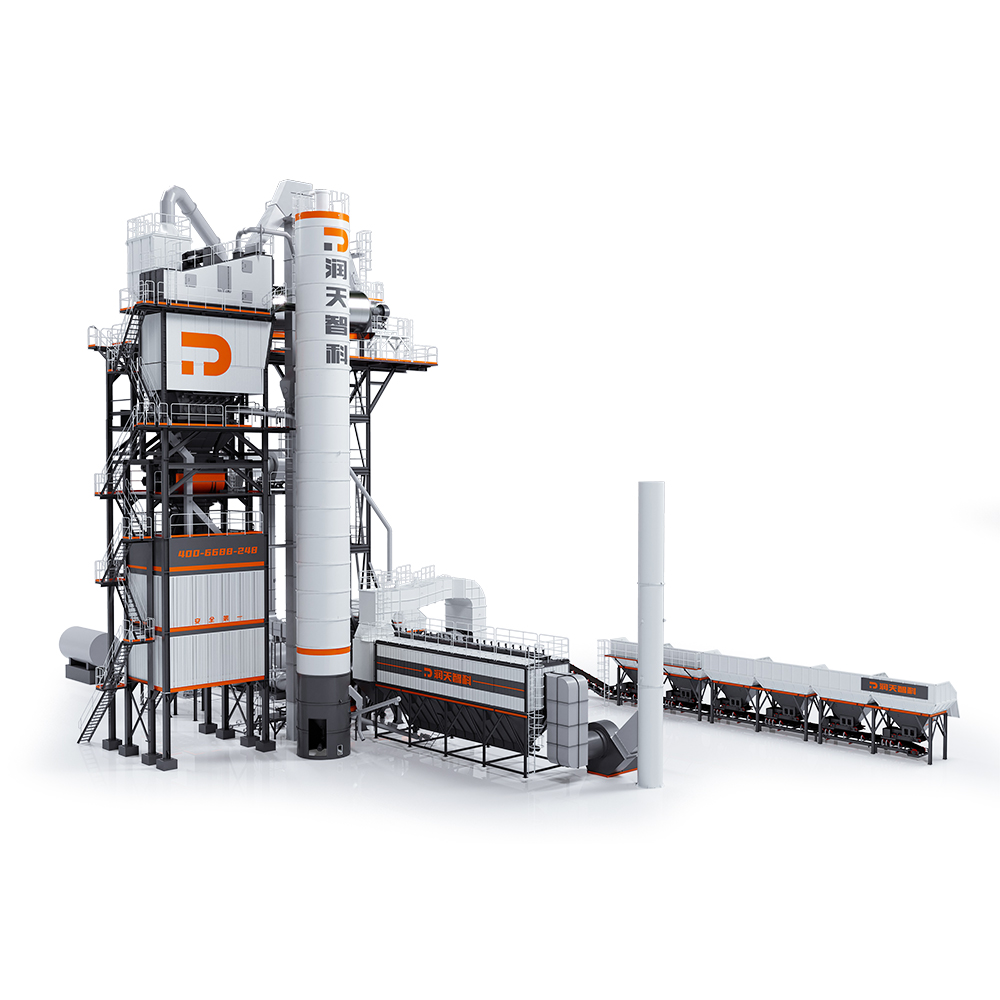 LBR Series Integrated Asphalt Mixing Plant
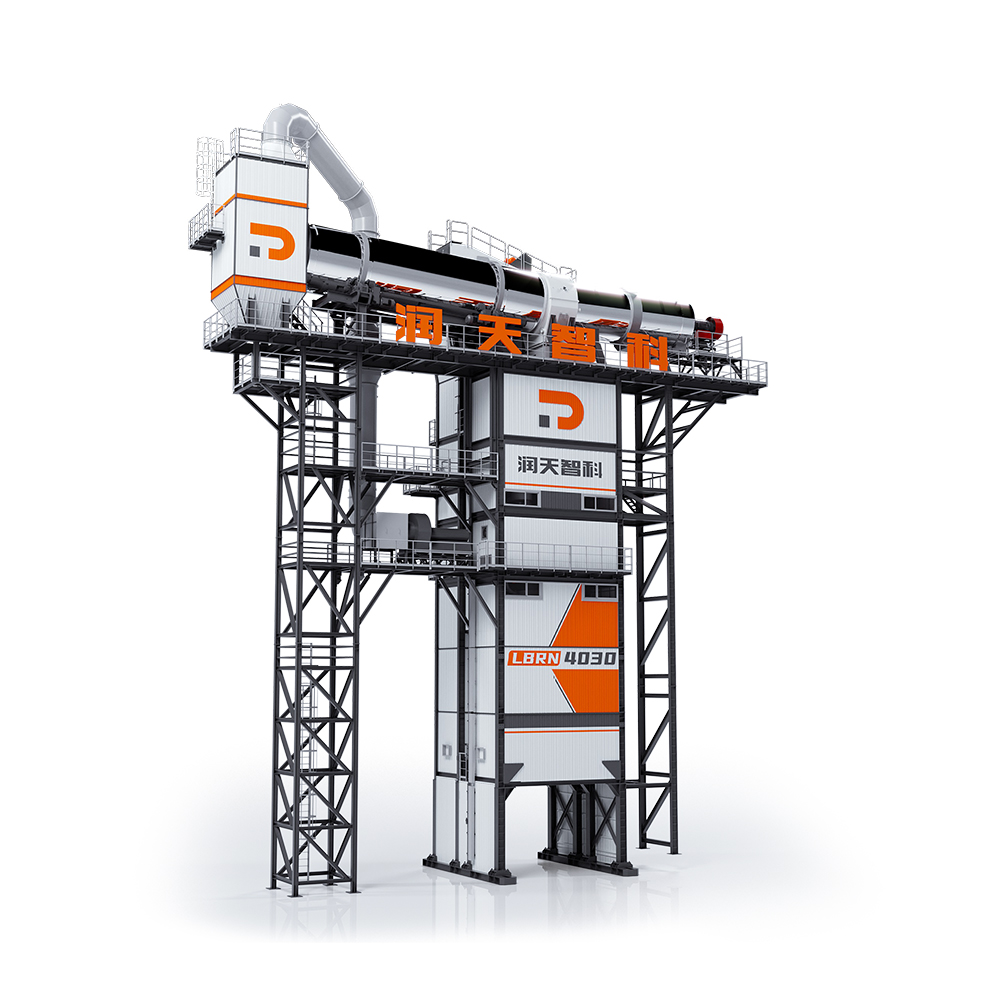 LBRN Series Counterflow Integral Asphalt Mixing Plant
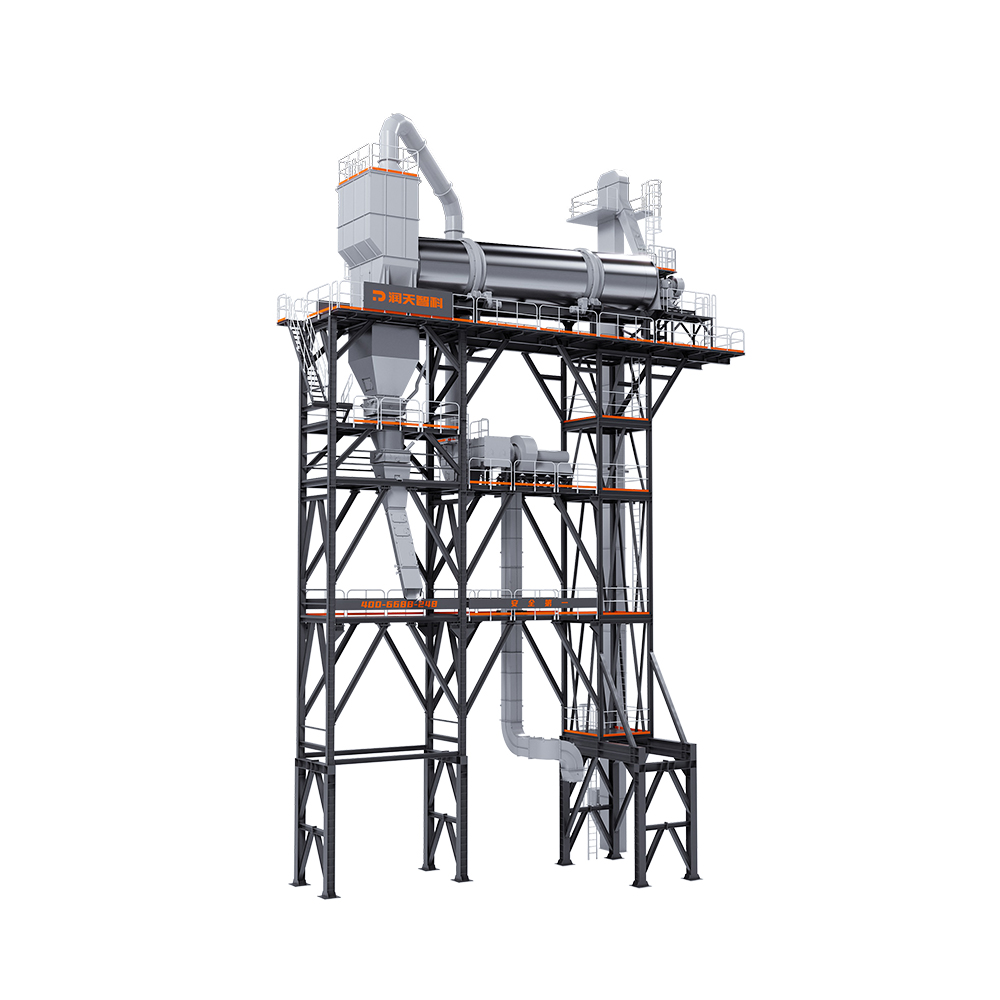 RZS Series Asphalt Mixing Plant
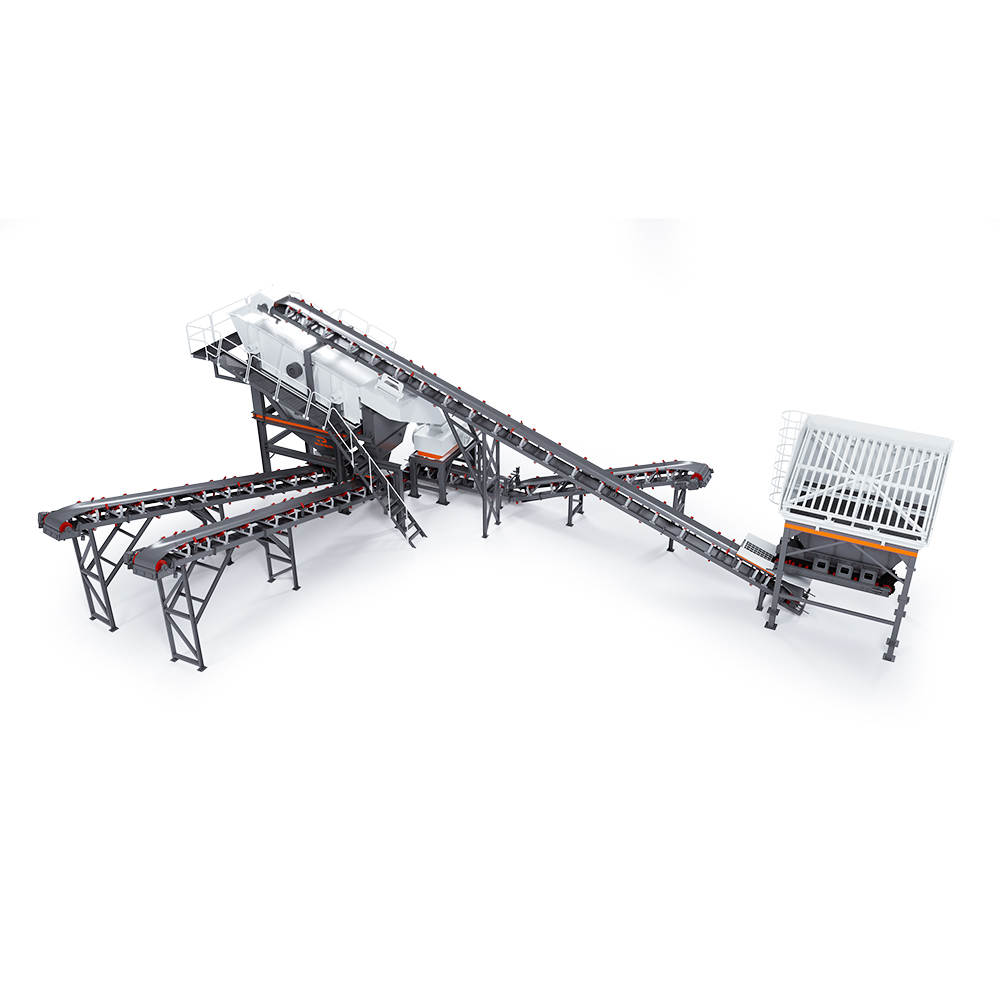 RTZS120 Series RAP Crushing & Screening Plant
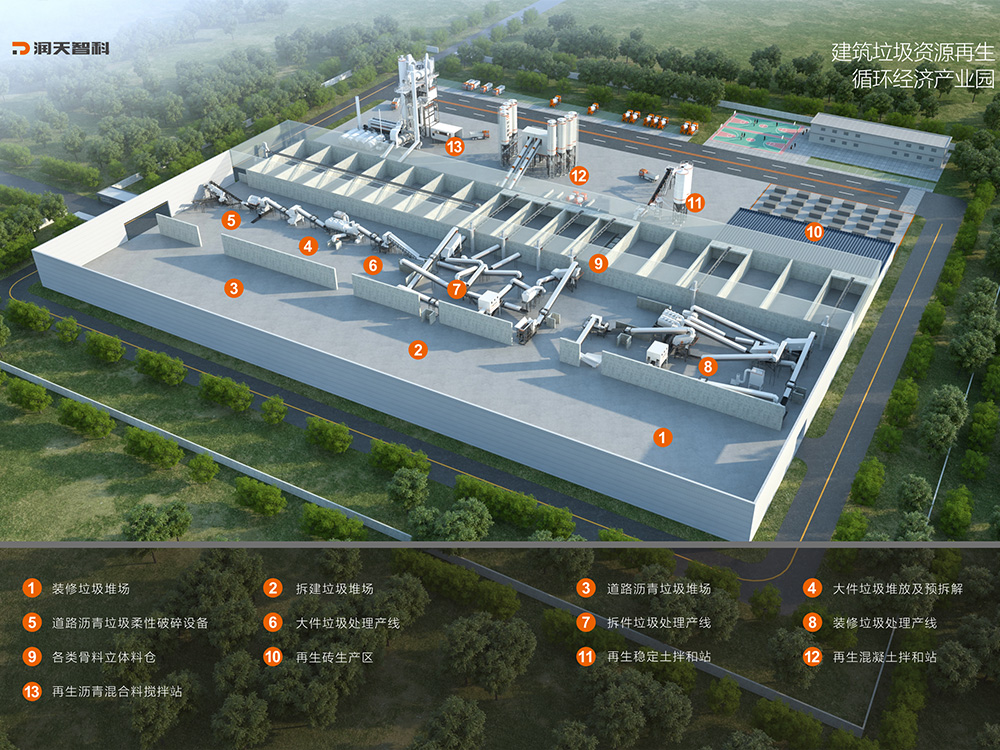 Construction Waste Resourceful Treatment Line