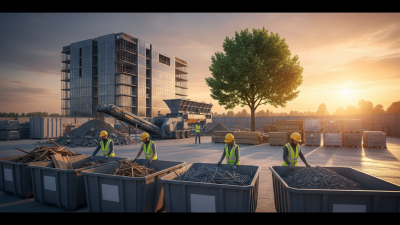
Top 10 Concrete Machines You Should Consider Today?
In the ever-evolving world of construction, the term "Concrete Machine" holds significant weight. Industry expert John Smith, known for his work in concrete technologies, stated, "The right equipment can make or break a project." This rings true as the demand for efficiency and quality escalates.
Concrete machines have become crucial in achieving precision and speed. From mixers to pumps, each piece plays a vital role. These machines not only speed up the construction process but also ensure consistency in the quality of concrete. However, selecting the right machine can be daunting. Each model has unique features that cater to different needs and budgets.
The market is flooded with options. It’s essential to understand what each machine offers. Investing in the right concrete machine can save time and money. Yet, many overlook the specifics that matter the most. You might buy the latest model but find it underperforms on-site. This inconsistency can lead to delays and increased costs. Therefore, understanding your project needs is key. Choosing wisely can enhance productivity and lead to better outcomes.
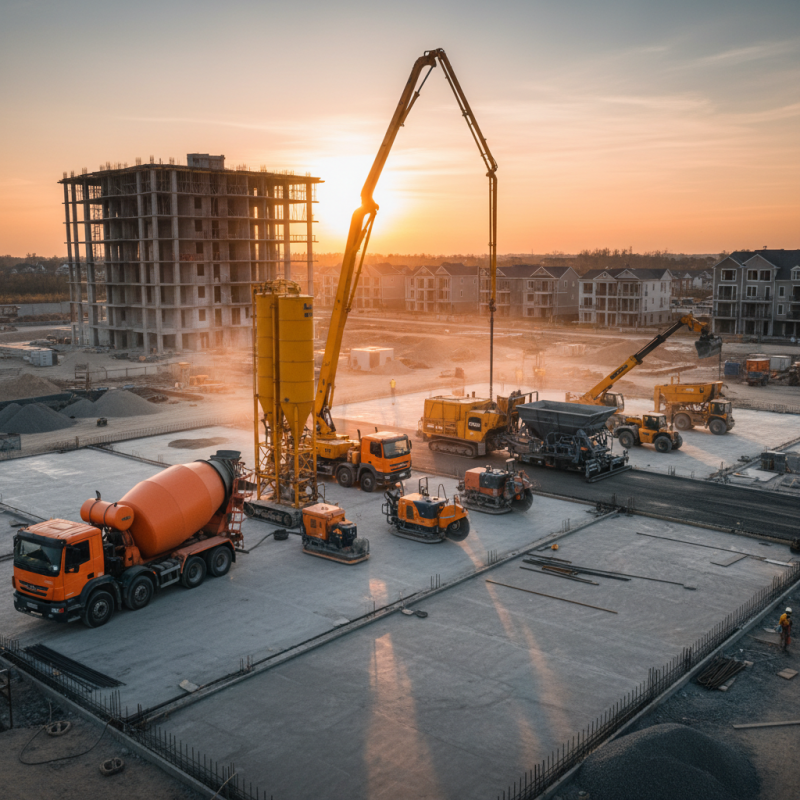
Top Reasons to Invest in Concrete Machinery Today
Investing in concrete machinery makes sense for various reasons. First, these machines enhance efficiency on construction sites. They save time and reduce manpower costs. A simple concrete mixer can speed up the mixing process, allowing workers to focus on other tasks.
Tips: Always assess your project needs. Determine what machinery fits your specific requirements. Not every machine is necessary for every job. Aim for a blend of quality and functionality.
Durability is another key benefit. Quality concrete machines are built to withstand harsh conditions. They require less maintenance over time. This can lead to significant cost savings in repairs. However, investing in machinery isn't without its challenges. It may take time to learn how to operate new equipment.
Tips: Take time to train your crew. Familiarity with equipment can greatly increase overall productivity. Don’t rush. Each machine has its learning curve. Investing in training pays off in the long run.
Top 10 Concrete Machines You Should Consider Today
| Machine Type |
Power Source |
Max Output (m³/h) |
Weight (kg) |
Features |
| Concrete Mixer |
Electric |
20 |
500 |
Portable, Easy to Operate |
| Concrete Pump |
Diesel |
30 |
1500 |
High Efficiency, Long Range |
| Concrete Paver |
Electric |
15 |
1200 |
User-Friendly, Adjustable Width |
| Concrete Vibrator |
Gasoline |
N/A |
80 |
Efficient Compaction, Lightweight |
| Concrete Saw |
Electric |
N/A |
100 |
Precision Cutting, Durable Blades |
| Concrete Mixer Truck |
Diesel |
40 |
8000 |
High Capacity, All Terrain |
| Concrete Finishing Machine |
Electric |
25 |
400 |
Smooth Finish, Easy to Control |
| Concrete Block Maker |
Hydraulic |
N/A |
1000 |
High Efficiency, Custom Molds |
| Shotcrete Machine |
Diesel |
20 |
600 |
Fast Application, Versatile |
| Concrete Reclaimer |
Electric |
N/A |
500 |
Eco-Friendly, Cost Saving |
Key Features to Look for in Concrete Machines
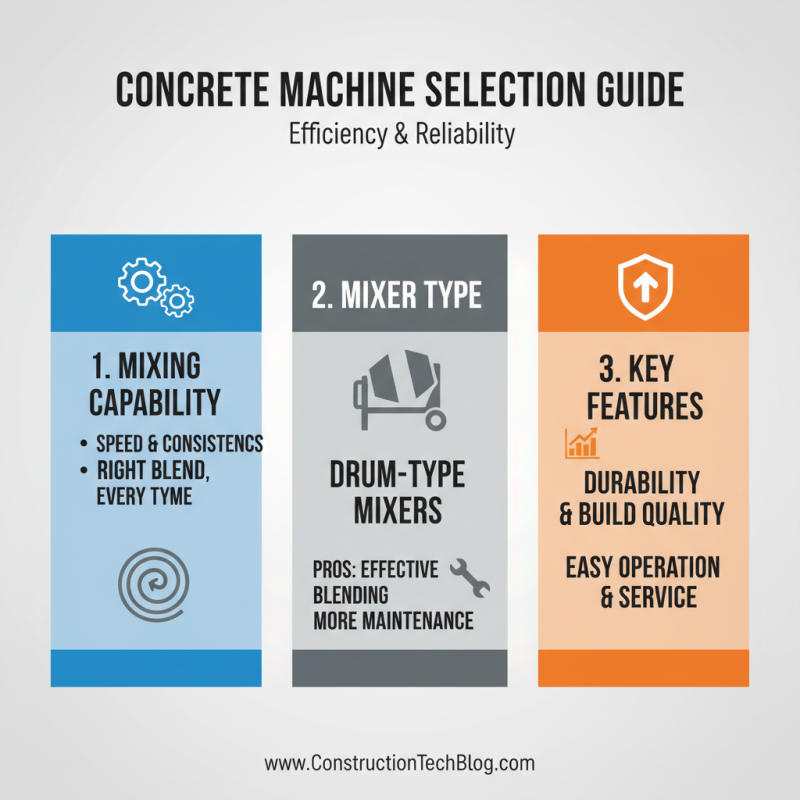
When choosing concrete machines, consider key features that enhance efficiency and reliability. One crucial aspect is mixing capability. Some machines mix quickly, while others struggle with consistency. Look for a model that ensures the right blend every time. Drum type mixers may work well, but they also require more maintenance.
Another important feature is mobility. Some machines are heavy and hard to transport. Lightweight designs are easier to move on-site. If your project requires flexible location, prioritize compact and portable models. Also, examine power options. Electric machines are quieter but may lack the power needed for large jobs. Gas-powered versions are more robust, yet they can be loud and produce fumes.
It's vital to assess the durability of the machine. Some models are built with sturdy materials, ideal for tough environments. Others may look good on paper but fail during heavy use. Don't overlook user reviews. They often reveal hidden issues about performance. Quality matters, but so does your budget. Finding the right balance is essential and can be tricky.
Comparative Analysis of Leading Concrete Machine Brands
When considering concrete machines, understanding brand performance is crucial. Each brand offers unique features. Some machines excel in efficiency, while others prioritize durability. It's essential to know what you need most.
Tips: Evaluate your project's scope first. Determine if you require high mobility or heavy-duty performance. Keep in mind that some machines may be over-engineered for smaller tasks. Research helps to refine your choices.
Brand comparisons reveal varying reliability levels. Some brands might promise high output but fail under pressure. Reflect on user reviews. Actual experiences can provide insights that specs may not.
Tips: Look for user feedback on durability. Sometimes, a machine performs well initially but shows flaws over time. Don't ignore warranty offers—they indicate the manufacturer's confidence.
Maintenance Tips for Prolonging the Lifespan of Concrete Equipment
Maintaining concrete equipment is crucial for its longevity. Regular inspections can help identify issues early. Look for
cracks, leaks, or unusual noises. Ignoring these signs can lead to
costly repairs later. Cleaning machines after each use is essential. Remove concrete residue to prevent build-up that can damage components.
Lubrication is often overlooked but is vital. Apply the right lubricant to moving parts at recommended intervals. This practice reduces friction and enhances performance.
Lastly, ensure proper storage. Keep machines in a dry, sheltered area. Exposure to harsh weather can cause rust and deterioration.
Not everyone realizes that neglecting these tips can shorten equipment life significantly.
Training operators is also important. An untrained operator may misuse equipment, leading to unnecessary wear and tear. Encourage proper handling and maintenance routines.
Regular training sessions can foster a culture of care. Remember, a little attention goes a long way in preserving your investment.
Future Trends in Concrete Machinery Technology
The concrete machinery industry is evolving rapidly. Recent reports highlight a shift towards automation and smart technology. These advancements aim to increase efficiency and reduce labor costs. According to an industry analysis, the global concrete machinery market is projected to grow at a CAGR of 5.8% from 2023 to 2028. This indicates strong demand for innovative solutions.
Sustainability is also a major focus. Companies are exploring eco-friendly materials and processes. The use of recycled aggregates and low-carbon concrete is becoming more common. Statistics show that nearly 30% of construction companies prioritize sustainability in their machinery choices. However, not all companies adapt quickly. Some still rely on outdated practices, which can hinder progress.
Training and skilled labor remain crucial. As machinery becomes more advanced, operators must be well-versed in new technology. A significant gap in skilled labor exists in the industry. Reports indicate that 25% of construction firms struggle to find qualified workers. This reflects a need for educational initiatives to bridge the skills gap. The future of concrete machinery lies in balancing technology, sustainability, and skilled workforce development.
Top 10 Concrete Machines You Should Consider Today
This chart illustrates the projected market growth of various concrete machinery types, which are critical for enhancing construction efficiency and productivity. The data reflects the expected market demand growth for each machinery type over the next five years.

 Concrete Mixing Plant
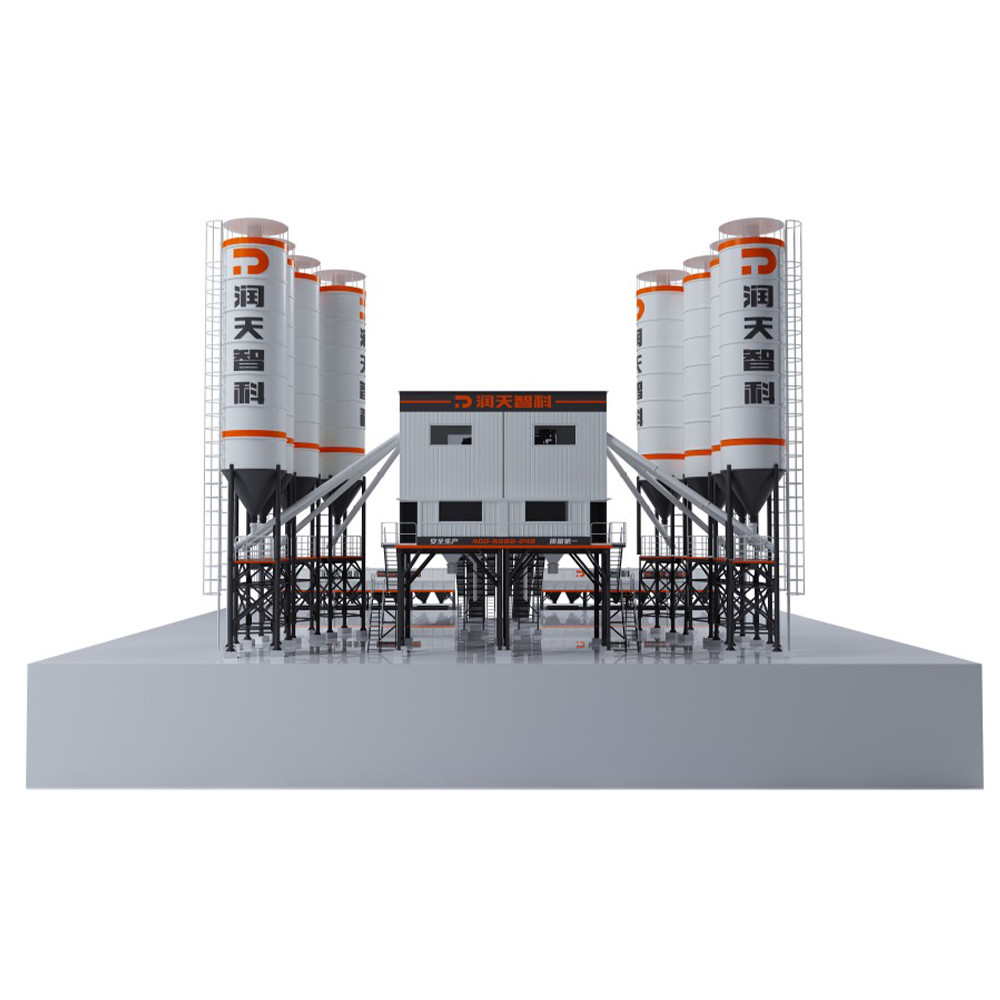 HZS Series Belt Concrete Mixing Plant
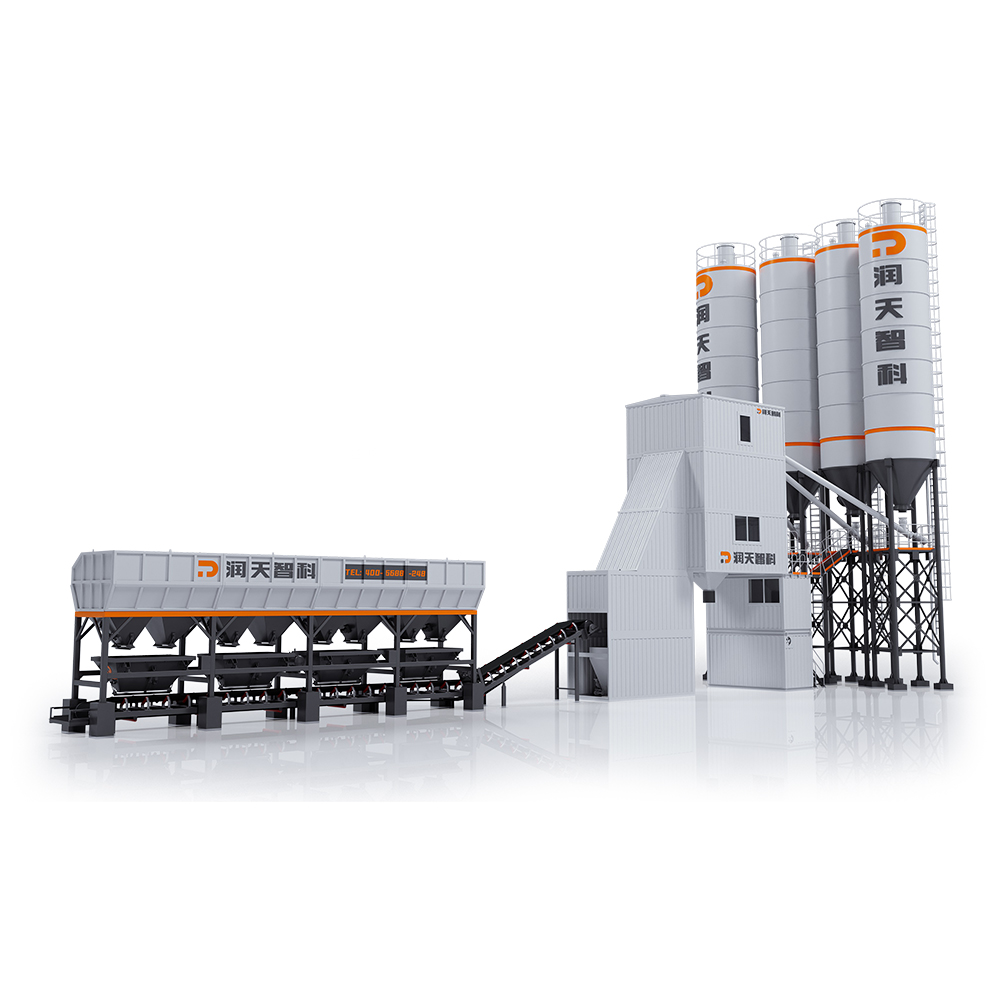 HZS Series Bucket-Lifting Type Container Concrete Mixing Plant
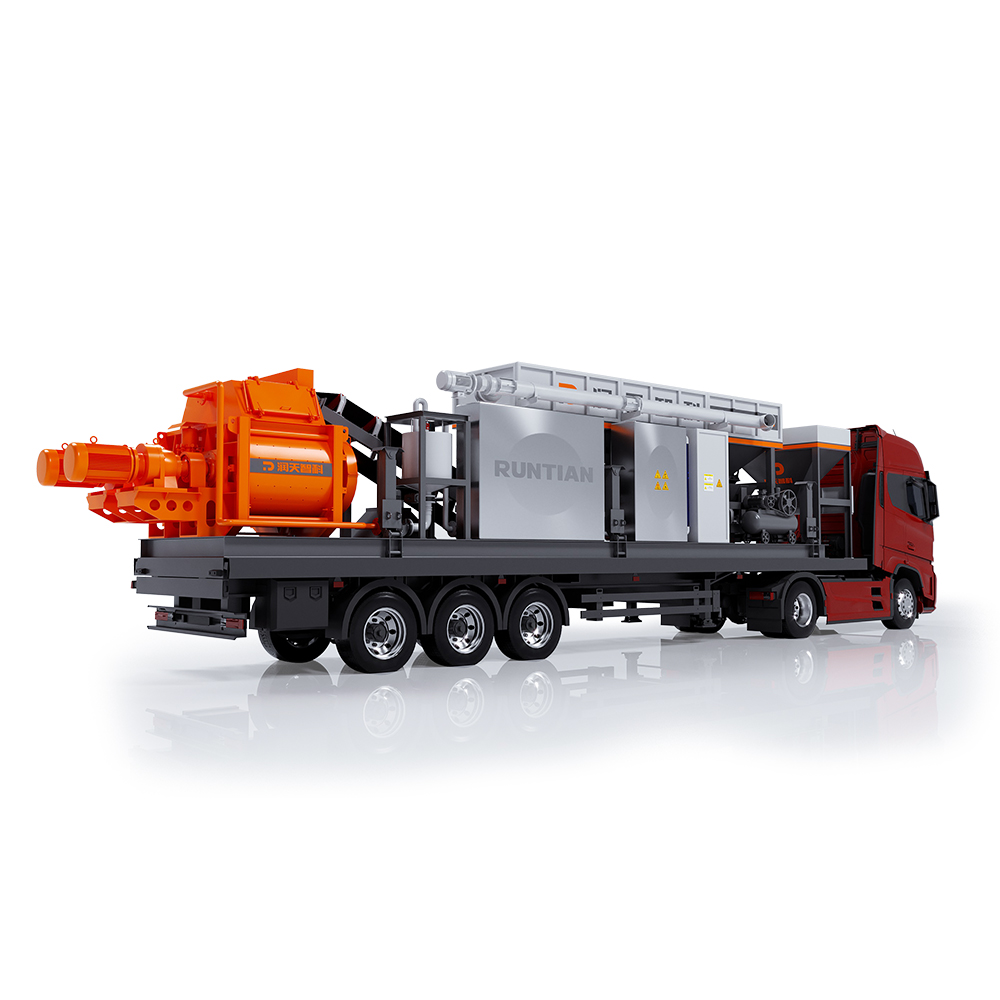 HZS60 Mobile Concrete Mixing Plant
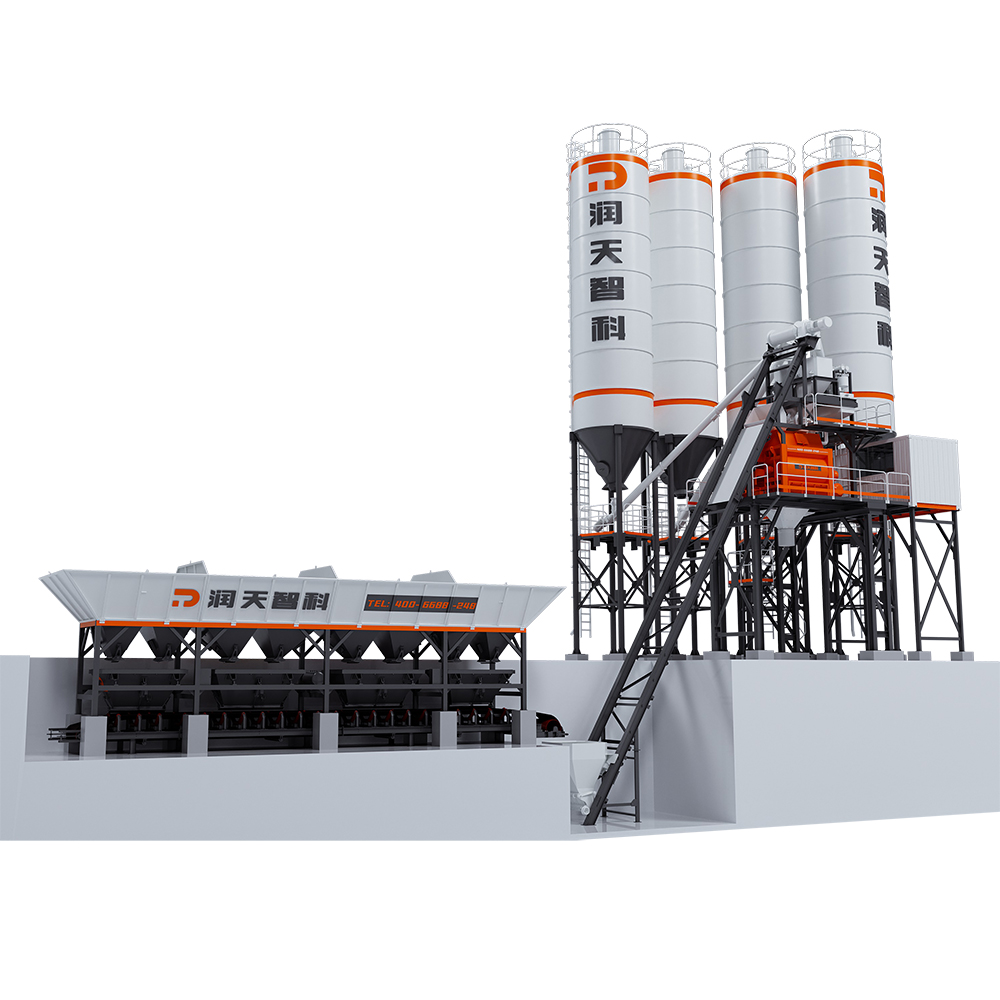 HZS Series Bucket-Lifting Type Concrete Mixing Plant
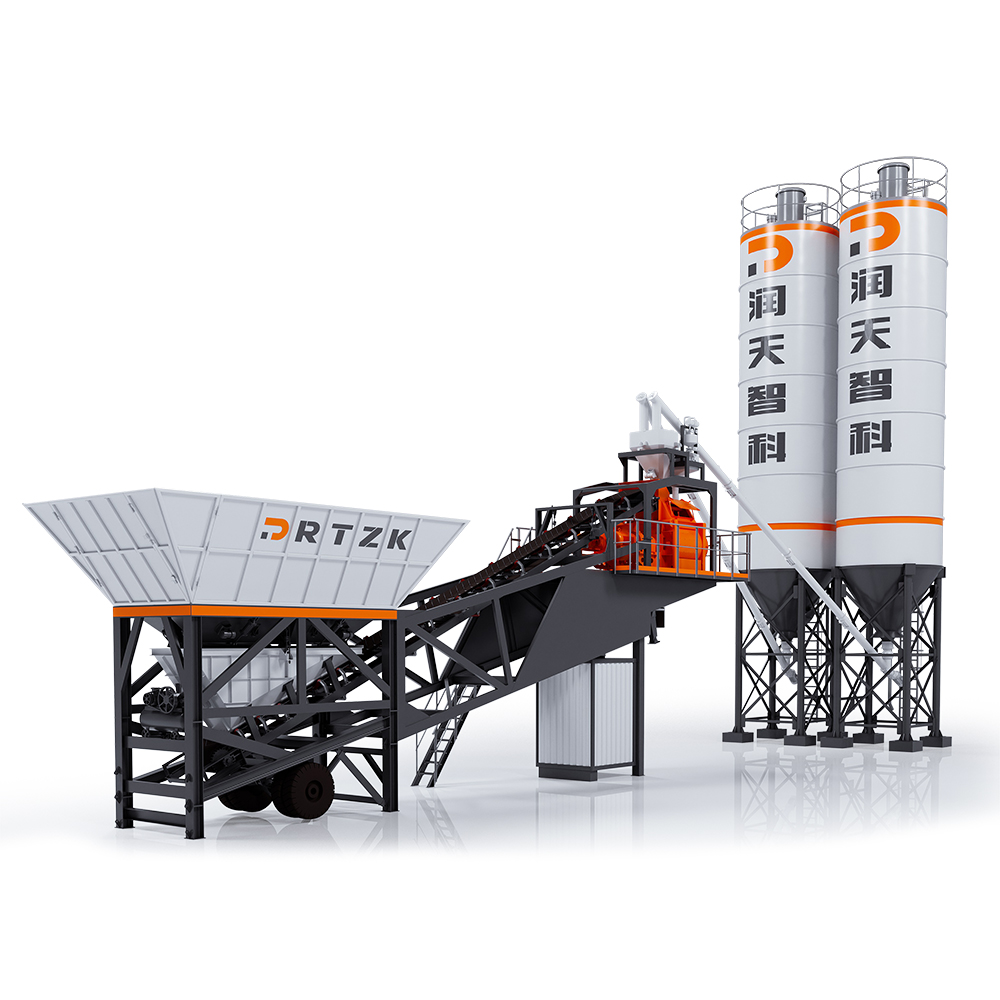 HZS Series Mobile Concrete Mixing Plant
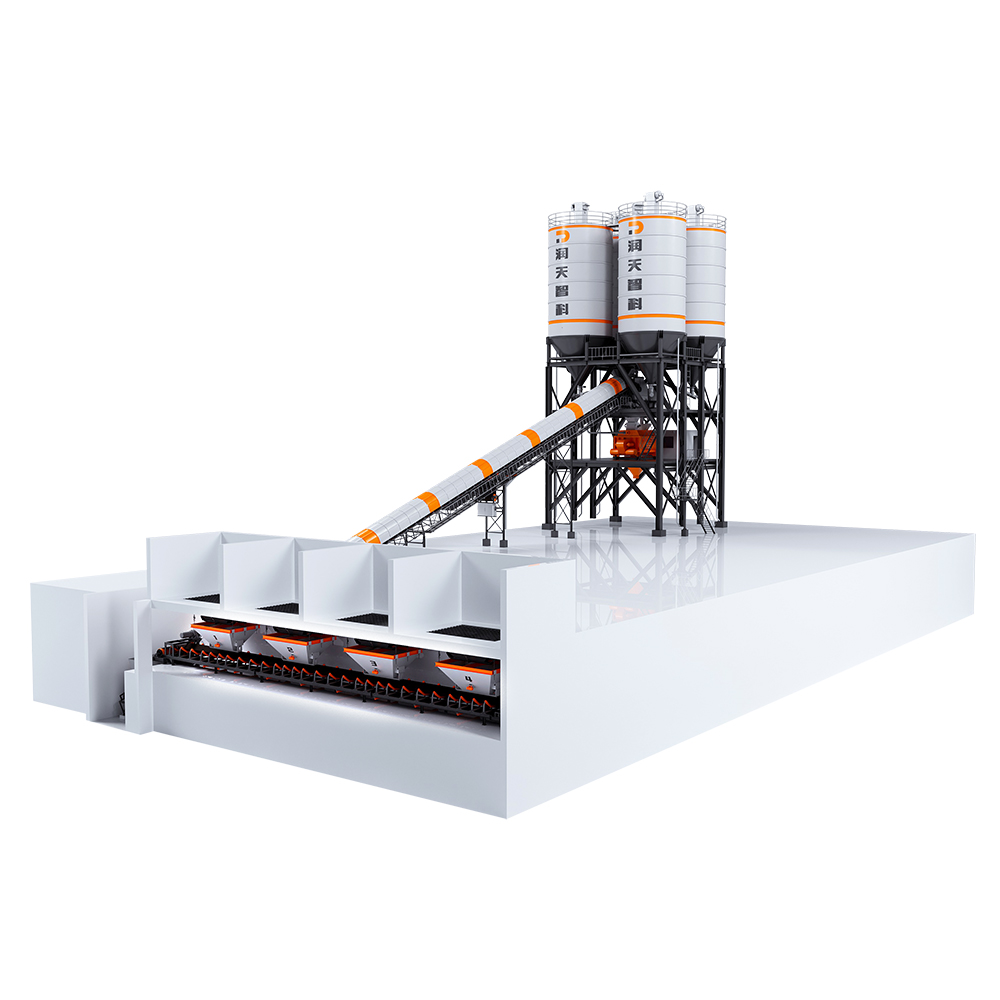 HZS Series Top-Mounted Concrete Mixing plant
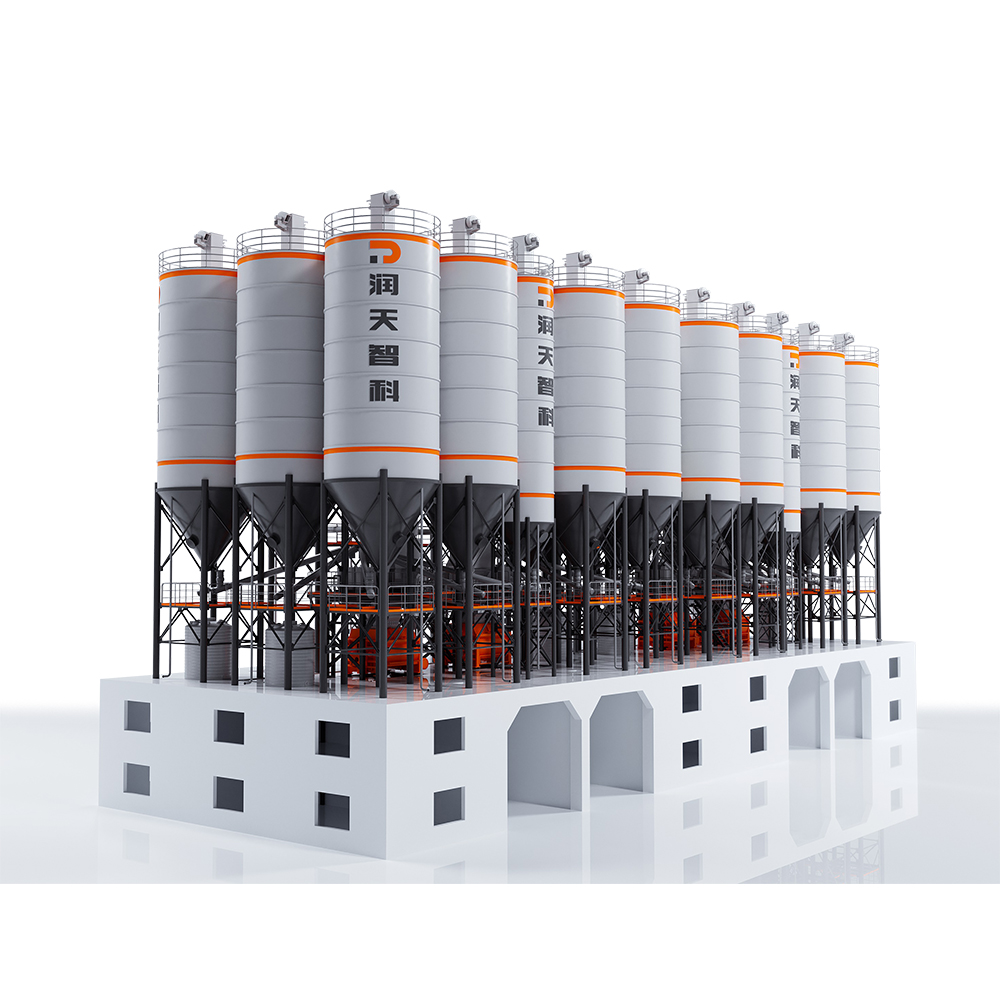 HZS Series Semi-Top Mounted Concrete Mixing Plant
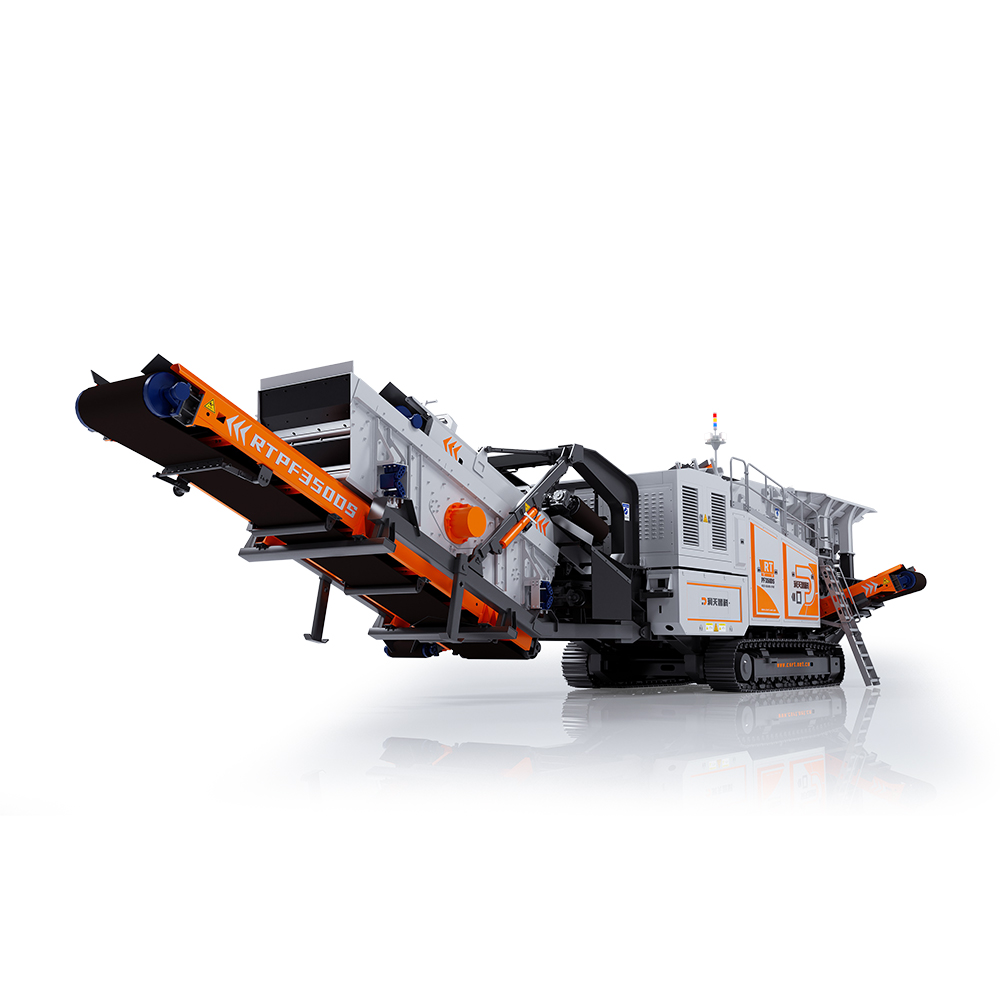 RTPF350DS Crawler Mobile Impact Crushing Plant
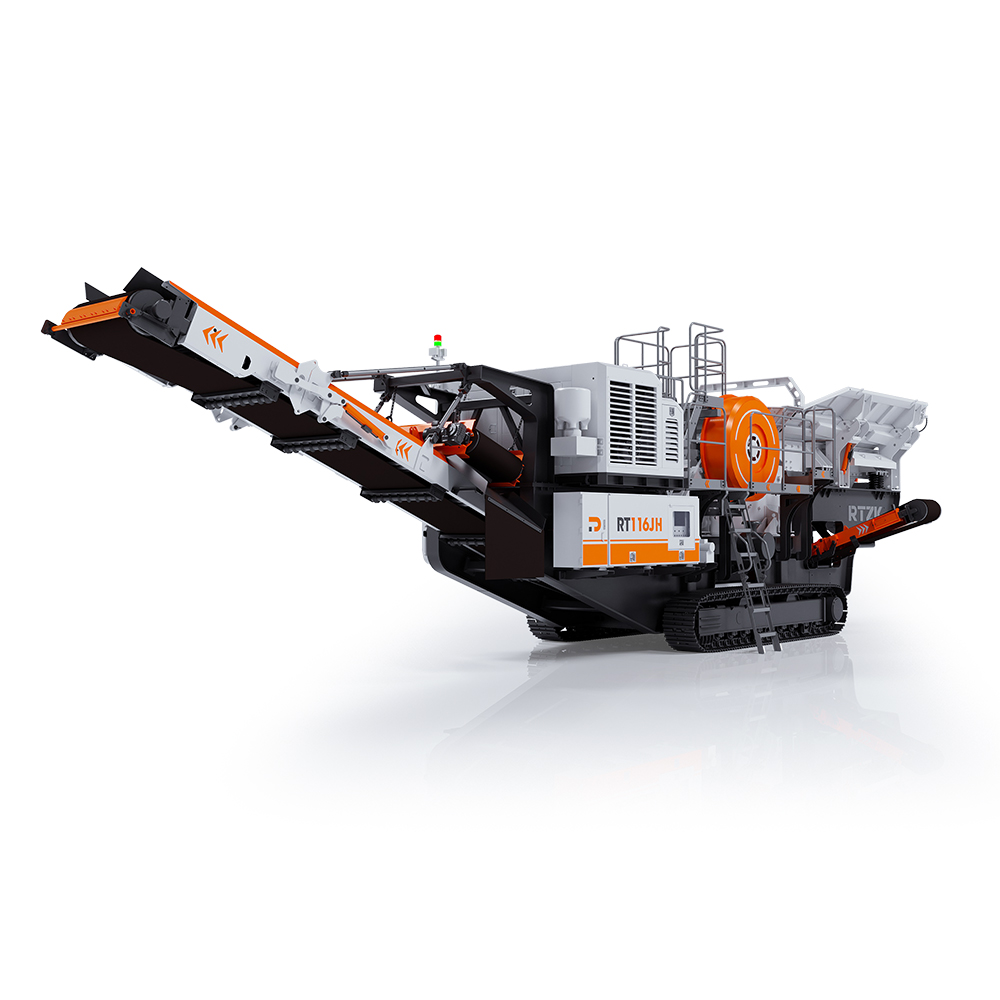 RT116JH Crawler Mobile Jaw Crushing Plant
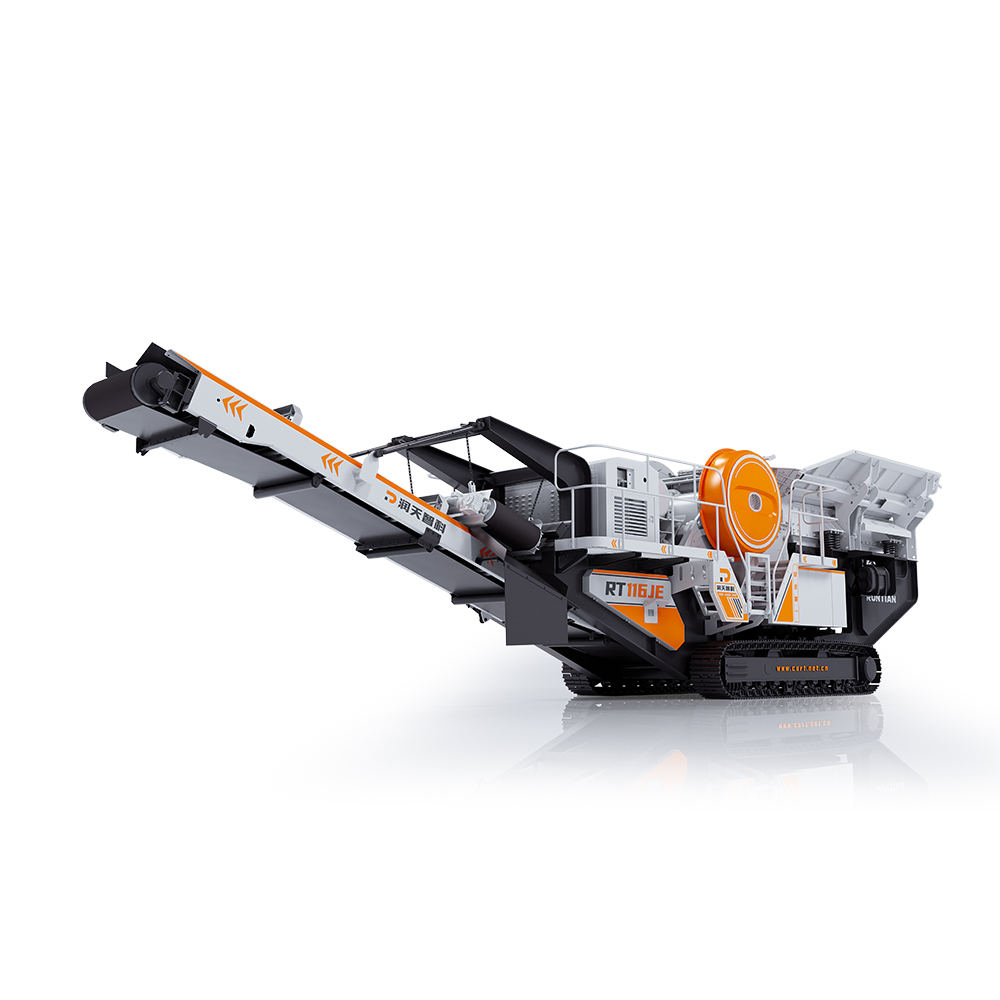 RT116JE Crawler Mobile Jaw Crushing Plant
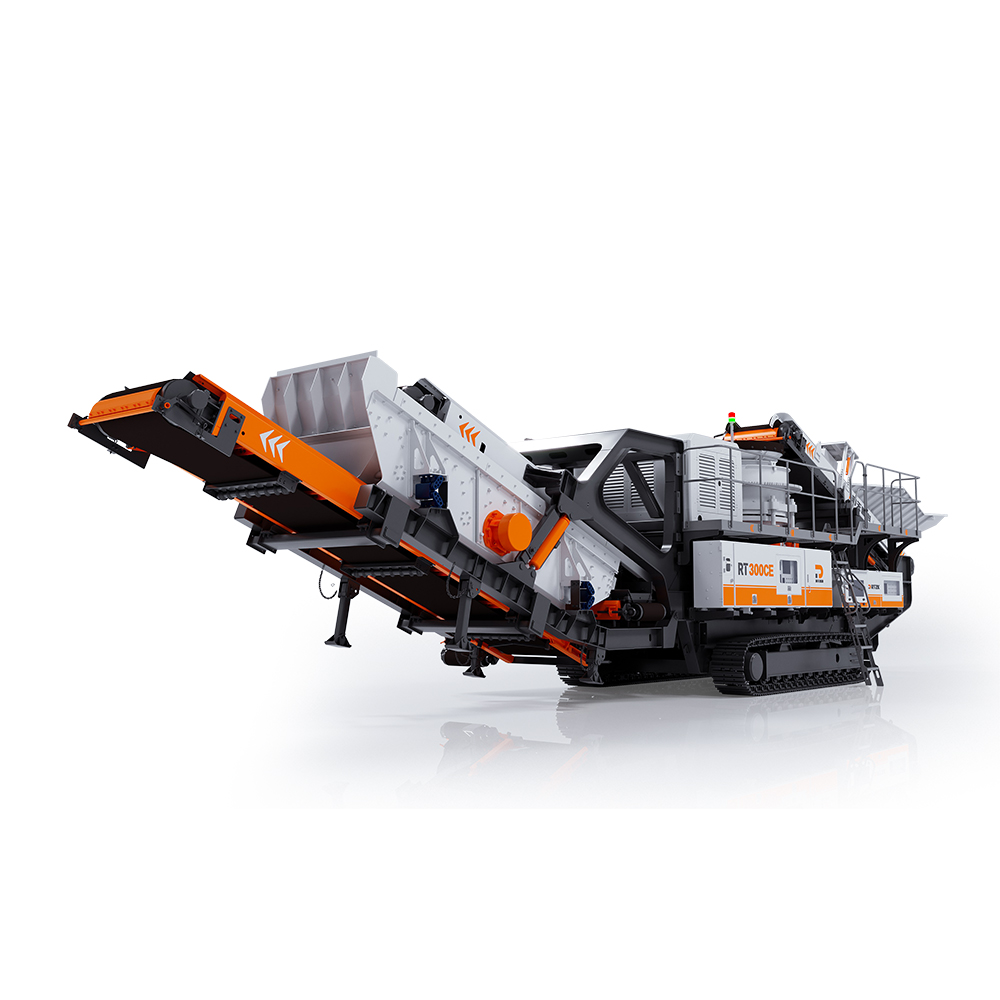 RT300CE Crawler Mobile Cone Crushing Plant
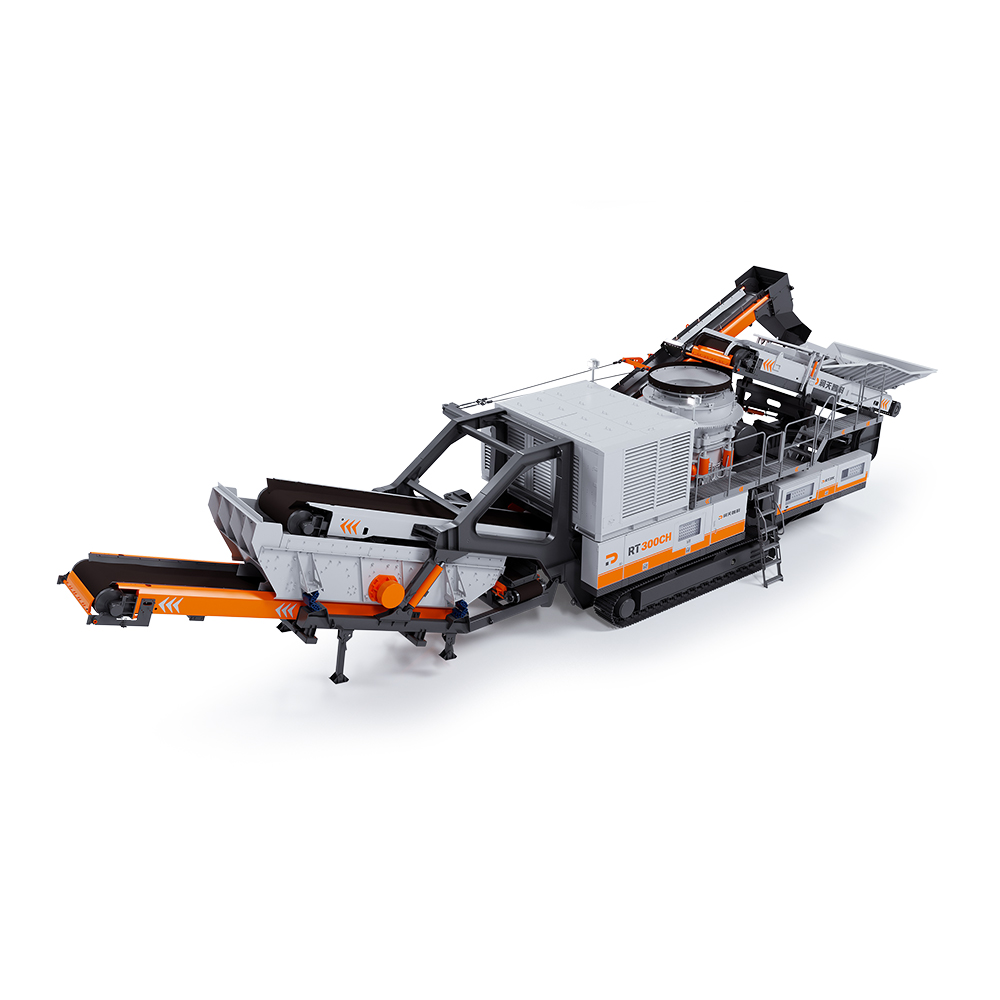 RT300CH Crawler Mobile Cone Crushing Plant
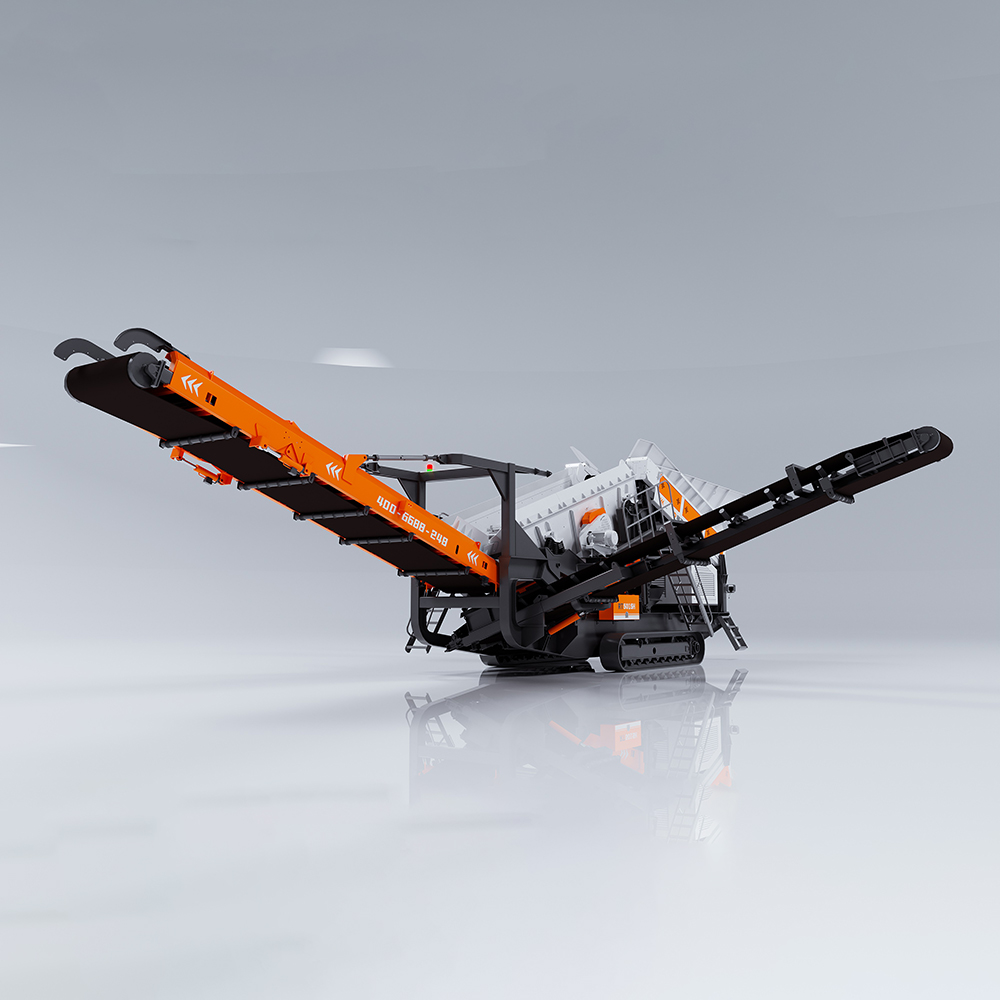 RT5015H Mobile Scalping Screen
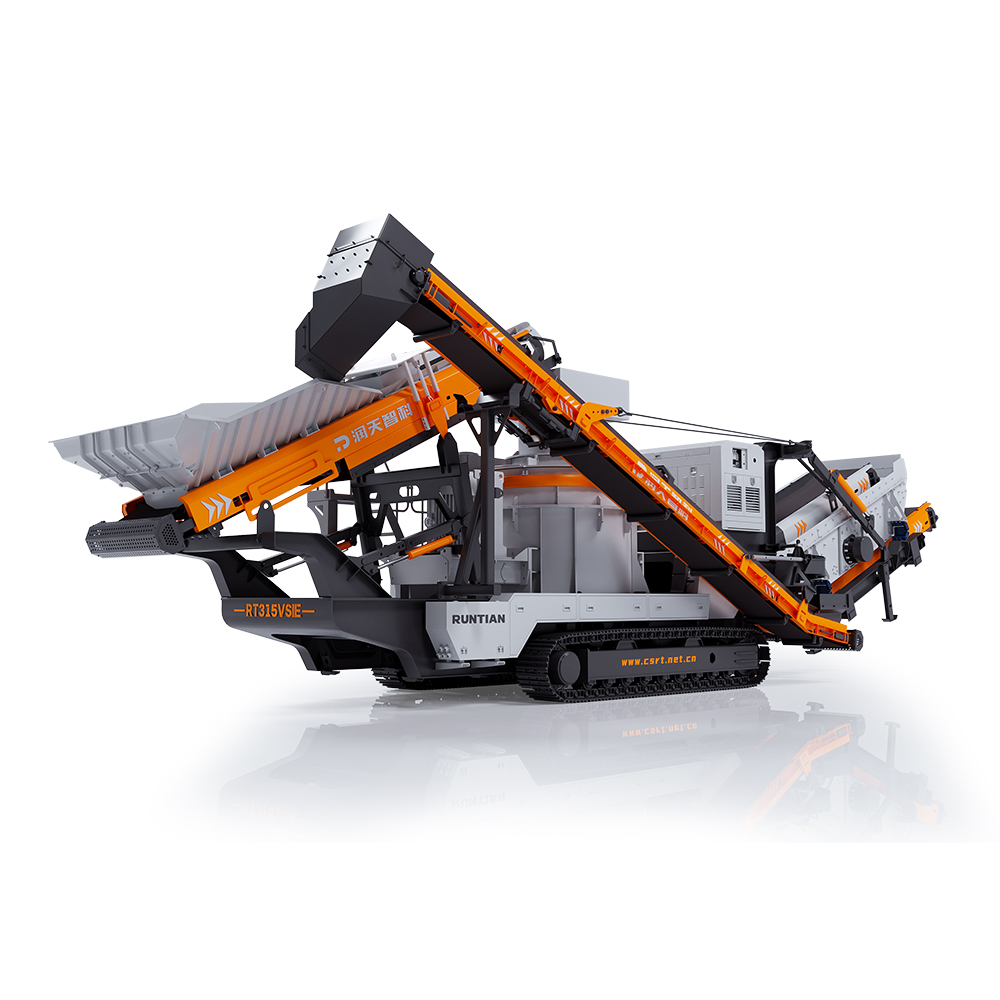 RT315VSIE Crawler Mobile Sand Maker
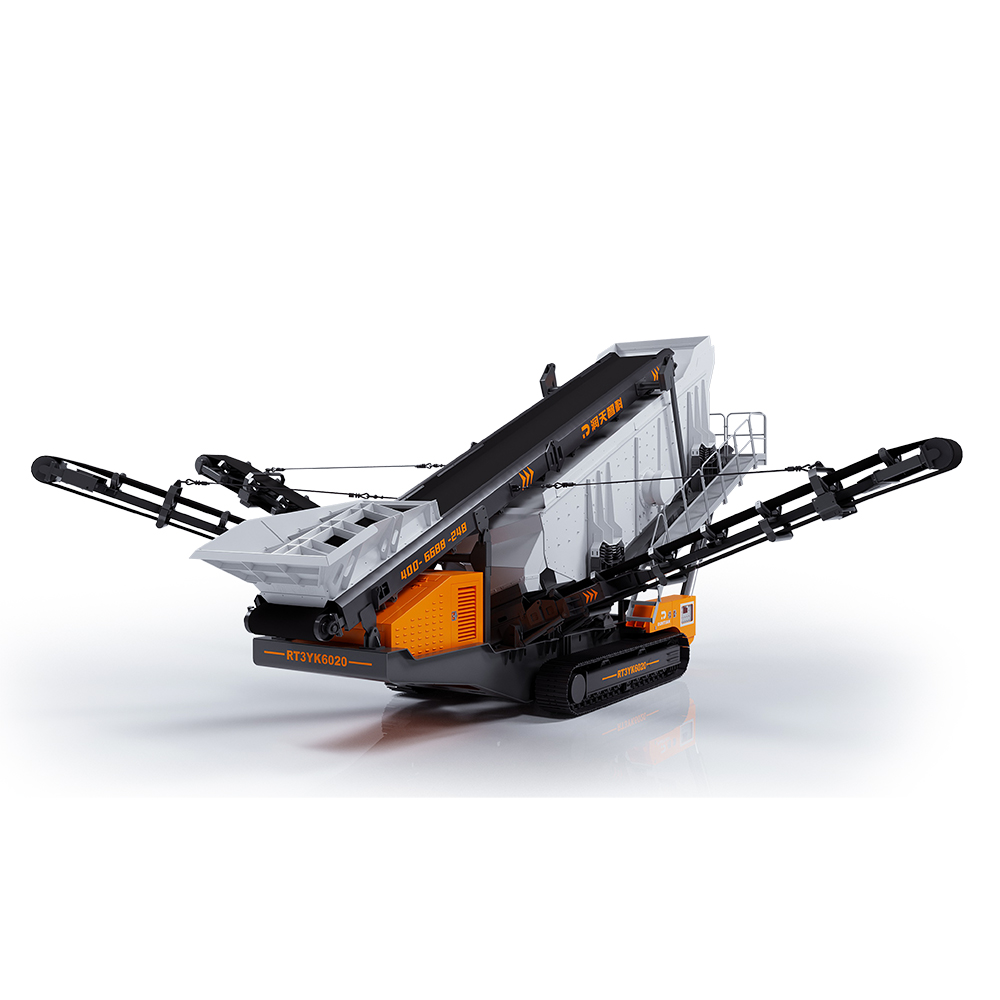 RT3YK6020 Crawler Mobile Screening Plant
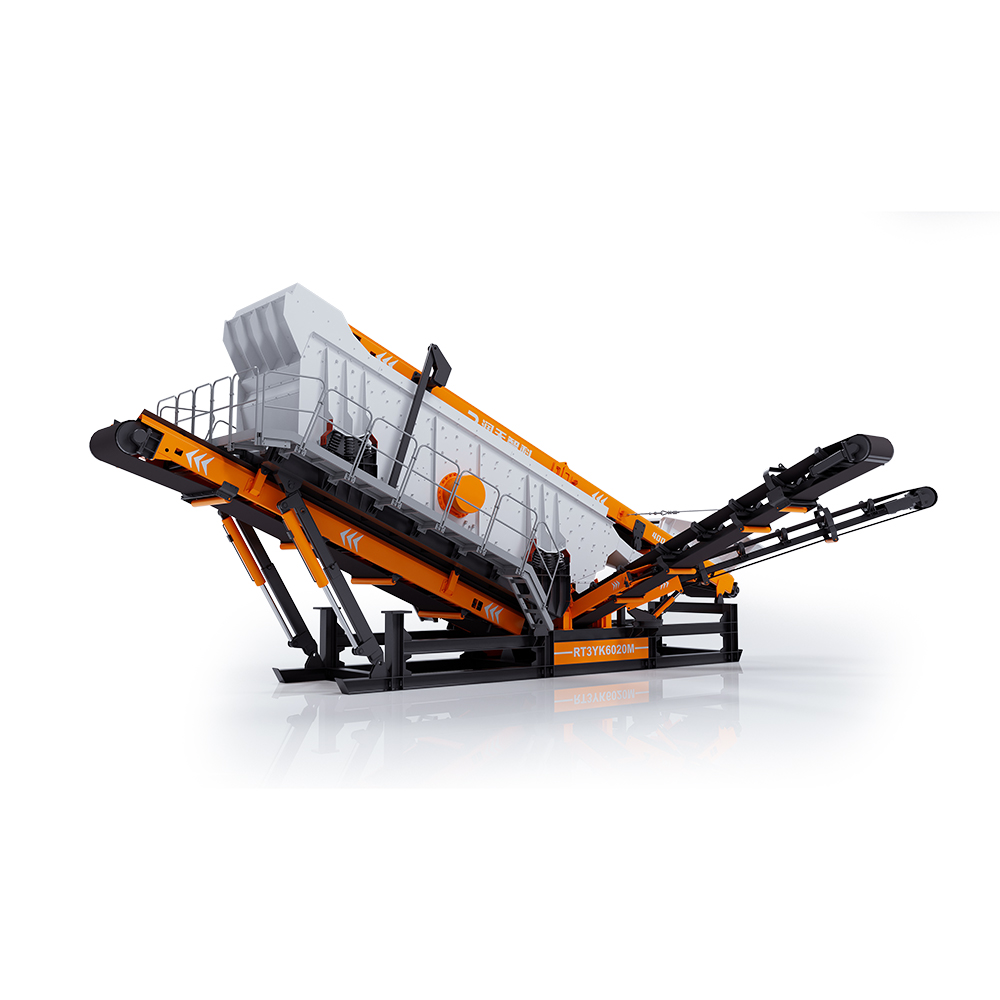 RT3YK6020M Modular Screening Plant
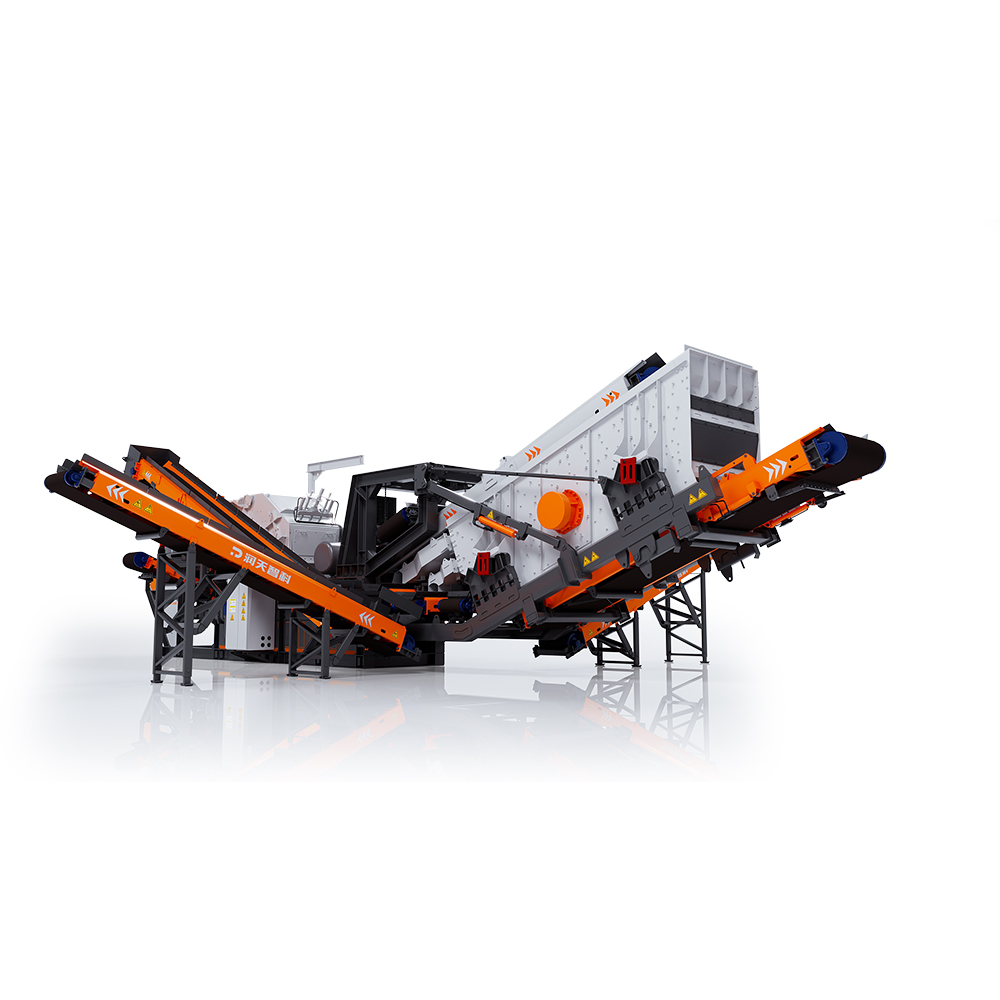 RTF260M Modular Counterattack Crushing and Screening Integrated Machine
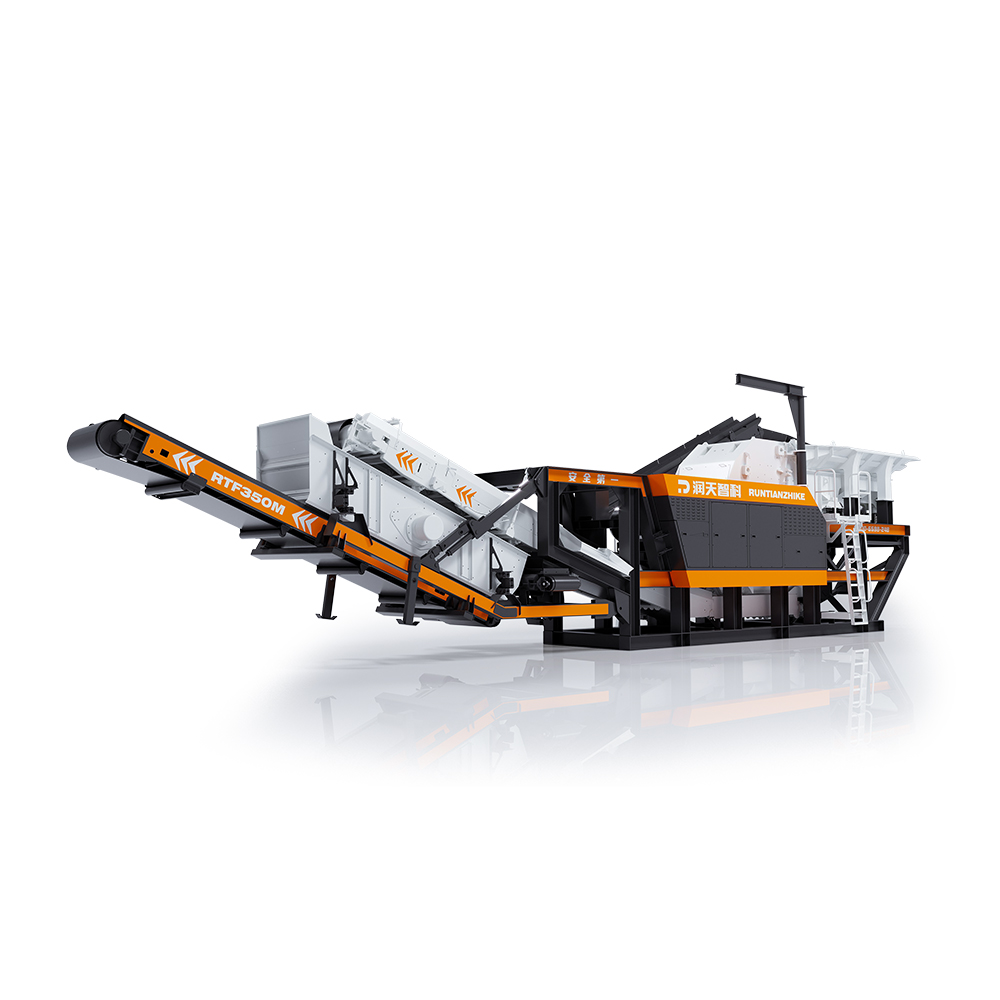 RTF350M Modular Impact Crushing Plant
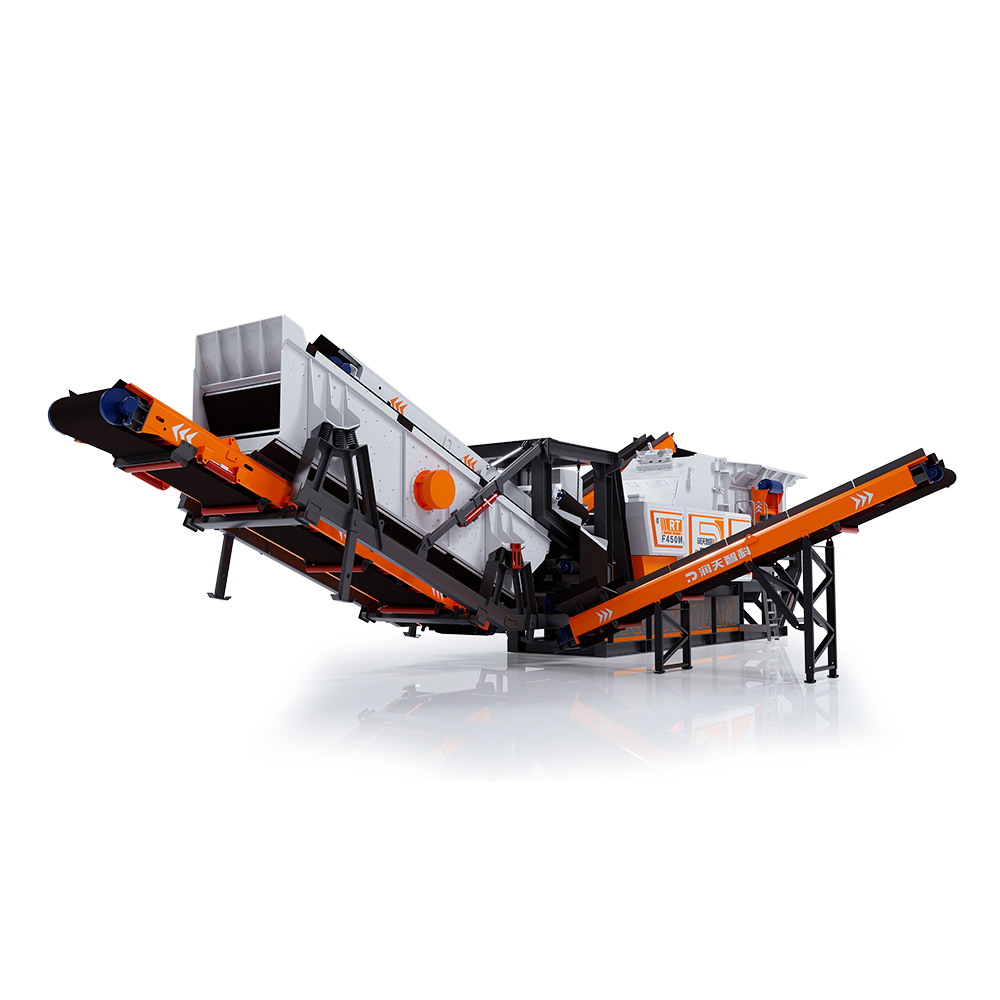 RTF450M Modular Impact Crushing Plant
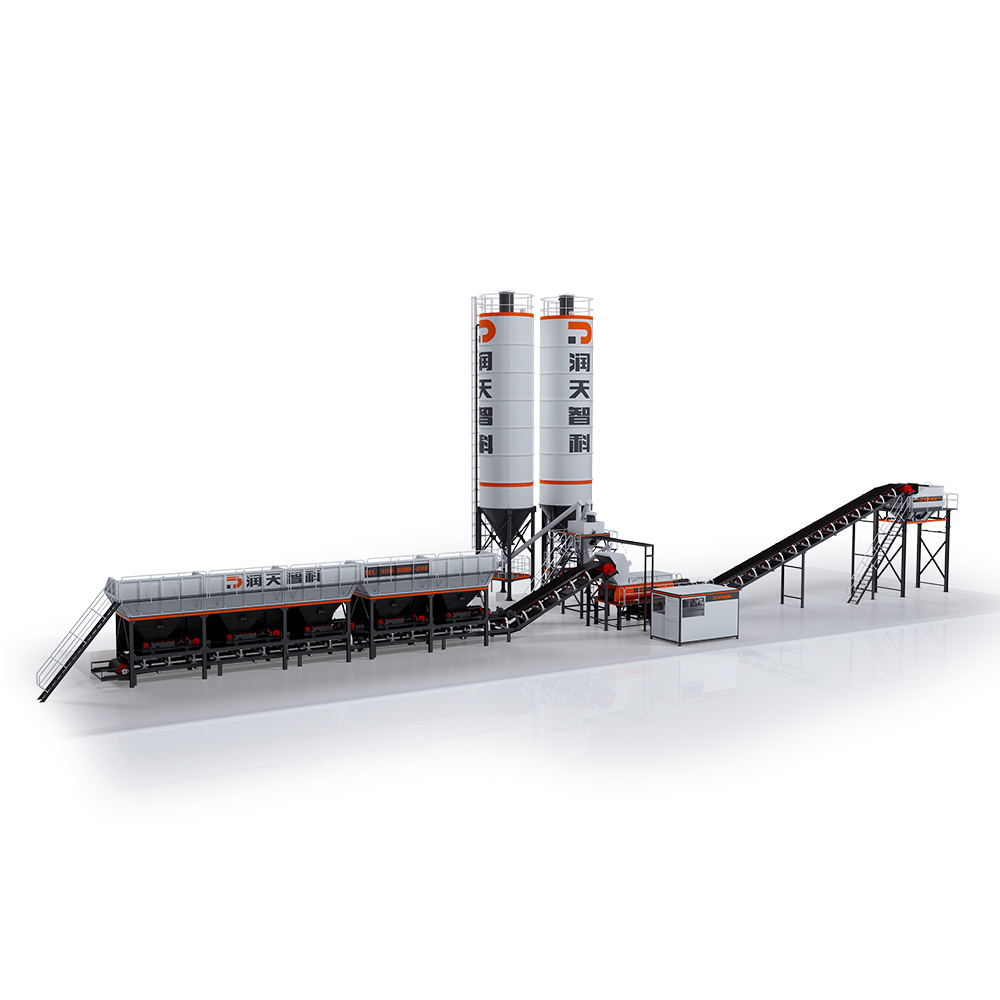 WDB Series Foundation-Free Stability Soil Mixing Plant
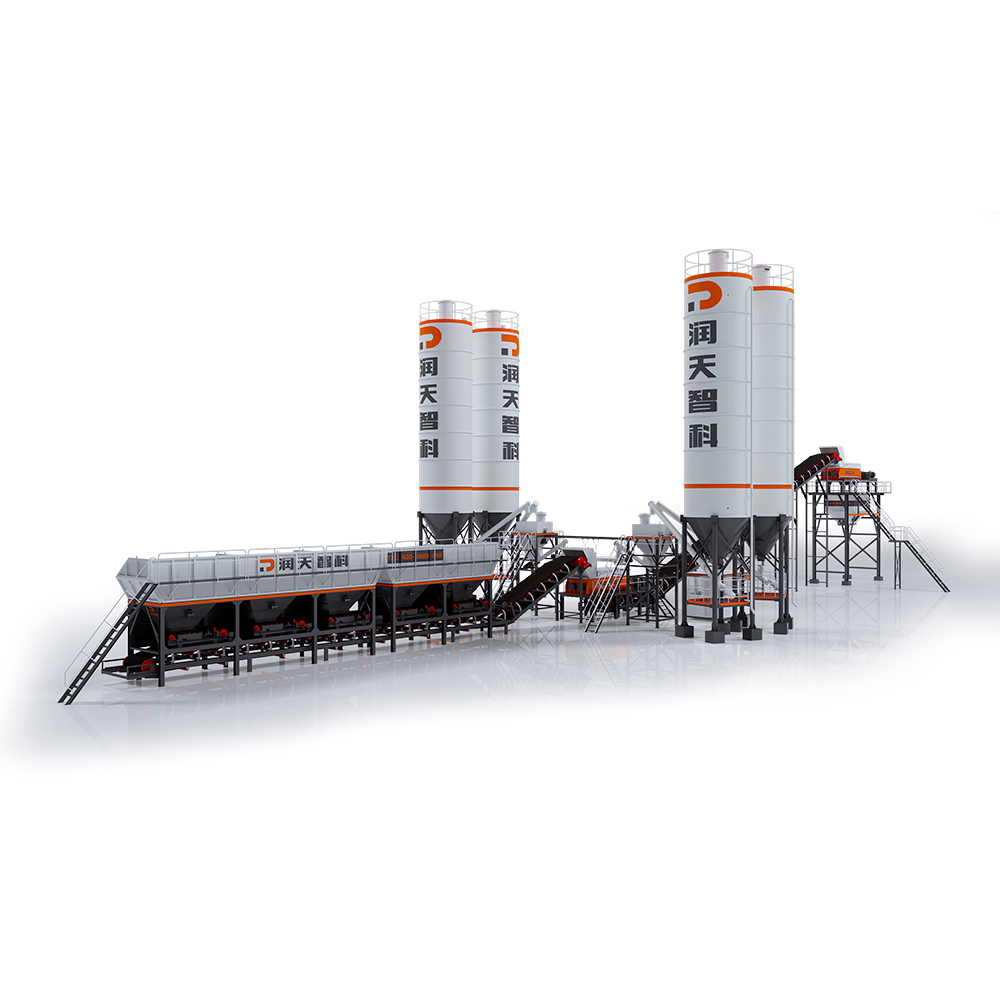 LCB Series Emulsified Asphalt Cold Regeneration Secondary Mixing Plant
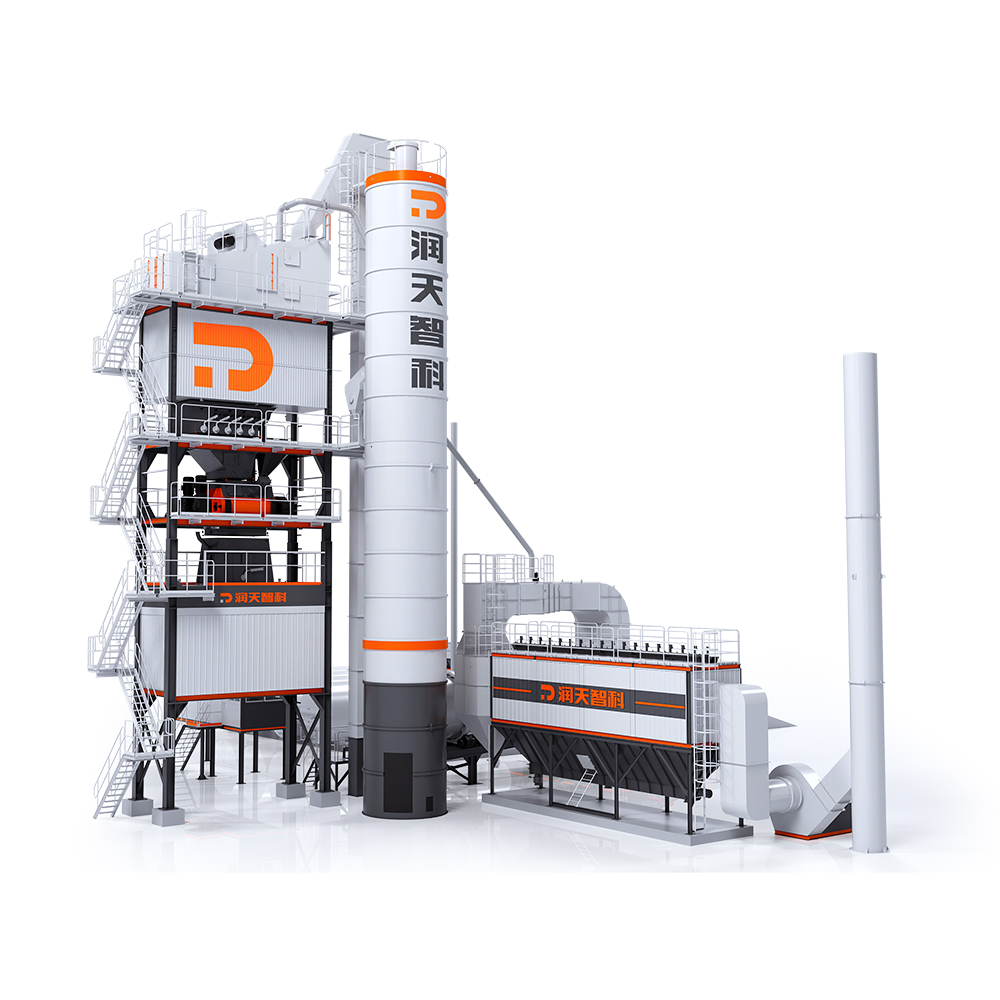 LB Series Asphalt Mixing Plant
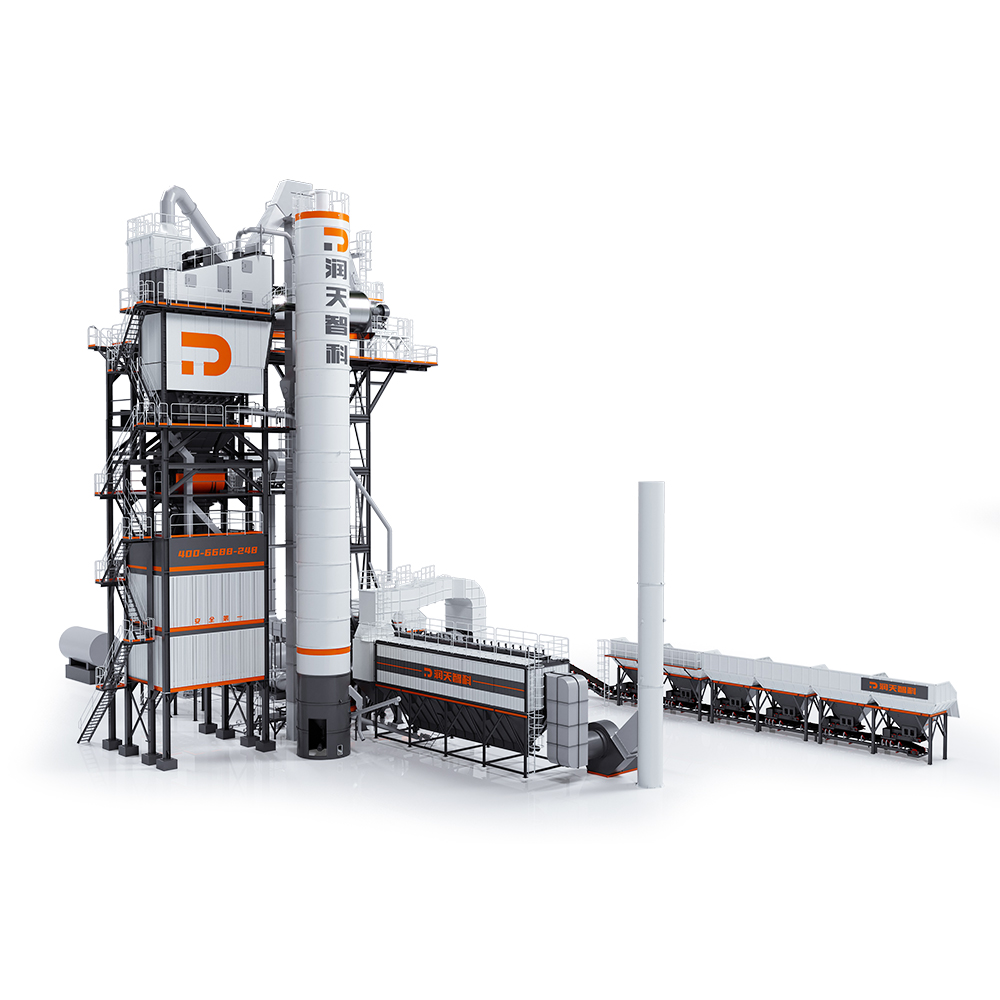 LBR Series Integrated Asphalt Mixing Plant
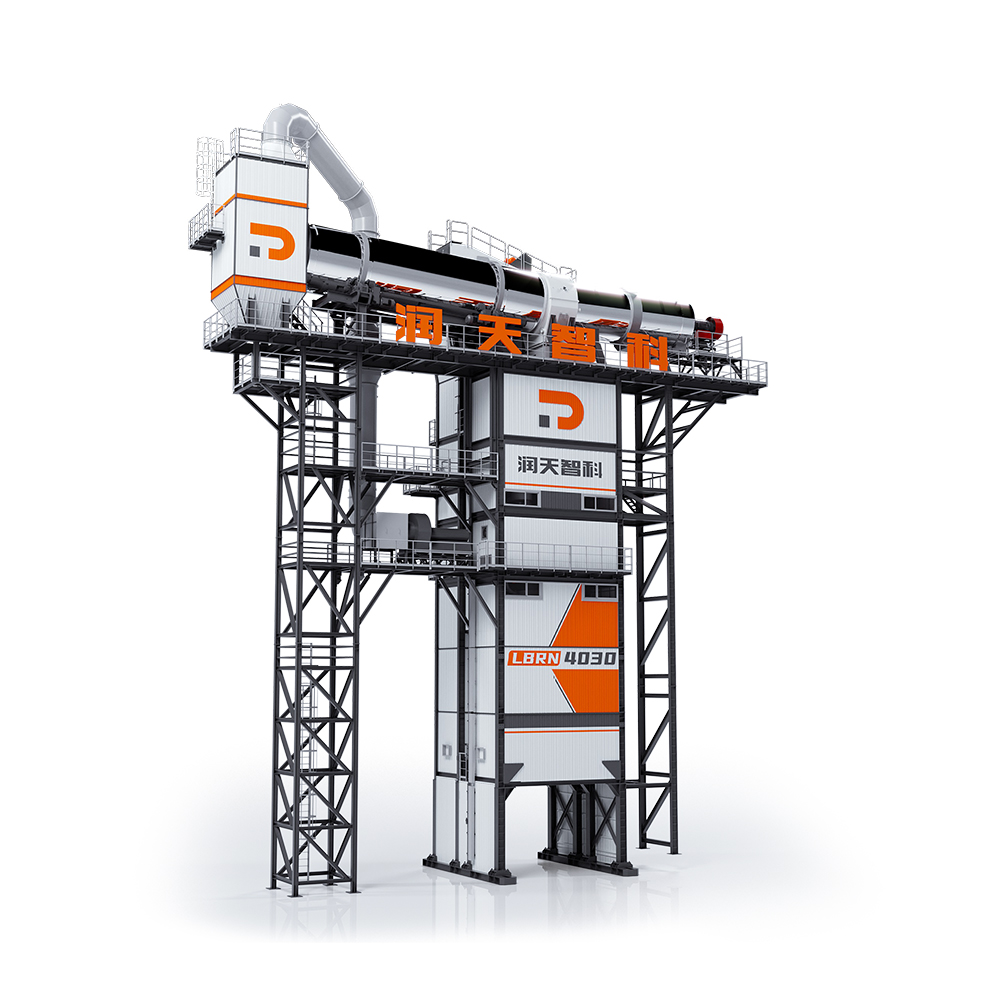 LBRN Series Counterflow Integral Asphalt Mixing Plant
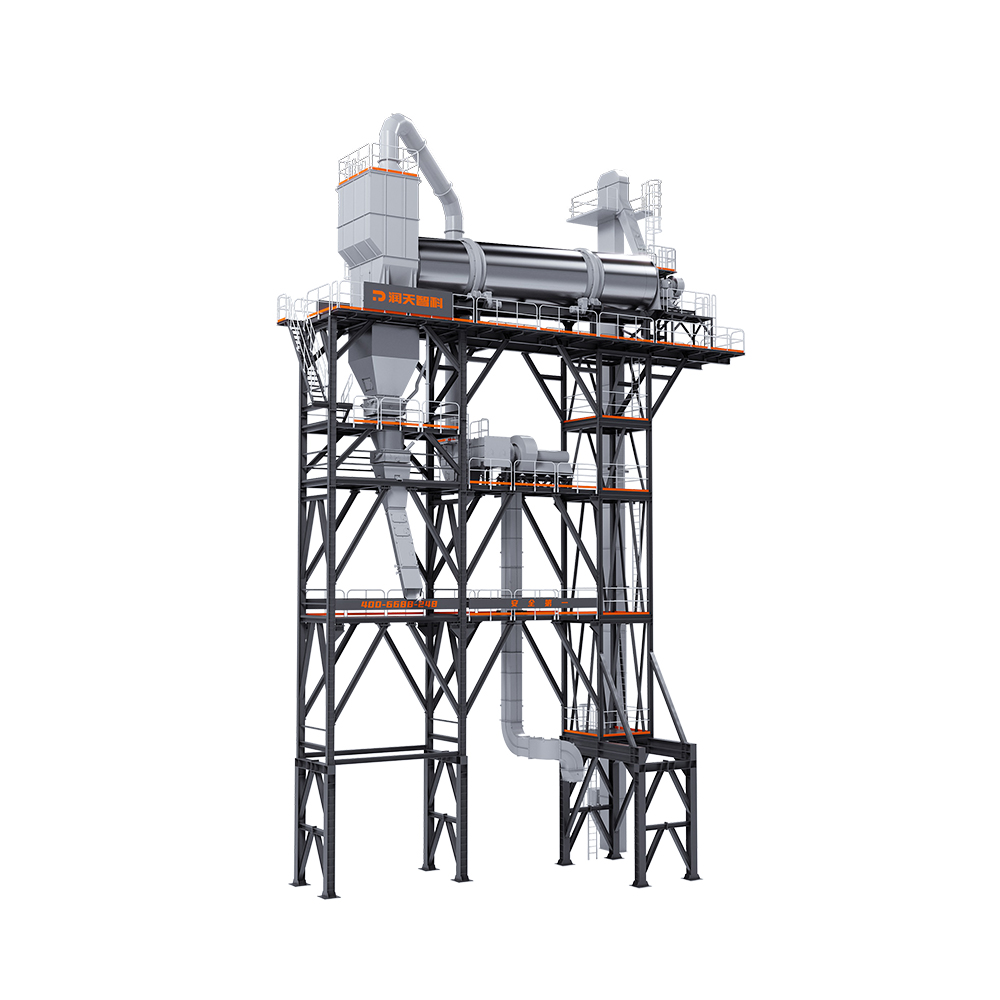 RZS Series Asphalt Mixing Plant
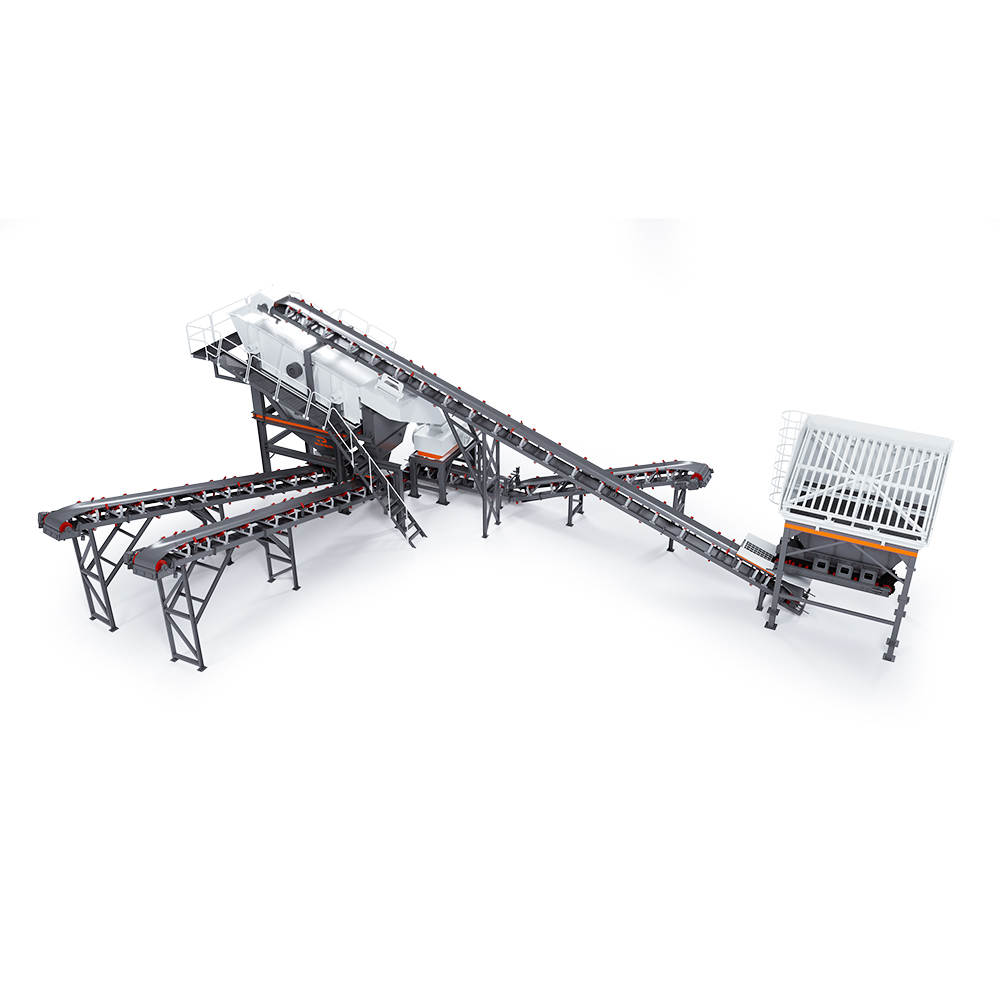 RTZS120 Series RAP Crushing & Screening Plant
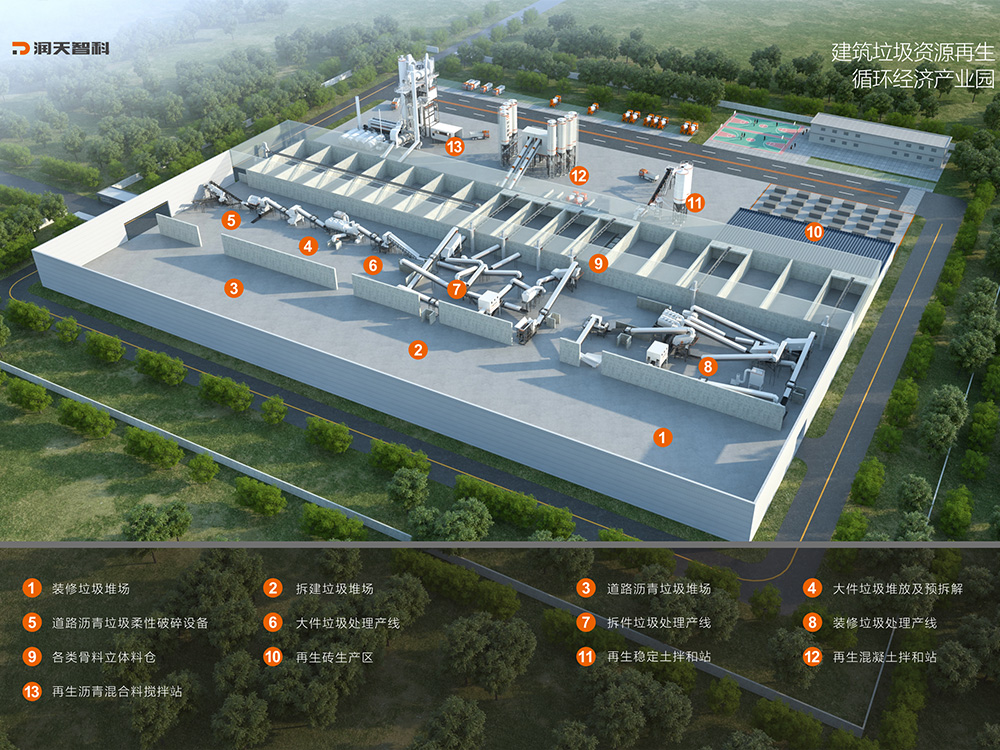 Construction Waste Resourceful Treatment Line