Top 10 Tips for Managing Demolition Waste Effectively
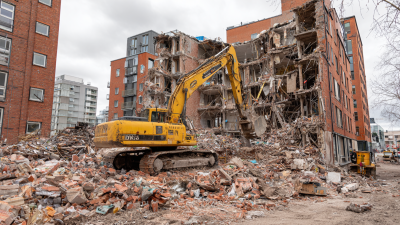
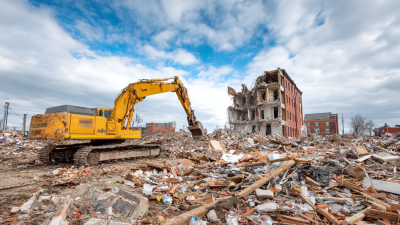
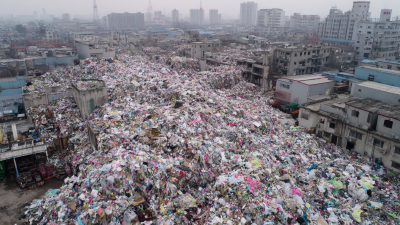
The demolition industry faces a significant challenge in managing demolition waste, which accounts for approximately 30% to 40% of total waste generated globally. According to the Environmental Protection Agency (EPA), the volume of construction and demolition (C&D) debris increased dramatically in recent years, underscoring the urgent need for effective waste management strategies. As cities continue to evolve, high levels of demolition activity are anticipated, leading to an even greater accumulation of demolition waste, which often ends up in landfills, posing environmental and economic drawbacks.
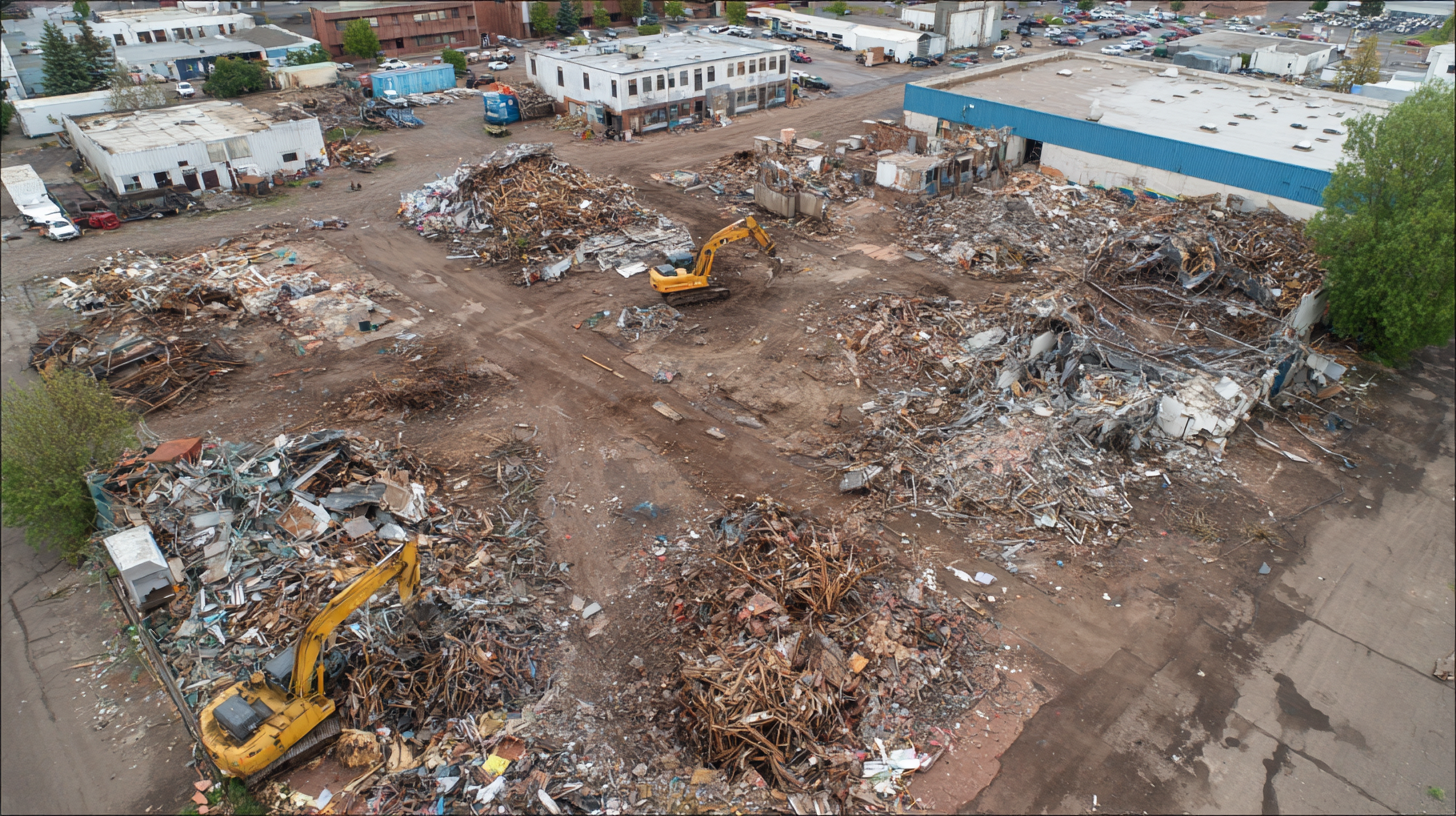
Effective management of demolition waste not only addresses the pressing issue of waste disposal but also offers opportunities for resource recovery and recycling. Studies suggest that recycling can reclaim between 60% to 75% of the materials generated from demolition projects, significantly reducing the environmental footprint. By adopting sustainable practices, industry stakeholders can not only comply with regulations but also improve their bottom line through cost savings and additional revenue streams. Thus, understanding and implementing efficient strategies for managing demolition waste is crucial in driving the industry towards a more sustainable future.
Understanding Demolition Waste Types and Their Impact on the Environment
Demolition waste poses significant environmental challenges, encompassing various types such as concrete, wood, metals, and hazardous materials. Understanding these waste types is crucial as their improper disposal can lead to soil and water contamination, excessive landfill use, and increased greenhouse gas emissions. With urbanization accelerating, the construction industry must address the environmental impacts of demolition waste through effective management practices.
The introduction of digital solutions like BIM-driven digital twins allows for more efficient tracking, sorting, and recycling of demolition materials, ultimately reducing ecological footprints.
Sustainable approaches in managing demolition waste not only mitigate environmental risks but also align with governmental initiatives aimed at reducing waste emissions and meeting climate goals. For example, countries like Spain are pioneering the circular economy in construction, transforming waste into resources and promoting recovery and recycling. By adopting these innovative strategies, the construction industry can shift towards a more sustainable future, minimizing the negative impacts of demolition waste on the environment while capitalizing on market opportunities in the waste management sector.
Developing an Effective Waste Management Plan for Demolition Projects
Developing an effective waste management plan for demolition projects is essential in addressing the growing environmental concerns associated with construction and demolition (C&D) waste. Recent initiatives, such as the newly implemented Environment (Construction and Demolition) Waste Management Rules, 2025, emphasize the importance of accountability within the industry. A study highlighted that up to 30% of landfill waste can be attributed to C&D materials, underscoring the pressing need for sustainable management strategies.
To support these efforts, innovative approaches like BIM-driven digital twins are being explored for efficient waste management during demolitions. Such technologies enable stakeholders to visualize waste flow and identify recycling opportunities, which can significantly reduce the environmental impact of construction activities. Furthermore, by integrating machine learning with system dynamics, firms can better analyze the environmental impact of different building materials, allowing for informed decisions that foster sustainability in the demolition process.
Additionally, emerging practices such as workforce training in deconstruction techniques offer a more sustainable alternative to traditional demolition. Organizations are finding that not only does this create green jobs, but it also reduces waste generation by promoting the reuse of building materials. Statistics from various reports indicate that effective implementation of these strategies can lead to recycling rates of C&D waste exceeding 70%, thus advancing a circular economy within the construction industry.
Top 10 Tips for Managing Demolition Waste Effectively
| Tip Number |
Tip Description |
Expected Outcome |
Helpful Resources |
| 1 |
Conduct a pre-demolition audit of materials |
Identify recyclable materials and hazardous waste |
Audit templates, guidelines from EPA |
| 2 |
Develop a comprehensive waste management plan |
Streamline waste disposal processes |
Waste management plan templates |
| 3 |
Establish waste diversion goals |
Increase recycling rates and decrease landfill waste |
Metrics for tracking waste diversion |
| 4 |
Train staff on waste management best practices |
Enhanced compliance with waste guidelines |
Training resources and workshops |
| 5 |
Utilize deconstruction methods rather than demolition |
Preserve valuable materials for reuse |
Guides on deconstruction practices |
| 6 |
Implement a sorting system on site |
Minimize contamination of recyclables |
Sorting equipment and bins |
| 7 |
Partner with local recycling facilities |
Ensure proper recycling channels |
Directories of local recyclers |
| 8 |
Monitor waste volumes and types regularly |
Adjust strategies based on actual data |
Waste tracking software |
| 9 |
Educate the public about the impacts of demolition waste |
Increase community support for recycling initiatives |
Campaign materials |
| 10 |
Review and revise the waste management plan |
Maintain effectiveness and compliance |
Annual review checklists |
Recycling Opportunities: Maximizing Material Recovery from Demolition
In the demolition industry, effective waste management is crucial not just for compliance but also for maximizing recycling opportunities. According to a report by the Environmental Protection Agency (EPA), construction and demolition (C&D) debris accounted for approximately 600 million tons of waste in the U.S. in 2018. This staggering figure highlights the need for contractors to adopt strategies that prioritize material recovery and recycling.
To begin with, conducting a thorough waste audit before the demolition process can identify reusable materials. Salvaging wood, metals, and concrete before they reach landfills can significantly enhance recovery rates. For instance, studies show that up to 85% of concrete from demolition sites can be recycled into aggregates for new construction projects, effectively reducing the demand for virgin materials and lowering carbon footprints.
Another crucial tip involves implementing a sorting strategy on-site. Creating designated recycling areas can streamline the process and facilitate efficient waste separation. According to the Construction & Demolition Recycling Association, businesses that establish systematic sorting can increase recycling rates by as much as 40%. By making recycling a fundamental part of demolition planning, companies not only contribute to environmental sustainability but also realize significant cost savings from reduced disposal fees and the potential resale of salvaged materials.
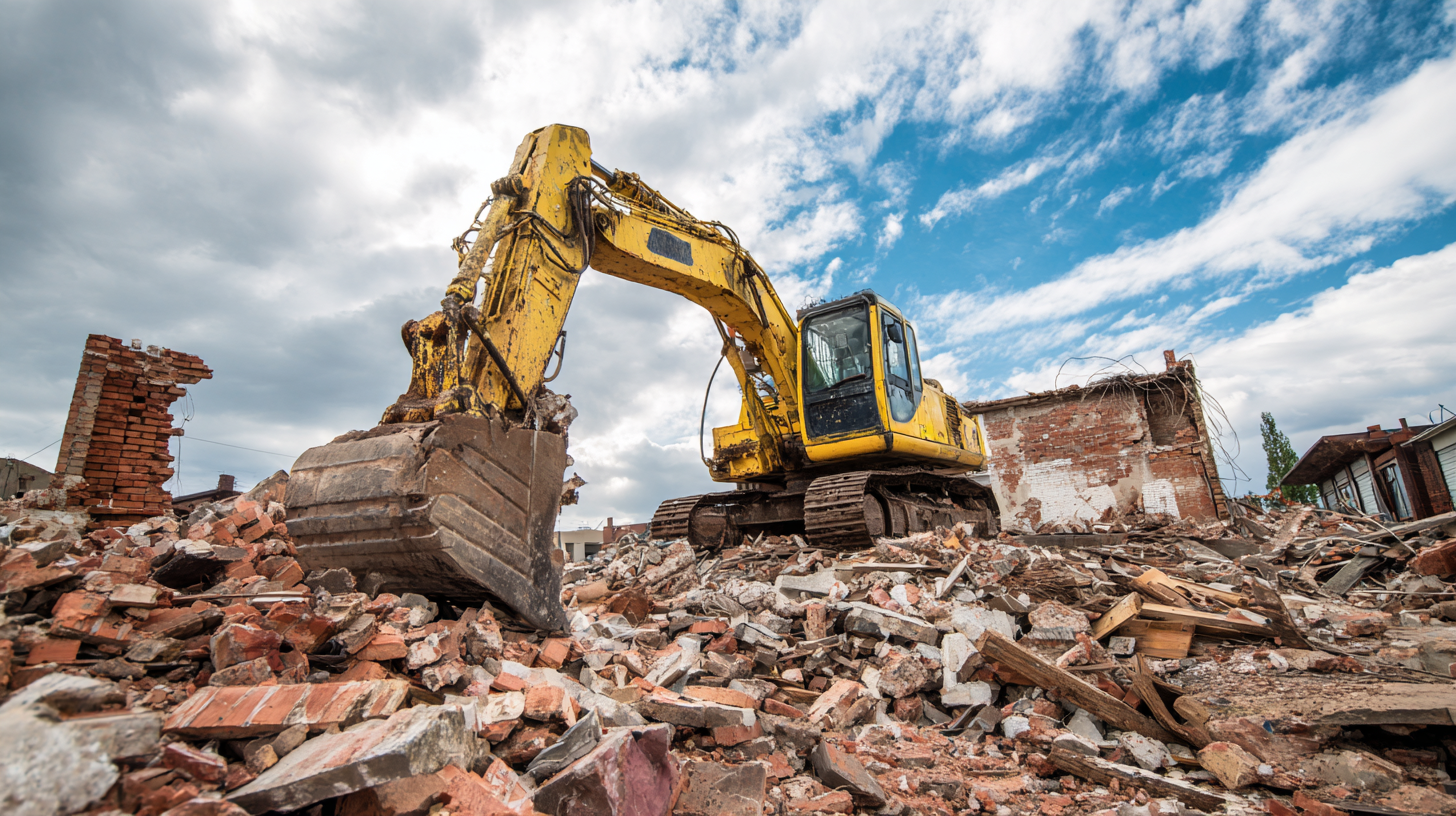
Legal Regulations and Compliance in Demolition Waste Disposal
In the demolition industry, managing waste effectively is not just an operational concern but also a legal obligation. Compliance with environmental regulations is critical, as improper disposal of demolition waste can lead to hefty fines and legal repercussions. According to a report by the Environmental Protection Agency (EPA), approximately 600 million tons of construction and demolition debris are generated in the U.S. each year, making up about 30% of the total waste stream. Understanding and adhering to these legal requirements is essential for any demolition project.
The Resource Conservation and Recovery Act (RCRA) lays down stringent regulations regarding hazardous waste. Demolition professionals must be aware of which materials, such as asbestos and lead, are classified as hazardous. Compliance not only prevents environmental harm but also fosters a sustainable approach to waste disposal. In the United Kingdom, for instance, the Controlled Waste Regulations 1992 mandate that businesses must apply the waste hierarchy, emphasizing waste prevention and recycling over disposal. By staying informed about local laws and leveraging compliance as a cornerstone of demolition practices, operators can mitigate risks and contribute positively to environmental stewardship.
Top 10 Tips for Managing Demolition Waste Effectively
Best Practices for On-Site Waste Separation and Minimization Strategies
Effective waste management on construction and demolition sites is crucial for minimizing environmental impact and promoting sustainability. Best practices for on-site waste separation can significantly reduce the amount of material that ends up in landfills. For instance, implementing clearly labeled recycling stations can encourage workers to sort materials like wood, metal, and concrete right from the start. This not only fosters a culture of recycling but also aligns with the circular economy principles that prioritize reuse and resource recovery. Training staff on the importance of waste separation and providing the necessary tools can further enhance these efforts.
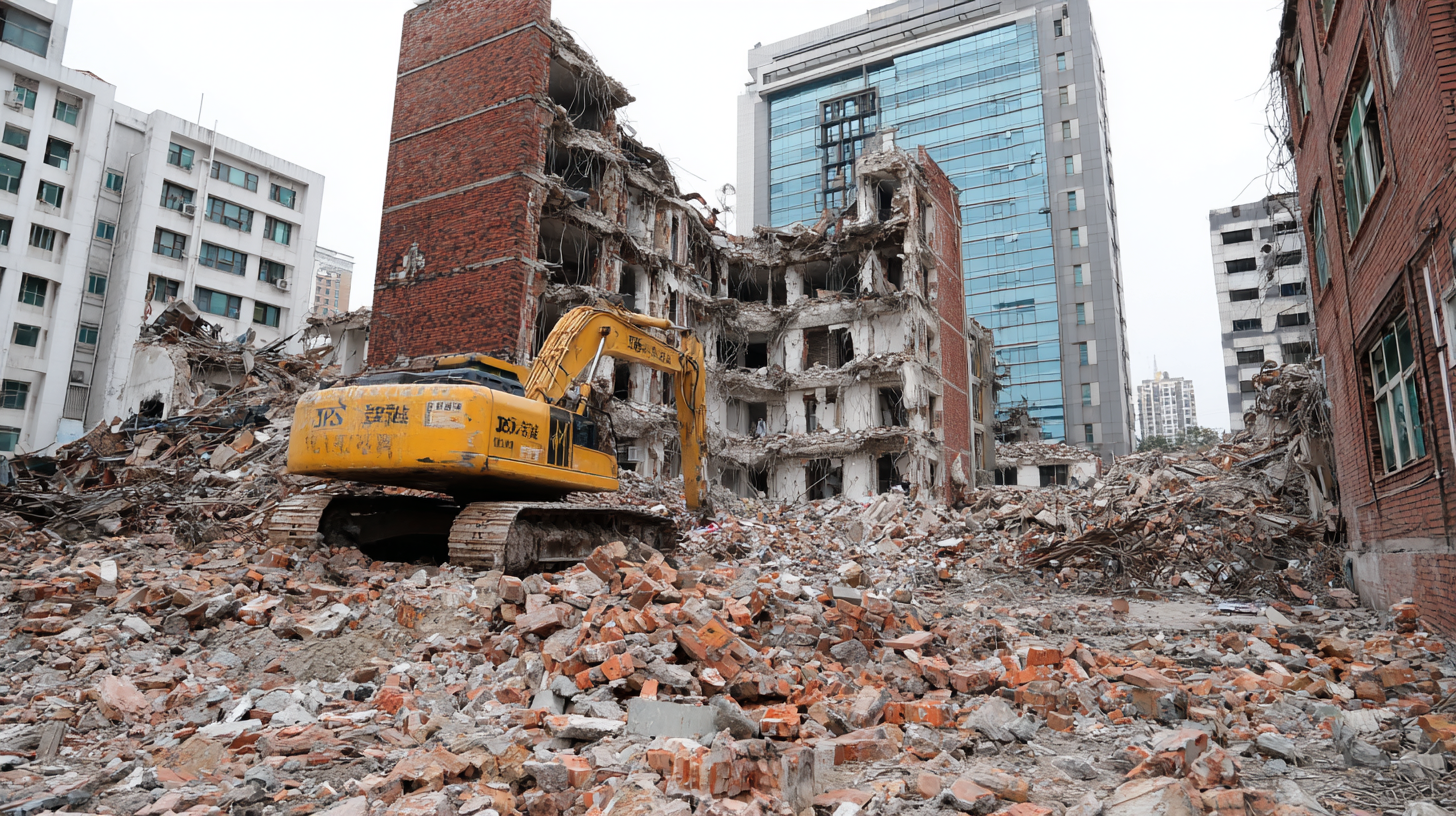
In addition to waste separation, minimizing waste generation should be a fundamental strategy in construction projects. Adopting lean construction practices allows teams to reassess their processes and reduce excess materials. Collaborating with suppliers who prioritize sustainable materials and transport can also play a vital role in cutting down on waste. Moreover, updating project designs to incorporate reusable materials can help meet sustainability goals while reducing the environmental footprint associated with raw material extraction and disposal. By focusing on these best practices, the construction industry can make significant strides toward a more sustainable future.

 Concrete Mixing Plant
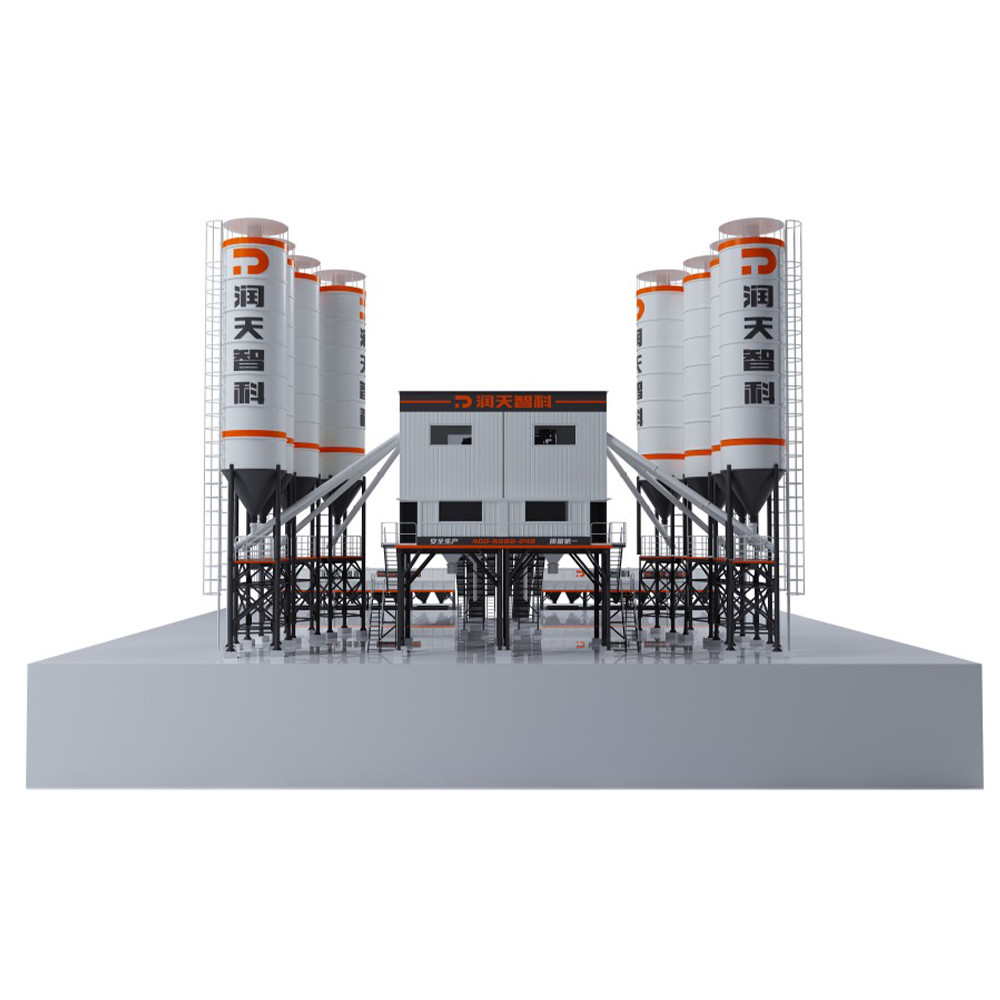 HZS Series Belt Concrete Mixing Plant
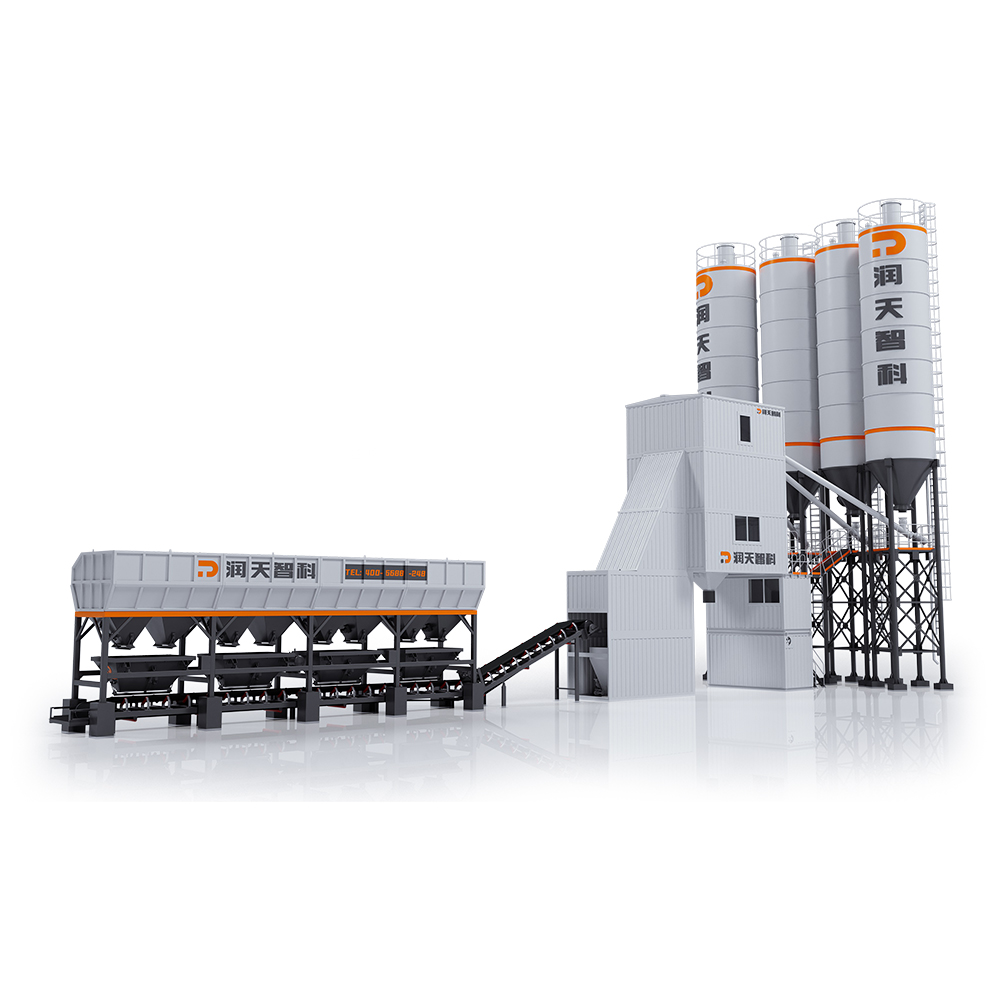 HZS Series Bucket-Lifting Type Container Concrete Mixing Plant
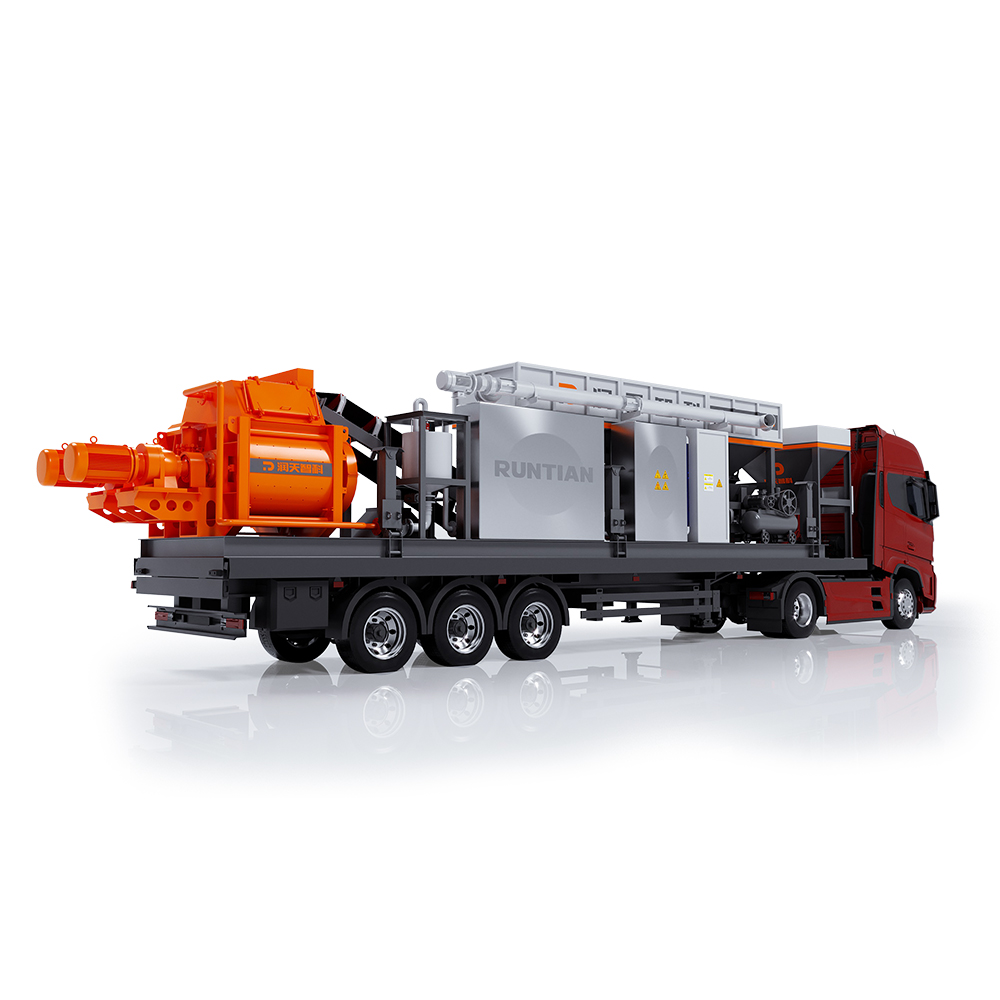 HZS60 Mobile Concrete Mixing Plant
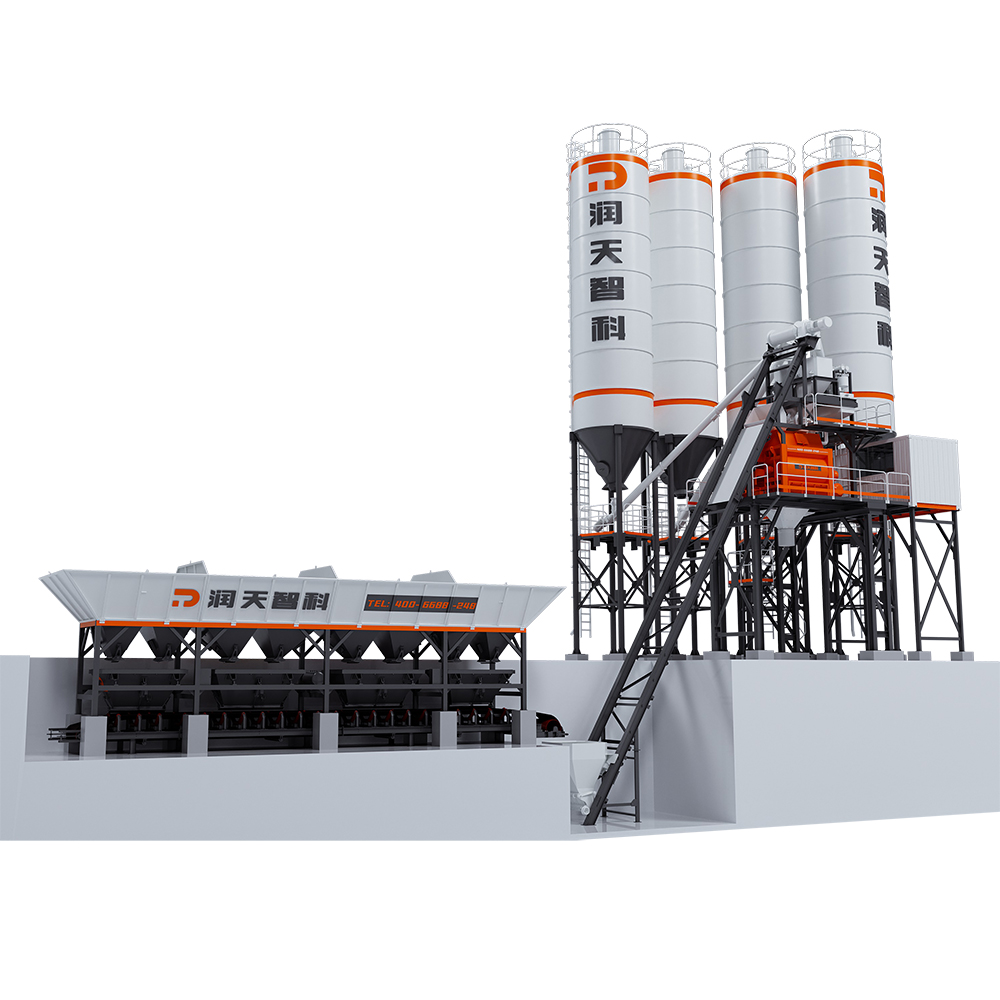 HZS Series Bucket-Lifting Type Concrete Mixing Plant
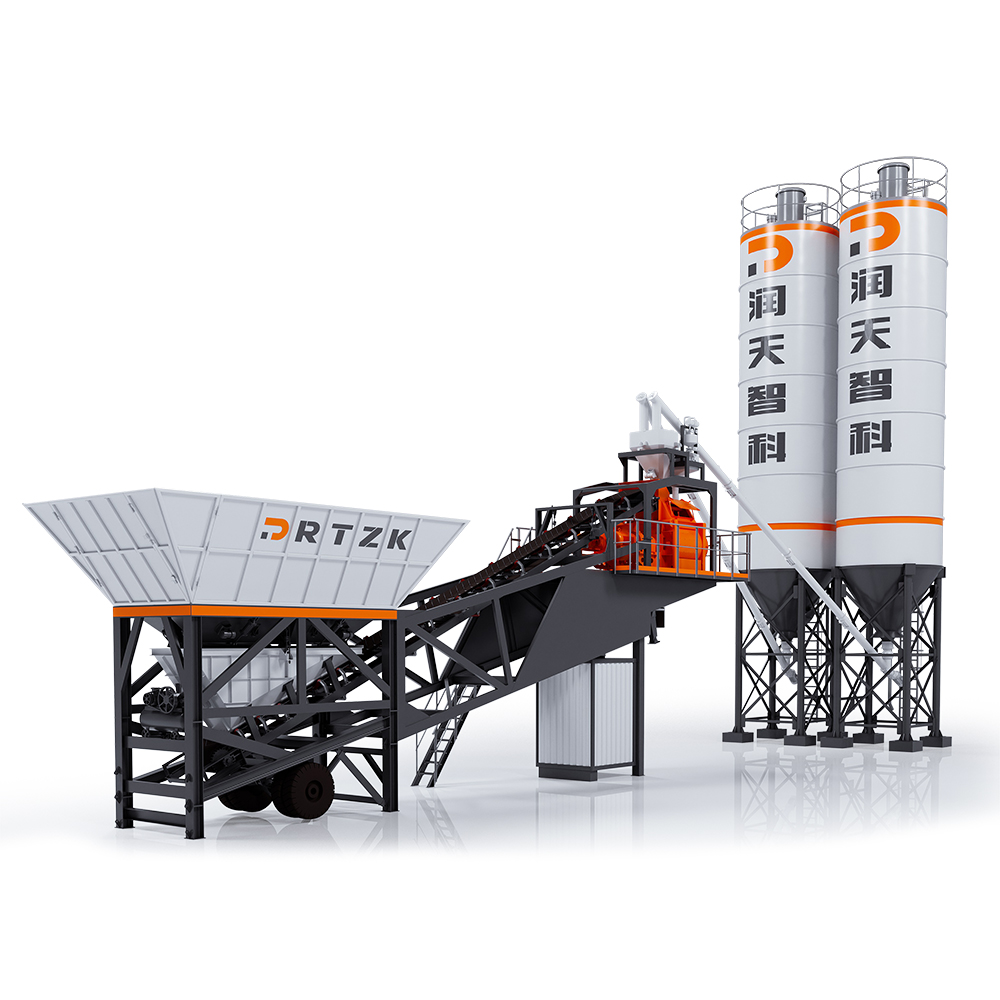 HZS Series Mobile Concrete Mixing Plant
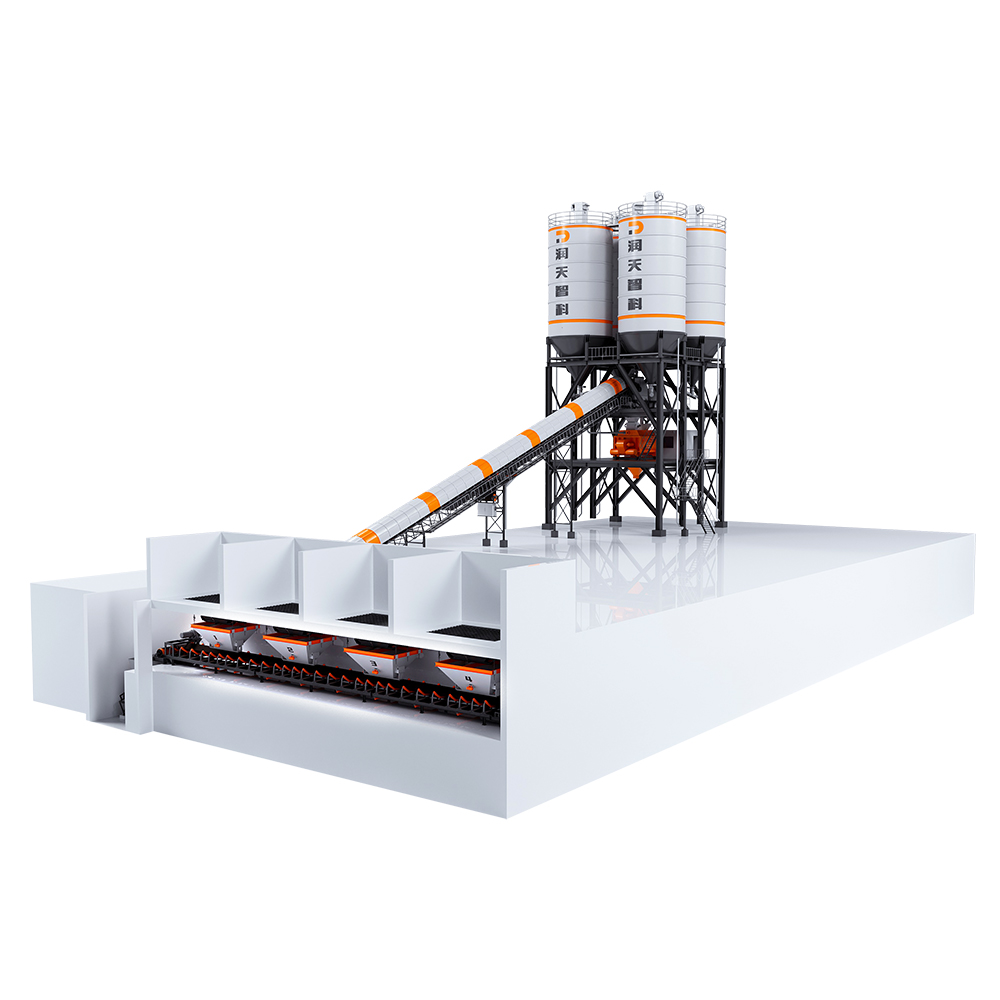 HZS Series Top-Mounted Concrete Mixing plant
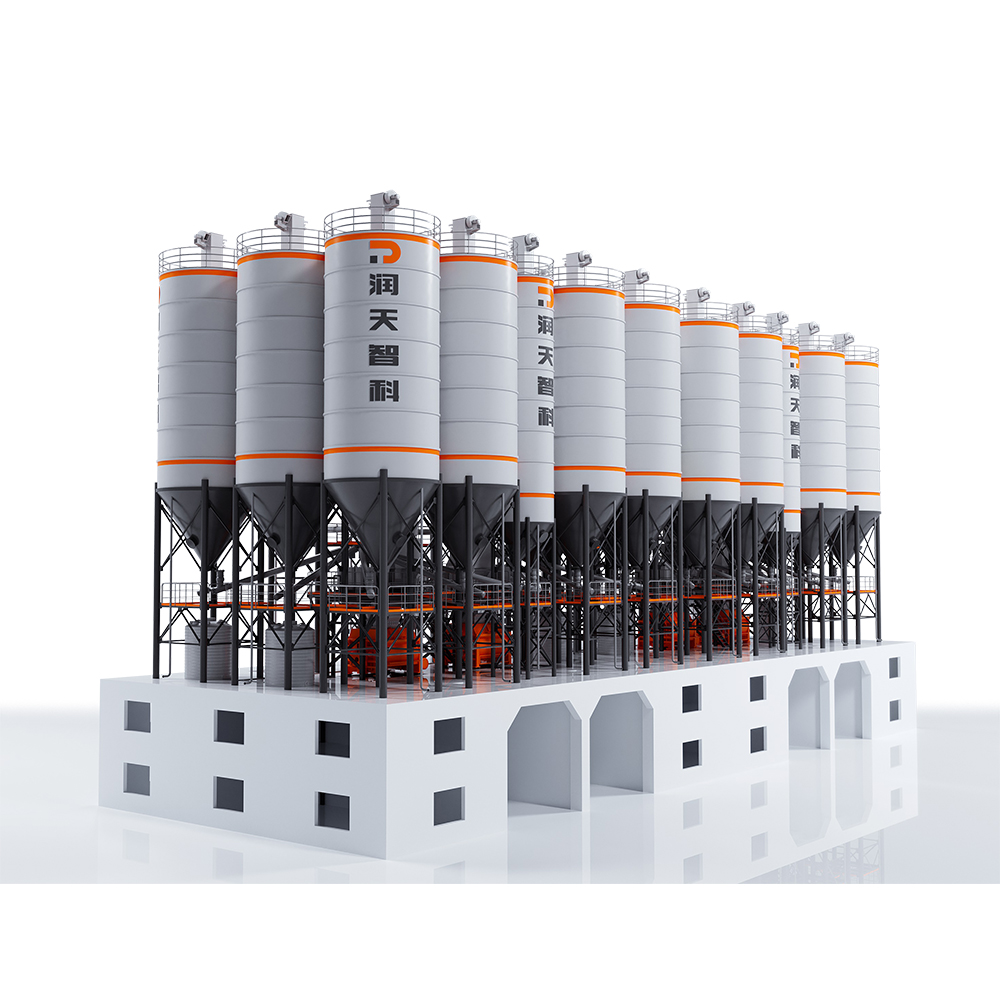 HZS Series Semi-Top Mounted Concrete Mixing Plant
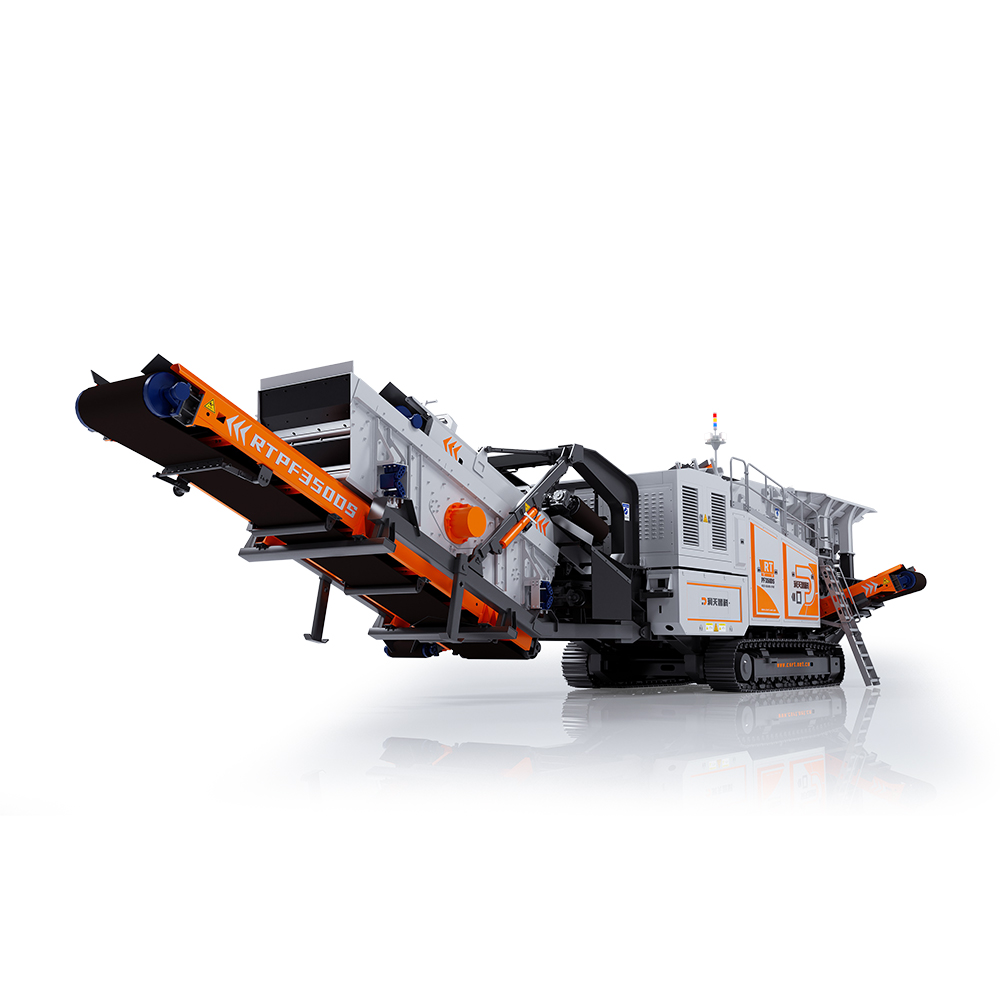 RTPF350DS Crawler Mobile Impact Crushing Plant
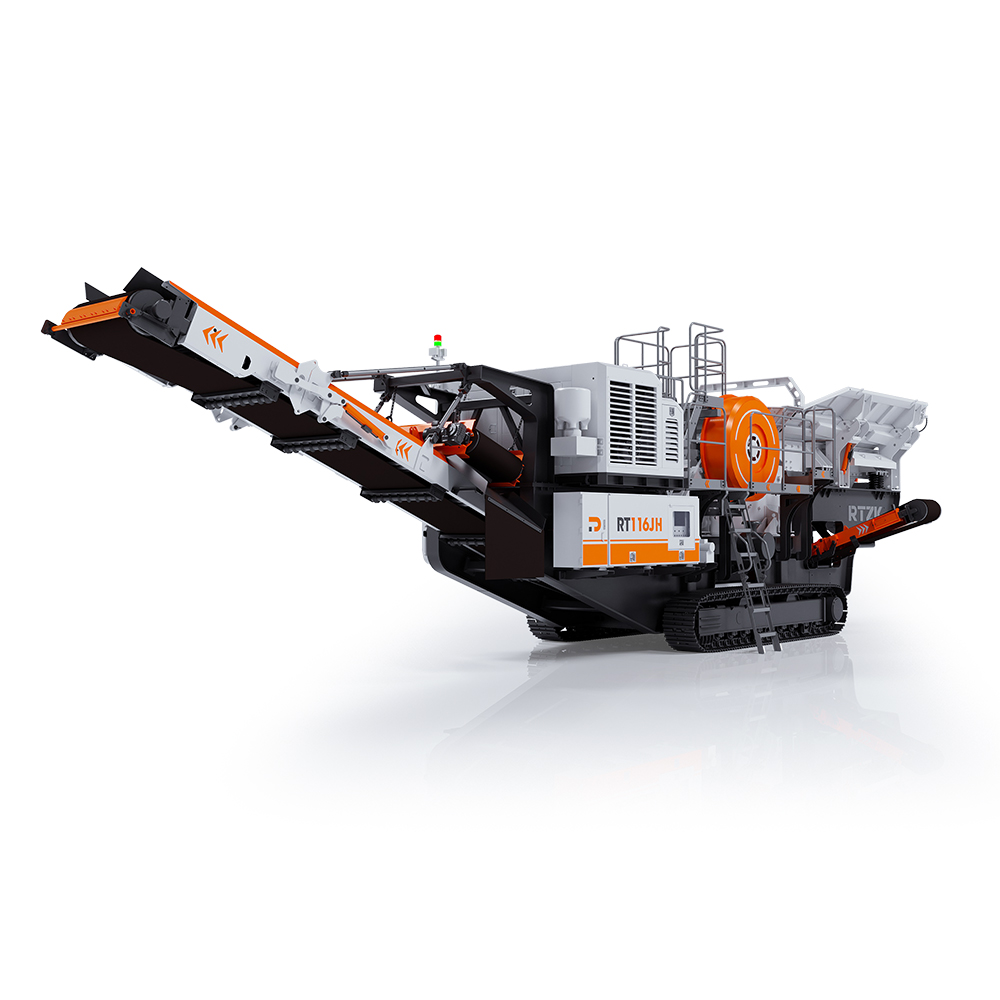 RT116JH Crawler Mobile Jaw Crushing Plant
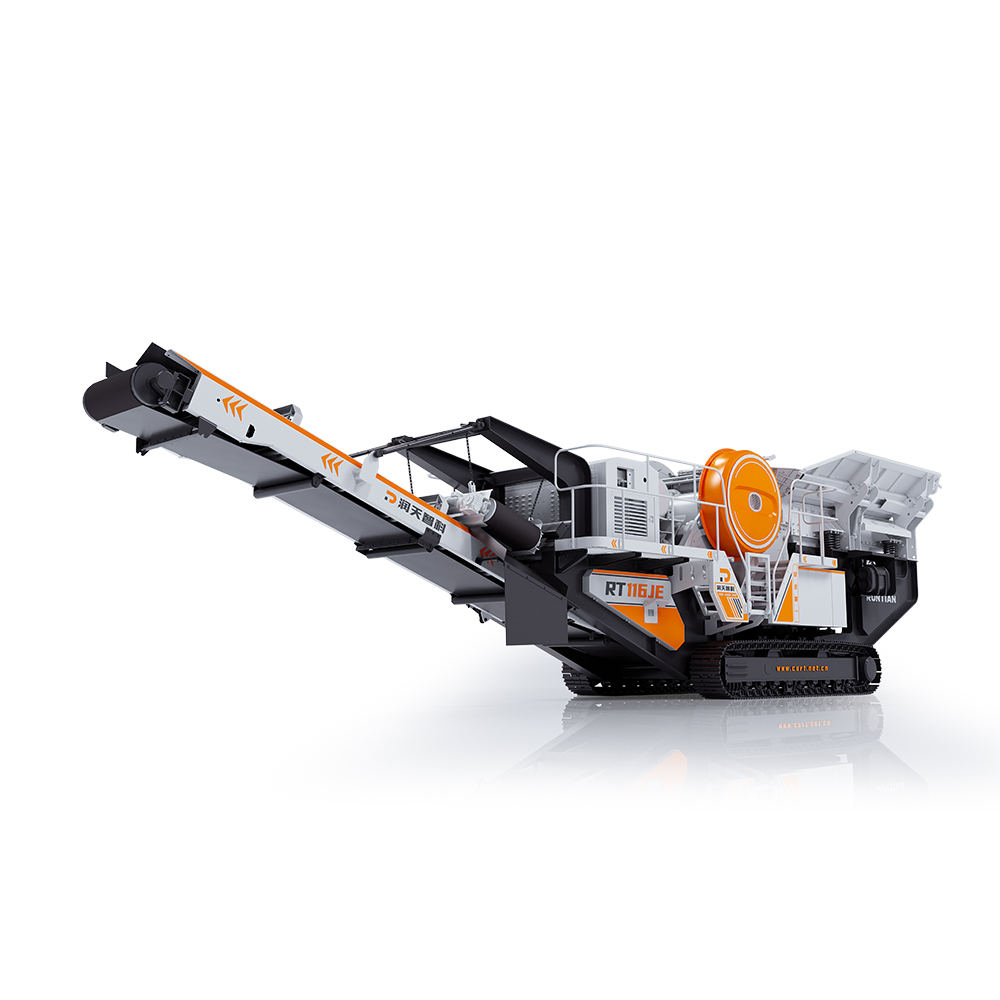 RT116JE Crawler Mobile Jaw Crushing Plant
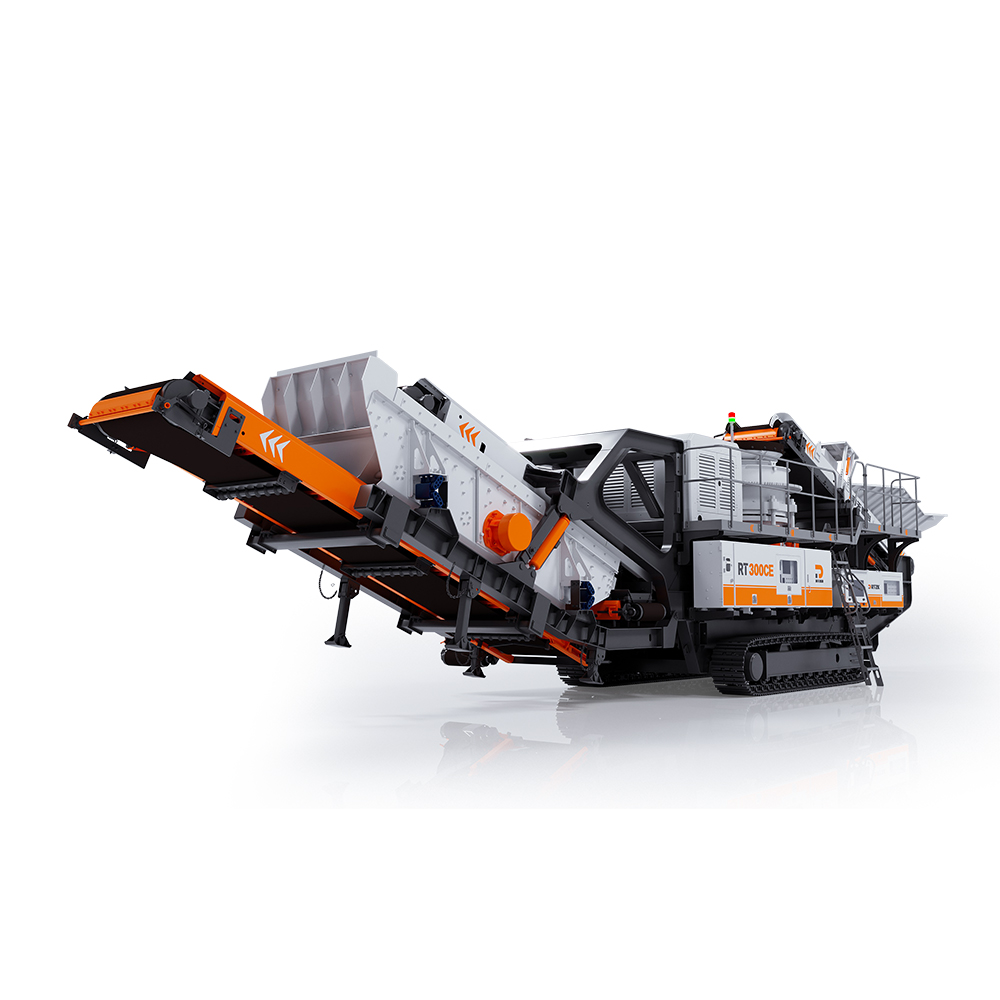 RT300CE Crawler Mobile Cone Crushing Plant
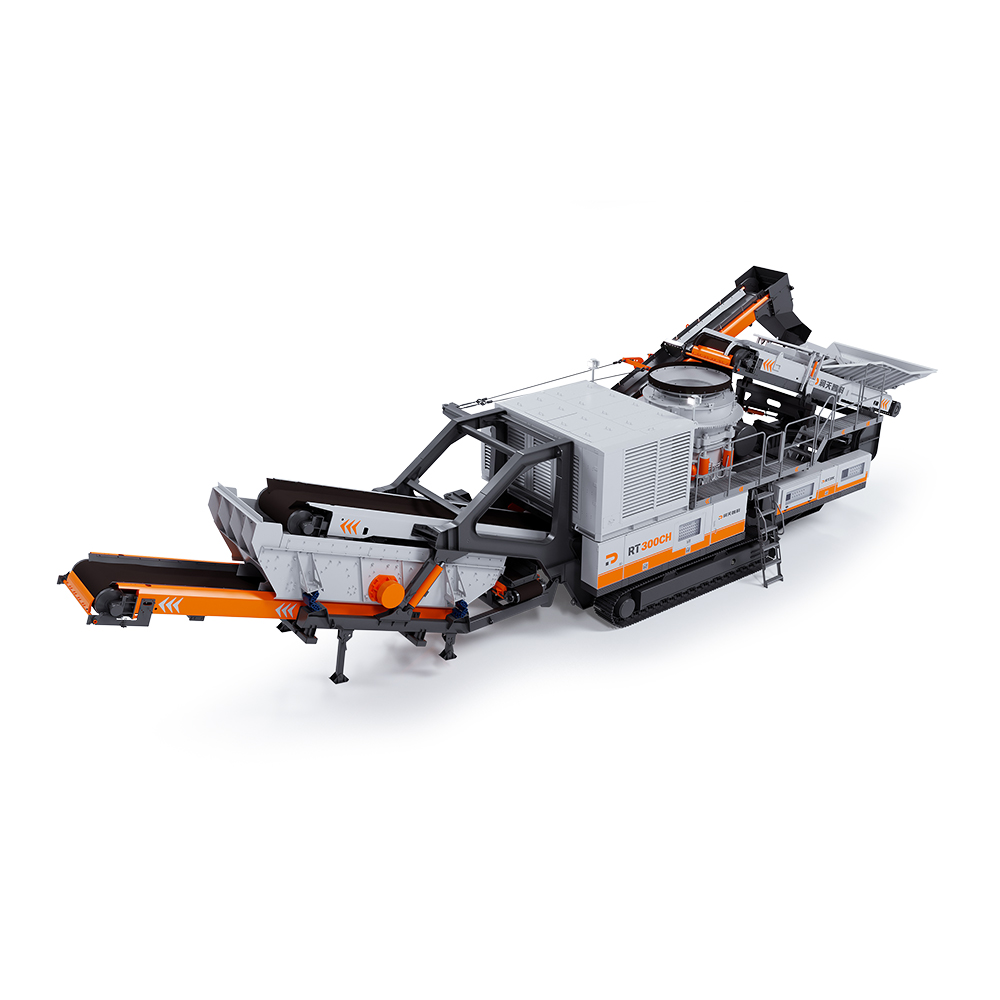 RT300CH Crawler Mobile Cone Crushing Plant
 RT5015H Mobile Scalping Screen
 RT315VSIE Crawler Mobile Sand Maker
 RT3YK6020 Crawler Mobile Screening Plant
 RT3YK6020M Modular Screening Plant
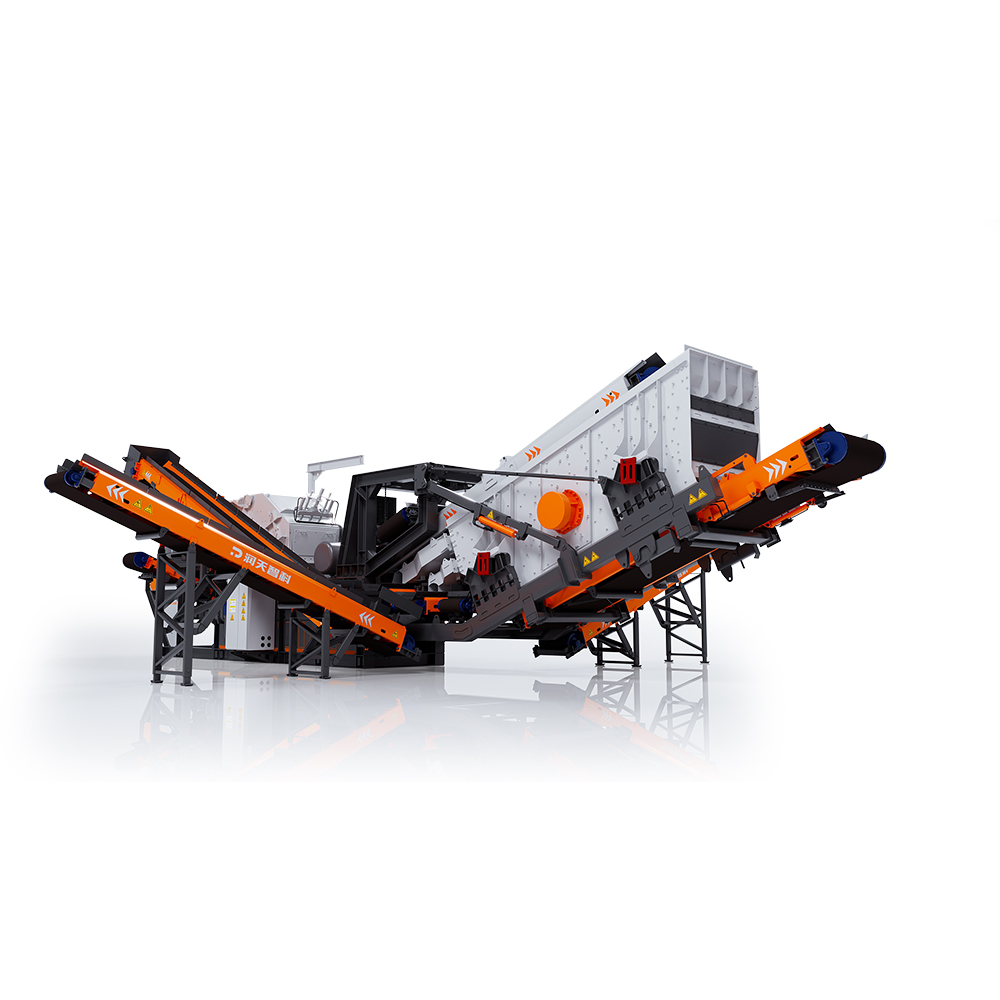 RTF260M Modular Counterattack Crushing and Screening Integrated Machine
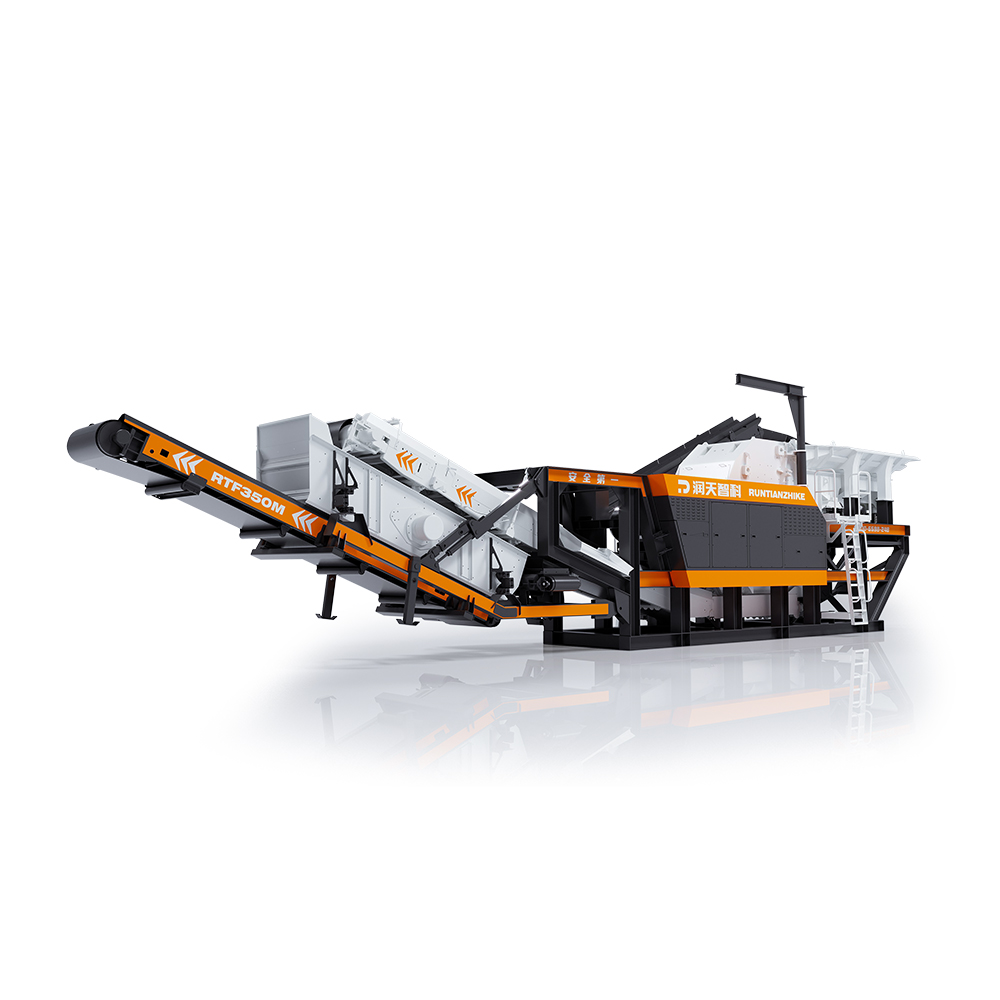 RTF350M Modular Impact Crushing Plant
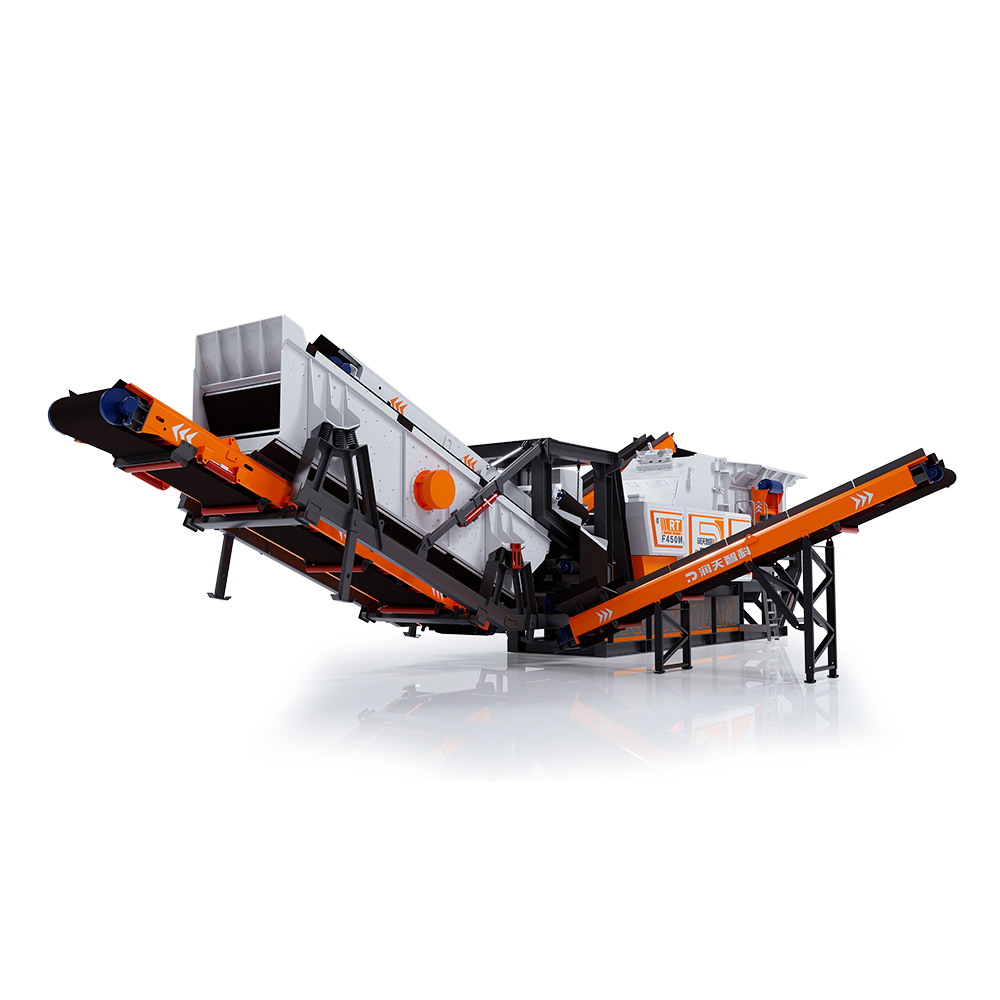 RTF450M Modular Impact Crushing Plant
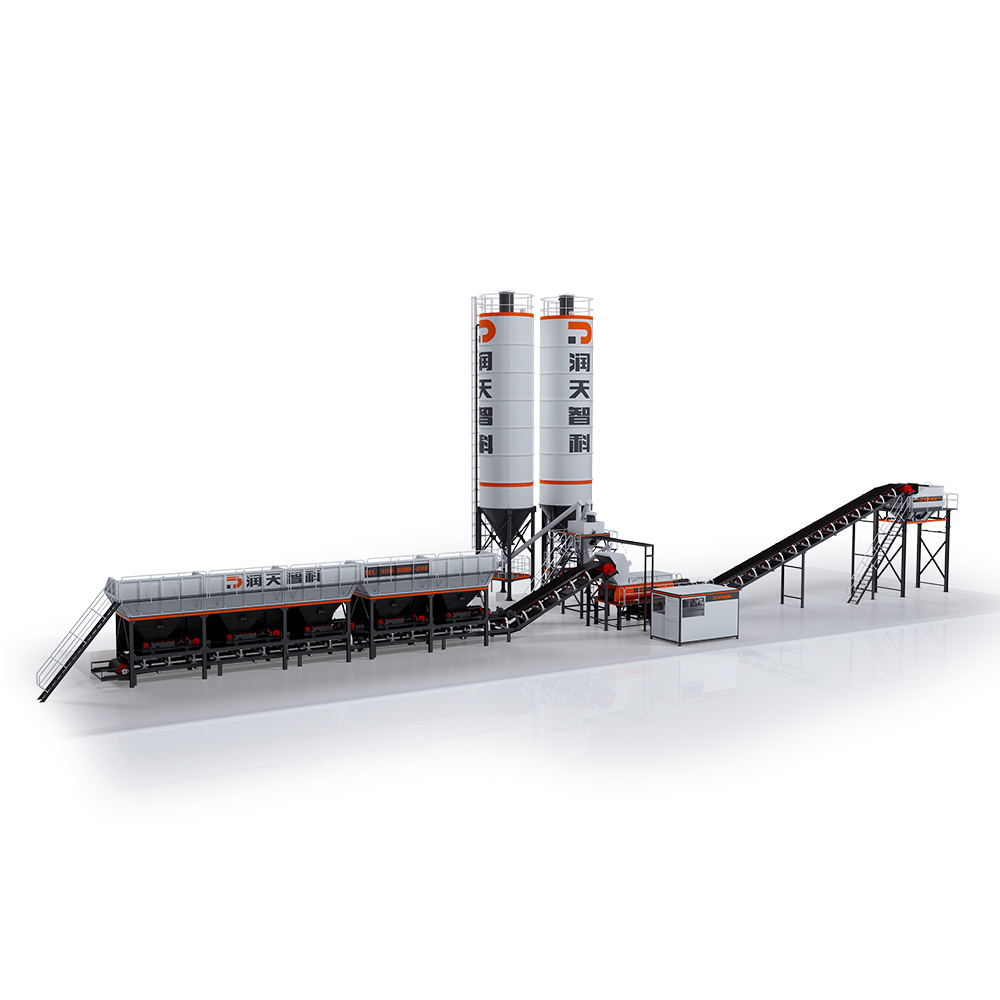 WDB Series Foundation-Free Stability Soil Mixing Plant
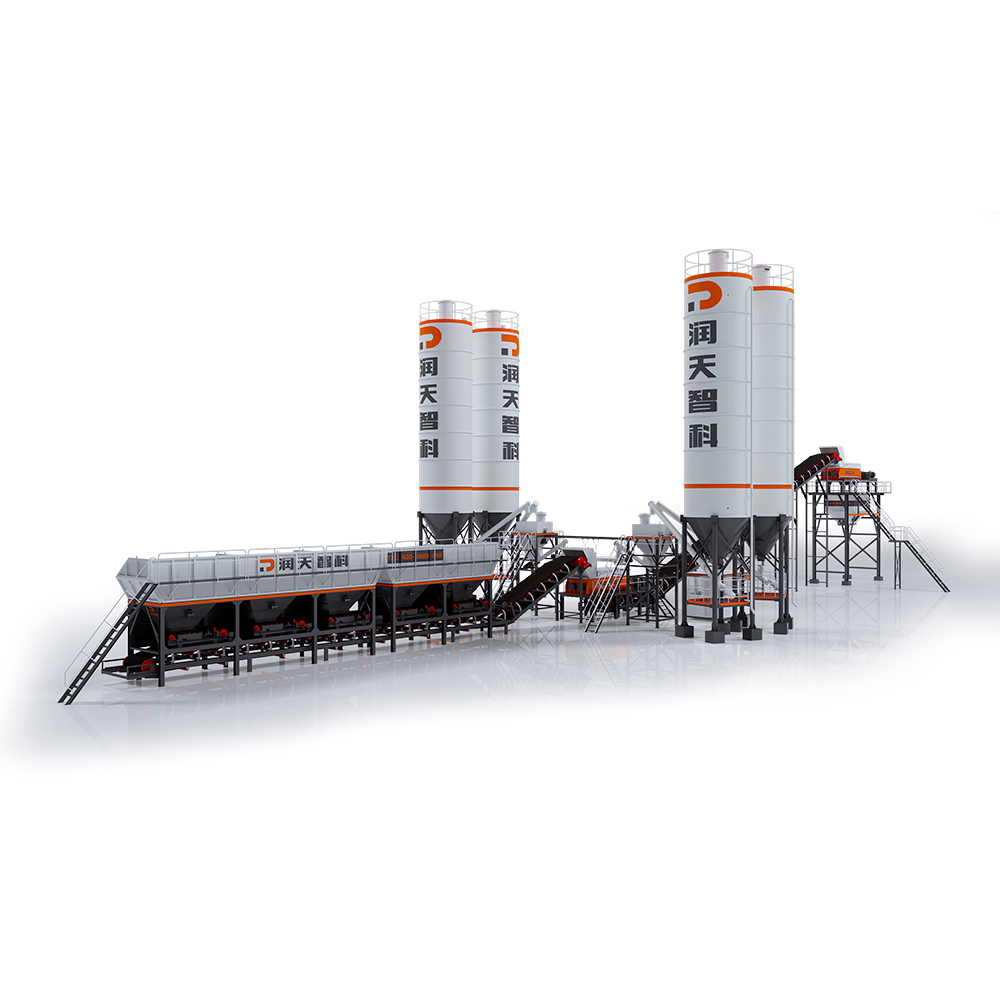 LCB Series Emulsified Asphalt Cold Regeneration Secondary Mixing Plant
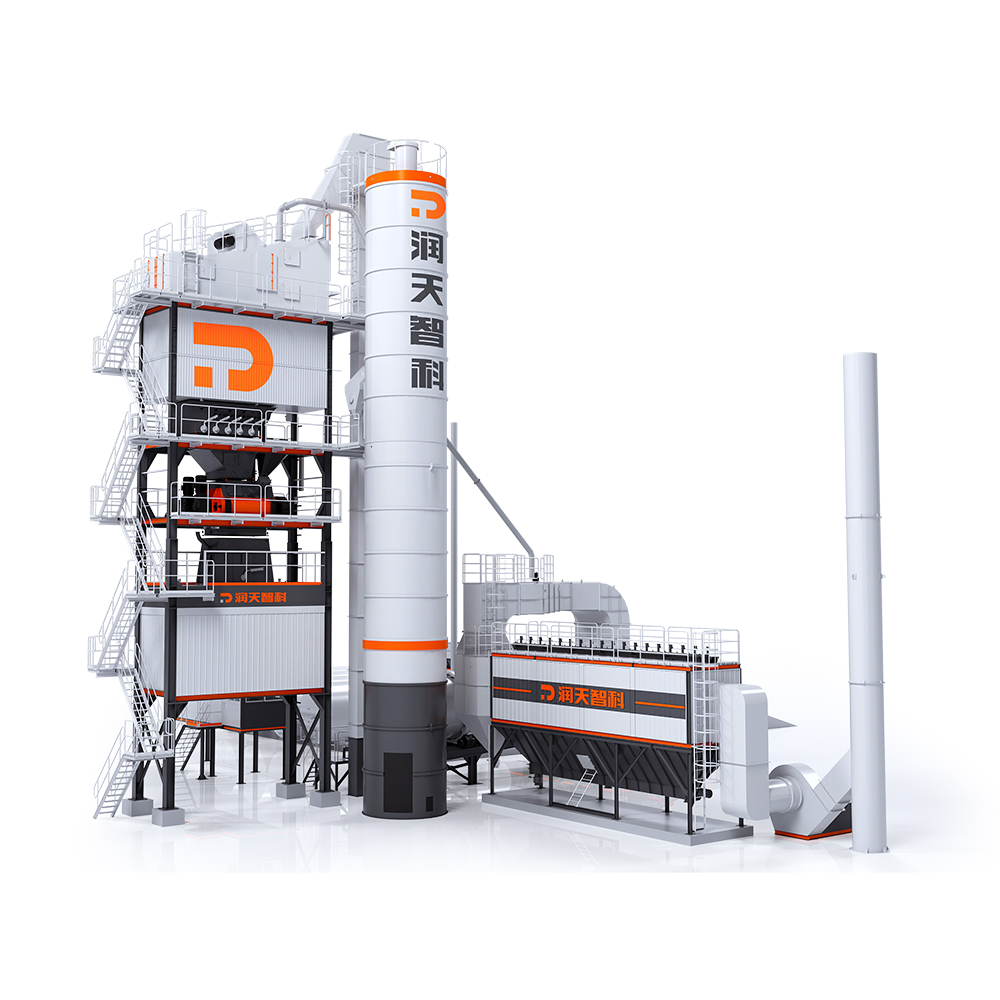 LB Series Asphalt Mixing Plant
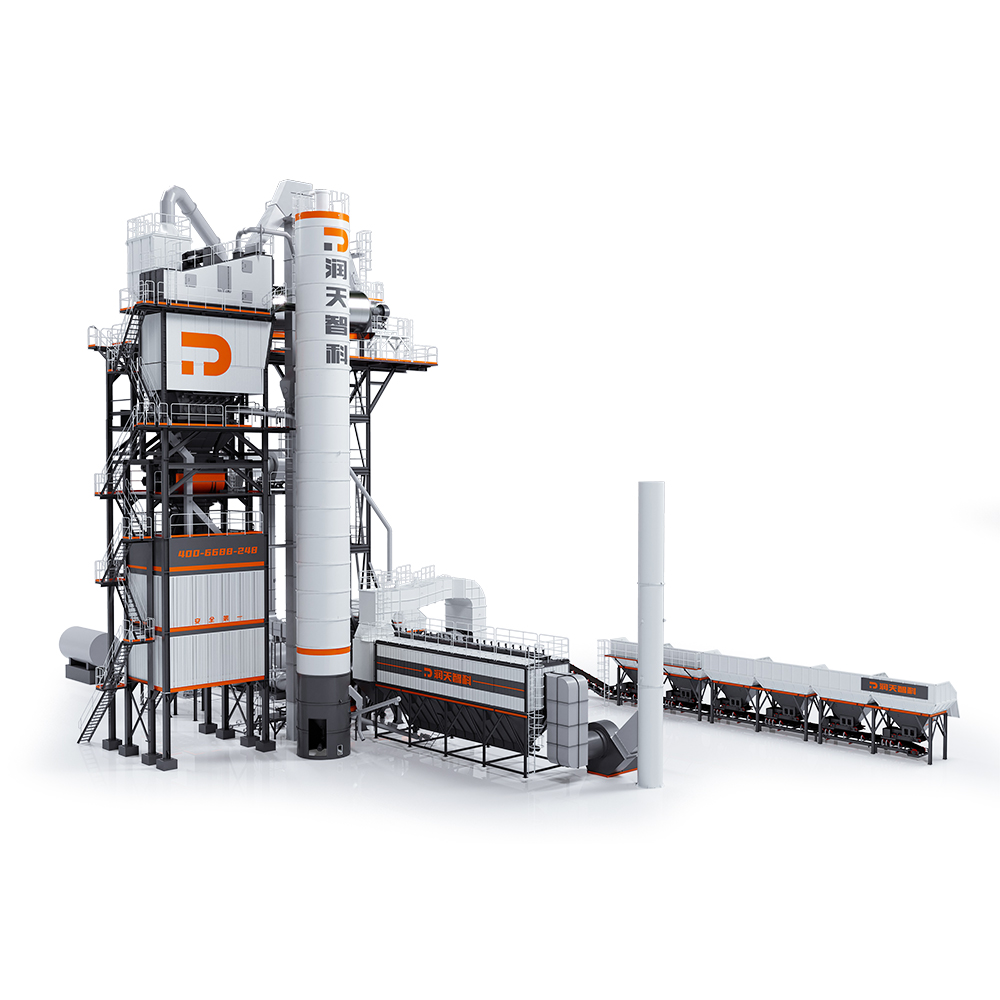 LBR Series Integrated Asphalt Mixing Plant
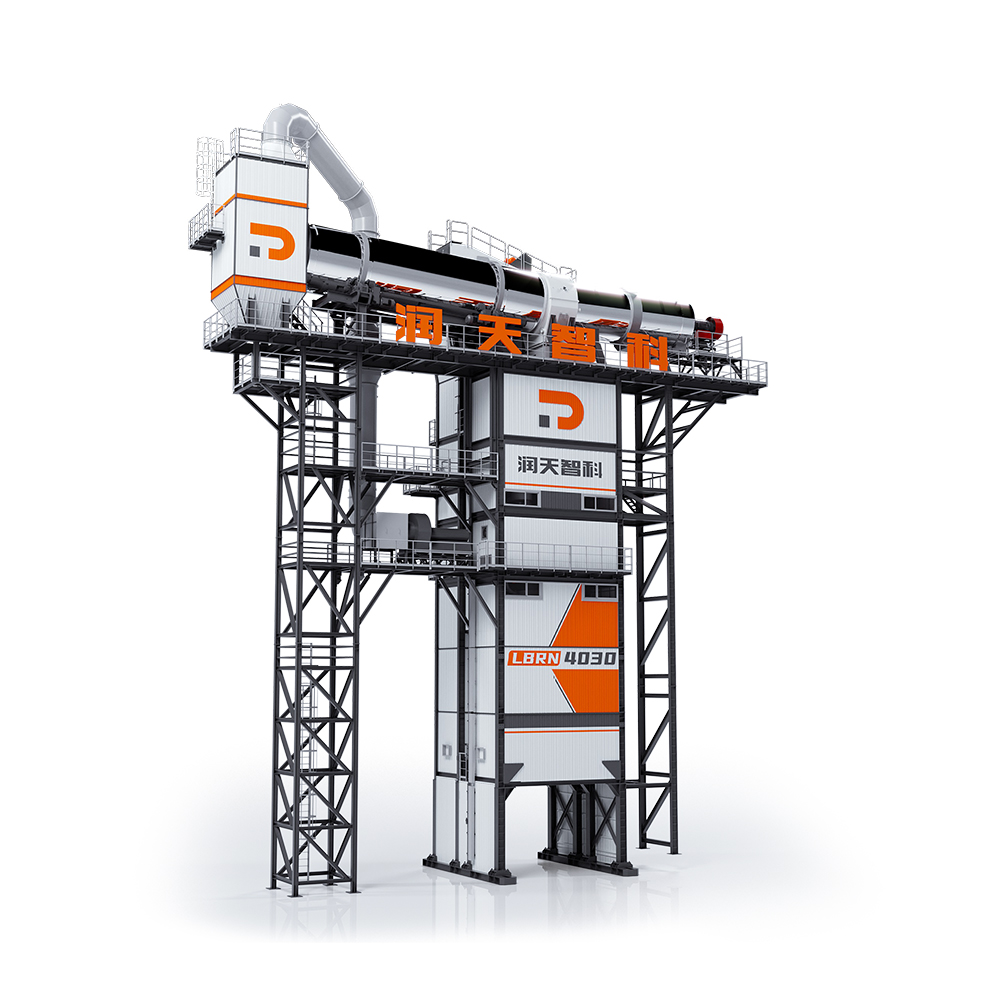 LBRN Series Counterflow Integral Asphalt Mixing Plant
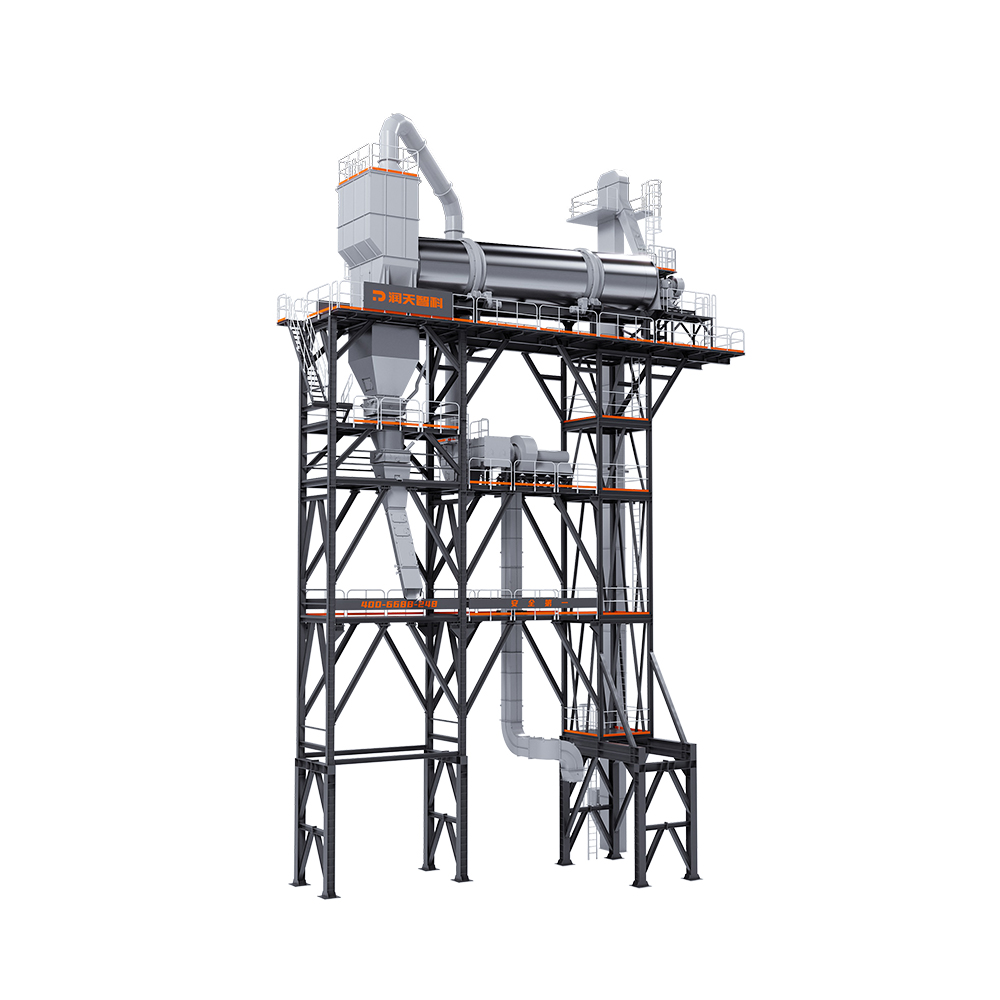 RZS Series Asphalt Mixing Plant
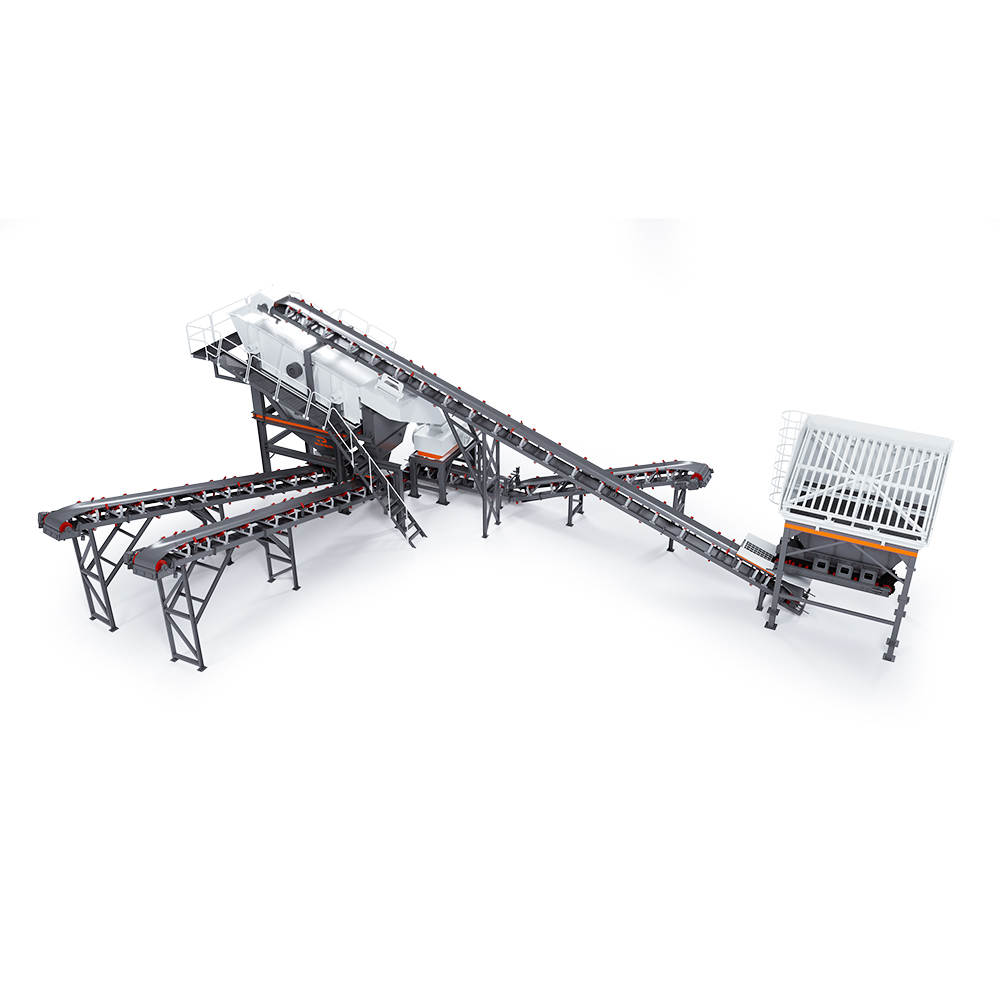 RTZS120 Series RAP Crushing & Screening Plant
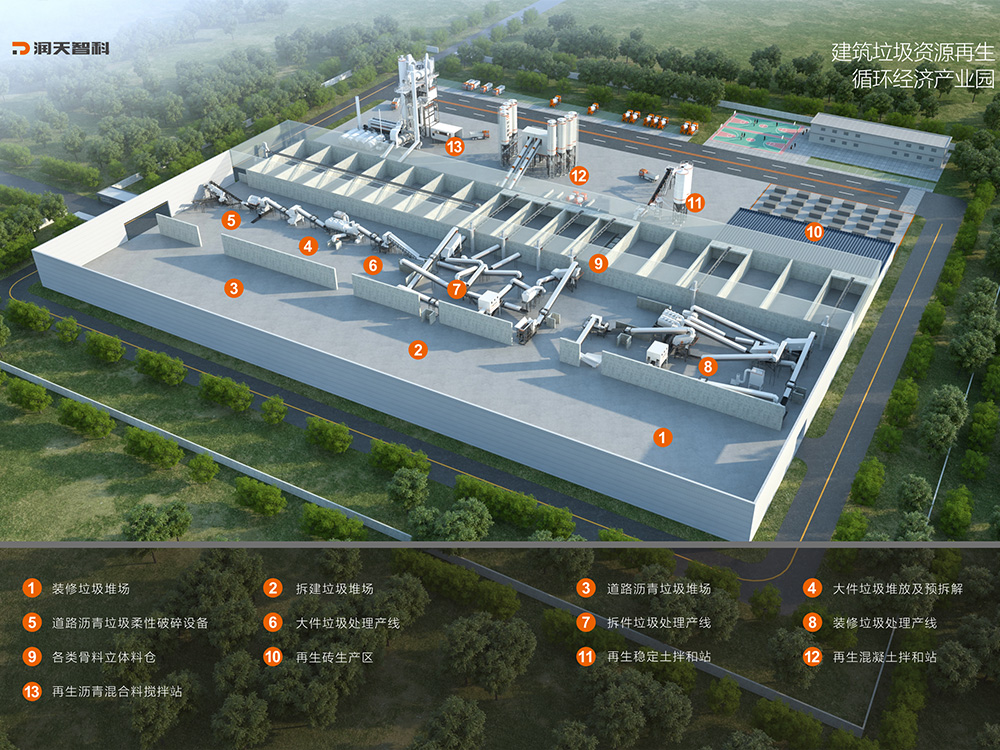 Construction Waste Resourceful Treatment Line