Essential Tips for Choosing an Electric Cement Mixer?
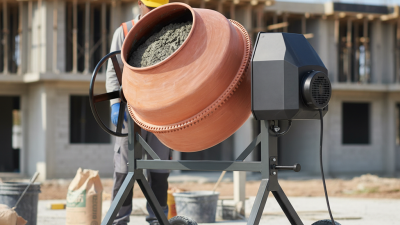
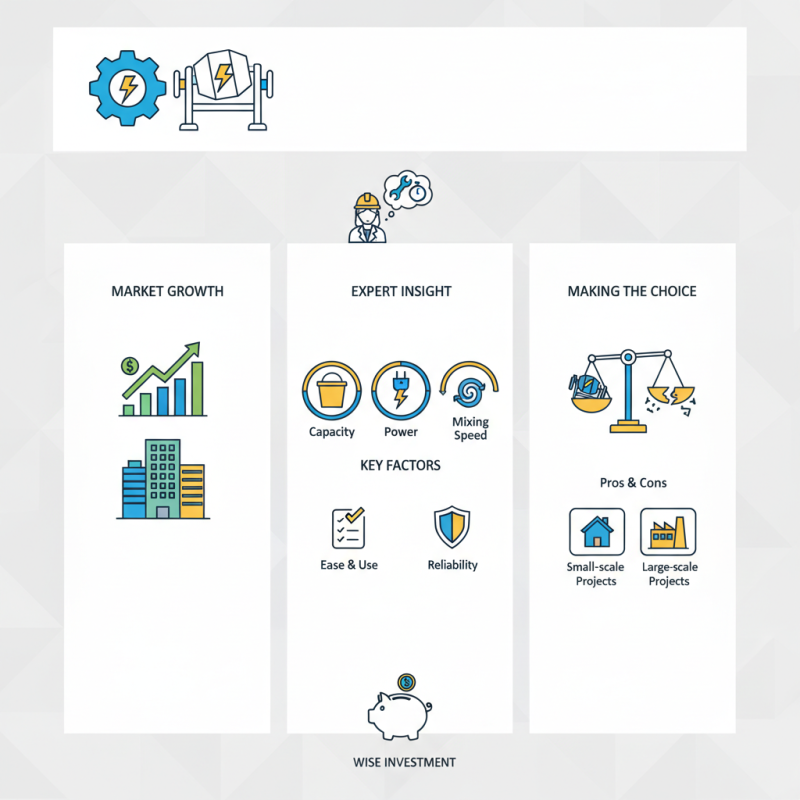
When selecting an Electric Cement Mixer, numerous considerations come into play. The construction industry has experienced significant growth, with a report from IBISWorld indicating a market size of over $50 billion in the past year. This surge highlights the demand for efficient equipment, like electric mixers, in various projects.
According to industry expert Dr. Sarah Jennings, "Investing in the right Electric Cement Mixer can optimize efficiency and reduce labor costs." Choosing the right model involves factors such as capacity, power, and mixing speed. Many users gravitate towards mixers that offer ease of use and reliable performance.
Still, not all mixers on the market are created equal. Some options may lack the durability needed for heavy-duty tasks. It's crucial to weigh the pros and cons of different models before making a purchase. This reflection can lead to better choices for both small-scale and large-scale projects. Understanding these elements will help you invest wisely in an Electric Cement Mixer that meets your needs.
Key Considerations for Selecting an Electric Cement Mixer
When choosing an electric cement mixer, consider several key factors. Start with the size of the drum. A larger drum can mix more concrete at once. However, this may also require more power. Think about where you’ll use it. Small spaces may limit your options.
Pay attention to the mixer’s power rating. A higher wattage often means more efficiency. Yet, don’t overlook the importance of weight. A heavy mixer can be more stable, but it's harder to move.
Also, consider additional features. Some mixers come with optional attachments. These can aid in your mixing process. But keep in mind, not all features are necessary. Assess what you really need.
These tips can help you narrow down your choices. Ultimately, prioritize your specific needs. A little research goes a long way. Building the right setup will enhance your project efficiency.
Essential Tips for Choosing an Electric Cement Mixer - Key Considerations for Selecting an Electric Cement Mixer
| Feature |
Considerations |
| Power Rating |
Look for a power rating of at least 400 to 800 watts for efficient mixing. |
| Drum Capacity |
Consider a drum capacity of 2 to 6 cubic feet based on your project scale. |
| Weight |
Choose a model that is manageable for your workspace but sturdy enough for heavy use. |
| Portability |
Look for models with wheels and handles for easy transport. |
| Build Material |
Opt for mixers made of durable materials, such as steel or heavy-duty plastic. |
| Ease of Use |
Consider features like easy-to-use controls and quick assembly. |
| Price Range |
Establish a budget; prices can range from $100 to $500 based on features. |
| Safety Features |
Check for safety features like overload protection and emergency stop buttons. |
Types of Electric Cement Mixers: A Comparative Overview
When selecting an electric cement mixer, understanding the types available is key. There are two main types: portable and stationary mixers. Portable mixers are compact. They are easy to transport and typically have smaller capacities. This makes them ideal for home projects or small work sites. However, you might find them underpowered for larger jobs. They can struggle with heavier batches, and that's something to consider.
Stationary mixers, on the other hand, are designed for more demanding tasks. They often provide greater volume and efficiency. These mixers are fixed in one place, which may limit their versatility. But they excel at mixing large amounts of cement quickly. You should think about the trade-offs. While stationary models require more setup space, they can handle bigger projects better. Choosing between the two often comes down to your specific needs and workload.
Also, bear in mind that electric mixers vary in motor strength and drum size. A high-powered motor can make a significant difference. Yet, a larger drum can mean you might be mixing more than you need. It’s a balancing act between capacity and manageability. Make sure to assess your actual requirements before making a decision.
Capacity and Size: Finding the Right Fit for Your Projects
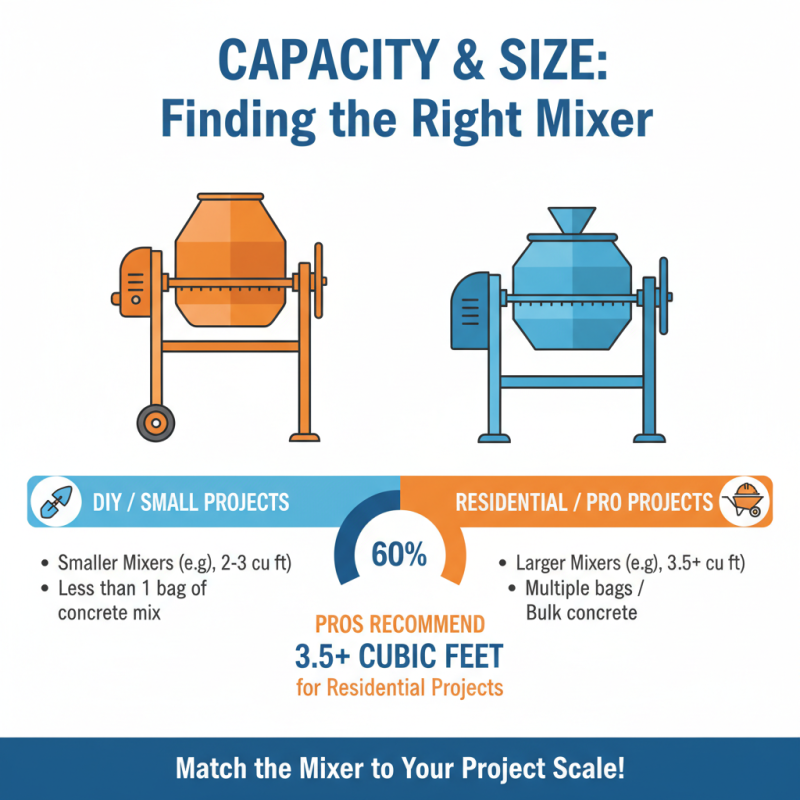
When selecting an electric cement mixer, the capacity and size play a crucial role. The right fit depends on the scale of your projects. A smaller mixer might suffice for DIY tasks, while larger jobs require heavier machines. Industry insights show that more than 60% of professionals recommend mixers with at least 3.5 cubic feet capacity for residential projects. This isn't just a number; it reflects the average need for concrete in typical home renovations.
Consider your workspace as well. Many users find themselves struggling with oversized mixers in tight spaces. A compact model can simplify your work, but it may limit your output. According to a report by the Concrete and Cement Association, 45% of users have admitted choosing the wrong size affected their productivity on-site. It’s a common oversight that can lead to frustration and delays.
Balance is key. Overestimating your needs can lead to unnecessary costs and storage issues. Conversely, underestimating can hamper project timelines. Understand the volume of concrete your projects demand. Choosing wisely can result in significant savings and improved efficiency.
Motor Power and Speed: Influencing Performance and Efficiency
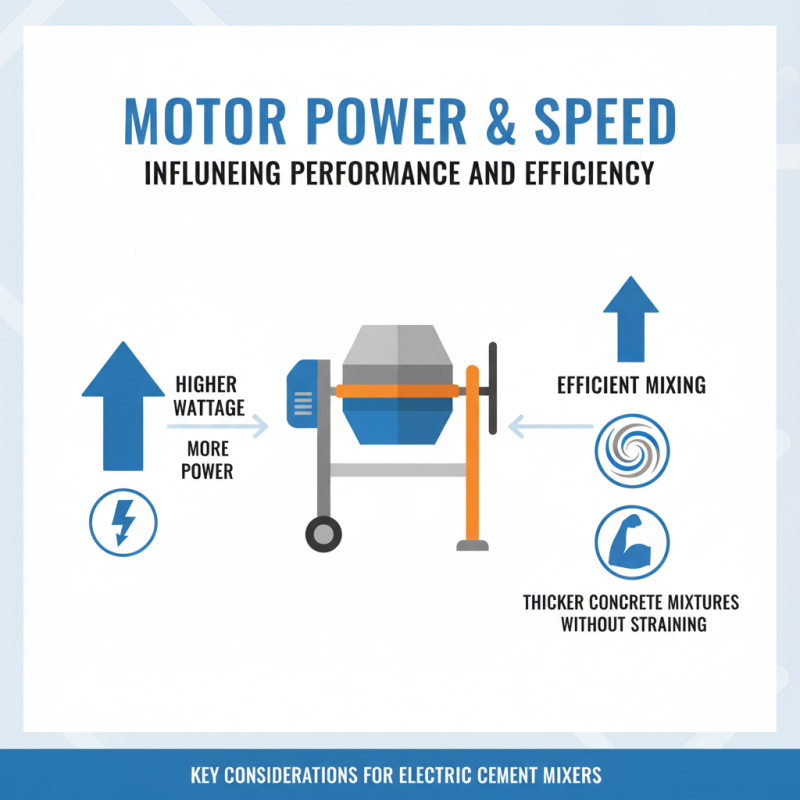
When choosing an electric cement mixer, understanding motor power and speed is crucial. The motor's wattage greatly influences the mixer's performance. Higher wattage typically means more power, allowing for efficient mixing of heavier materials. A powerful mixer can handle thicker concrete mixtures without straining.
Speed is another vital factor. Mixers often come with adjustable speeds. This feature allows for flexibility based on the project. For finer mixes, a slower speed is ideal. Conversely, faster speeds work well for thicker mixtures. Balancing motor power with the right speed can significantly enhance your efficiency.
Tip: Always consider your typical projects when choosing motor power. If you primarily mix light materials, a lower motor power may suffice. However, if heavier projects are your focus, invest in a more powerful mixer. It’s essential to reflect on your needs. This prevents unnecessary strain on the equipment and enhances your overall work efficiency. Keep in mind that more power doesn’t always equal better results if not matched with the right speed.
Additional Features to Look for in Electric Cement Mixers
When choosing an electric cement mixer, additional features can significantly enhance your experience. Look for adjustable speed settings. This allows you to mix materials at the perfect pace. Fast mixing is great for smaller jobs. Slow settings are useful for larger batches. A good mixer lets you fine-tune the mixing process.
Another key feature to consider is a portable design. A lightweight mixer can be easily moved around a job site. If your projects require mobility, a compact mixer is essential. Pay attention to the wheel design as well. Stable wheels ensure smooth transport and reduce strain on your back.
Quality is also vital when selecting a mixer. Look for durable materials that can withstand heavy use. A good mixer may be a bit expensive, but it's worth it. Features like safety shields and ergonomic handles add more value. Make sure to check user feedback to find a well-reviewed model. Sometimes, paying less can lead to regret. Look closely at these additional features to make an informed choice.
Essential Tips for Choosing an Electric Cement Mixer

 Concrete Mixing Plant
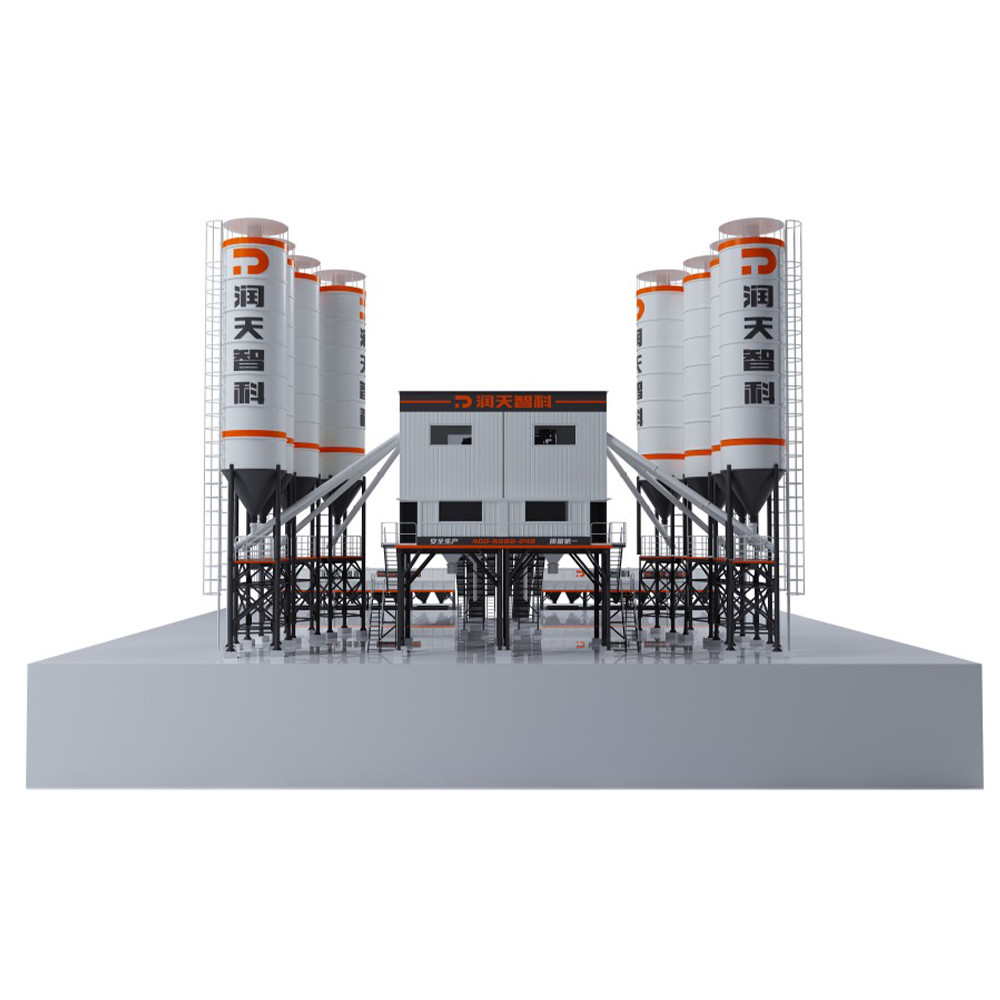 HZS Series Belt Concrete Mixing Plant
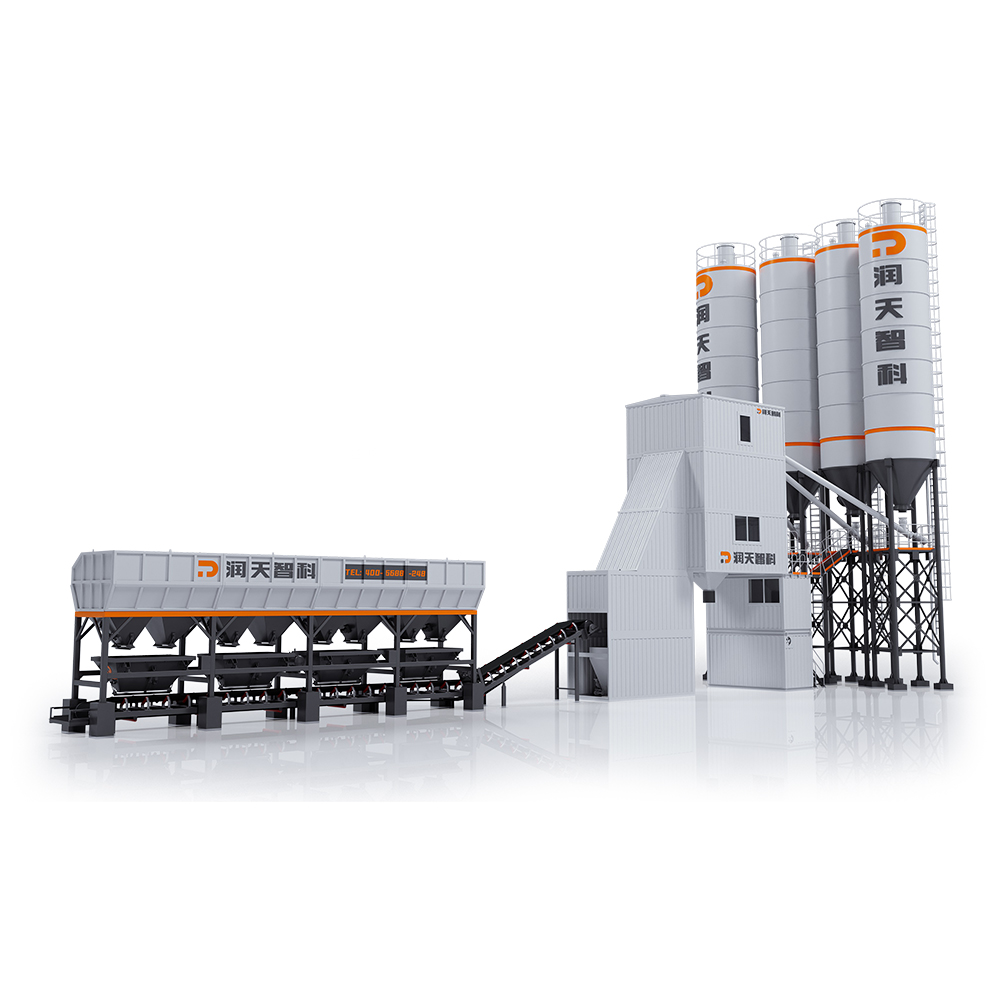 HZS Series Bucket-Lifting Type Container Concrete Mixing Plant
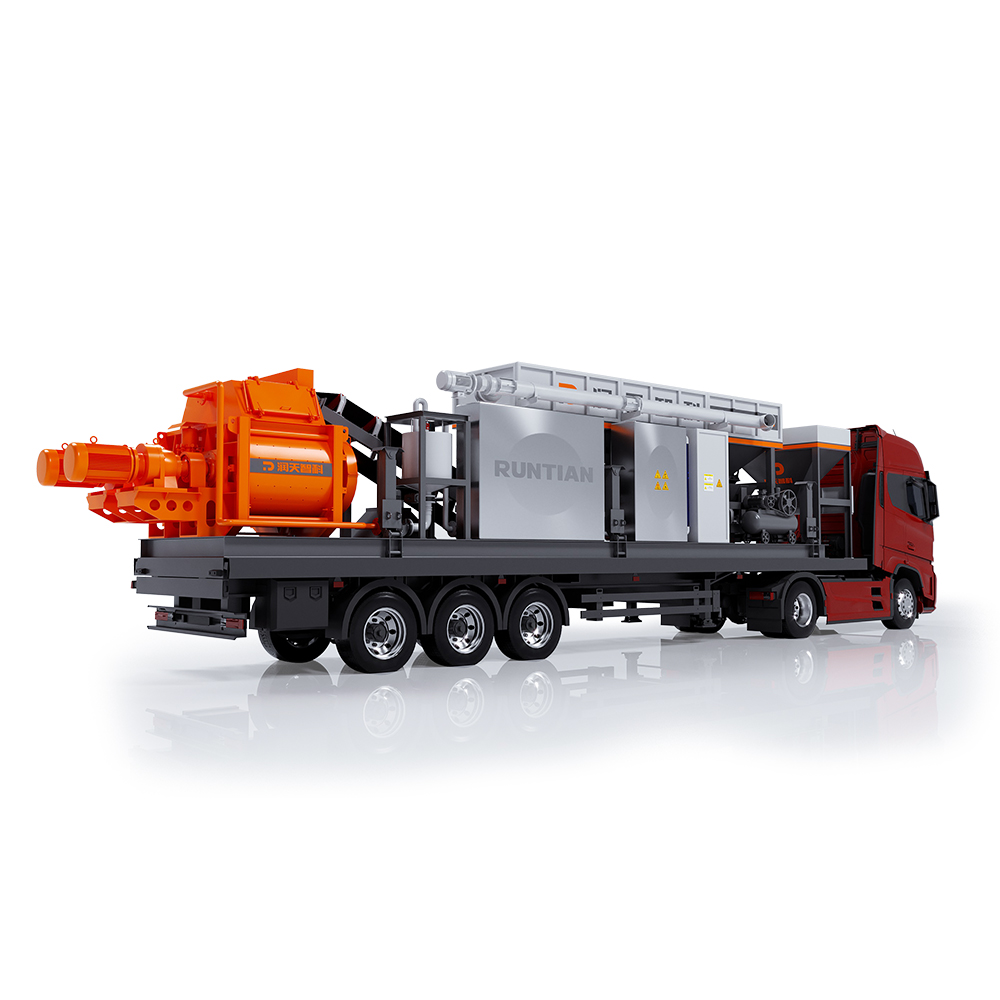 HZS60 Mobile Concrete Mixing Plant
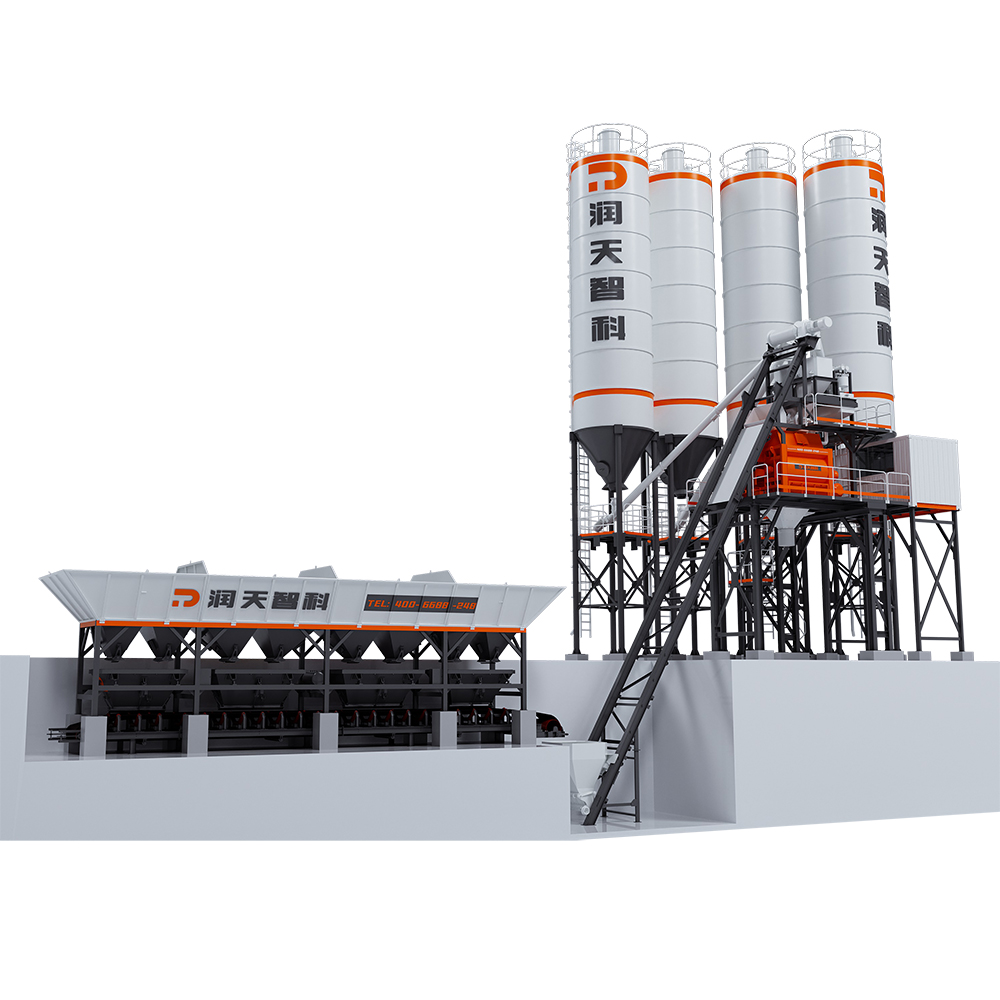 HZS Series Bucket-Lifting Type Concrete Mixing Plant
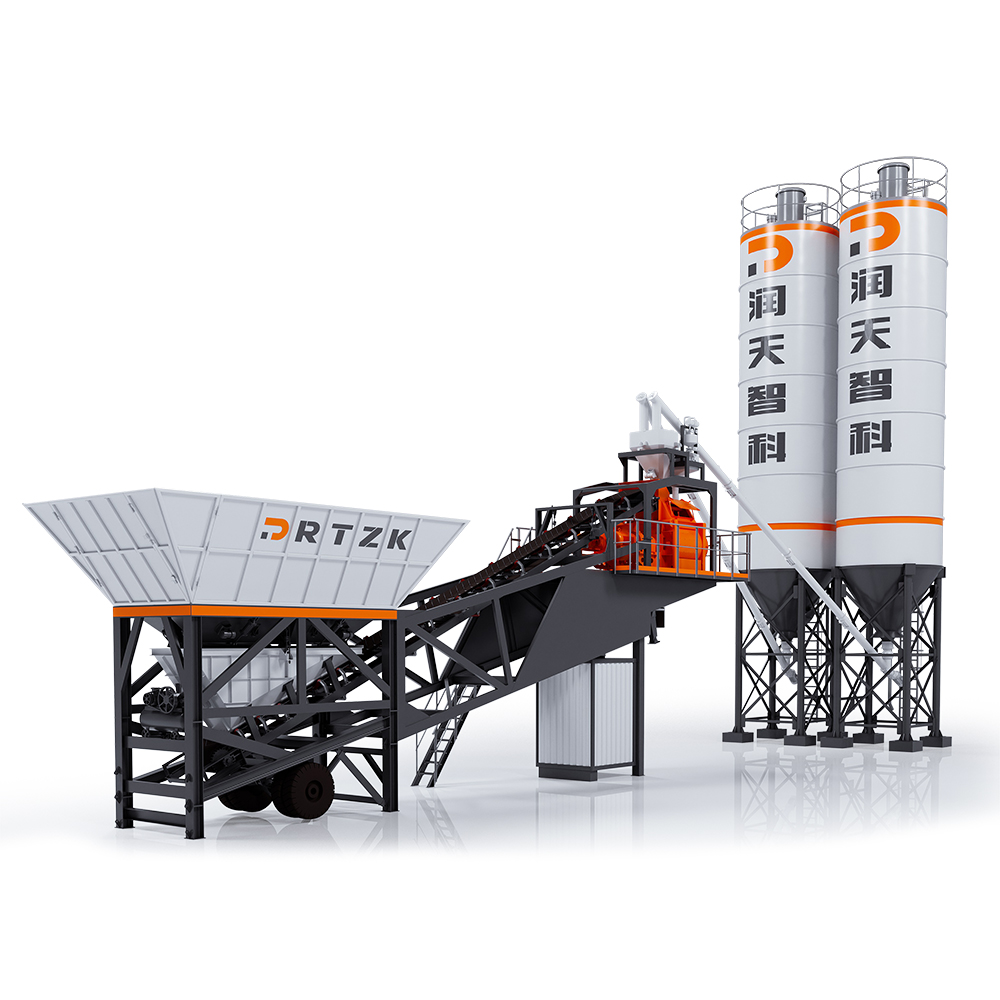 HZS Series Mobile Concrete Mixing Plant
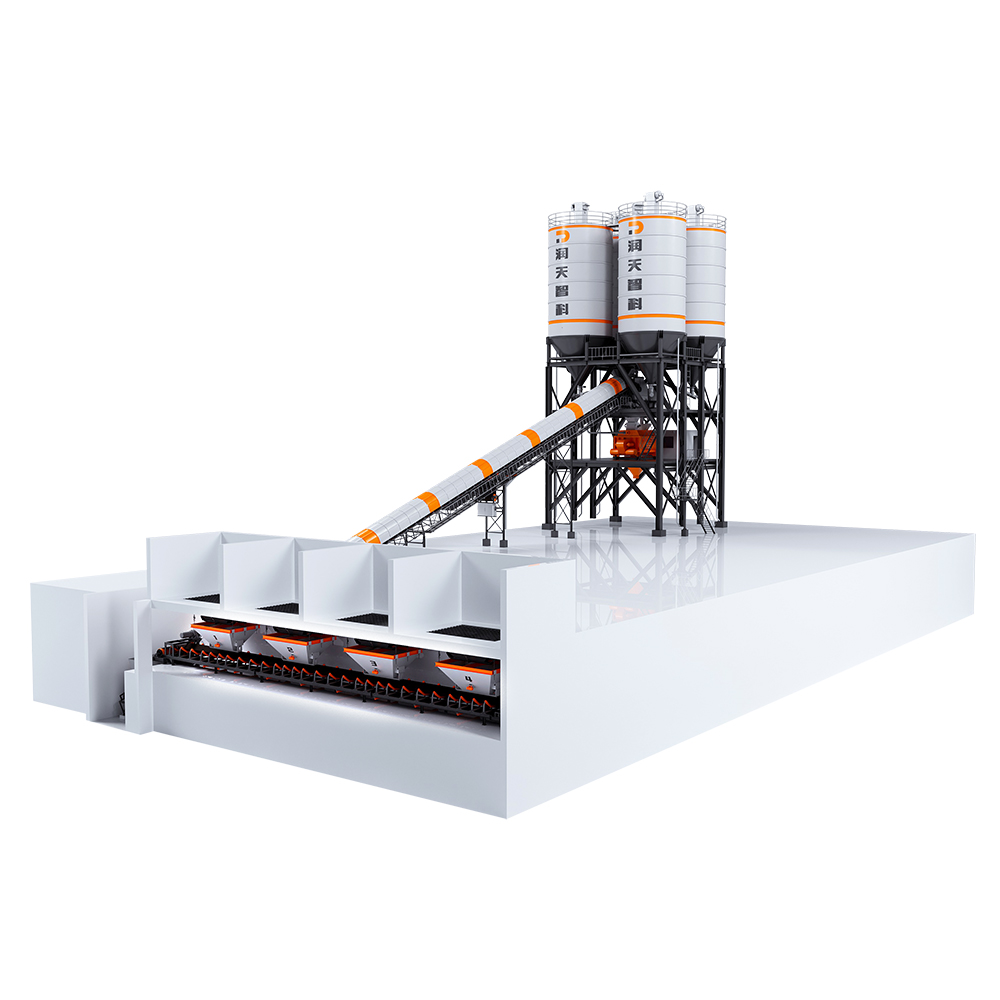 HZS Series Top-Mounted Concrete Mixing plant
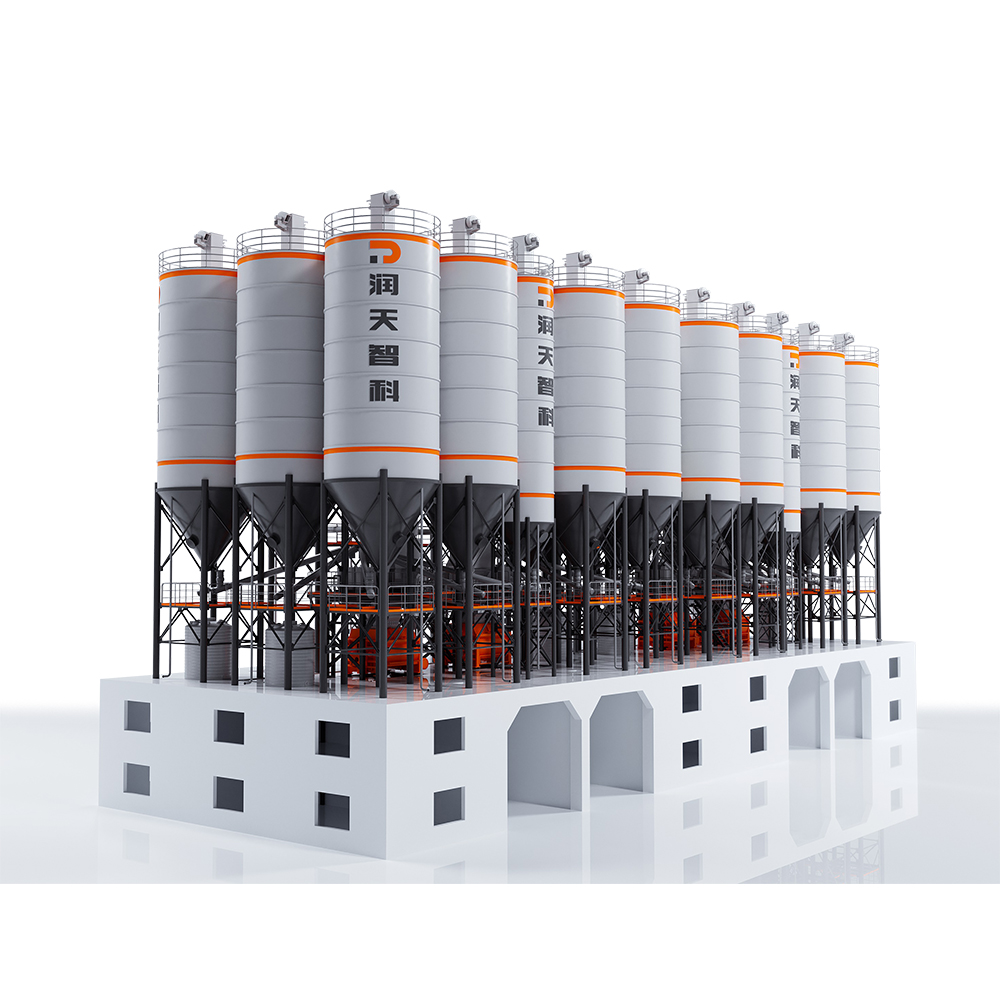 HZS Series Semi-Top Mounted Concrete Mixing Plant
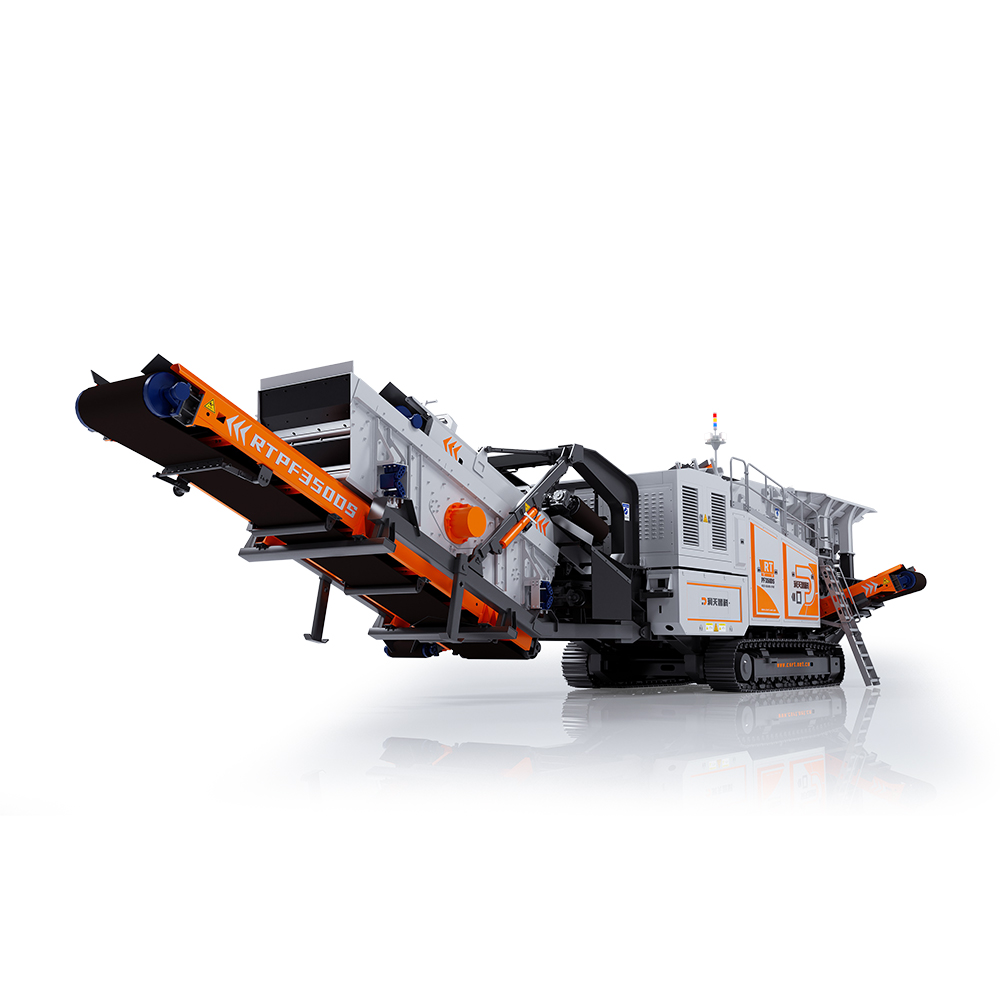 RTPF350DS Crawler Mobile Impact Crushing Plant
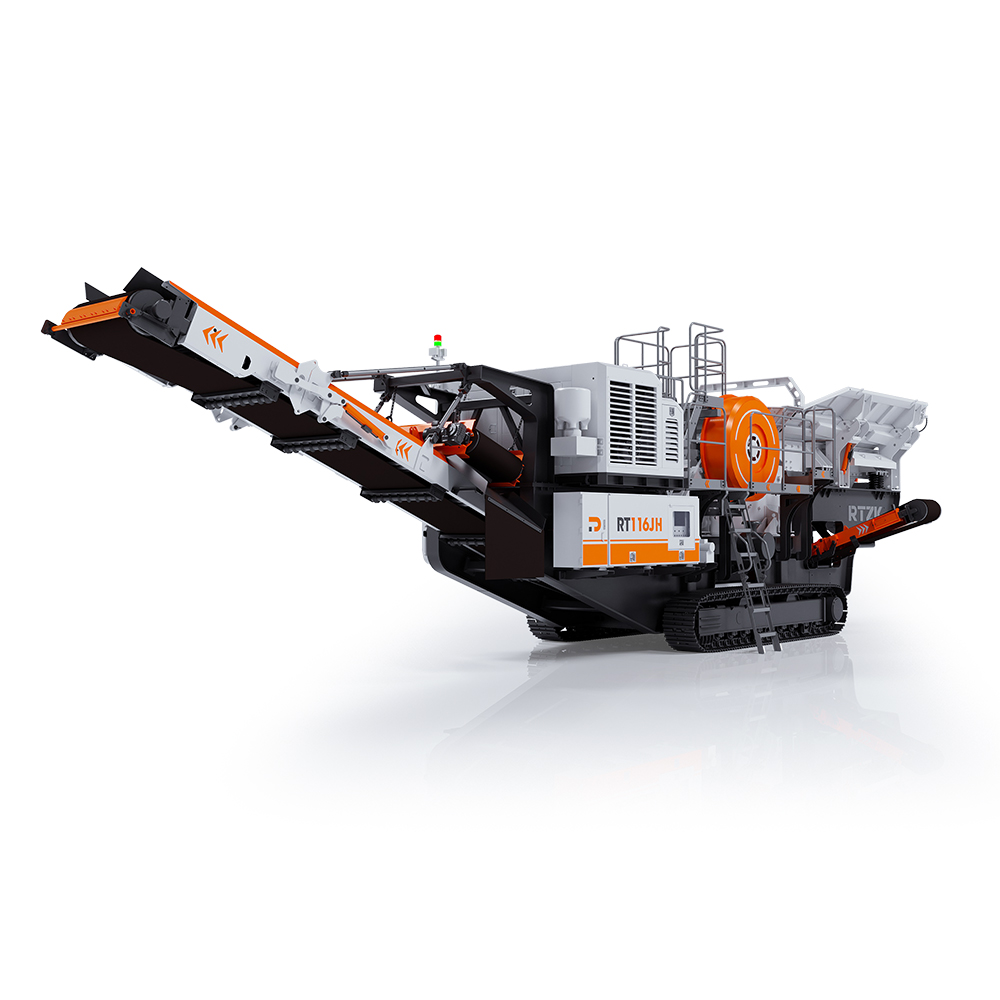 RT116JH Crawler Mobile Jaw Crushing Plant
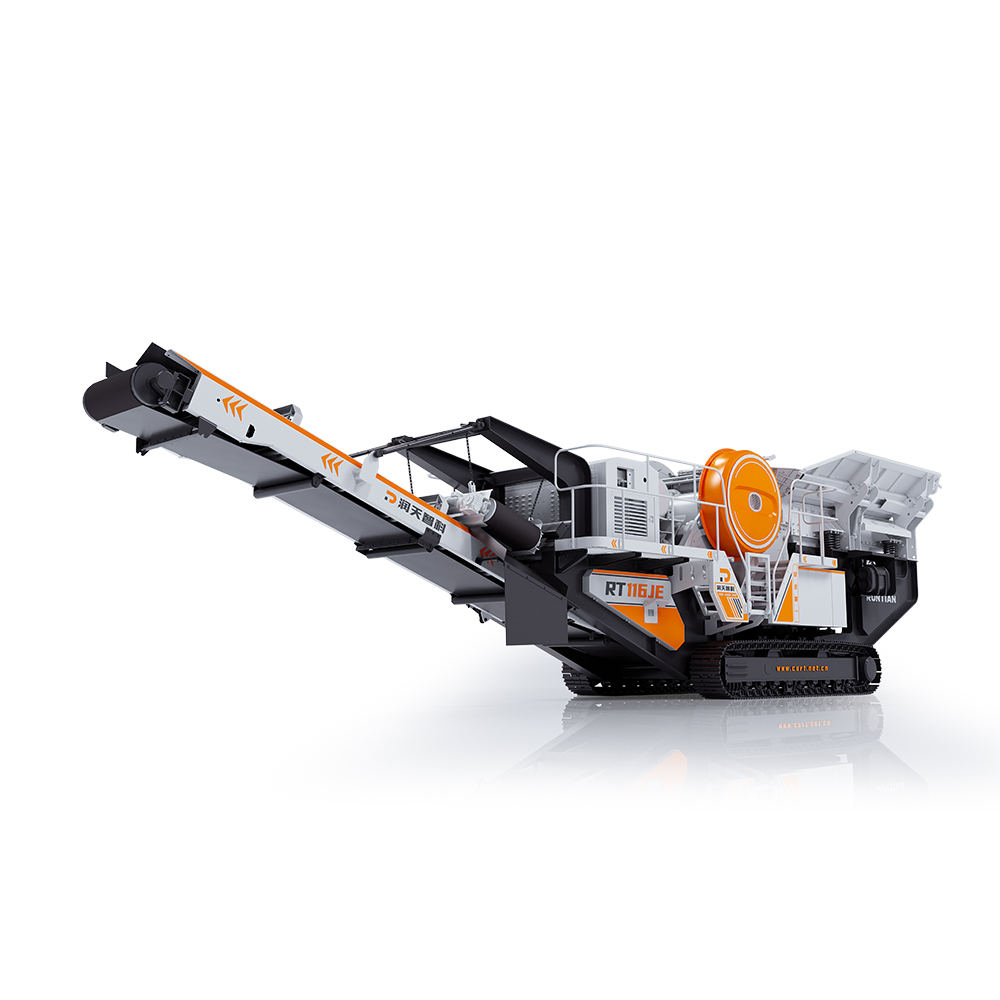 RT116JE Crawler Mobile Jaw Crushing Plant
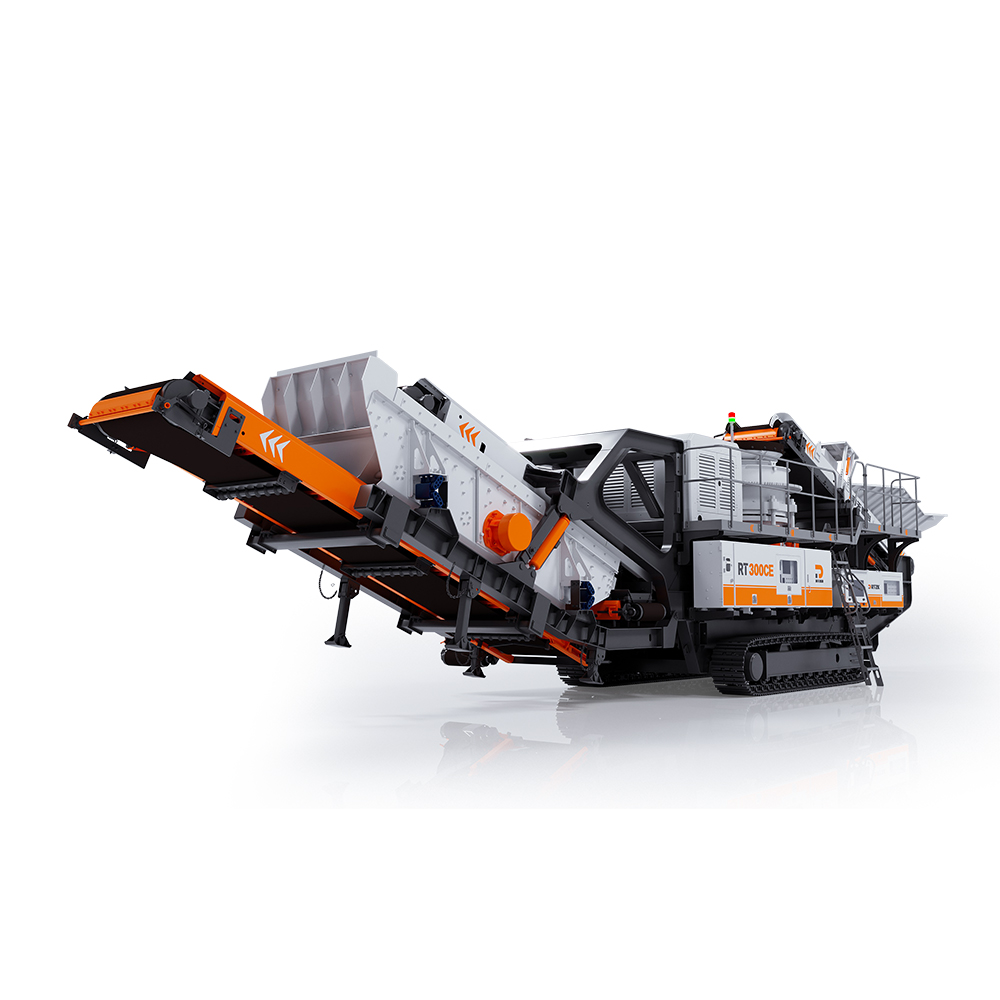 RT300CE Crawler Mobile Cone Crushing Plant
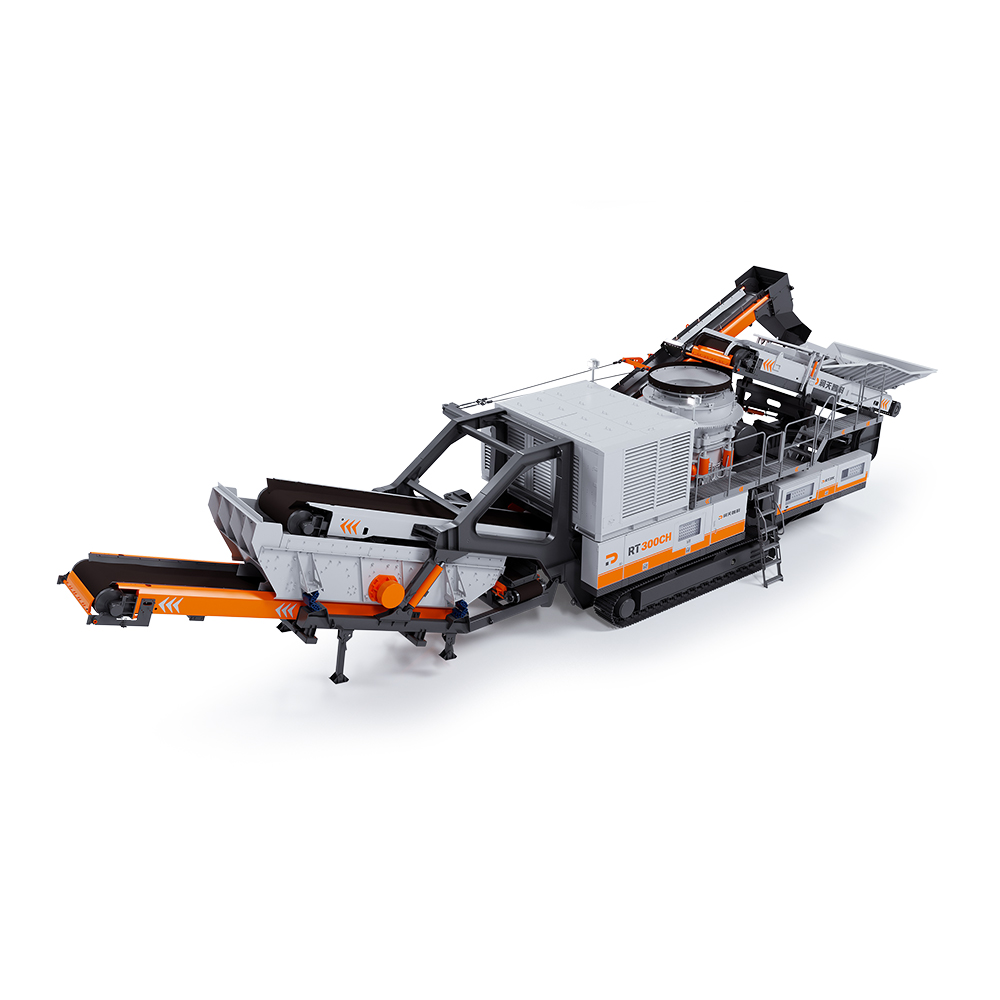 RT300CH Crawler Mobile Cone Crushing Plant
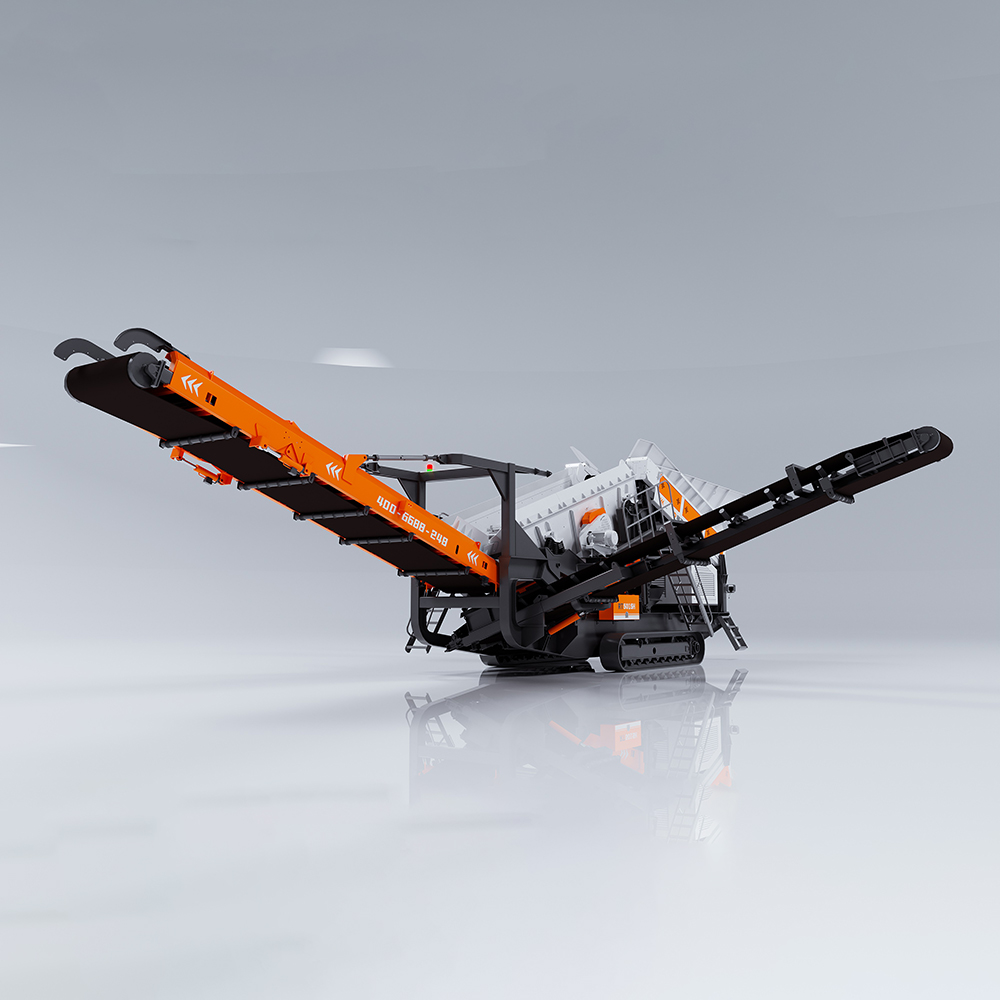 RT5015H Mobile Scalping Screen
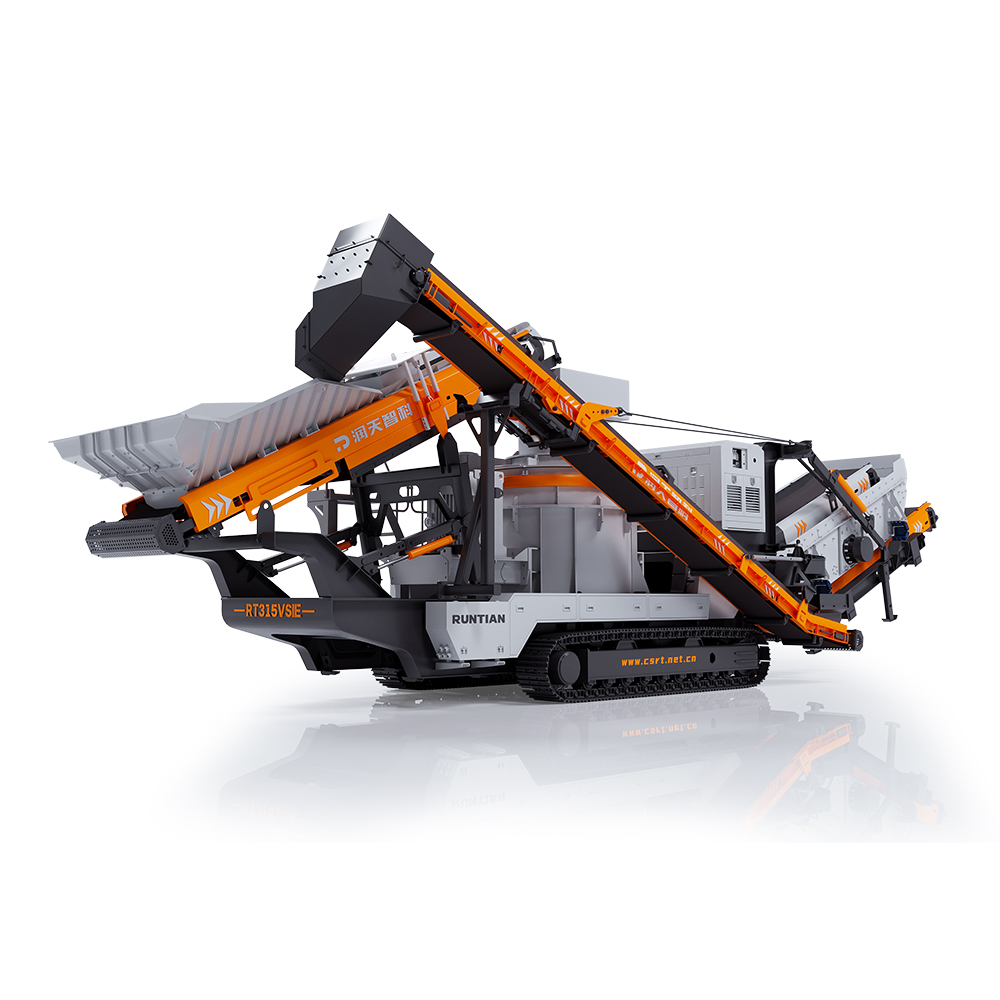 RT315VSIE Crawler Mobile Sand Maker
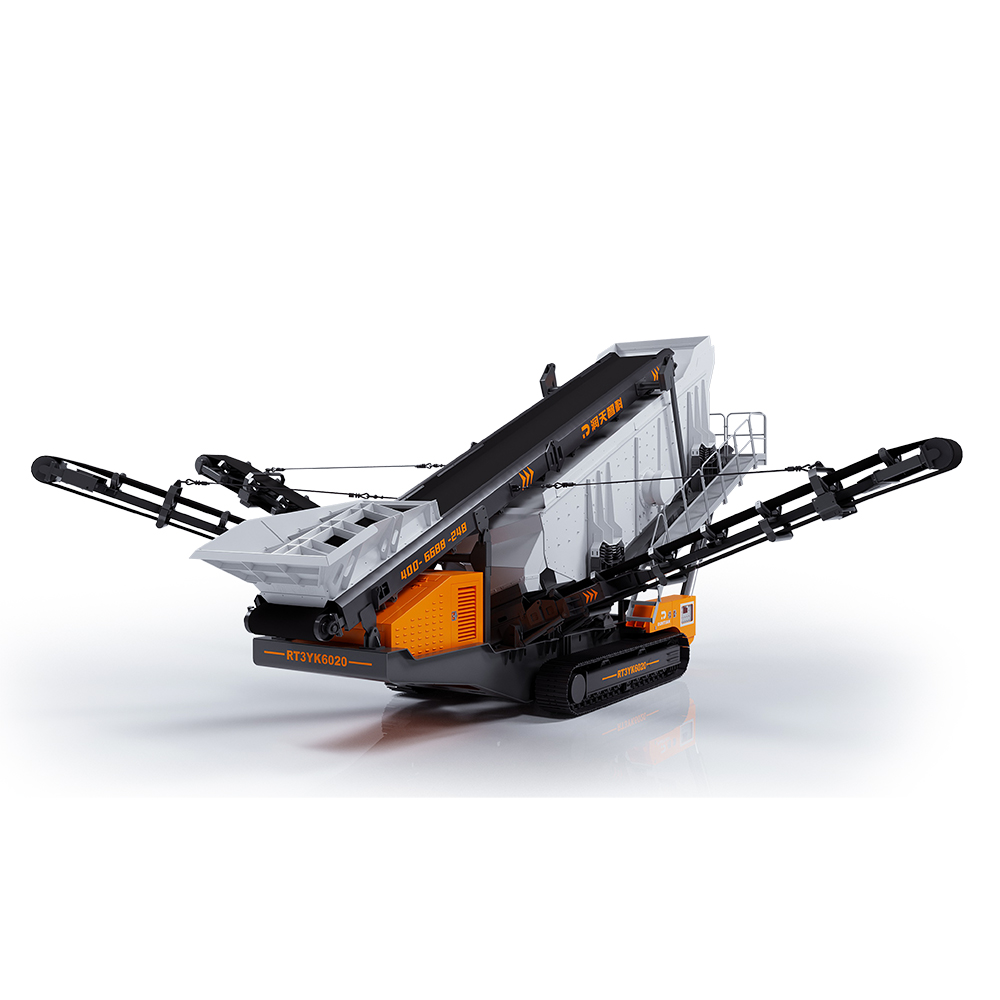 RT3YK6020 Crawler Mobile Screening Plant
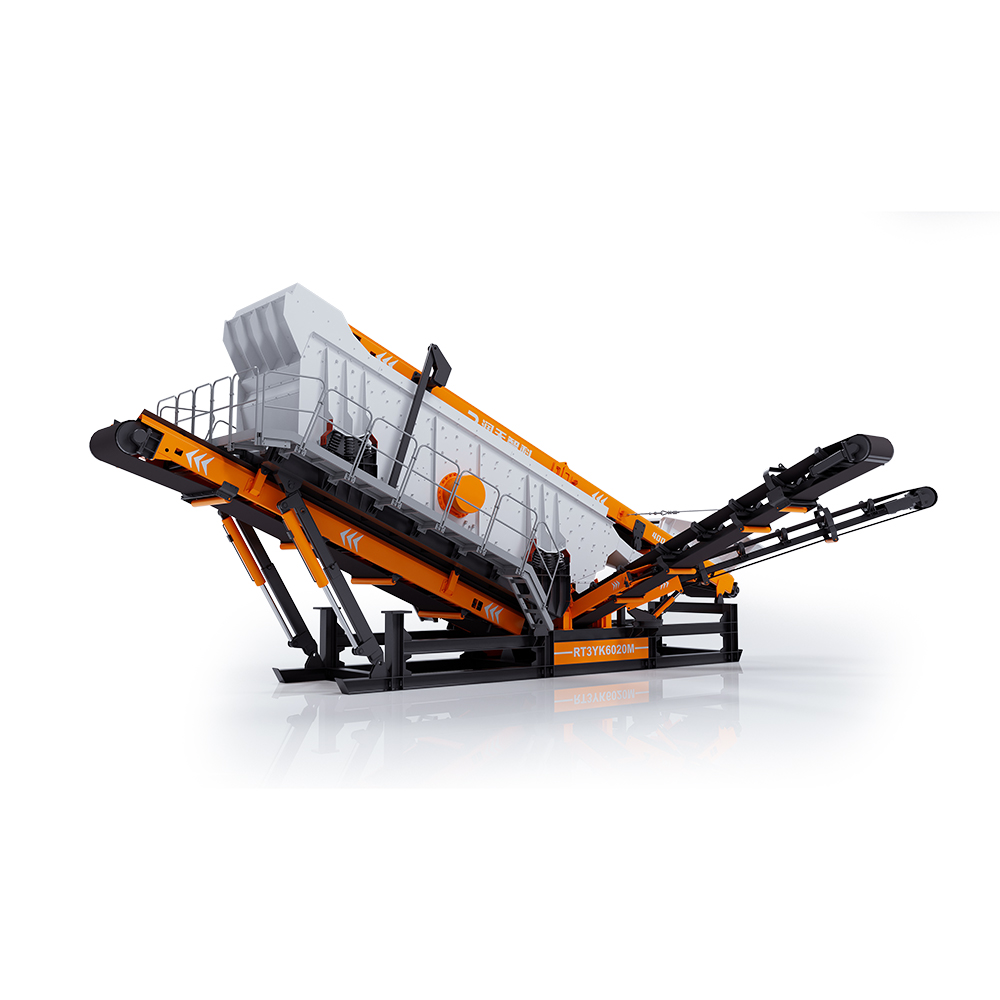 RT3YK6020M Modular Screening Plant
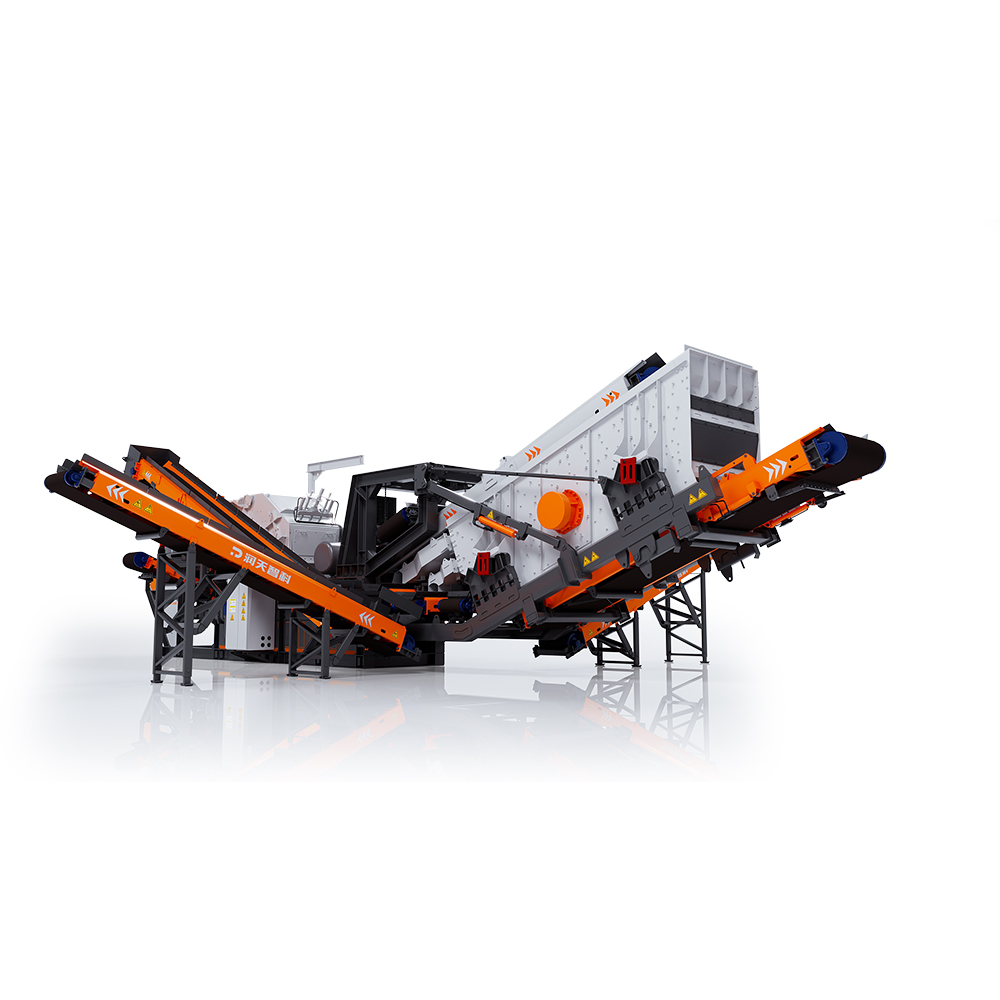 RTF260M Modular Counterattack Crushing and Screening Integrated Machine
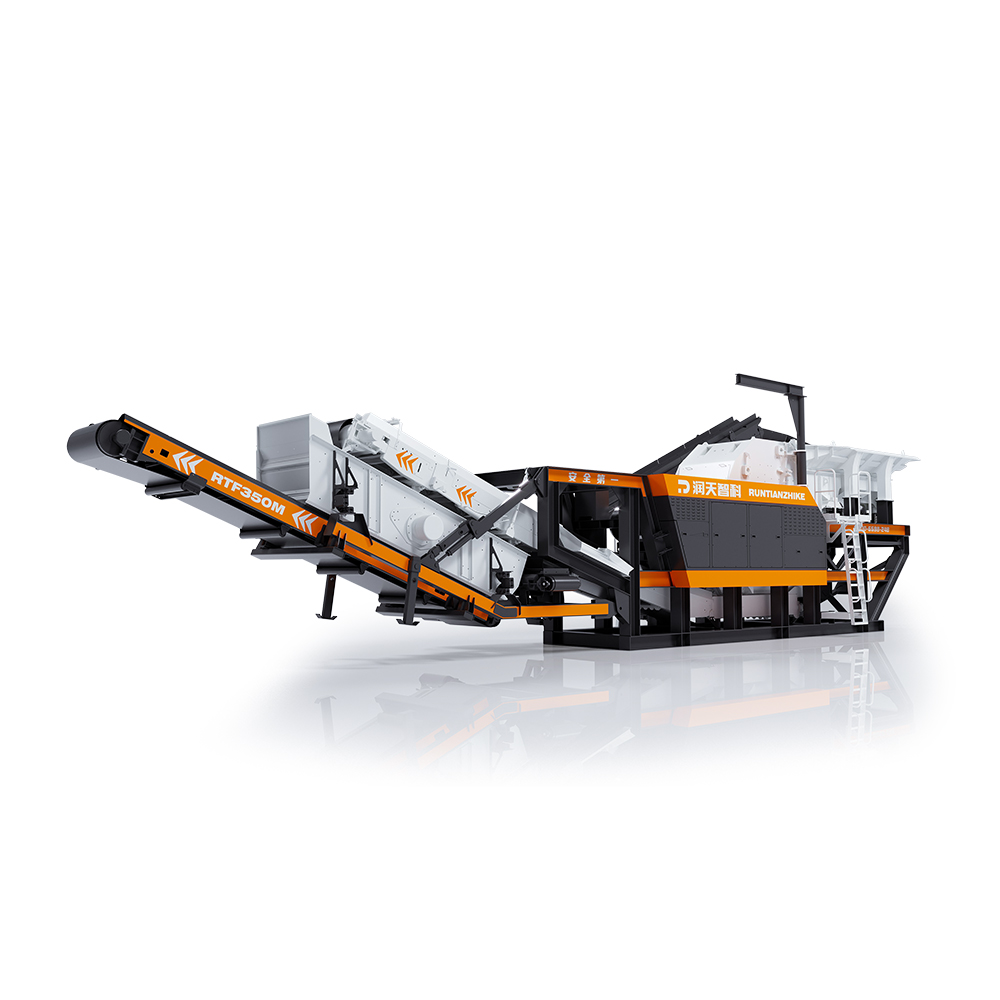 RTF350M Modular Impact Crushing Plant
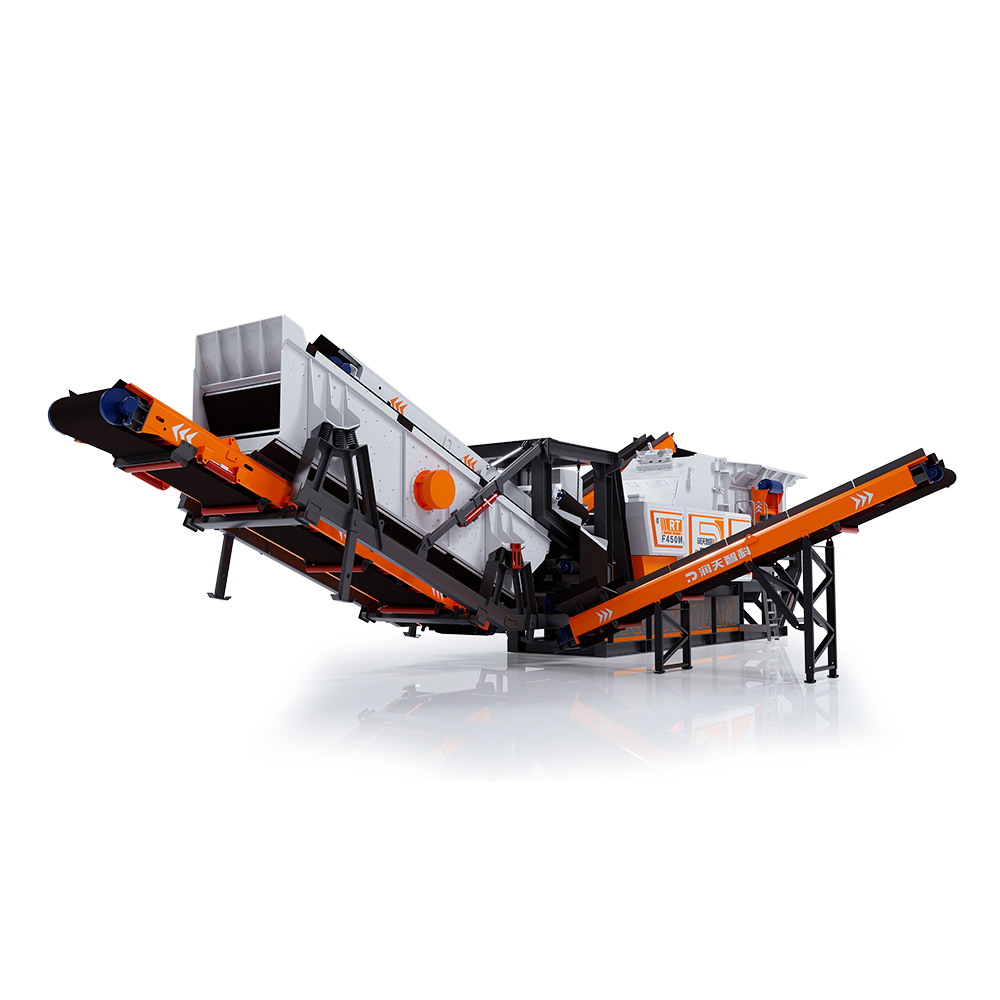 RTF450M Modular Impact Crushing Plant
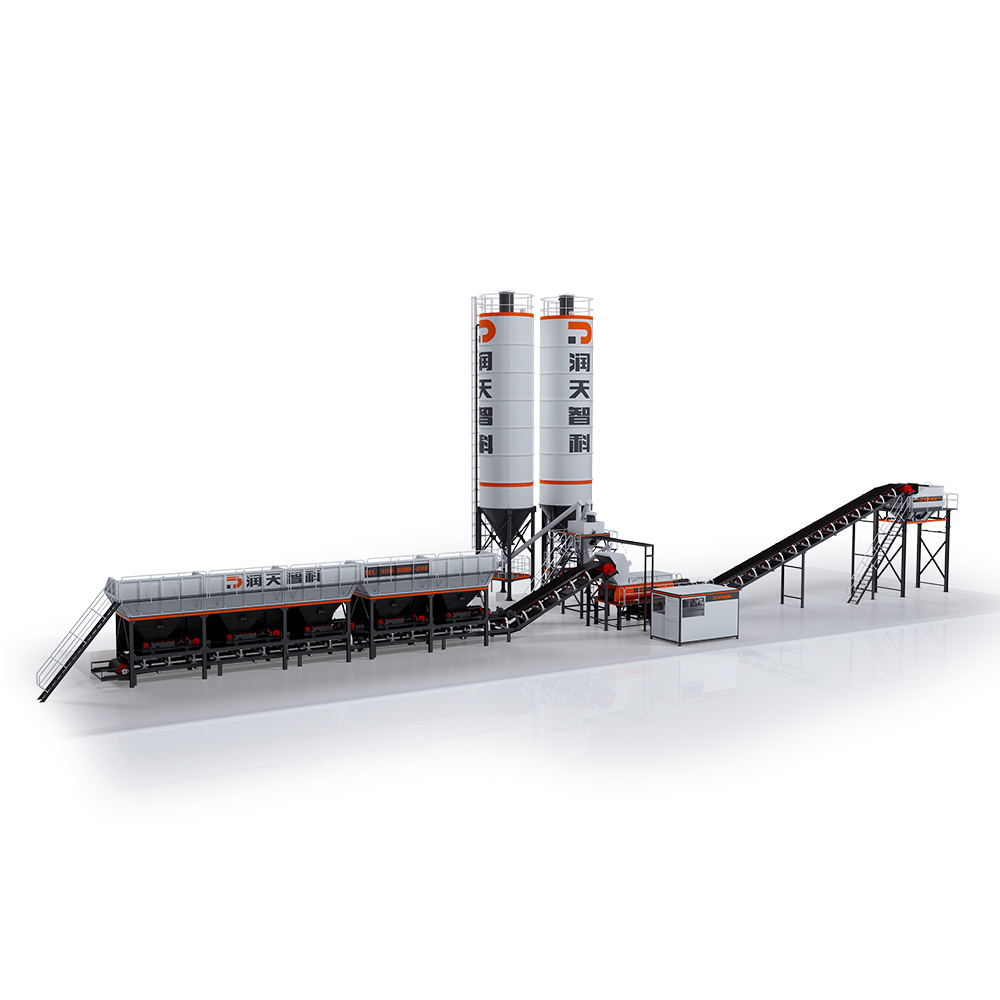 WDB Series Foundation-Free Stability Soil Mixing Plant
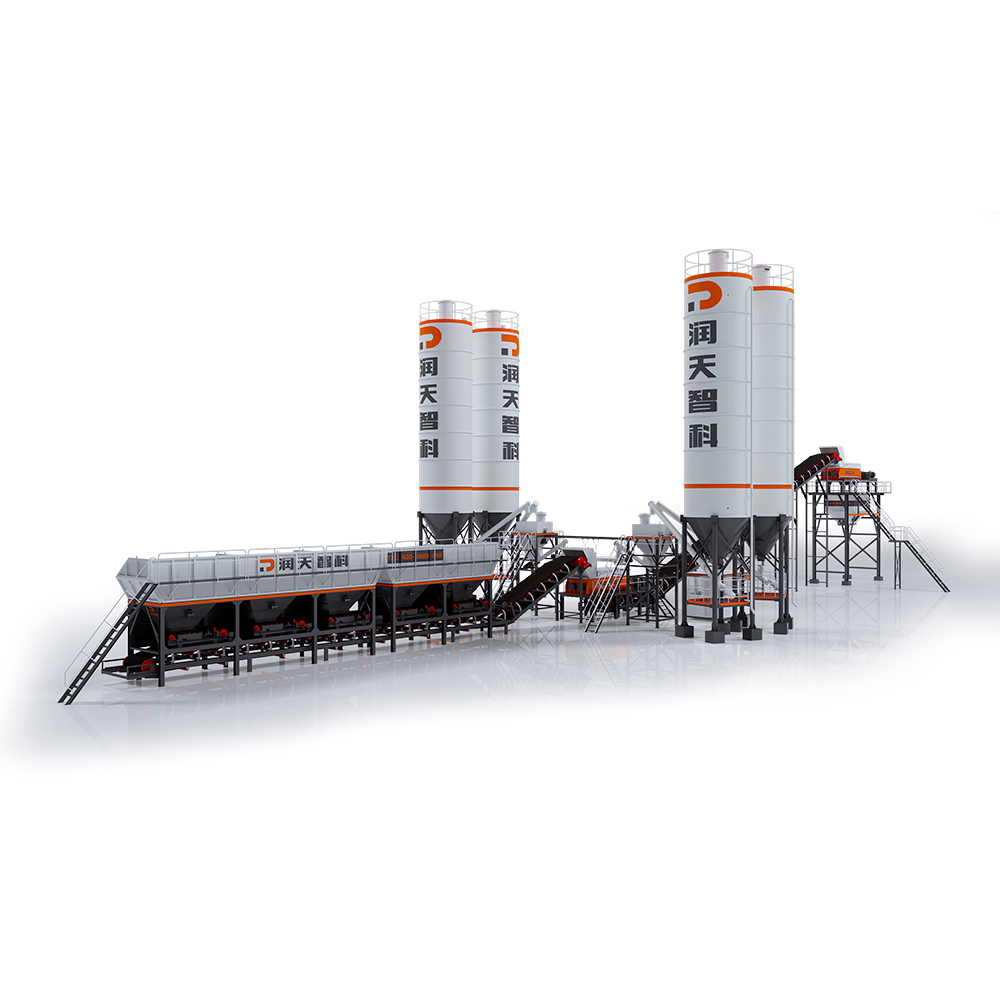 LCB Series Emulsified Asphalt Cold Regeneration Secondary Mixing Plant
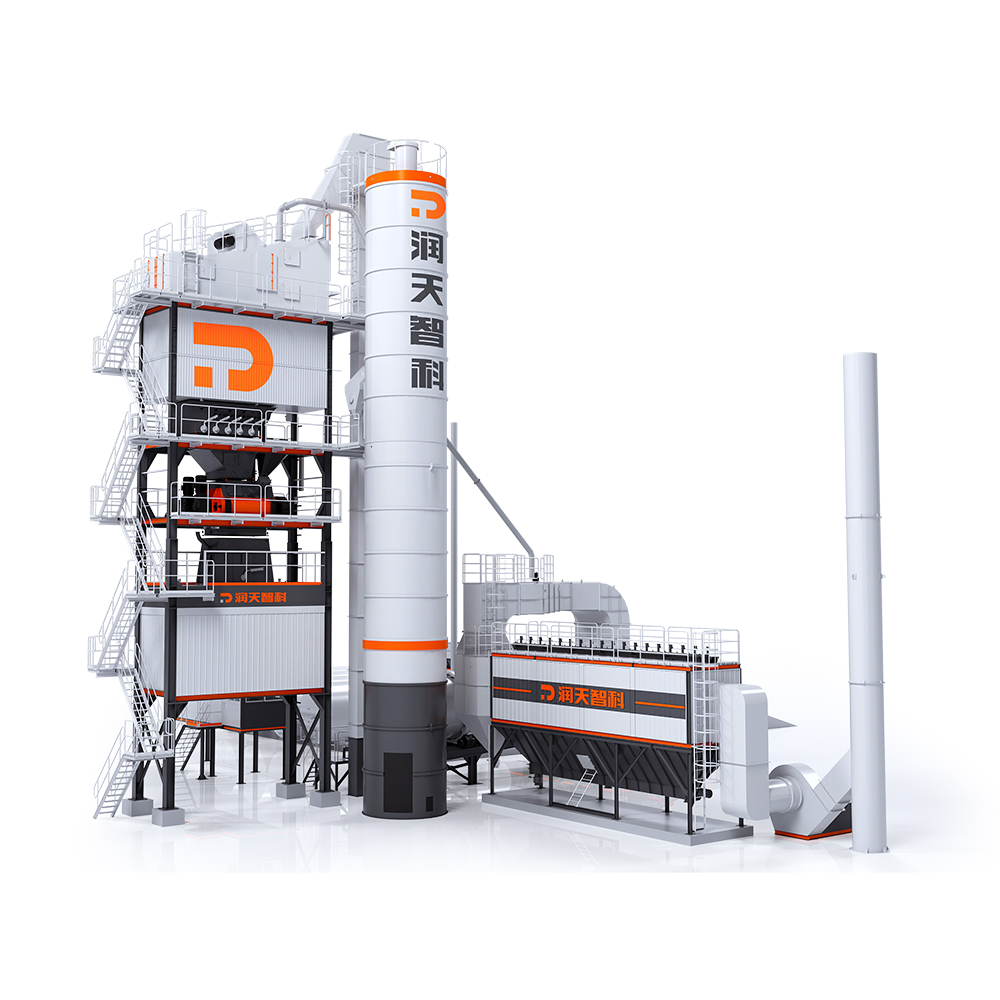 LB Series Asphalt Mixing Plant
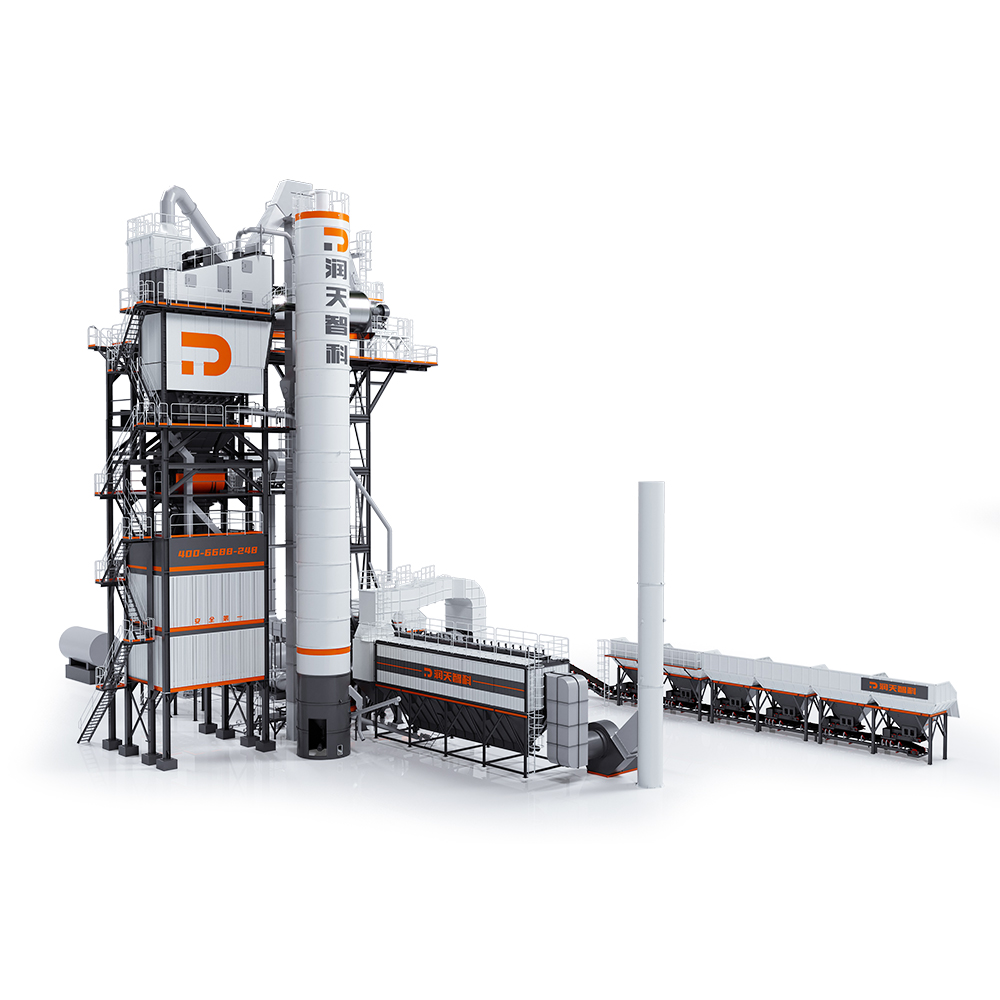 LBR Series Integrated Asphalt Mixing Plant
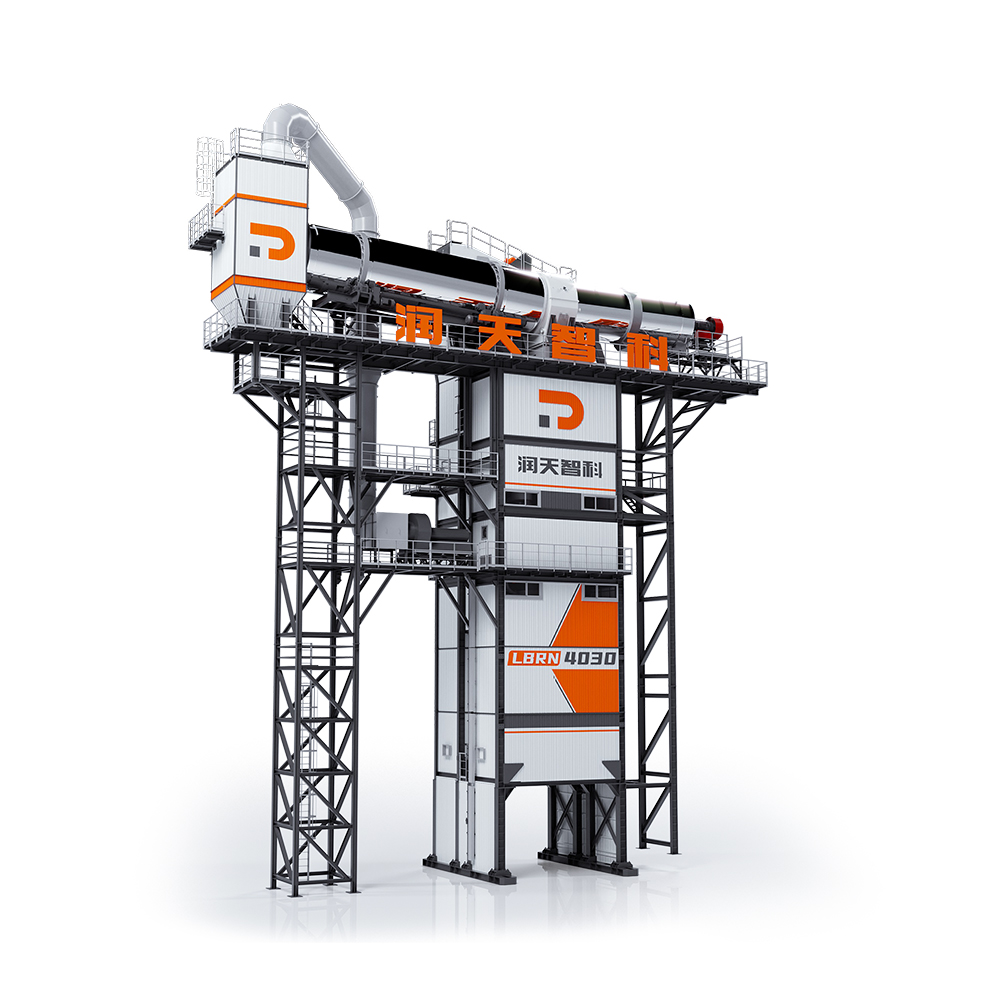 LBRN Series Counterflow Integral Asphalt Mixing Plant
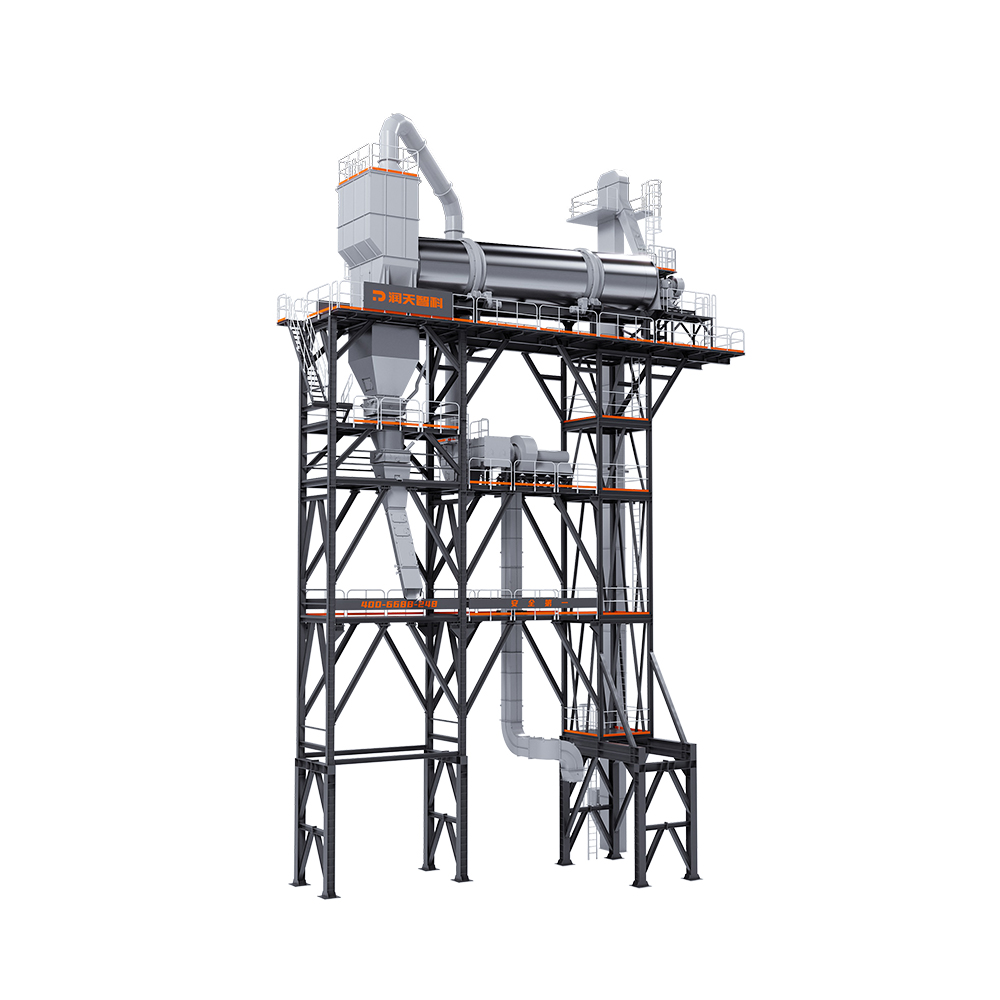 RZS Series Asphalt Mixing Plant
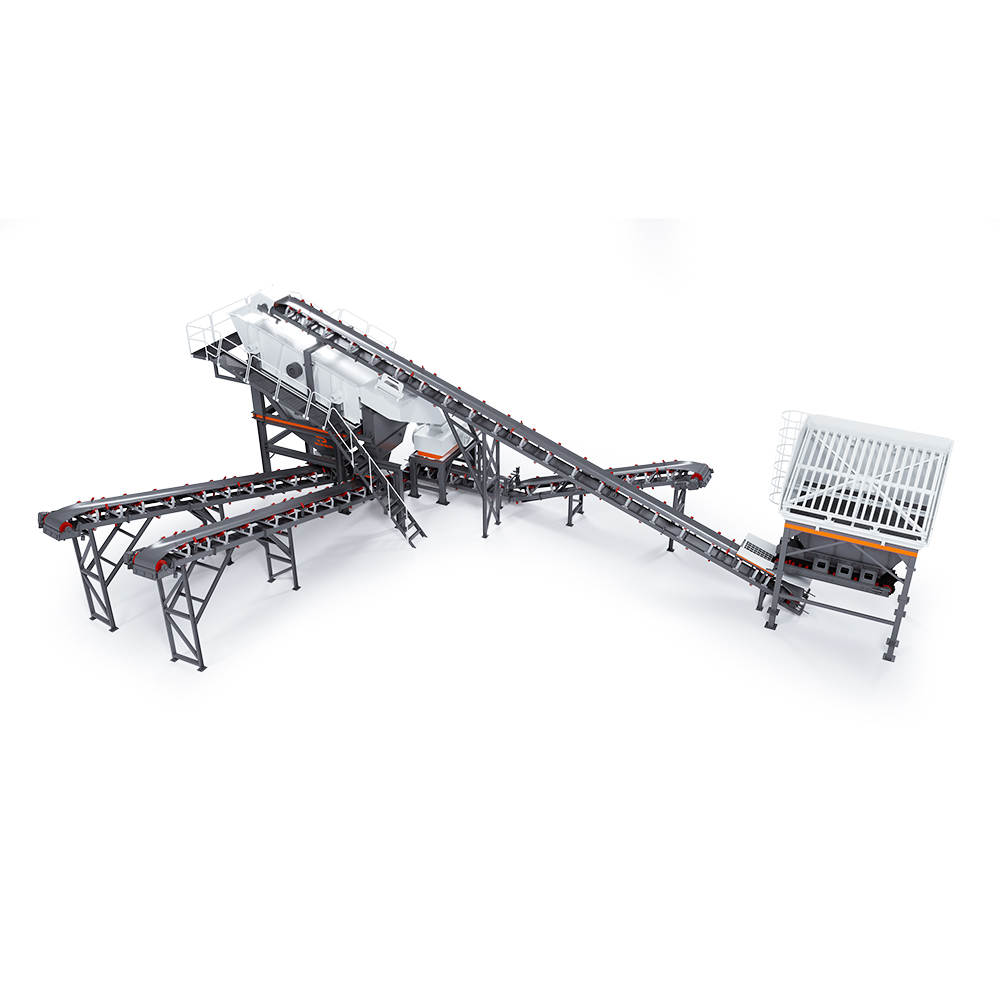 RTZS120 Series RAP Crushing & Screening Plant
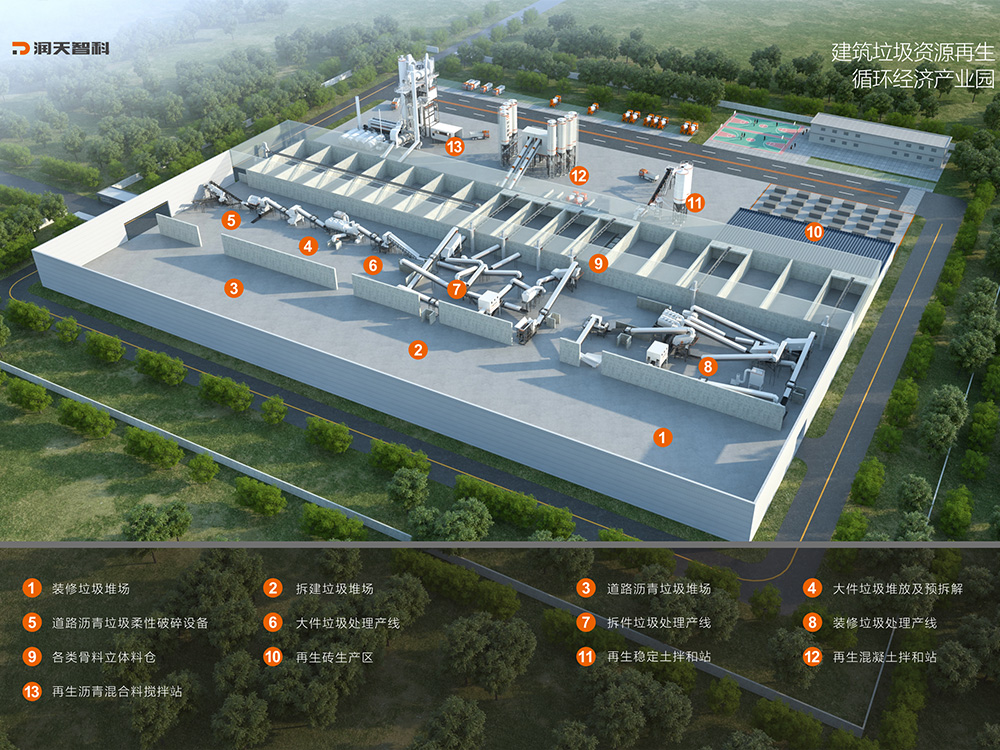 Construction Waste Resourceful Treatment Line