How to Dispose of Demolition Garbage Properly?
Proper disposal of demolition garbage is crucial for our environment and communities. Each construction project generates a significant amount of debris. The types of demolition garbage can vary widely, from concrete and bricks to wood and metals. Understanding how to handle these materials properly can help reduce landfill waste and pollution.
Ignoring proper disposal methods can lead to negative consequences. Many people aren’t aware of local regulations regarding demolition debris. This can result in illegally dumping, which harms the environment. A thoughtful approach can make a big difference. Recycling materials like concrete and wood not only conserves resources but also saves money.
Finding effective solutions for demolition garbage disposal involves education and planning. Engaging with local recycling centers can provide guidance on what materials can be reused. It’s a responsibility we all share. By reflecting on our practices, we can find better ways to manage demolition garbage and contribute to a cleaner, sustainable future.
Importance of Proper Demolition Waste Disposal in Environmental Protection
The importance of proper demolition waste disposal cannot be overstated. According to the World Bank, construction and demolition waste contributes to 30% of total solid waste generated worldwide. Improper disposal of this waste can lead to severe environmental impacts. Harmful pollutants can leach into soil and water, threatening local ecosystems and human health.
Proper disposal methods can significantly reduce these risks. For example, recycling concrete can save up to 1.5 tons of carbon dioxide emissions per ton, according to the Environmental Protection Agency. But unfortunately, many demolition projects do not prioritize recycling. In fact, about 90% of demolition debris ends up in landfills. This is a missed opportunity for both environmental protection and resource conservation.
Despite regulations, many contractors still lack awareness. Some may choose cheaper disposal methods that harm the environment. Educating stakeholders about effective waste management practices is crucial. Adopting better recycling protocols during demolition can lead to a more sustainable future. Recycling not only conserves resources but also reduces landfill overuse, prompting a much-needed reflection on current practices.
How to Dispose of Demolition Garbage Properly? - Importance of Proper Demolition Waste Disposal in Environmental Protection
| Waste Type |
Description |
Disposal Method |
Environmental Impact |
| Concrete |
Heavy, durable material often used for foundations. |
Crushing and recycling into aggregate. |
Reduces landfill waste; reuses material. |
| Wood |
Includes beams, panels, and other structures. |
Reuse, recycling, or composting. |
Reduces deforestation; promotes circular economy. |
| Metal |
Includes steel, aluminum, and copper. |
Recycling through scrap yards. |
Conserves natural resources; reduces pollution. |
| Bricks |
Commonly used in walls and pavements. |
Recycled or used as fill material. |
Minimizes waste; preserves landfill space. |
| Hazardous Waste |
Includes asbestos, solvents, and chemicals. |
Specialized disposal through licensed facilities. |
Protects public health and environment. |
Types of Demolition Waste and Their Environmental Impact
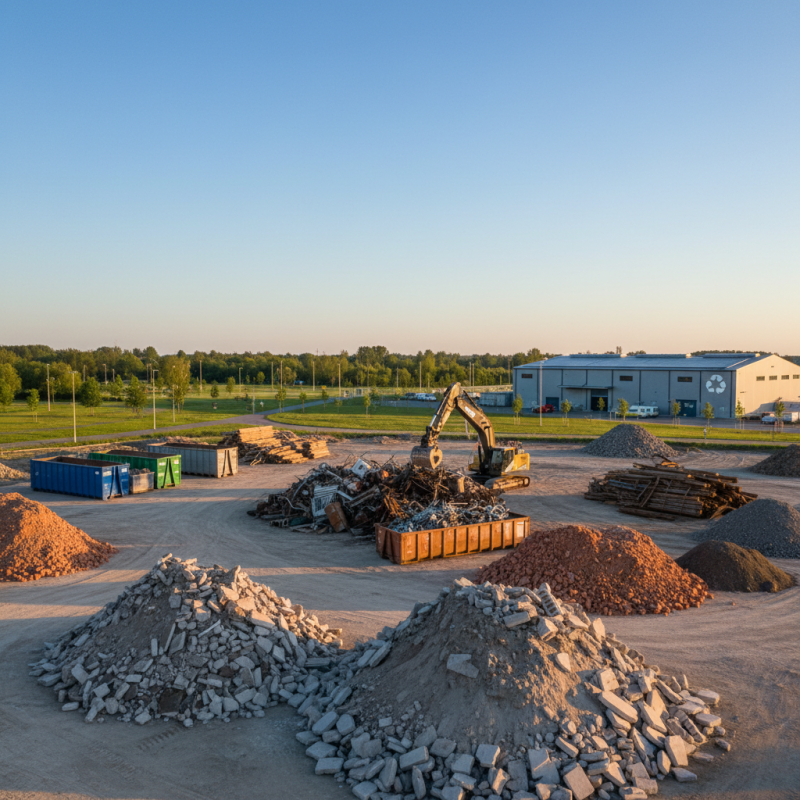
Demolition waste comes in various forms, each with distinct environmental impacts. Concrete, wood, metals, and hazardous materials all contribute uniquely. For instance, concrete can be recycled and reused but occupies significant landfill space when discarded. Wood can decompose naturally but may release harmful chemicals if treated. Metals are often recyclable but involve energy-intensive processes if not properly sorted.
Tips: Always separate materials before disposal. This makes recycling easier and reduces landfill overflow. Additionally, consider donating usable materials. Many organizations accept items like doors, windows, and fixtures. This not only helps the environment but also assists those in need.
Hazardous materials, such as asbestos or lead paint, require special handling. These substances pose serious health risks when not managed properly. Keep in mind that improper disposal can lead to severe fines and environmental degradation. It’s a wake-up call for all involved in demolition projects. Take extra steps to ensure safety and compliance with regulations.
Legal Regulations and Compliance for Demolition Waste Disposal
Demolition waste disposal is heavily regulated. Following legal guidelines can be complex but is essential. Approximately 21% of landfill waste comes from construction and demolition activities, according to the EPA. This highlights the importance of compliance. Proper disposal minimizes environmental impact.
Understanding the local regulations is critical. Different areas have specific rules about what materials can be recycled or sent to landfills. Some states impose fines for improper disposal. These fines can reach thousands of dollars. Ignoring these laws may also lead to project delays. It is not just about fines. It is about maintaining a good reputation in the industry.
Many demolition projects generate hazardous waste. Materials like asbestos and lead must be handled with care. Specialized training and equipment are necessary for safe removal. Reports show that improper handling can cause severe health risks. Construction firms often overlook these aspects. Being aware of legal frameworks protects both workers and the environment.
Best Practices for Sorting and Recycling Demolition Materials
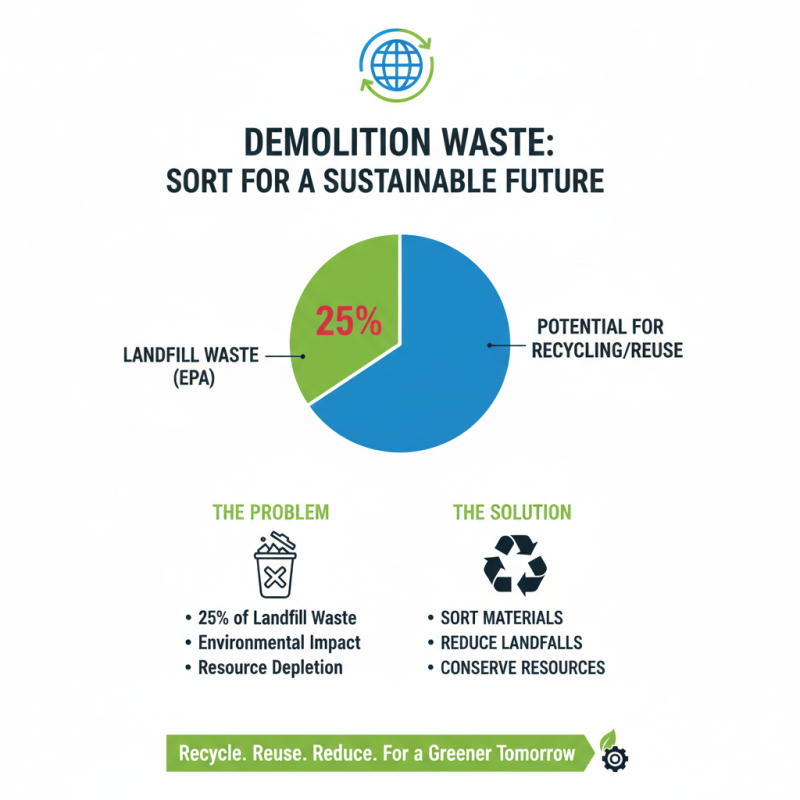
Proper disposal of demolition garbage is crucial for environmental sustainability. Sorting demolition materials correctly can significantly reduce landfill waste. According to the EPA, construction and demolition debris makes up about 25% of the total waste in landfills. Effective recycling practices can help mitigate this issue.
When sorting materials, focus on separating metals, wood, concrete, and hazardous waste. Metals like steel and aluminum are highly recyclable. Wood can often be reused or processed into mulch. Concrete can be crushed and repurposed for constructing new roads. Keeping these materials separate makes the recycling process easier and more efficient.
Tip: Use color-coded bins for different materials to simplify the sorting process. This not only speeds up the work but also ensures higher recycling rates. Many workers find this method effective, but challenges remain. Some materials may be contaminated and harder to recycle, causing frustration.
Tip: Collaborate with local recycling centers to understand what materials they accept. Knowing this helps in making informed decisions during the demolition. It's important to note that not every center can handle all types of waste. This creates a gap that needs attention. Maintaining clear communication can lead to better waste management solutions.
Innovative Technologies in Demolition Waste Management and Disposal
Innovative technologies are transforming demolition waste management. According to a 2021 report by the World Economic Forum, up to 1.3 billion tons of waste is generated from construction and demolition annually. This presents both a challenge and an opportunity. Effective waste disposal methods can significantly reduce the impact on landfills.
One promising technology is automated sorting. Using advanced AI, machines can identify different materials. This leads to better recycling rates. For instance, automated systems can reclaim up to 80% of materials, like concrete and metal, which are often discarded without proper separation. This method reduces human error and increases efficiency, although initial costs can be high.
Tip: Evaluate your waste management system. Implement tracking systems to monitor waste flows. Another innovation is waste-to-energy technology. This process converts debris into energy, minimizing landfill use. However, not all materials are suitable. Potential pollutants must be considered. It’s vital to find the right balance. Regular assessments can help identify gaps in current disposal practices.
Demolition Waste Types and Their Proper Disposal Methods

 Concrete Mixing Plant
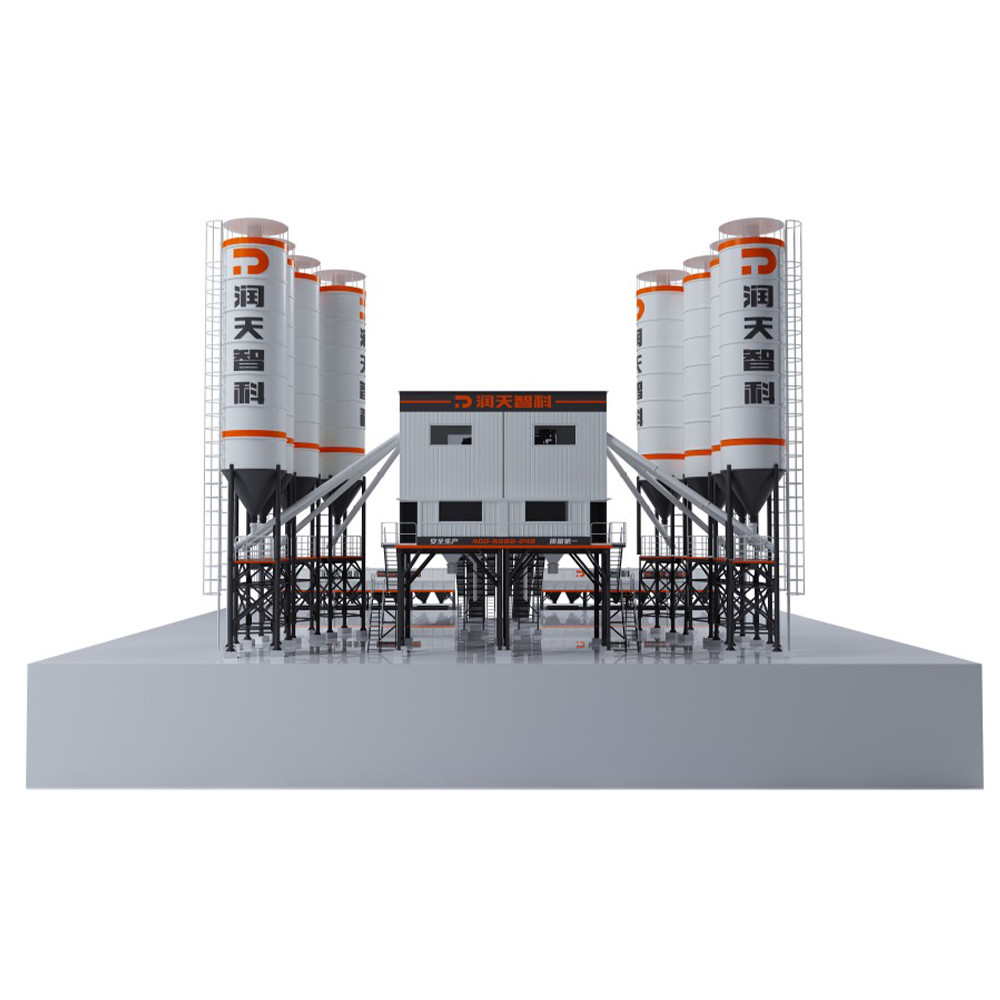 HZS Series Belt Concrete Mixing Plant
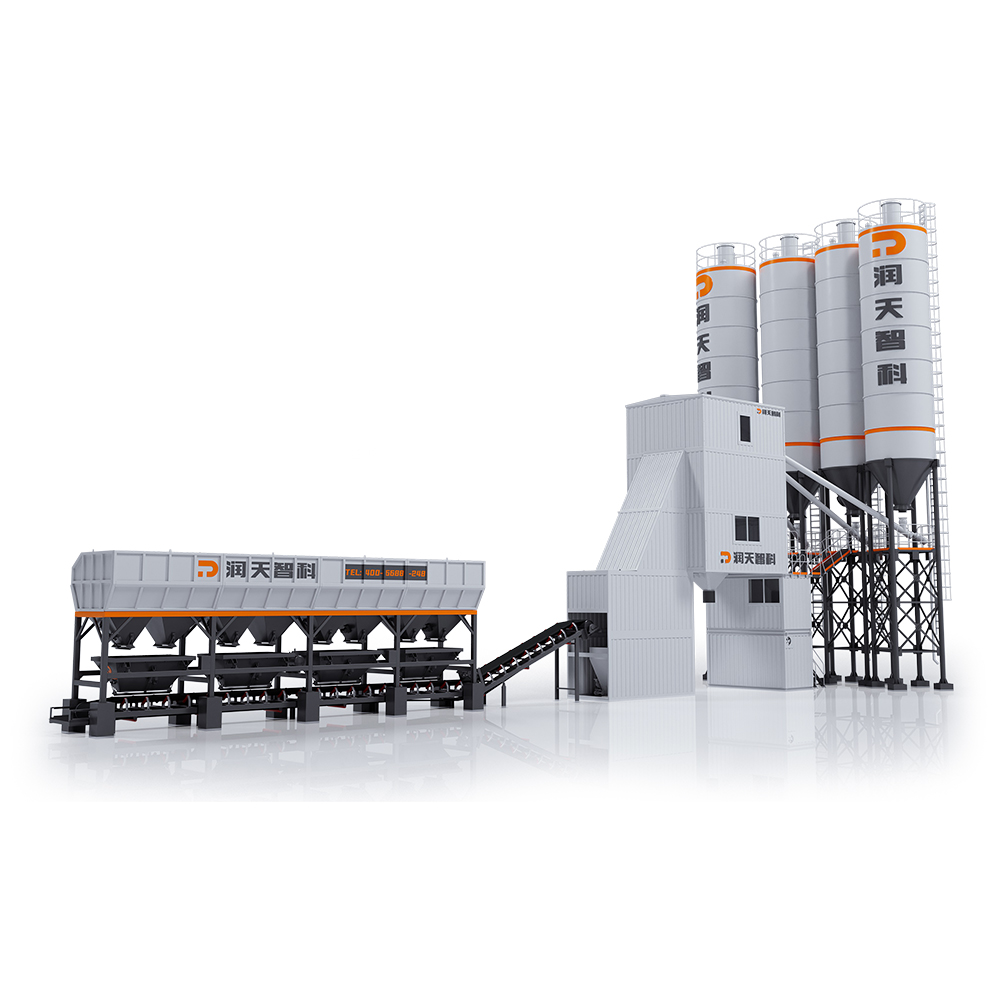 HZS Series Bucket-Lifting Type Container Concrete Mixing Plant
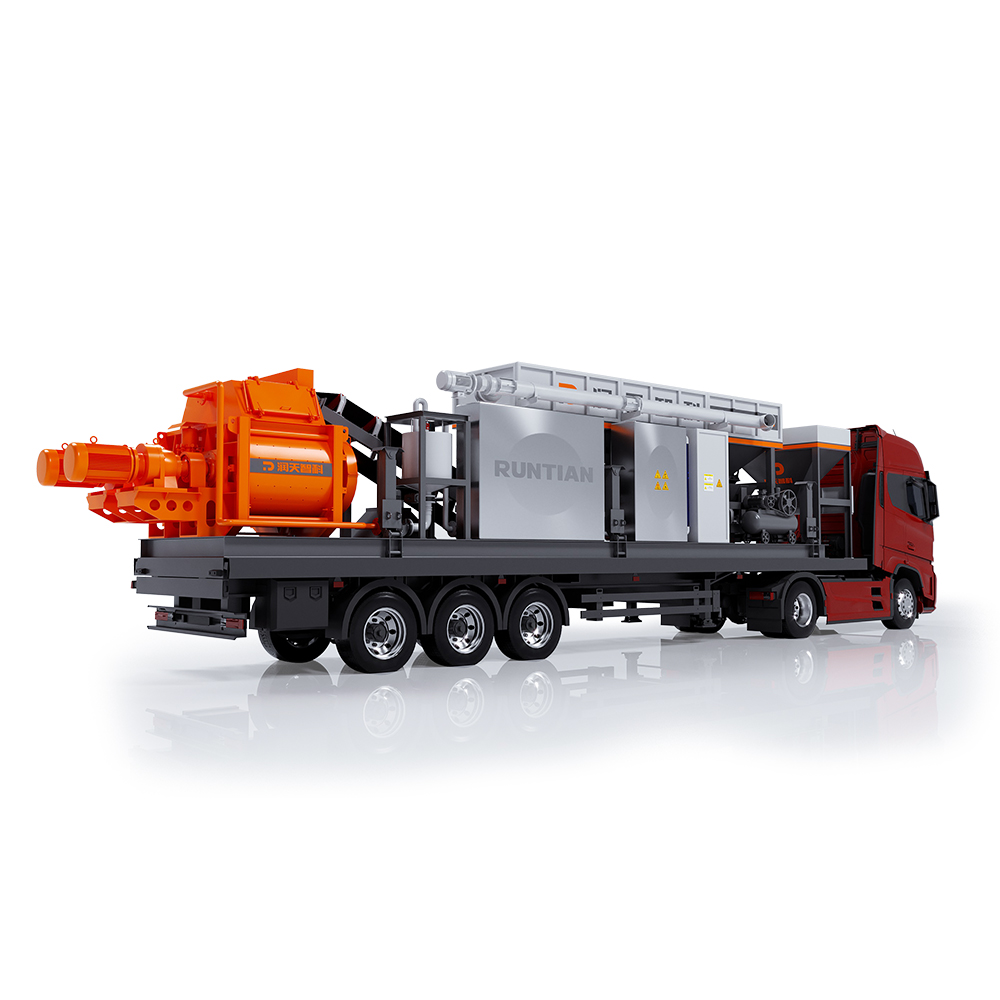 HZS60 Mobile Concrete Mixing Plant
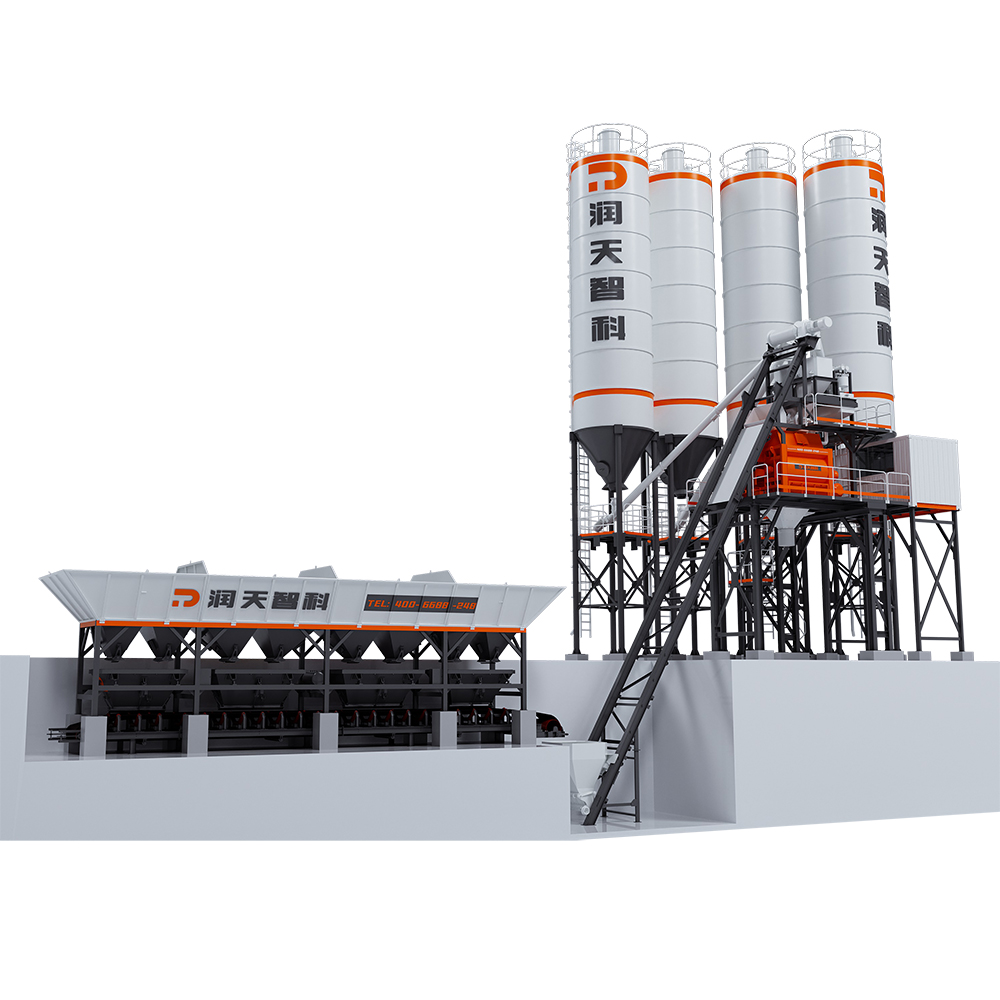 HZS Series Bucket-Lifting Type Concrete Mixing Plant
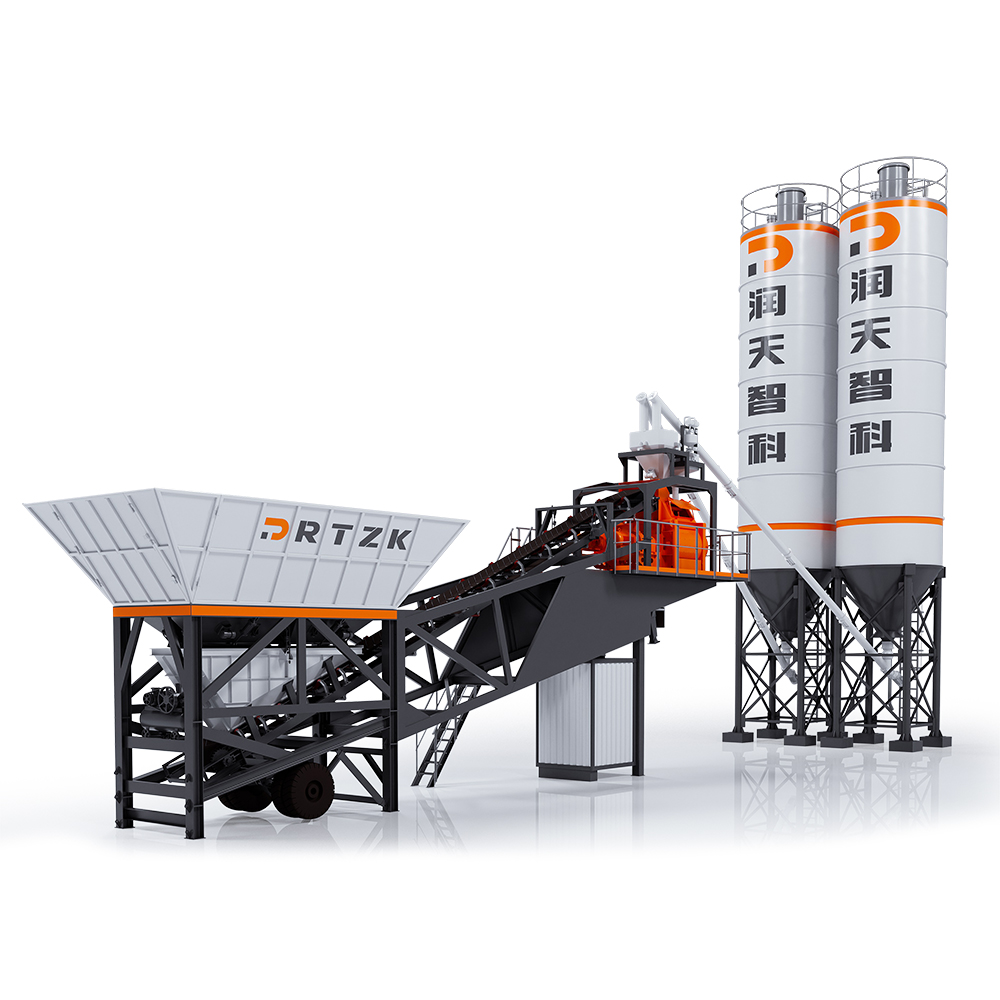 HZS Series Mobile Concrete Mixing Plant
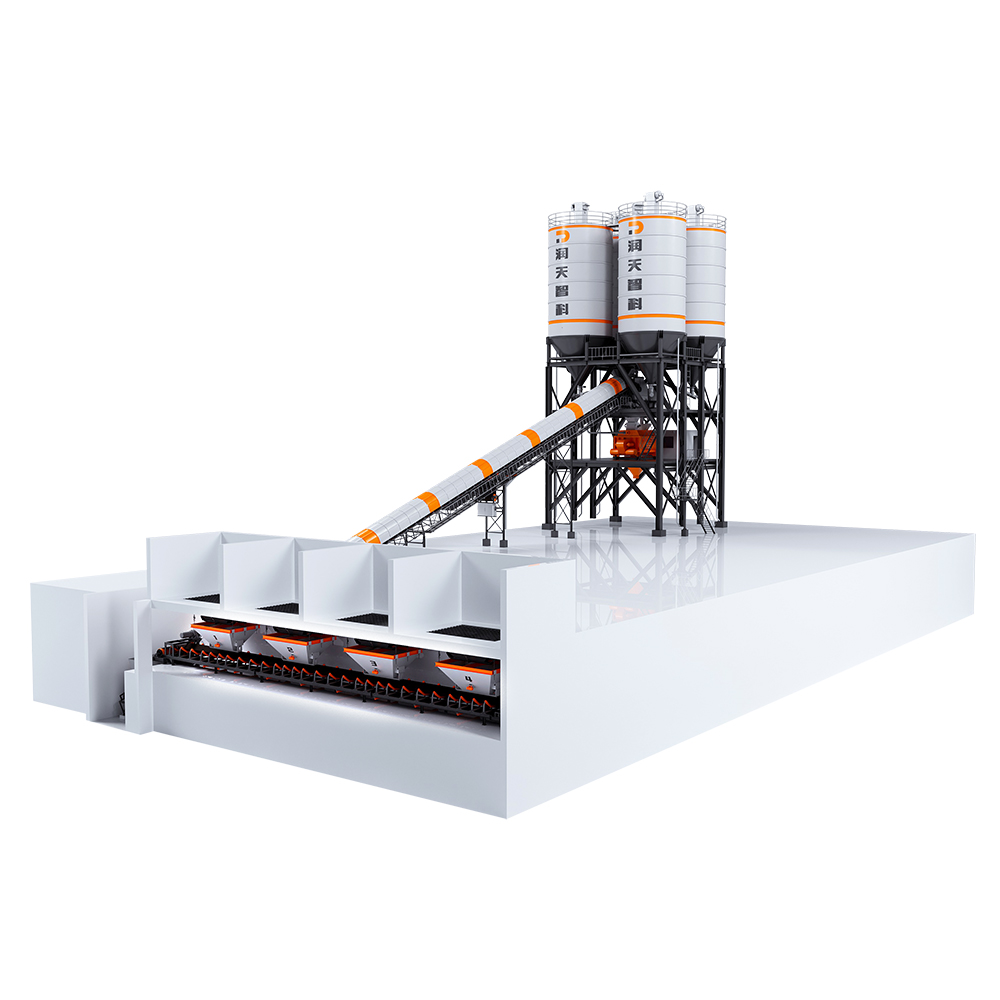 HZS Series Top-Mounted Concrete Mixing plant
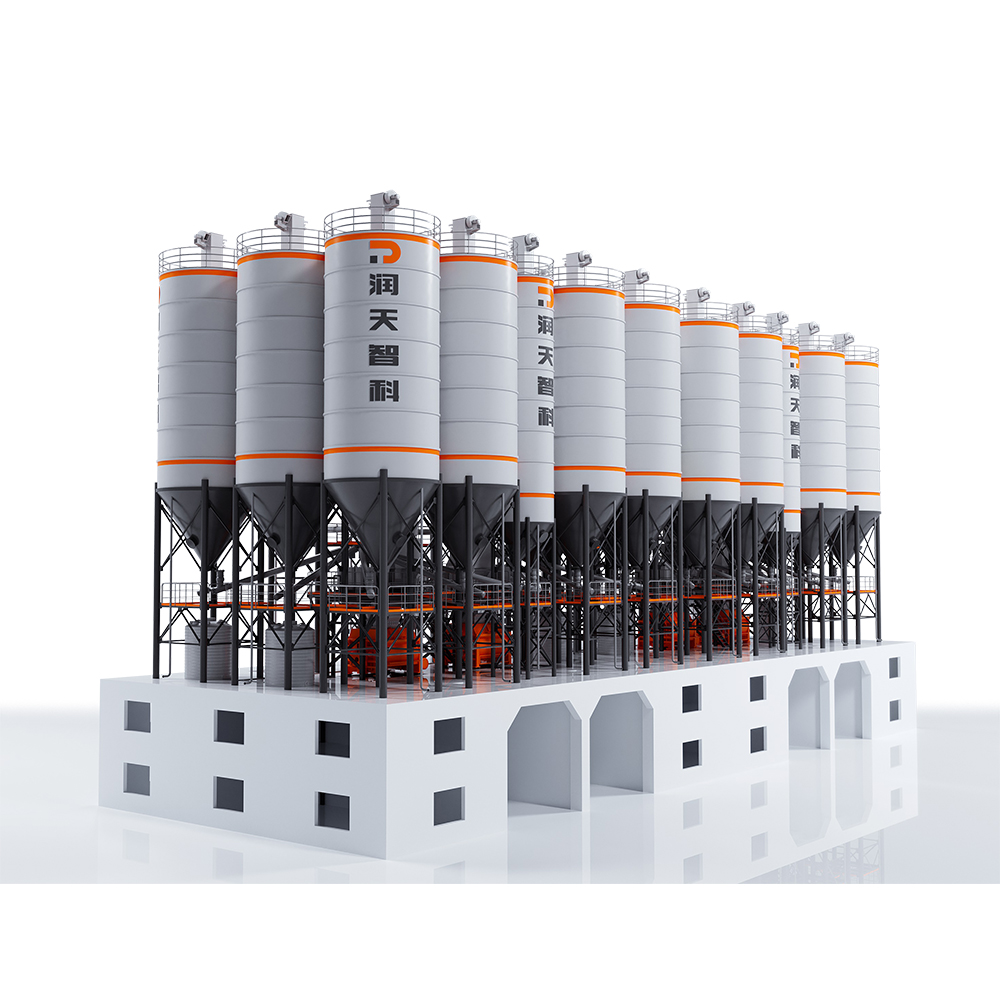 HZS Series Semi-Top Mounted Concrete Mixing Plant
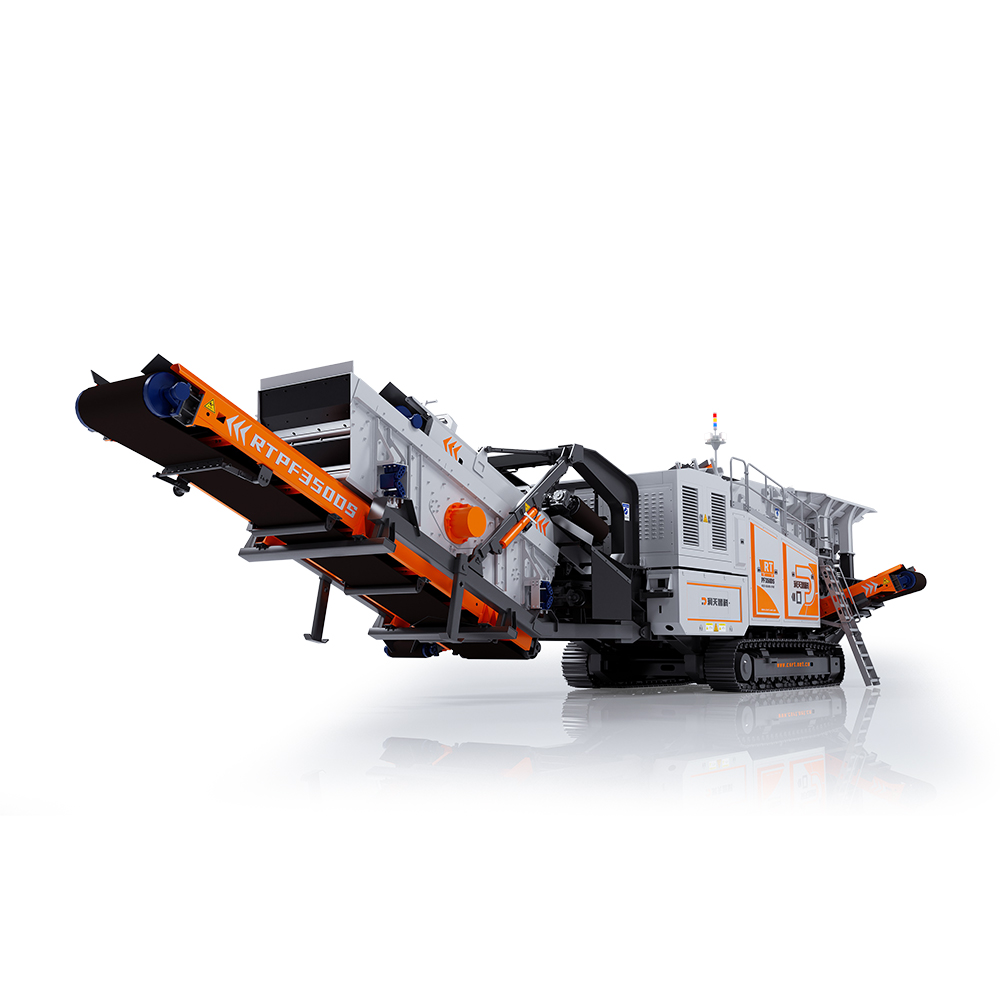 RTPF350DS Crawler Mobile Impact Crushing Plant
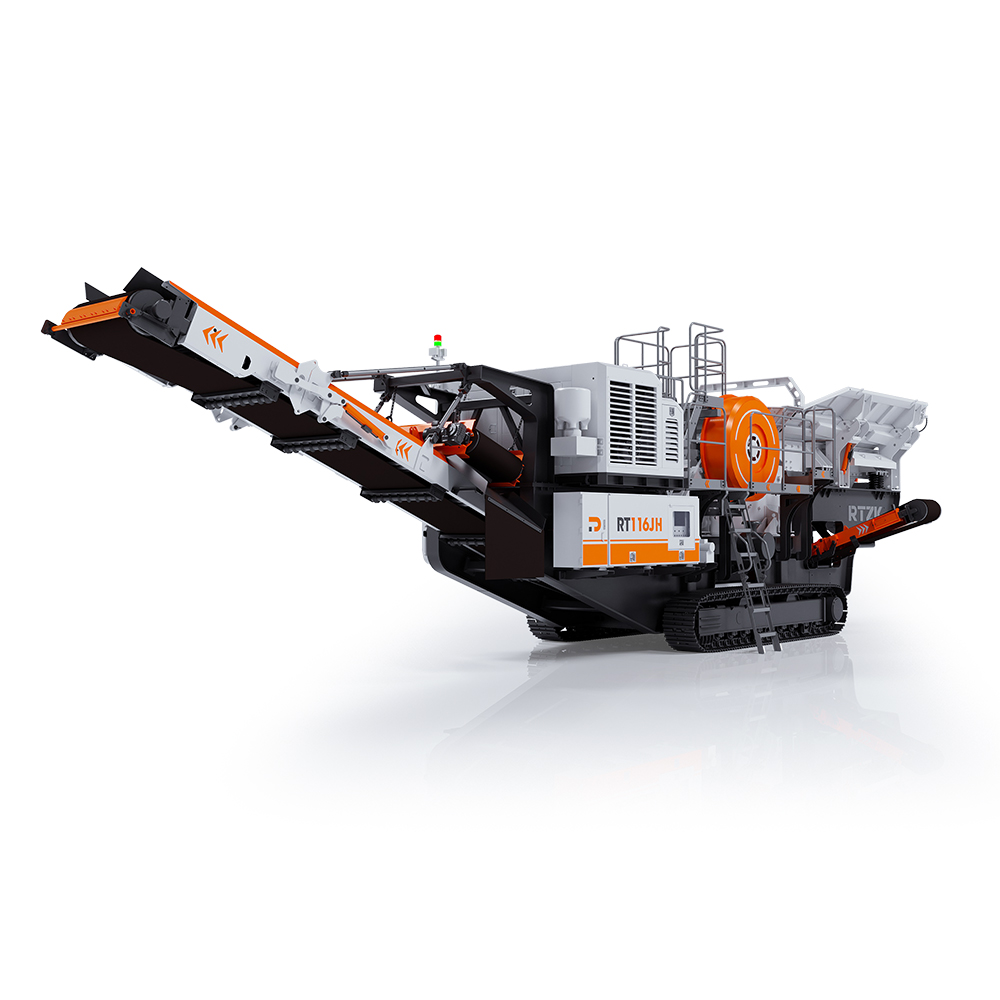 RT116JH Crawler Mobile Jaw Crushing Plant
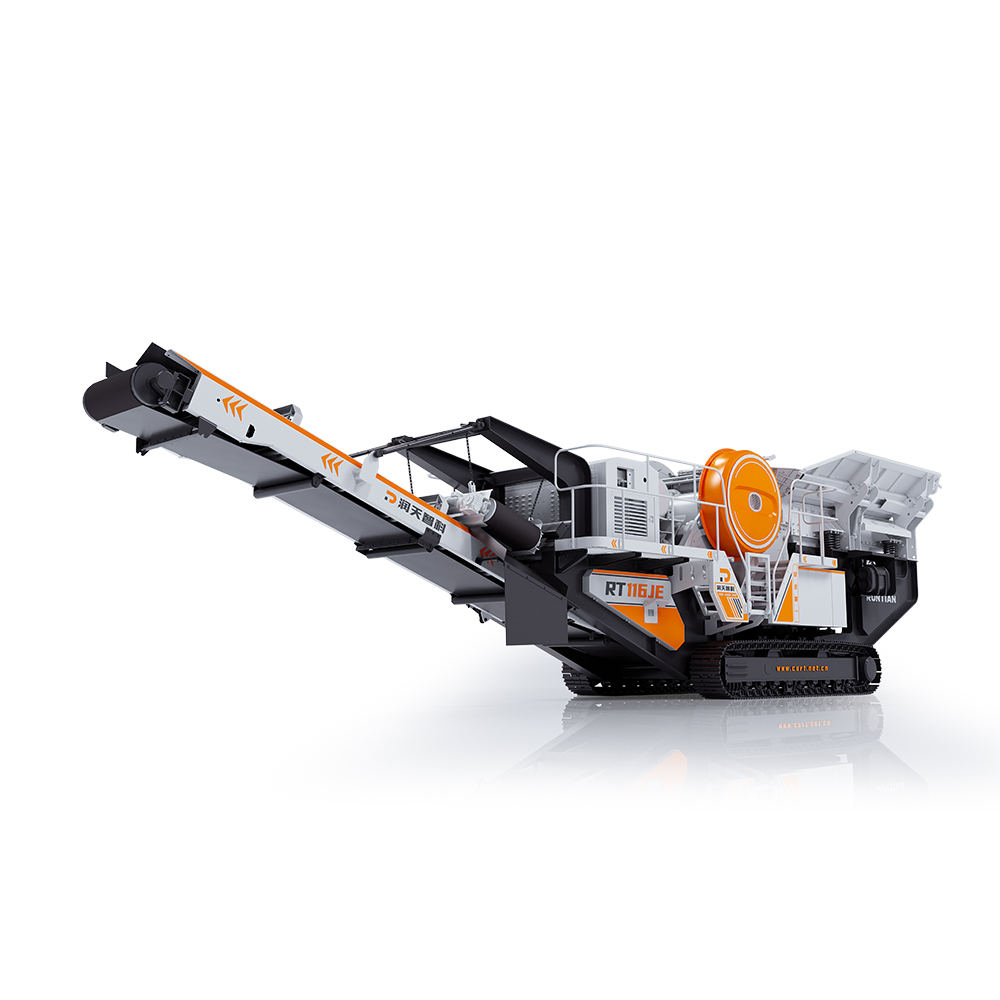 RT116JE Crawler Mobile Jaw Crushing Plant
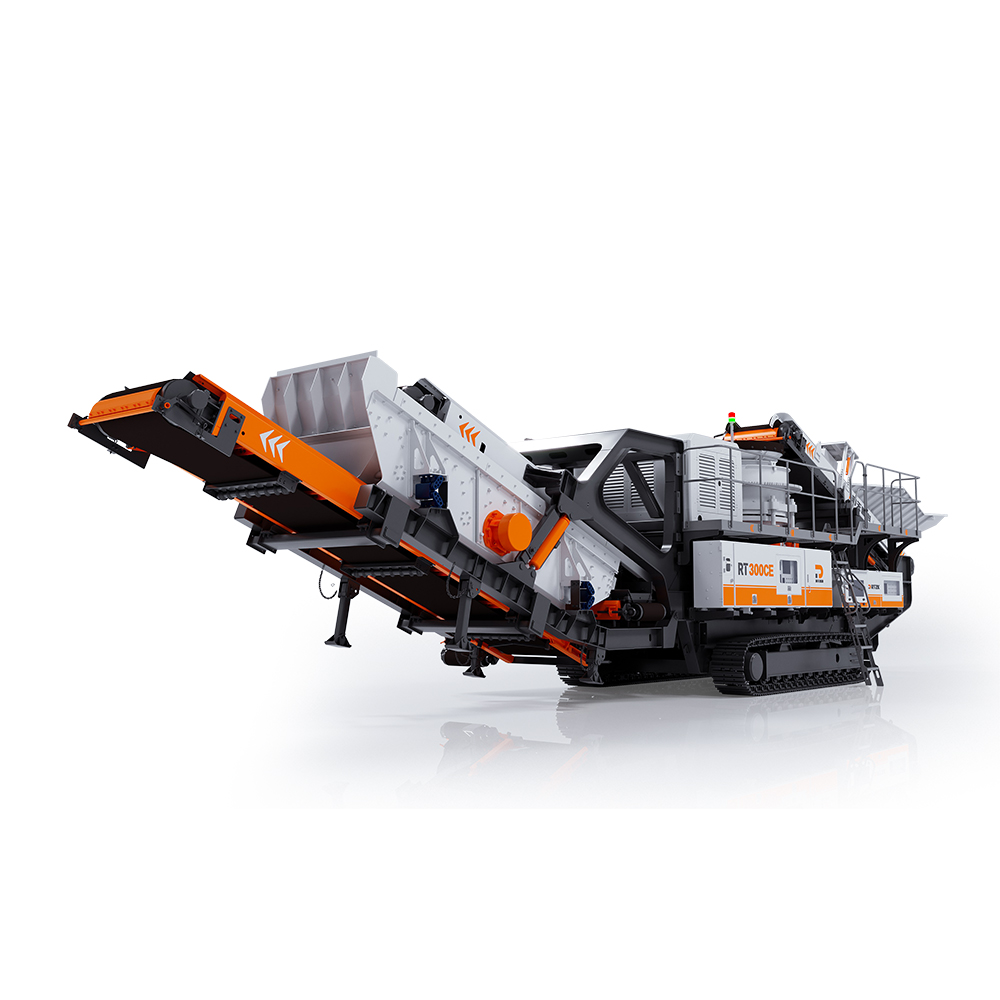 RT300CE Crawler Mobile Cone Crushing Plant
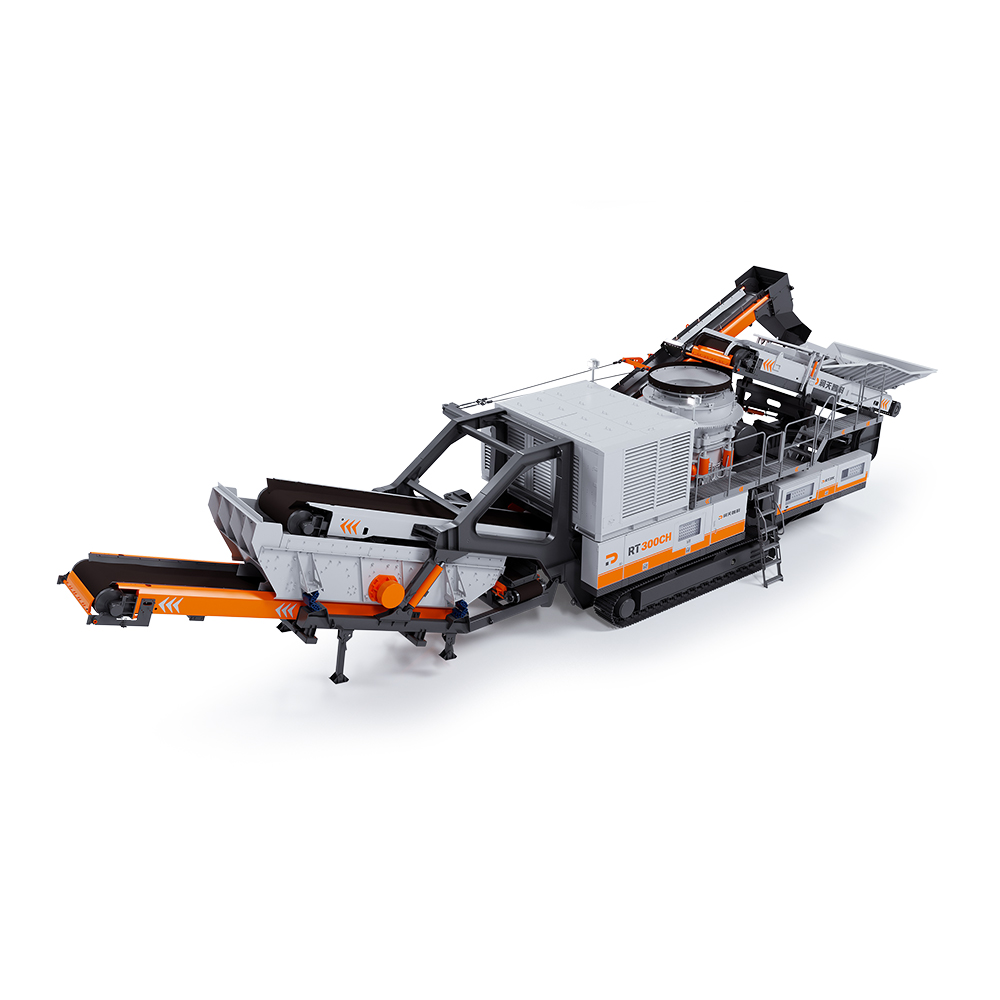 RT300CH Crawler Mobile Cone Crushing Plant
 RT5015H Mobile Scalping Screen
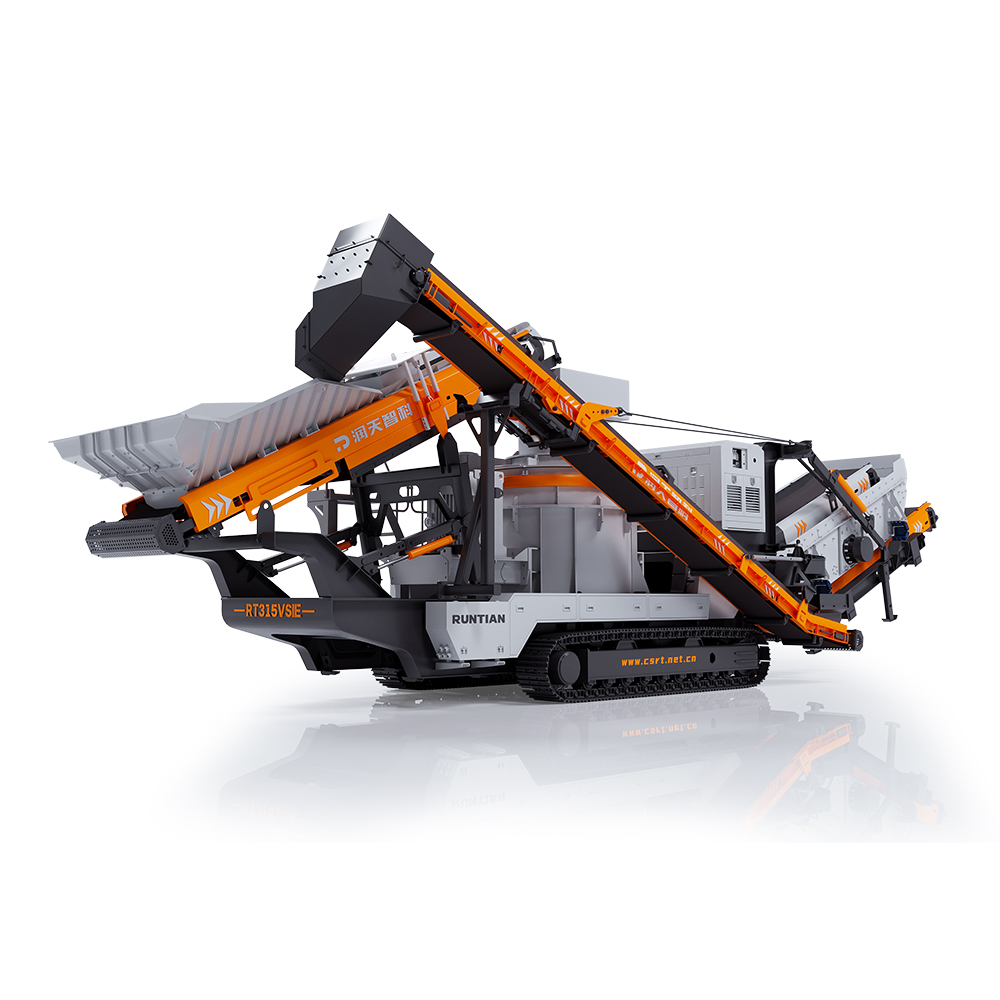 RT315VSIE Crawler Mobile Sand Maker
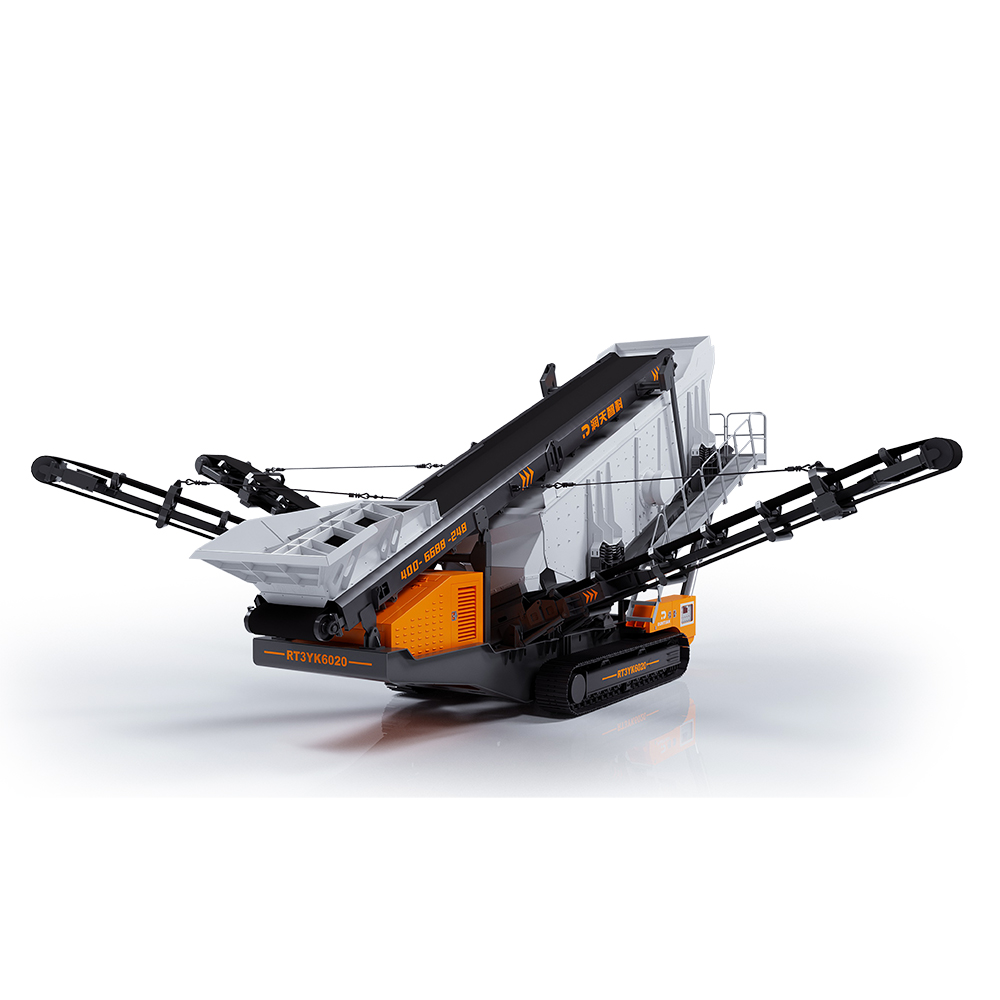 RT3YK6020 Crawler Mobile Screening Plant
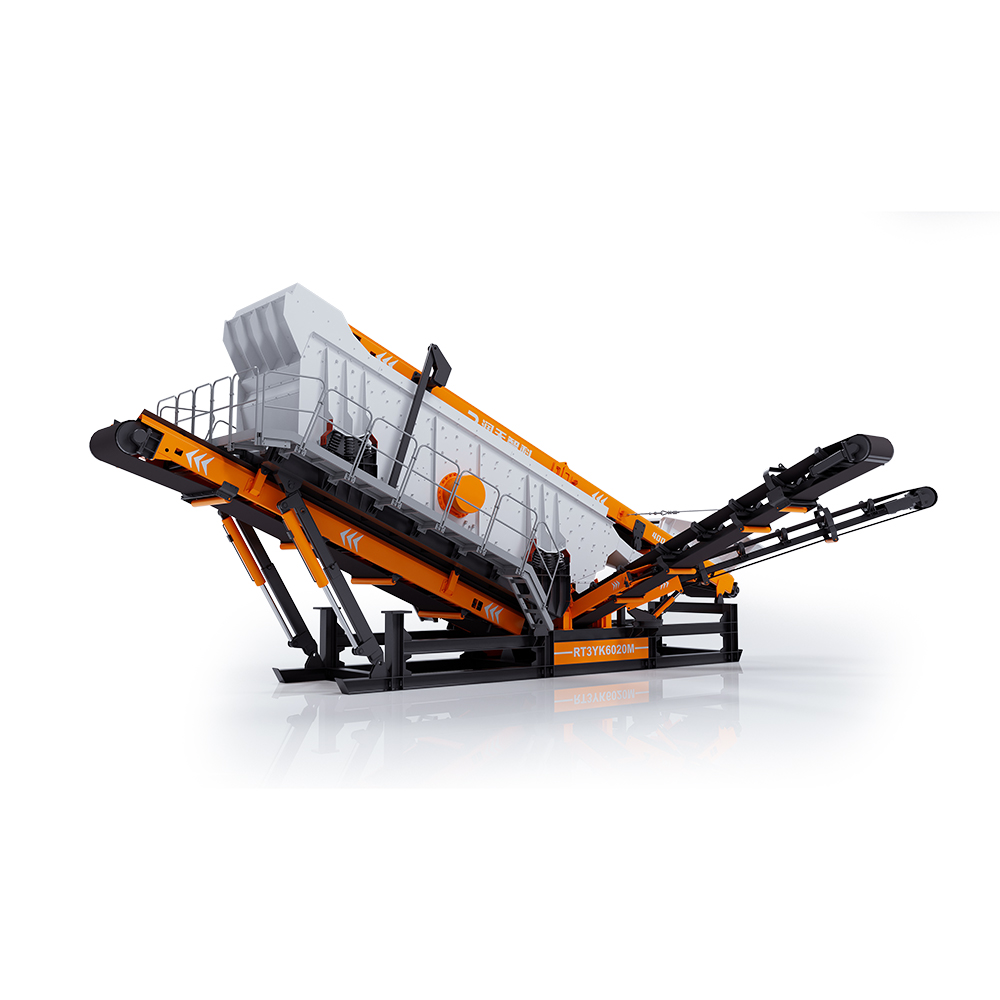 RT3YK6020M Modular Screening Plant
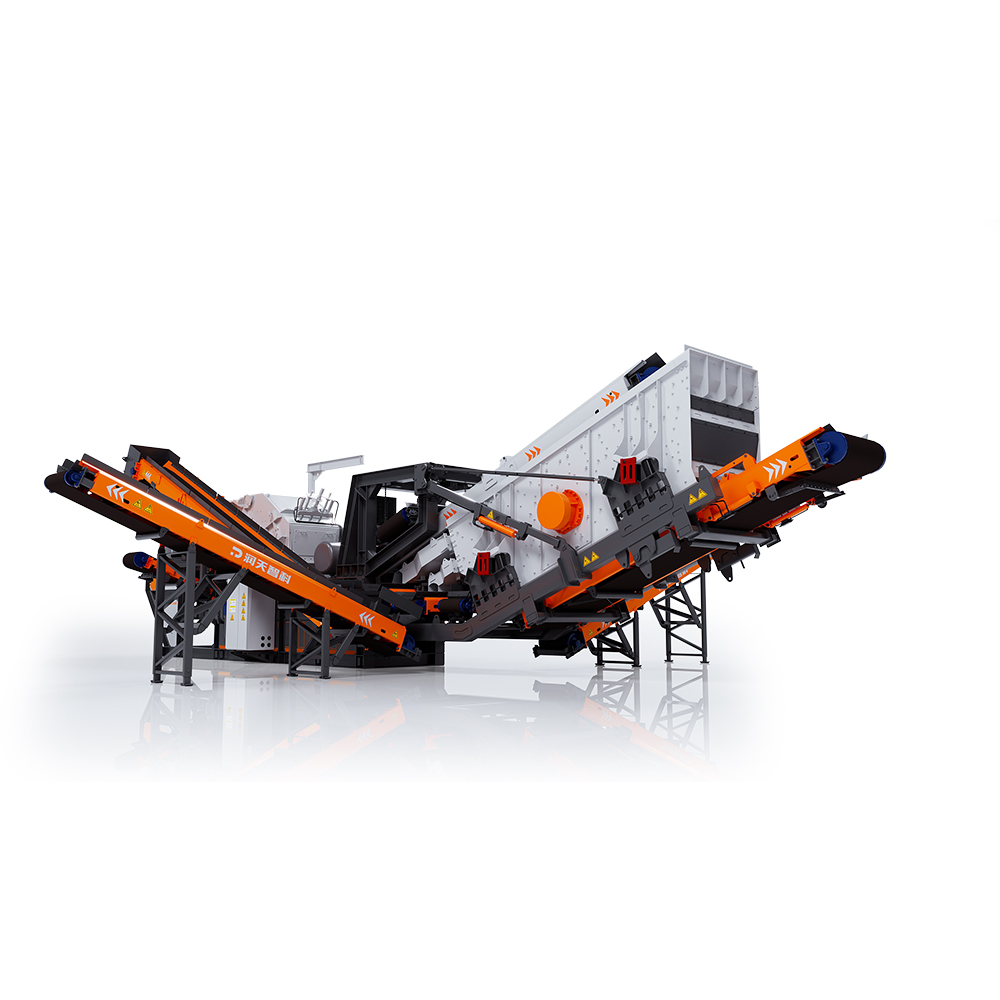 RTF260M Modular Counterattack Crushing and Screening Integrated Machine
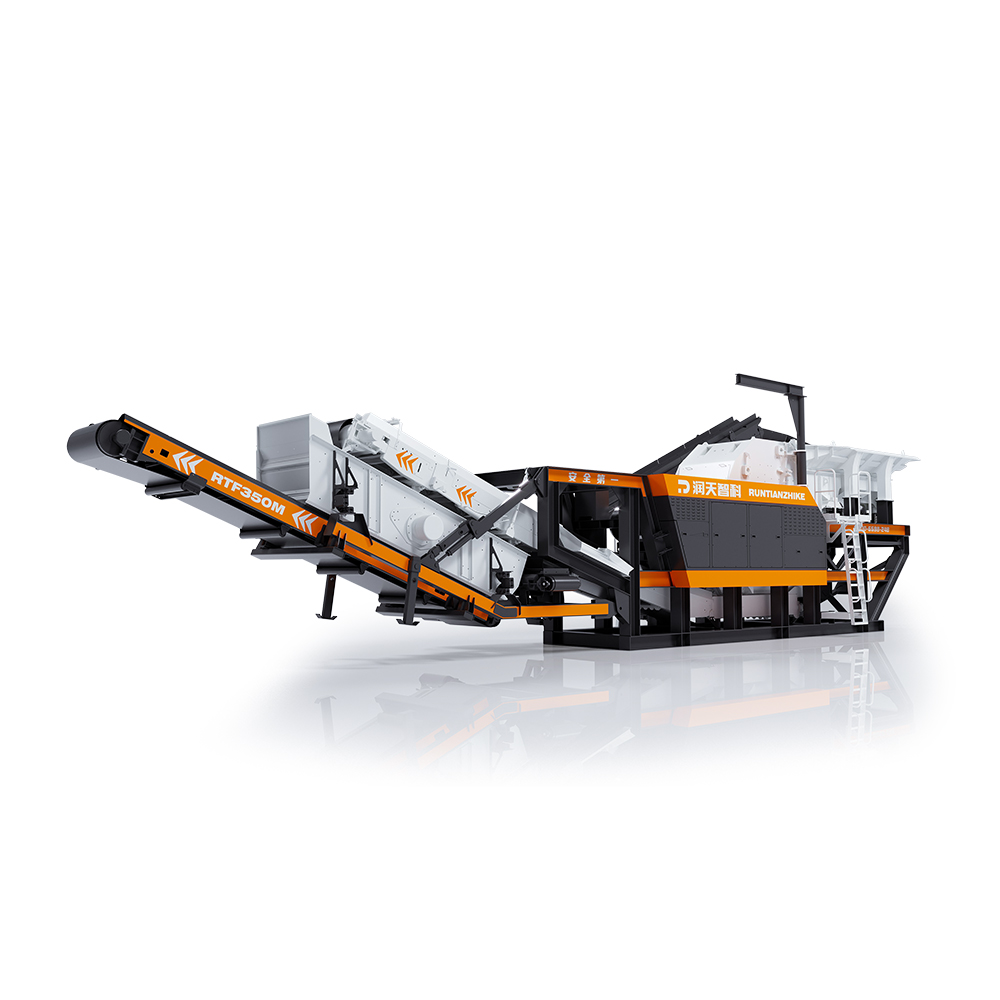 RTF350M Modular Impact Crushing Plant
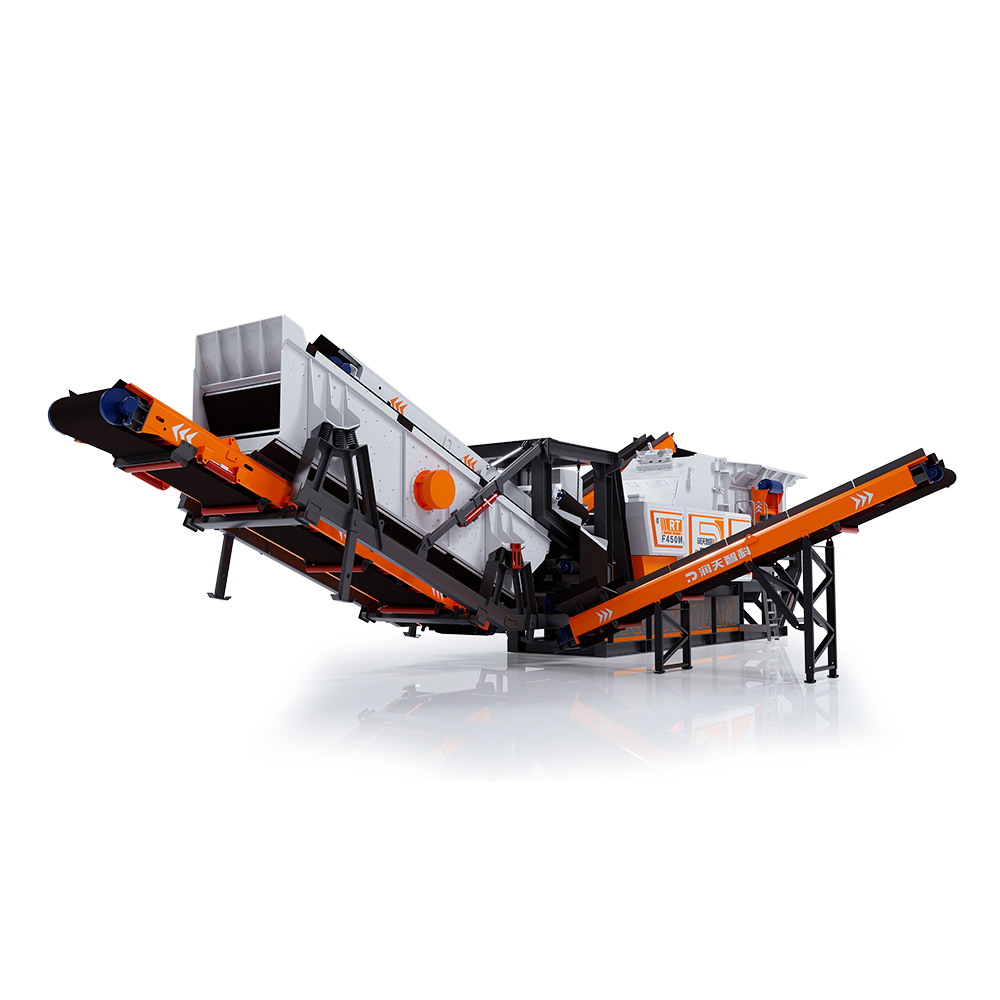 RTF450M Modular Impact Crushing Plant
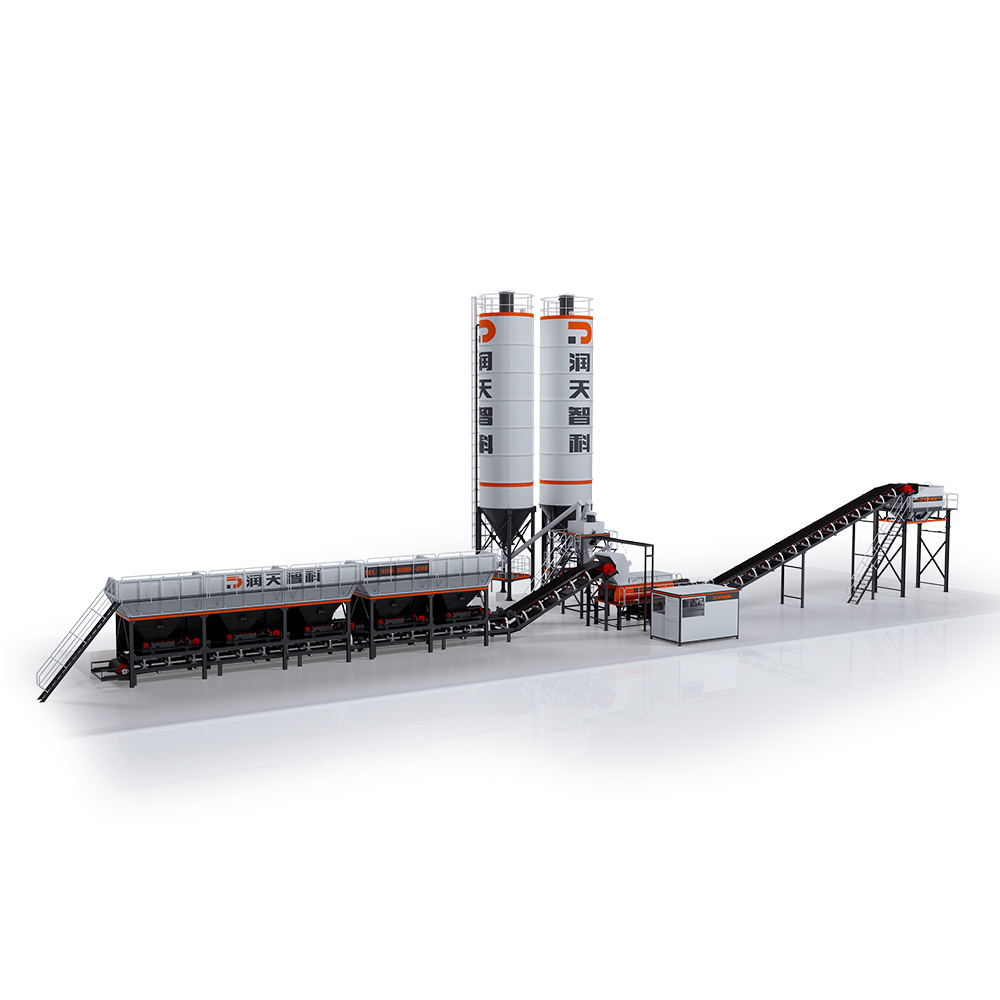 WDB Series Foundation-Free Stability Soil Mixing Plant
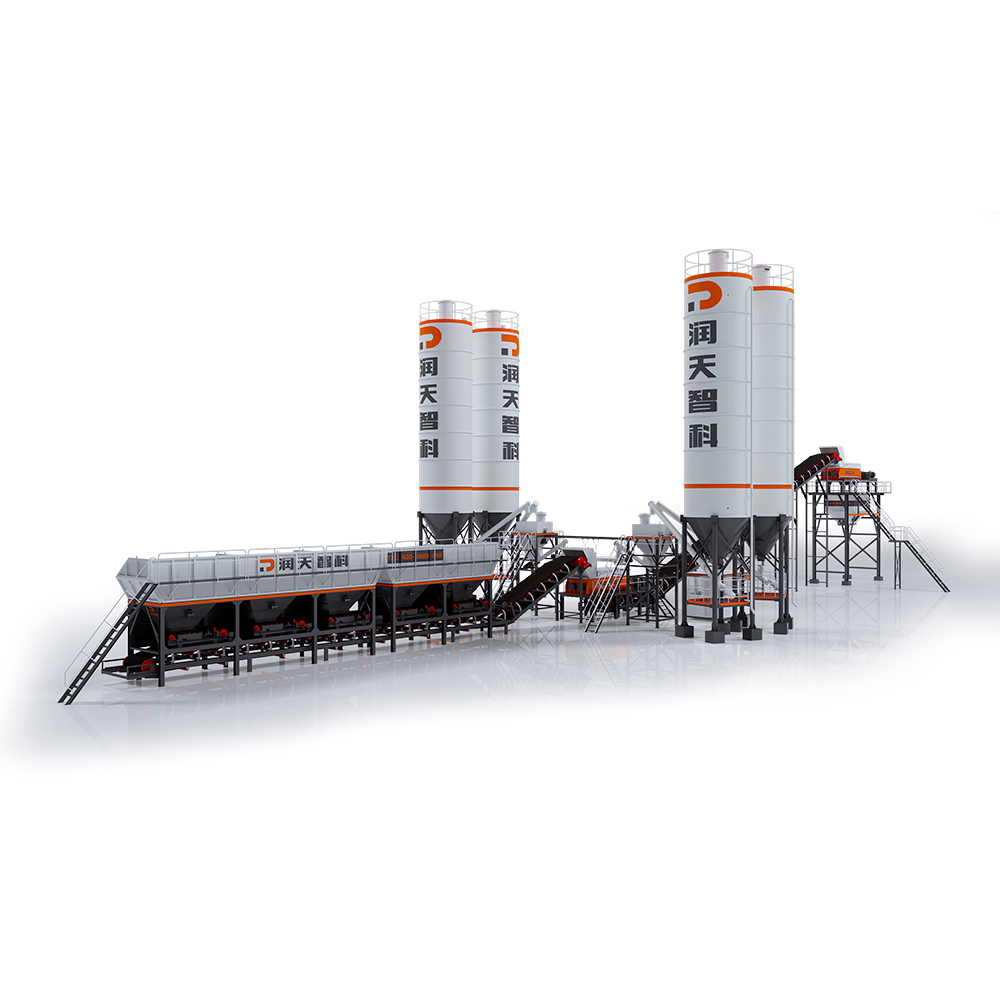 LCB Series Emulsified Asphalt Cold Regeneration Secondary Mixing Plant
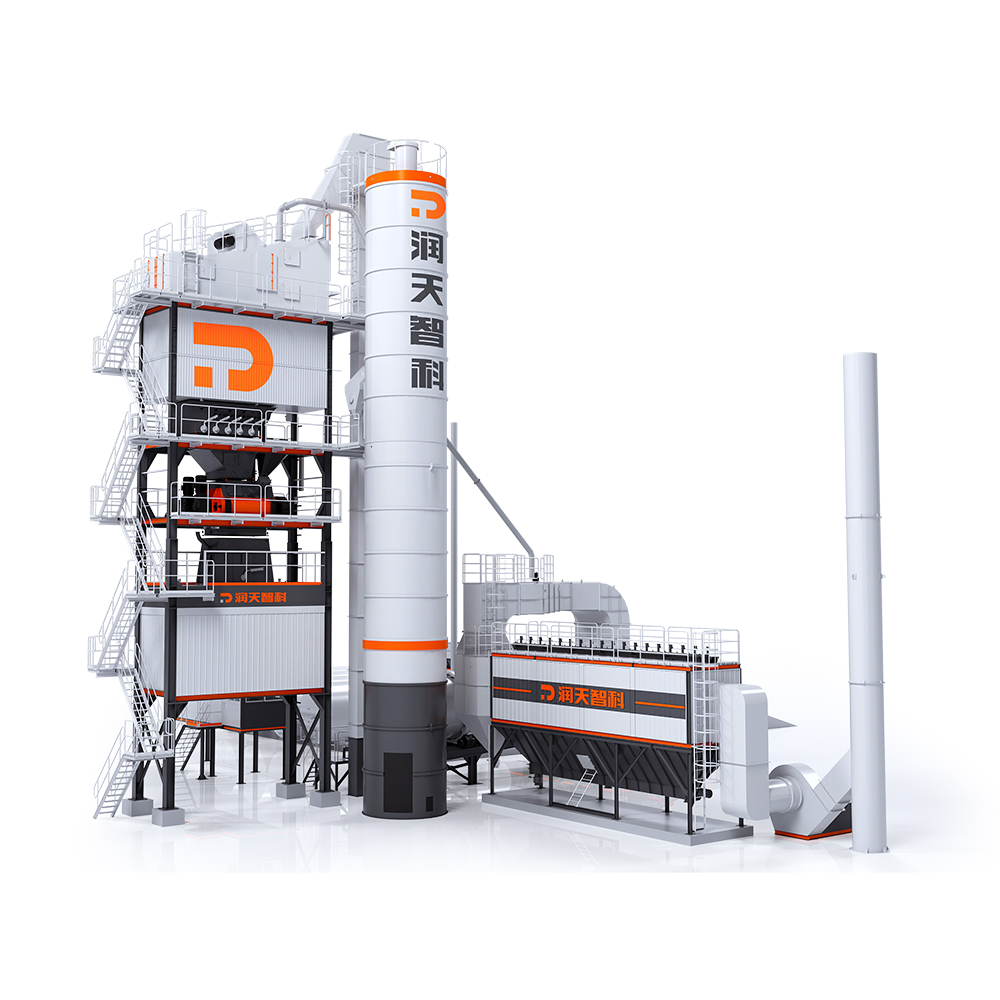 LB Series Asphalt Mixing Plant
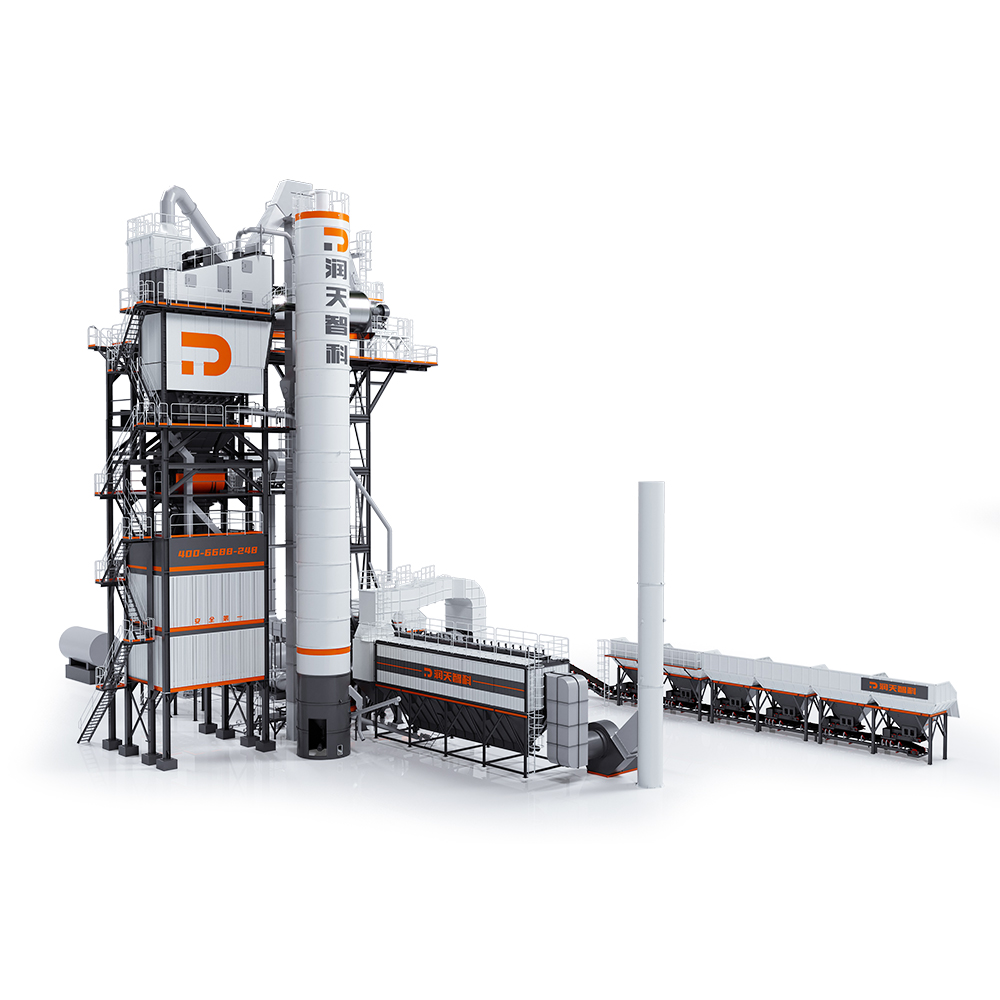 LBR Series Integrated Asphalt Mixing Plant
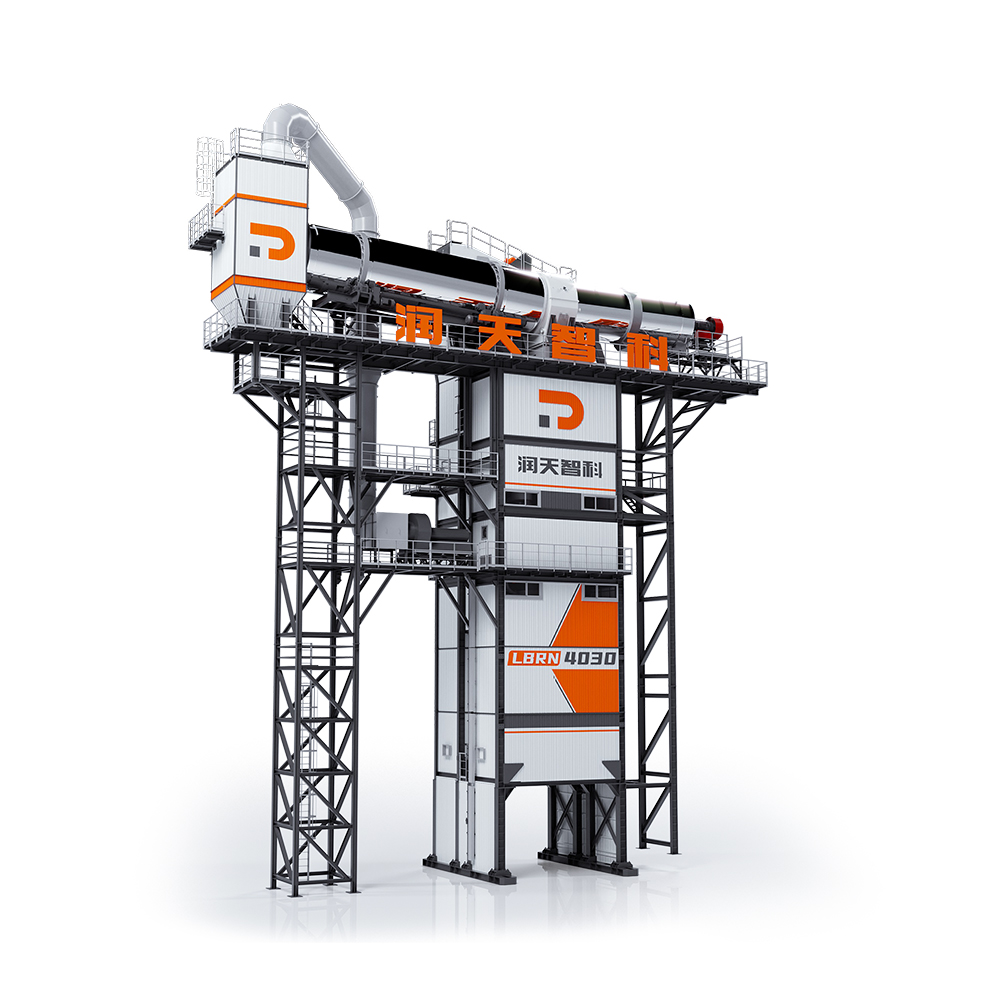 LBRN Series Counterflow Integral Asphalt Mixing Plant
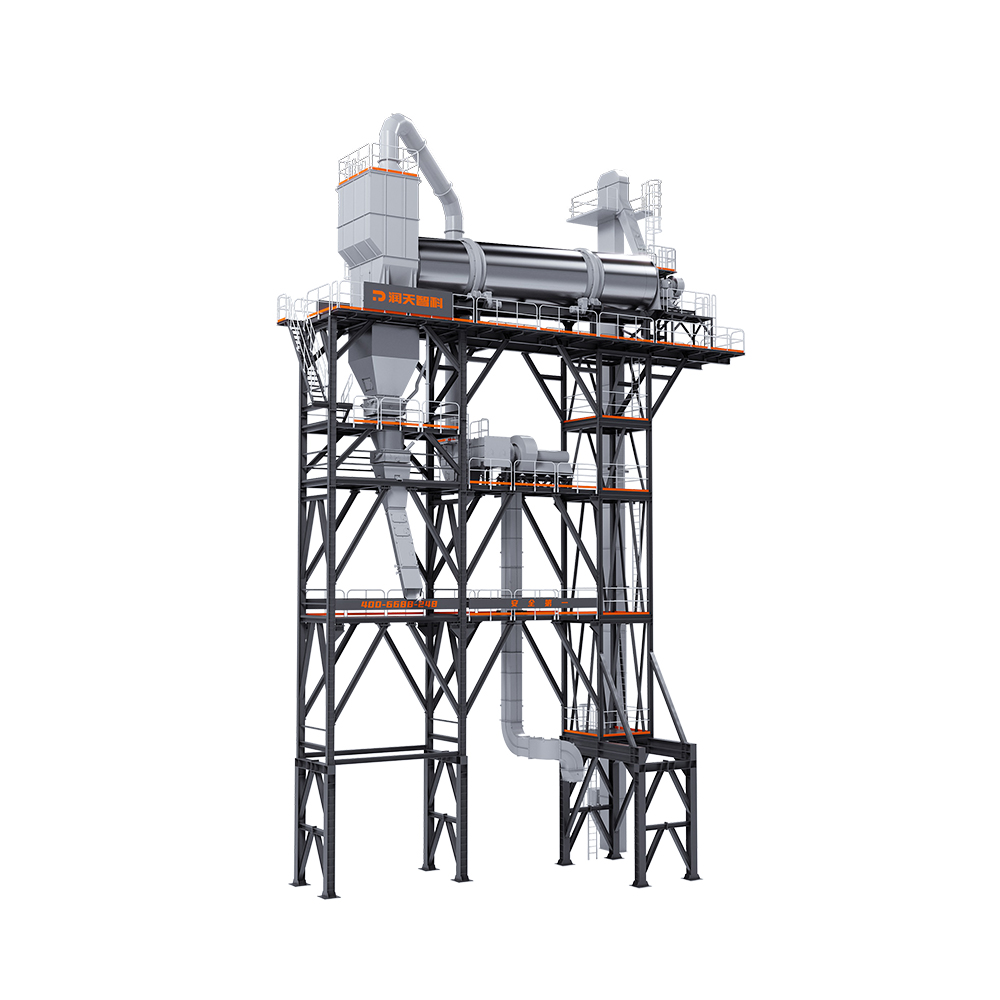 RZS Series Asphalt Mixing Plant
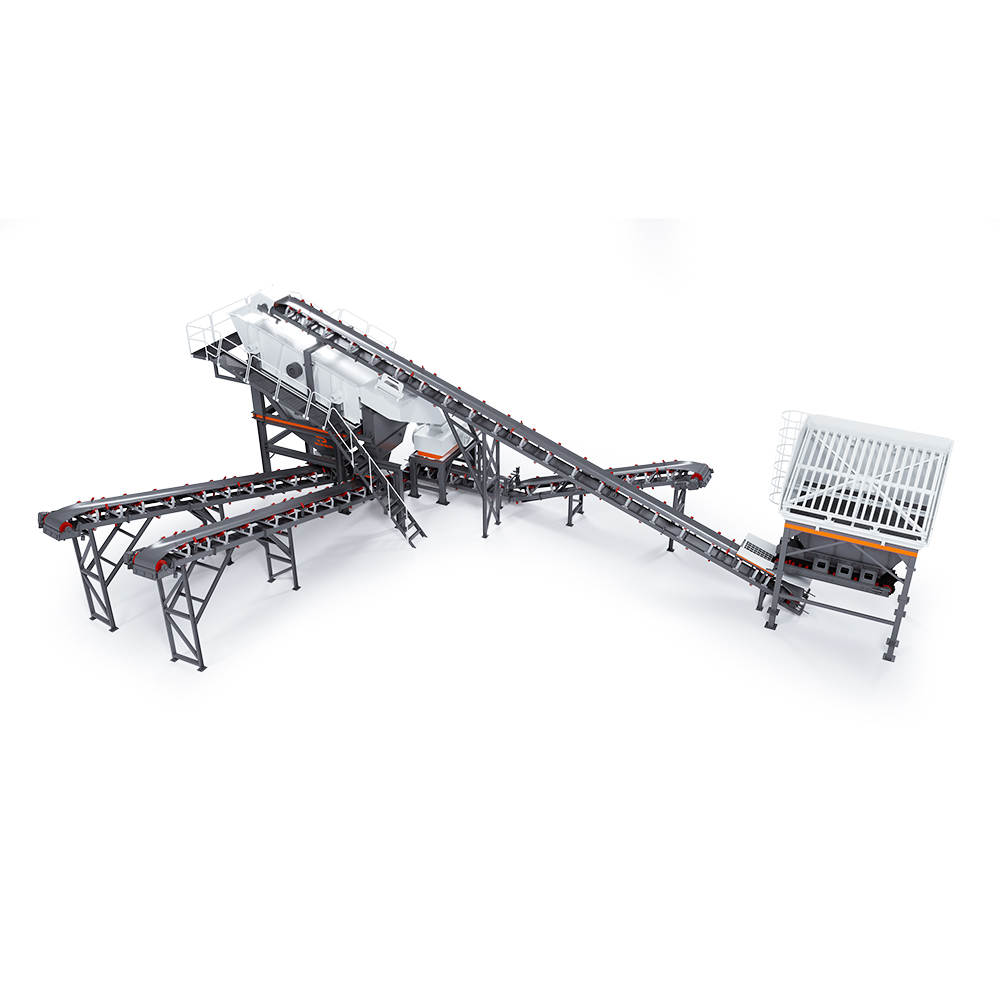 RTZS120 Series RAP Crushing & Screening Plant
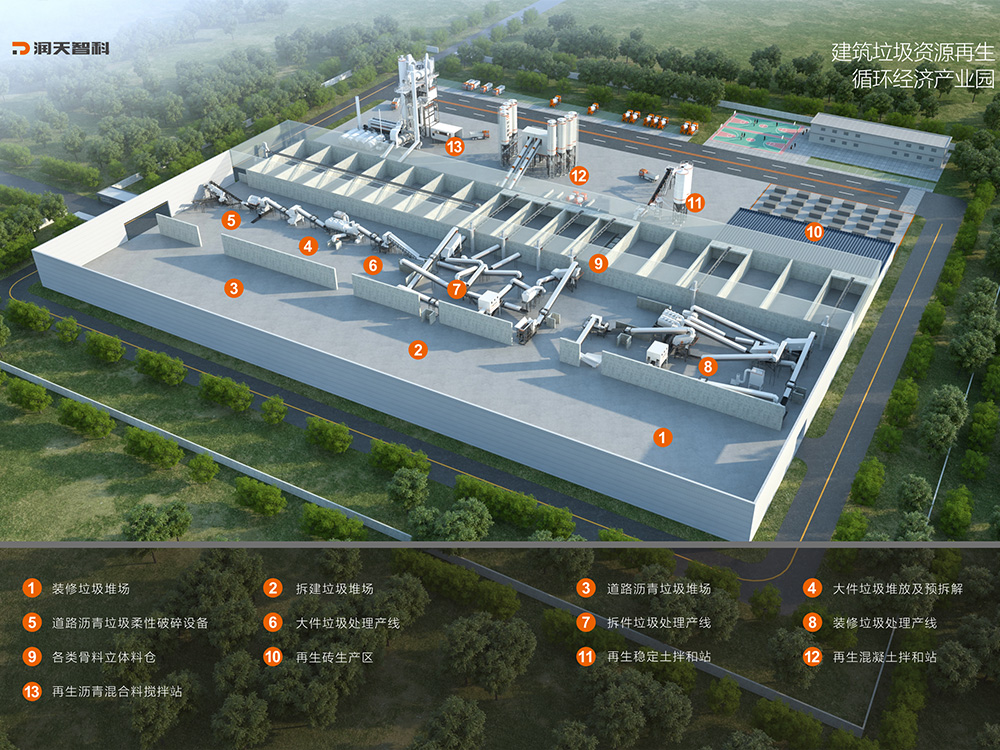 Construction Waste Resourceful Treatment Line