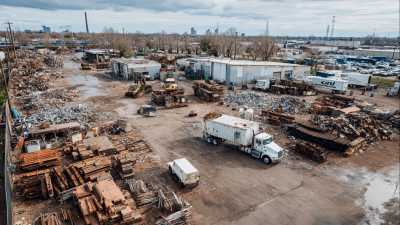
Top Strategies for Managing Demolition Waste in 2025
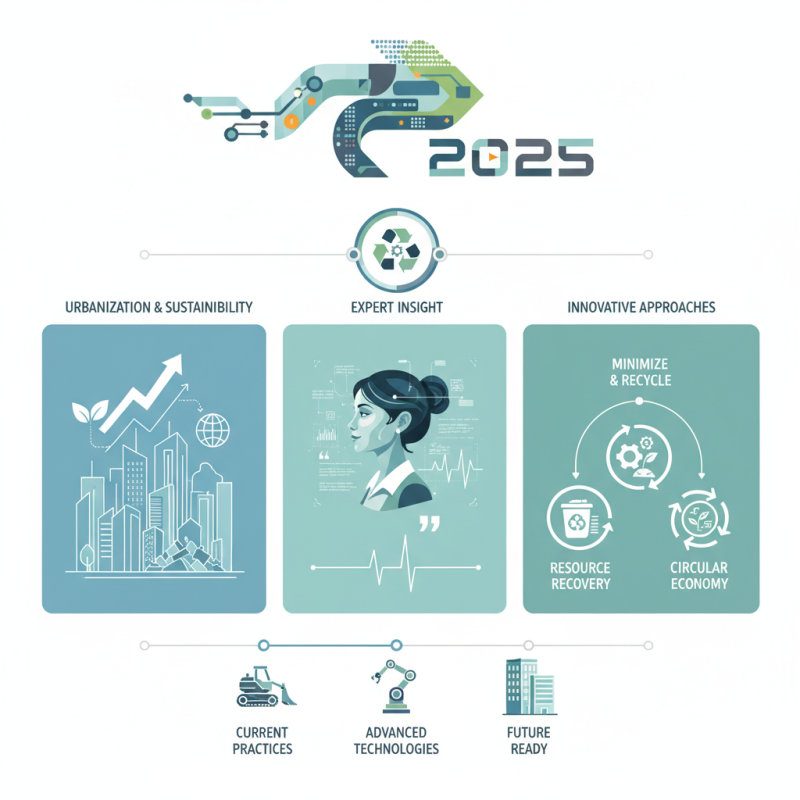
As we move towards 2025, the construction industry is facing a pressing challenge: the effective management of demolition waste. With urbanization at an all-time high and the need for sustainable practices stronger than ever, implementing robust strategies for handling demolition waste has become crucial. Dr. Emily Roberts, a renowned expert in waste management and sustainability, states, "The future of our cities depends on how we manage our demolition waste today." This sentiment echoes the urgent need for innovative approaches that not only minimize waste but also promote recycling and resource recovery.
In recent years, the demolition sector has witnessed an increase in awareness regarding the environmental impacts of waste generated from outdated structures. As we look ahead, it's essential to employ strategic methods that enhance waste diversion from landfills, thereby fostering a circular economy. The integration of advanced technologies and practices can play a vital role in achieving these goals, ensuring that material recovery becomes a standard procedure rather than an exception.
By examining the top strategies for managing demolition waste, industry professionals can better prepare for the demands of the future. Emphasizing collaboration among stakeholders, investment in modern recycling facilities, and the adoption of eco-friendly demolition techniques are just a few areas that need attention. As we prepare for 2025, the path to sustainability in construction lies in our ability to rethink and retool how we approach demolition waste management.
Best Practices for Minimizing Demolition Waste Generation
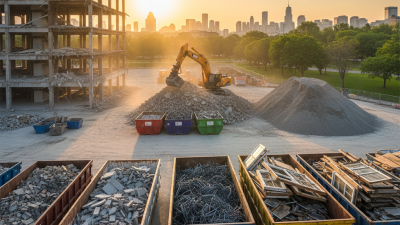
Minimizing demolition waste generation requires a strategic approach that emphasizes careful planning and resource optimization. One of the best practices in this area is to conduct a thorough assessment of the building prior to demolition. This includes evaluating materials for their potential for reuse or recycling. By identifying salvageable components, such as wood, metal, and fixtures, contractors can significantly reduce the volume of waste destined for landfills. Implementing a detailed inventory allows for effective planning, ensuring that valuable materials can be redirected rather than discarded.
Another essential practice is involving a diverse range of stakeholders early in the demolition process. Engaging architects, engineers, and waste management professionals can lead to innovative solutions that prioritize sustainability. For instance, designing demolition methods that preserve building materials not only minimizes waste but can also reduce costs associated with purchasing new materials. Additionally, community involvement in the project can help identify areas where materials can be repurposed locally, further reducing waste and fostering a sense of responsibility towards environmental stewardship in the community. Through these collaborative efforts, the demolition industry can move towards more sustainable practices while minimizing waste generation effectively.
Innovative Recycling Techniques for Demolition Materials
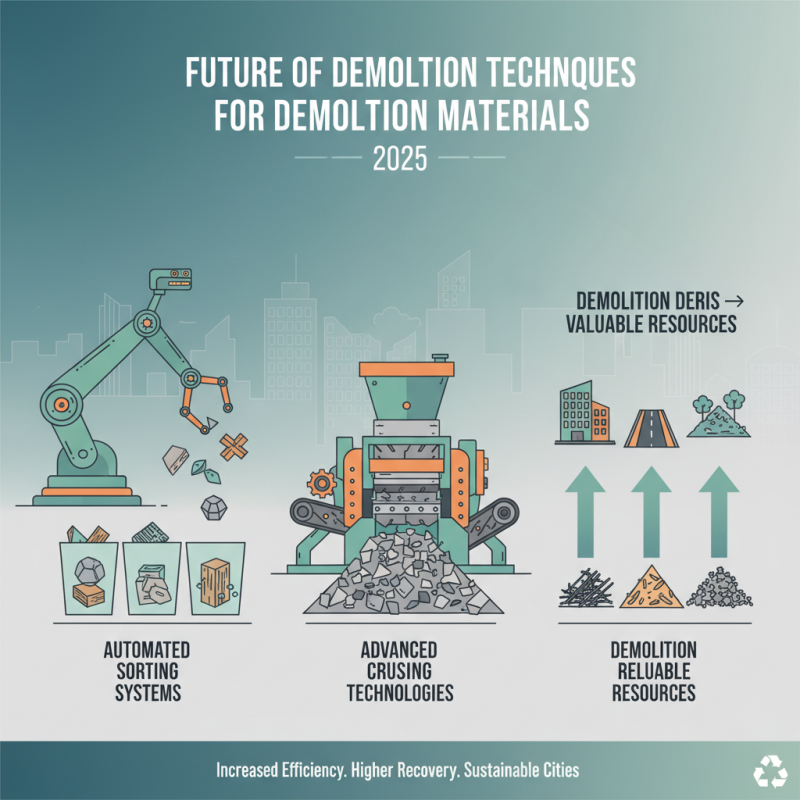
Innovative recycling techniques for demolition materials are crucial in managing the growing challenges associated with waste generated during demolition processes. As cities expand and old structures are torn down, the need for effective waste management strategies becomes increasingly significant. In 2025, we anticipate a rise in advanced recycling methods that transform demolition debris into valuable resources rather than mere waste. Techniques such as automated sorting systems and advanced crushing technologies are set to increase efficiency, allowing for a higher recovery rate of reusable materials.
One promising approach is the use of artificial intelligence in the sorting of demolition waste, enabling the identification and separation of different material types with unparalleled precision. This technique not only speeds up the recycling process but also minimizes contamination, ensuring that materials such as concrete, metal, and wood can be effectively reclaimed and repurposed. Additionally, innovative processes like sustainable concrete recycling can produce high-quality aggregates for new construction projects, reducing the demand for virgin materials and lowering the carbon footprint typically associated with traditional demolition practices. By embracing these cutting-edge technologies, the industry can move towards a circular economy that maximizes resource efficiency and significantly reduces landfill contributions.
Regulatory Frameworks and Compliance in Demolition Waste Management
Effective management of demolition waste is increasingly influenced by regulatory frameworks that ensure compliance and sustainability. In 2025, legislation surrounding demolition activities will likely demand stricter adherence to waste management protocols. This shift aims to mitigate environmental impacts, encouraging companies to adopt innovative waste reduction strategies. Understanding these regulations is crucial for demolition firms, not only to avoid penalties but also to enhance their reputation in a market that increasingly values sustainability.
Tips for compliance include staying informed about local and national regulations that pertain to waste segregation and disposal. Regular training sessions for staff can promote an understanding of these regulations, ensuring that all team members are equipped to comply with legal requirements. Additionally, establishing partnerships with certified waste management companies can simplify the disposal process, ensuring that waste is handled according to regulatory standards.
Monitoring and reporting on waste management practices are also essential components. Companies should implement robust tracking systems for waste generation and disposal, which can demonstrate compliance to authorities and improve operational transparency. Utilizing technology, such as mobile apps for real-time reporting, can facilitate this process, allowing demolition teams to focus on their core activities while maintaining regulatory adherence.
Collaboration with Stakeholders in Waste Reduction Strategies
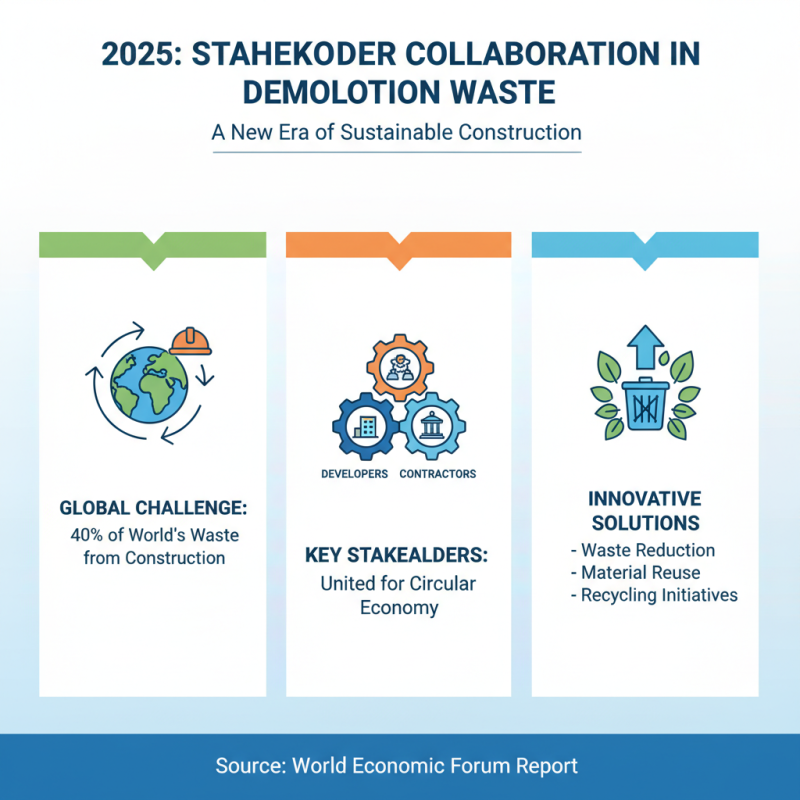
In 2025, the importance of stakeholder collaboration in managing demolition waste has reached new heights as the construction industry faces increasing pressure to adopt sustainable practices. According to a report by the World Economic Forum, global construction and demolition waste accounts for nearly 40% of the total waste generated worldwide. This prompts stakeholders—including developers, contractors, and local authorities—to work together in innovative ways to reduce the environmental impact of waste.
One effective strategy involves the establishment of waste management coalitions that include all parties involved in a project. These coalitions can facilitate knowledge sharing and provide a platform for developing best practices tailored to specific projects, ultimately leading to more effective waste reduction. A study published by the Construction Industry Research and Information Association highlights that projects utilizing collaborative waste reduction strategies can achieve up to a 30% reduction in waste disposal costs. By leveraging shared resources and expertise, stakeholders can implement efficient recycling programs and ensure that reusable materials are diverted from landfills.
Moreover, aligning the interests of stakeholders can lead to more coherent policymaking. When local governments, construction firms, and waste management companies collaborate, they can develop comprehensive waste management plans that not only comply with regulations but also reflect the community's sustainability goals. Research indicates that municipalities with stakeholder-inclusive waste management strategies see a 25% increase in recycling rates compared to those that do not foster such collaborations. Emphasizing the role of partnerships will be crucial in shaping the future of demolition waste management and achieving industry-wide sustainability objectives.
Emerging Technologies for Efficient Demolition Waste Handling
In 2025, the landscape of demolition waste management is set to transform significantly through the integration of emerging technologies. Innovations such as artificial intelligence (AI) and machine learning (ML) are poised to streamline waste sorting and recycling processes. Smart algorithms can analyze materials in real-time, allowing for more efficient separation of recyclable items from non-recyclables, thereby reducing landfill contributions. By implementing AI systems, demolition contractors can quickly assess the composition of waste piles, leading to better resource recovery and minimizing environmental impact.
Moreover, advancements in robotics are revolutionizing the way demolition projects are executed. Autonomous demolition robots can safely dismantle structures, significantly reducing the risk to human workers while enhancing precision in waste recovery. These robots are equipped with sensors and imaging technology to identify and extract valuable materials such as metals and concrete. In tandem with drones for aerial surveys, this combination of robotics and advanced imaging can provide a comprehensive overview of demolition sites, optimizing waste collection and management strategies. The future of demolition waste handling not only emphasizes efficiency but also aligns with sustainable practices, paving the way for a greener construction industry.
Top Strategies for Managing Demolition Waste in 2025 - Emerging Technologies for Efficient Demolition Waste Handling
| Strategy |
Description |
Technology Used |
Expected Efficiency Gain (%) |
| Automated Sorting |
Using AI and machine learning to automate the sorting of materials. |
AI Algorithms, Robotics |
25% |
| Digital Tracking |
Implementing RFID tags to track materials throughout the demolition process. |
RFID Technology, Cloud Computing |
30% |
| Recycling Innovations |
Developing new methods for recycling various demolition materials efficiently. |
Advanced Material Processing |
40% |
| Collaboration Platforms |
Using digital platforms to facilitate collaboration among stakeholders for waste management. |
Cloud-Based Collaboration Tools |
20% |
| Data-Driven Decision Making |
Utilizing big data analytics to improve waste management strategies. |
Data Analytics Software |
35% |

 Concrete Mixing Plant
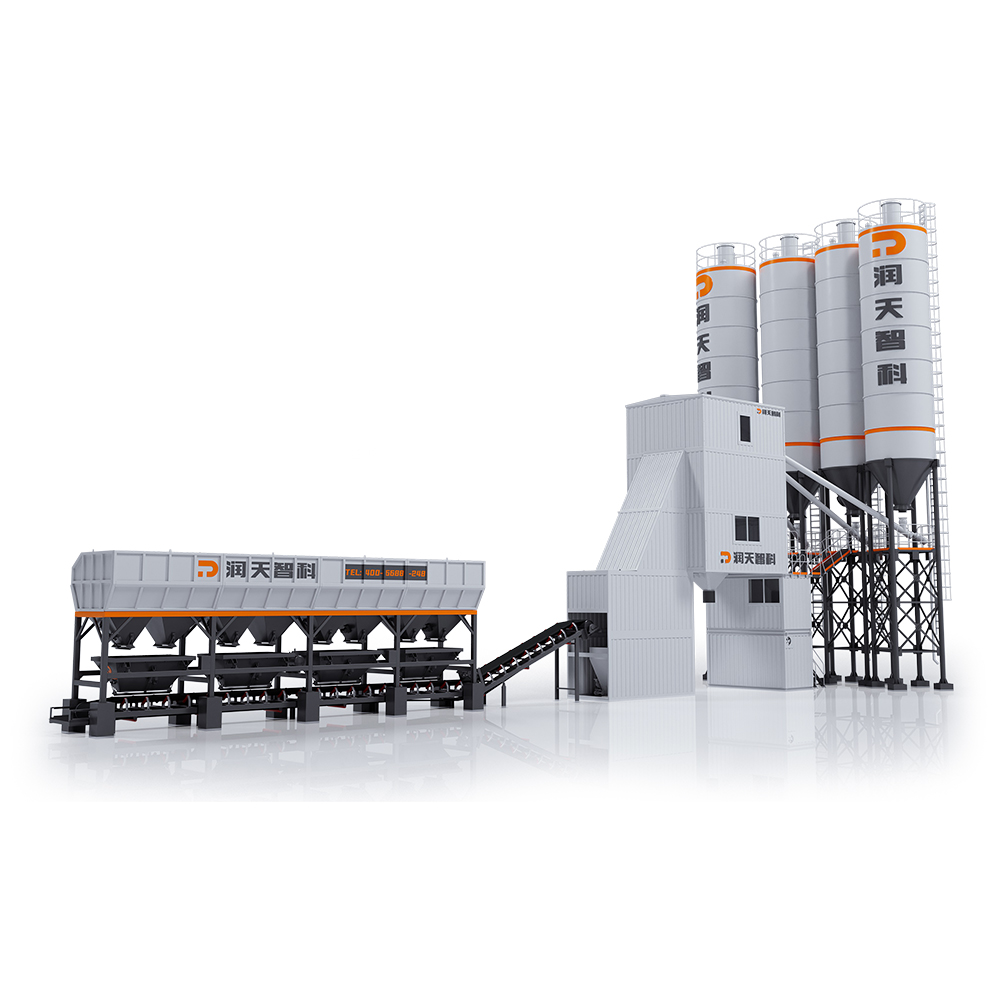
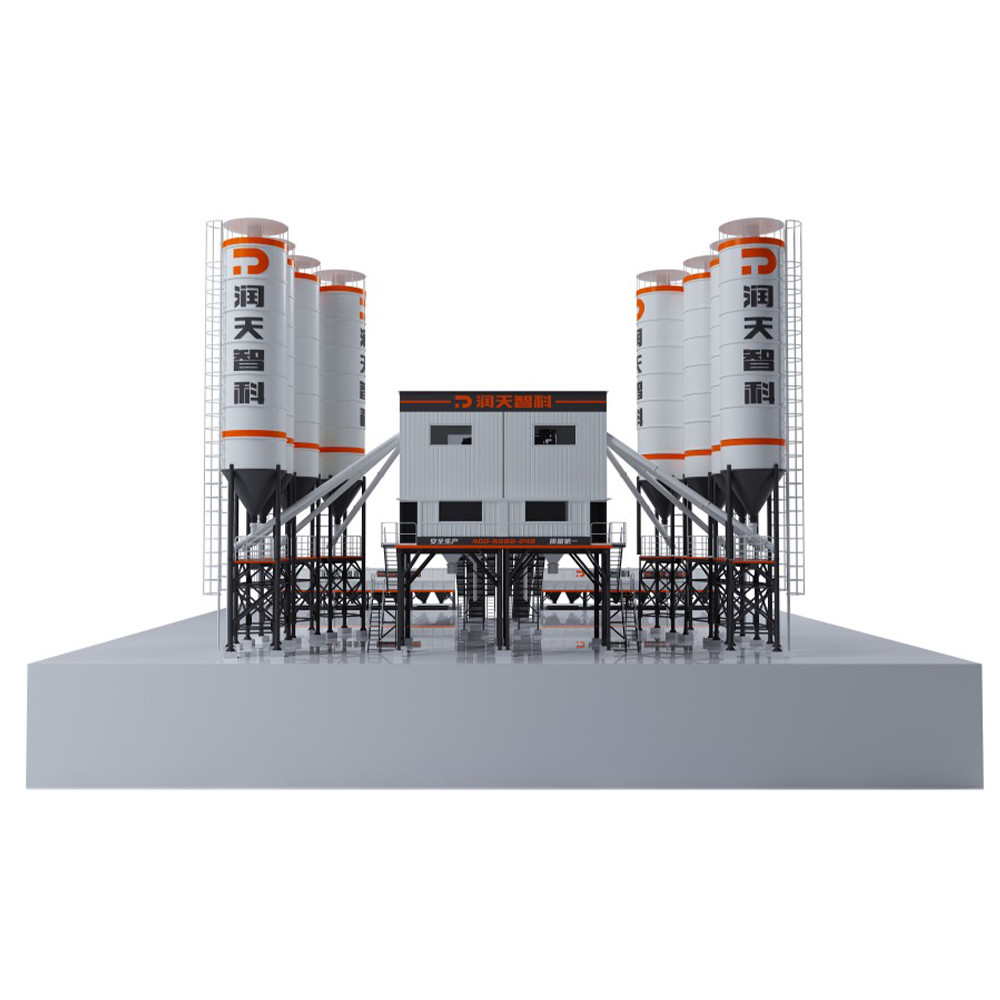 HZS Series Belt Concrete Mixing Plant
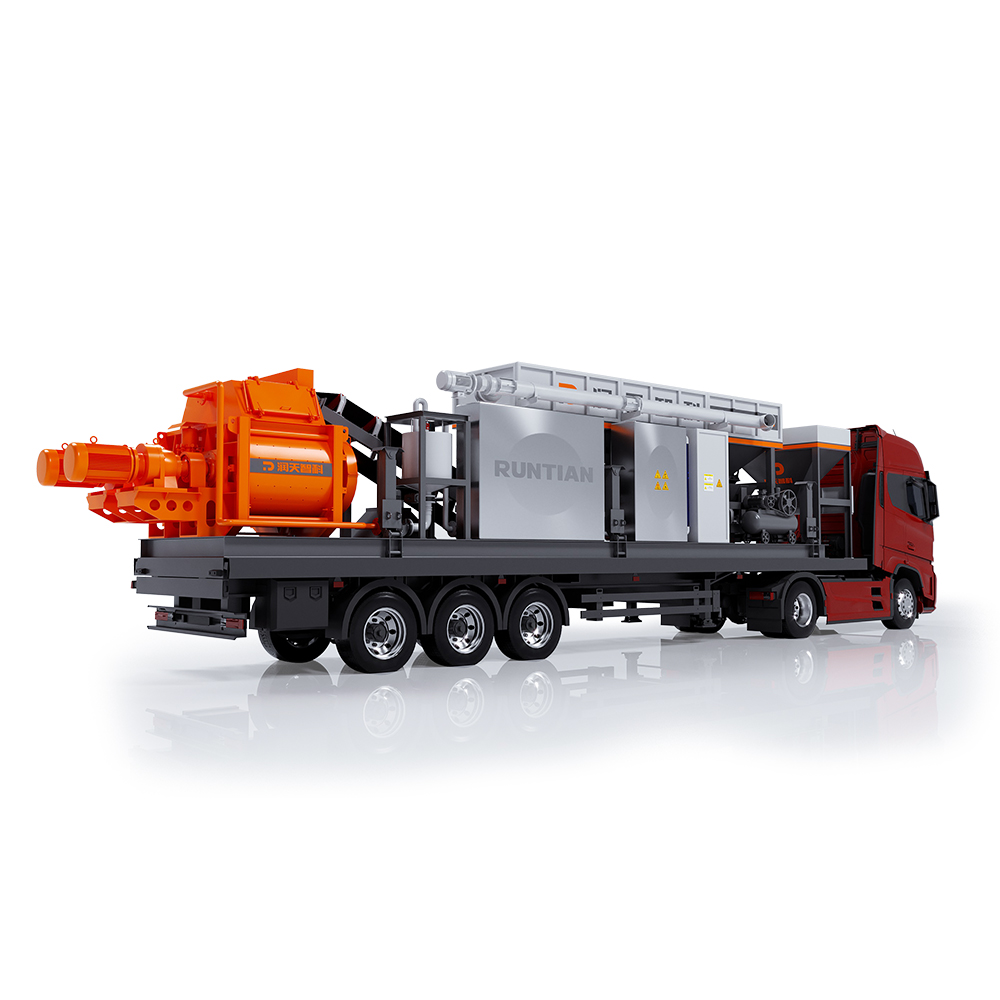
 HZS Series Bucket-Lifting Type Container Concrete Mixing Plant
 HZS60 Mobile Concrete Mixing Plant
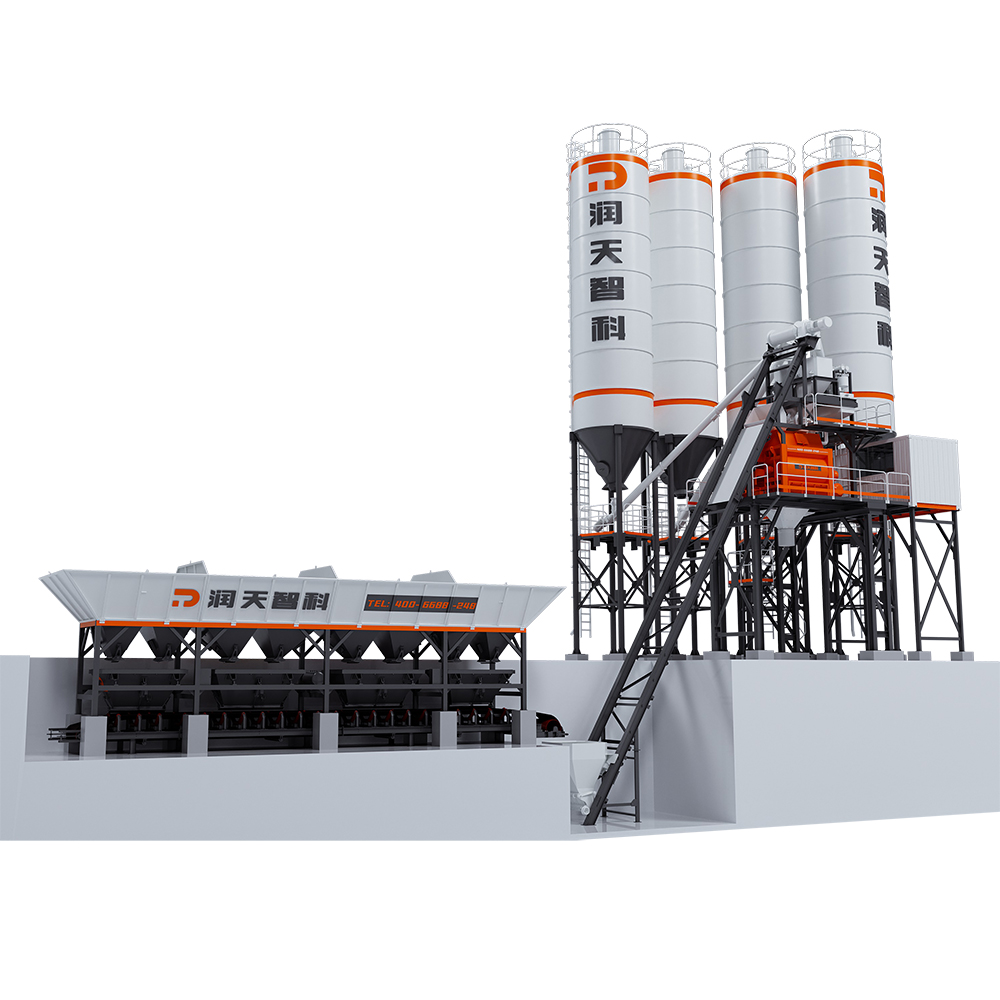 HZS Series Bucket-Lifting Type Concrete Mixing Plant
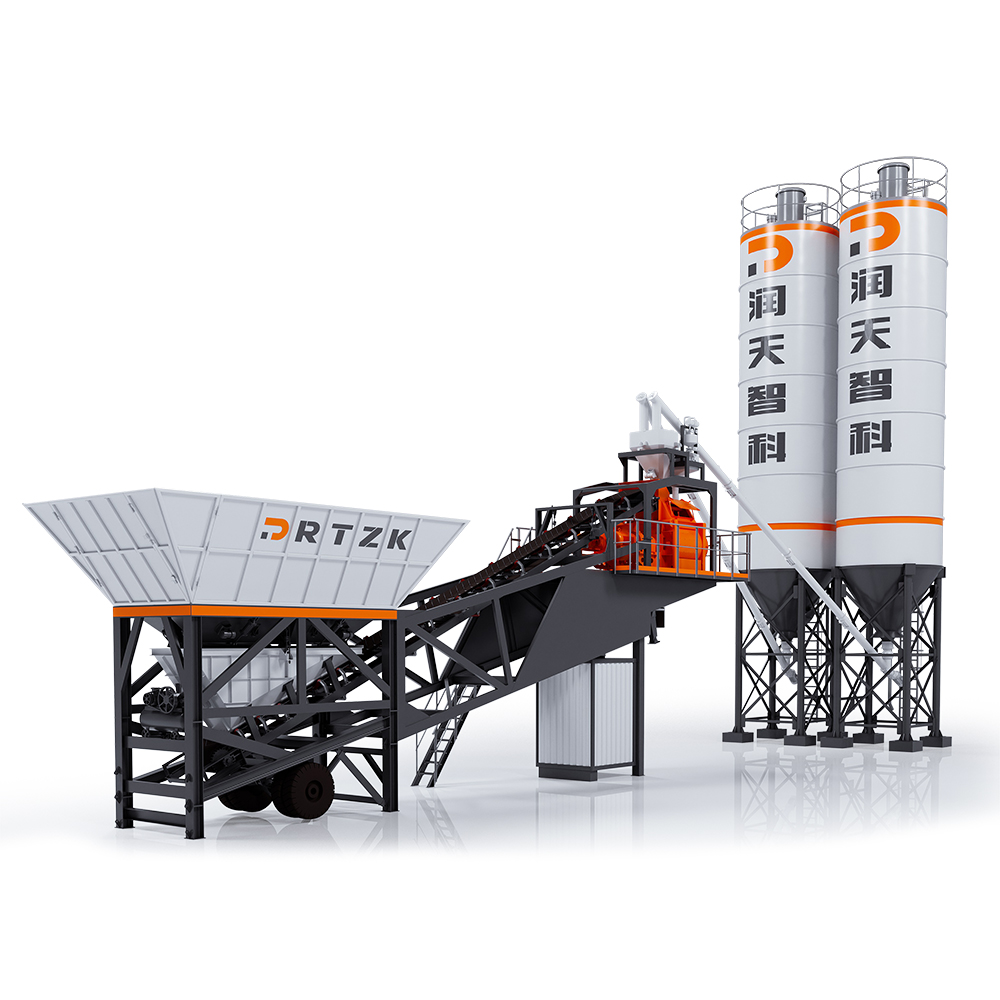 HZS Series Mobile Concrete Mixing Plant
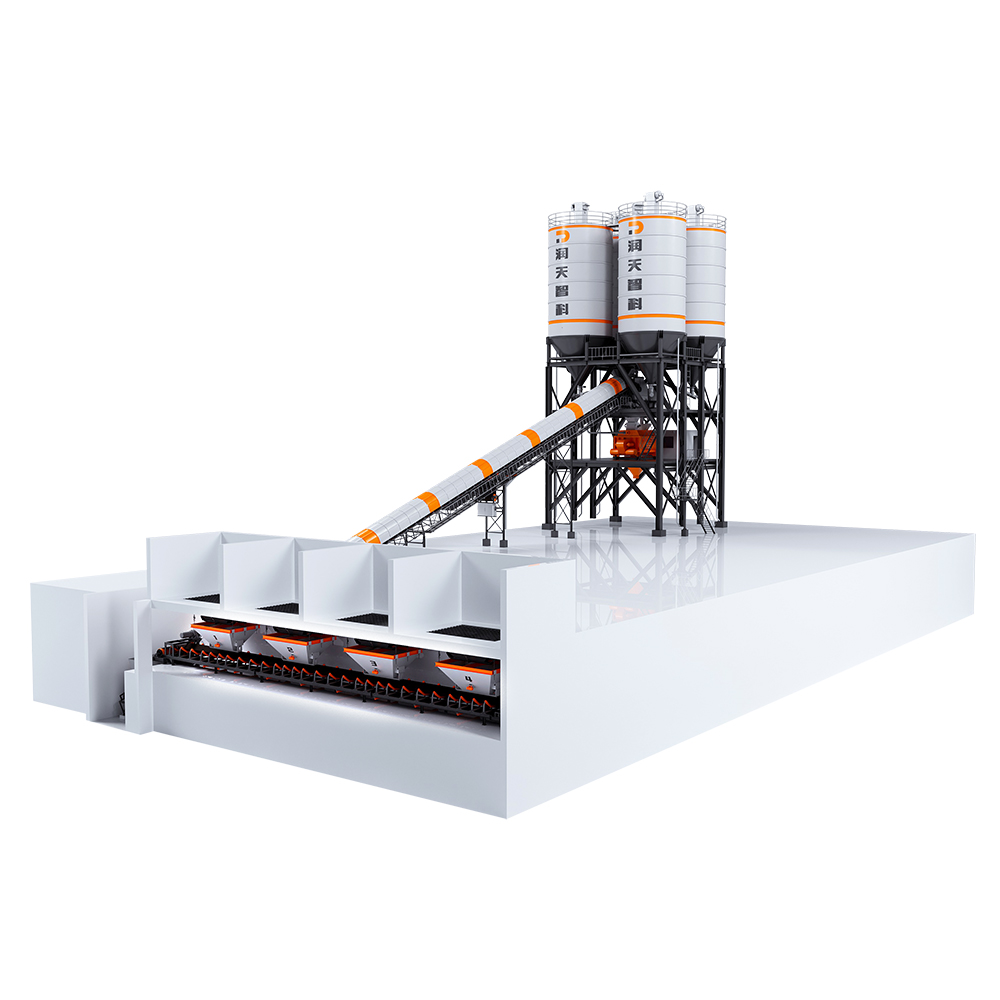 HZS Series Top-Mounted Concrete Mixing plant
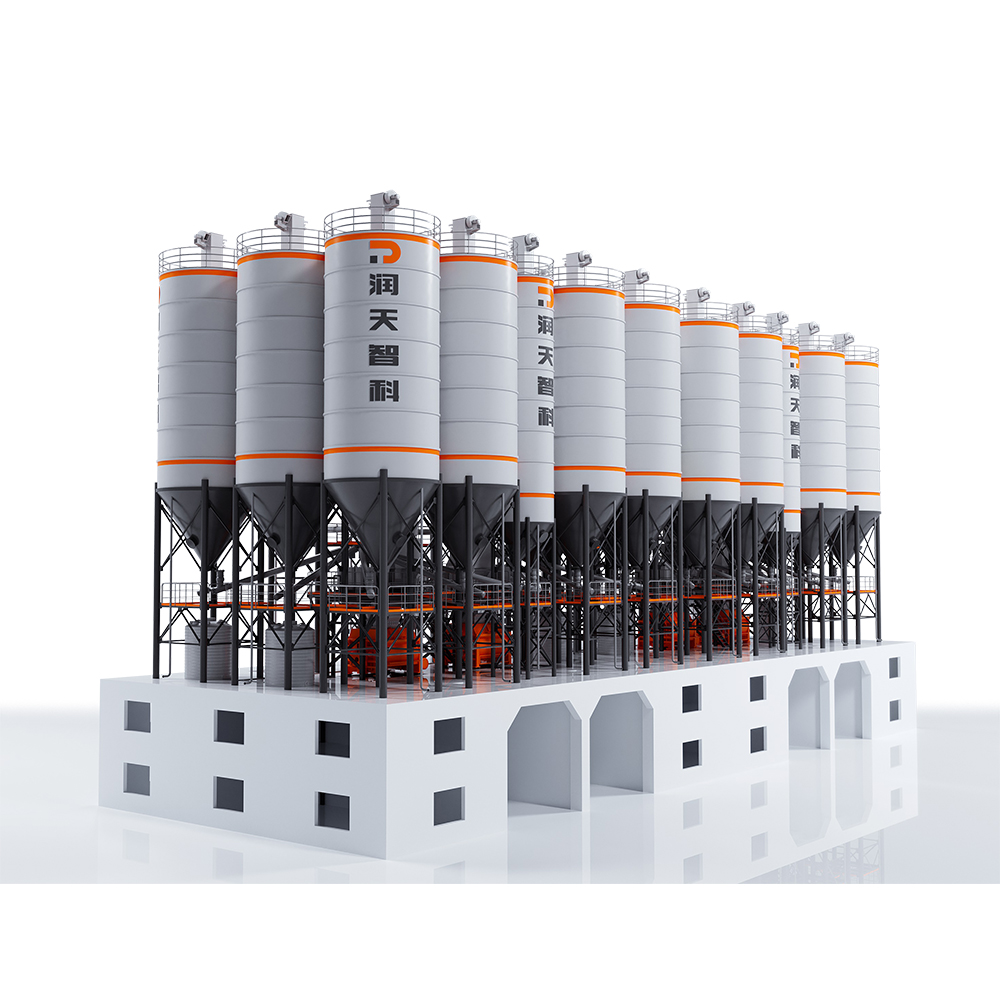 HZS Series Semi-Top Mounted Concrete Mixing Plant
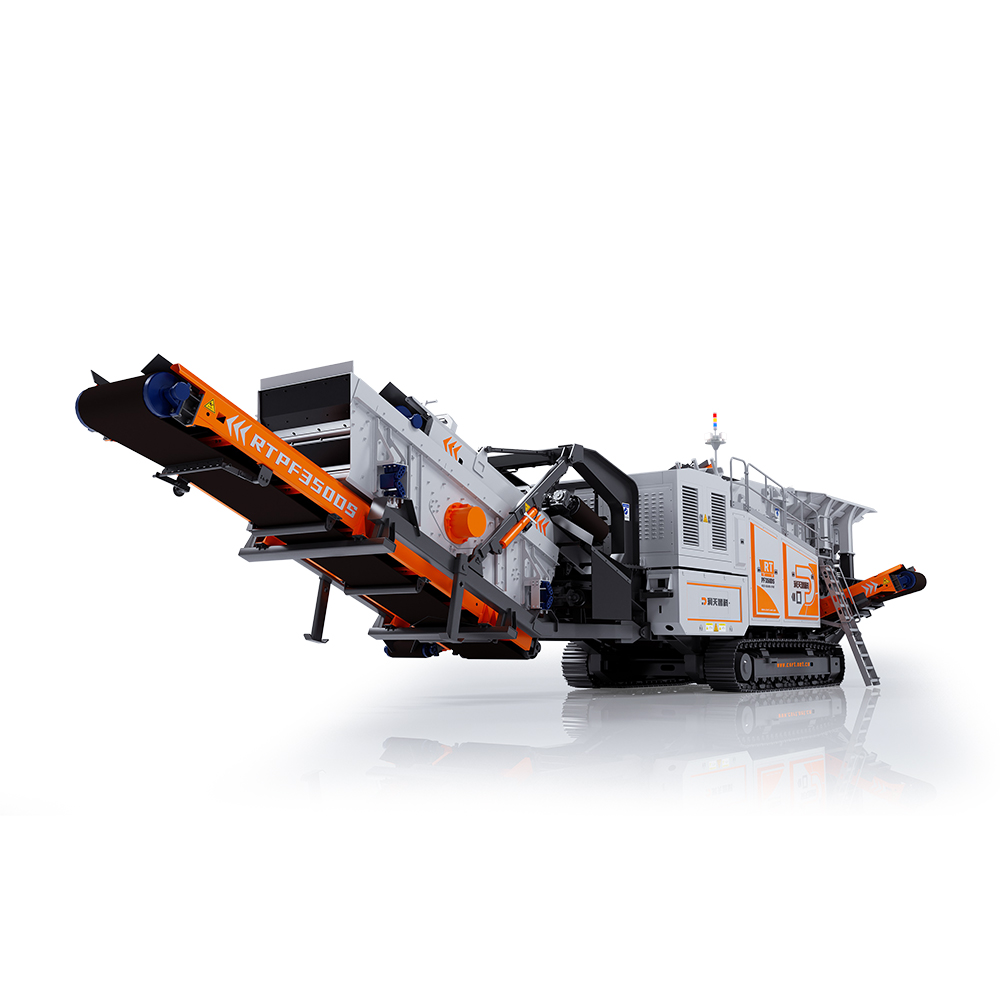 RTPF350DS Crawler Mobile Impact Crushing Plant
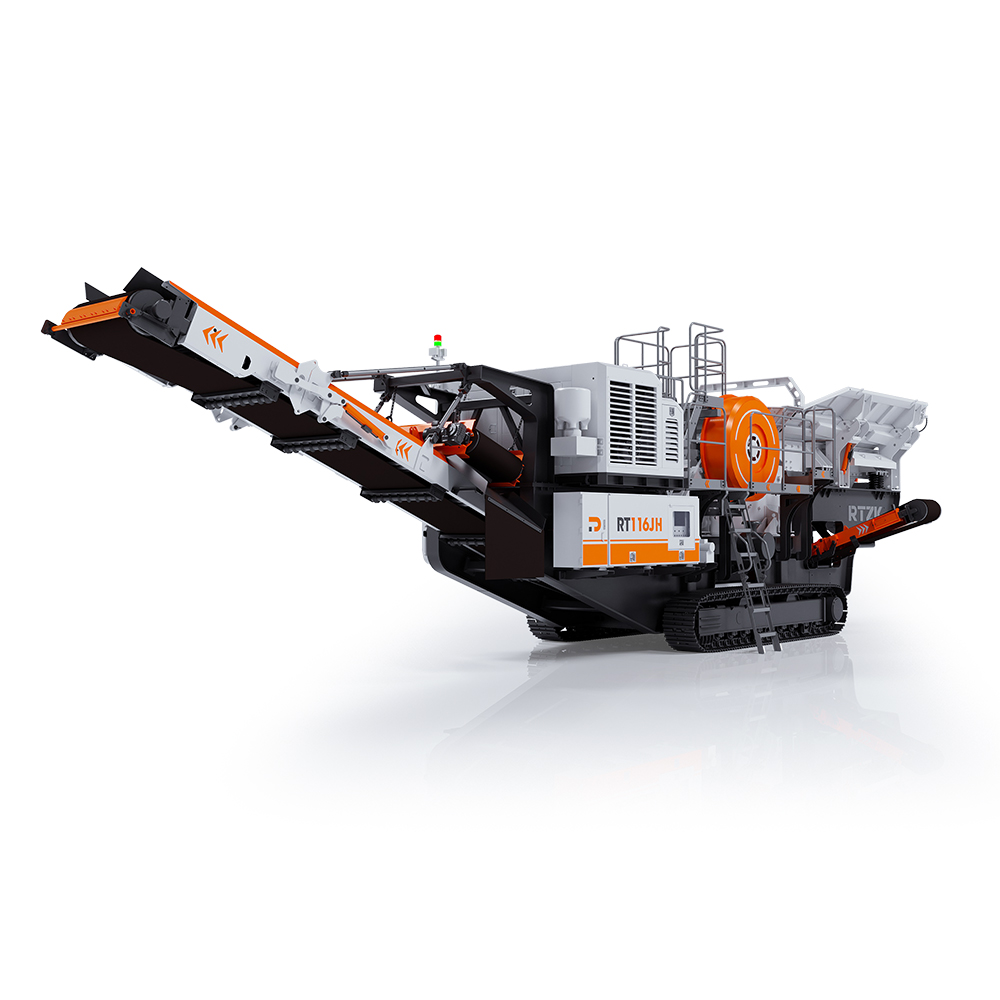 RT116JH Crawler Mobile Jaw Crushing Plant
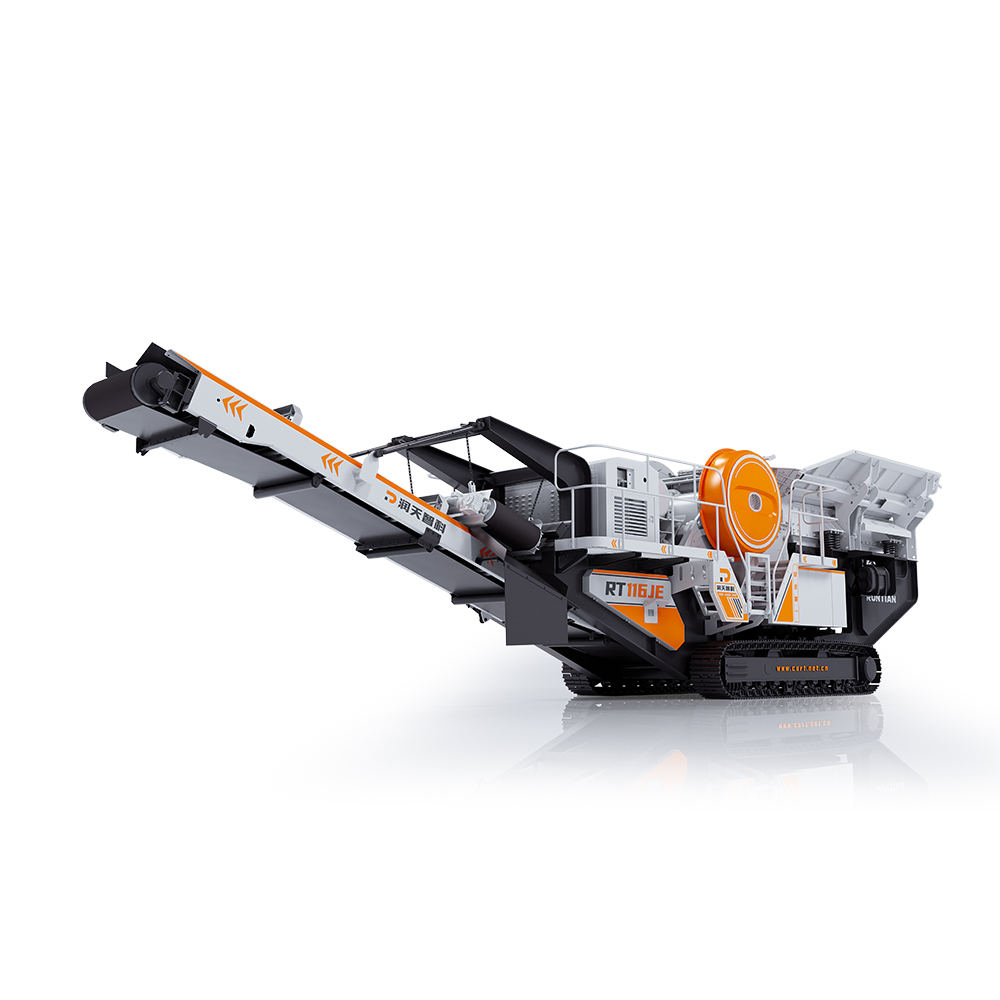 RT116JE Crawler Mobile Jaw Crushing Plant
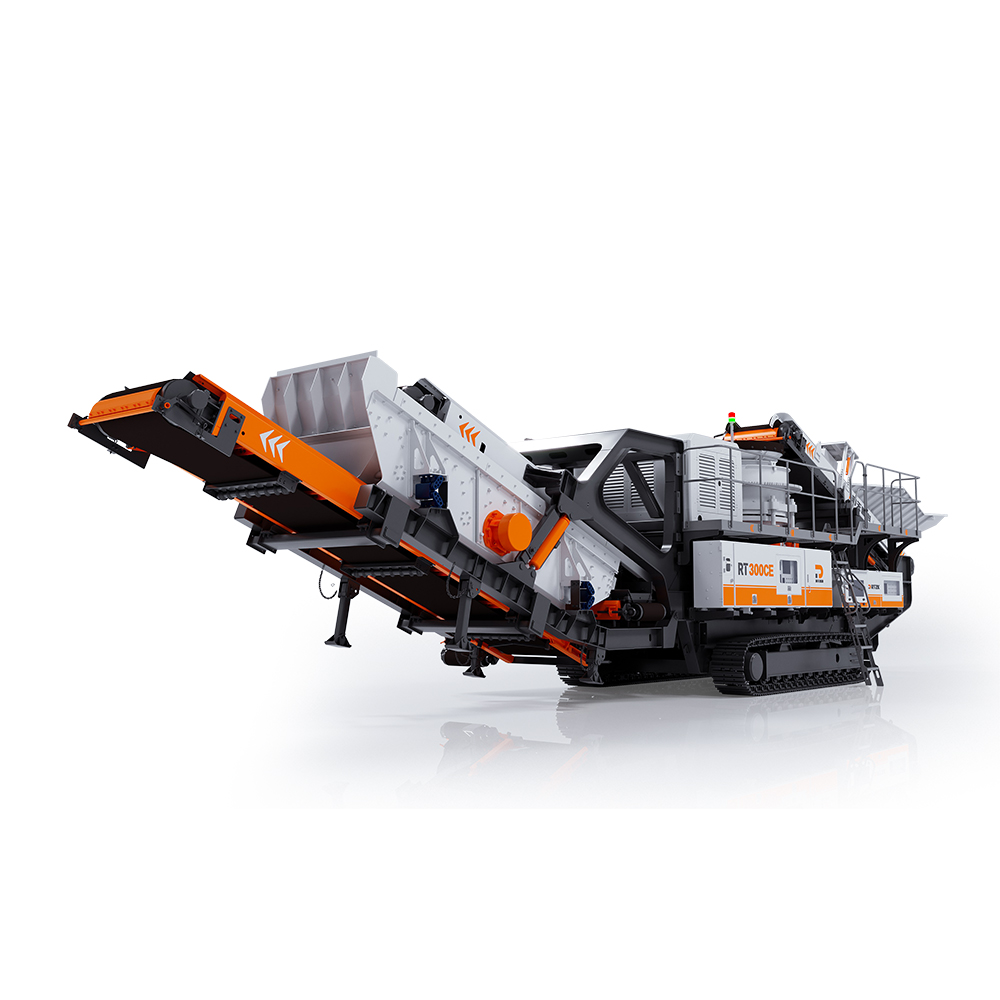 RT300CE Crawler Mobile Cone Crushing Plant
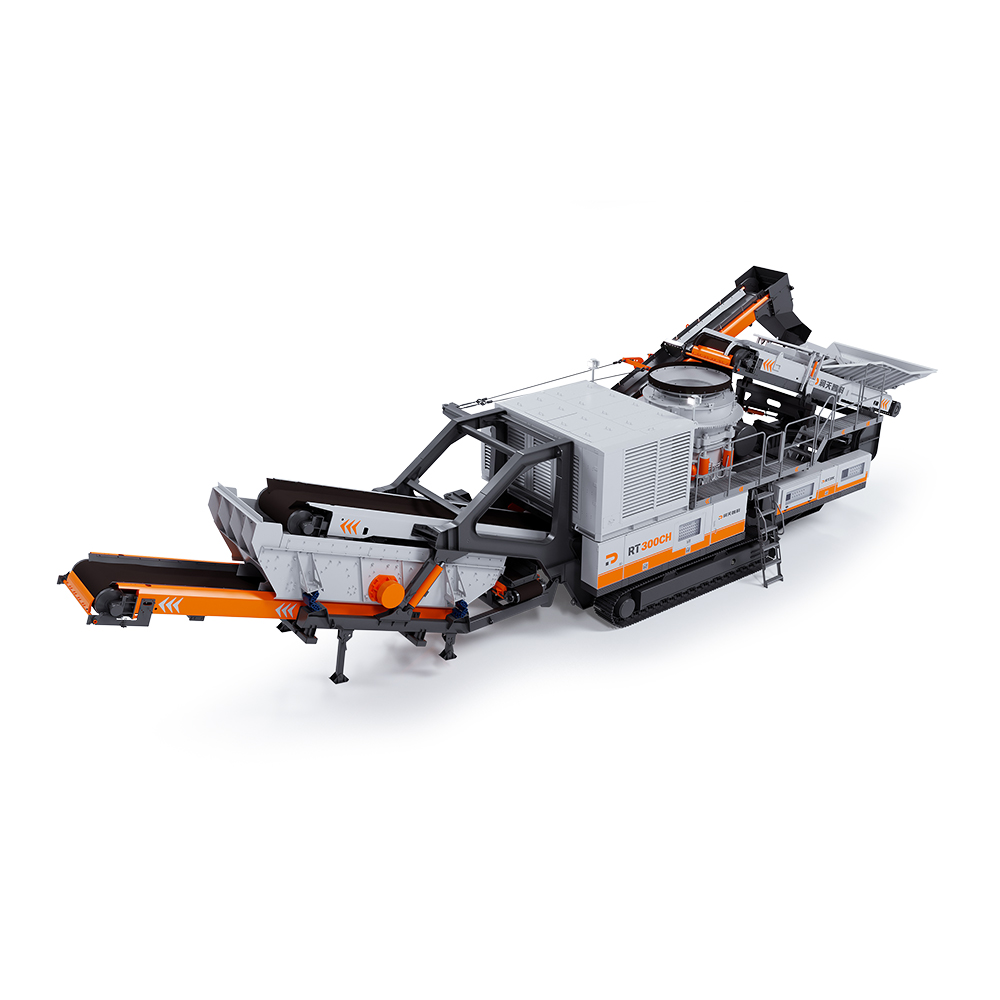 RT300CH Crawler Mobile Cone Crushing Plant
 RT5015H Mobile Scalping Screen
 RT315VSIE Crawler Mobile Sand Maker
 RT3YK6020 Crawler Mobile Screening Plant
 RT3YK6020M Modular Screening Plant
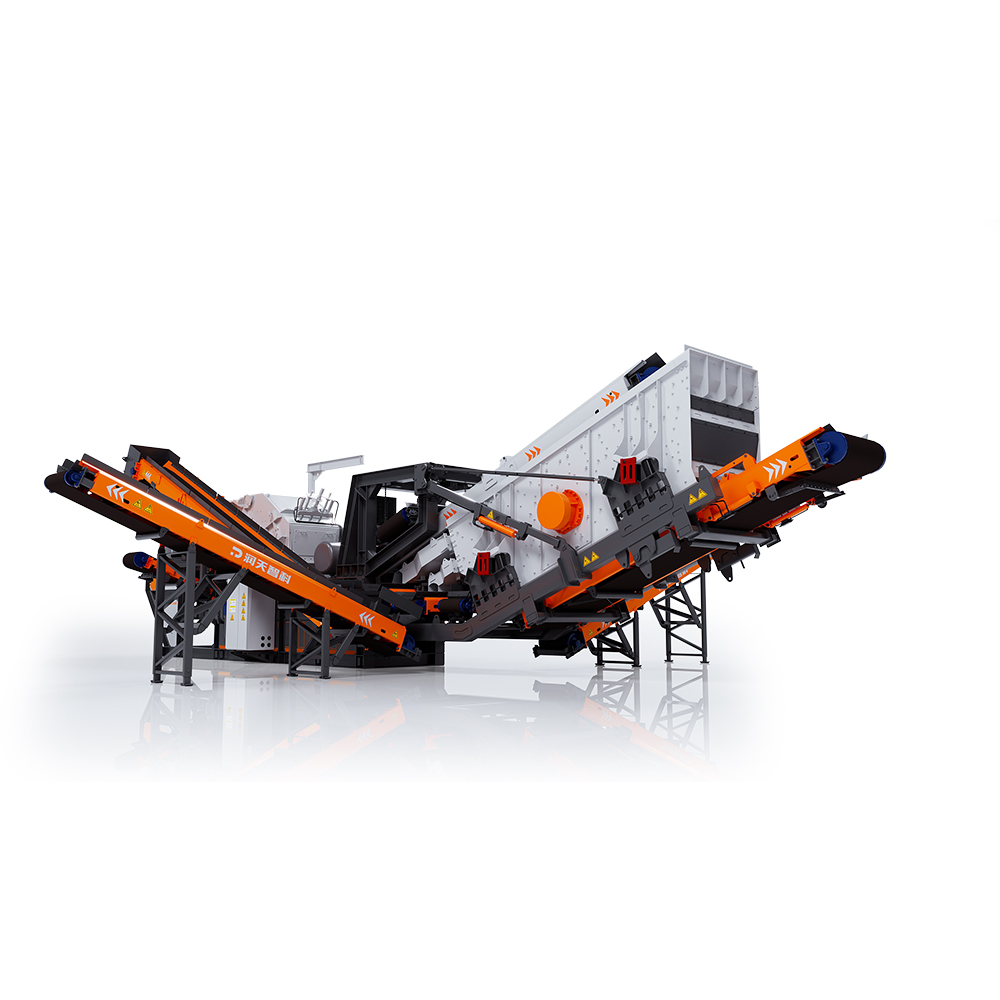 RTF260M Modular Counterattack Crushing and Screening Integrated Machine
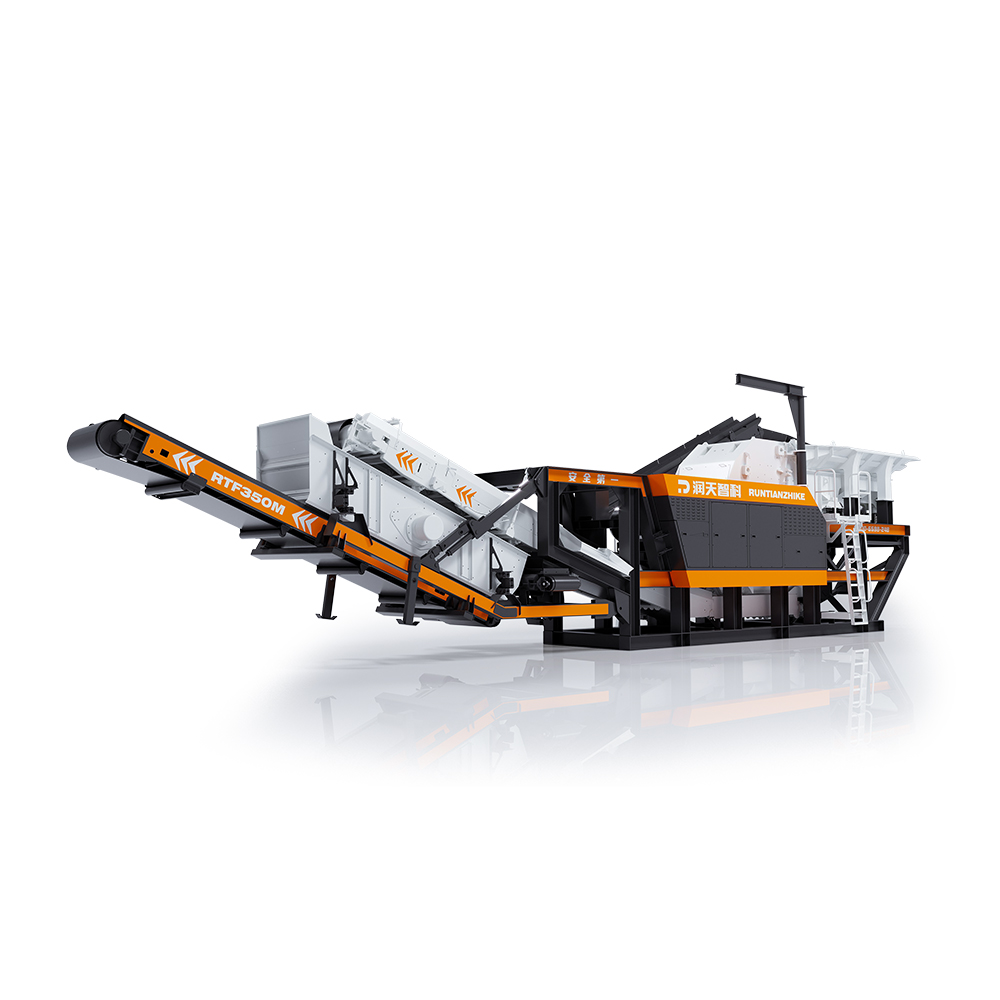 RTF350M Modular Impact Crushing Plant
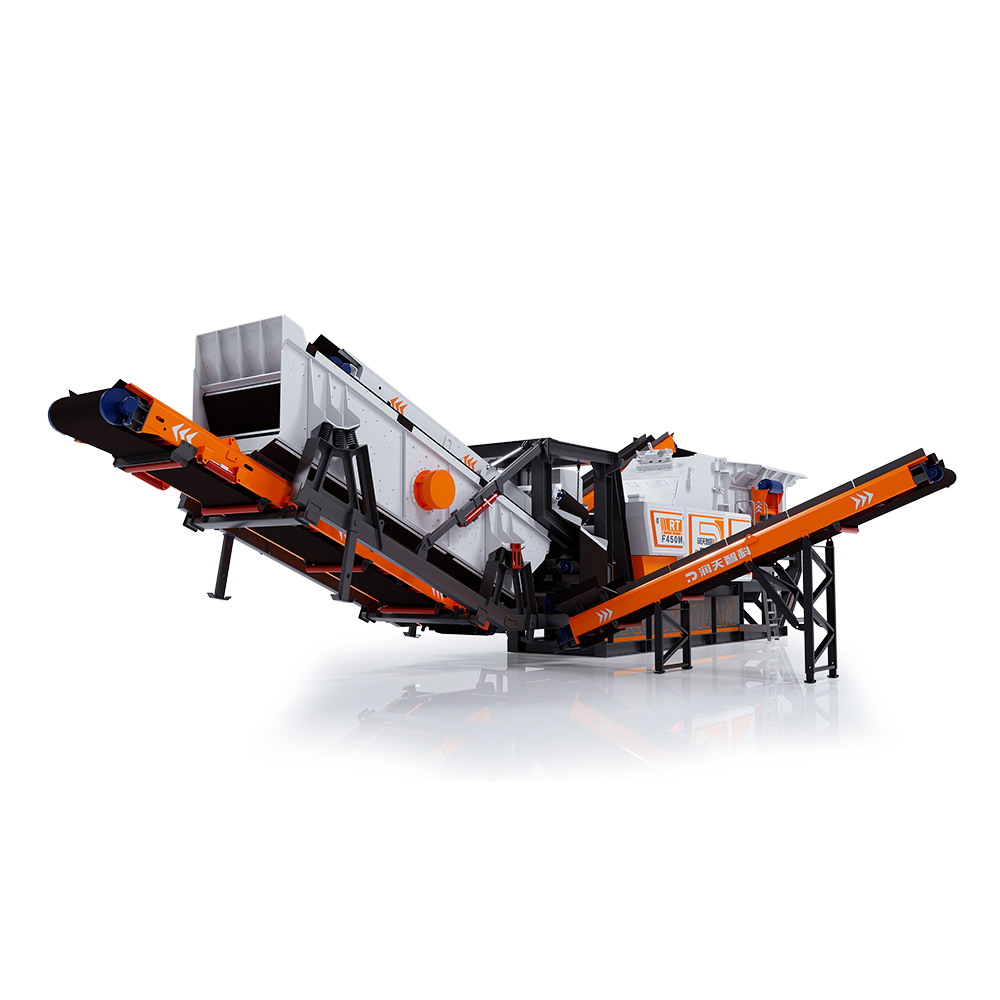 RTF450M Modular Impact Crushing Plant
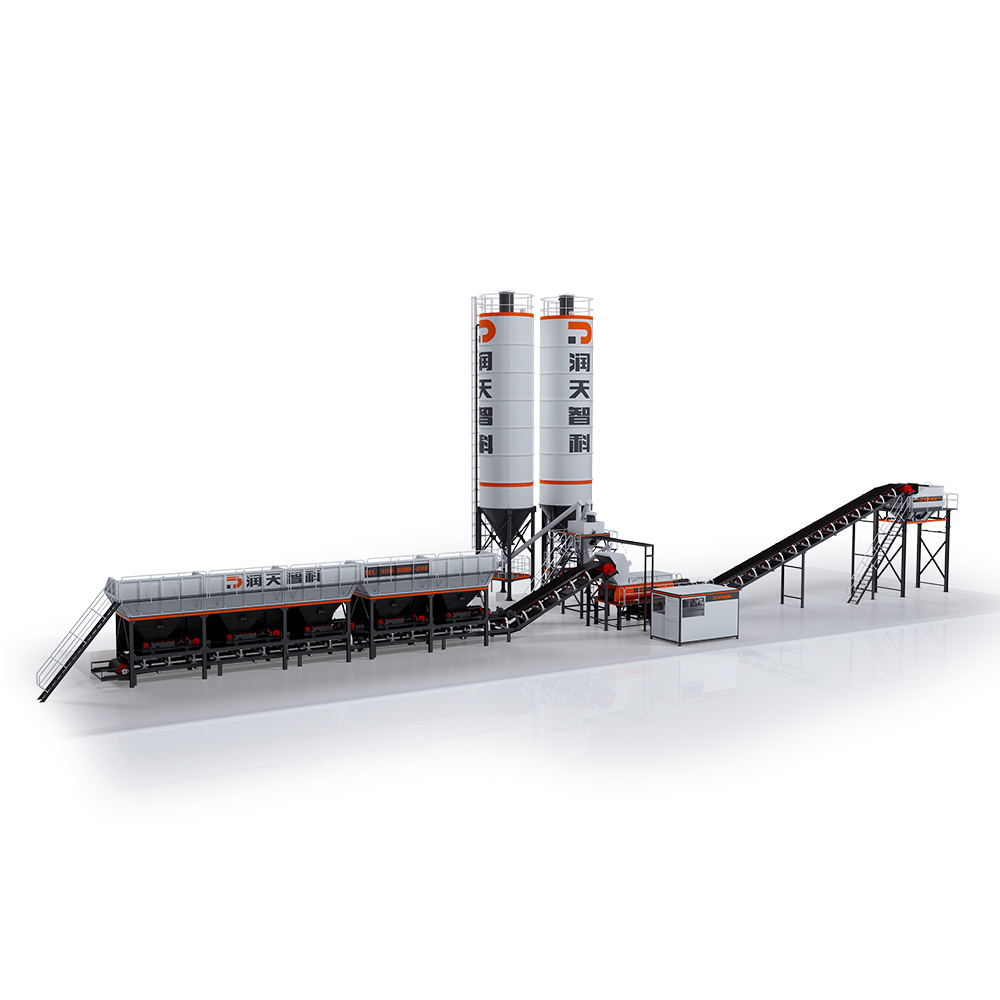 WDB Series Foundation-Free Stability Soil Mixing Plant
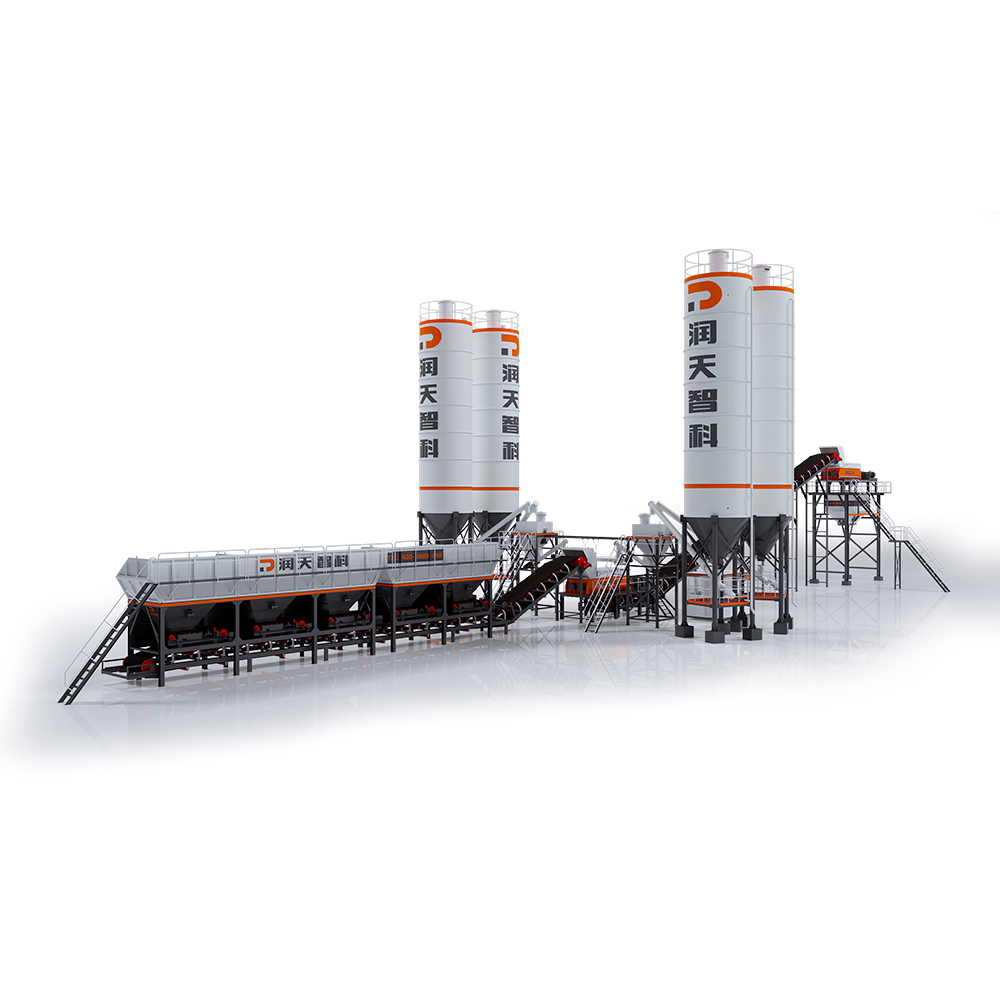 LCB Series Emulsified Asphalt Cold Regeneration Secondary Mixing Plant
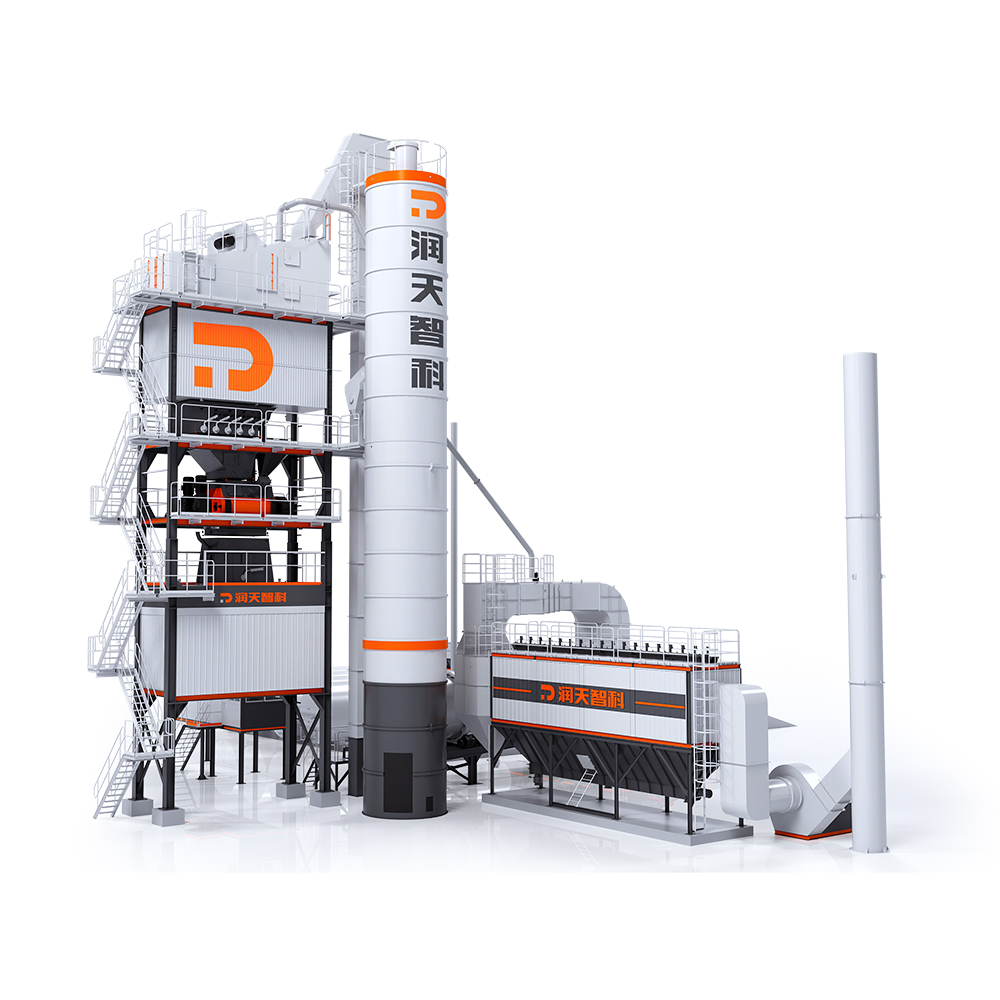 LB Series Asphalt Mixing Plant
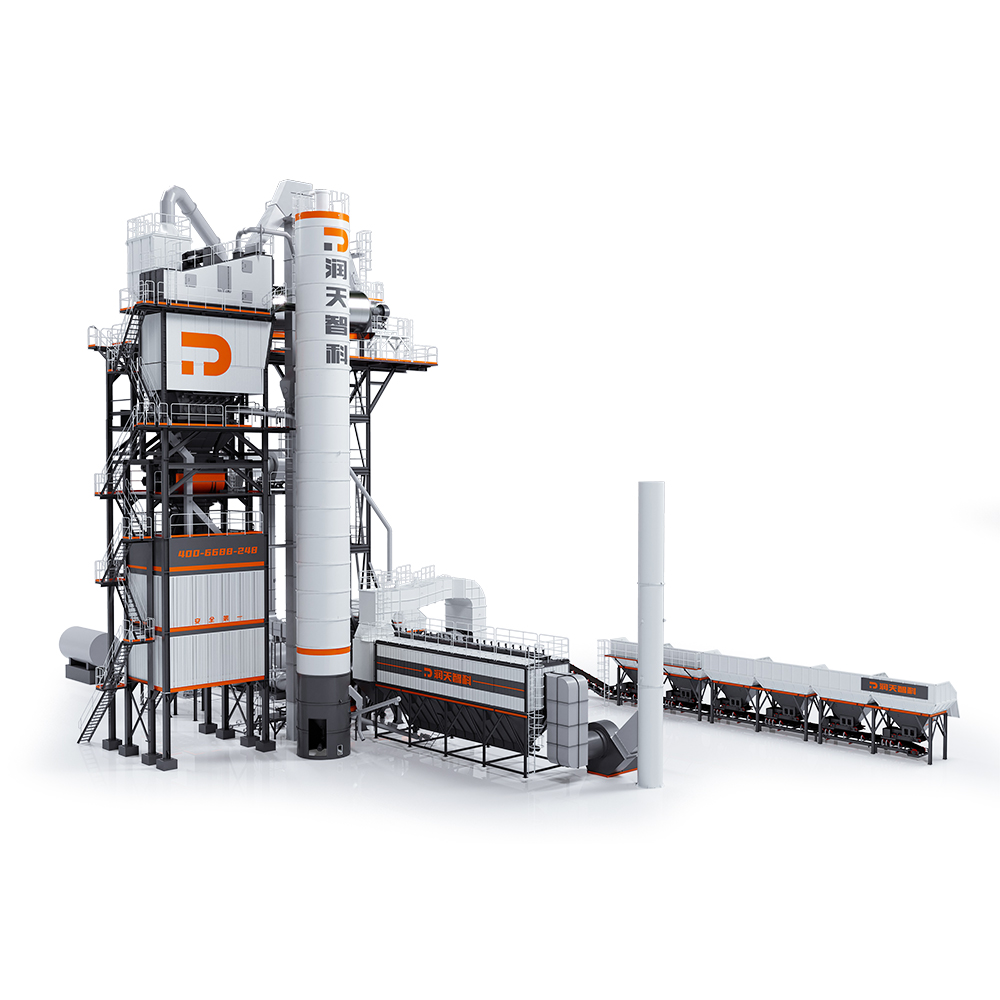 LBR Series Integrated Asphalt Mixing Plant
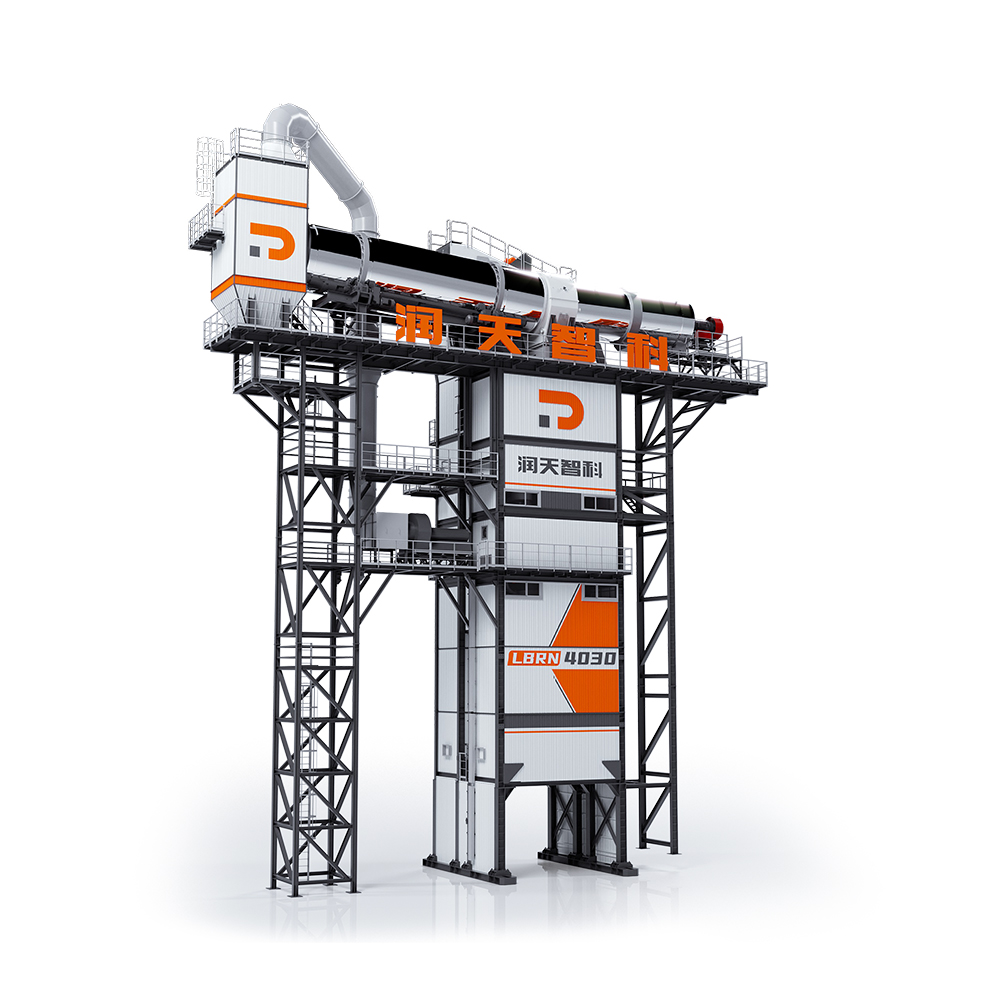 LBRN Series Counterflow Integral Asphalt Mixing Plant
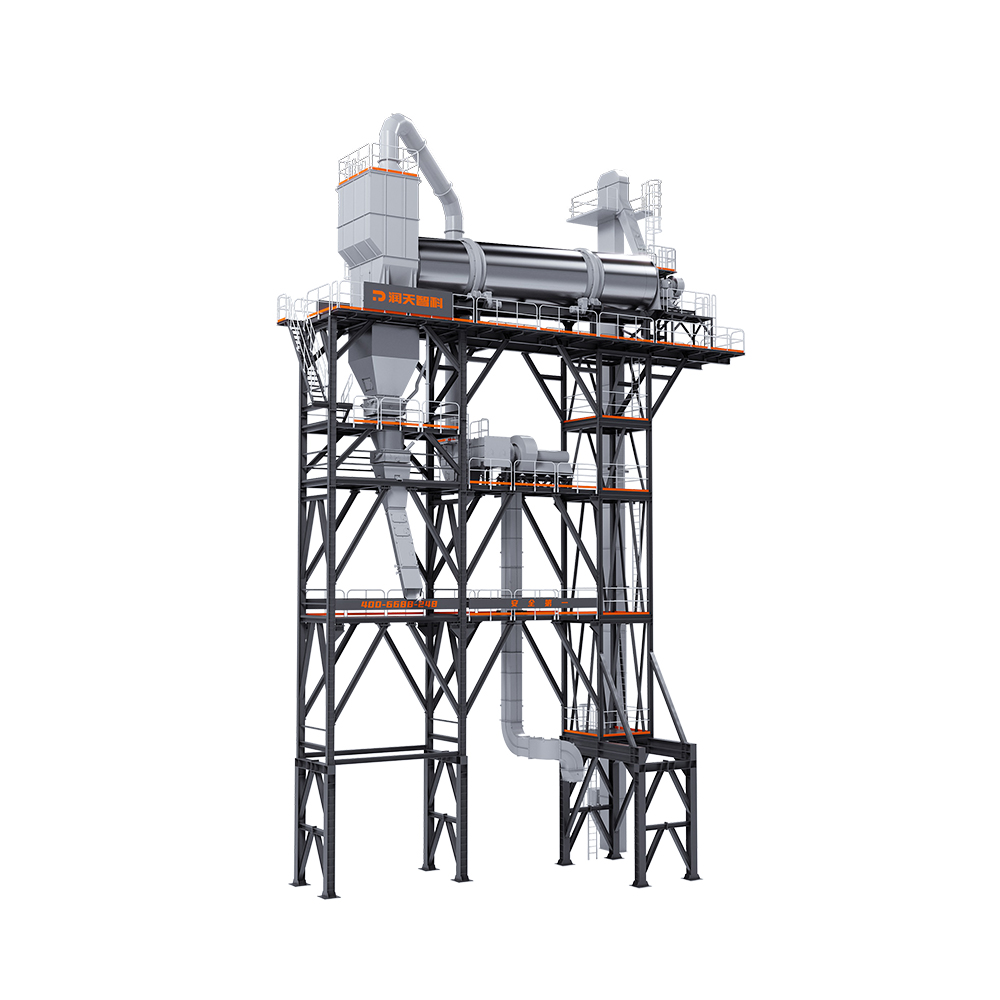 RZS Series Asphalt Mixing Plant
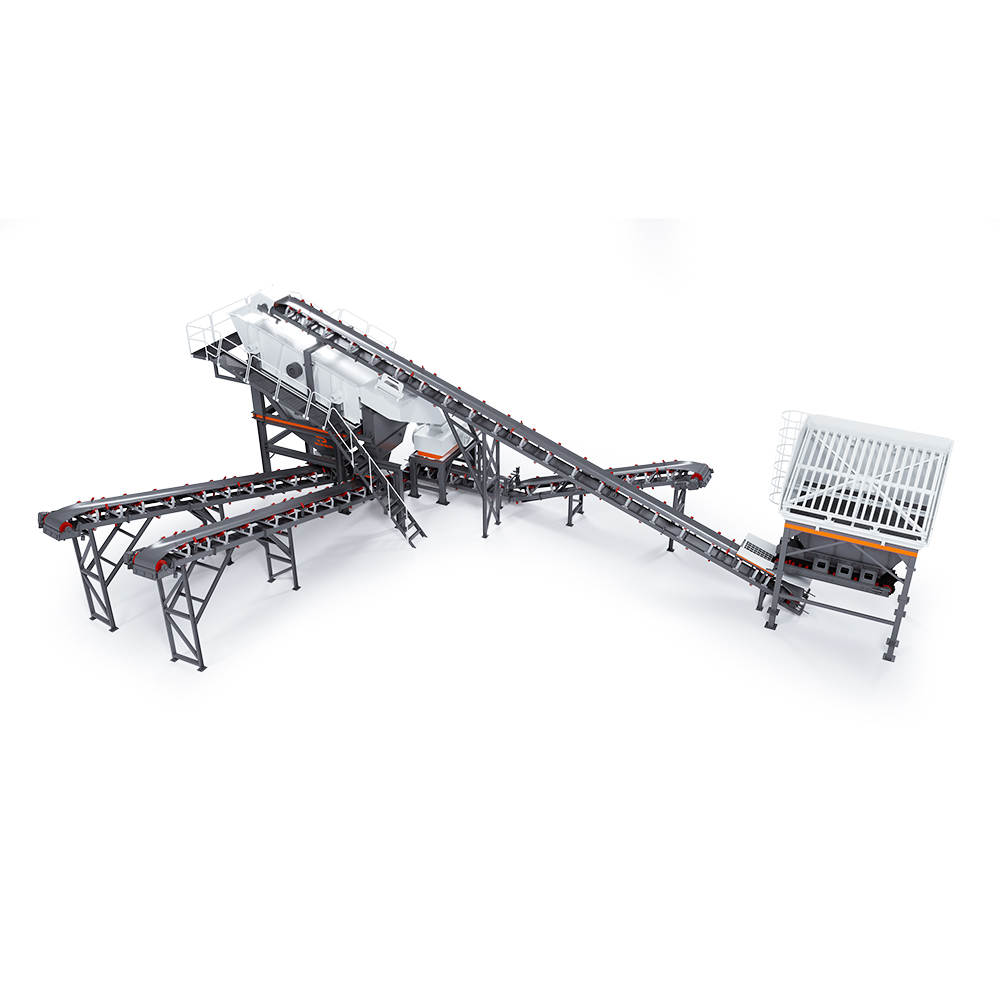 RTZS120 Series RAP Crushing & Screening Plant
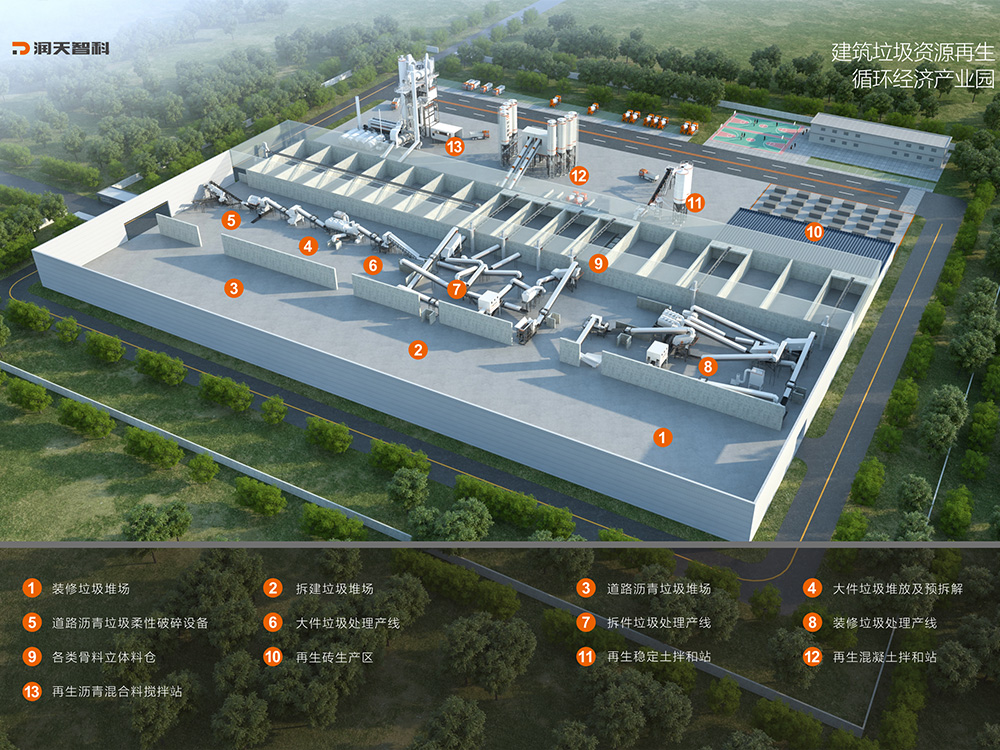 Construction Waste Resourceful Treatment Line