Why You Should Invest in an Asphalt Plant for Your Construction Business
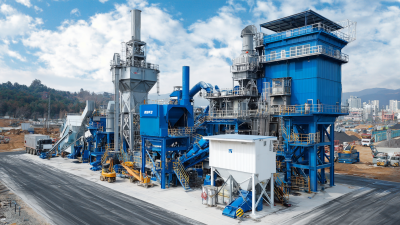
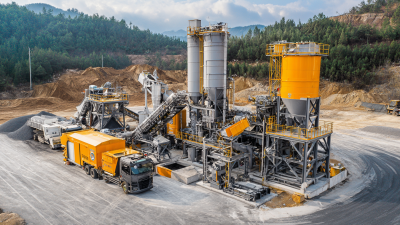
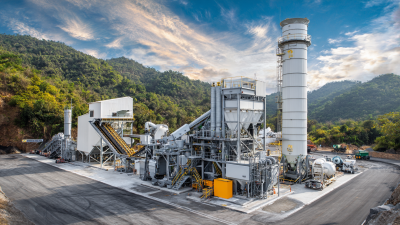
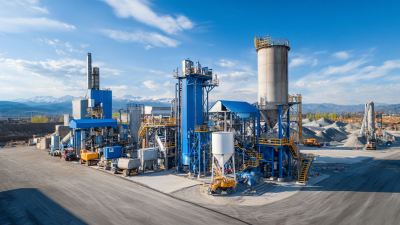
In today's competitive construction industry, investing in an Asphalt Plant can be a transformative decision for business growth and efficiency. As demand for quality road construction and maintenance rises, having direct access to asphalt production not only streamlines operations but also enhances project timelines and budget control. The value of owning an Asphalt Plant extends beyond mere material availability; it opens the door to improved profitability and a secure supply chain that can withstand market fluctuations.
Furthermore, with advancements in technology, modern Asphalt Plants offer eco-friendly production methods and ensure compliance with stringent regulations. This not only bolsters your company’s reputation but also appeals to environmentally conscious clients and partners. As we approach 2025, understanding the long-term benefits of owning an Asphalt Plant is crucial for construction businesses aiming to stay ahead of the curve and meet the evolving needs of the market. By exploring the key advantages and considerations for this investment, construction companies can position themselves for sustainable success in the years to come.
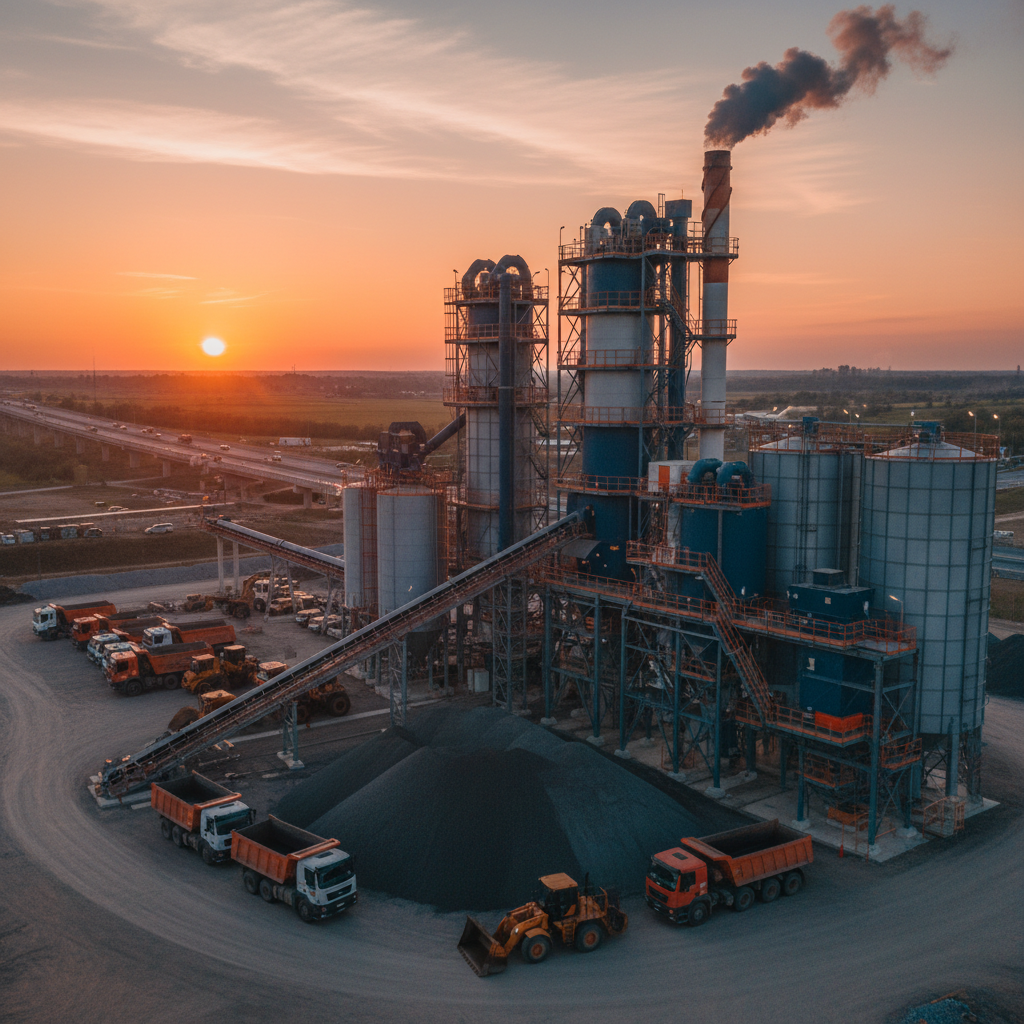
Benefits of Owning an Asphalt Plant for Construction Efficiency
Investing in an asphalt plant can significantly enhance the efficiency of construction operations. As seen in various regions like Cambodia and Omaha, the push for infrastructure development has created a burgeoning demand for locally produced asphalt. Owning an asphalt plant allows construction businesses to ensure a consistent supply of high-quality materials, ultimately leading to smoother project timelines and reduced reliance on external suppliers. This self-sufficiency is particularly vital in areas with ongoing infrastructure projects, as it enables companies to promptly respond to fluctuating demands and maintain competitive advantage.
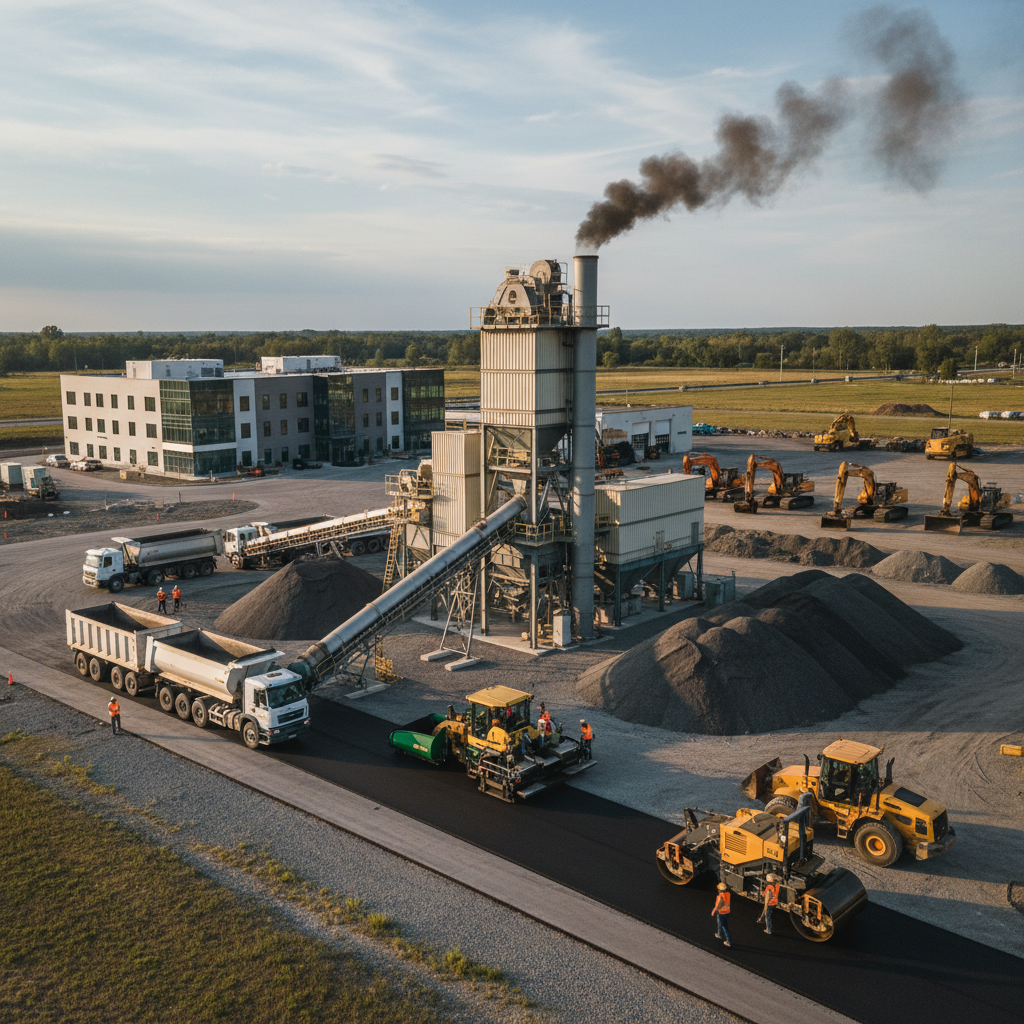
Furthermore, advancements in technology are transforming asphalt production, driving down emissions and improving operational efficiency. Modern plants are designed to address environmental concerns while maximizing productivity. Innovations in recycling and emission reduction are being implemented, which not only contribute to sustainability but also enhance the overall reputation of construction businesses. As the industry continues to evolve, owning an asphalt plant positions companies to capitalize on these advancements, resulting in cost savings and a positive impact on profitability.
Cost Savings Through In-House Asphalt Production
Investing in an asphalt plant can significantly enhance your construction business by enabling cost savings through in-house asphalt production. By producing your own asphalt, you can bypass the expenses associated with purchasing from external suppliers. This not only reduces costs but also allows you to control the quality of the materials you use, ensuring that they meet the specific needs of your projects.
**Tip:** Before investing, analyze your production volume needs. Determine how much asphalt you typically require for your projects and compare that to the costs of purchasing versus producing it in-house. This will give you a clear understanding of the potential savings and help justify your investment.
Moreover, having an asphalt plant on-site leads to improved efficiency. You eliminate delays in sourcing materials, which can often disrupt project timelines. With direct access to asphalt, you can schedule deliveries based on project demands, thus maintaining a steady workflow.
**Tip:** Consider implementing a maintenance schedule for the plant to ensure optimal performance and longevity. Regular maintenance will prevent unexpected breakdowns and prolong the lifespan of your equipment, safeguarding your investment.
Quality Control Advantages of On-Site Asphalt Manufacturing
Investing in an asphalt plant for your construction business brings significant quality control advantages that can elevate your operations. By producing asphalt on-site, you have the ability to closely monitor every aspect of the manufacturing process. This direct oversight allows for immediate adjustments to mix designs, ensuring that the final product meets precise specifications and quality standards. The reduction in transportation time and associated delays also enables fresher mixes, optimizing performance and longevity.
Furthermore, on-site manufacturing allows for greater flexibility in responding to project demands. When faced with varying weather conditions or specific project requirements, an asphalt plant allows for rapid modifications to the mix formulas. This adaptability minimizes waste and enhances efficiency, resulting in considerable cost savings over time. As quality control becomes more stringent in the construction industry, having an asphalt plant serves as a strategic advantage, setting your business apart from competitors who rely on off-site suppliers.
Enhanced Project Flexibility with Asphalt Plant Ownership
Owning an asphalt plant can significantly enhance project flexibility for construction businesses. With the capability to produce asphalt on-site, companies can respond to changing project demands more swiftly. This arrangement eliminates the uncertainty of relying on external suppliers, allowing firms to adjust their production schedules according to project timelines and specific material requirements.
Moreover, having direct control over the asphalt manufacturing process enables companies to experiment with various mixtures and formulas tailored to the unique needs of different projects. This adaptability fosters innovation and can lead to improved performance metrics in the materials used, ranging from durability to cost-effectiveness. As a result, businesses can ensure they deliver high-quality results that meet or exceed client expectations, ultimately bolstering their reputation in a competitive market.
Investment Benefits of Asphalt Plant Ownership
Long-Term Investment Returns in the Construction Industry
Investing in an asphalt plant for your construction business can yield substantial long-term returns, especially as the demand for durable infrastructure continues to grow. According to the U.S. Federal Highway Administration, the national spending on highway construction is expected to reach $30 billion by 2025, driven by an increasing focus on repairing and upgrading existing roads. This spike in demand means that having your own asphalt production capabilities can significantly reduce costs and improve project timelines, allowing your company to be more competitive in bidding processes.
Tip: Consider scheduling regular maintenance for your asphalt plant. Proper upkeep can extend the lifespan of the machinery, ensuring consistent production quality and minimizing costly downtimes.
Moreover, possessing an asphalt plant opens doors to diversification. Businesses can engage not only in public contracts but also in private projects, such as parking lots and residential developments, which are on the rise as urban areas expand. A report by Allied Market Research highlights that the global asphalt market is projected to reach $71 billion by 2027, growing at a CAGR of 3.4%. This data underscores the potential profitability of investing in your own plant, allowing for versatility in production while capitalizing on market growth.
Tip: Analyze your local market carefully to identify specific needs. Tailoring your asphalt products to meet local specifications can set your business apart from competitors.

 Concrete Mixing Plant
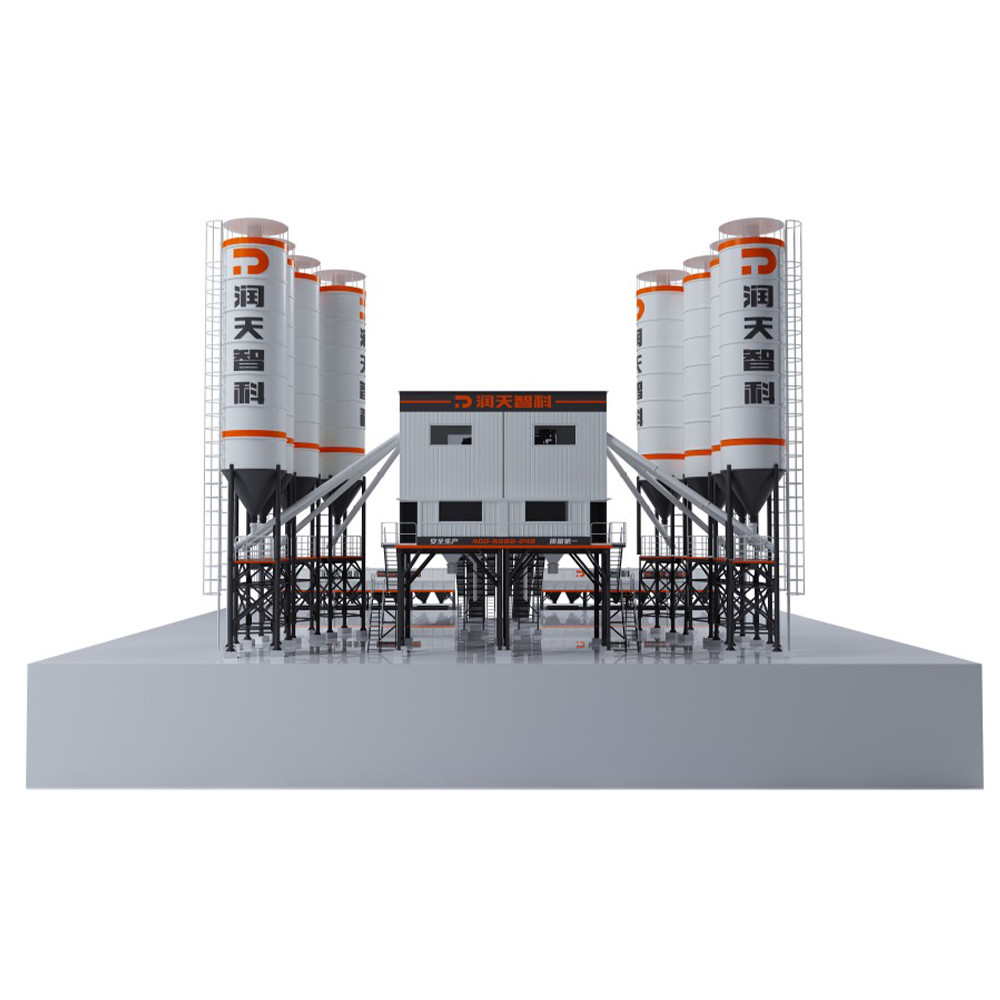 HZS Series Belt Concrete Mixing Plant
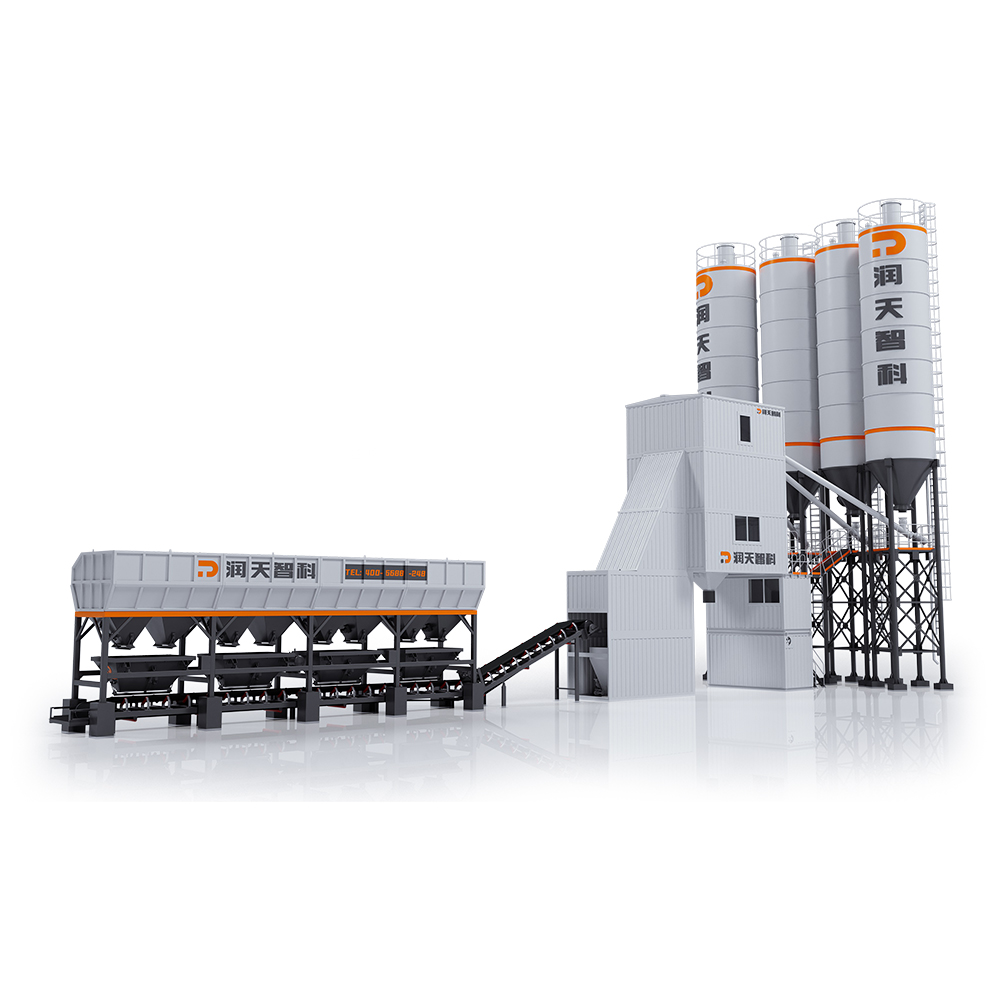 HZS Series Bucket-Lifting Type Container Concrete Mixing Plant
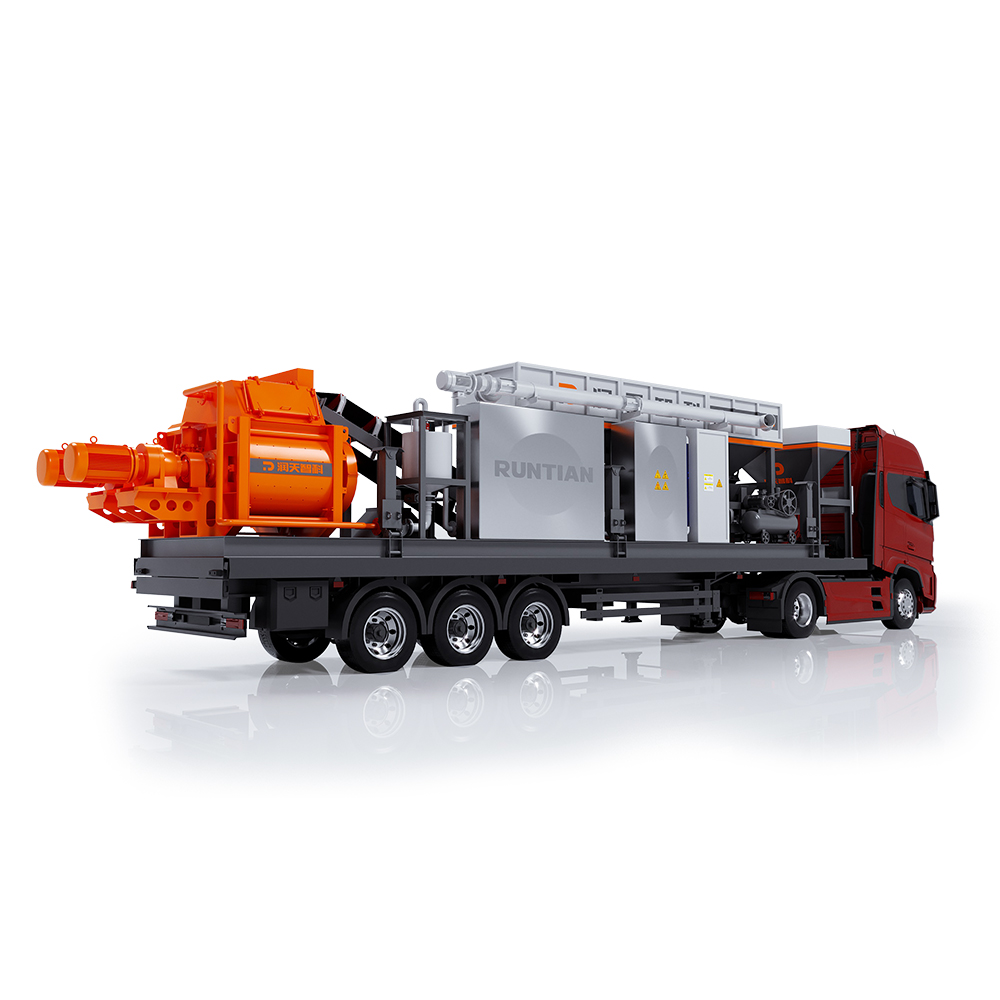 HZS60 Mobile Concrete Mixing Plant
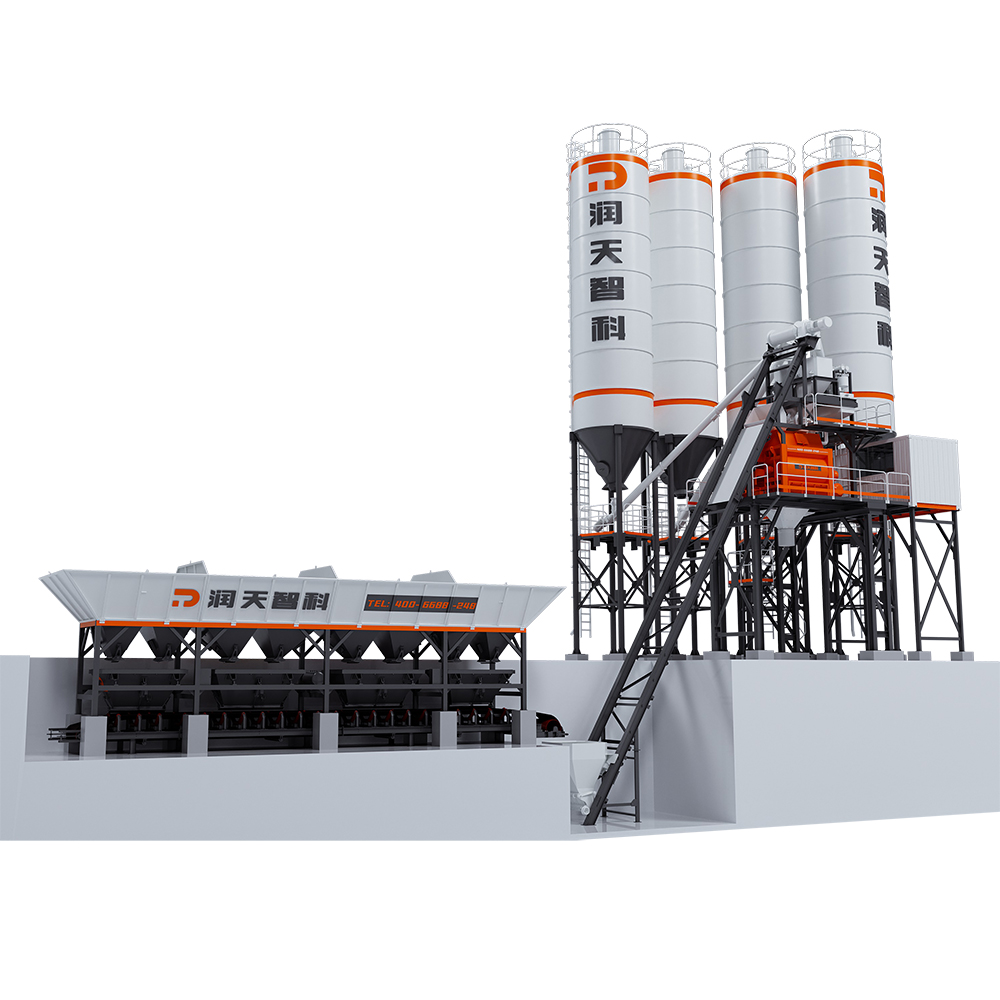 HZS Series Bucket-Lifting Type Concrete Mixing Plant
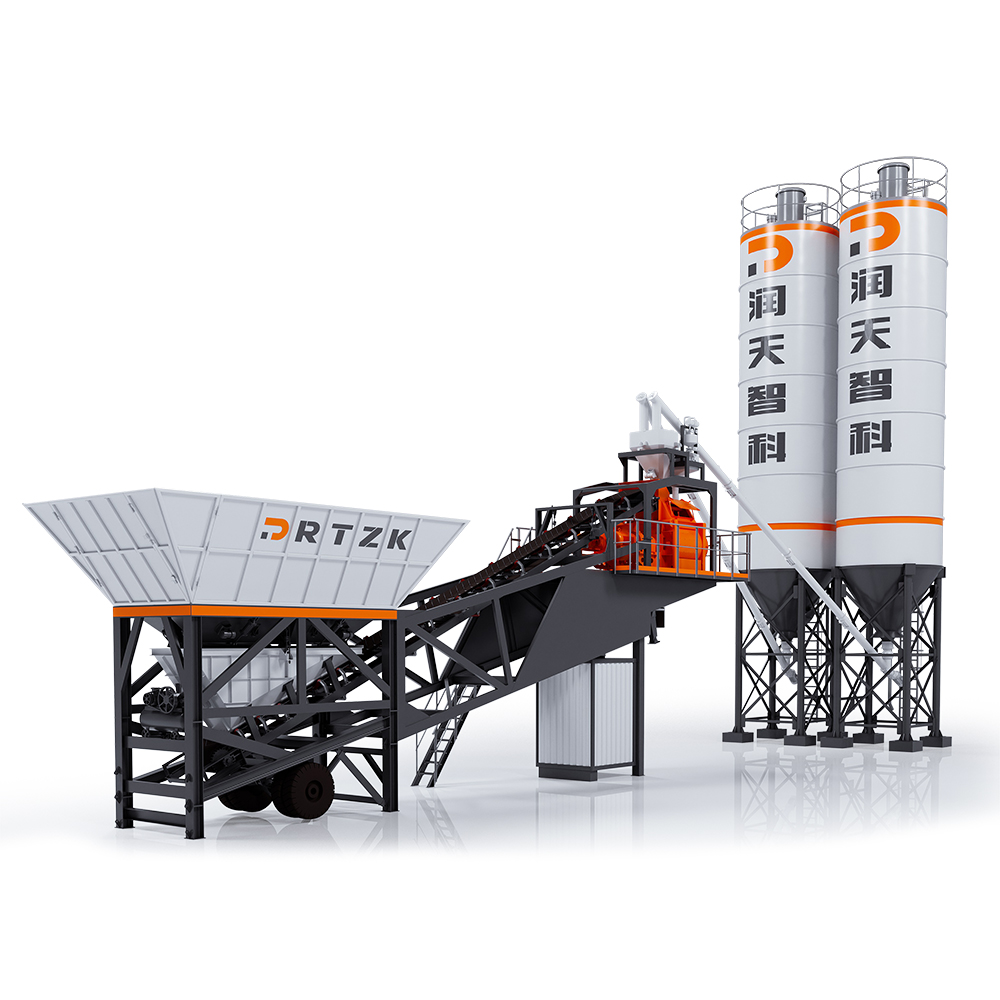 HZS Series Mobile Concrete Mixing Plant
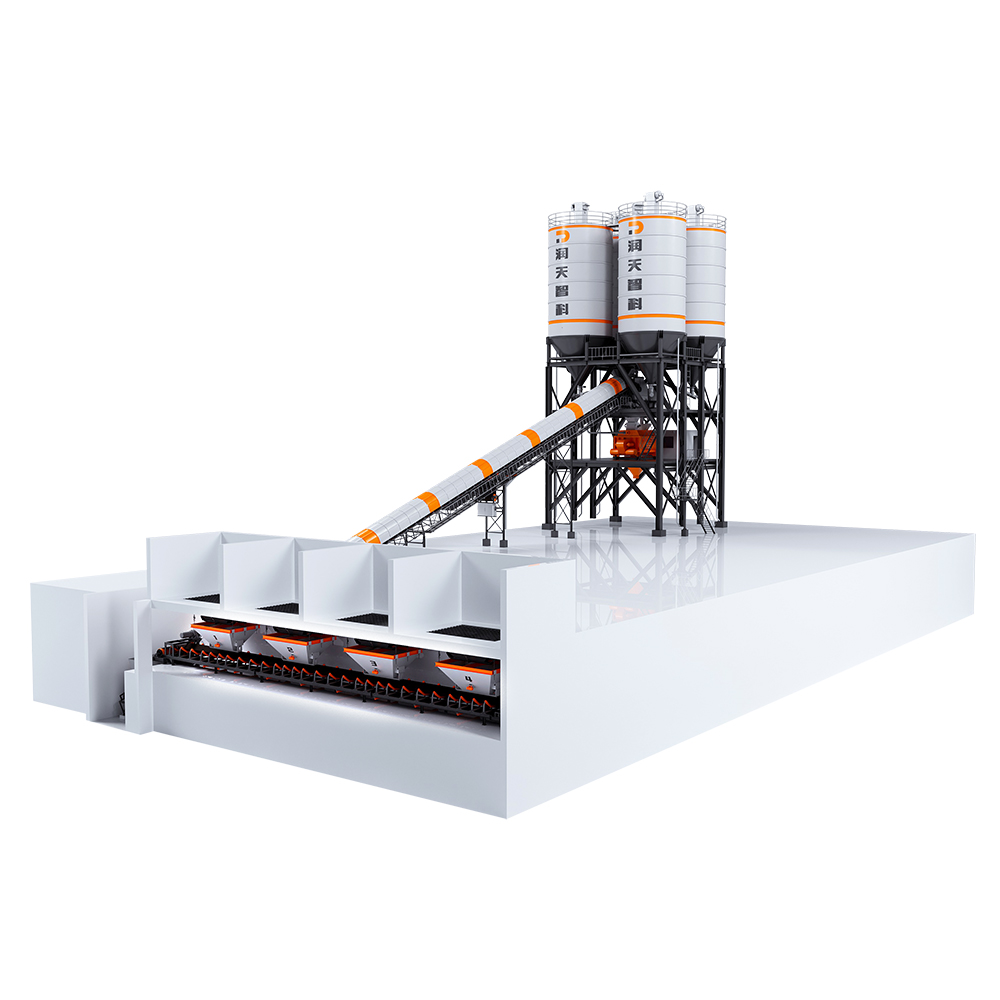 HZS Series Top-Mounted Concrete Mixing plant
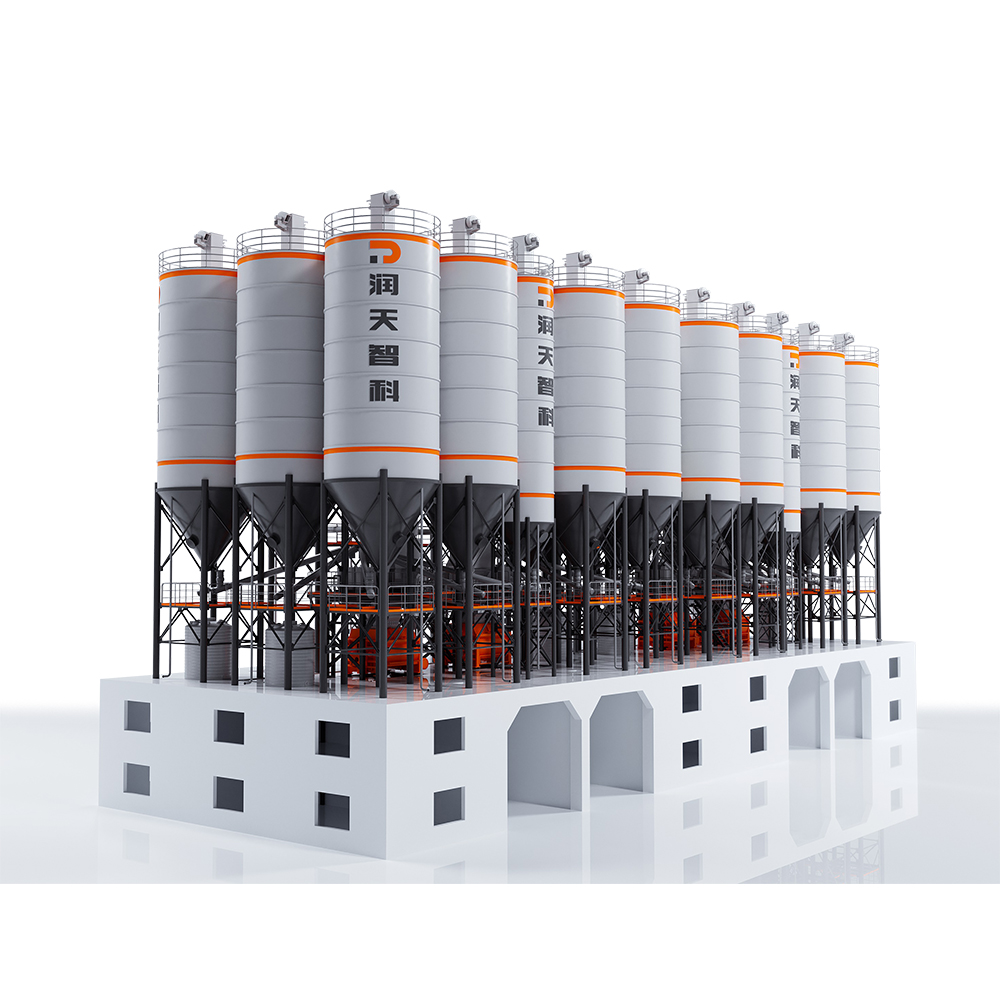 HZS Series Semi-Top Mounted Concrete Mixing Plant
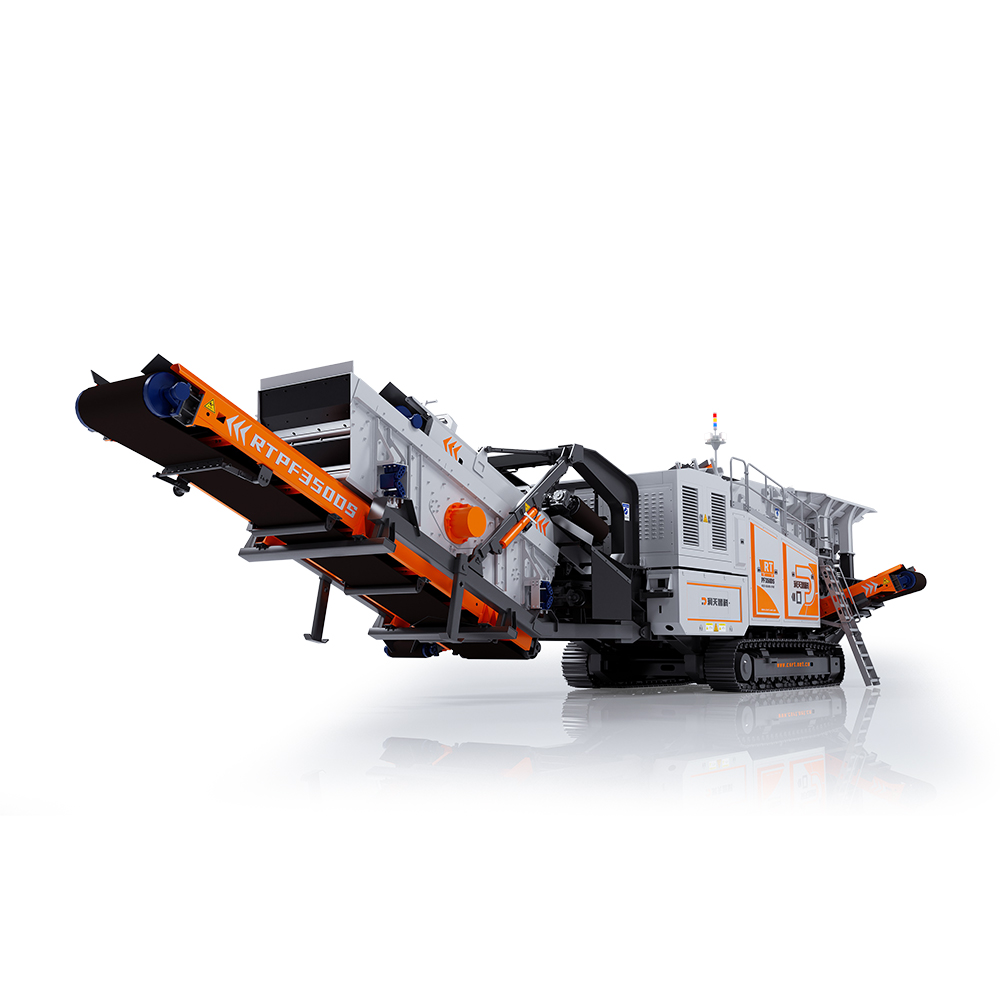 RTPF350DS Crawler Mobile Impact Crushing Plant
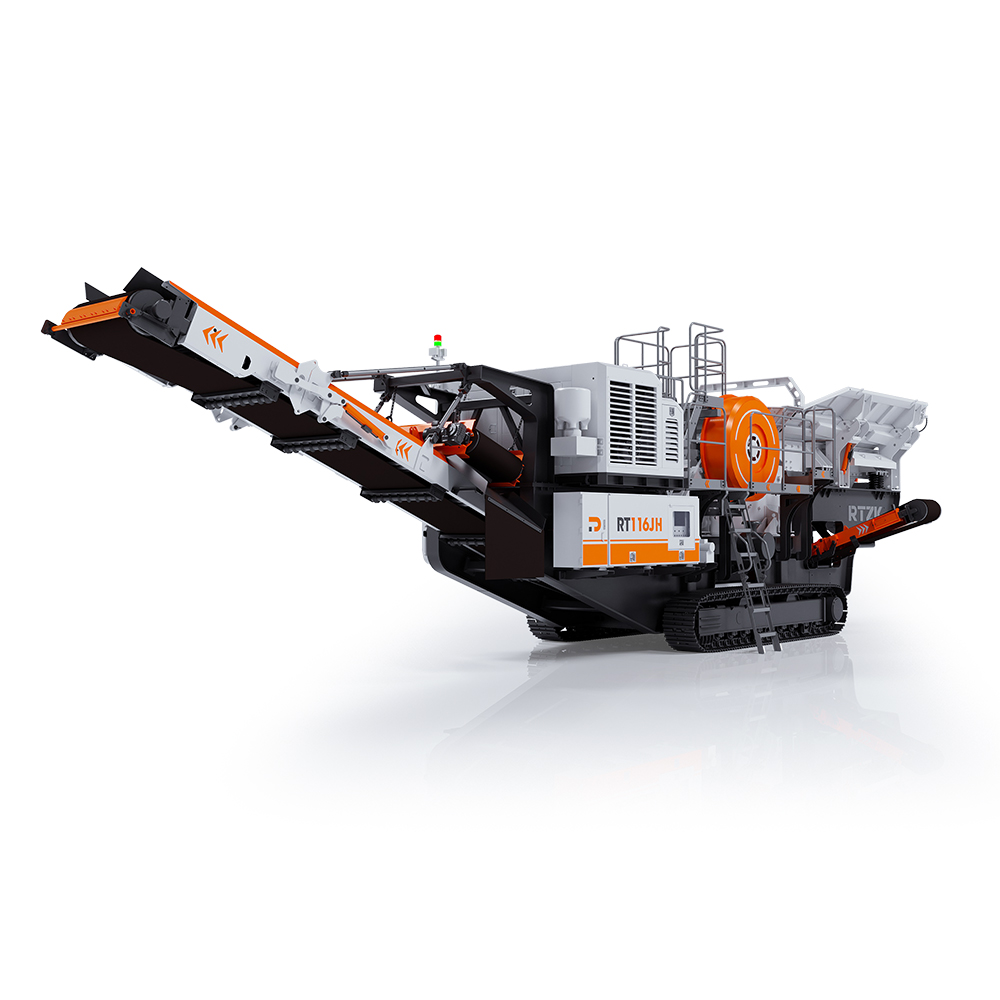 RT116JH Crawler Mobile Jaw Crushing Plant
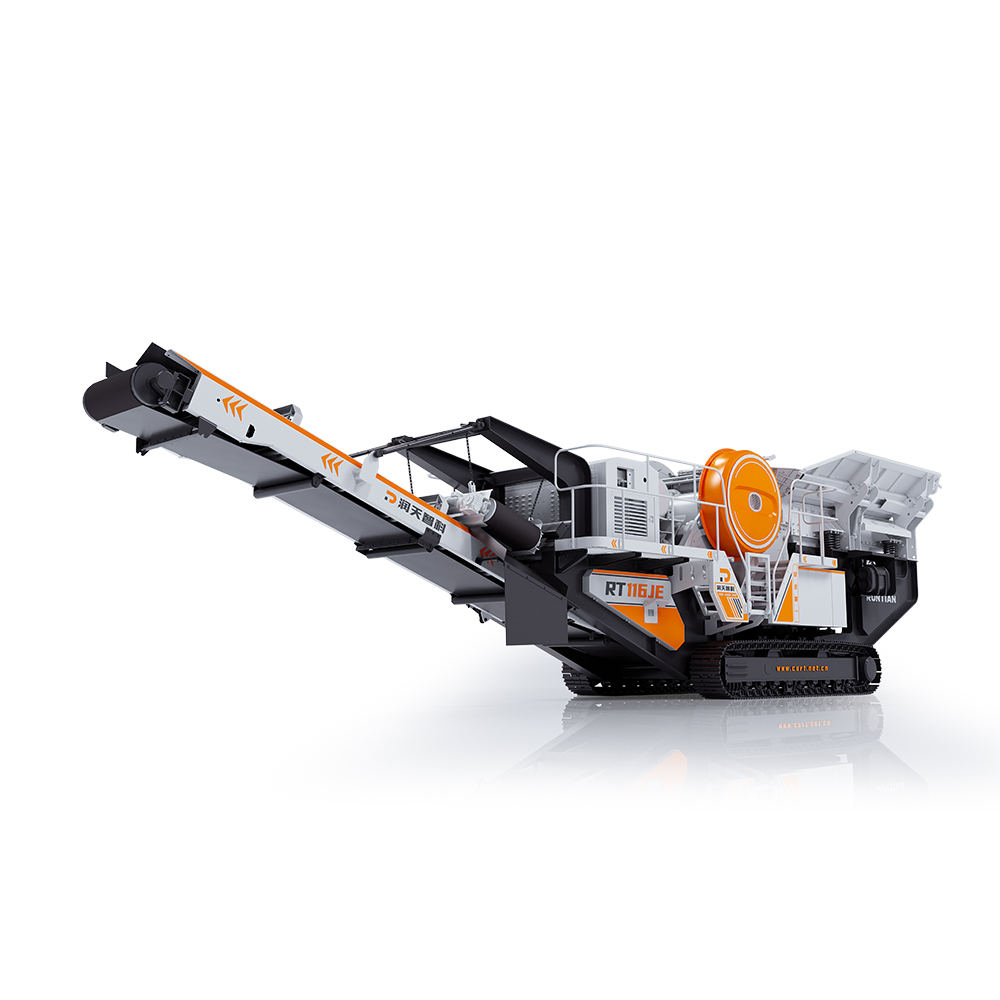 RT116JE Crawler Mobile Jaw Crushing Plant
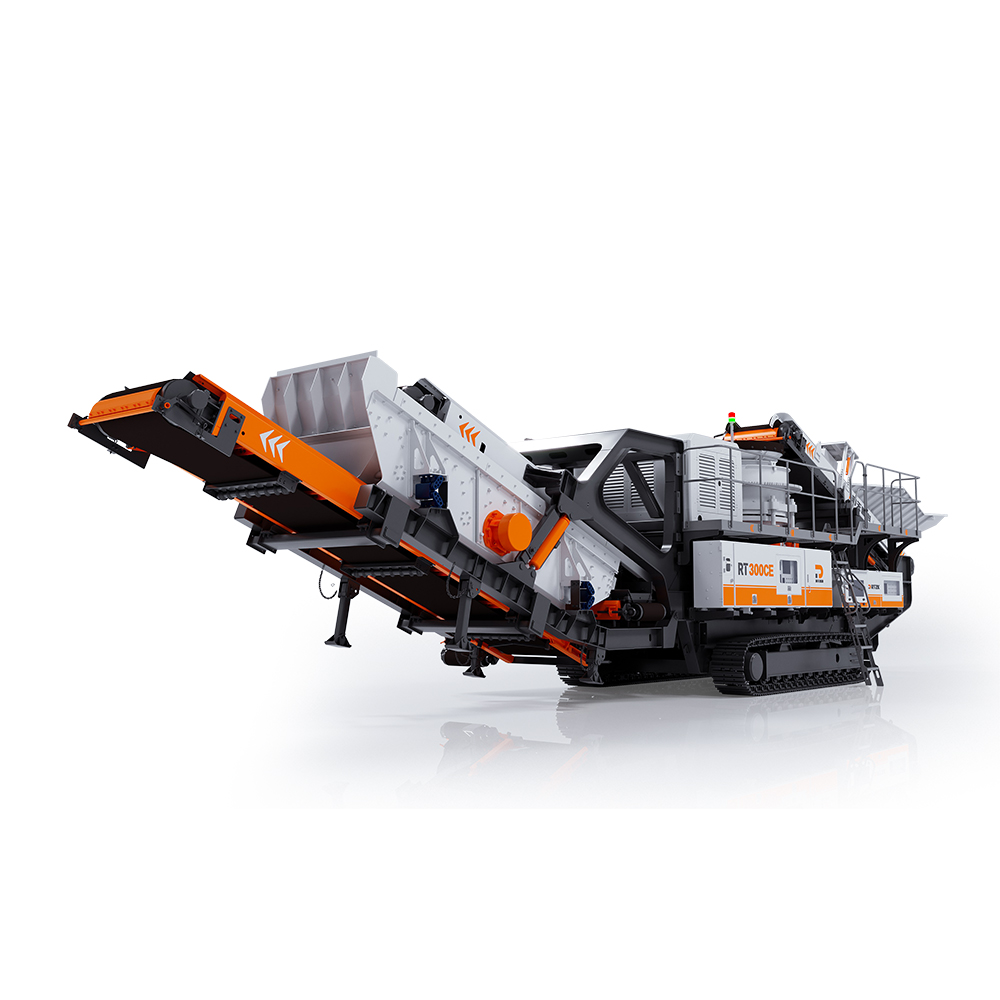 RT300CE Crawler Mobile Cone Crushing Plant
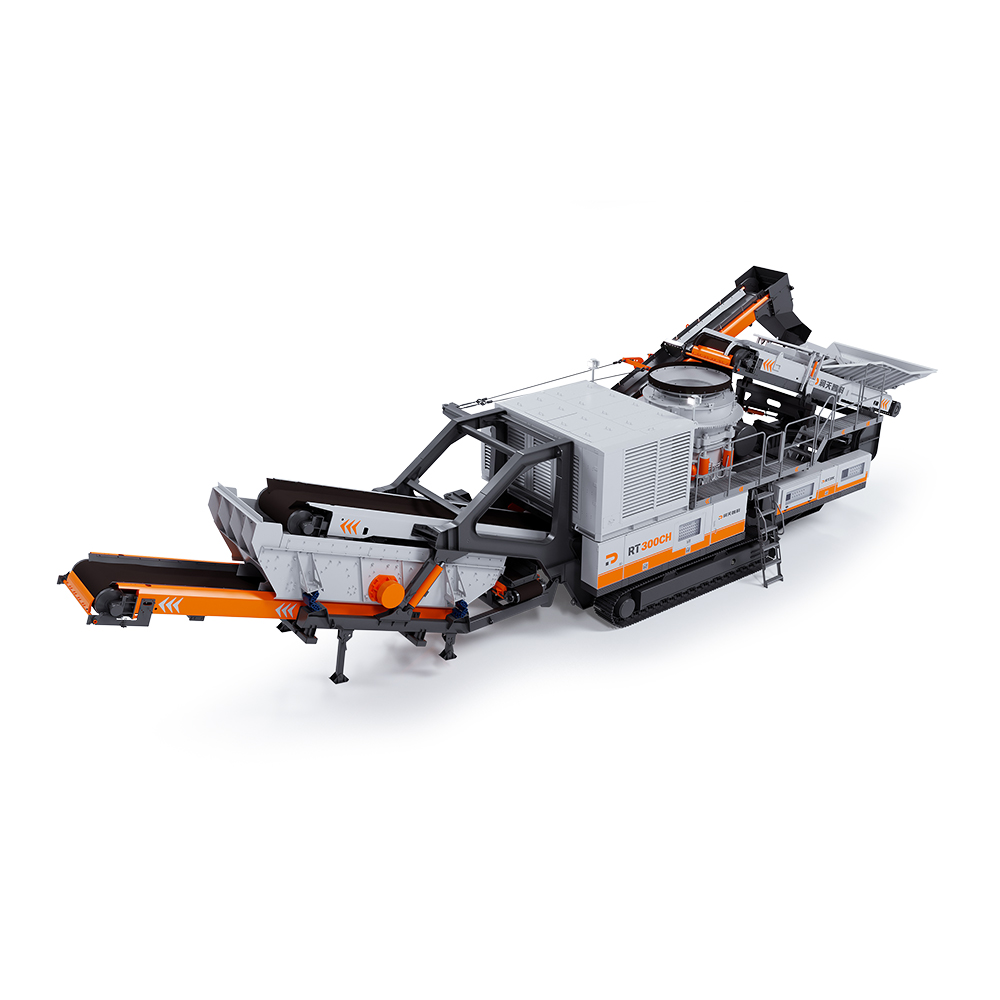 RT300CH Crawler Mobile Cone Crushing Plant
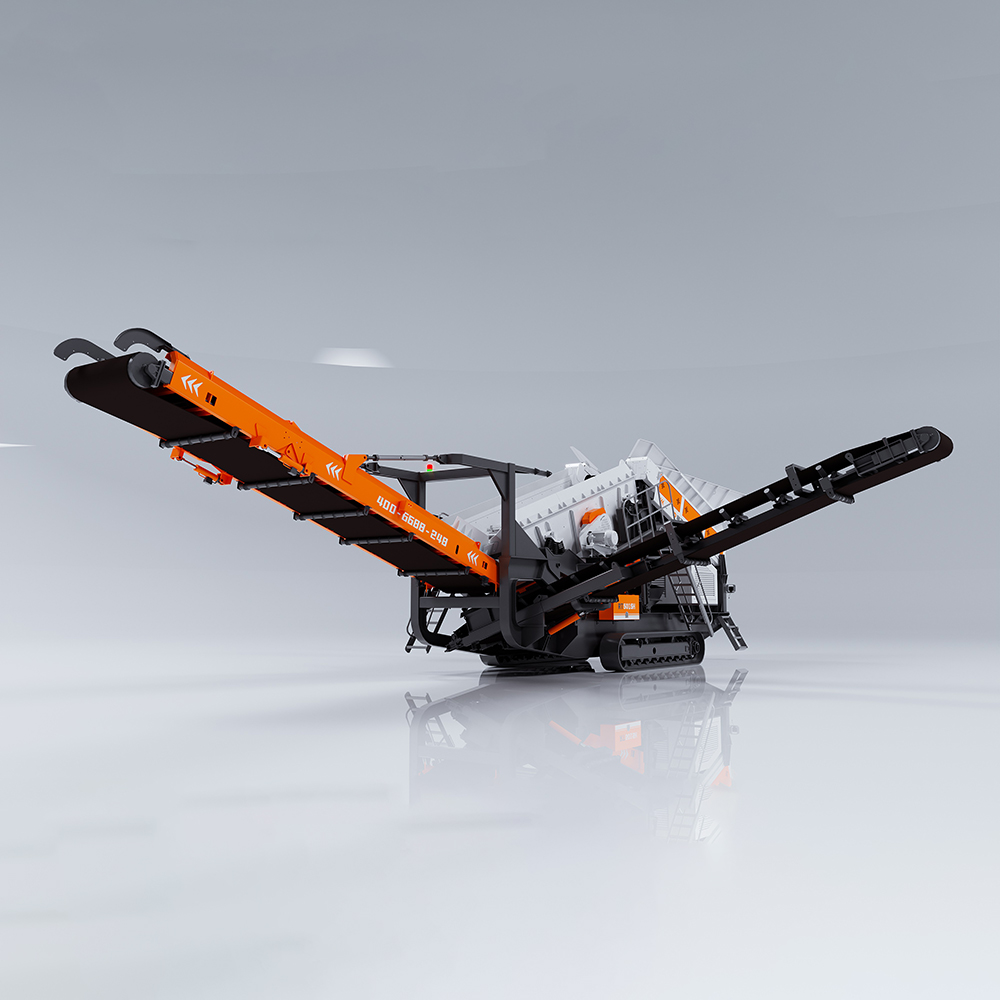 RT5015H Mobile Scalping Screen
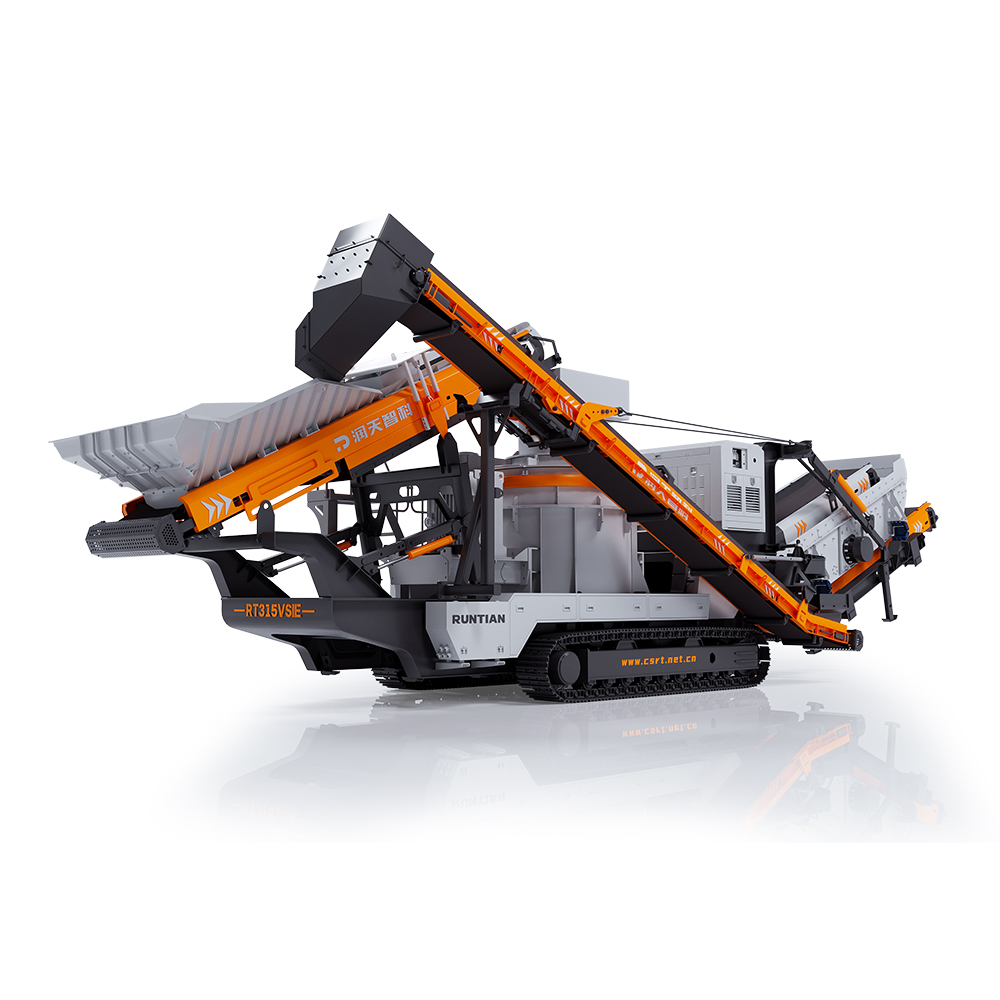 RT315VSIE Crawler Mobile Sand Maker
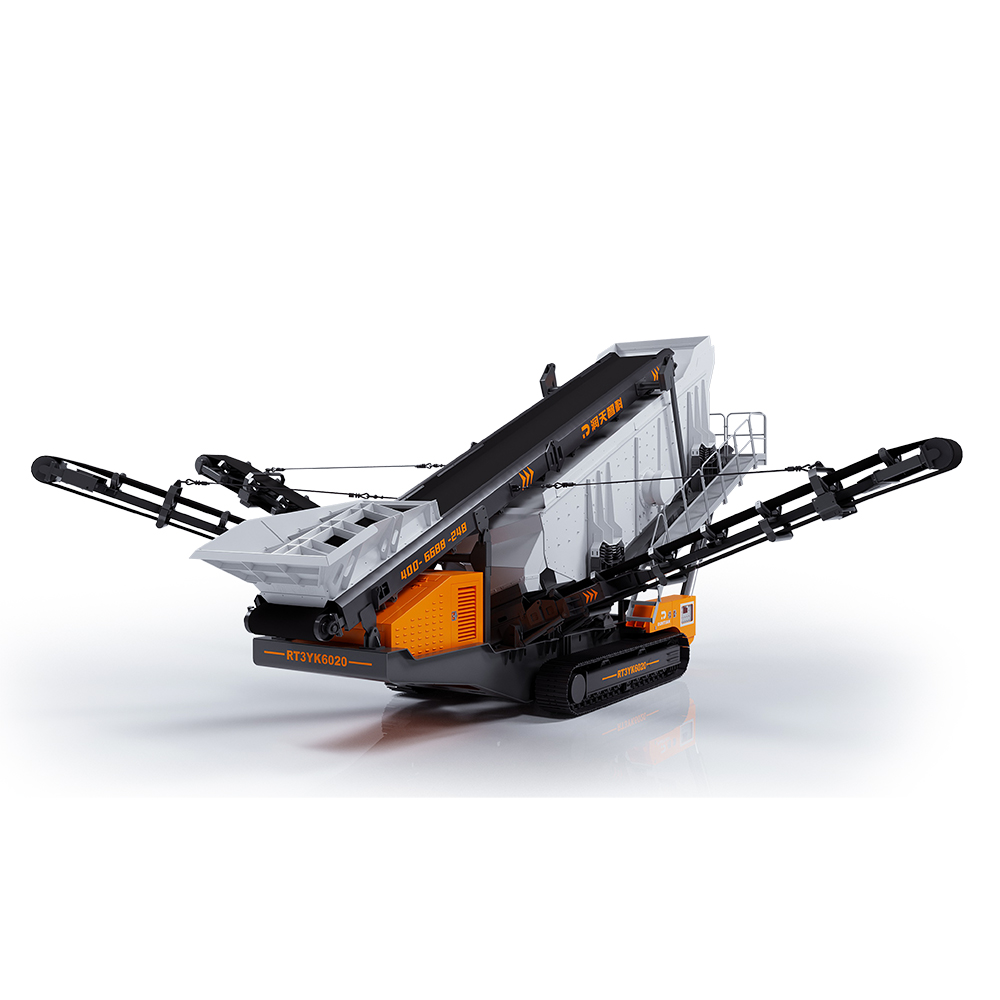 RT3YK6020 Crawler Mobile Screening Plant
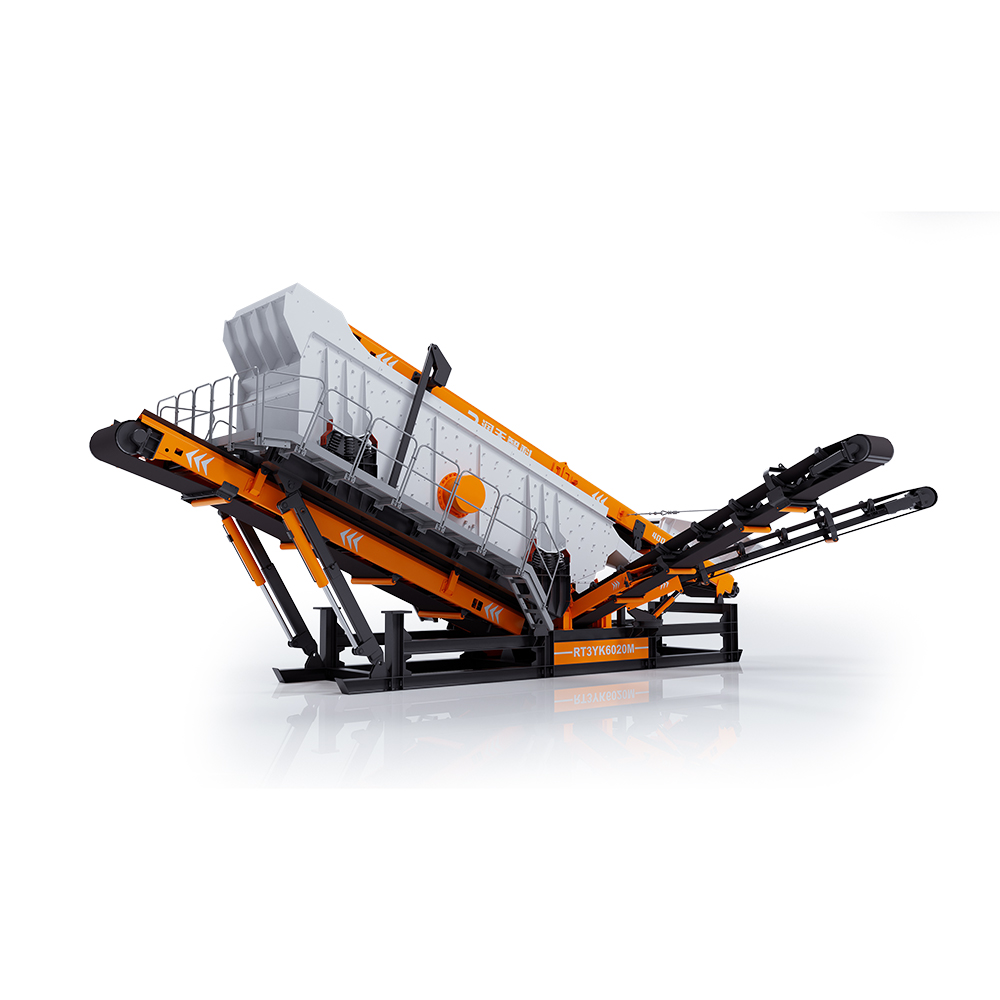 RT3YK6020M Modular Screening Plant
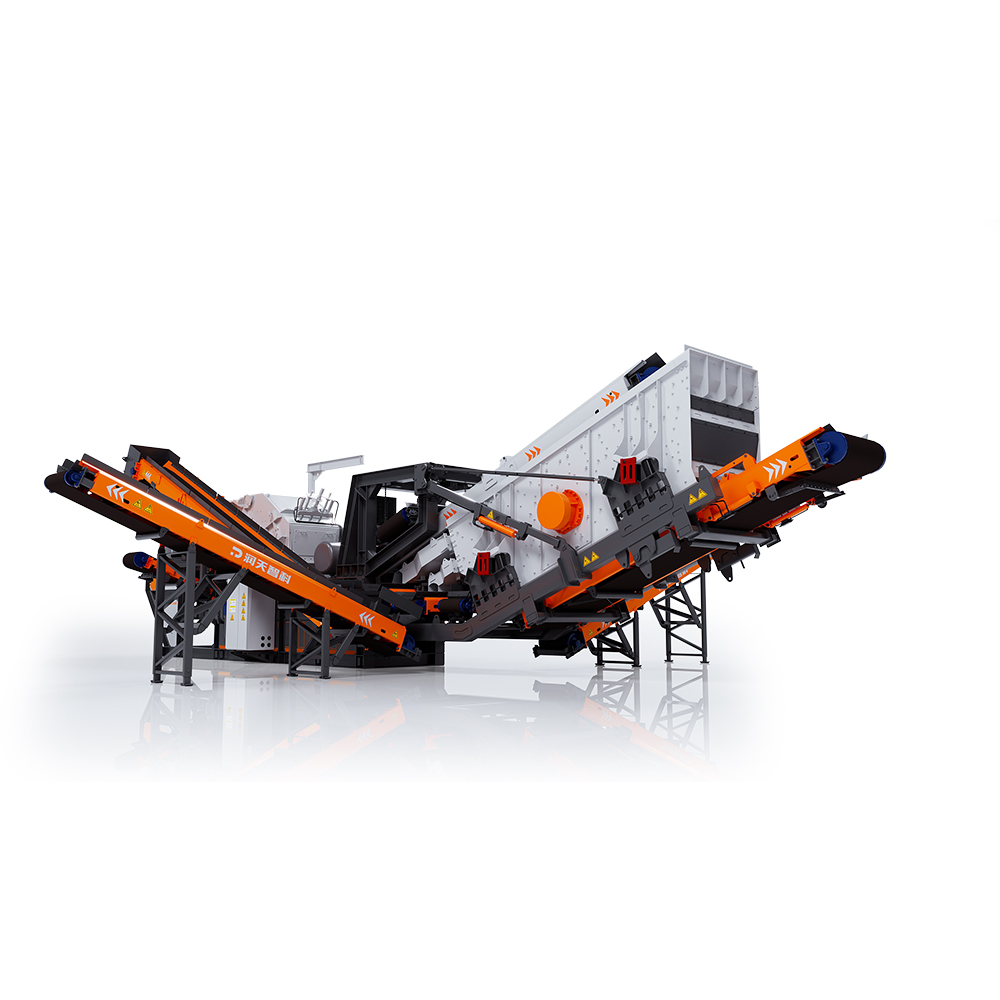 RTF260M Modular Counterattack Crushing and Screening Integrated Machine
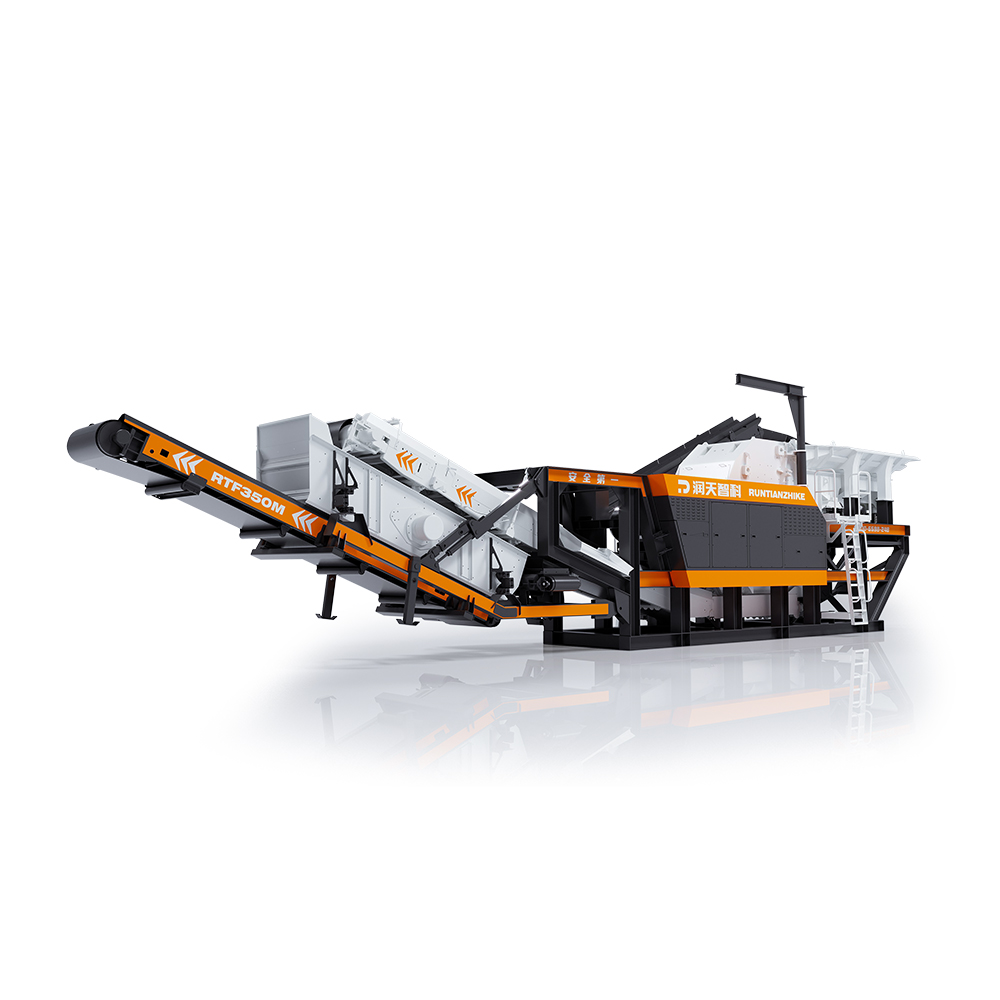 RTF350M Modular Impact Crushing Plant
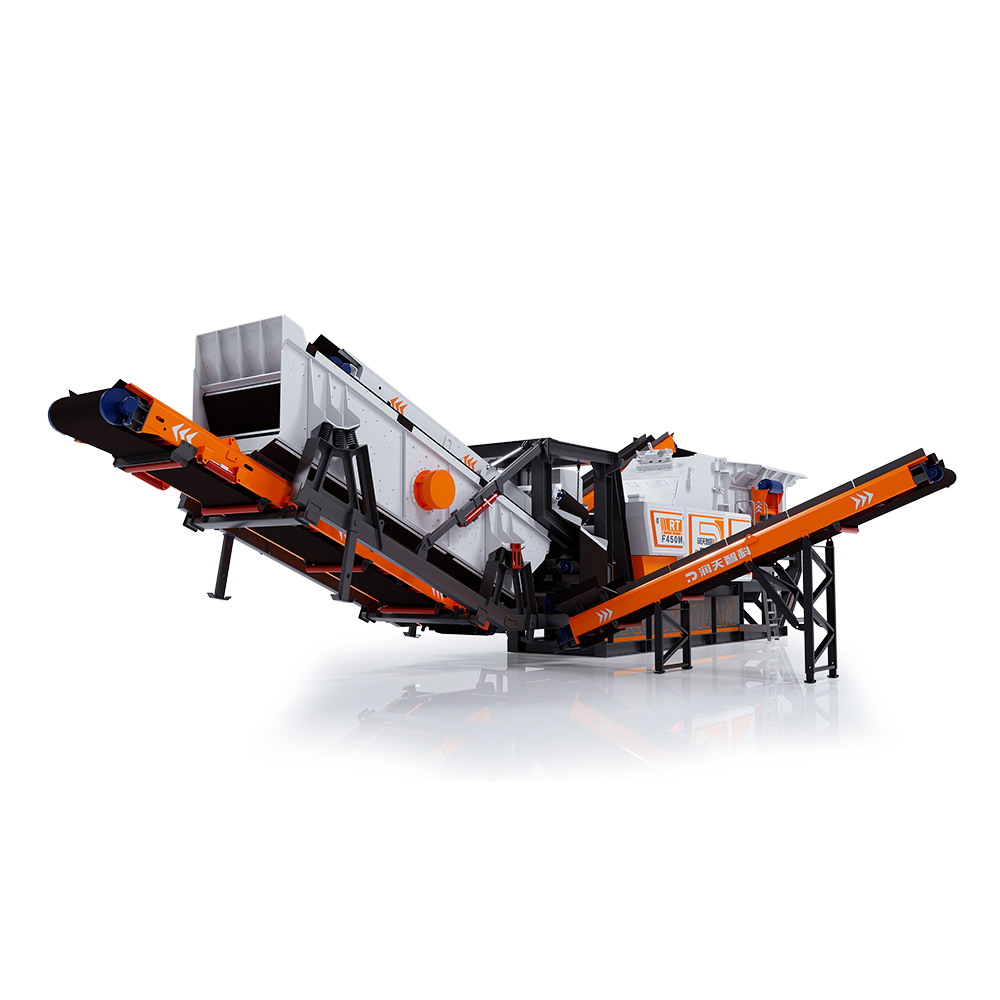 RTF450M Modular Impact Crushing Plant
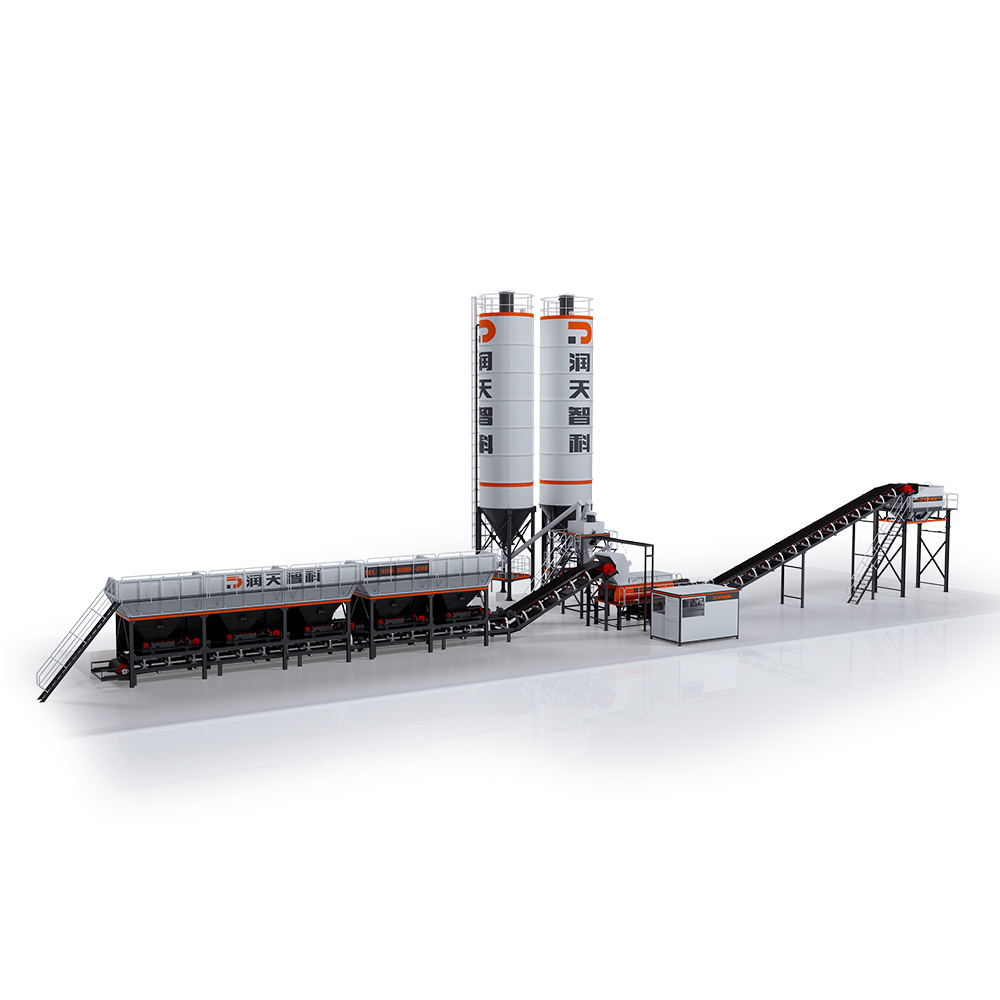 WDB Series Foundation-Free Stability Soil Mixing Plant
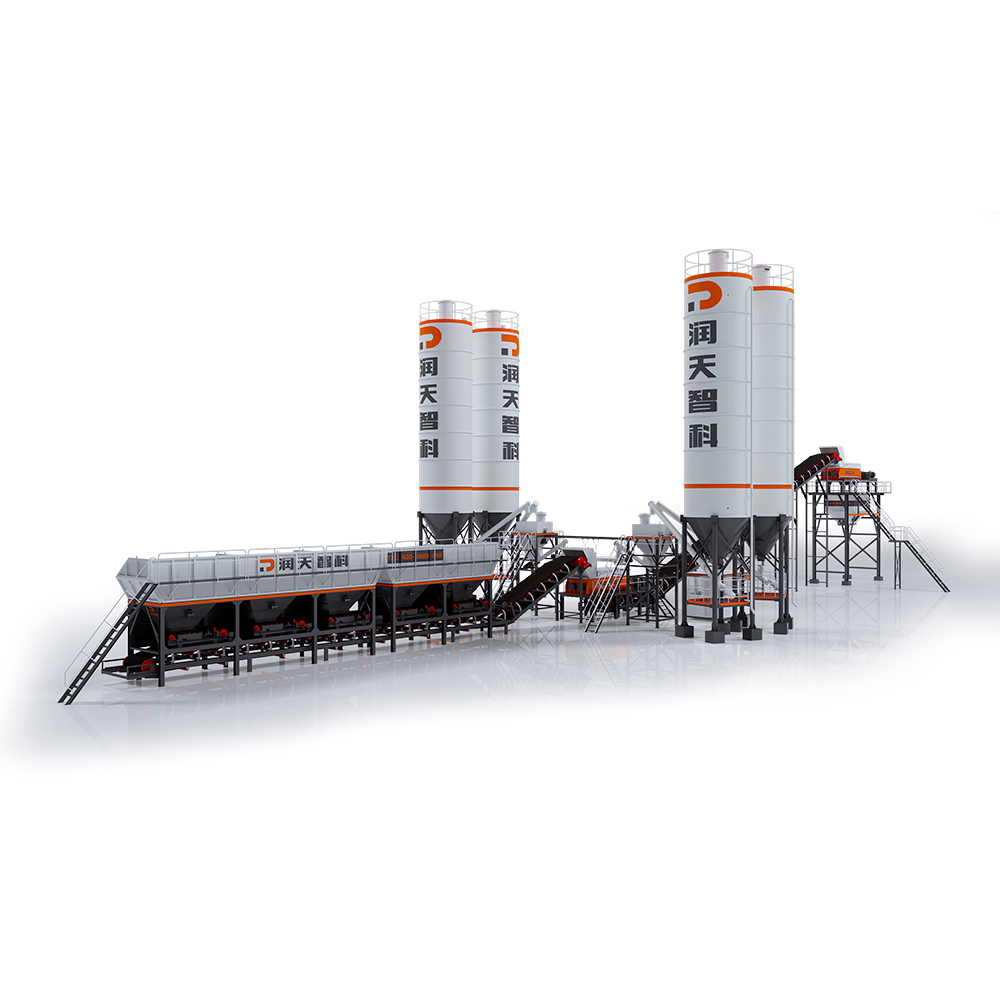 LCB Series Emulsified Asphalt Cold Regeneration Secondary Mixing Plant
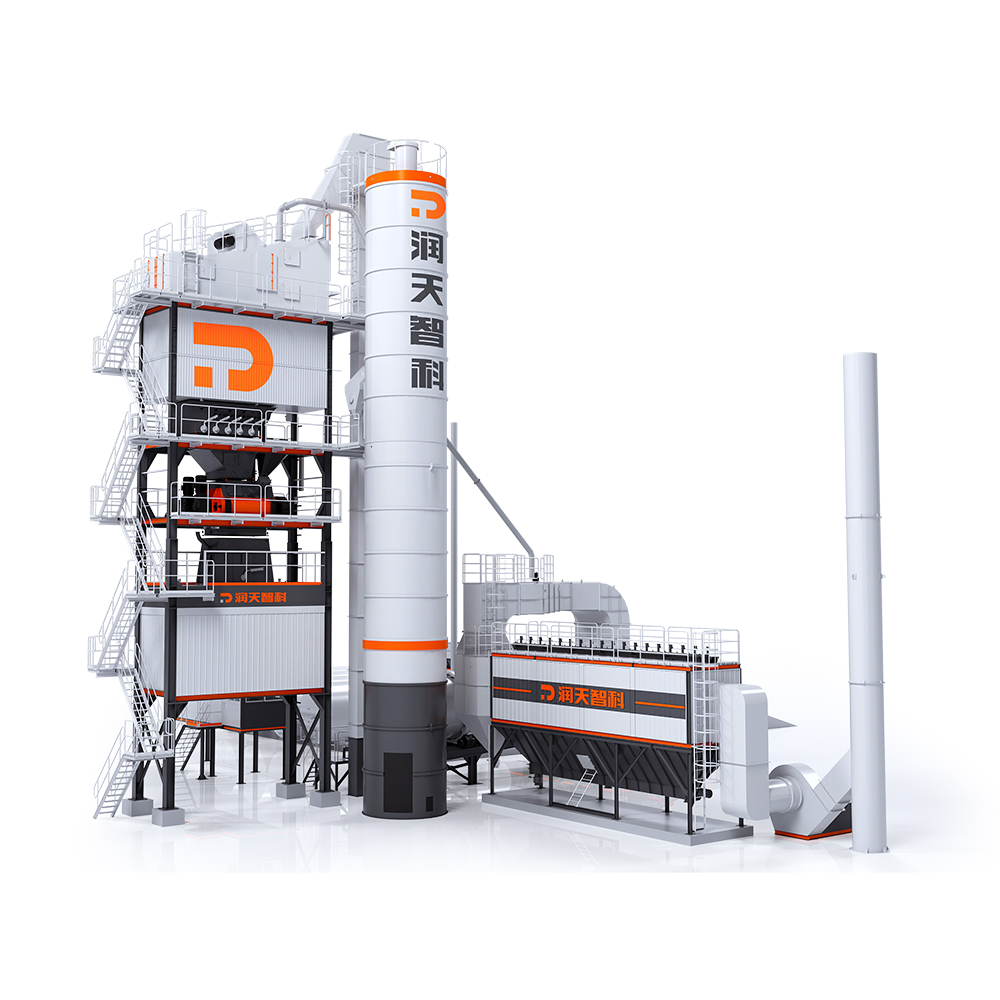 LB Series Asphalt Mixing Plant
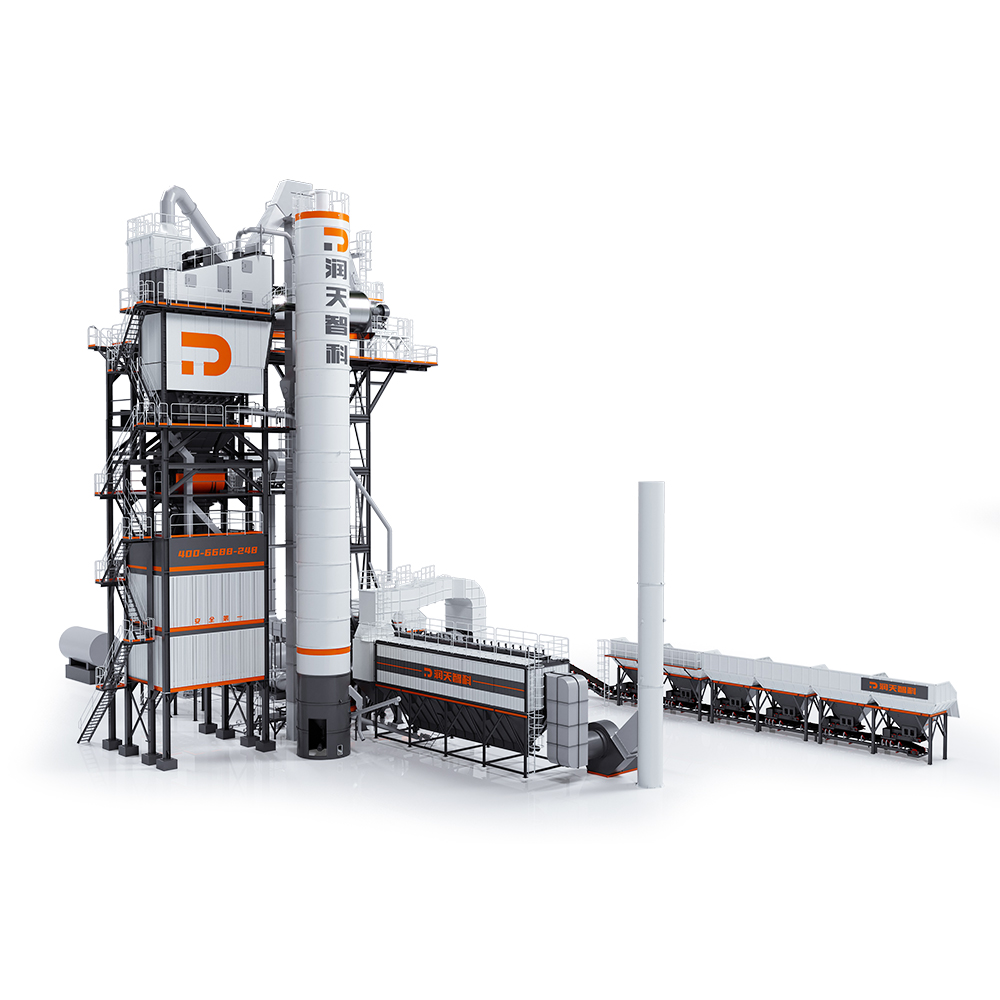 LBR Series Integrated Asphalt Mixing Plant
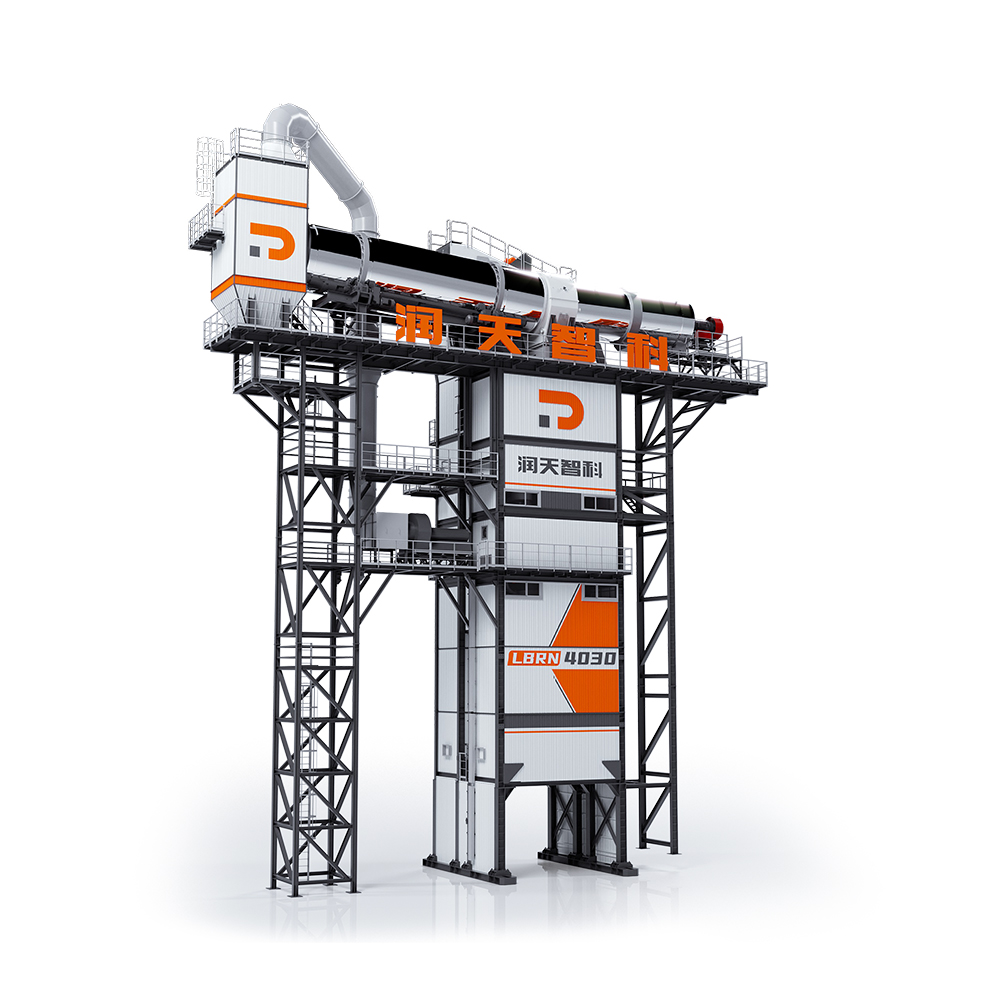 LBRN Series Counterflow Integral Asphalt Mixing Plant
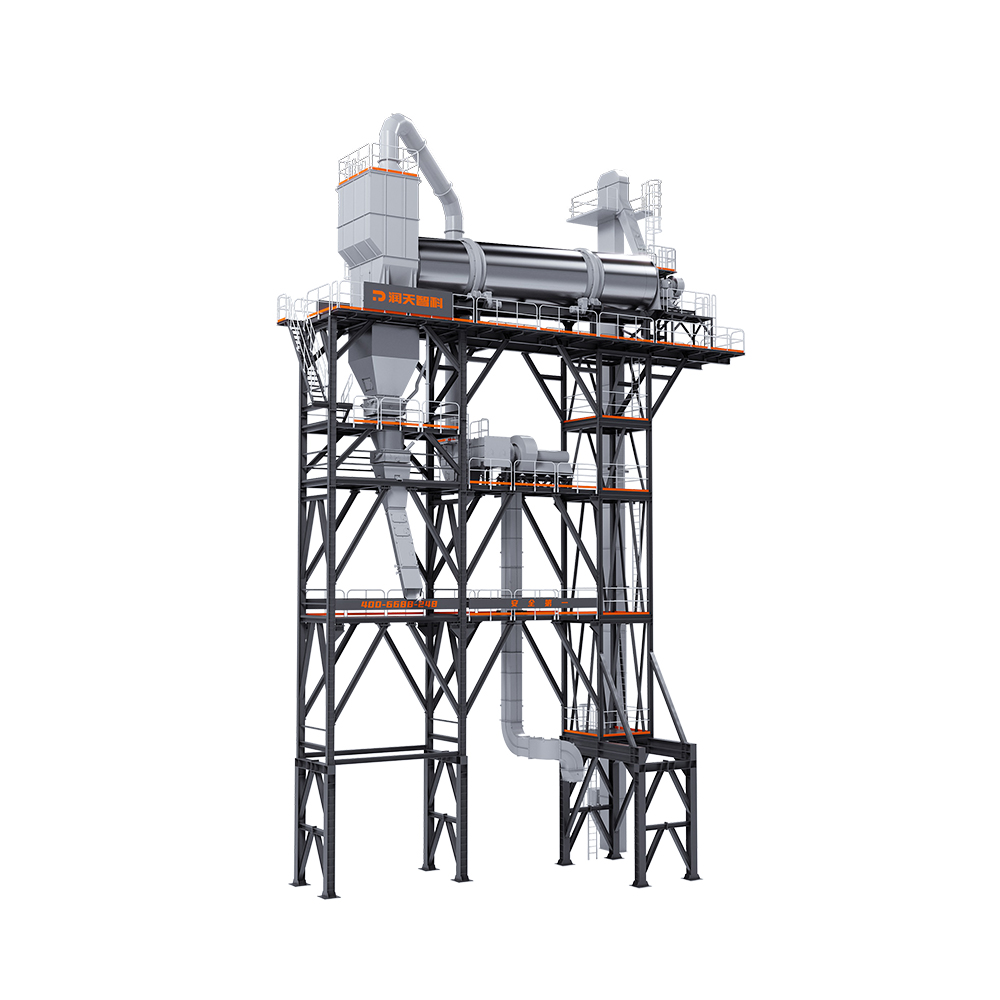 RZS Series Asphalt Mixing Plant
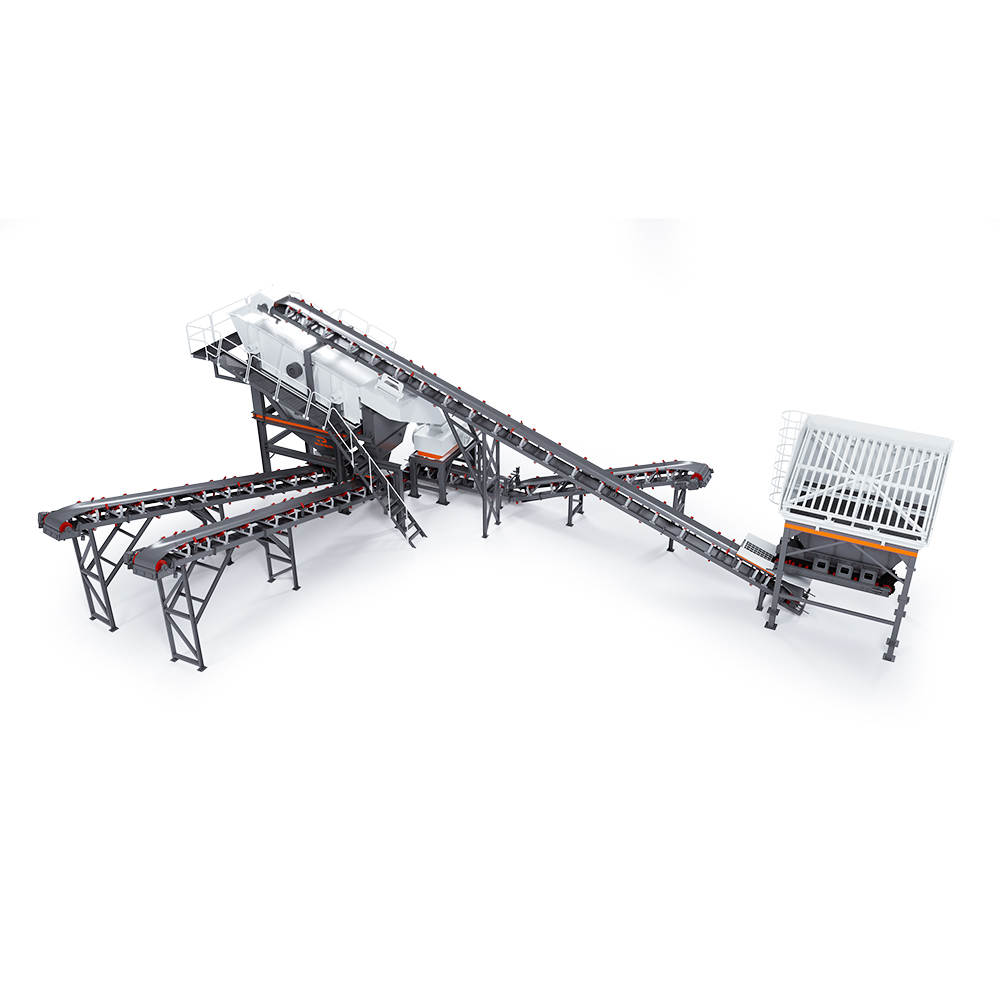 RTZS120 Series RAP Crushing & Screening Plant
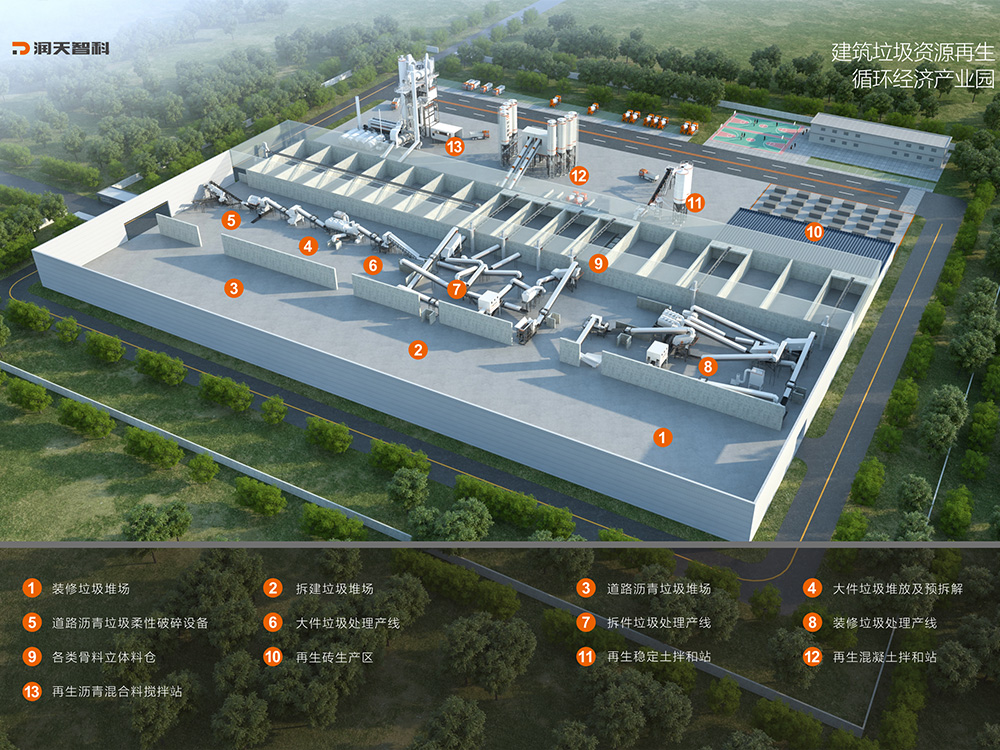 Construction Waste Resourceful Treatment Line