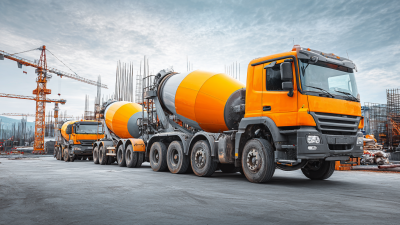
Why Invest in a Cement Machine? Benefits and Tips for Choosing the Right One
Investing in a Cement Machine can be a transformative decision for construction businesses, given the increasing demand for cement in various infrastructure projects. According to recent market analysis by Research and Markets, the global cement market is projected to reach approximately $682 billion by 2027, growing at a CAGR of around 5.5% from 2020. This growth is driven by urbanization, population growth, and infrastructure development, highlighting the vital role that cement plays in modern construction.
Choosing the right Cement Machine can significantly enhance productivity and reduce operational costs. With advancements in technology, modern cement machines are designed to improve efficiency and ensure high-quality output, which is crucial in meeting the stringent standards of the construction industry. Furthermore, understanding the specific requirements of your projects and the various types of cement machines available is essential. By making informed choices based on qualitative data and expert recommendations, businesses can better position themselves to capitalize on the thriving cement market.
Benefits of Investing in a Cement Machine for Construction Projects
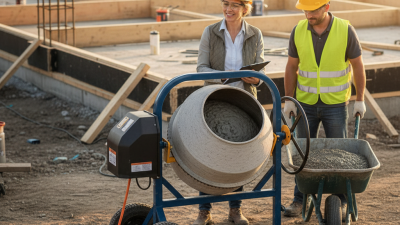
Investing in a cement machine can significantly enhance the efficiency and quality of construction projects. One of the primary benefits is the ability to produce high-quality cement in precise quantities, tailored to the specific needs of each project. This precision not only ensures consistency in the materials used but also contributes to the overall durability and stability of the structures being built. Moreover, on-site production reduces the need for transporting cement from suppliers, which can save both time and transportation costs.
Additionally, employing a cement machine allows for better control over the mixing process, enabling customization of the cement mix based on environmental conditions or project specifications. This flexibility can lead to improved performance of the concrete under various conditions, providing a competitive edge in the construction industry. Furthermore, having a cement machine on-site can streamline operations, leading to savings in labor and project timelines, as workers can efficiently access the material they need without delays. Overall, the strategic investment in a cement machine positions construction businesses to thrive in an increasingly demanding market.
Why Invest in a Cement Machine? Benefits and Tips for Choosing the Right One
| Benefit |
Description |
Tips for Choosing |
| Increased Efficiency |
Cement machines streamline the mixing and pouring processes, saving time on construction sites. |
Look for machines with high output capacity and fast mixing times. |
| Cost Savings |
Investing in a cement machine can reduce labor costs and material wastage over time. |
Evaluate total cost of ownership vs. ongoing rental fees for machines. |
| Quality Control |
With a dedicated machine, you control the mix quality, leading to better outcomes. |
Research models that allow for precise adjustments in the mixing process. |
| Portability |
Many cement machines are designed for easy transport to various job sites. |
Consider weight and transport features when selecting a machine. |
| Versatility |
Some machines can mix and pour concrete for a variety of applications, from foundations to decorative work. |
Choose a machine with multiple functionalities to maximize usage. |
Key Factors to Consider When Selecting a Cement Machine
When selecting a cement machine, there are several key factors to consider that can significantly impact your investment and operational efficiency. First and foremost, evaluate the capacity of the machine. Depending on your project's scale, you'll need a machine that can handle the necessary volume of cement. A larger capacity machine may be essential for large-scale construction, while a smaller model may suffice for residential projects. Additionally, consider the machine's speed and efficiency, as these attributes can help improve productivity and reduce labor costs.
Another critical consideration is the machine's durability and maintenance requirements. Look for models that are constructed with high-quality materials to ensure they can withstand harsh working conditions over time. Regular maintenance is crucial in keeping the machine operational, so check for machines with easily accessible parts and reliable support services. Finally, assess the ease of operation and training requirements. User-friendly interfaces and comprehensive training programs can significantly benefit your workforce, optimizing the machine's performance and ensuring safety on the job site.
Why Invest in a Cement Machine? Benefits and Tips for Choosing the Right One
Impact of Cement Machine Efficiency on Cost Savings
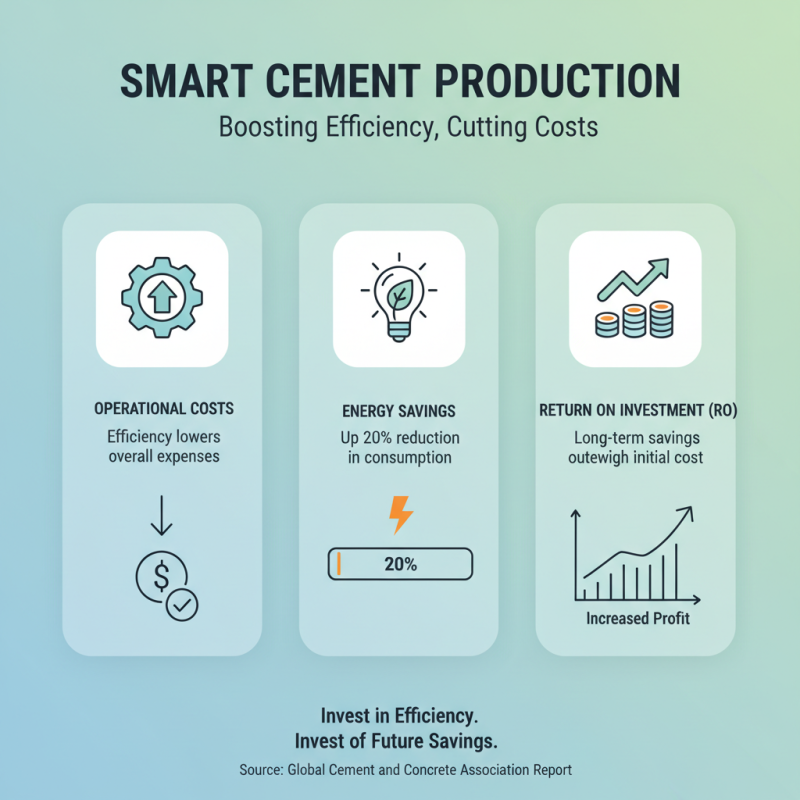
The efficiency of a cement machine significantly influences overall operational costs, making it a crucial factor for businesses in the construction industry. According to a report by the Global Cement and Concrete Association, optimizing machinery for cement production can lead to energy savings of up to 20%, translating into substantial financial benefits over time. The initial investment in a high-efficiency machine may be higher, but the long-term savings in energy consumption and maintenance can dramatically improve the return on investment.
Furthermore, advanced cement machinery often incorporates features such as automated control systems and more efficient mixing processes, which reduce material waste. A study published by the International Energy Agency highlights that poorly maintained machinery can result in a 30% increase in energy usage due to inefficient operations. Therefore, selecting a machine that prioritizes both energy efficiency and effective material management can lower operational costs and enhance profit margins significantly. The decision to invest in a high-efficiency cement machine is not just an upgrade; it's a strategic move to improve the sustainability and profitability of cement production activities.
Industry Trends: Advancements in Cement Machine Technology
The cement industry has witnessed significant technological advancements in recent years, largely driven by the need for increased efficiency and sustainability.
New cement machines are being designed with advanced automation features, allowing for precise control over the mixing and production processes. This not only enhances the quality of the cement but also reduces waste and energy consumption, making operations more environmentally friendly.
Innovations such as predictive maintenance using IoT devices can help identify potential failures before they occur, minimizing downtime and operational costs.
Furthermore, the introduction of eco-friendly materials in the cement production process is gaining traction.
Cement machines are now being engineered to utilize alternative raw materials and incorporate carbon capture technologies, which significantly lower emissions associated with traditional cement production.
Such machines not only support regulatory compliance but also cater to the growing market demand for sustainable construction practices.
As the industry shifts towards greener solutions, investing in modern cement machines equipped with these advancements is essential for businesses aiming to remain competitive and meet the evolving needs of the construction sector.
Comparative Analysis: New vs. Used Cement Machines for Investment
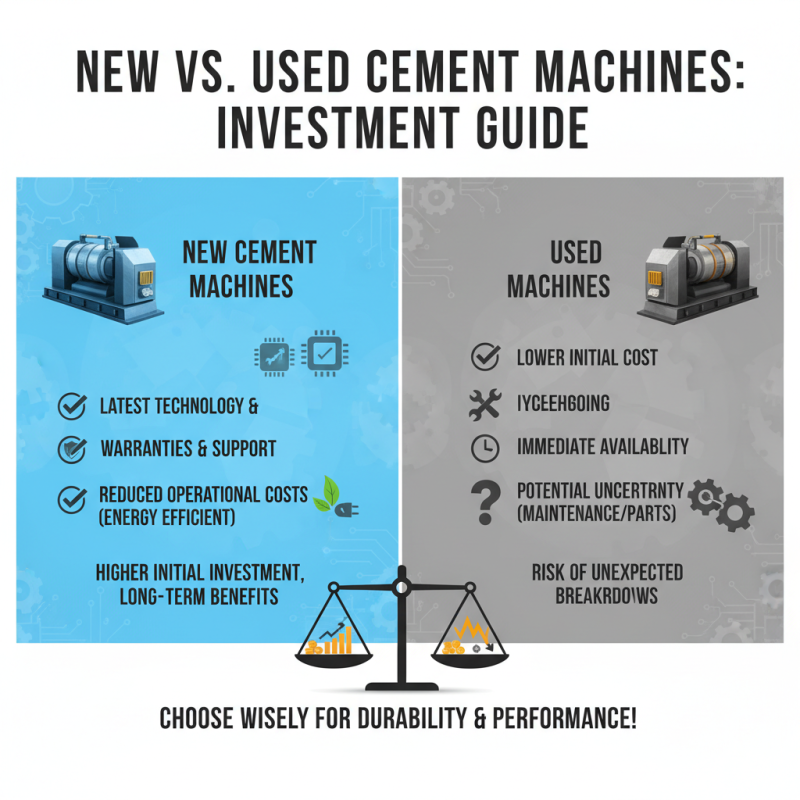
When considering an investment in a cement machine, one crucial decision revolves around choosing between new and used equipment. New cement machines come with the latest technology and efficiency improvements, offering enhanced performance and durability. They typically come with warranties and comprehensive support from manufacturers, reducing the risk of unexpected breakdowns. Furthermore, new machines often have improved energy efficiency, which can lead to lower operational costs over time. The initial investment may be higher, but the long-term benefits and reliability can justify the expenditure.
On the other hand, purchasing used cement machines can present a more budget-friendly option. When considering used equipment, it’s vital to conduct a thorough inspection to assess the machine's condition and performance history. This might include reviewing maintenance records and seeking machines that have been well-cared for. While the potential for lower upfront costs is appealing, investors must weigh the risks such as possible increased maintenance needs and lack of warranty. Ultimately, the choice between new or used machines should align with the specific operational requirements, budget constraints, and long-term business goals, ensuring that the investment serves its purpose efficiently.

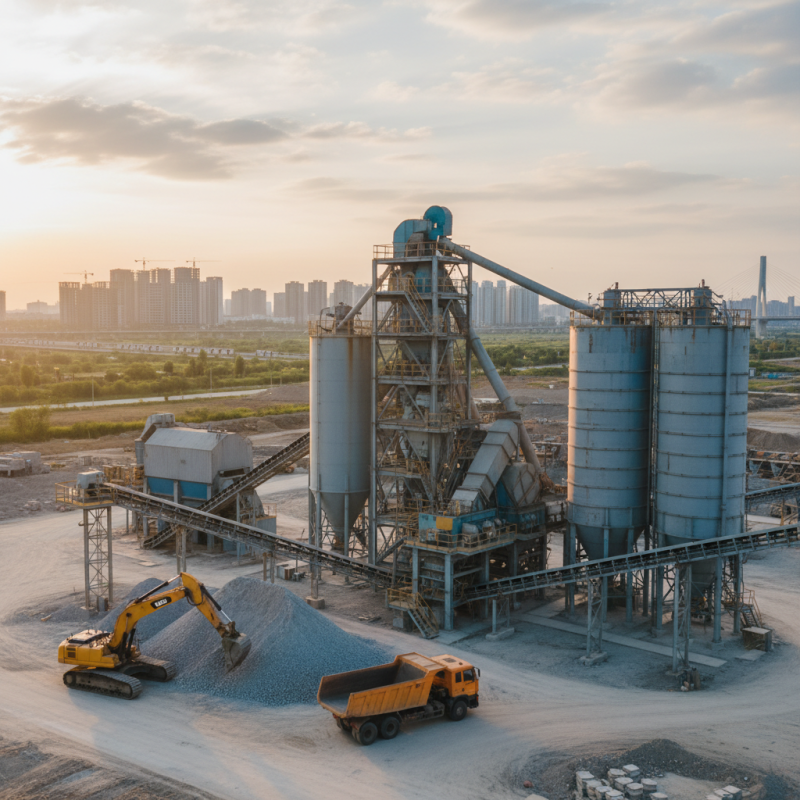
 Concrete Mixing Plant
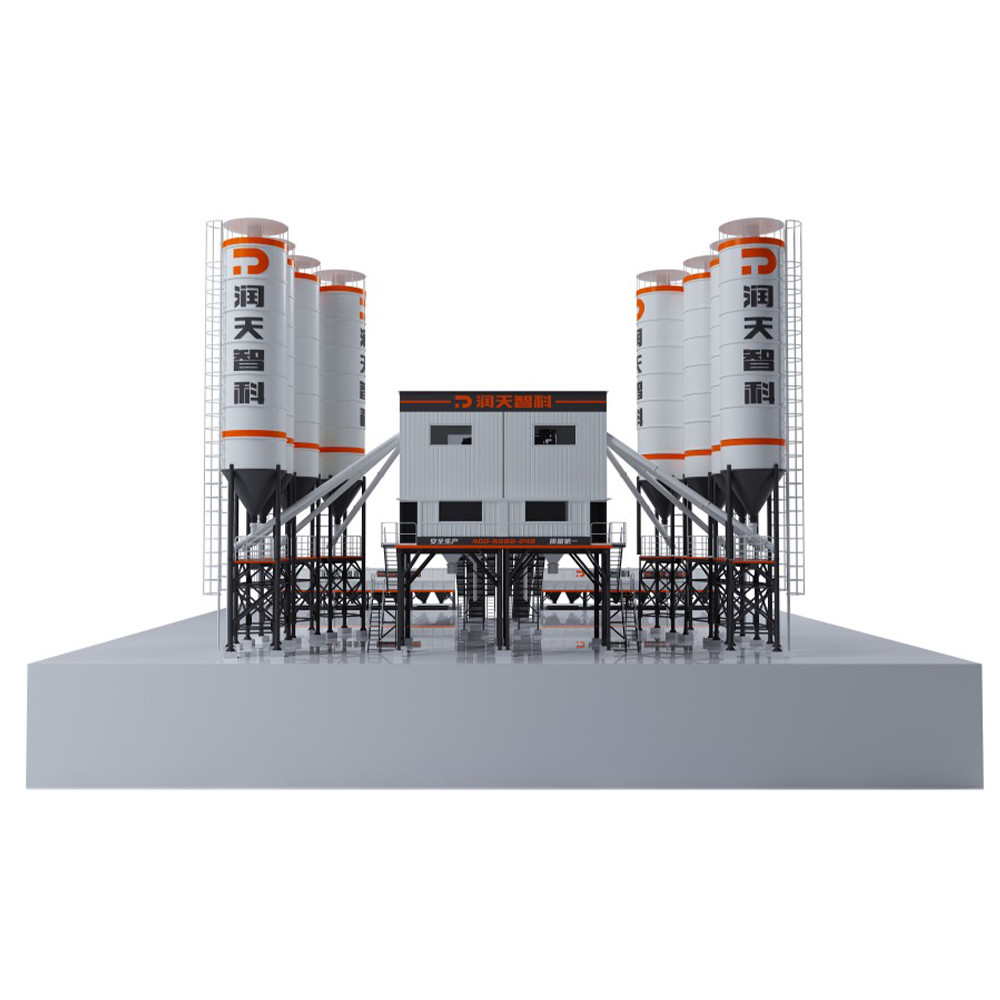 HZS Series Belt Concrete Mixing Plant
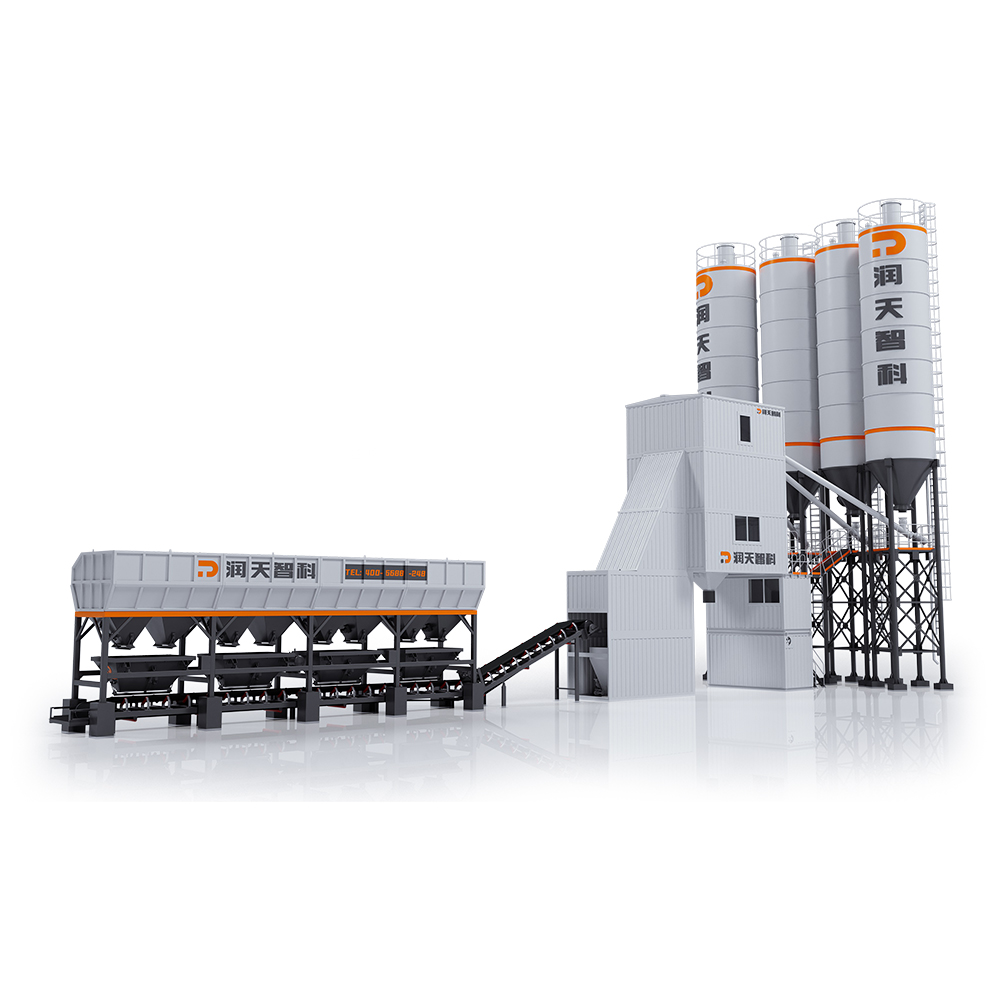 HZS Series Bucket-Lifting Type Container Concrete Mixing Plant
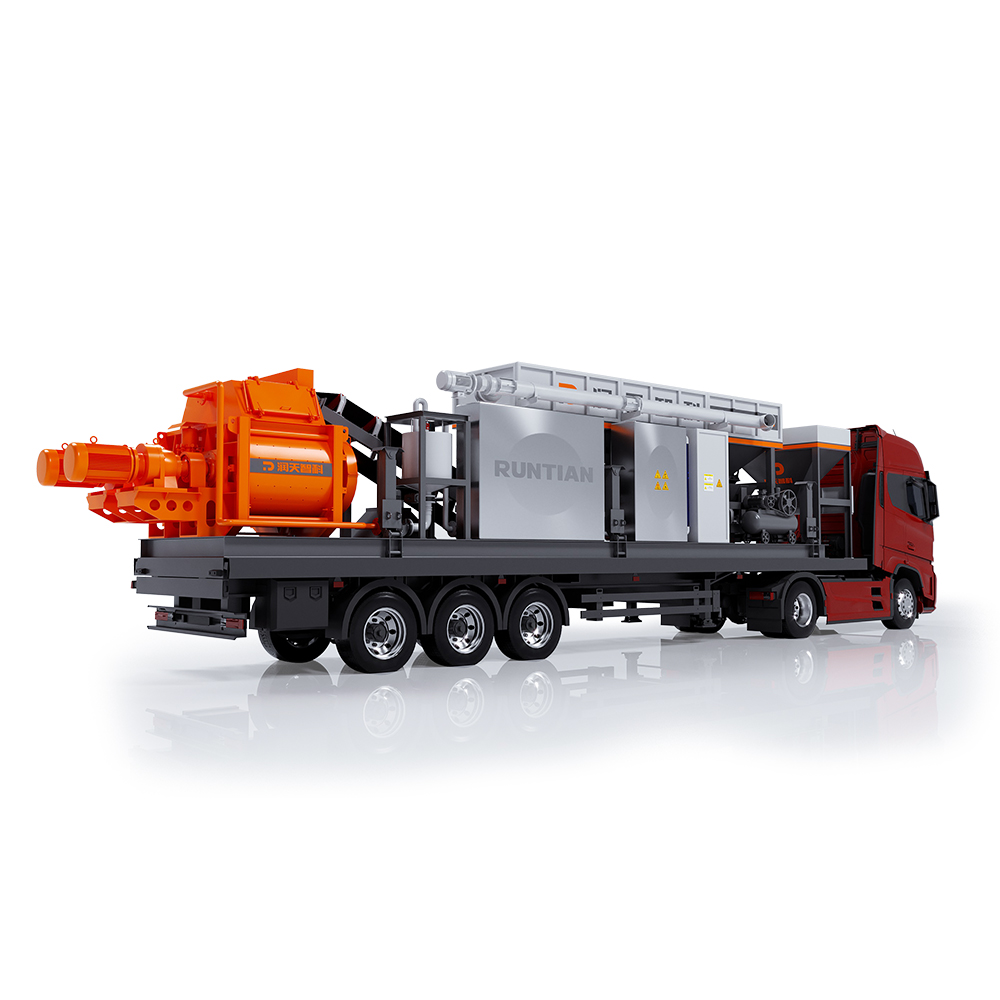 HZS60 Mobile Concrete Mixing Plant
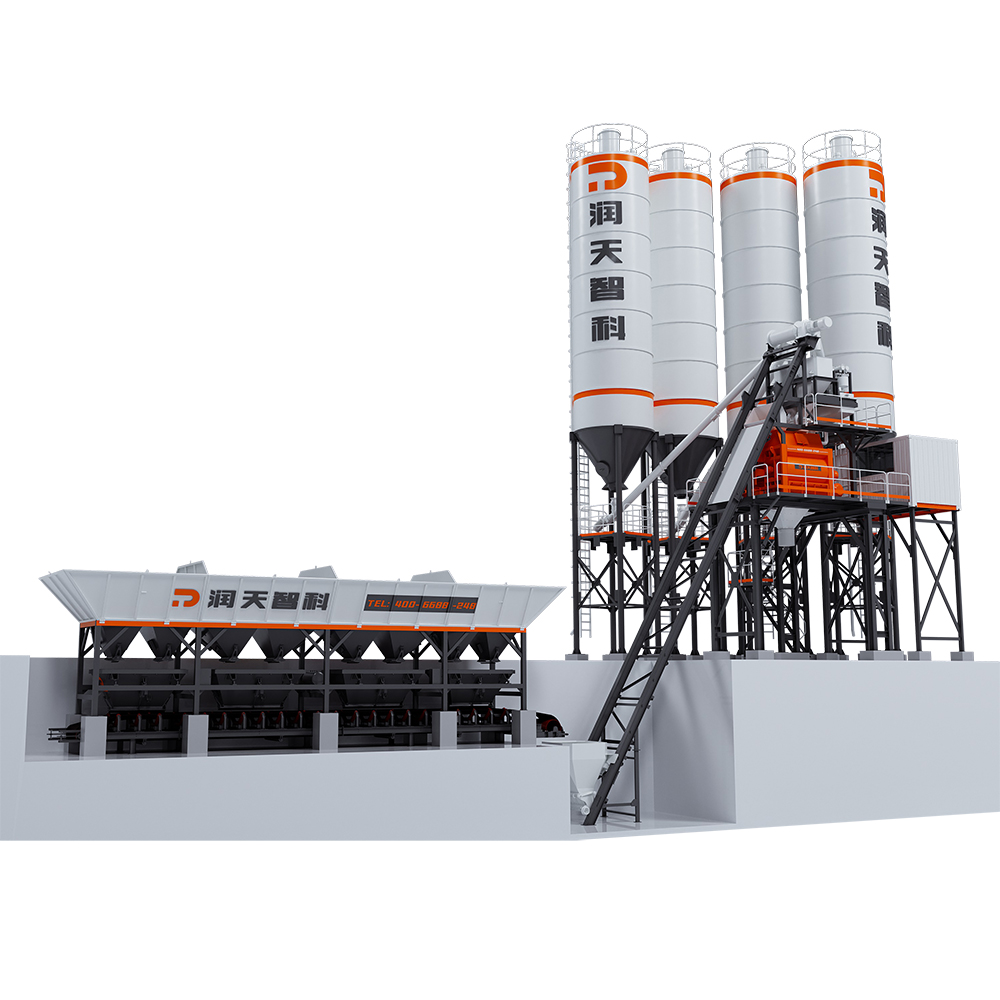 HZS Series Bucket-Lifting Type Concrete Mixing Plant
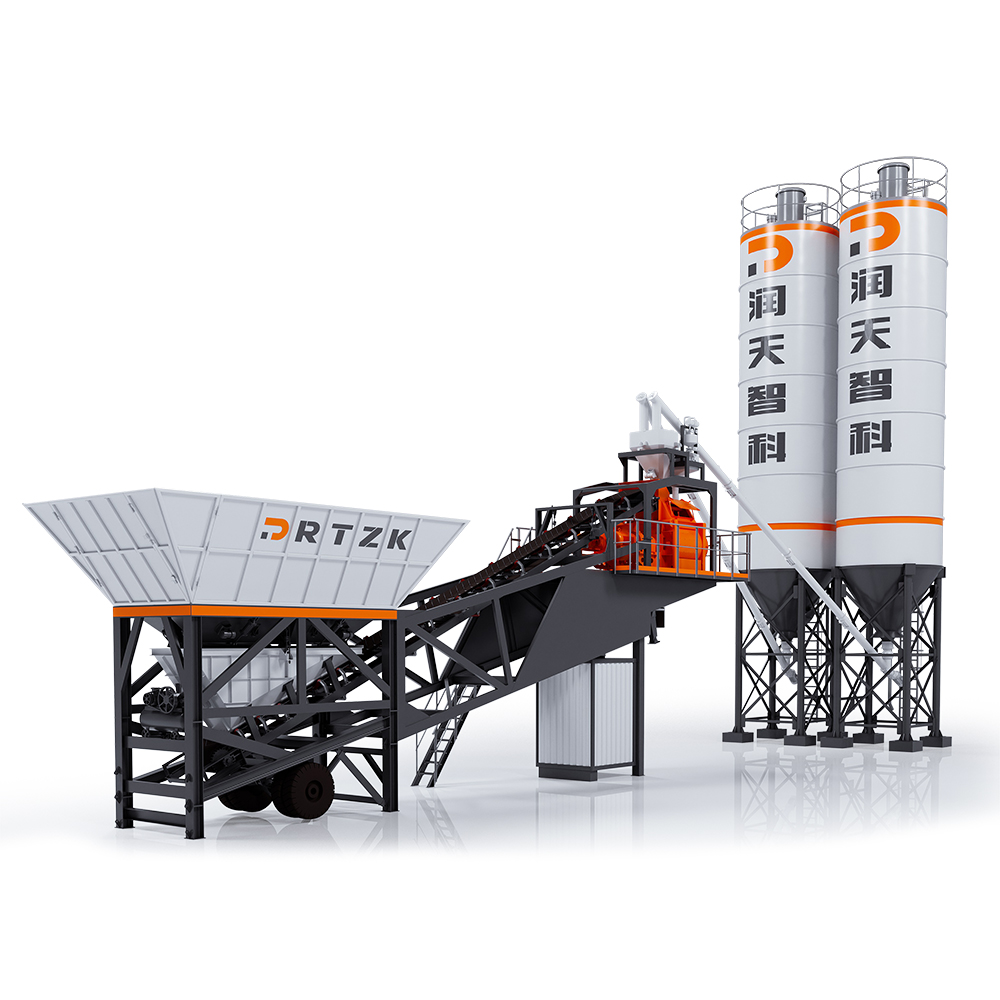 HZS Series Mobile Concrete Mixing Plant
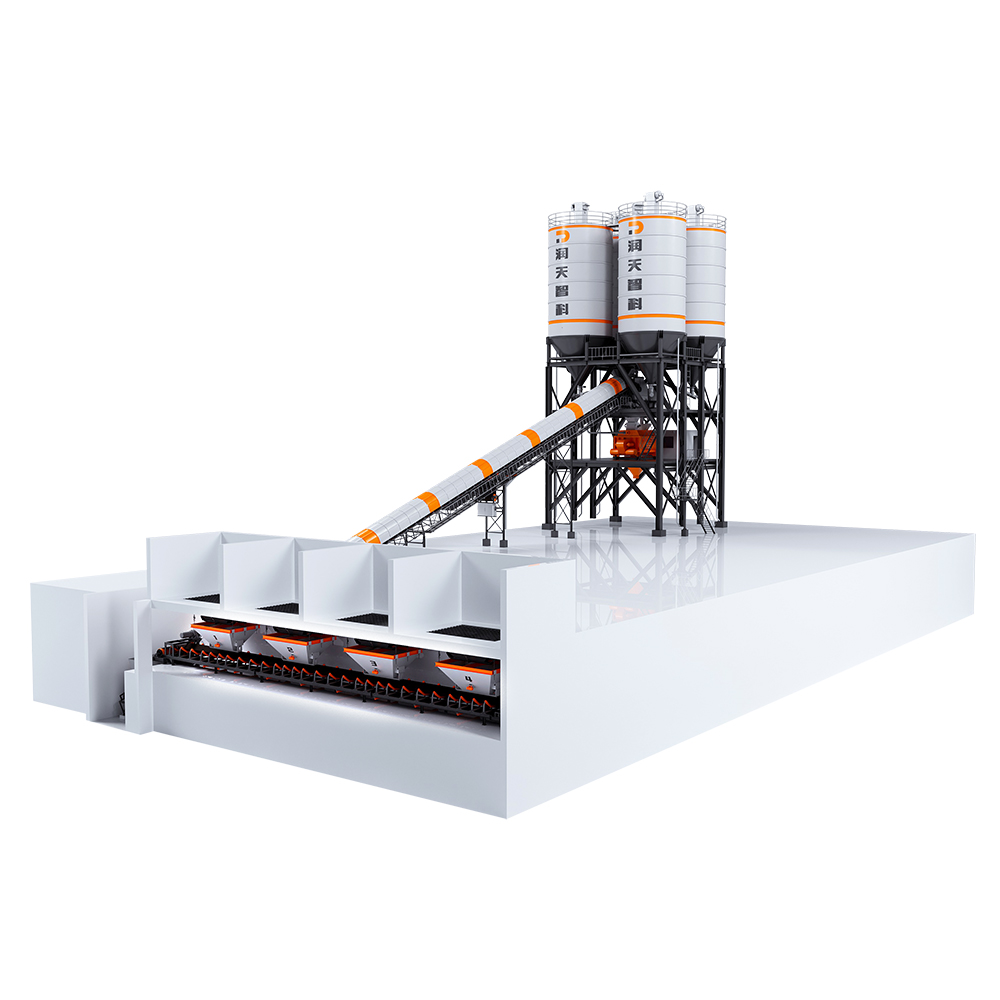 HZS Series Top-Mounted Concrete Mixing plant
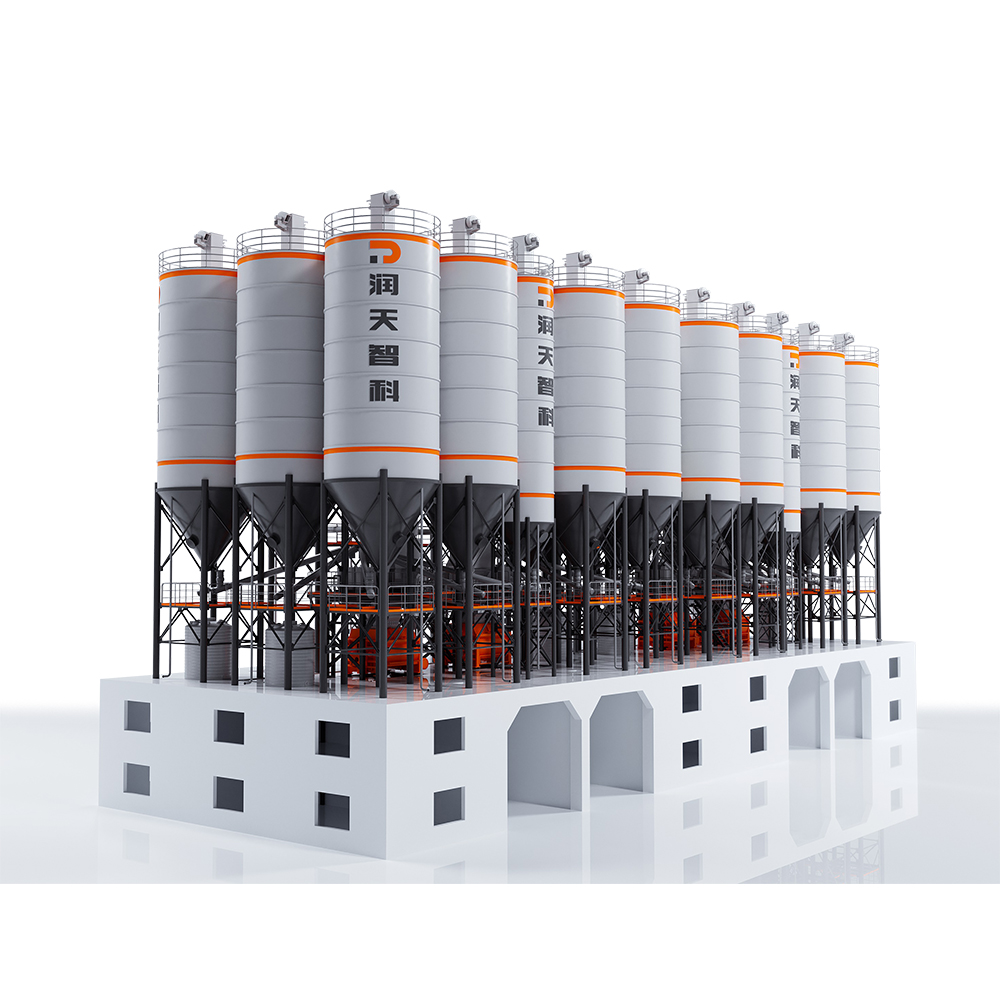 HZS Series Semi-Top Mounted Concrete Mixing Plant
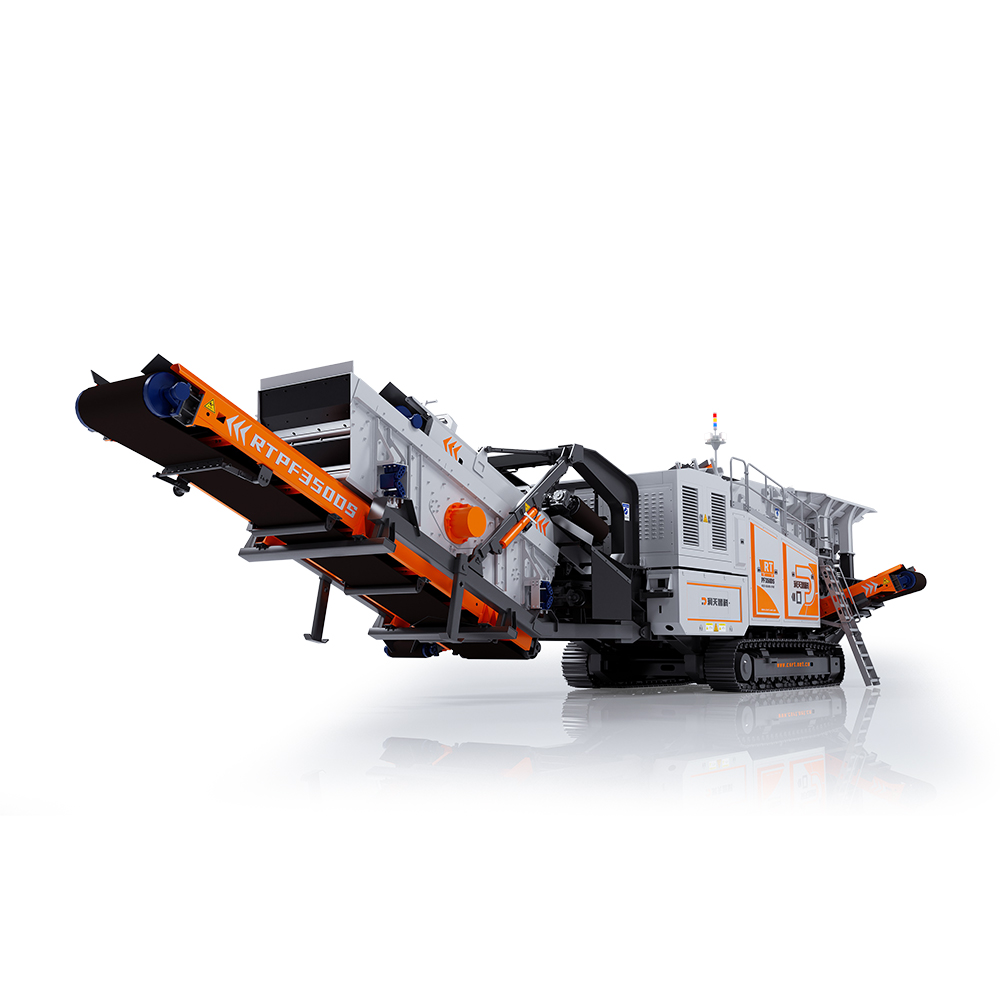 RTPF350DS Crawler Mobile Impact Crushing Plant
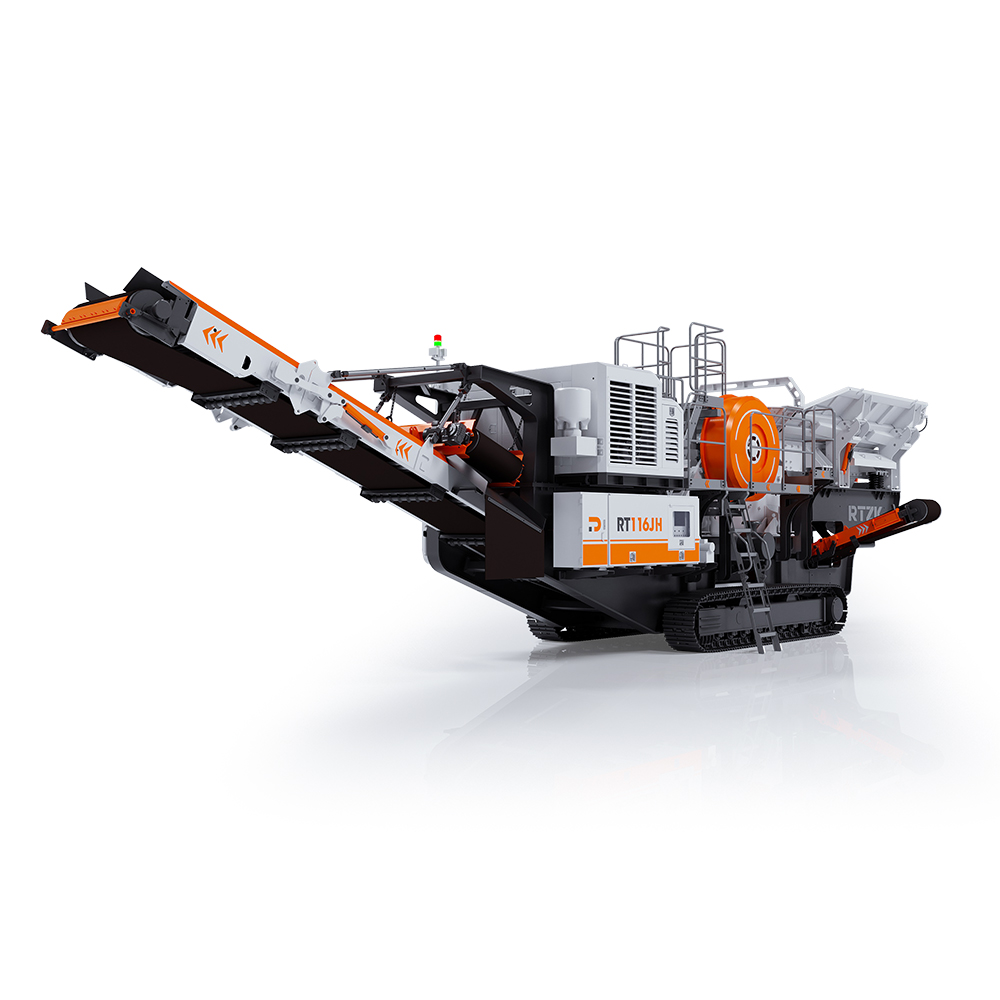 RT116JH Crawler Mobile Jaw Crushing Plant
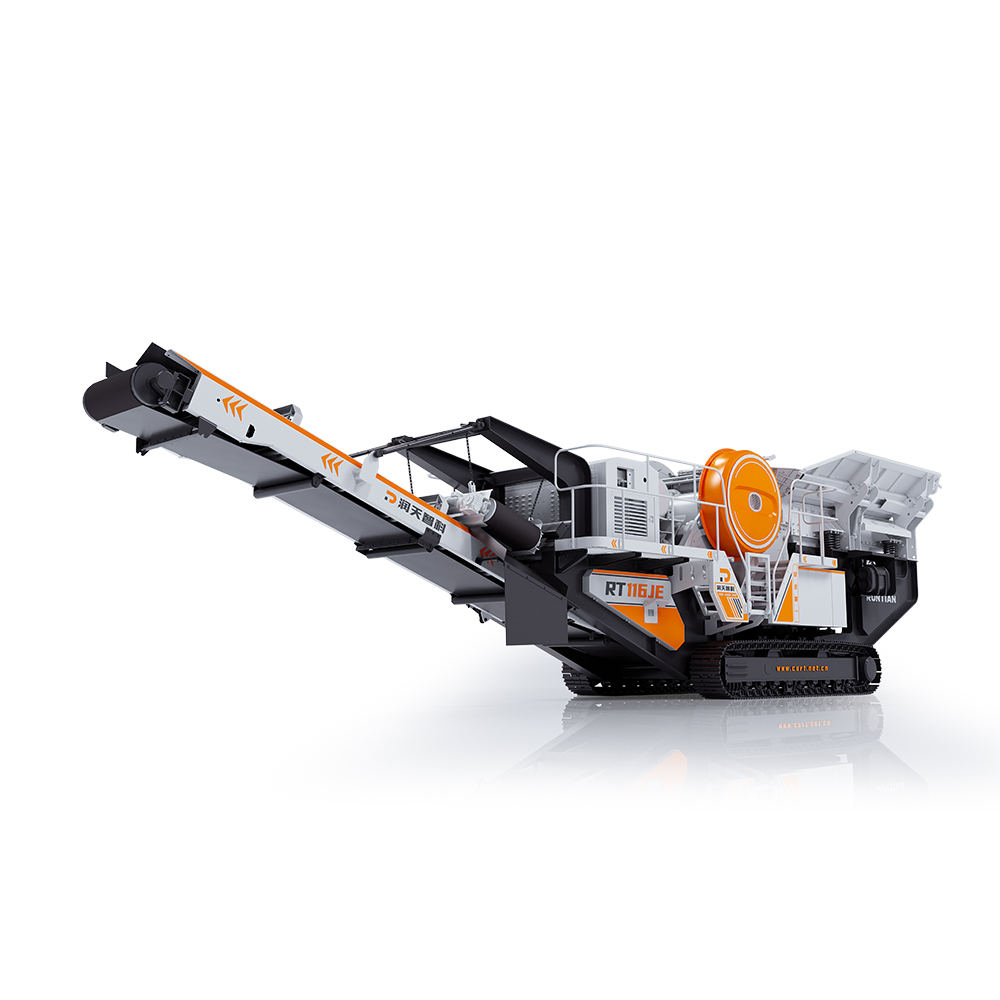 RT116JE Crawler Mobile Jaw Crushing Plant
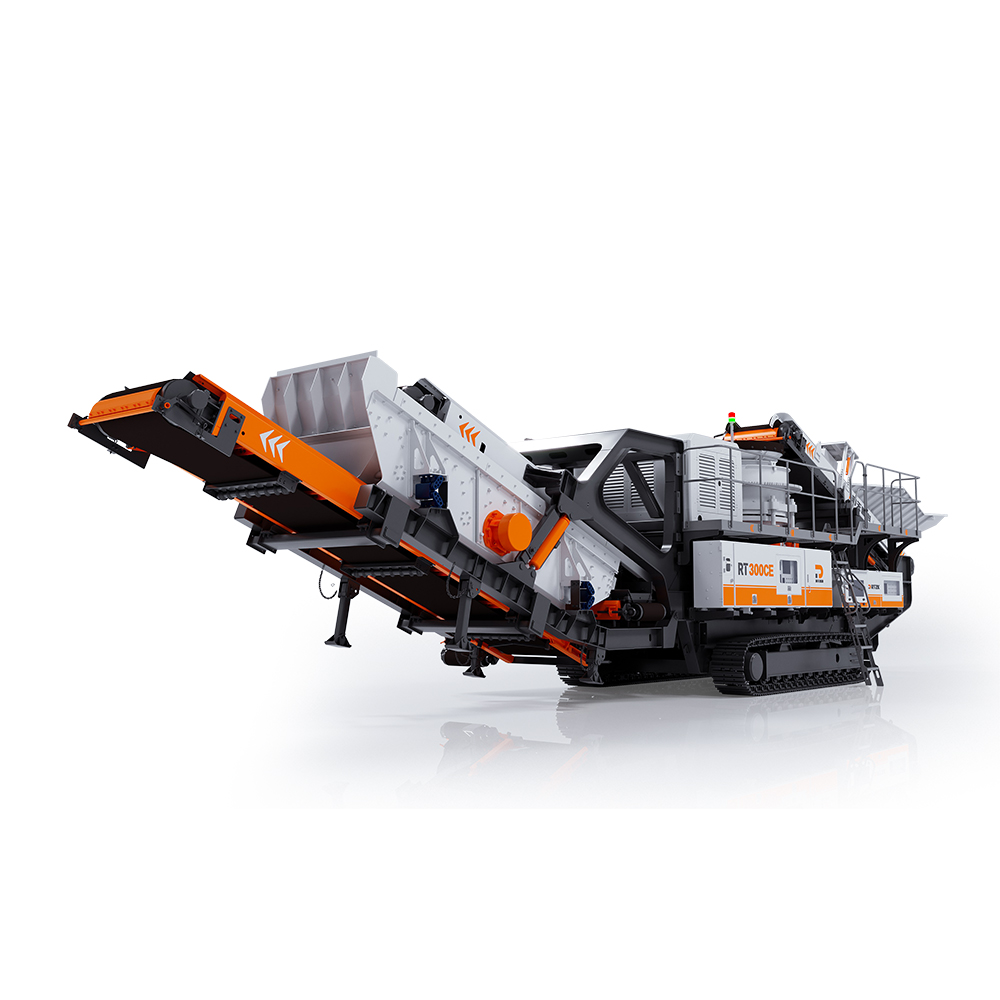 RT300CE Crawler Mobile Cone Crushing Plant
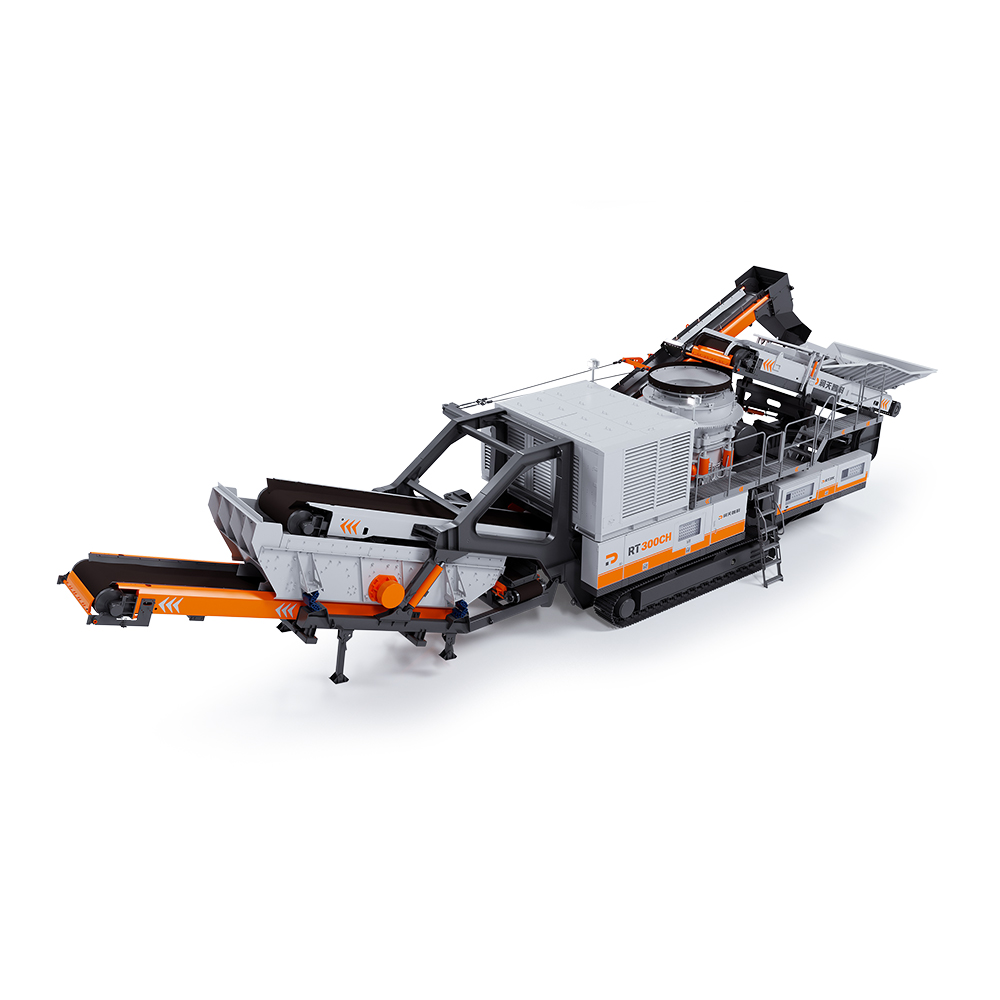 RT300CH Crawler Mobile Cone Crushing Plant
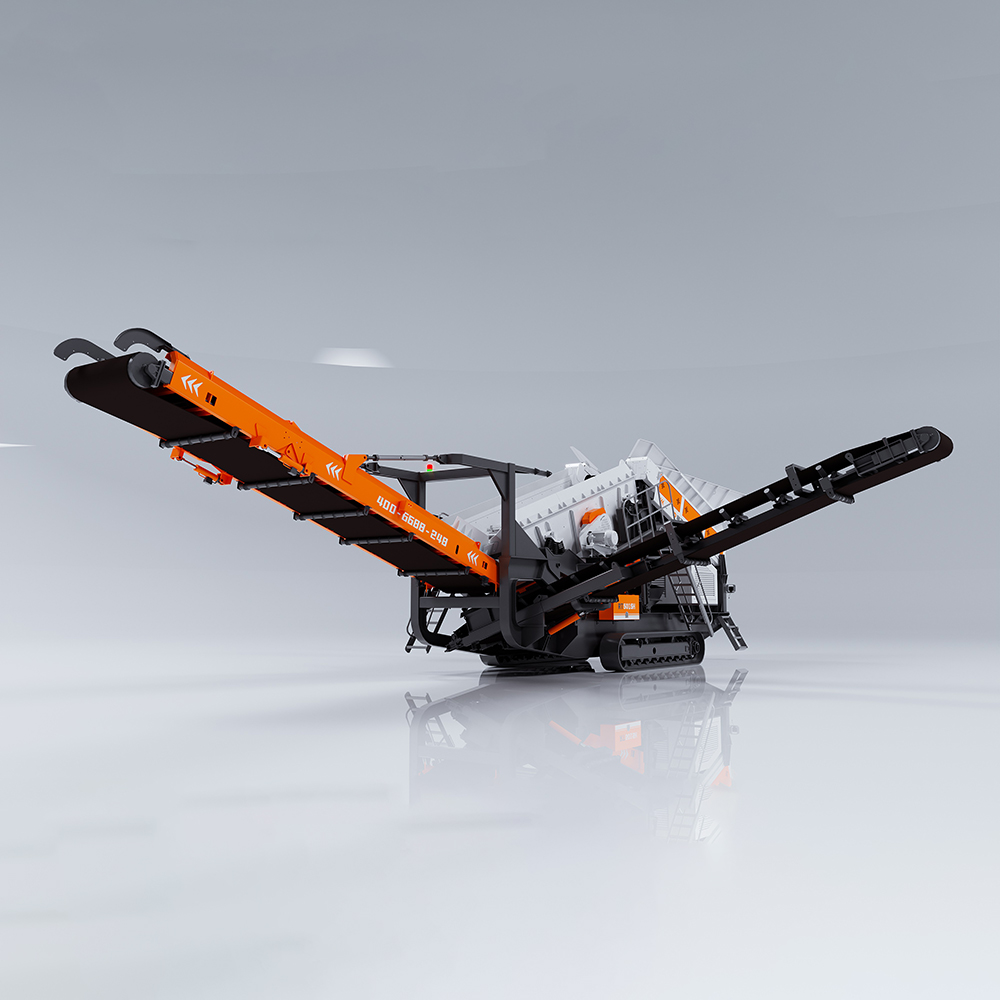 RT5015H Mobile Scalping Screen
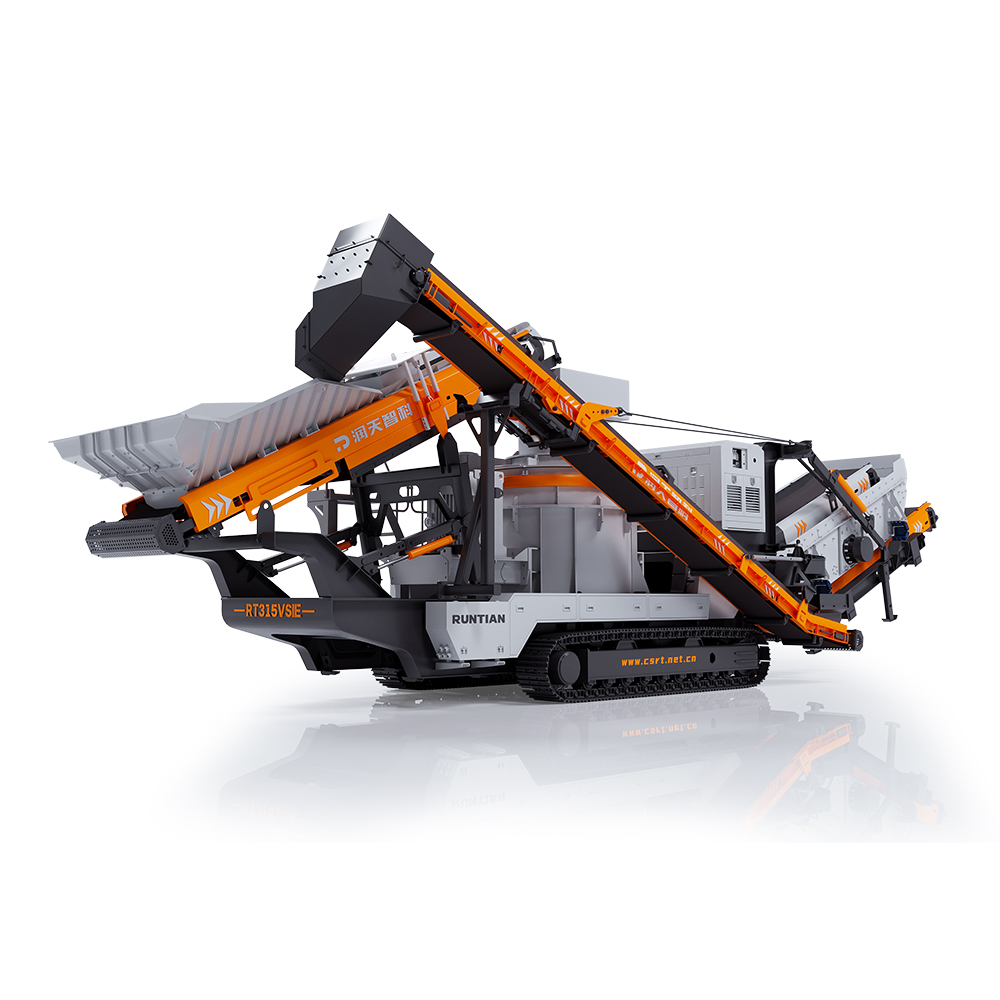 RT315VSIE Crawler Mobile Sand Maker
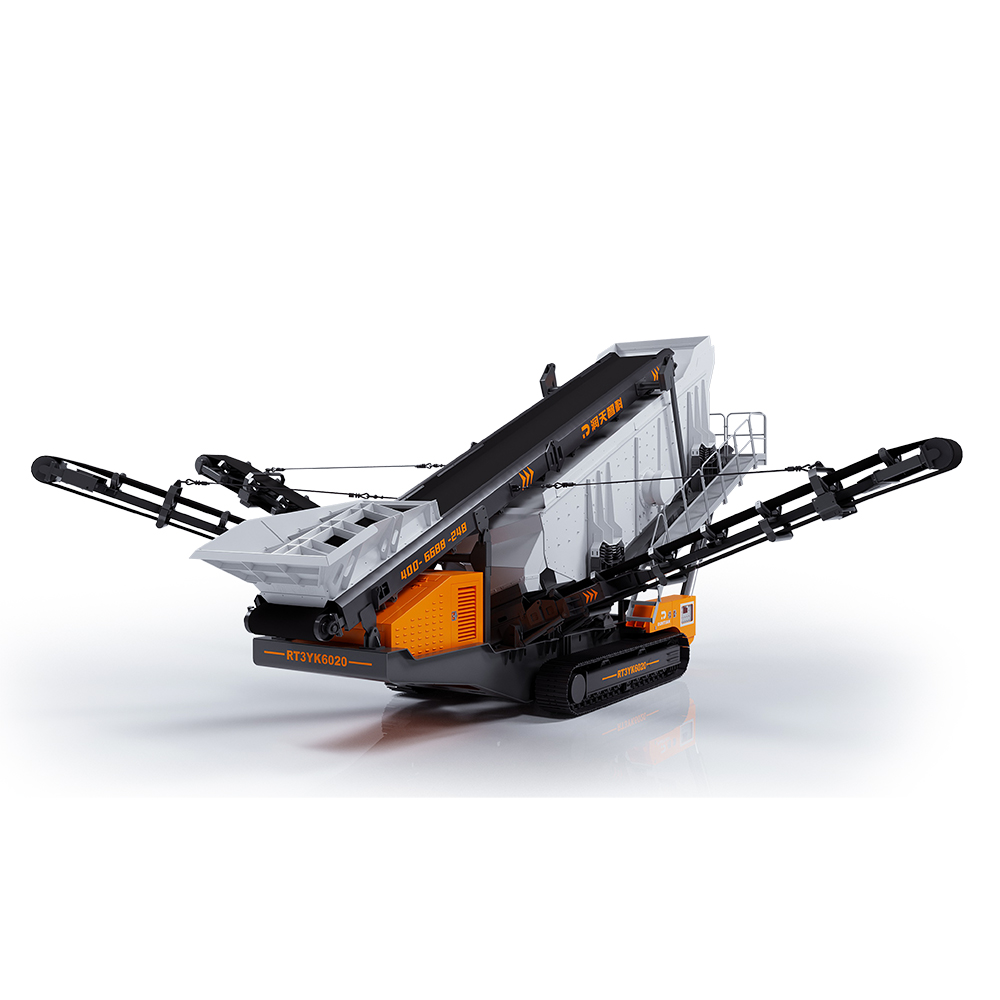 RT3YK6020 Crawler Mobile Screening Plant
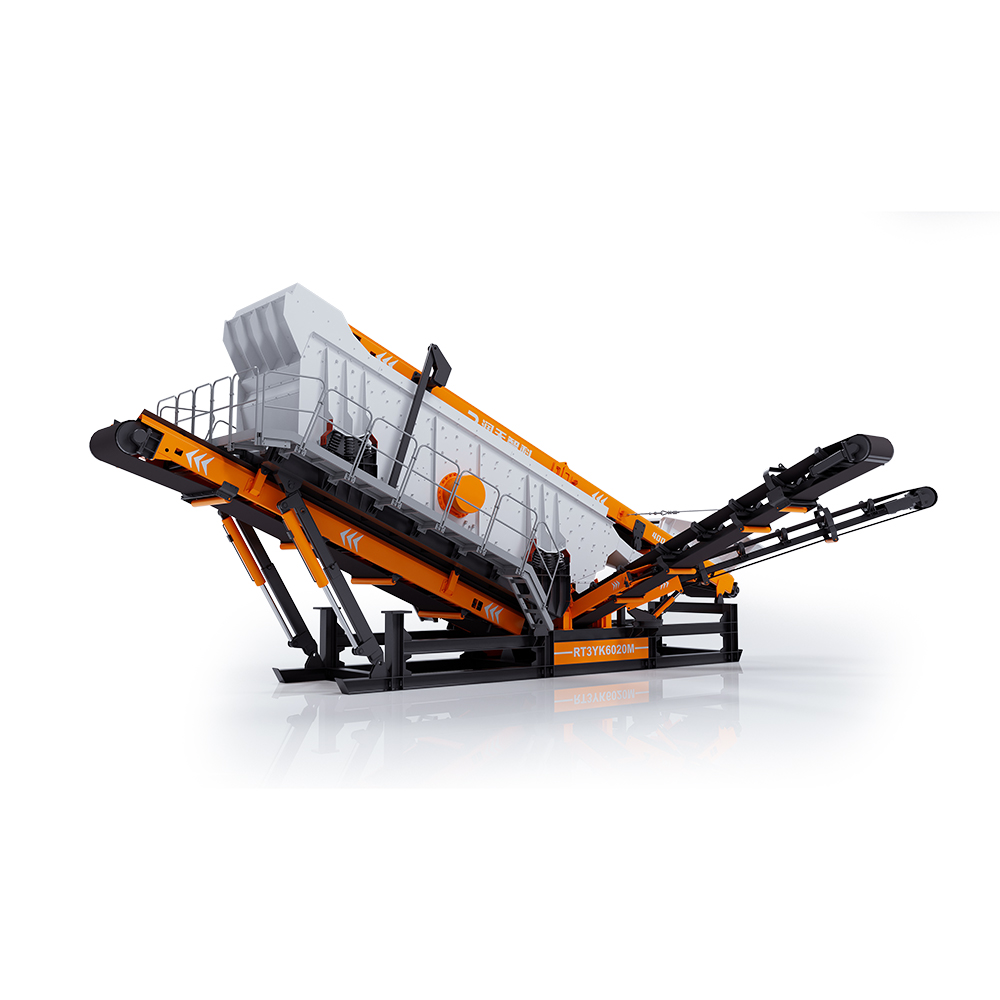 RT3YK6020M Modular Screening Plant
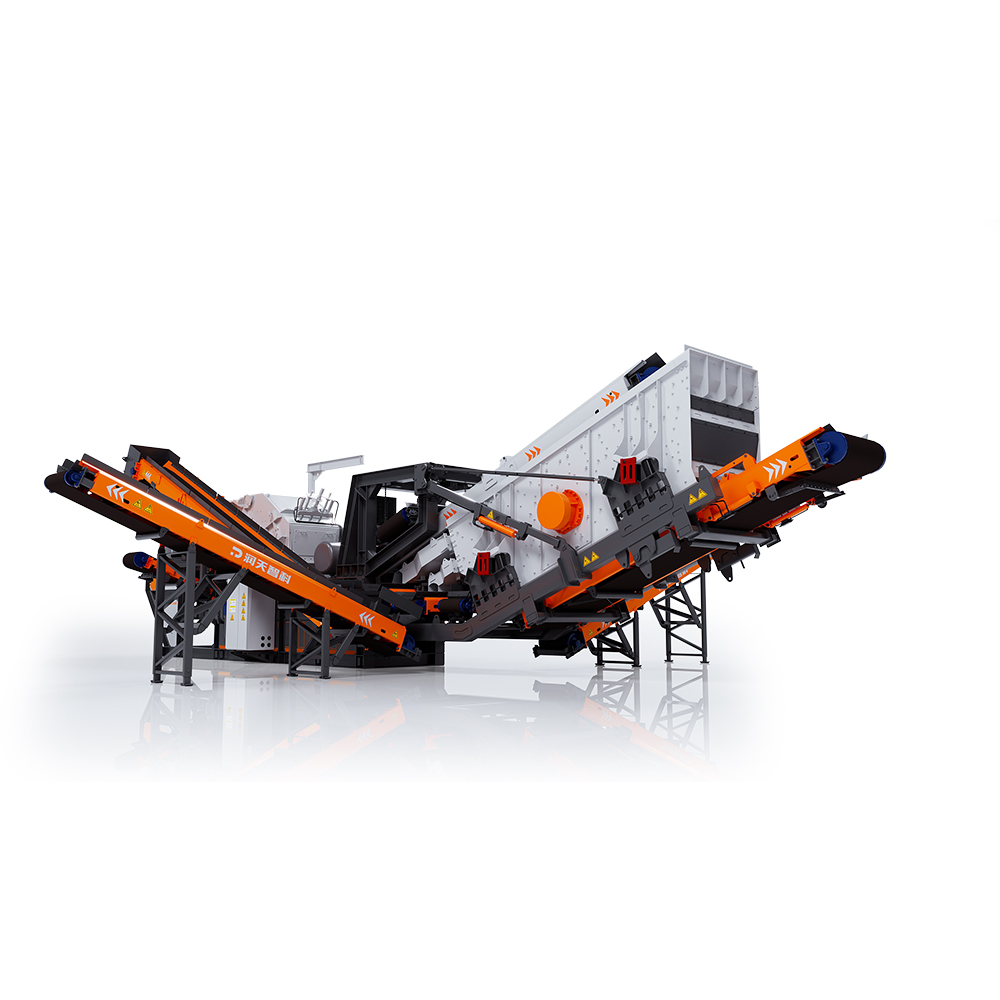 RTF260M Modular Counterattack Crushing and Screening Integrated Machine
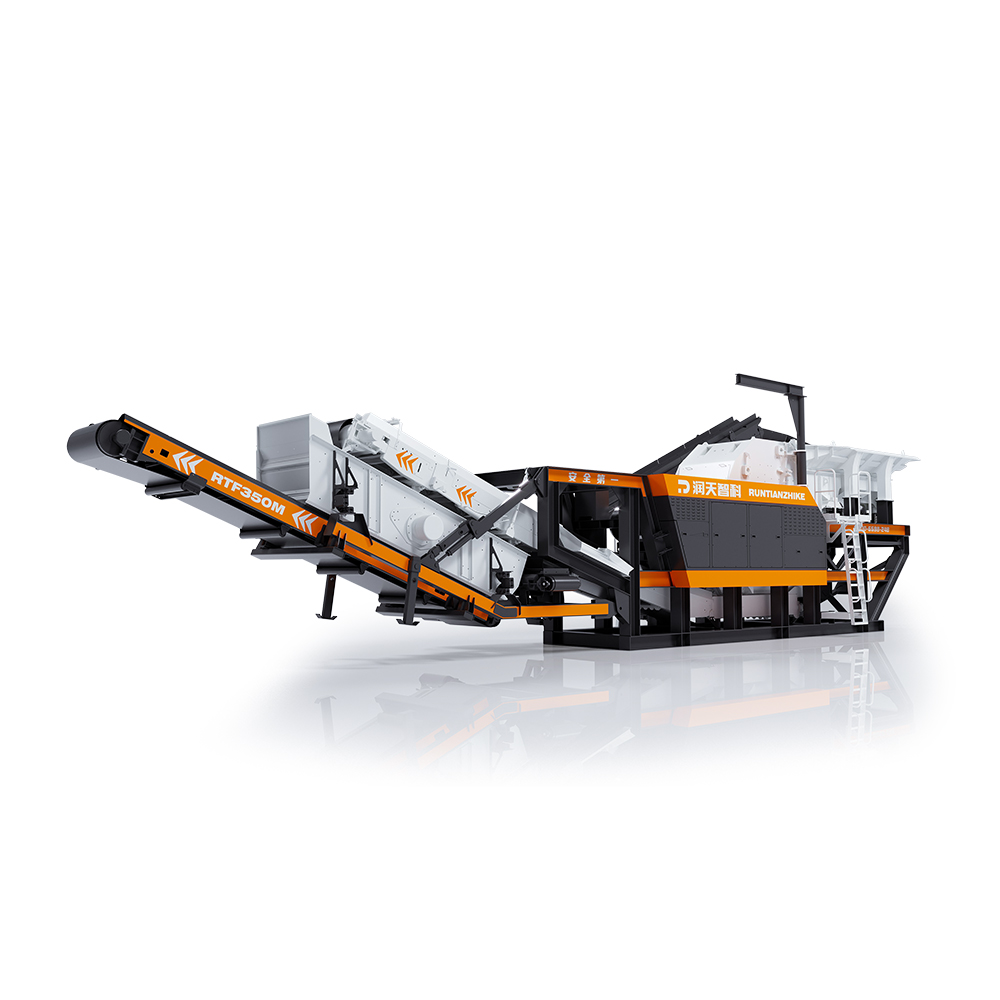 RTF350M Modular Impact Crushing Plant
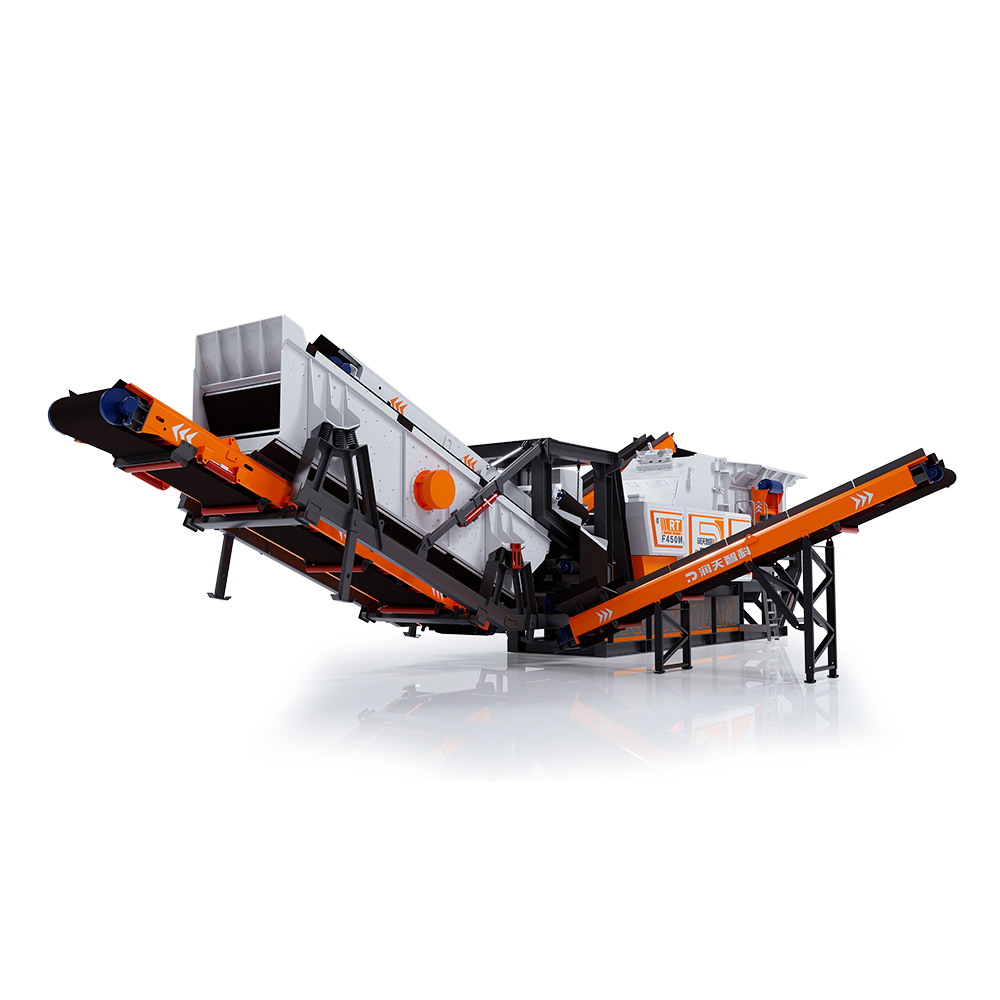 RTF450M Modular Impact Crushing Plant
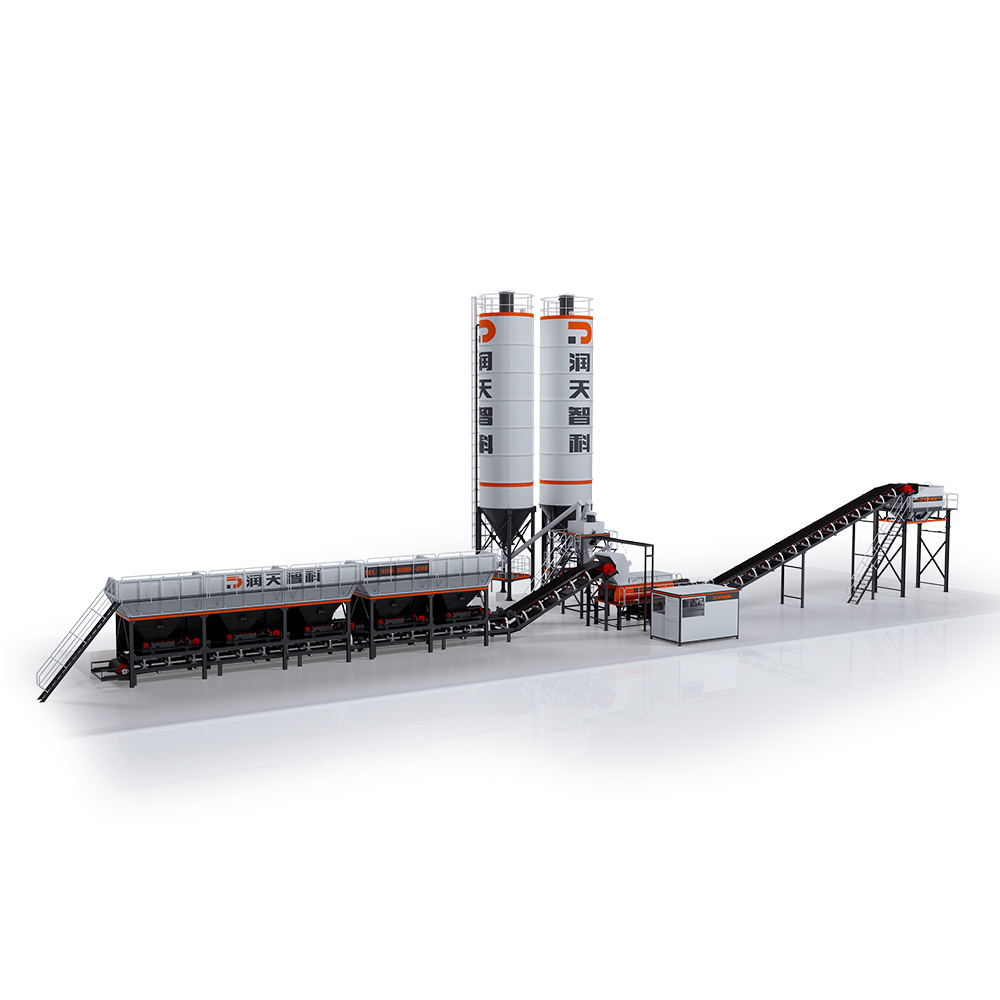 WDB Series Foundation-Free Stability Soil Mixing Plant
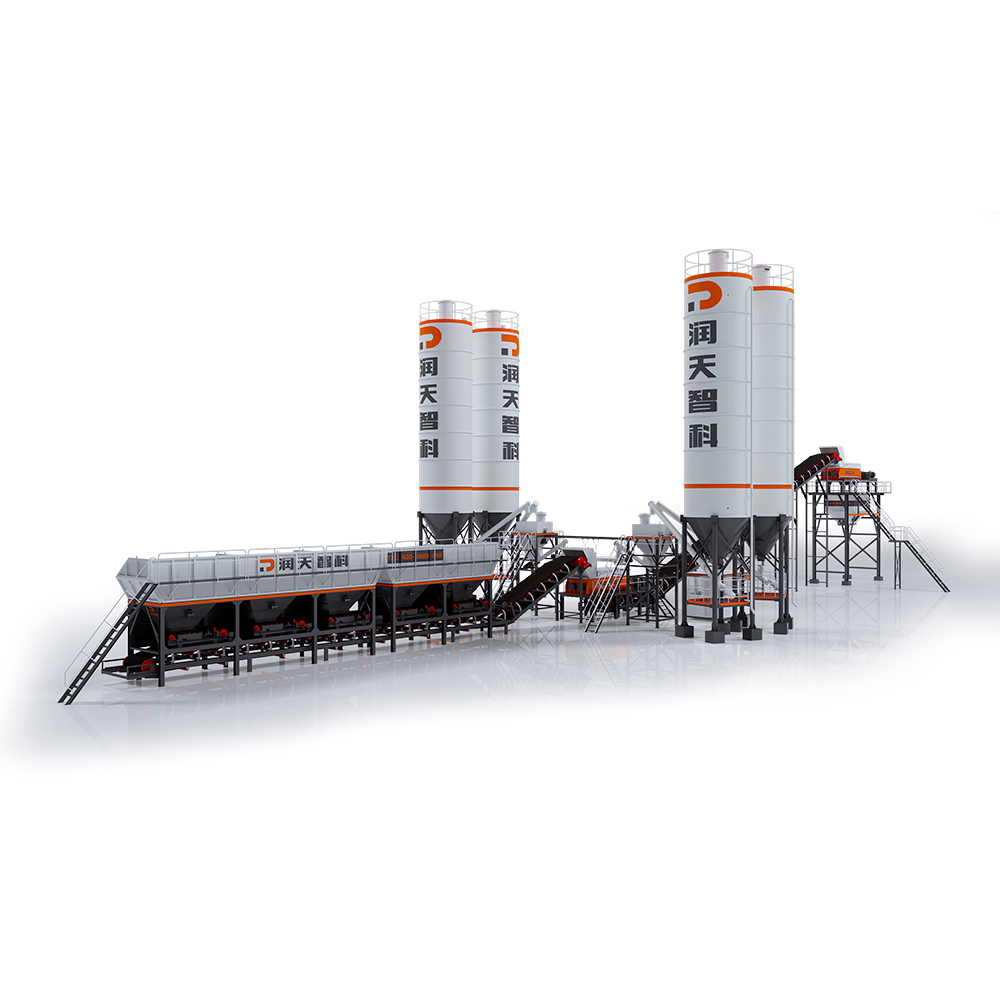 LCB Series Emulsified Asphalt Cold Regeneration Secondary Mixing Plant
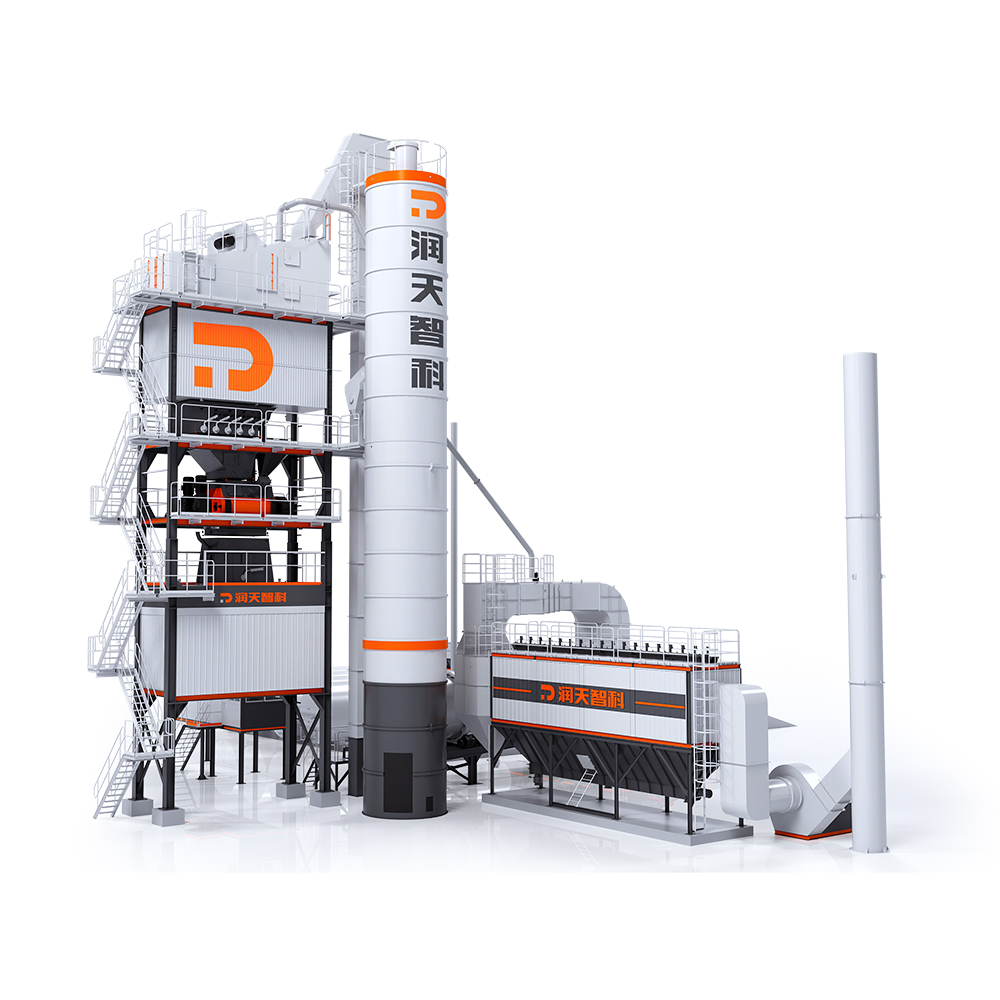 LB Series Asphalt Mixing Plant
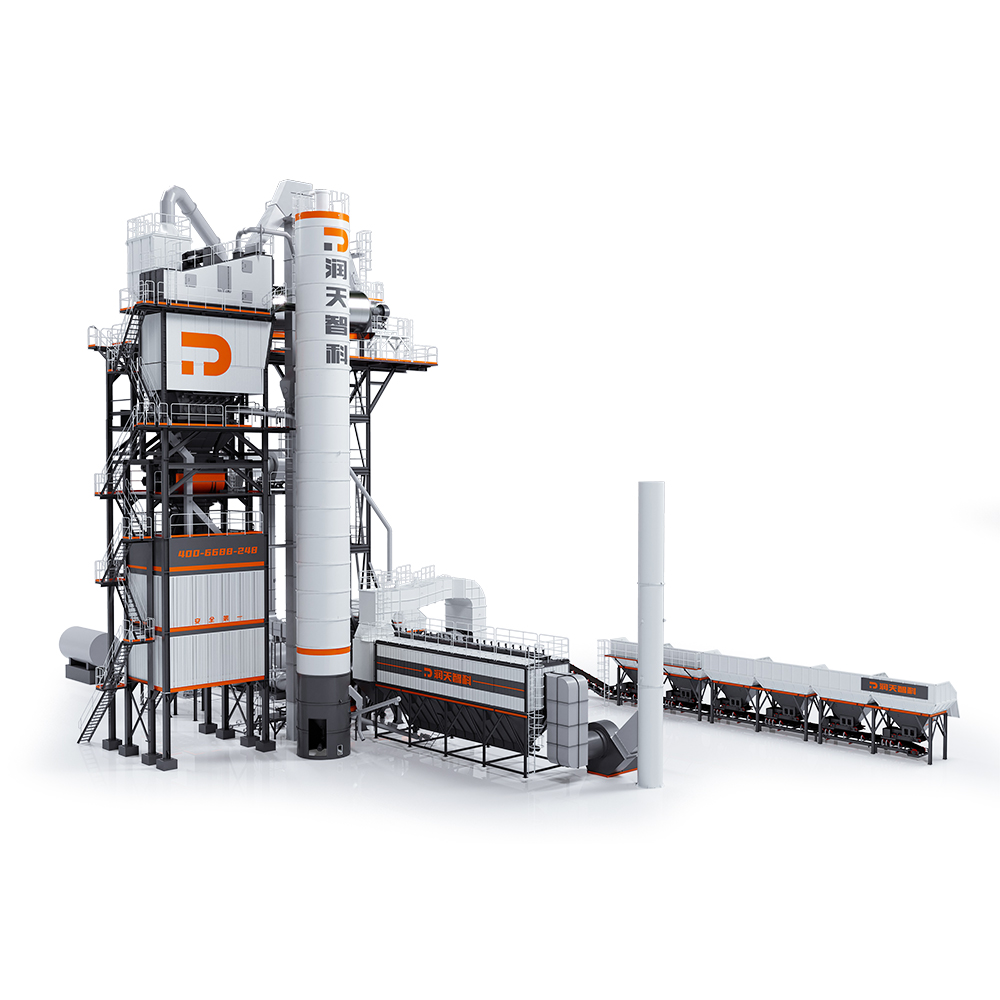 LBR Series Integrated Asphalt Mixing Plant
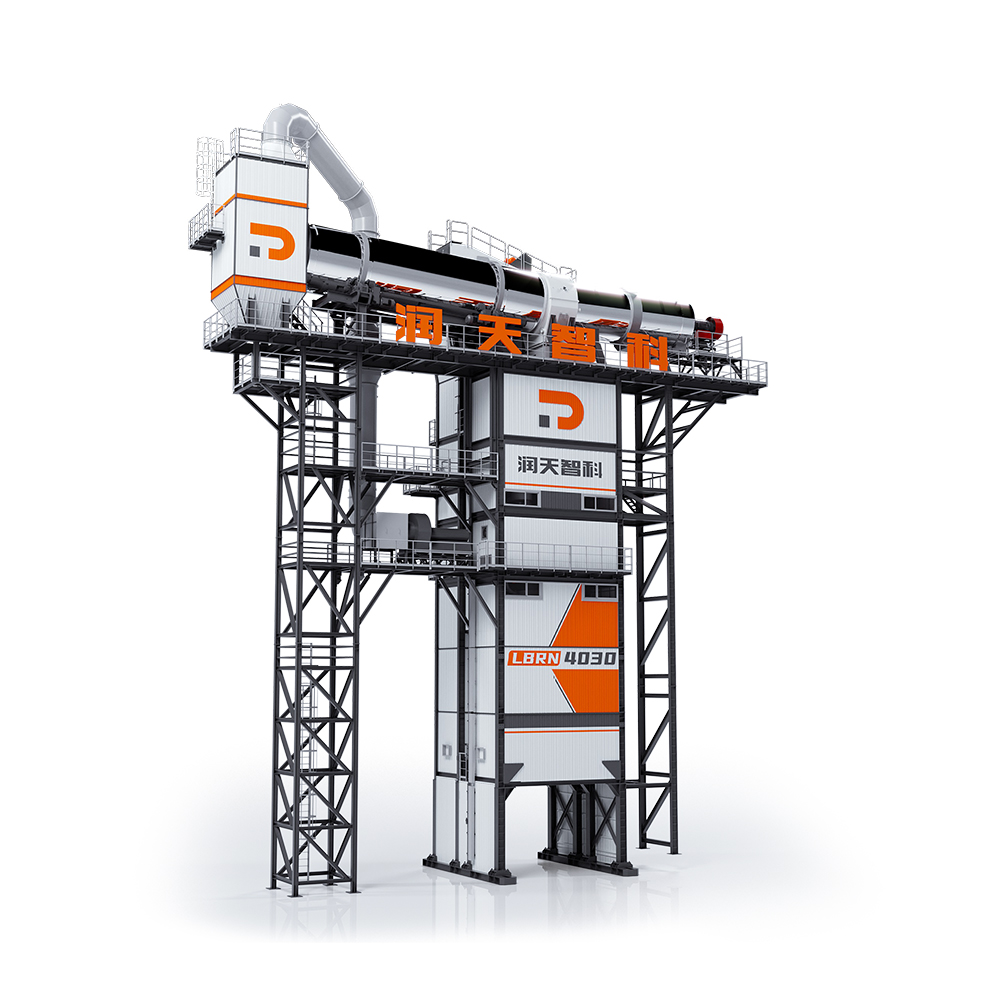 LBRN Series Counterflow Integral Asphalt Mixing Plant
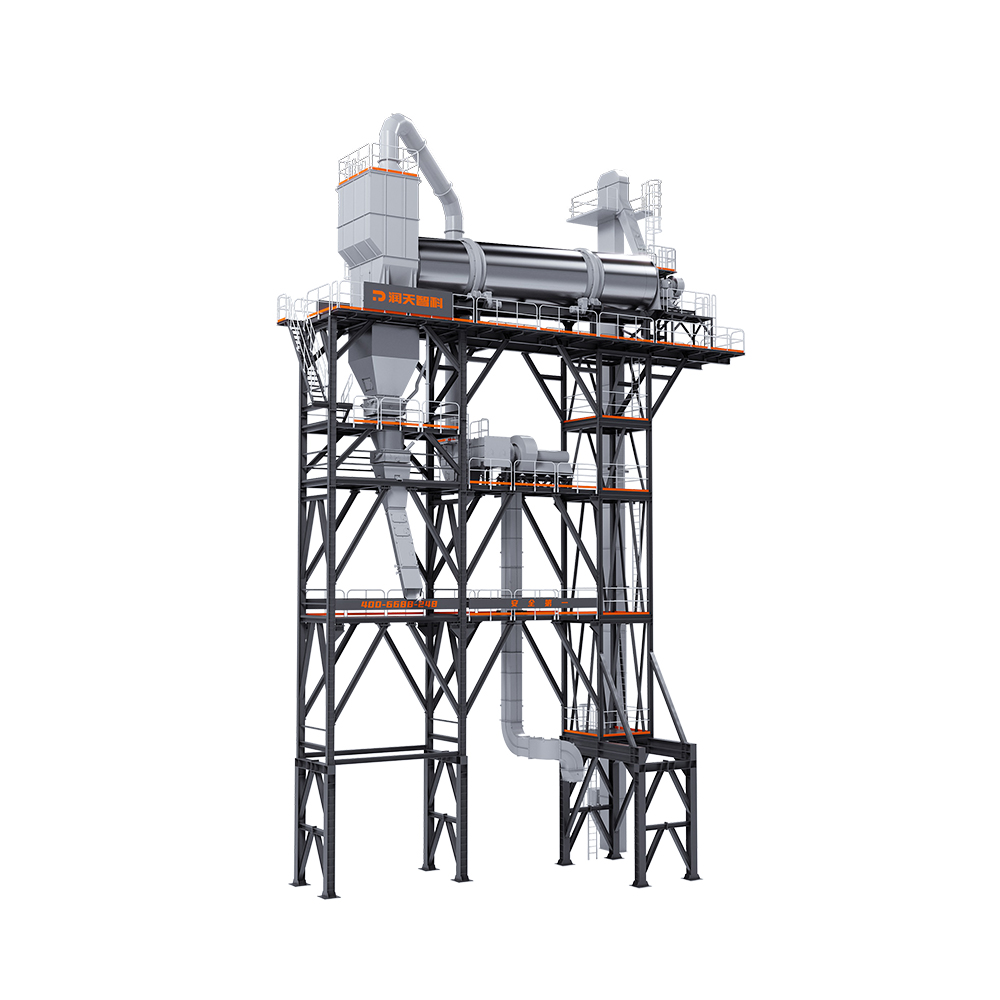 RZS Series Asphalt Mixing Plant
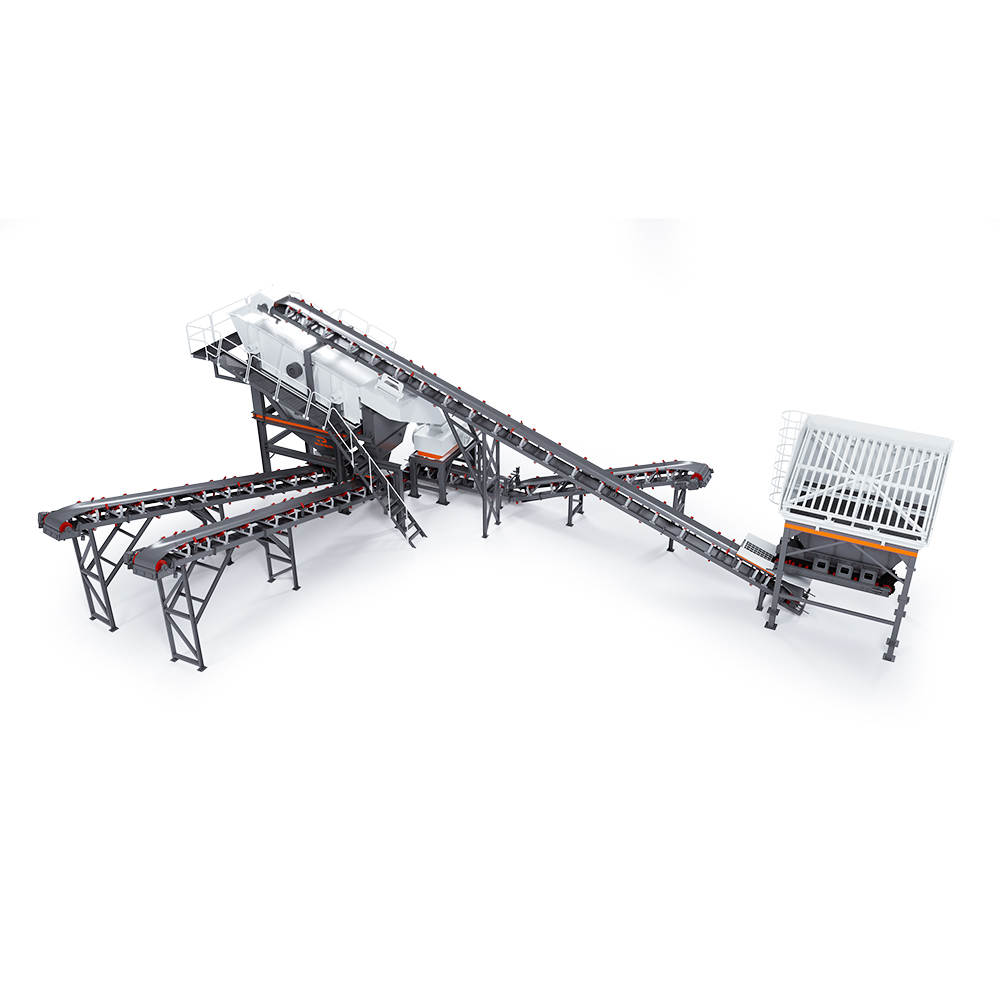 RTZS120 Series RAP Crushing & Screening Plant
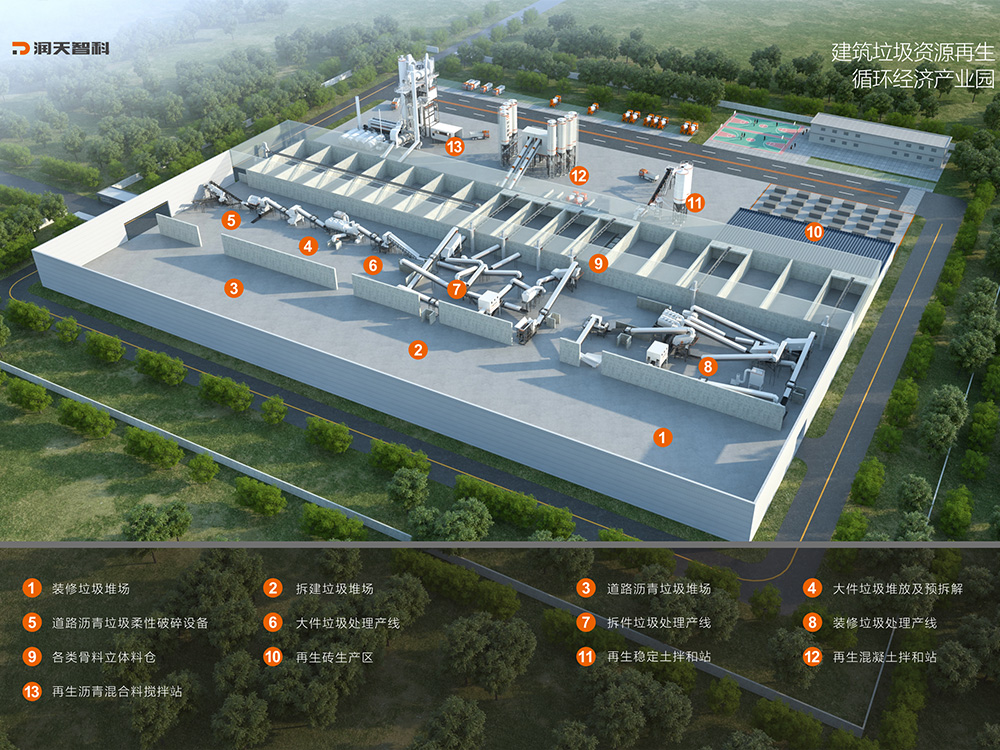 Construction Waste Resourceful Treatment Line