10 Essential Tips for Using Mobile Jaw Crushers Efficiently in Your Projects
In the fast-evolving construction and demolition industry, efficiency and effectiveness are paramount, particularly when utilizing heavy machinery like the Mobile Jaw Crusher. As construction projects become increasingly complex, the demand for reliable crushing solutions grows. Industry expert John Smith, a seasoned professional with over 15 years of experience in material processing, states, "A Mobile Jaw Crusher is not just a tool; it's a game-changer that can significantly enhance productivity on site."
Maximizing the potential of the Mobile Jaw Crusher requires a keen understanding of its operation and maintenance. By implementing best practices, project managers and operators can improve workflow and ensure that they are getting the most out of their investment. The tips outlined in this article provide valuable insights into how to operate these machines efficiently, from selecting the right materials to ensuring regular maintenance checks and understanding the best operational techniques.
By embracing these essential strategies, businesses can leverage the full capabilities of Mobile Jaw Crushers, leading to reduced downtime and increased efficiency across various projects. As John Smith emphasizes, "Understanding the nuances of your equipment can make all the difference in achieving project success.

Understanding Mobile Jaw Crushers and Their Applications
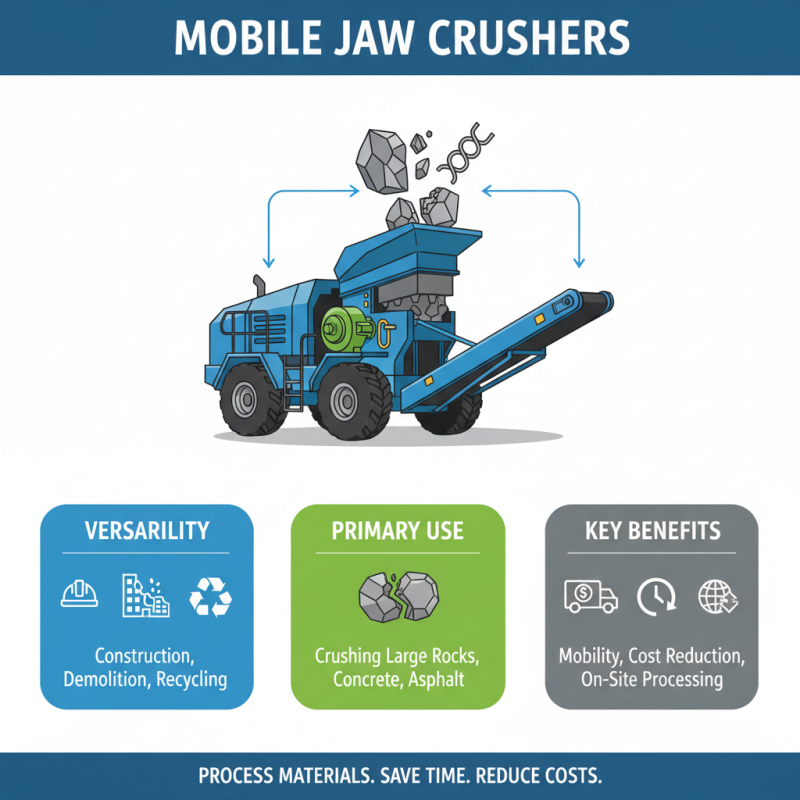
Mobile jaw crushers are versatile machines widely utilized in various sectors, including construction, demolition, and recycling. These powerful machines are primarily used for crushing large rocks, concrete slabs, and asphalt into manageable sizes. Their mobility allows them to easily move between different sites, enhancing productivity and ensuring that materials are processed on-location, minimizing transportation costs and downtime.
Understanding the applications of mobile jaw crushers is crucial for maximizing their efficiency. They are particularly effective in tasks such as primary crushing of mined materials and site rehabilitation after demolitions. Their design allows for easy integration into existing workflows, making them a favorite among contractors looking for adaptable solutions. Additionally, advancements in technology have led to features such as greater fuel efficiency and enhanced automation, further increasing their effectiveness in various project types. By leveraging these machines appropriately, users can significantly improve their operational efficiency and project outcomes.
Key Factors to Consider Before Operating Mobile Jaw Crushers
When operating mobile jaw crushers, understanding key factors such as material resistance and equipment maintenance is crucial for maximizing efficiency. According to the Aggregates and Mining Equipment Industry Report, the hardness of the material being processed directly impacts the performance of the crusher. Materials with a higher compressive strength demand more power and can lead to increased wear and tear on the equipment. Therefore, conducting a thorough material analysis before operation can save costs and reduce downtime significantly.
Another critical consideration is the crusher's operational parameters, including feed size and crushing speed. Industry data suggests that optimizing these parameters can enhance output by up to 20%. Additionally, implementing a routine maintenance schedule is vital to ensure the longevity of the crusher. The Equipment Maintenance Optimization Report indicates that regular inspections can prevent unexpected failures and ultimately improve productivity, potentially decreasing operational costs by 15%. By paying close attention to these factors, operators can ensure that their mobile jaw crushers run smoothly and efficiently throughout their projects.
10 Essential Tips for Using Mobile Jaw Crushers Efficiently in Your Projects
| Tip |
Description |
Key Factors |
Expected Benefits |
| 1. Choose the Right Model |
Select a mobile jaw crusher that fits your project needs. |
Capacity, Feed Size |
Increased Efficiency |
| 2. Regular Maintenance |
Perform scheduled maintenance to ensure optimal performance. |
Inspection, Lubrication |
Minimize Downtime |
| 3. Proper Setup |
Ensure the crusher is set up according to the manufacturer's specifications. |
Level Ground, Clearance |
Improved Safety |
| 4. Monitor Feed Rate |
Adjust the feed rate to optimize crusher performance. |
Material Type, Size |
Consistent Output |
| 5. Operate at Optimal Speed |
Maintain the appropriate speed for efficient crushing. |
RPM, Torque |
Effective Processing |
| 6. Utilize Proper Safety Gear |
Ensure all operators are equipped with necessary safety gear. |
Helmets, Gloves |
Enhanced Safety |
| 7. Train Operators Effectively |
Provide proper training for all equipment operators. |
Certification, Experience |
Reduced Errors |
| 8. Consider Site Conditions |
Assess site conditions before operation to prevent issues. |
Topography, Weather |
Minimized Risks |
| 9. Keep the Crusher Clean |
Regularly clean the crushing area to maintain efficiency. |
Debris Management |
Improved Longevity |
| 10. Review Performance Data |
Analyze performance data periodically to identify areas for improvement. |
Daily Reports |
Continuous Improvement |
Best Practices for Maintaining Mobile Jaw Crushers Efficiency
Maintaining the efficiency of mobile jaw crushers is crucial for maximizing productivity on any project site. One of the best practices is to ensure regular maintenance and inspections. This includes checking the condition of the wear parts, such as the jaws and liners, and replacing them when necessary. Keeping the machine clean and free of debris will also prevent blockages and enhance performance, as dirt and buildup can drastically affect throughput and lead to unexpected downtime.
Another essential aspect of maintaining efficiency is proper operator training. Well-trained operators can optimize the use of mobile jaw crushers by adjusting settings in real-time based on material characteristics and processing needs. Implementing a routine training program enables operators to understand best practices and troubleshooting measures, which can lead to improved operation and reduce the risk of costly mistakes. Additionally, monitoring the performance and output of the machinery will provide valuable insights into efficiency, allowing for timely adjustments to improve overall productivity.
Tips for Optimizing Material Feed and Size Reduction
Optimizing material feed and size reduction is crucial for the efficient operation of mobile jaw crushers. A well-planned material feed configuration ensures that the input material is uniform and evenly distributed, which is vital for achieving consistent output. To enhance feed efficiency, operators should consider using a vibratory feeder that can provide a controlled flow rate. Additionally, it's important to maintain an optimal distance between the feeder and the crusher to minimize material overload and prevent blockages, which can lead to downtime.
Size reduction is another critical factor that contributes to the overall efficiency of mobile jaw crushers. Understanding the material characteristics—such as hardness, moisture content, and size—can guide the selection of appropriate crushing settings. Employing the right closed-side setting can maximize crushing efficiency while minimizing wear on the machine components. Furthermore, regular monitoring of the crushed material's size can help in making necessary adjustments to maintain the desired output and optimize the feeding process. By focusing on these aspects, operators can significantly improve the performance and efficiency of their mobile jaw crushing operations.
Safety Measures to Implement When Using Mobile Jaw Crushers
When utilizing mobile jaw crushers in construction and mining projects, safety must be a paramount consideration. According to the National Institute for Occupational Safety and Health (NIOSH), machinery-related accidents account for about 40% of all workplace fatalities in the mining industry. To mitigate these risks, implementing stringent safety measures is essential. Workers should be equipped with proper personal protective equipment (PPE) such as helmets, gloves, and steel-toed boots. Additionally, ensuring that operators have completed comprehensive training on the equipment's specific safety protocols can significantly reduce the likelihood of accidents.
Moreover, maintaining a clean and organized worksite plays a crucial role in safety when operating mobile jaw crushers. A clutter-free environment helps prevent trips and falls, which are leading causes of workplace injuries. Regular maintenance and inspections of the machinery are also vital; a report from the Mine Safety and Health Administration (MSHA) highlighted that unaddressed mechanical issues are a significant factor in many accidents. Scheduling routine checks not only enhances operational efficiency but also ensures that all parts of the mobile jaw crusher function reliably, safeguarding the workforce from potential hazards associated with malfunctioning equipment.

 Concrete Mixing Plant
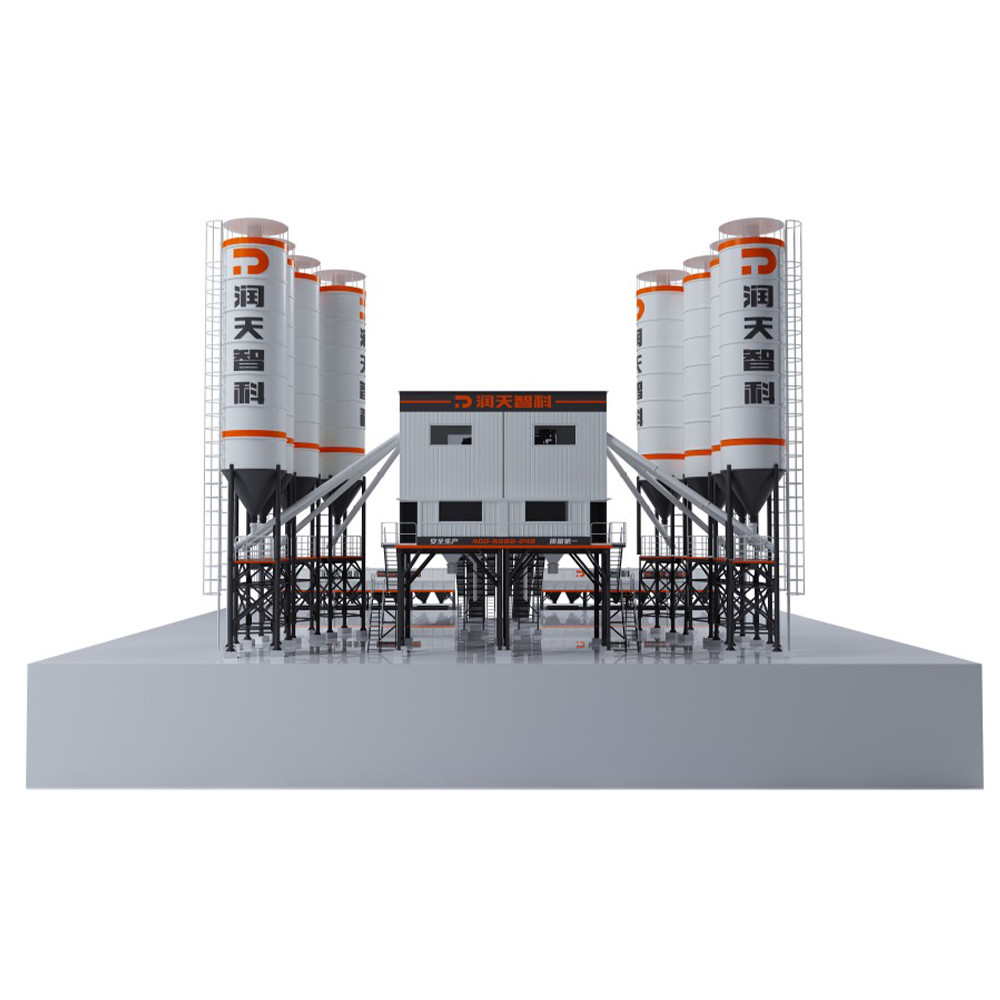 HZS Series Belt Concrete Mixing Plant
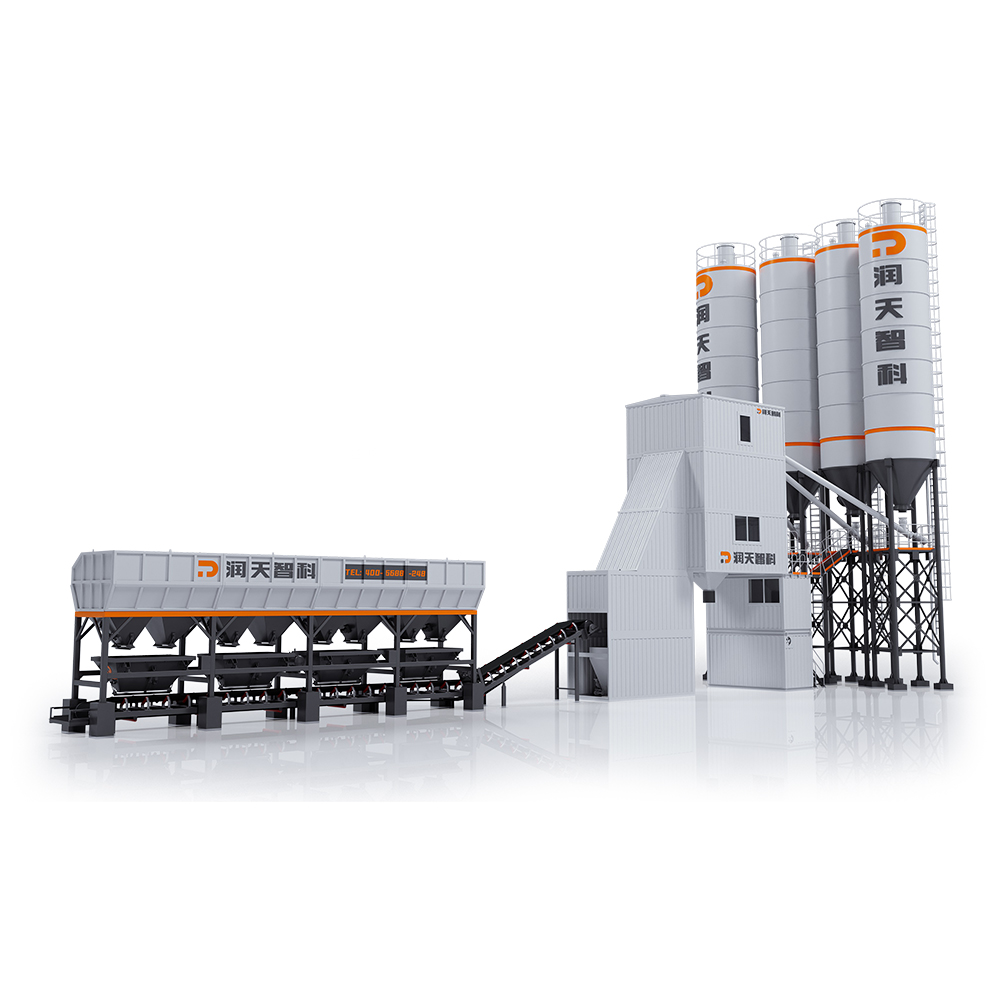 HZS Series Bucket-Lifting Type Container Concrete Mixing Plant
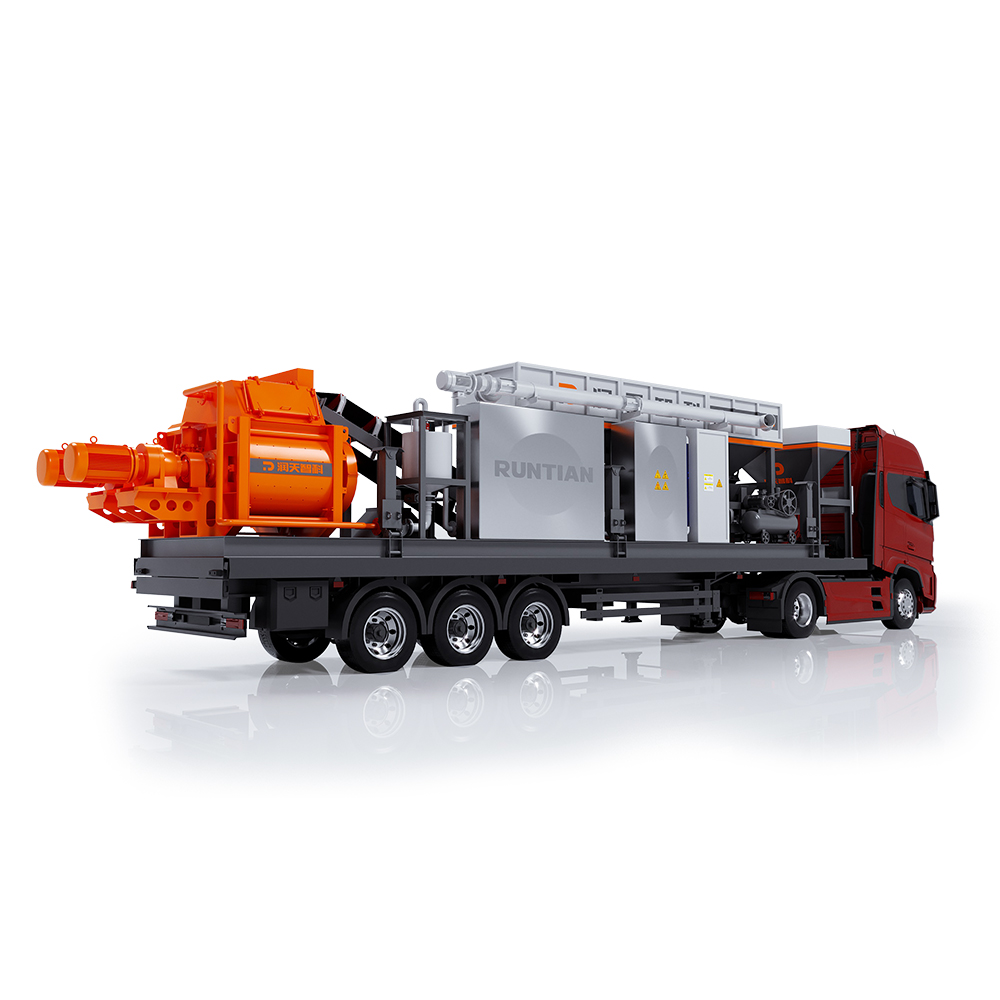 HZS60 Mobile Concrete Mixing Plant
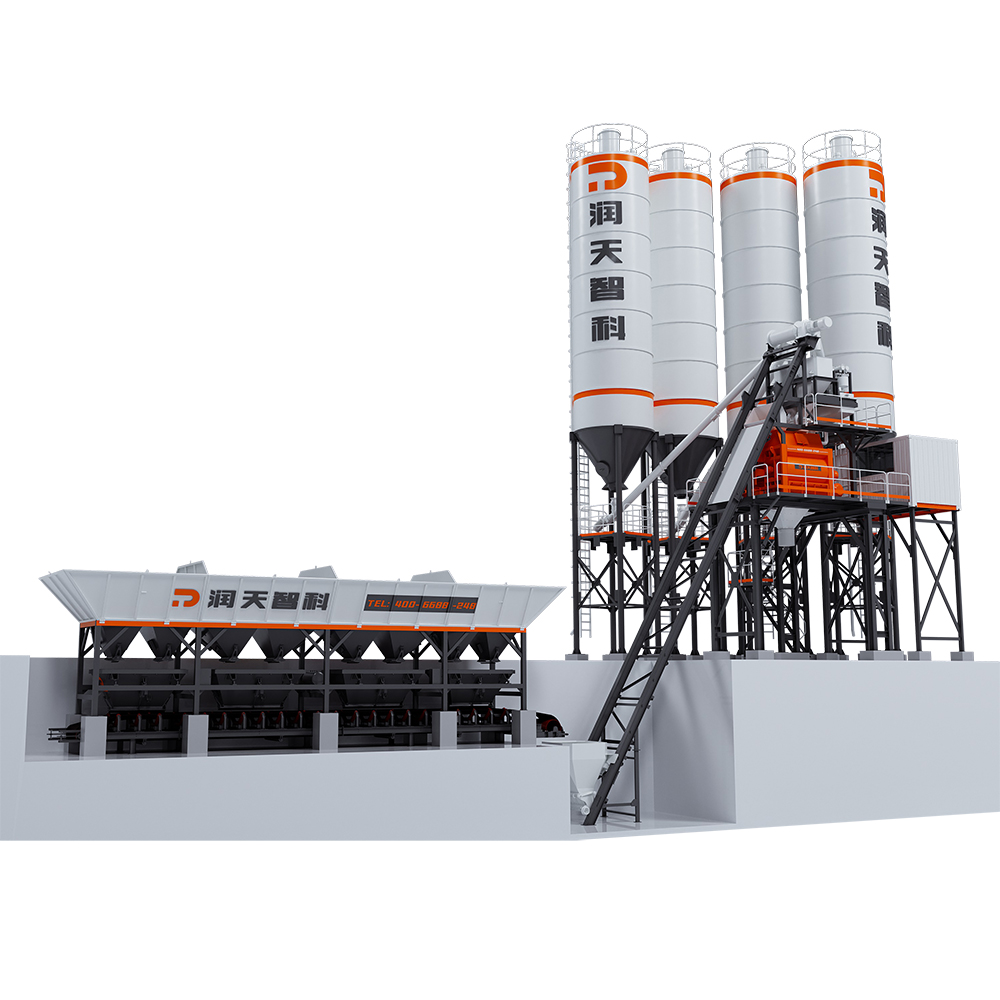 HZS Series Bucket-Lifting Type Concrete Mixing Plant
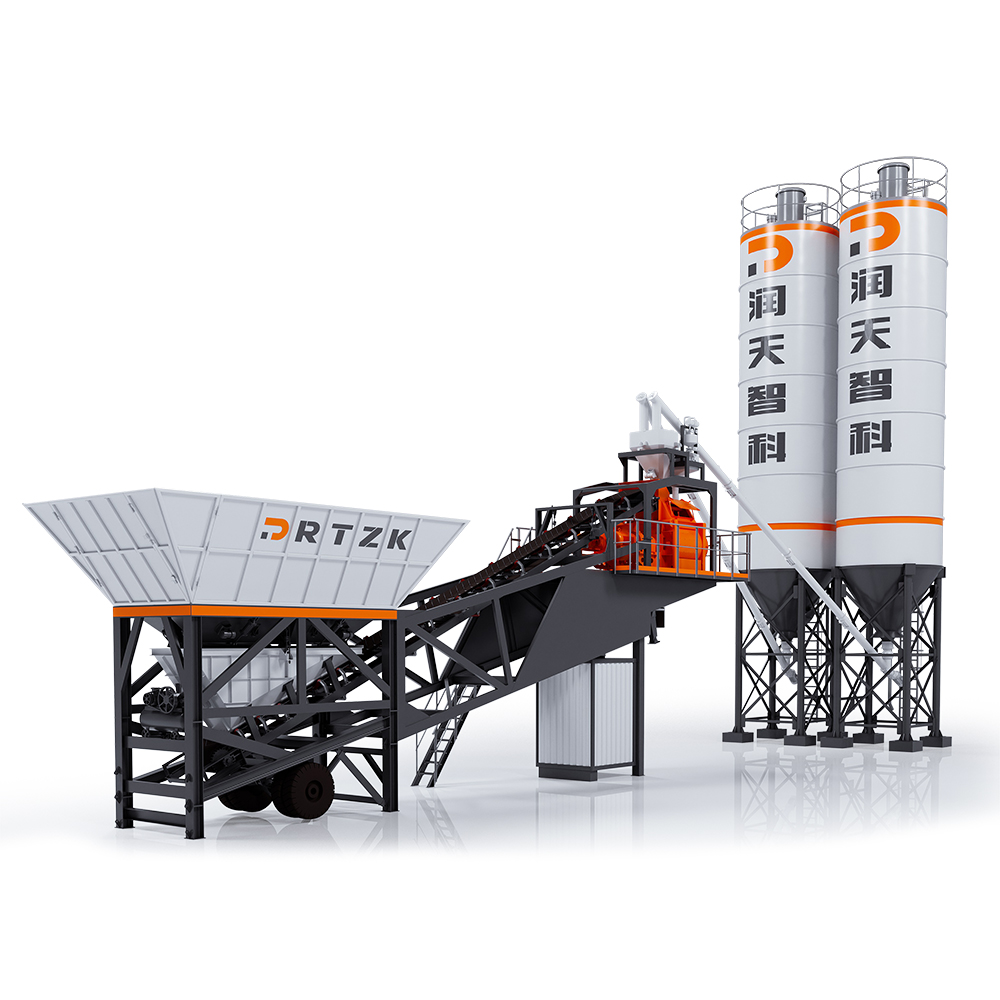 HZS Series Mobile Concrete Mixing Plant
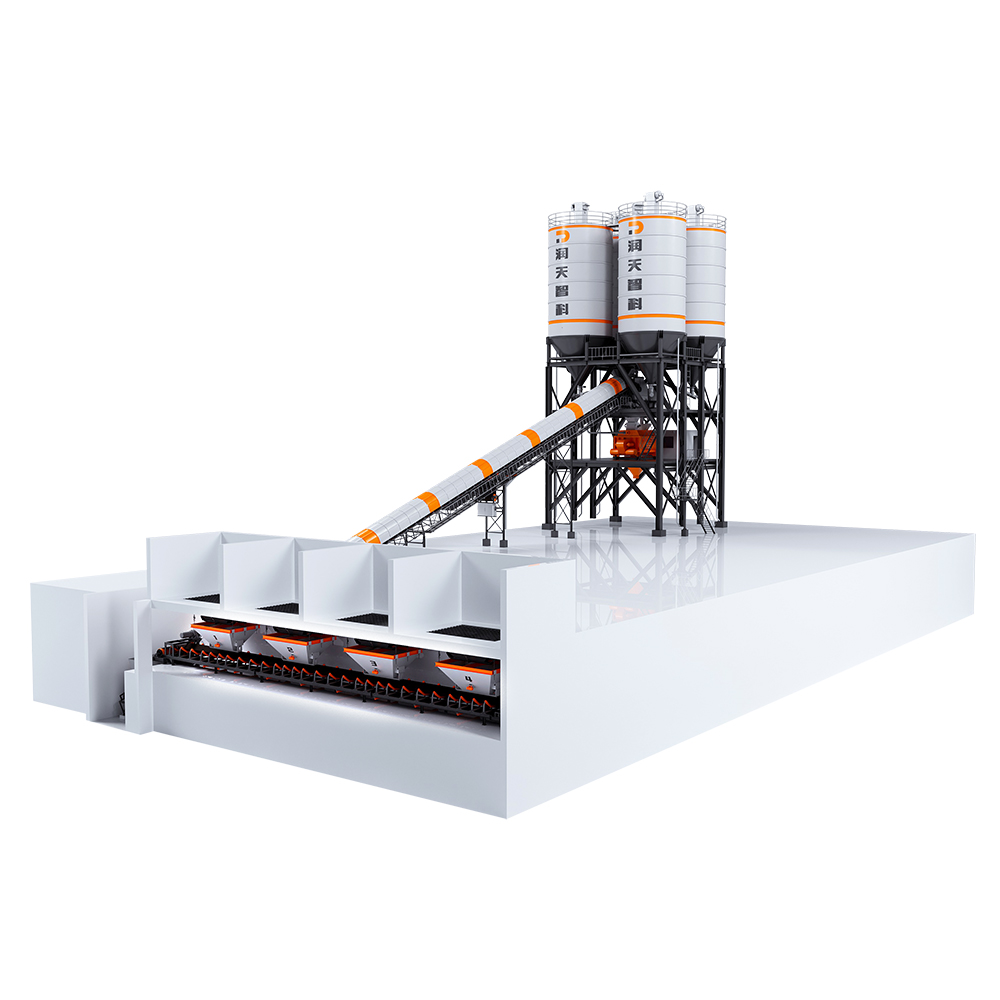 HZS Series Top-Mounted Concrete Mixing plant
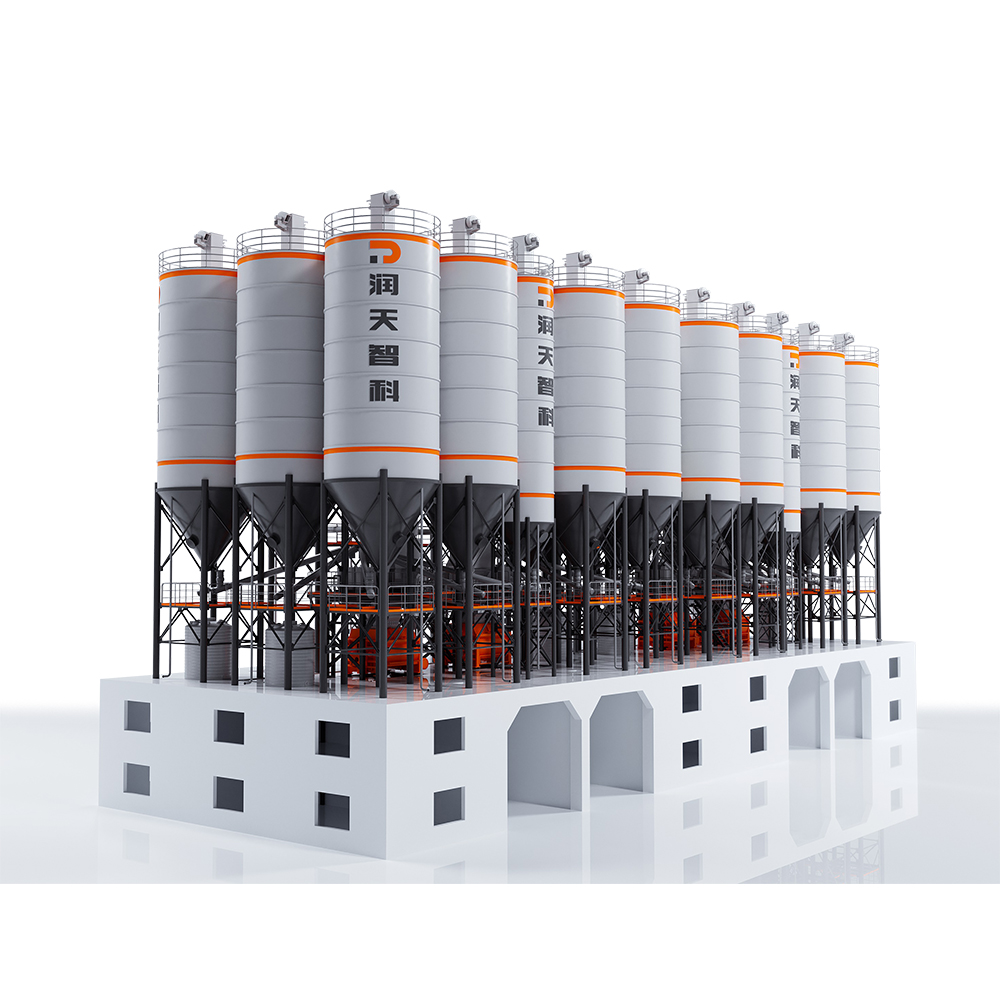 HZS Series Semi-Top Mounted Concrete Mixing Plant
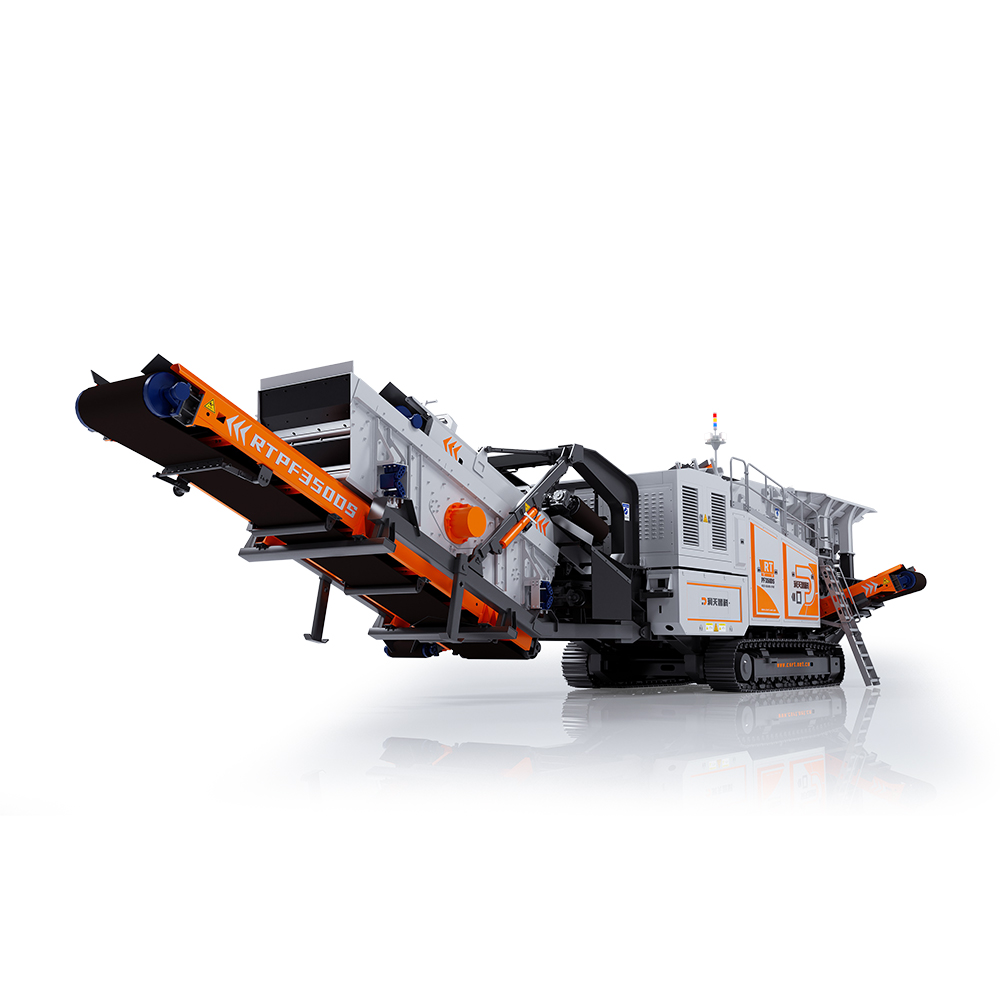 RTPF350DS Crawler Mobile Impact Crushing Plant
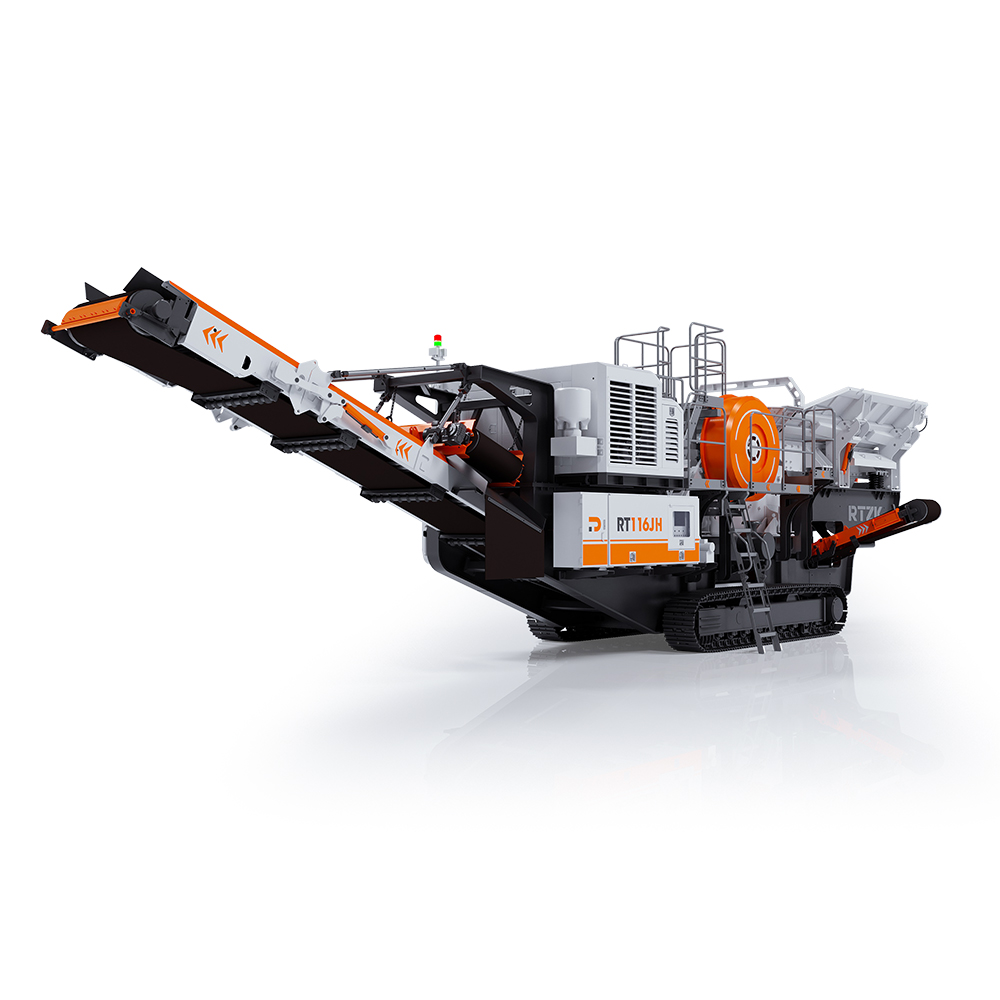 RT116JH Crawler Mobile Jaw Crushing Plant
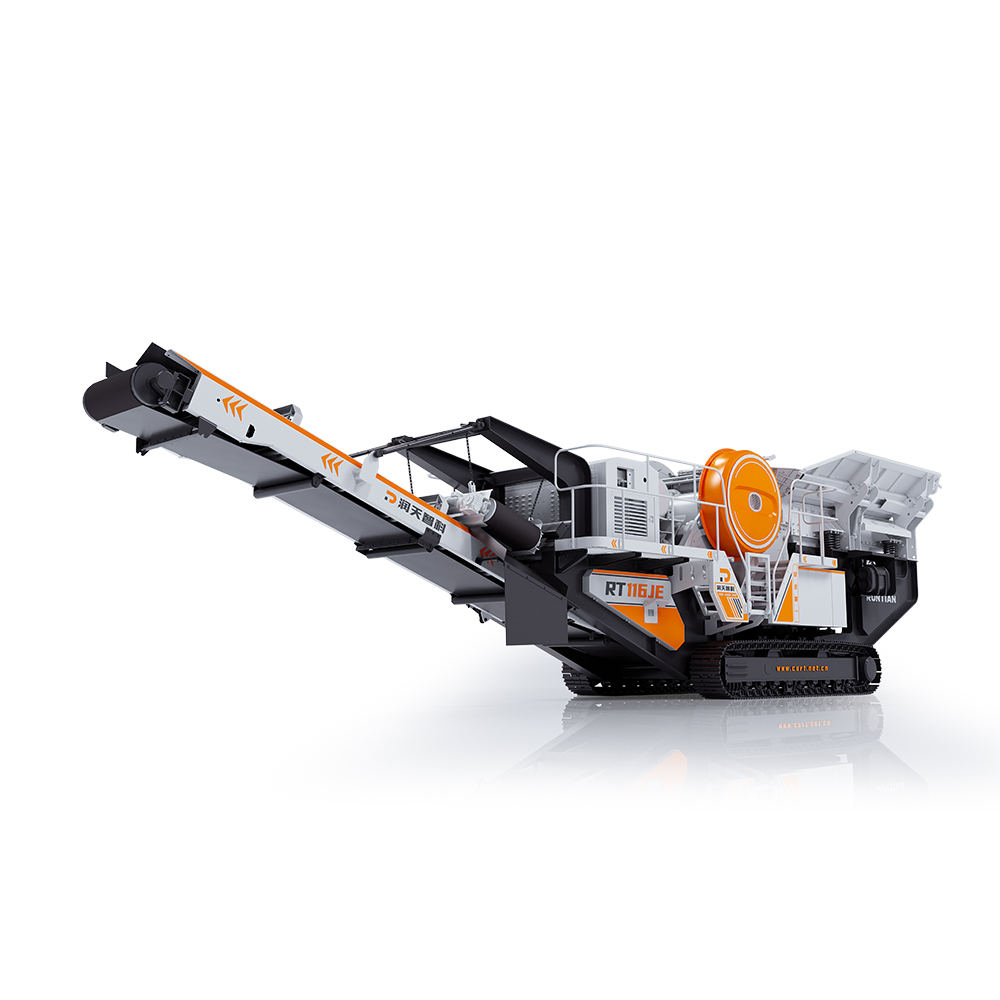 RT116JE Crawler Mobile Jaw Crushing Plant
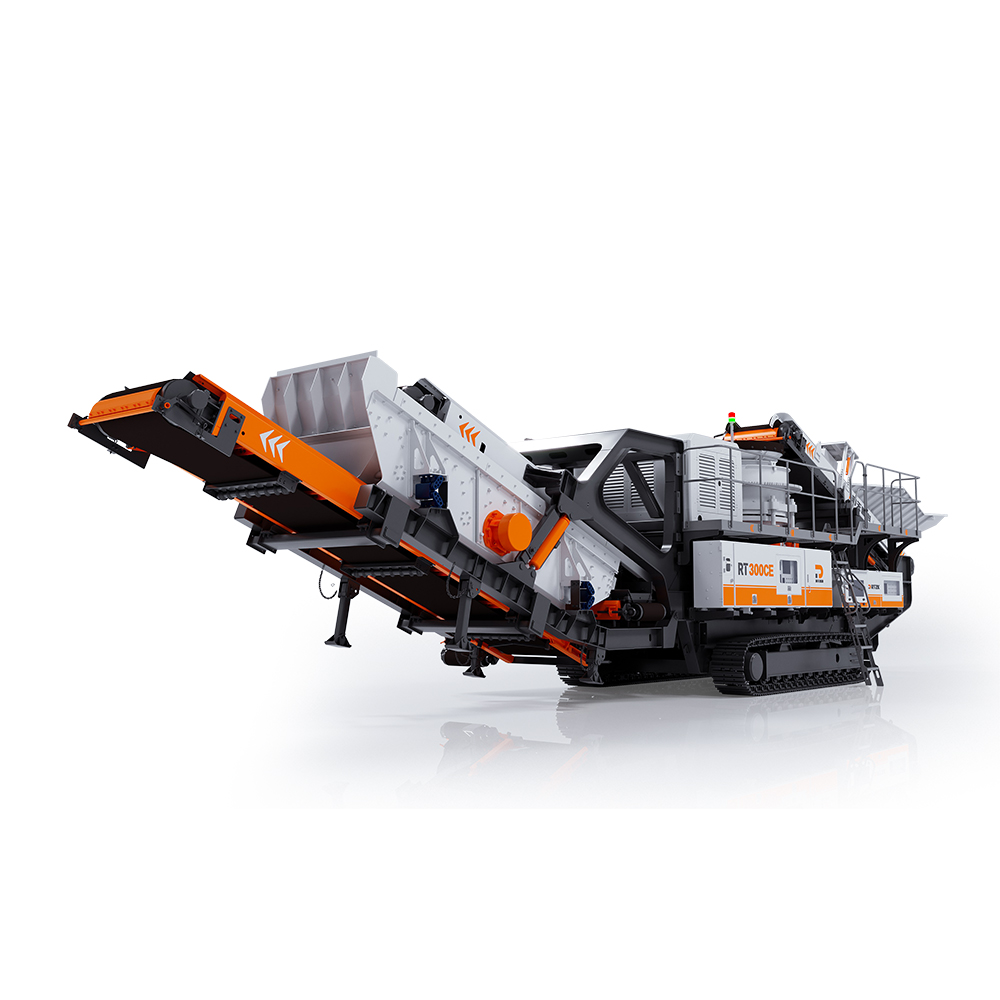 RT300CE Crawler Mobile Cone Crushing Plant
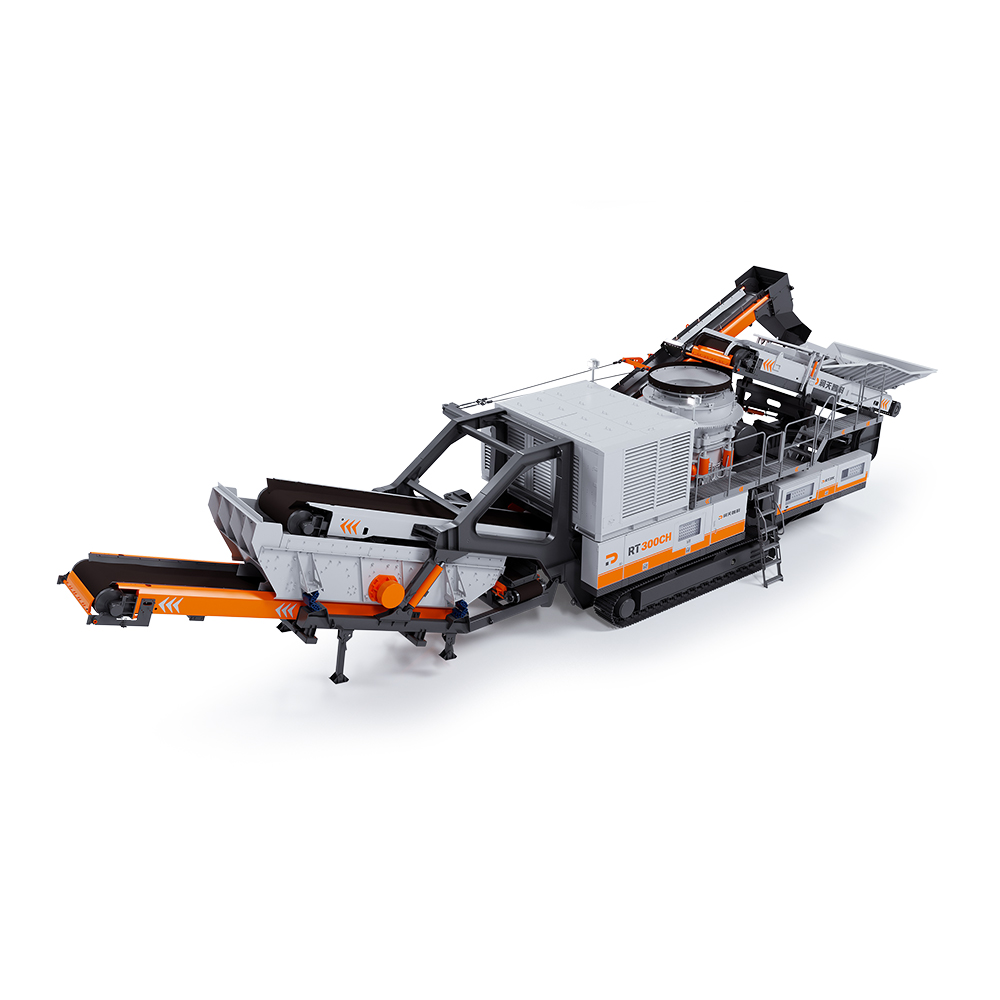 RT300CH Crawler Mobile Cone Crushing Plant
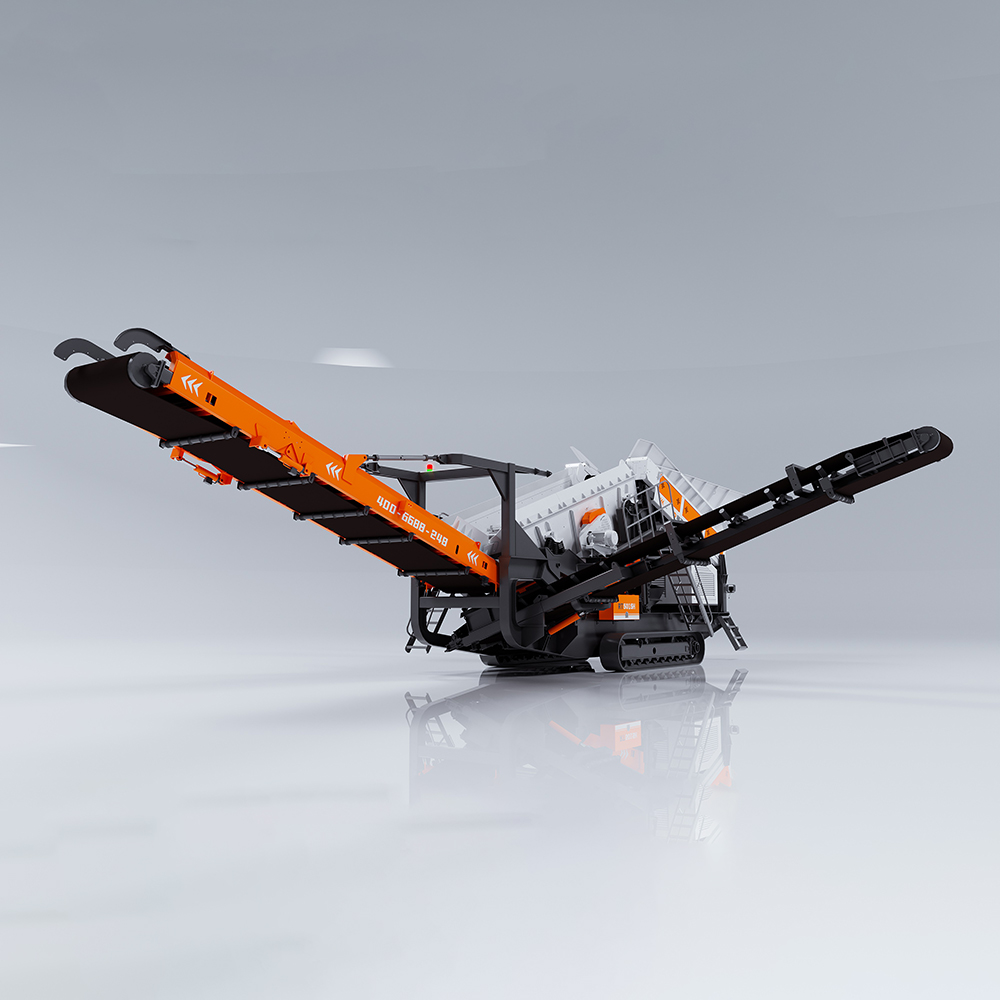 RT5015H Mobile Scalping Screen
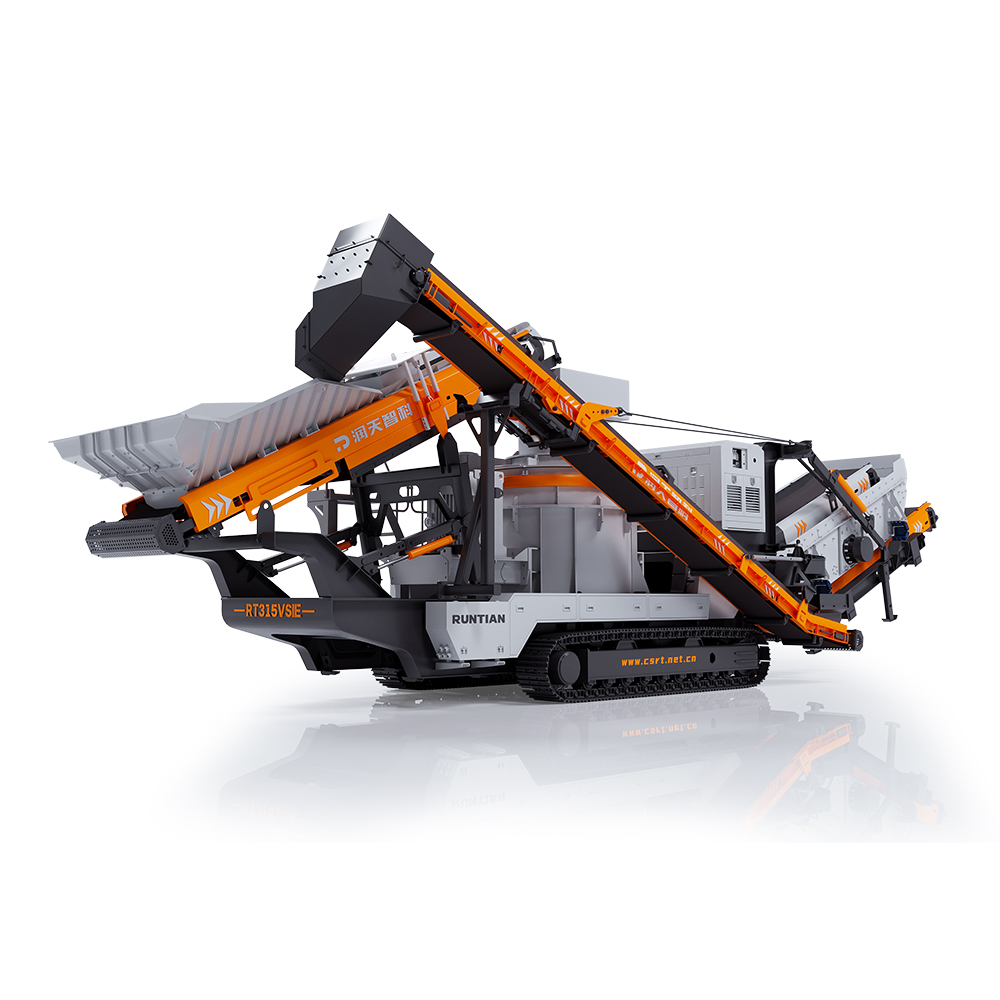 RT315VSIE Crawler Mobile Sand Maker
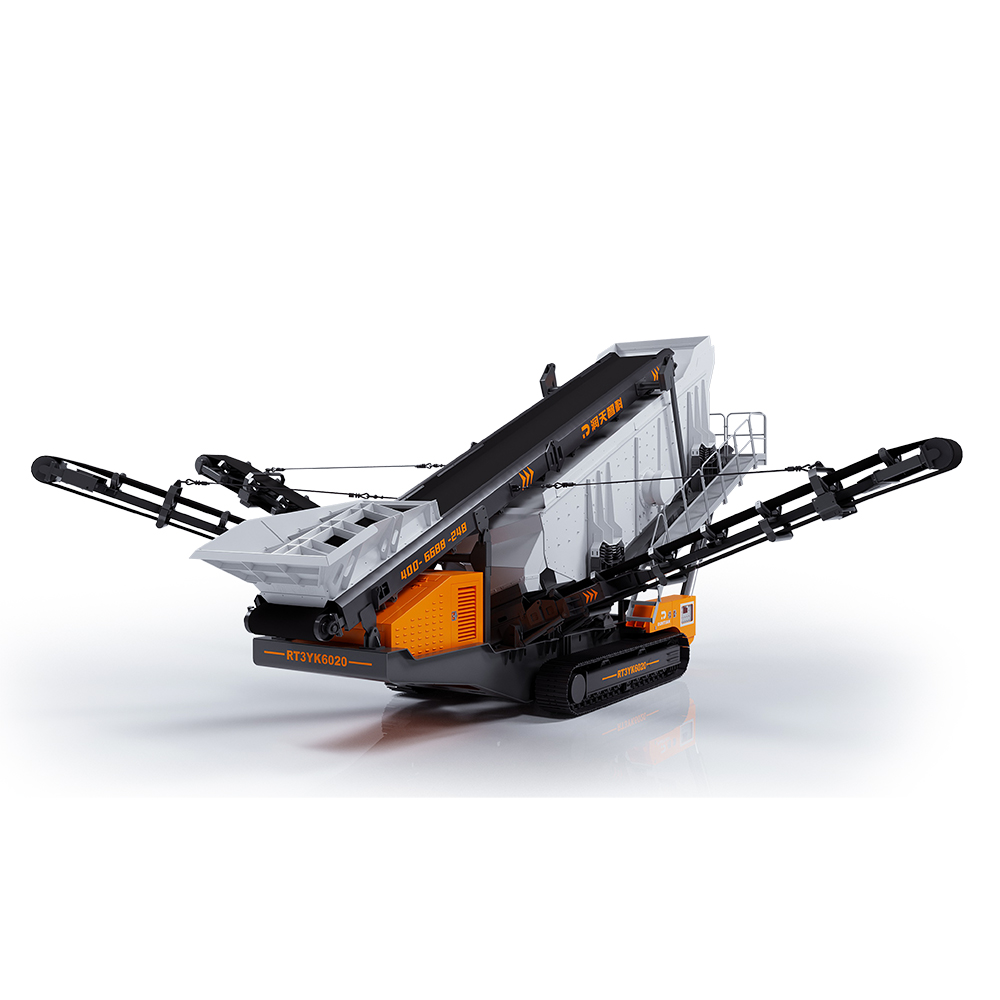 RT3YK6020 Crawler Mobile Screening Plant
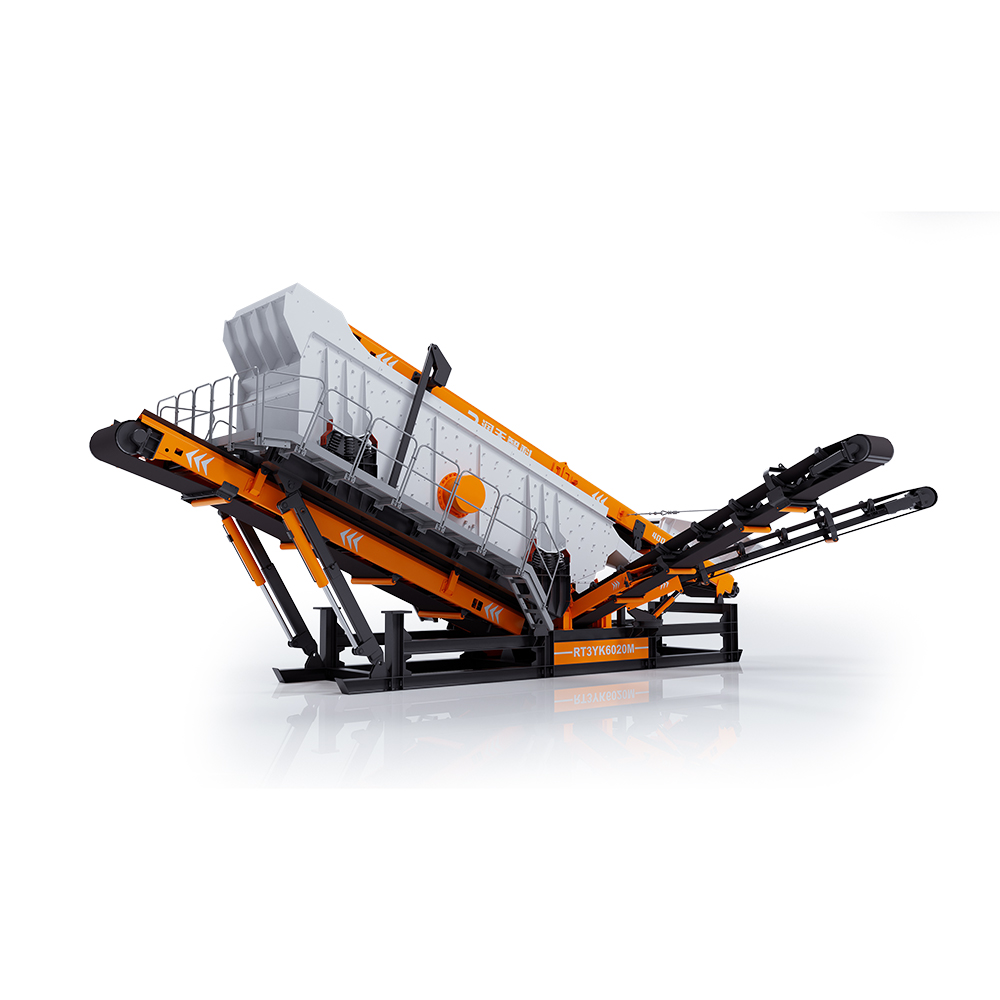 RT3YK6020M Modular Screening Plant
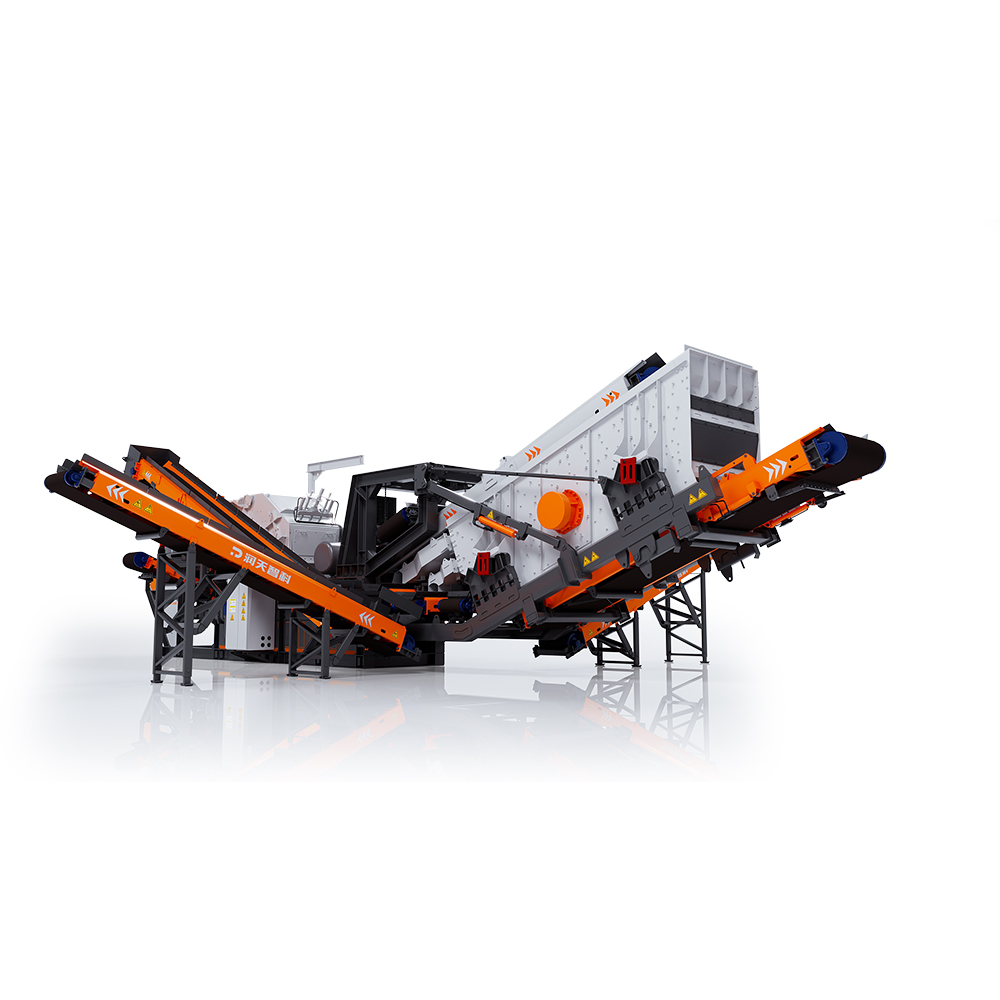 RTF260M Modular Counterattack Crushing and Screening Integrated Machine
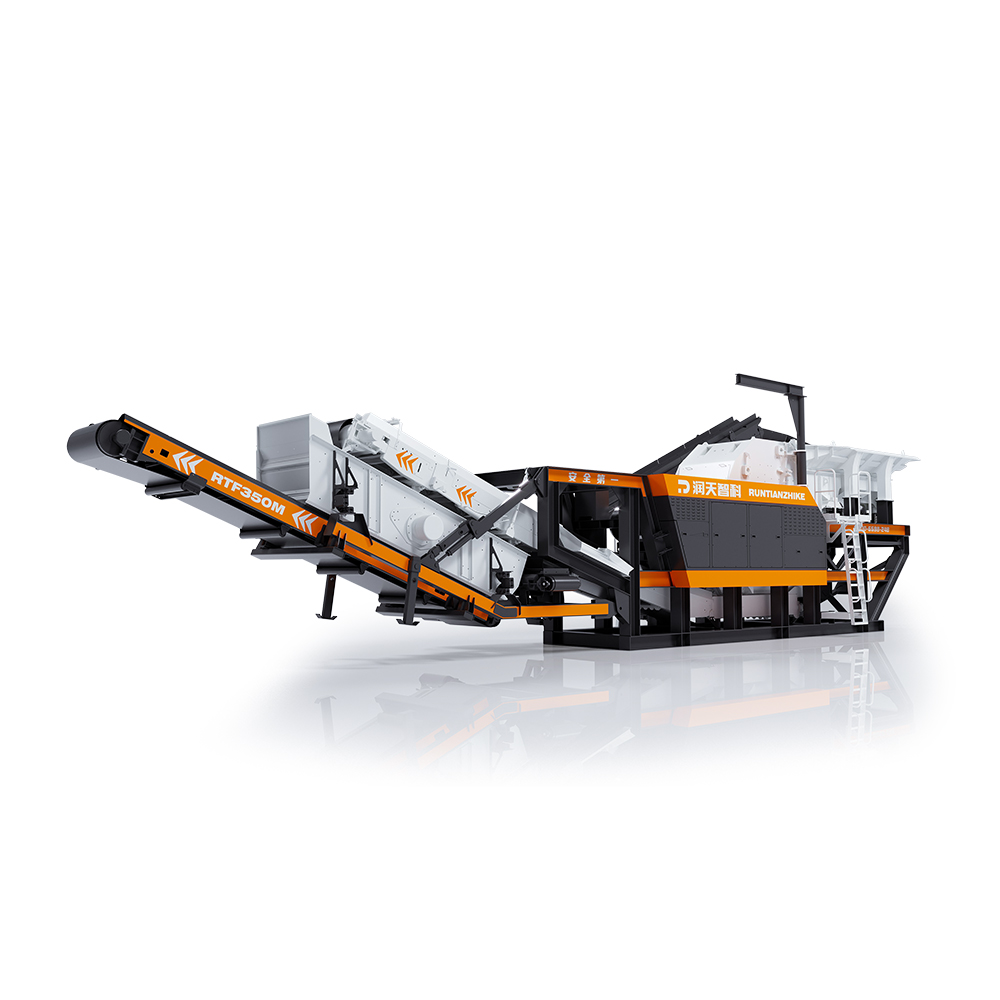 RTF350M Modular Impact Crushing Plant
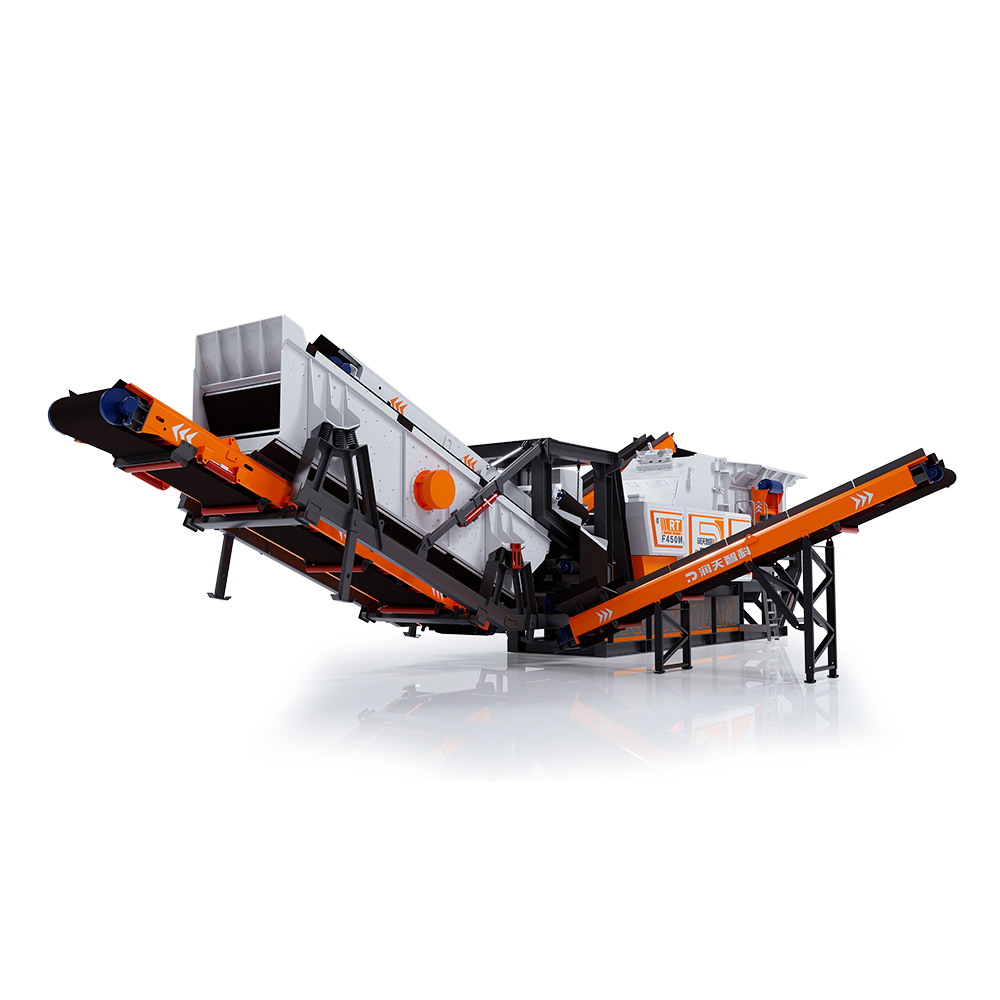 RTF450M Modular Impact Crushing Plant
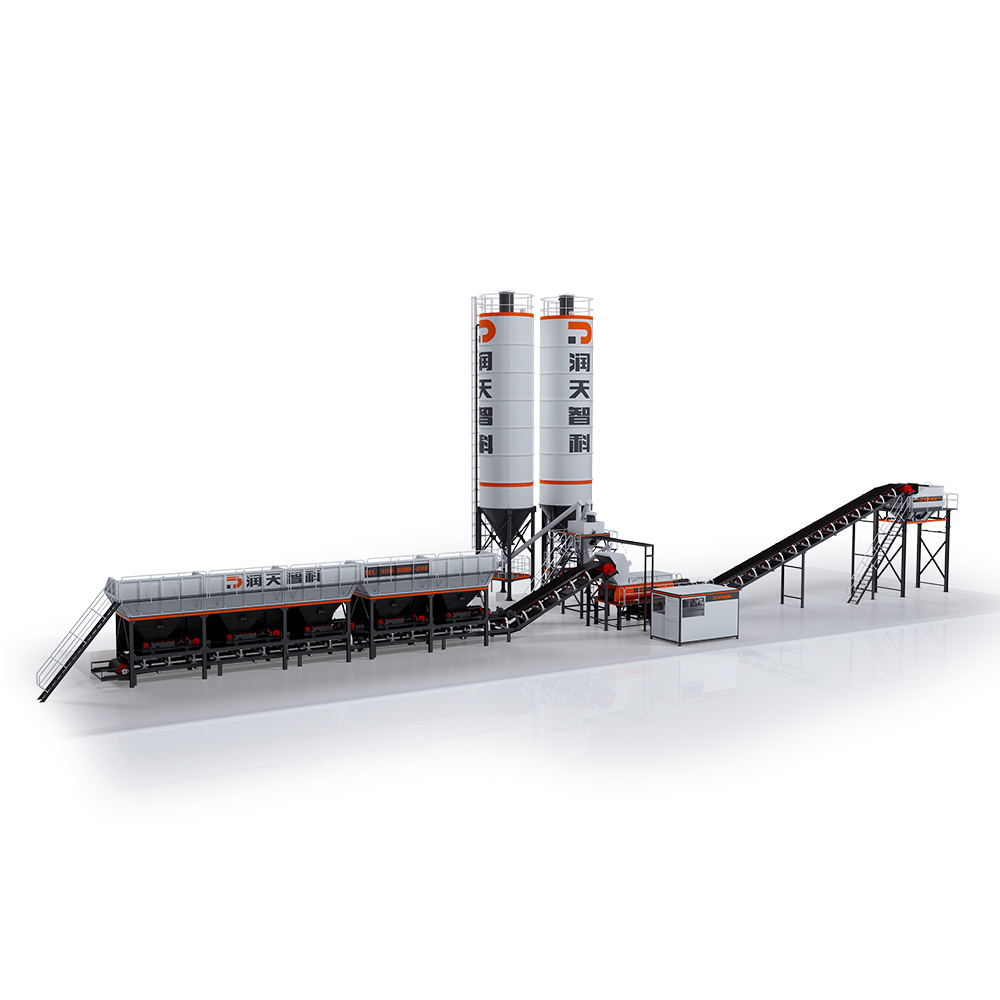 WDB Series Foundation-Free Stability Soil Mixing Plant
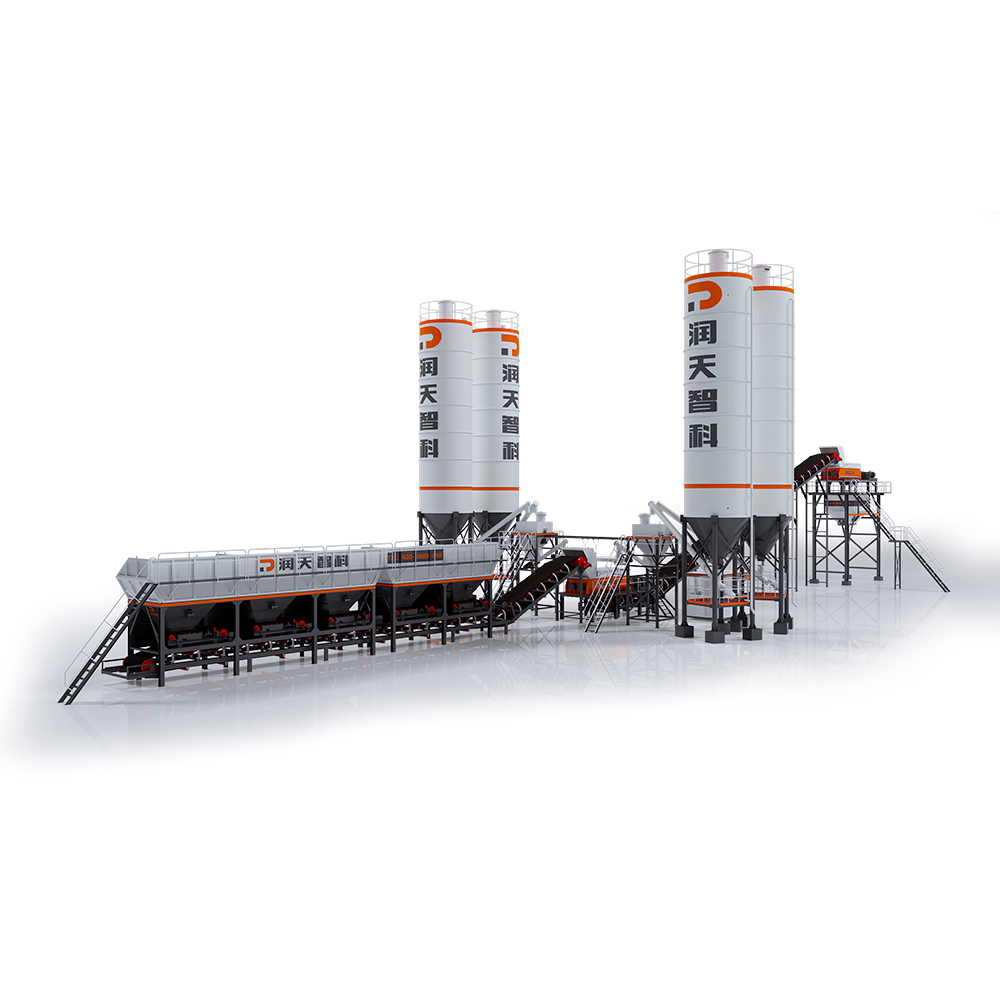 LCB Series Emulsified Asphalt Cold Regeneration Secondary Mixing Plant
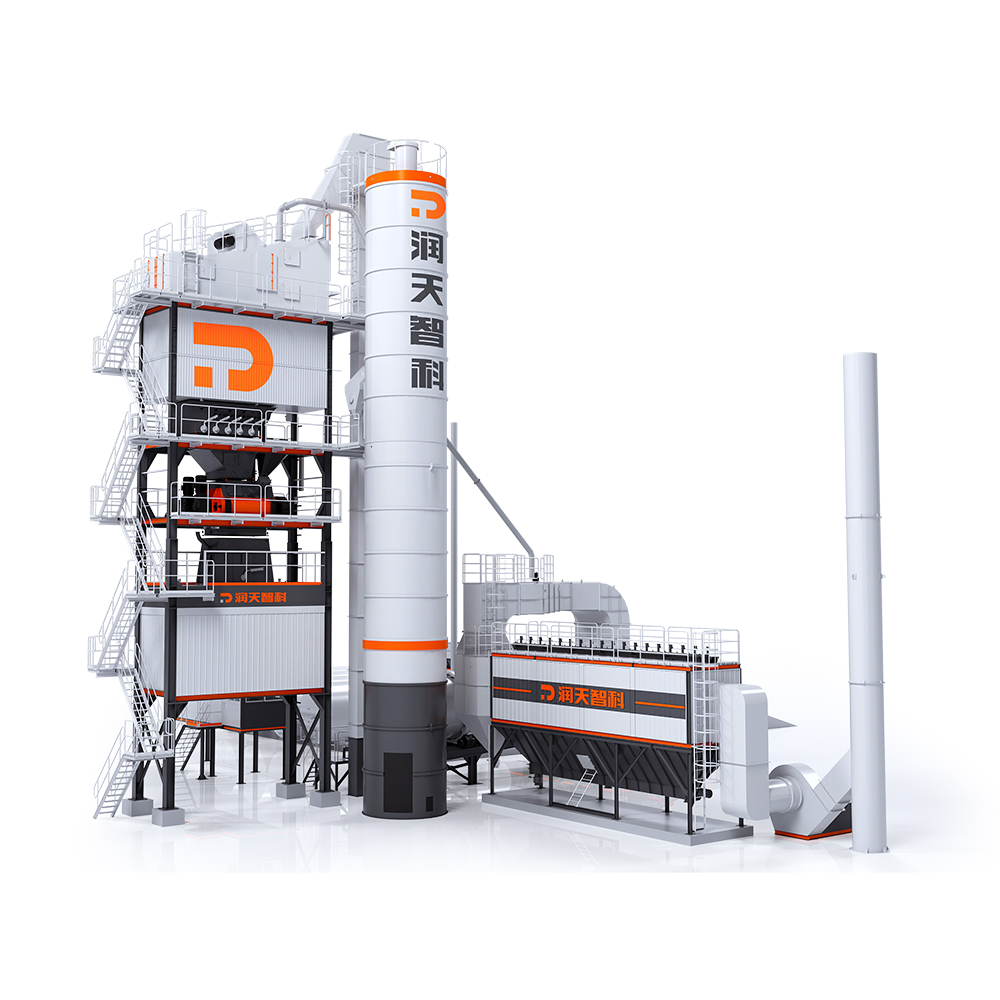 LB Series Asphalt Mixing Plant
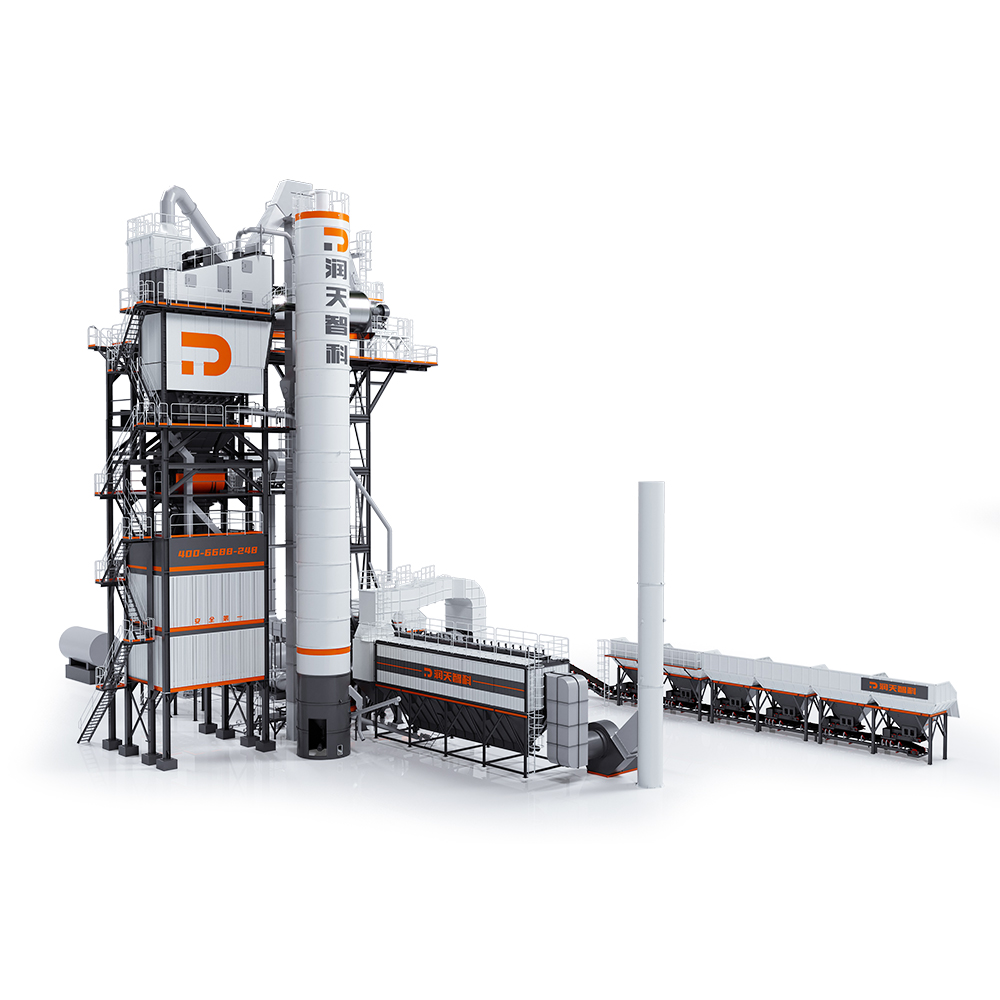 LBR Series Integrated Asphalt Mixing Plant
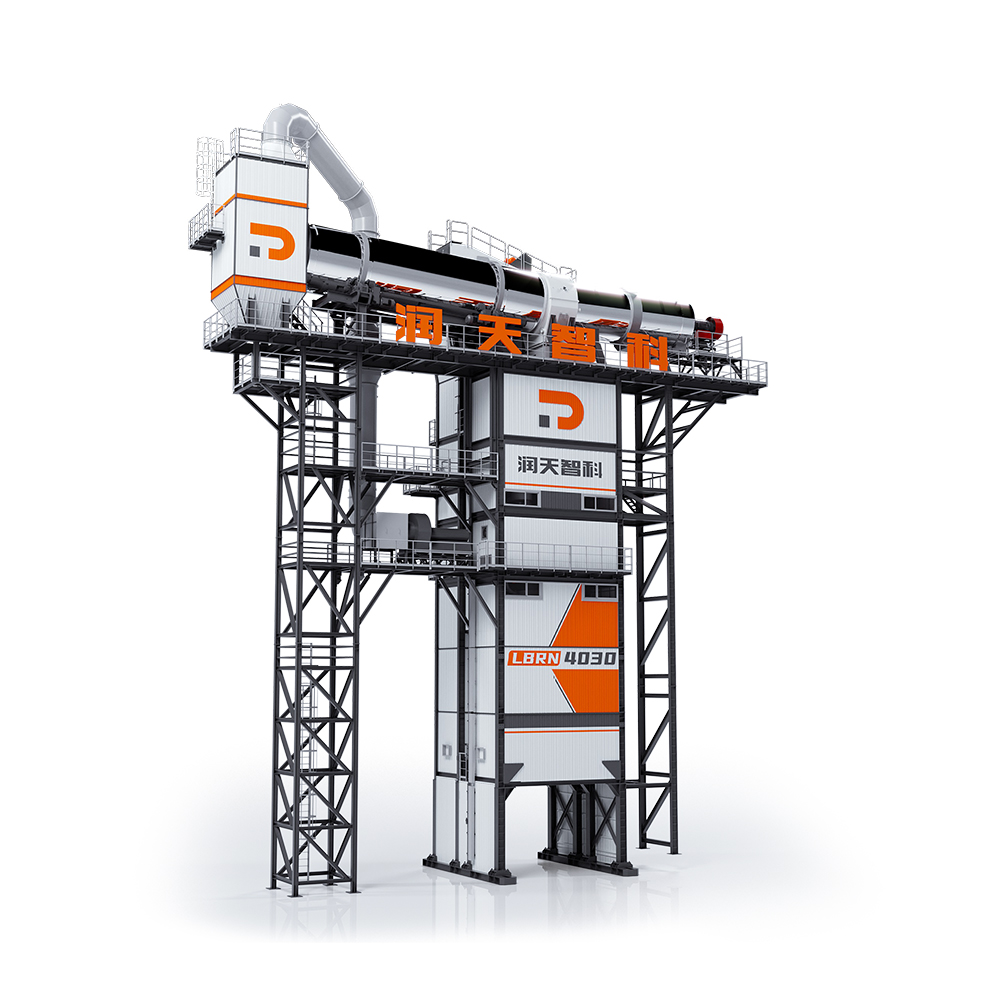 LBRN Series Counterflow Integral Asphalt Mixing Plant
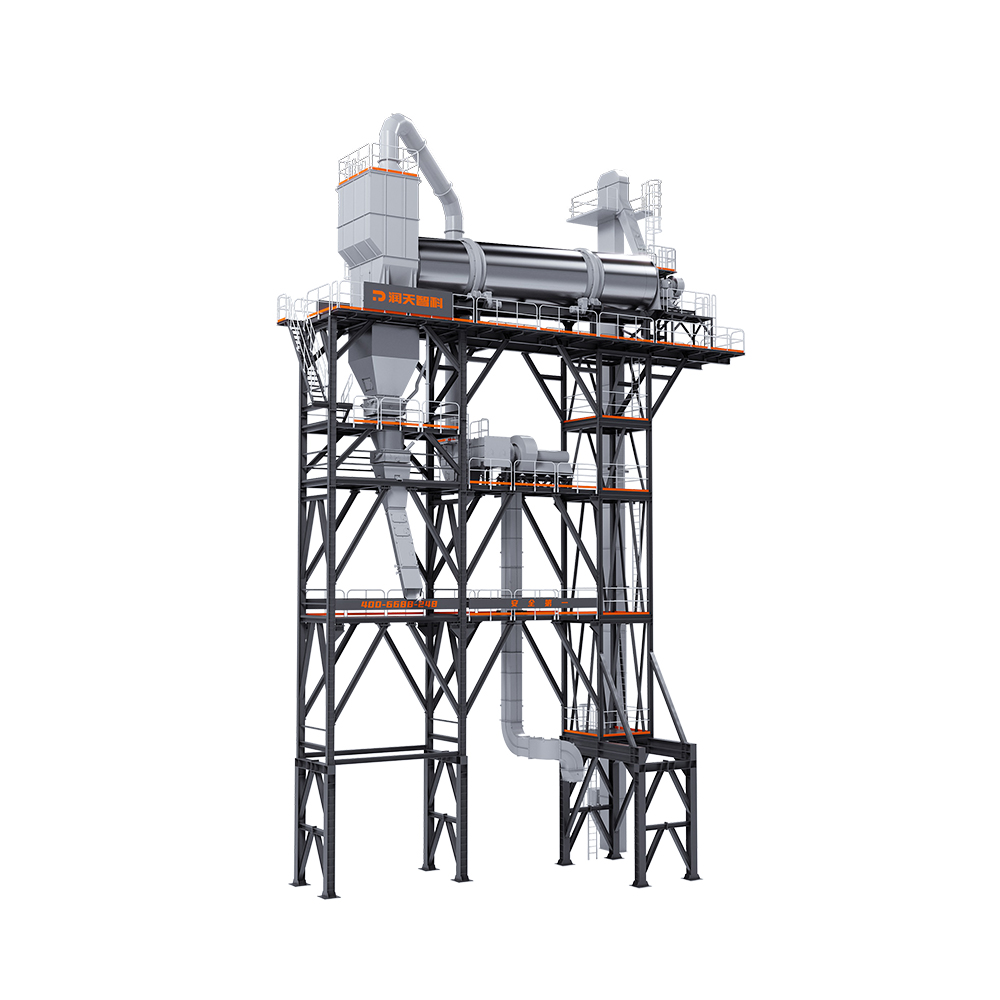 RZS Series Asphalt Mixing Plant
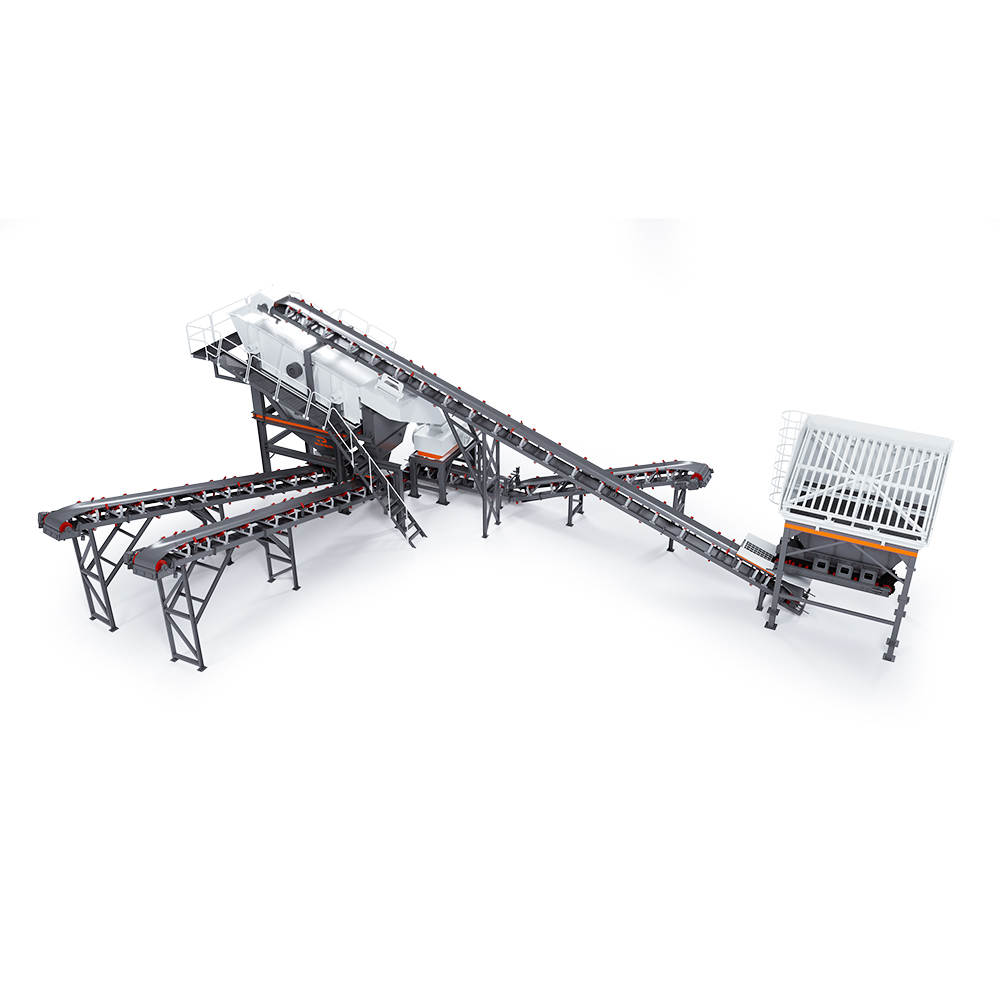 RTZS120 Series RAP Crushing & Screening Plant
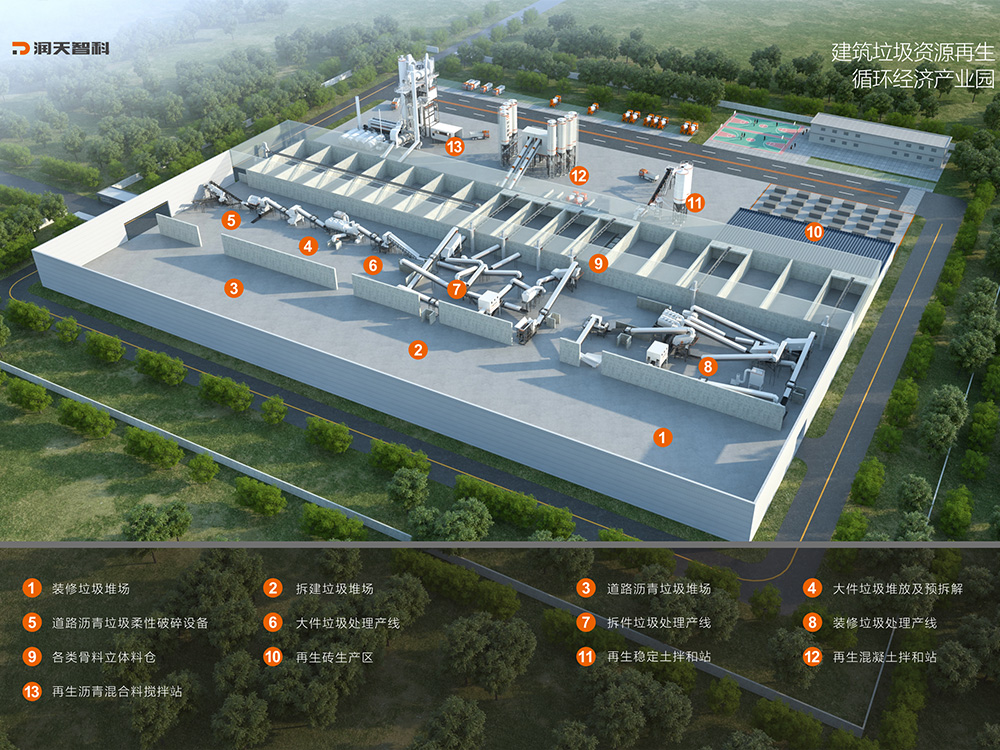 Construction Waste Resourceful Treatment Line