10 Essential Tips for Choosing the Right Mobile Jaw Crusher for Your Needs
When it comes to investing in a mobile jaw crusher, making the right choice can significantly impact your operations. A Jaw Crusher Mobile is an essential piece of equipment for various industries, including construction, mining, and recycling. With the market flooded with numerous options, understanding the factors that influence your choice is crucial for ensuring optimal performance and efficiency.
In this guide, we will explore ten essential tips that will assist you in selecting the perfect mobile jaw crusher tailored to your specific needs. From evaluating the machine's size and capacity to understanding the importance of mobility and maintenance requirements, these tips will empower you to make an informed decision. By keeping your project's goals and challenges in mind, you can find a Jaw Crusher Mobile that not only meets your operational demands but also enhances productivity and cost-effectiveness.
As you navigate through the complexities of choosing a mobile jaw crusher, remember that the right equipment can streamline your processes, reduce downtime, and ultimately lead to greater success in your endeavors. Whether you are looking to crush rock, concrete, or any other material, these insights will help you select a machine that aligns with your operational goals and offers the best return on investment.
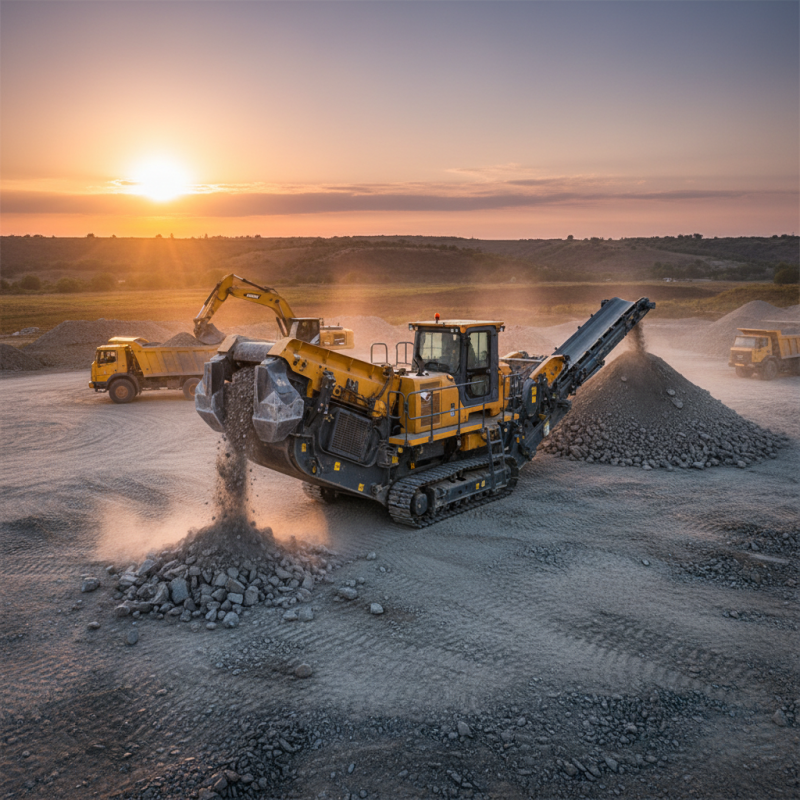
Key Factors to Consider When Selecting a Mobile Jaw Crusher
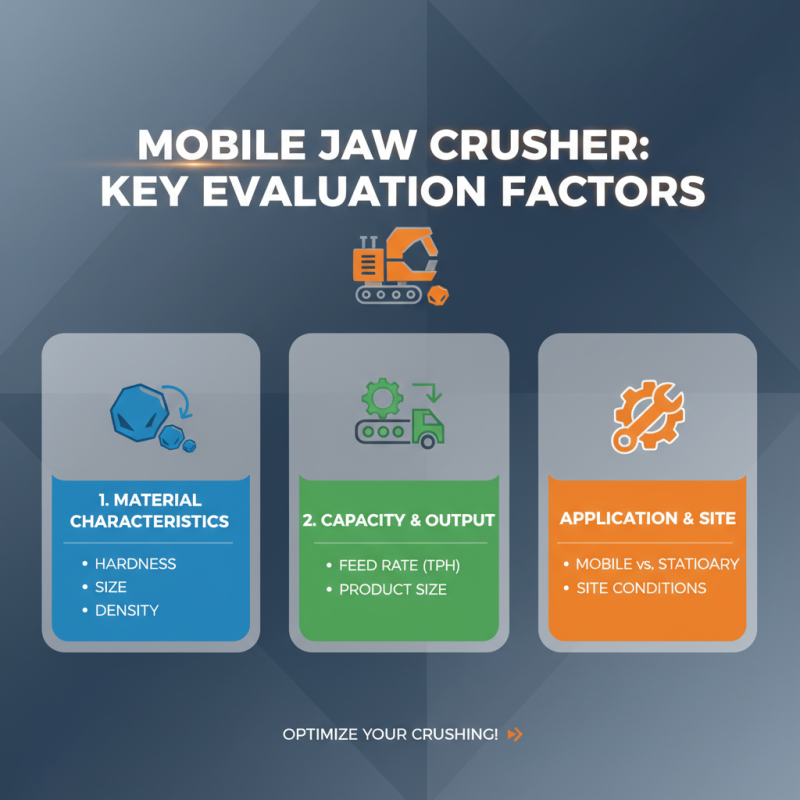
When selecting a mobile jaw crusher, it's crucial to consider several key factors to ensure it meets your specific needs. First, evaluate the production capacity required for your operation. Determining the amount of material you need to crush over a certain period will help you select a model with adequate output. Additionally, consider the size and type of materials you will be processing, as different crushers can handle varying material types and sizes. Ensure that the crusher's specifications align with the materials you intend to work with to optimize performance.
Another important factor is mobility and ease of transport. Mobile jaw crushers vary in their dimensions and weight; choosing one that can be easily transported to different job sites can save time and resources. Look for features such as tracks or wheels that enhance portability. Lastly, assess the crusher's maintenance requirements and durability. A machine that is easy to maintain and built with robust materials will minimize downtime and repair costs, ensuring your operations run smoothly. Prioritizing these considerations will help you make an informed choice that aligns with your operational goals.
10 Essential Tips for Choosing the Right Mobile Jaw Crusher for Your Needs
| Factor |
Description |
Importance Level |
| Material Type |
Identify the types of materials you will be crushing. |
High |
| Capacity |
Understand the tonnage you need to process effectively. |
High |
| Portability |
Evaluate how easy it is to move the crusher to different locations. |
Medium |
| Power Source |
Consider whether you need diesel, electric, or hybrid models. |
High |
| Maintenance Requirements |
Assess how easy it is to maintain the crusher. |
Medium |
| Feed Size |
Know the maximum size of material that can be fed into the crusher. |
High |
| Output Size |
Determine the size of the output material you need. |
High |
| Mobility Features |
Check for features like tracks or wheels for easy mobility. |
Medium |
| Safety Features |
Identify any safety features that should be included. |
High |
| Price |
Establish your budget and find a suitable option within it. |
Medium |
Understanding Different Types of Mobile Jaw Crushers Available
When selecting the right mobile jaw crusher, it's crucial to understand the various types available on the market. Mobile jaw crushers can typically be divided into two main categories: tracked and wheeled models. Tracked mobile jaw crushers offer superior mobility and are ideal for working on difficult terrain, making them a popular choice for construction sites and remote locations. According to a recent industry report, the global market for tracked mobile crushers is expected to grow at a compound annual growth rate (CAGR) of 6.7% from 2023 to 2030, driven by increased infrastructure development in emerging economies.
On the other hand, wheeled mobile jaw crushers provide a more cost-effective solution for operations that may not require the extensive maneuverability of tracked models. These units are often easier to set up and are favored for projects on stable ground. The versatility of wheeled models allows them to be transported quickly between sites, which can save valuable operational time. A study highlights that nearly 40% of aggregate producers are shifting towards wheeled models due to their lower operating costs, illustrating a significant trend in the market. Understanding these distinctions will guide operators in selecting the best mobile jaw crusher tailored to their specific operational demands and site conditions.
Mobile Jaw Crusher Types and Their Applications
Evaluating Crushing Capacity and Performance for Your Application
When evaluating the crushing capacity and performance of a mobile jaw crusher for your specific application, there are several key factors to consider. First, assess the material you will be processing, including its hardness, size, and density. The type of material directly influences the crusher's capacity; therefore, knowing the feed characteristics is essential for selecting the right model.
Another critical aspect to consider is the desired output size and production rate. Understanding your project's requirements helps in determining the crusher's performance specifications. Look for features that facilitate easy adjustment of the output size, as this flexibility can enhance efficiency and reduce downtime. Additionally, it's worth evaluating the machine's throughput, which is linked to the engine power and the design of the crushing chamber.
Tip 1: Ensure the mobile jaw crusher you choose has the appropriate engine power to match your workload. Insufficient power can lead to inadequate performance and increased wear on the machinery.
Tip 2: Analyze the wear parts and maintenance requirements of the crusher. Opt for models designed with durable materials to minimize downtime and maximize productivity, allowing you to maintain a steady workflow without frequent interruptions for repairs.
Examining the Importance of Mobility and Site Conditions
When selecting a mobile jaw crusher, understanding the significance of mobility and site conditions is paramount. The mobility of the crusher directly impacts its efficiency on various job sites, particularly in industries like construction and mining where terrain can be unpredictable. A mobile crusher's ability to navigate different surfaces—whether rocky, muddy, or uneven—enhances operational flexibility and reduces downtime. A model that can easily adapt to these conditions ensures that material can be processed on-site, leading to significant cost savings and improved productivity.
Site conditions also dictate the choice of a mobile jaw crusher. Factors such as space availability, incline severity, and the nature of the material being processed play vital roles in determining the right equipment. For instance, a compact crusher may be necessary for tighter spaces, while larger models might be optimal for expansive sites where heavy-duty operations are required. Additionally, understanding the local environment, including weather conditions and potential hazards, can influence not only the performance of the crusher but also the safety and efficiency of the overall operation. By carefully evaluating these parameters, businesses can make informed choices that align with their operational needs and site-specific challenges.
Budgeting and Cost Considerations in Mobile Jaw Crusher Purchase
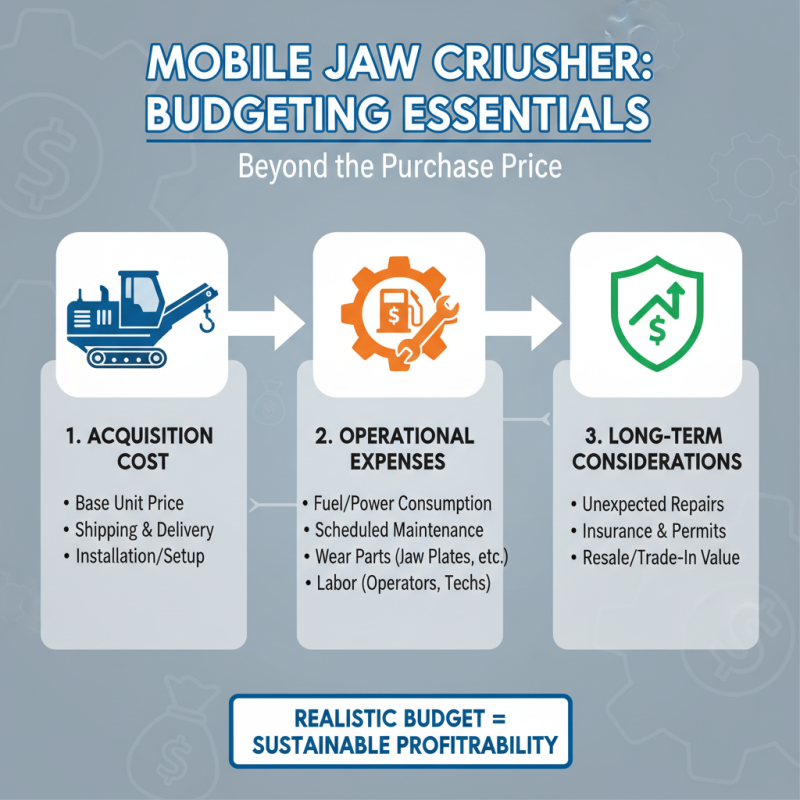
When considering the purchase of a mobile jaw crusher, budgeting is one of the most critical aspects to evaluate. It's essential to establish a realistic budget that encompasses not only the purchase cost but also ongoing operational expenses. These may include maintenance, fuel, and wear parts replacement. Allocating funds for these additional costs will help prevent unexpected financial strain over the lifespan of the equipment.
Moreover, potential buyers should also consider financing options that may be available. Many manufacturers offer financing plans, which can ease the upfront financial burden. Additionally, it's wise to account for any potential costs associated with transportation and installation of the mobile jaw crusher. Evaluating the total cost of ownership, rather than just the initial purchase price, will provide a clearer picture of the financial commitment involved and help in making an informed decision that aligns with budgetary constraints.

 Concrete Mixing Plant
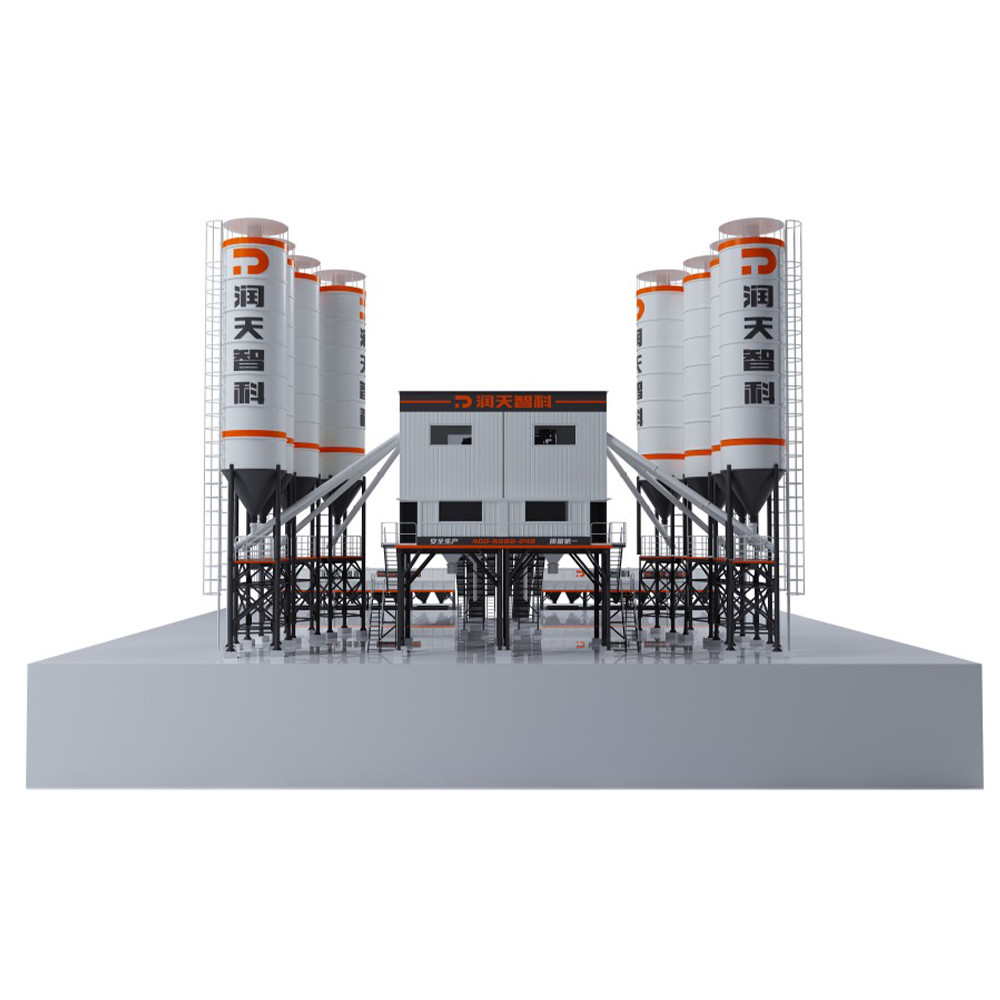 HZS Series Belt Concrete Mixing Plant
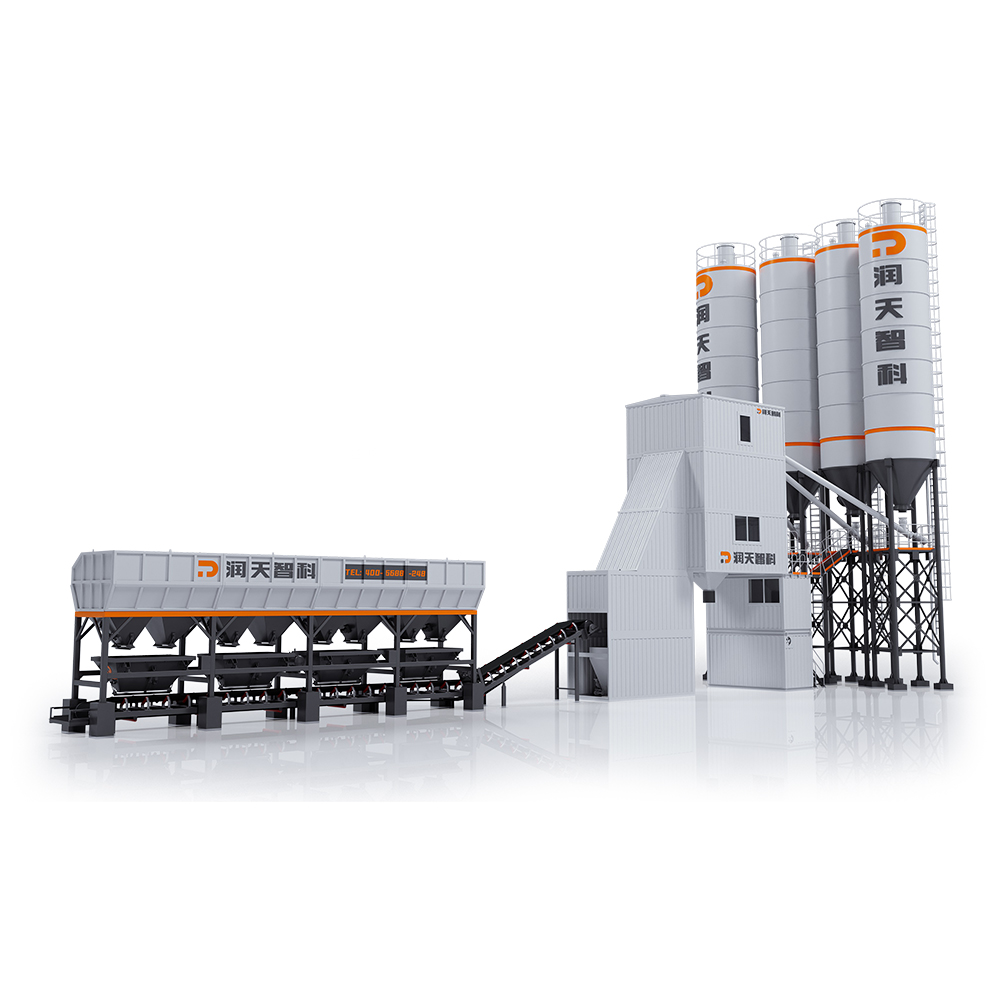 HZS Series Bucket-Lifting Type Container Concrete Mixing Plant
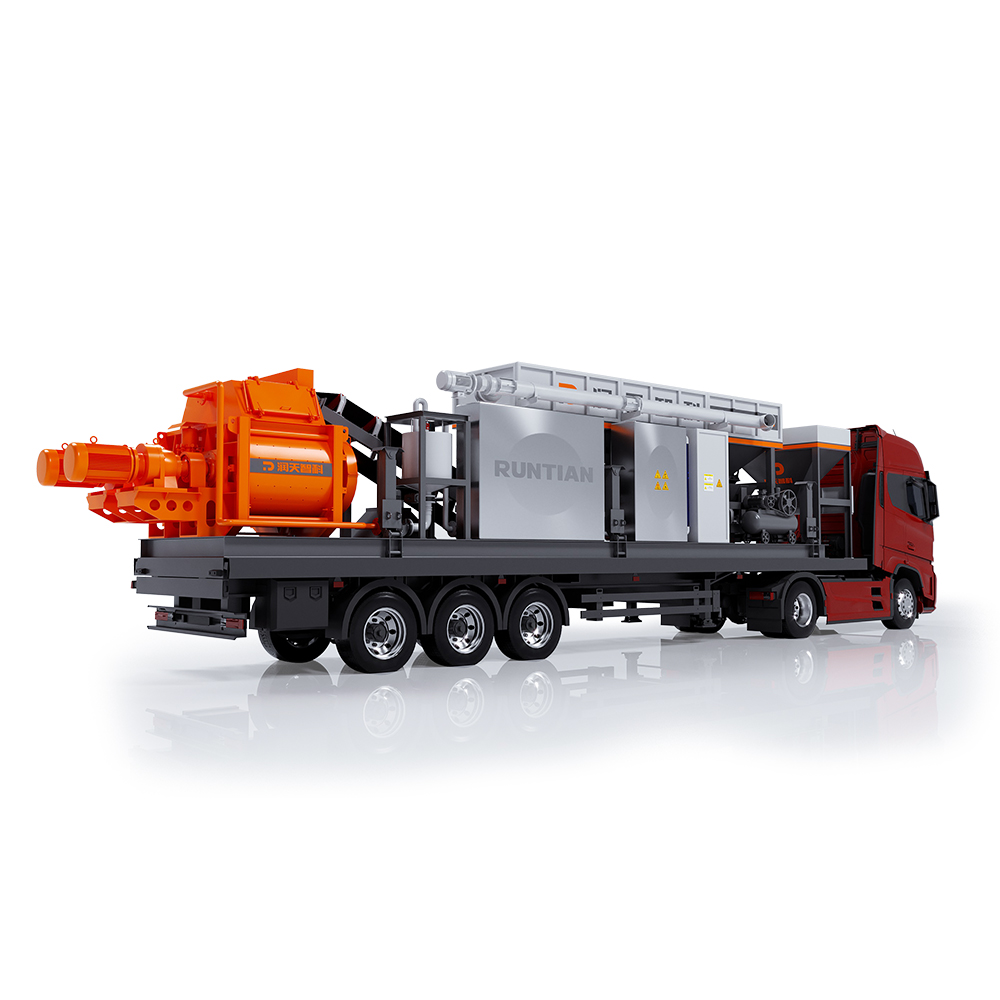 HZS60 Mobile Concrete Mixing Plant
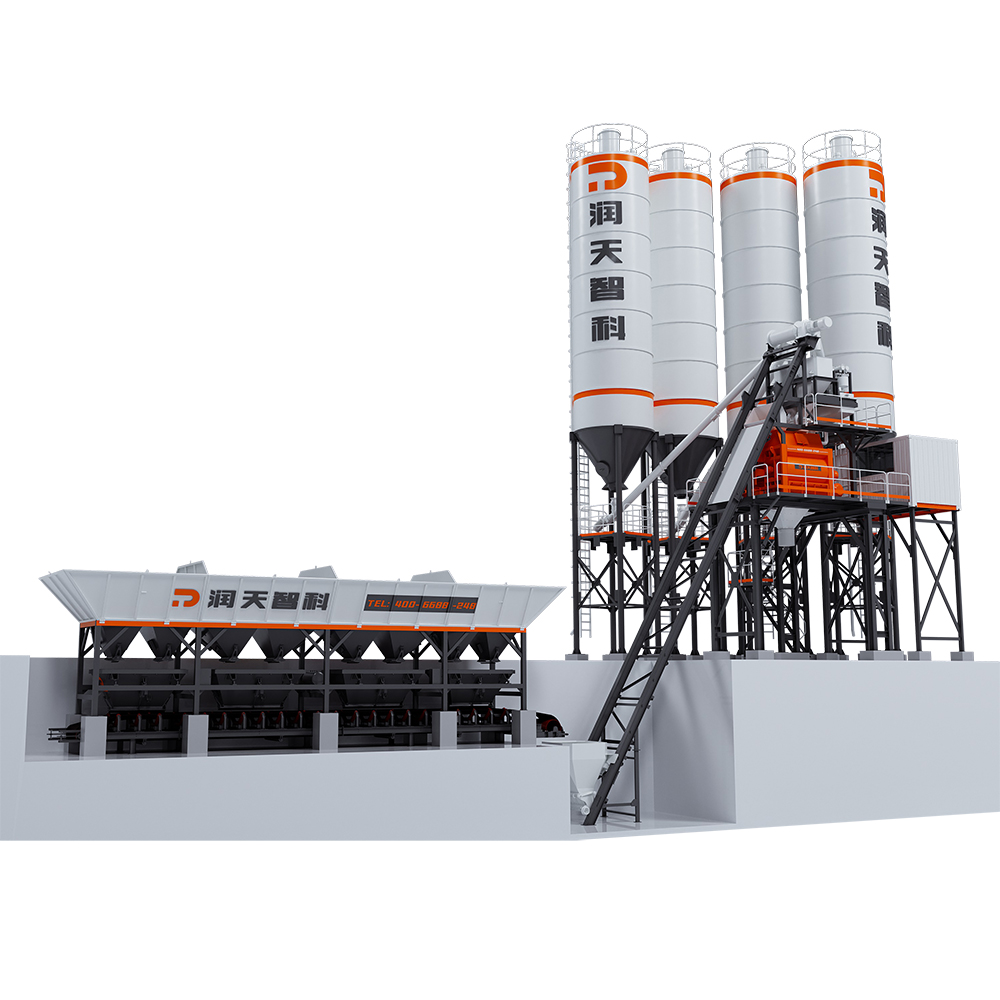 HZS Series Bucket-Lifting Type Concrete Mixing Plant
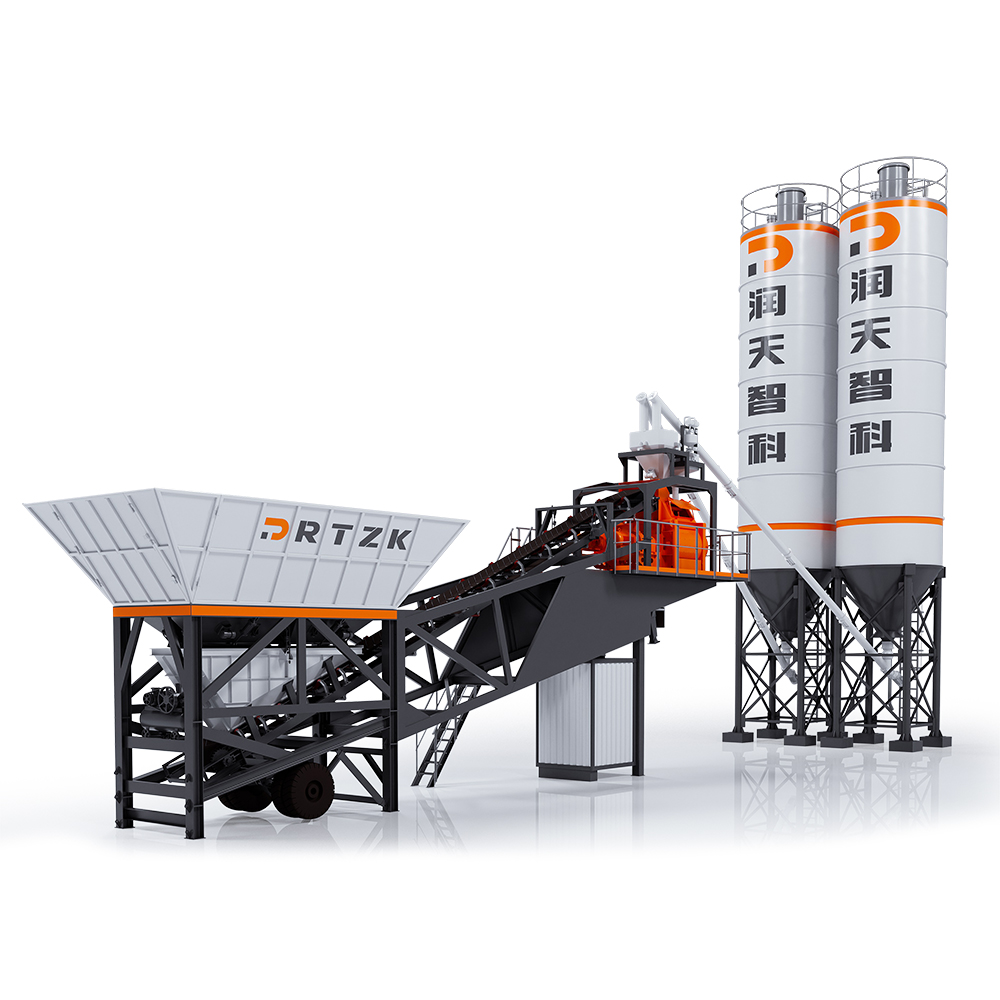 HZS Series Mobile Concrete Mixing Plant
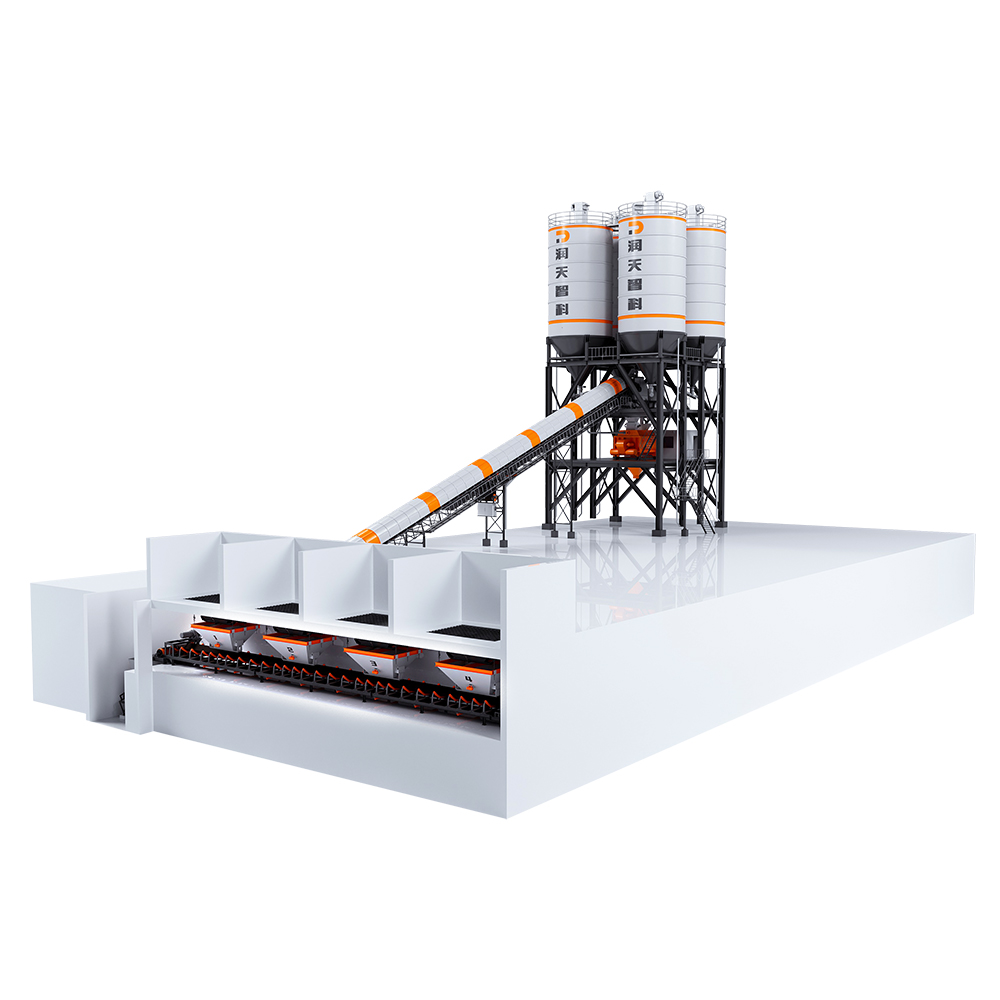 HZS Series Top-Mounted Concrete Mixing plant
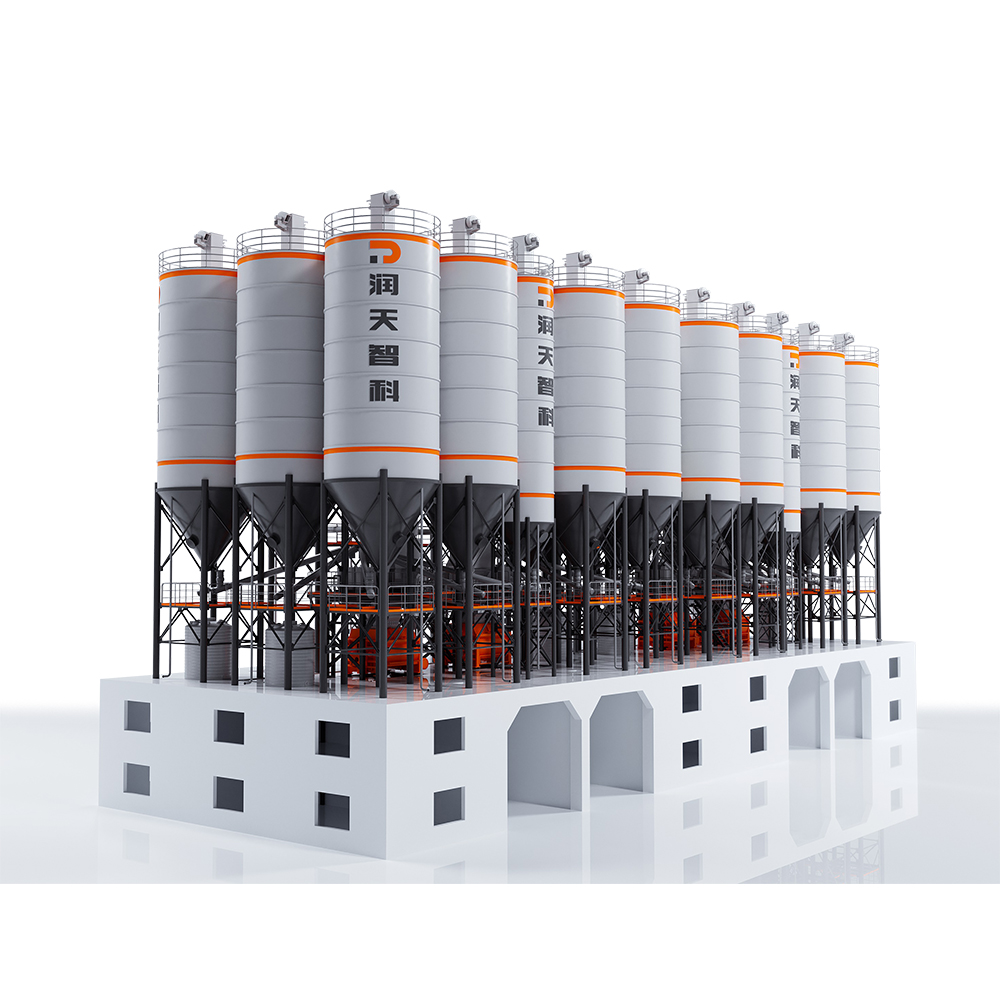 HZS Series Semi-Top Mounted Concrete Mixing Plant
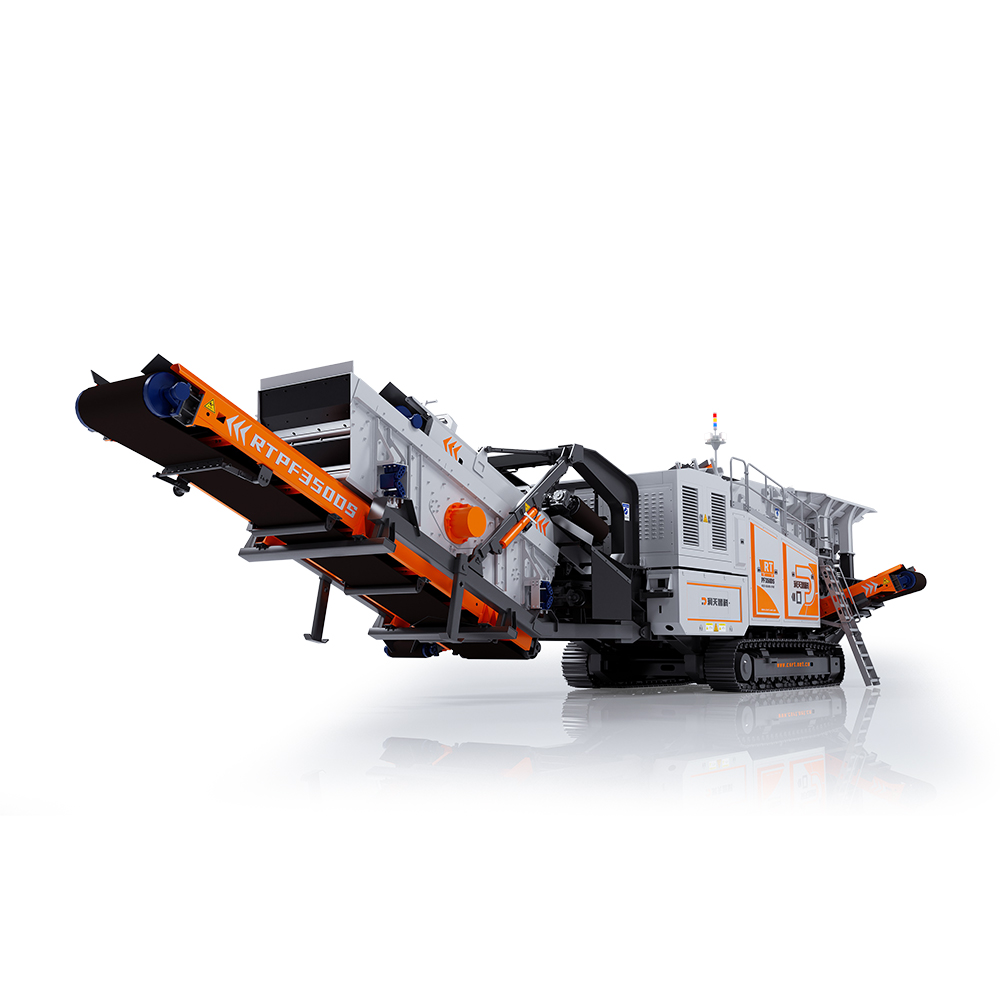 RTPF350DS Crawler Mobile Impact Crushing Plant
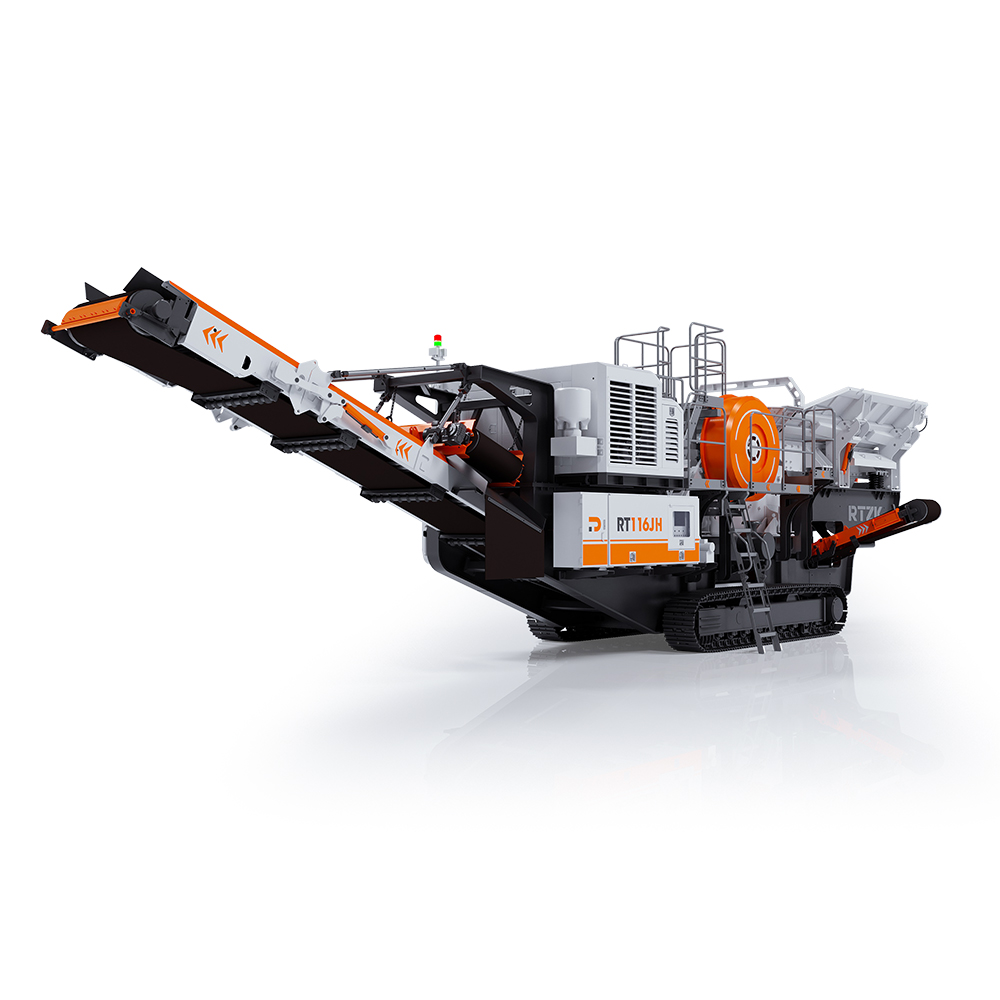 RT116JH Crawler Mobile Jaw Crushing Plant
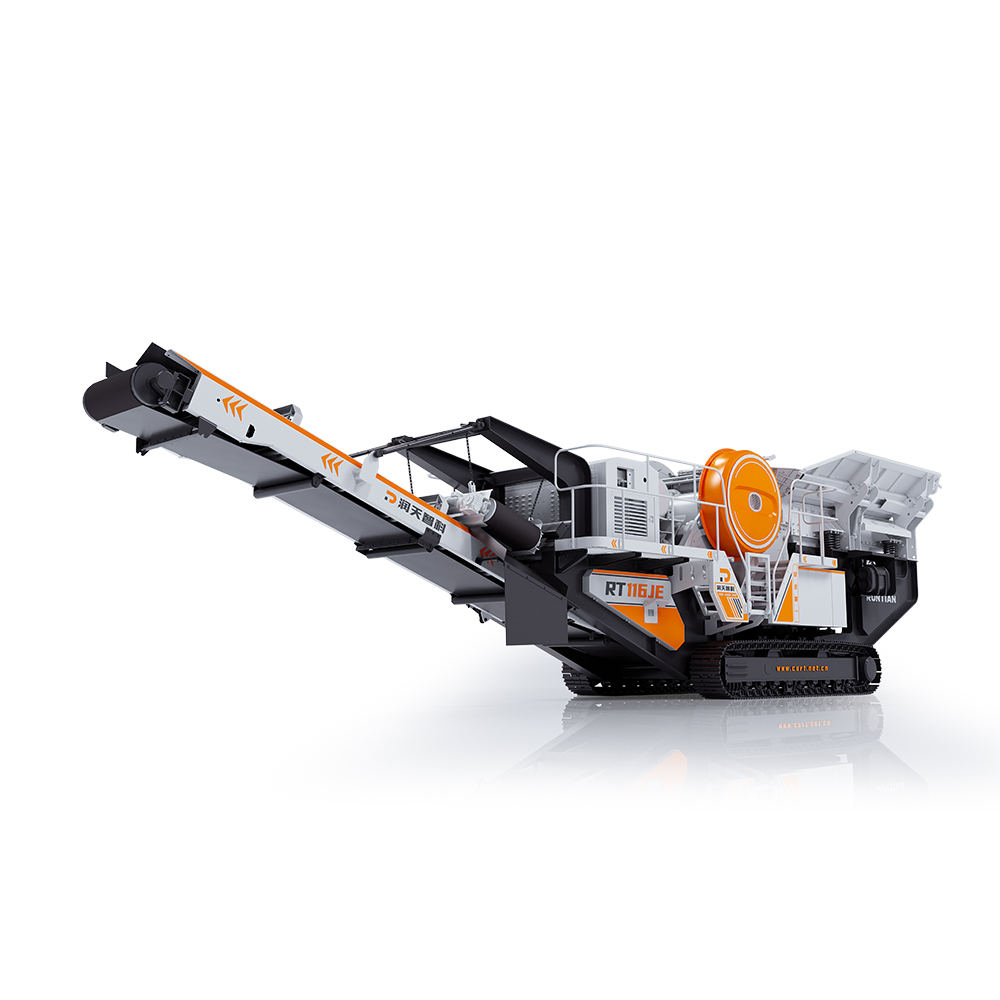 RT116JE Crawler Mobile Jaw Crushing Plant
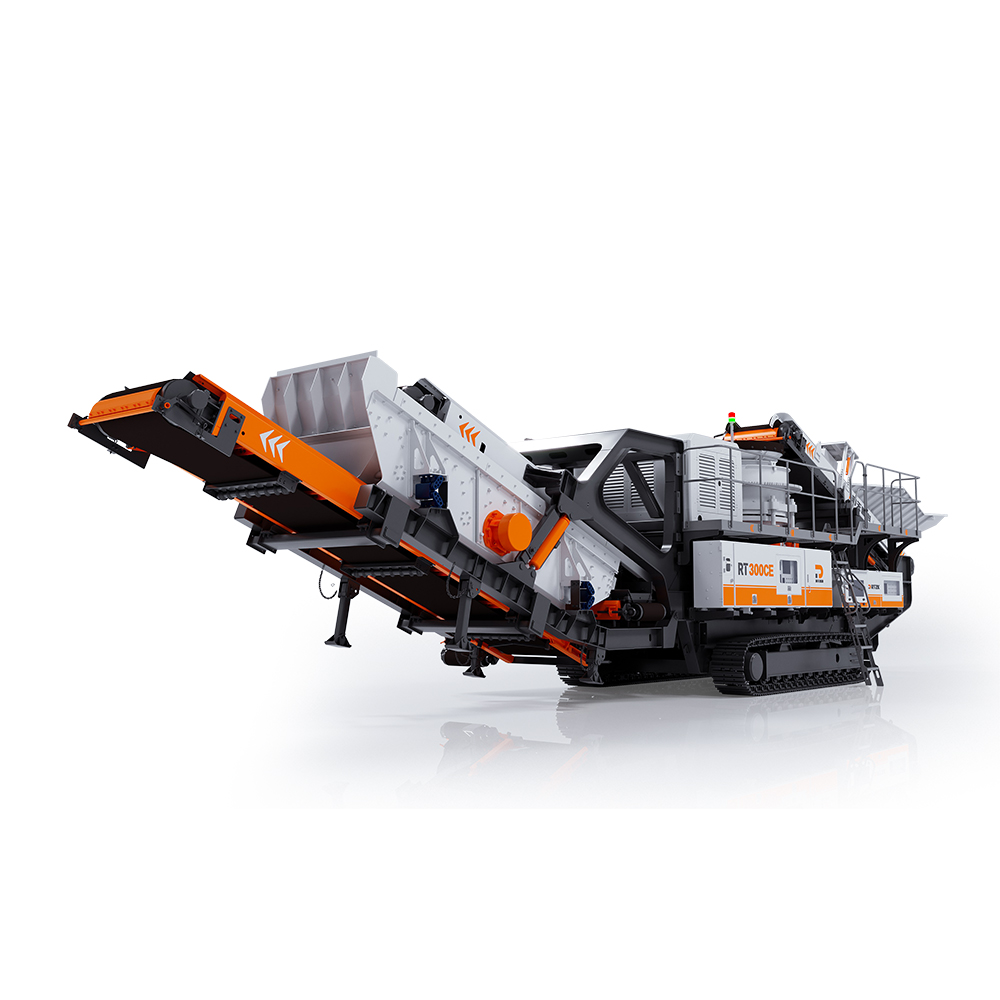 RT300CE Crawler Mobile Cone Crushing Plant
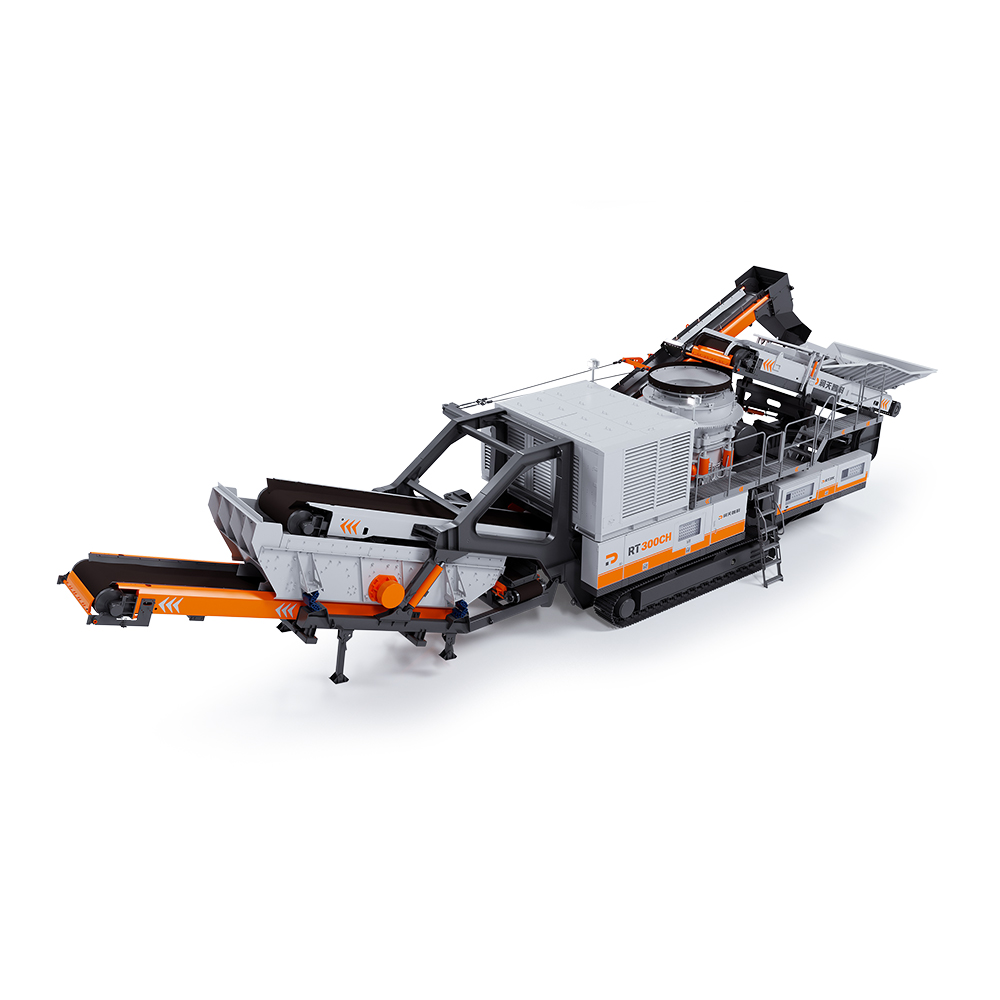 RT300CH Crawler Mobile Cone Crushing Plant
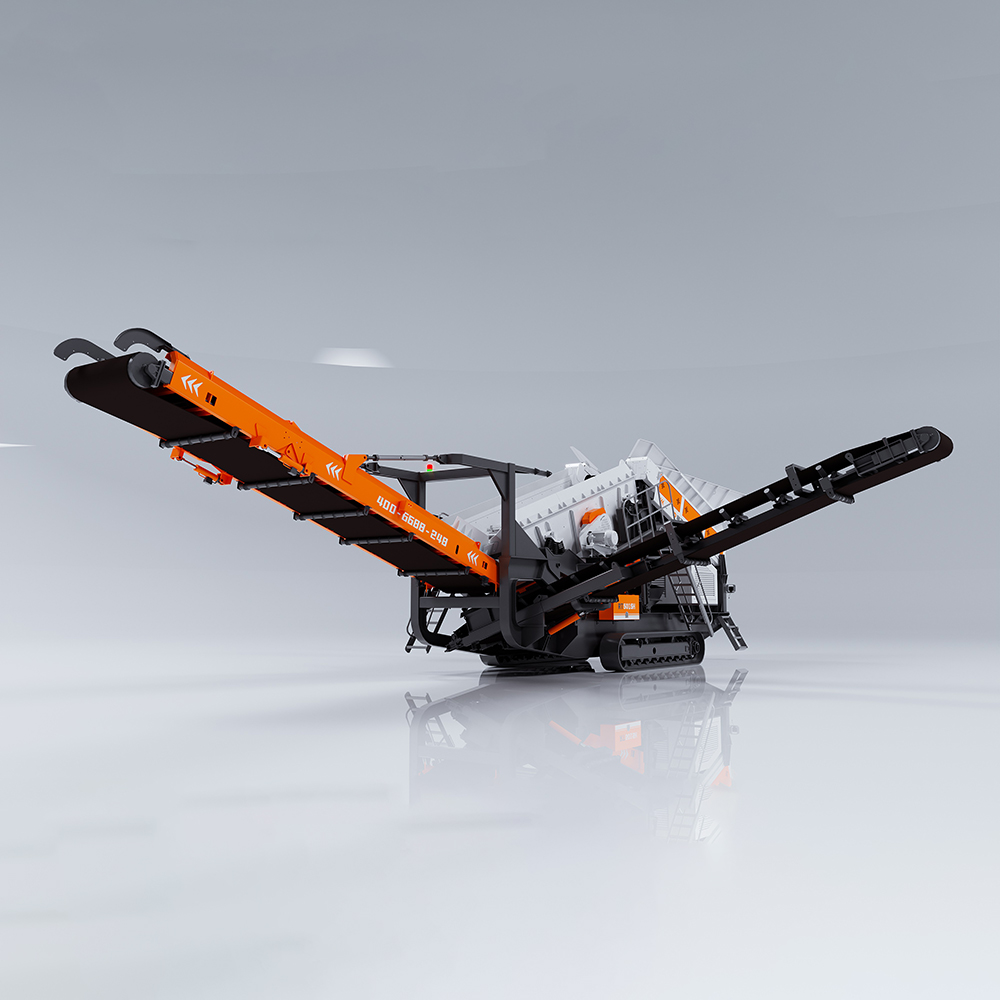 RT5015H Mobile Scalping Screen
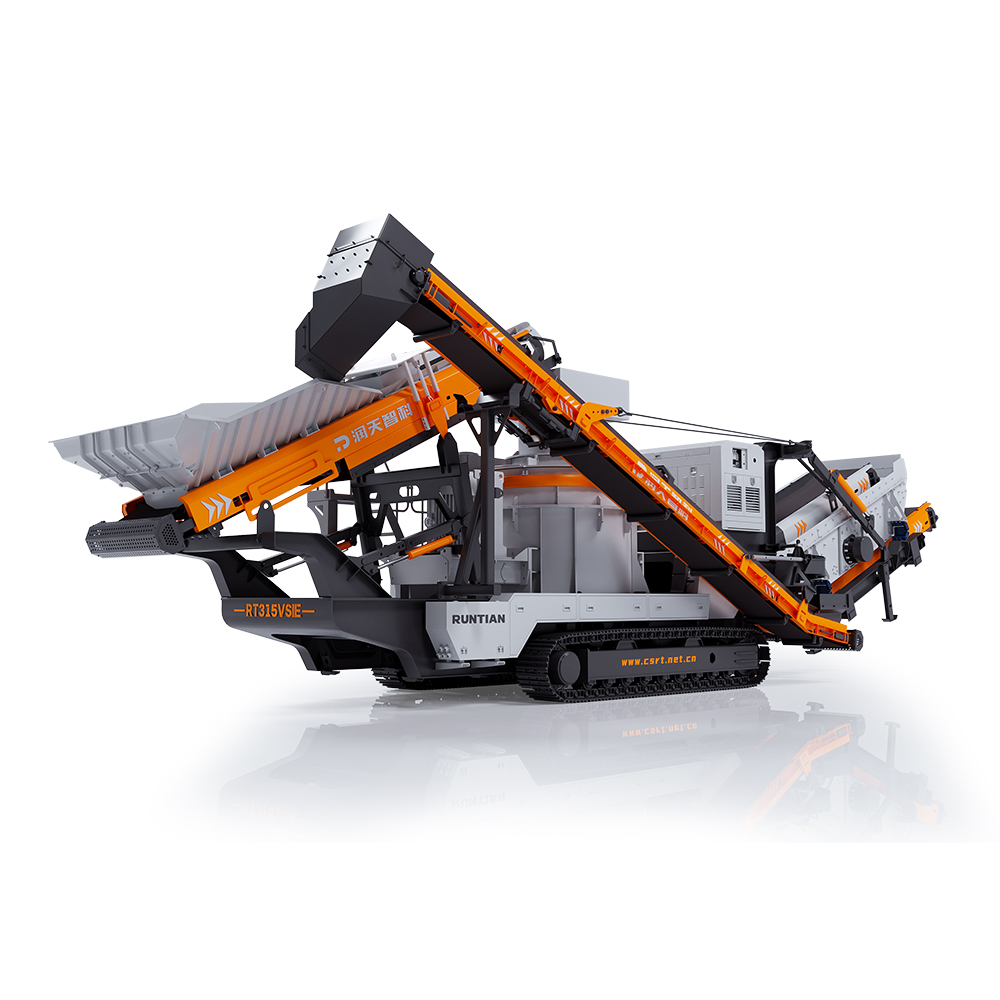 RT315VSIE Crawler Mobile Sand Maker
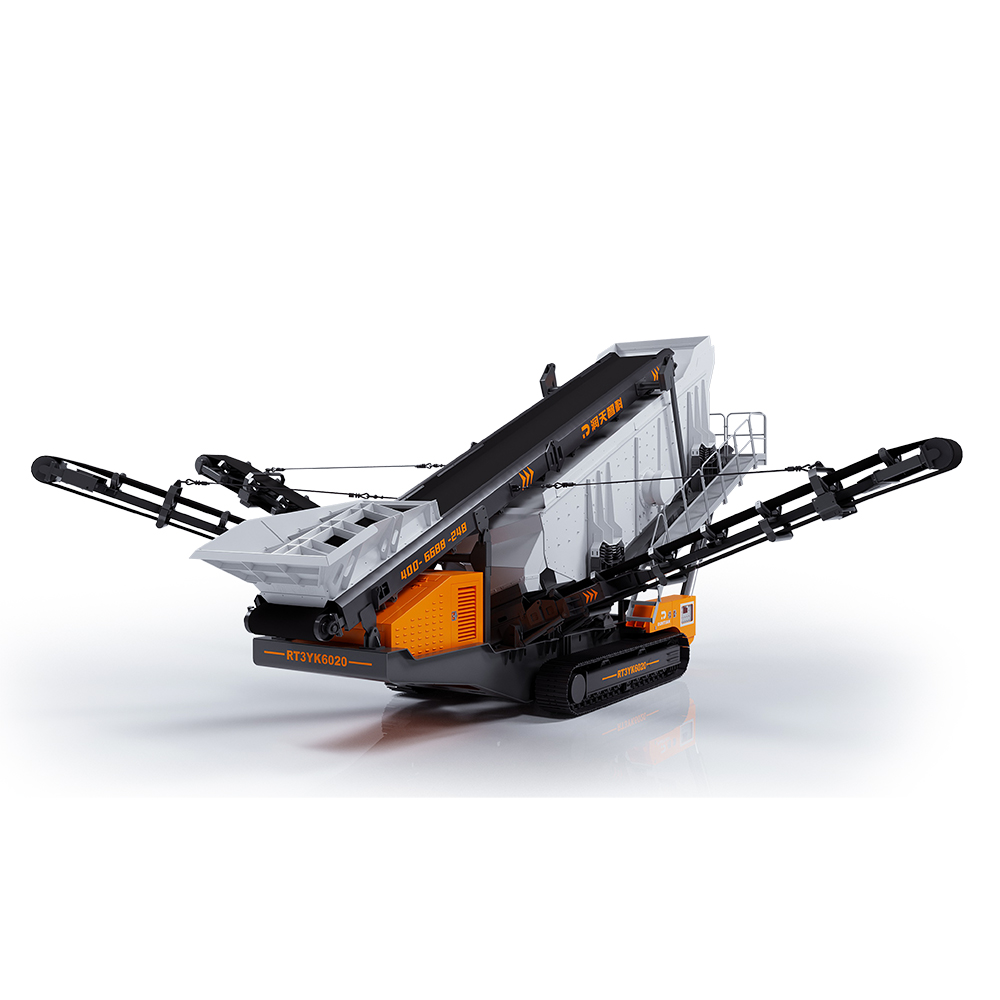 RT3YK6020 Crawler Mobile Screening Plant
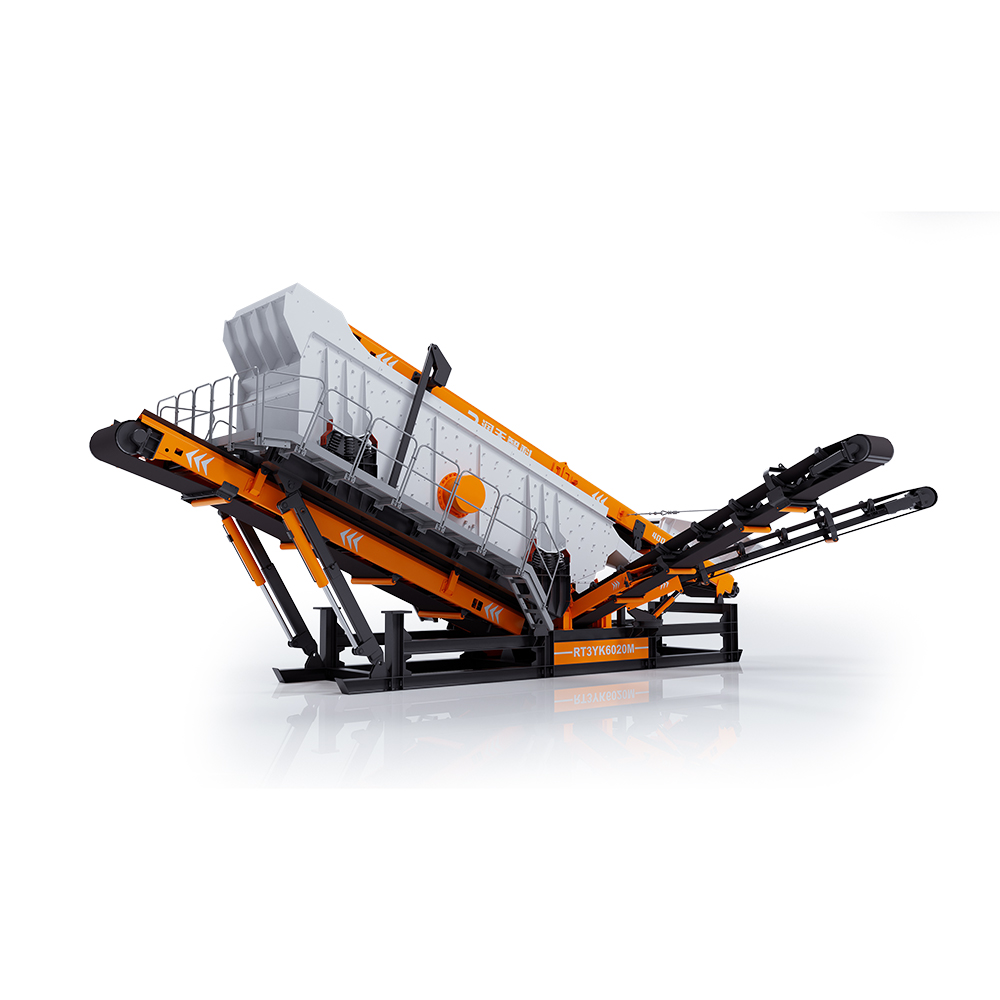 RT3YK6020M Modular Screening Plant
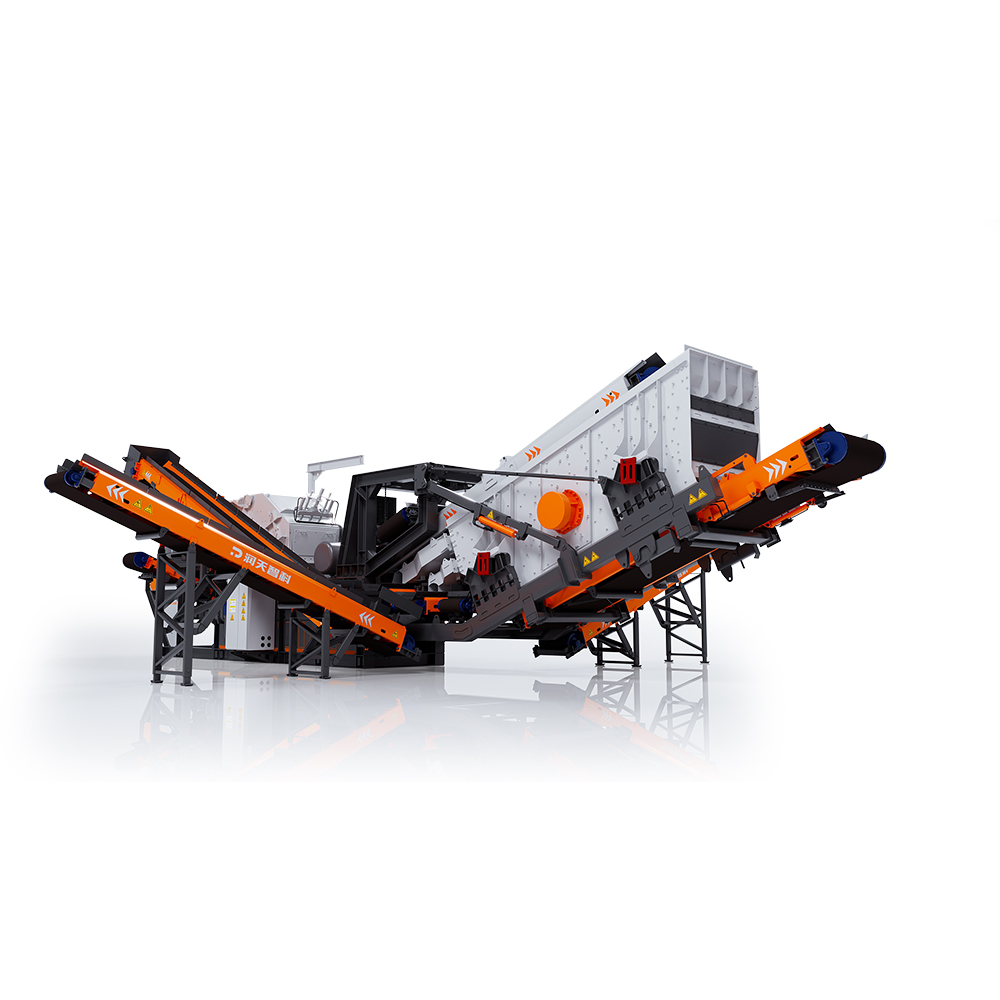 RTF260M Modular Counterattack Crushing and Screening Integrated Machine
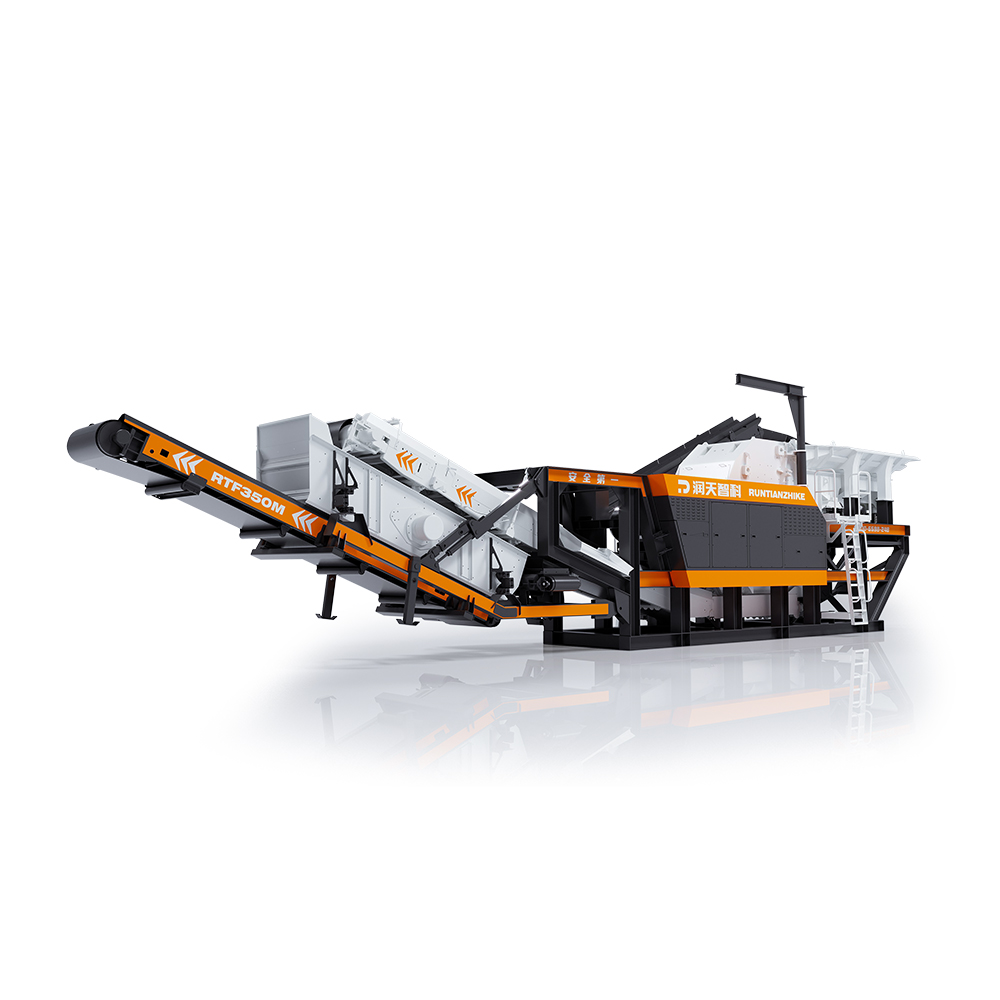 RTF350M Modular Impact Crushing Plant
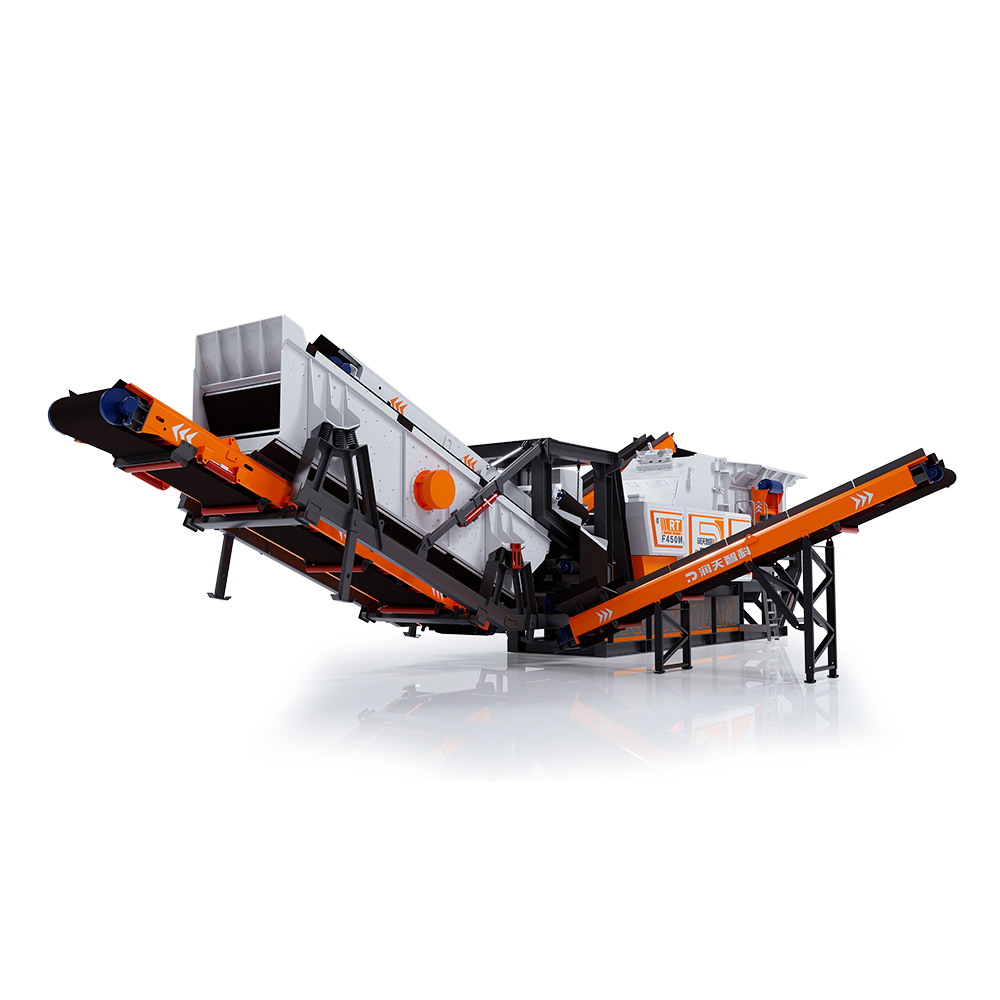 RTF450M Modular Impact Crushing Plant
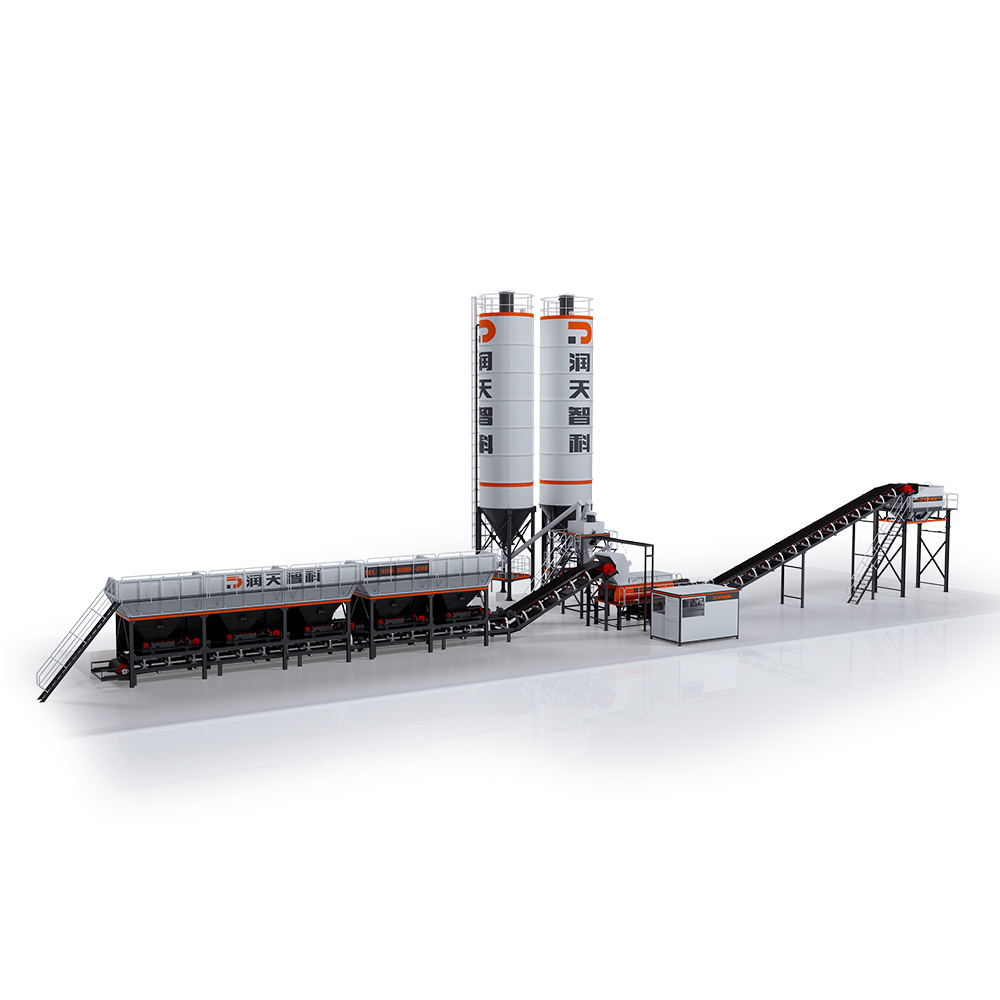 WDB Series Foundation-Free Stability Soil Mixing Plant
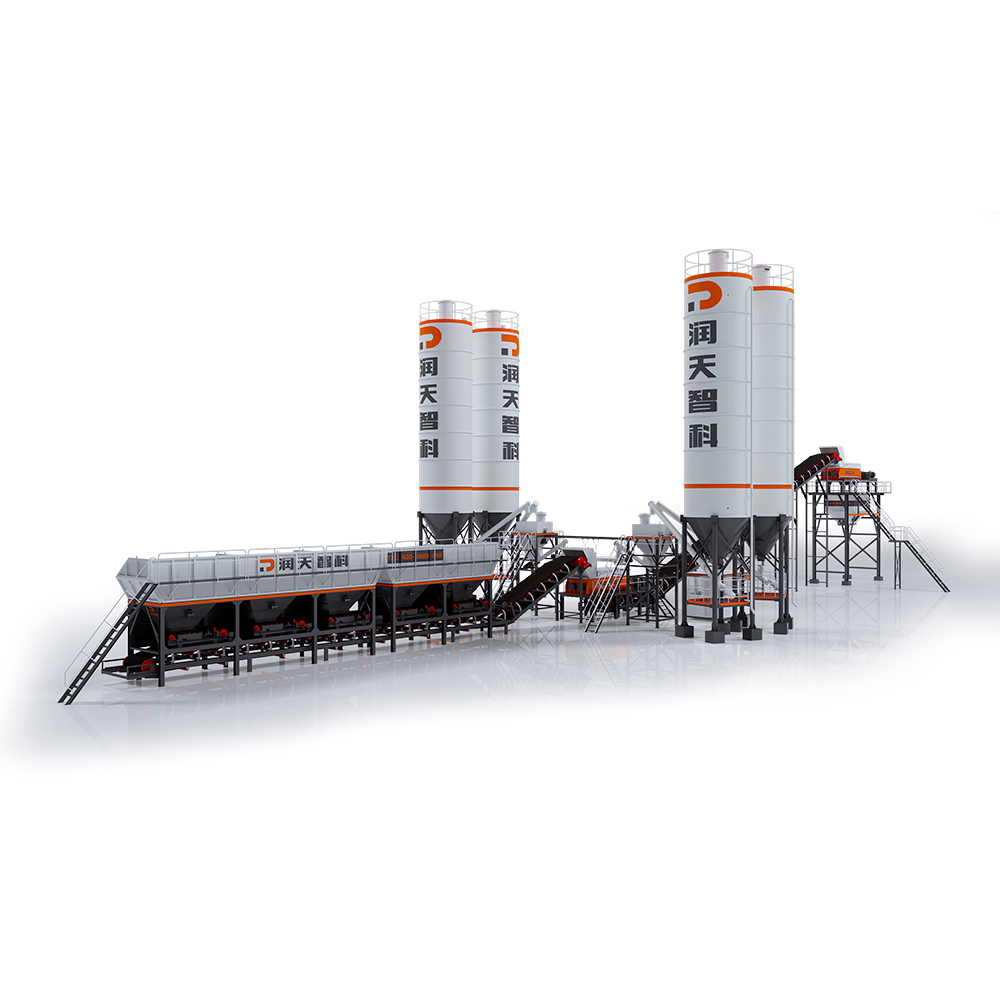 LCB Series Emulsified Asphalt Cold Regeneration Secondary Mixing Plant
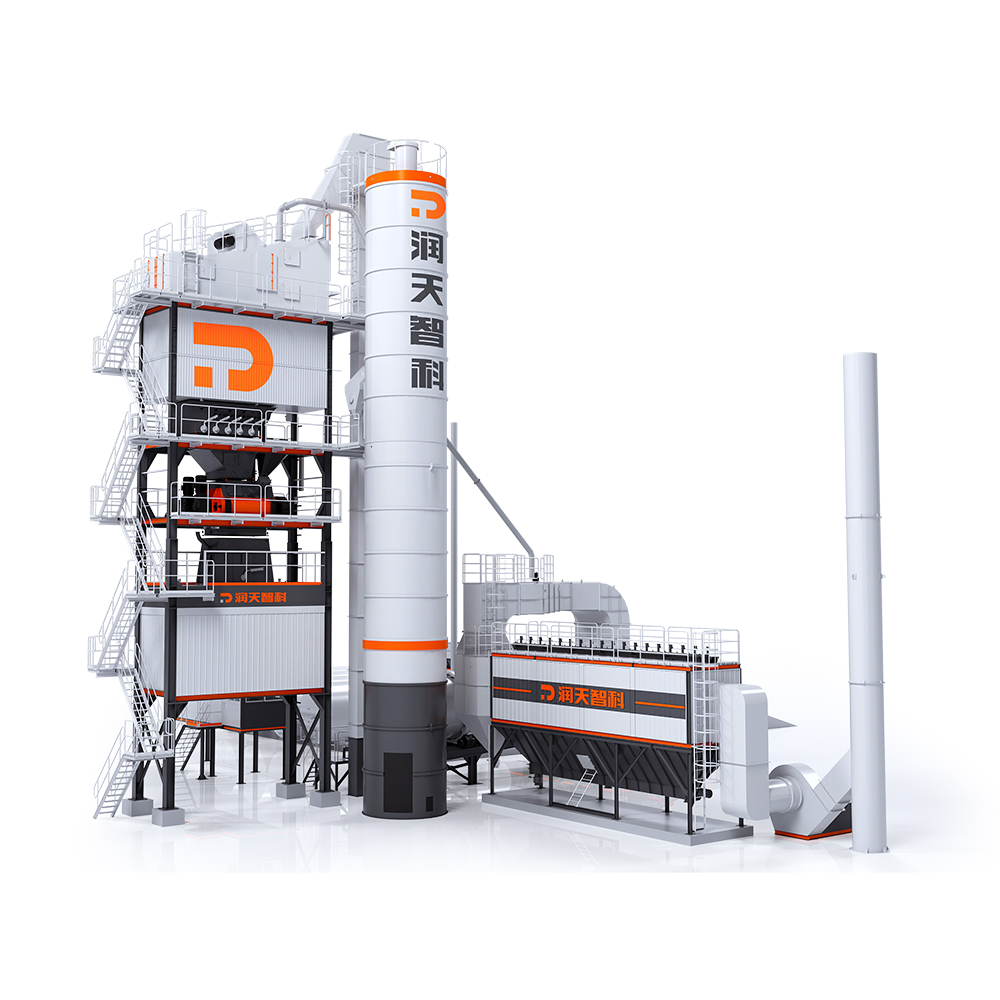 LB Series Asphalt Mixing Plant
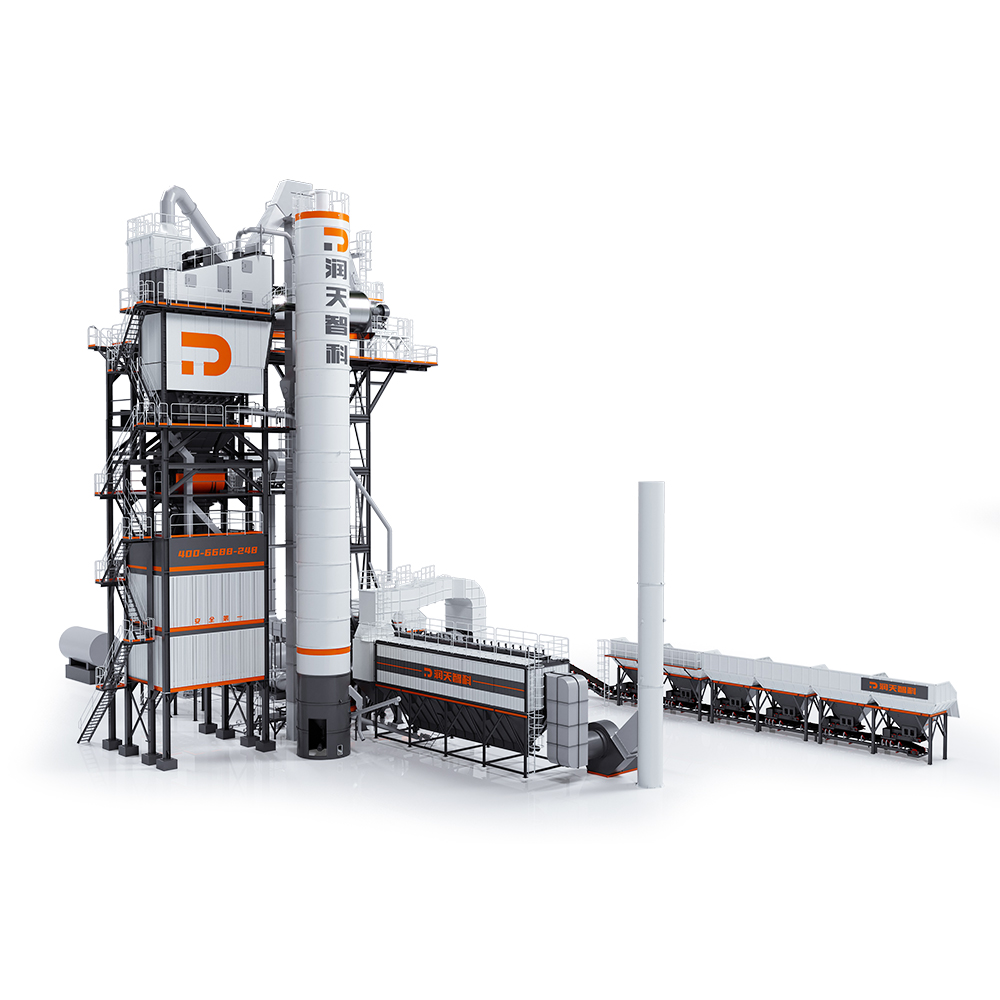 LBR Series Integrated Asphalt Mixing Plant
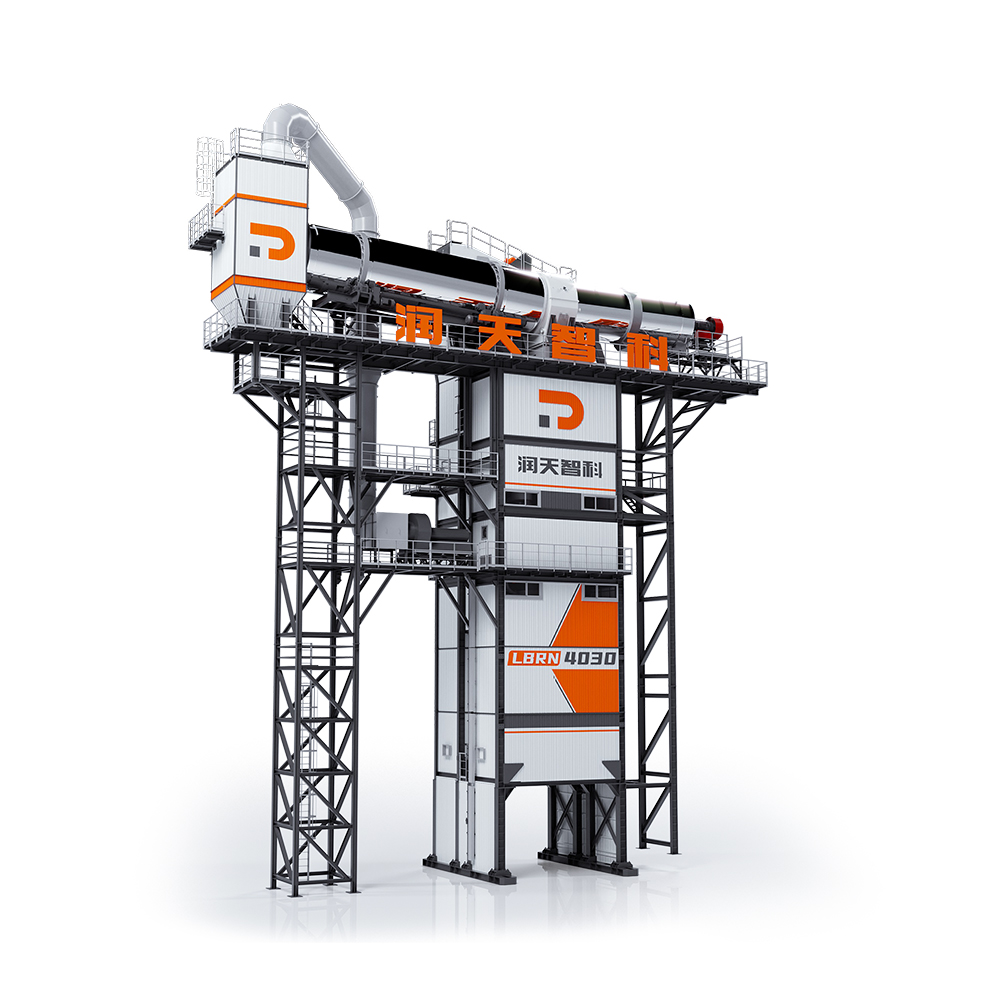 LBRN Series Counterflow Integral Asphalt Mixing Plant
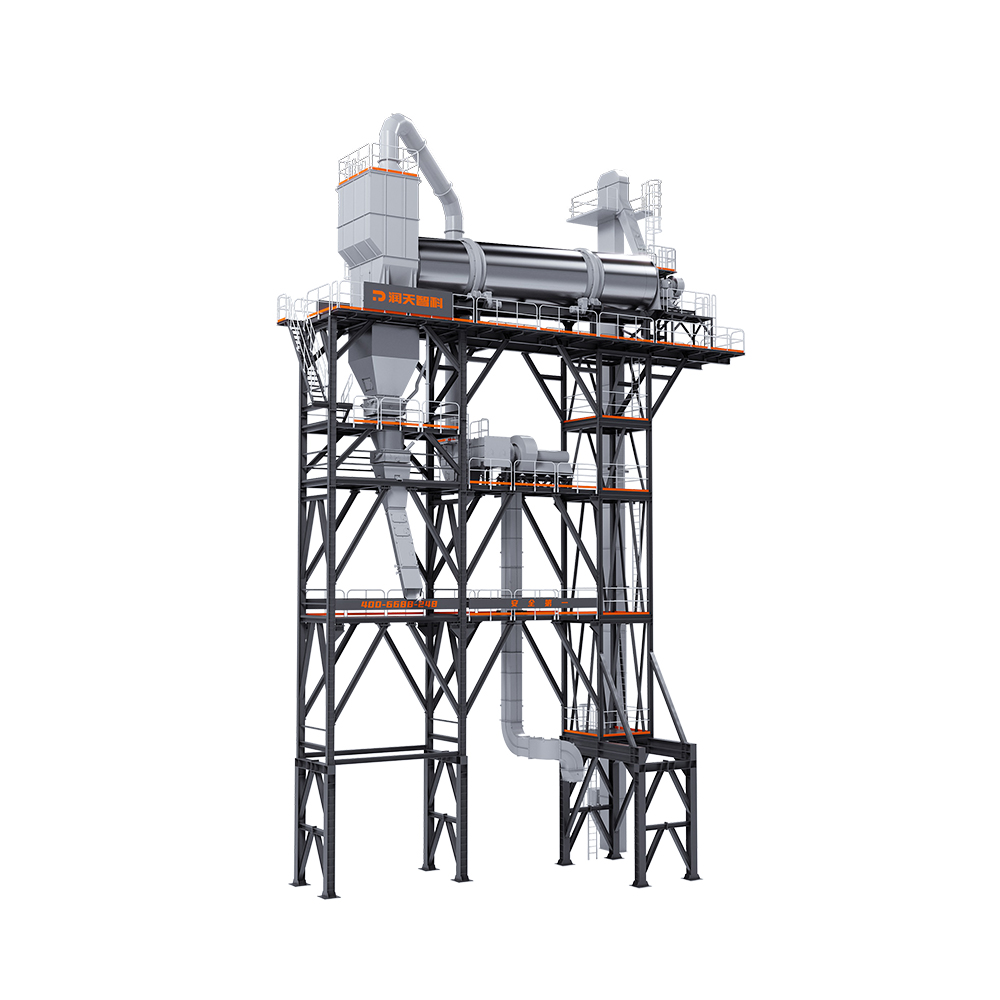 RZS Series Asphalt Mixing Plant
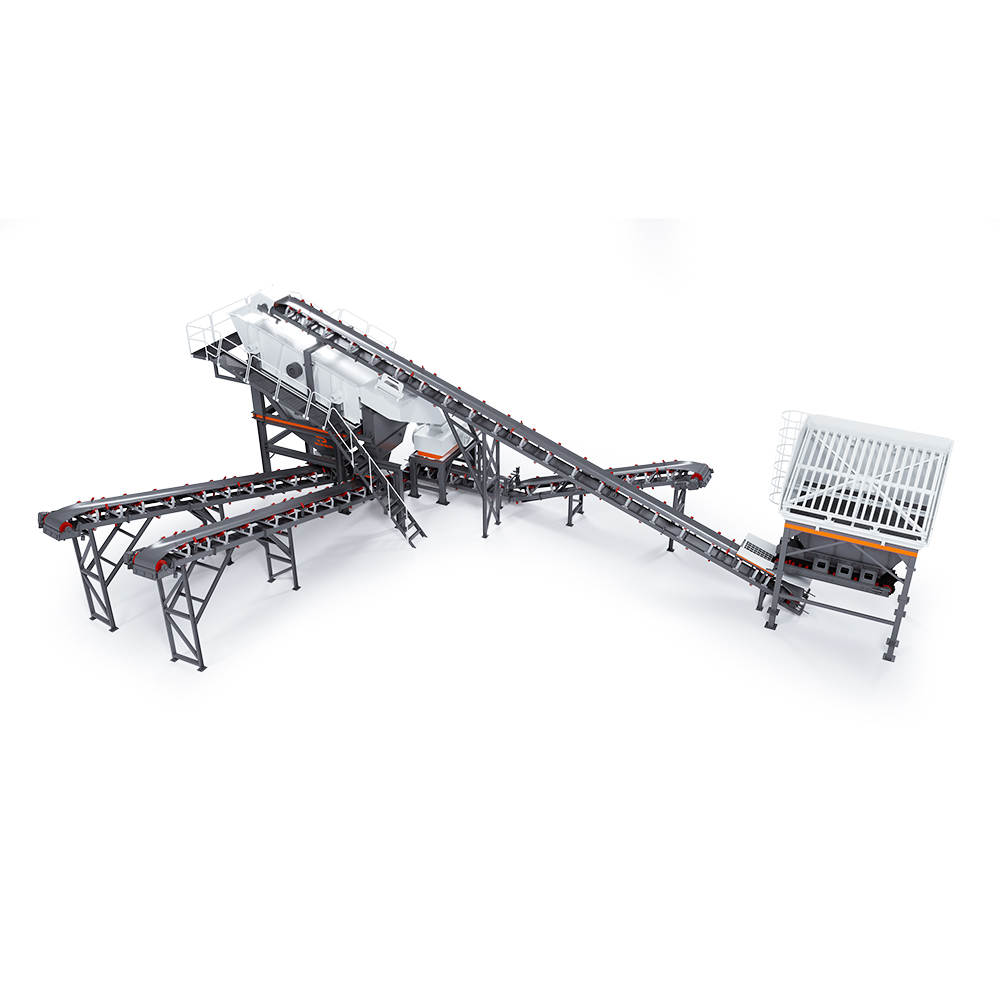 RTZS120 Series RAP Crushing & Screening Plant
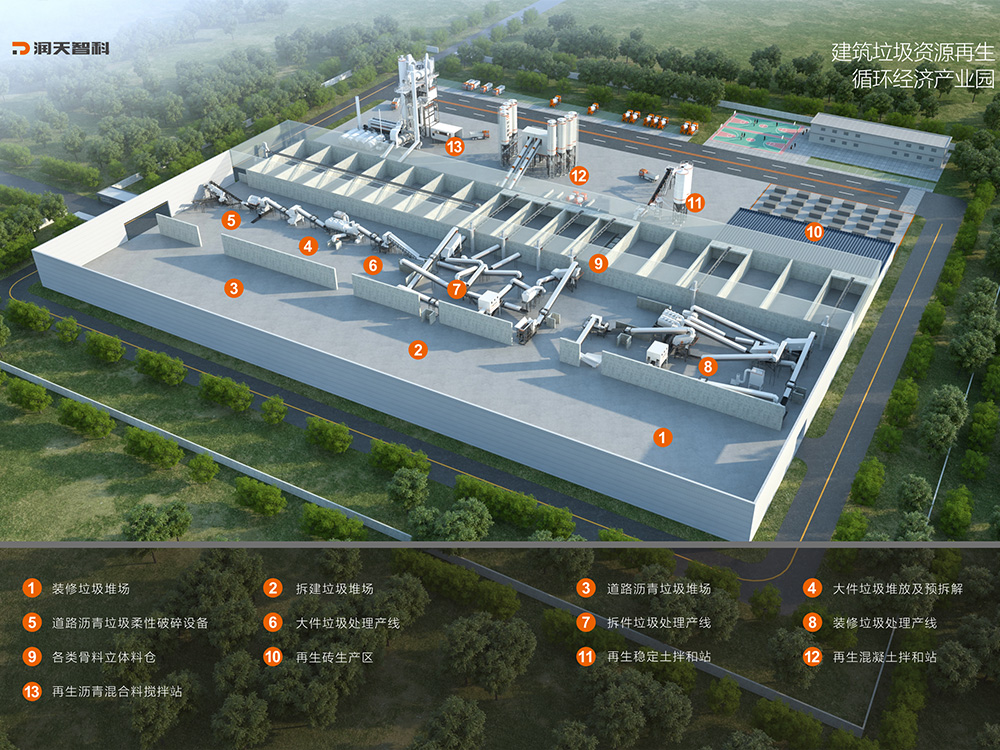 Construction Waste Resourceful Treatment Line