Exploring the Efficiency and Cost-Effectiveness of Modern Asphalt Batching Plants in Urban Infrastructure
In recent years, the role of Asphalt Batching Plants in urban infrastructure development has become increasingly pivotal, particularly as cities strive to improve their road networks and reduce maintenance costs. According to the National Asphalt Pavement Association (NAPA), asphalt is used for approximately 94% of the paved roads in the United States, emphasizing the critical need for efficient production systems. Modern Asphalt Batching Plants feature advanced technologies that enhance mixing quality and allow for greater flexibility in terms of material use.
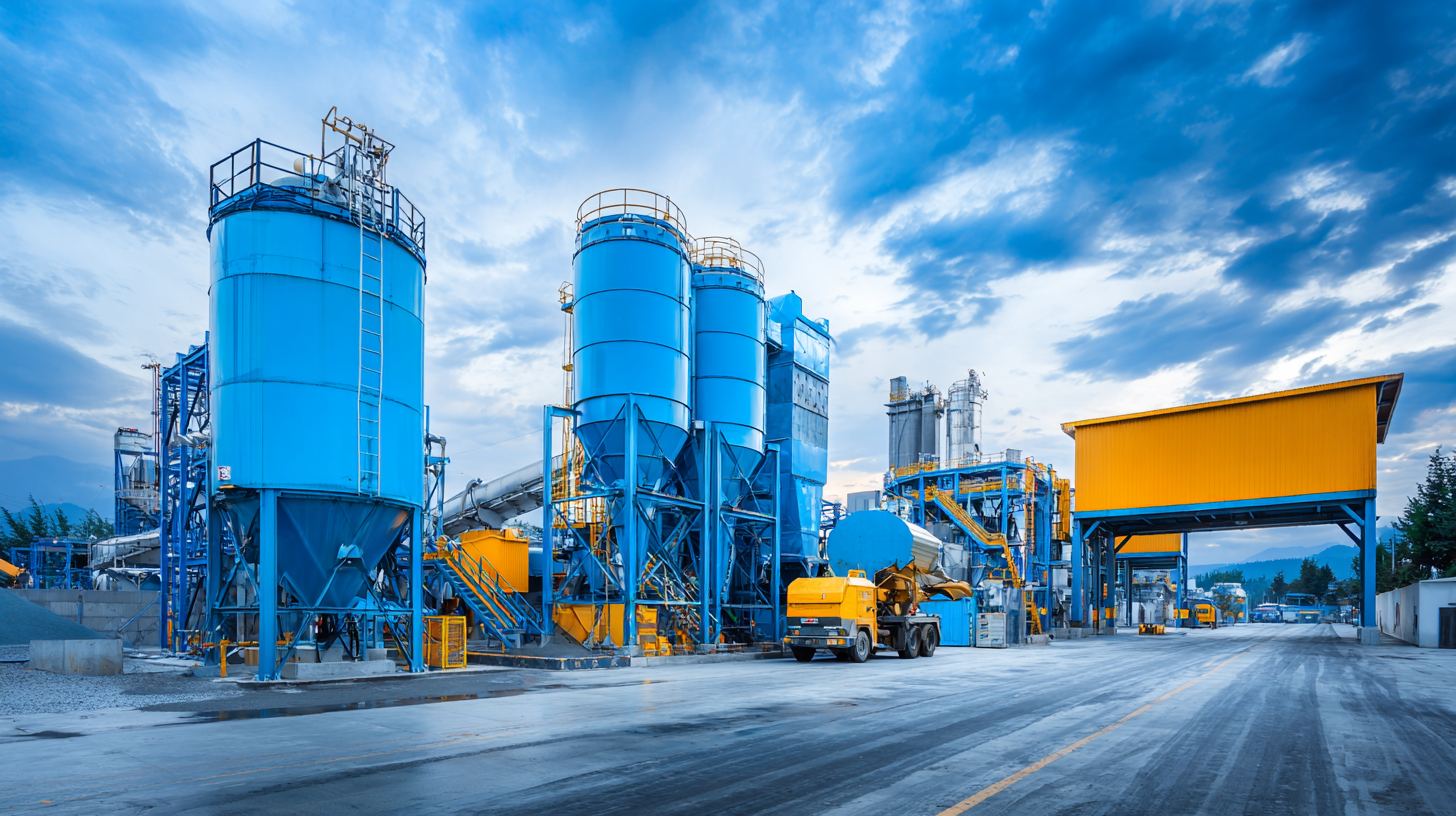
A report from the European Asphalt Pavement Association indicates that the adoption of innovative batching techniques can lead to a 15-30% reduction in operational costs, while simultaneously improving the sustainability of asphalt production. As urban areas expand, the effectiveness and cost-efficiency of Asphalt Batching Plants will be essential for meeting the growing demand for durable and reliable road construction solutions.
Understanding the Importance of Asphalt Batching Plants in Urban Development
As urban development continues to accelerate, the role of asphalt batching plants becomes increasingly critical. These facilities serve as the backbone of modern infrastructure projects, producing high-quality asphalt that is essential for roads, bridges, and parking lots. The efficiency of asphalt batching plants directly influences project timelines and costs, making their operation and management vital for urban planners and construction companies alike. By ensuring a reliable supply of asphalt, these plants facilitate smoother traffic flow and enhance overall city functionality, thereby contributing to the well-being of urban populations.
Moreover, the importance of asphalt batching plants extends beyond mere production. They play a significant role in environmental sustainability by enabling recycled asphalt usage, which reduces waste and conserves resources. Advanced batching technologies ensure consistent mix quality, leading to longer-lasting pavements that require less maintenance. As cities strive to achieve their development goals with limited budgets, the cost-effectiveness of these plants becomes evident. By investing in modern asphalt batching technology, urban areas can enjoy durable infrastructure that meets the demands of growing populations while remaining environmentally responsible.
Evaluating Efficiency Metrics of Modern Asphalt Batching Technologies
Modern asphalt batching technologies play a crucial role in enhancing the
efficiency and cost-effectiveness of urban infrastructure projects.
Recent studies indicate that using advanced batching plants can improve
production speeds by up to 30%, significantly reducing project timelines.
For instance, a report from the
National Asphalt Pavement Association highlights that
plants equipped with high-efficiency burners can lower fuel consumption by
15% without sacrificing mix quality. This not only translates to reduced
operational costs but also minimizes the environmental impact of asphalt production.
Moreover, the integration of automated control systems in modern asphalt batching plants
has been shown to optimize material usage. According to a study published by the
European Asphalt Pavement Association, facilities that utilize
automated batching techniques can achieve up to
98% accuracy in ingredient measurements, leading to a
20% reduction in waste material. Such advancements not only improve the
financial viability of asphalt projects but also contribute to sustainable urban development
by minimizing resource consumption and reducing emissions, thus aligning with contemporary
environmental standards and regulations.
Assessing Cost-Effectiveness in Asphalt Production and Urban Applications
The cost-effectiveness of asphalt production has become increasingly crucial in urban infrastructure development, especially with the rising demand for durable roads and sustainable construction practices. Recent industry reports indicate that modern asphalt batching plants can achieve energy savings of up to 30% compared to traditional methods, primarily through advancements in mixing technology and better heat recovery systems. This efficiency translates not only to a reduced environmental footprint but also lower production costs, making it an attractive option for urban planners.
Moreover, the use of Reclaimed Asphalt Pavement (RAP) is on the rise, with a reported incorporation rate of around 25% in new asphalt mixes. This practice not only significantly reduces the cost associated with raw materials but also promotes recycling within urban projects. According to the National Asphalt Pavement Association (NAPA), the utilization of RAP can lead to cost savings of approximately $26 per ton of asphalt produced. Such innovations in asphalt production are vital for cities looking to balance budget constraints with the need for high-quality infrastructure.
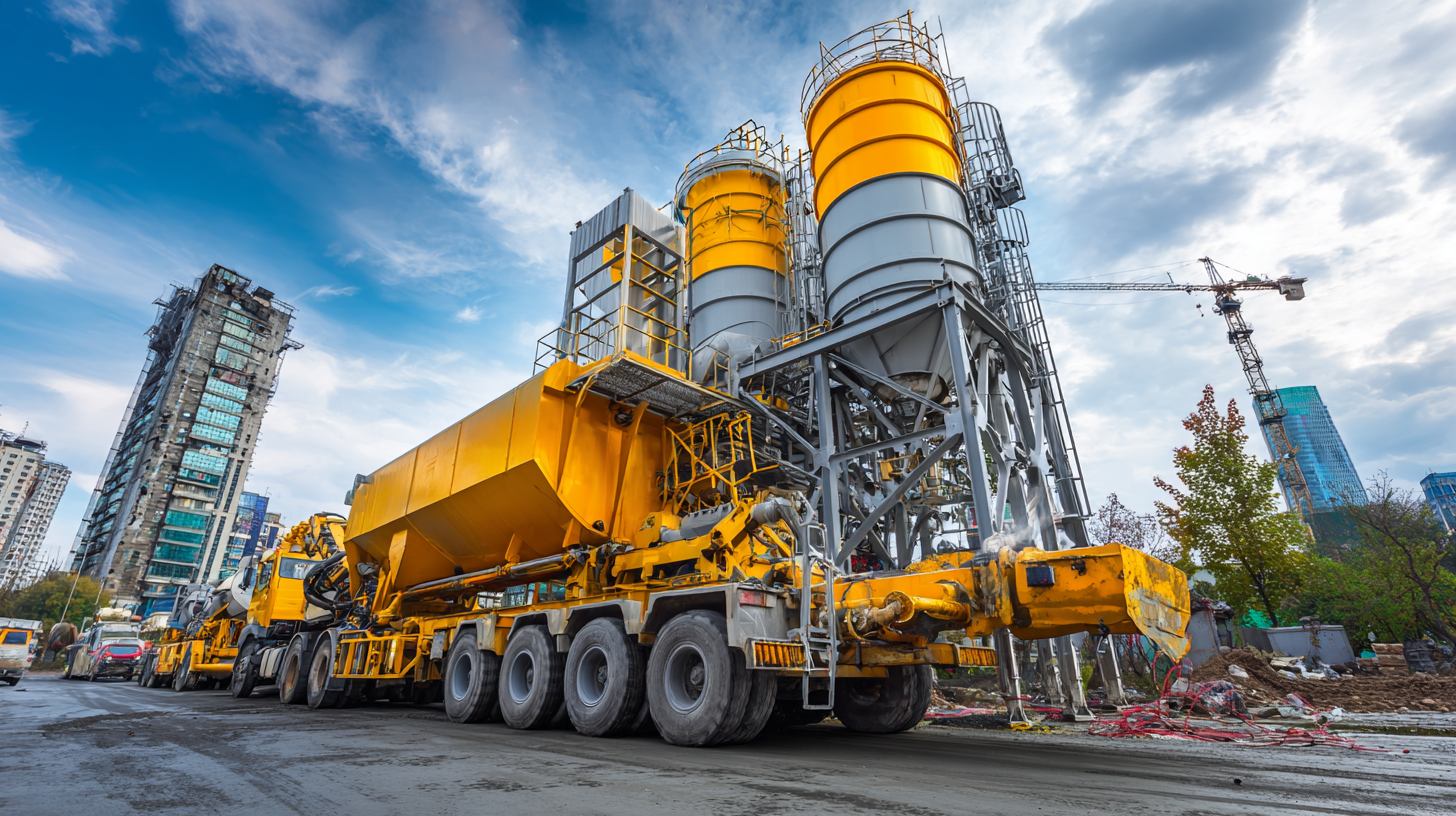
Comparative Analysis of Traditional vs. Modern Asphalt Batching Solutions
The evolution of asphalt batching plants from traditional to modern technologies has significantly impacted the urban infrastructure sector. Traditional asphalt plants often face challenges such as high emissions, longer setup times, and less efficient resource use. According to a report by the National Asphalt Pavement Association, modern asphalt batching plants can reduce time by up to 30% while enhancing mix quality and lowering emissions by 50%. This shift not only reflects a commitment to environmental standards but also maximizes operational efficiency, making modern plants a preferred choice for city planners.
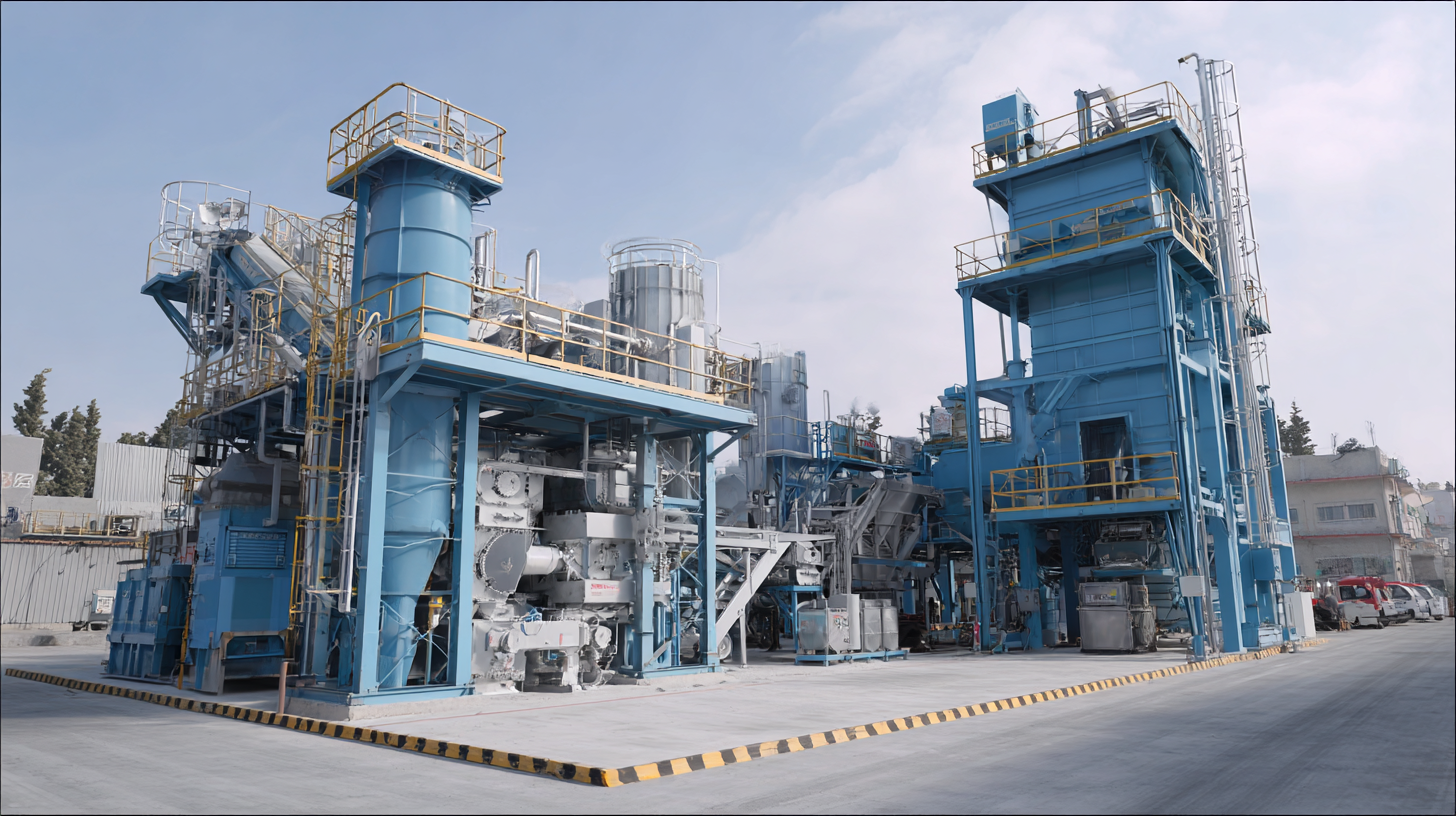
One of the notable advantages of modern asphalt batching solutions lies in their cost-effectiveness. With advanced automation and real-time monitoring, these plants minimize material wastage and energy consumption. A recent study indicated that cities implementing modern batching plants have seen up to a 20% reduction in overall project costs. This financial benefit aligns with urban infrastructure goals, allowing for better allocation of public funds.
Tips: When considering an upgrade to asphalt batching technology, assess the potential long-term savings versus initial investment costs. Additionally, ensure that the selected solution meets local environmental regulations to avoid future compliance issues. Investing in modern batching technology today can lead to substantial benefits in efficiency and sustainability for urban development.
Impact of Asphalt Quality on Long-Term Urban Infrastructure Sustainability
As urban infrastructure continues to evolve, the quality of asphalt used in road construction plays a pivotal role in ensuring the sustainability and longevity of city landscapes. The impact of asphalt quality on infrastructure is multifaceted, influencing everything from durability to environmental resilience. High-quality asphalt can withstand extreme weather conditions, thereby reducing the need for frequent repairs and maintenance. This advantage not only curtails long-term costs but also makes a significant contribution to reducing urban heat island effects, which are exacerbated by subpar materials. Cities such as Chicago have recognized this by implementing green infrastructure strategies that mitigate heat event impacts, showcasing the need for investment in quality materials for urban resilience.
Tips for cities aiming for sustainable asphalt solutions include:
- Opt for recycled asphalt pavement (RAP) to minimize waste and decrease dependency on virgin materials.
- Incorporate advanced polymer-modified asphalts which enhance durability and elasticity, thereby extending the lifespan of roadways.
- Promote awareness among urban planners and contractors about the benefits of using high-quality materials that align with long-term environmental goals.
By focusing on the quality of asphalt, cities can make strides towards achieving
sustainable infrastructure that is both efficient and cost-effective, benefiting the environment and enhancing urban living.

 Concrete Mixing Plant
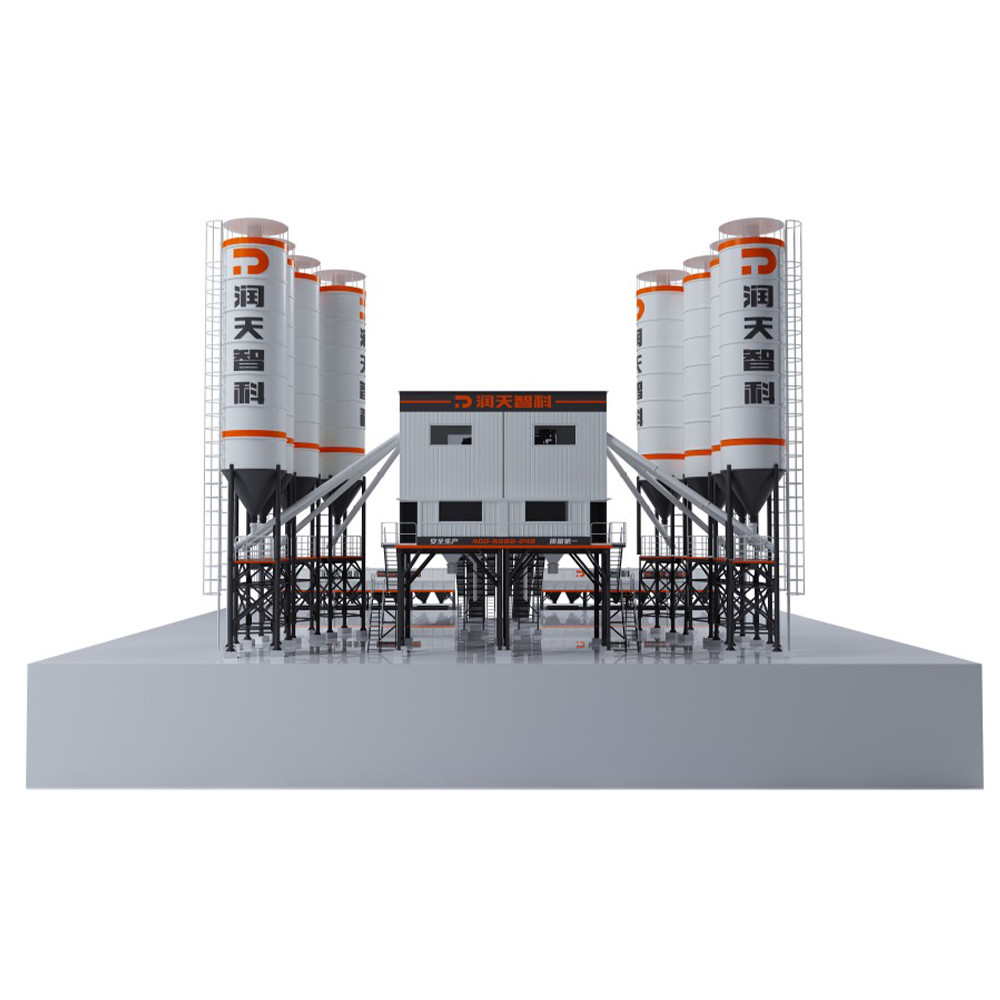 HZS Series Belt Concrete Mixing Plant
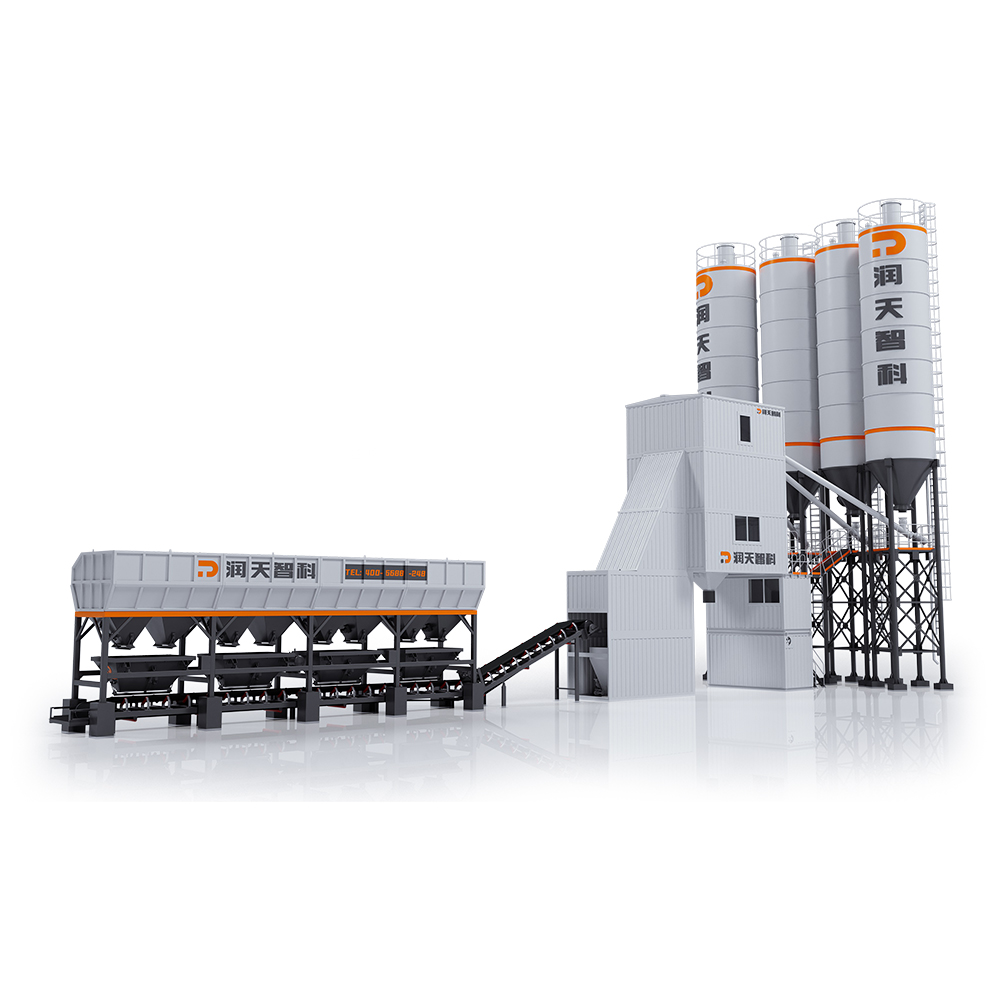 HZS Series Bucket-Lifting Type Container Concrete Mixing Plant
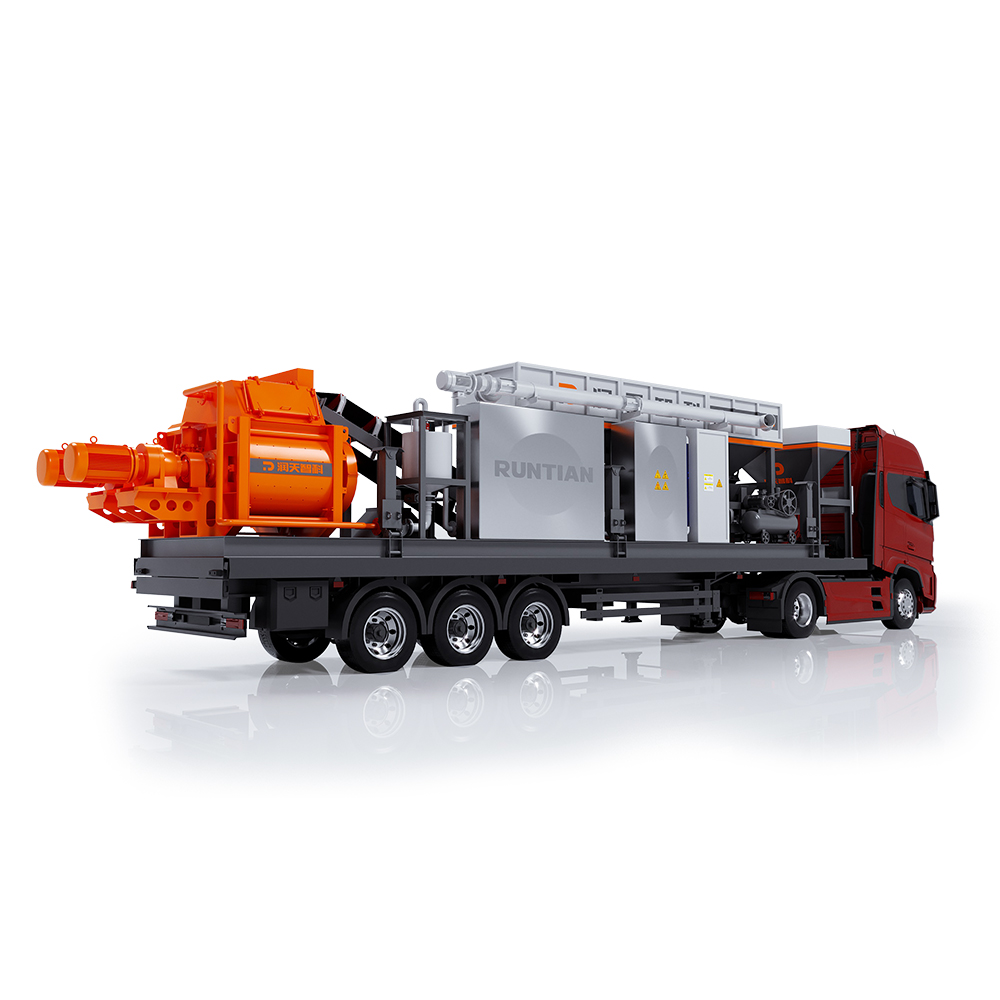 HZS60 Mobile Concrete Mixing Plant
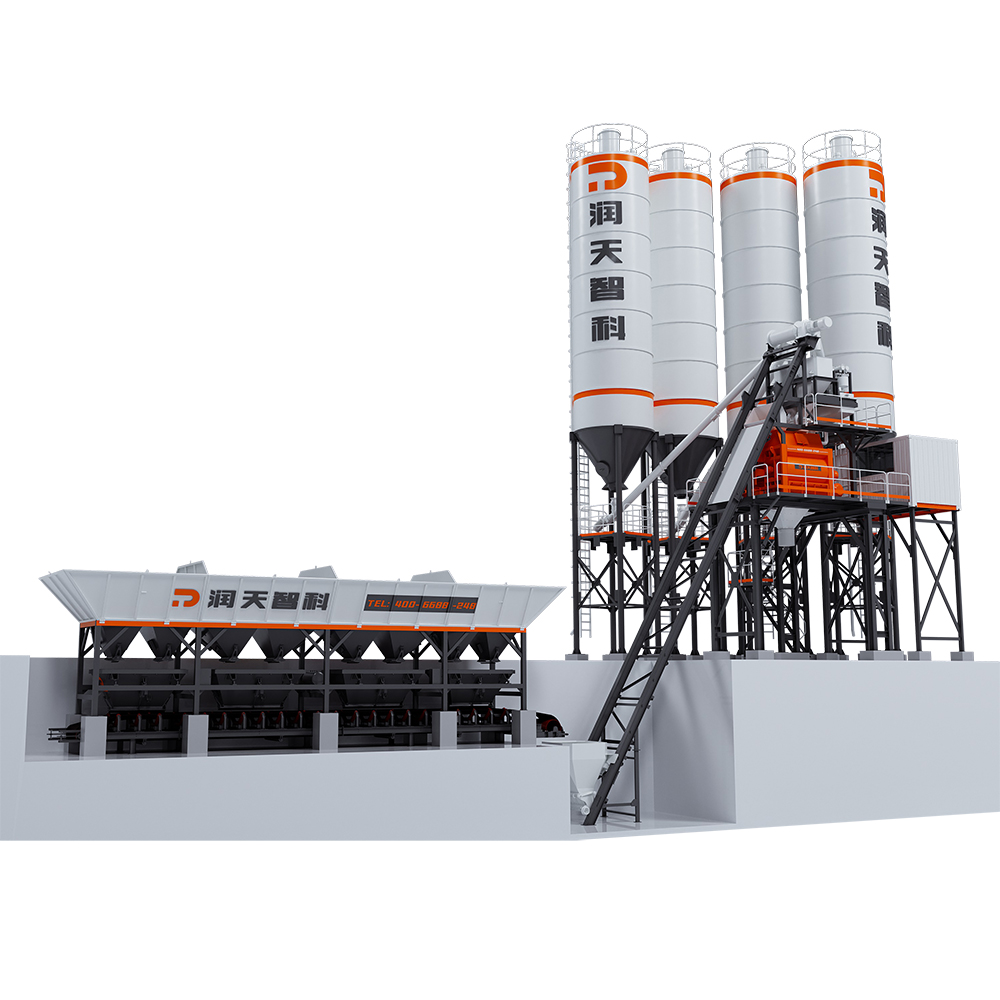 HZS Series Bucket-Lifting Type Concrete Mixing Plant
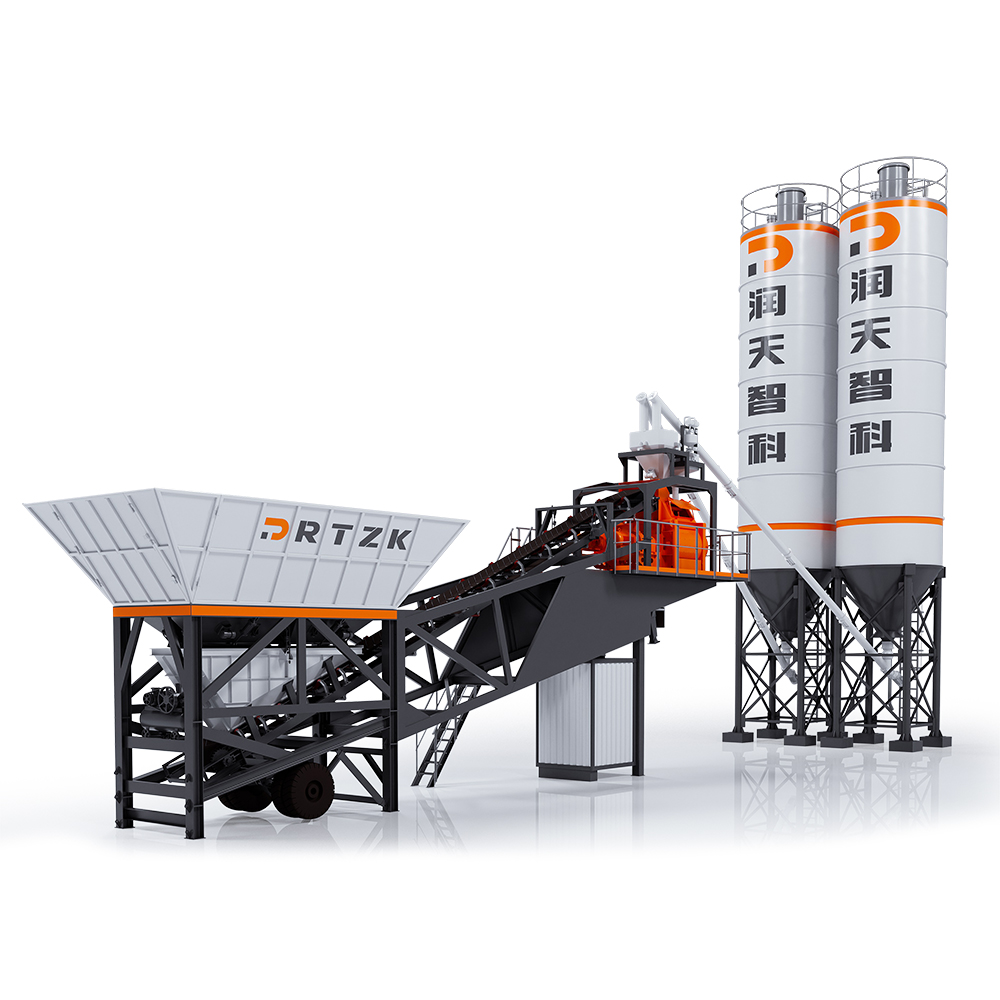 HZS Series Mobile Concrete Mixing Plant
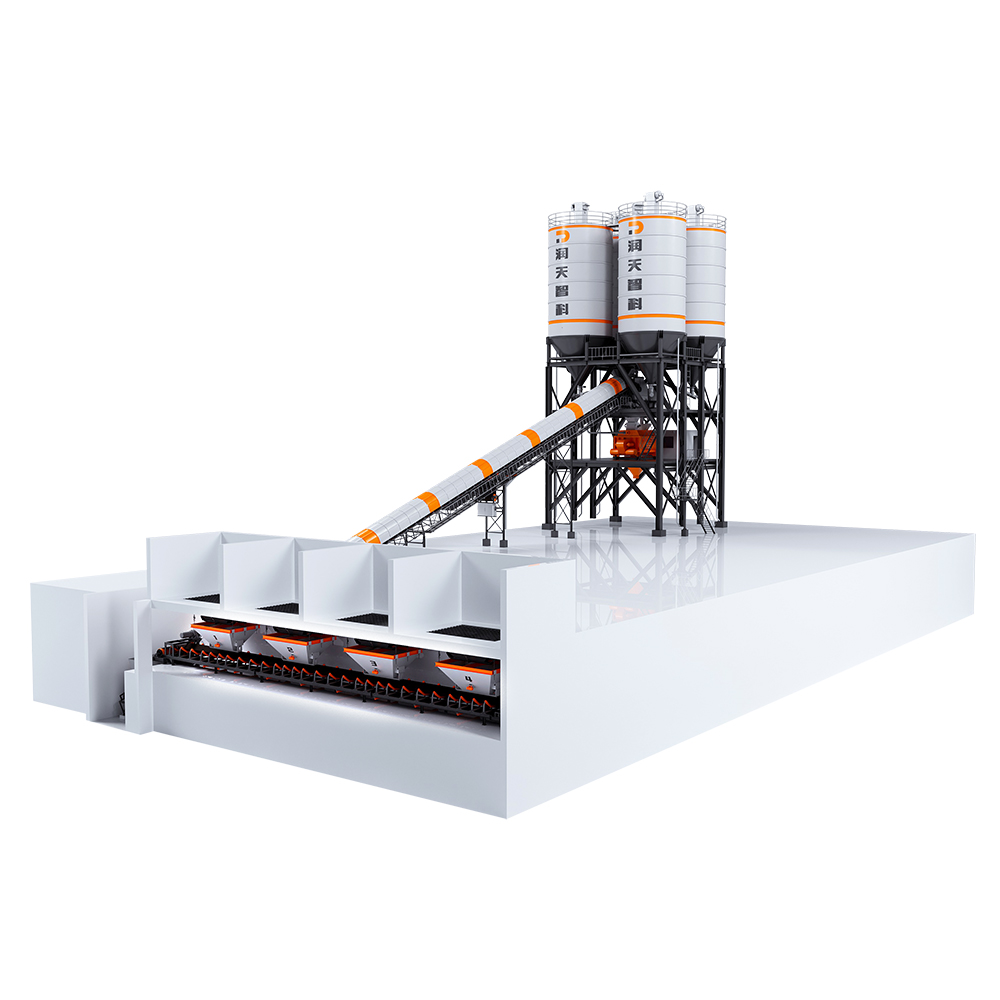 HZS Series Top-Mounted Concrete Mixing plant
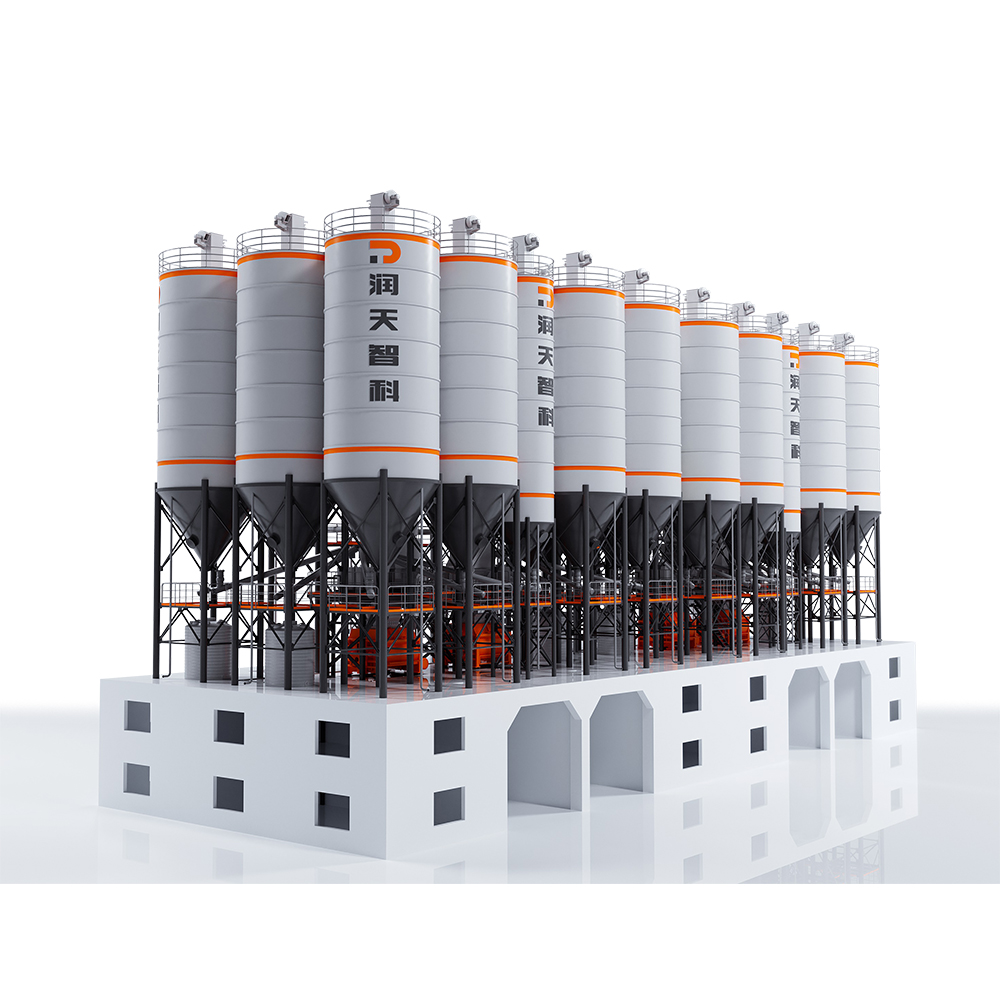 HZS Series Semi-Top Mounted Concrete Mixing Plant
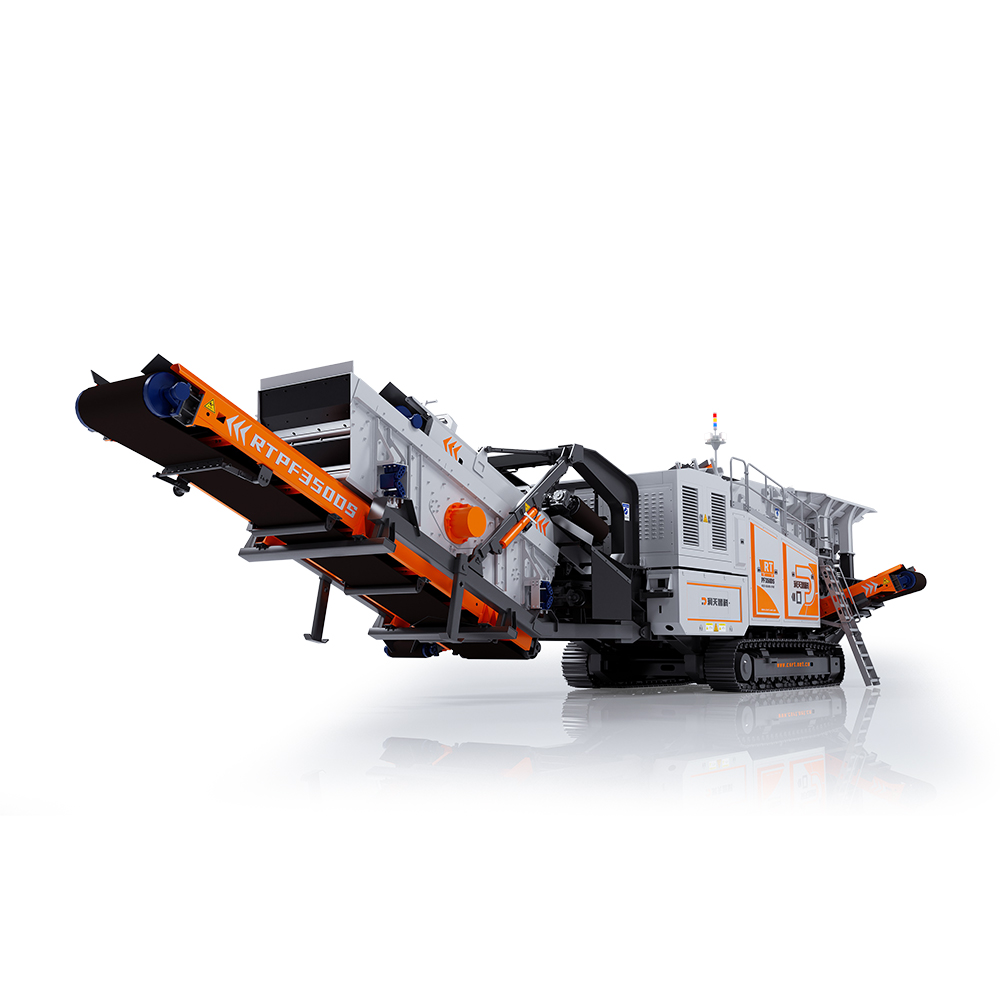 RTPF350DS Crawler Mobile Impact Crushing Plant
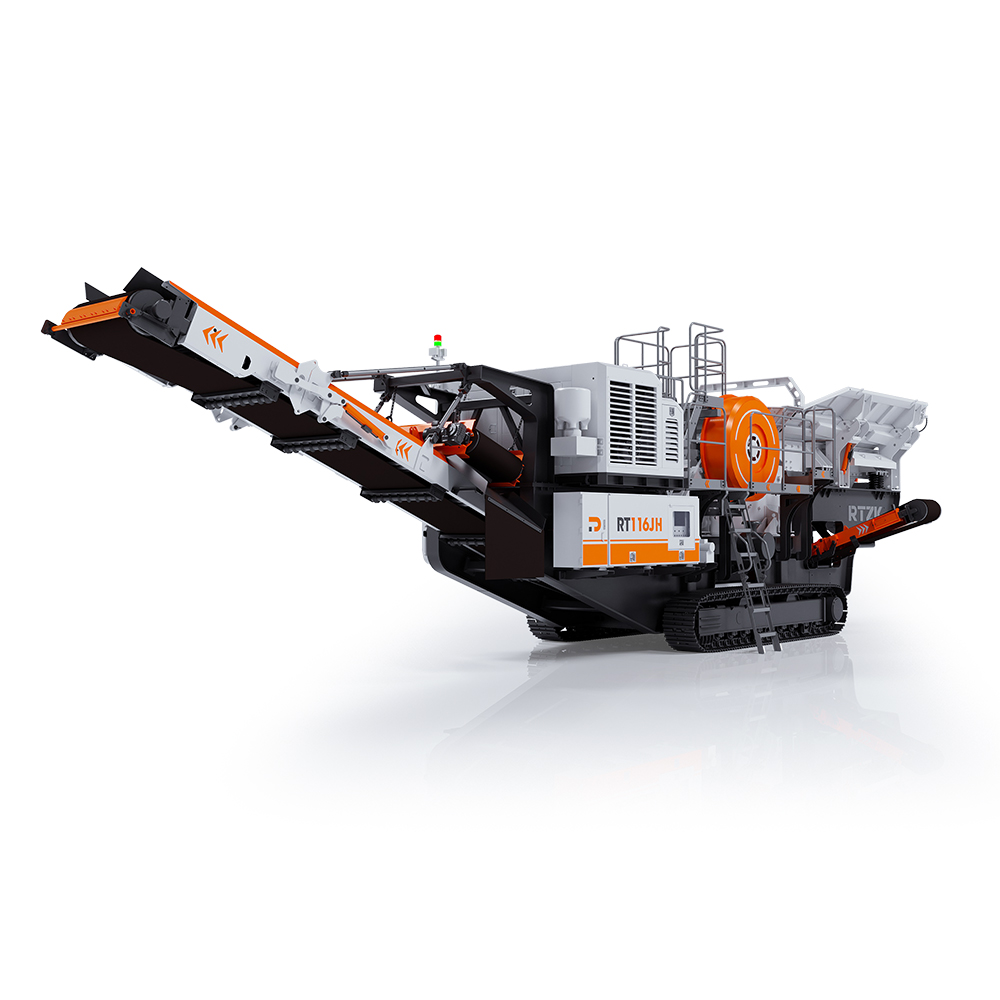 RT116JH Crawler Mobile Jaw Crushing Plant
 RT116JE Crawler Mobile Jaw Crushing Plant
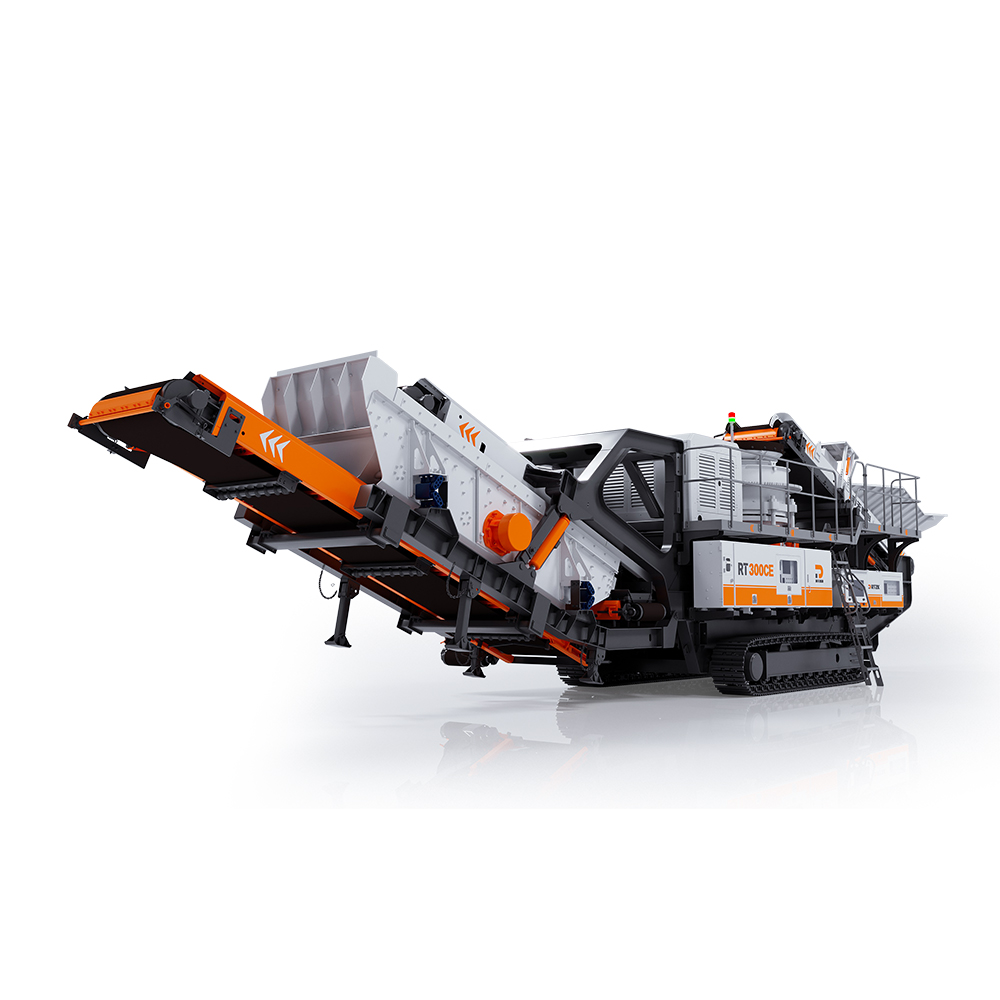 RT300CE Crawler Mobile Cone Crushing Plant
 RT300CH Crawler Mobile Cone Crushing Plant
 RT5015H Mobile Scalping Screen
 RT315VSIE Crawler Mobile Sand Maker
 RT3YK6020 Crawler Mobile Screening Plant
 RT3YK6020M Modular Screening Plant
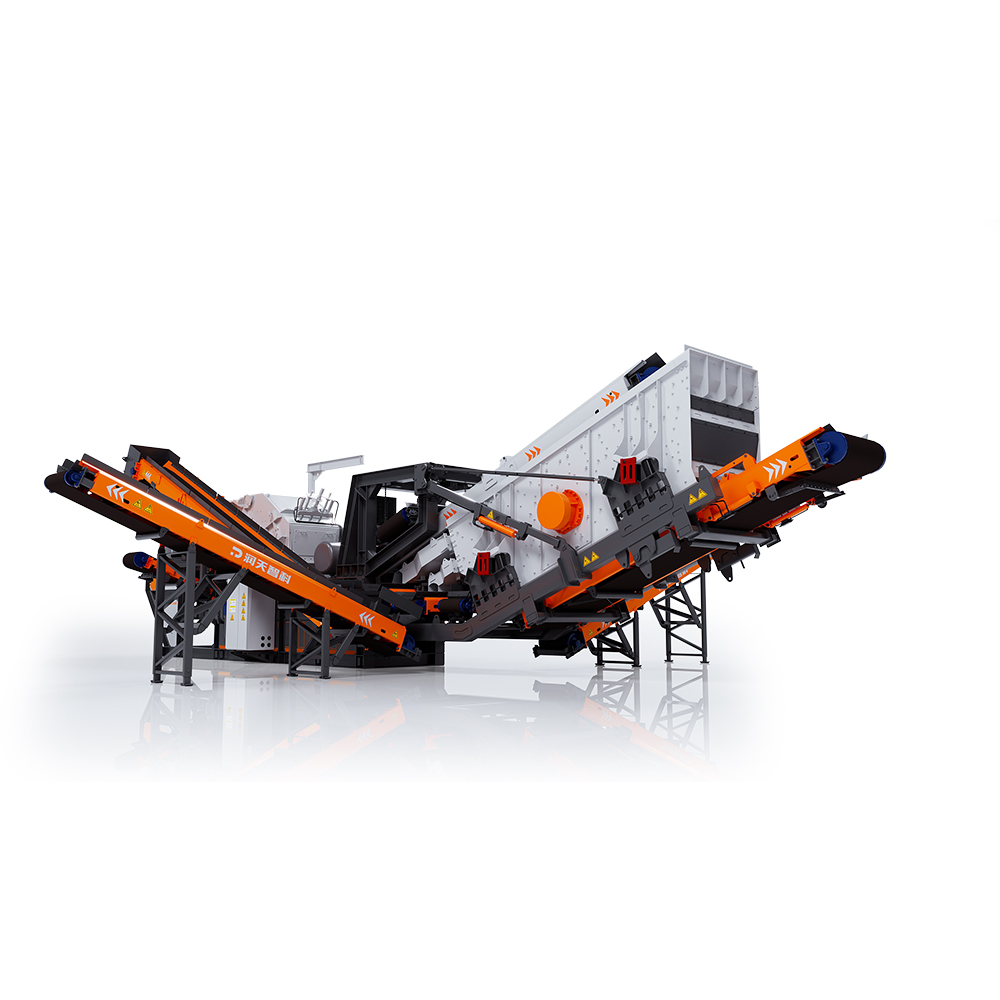 RTF260M Modular Counterattack Crushing and Screening Integrated Machine
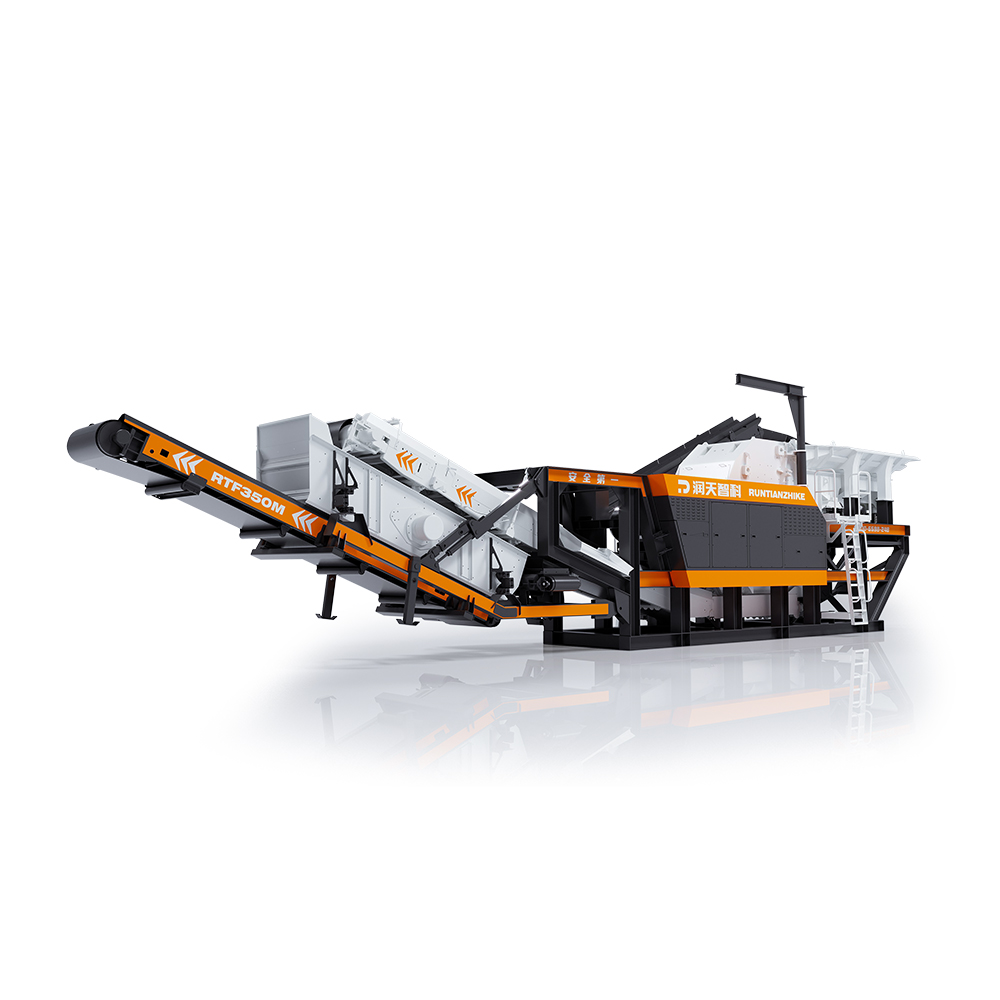 RTF350M Modular Impact Crushing Plant
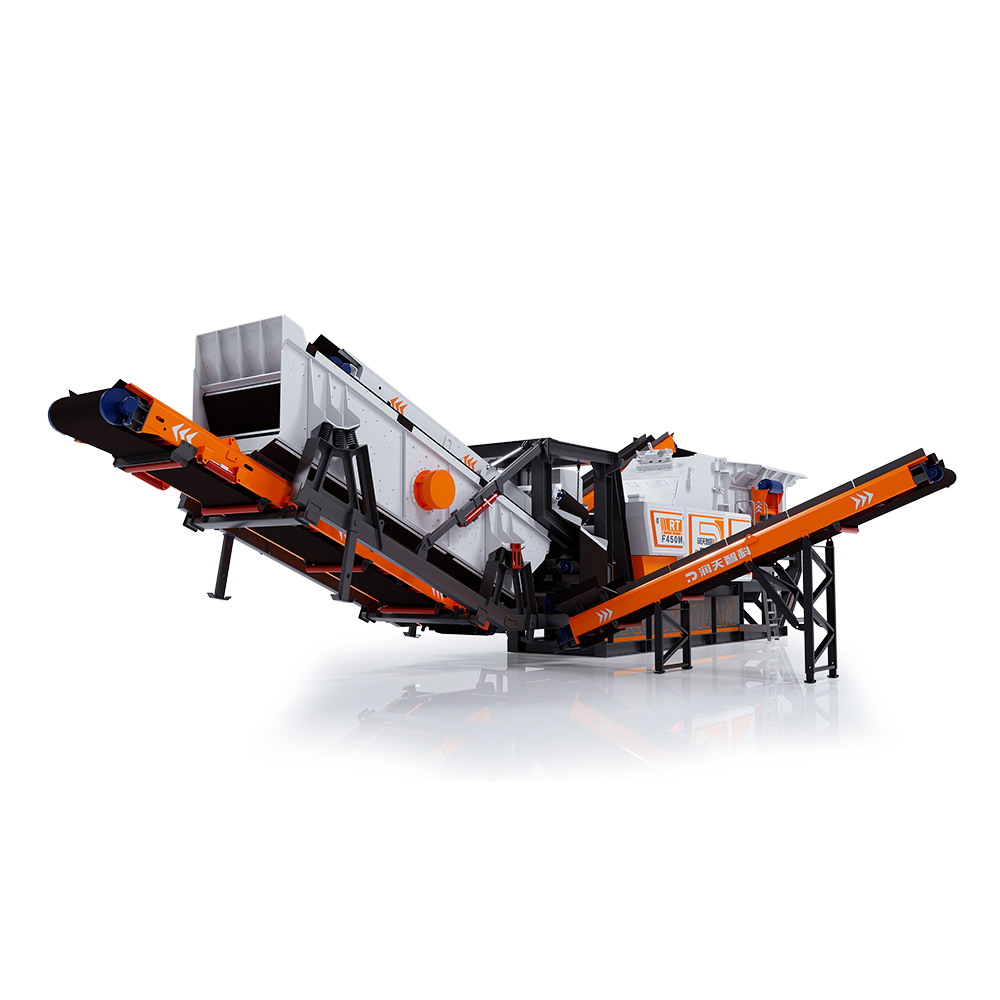 RTF450M Modular Impact Crushing Plant
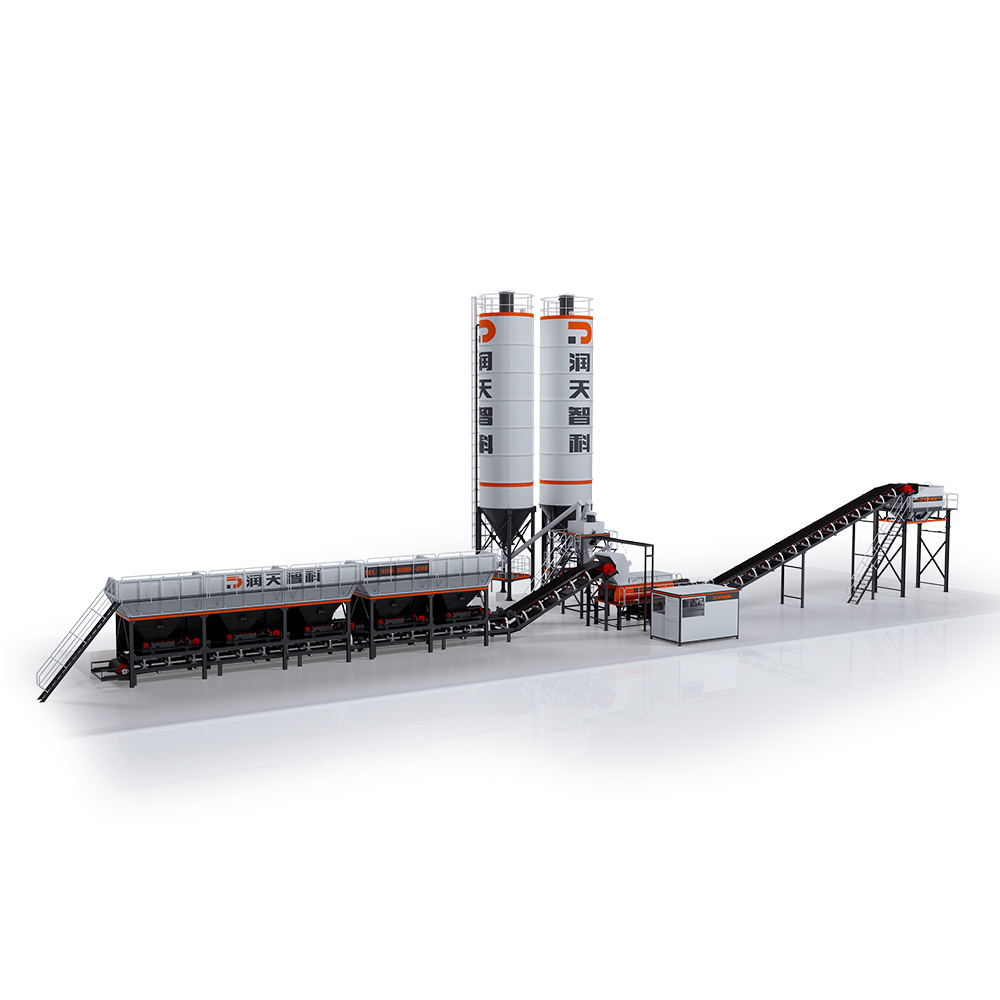 WDB Series Foundation-Free Stability Soil Mixing Plant
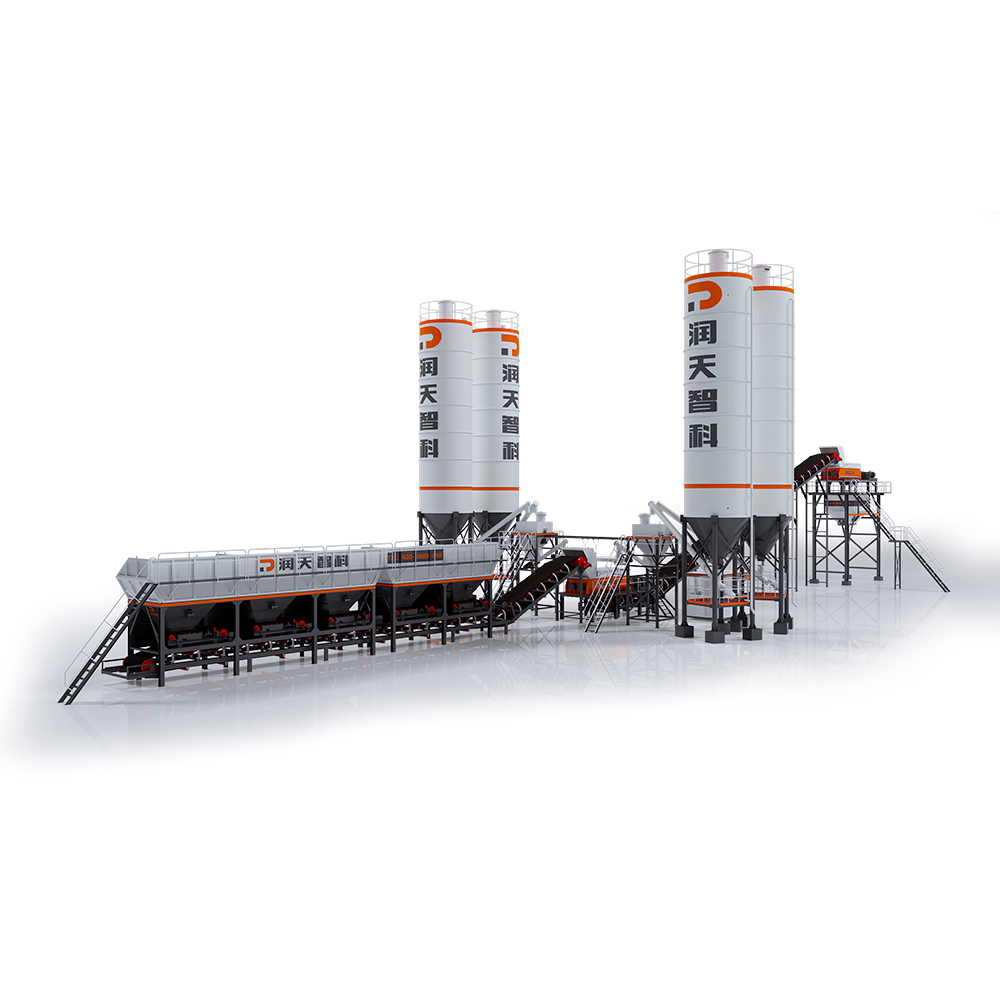 LCB Series Emulsified Asphalt Cold Regeneration Secondary Mixing Plant
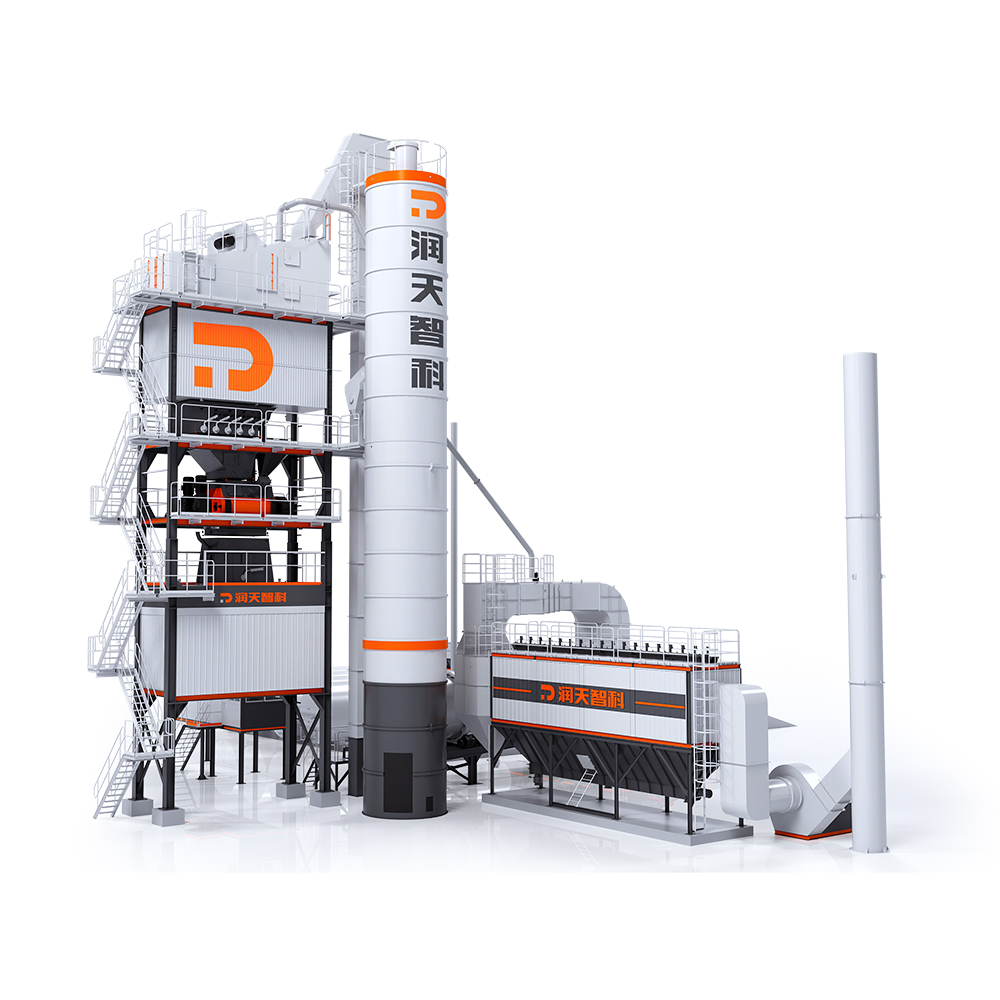 LB Series Asphalt Mixing Plant
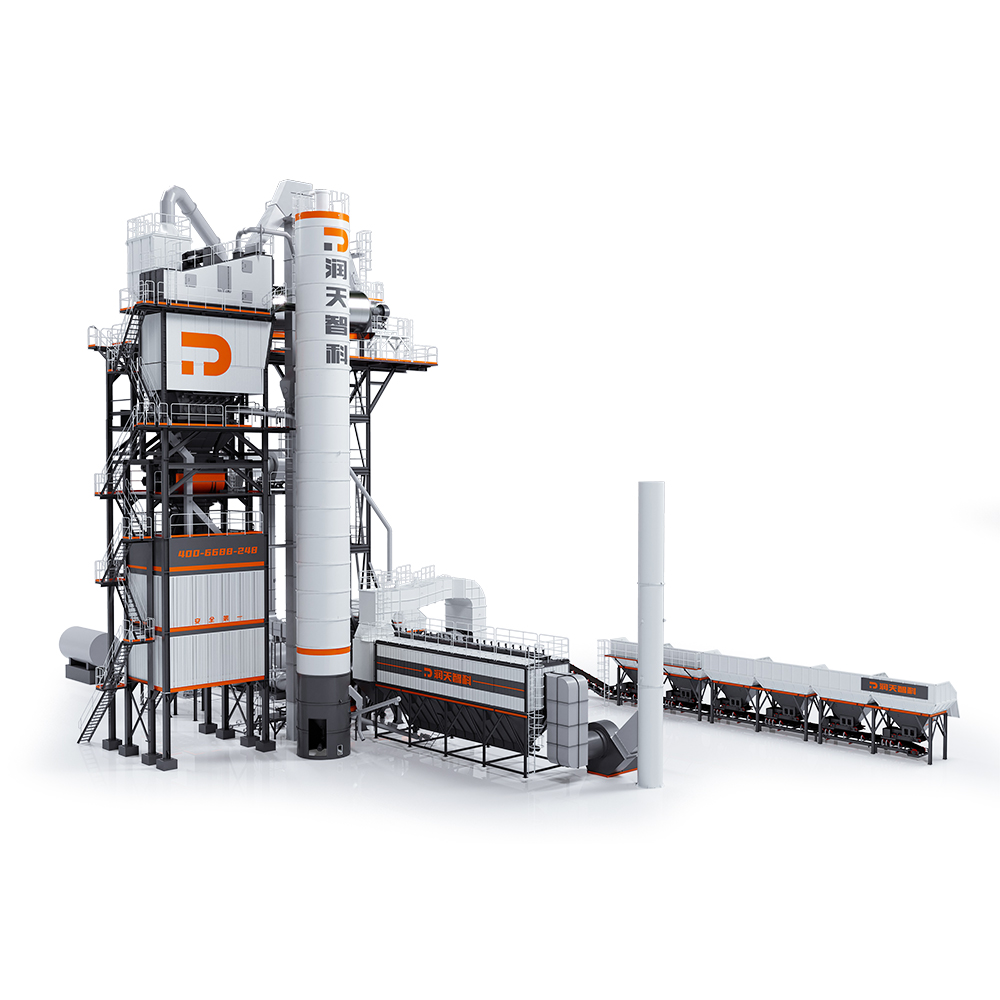 LBR Series Integrated Asphalt Mixing Plant
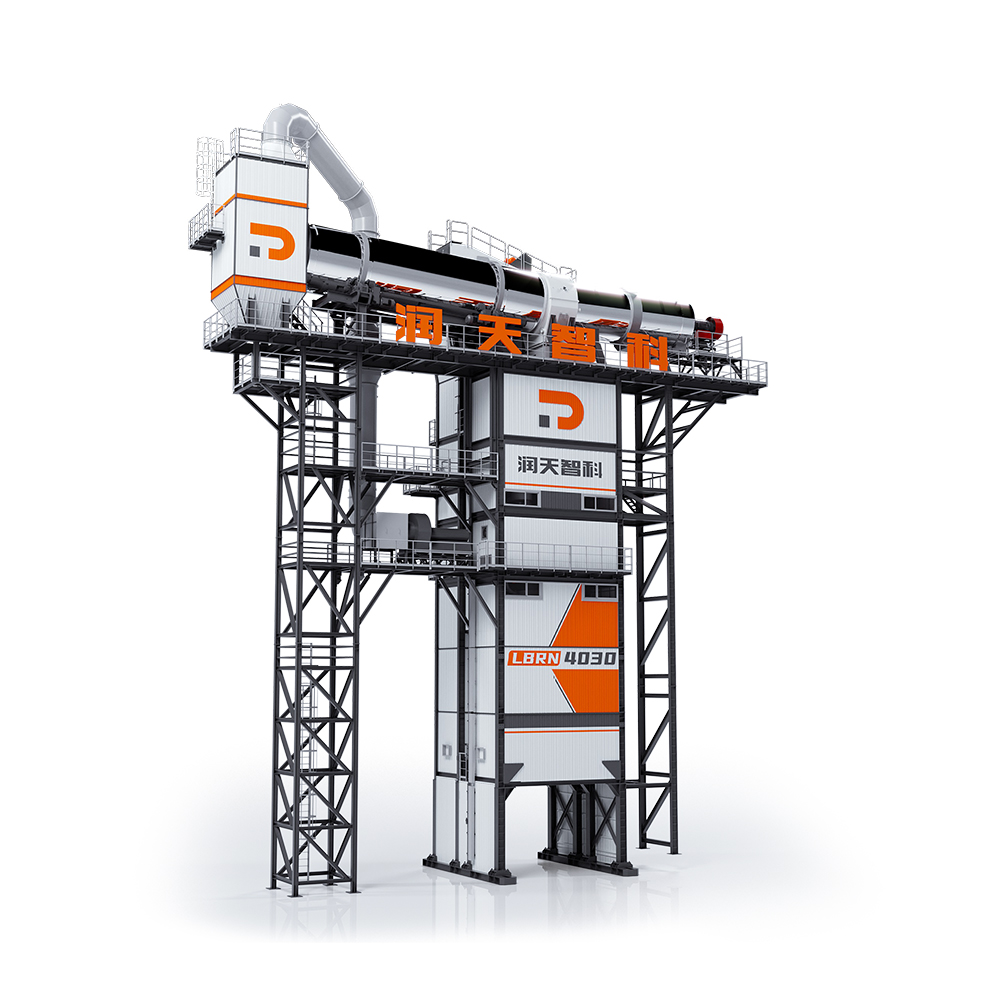 LBRN Series Counterflow Integral Asphalt Mixing Plant
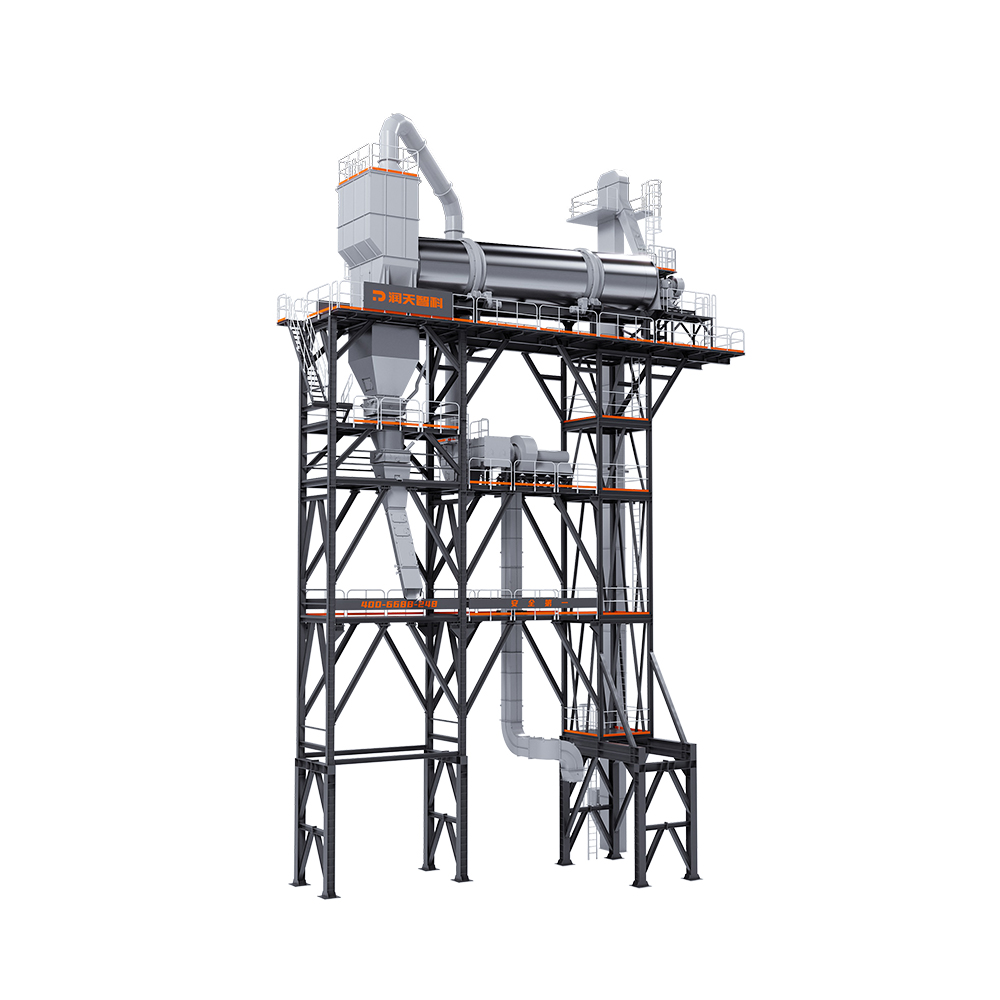 RZS Series Asphalt Mixing Plant
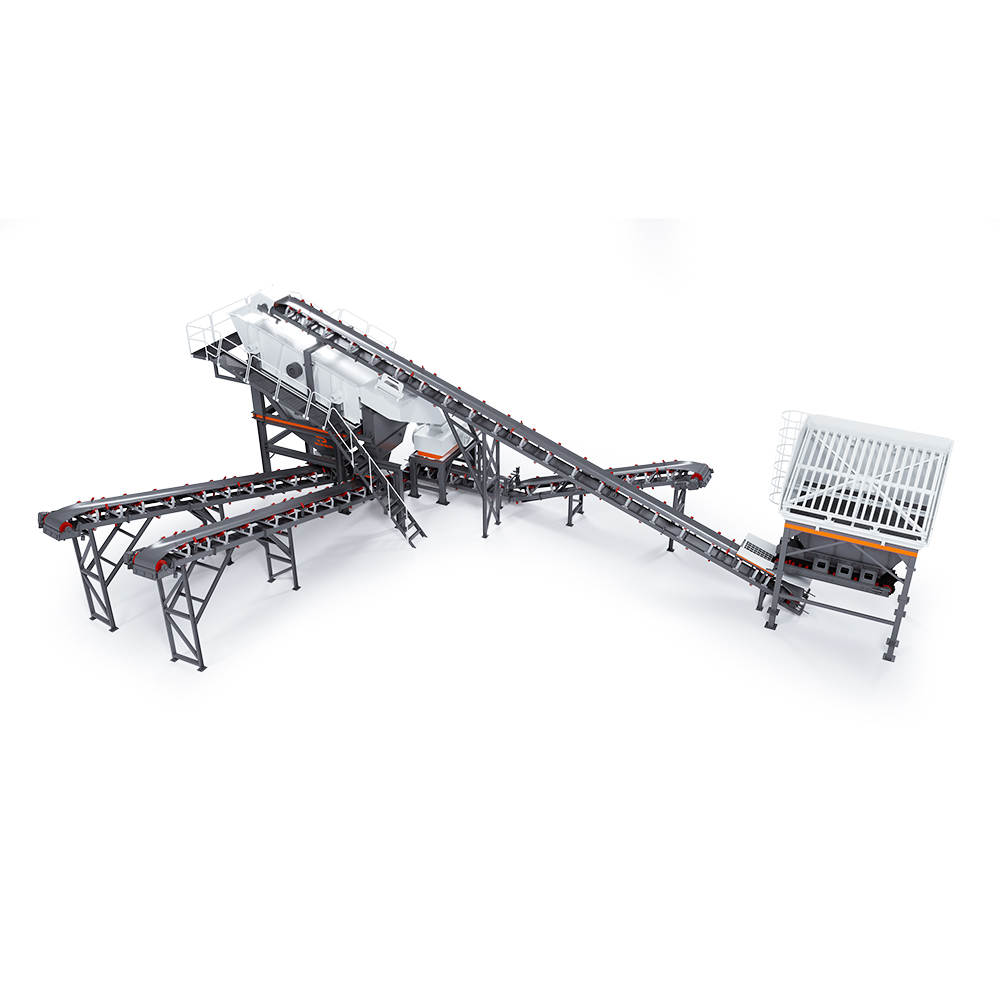 RTZS120 Series RAP Crushing & Screening Plant
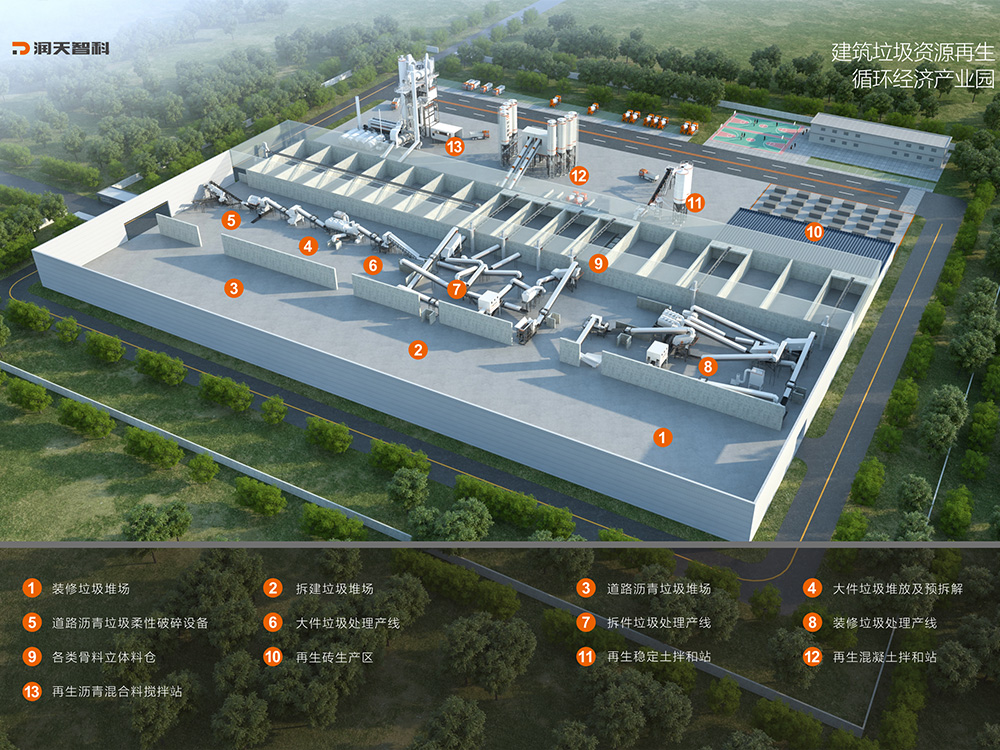 Construction Waste Resourceful Treatment Line