Leave Your Message

How to Effectively Manage Demolition Garbage for Sustainable Disposal?

Demolition Garbage has increasingly become a critical issue in urban development. Expert Linda Martinez, a renowned authority in waste management, states, "Effective handling of demolition debris is vital for sustainable futures." Her belief emphasizes the importance of proper disposal methods.

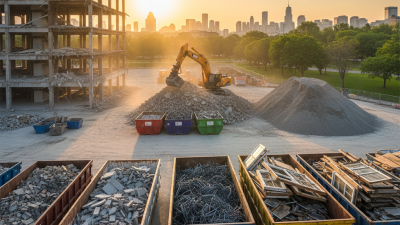
In the construction and demolition industry, the waste generated is often overwhelming. Buildings yield a vast array of materials: wood, metal, concrete, and more. Many of these items can be recycled, yet a significant portion goes to landfills. This not only wastes resources but also heightens the environmental impact.

The challenge lies in creating systems to manage Demolition Garbage effectively. Often, contractors face hurdles in understanding local regulations and recycling options. For instance, how can workers be trained to sort materials on-site efficiently? Implementing better training and awareness could lead to more sustainable practices. It’s essential to rethink our approach. Every piece of debris offers a second chance, yet many still end up neglected.

How to Effectively Manage Demolition Garbage for Sustainable Disposal?

Understanding Demolition Garbage and Its Environmental Impact

How to Effectively Manage Demolition Garbage for Sustainable Disposal?

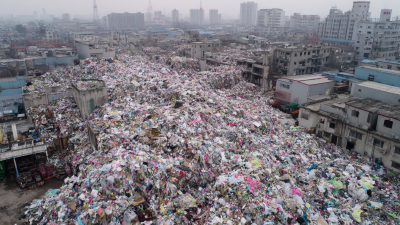
Demolition garbage is a major environmental concern. Each year, construction and demolition (C&D) activities generate approximately 560 million tons of waste in the United States alone. Materials like concrete, wood, metals, and plastics often end up in landfills. This trend leads to land depletion, pollution, and increased carbon emissions.

Demolition debris is not just waste. It can be a valuable resource if managed properly. The recycling rate for C&D materials is about 90%, according to the EPA. However, many contractors still send almost 30% of recyclable material to landfills. This inefficiency highlights a need for better management practices.

Tips for managing demolition garbage include sorting materials on-site. This process allows for easier recycling. Additionally, partnering with local recycling centers can reduce landfill contributions. Consider using eco-friendly alternatives in new constructions. Reducing waste at the source is crucial. Stay informed about regional regulations and best practices for sustainability.

Implementing Sorting and Segregation Techniques for Waste Management

How to Effectively Manage Demolition Garbage for Sustainable Disposal?

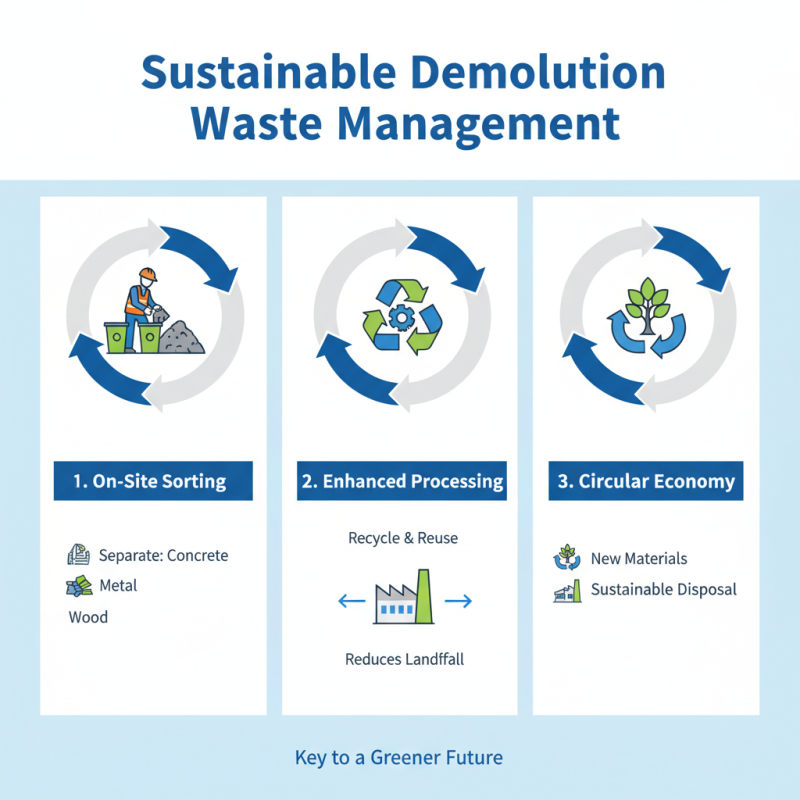
Managing demolition garbage effectively is crucial for sustainable disposal. Implementing sorting and segregation techniques can greatly enhance waste management. By sorting materials on-site, workers can determine what can be recycled or reused. This reduces landfill waste and promotes a circular economy. For instance, concrete, metal, and wood can be easily separated and processed accordingly.

Workers should be trained on the importance of proper segregation. Many times, mixed waste makes recycling impossible. Such oversights lead to more waste being sent to landfills. Containers labeled for specific materials can help in this regard. However, confusion may arise if labels are unclear or if workers fail to follow guidelines.

Segregation also needs regular monitoring. An initial plan may seem effective, but adjustments could be necessary. Real-time feedback from workers can identify bottlenecks. Tools like apps can assist in tracking waste types. Yet, many in the industry still resist change, fearing it complicates their daily tasks. Encouraging a culture of accountability and mindfulness regarding waste disposal is essential for improvement.

Exploring Recycling Options for Demolition Materials

When it comes to demolition projects, managing waste is crucial. Many materials can be recycled, reducing landfill waste. Concrete, wood, and metals are prime candidates for recycling. For instance, crushed concrete can be reused in new construction projects. It's surprising how often people overlook this option.

Recycling options vary widely. You might find local facilities that accept specific materials. However, not all areas have the same resources. Sometimes, it’s hard to locate a nearby recycling center. This challenge requires careful planning before starting a demolition. Understanding local regulations can also be confusing. Each jurisdiction may have different rules, impacting how demolition waste is handled.

Many demolition teams are unaware of the extent of what can be recycled. While some materials are obvious, like metal scraps, others are neglected. For example, roofing materials like shingles can often be recycled, but most end up in landfills. Reflection is necessary to improve current practices. A more informed approach could lead to significant environmental benefits. Realizing the potential in demolition waste helps promote sustainability in the industry.

Adopting Sustainable Disposal Methods and Best Practices

Effective management of demolition garbage is crucial for sustainability. Adopting sustainable disposal methods can minimize environmental impact. Use local recycling centers for concrete and metal scraps. These materials can be repurposed effectively. Landfills should be a last resort. The goal is to recycle as much as possible.


Sorting demolition waste at the source is essential. It requires time and effort but yields better results. Create separate bins for wood, metal, and mixed materials. This helps in reducing contamination. Educating workers about this practice is necessary. Go for training sessions and workshops to share knowledge. Remember, every small effort counts.


However, challenges exist in implementing these practices. Some workers may resist change. It takes time to shift mindsets. Regular monitoring and feedback loops can help. Foster a culture of sustainability among teams. Reflect on progress and adjust methods as needed. Sustainable disposal is a journey, not a destination.

Engaging Stakeholders in Responsible Demolition Waste Management

Engaging stakeholders is crucial in managing demolition waste responsibly. A collaborative approach can lead to better outcomes. Involving the community, contractors, and local authorities in discussions fosters transparency. Open forums can help gather diverse perspectives. Not all stakeholders may share the same interests, creating challenges. Balancing these interests requires patience.

Effective communication is vital. Stakeholders can be informed about demolition plans and waste management strategies. Workshops or informational sessions can help build awareness. Some participants may resist change, preferring traditional methods. This resistance must be addressed through education. Highlighting the benefits of sustainable practices can shift mindsets.

Innovative ideas often emerge from these discussions. Local waste management facilities may provide specific guidelines for recycling. However, not all stakeholders may stay engaged throughout the process. Regular check-ins keep the conversation active. It’s essential to recognize that managing demolition waste is an ongoing journey. Mistakes will occur, but they can serve as learning opportunities for all involved.

How to Effectively Manage Demolition Garbage for Sustainable Disposal?

Waste Type Quantity (tons) Recycling Rate (%) Responsible Stakeholders Disposal Method
Concrete 300 75 Construction Manager, Recycling Facility Recycled Aggregate
Wood 150 60 Project Coordinator, Wood Reprocessing Company Mulching
Metal 100 85 Site Manager, Scrap Metal Yard Recycling
Bricks 200 70 Demolition Contractor, Reuse Center Resale
Hazardous Waste 50 0 Environmental Specialist, Waste Management Authority Specialized Disposal