How to Effectively Recycle Builders Waste?
Builders waste recycling is an essential part of sustainable construction practices. According to the Environmental Protection Agency, construction and demolition (C&D) activities account for about 25% to 30% of total waste in the United States. This significant volume presents both challenges and opportunities. Proper recycling can minimize landfill use and conserve resources.
In many cases, builders waste is not adequately recycled. Industry reports suggest that only a fraction of materials, such as concrete and wood, are recovered and reused. This inefficiency calls for better strategies and processes. For example, educating construction teams about sorting waste can improve recycling rates.
Moreover, incorporating innovative technologies is crucial. Tools like mobile apps for tracking waste can enhance accountability. Yet, the industry often struggles with embracing such advancements. Addressing these gaps could lead to more effective builders waste recycling and a positive environmental impact. Reflecting on current practices is vital for significant improvement.
Understanding Builders Waste and Its Environmental Impact
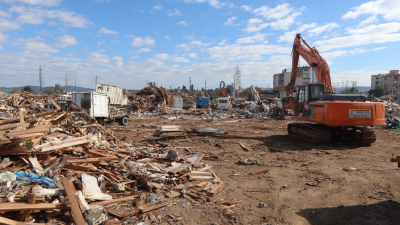
Builders waste is a significant environmental concern. This type of waste includes materials like concrete, wood, metal, and plastic. Each year, construction sites produce millions of tons of debris. Most of it ends up in landfills, which contribute to soil and water pollution.
Inadequate disposal practices can have dire consequences. For instance, untreated waste can leach harmful chemicals into the ground. This pollution impacts local ecosystems and wildlife. Additionally, some builders might underestimate the potential for recycling, leading to unnecessary waste. Embracing better waste management strategies could mitigate these negative effects.
Recycling builders waste requires awareness and commitment. Proper sorting of materials on-site is crucial. It's essential to educate workers about recyclable versus non-recyclable materials. Yet, challenges remain. Some still view recycling as an inconvenience rather than a necessity. The industry must reflect on its practices to foster a sustainable future.
Types of Builders Waste and Their Recycling Potential
Construction and demolition waste, commonly known as builders waste, contributes significantly to landfills. In the United States alone, the Environmental Protection Agency (EPA) reported that about 569 million tons of construction and demolition debris were generated in 2018. This is about 25% of total solid waste. Understanding types of builders waste is crucial for effective recycling practices.
Concrete and asphalt are among the most common materials found in builders waste. These materials can be crushed and reused for new construction projects. A study by the National Association of Home Builders noted that recycling concrete can reduce greenhouse gas emissions by up to 80%. Wood, metal, and drywall also comprise significant portions of builders waste. Recycling wood can yield valuable products like mulch and composite materials, while metals can be melted down and reused. However, what often gets overlooked is the separation of these materials at the source. Many projects usually combine various waste types, making recycling hurdles even higher.
Despite these recycling potentials, actual recycling rates remain low. A 2019 report indicated that only about 13% of builders waste was recycled. Lack of awareness and infrastructure in some regions limits these efforts. Builders need to recognize the importance of proper waste segregation and encourage recycling practices at their sites. Doing so can have a meaningful impact on reducing overall waste.
Step-by-Step Process for Sorting Builders Waste
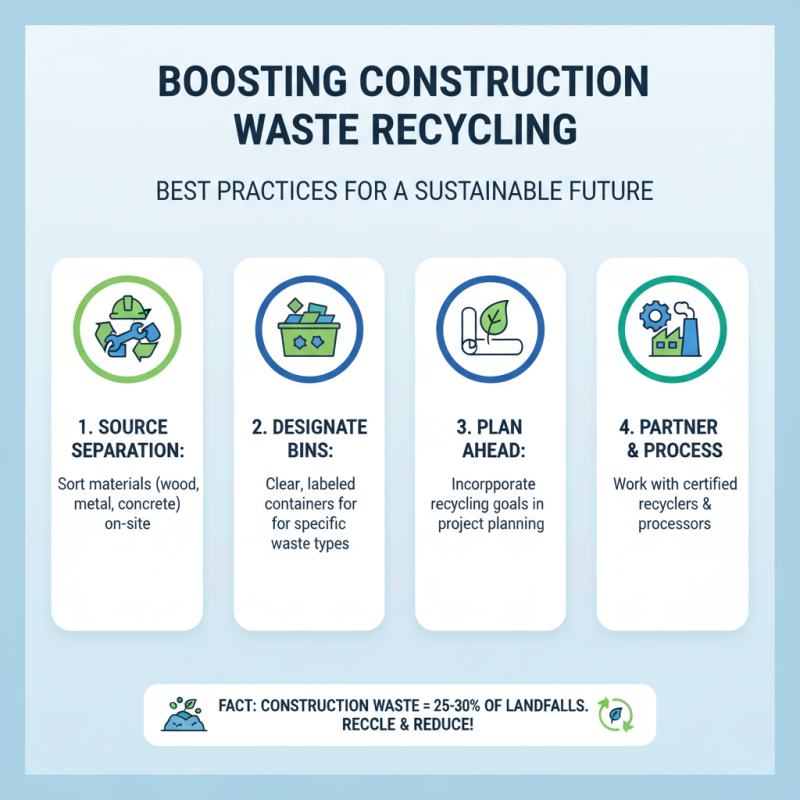
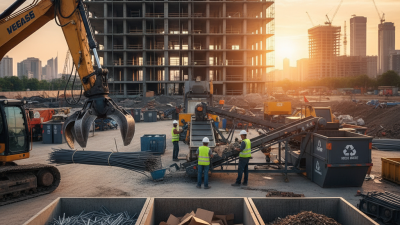
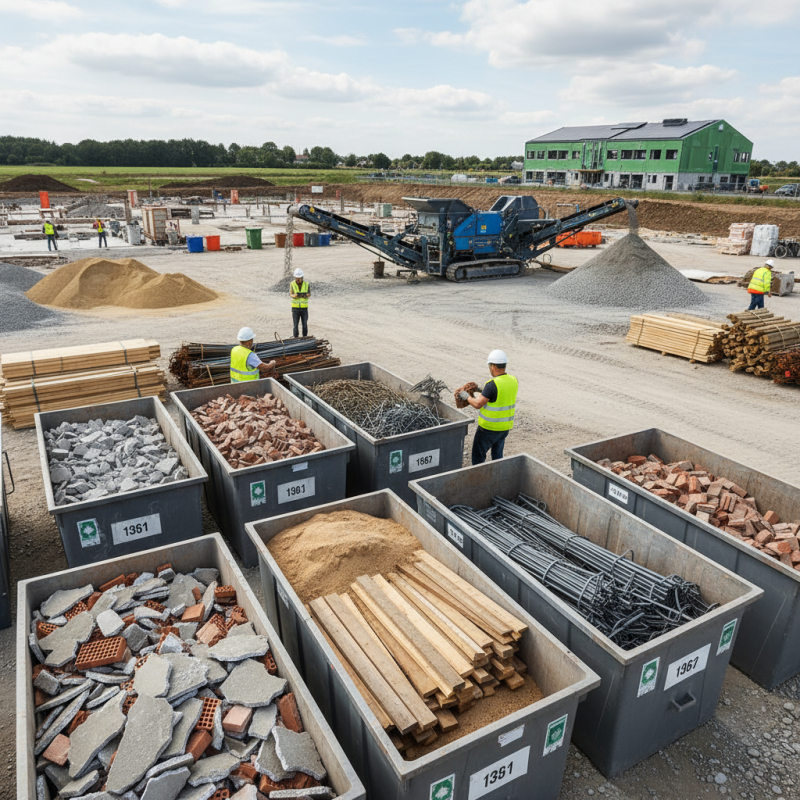
When sorting builders waste, focus on separating materials at the source. This process makes recycling easier and more efficient. Begin by categorizing waste into different types: wood, metal, concrete, and plastic. Each type has its own recycling method, so proper sorting is crucial.
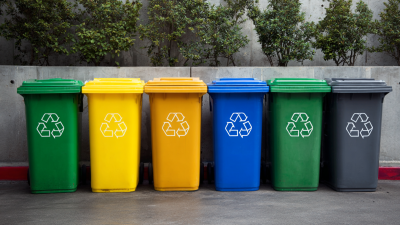
During this step, label containers clearly. Use colors or signs to indicate what goes where. This reduces confusion and ensures accuracy. Some materials may look similar but can't be recycled together. For example, paint cans are not the same as empty metal scraps. Take time to check every item before disposal.
Tips: Create a checklist to follow while sorting. This will help keep track of materials. Remember, not every location has the same recycling facilities. Research available options in your area to avoid misplacement. Reflect on your process and adjust as necessary. Sometimes, it’s easy to overlook smaller items that also need attention. Don't rush; careful sorting leads to better recycling outcomes.
Builders Waste Recycling Process
Recycling Methods for Different Materials in Builders Waste
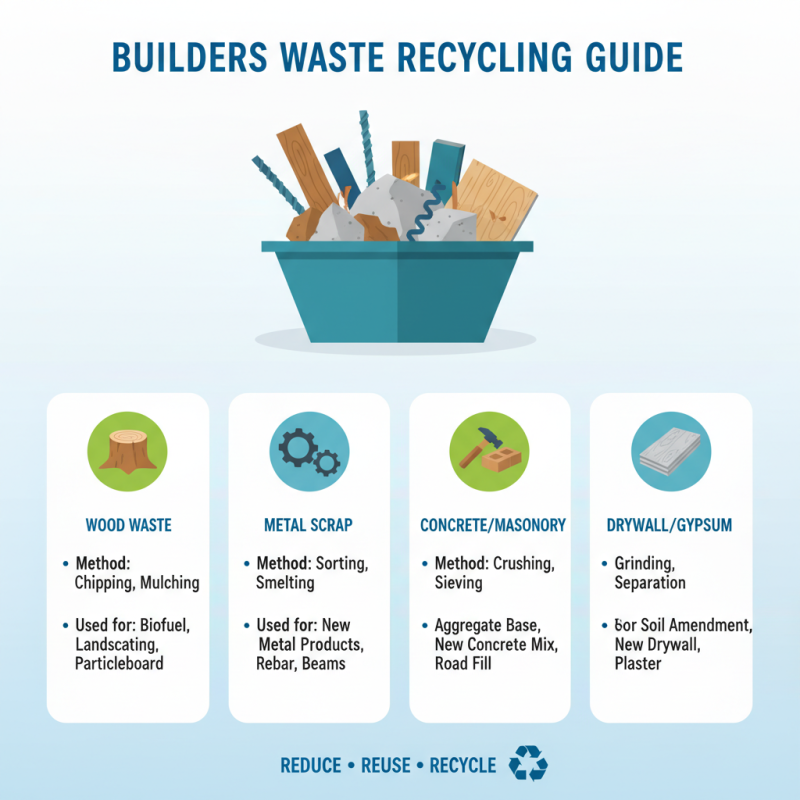
Builders waste often includes various materials like wood, metal, concrete, and drywall. Each type requires specific recycling methods to ensure proper handling.
Wood can be reused or recycled into products like mulch or particleboard. If the wood is untreated, it’s often easier to recycle. However, wood with nails or paint may need careful sorting. Always check for contaminants.
Metal is highly recyclable. Steel and aluminum can be melted down and made into new products. Keep metal scraps separate. This makes the recycling process smoother.
For concrete, it can be crushed and used as aggregate for new construction projects. However, be aware of the contaminants like chemicals or plastics in the mix.
**Tips:**
When recycling, always label your materials clearly. This helps recycling centers process them efficiently.
Try to reduce waste before it happens. Plan carefully to minimize excess materials.
Educate your team on proper waste management. This creates a culture of responsibility.
Best Practices and Tips for Effective Builders Waste Recycling
Builders waste accounts for a significant portion of landfill debris. According to industry reports, construction and demolition activities generate approximately 25-30% of solid waste in many regions. Effective recycling of this waste can reduce environmental impacts and conserve materials. Here are some best practices to enhance your recycling efforts.
One effective tip is to sort materials on-site. Keep wood, metals, and concrete separated. This makes recycling easier. Studies show that on-site separation increases recycling rates by 50%. Also, consider using a waste management plan. It helps identify recyclable materials before the project starts.
Some waste may still end up in landfills due to poor practices. For instance, mixed materials can be challenging to recycle. It’s important to regularly monitor waste streams to see what is being discarded. Adjust your practices accordingly. Lastly, engage your team with training. Educating workers on recycling methods can lead to a cleaner job site and better outcomes.

 Concrete Mixing Plant
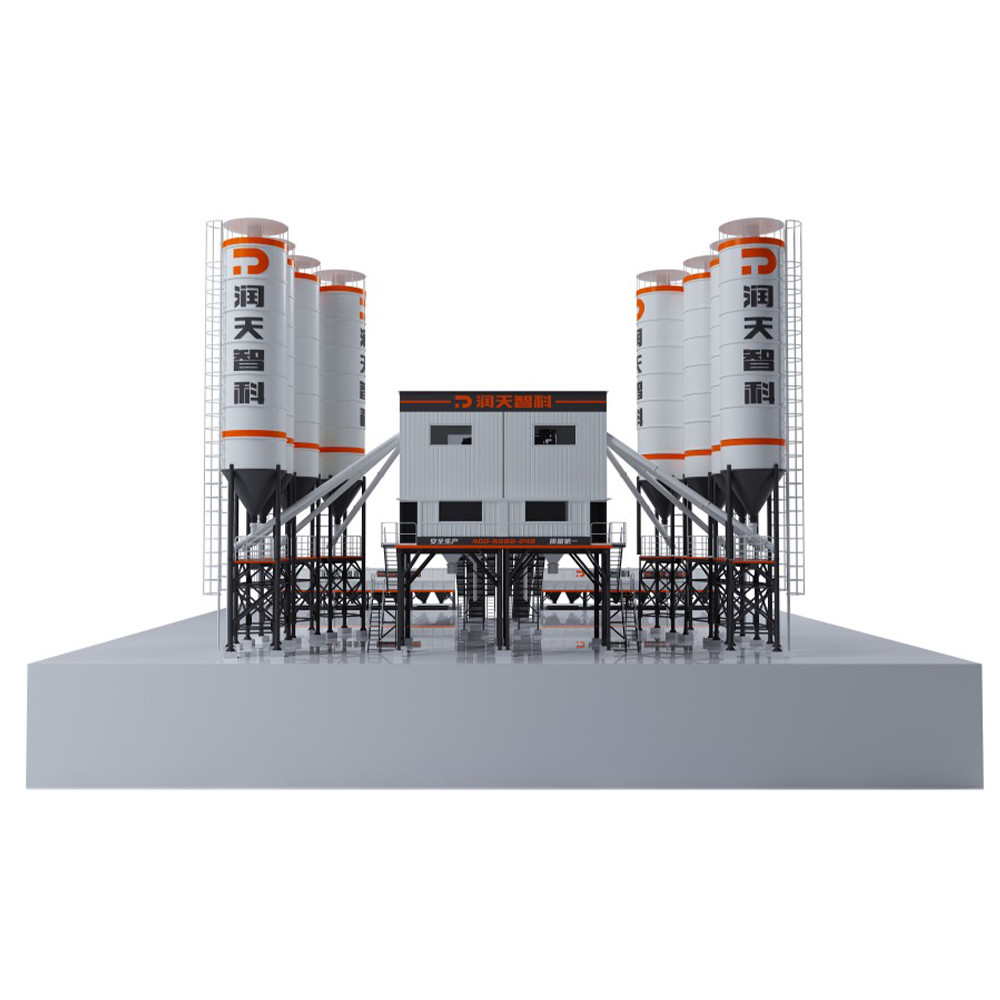 HZS Series Belt Concrete Mixing Plant
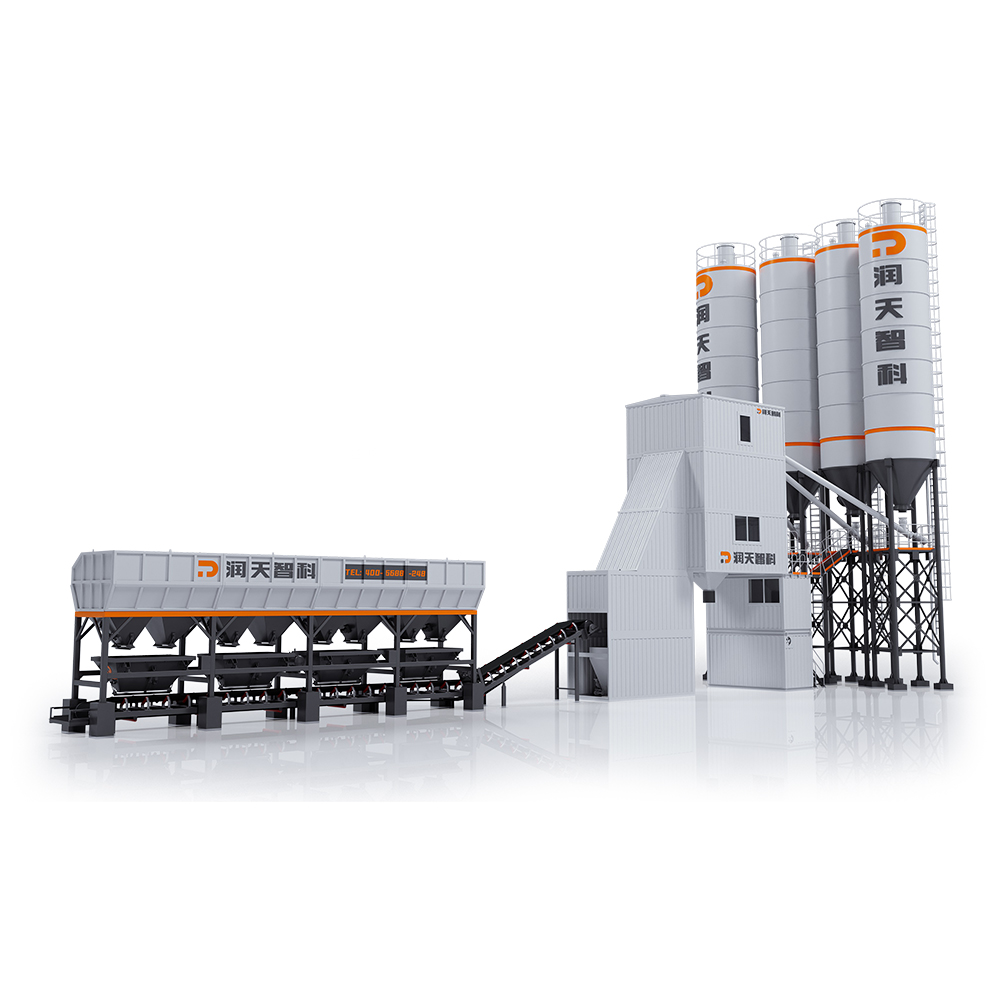 HZS Series Bucket-Lifting Type Container Concrete Mixing Plant
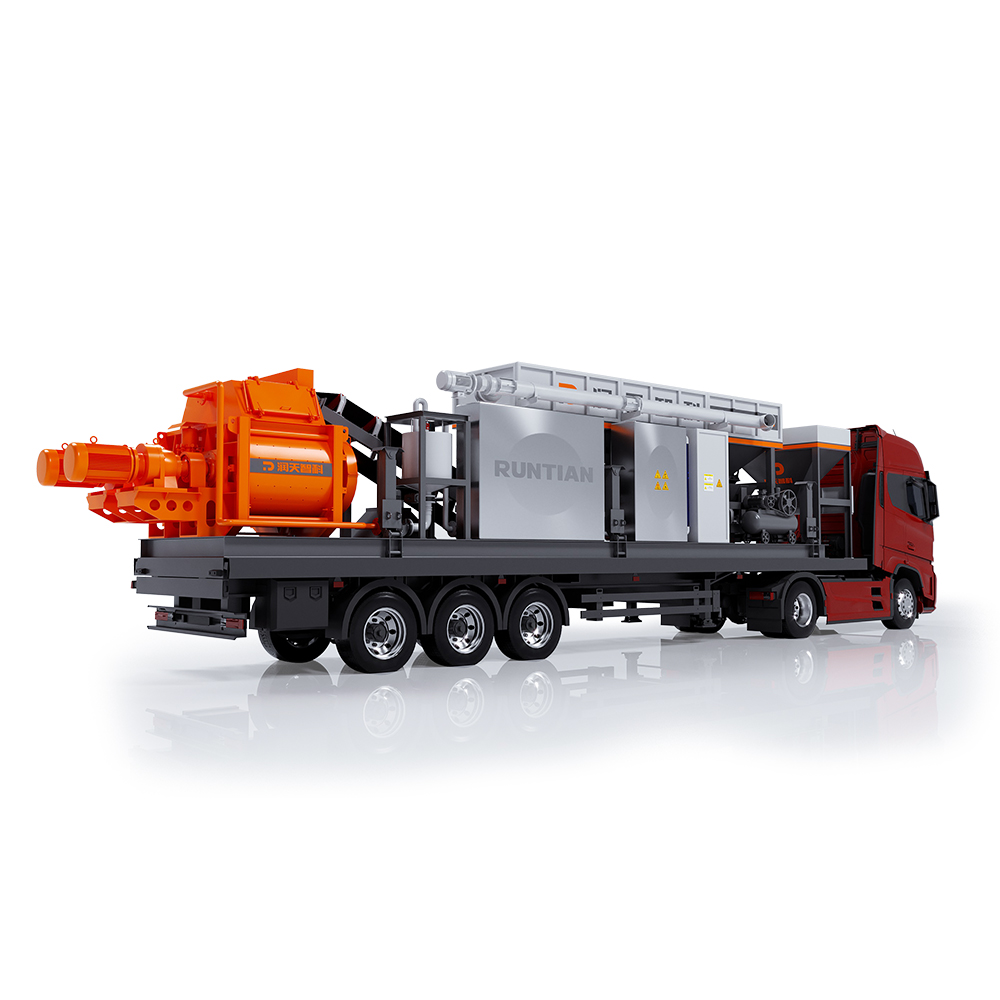 HZS60 Mobile Concrete Mixing Plant
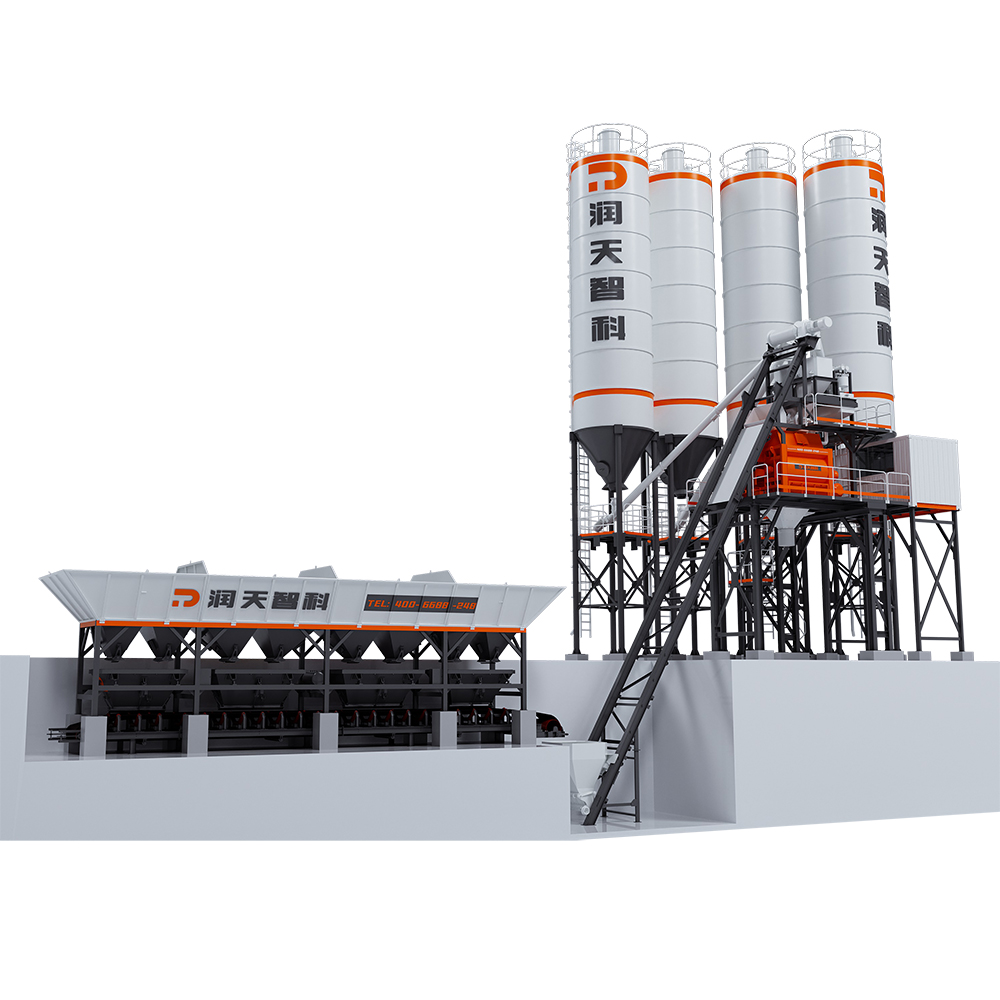 HZS Series Bucket-Lifting Type Concrete Mixing Plant
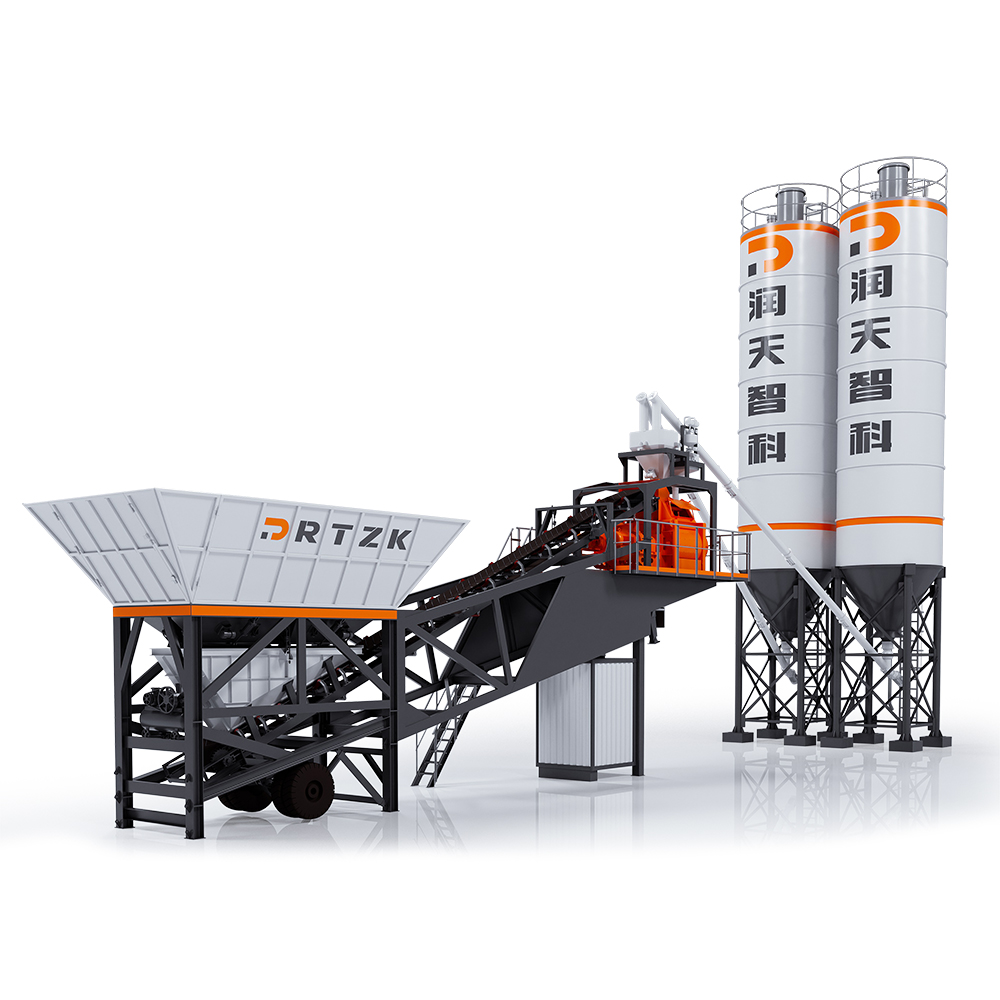 HZS Series Mobile Concrete Mixing Plant
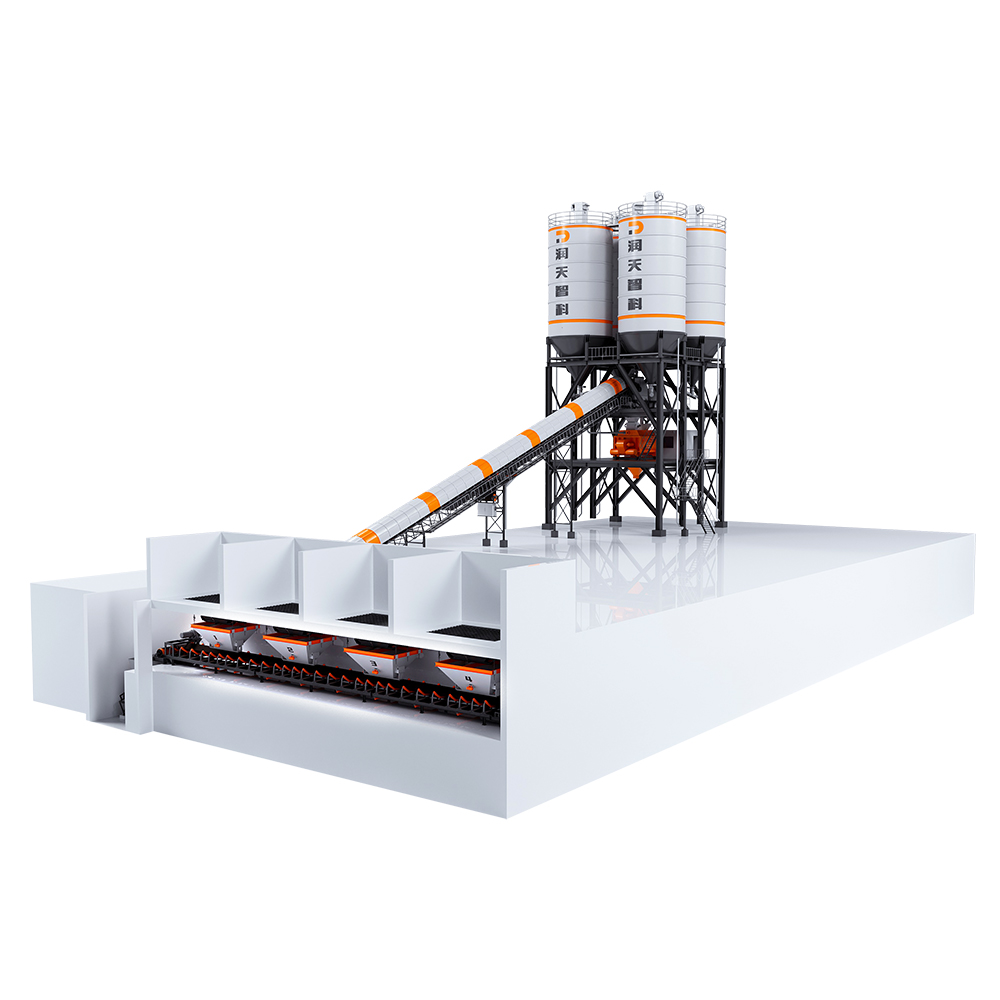 HZS Series Top-Mounted Concrete Mixing plant
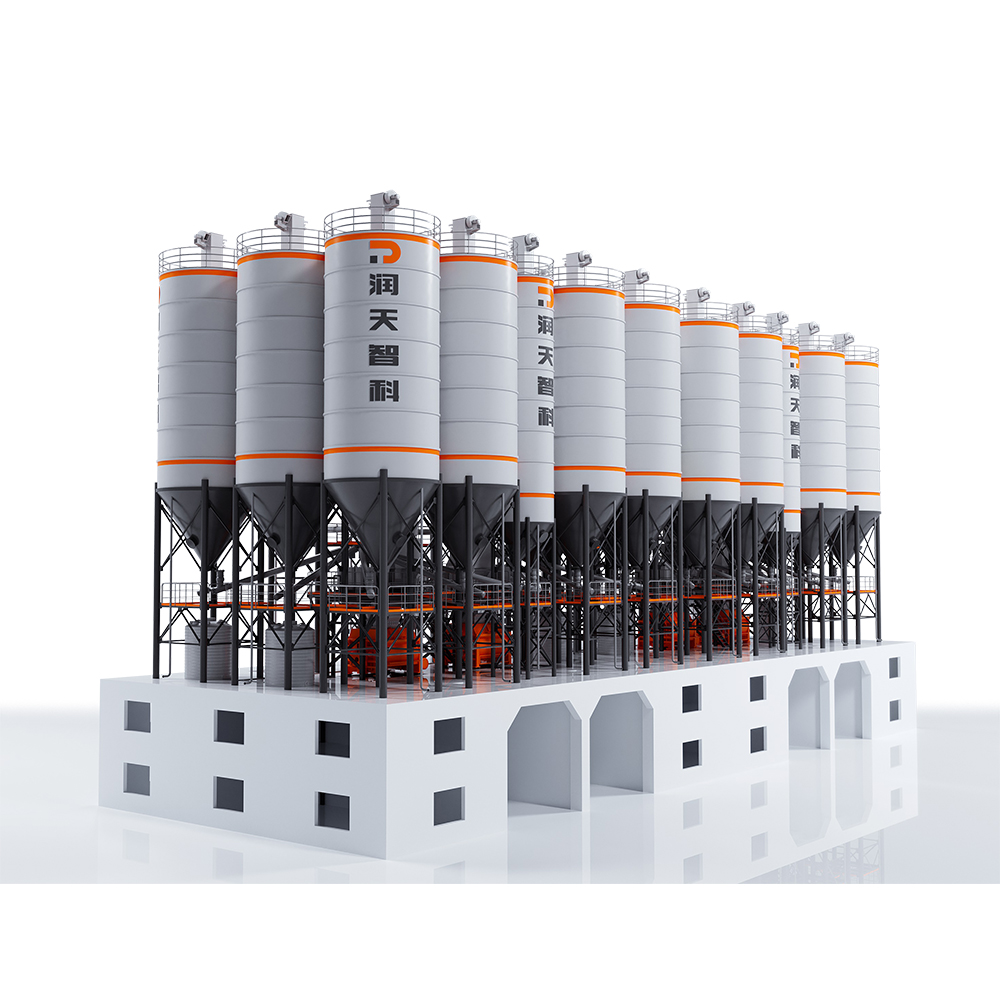 HZS Series Semi-Top Mounted Concrete Mixing Plant
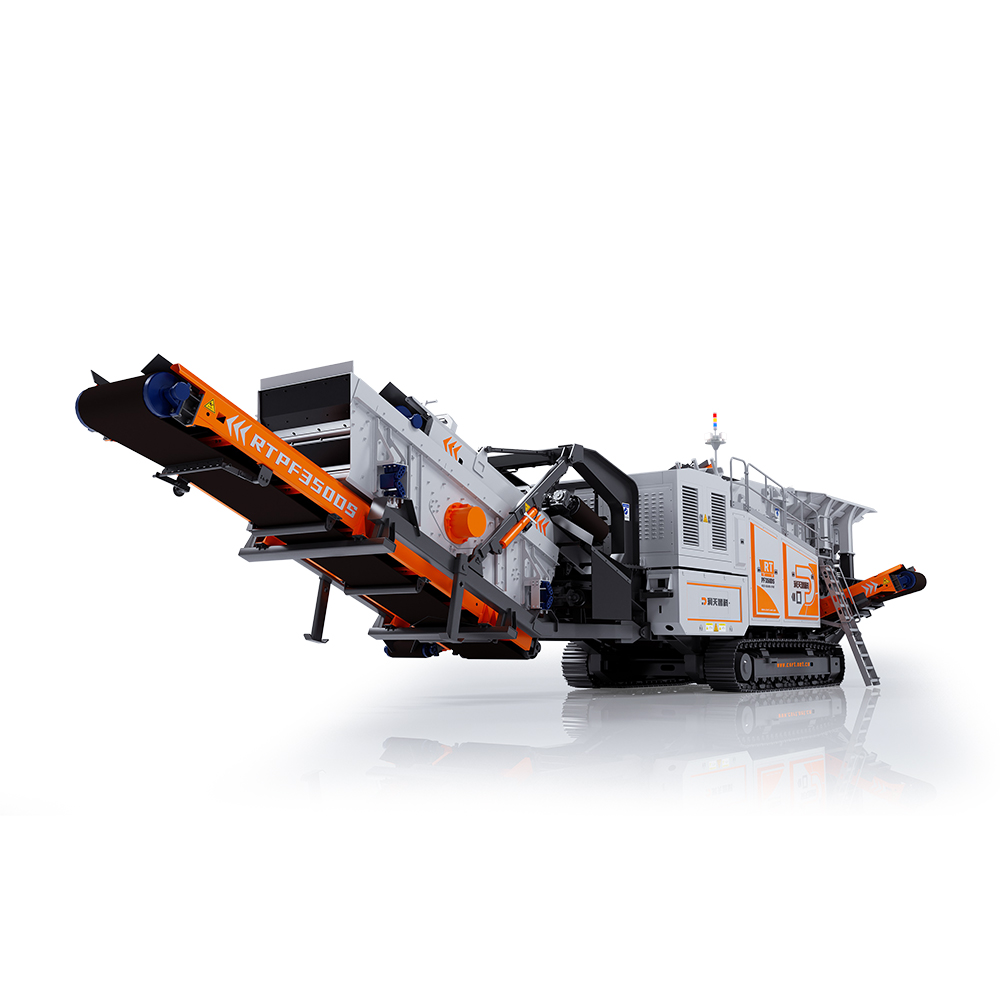 RTPF350DS Crawler Mobile Impact Crushing Plant
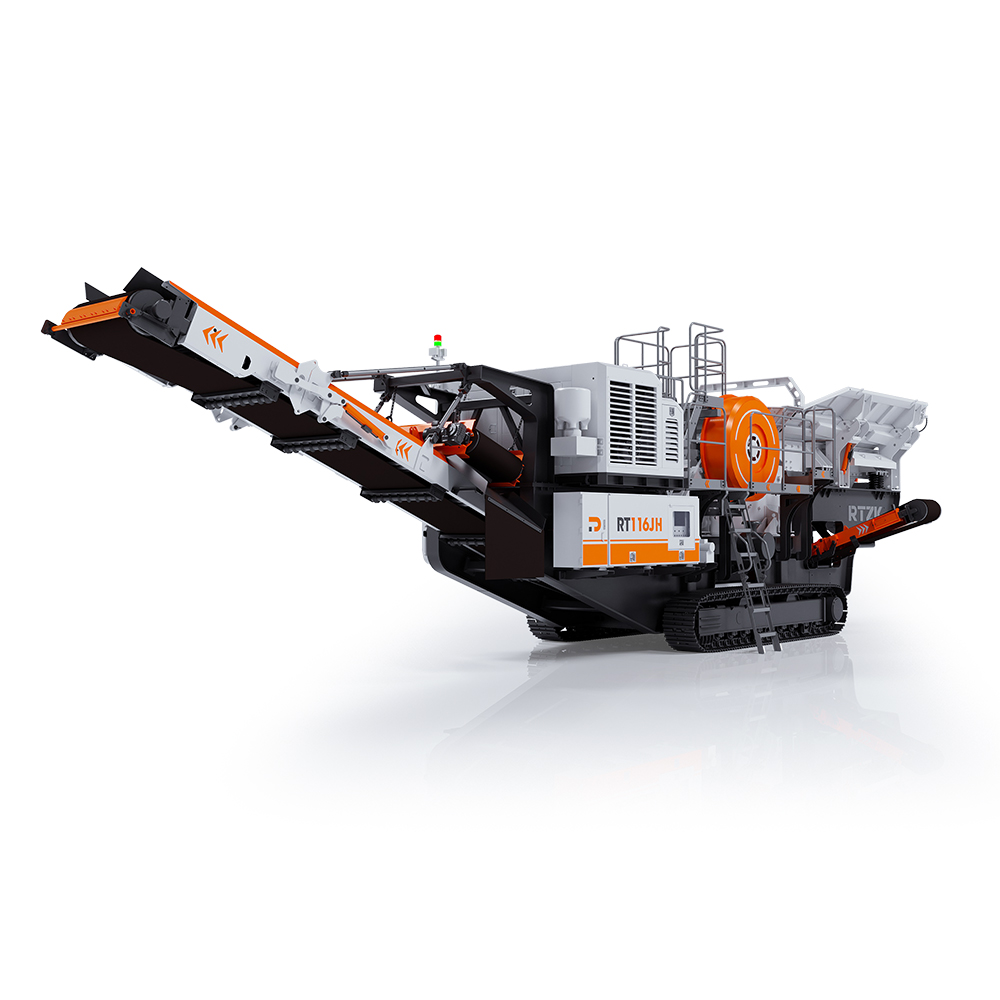 RT116JH Crawler Mobile Jaw Crushing Plant
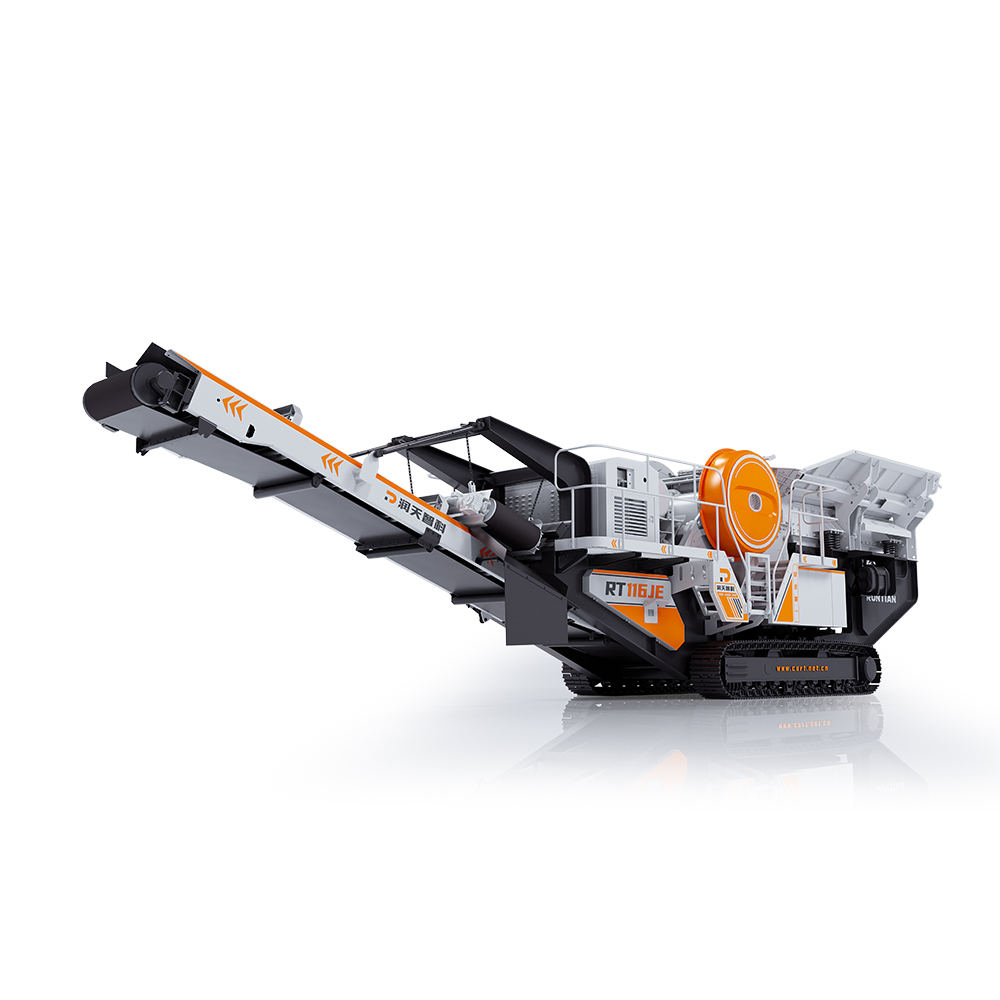 RT116JE Crawler Mobile Jaw Crushing Plant
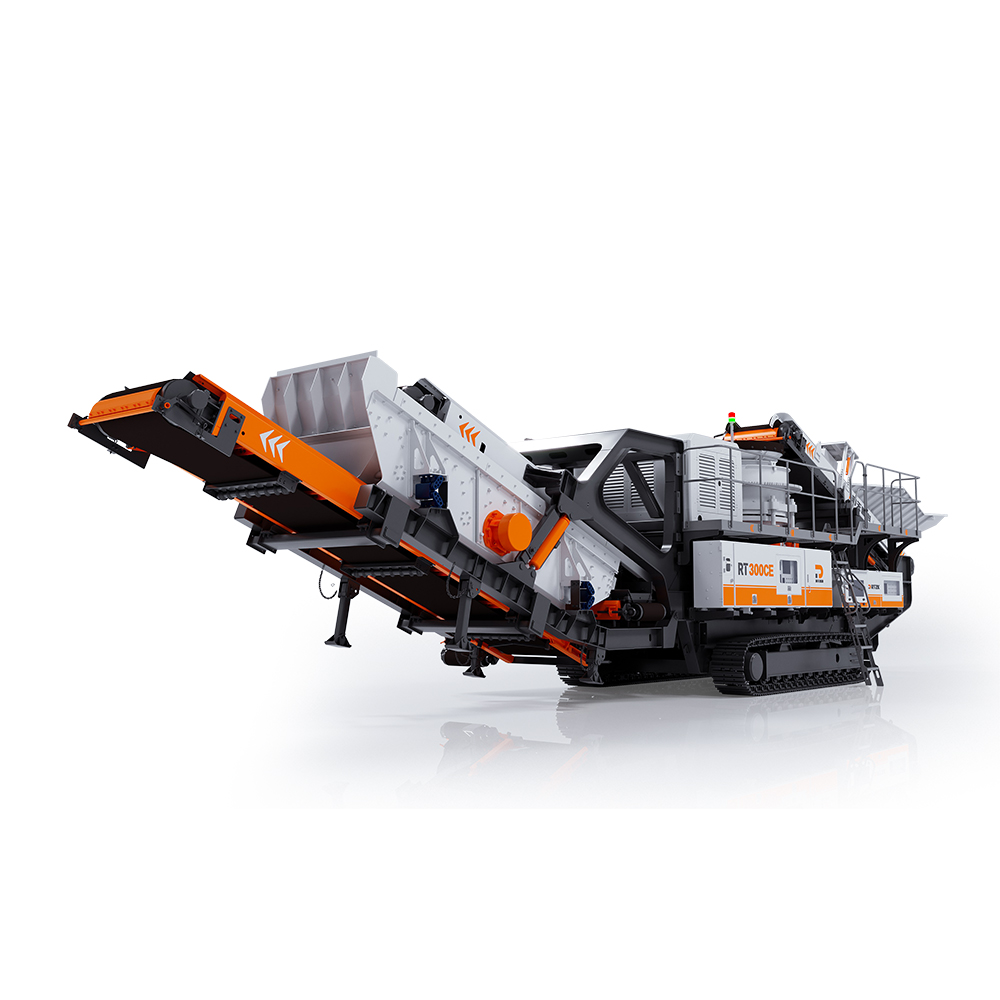 RT300CE Crawler Mobile Cone Crushing Plant
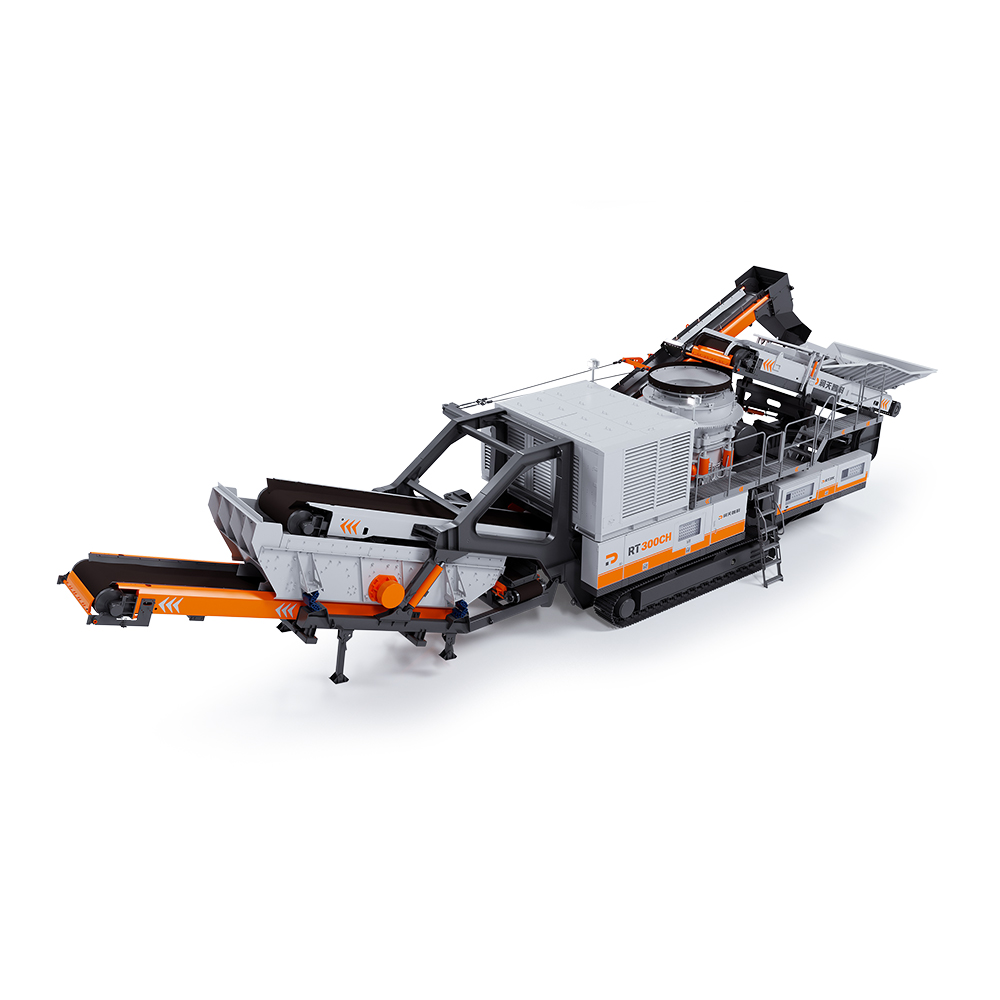 RT300CH Crawler Mobile Cone Crushing Plant
 RT5015H Mobile Scalping Screen
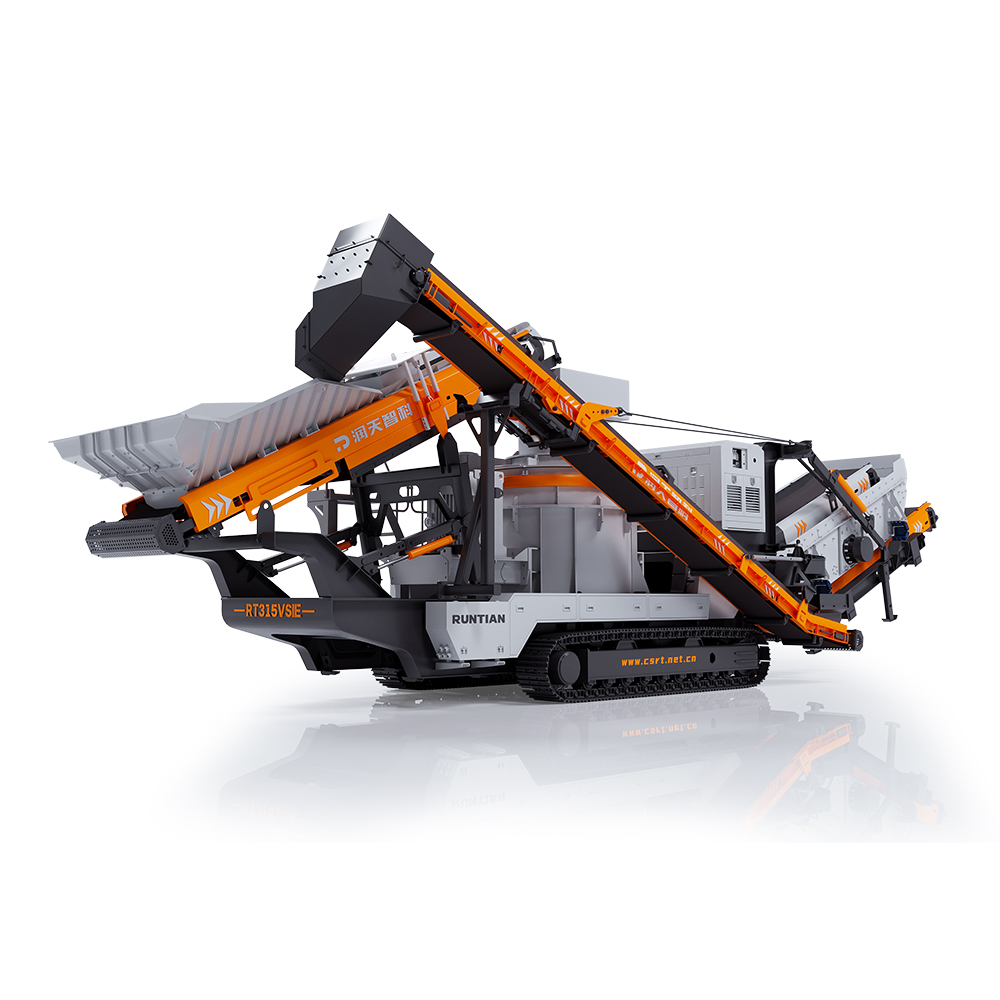 RT315VSIE Crawler Mobile Sand Maker
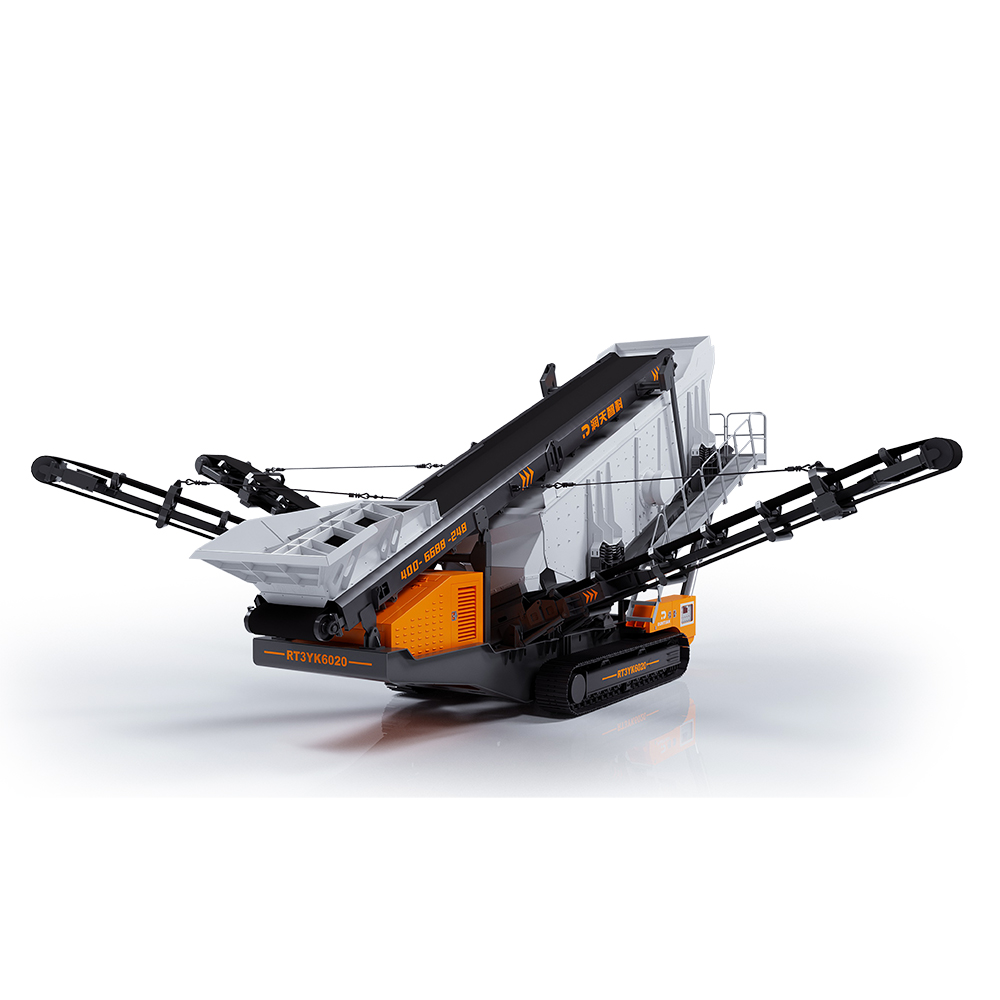 RT3YK6020 Crawler Mobile Screening Plant
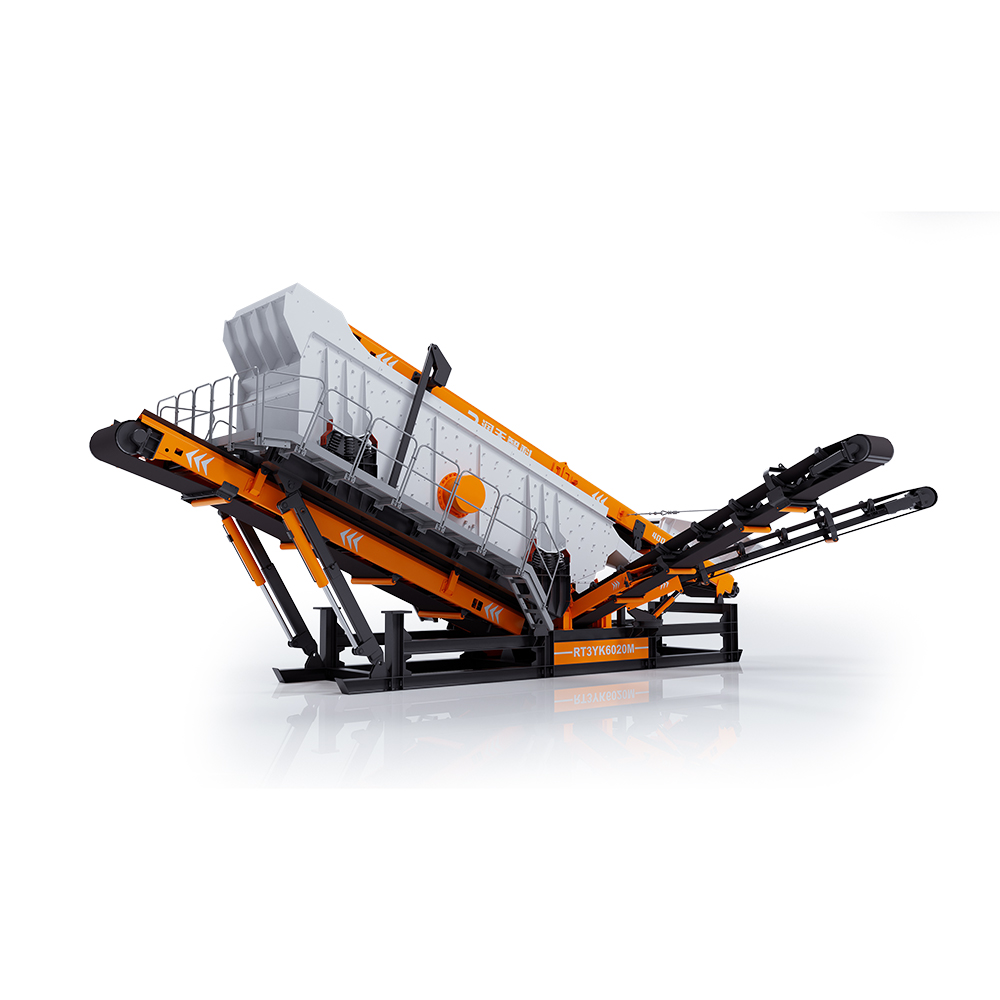 RT3YK6020M Modular Screening Plant
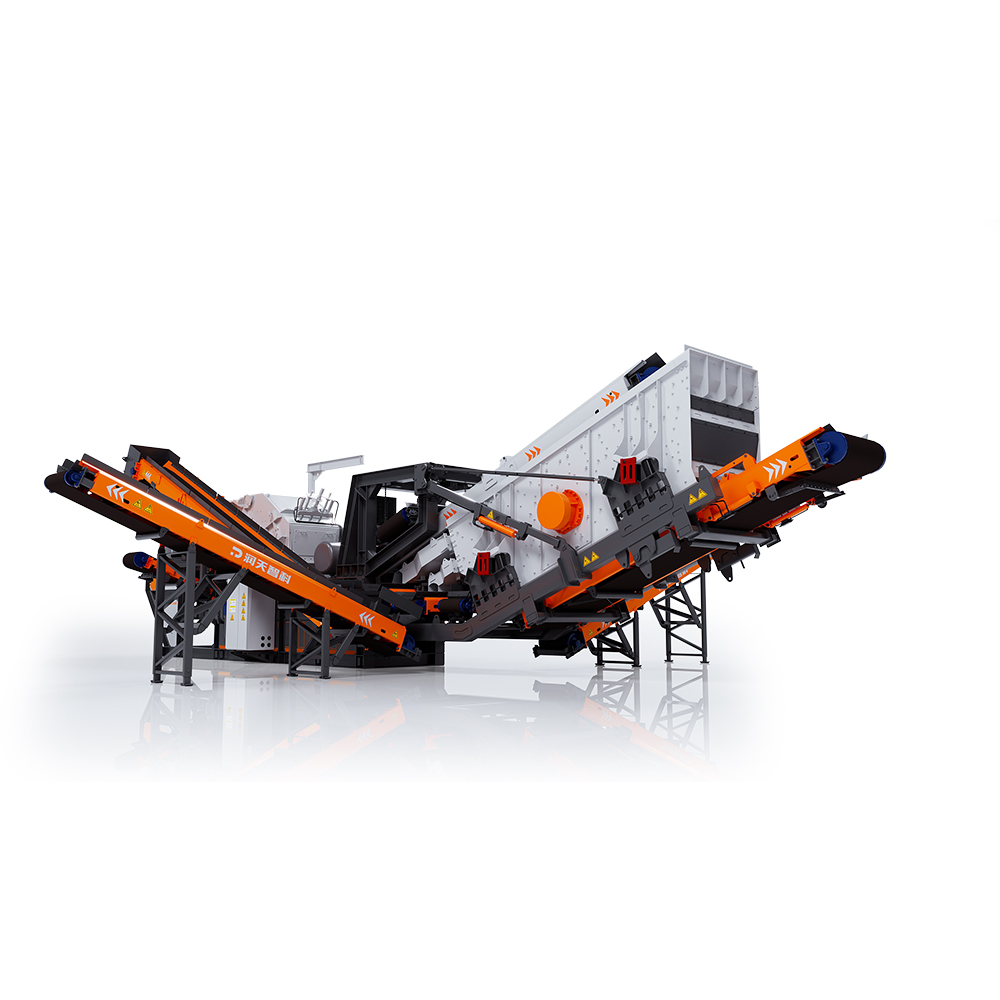 RTF260M Modular Counterattack Crushing and Screening Integrated Machine
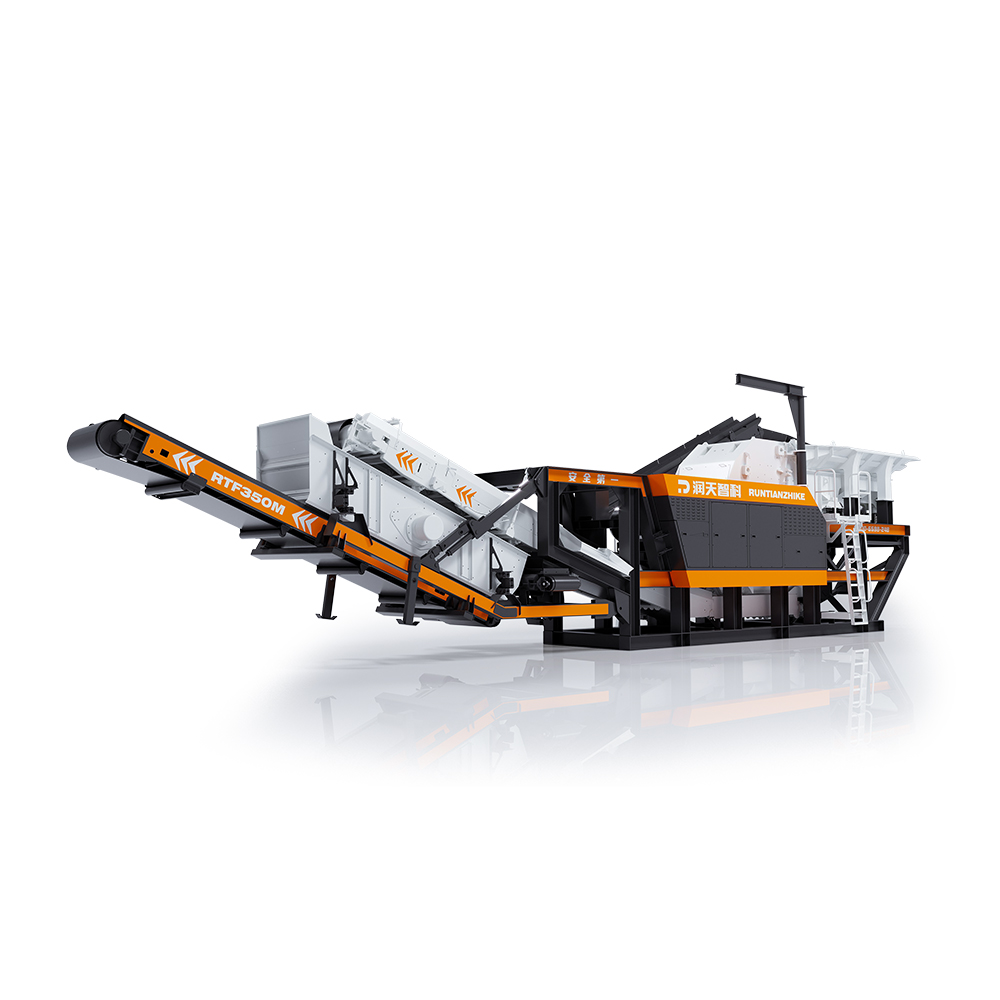 RTF350M Modular Impact Crushing Plant
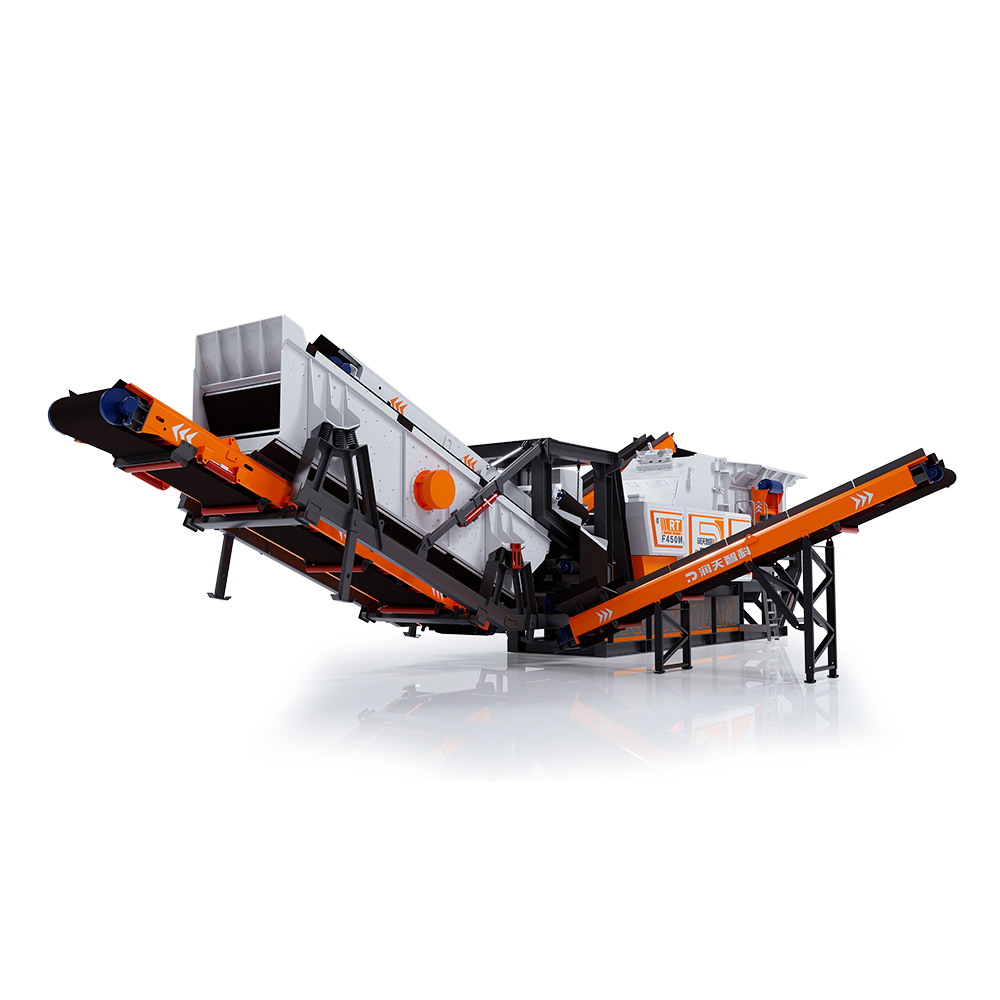 RTF450M Modular Impact Crushing Plant
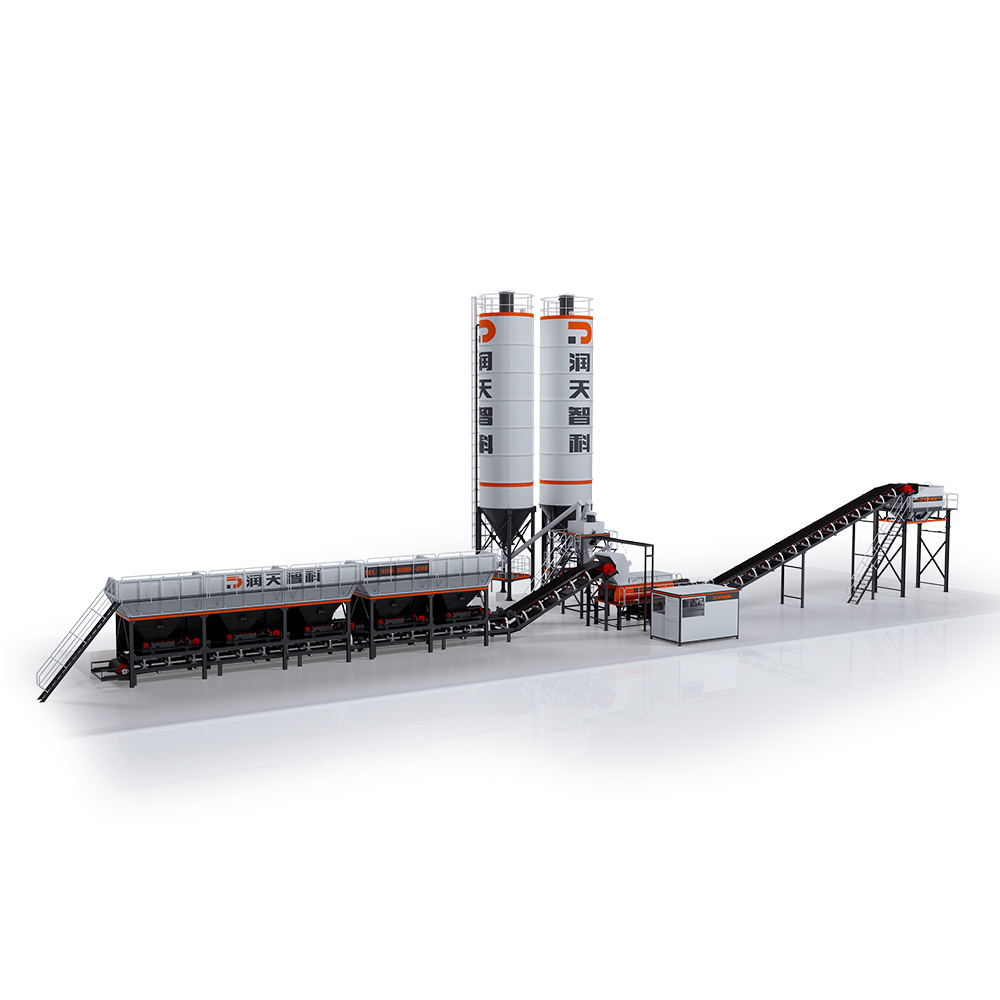 WDB Series Foundation-Free Stability Soil Mixing Plant
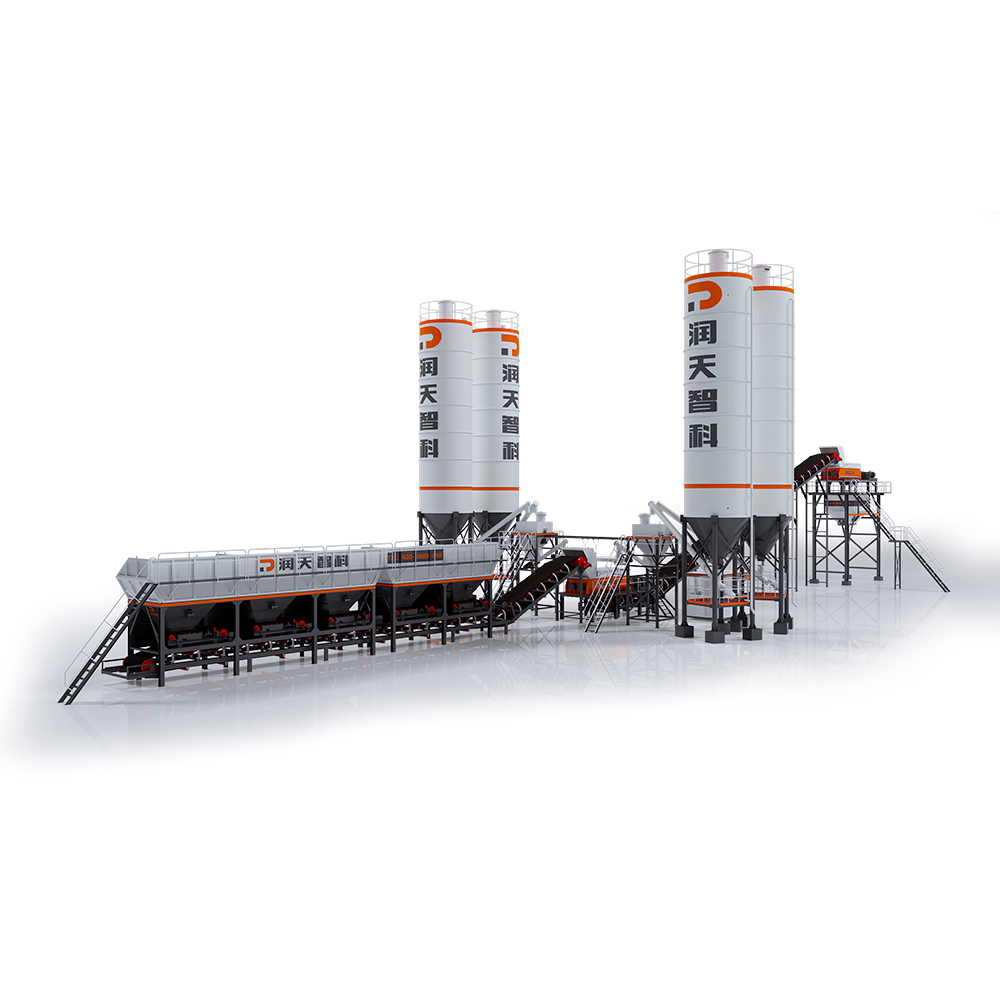 LCB Series Emulsified Asphalt Cold Regeneration Secondary Mixing Plant
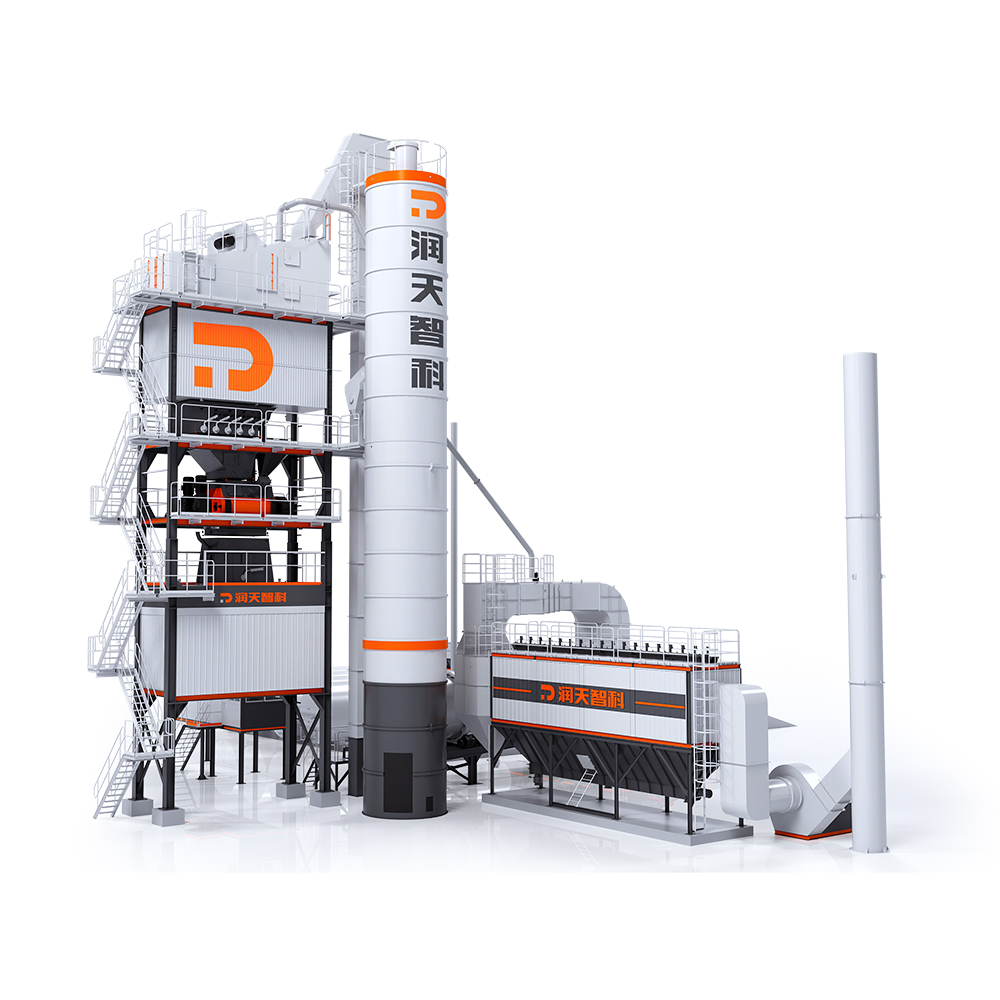 LB Series Asphalt Mixing Plant
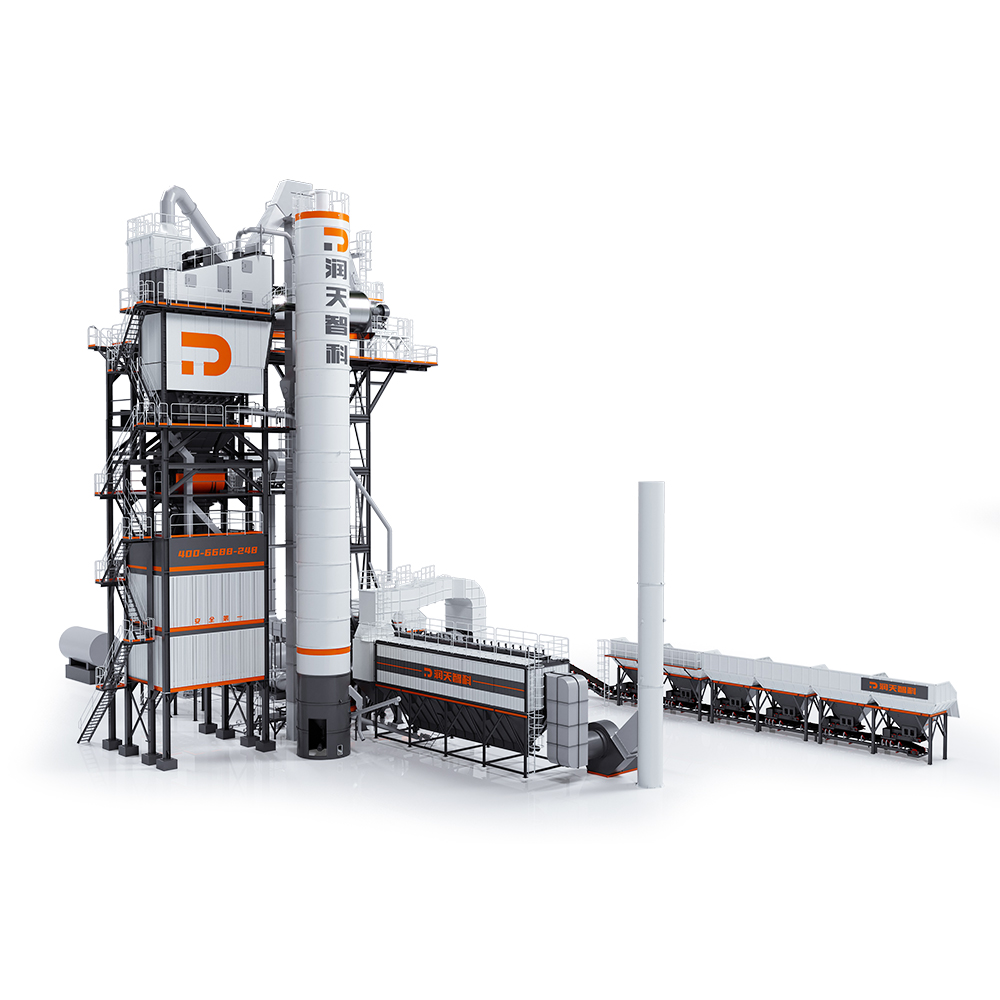 LBR Series Integrated Asphalt Mixing Plant
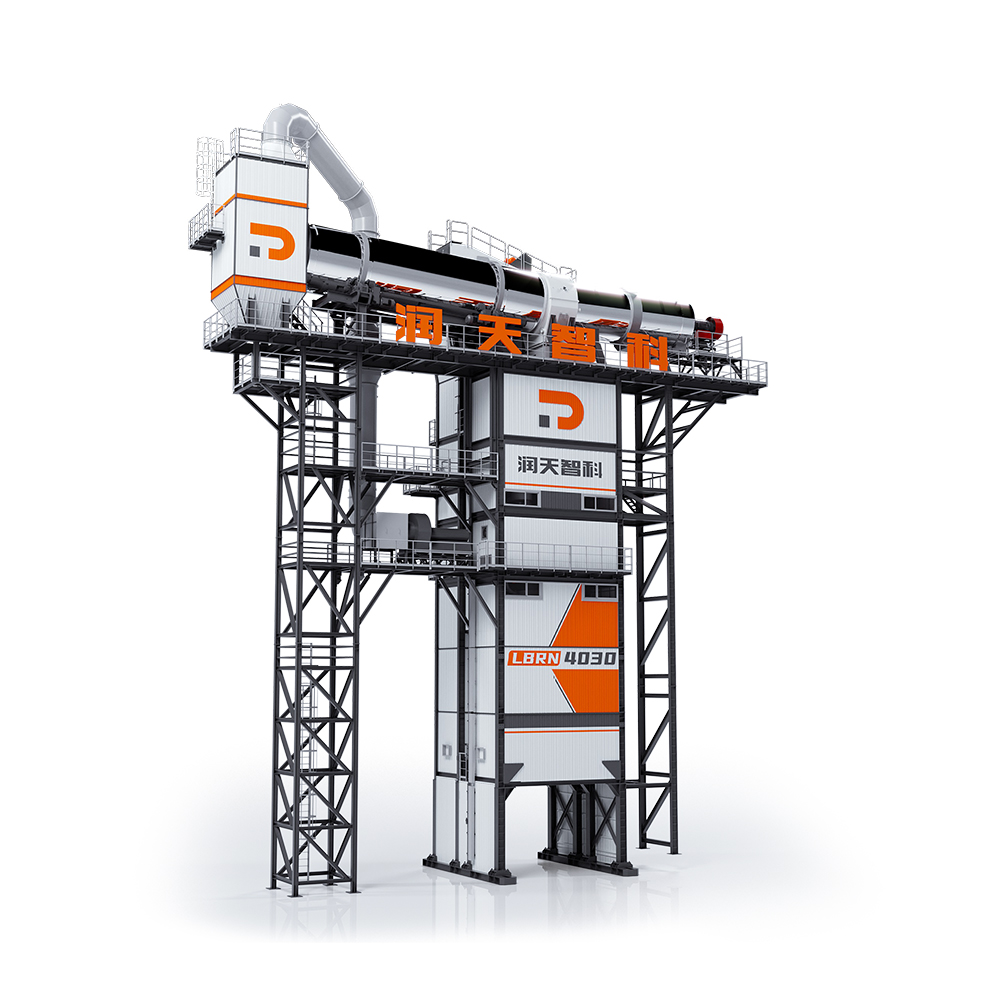 LBRN Series Counterflow Integral Asphalt Mixing Plant
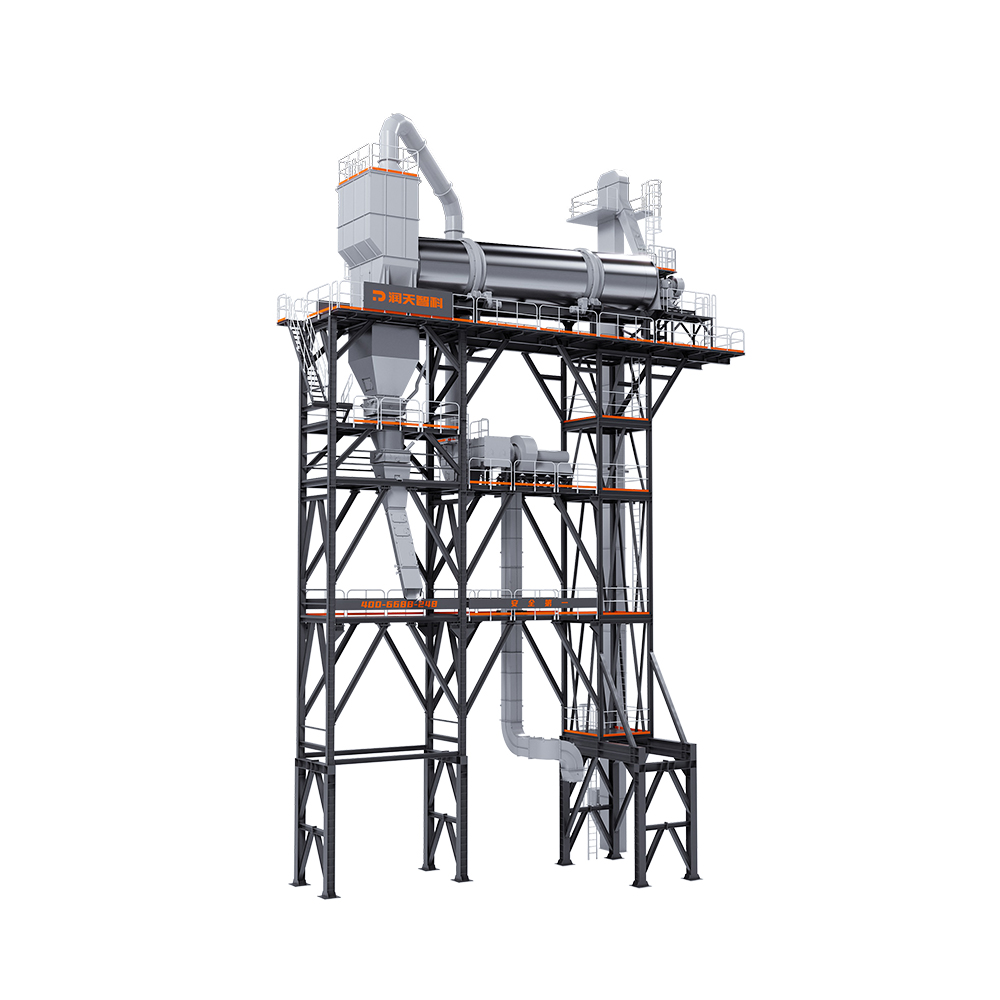 RZS Series Asphalt Mixing Plant
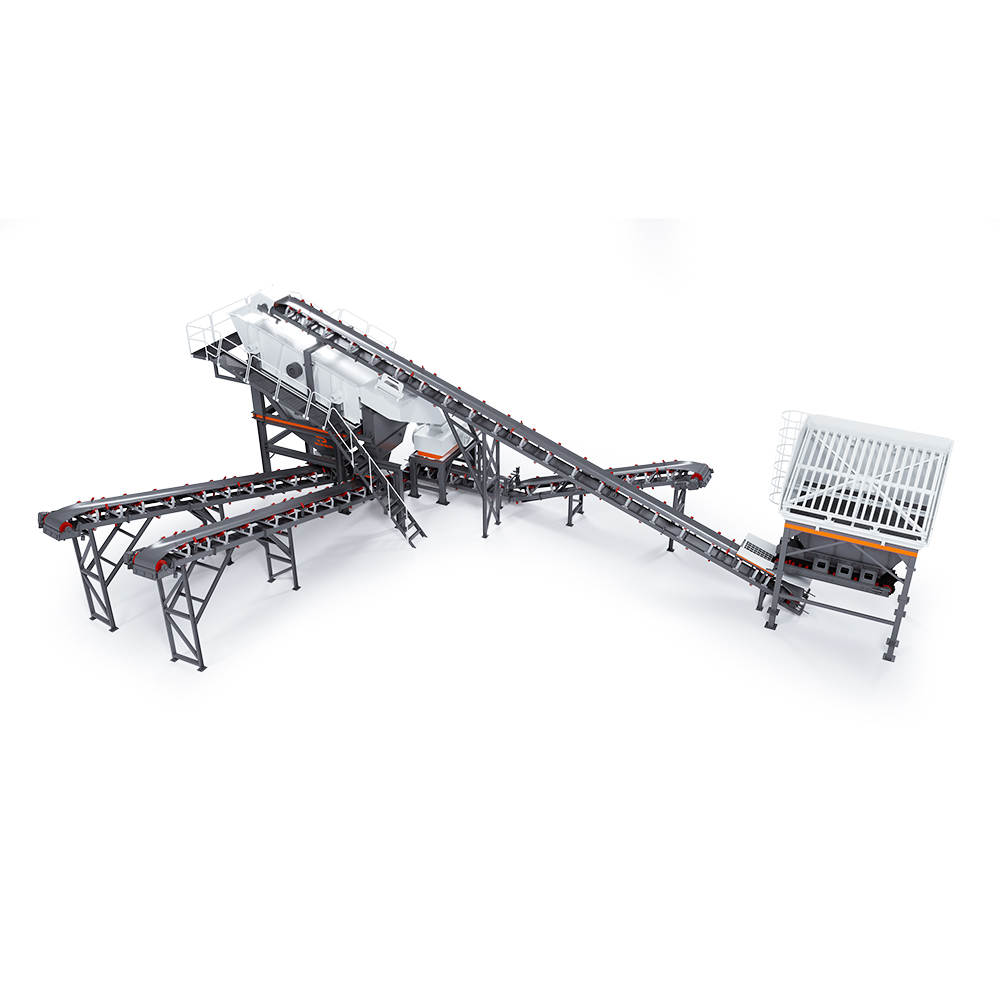 RTZS120 Series RAP Crushing & Screening Plant
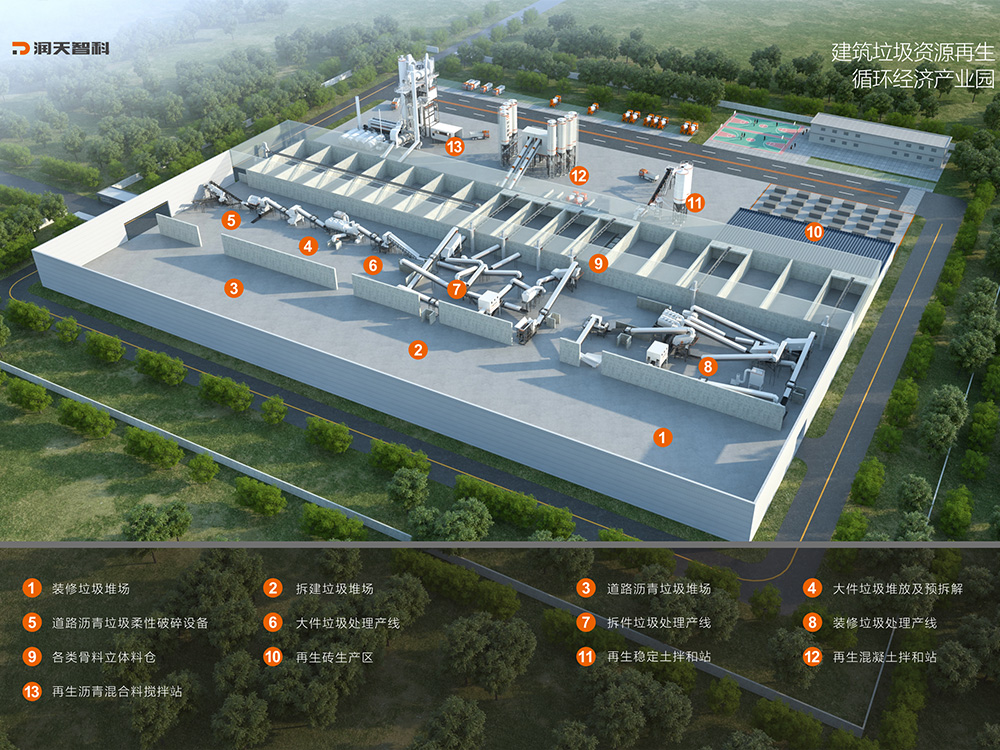 Construction Waste Resourceful Treatment Line