Top 10 Tips for Effective Construction Trash Disposal You Need to Know
In the fast-paced world of construction, effective waste management is crucial for both environmental sustainability and project efficiency. According to John Smith, an industry expert and waste management consultant, "Proper construction trash disposal not only keeps job sites safe but also maximizes resources and minimizes environmental impact." This highlights the importance of implementing best practices in managing construction debris.
As construction projects generate significant amounts of waste, it is essential for contractors and site managers to adopt strategies that streamline disposal processes and enhance recycling efforts. By focusing on effective construction trash disposal methods, professionals can ensure compliance with regulations while promoting a greener approach in the industry. From utilizing designated waste containers to understanding the types of materials needing special handling, the right techniques can lead to improved site organization and reduced costs.
In this article, we will delve into the top 10 tips for effective construction trash disposal that every construction professional should know. These strategies will not only help in maintaining safety on-site but will also contribute positively to the surrounding community and environment, ensuring that construction remains a responsible industry moving forward.

Understanding the Importance of Effective Construction Trash Disposal
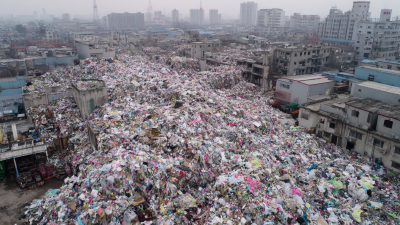
Effective construction trash disposal is crucial not only for keeping job sites safe and organized but also for minimizing the environmental impact of construction activities. According to a study by the Environmental Protection Agency (EPA), construction and demolition debris account for nearly 30% of the total waste generated in the United States, amounting to approximately 569 million tons annually. Proper management of this waste is essential to prevent landfills from overflowing and to facilitate recycling and reuse of materials which can significantly reduce the demand for new resources.
Moreover, effective disposal strategies have shown to improve project efficiency and worker safety. A report by the Construction Industry Institute highlights that poor waste management can lead to unexpected site hazards, reduced productivity, and additional costs related to cleanup and compliance with local regulations. Implementing a well-structured waste management plan can help construction companies streamline their processes, with a potential cost savings of up to 20% by reducing waste disposal expenses and enhancing resource recovery efforts. As such, understanding the significance of effective trash disposal not only benefits the environment but also boosts the overall sustainability of construction projects.
Top 10 Tips for Effective Construction Trash Disposal
Key Regulations and Compliance Requirement for Construction Waste Management
Effective construction waste management is crucial for compliance with local, state, and federal regulations.
Construction projects generate a significant amount of waste, and there are specific guidelines that contractors and project managers must follow to ensure that disposal methods are
environmentally friendly and lawful. Key regulations often include requirements for sorting waste materials into recyclable, reusable, and landfill-bound categories.
This not only helps in minimizing the impact on landfills but also promotes sustainable practices in the construction industry.
Additionally, construction entities must stay informed about any permit requirements related to waste disposal, which can vary based on location.
Many jurisdictions mandate that contractors submit a waste management plan before commencing work on a project.
This plan typically outlines how waste will be handled, disposed of, and recycled, ensuring that the project adheres to compliance standards.
Regular training and updates for all personnel involved in waste disposal are also essential to meet these regulations effectively, as they help reinforce best practices and promote accountability on-site.
Innovative Technologies in Construction Waste Reduction and Recycling
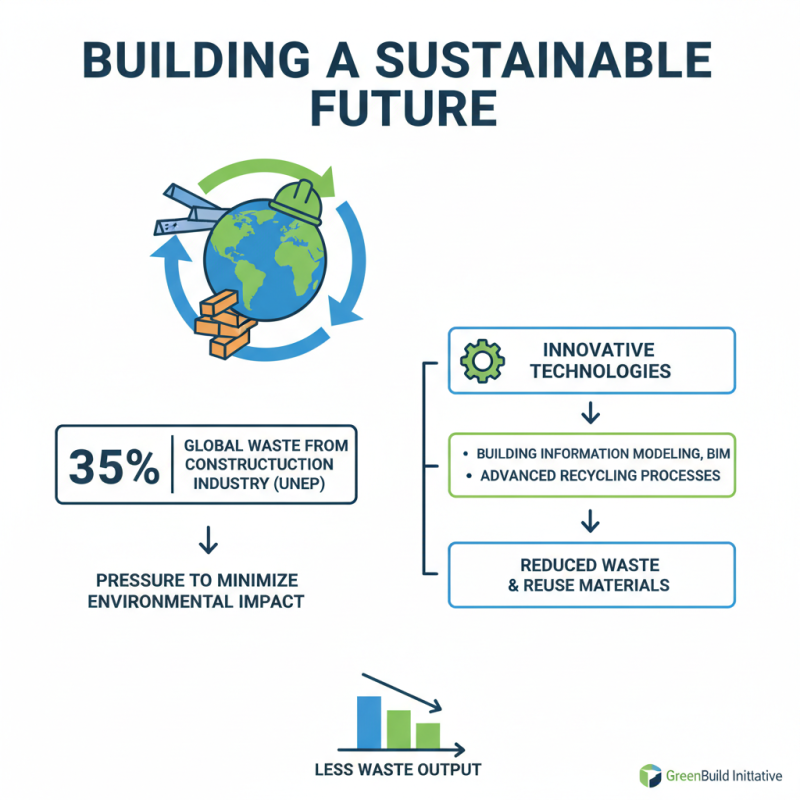
The construction industry is one of the largest contributors to global waste generation, accounting for approximately 35% of total waste produced, according to the United Nations Environment Programme. As the pressure mounts to minimize environmental impact, innovative technologies are emerging to reduce and recycle construction waste effectively. Technologies such as building information modeling (BIM) and advanced recycling processes are revolutionizing waste management in construction. These tools allow engineers and architects to plan more efficiently, highlighting areas where materials can be reused or recycled, ultimately decreasing waste output.
To implement effective construction trash disposal methods, consider a few key tips. First, conduct a waste audit before the project begins to identify potential sources of waste. This proactive approach enables better planning and resource allocation, leading to reduced waste generation on site. Second, collaborate with recycling facilities that specialize in construction materials, ensuring that reusable resources are diverted from landfills. Lastly, train your workforce on proper waste segregation techniques to maximize recycling efforts and enhance overall efficiency. Embracing these practices not only contributes to environmental sustainability but also can improve project profitability by lowering disposal costs.
Innovative recycling technologies are also transforming construction waste management. For instance, the development of mobile recycling units allows for on-site processing of materials, significantly reducing transportation costs and emissions. Furthermore, advanced materials like self-healing concrete and high-strength composites are gaining traction, promoting sustainability by extending material lifespan and reducing the need for frequent disposal. By leveraging these technologies, the construction industry can make significant strides toward minimizing waste while promoting a circular economy.
Best Practices for Sorting and Separating Construction Debris Efficiently
When it comes to effective construction trash disposal, sorting and separating construction debris is a crucial step that can lead to improved recycling rates and reduced landfill waste. The first step in this process involves categorizing materials based on their type. Common categories include wood, metal, concrete, drywall, and hazardous materials. By providing designated bins or containers for each category at the construction site, workers can easily deposit the right materials in their respective places, which simplifies the recycling and disposal process.
Moreover, educating the crew on the importance of proper disposal and separation practices can significantly enhance the efficiency of this system. Training sessions can focus on identifying recyclable materials, discussing the environmental benefits of reducing landfill waste, and demonstrating how to use sorting equipment effectively.
Encouraging a culture of responsibility towards waste management not only fosters teamwork but also ensures that every individual plays a part in minimizing the project's ecological footprint. Ultimately, an organized approach to sorting and separating construction debris can lead to significant cost savings and a more sustainable construction process.
Cost-Effective Strategies for Hiring Waste Management Companies in Construction
When managing construction waste, hiring a waste management company can be a cost-effective solution that helps streamline the disposal process. To ensure you're making the right choice, start by conducting thorough research on local companies. Look for firms that specialize in construction waste and offer a range of services tailored to your specific needs. This not only helps in managing costs effectively but also aligns the disposal strategies with industry standards and environmental regulations.
Comparing quotes from multiple waste management providers can highlight budget-friendly options. However, don't solely focus on price; evaluate the services offered, such as pick-up frequency, bin sizes, and recycling capabilities. Some companies may include additional services like sorting materials or providing educational resources on waste disposal, which can add value to your project. Moreover, consider scheduling regular consultations with your chosen provider to refine waste disposal strategies as your project evolves, ensuring that your construction site remains compliant and organized while minimizing unnecessary expenses.

 Concrete Mixing Plant
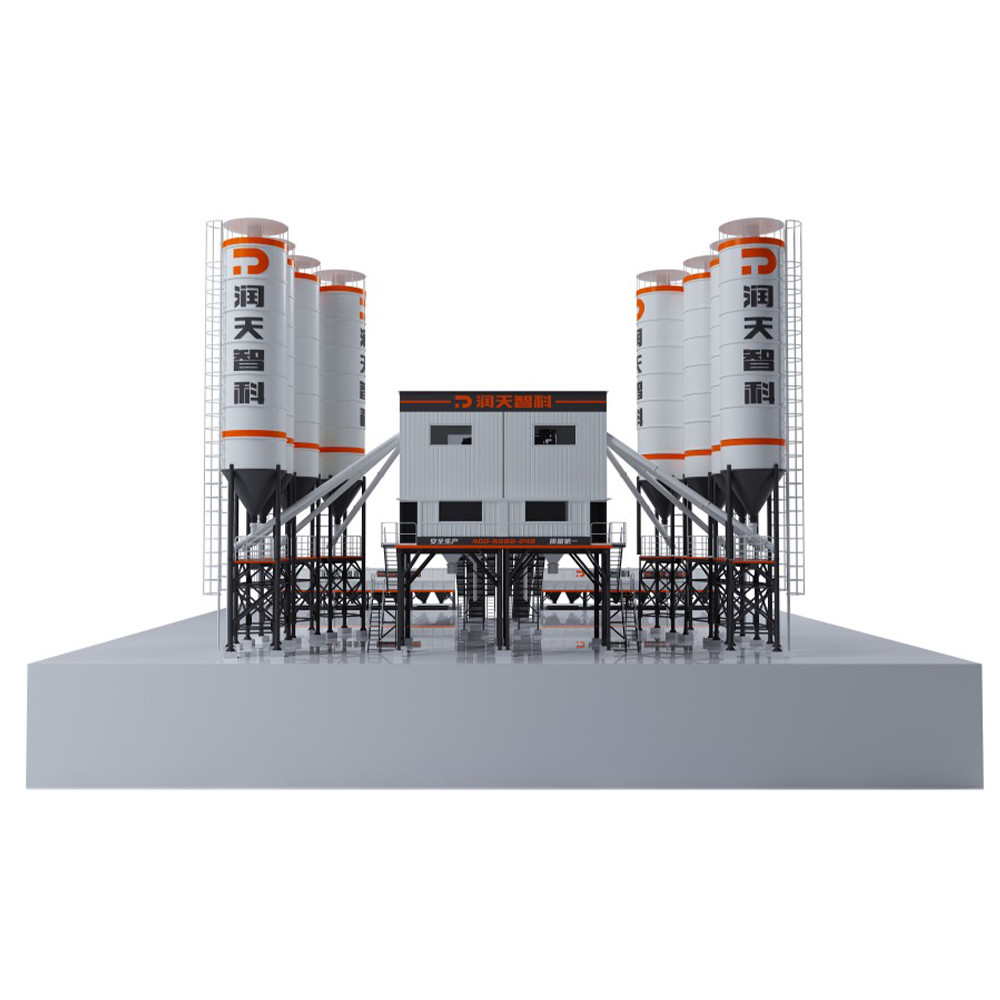 HZS Series Belt Concrete Mixing Plant
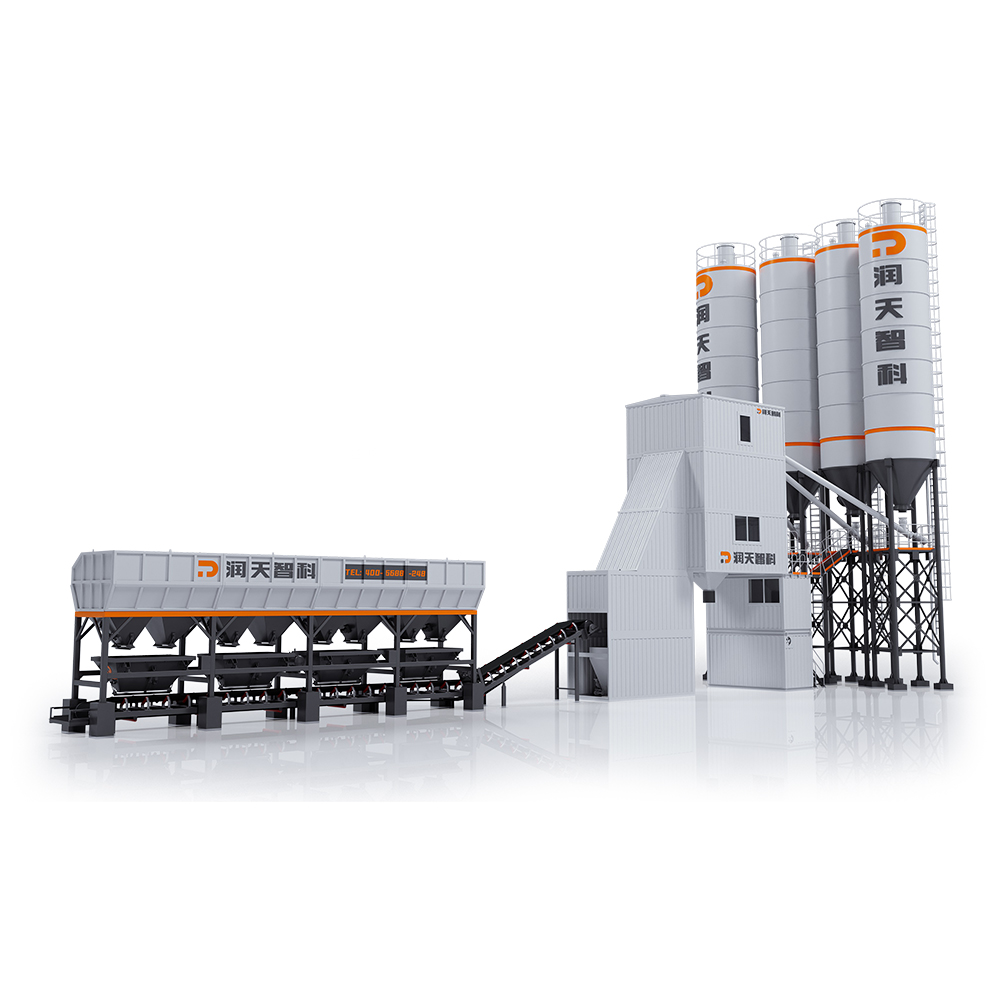 HZS Series Bucket-Lifting Type Container Concrete Mixing Plant
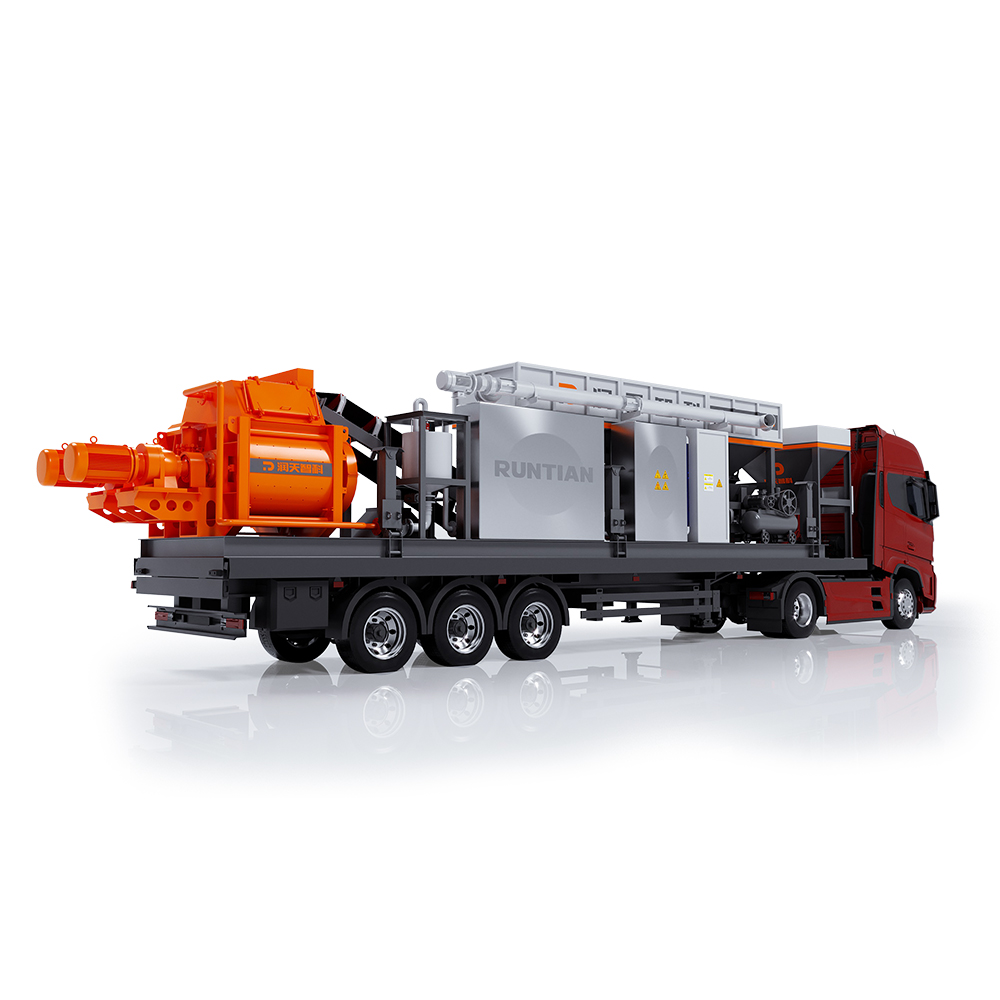 HZS60 Mobile Concrete Mixing Plant
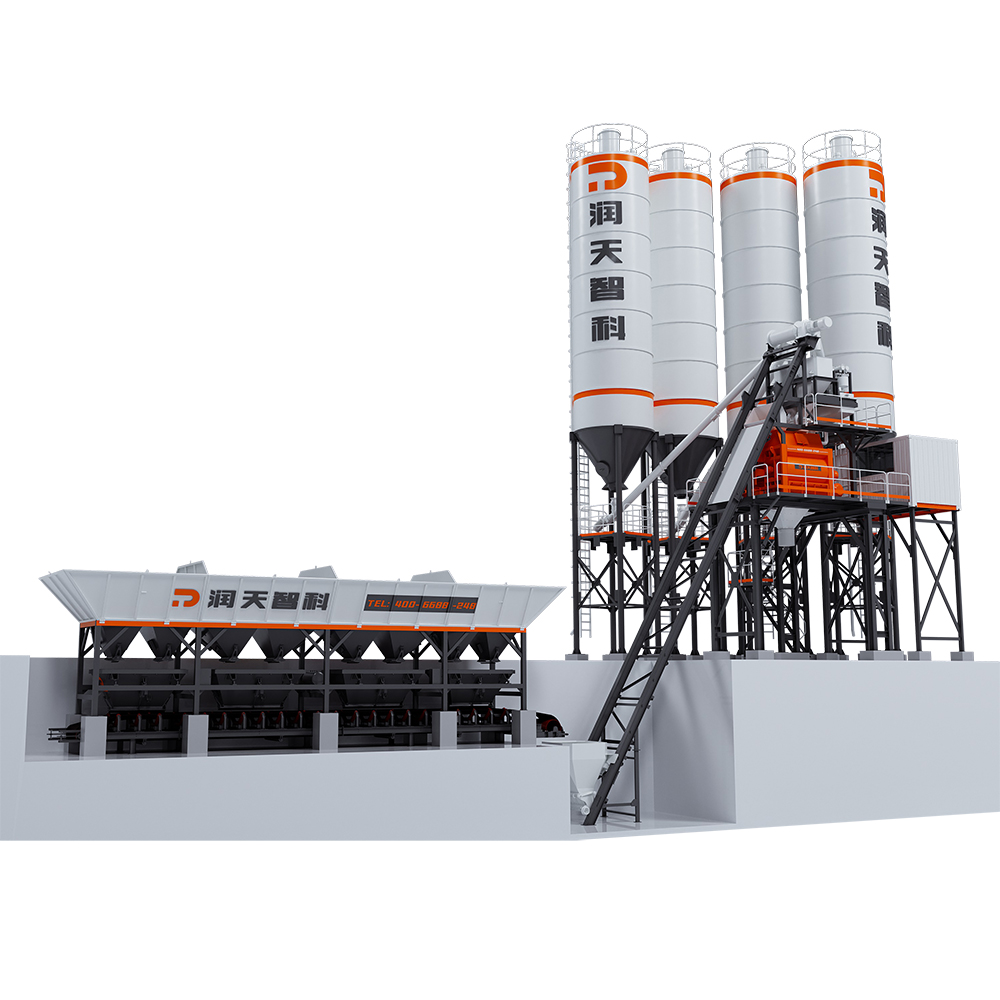 HZS Series Bucket-Lifting Type Concrete Mixing Plant
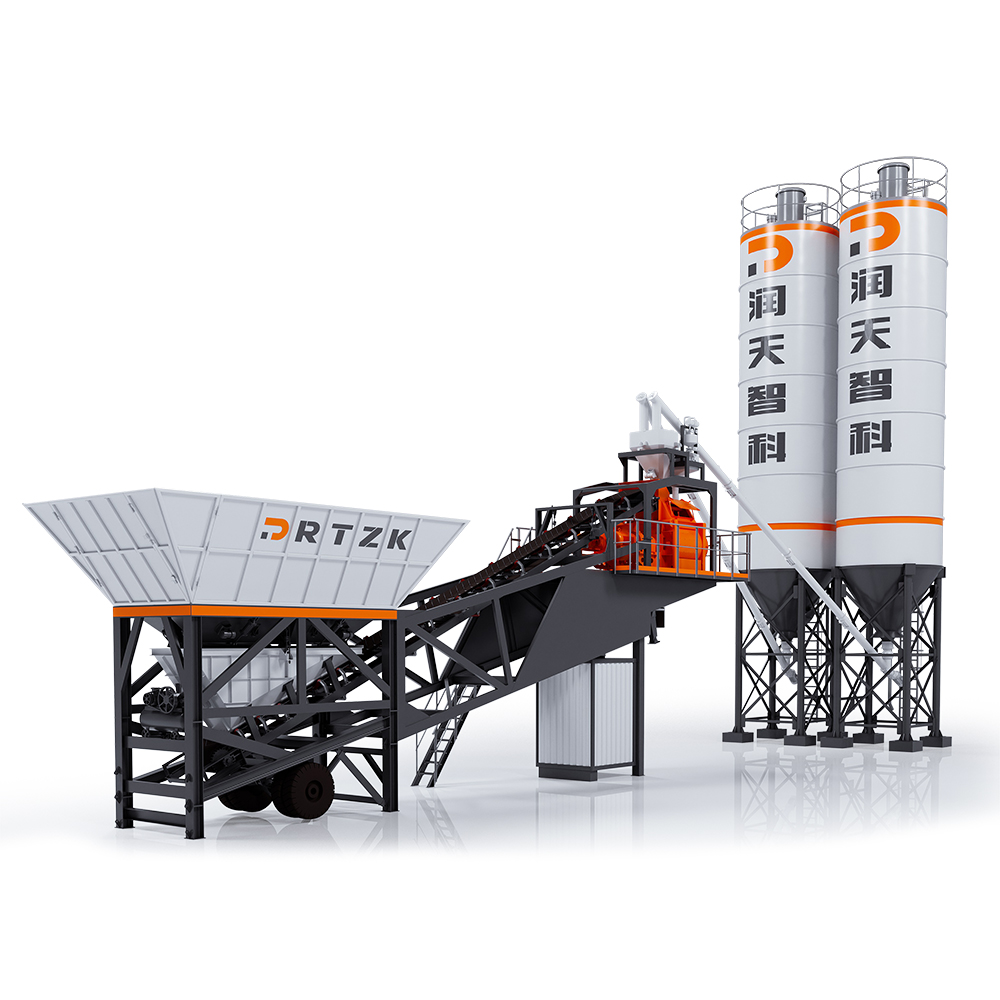 HZS Series Mobile Concrete Mixing Plant
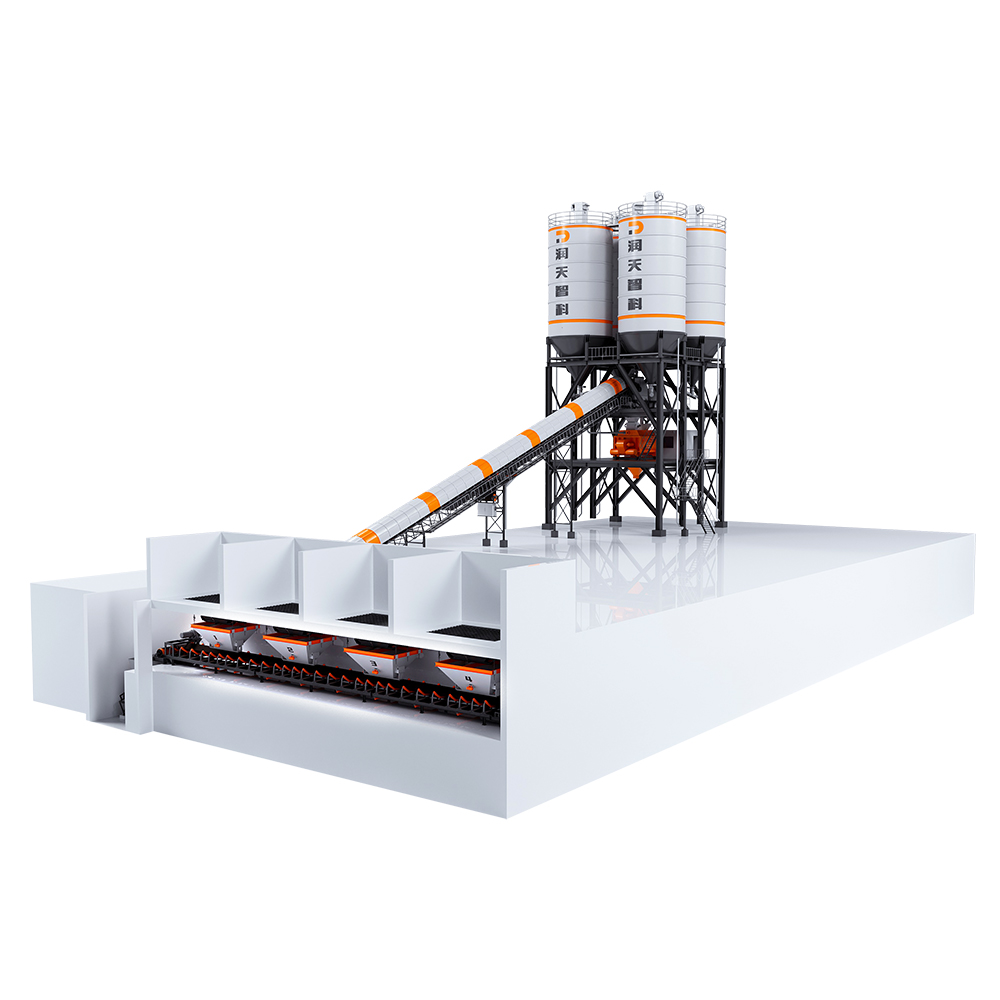 HZS Series Top-Mounted Concrete Mixing plant
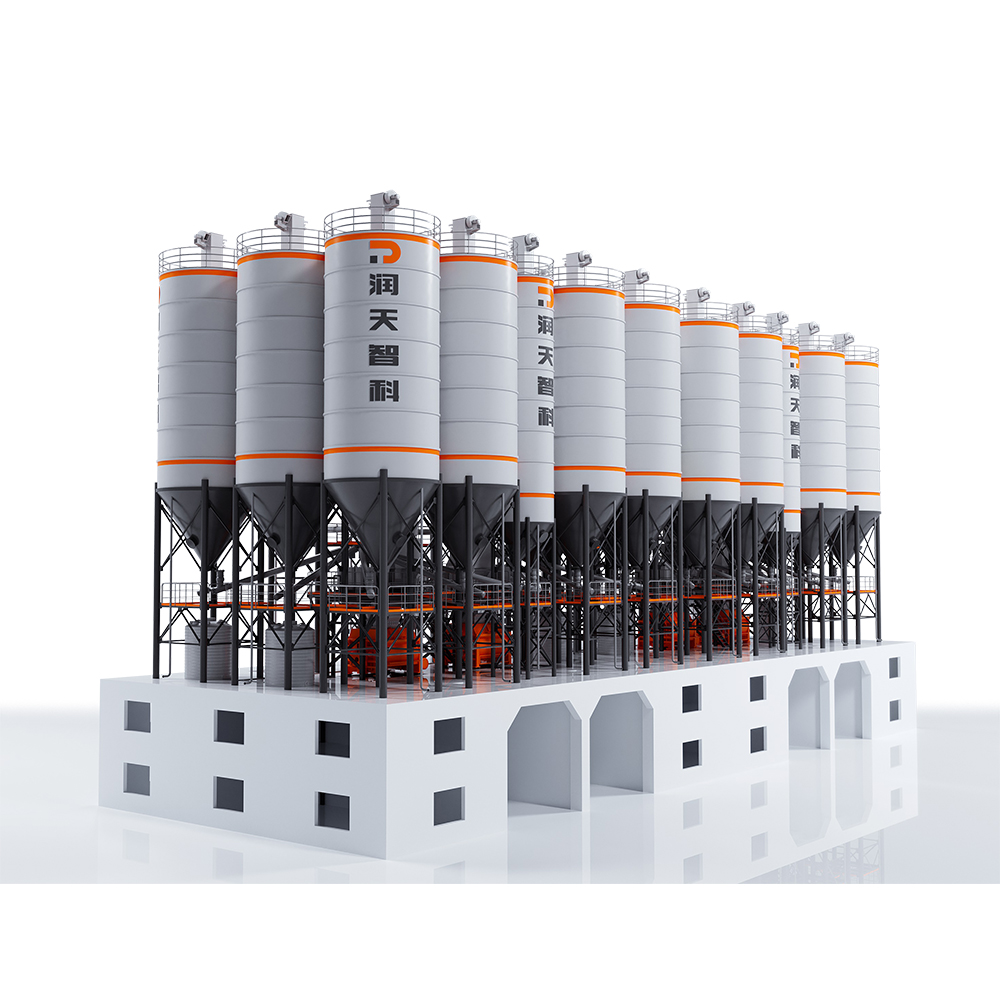 HZS Series Semi-Top Mounted Concrete Mixing Plant
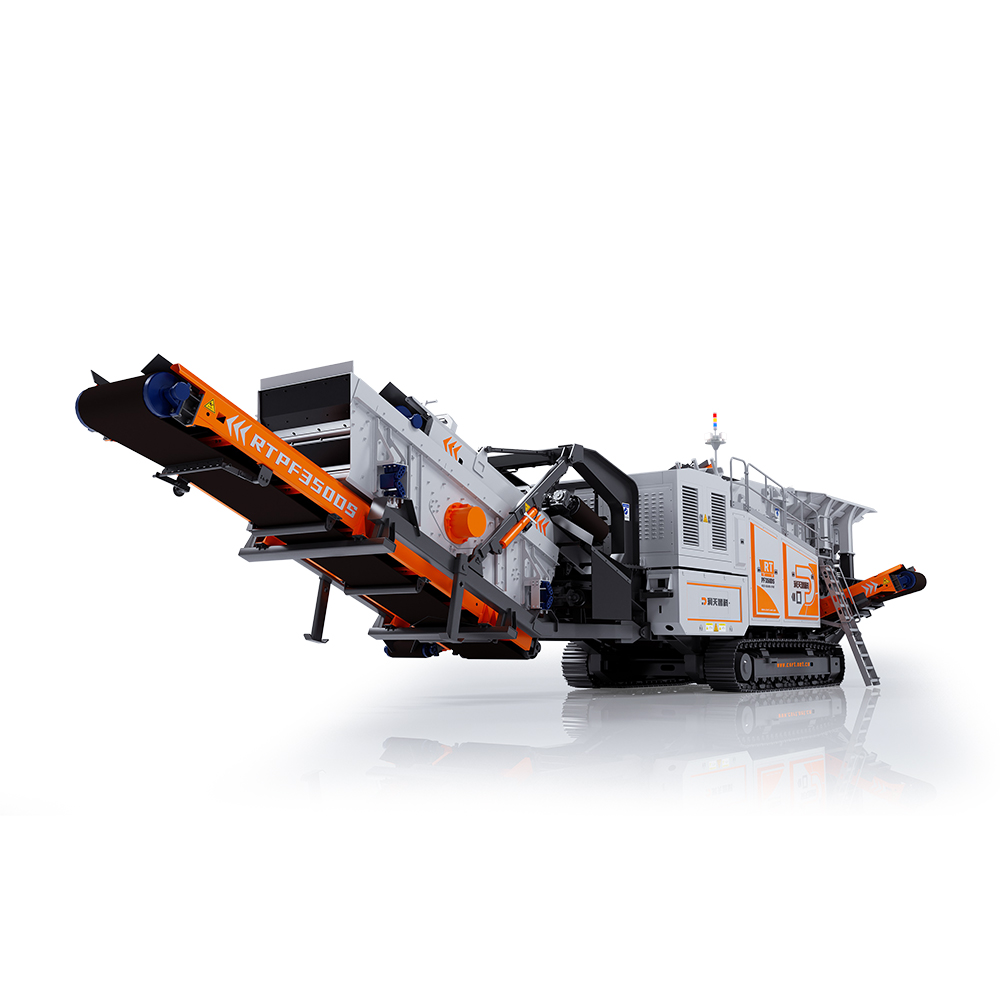 RTPF350DS Crawler Mobile Impact Crushing Plant
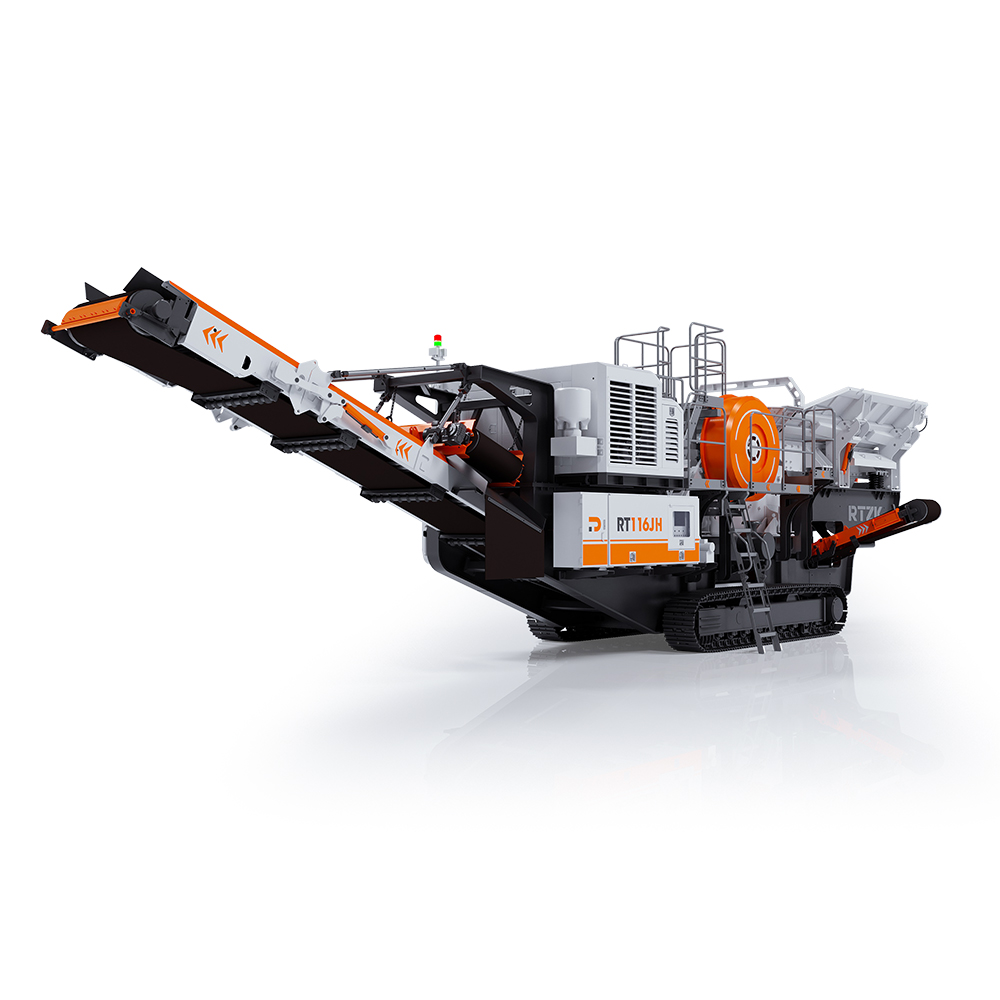 RT116JH Crawler Mobile Jaw Crushing Plant
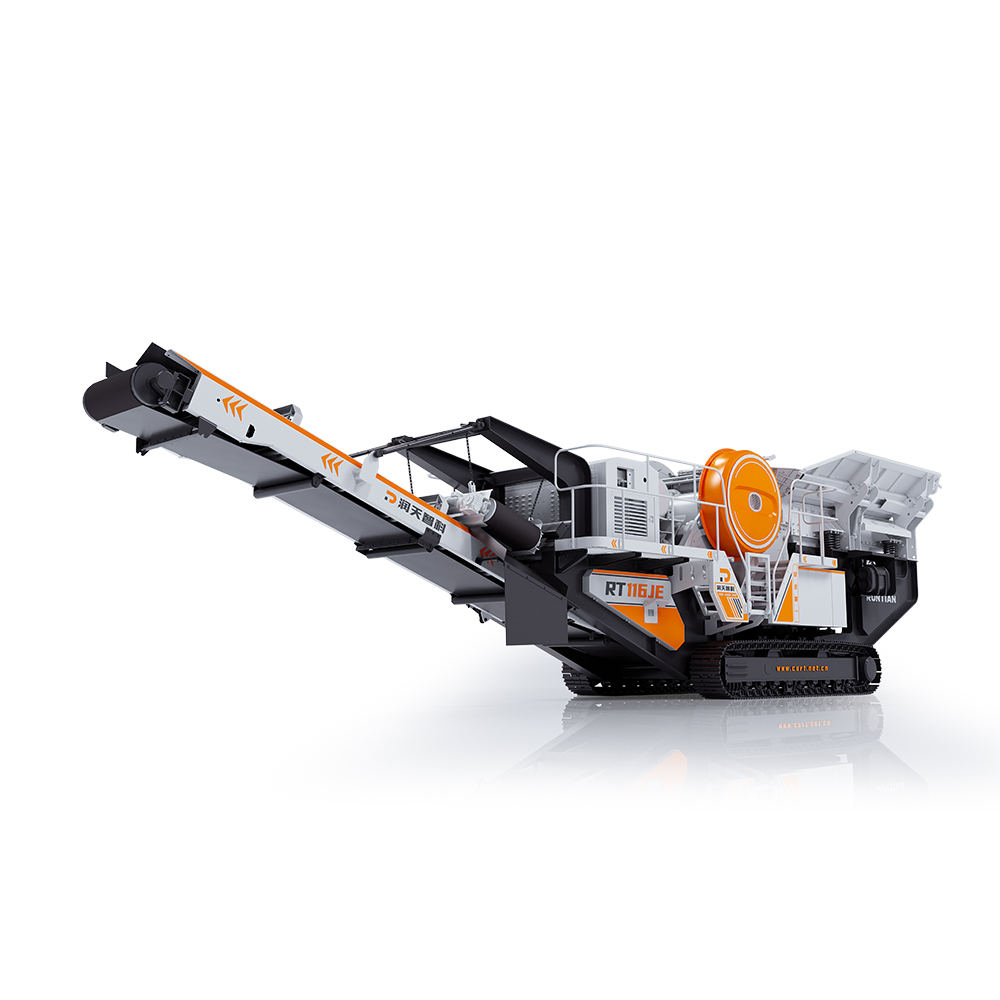 RT116JE Crawler Mobile Jaw Crushing Plant
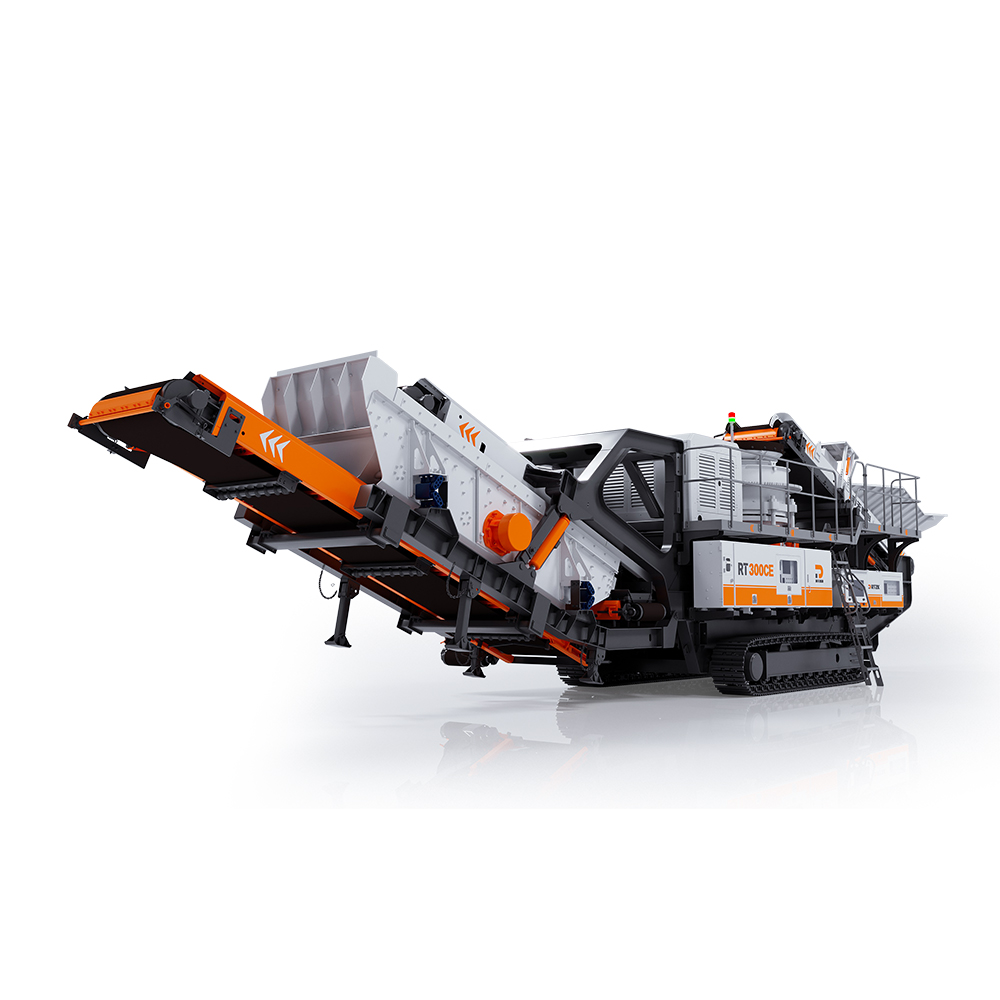 RT300CE Crawler Mobile Cone Crushing Plant
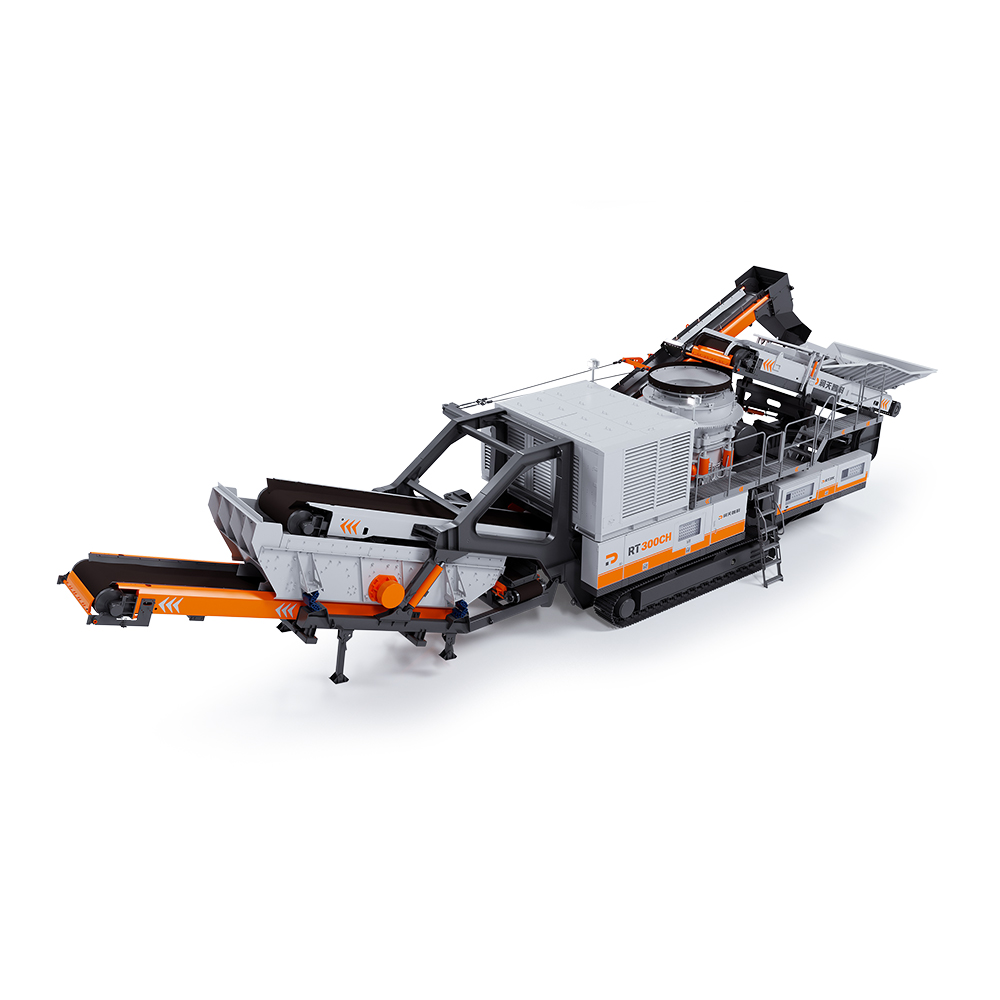 RT300CH Crawler Mobile Cone Crushing Plant
 RT5015H Mobile Scalping Screen
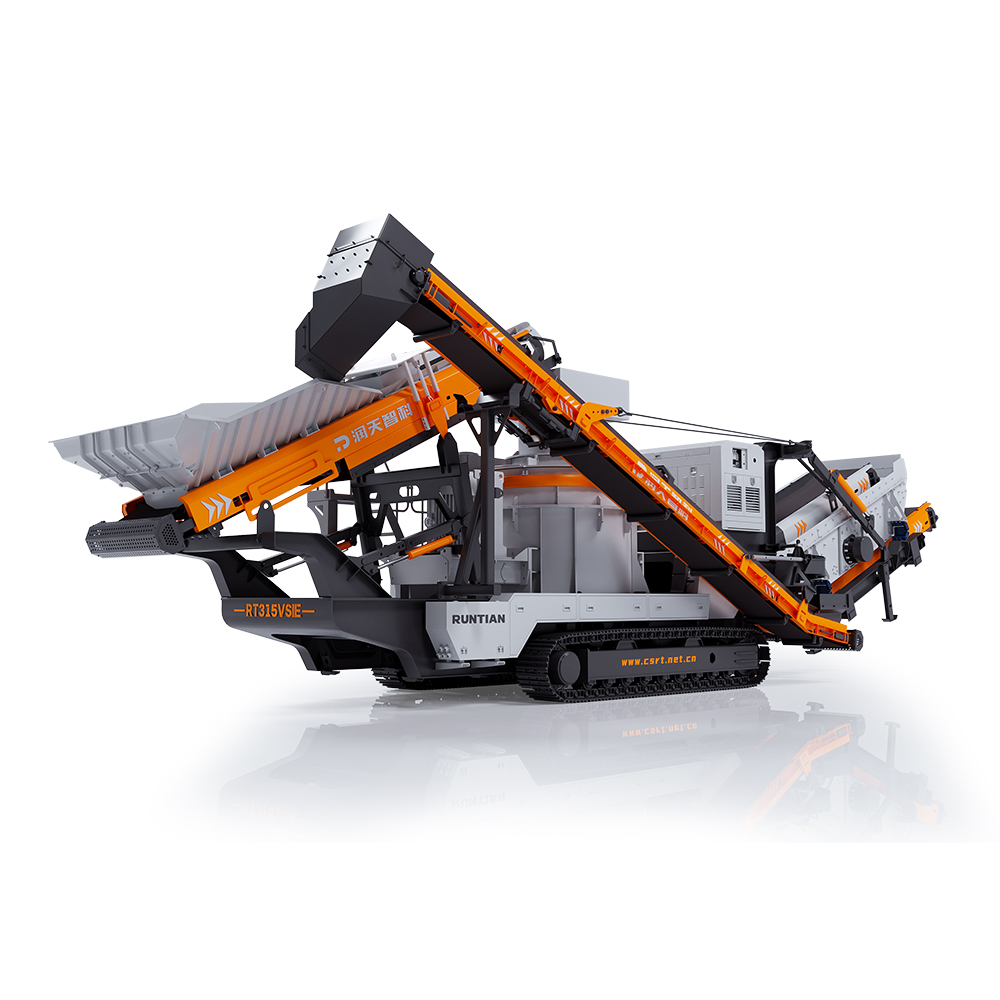 RT315VSIE Crawler Mobile Sand Maker
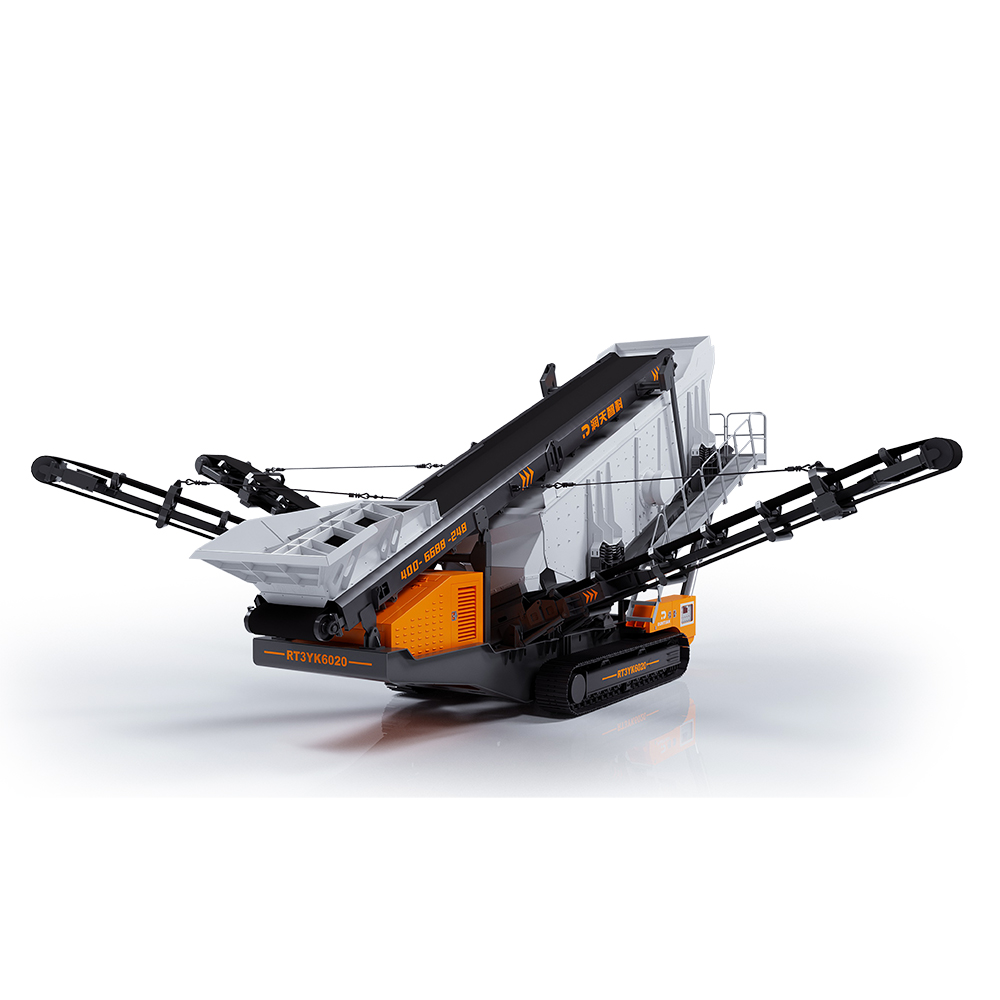 RT3YK6020 Crawler Mobile Screening Plant
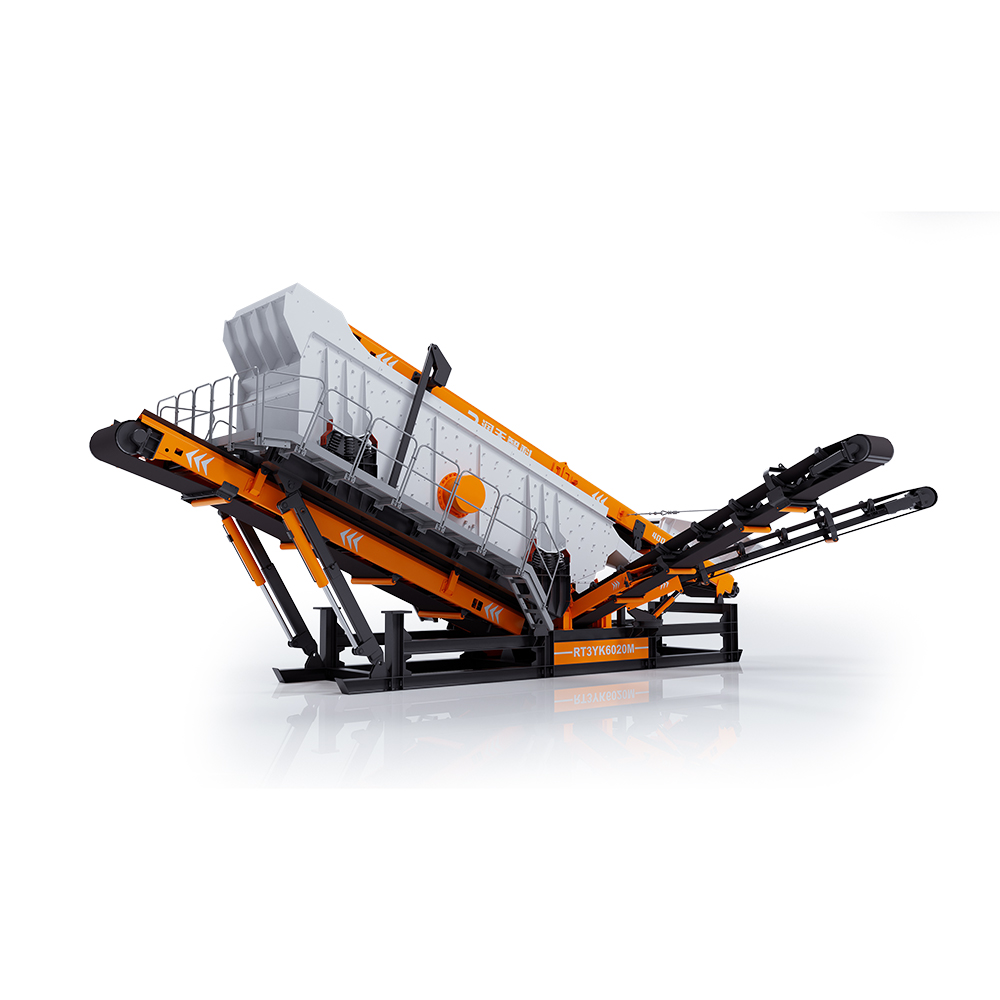 RT3YK6020M Modular Screening Plant
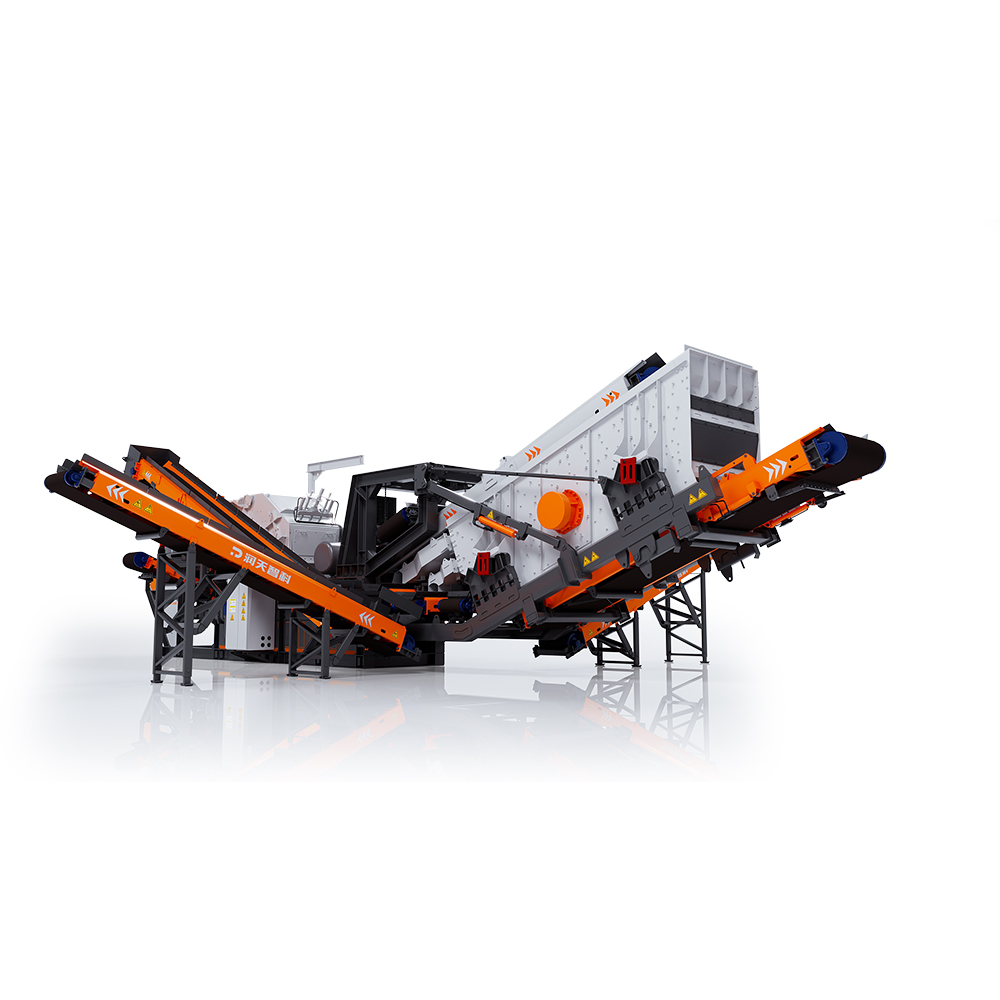 RTF260M Modular Counterattack Crushing and Screening Integrated Machine
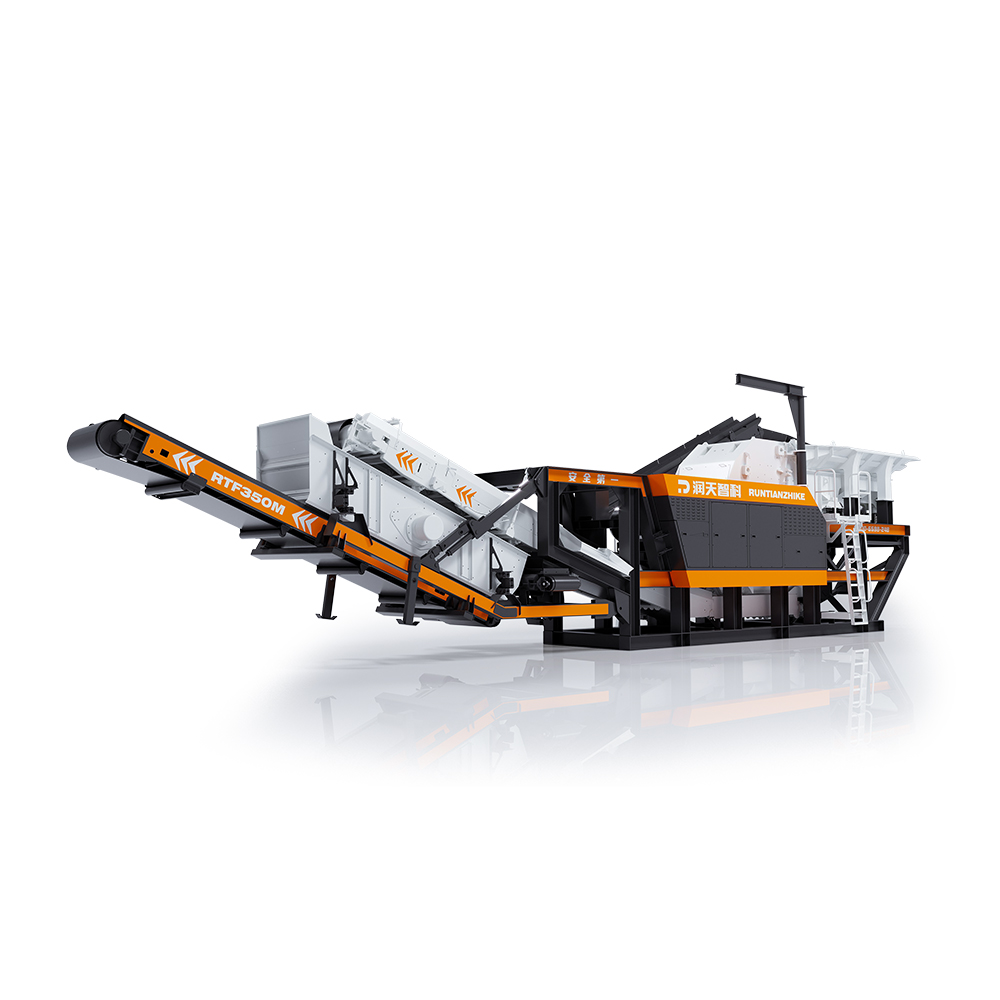 RTF350M Modular Impact Crushing Plant
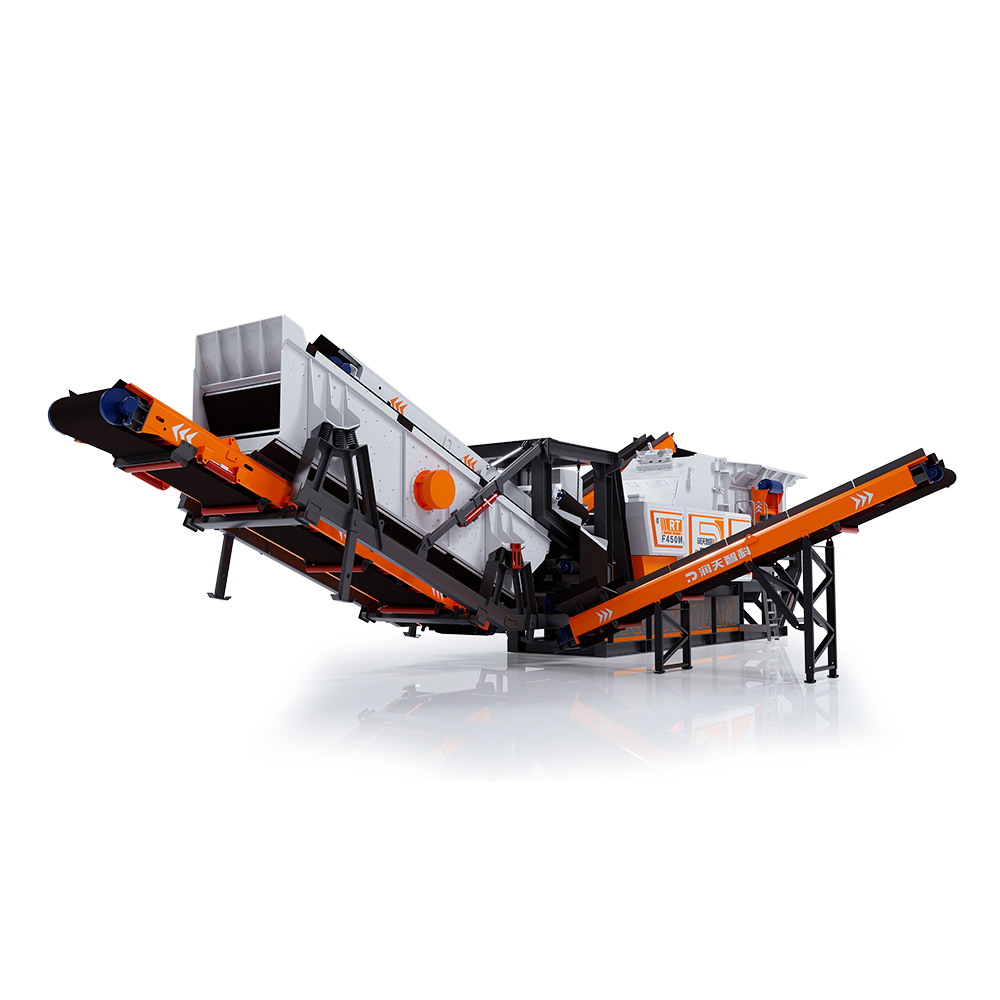 RTF450M Modular Impact Crushing Plant
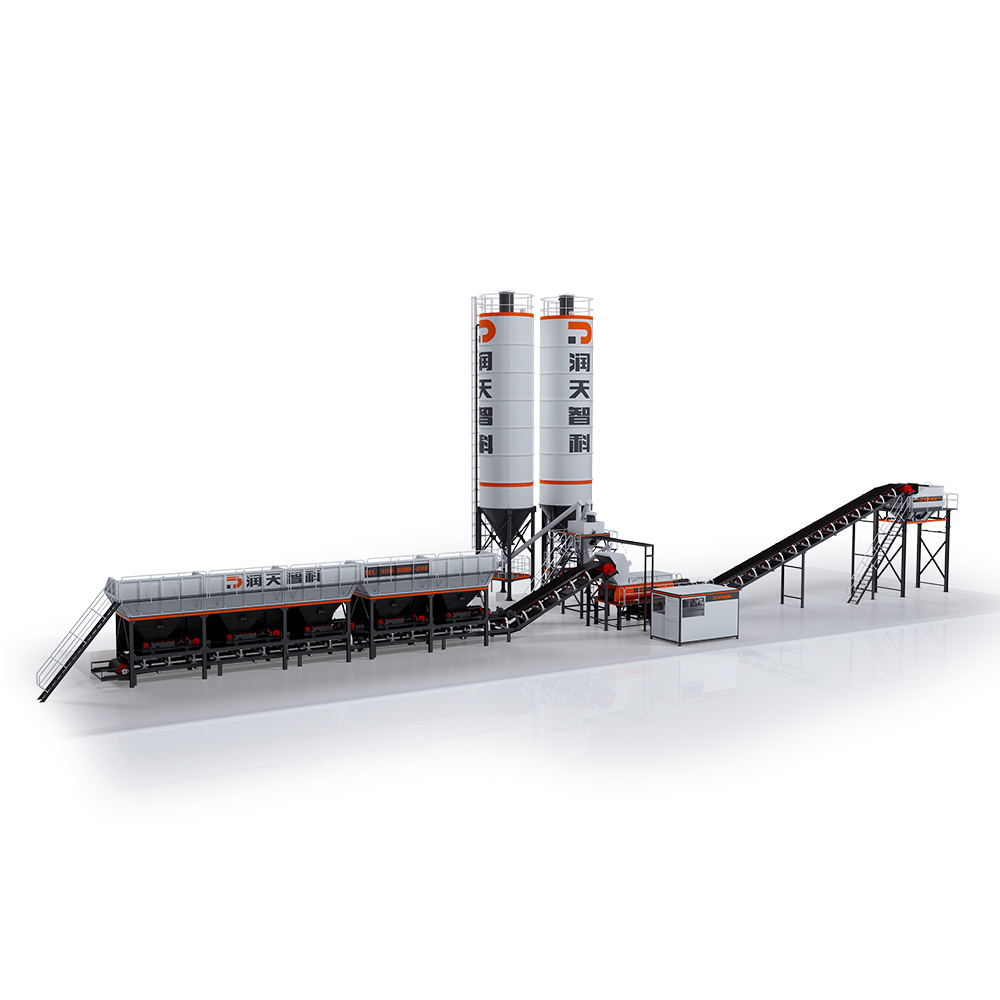 WDB Series Foundation-Free Stability Soil Mixing Plant
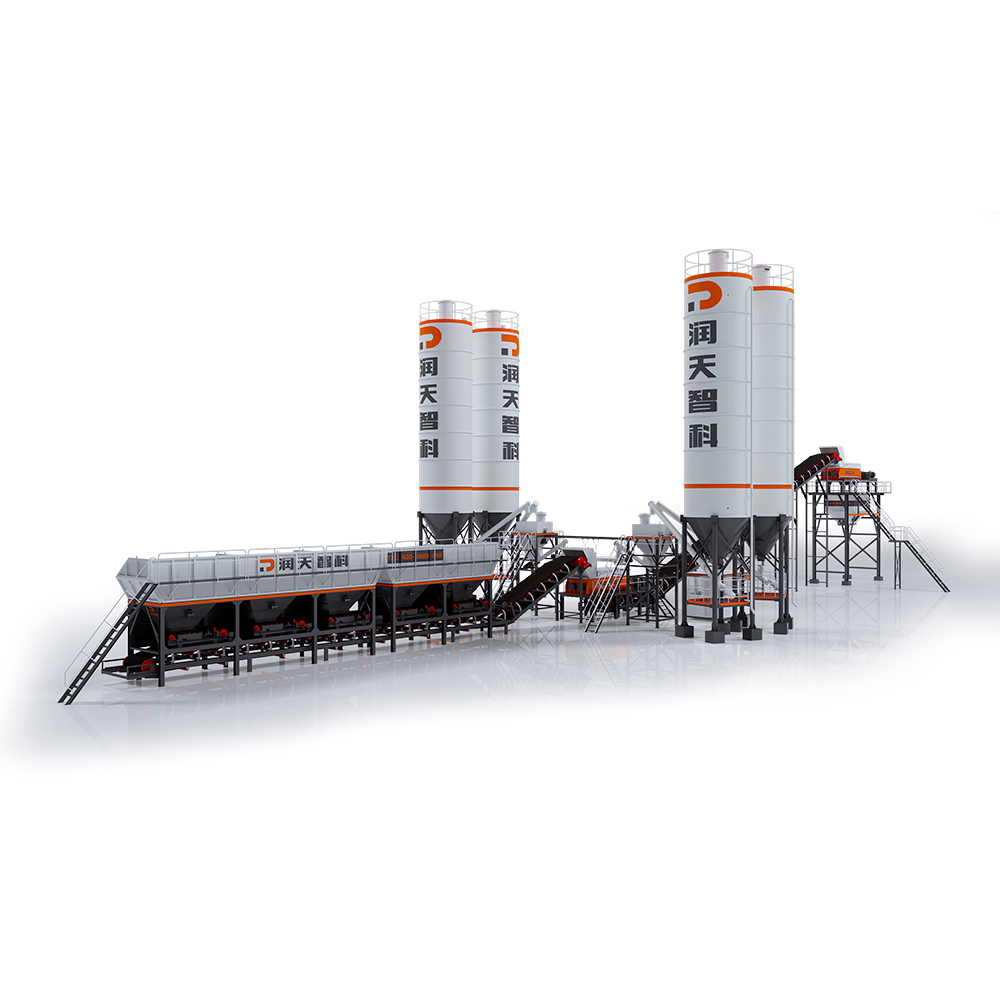 LCB Series Emulsified Asphalt Cold Regeneration Secondary Mixing Plant
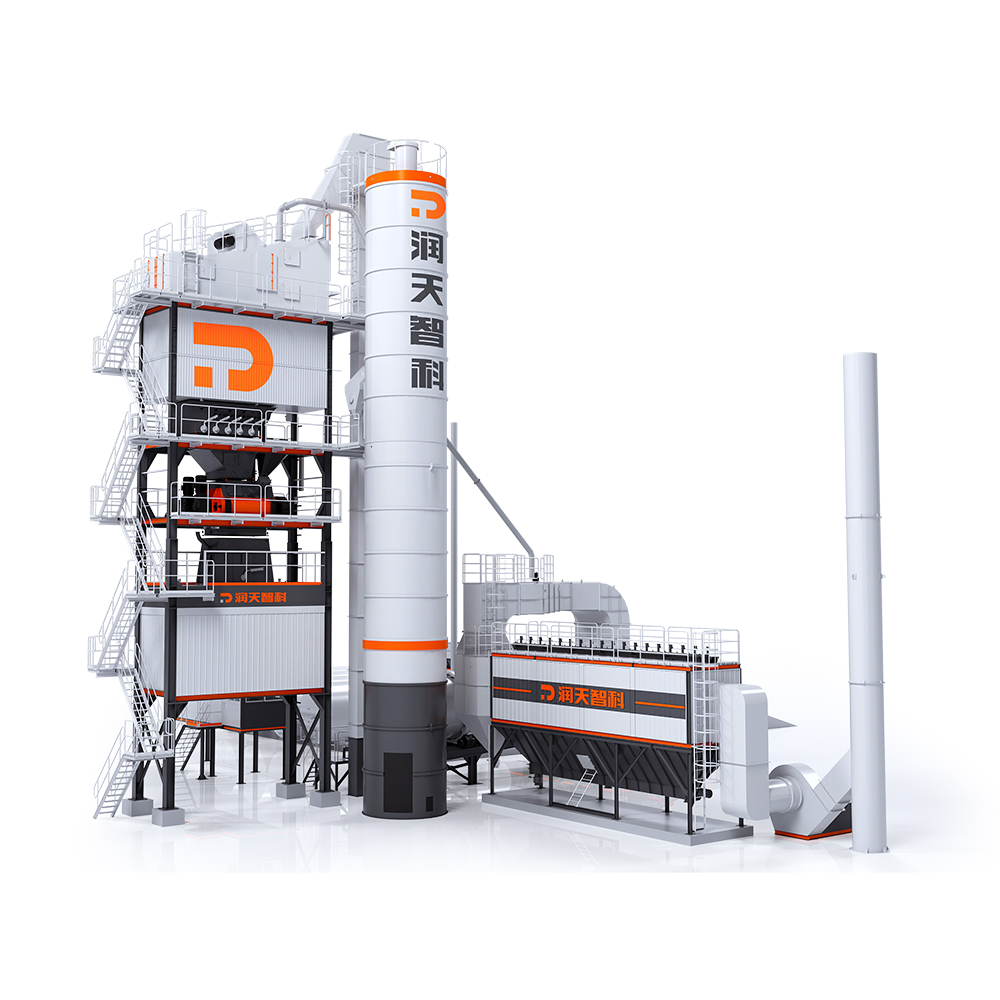 LB Series Asphalt Mixing Plant
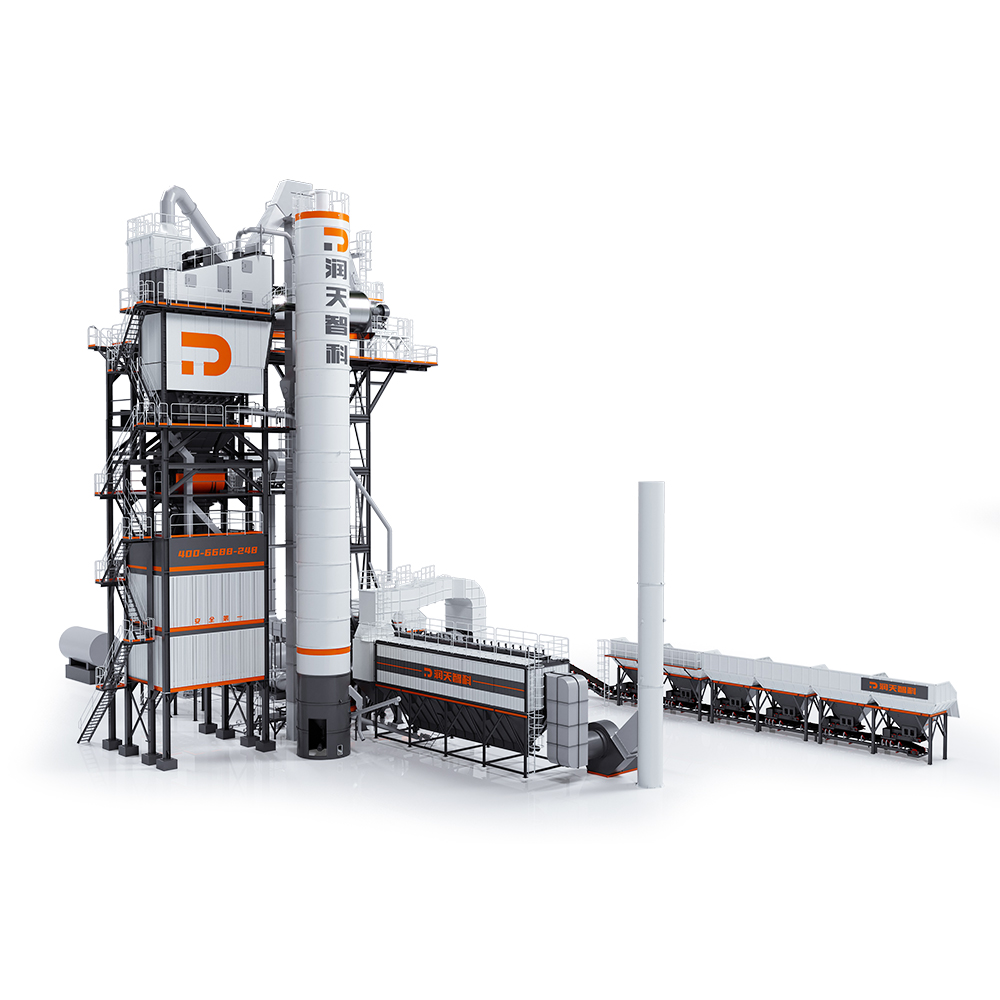 LBR Series Integrated Asphalt Mixing Plant
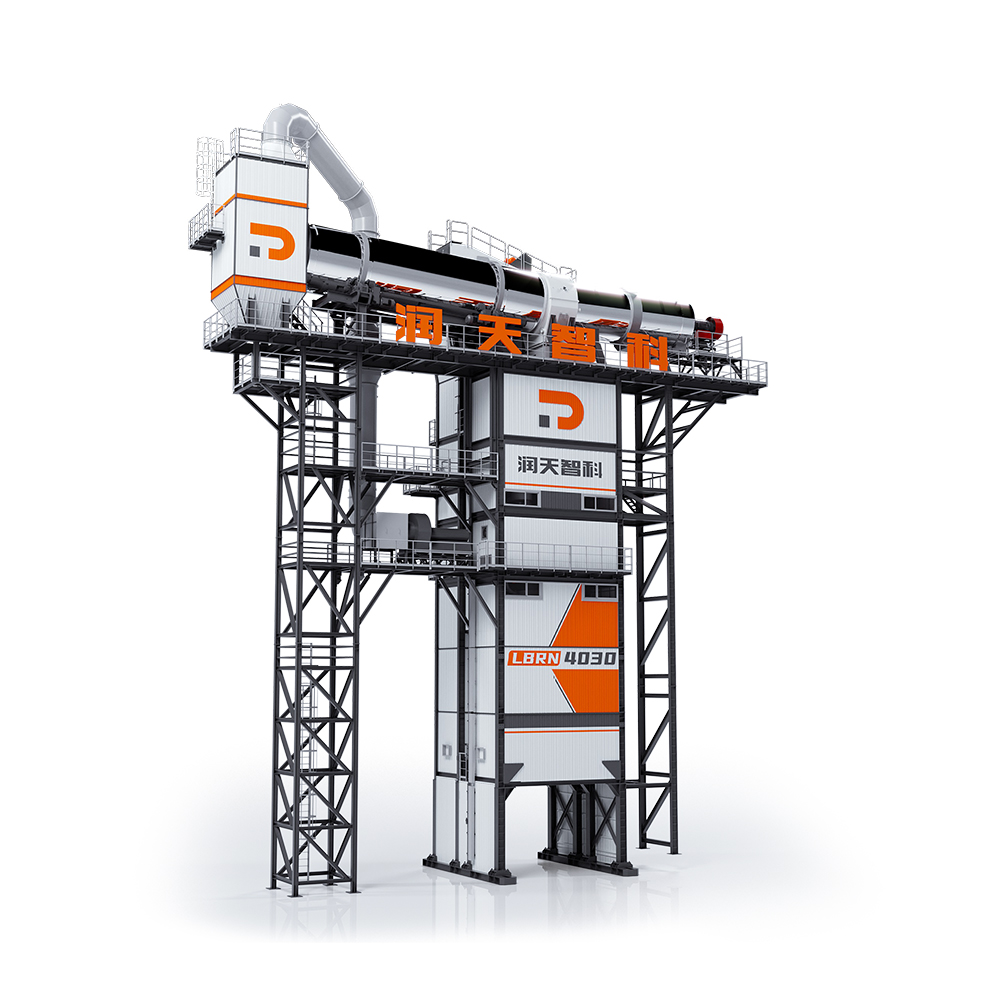 LBRN Series Counterflow Integral Asphalt Mixing Plant
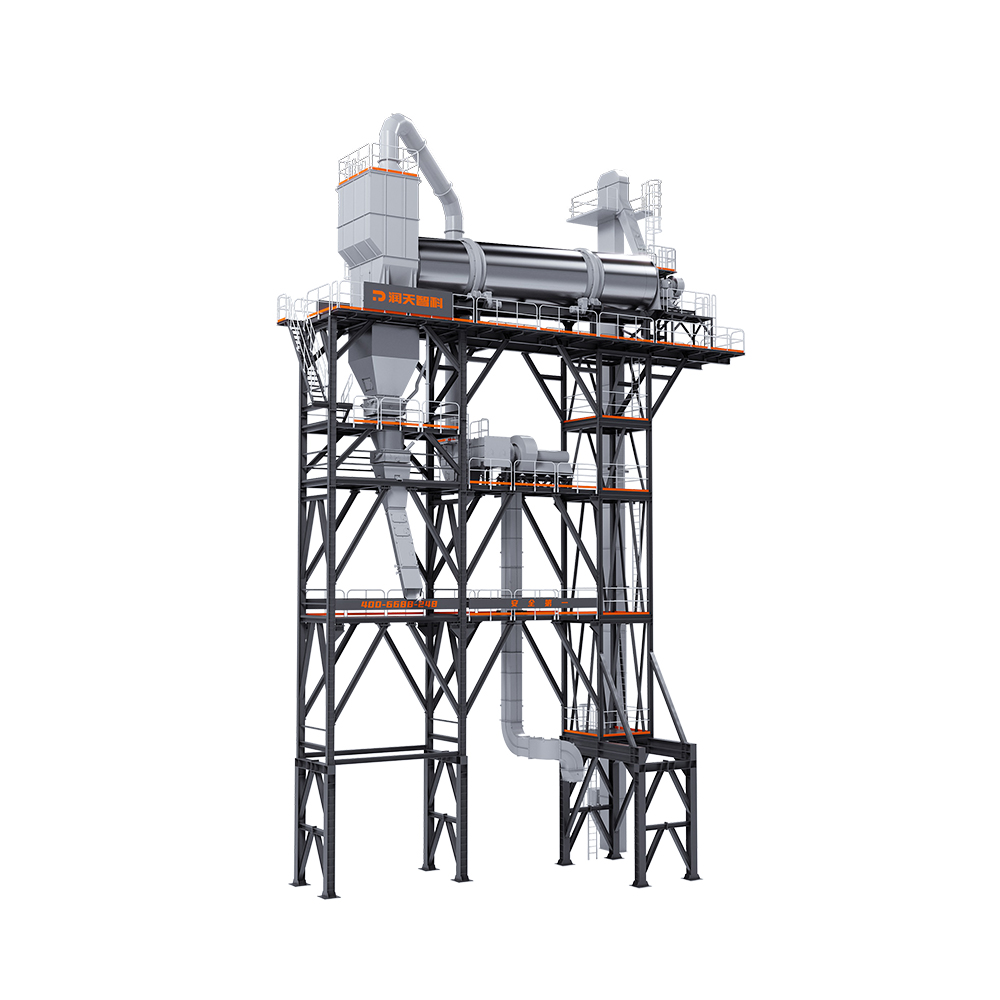 RZS Series Asphalt Mixing Plant
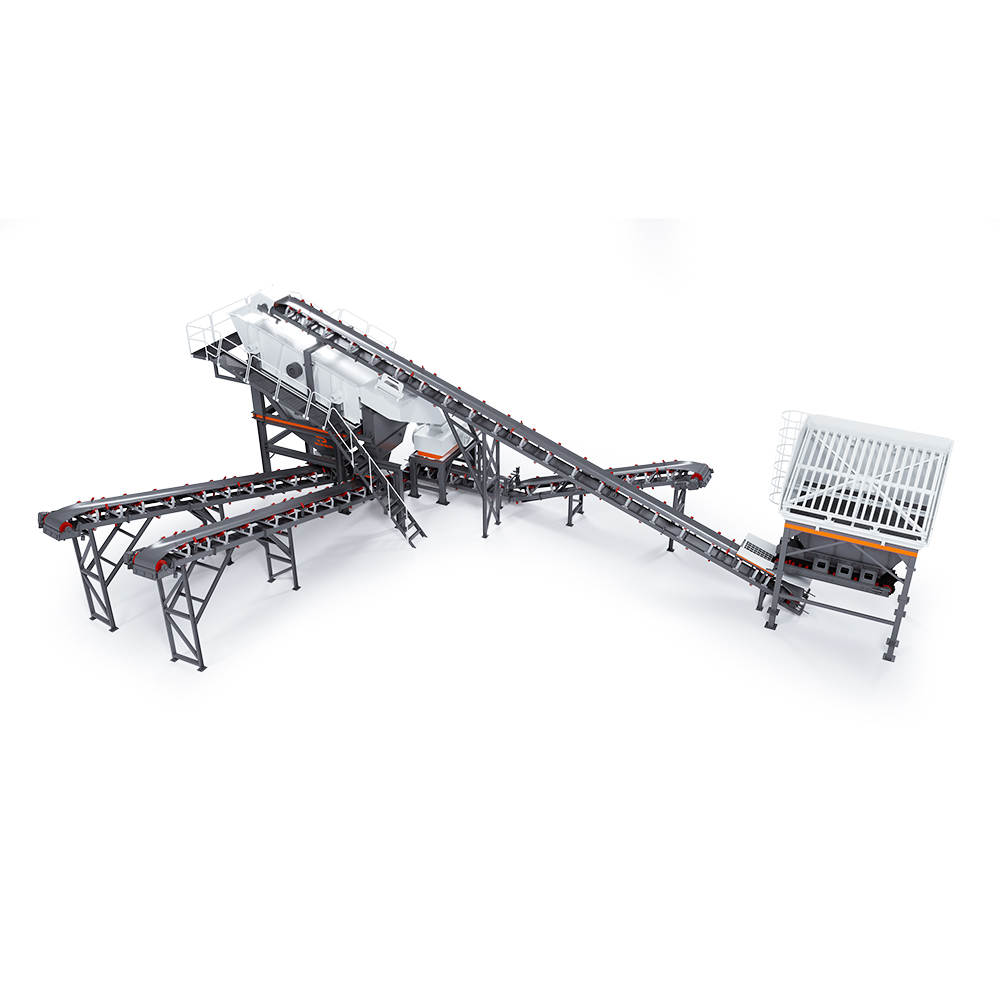 RTZS120 Series RAP Crushing & Screening Plant
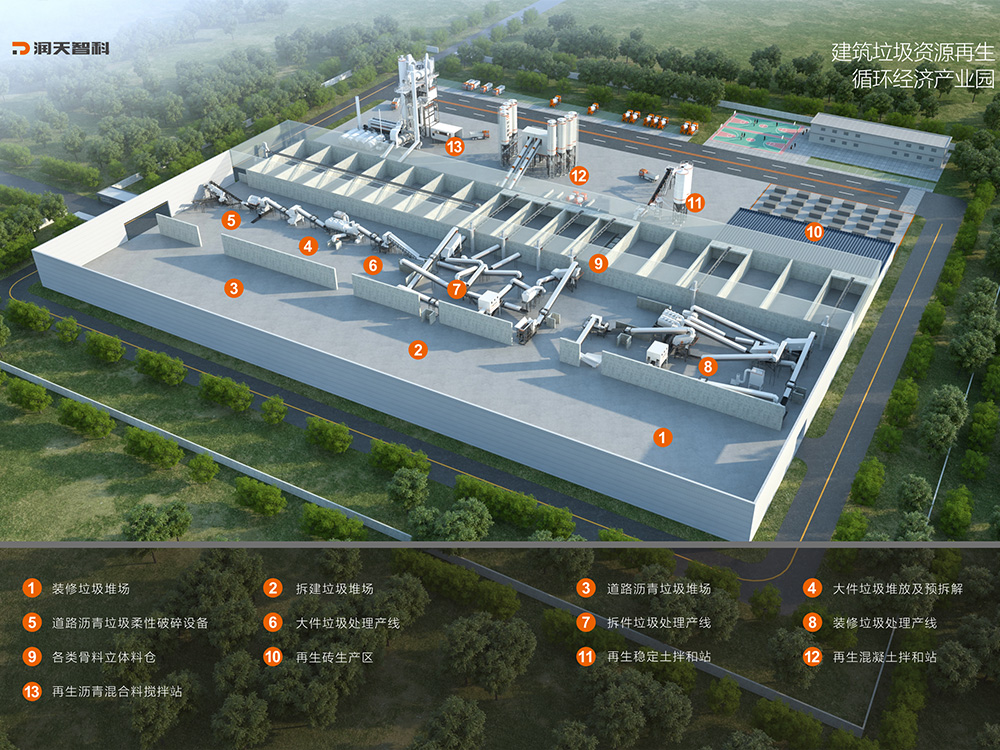 Construction Waste Resourceful Treatment Line