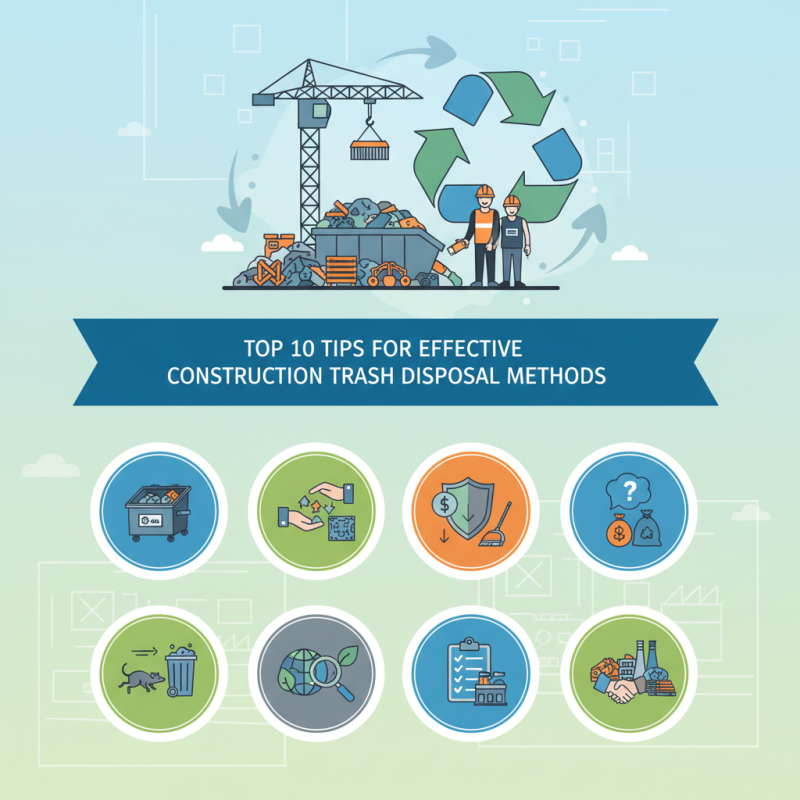
Top 10 Tips for Effective Construction Trash Disposal Methods?
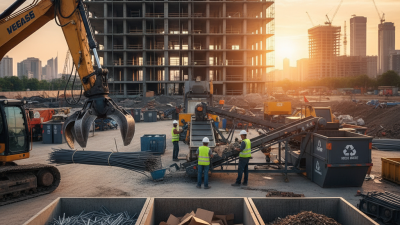
Construction sites generate a significant amount of waste. Proper Construction Trash Disposal is crucial for maintaining a clean environment. Effective waste management can minimize costs and improve safety on-site.
Disposing of construction trash incorrectly can lead to hazards. It may attract pests or pollute the local area. Workers should be aware of the potential risks associated with improper disposal methods. Understanding the consequences is essential to promote healthier job sites.
Choosing the right disposal method can be challenging. Not all solutions are effective or environmentally friendly. Evaluating various options can help you find the best fit for your project. By considering local regulations and sustainability, you can make informed decisions. A focus on effective Construction Trash Disposal benefits everyone involved.
Understanding Construction Waste: Types and Regulations
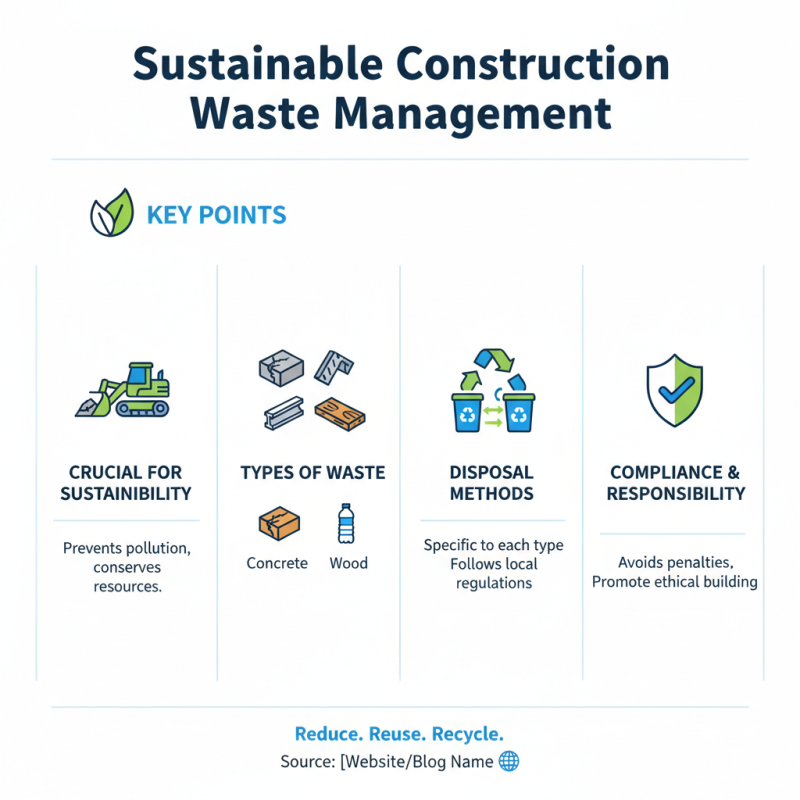
Construction waste management is crucial for a sustainable building process. Various types of construction waste include concrete, metals, plastics, and wood. Each type requires specific disposal methods that comply with local regulations. Understanding these regulations helps prevent penalties and promotes responsible disposal practices.
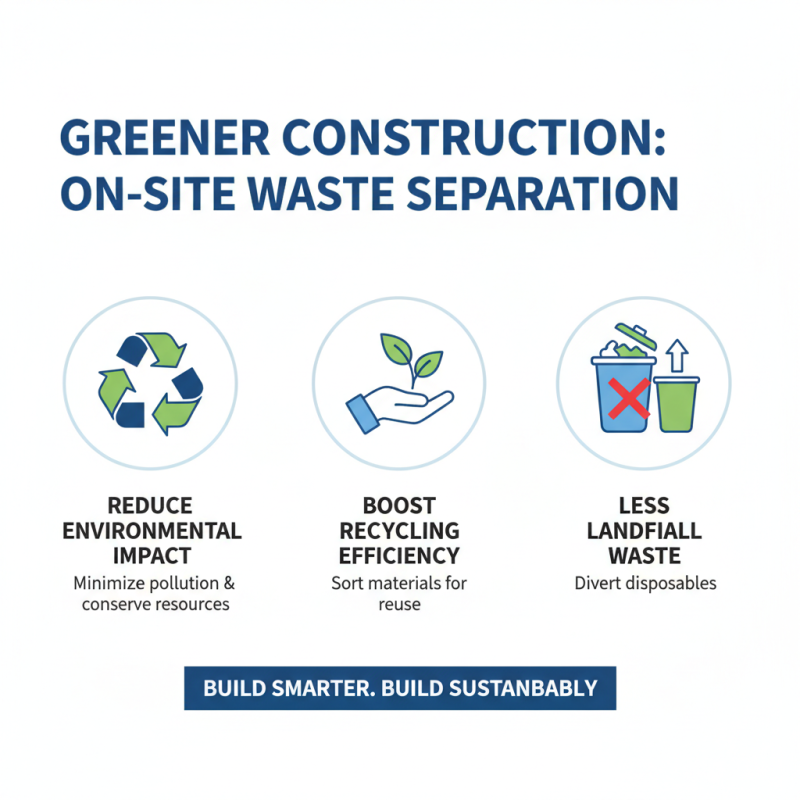
One effective practice is to sort waste on-site. This method saves time and resources. However, consistently sorting through different materials can be challenging. Teams may overlook certain items, leading to contamination. Investing in clearly labeled bins can help maintain sorting accuracy.
Additionally, practicing recycling can reduce landfill waste significantly. Many materials, like metals and wood, can be reused or repurposed. However, not all sites are equipped to handle recycling effectively. It’s necessary to partner with local recycling centers where resources can be processed adequately. Keeping communication open with these centers can streamline disposal efforts.
Another tip is to educate workers about waste management. Regular training sessions can bolster their understanding of the importance of compliance. It’s easy for workers to become careless if they don’t see immediate impacts. By showing the long-term benefits, teams can feel more invested in eco-friendly practices. This awareness will encourage proactive participation in minimizing waste.
Eco-Friendly Disposal Options: Recycling and Reusing Materials
Construction waste poses a significant challenge. Approximately 40% of waste globally comes from construction activities, according to the World Bank. Many construction sites overlook recycling and reusing materials, resulting in unnecessary waste. Simple strategies can redirect materials towards eco-friendly solutions. For instance, concrete can be recycled and repurposed as aggregates for new projects. Metal scraps can also be melted down to forge new materials.
Reusing materials is another effective method. Salvaging wood, fixtures, and even bricks reduces landfill contributions. A report by the Environmental Protection Agency highlights that reusing these items can cut waste by up to 50% on construction sites. Yet, the industry often fails to implement such practices consistently. A lack of awareness and established recycling facilities in some regions can hinder progress.
Choosing eco-friendly disposal options isn't just a trend. It's a necessity for sustainable development. For instance, a study showed that sustainable disposal practices could save companies significant costs over time. Despite this, many businesses remain slow to adapt. They miss the chance to contribute positively to the environment while saving on disposal expenses. Understanding these methods is crucial to reducing our ecological footprint.
Choosing the Right Waste Management Service for Your Project
Choosing the right waste management service for your construction project is crucial.
A well-organized service can streamline trash disposal. According to industry reports,
improper waste disposal can increase project costs by up to 30%.
This highlights the importance of finding a service that fits your needs.
Tip 1: Assess the volume of waste.
Understanding the type of waste generated allows you to choose a service that deals with specific materials.
For example, construction debris and hazardous waste require different handling methods.
Tip 2: Evaluate disposal methods.
Some services offer recycling options that align with sustainability goals.
Studies show that recycling construction waste can reduce landfill usage by 50%.
This not only benefits the environment but can also enhance your project’s reputation.
Tip 3: Check for compliance.
Ensure the disposal service adheres to local regulations.
Failure to comply can lead to fines and project delays.
A transparent service with a good track record is often the safest choice.
Finding a reliable waste management partner can be challenging.
Sometimes, services might not meet expectations.
Take the time to research and ask for references.
Every detail matters in construction waste disposal.
Planning for Efficient Trash Removal: Timelines and Budgeting
Planning an efficient trash removal strategy involves careful consideration of timelines and budgets. Start by assessing the project’s scope. Understand how much waste you expect to generate. Create a realistic schedule for waste disposal, aligning it with project milestones. This reduces delays and keeps the work site organized.
Tip: Set aside dedicated days for trash removal. This helps in preventing backlog. Without a proper plan, trash can pile up, leading to unsafe working conditions. Evaluate the local disposal options available. Research costs early. Unexpected fees can derail your budget.
Another key aspect is communication. Ensure everyone on site knows the trash removal plan. Employees should be instructed on proper waste segregation. This not only eases disposal but can also reduce costs. Sometimes, workers need reminders. Efficient disposal is a collective effort.
Flexibility is essential throughout this process. Plans may change, and waste amounts might vary. Always have a backup option for disposal. Be prepared to reassess and adapt your schedule. A rigid plan can lead to frustrations. Overall, adapting to the realities of waste management can greatly improve your project's efficiency.

 Concrete Mixing Plant
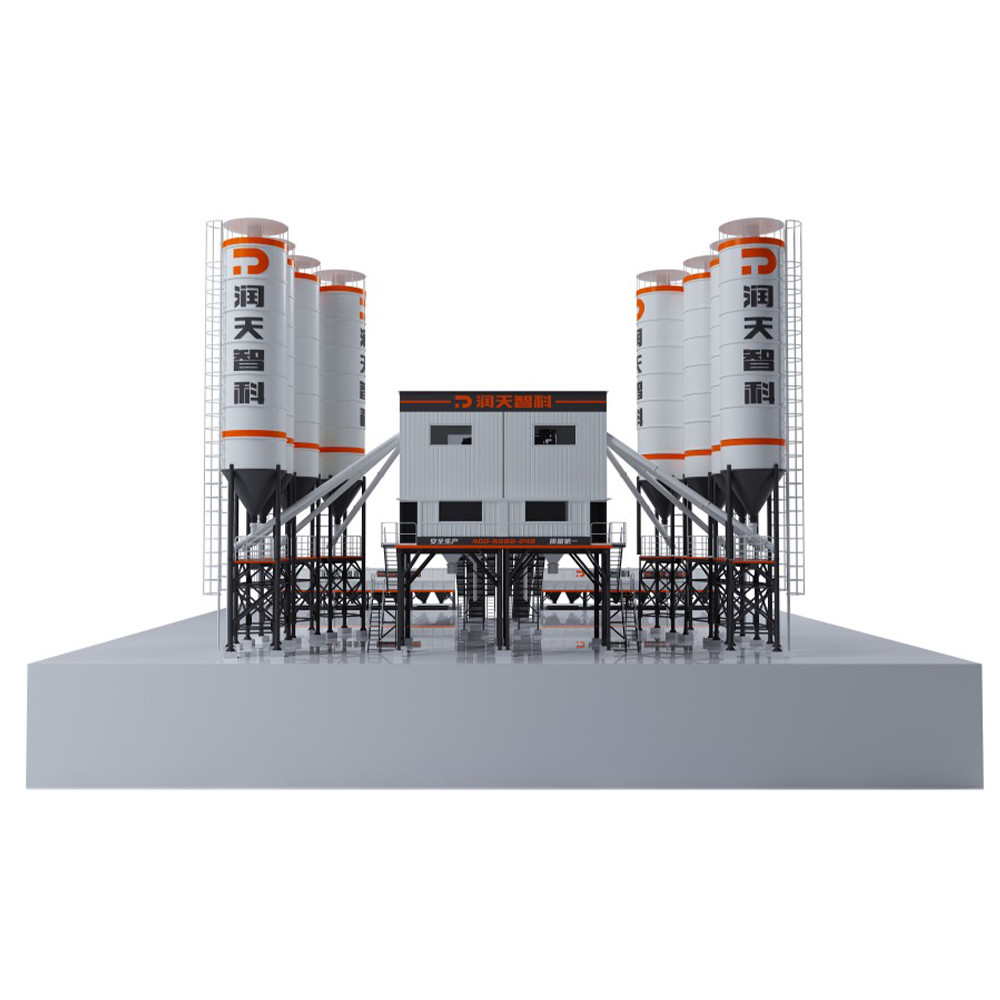 HZS Series Belt Concrete Mixing Plant
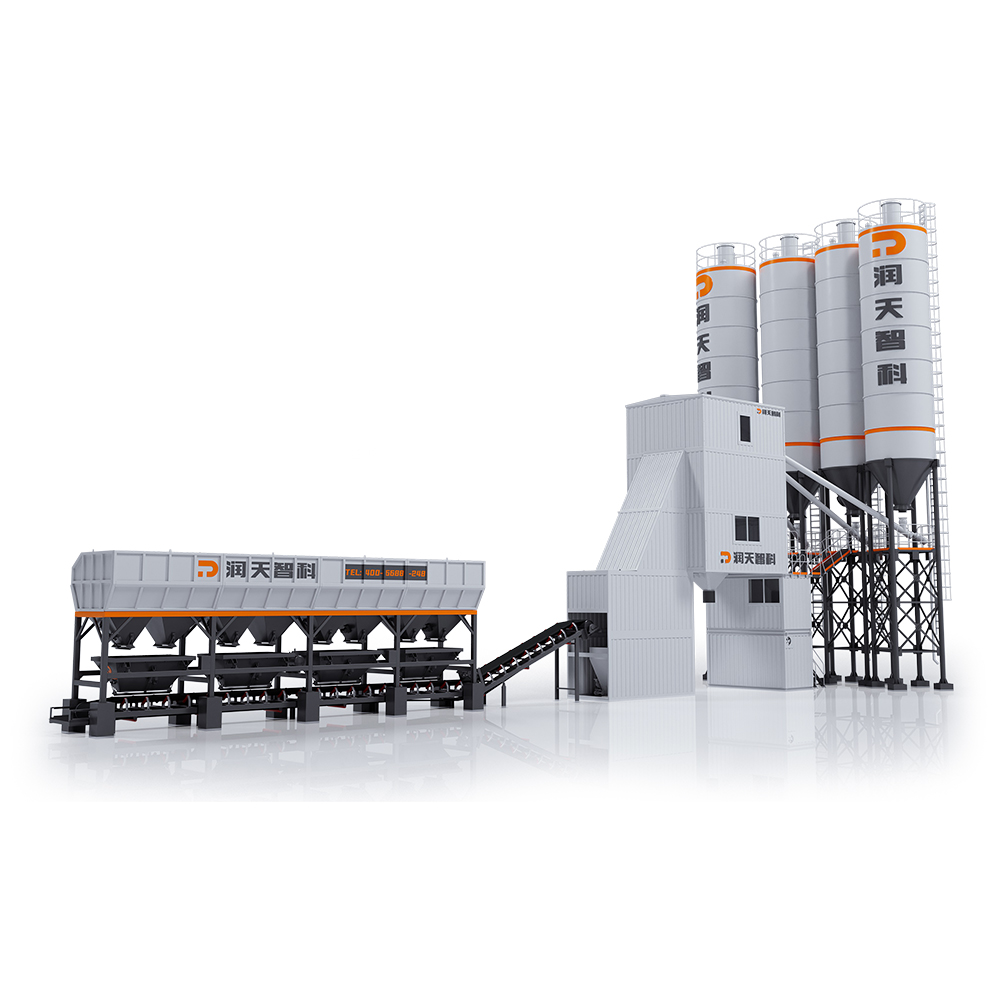 HZS Series Bucket-Lifting Type Container Concrete Mixing Plant
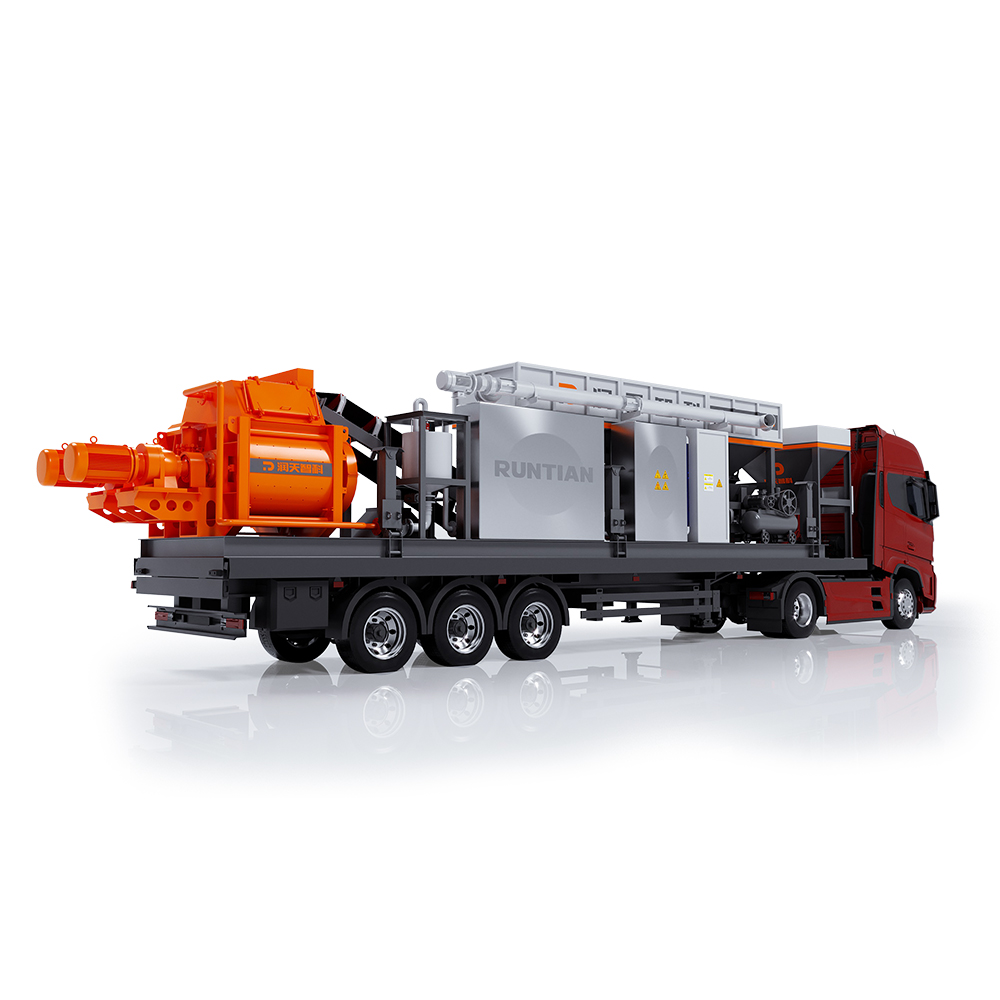 HZS60 Mobile Concrete Mixing Plant
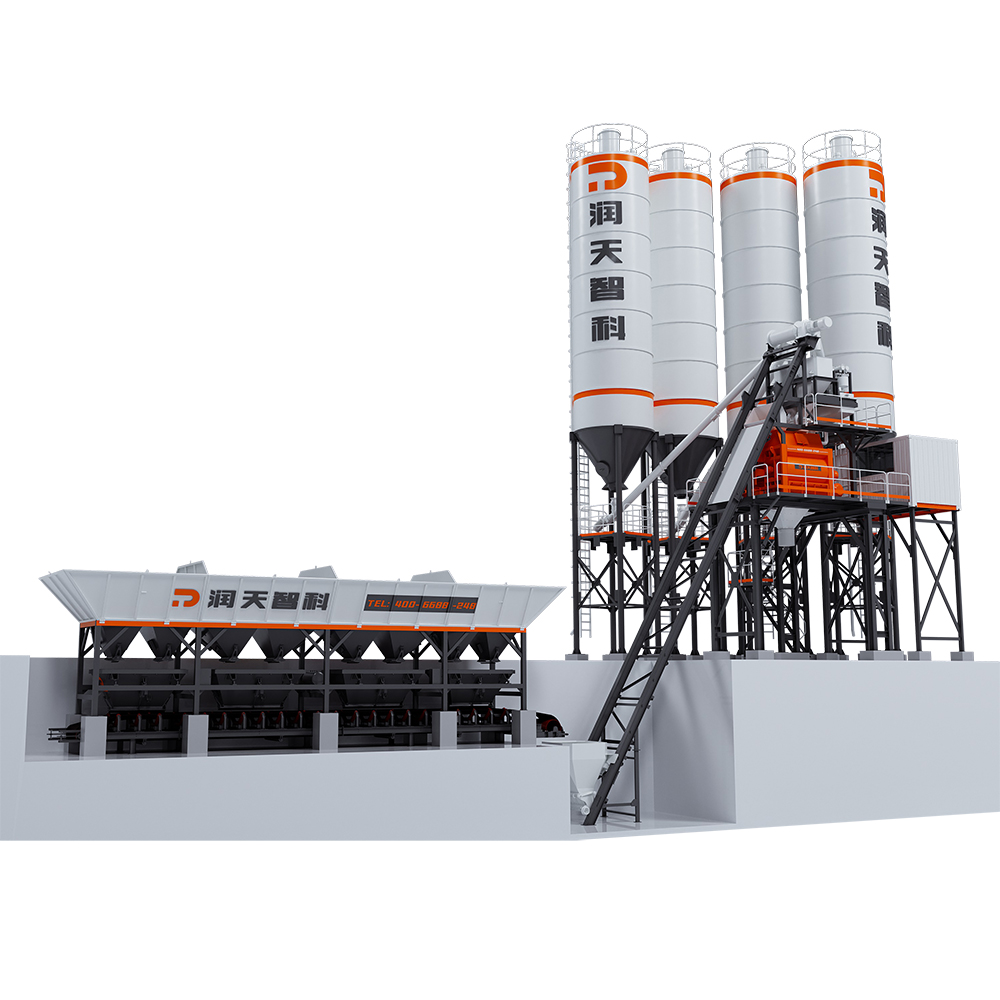 HZS Series Bucket-Lifting Type Concrete Mixing Plant
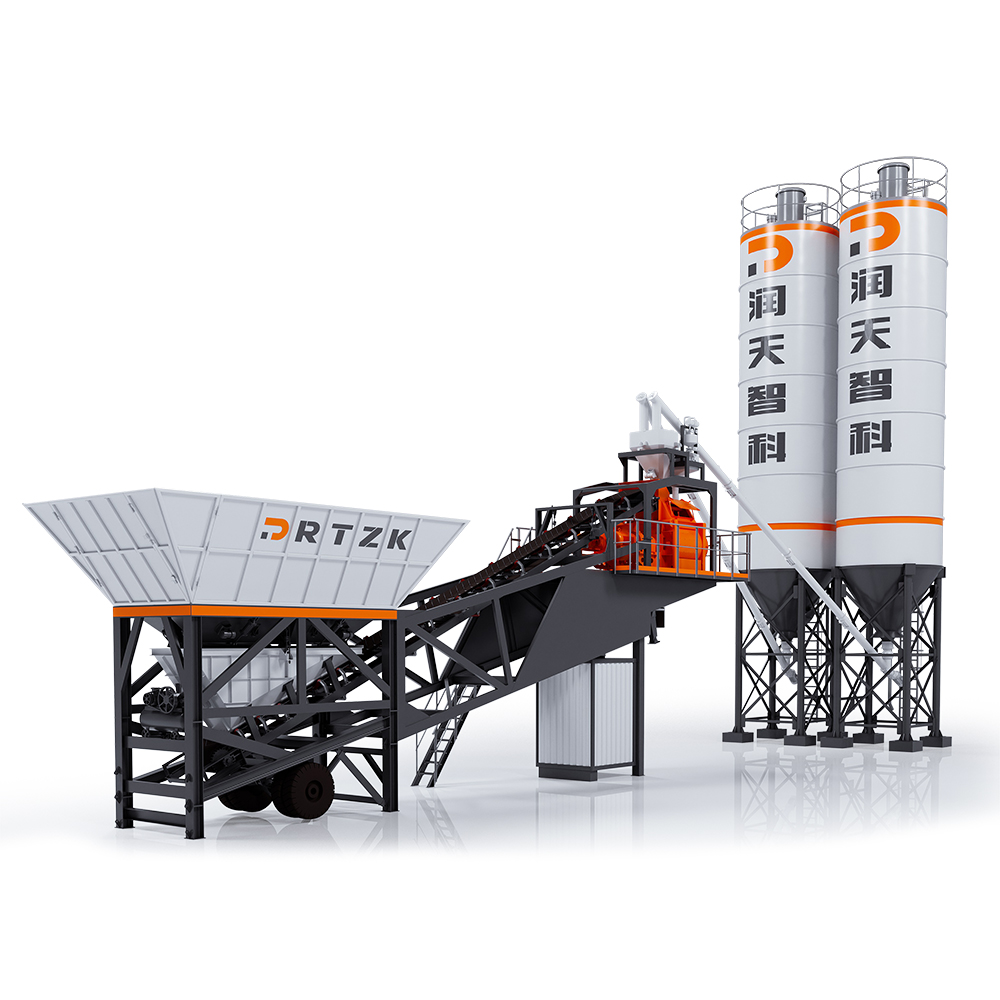 HZS Series Mobile Concrete Mixing Plant
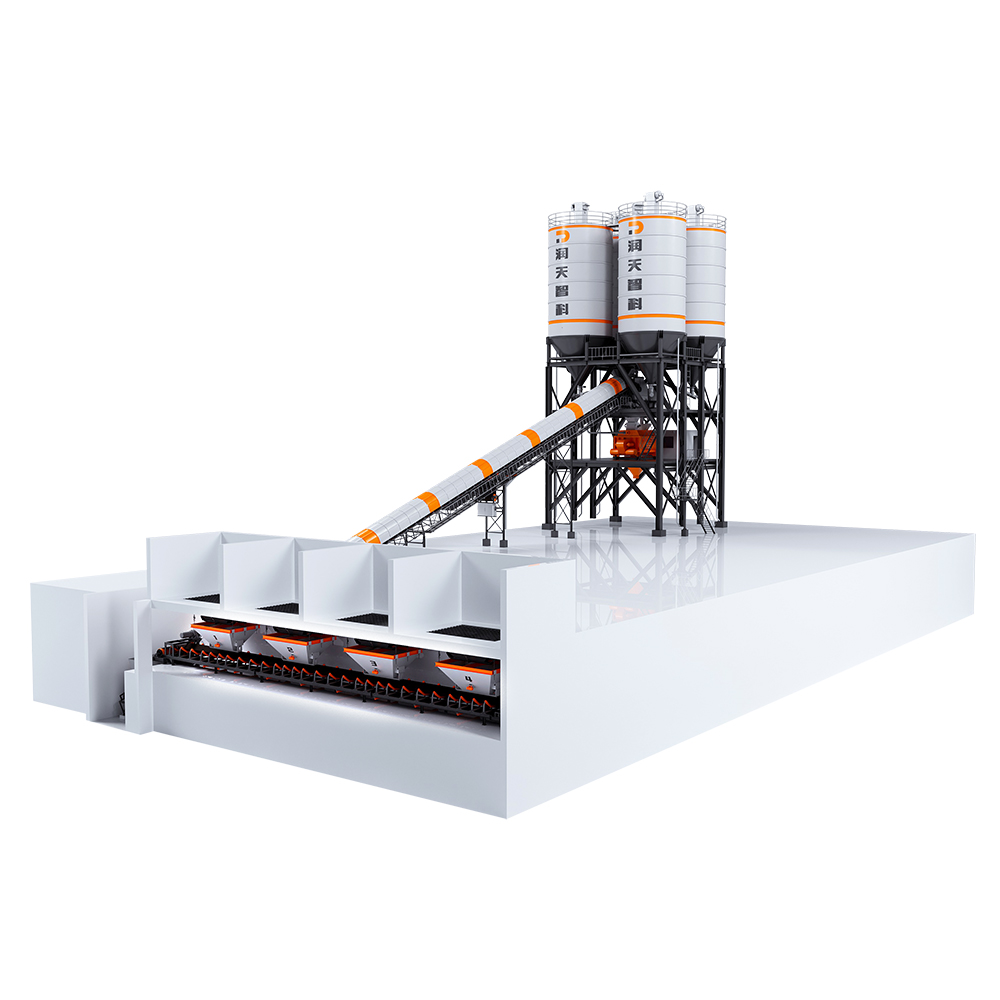 HZS Series Top-Mounted Concrete Mixing plant
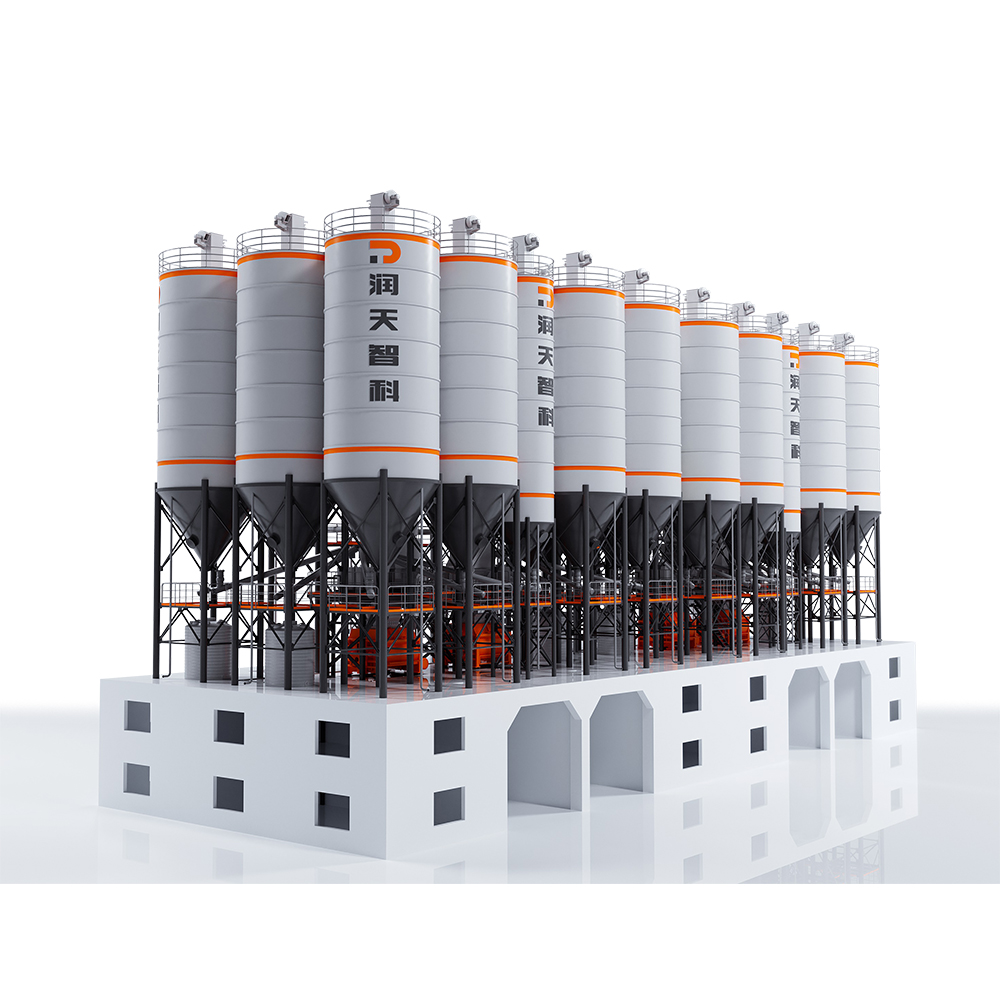 HZS Series Semi-Top Mounted Concrete Mixing Plant
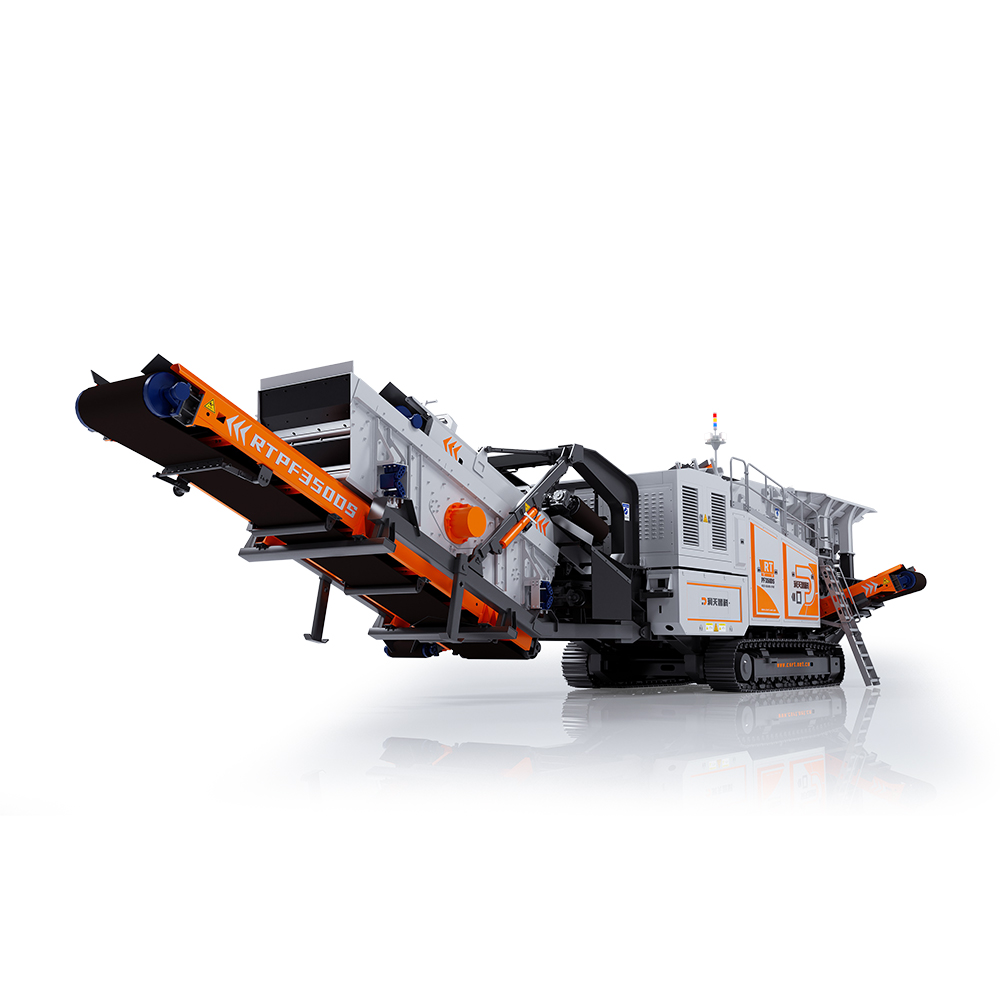 RTPF350DS Crawler Mobile Impact Crushing Plant
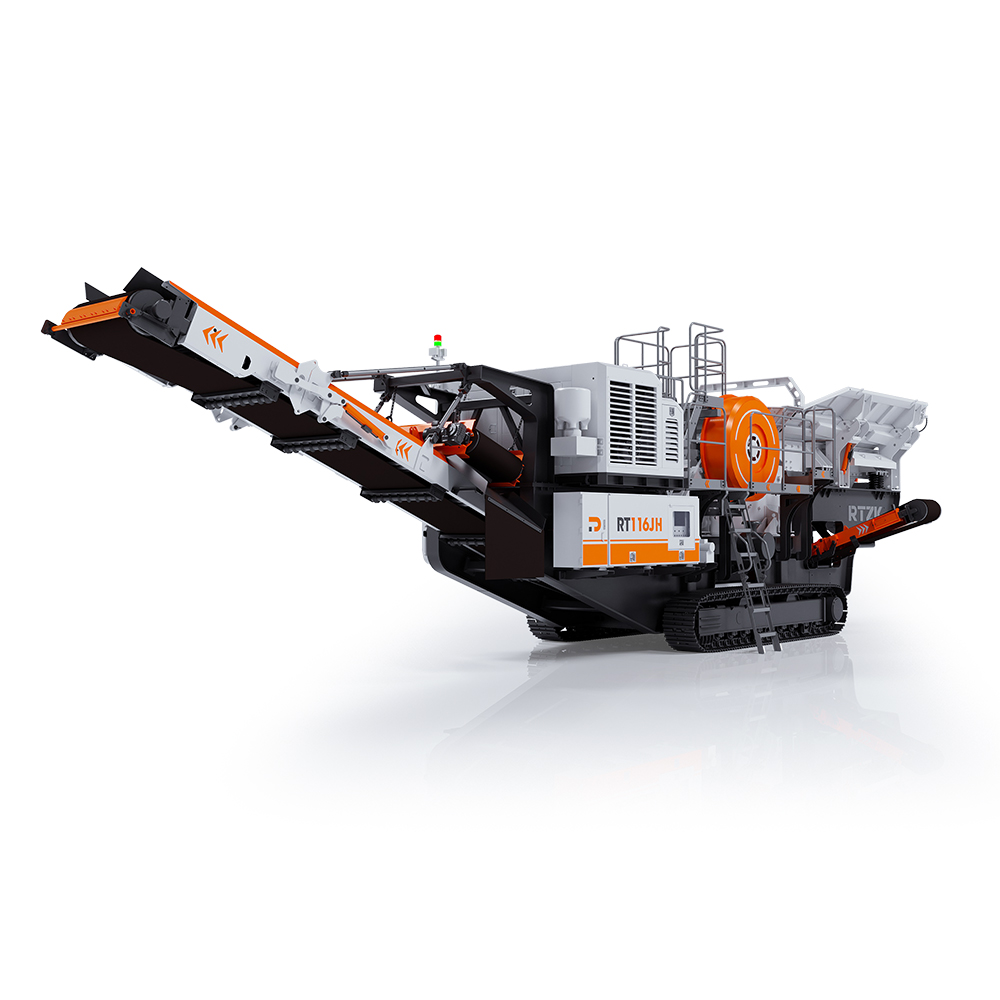 RT116JH Crawler Mobile Jaw Crushing Plant
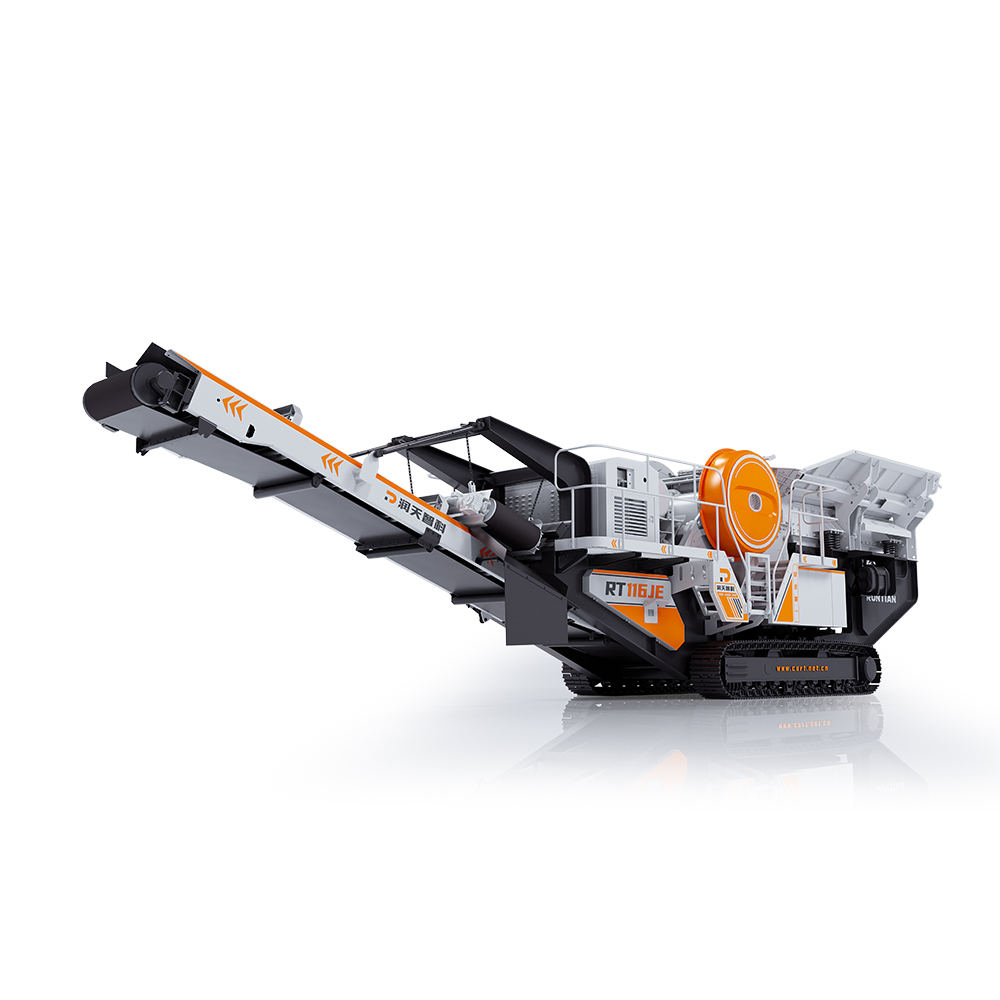 RT116JE Crawler Mobile Jaw Crushing Plant
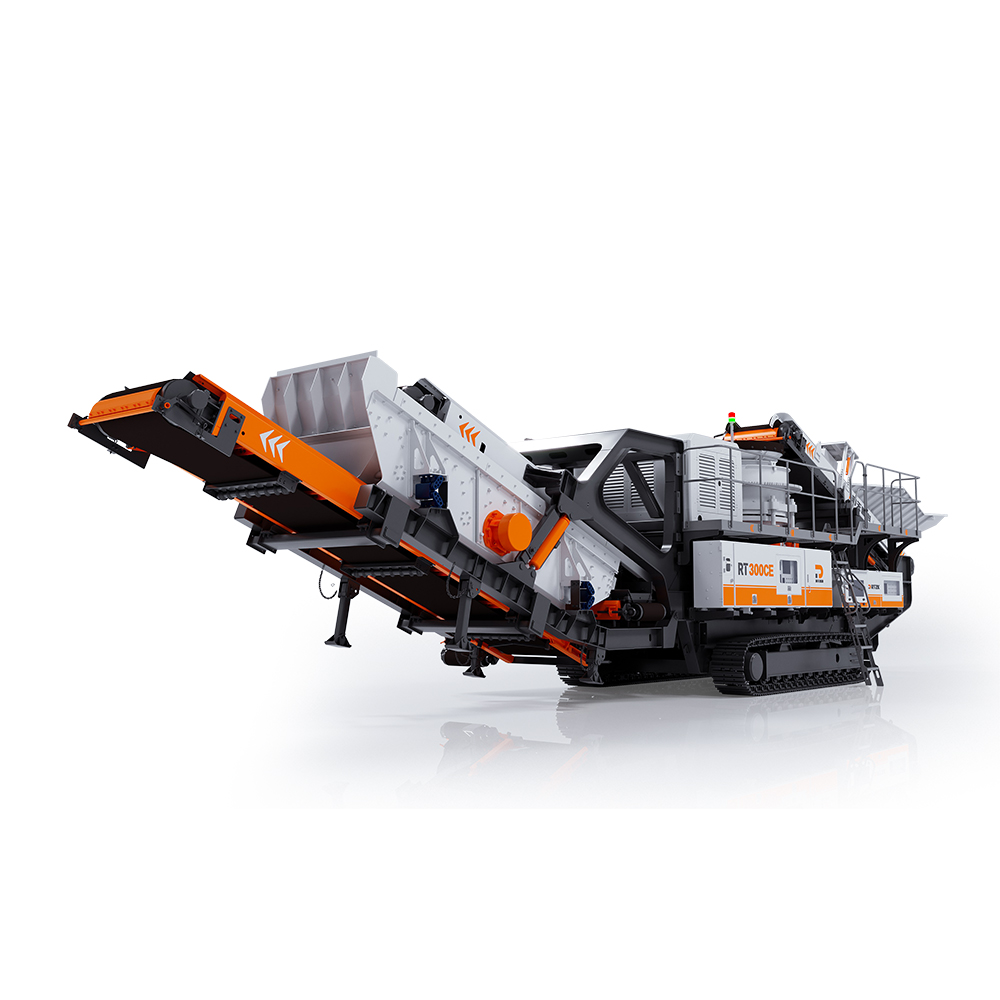 RT300CE Crawler Mobile Cone Crushing Plant
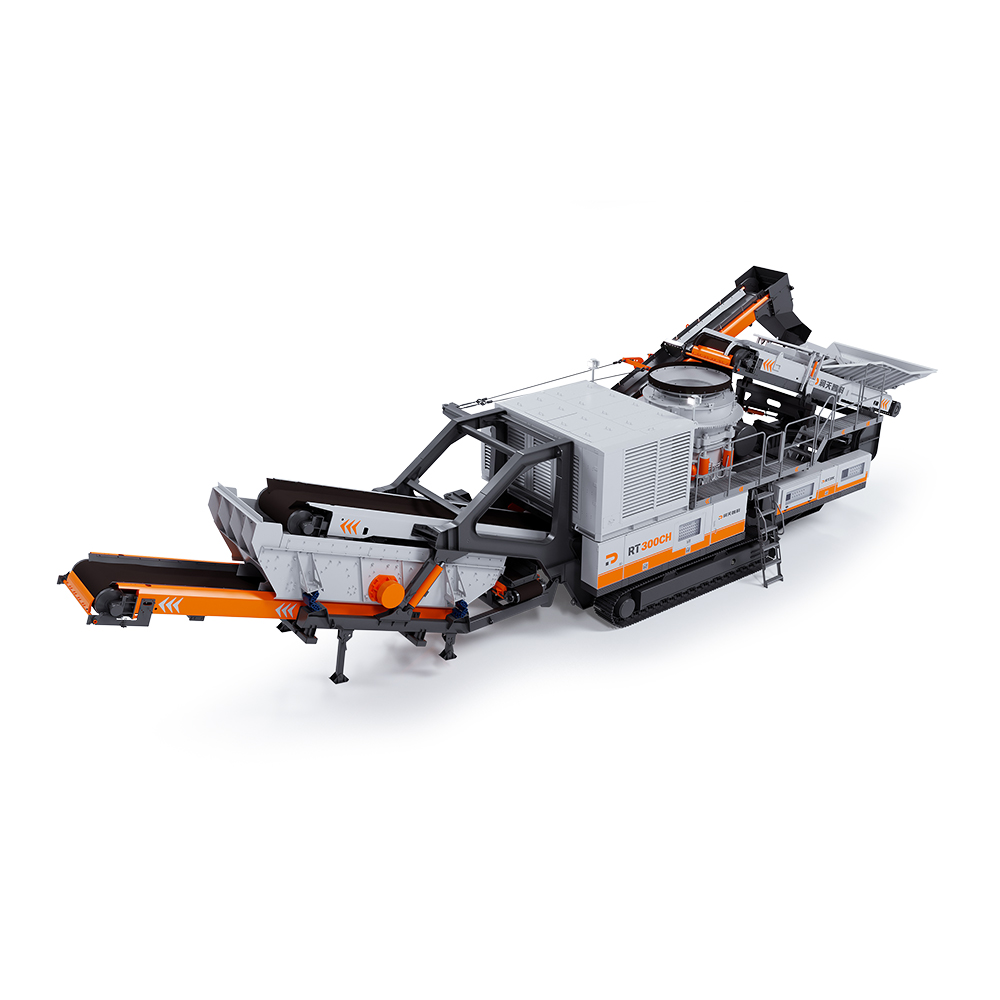 RT300CH Crawler Mobile Cone Crushing Plant
 RT5015H Mobile Scalping Screen
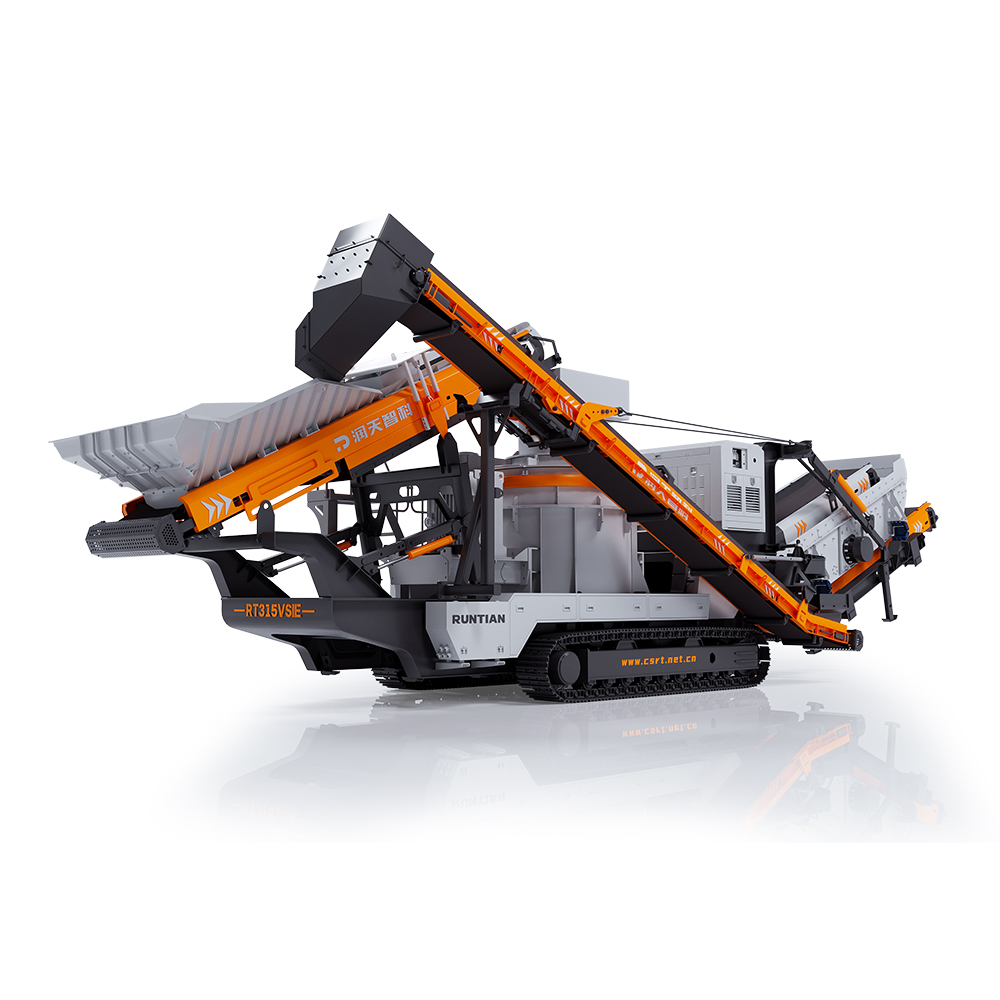 RT315VSIE Crawler Mobile Sand Maker
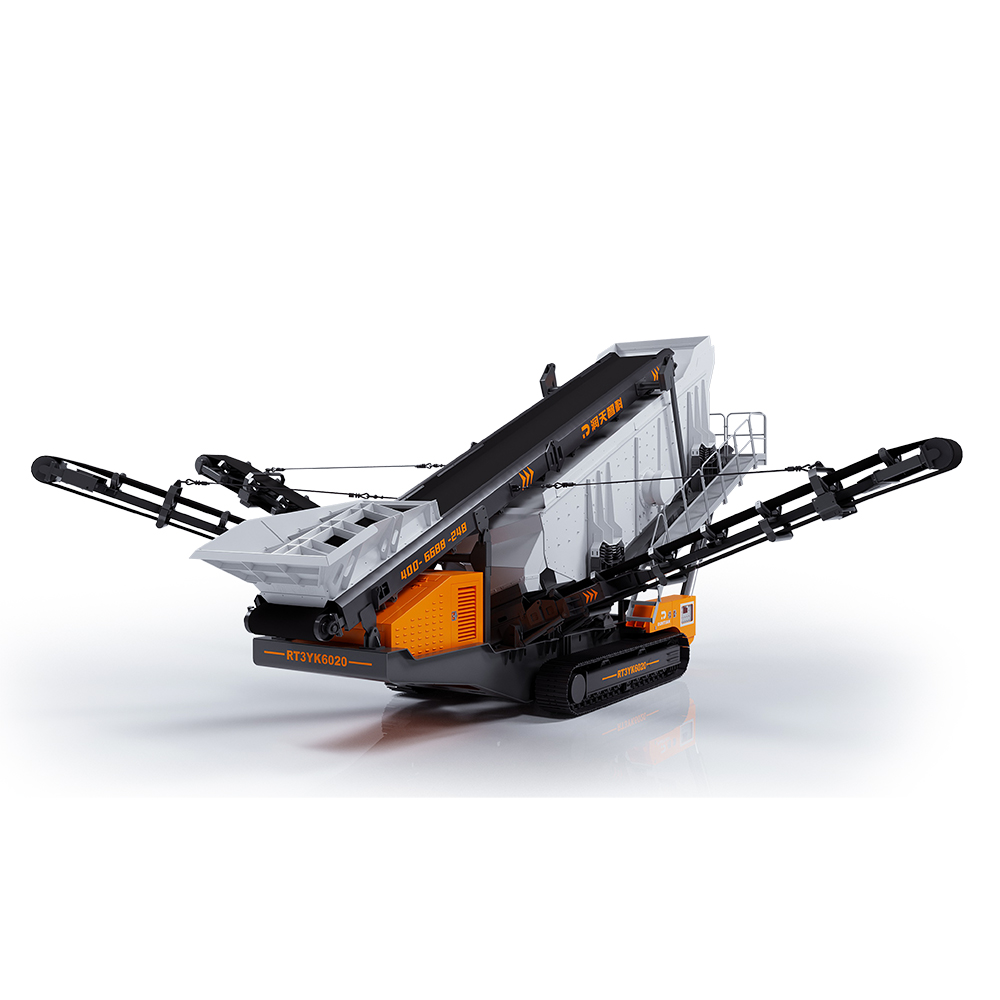 RT3YK6020 Crawler Mobile Screening Plant
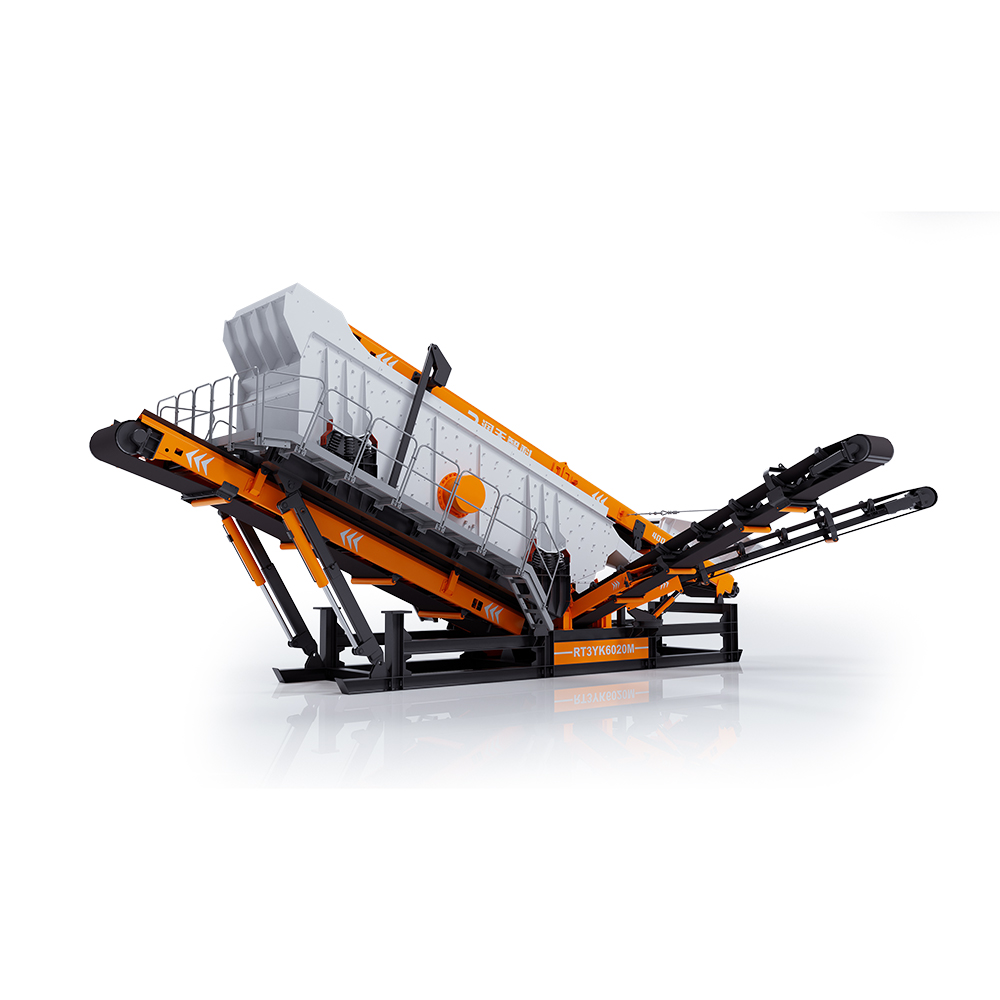 RT3YK6020M Modular Screening Plant
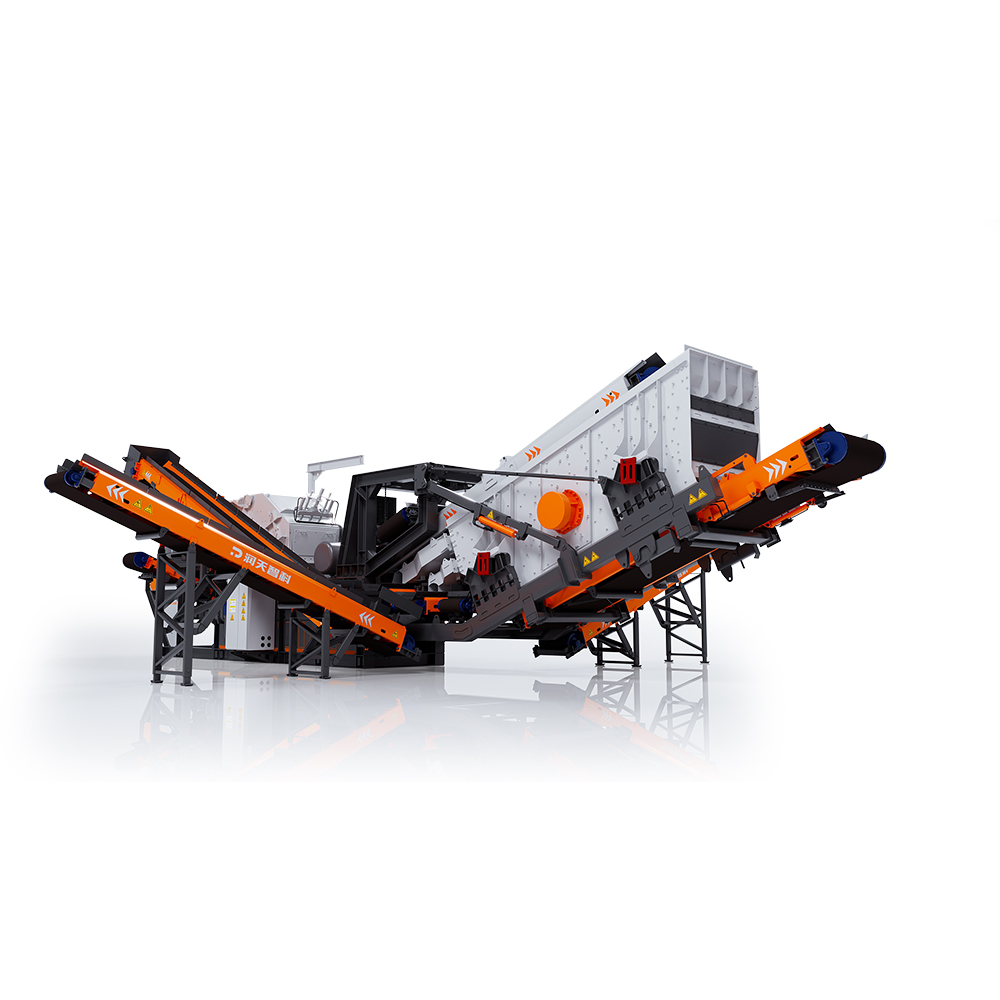 RTF260M Modular Counterattack Crushing and Screening Integrated Machine
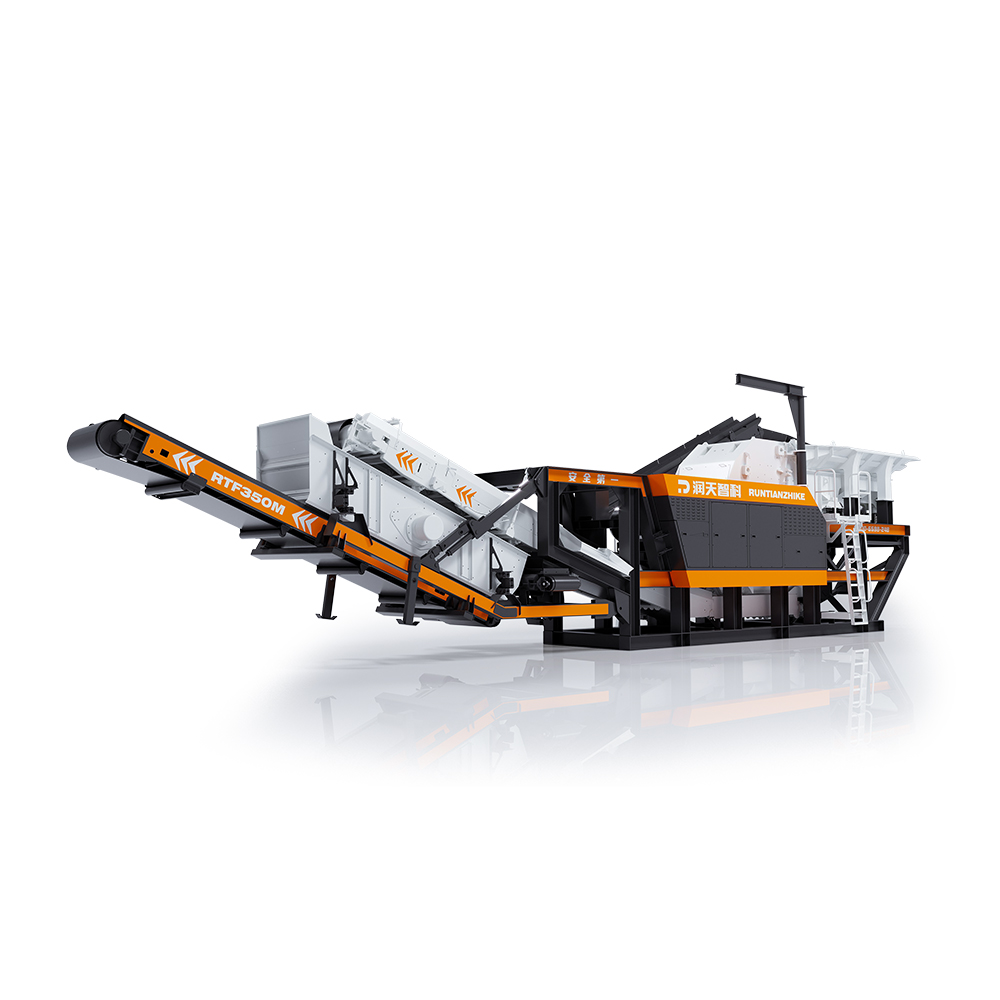 RTF350M Modular Impact Crushing Plant
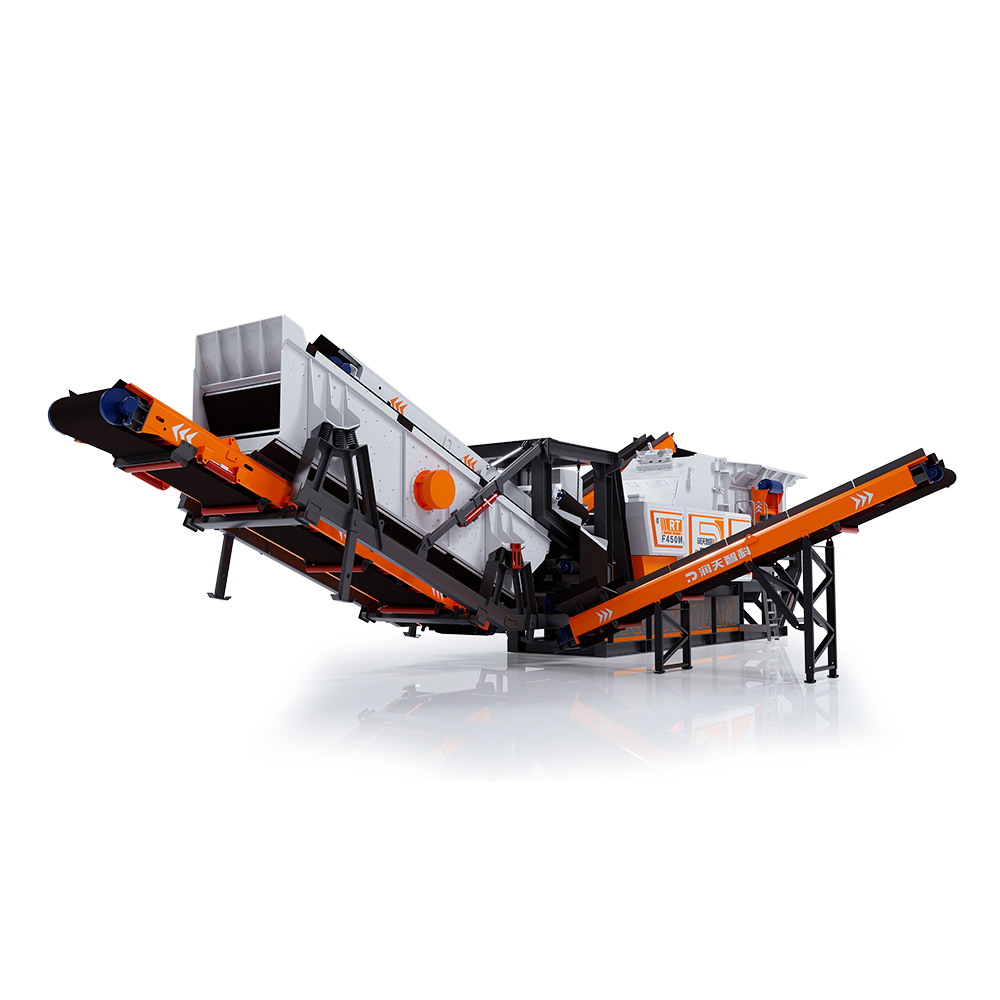 RTF450M Modular Impact Crushing Plant
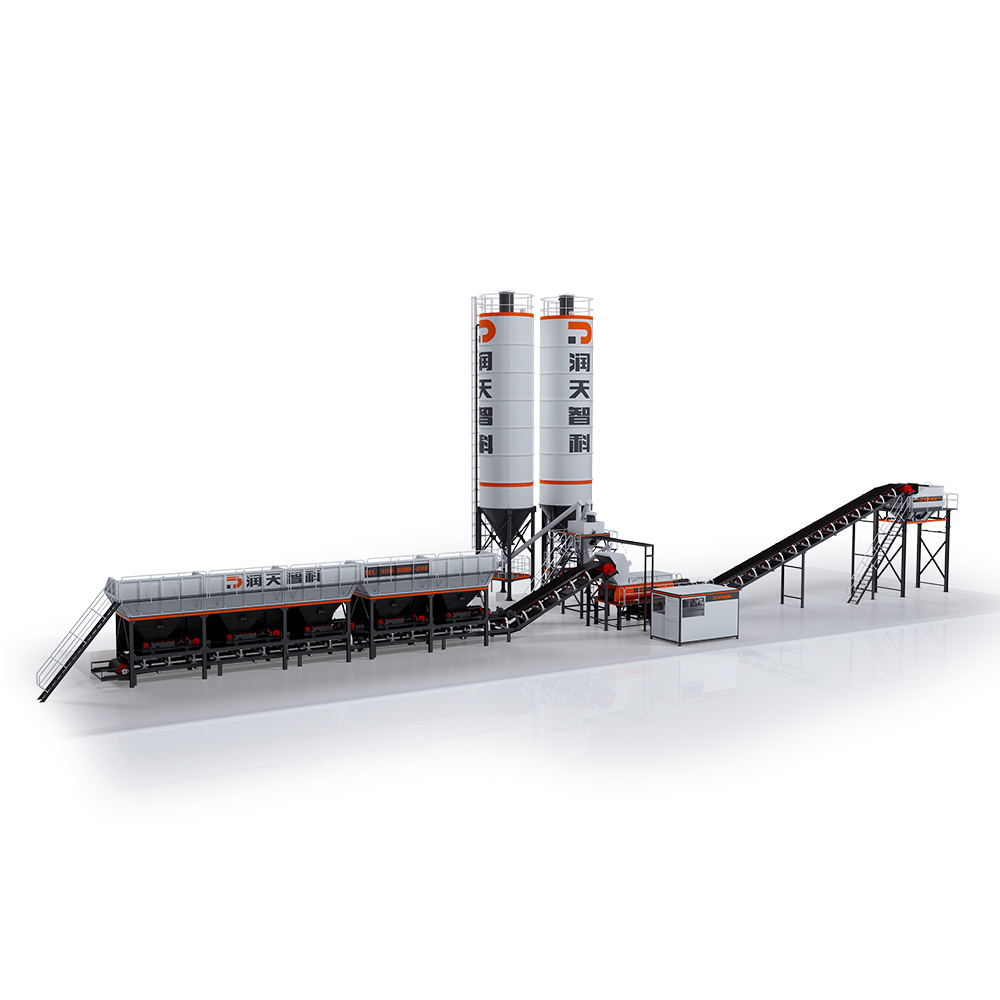 WDB Series Foundation-Free Stability Soil Mixing Plant
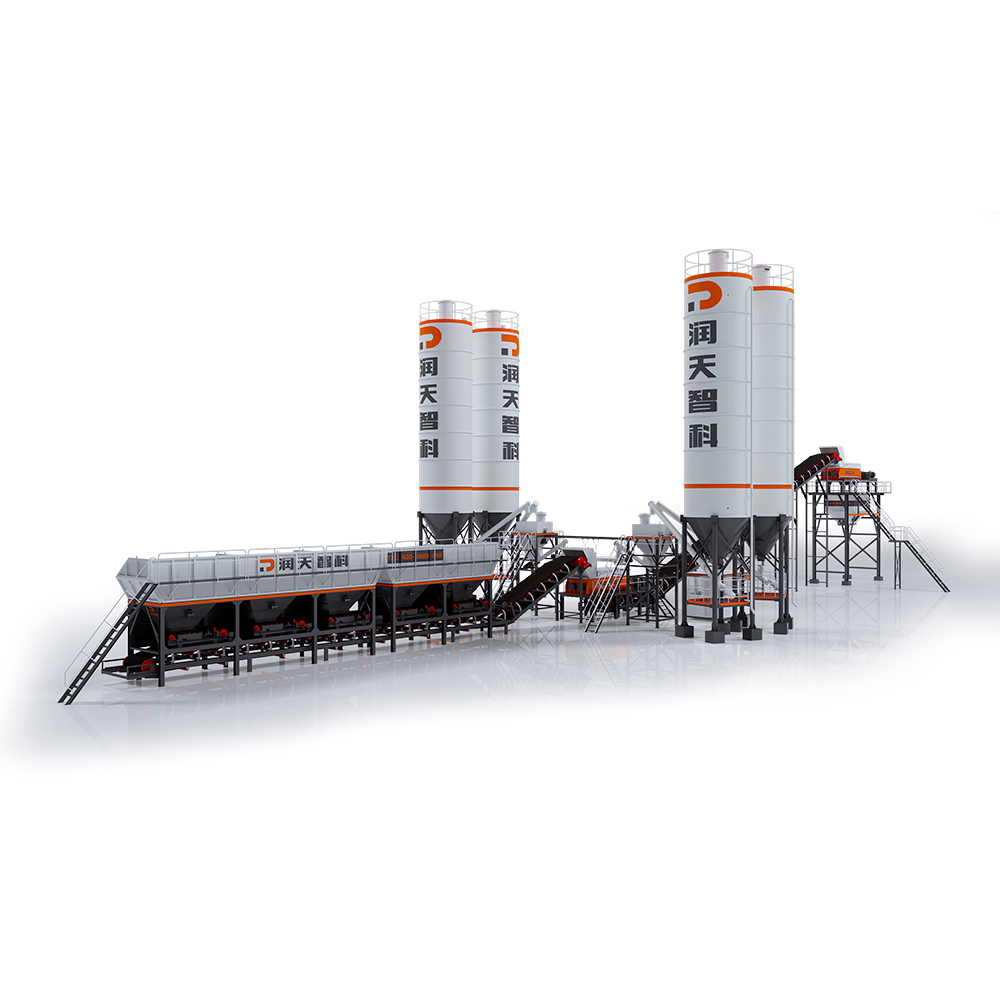 LCB Series Emulsified Asphalt Cold Regeneration Secondary Mixing Plant
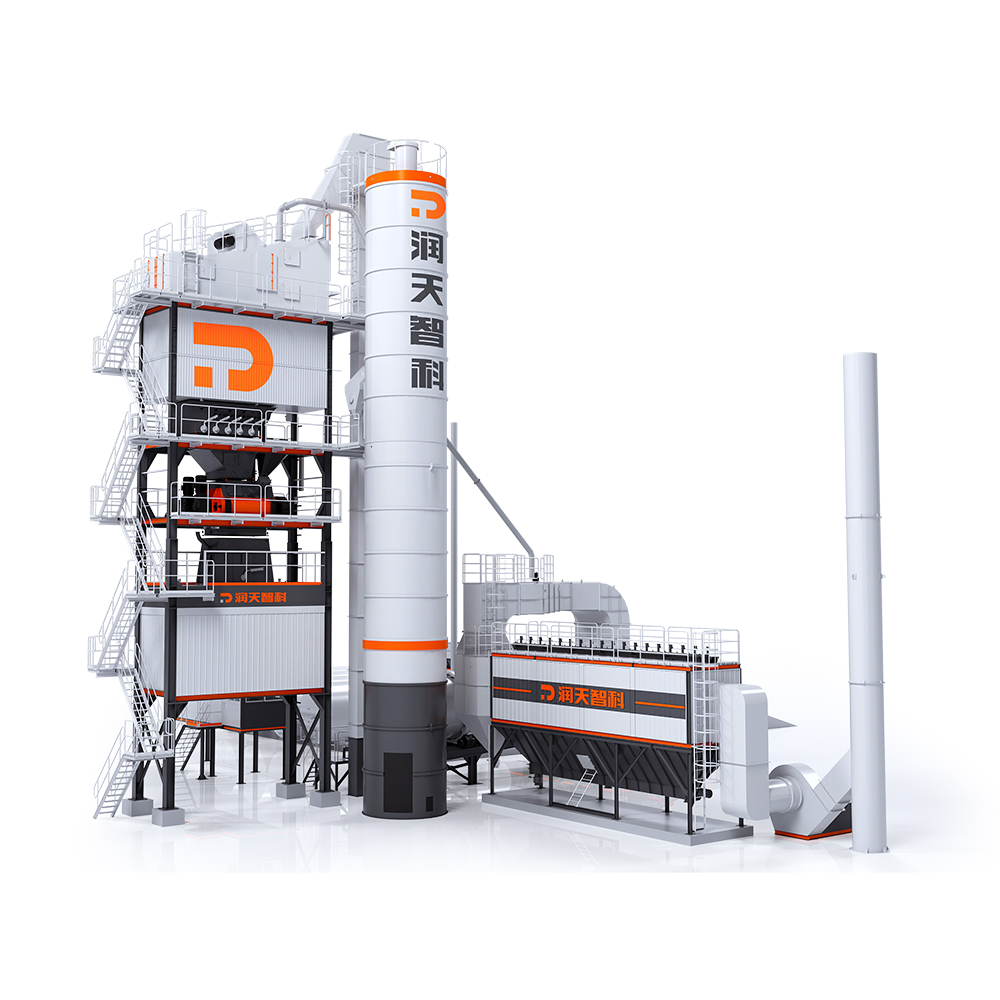 LB Series Asphalt Mixing Plant
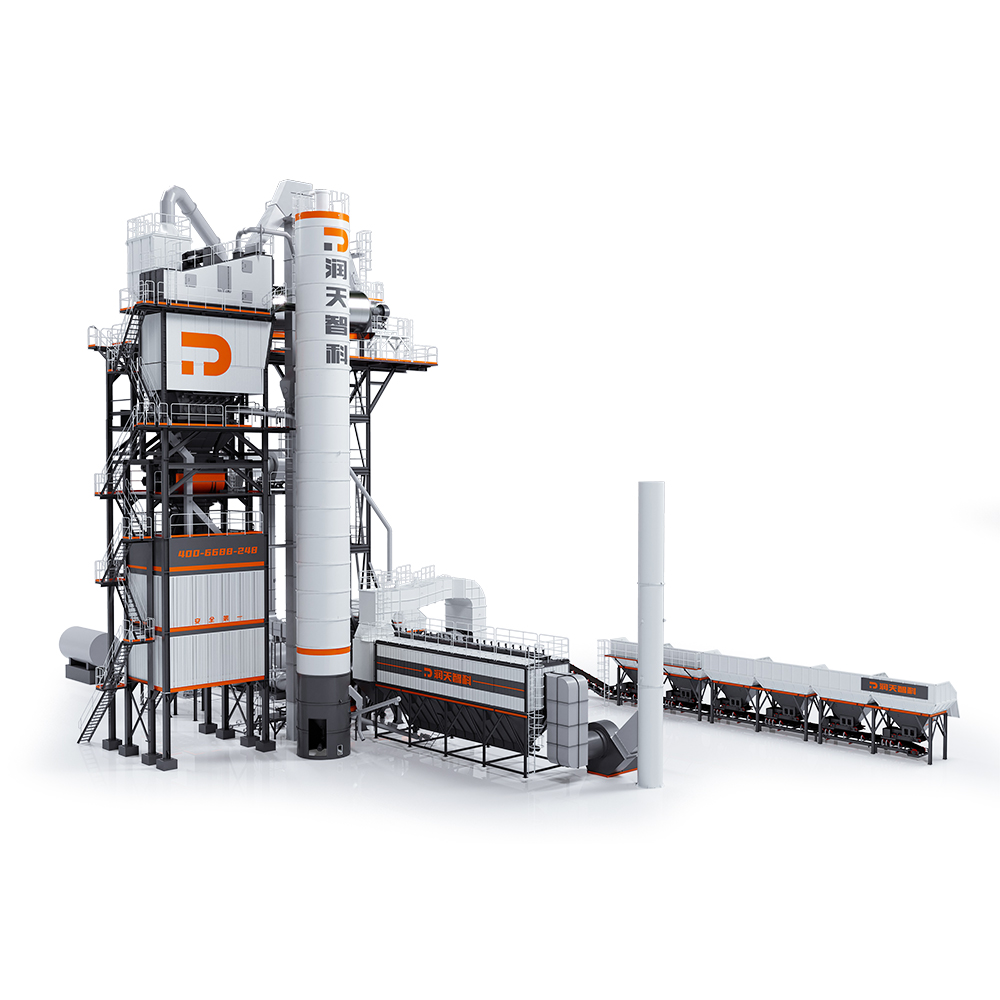 LBR Series Integrated Asphalt Mixing Plant
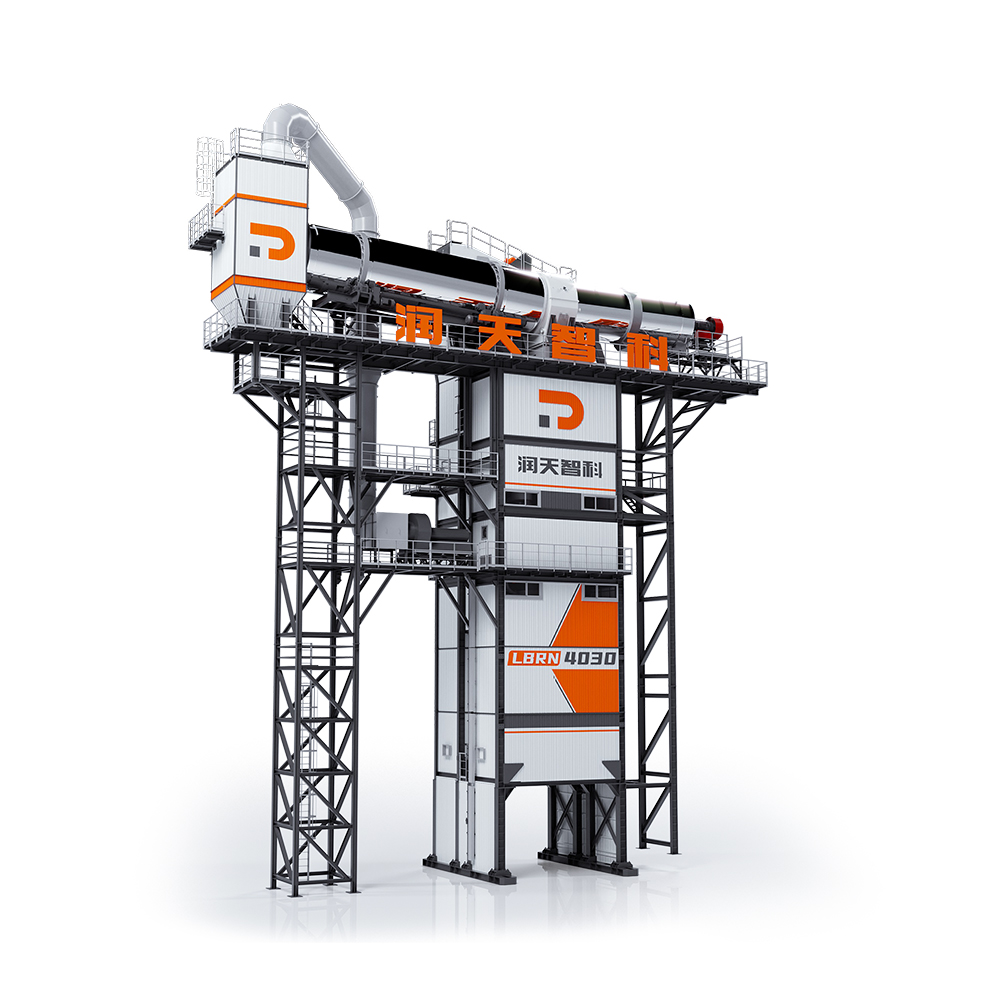 LBRN Series Counterflow Integral Asphalt Mixing Plant
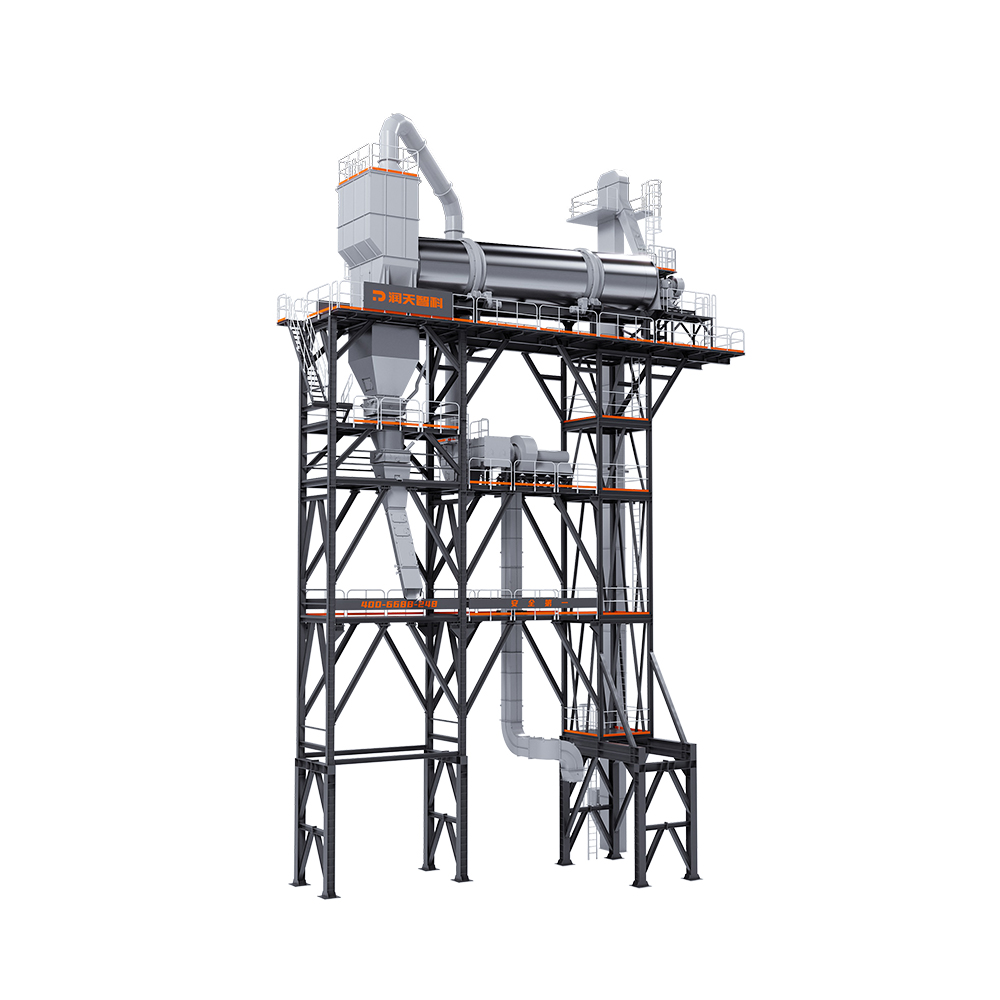 RZS Series Asphalt Mixing Plant
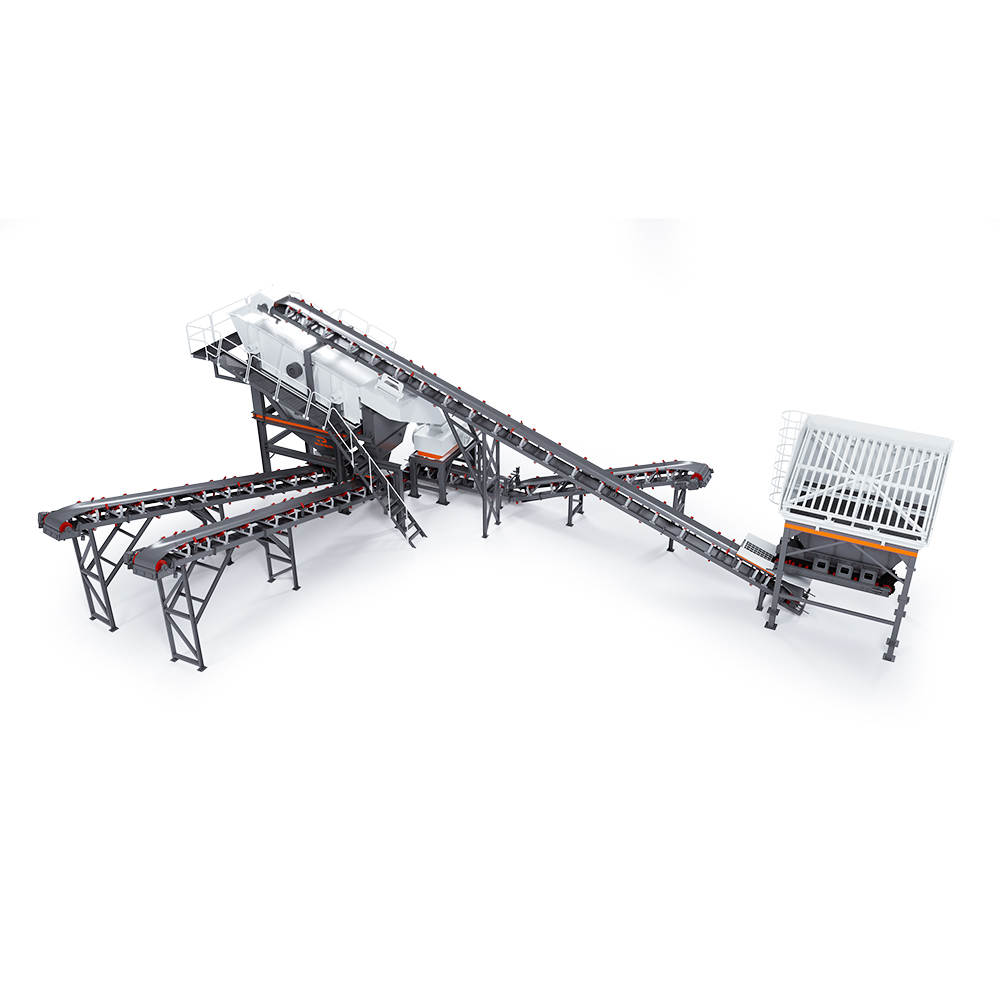 RTZS120 Series RAP Crushing & Screening Plant
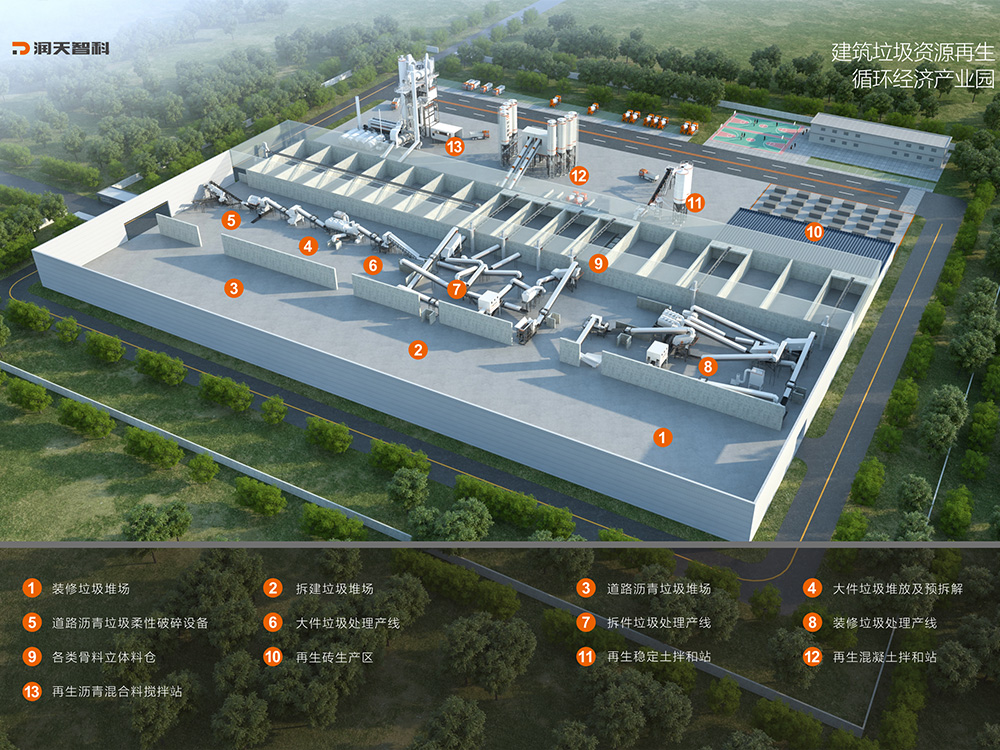 Construction Waste Resourceful Treatment Line