Top 10 Tips for Effective Construction Rubbish Disposal?
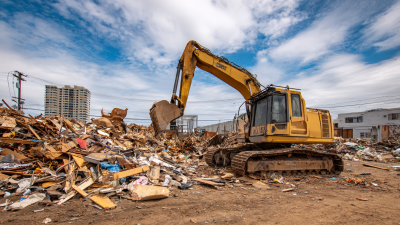
Construction Rubbish Disposal is a crucial aspect of any building project. It can be overwhelming if not handled properly. Inaccurate disposal methods can lead to environmental issues and increased costs. Proper strategies are essential for efficient management.
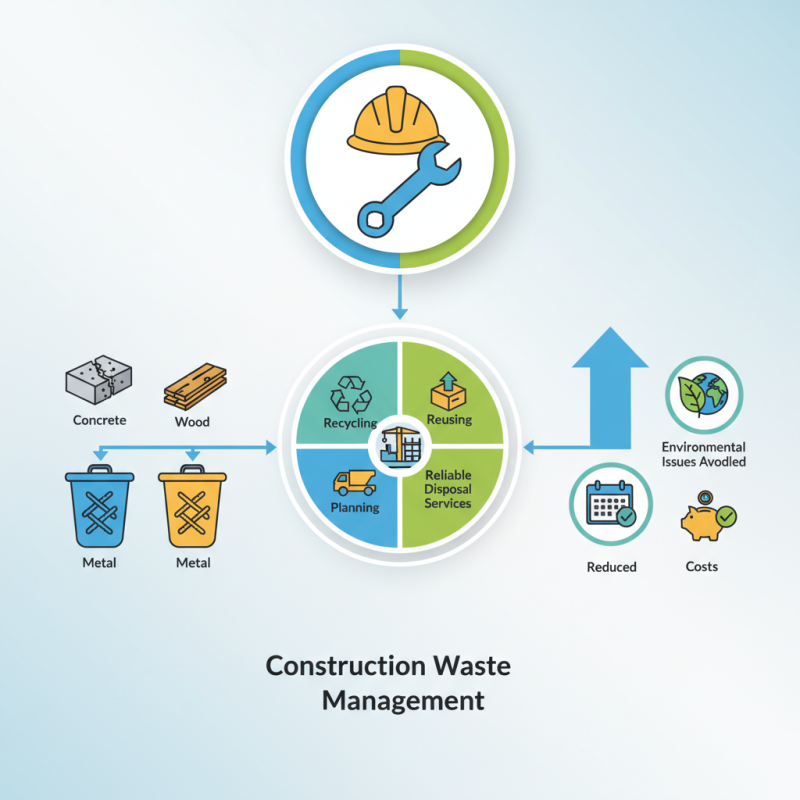
Finding effective ways to manage rubbish is vital. Construction waste can include materials like concrete, wood, and metal. Each type has specific disposal requirements. Sorting waste at the site can make the process smoother. Using designated bins for different materials helps too.
Many people underestimate the importance of planning for rubbish disposal. A lack of foresight can result in chaos at the end of a project. Choosing reliable disposal services is just one part of the puzzle. Awareness about recycling and reusing materials is also key. Reflecting on these tips will lead to better practices in the future.
Understanding the Importance of Effective Construction Rubbish Disposal
Effective construction rubbish disposal is critical for several reasons. According to the Global Waste Management Outlook, construction and demolition waste accounts for about 30% of all waste generated worldwide. This staggering statistic highlights the urgent need for effective management. Inefficient disposal can lead to environmental hazards, increased project costs, and regulatory penalties.
Many construction sites struggle with waste segregation. A report from the Construction Industry Research and Information Association indicates that less than 50% of construction waste is recycled. This is a concerning gap that needs immediate attention. Proper recycling not only conserves natural resources but can also reduce disposal fees significantly. On average, recycling can cut costs by up to 20%.
Moreover, there are implications for worker safety. An unchecked accumulation of rubbish creates hazards that can lead to accidents. Studies suggest that more than 30% of site injuries are due to waste-related issues. A clean site promotes safety and efficiency, impacting overall productivity. It’s clear that effective construction rubbish disposal is not just a regulatory requirement; it is a vital aspect of a successful construction project.
Top 10 Tips for Effective Construction Rubbish Disposal
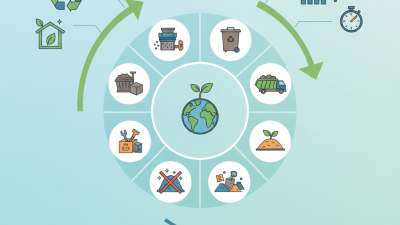
This chart illustrates the importance of effective construction rubbish disposal by showcasing common disposal methods and their perceived effectiveness among construction professionals.
Identifying Different Types of Construction Waste and Their Disposal Methods
Construction waste varies greatly. It includes concrete, wood, metals, and masonry. According to the EPA, construction and demolition waste accounts for 25-30% of the total waste generated in the U.S. Managing this waste efficiently is critical for the environment and project budgets.
Concrete waste often arises from demolition sites. Recycled concrete can be crushed and reused in new construction. Using recycled material can reduce costs by up to 30%. Wood waste is another concern. Instead of discarding scrap wood, find options for repurposing. Small bits can become mulch or biofuel.
Metals, including steel and copper, hold significant value. These materials can often be sold to scrap yards. It's essential to sort these materials on-site. Many construction sites overlook proper segregation. This leads to increased disposal costs and environmental impact. Understanding the types of waste and their disposal methods can help contractors foster sustainable practices. Adopting eco-friendly disposal methods can improve the overall efficiency of construction projects.
Top 10 Tips for Effective Construction Rubbish Disposal
| Type of Construction Waste |
Recommended Disposal Method |
Best Practices |
| Concrete |
Recycling at designated facilities |
Crush to create aggregate for new concrete |
| Wood |
Reuse or donate; compost if untreated |
Source-separated collection |
| Metals |
Sell to scrap yards |
Remove contaminants for better value |
| Plastics |
Recycle at specialized centers |
Sort by type for effective recycling |
| Asphalt |
Recycling for road construction |
Crush and screen material |
| Glass |
Recycling in glass collection bins |
Avoid mixing with other wastes |
| Hazardous Waste |
Specialized disposal through certified contractors |
Follow local regulations closely |
| Soil |
Reuse on-site or dispose at landfill |
Check for contaminants before reuse |
| Tiles |
Recycle or reuse for decorative purposes |
Store properly to avoid breakage |
| Cardboard |
Recycle with paper products |
Flatten boxes for efficient collection |
Implementing Recycling Practices for Sustainability in Construction Projects
Sustainability is essential in construction. Implementing recycling practices can reduce waste significantly. Construction sites often generate piles of rubbish. This includes metals, plastics, and wood. Many materials are recyclable if sorted correctly. Proper sorting can help minimize landfill waste.
Educating workers on recycling is vital. Workers need to know what can be recycled. Regular training can improve recycling practices on site. Color-coded bins can also help. Make it easy for workers to dispose of materials correctly. However, not everyone always follows these systems. This creates a challenge. It requires constant reminders and adjustments.
Some projects may struggle with effective recycling. Contractors sometimes overlook this aspect. They may focus solely on costs or deadlines. Emphasizing the long-term benefits of recycling can shift this mindset. When teams understand the impact of their waste, they often change habits. Sustainability should be a priority in every project. Together, we can build a greener future.
Utilizing Proper Containers and Tools for Efficient Waste Management
Proper waste management is crucial for construction sites.
Utilizing the right containers and tools can significantly enhance efficiency. Selecting containers that are appropriate for different types of waste can minimize overflow and contamination.
For instance, use separate bins for recyclables, hazardous materials, and general debris. This makes sorting easier later on.
Investing in quality tools is also important. Rubbish chutes can facilitate the safe disposal of large materials from higher levels.
Make sure tools are consistently maintained. Broken or inefficient tools can slow down the cleanup and create hazards. Always have enough containers on hand to avoid overflow,
which might lead to environmental issues.
Don’t overlook the importance of worker training.
Ensure everyone understands the waste disposal process. Encourage regular checks on container conditions. A cluttered site can lead to accidents and delays.
Efficient waste management requires constant reflection and adjustment.
Improving small details can make a big difference in the long run.
Complying with Local Regulations and Environmental Standards in Disposal
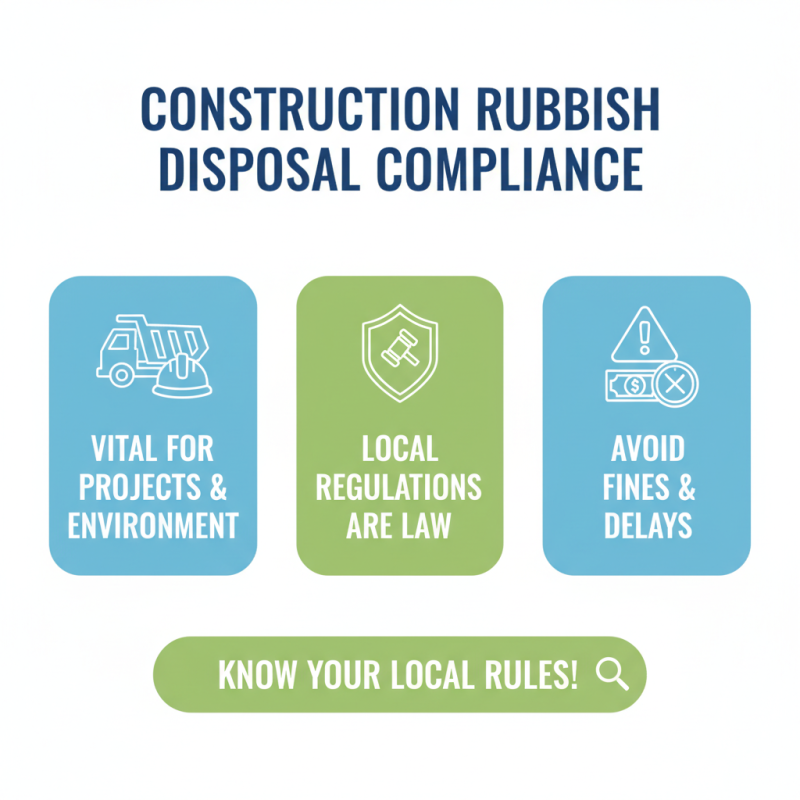
Proper disposal of construction rubbish is vital. Local regulations guide disposal methods. Each area has specific rules. Being aware of these is crucial for project compliance. Ignoring them can lead to fines and delays.
Tip 1: Check local guidelines. Local governments often publish regulations online. These documents clarify what materials can be disposed of and where. For instance, some materials may require special handling.
Tip 2: Separate your waste. Different types of rubbish need distinct disposal methods. For example, hazardous materials like paint must not be mixed with general waste. This separation can prevent contamination.
Tip 3: Use licensed disposal services. Hiring a licensed service ensures compliance with standards. Unlicensed services may offer lower rates, but they pose environmental and legal risks. Make sure your disposal service follows local rules.
Sometimes, we may overlook our responsibility. It's easy to assume that all rubbish is treated equally. However, each material requires careful consideration. Looking for sustainable options is worth it.

 Concrete Mixing Plant
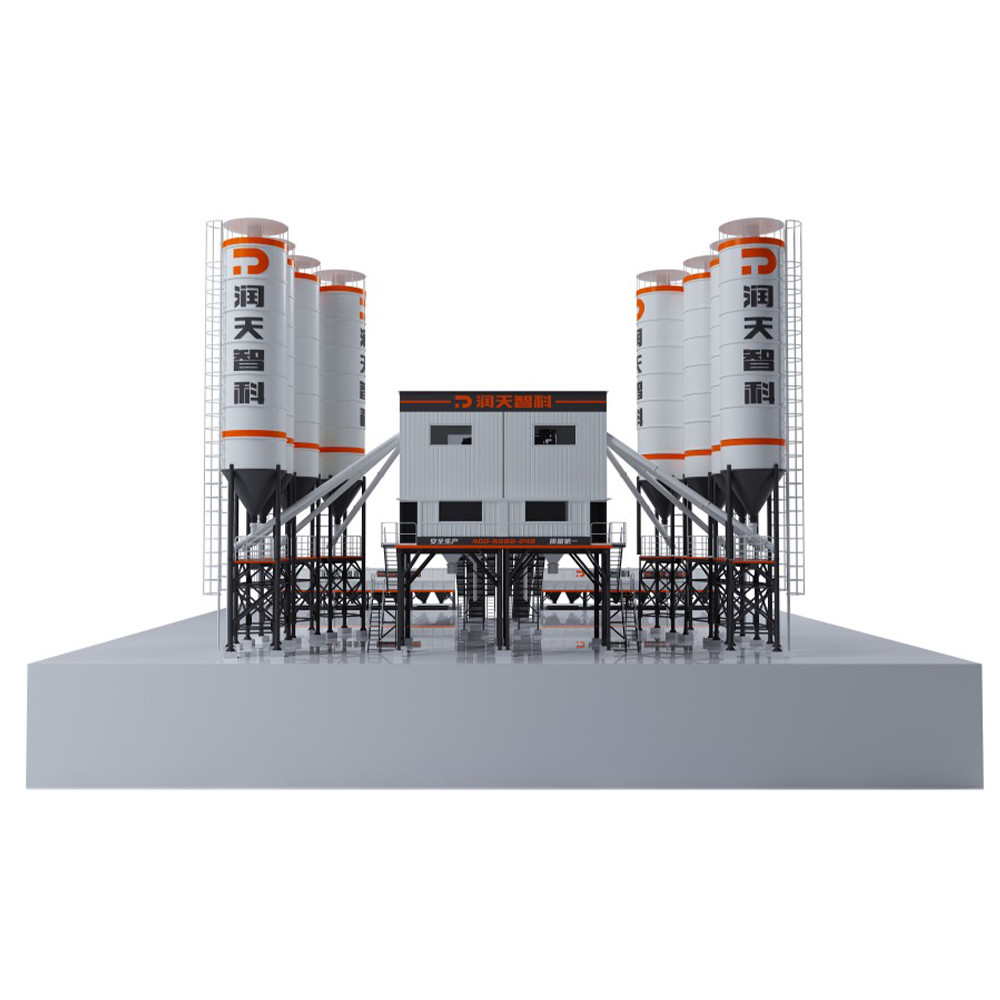 HZS Series Belt Concrete Mixing Plant
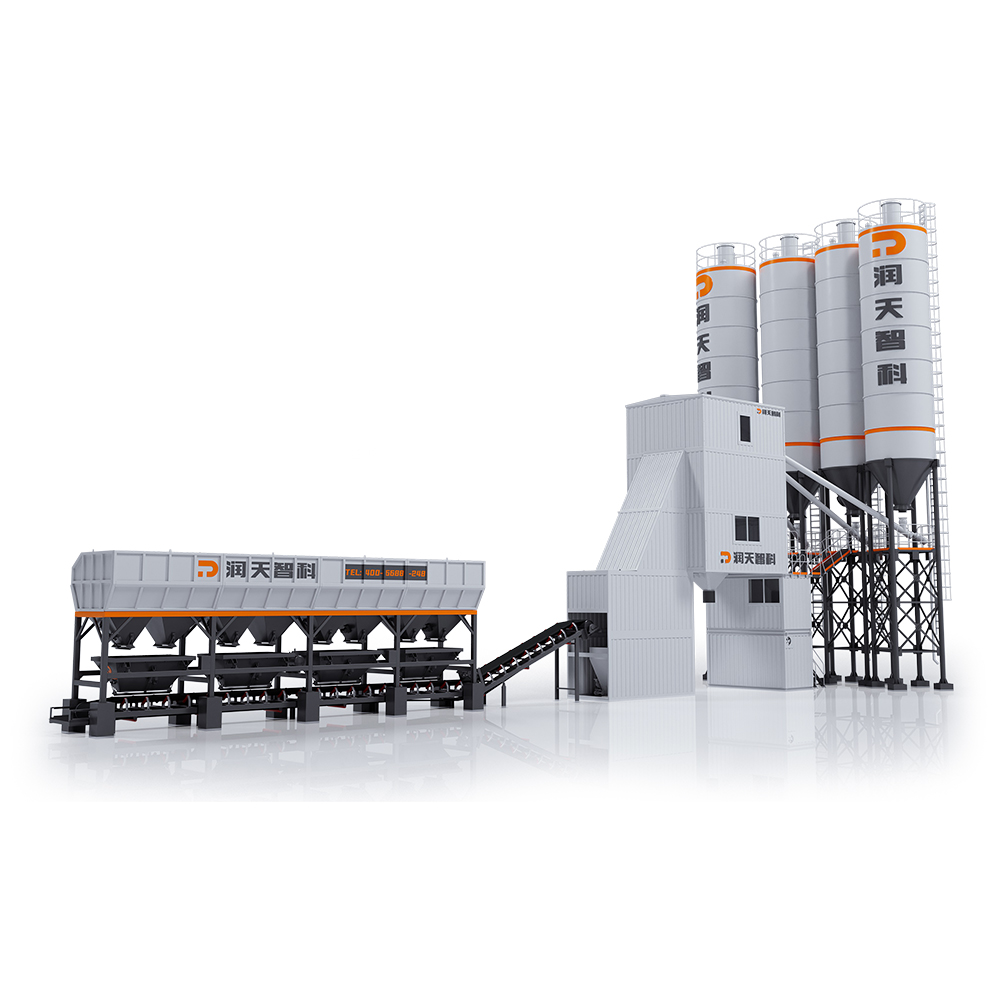 HZS Series Bucket-Lifting Type Container Concrete Mixing Plant
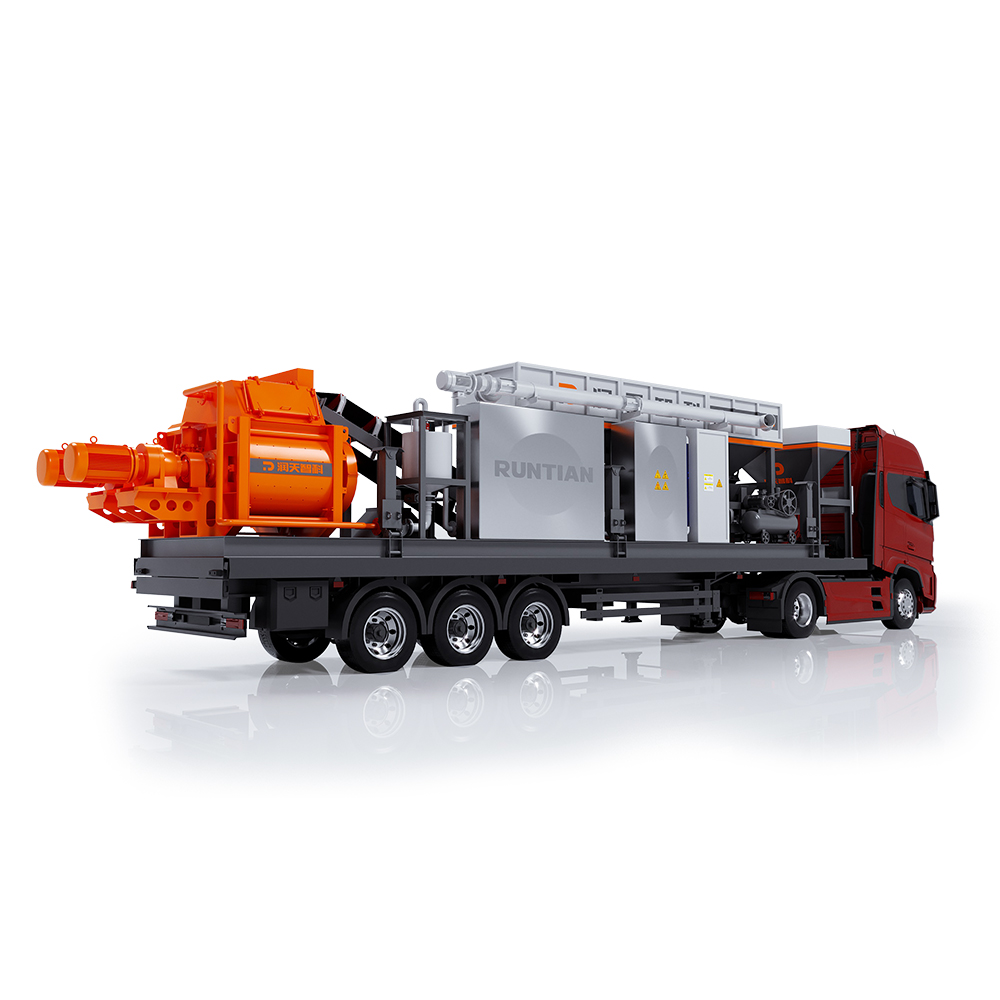 HZS60 Mobile Concrete Mixing Plant
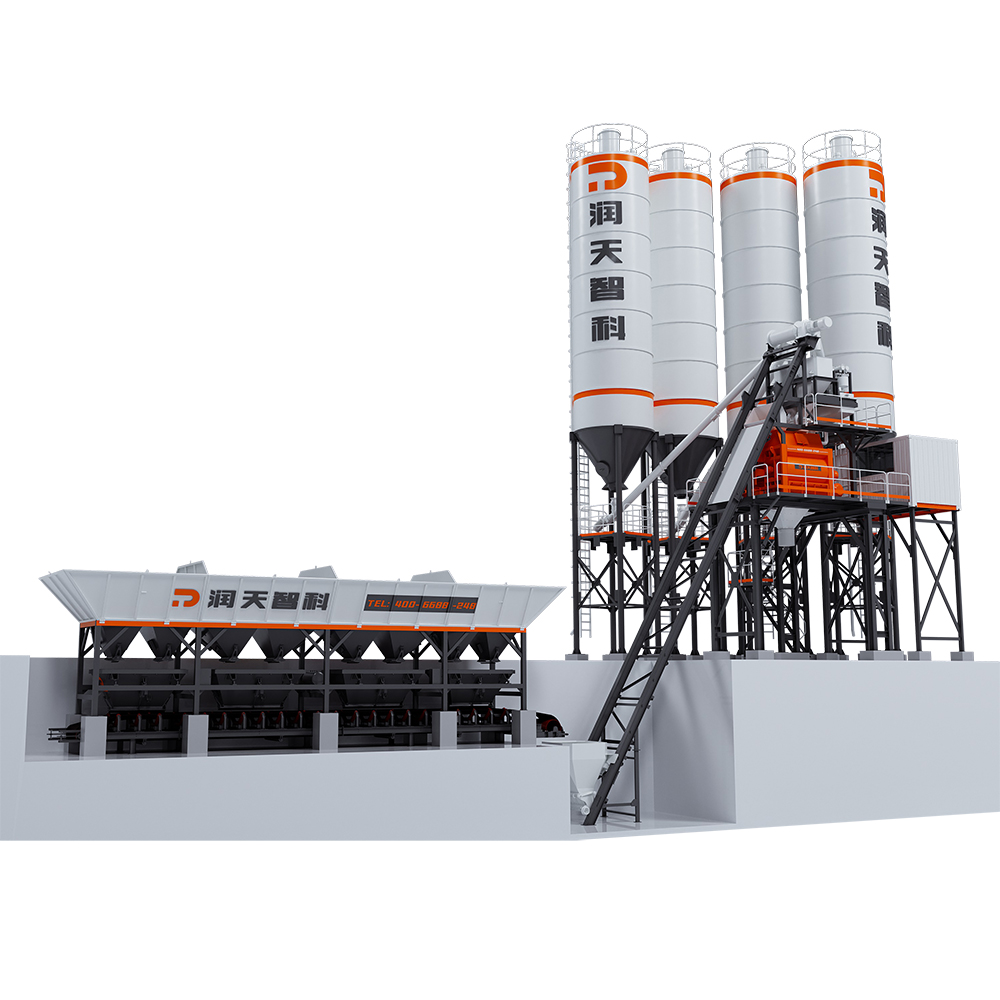 HZS Series Bucket-Lifting Type Concrete Mixing Plant
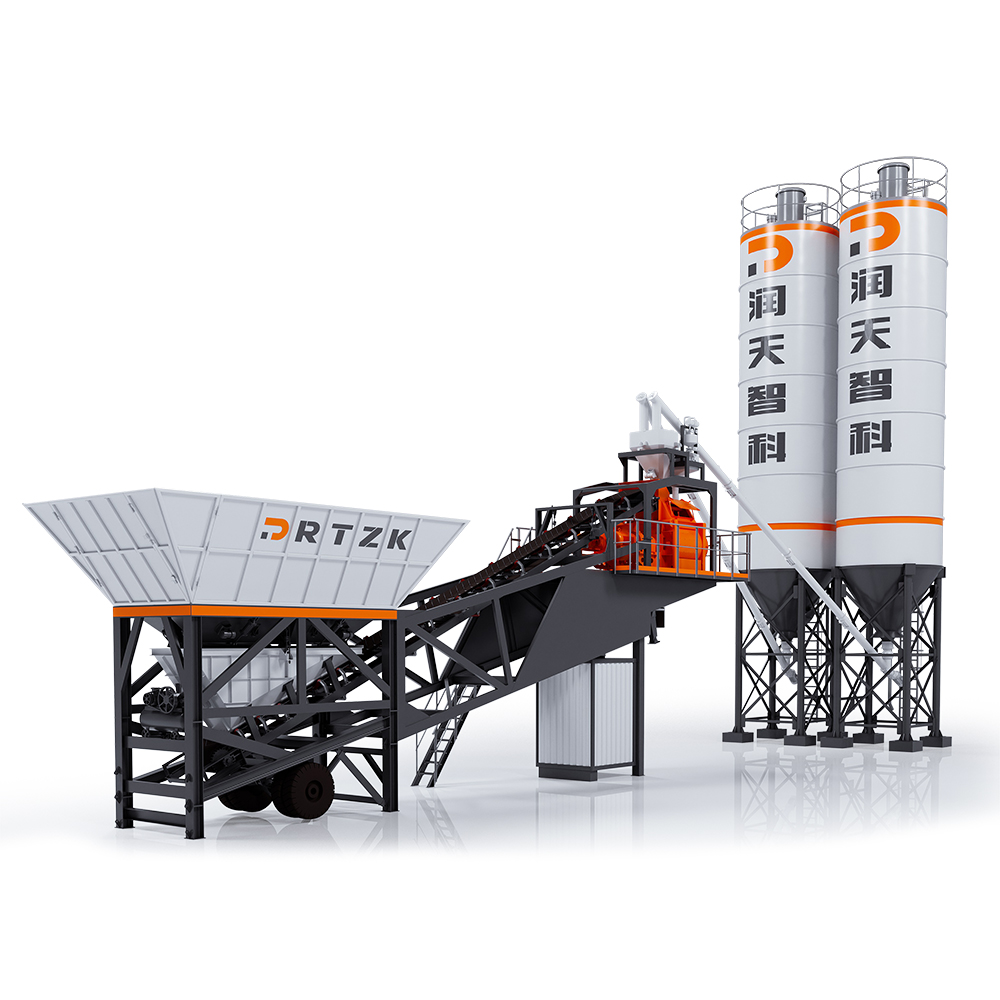 HZS Series Mobile Concrete Mixing Plant
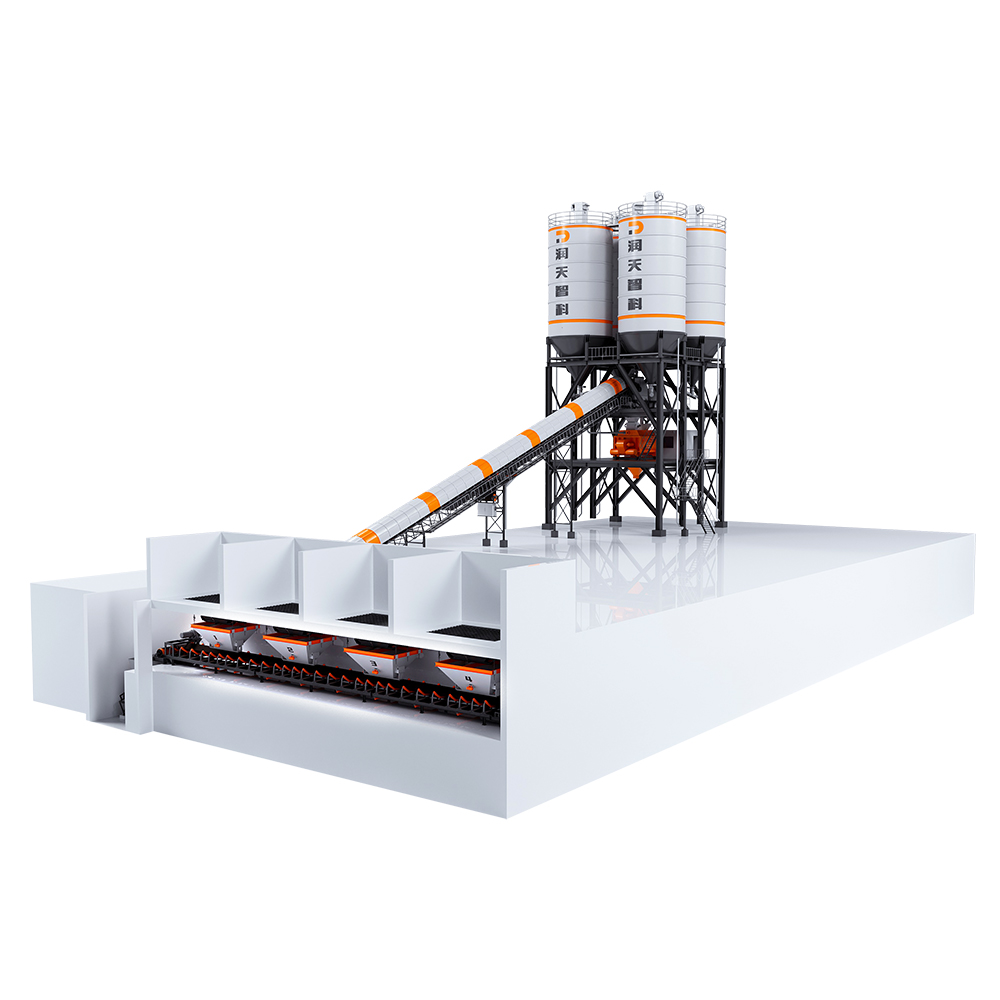 HZS Series Top-Mounted Concrete Mixing plant
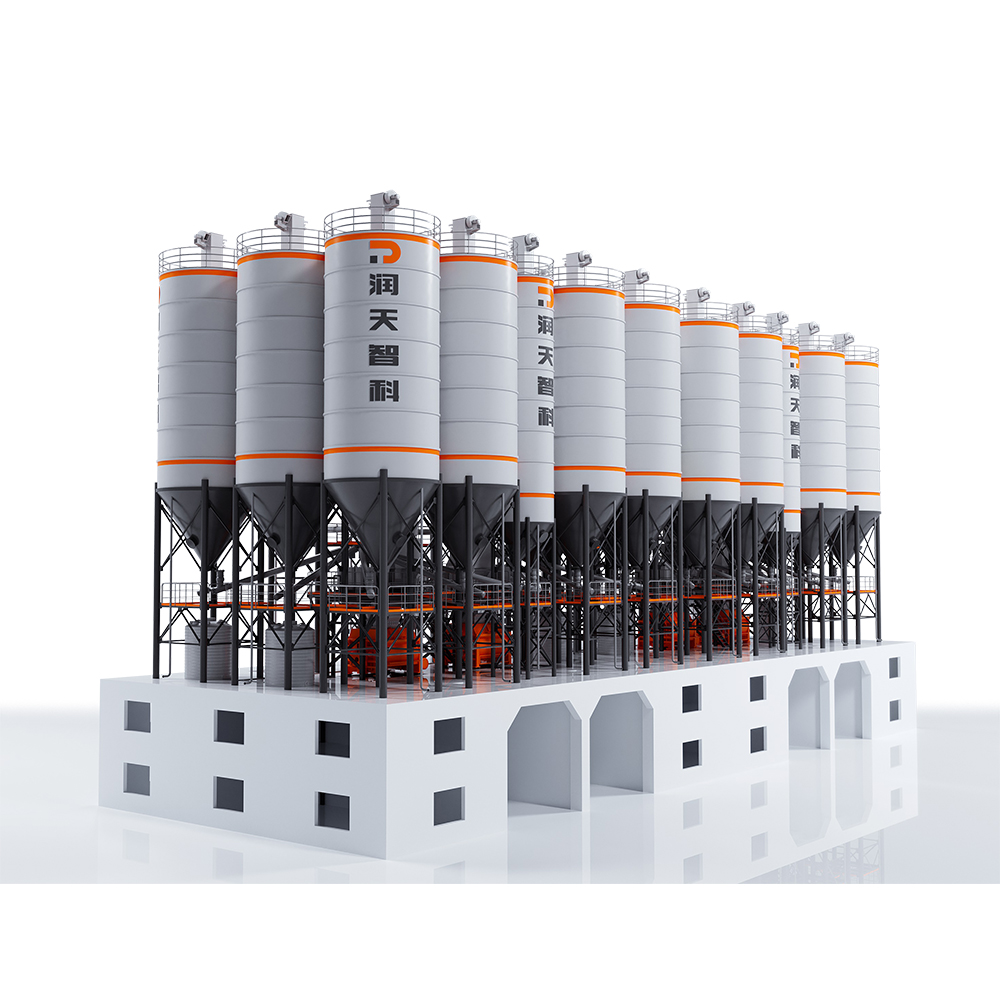 HZS Series Semi-Top Mounted Concrete Mixing Plant
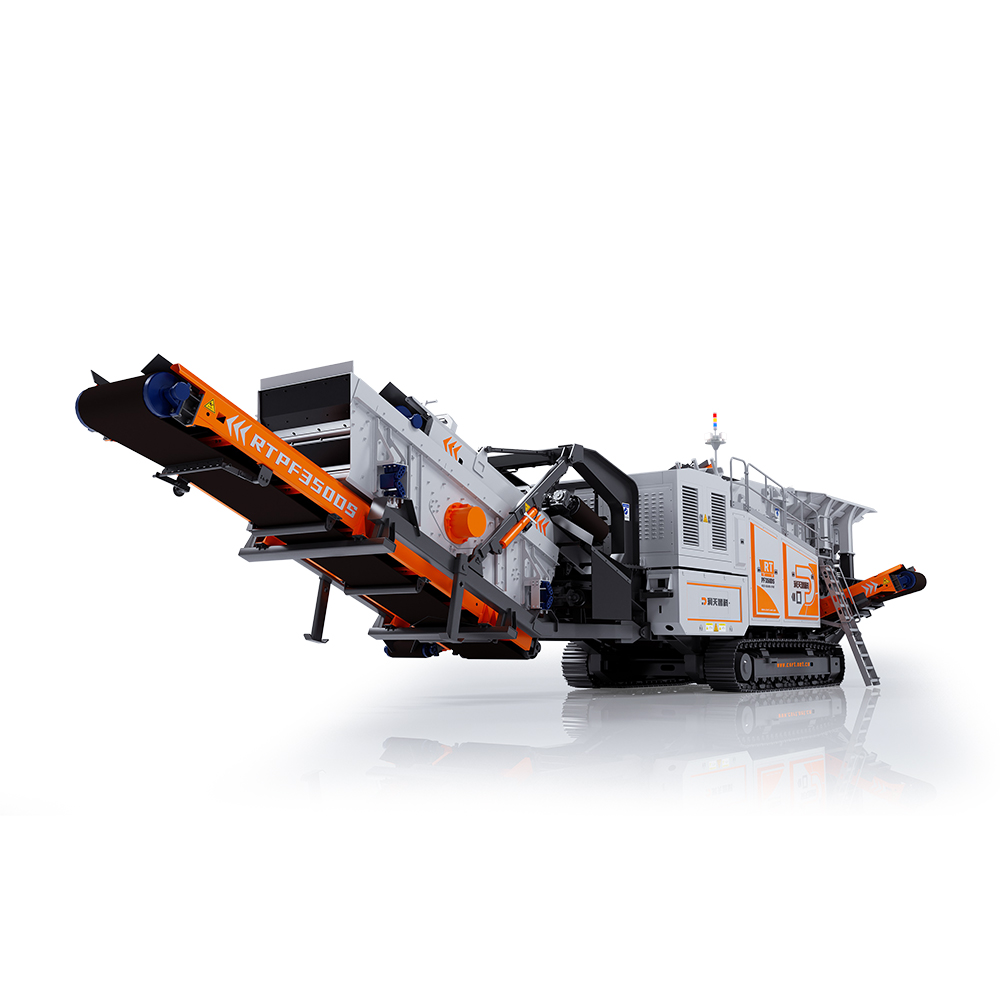 RTPF350DS Crawler Mobile Impact Crushing Plant
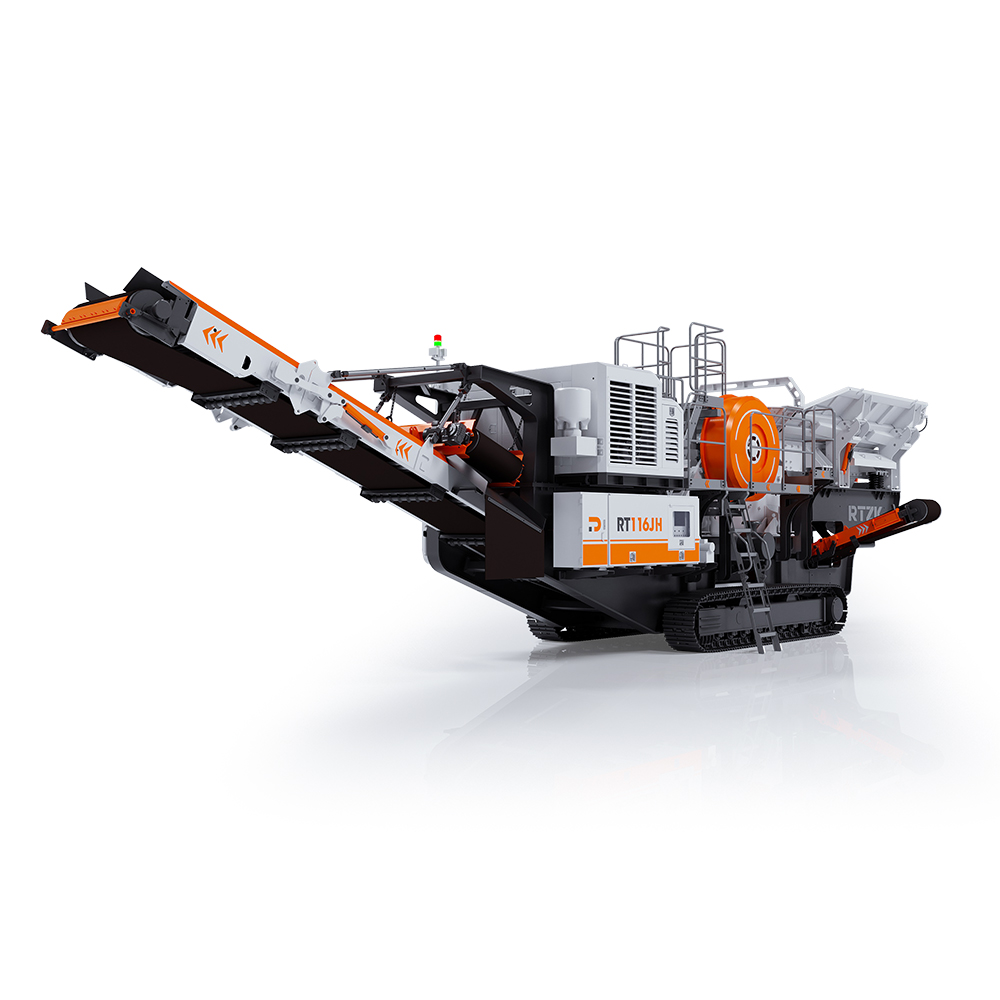 RT116JH Crawler Mobile Jaw Crushing Plant
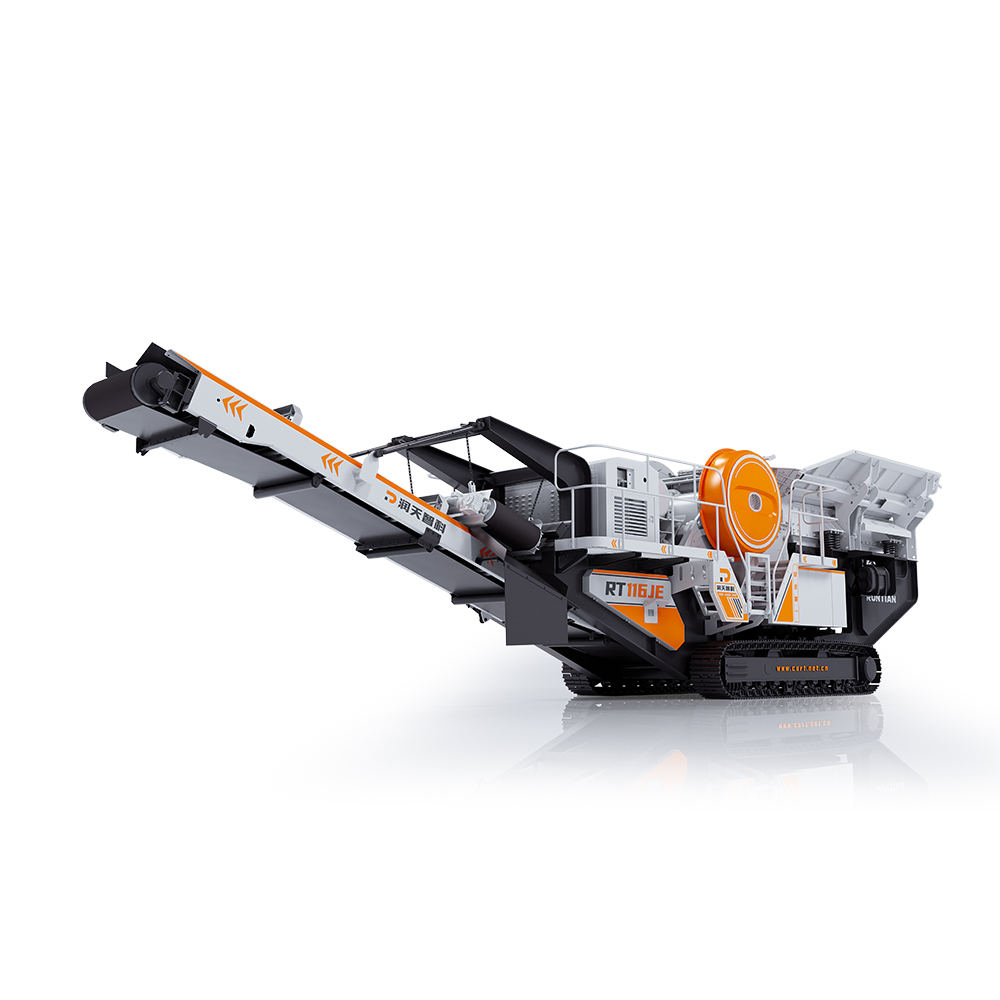 RT116JE Crawler Mobile Jaw Crushing Plant
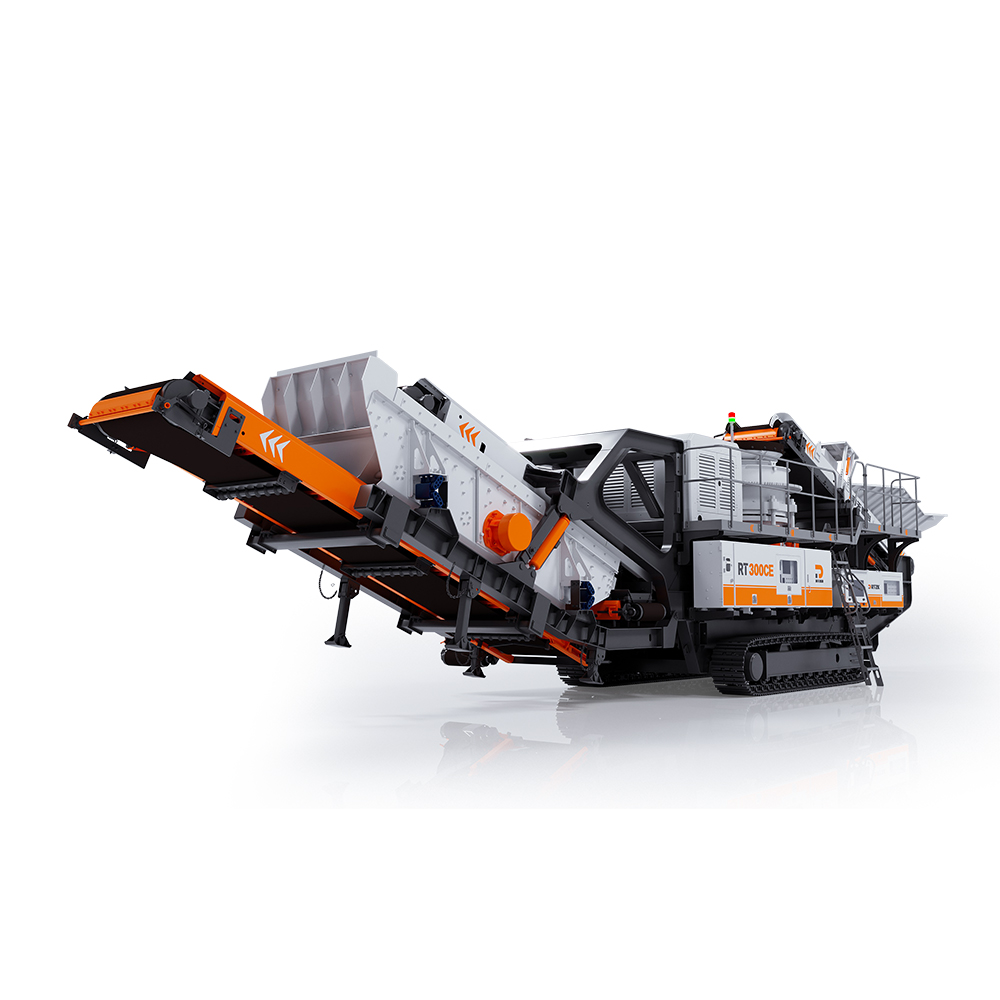 RT300CE Crawler Mobile Cone Crushing Plant
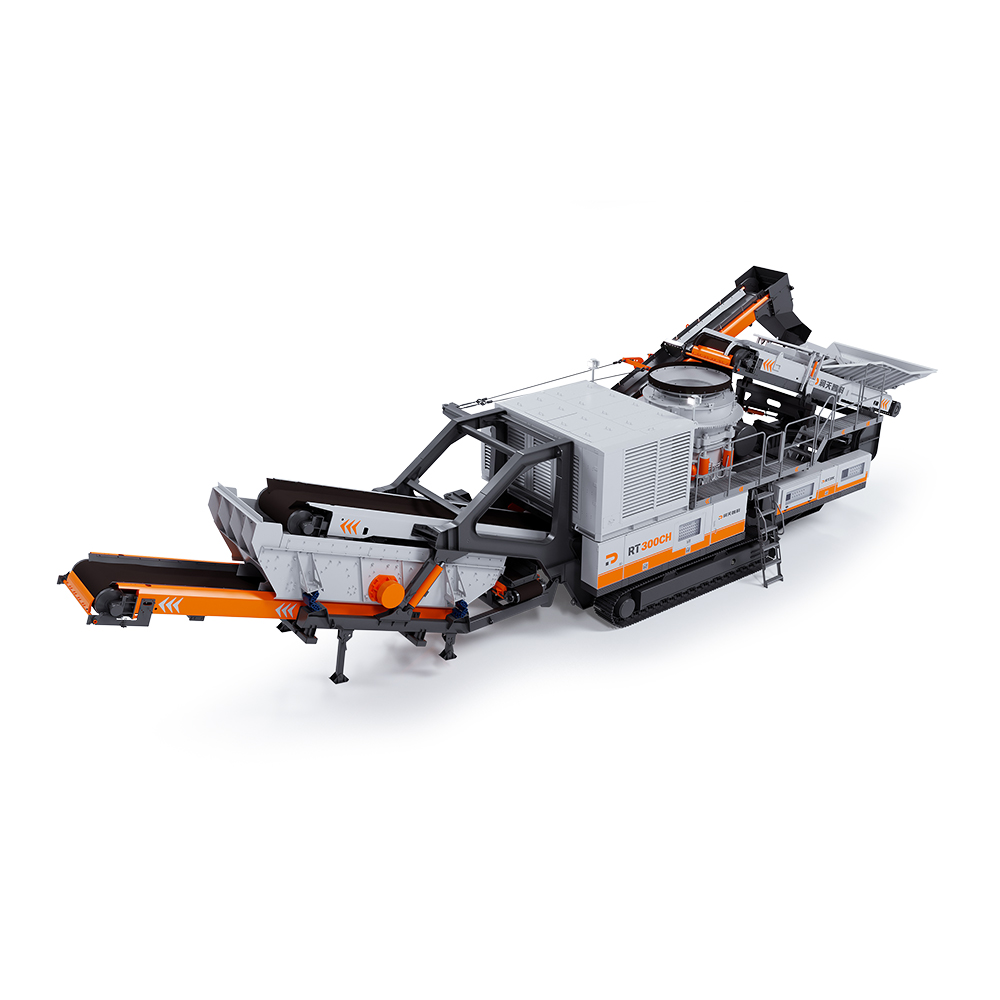 RT300CH Crawler Mobile Cone Crushing Plant
 RT5015H Mobile Scalping Screen
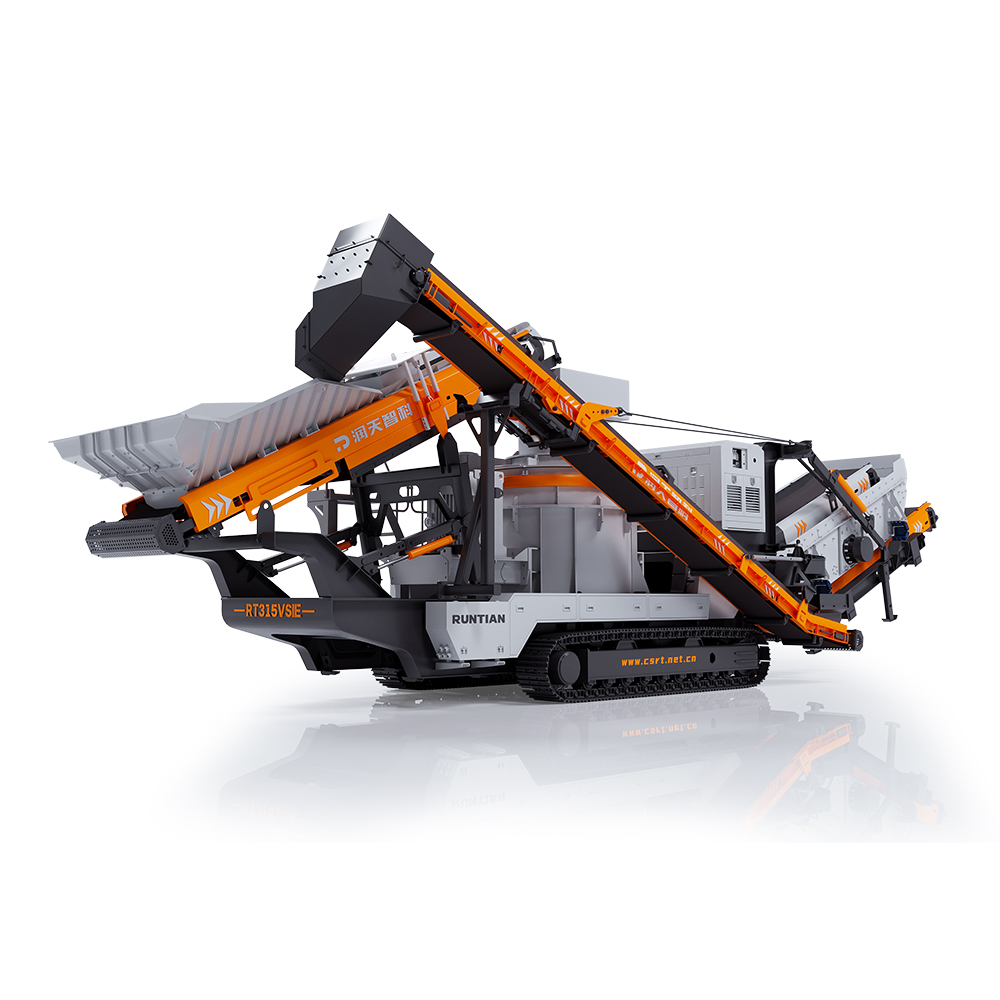 RT315VSIE Crawler Mobile Sand Maker
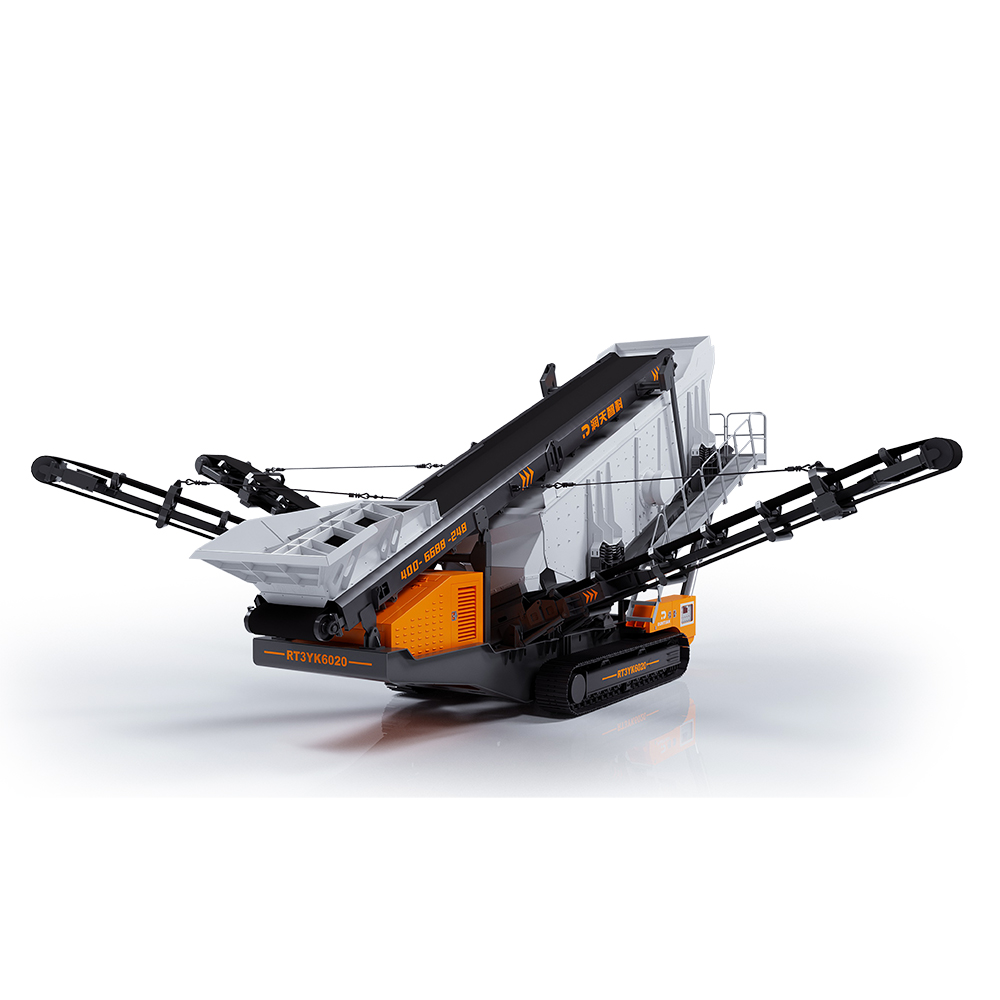 RT3YK6020 Crawler Mobile Screening Plant
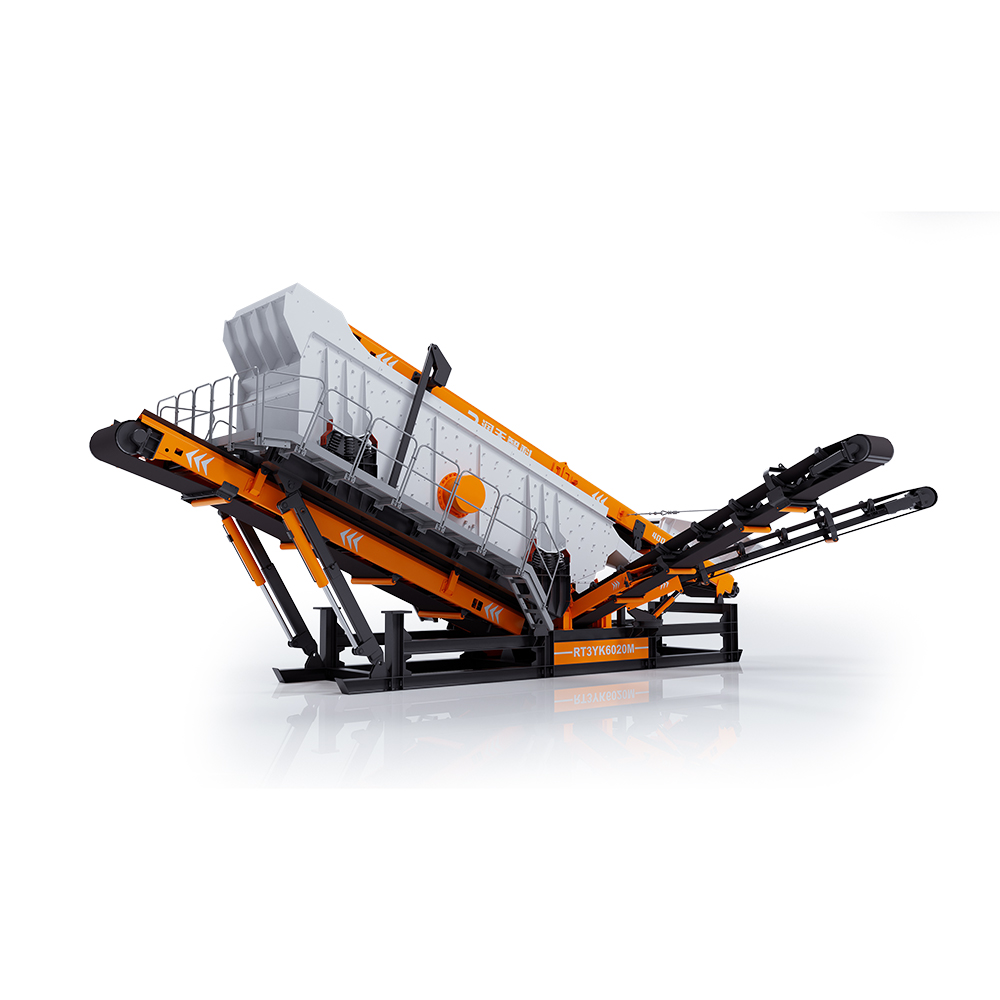 RT3YK6020M Modular Screening Plant
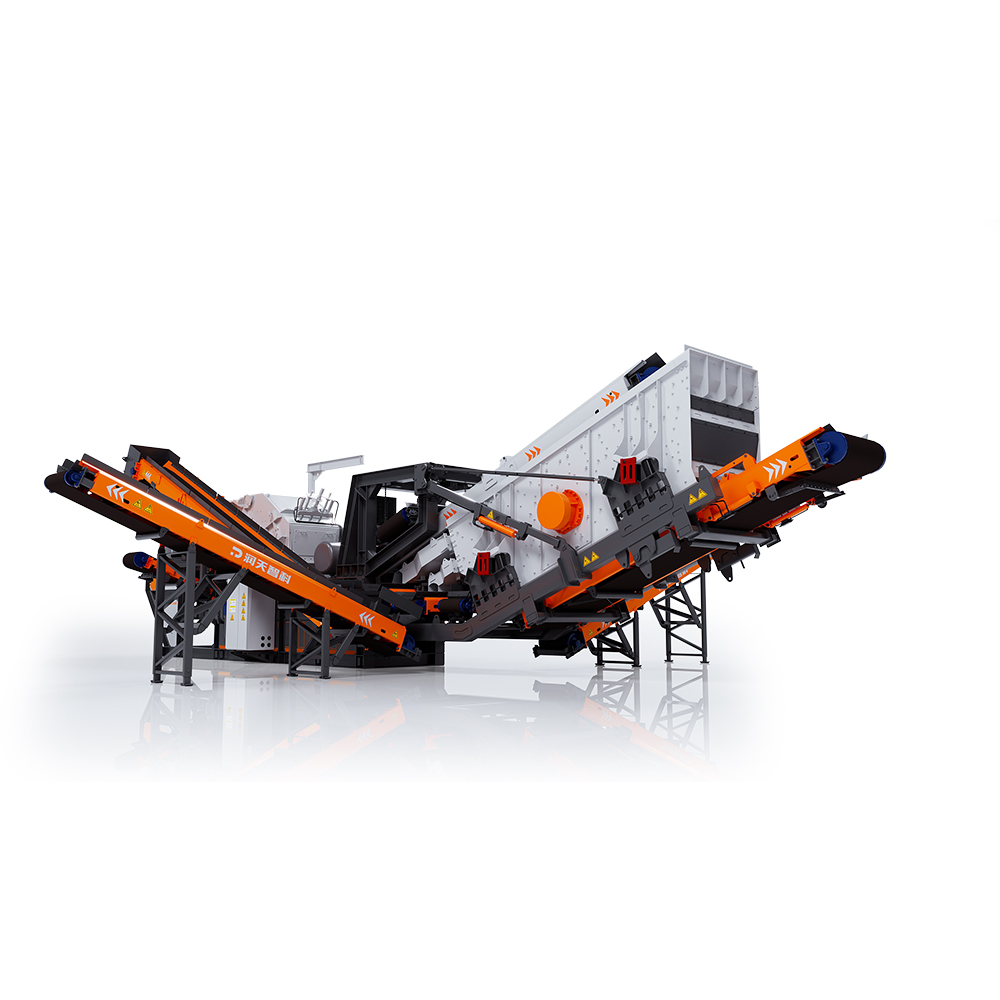 RTF260M Modular Counterattack Crushing and Screening Integrated Machine
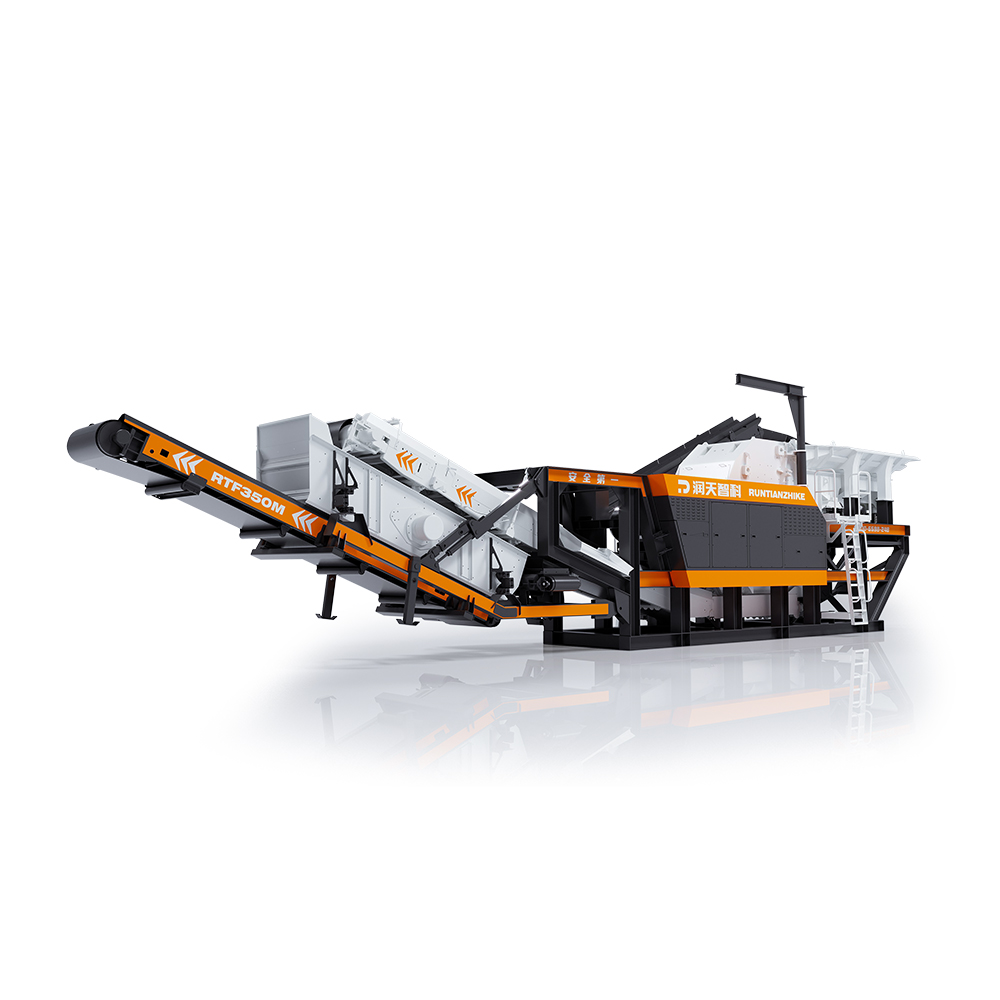 RTF350M Modular Impact Crushing Plant
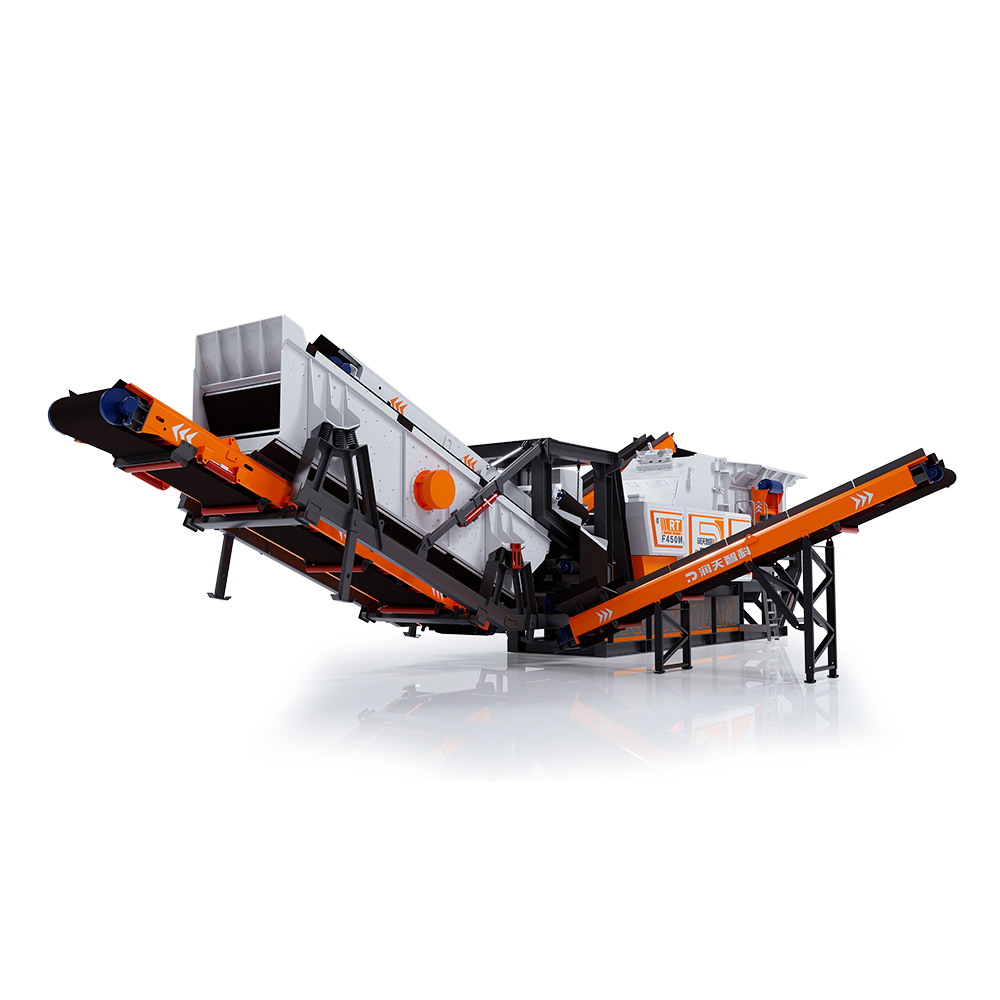 RTF450M Modular Impact Crushing Plant
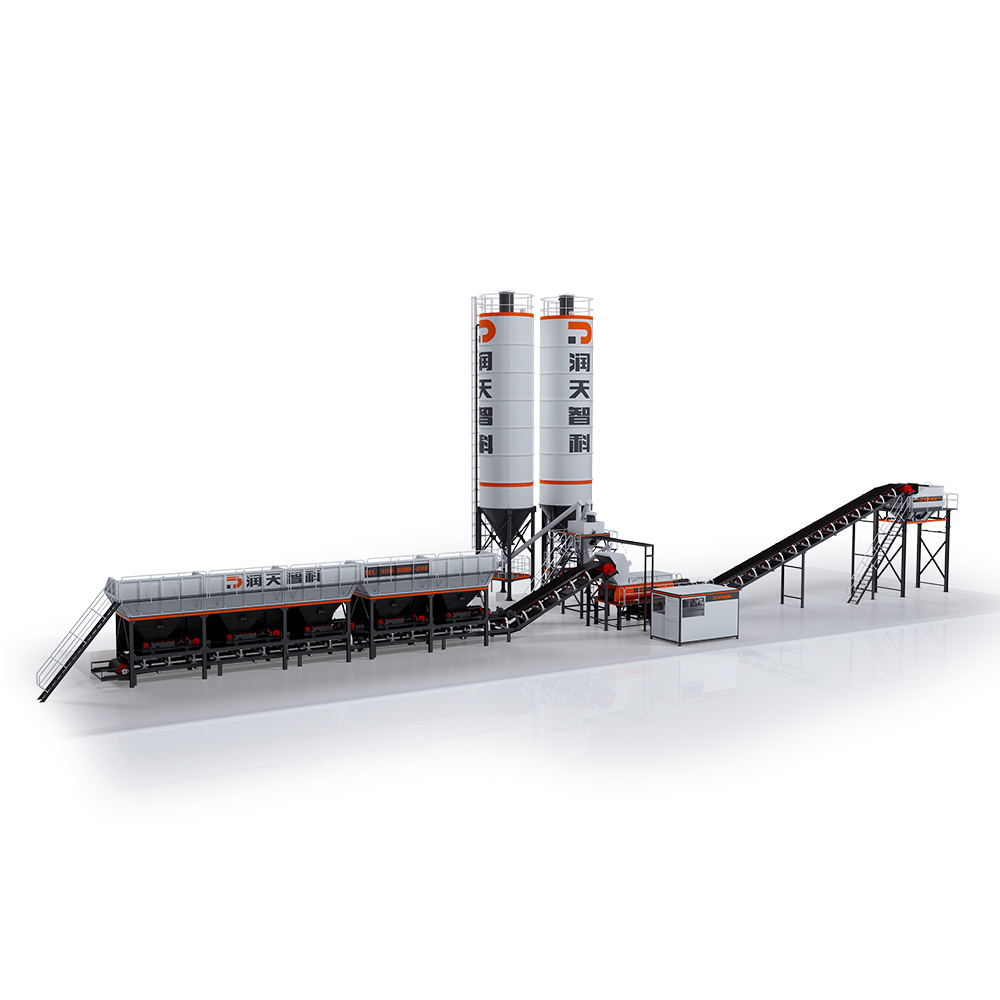 WDB Series Foundation-Free Stability Soil Mixing Plant
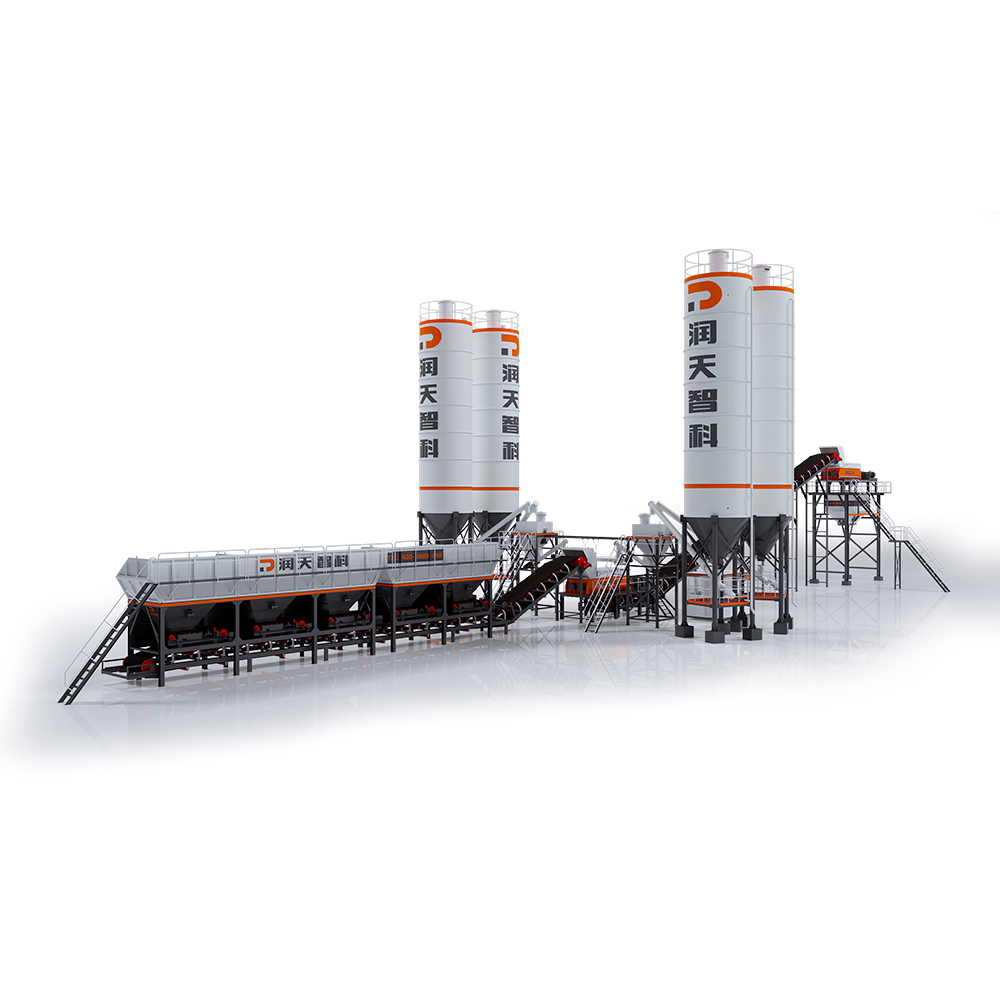 LCB Series Emulsified Asphalt Cold Regeneration Secondary Mixing Plant
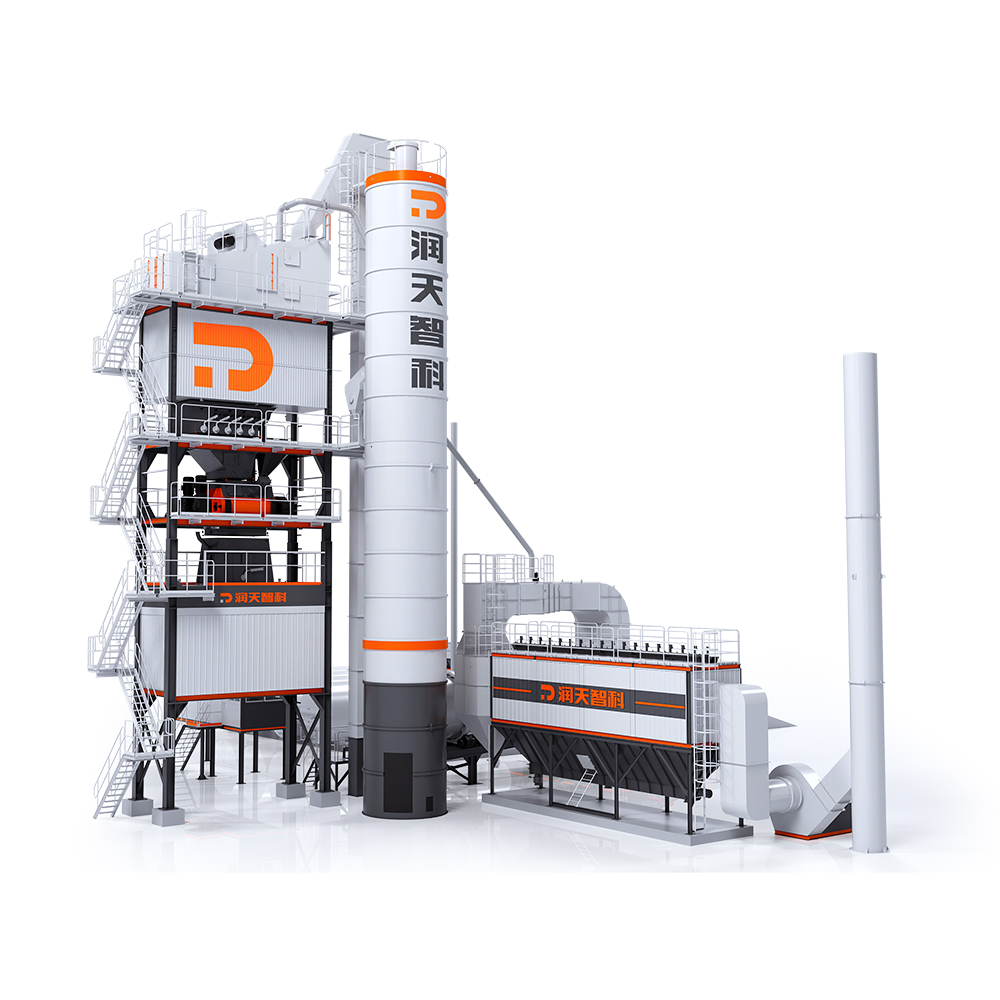 LB Series Asphalt Mixing Plant
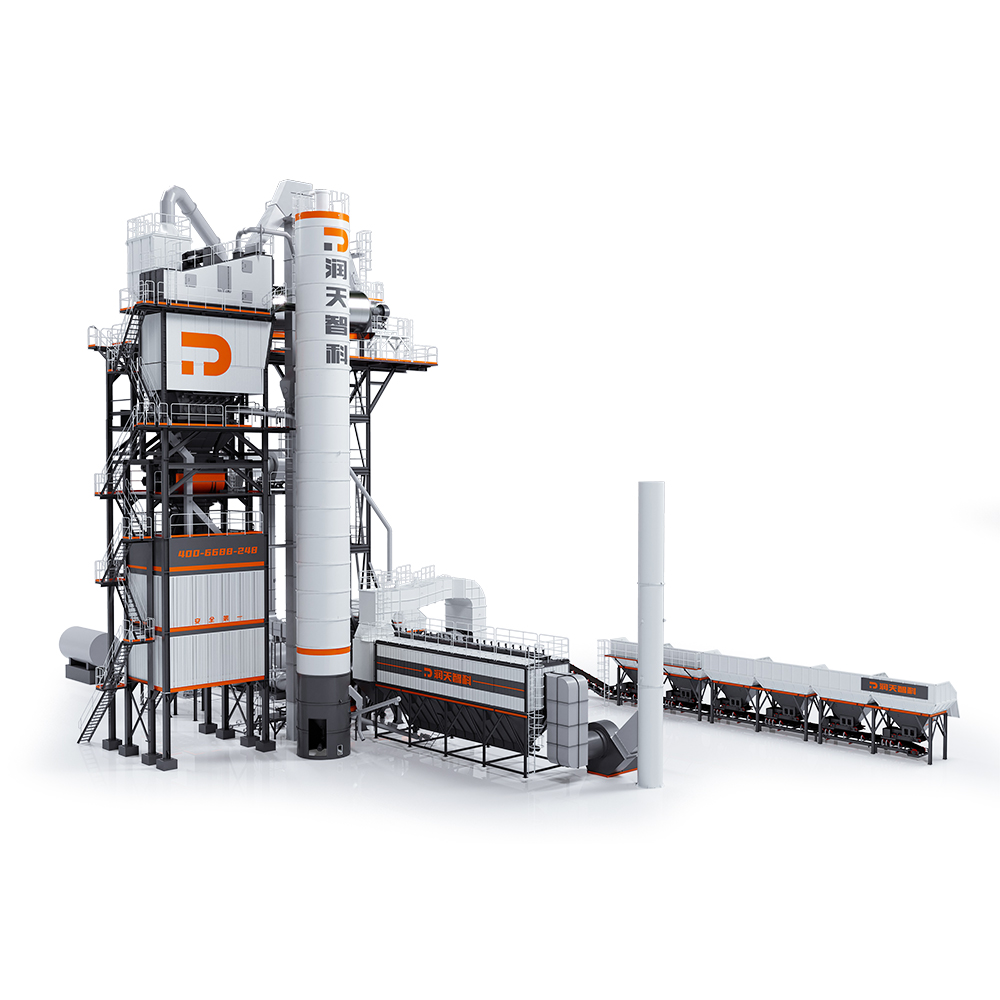 LBR Series Integrated Asphalt Mixing Plant
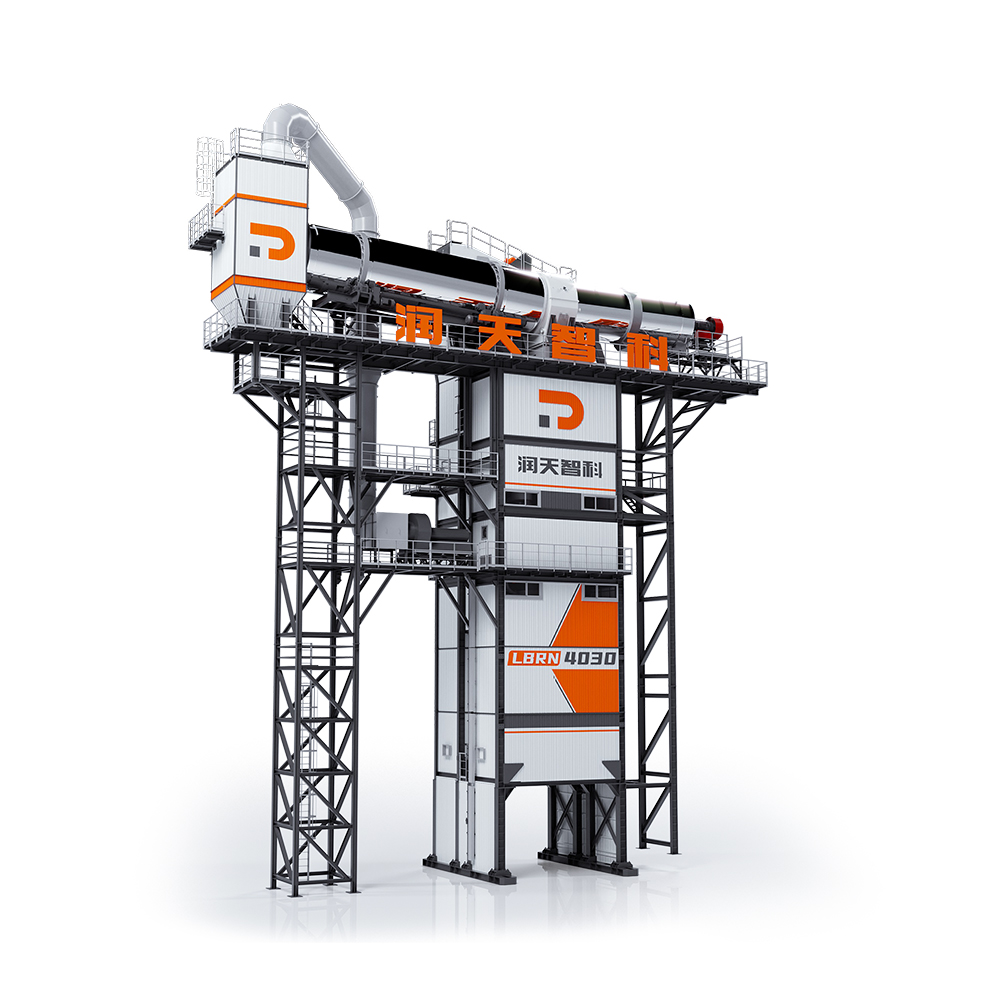 LBRN Series Counterflow Integral Asphalt Mixing Plant
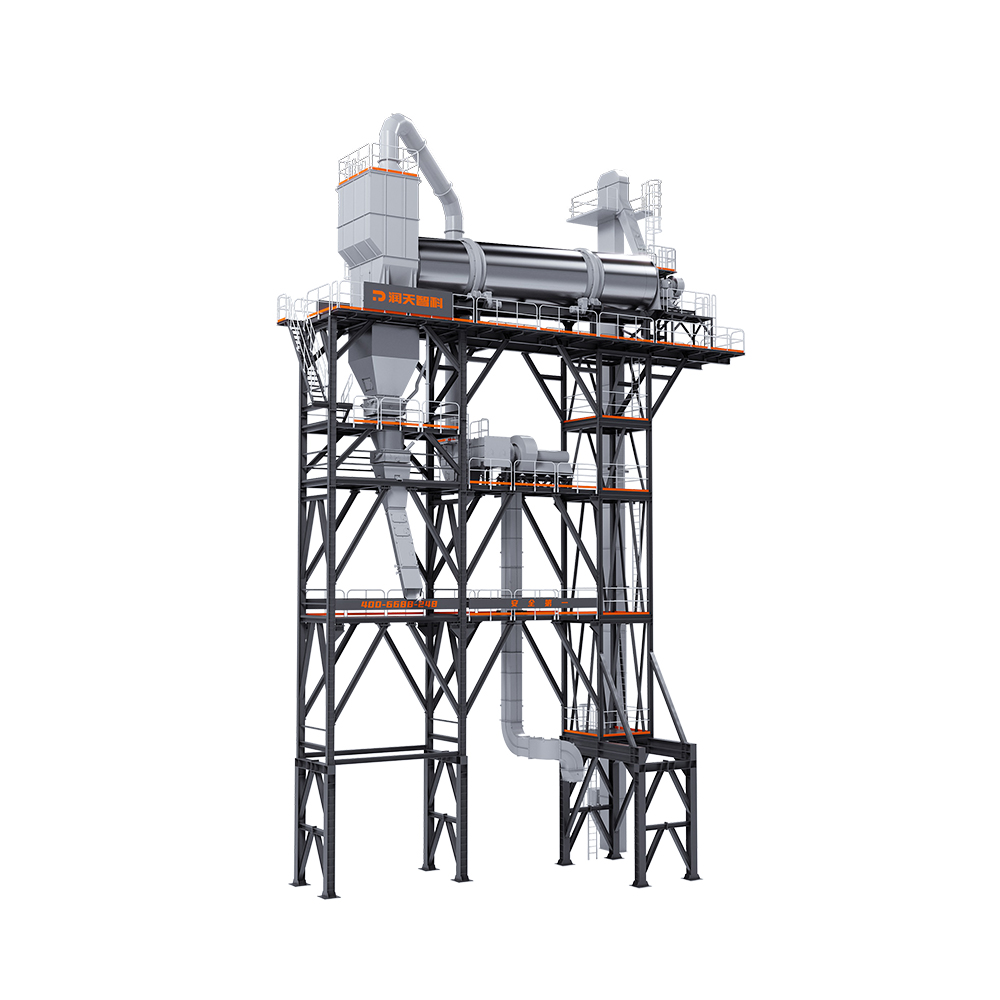 RZS Series Asphalt Mixing Plant
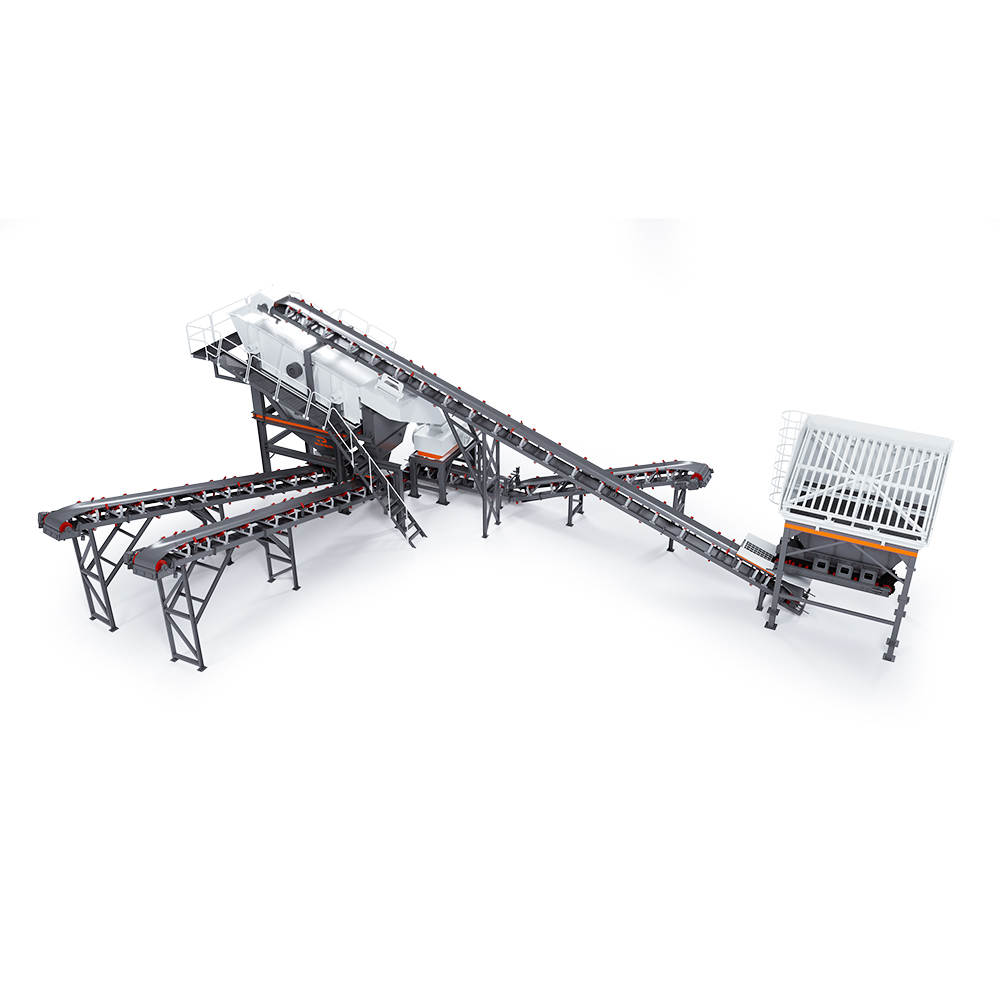 RTZS120 Series RAP Crushing & Screening Plant
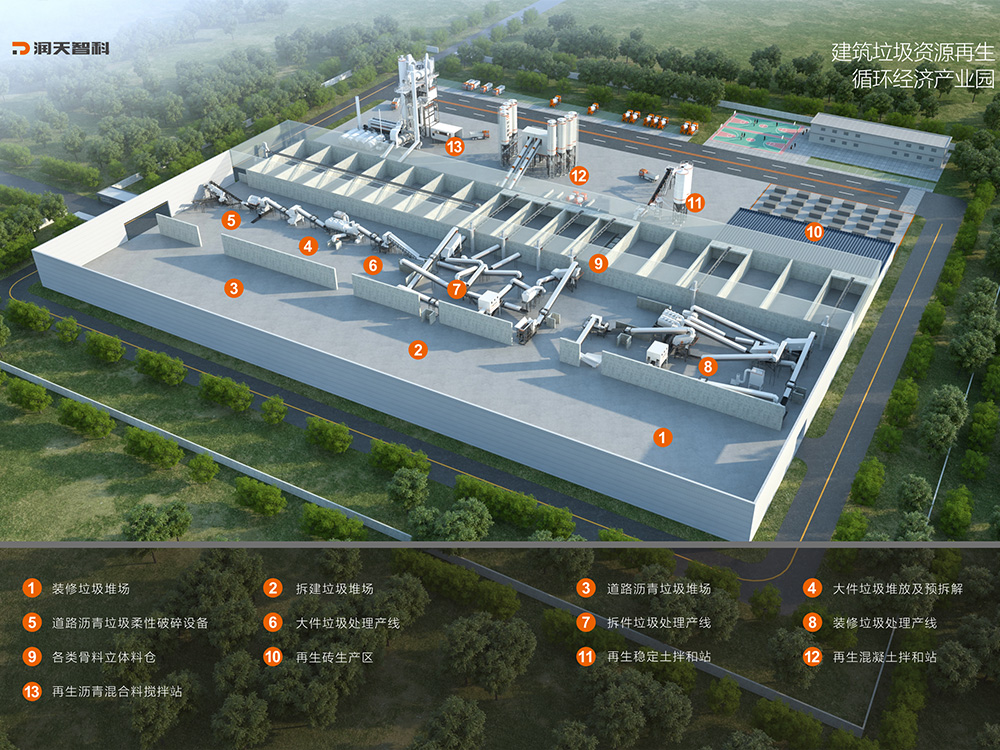 Construction Waste Resourceful Treatment Line