The Ultimate Guide to Demolition Garbage Disposal and Recycling Tips
In the world of construction, renovation, and demolition, the management of Demolition Garbage has become an increasingly critical aspect of sustainable building practices. Industry experts emphasize the importance of effective disposal and recycling methods to minimize environmental impact. According to Jake Thompson, a leading authority in demolition waste management, "Understanding the best practices for handling Demolition Garbage not only helps in keeping our planet cleaner but also can significantly reduce project costs."
This guide aims to provide comprehensive insights into the best strategies for disposing of and recycling demolition debris. As more construction projects prioritize sustainability, the role of proper waste management becomes paramount. With tips and techniques honed by experts, we can transform the way we approach Demolition Garbage, fostering a culture of efficiency and ecological responsibility in the demolition industry.
Through proactive planning and implementation of recycling practices, we can ensure that valuable materials are not wasted, thus paving the way for a greener future. Join us as we delve into the ultimate guide that aims to revolutionize how Demolition Garbage is perceived and managed in today's construction landscape.
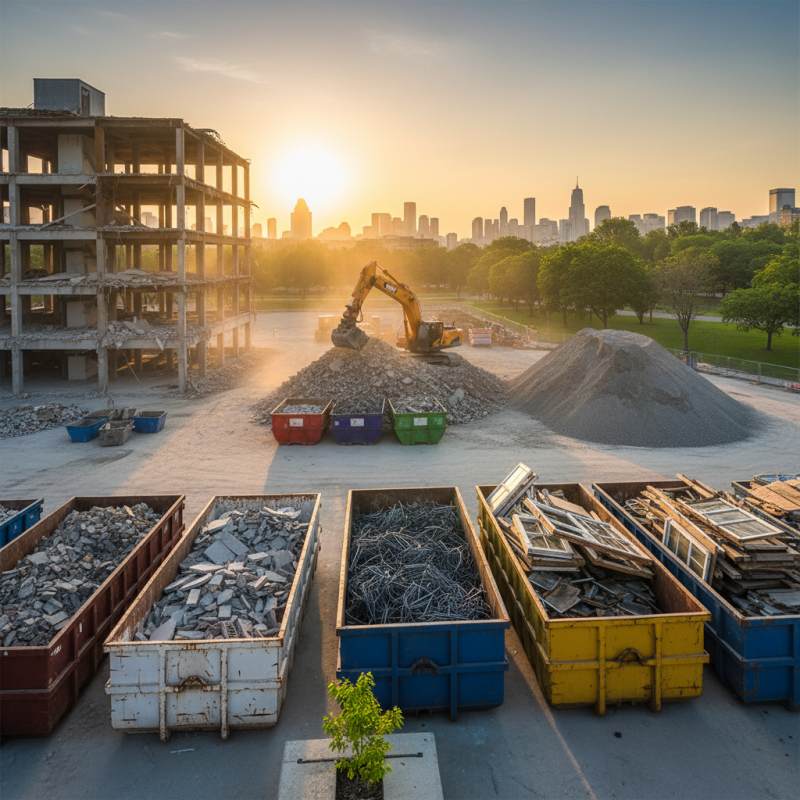
Overview of Demolition Garbage Types and Their Disposal Methods
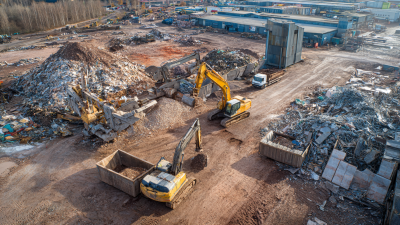
Demolition projects generate a variety of garbage types that require careful management to ensure proper disposal and recycling. Common types include concrete, wood, metal, drywall, and hazardous materials. Each of these categories requires different disposal methods to minimize environmental impact. For example, concrete can often be crushed and repurposed as aggregate for new construction, while untreated wood may be suitable for reuse or recycling into mulch.
When it comes to disposal methods, it's crucial to identify local processing facilities that accept specific materials. Many municipalities offer recycling programs for metals and wood, while hazardous materials must be handled through specialized facilities to prevent contamination. Additionally, some debris can be donated to non-profits or reused in community projects, benefiting both the environment and local organizations.
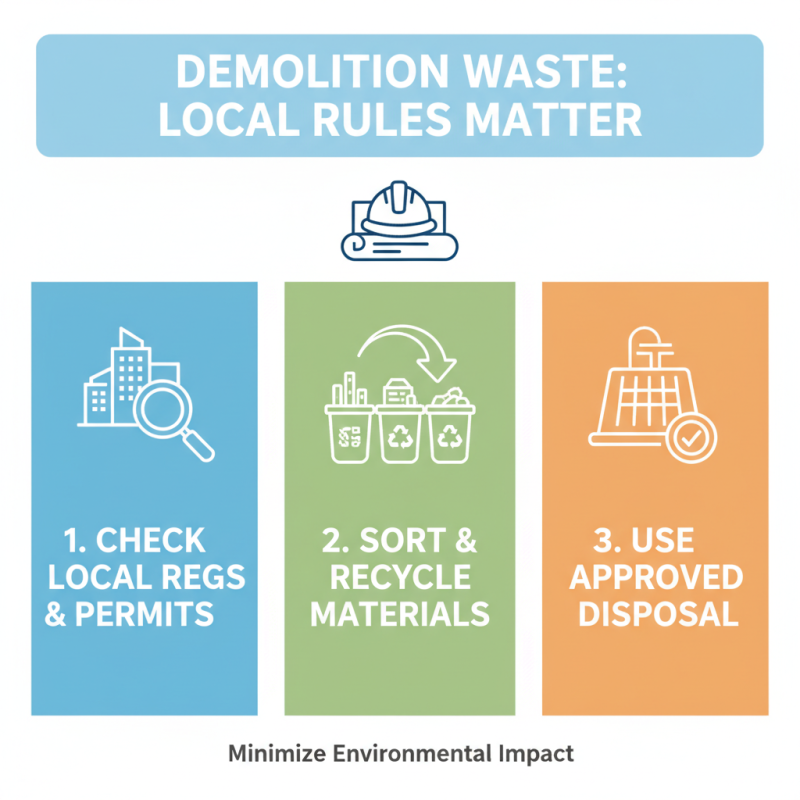
**Tips**: Before beginning your demolition project, research local recycling and disposal options to streamline the process. Separate materials on-site to facilitate easy recycling. Consider contacting local waste management services to inquire about bulk pickups and special disposal programs, which can enhance your project's sustainability efforts.
The Ultimate Guide to Demolition Garbage Disposal and Recycling Tips
| Demolition Garbage Type |
Disposal Method |
Recycling Potential |
Recommended Facilities |
| Concrete |
Landfill or recycling center |
High |
Concrete recycling facilities |
| Wood |
Landfill or composting |
Moderate |
Wood recycling centers |
| Metal |
Scrap metal yard |
Very High |
Metal recycling centers |
| Brick |
Landfill or recycling |
High |
Brick recycling facilities |
| Glass |
Landfill or recycling center |
Very High |
Glass recycling centers |
Importance of Recycling in Demolition Projects
Recycling is an essential aspect of demolition projects that goes beyond mere waste disposal. It significantly reduces the environmental impact of demolition activities by minimizing landfill contributions and conserving natural resources. In an era where sustainability is increasingly prioritized, recycling materials from demolished structures can lead to a substantial reduction in pollution and energy consumption. Commonly recycled materials include concrete, metals, wood, and glass, each of which can be repurposed into new products rather than being discarded.
Moreover, incorporating recycling strategies into demolition projects often proves beneficial financially. By redirecting reusable materials back into the production cycle, companies can lower disposal costs and even generate revenue from selling salvaged materials. Additionally, demonstrating a commitment to sustainable practices can enhance a company's reputation, attracting eco-conscious clients and stakeholders. As a result, the importance of recycling in demolition not only serves environmental goals but also aligns with economic interests, making it a crucial component of modern demolition practices.
Step-by-Step Guide to Preparing for Demolition Waste Disposal
Preparing for demolition waste disposal is a critical step in ensuring a smooth and efficient process. Before demolition begins, it’s essential to conduct a thorough assessment of the materials that will be removed. Identify which items can be reused, recycled, or discarded. This inventory not only aids in planning but also minimizes costs associated with waste transport and disposal. Furthermore, having a clear understanding of local regulations regarding waste management will help ensure compliance and prevent potential fines.
Once you have an inventory, it's time to develop a disposal strategy. Separate materials into categories: recyclable, reusable, and trash. For instance, metals, wood, and concrete are commonly recyclable and can be taken to specialized facilities. If any items hold value, consider selling or donating them before demolition begins. Additionally, secure appropriate containers for different types of waste to streamline the collection process. By organizing disposal in advance, you can increase efficiency on the job site, reduce environmental impact, and facilitate a smoother transition to subsequent phases of the project.
Best Practices for Recycling Demolition Materials Effectively
When it comes to recycling demolition materials effectively, several best practices can ensure a sustainable approach. Firstly, proper sorting of materials before disposal is crucial. For instance, separating wood, metal, concrete, and drywall can help in simplifying the recycling process. Each material has a different recycling route and requires specific handling. By allocating designated areas for each type of waste on the demolition site, you facilitate a more efficient collection process that reduces contamination and maximizes recovery rates.
Another key practice is to familiarize yourself with local recycling facilities and their acceptance criteria. Different regions have varying regulations and available services for recycling demolition waste. By building a relationship with these facilities, project managers can get valuable insights into their processes, which can help streamline the disposal of materials. Additionally, consider repurposing salvageable items such as doors, windows, or fixtures, which can provide substantial savings and reduce waste. Implementing a thorough recycling protocol not only minimizes the environmental impact but can also promote a culture of sustainability on the job site.
Local Regulations and Resources for Demolition Waste Management
When embarking on a demolition project, understanding local regulations is crucial for responsible waste management. Different municipalities have established guidelines governing the disposal of demolition debris to minimize environmental impact. Before starting, it's important to check with your local waste management authority to learn about specific rules, required permits, and any restrictions on particular materials. Cities may have designated disposal facilities as well as programs for recycling certain construction materials like wood, metal, and concrete.
Consider implementing the following tips to streamline your demolition garbage disposal process. Firstly, sort materials on-site to facilitate recycling; separating recyclable materials from general waste can significantly reduce landfill contributions. Secondly, reach out to local recycling centers and inquire about their accepted items and procedures—this not only helps in complying with laws but also promotes sustainability. Lastly, utilize online resources or community boards to connect with local contractors or demolition experts who can provide help and insights on efficient disposal methods tailored to your locality. By adhering to local regulations and leveraging available resources, you can ensure a more eco-friendly approach to demolition waste management.

 Concrete Mixing Plant
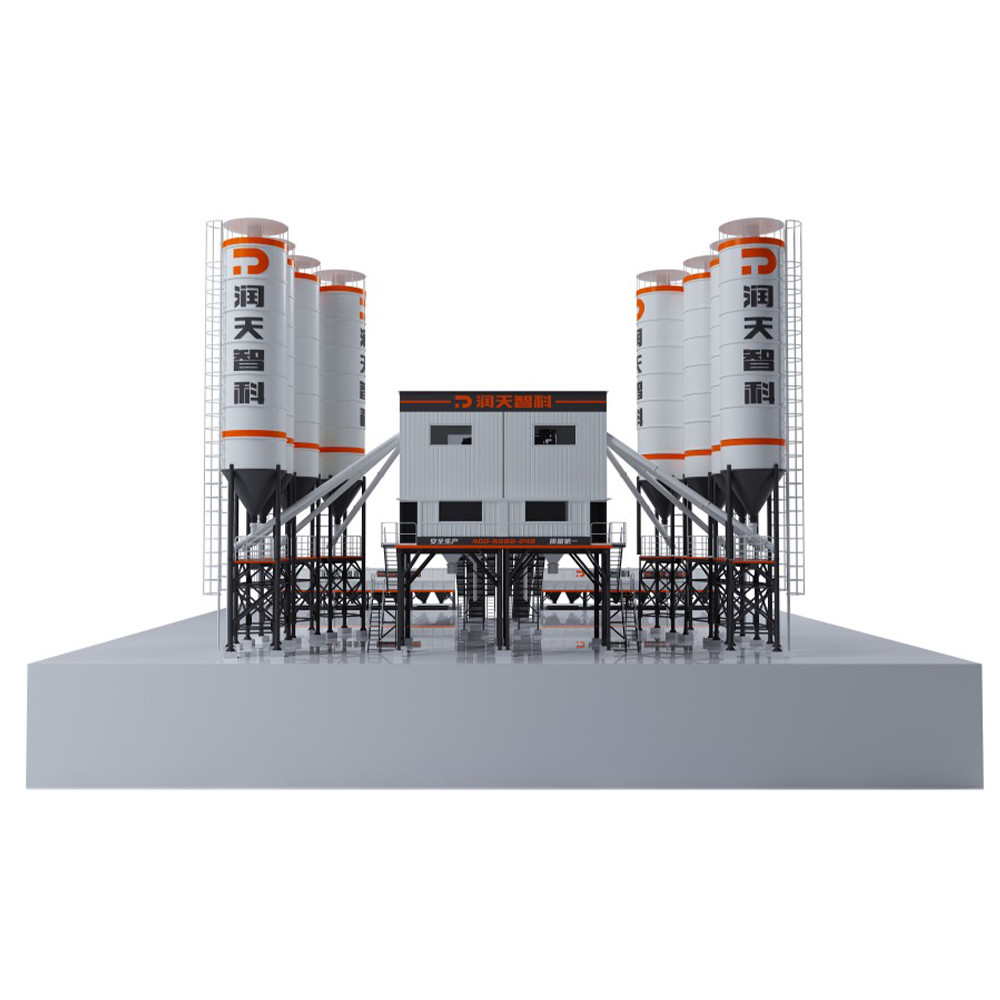 HZS Series Belt Concrete Mixing Plant
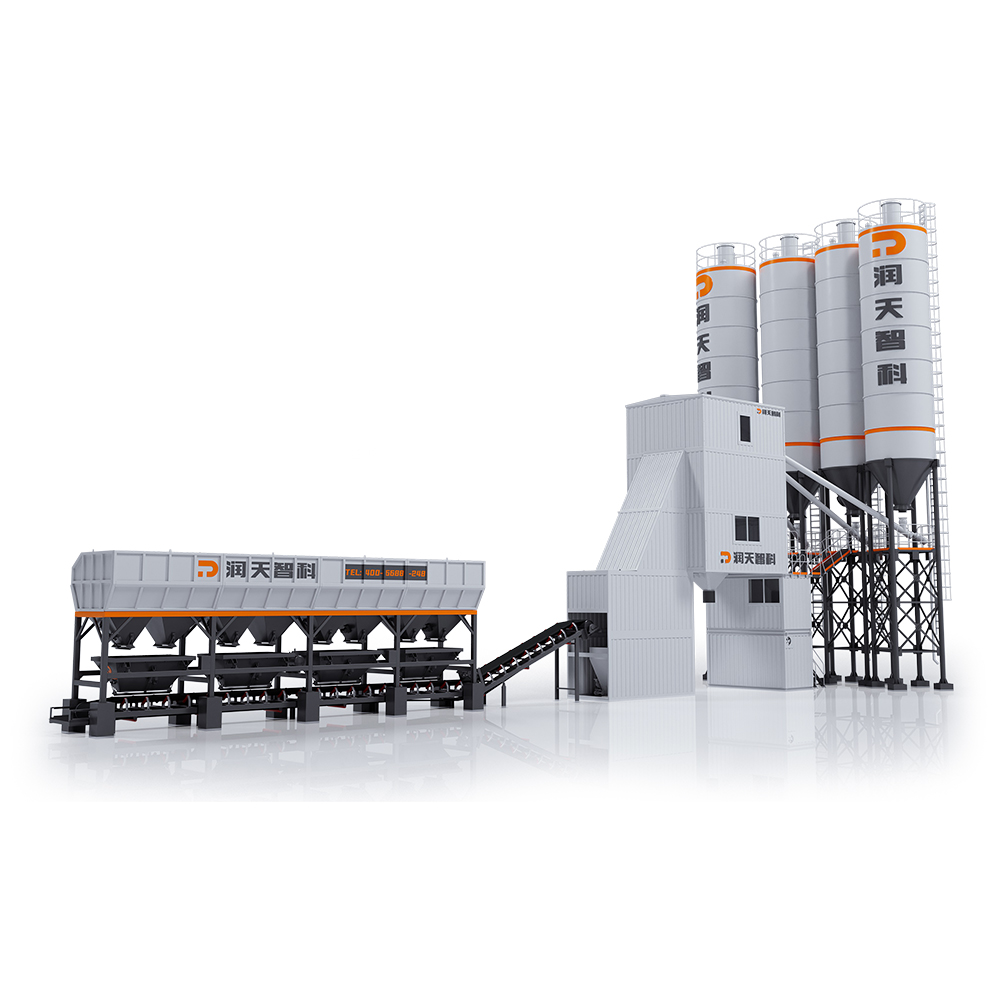 HZS Series Bucket-Lifting Type Container Concrete Mixing Plant
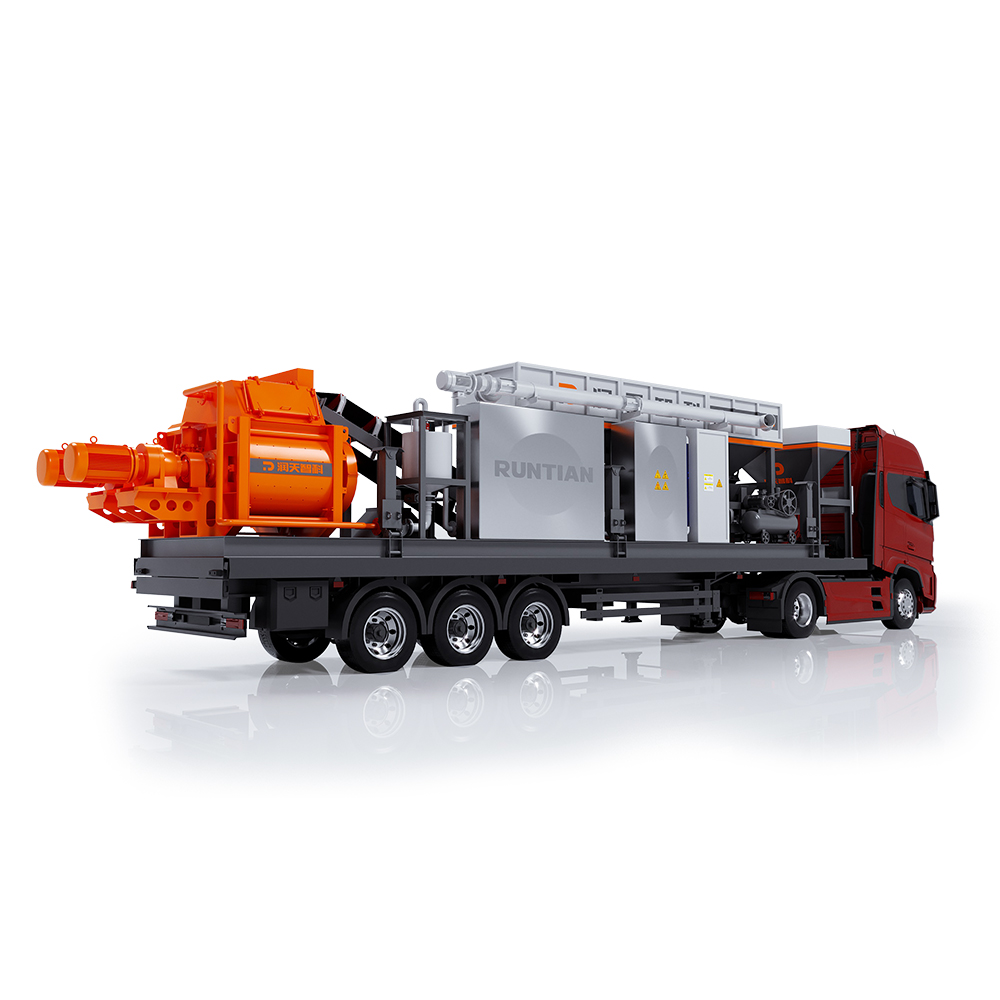 HZS60 Mobile Concrete Mixing Plant
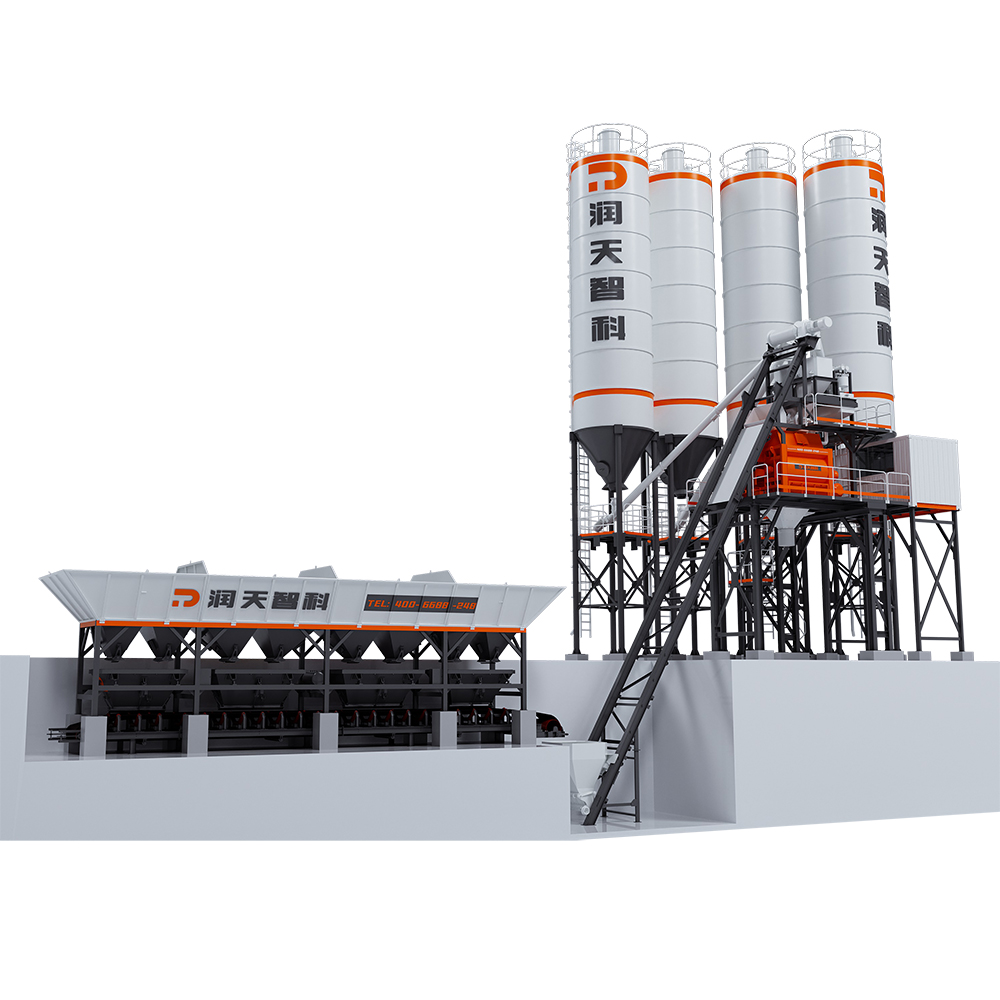 HZS Series Bucket-Lifting Type Concrete Mixing Plant
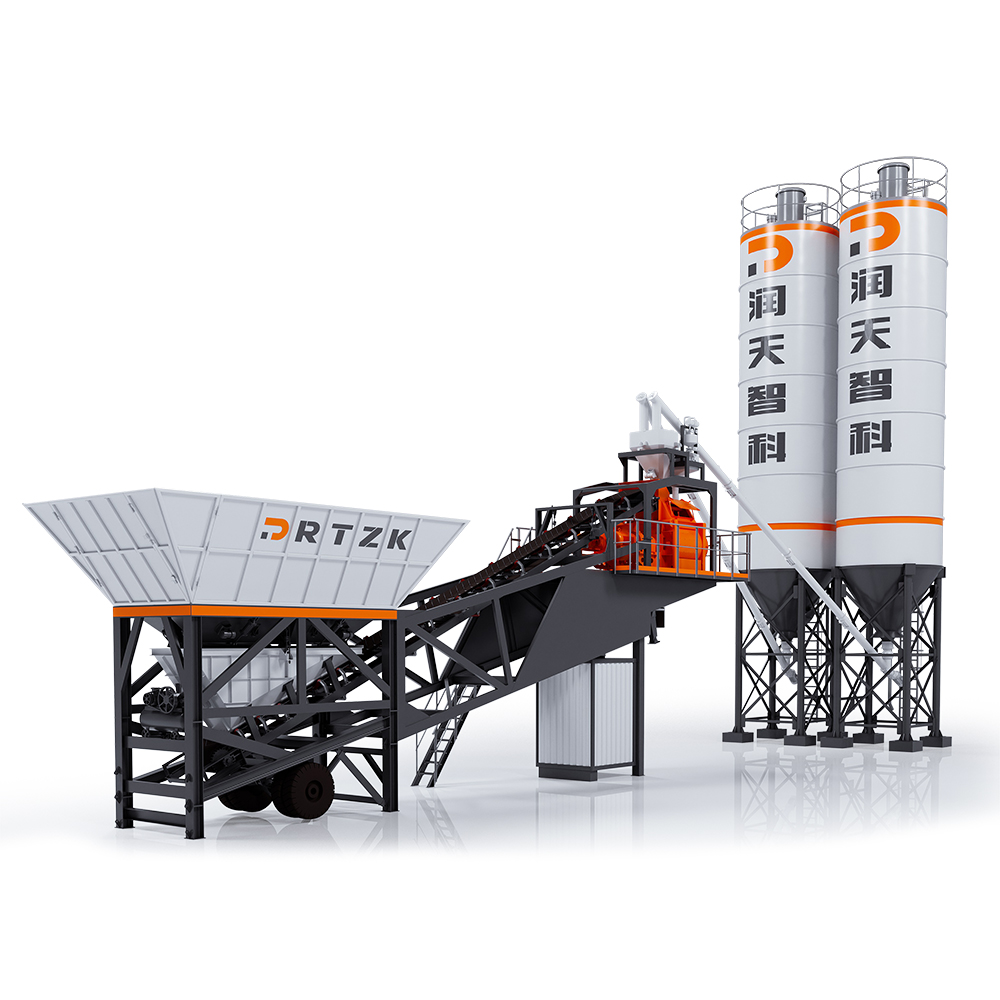 HZS Series Mobile Concrete Mixing Plant
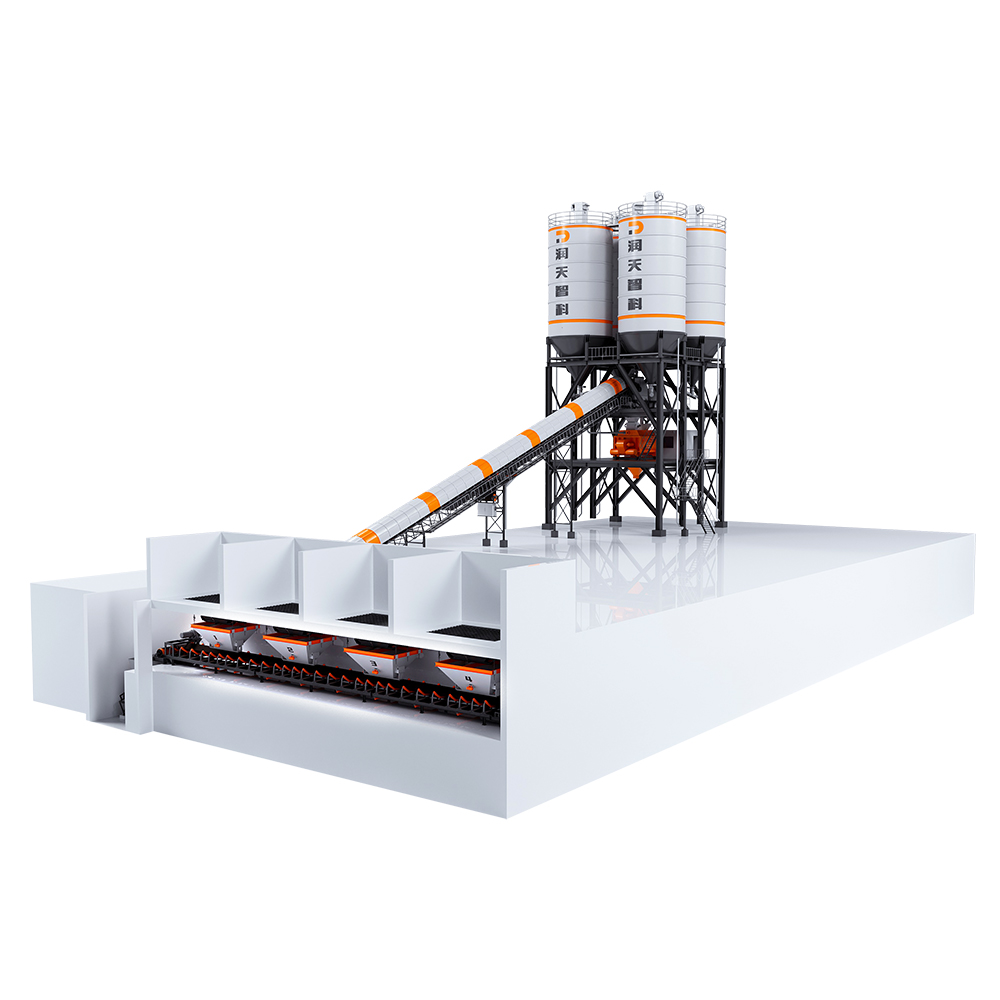 HZS Series Top-Mounted Concrete Mixing plant
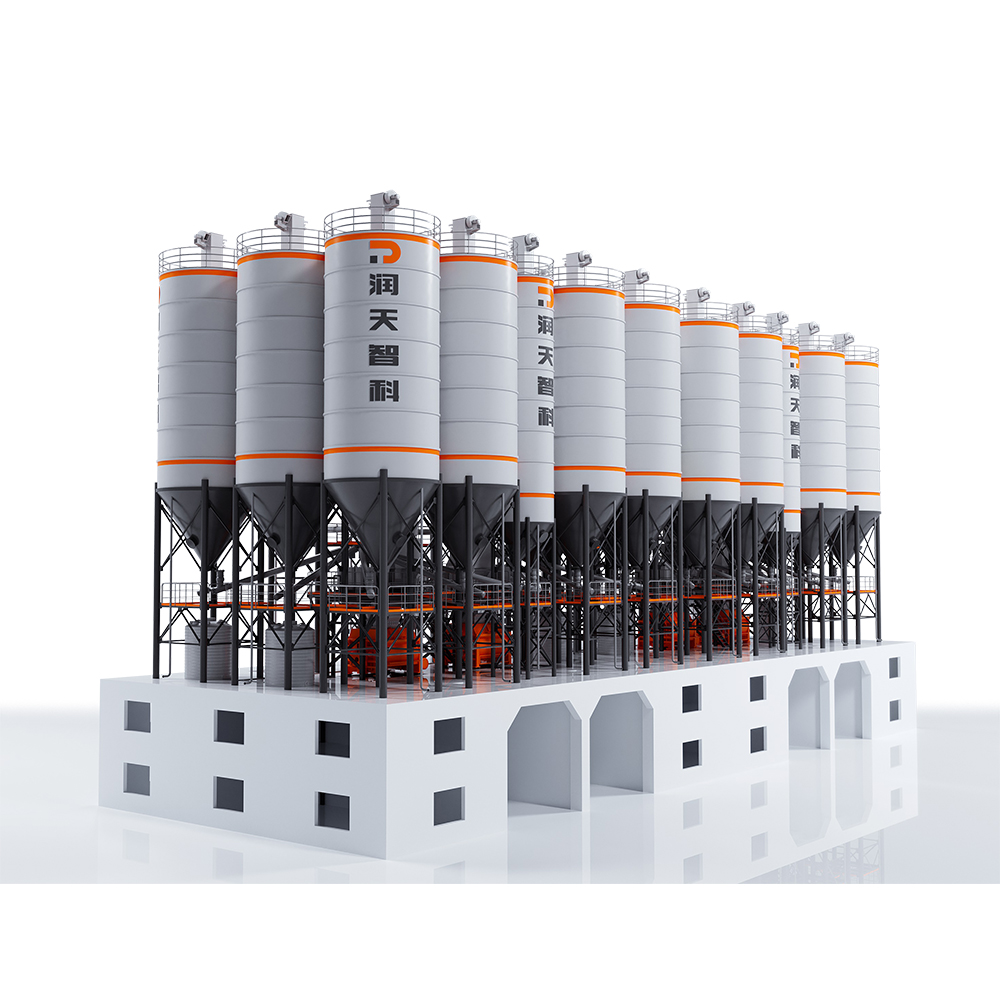 HZS Series Semi-Top Mounted Concrete Mixing Plant
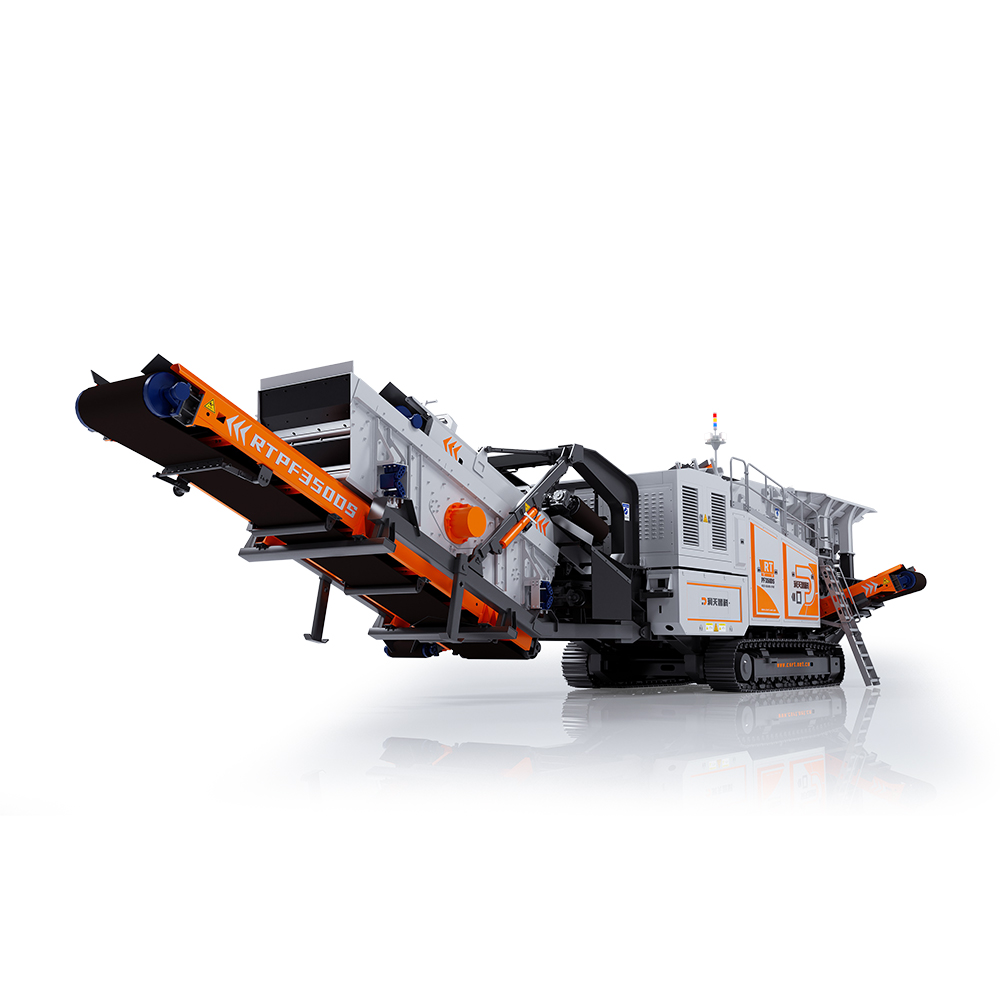 RTPF350DS Crawler Mobile Impact Crushing Plant
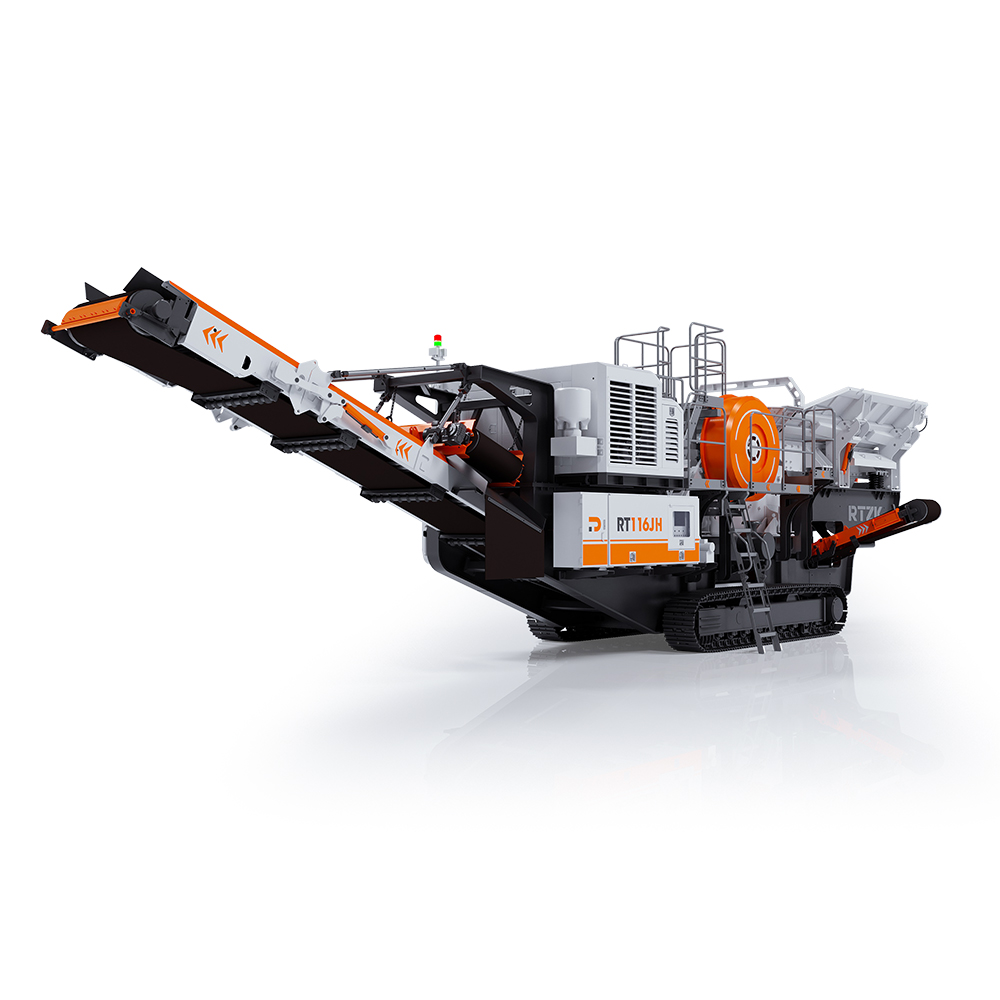 RT116JH Crawler Mobile Jaw Crushing Plant
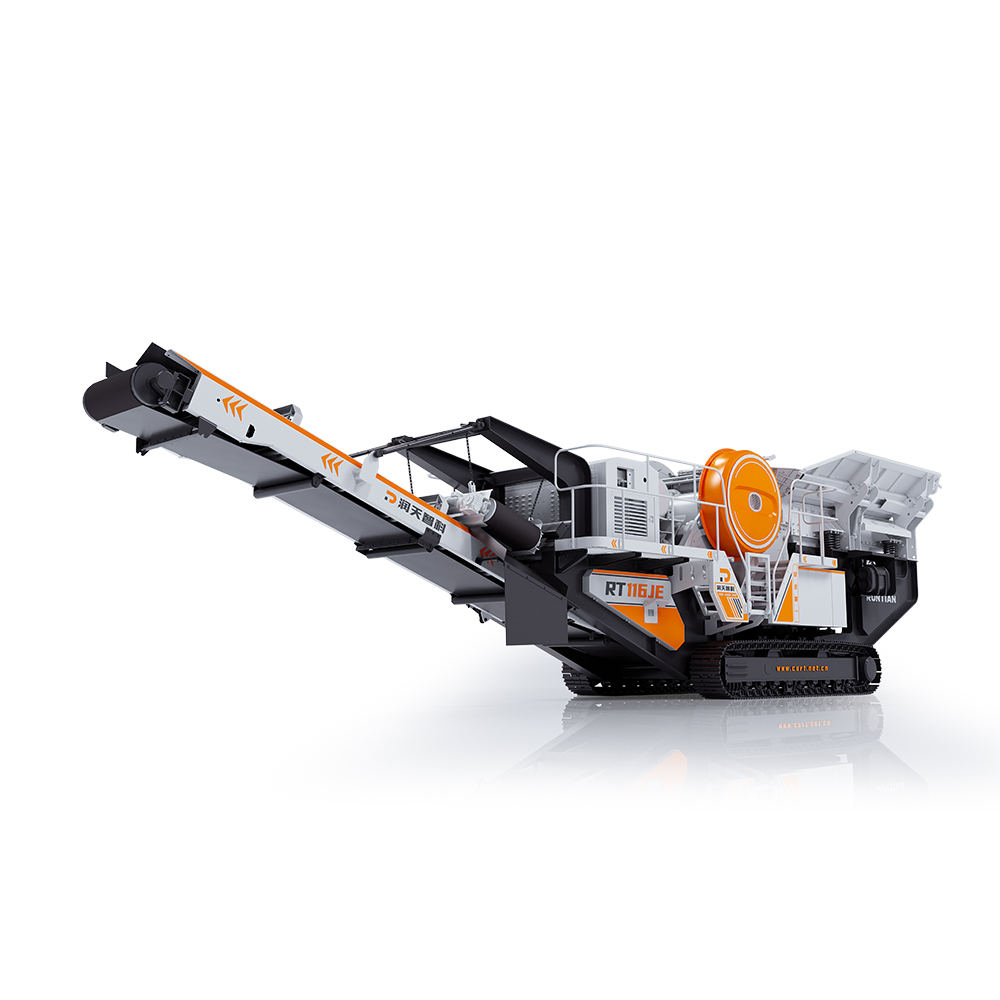 RT116JE Crawler Mobile Jaw Crushing Plant
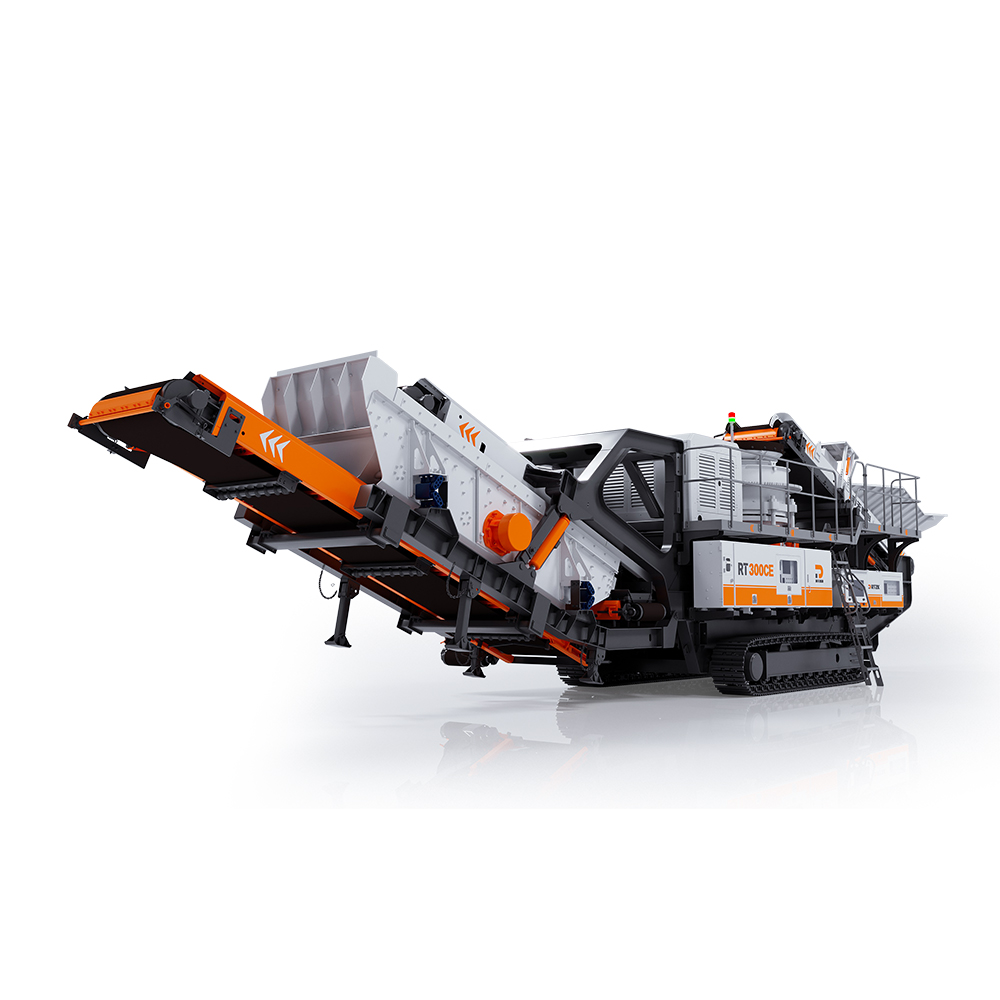 RT300CE Crawler Mobile Cone Crushing Plant
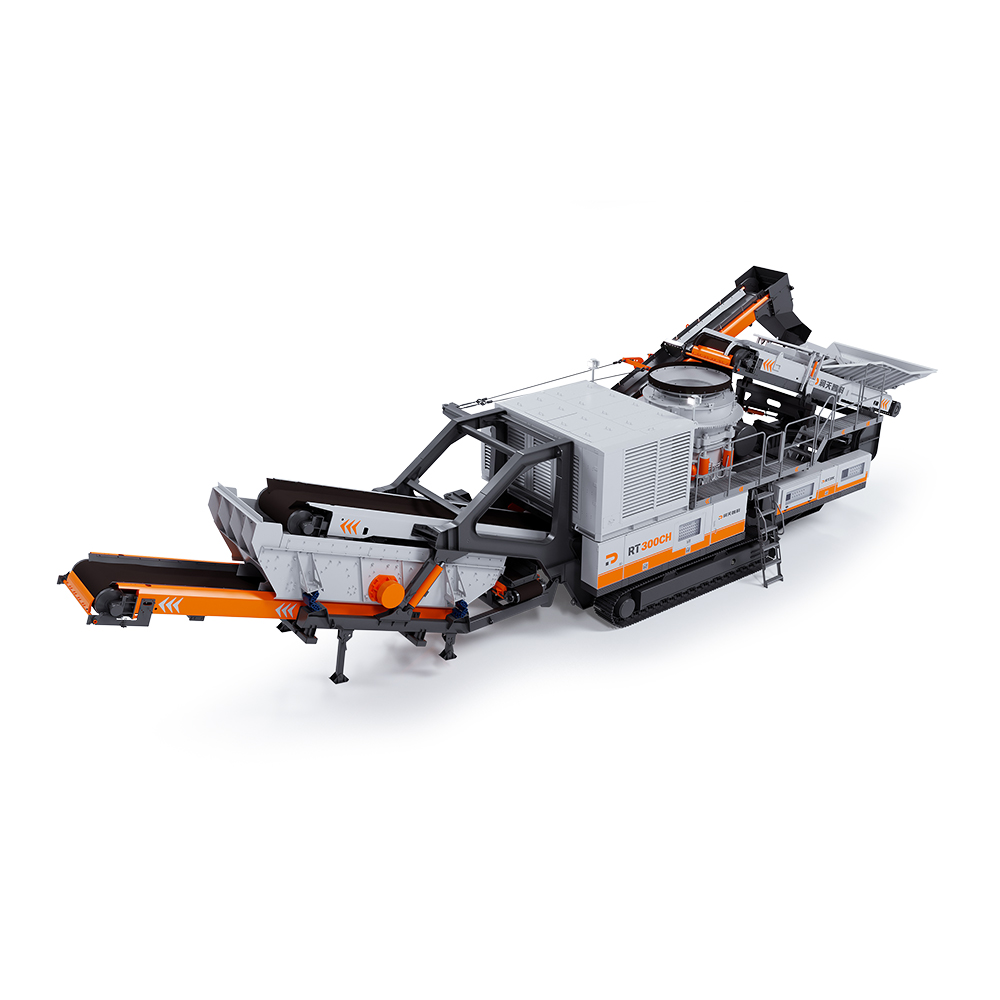 RT300CH Crawler Mobile Cone Crushing Plant
 RT5015H Mobile Scalping Screen
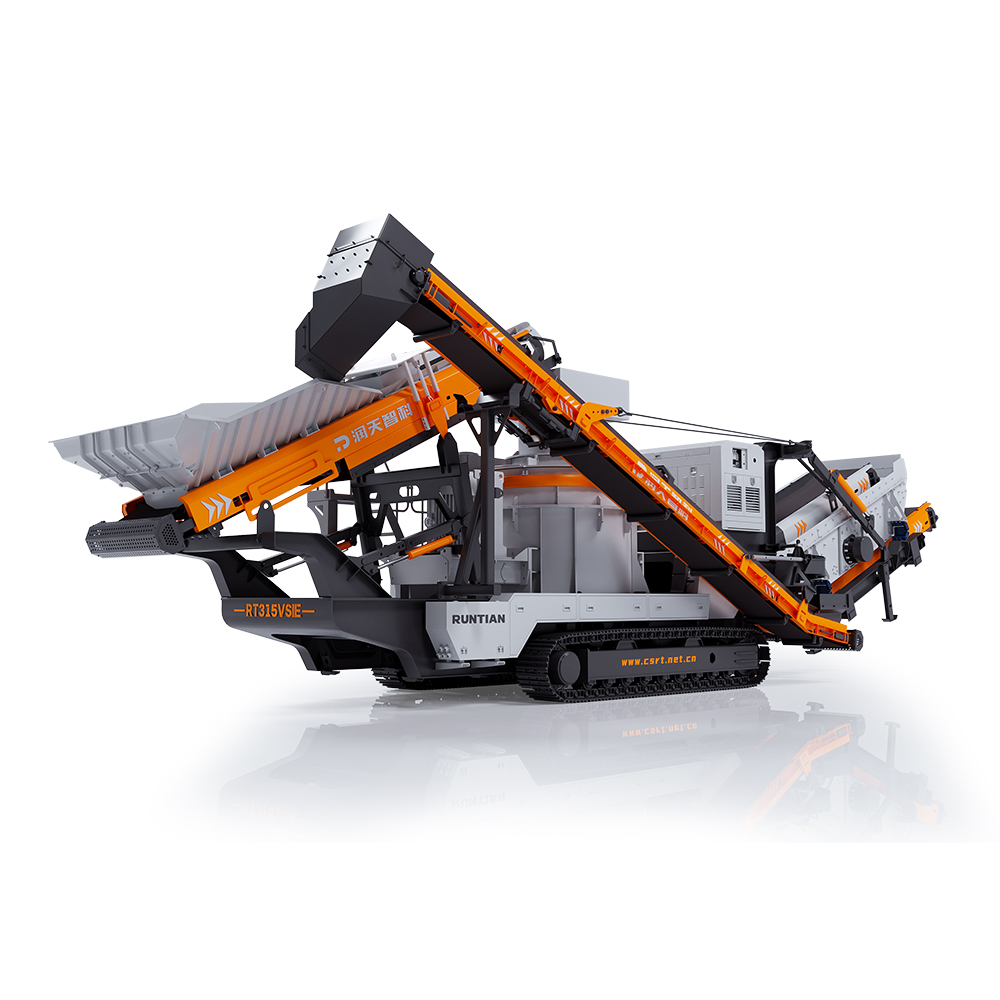 RT315VSIE Crawler Mobile Sand Maker
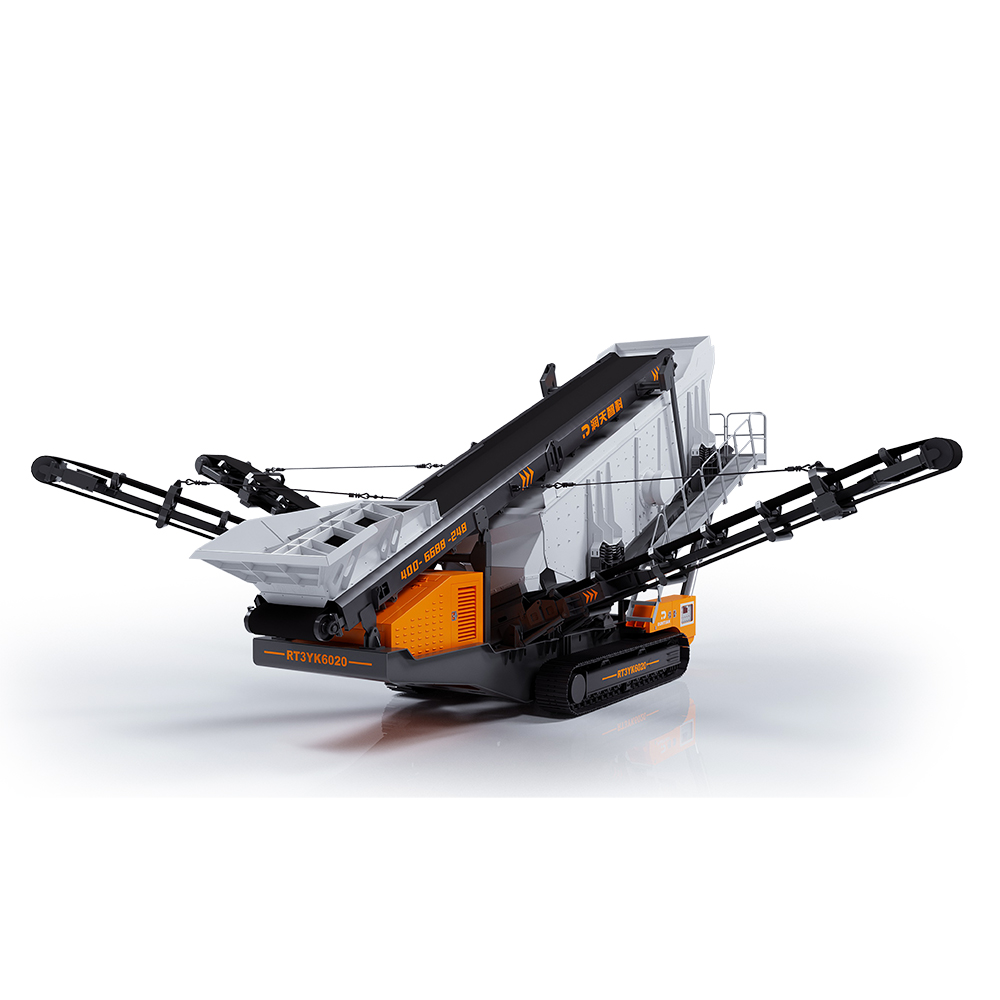 RT3YK6020 Crawler Mobile Screening Plant
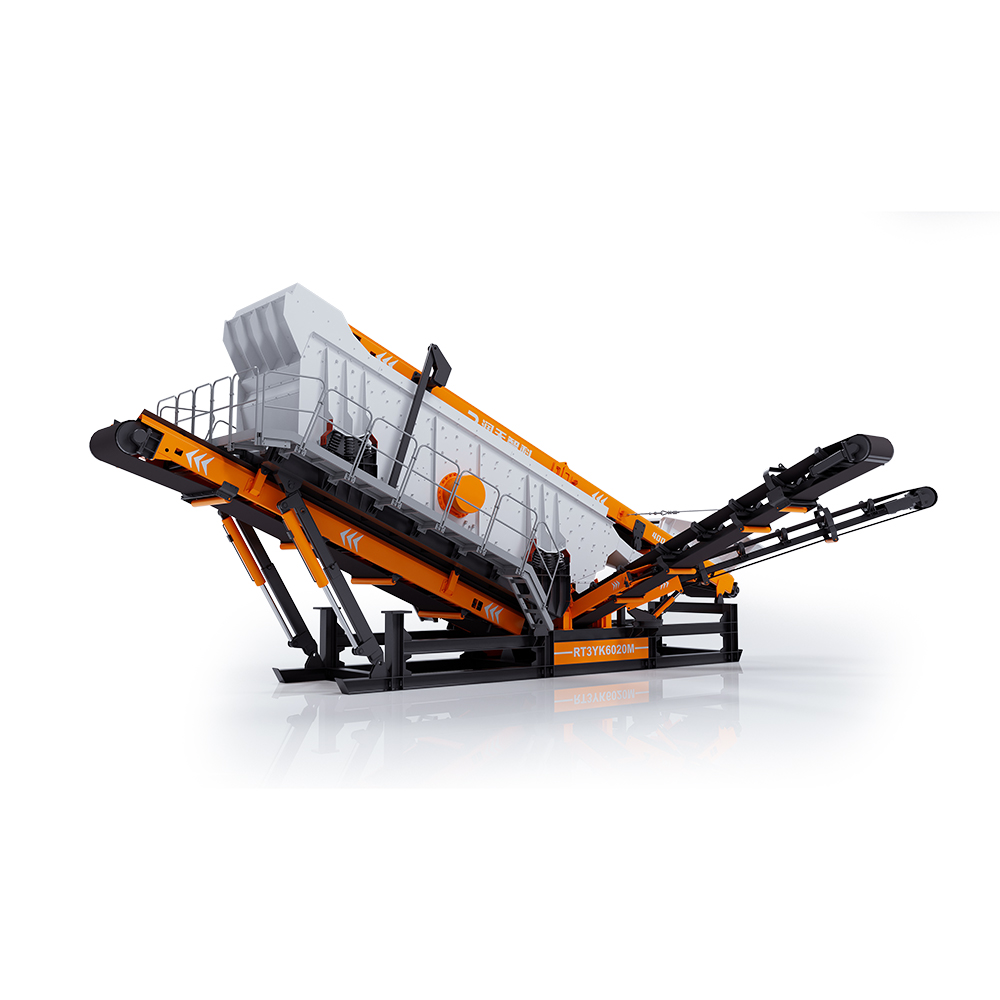 RT3YK6020M Modular Screening Plant
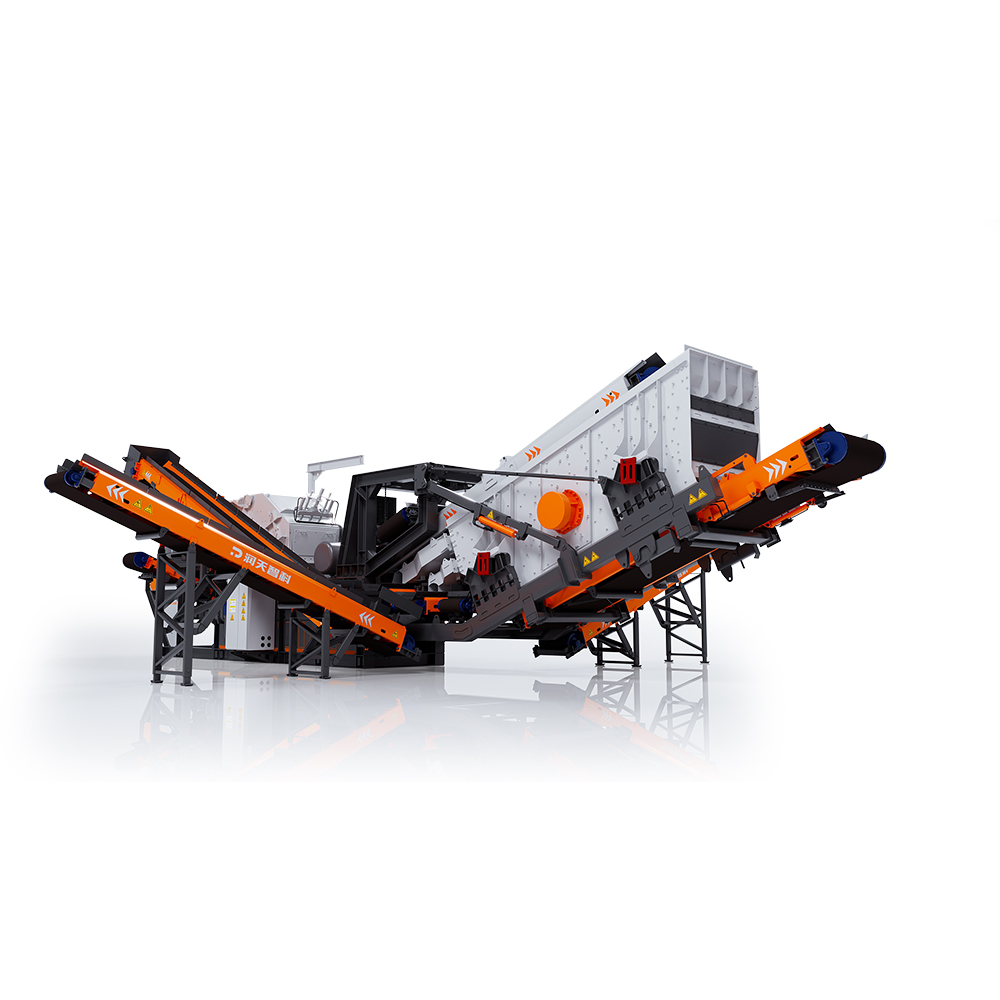 RTF260M Modular Counterattack Crushing and Screening Integrated Machine
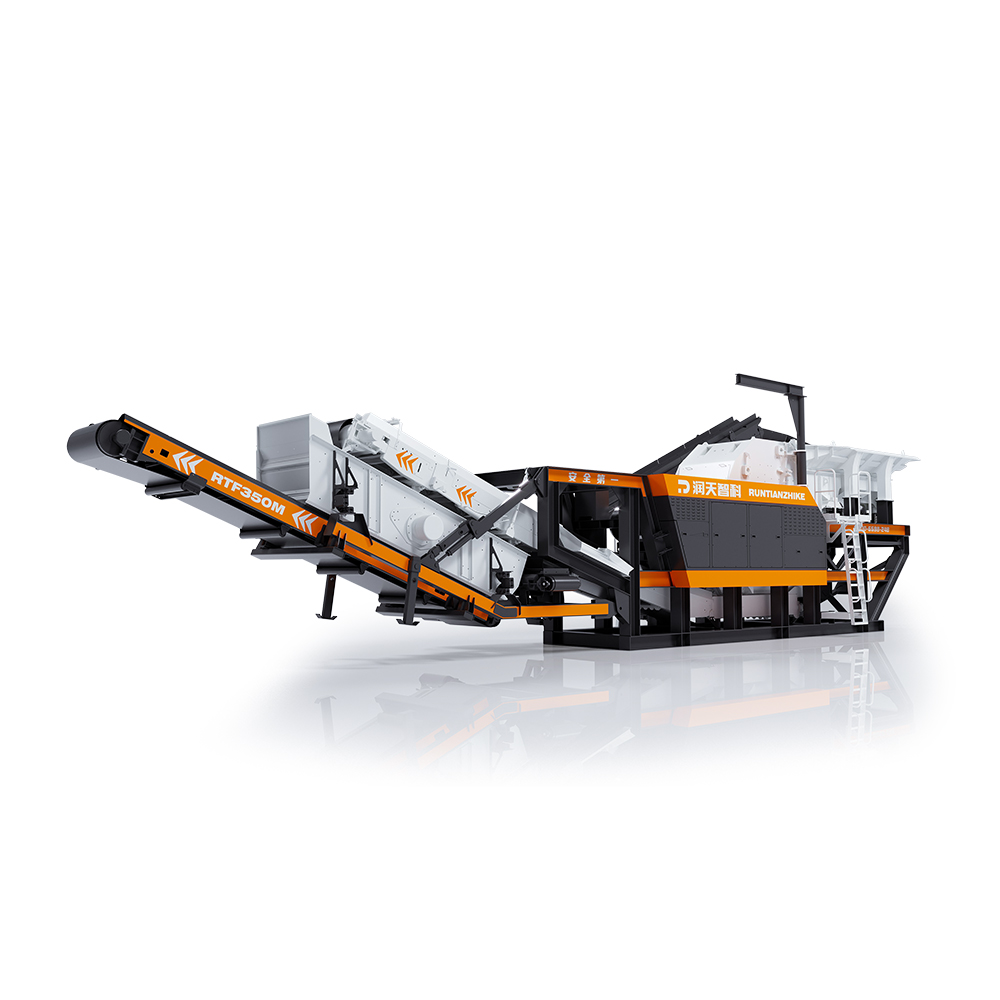 RTF350M Modular Impact Crushing Plant
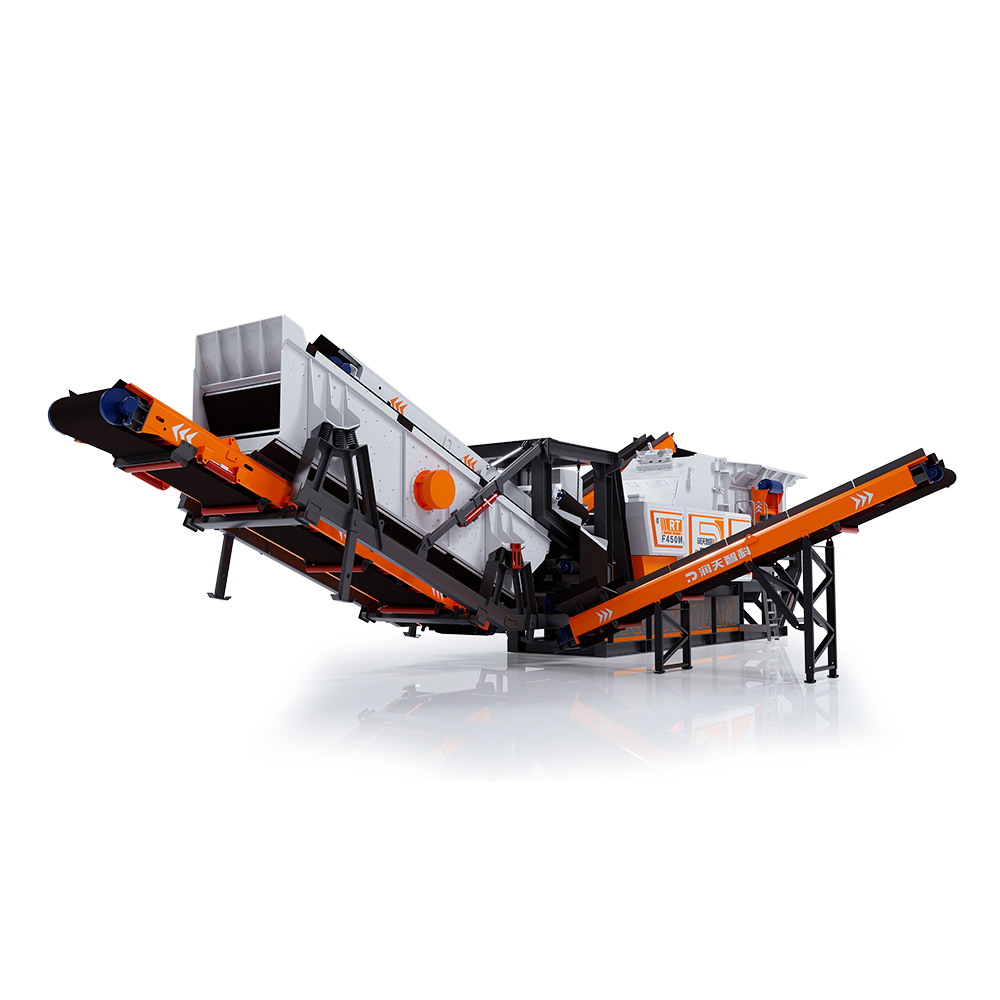 RTF450M Modular Impact Crushing Plant
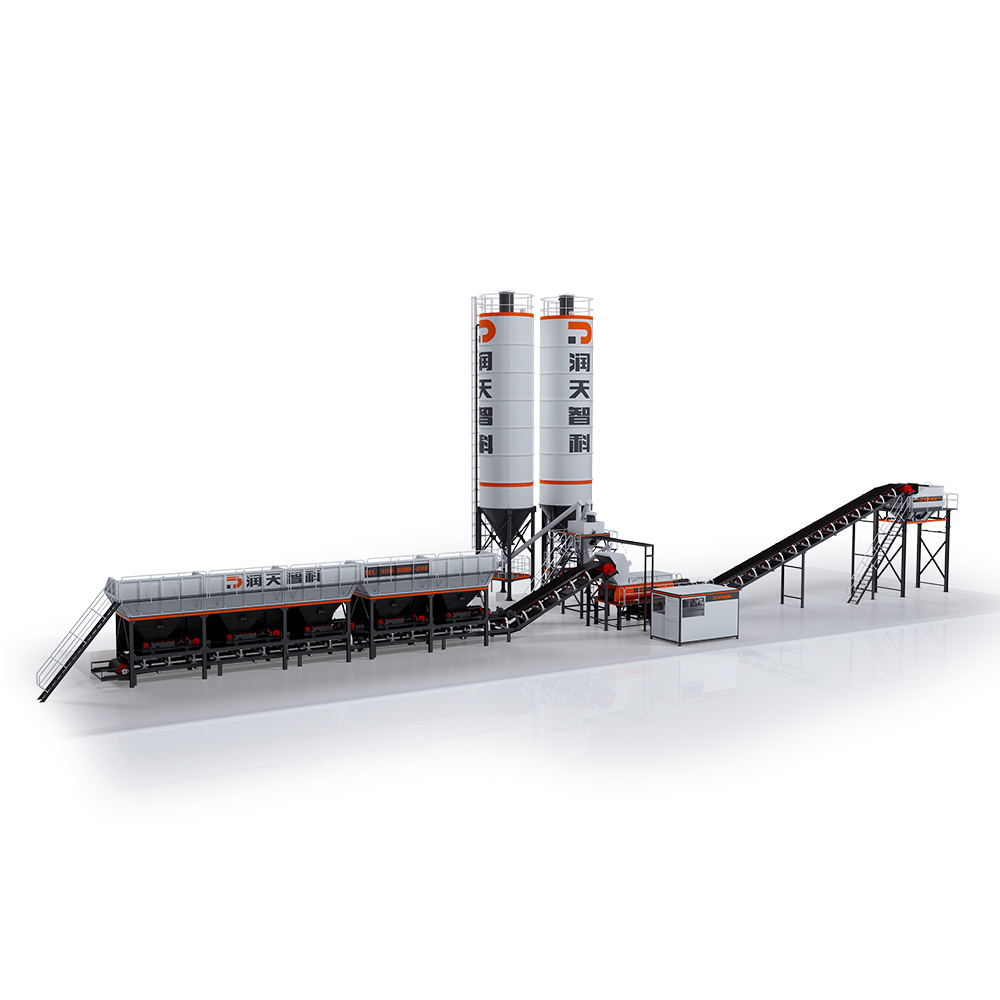 WDB Series Foundation-Free Stability Soil Mixing Plant
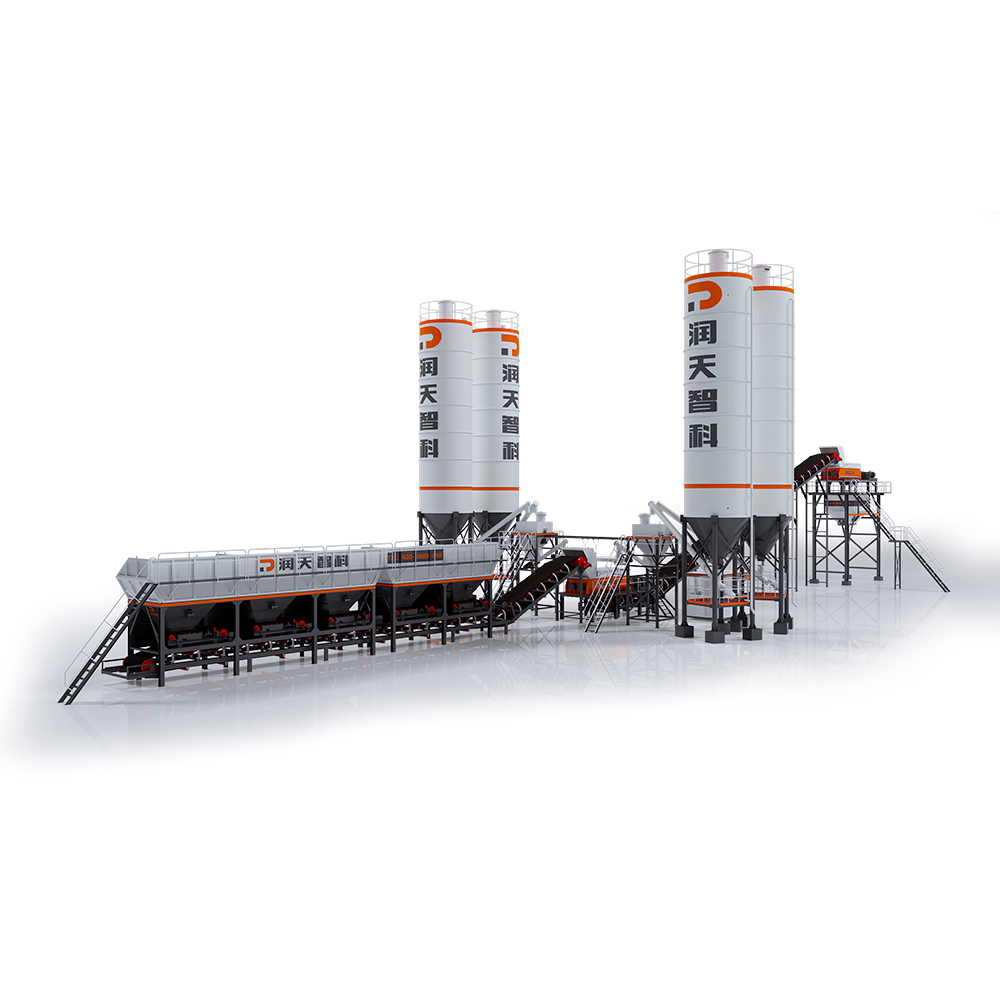 LCB Series Emulsified Asphalt Cold Regeneration Secondary Mixing Plant
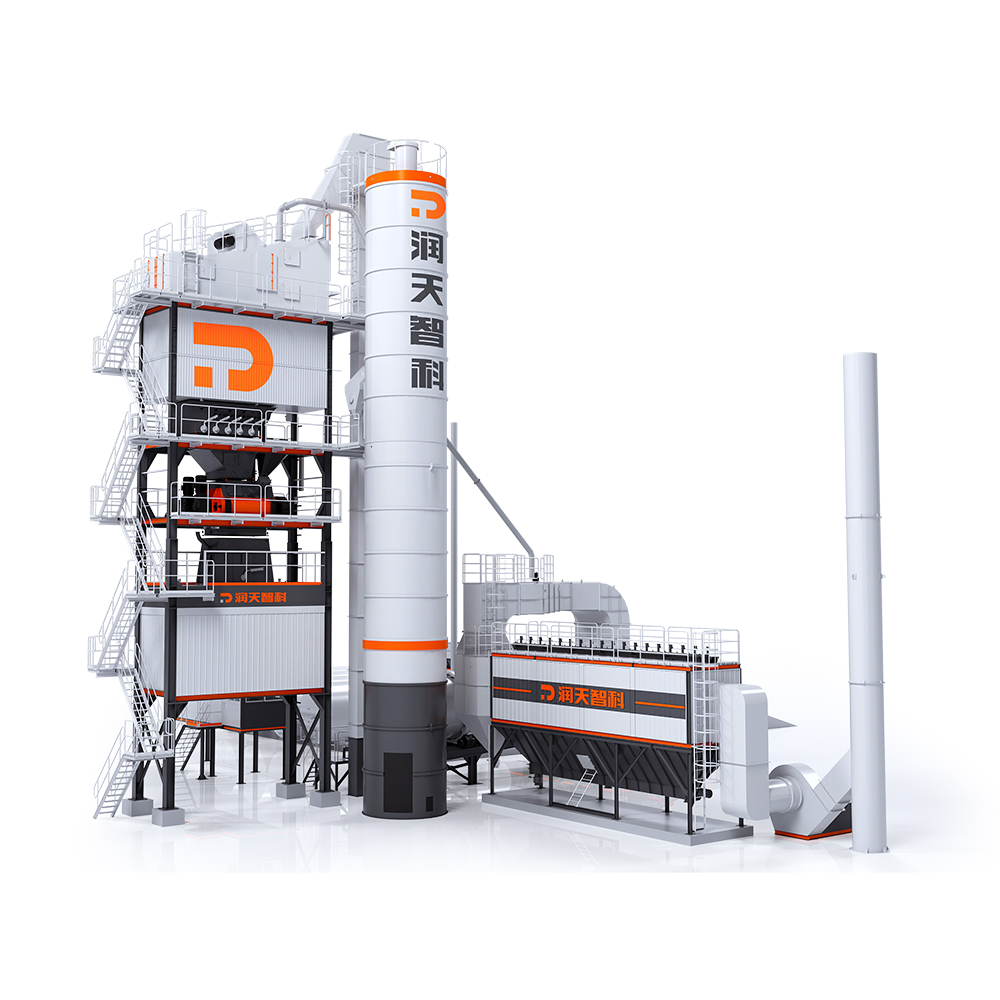 LB Series Asphalt Mixing Plant
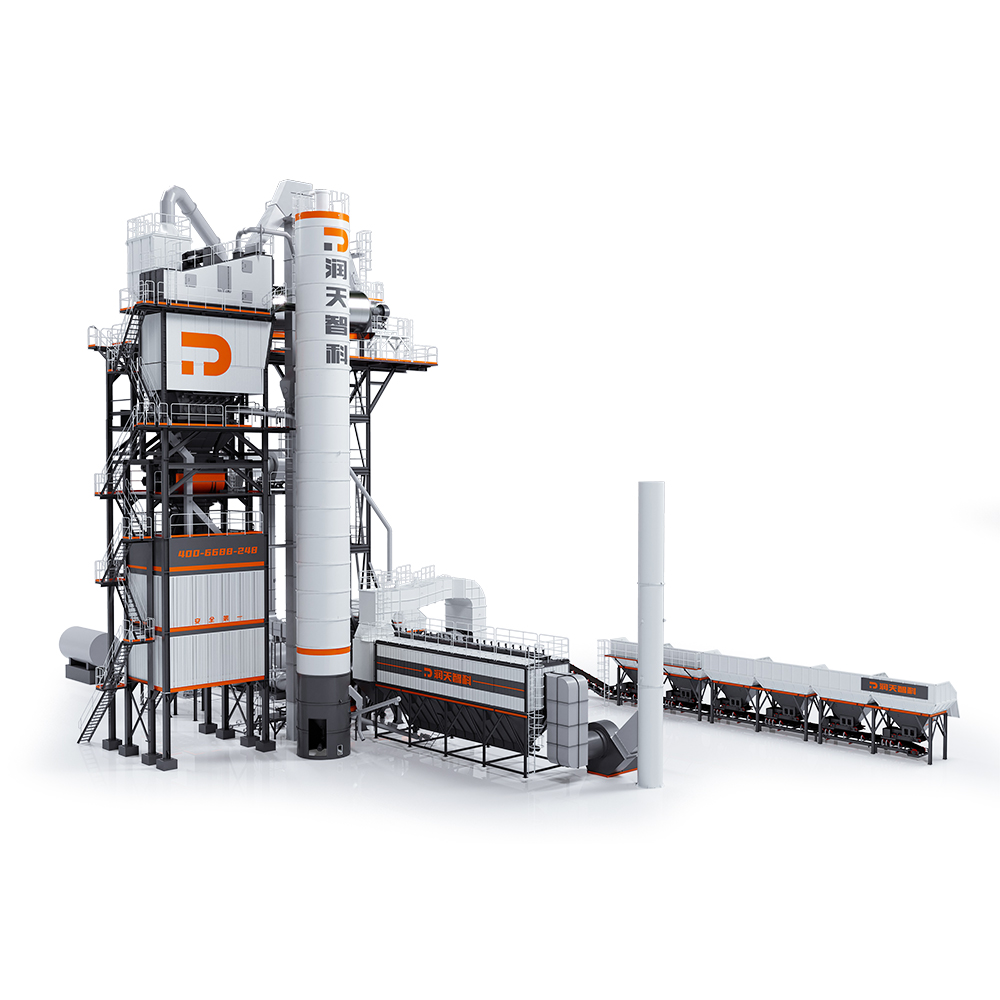 LBR Series Integrated Asphalt Mixing Plant
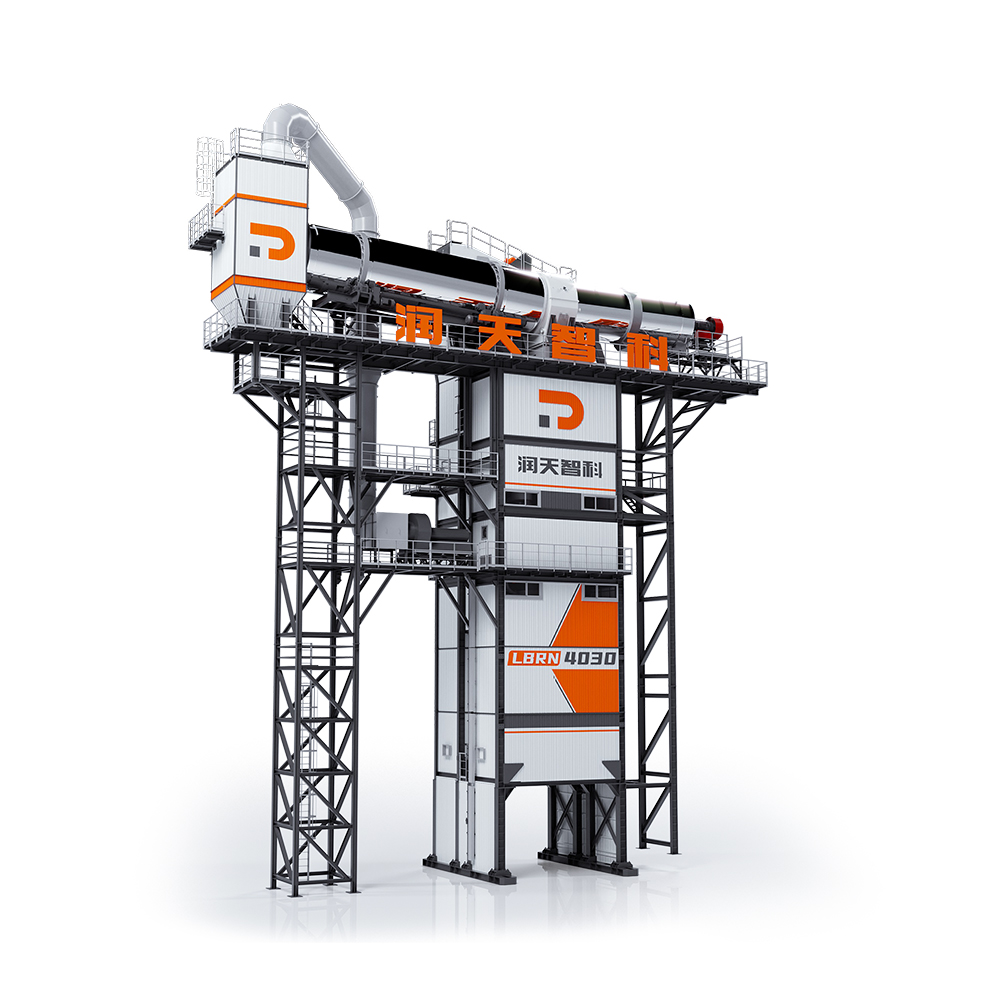 LBRN Series Counterflow Integral Asphalt Mixing Plant
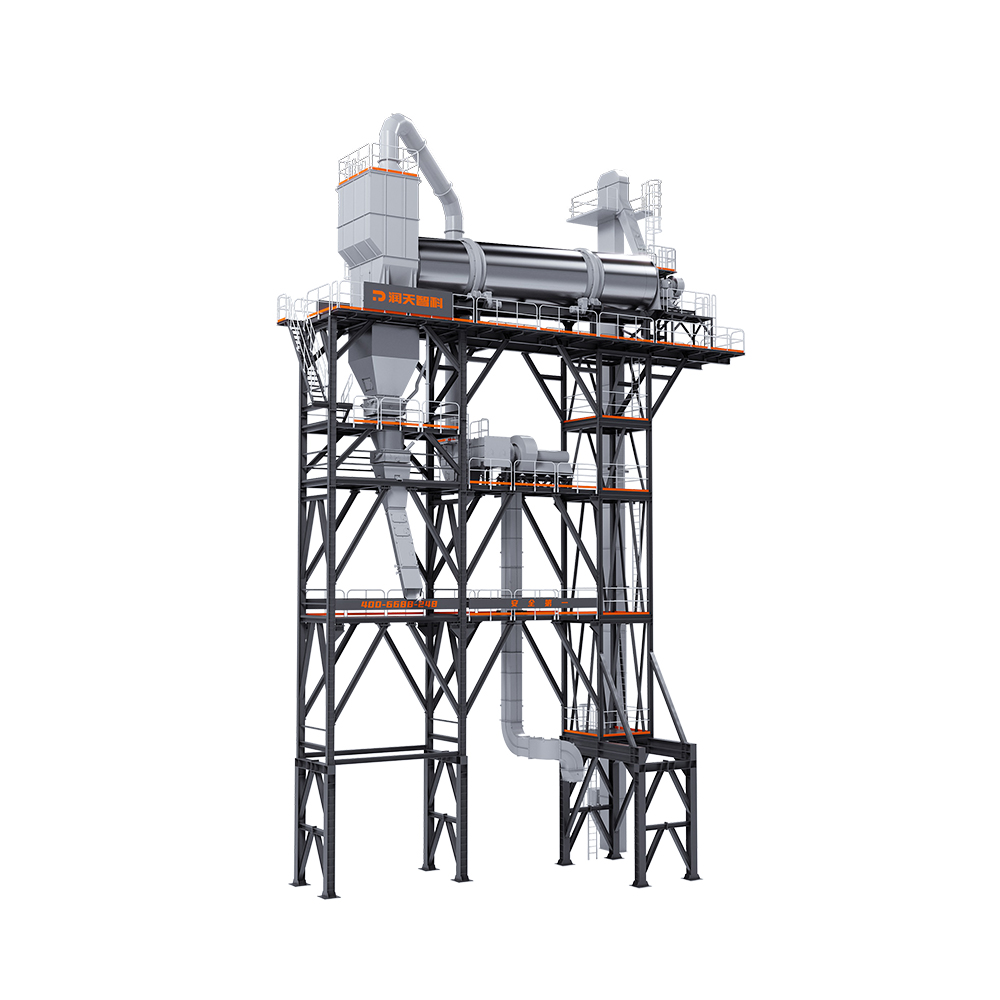 RZS Series Asphalt Mixing Plant
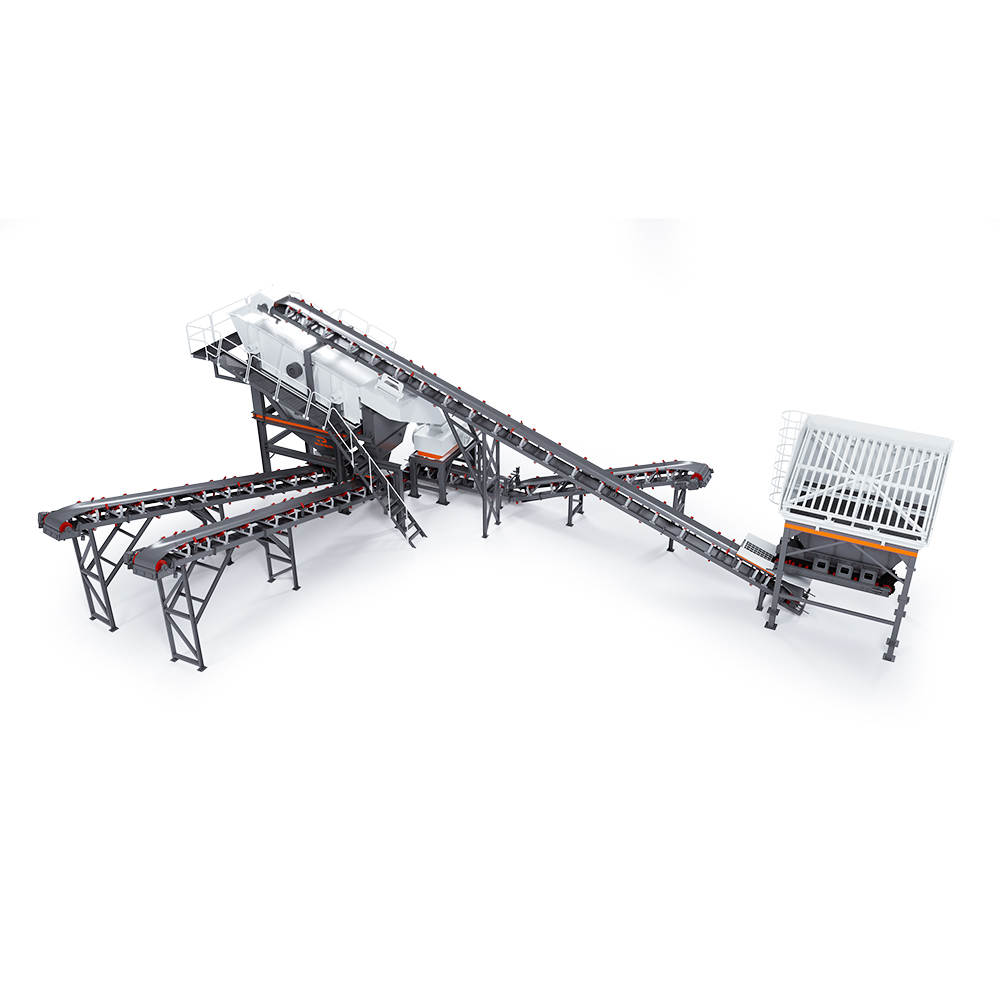 RTZS120 Series RAP Crushing & Screening Plant
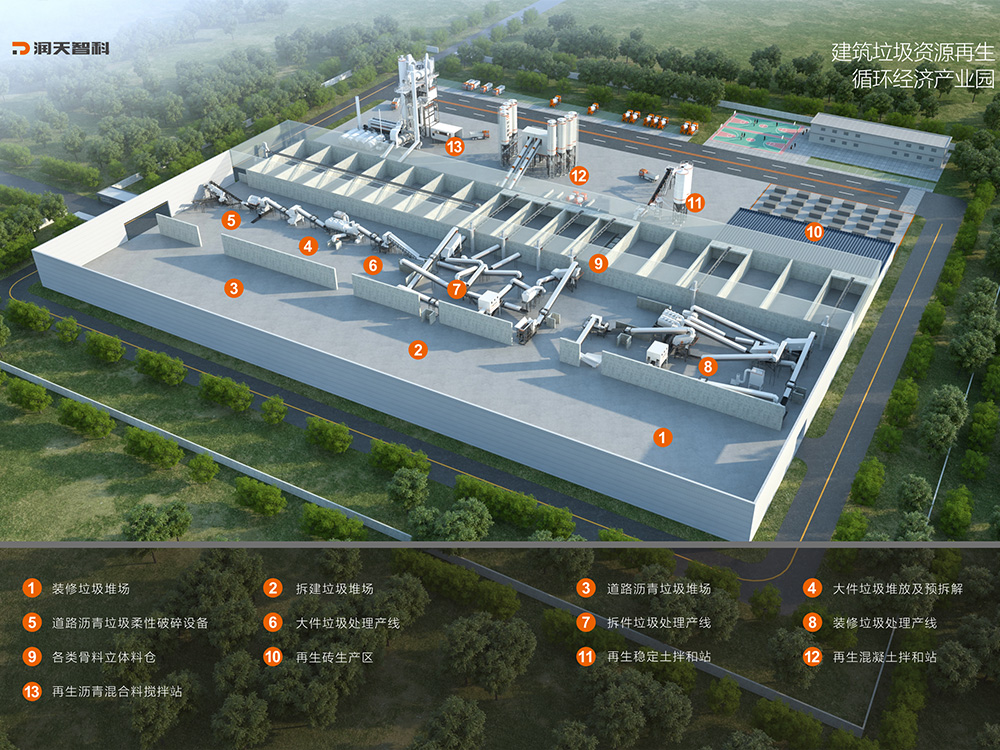 Construction Waste Resourceful Treatment Line