What is a Construction Cement Mixer and How Does it Work?
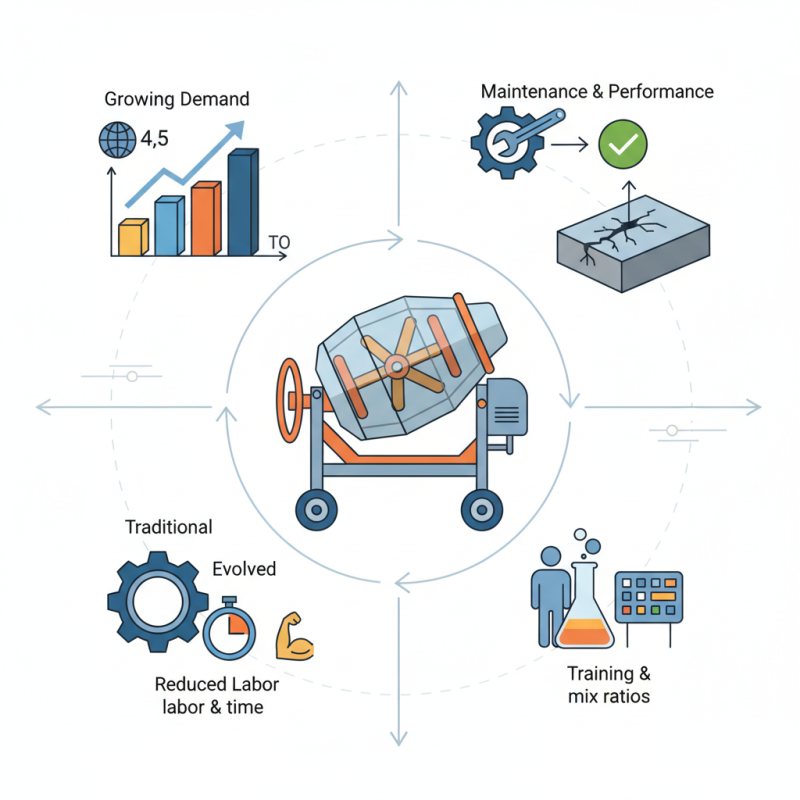
The Construction Cement Mixer plays a vital role in the construction industry. With global cement consumption projected to reach 4.5 billion tons by 2025, the demand for efficient mixing solutions is growing. These mixers ensure uniformity in material preparation, which is crucial for the durability of concrete structures.
In recent years, construction methodologies have evolved. Traditional methods are often deemed less efficient. A construction cement mixer reduces labor efforts and time, improving project timelines. However, not all mixers are created equal. Understanding the operational mechanisms of these machines can help avoid common pitfalls in usage.
Many operators overlook maintenance routines. This can lead to decreased performance and increased costs. Furthermore, proper training on mix ratios and equipment handling is essential. The nuances of operating a construction cement mixer can significantly impact both the quality of the mix and overall project success.
What is a Construction Cement Mixer?
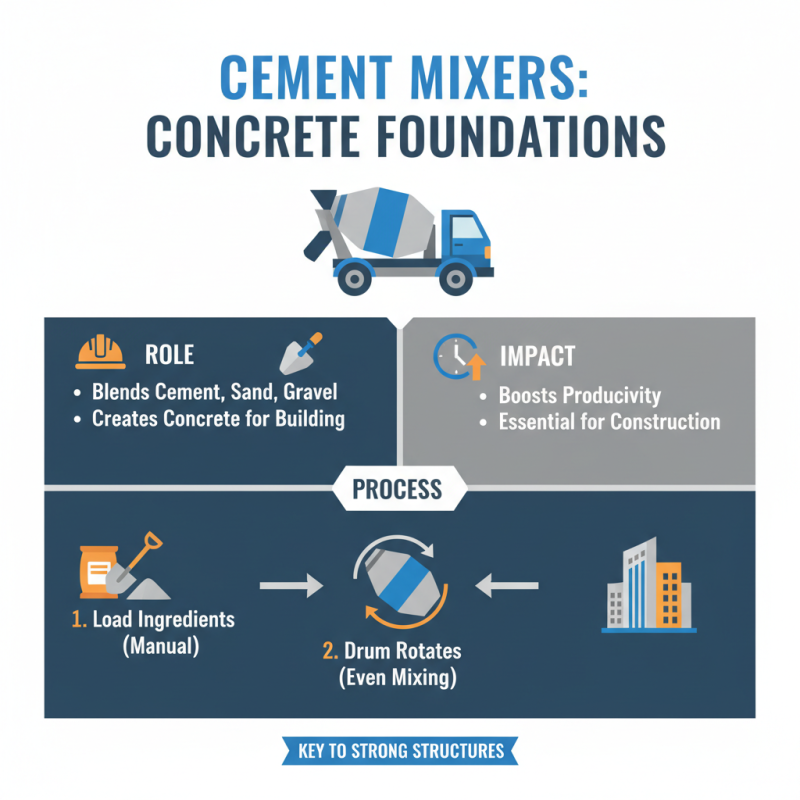
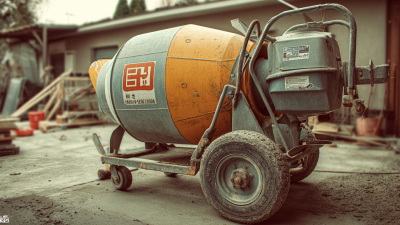
A construction cement mixer is a vital machine used on job sites. Its primary function is to blend cement, sand, gravel, and water to create concrete. This mixture is essential for building foundations, roads, and various structures. The concrete mixer often consists of a rotating drum that ensures a uniform mix. The tilt feature allows for easy pouring of the blended concrete, making the process efficient.
Understanding how a cement mixer works can be straightforward. When materials are added into the drum, they begin to rotate as the drum spins. This motion mixes everything thoroughly. However, sometimes operators rush and miss the right balance of ingredients. This can cause issues in the final concrete quality. Ensuring the right proportions is key. A poorly mixed batch can lead to weak structures and costly repairs.
It's important to consider maintenance for a cement mixer. Dust and debris can accumulate, affecting performance. Regular cleaning is necessary to keep the machine functioning well. Neglecting this can result in longer mixing times and decreased efficiency. Such oversights may lead to delays on the job site. Overall, using a cement mixer effectively requires attention to detail and careful handling.
Construction Cement Mixer Usage Statistics
The Different Types of Cement Mixers in Construction
Cement mixers are essential tools in construction. They blend water, cement, and aggregates to create concrete. Various types of cement mixers suit different project needs.
Drum mixers are popular for their efficiency. They rotate horizontally, mixing materials thoroughly. These are great for large jobs. On the flip side, small batch mixers are portable. They are perfect for smaller projects or tight spaces. Choosing the right type impacts project quality.
Tips for selecting a mixer: Consider project size. Drum mixers work for big volumes. Portable mixers suit smaller tasks. Always check the mixing capacity. Understanding your project needs can save time and effort.
Another type is the vertical mixer. It's less common but effective for certain mixes. However, they often require more manual handling. Think about your team's experience. Not every mixer suits every worker. Reflect on this during your selection process.
Key Components of a Cement Mixer and Their Functions
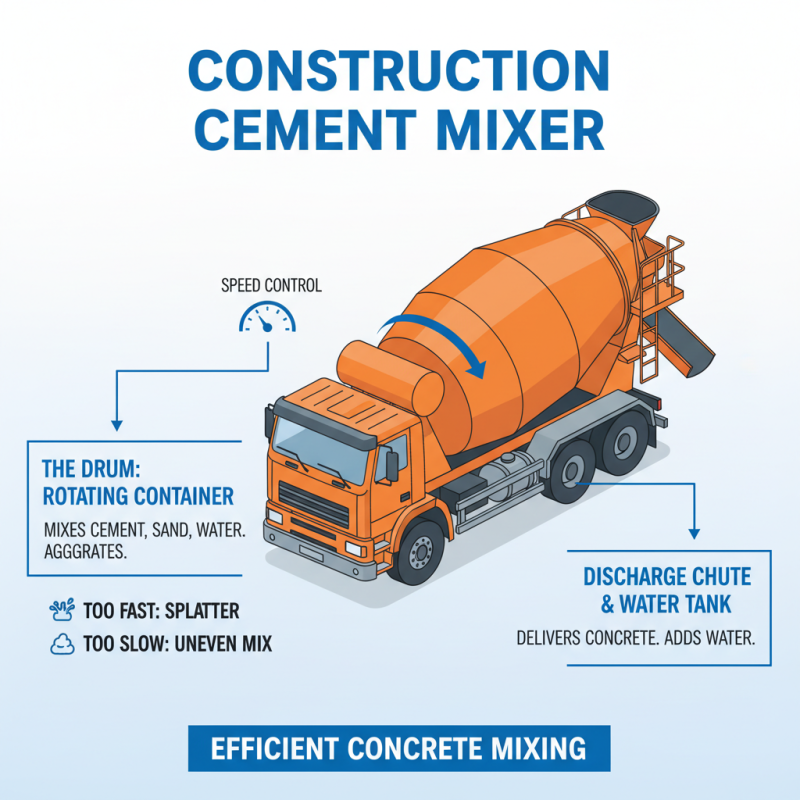
A construction cement mixer is essential for efficient mixing of concrete. It consists of several key components, each playing a vital role. The main part is the drum, where the mixing occurs. This cylindrical container rotates and blends materials like cement, sand, water, and aggregates. The rotation speed affects the mixing quality. Too fast can lead to splattering, while too slow results in uneven mixtures.
The mixer also has powerful paddles inside the drum. These paddles are designed to lift and fold the mixture, ensuring all components blend evenly. The chassis supports the drum and facilitates mobility. If the chassis design isn’t robust, the mixer may tip over during operation. Control panels allow the operator to adjust the speed and direction of the drum. Inadequate controls can lead to mishaps, which could be avoided with better design.
Finally, the loading and unloading hoppers are crucial for the operation. They allow concrete to be poured easily into and out of the mixer. If the hoppers are poorly constructed, material can get stuck, causing delays. Despite these challenges, understanding each part's function can optimize the mixing process for various construction projects.
How Cement Mixers Operate: The Mixing Process Explained
Cement mixers are crucial for construction projects. They blend materials like cement, sand, and gravel into concrete. The mixing process begins when all ingredients are loaded into the drum. This is often done manually, which can slow down productivity. The drum rotates, ensuring the materials combine evenly.
As it spins, the angle of the drum plays a vital role. A well-designed mixer maintains the right angle for optimal mixing. However, improper loading can cause issues. It may lead to clumps or uneven consistency. Observing the mixing time is essential as well. Too short, and the mix is inconsistent; too long, and it becomes dry.
Many mixers have specific settings, but they require regular maintenance. Neglecting this can lead to breakdowns or subpar mixes. Operators must also monitor water levels closely. Adding too much can weaken concrete. The process seems straightforward, yet it requires attention and care at every step.
Maintenance Tips for Optimal Performance of Cement Mixers
Cement mixers are essential for construction projects. To keep them running smoothly, regular maintenance is crucial. One key practice is checking the mixer for wear and tear. Inspect the drum, paddles, and motor for any signs of damage. A simple visual check can prevent larger issues down the line.
Cleaning the mixer after each use can also enhance its performance. Cement residues can harden and affect functionality. Using water and a hose helps remove leftover materials. However, many forget this step, leading to problems. Another important tip is to lubricate moving parts regularly. This reduces friction and extends the life of the mixer.
While these tips seem straightforward, many users overlook them. It’s easy to fall into a routine and neglect equipment care. A little attention can go a long way in maintaining optimal performance. Remember, a well-maintained cement mixer saves you time and money in the long term. Taking care of these machines shows commitment to quality work.

 Concrete Mixing Plant
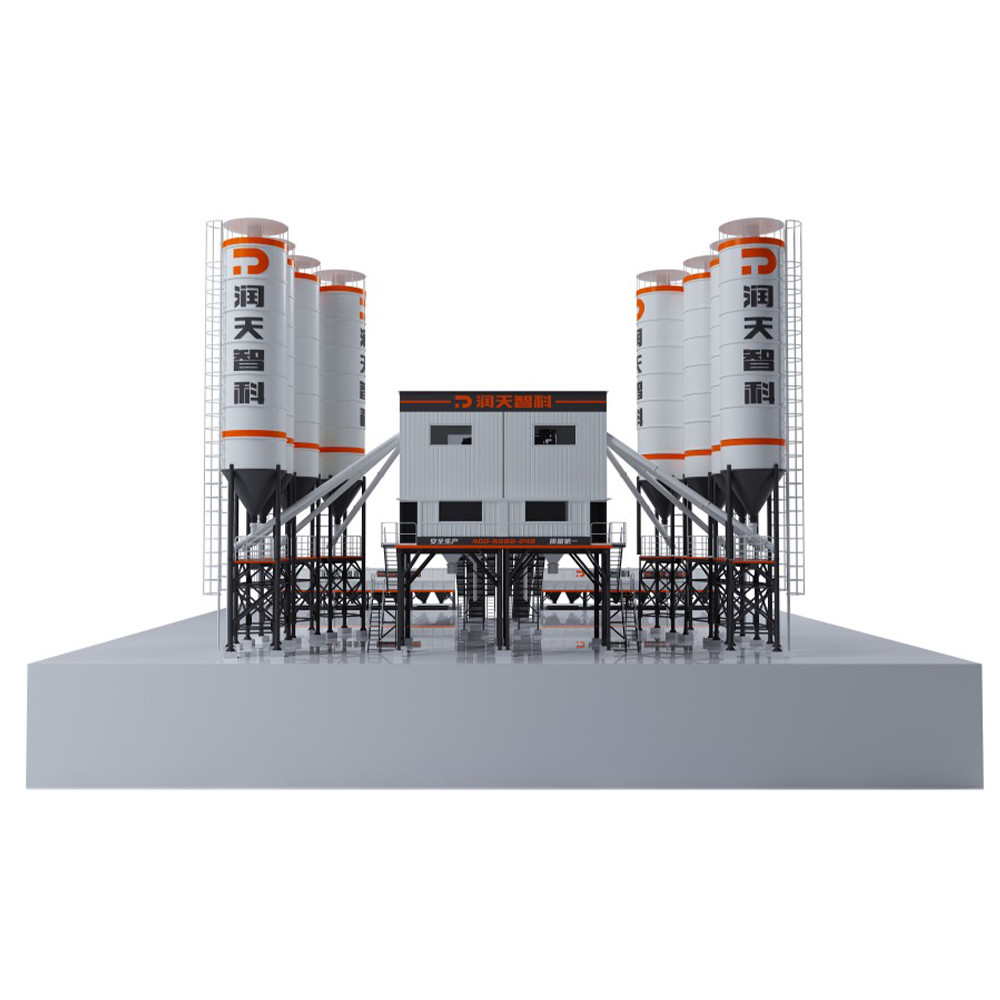 HZS Series Belt Concrete Mixing Plant
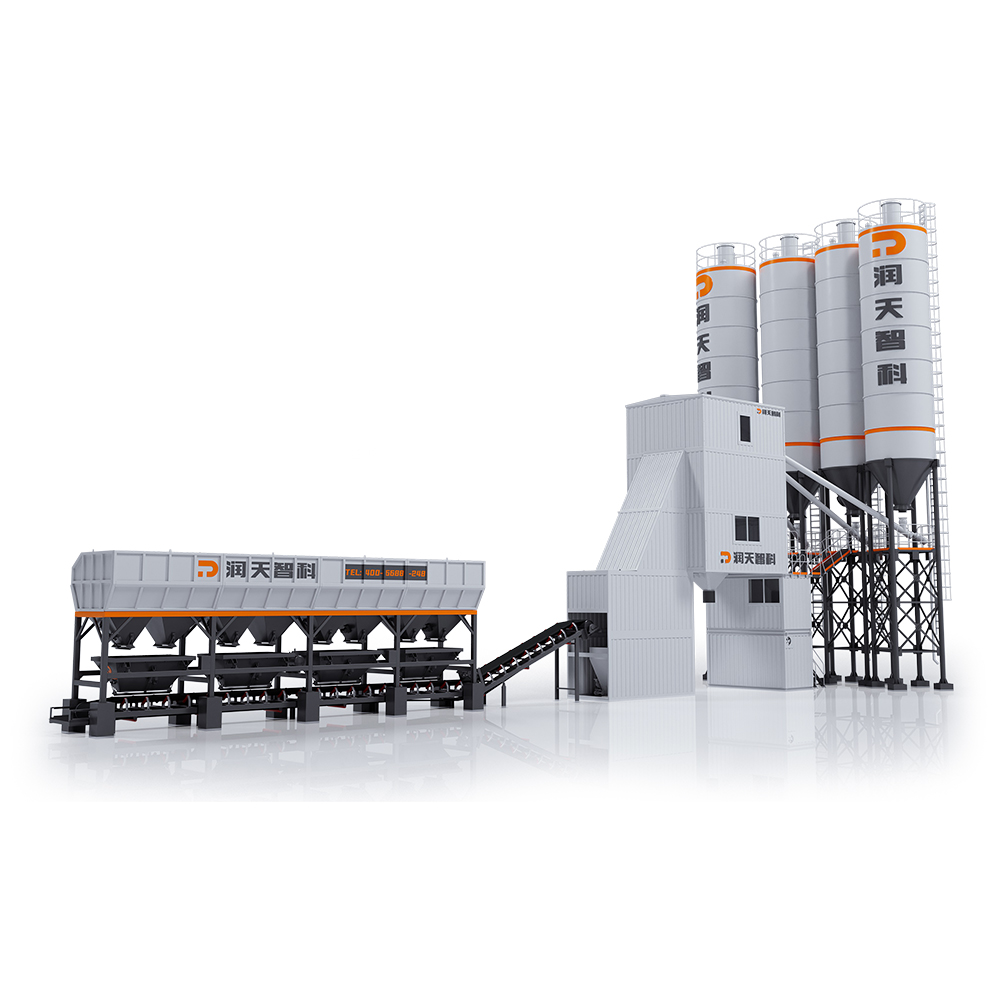 HZS Series Bucket-Lifting Type Container Concrete Mixing Plant
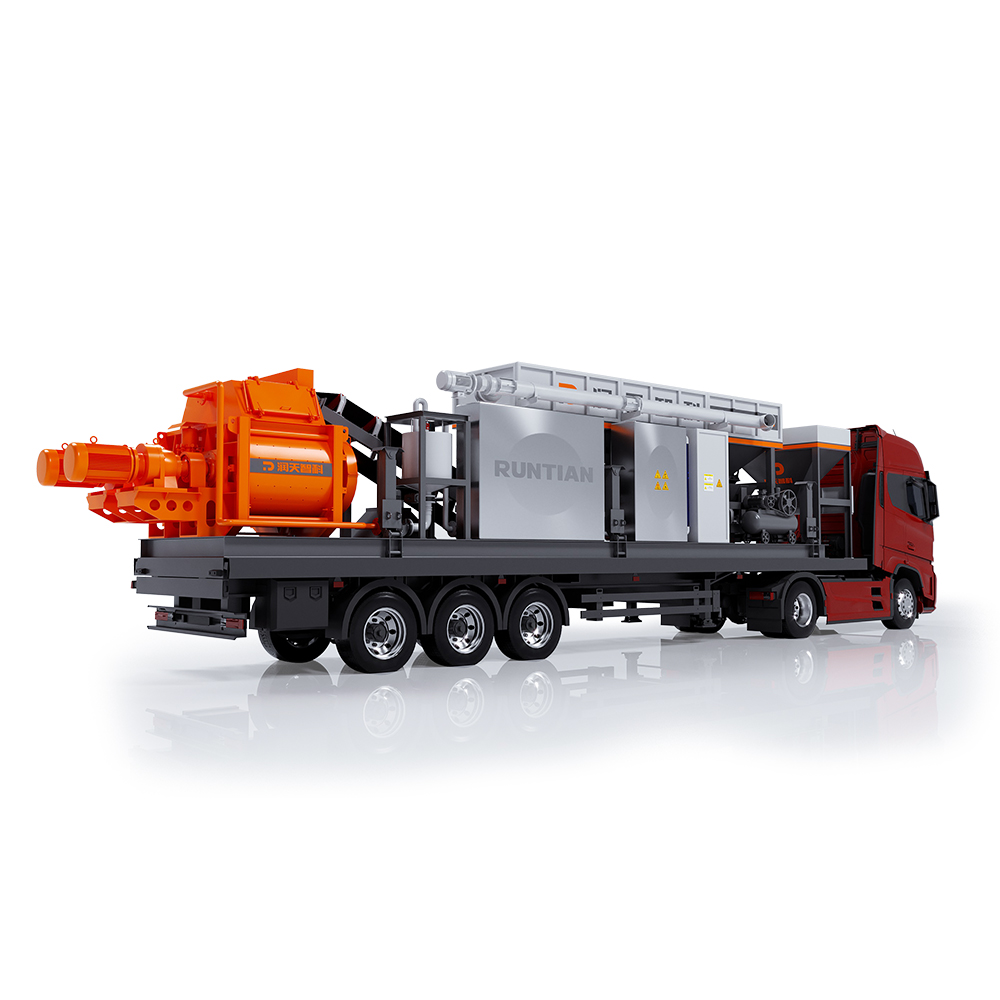 HZS60 Mobile Concrete Mixing Plant
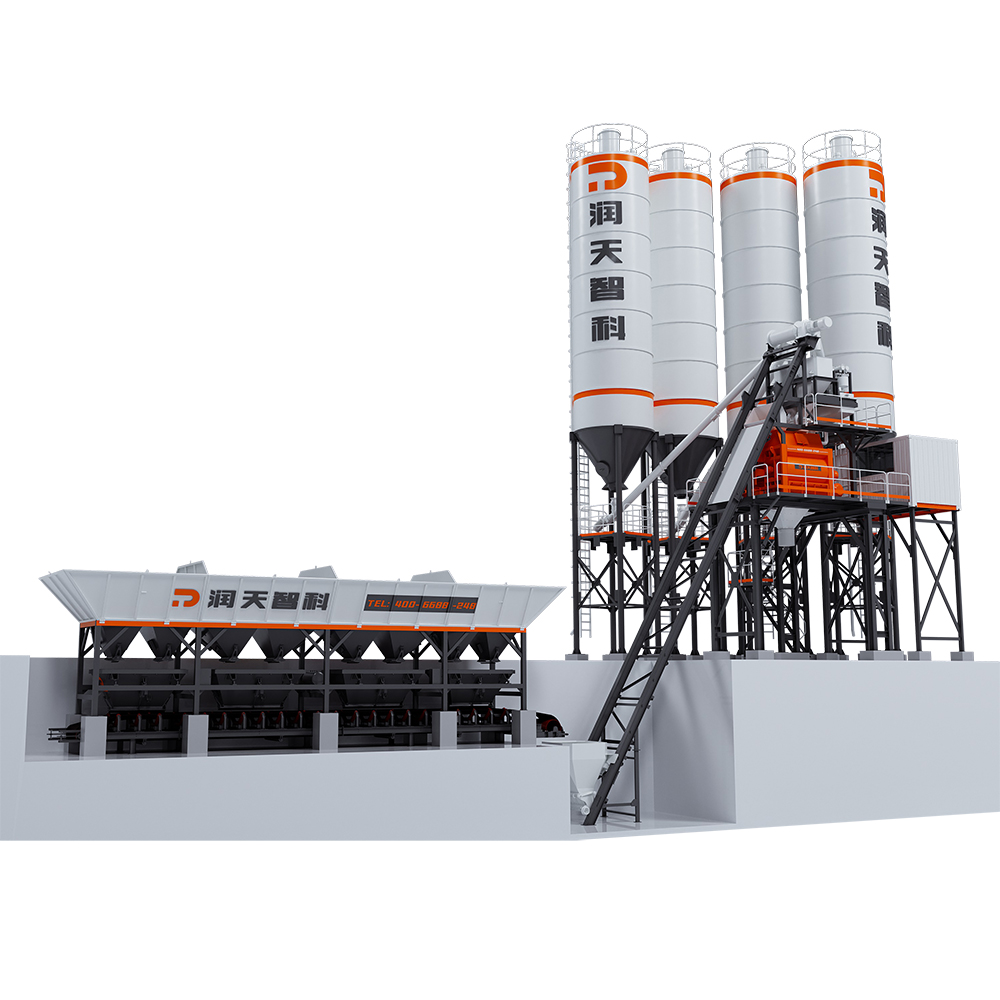 HZS Series Bucket-Lifting Type Concrete Mixing Plant
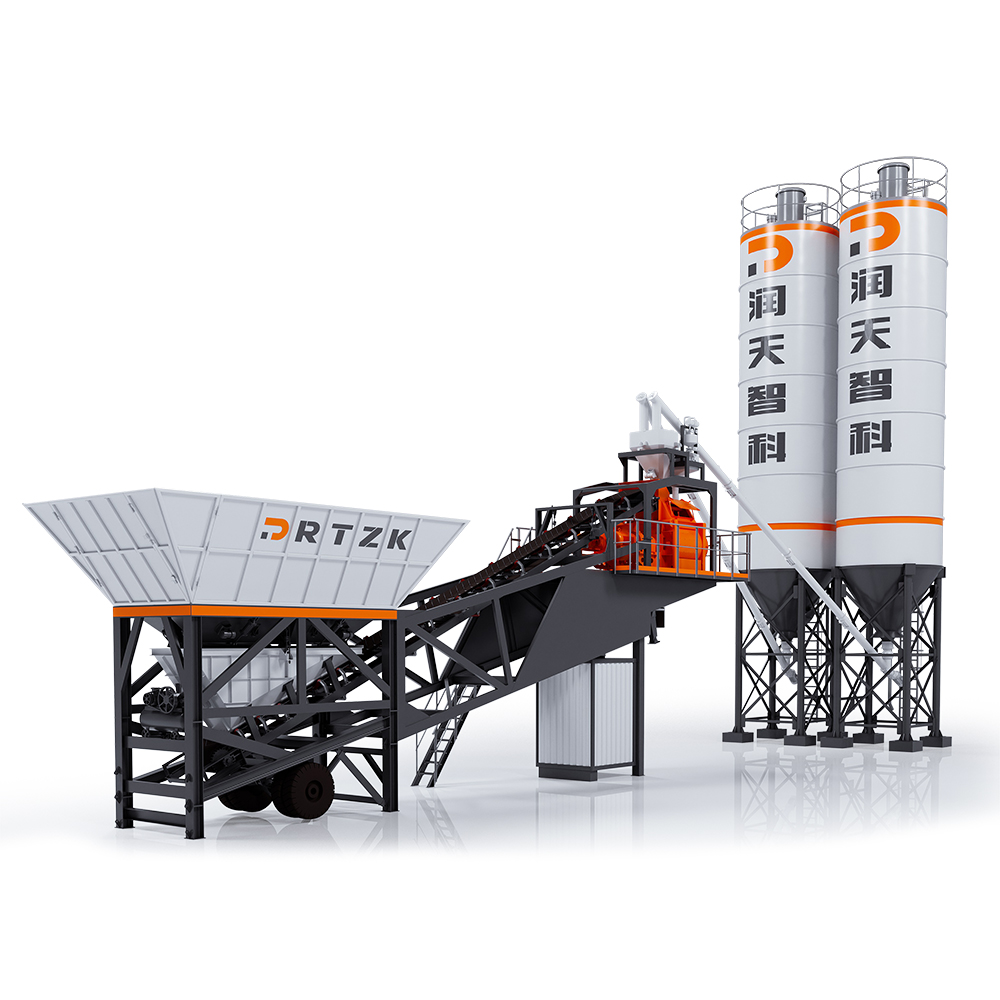 HZS Series Mobile Concrete Mixing Plant
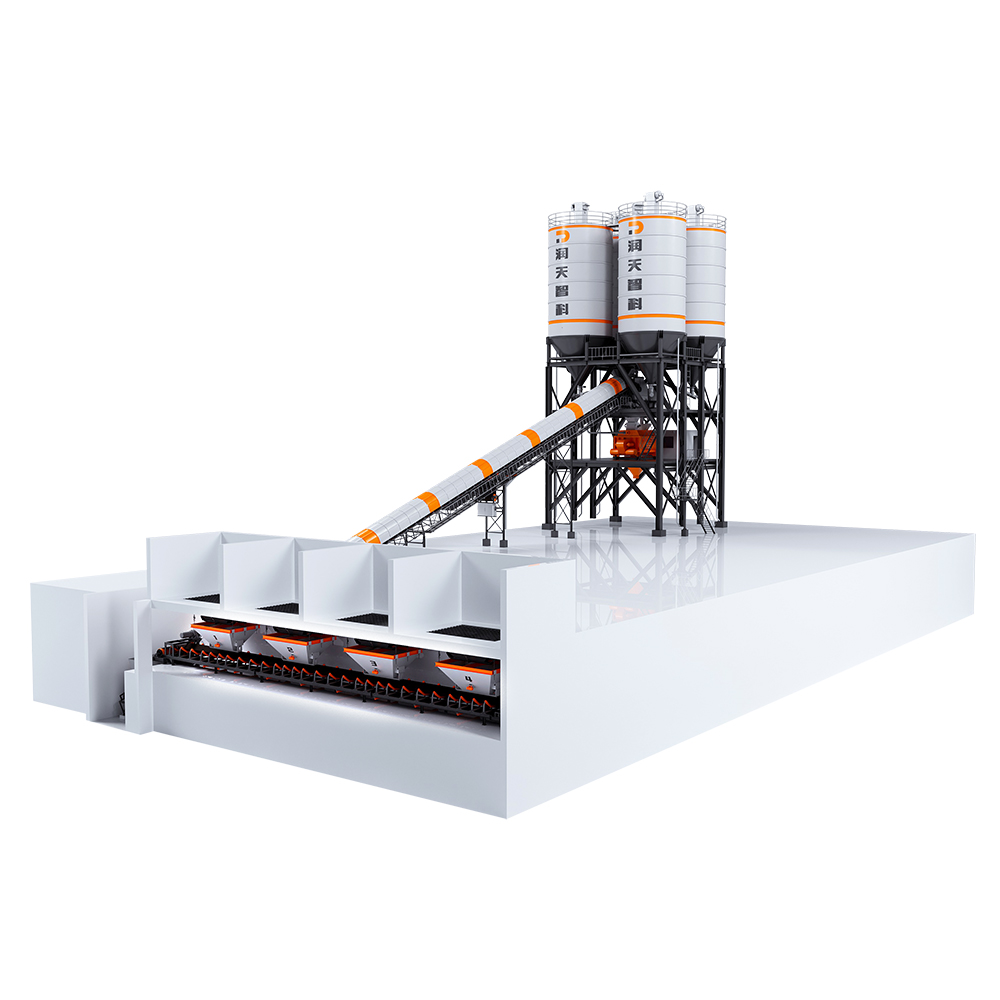 HZS Series Top-Mounted Concrete Mixing plant
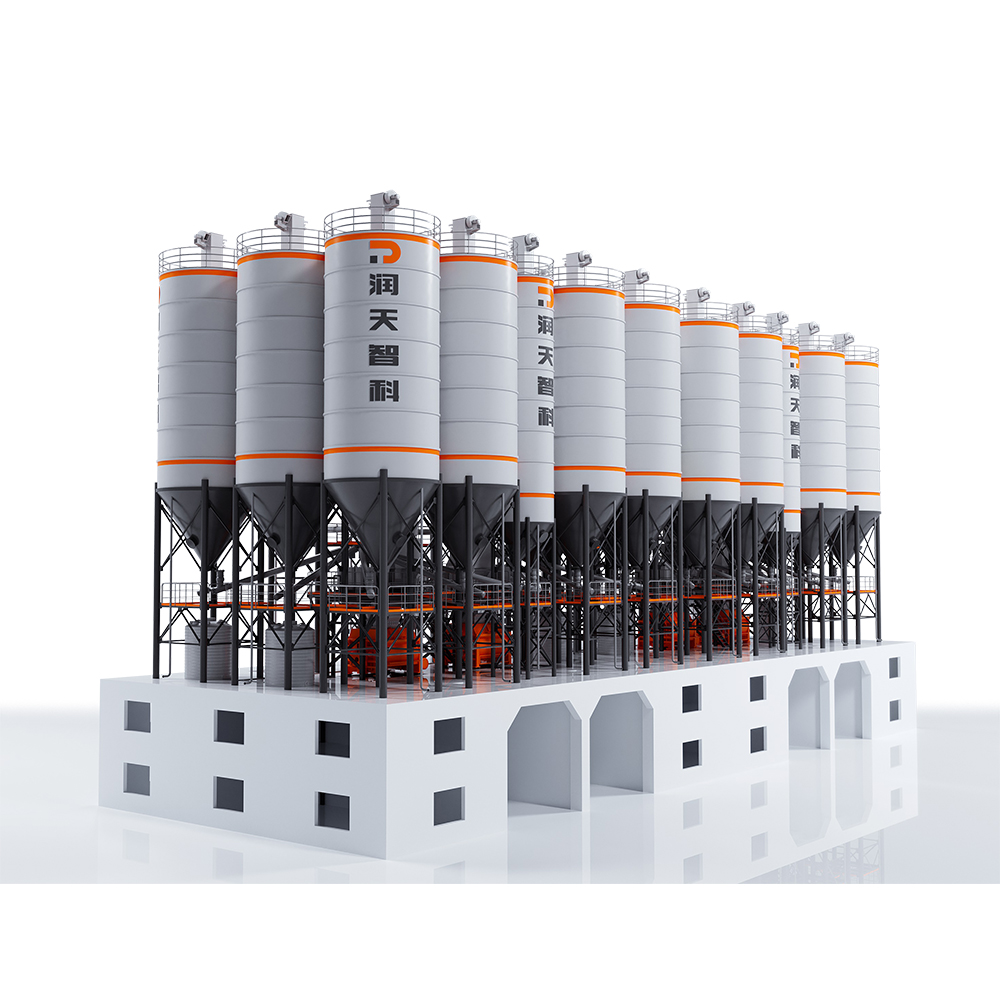 HZS Series Semi-Top Mounted Concrete Mixing Plant
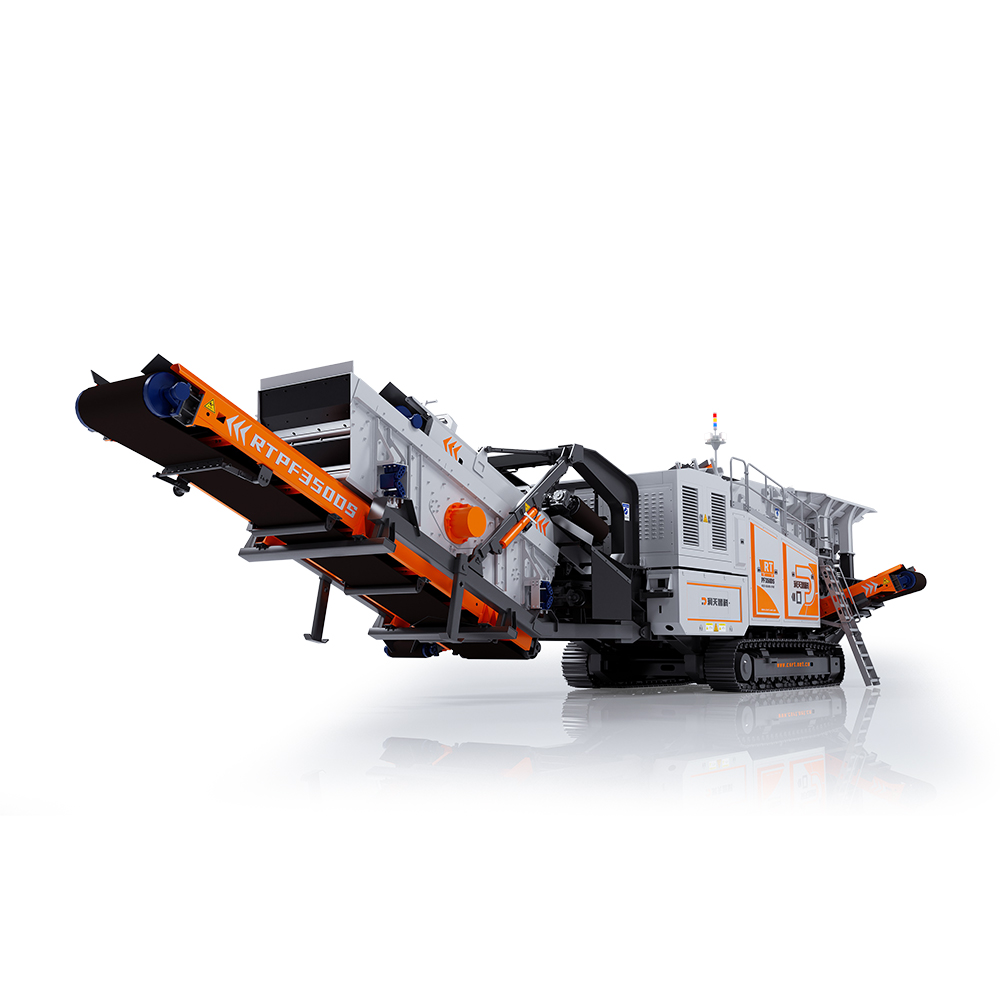 RTPF350DS Crawler Mobile Impact Crushing Plant
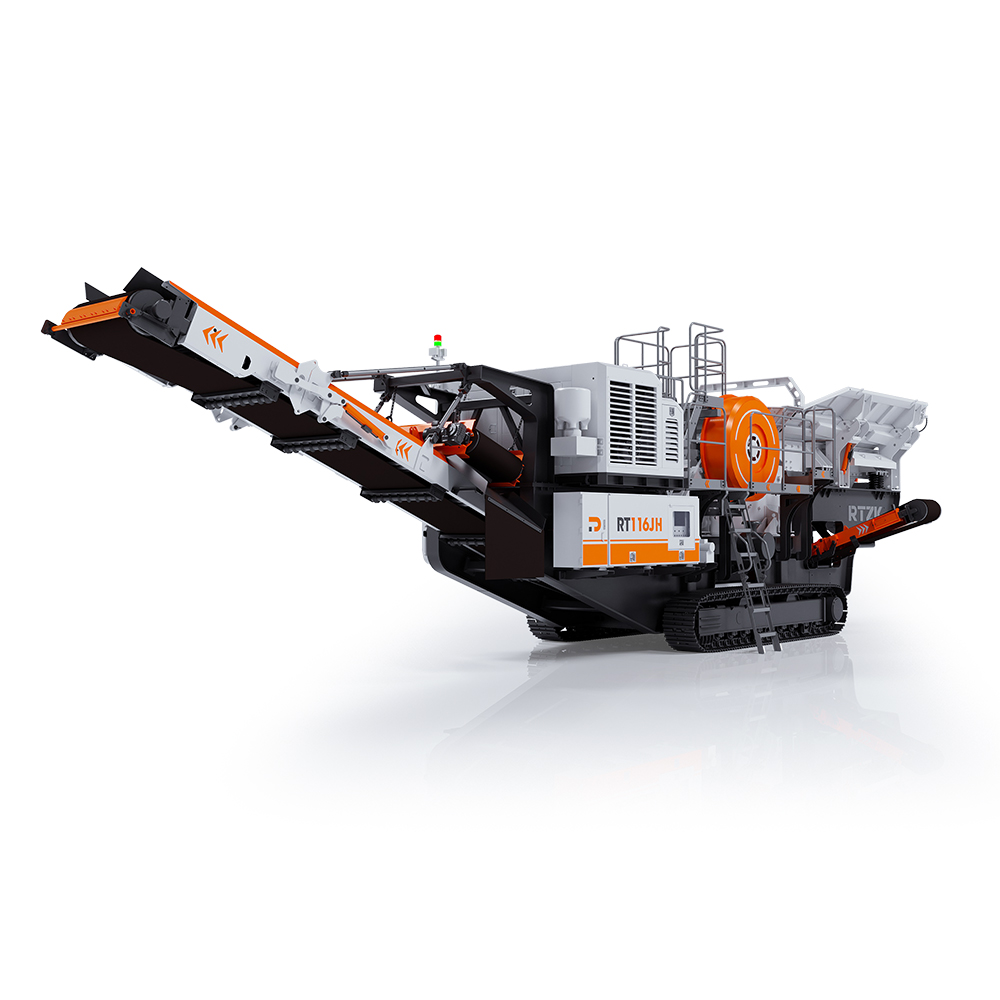 RT116JH Crawler Mobile Jaw Crushing Plant
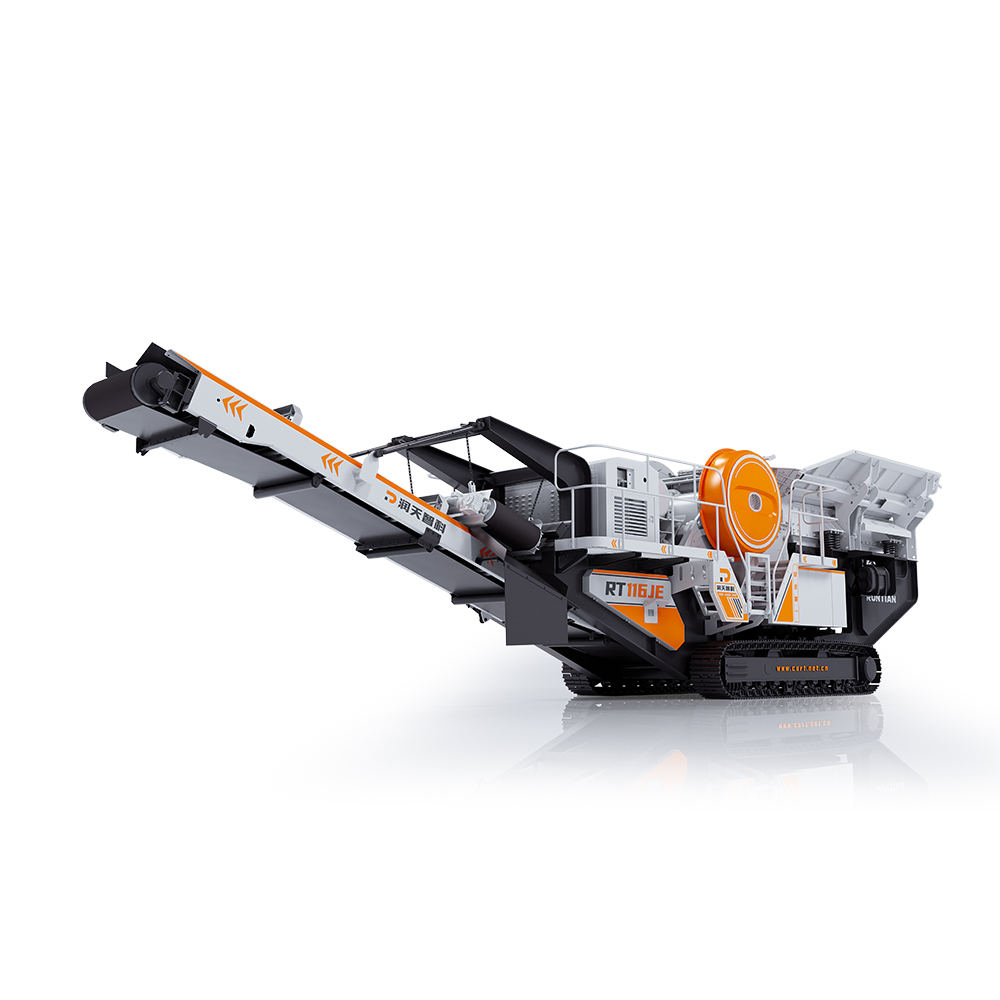 RT116JE Crawler Mobile Jaw Crushing Plant
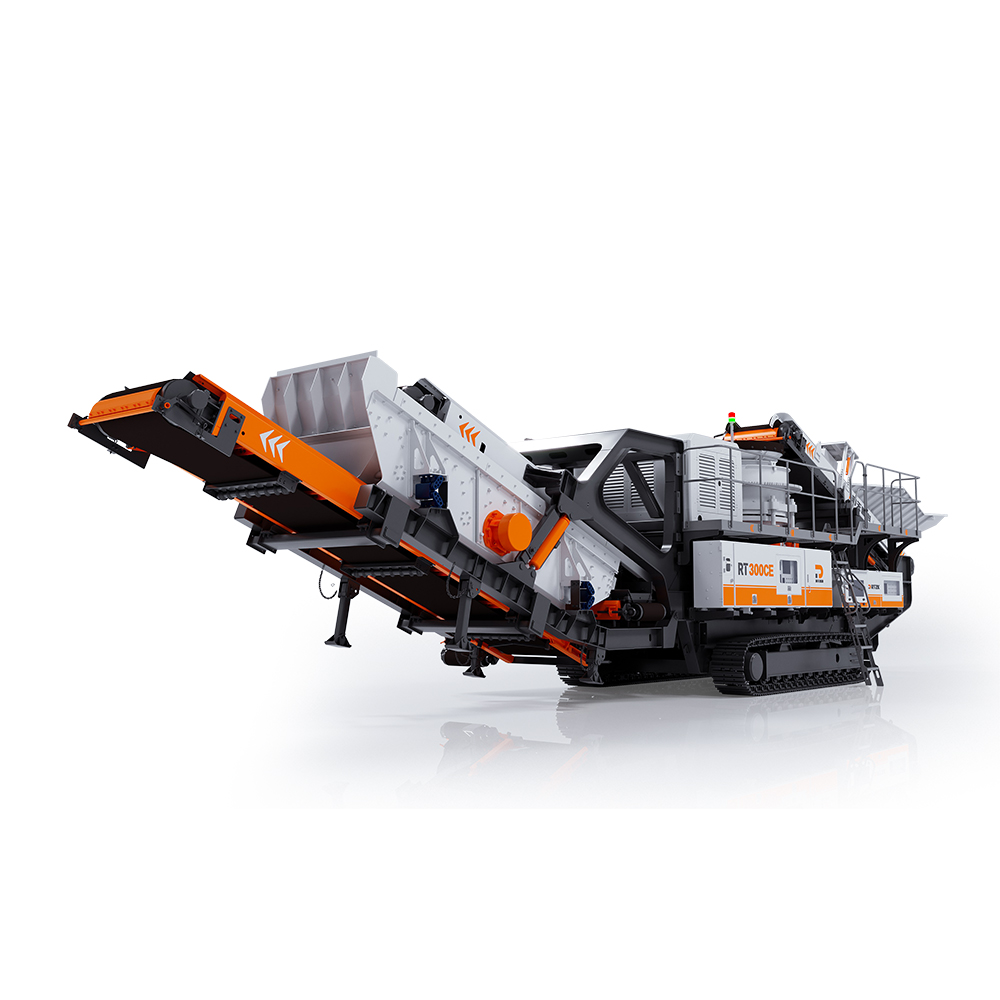 RT300CE Crawler Mobile Cone Crushing Plant
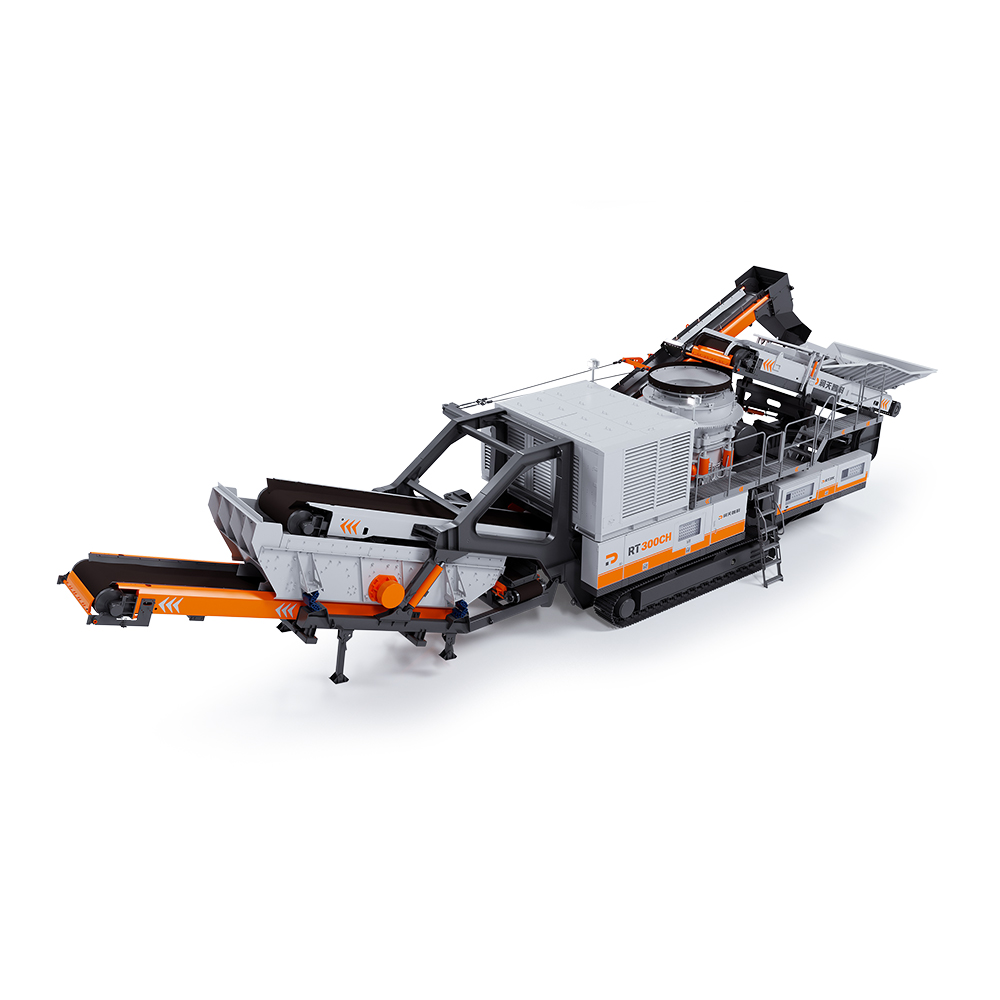 RT300CH Crawler Mobile Cone Crushing Plant
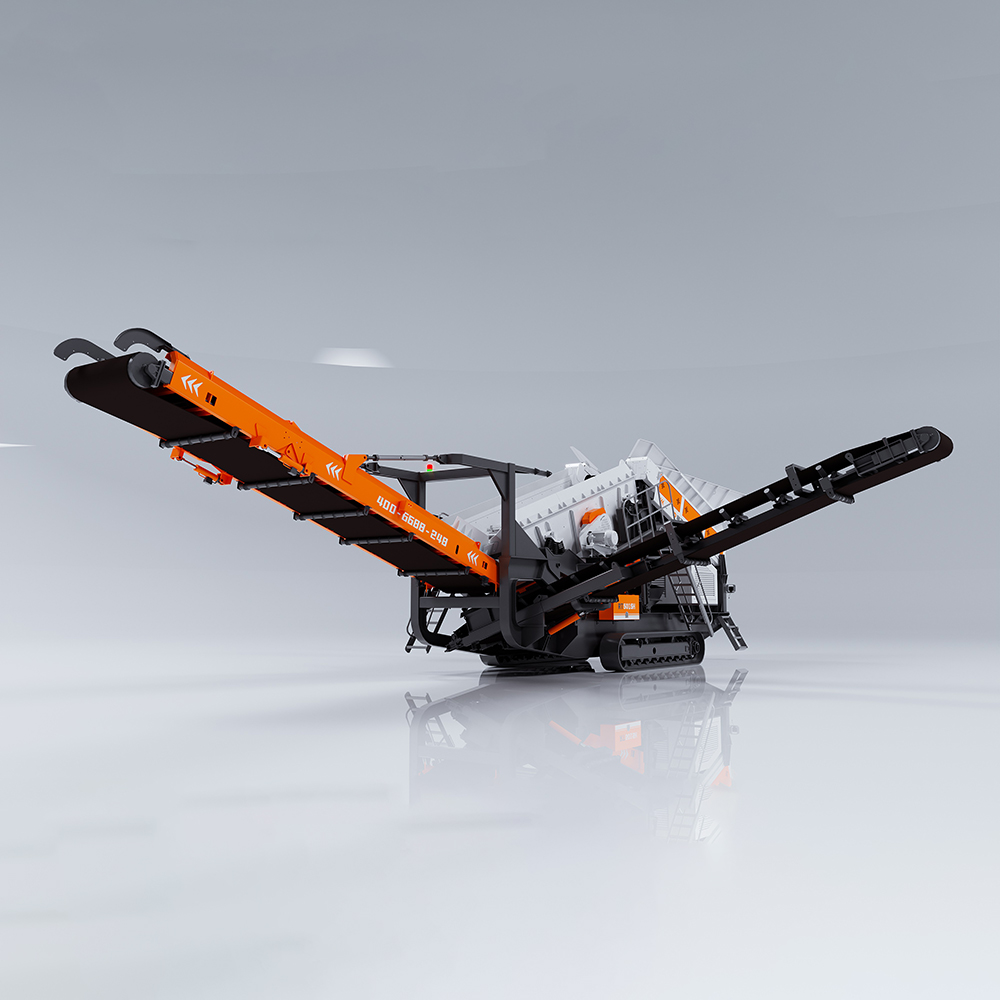 RT5015H Mobile Scalping Screen
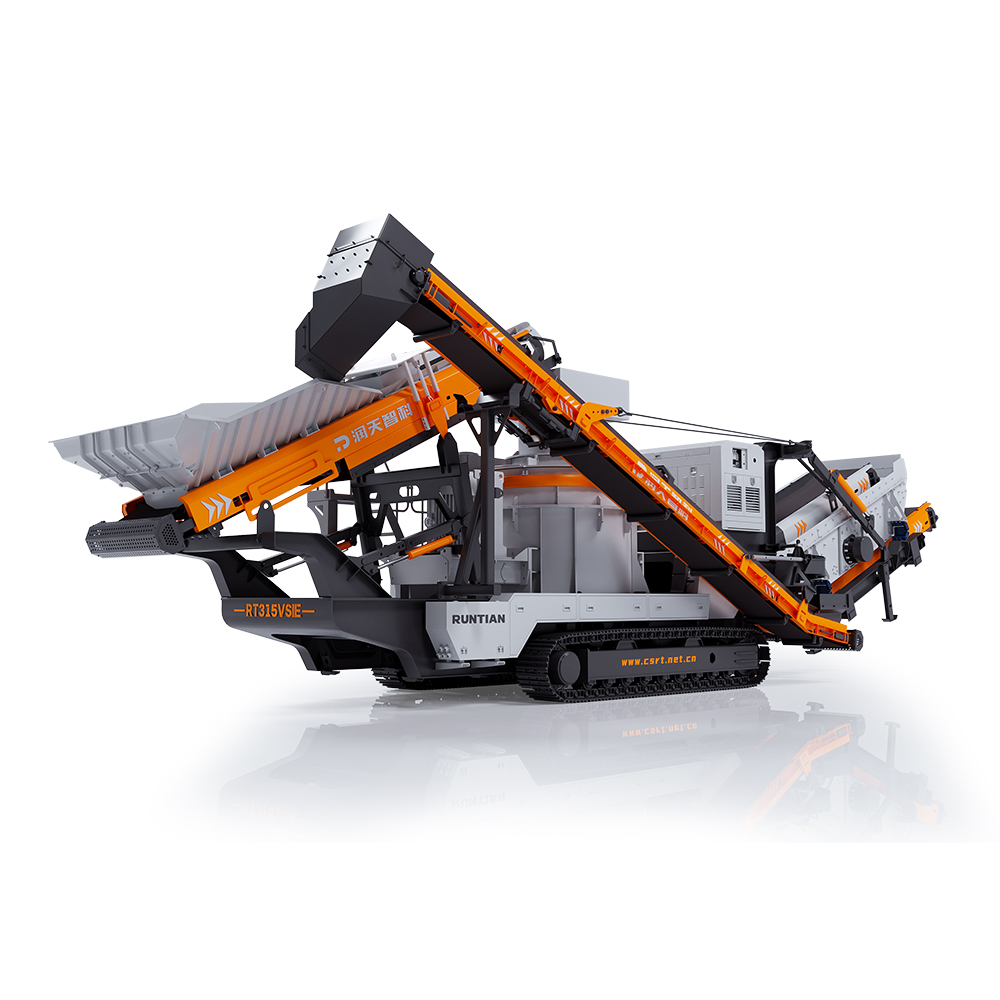 RT315VSIE Crawler Mobile Sand Maker
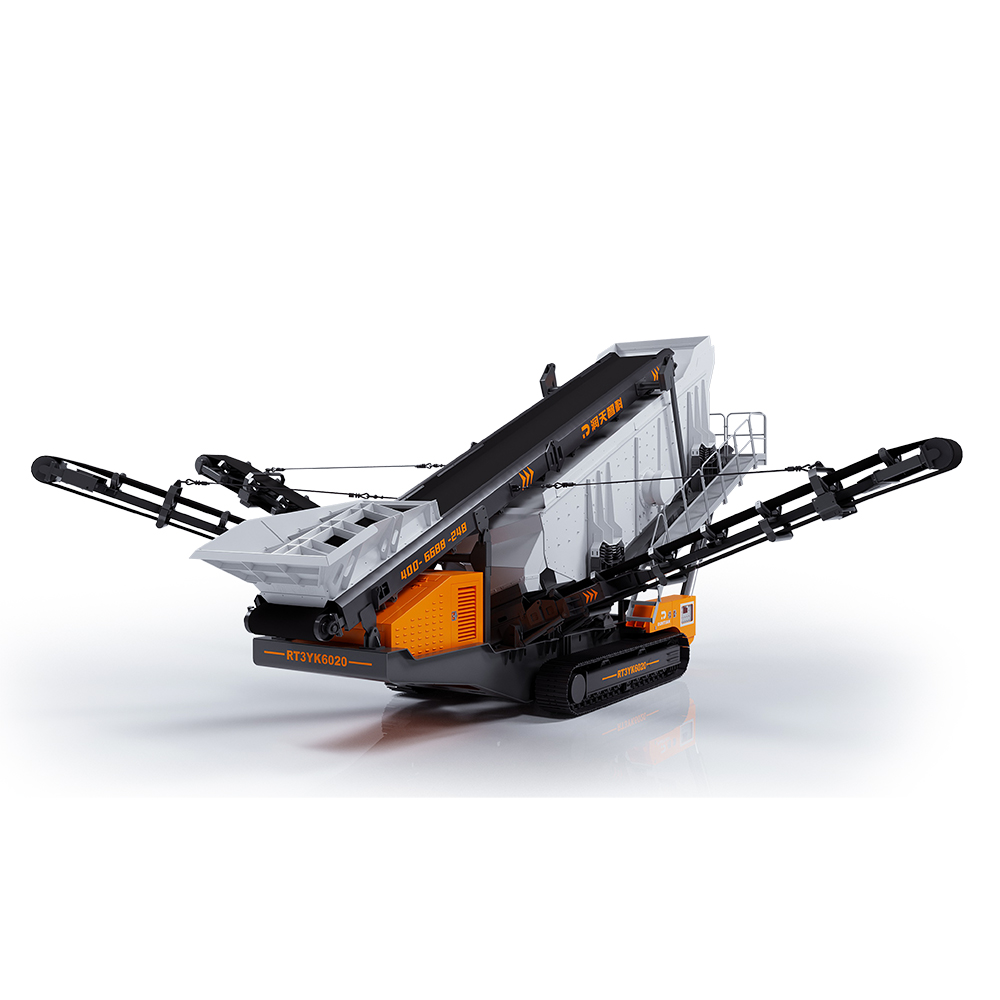 RT3YK6020 Crawler Mobile Screening Plant
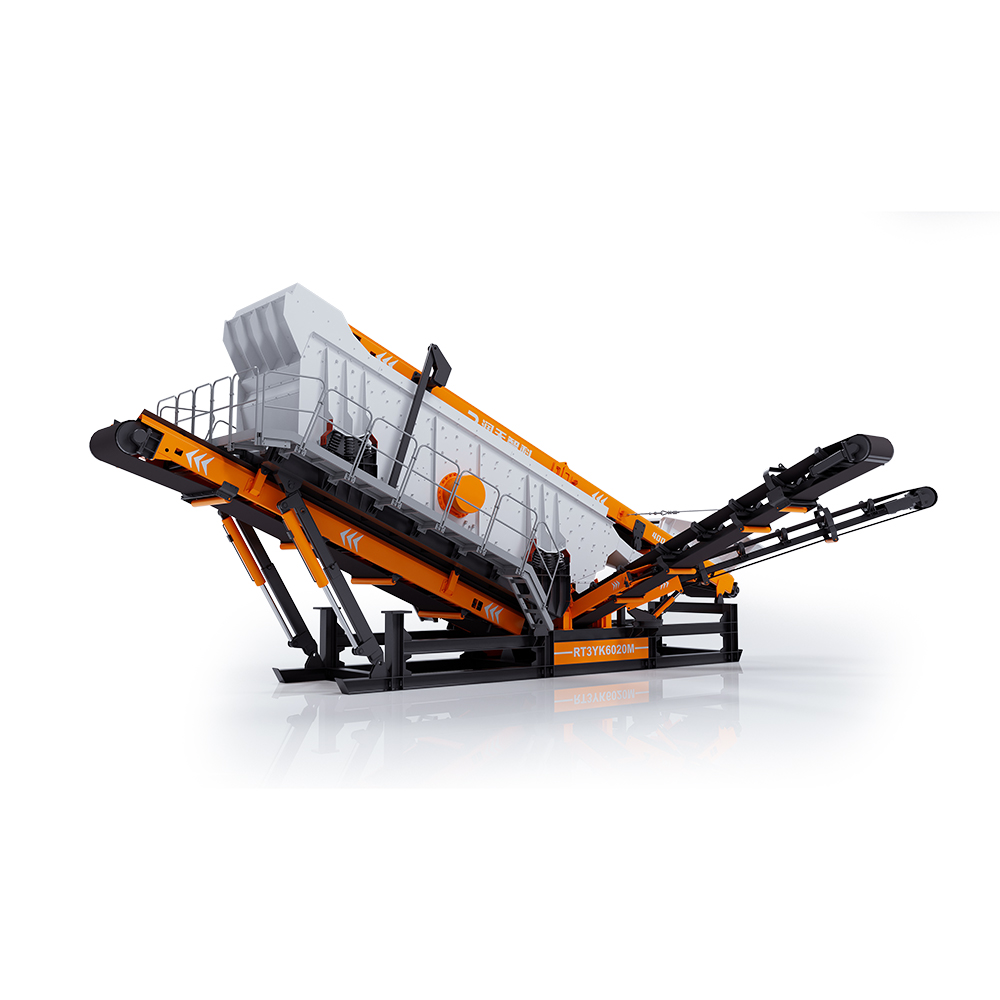 RT3YK6020M Modular Screening Plant
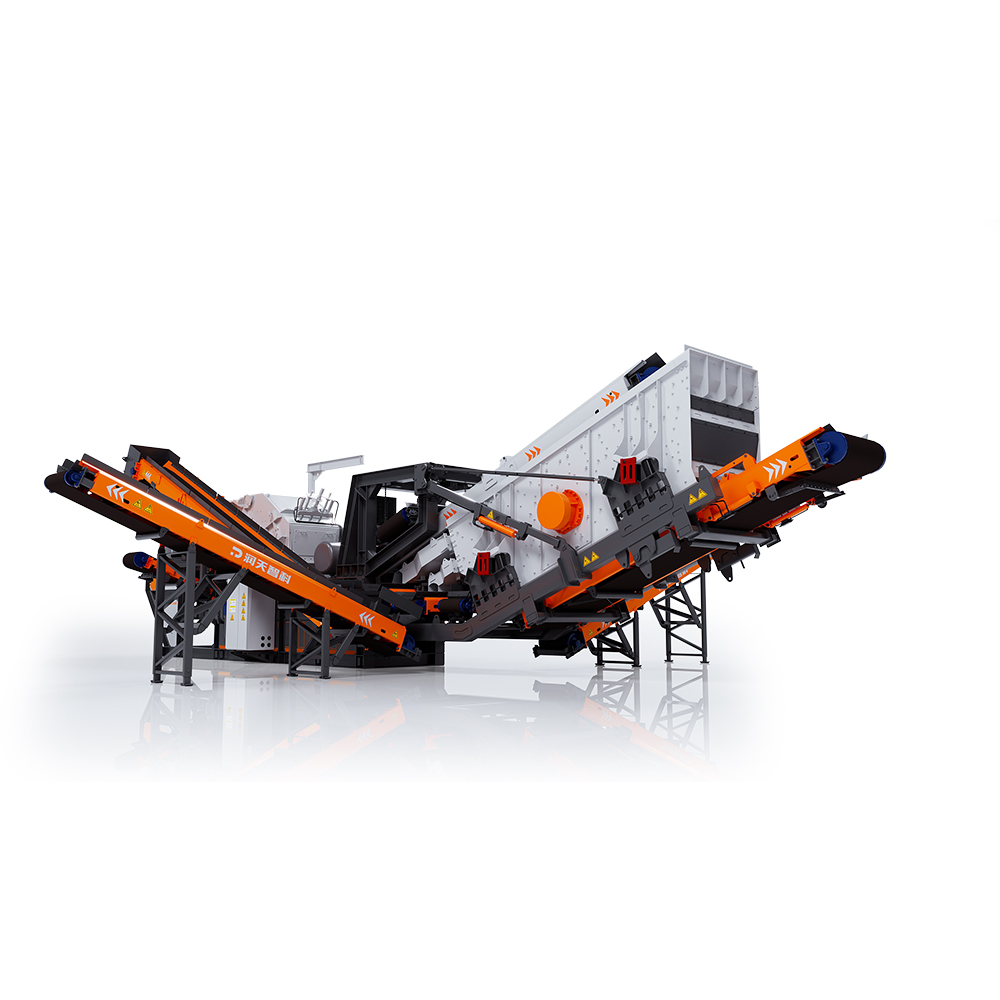 RTF260M Modular Counterattack Crushing and Screening Integrated Machine
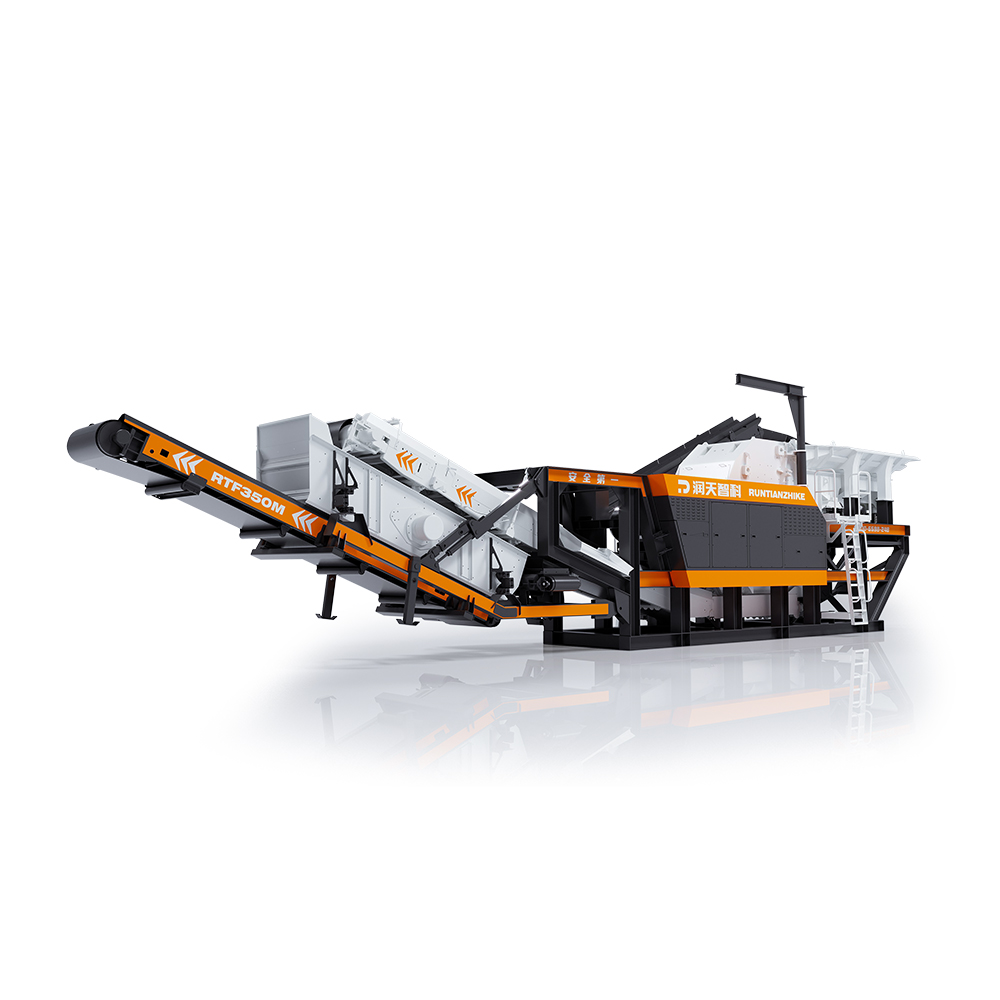 RTF350M Modular Impact Crushing Plant
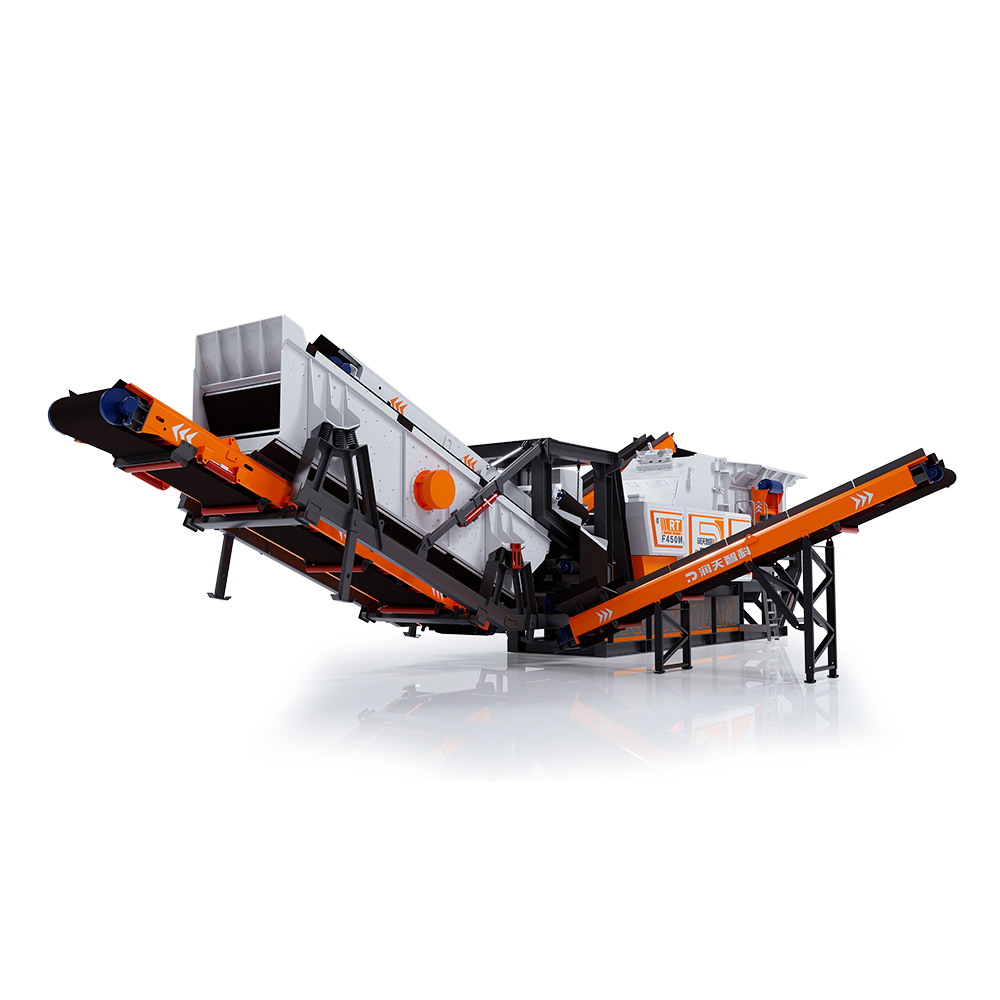 RTF450M Modular Impact Crushing Plant
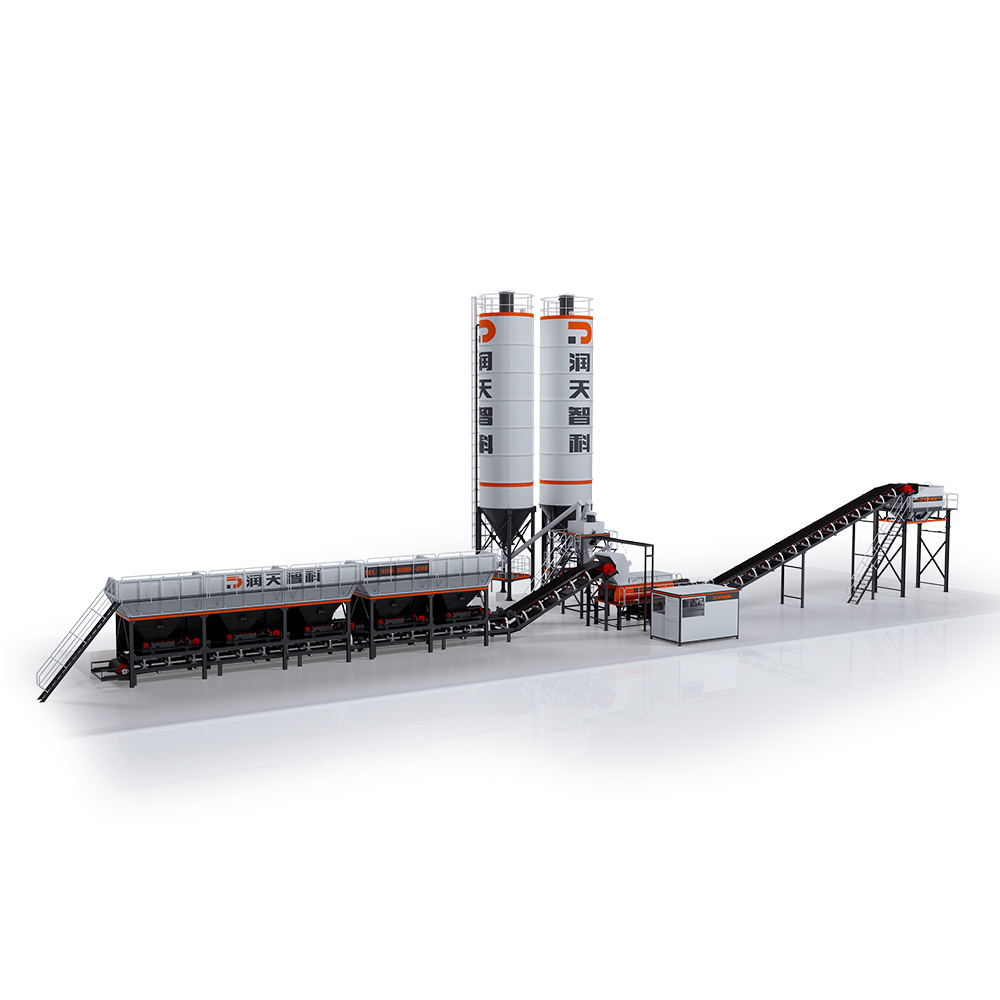 WDB Series Foundation-Free Stability Soil Mixing Plant
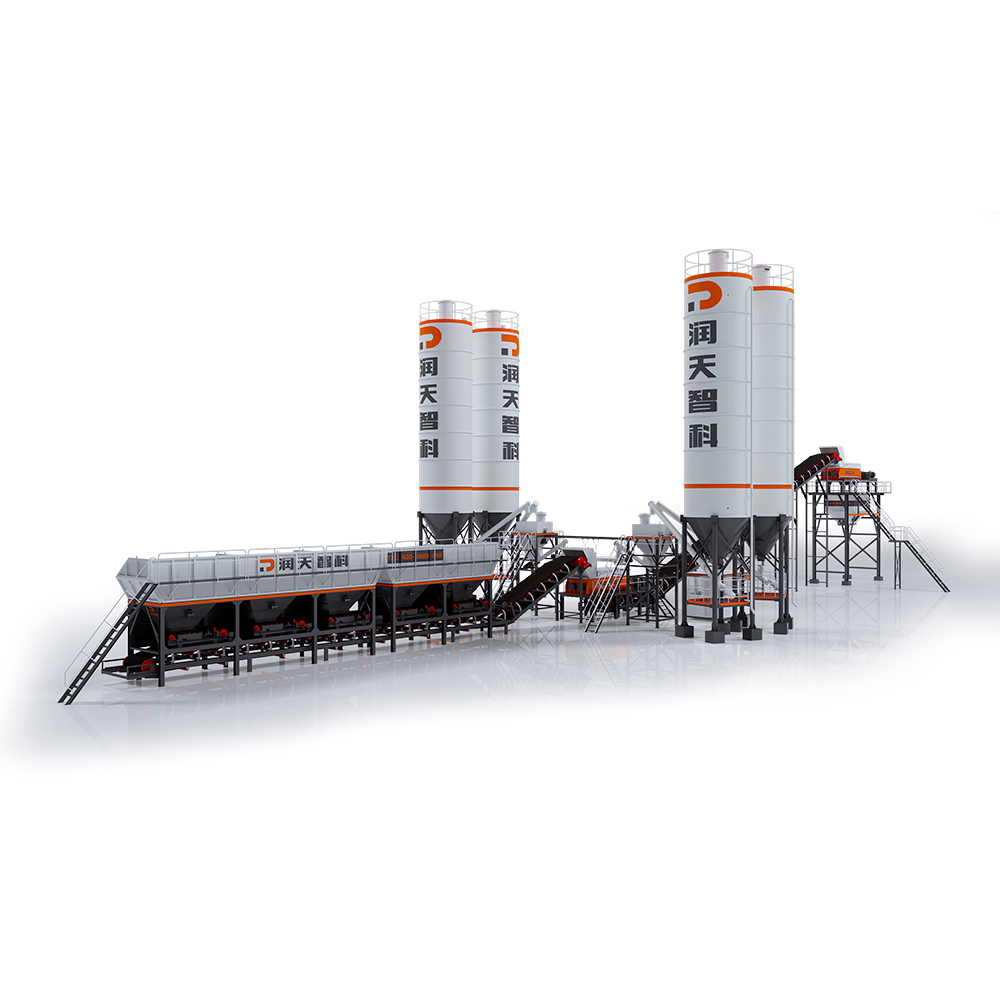 LCB Series Emulsified Asphalt Cold Regeneration Secondary Mixing Plant
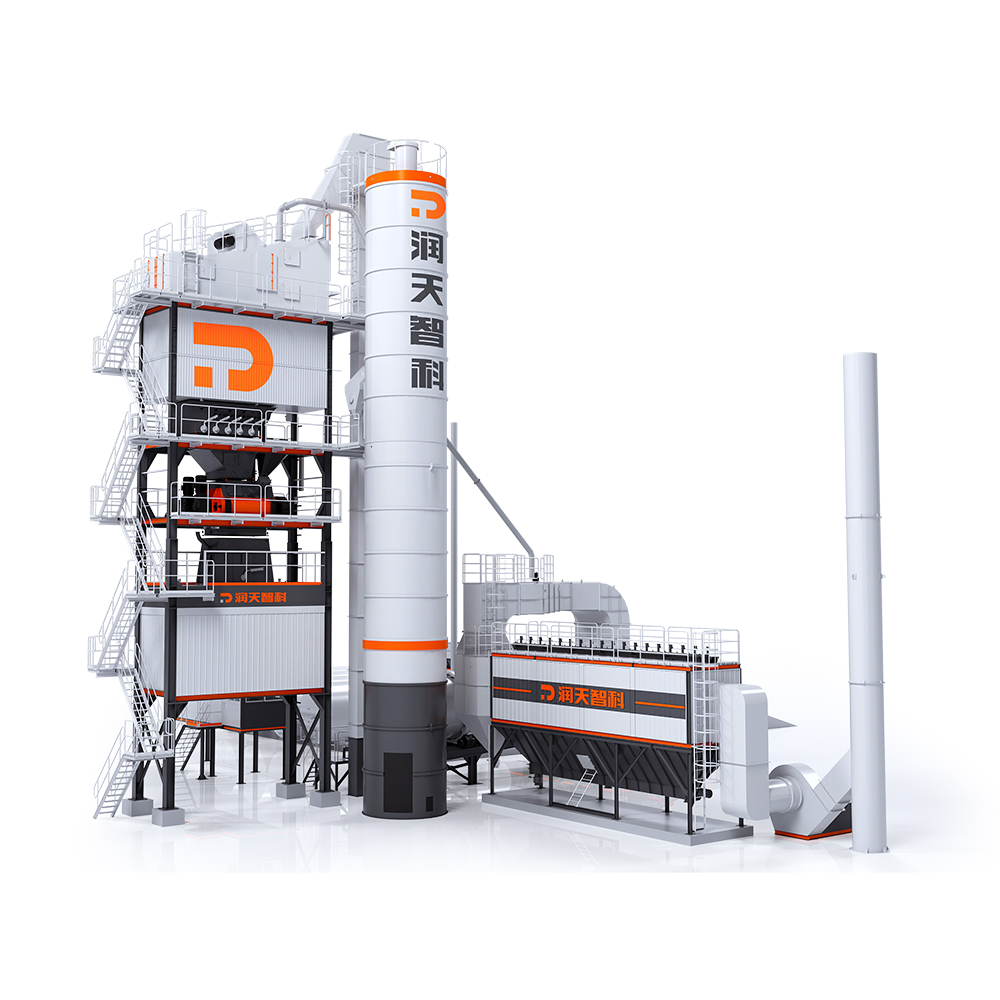 LB Series Asphalt Mixing Plant
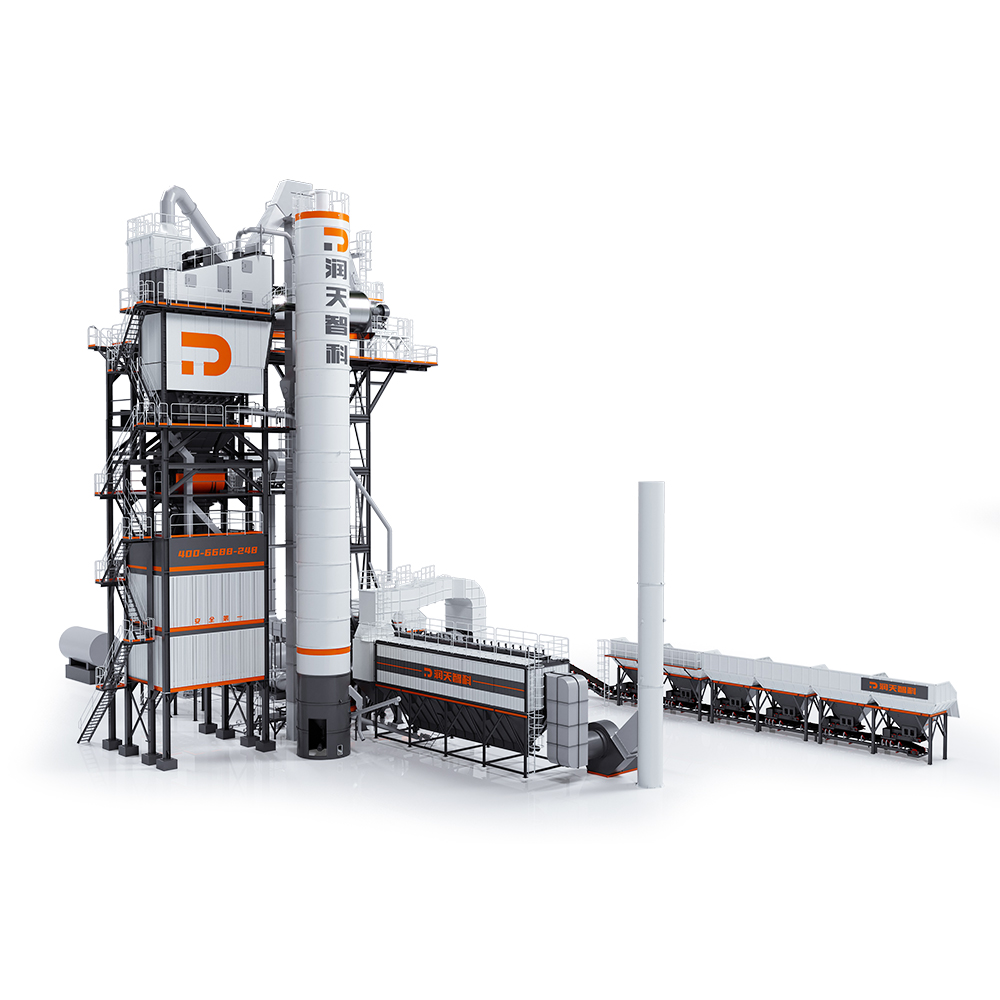 LBR Series Integrated Asphalt Mixing Plant
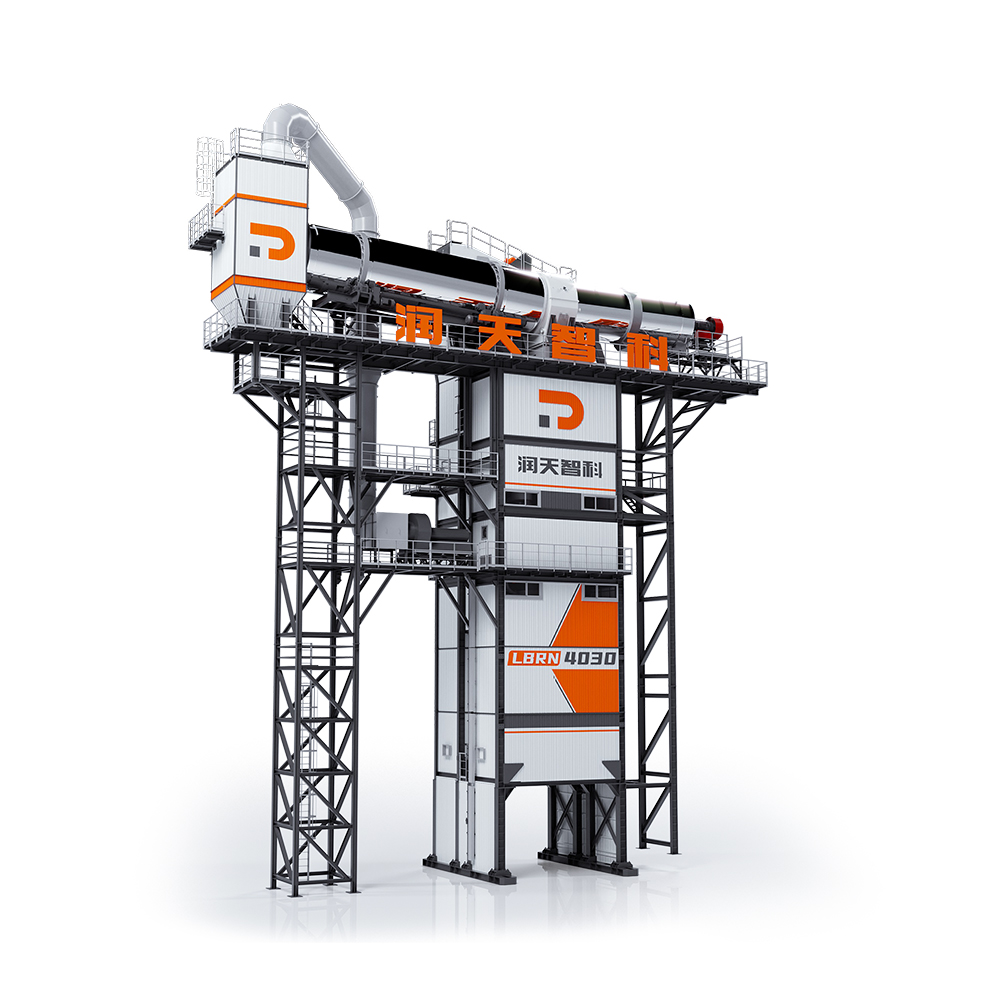 LBRN Series Counterflow Integral Asphalt Mixing Plant
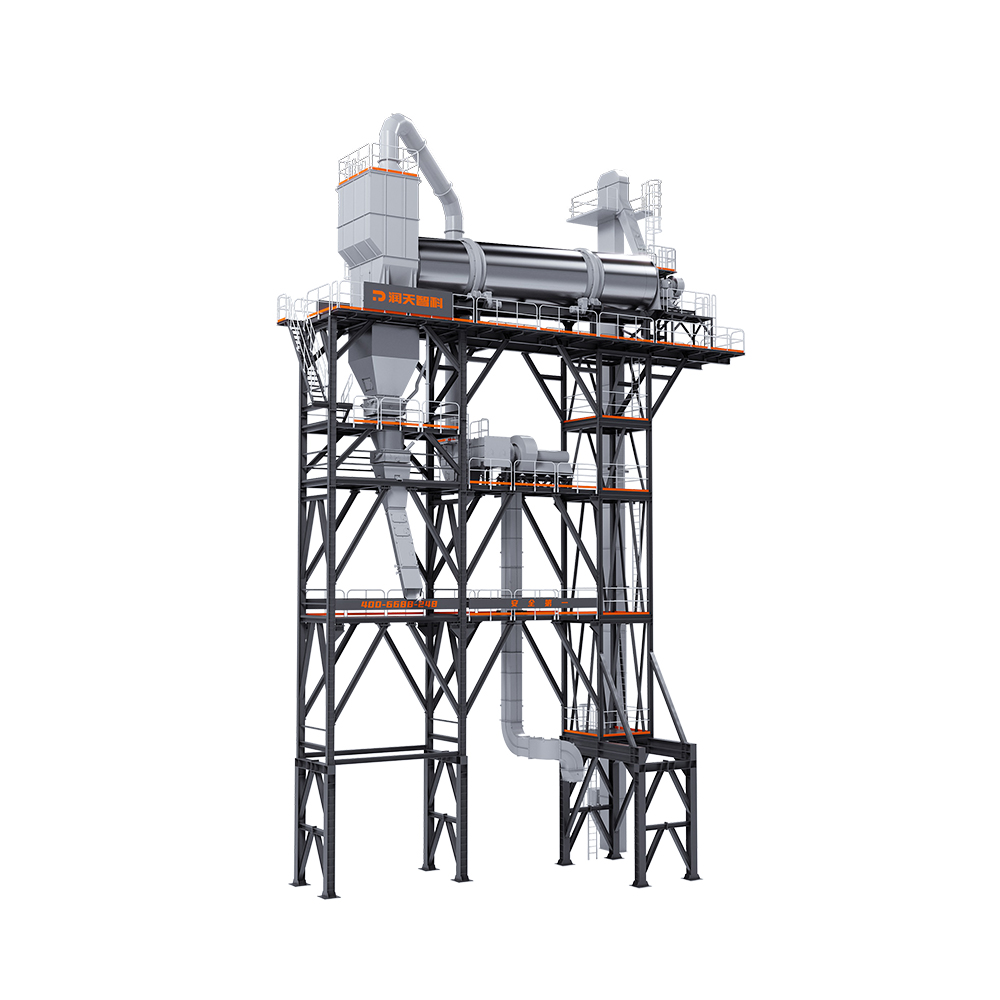 RZS Series Asphalt Mixing Plant
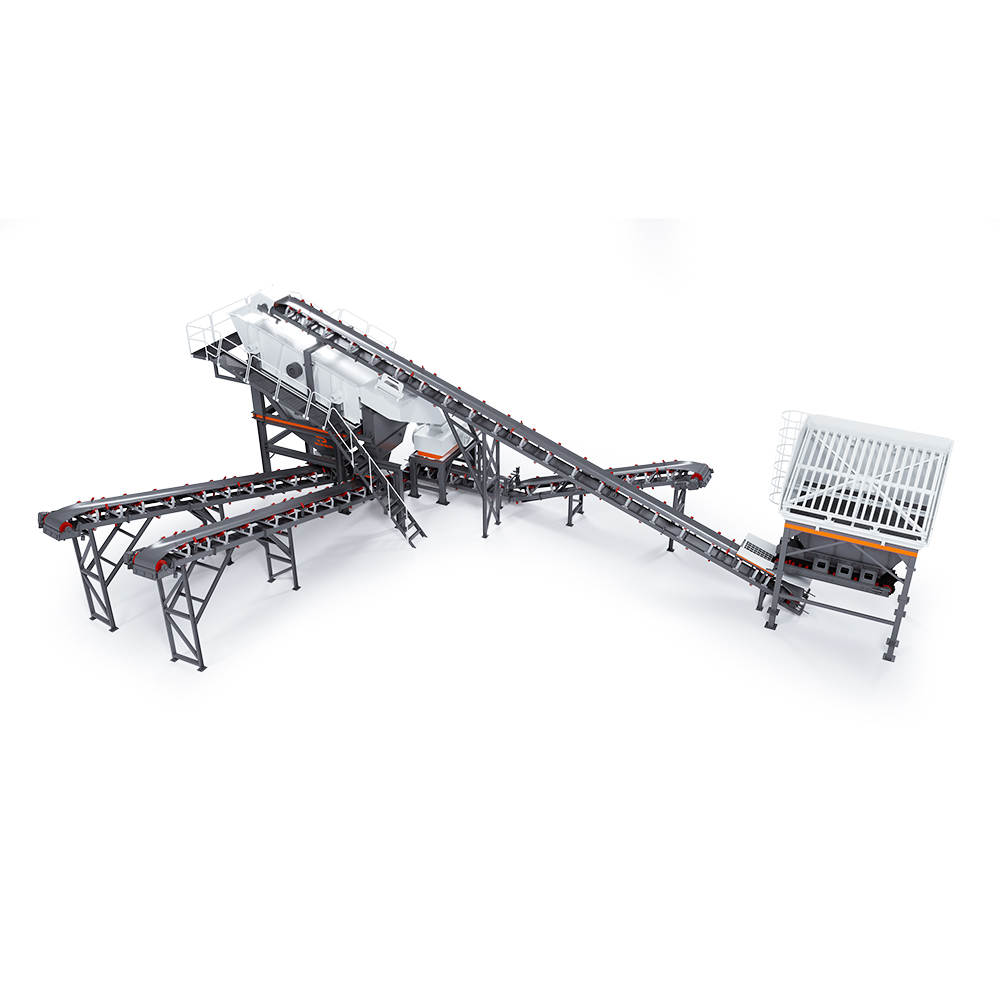 RTZS120 Series RAP Crushing & Screening Plant
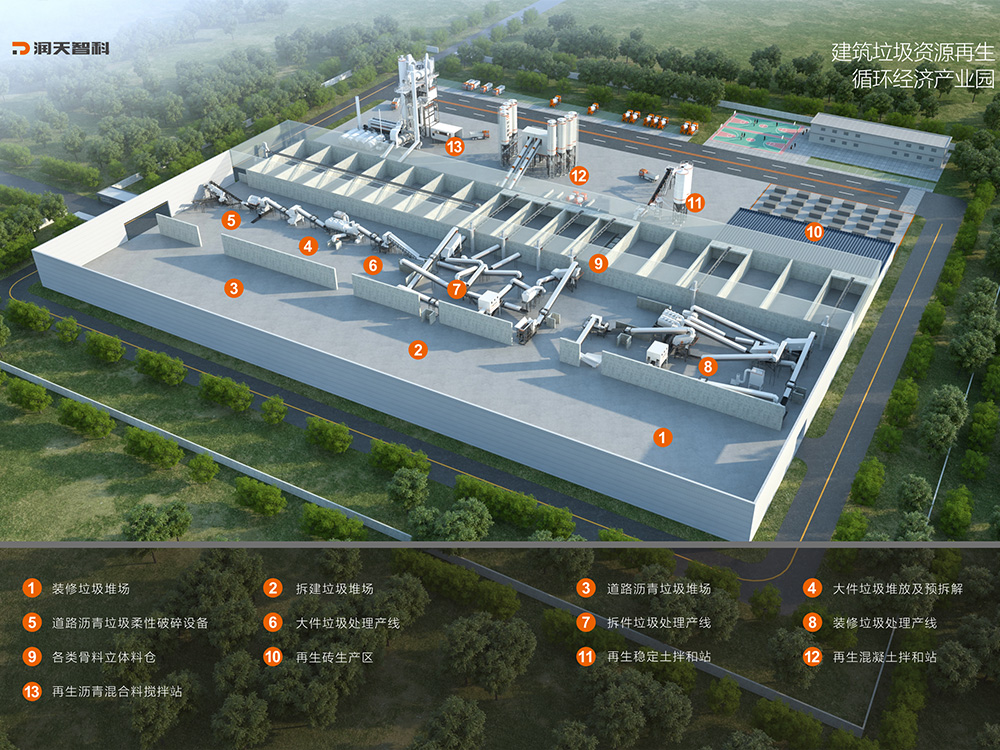 Construction Waste Resourceful Treatment Line