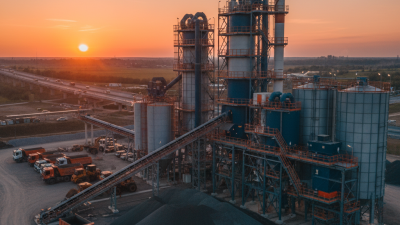
What is Concrete Use in Construction and Its Benefits?
Concrete is a pivotal material in the construction industry. Its versatility and strength make it a preferred choice for various structures. According to Dr. Susan Merritt, a renowned expert in construction materials, "Concrete use transforms the way we build, offering durability and adaptability." This statement encapsulates the essence of how concrete reshapes our architectural landscape.
The concrete use spans residential buildings, bridges, and roads. Its ability to withstand harsh weather conditions makes it unique. However, the production process can have environmental impacts that need careful consideration. Sustainable practices are emerging to address these challenges, balancing construction needs and ecological concerns.
Incorporating innovative techniques is essential. New mixes and additives enhance concrete performance. Yet, the industry faces ongoing challenges, such as carbon emissions from production. Addressing these issues requires ongoing research and commitment from all stakeholders involved. The conversation around concrete use is evolving, focusing on efficiency and sustainability for future generations.
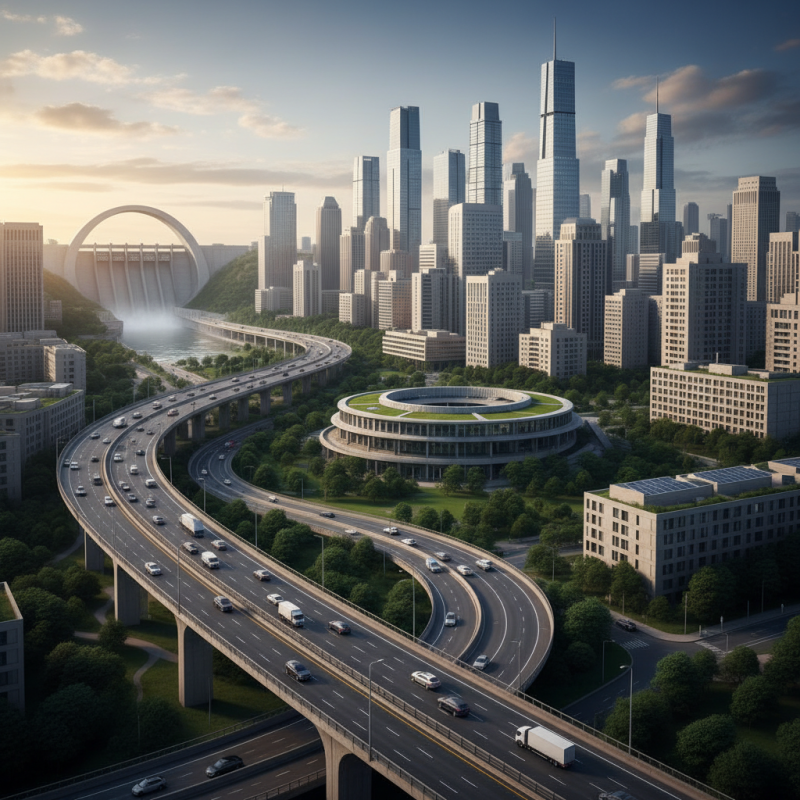
Definition and Composition of Concrete in Construction
Concrete is a vital material in construction. It consists mainly of cement, water, sand, and aggregates. This blend creates a strong, durable substance that is essential for building structures. According to the Global Cement and Concrete Association, concrete production reached 4.1 billion tons in 2020. This figure highlights its widespread use in modern construction.
The composition of concrete affects its performance. Various ratios of water-to-cement can alter strength and workability. A higher water content might make concrete easier to pour but can weaken its final strength. Research shows that for optimal durability, a water-to-cement ratio of about 0.5 is ideal. However, maintaining this balance can be challenging, especially in large projects.
Environmental concerns also arise with concrete production. The cement industry alone contributes nearly 8% of global carbon dioxide emissions. Many construction professionals are now exploring alternative materials and methods. This shift is necessary to create a more sustainable future in the building sector. Reducing cement use could be an effective solution, yet it demands innovation and adaptation from industry experts.
Types of Concrete Used in Modern Construction Projects
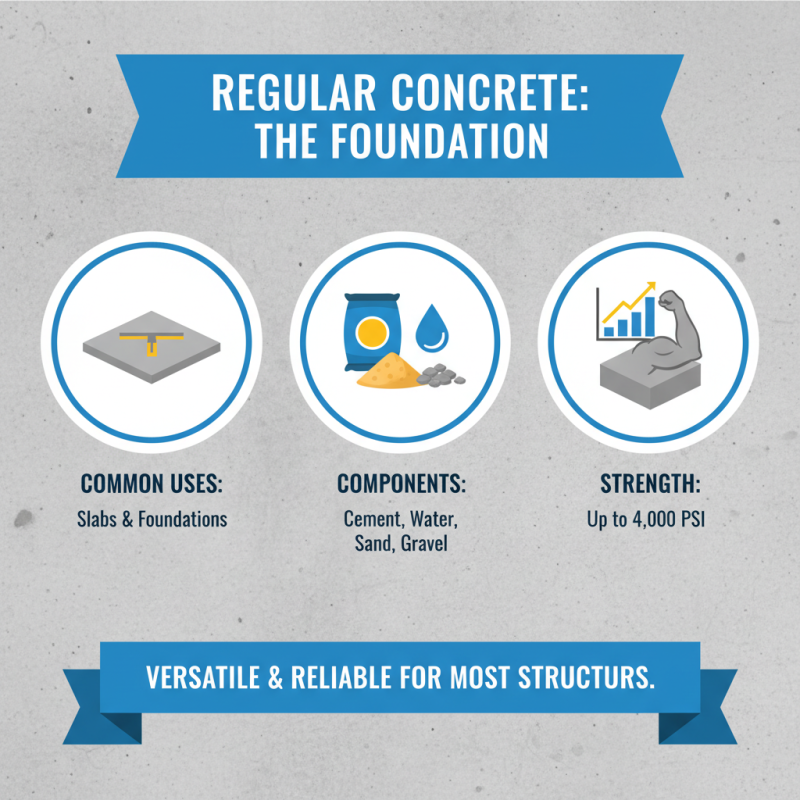
In modern construction, various types of concrete are employed to meet specific structural demands. Each type brings unique advantages. Regular concrete, commonly used in slabs and foundations, typically consists of cement, water, sand, and gravel. Its compressive strength can reach up to 4,000 psi, making it ideal for most structures.
Lightweight concrete is another option, with a density that is significantly lower, usually around 90-115 pounds per cubic foot. This type reduces the overall weight of the building, allowing for easier handling and transport. It’s especially useful in high-rise construction where weight reduction is crucial. The use of lightweight aggregates can contribute to energy efficiency as well.
Tips: Always consider the local climate when selecting concrete types. For instance, additives can enhance performance in extreme conditions. Be cautious, though. Miscalculating proportions can lead to weaker mixes.
Another innovative choice is high-performance concrete. This type boasts enhanced durability and resistance to various environmental factors. It can achieve strengths of over 10,000 psi. However, it is often more expensive and requires skilled labor to work properly. Evaluate your project's budget and goals carefully when considering such options.
Advantages of Using Concrete in Construction: Durability and Strength
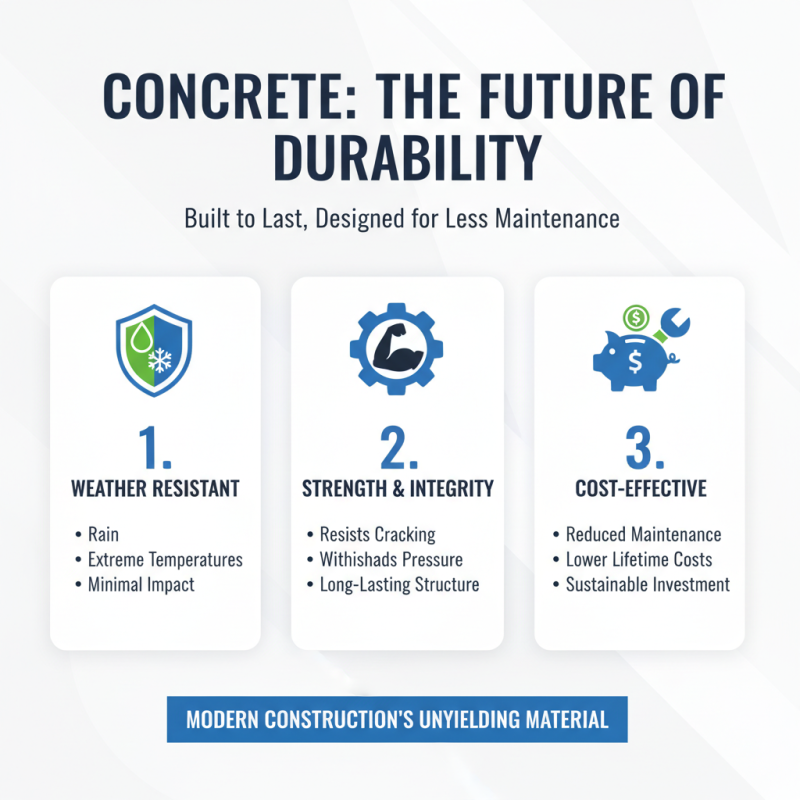
Concrete is a vital material in modern construction. Its durability stands out as one of its primary advantages. Structures made of concrete can withstand various weather conditions. Rain, snow, and extreme temperatures have minimal impact on its integrity. This resilience helps in reducing maintenance costs over time.
The strength of concrete is also impressive. It can support heavy loads, making it suitable for buildings and bridges. However, this strength is not without limitations. Proper mixing and curing are essential; otherwise, cracks can develop. These issues can compromise the structure’s safety.
Another point to consider is the environmental impact. While concrete can be sustainable, factors like production emissions are concerning. There’s ongoing research to improve its eco-friendliness. Balancing strength, durability, and sustainability remains a challenge in the industry.
Environmental Impact and Sustainability of Concrete in Building
Concrete is essential in construction. However, its environmental impact raises concerns. Cement production contributes to 8% of global CO2 emissions. This highlights the need for sustainable practices in the industry.
Recycling concrete is one way to lessen its environmental footprint. According to the National Ready Mixed Concrete Association, up to 70% of demolished concrete can be reused. This reduces waste and conserves resources. Moreover, replacing traditional materials with recycled concrete can lower emissions and energy consumption.
Innovative solutions are emerging. Using supplementary cementitious materials can enhance concrete strength and durability. A report states that these materials can replace up to 50% of Portland cement. Nevertheless, the industry has room for improvement. Ongoing research is crucial to develop more sustainable options. Changes in practices are necessary for a eco-friendlier future.
What is Concrete Use in Construction and Its Benefits? - Environmental Impact and Sustainability of Concrete in Building
| Dimension |
Information |
| Primary Use |
Structural components (foundations, beams, slabs) |
| Benefits |
Durability, strength, fire resistance, low maintenance |
| Environmental Impact |
High carbon footprint, resource consumption |
| Sustainability Measures |
Use of recycled aggregates, carbon capture technologies |
| Alternative Materials |
Geopolymer concrete, bio-concrete |
| Future Trends |
Smart concrete, increased use of recycled materials |
Innovations in Concrete Technology and Future Trends in Construction
Innovations in concrete technology are transforming the construction industry. One standout trend is the development of self-healing concrete. This type of concrete can automatically seal cracks. It extends the lifespan of structures significantly. Engineers appreciate this innovation, as it reduces maintenance costs and improves durability. The idea of using bacteria to heal concrete is fascinating, yet more research is needed.
Another notable trend is the use of recycled materials in concrete mixes. This approach supports sustainability. By incorporating waste materials, construction can become less resource-intensive. However, the consistency and quality of such materials can be variable. It's crucial to balance innovation with reliability to ensure safety standards are met.
Finally, smart concrete is emerging, integrating sensors and monitoring systems. This technology provides real-time data about the structural health of buildings. It offers immense potential for preventive maintenance and safety. Nonetheless, integrating such systems raises questions about durability and complexity. As we explore these advancements, careful consideration of their long-term impact is essential.
Concrete Use in Construction: Benefits and Innovations

 Concrete Mixing Plant
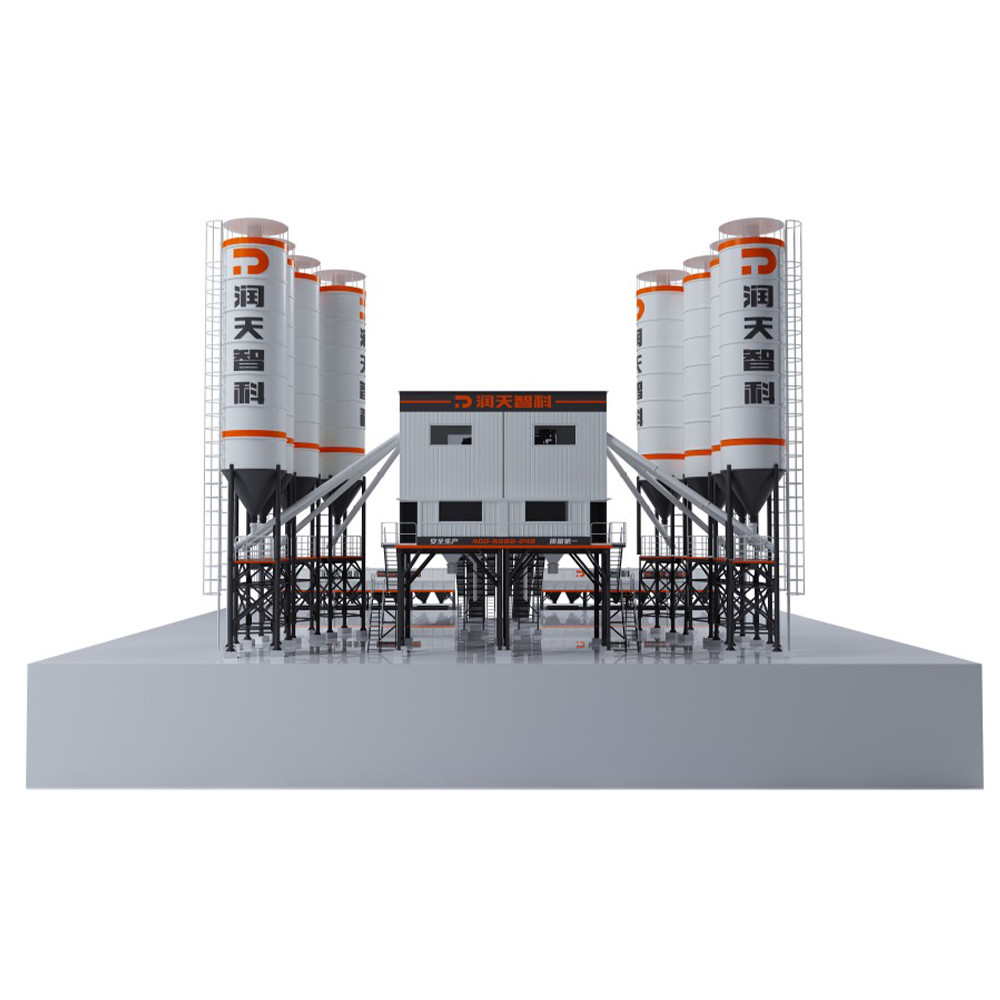 HZS Series Belt Concrete Mixing Plant
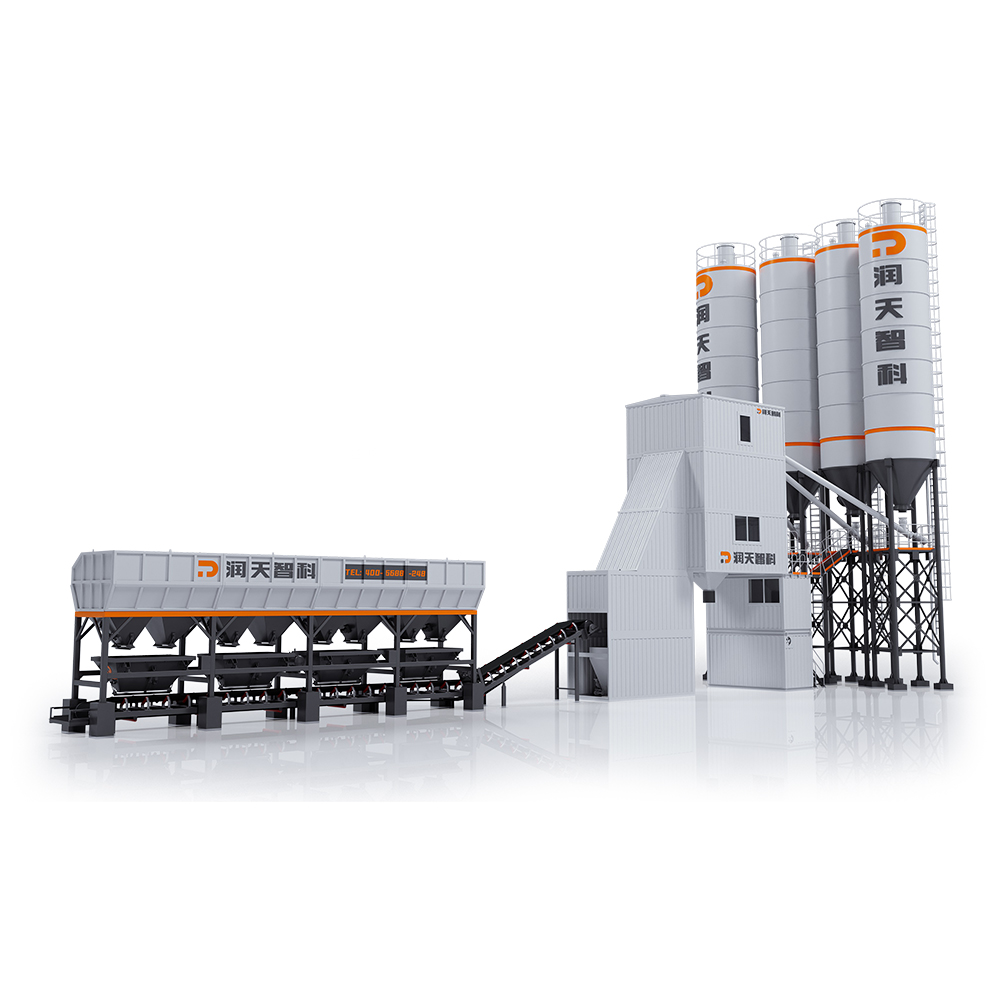 HZS Series Bucket-Lifting Type Container Concrete Mixing Plant
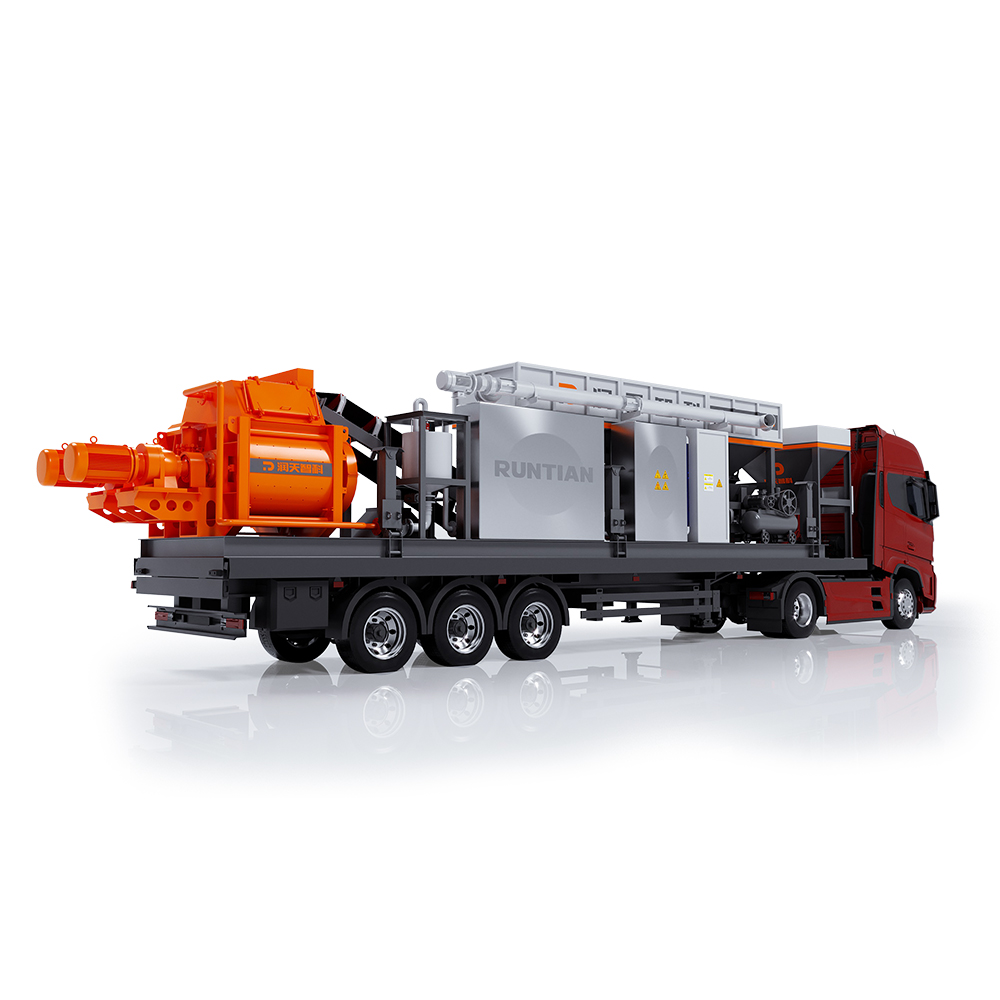 HZS60 Mobile Concrete Mixing Plant
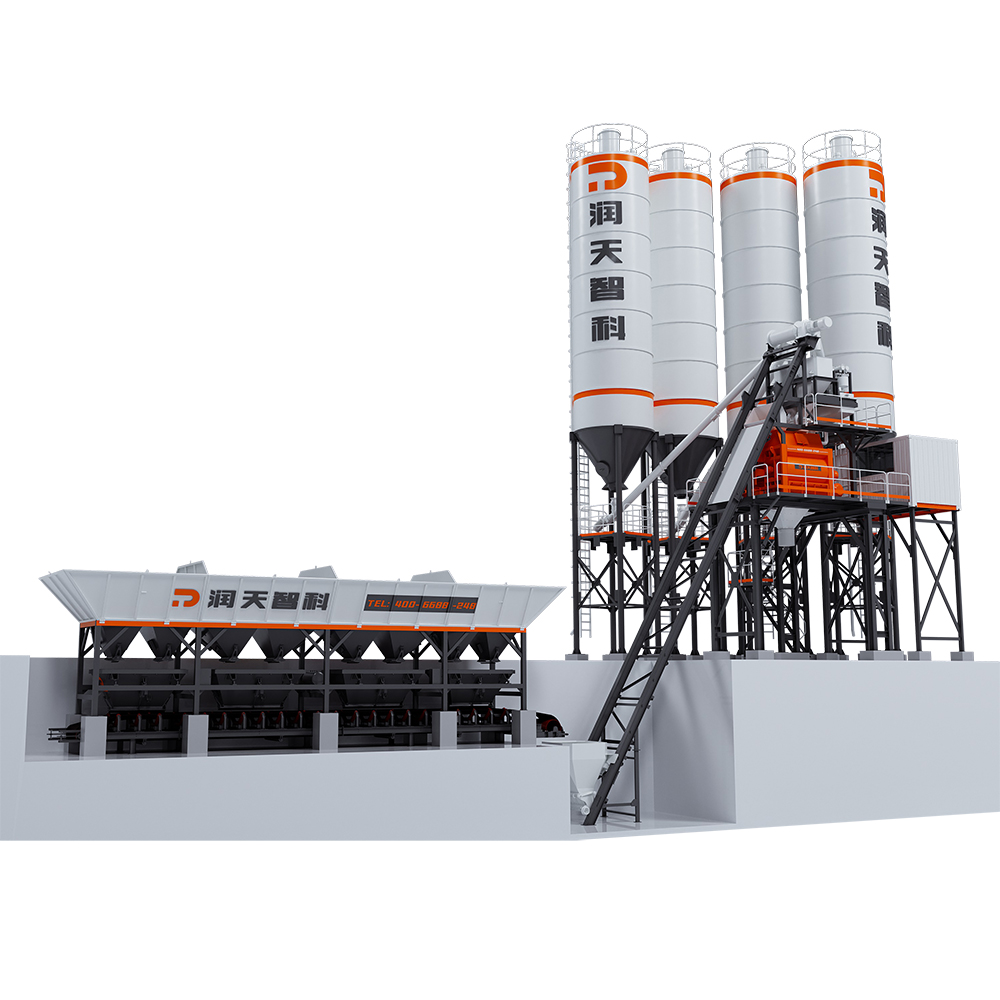 HZS Series Bucket-Lifting Type Concrete Mixing Plant
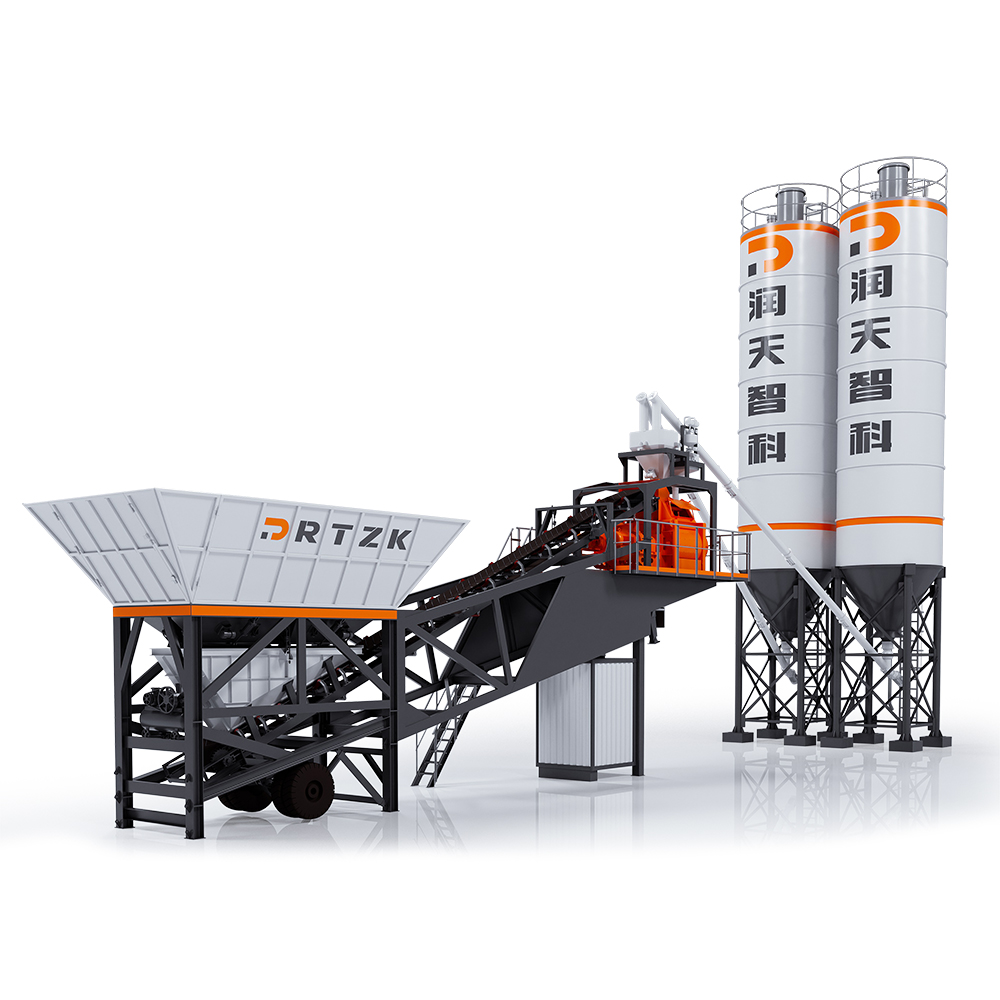 HZS Series Mobile Concrete Mixing Plant
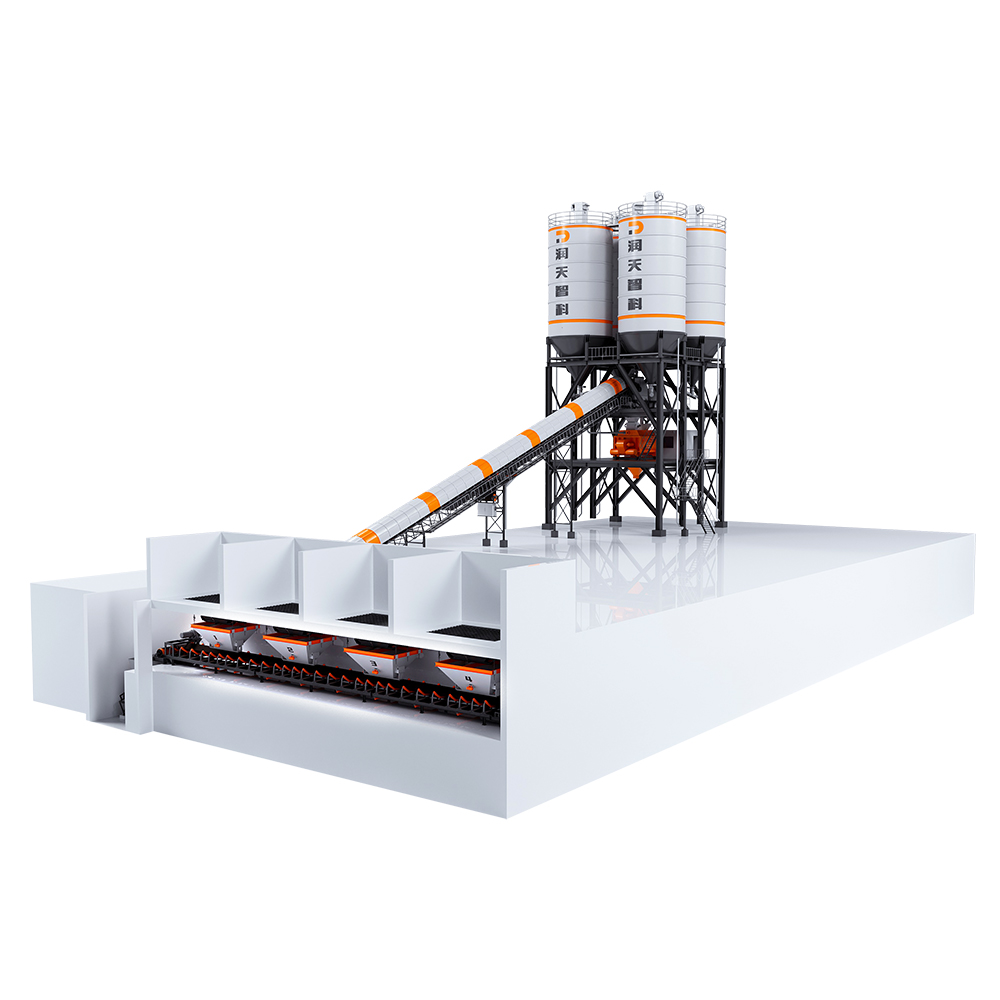 HZS Series Top-Mounted Concrete Mixing plant
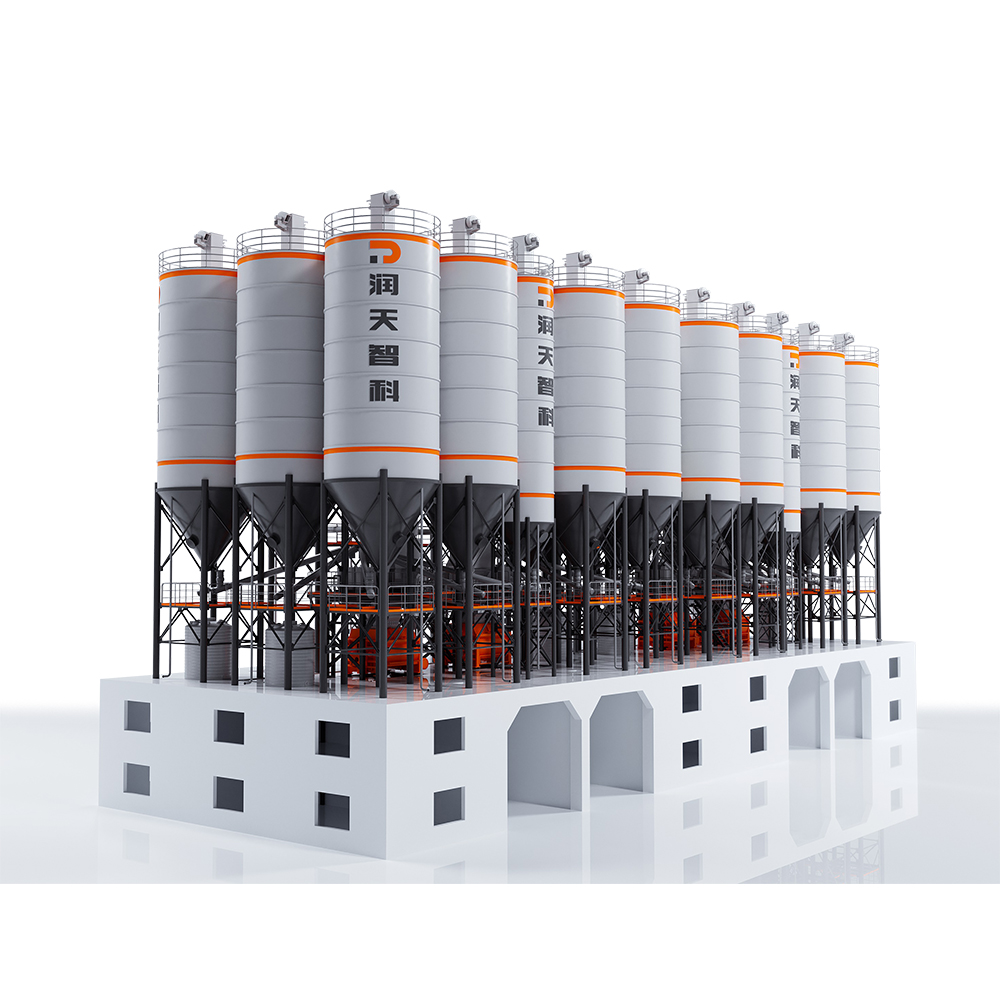 HZS Series Semi-Top Mounted Concrete Mixing Plant
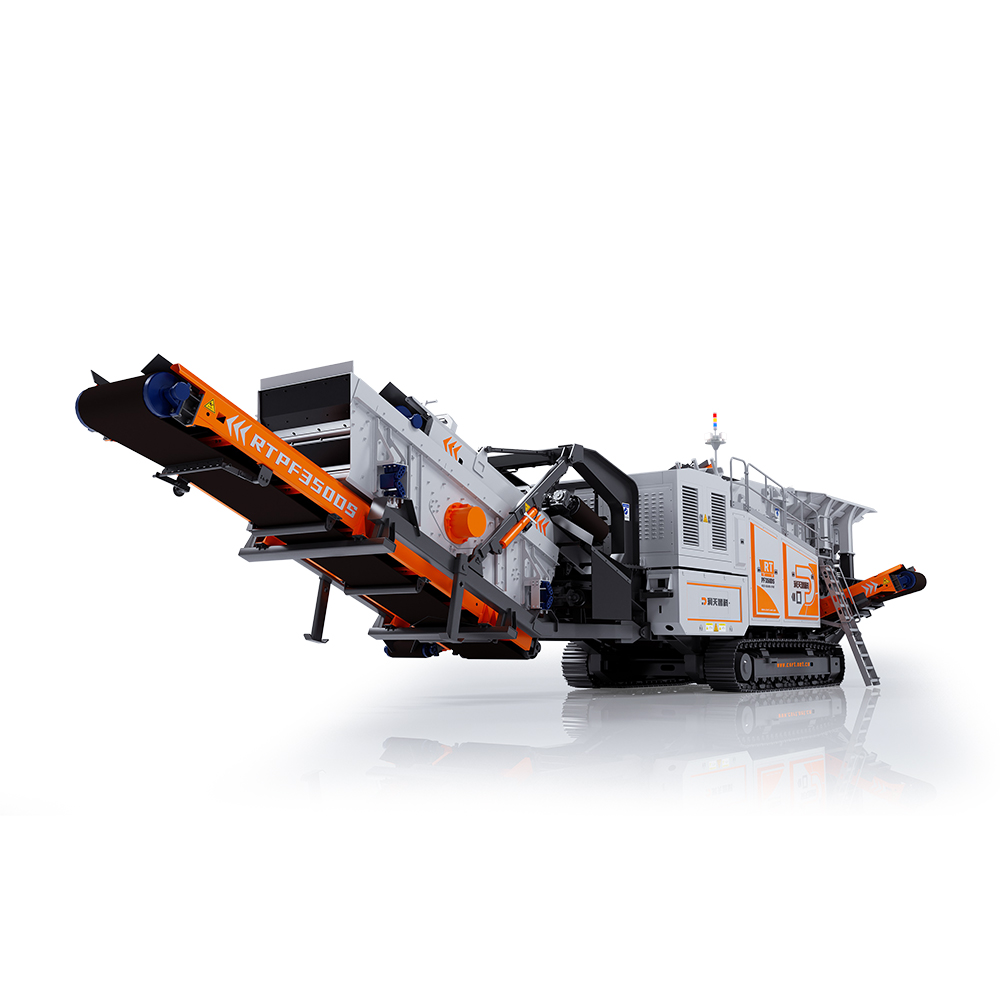 RTPF350DS Crawler Mobile Impact Crushing Plant
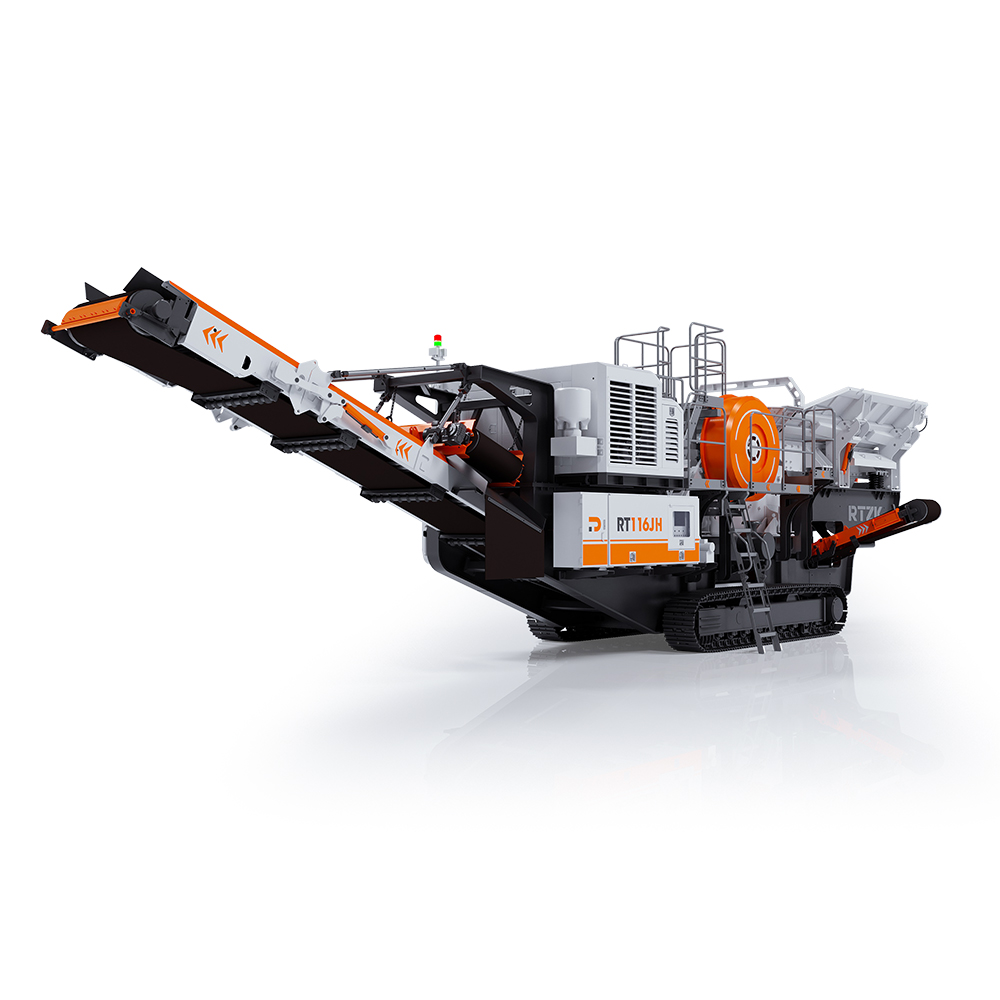 RT116JH Crawler Mobile Jaw Crushing Plant
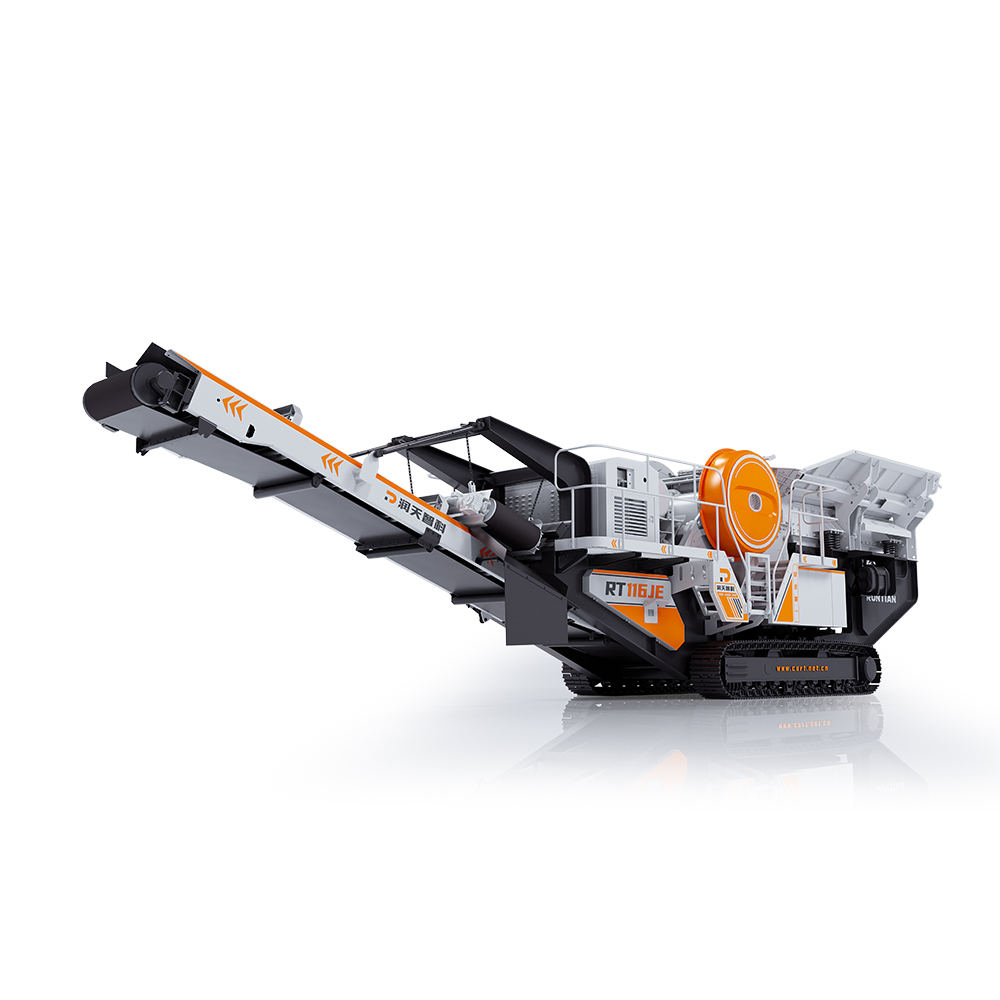 RT116JE Crawler Mobile Jaw Crushing Plant
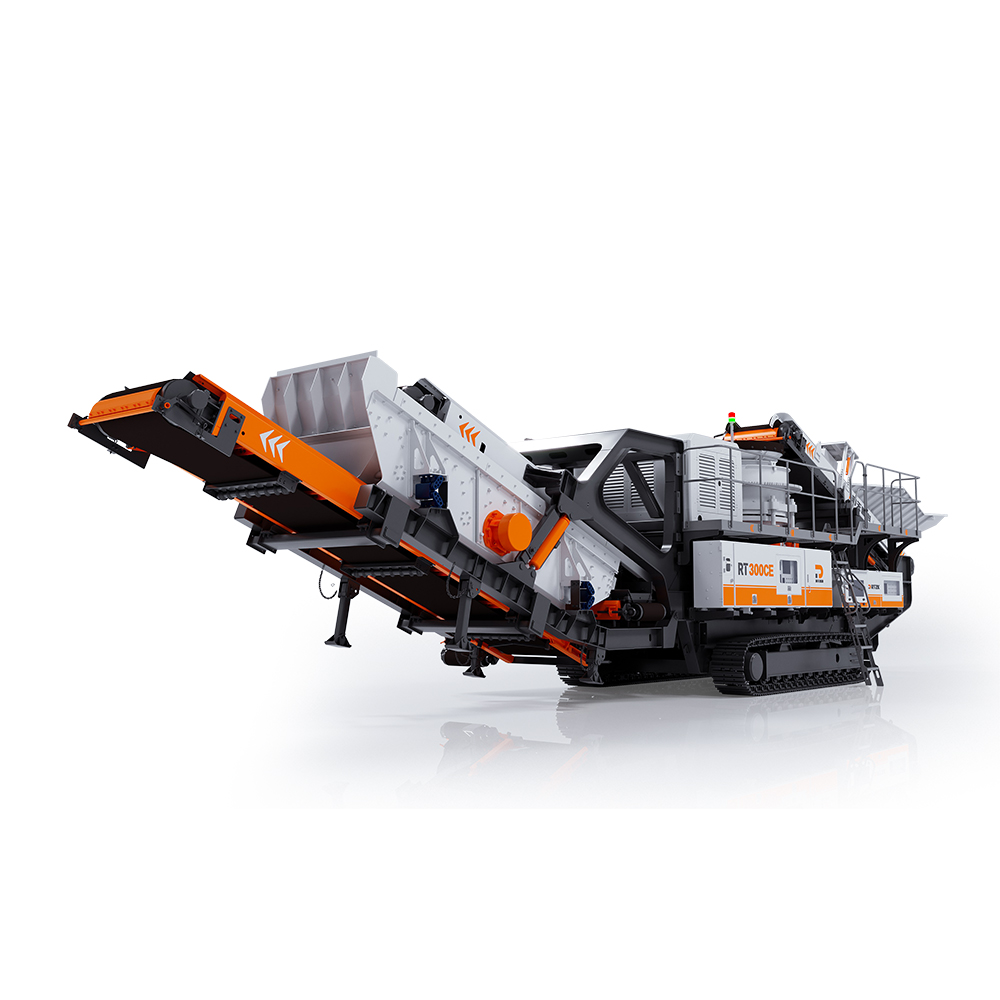 RT300CE Crawler Mobile Cone Crushing Plant
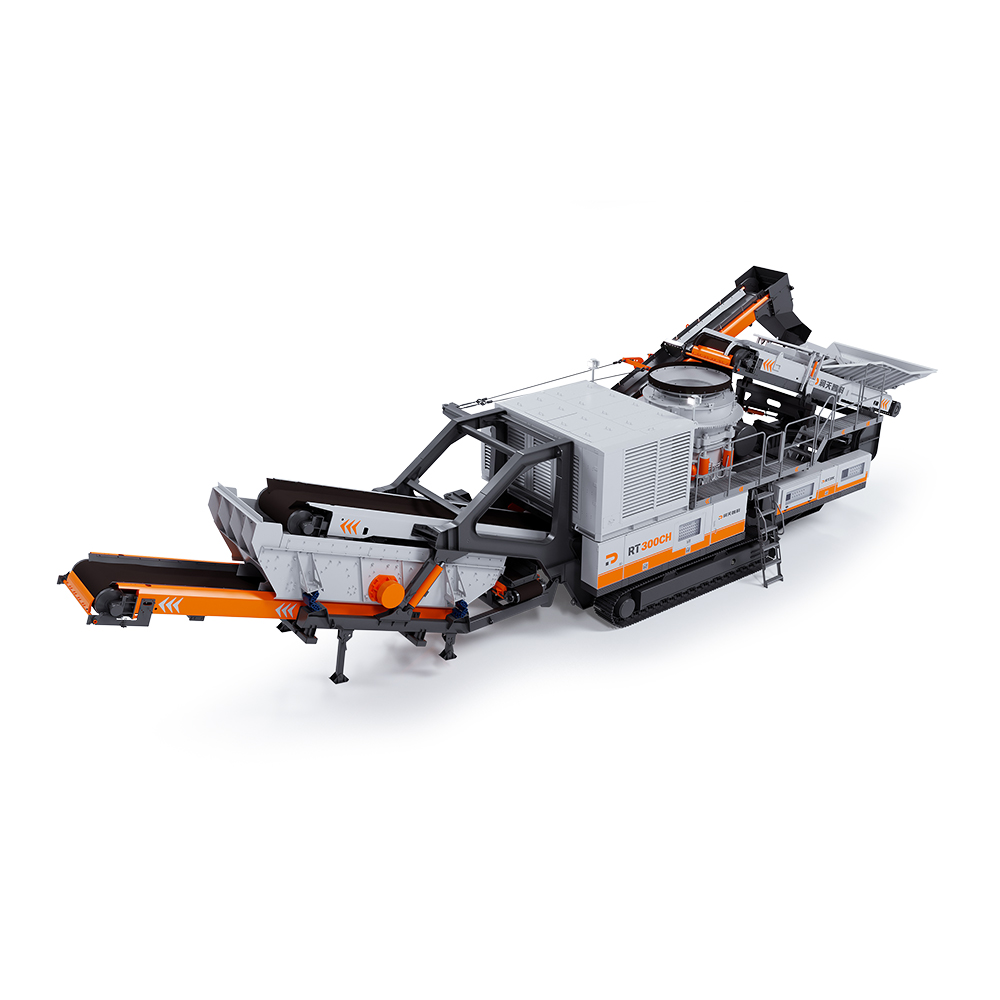 RT300CH Crawler Mobile Cone Crushing Plant
 RT5015H Mobile Scalping Screen
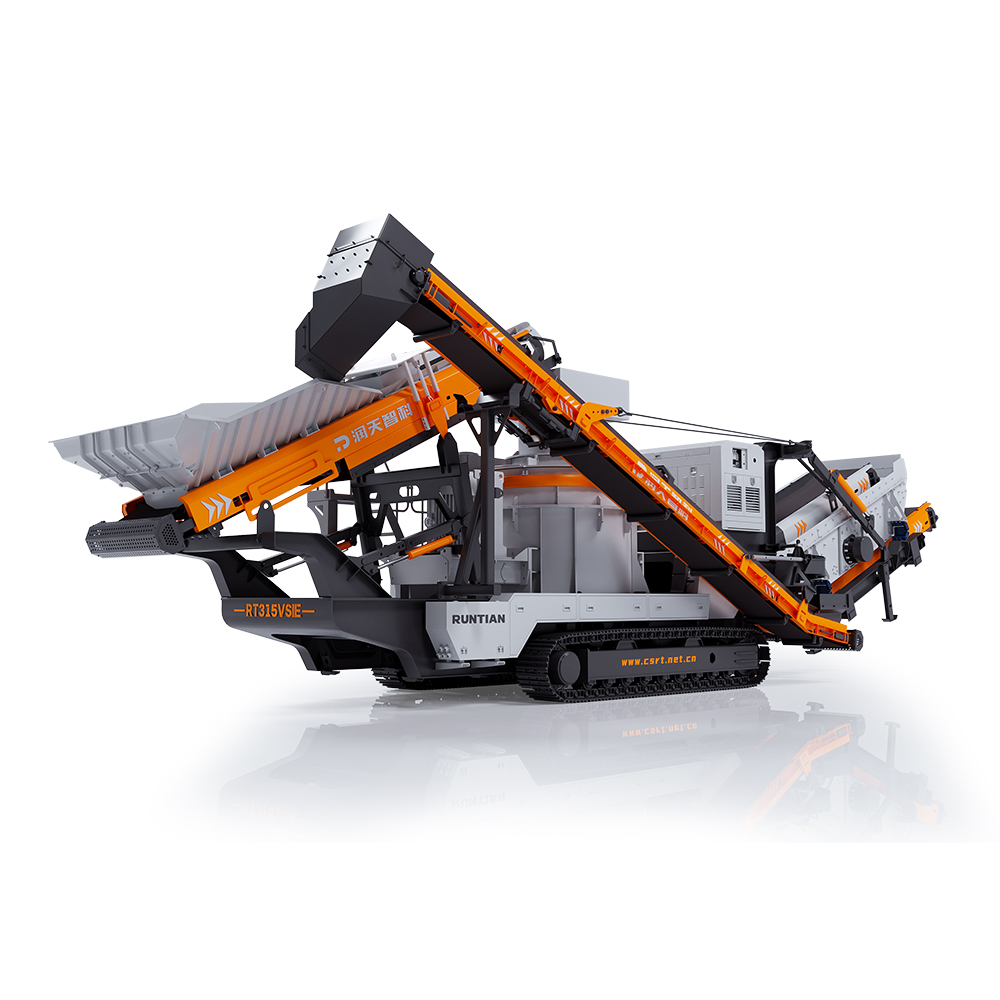 RT315VSIE Crawler Mobile Sand Maker
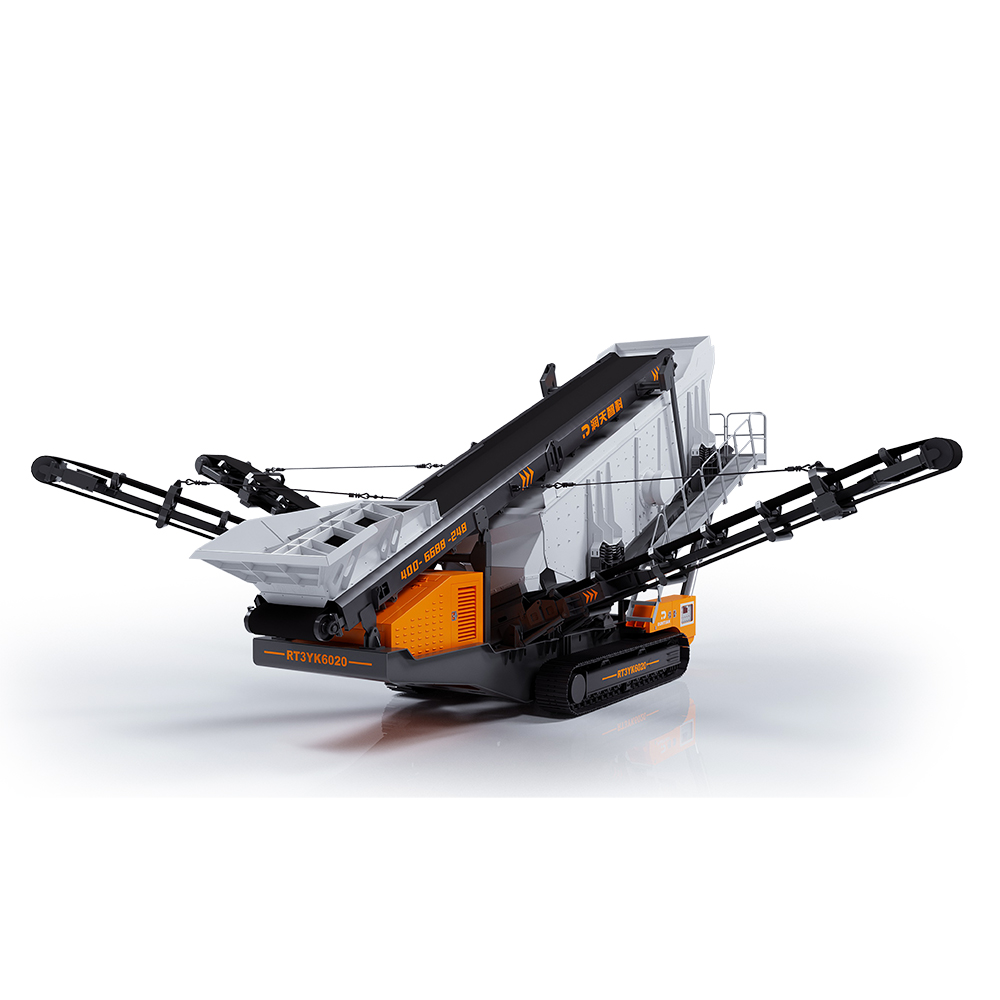 RT3YK6020 Crawler Mobile Screening Plant
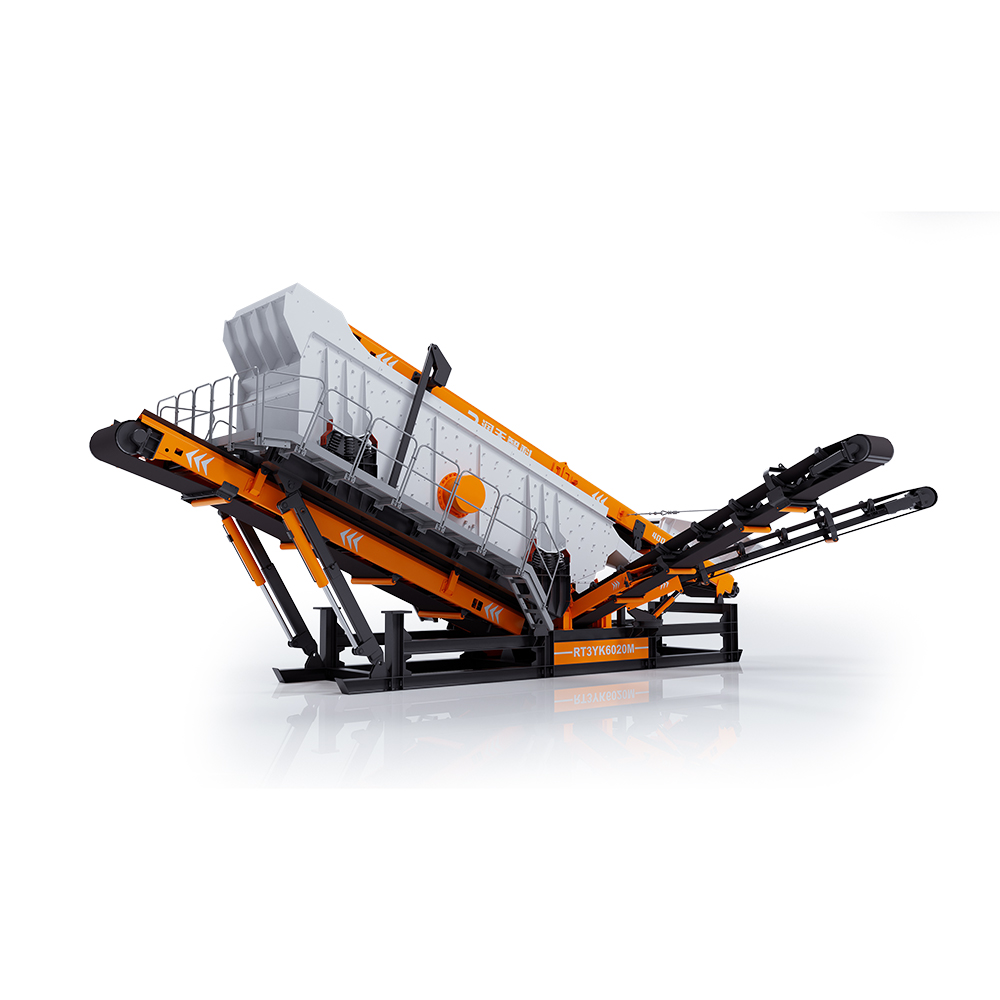 RT3YK6020M Modular Screening Plant
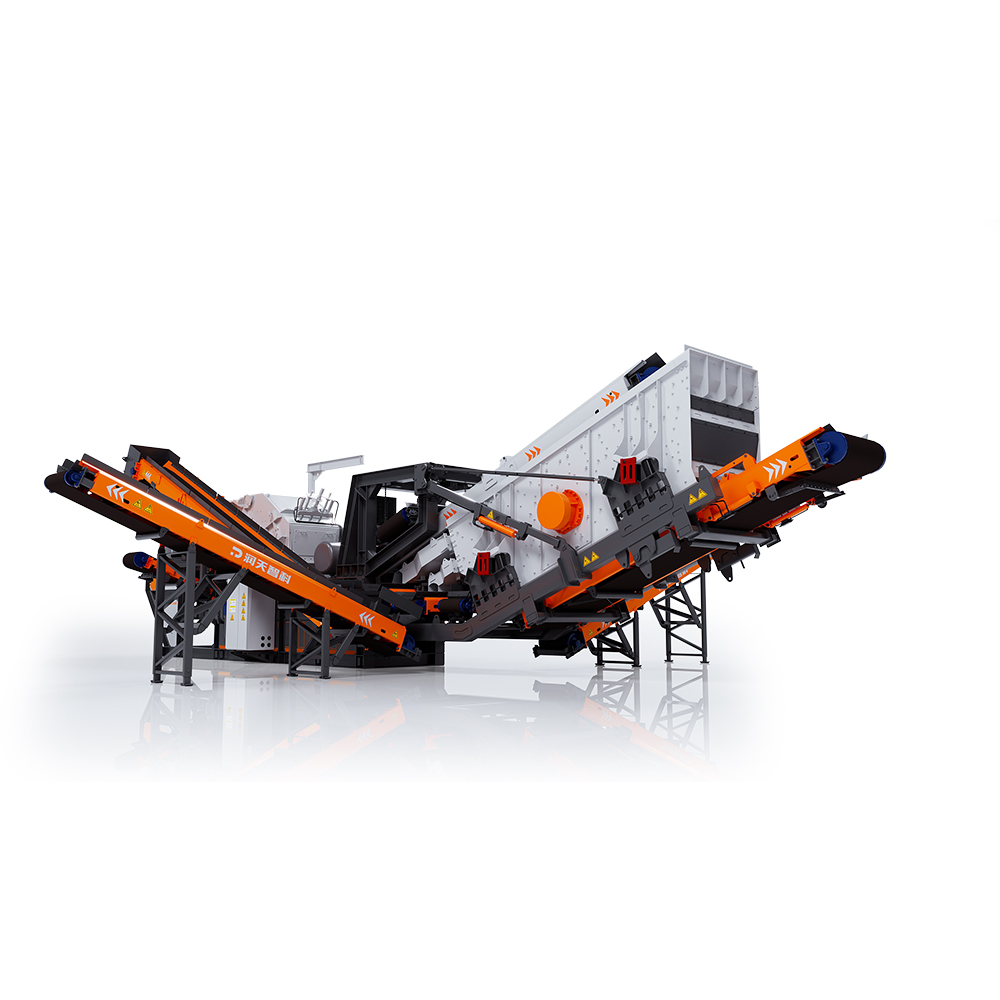 RTF260M Modular Counterattack Crushing and Screening Integrated Machine
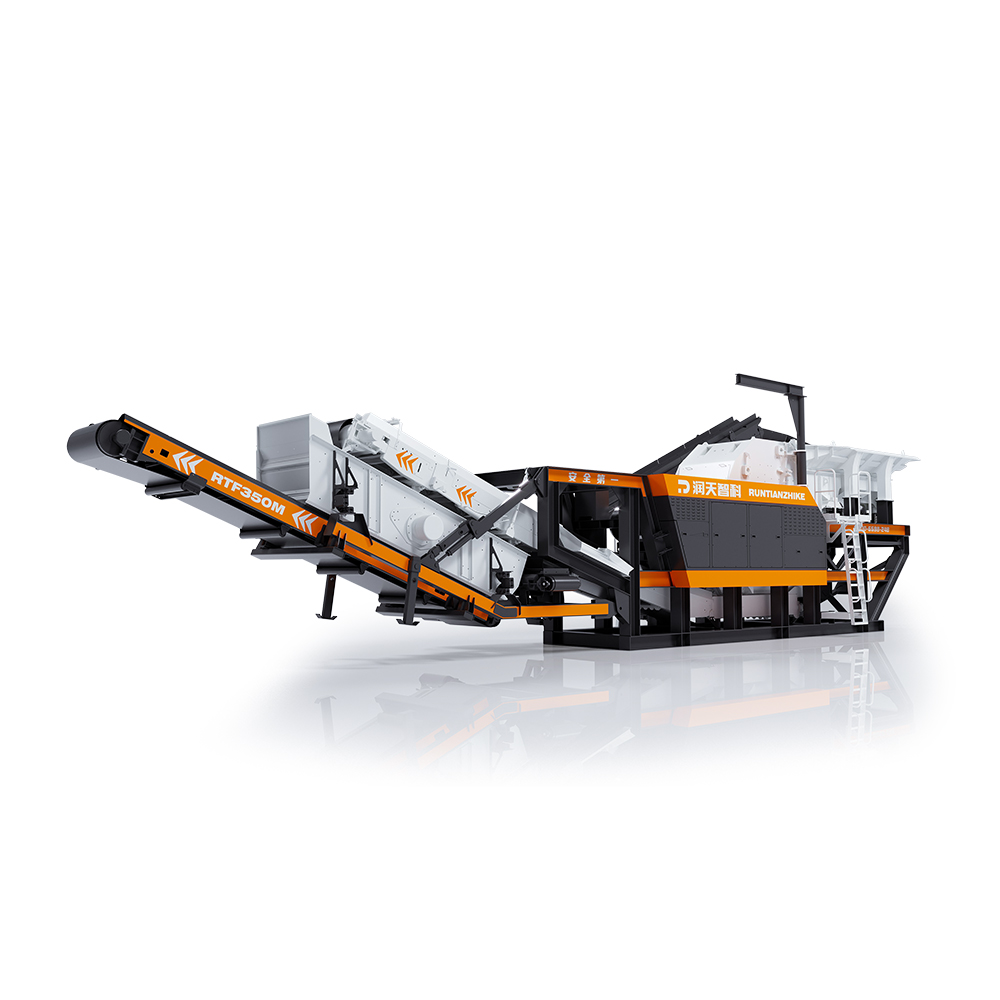 RTF350M Modular Impact Crushing Plant
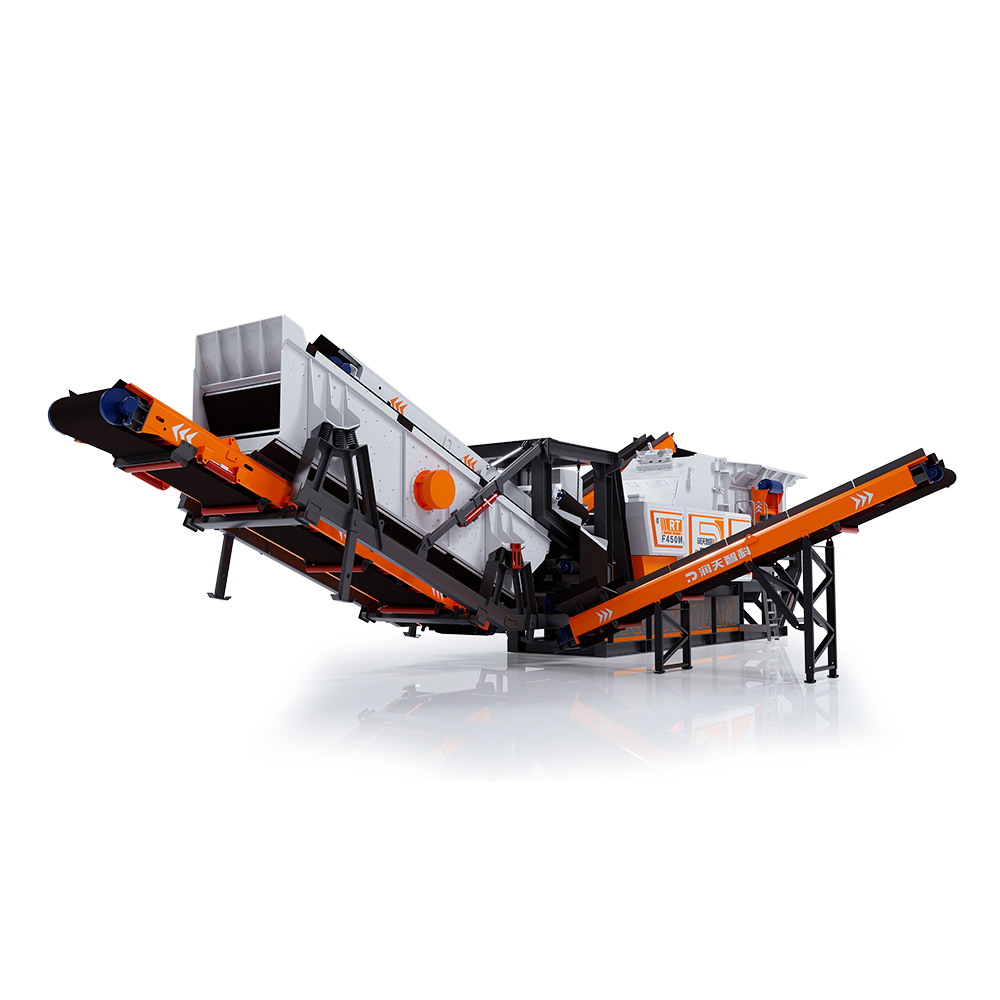 RTF450M Modular Impact Crushing Plant
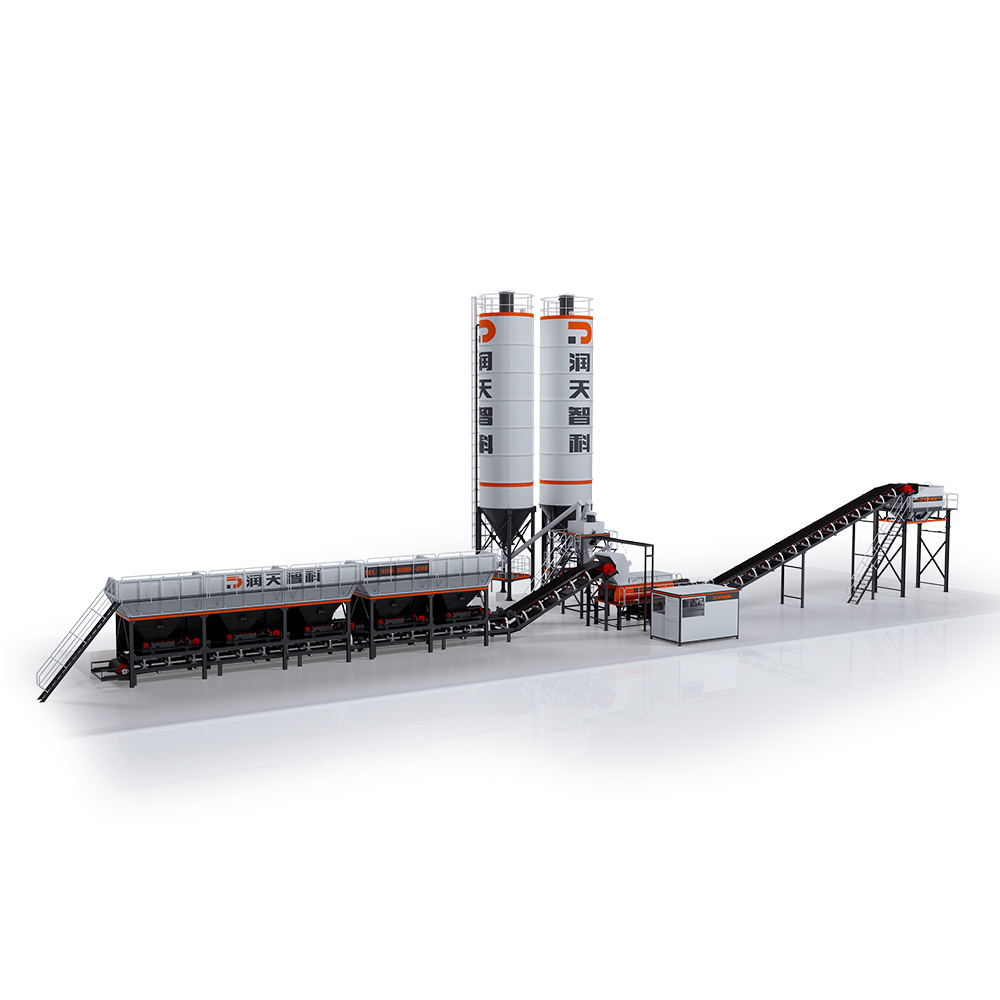 WDB Series Foundation-Free Stability Soil Mixing Plant
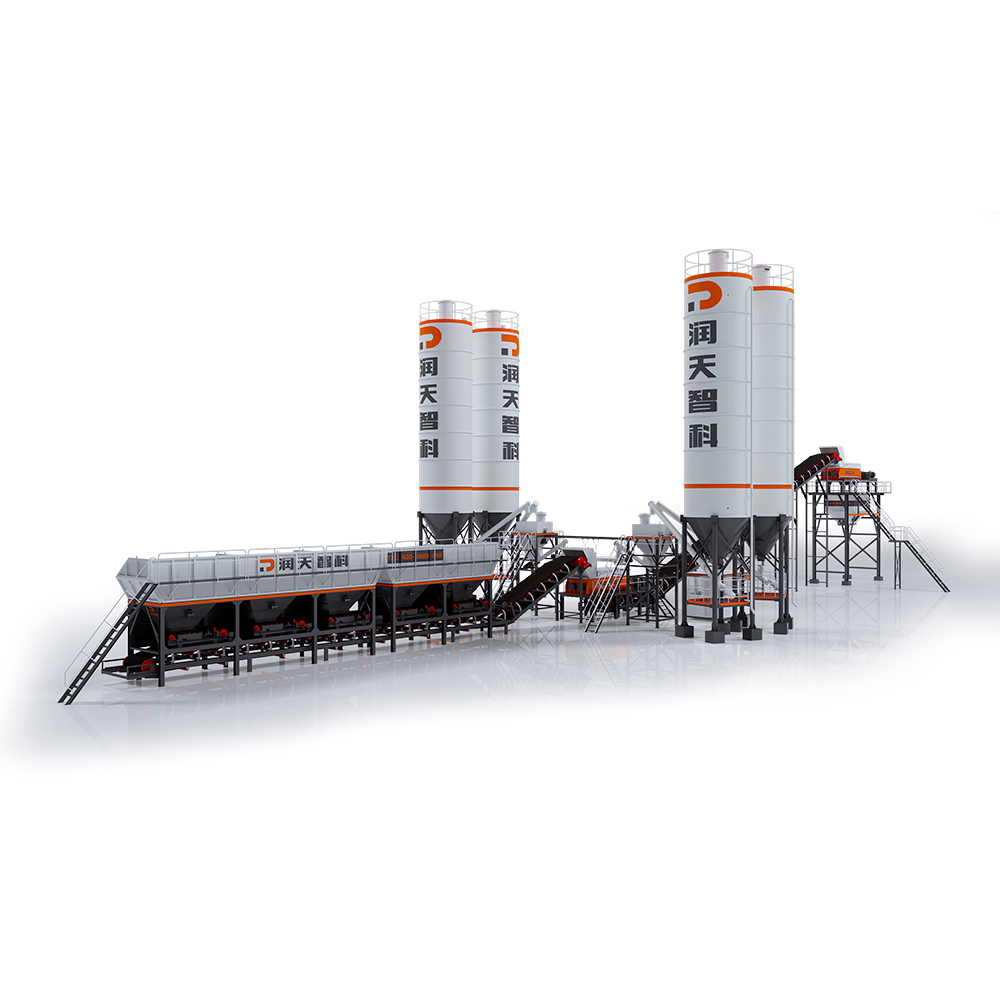 LCB Series Emulsified Asphalt Cold Regeneration Secondary Mixing Plant
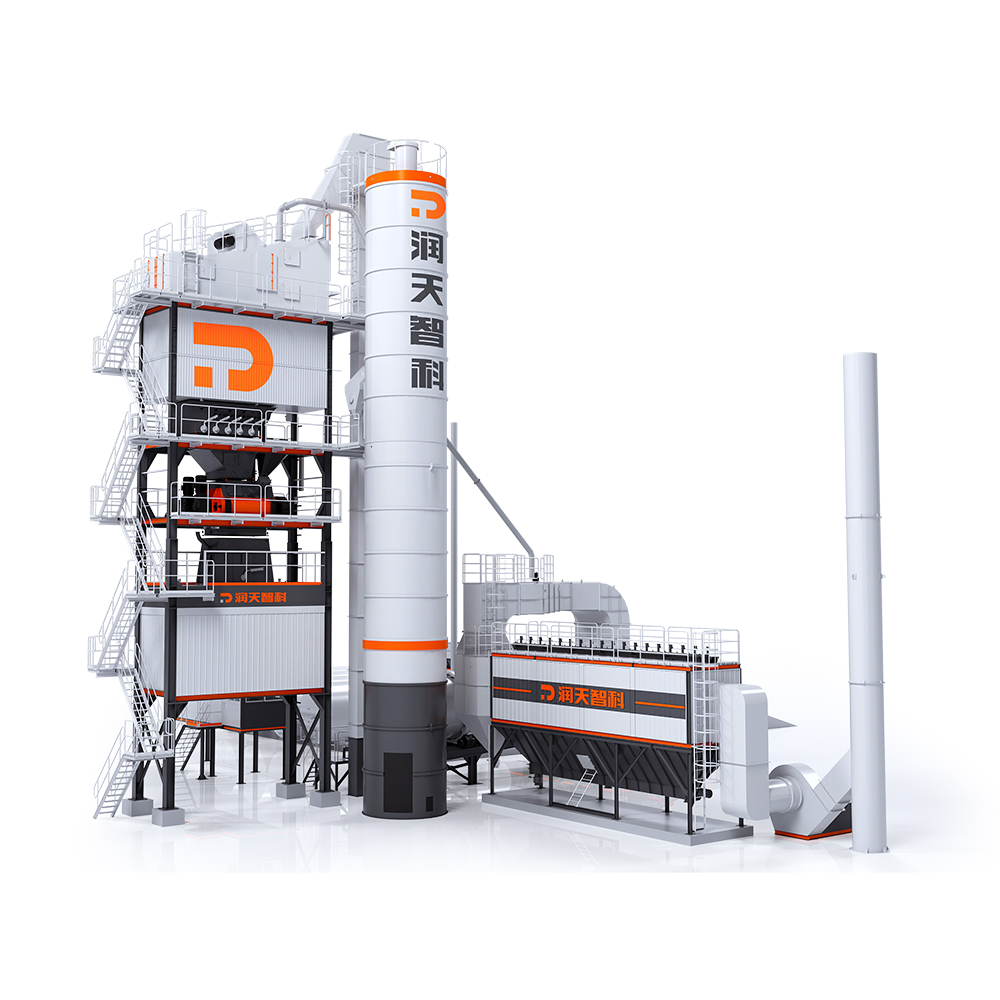 LB Series Asphalt Mixing Plant
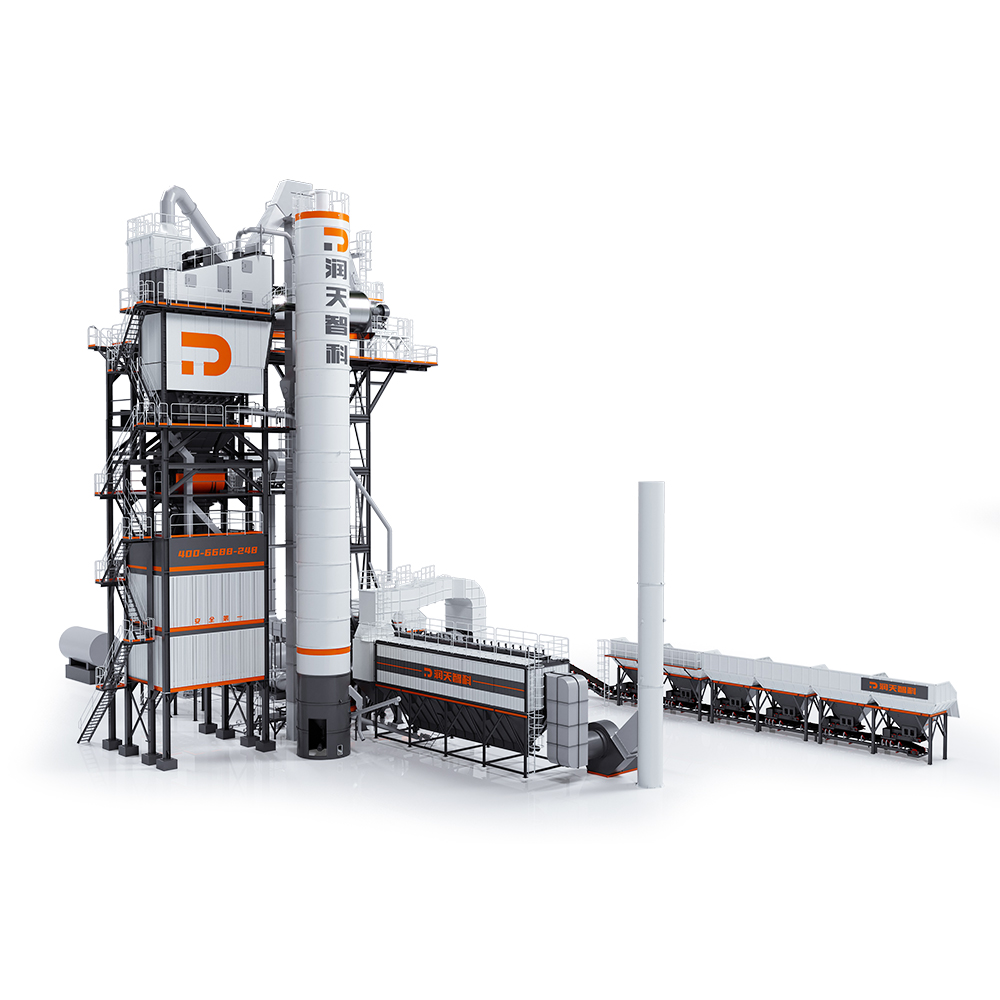 LBR Series Integrated Asphalt Mixing Plant
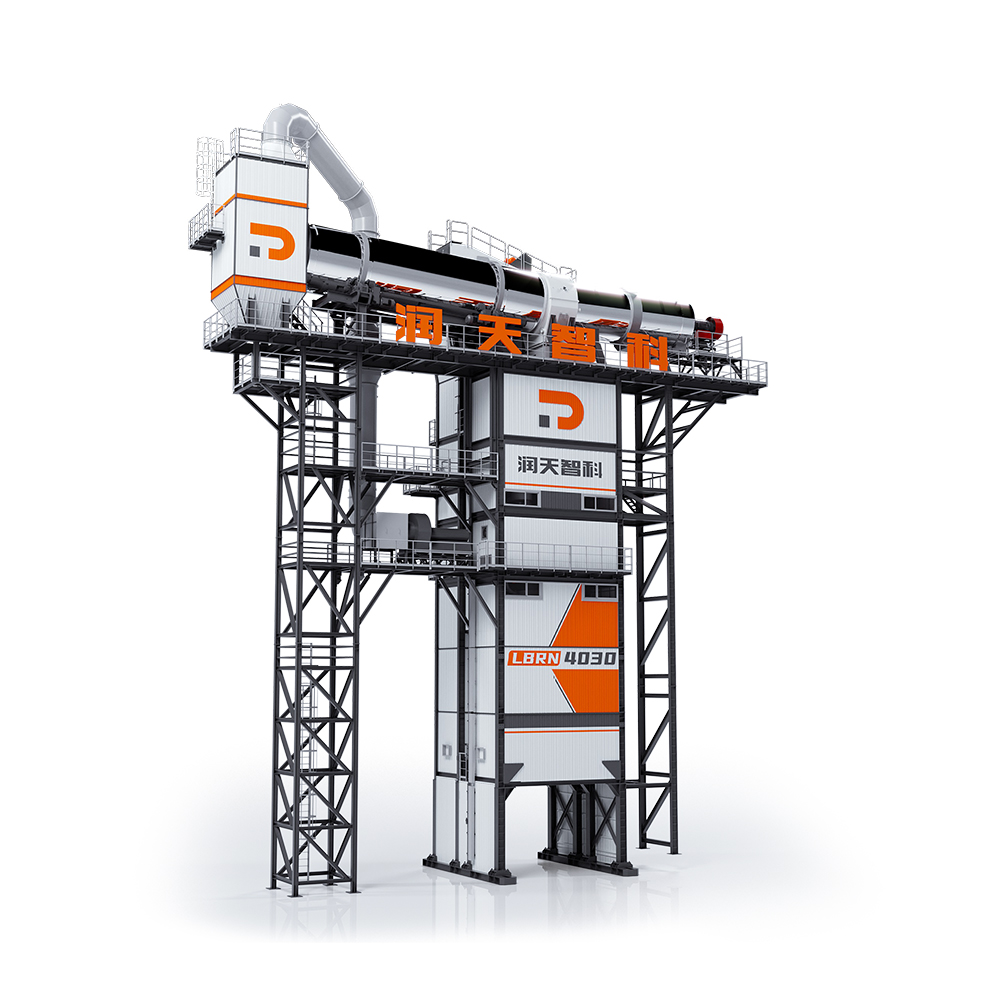 LBRN Series Counterflow Integral Asphalt Mixing Plant
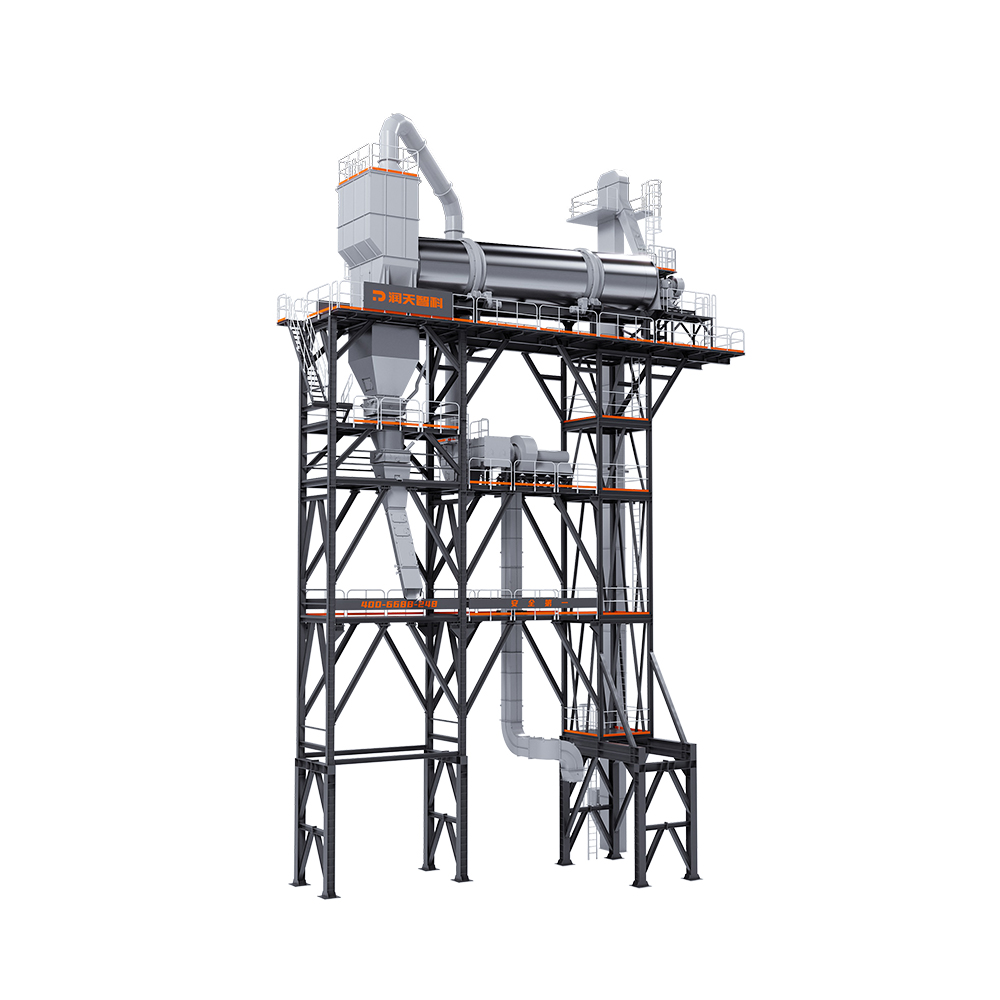 RZS Series Asphalt Mixing Plant
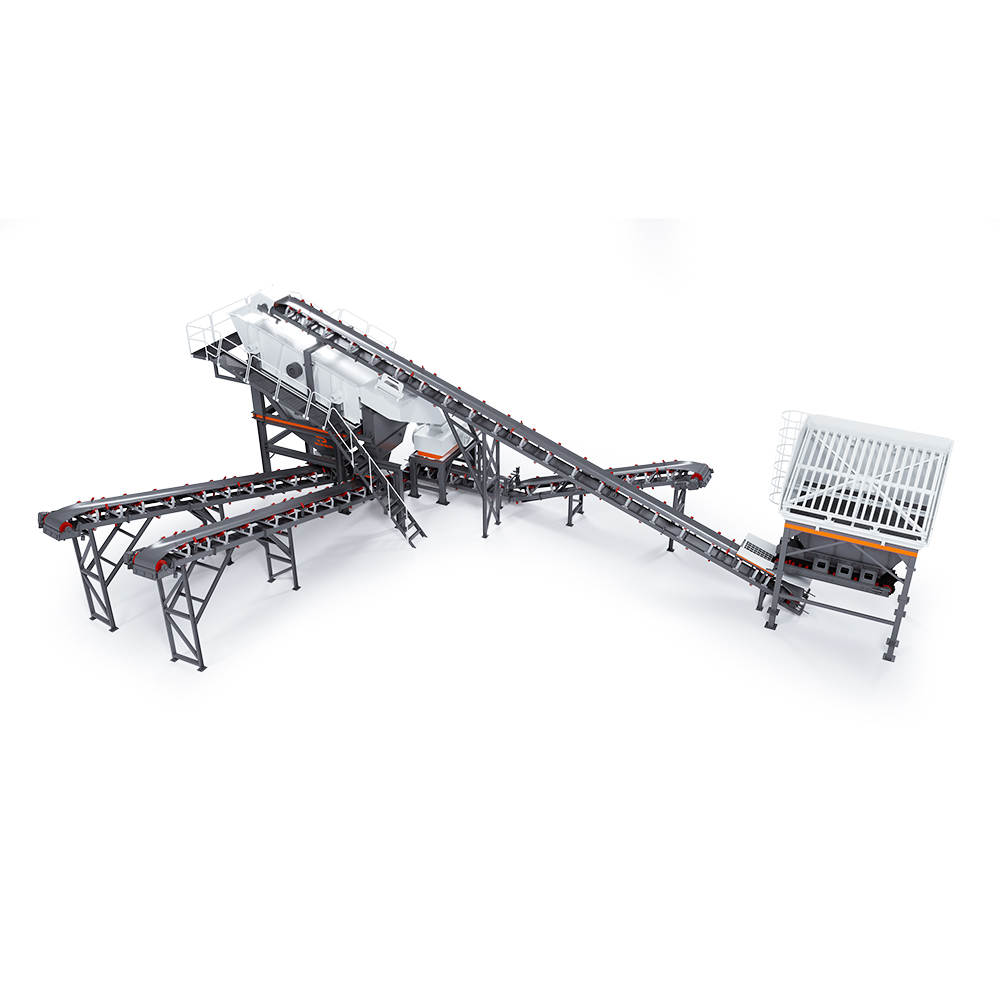 RTZS120 Series RAP Crushing & Screening Plant
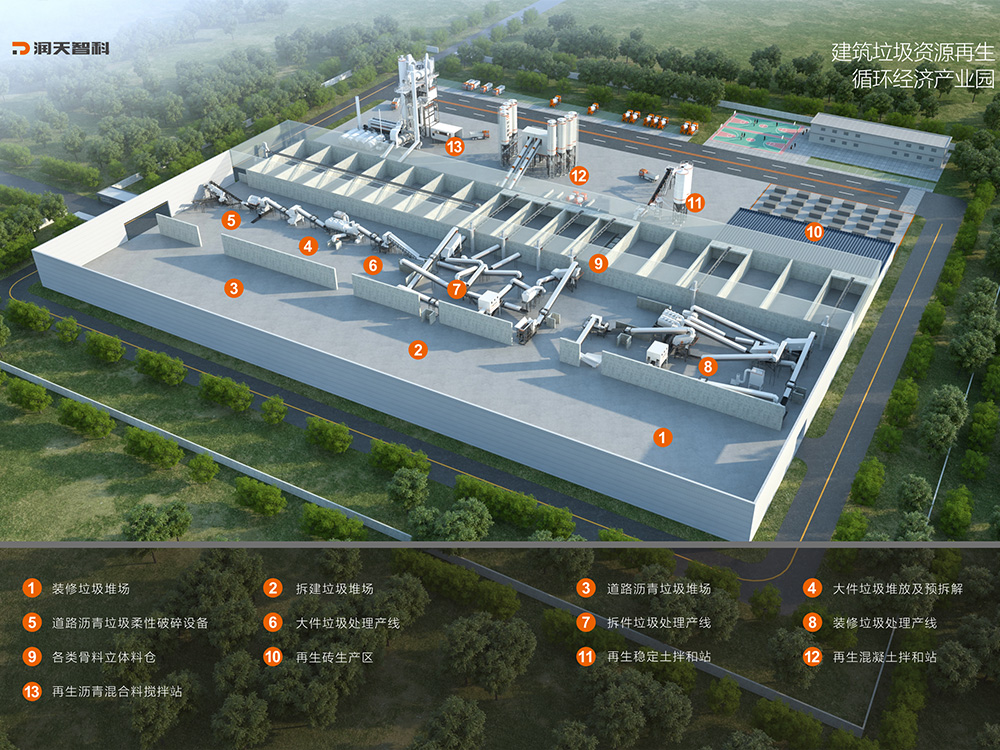 Construction Waste Resourceful Treatment Line