The Ultimate Guide to Choosing the Right Construction Cement Mixer for Your Project Needs
Choosing the right construction cement mixer is paramount for ensuring the success of your project, whether you're a seasoned contractor or a DIY enthusiast. With a myriad of options available in the market, it's essential to understand what features and specifications will best meet your specific needs. This guide will provide you with valuable insights and tips on selecting the ideal construction cement mixer.
From understanding the different types of mixers to evaluating their capacities, power sources, and mixing capabilities, we aim to equip you with the knowledge necessary to make an informed decision. By the end of this guide, you'll not only be more familiar with the essential aspects of a construction cement mixer but also be ready to choose the perfect one that aligns with your project requirements. Let’s delve into the key factors that will help you make an informed choice for your next construction endeavor.
Understanding Different Types of Cement Mixers and Their Uses
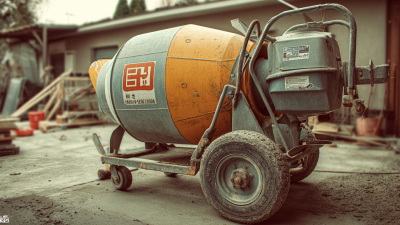
When selecting a cement mixer for your project, it's essential to understand the different types available and their specific uses. The most common types are drum mixers, which are ideal for small to medium-sized jobs. These mixers have a revolving drum that combines the ingredients efficiently, making them perfect for home renovations, landscaping, and small construction tasks. For larger projects, a stationary mixer may be more suitable, as it can handle higher volumes of concrete and deliver consistent mixes over extended periods.
Another option to consider is the pan mixer, which uses a flat mixing pan and is often favored for its quick mixing properties. This type is particularly useful for creating high-quality concrete mixes for precast products or more intricate construction applications. Furthermore, for professionals needing mobility, portable mixers offer the flexibility to transport the mixing equipment directly to the job site, allowing for immediate use. Recognizing these distinctions ensures you choose the right cement mixer that aligns perfectly with the requirements of your specific project.
Key Features to Consider When Selecting a Cement Mixer
When selecting a construction cement mixer, it is essential to focus on key features that meet the specific requirements of your project. First, consider the mixer’s capacity, which should align with the volume of concrete needed for your tasks. A larger output capacity can significantly enhance productivity, especially for substantial projects, while also ensuring that the mixer remains manageable in size for easy transportation and maneuverability.
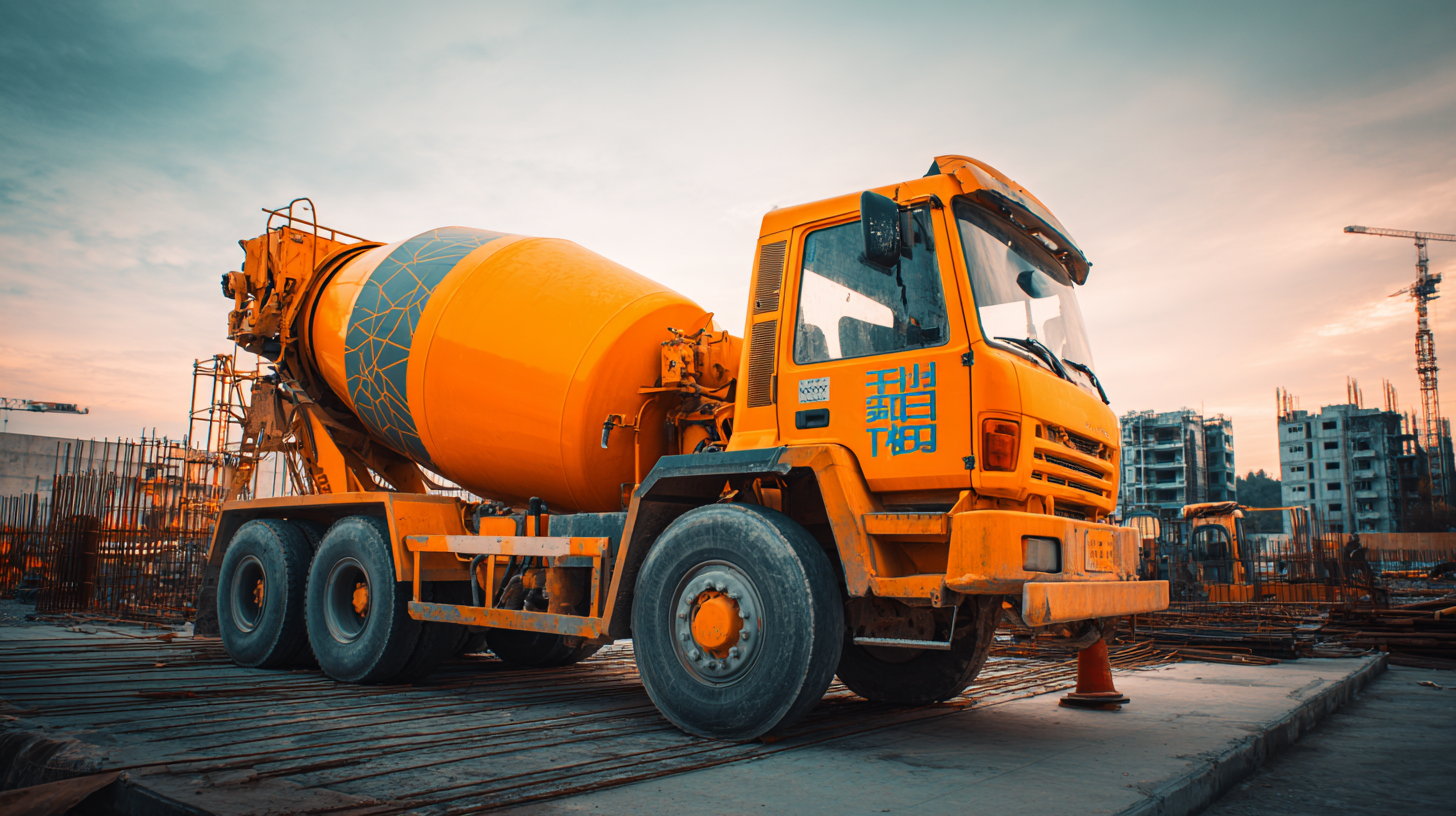
Durability is another critical aspect to evaluate. Mixers made with robust materials, such as heavy-gauge steel, offer increased longevity and withstand the rigors of construction work. Additionally, features like portability, ease of cleaning, and user-friendly controls will contribute to the efficiency of your mixing operations. With advancements in technology, some mixers now incorporate machine learning capabilities to optimize their performance, promising even better mixing consistency and results tailored to specific material properties. By assessing these features, you can choose a mixer that not only meets your immediate project needs but also enhances overall work efficiency.
Factors Affecting Cement Mixer Performance and Efficiency
When choosing a cement mixer for your construction project, understanding the factors that affect its performance and efficiency is crucial. One key aspect is the mixer’s capacity; larger mixers, such as those with a 12 to 14 cubic feet capacity, are ideal for substantial projects, while smaller, portable models (around 3 to 6 cubic feet) suffice for home renovations. Efficiency can also be impacted by the mixer type, where a drum mixer is often more suitable for larger volumes, while a pan mixer excels in blending materials evenly, particularly for specialty mixes.
Tip: Always consider the weight of the mixer when transporting it to the job site. A heavy-duty mixer, while offering stability and durability, can be harder to maneuver. Look for models with wheels or those that are easily disassembled for transport.
Another significant factor is the power source. Electric mixers typically provide consistent performance with less maintenance compared to gas-powered options, which may be favored in remote work sites. According to industry reports, using a high-efficiency mixer can reduce cement waste by up to 25%, demonstrating that an appropriate choice can result in both cost savings and environmental benefits.
Tip: Invest in a mixer with variable speed settings to accommodate different mixing needs. This flexibility can enhance consistency in your mixtures and improve overall project outcomes.
The Ultimate Guide to Choosing the Right Construction Cement Mixer for Your Project Needs - Factors Affecting Cement Mixer Performance and Efficiency
| Cement Mixer Type |
Drum Capacity (Cubic Feet) |
Power Source |
Weight (lbs) |
Average Cost ($) |
Best For |
| Portable Electric |
3 |
Electric |
150 |
300 |
Small Projects |
| Gas-Powered |
6 |
Gasoline |
300 |
800 |
Medium to Large Projects |
| Towable Mixer |
8 |
Gasoline |
500 |
1200 |
Large Projects |
| Drum Mixer |
12 |
Electric |
600 |
1500 |
Commercial Use |
Comparing Electric vs. Gas-Powered Cement Mixers
When choosing between electric and gas-powered cement mixers for construction projects, several factors warrant consideration, especially in light of recent industry advancements. Electric cement mixers are gaining traction due to their lower environmental impact and operational efficiency. For instance, the UK's first all-electric ready-mix concrete mixer recently completed a successful trial, demonstrating the viability of electric options for commercial deliveries. This shift toward electrification aligns with the movement towards lower-emission construction technologies, with some concrete plants utilizing up to 30% less energy than their predecessors.
On the other hand, gas-powered mixers continue to dominate in certain applications, particularly in remote or larger-scale projects where power supply might be an issue. However, innovations in electric-powered equipment suggest that these machines can now compete effectively with traditional gas mixers. The increasing availability of electric mixer trucks and other clean technologies is reshaping the landscape, encouraging contractors to rethink their reliance on internal combustion engines. Industry reports indicate that electric equipment can not only reduce emissions but also cut long-term operating costs, making them an attractive option for eco-conscious builders looking to enhance sustainability in their projects.
The Ultimate Guide to Choosing the Right Construction Cement Mixer for Your Project Needs
Budgeting for Your Cement Mixer Purchase: Cost vs. Value
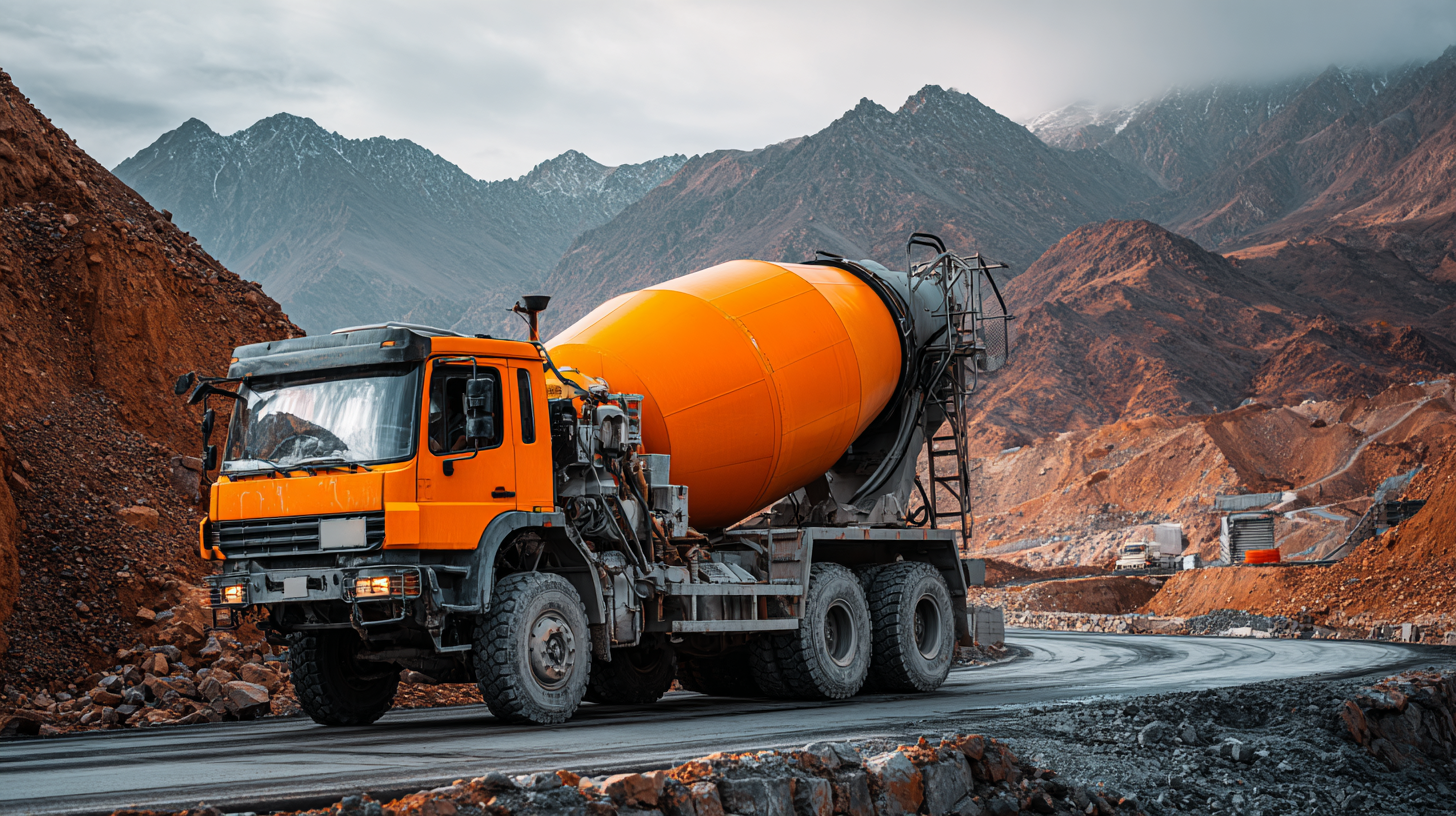 When budgeting for a cement mixer purchase, it's crucial to weigh the cost against the value it brings to your project. While it might be tempting to opt for the least expensive model, understanding the long-term implications of your choice can save you both time and money. Cheaper mixers often compromise on durability and efficiency, leading to potential breakdowns that can delay your project and increase operational costs. Investing in a quality cement mixer may require a higher upfront cost, but the reliability and performance can enhance productivity and ensure consistent results.
Additionally, consider the specific needs of your project when assessing value. A mixer that handles larger batches efficiently may be worth the investment if you’re working on extensive construction work. Look for features that improve usability, such as adjustable speeds or better mixing technology, which can minimize effort and maximize output. By aligning your budget with the right mixer that meets your project requirements, you can achieve an optimal balance between initial expenditure and the overall value delivered throughout the construction process.

 Concrete Mixing Plant
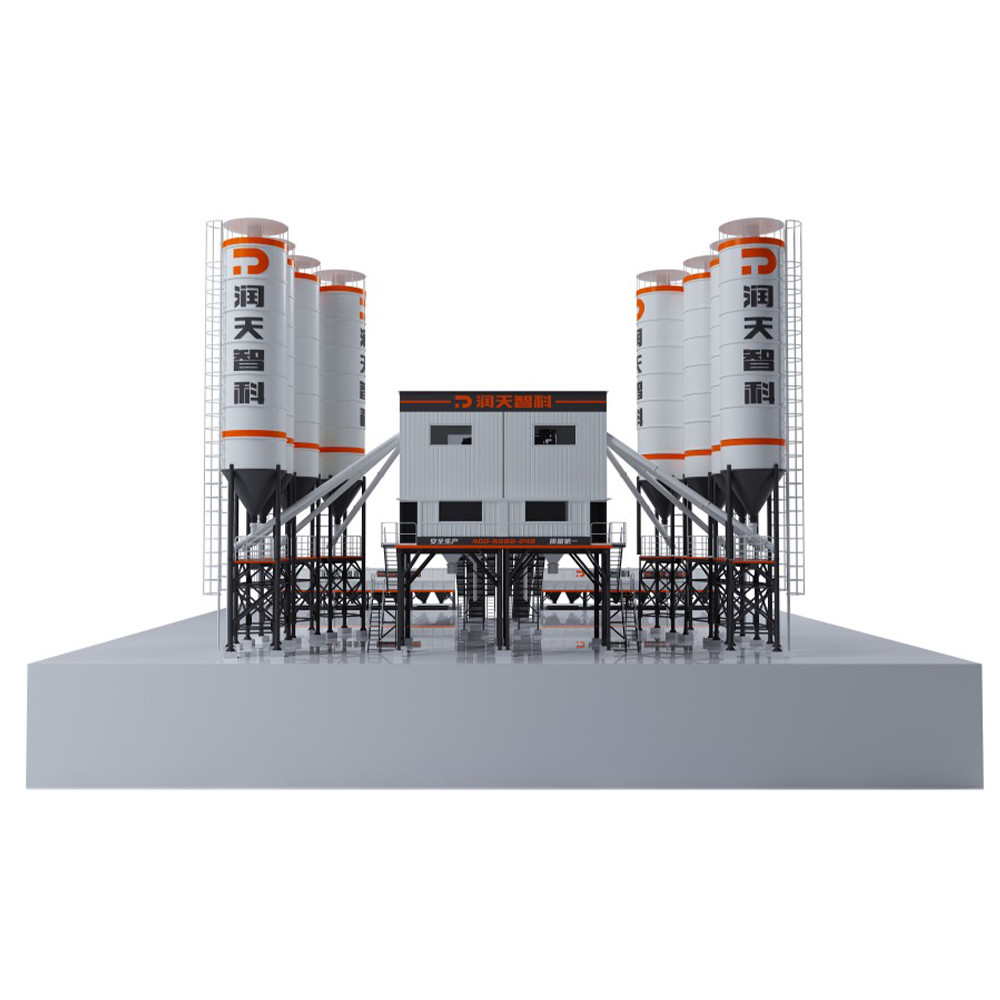 HZS Series Belt Concrete Mixing Plant
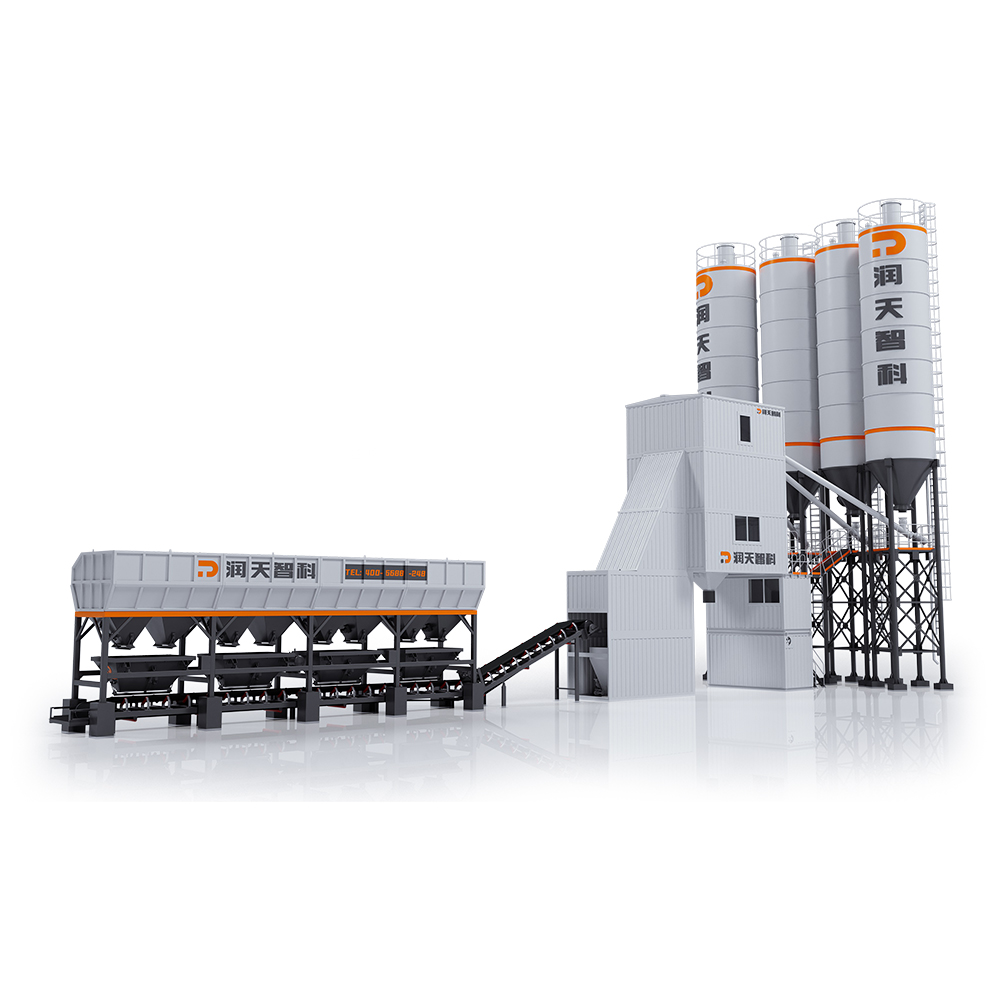 HZS Series Bucket-Lifting Type Container Concrete Mixing Plant
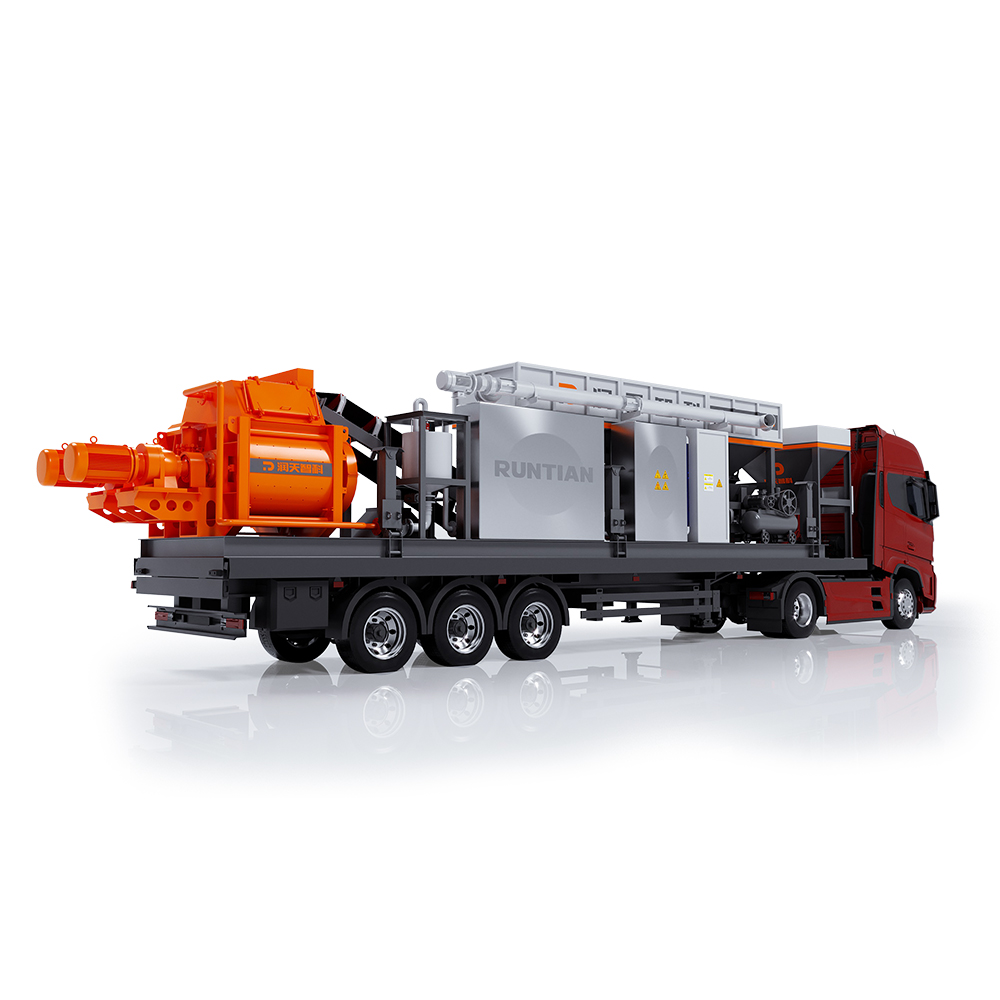 HZS60 Mobile Concrete Mixing Plant
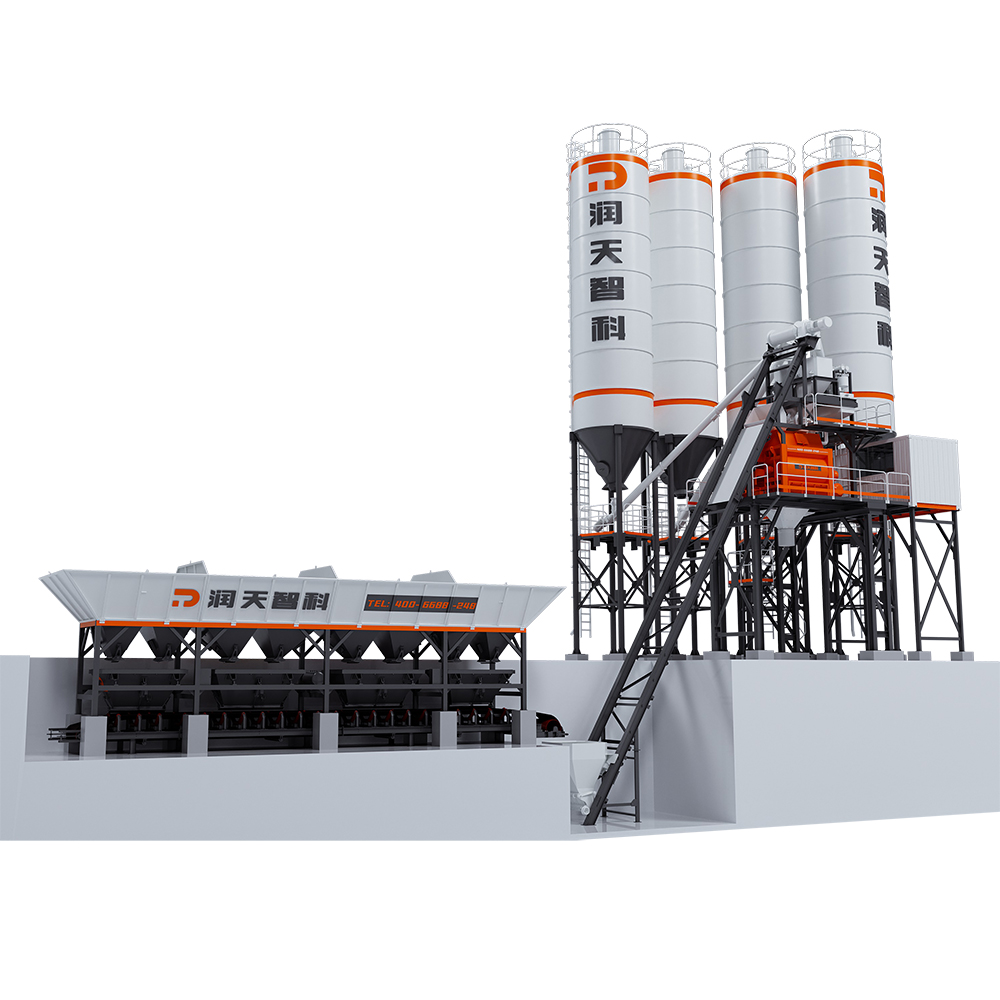 HZS Series Bucket-Lifting Type Concrete Mixing Plant
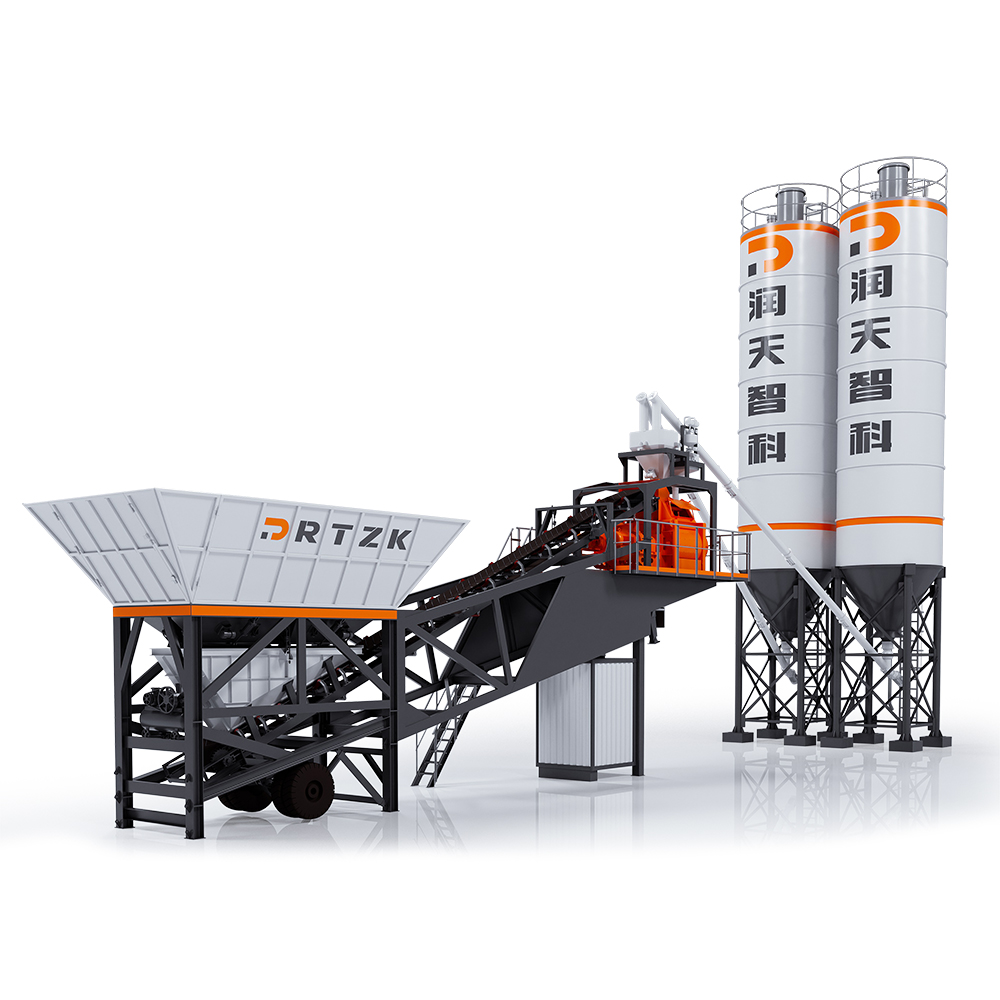 HZS Series Mobile Concrete Mixing Plant
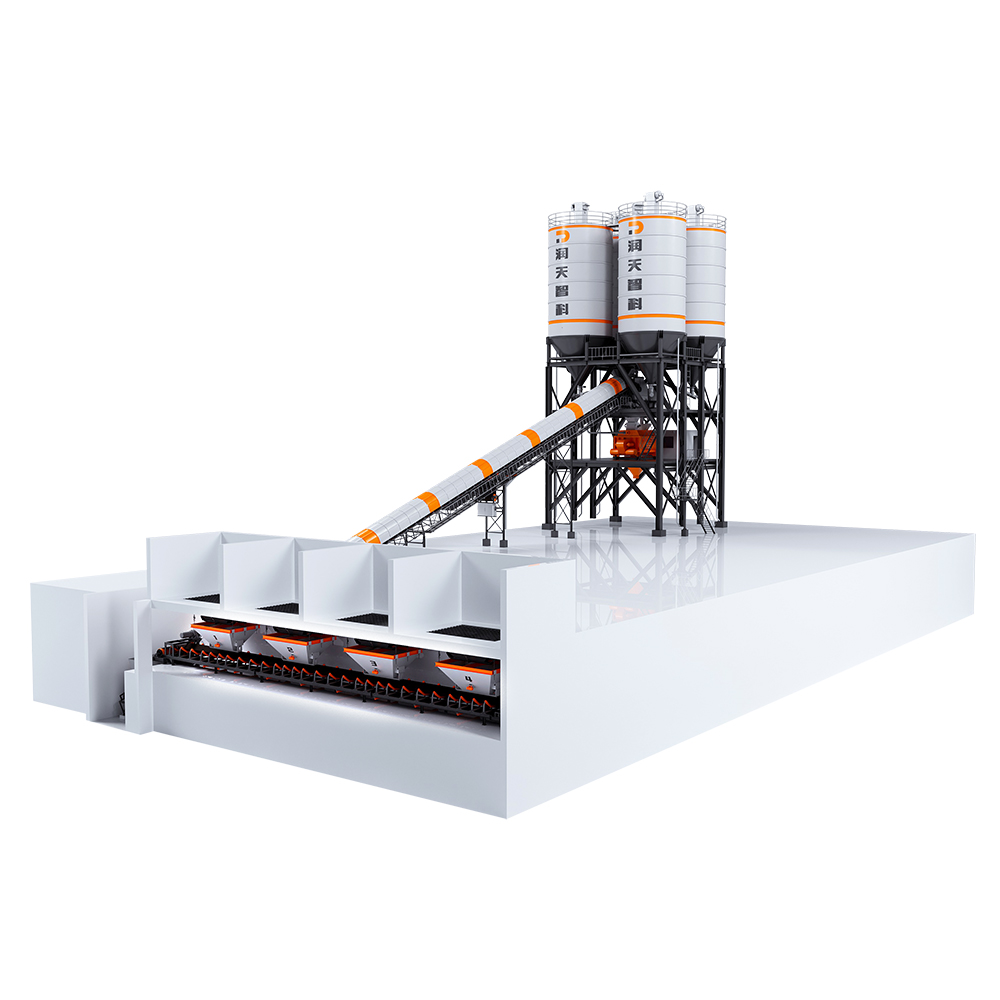 HZS Series Top-Mounted Concrete Mixing plant
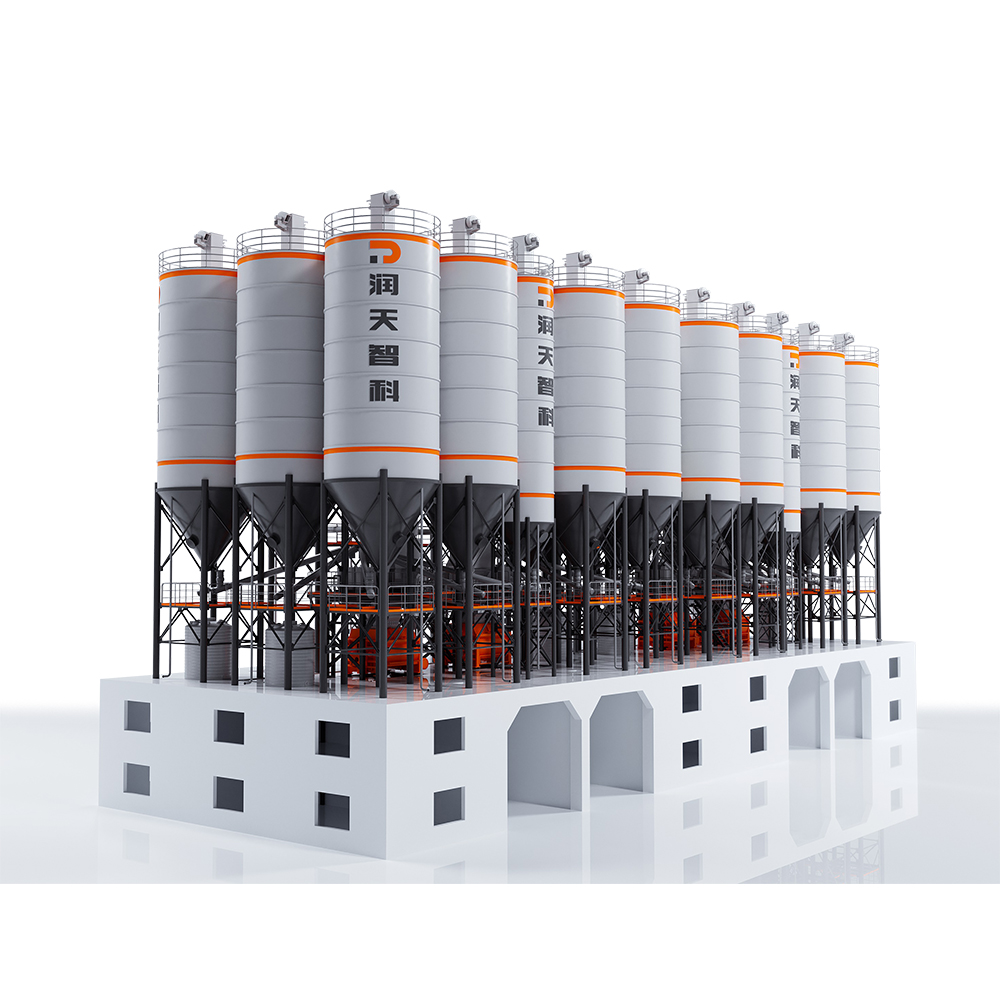 HZS Series Semi-Top Mounted Concrete Mixing Plant
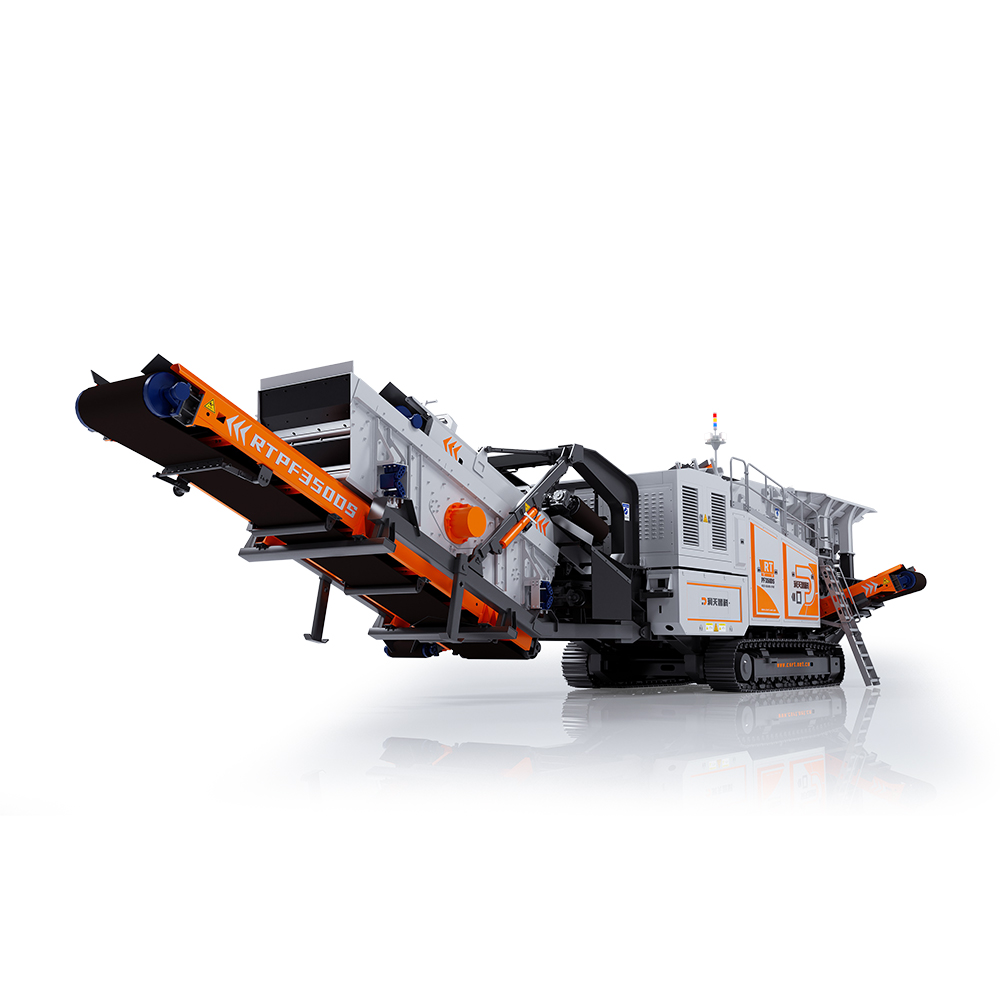 RTPF350DS Crawler Mobile Impact Crushing Plant
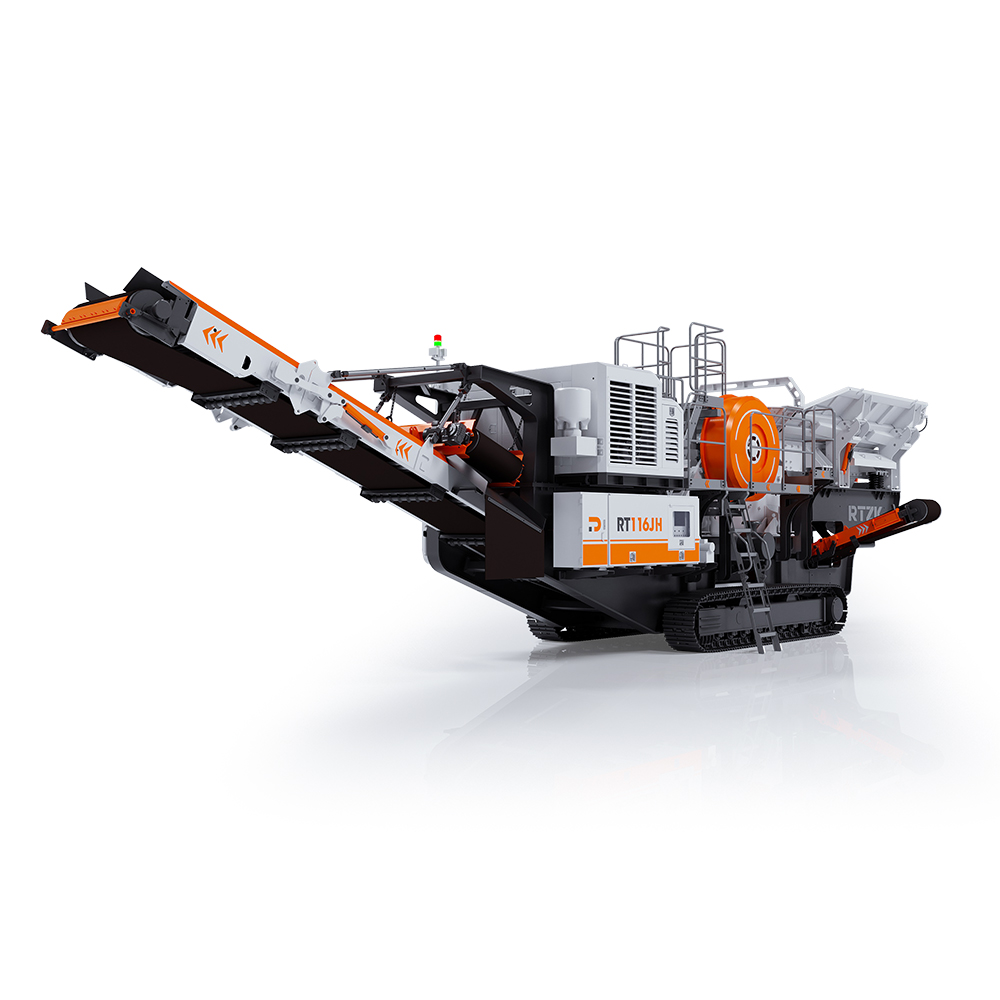 RT116JH Crawler Mobile Jaw Crushing Plant
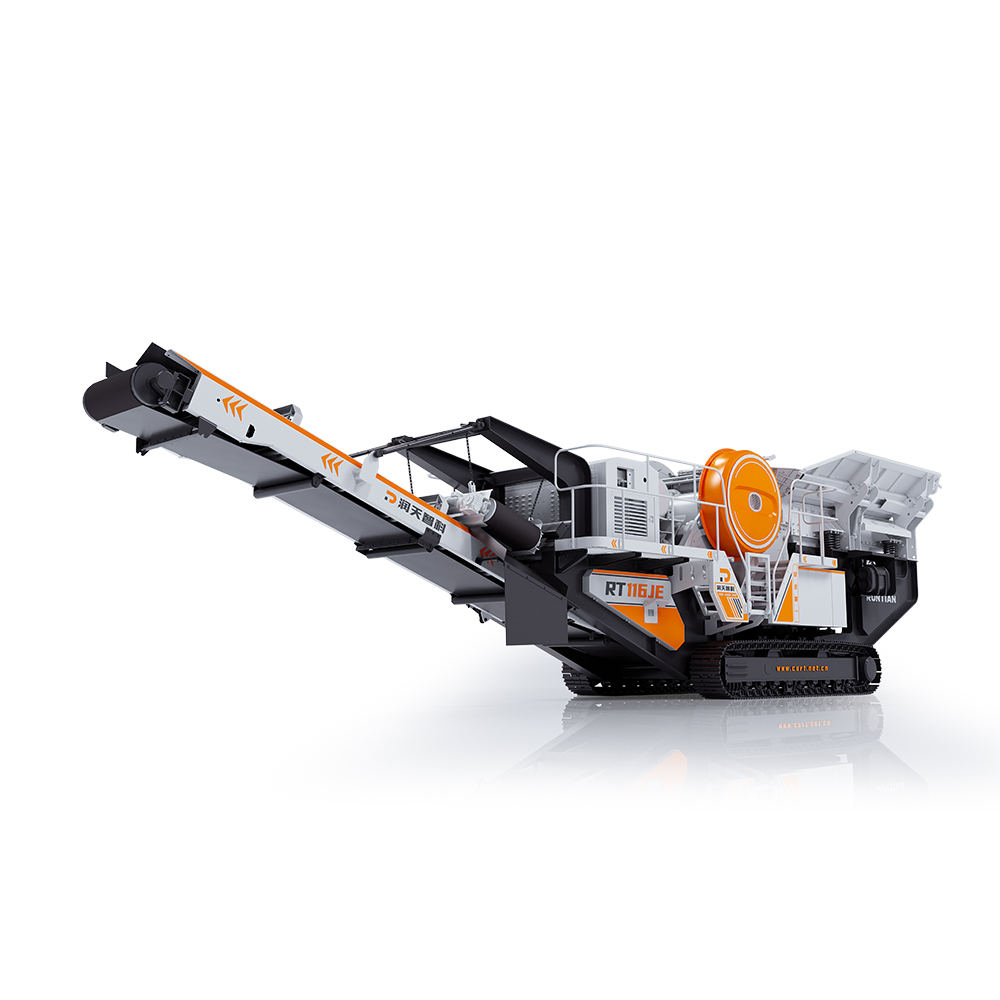 RT116JE Crawler Mobile Jaw Crushing Plant
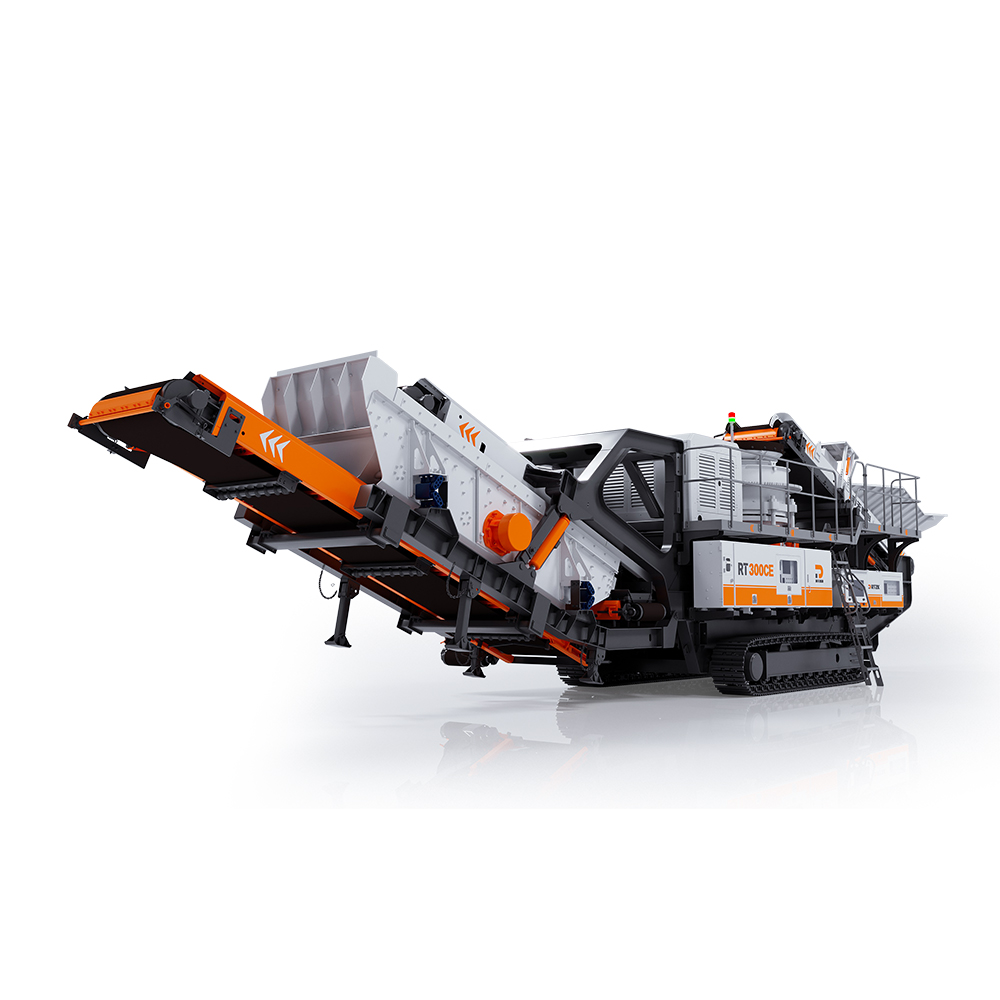 RT300CE Crawler Mobile Cone Crushing Plant
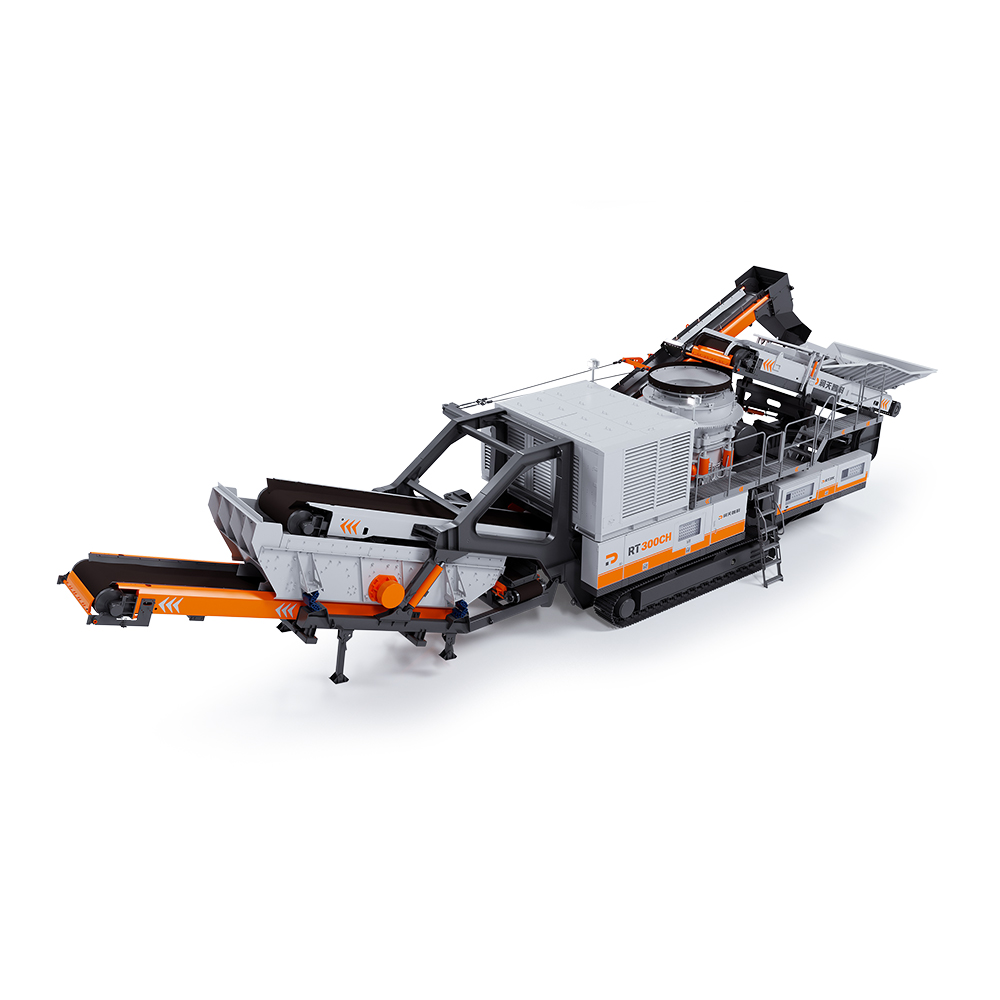 RT300CH Crawler Mobile Cone Crushing Plant
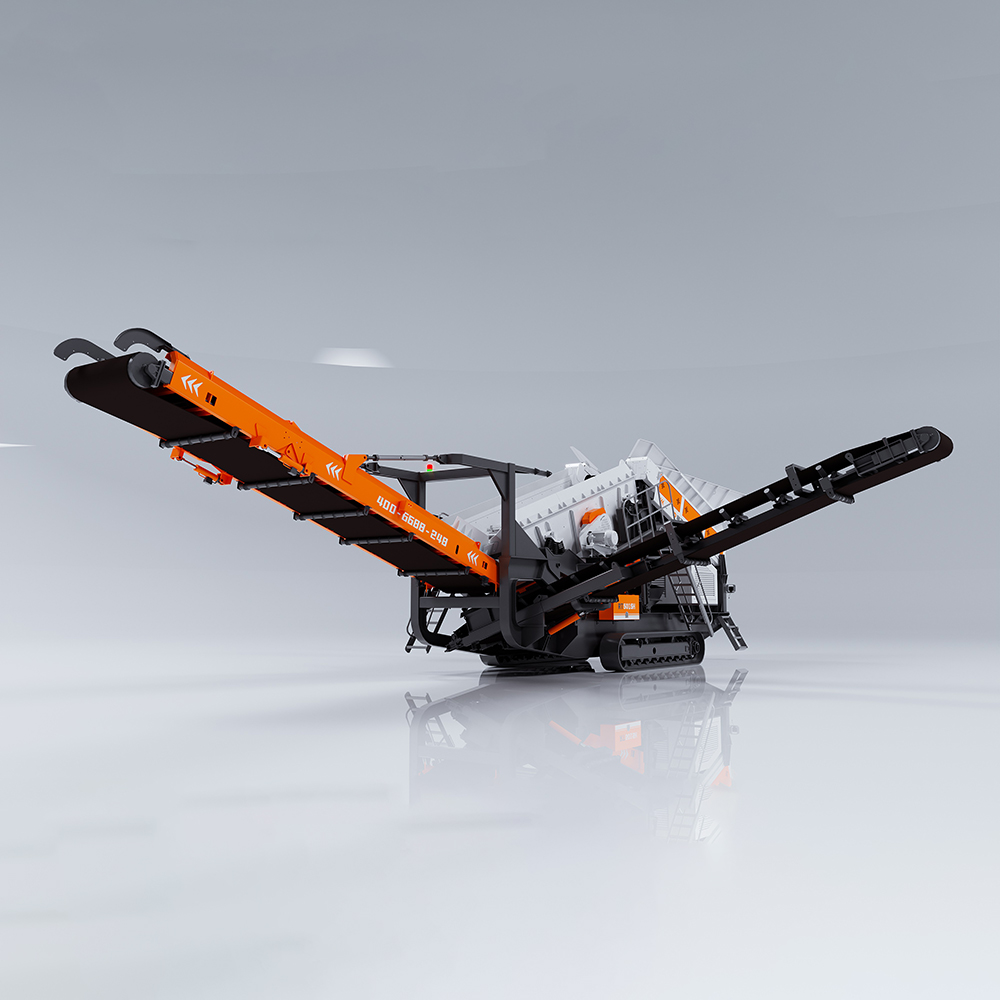 RT5015H Mobile Scalping Screen
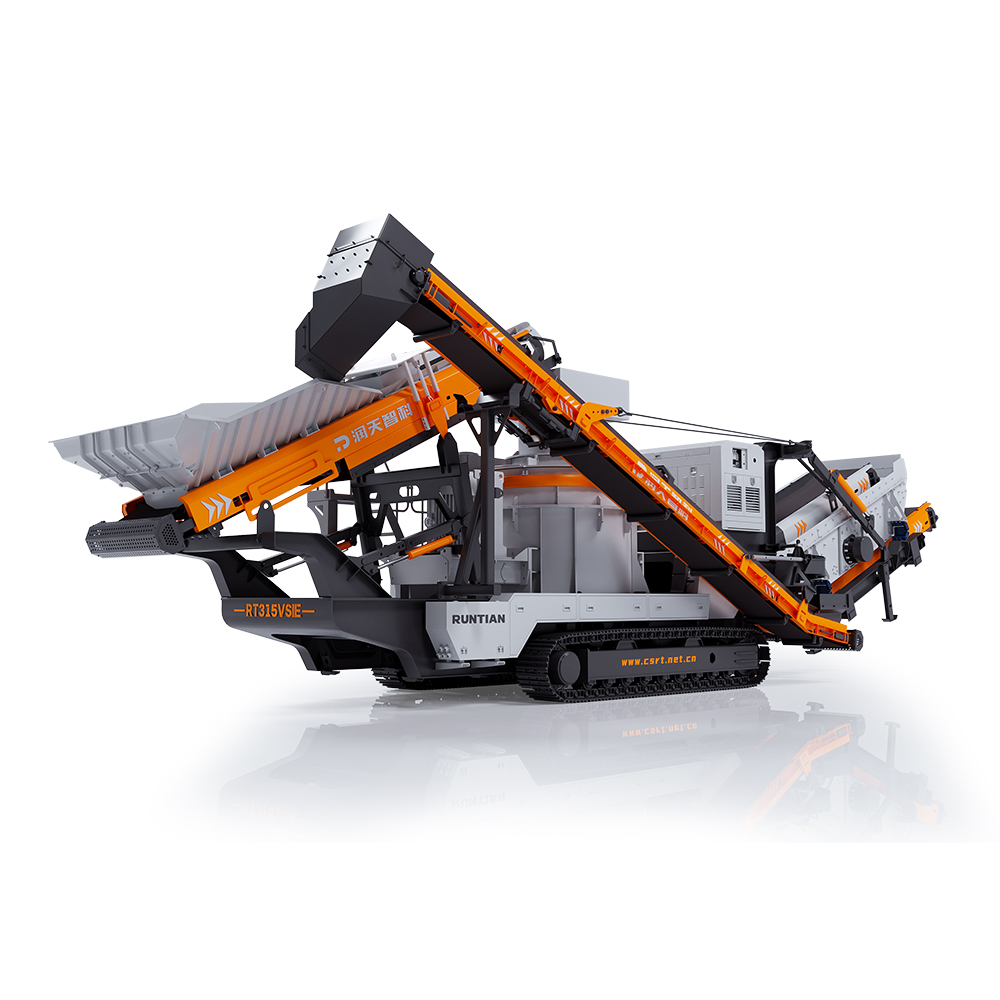 RT315VSIE Crawler Mobile Sand Maker
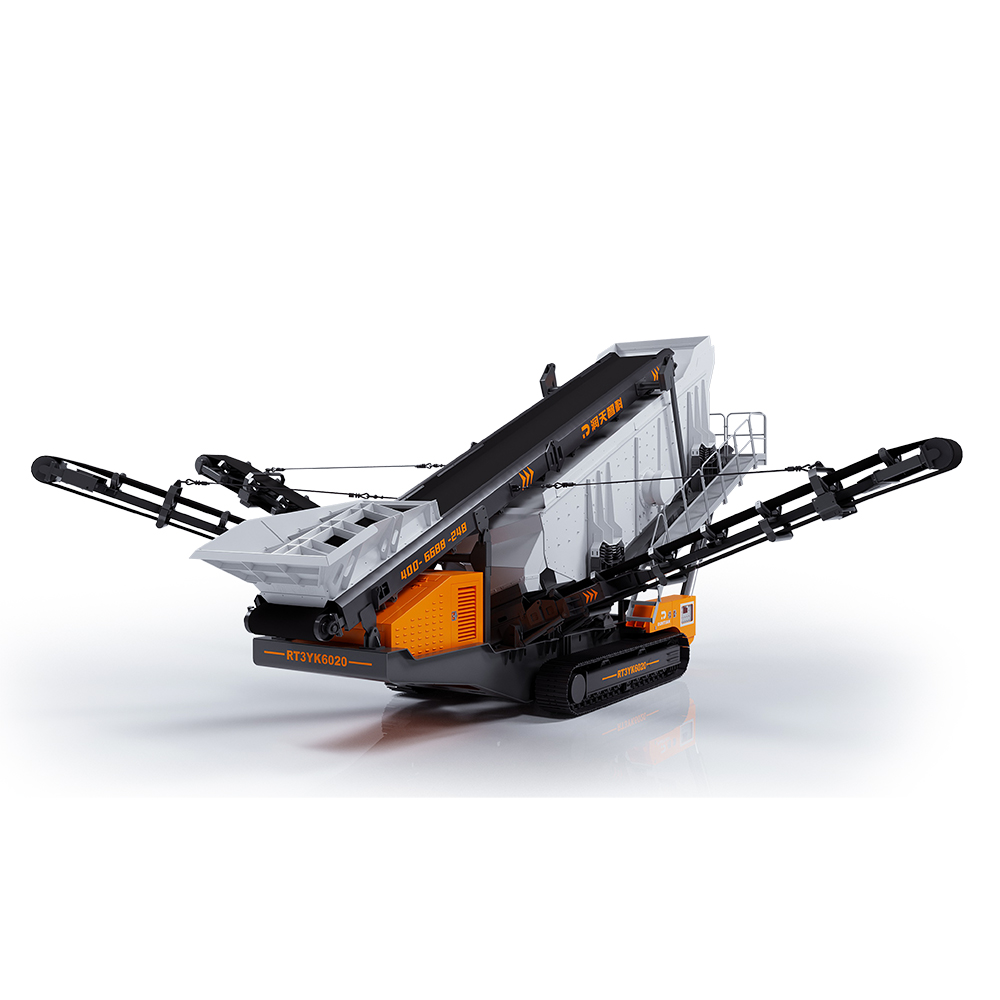 RT3YK6020 Crawler Mobile Screening Plant
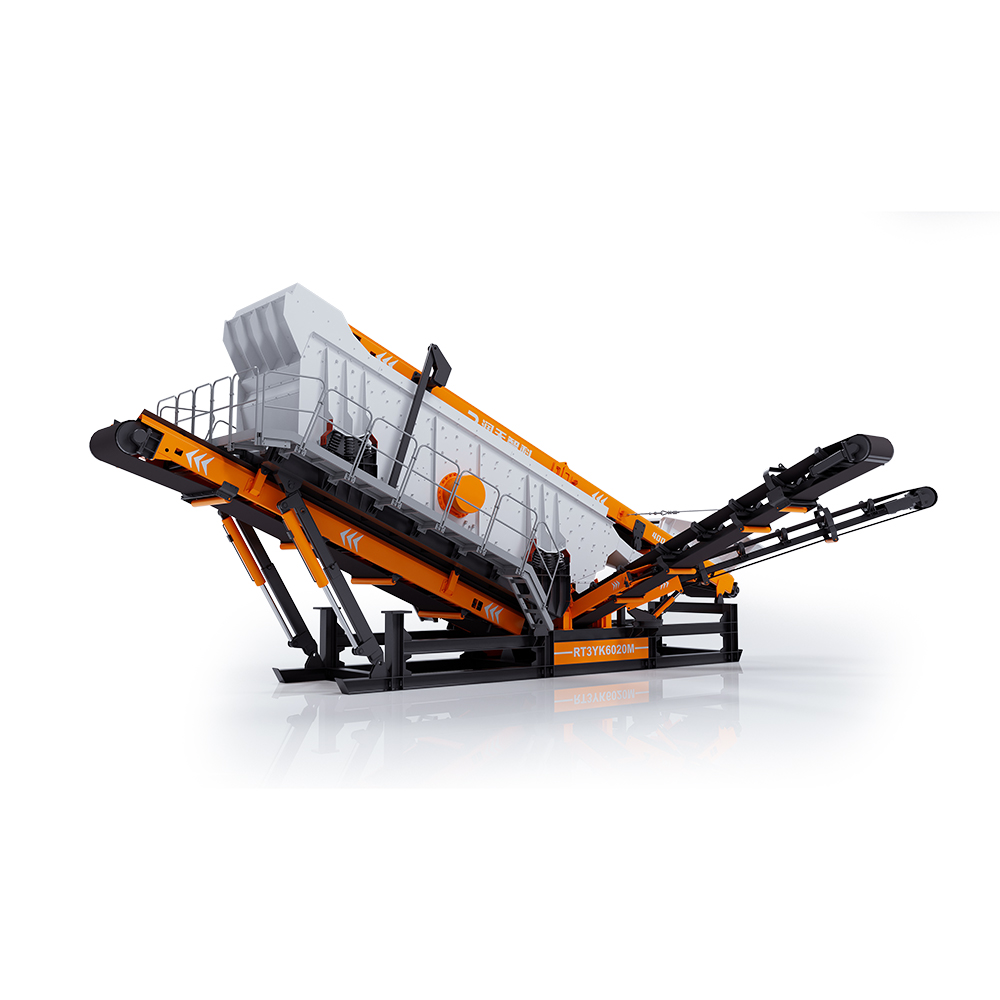 RT3YK6020M Modular Screening Plant
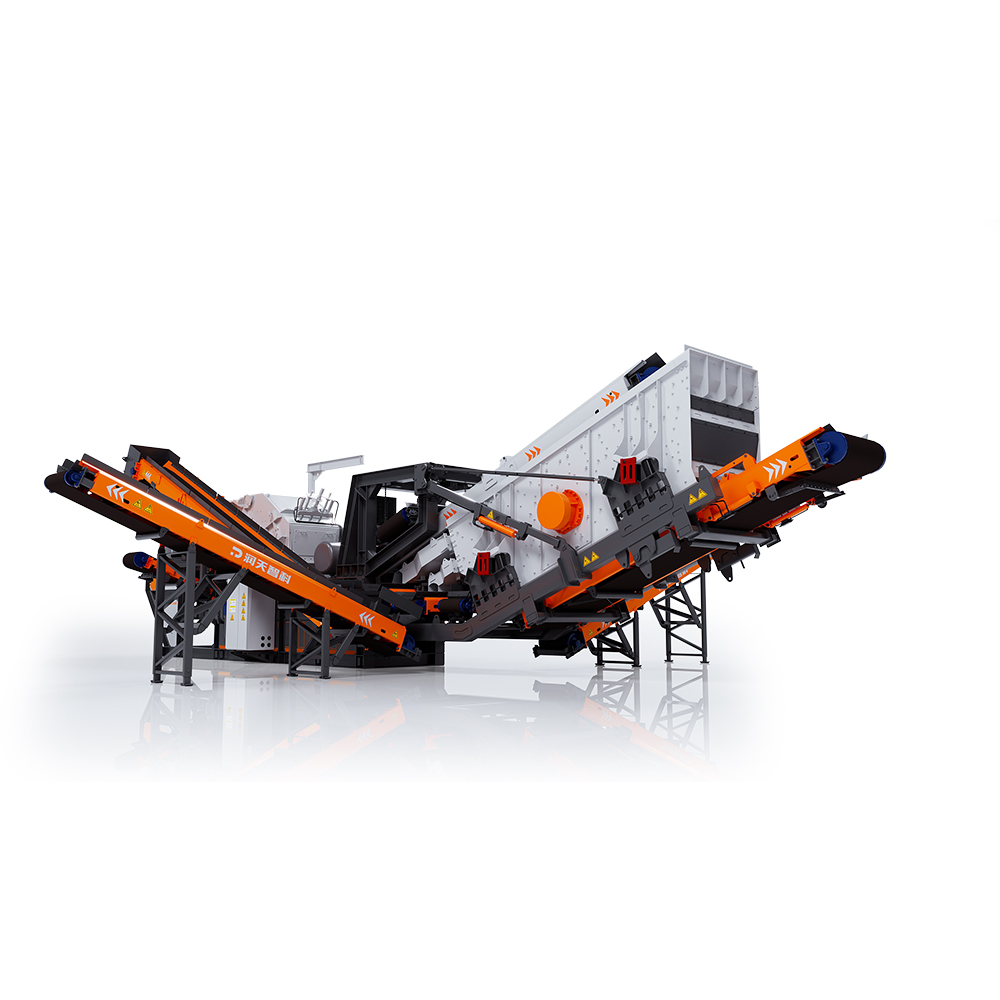 RTF260M Modular Counterattack Crushing and Screening Integrated Machine
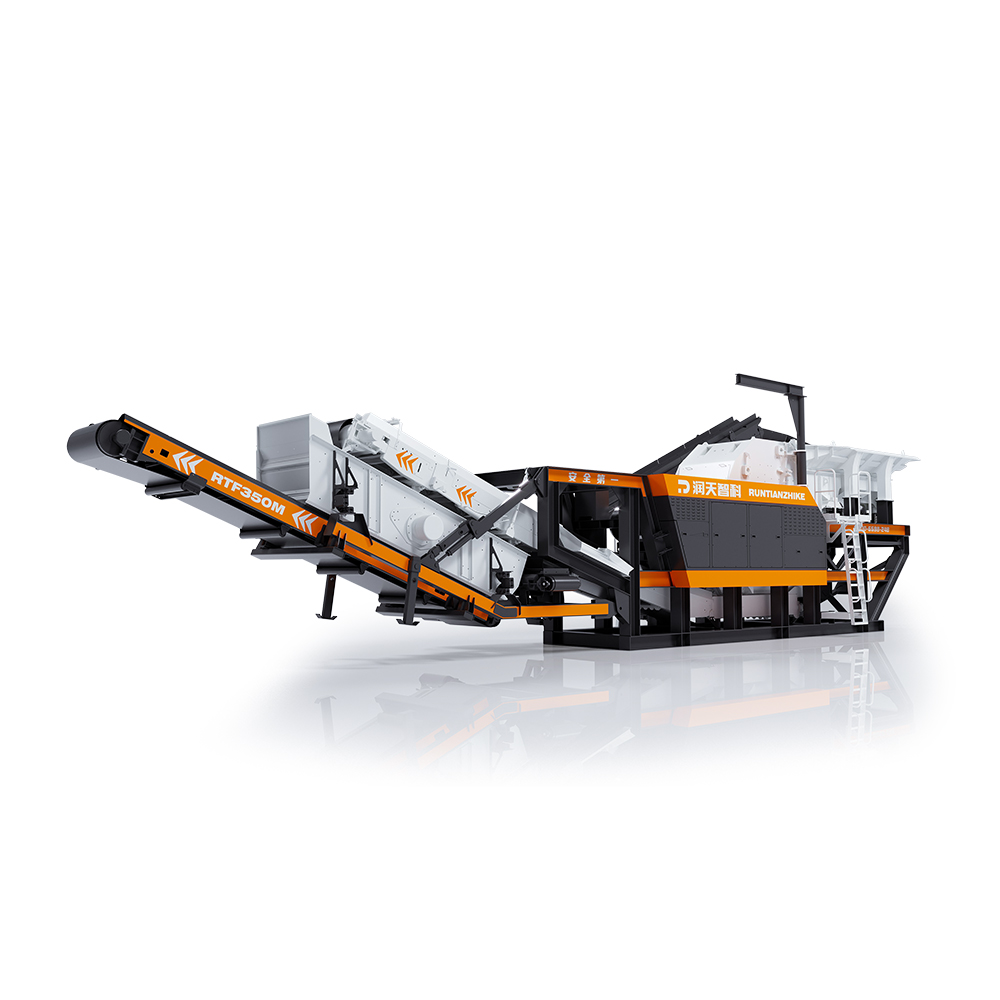 RTF350M Modular Impact Crushing Plant
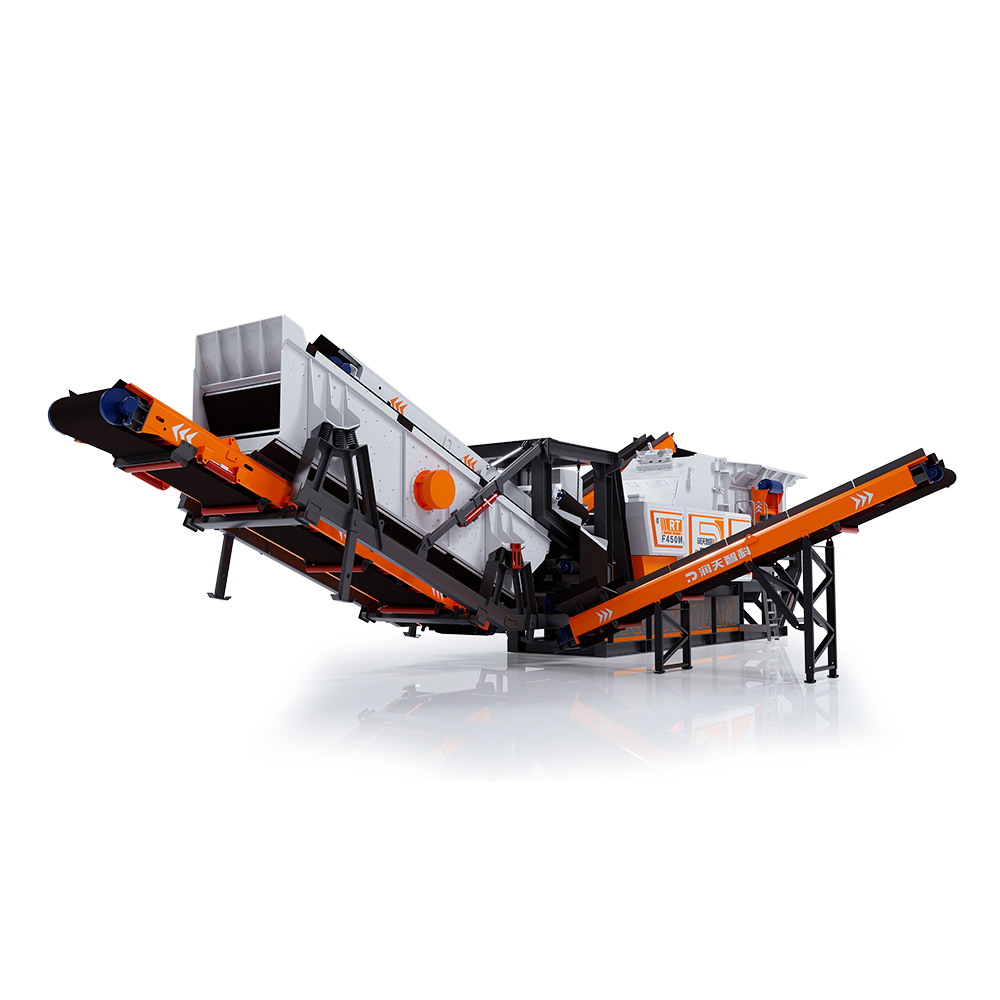 RTF450M Modular Impact Crushing Plant
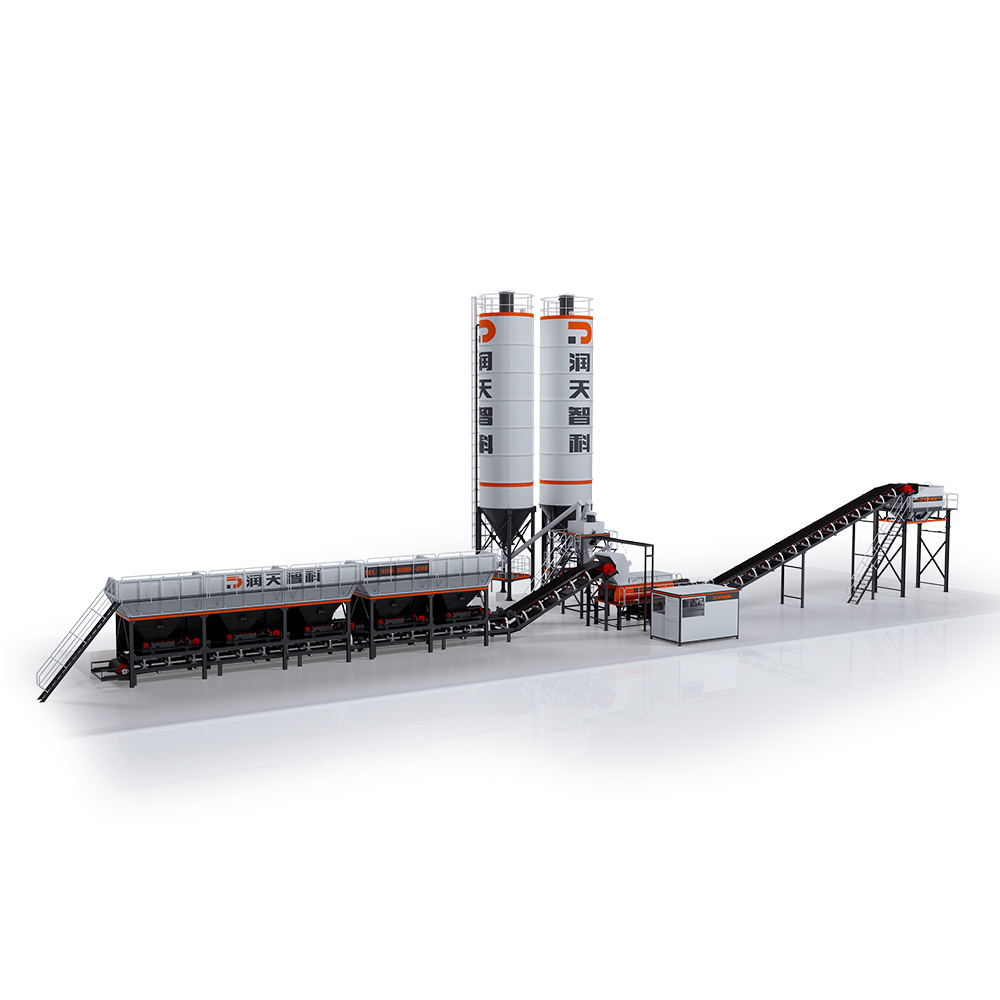 WDB Series Foundation-Free Stability Soil Mixing Plant
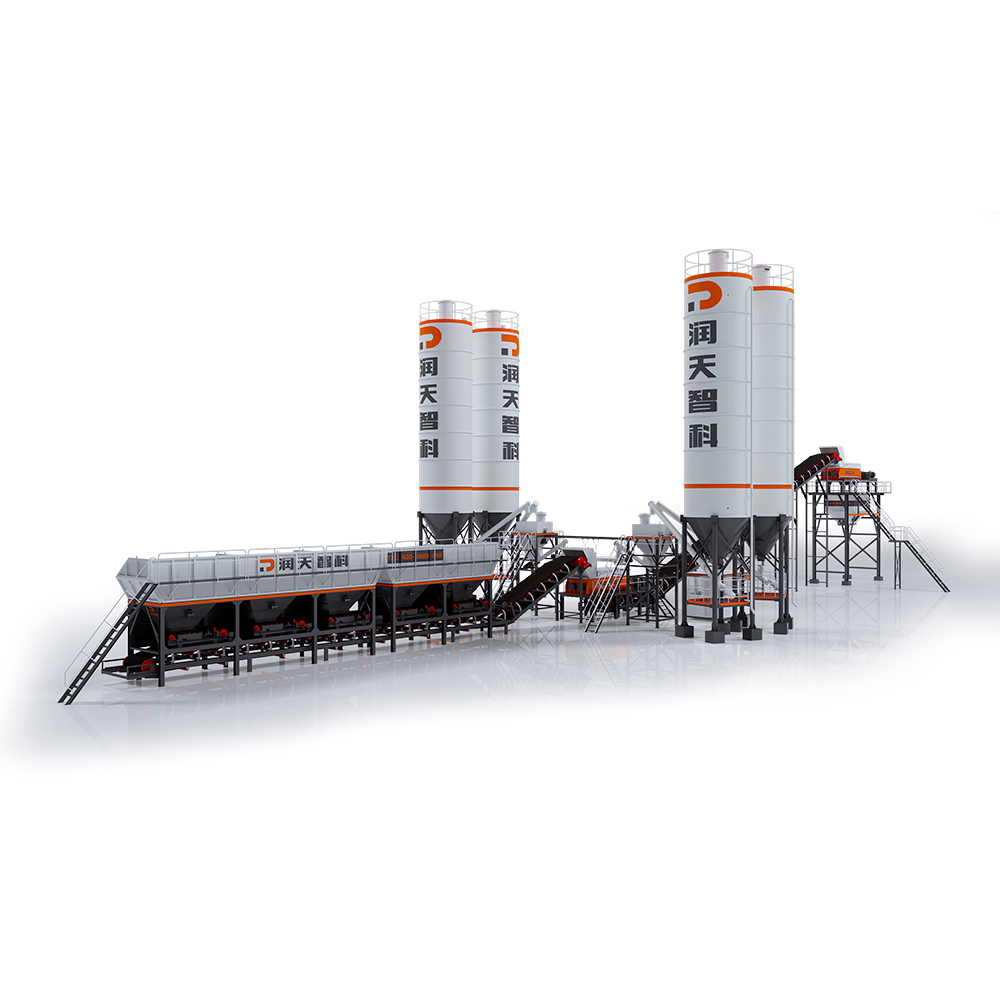 LCB Series Emulsified Asphalt Cold Regeneration Secondary Mixing Plant
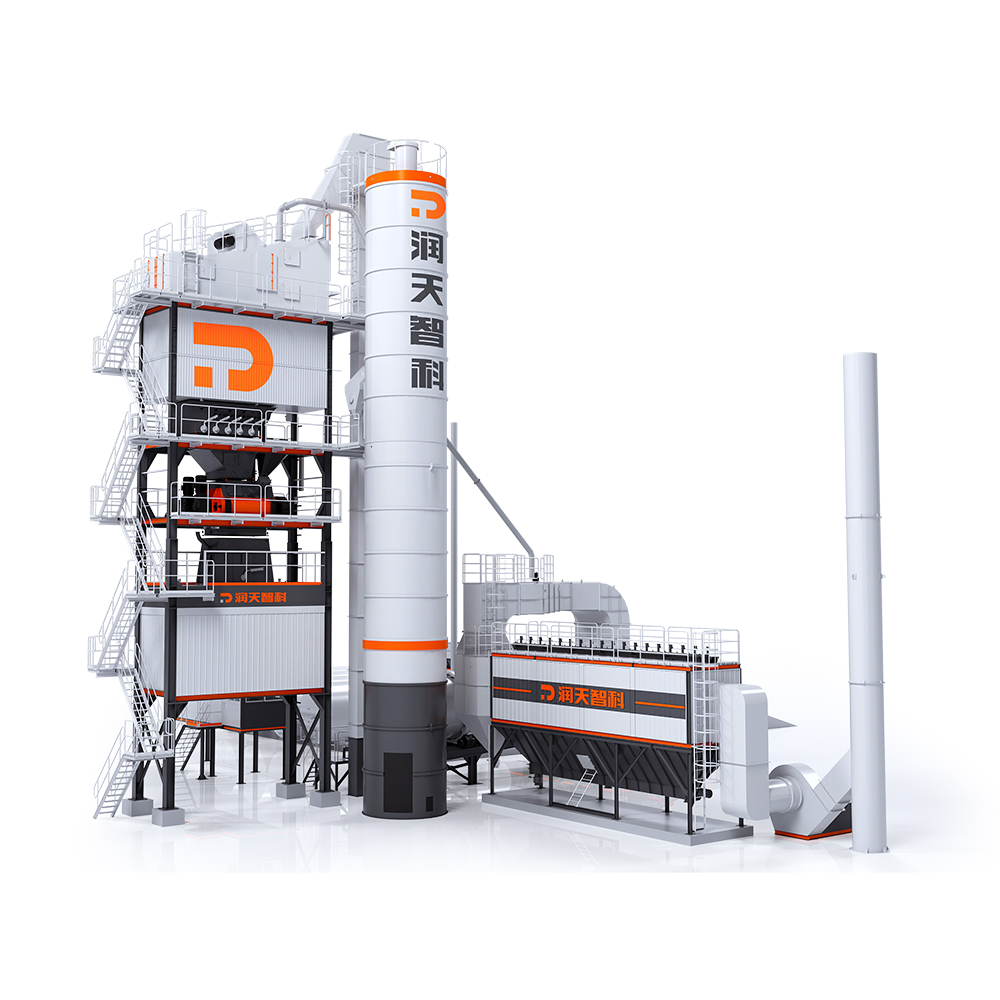 LB Series Asphalt Mixing Plant
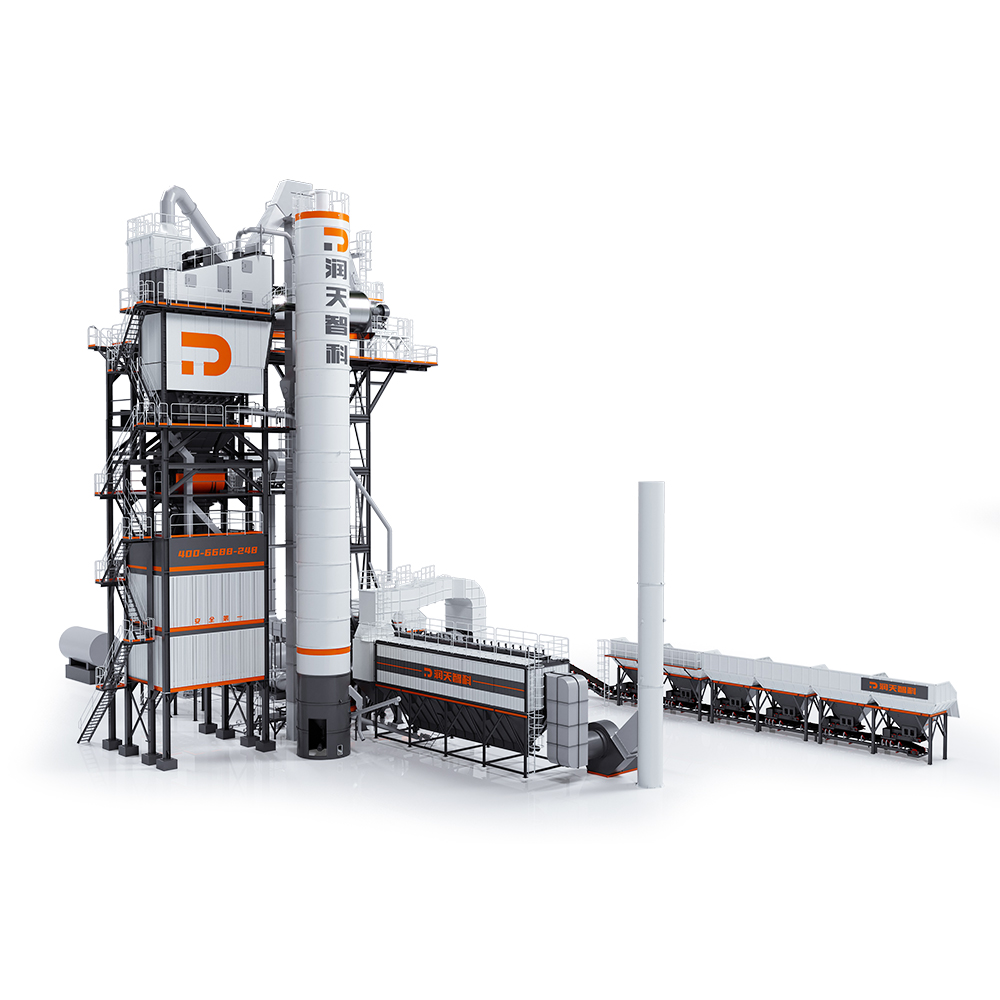 LBR Series Integrated Asphalt Mixing Plant
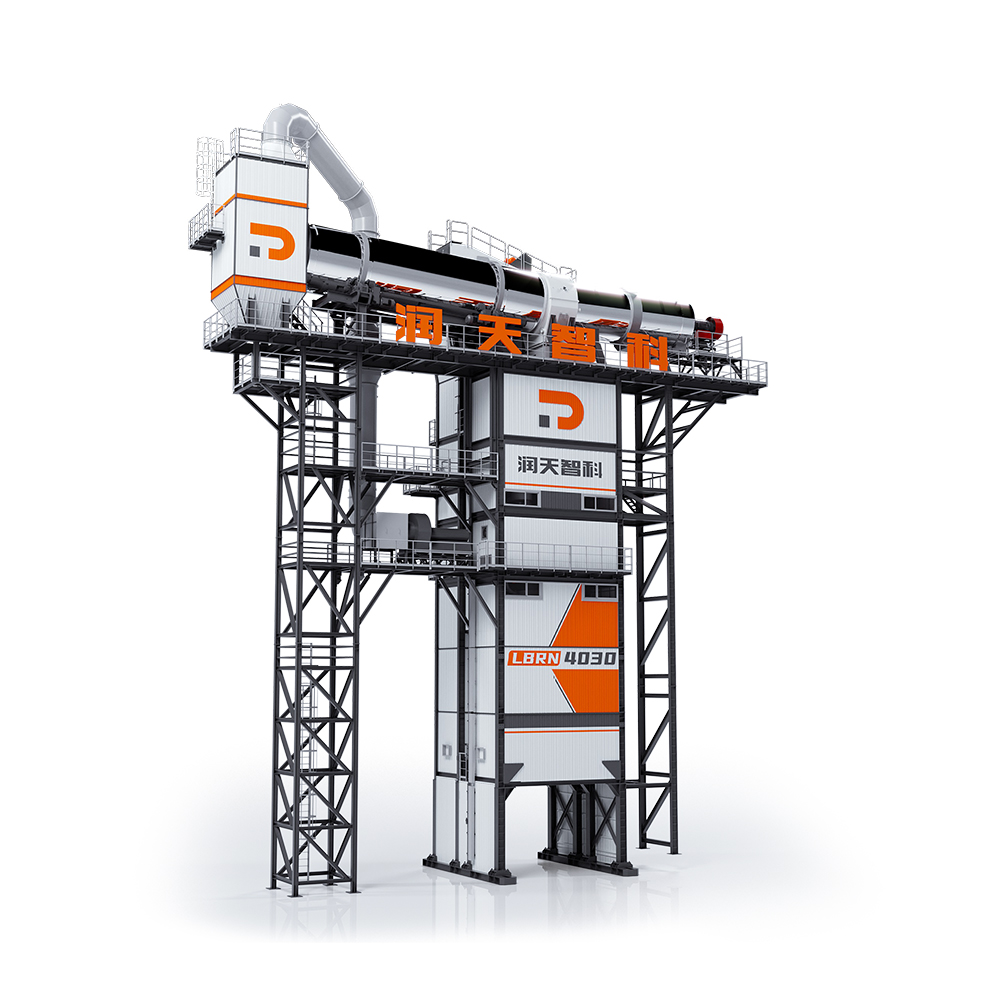 LBRN Series Counterflow Integral Asphalt Mixing Plant
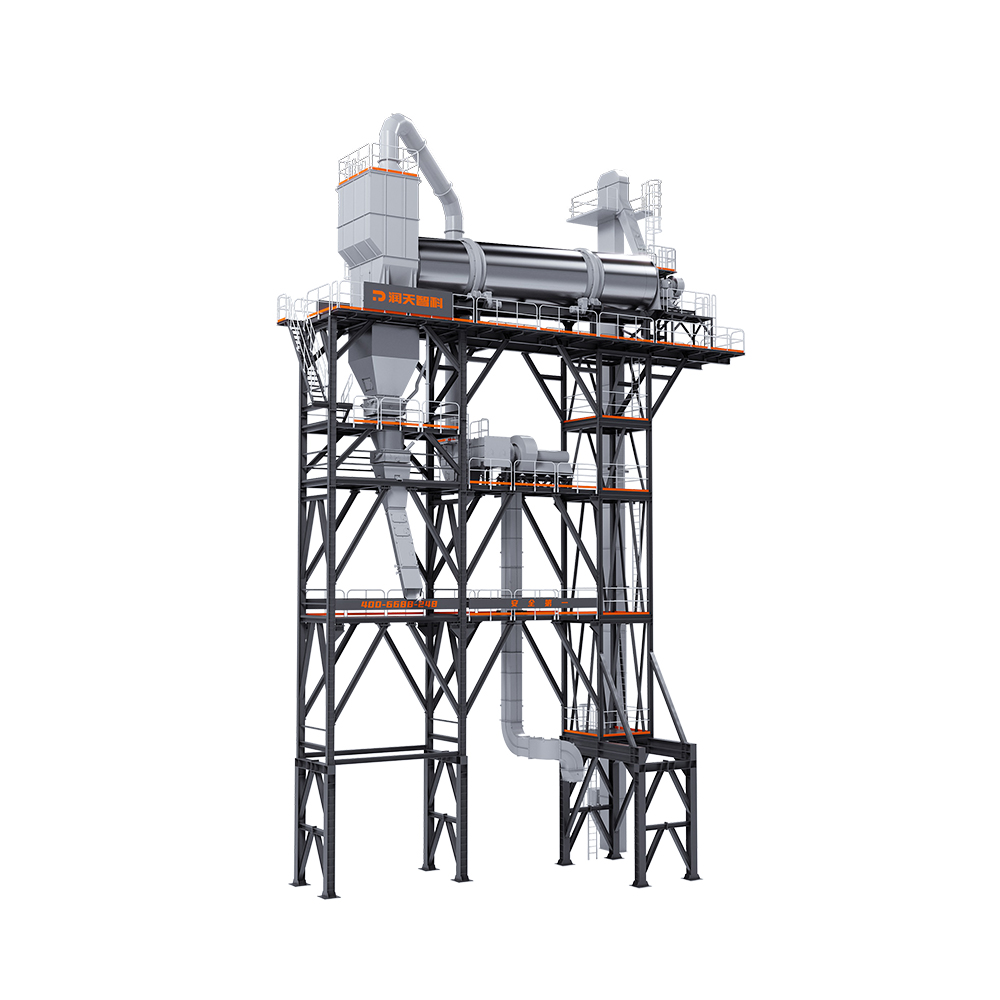 RZS Series Asphalt Mixing Plant
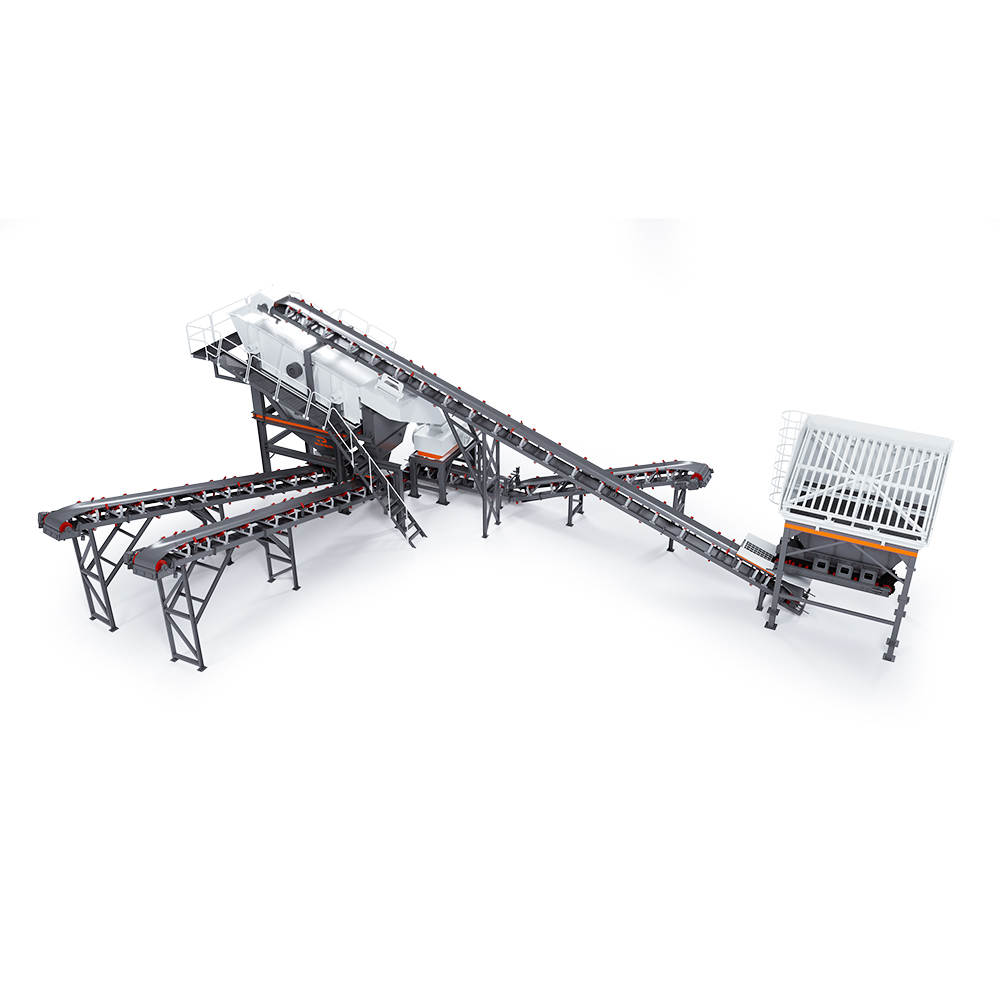 RTZS120 Series RAP Crushing & Screening Plant
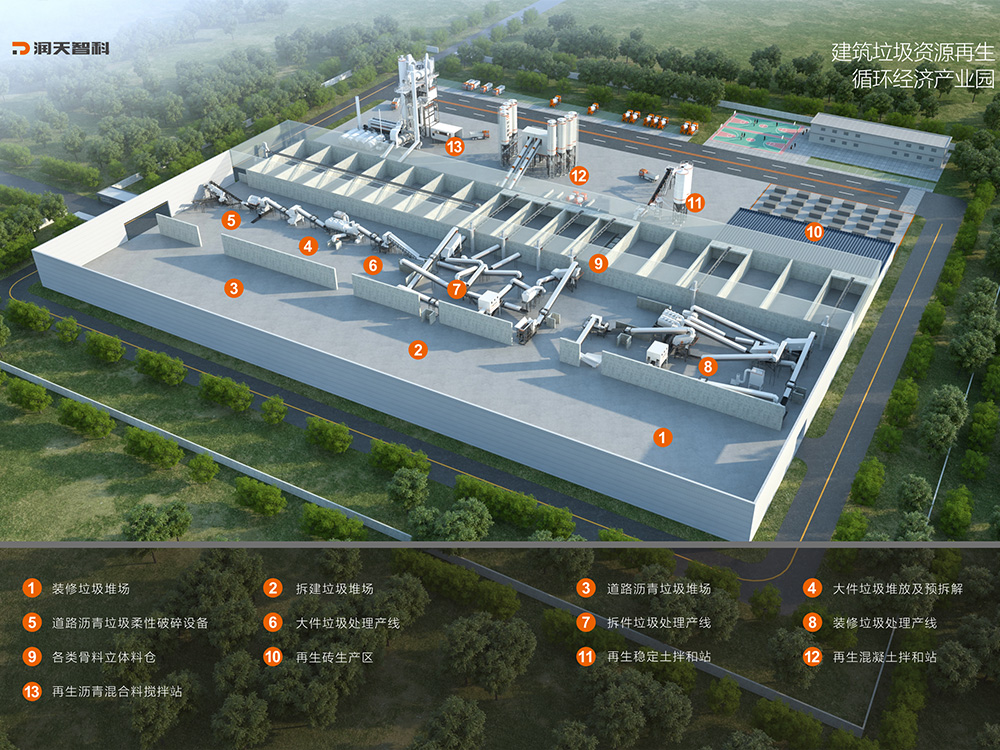 Construction Waste Resourceful Treatment Line