How to Choose the Right Asphalt Materials for Your Project?
Choosing the right asphalt materials for your project can be a daunting task. According to John Smith, an expert in asphalt technology, "Selecting suitable asphalt materials can make or break your project." The quality of asphalt directly impacts durability and performance.
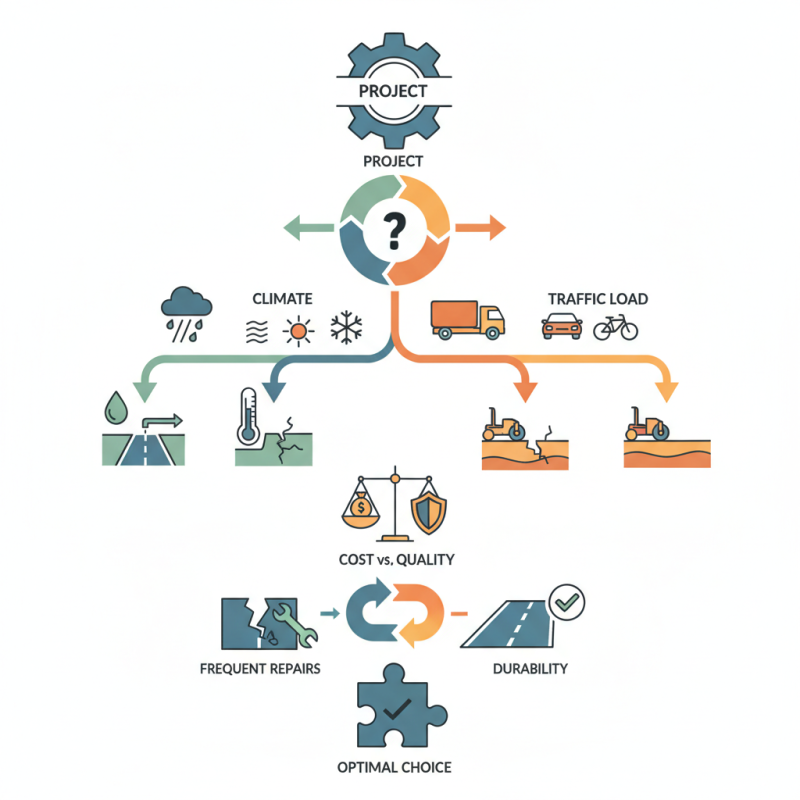
When considering asphalt materials, think about your project's specific needs. Factors like climate and traffic load play crucial roles. For instance, regions with heavy rainfall may require different asphalt types than those with extreme heat. It’s essential to analyze all these aspects carefully.
Evaluating different options may introduce uncertainties. Cost versus quality often presents a dilemma. Sometimes, cheaper options may lead to higher long-term costs. Mistakes in material selection can lead to frequent repairs or even complete resurfacing. Always weigh the pros and cons to find the best asphalt materials for your unique needs.
Understanding the Different Types of Asphalt Materials Available
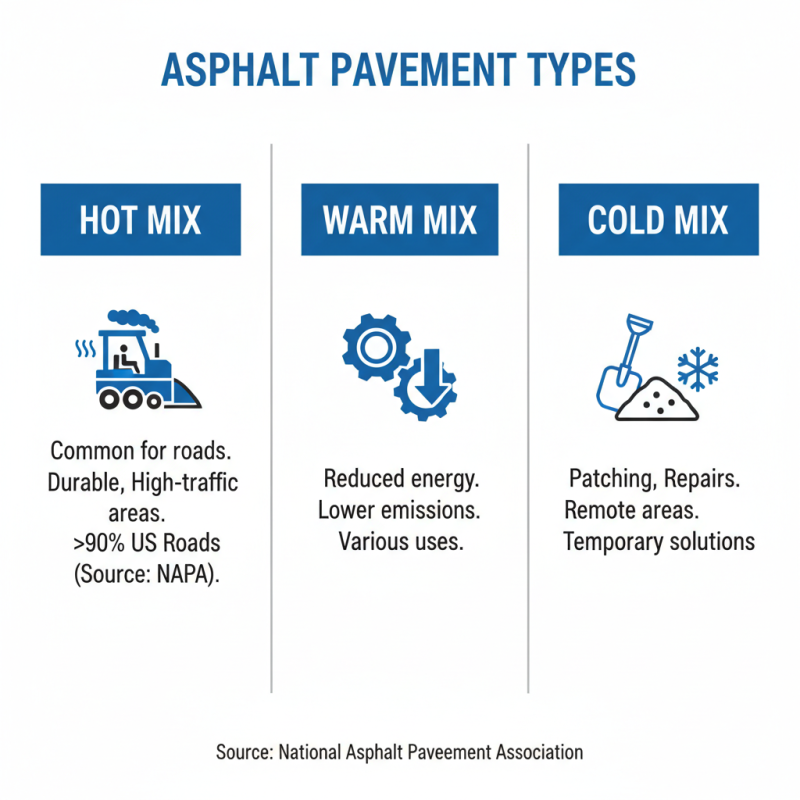
When choosing asphalt materials, understanding the types available is essential. There are several types of asphalt mixes, including hot mix, warm mix, and cold mix. Hot mix asphalt is most common for paving roads. It’s durable and works well in high-traffic areas. According to a report from the National Asphalt Pavement Association, over 90% of paved roads in the U.S. use hot mix asphalt.
Warm mix asphalt has lower production temperatures. This reduces emissions and energy consumption. It can be placed in cooler weather without compromising quality. In contrast, cold mix asphalt is often a temporary fix. It is utilized for patching potholes and small repairs. While it’s convenient and easy to handle, it usually doesn't last as long as hot or warm mixes.
Tips: Consider climate and traffic when selecting your asphalt type. For lower traffic areas, cold mix can suffice. However, high-traffic locations need hot mix for durability. Always consult industry standards to ensure your choice aligns with your project’s demands. Remember that choosing the right asphalt reduces overall maintenance costs and enhances safety. A poor choice can lead to frequent repairs and unsatisfactory results. Reflect on past projects and learn from them to make better decisions.
Factors to Consider When Selecting Asphalt Materials for Your Project
Choosing the right asphalt materials involves several critical factors. One significant aspect is the climate of the area. For example, extreme temperatures can affect asphalt performance. In hot regions, flexible asphalt is better. In colder climates, a more rigid option may be necessary. Each material interacts differently with environmental conditions.
Another important factor is the intended use of the asphalt. Roads, driveways, and parking lots have different requirements. Heavy traffic areas need a durable mix to withstand constant stress. For lighter use, a standard mix might suffice. It's crucial to evaluate the expected load as well as the project's budget.
Additionally, consider drainage and soil conditions at the site. Poor drainage can lead to premature damage. It may be beneficial to consult with experts when unsure about the right choice. The process involves some trial and error. Skipping the research phase can lead to costly mistakes down the line. Take the time to reflect on each decision before moving forward.
How to Choose the Right Asphalt Materials for Your Project?
| Factor |
Description |
Importance Level |
| Traffic Load |
Consider the volume and weight of vehicles that will use the pavement. |
High |
| Climate Conditions |
Assess the temperature fluctuations and weather patterns in the area. |
Medium |
| Asphalt Type |
Choose from options like Hot Mix, Warm Mix, or Cold Mix based on the project needs. |
High |
| Durability Requirements |
Determine how long the pavement is expected to last under specific conditions. |
High |
| Project Budget |
Evaluate the overall costs and determine what types fit within your financial plan. |
High |
| Environmental Impact |
Consider eco-friendly options and how they can affect the surrounding area. |
Medium |
Evaluating Environmental Conditions for Optimal Asphalt Selection
When selecting asphalt materials, environmental conditions play a critical role. Temperature, rainfall, and humidity can significantly affect paving performance. For instance, in areas with high temperatures, softer asphalt might be more suitable. It can better withstand heat and prevent cracking. On the other hand, cooler climates may require harder asphalt to resist deformation.
Consider the local weather patterns. Frequent rains can lead to water pooling, which can damage the asphalt over time. It’s essential to evaluate drainage options. Poor drainage will increase maintenance costs. Also, think about the season when laying asphalt. Laying asphalt in colder temperatures can lead to poor compaction and premature failures.
Remember, it’s not just about choosing the right material; it’s about understanding the environment. Reflecting on past projects can help you make better decisions. What went wrong last time? How could choices have been improved? Each project offers lessons. Use those lessons to ensure your asphalt selection meets both current and future demands.
Cost Analysis: Budgeting for Asphalt Material Choices
When budgeting for asphalt materials, closely evaluate your project size and purpose. Will it be a parking lot, road, or driveway? Each project has different requirements. The cost will vary significantly based on material type and thickness.
A thorough cost analysis is vital. Take into account not just the material prices but also installation costs. Reflections on labor and equipment can lead to surprises. Sometimes, cheaper materials may end up costing more over time due to maintenance. You’ll want durability, which often requires a higher initial investment.
Don’t forget about future upkeep. Budgeting for proper sealing and repairs is crucial. Ignoring these factors can lead to budget overruns. Finding a balance between price and quality is essential. In the end, investing wisely can save money and headaches down the road.
Best Practices for Sourcing and Testing Asphalt Materials
Choosing the right asphalt materials can significantly impact the longevity and performance of your project. Effective sourcing and rigorous testing are essential best practices. Industry reports suggest that up to 30% of premature pavement failures are linked to subpar material choices. Therefore, understanding local material specifications is crucial.
When sourcing asphalt materials, evaluate suppliers based on their reliability and reputation. Check for certifications or compliance with local and national standards. Consider conducting site visits to production facilities. This provides insights into their quality control processes. Testing the material before and during application can reveal critical information. According to the National Asphalt Pavement Association, routine testing can reduce material-related problems by 25%.
Not all materials perform the same under different conditions. Variables like weather and traffic volume matter. A recent study found that mistakes in material selection could lead to increased maintenance costs, often exceeding original budget projections by 15%. Reflect on past projects and assess the materials used. Did they meet expectations? Were there signs of failure early on? Learning from these experiences can guide future choices.
Asphalt Material Selection Factors

 Concrete Mixing Plant
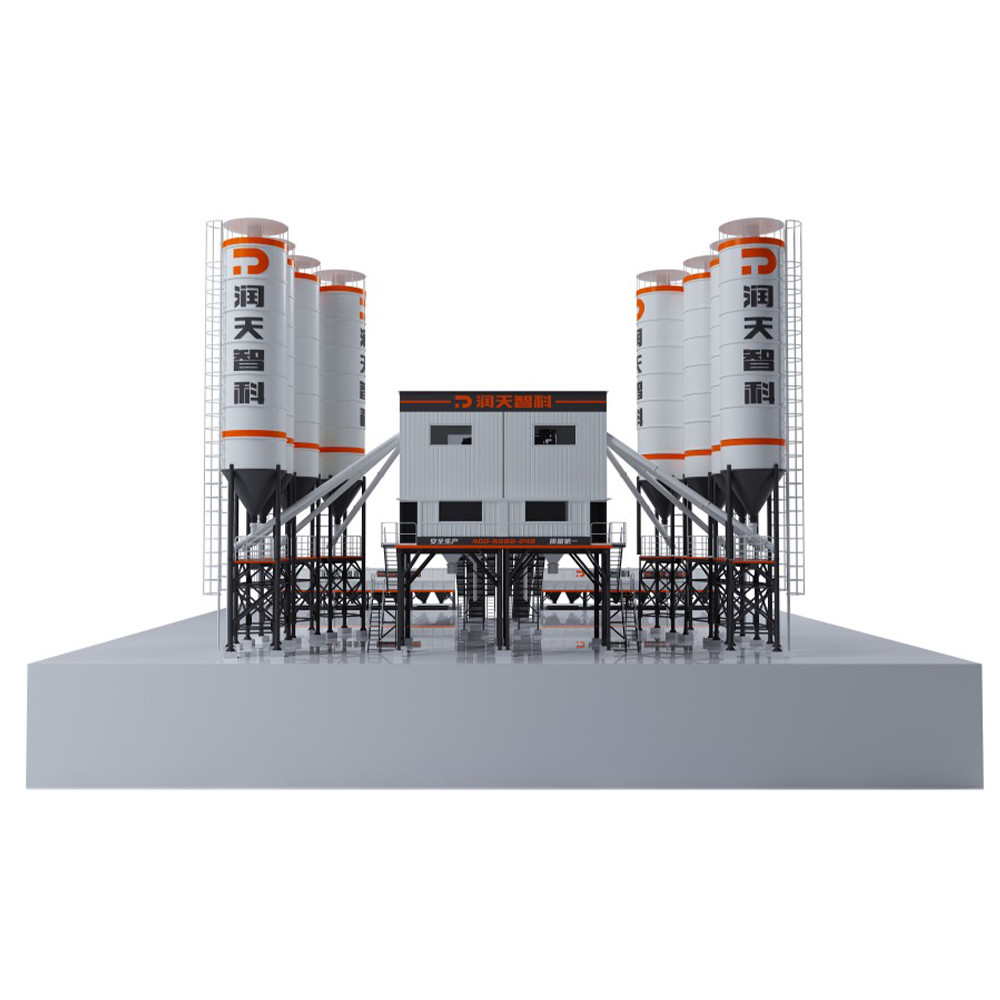 HZS Series Belt Concrete Mixing Plant
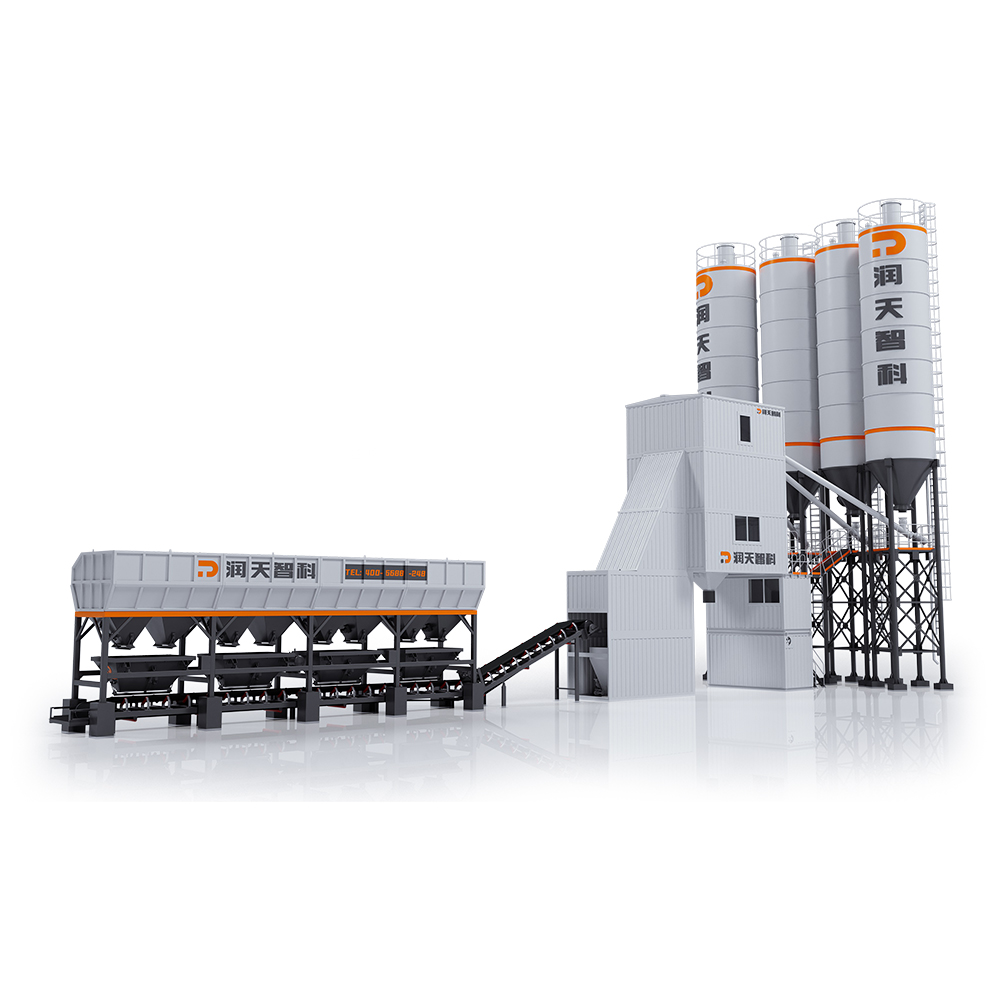 HZS Series Bucket-Lifting Type Container Concrete Mixing Plant
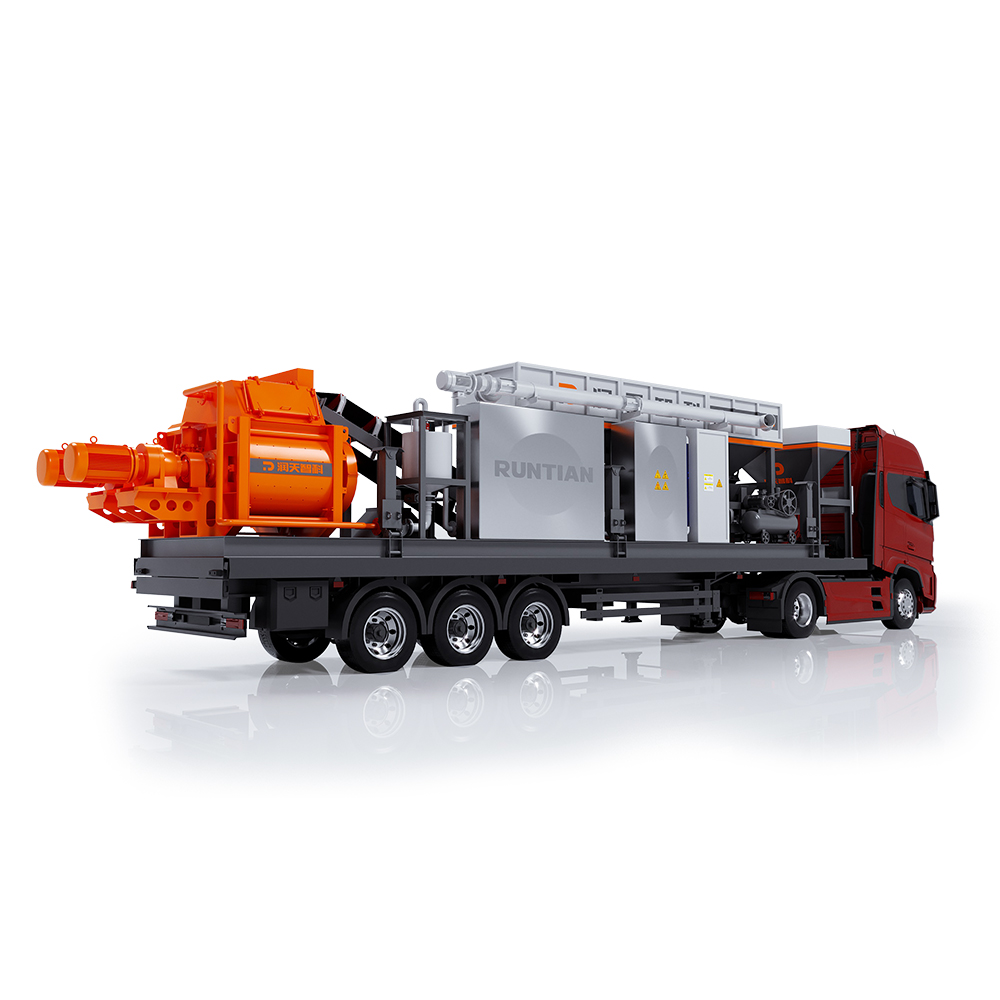 HZS60 Mobile Concrete Mixing Plant
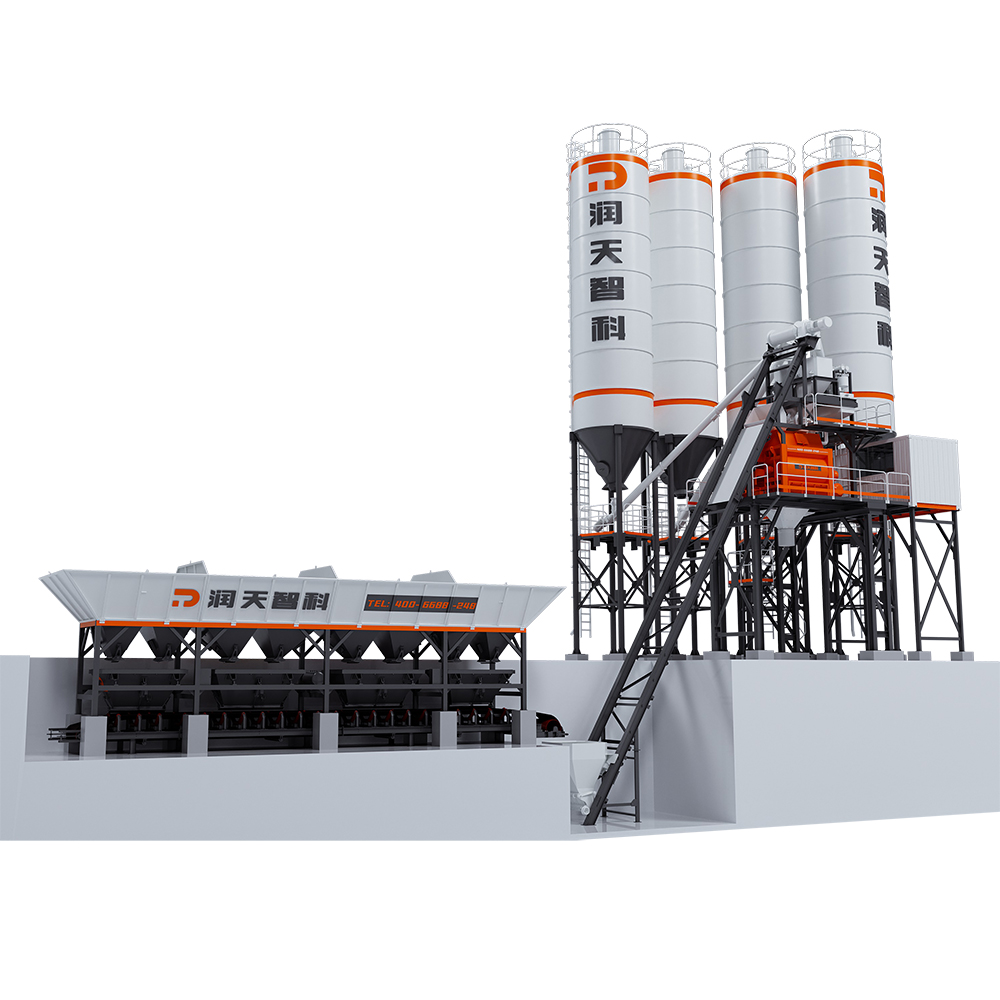 HZS Series Bucket-Lifting Type Concrete Mixing Plant
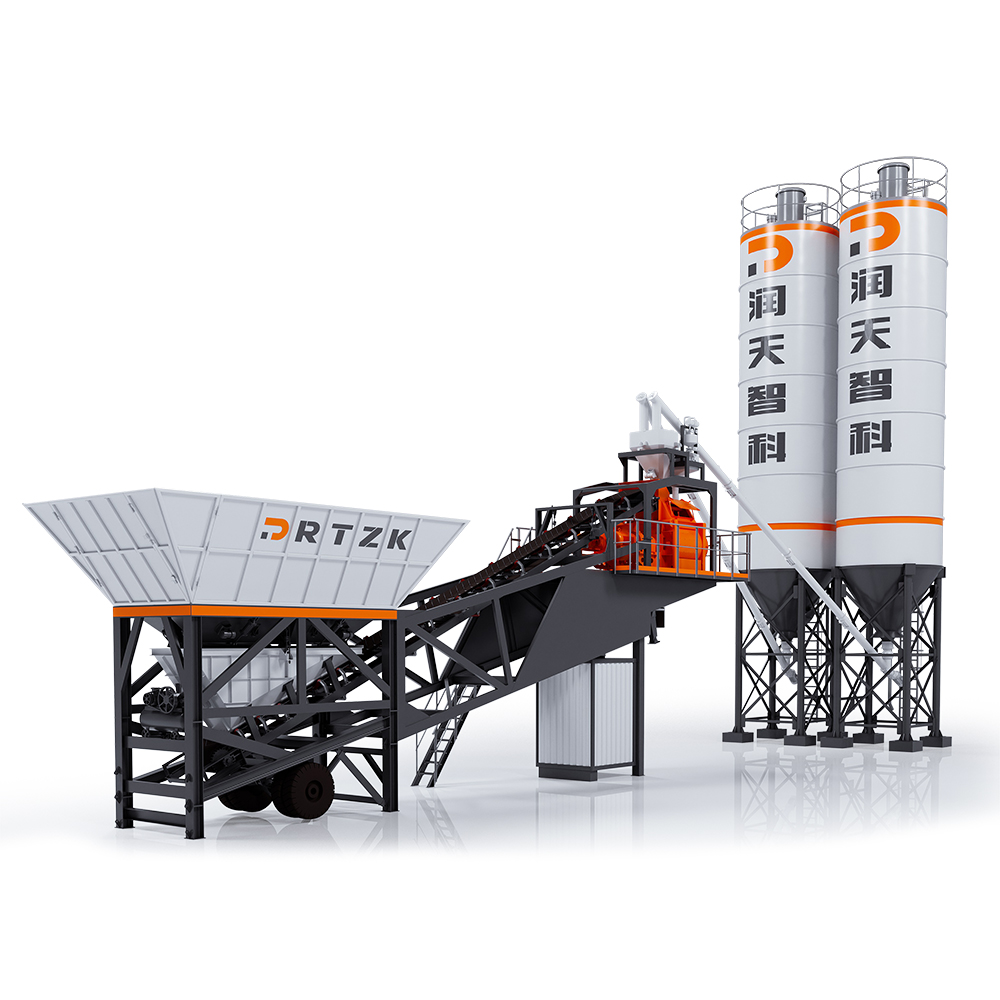 HZS Series Mobile Concrete Mixing Plant
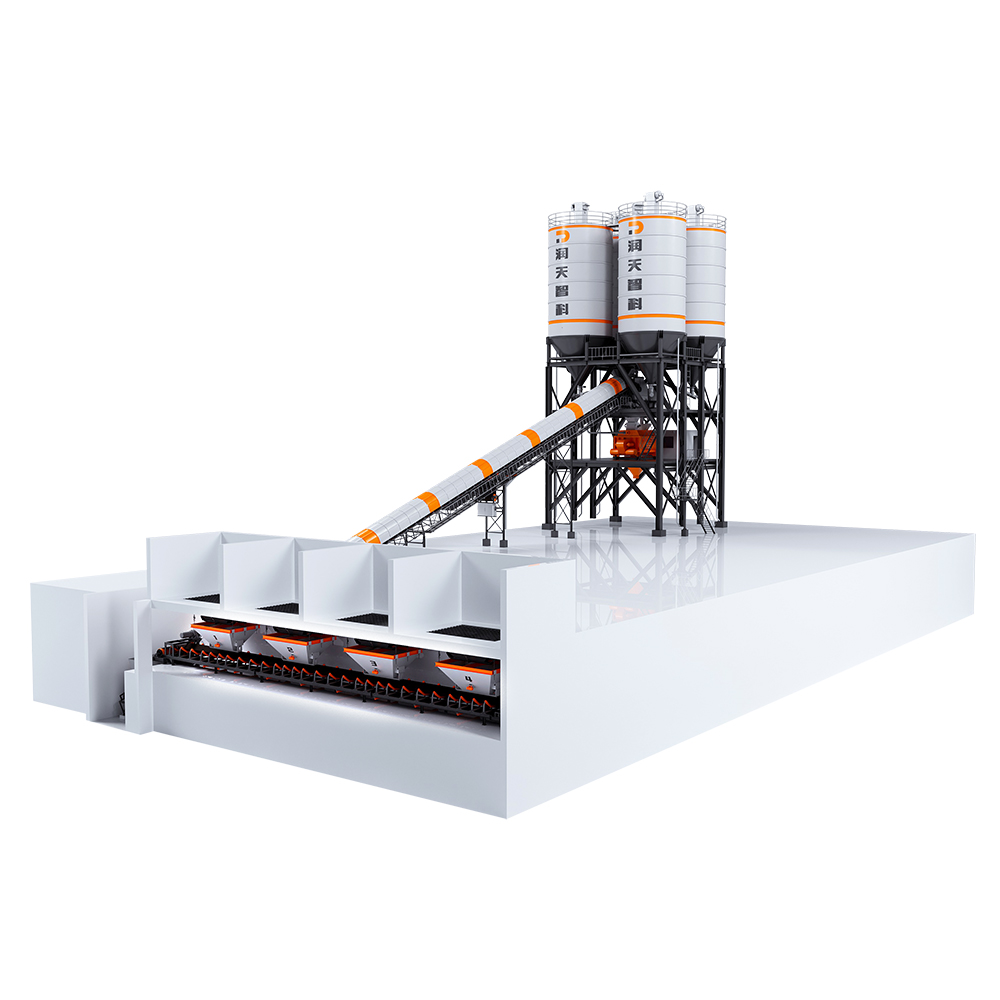 HZS Series Top-Mounted Concrete Mixing plant
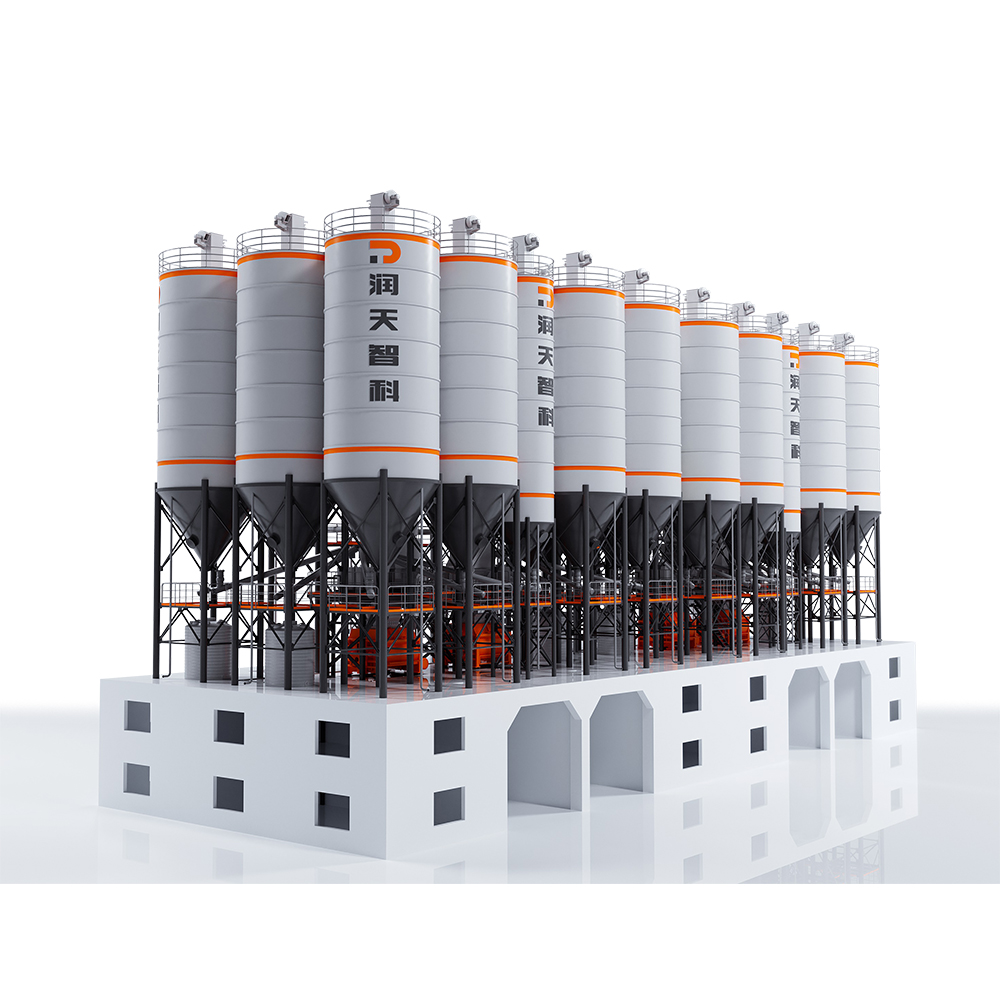 HZS Series Semi-Top Mounted Concrete Mixing Plant
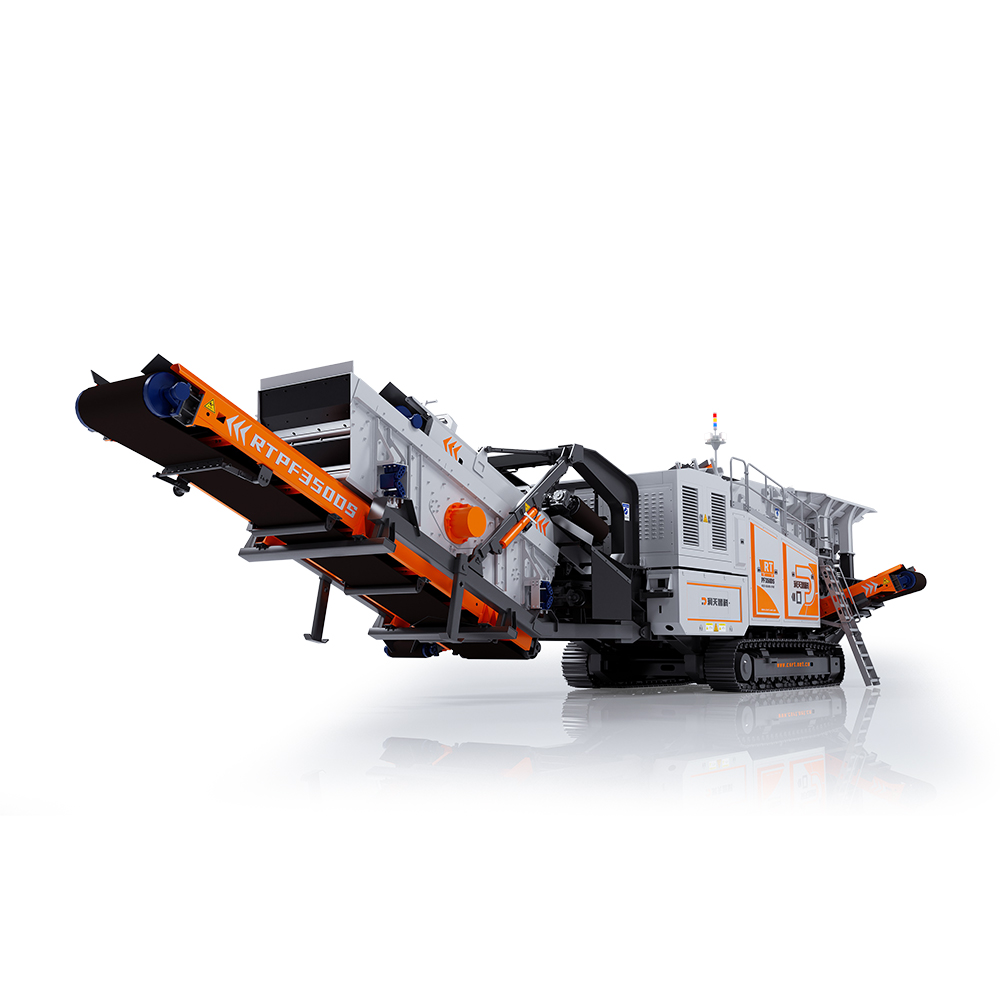 RTPF350DS Crawler Mobile Impact Crushing Plant
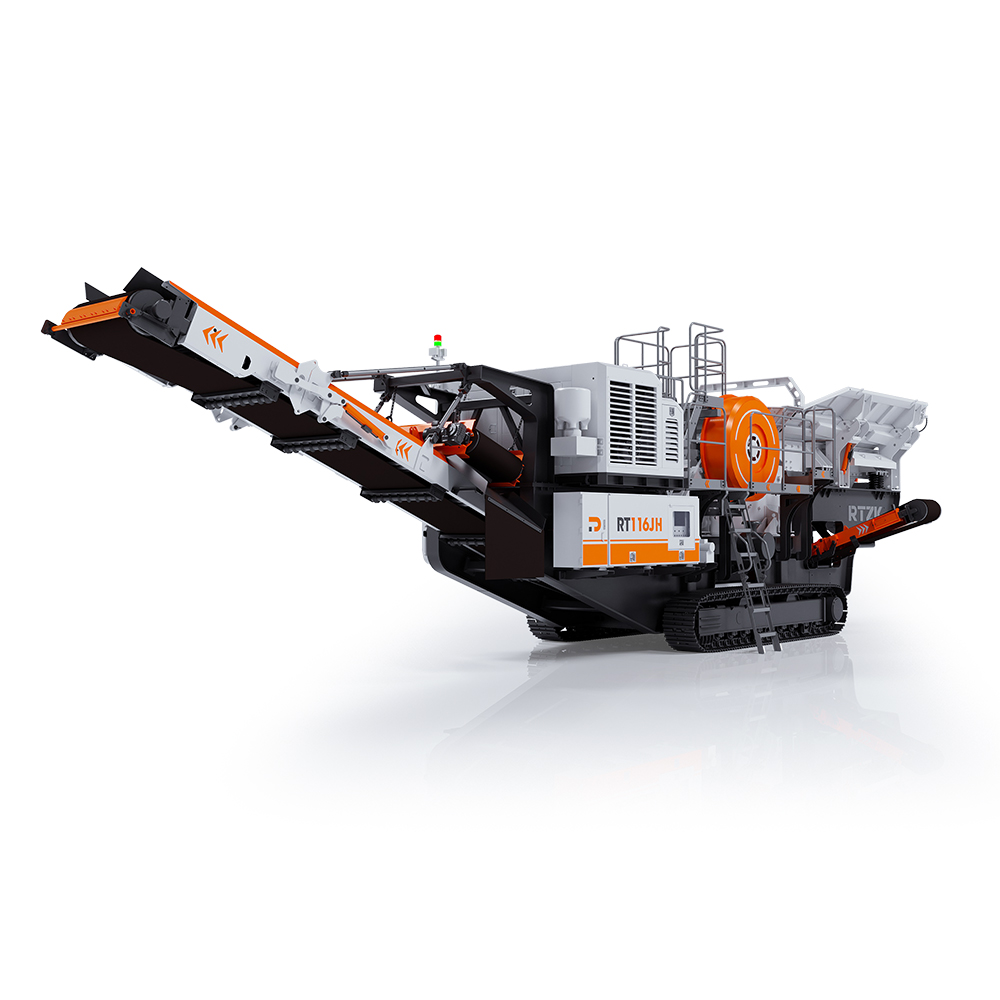 RT116JH Crawler Mobile Jaw Crushing Plant
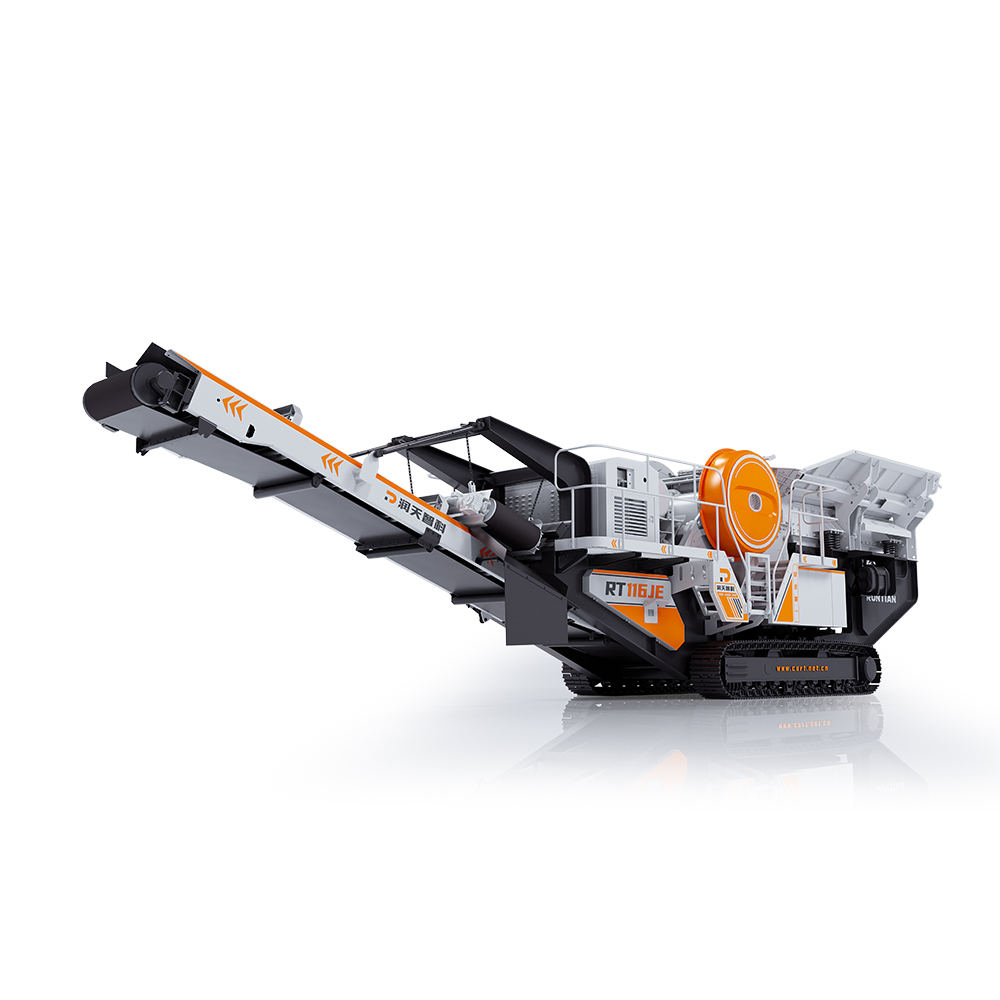 RT116JE Crawler Mobile Jaw Crushing Plant
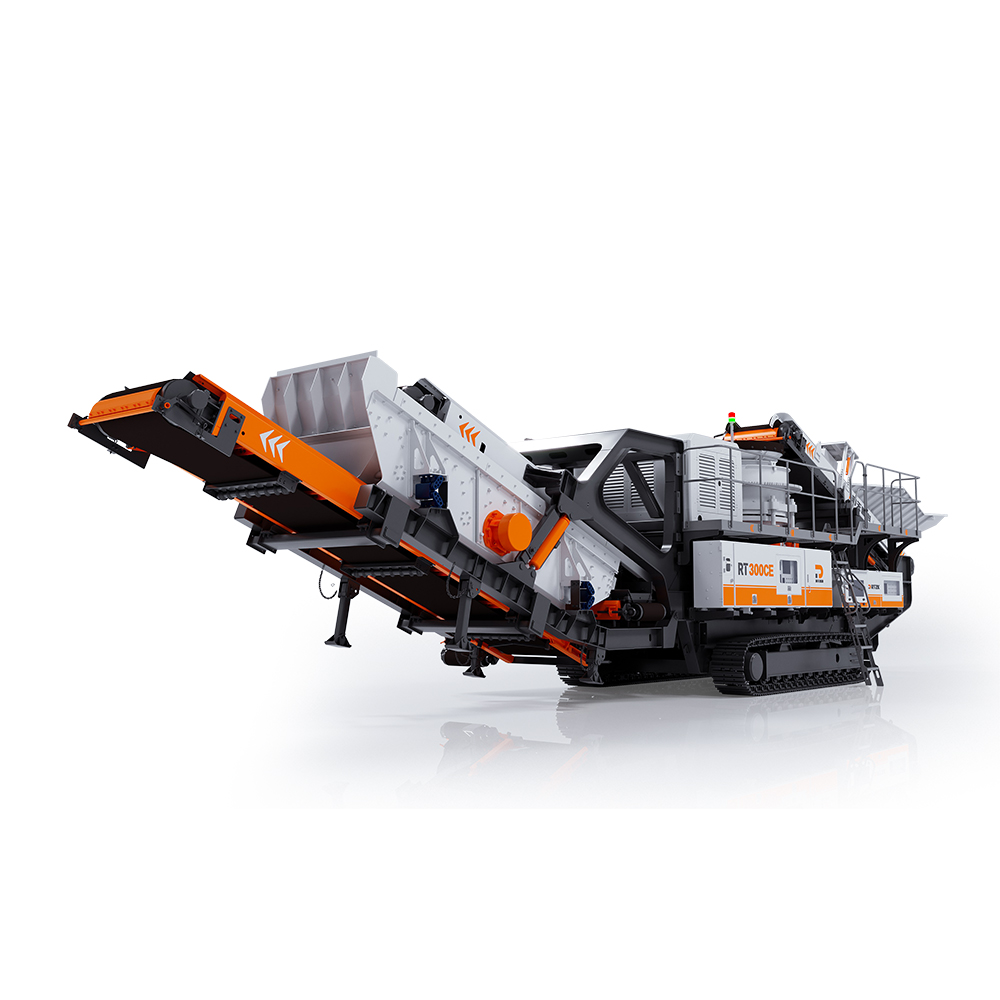 RT300CE Crawler Mobile Cone Crushing Plant
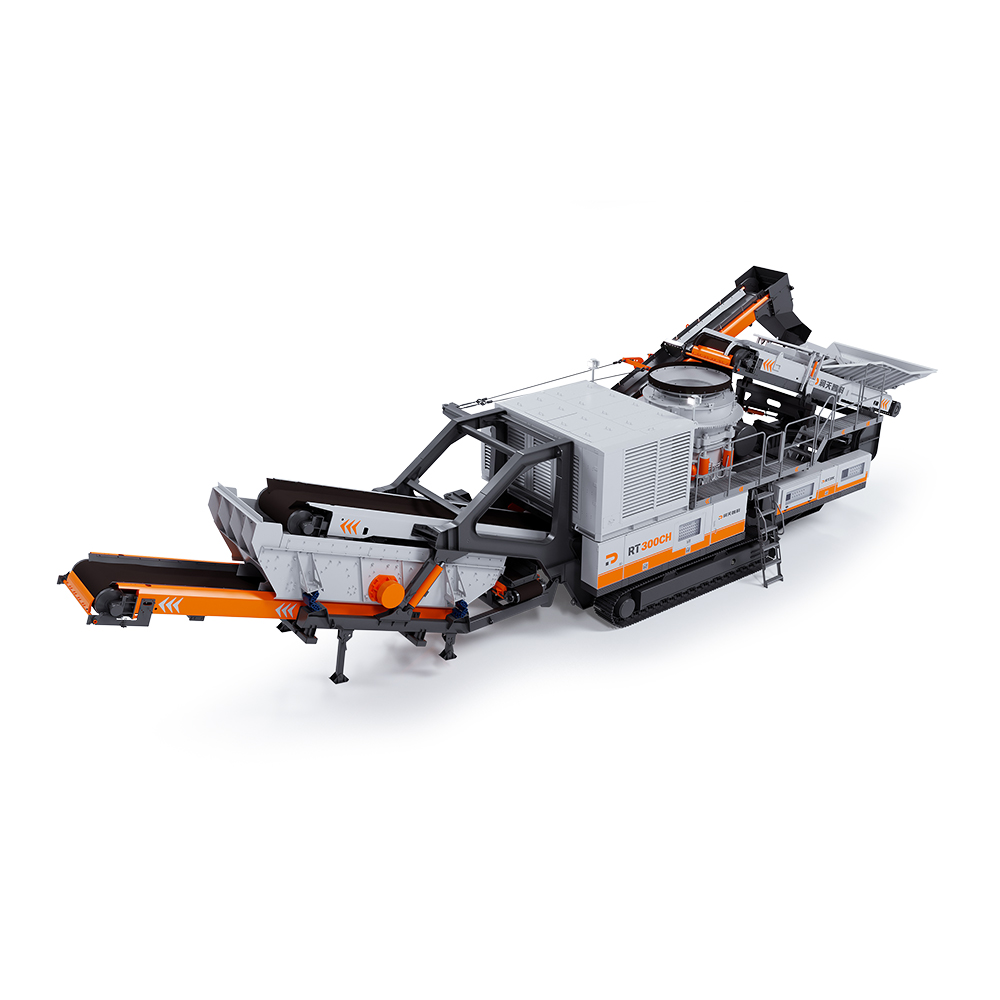 RT300CH Crawler Mobile Cone Crushing Plant
 RT5015H Mobile Scalping Screen
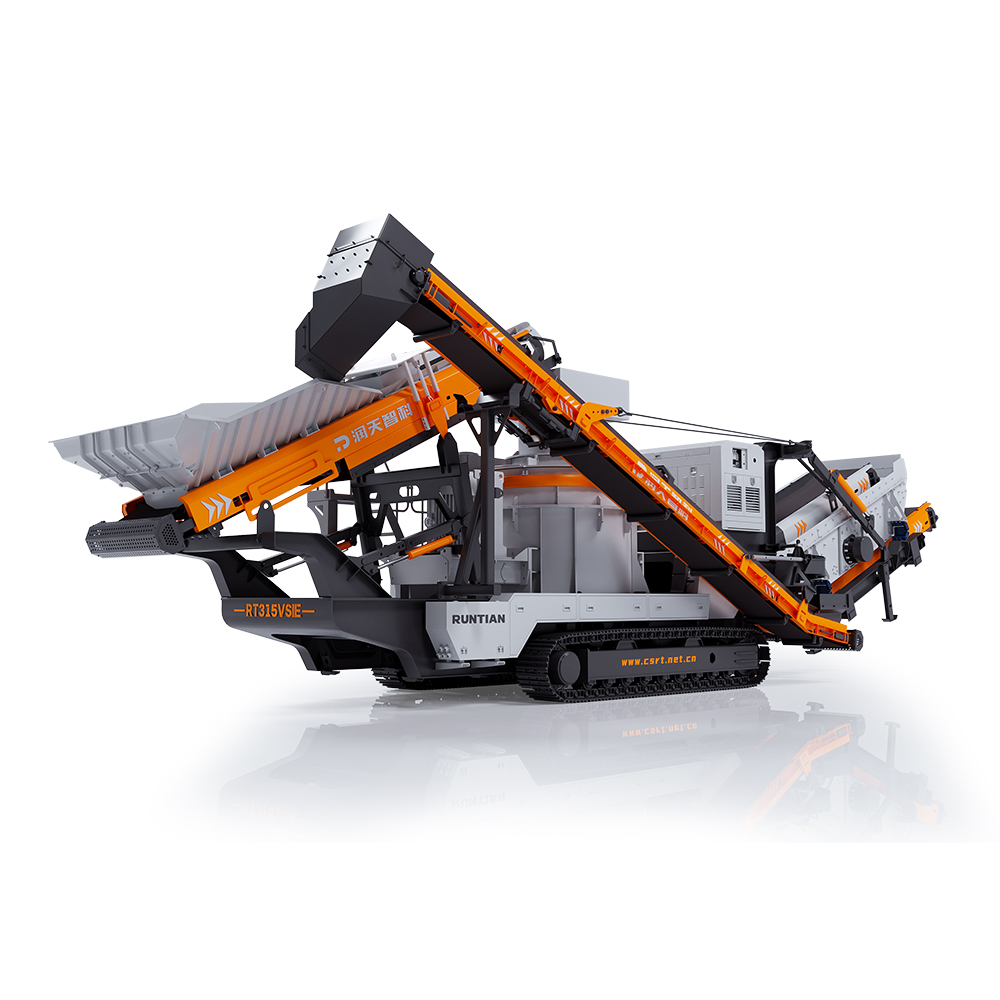 RT315VSIE Crawler Mobile Sand Maker
 RT3YK6020 Crawler Mobile Screening Plant
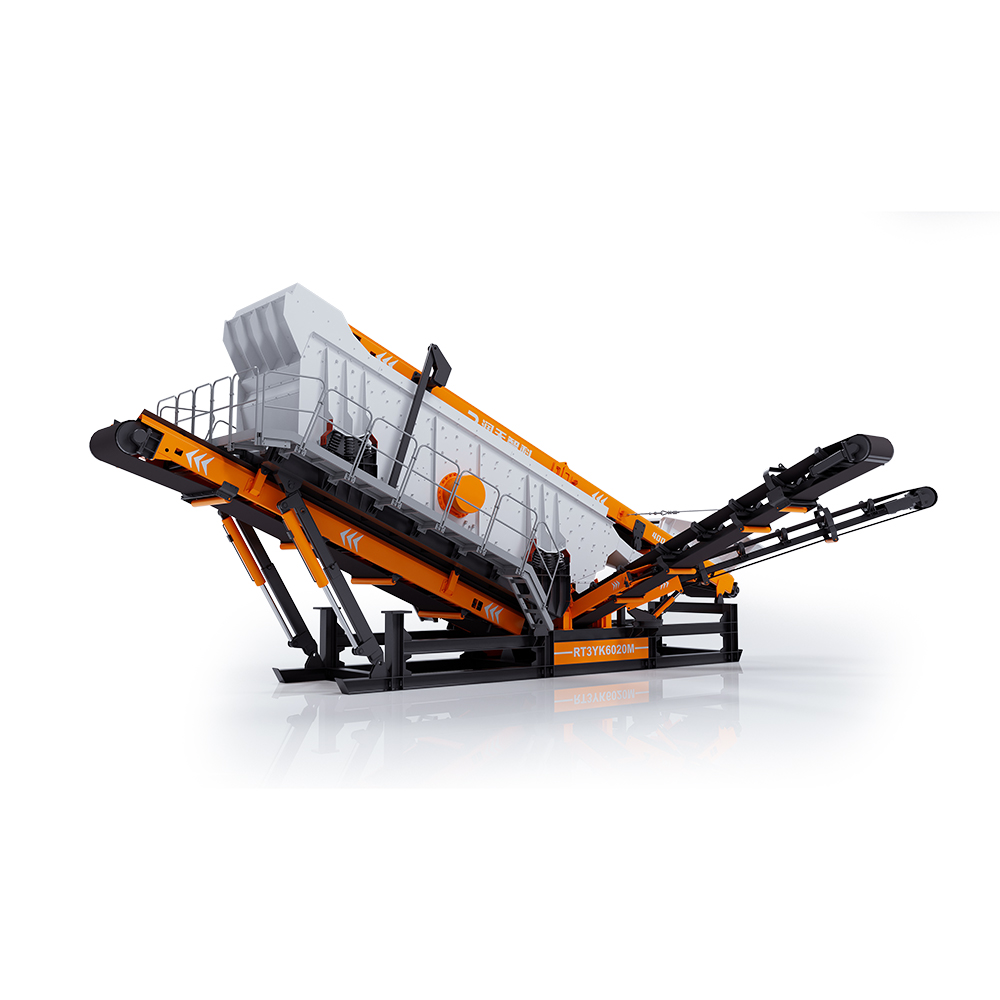 RT3YK6020M Modular Screening Plant
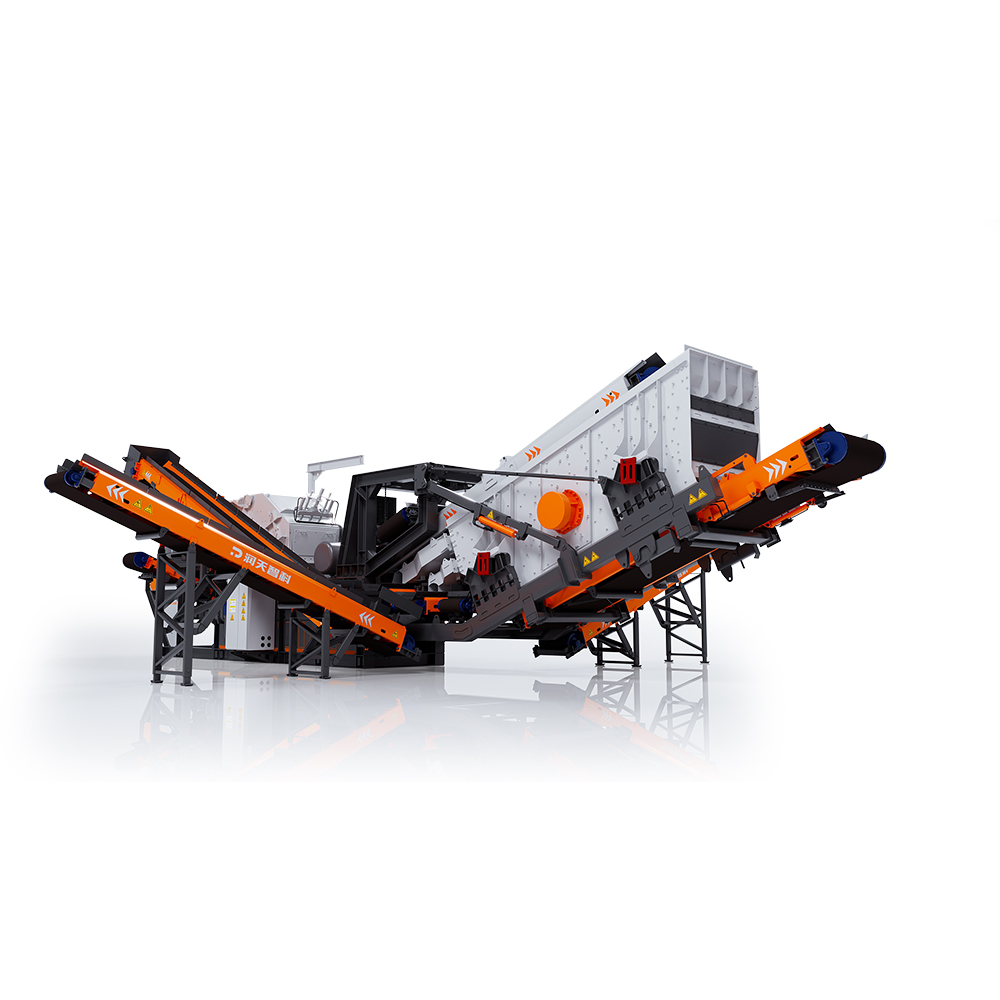 RTF260M Modular Counterattack Crushing and Screening Integrated Machine
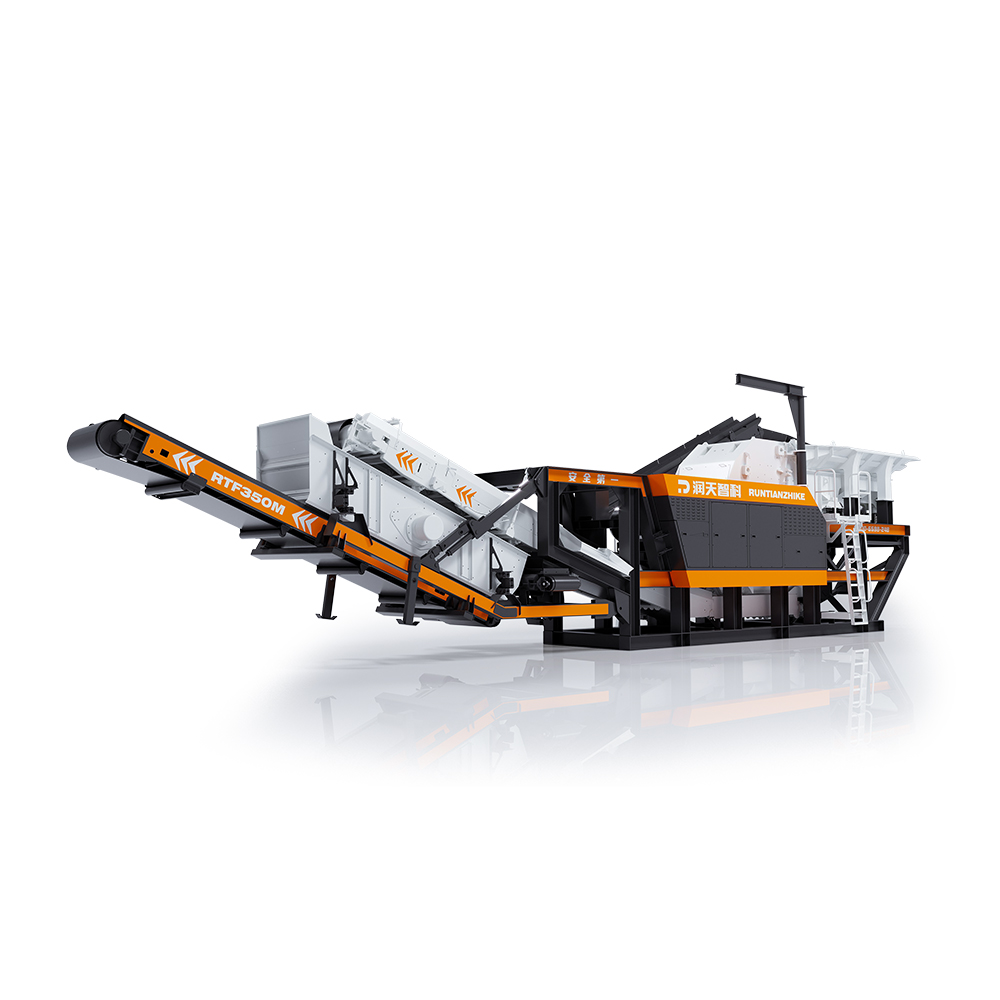 RTF350M Modular Impact Crushing Plant
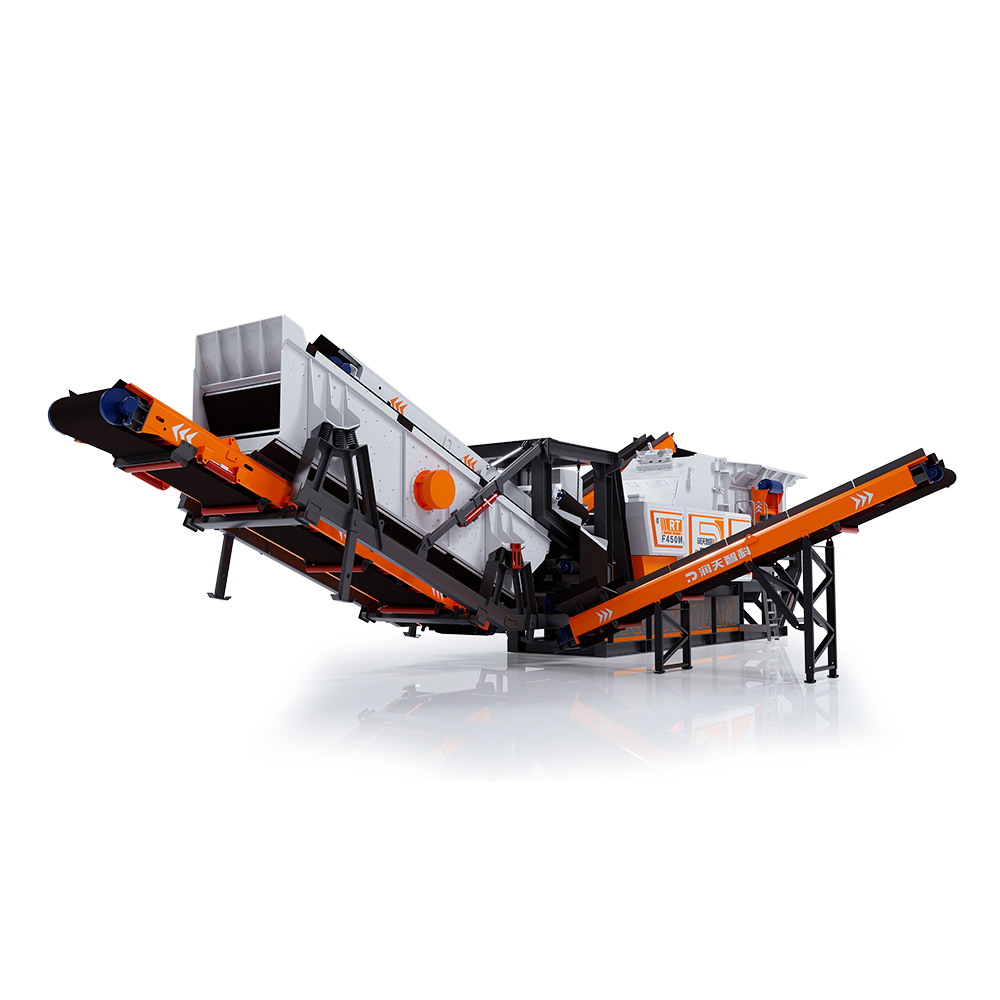 RTF450M Modular Impact Crushing Plant
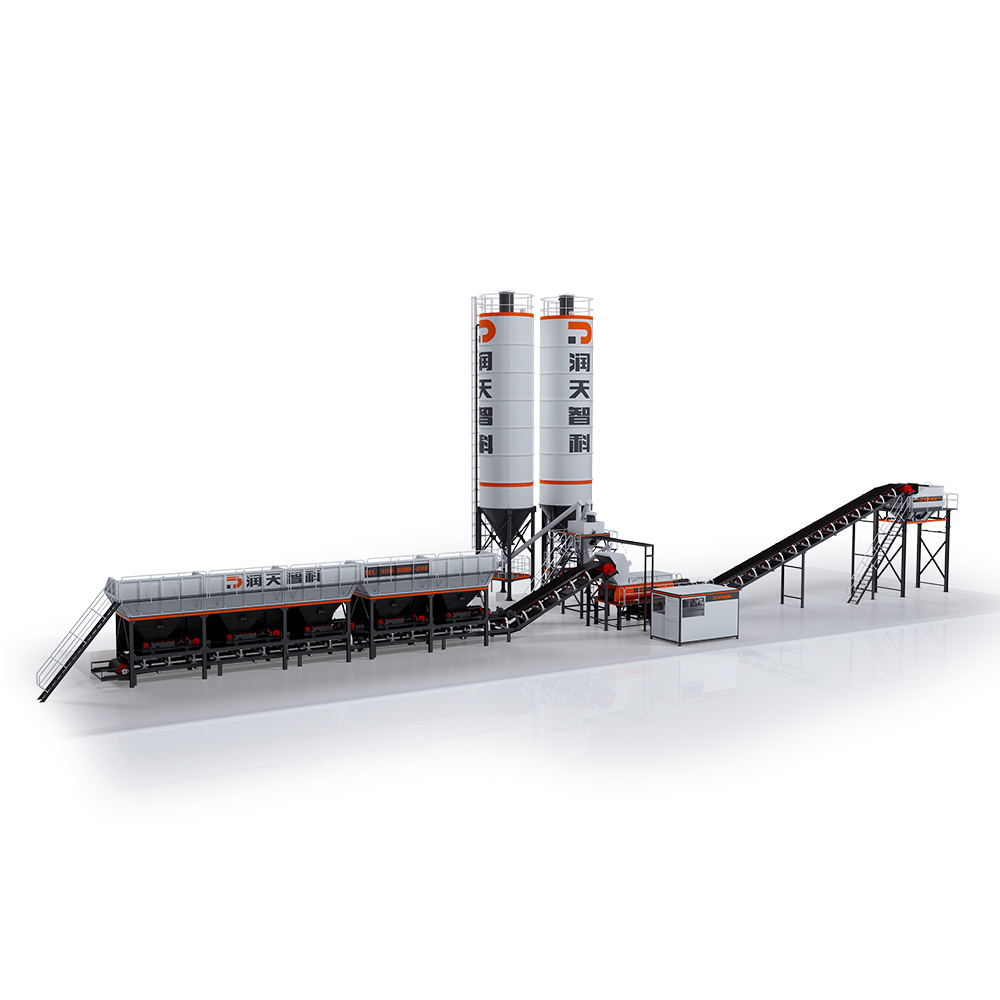 WDB Series Foundation-Free Stability Soil Mixing Plant
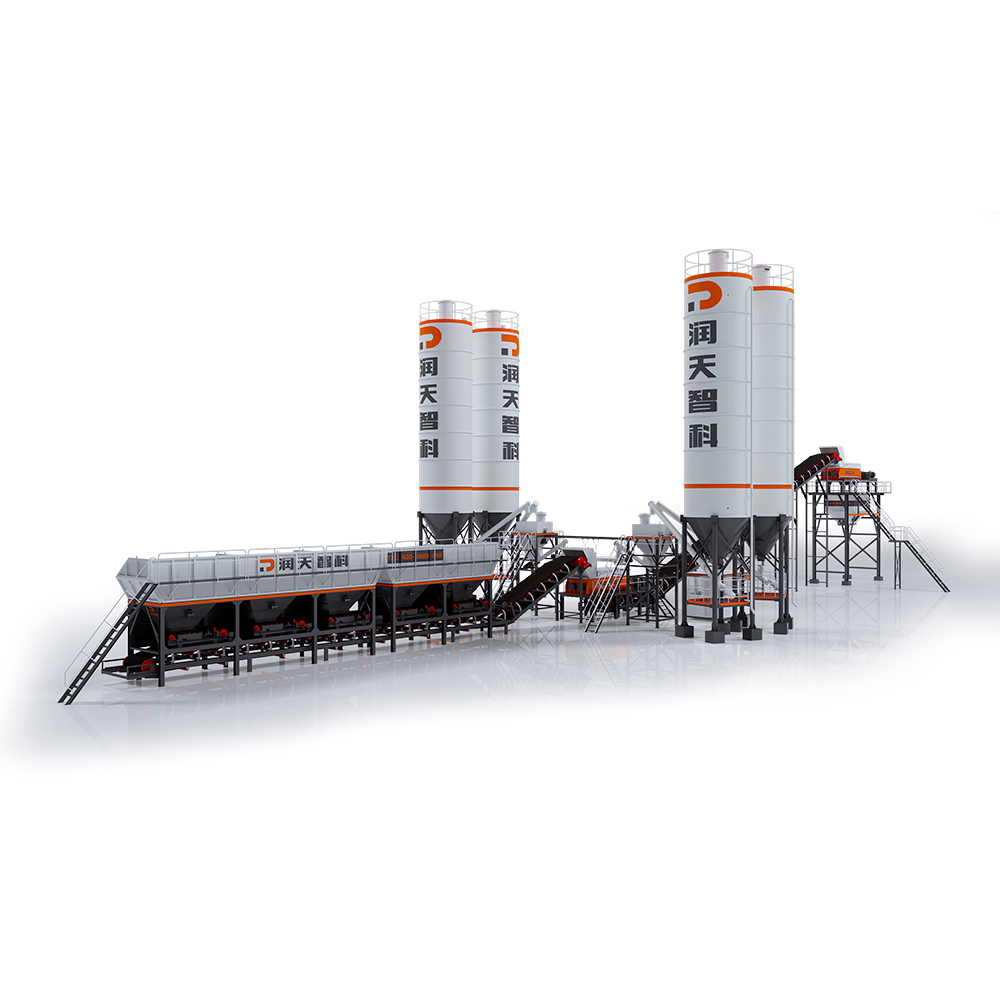 LCB Series Emulsified Asphalt Cold Regeneration Secondary Mixing Plant
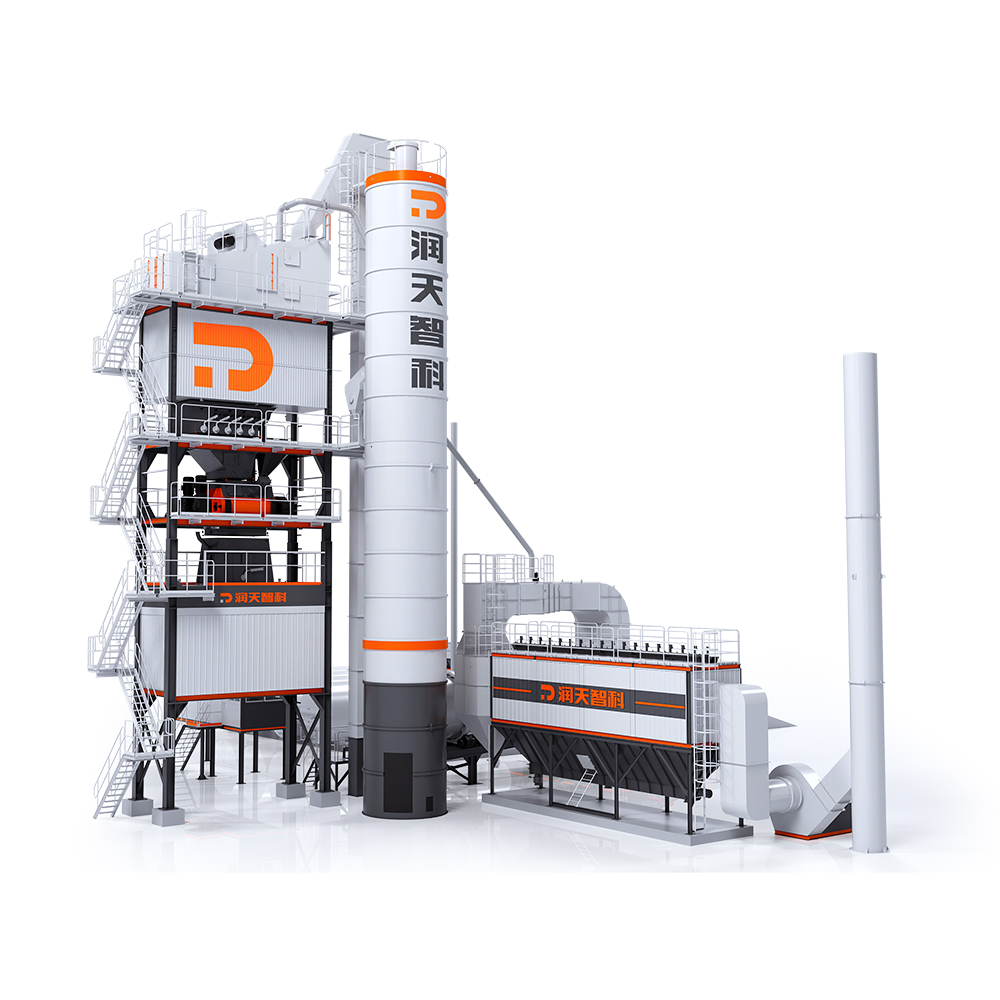 LB Series Asphalt Mixing Plant
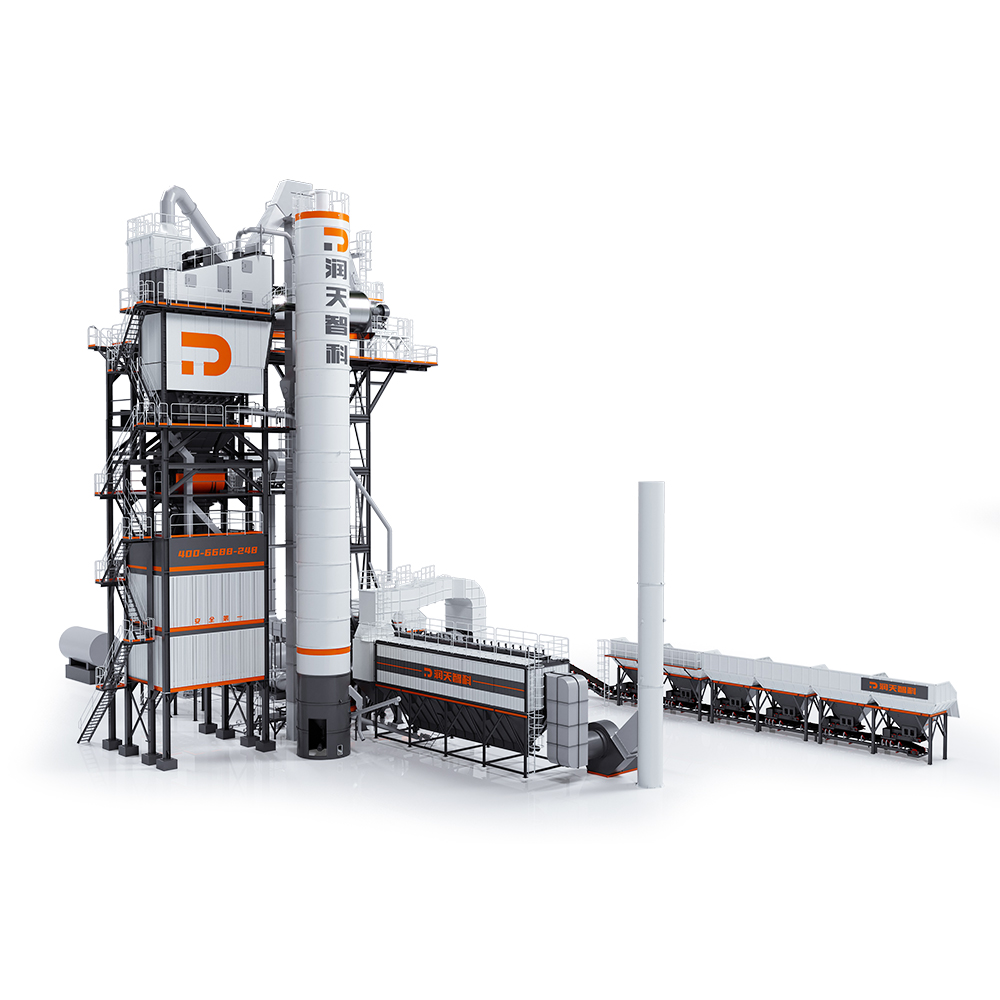 LBR Series Integrated Asphalt Mixing Plant
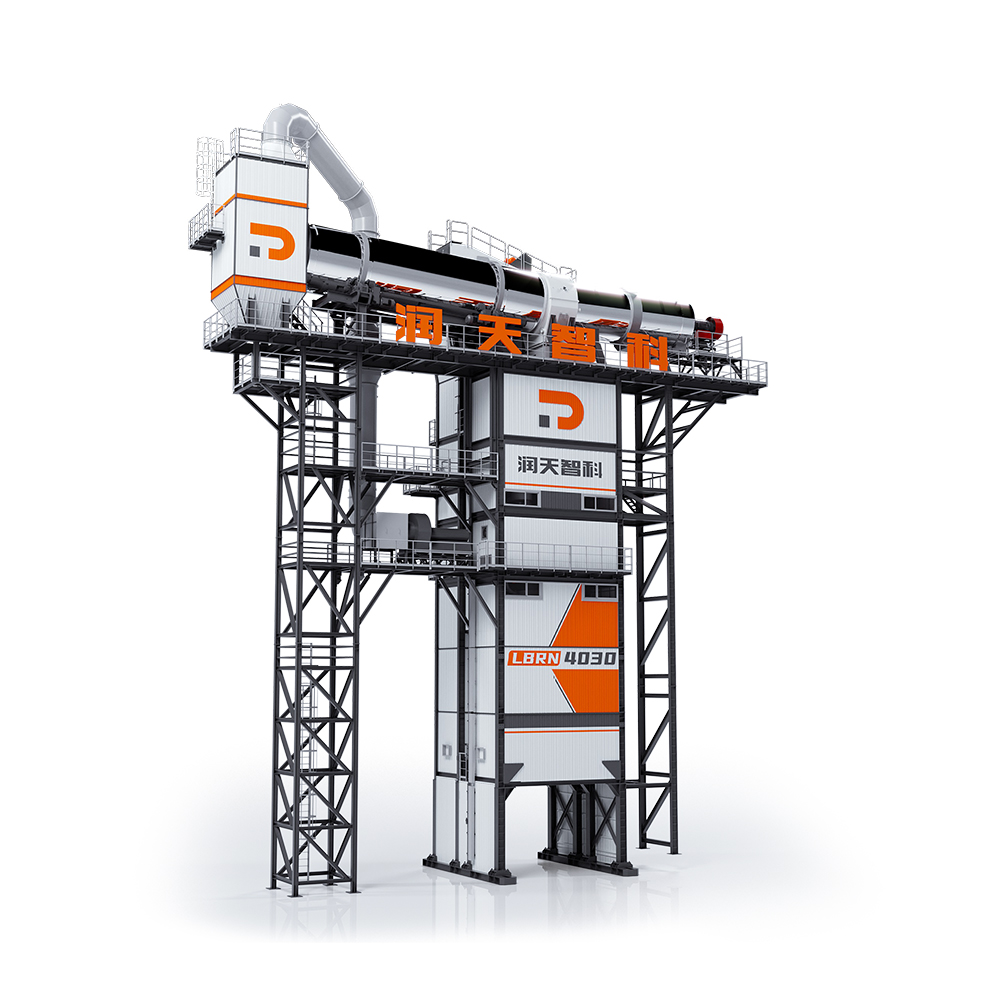 LBRN Series Counterflow Integral Asphalt Mixing Plant
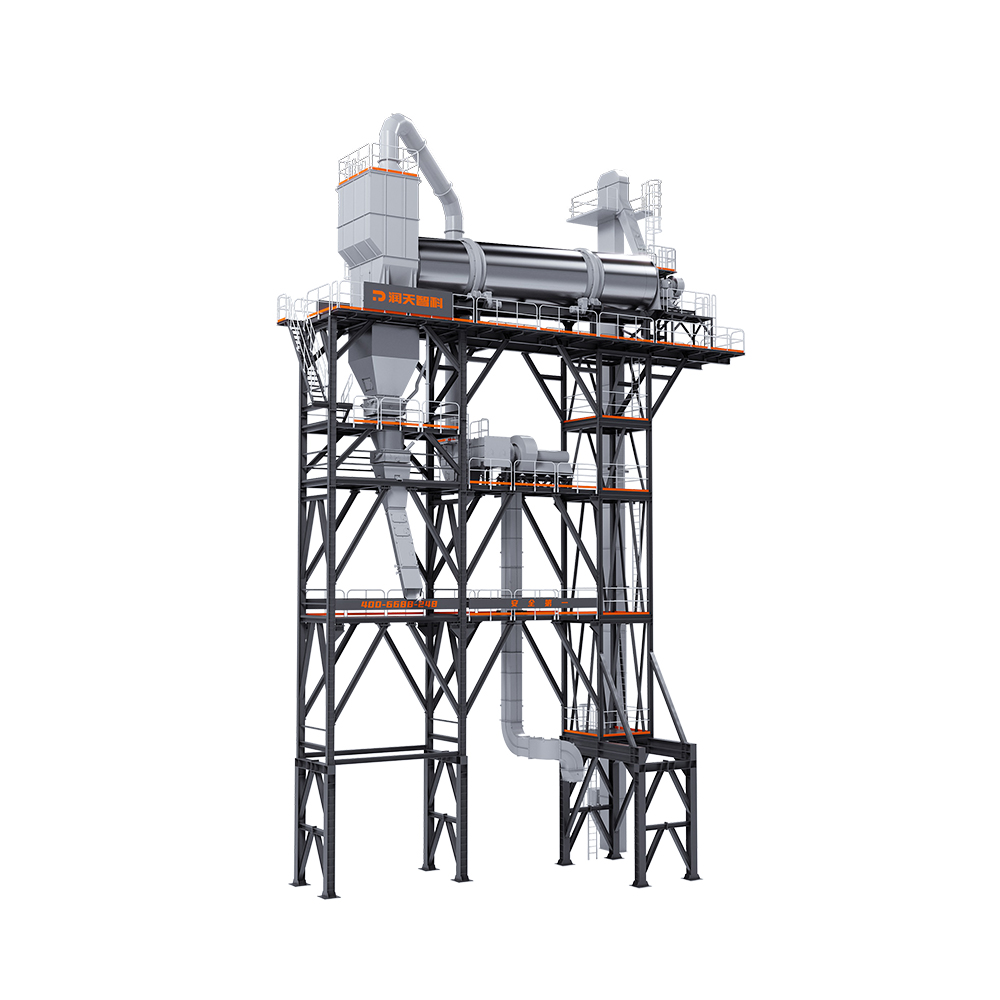 RZS Series Asphalt Mixing Plant
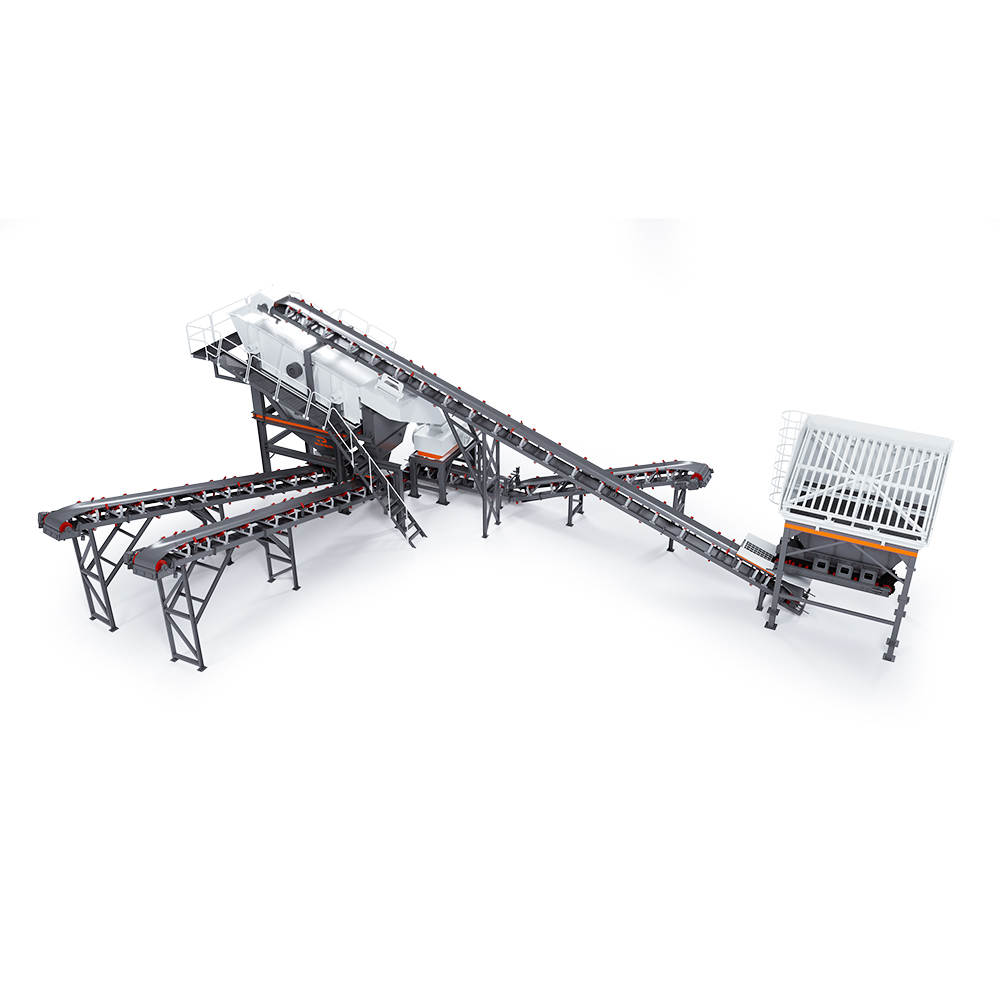 RTZS120 Series RAP Crushing & Screening Plant
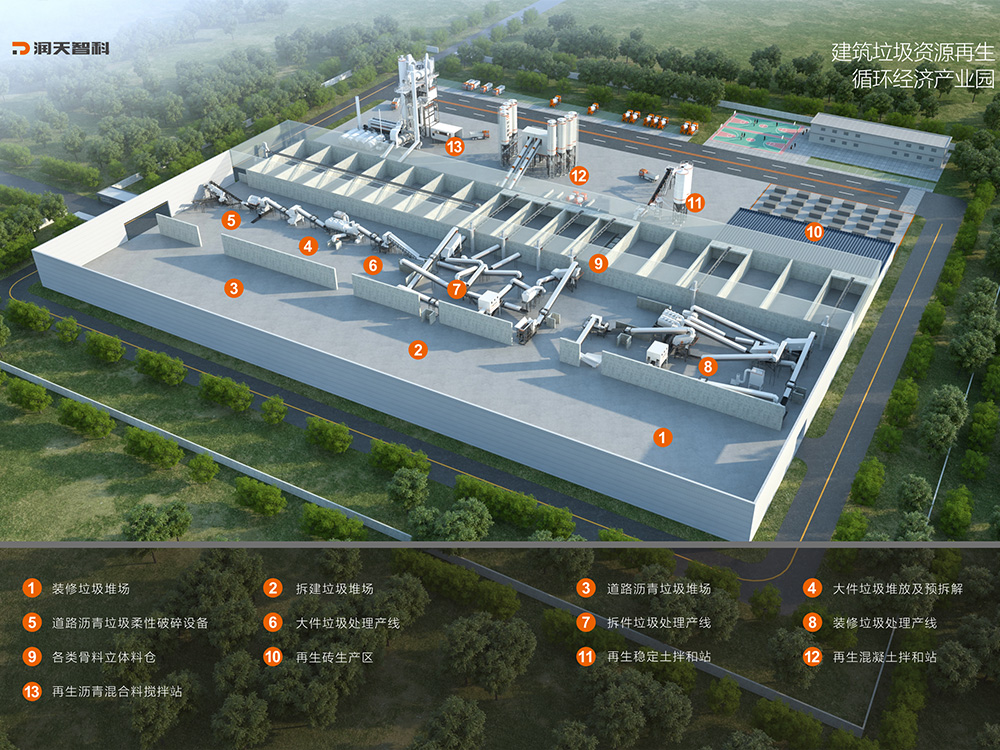 Construction Waste Resourceful Treatment Line