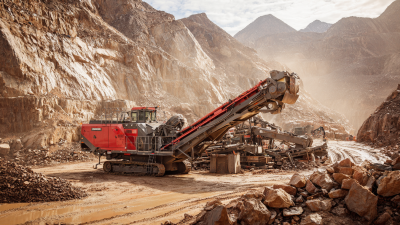
How to Choose the Right Mobile Jaw Crusher for Your Needs?
Choosing the right Mobile Jaw Crusher is crucial for efficient operations. According to a report by the Research and Markets, the mobile jaw crusher market is projected to grow significantly over the next five years. This growth indicates the increased demand across various industries, such as construction and mining.
When considering a Mobile Jaw Crusher, several factors come into play. The material type, the size of the output, and the desired production capacity all affect your choice. Poor choices can lead to operational inefficiencies. For example, an inadequately sized crusher could cause bottlenecks in production flow.
Moreover, manufacturers often overlook the importance of maintenance features. A well-designed Mobile Jaw Crusher should offer easy access for repairs. This consideration can save both time and costs down the line. The quest for the ideal mobile jaw crusher is not straightforward. Each project has unique needs, and one-size-fits-all solutions rarely apply.
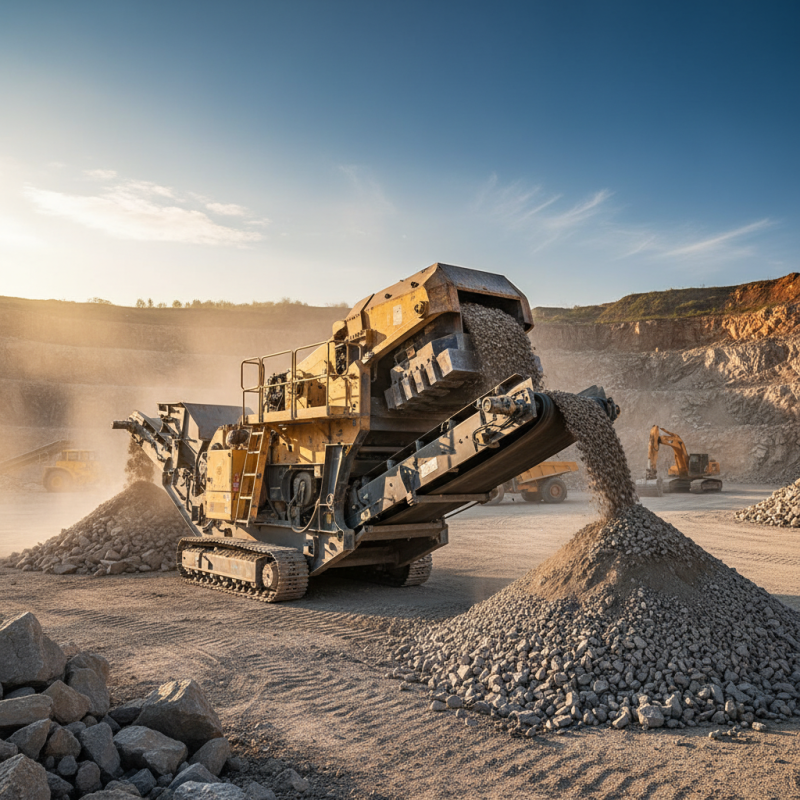
Understanding Your Crushing Needs and Applications
Choosing the right mobile jaw crusher begins with understanding your specific crushing needs. Different applications demand different characteristics from a crusher. For instance, the type of material you are processing greatly affects your choice. Hard materials require robust designs, while softer materials may need less intensive configurations.
Consider the volume of material you need to crush regularly. A higher output capacity can be advantageous, but it must match your operational requirements. Make sure to analyze the desired size of your end product too. A specific granule size might be essential for your application. If you aim for a smaller product but don’t optimize your equipment, your efficiency may suffer.
Additionally, think about mobility and site adaptability. Will you be using the crusher in multiple locations? A lightweight model may ease transport but could lack in durability. Reflecting on these questions will clarify your needs. Take the time to assess your requirements, as overlooking critical factors could lead to costly mistakes. Balancing performance with practicality ensures that your choice aligns perfectly with your operational goals.
Key Specifications to Consider for Mobile Jaw Crushers
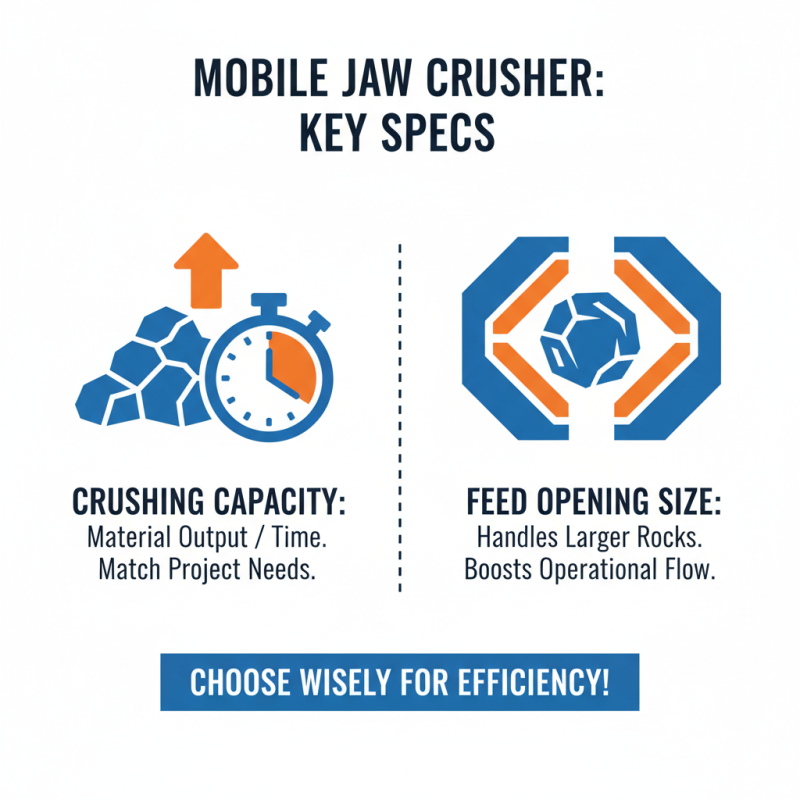
When choosing a mobile jaw crusher, key specifications play a crucial role. The crushing capacity is essential. It determines how much material the crusher can handle in a given time. Look for a model with adequate output to meet your project demands. Size of the feed opening is another critical detail. A larger feed opening allows for bigger rocks, which can streamline operations.
Mobility features also matter. Consider the type of tracks or tires. Good mobility allows for quick repositioning on job sites. Weight impacts transportation and setup. A lighter model may be easier to move, though it could compromise durability.
Lastly, maintenance requirements are often overlooked. Simpler designs may make maintenance easier. However, complexity can sometimes enhance performance. Reflect on your team's capabilities. Will they manage intricate tasks efficiently? Balancing these factors can lead to more effective decision-making.
Evaluating Power and Performance Requirements
When evaluating power and performance requirements for a mobile jaw crusher, several factors come into play. First, consider the material you will process. Harder materials demand more powerful machines. According to industry reports, a crusher with a minimum of 200 horsepower is often necessary for tough ores. However, this can lead to increased fuel consumption, which may not always justify the performance.
Another critical aspect is the crusher's throughput capacity. Many models promise high production rates, but actual efficiency can vary. A crusher that processes 300 tons per hour may only achieve half that under difficult conditions. Overestimating requirements can lead to increased operational costs.
Efficiency is crucial, so it’s vital to assess the power-to-weight ratio. A lighter, agile unit may be easier to maneuver but could struggle with demanding tasks. A good balance enhances both mobility and productivity. Keep in mind that expanding your operating range often comes with trade-offs. Adjusting to site conditions regularly reveals whether your choice meets long-term needs, even if those initial metrics seemed promising.
Assessing Mobility and Transportation Factors
Choosing the right mobile jaw crusher often starts with understanding mobility and transportation factors. Consider where you will operate the crusher. Is it in a remote area or easily accessible? If access is limited, mobility becomes crucial. A compact design can navigate tighter spaces, while larger models may struggle.
Weight plays a significant role in transport. Heavier crushers require more substantial equipment for relocation, potentially increasing costs. Ensure your transport vehicle can handle the weight. This factor alone can affect project timelines. Additionally, consider the ease of assembly. Complicated setups can lead to delays.
Evaluate the terrain as well. Rugged landscapes demand robust features. Are the wheels suited for uneven ground? This question is vital. A lack of proper mobility can hinder productivity. Adaptability is key for various environments, allowing for efficient operation in diverse conditions. Reflect on these factors carefully before making a decision.
Analyzing Budget Constraints and Overall Cost of Ownership
When selecting a mobile jaw crusher, budget constraints play a crucial role. The total cost of ownership can be surprisingly high. A recent study found that maintenance costs can account for up to 30% of the overall expenses in operating a jaw crusher. Therefore, it's essential to factor in not just the initial purchase price but also ongoing maintenance and operational costs.
Moreover, fuel efficiency is another consideration. According to industry reports, mobile crushers that use advanced technology can reduce fuel consumption by 15-20%. This reduction translates into significant savings over time, particularly for companies operating in remote areas where fuel access is limited.
However, balancing initial costs with long-term savings isn't straightforward. Some models may appear cheaper initially but can lead to unexpected costs later. Businesses must reflect critically on their operational needs. A less expensive model might not meet production demands. Conversely, an expensive model might provide features that never get used. Each operation is unique; understanding this can save money in the long run.
How to Choose the Right Mobile Jaw Crusher for Your Needs? - Analyzing Budget Constraints and Overall Cost of Ownership
| Feature |
Option A |
Option B |
Option C |
| Initial Cost |
$150,000 |
$175,000 |
$200,000 |
| Operating Costs (Per Hour) |
$25 |
$30 |
$28 |
| Fuel Efficiency (Gallons/Hour) |
8 |
10 |
9 |
| Maintenance Frequency (Months) |
6 |
8 |
5 |
| Resale Value (after 5 years) |
$75,000 |
$85,000 |
$90,000 |
| Warranty Period (Years) |
2 |
3 |
3 |

 Concrete Mixing Plant
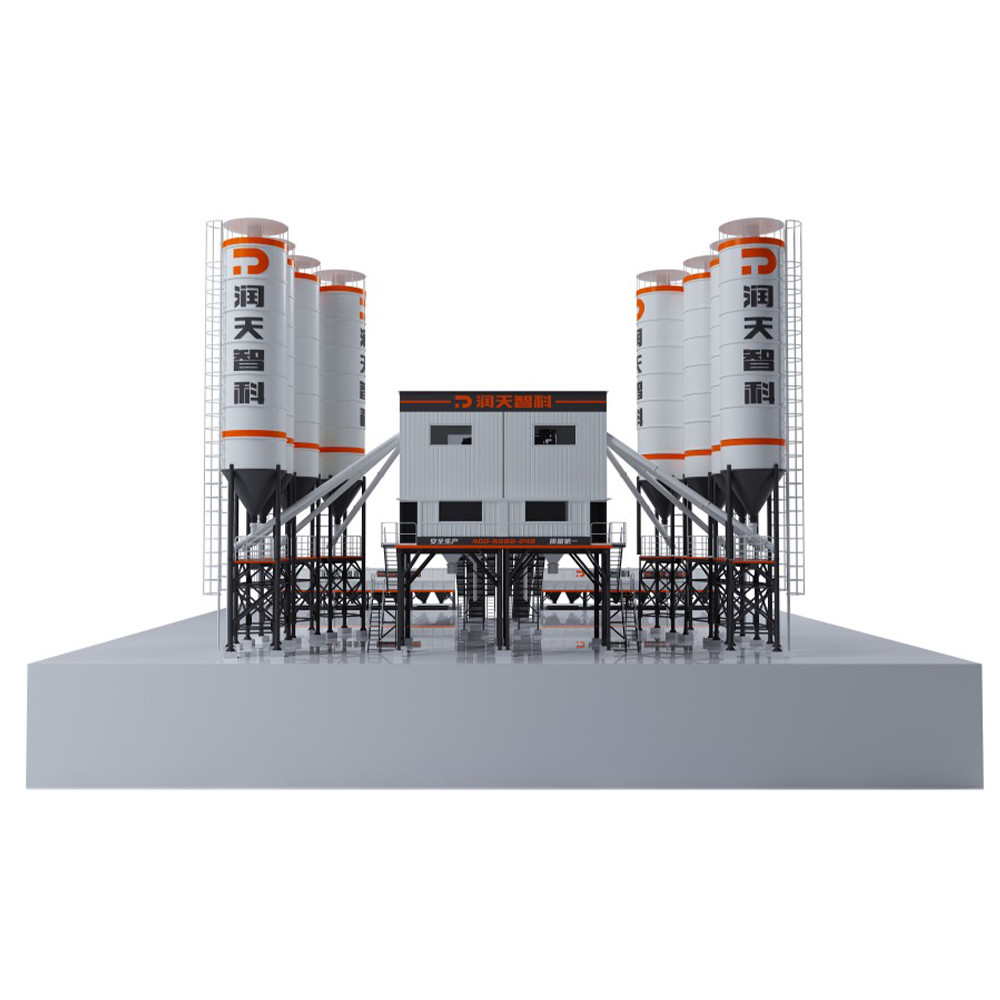 HZS Series Belt Concrete Mixing Plant
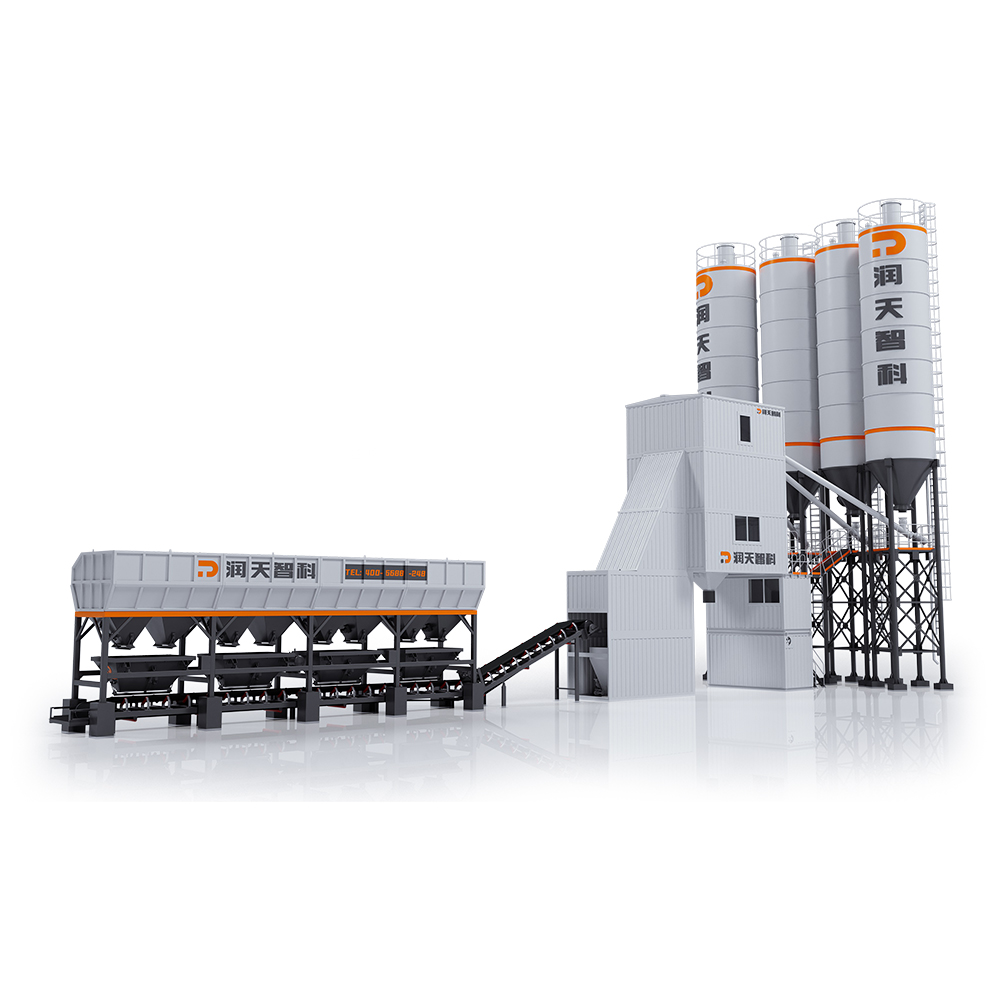 HZS Series Bucket-Lifting Type Container Concrete Mixing Plant
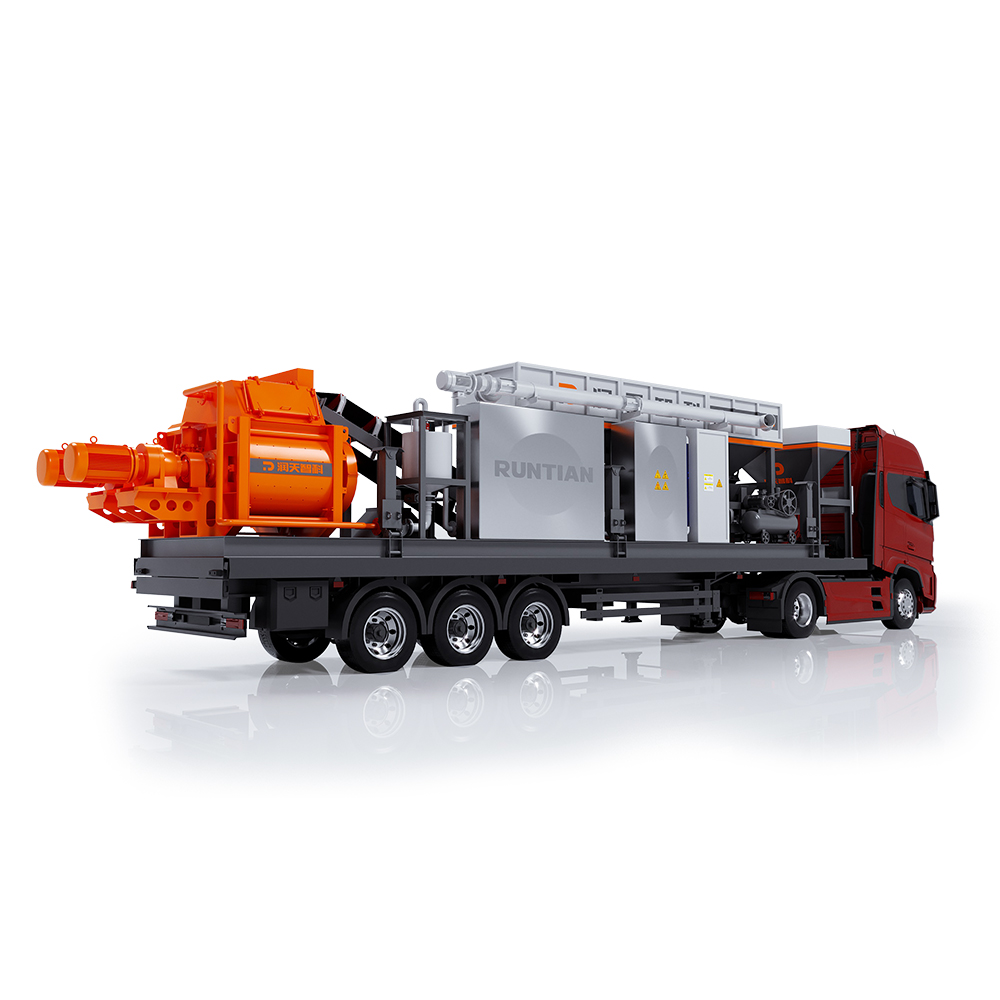 HZS60 Mobile Concrete Mixing Plant
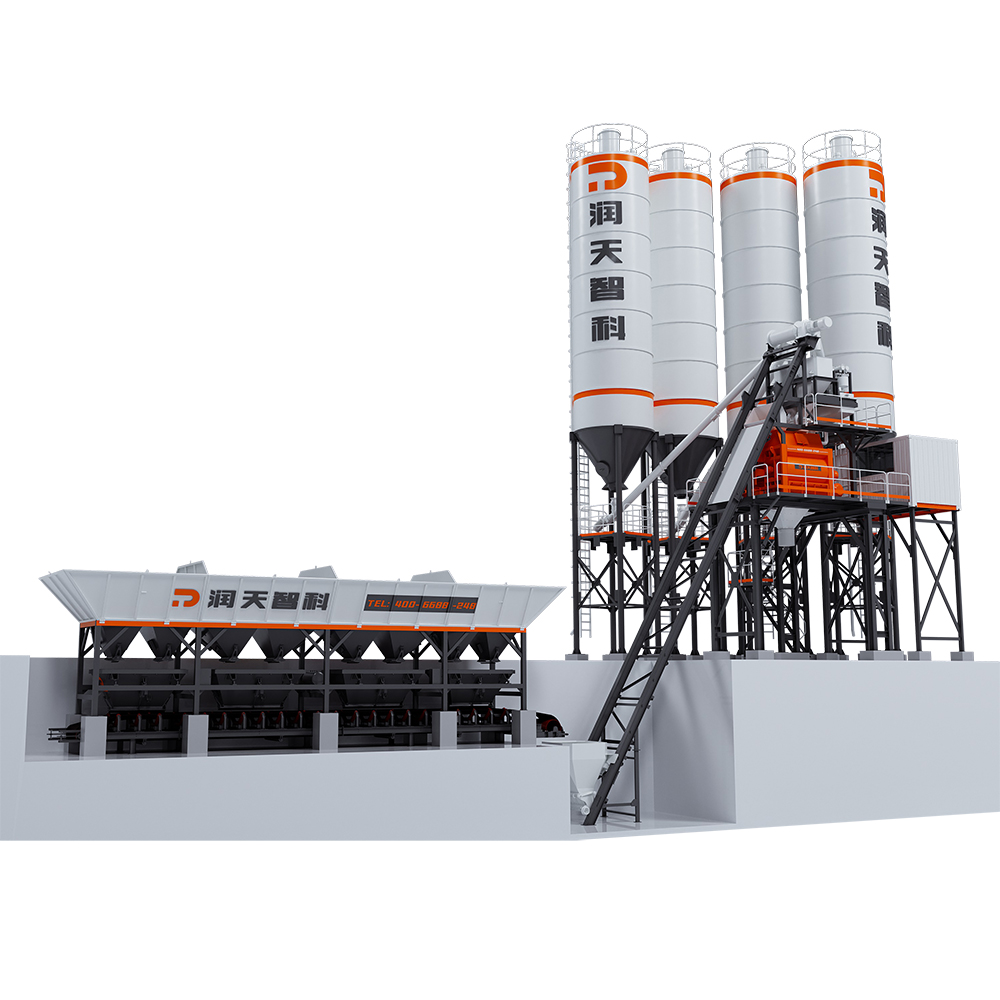 HZS Series Bucket-Lifting Type Concrete Mixing Plant
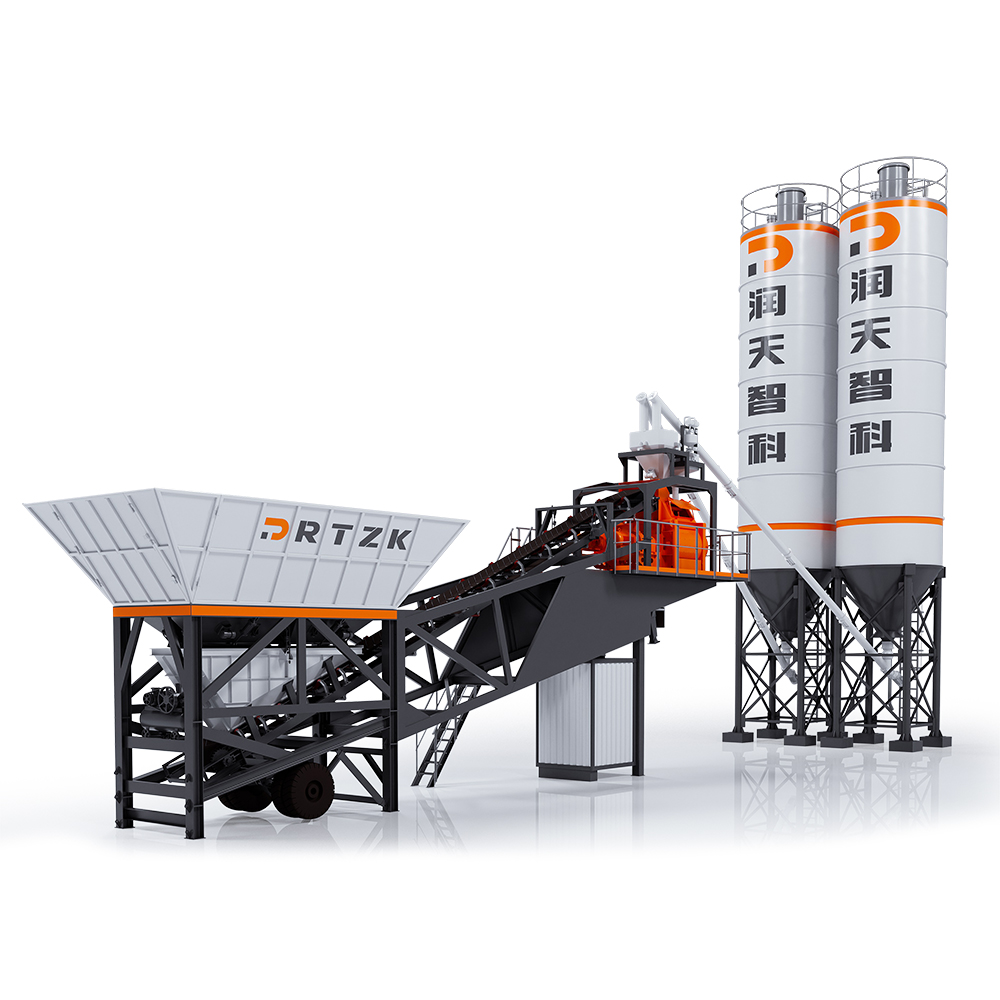 HZS Series Mobile Concrete Mixing Plant
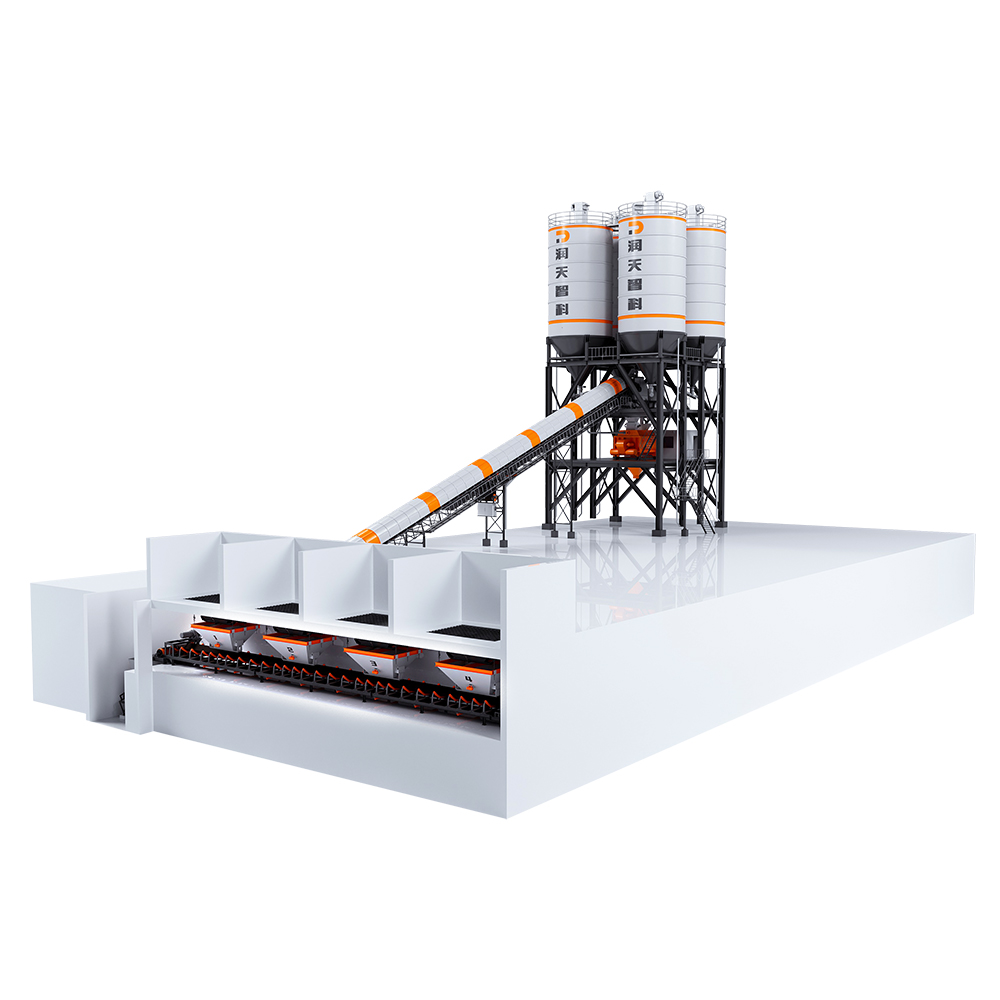 HZS Series Top-Mounted Concrete Mixing plant
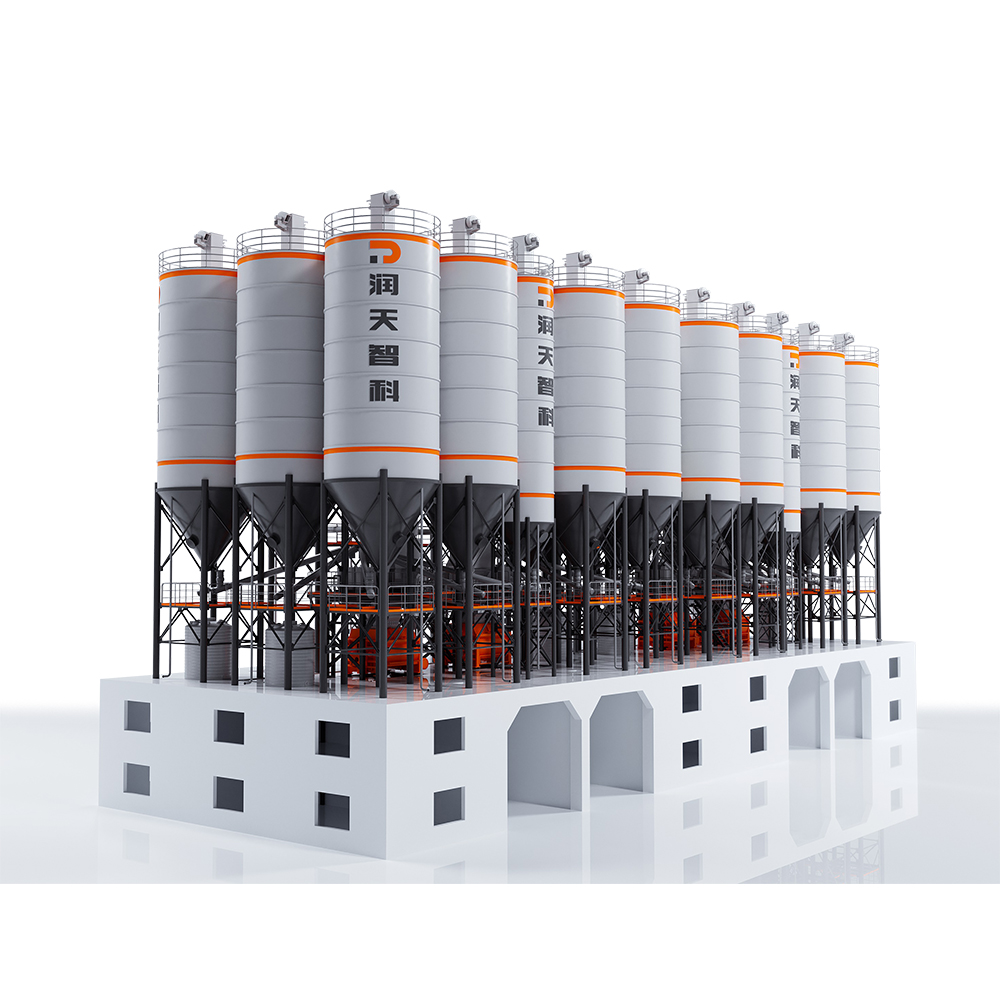 HZS Series Semi-Top Mounted Concrete Mixing Plant
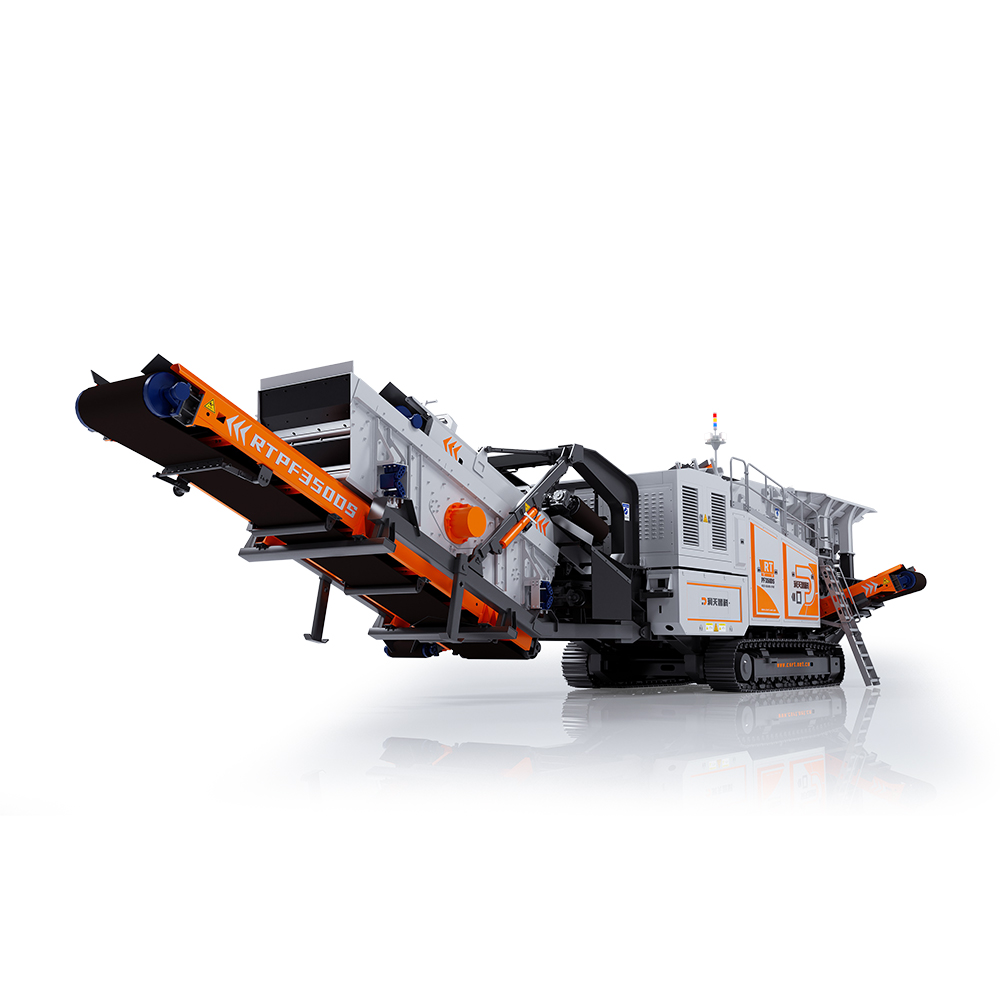 RTPF350DS Crawler Mobile Impact Crushing Plant
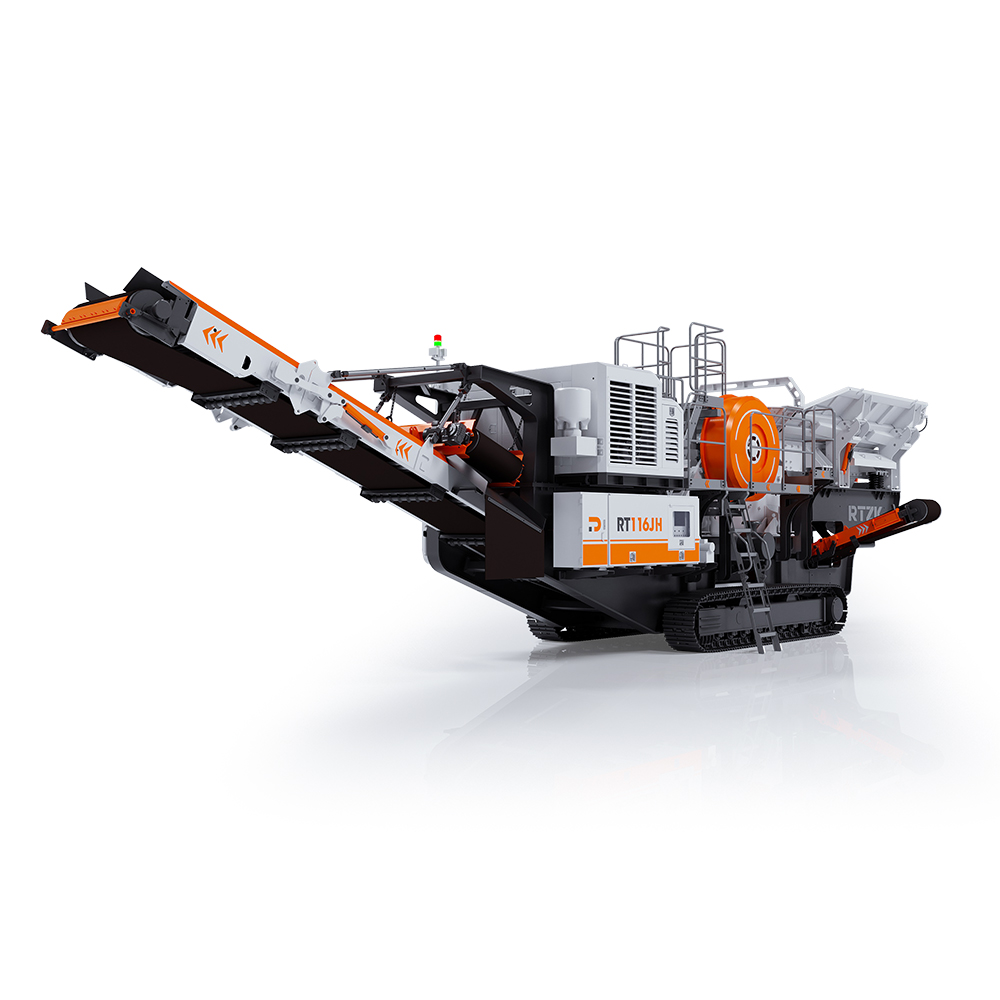 RT116JH Crawler Mobile Jaw Crushing Plant
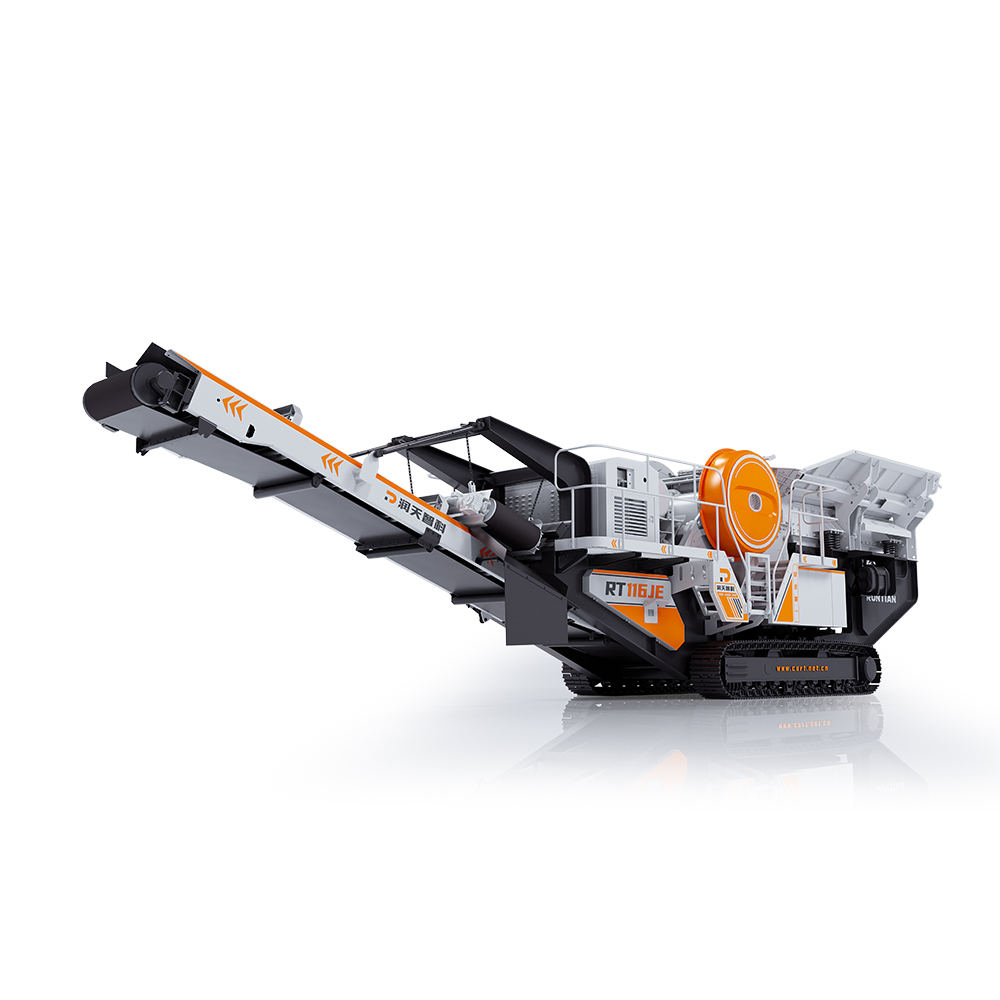 RT116JE Crawler Mobile Jaw Crushing Plant
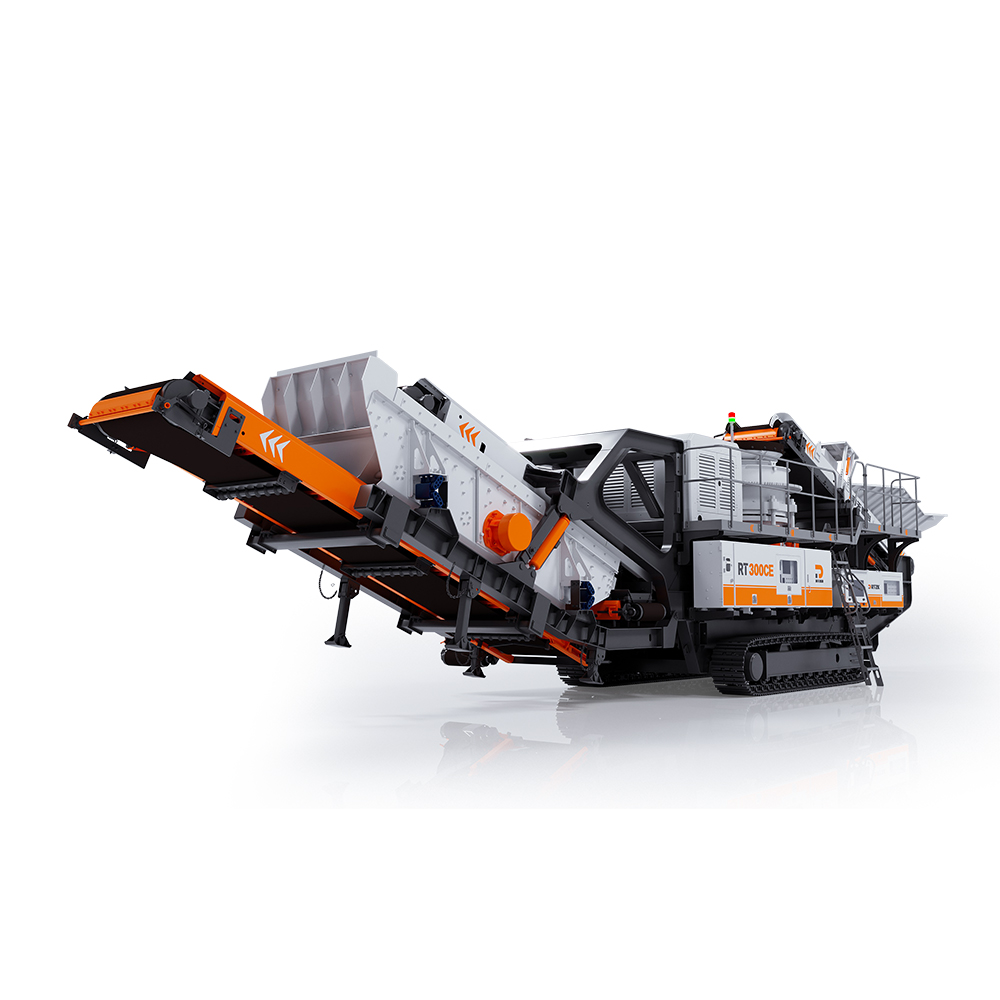 RT300CE Crawler Mobile Cone Crushing Plant
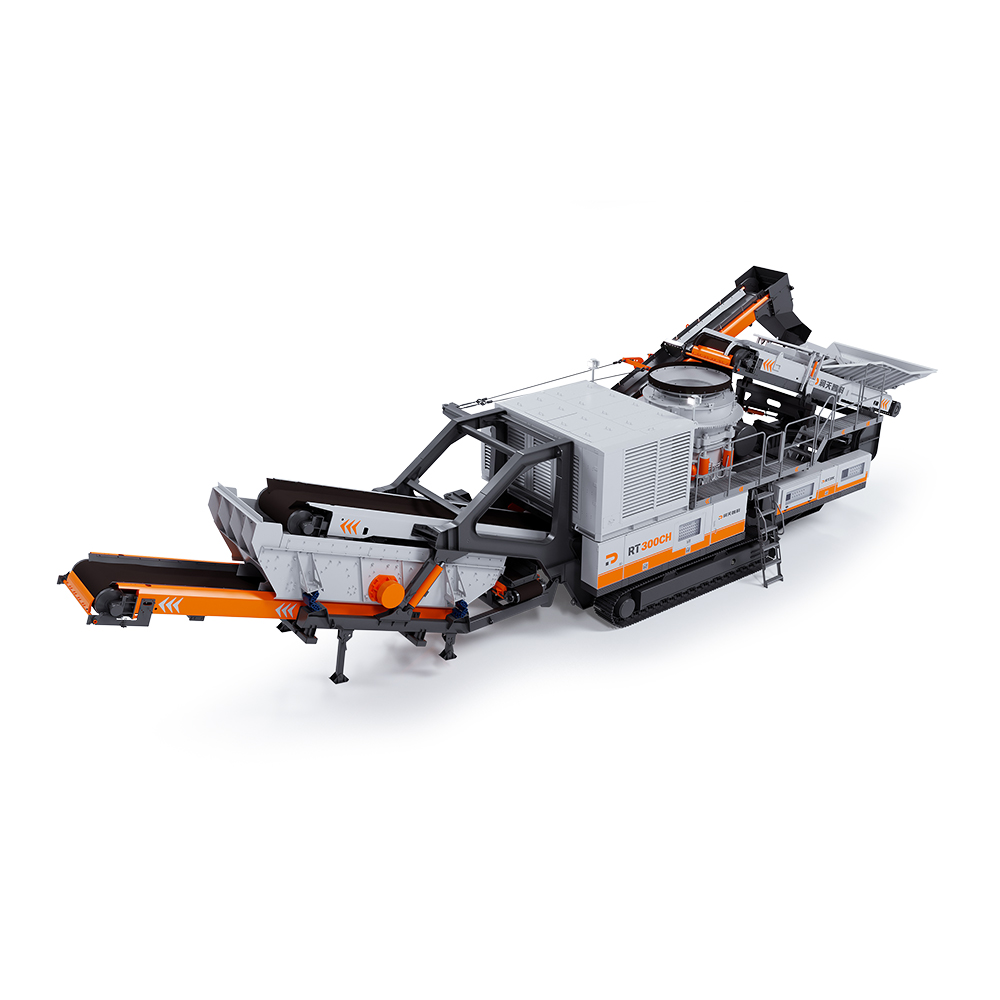 RT300CH Crawler Mobile Cone Crushing Plant
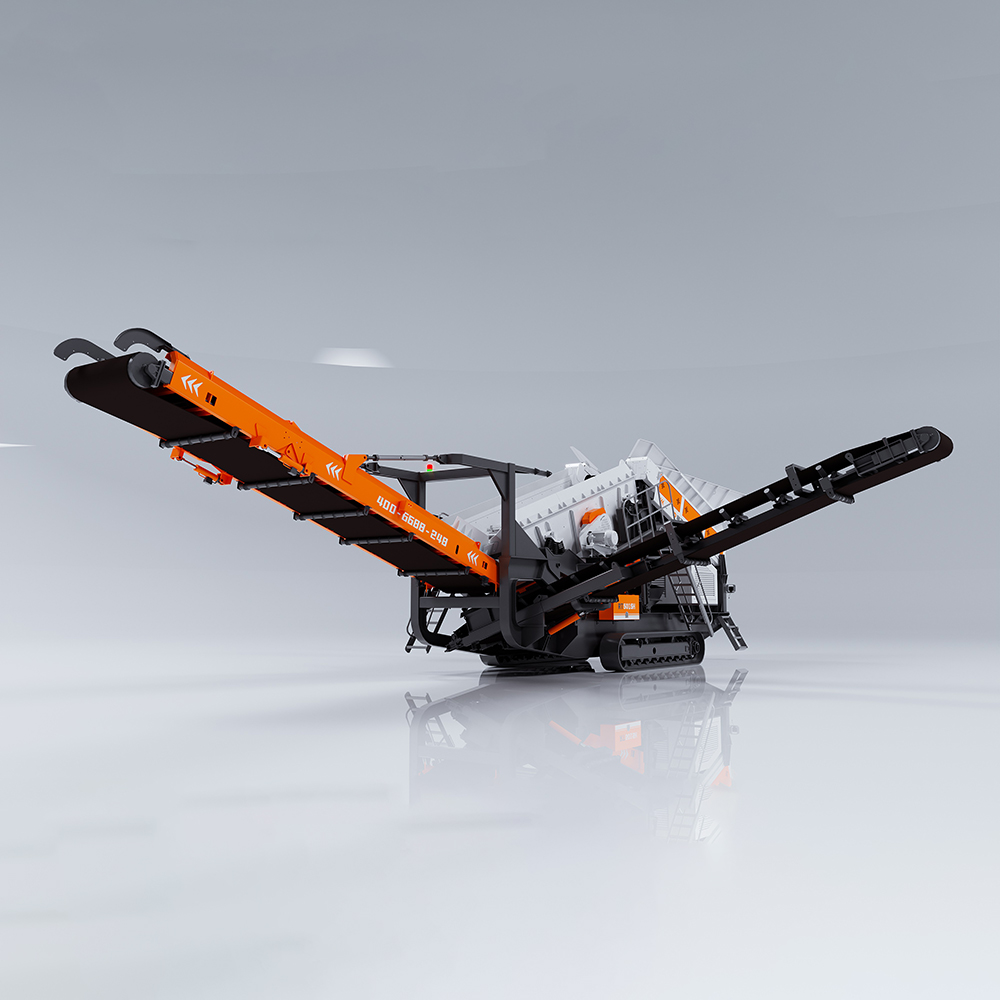 RT5015H Mobile Scalping Screen
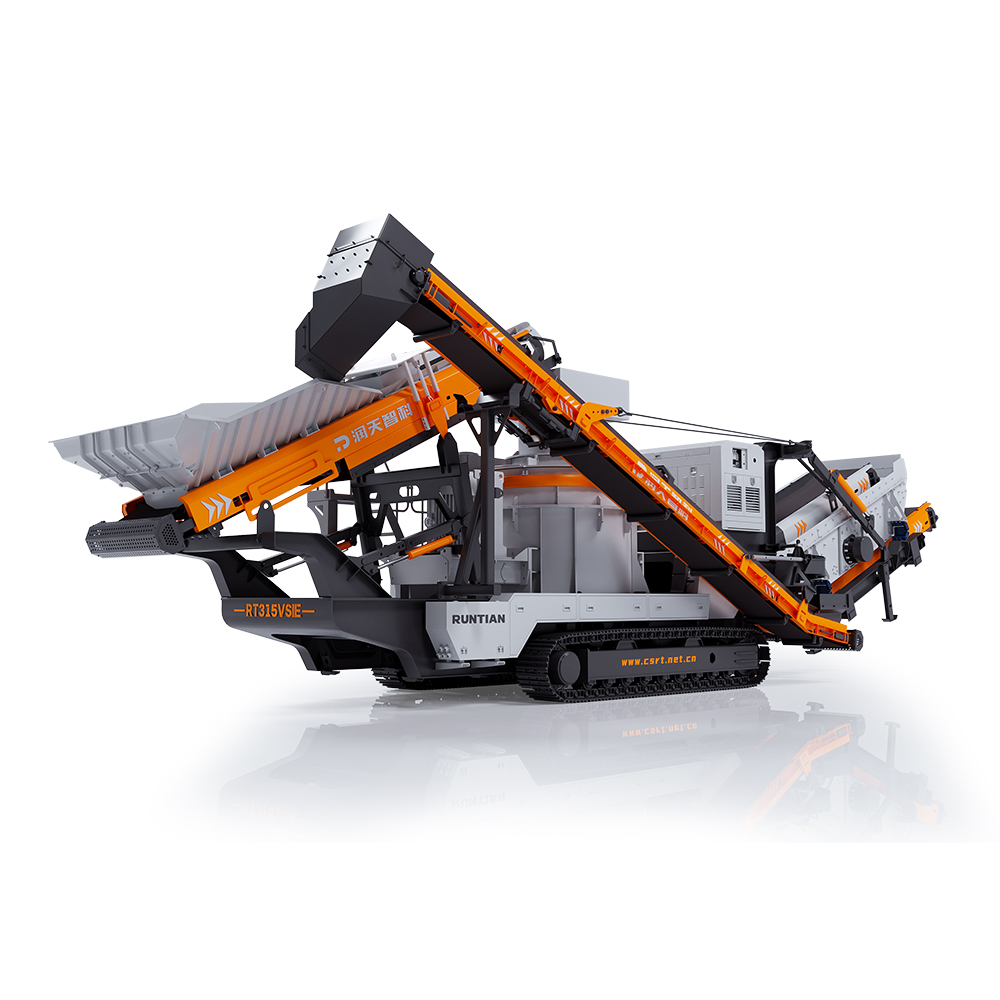 RT315VSIE Crawler Mobile Sand Maker
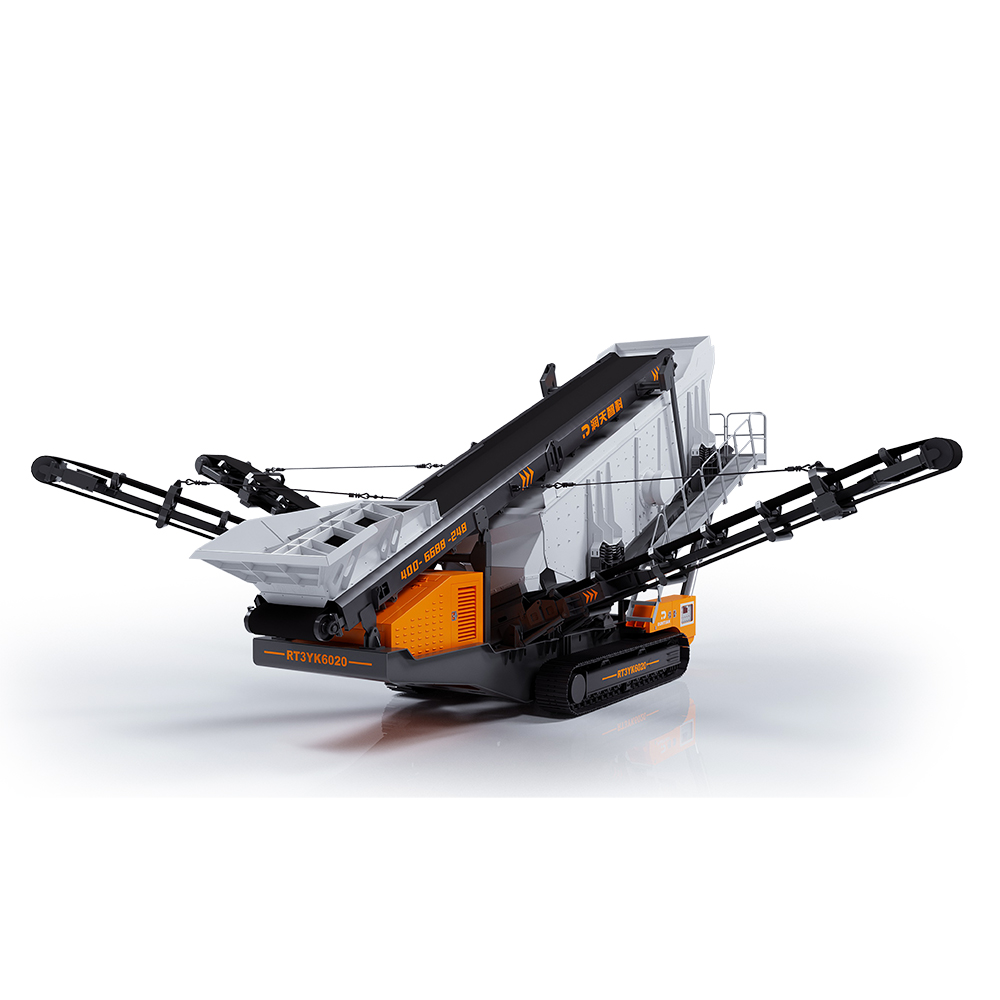 RT3YK6020 Crawler Mobile Screening Plant
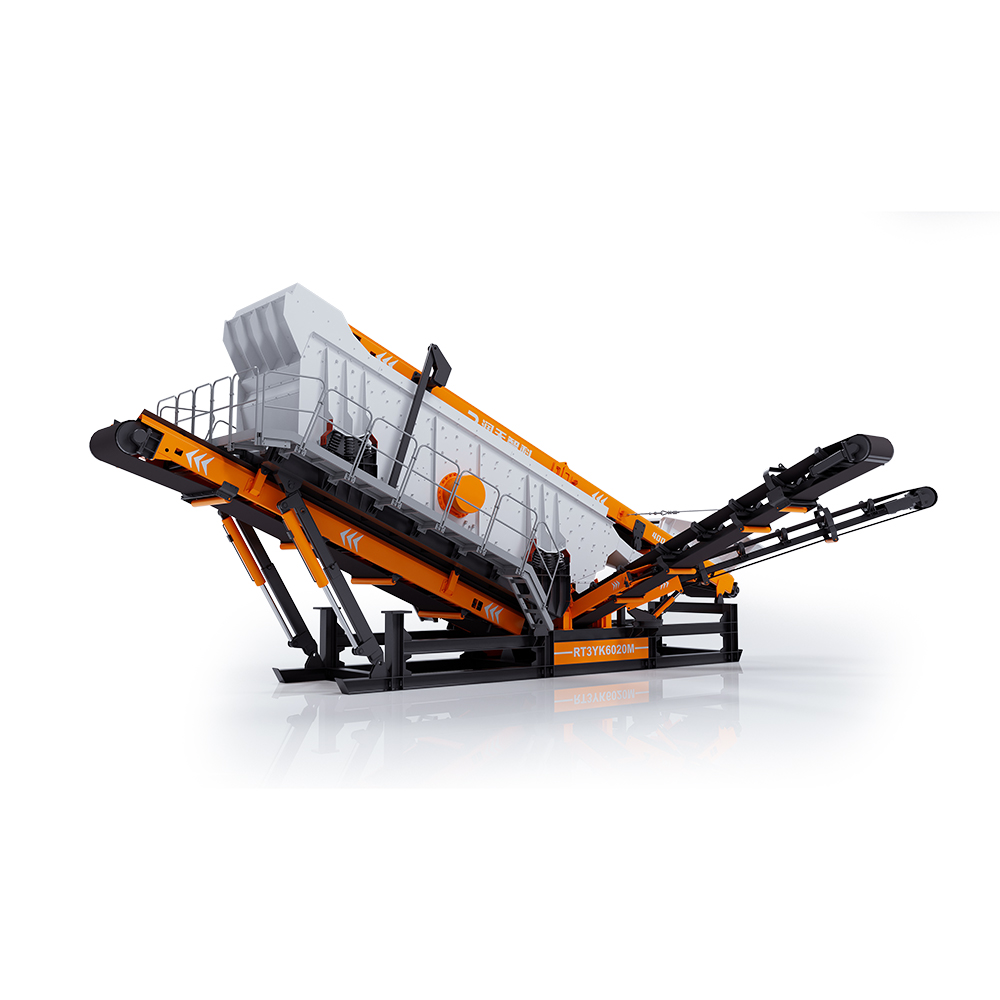 RT3YK6020M Modular Screening Plant
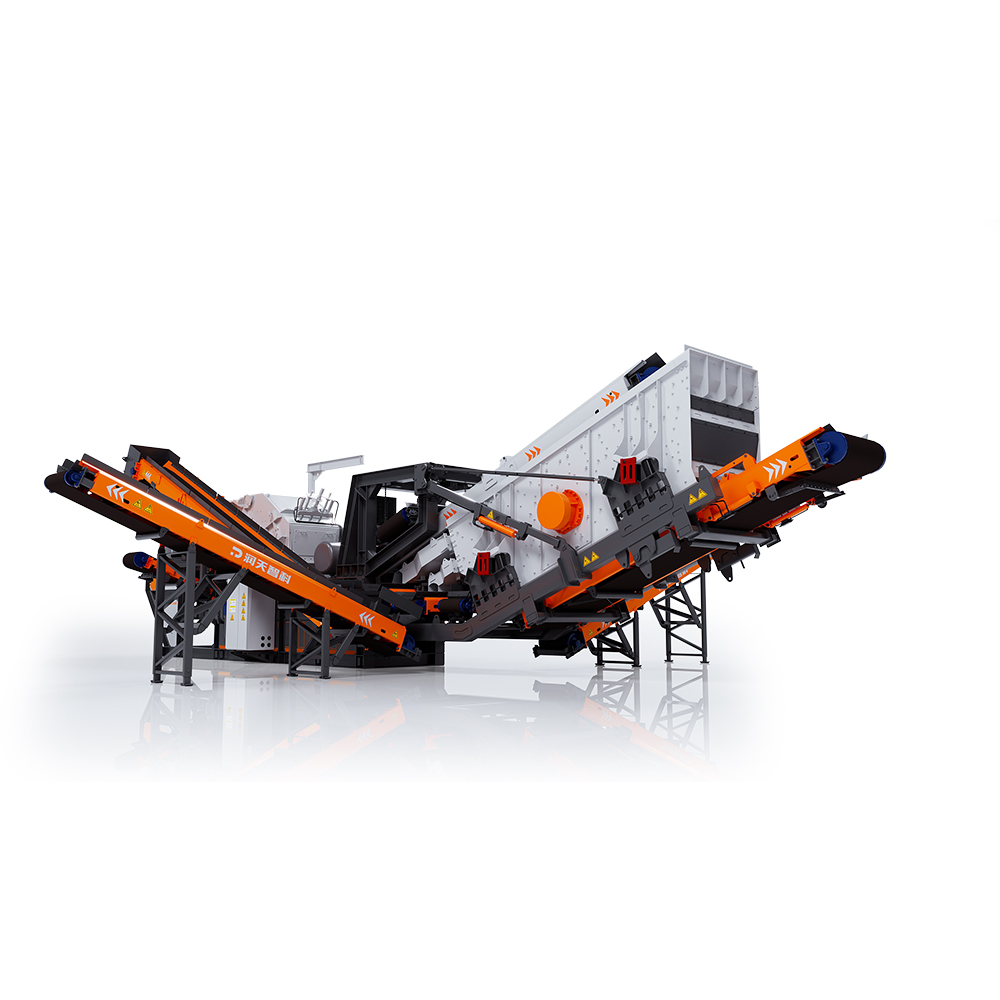 RTF260M Modular Counterattack Crushing and Screening Integrated Machine
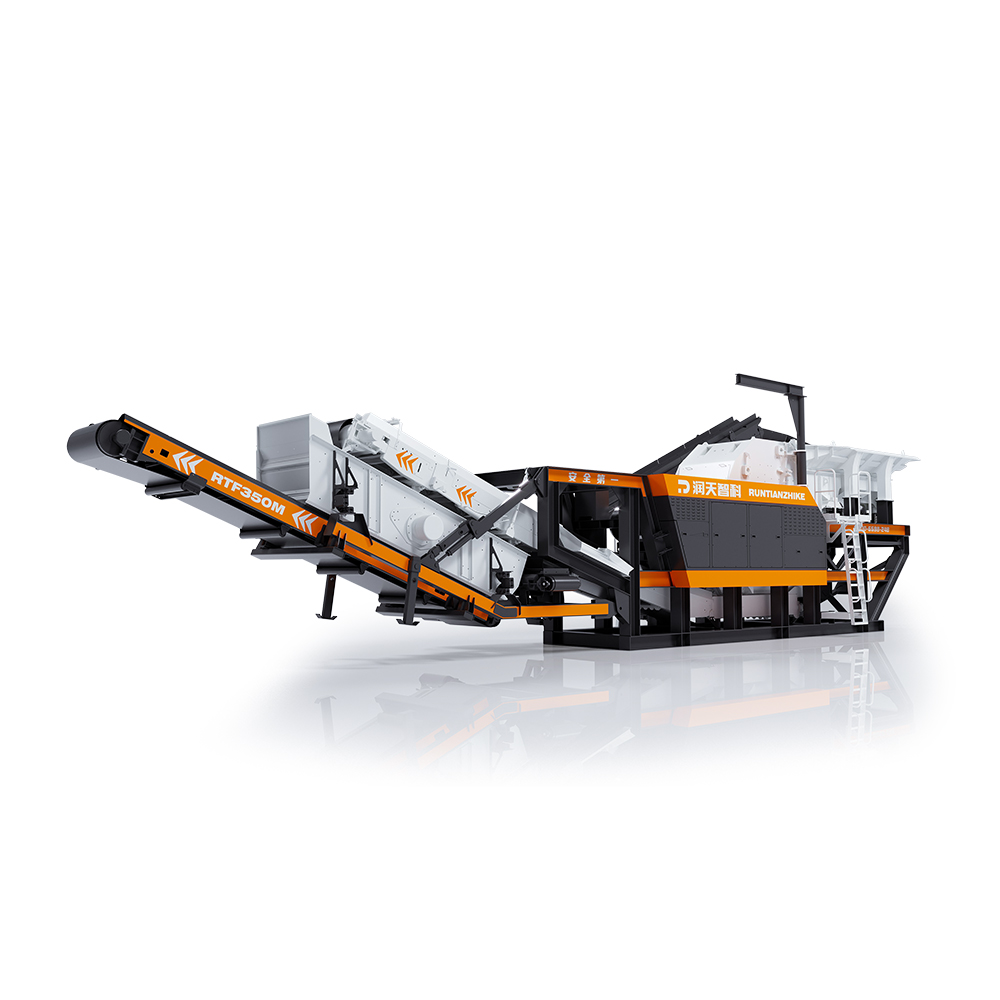 RTF350M Modular Impact Crushing Plant
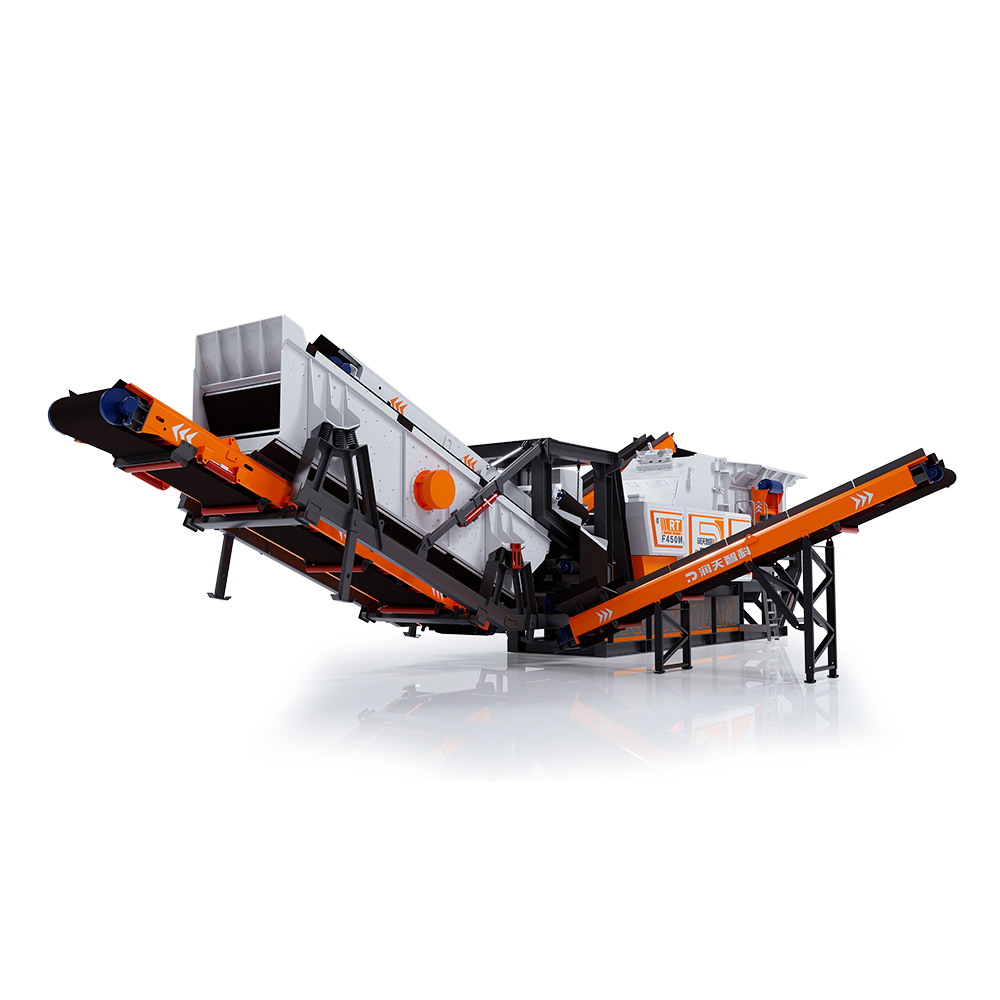 RTF450M Modular Impact Crushing Plant
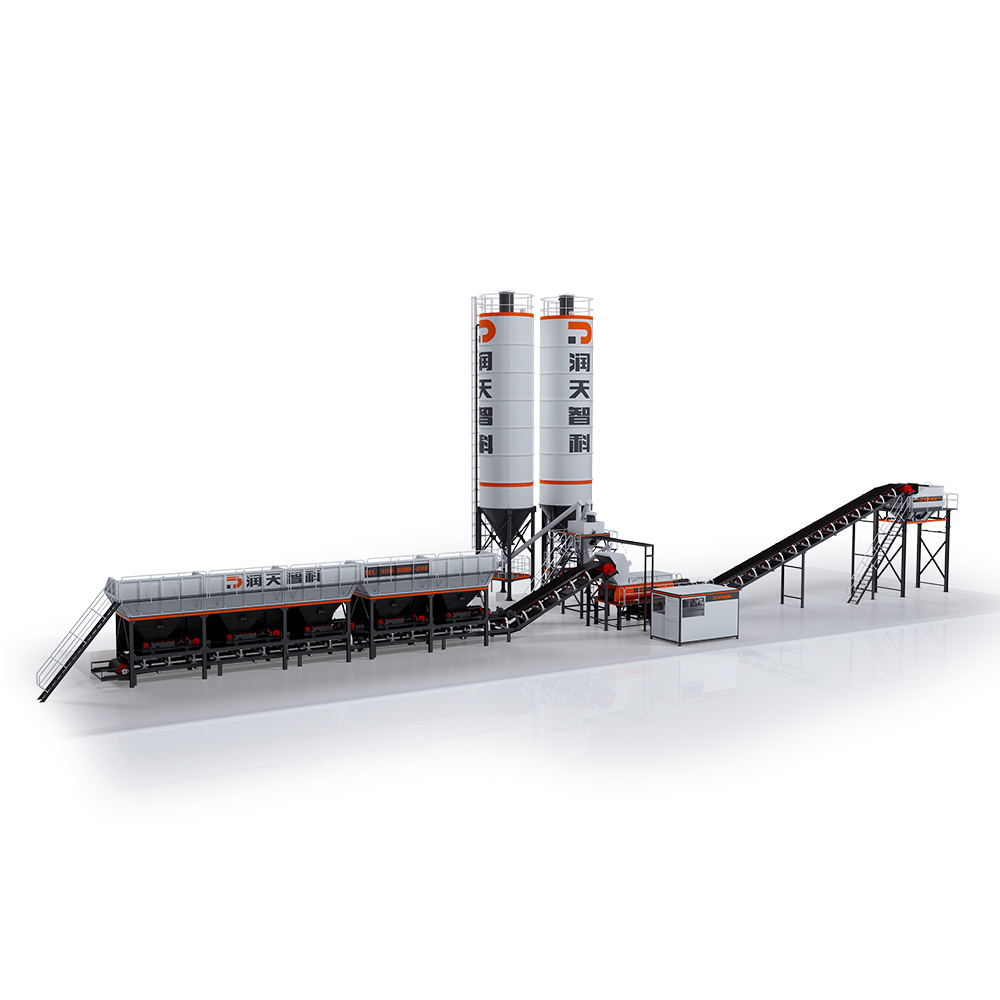 WDB Series Foundation-Free Stability Soil Mixing Plant
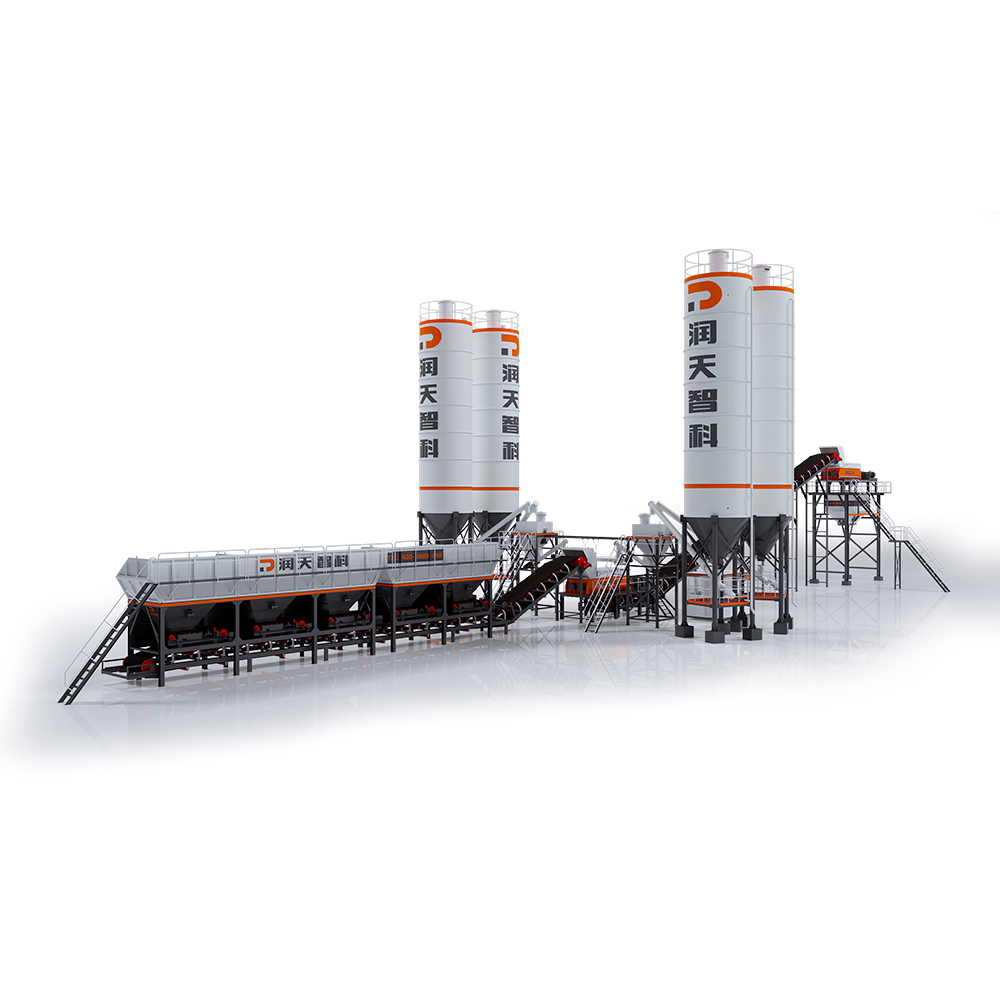 LCB Series Emulsified Asphalt Cold Regeneration Secondary Mixing Plant
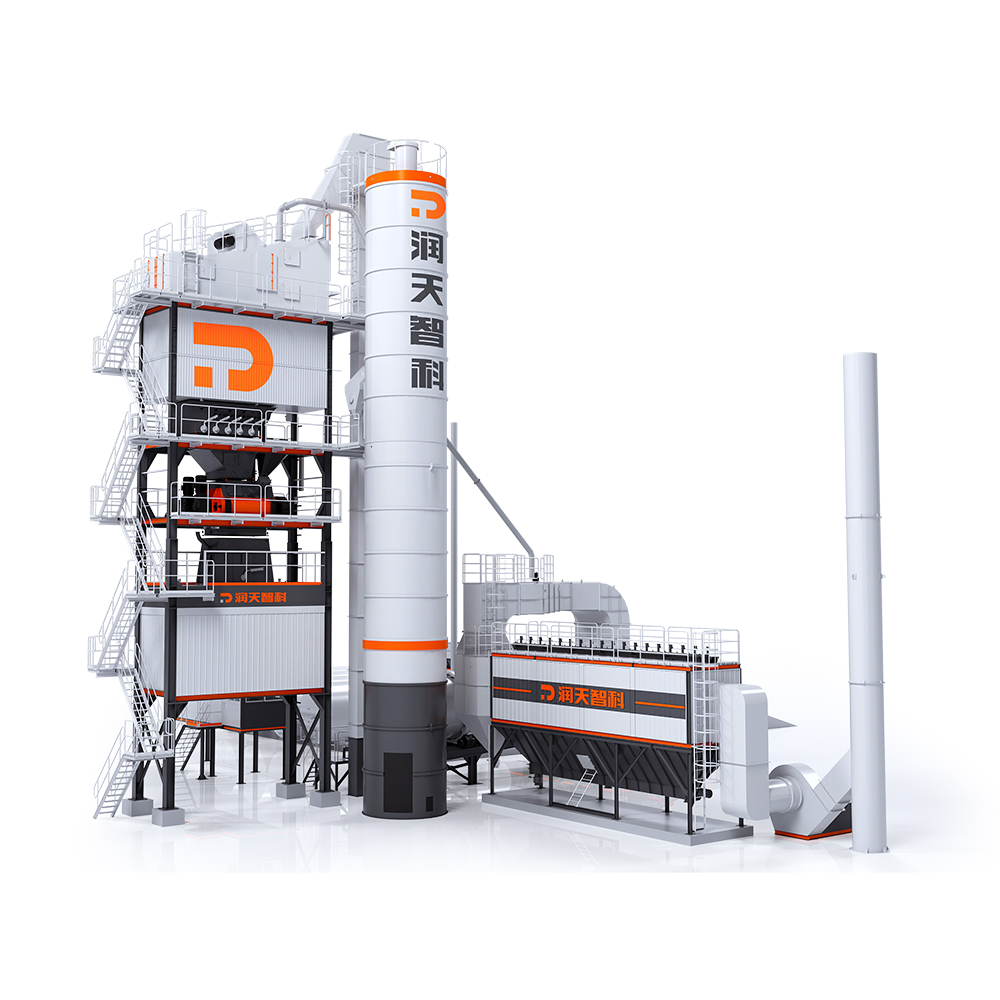 LB Series Asphalt Mixing Plant
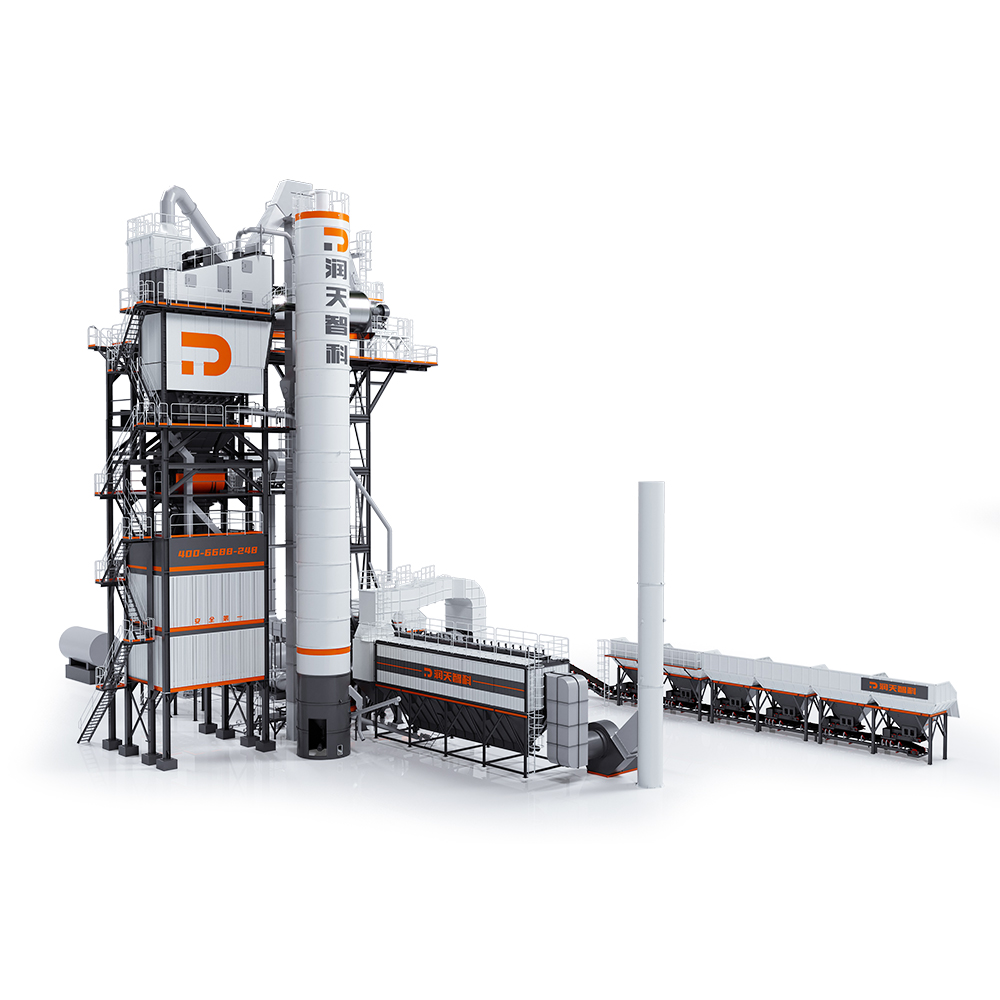 LBR Series Integrated Asphalt Mixing Plant
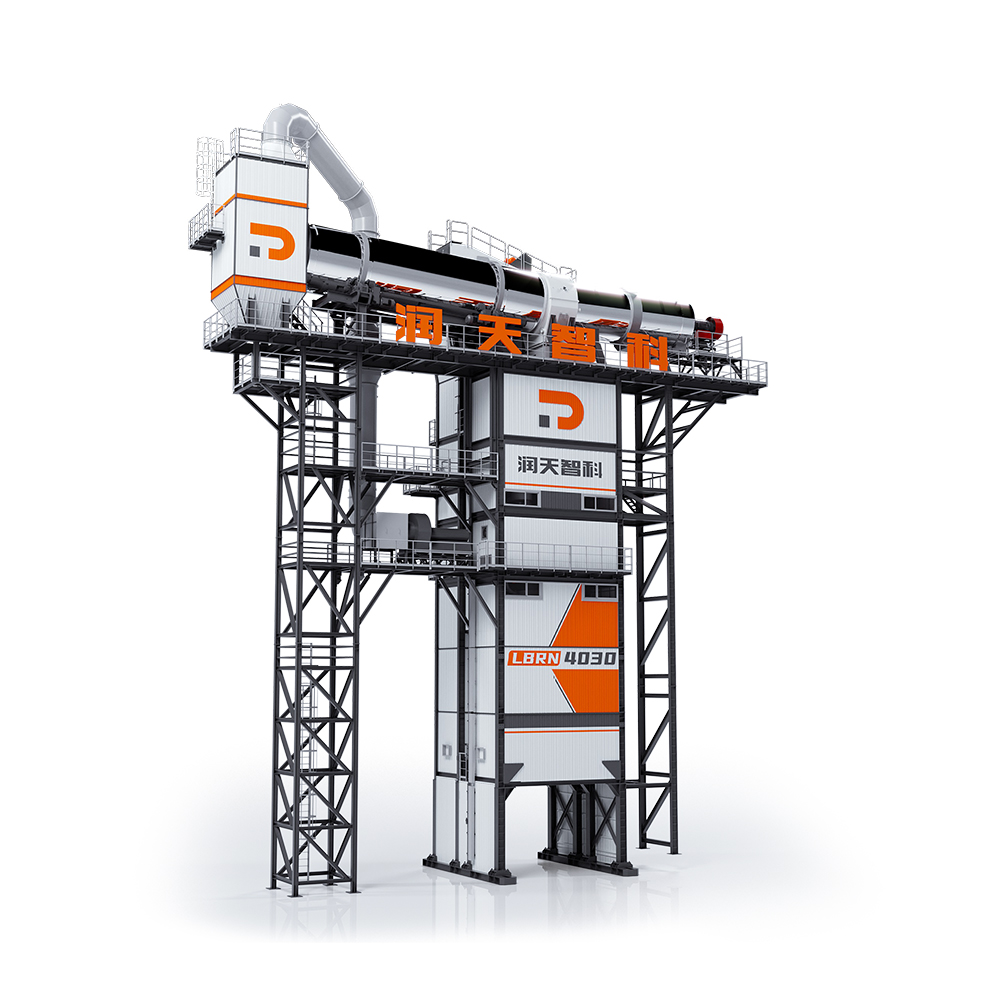 LBRN Series Counterflow Integral Asphalt Mixing Plant
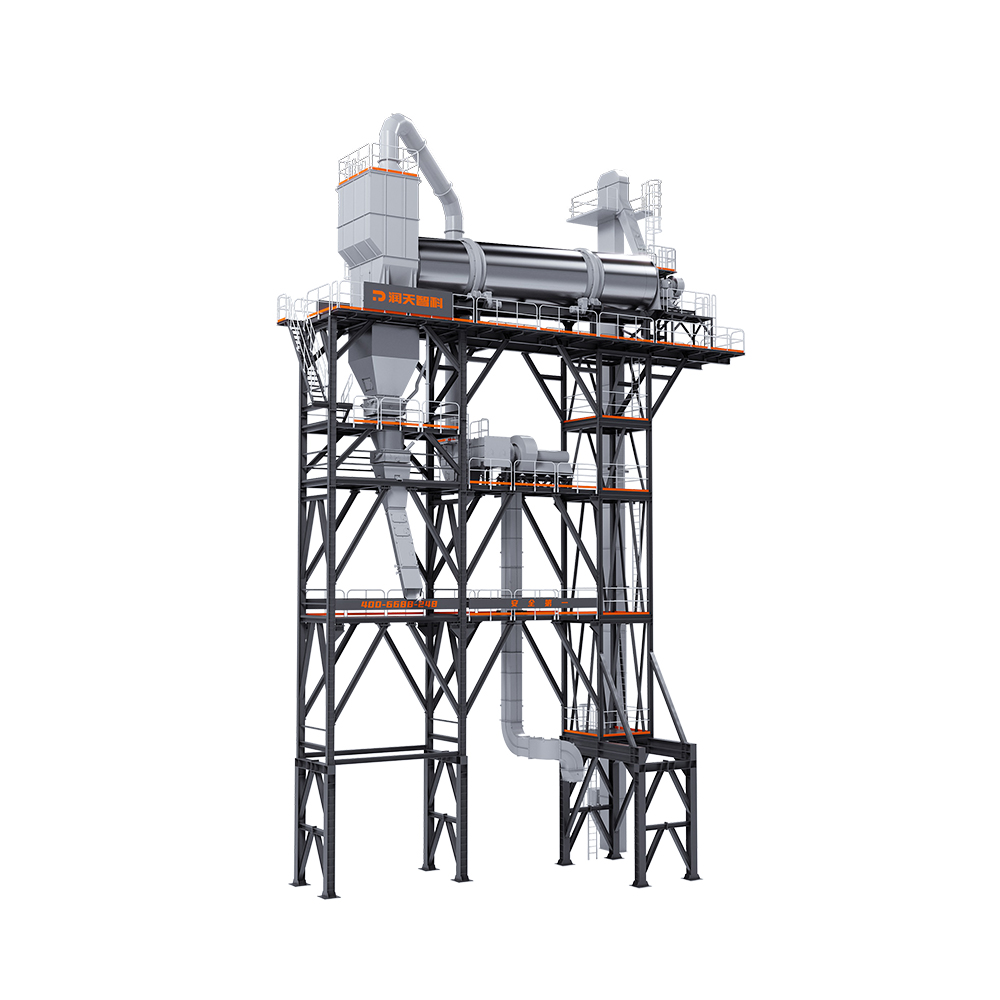 RZS Series Asphalt Mixing Plant
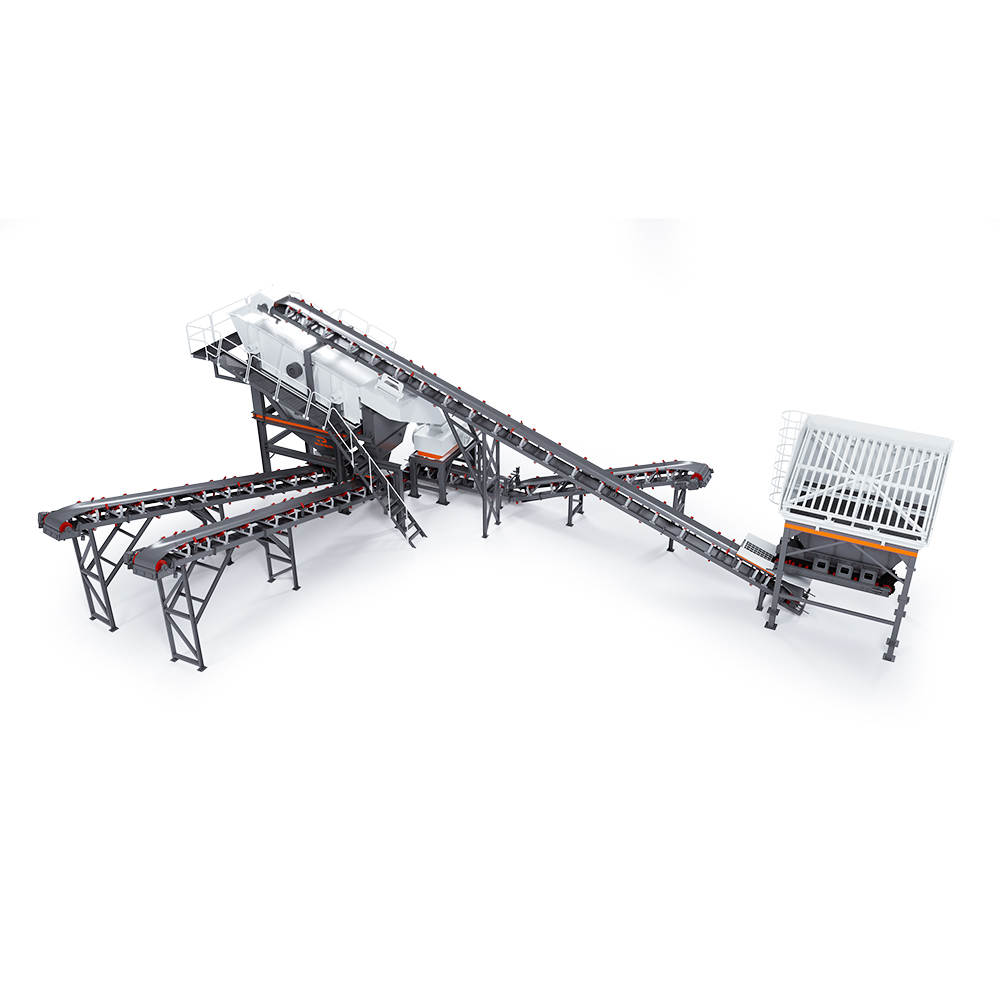 RTZS120 Series RAP Crushing & Screening Plant
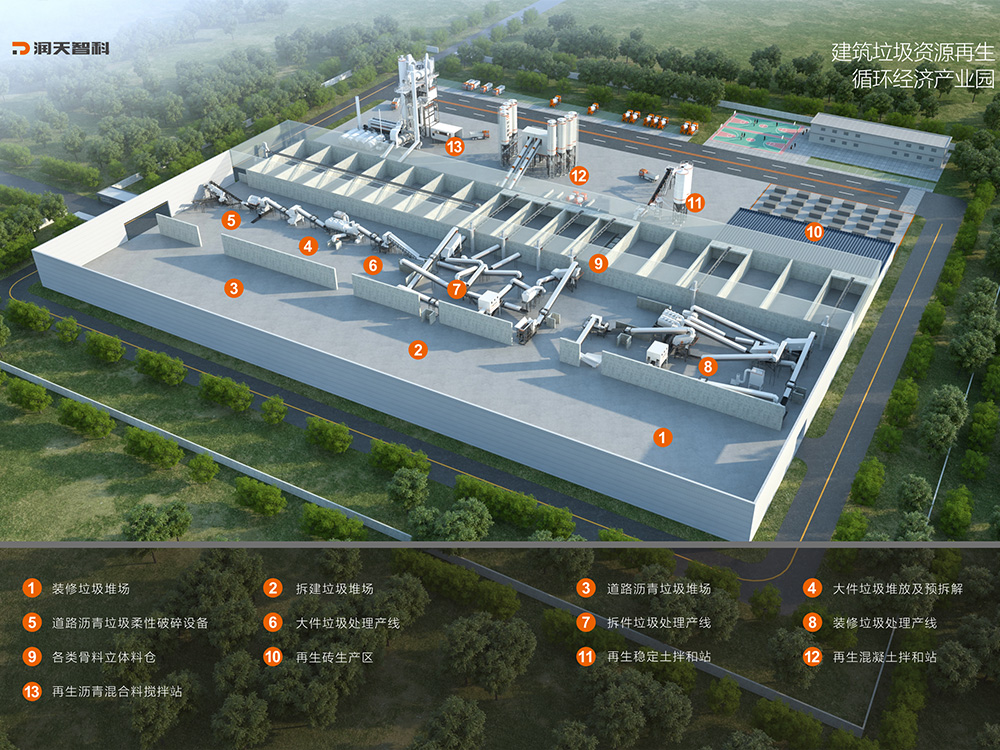 Construction Waste Resourceful Treatment Line