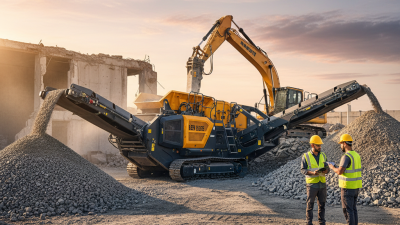
How to Choose the Best Mobile Jaw Crusher for Your Needs?
Selecting the right Mobile Jaw Crusher can significantly impact your project’s efficiency and cost. Many factors come into play when making this decision. The size and type of material to be crushed are crucial. Consider both the dimensions and weight of the Mobile Jaw Crusher. These aspects affect its portability and ease of transport.
Another important factor is the crushing capacity. Different models offer varying levels of output. This directly correlates with your production needs. You may find yourself overwhelmed by numerous options available in the market. It's essential to analyze your specific requirements without getting lost in technical jargon.
Moreover, consider the maintenance aspects of the Mobile Jaw Crusher. Understanding how often the equipment will need repairs can save time and money. Not all models are created equal regarding durability. Make informed choices to avoid future regret. Reflecting on your options will lead to a satisfactory purchase that meets your operational goals.
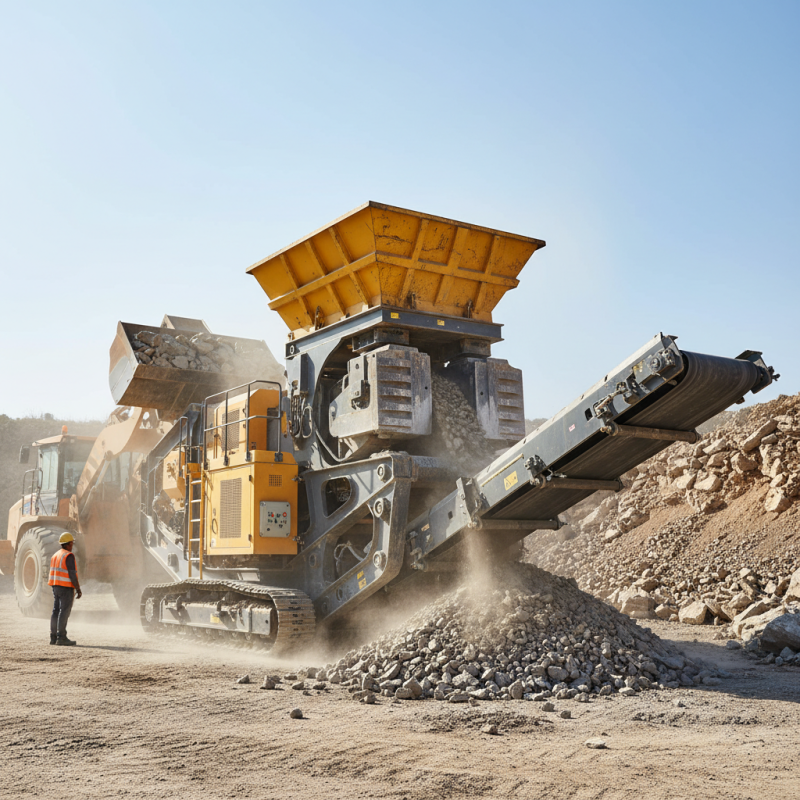
Understanding Mobile Jaw Crushers and Their Applications
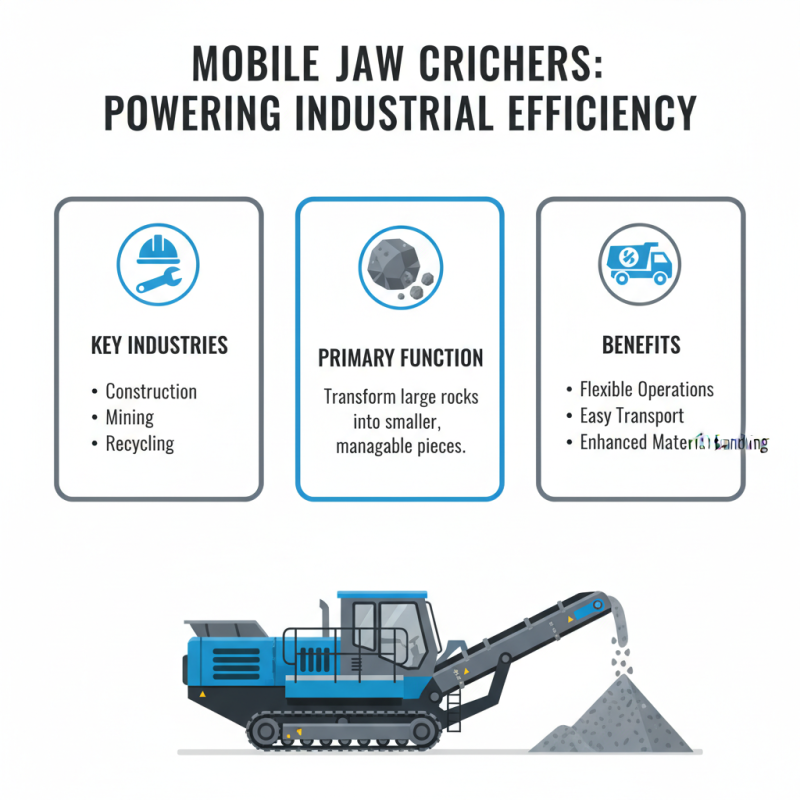
Mobile jaw crushers play a crucial role in various industries. They are widely used in construction, mining, and recycling. These machines are designed to crush large rocks into smaller pieces. This process makes material handling easier and more efficient. A mobile jaw crusher allows for flexibility in operations. It can be easily transported to different job sites.
Understanding their applications is vital for choosing the right model. For example, in construction, these crushers help with site preparation. In recycling, they process materials like concrete and asphalt. The type of material you work with can influence your choice. If you often handle harder stones, consider models with stronger jaws. For softer materials, a lighter model may suffice.
While mobile jaw crushers are effective, they have limitations. They tend to be more expensive than stationary options. Maintenance can also be challenging due to their mobility. In some cases, a stationary machine might be more efficient. It’s important to weigh these factors when making your choice. Reflecting on your specific needs will lead you to the best option.
Key Features to Consider When Selecting a Mobile Jaw Crusher
When selecting a mobile jaw crusher, several critical features must be considered. One of the most important aspects is the crusher's capacity. Industry reports indicate that the average output of mobile jaw crushers ranges from 50 to 500 tons per hour. However, the choice should depend on your operational needs. A unit that is too small will slow down production, while an oversized model can lead to inefficient fuel consumption.
Another key feature is the size of the feed opening. Larger openings allow for bigger material to be processed, but they may sacrifice precision in sizing. Research shows that a 48-inch feed opening can handle larger rock, but might not deliver the desired granulation.
Mobility and weight also play a crucial role. Heavy models may offer more durability but can restrict transportation flexibility. Conversely, lighter units can be easier to move and reposition. However, lighter designs may compromise on build quality, leading to increased wear and tear. Balancing these features is essential to ensure the selected model meets your specific operational needs effectively.
Evaluating Performance Metrics: Capacity, Power, and Efficiency
Choosing the right mobile jaw crusher involves understanding key performance metrics. Capacity is one of the most critical factors to consider. It determines how much material the crusher can process within an hour. If your project requires high output, a larger capacity model may be necessary. However, you should be cautious about overestimating needs. Sometimes, a smaller capacity could provide better efficiency for specific tasks.
Power and efficiency are equally important. A powerful machine can handle tough materials more effectively. Yet, power must match your operational needs. An excessively powerful machine may result in higher operational costs. Efficiency should also be evaluated. An efficient model uses less fuel while maximizing output. Some crushers may not have the best fuel ratings despite their impressive specs.
When assessing these metrics, don’t forget the practical aspects. Ensure the unit can be easily transported and set up. Maintenance is another area to reflect on. Machines that are hard to maintain can lead to unexpected downtime. Finding a balance between capacity, power, and efficiency will lead to better productivity in the long run. Make your choice wisely.
How to Choose the Best Mobile Jaw Crusher for Your Needs? - Evaluating Performance Metrics: Capacity, Power, and Efficiency
| Model |
Capacity (tons/hr) |
Power (kW) |
Efficiency (%) |
Weight (kg) |
| Model A |
150 |
180 |
85 |
4500 |
| Model B |
200 |
220 |
90 |
5000 |
| Model C |
250 |
250 |
87 |
5500 |
| Model D |
300 |
300 |
92 |
6000 |
Importance of Mobility and Versatility in Jaw Crushers
When selecting a mobile jaw crusher, consider its mobility and versatility. These features are crucial for various applications. A mobile unit can be easily transported to different sites. This saves time and reduces costs. In contrast, stationary crushers limit operation to one location.
Versatility is key in performing multiple tasks. A good mobile jaw crusher should handle a variety of materials. It should crush everything from rocks to concrete. This adaptability is essential for construction and recycling industries. Customers need machines that can change attachments quickly. Efficiency is the goal.
However, not all mobile crushers excel in both mobility and functions. Some may be lightweight but lack power. Others may offer strength but are cumbersome to move. This means potential buyers must carefully assess their needs. It’s easy to overlook features during the initial choice. Consider testing models in real working conditions. This reflection helps ensure the machine fits your specific requirements.
Mobile Jaw Crusher Performance Overview
Cost Considerations and Budgeting for Your Mobile Jaw Crusher
When considering a mobile jaw crusher, cost should be a top priority. Understanding the price range is essential. Prices can vary widely based on size, technology, and features. A compact model may cost less upfront, but might lack capacity. Assess your material needs carefully. This can prevent overspending on an underperforming machine.
Budgeting for maintenance is often overlooked. Regular upkeep can add substantial expenses over time. Factor in servicing costs when planning your budget. Also, consider fuel efficiency. A less efficient model might save money initially but cost more in the long run. Ignoring these components can lead to financial strain.
Researching financing options can provide relief. Some companies offer flexible payment plans. However, ensure the terms are favorable. Be cautious of hidden fees that may arise. Take time to evaluate various financial offers. This will help you make a sound investment decision.

 Concrete Mixing Plant
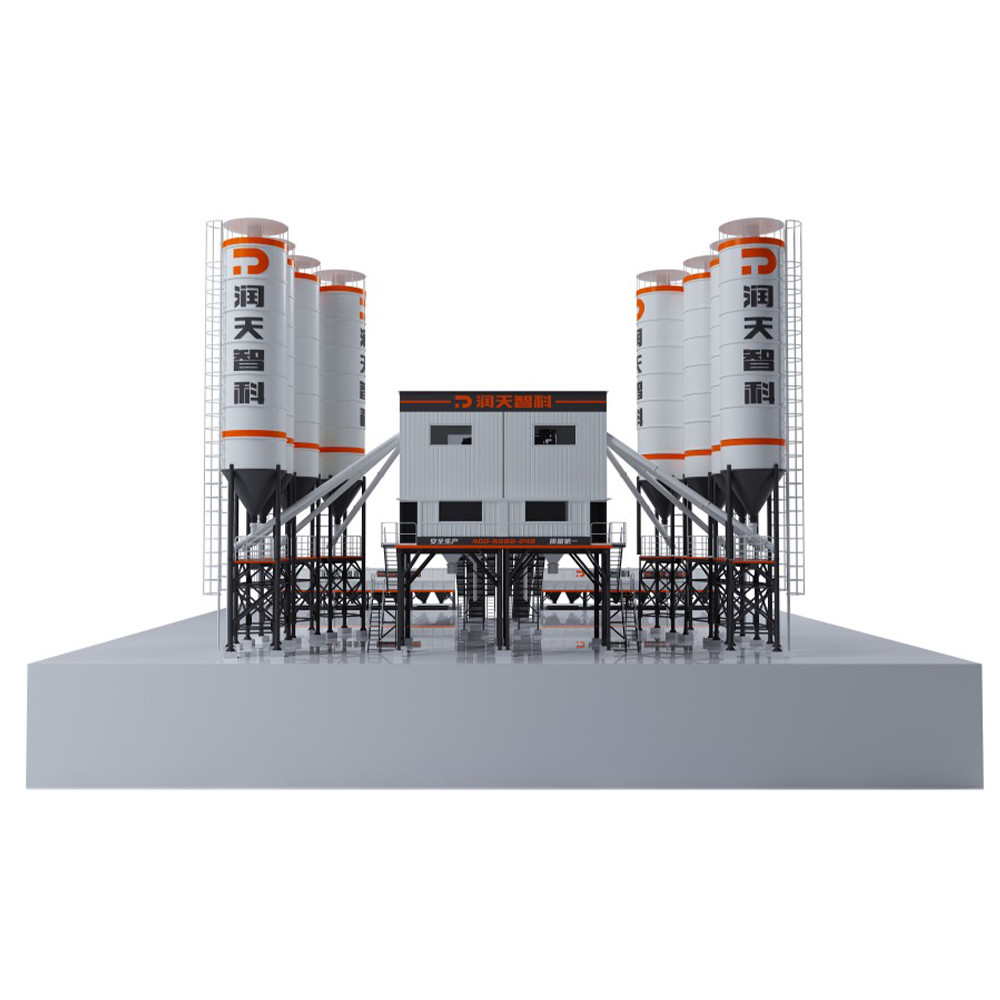 HZS Series Belt Concrete Mixing Plant
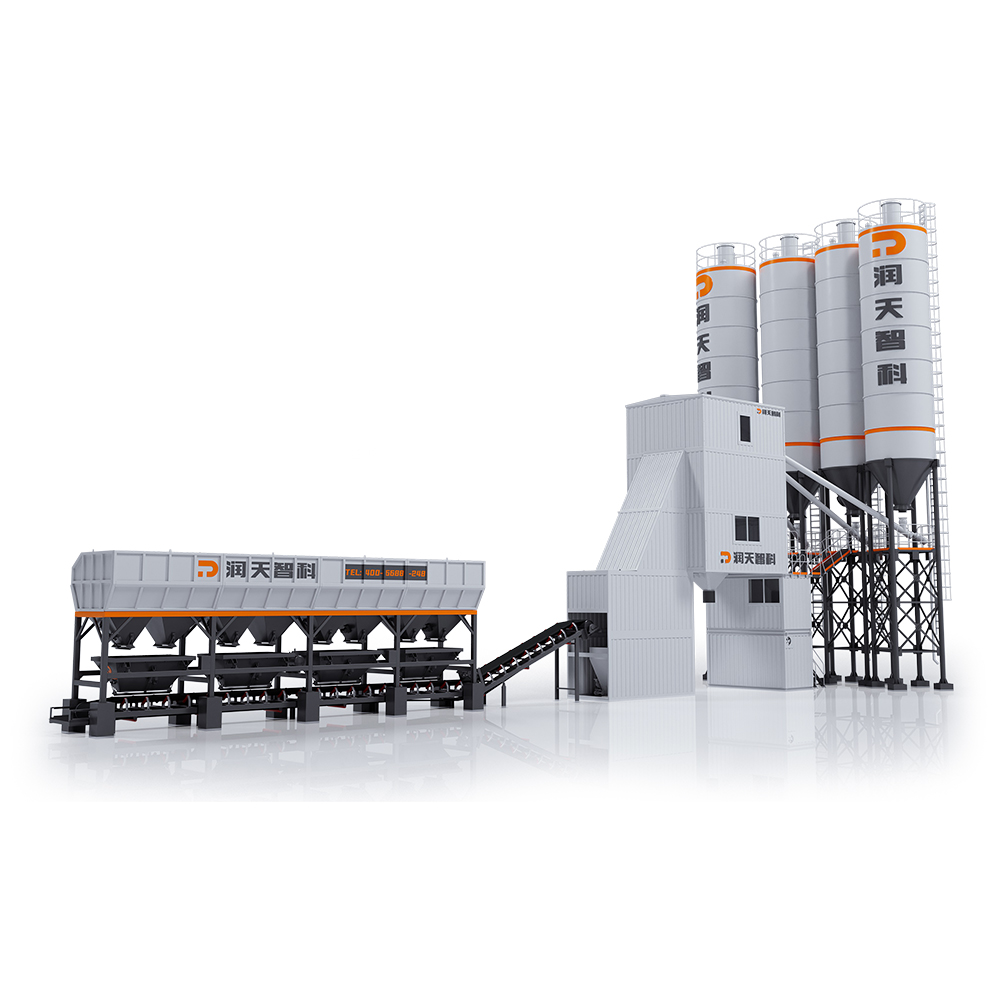 HZS Series Bucket-Lifting Type Container Concrete Mixing Plant
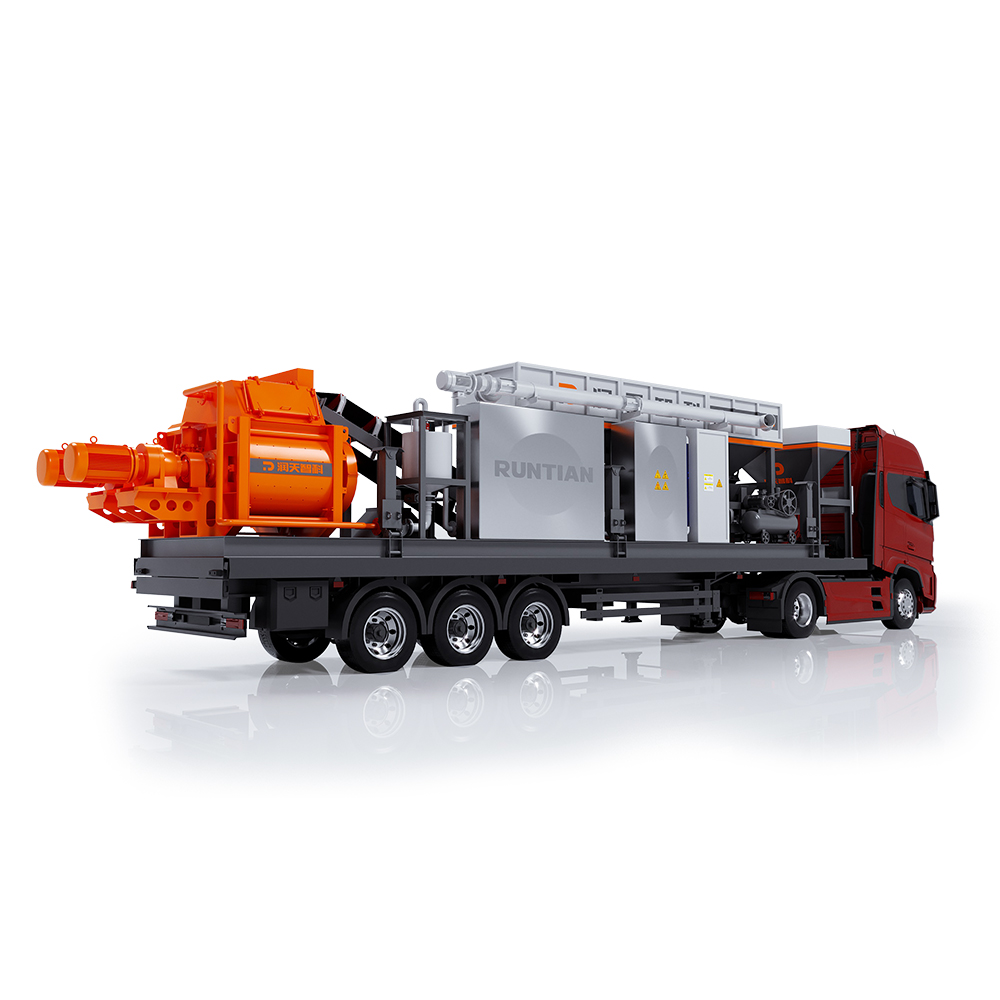 HZS60 Mobile Concrete Mixing Plant
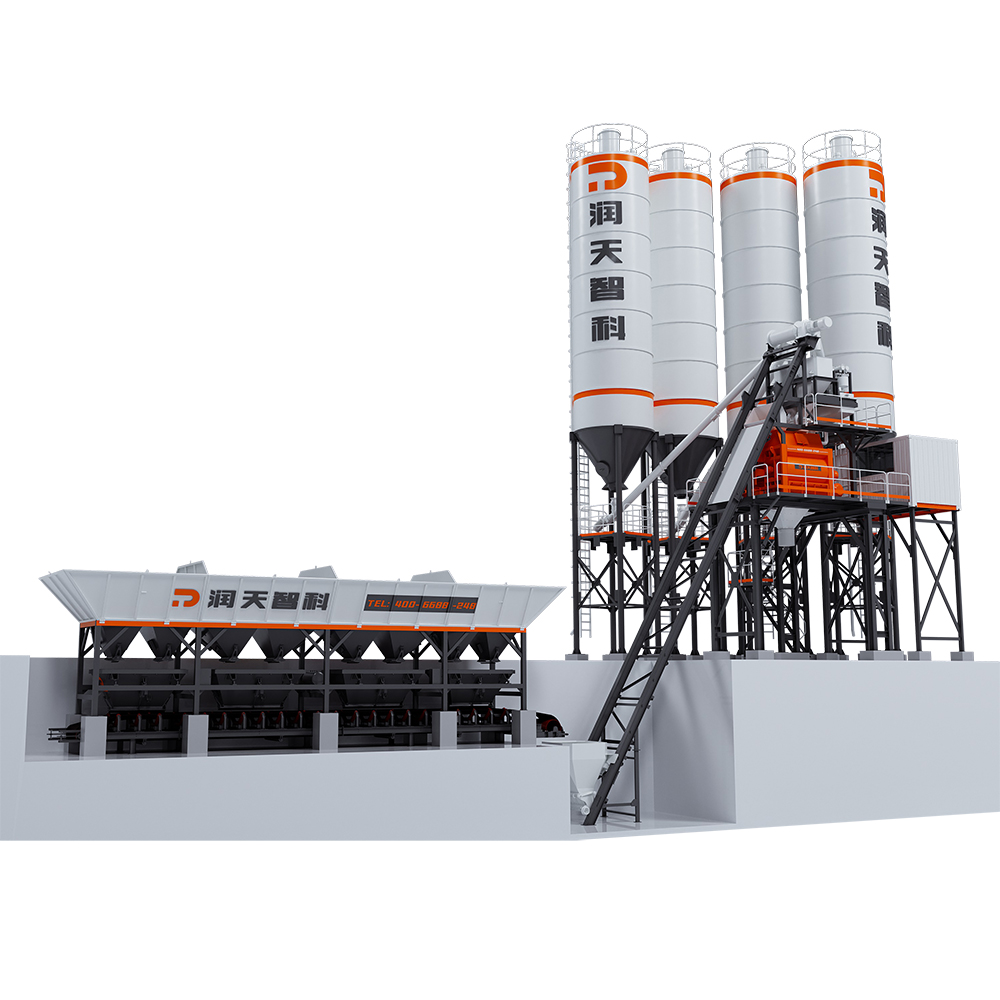 HZS Series Bucket-Lifting Type Concrete Mixing Plant
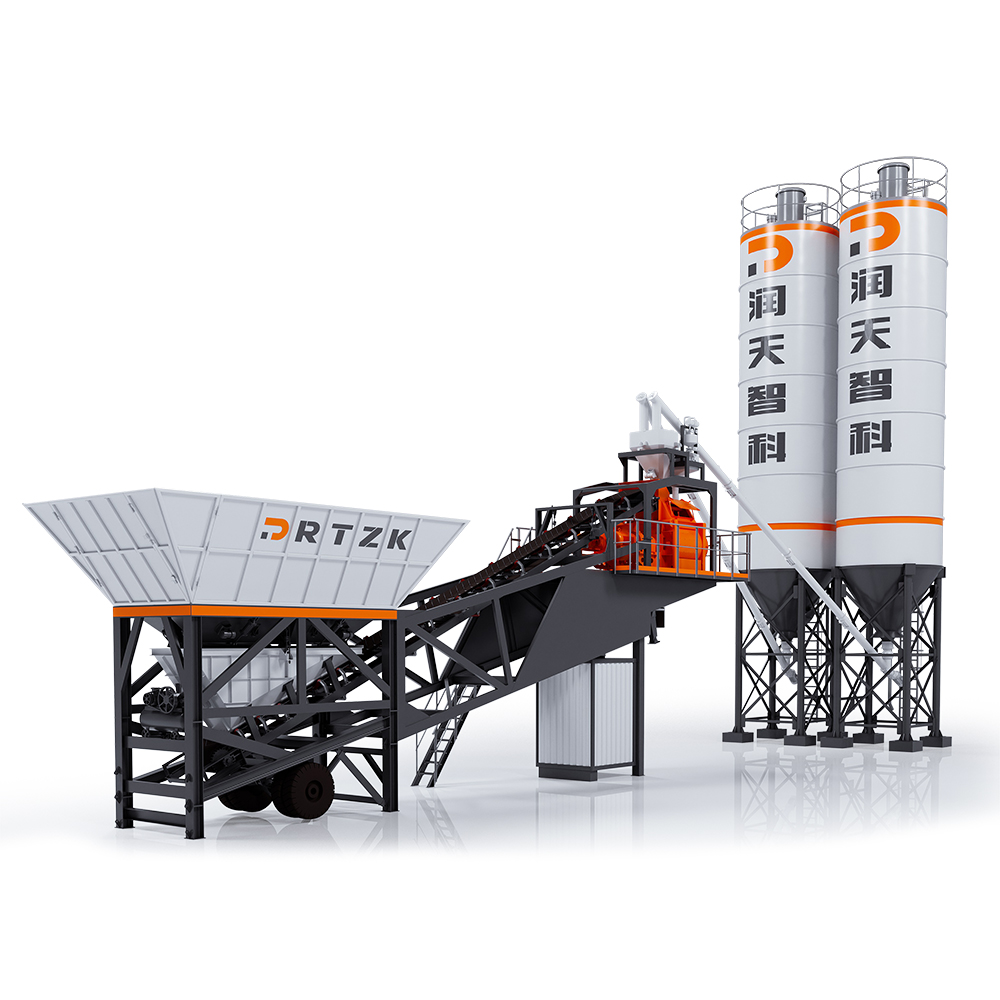 HZS Series Mobile Concrete Mixing Plant
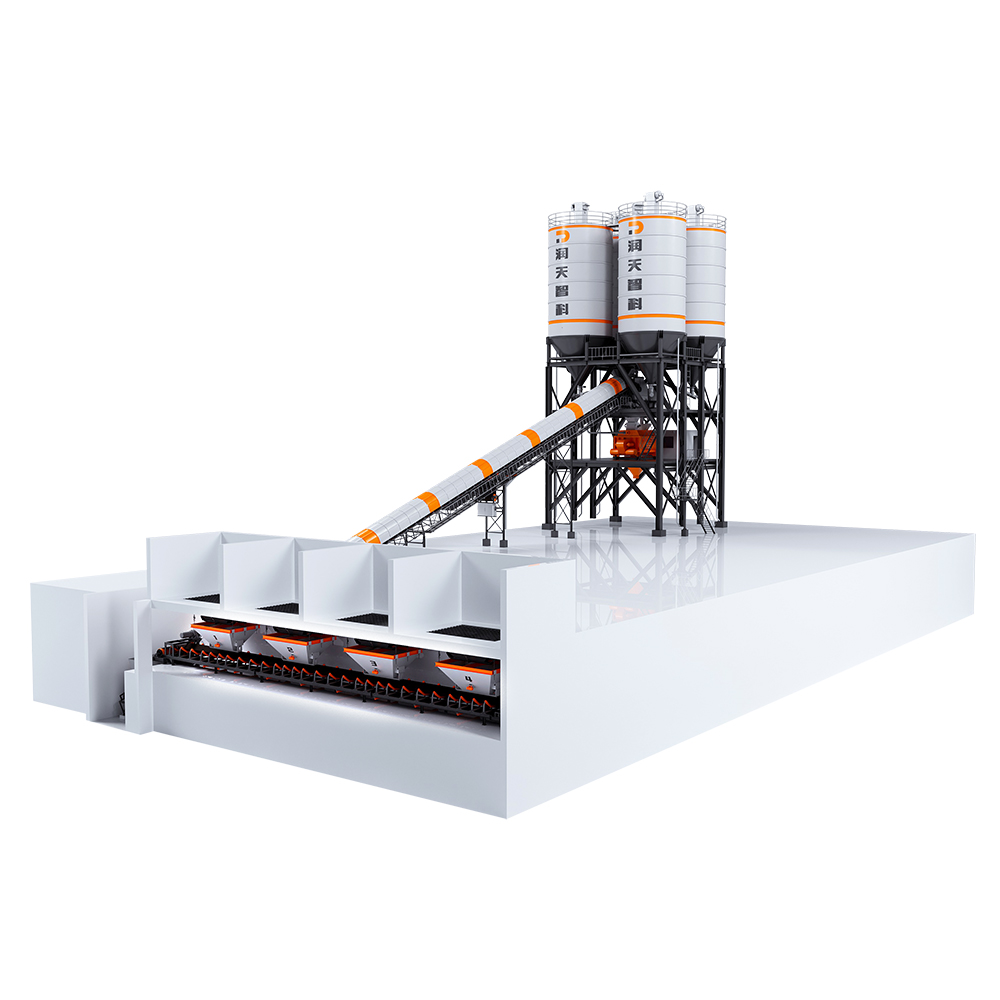 HZS Series Top-Mounted Concrete Mixing plant
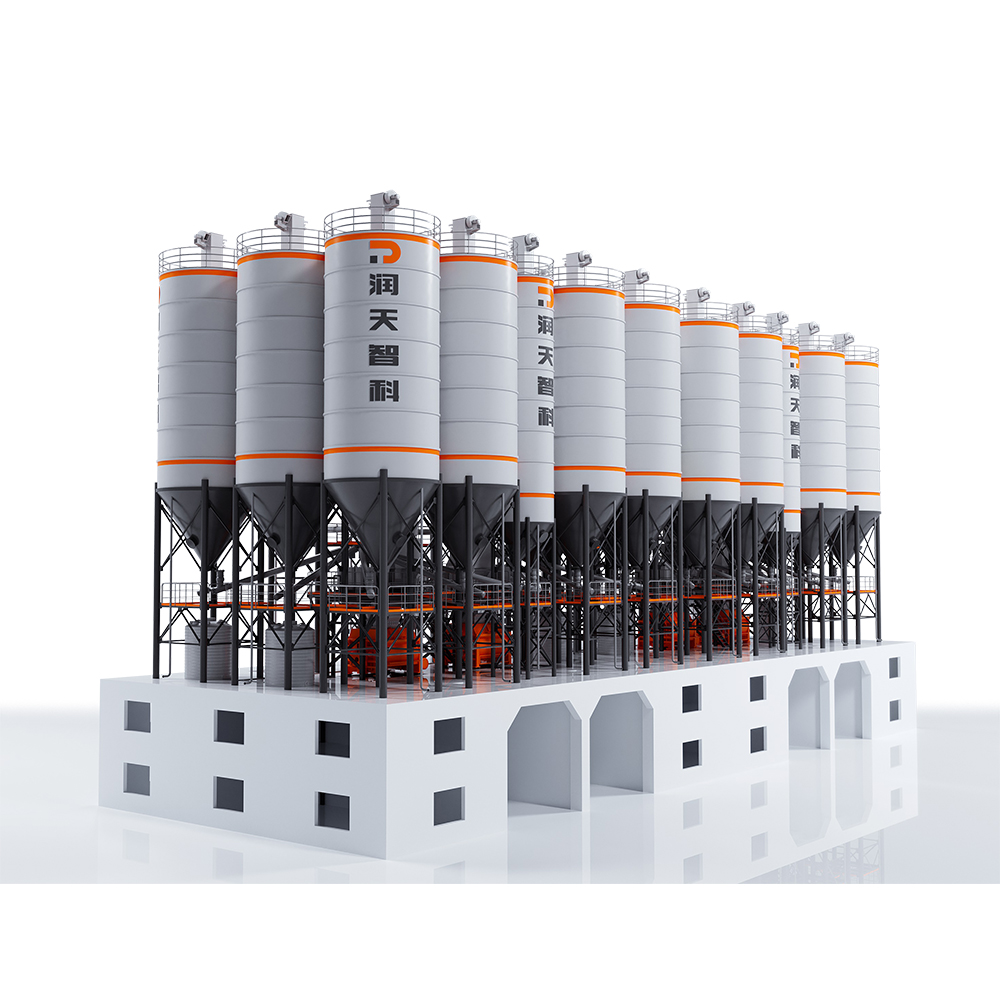 HZS Series Semi-Top Mounted Concrete Mixing Plant
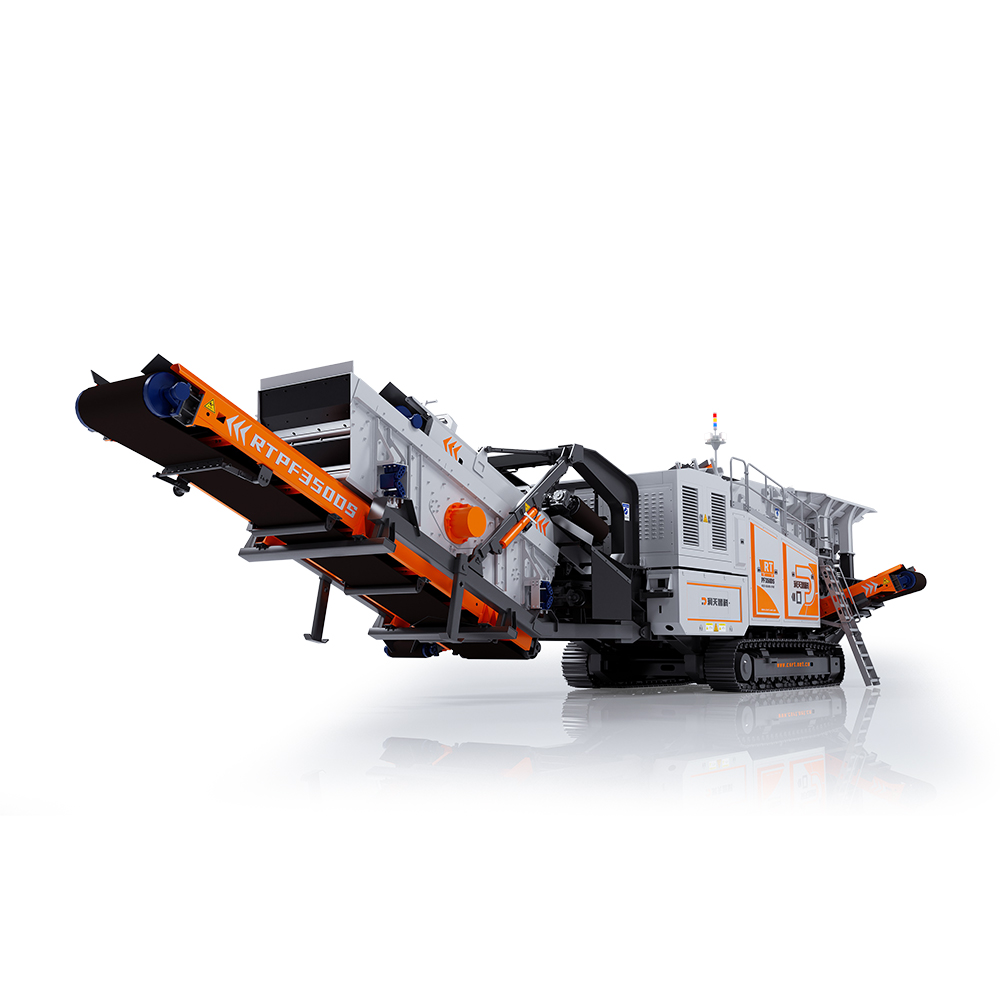 RTPF350DS Crawler Mobile Impact Crushing Plant
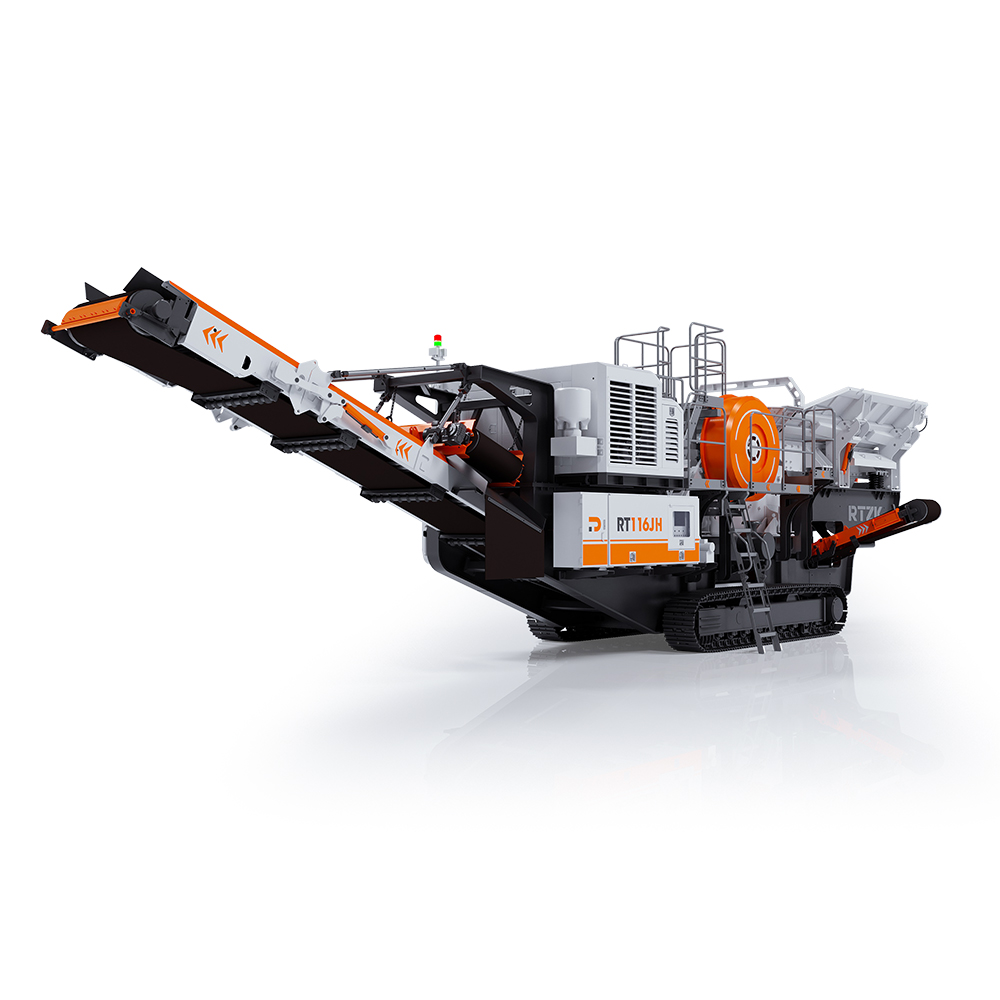 RT116JH Crawler Mobile Jaw Crushing Plant
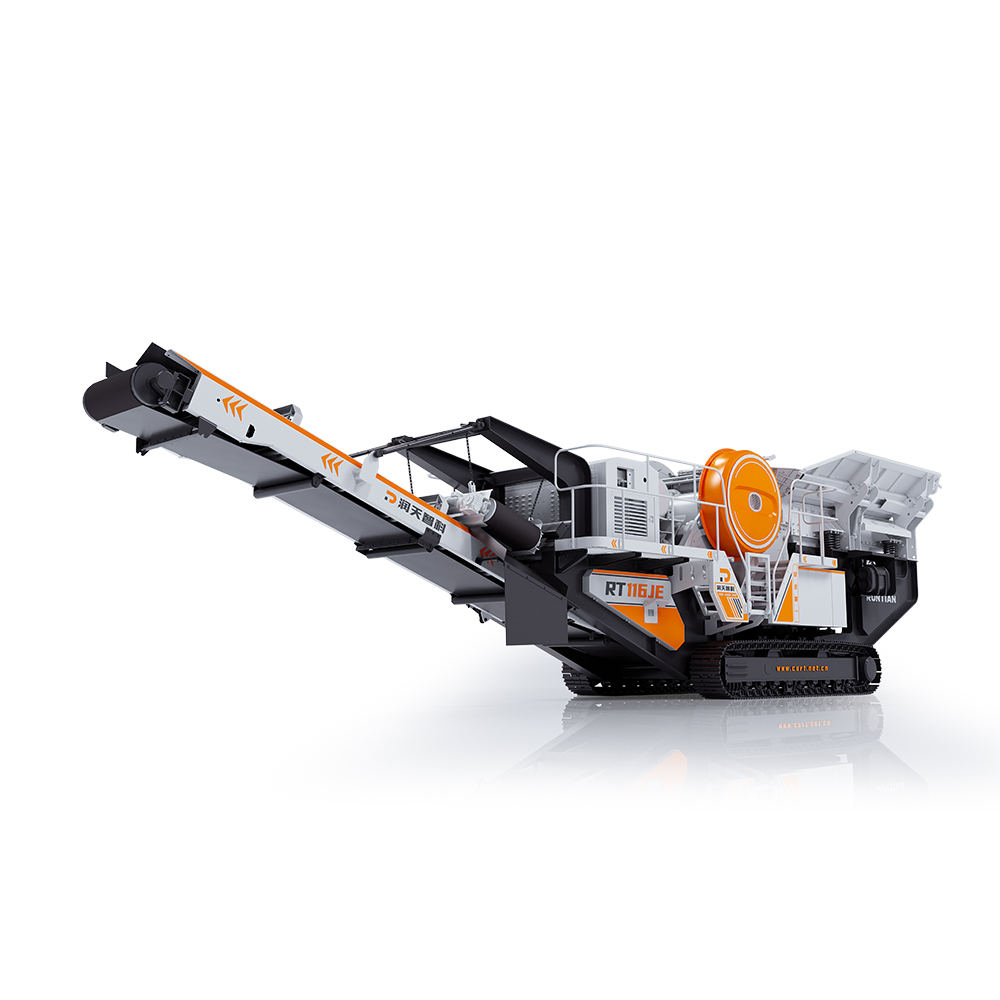 RT116JE Crawler Mobile Jaw Crushing Plant
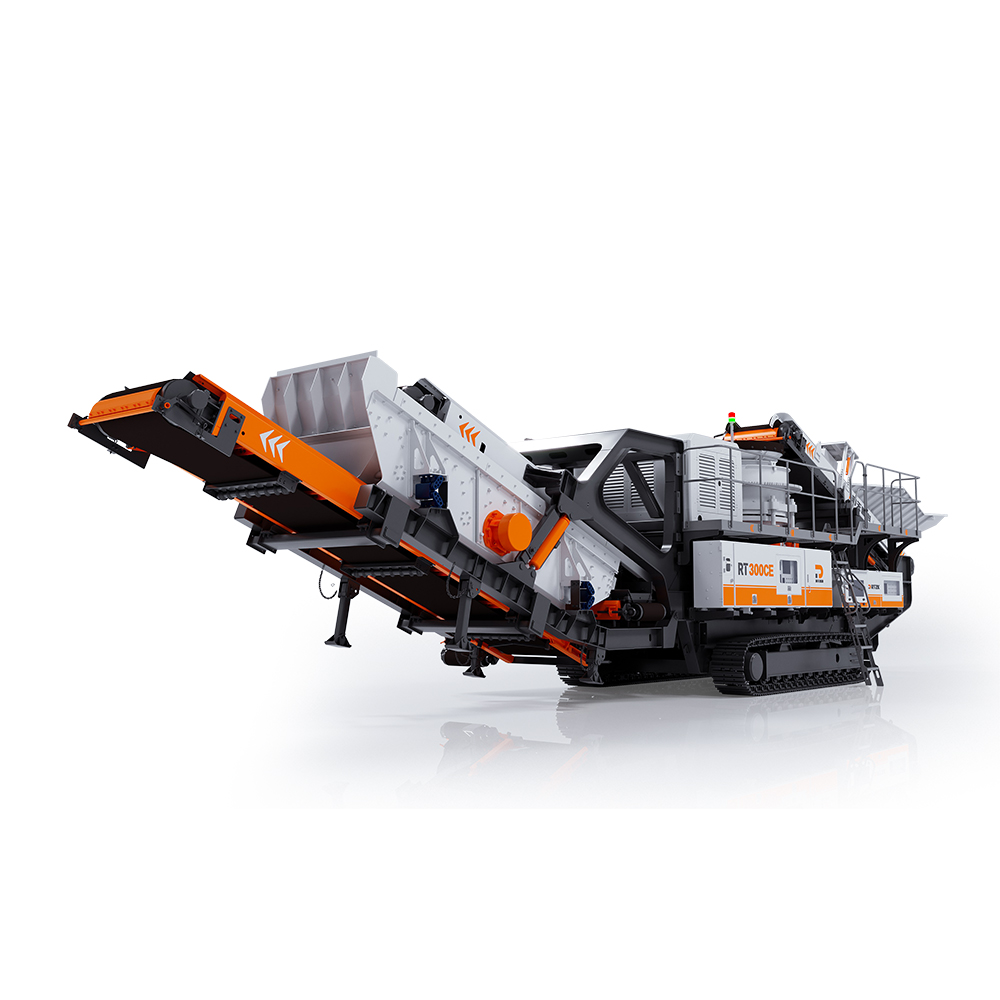 RT300CE Crawler Mobile Cone Crushing Plant
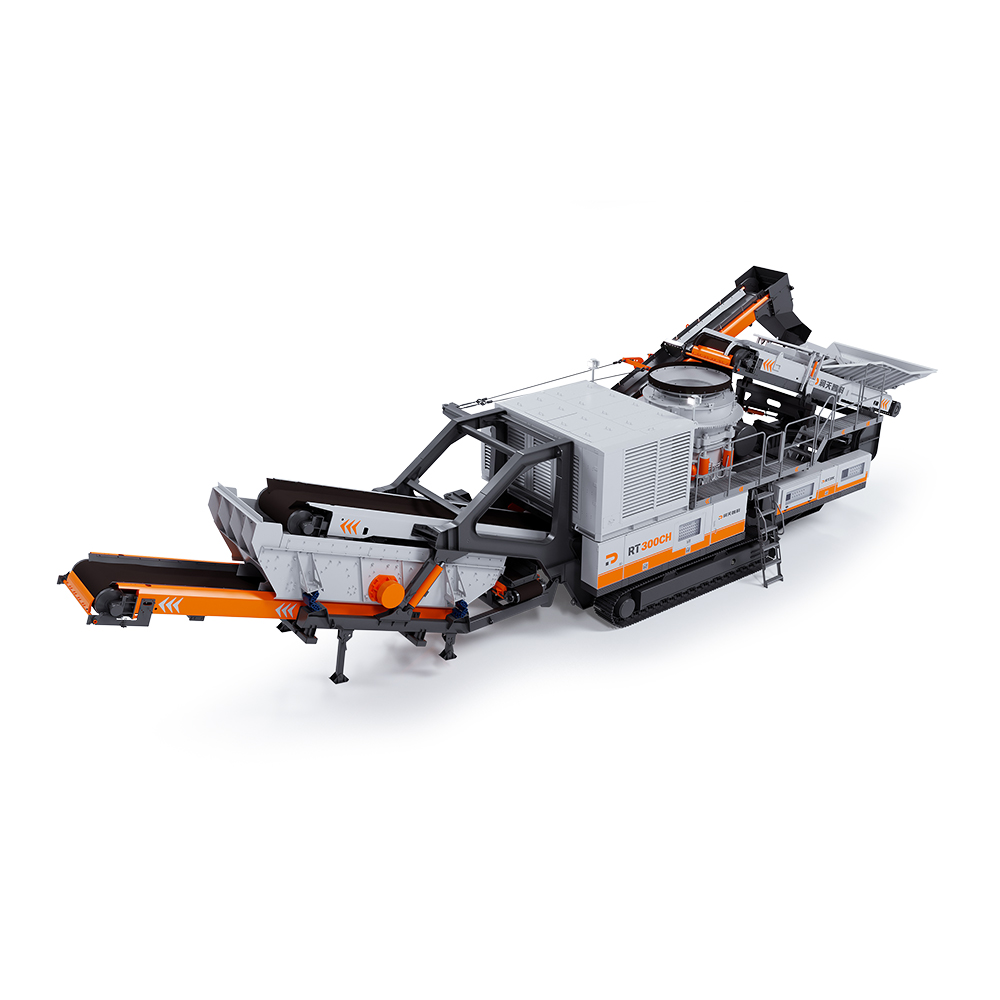 RT300CH Crawler Mobile Cone Crushing Plant
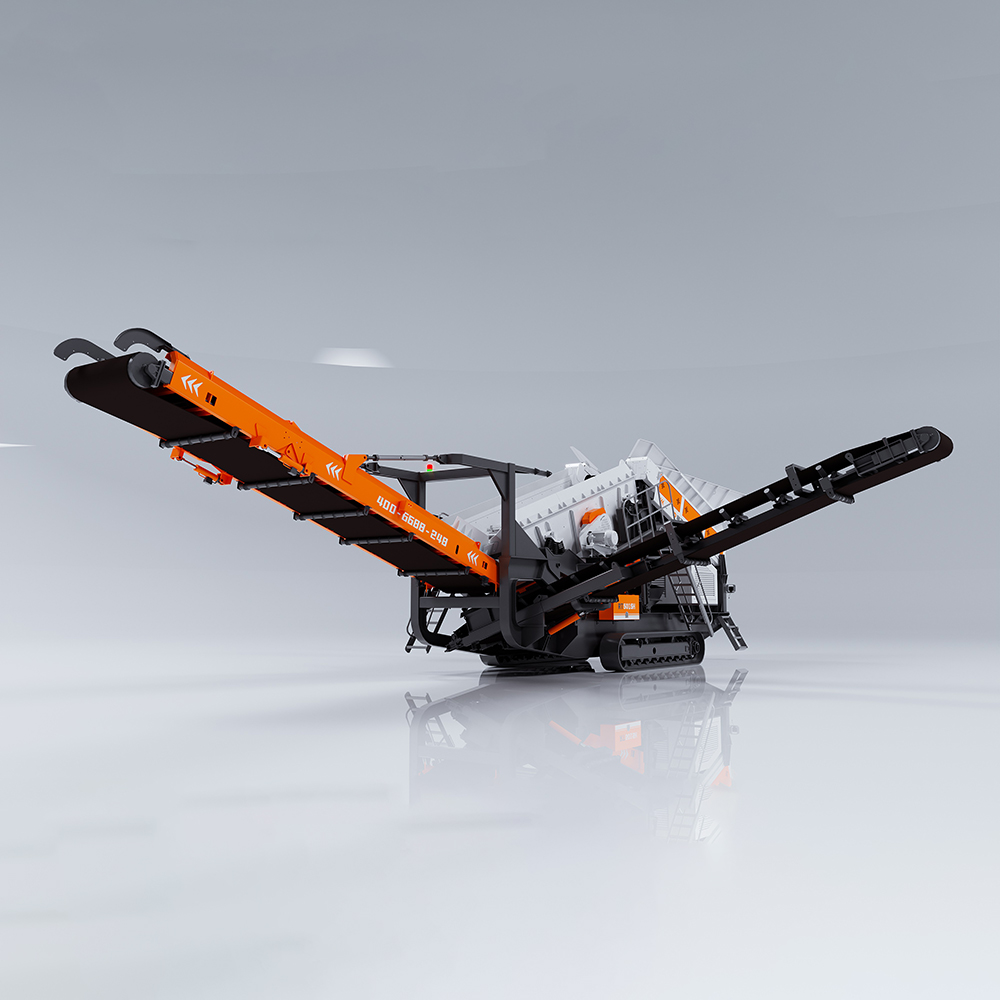 RT5015H Mobile Scalping Screen
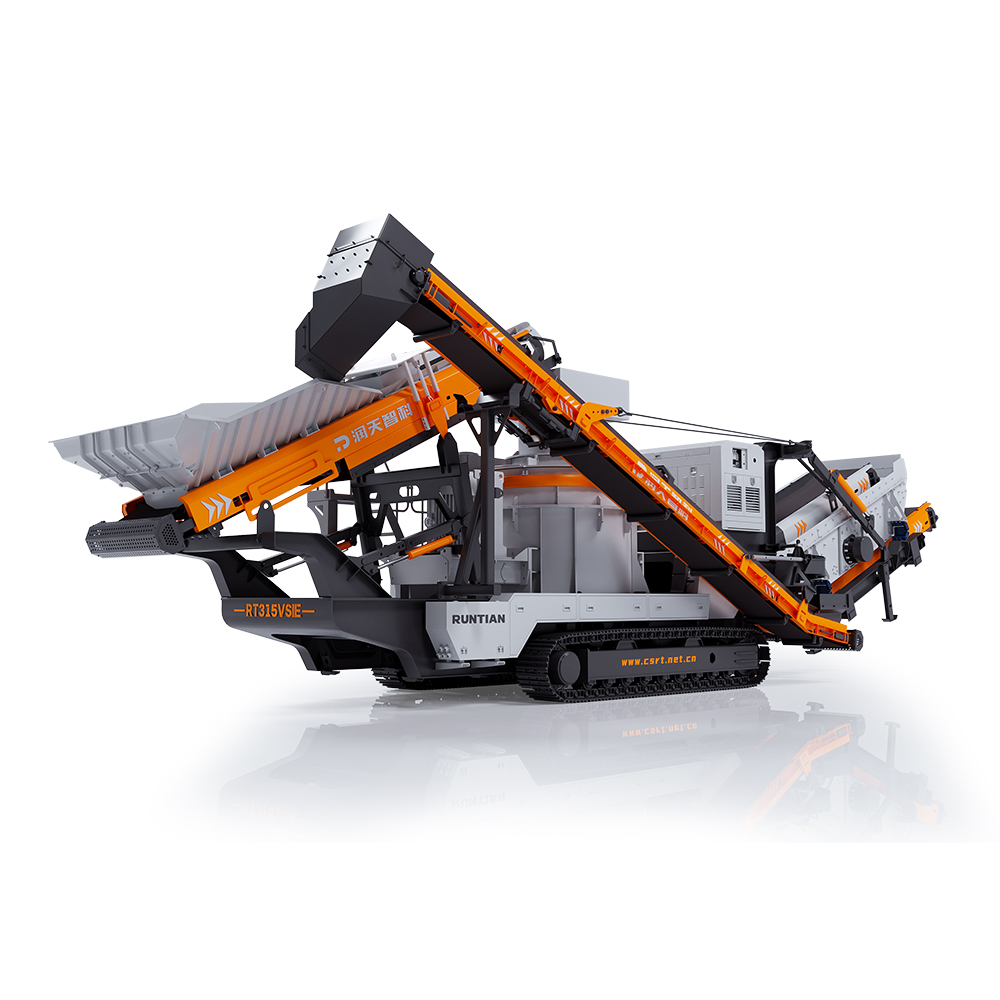 RT315VSIE Crawler Mobile Sand Maker
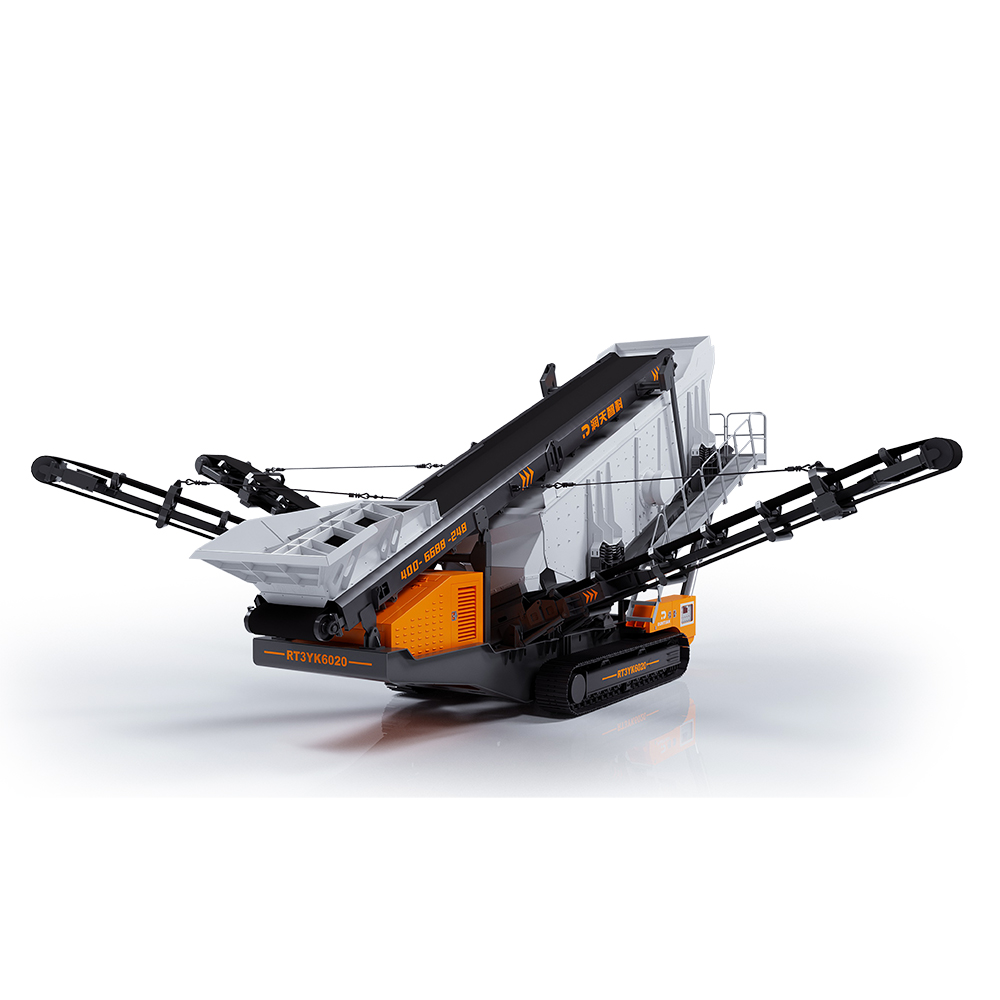 RT3YK6020 Crawler Mobile Screening Plant
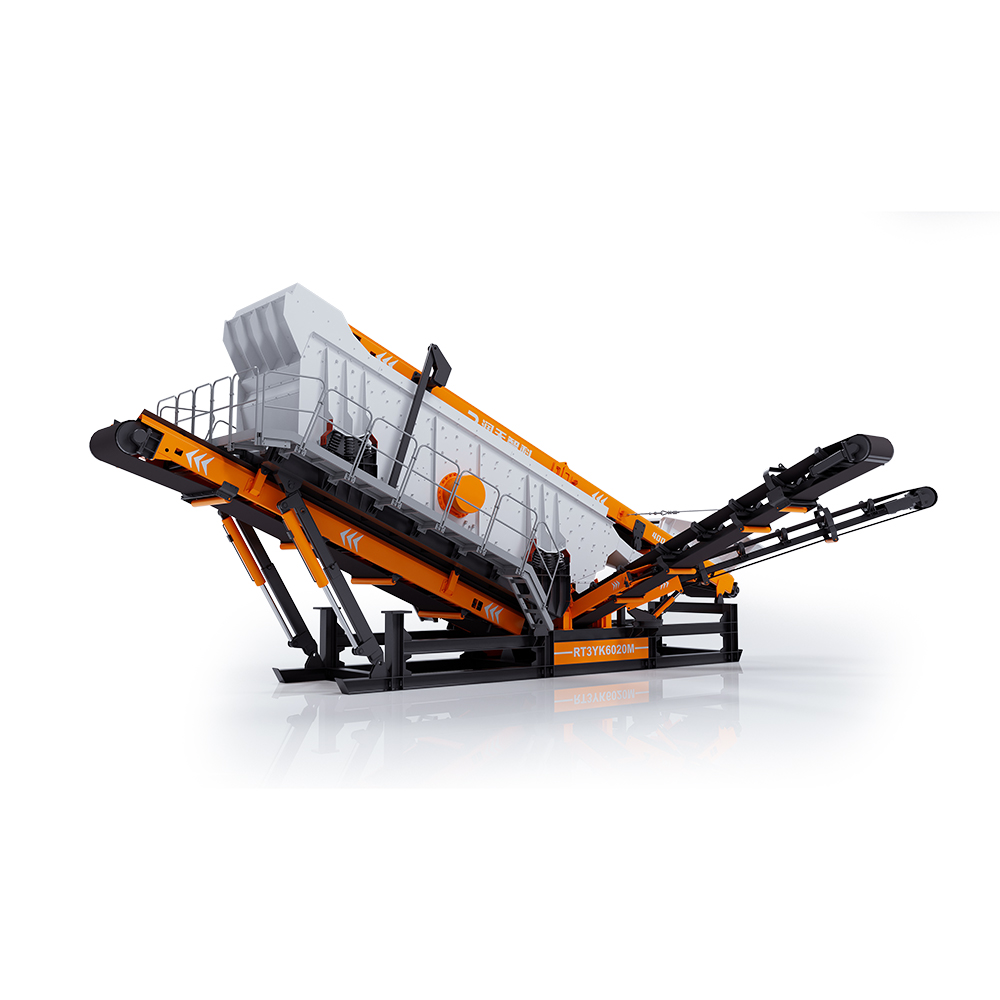 RT3YK6020M Modular Screening Plant
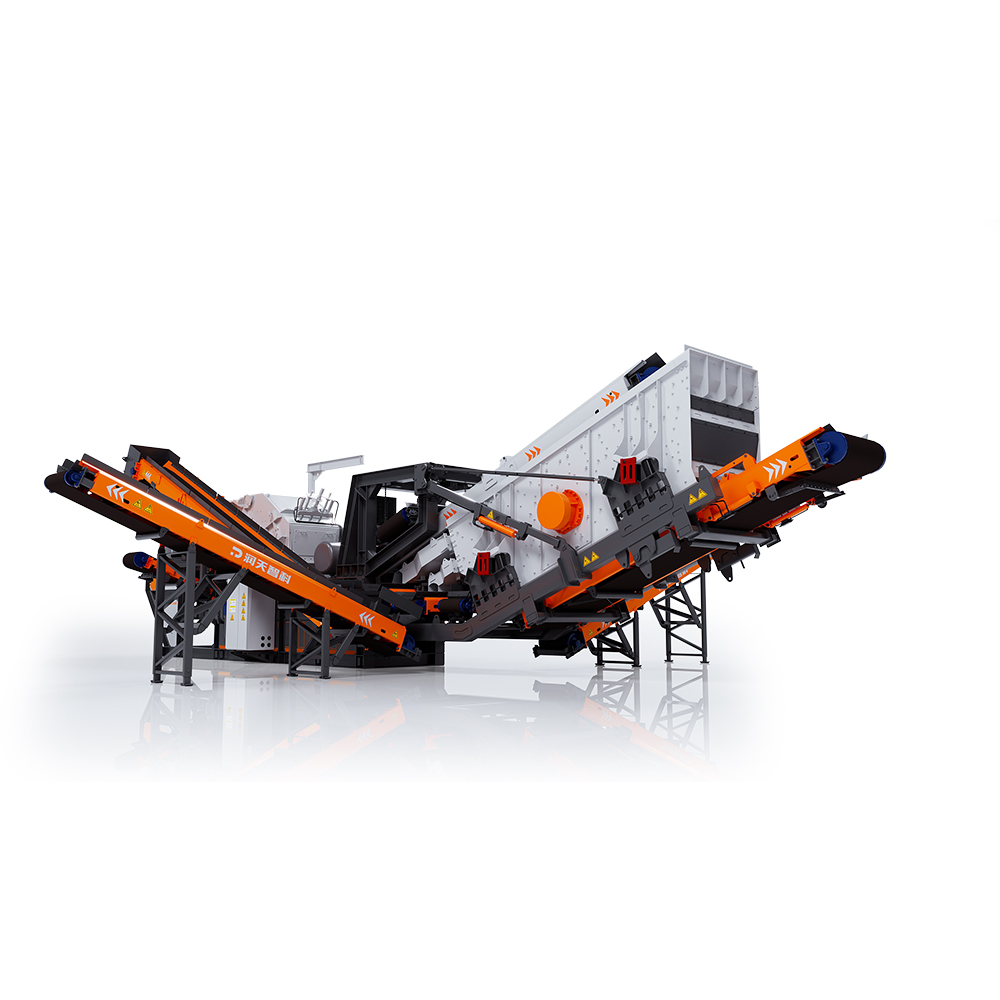 RTF260M Modular Counterattack Crushing and Screening Integrated Machine
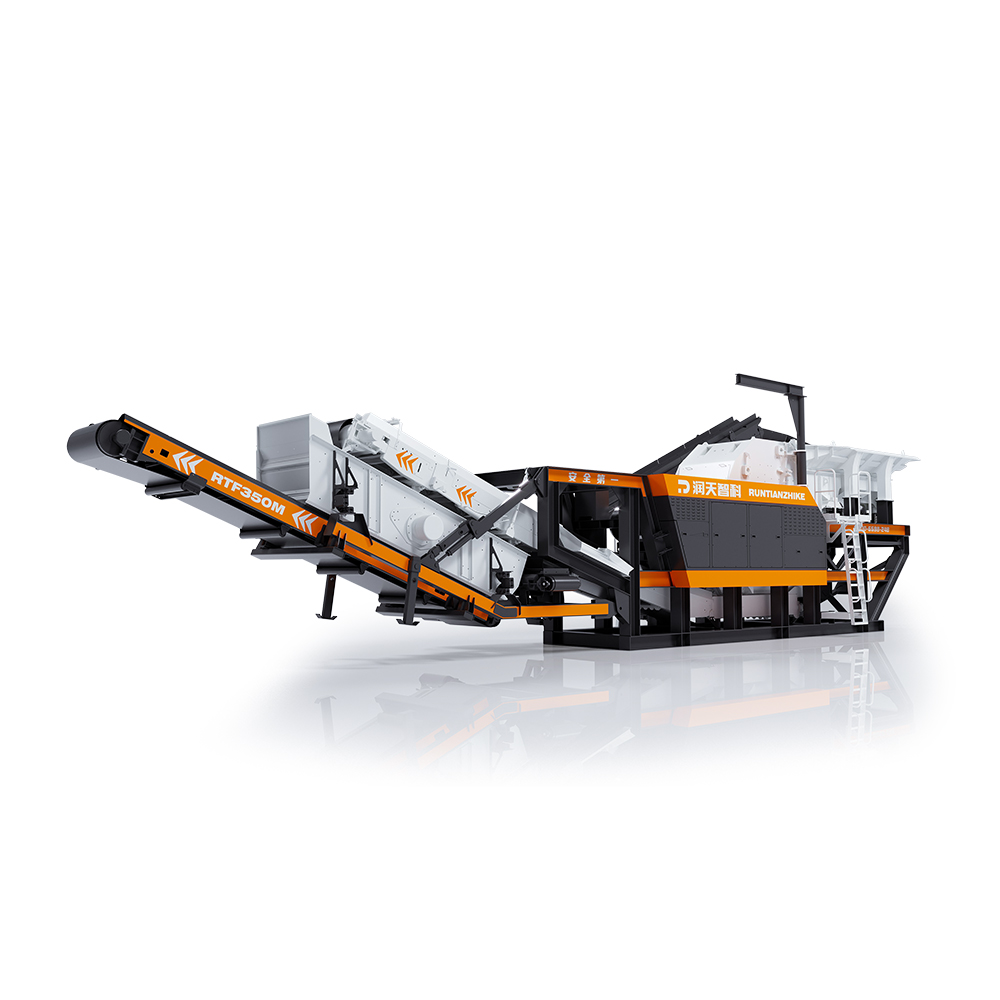 RTF350M Modular Impact Crushing Plant
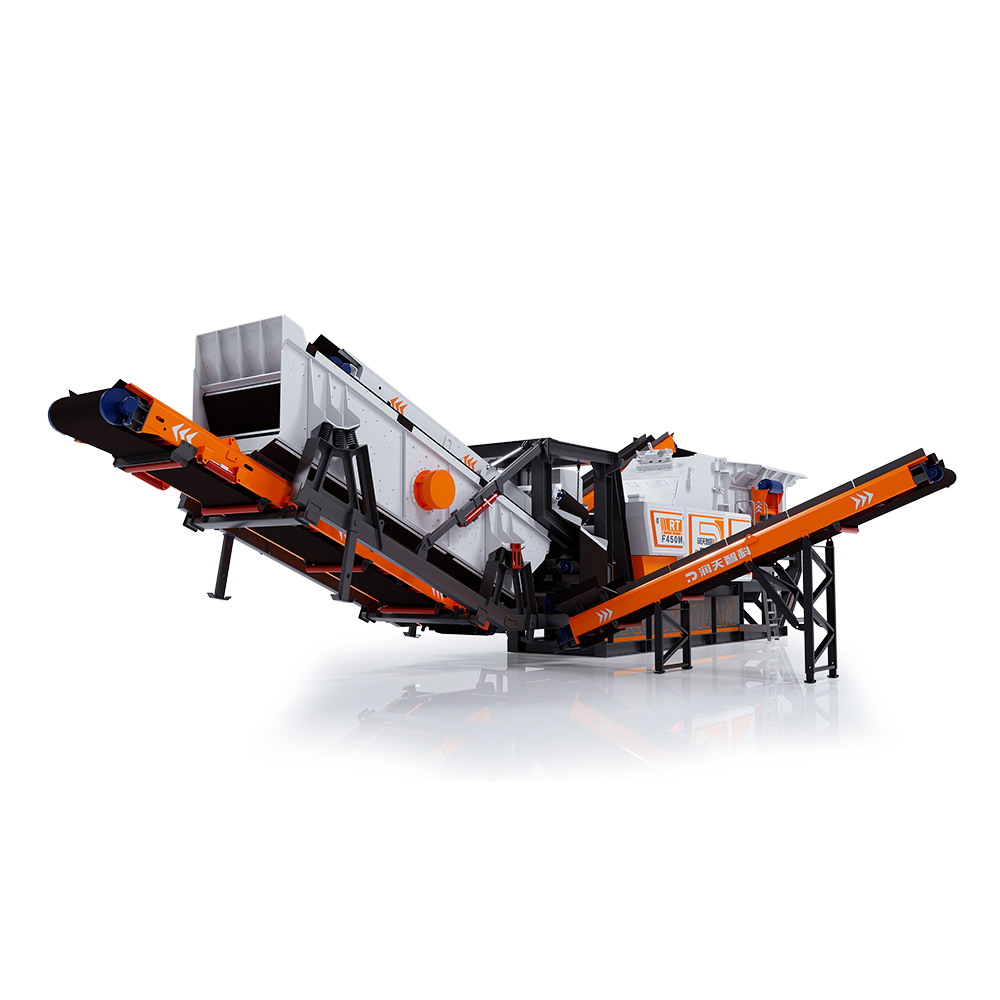 RTF450M Modular Impact Crushing Plant
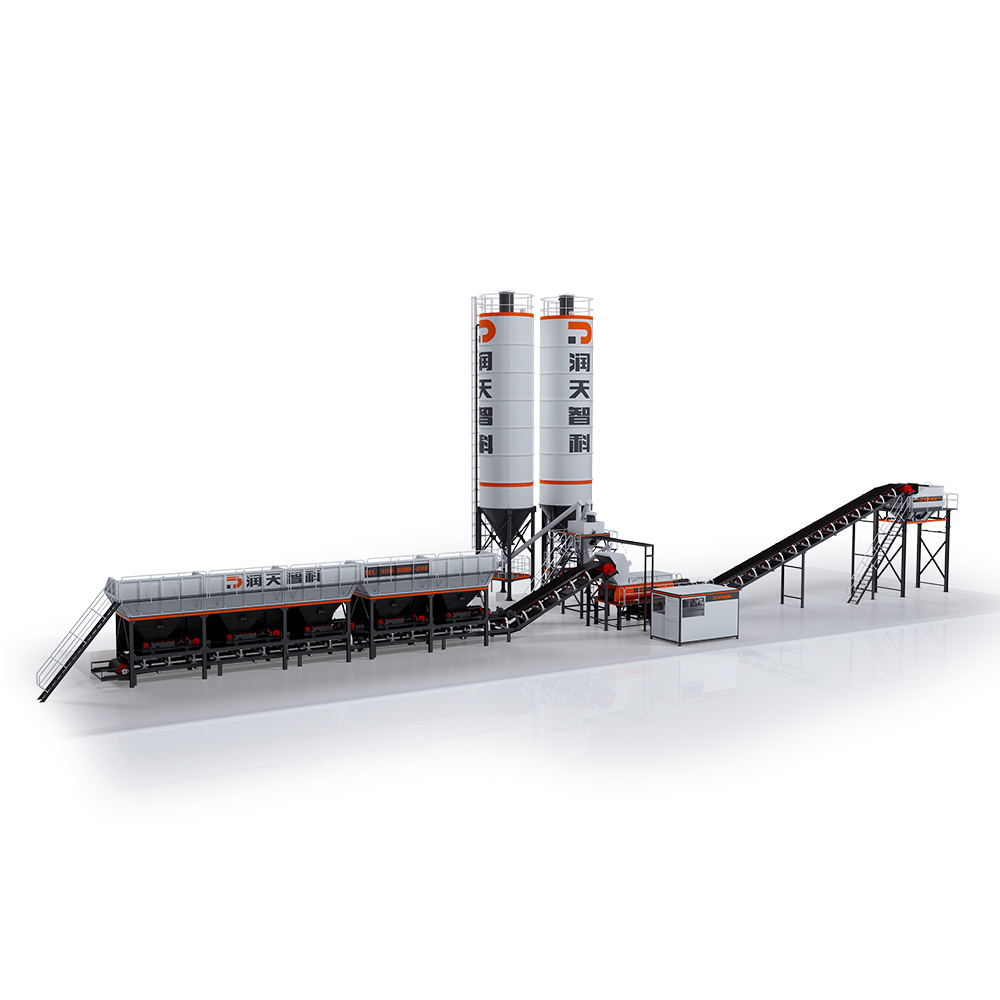 WDB Series Foundation-Free Stability Soil Mixing Plant
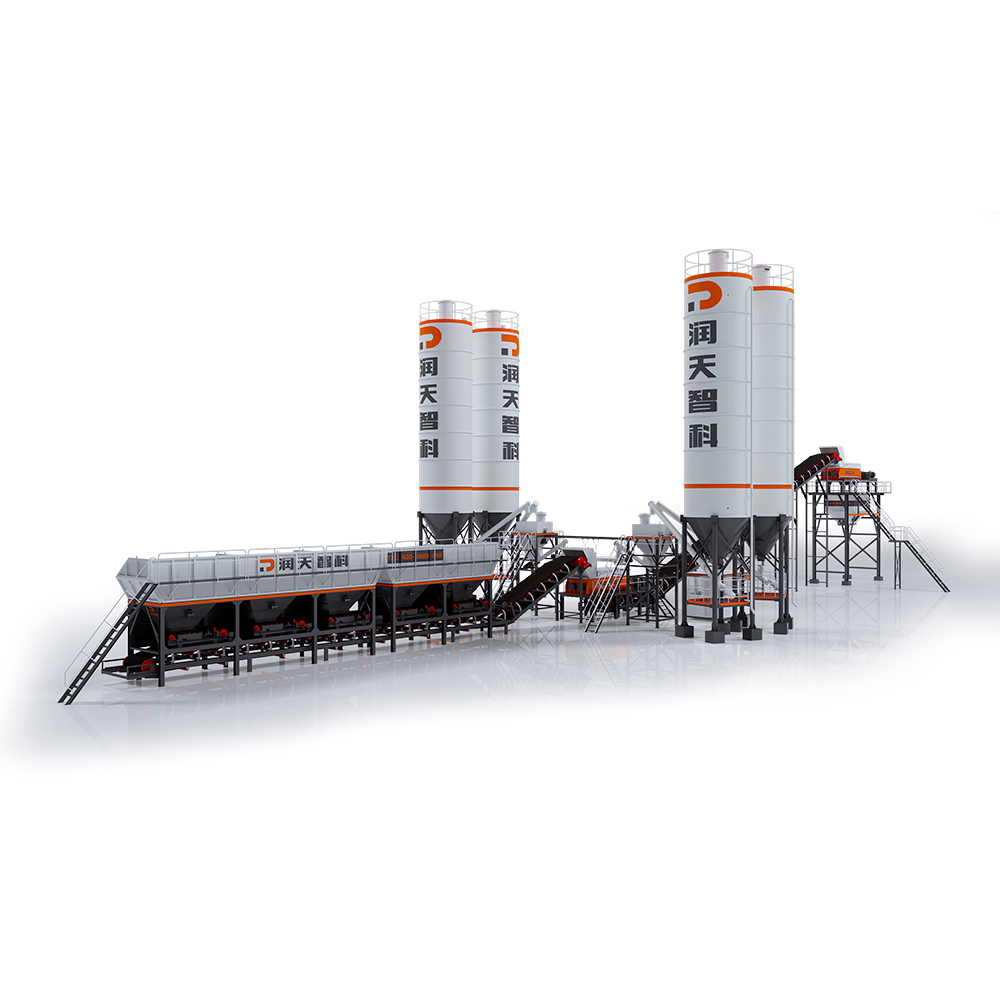 LCB Series Emulsified Asphalt Cold Regeneration Secondary Mixing Plant
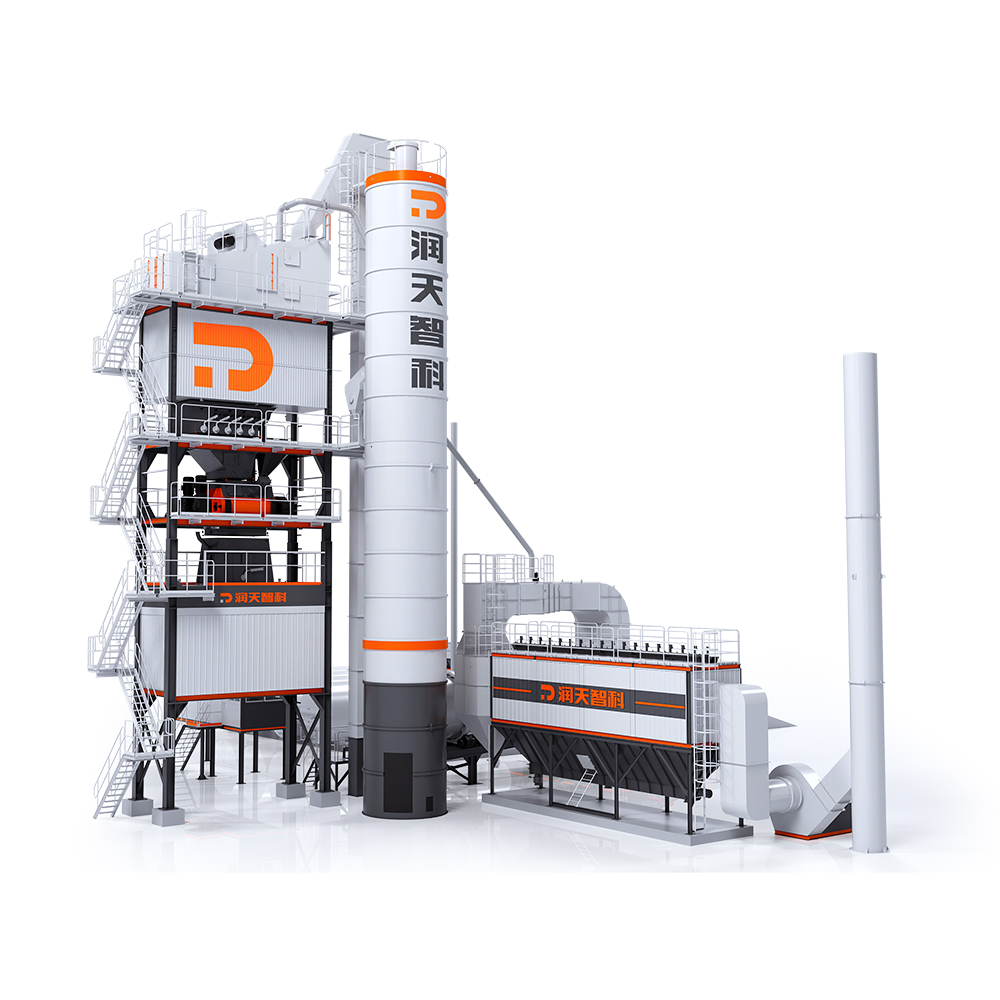 LB Series Asphalt Mixing Plant
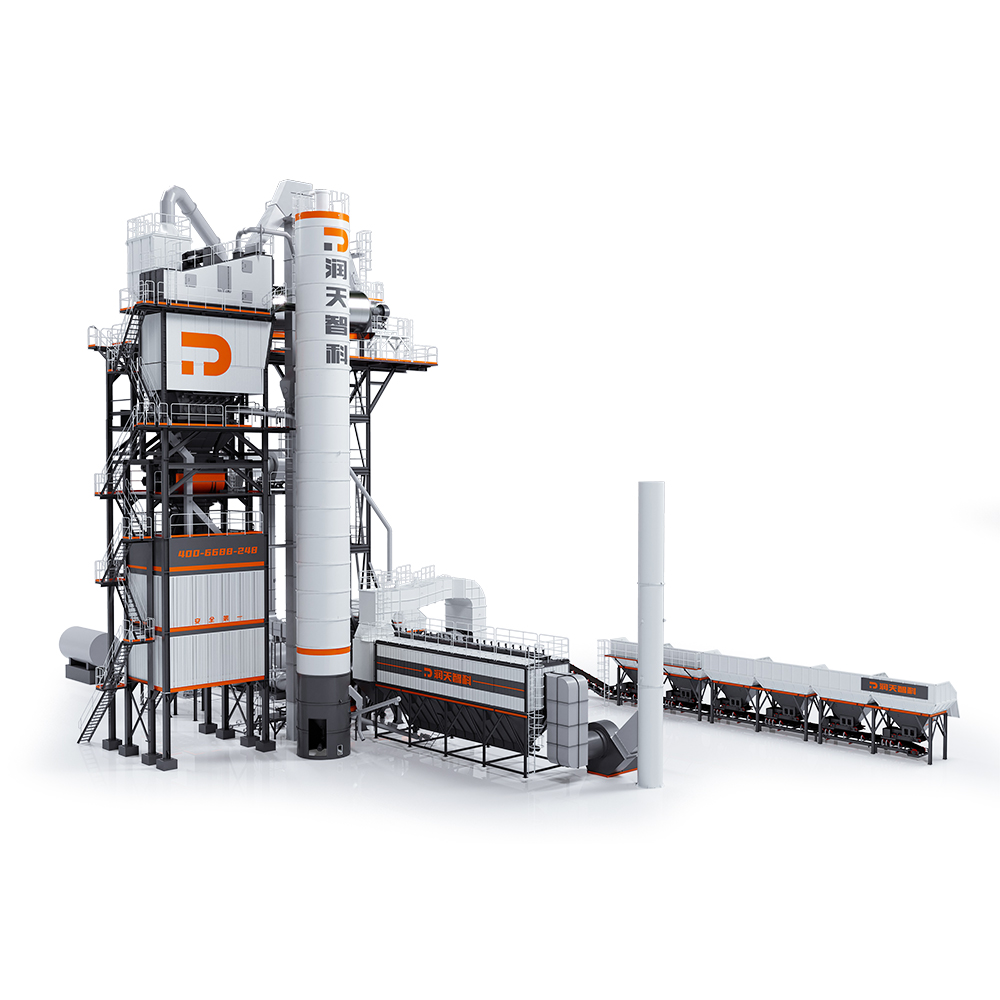 LBR Series Integrated Asphalt Mixing Plant
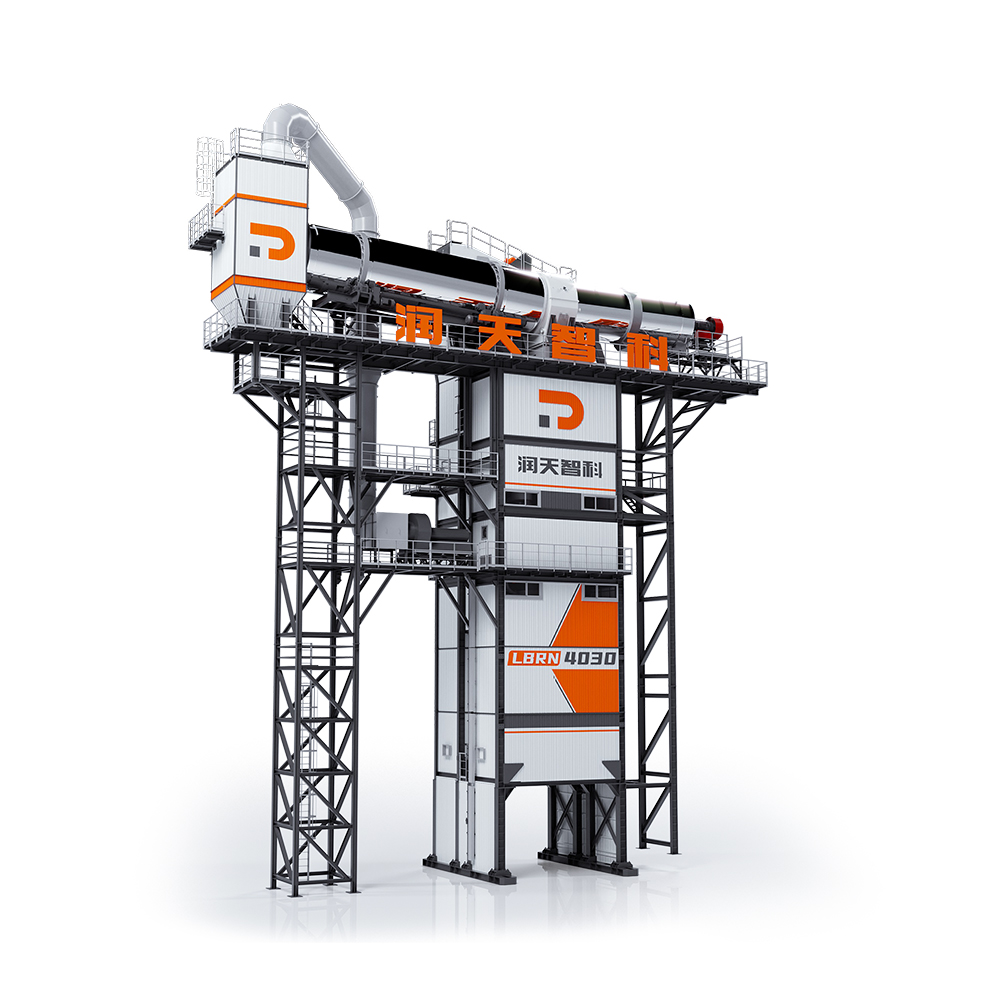 LBRN Series Counterflow Integral Asphalt Mixing Plant
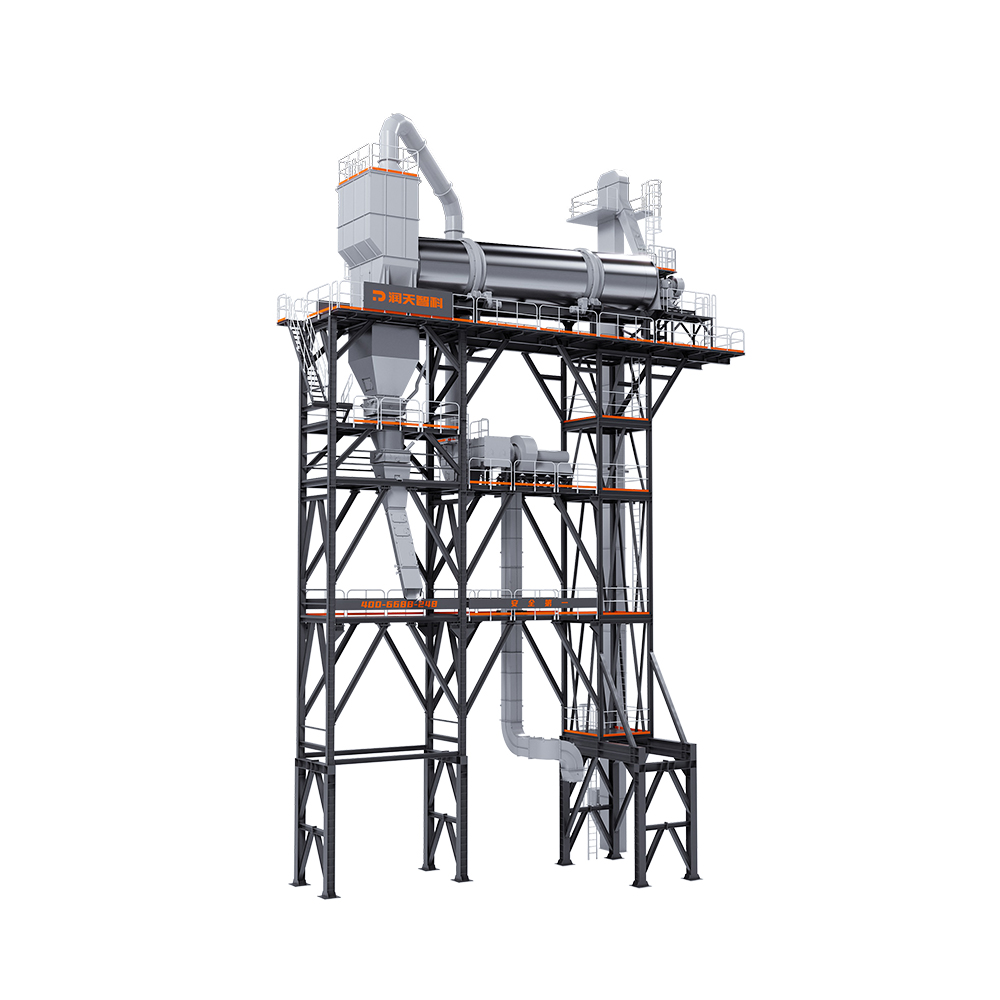 RZS Series Asphalt Mixing Plant
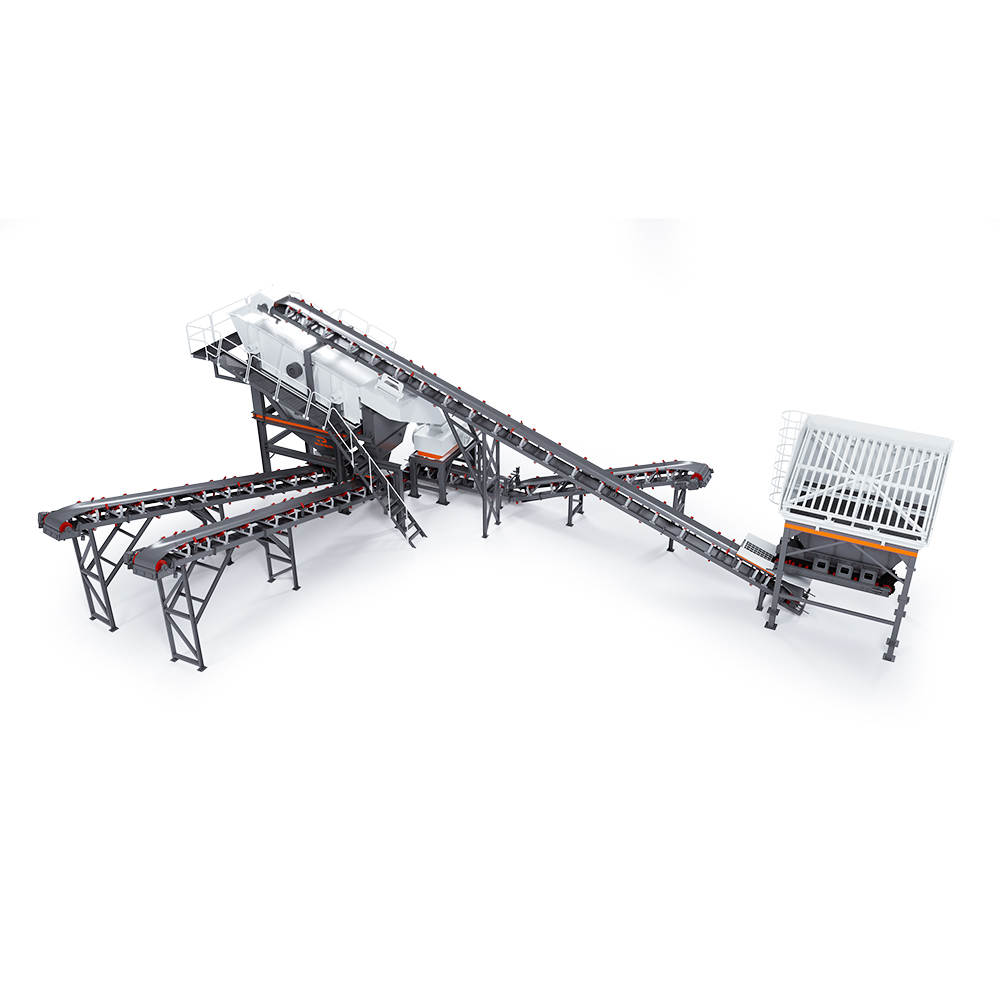 RTZS120 Series RAP Crushing & Screening Plant
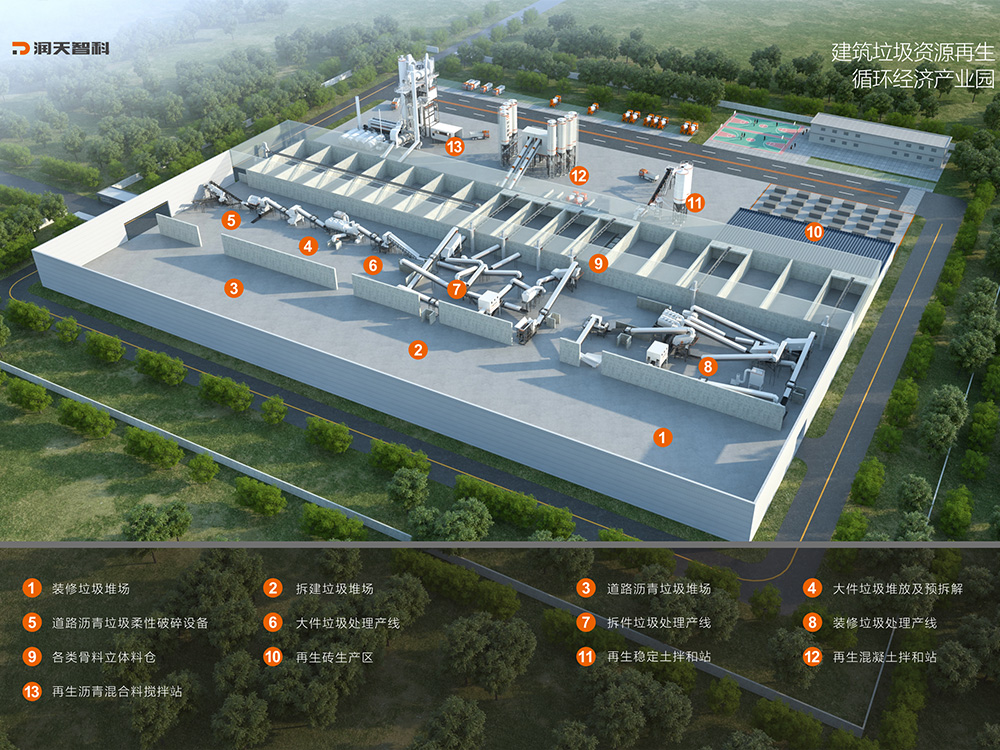 Construction Waste Resourceful Treatment Line