2025 How to Choose the Best Building Materials for Sustainable Construction: Expert Insights & Trends
In the quest for sustainable construction, the importance of selecting the right building materials cannot be overstated. As the global construction industry grapples with the pressing need for environmentally friendly practices, experts emphasize the role of innovative building materials in reducing waste and carbon footprints. According to the World Green Building Council, the construction sector is responsible for nearly 39% of global carbon emissions, highlighting the urgent need for a shift towards sustainable resources.
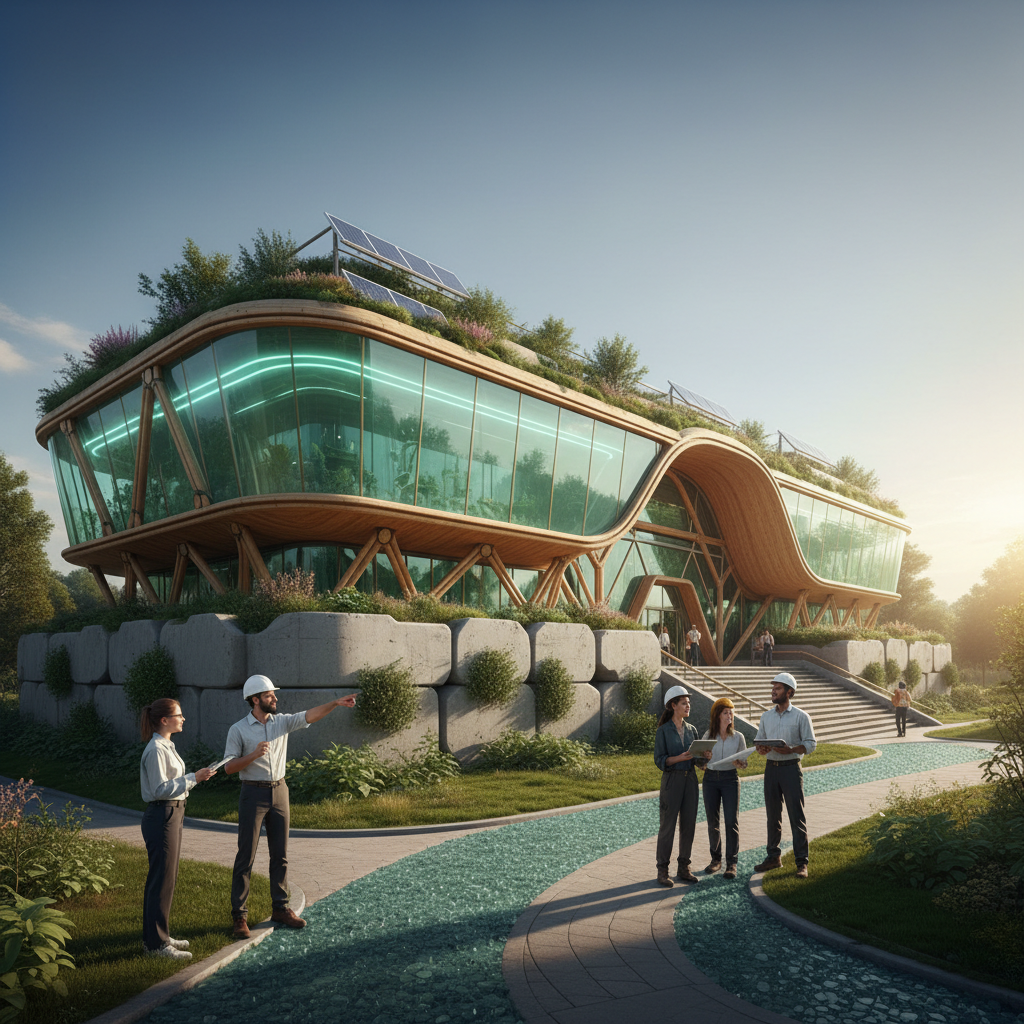 Renowned building material expert Dr. Emily Sanderson, a leading voice in sustainable architecture, asserts, "Choosing the right building materials is not just about aesthetics; it's about the long-term impact on both our environment and our communities." This sentiment echoes the growing emphasis on life-cycle assessments, which evaluate the environmental impact of materials from extraction to disposal. As trends in the building materials industry evolve, understanding how to select sustainable options is crucial for architects, builders, and homeowners alike. With a plethora of materials available, this article will explore the latest insights and trends to help guide stakeholders in making informed decisions about building materials for future projects.
Key Principles of Sustainable Building Material Selection
When selecting building materials for sustainable construction, understanding key principles is essential for promoting both environmental responsibility and long-term economic viability. According to the World Green Building Council, buildings are responsible for approximately 39% of global carbon emissions, showcasing the critical need for sustainable material choices. The selection process should prioritize materials that are renewable, recycled, or have low environmental impacts throughout their life cycle.
One of the foremost principles is assessing the material's embodied energy—the total energy consumed in producing, transporting, and installing the material. Research from the National Renewable Energy Laboratory indicates that choosing materials with lower embodied energy can significantly reduce greenhouse gas emissions. For instance, opting for locally sourced timber instead of steel or concrete can cut emissions by up to 50%. Additionally, durability and recyclability are crucial factors; materials like reclaimed wood or recycled metals not only minimize waste but also support a circular economy, where resources are continually repurposed.
Another important consideration is Indoor Air Quality (IAQ). Materials should contribute to healthier environments by minimizing volatile organic compounds (VOCs) and other harmful substances. The U.S. Environmental Protection Agency has reported that indoor air can be 2-5 times more polluted than outdoor air, emphasizing the need for non-toxic, sustainable materials. By aligning material selection with these principles, builders can ensure that their projects not only meet current sustainability standards but also contribute positively to the environment and the health of occupants.
2025 How to Choose the Best Building Materials for Sustainable Construction: Expert Insights & Trends
| Material Type |
Sustainability Rating |
Recyclability |
Embodied Carbon (kg CO2e/m²) |
Lifecycle Durability |
| Bamboo |
A+ |
High |
10 |
25+ years |
| Recycled Steel |
A |
Very High |
30 |
50+ years |
| Hempcrete |
A |
Medium |
12 |
30+ years |
| Reclaimed Wood |
B+ |
High |
15 |
50+ years |
| Concrete with Recycled Aggregate |
B |
High |
80 |
40+ years |
Emerging Trends in Eco-Friendly Building Materials for 2025
As we move toward 2025, the construction industry is experiencing a pivotal shift towards sustainability, driven by emerging trends in eco-friendly building materials. One prominent trend is the increasing use of bio-based materials, such as bamboo and mycelium, which are not only renewable but also reduce the carbon footprint significantly. These materials are gaining traction due to their natural abundance and ability to sequester carbon, making them ideal for a greener building approach.
Another significant trend is the advancement of recycled and upcycled materials. As the circular economy continues to gain momentum, innovative solutions that incorporate recycled content are becoming more mainstream. Products such as reclaimed wood, recycled steel, and glass are now seen as viable alternatives to traditional materials, appealing to environmentally conscious consumers and builders alike. This shift not only minimizes waste but also encourages responsible resource management, aligning construction practices with sustainable development goals. By embracing these eco-friendly materials, the construction industry can contribute to a healthier planet while also meeting the growing demand for sustainable living spaces.
Expert Tips for Assessing Material Durability and Performance
When selecting materials for sustainable construction, assessing durability and performance is paramount. The increasing emphasis on life cycle assessments reflects a growing awareness of the environmental impacts of building materials. Sustainable choices involve not only evaluating how long materials last but also how they perform throughout their lifespan. Experts suggest utilizing multicriteria decision-making frameworks to analyze various factors such as strength, flexibility, and resistance to environmental stressors, ensuring the chosen materials meet both performance metrics and sustainable practices.
Furthermore, the integration of technologies such as artificial intelligence can significantly enhance the process. By employing AI, designers can optimize concrete materials' performance while predicting their behavior during various stages of the construction lifecycle. This approach not only facilitates the creation of more resilient structures but also aligns with the pressing need for innovations that support sustainability. As construction evolves, aligning material selection with expert insights and emerging trends becomes crucial for achieving long-lasting and environmentally friendly results.
Innovative Technologies Enhancing Sustainable Construction Practices
Innovative technologies are revolutionizing sustainable construction practices, offering architects and builders new tools to minimize environmental impact while enhancing efficiency. One significant advancement is the use of building information modeling (BIM), which allows for meticulous planning and resource management. With BIM, professionals can simulate various construction scenarios, optimize material usage, and anticipate potential waste, thereby promoting a more sustainable approach right from the design phase.
Additionally, the rise of eco-friendly materials, such as hempcrete and recycled steel, is reshaping the industry. These materials not only reduce reliance on virgin resources but also often provide better insulation and durability than traditional options. Coupled with technologies like 3D printing, which can significantly reduce material waste during construction, the industry is moving towards a model that values sustainability without sacrificing performance. As these technologies continue to evolve, they pave the way for a greener future in construction, emphasizing the importance of integrating innovative solutions in the building process.
Trends in Sustainable Building Materials (2025)
The Role of Certifications and Standards in Material Selection
In the context of sustainable construction, the choice of building materials is increasingly influenced by certifications and standards that ensure environmental compatibility and safety. According to the "Low-Carbon Construction Materials Industry Analysis Report 2025-2030", stringent building codes and green certification standards are essential in driving the adoption of low-carbon materials. These regulations not only minimize environmental impact but also encourage consumer willingness to pay a premium for eco-labeled products, as highlighted in studies on sustainable consumption behavior in markets like China.
The certification landscape is diverse, with various schemes addressing specific material categories, including textiles and recycled materials. An analysis of green certification standards has revealed significant discrepancies among these schemes, particularly regarding their criteria and transparency. Such variances can complicate the decision-making process for builders and consumers alike, underscoring the need for clarity in certifications to promote sustainable material choices effectively. As stakeholders increasingly focus on life cycle thinking, the alignment of certification standards with sustainability goals becomes crucial for fostering greater accountability across the construction industry.

 Concrete Mixing Plant
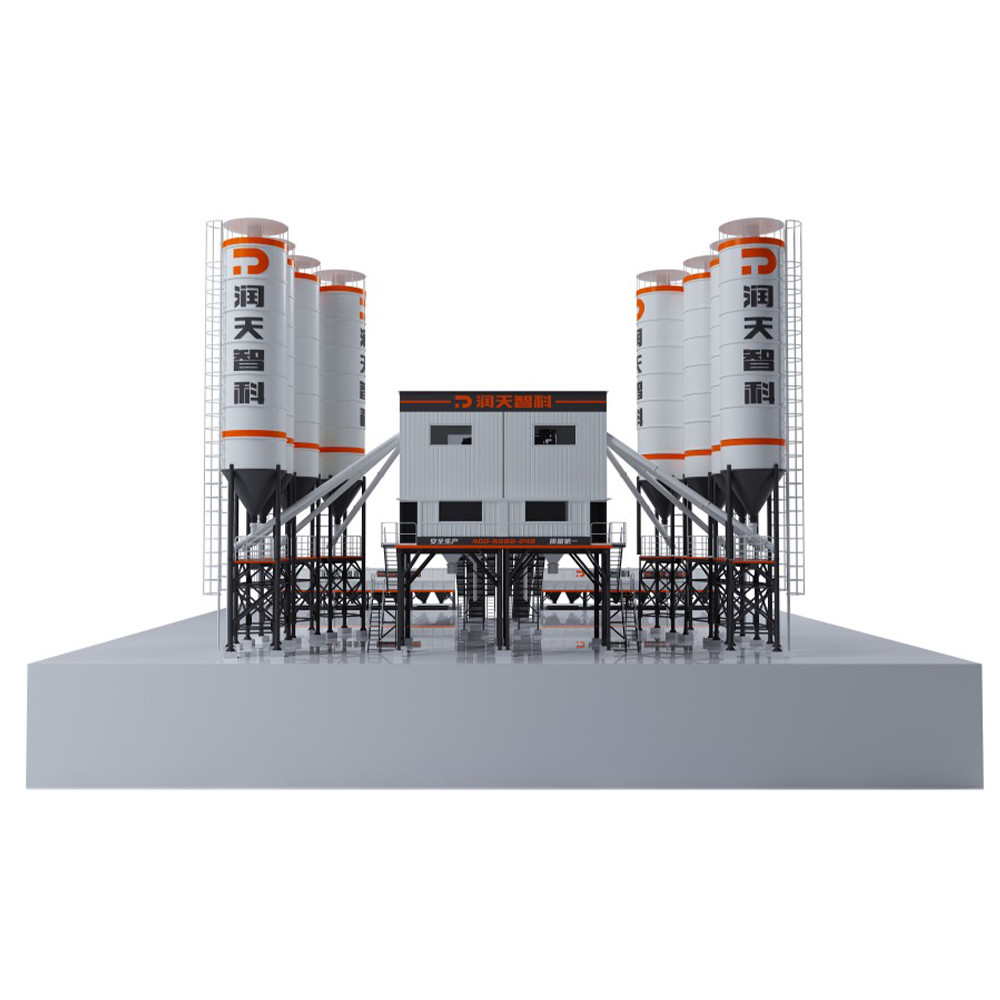 HZS Series Belt Concrete Mixing Plant
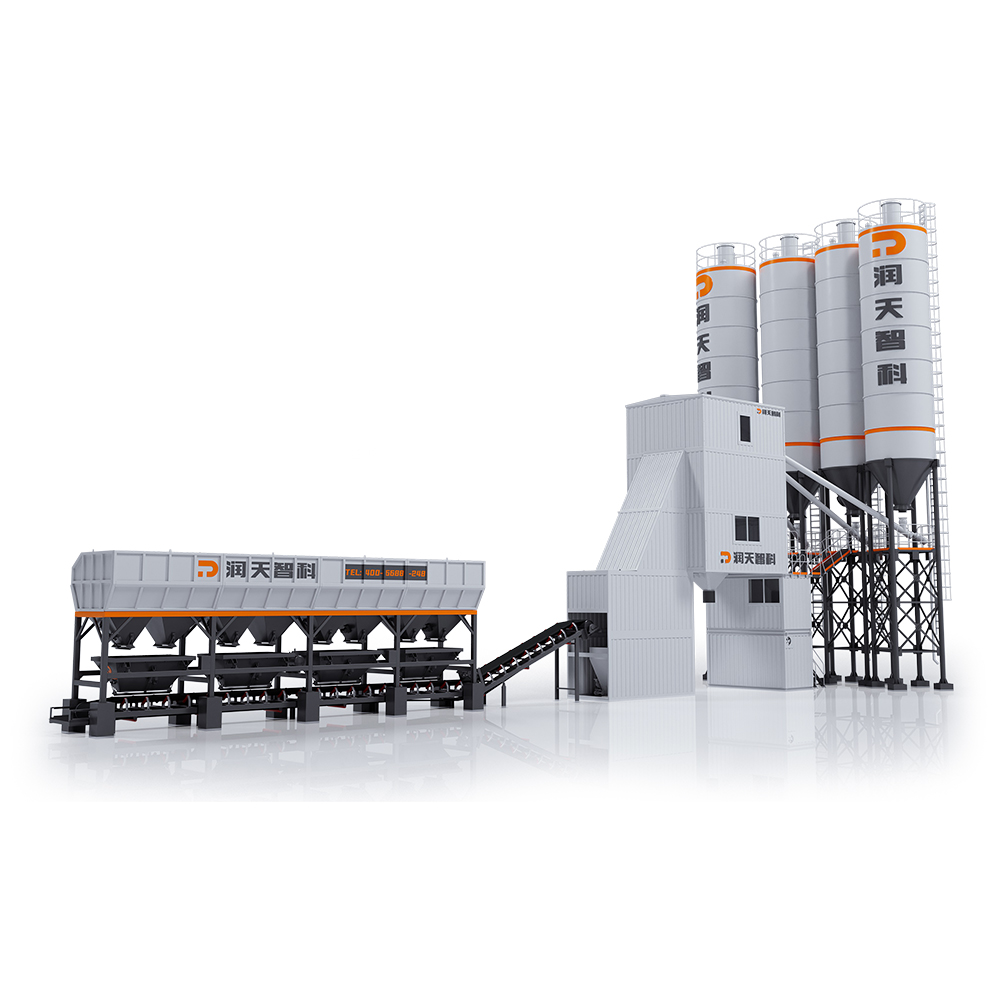 HZS Series Bucket-Lifting Type Container Concrete Mixing Plant
 HZS60 Mobile Concrete Mixing Plant
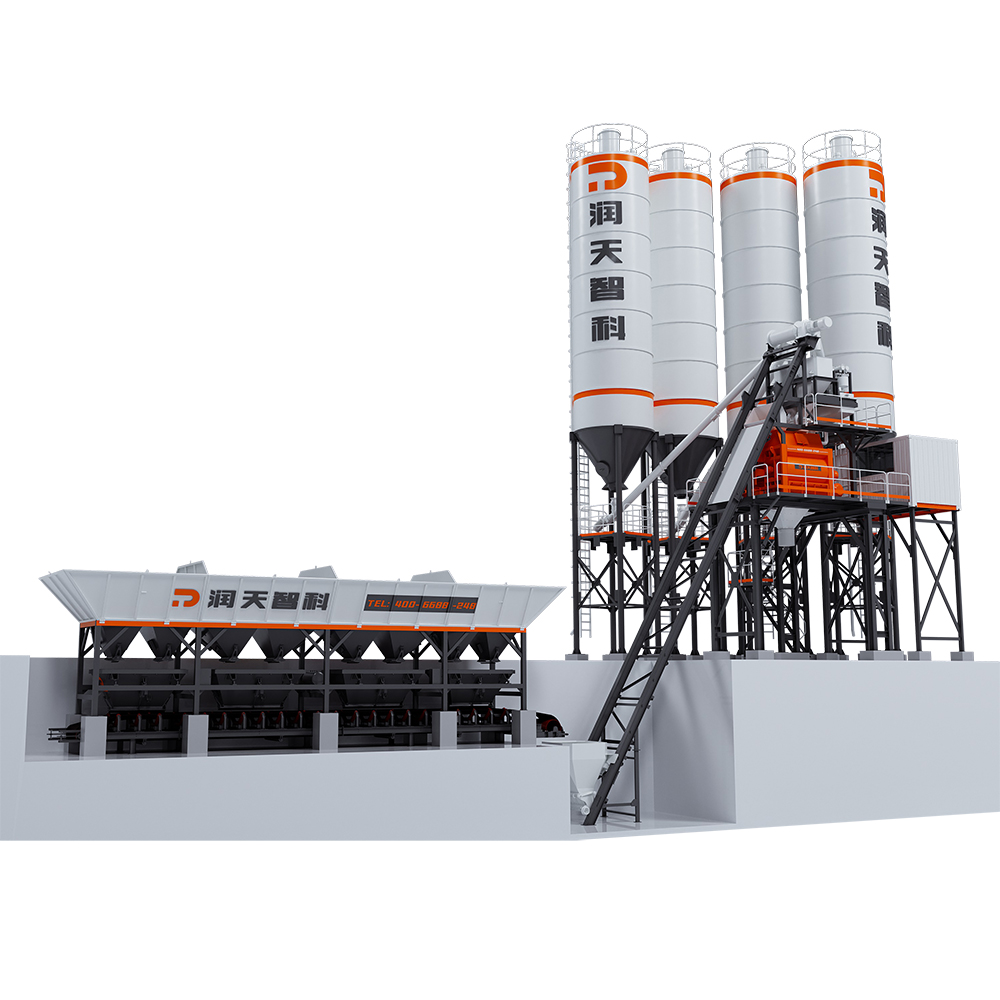 HZS Series Bucket-Lifting Type Concrete Mixing Plant
 HZS Series Mobile Concrete Mixing Plant
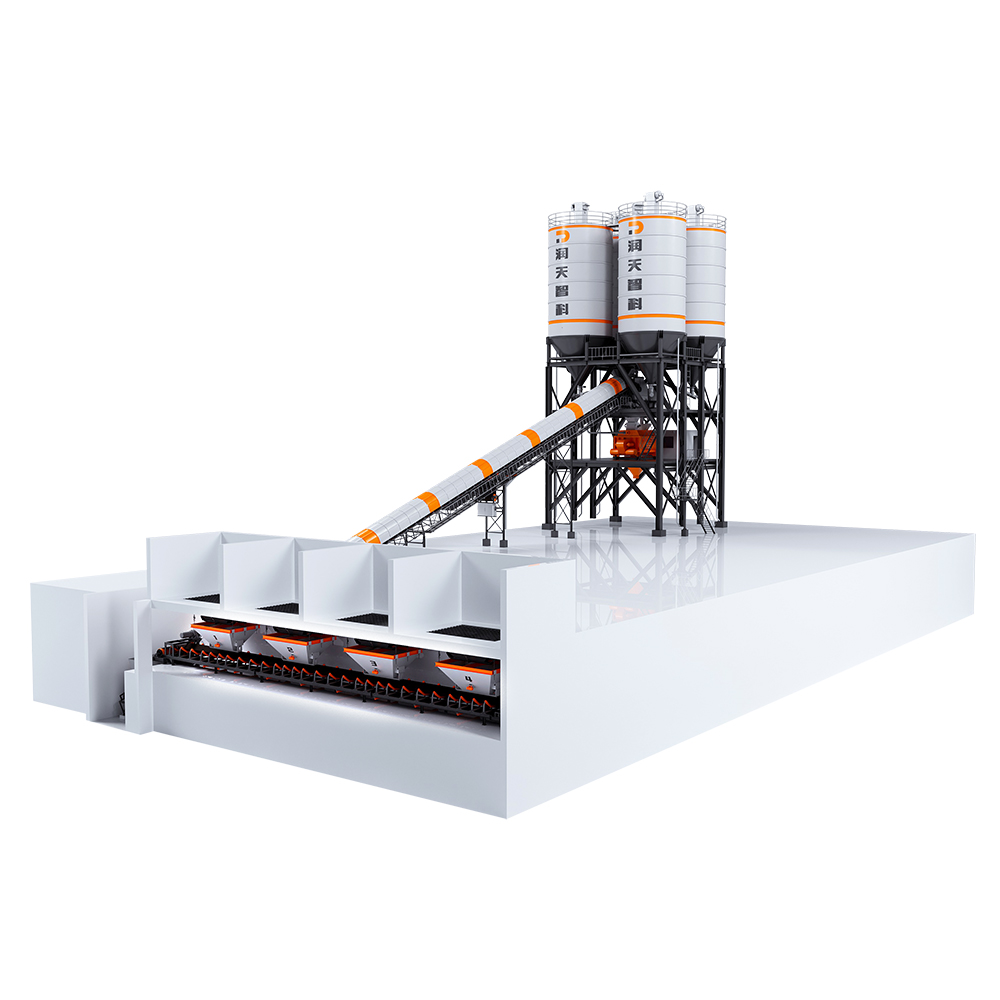 HZS Series Top-Mounted Concrete Mixing plant
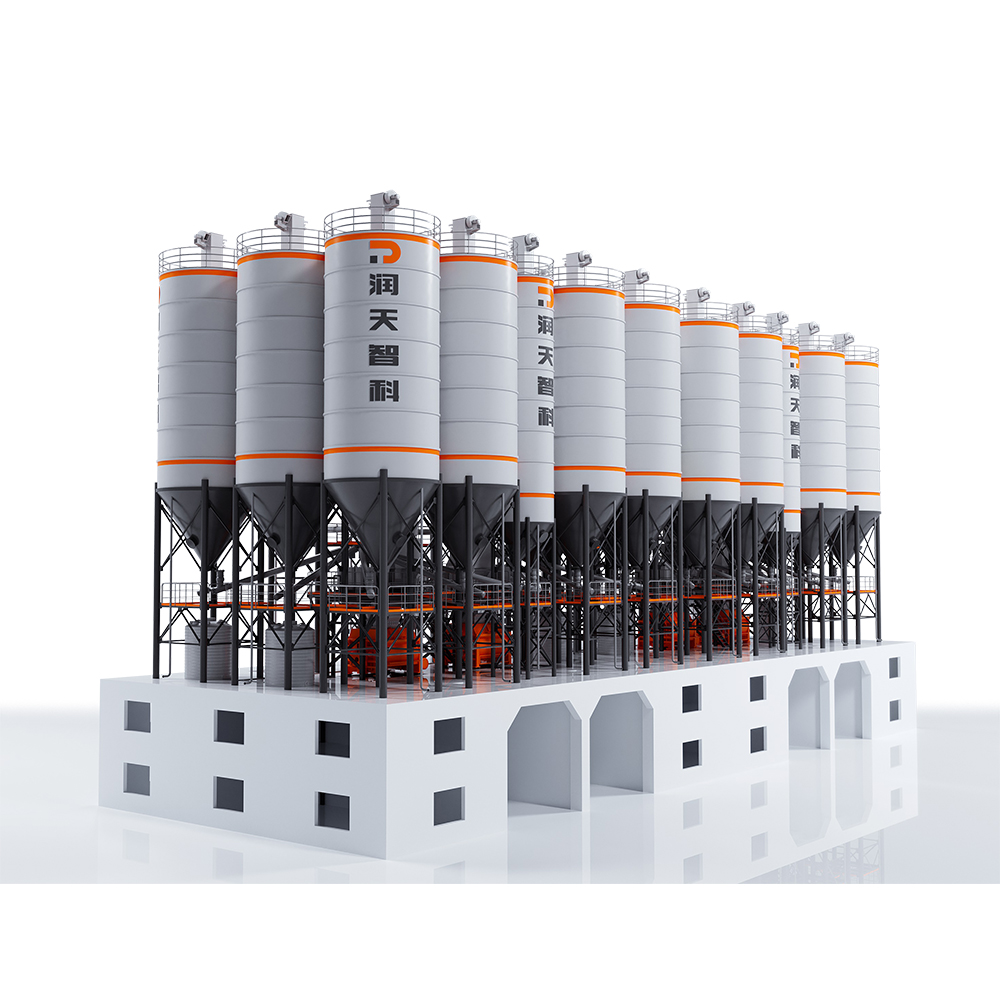 HZS Series Semi-Top Mounted Concrete Mixing Plant
 RTPF350DS Crawler Mobile Impact Crushing Plant
 RT116JH Crawler Mobile Jaw Crushing Plant
 RT116JE Crawler Mobile Jaw Crushing Plant
 RT300CE Crawler Mobile Cone Crushing Plant
 RT300CH Crawler Mobile Cone Crushing Plant
 RT5015H Mobile Scalping Screen
 RT315VSIE Crawler Mobile Sand Maker
 RT3YK6020 Crawler Mobile Screening Plant
 RT3YK6020M Modular Screening Plant
 RTF260M Modular Counterattack Crushing and Screening Integrated Machine
 RTF350M Modular Impact Crushing Plant
 RTF450M Modular Impact Crushing Plant
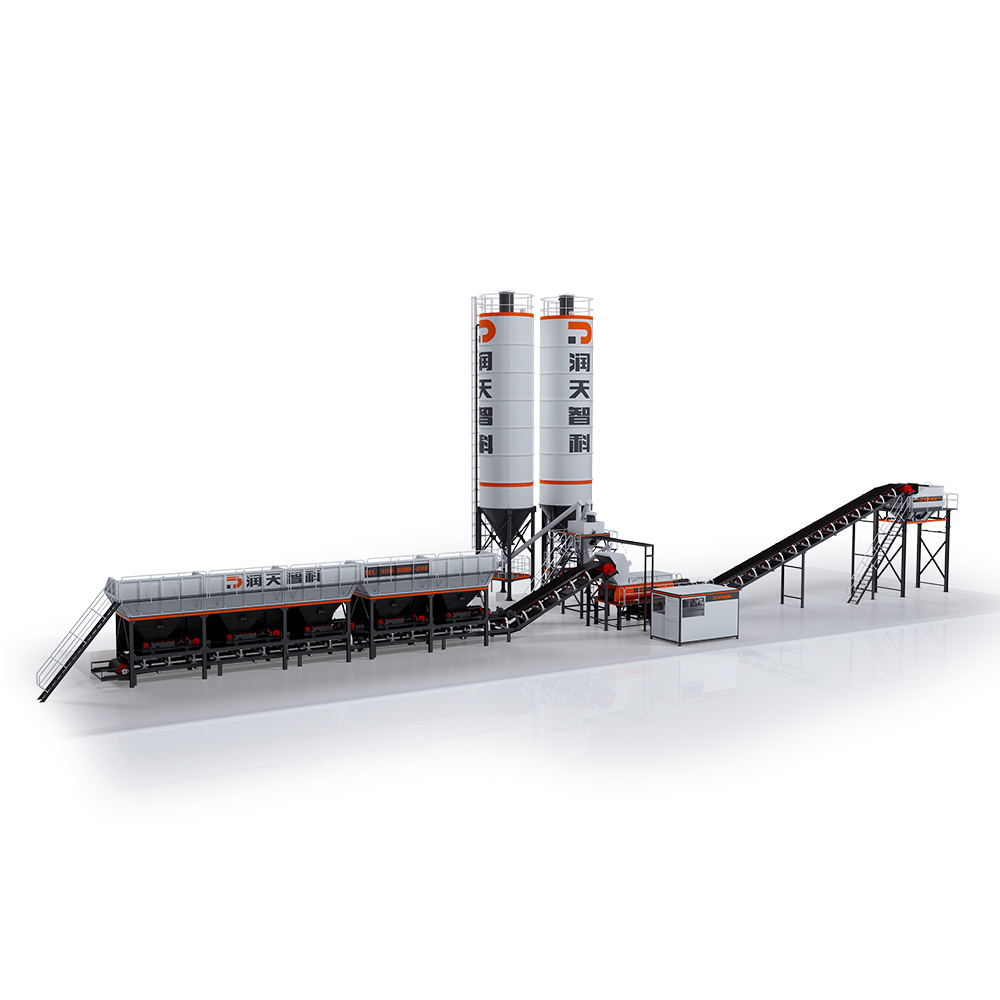 WDB Series Foundation-Free Stability Soil Mixing Plant
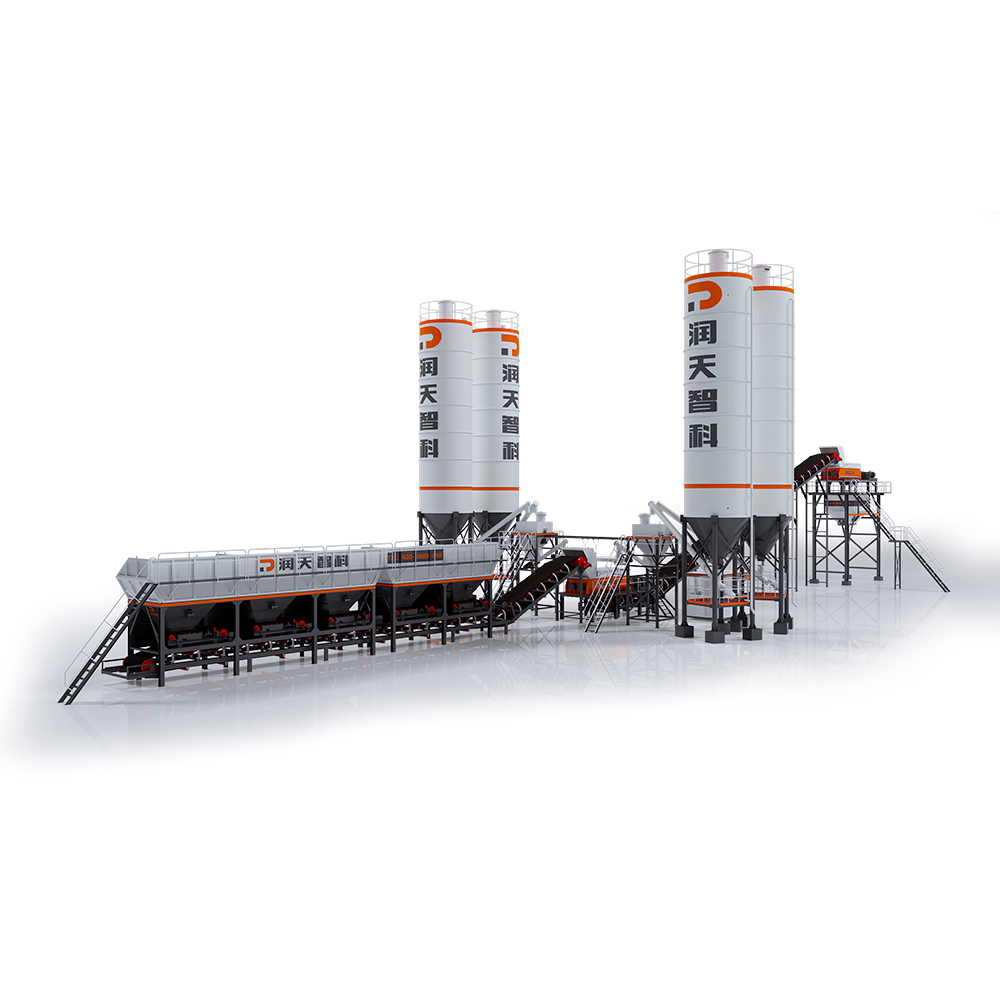 LCB Series Emulsified Asphalt Cold Regeneration Secondary Mixing Plant
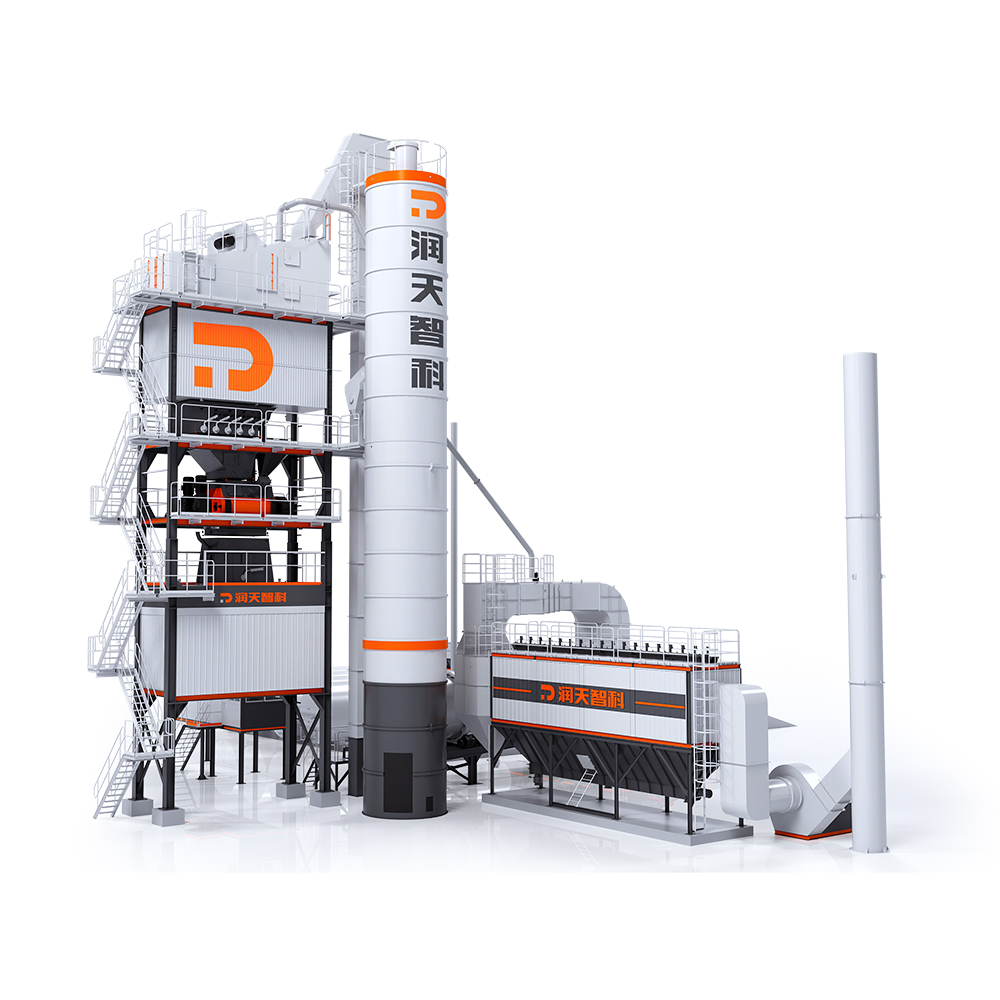 LB Series Asphalt Mixing Plant
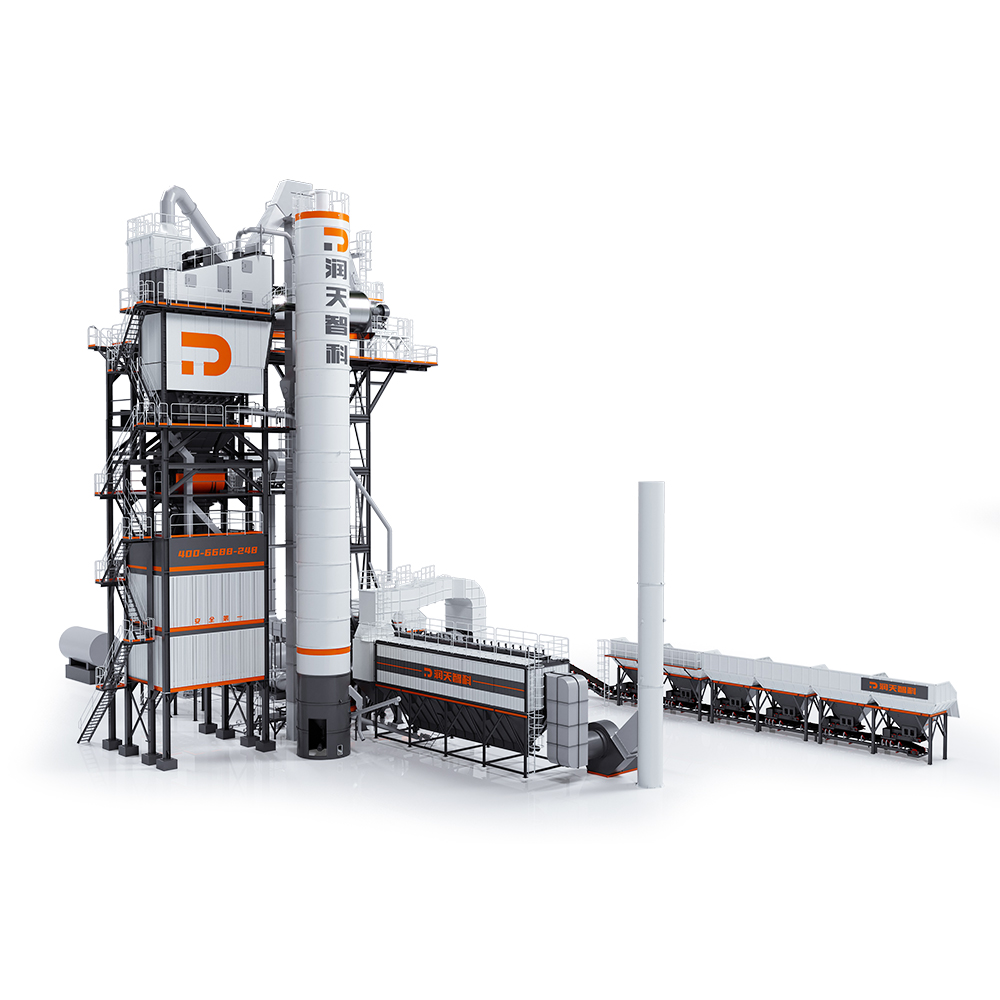 LBR Series Integrated Asphalt Mixing Plant
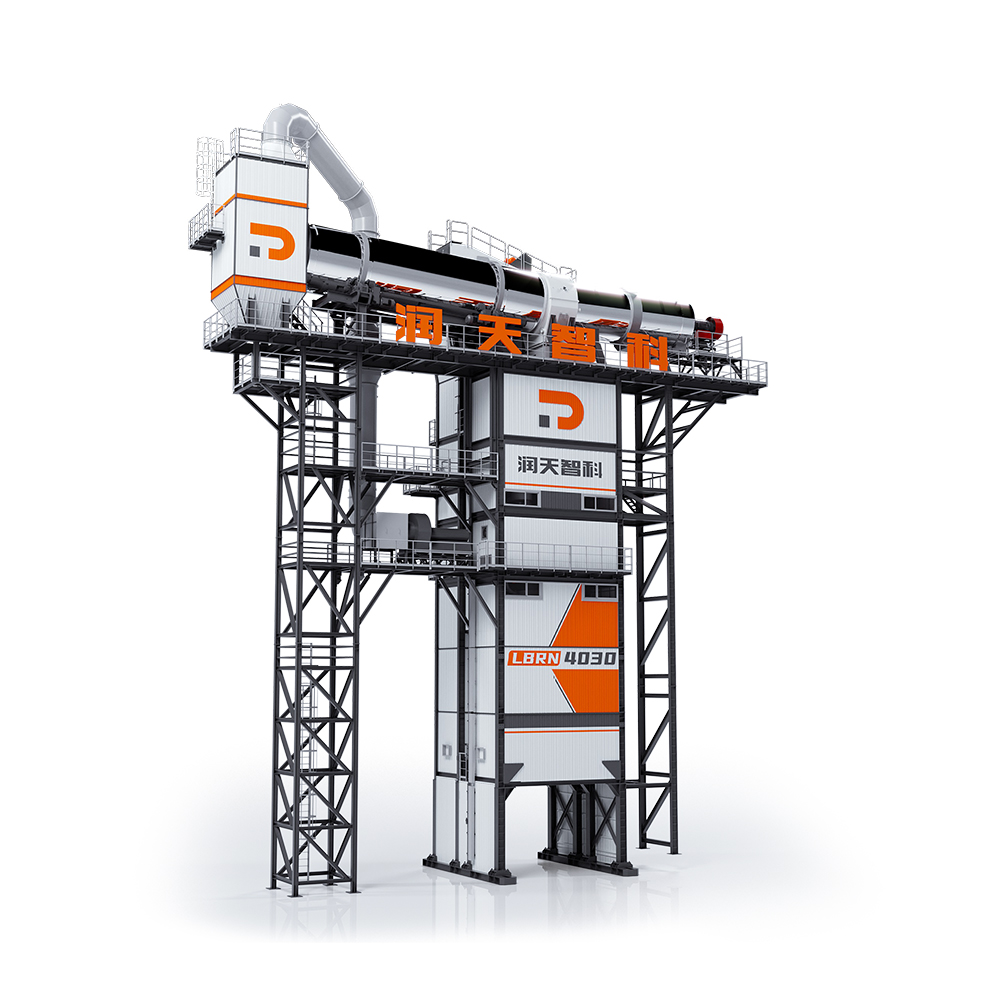 LBRN Series Counterflow Integral Asphalt Mixing Plant
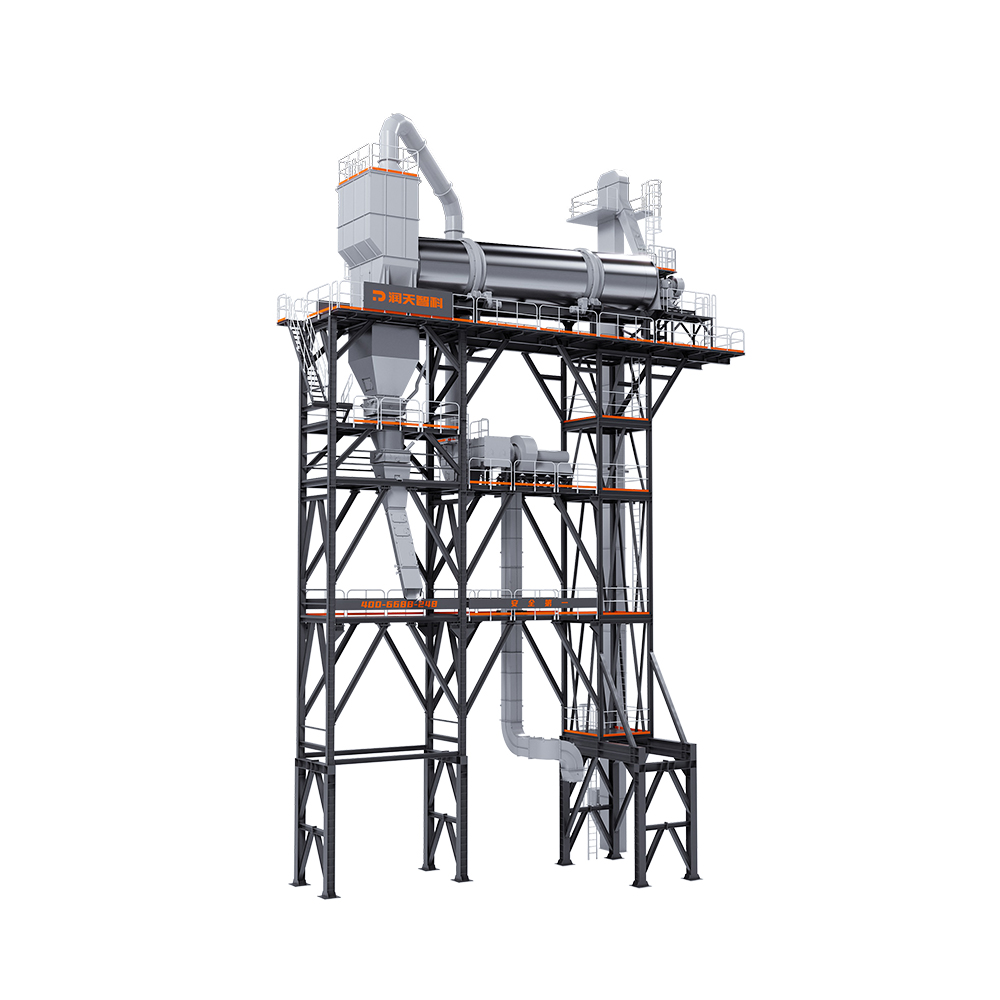 RZS Series Asphalt Mixing Plant
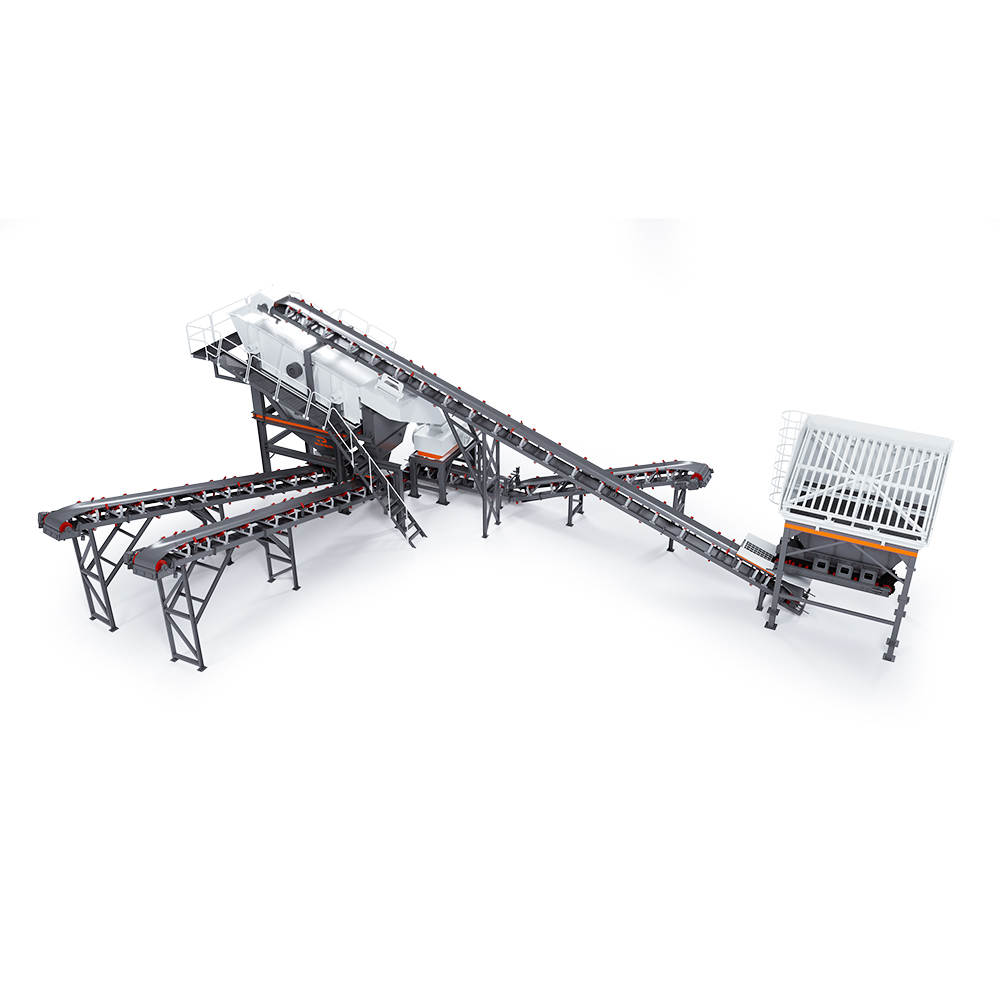 RTZS120 Series RAP Crushing & Screening Plant
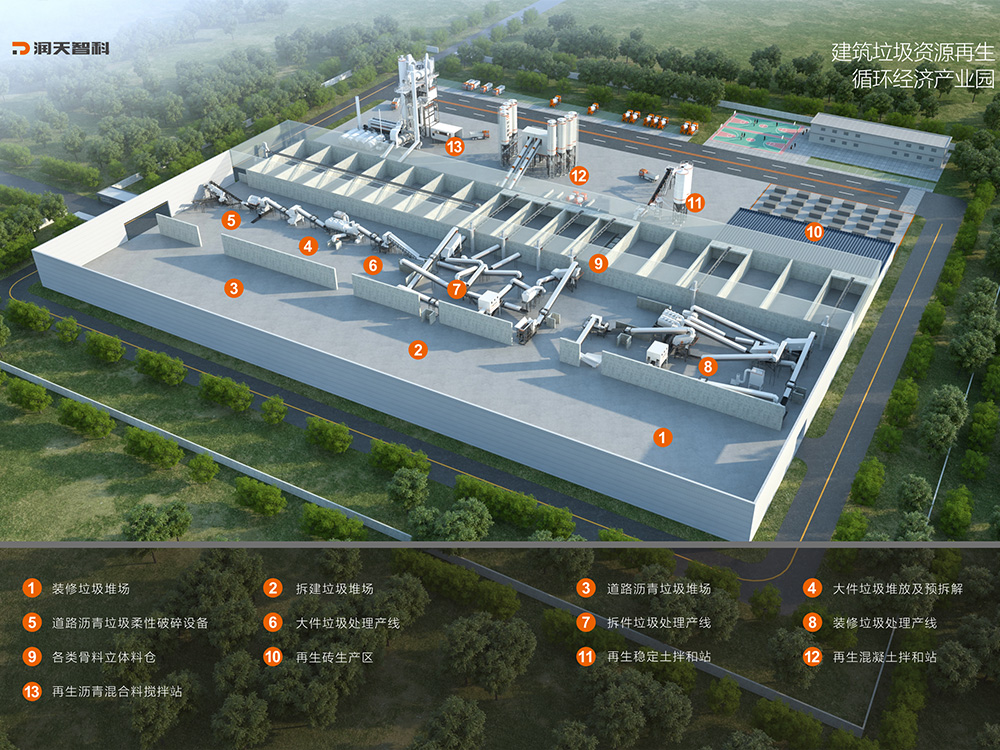 Construction Waste Resourceful Treatment Line