How to Choose a Hot Mix Asphalt Plant for Your Project?
Choosing the right Hot Mix Asphalt Plant can significantly impact your project's success. Expert John Smith states, “Selecting the right plant is crucial for quality and efficiency.” His insight emphasizes the importance of matching the plant’s capabilities to project needs.
Hot Mix Asphalt Plants come in various designs and sizes. Each type serves specific applications, such as road construction or repairs. Understanding the differences is essential for making an informed choice. For instance, some plants offer quick setup times, while others prioritize production volume.
Project managers often face challenges in this selection process. It’s not just about cost; efficiency and output quality matter too. A poorly chosen Hot Mix Asphalt Plant can lead to delays and increased expenses. Reflecting on project goals and local conditions is vital for a smart decision.
Understanding the Basics of Hot Mix Asphalt Plants
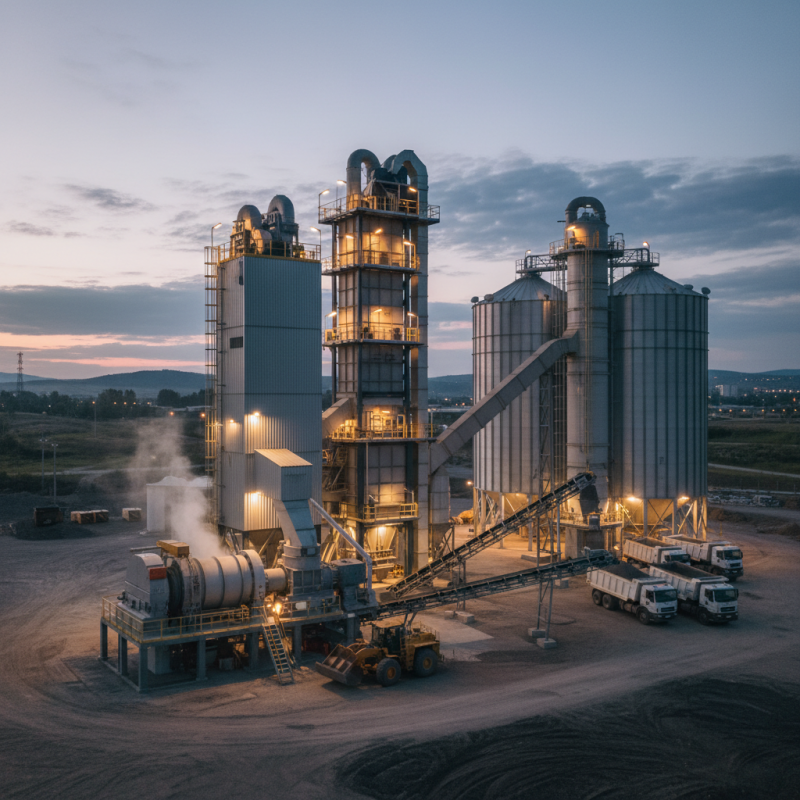
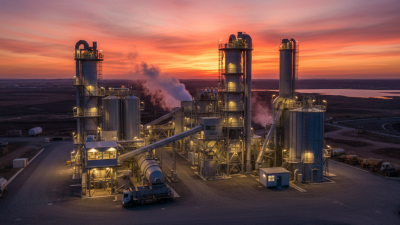
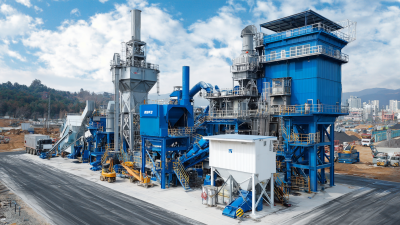
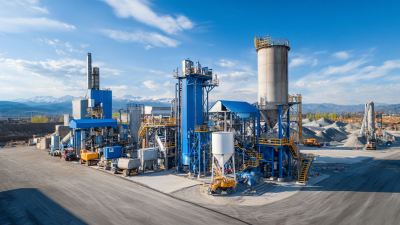
Hot mix asphalt plants play a crucial role in building roads and pavements. Understanding how they work is essential for any construction project. These plants mix aggregates, asphalt binder, and additives at high temperatures. This process ensures a durable product that can withstand traffic and weather changes. The final mix needs consistency to perform well, but achieving this can be challenging.
There are different types of hot mix asphalt plants, including batch and drum mix plants. Each type has its own advantages and disadvantages. For instance, batch plants produce mix in batches, allowing for more precise control. However, this method can be slower and less efficient. On the other hand, drum mix plants continuously mix materials, which can enhance production rates but may affect quality control.
When choosing a plant, consider the project's scope and location. Transportation logistics can influence the efficiency of the mix delivery. It’s also important to think about environmental factors. The production process can have carbon emissions, which raises concerns about sustainability. Being mindful of these aspects can lead to better decisions and a more successful project outcome.
How to Choose a Hot Mix Asphalt Plant for Your Project?
| Feature |
Description |
Considerations |
| Capacity |
The amount of asphalt the plant can produce per hour. |
Match capacity to project requirements and expected traffic. |
| Type |
Various types include batch plants and drum plants. |
Consider project scale and desired mix quality. |
| Location |
Proximity to construction site and material sources. |
Reduce transportation costs and time. |
| Technology |
Advanced features like digital control and recycling capability. |
Look for features that enhance efficiency and quality. |
| Cost |
Initial investment and ongoing operational expenses. |
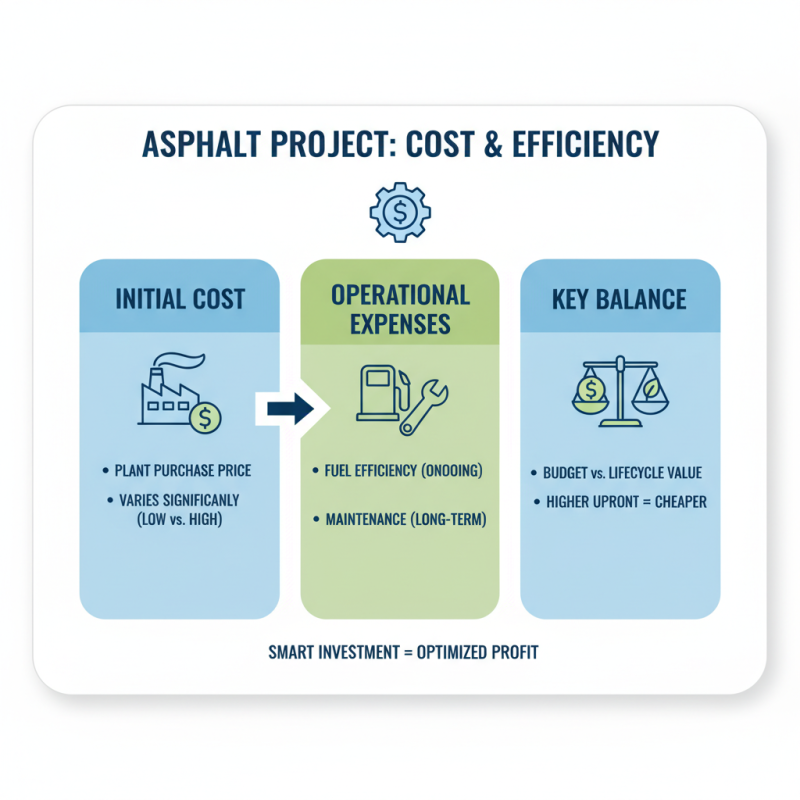
Balance quality with budget constraints. |
| Regulations |
Compliance with local environmental and zoning laws. |
Ensure the plant meets all necessary legal requirements. |
| Maintenance |
Ease of maintenance and availability of spare parts. |
Regular upkeep can prevent costly downtimes. |
Evaluating Project Requirements for Asphalt Production
When evaluating project requirements for asphalt production, consider scale and volume. A small project may not need a large plant. Conversely, larger projects require more capacity. Ensure the plant can produce enough asphalt within your timeline. Review production rates and potential downtimes. Delays in asphalt availability can derail project schedules.
Another crucial factor is the type of asphalt required. Different projects demand different compositions. For instance, some projects may need a high-performance mix. Others might settle for a standard option. Understanding these specifications helps in choosing the right equipment. Also, proximity to raw materials can affect your choice. A plant closer to materials reduces transportation costs and improves efficiency.
Lastly, think about environmental impact. Regulations often dictate permissible emissions. A plant that meets these requirements can prevent future compliance issues. However, consider how well it aligns with your project values. Investing in sustainability may require additional resources. It’s worthwhile to reflect on these aspects before finalizing your choice. The process is complex and demands careful thought. Each detail counts toward the project's overall success.
Key Features to Consider in Hot Mix Asphalt Plants
When selecting a hot mix asphalt plant, key features play a pivotal role.
Production capacity is essential.
It determines how much asphalt you can produce in a given time.
Plants with higher capacity can meet larger project demands.
Consider the mixing technology as well. Continuous and batch mix plants serve different purposes.
Understanding your project needs can save you time and resources.
Efficiency is another critical aspect.
Look for equipment that provides energy savings and reduces emissions.
Lower emissions not only meet regulations but also support sustainability efforts.
Check the level of automation as well. A more automated plant can cut down labor costs and enhance precision.
However, too much automation may lead to a higher initial investment.
Don't overlook the importance of maintenance. Good access to components makes it easier to perform regular checks.
Sometimes, plants may require frequent repairs or parts replacement.
Assessing the reliability of the plant can prevent future headaches.
Lastly, think about the ease of transportation and installation.
A cumbersome setup can delay your project timeline.
Reflecting on these factors can guide you toward the right choice, ensuring the plant fits your specific needs.
Comparing Different Types of Hot Mix Asphalt Plants
When choosing a hot mix asphalt plant, understanding the various types available is crucial. There are three primary types: batch plants, drum plants, and continuous mix plants. Each has unique features that cater to different project needs.
Batch plants produce asphalt in discrete batches, allowing for flexibility. However, they can be slower, which is not ideal for larger projects.
Drum plants work continuously, making them suitable for projects with high asphalt demand. They mix aggregate and asphalt in a single unit, which can save time. However, they may lack the precision of batch plants. Continuous mix plants are less common but provide a constant flow of asphalt, making them efficient for large-scale jobs. Yet, they require careful planning and attention to detail.
Choosing the right plant involves assessing project size and timeline. A smaller project may benefit from a batch plant's versatility. Conversely, large-scale endeavors might require a drum or continuous mix plant for efficiency. Recognizing these factors ensures better planning and execution. However, overlooking specific project requirements can lead to issues. The choice of plant is critical, and a wrong decision could impact overall success.

 Concrete Mixing Plant
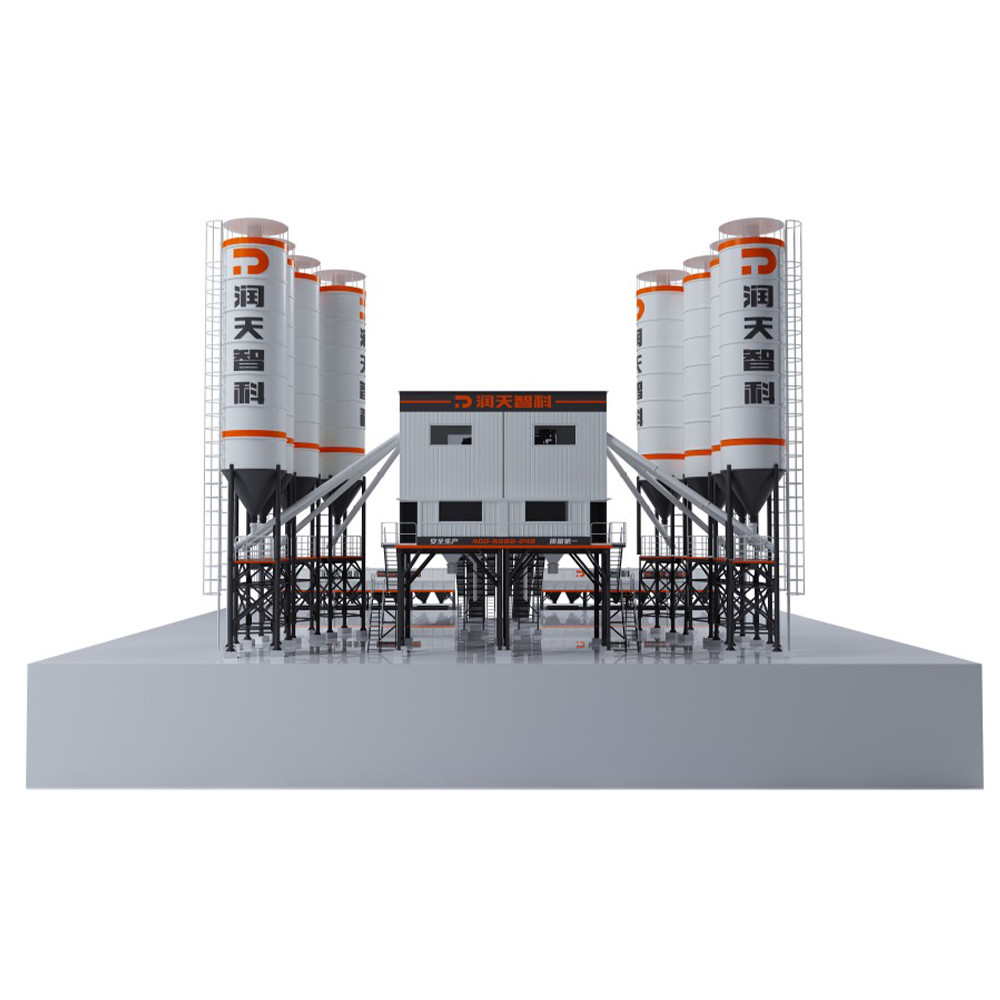 HZS Series Belt Concrete Mixing Plant
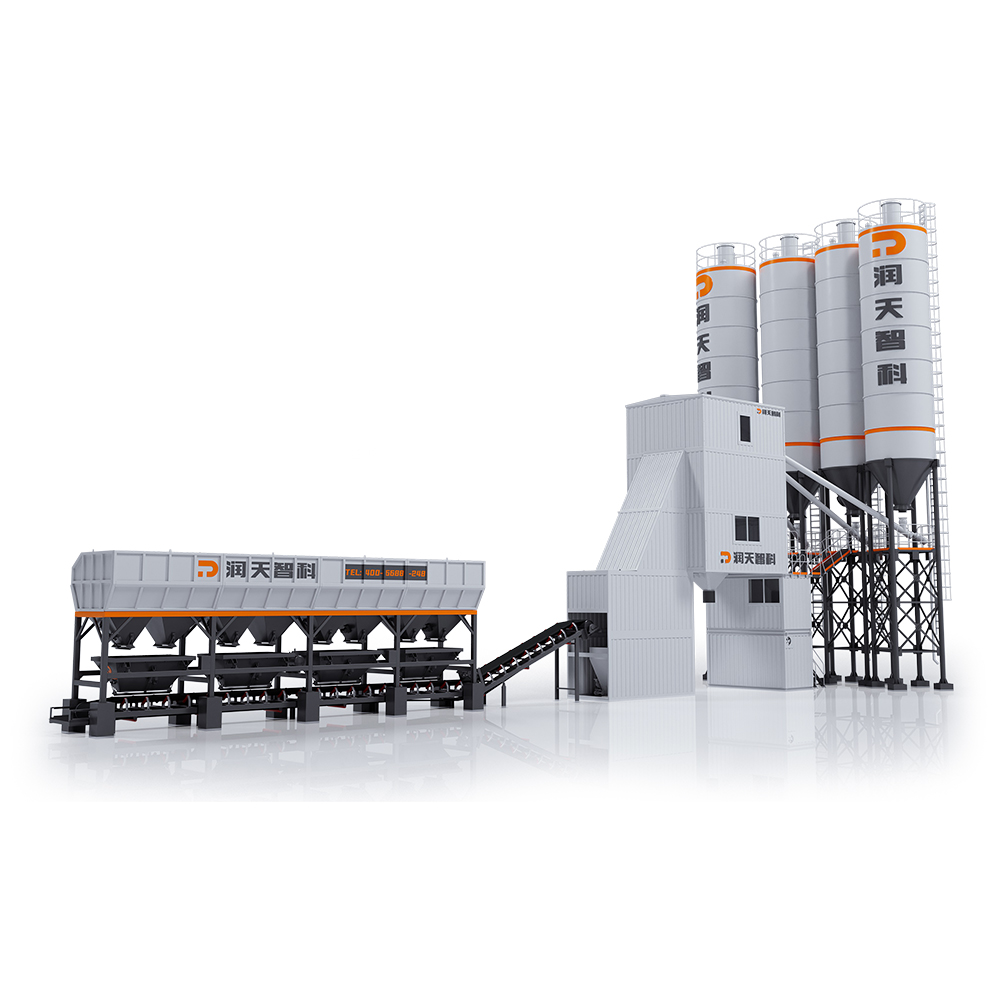 HZS Series Bucket-Lifting Type Container Concrete Mixing Plant
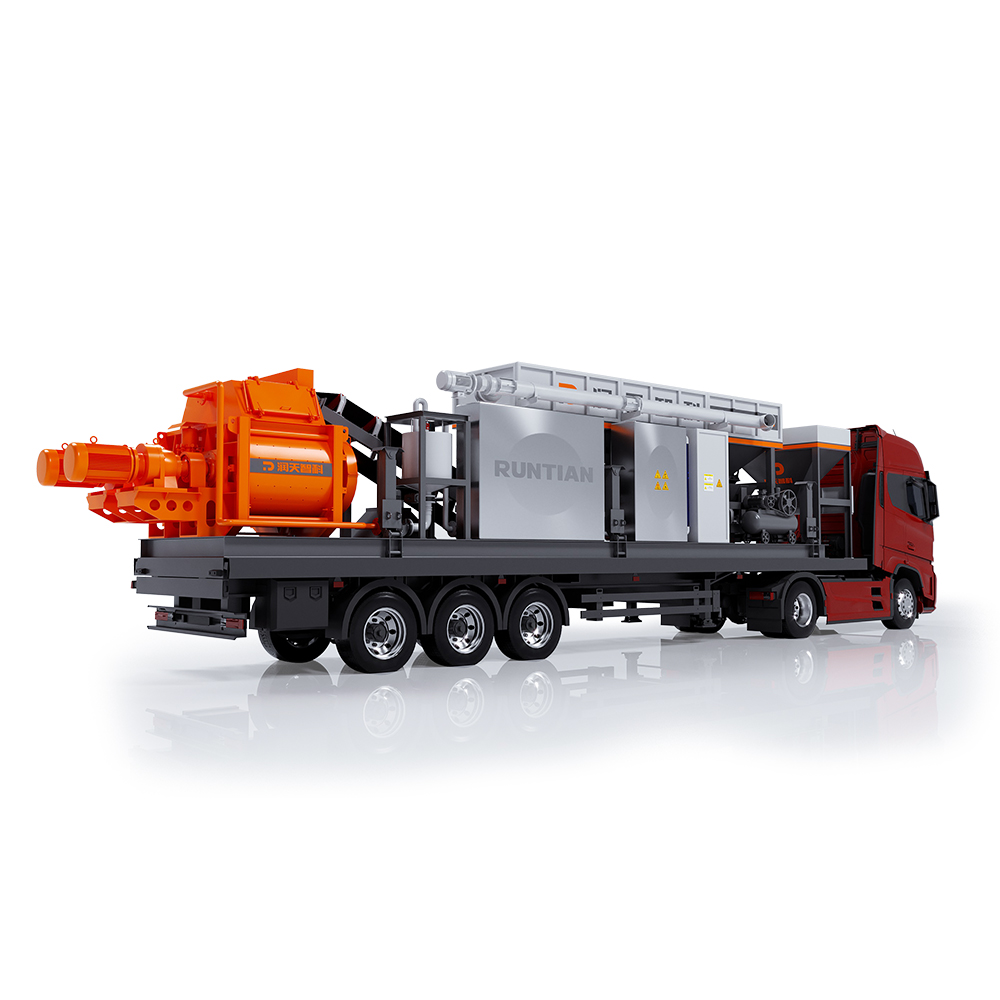 HZS60 Mobile Concrete Mixing Plant
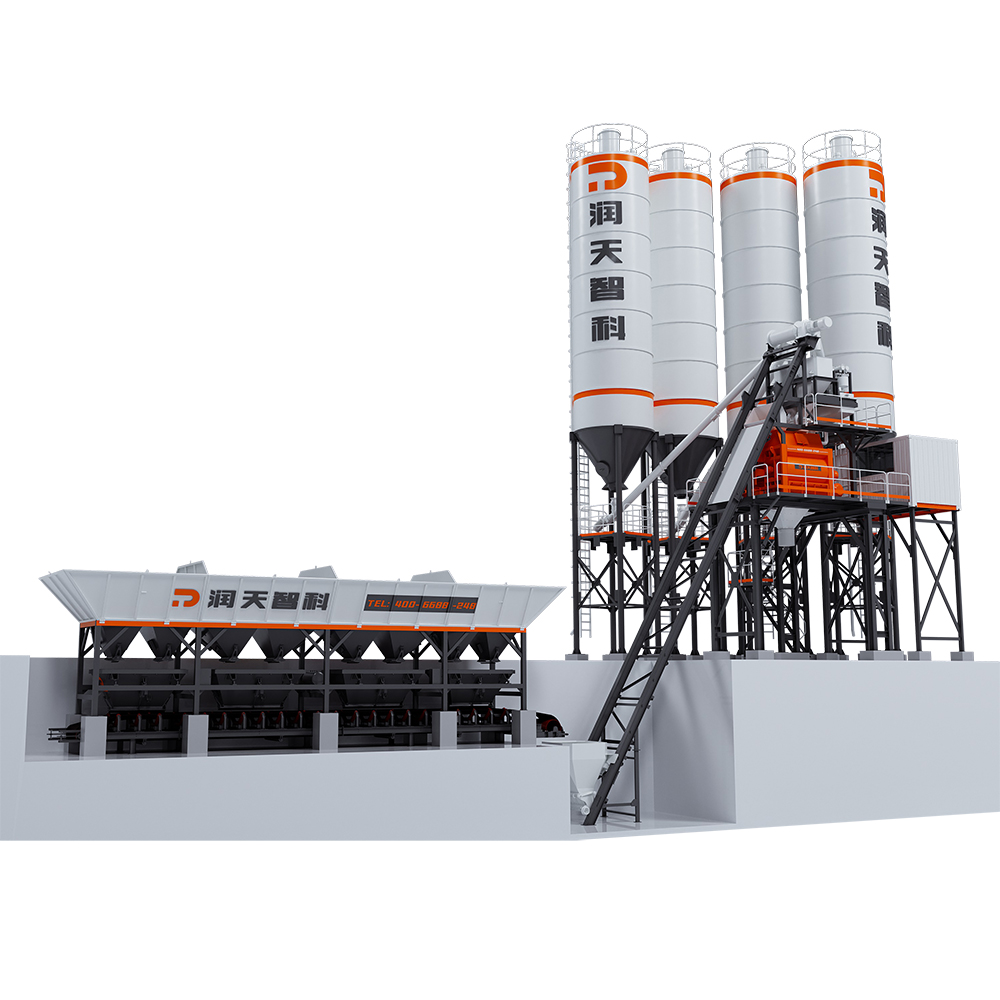 HZS Series Bucket-Lifting Type Concrete Mixing Plant
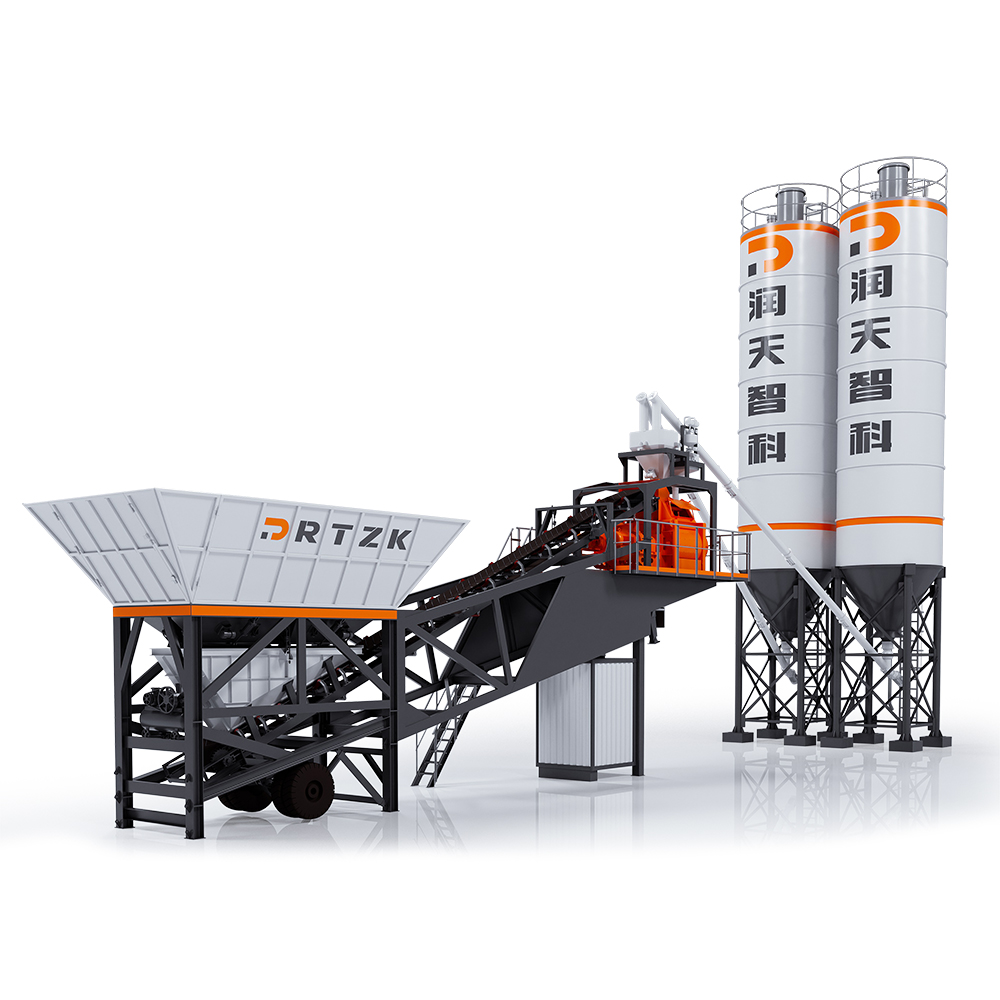 HZS Series Mobile Concrete Mixing Plant
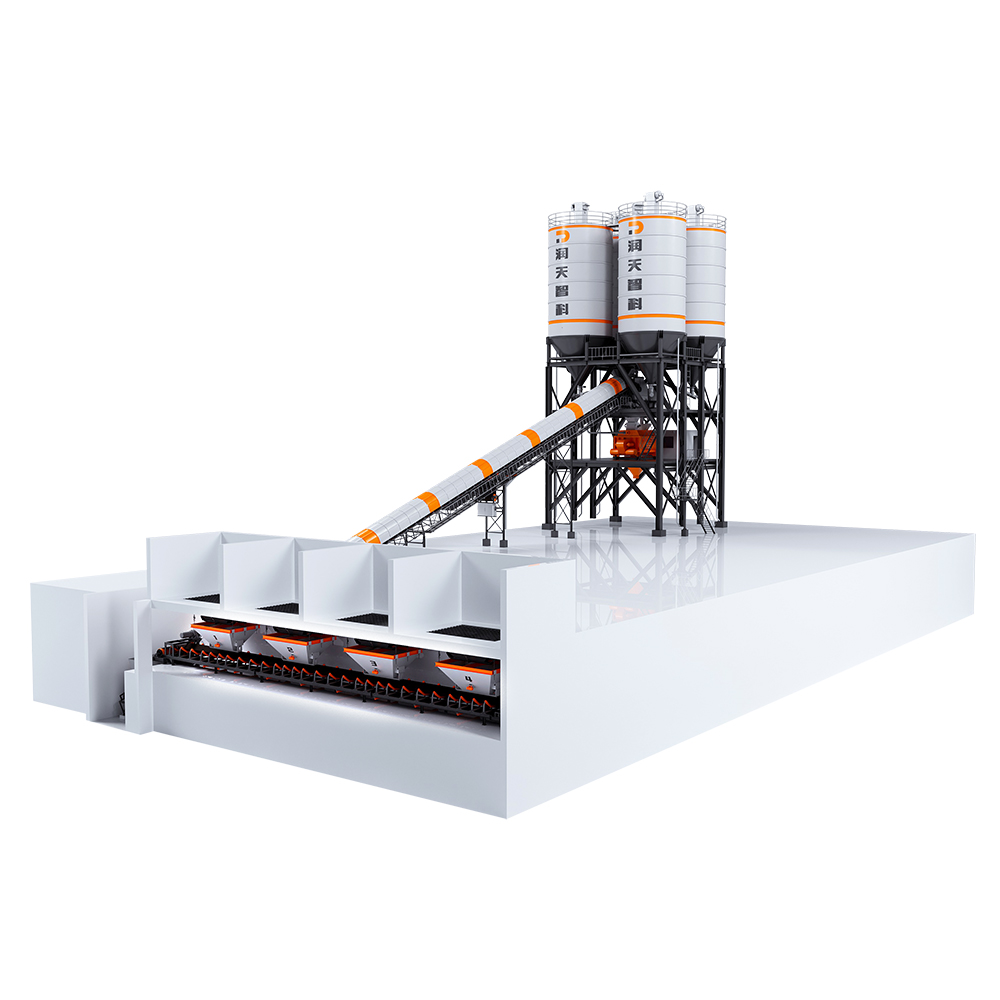 HZS Series Top-Mounted Concrete Mixing plant
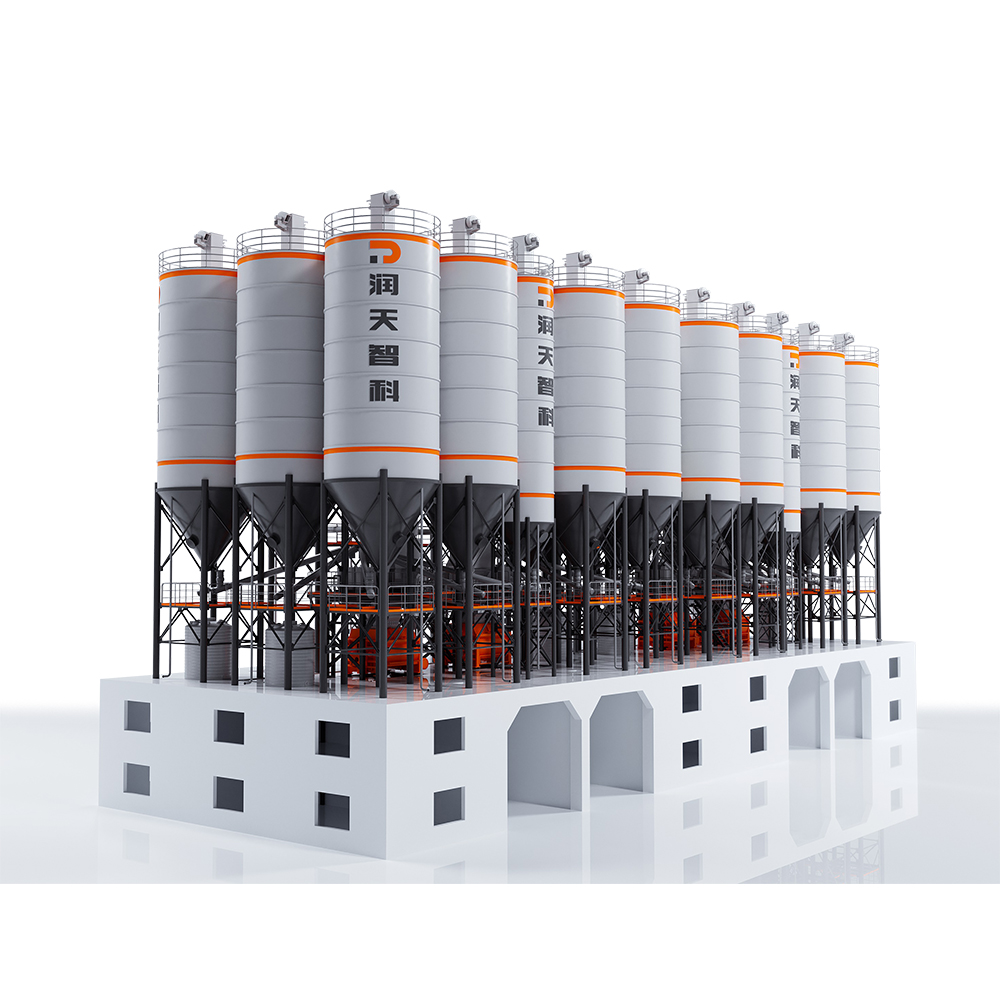 HZS Series Semi-Top Mounted Concrete Mixing Plant
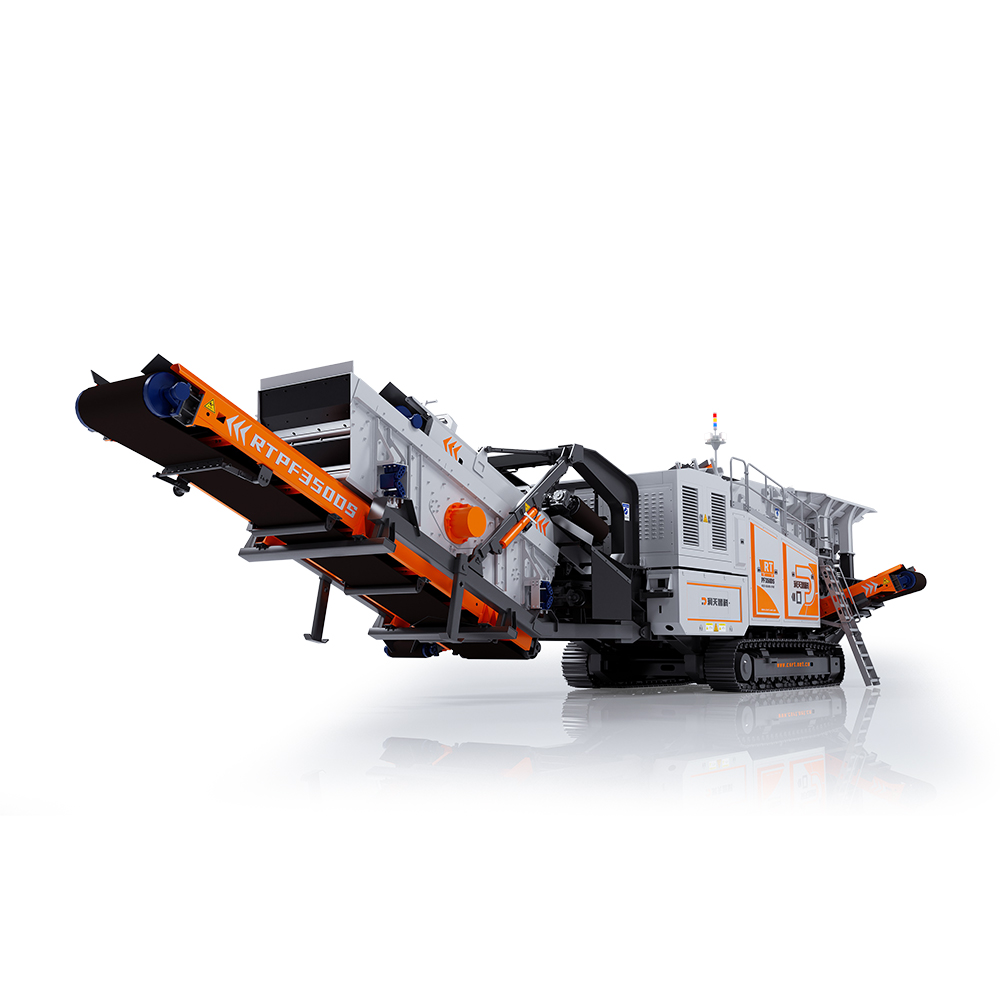 RTPF350DS Crawler Mobile Impact Crushing Plant
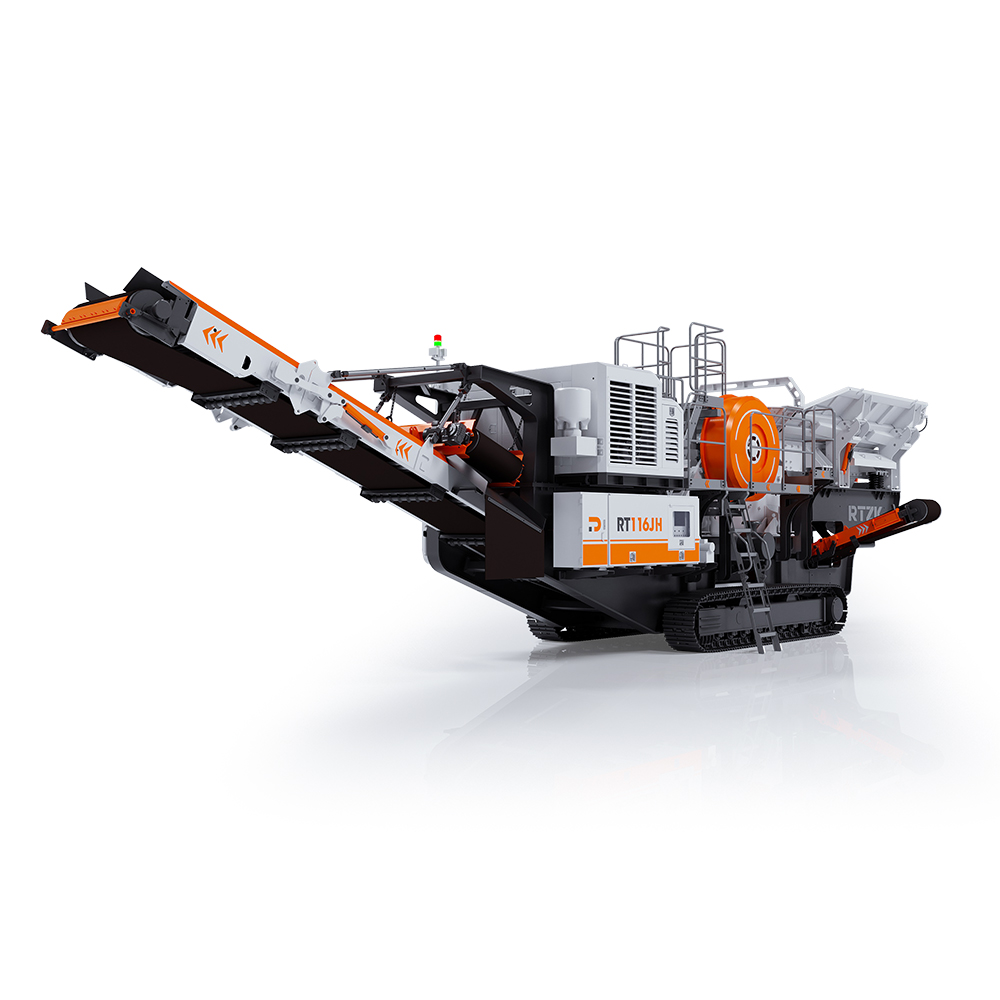 RT116JH Crawler Mobile Jaw Crushing Plant
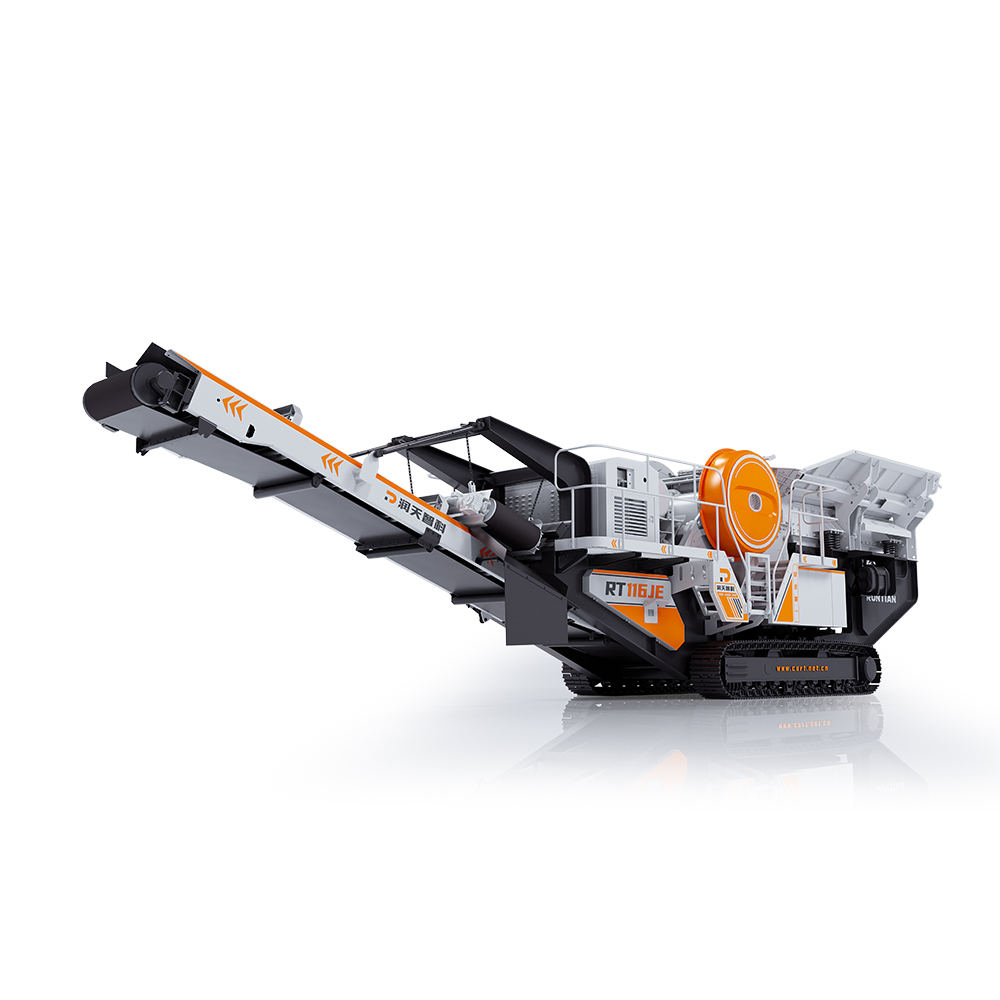 RT116JE Crawler Mobile Jaw Crushing Plant
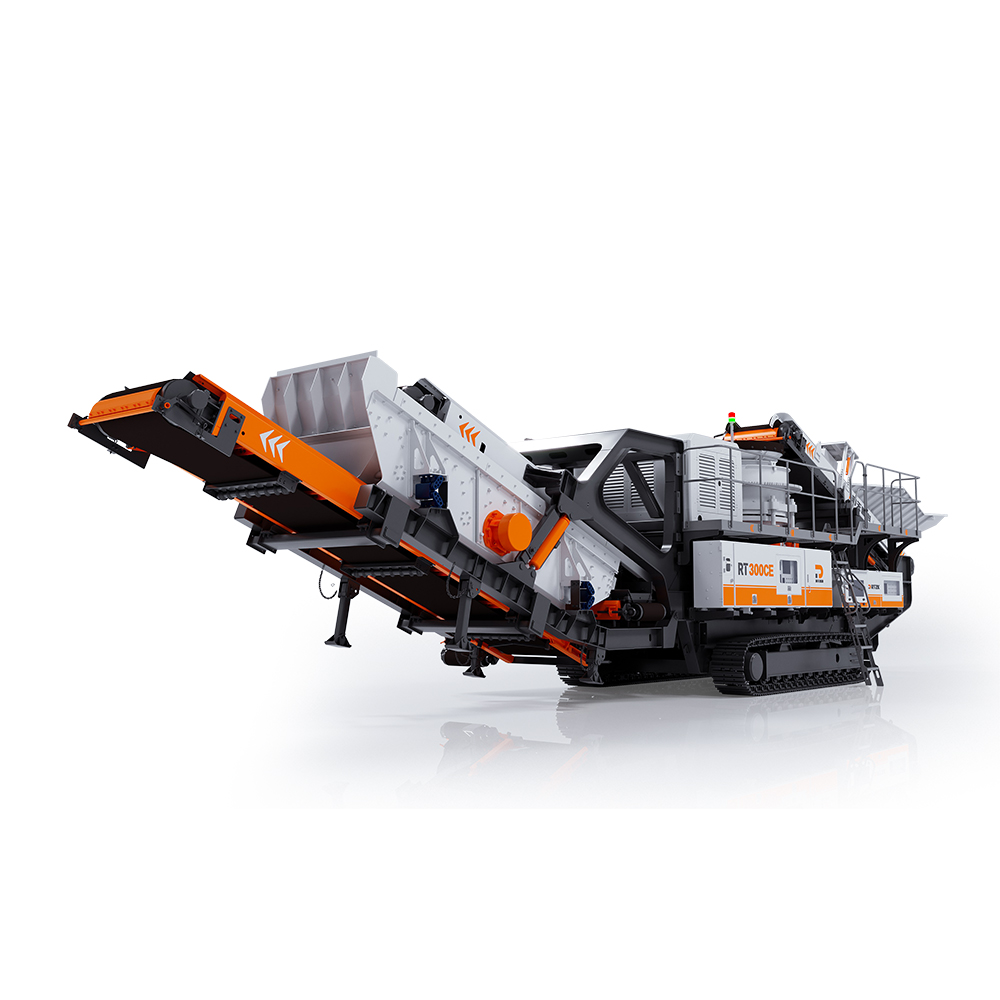 RT300CE Crawler Mobile Cone Crushing Plant
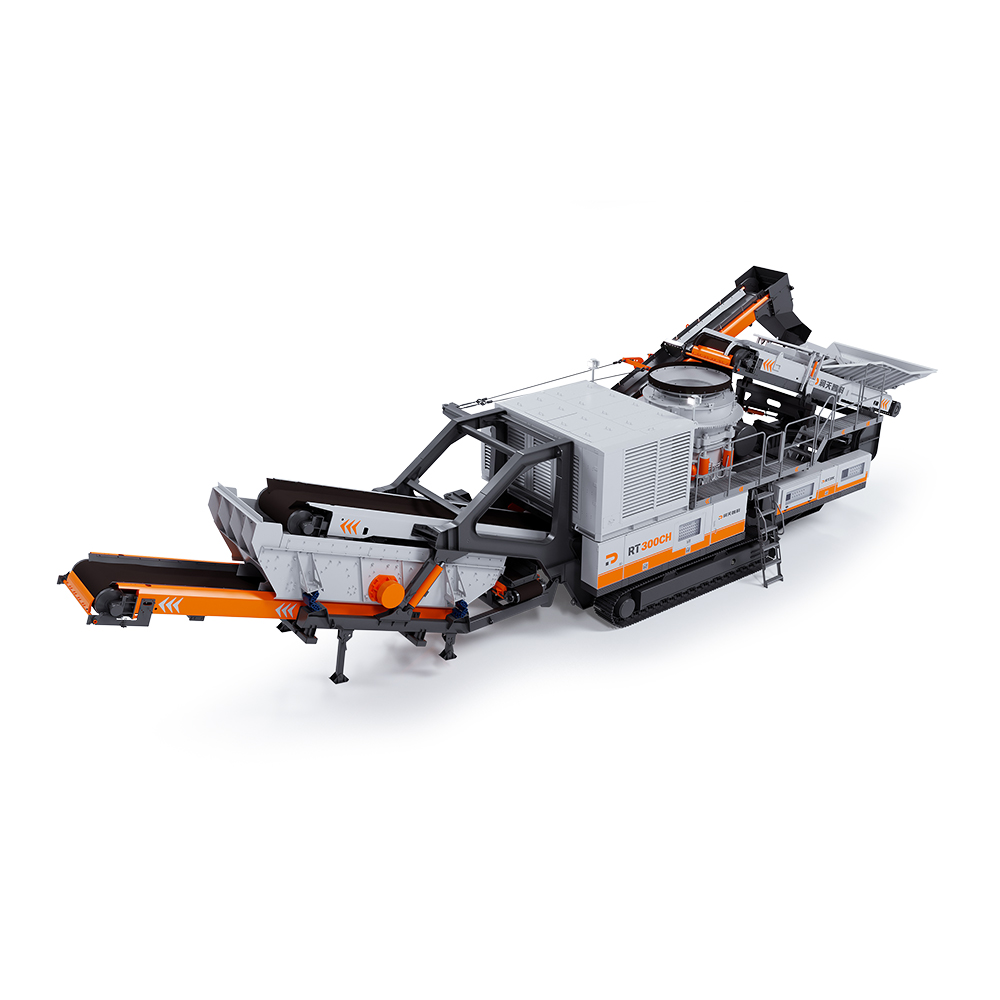 RT300CH Crawler Mobile Cone Crushing Plant
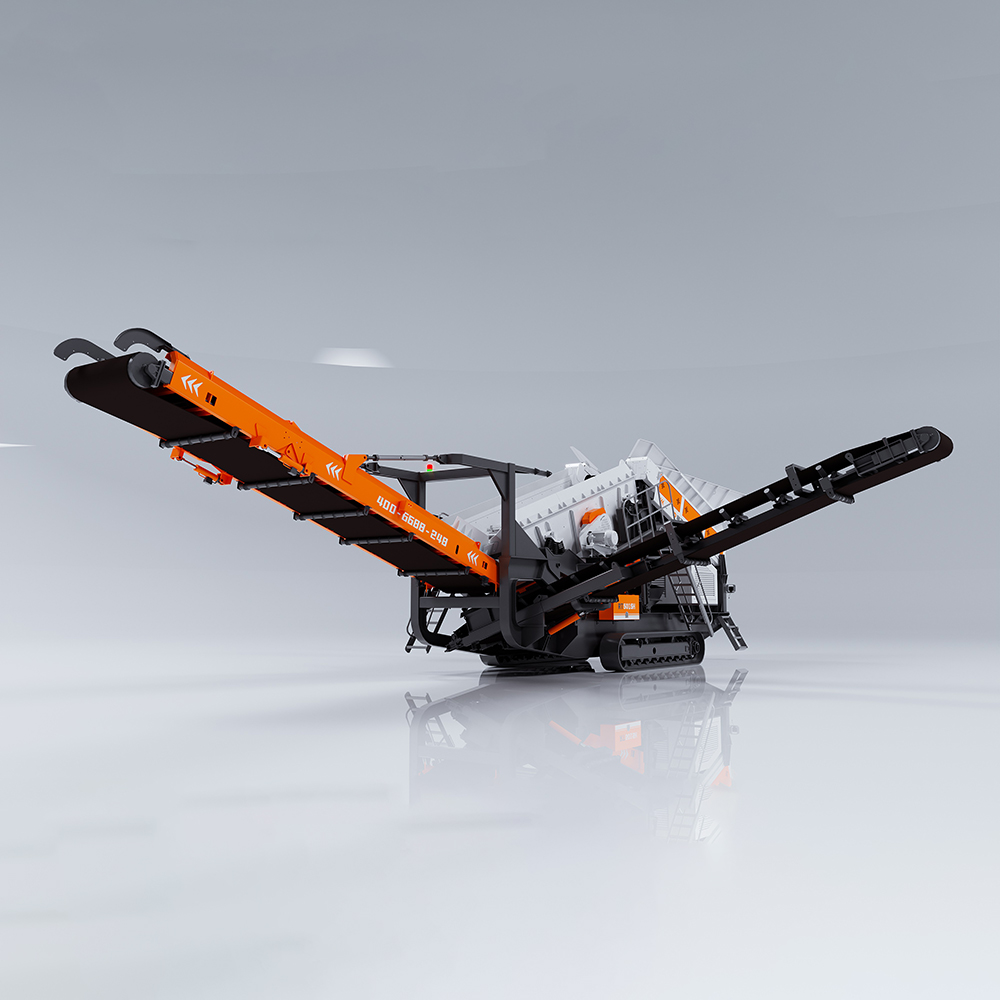 RT5015H Mobile Scalping Screen
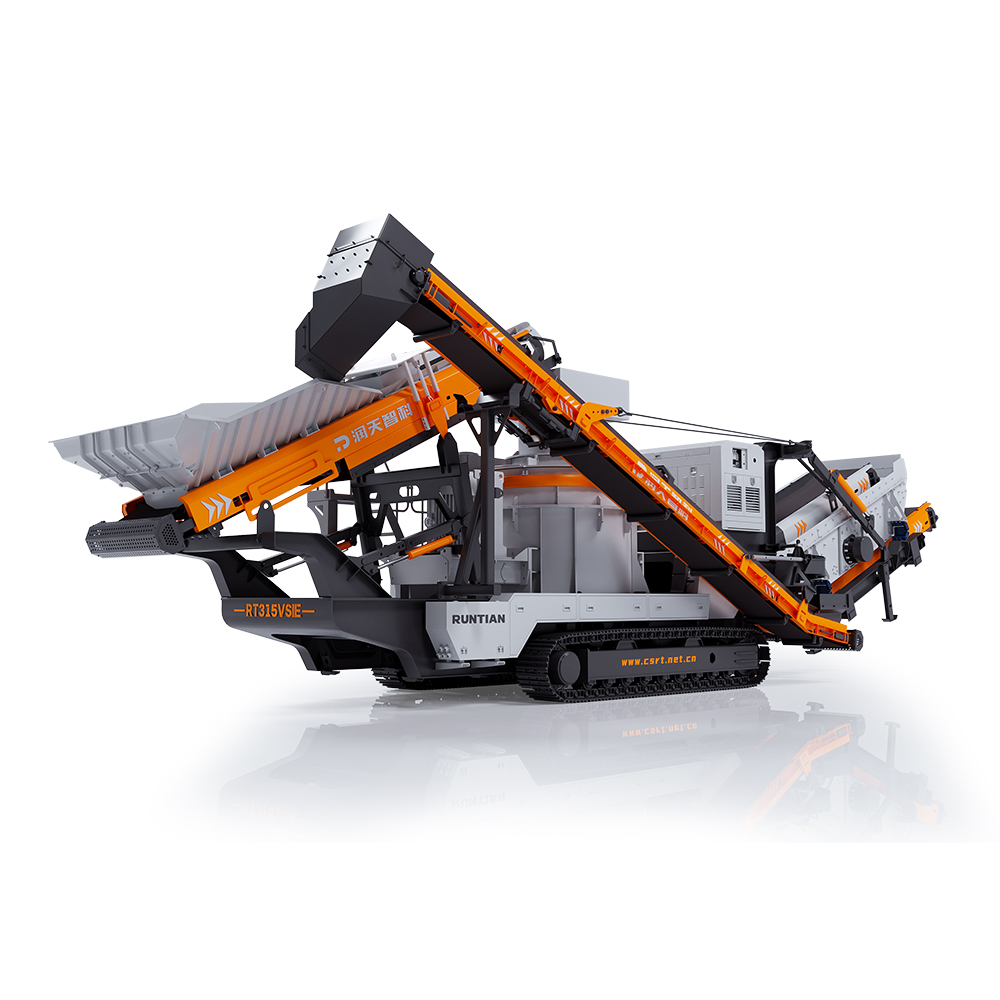 RT315VSIE Crawler Mobile Sand Maker
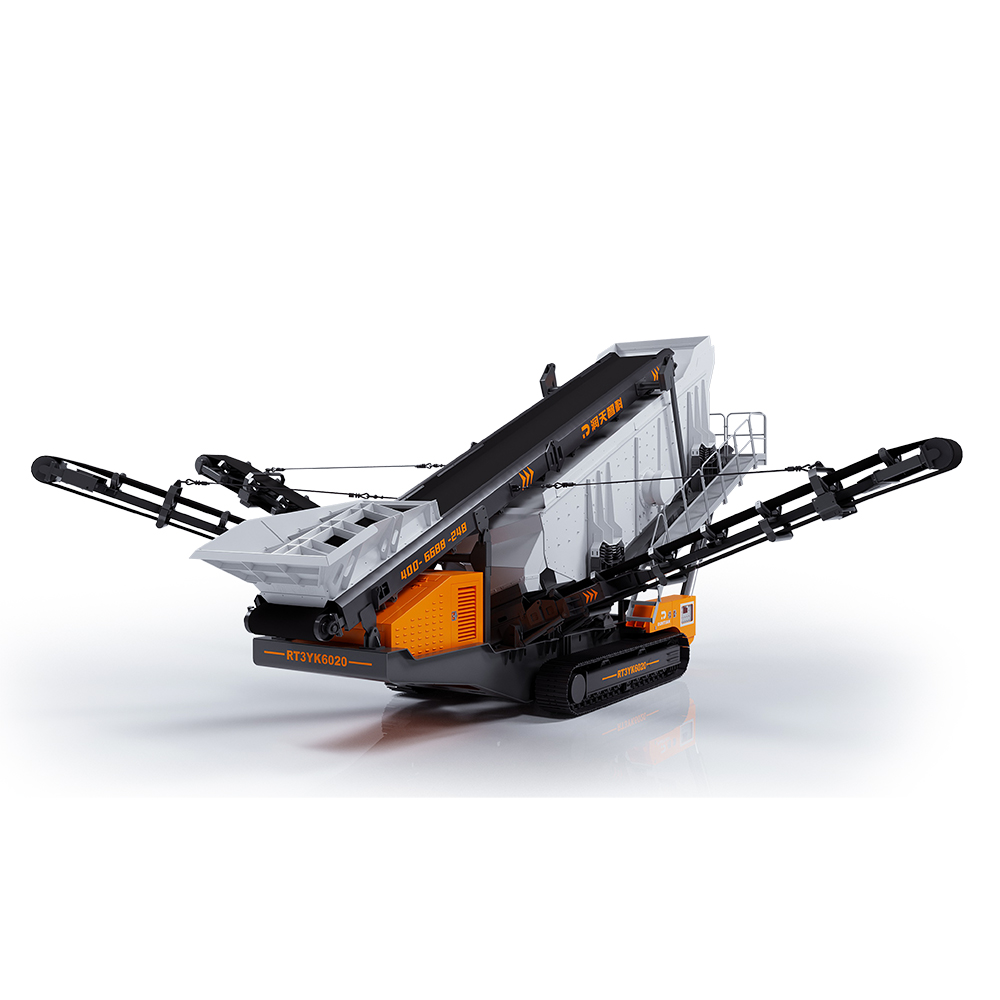 RT3YK6020 Crawler Mobile Screening Plant
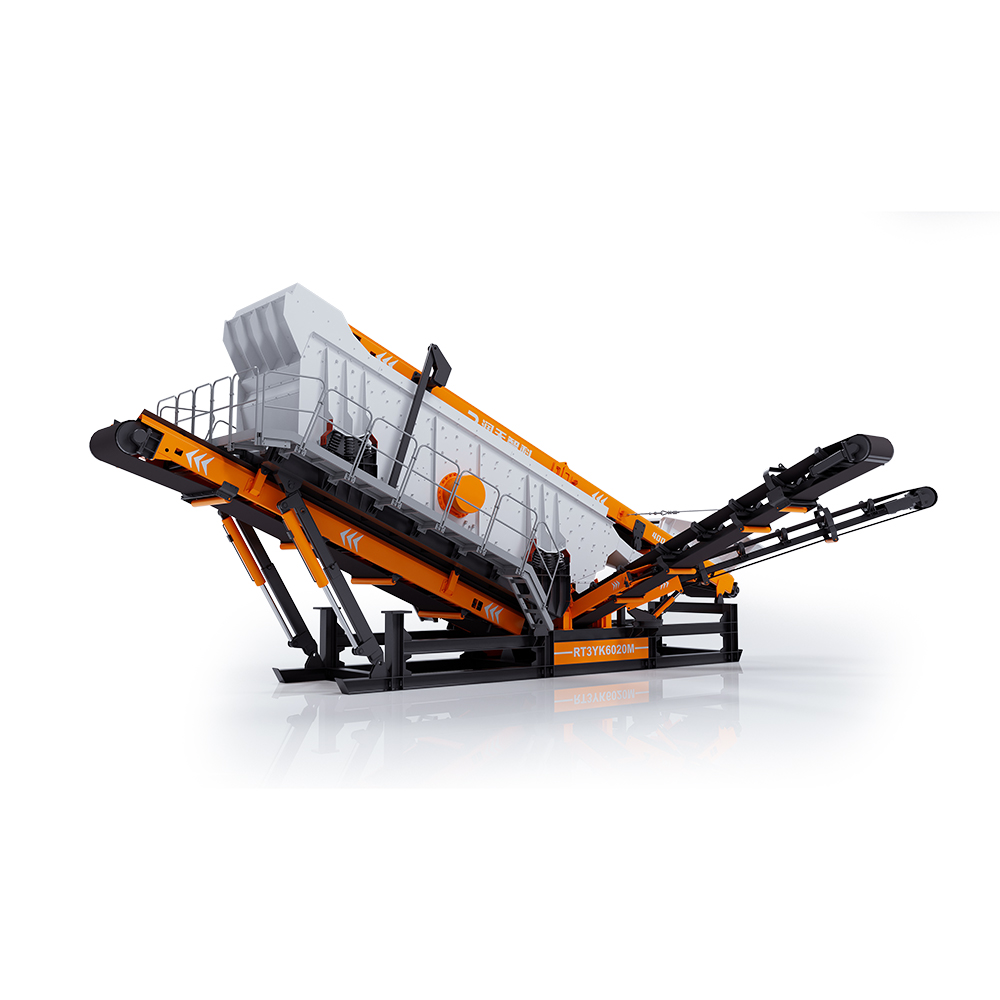 RT3YK6020M Modular Screening Plant
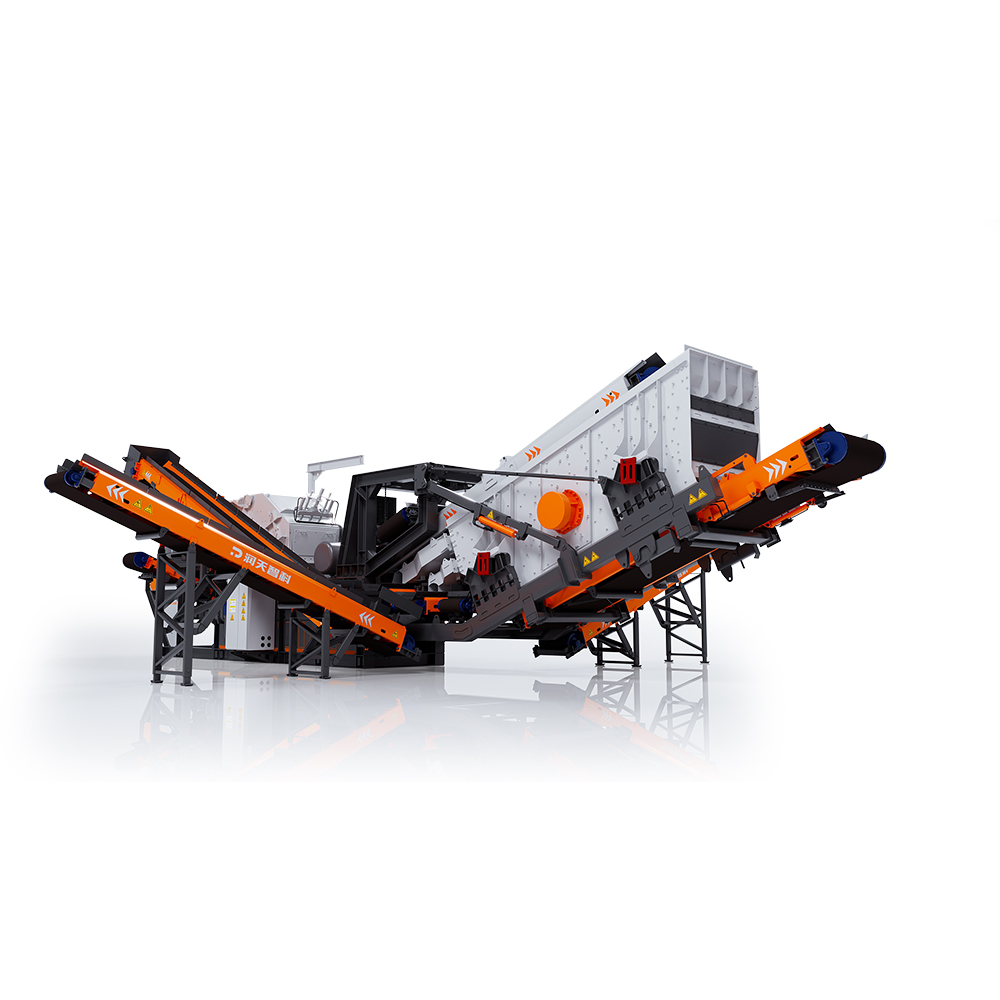 RTF260M Modular Counterattack Crushing and Screening Integrated Machine
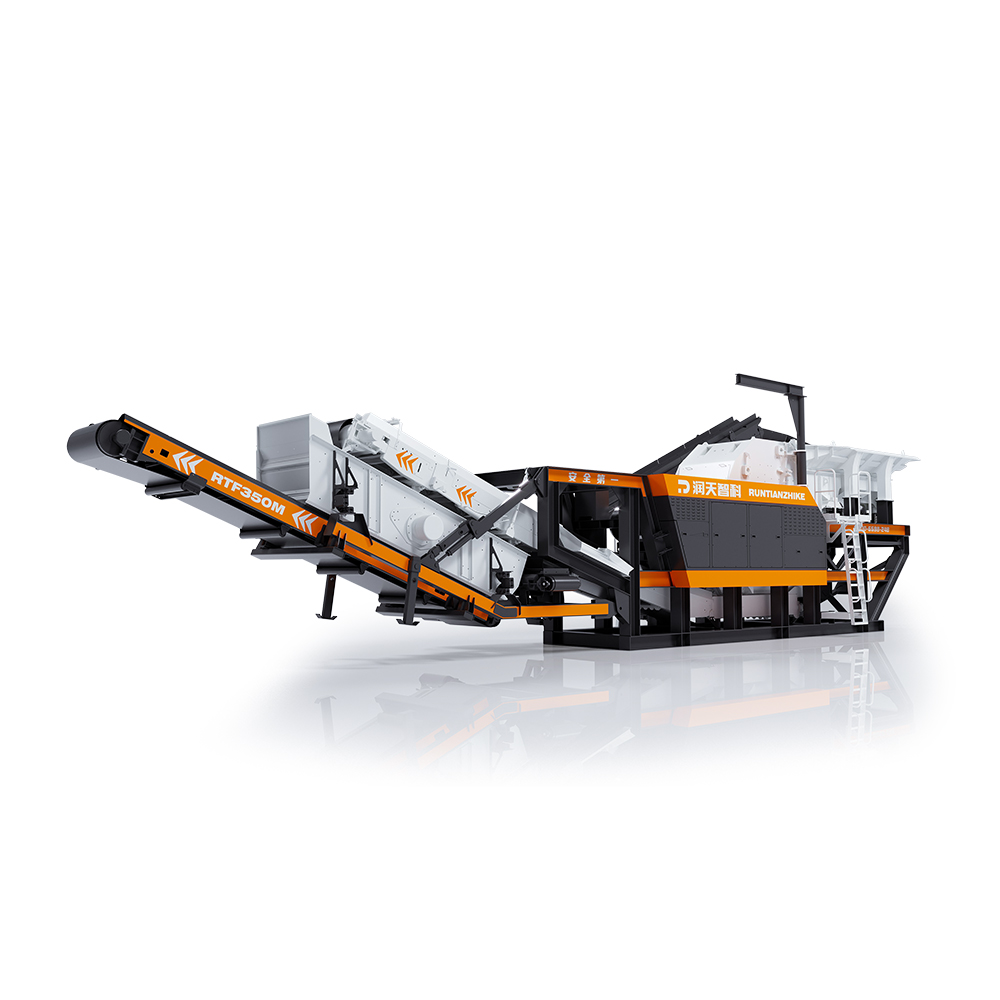 RTF350M Modular Impact Crushing Plant
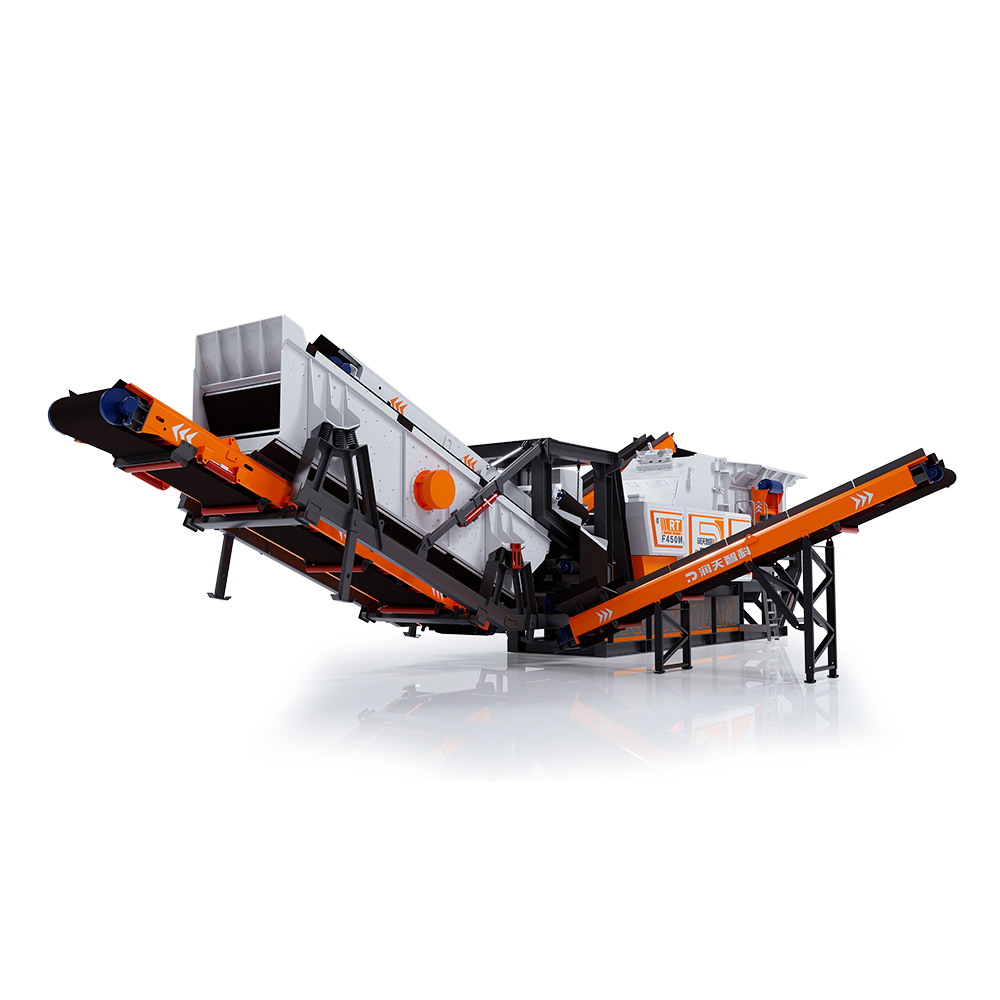 RTF450M Modular Impact Crushing Plant
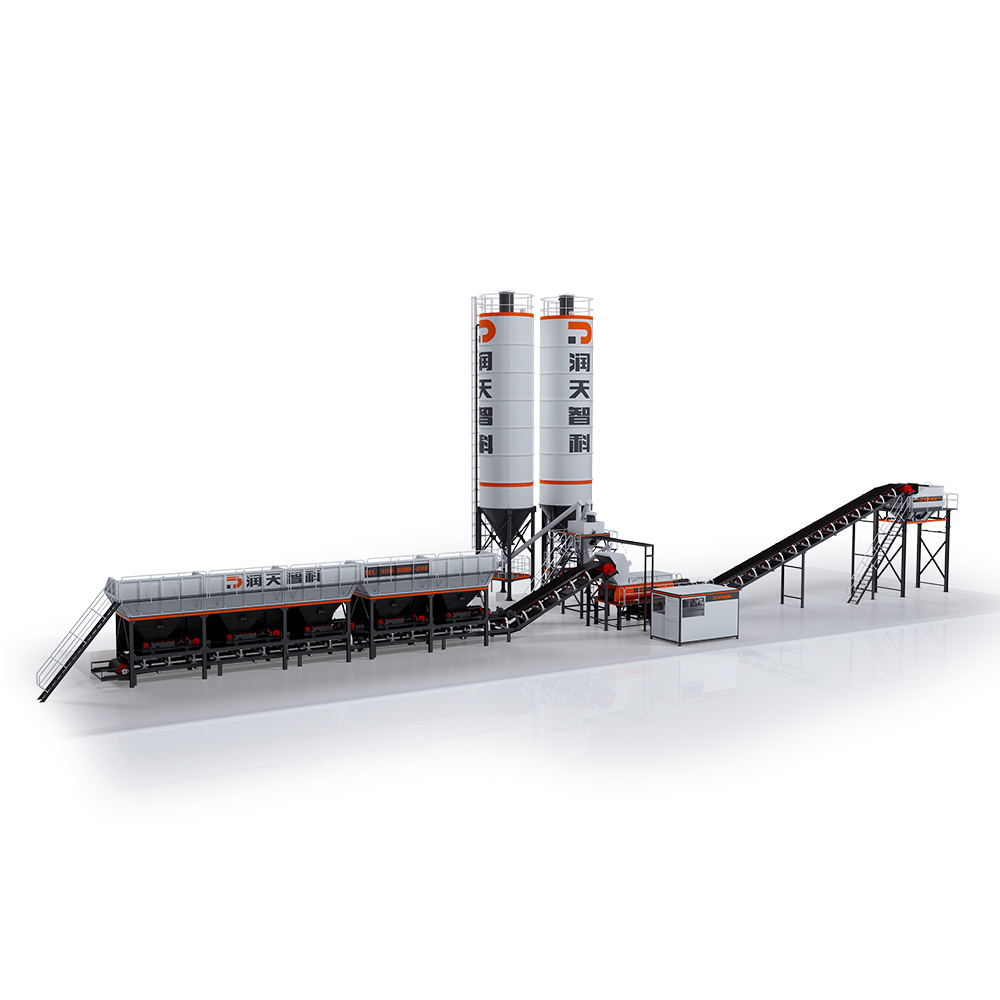 WDB Series Foundation-Free Stability Soil Mixing Plant
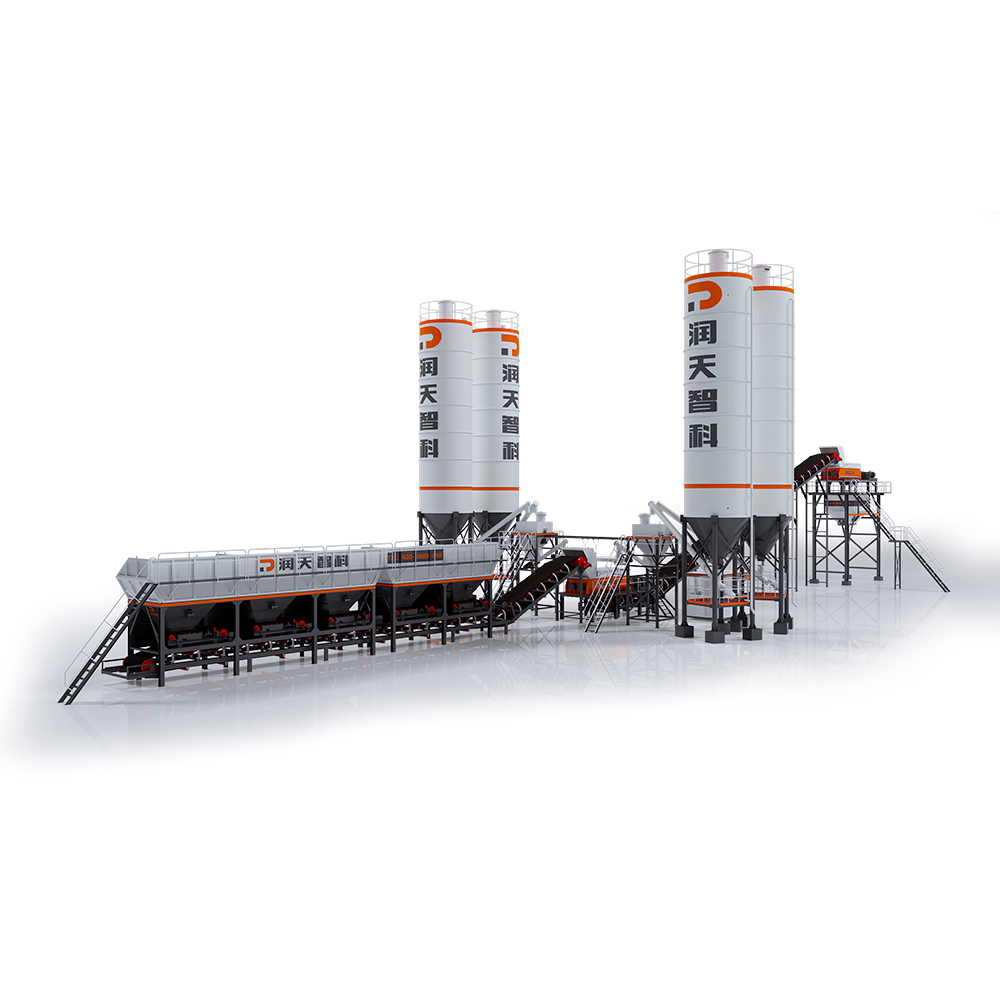 LCB Series Emulsified Asphalt Cold Regeneration Secondary Mixing Plant
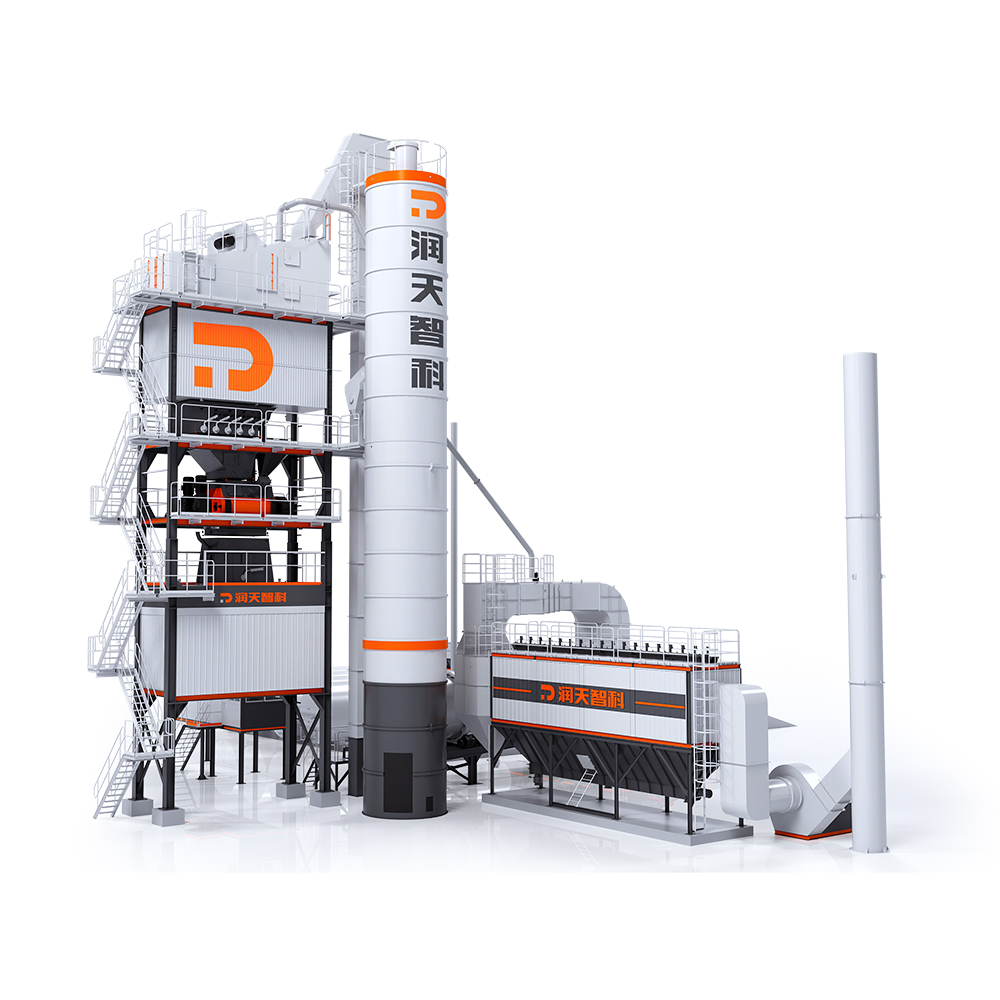 LB Series Asphalt Mixing Plant
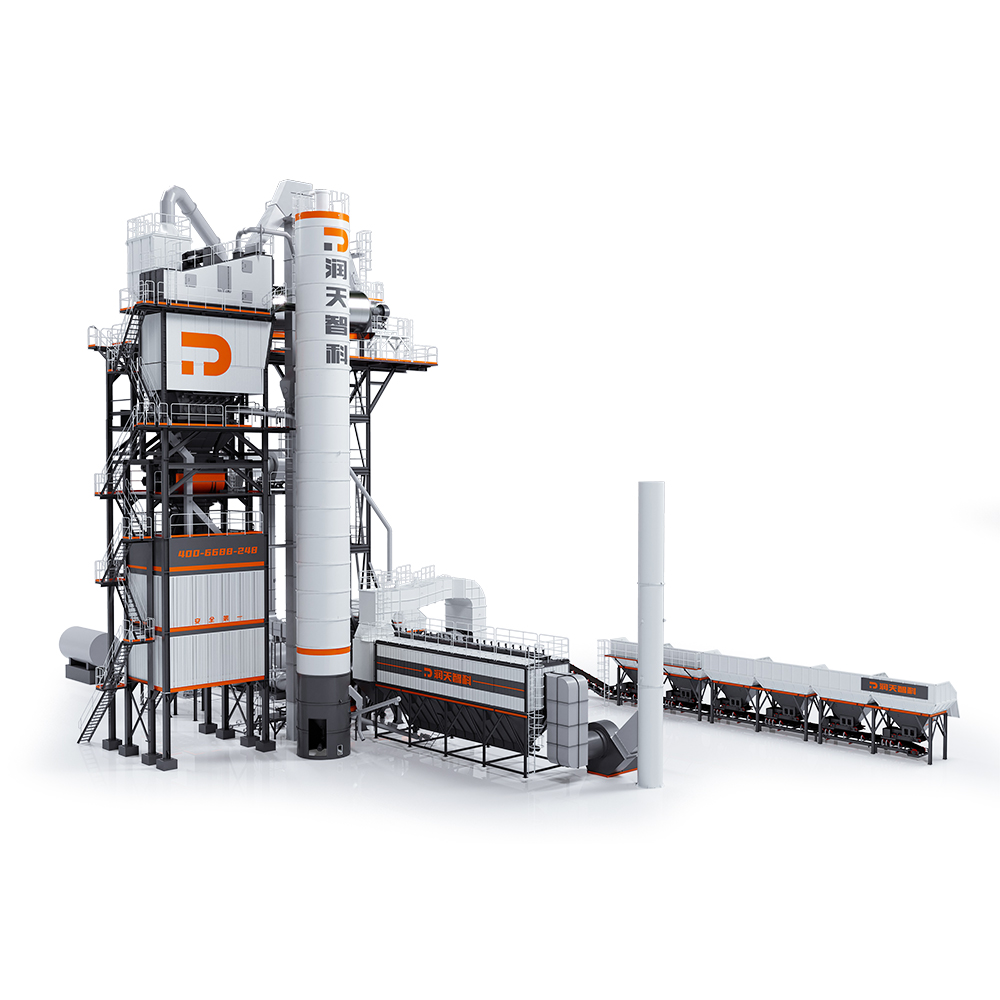 LBR Series Integrated Asphalt Mixing Plant
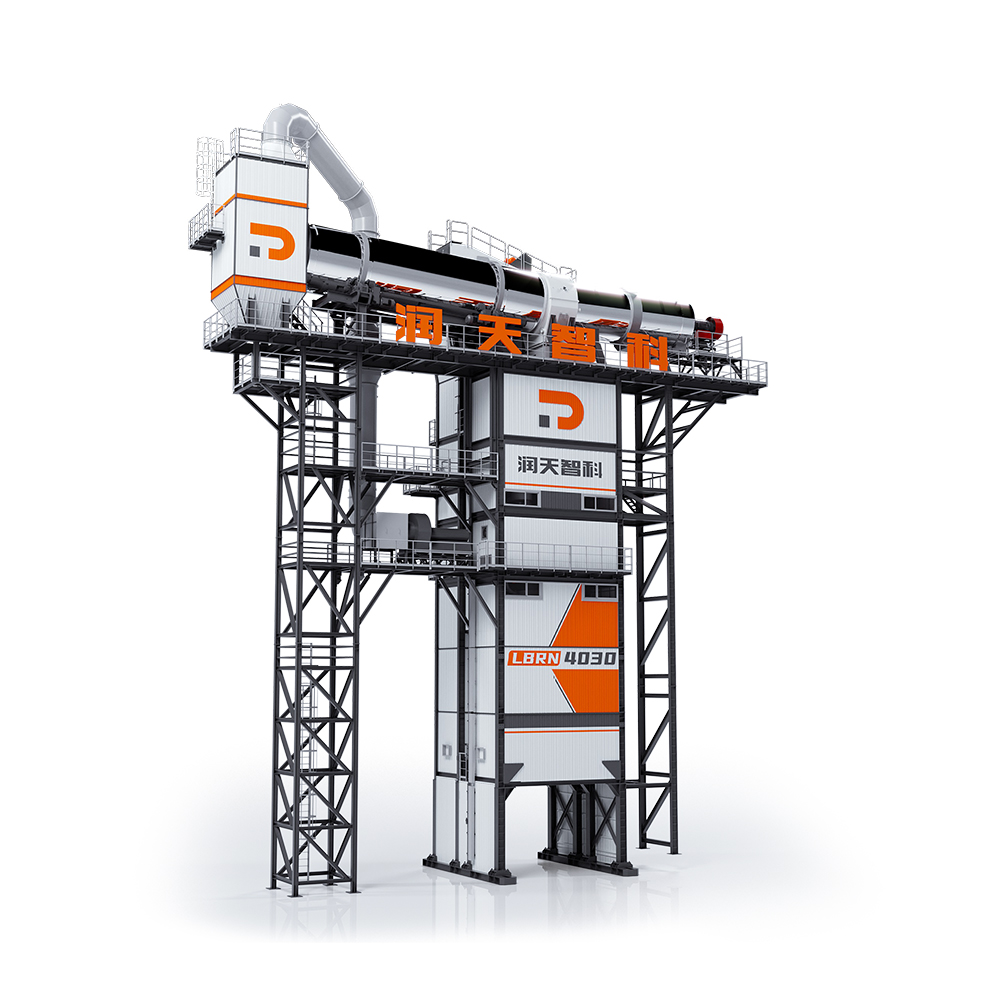 LBRN Series Counterflow Integral Asphalt Mixing Plant
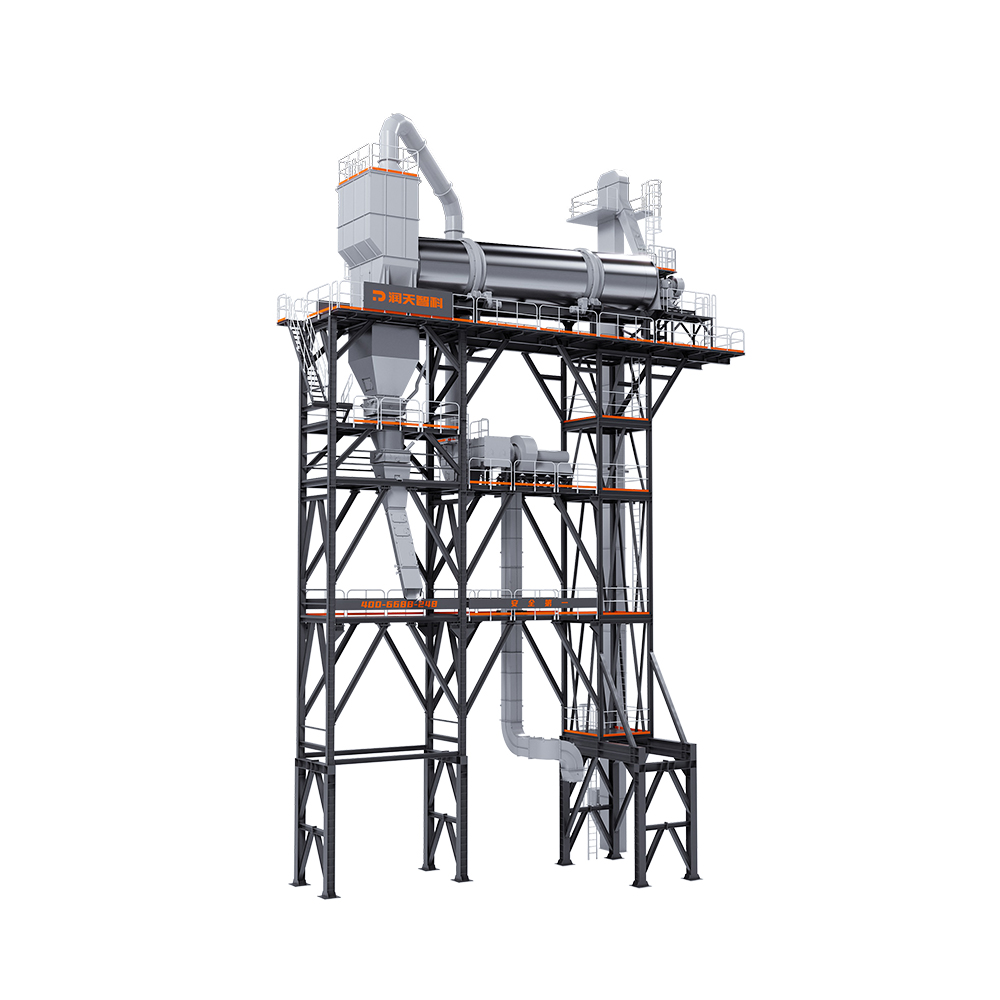 RZS Series Asphalt Mixing Plant
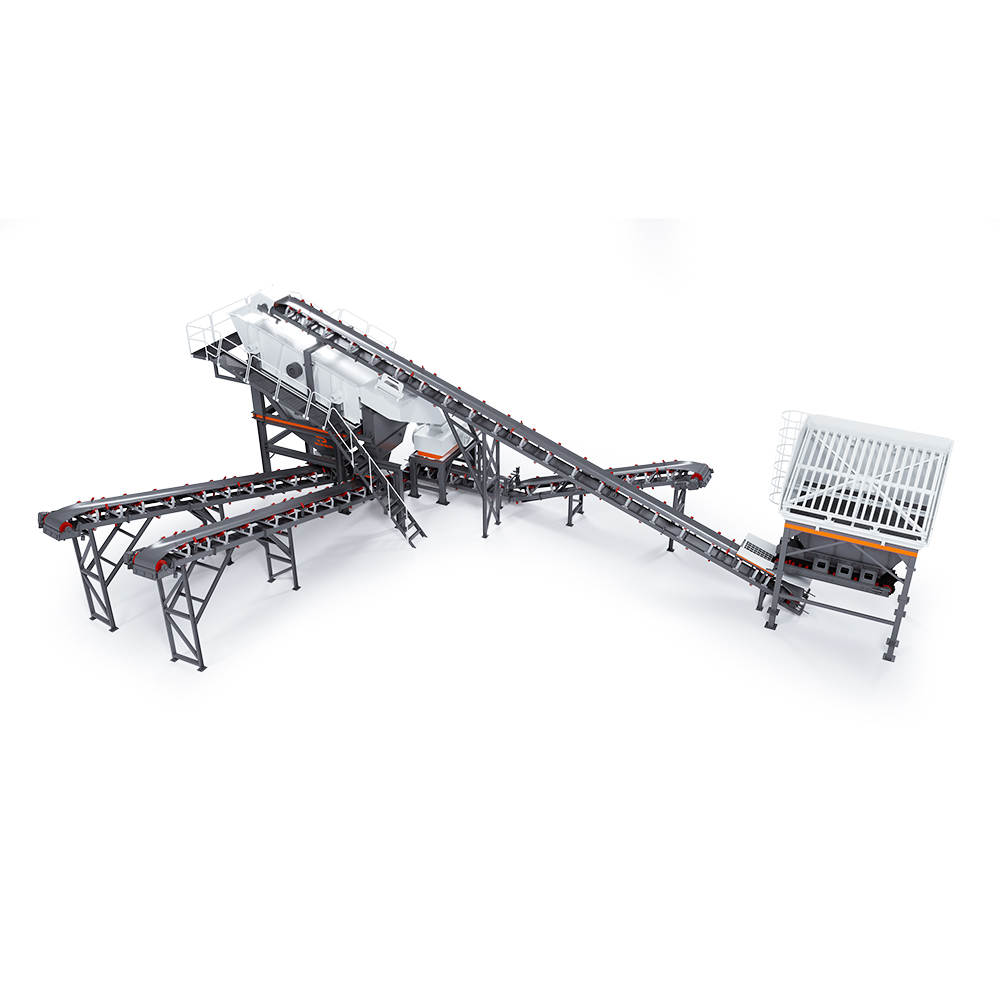 RTZS120 Series RAP Crushing & Screening Plant
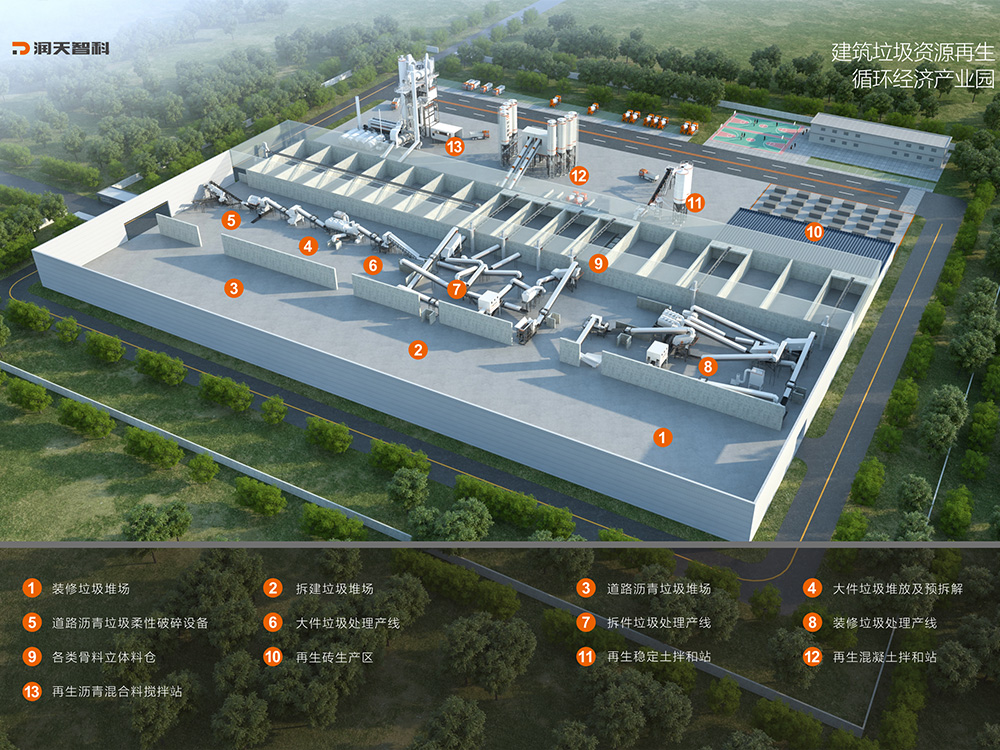 Construction Waste Resourceful Treatment Line