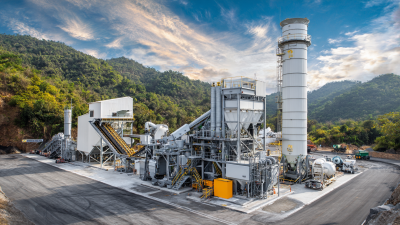
How to Choose the Best Asphalt Batching Plant for Your Project Needs
When embarking on a construction project that requires asphalt, selecting the right Asphalt Batching Plant is crucial for ensuring efficiency and quality in the final product. According to renowned industry expert Dr. Michael Turner, a leading authority in asphalt technologies, “The effectiveness of an Asphalt Batching Plant significantly impacts the overall success and sustainability of any road construction project.” With a wide range of options available, it can be overwhelming for project managers and contractors to determine which plant best suits their specific needs.
Understanding the various features and specifications of different Asphalt Batching Plants is essential for making an informed decision. Factors such as production capacity, technology, and environmental compliance standards play a vital role in identifying the ideal equipment for your project. Furthermore, with advancements in technology, modern plants offer enhanced capabilities that can lead to significant cost savings and improved quality control. By considering these elements and consulting with industry professionals, you can ensure that your choice of Asphalt Batching Plant aligns with your project’s goals and requirements, ultimately contributing to its success.

Understanding Asphalt Batching Plant Types and Their Applications
When selecting the best asphalt batching plant for your project, it is essential to understand the different types available and their specific applications. The primary types include continuous, batch, and parallel flow plants. Continuous asphalt batching plants are designed for high production rates and are ideal for projects with a consistent demand for asphalt, such as large road construction jobs. They allow for uninterrupted mixing, which enhances efficiency but may reduce flexibility in altering mix designs.
On the other hand, batch asphalt plants are known for their versatility, making them suitable for smaller projects or varied mixtures. They produce asphalt in batches, allowing for adjustments to the formulation between cycles. This flexibility is crucial when working on projects with specific quality requirements or varied asphalt types. Additionally, parallel flow plants, which offer a balance between speed and quality, are effective for mid-sized projects where both output and precision are vital. By understanding these types and their applications, you can make an informed decision that aligns with your project's needs.
Comparative Analysis of Asphalt Batching Plant Types
Key Factors to Consider When Selecting an Asphalt Batching Plant
When selecting an asphalt batching plant for your project, several key factors come into play. First and foremost, assess the production capacity of the plant. Depending on your project's scale, you'll need a plant that can meet your output demands without compromising quality. A higher production capacity generally leads to increased efficiency and reduced project timelines.
Tips: Consider choosing a plant with a modular design, which allows for easy transport and setup. This flexibility can be crucial for projects that may require relocating the plant or adjusting to different site conditions.
Another crucial aspect to consider is the technology used in the batching process. Advanced features such as computer control systems and automated functions can enhance precision and reduce material waste. Evaluating the plant's compatibility with various mix designs will also ensure that it can adapt to your specific project requirements.
Tips: Look for manufacturers that offer comprehensive after-sales support and maintenance services. This can significantly reduce downtime and ensure your plant operates optimally throughout your project’s duration.
Evaluating Production Capacity and Efficiency for Your Project
When selecting the best asphalt batching plant for your project,
evaluating production capacity and efficiency
is paramount. According to a report from the
National Asphalt Pavement Association (NAPA),
modern asphalt plants are capable of producing between
100 to 600 tons
of asphalt mix per hour, depending on the type and size of the plant.
For large-scale projects, a batching plant with higher production capacity ensures a
continuous supply of asphalt,
minimizing downtime and enhancing overall project efficiency.
Efficiency also plays a crucial role in the decision-making process. The latest advancements in technology,
such as warm mix asphalt (WMA) production, not only improve
the environmental footprint but also facilitate higher productivity. For instance, a study published by the
Federal Highway Administration (FHWA)
indicates that WMA can be produced at lower temperatures,
saving energy and reducing emissions by up to 30%.
Therefore, choosing a plant that incorporates WMA technology can lead to significant cost savings and meet
stricter environmental regulations while still maintaining production efficiency.
Assessing Budget Constraints and Cost-Effectiveness of Plants
When selecting an asphalt batching plant, understanding budget constraints and the cost-effectiveness of the plants is crucial for project success. The initial purchase price is often a significant factor; however, it’s essential to consider long-term operational costs, which can include maintenance, energy consumption, and labor. According to recent industry reports, the average operational cost of asphalt production can amount to 50-70% of total project expenses, highlighting the importance of choosing a plant that balances both upfront investment and ongoing costs.
Moreover, funding constraints have been a noteworthy issue in various sectors, as seen with the recent shutdowns in energy facilities due to budget limitations. For instance, the Mellitah Gas Complex faced a sudden power failure attributed to budget constraints, showcasing how financial limitations can significantly impact operational efficiency. Similarly, when investing in an asphalt batching plant, it's essential to factor in not only the immediate capital but also the potential for future financial challenges that might limit operational capabilities. Industry analysis suggests that plants offering modular designs can provide more flexibility and potentially lower operational costs in the long run, making them a more strategic choice for budget-conscious projects.
Importance of Maintenance and Support Services in Plant Selection
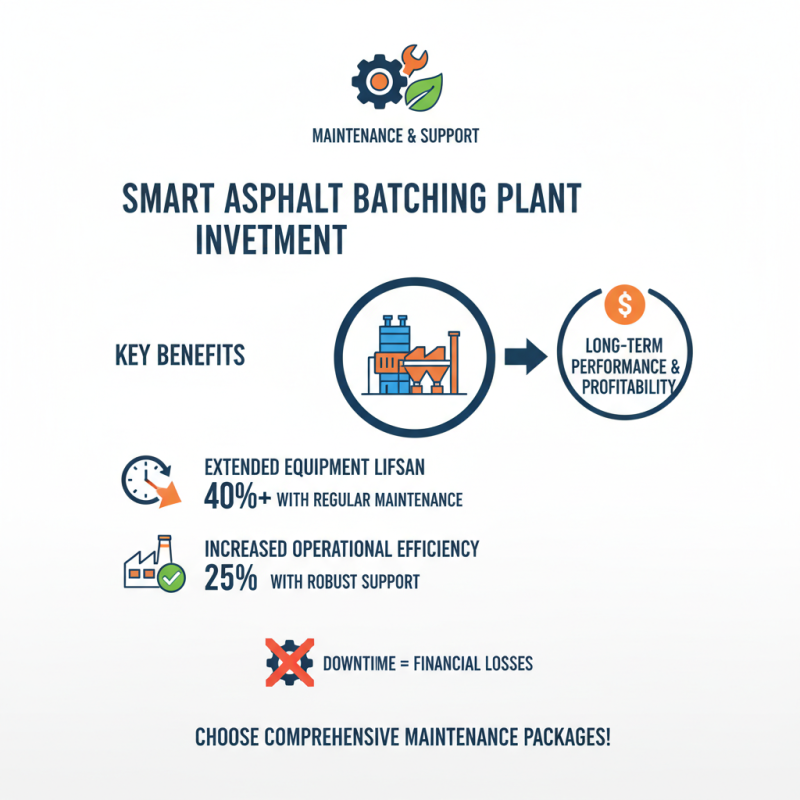
When selecting an asphalt batching plant, prioritizing maintenance and support services can significantly influence the long-term performance and profitability of your project. Studies indicate that regular maintenance can extend the lifespan of equipment by up to 40%, which is essential in an industry where downtime can lead to substantial financial losses. Companies that provide robust support services often report a 25% increase in operational efficiency, underscoring the value of investing in plants that come with comprehensive maintenance packages.
Moreover, the choice of an asphalt batching plant should include considerations for the availability of parts and technical support. Research shows that plants with accessible maintenance services typically see a reduction in unexpected outages by nearly 30%. This proactive approach enables teams to focus on production quality rather than troubleshooting equipment failures, thus enhancing overall project outcomes. In an industry increasingly focused on sustainability, selecting a batching plant with a strong maintenance framework not only ensures compliance with ecological standards but also signals a commitment to operational excellence.

 Concrete Mixing Plant
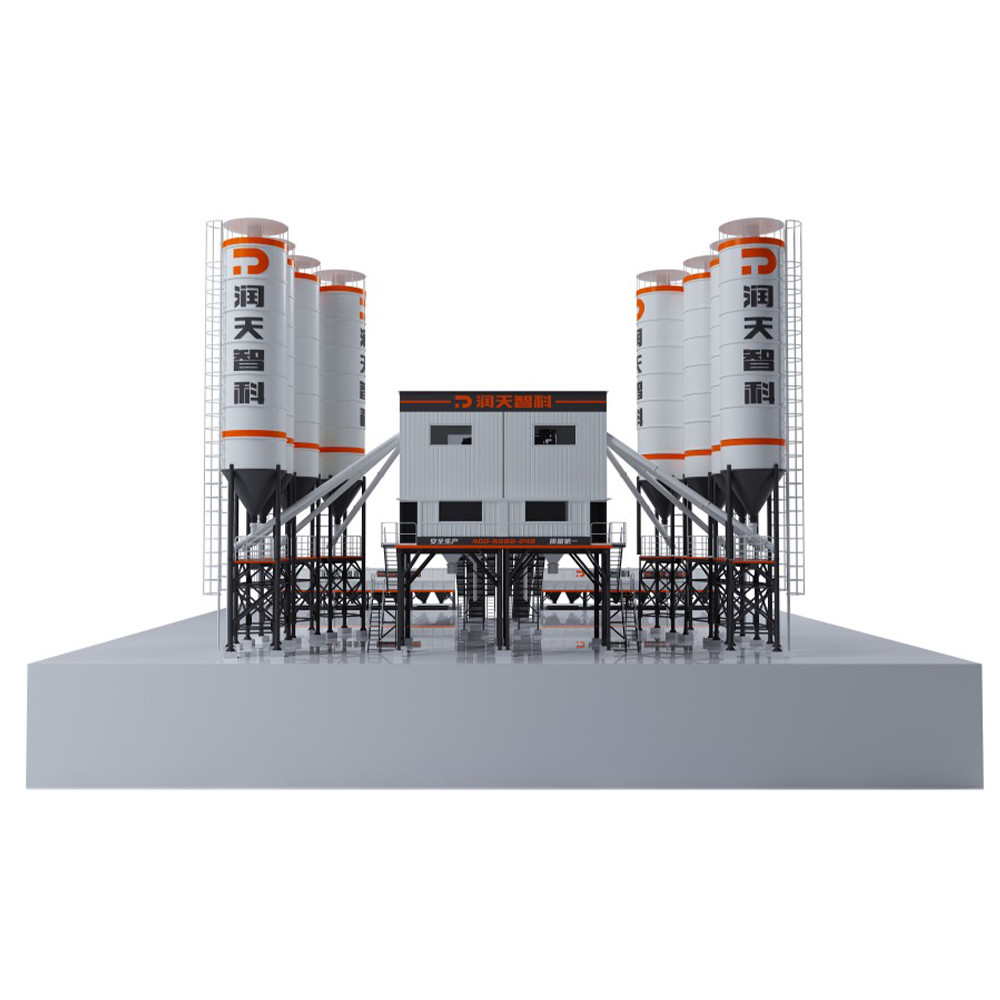 HZS Series Belt Concrete Mixing Plant
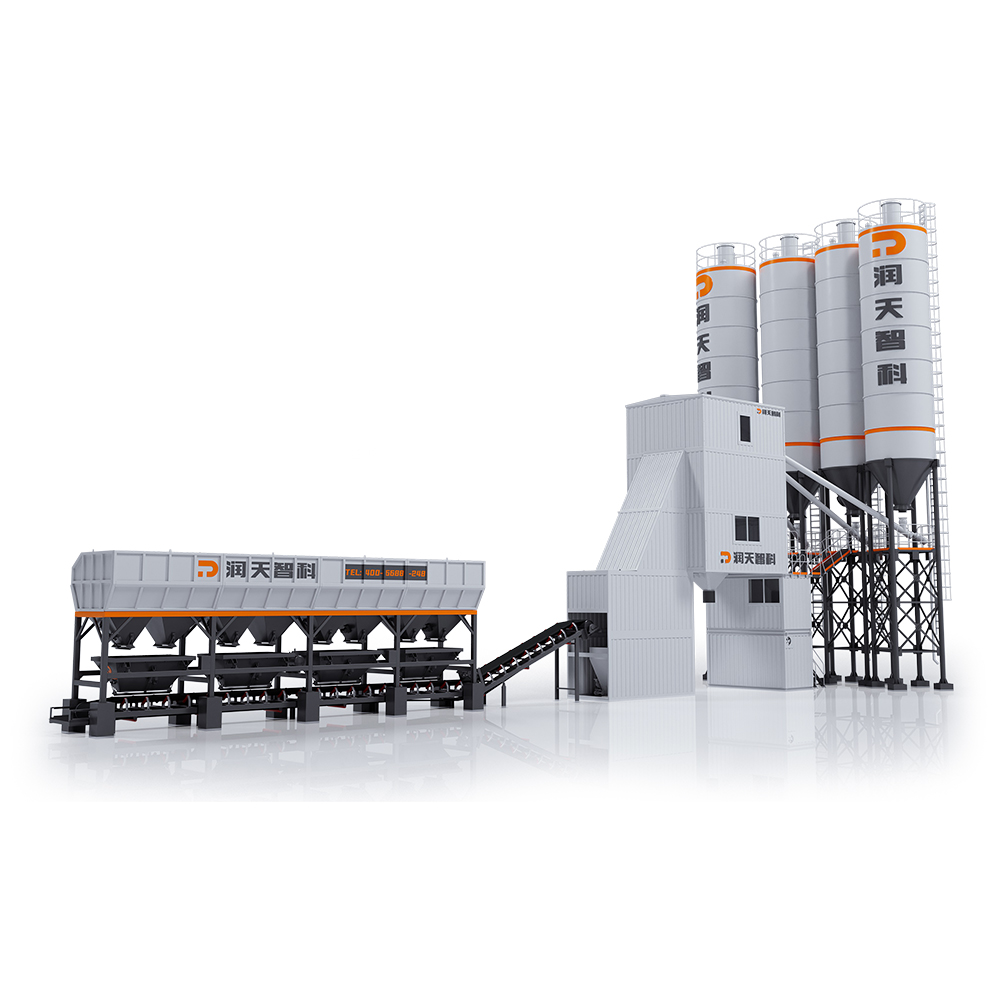 HZS Series Bucket-Lifting Type Container Concrete Mixing Plant
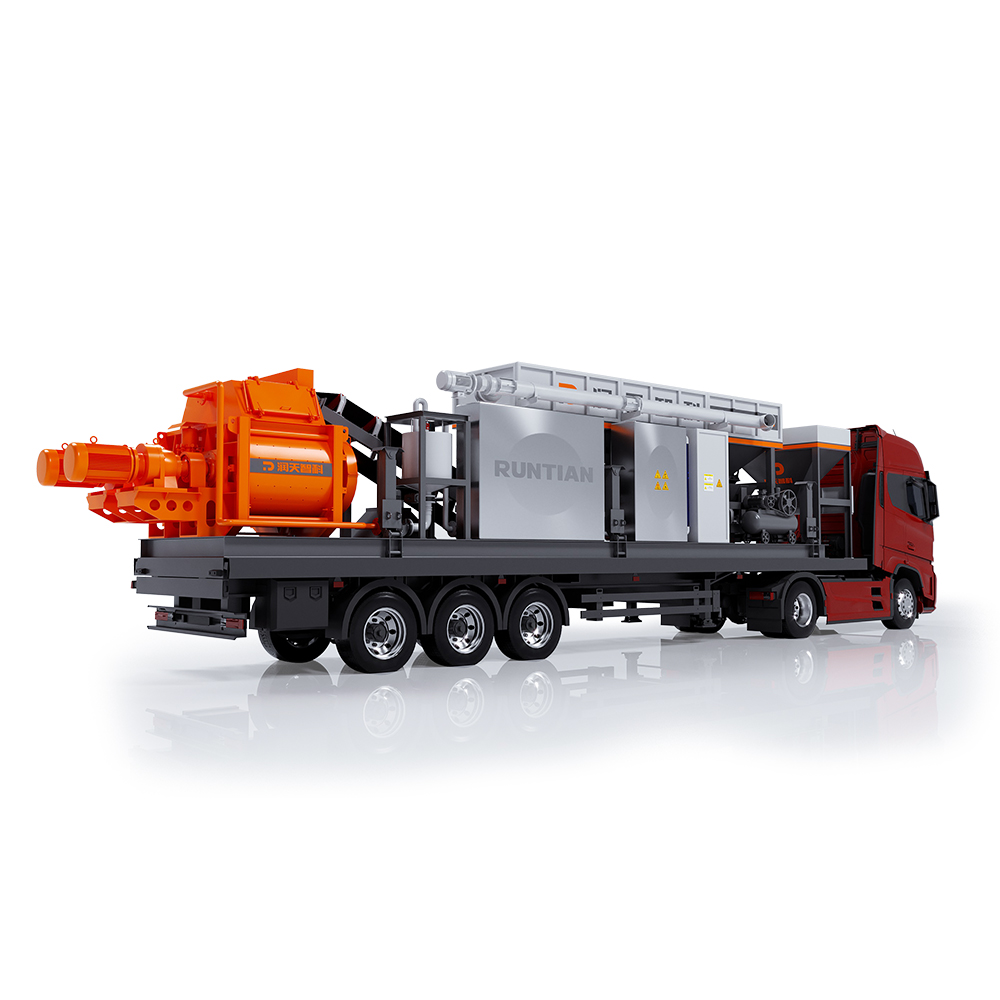 HZS60 Mobile Concrete Mixing Plant
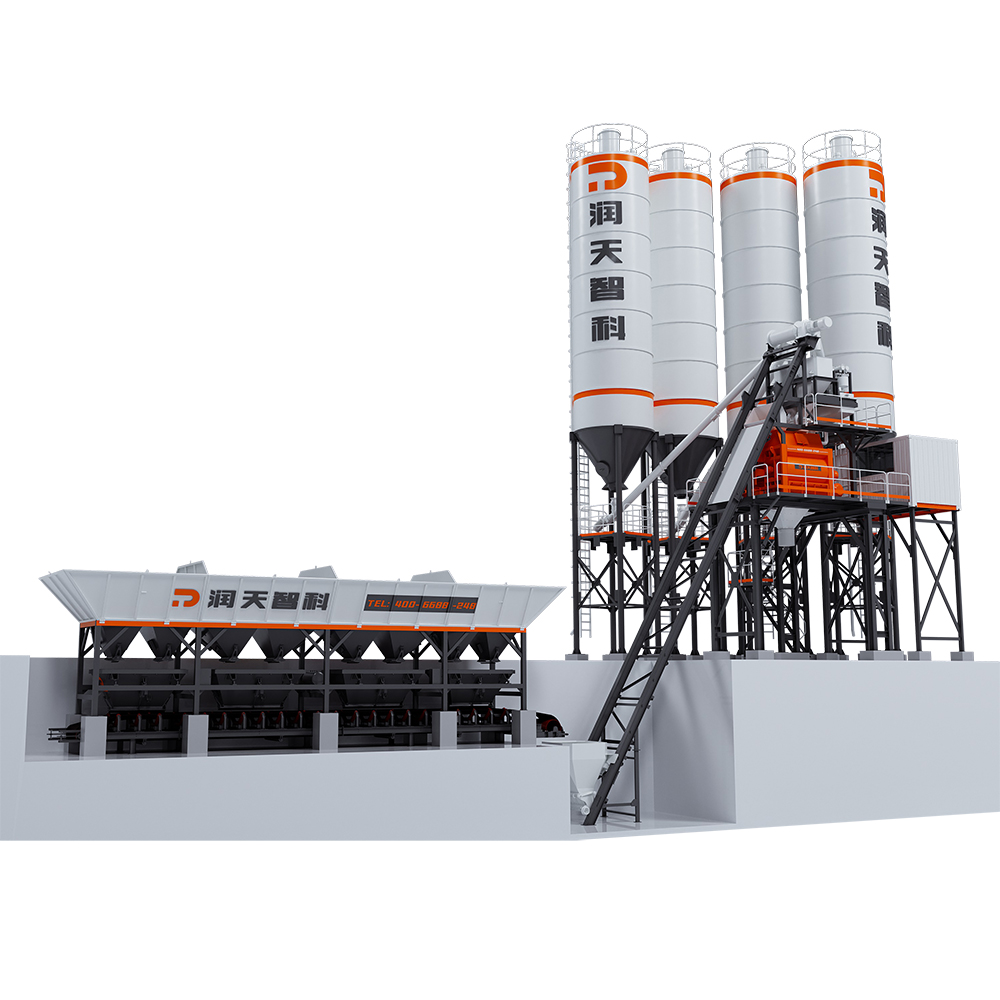 HZS Series Bucket-Lifting Type Concrete Mixing Plant
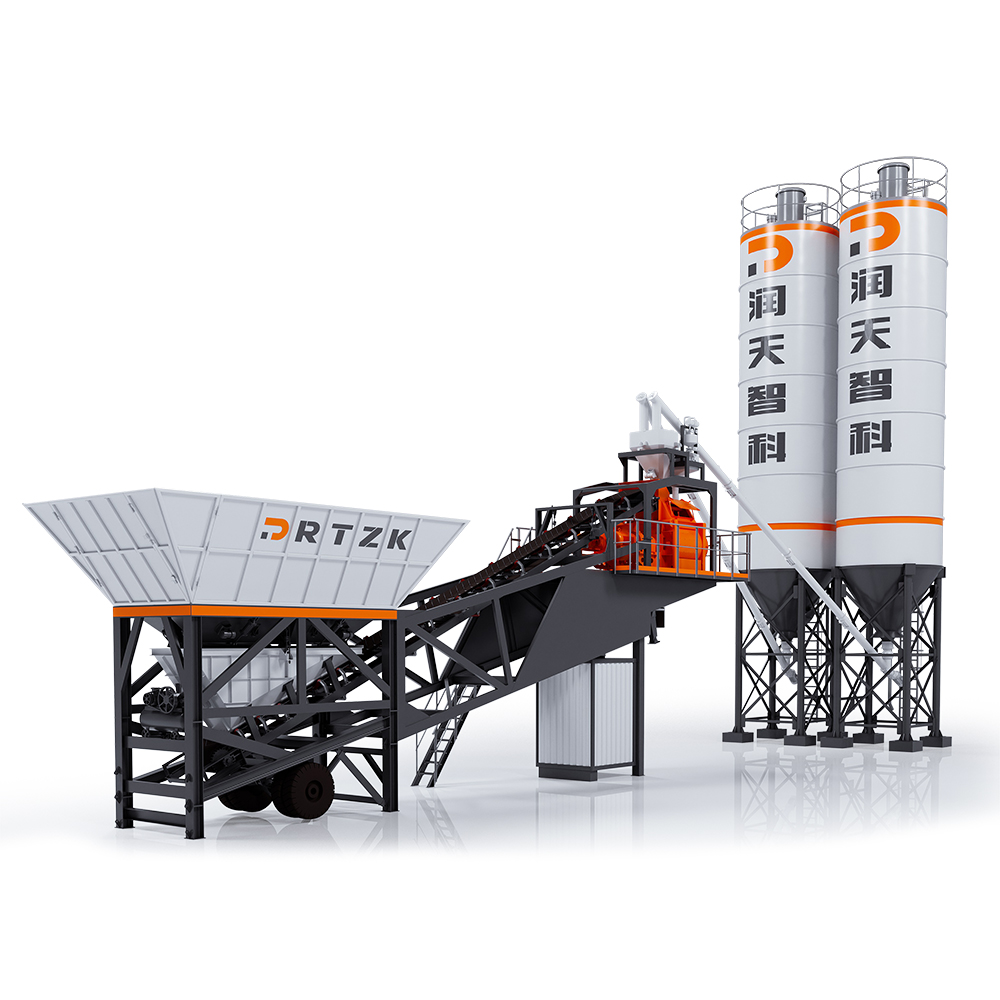 HZS Series Mobile Concrete Mixing Plant
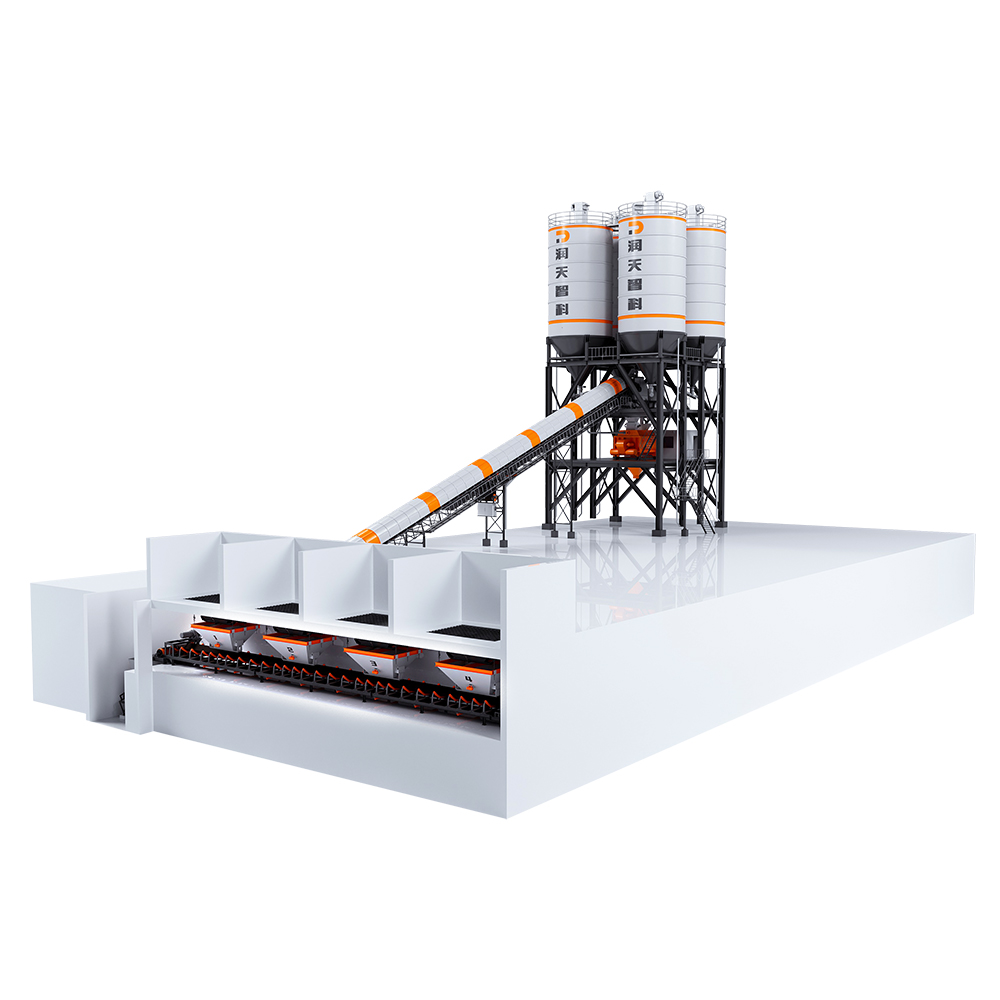 HZS Series Top-Mounted Concrete Mixing plant
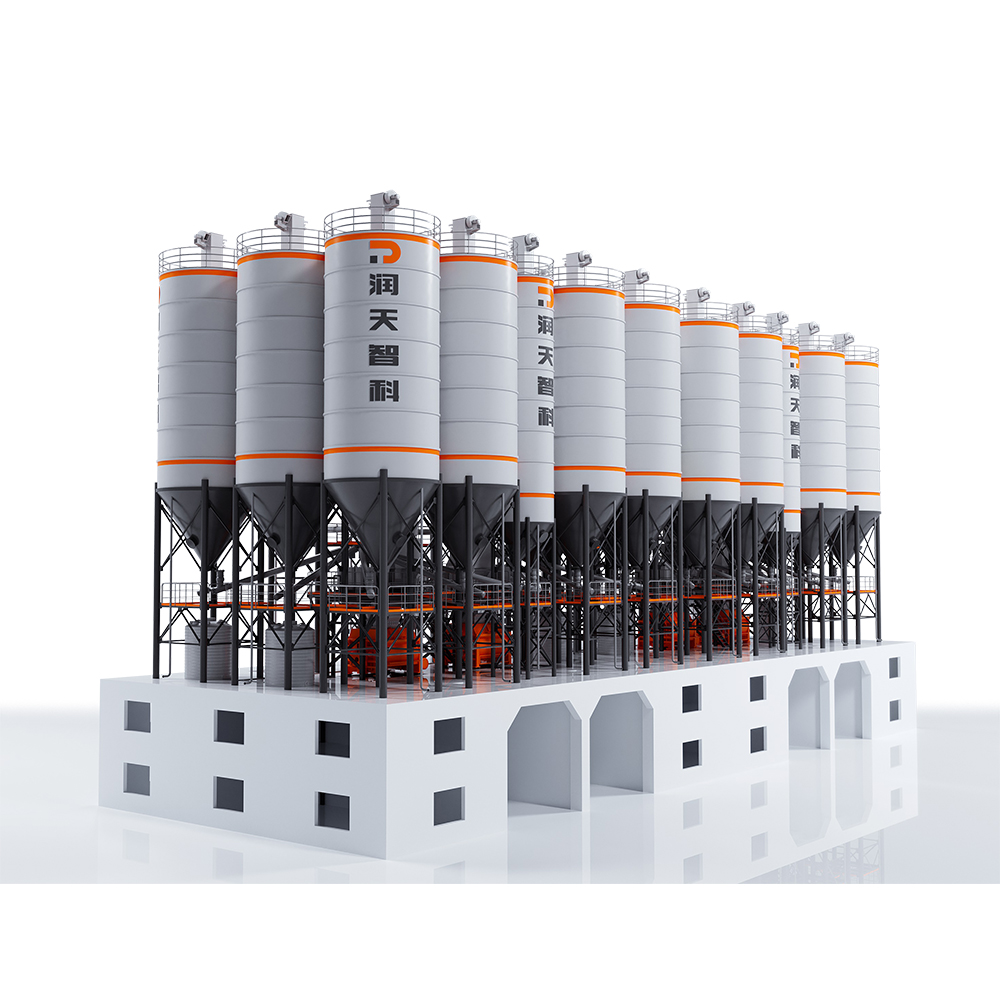 HZS Series Semi-Top Mounted Concrete Mixing Plant
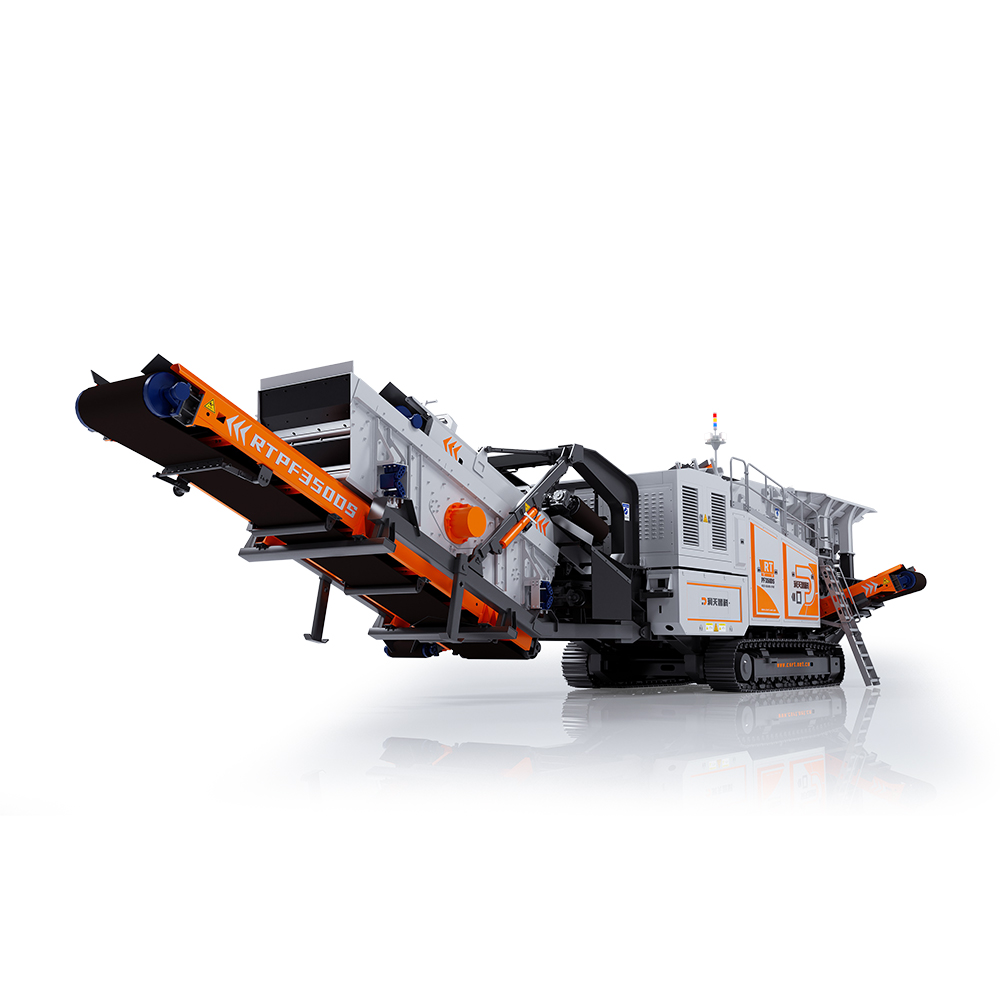 RTPF350DS Crawler Mobile Impact Crushing Plant
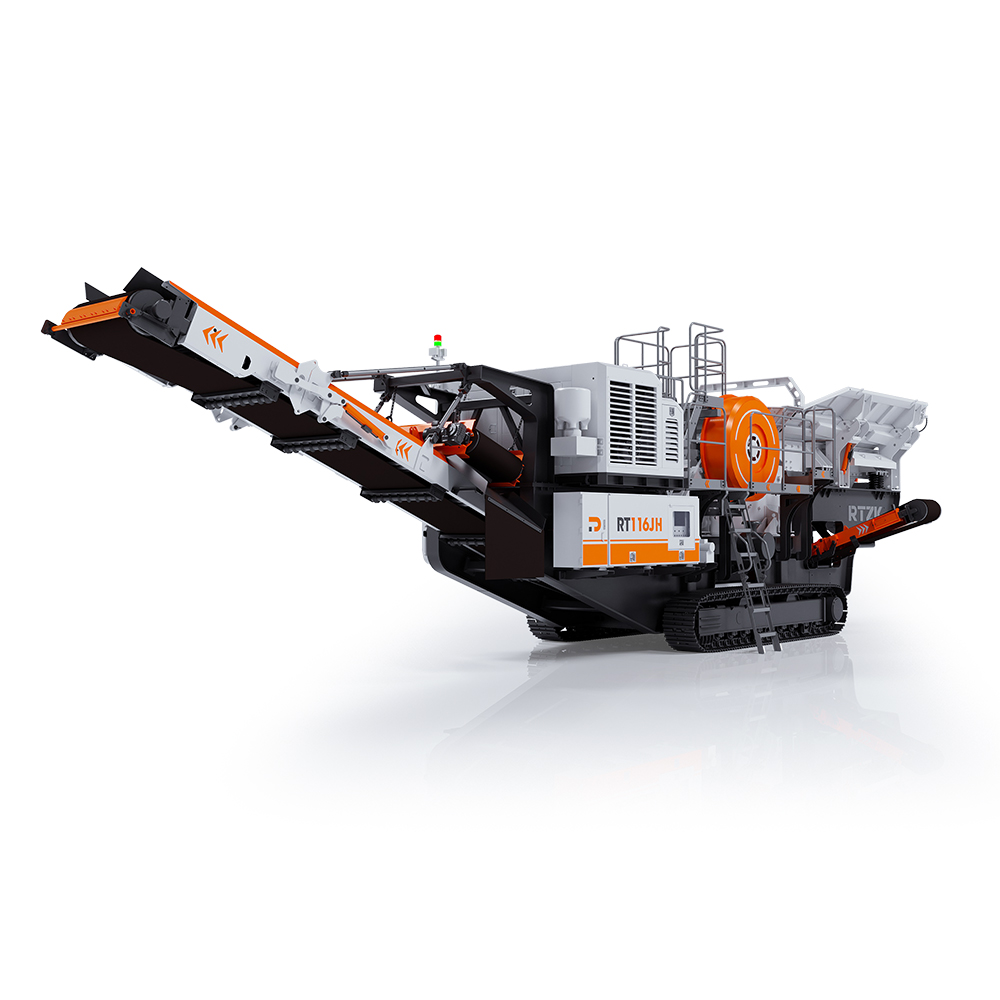 RT116JH Crawler Mobile Jaw Crushing Plant
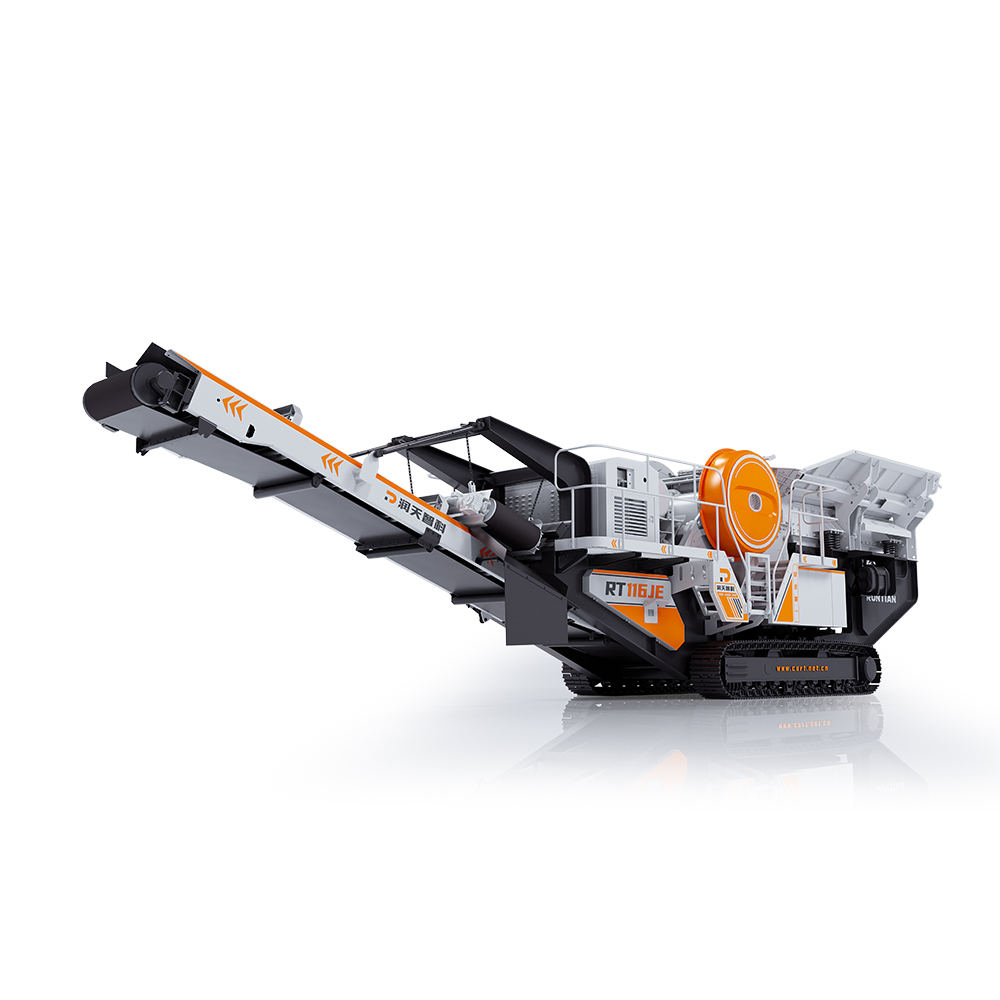 RT116JE Crawler Mobile Jaw Crushing Plant
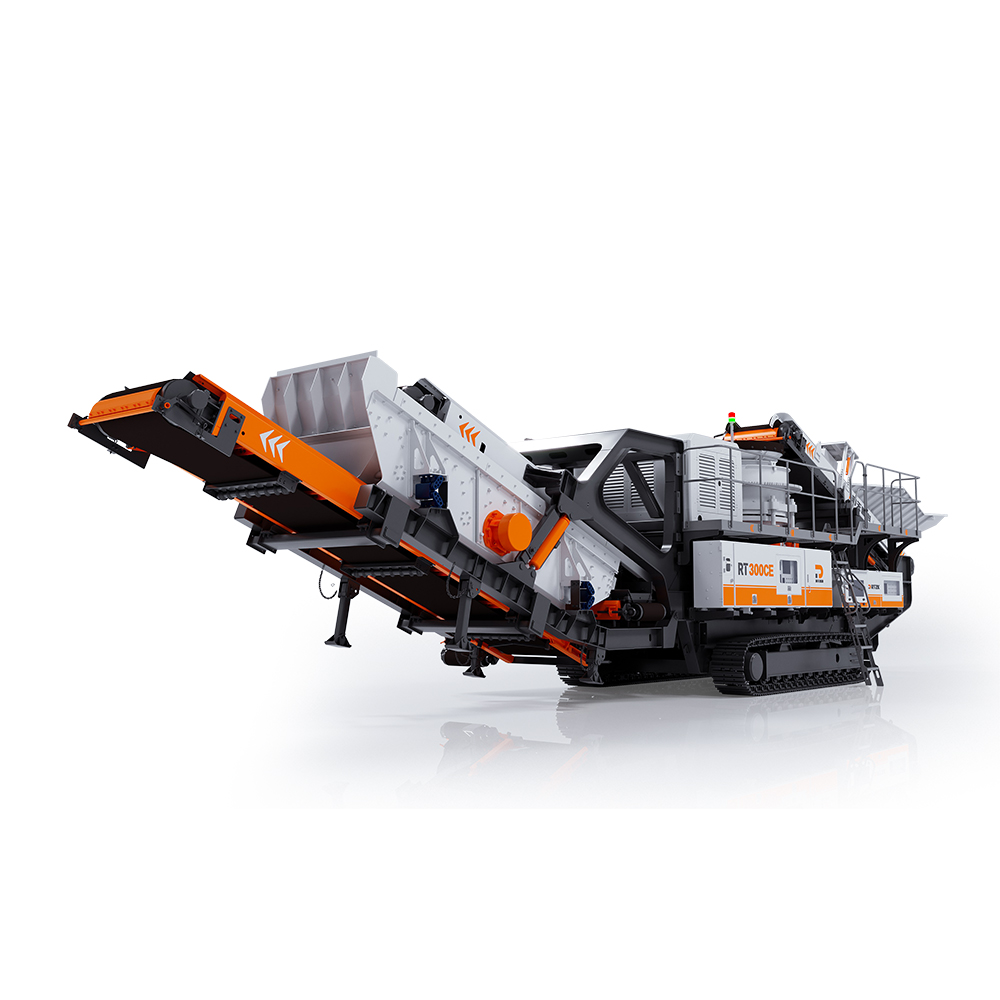 RT300CE Crawler Mobile Cone Crushing Plant
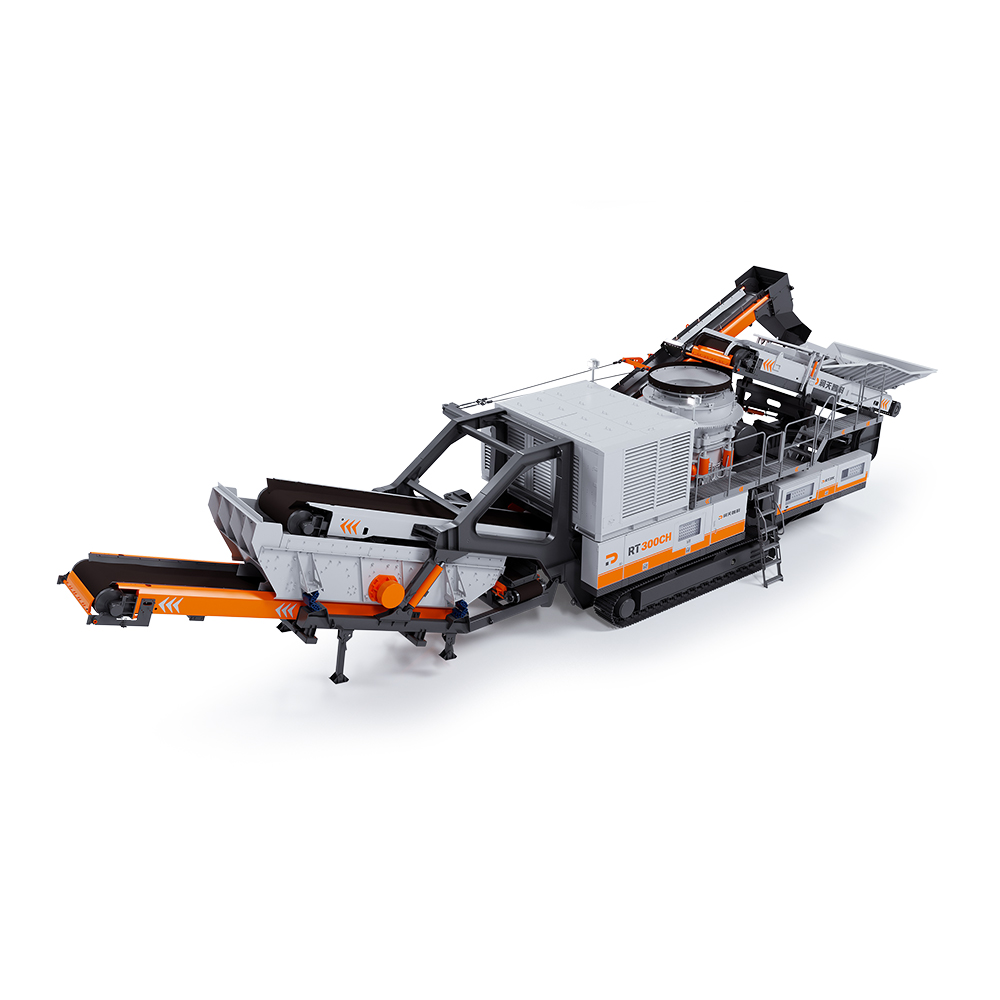 RT300CH Crawler Mobile Cone Crushing Plant
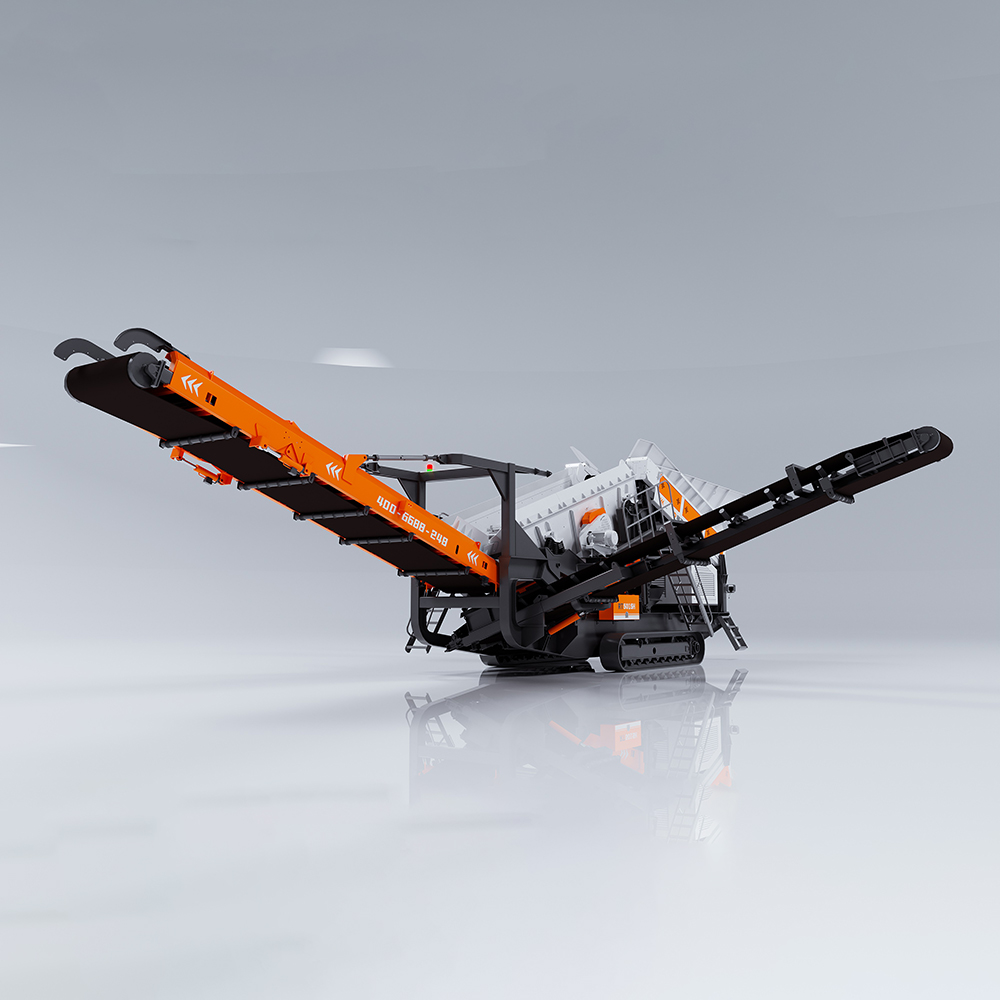 RT5015H Mobile Scalping Screen
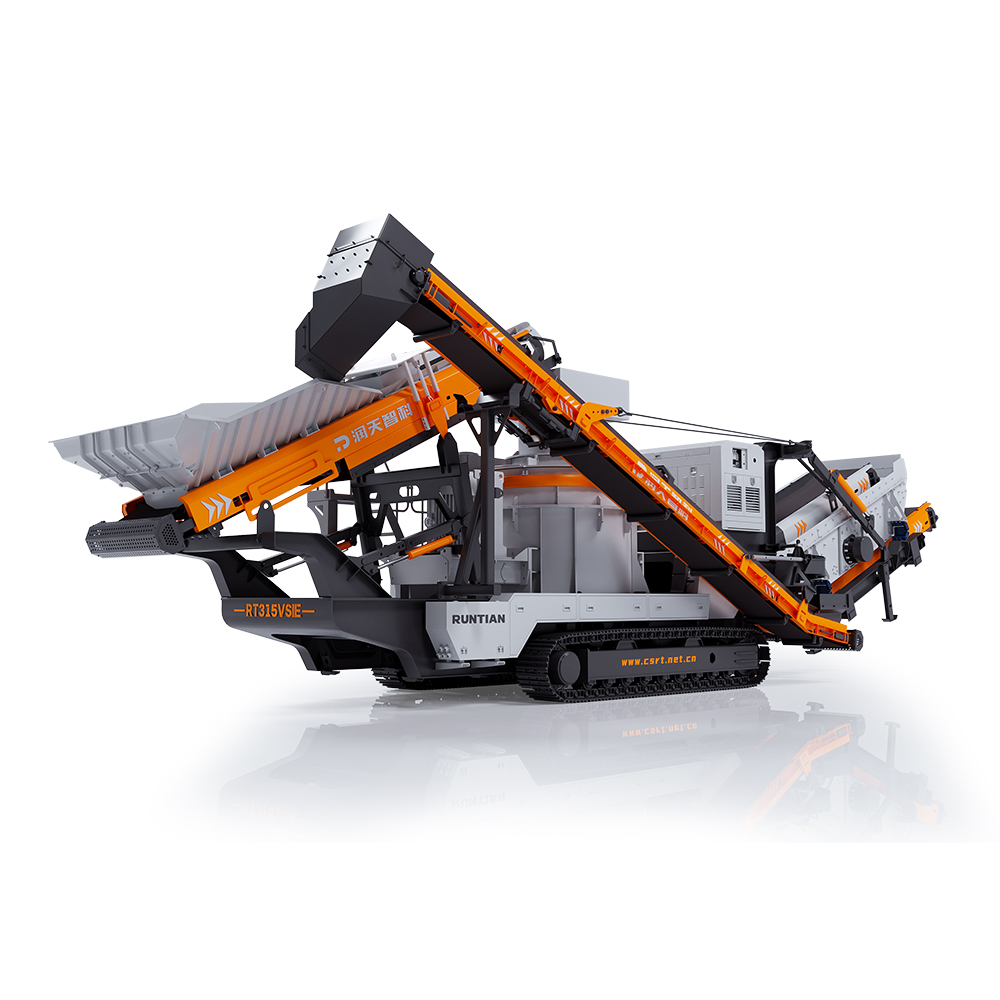 RT315VSIE Crawler Mobile Sand Maker
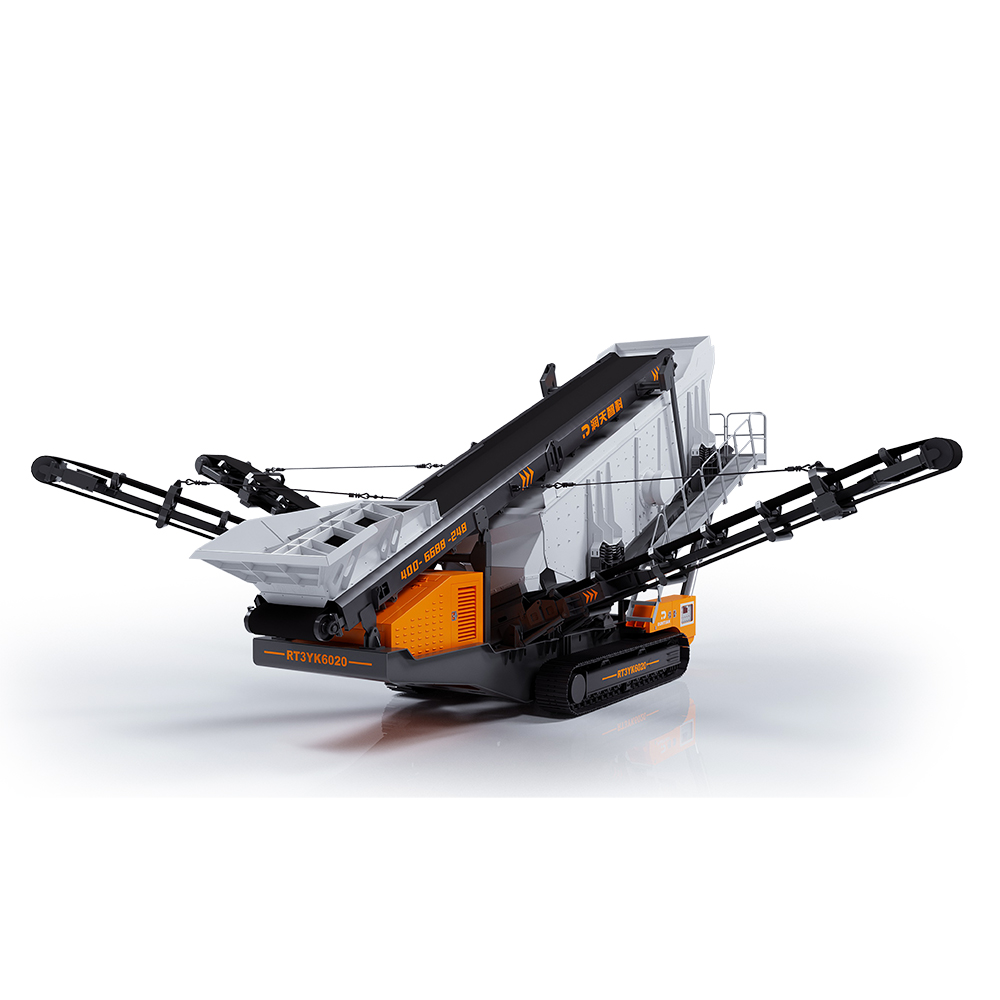 RT3YK6020 Crawler Mobile Screening Plant
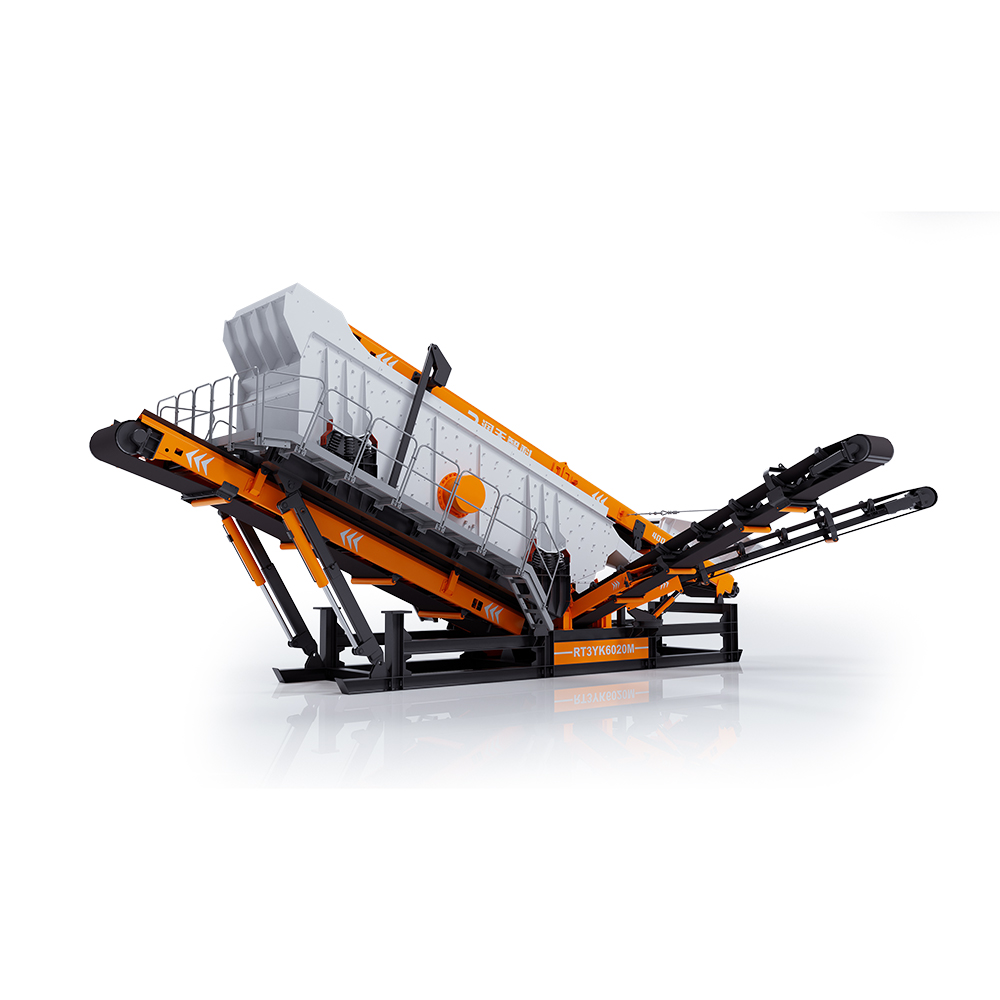 RT3YK6020M Modular Screening Plant
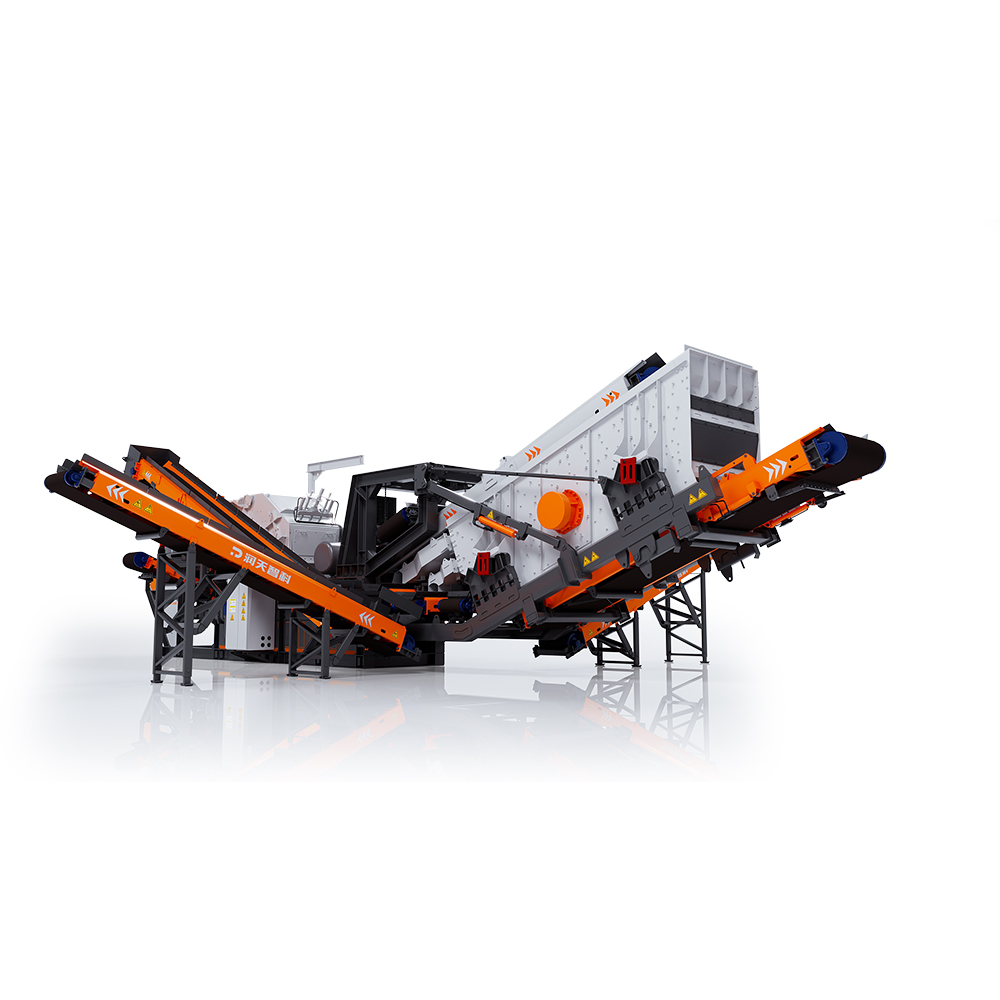 RTF260M Modular Counterattack Crushing and Screening Integrated Machine
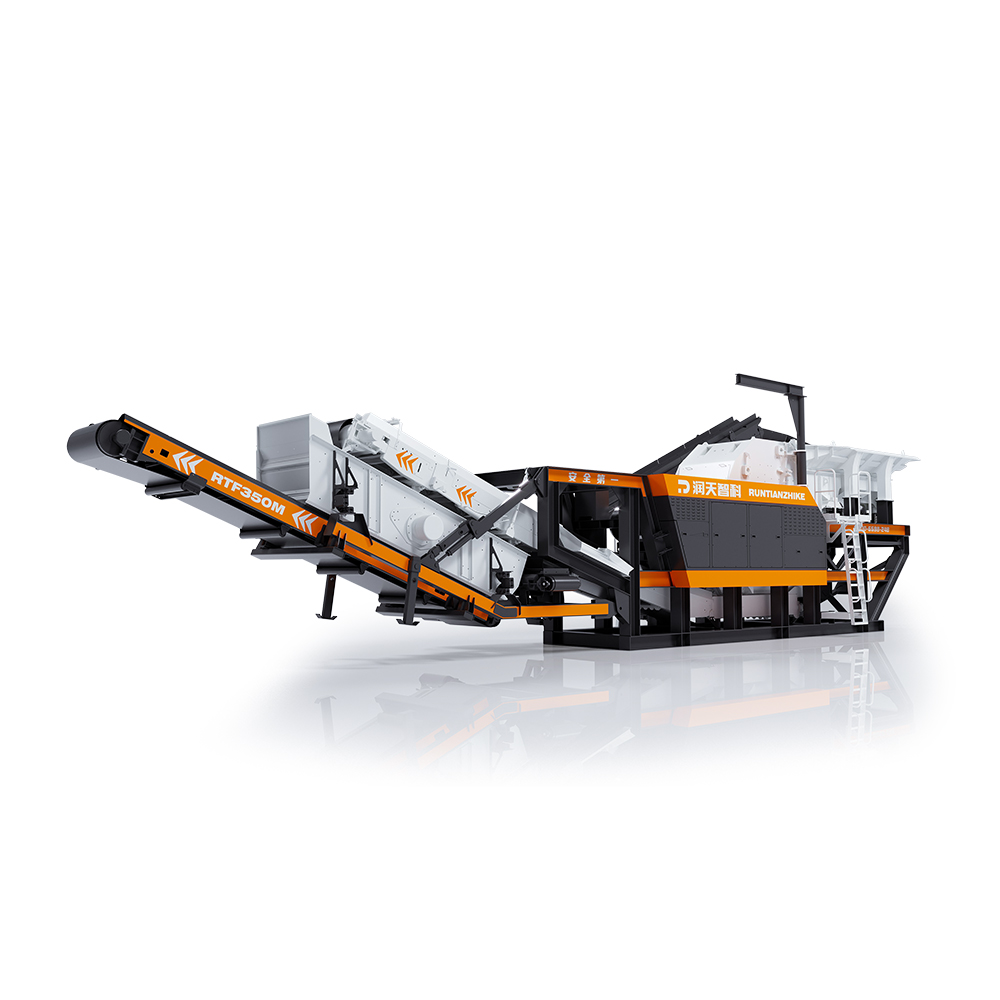 RTF350M Modular Impact Crushing Plant
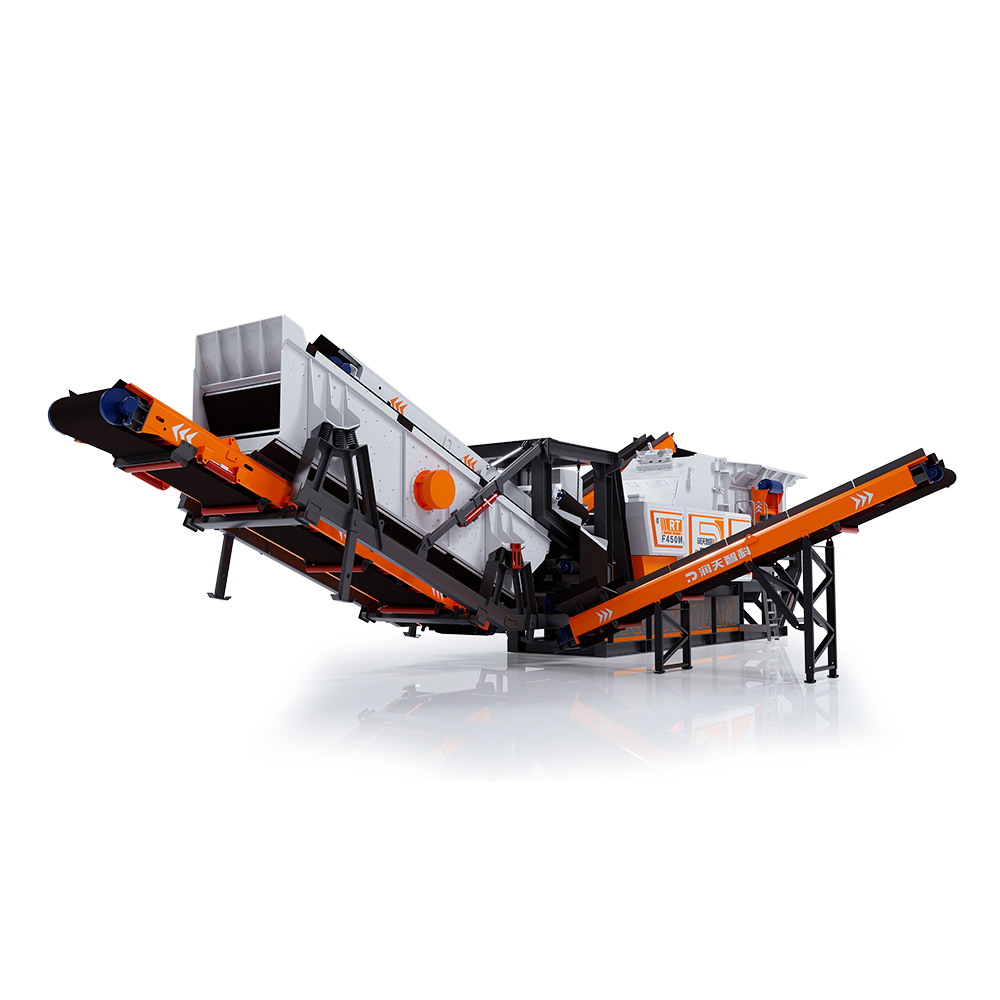 RTF450M Modular Impact Crushing Plant
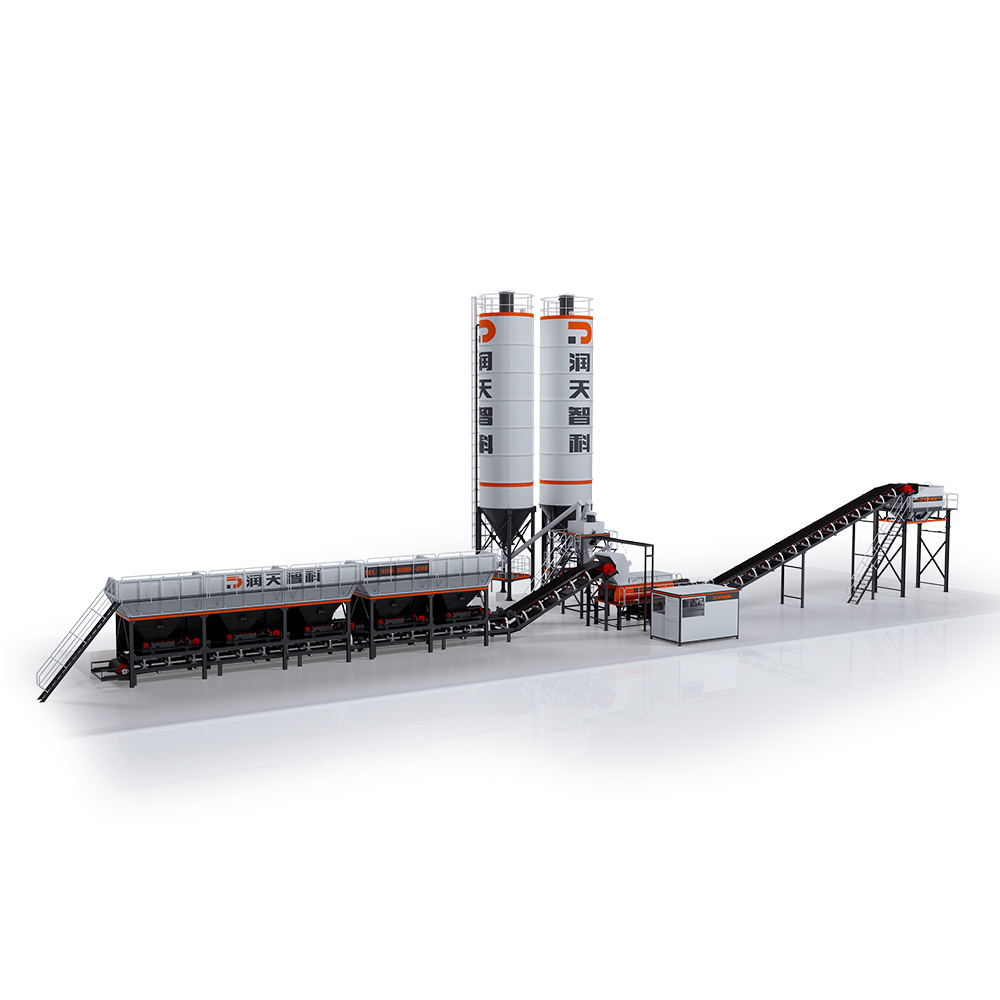 WDB Series Foundation-Free Stability Soil Mixing Plant
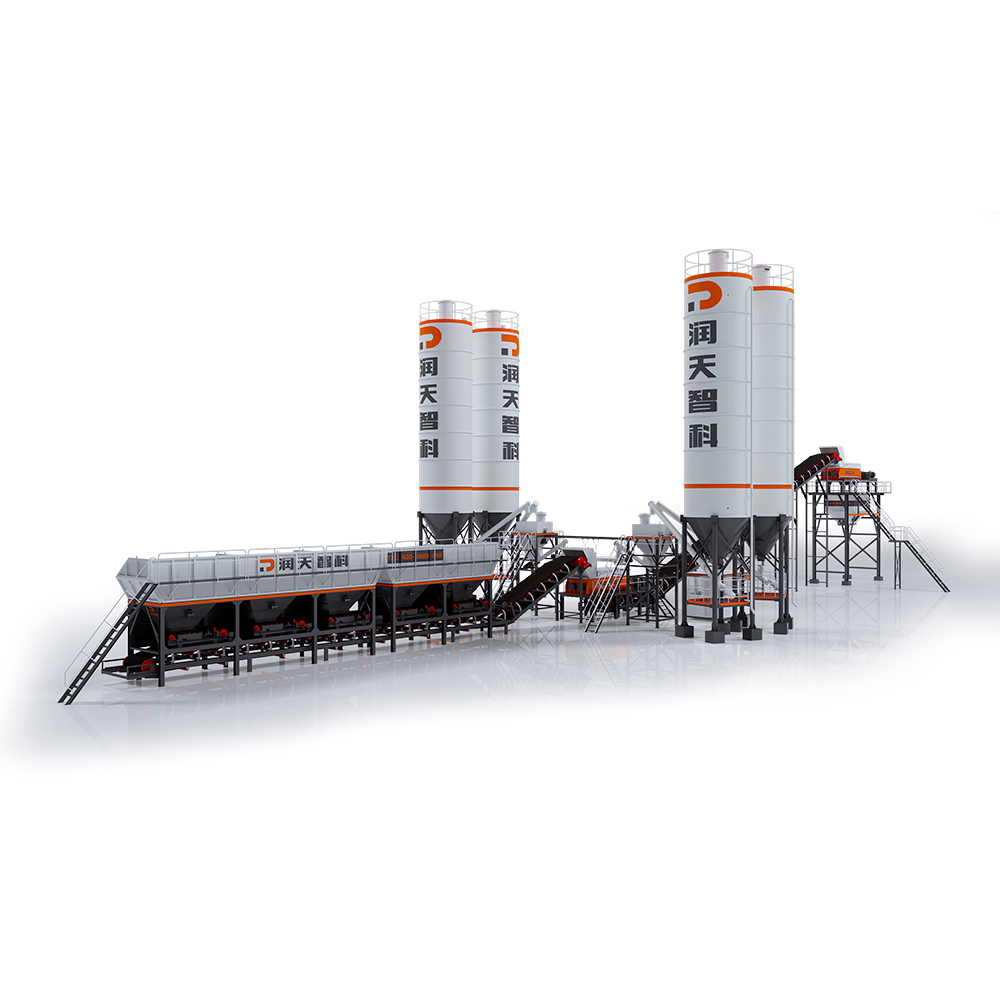 LCB Series Emulsified Asphalt Cold Regeneration Secondary Mixing Plant
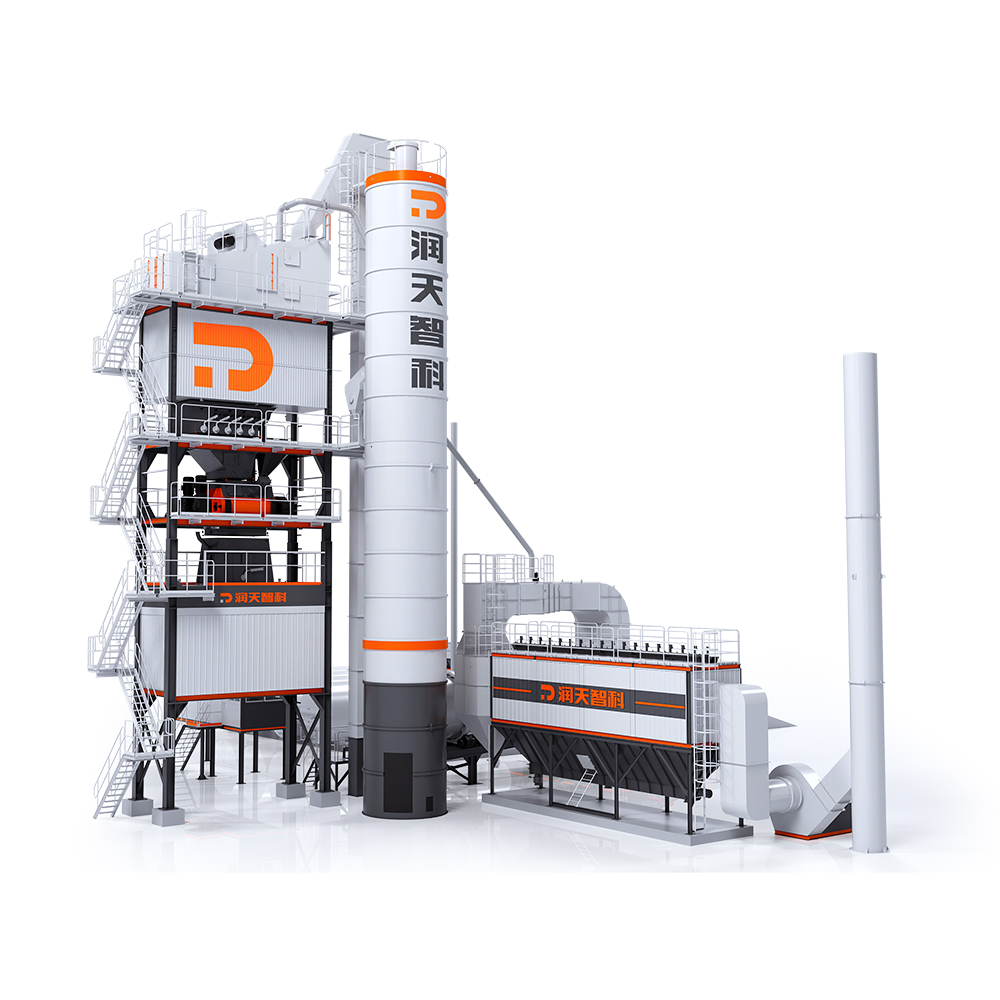 LB Series Asphalt Mixing Plant
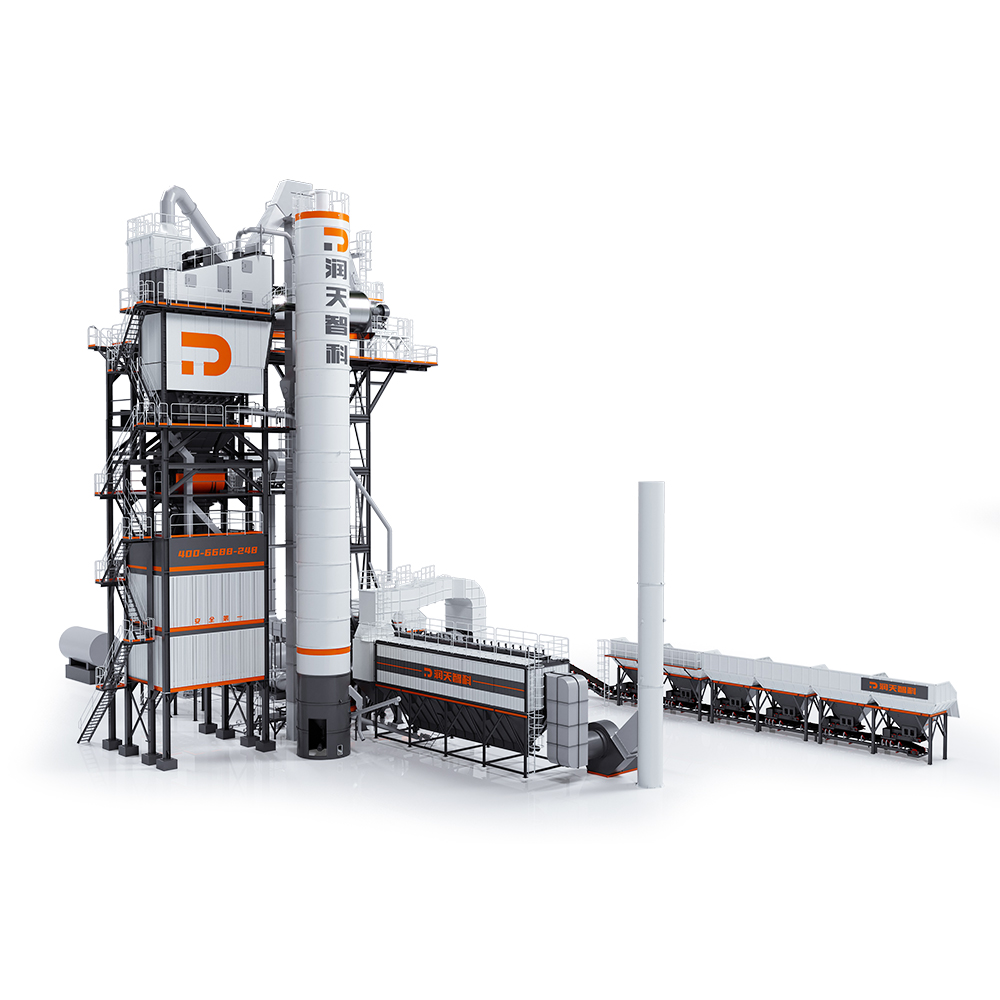 LBR Series Integrated Asphalt Mixing Plant
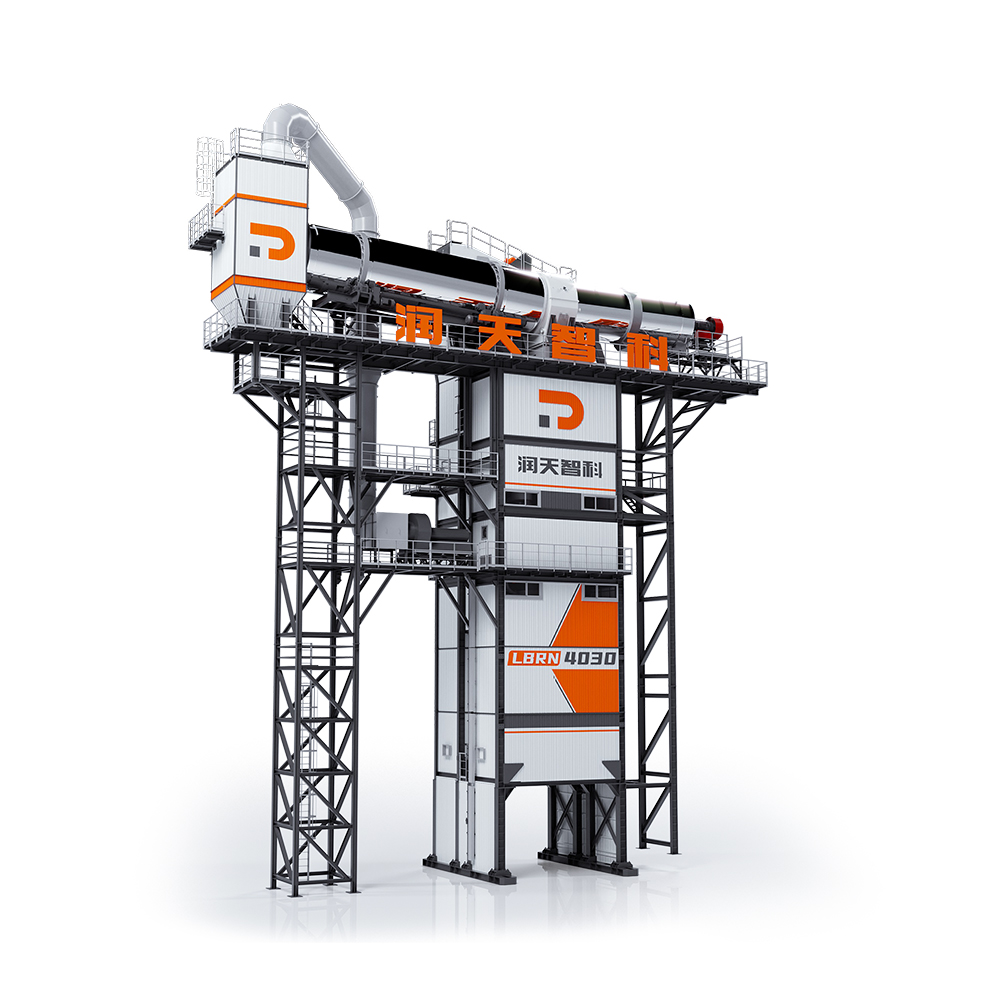 LBRN Series Counterflow Integral Asphalt Mixing Plant
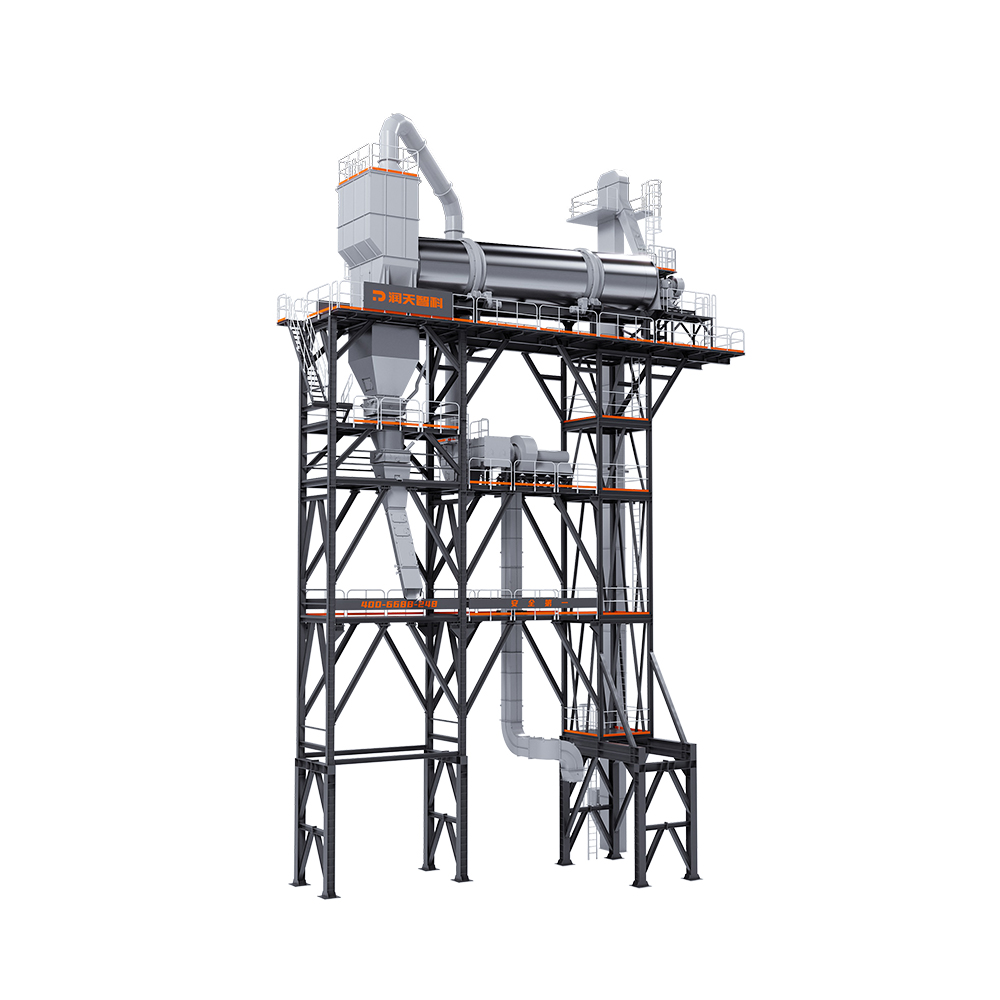 RZS Series Asphalt Mixing Plant
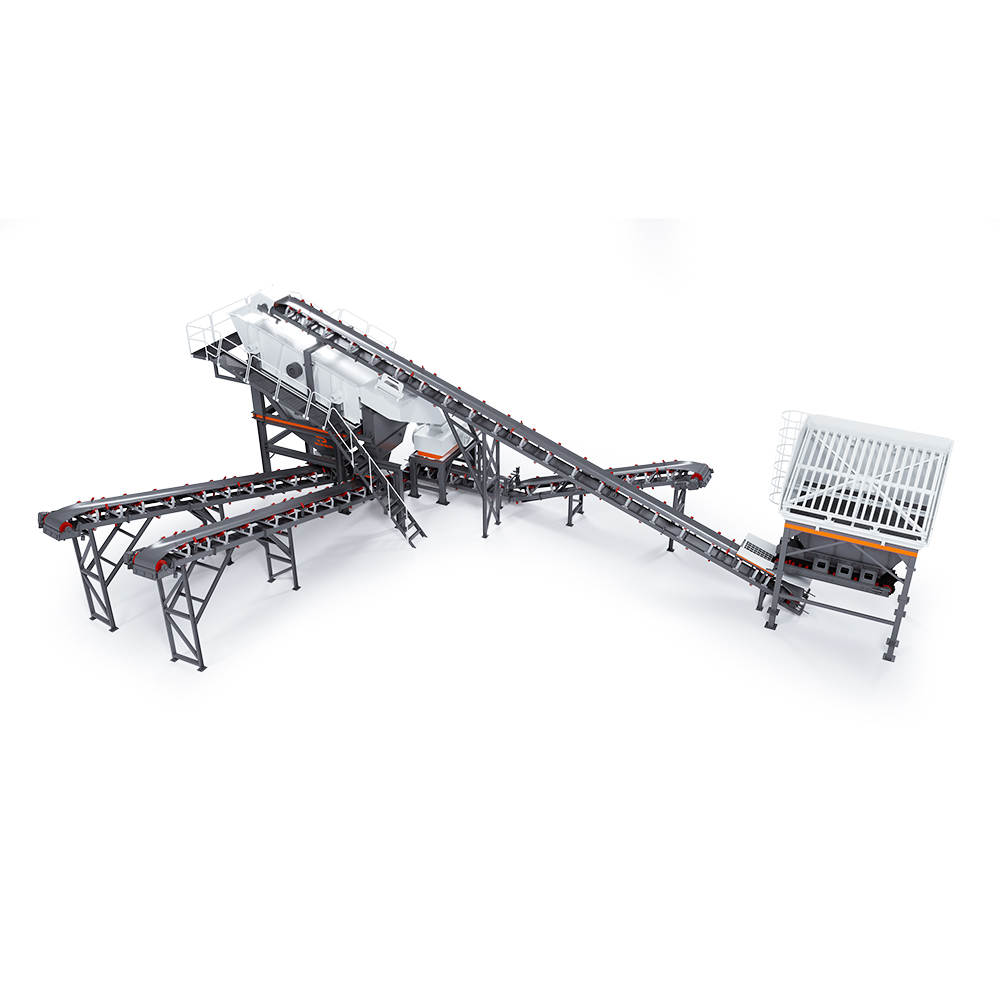 RTZS120 Series RAP Crushing & Screening Plant
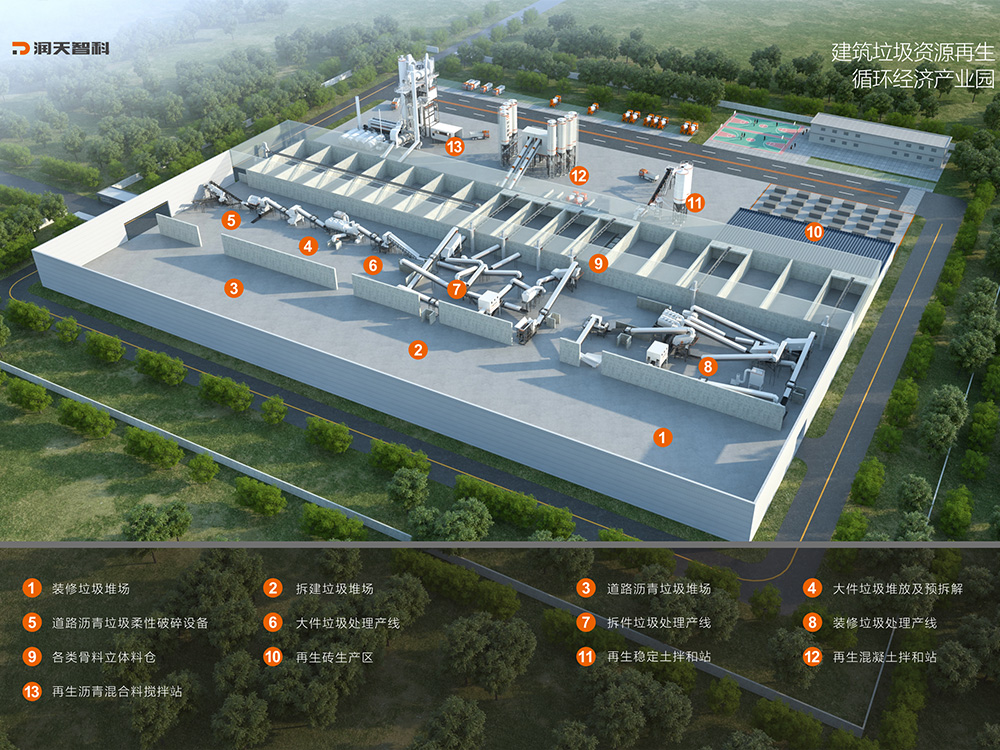 Construction Waste Resourceful Treatment Line