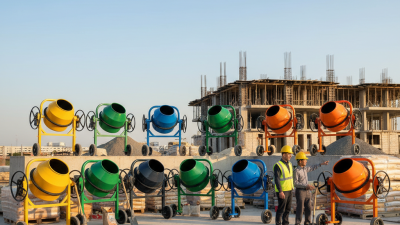
What is a Cement Mixer and How Does it Work?
In the world of construction, a cement mixer plays a crucial role. It is essential for mixing cement, water, and aggregates to create concrete. According to John Smith, an expert in Cement Mixer Construction, “The efficiency of a construction site relies heavily on how well the cement is mixed.” This highlights the importance of understanding the workings of a cement mixer.
Cement mixers come in various sizes and designs. They work by rotating the mixed materials in a drum. This process ensures a thorough blend, avoiding the problems of uneven texture. However, not all mixers achieve the same quality. One must choose wisely based on project needs. Craftsmanship in Cement Mixer Construction can significantly influence the final product’s strength and durability.
Using a cement mixer is straightforward. Yet, it requires attention to detail. Poor mixing can lead to weak concrete. This could compromise the integrity of structures. Inexperienced operators may overlook the significance of correct proportions. The stakes are high in construction, where mistakes can be costly. Proper training and understanding are key to maximizing the potential of this essential tool.
Understanding the Basics of a Cement Mixer
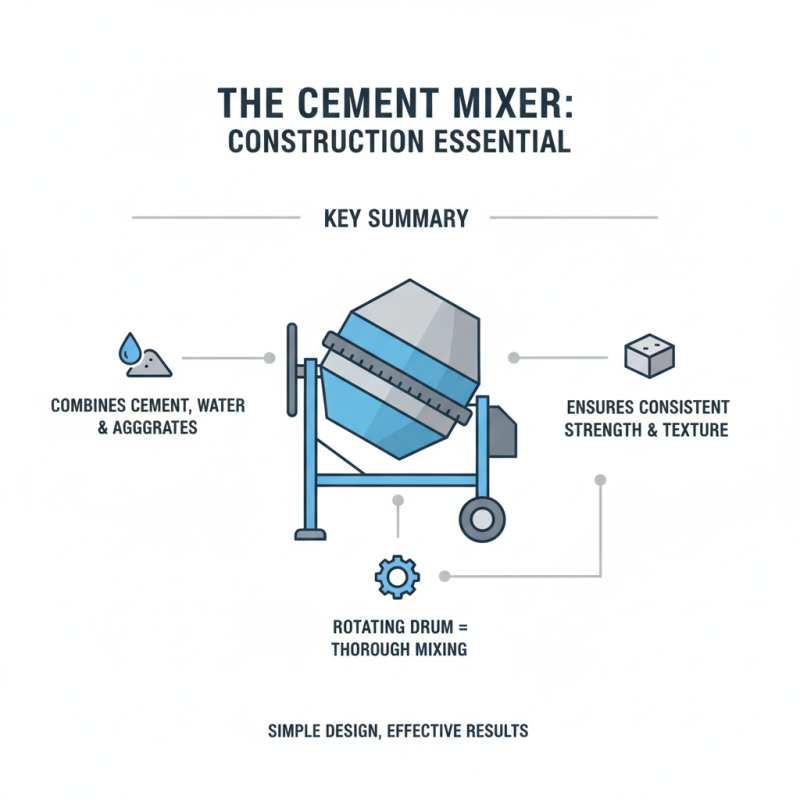
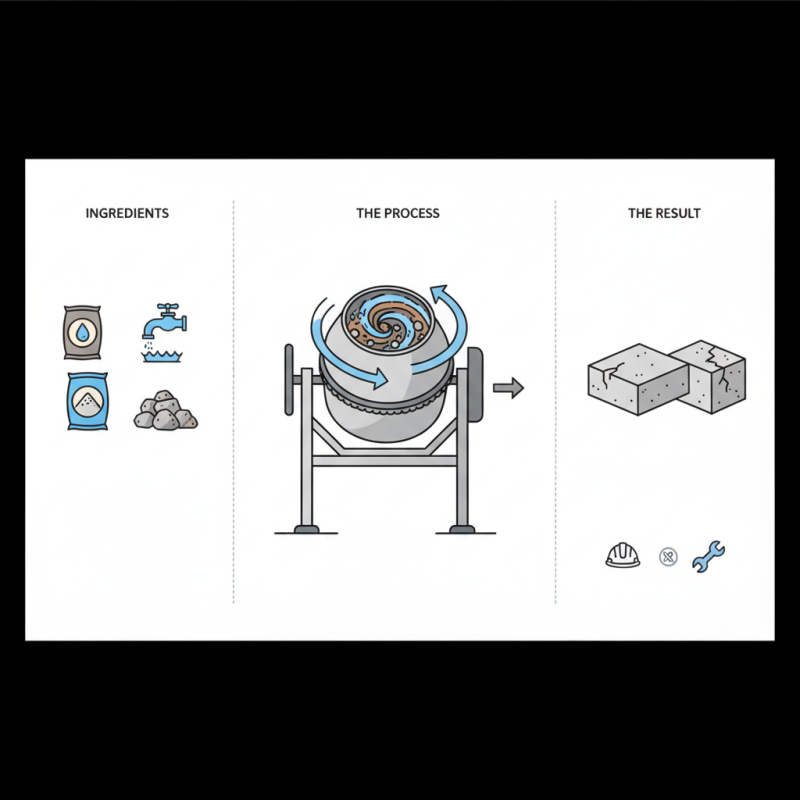
A cement mixer is essential for construction projects. It combines cement, water, and aggregates to create concrete. The design is simple yet effective. A rotating drum mixes ingredients thoroughly. This ensures consistency in the concrete's texture and strength.
When using a cement mixer, precision matters. Adding too much water can weaken the concrete. Conversely, too little water may lead to a mixture that is too dry. Knowing the right balance is key. The machine typically has a lever to control the drum's speed. It's not just about mixing; it's about achieving an ideal consistency.
Regular maintenance is crucial. Cleaning the drum after each use prevents residue buildup. This helps in ensuring the next batch mixes correctly. However, many users overlook this step. This might lead to future complications. Understanding these basics is vital for anyone working with cement mixers.
The Components of a Cement Mixer Explained
A cement mixer is a vital piece of machinery in construction. It blends ingredients like cement, sand, gravel, and water. This process creates a uniform concrete mix. The mixer’s design ensures efficient mixing while allowing for easy transportation on site.
Key components of a cement mixer include the drum, the mixer blades, and the engine. The drum spins to mix the materials thoroughly. The mixer blades are designed to lift and tumble the mix for even consistency. The engine powers these elements, driving the mixing process. The size of the drum often determines how much concrete can be mixed at one time.
Tip: Regular maintenance is crucial for a cement mixer. Check for any wear on the blades or drum. Clean the mixer after each use to avoid build-up. Neglecting these tasks can lead to inefficient mixing and unexpected delays.
Another vital component is the water supply system. This system ensures the right amount of water is added during mixing. Too much water makes the concrete weak. Too little results in a dry mix. The balance is essential for optimal strength.
Tip: Always measure materials accurately. Improvising can lead to inconsistent results. Take time to understand the mixer’s operation manual. This knowledge helps prevent mistakes and enhances overall efficiency.
How a Cement Mixer Operates Step-by-Step
A cement mixer is an essential tool in construction. It blends cement, water, and aggregates until they create a uniform mixture. This is vital for strong and durable concrete. The design allows materials to rotate within a drum. This rotation is key for achieving the right consistency and preventing clumping.
To operate a cement mixer, start by loading dry ingredients into the drum. Add cement and aggregates, like sand and gravel. Then, introduce water. The mixer is powered on, and the drum rotates. Watch as the ingredients blend together. It's important to monitor the mixture. You want a smooth, workable consistency but not too wet.
Once mixed, the concrete can be dispensed. Pour it where needed, like footings or slabs. Cleaning the mixer afterward is crucial to remove remaining material. Neglecting this can lead to hardened concrete inside the drum. Proper maintenance ensures the mixer remains effective for future use.
Types of Cement Mixers and Their Uses
Cement mixers are essential tools in construction. They come in various types, each suited for specific tasks. The two main types are drum mixers and pan mixers. Drum mixers rotate a drum to blend materials, making them ideal for large projects. They can efficiently mix significant volumes of concrete, often handling up to 3 cubic meters in a single batch.
Pan mixers, on the other hand, have a flat mixing surface. These mixers use blades to combine ingredients. They are typically used for producing high-quality concrete in smaller batches. According to industry reports, pan mixers can achieve a more uniform mix and are often preferred in the precast concrete sector.
Choosing the right mixer is crucial. Many projects suffer from inconsistencies due to improper mixing methods. The lifespan and durability of concrete significantly depend on the quality of mixing. For example, poorly mixed concrete can lead to cracks, reducing structural integrity. In construction, attention to detail in selecting the mixer can save time and costs later. Understanding these types and their applications helps in making informed decisions on construction sites.
Safety Considerations When Using a Cement Mixer
Using a cement mixer requires careful planning and attention to safety. Always wear protective gear. Hard hats, gloves, and safety goggles are essential. Cement dust can irritate eyes and lungs. Ensure the workspace is clear of obstacles. Wet cement can be slippery. Keeping the area tidy helps prevent accidents.
It's crucial to check the equipment before use. Look for leaks or damages. Familiarize yourself with the mixer’s controls. Misusing a mixer can lead to injuries. Never overload the mixer; it can tip over. When pouring, maintain a safe distance from the machine's discharge area.
If working with others, communicate effectively. Distracted workers can cause harm. Remember, even small mistakes can have serious consequences. Always stay alert and take breaks. Mixing cement can be tiring, and fatigue leads to errors. These simple steps ensure a safer working environment.

 Concrete Mixing Plant
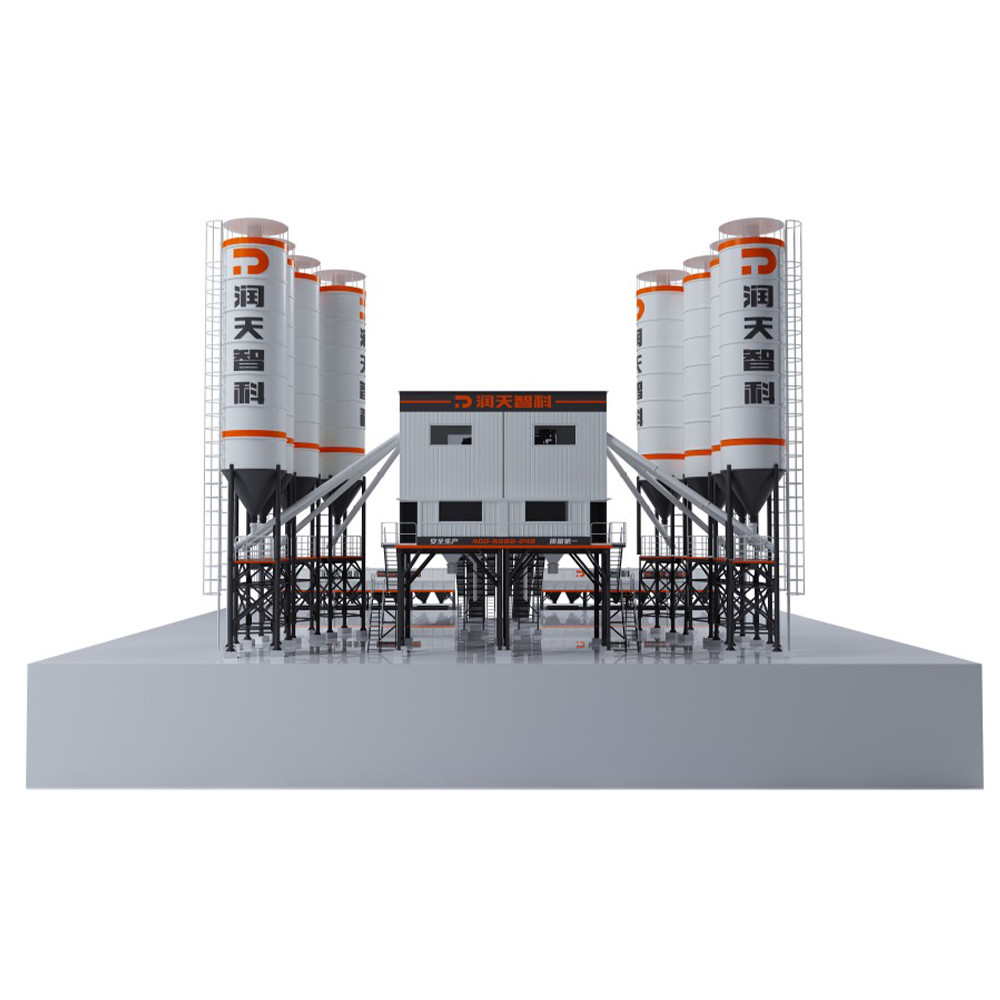 HZS Series Belt Concrete Mixing Plant
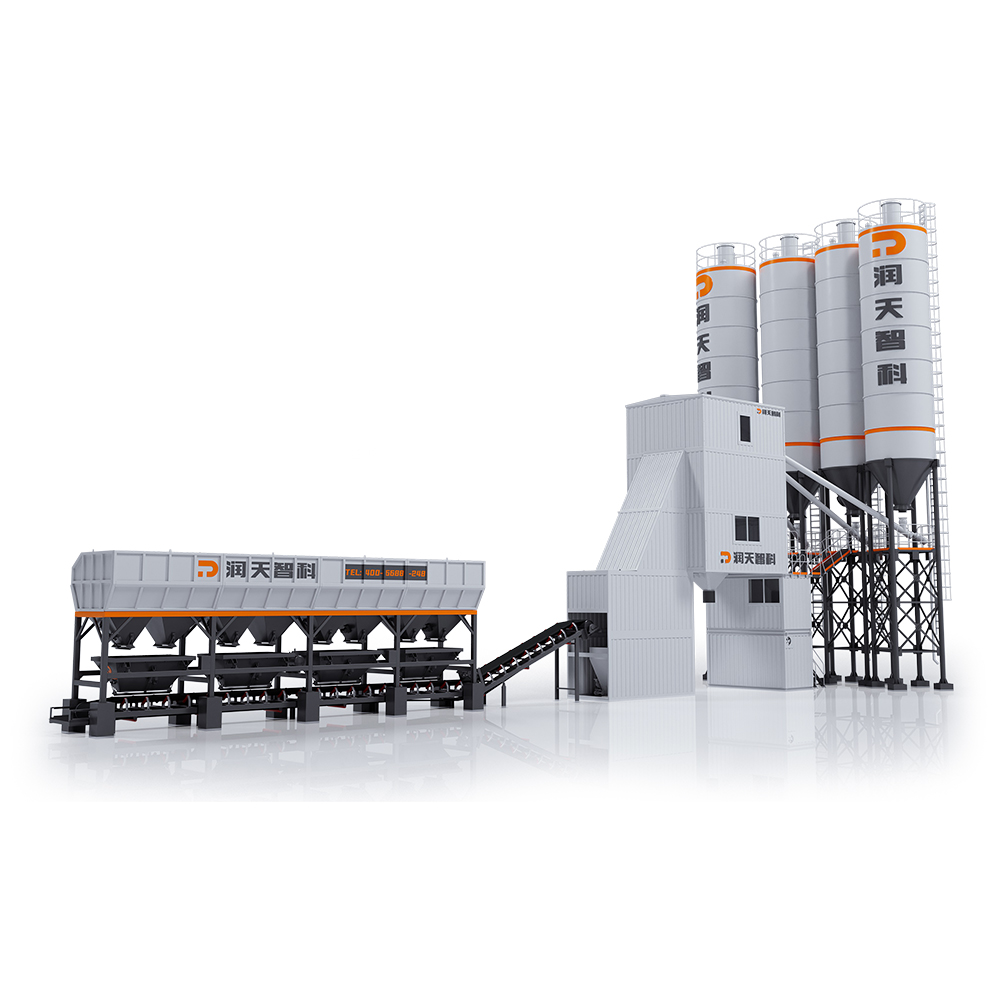 HZS Series Bucket-Lifting Type Container Concrete Mixing Plant
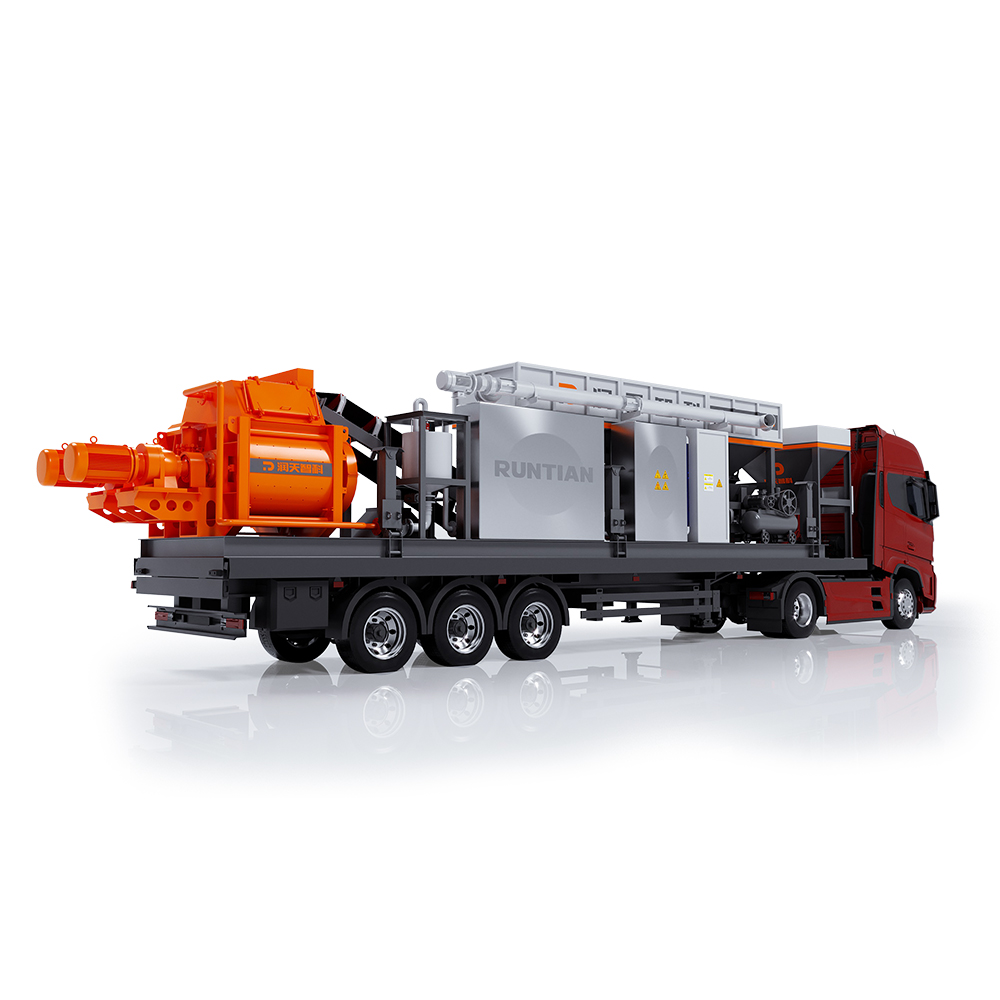 HZS60 Mobile Concrete Mixing Plant
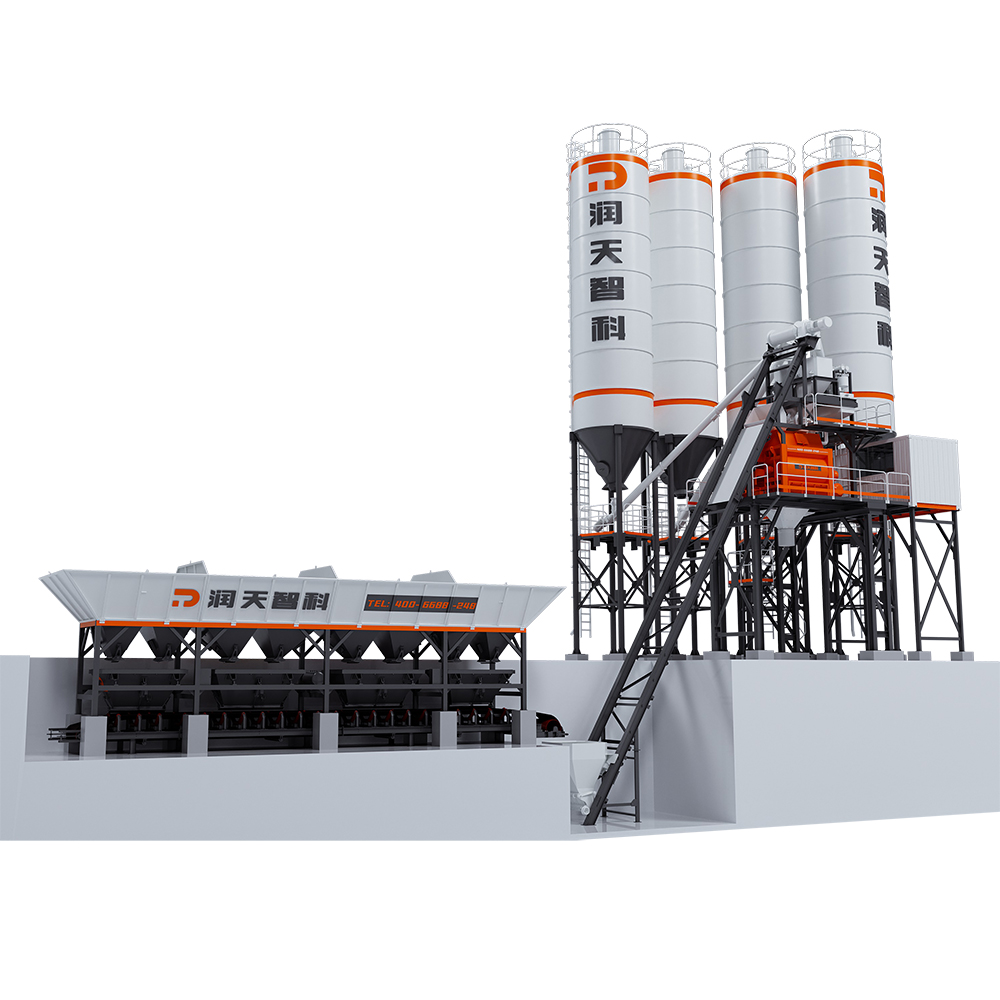 HZS Series Bucket-Lifting Type Concrete Mixing Plant
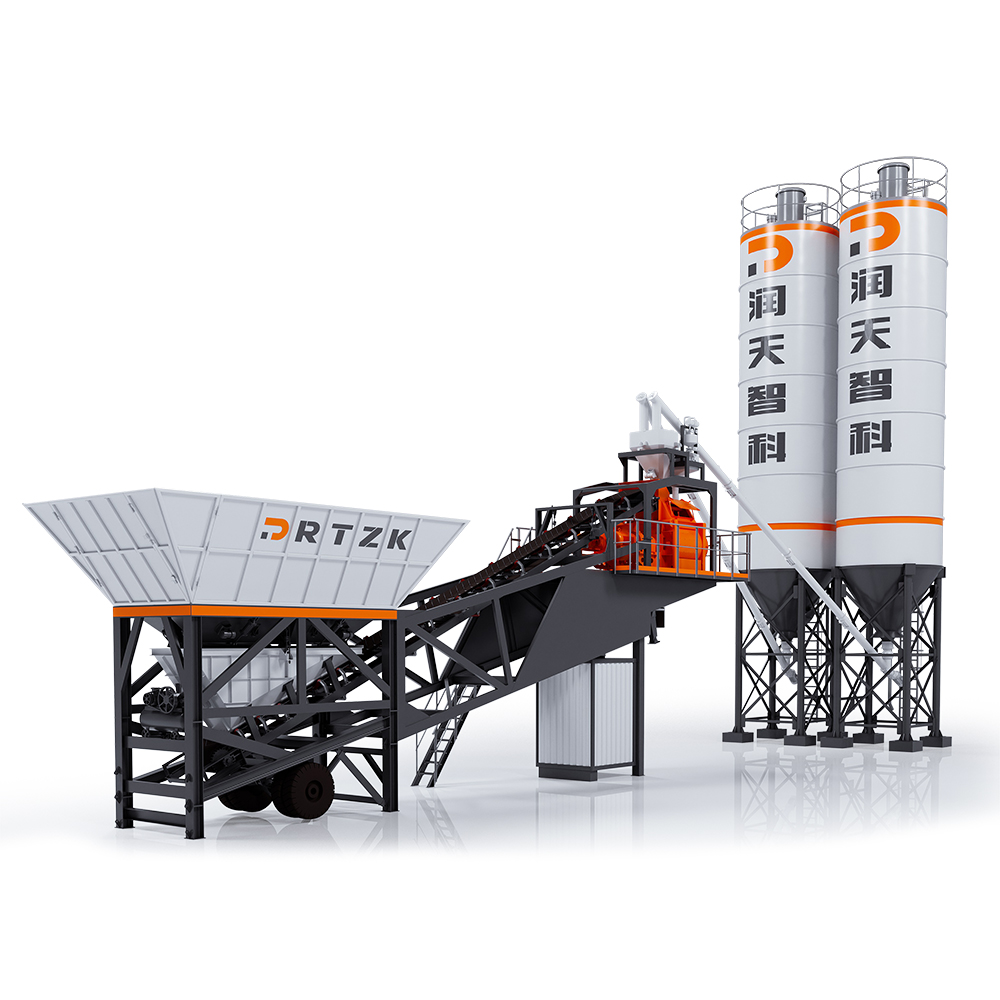 HZS Series Mobile Concrete Mixing Plant
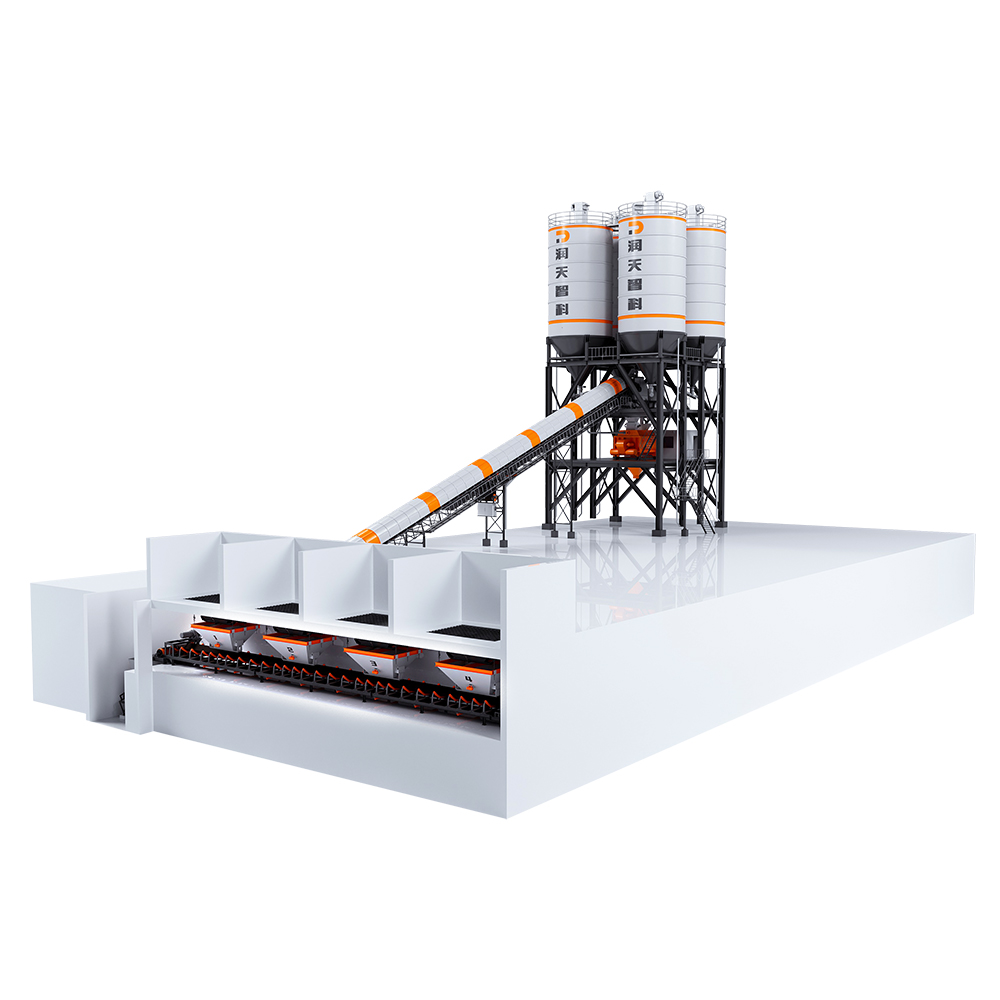 HZS Series Top-Mounted Concrete Mixing plant
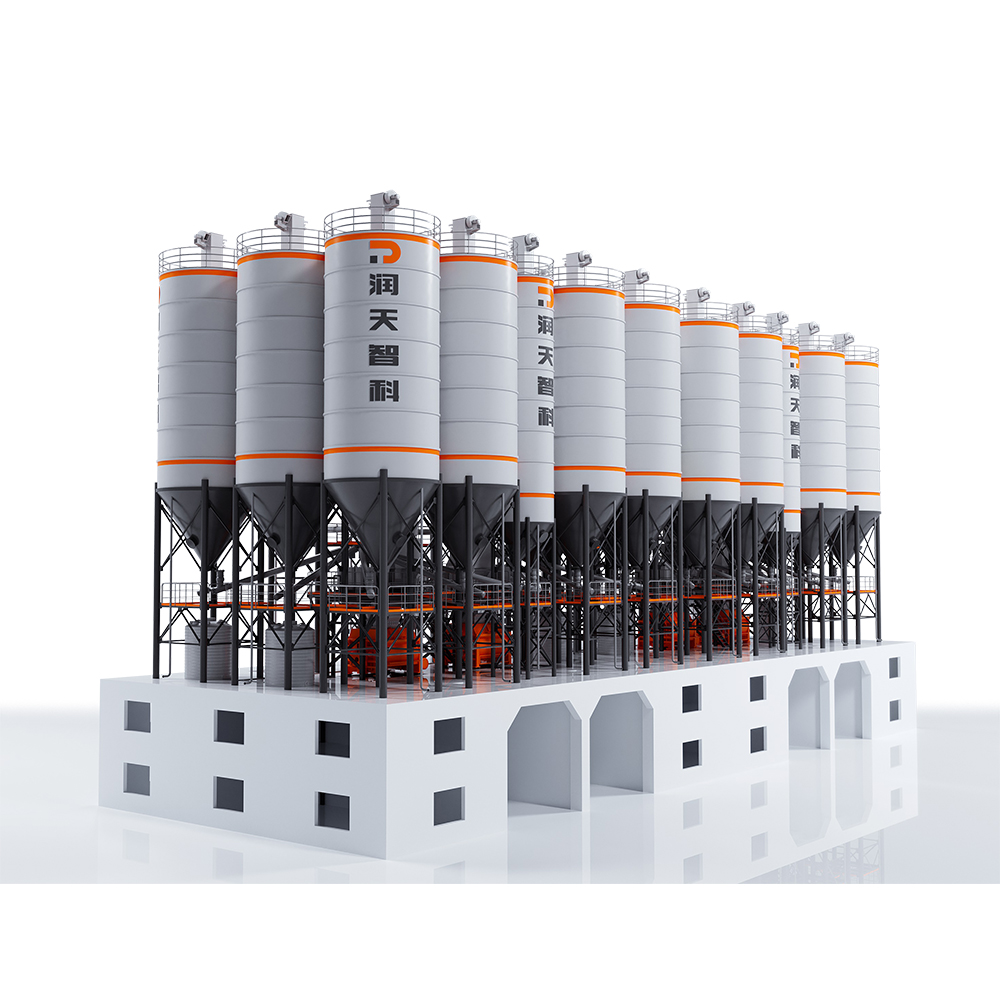 HZS Series Semi-Top Mounted Concrete Mixing Plant
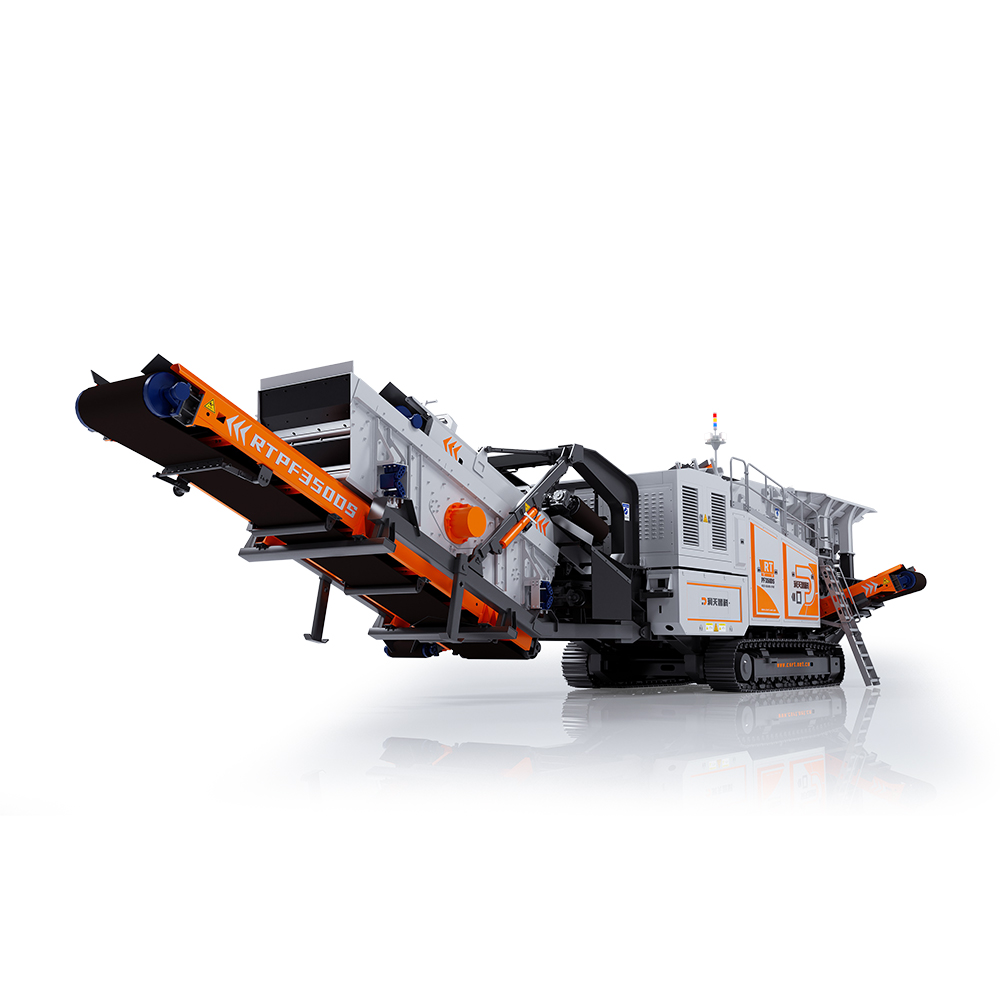 RTPF350DS Crawler Mobile Impact Crushing Plant
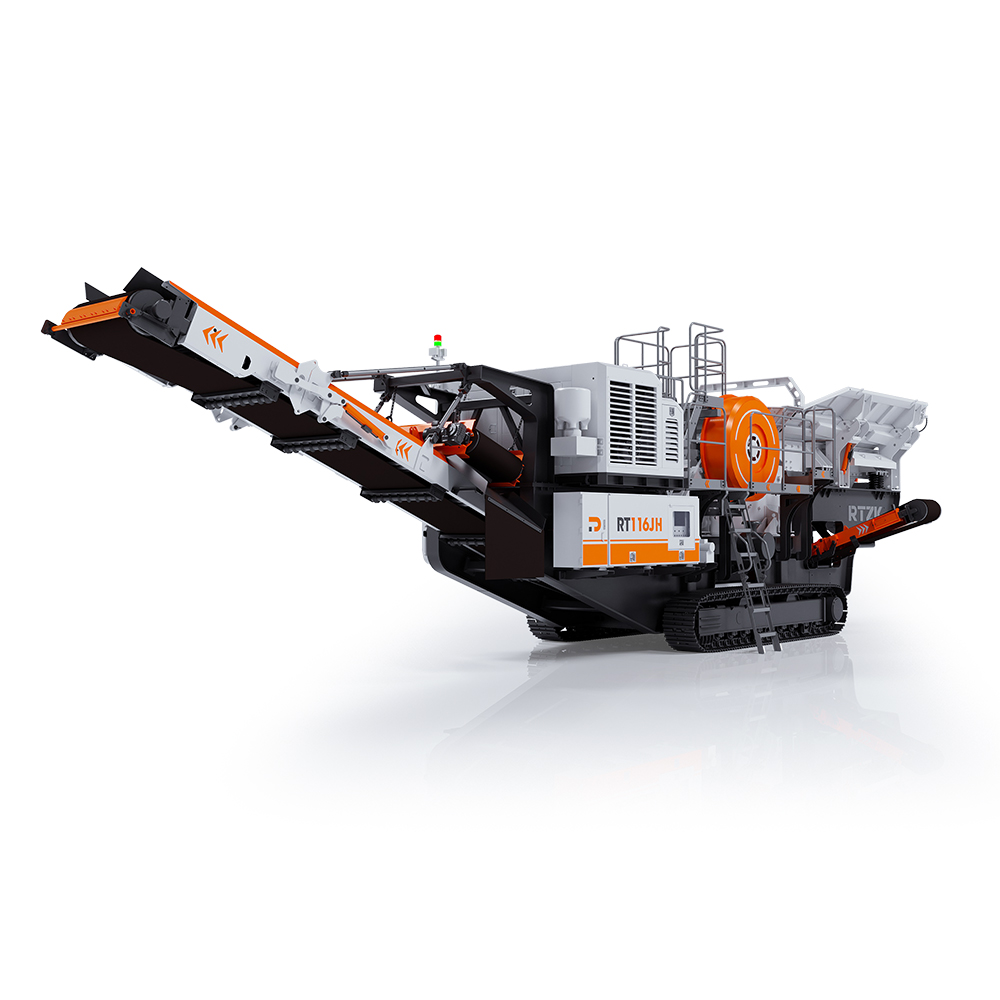 RT116JH Crawler Mobile Jaw Crushing Plant
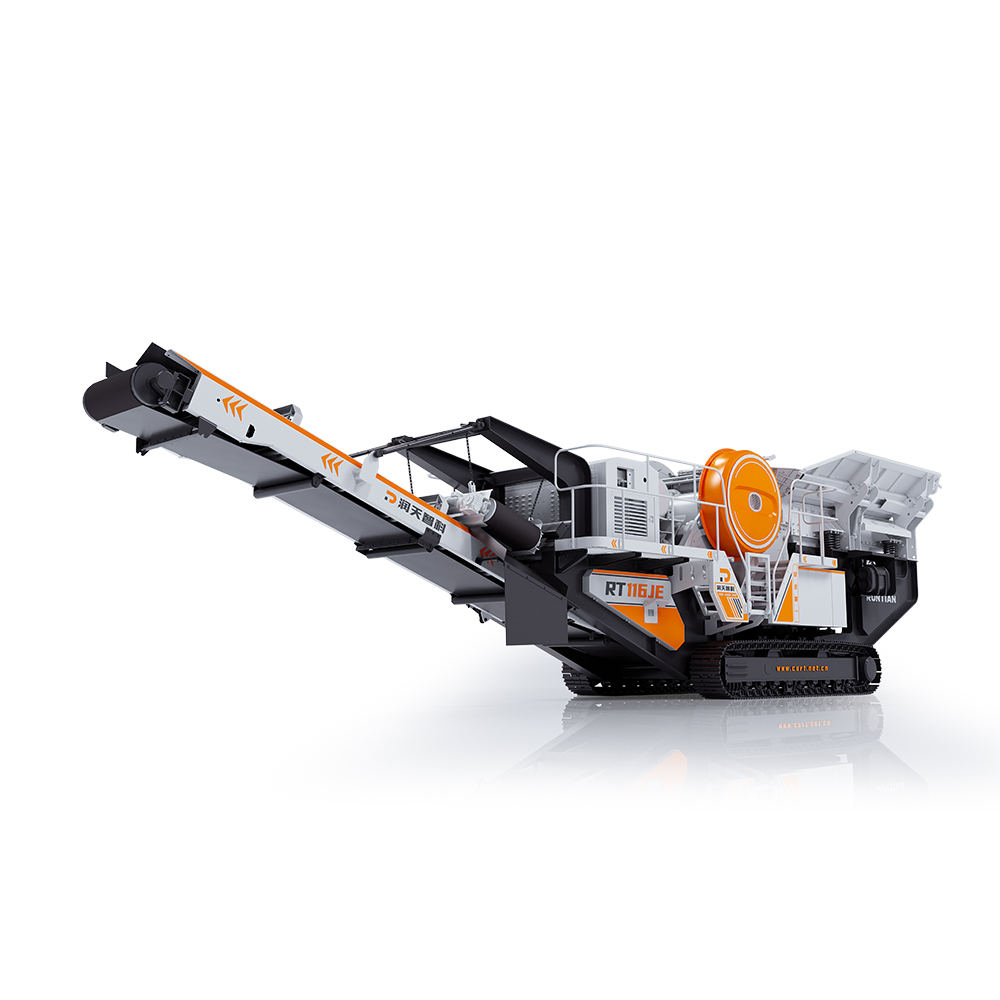 RT116JE Crawler Mobile Jaw Crushing Plant
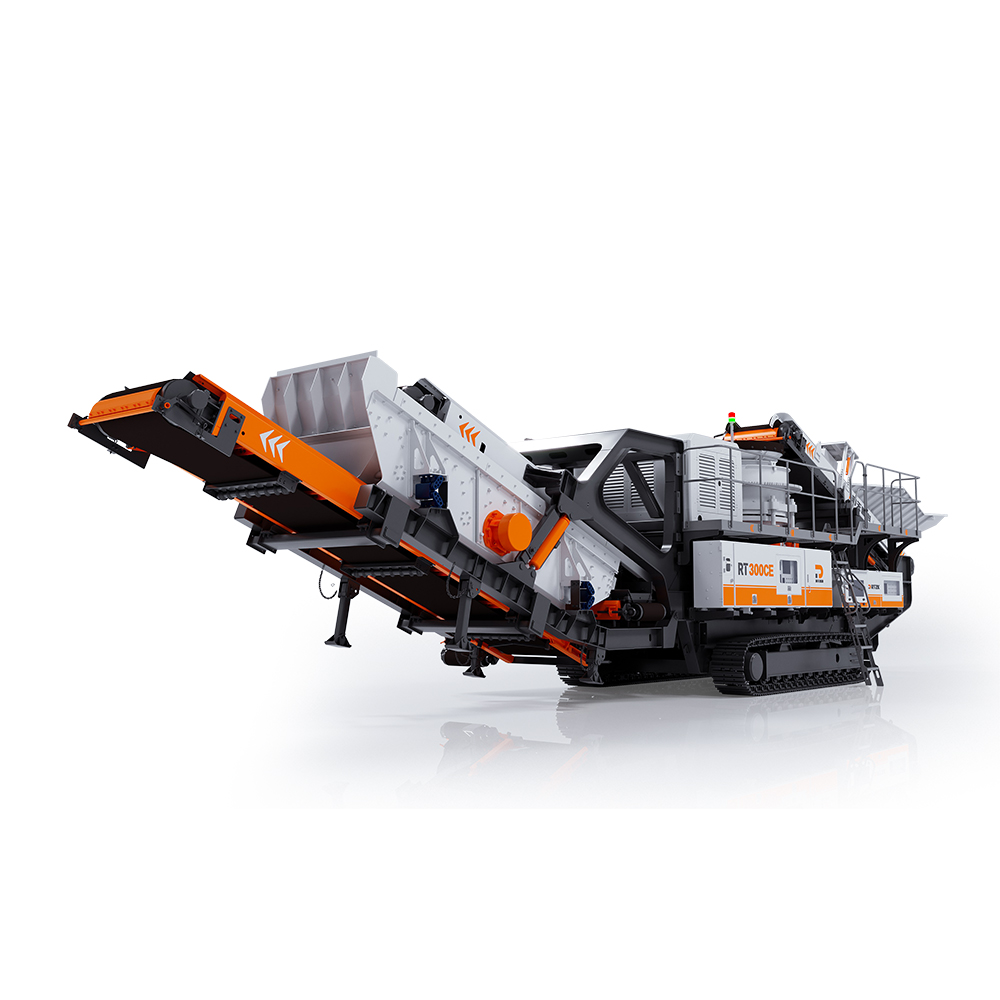 RT300CE Crawler Mobile Cone Crushing Plant
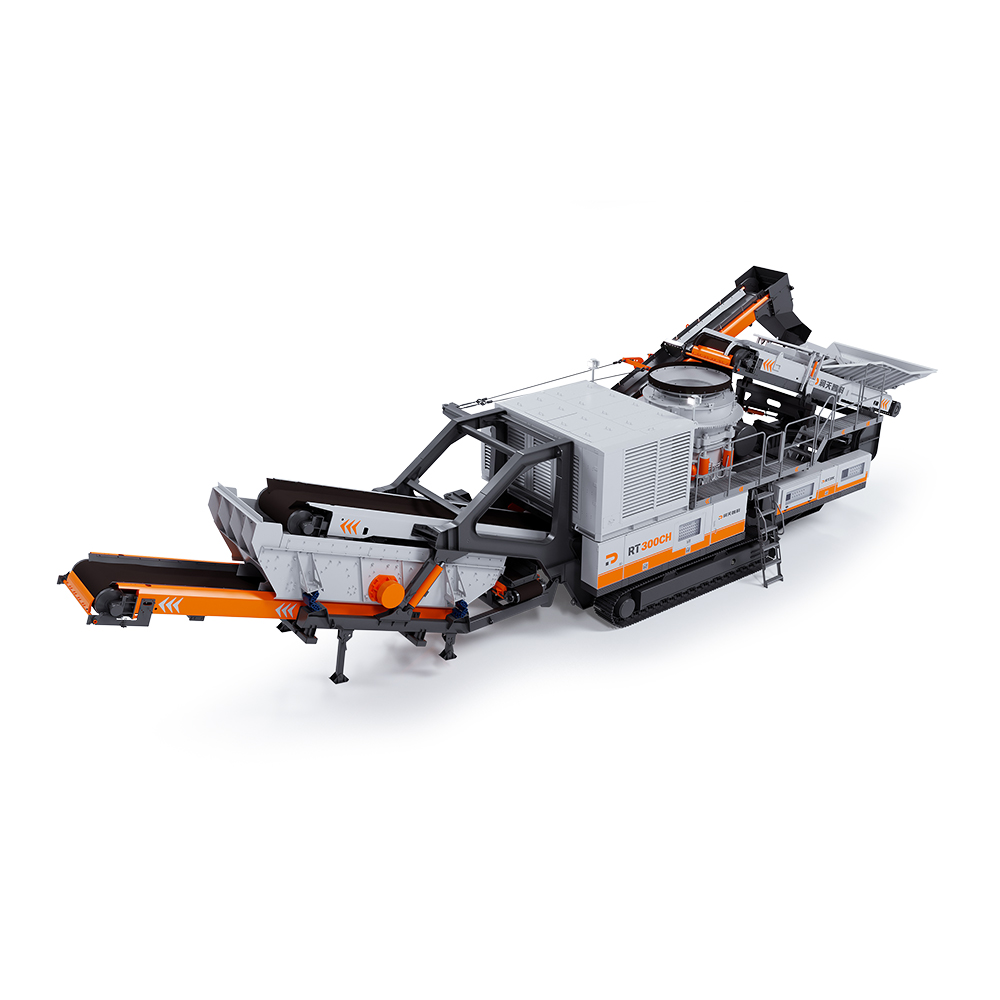 RT300CH Crawler Mobile Cone Crushing Plant
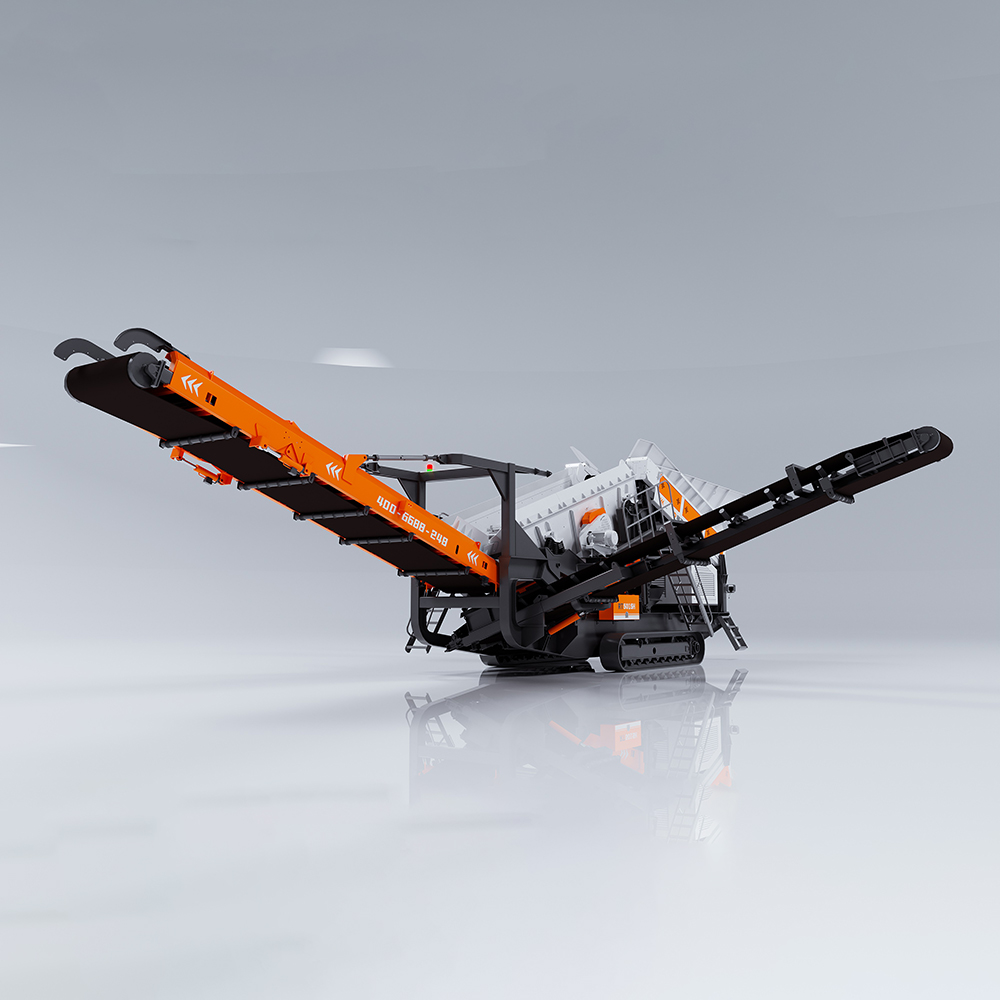 RT5015H Mobile Scalping Screen
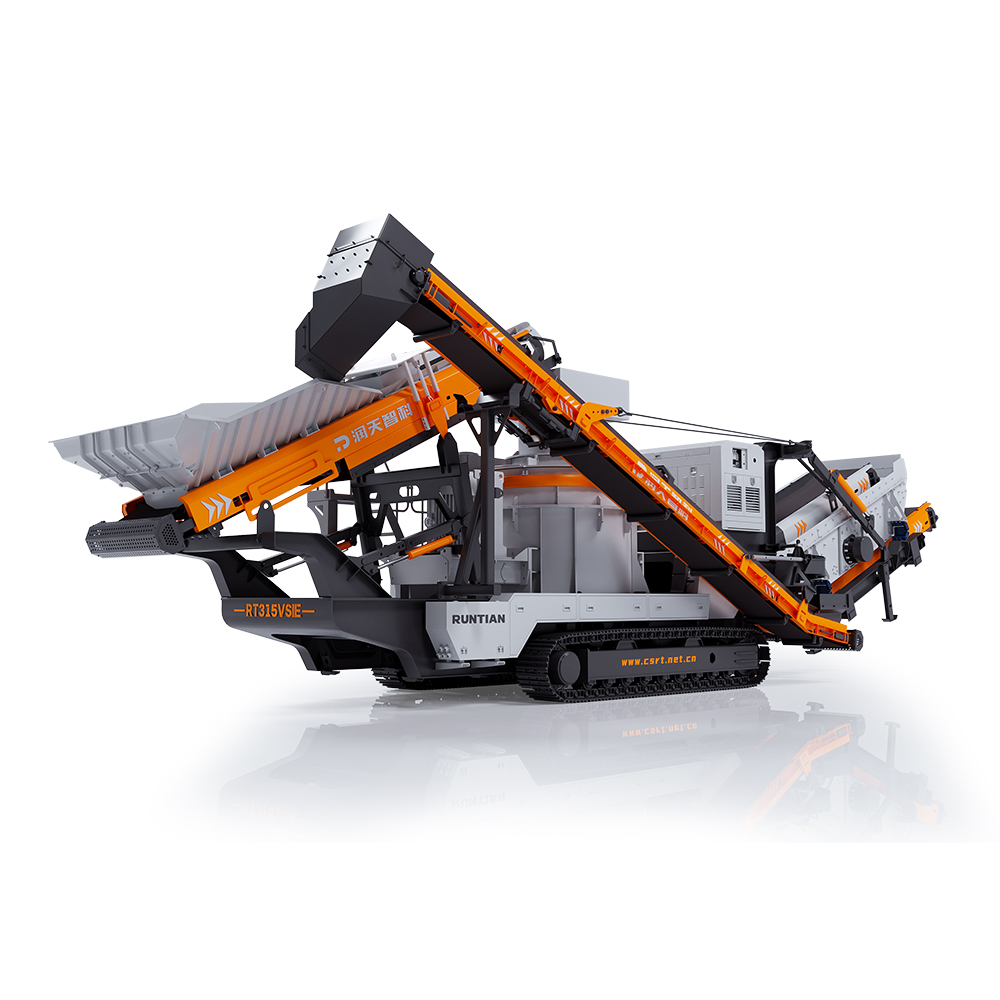 RT315VSIE Crawler Mobile Sand Maker
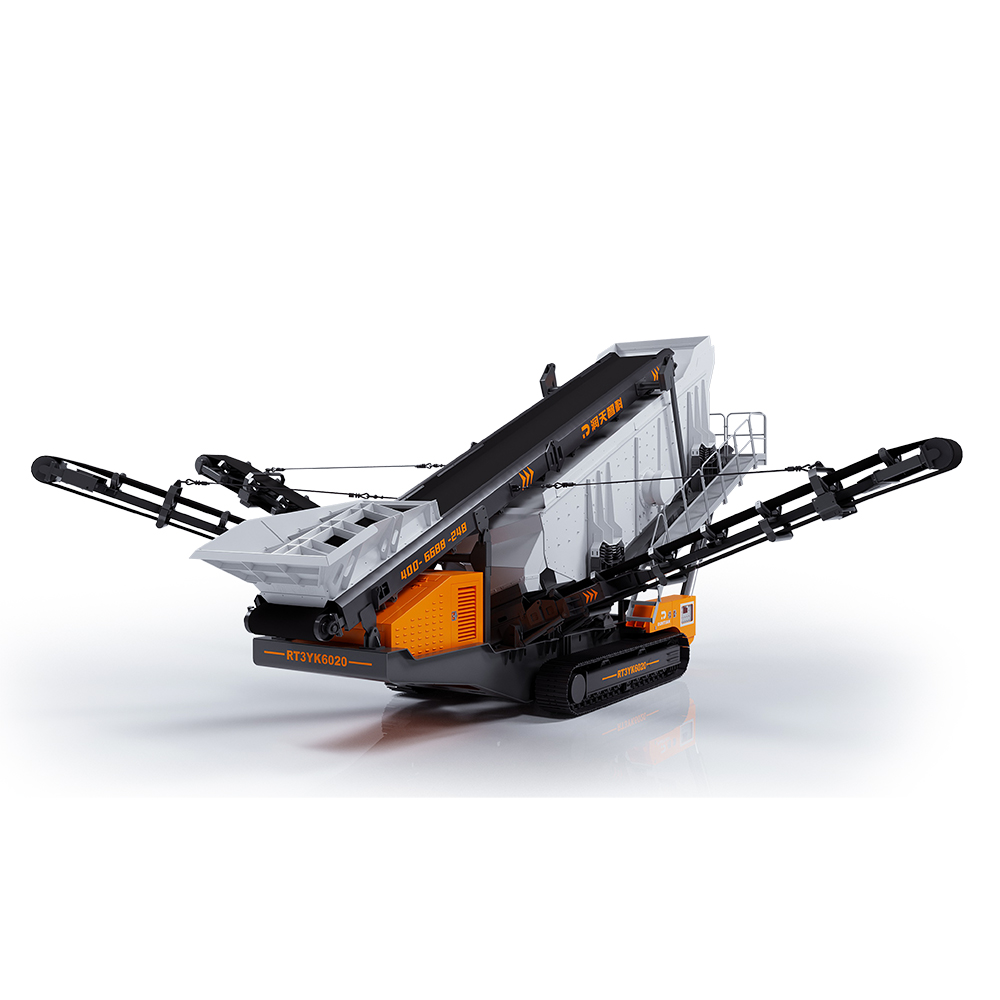 RT3YK6020 Crawler Mobile Screening Plant
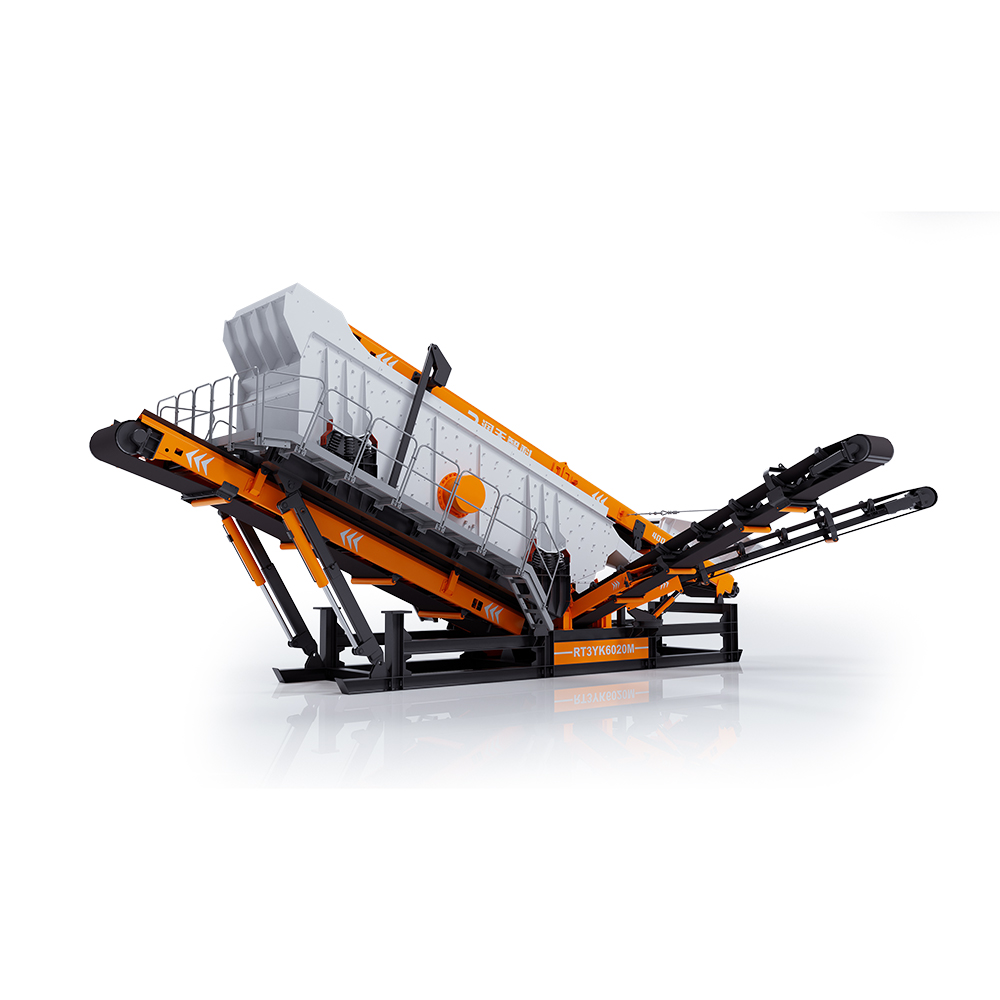 RT3YK6020M Modular Screening Plant
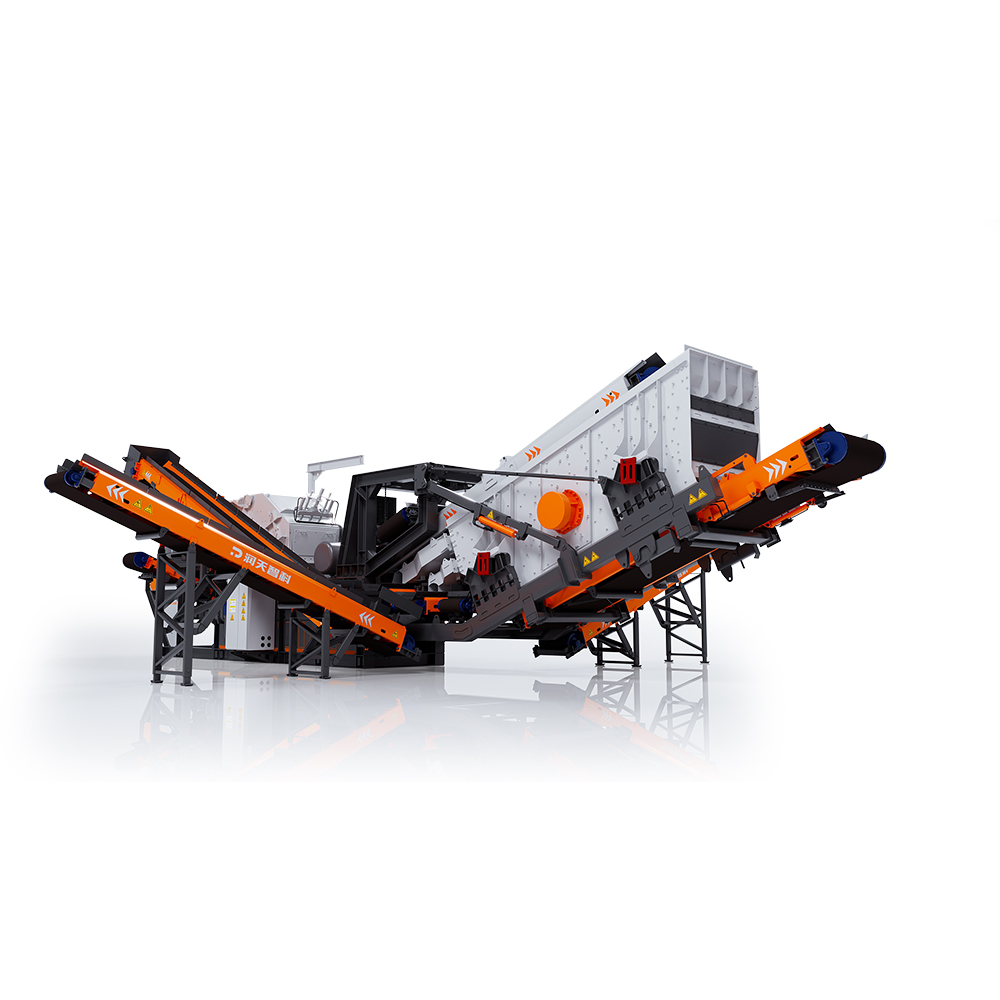 RTF260M Modular Counterattack Crushing and Screening Integrated Machine
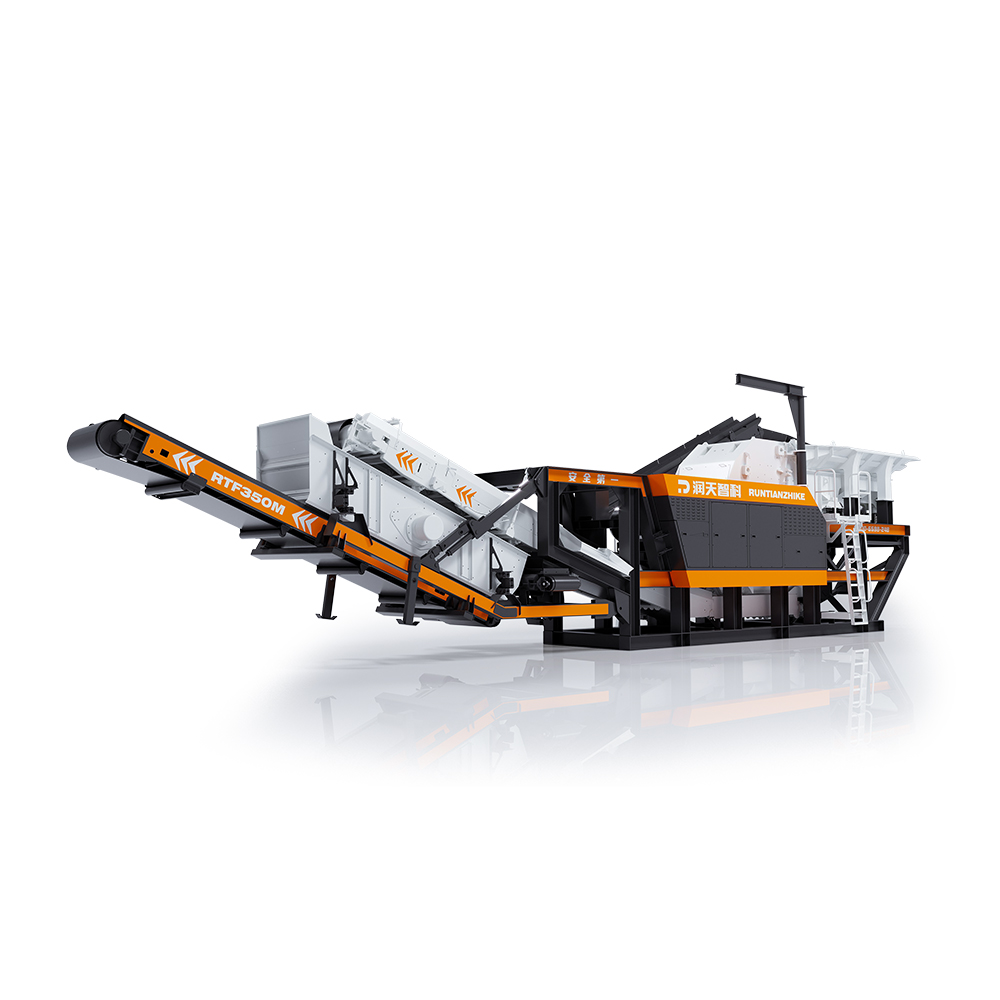 RTF350M Modular Impact Crushing Plant
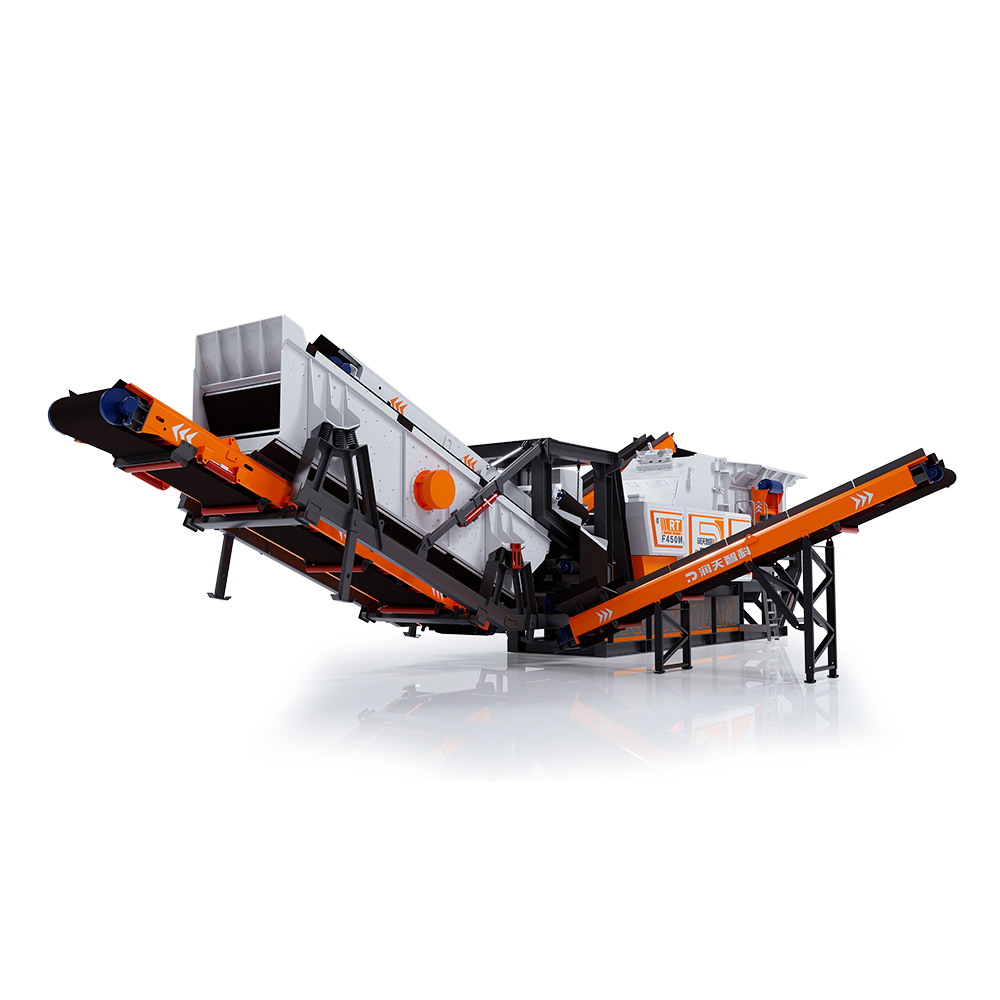 RTF450M Modular Impact Crushing Plant
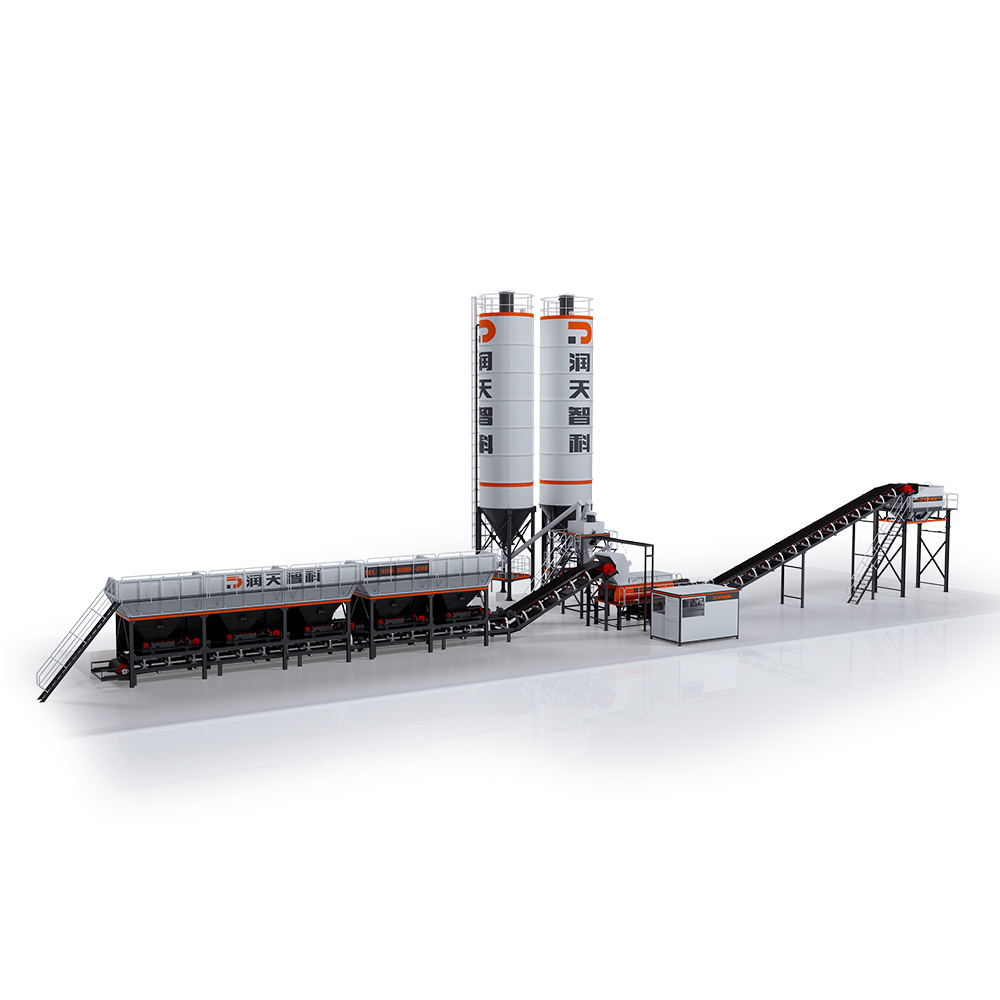 WDB Series Foundation-Free Stability Soil Mixing Plant
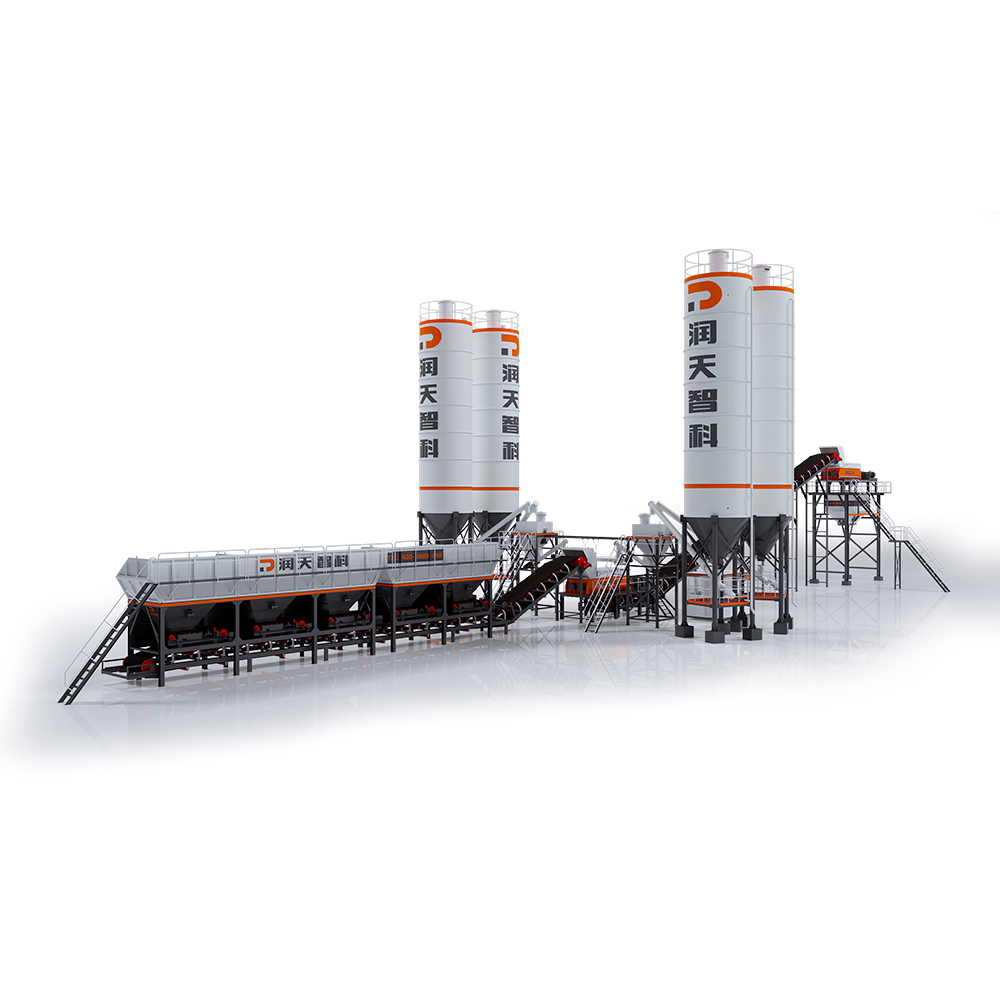 LCB Series Emulsified Asphalt Cold Regeneration Secondary Mixing Plant
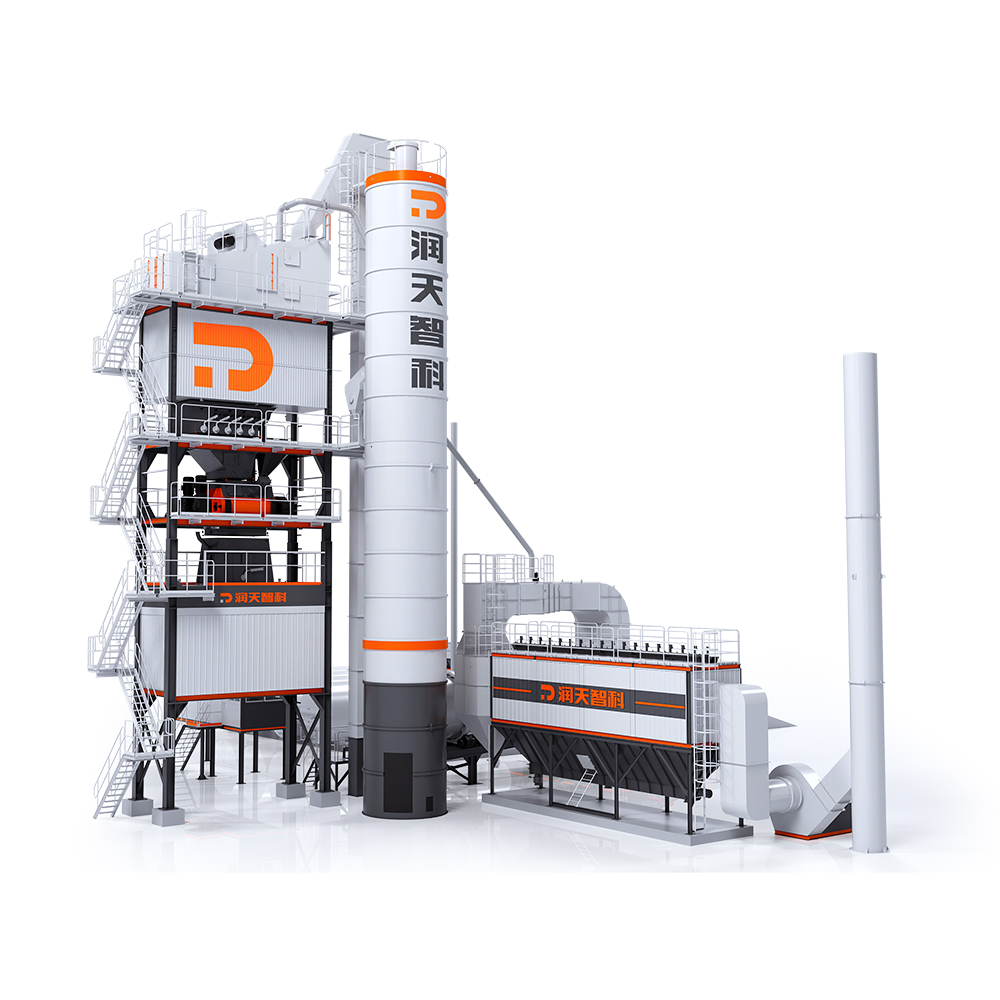 LB Series Asphalt Mixing Plant
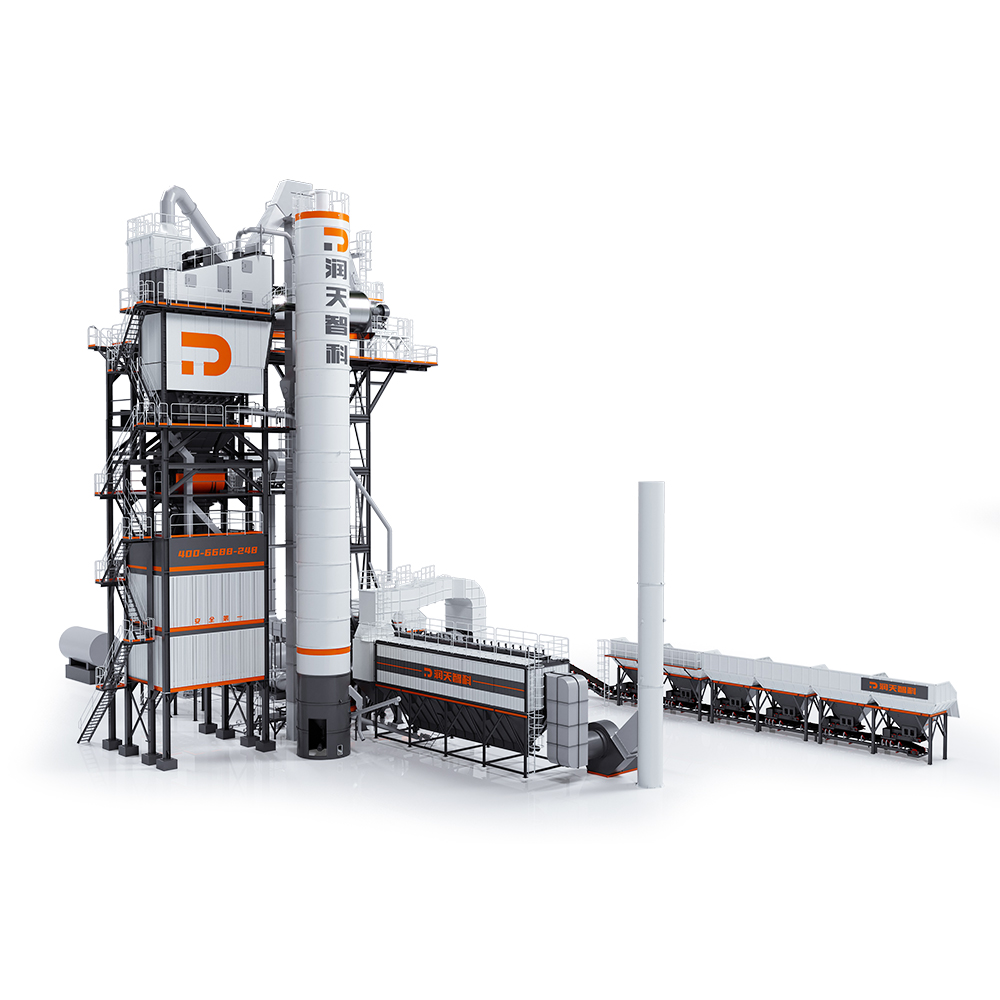 LBR Series Integrated Asphalt Mixing Plant
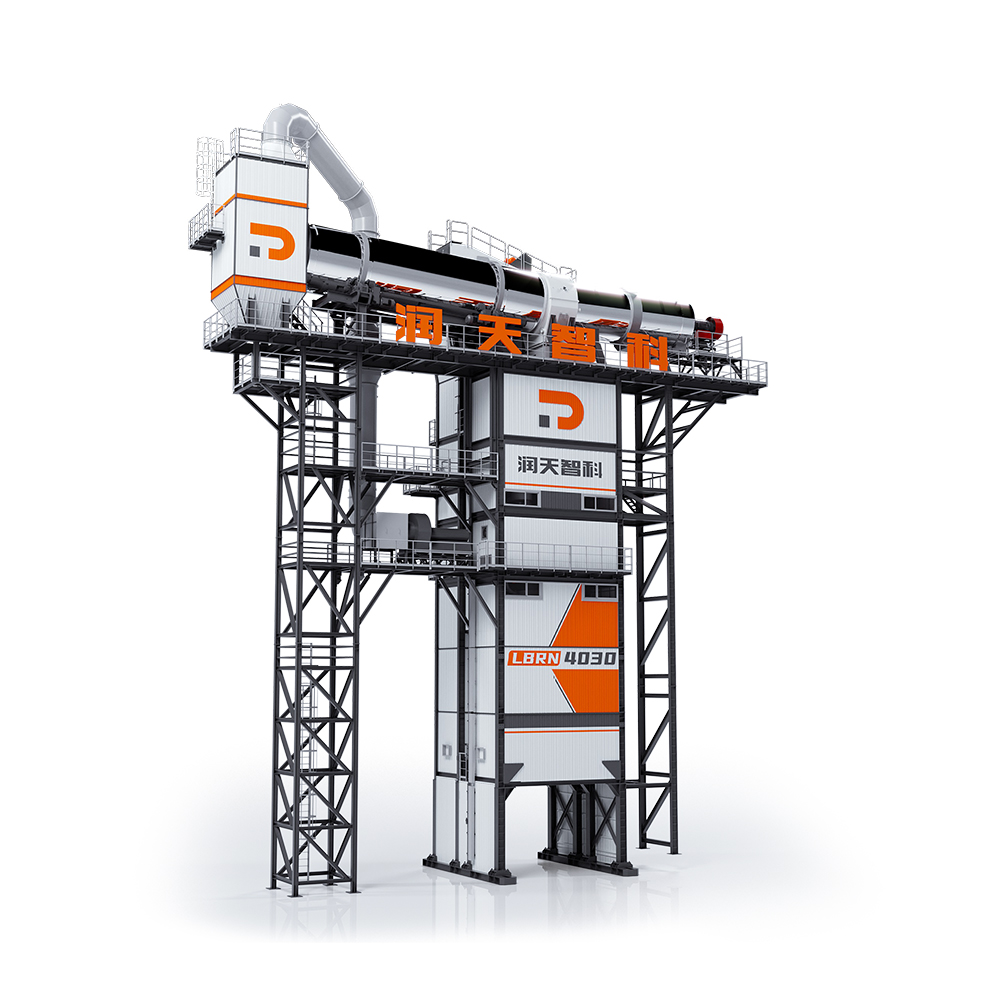 LBRN Series Counterflow Integral Asphalt Mixing Plant
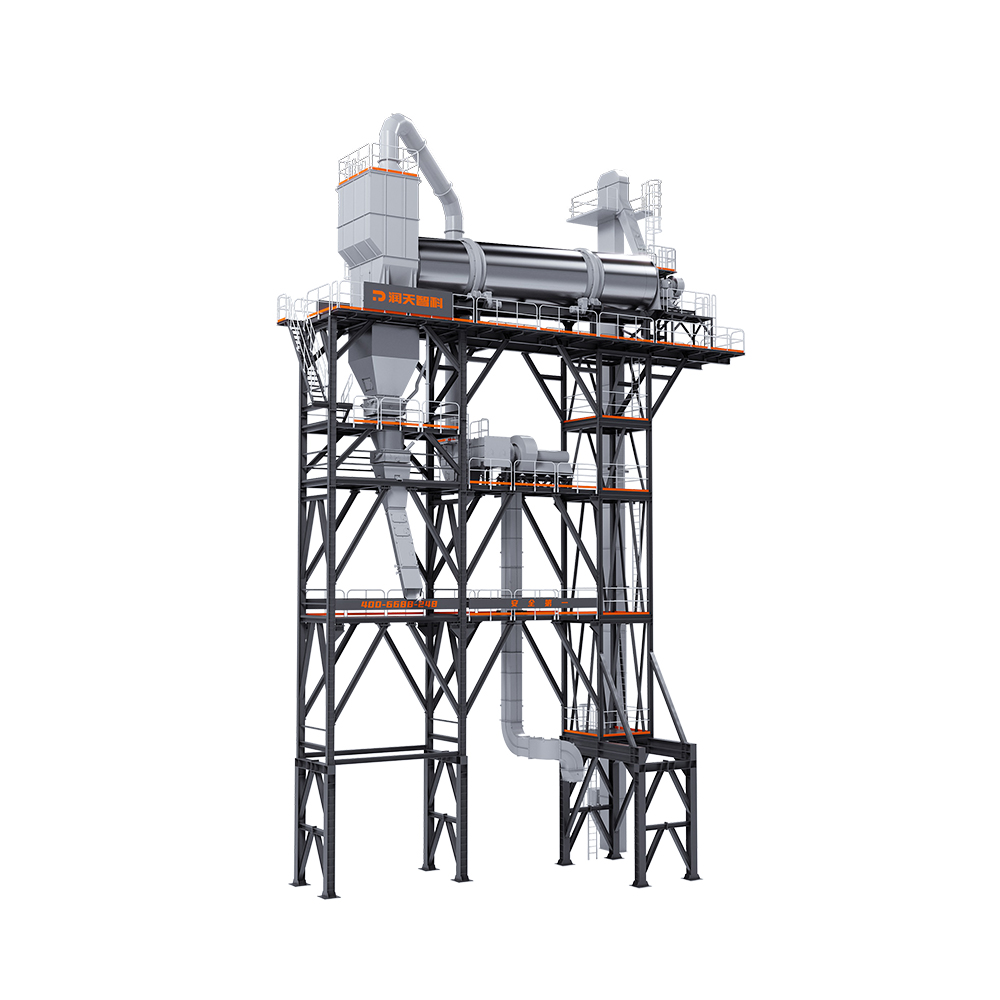 RZS Series Asphalt Mixing Plant
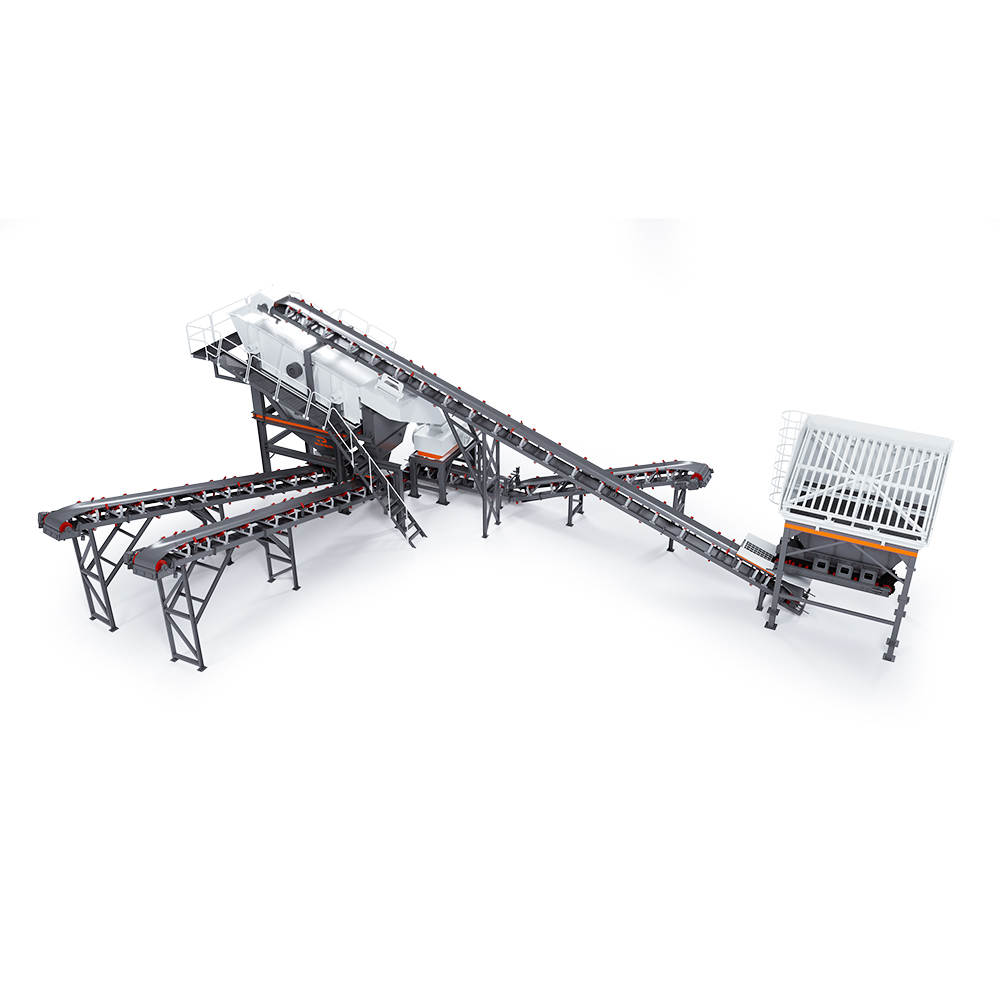 RTZS120 Series RAP Crushing & Screening Plant
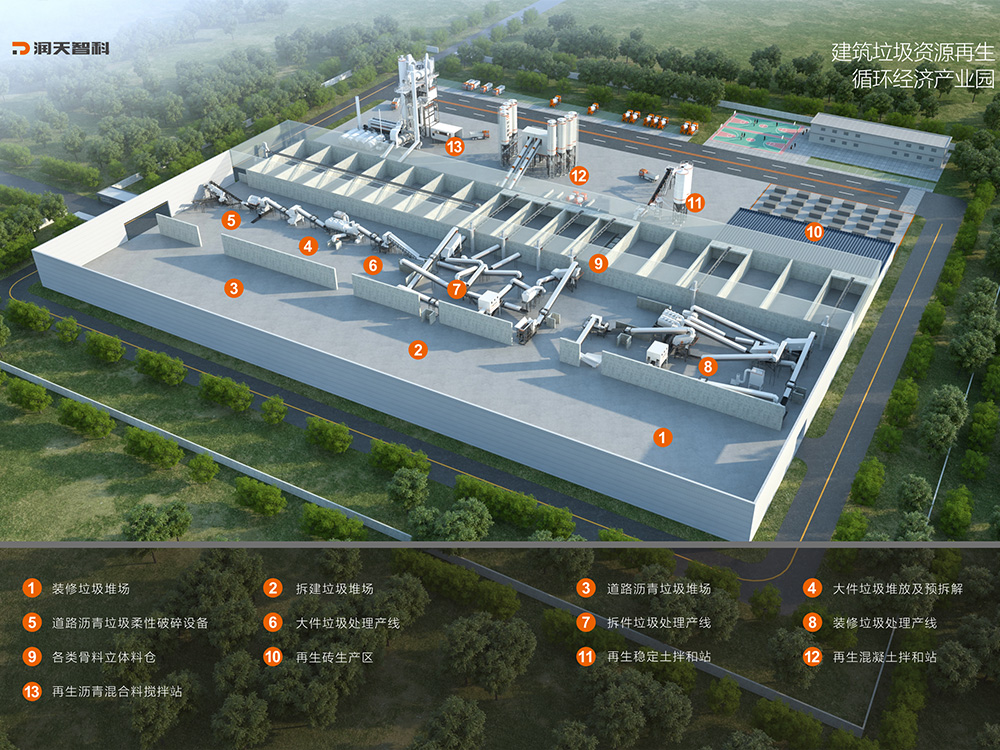 Construction Waste Resourceful Treatment Line