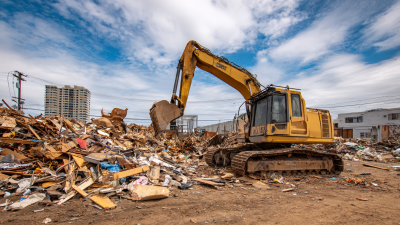
Why Building Waste Recycling is Essential for Sustainable Construction Practices
The growing recognition of the urgent need for sustainable construction practices has brought forth the critical role of Building Waste Recycling in reducing environmental impact. According to Dr. Emily Carter, a leading expert in sustainable construction, "Effective Building Waste Recycling not only minimizes landfill use but also significantly conserves natural resources, paving the way for a greener future." This statement encapsulates the fundamental premise that recycling building waste is not merely an ancillary practice but a cornerstone of sustainable development.
As urban areas expand and the demand for new construction rises, the amount of waste generated increases exponentially. Building Waste Recycling offers a viable solution to manage this waste by reintroducing materials back into the construction supply chain, thus diminishing the reliance on virgin resources. In embracing this approach, the construction industry can not only enhance its environmental stewardship but also pave the way for economic benefits derived from reclaimed materials.
In summary, integrating Building Waste Recycling into construction practices is essential for a sustainable future. By valuing the waste generated during construction, we can mitigate the adverse effects on our environment, promote resource efficiency, and lead the charge towards sustainable development in the built environment.
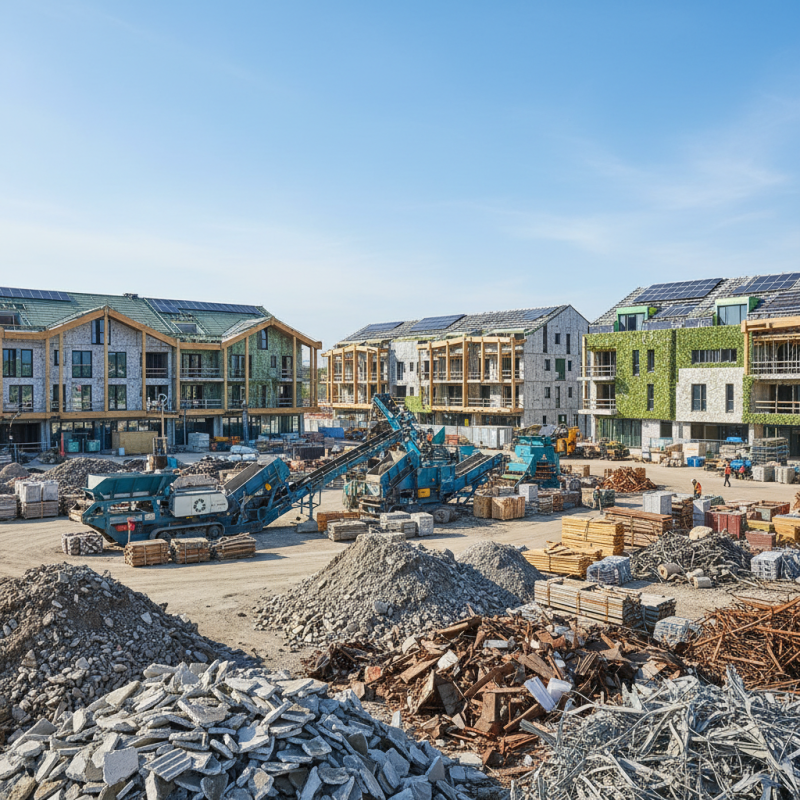
The Importance of Building Waste Recycling in Sustainable Construction
Building waste recycling plays a crucial role in sustainable construction by reducing the environmental impact of construction activities. Traditional construction methods often lead to substantial waste generation, with a significant portion ending up in landfills. This not only contributes to land and resource depletion but also increases greenhouse gas emissions. By prioritizing recycling, the construction industry can minimize waste and promote the reuse of materials, thereby conserving natural resources and reducing pollution.
Furthermore, the importance of building waste recycling extends to economic benefits as well. Recycling materials from construction projects can lead to cost savings on new materials, making projects more financially viable. It can also create job opportunities in recycling facilities and promote a circular economy where materials are continuously reused and repurposed. Ultimately, embracing recycling in construction not only aligns with sustainable practices but also fosters a more resilient and environmentally responsible industry.
Building Waste Recycling Rates in Sustainable Construction
Understanding Construction Waste and Its Environmental Impact
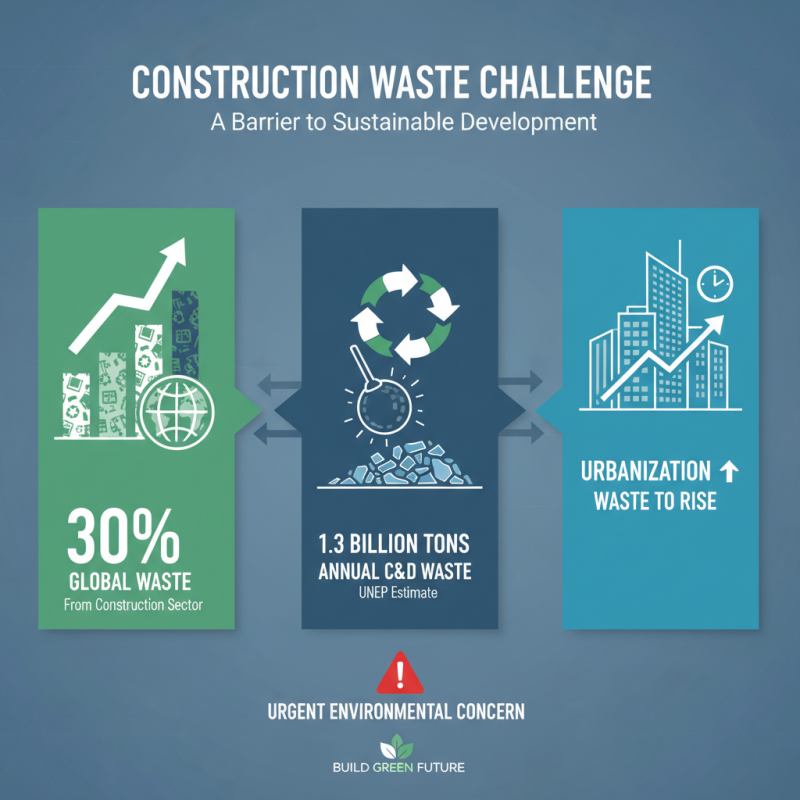
Construction waste poses a significant challenge to sustainable development, with estimates indicating that the construction sector accounts for approximately 30% of the total waste generated globally. According to the United Nations Environment Programme (UNEP), around 1.3 billion tons of construction and demolition waste is produced each year. This figure is expected to rise as urbanization accelerates, emphasizing the urgent need to address the environmental impact of construction activities.
The environmental ramifications of construction waste are profound. When improperly managed, construction waste contributes to landfills, where it can take decades to decompose. Moreover, materials like concrete, wood, and metals, when discarded, leach harmful substances into the soil and groundwater, leading to long-term ecological damage. The World Economic Forum highlights that recycling these materials can reduce carbon emissions by up to 50%, underscoring the necessity for effective waste management practices. By integrating recycling processes into construction projects, the industry can significantly mitigate its environmental footprint, enhance resource efficiency, and promote a circular economy.
Key Benefits of Recycling Building Waste for Sustainability
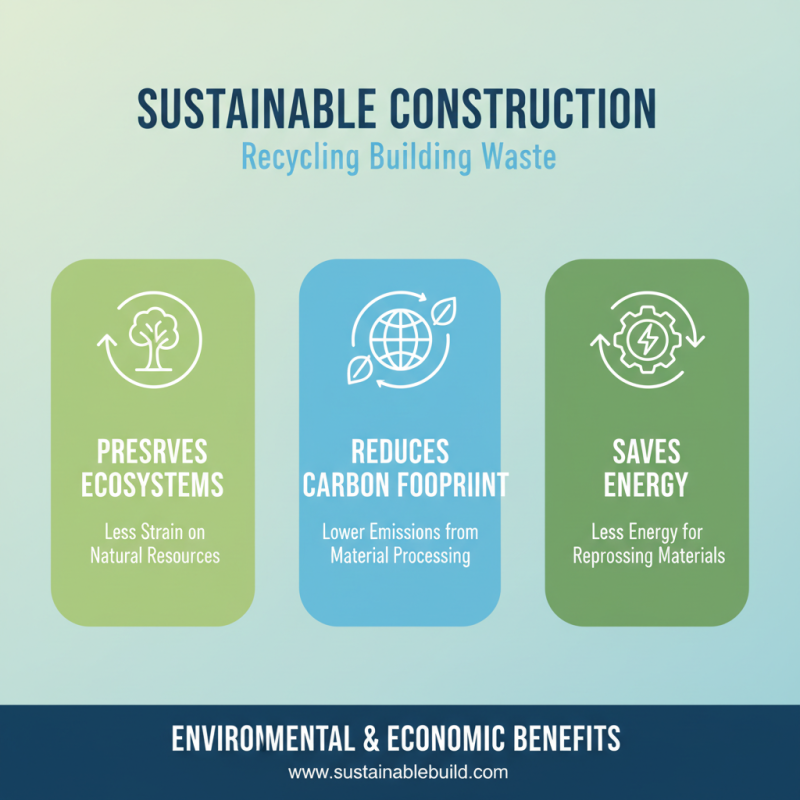
Recycling building waste is a pivotal aspect of sustainable construction practices, offering numerous environmental and economic benefits. By diverting materials such as concrete, wood, and metals from landfills, we can significantly minimize the strain on natural resources. This not only preserves ecosystems but also reduces the carbon footprint associated with the extraction and processing of raw materials. Furthermore, recycled materials often require less energy to reprocess, making them a more sustainable alternative in the construction industry.
In addition to environmental advantages, recycling building waste can lead to significant cost savings for construction projects. Utilizing recycled materials can decrease disposal costs and may offer savings on purchasing new materials, ultimately enhancing the overall project's financial viability. Additionally, companies that prioritize recycling can strengthen their brand image, appealing to environmentally conscious clients and investors.
**Tips for Sustainable Building Waste Recycling:**
1. Develop a waste management plan that includes sorting and separating materials on site to facilitate recycling.
2. Partner with local recycling facilities to ensure that your waste is being diverted effectively and responsibly.
3. Educate your team on the importance of recycling and how they can contribute, fostering a culture of sustainability across your projects.
Innovative Methods and Technologies for Waste Recycling in Construction
The construction industry is increasingly recognizing the importance of innovative methods and technologies for waste recycling. Strategies such as deconstruction rather than demolition allow for the careful removal of building materials, which can then be reused or recycled. Advanced technologies, like Building Information Modeling (BIM), enable contractors to visualize and optimize the use of resources, reducing waste generation at the design stage. Employing these innovative practices not only minimizes environmental impact but also contributes to significant cost savings.
Tips: Consider integrating recycling goals into contract specifications to encourage collaboration among stakeholders. Additionally, utilizing mobile recycling units on-site can facilitate immediate processing of waste materials, making it easier to repurpose them within the project. Engaging workers through training programs on waste management can also promote a culture of sustainability throughout the construction process.
Developments in material science have led to the creation of recyclable and bio-based construction materials. For instance, using recycled plastics in bricks and aggregates derived from crushed concrete presents a dual benefit: reducing landfill waste and providing cost-effective solutions for construction needs. Exploring partnerships with innovative waste management companies can further enhance recycling efforts, ensuring that waste is handled efficiently and sustainably.
Why Building Waste Recycling is Essential for Sustainable Construction Practices - Innovative Methods and Technologies for Waste Recycling in Construction
| Waste Type |
Recycling Method |
Percentage Recycled |
Benefits of Recycling |
| Concrete |
Crushing and Reusing |
70% |
Reduces landfill waste, lowers raw material costs |
| Wood |
Reprocessing into Mulch or Wood Chips |
60% |
Promotes biodiversity, conserves resources |
| Metal |
Melting and Reforming |
90% |
Saves energy, reduces greenhouse emissions |
| Plastics |
Shredding and Sorting |
30% |
Reduces pollution, promotes circular economy |
| Gypsum Board |
Recycling into New Boards |
50% |
Reduces waste in landfills, saves materials |
Regulatory Frameworks Promoting Waste Recycling in the Construction Industry
The construction industry is increasingly recognizing the importance of regulatory frameworks that promote waste recycling, which play a crucial role in fostering sustainable practices. Governments around the world are implementing various regulations aimed at minimizing construction waste and encouraging recycling initiatives. These frameworks often include mandatory recycling rates, waste management plans, and incentives for using recycled materials. By establishing clear guidelines, regulatory bodies ensure that construction firms not only comply with waste reduction targets but also contribute to the larger goal of environmental sustainability.
Additionally, these regulations often promote collaboration among stakeholders within the construction ecosystem, including architects, contractors, and waste management companies. This collaborative approach encourages the sharing of best practices and innovative recycling methods, leading to improved efficiency in waste handling. By fostering a culture of recycling through legal requirements and support systems, the construction industry can significantly reduce its environmental footprint while also achieving economic benefits, such as cost savings in material procurement and waste disposal. Ultimately, regulatory frameworks are vital in steering the construction sector towards more sustainable waste management practices, paving the way for a greener future.

 Concrete Mixing Plant
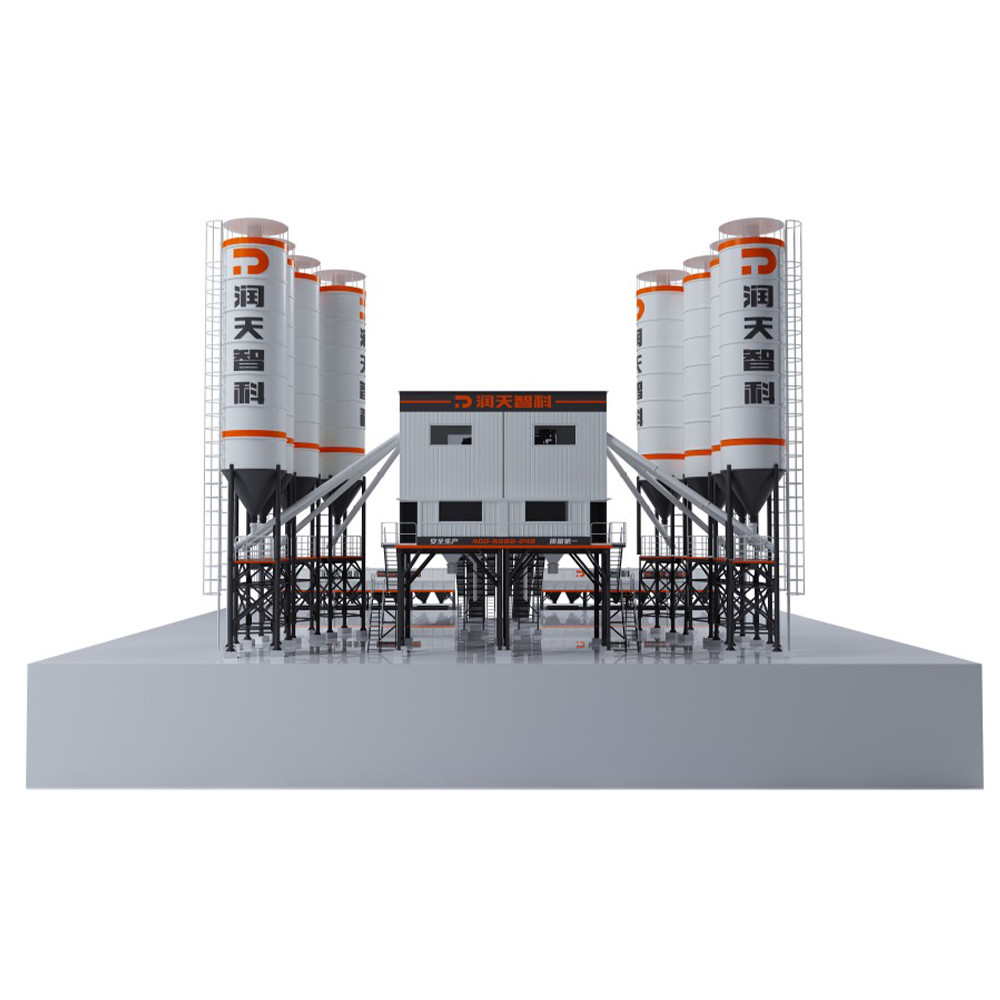 HZS Series Belt Concrete Mixing Plant
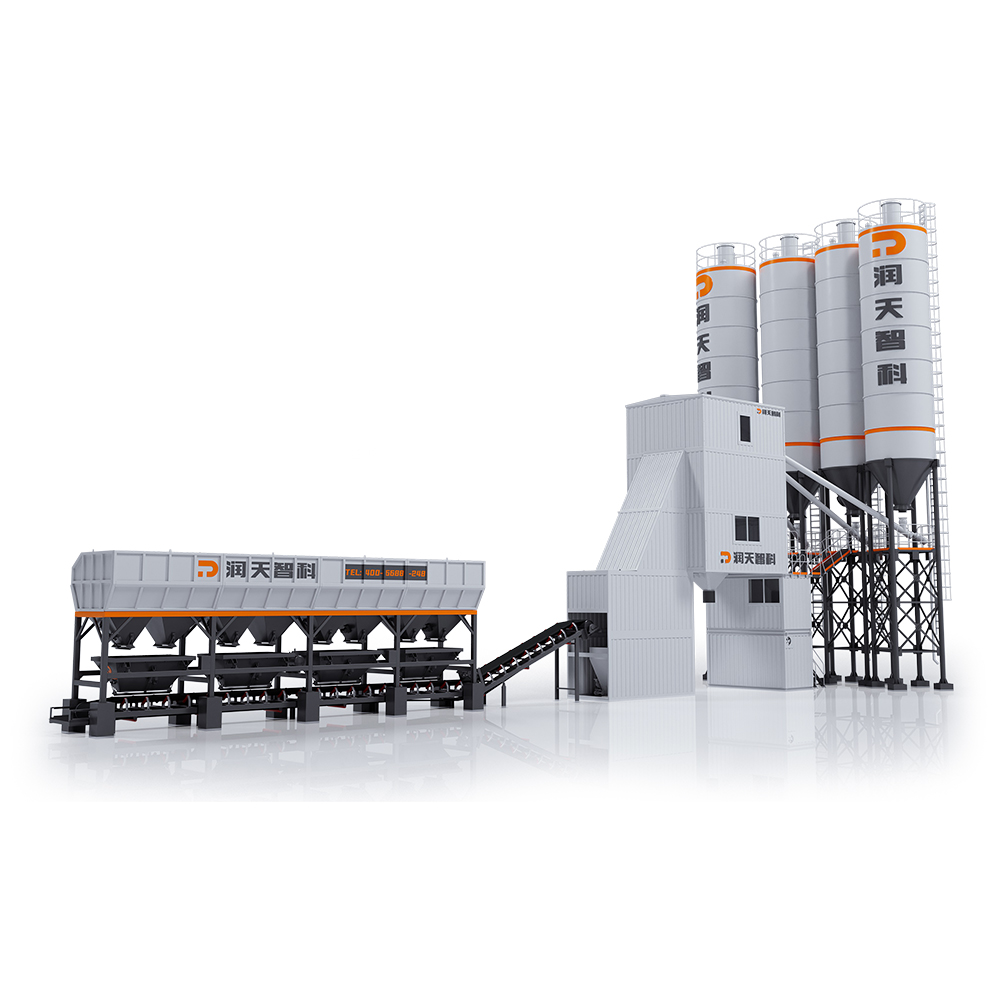 HZS Series Bucket-Lifting Type Container Concrete Mixing Plant
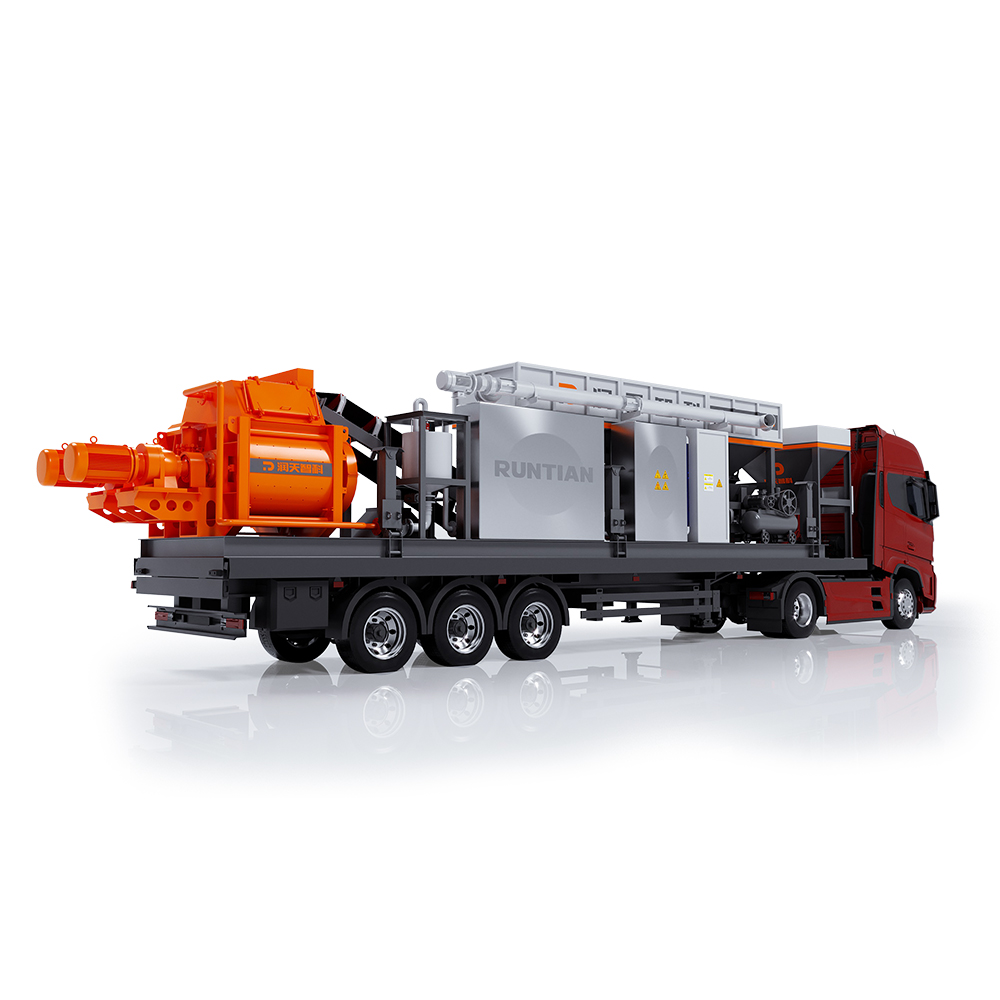 HZS60 Mobile Concrete Mixing Plant
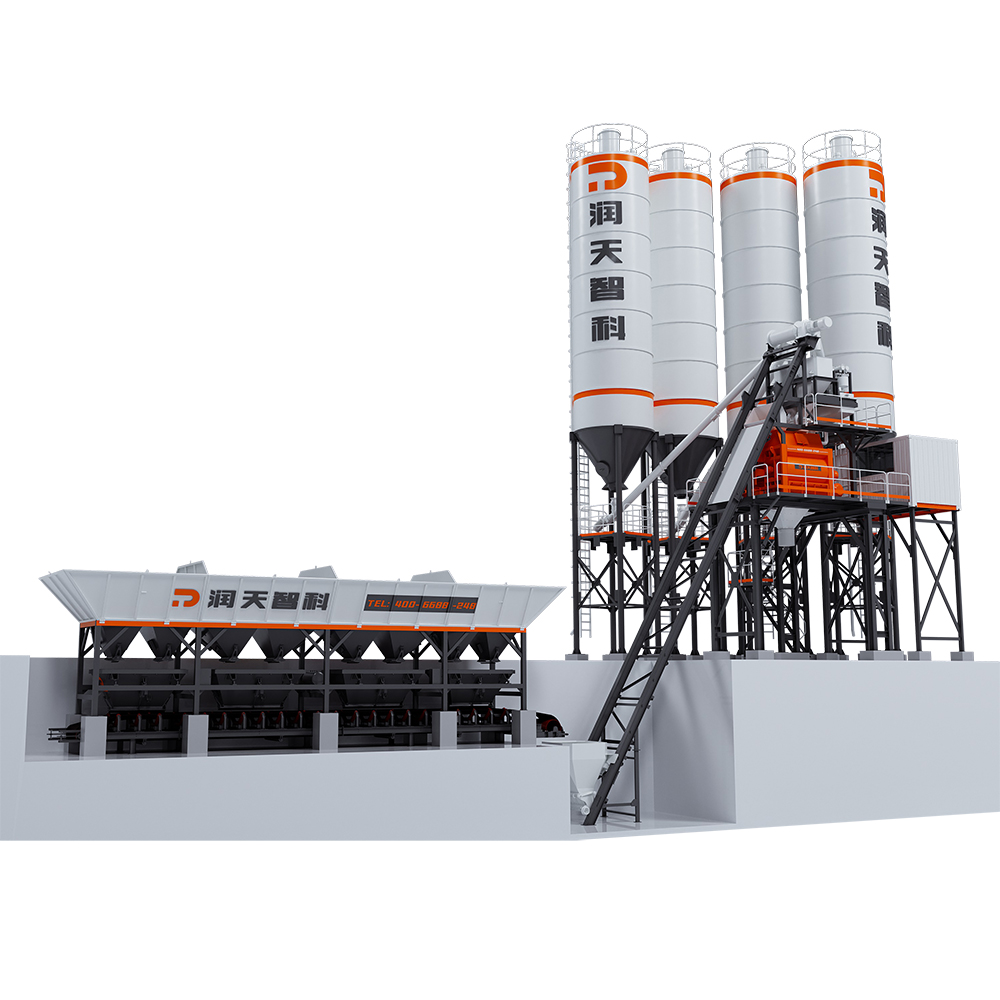 HZS Series Bucket-Lifting Type Concrete Mixing Plant
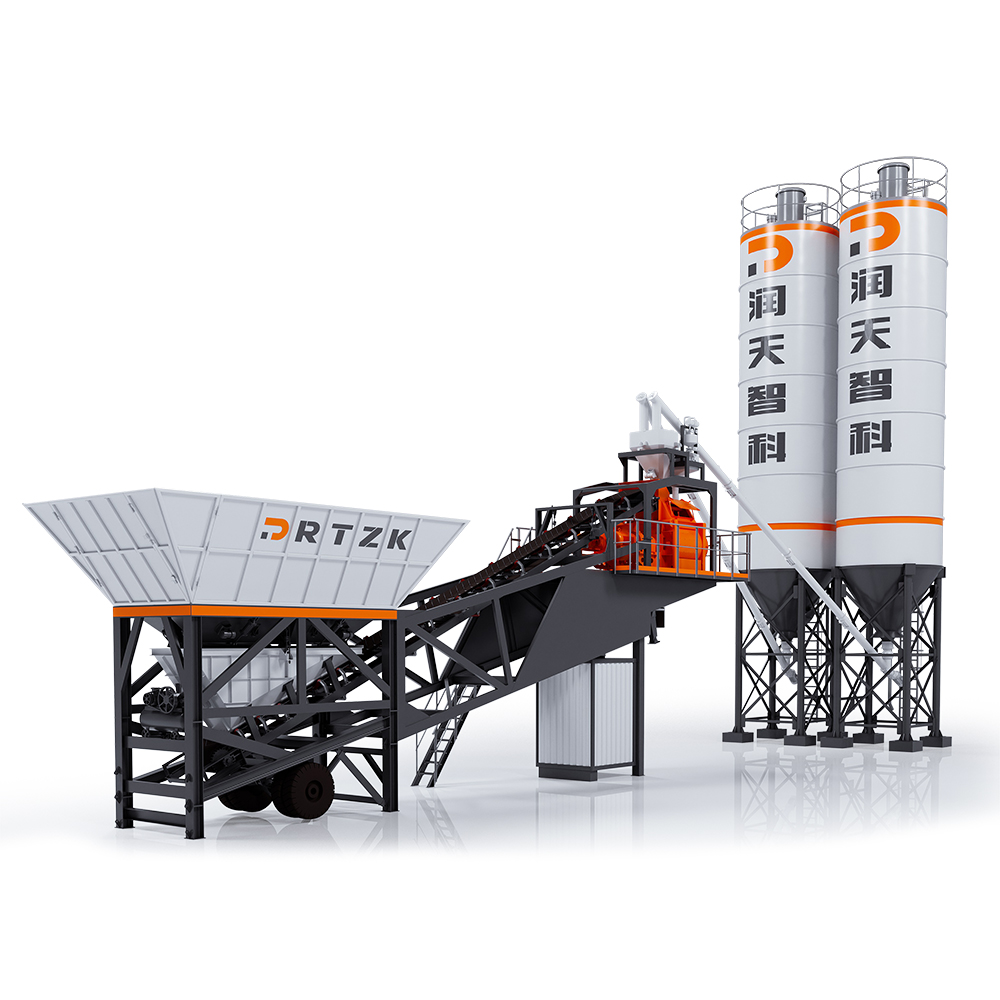 HZS Series Mobile Concrete Mixing Plant
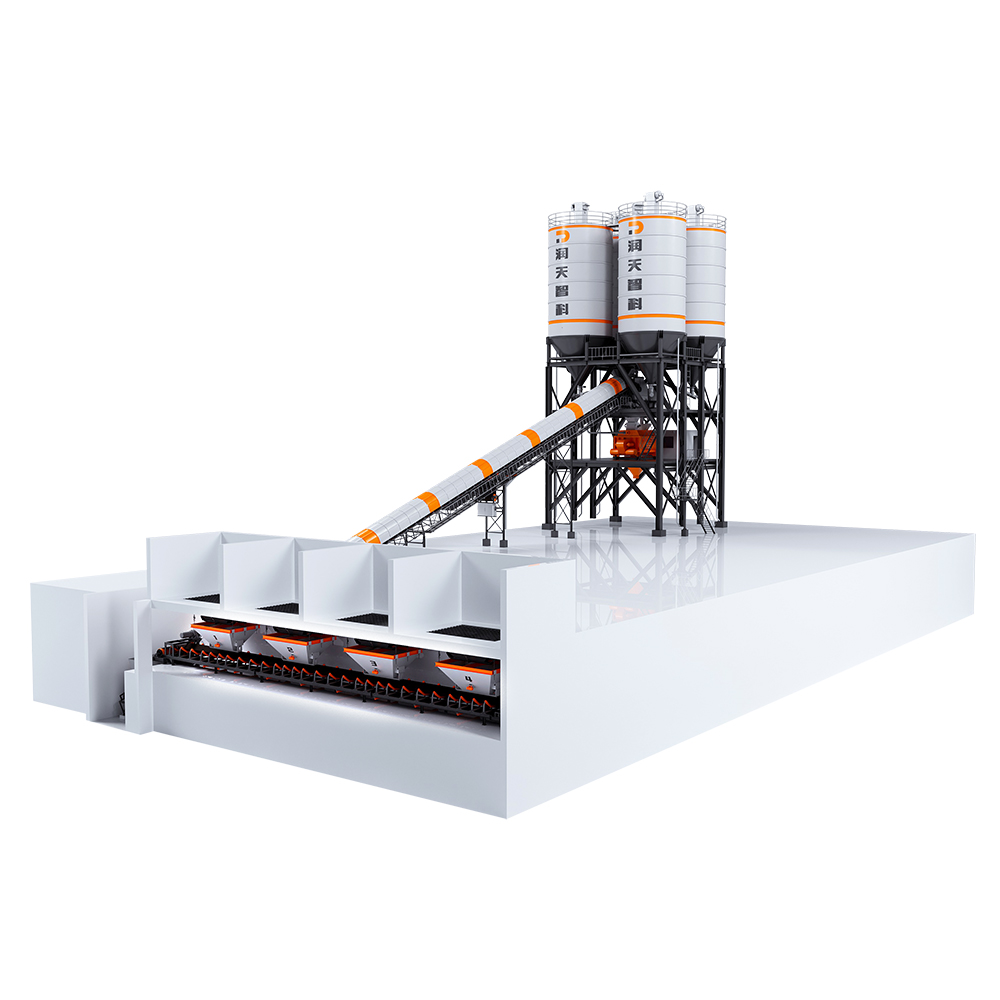 HZS Series Top-Mounted Concrete Mixing plant
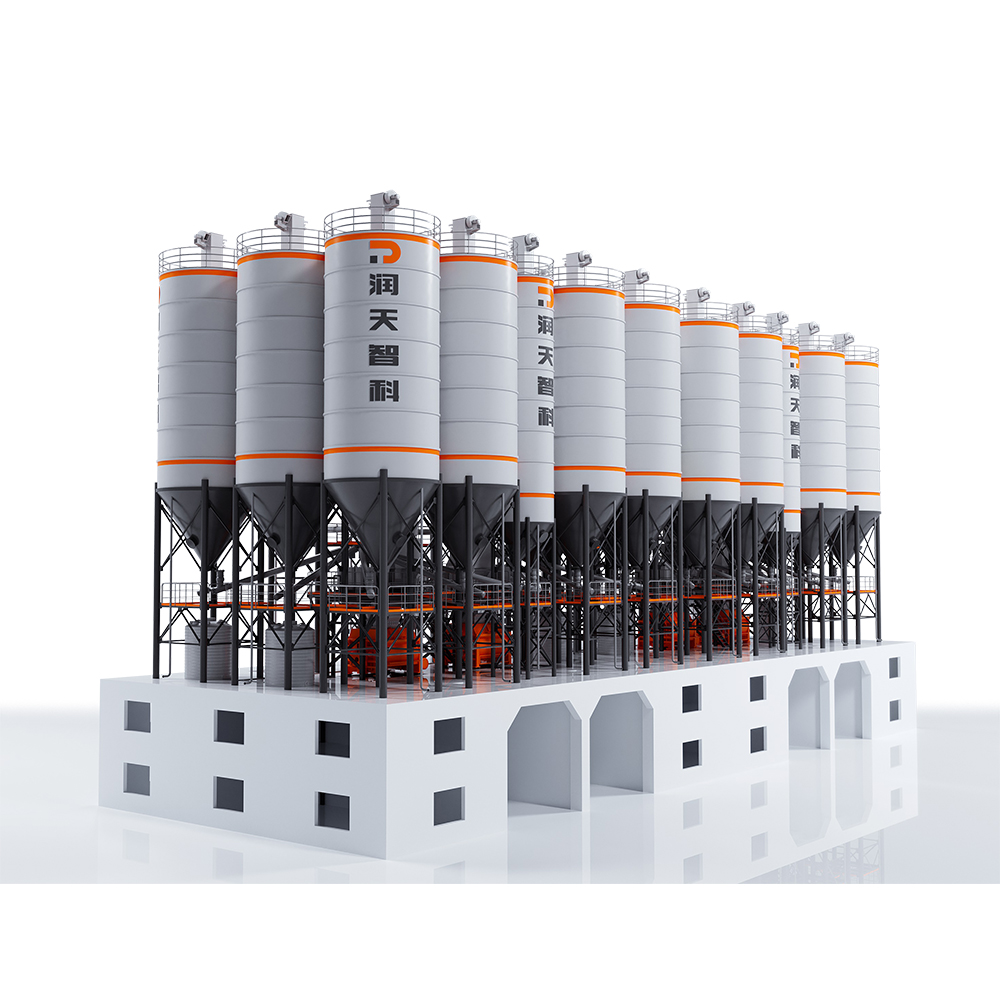 HZS Series Semi-Top Mounted Concrete Mixing Plant
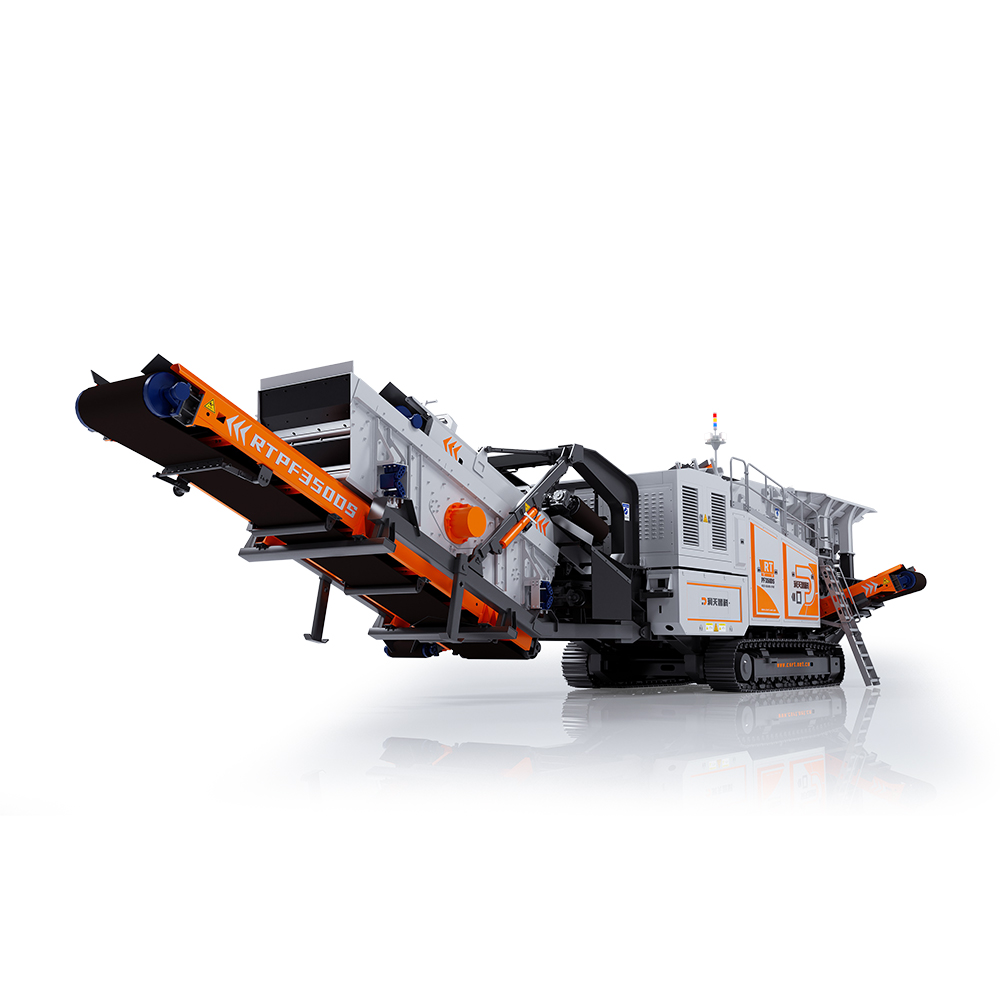 RTPF350DS Crawler Mobile Impact Crushing Plant
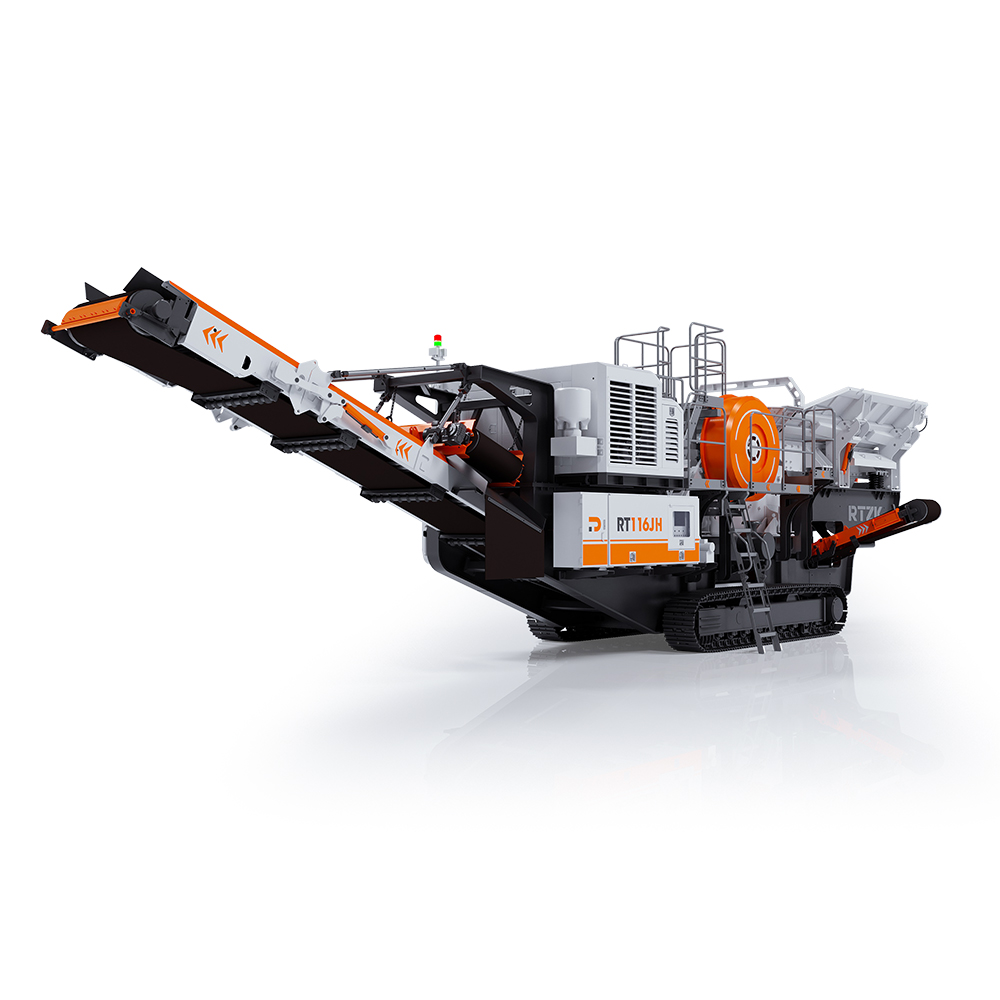 RT116JH Crawler Mobile Jaw Crushing Plant
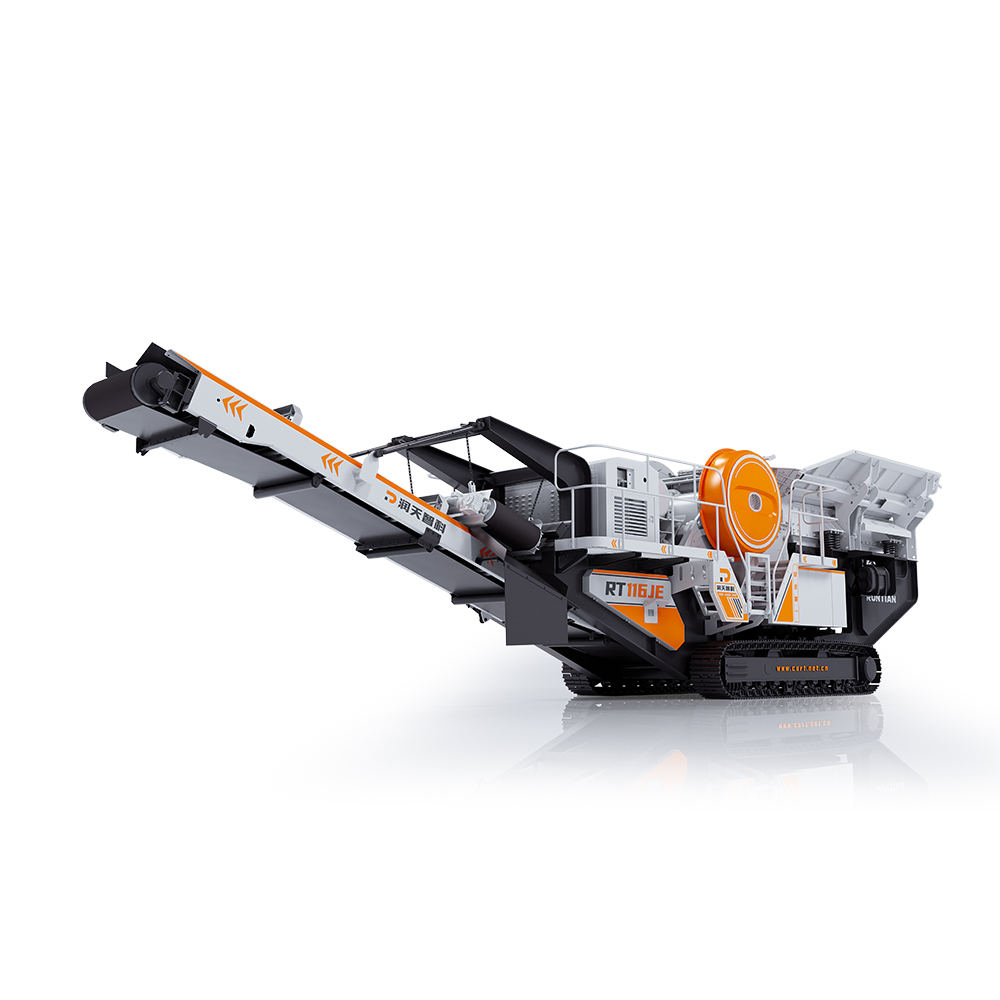 RT116JE Crawler Mobile Jaw Crushing Plant
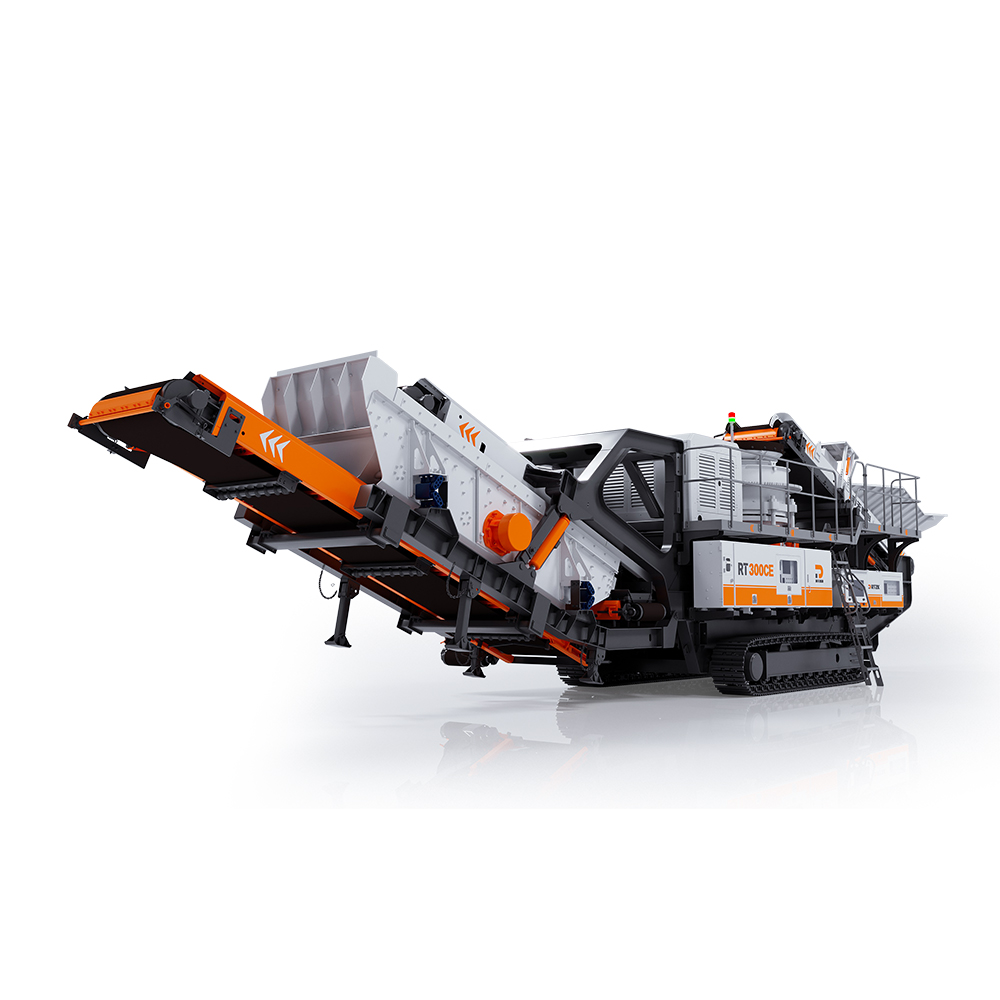 RT300CE Crawler Mobile Cone Crushing Plant
 RT300CH Crawler Mobile Cone Crushing Plant
 RT5015H Mobile Scalping Screen
 RT315VSIE Crawler Mobile Sand Maker
 RT3YK6020 Crawler Mobile Screening Plant
 RT3YK6020M Modular Screening Plant
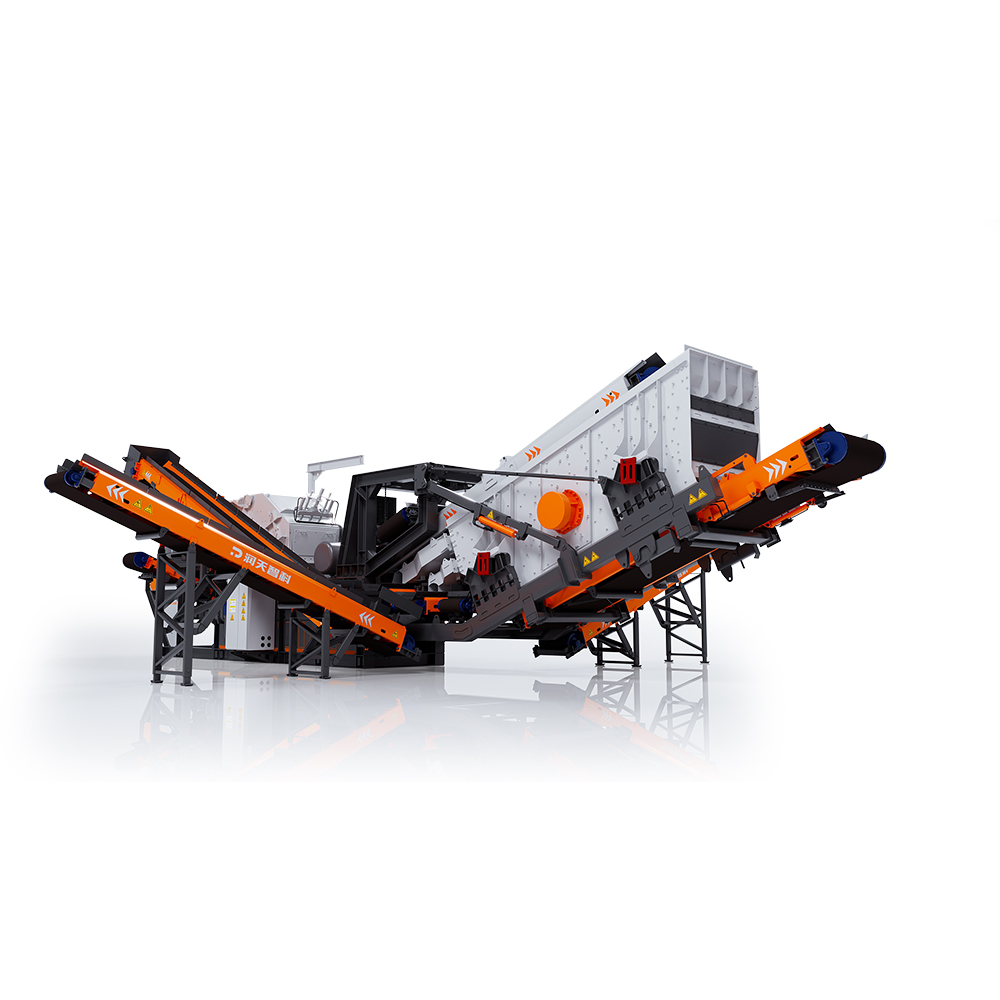 RTF260M Modular Counterattack Crushing and Screening Integrated Machine
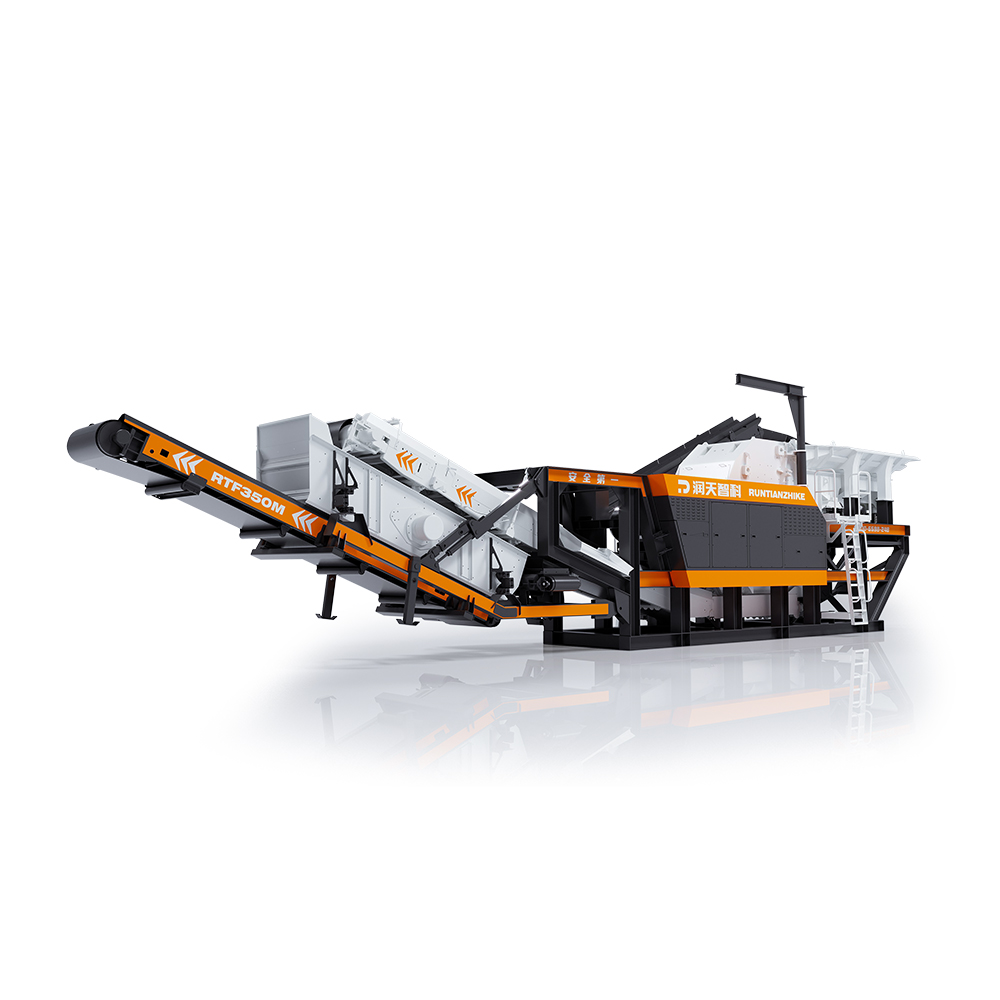 RTF350M Modular Impact Crushing Plant
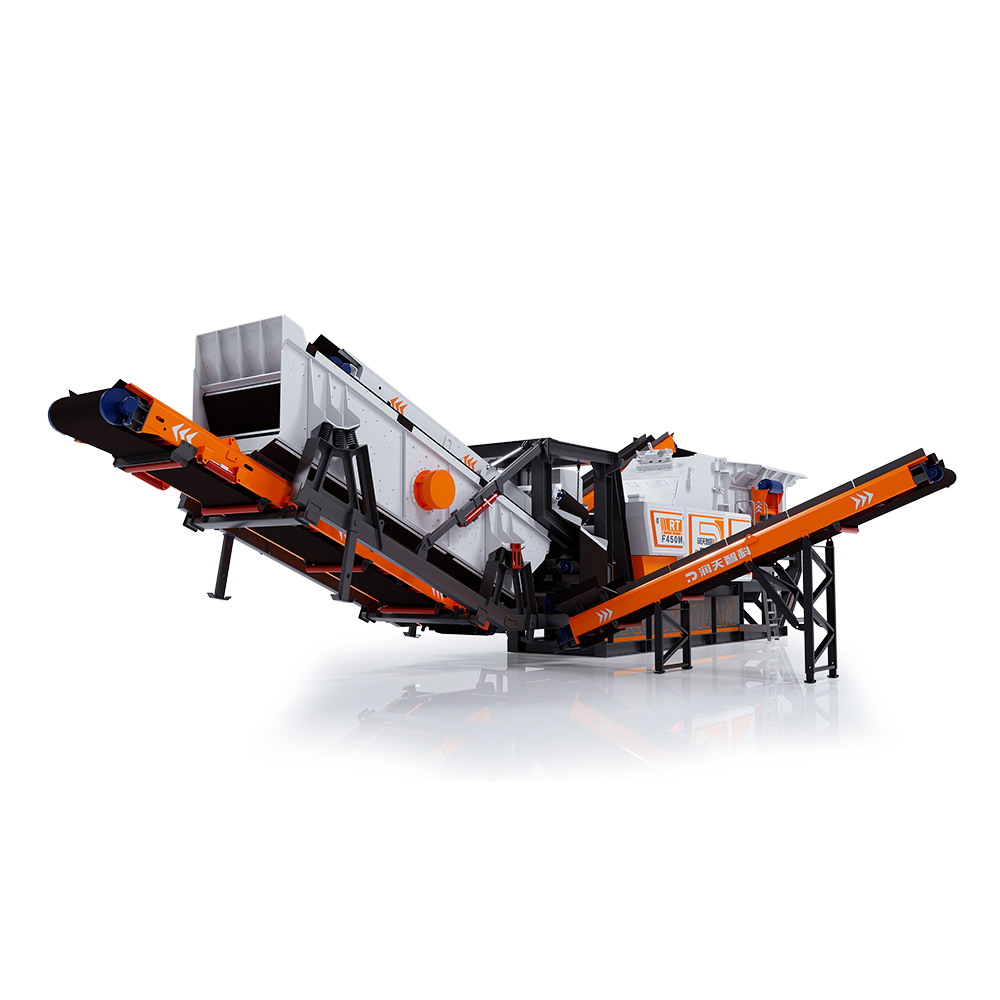 RTF450M Modular Impact Crushing Plant
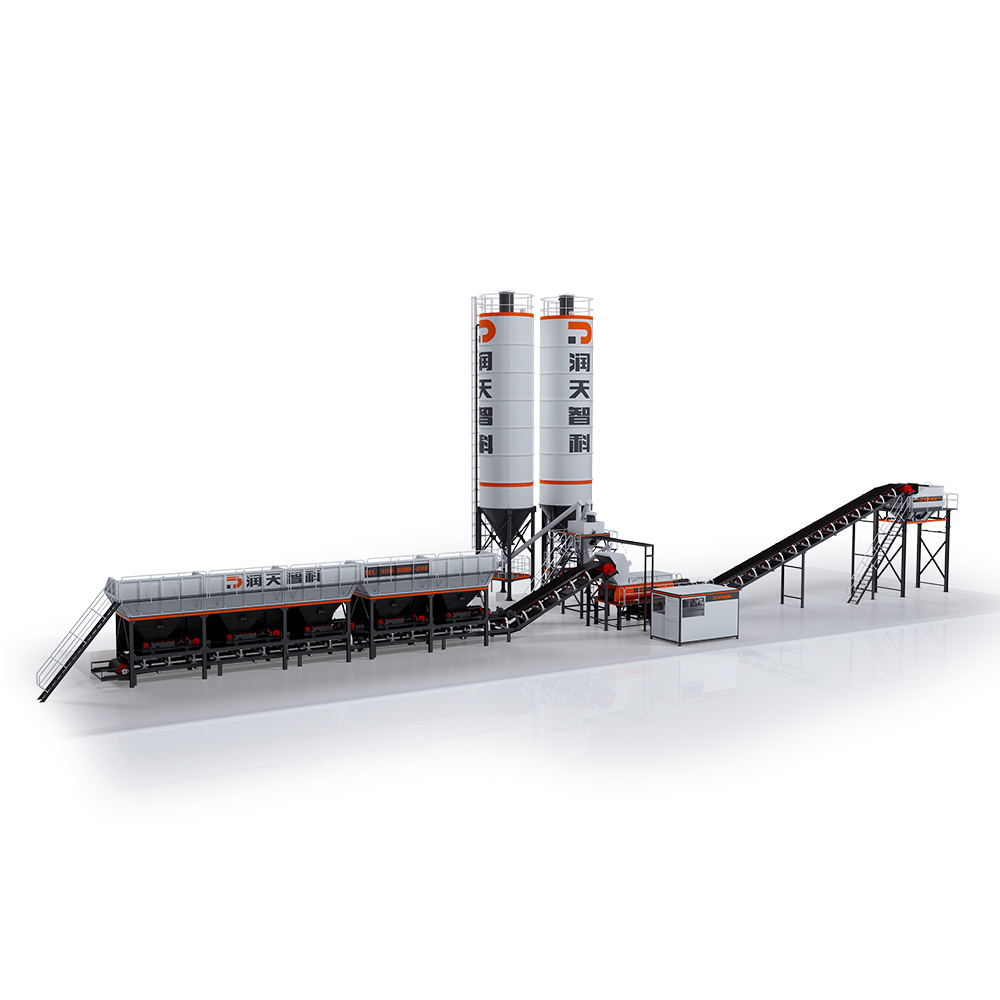 WDB Series Foundation-Free Stability Soil Mixing Plant
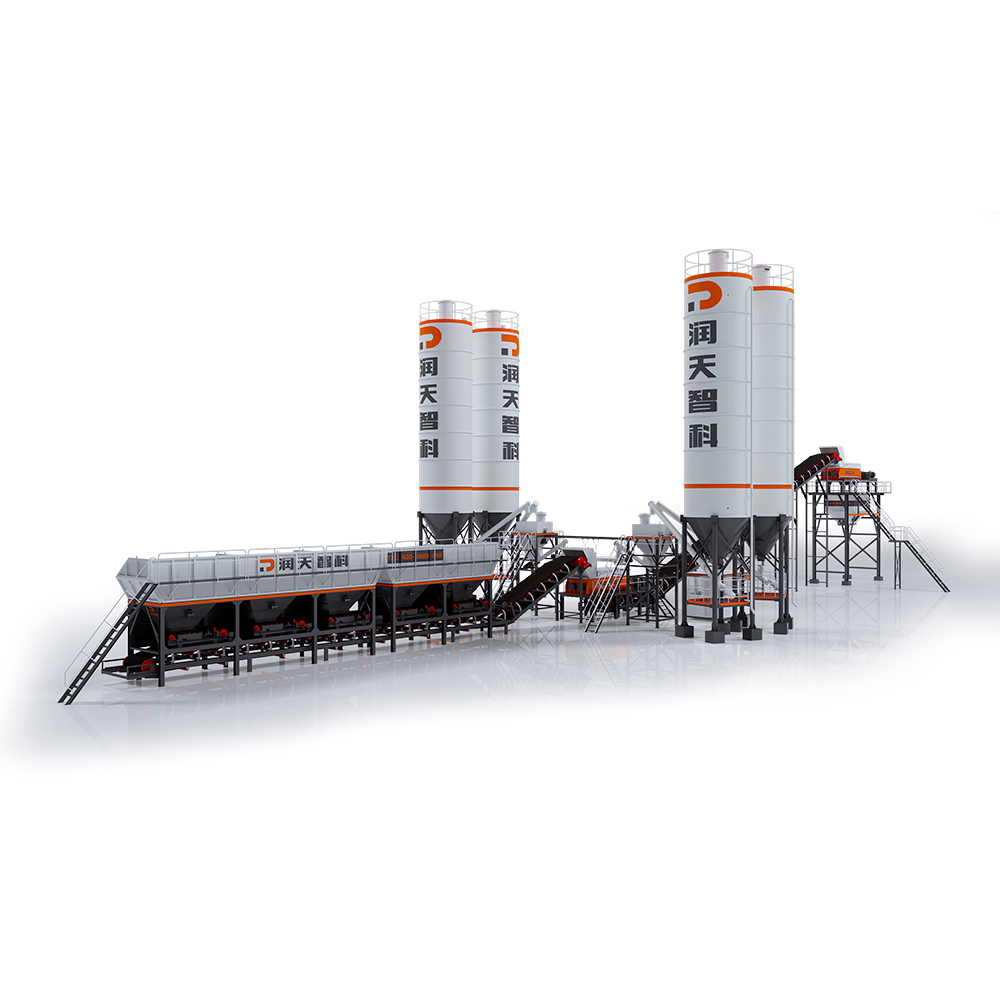 LCB Series Emulsified Asphalt Cold Regeneration Secondary Mixing Plant
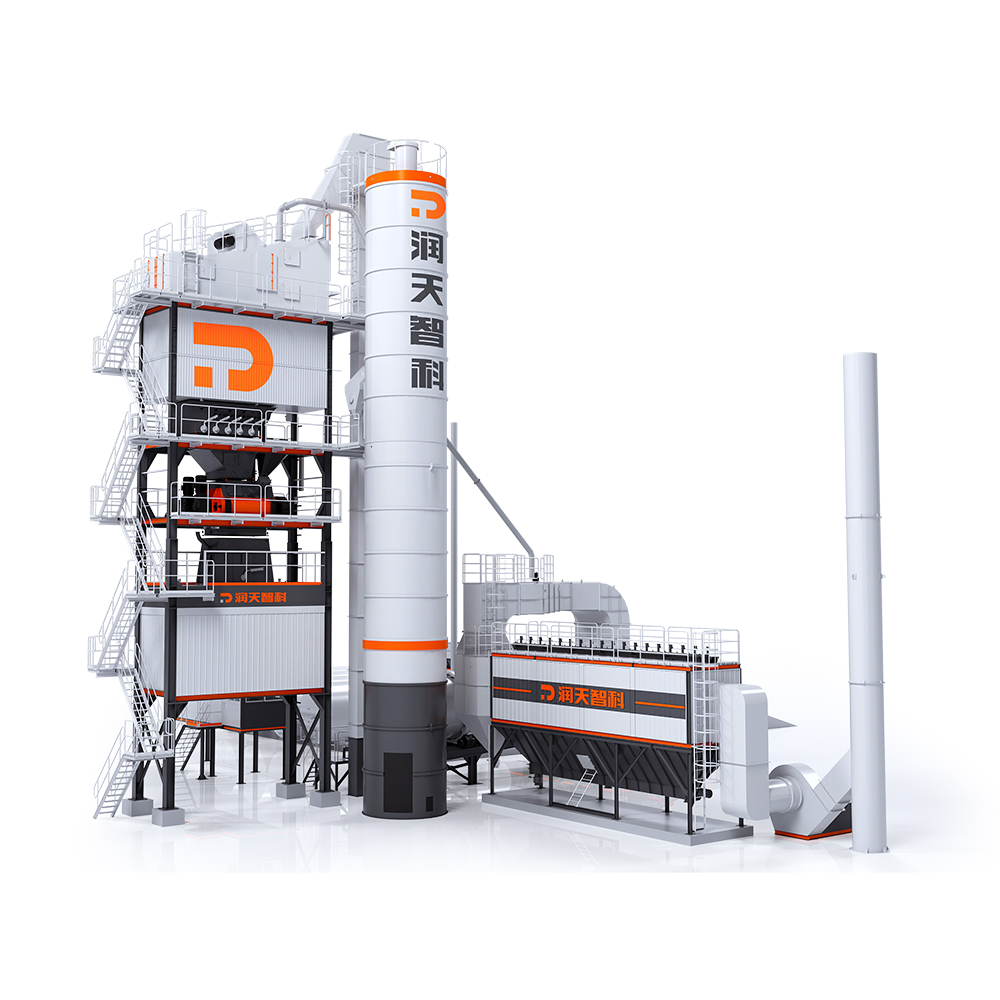 LB Series Asphalt Mixing Plant
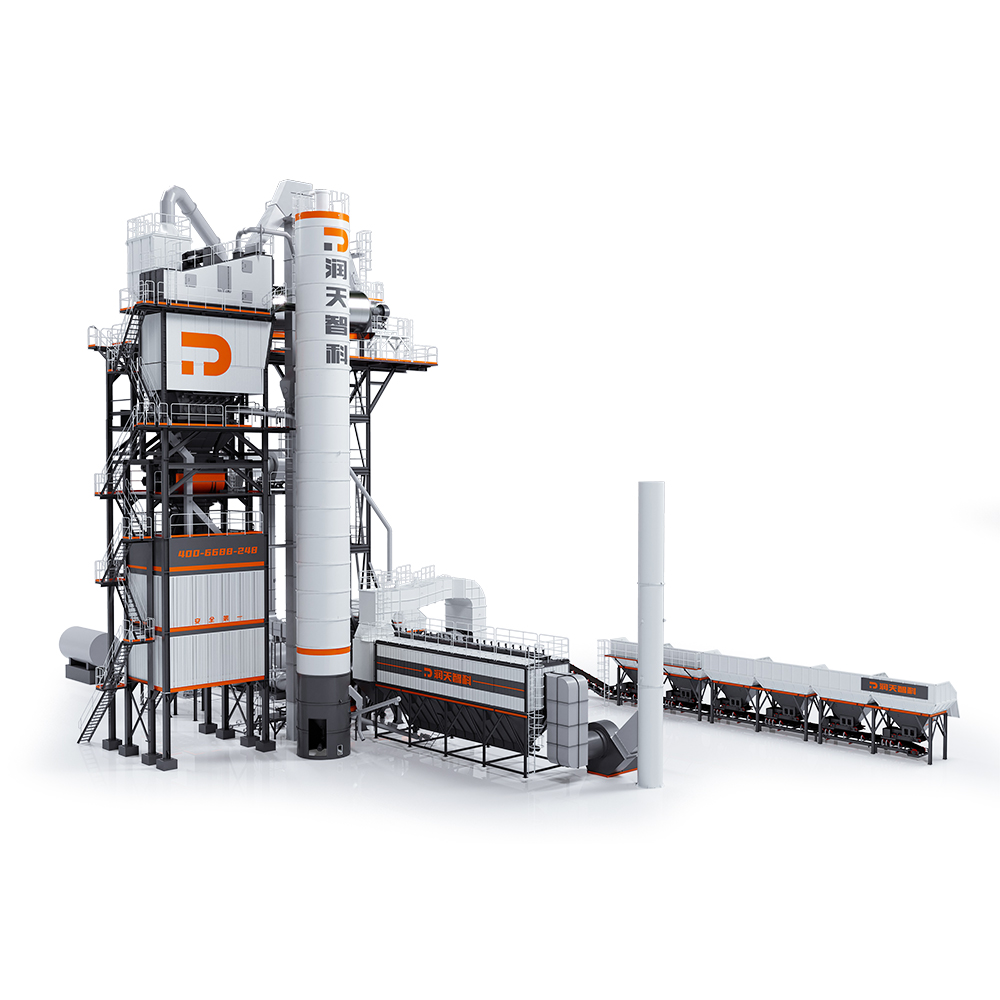 LBR Series Integrated Asphalt Mixing Plant
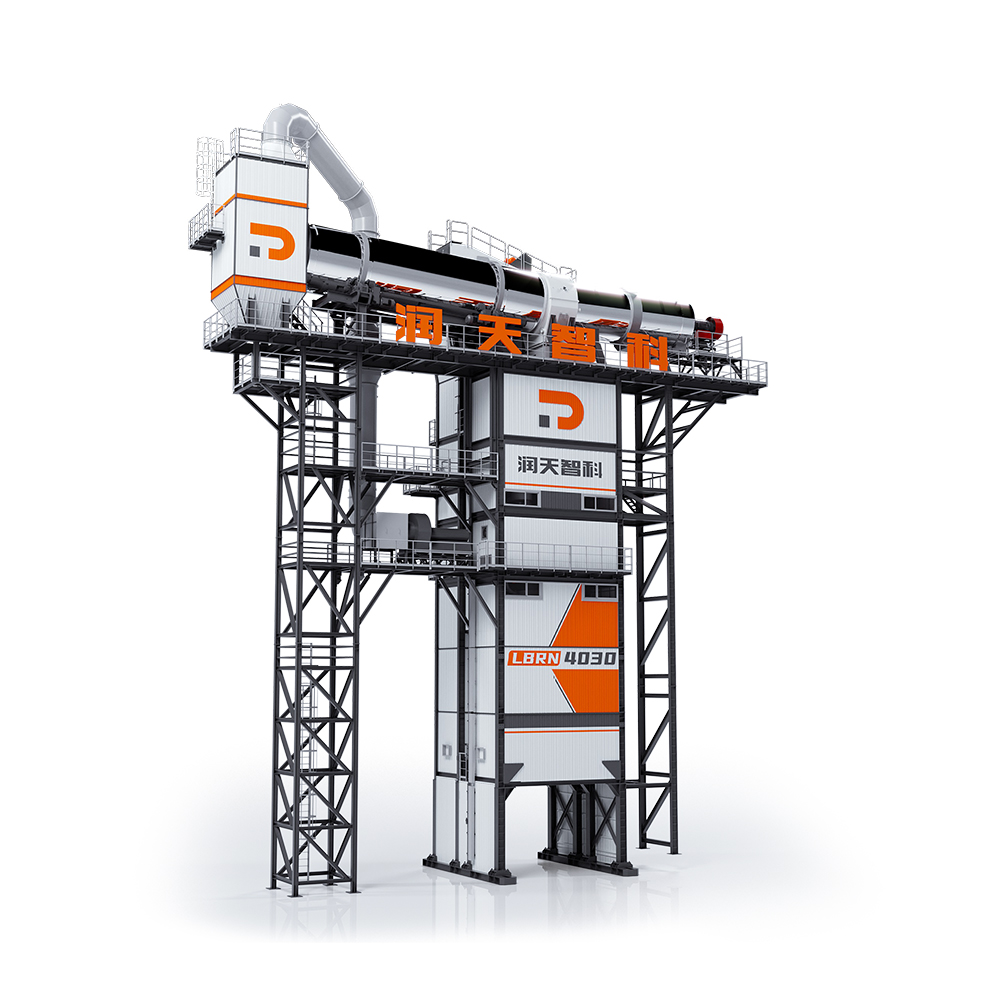 LBRN Series Counterflow Integral Asphalt Mixing Plant
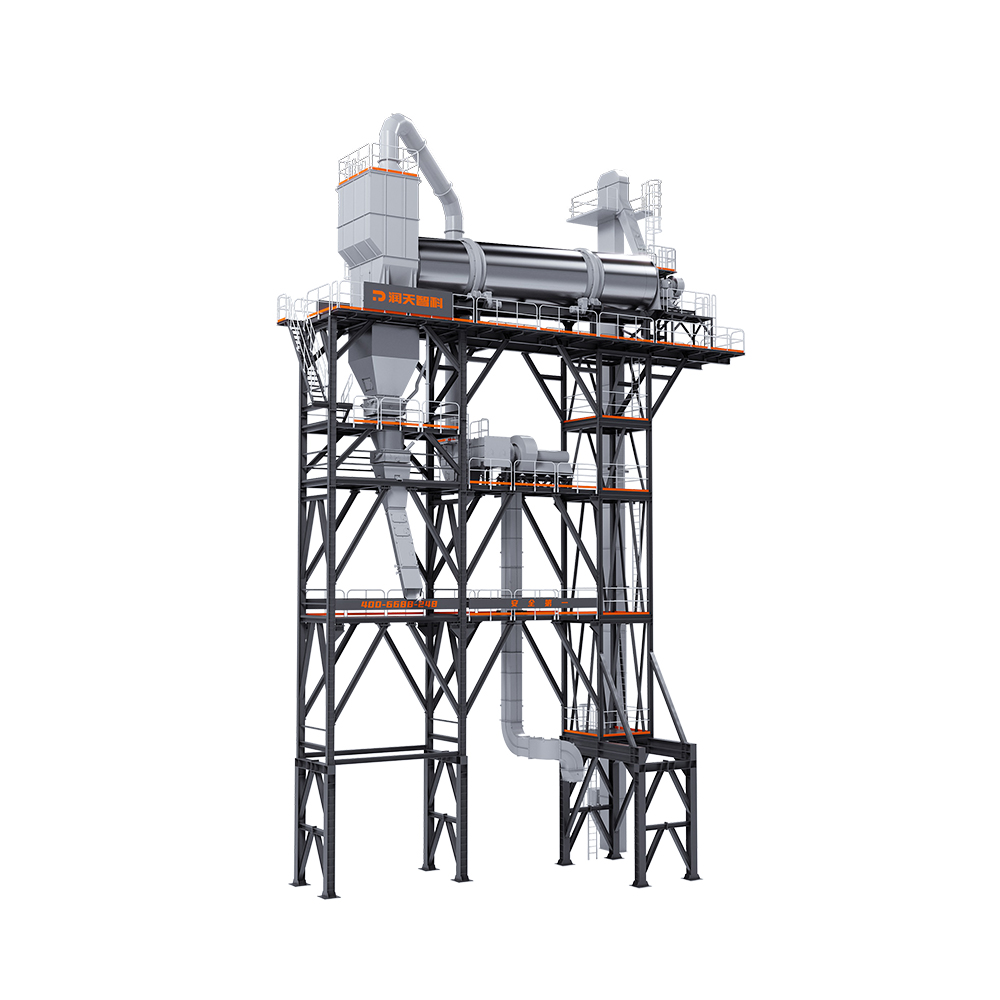 RZS Series Asphalt Mixing Plant
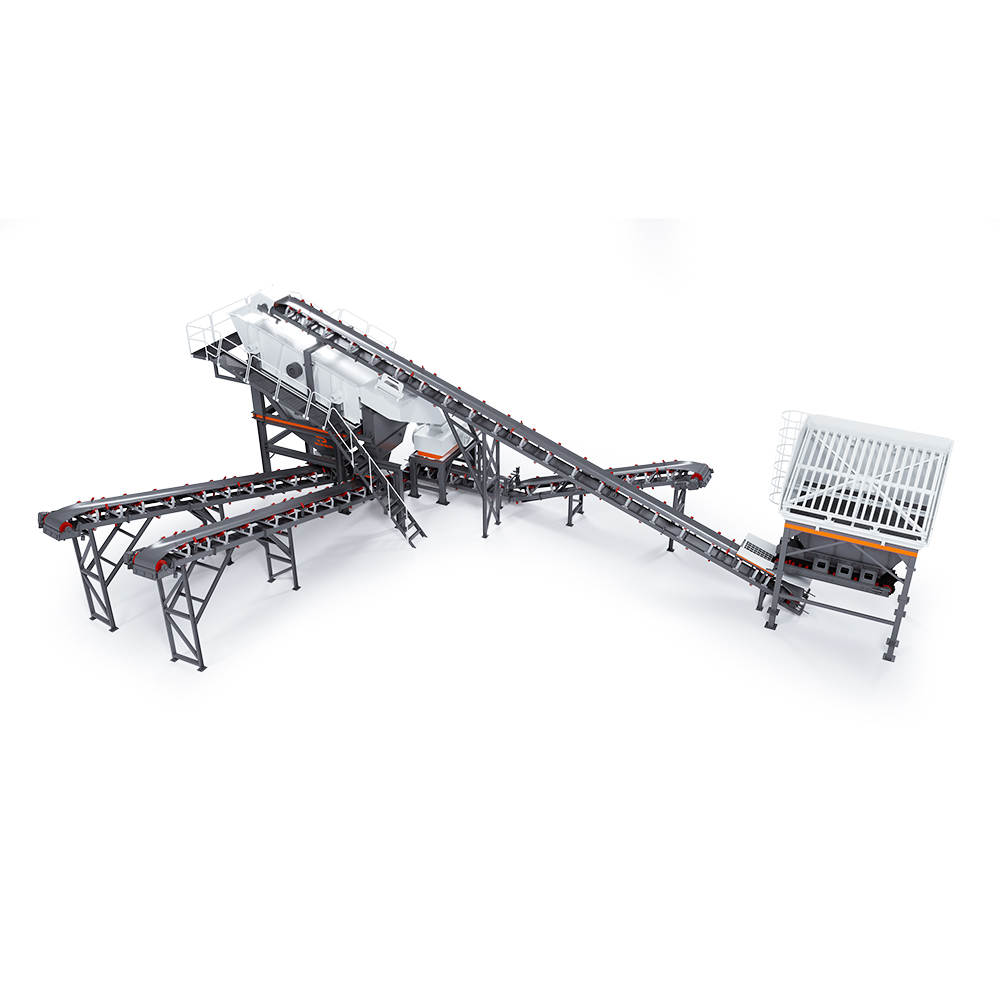 RTZS120 Series RAP Crushing & Screening Plant
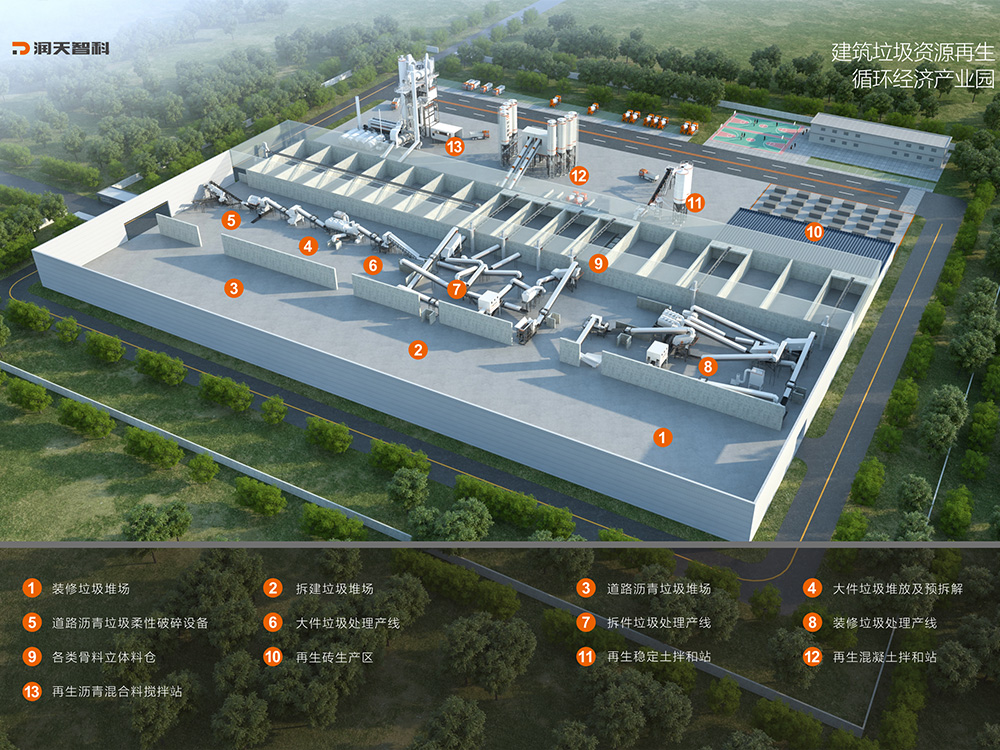 Construction Waste Resourceful Treatment Line