10 Best Practices for Effective Building Waste Recycling Strategies
Building waste recycling has become an essential aspect of sustainable construction practices, as it not only minimizes environmental impact but also promotes resource conservation. According to Dr. Emily Roberts, a leading expert in the field of sustainable construction, "Effective building waste recycling is not just a trend; it is a necessity for the future of our planet." This statement underscores the importance of implementing efficient recycling strategies in the construction industry to address the growing concerns over waste management.
In recent years, the construction sector has come under scrutiny for its significant contribution to waste generation. However, by adopting best practices in building waste recycling, companies can turn this challenge into an opportunity to innovate and enhance their operational efficiency. Creating effective recycling strategies involves understanding the types of materials generated on-site, establishing clear guidelines for segregation, and fostering a culture of sustainability among all stakeholders involved.
As we explore the 10 best practices for effective building waste recycling, it becomes evident that a proactive approach can lead to substantial economic savings and a significant reduction in the carbon footprint of construction projects. By prioritizing building waste recycling, the industry can pave the way towards a more sustainable and responsible future.

Best Practices for Establishing Waste Segregation at Construction Sites
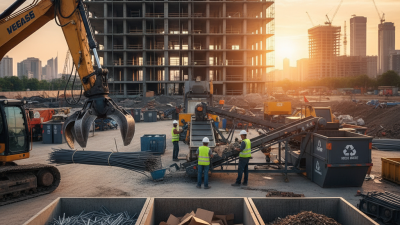
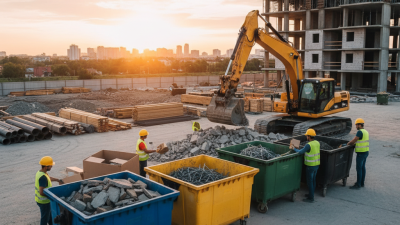
Effective waste segregation at construction sites is a critical component of successful building waste recycling strategies. Research indicates that up to 30% of the waste generated in construction processes can be recycled, which significantly reduces landfill dependency and promotes sustainability. A well-implemented waste segregation approach allows for the efficient sorting of materials like concrete, wood, metals, and plastics, facilitating their reuse and recycling. According to the U.S. Environmental Protection Agency (EPA), recycling construction and demolition waste can conserve natural resources and significantly cut greenhouse gas emissions, with estimates suggesting a potential emission reduction of 2.3 million tons annually if best practices are followed.
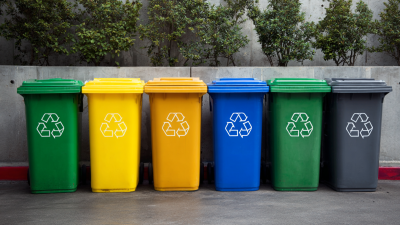
To establish a successful waste segregation system at construction sites, it's essential to provide clear guidelines and appropriate containers for different types of waste. The implementation of color-coded bins can enhance compliance among workers, ensuring that materials are disposed of correctly from the outset. Training sessions and informational signage can further reinforce these practices, educating everyone on-site about the importance of waste segregation and recycling. A study by the Construction Industry Research and Information Association (CIRIA) highlights that sites with comprehensive training and visible waste reduction goals can achieve an increase recycling rate by over 50%. By adopting these best practices, construction projects can play a significant role in advancing environmental stewardship within the industry.
Implementing Efficient Inventory Management for Recyclable Materials
Efficient inventory management is crucial for optimizing recyclable materials in building waste recycling strategies. By establishing a systematic approach to tracking and categorizing materials, construction companies can enhance their recycling efforts and minimize landfill contributions. A well-organized inventory system allows teams to easily identify recyclable materials, ensuring that valuable resources such as metals, wood, and concrete are properly sorted and processed. Implementing digital inventory management tools can streamline this process, enabling real-time updates and better visibility into available recyclables.
Additionally, integrating inventory management with waste reduction practices can further improve sustainability goals. Regular audits and assessments of recyclable materials help in understanding the flow of waste and recognizing patterns or components that are frequently discarded. This insight can inform decision-making, leading to more strategic procurement practices and the use of materials that are easier to recycle. Moreover, training staff on the importance of accurate inventory management fosters a culture of sustainability within the organization, ultimately reinforcing the commitment to effective building waste recycling strategies.
Utilizing Technology for Tracking and Reporting Recycling Rates
Implementing effective technology solutions is vital for enhancing building waste recycling strategies. By utilizing software programs and mobile applications, construction firms can monitor recycling rates in real-time, allowing for immediate adjustments to their waste management processes. These technologies facilitate data collection, enabling companies to analyze waste generation trends and identify specific areas needing improvement. With a user-friendly interface, stakeholders can easily track recycled materials, ensuring higher accountability in their recycling efforts.
Tip: Consider investing in platforms that automate reporting functions. This reduces the time spent on manual data entry and minimizes human errors, which can skew recycling statistics. Automating reports also improves transparency, making it easier to share progress with stakeholders and clients.
Another crucial aspect of leveraging technology is the adoption of IoT (Internet of Things) devices. These smart devices can provide valuable insights into waste management practices, from sorting recyclables to measuring the effectiveness of recycling efforts. By using real-time data, construction projects can optimize recycling logistics, leading to increased efficiency and reduced environmental impact.
Tip: Establish training programs for staff on using these technologies effectively. Well-informed employees are more likely to engage with the systems, leading to a noticeable increase in recycling rates and better resource management.
Engaging Stakeholders in Sustainable Waste Management Initiatives
Engaging stakeholders in sustainable waste management initiatives is crucial for developing effective building waste recycling strategies. Collaboration among builders, local authorities, environmental organizations, and communities enhances the efficiency of recycling efforts. By involving diverse stakeholders, you foster a sense of ownership and responsibility toward waste management, which can lead to innovative solutions and increased compliance with recycling guidelines.
When planning initiatives, it is essential to communicate clearly and regularly with all stakeholders. This can be achieved through informative workshops, meetings, and ongoing updates. Sharing success stories and best practices within the community can inspire others to participate. Additionally, providing platforms for stakeholders to voice their concerns and suggestions can lead to more effective and inclusive strategies.
Tip: Develop a stakeholder engagement plan that outlines roles and responsibilities, ensuring everyone understands their contribution to the project's success.
Furthermore, consider utilizing social media and other digital tools to reach a wider audience. By creating an online community for discussions and sharing resources, you can keep stakeholders engaged and informed. This digital interaction not only raises awareness about building waste recycling but also cultivates a collaborative atmosphere where innovative ideas can thrive.
Tip: Host online forums or webinars to educate stakeholders about the benefits of waste recycling and encourage real-time feedback on initiatives.
Building Waste Recycling Strategies
Creating Comprehensive Training Programs for Construction Personnel on Recycling
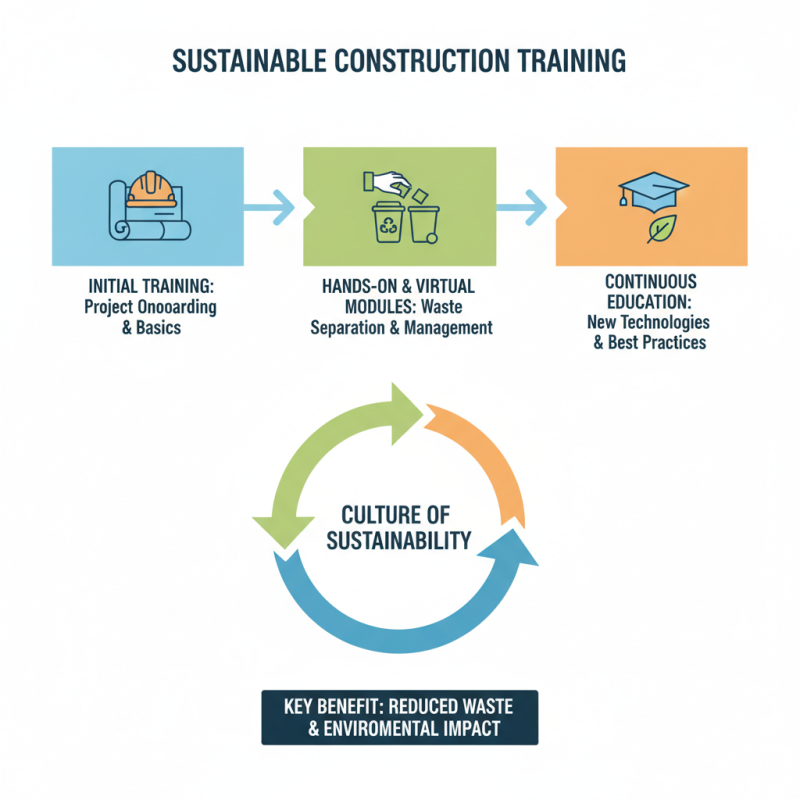
Creating comprehensive training programs for construction personnel on recycling is essential for fostering a culture of sustainability within the industry. Training shouldn’t just be a one-time event; it should be an ongoing process that incorporates different stages of construction and emphasizes the importance of waste management practices. By providing hands-on workshops, virtual training modules, and continuous education opportunities, we can ensure that all personnel are equipped with the knowledge to effectively participate in recycling initiatives.
Tips for effective training include actively engaging personnel through interactive learning methods. Utilize real-life case studies and scenarios that your team might encounter on-site. This practical approach helps to reinforce concepts and allows for nuanced discussions on best practices in waste separation and management. Encouragement of feedback on training sessions can also identify areas for improvement, ensuring the program evolves and meets the needs of the workforce.
Another key aspect of training is to highlight the benefits of recycling, both environmentally and economically. When construction personnel understand the positive impact their efforts can have—like reducing landfill costs and enhancing project reputation—they’re more likely to commit to recycling protocols. Incorporating success stories from within the organization can inspire and motivate teams to adopt these practices wholeheartedly.

 Concrete Mixing Plant
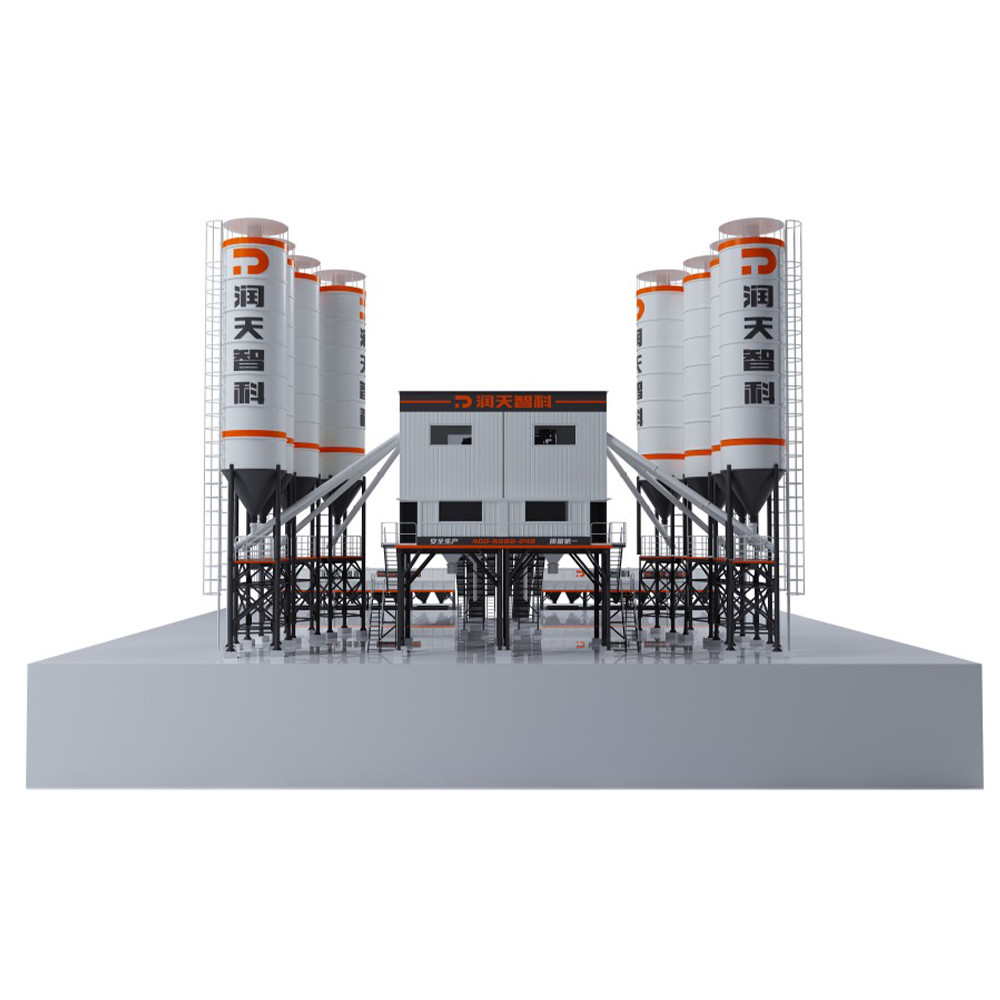 HZS Series Belt Concrete Mixing Plant
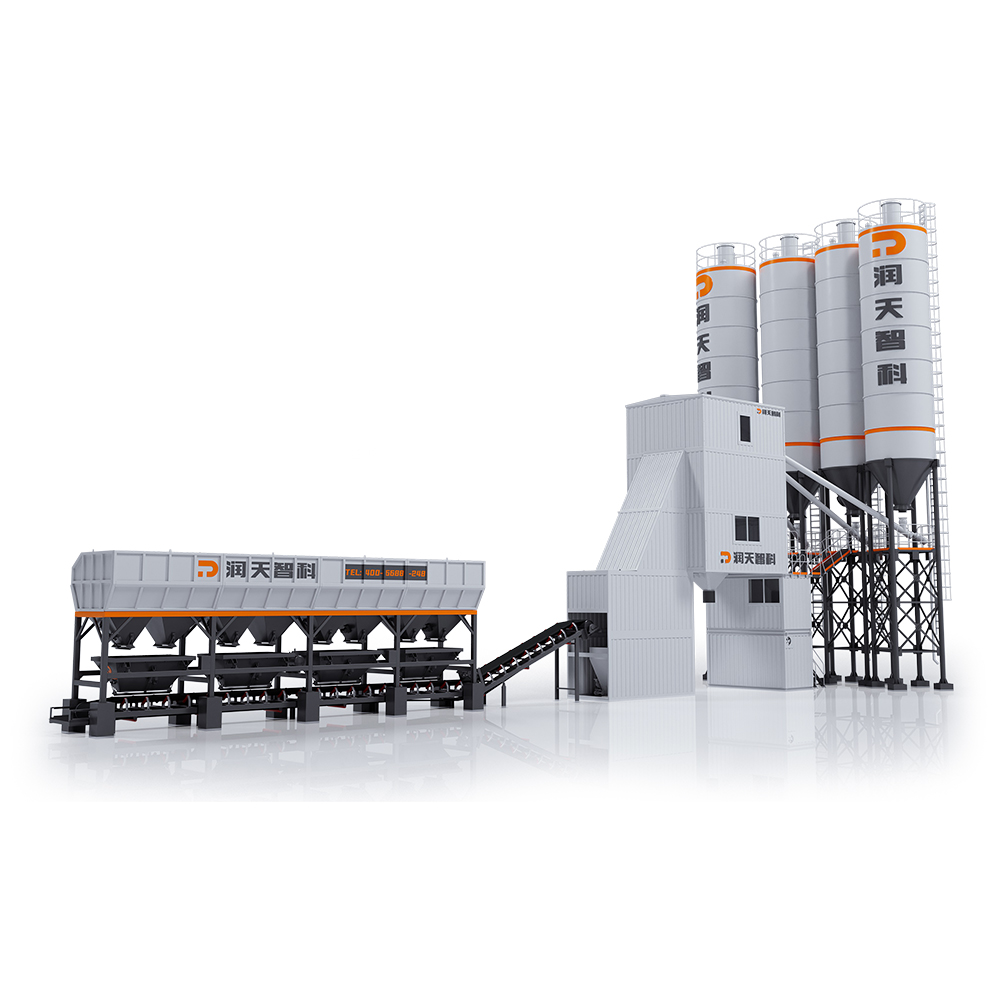 HZS Series Bucket-Lifting Type Container Concrete Mixing Plant
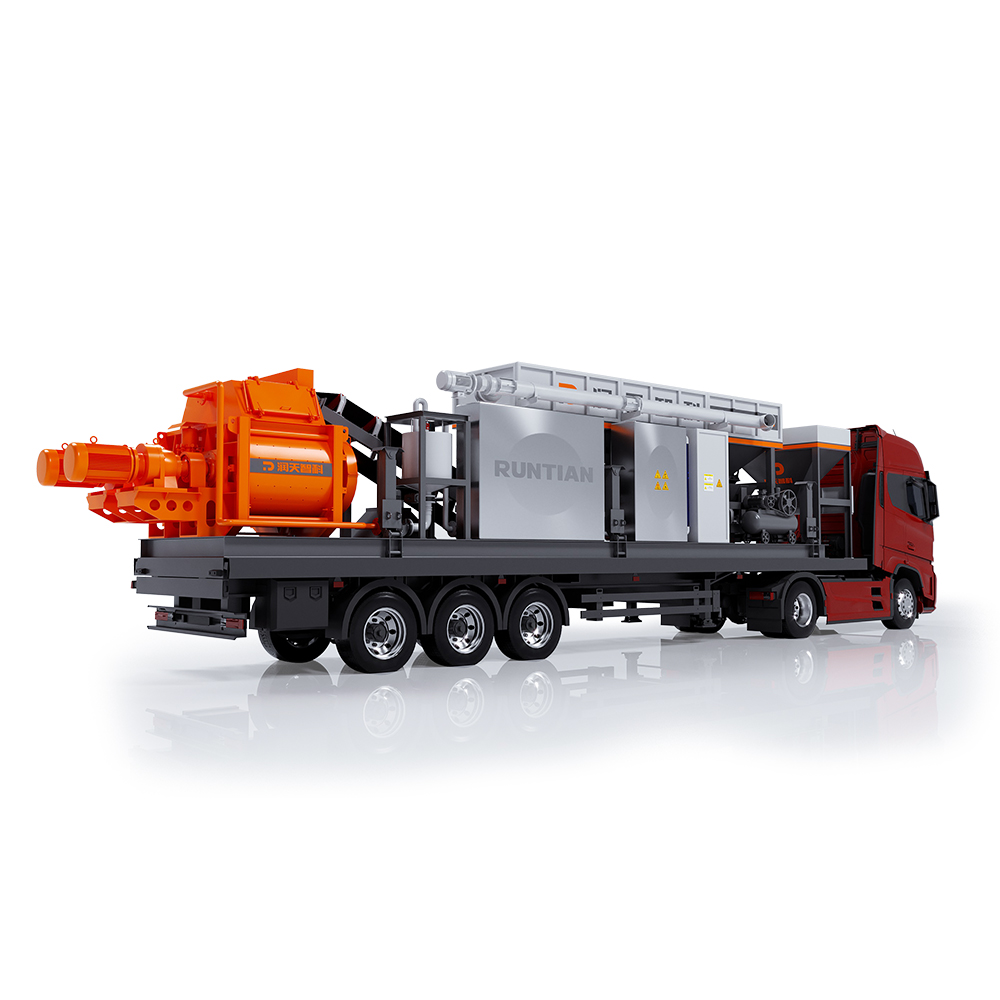 HZS60 Mobile Concrete Mixing Plant
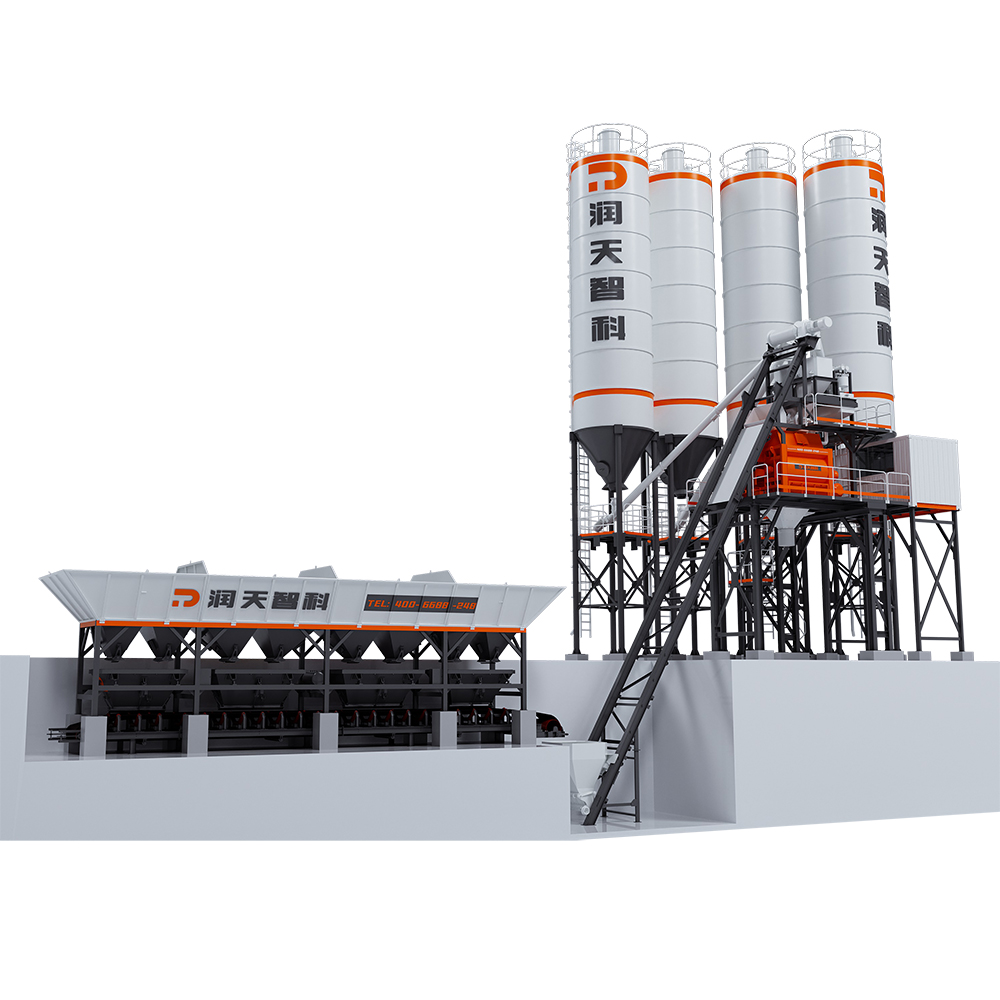 HZS Series Bucket-Lifting Type Concrete Mixing Plant
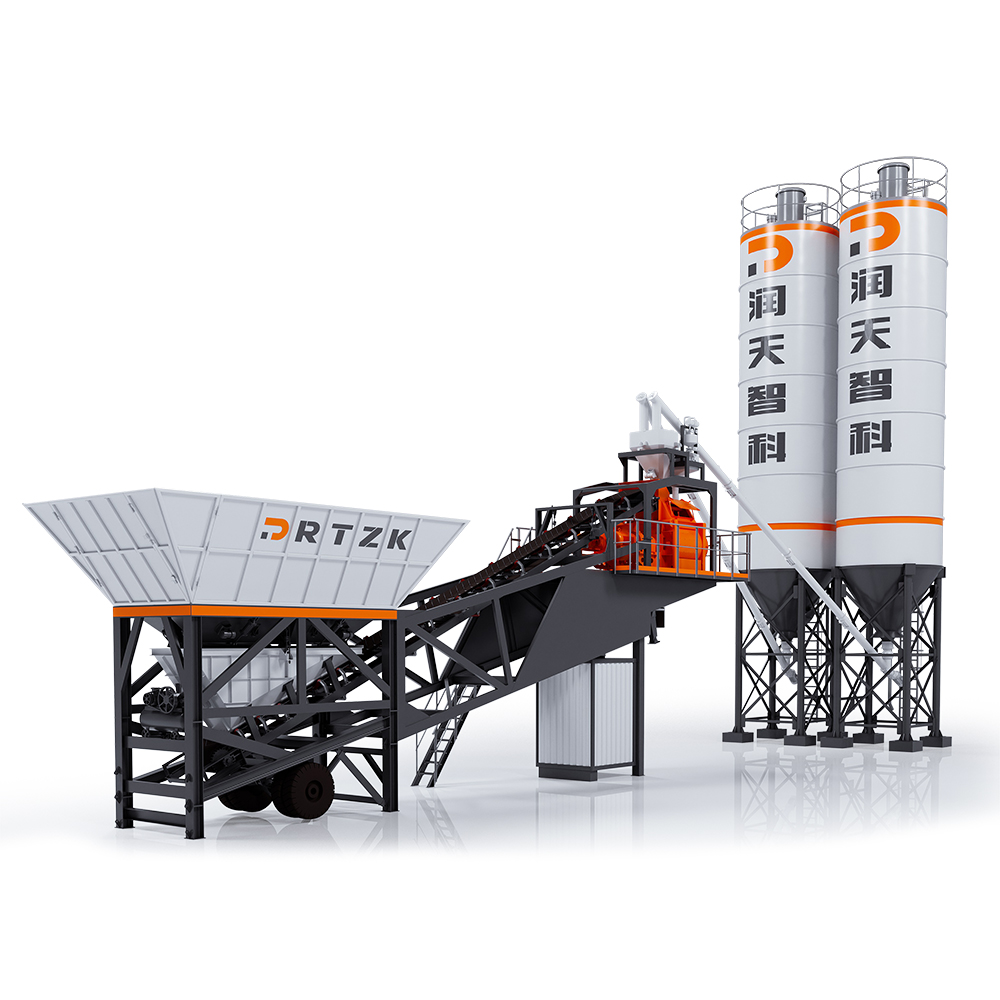 HZS Series Mobile Concrete Mixing Plant
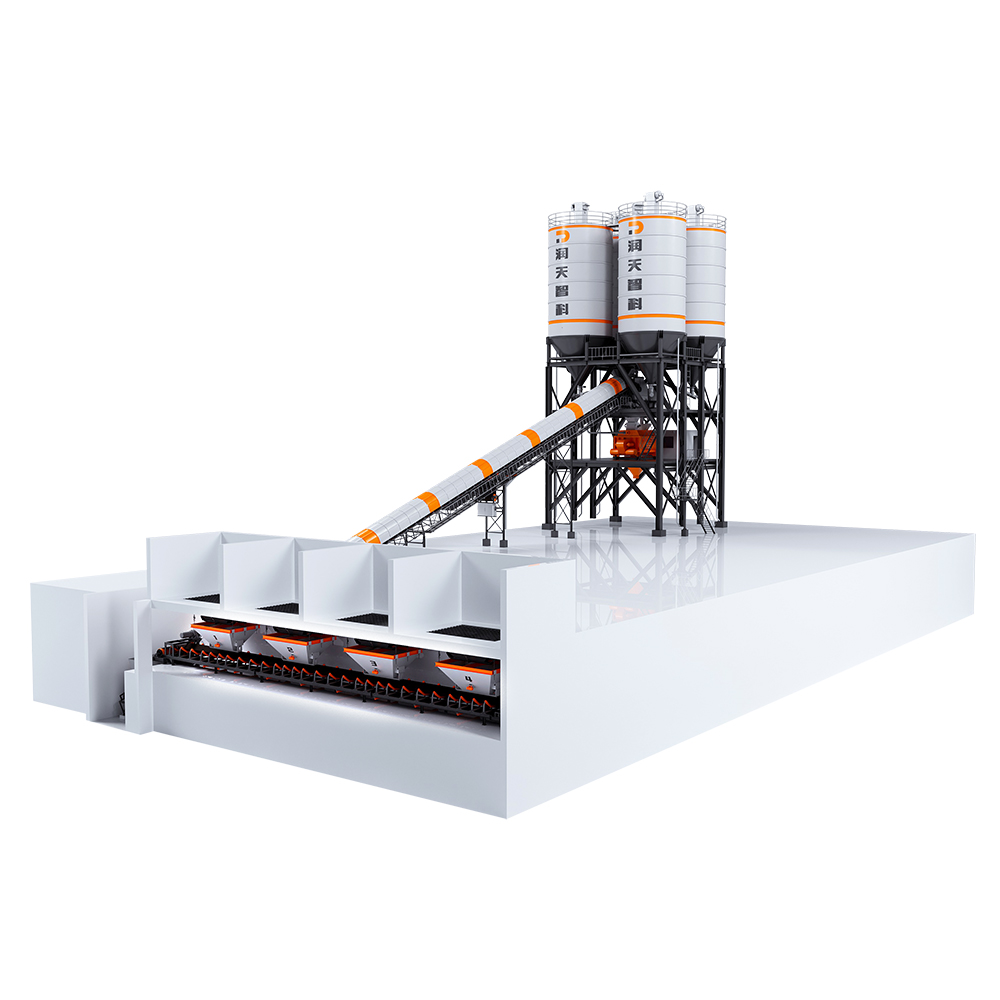 HZS Series Top-Mounted Concrete Mixing plant
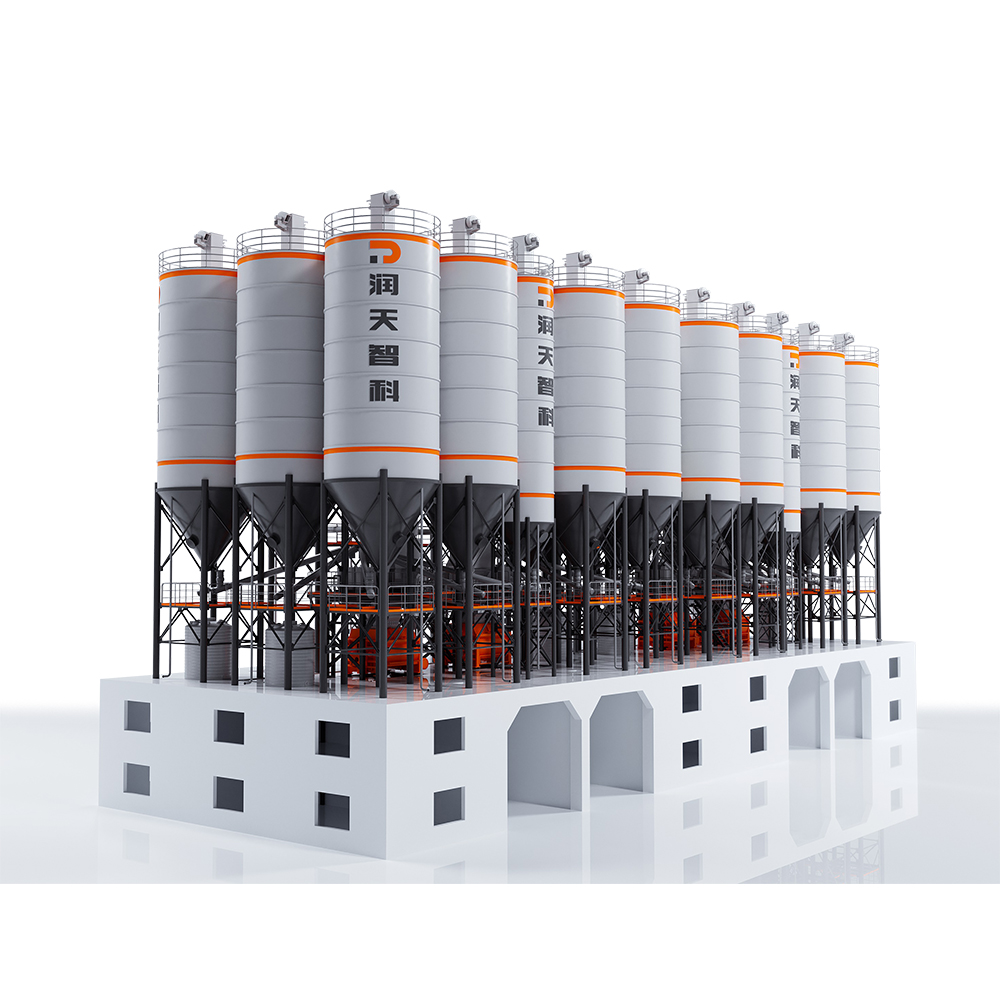 HZS Series Semi-Top Mounted Concrete Mixing Plant
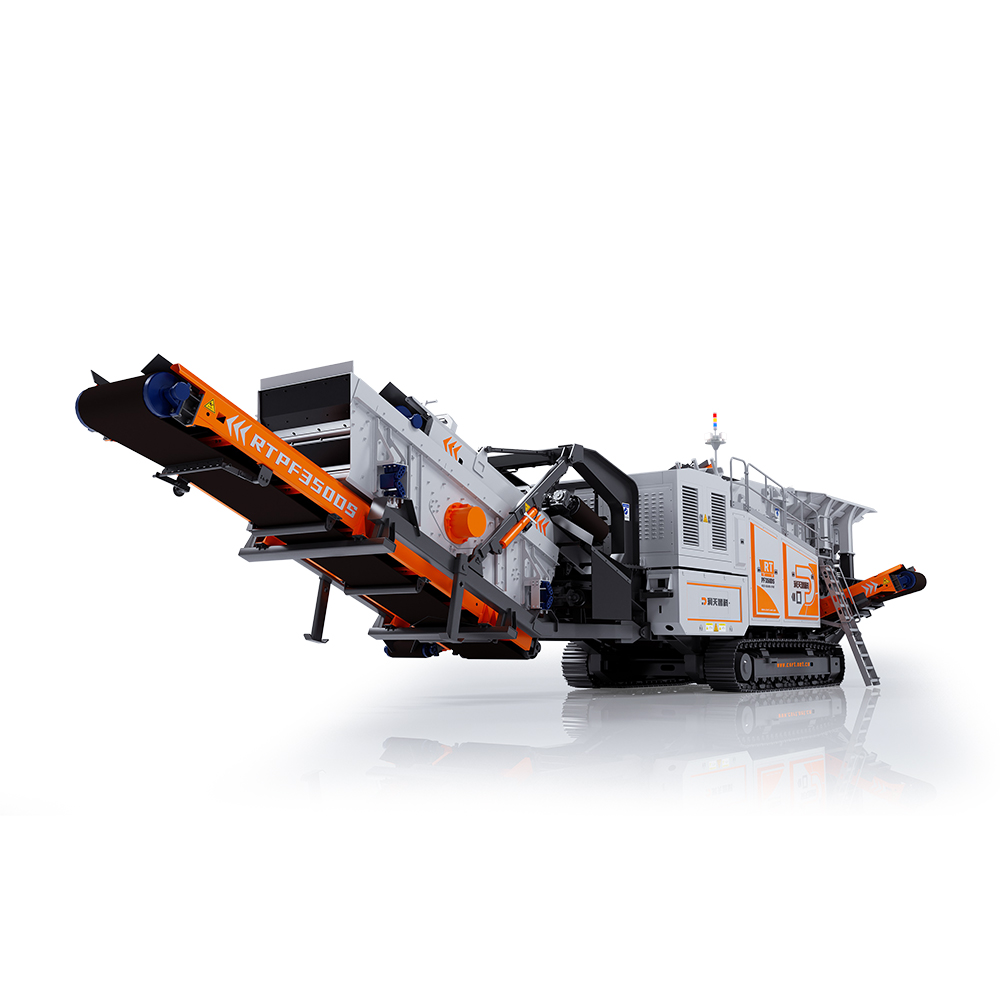 RTPF350DS Crawler Mobile Impact Crushing Plant
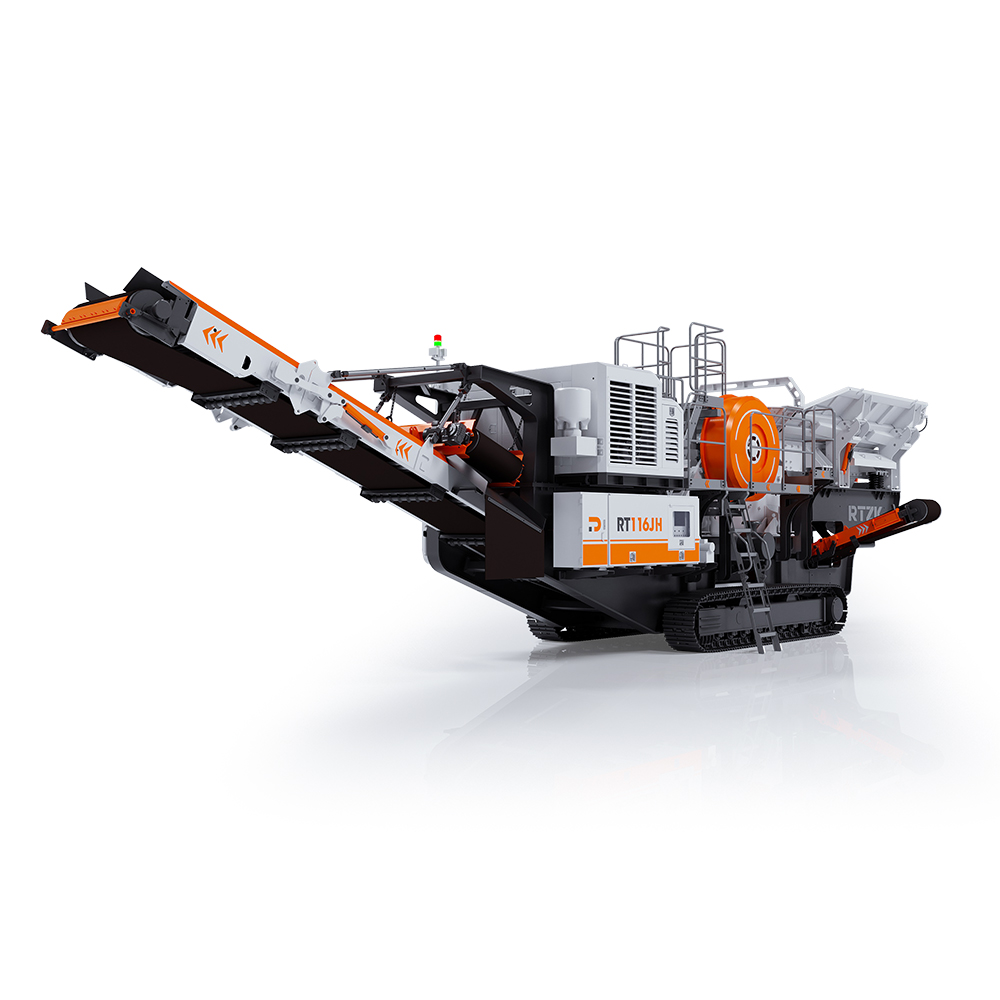 RT116JH Crawler Mobile Jaw Crushing Plant
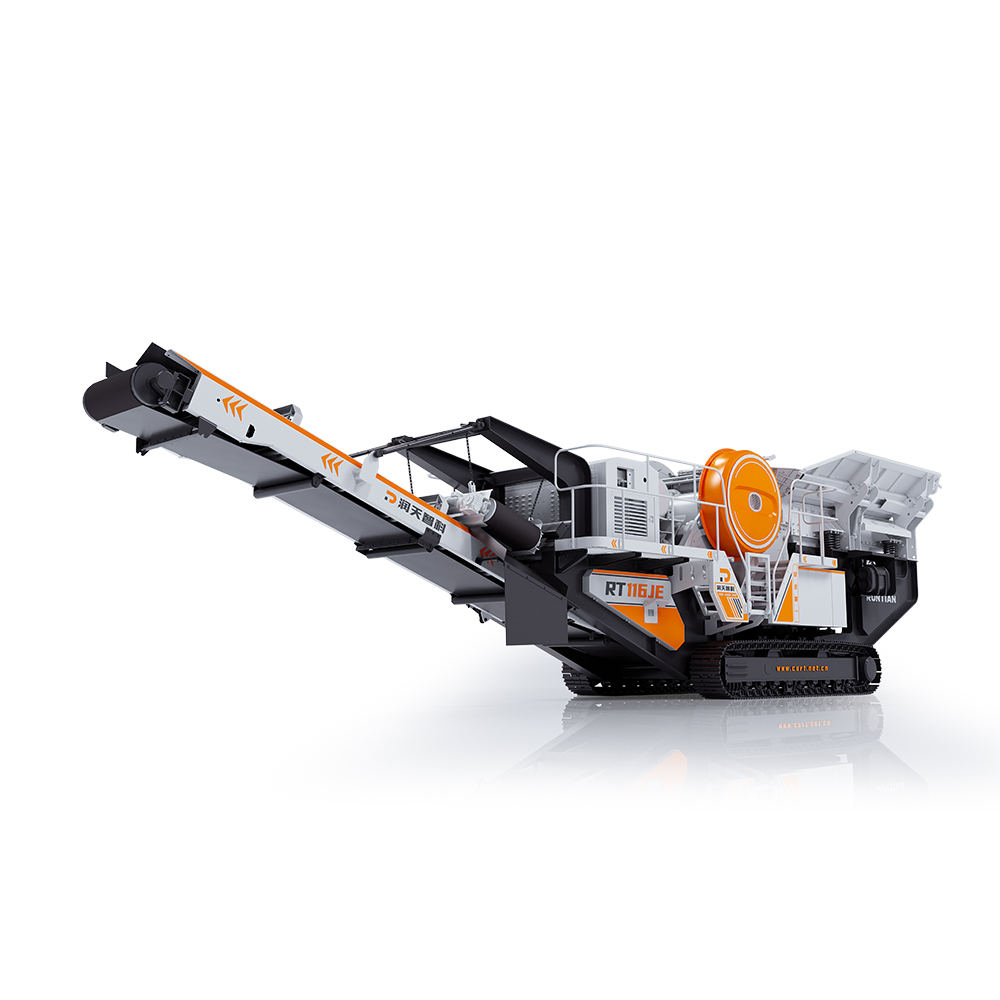 RT116JE Crawler Mobile Jaw Crushing Plant
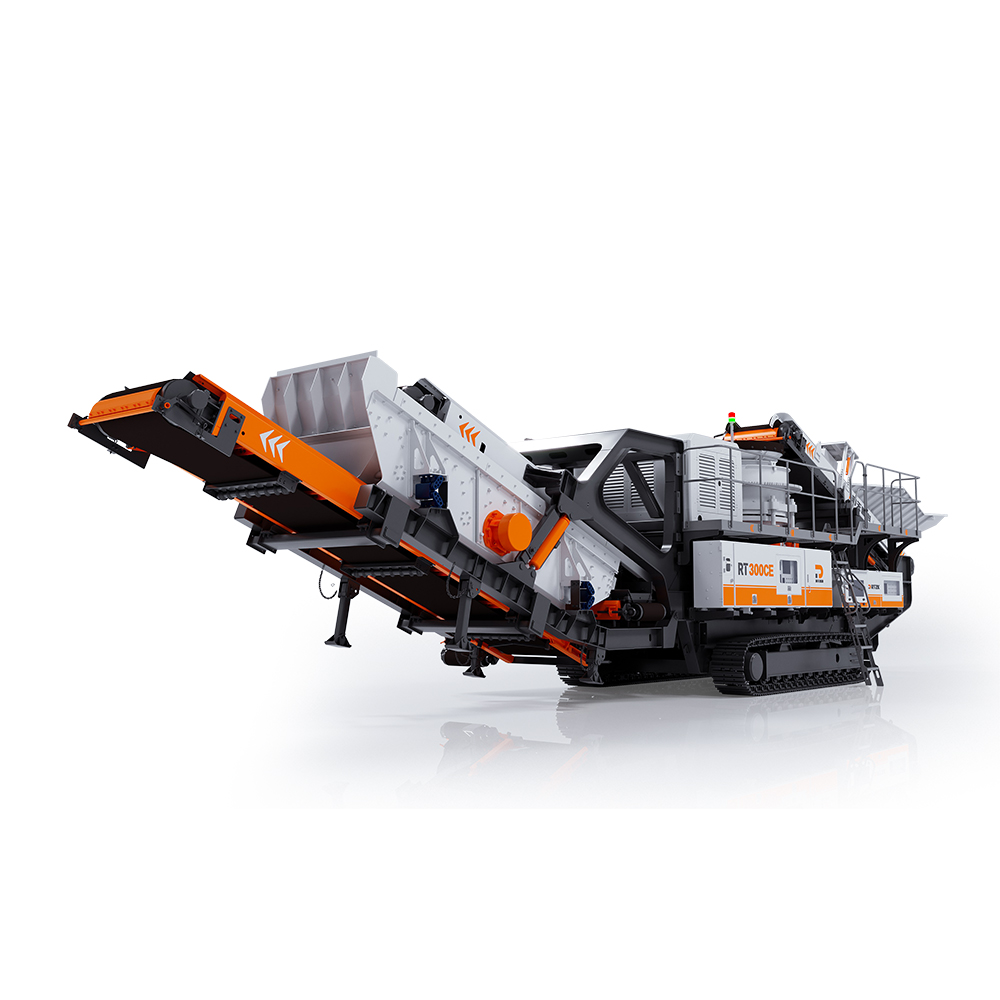 RT300CE Crawler Mobile Cone Crushing Plant
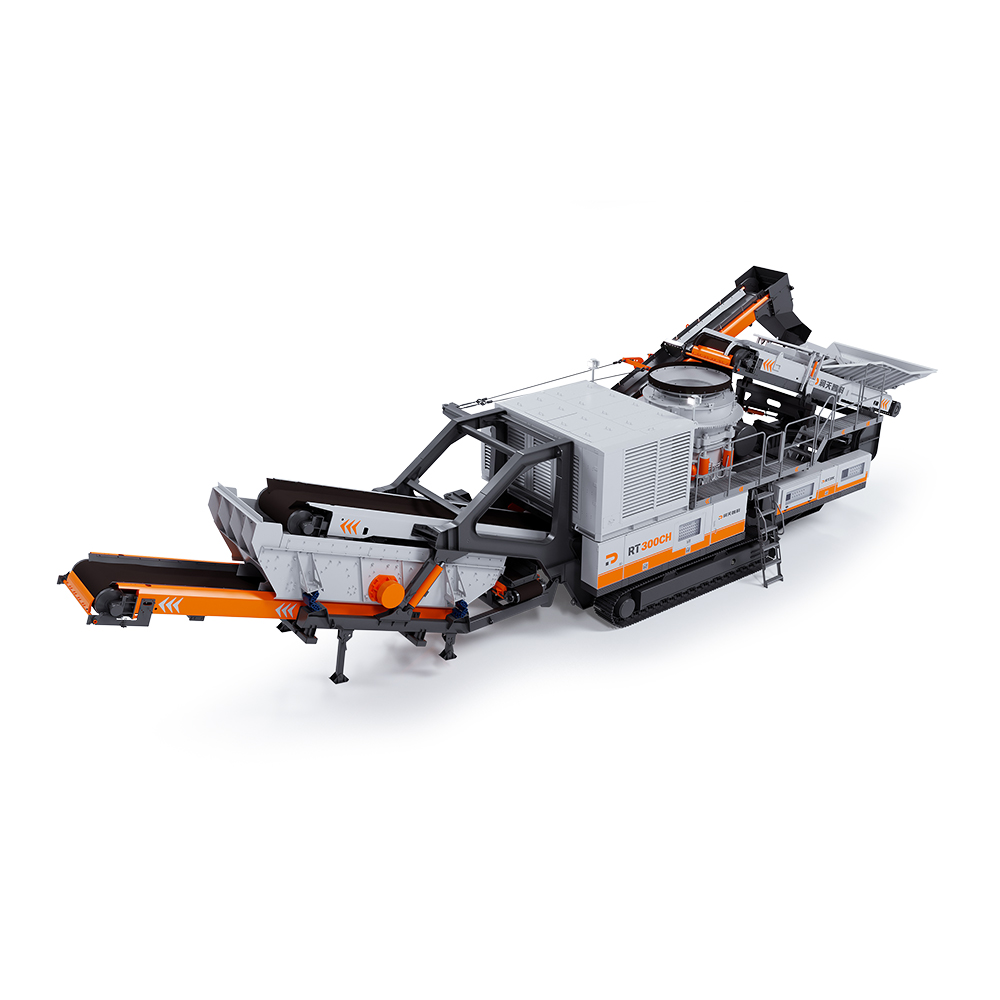 RT300CH Crawler Mobile Cone Crushing Plant
 RT5015H Mobile Scalping Screen
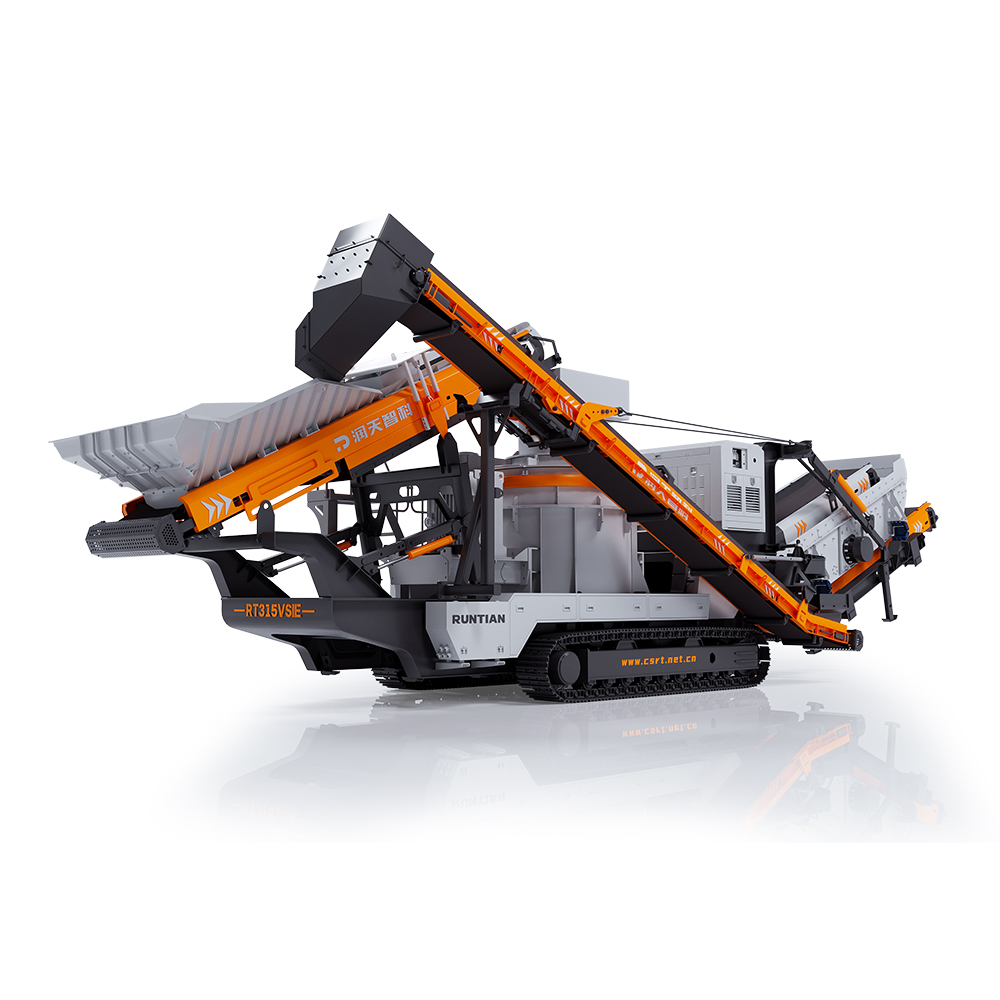 RT315VSIE Crawler Mobile Sand Maker
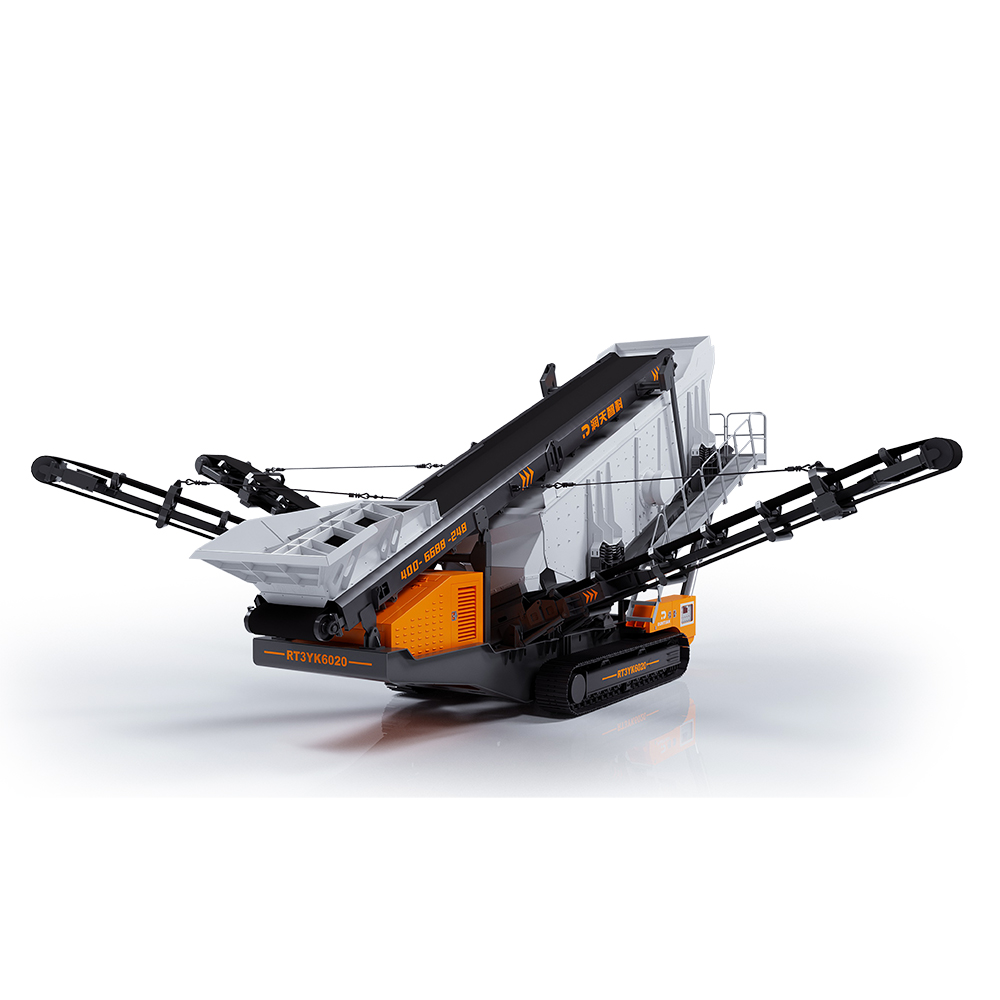 RT3YK6020 Crawler Mobile Screening Plant
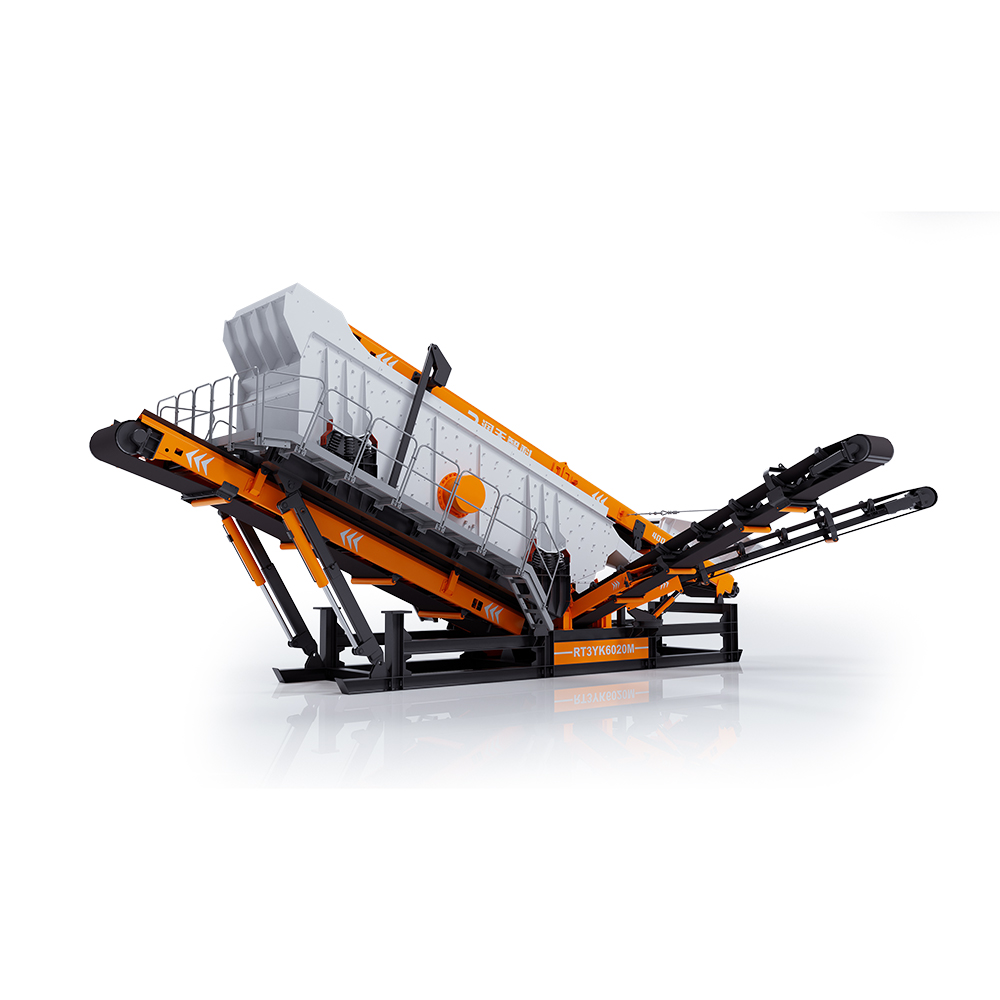 RT3YK6020M Modular Screening Plant
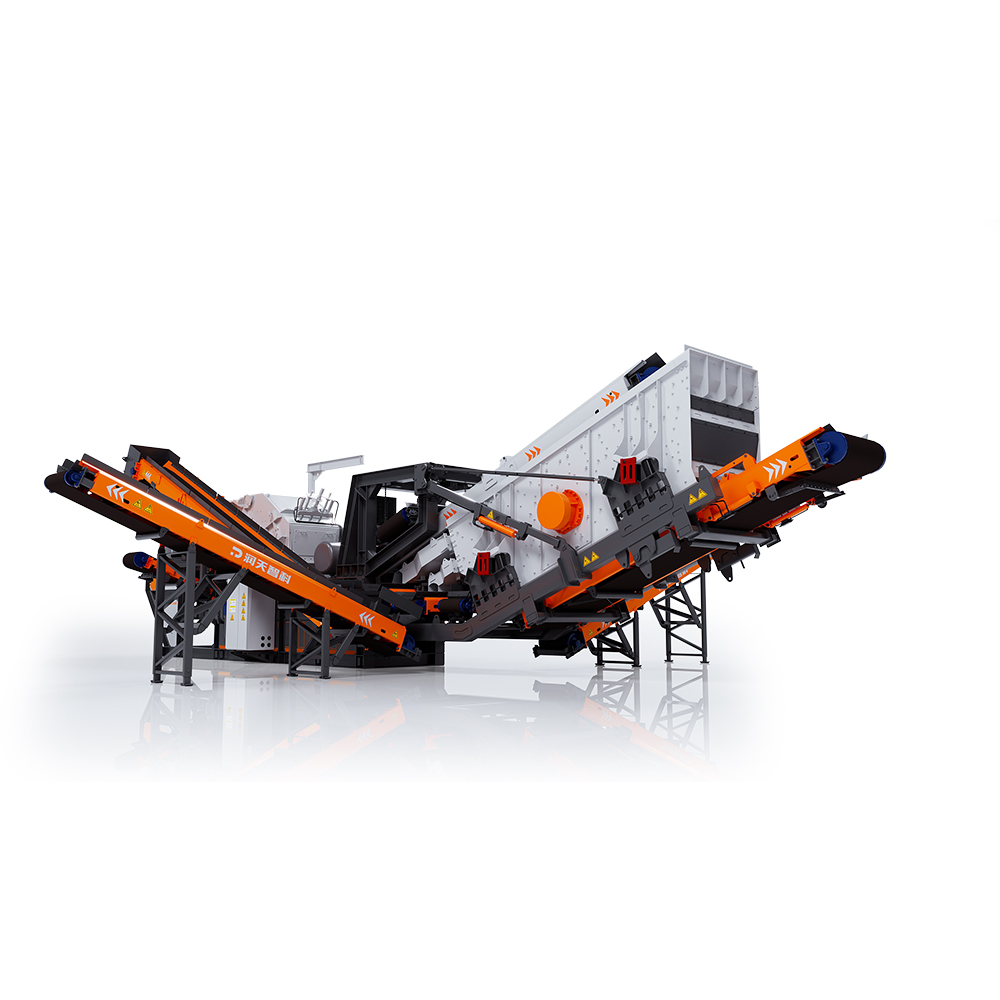 RTF260M Modular Counterattack Crushing and Screening Integrated Machine
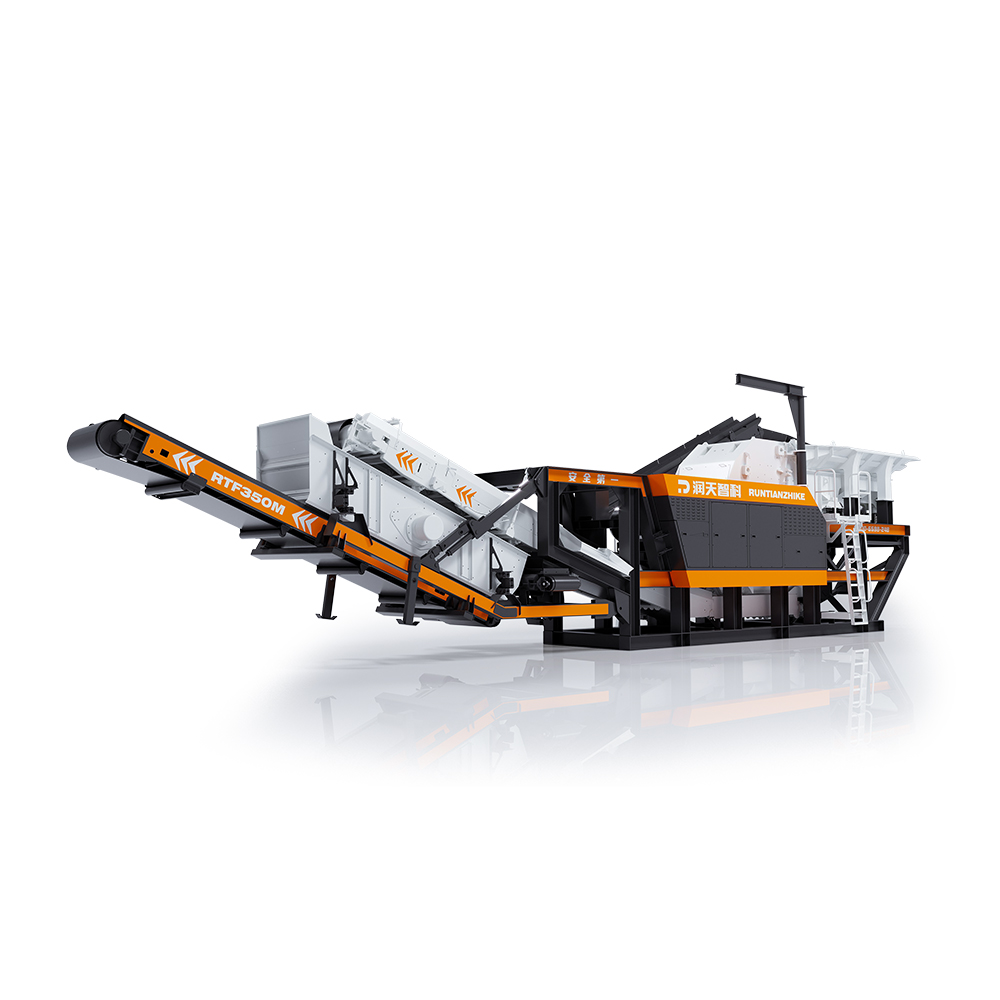 RTF350M Modular Impact Crushing Plant
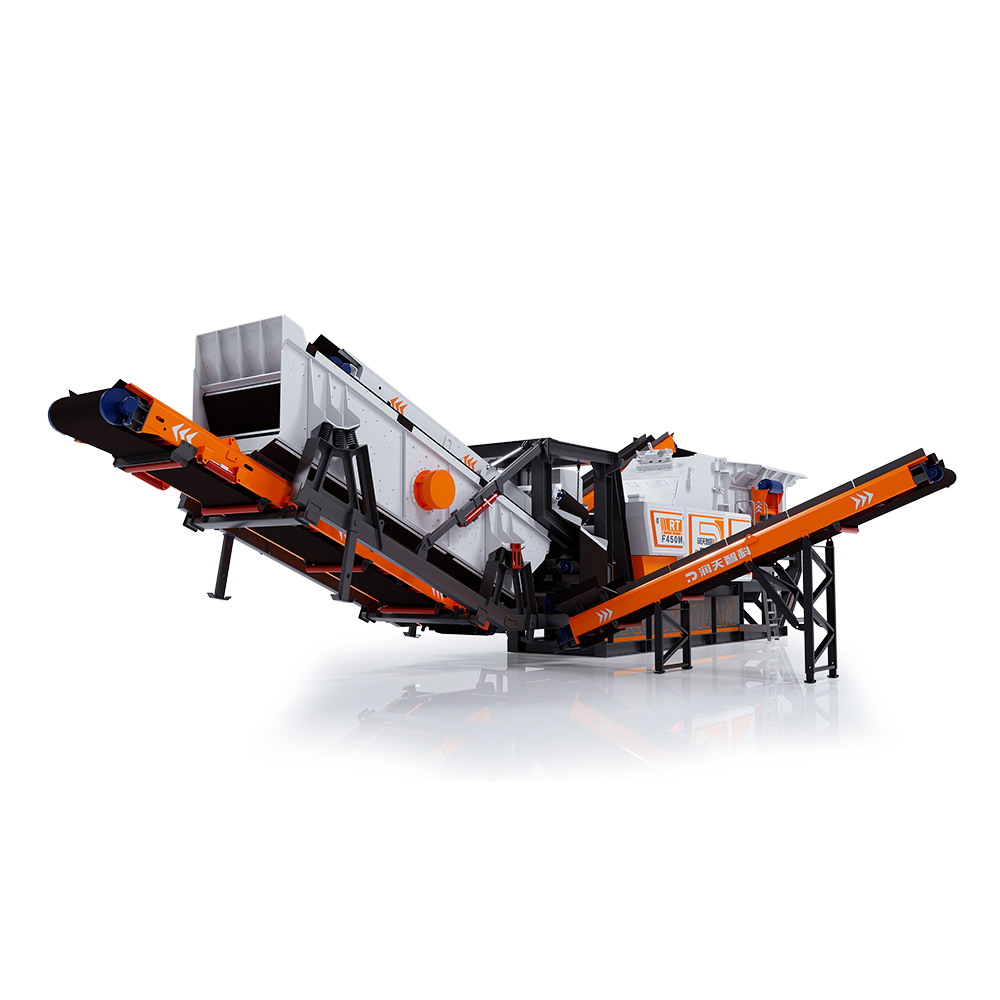 RTF450M Modular Impact Crushing Plant
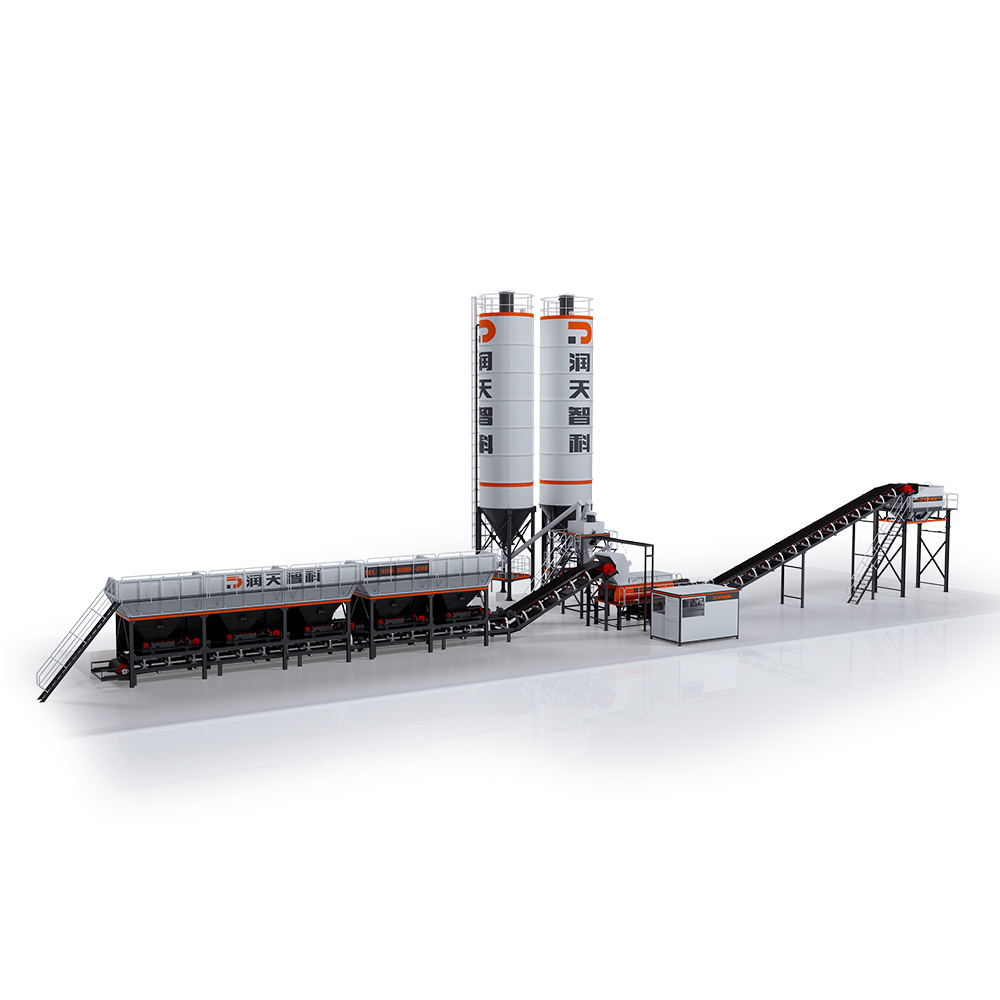 WDB Series Foundation-Free Stability Soil Mixing Plant
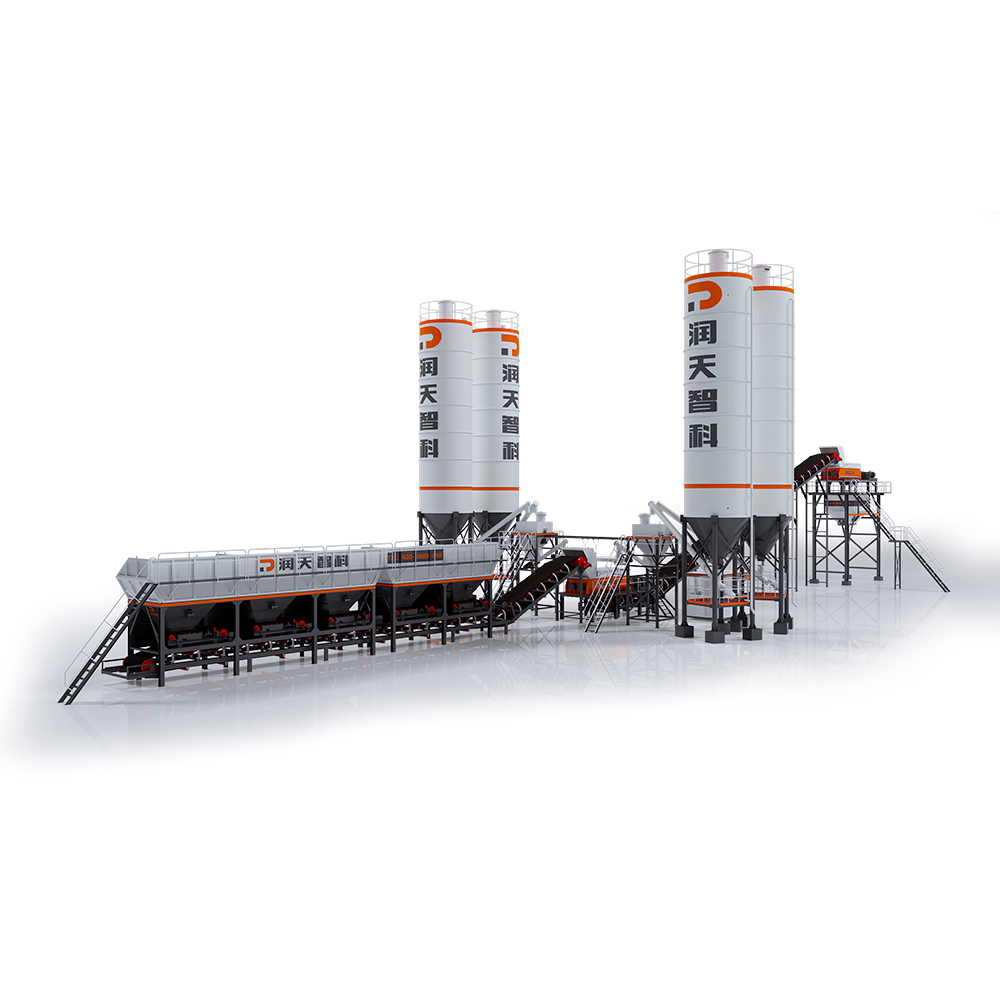 LCB Series Emulsified Asphalt Cold Regeneration Secondary Mixing Plant
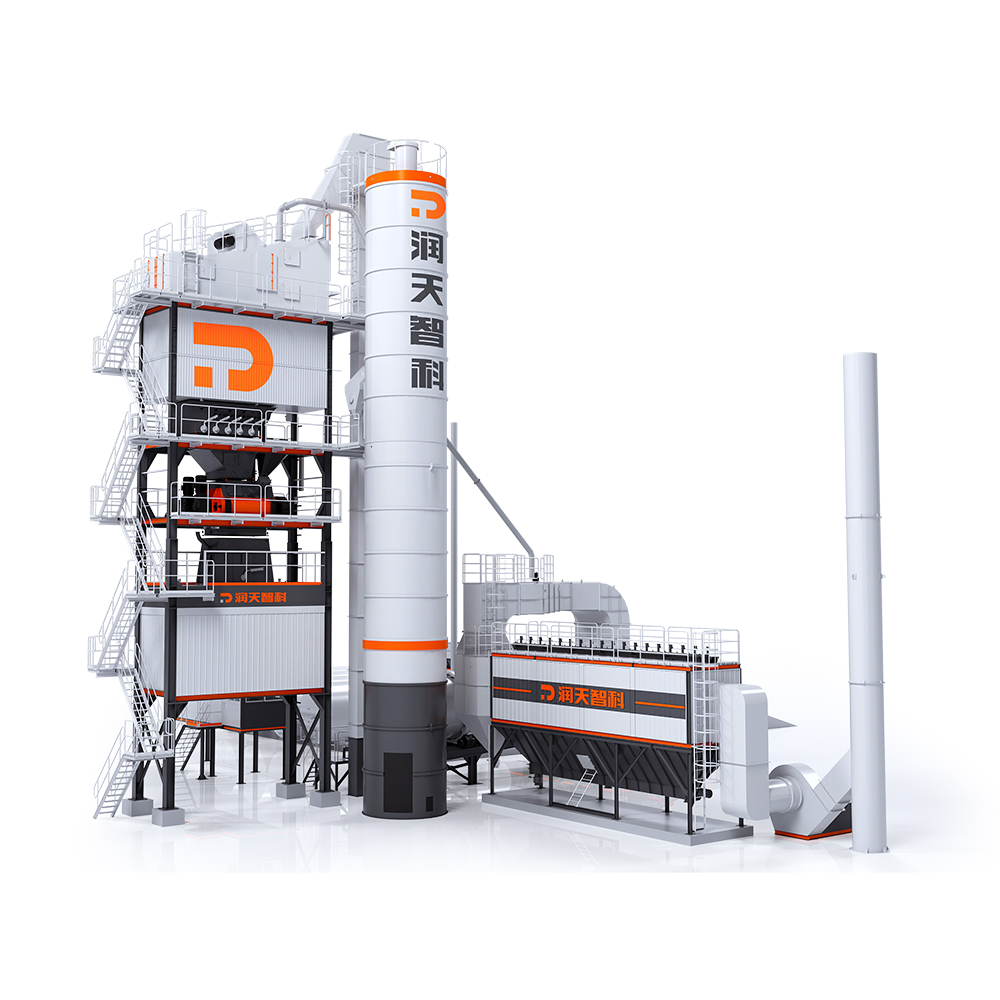 LB Series Asphalt Mixing Plant
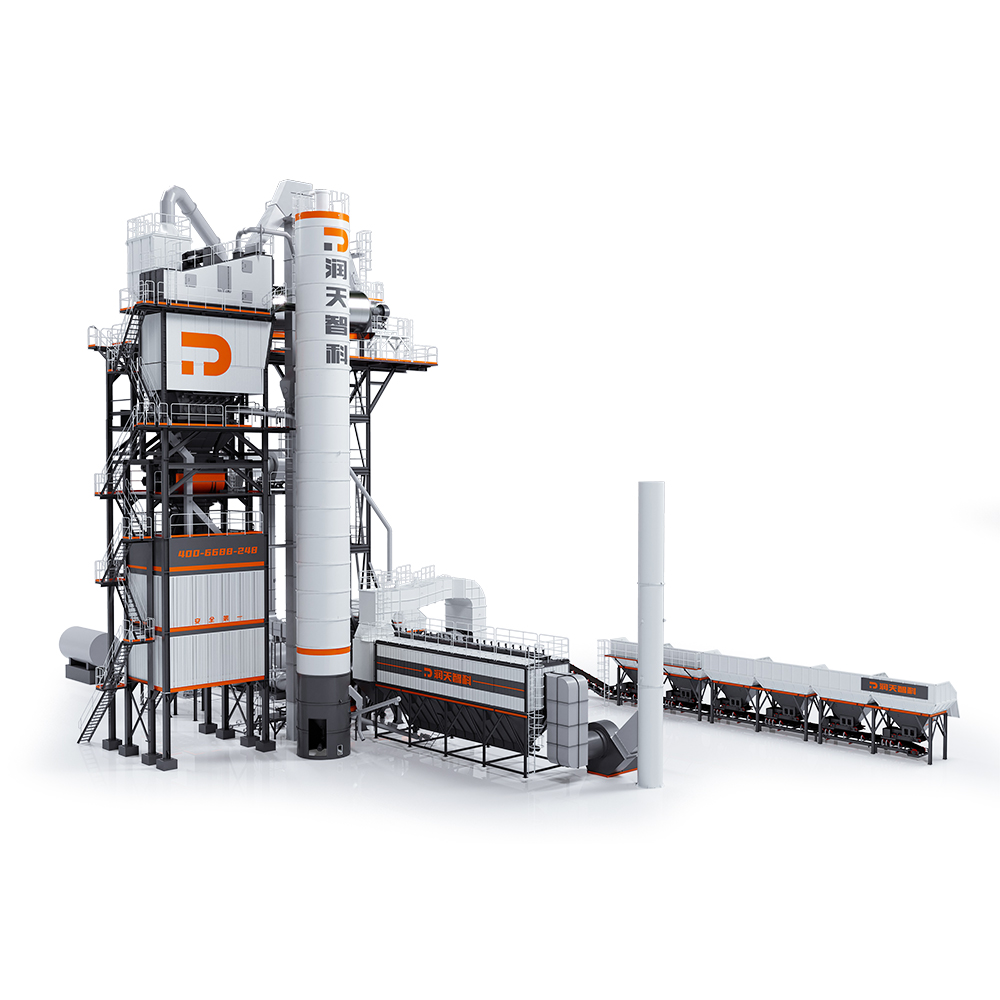 LBR Series Integrated Asphalt Mixing Plant
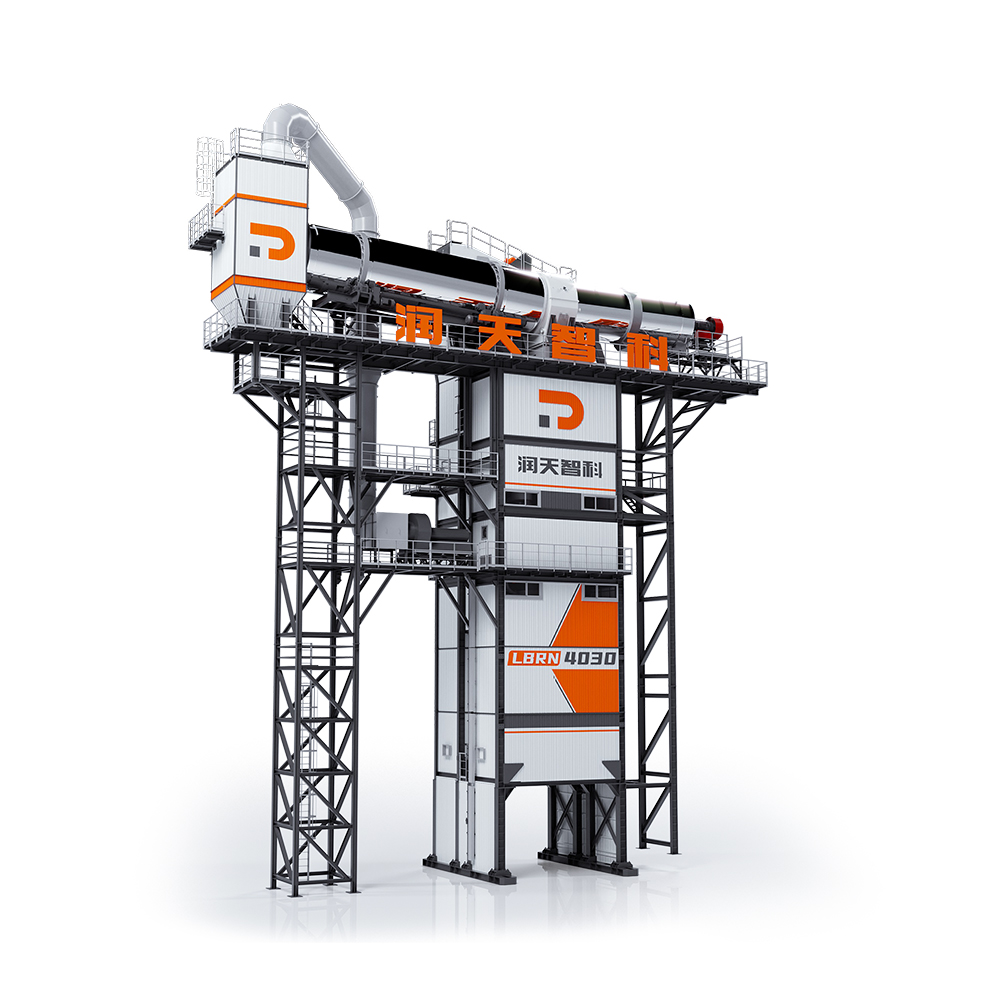 LBRN Series Counterflow Integral Asphalt Mixing Plant
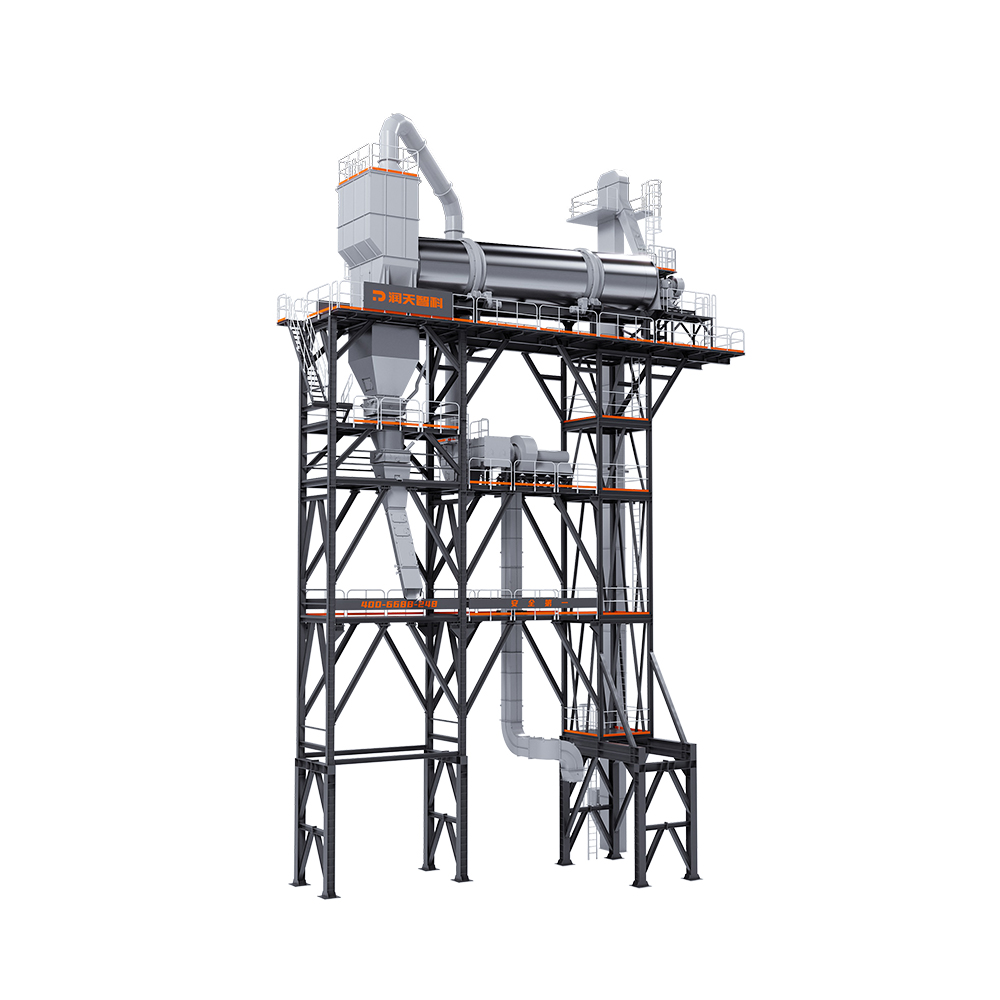 RZS Series Asphalt Mixing Plant
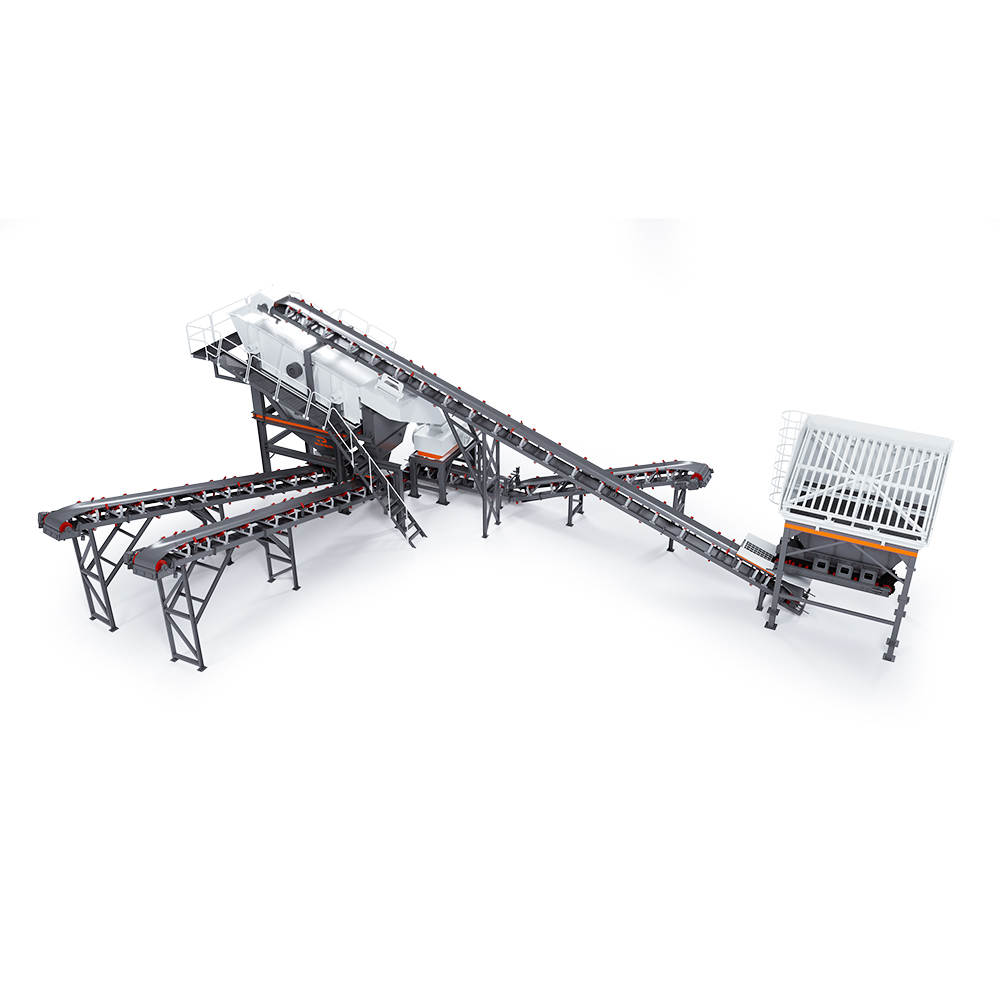 RTZS120 Series RAP Crushing & Screening Plant
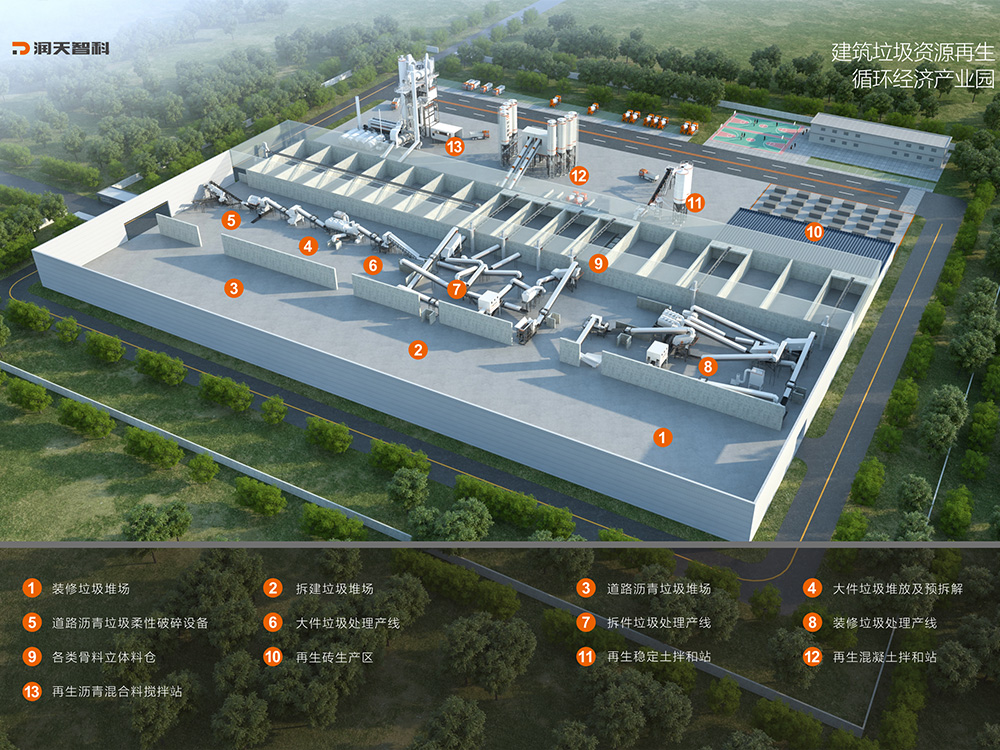 Construction Waste Resourceful Treatment Line