Best Electric Cement Mixer for Your DIY Projects?
The demand for DIY home improvement projects has surged in recent years, with over 50% of homeowners engaging in these activities. Many require efficient and reliable tools, particularly when it comes to mixing cement. An Electric Cement Mixer proves to be an invaluable asset for enthusiasts and professionals alike.
These machines are designed to simplify the mixing process. They enable users to achieve a consistent blend of materials quickly. According to industry reports, electric mixers save significant time compared to manual mixing, reducing labor hours by up to 30%. This efficiency can transform small projects into achievable tasks for anyone willing to get their hands dirty, yet not all mixers perform equally.
While many models offer great features, improper usage or low-quality equipment can lead to poor results. It’s essential to consider specific project needs carefully. Choosing the right Electric Cement Mixer can make a substantial difference in the final quality of the work. However, with so many options available, selecting the best one can seem daunting.
Best Electric Cement Mixer: Key Features and Specifications
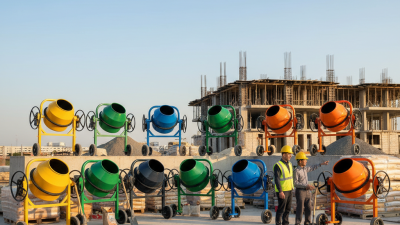
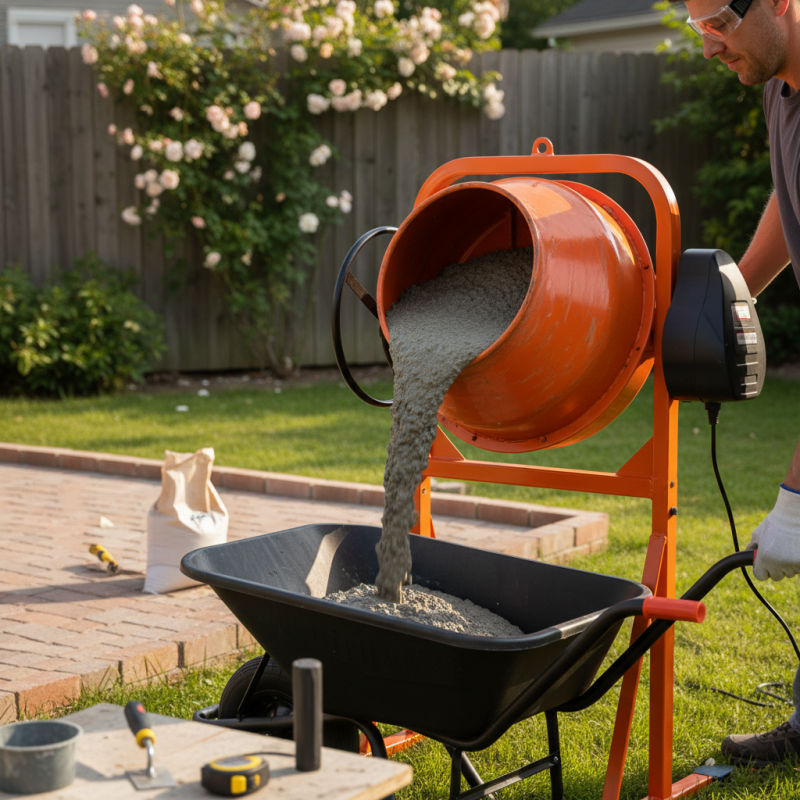
When selecting the best electric cement mixer for DIY projects, key features matter. Look for a robust motor. A powerful motor ensures thorough mixing. Check the drum size as well. Larger drums can handle bigger batches, but they may be cumbersome. A 5 to 7 cubic feet drum is usually sufficient for most home projects.
Portability is also essential. Some mixers are lighter, making them easier to move around. Others might have wheels for better mobility. Don’t forget to consider the mixing speed options. Multiple speeds allow for more control over the consistency of your mix. However, the ease of operation should not be overlooked. Look for models with straightforward controls. Complicated settings can lead to errors during mixing.
Lastly, think about cleanup. Some mixers have removable drums. This feature can save you time and effort. Reflect on maintenance as well; bypassing this could lead to issues later. While powerful mixers promise efficiency, they may not always guarantee durability. Consider if your project scale justifies the investment. Making informed choices can lead to a successful DIY experience.
Best Electric Cement Mixer for Your DIY Projects
| Model |
Mixing Capacity |
Motor Power |
Weight |
Dimensions |
Features |
| Cement Mixer A |
6 cu ft |
1/2 HP |
100 lbs |
27 x 34 x 20 in |
Portable, Adjustable Height, Durable |
| Cement Mixer B |
4.5 cu ft |
1 HP |
90 lbs |
29 x 30 x 31 in |
Compact Design, Easy to Assemble, Versatile |
| Cement Mixer C |
8 cu ft |
1.5 HP |
120 lbs |
30 x 40 x 36 in |
High Capacity, Heavy Duty, Noise Reduction |
| Cement Mixer D |
5 cu ft |
3/4 HP |
85 lbs |
24 x 28 x 21 in |
User-Friendly, Lightweight, Cost-effective |
Top Brands in Electric Cement Mixers: A Comparative Analysis
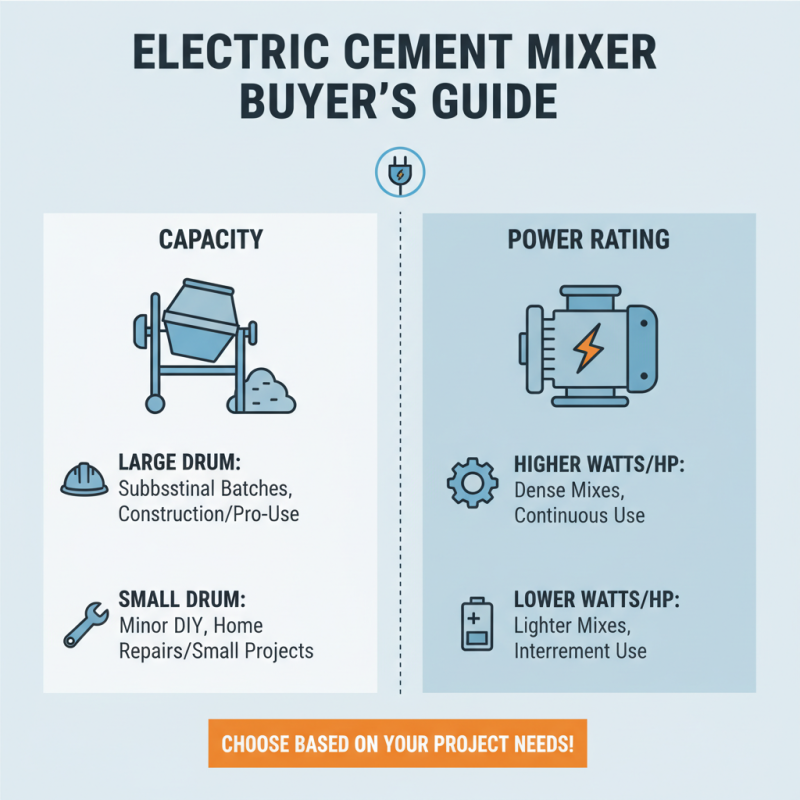
When selecting an electric cement mixer, understanding the features is crucial. Different models come with various capacities and power ratings. Some mixers feature large drums, which can handle substantial batches of cement. Others offer smaller sizes, suitable for minor DIY tasks. Choosing the right one depends on your specific needs.
Brand comparisons reveal unique strengths and weaknesses. Some mixers operate quietly, while others might be louder during use. Ease of mobility is another important factor. A well-designed mixer should have wheels for smooth movement around your workspace. Additionally, look for models with easy assembly and maintenance. These details can make or break your project experience.
Performance also varies among electric mixers. Some may struggle with thicker mixtures. Regular malfunctions can hinder progress, leading to frustration. It’s important to read reviews before purchasing. Consider what past users say about durability and reliability. Such insights can help prevent costly mistakes.
Performance Metrics: Power, Speed, and Mixing Capacity Explained
When selecting the best electric cement mixer for your DIY projects, performance metrics are crucial. Power, speed, and mixing capacity define how efficiently a mixer will work. A higher wattage means more torque, translating into quicker mixes. For small to medium projects, a 1,200 to 1,500-watt mixer is often sufficient. Larger projects may require a more powerful machine.
Speed is another critical consideration. Most mixers operate at various RPMs. This variability helps achieve the desired consistency for different materials. A lower RPM is ideal for thicker mixtures, while higher RPMs work well for lighter mixes. Watching how the mixer handles different materials during tests can unveil its capabilities or shortcomings.
Mixing capacity should fit your project size. Common capacities range from 3 to 6 cubic feet. Choosing a mixer that's too small can mean multiple batches and wasted time. Conversely, selecting one that's too large may lead to a cumbersome tool for small jobs. It's essential to reflect on your typical project size before making a decision. Sometimes, less is more. A simpler, efficient mixer may outperform a powerful one in terms of usability and cleanup. Opt for what's truly useful for you.
User Reviews and Ratings: Insights from DIY Enthusiasts and Professionals
When choosing the best electric cement mixer, user reviews can be incredibly helpful. DIY enthusiasts and professionals often share their experiences, highlighting key features. Many praise portability, ease of operation, and the ability to mix various materials. Some users report issues with durability. It's essential to consider both the positive and negative feedback.
Tips for selecting a mixer: Check for adjustable drum speed. This feature helps achieve the right consistency. Also, consider a model that is lightweight. This can make transportation easier for outdoor projects. A collapsible design may also aid storage in tight spaces.
One common reflection among users is the balance between power and weight. Some mixers are powerful but heavy to handle. Others are lightweight but struggle with larger batches. Identifying the right fit for your projects is crucial. Reviews often emphasize this aspect, as the wrong choice can lead to frustration. Mixers that can handle varying loads tend to receive higher ratings.
Maintenance Tips: Prolonging the Life of Your Electric Cement Mixer
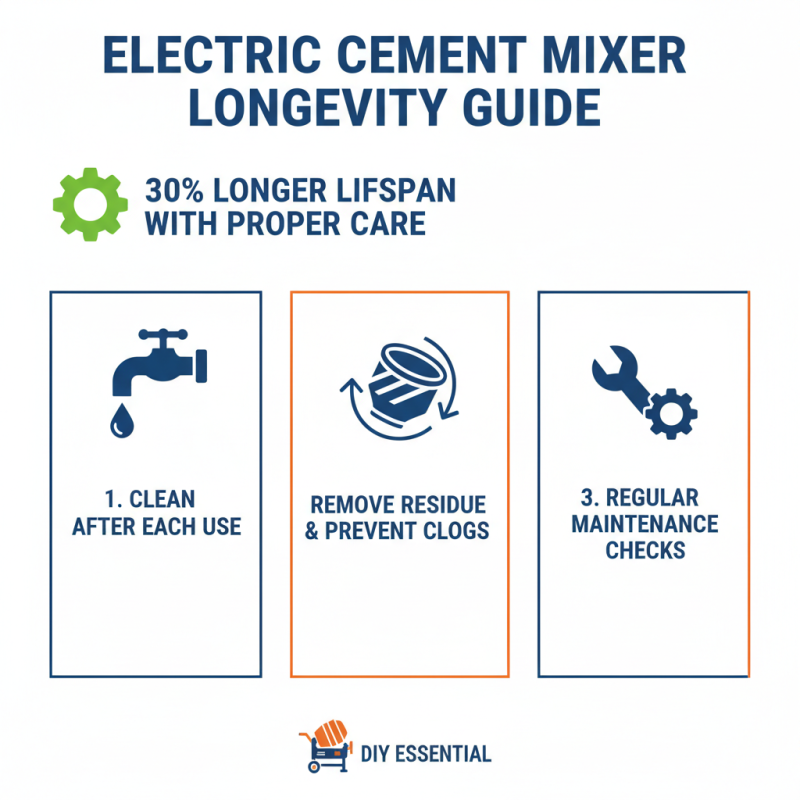
To ensure the longevity of your electric cement mixer, regular maintenance is key. According to industry reports, proper care can extend its lifespan by up to 30%. This is significant for DIY enthusiasts who rely on their equipment. Simple tasks like cleaning after each use can prevent clogs and buildup. Ensure the mixing drum is free of residue, which could impair functionality.
Tips for maintenance: Check the rubber seals often. They can wear down and cause leaks. Replace them promptly to maintain optimal performance. Additionally, lubricate moving parts every few months. This reduces friction and prevents premature wear. Ignoring these small details can lead to costly repairs later on.
Lastly, store your mixer indoors whenever possible. Exposure to the elements can cause rust and damage. Even in a shed, moisture can affect the motor. Use a cover if outdoor storage is your only option. Remember, taking these precautions can make a big difference in how well your equipment performs.

 Concrete Mixing Plant
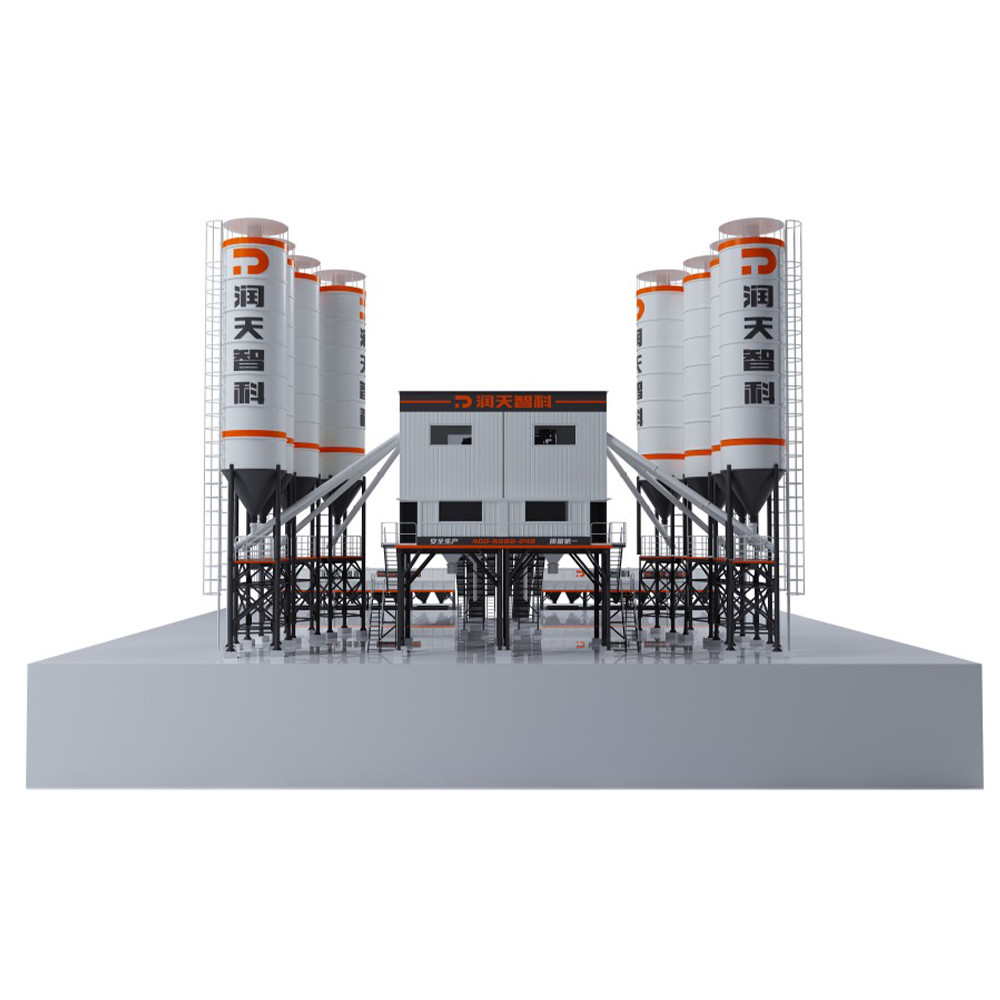 HZS Series Belt Concrete Mixing Plant
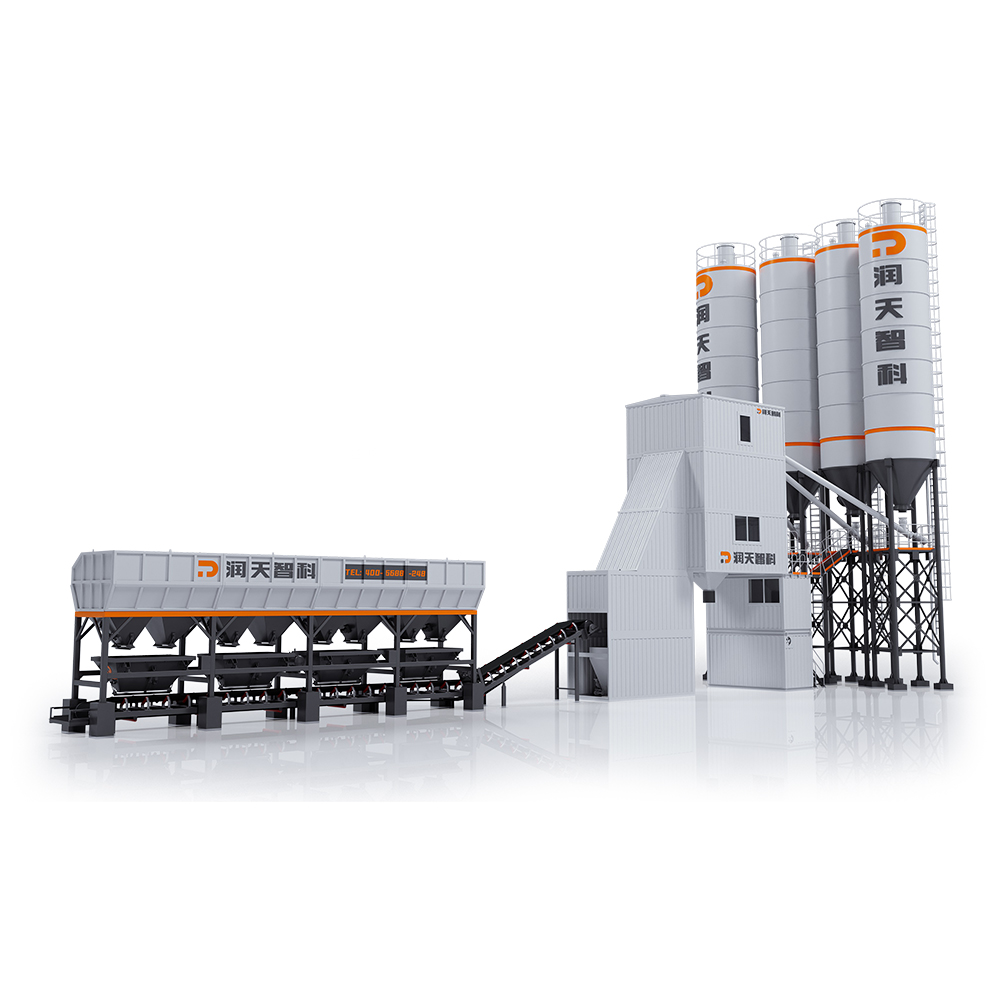 HZS Series Bucket-Lifting Type Container Concrete Mixing Plant
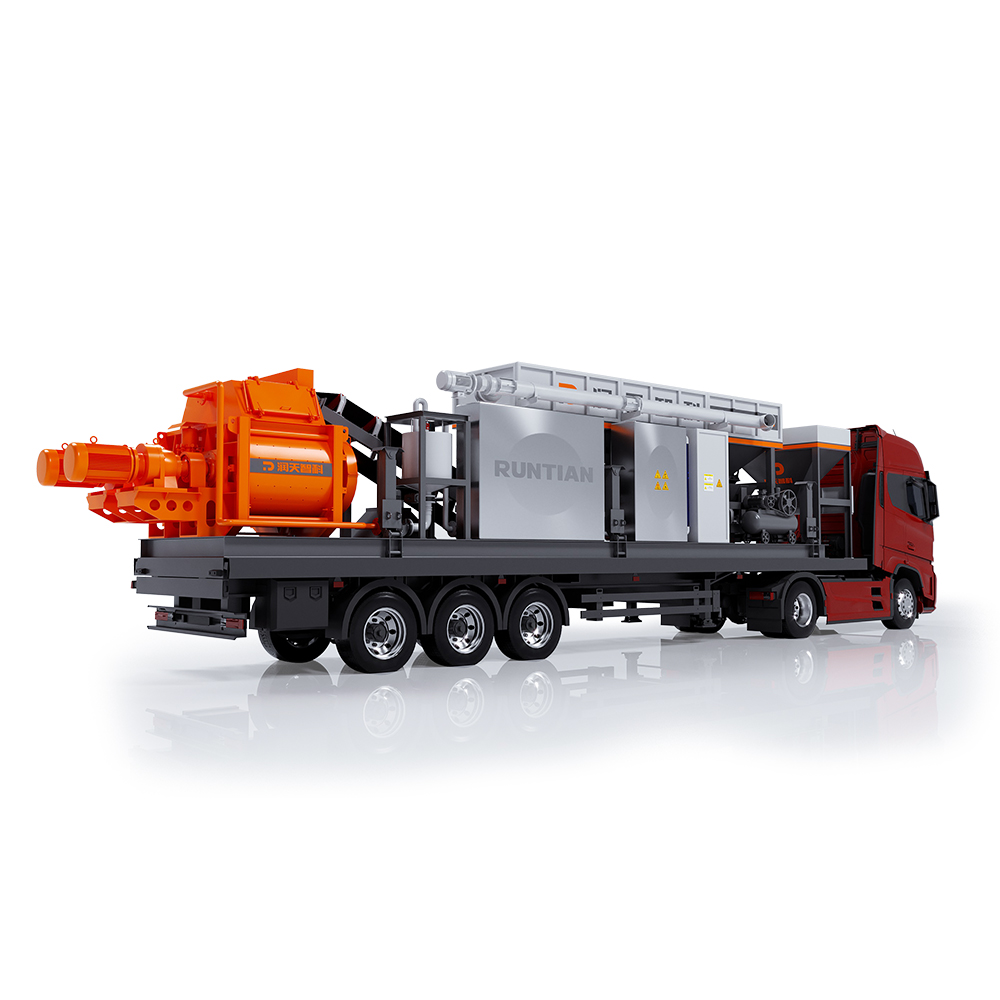 HZS60 Mobile Concrete Mixing Plant
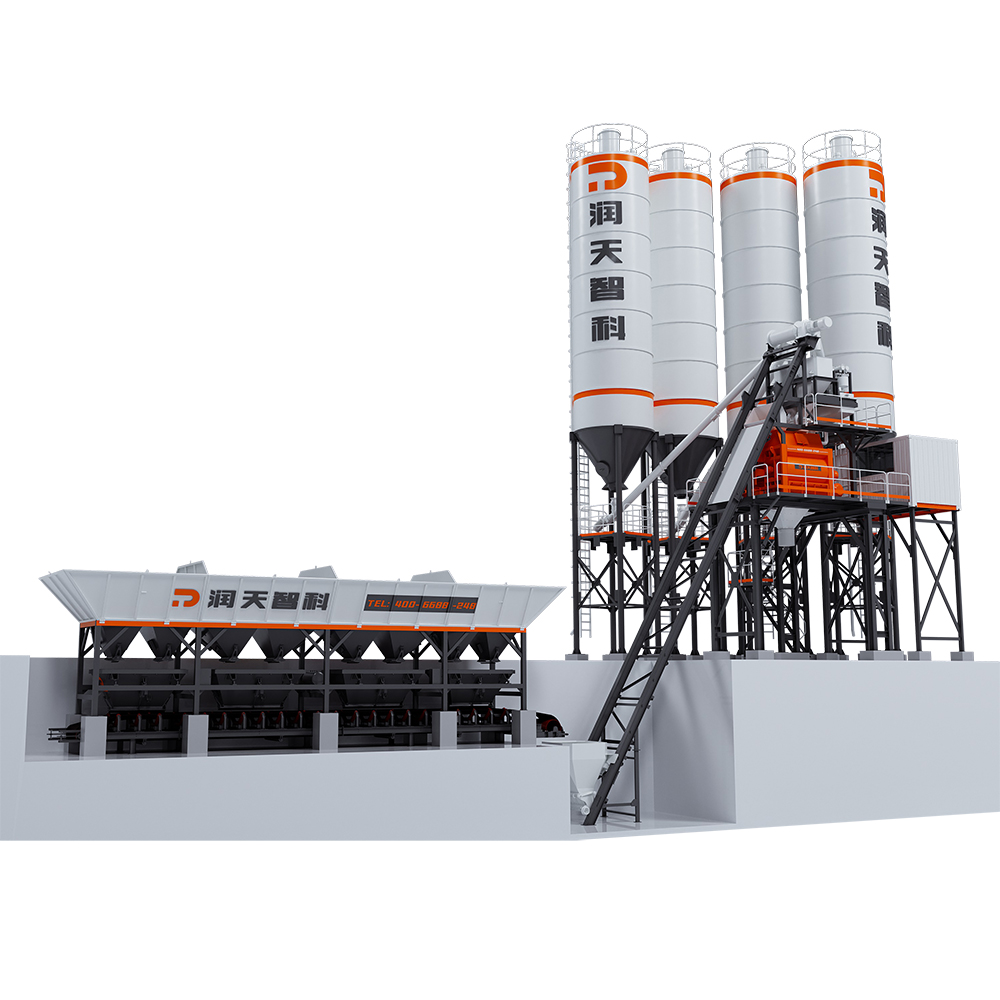 HZS Series Bucket-Lifting Type Concrete Mixing Plant
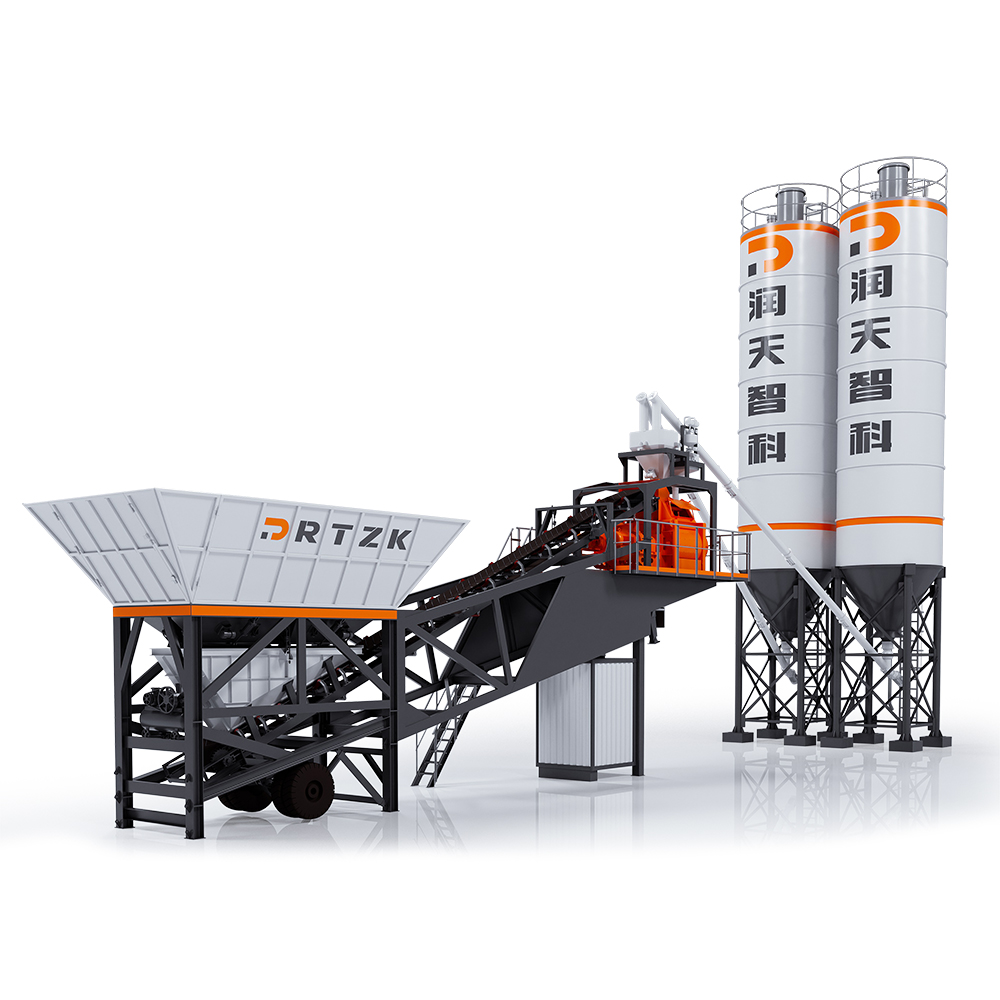 HZS Series Mobile Concrete Mixing Plant
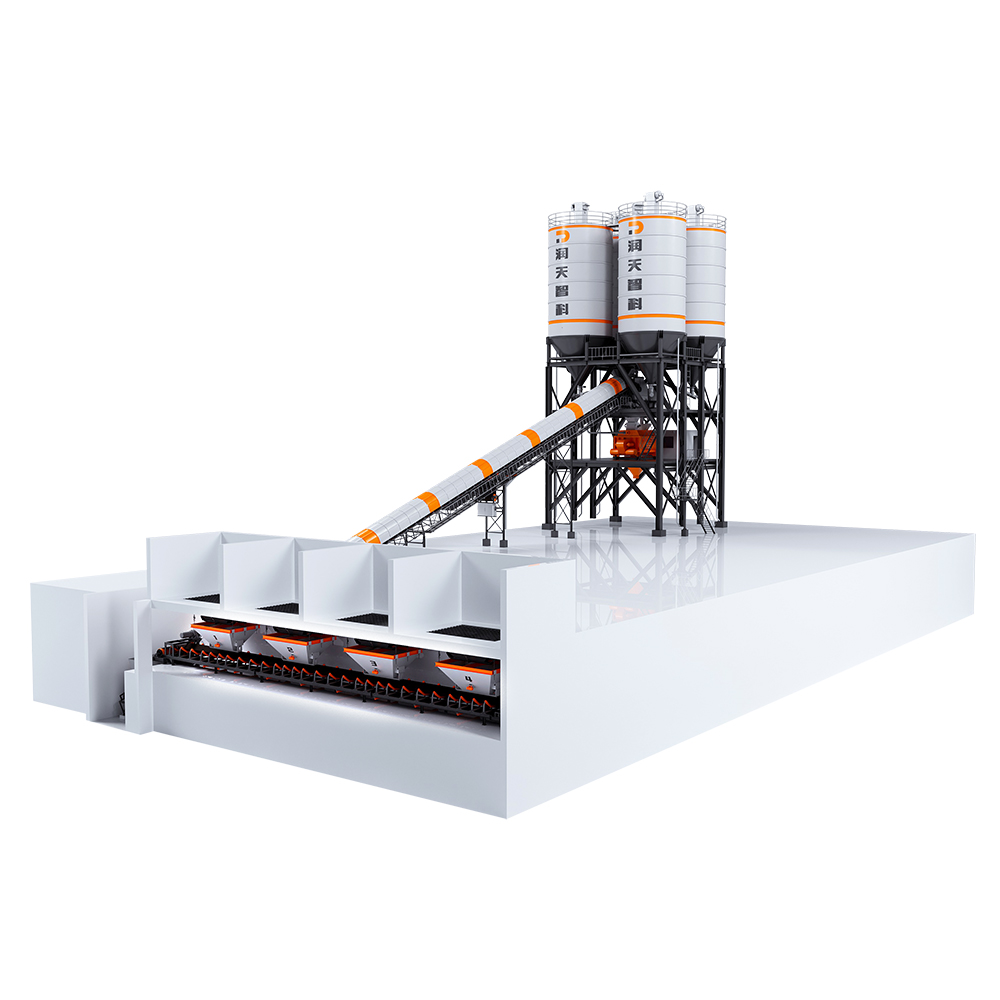 HZS Series Top-Mounted Concrete Mixing plant
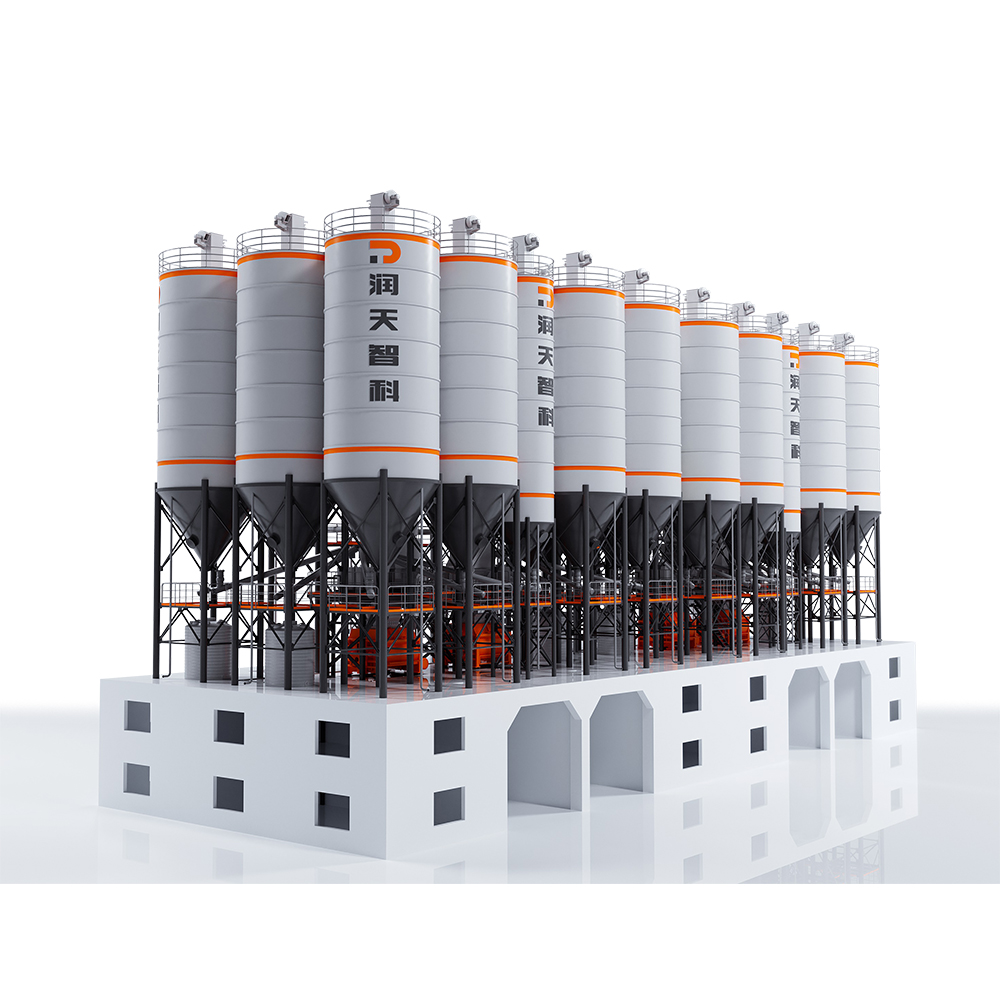 HZS Series Semi-Top Mounted Concrete Mixing Plant
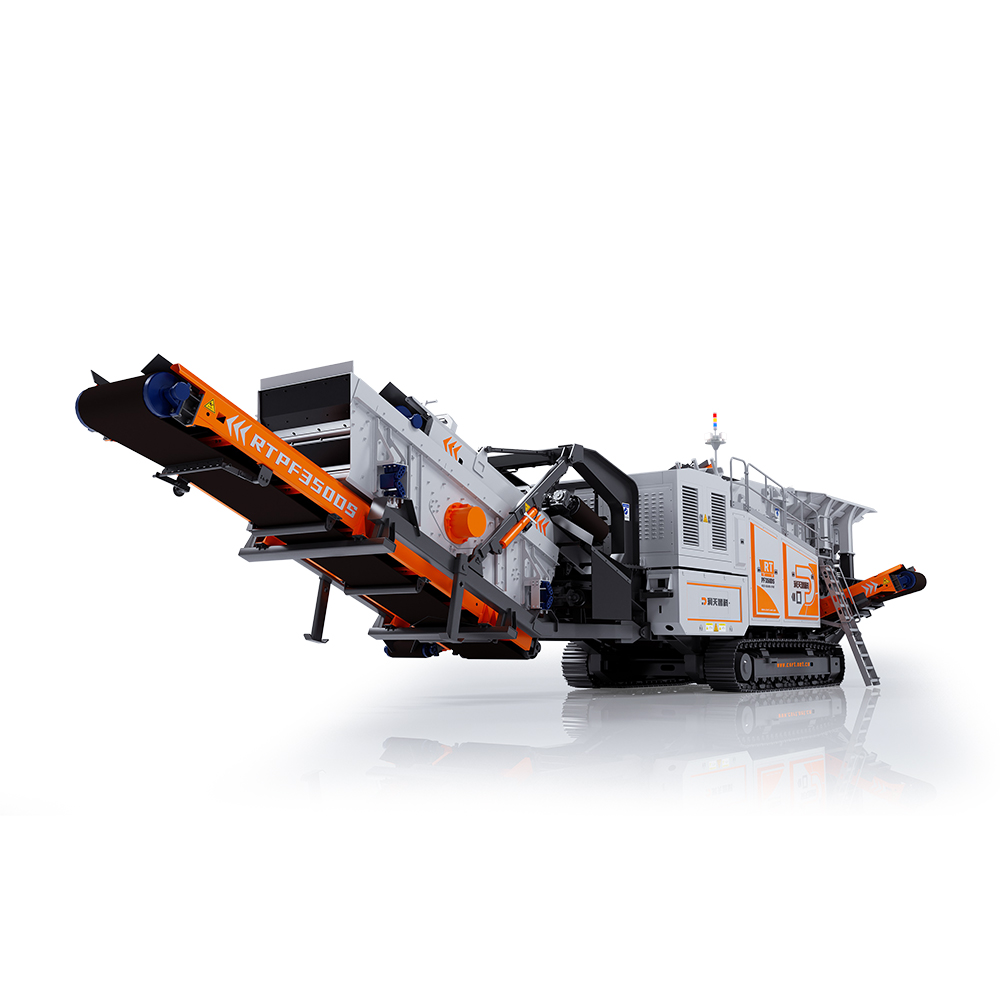 RTPF350DS Crawler Mobile Impact Crushing Plant
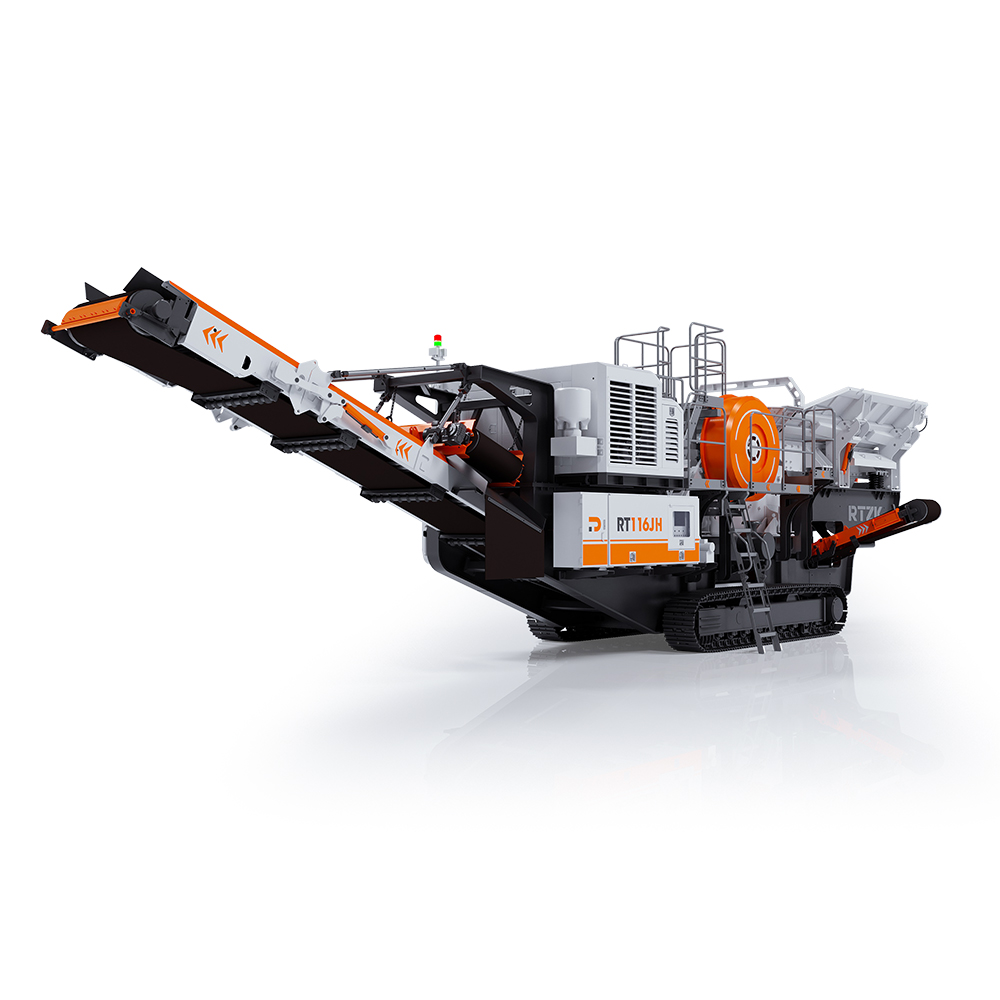 RT116JH Crawler Mobile Jaw Crushing Plant
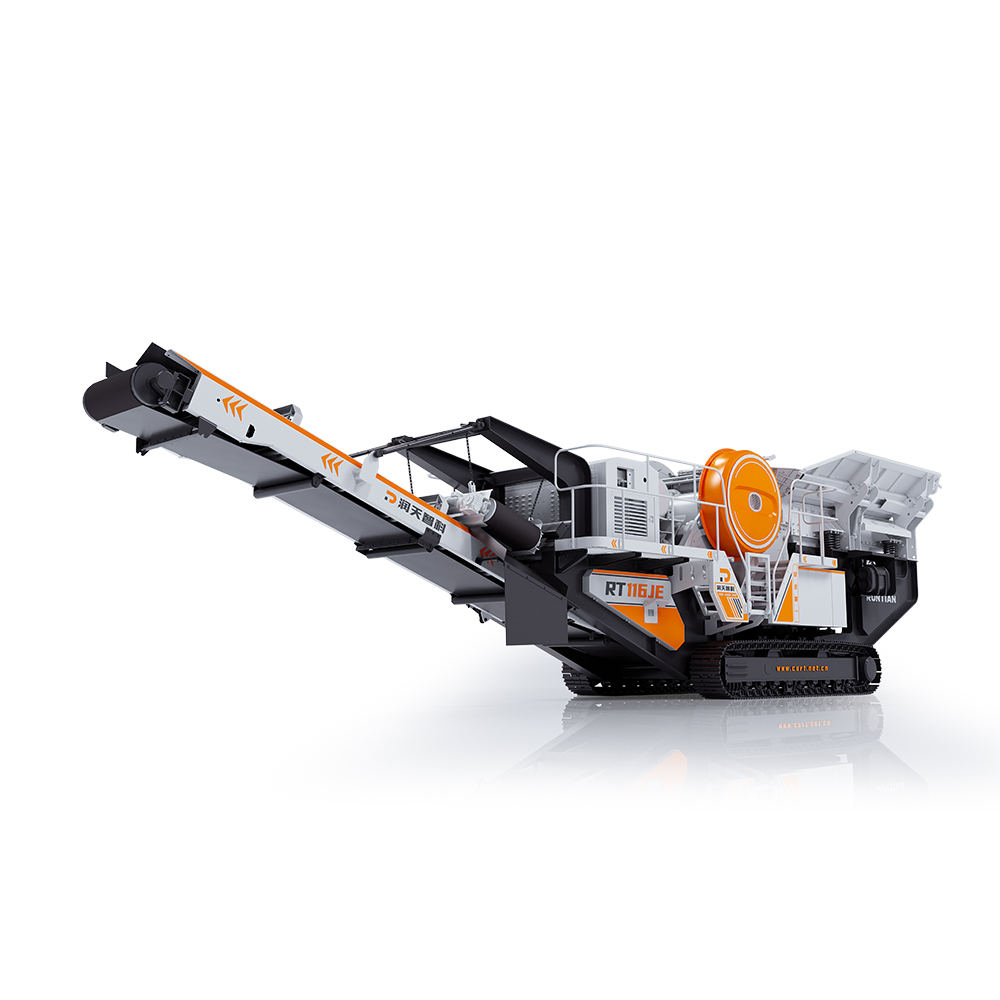 RT116JE Crawler Mobile Jaw Crushing Plant
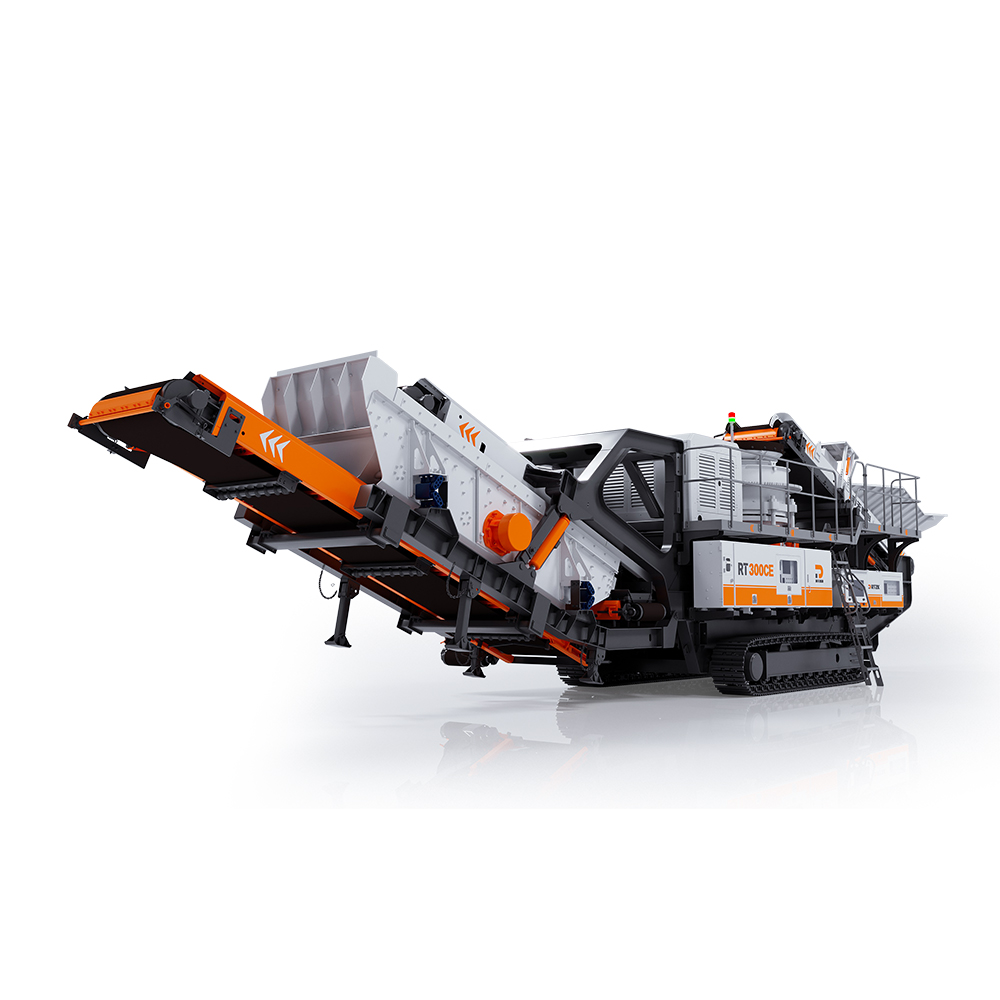 RT300CE Crawler Mobile Cone Crushing Plant
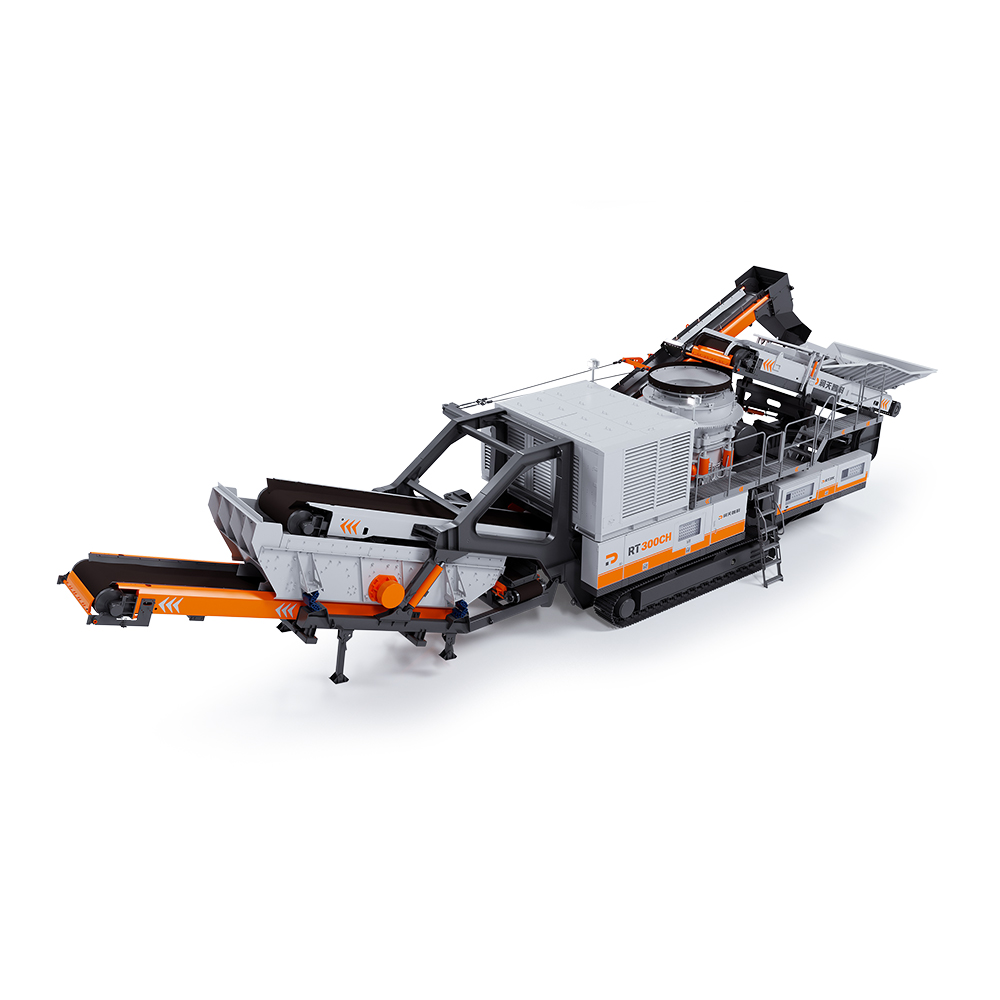 RT300CH Crawler Mobile Cone Crushing Plant
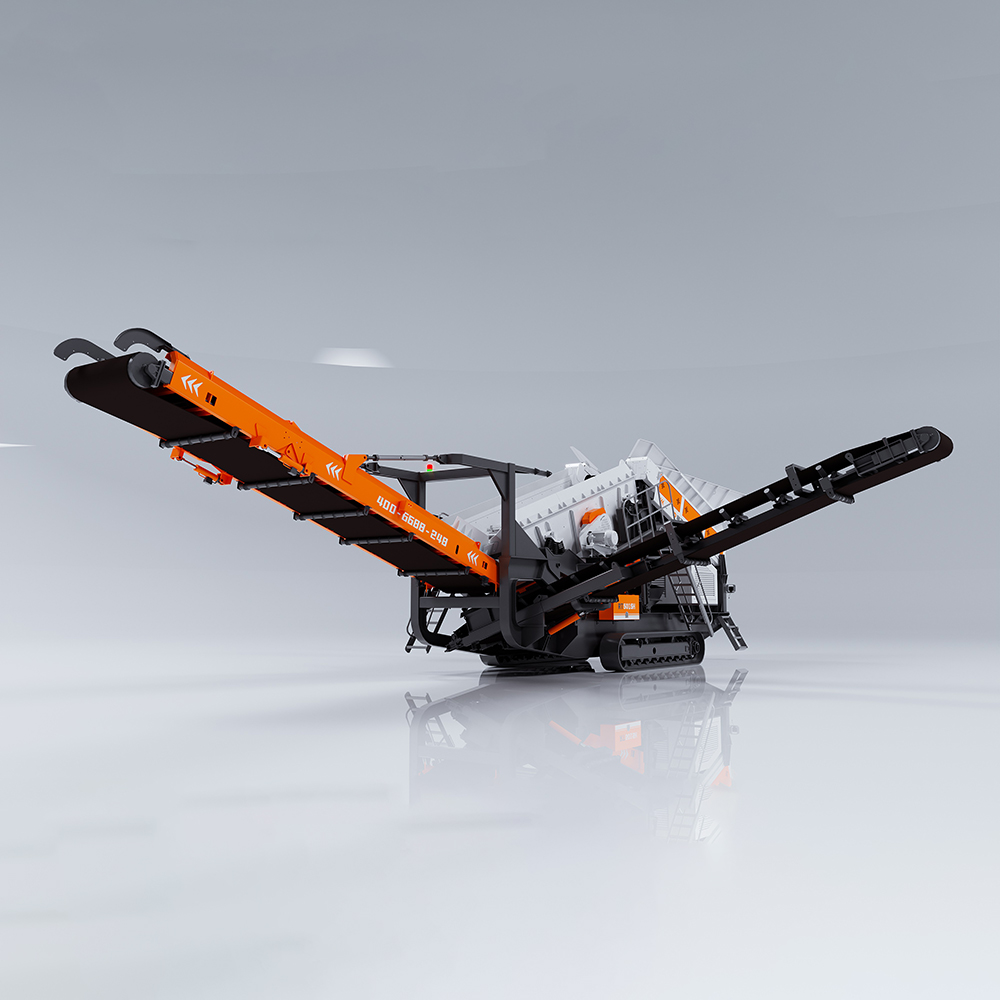 RT5015H Mobile Scalping Screen
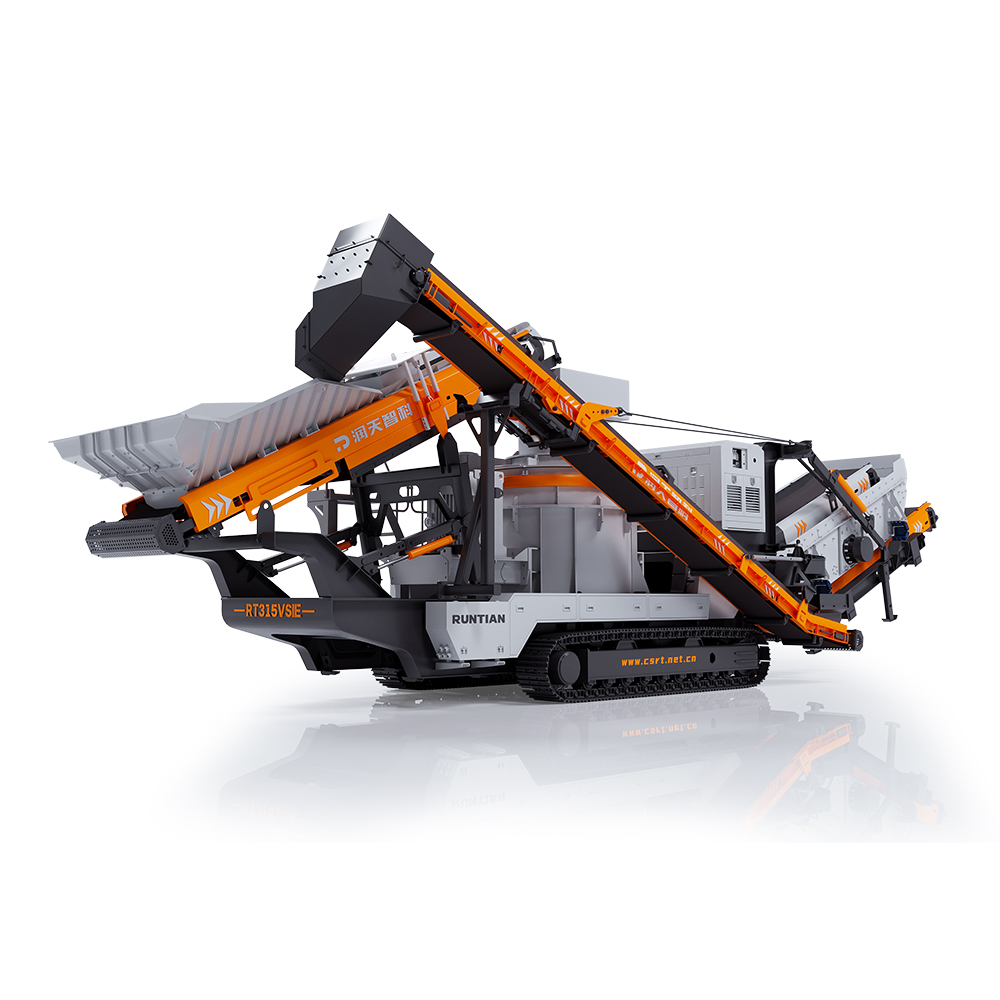 RT315VSIE Crawler Mobile Sand Maker
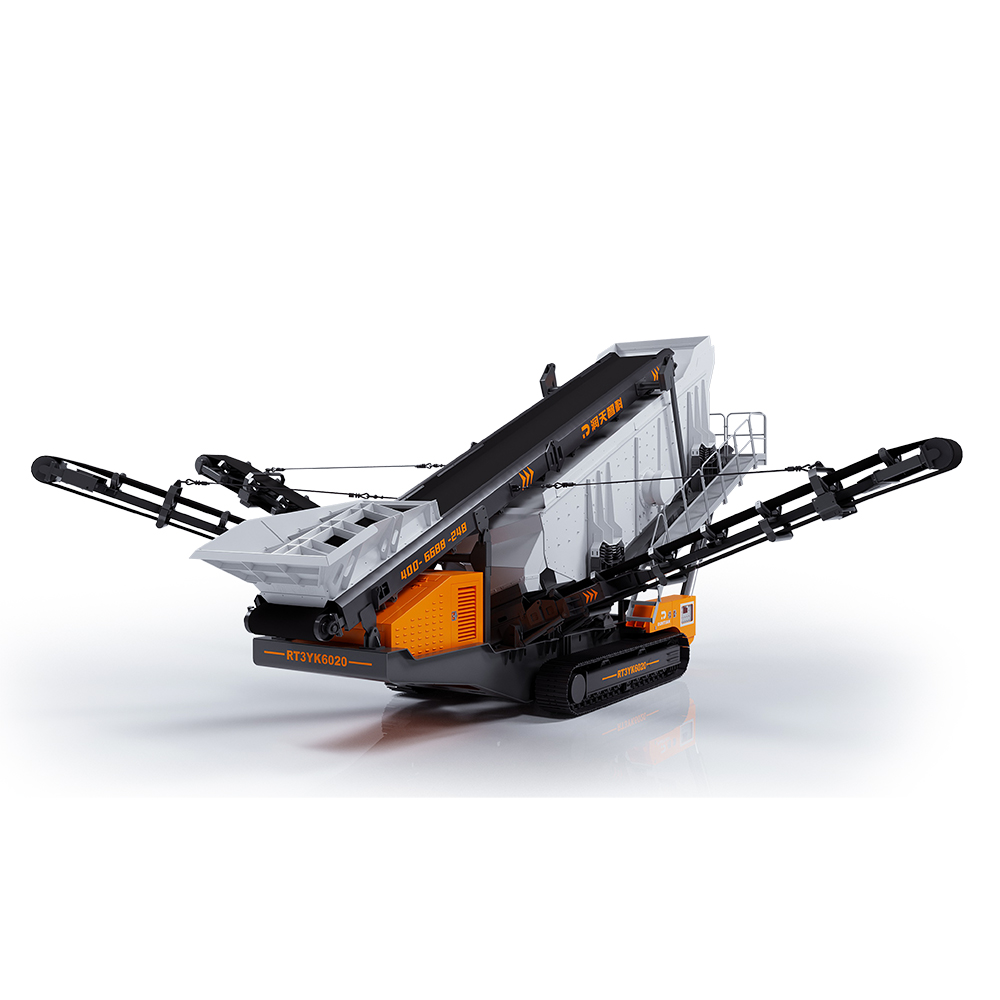 RT3YK6020 Crawler Mobile Screening Plant
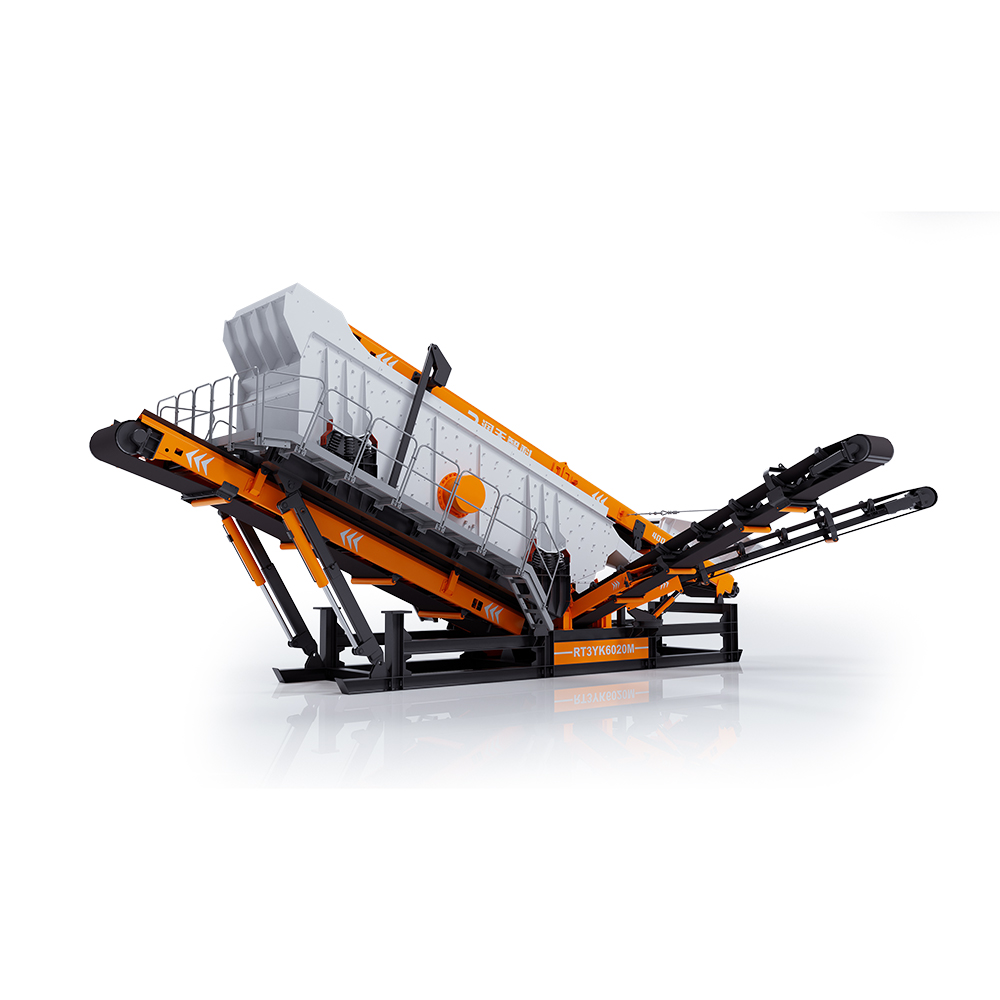 RT3YK6020M Modular Screening Plant
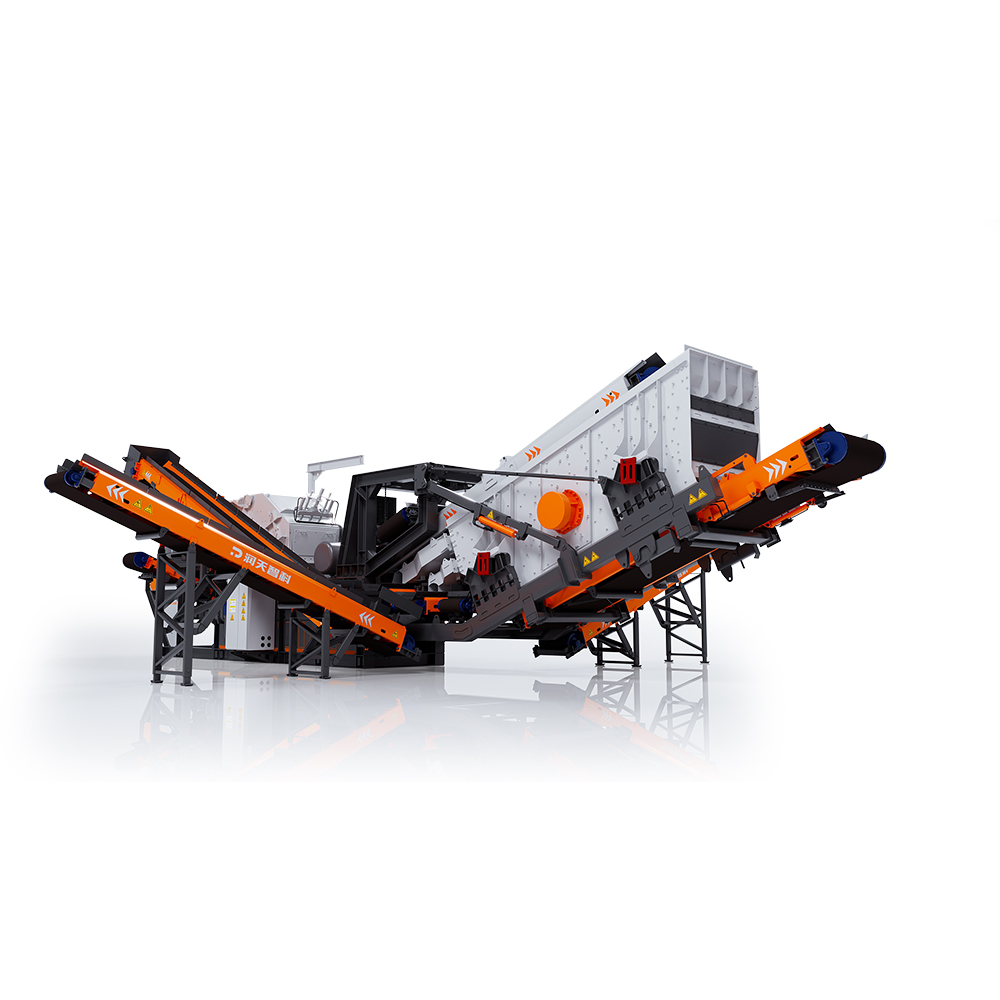 RTF260M Modular Counterattack Crushing and Screening Integrated Machine
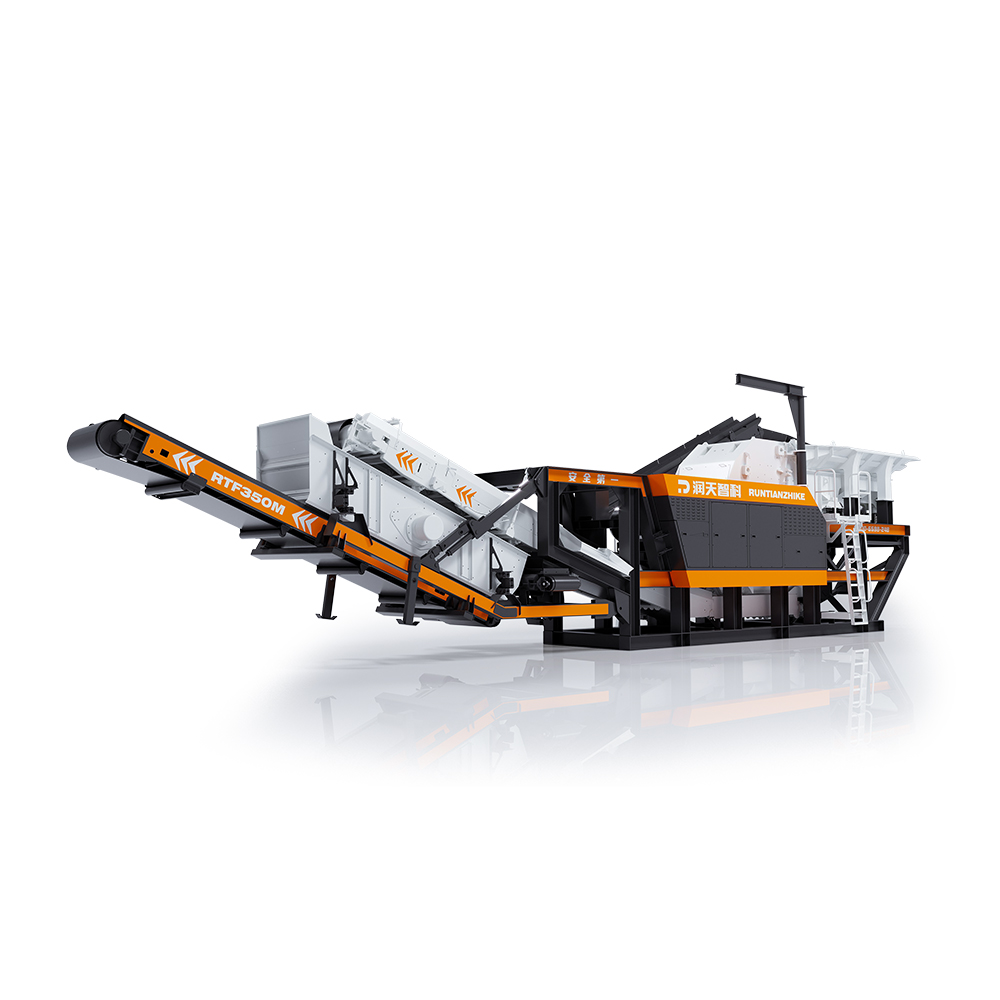 RTF350M Modular Impact Crushing Plant
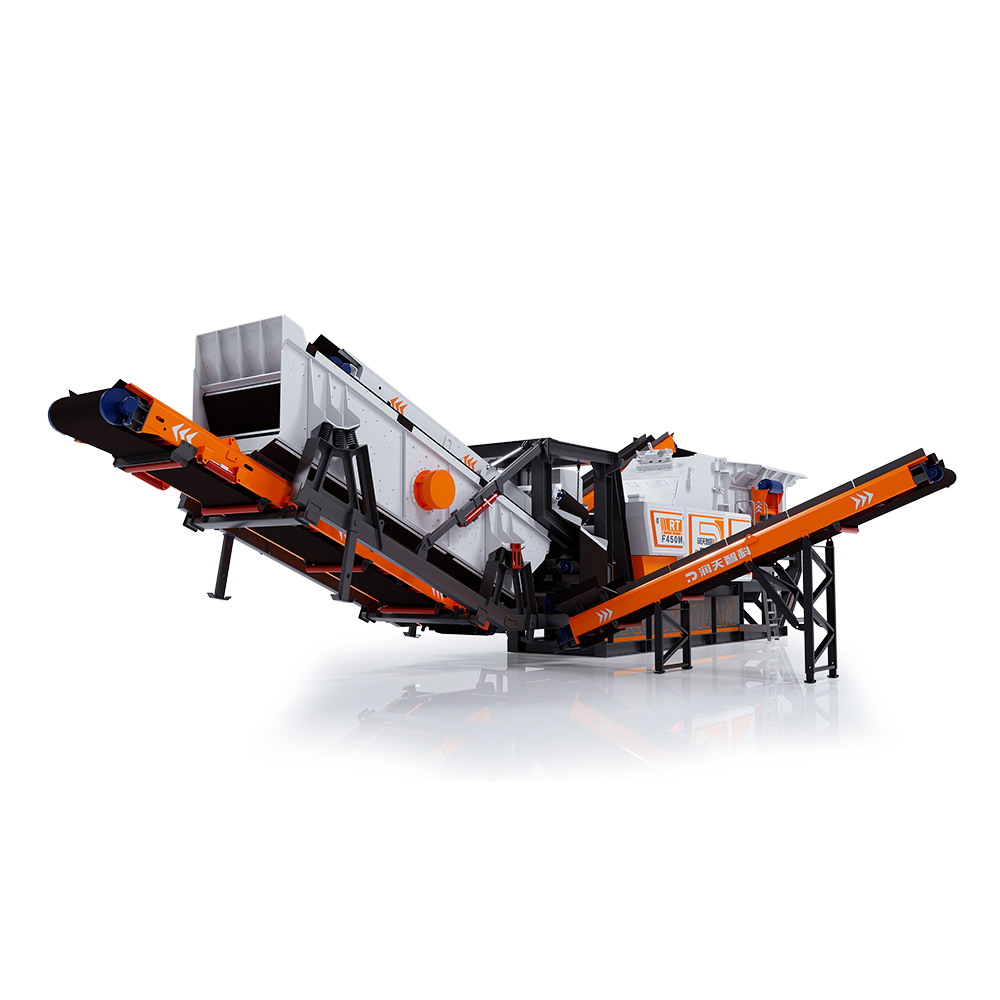 RTF450M Modular Impact Crushing Plant
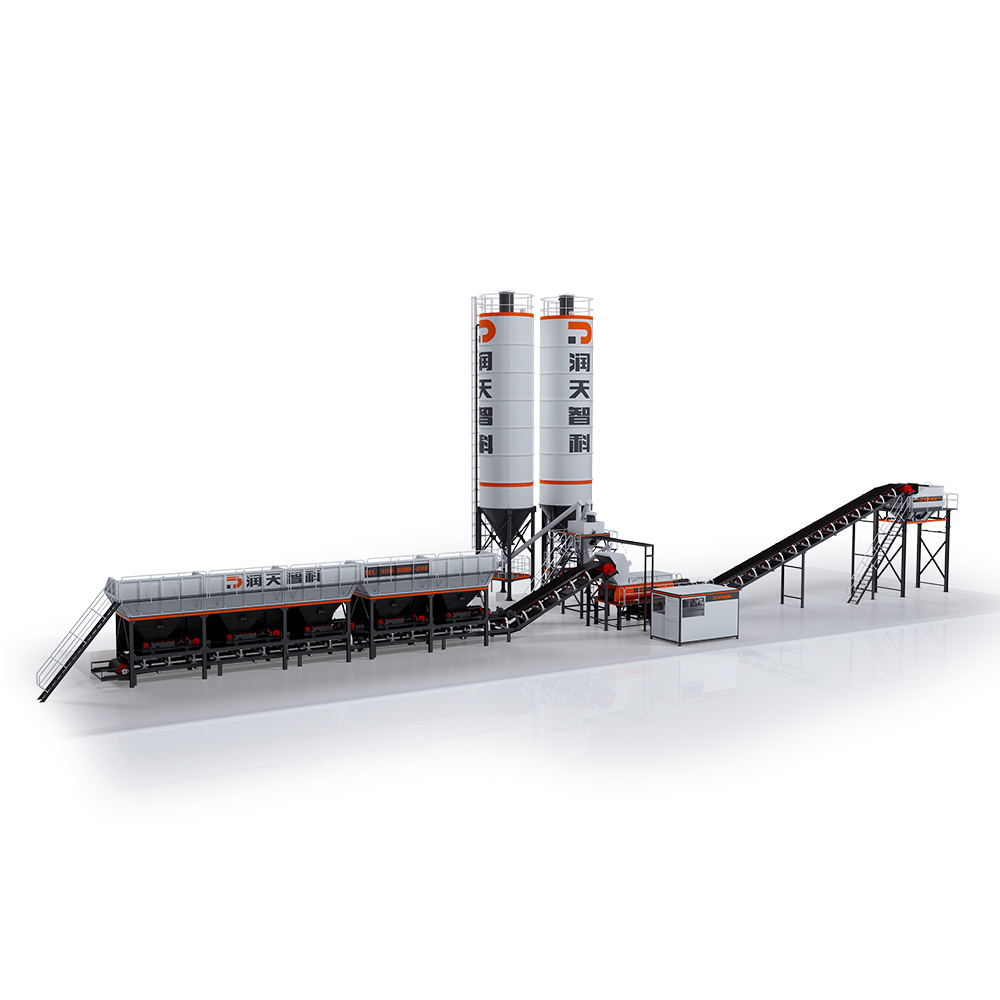 WDB Series Foundation-Free Stability Soil Mixing Plant
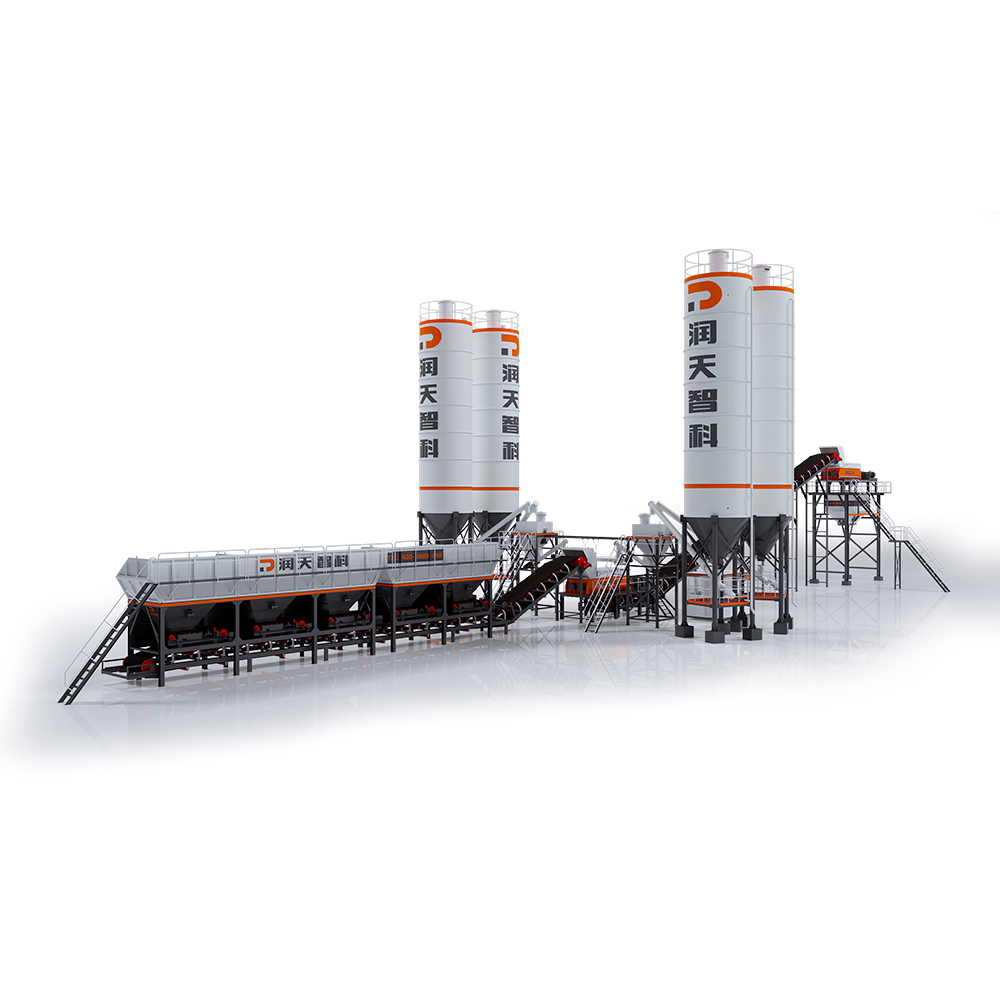 LCB Series Emulsified Asphalt Cold Regeneration Secondary Mixing Plant
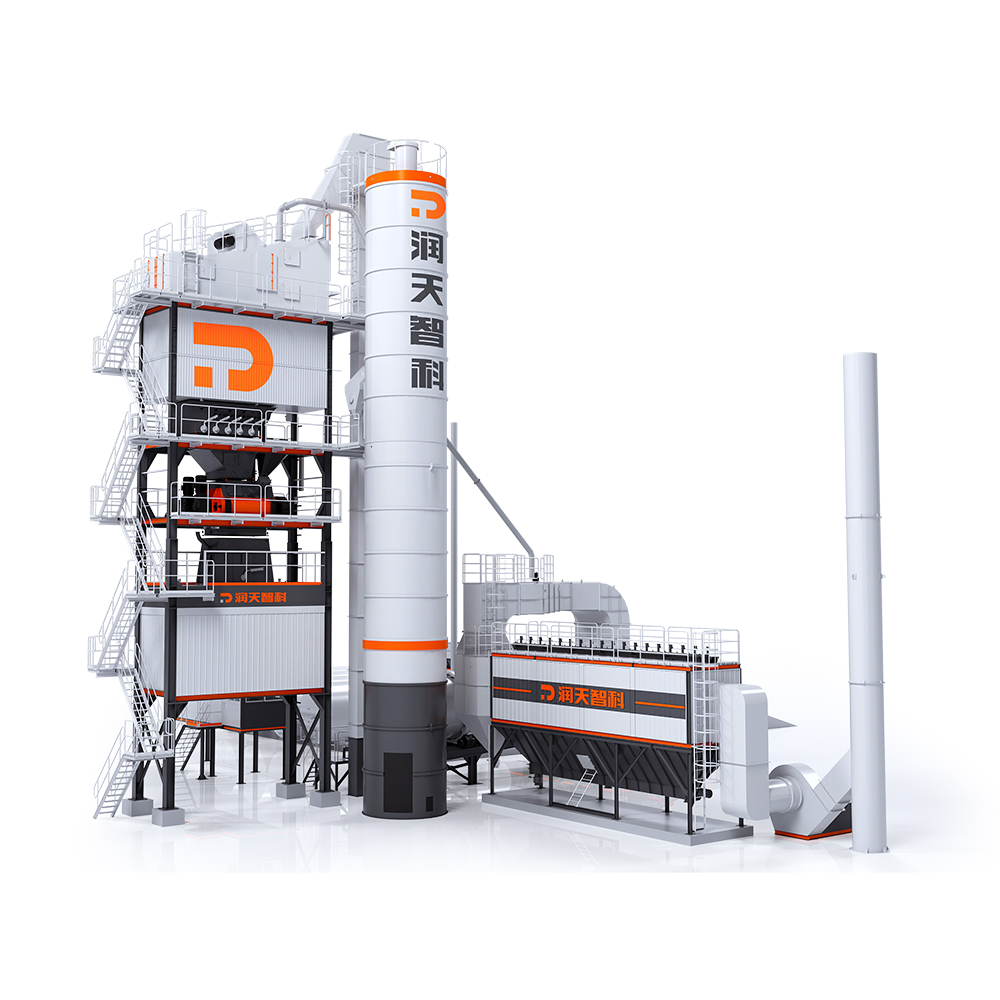 LB Series Asphalt Mixing Plant
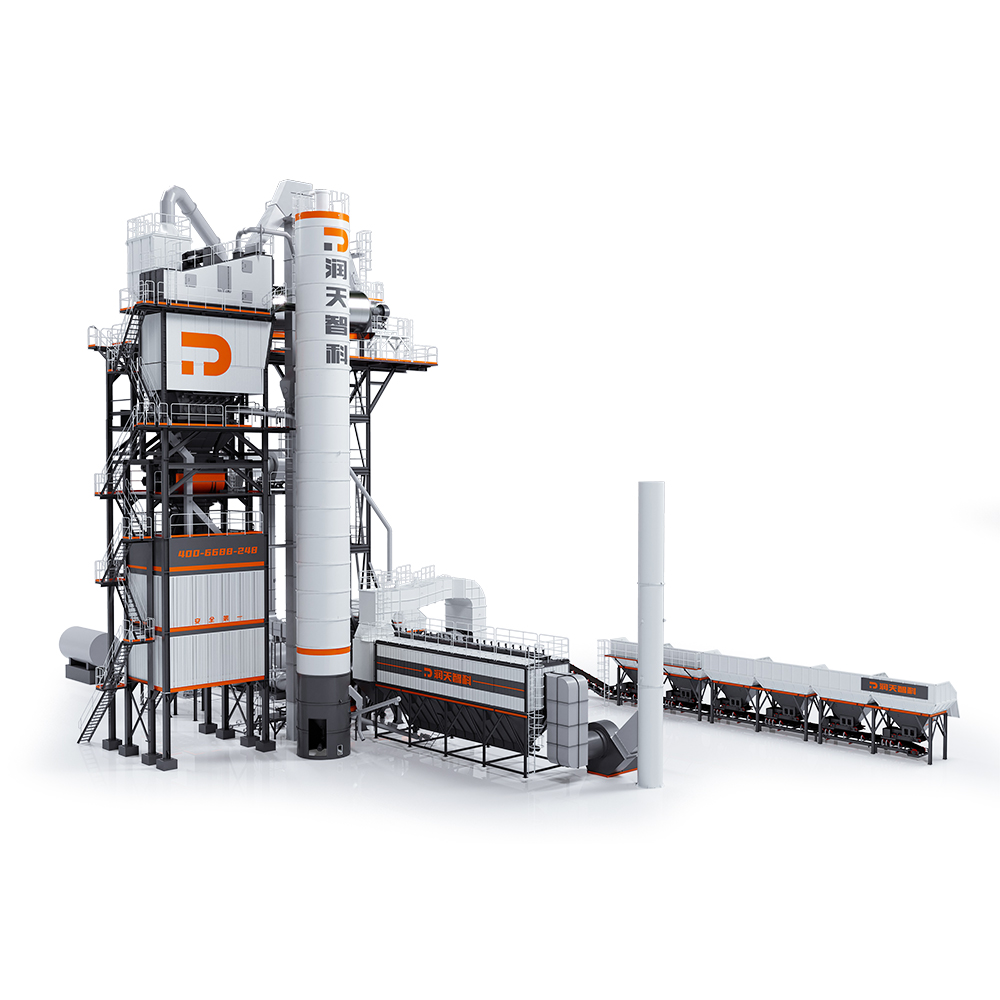 LBR Series Integrated Asphalt Mixing Plant
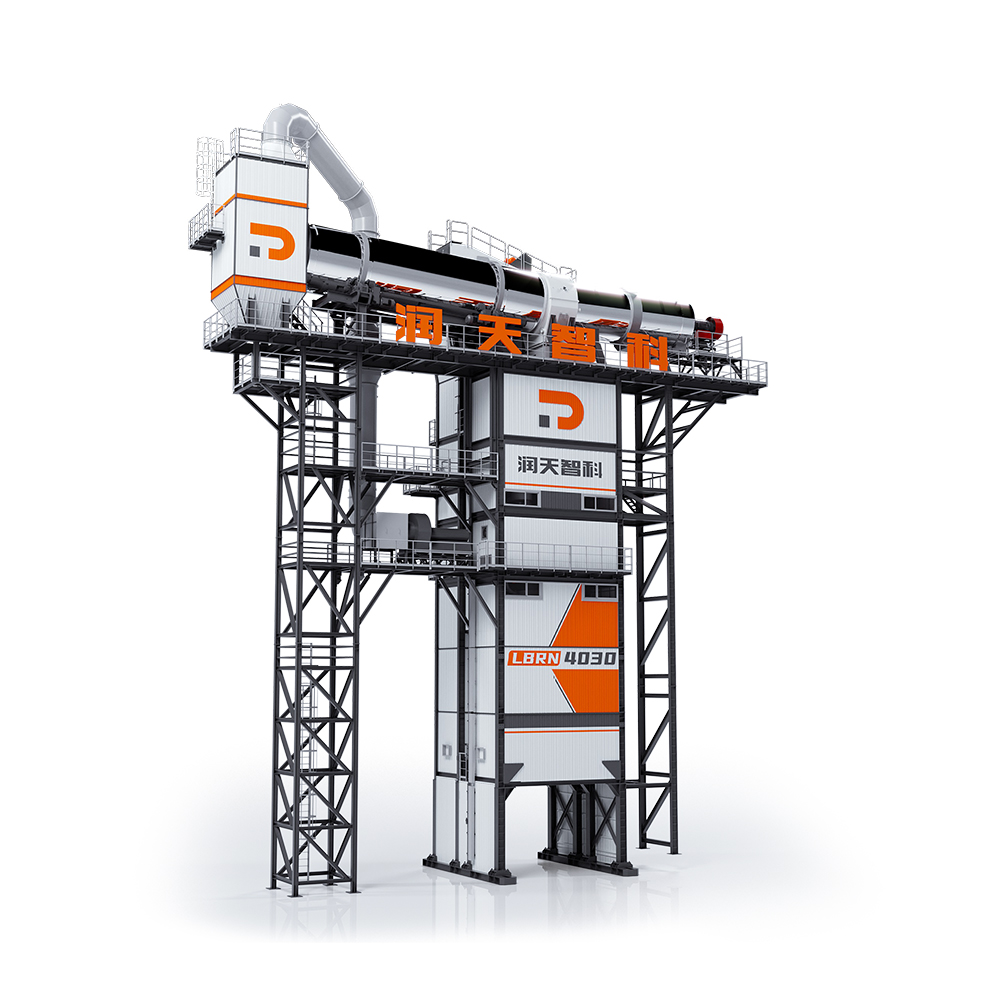 LBRN Series Counterflow Integral Asphalt Mixing Plant
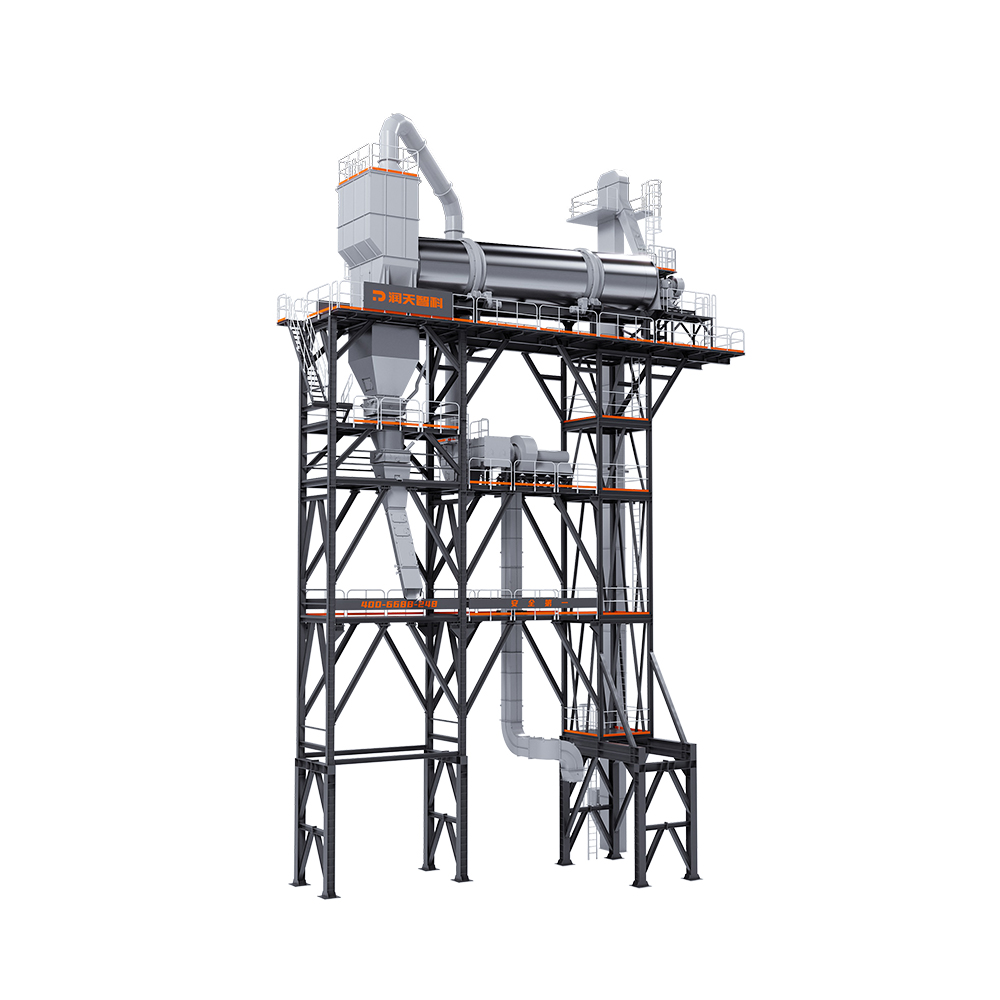 RZS Series Asphalt Mixing Plant
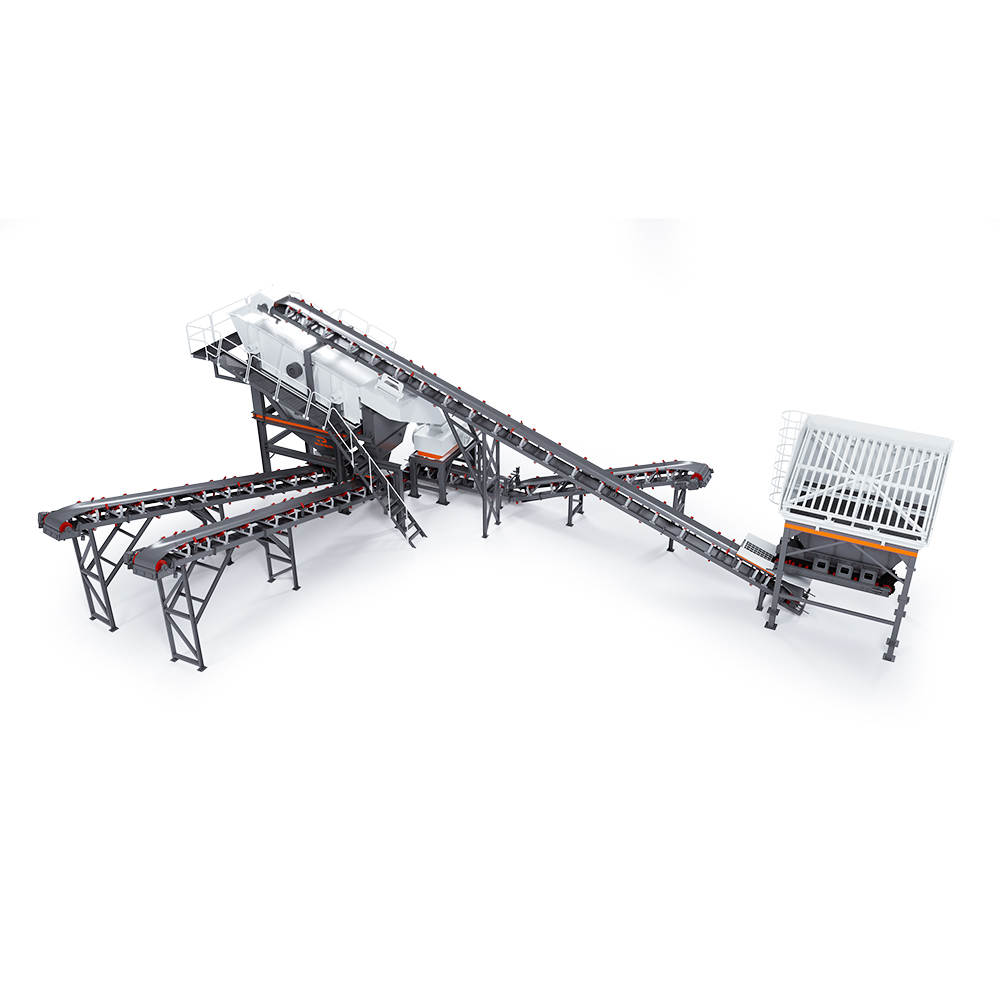 RTZS120 Series RAP Crushing & Screening Plant
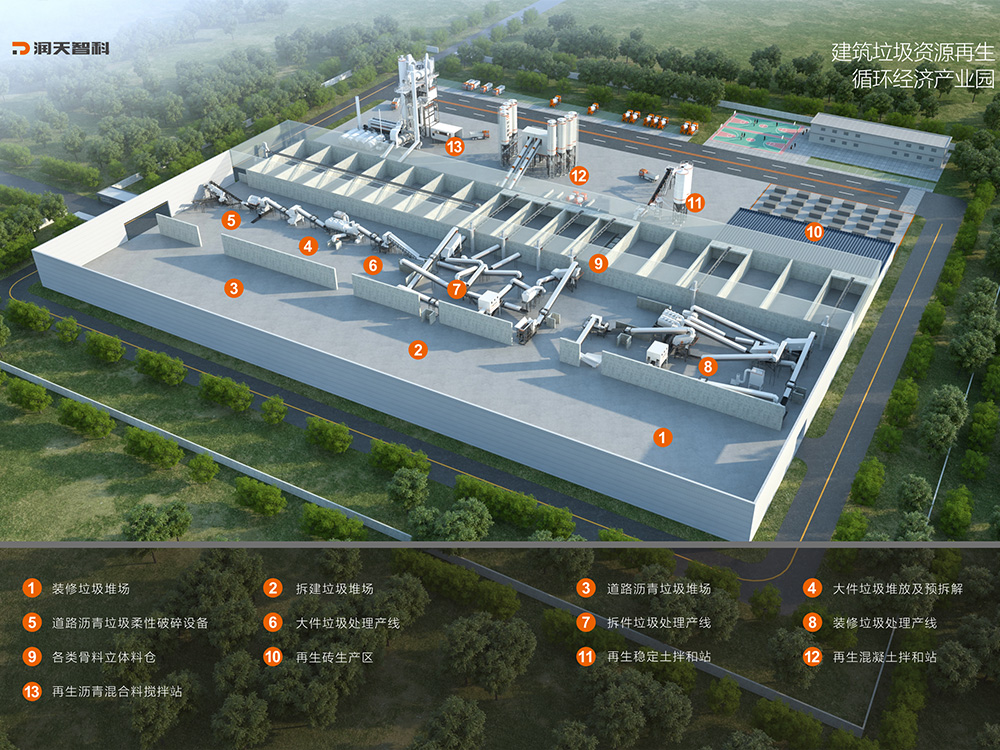 Construction Waste Resourceful Treatment Line