Best Asphalt Batching Plant for Your Construction Needs?
When selecting the best Asphalt Batching Plant, expertise plays a crucial role. Industry expert John Smith once stated, "Choosing the right asphalt batching plant can make or break a project." This emphasizes the importance of careful consideration.
The asphalt batching plant is essential for construction projects, ensuring quality and efficiency. Different models serve varying needs. Whether for large-scale or smaller operations, each has its merits. Understanding these intricacies is vital.
Many contractors overlook the specifics. They often focus solely on cost, missing out on long-term benefits. A well-chosen asphalt batching plant can enhance productivity and reduce waste. Reflecting on project demands, one must assess capacity, technology, and support. Making an informed choice can lead to great success—or costly mistakes.
Best Asphalt Batching Plant Types for Diverse Construction Projects
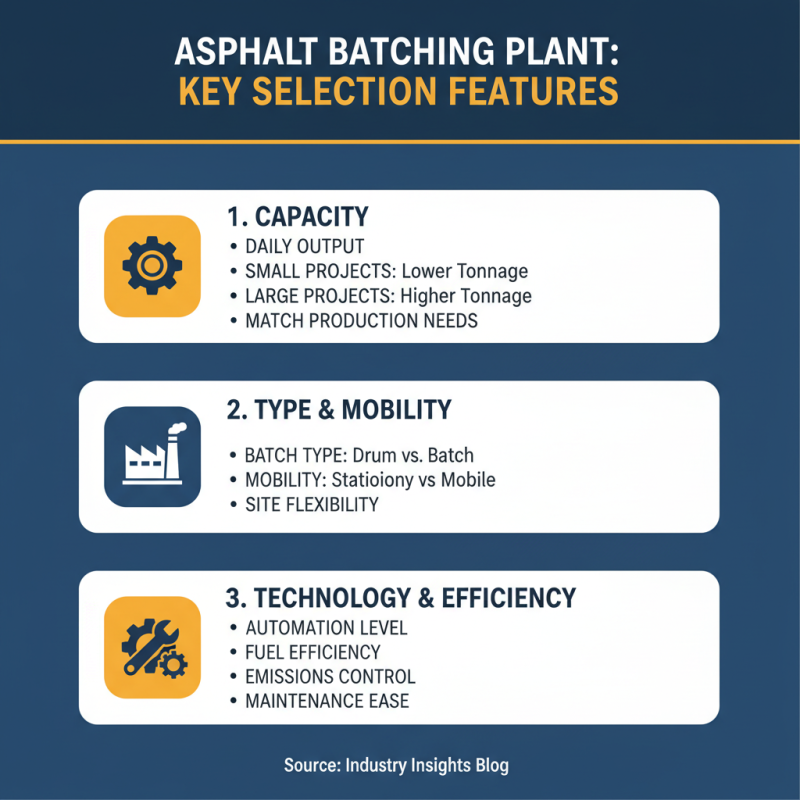
When choosing an asphalt batching plant, consider the type that best suits your project. There are several types available, each designed for specific construction needs. For instance, a continuous asphalt plant offers a steady flow of asphalt, ideal for large-scale projects. On the other hand, batch plants provide flexibility, allowing for the production of different asphalt mixes.
Tips: Always assess the specific requirements of your construction project before making a decision. The size of your project and location can heavily influence your choice.
Mobile asphalt plants are gaining popularity. They allow for quicker setup and relocation, which is advantageous for projects across varying sites. However, they may not offer the same production capacity as stationary plants. This trade-off may not be suitable for all operations.
Tips: Evaluate your project's timeline and location. A mobile plant might seem convenient, but consider long-term efficiency.
It’s important to acknowledge that no one plant fits every need perfectly. Assessing the available options thoroughly can reveal potential shortcomings. Understanding your project's specific demands can prevent costly oversights.
Tips: Engage with experts who have hands-on experience with various plant types. Their insights can provide valuable perspectives that brochures often miss.
Comparison of Asphalt Batching Plant Types for Construction Projects
This bar chart illustrates the production capacities of various types of asphalt batching plants. The Batch Mix Plant has a capacity of 120 tons per hour, while the Drum Mix Plant offers the highest capacity at 200 tons per hour. The Mobile Plant is best suited for smaller projects with a capacity of 80 tons per hour, and the Continuous Mix Plant follows closely with a capacity of 150 tons per hour. Understanding these differences can help in selecting the best plant to meet your construction needs.
Comparative Analysis of Batch vs. Continuous Asphalt Plants
When choosing between batch and continuous asphalt plants, it's essential to consider your specific needs. Batch plants mix asphalt in discrete batches. This method allows for better control over the mixing process. Variability is reduced, leading to consistent quality. However, this approach typically has lower production rates. It might not be ideal for large projects.
In contrast, continuous asphalt plants operate nonstop. They produce asphalt in a continuous flow. This can be more efficient for high-demand projects. Yet, maintaining quality can be challenging. Minor changes in materials can lead to variations in the final product. A continuous process might not easily adapt to changing requirements. It raises questions about flexibility and quality assurance.
Both systems have their trade-offs. Batch plants offer reliability but may fall short on speed. Continuous plants excel in output, but at a potential cost of quality. Understanding these differences is crucial. Consider your project's scale and quality requirements before deciding. Each method offers distinct advantages and weaknesses. They require careful assessment to align with your construction goals.
Factors Influencing the Cost of Asphalt Batching Plants on the Market
The cost of asphalt batching plants varies significantly. Several factors contribute to these variations. One primary factor is the technology used in the plant. Advanced automation and control systems often increase costs but improve efficiency. A report by the Global Asphalt Market Research (2022) indicates that high-tech batching plants can command prices 15-30% higher than standard models.
Another important element is plant capacity. Larger plants that produce more asphalt per hour require more materials and larger investments. According to industry analysts, capacity boosts can add up to $100,000 in initial costs. However, these investments often lead to lower operational costs over time due to greater production volumes.
Location also impacts pricing. Transporting large equipment can incur high shipping fees, especially across distant regions. The same report reveals that logistical expenses can account for up to 10% of total costs. These factors highlight the complexities involved in acquiring an asphalt batching plant. Choosing the right plant is not only about initial price but also long-term operational efficiency.
Environmental Regulations Impacting Asphalt Batching Plant Operations
Environmental regulations play a crucial role in the operation of asphalt batching plants. These regulations are designed to reduce emissions and promote sustainable practices. Companies must comply with local and federal laws that dictate pollutant levels and noise reduction measures. This can affect how plants are designed and operated.
Many asphalt facilities invest in technology to meet adherence standards. This includes advanced filtration systems and improved mixing techniques. However, implementing these changes can be costly. Smaller operations may struggle to afford the necessary upgrades. These challenges force some plants to reconsider their production capacities and efficiency.
In addition, manufacturers face pressure from the community. Residents living near asphalt plants often voice concerns about air quality and health risks. Operators must engage with the community to address these fears. Effective communication is essential but can be difficult. Some plants might need to rethink their social responsibility strategies in light of these challenges.
Best Asphalt Batching Plant for Your Construction Needs? - Environmental Regulations Impacting Asphalt Batching Plant Operations
| Parameter |
Value |
| Plant Type |
Mobile |
| Production Capacity (ton/h) |
80 |
| Mixing Method |
Continuous |
| Dust Collection System |
Bag Filter |
| Emission Control |
Yes |
| Noise Level (dB) |
75 |
| Water Usage (liters/h) |
150 |
| Energy Consumption (kWh/ton) |
35 |
| Compliance with Regulations |
Yes |
| Average Lifespan (years) |
15 |

 Concrete Mixing Plant
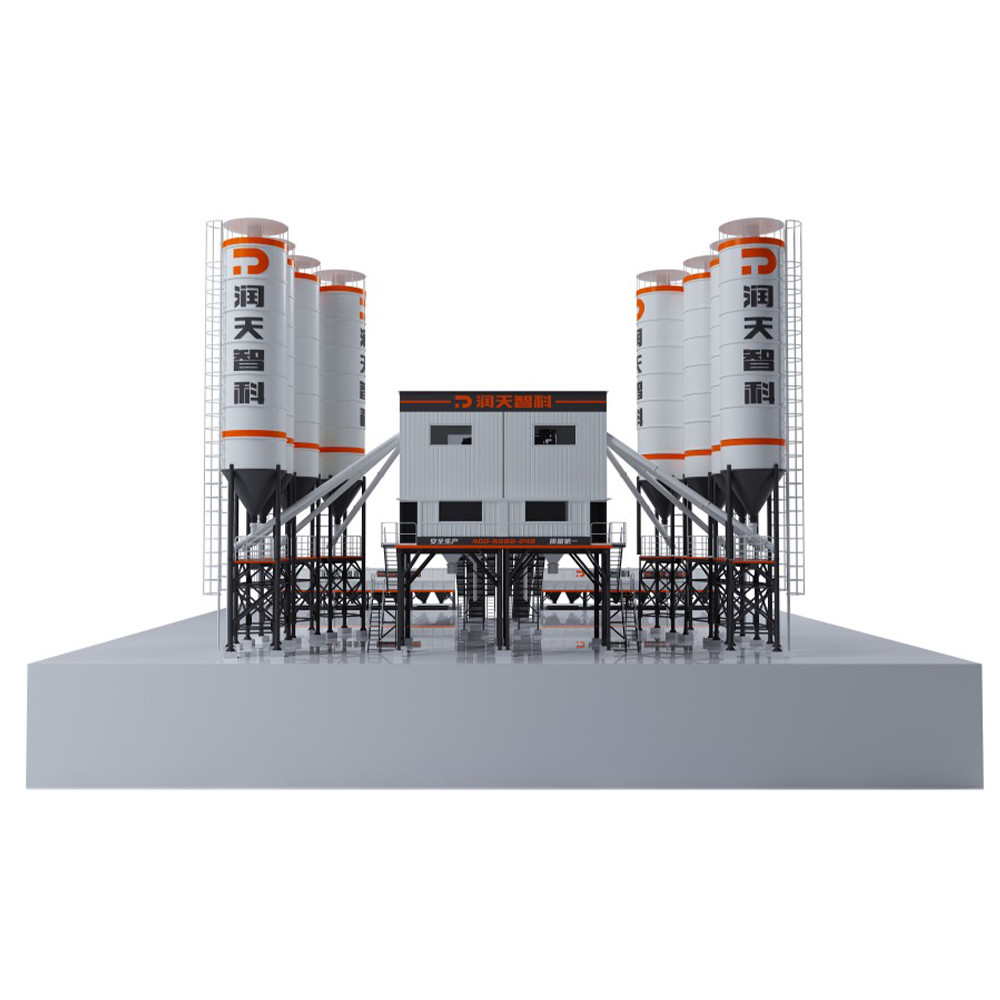 HZS Series Belt Concrete Mixing Plant
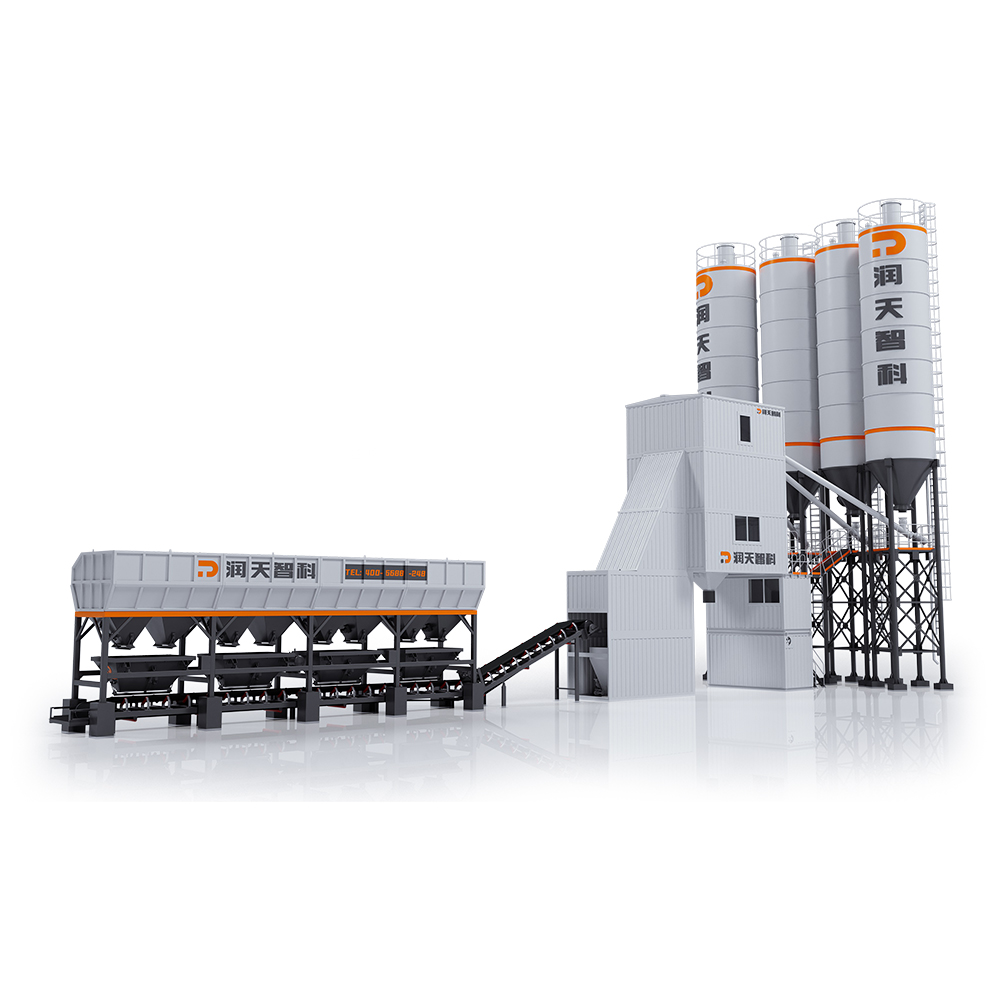 HZS Series Bucket-Lifting Type Container Concrete Mixing Plant
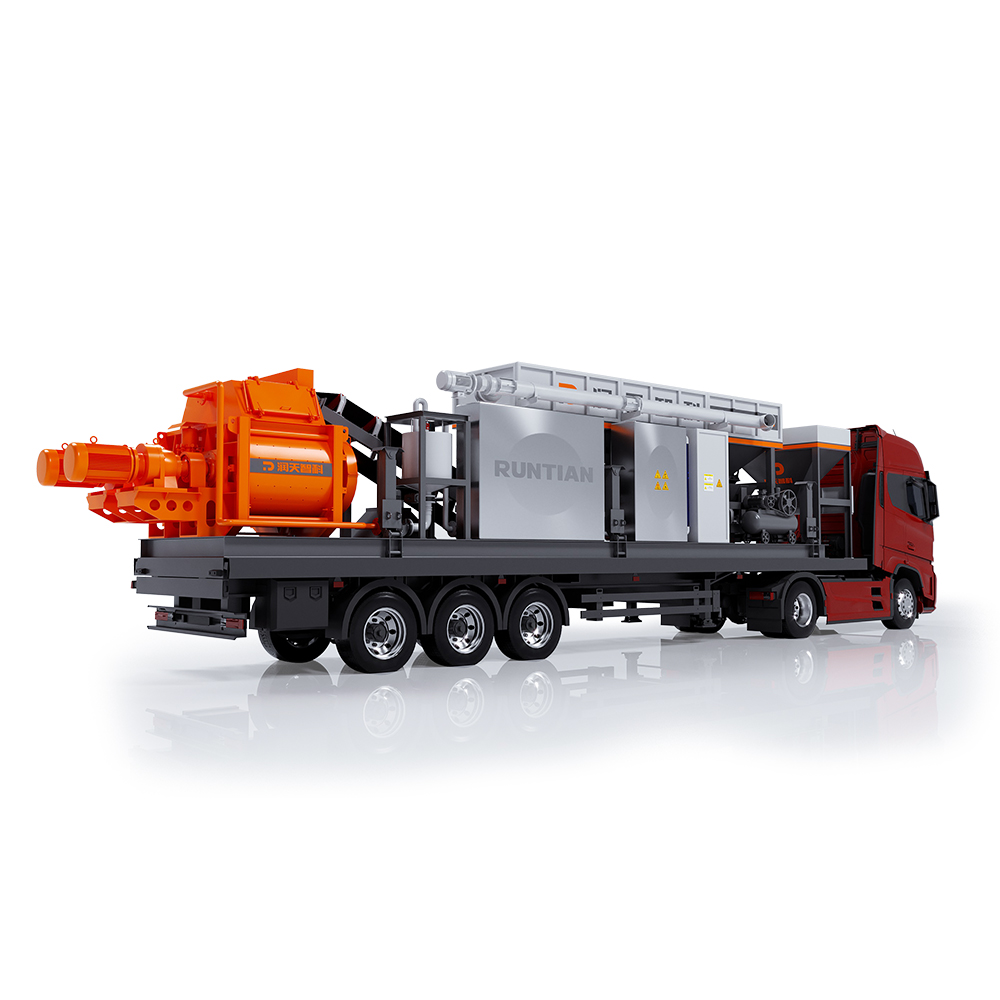 HZS60 Mobile Concrete Mixing Plant
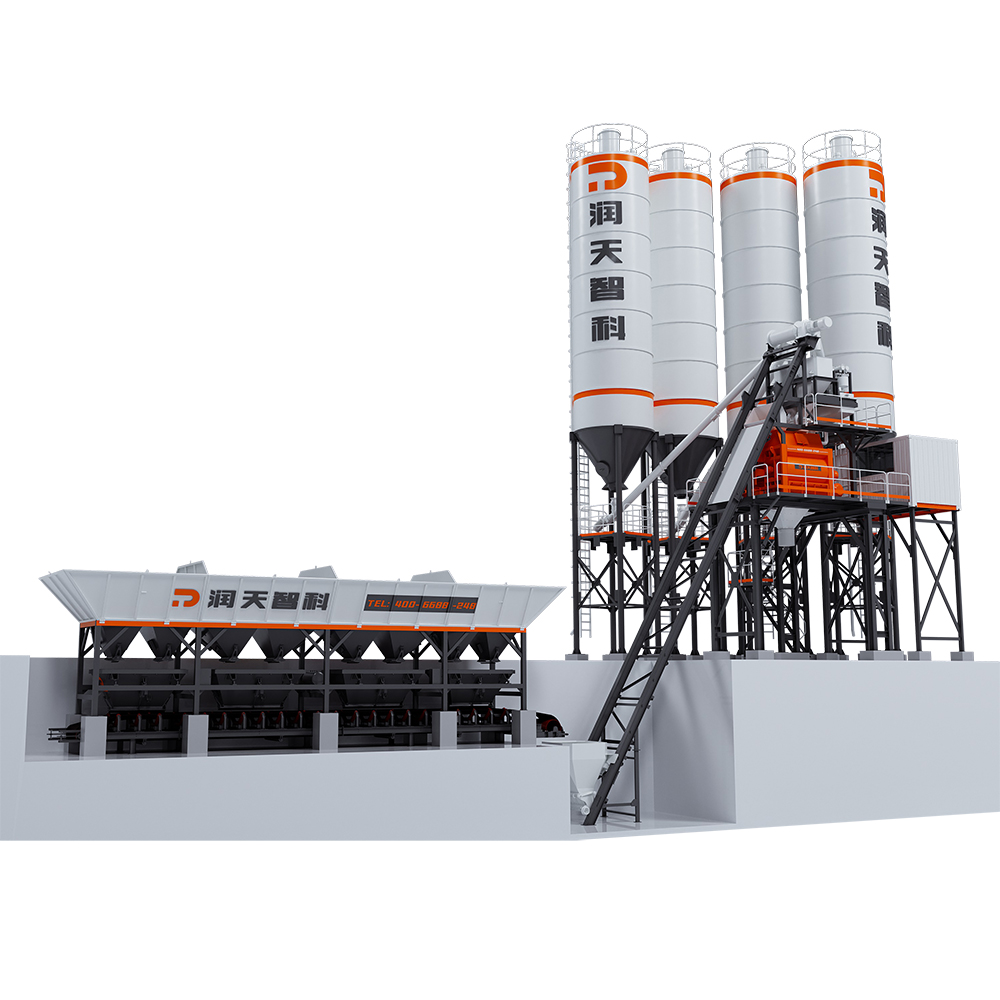 HZS Series Bucket-Lifting Type Concrete Mixing Plant
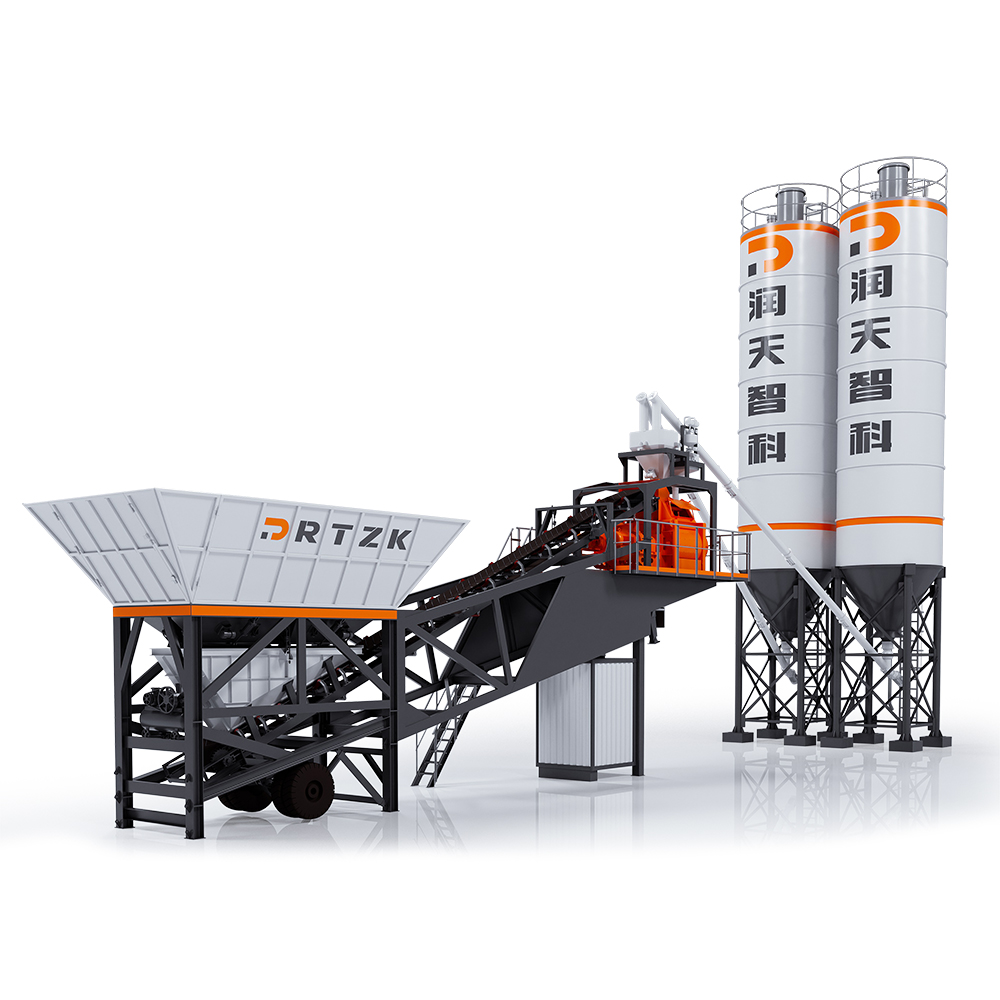 HZS Series Mobile Concrete Mixing Plant
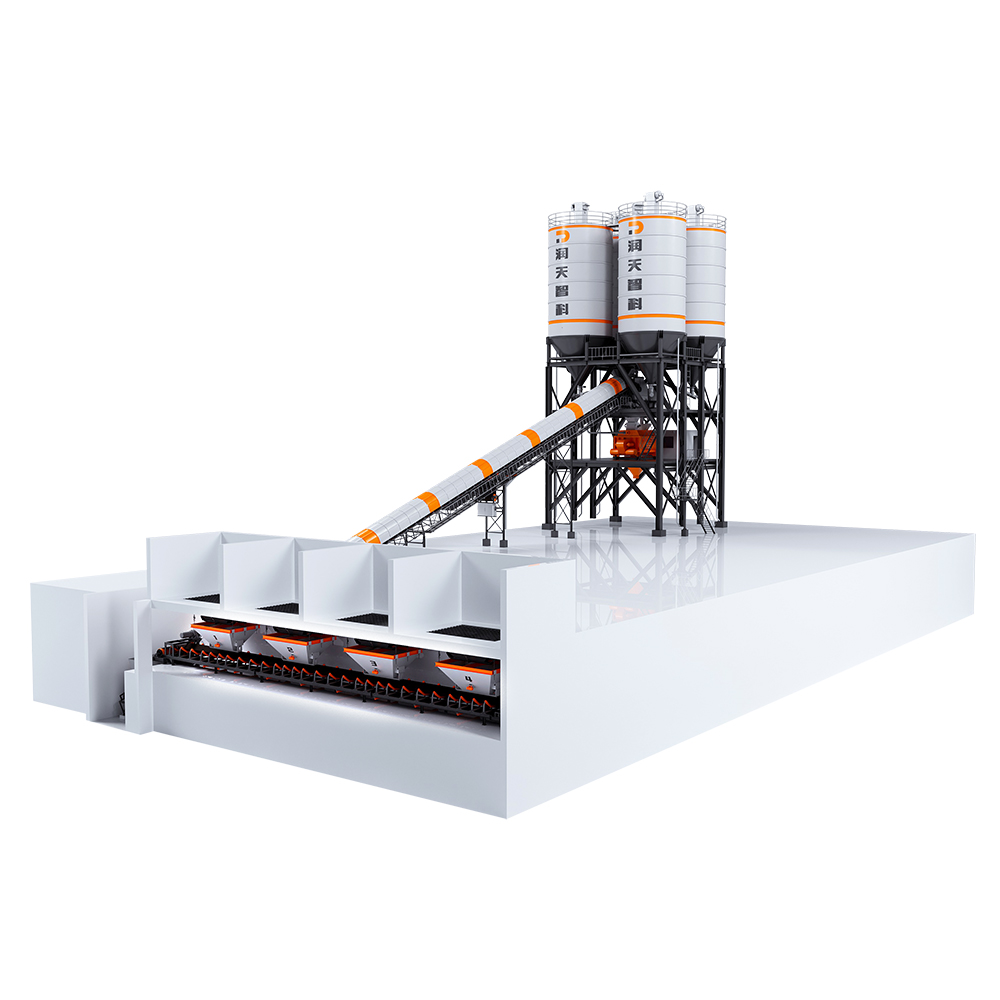 HZS Series Top-Mounted Concrete Mixing plant
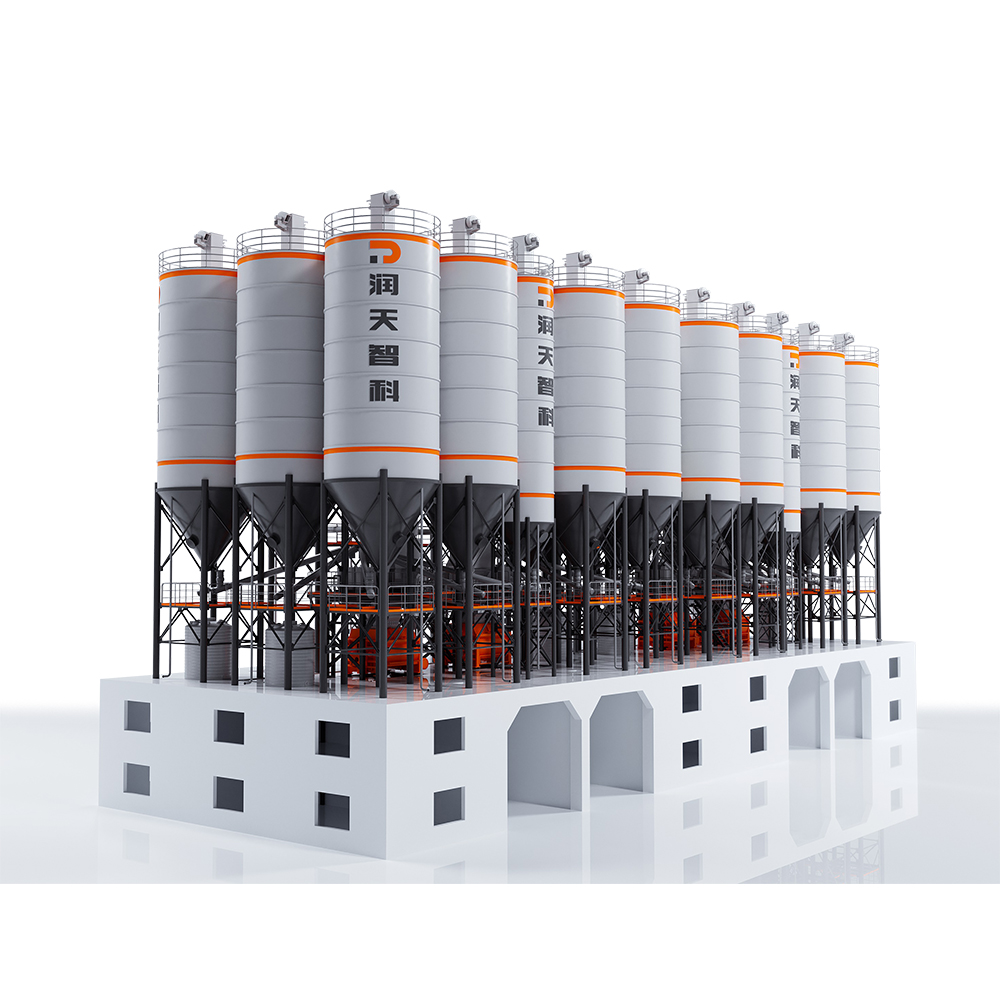 HZS Series Semi-Top Mounted Concrete Mixing Plant
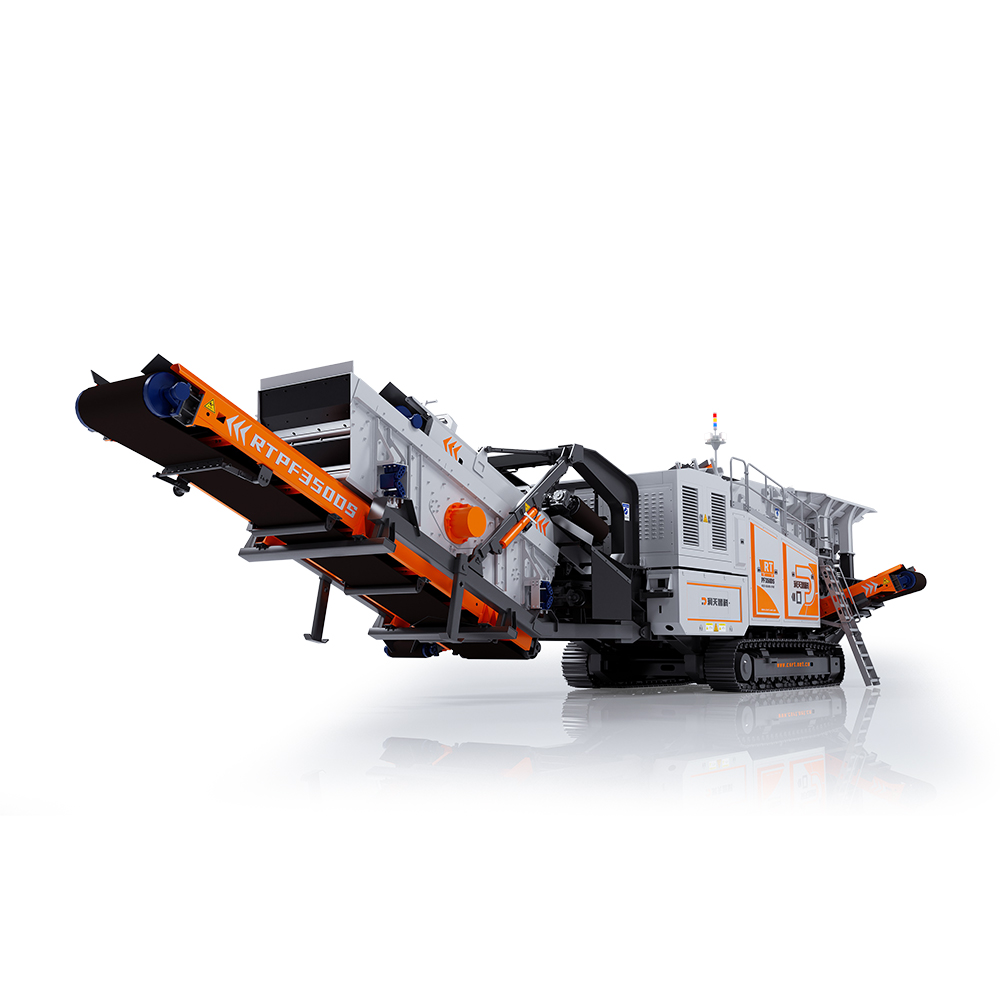 RTPF350DS Crawler Mobile Impact Crushing Plant
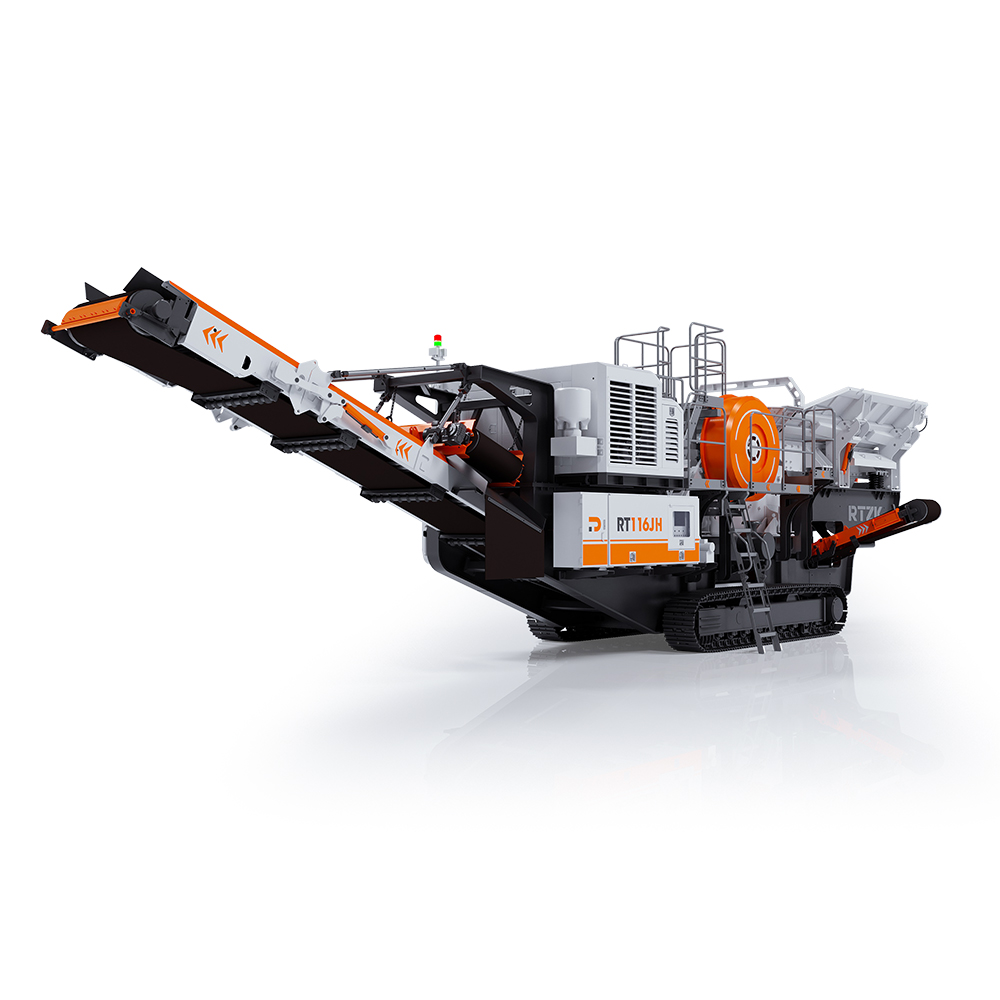 RT116JH Crawler Mobile Jaw Crushing Plant
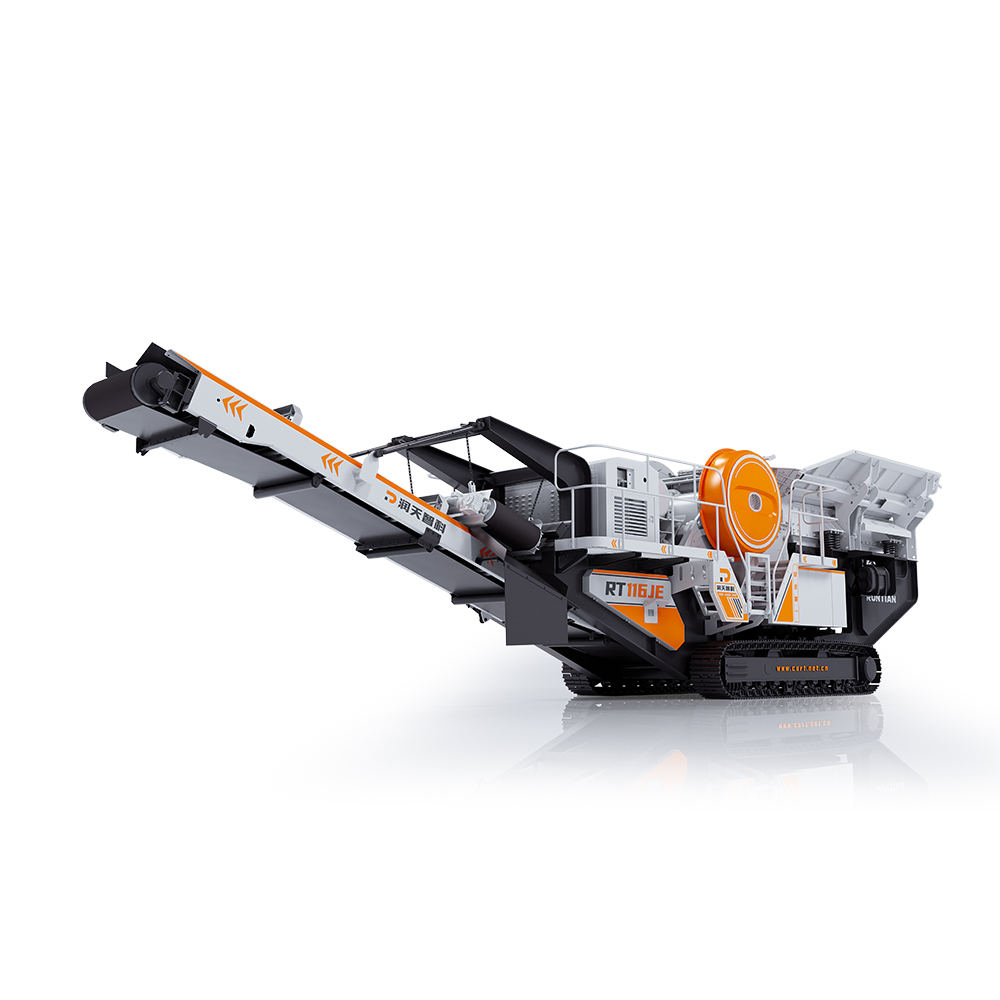 RT116JE Crawler Mobile Jaw Crushing Plant
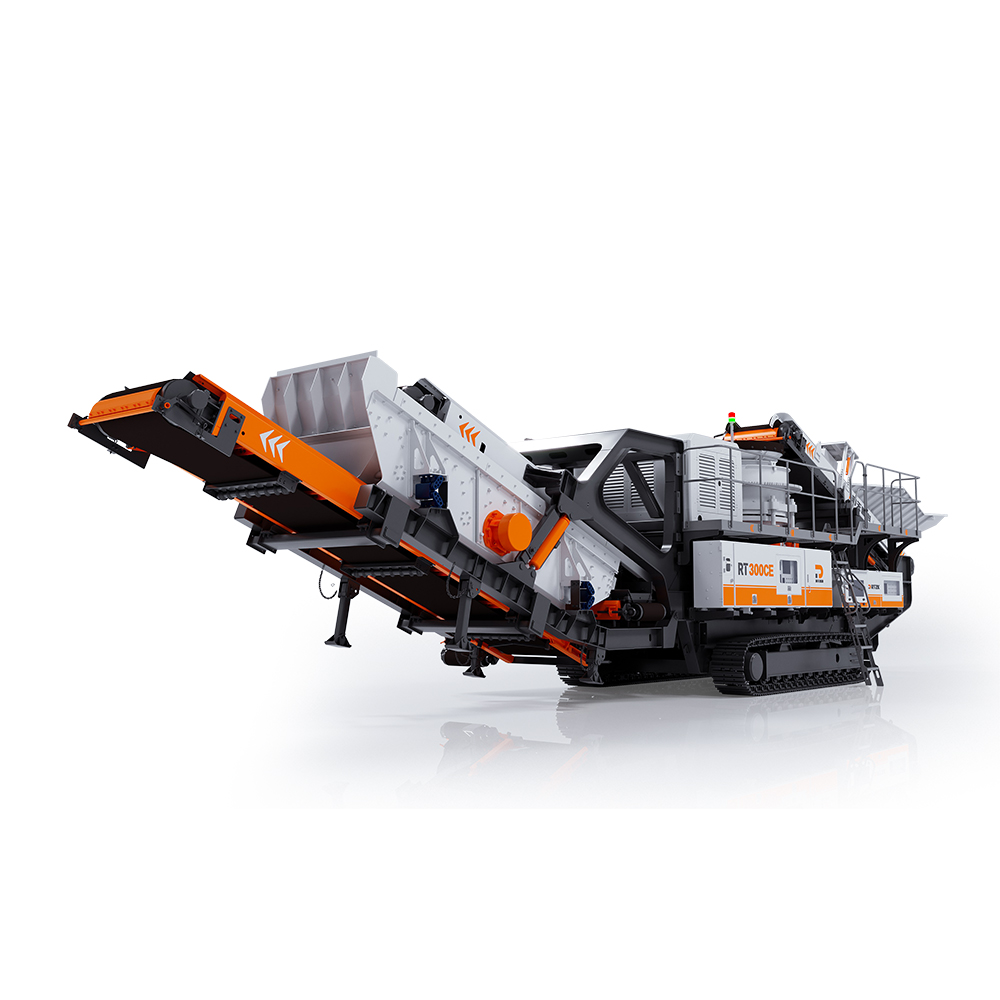 RT300CE Crawler Mobile Cone Crushing Plant
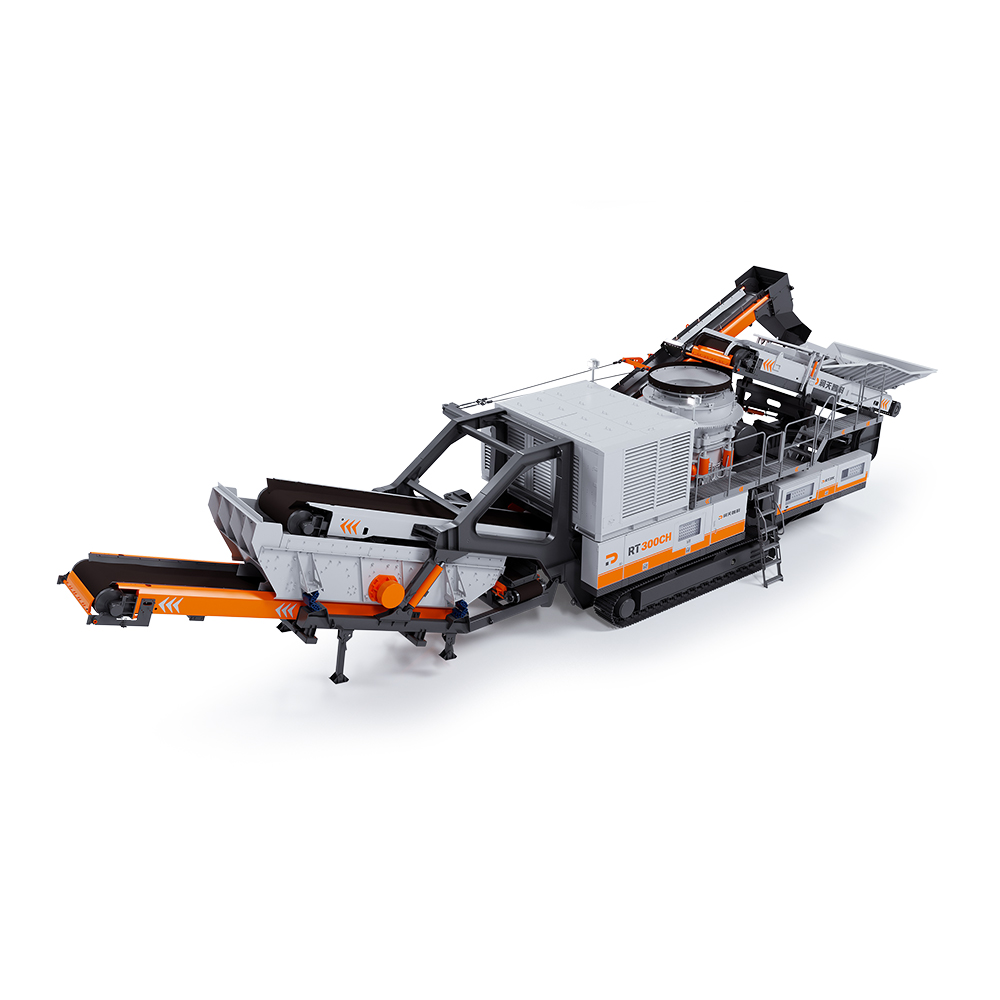 RT300CH Crawler Mobile Cone Crushing Plant
 RT5015H Mobile Scalping Screen
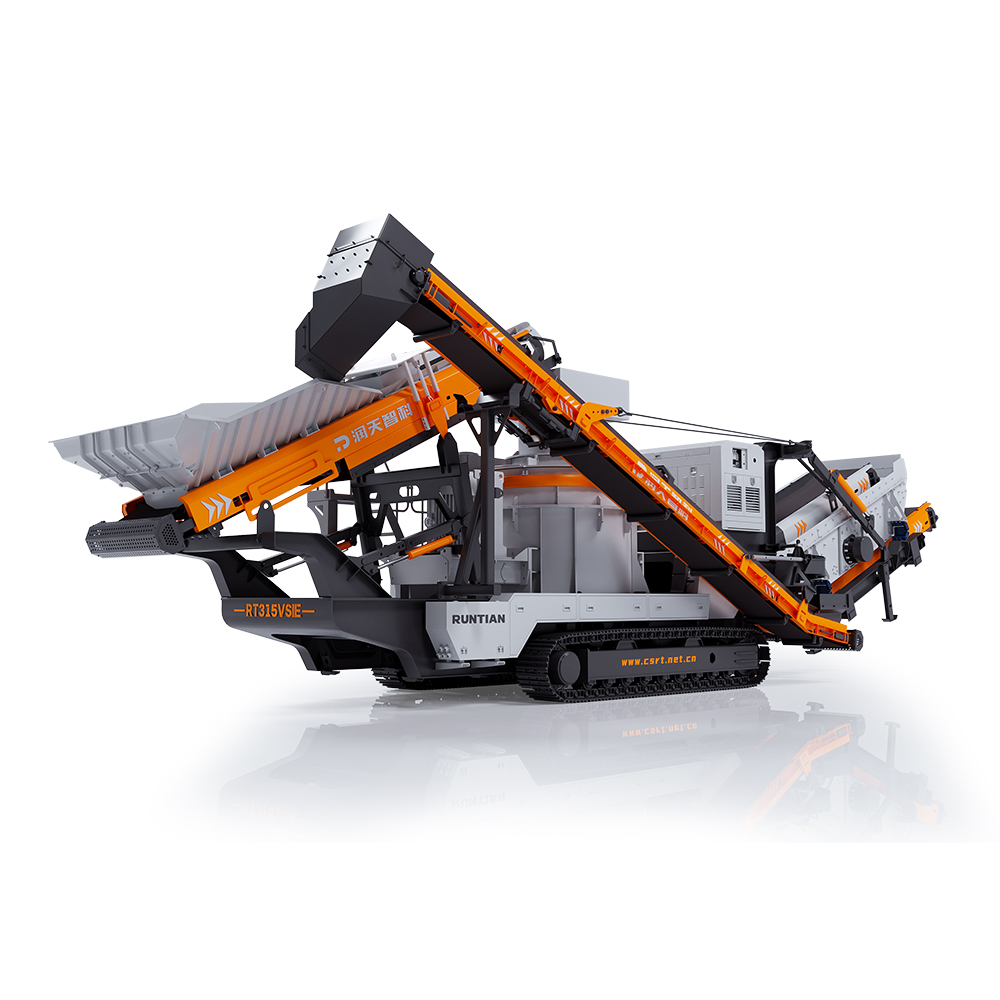 RT315VSIE Crawler Mobile Sand Maker
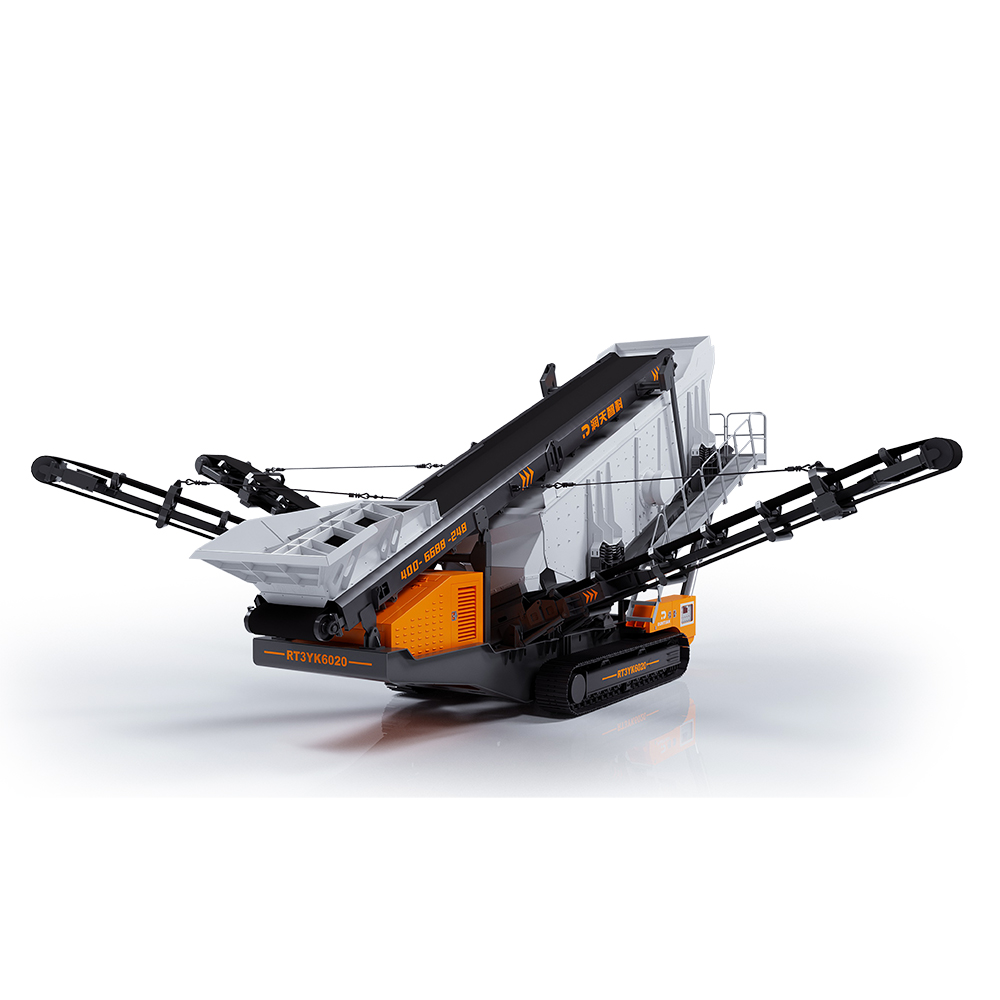 RT3YK6020 Crawler Mobile Screening Plant
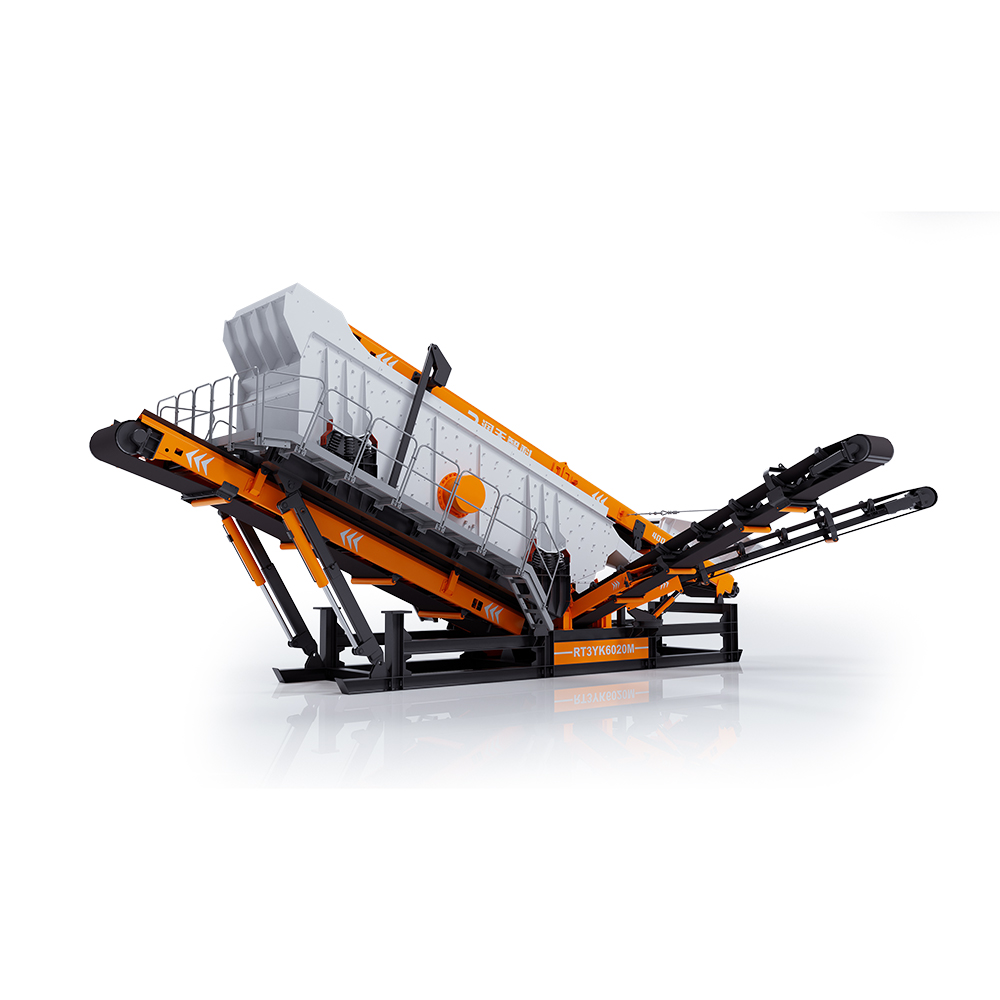 RT3YK6020M Modular Screening Plant
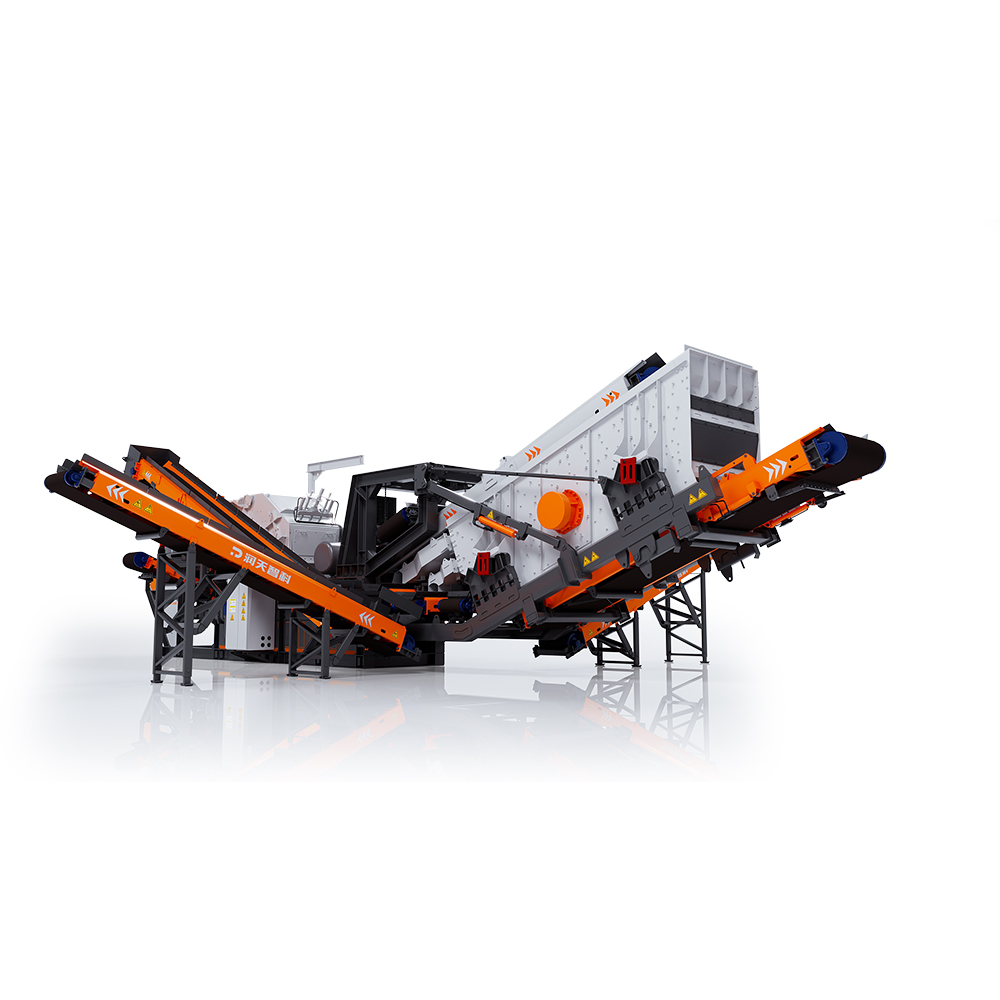 RTF260M Modular Counterattack Crushing and Screening Integrated Machine
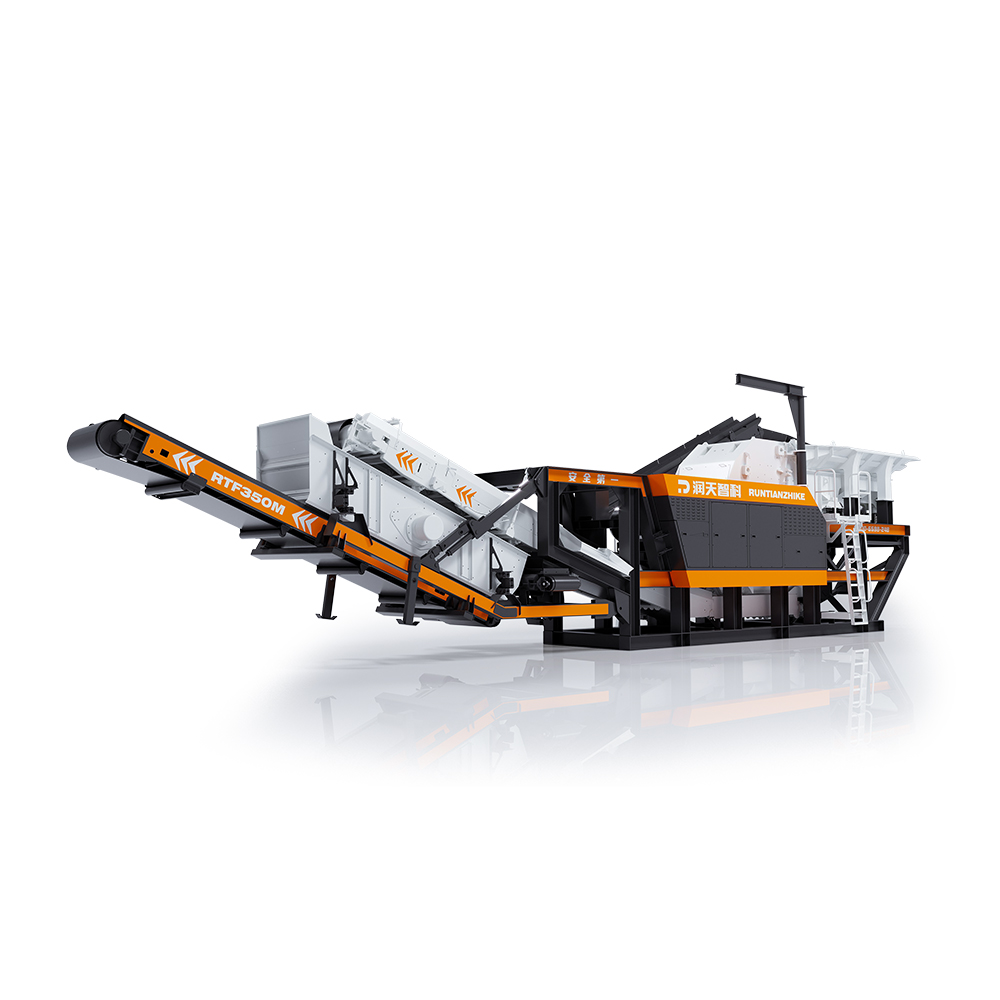 RTF350M Modular Impact Crushing Plant
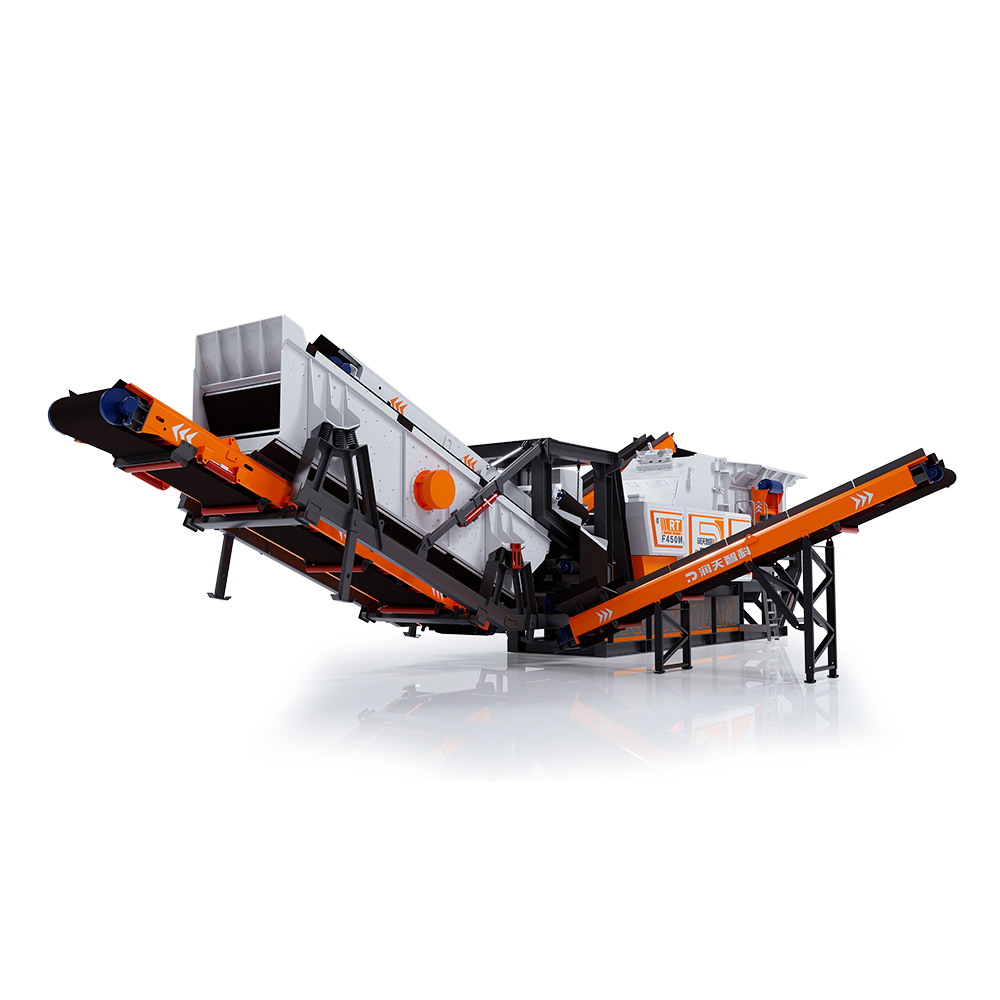 RTF450M Modular Impact Crushing Plant
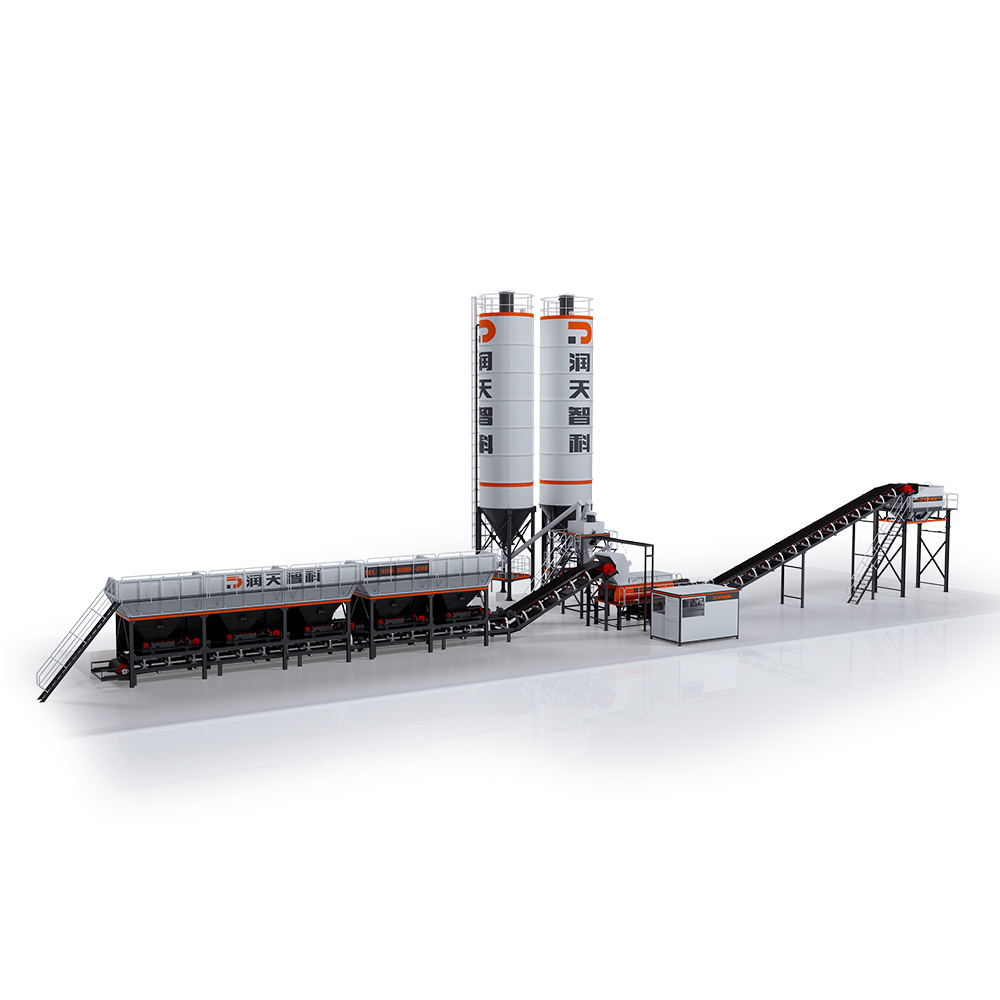 WDB Series Foundation-Free Stability Soil Mixing Plant
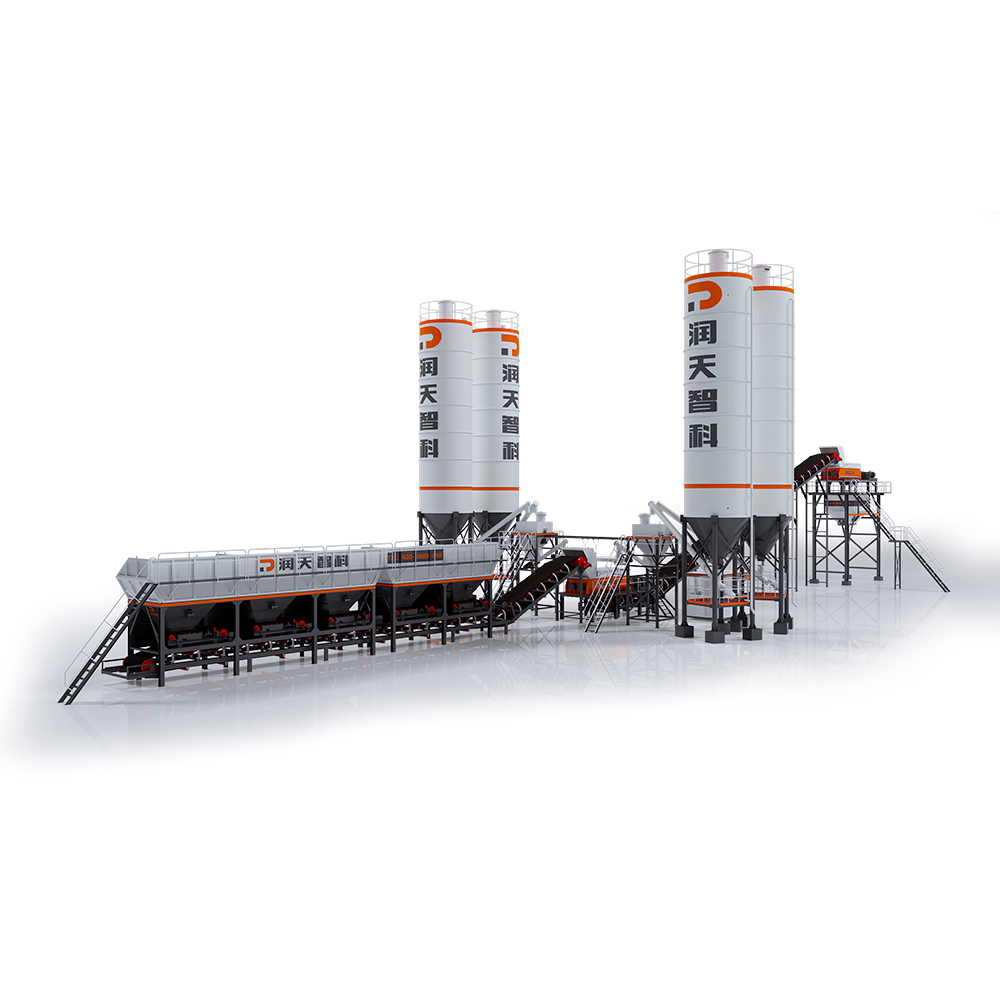 LCB Series Emulsified Asphalt Cold Regeneration Secondary Mixing Plant
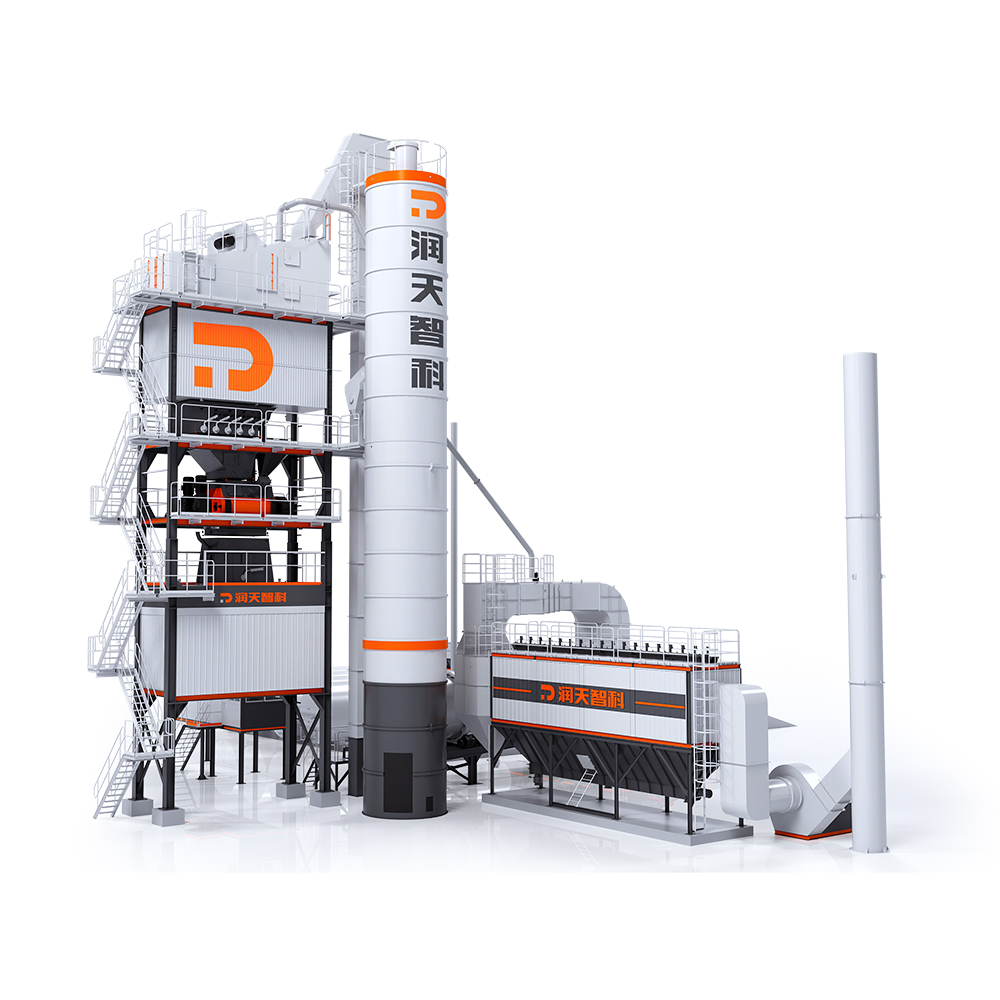 LB Series Asphalt Mixing Plant
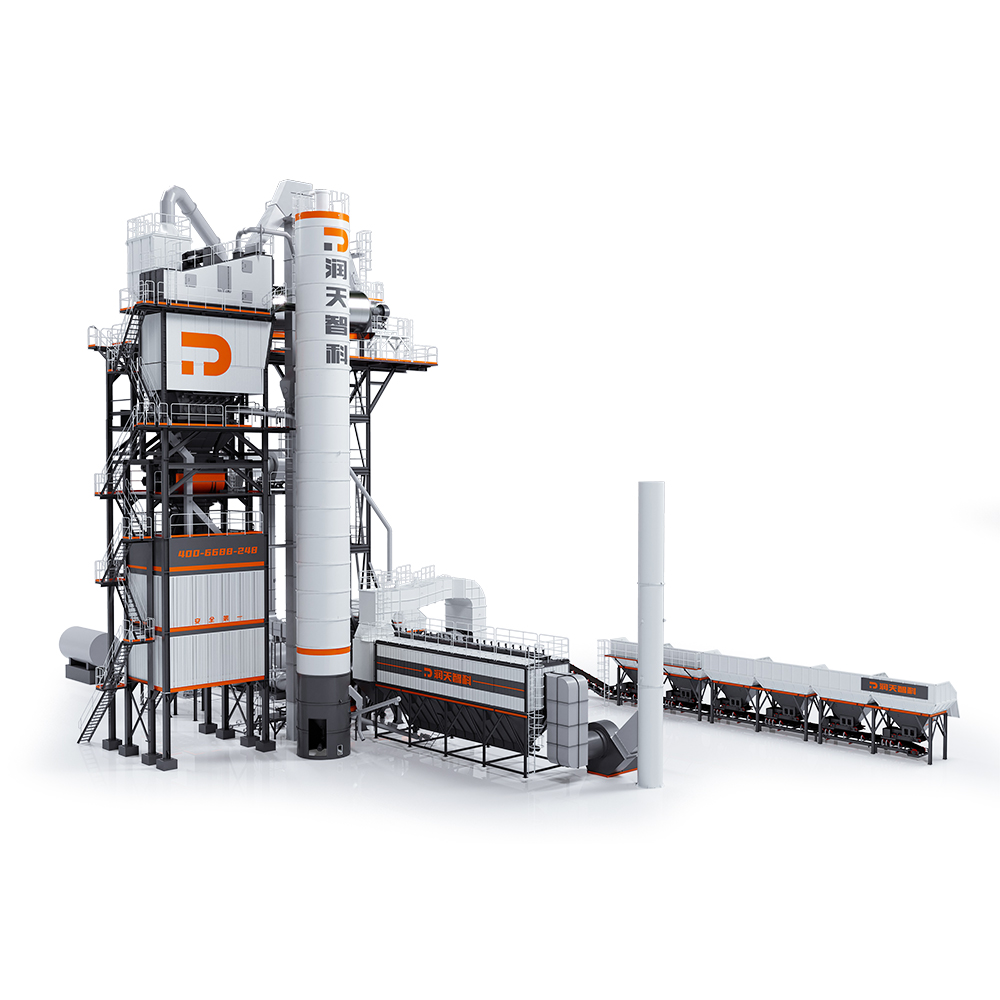 LBR Series Integrated Asphalt Mixing Plant
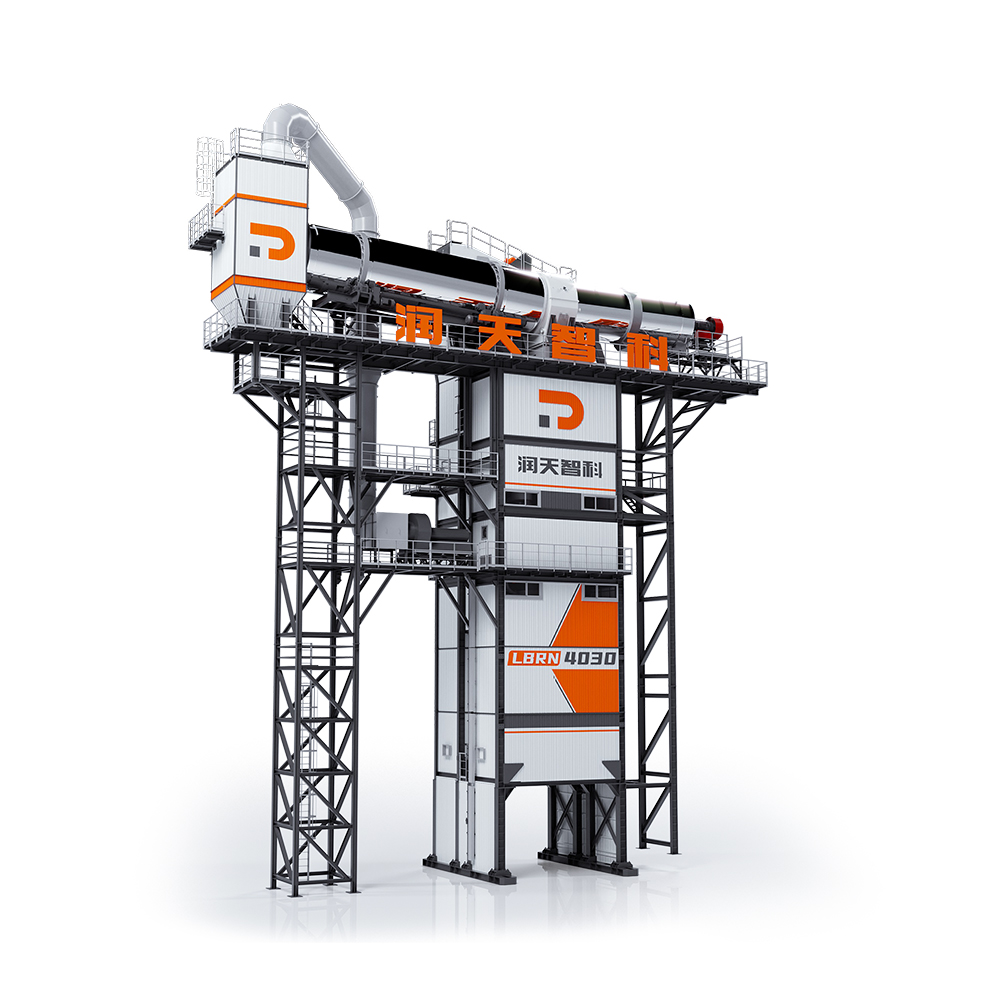 LBRN Series Counterflow Integral Asphalt Mixing Plant
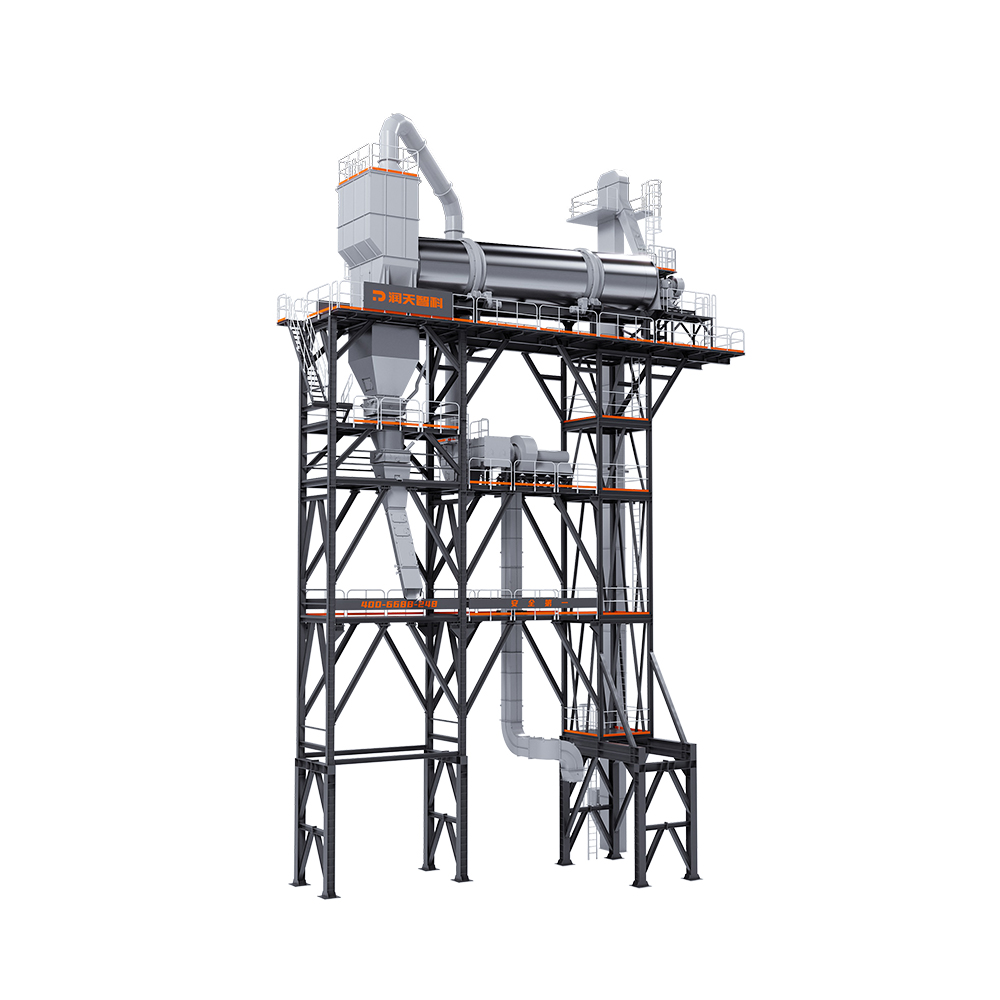 RZS Series Asphalt Mixing Plant
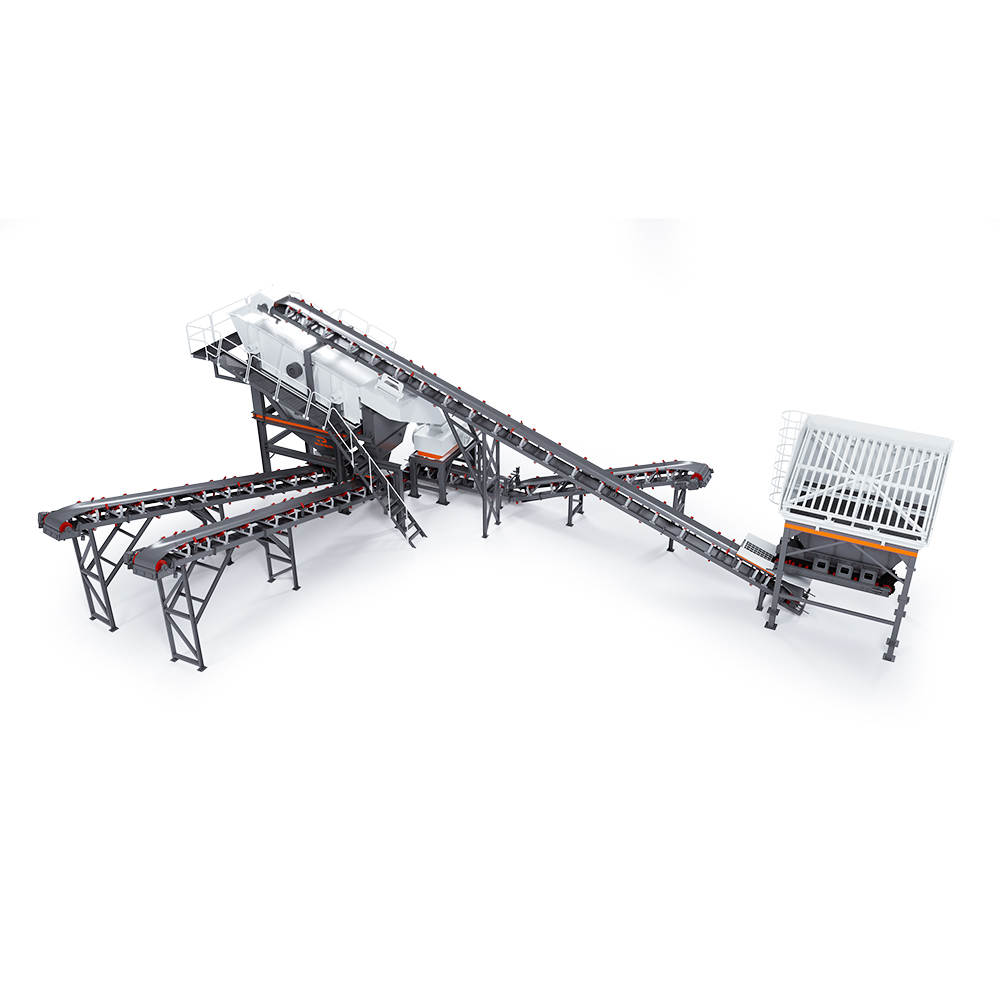 RTZS120 Series RAP Crushing & Screening Plant
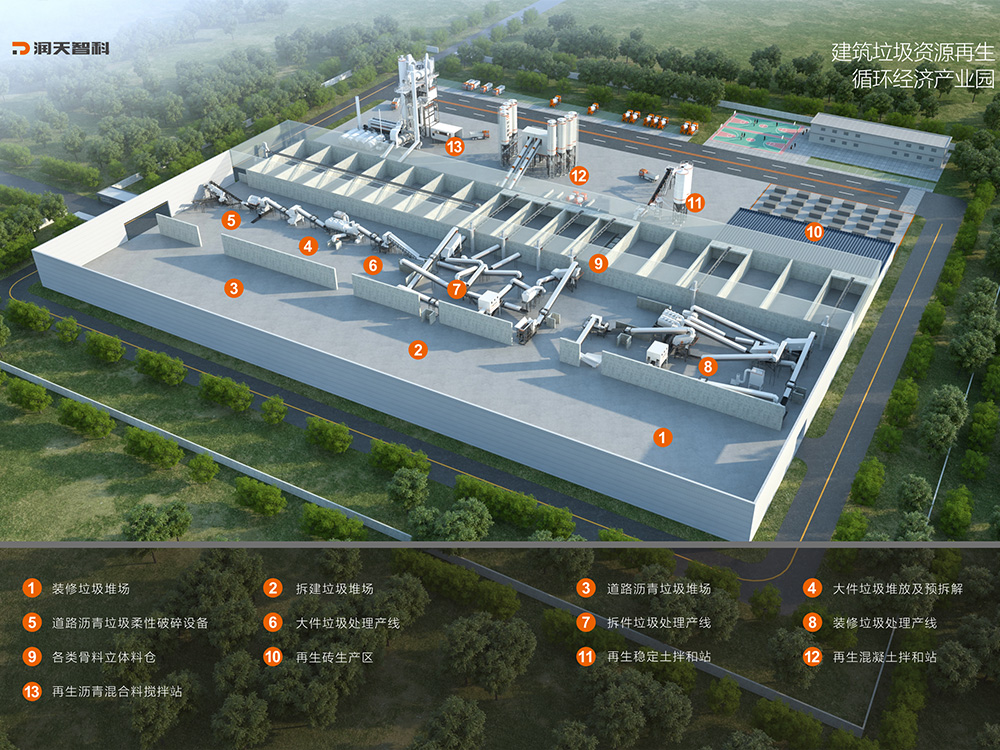 Construction Waste Resourceful Treatment Line