Top 10 Benefits of Using Construction Aggregate in Building Projects?
The construction industry is evolving, with a growing emphasis on sustainable practices. Construction Aggregate plays a pivotal role in this shift. According to the National Stone, Sand and Gravel Association, about 2 billion tons of aggregates are used each year in the U.S. alone. This material is essential for creating durable structures.
Using Construction Aggregate offers numerous advantages. It enhances the structural integrity of buildings and roads. The versatility of aggregates contributes to innovative designs, often improving aesthetic appeal. Moreover, recycled aggregates reduce waste and lower costs. The industry is seeing a significant increase in demand, driven by urbanization and infrastructure projects.
However, challenges remain. The extraction of natural aggregates can lead to environmental concerns. Addressing these issues requires careful planning and execution. Emphasizing sustainable sourcing and usage of Construction Aggregate is critical for the industry's future. Through thoughtful practices, the benefits can outweigh the drawbacks, leading to better construction outcomes.
Benefits of Construction Aggregate: Overview and Key Insights
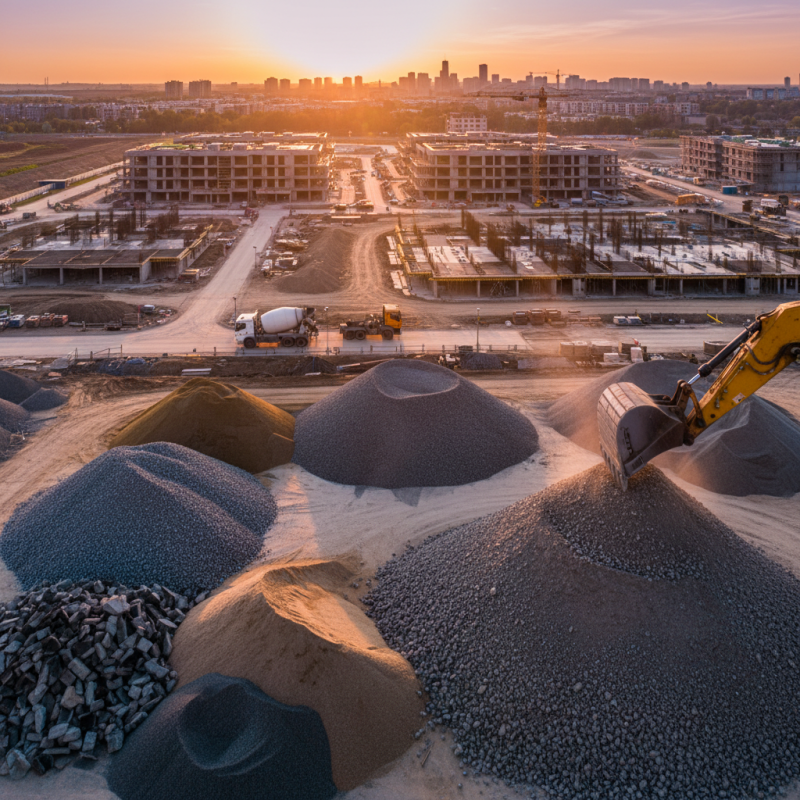
Construction aggregate provides numerous benefits for building projects. It plays a crucial role in enhancing the durability and structural integrity of buildings. Aggregates, like gravel, sand, or crushed stone, contribute to a strong foundation. These materials are often cost-effective and can be sourced locally. This reduces transportation costs and supports local economies.
Using high-quality aggregates can improve the overall performance of concrete mixes. Proper size and shape of aggregate particles lead to better workability. This means less water and cement are often needed. Consequently, this can enhance the sustainability of the project.
**Tip:** Always check the source of your aggregates. Quality varies widely, and poor quality can lead to structural failures.
Incorporating recycled aggregates can also be a smart choice. They reduce the environmental impact of building projects. However, some recycled materials may not meet specific standards, leading to potential issues.
**Tip:** Maintain an open dialogue with suppliers about the materials you plan to use. This ensures you're making informed choices. Balancing cost and quality is crucial for long-term project success.
Choosing the right aggregates is not just about cost. It’s also about performance and sustainability. Building projects thrive when these factors are thoughtfully considered.
Top 10 Benefits of Using Construction Aggregate in Building Projects
| Benefit |
Description |
| Improved Stability |
Construction aggregates provide a solid foundation, enhancing the stability of structures. |
| Cost-Effectiveness |
Aggregates are often less expensive than other materials, making them a budget-friendly choice. |
| Environmental Benefits |
Using recycled aggregates reduces landfill waste and conserves natural resources. |
| Versatility |
Aggregates can be used across various applications, including asphalt, concrete, and road construction. |
| High Strength |
Aggregates enhance the compressive strength of concrete and asphalt mixes, ensuring durability. |
| Ease of Use |
Aggregates are readily available and easy to transport and handle, streamlining construction processes. |
| Water Drainage |
Properly sized aggregates allow for effective water drainage, minimizing water retention issues. |
| Thermal Properties |
Aggregates can help in regulating temperature fluctuations within structures. |
| Aesthetic Appeal |
Decorative aggregates can enhance the aesthetic value of paving and landscaping projects. |
| Increased Lifespan |
By improving strength and durability, aggregates contribute to the long lifespan of construction projects. |
Enhanced Durability and Structural Integrity in Construction Projects
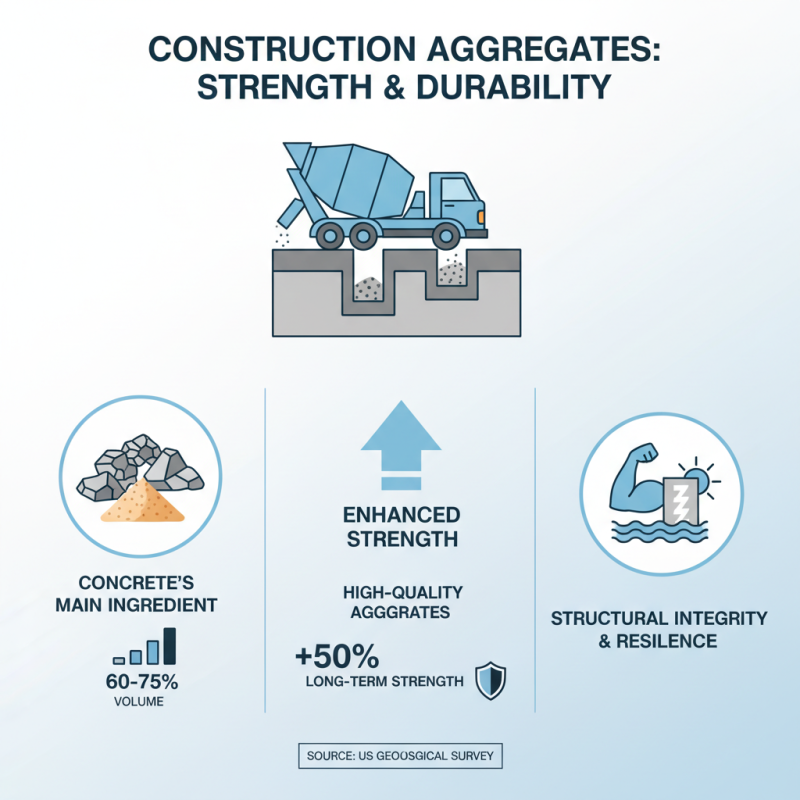
Construction aggregates play a crucial role in enhancing the durability and structural integrity of building projects. Aggregates serve as the main ingredient in concrete, accounting for 60-75% of its volume. According to the U.S. Geological Survey, the use of high-quality aggregates can increase concrete's long-term strength by up to 50%. This significant enhancement adds resilience against environmental stressors.
Using various types of aggregates contributes to the overall longevity of structures. For instance, crushed stone provides stability and aesthetic appeal. Similarly, gravel helps achieve good drainage. However, not all aggregates perform equally. Poor quality materials can weaken structures over time. The American Concrete Institute emphasizes the need for rigorous testing to ensure aggregate quality meets industry standards. It’s clear that selecting the right aggregate is not just a matter of convenience but a critical factor in achieving long-lasting construction.
Moreover, the right aggregate mix can improve workability during the construction process. A well-designed aggregate blend allows for easier handling and placement of concrete, reducing labor costs. Still, many construction projects fail to optimize their aggregate use. This oversight can lead to project delays and increased costs. Therefore, thorough planning and quality control are essential for maximizing the benefits of construction aggregate.
Cost-Effectiveness: Reducing Overall Construction Expenses
Construction projects often take a major hit from soaring expenses. Using construction aggregate can offer a cost-effective solution. According to research by the National Ready Mixed Concrete Association, aggregates account for nearly 70% of the concrete mix. This means that the choice of aggregate significantly impacts the overall material cost.
Standard aggregates, like gravel and sand, are abundant and locally sourced. By utilizing local materials, firms can save on transportation costs. A 2021 report indicated that projects using local aggregates saw a 15% reduction in delivery expenses. However, oversimplifying this benefit may lead to overlooked factors, such as the quality of local sources. Sometimes, inferior local aggregates can compromise strength, leading to more repairs later.
One must not ignore the hidden costs. Construction teams often face unexpected expenses due to quality control issues with aggregates. A 2020 study showed that construction defects attributed to poor aggregate choices increased overall project costs by 25%. It’s essential to balance cost savings with material quality to avoid future financial burdens. Choosing the right aggregate is crucial for sustainable construction practices.
Top 10 Benefits of Using Construction Aggregate in Building Projects
Environmental Sustainability: Recycling and Reduced Landfill Usage
Using construction aggregates offers notable environmental benefits. One key area is recycling. Many materials, such as concrete and asphalt, can be reused. This process conserves resources and minimizes waste. However, recycling can pose challenges. The quality of recycled materials may not always meet standards. This raises questions about performance in building projects.
Reduced landfill usage is another critical aspect. By reusing aggregates, less waste ends up in landfills. This alleviates the pressure on waste management systems. Yet, not all construction sites have easy access to recycling facilities. Some remain reliant on new materials, which can hinder sustainability efforts.
Additionally, using recycled aggregates can often lead to lower costs. This appeals to budget-conscious builders. However, owners must consider potential trade-offs in quality. Sustainable practices can lead to a balance but may require more scrutiny. The journey towards greener construction is ongoing and complex.
Improved Workability and Performance of Concrete Mixtures
In the world of construction, the right materials can make a significant difference. Construction aggregates play a crucial role in enhancing the workability of concrete mixtures. When mixed properly, aggregates enhance the ease of handling and placement. This results in better flowability, allowing builders to pour concrete more effectively. But, not all aggregates deliver the same results. The size, shape, and texture can affect performance.
A well-designed aggregate blend improves the bonding between particles in concrete, ultimately reinforcing its strength. For instance, angular aggregates can provide interlock, enhancing cohesion. However, using round aggregates may reduce this effect, leading to weaker mixtures. It is essential to experiment and find the right mix for each project. Sometimes, the choice of aggregate may lead to challenges that require reevaluation. What initially seems beneficial could turn out to be less effective.
Moreover, achieving optimal performance doesn’t come from simply choosing high-quality aggregates. The interaction between aggregates and other ingredients deserves attention too. Water-to-cement ratios significantly impact workability. Yet, the dilemma lies in achieving a balance between sufficient workability and avoiding segregation. This makes ongoing assessments vital throughout the project's lifecycle. Each choice carries weight, shaping the overall integrity of the structure being built.

 Concrete Mixing Plant
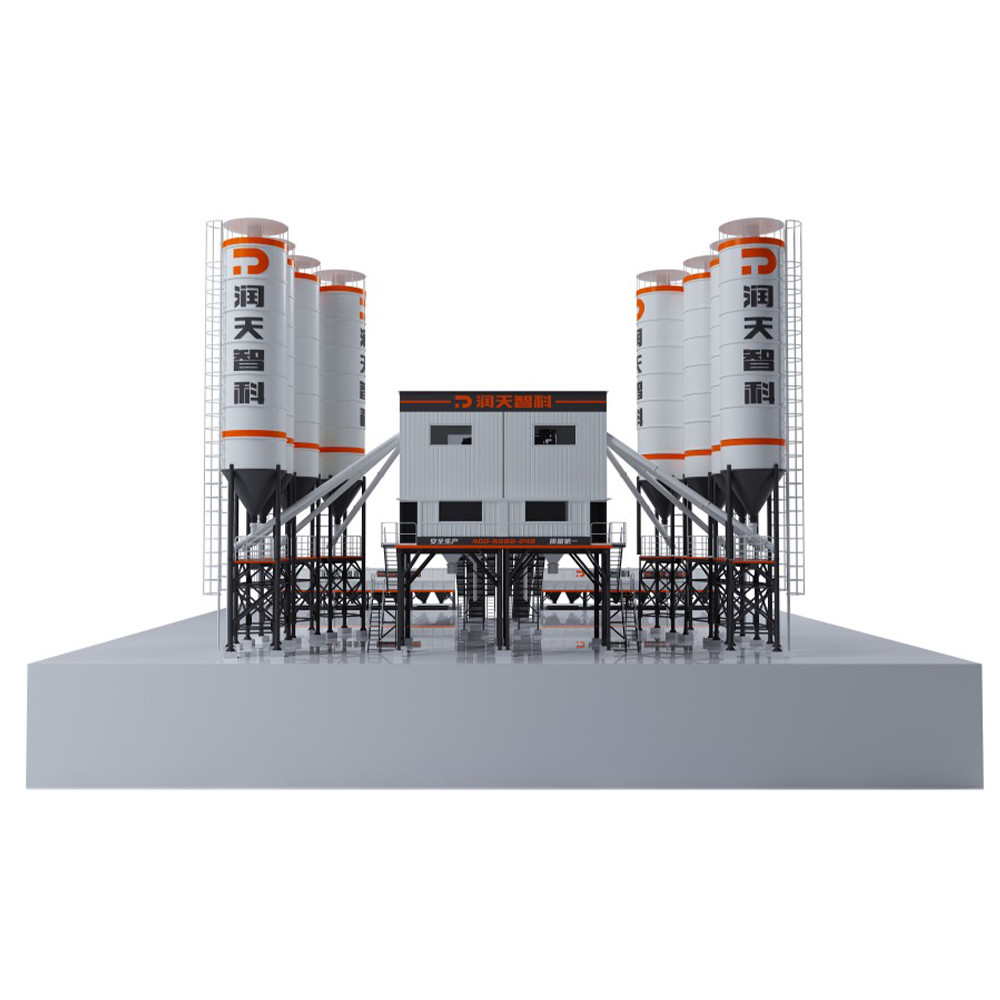 HZS Series Belt Concrete Mixing Plant
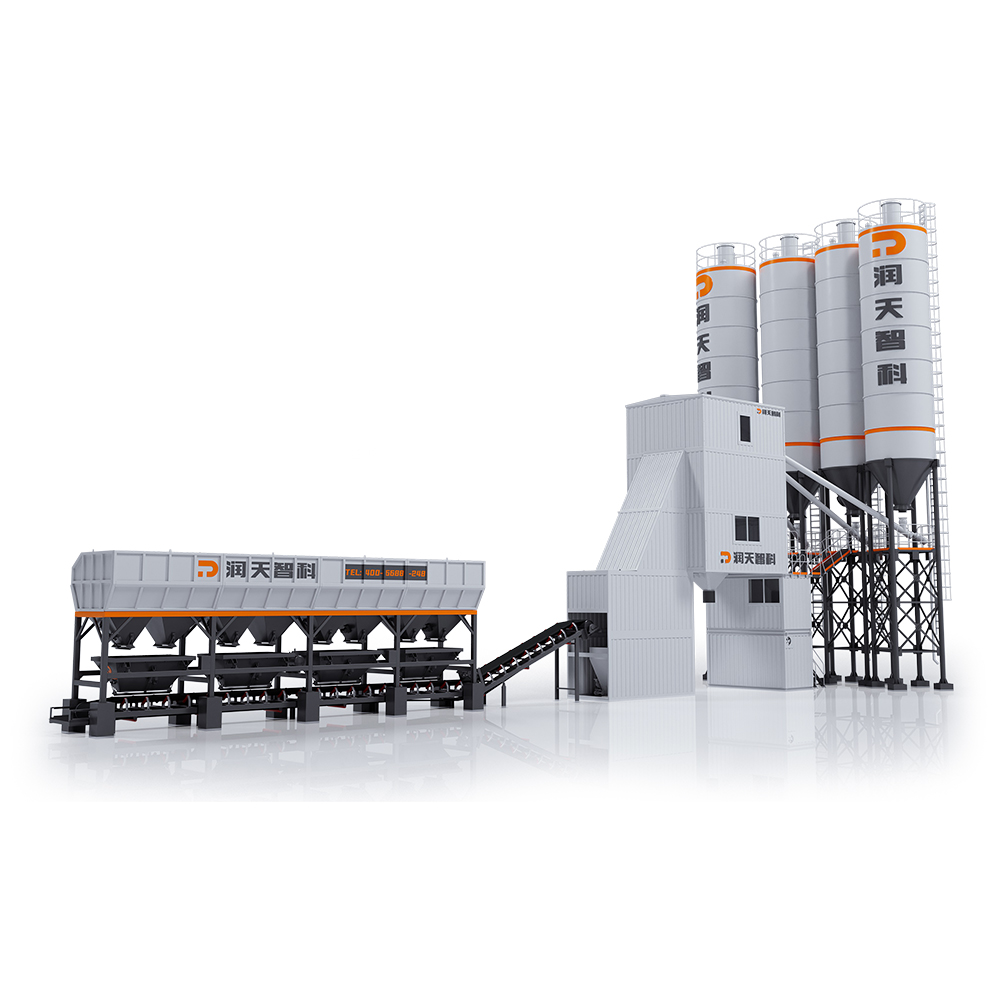 HZS Series Bucket-Lifting Type Container Concrete Mixing Plant
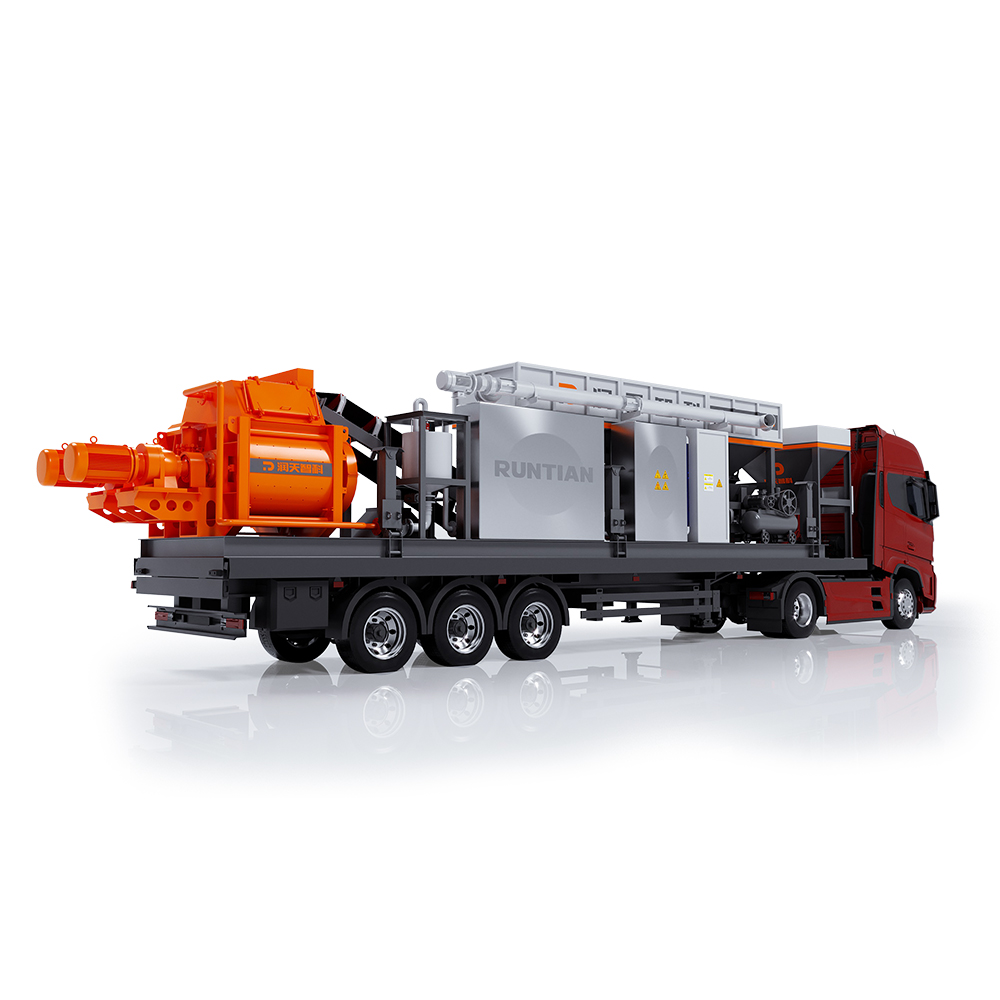 HZS60 Mobile Concrete Mixing Plant
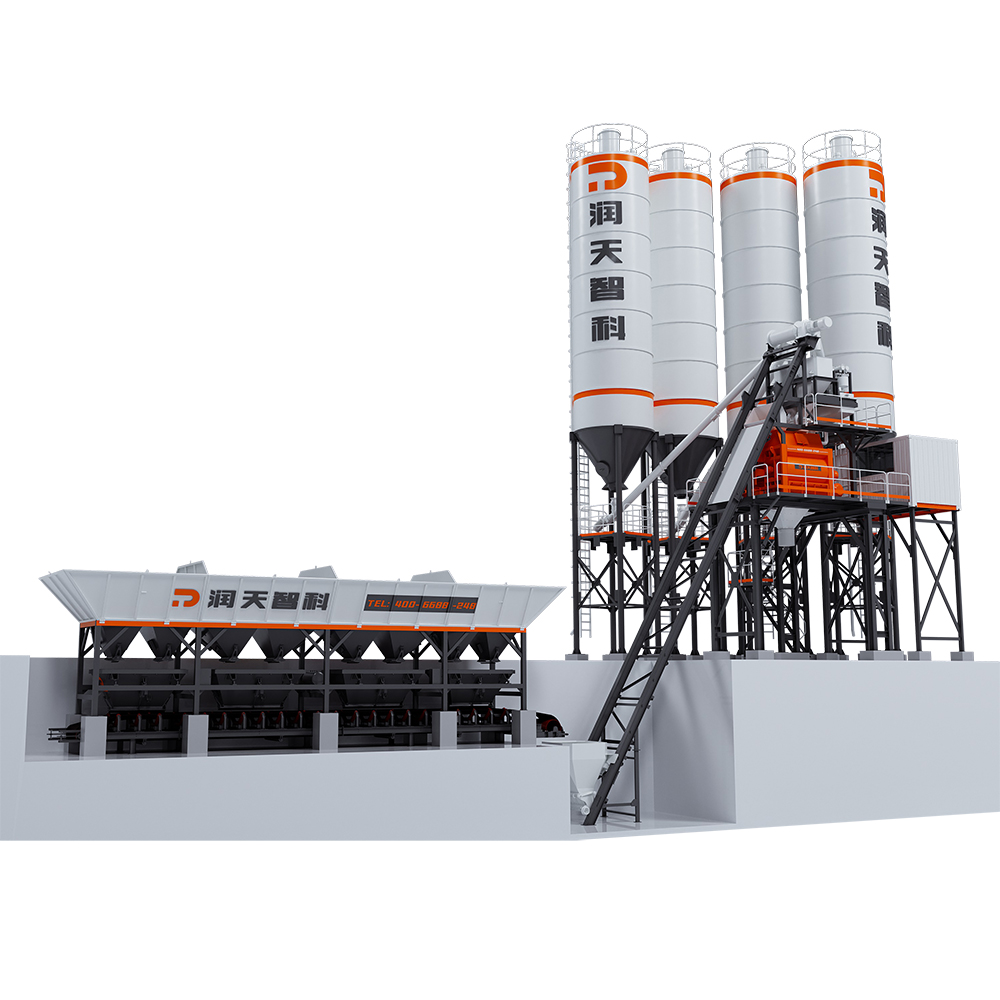 HZS Series Bucket-Lifting Type Concrete Mixing Plant
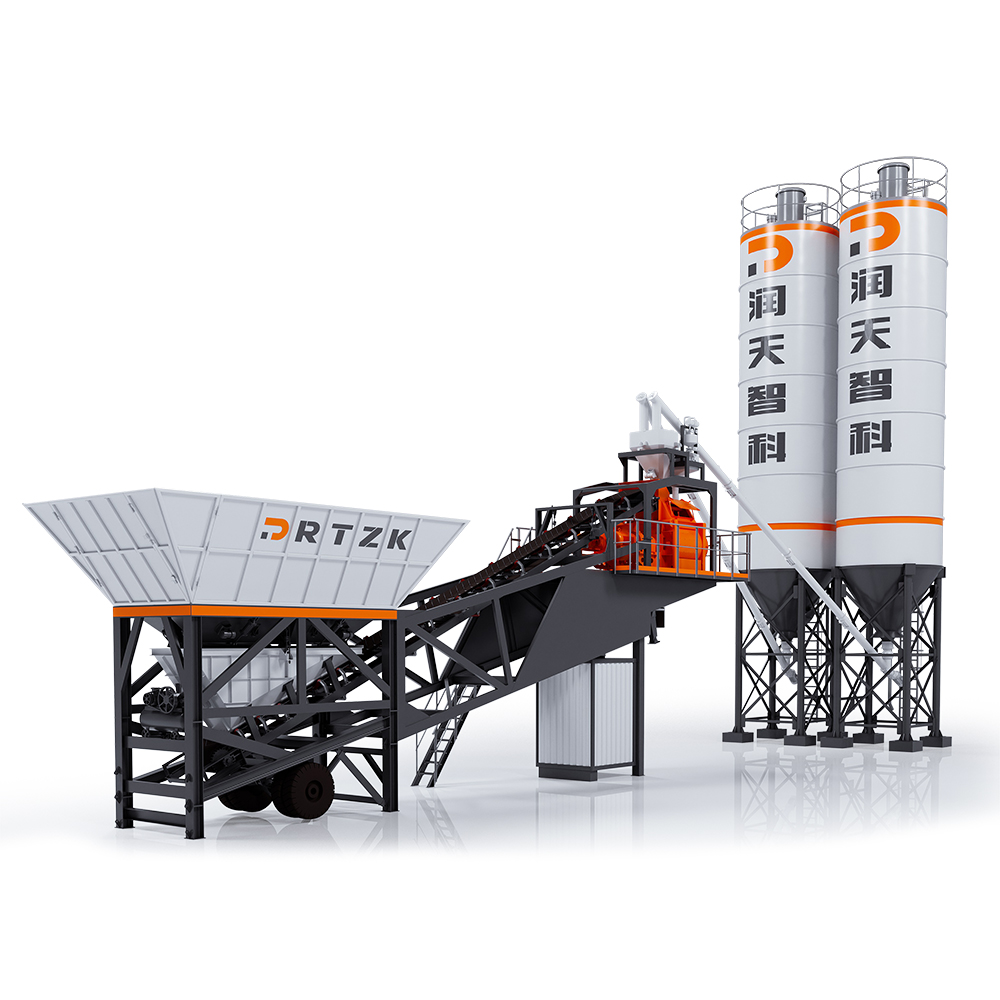 HZS Series Mobile Concrete Mixing Plant
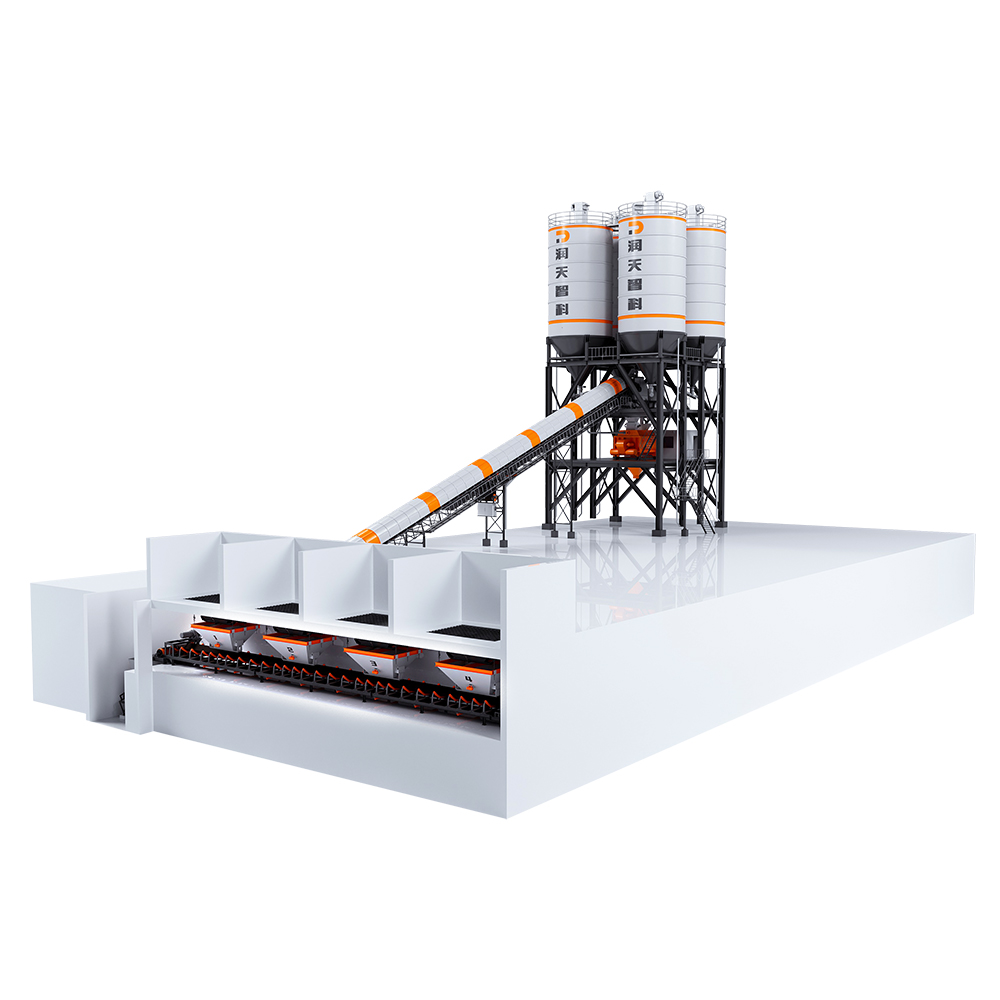 HZS Series Top-Mounted Concrete Mixing plant
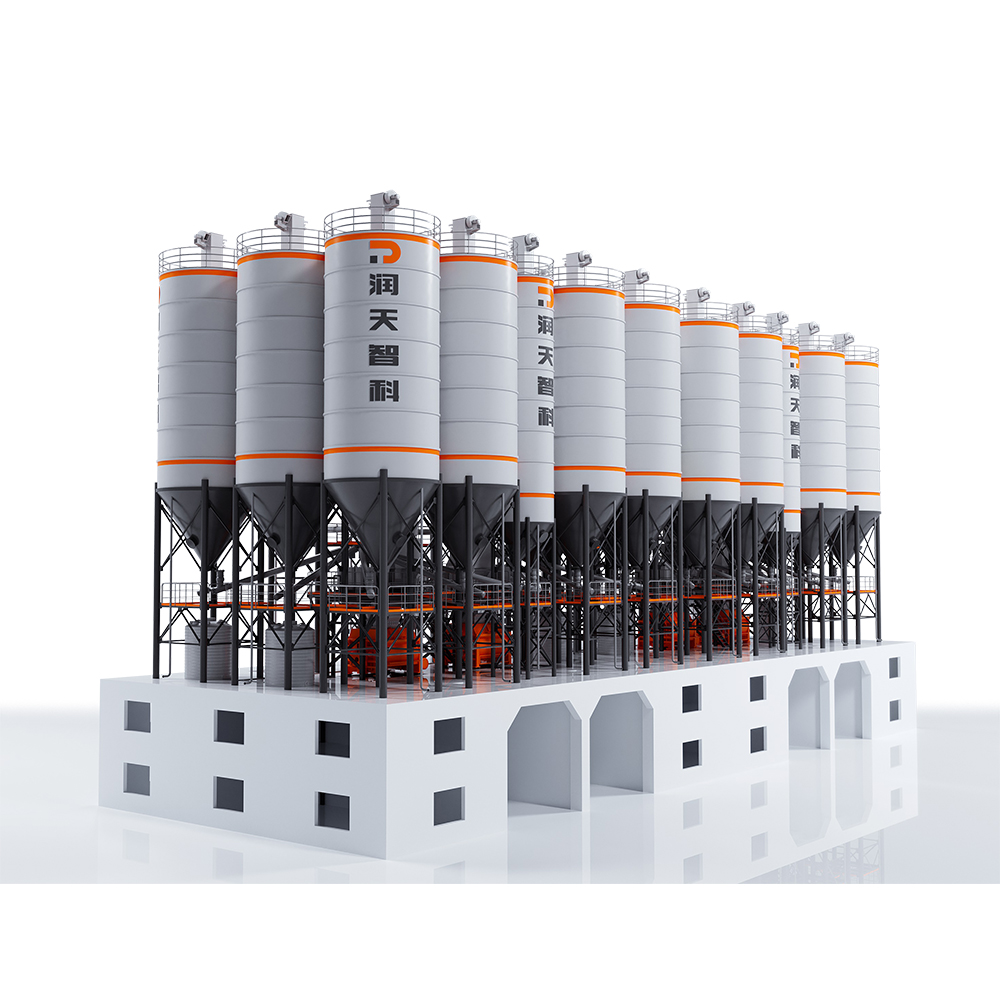 HZS Series Semi-Top Mounted Concrete Mixing Plant
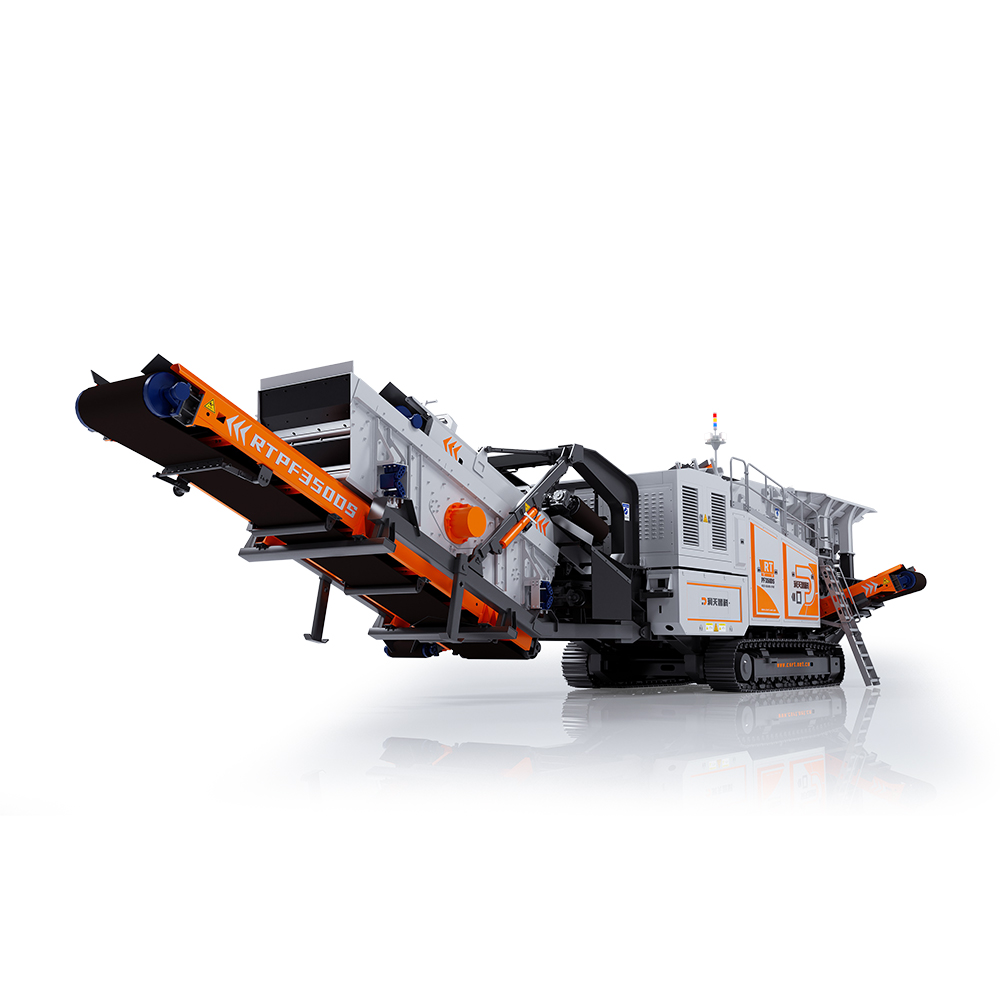 RTPF350DS Crawler Mobile Impact Crushing Plant
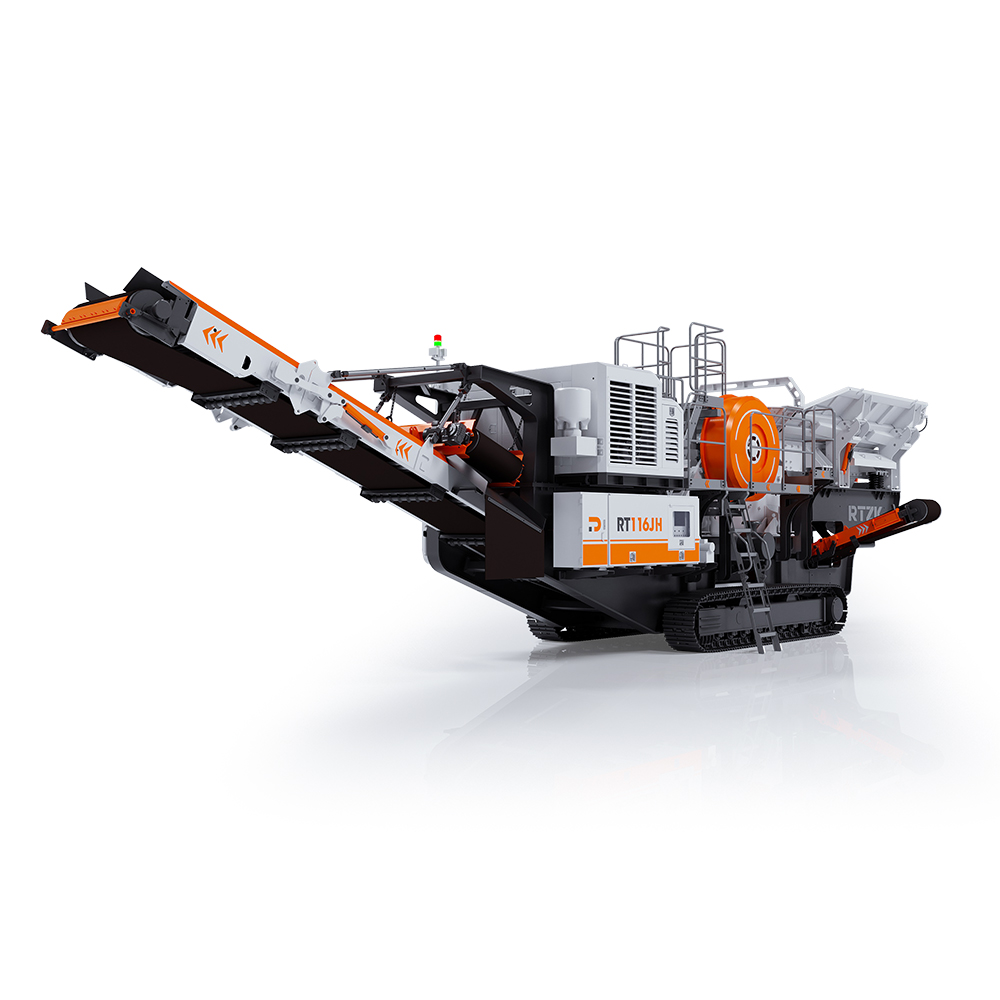 RT116JH Crawler Mobile Jaw Crushing Plant
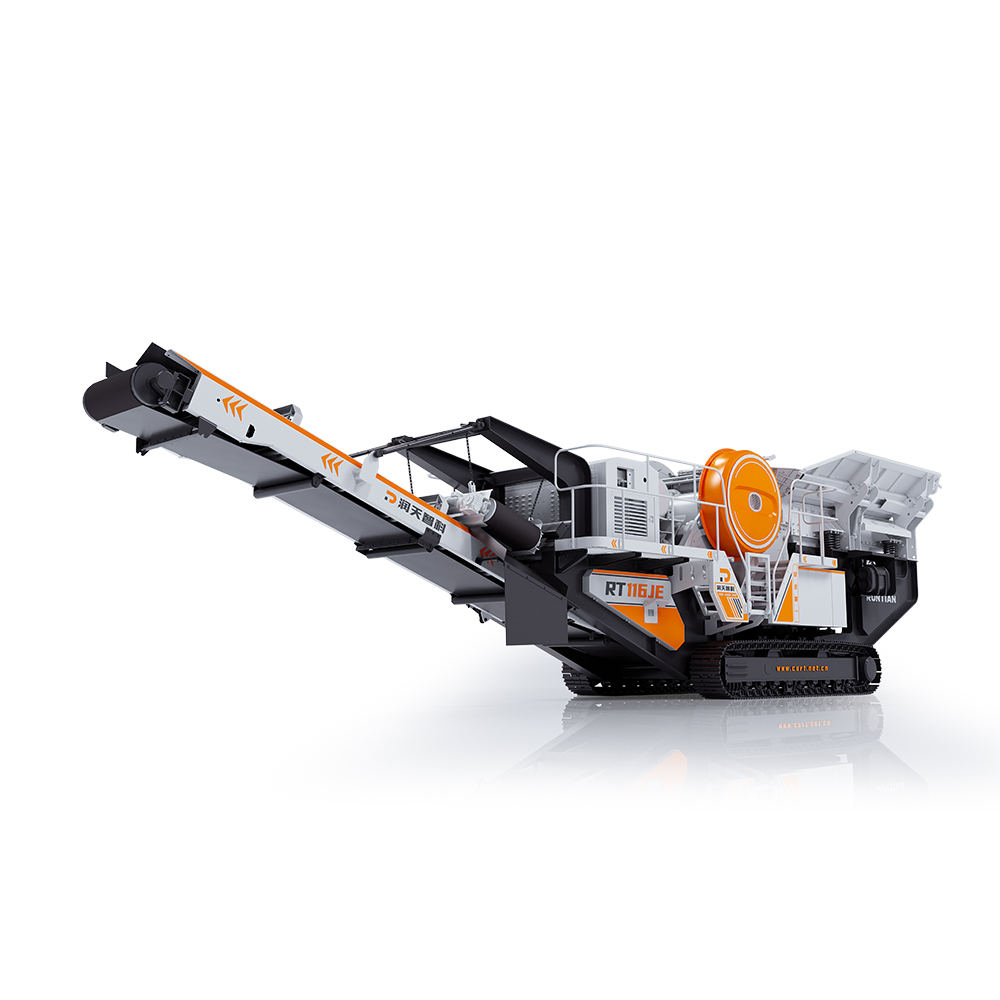 RT116JE Crawler Mobile Jaw Crushing Plant
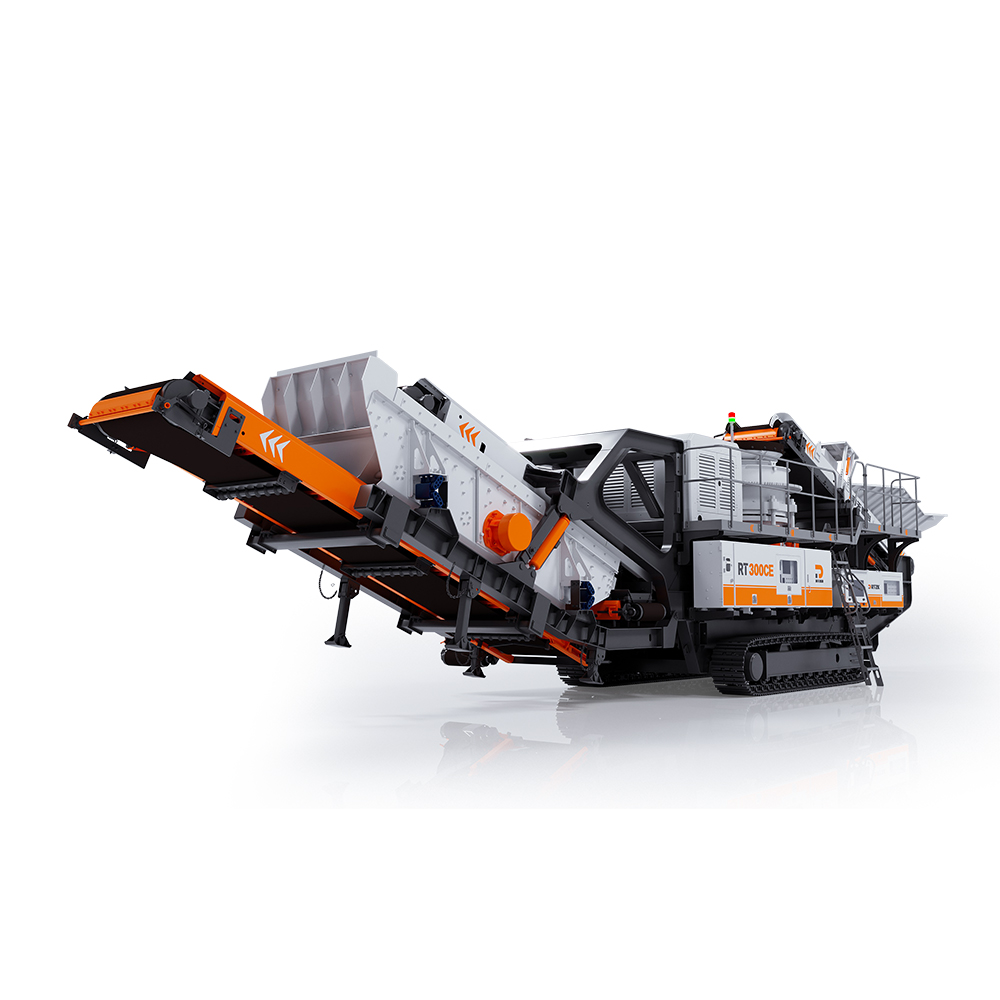 RT300CE Crawler Mobile Cone Crushing Plant
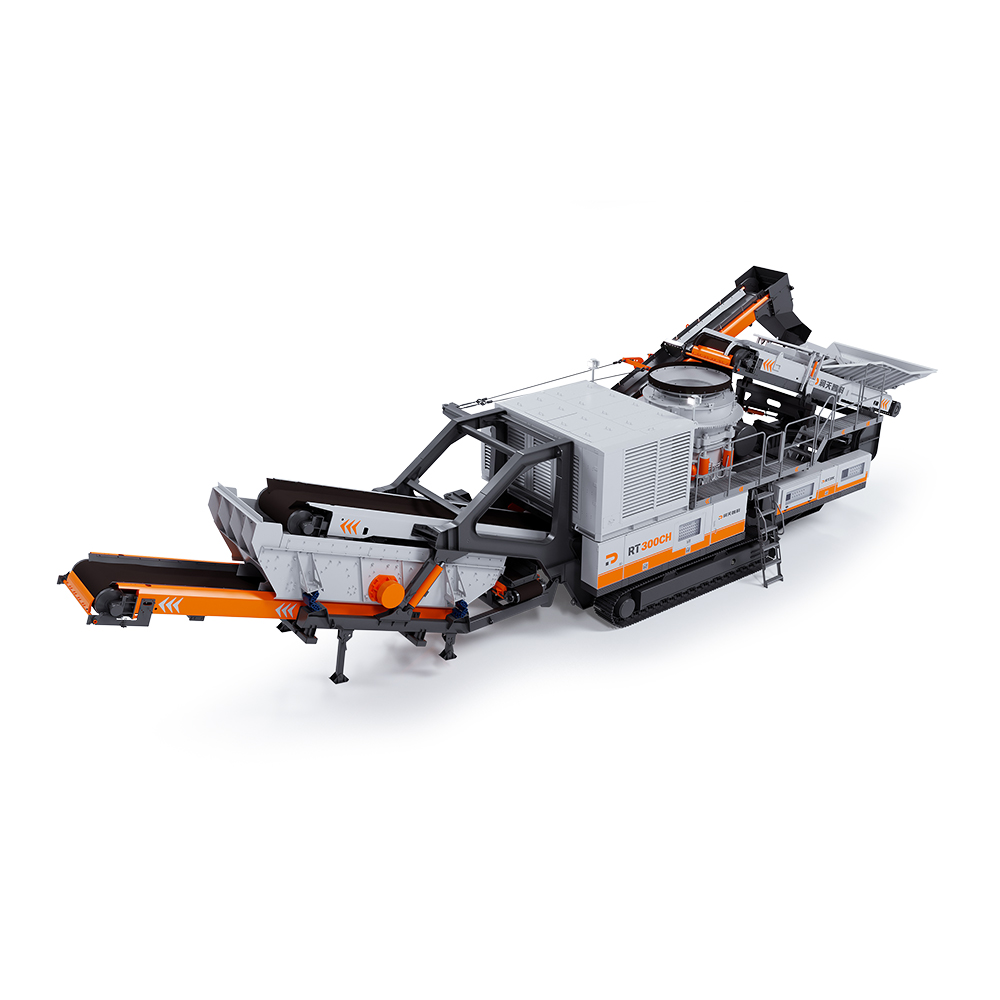 RT300CH Crawler Mobile Cone Crushing Plant
 RT5015H Mobile Scalping Screen
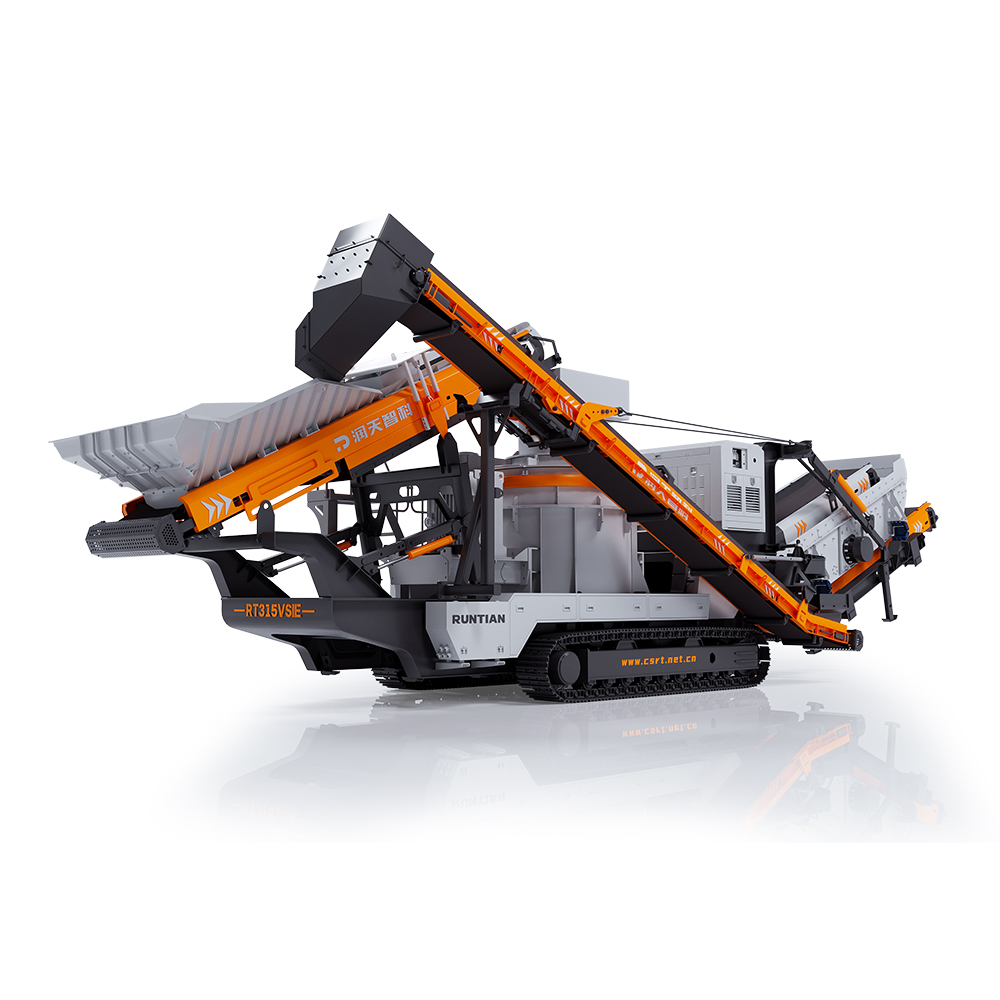 RT315VSIE Crawler Mobile Sand Maker
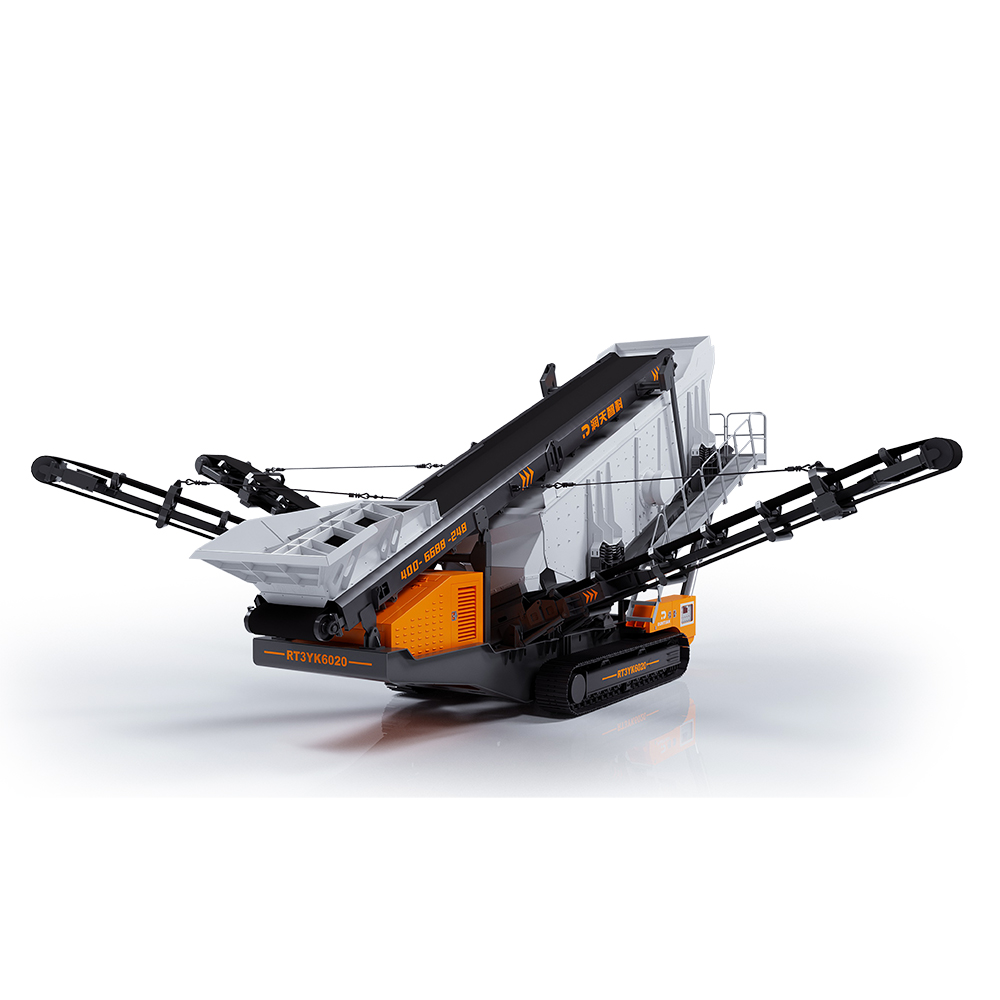 RT3YK6020 Crawler Mobile Screening Plant
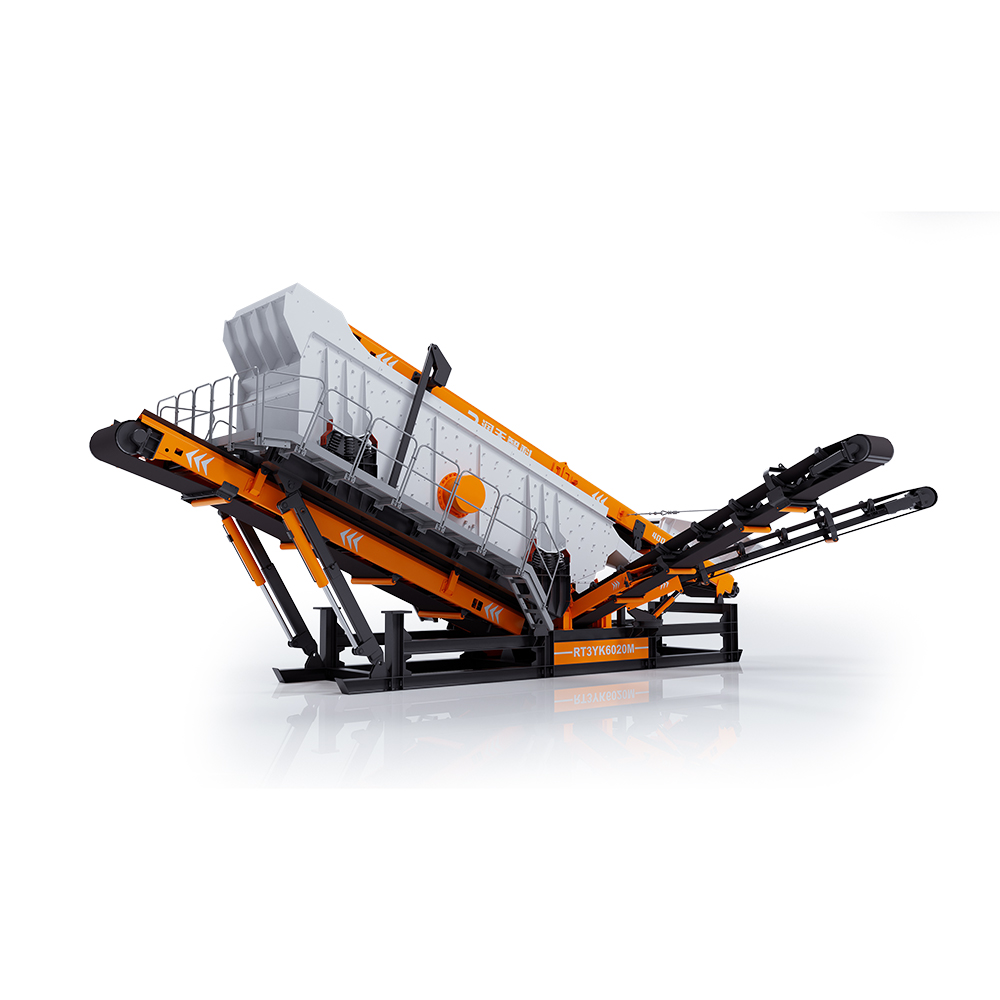 RT3YK6020M Modular Screening Plant
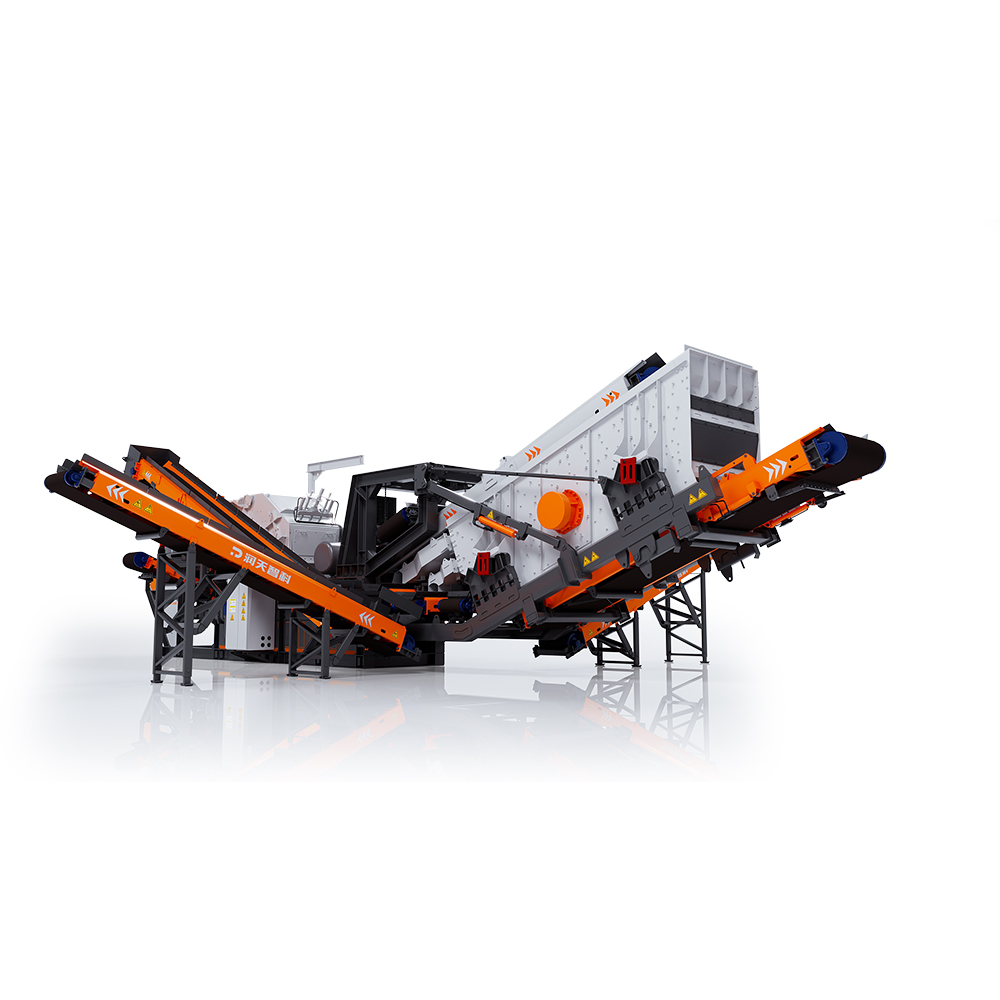 RTF260M Modular Counterattack Crushing and Screening Integrated Machine
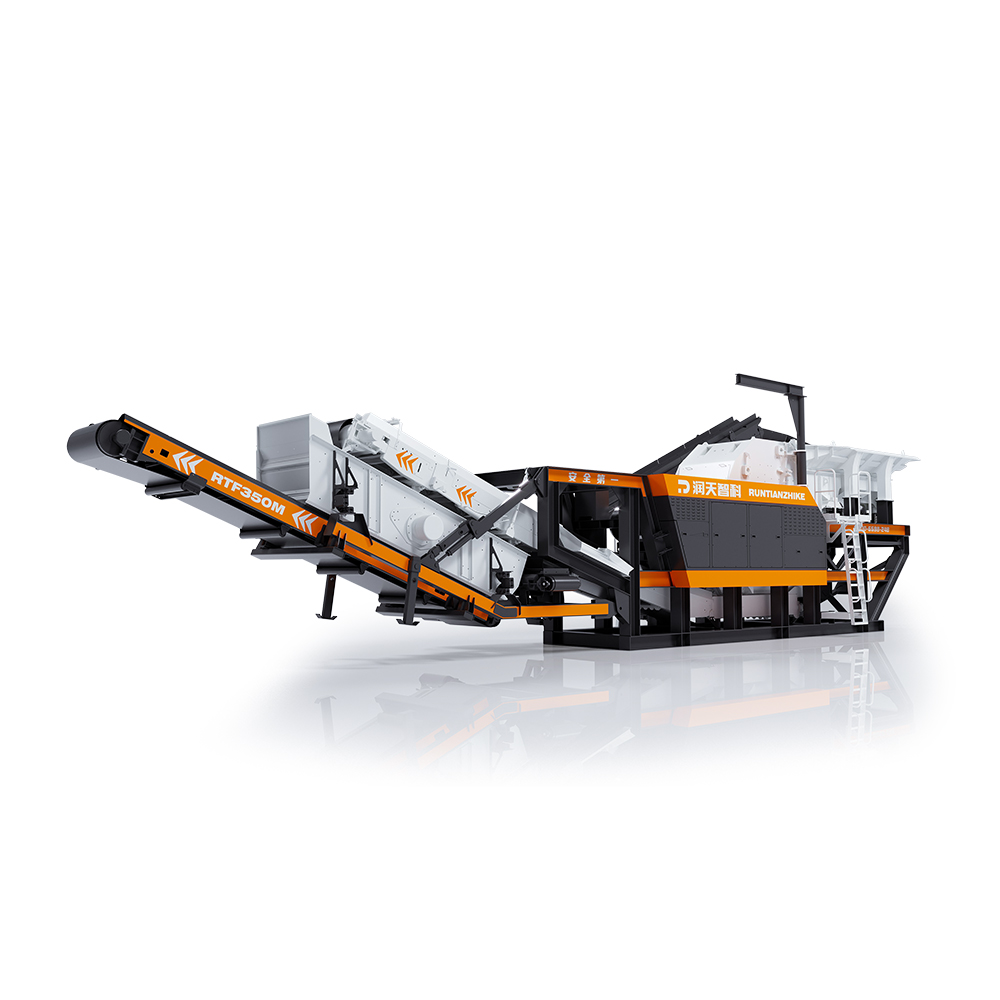 RTF350M Modular Impact Crushing Plant
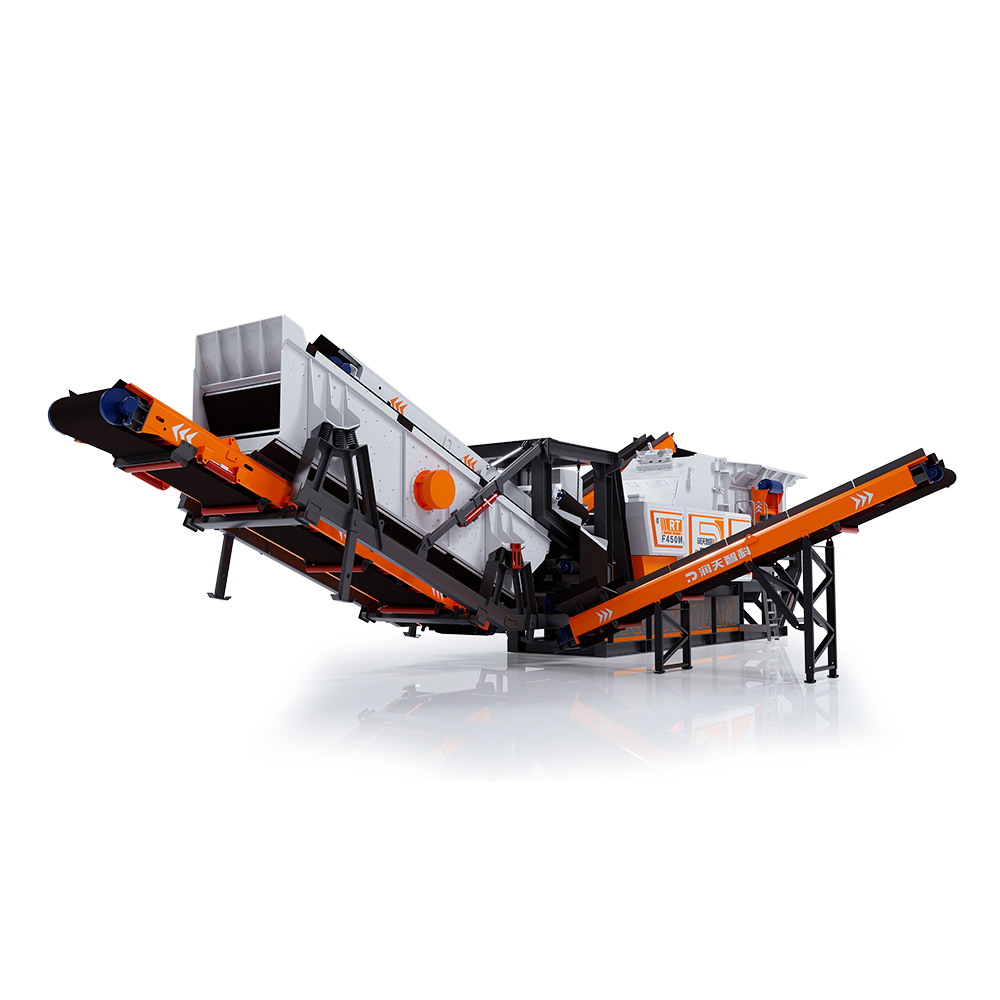 RTF450M Modular Impact Crushing Plant
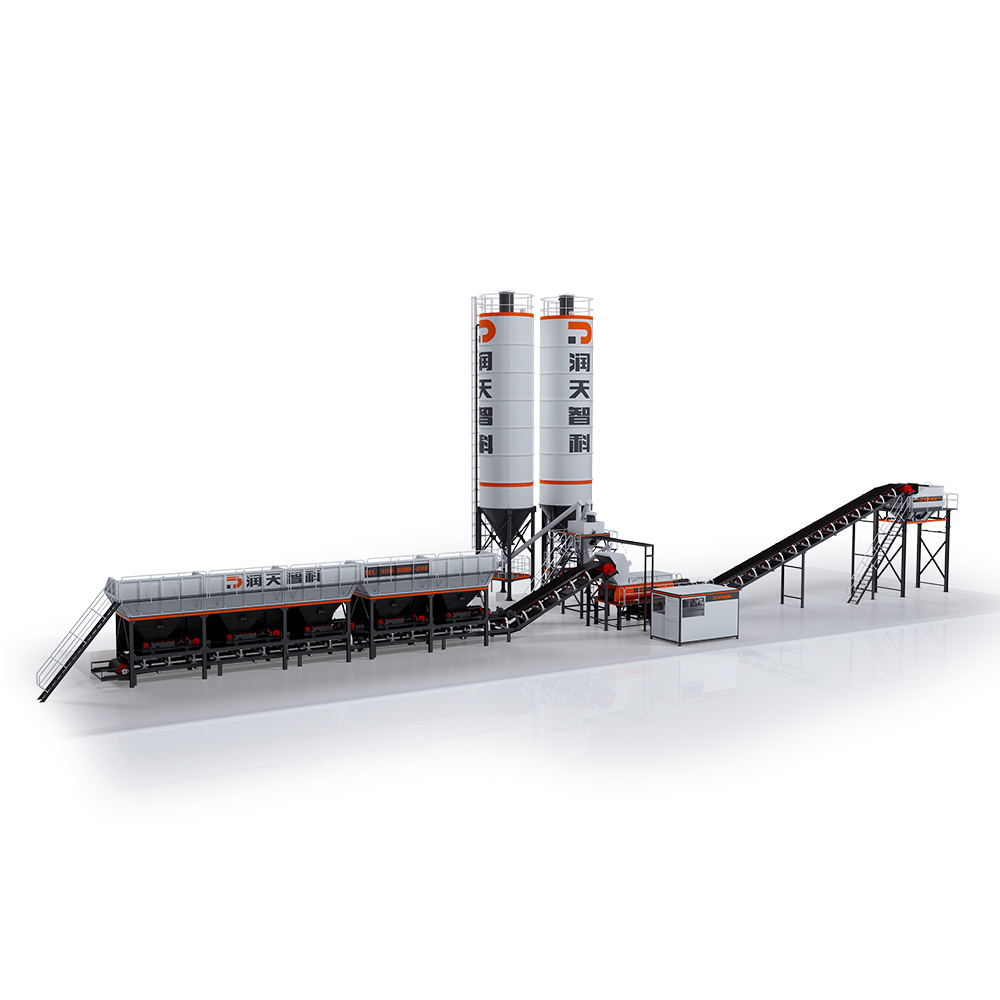 WDB Series Foundation-Free Stability Soil Mixing Plant
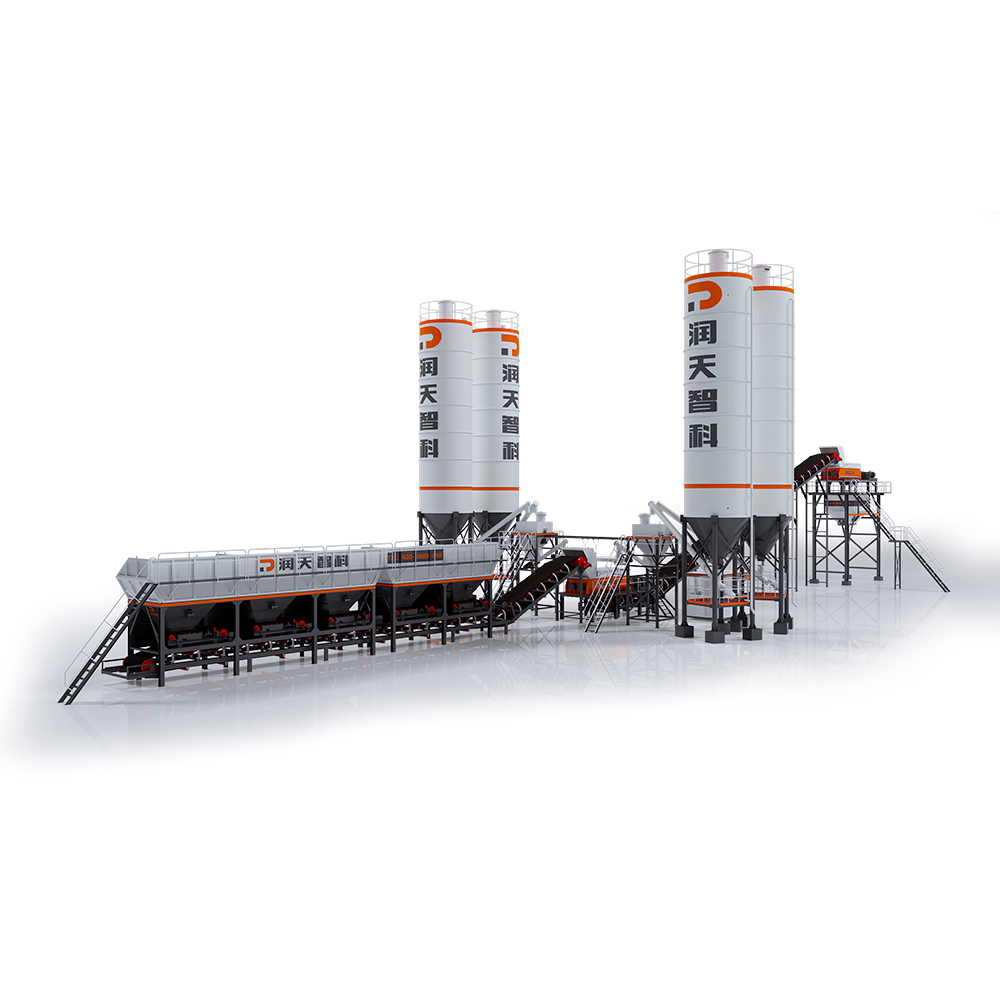 LCB Series Emulsified Asphalt Cold Regeneration Secondary Mixing Plant
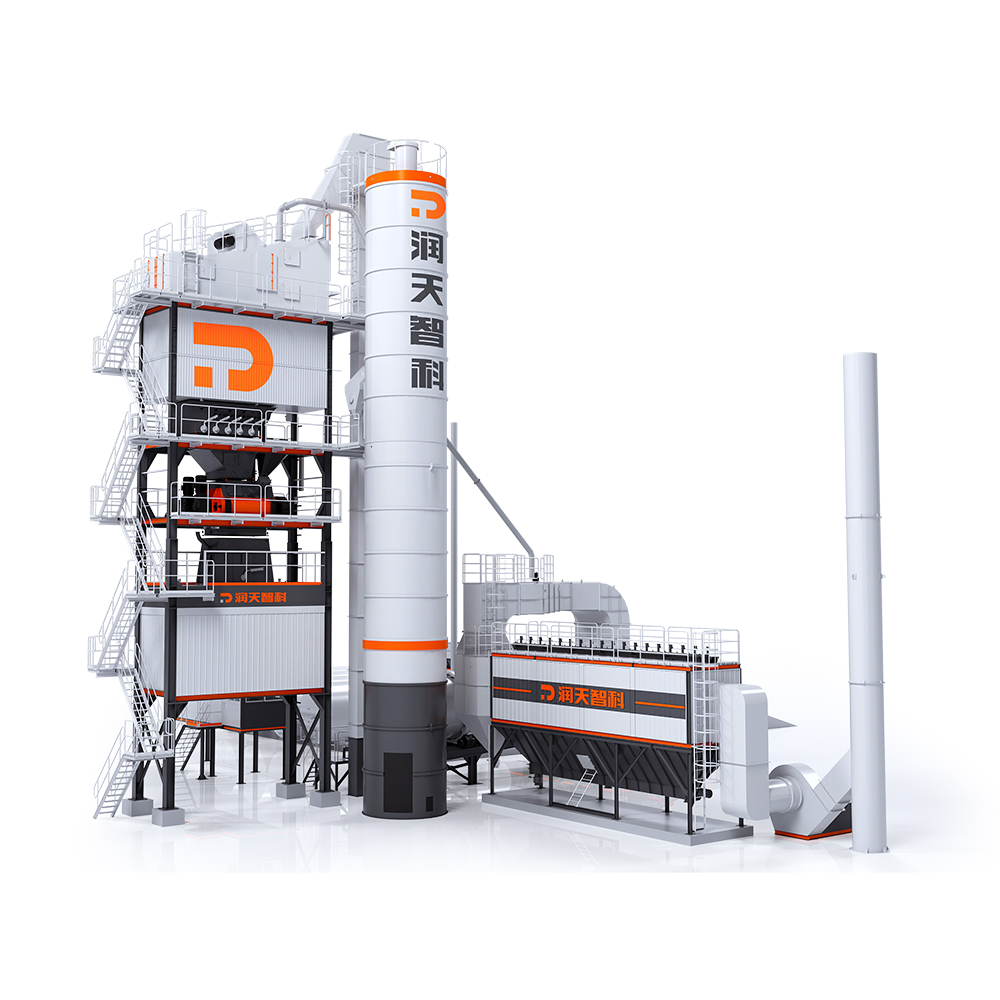 LB Series Asphalt Mixing Plant
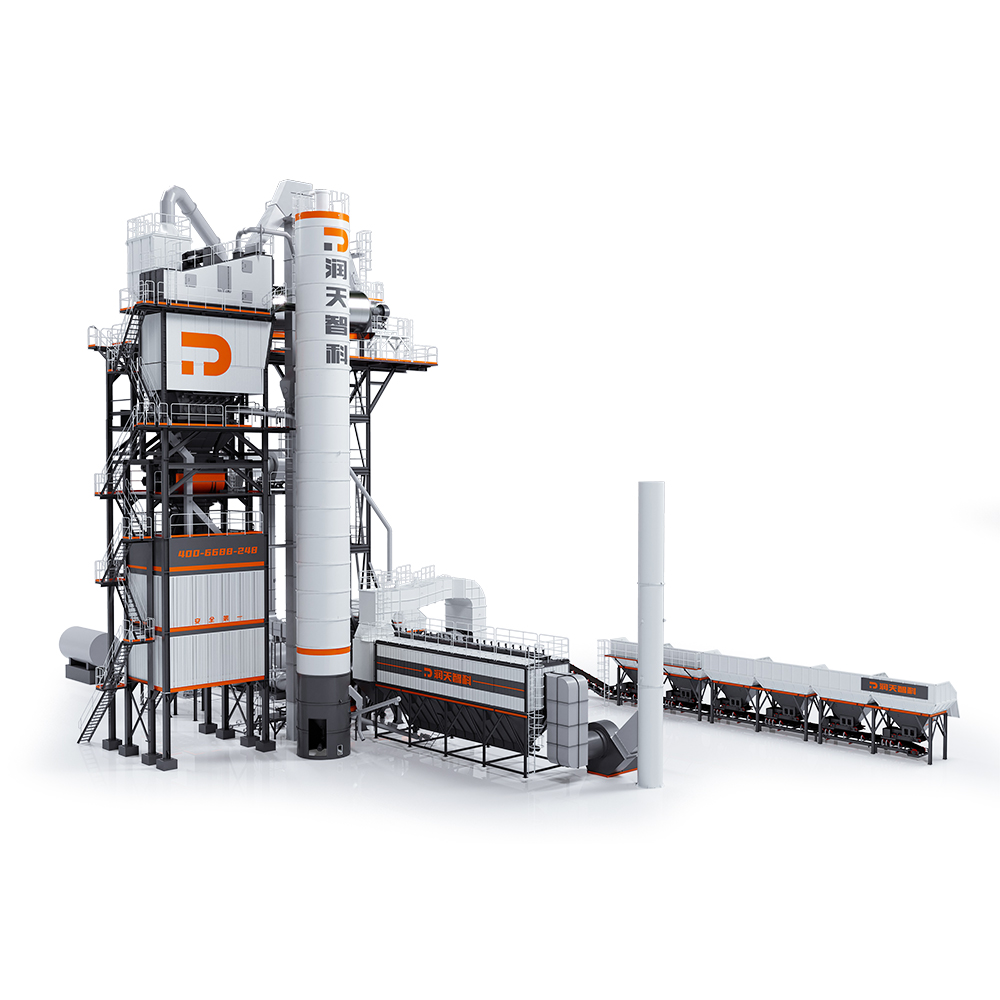 LBR Series Integrated Asphalt Mixing Plant
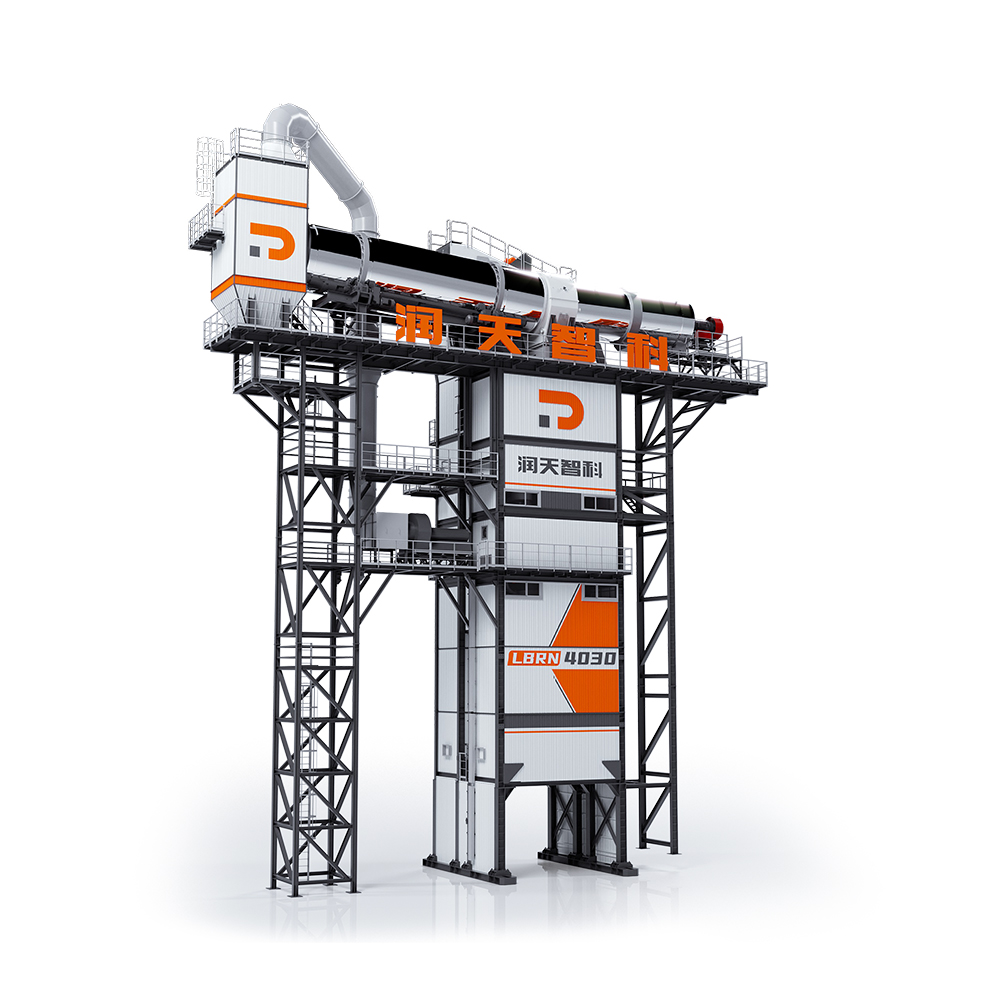 LBRN Series Counterflow Integral Asphalt Mixing Plant
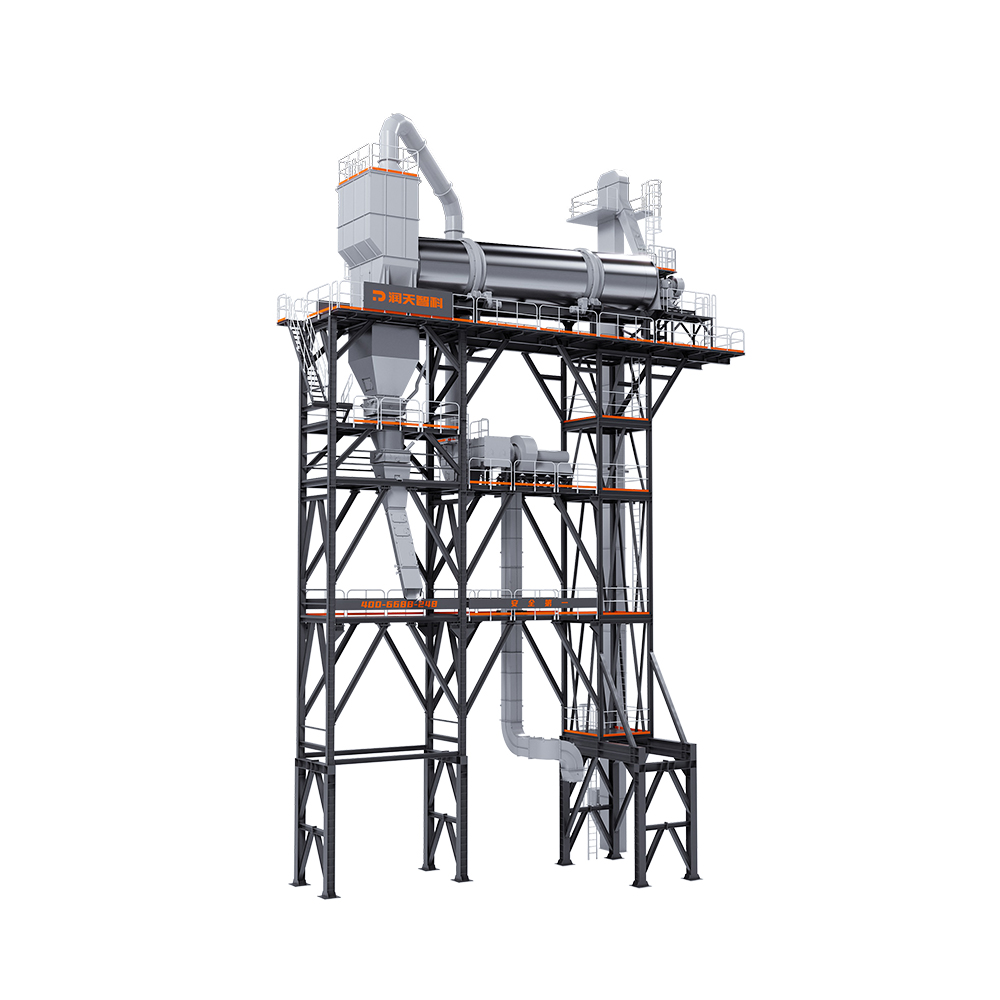 RZS Series Asphalt Mixing Plant
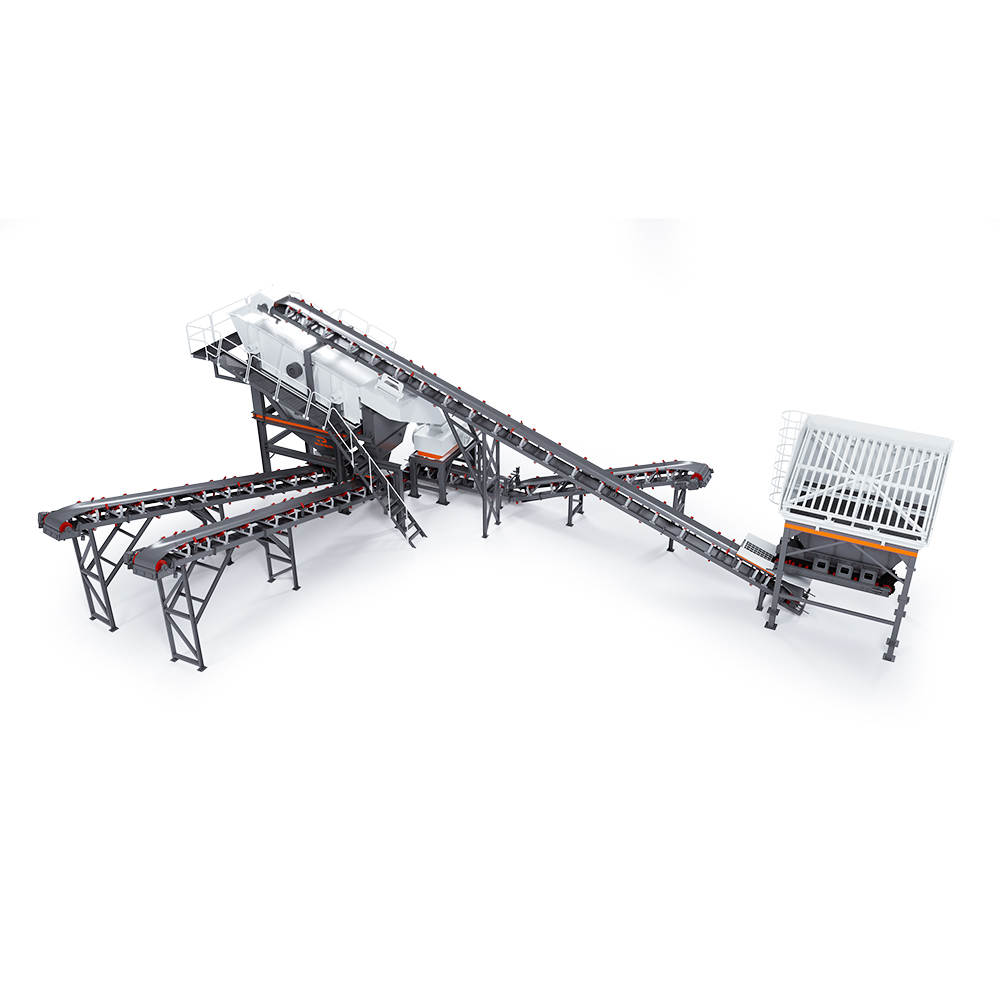 RTZS120 Series RAP Crushing & Screening Plant
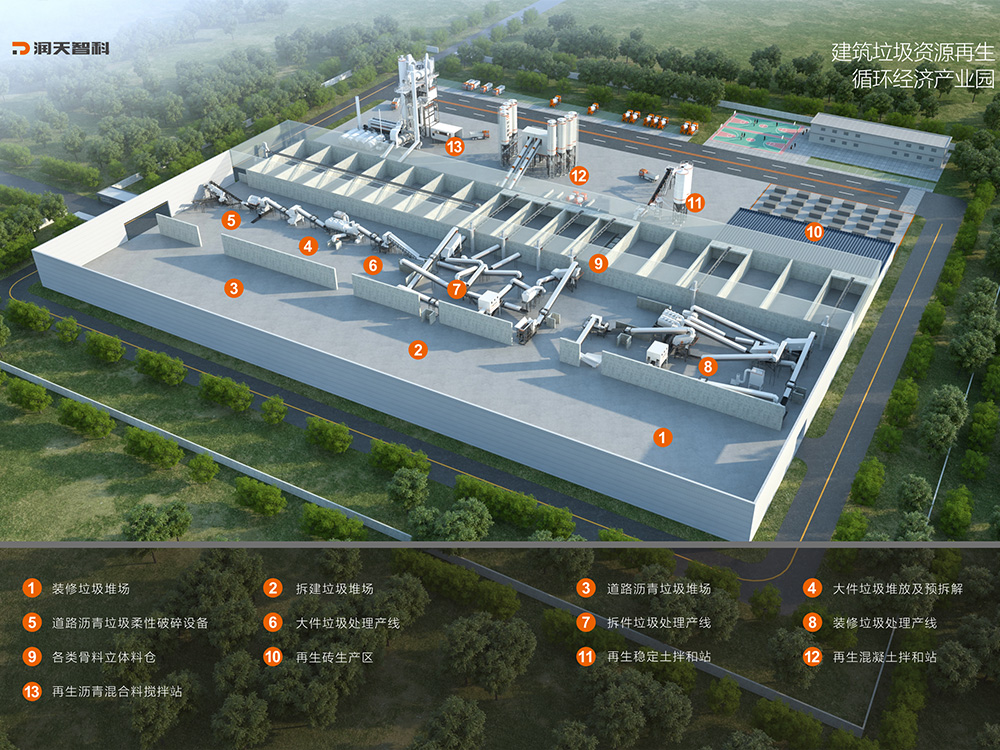 Construction Waste Resourceful Treatment Line