Top 7 Benefits of Using Concrete in Modern Construction Techniques for Sustainable Building Solutions
In the realm of modern construction, the emphasis on sustainability has never been more critical. As urbanization accelerates and environmental concerns heighten, innovative building materials and techniques are essential for architects and developers. Among these, concrete stands out as a versatile and eco-efficient option. According to the Global Concrete Industry Report 2024, the global concrete market is expected to reach a value of approximately $600 billion by 2025, underscoring its integral role in contemporary sustainable building solutions.
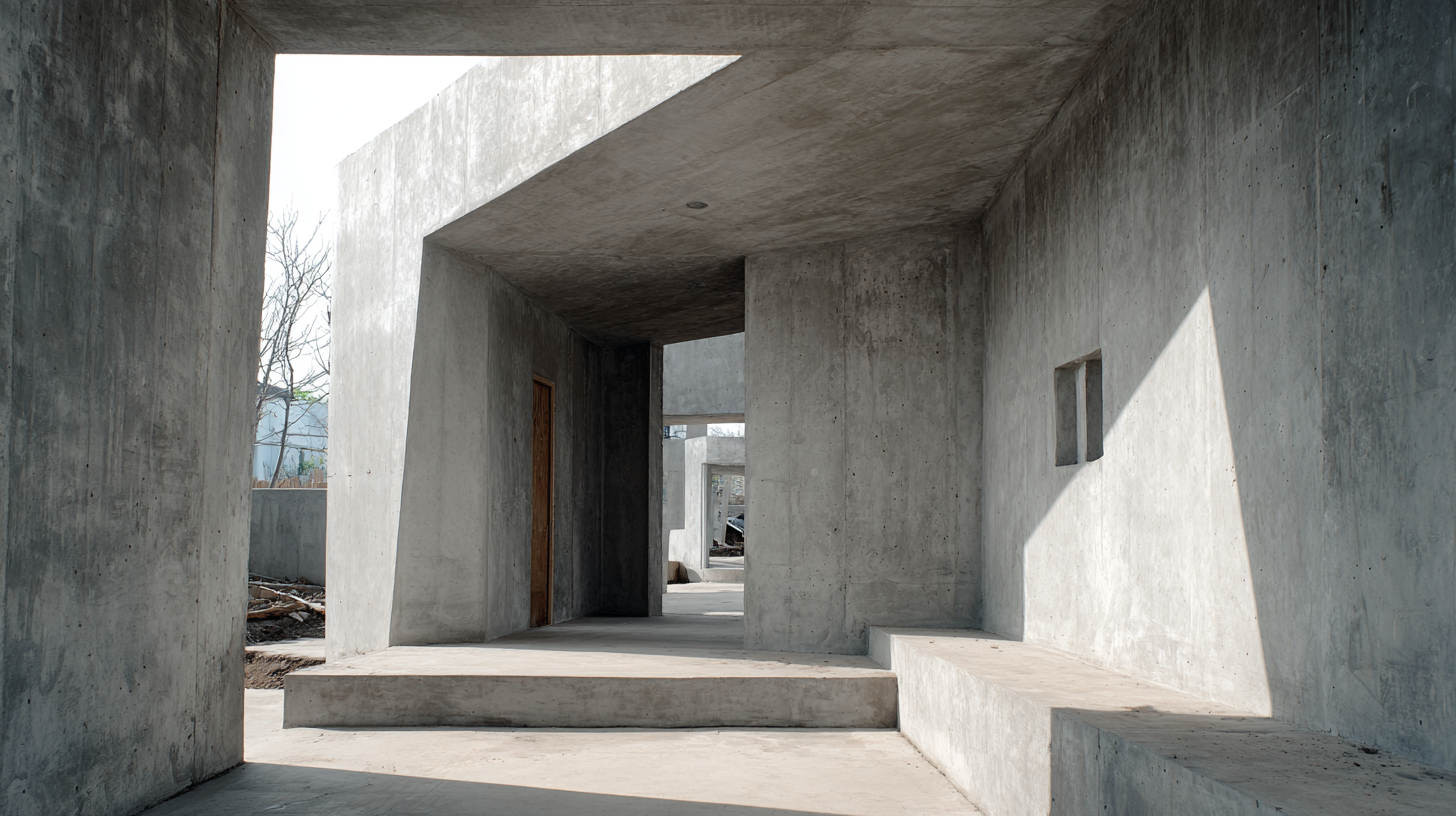
Expert in construction sustainability, Dr. Emily Carter, emphasizes, "To truly embrace sustainable building practices, we must harness the potential of concrete not only for its structural capabilities but also for its environmental benefits." As architectural designs evolve, the ability to incorporate concrete's durability and low-maintenance nature, while minimizing environmental impact, positions it as a leading choice for modern construction. Consequently, understanding the top benefits of using concrete can inspire builders and designers to optimize their projects, aligning with both economic and ecological goals in the upcoming years.
Advantages of Concrete in Sustainable Construction Practices
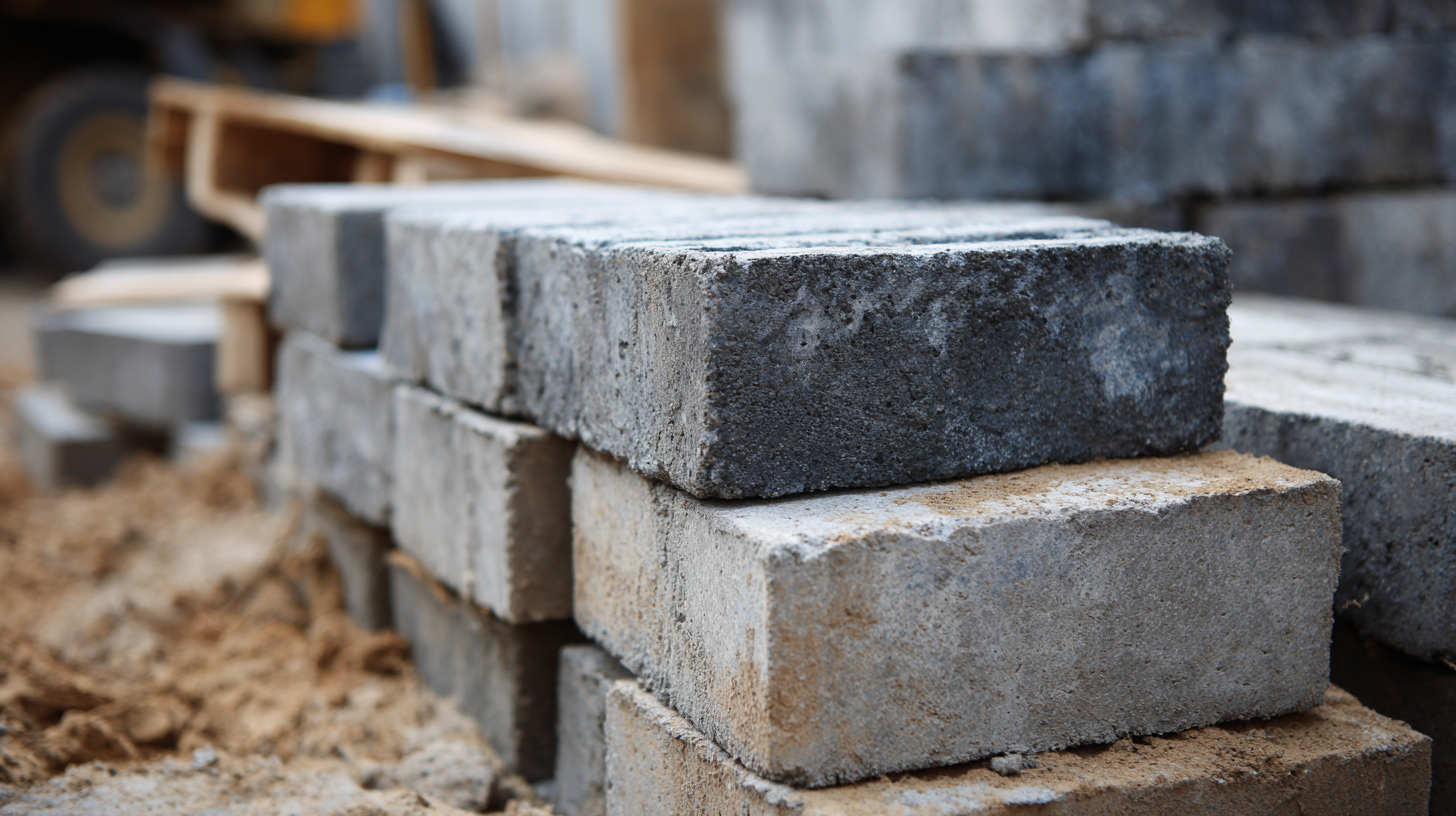 Concrete has become a cornerstone in the realm of sustainable construction practices due to its remarkable versatility and durability. One significant advantage of using concrete is its thermal mass properties, which help maintain stable indoor temperatures. This feature reduces the need for excessive heating and cooling, leading to lower energy consumption in buildings. Moreover, concrete’s long lifespan means that structures require less frequent repairs or replacements, minimizing resource depletion over time.
Additionally, concrete can incorporate recycled materials, further enhancing its sustainability profile. By using industrial by-products like fly ash or slag, the environmental impact of concrete production diminishes, reducing waste and resource extraction. Furthermore, the ability of concrete to resist fire, pests, and weathering contributes to longer-lasting structures that ultimately require fewer resources for upkeep. Through these advantages, concrete not only supports eco-friendly building practices but also offers economic benefits, embodying the essence of sustainable construction.
Durability and Longevity: Why Concrete Stands the Test of Time
Concrete is widely recognized for its exceptional durability and longevity, making it a fundamental material in modern construction techniques. Research from the Portland Cement Association indicates that properly designed concrete structures can last over 100 years with minimal maintenance. This is particularly critical in sustainable building practices, where the focus is on reducing the lifetime environmental impact of structures. The low maintenance requirements associated with concrete structures contribute to reduced resource consumption and waste generation over time.
Moreover, concrete's ability to withstand extreme weather conditions adds to its longevity. A study by the National Ready Mixed Concrete Association shows that concrete performs remarkably well in harsh climates, resisting both corrosion and degradation. This resilience not only ensures long-term performance but also translates to cost savings for property owners, as the need for frequent repairs and replacements is significantly reduced. As global construction practices increasingly prioritize sustainability, the inherent qualities of concrete position it as a leading choice for durable building solutions that stand the test of time.
Energy Efficiency: How Concrete Contributes to Lower Carbon Footprint
Concrete has emerged as a crucial material in sustainable building practices, particularly due to its energy efficiency properties which significantly contribute to a lower carbon footprint. According to a report by the Global Cement and Concrete Association, concrete structures can maintain thermal mass, which stabilizes indoor temperatures and reduces the need for heating and cooling systems. This characteristic can lead to energy savings of up to 30% in HVAC energy consumption, ultimately translating to reduced greenhouse gas emissions from fossil fuel usage.
Furthermore, the carbon capture potential of concrete makes it an integral part of sustainable building solutions. Research indicates that concrete can absorb CO2 from the atmosphere over its lifespan, sometimes offsetting up to 15% of the emissions generated during its production. Additionally, innovations in concrete mixtures now include recycled materials, which not only decrease the environmental impact but also enhance the material's performance. By incorporating such techniques, the construction industry can effectively promote a circular economy while meeting the growing demands for energy-efficient and sustainable building designs.

Versatility of Concrete in Innovative Building Designs
Concrete has emerged as a versatile material in modern construction, enabling innovative building designs that prioritize both aesthetics and functionality. Its adaptability allows architects to explore creative forms that push traditional boundaries, as evidenced by award-winning projects that showcase unique facades and structures. Recent advancements in concrete technology, such as eco-friendly alternatives and innovative cladding systems, highlight the ongoing evolution within the industry. For instance, new precast concrete systems combine advanced engineering techniques with sustainability, reducing carbon footprints while maintaining structural integrity.
Additionally, the industry's focus on reducing construction emissions has led to the development of next-generation materials with a significantly smaller environmental impact. Recent innovations report a reduction to about one quarter of concrete's carbon emissions, underscoring the material's role in promoting eco-friendly building practices. As sustainable solutions become increasingly critical in architecture, concrete's versatility continues to enable designers to incorporate resilience features, ensuring buildings can withstand disasters while remaining visually appealing. This synthesis of form and function allows concrete to not only meet but exceed modern sustainability standards in construction.
Top 7 Benefits of Using Concrete in Modern Construction Techniques for Sustainable Building Solutions
This chart illustrates the seven key benefits of using concrete in modern construction techniques, highlighting its versatility in various innovative building designs.
Cost-effectiveness of Using Concrete for Sustainable Solutions
Concrete has emerged as a pivotal material in modern construction techniques, particularly when considering cost-effectiveness in sustainable building solutions. One of the foremost advantages of using concrete is its affordability compared to other building materials. With its widespread availability and low production costs, concrete often results in significant savings during the construction phase. Additionally, its durability ensures that structures require less frequent repairs or replacements, thereby reducing long-term expenses associated with maintenance.
Moreover, concrete's thermal mass properties contribute to energy efficiency, leading to further cost savings. Buildings constructed with concrete can maintain stable indoor temperatures, reducing the need for heating and cooling systems. This not only decreases energy bills but also enhances overall comfort for occupants. The versatility of concrete allows for innovative design solutions that optimize space and functionality, making it an economically sensible choice for both residential and commercial structures focused on sustainability.

 Concrete Mixing Plant
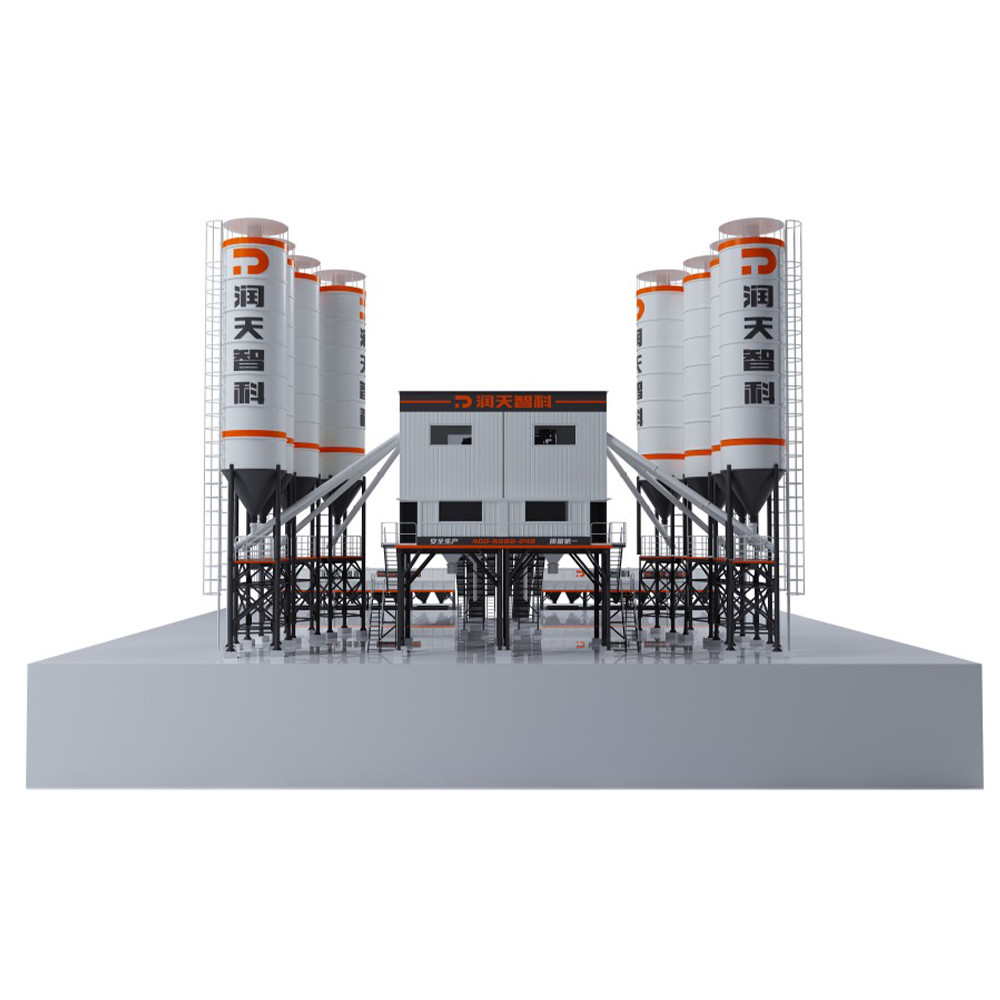 HZS Series Belt Concrete Mixing Plant
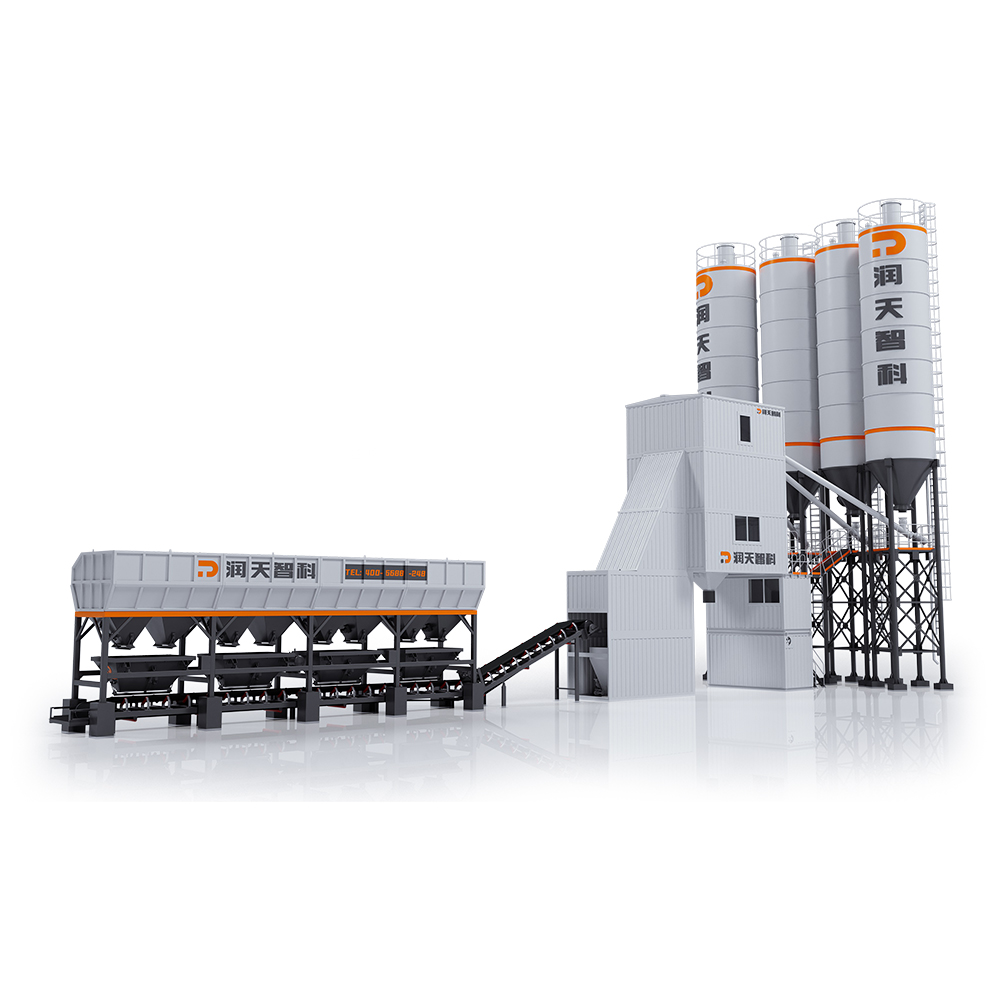 HZS Series Bucket-Lifting Type Container Concrete Mixing Plant
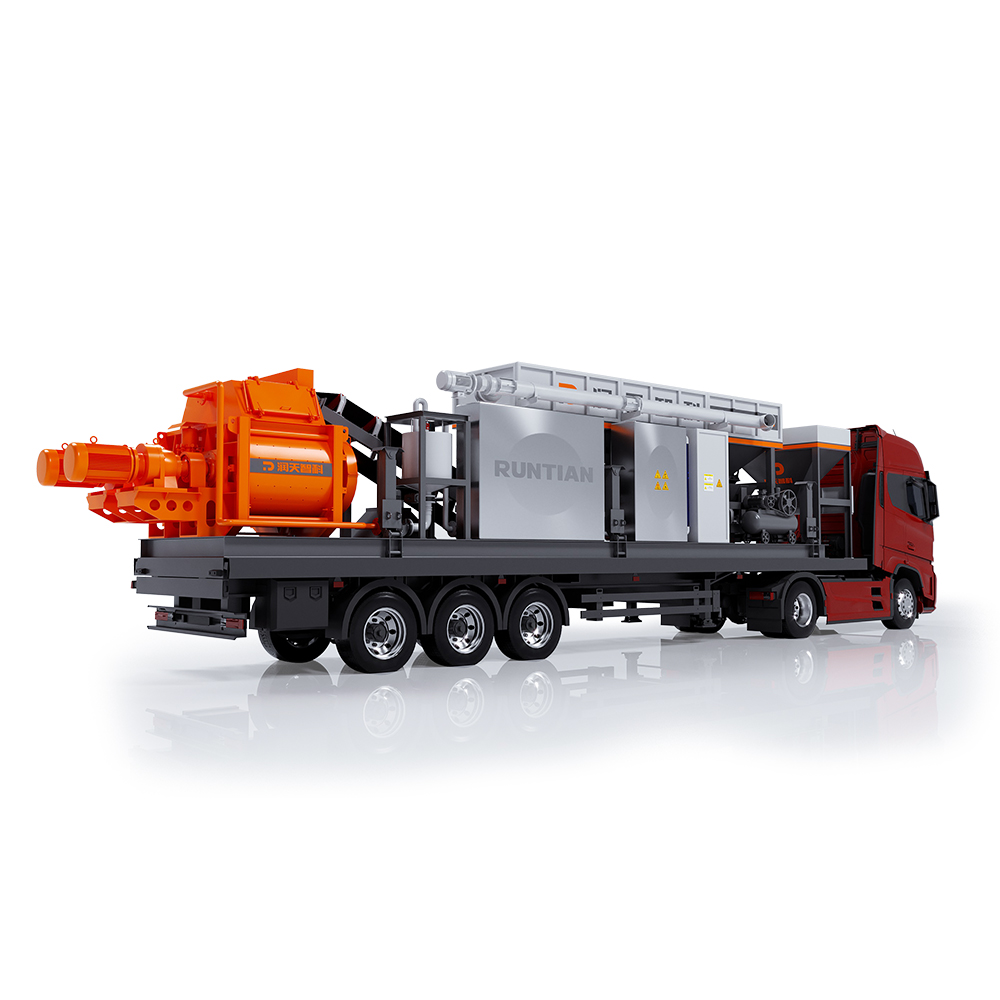 HZS60 Mobile Concrete Mixing Plant
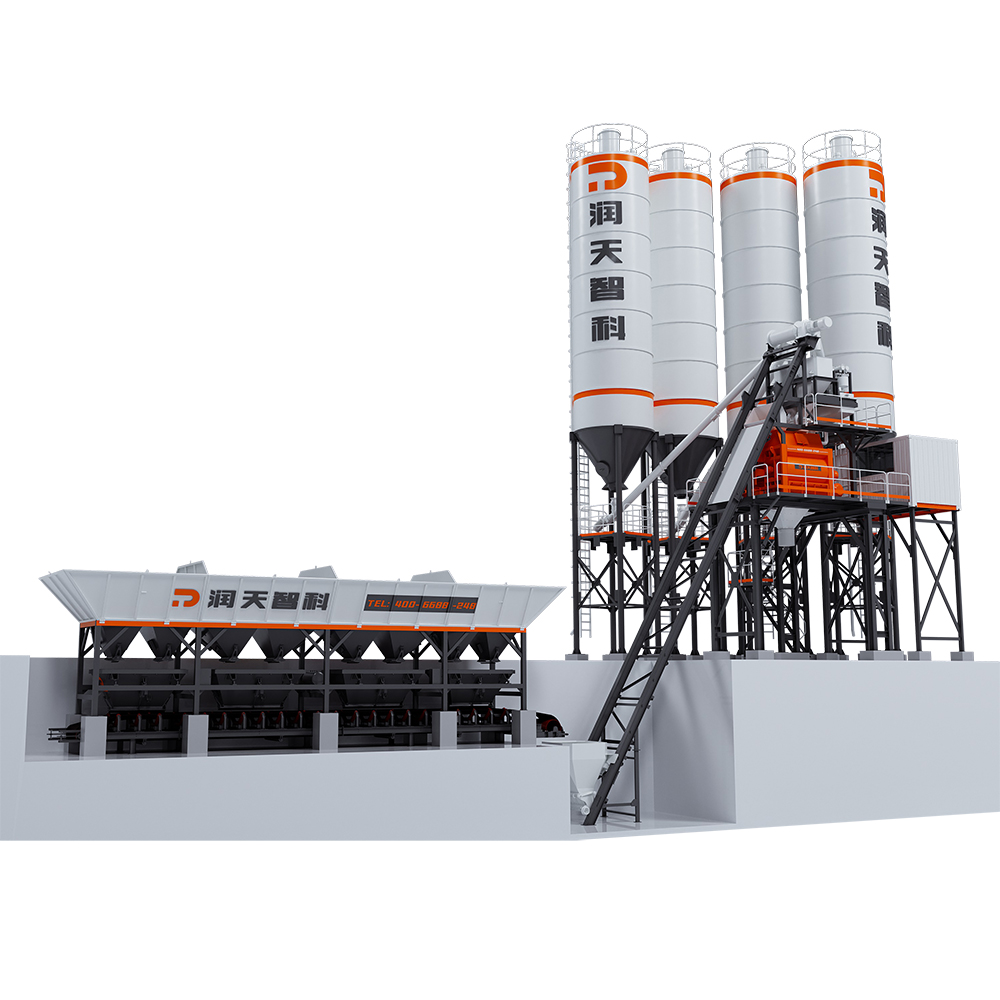 HZS Series Bucket-Lifting Type Concrete Mixing Plant
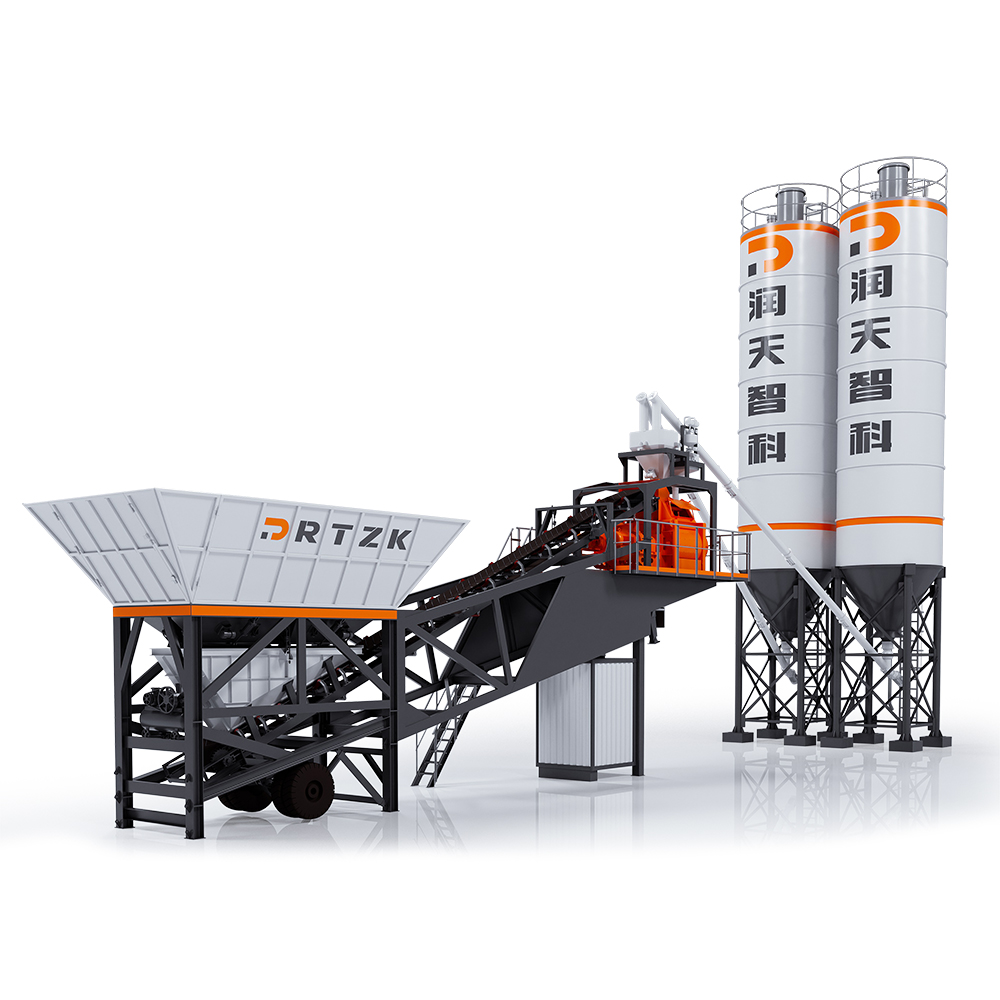 HZS Series Mobile Concrete Mixing Plant
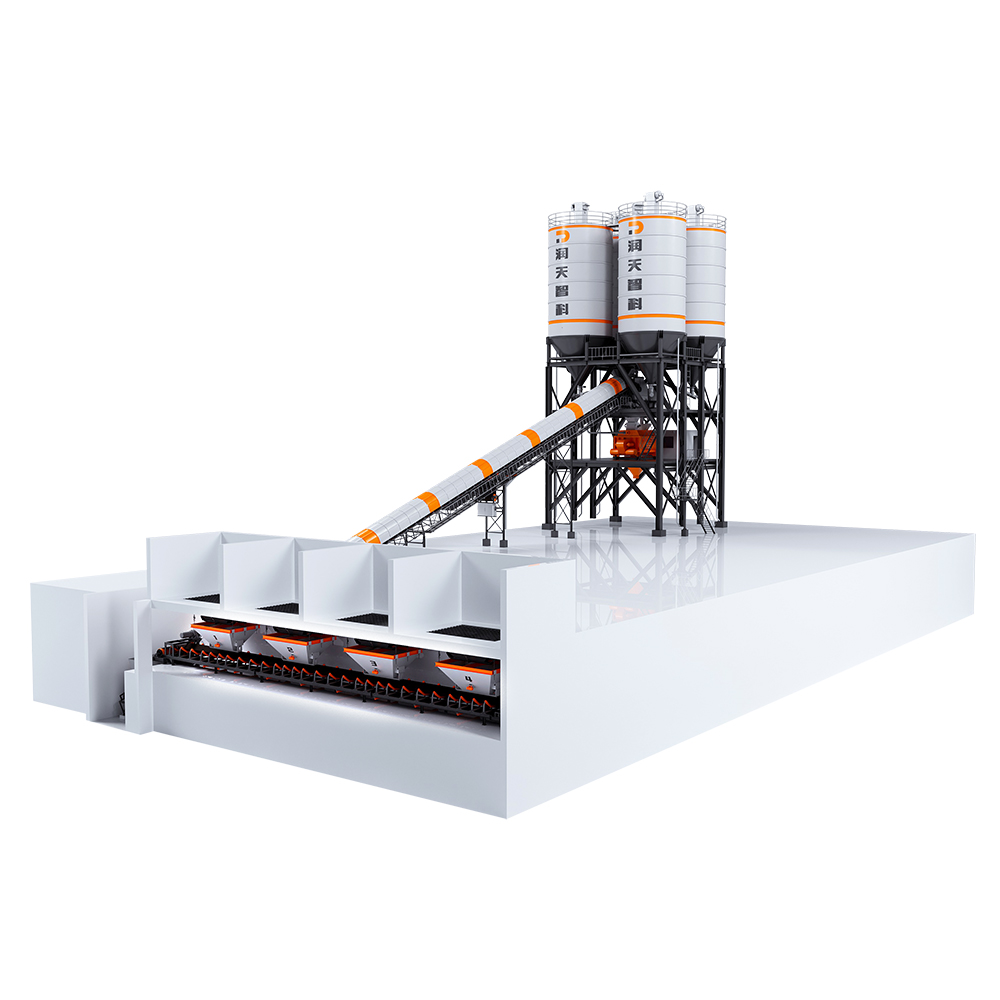 HZS Series Top-Mounted Concrete Mixing plant
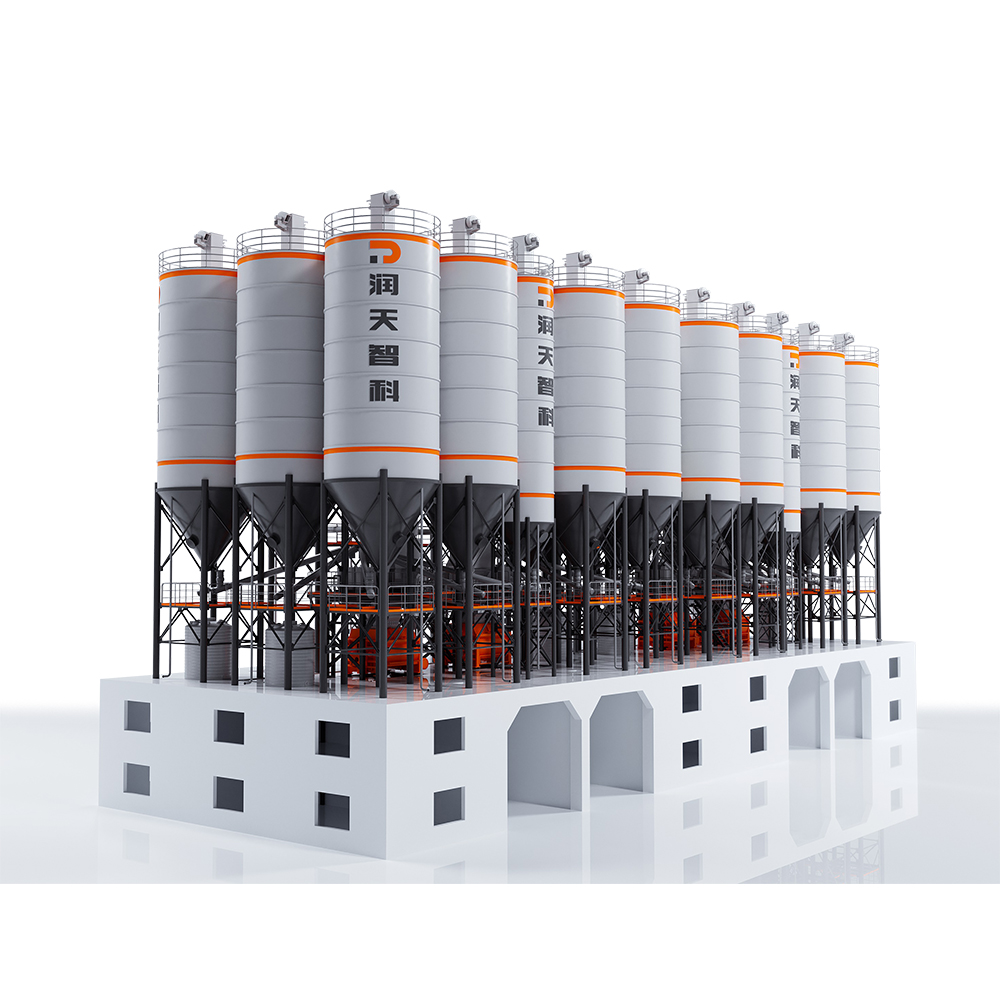 HZS Series Semi-Top Mounted Concrete Mixing Plant
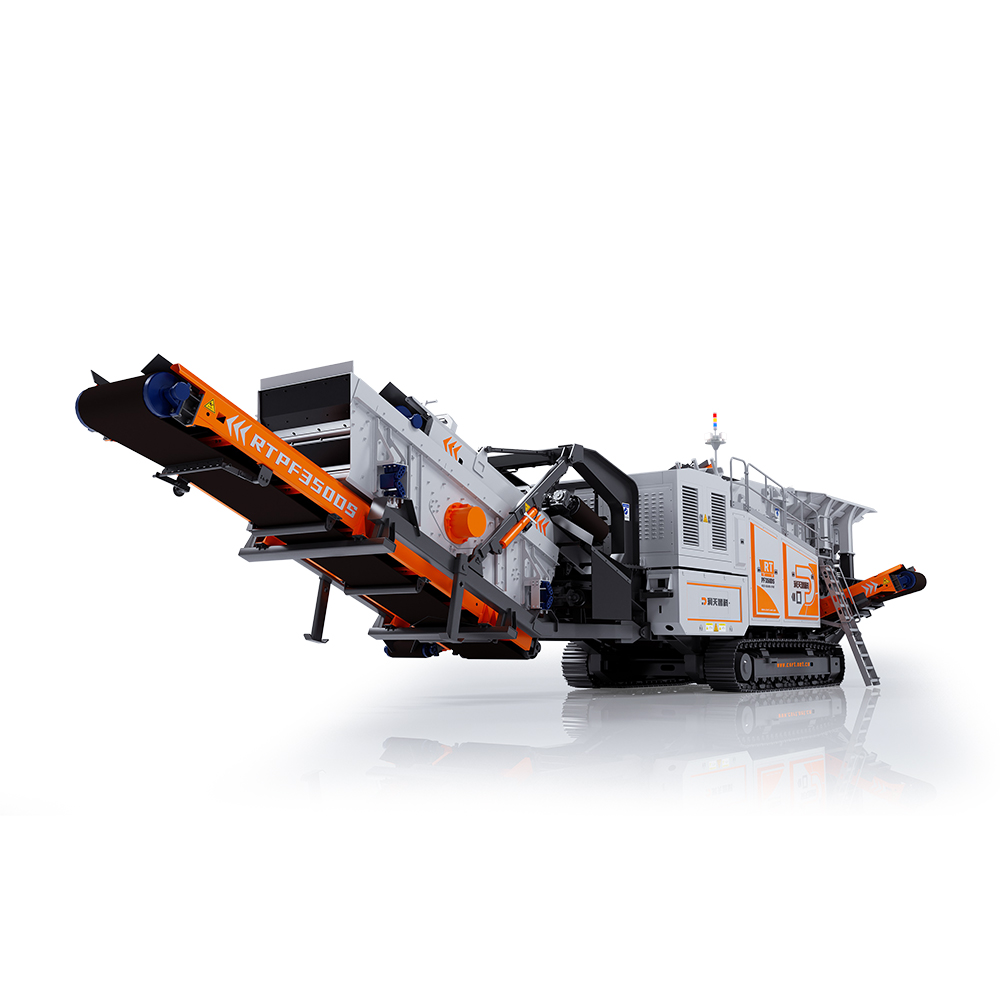 RTPF350DS Crawler Mobile Impact Crushing Plant
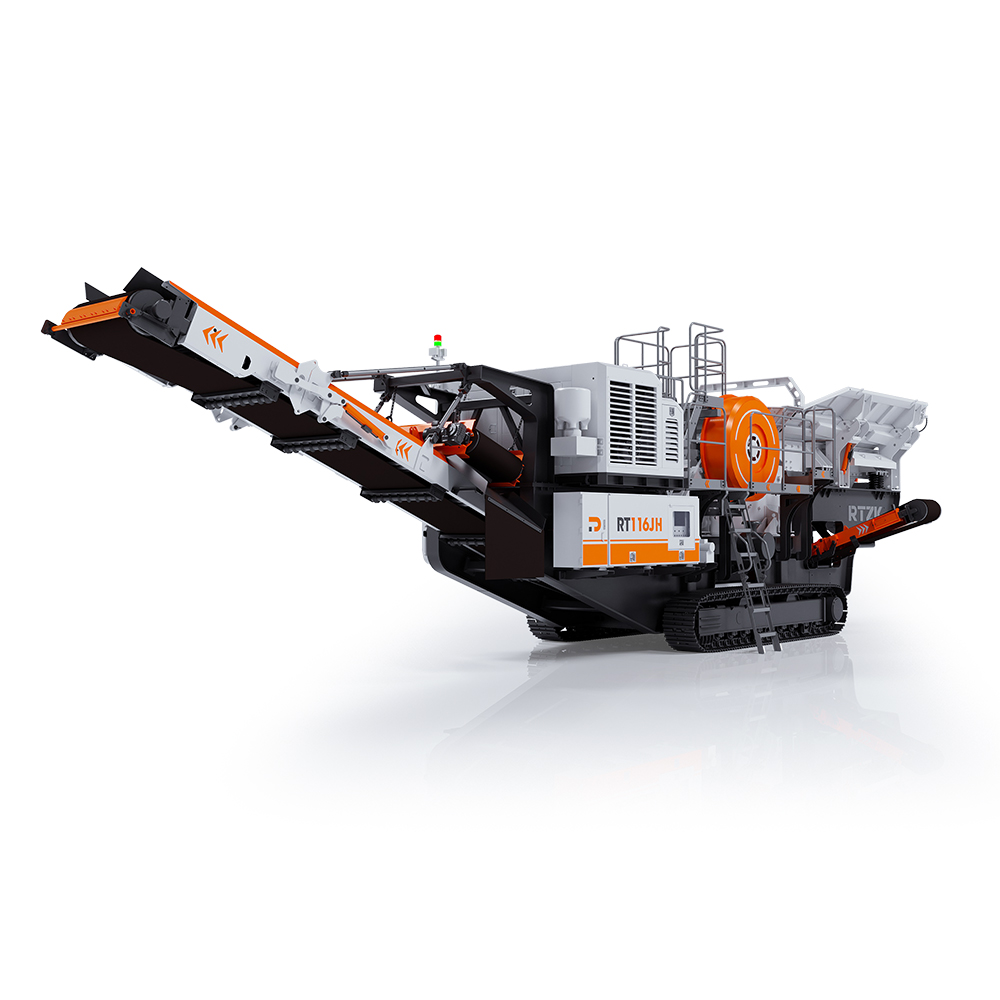 RT116JH Crawler Mobile Jaw Crushing Plant
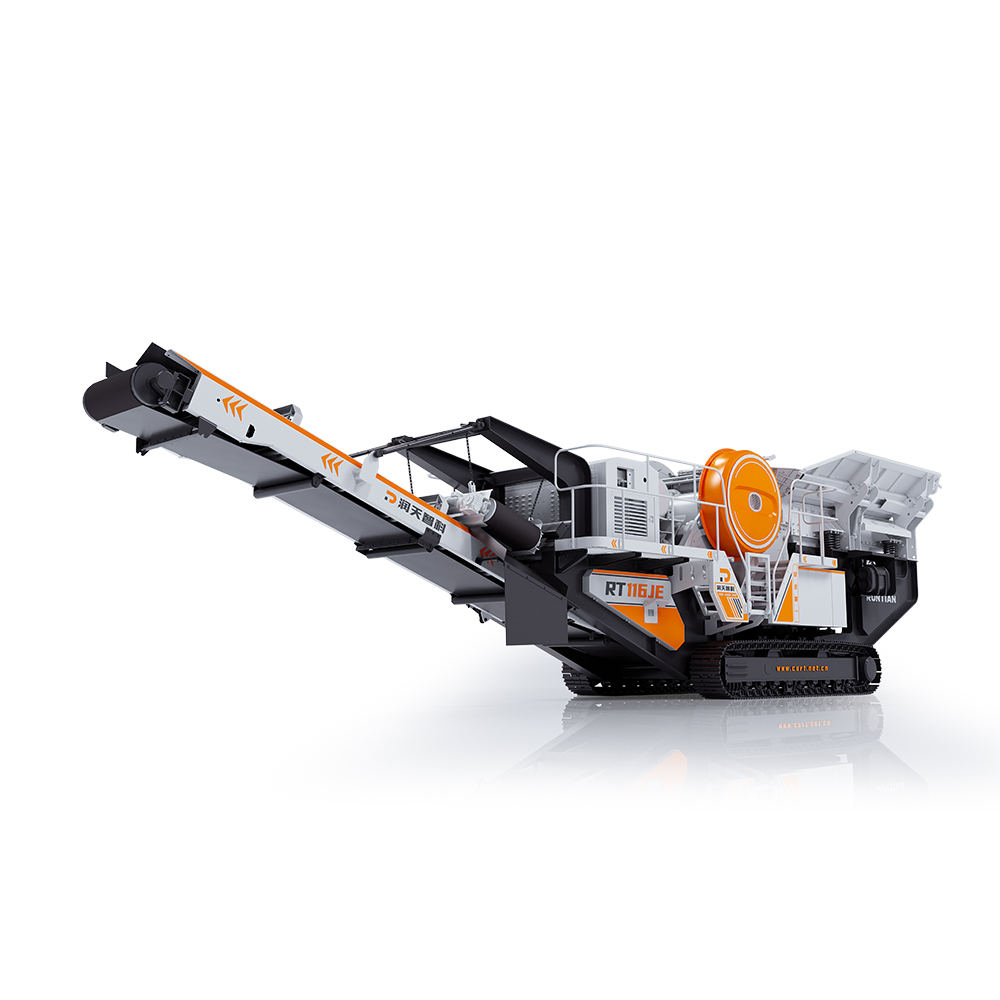 RT116JE Crawler Mobile Jaw Crushing Plant
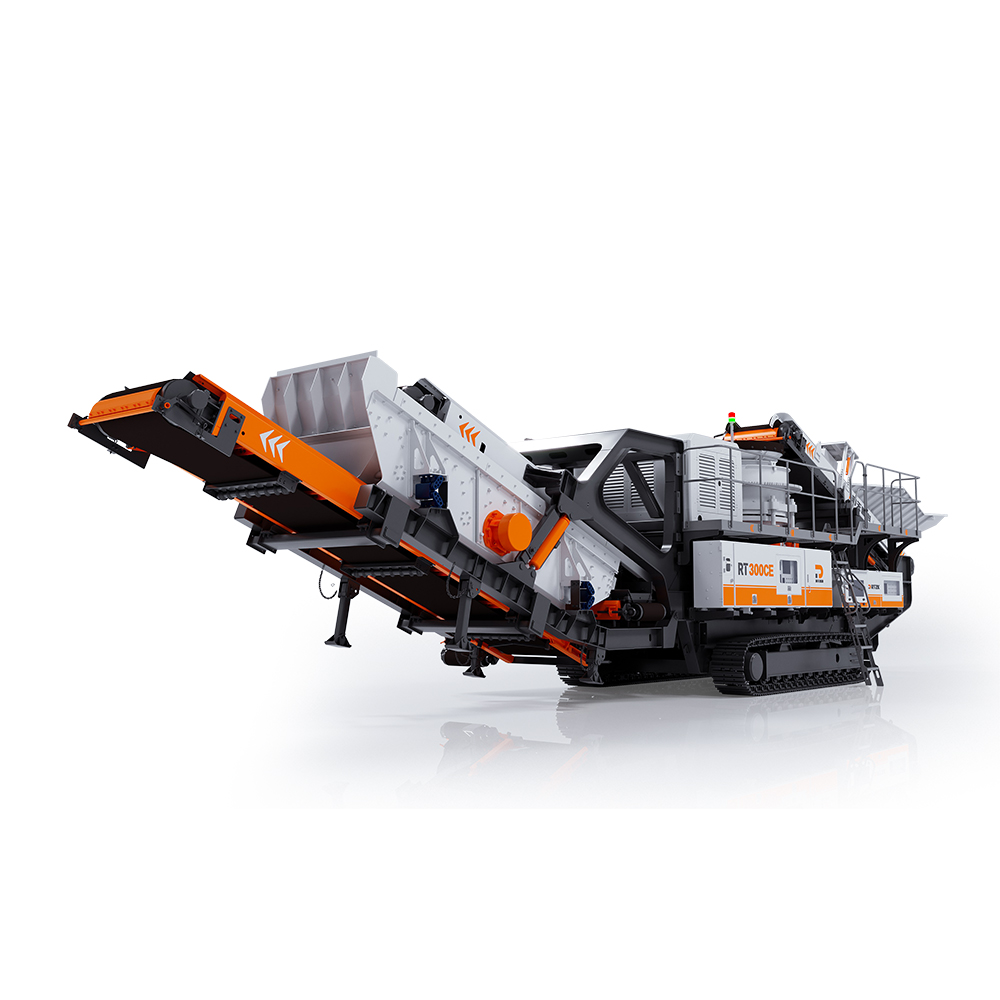 RT300CE Crawler Mobile Cone Crushing Plant
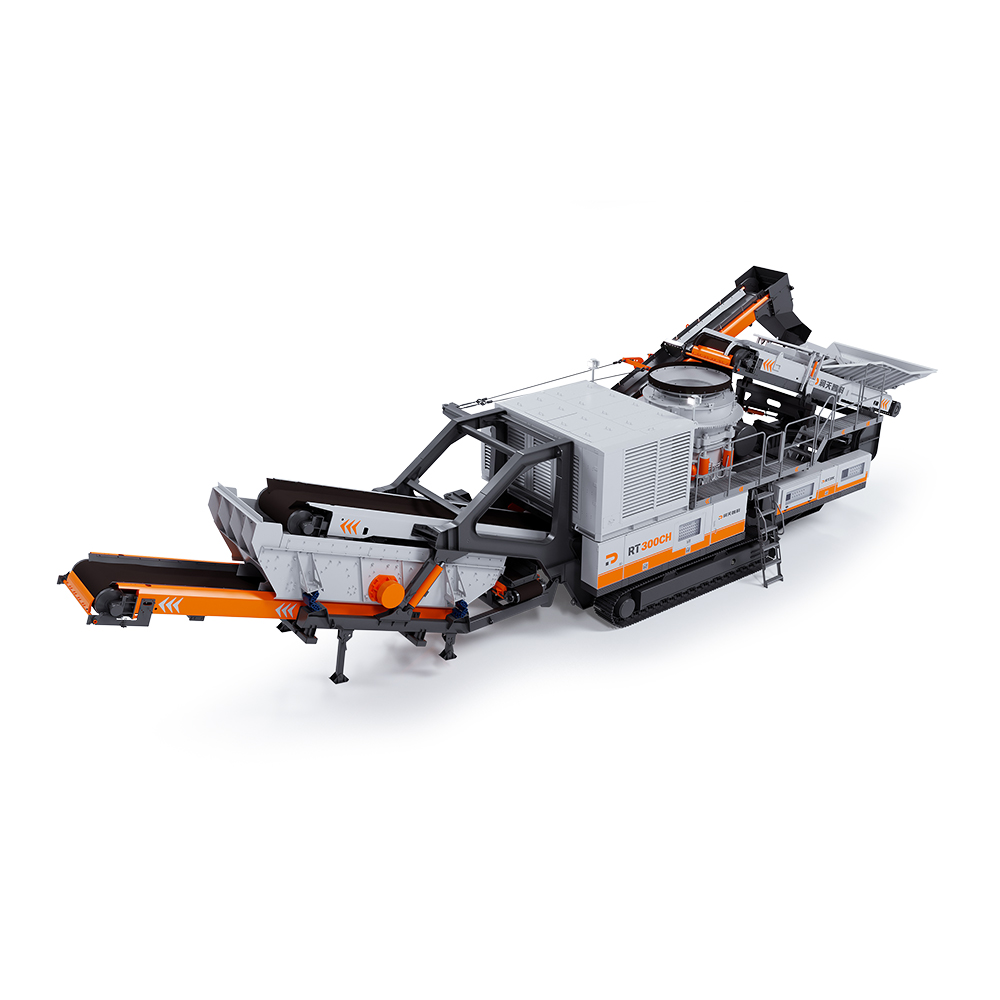 RT300CH Crawler Mobile Cone Crushing Plant
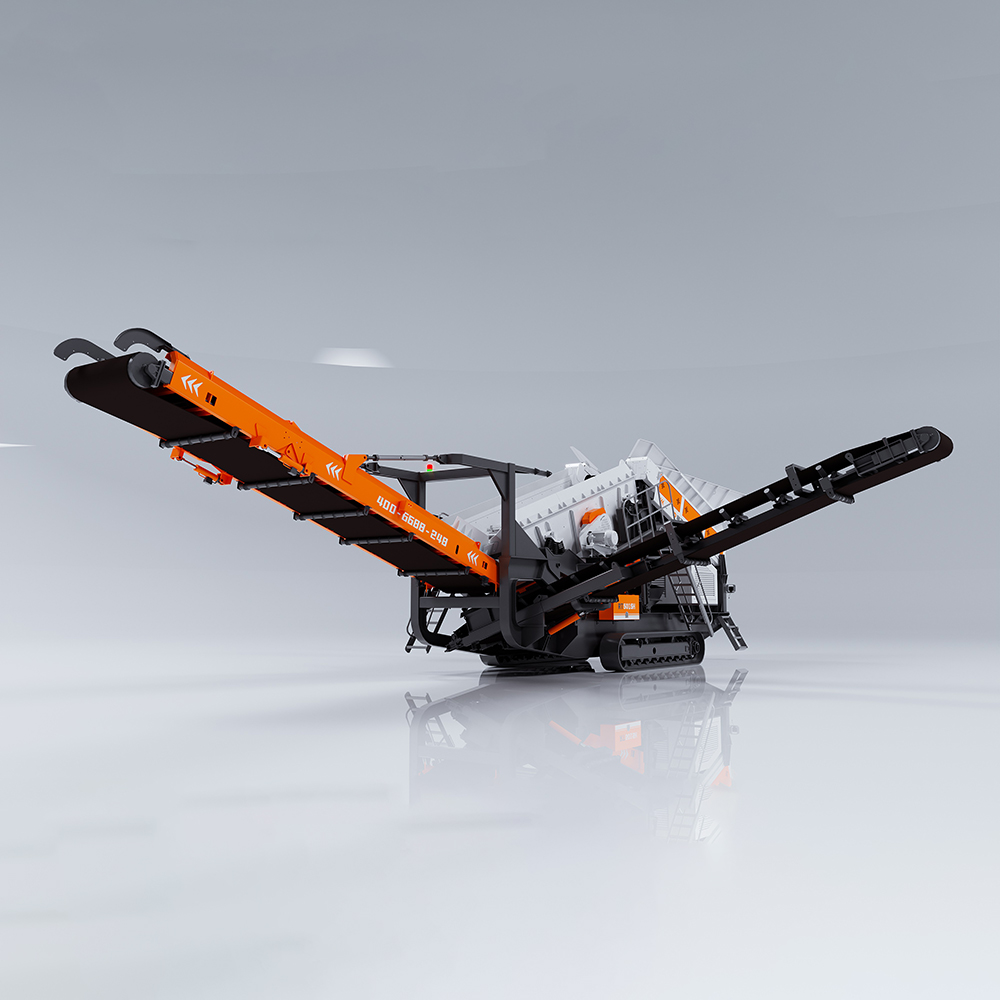 RT5015H Mobile Scalping Screen
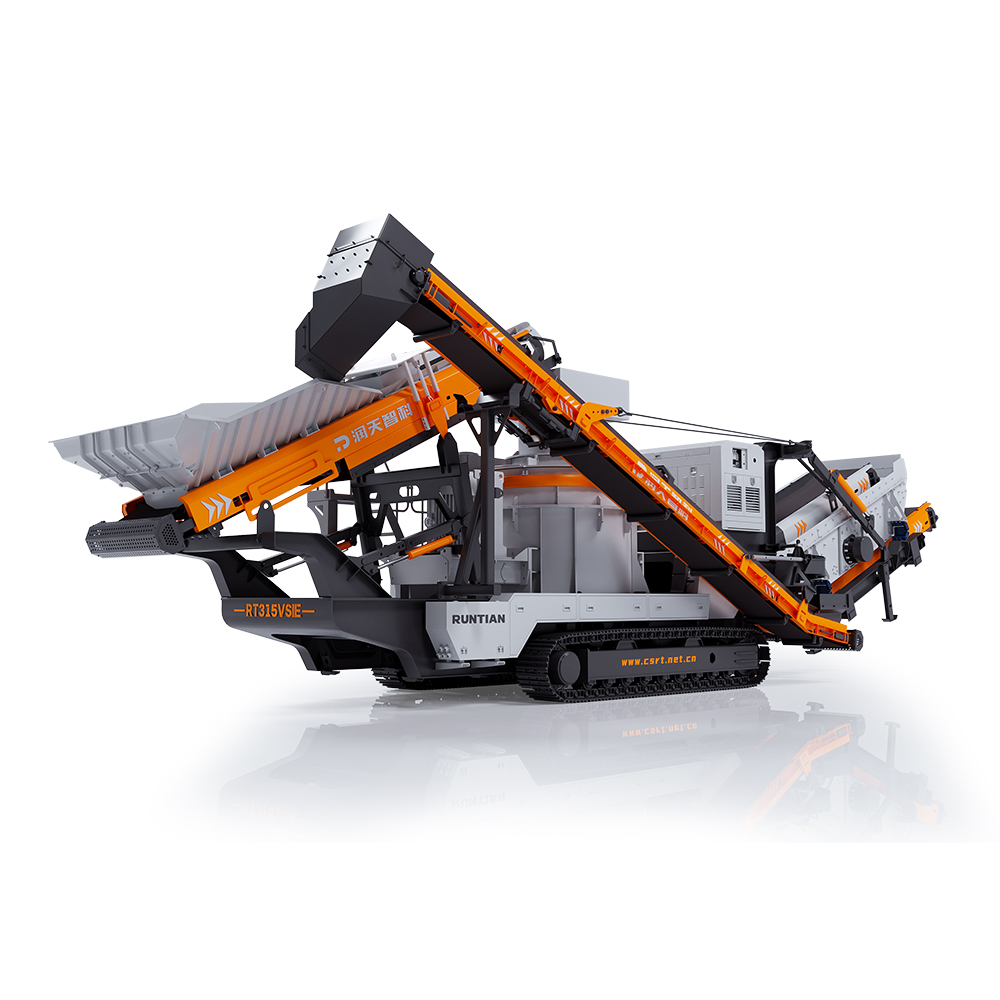 RT315VSIE Crawler Mobile Sand Maker
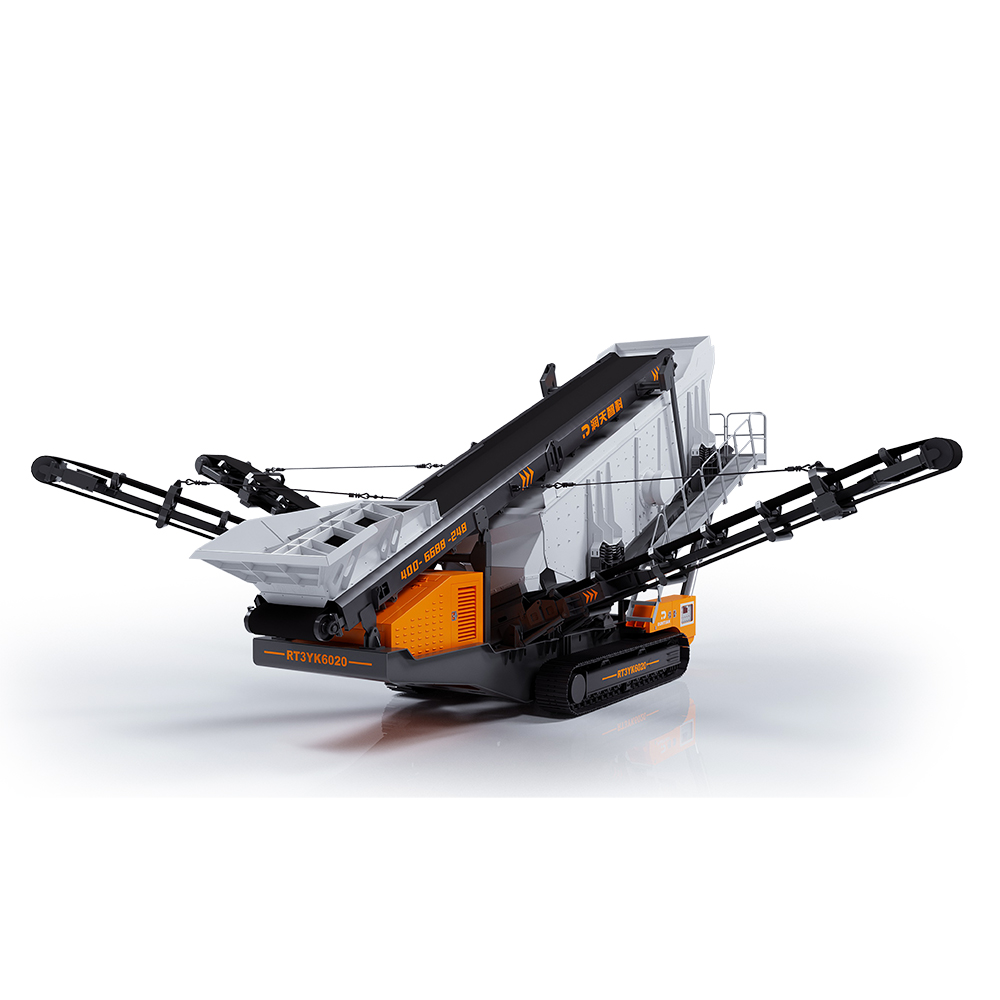 RT3YK6020 Crawler Mobile Screening Plant
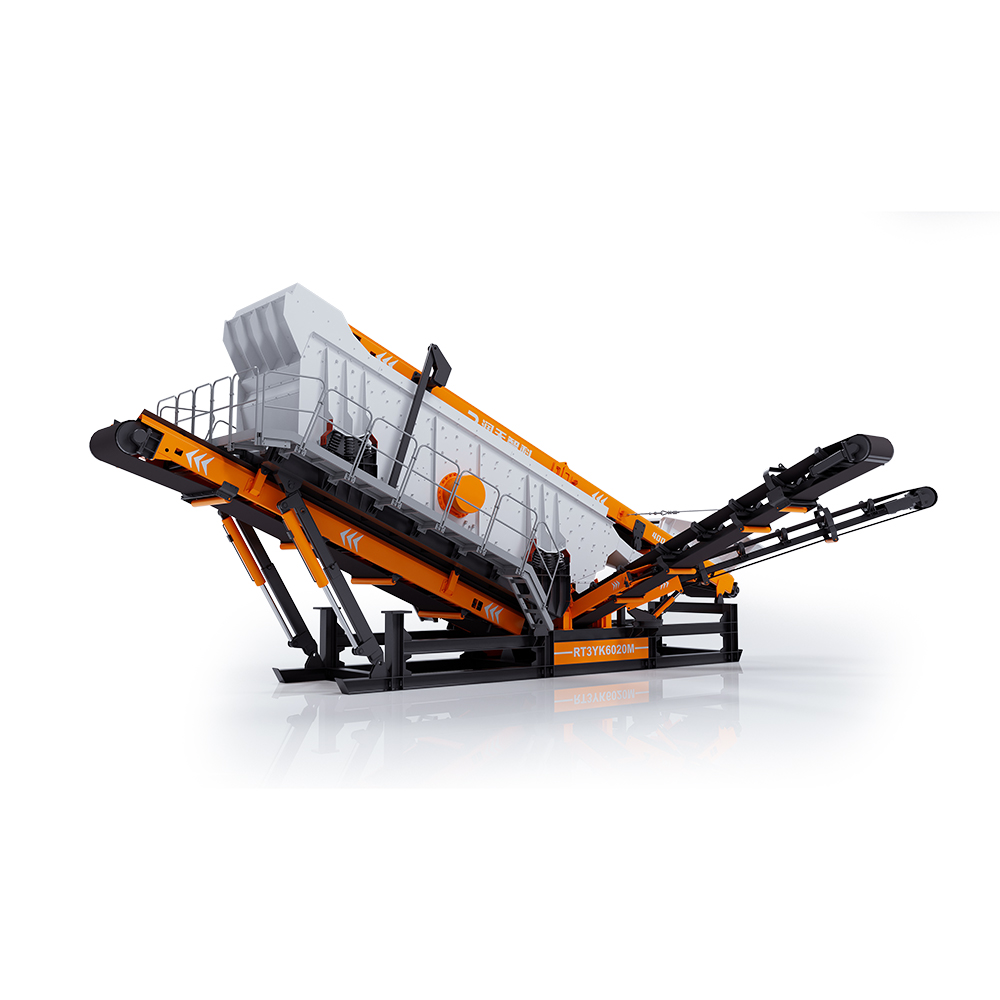 RT3YK6020M Modular Screening Plant
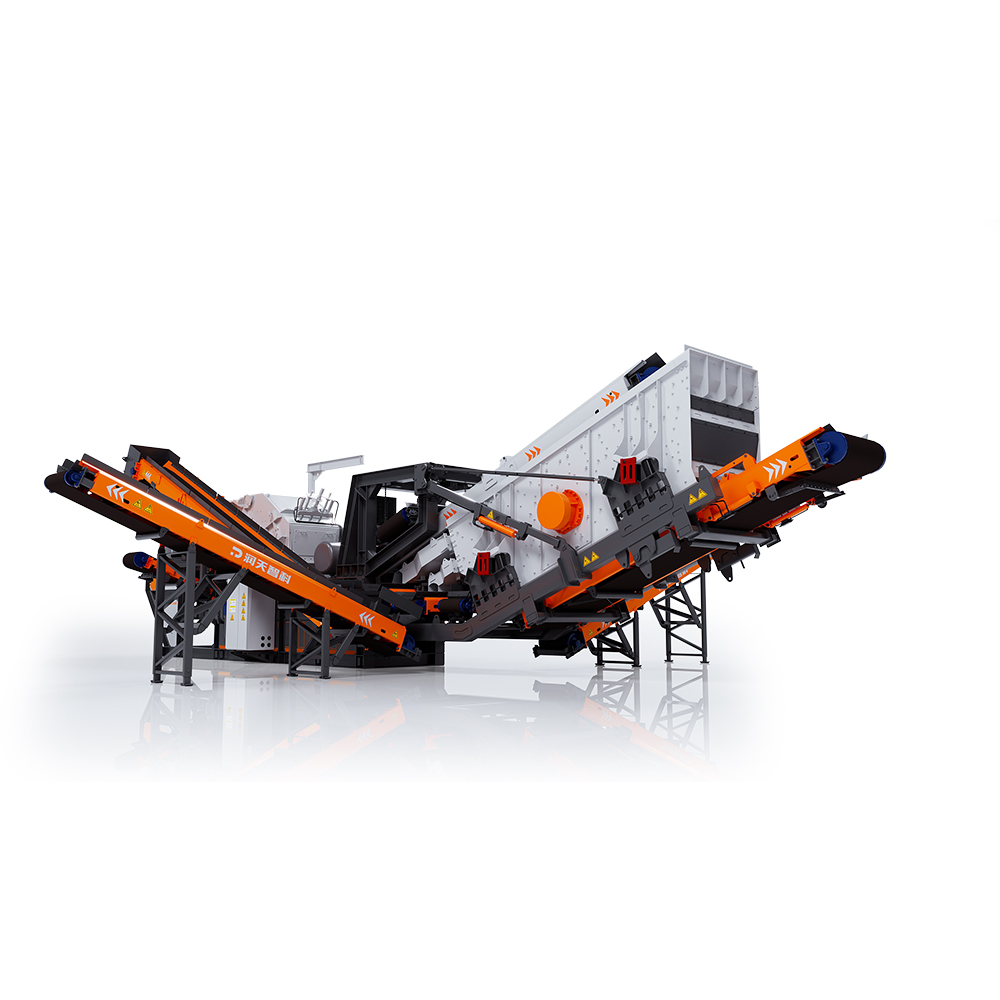 RTF260M Modular Counterattack Crushing and Screening Integrated Machine
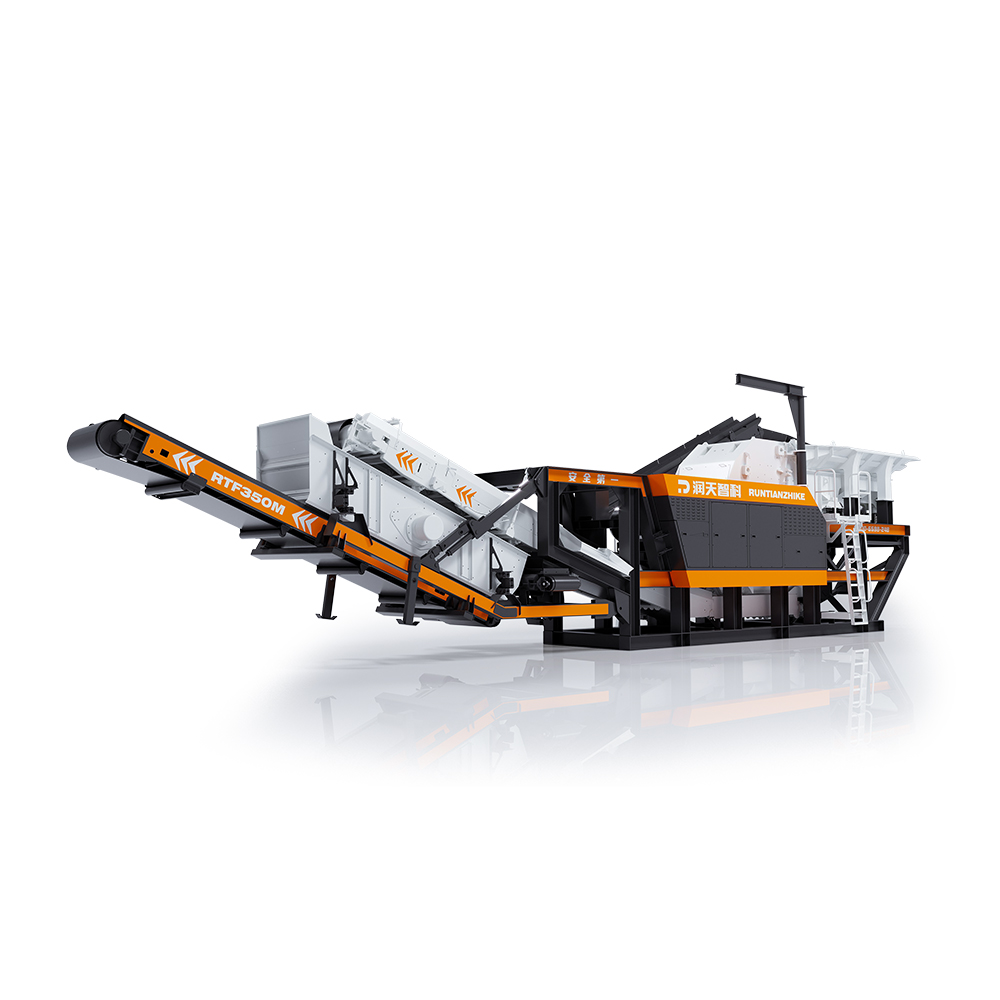 RTF350M Modular Impact Crushing Plant
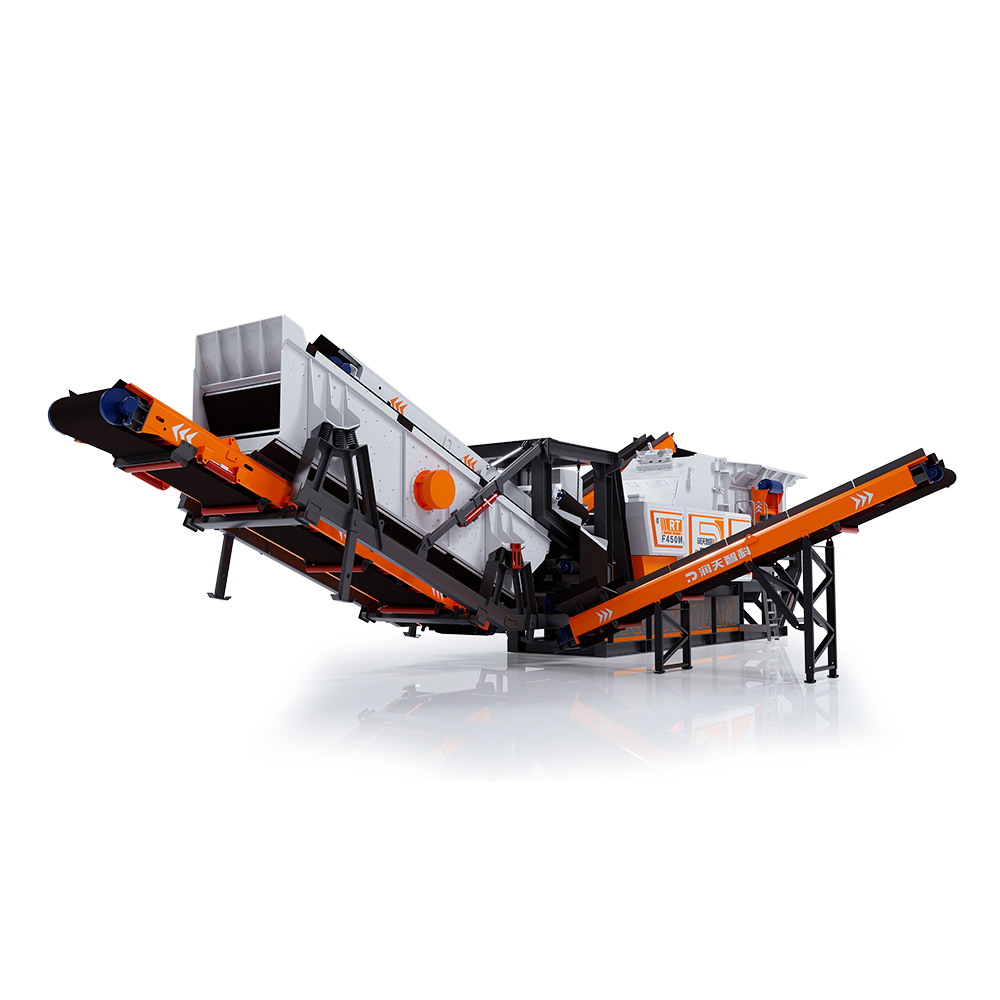 RTF450M Modular Impact Crushing Plant
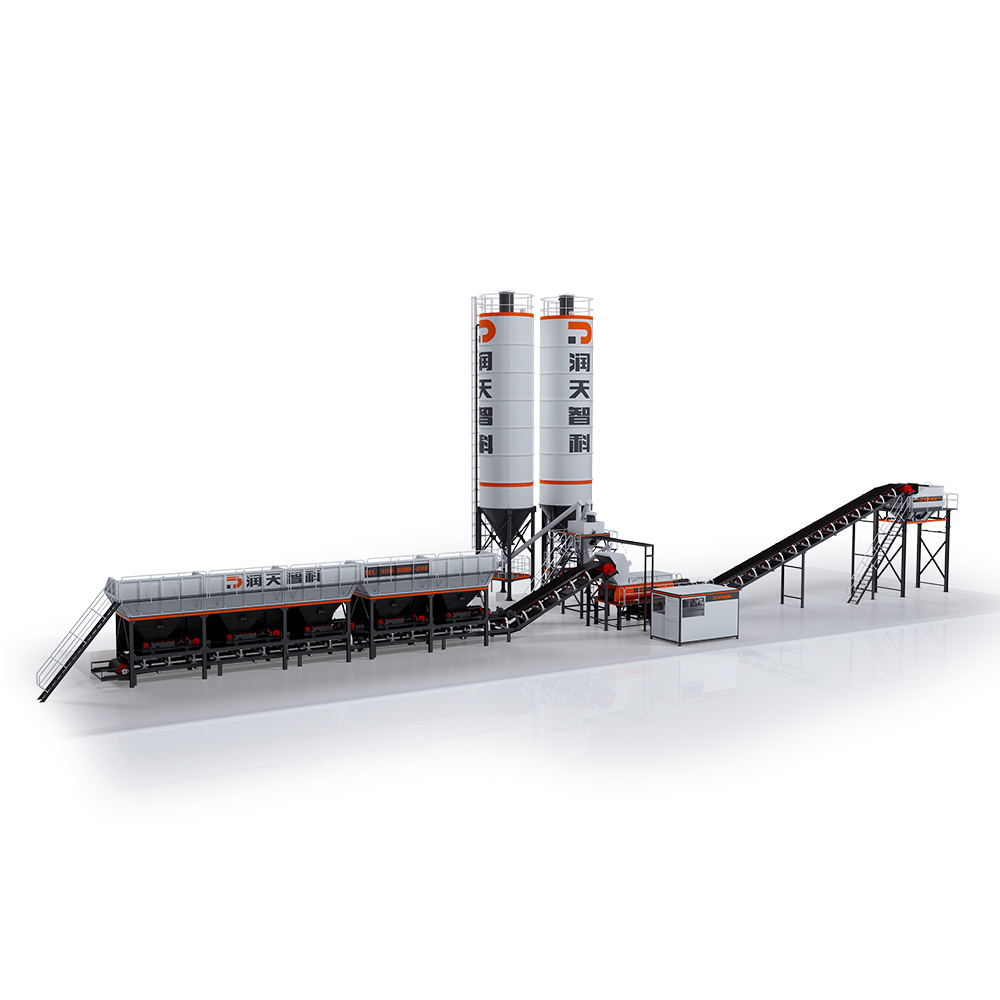 WDB Series Foundation-Free Stability Soil Mixing Plant
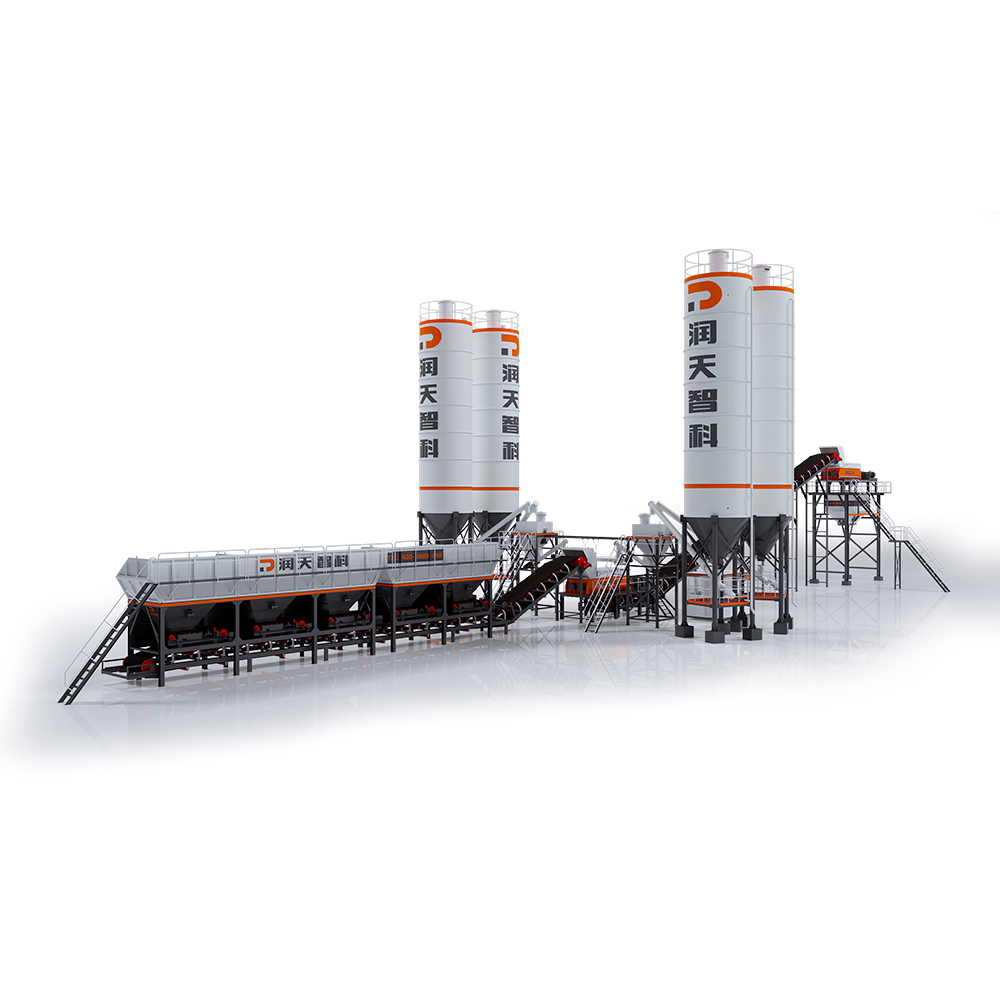 LCB Series Emulsified Asphalt Cold Regeneration Secondary Mixing Plant
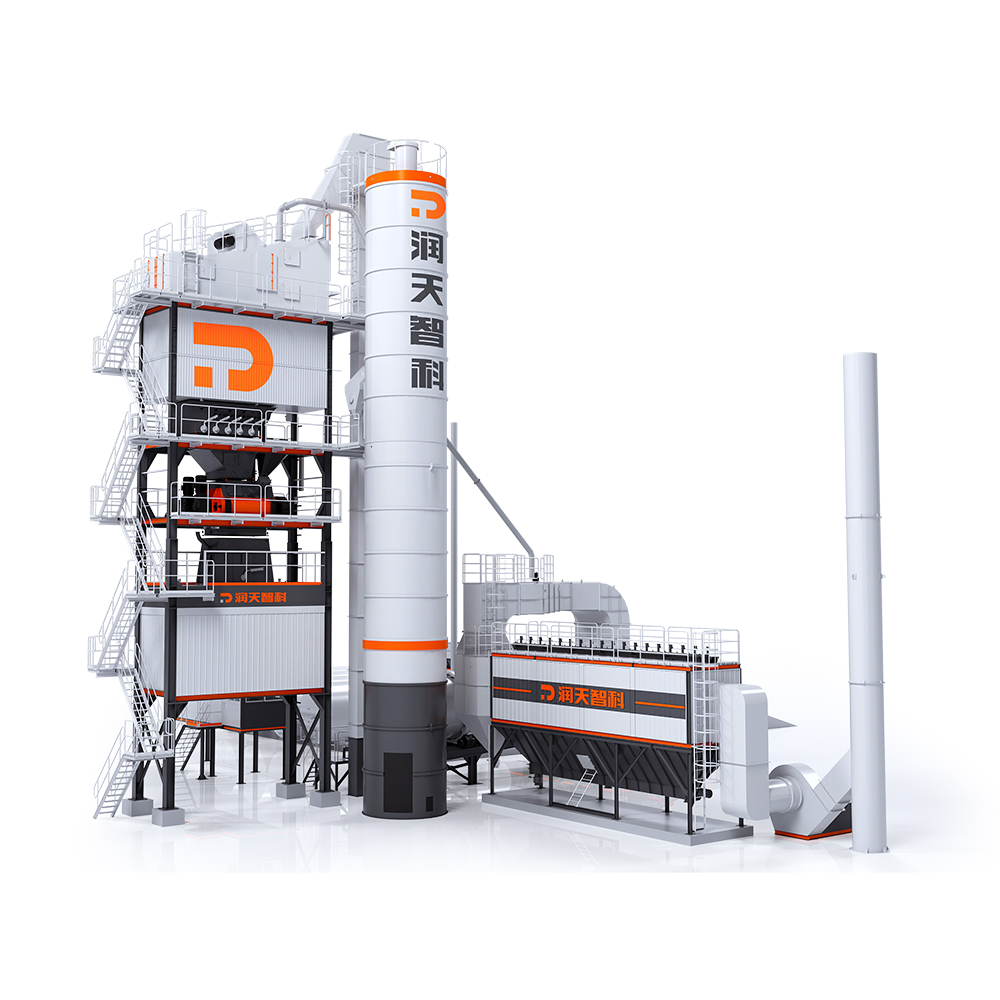 LB Series Asphalt Mixing Plant
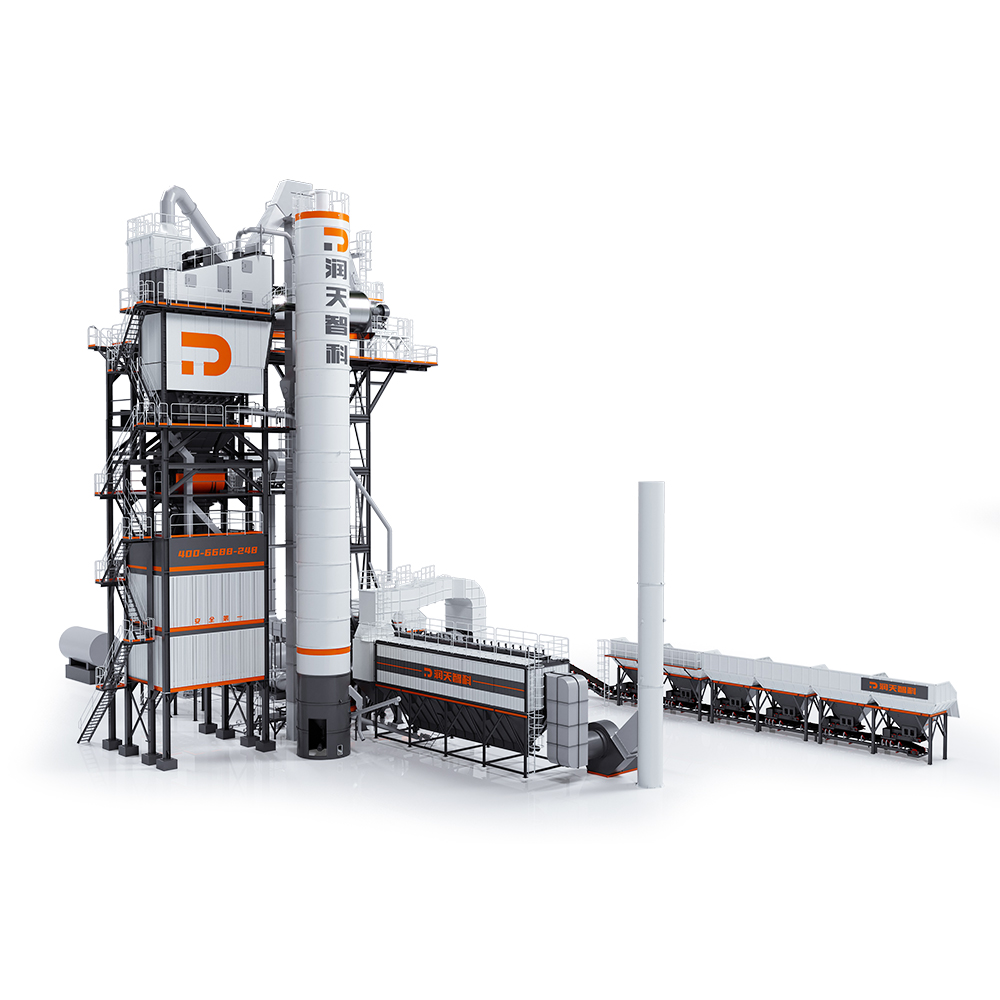 LBR Series Integrated Asphalt Mixing Plant
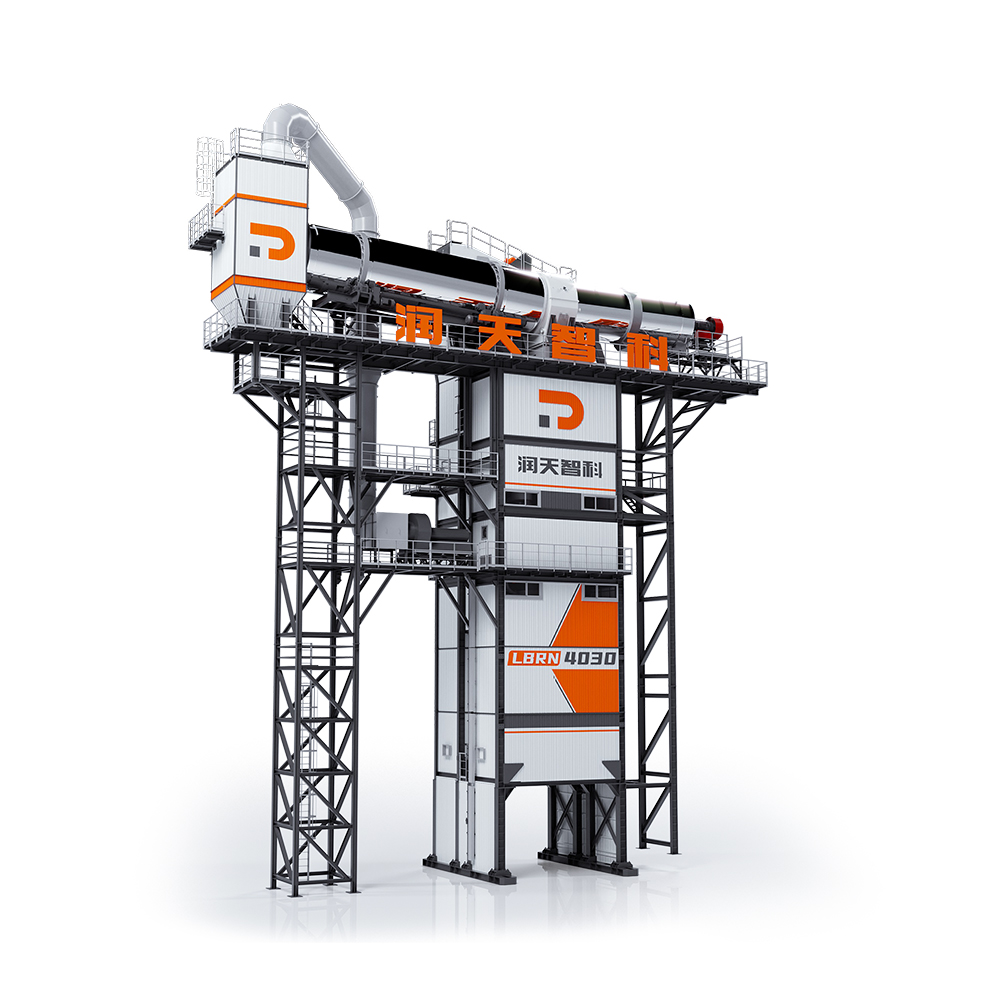 LBRN Series Counterflow Integral Asphalt Mixing Plant
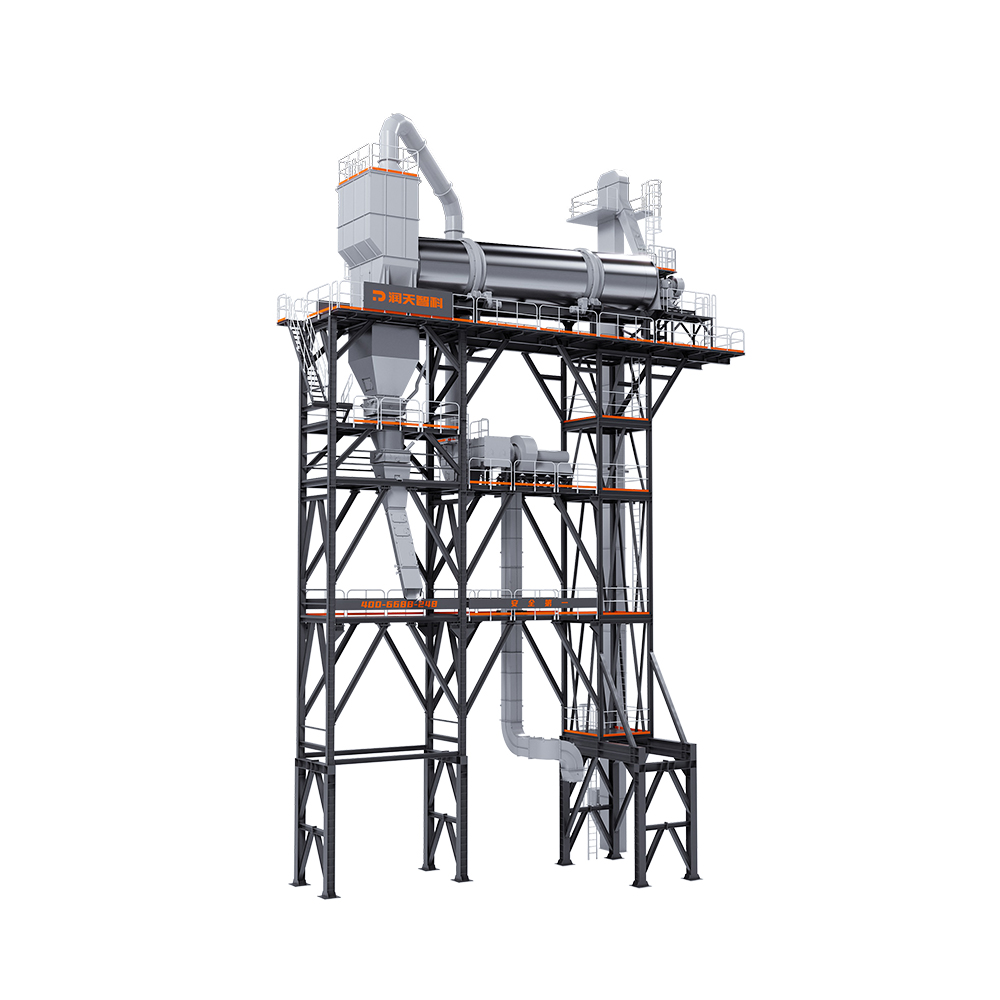 RZS Series Asphalt Mixing Plant
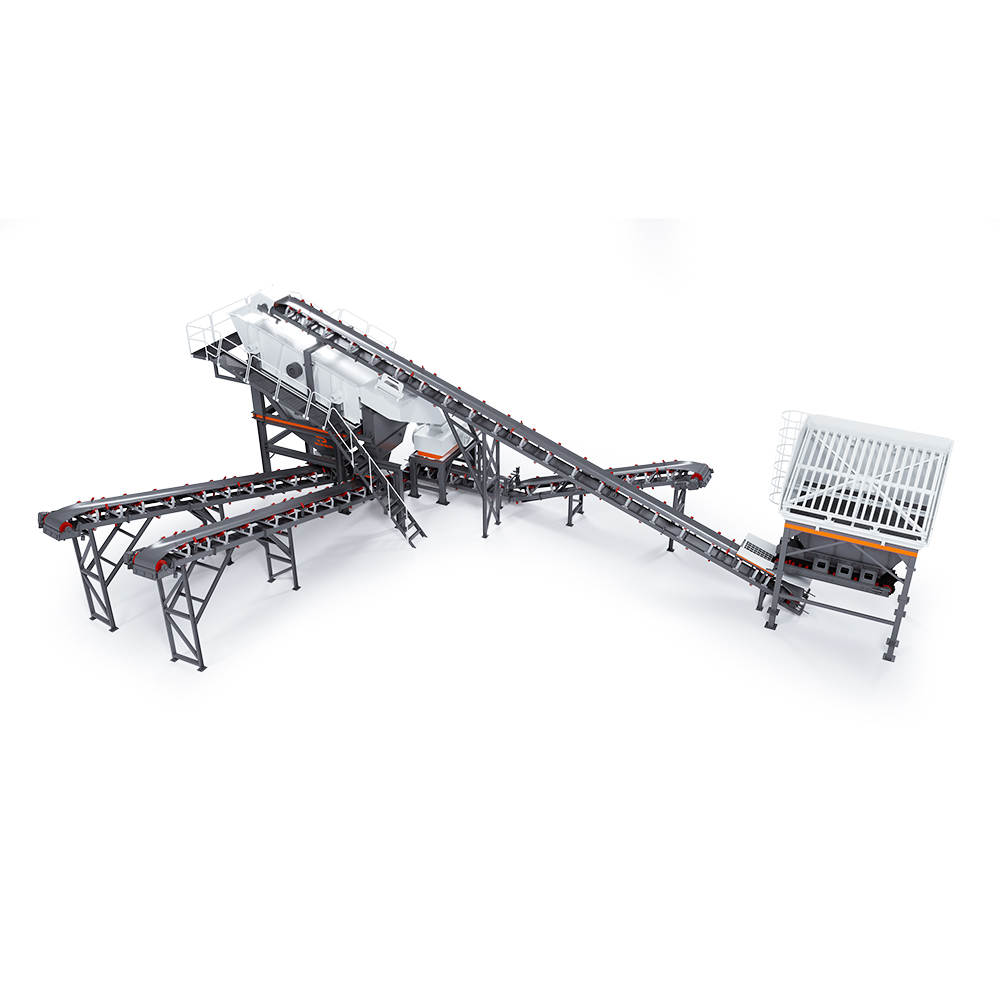 RTZS120 Series RAP Crushing & Screening Plant
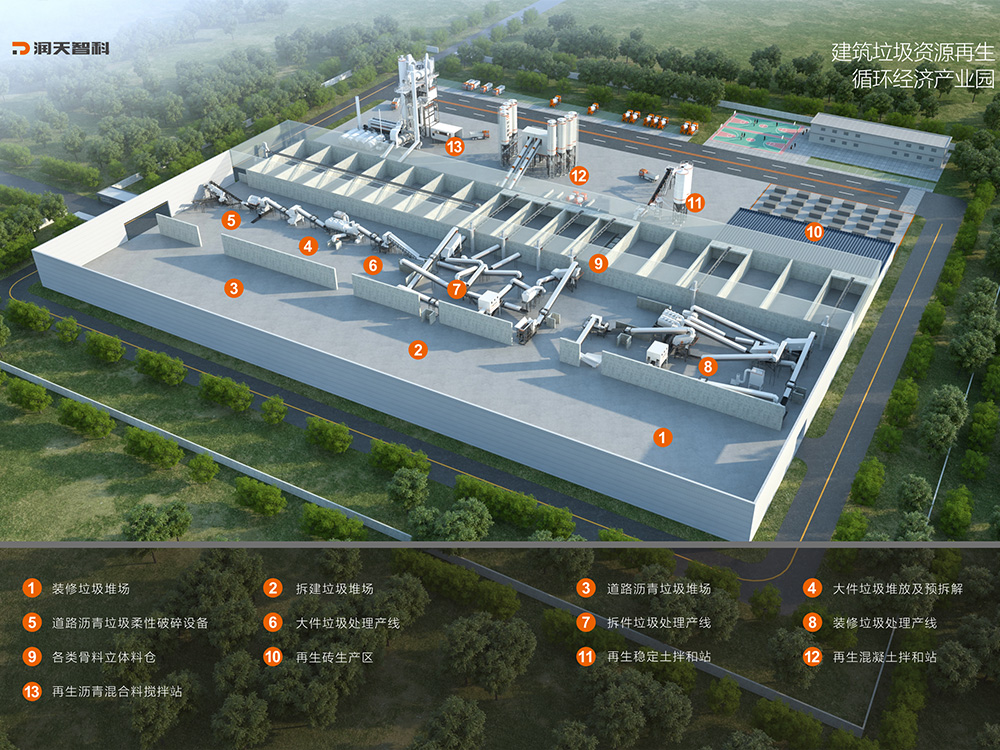 Construction Waste Resourceful Treatment Line