Top 10 Benefits of Using an Asphalt Batching Plant for Road Construction
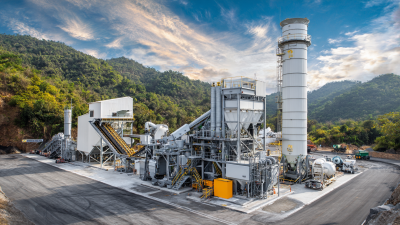
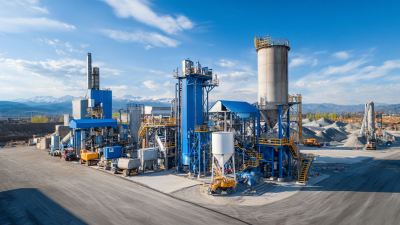
In the world of road construction, efficiency is crucial. An Asphalt Batching Plant plays a vital role in this process. This technology not only boosts productivity but also enhances the quality of asphalt. Accurate mixing ensures a uniform blend, leading to better road durability. Moreover, the ability to control production rates allows constructors to meet tight deadlines.
Challenges exist when using an Asphalt Batching Plant. Initial costs can be high, and maintenance is essential. However, the long-term benefits often outweigh these issues. With consistent output, projects run smoother. Contractors report fewer delays and improved resource management.
Choosing to invest in an Asphalt Batching Plant can seem daunting. Yet, the advantages support better project outcomes. Increased reliability leads to trust in the program. As the road network expands, these plants become indispensable in delivering high-quality infrastructure.
Benefits of Enhanced Efficiency in Asphalt Production
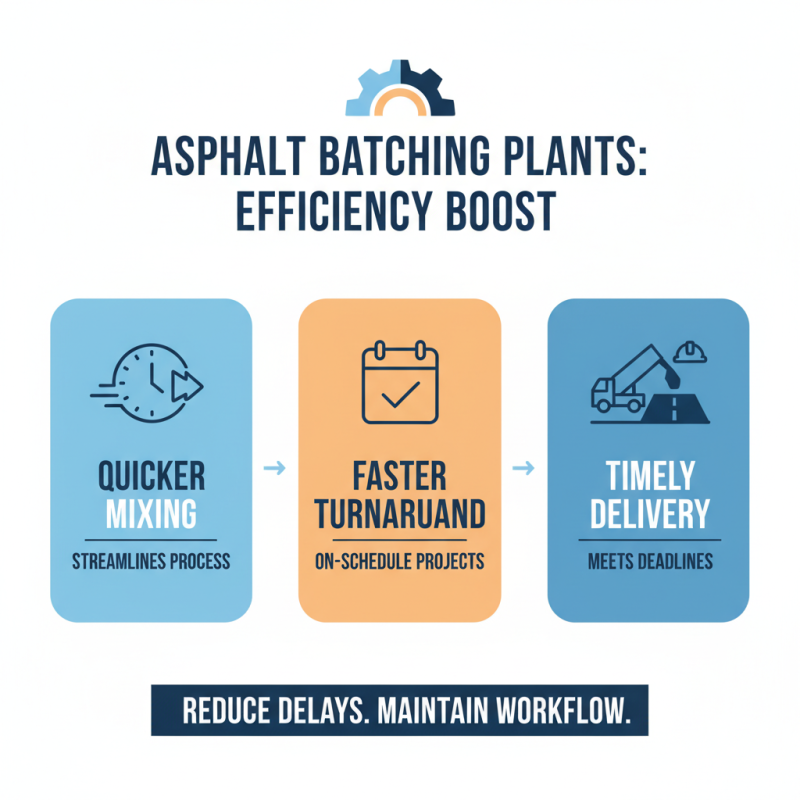
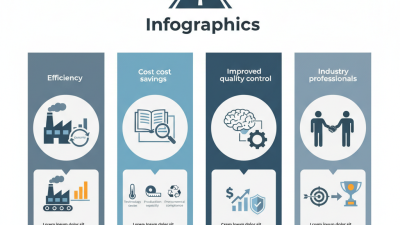
Asphalt batching plants significantly enhance efficiency in asphalt production. These facilities streamline the mixing process, allowing for quicker turnaround times. This means road construction projects can stay on schedule, reducing delays. Timely delivery of asphalt is crucial for maintaining workflow and meeting deadlines.
The precise control over the asphalt mix is another advantage. Operators can adjust the temperature and composition accurately. This precision ensures that the asphalt meets the required specifications for durability. It is essential for the longevity of the roads. However, even with advanced technology, human error can still occur. Operators must continually monitor processes to prevent inconsistencies in the mix.
Additionally, asphalt batching plants reduce waste. They allow for recycling of old asphalt, which minimizes environmental impact. While this sounds ideal, challenges in perfecting the recycling process can arise. It requires constant refinement and adjustment. Overall, the enhanced efficiency in asphalt production fosters more sustainable practices in road construction.
Cost-Effectiveness of Using Asphalt Batching Plants
Asphalt batching plants offer significant cost benefits for road construction projects. A study by the National Asphalt Pavement Association indicates that efficient asphalt production can reduce material costs by 10-15%. This savings is crucial for large-scale projects where budgets can stretch thin. The ability to produce high-quality asphalt on-site can also minimize transportation costs.
Moreover, the precision of batching technology ensures that the right mix is produced every time. This consistency reduces material waste. Research has shown that waste can account for about 15-20% of total project costs in traditional methods. By using an asphalt batching plant, contractors can cut down on this waste, leading to a more sustainable approach.
Despite these advantages, there are still challenges. The initial setup and maintenance of batching plants can be costly. Some contractors underestimate these ongoing expenses. There can also be delays in establishing the infrastructure needed for optimal operation. However, the long-term savings often outweigh these initial hurdles, creating an opportunity for improved profit margins.
Improved Quality Control in Road Construction Projects
Using an asphalt batching plant significantly enhances quality control in road construction projects. These plants produce a uniform mixture of asphalt, ensuring consistent material properties. With a controlled environment, factors like temperature and mixing time can be monitored closely. This leads to better adhesion and durability of the asphalt, which is crucial for long-lasting roads.
Moreover, the precision in measurement allows for the exact quantity of materials to be used. Over or under-mixing can lead to issues, so each batch is vital. However, sometimes, fluctuations in raw material quality can challenge even the best mixing processes. Regular testing and adjustments are essential but can be overlooked during busy periods.
It's important to continuously evaluate the outcomes of using these plants. While they improve quality control, not every project benefits equally. Different environmental conditions and requirements can affect performance. Recognizing these variables can help project managers make more informed decisions. Quality control is not just about technology; it’s a dynamic process that needs constant attention and reflection.
Environmental Advantages of Asphalt Batching Technologies
Asphalt batching technologies offer notable environmental advantages for road construction. They effectively reduce emissions through controlled mixing processes. Modern plants often have advanced filtration systems. These features help capture harmful particles before they escape into the atmosphere. Less pollution means cleaner air for nearby communities.
Another significant benefit is the efficient use of materials. The production process allows for recycling of old asphalt. This not only reduces waste but also conserves natural resources. Using reclaimed materials can lower the need for new raw materials. However, it's essential to monitor the quality of recycled inputs carefully. Mixing old with new must be done right.
Furthermore, some batching plants incorporate renewable energy sources. Solar panels or wind turbines can power operations. This move toward greener energy is essential in today’s climate. While many are adopting these systems, challenges remain. Infrastructure for renewable energy still needs improvement and investment.
Balancing progress and environmental stewardship requires constant evaluation and adjustment.
Flexibility and Customization Options for Diverse Projects
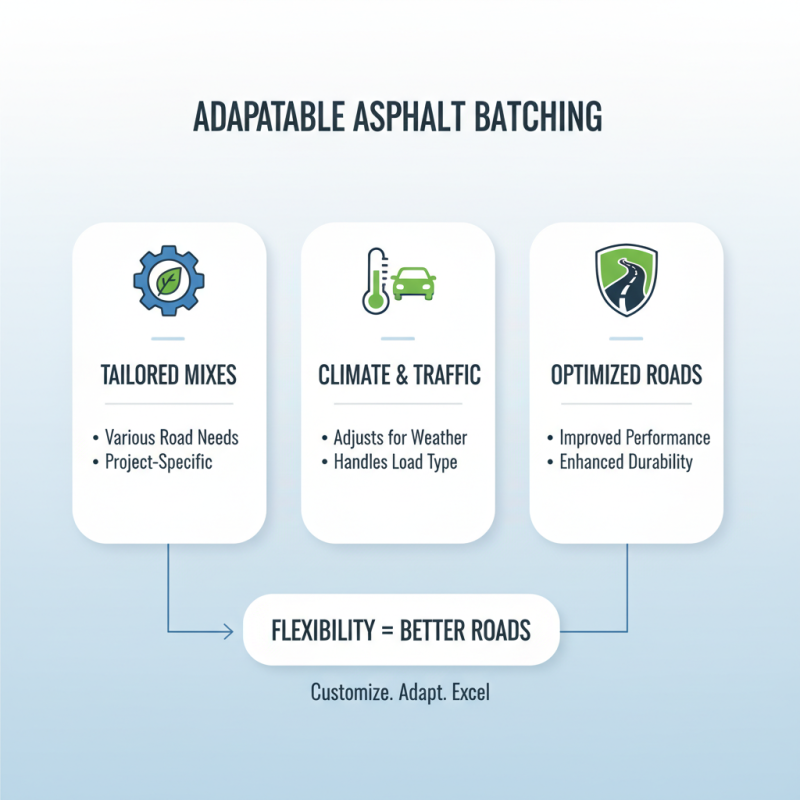
Asphalt batching plants offer remarkable flexibility, tailoring mixtures for various road construction needs. This adaptability is crucial for projects with specific requirements. Contractors can adjust mix designs to accommodate different climates and traffic loads. Customization leads to better performance and durability of roads.
Tips: Always assess project demands first. Understand the environmental factors that might affect your asphalt mix. Customizing the batch allows for optimal binding, reducing wear and tear over time.
Beyond flexibility, batching plants provide volume control. Small projects may need less material while larger ones require higher outputs. Adjusting batch sizes enhances efficiency, saving both time and resources. Furthermore, mistakes can occur. Maybe the mix isn’t quite right for a winter project. Take note of such moments to improve future batches.
Tips: Keep a log of any adjustments made. This record helps refine processes and can prevent repeated errors. Reflecting on past projects informs better decisions moving forward. Embrace the learning journey in road construction.

 Concrete Mixing Plant
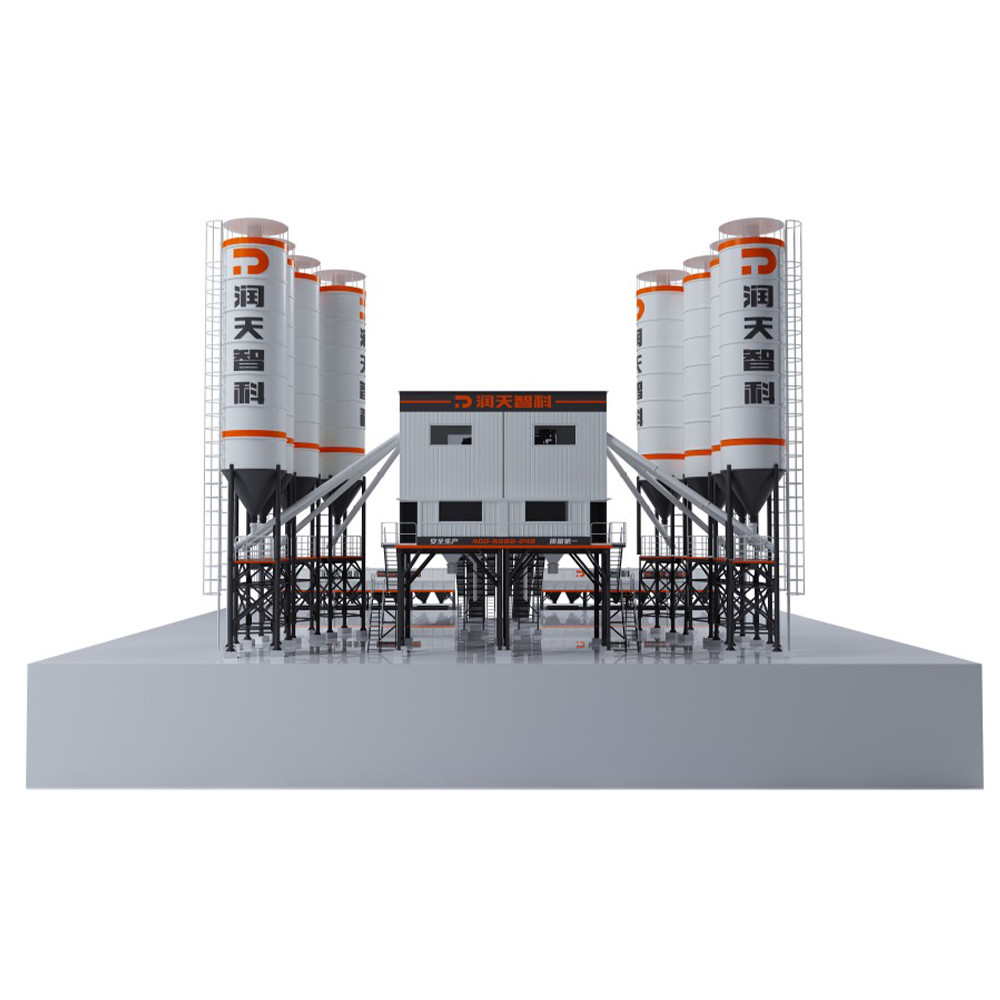 HZS Series Belt Concrete Mixing Plant
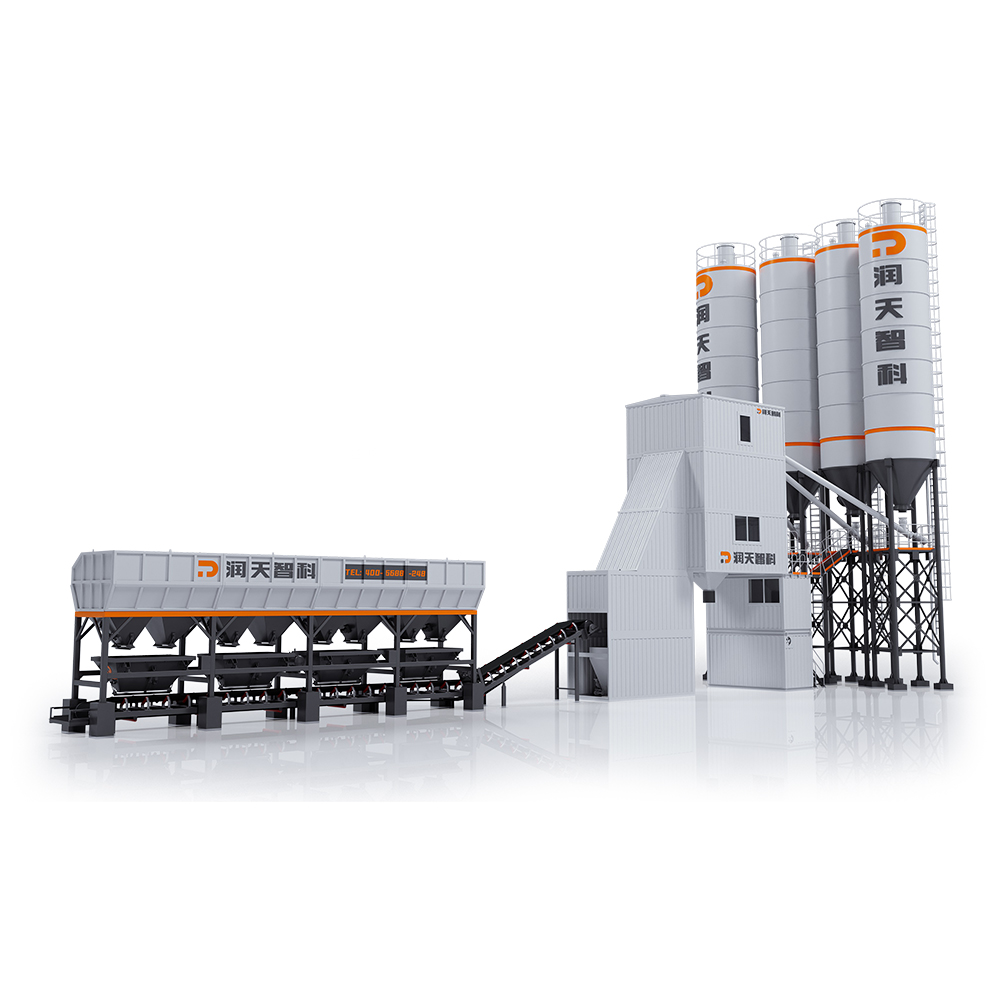 HZS Series Bucket-Lifting Type Container Concrete Mixing Plant
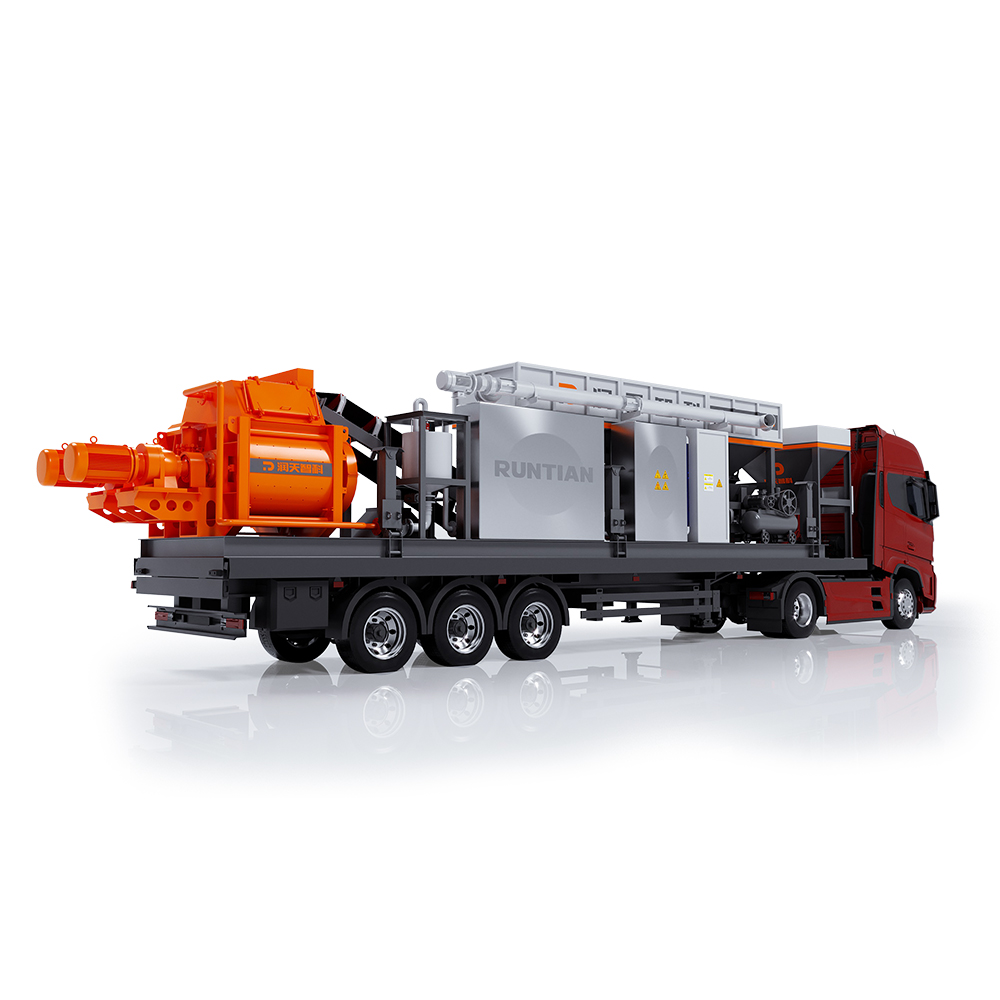 HZS60 Mobile Concrete Mixing Plant
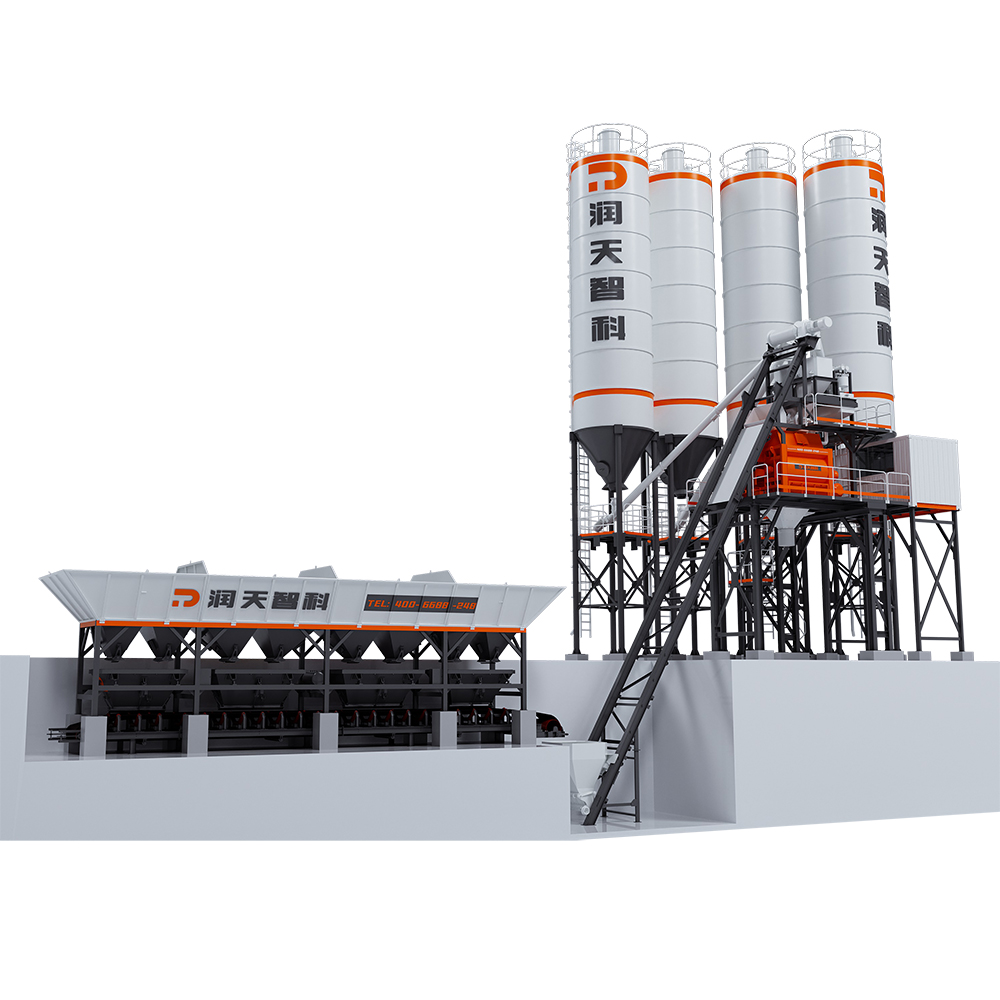 HZS Series Bucket-Lifting Type Concrete Mixing Plant
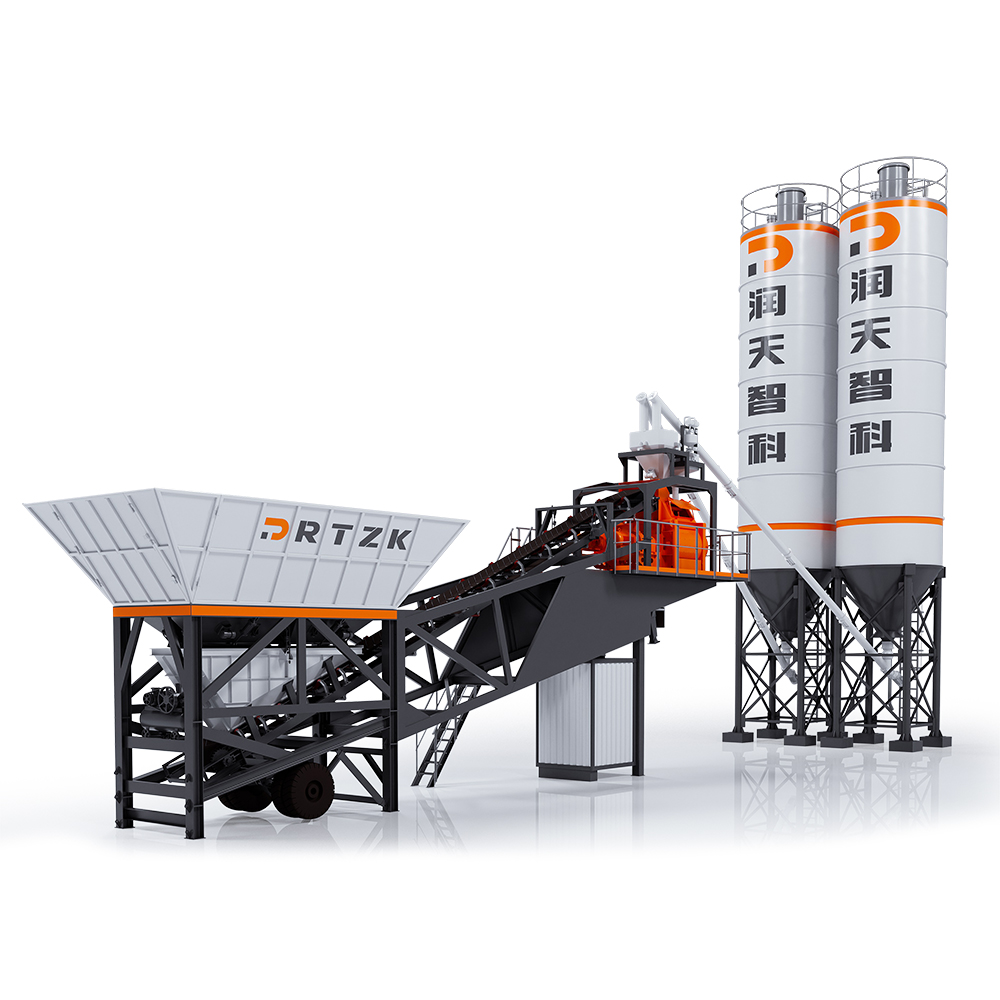 HZS Series Mobile Concrete Mixing Plant
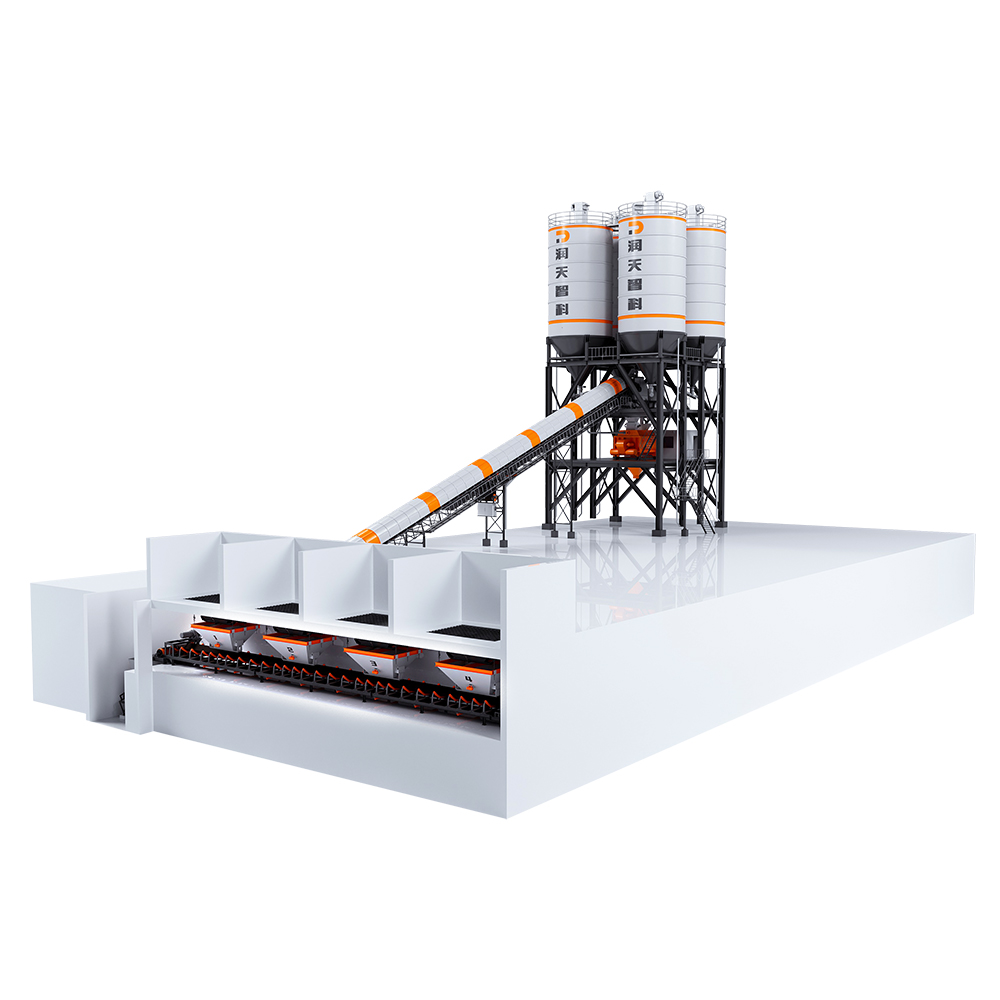 HZS Series Top-Mounted Concrete Mixing plant
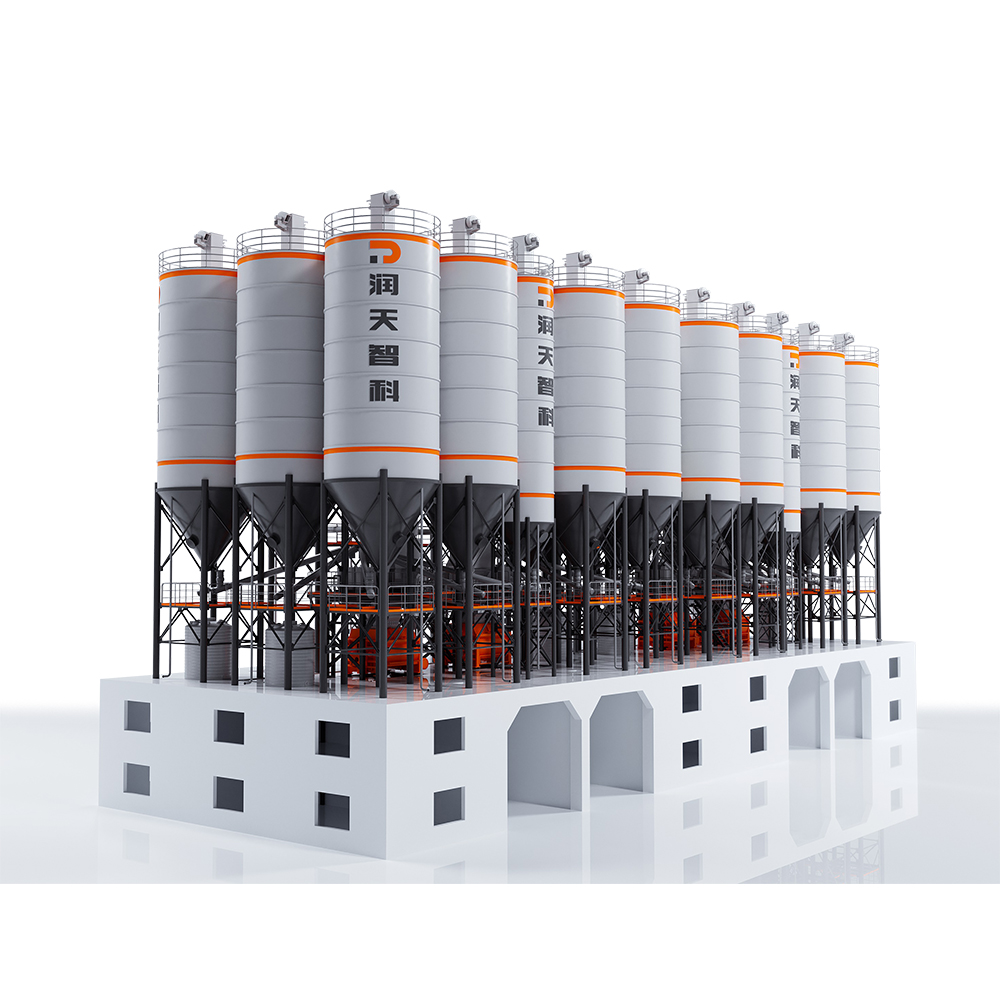 HZS Series Semi-Top Mounted Concrete Mixing Plant
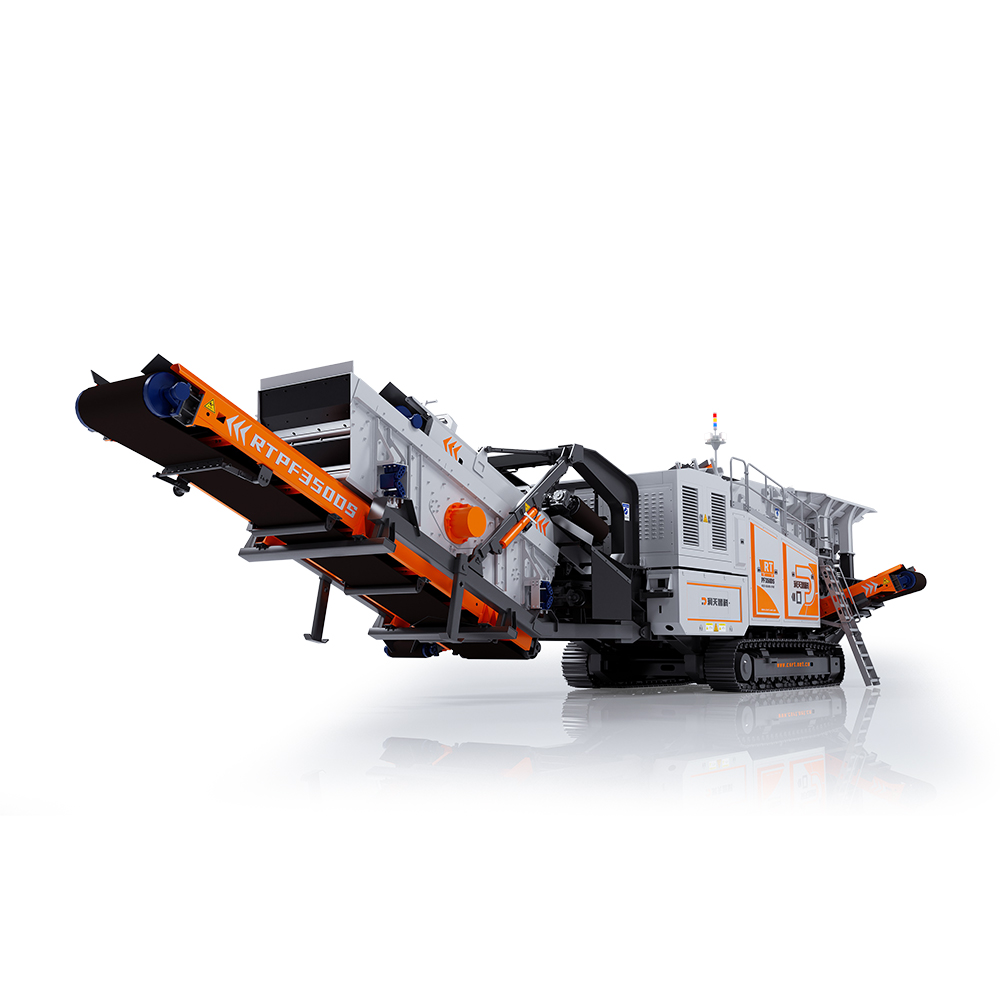 RTPF350DS Crawler Mobile Impact Crushing Plant
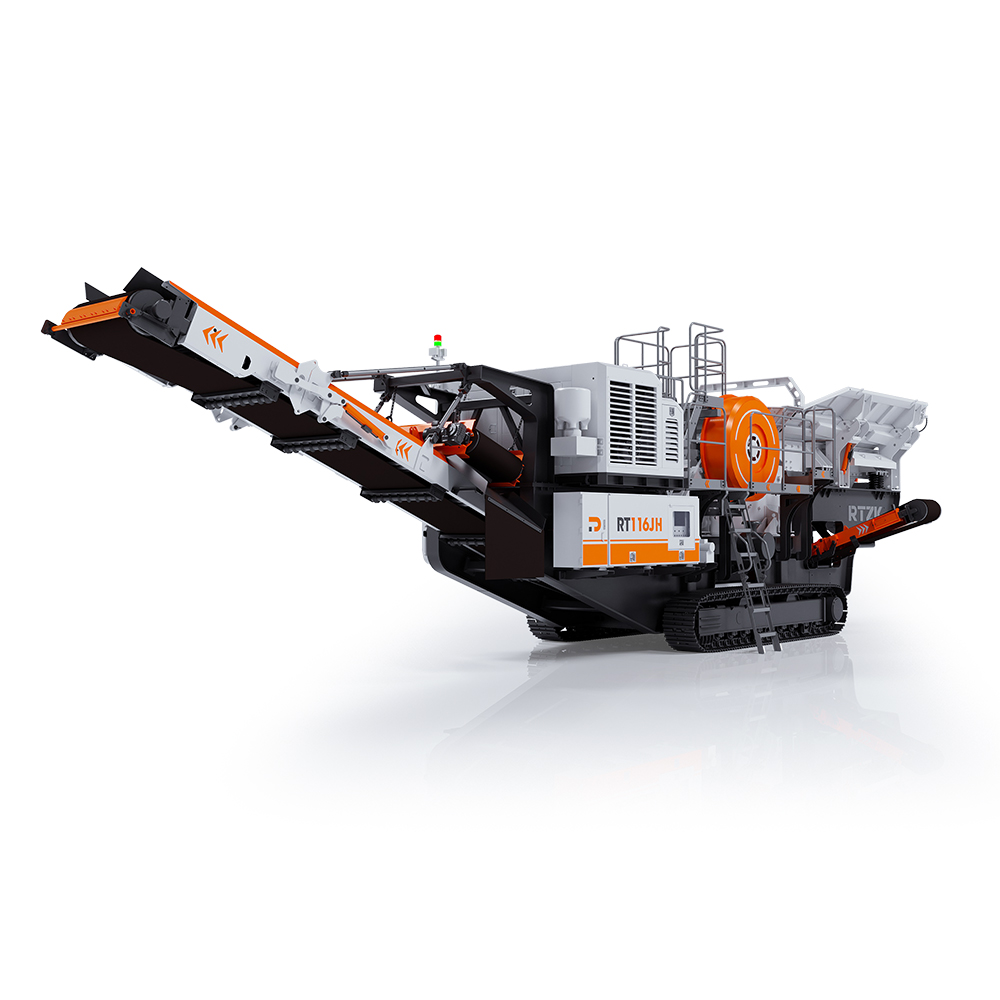 RT116JH Crawler Mobile Jaw Crushing Plant
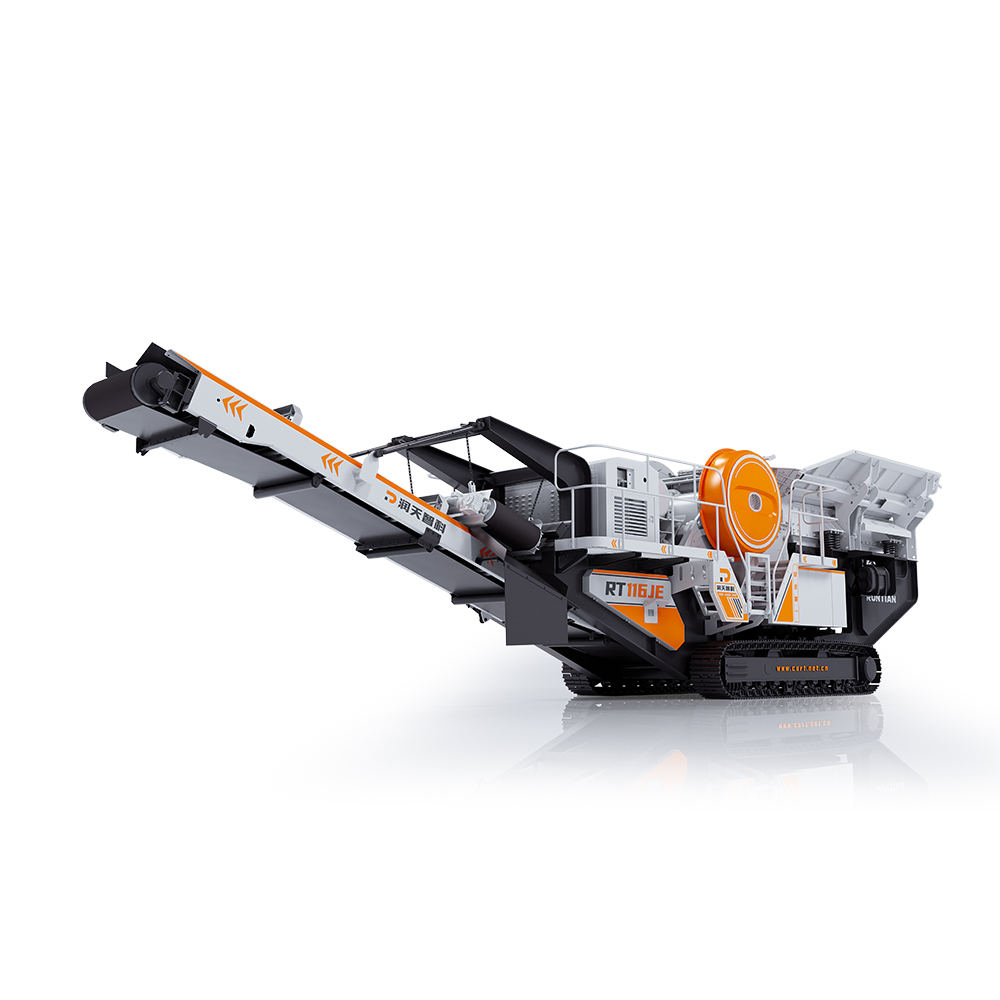 RT116JE Crawler Mobile Jaw Crushing Plant
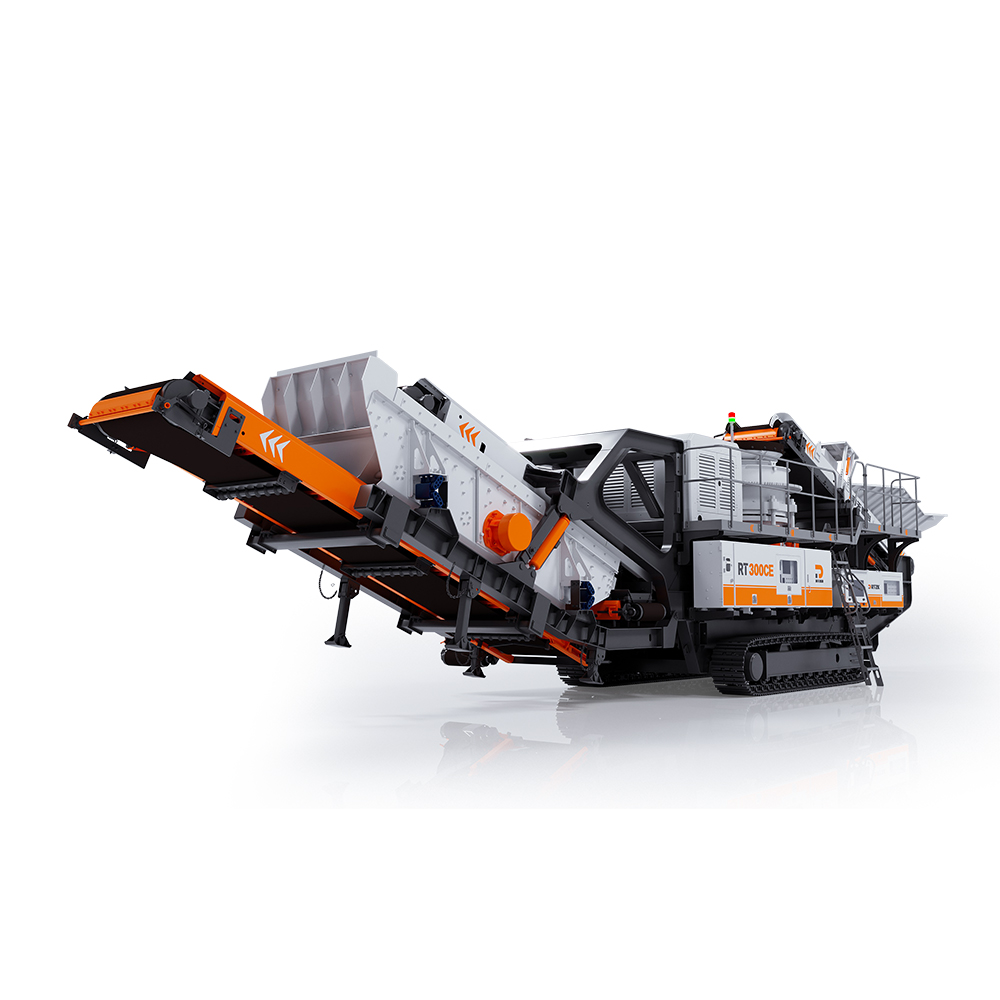 RT300CE Crawler Mobile Cone Crushing Plant
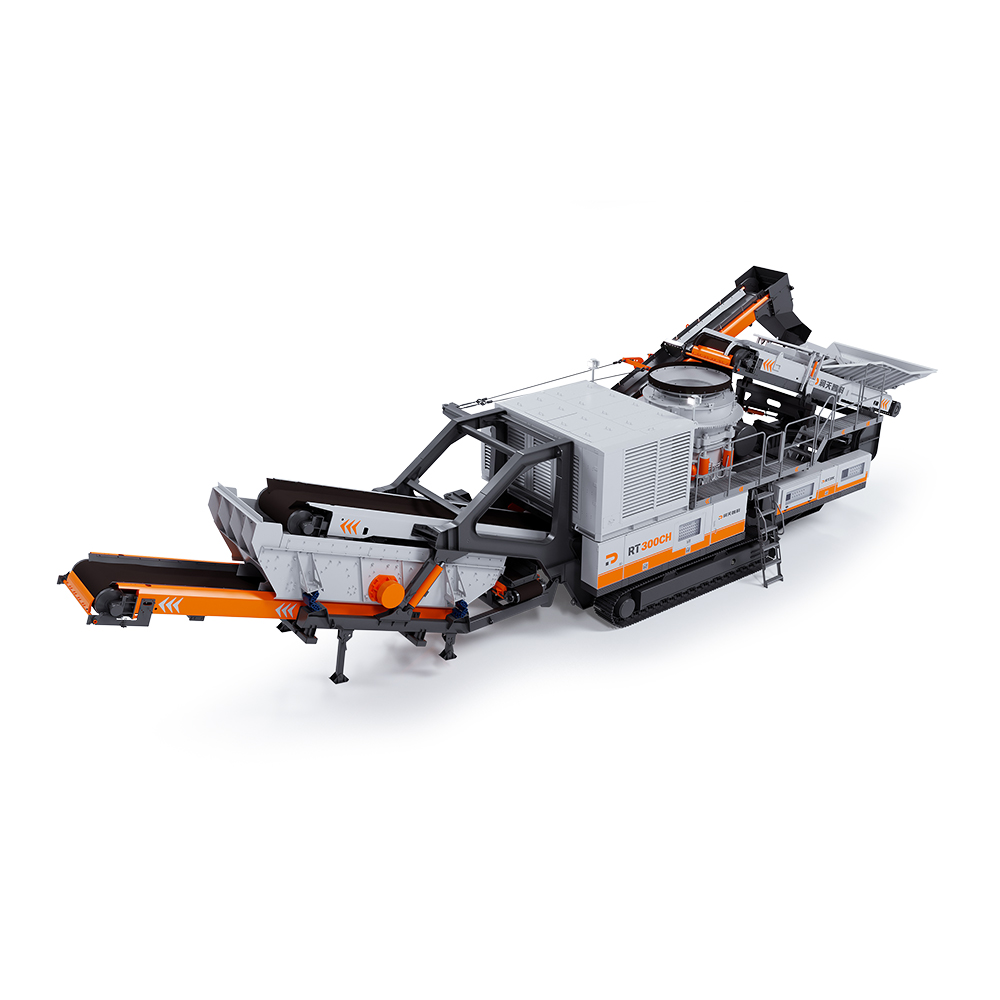 RT300CH Crawler Mobile Cone Crushing Plant
 RT5015H Mobile Scalping Screen
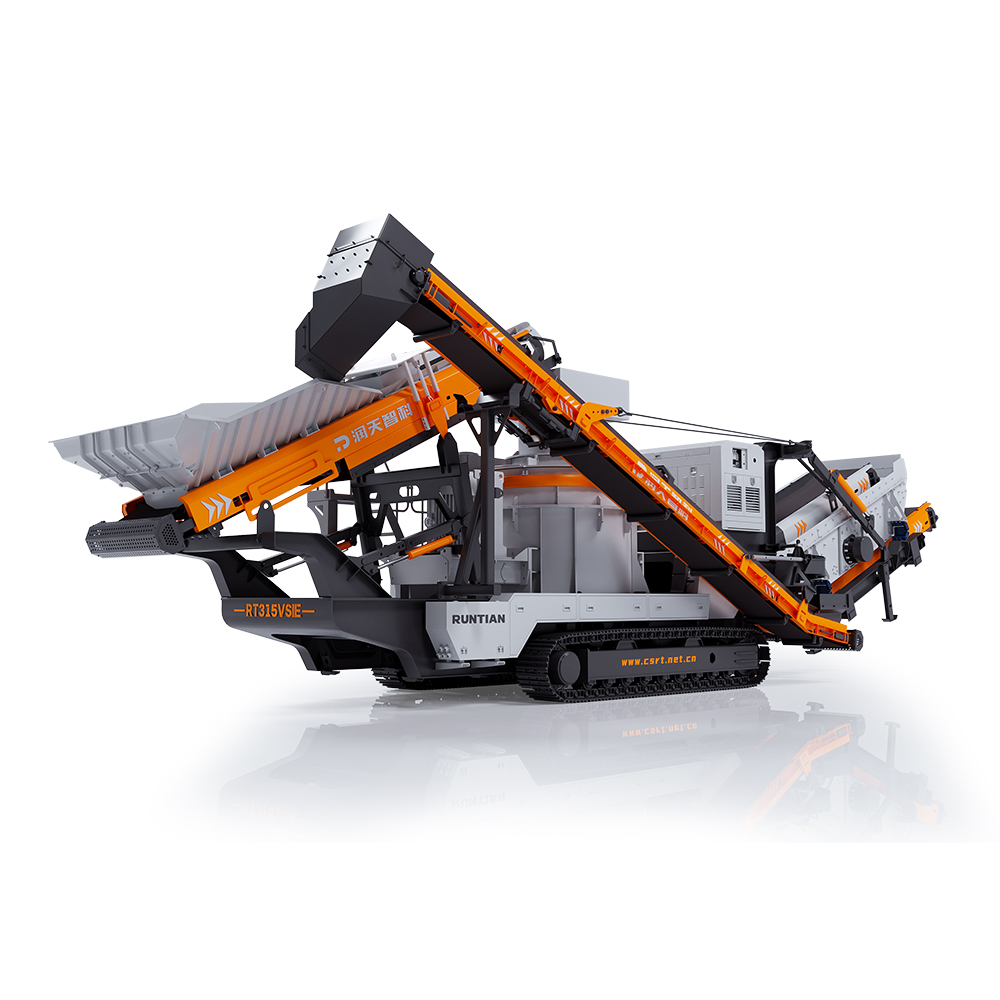 RT315VSIE Crawler Mobile Sand Maker
 RT3YK6020 Crawler Mobile Screening Plant
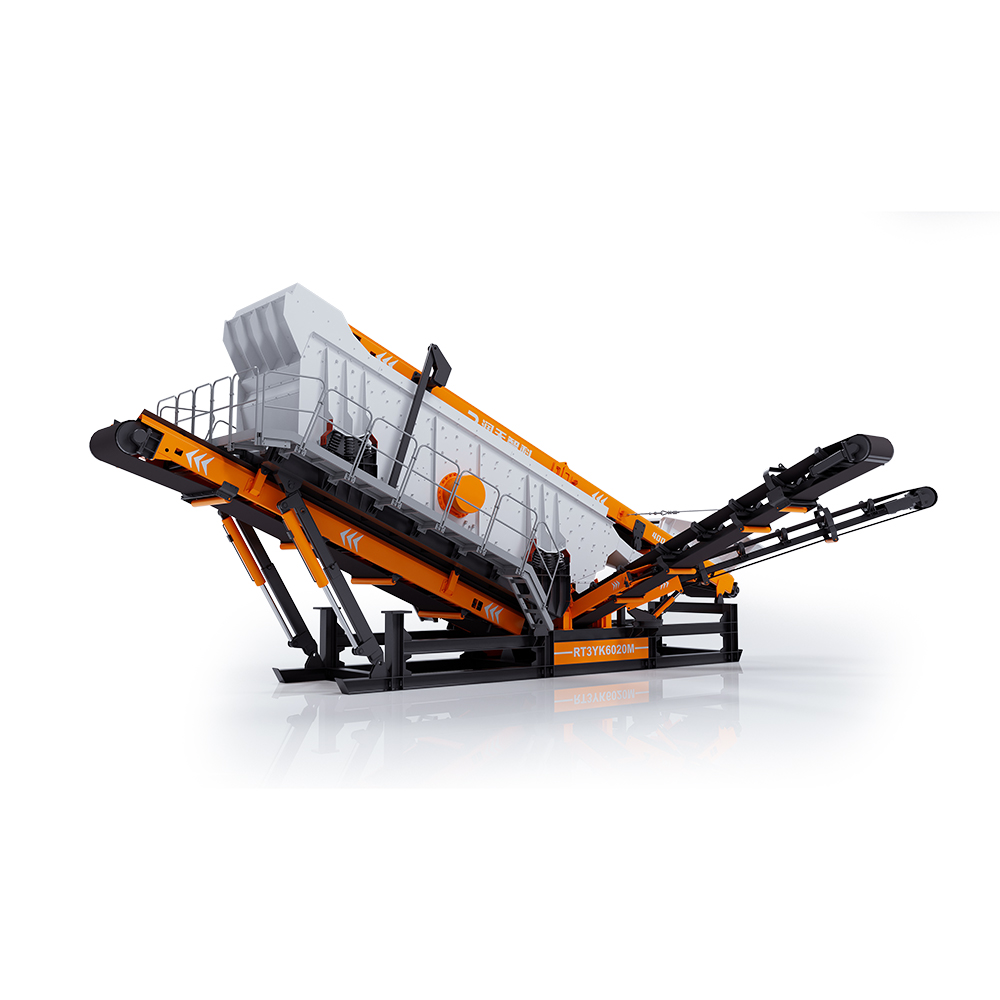 RT3YK6020M Modular Screening Plant
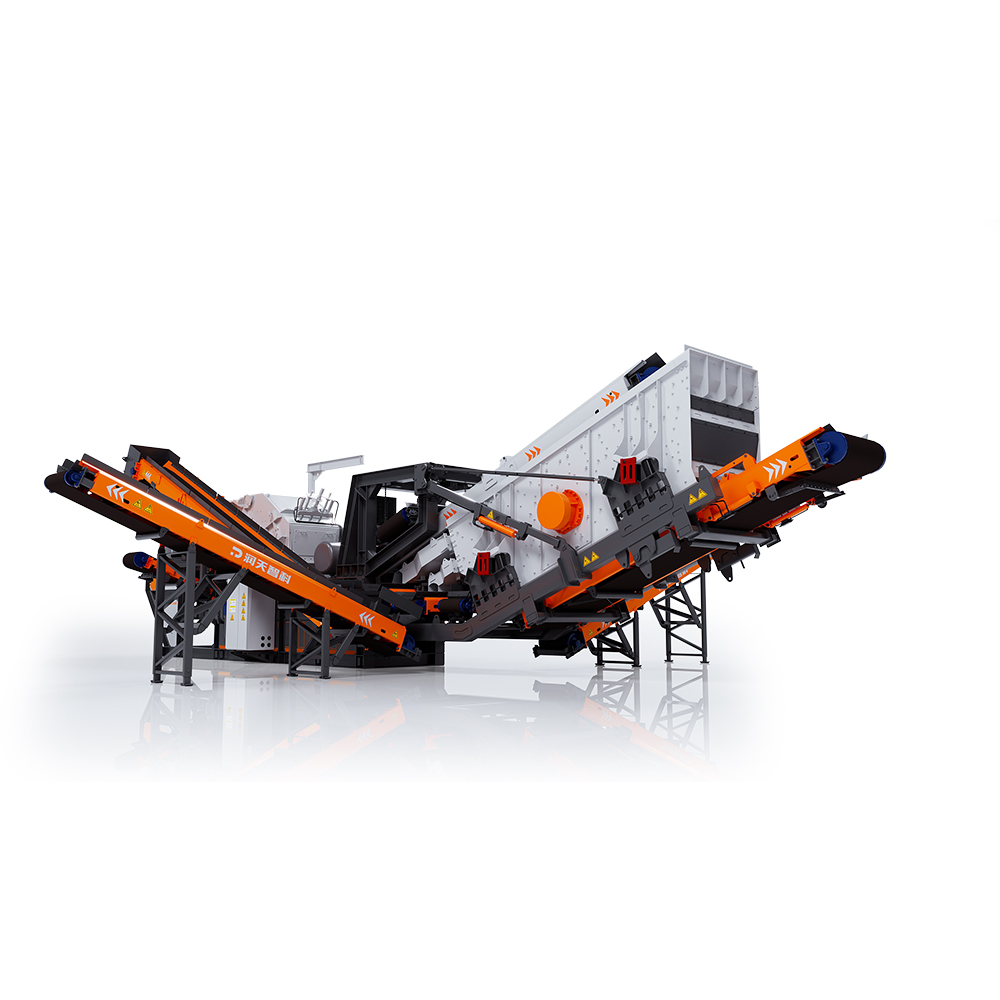 RTF260M Modular Counterattack Crushing and Screening Integrated Machine
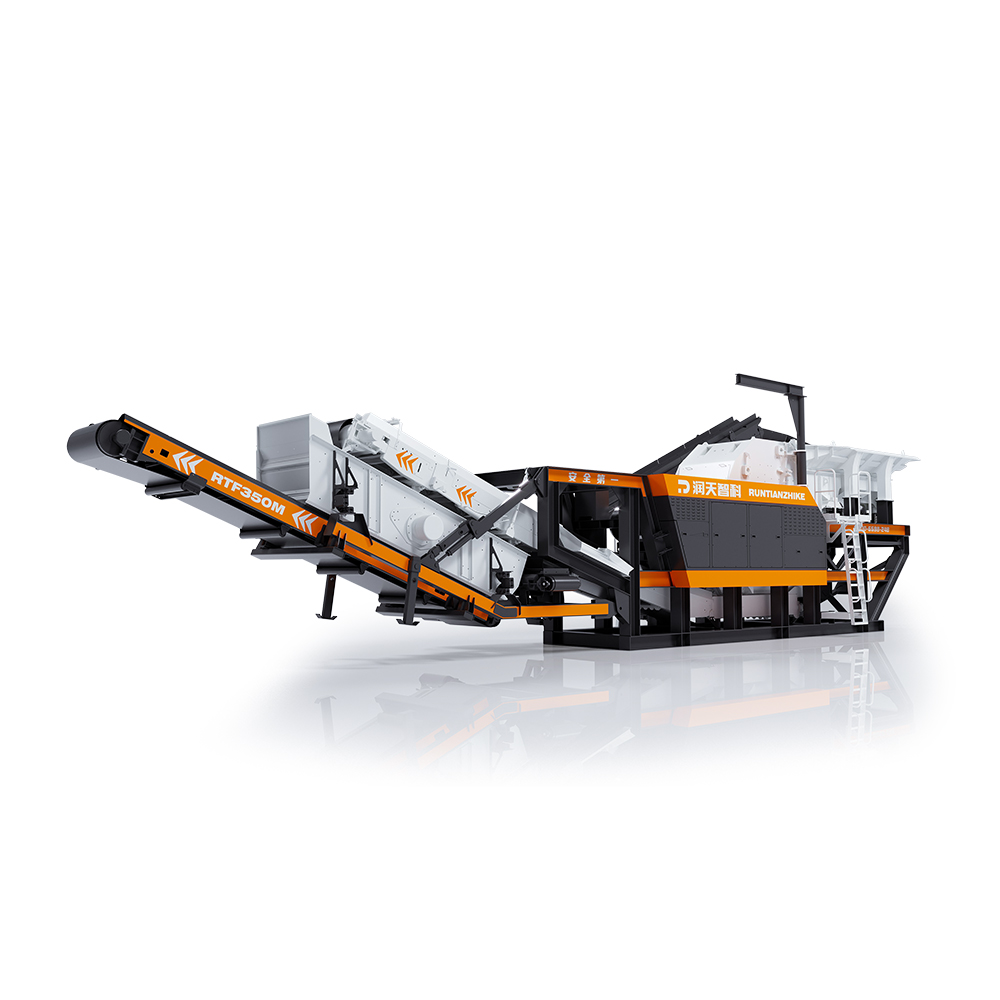 RTF350M Modular Impact Crushing Plant
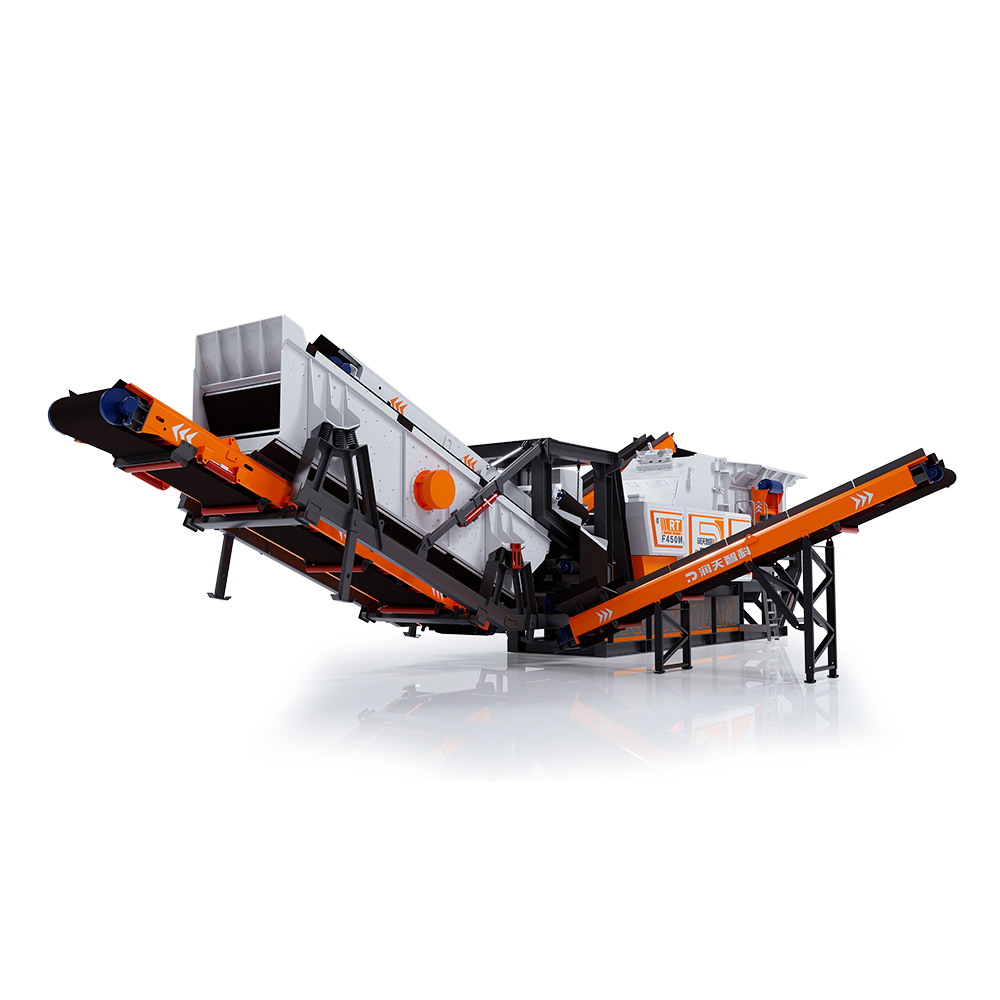 RTF450M Modular Impact Crushing Plant
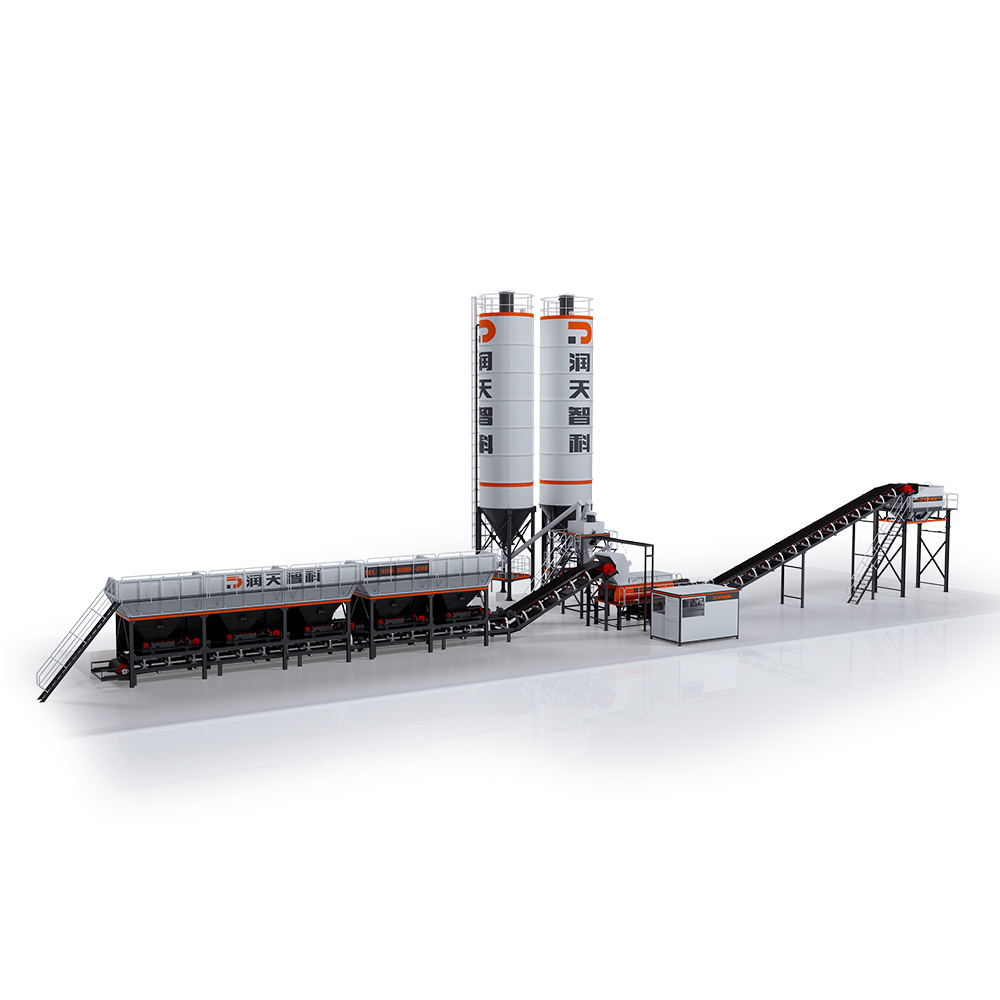 WDB Series Foundation-Free Stability Soil Mixing Plant
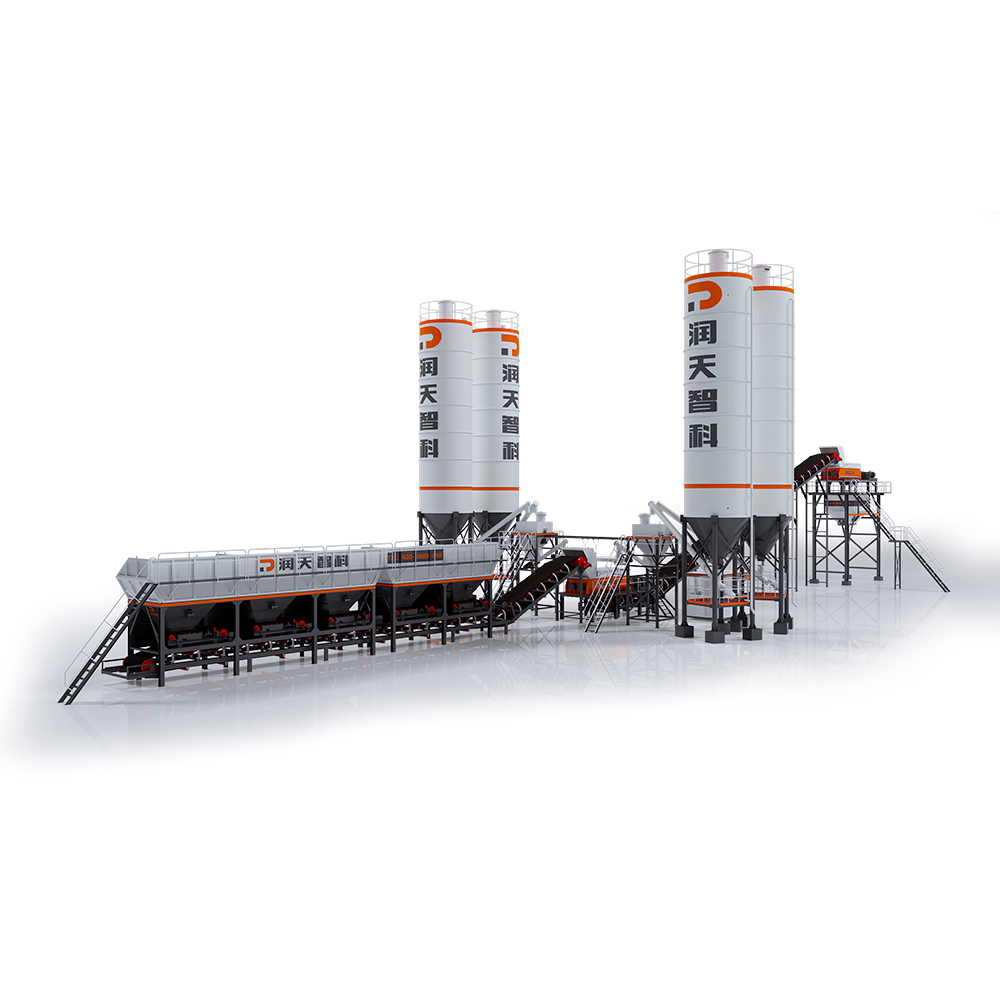 LCB Series Emulsified Asphalt Cold Regeneration Secondary Mixing Plant
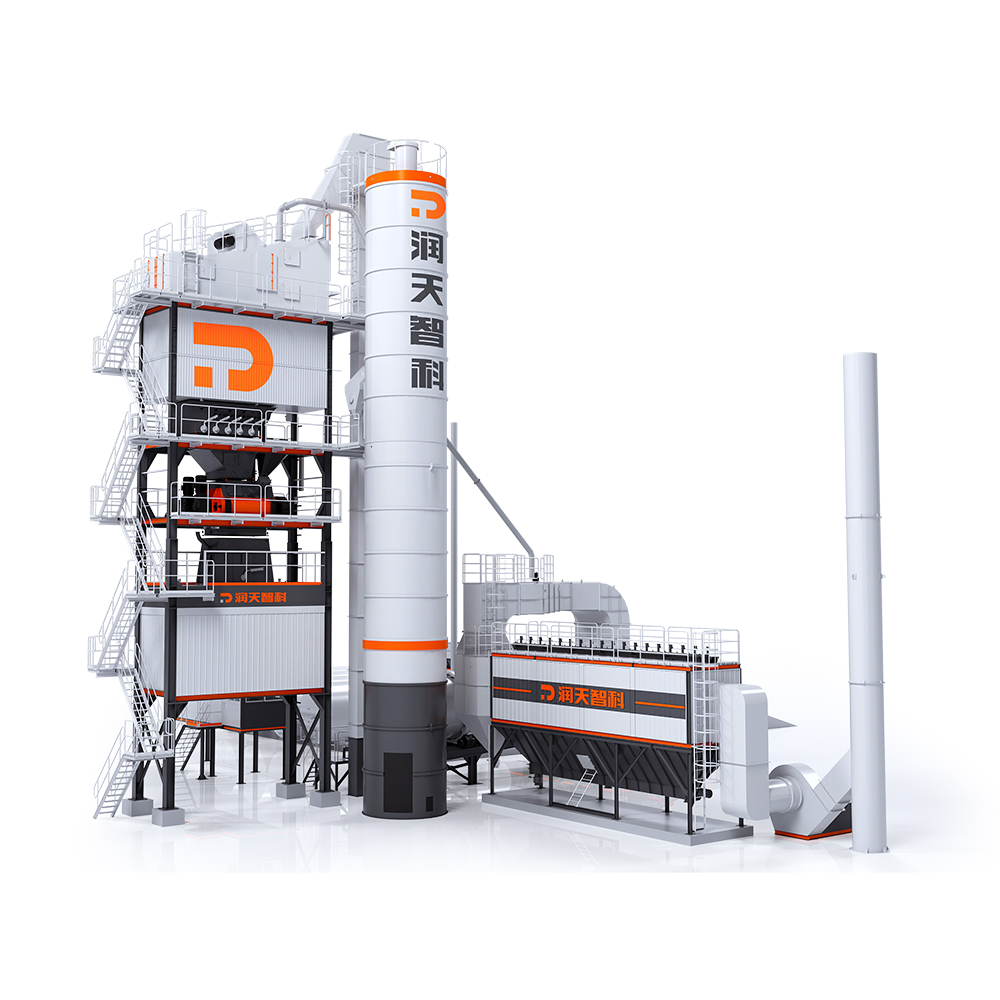 LB Series Asphalt Mixing Plant
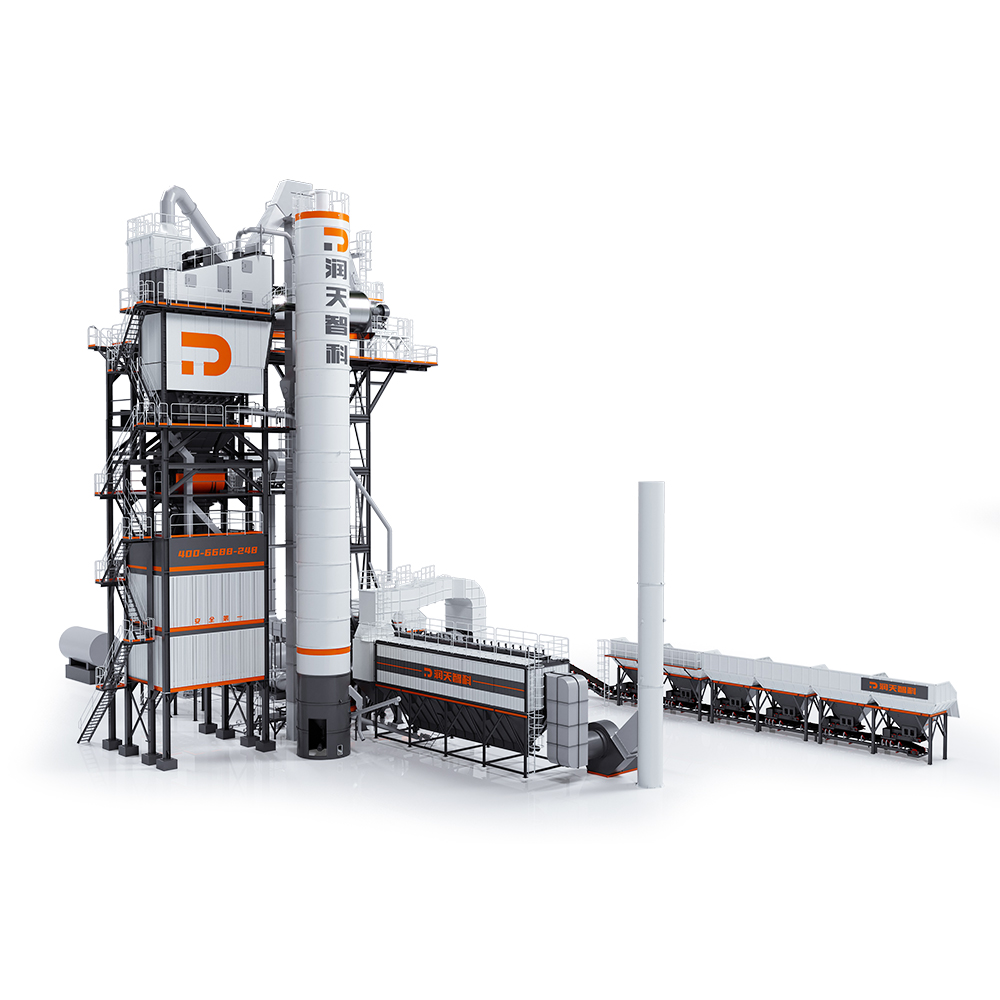 LBR Series Integrated Asphalt Mixing Plant
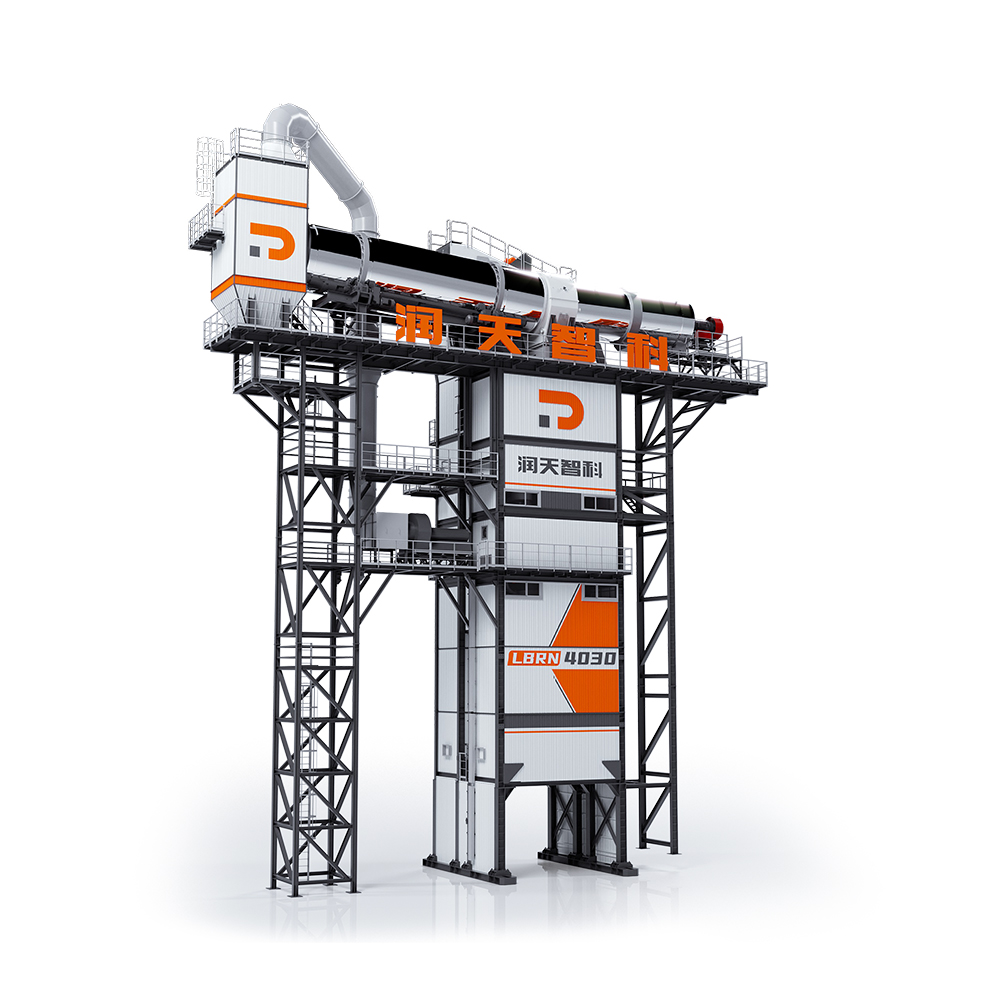 LBRN Series Counterflow Integral Asphalt Mixing Plant
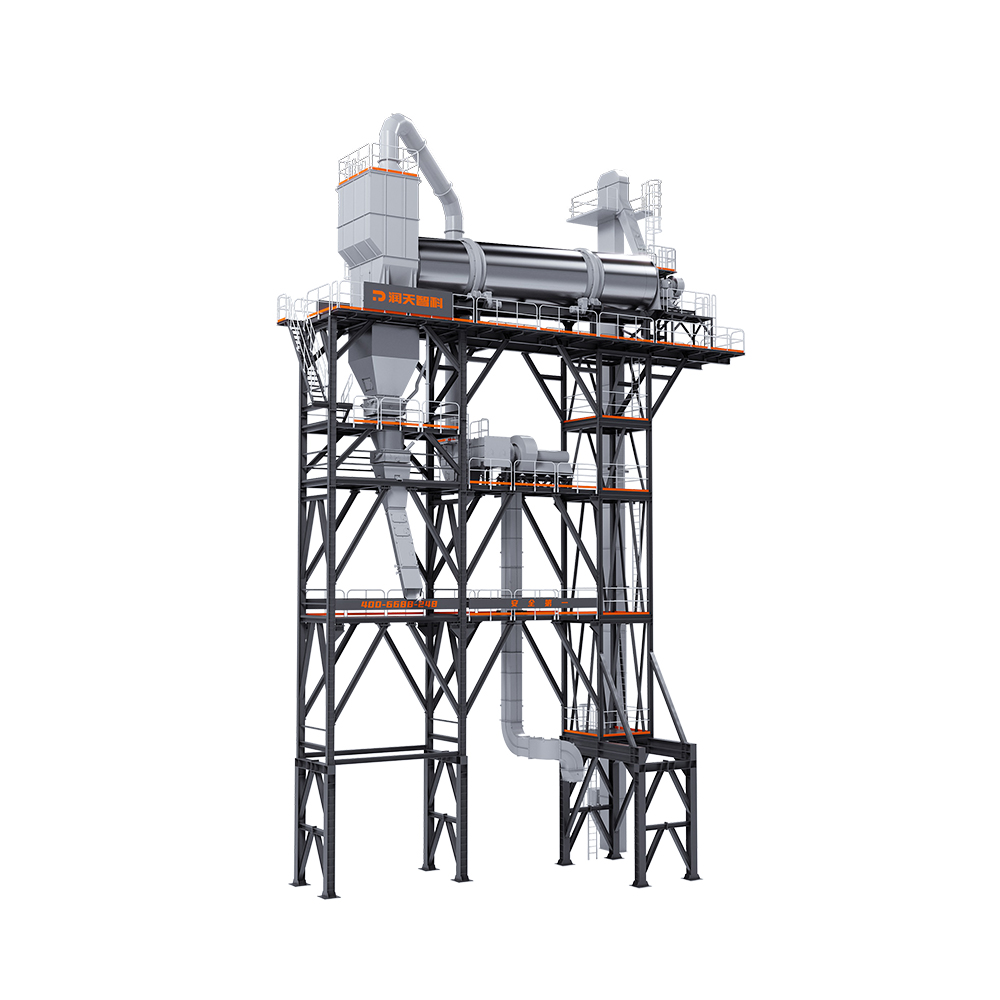 RZS Series Asphalt Mixing Plant
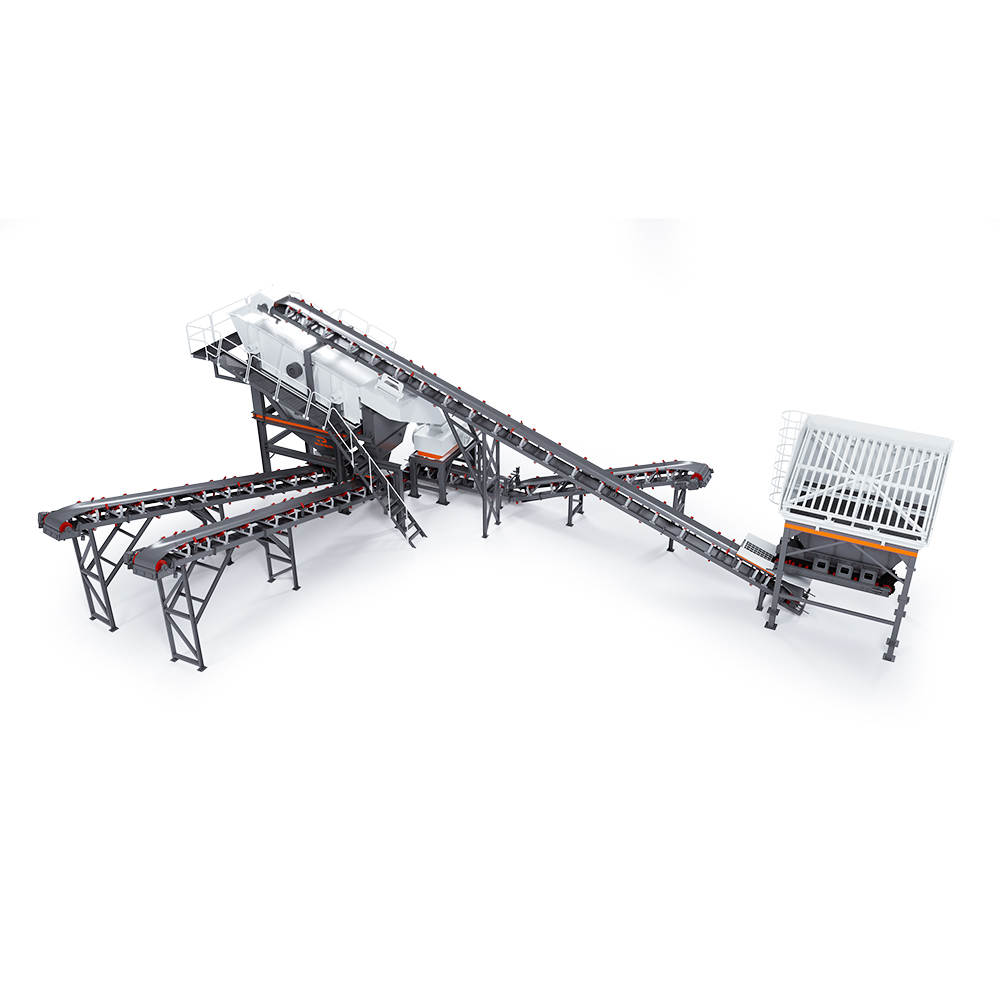 RTZS120 Series RAP Crushing & Screening Plant
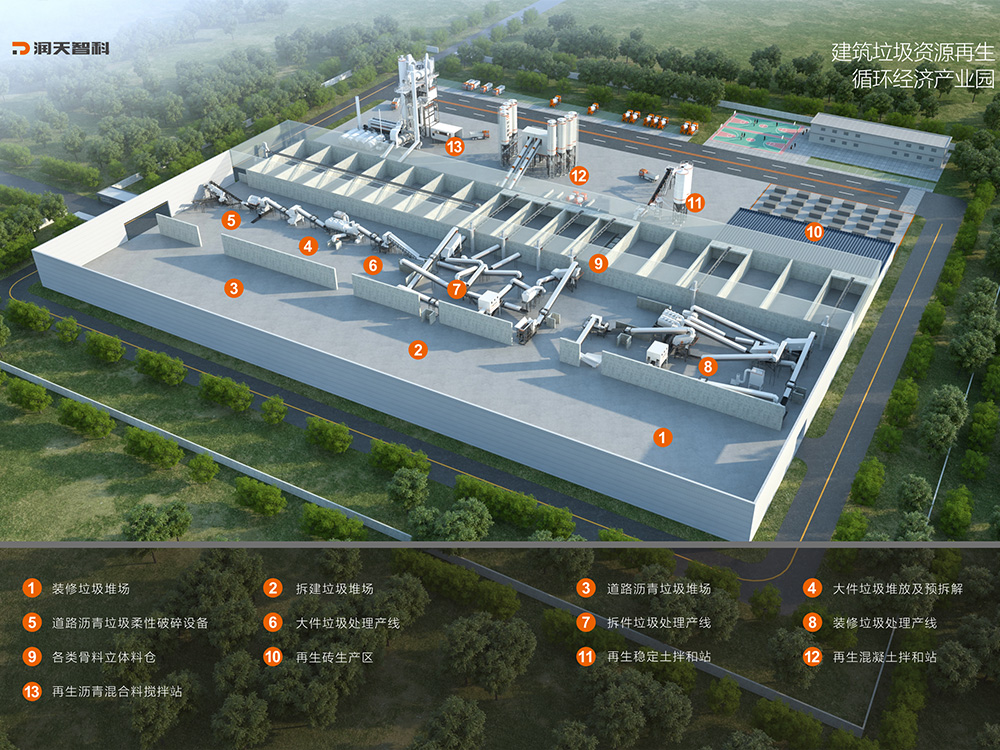 Construction Waste Resourceful Treatment Line