Top 10 Benefits of Builders Waste Recycling for Sustainable Construction
The construction industry is a significant contributor to environmental degradation, accounting for approximately 39% of global carbon emissions, as reported by the Global Alliance for Buildings and Construction. However, the increasing focus on sustainability has prompted a shift towards more eco-friendly practices, with Builders Waste Recycling emerging as a critical solution. By repurposing construction and demolition materials, the sector can not only mitigate waste but also conserve natural resources and reduce pollution.

According to a study by the United Nations Environment Programme, effective waste management in construction can potentially reduce waste generation by up to 90% through recycling and reuse initiatives. This transition towards Builders Waste Recycling not only supports sustainable construction but also enhances economic efficiency. The recycling of materials such as concrete, metal, and wood can save costs while providing businesses with the advantage of a circular economy framework, where resources are utilized to their full potential.
In alignment with the global sustainability goals, the implementation of Builders Waste Recycling practices is becoming increasingly vital. As more construction companies recognize the benefits—ranging from improved project sustainability to compliance with regulatory demands—they are likely to invest in waste management solutions that promote resource efficiency and environmental stewardship. The paradigm of construction is evolving, making Builders Waste Recycling not only a viable option but a necessary practice for modern sustainable construction.
Understanding Builders Waste Recycling and Its Importance
Builders waste recycling plays a crucial role in sustainable construction, addressing the growing concern of waste management in the construction industry. According to a report by the World Green Building Council, the construction sector is responsible for approximately 39% of all carbon emissions, a substantial portion of which is attributable to waste. By implementing effective builders waste recycling practices, the industry can significantly reduce its environmental footprint. Recycling materials such as concrete, metals, and wood not only diverts waste from landfills but also diminishes the demand for new raw materials, leading to lower resource depletion.
Furthermore, the benefits extend beyond environmental conservation. A study by the National Recycling Coalition shows that recycling construction waste can save up to 75% in disposal costs, providing financial incentives for builders and developers. This economic advantage, combined with the positive ecological impact, emphasizes the importance of integrating recycling programs in construction projects. By fostering a circular economy, builders can contribute to a more sustainable future while enhancing their operational efficiency. This commitment to recycling not only meets regulatory requirements but also appeals to increasingly environmentally-conscious consumers, creating a competitive edge in the market.
Key Benefits of Recycling in Sustainable Construction Practices
Recycling builder's waste is pivotal for promoting sustainable construction practices. One of the primary benefits is the significant reduction in landfill waste. By repurposing materials such as concrete, wood, and metals, construction projects minimize their environmental footprint. This practice not only conserves natural resources but also reduces the emissions associated with waste disposal and material extraction.
Additionally, recycling contributes to cost savings for construction firms. By reusing materials, companies can lower the expenses related to purchasing new supplies. This aspect is crucial in an industry where margins are often tight. Furthermore, environmentally-friendly practices enhance a company’s reputation, making it more appealing to clients who prioritize sustainability. As a result, builders who adopt recycling protocols can foster a competitive edge in an increasingly eco-conscious market.
Strategies for Effective Builders Waste Management
Builders waste recycling plays a pivotal role in promoting sustainable construction practices. Effective management of construction waste not only minimizes environmental impact but also enhances resource efficiency. To ensure a smooth recycling process, it's essential to implement strategic waste management practices.
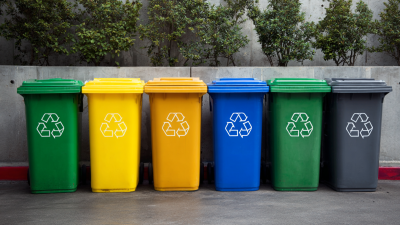
Tips: One effective strategy is to conduct a waste audit before starting a project. This allows builders to identify the types and quantities of waste generated, enabling them to develop targeted recycling plans. Additionally, maintaining a clear separation of recyclable materials on-site can significantly streamline the recycling process.
Another important approach is to engage with local recycling facilities and understand their requirements. Establishing partnerships with these facilities can help ensure proper disposal and recycling of materials like concrete, metals, and wood. Education and training for the workforce on recycling protocols and sustainable practices can further enhance the overall effectiveness of builders waste recycling efforts. By fostering a culture of sustainability within construction teams, the benefits of recycling can be fully realized, contributing to a more environmentally friendly building sector.
Innovative Technologies Enhancing Waste Recycling Processes
 Innovative technologies are transforming waste recycling processes in the construction sector, driving sustainability and efficiency. According to the World Economic Forum, the construction industry generates approximately 2.2 billion tons of waste annually, contributing significantly to global pollution. Advanced recycling technologies, such as automated sorting systems and AI-driven waste management software, have been developed to streamline the recycling process, making it more effective. For instance, automated systems can achieve a sorting accuracy of over 90%, thereby reducing contamination rates and optimizing material recovery.
Furthermore, innovations like 3D printing from recycled materials and the use of mobile recycling units are gaining traction. Research from the Ellen MacArthur Foundation indicates that up to 50% of construction materials can be reused or recycled, but without proper technological interventions, this potential remains largely untapped. These advances not only minimize waste but also lower costs and carbon footprints, making sustainable construction not only an environmental necessity but a practical reality for builders. As these technologies become more widespread, the construction industry can significantly enhance its contributions to environmental sustainability.
Measuring the Environmental Impact of Waste Recycling Initiatives
The environmental impact of waste recycling initiatives in the construction industry is substantial and measurable. According to a report by the Environmental Protection Agency (EPA), construction and demolition (C&D) debris account for approximately 40% of the total solid waste generated in the United States. By implementing robust recycling programs, the construction sector can significantly reduce this figure while simultaneously conserving natural resources. For instance, recycling asphalt shingles can save more than 1.5 tons of natural resources per ton of shingle waste processed, illustrating a direct benefit to both the economy and the environment.
Furthermore, a study conducted by the World Green Building Council shows that sustainable practices, including waste recycling, can lead to a reduction of greenhouse gas emissions by up to 30%. This statistic underscores the potential of waste management strategies to impact climate change positively. Effective recycling initiatives not only lower the demand for new materials but also decrease pollution associated with waste disposal in landfills. By prioritizing waste recycling, the construction industry contributes to a circular economy, minimizing resource extraction and enhancing overall sustainability.

 Concrete Mixing Plant
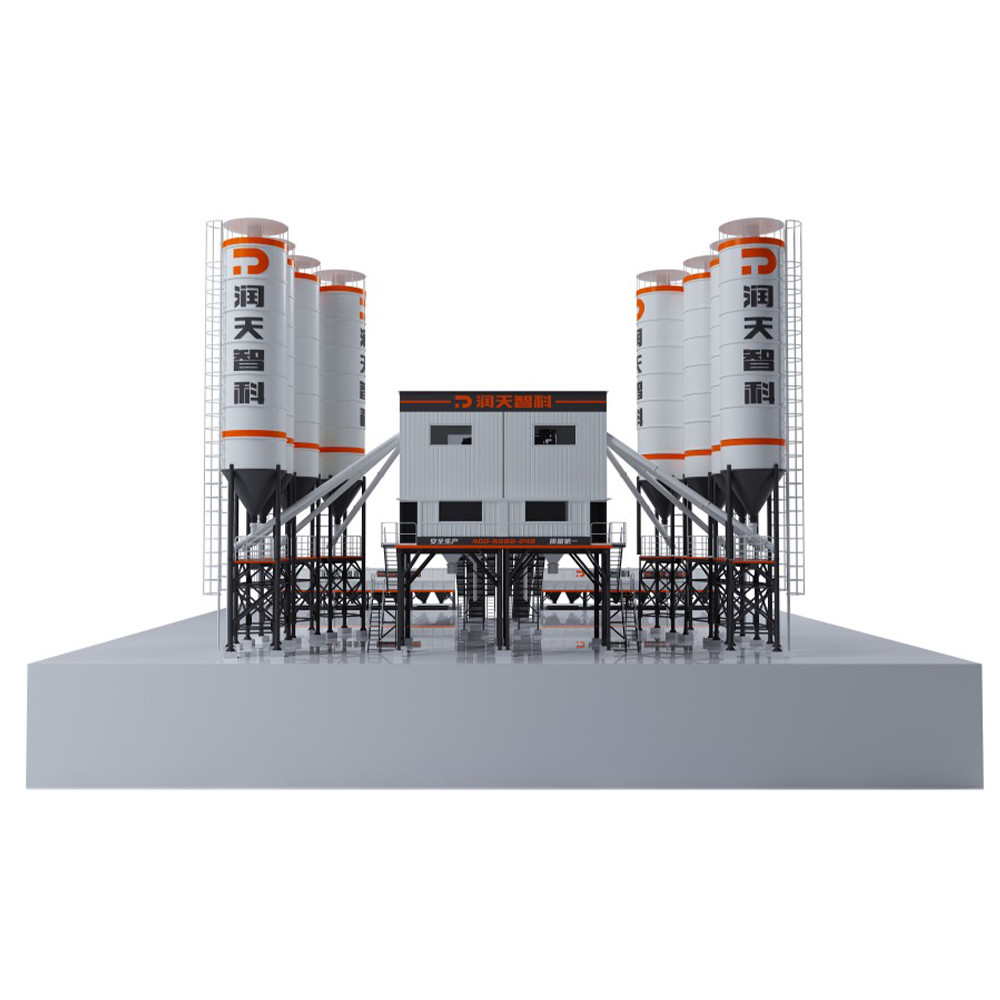 HZS Series Belt Concrete Mixing Plant
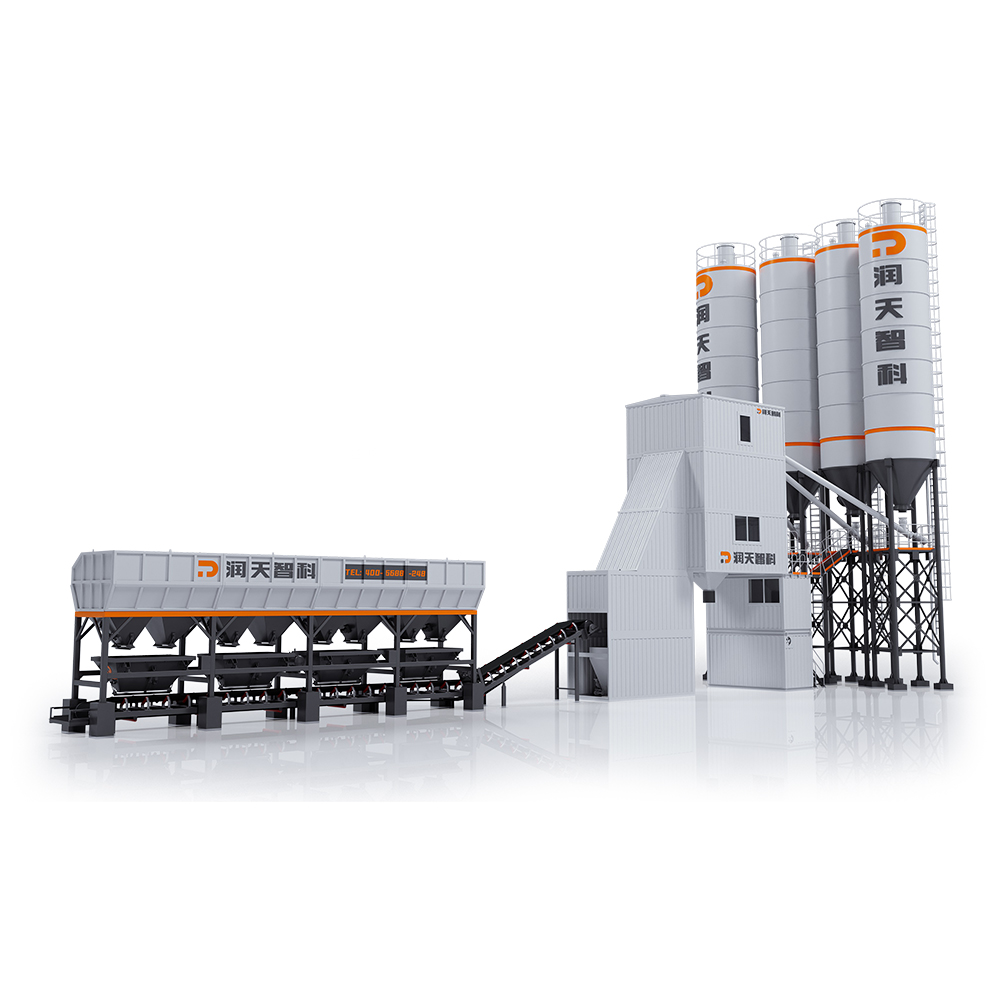 HZS Series Bucket-Lifting Type Container Concrete Mixing Plant
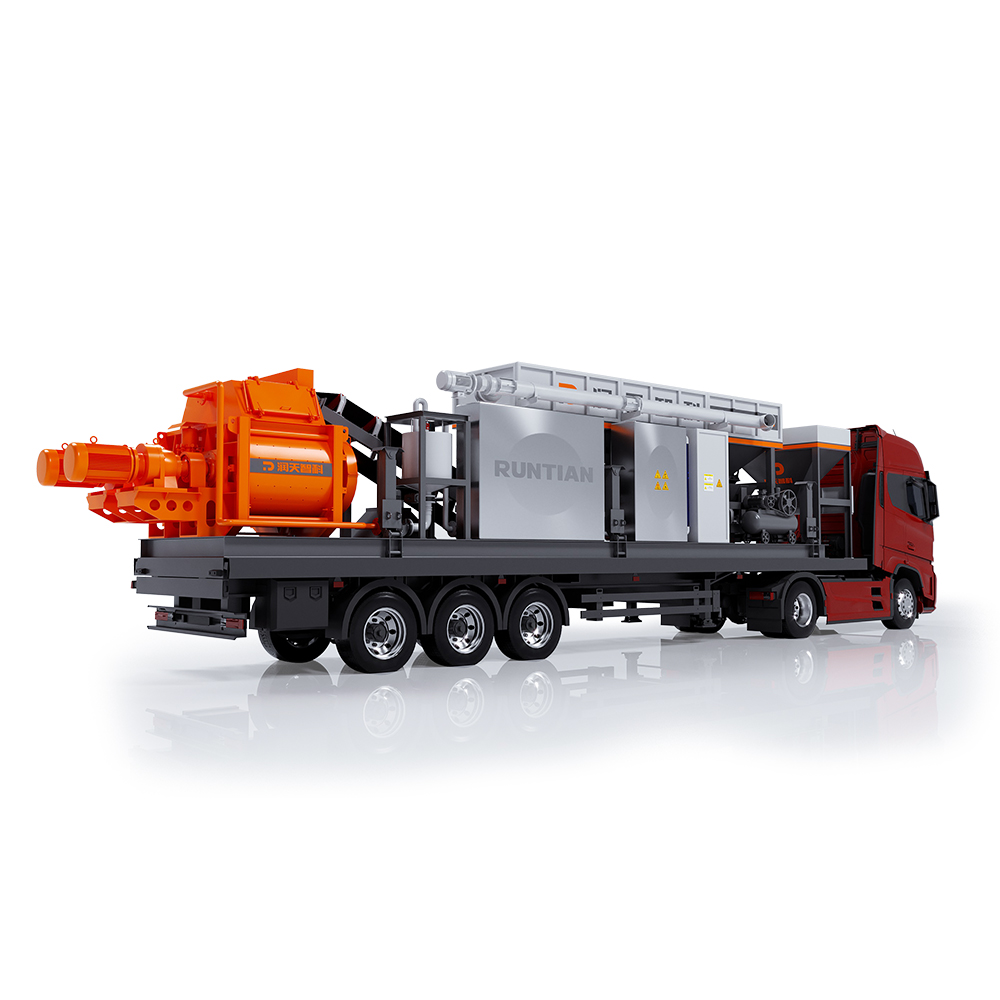 HZS60 Mobile Concrete Mixing Plant
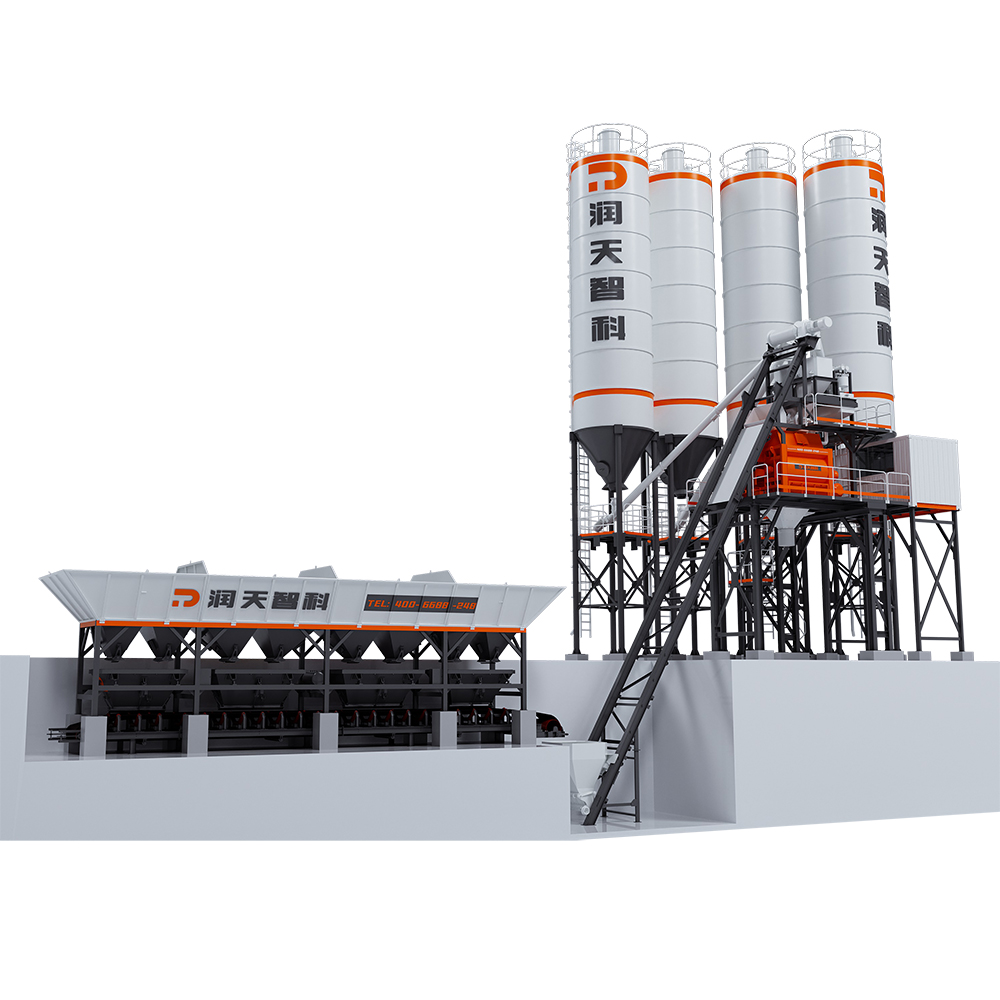 HZS Series Bucket-Lifting Type Concrete Mixing Plant
 HZS Series Mobile Concrete Mixing Plant
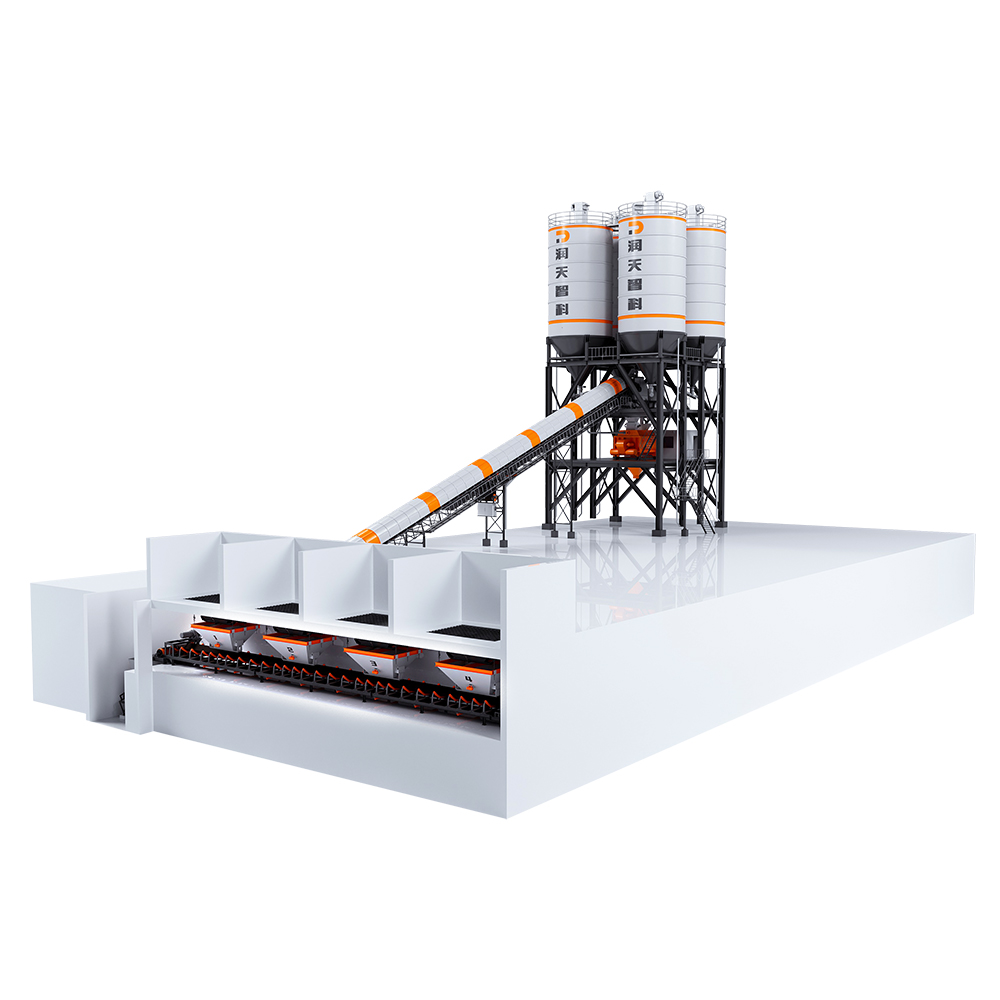 HZS Series Top-Mounted Concrete Mixing plant
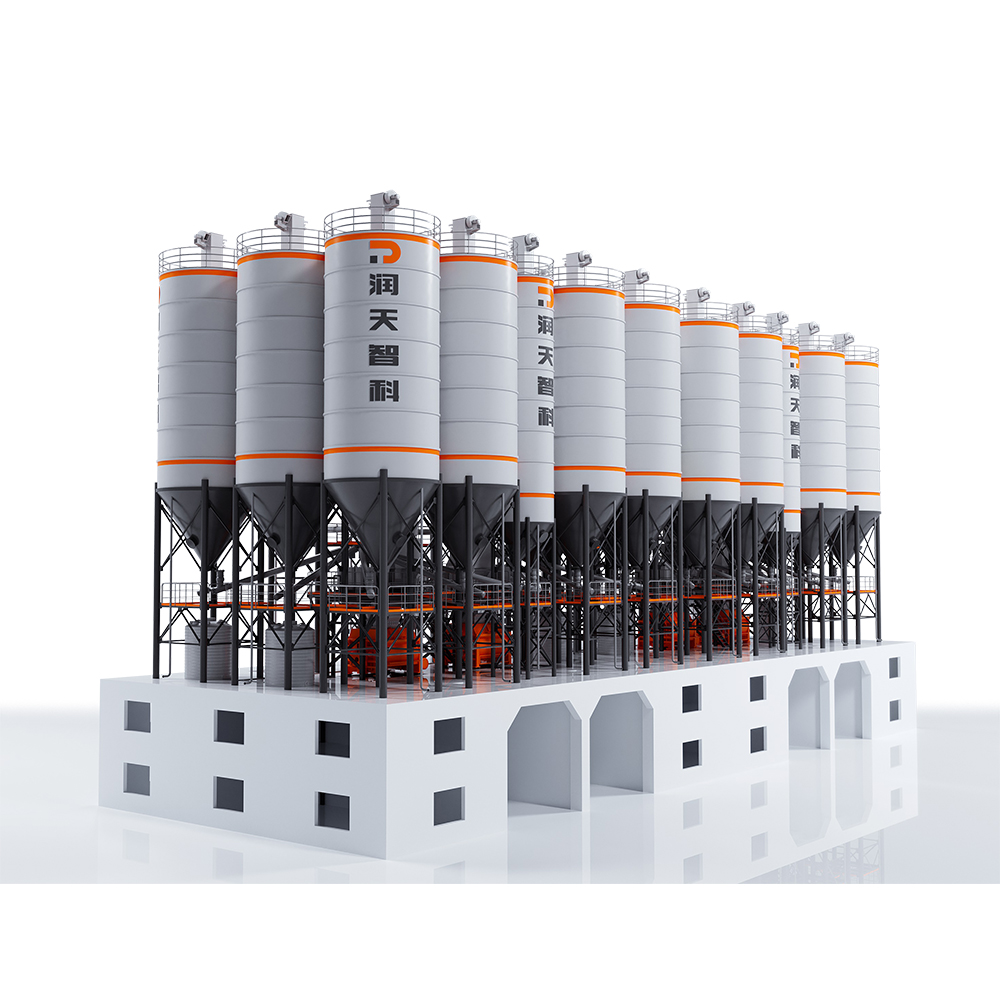 HZS Series Semi-Top Mounted Concrete Mixing Plant
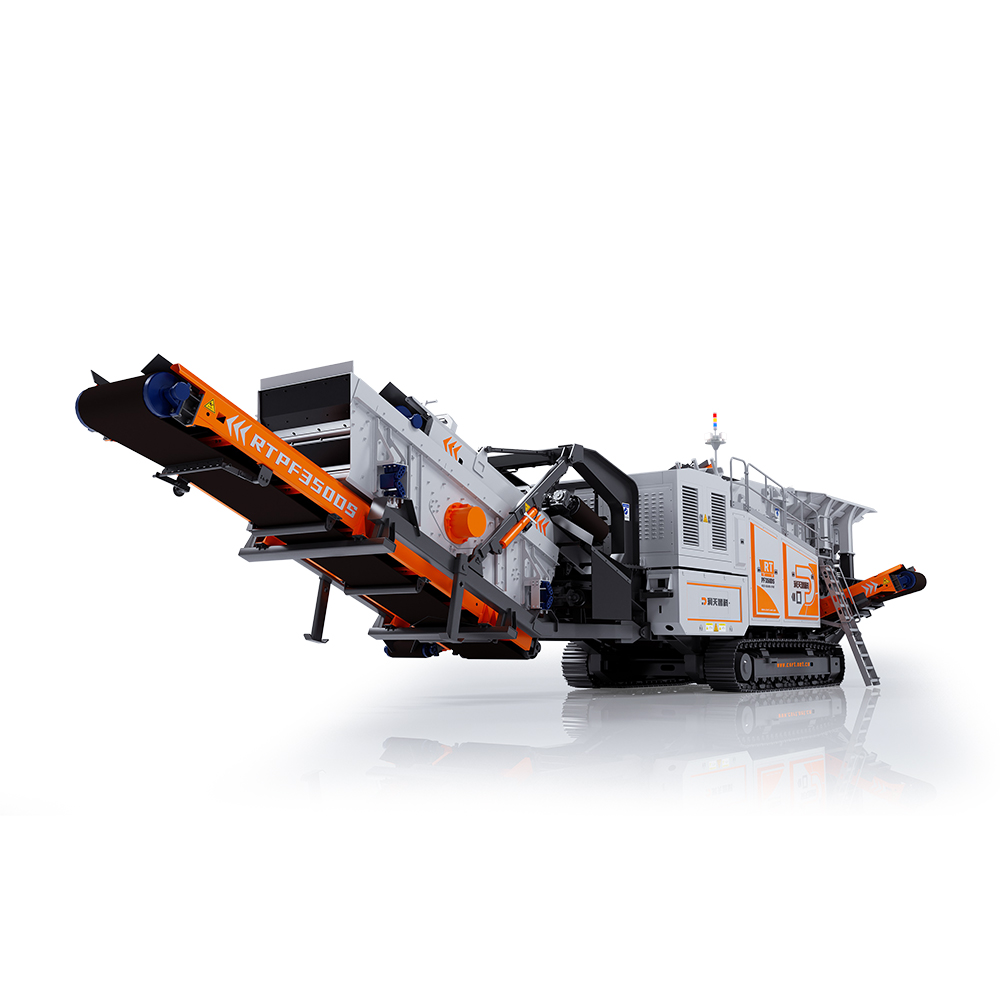 RTPF350DS Crawler Mobile Impact Crushing Plant
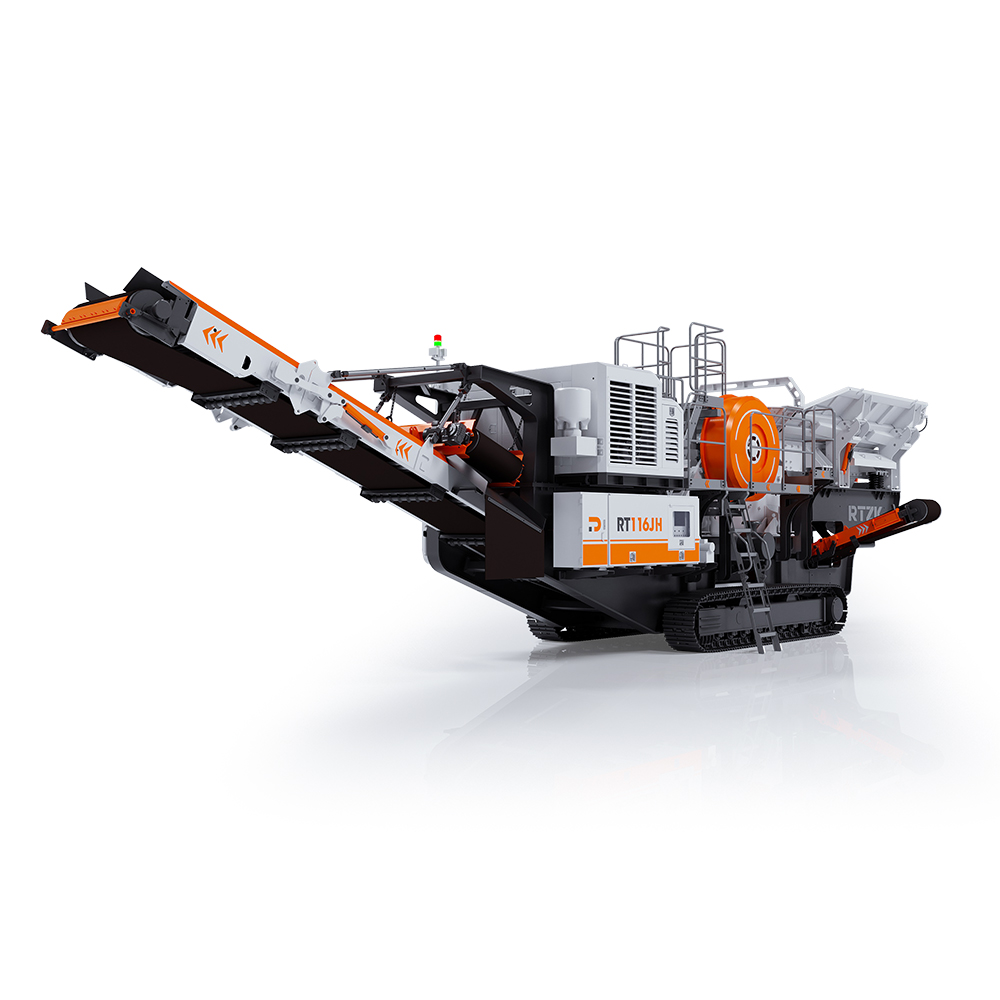 RT116JH Crawler Mobile Jaw Crushing Plant
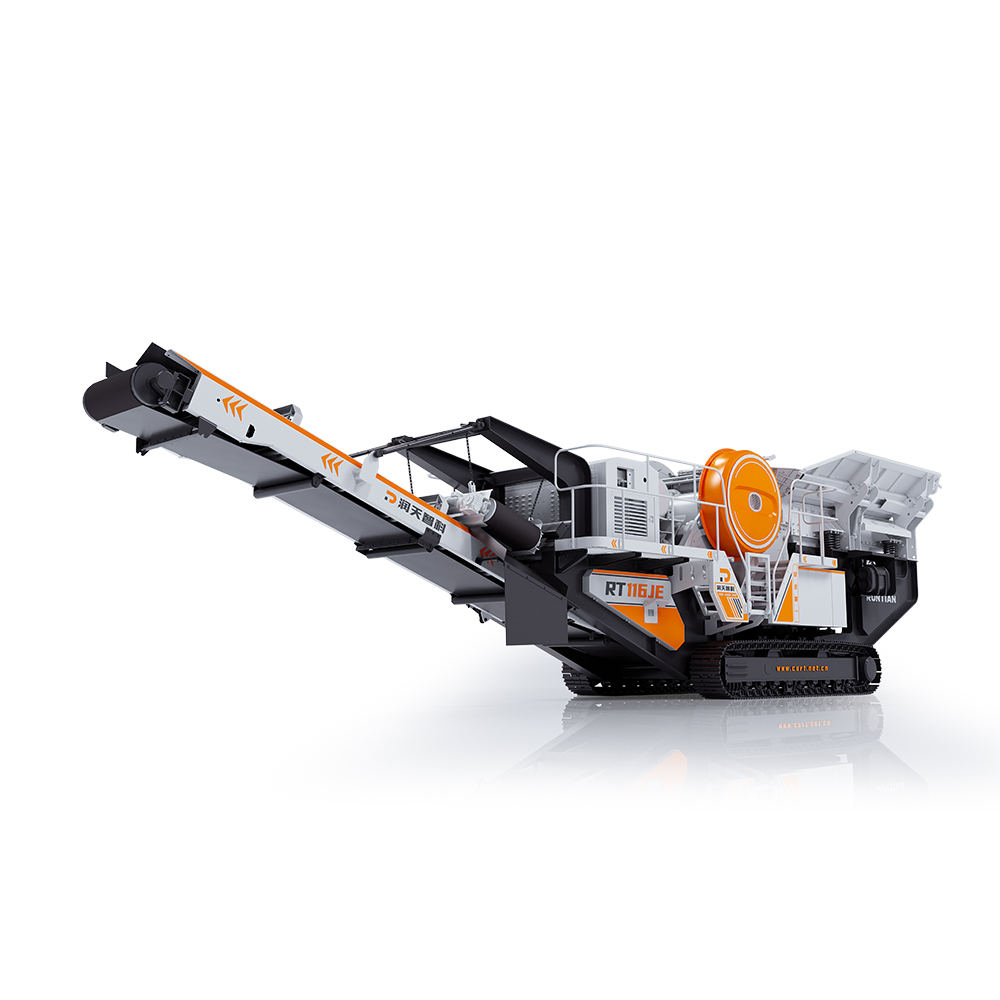 RT116JE Crawler Mobile Jaw Crushing Plant
 RT300CE Crawler Mobile Cone Crushing Plant
 RT300CH Crawler Mobile Cone Crushing Plant
 RT5015H Mobile Scalping Screen
 RT315VSIE Crawler Mobile Sand Maker
 RT3YK6020 Crawler Mobile Screening Plant
 RT3YK6020M Modular Screening Plant
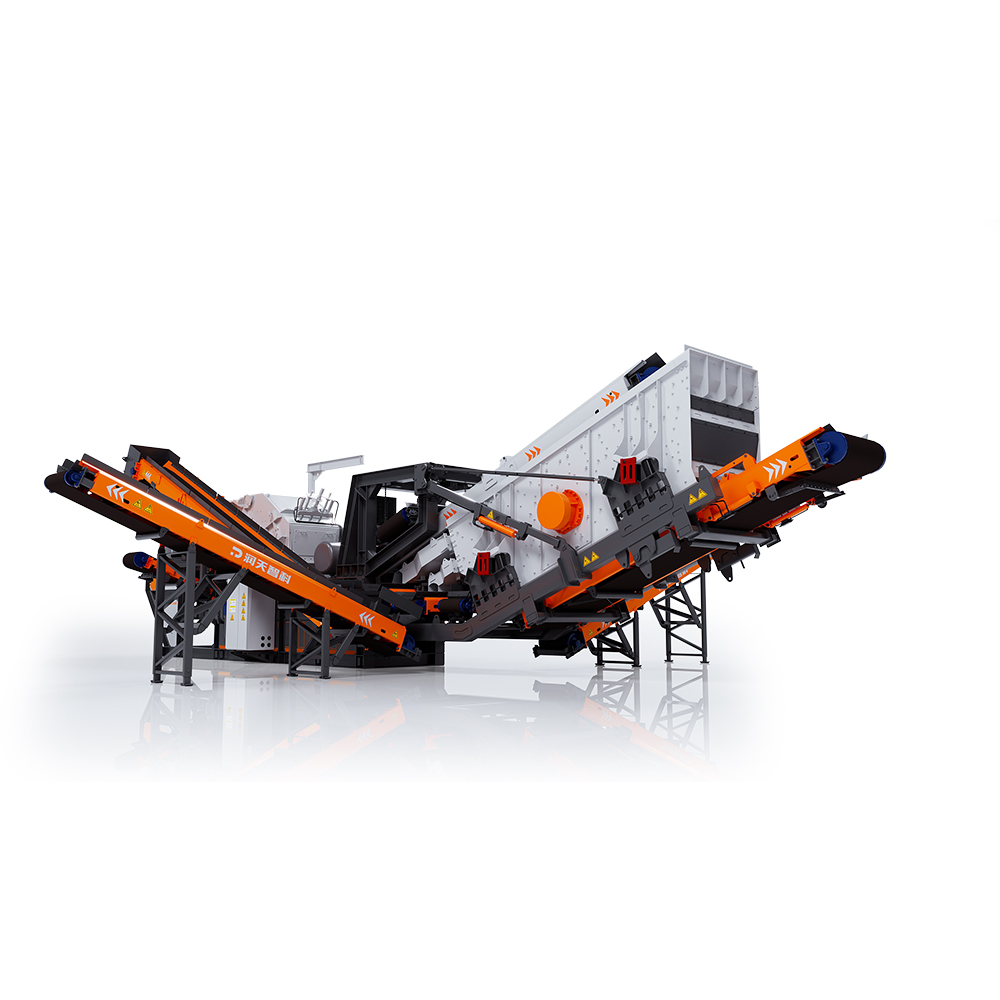 RTF260M Modular Counterattack Crushing and Screening Integrated Machine
 RTF350M Modular Impact Crushing Plant
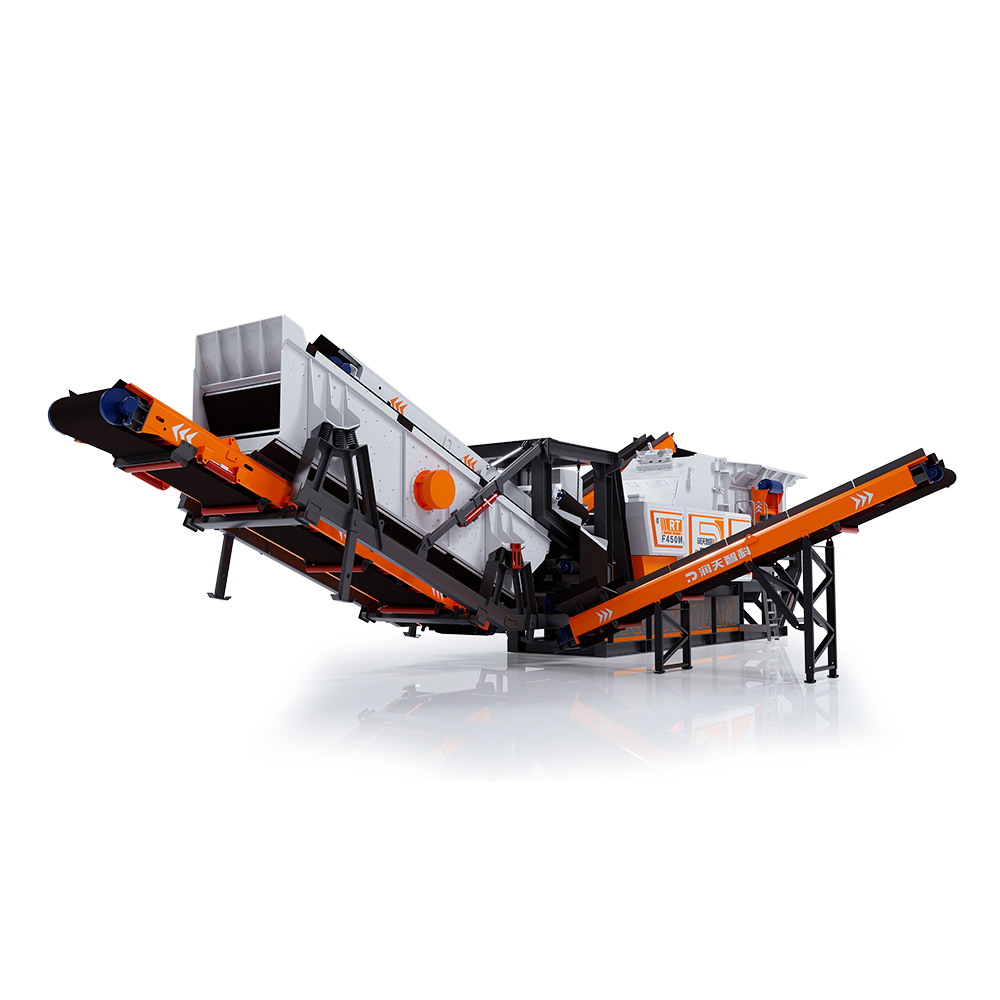 RTF450M Modular Impact Crushing Plant
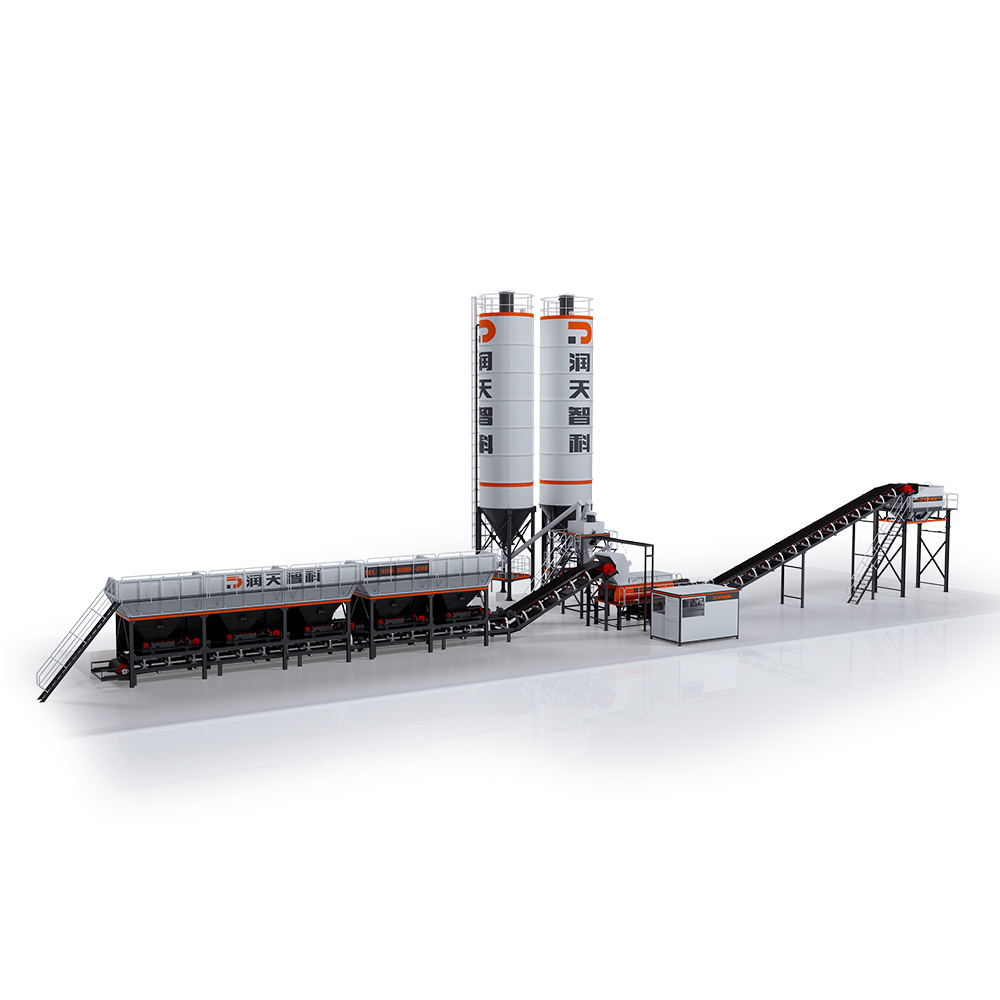 WDB Series Foundation-Free Stability Soil Mixing Plant
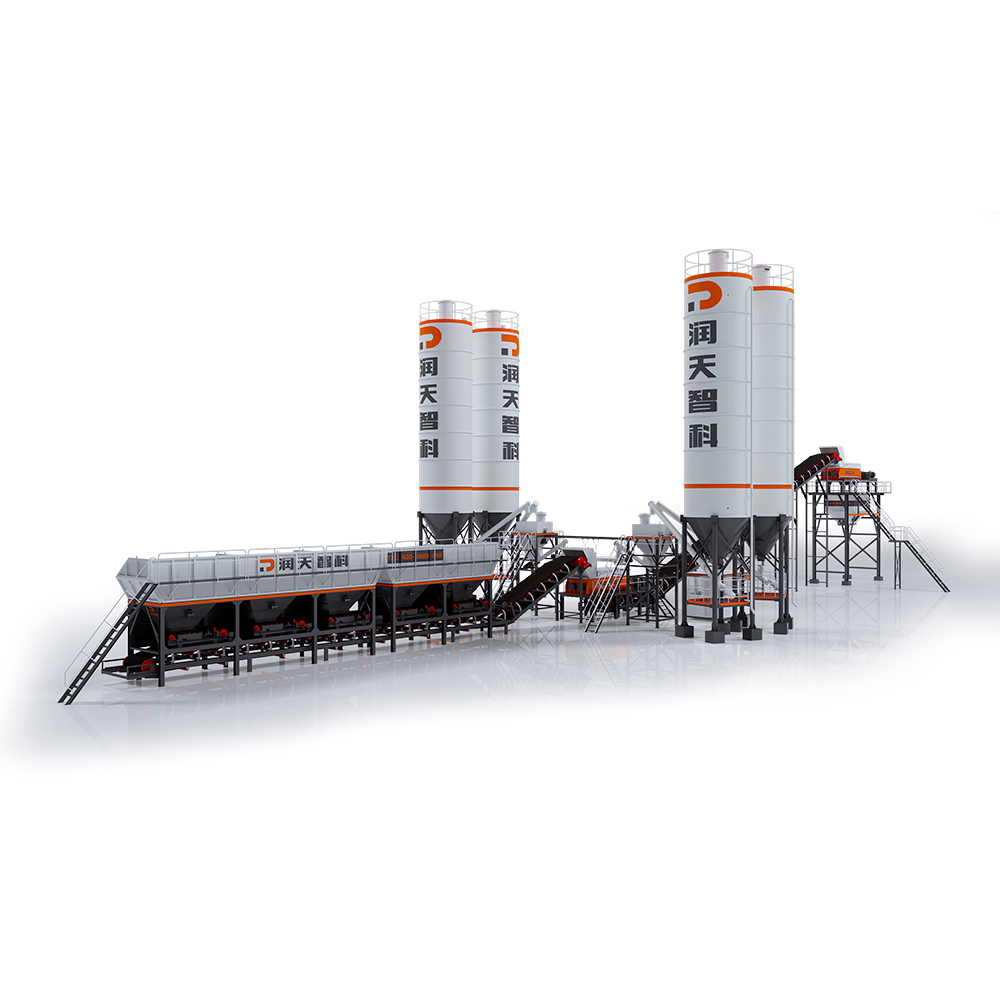 LCB Series Emulsified Asphalt Cold Regeneration Secondary Mixing Plant
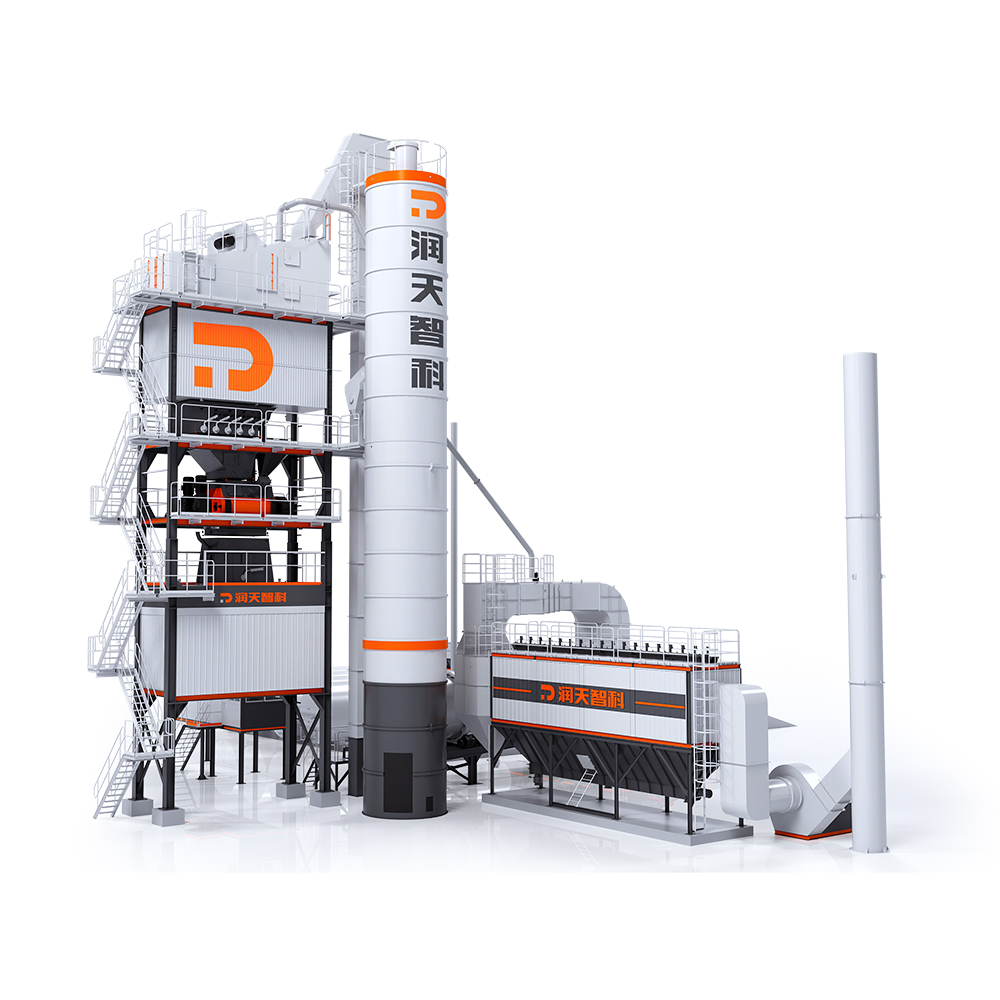 LB Series Asphalt Mixing Plant
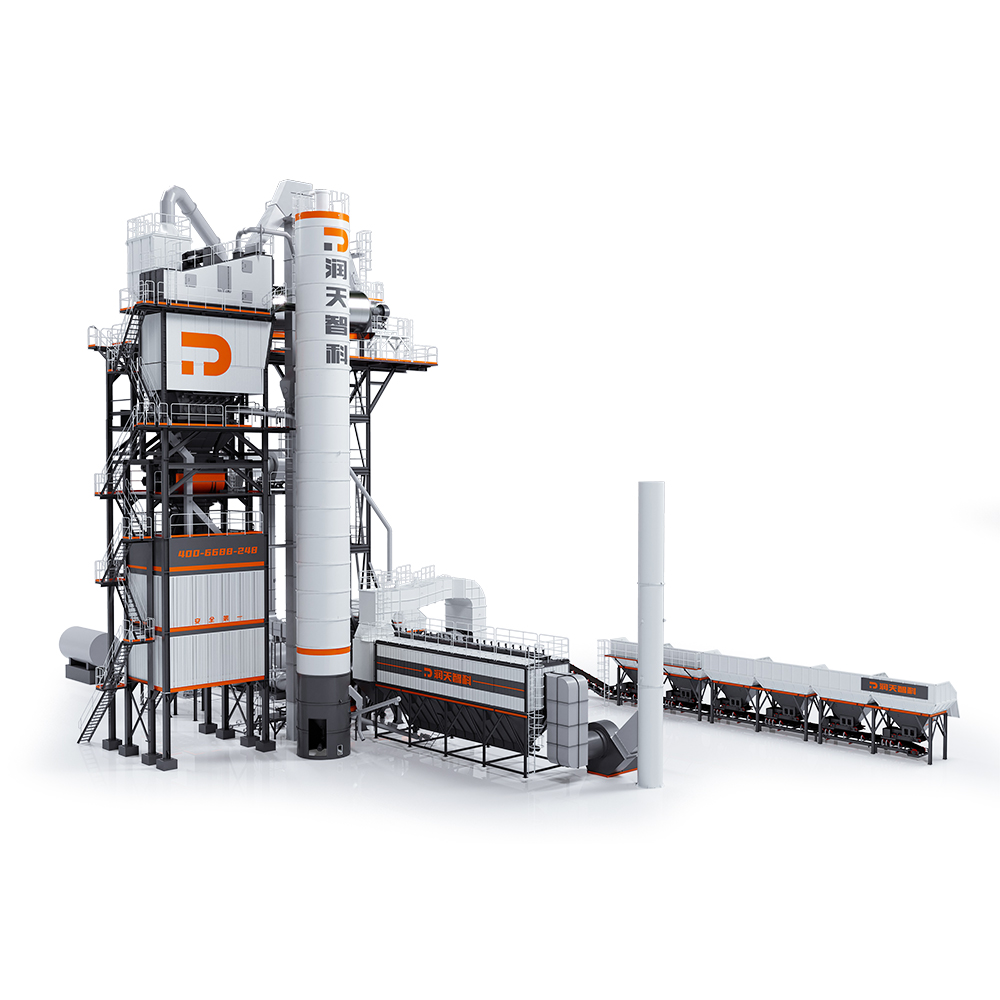 LBR Series Integrated Asphalt Mixing Plant
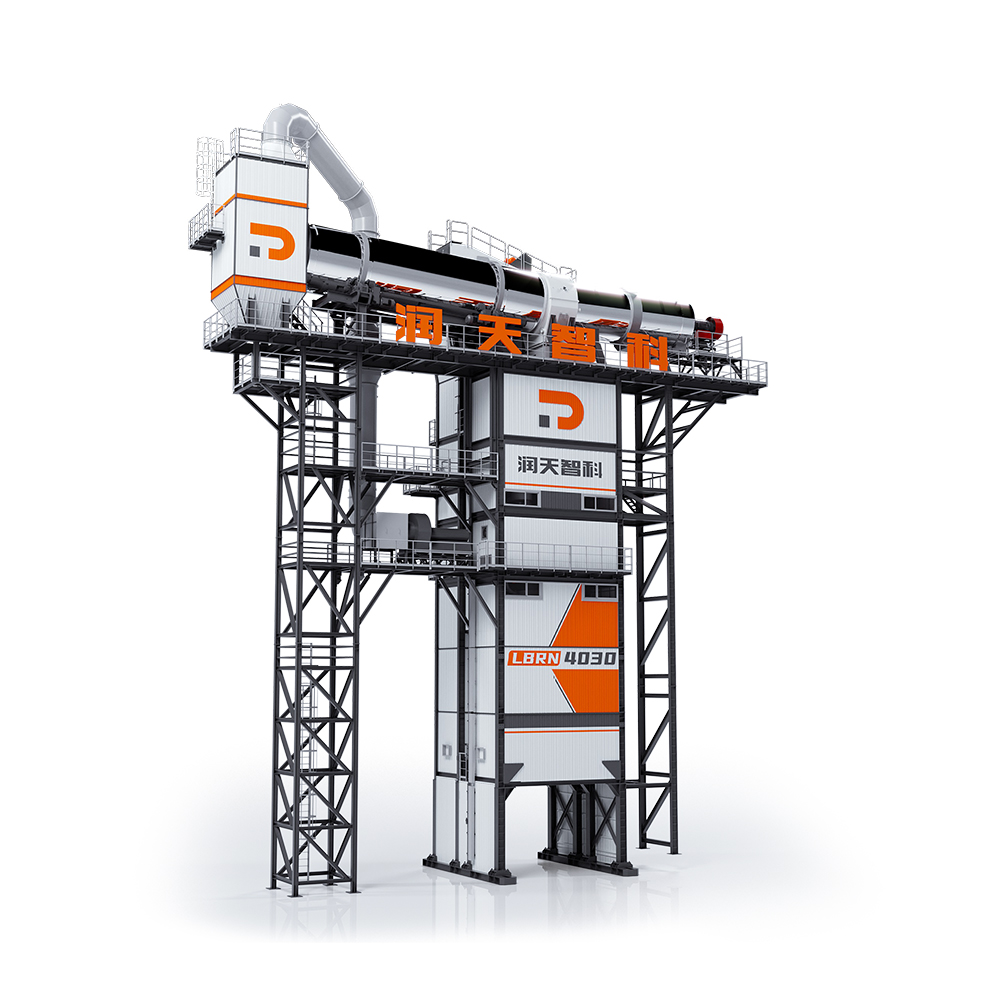 LBRN Series Counterflow Integral Asphalt Mixing Plant
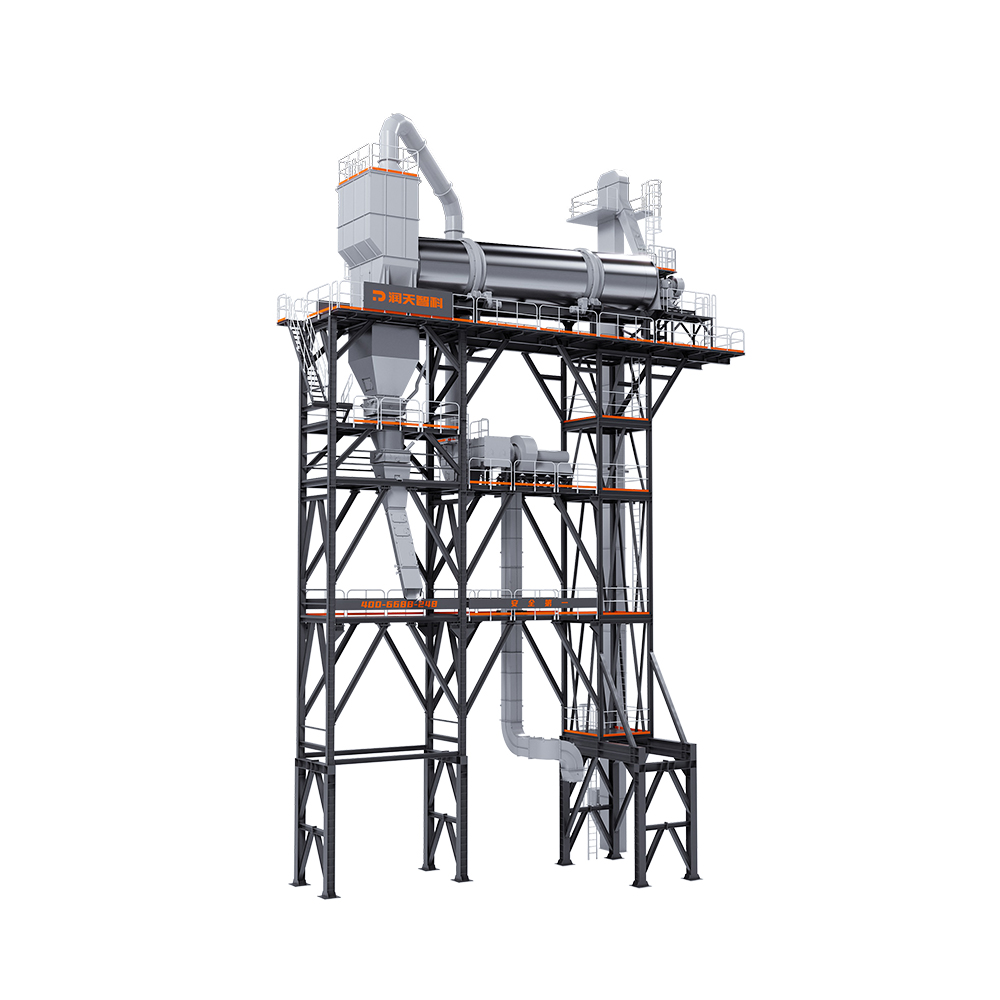 RZS Series Asphalt Mixing Plant
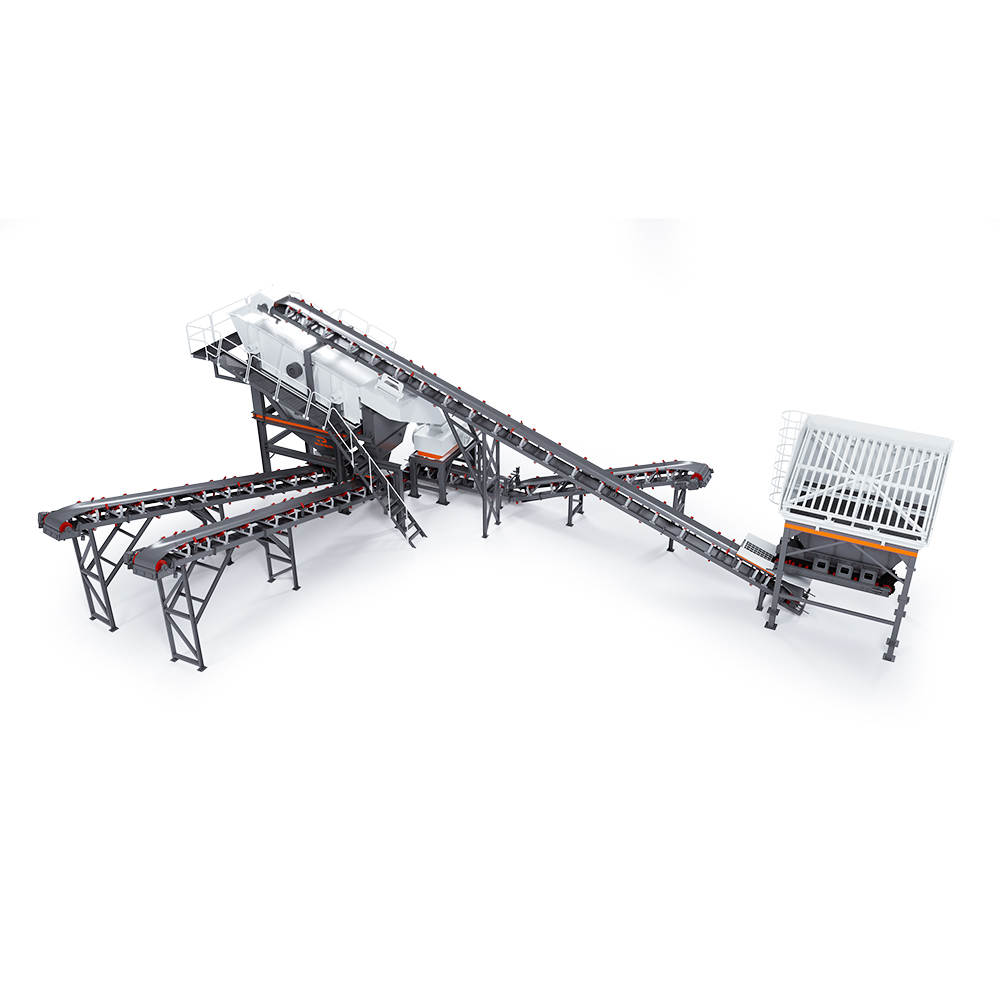 RTZS120 Series RAP Crushing & Screening Plant
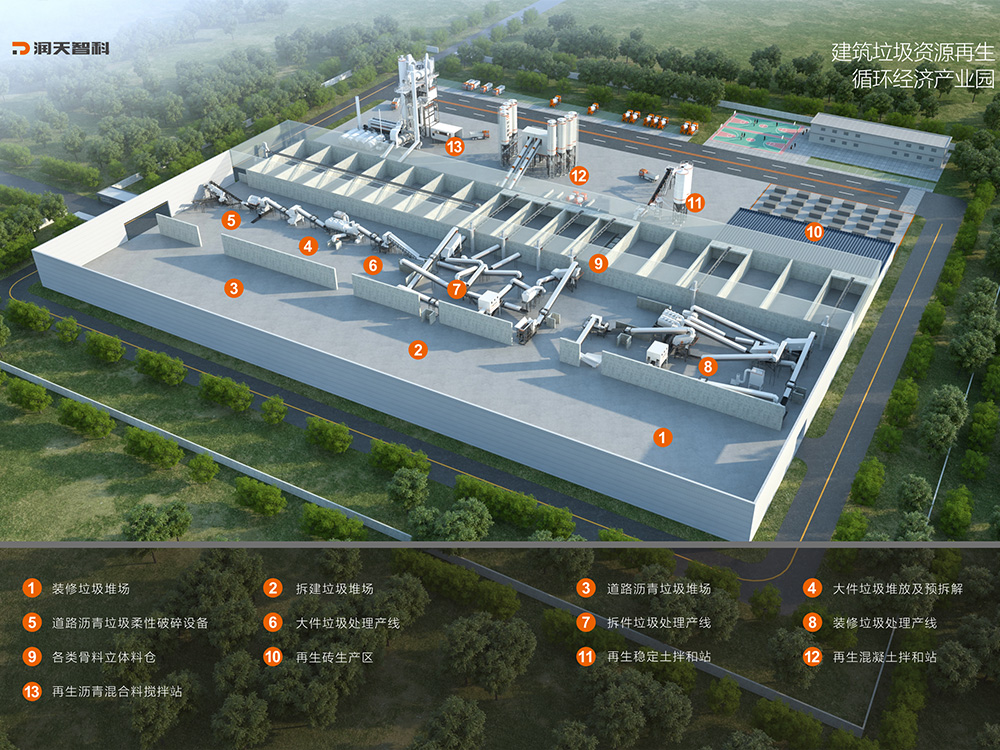 Construction Waste Resourceful Treatment Line