Why are Asphalt Materials Essential for Durable Road Construction?
In the realm of civil engineering and infrastructure development, the importance of selecting the right materials for road construction cannot be overstated. Among the various options available, Asphalt Materials play a crucial role in ensuring the longevity and durability of roadways. The unique properties of asphalt, including its ability to withstand heavy traffic loads and resist weathering, make it a preferred choice for road construction projects worldwide. Beyond mere functionality, the use of Asphalt Materials also contributes to the overall sustainability of infrastructure, as they can be recycled and repurposed, reducing environmental impact.
Asphalt Materials are not only vital for their structural benefits but also for their economic advantages. Roads built with high-quality asphalt can significantly lower maintenance costs and enhance safety for travelers. Furthermore, the mix of asphalt with other aggregates allows engineers to tailor the material properties to suit specific climate and traffic conditions, ensuring optimal performance over time. Consequently, understanding the significance of Asphalt Materials in road construction is essential for engineers, policymakers, and stakeholders committed to developing resilient transportation networks that can meet the demands of modern society.

The Role of Asphalt in Road Construction Durability
Asphalt plays a pivotal role in enhancing the durability of road construction, serving as a primary binder that holds aggregates together, creating a resilient surface capable of withstanding heavy traffic and harsh weather conditions. Its flexibility allows it to adapt to temperature changes and ground movement, minimizing the risk of cracks and deformities. This adaptability is crucial in maintaining road integrity over time, ensuring smooth transit and reducing the need for frequent repairs.
Tips for achieving greater durability in asphalt road construction include ensuring proper compaction and using quality materials during the mixing process. Additionally, incorporating modern additives can enhance the asphalt's properties, making it more resistant to wear and tear. Regular maintenance, such as sealing cracks and resurfacing when necessary, can also extend the lifespan of asphalt roads significantly.
Another essential factor is the design of the asphalt mix itself. Utilizing the right aggregate size and gradation is vital for optimal drainage and load distribution, which can greatly impact the overall durability of the road. Implementing these practices not only helps in constructing lasting roads but also contributes to long-term savings on maintenance and repair costs.
Why are Asphalt Materials Essential for Durable Road Construction? - The Role of Asphalt in Road Construction Durability
| Asphalt Type |
Durability Rating |
Temperature Resistance (°C) |
Cost per Ton ($) |
Maintenance Interval (Years) |
| Hot Mix Asphalt |
High |
-10 to 60 |
70 |
10 |
| Cold Mix Asphalt |
Moderate |
-5 to 30 |
60 |
5 |
| Porous Asphalt |
Moderate |
0 to 50 |
75 |
7 |
| Rubberized Asphalt |
Very High |
-15 to 65 |
90 |
15 |
| Stone Mastic Asphalt |
High |
-5 to 50 |
85 |
12 |
Types of Asphalt Materials Used in Road Building
Asphalt materials play a critical role in the construction of durable roads, given their superior binding properties and ability to withstand various environmental conditions. There are several types of asphalt materials commonly used in road building, each offering unique benefits that cater to different construction needs.
Hot Mix Asphalt (HMA) is one of the most prevalent types, created by mixing asphalt binder with aggregates at high temperatures. According to the National Asphalt Pavement Association, HMA accounts for over 90% of asphalt pavement surfaces in the United States. This type of asphalt is favored for its strength and flexibility, making it suitable for high-traffic roads.
Another noteworthy type is Warm Mix Asphalt (WMA), which is produced at lower temperatures, resulting in reduced energy consumption and fewer emissions. The Federal Highway Administration reports that using WMA can decrease greenhouse gas emissions by up to 30%.
Furthermore, there are porous asphalt materials designed for stormwater management that facilitate drainage and reduce runoff, contributing to sustainable road design.
Tips: When choosing asphalt materials, consider the climate and traffic conditions of the region to ensure long-lasting performance. Additionally, always check for the latest industry reports and guidelines to stay informed about the best practices and innovations in road construction.
Properties of Asphalt That Contribute to Longevity
Asphalt materials play a pivotal role in the construction of durable roads, primarily due to their unique properties that promote longevity and resilience. One of the key attributes of asphalt is its flexibility, which allows it to withstand varying loads and stresses caused by traffic and environmental factors. This flexibility helps prevent cracking and other structural failures, ensuring that roads remain serviceable for extended periods. Furthermore, asphalt exhibits excellent binding qualities, allowing it to effectively adhere to aggregates, which enhances the pavement's structural integrity.
Another significant property of asphalt is its water resistance, which is crucial for protecting road surfaces from the deteriorating effects of moisture. By minimizing water infiltration, asphalt reduces the likelihood of erosion and freeze-thaw cycles, which can lead to surface damage. Additionally, the thermal properties of asphalt enable it to expand and contract with temperature changes, further contributing to its durability. The combination of these properties makes asphalt an ideal material for road construction, ensuring that infrastructure can endure the demands of heavy usage and varying climatic conditions while maintaining operational efficiency.
Factors Influencing Asphalt Performance in Various Climates
Asphalt materials play a crucial role in road construction, particularly when considering their performance across various climates. The effectiveness of asphalt mixtures can significantly vary based on temperature, moisture conditions, and seasonal changes. According to the National Asphalt Pavement Association, approximately 90% of paved roads in the United States utilize asphalt, underscoring its prevalence and importance in ensuring road durability.
One major factor influencing asphalt performance is temperature fluctuations. In regions with extreme temperature variations, the asphalt must maintain its integrity without becoming brittle in cold weather or excessively soft in heat. Research from the FHWA indicated that certain modified asphalt mixtures can reduce thermal cracking by as much as 25% in northern climates. Similarly, in hot climates, the use of performance-grade asphalts designed to withstand higher temperatures can prevent deformation and raveling, subsequently extending the lifespan of the road.
Moisture is another critical factor. In areas with frequent rainfall, moisture can infiltrate asphalt layers, leading to stripping and reduced adhesion between aggregate and binder. The Minnesota Department of Transportation reports that proper selection of anti-stripping agents can improve moisture resistance by up to 50%, thus enhancing overall road durability. These insights emphasize the importance of adapting asphalt material composition to local climate conditions to achieve optimal performance and longevity of roadways.
Technological Innovations in Asphalt Material for Roads
Technological innovations in asphalt materials are revolutionizing road construction, enhancing both durability and performance. One significant advancement is the introduction of polymer-modified asphalt (PMA), which incorporates polymers to improve the flexibility and resistance to deformation. This innovation allows roads to withstand extreme temperature fluctuations and heavy traffic loads, reducing the likelihood of cracks and ruts. The use of recycled materials, such as reclaimed asphalt pavement (RAP), is another notable trend. By reusing existing materials, the environmental impact is minimized, while still maintaining high-quality pavement performance.
Furthermore, the integration of smart technology into asphalt materials is paving the way for intelligent infrastructure. Sensors embedded within the asphalt can monitor its condition in real time, detecting issues like temperature changes or stress levels that may lead to failure. This data allows for proactive maintenance, ensuring roads remain in optimal condition for longer periods. Additionally, advances in warm-mix asphalt technology enable construction at lower temperatures, which not only conserves energy but also reduces greenhouse gas emissions during production. These innovations highlight the essential role that modern asphalt materials play in creating durable, sustainable, and efficient road systems.
Durability of Asphalt Materials in Road Construction

 Concrete Mixing Plant
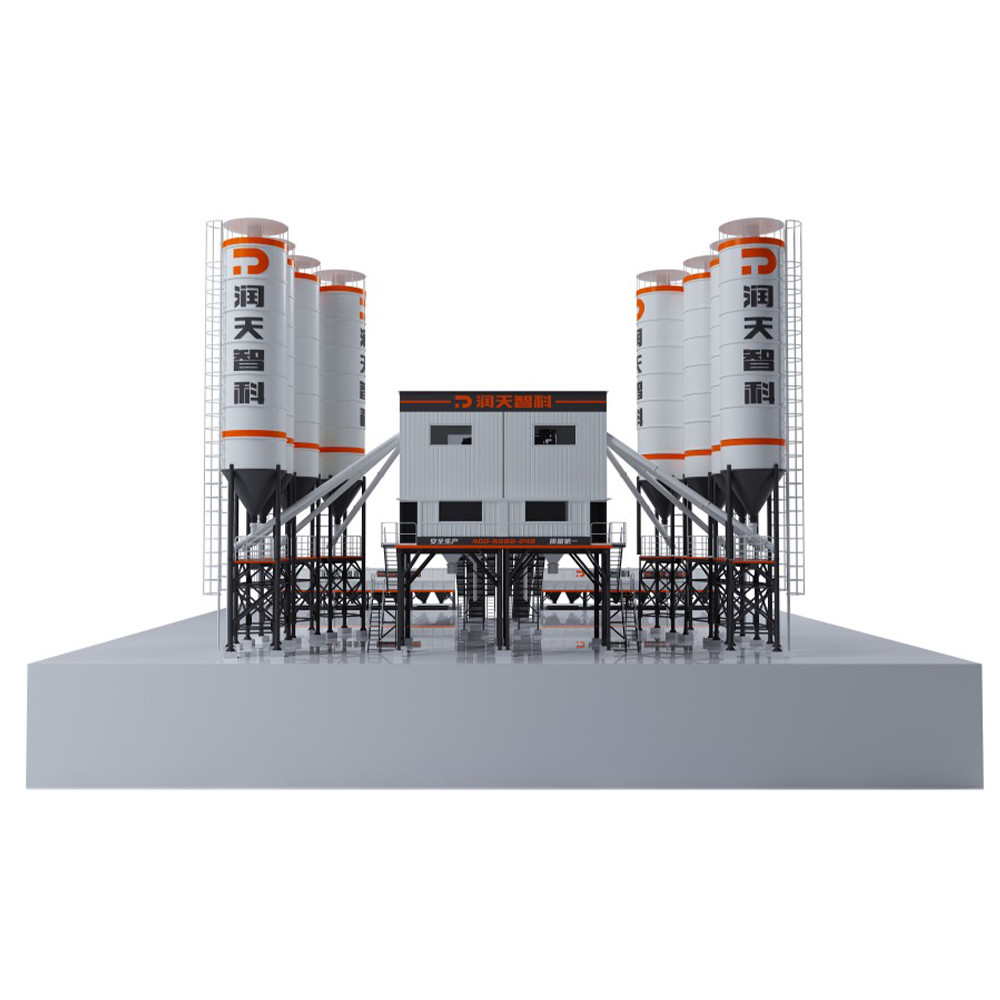 HZS Series Belt Concrete Mixing Plant
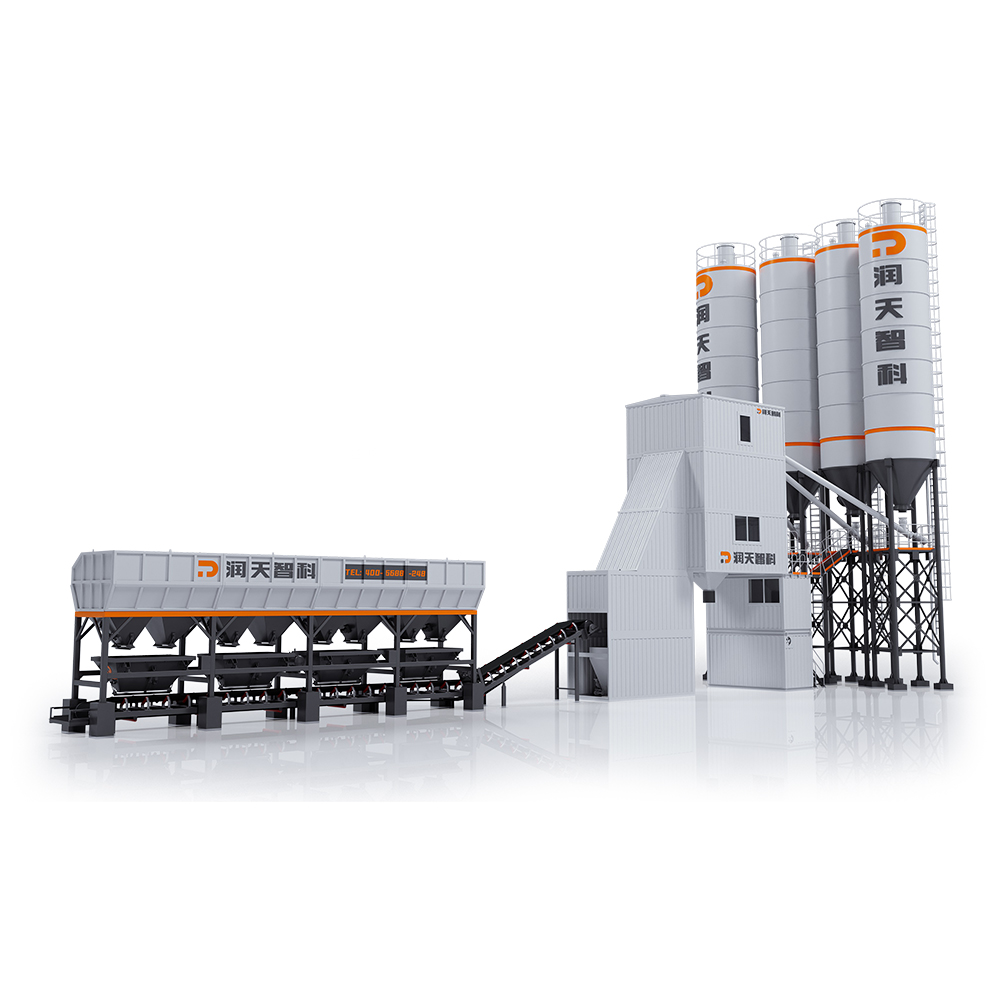 HZS Series Bucket-Lifting Type Container Concrete Mixing Plant
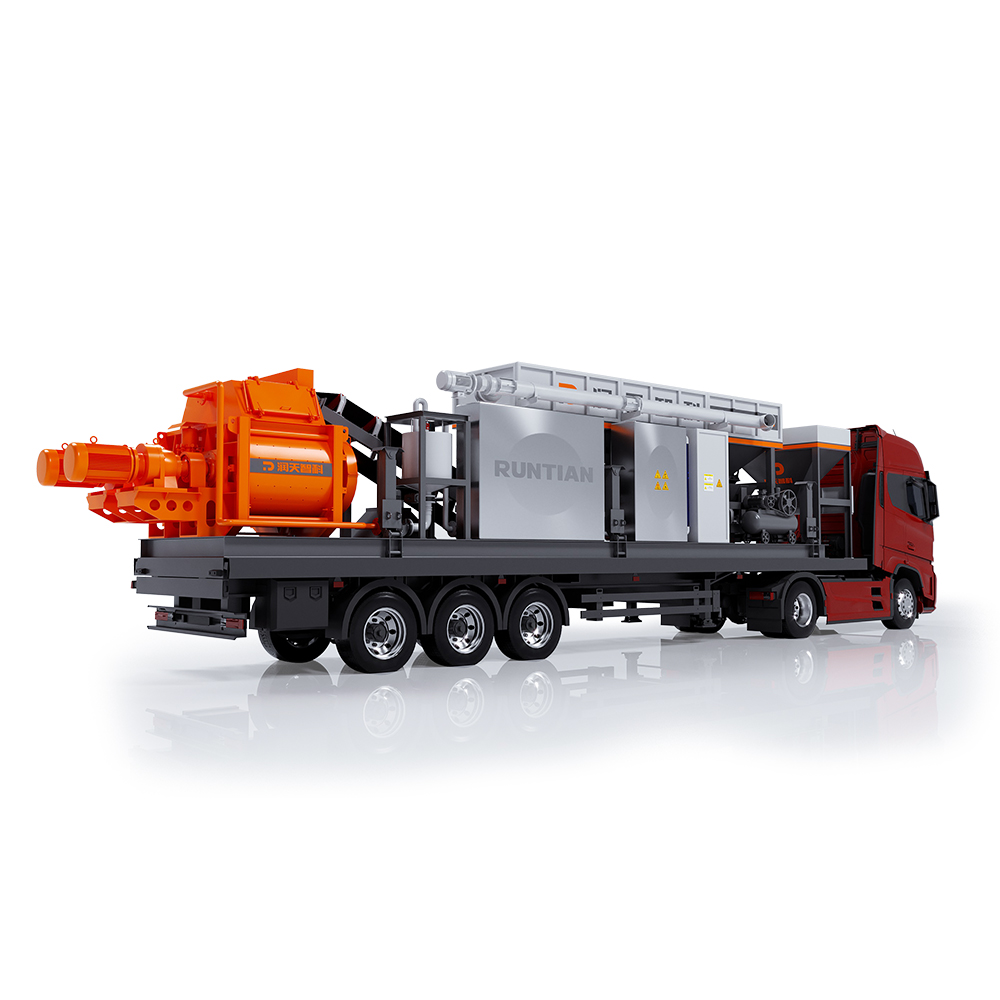 HZS60 Mobile Concrete Mixing Plant
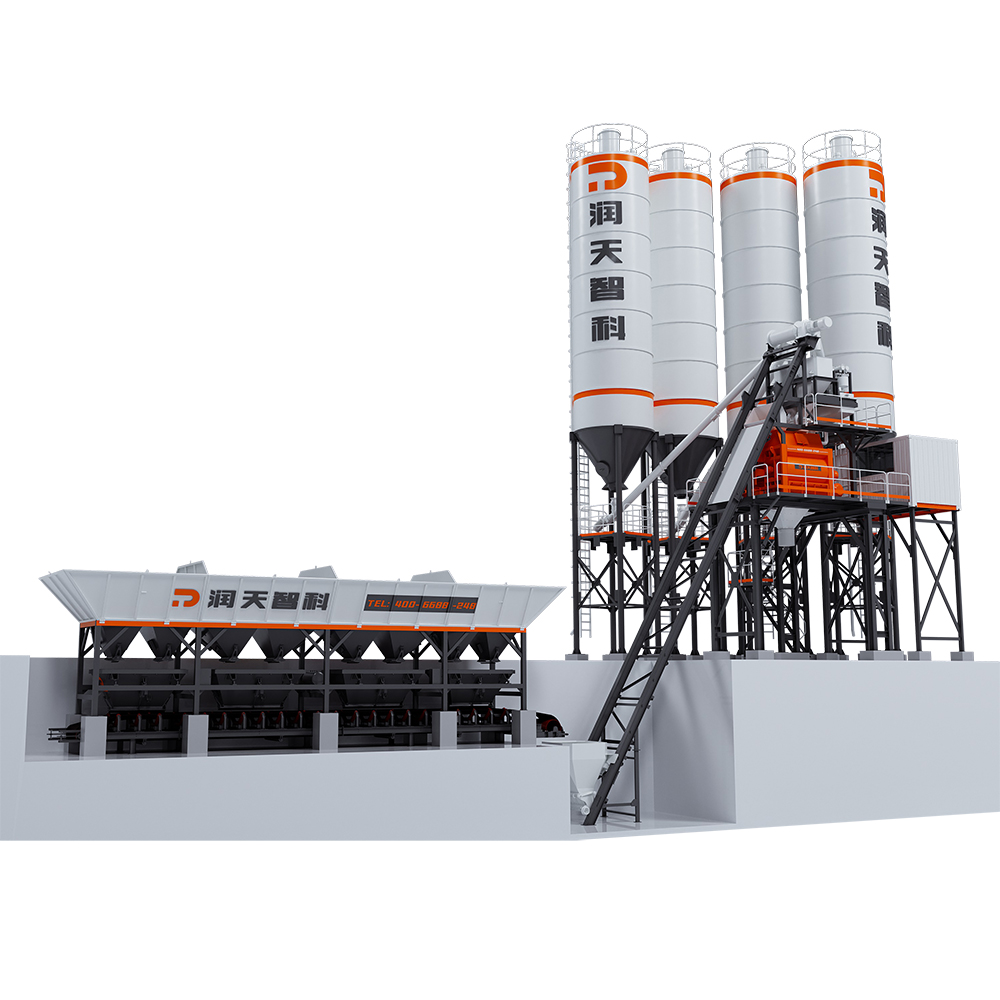 HZS Series Bucket-Lifting Type Concrete Mixing Plant
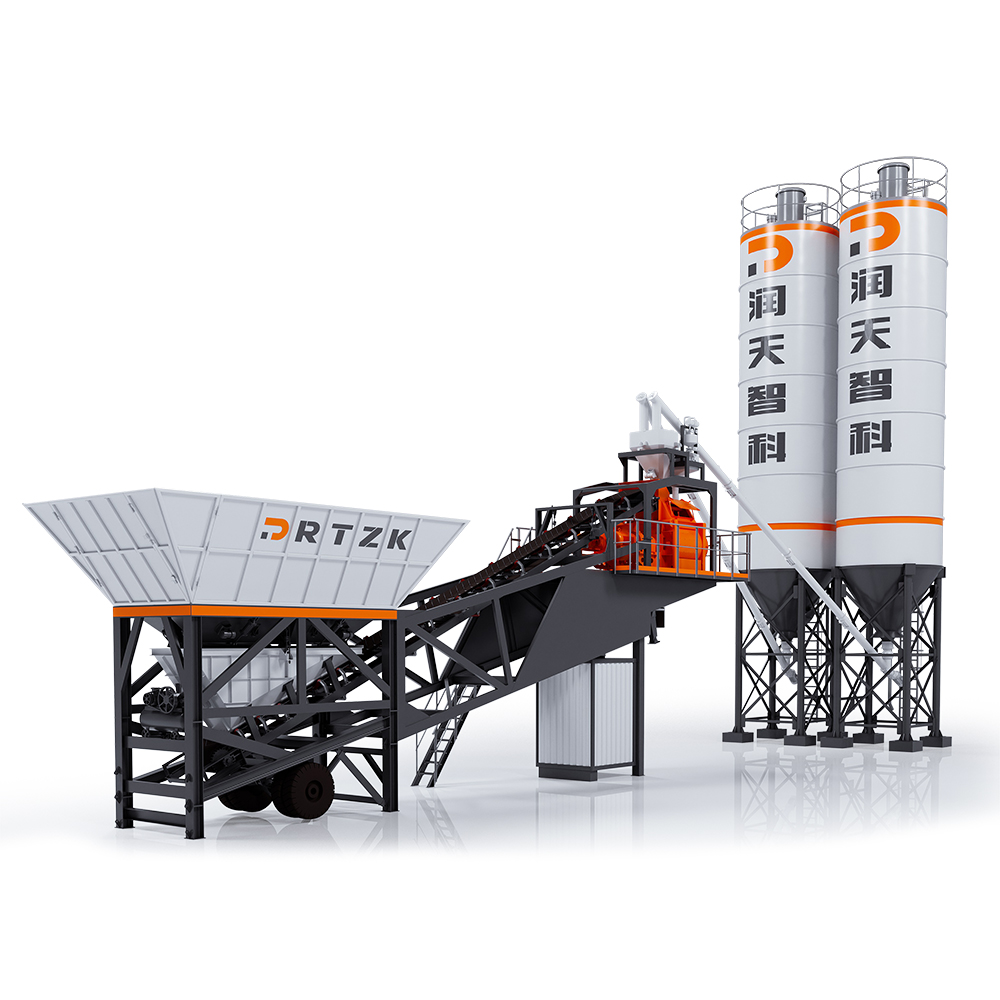 HZS Series Mobile Concrete Mixing Plant
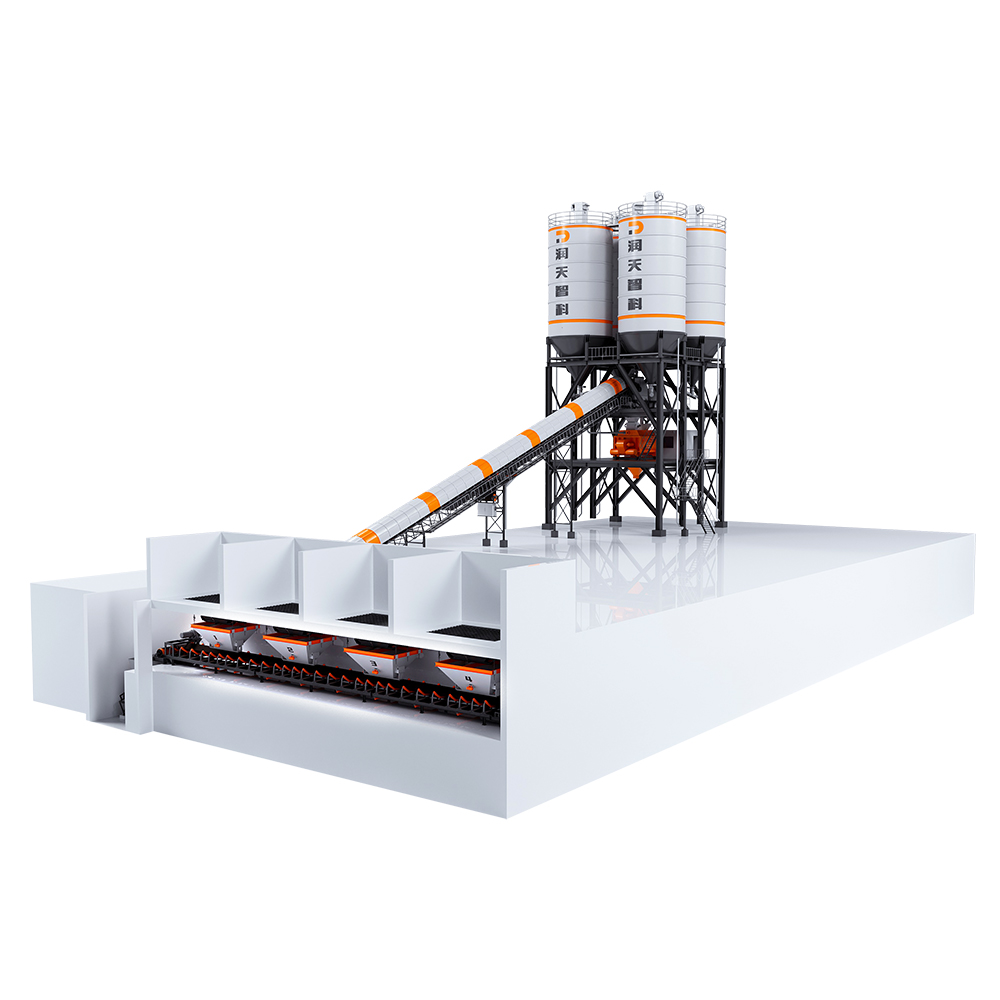 HZS Series Top-Mounted Concrete Mixing plant
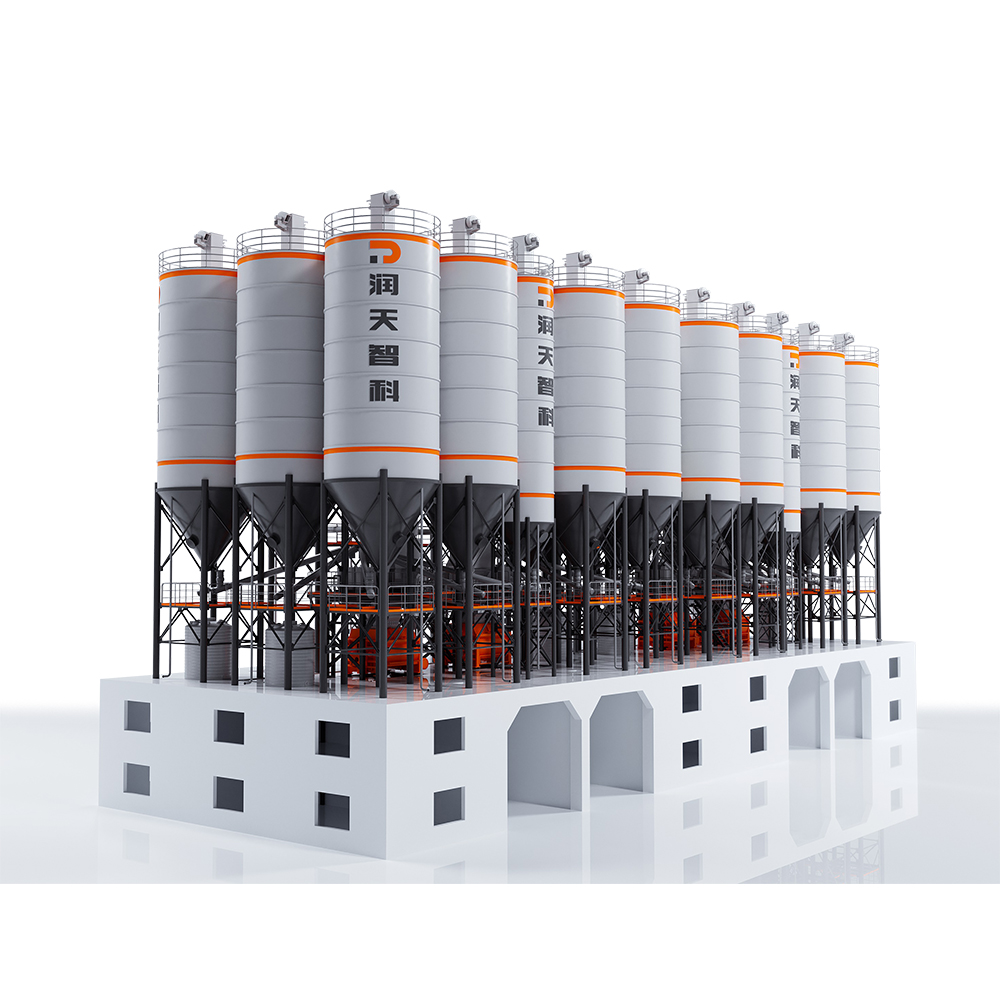 HZS Series Semi-Top Mounted Concrete Mixing Plant
 RTPF350DS Crawler Mobile Impact Crushing Plant
 RT116JH Crawler Mobile Jaw Crushing Plant
 RT116JE Crawler Mobile Jaw Crushing Plant
 RT300CE Crawler Mobile Cone Crushing Plant
 RT300CH Crawler Mobile Cone Crushing Plant
 RT5015H Mobile Scalping Screen
 RT315VSIE Crawler Mobile Sand Maker
 RT3YK6020 Crawler Mobile Screening Plant
 RT3YK6020M Modular Screening Plant
 RTF260M Modular Counterattack Crushing and Screening Integrated Machine
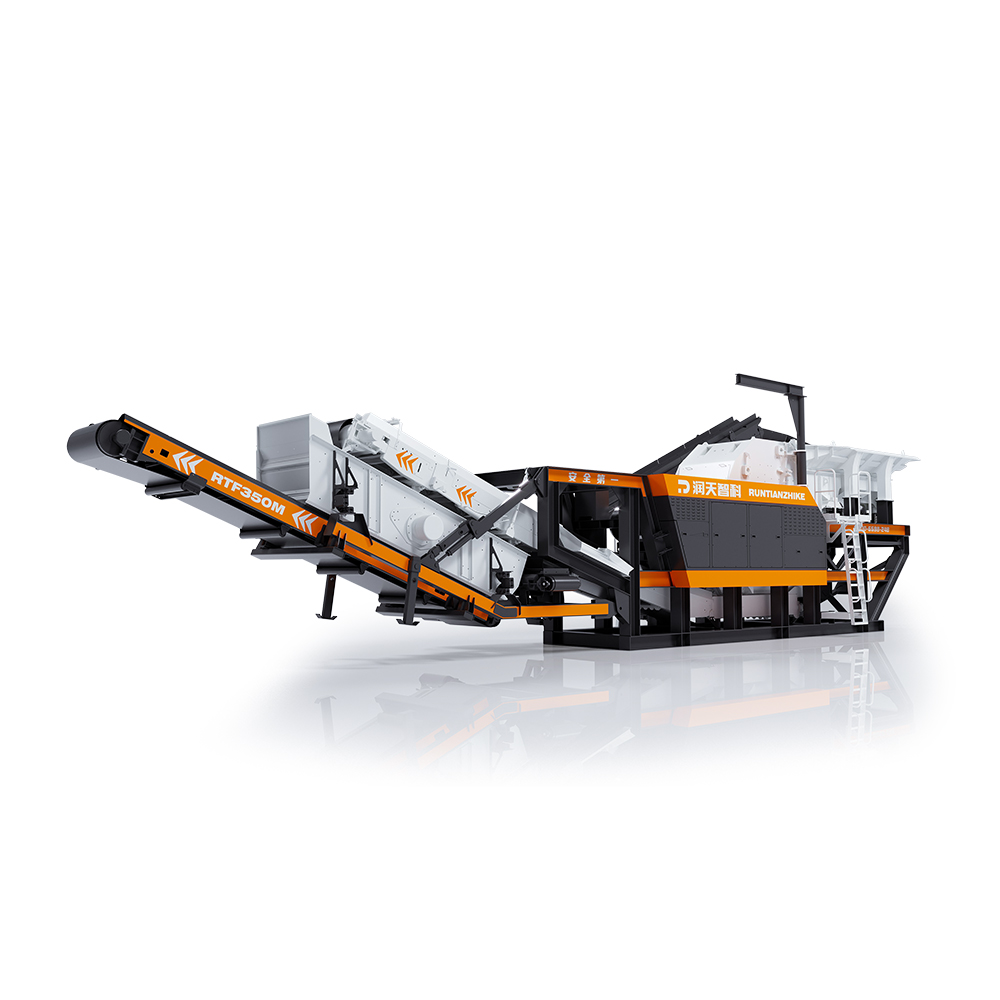 RTF350M Modular Impact Crushing Plant
 RTF450M Modular Impact Crushing Plant
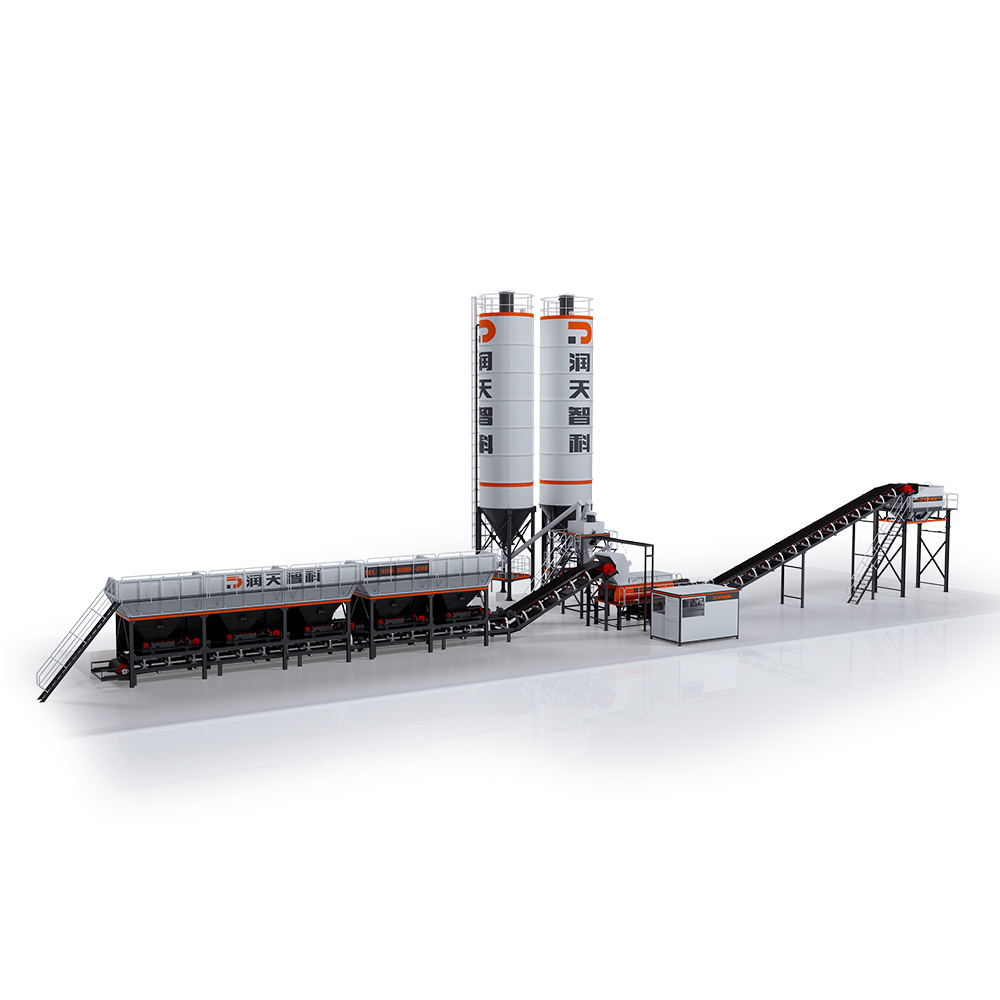 WDB Series Foundation-Free Stability Soil Mixing Plant
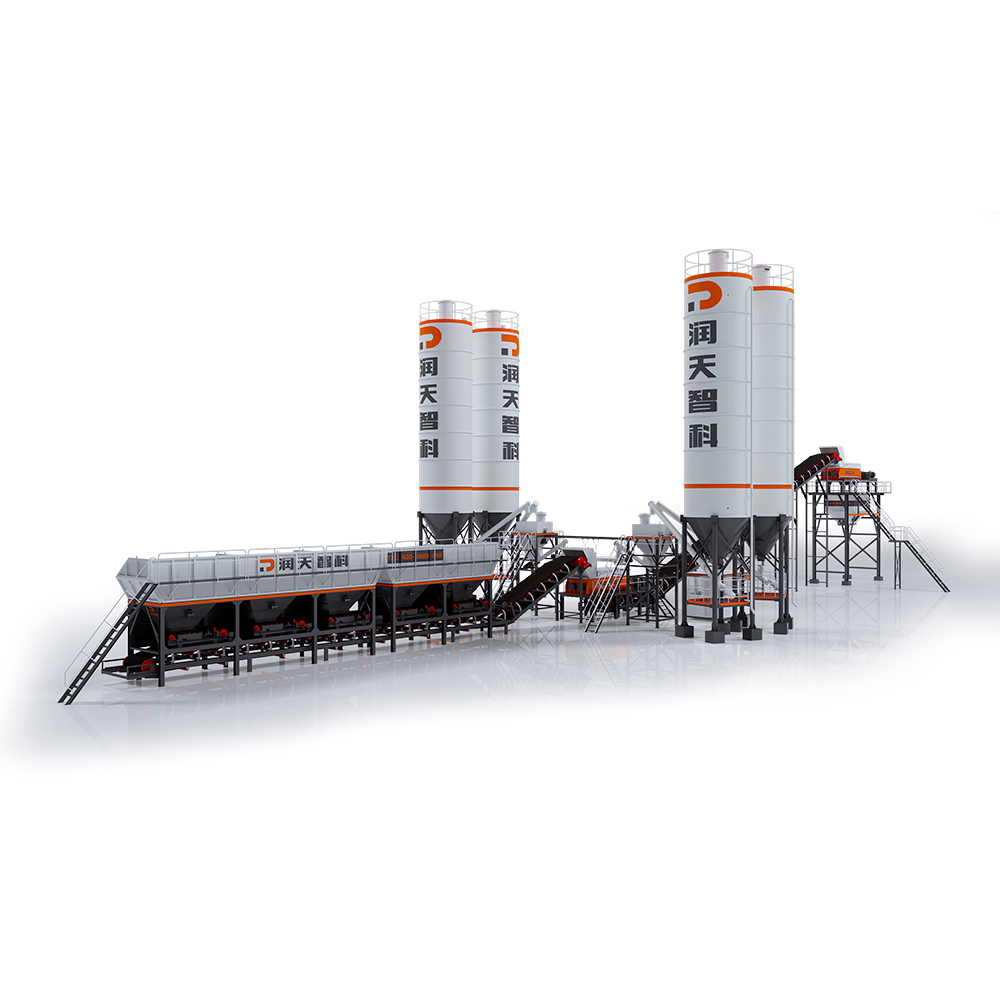 LCB Series Emulsified Asphalt Cold Regeneration Secondary Mixing Plant
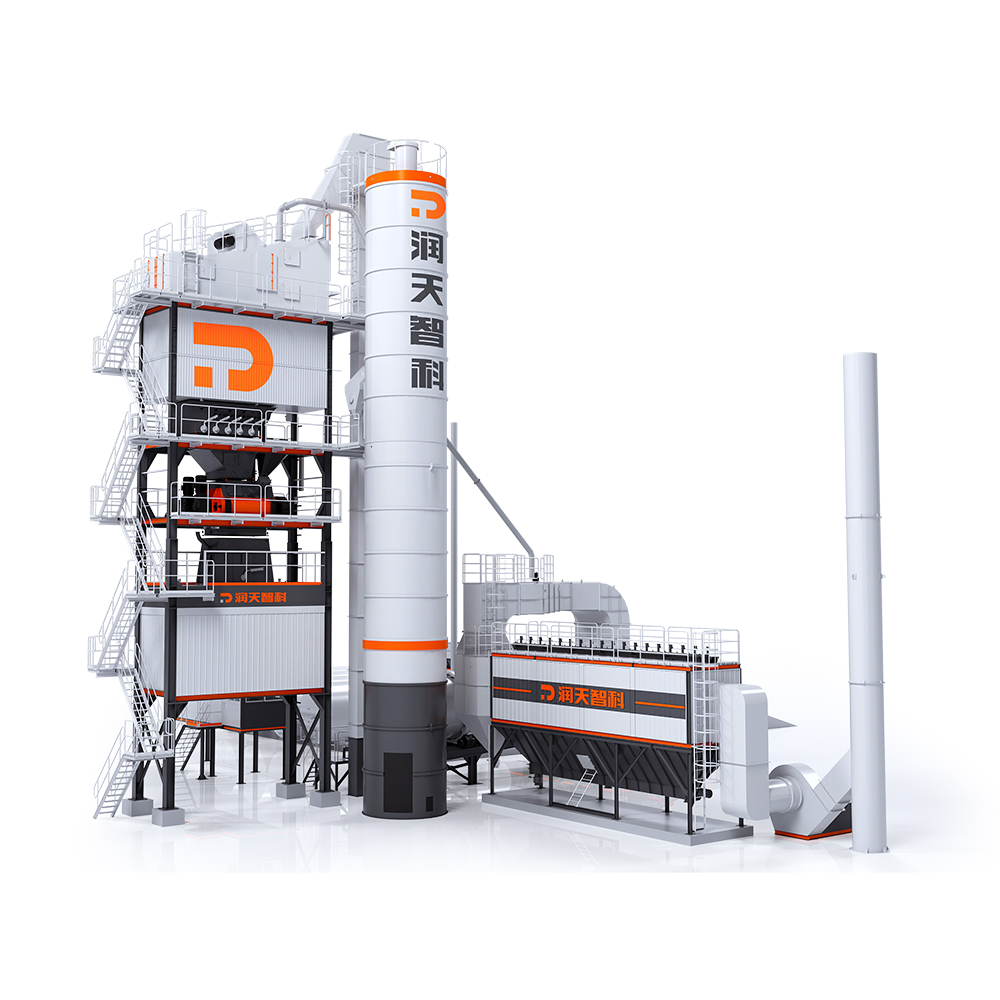 LB Series Asphalt Mixing Plant
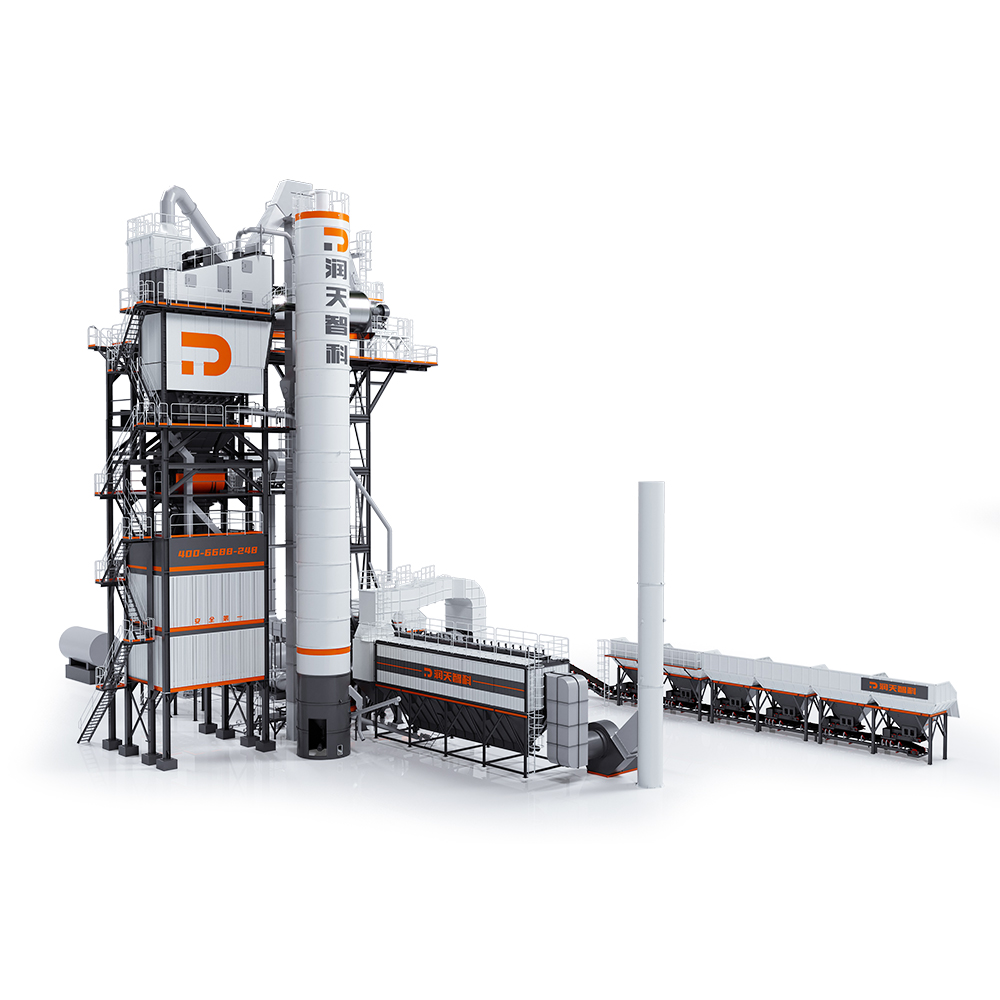 LBR Series Integrated Asphalt Mixing Plant
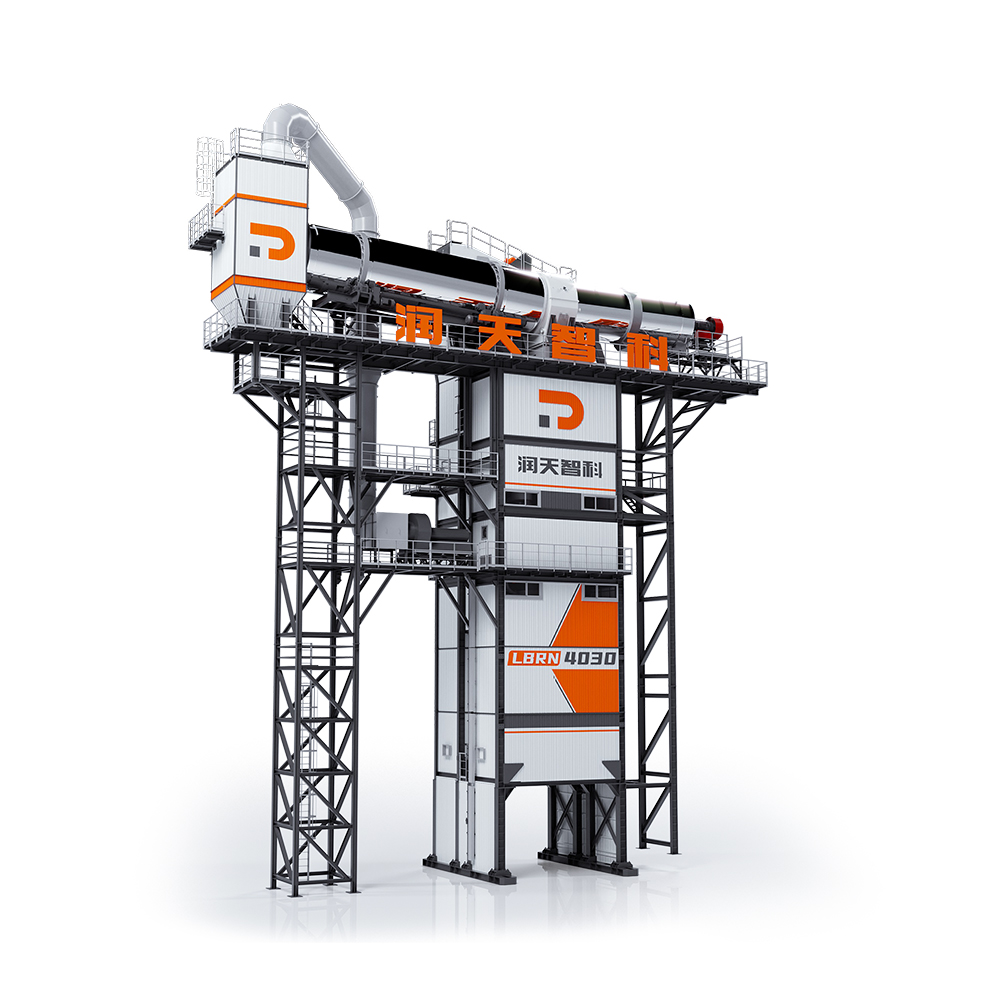 LBRN Series Counterflow Integral Asphalt Mixing Plant
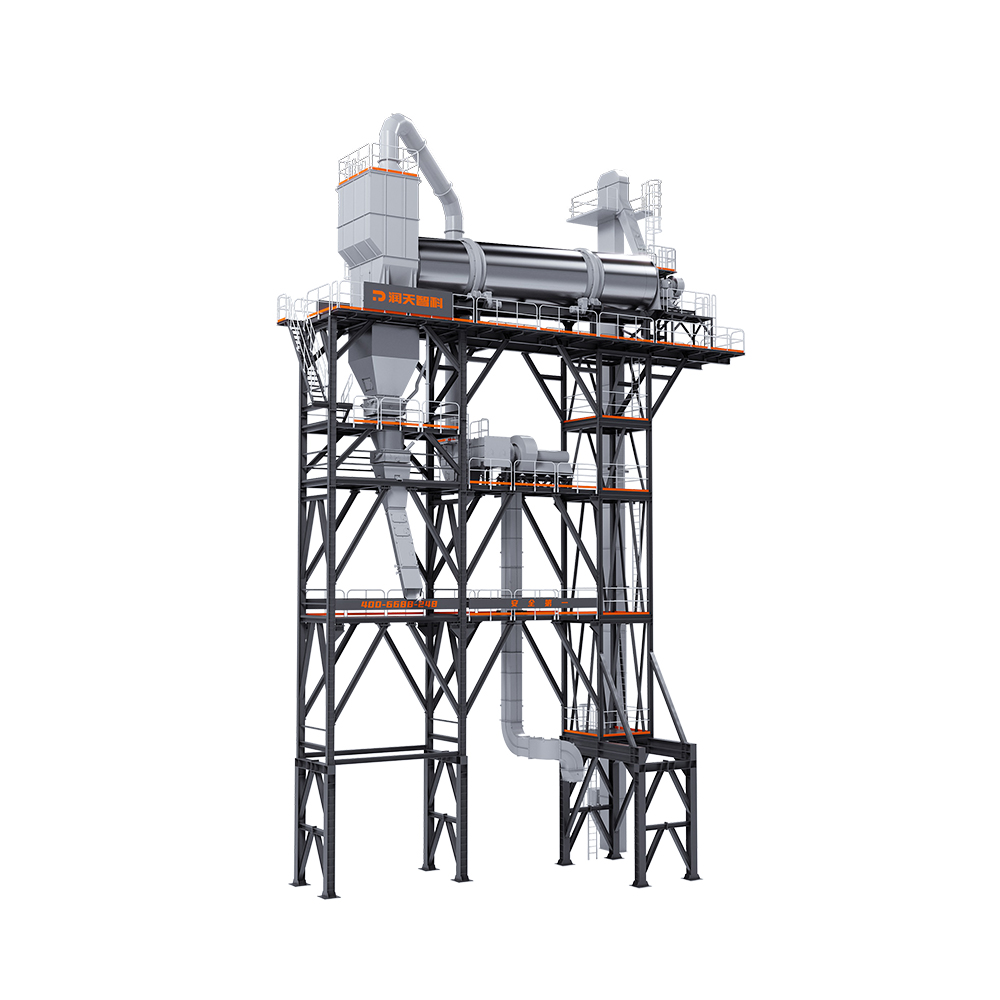 RZS Series Asphalt Mixing Plant
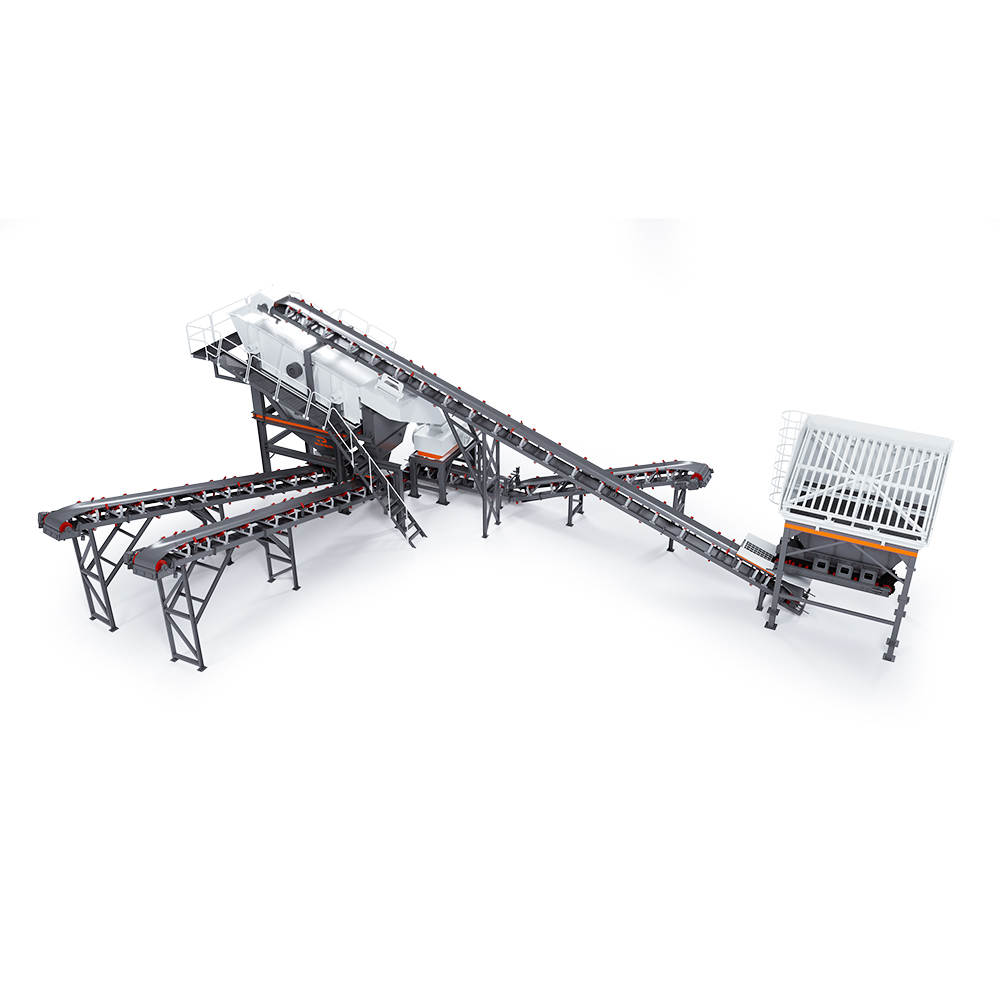 RTZS120 Series RAP Crushing & Screening Plant
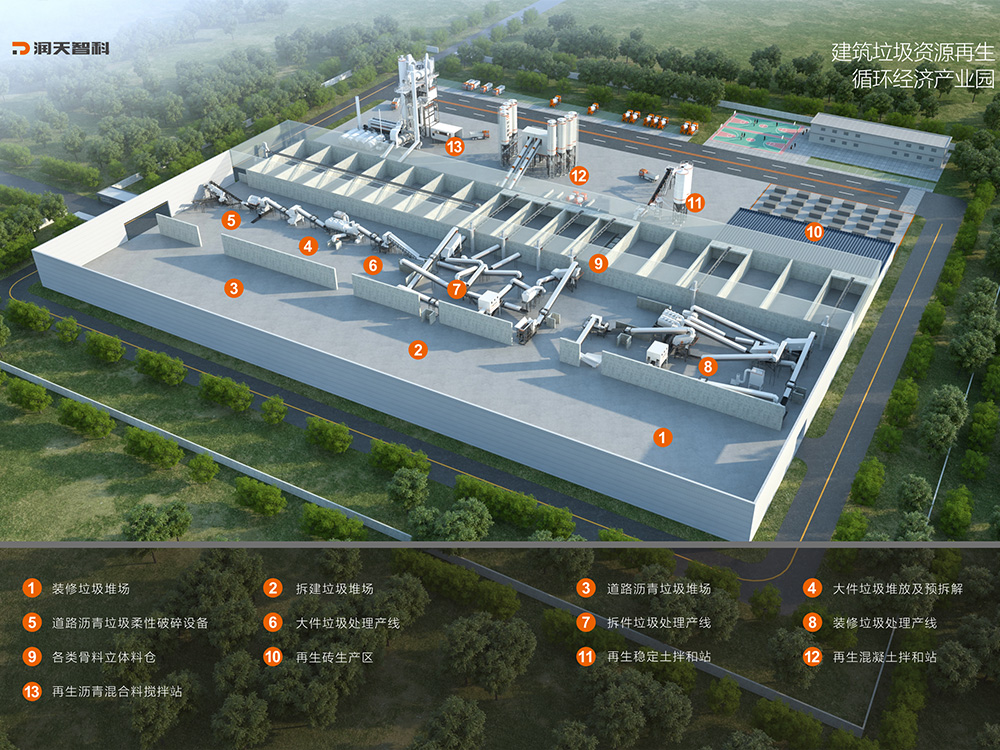 Construction Waste Resourceful Treatment Line