What is an Asphalt Batching Plant and How Does It Work?
As the construction industry continues to evolve, the role of an Asphalt Batching Plant remains essential. These plants play a crucial part in producing high-quality asphalt for road construction. According to John Smith, a leading expert in asphalt production, “The efficiency of an Asphalt Batching Plant directly impacts project timelines and quality.” His words highlight the significance of understanding how these facilities operate.
In simple terms, an Asphalt Batching Plant mixes aggregates, asphalt, and additives to create a homogenous product. It comprises several key components, including a dryer, a mixer, and a control system. Each part contributes to the overall quality and consistency of the asphalt. Yet, many overlook the intricacies involved in this process.
Understanding the operation of an Asphalt Batching Plant enhances both production efficiency and quality assurance. However, there's always room for improvement. Many plants struggle with outdated technology that can hinder performance. Reflecting on current practices helps drive innovation in this vital sector.
What is an Asphalt Batching Plant?
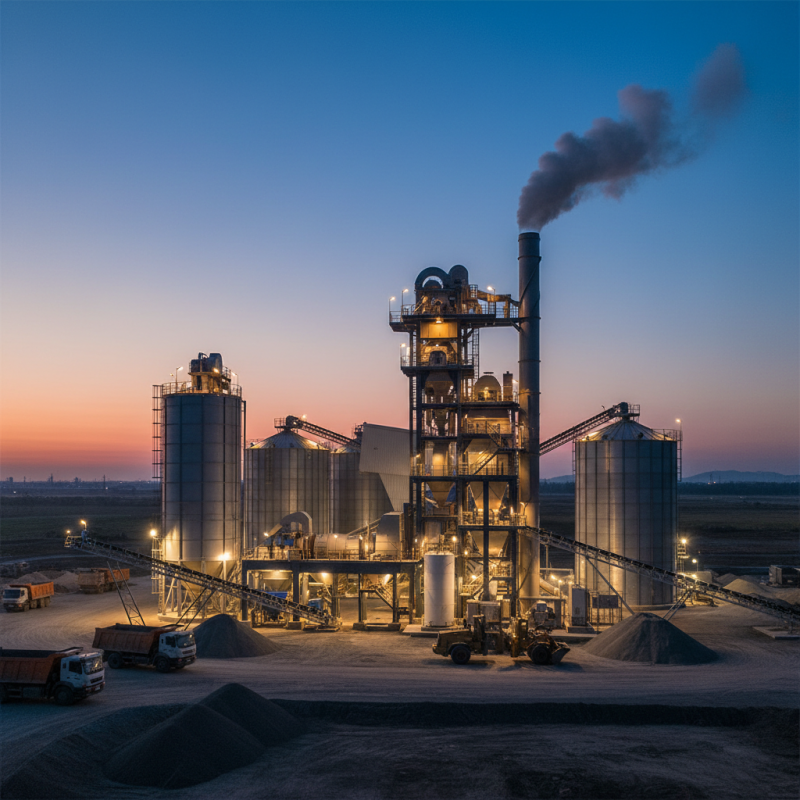
An asphalt batching plant is a facility that produces asphalt for construction projects. It combines aggregates, bitumen, and additives to create asphalt mixes. These mixes are used in paving roads and highways. The process begins with the heating of aggregates to remove moisture. This ensures high-quality asphalt.
The plant features several key components. It includes a cold feed system, a drying drum, a mixing unit, and a storage silo. Each part plays a crucial role in producing consistent asphalt. However, maintaining these components can be challenging. Regular inspections are necessary to avoid breakdowns and ensure efficiency.
Tip: Keep a maintenance schedule to prevent issues. Regular checks can save time and costs.
The asphalt batching process also requires precision. Mixing must occur at specific temperatures and times. Any deviation can lead to poor-quality asphalt. Operators must monitor these factors closely. Mistakes can happen, and they can be costly.
Tip: Always review mix designs before production. Errors in the design can lead to failed projects.
Understanding how an asphalt batching plant works is essential for quality output. Operators need training and experience. A well-run plant enhances productivity, but it’s not without challenges. Finding the right balance between efficiency and quality is key.
Key Components of an Asphalt Batching Plant
Asphalt batching plants are crucial for producing high-quality asphalt. Their key components work together to ensure efficient operation. One primary part is the cold aggregate supply system. This system gathers raw materials and transports them to the mixer. It's often a network of conveyors, and any blockage or delay can create issues.
The dryer is another essential component. It heats the aggregates before mixing them with asphalt cement. This step prevents moisture from being trapped in the asphalt. It's critical to monitor temperature closely. If the aggregates aren't dry enough, it can affect the pavement's durability.
Finally, the mixing unit blends all components to create a consistent asphalt product. It requires precision to achieve the right mixture. Variations in the process can lead to inconsistencies. Operators should regularly check the mixture for quality. Attention to detail is vital in this industry. A small oversight can compromise the entire batch.
How the Asphalt Batching Process Works
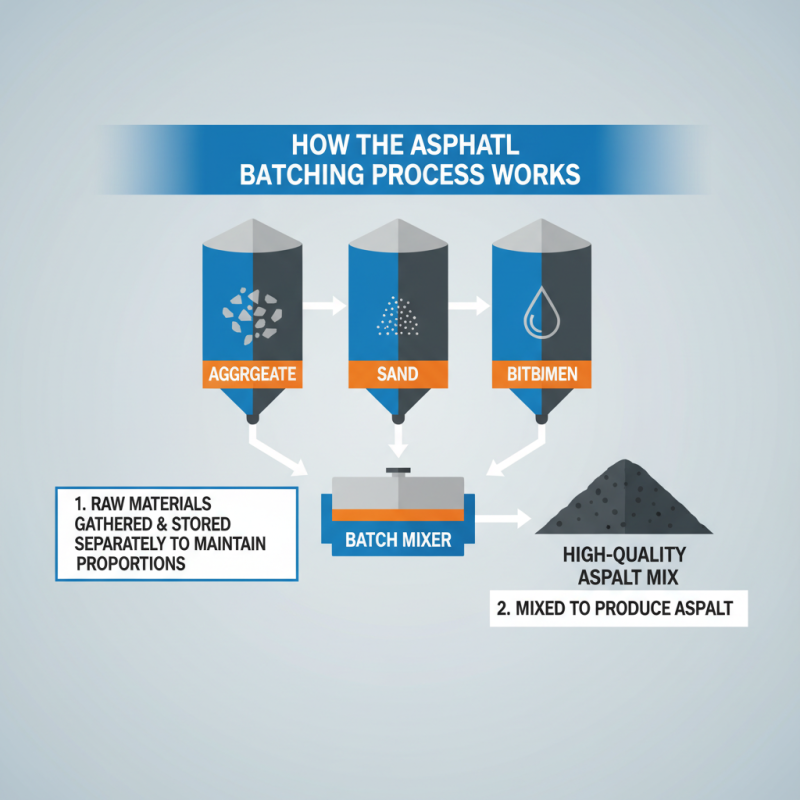
The asphalt batching process is essential for producing high-quality asphalt mixes. It starts with gathering raw materials like aggregate, sand, and bitumen. These components are stored in separate silos or bins. This segregation ensures the right proportions are maintained.
When the batching begins, the materials are weighed accurately. Each ingredient must meet specific requirements. They are then mixed together in a hot drum. The temperature is crucial; too high can damage the materials, too low can lead to improper mixing. Careful observation is required at this stage.
After mixing, the asphalt is ready for transport. It can be directly loaded into trucks or stored in silos for later use. However, this process can be flawed. Sometimes, inconsistent mixing leads to variations in quality. Regular maintenance of the equipment is vital. An operator's experience plays a huge role in ensuring efficiency and accuracy. Each batch tells a story, revealing the importance of attention to detail in asphalt production.
Types of Asphalt Batching Plants
Asphalt batching plants are essential in road construction. They mix asphalt concrete for paving. There are several types of asphalt batching plants, each designed for different needs.
One common type is the stationary asphalt plant. It remains fixed in one location. This type is ideal for large projects that require a consistent supply of asphalt. However, it lacks mobility. When a project ends, dismantling can be a hassle.
Another type is the mobile asphalt plant. This version can be relocated easily. It's useful for smaller projects or when job sites change frequently. The drawback might be less production capacity compared to stationary plants. Operators must consider these factors when choosing between them. Effective maintenance is crucial for both types. Neglecting this can lead to breakdowns. This reality highlights the importance of careful planning and execution.
Asphalt Batching Plants Production Capacity
Benefits of Using an Asphalt Batching Plant
Asphalt batching plants play a critical role in road construction. They mix asphalt with aggregates in precise ratios. This ensures a high-quality product that meets industry standards. Using an asphalt batching plant leads to many benefits. One key advantage is improved efficiency. This equipment can produce asphalt quickly and in large quantities. According to industry reports, plants can produce up to 300 tons of asphalt per hour.
Quality control is another vital benefit. Batching plants allow for precise mixing. This results in consistent quality, which is crucial for durable roadways. Studies show that well-mixed asphalt enhances the lifespan of road surfaces. It can cut maintenance costs by up to 30%. This represents a significant saving for road construction projects.
Tip: Regular maintenance of the batching plant is essential. It ensures optimal performance and can extend the lifespan of the equipment. Inspect components regularly to avoid unexpected breakdowns. Also, train operators properly to reduce operational mistakes.
Additionally, environmental impacts are often seen as a challenge. Some batching plants struggle with emissions. It’s important to implement environmentally friendly practices. Utilizing warm-mix asphalt technology can reduce energy consumption by up to 20%. Moreover, better planning and logistics can minimize waste and pollution during production.
What is an Asphalt Batching Plant and How Does It Work? - Benefits of Using an Asphalt Batching Plant
| Feature |
Description |
Benefits |
| Efficiency |
Asphalt batching plants mix asphalt and aggregates in a controlled environment. |
Increased production speeds and reduced waste. |
| Quality Control |
Allows for precise formulation of asphalt mixtures. |
Consistent quality and durability of asphalt. |
| Automation |
Utilizes advanced technology for automatic mixing processes. |
Reduces labor costs and minimizes human error. |
| Customization |
Can adjust the mix based on specific project requirements. |
Enhances performance for unique environmental conditions. |
| Environmental Impact |
Designed to minimize emissions and recyclability of materials. |
Supports sustainability initiatives and complies with regulations. |

 Concrete Mixing Plant
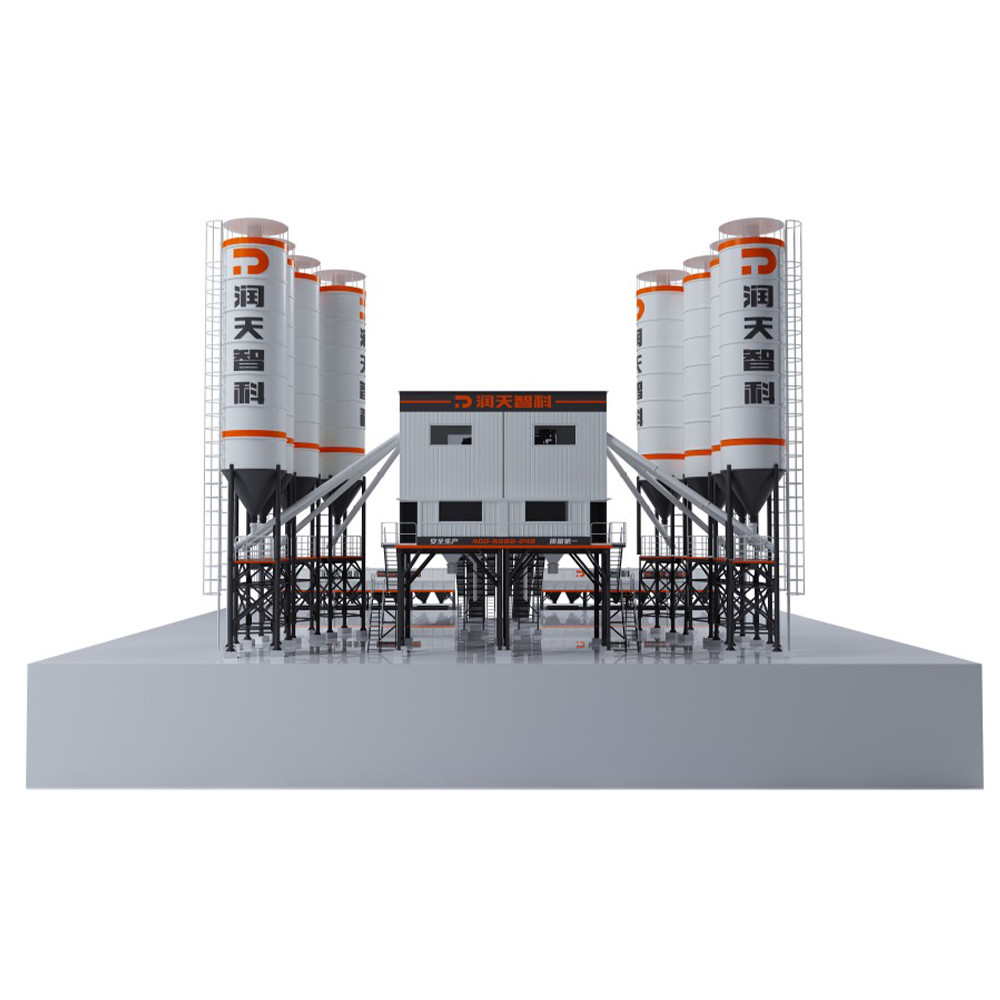 HZS Series Belt Concrete Mixing Plant
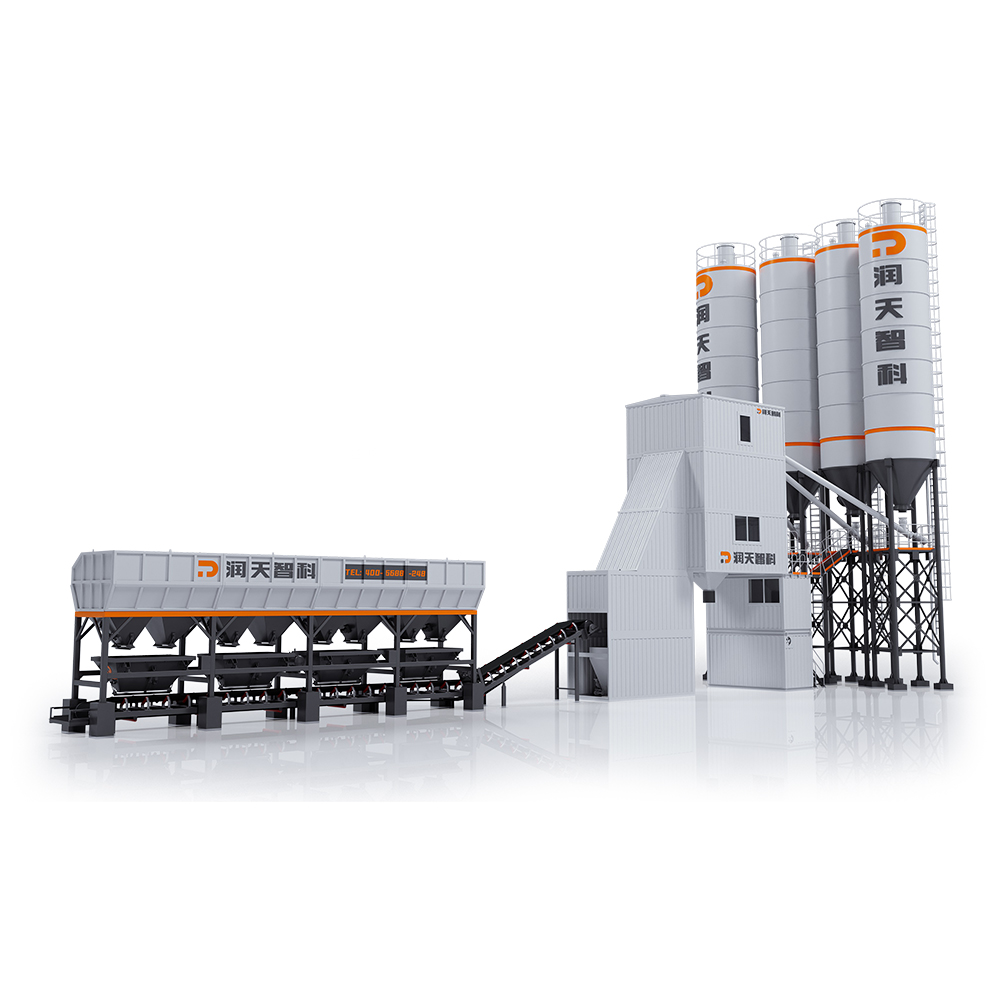 HZS Series Bucket-Lifting Type Container Concrete Mixing Plant
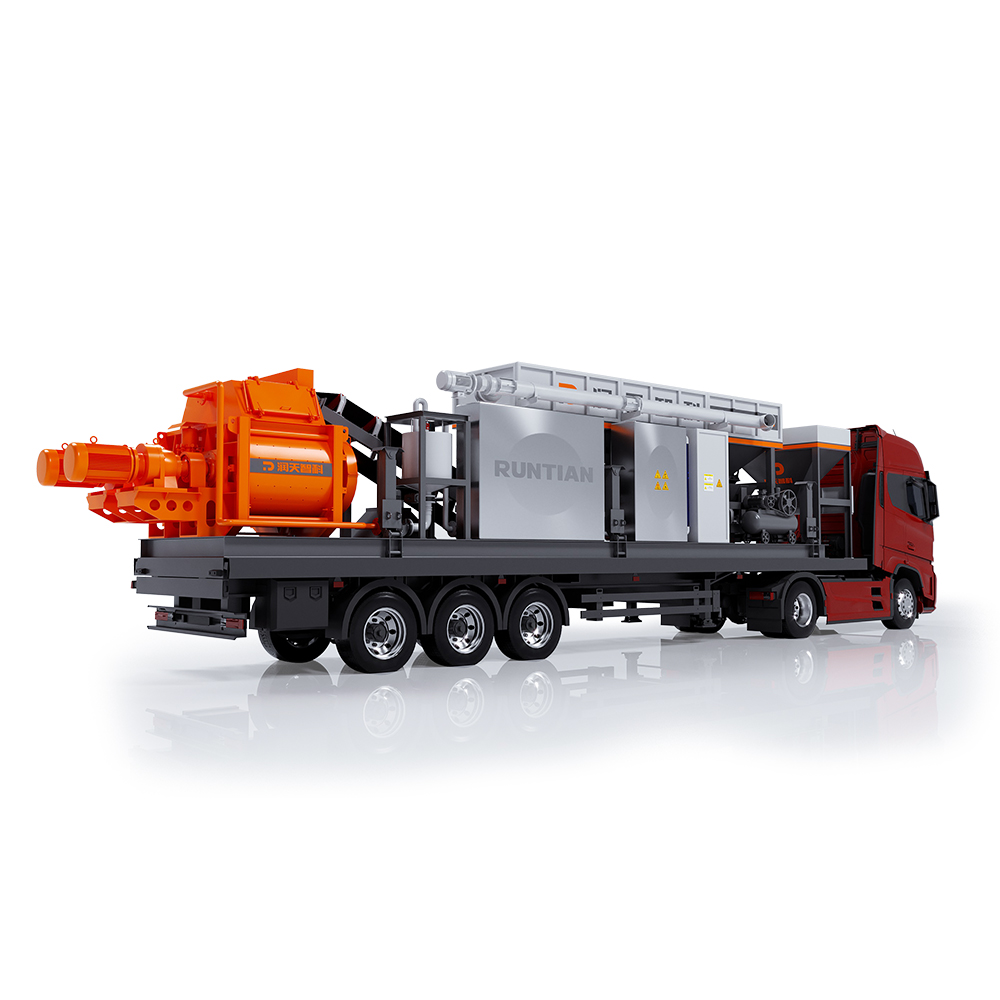 HZS60 Mobile Concrete Mixing Plant
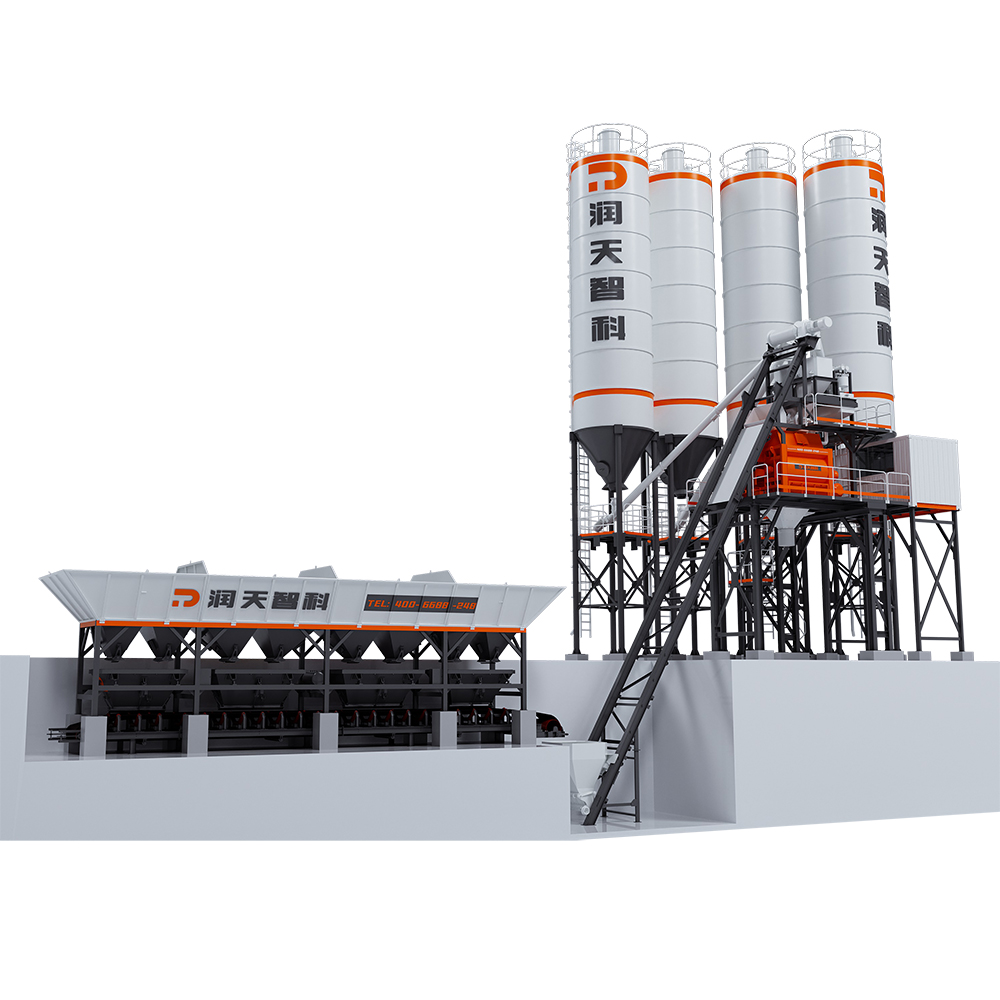 HZS Series Bucket-Lifting Type Concrete Mixing Plant
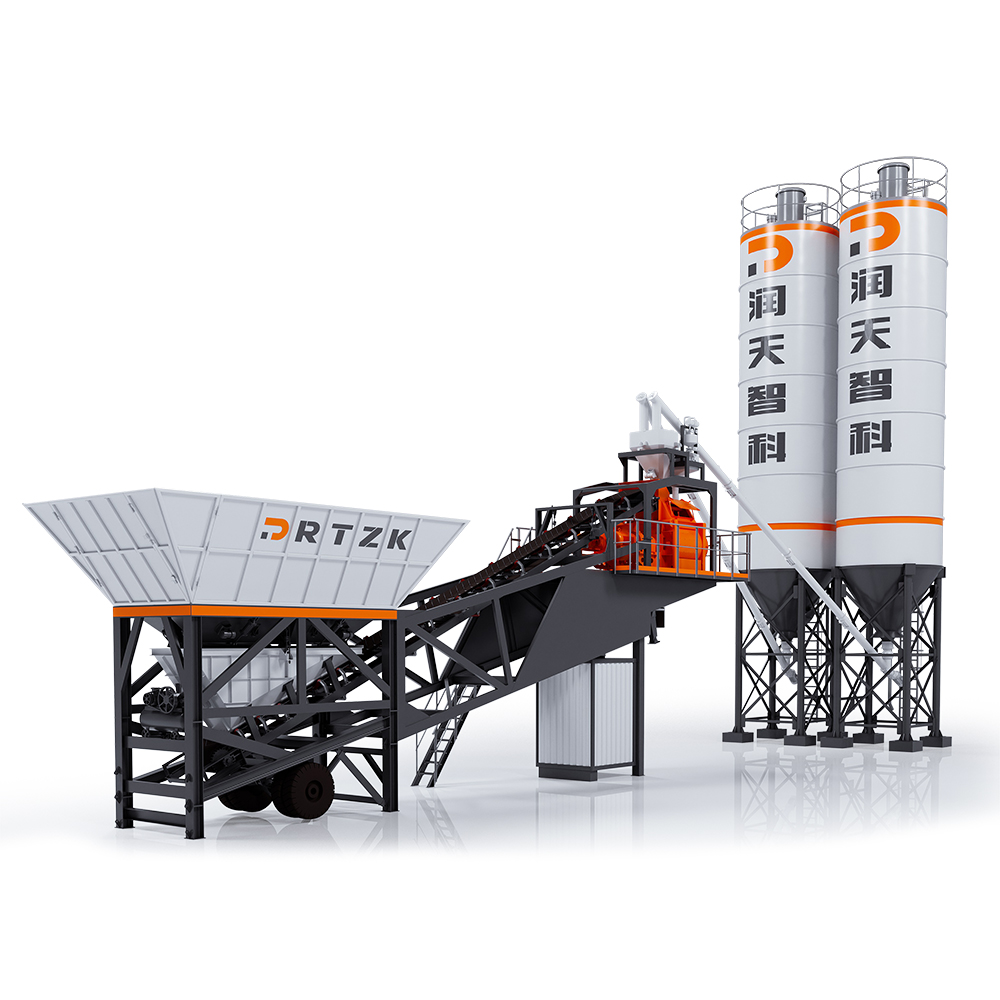 HZS Series Mobile Concrete Mixing Plant
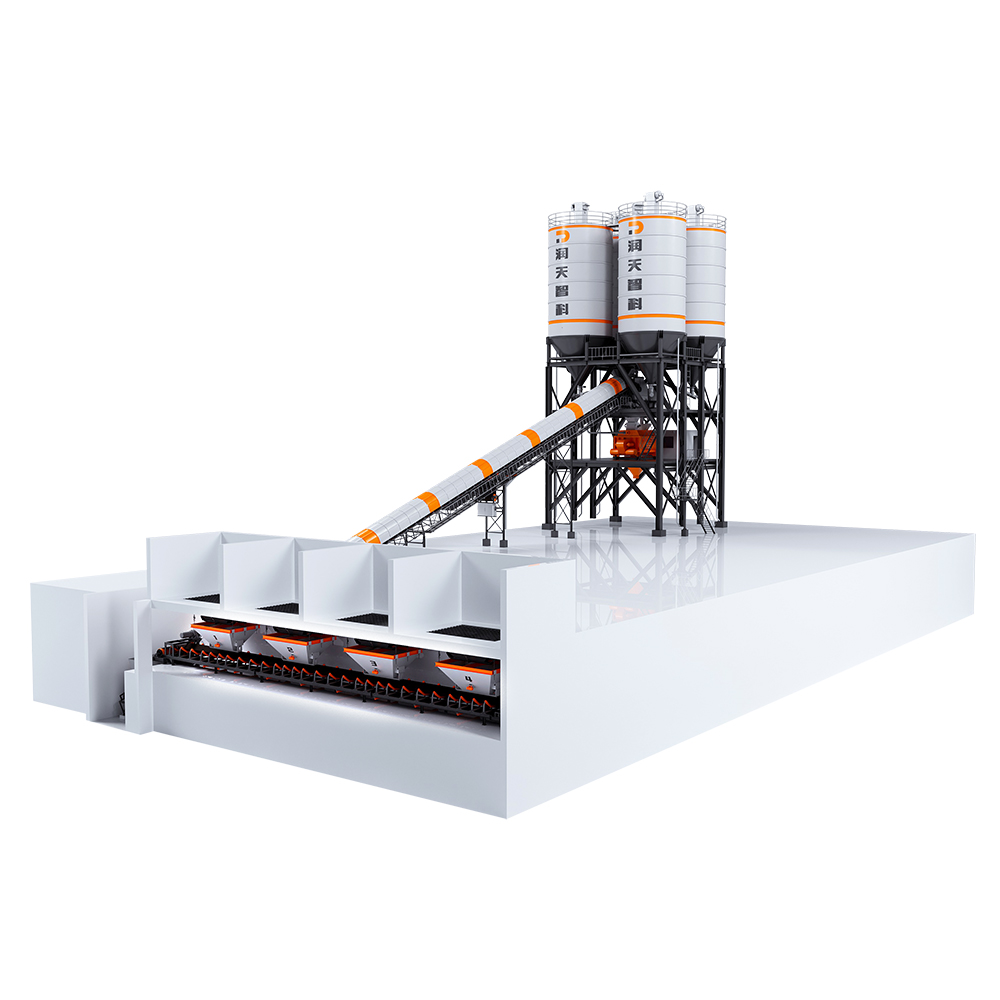 HZS Series Top-Mounted Concrete Mixing plant
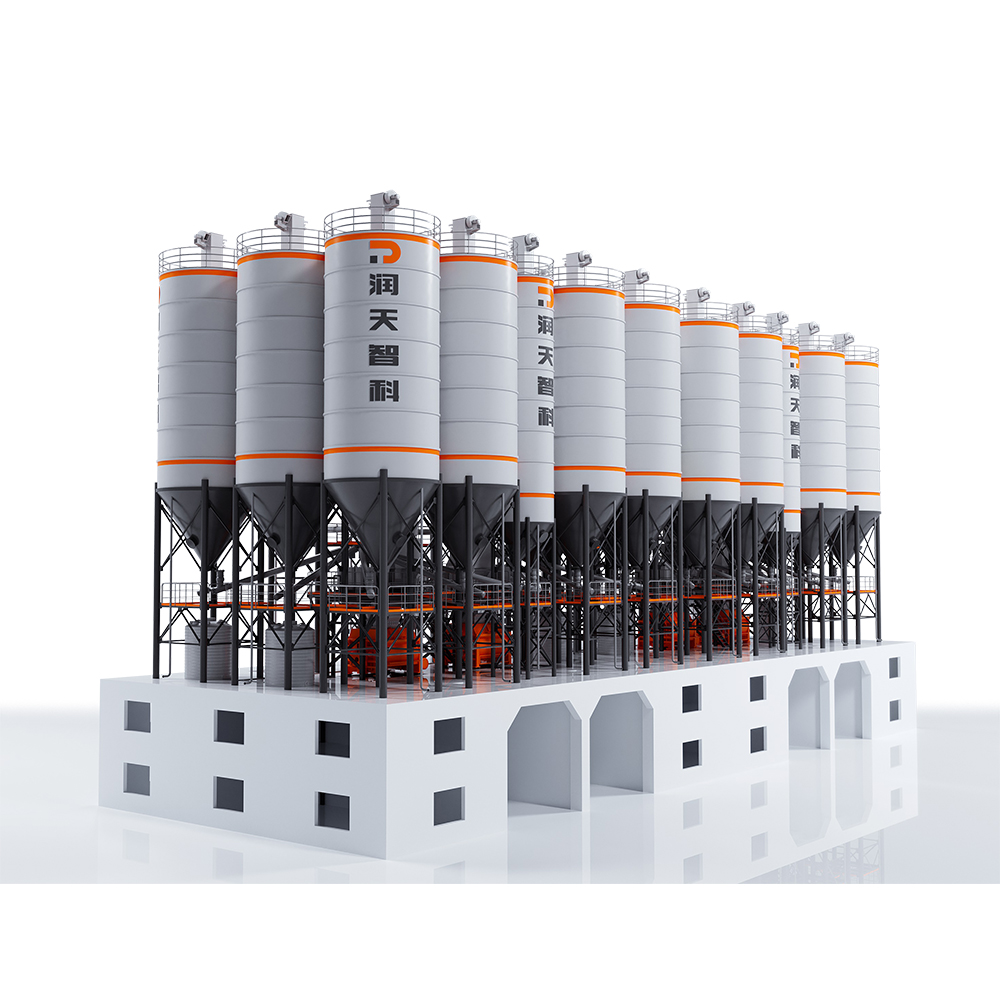 HZS Series Semi-Top Mounted Concrete Mixing Plant
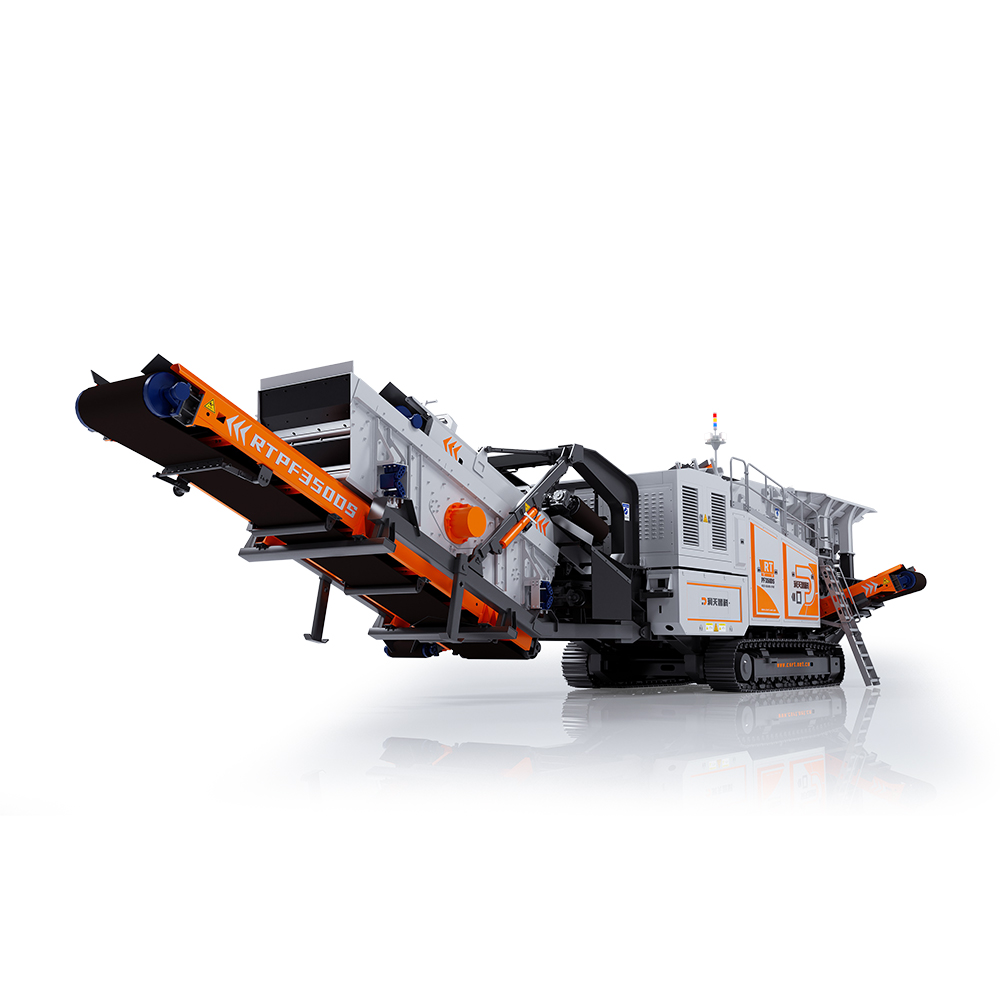 RTPF350DS Crawler Mobile Impact Crushing Plant
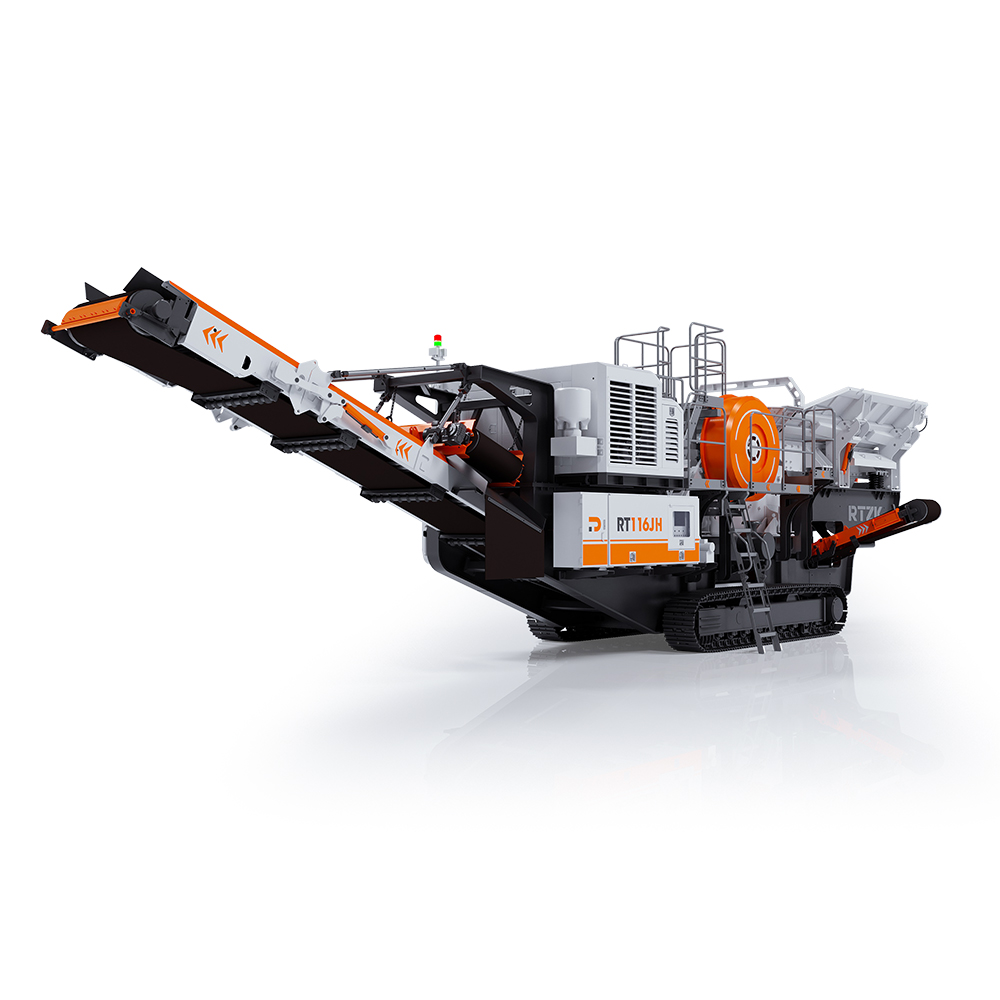 RT116JH Crawler Mobile Jaw Crushing Plant
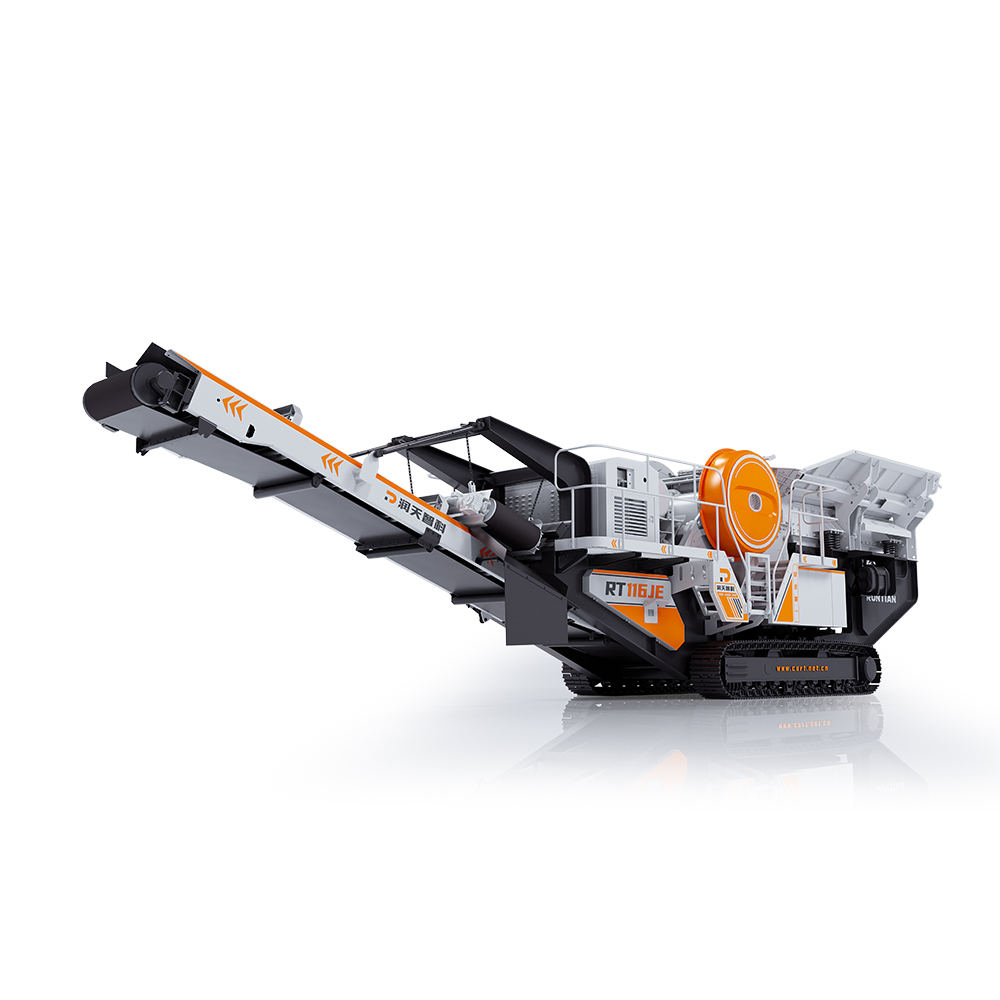 RT116JE Crawler Mobile Jaw Crushing Plant
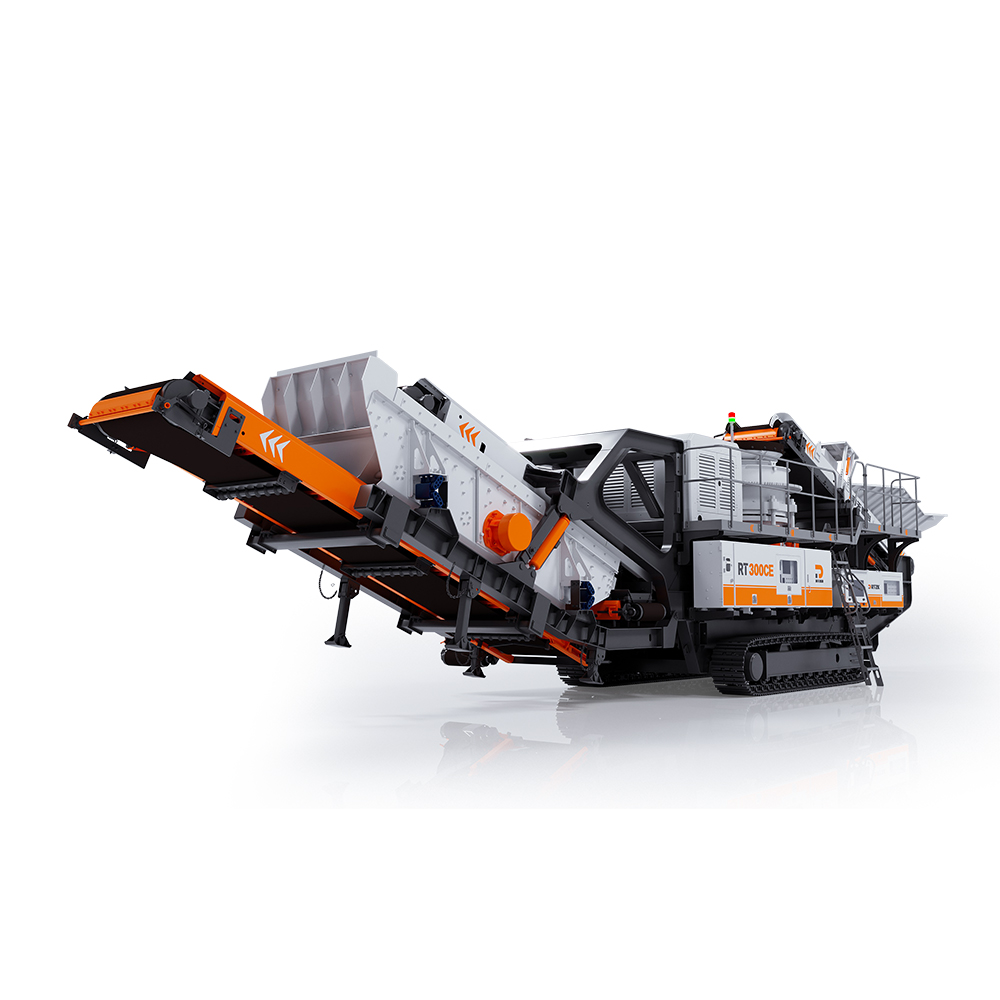 RT300CE Crawler Mobile Cone Crushing Plant
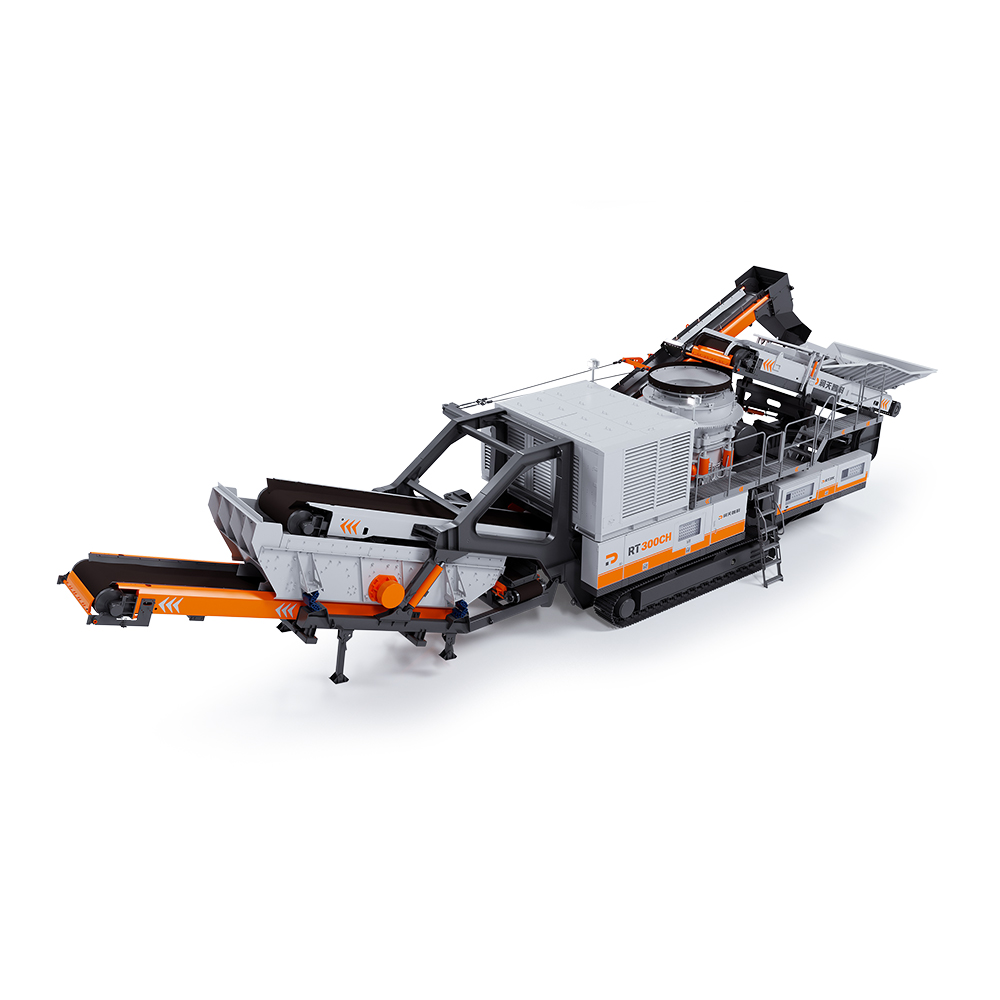 RT300CH Crawler Mobile Cone Crushing Plant
 RT5015H Mobile Scalping Screen
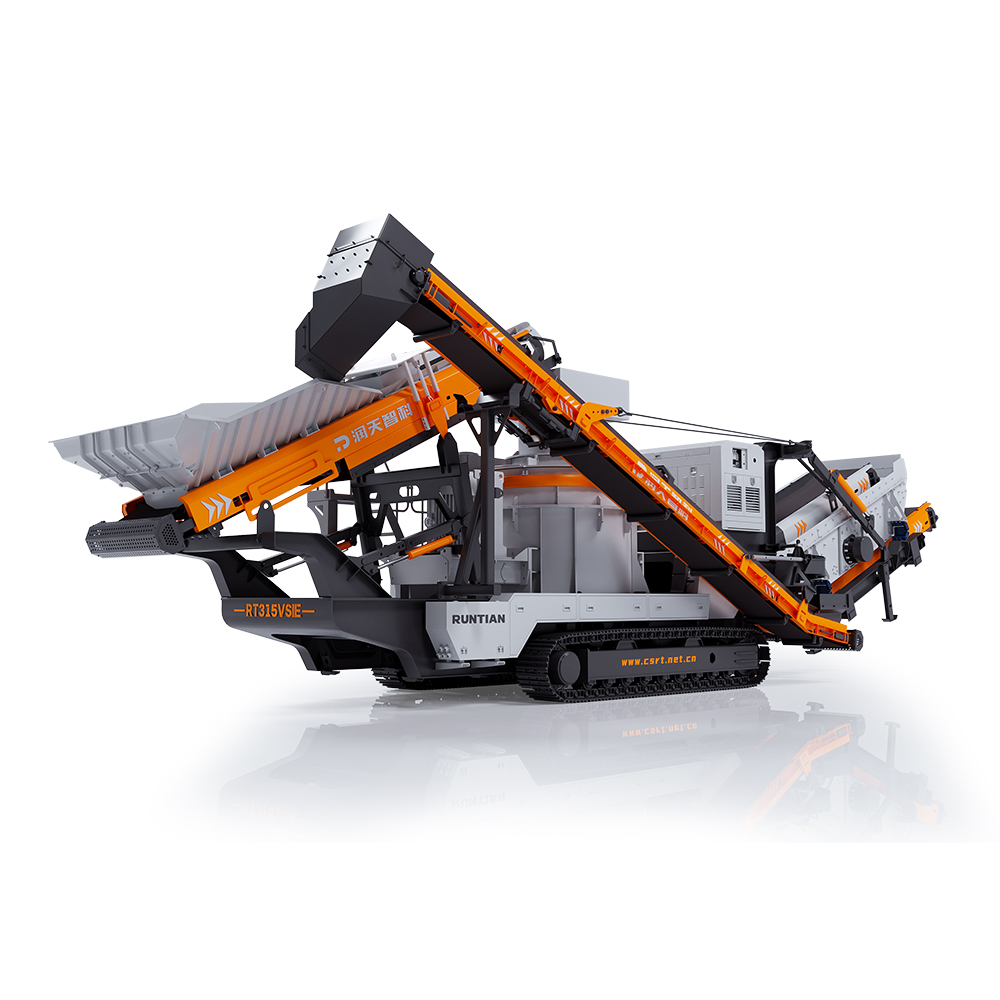 RT315VSIE Crawler Mobile Sand Maker
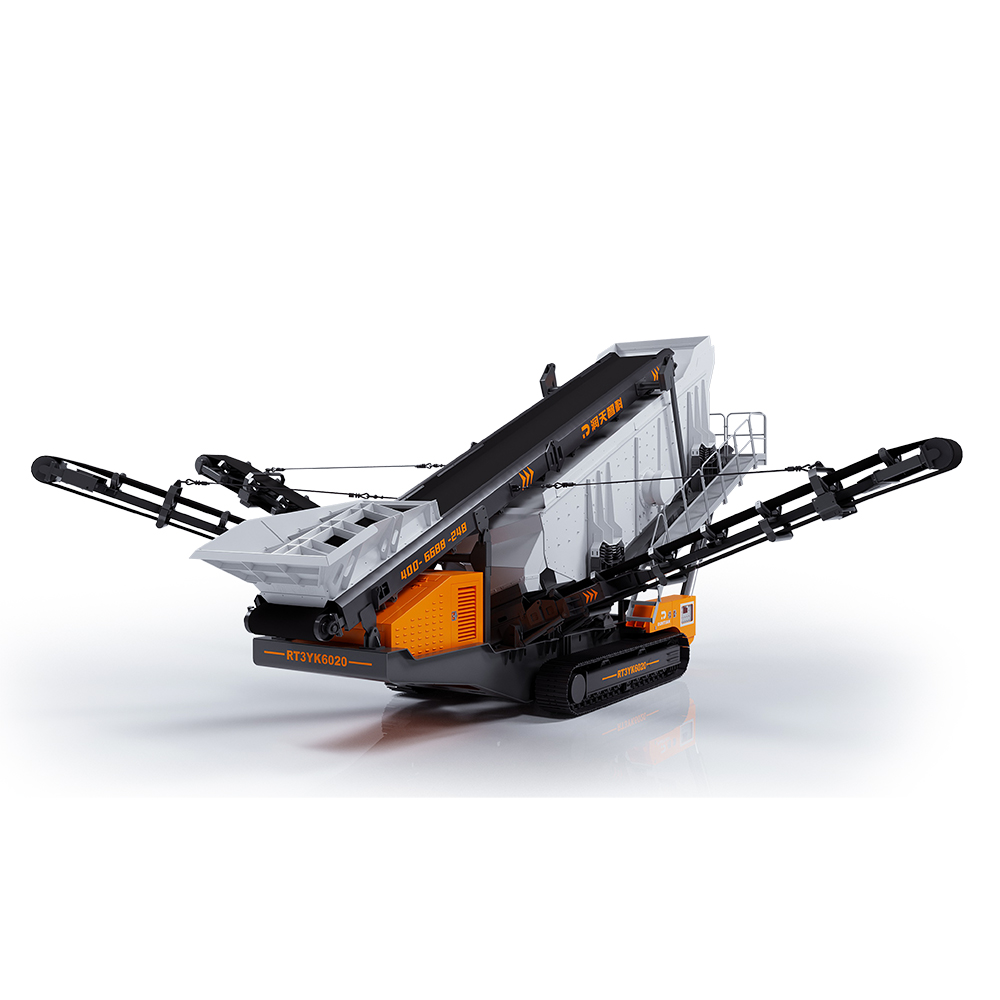 RT3YK6020 Crawler Mobile Screening Plant
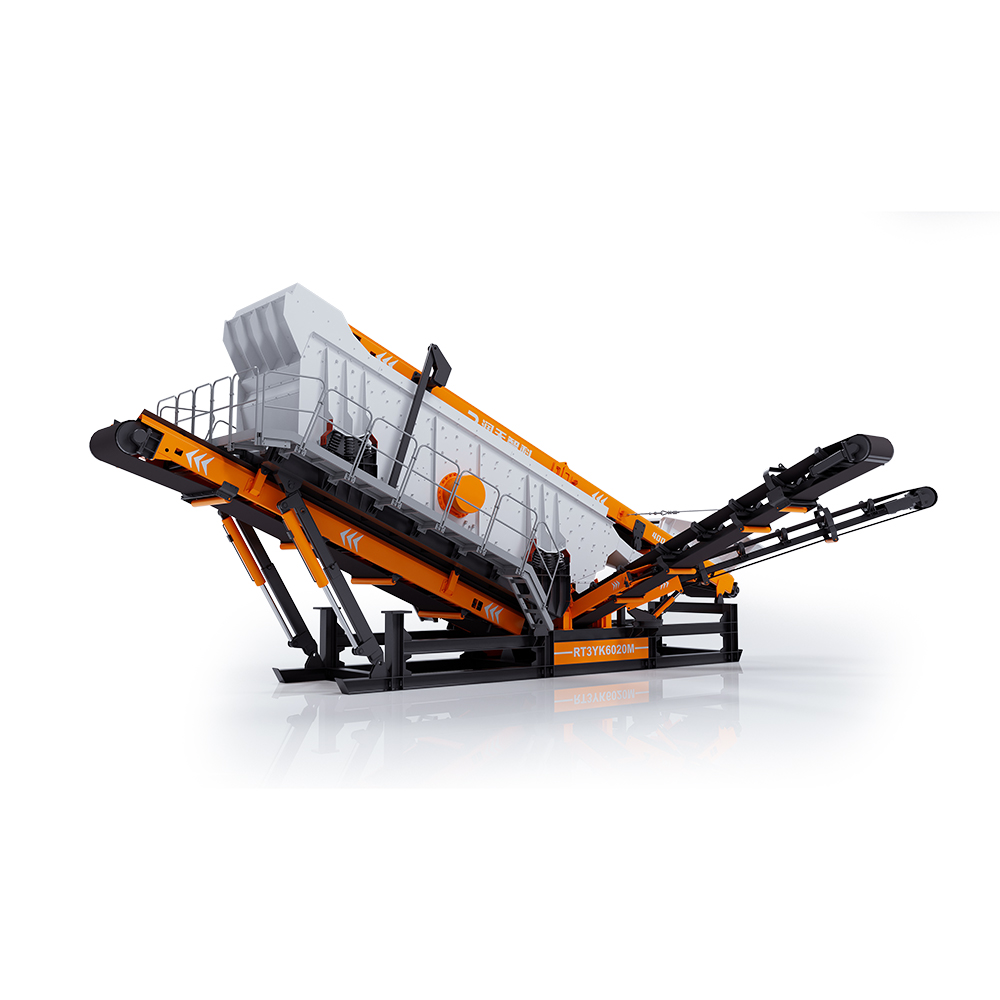 RT3YK6020M Modular Screening Plant
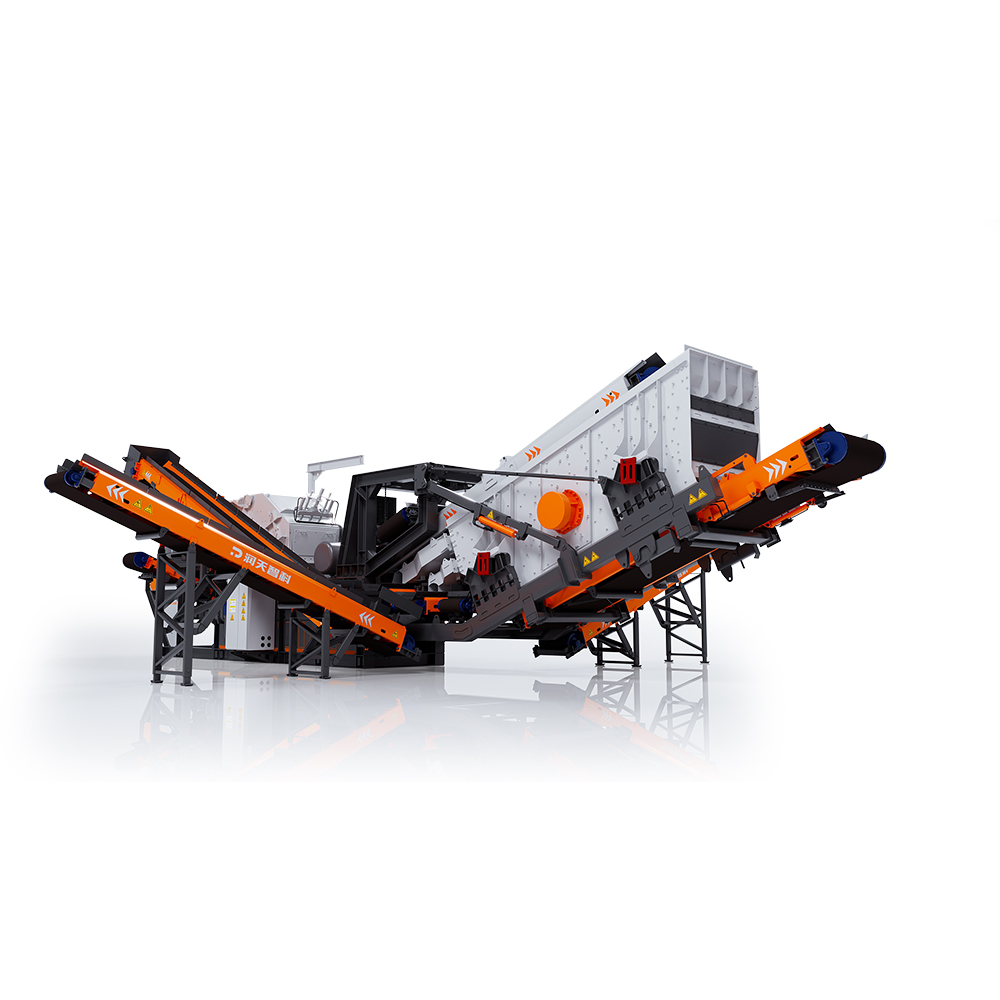 RTF260M Modular Counterattack Crushing and Screening Integrated Machine
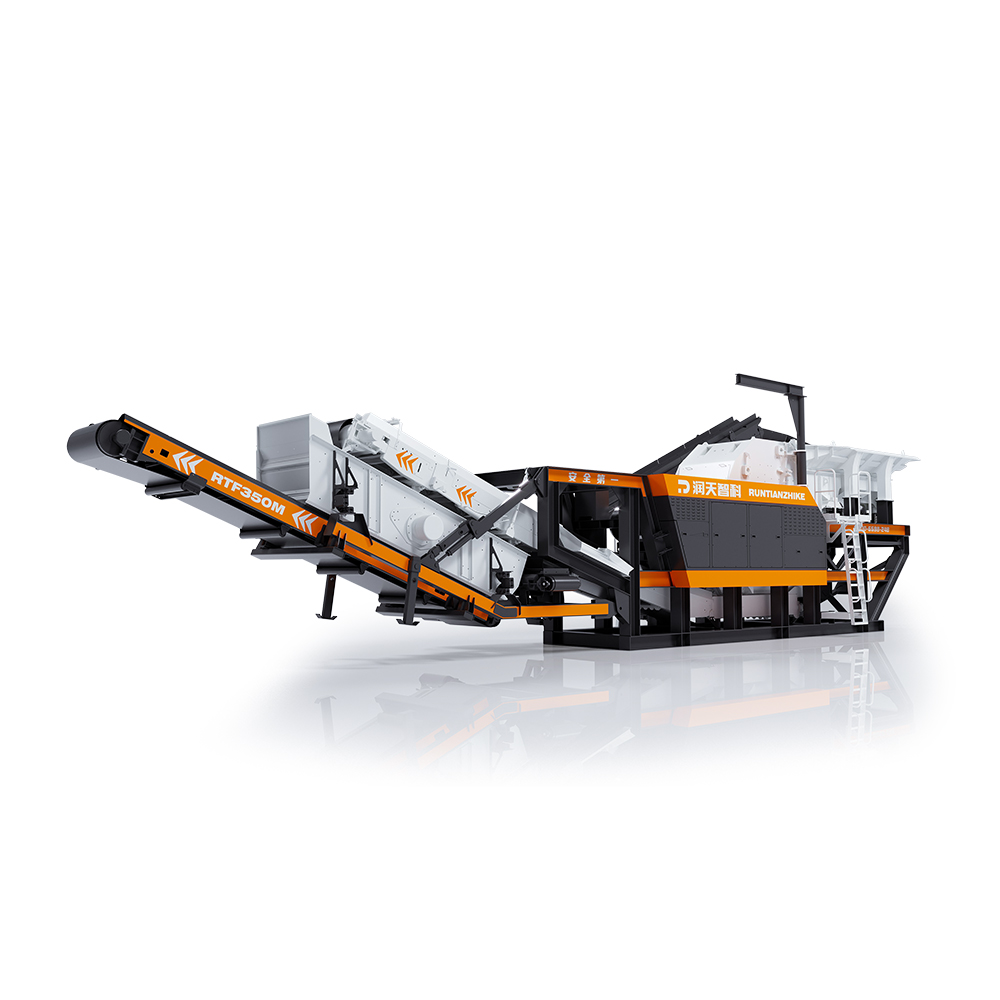 RTF350M Modular Impact Crushing Plant
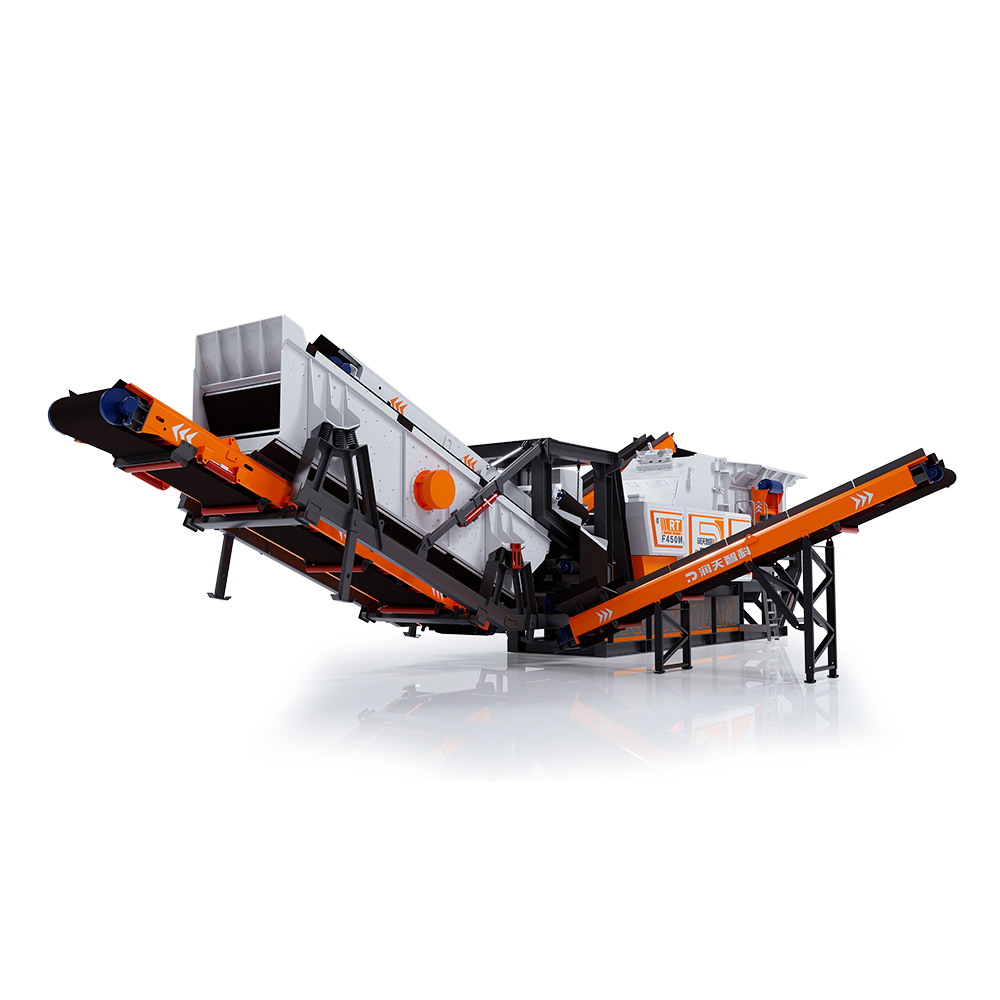 RTF450M Modular Impact Crushing Plant
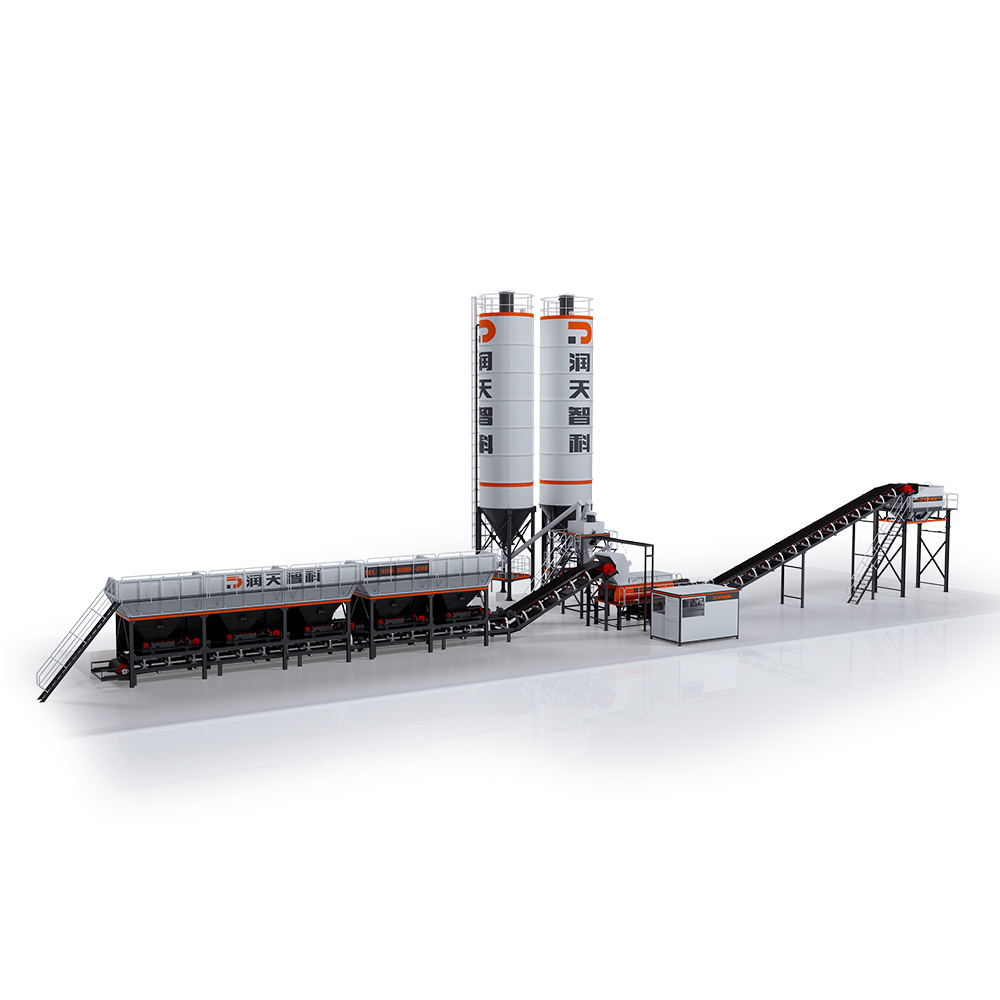 WDB Series Foundation-Free Stability Soil Mixing Plant
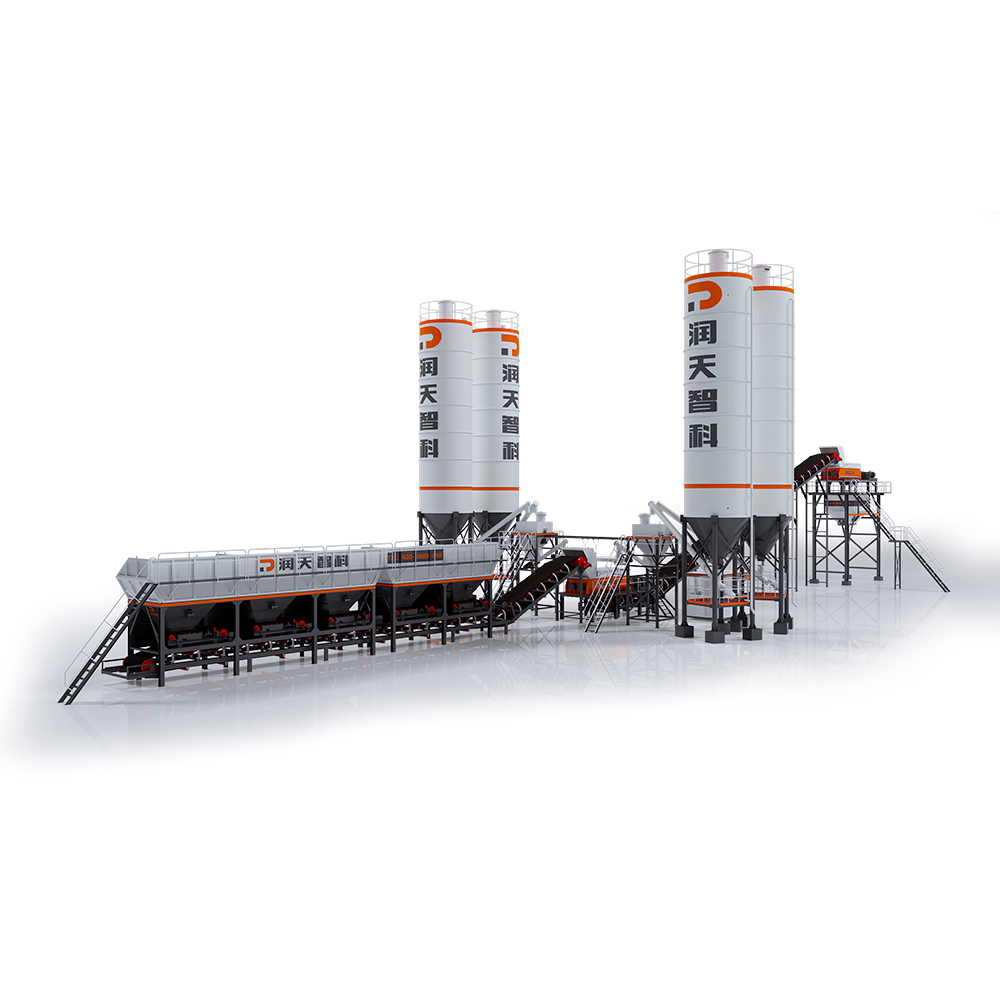 LCB Series Emulsified Asphalt Cold Regeneration Secondary Mixing Plant
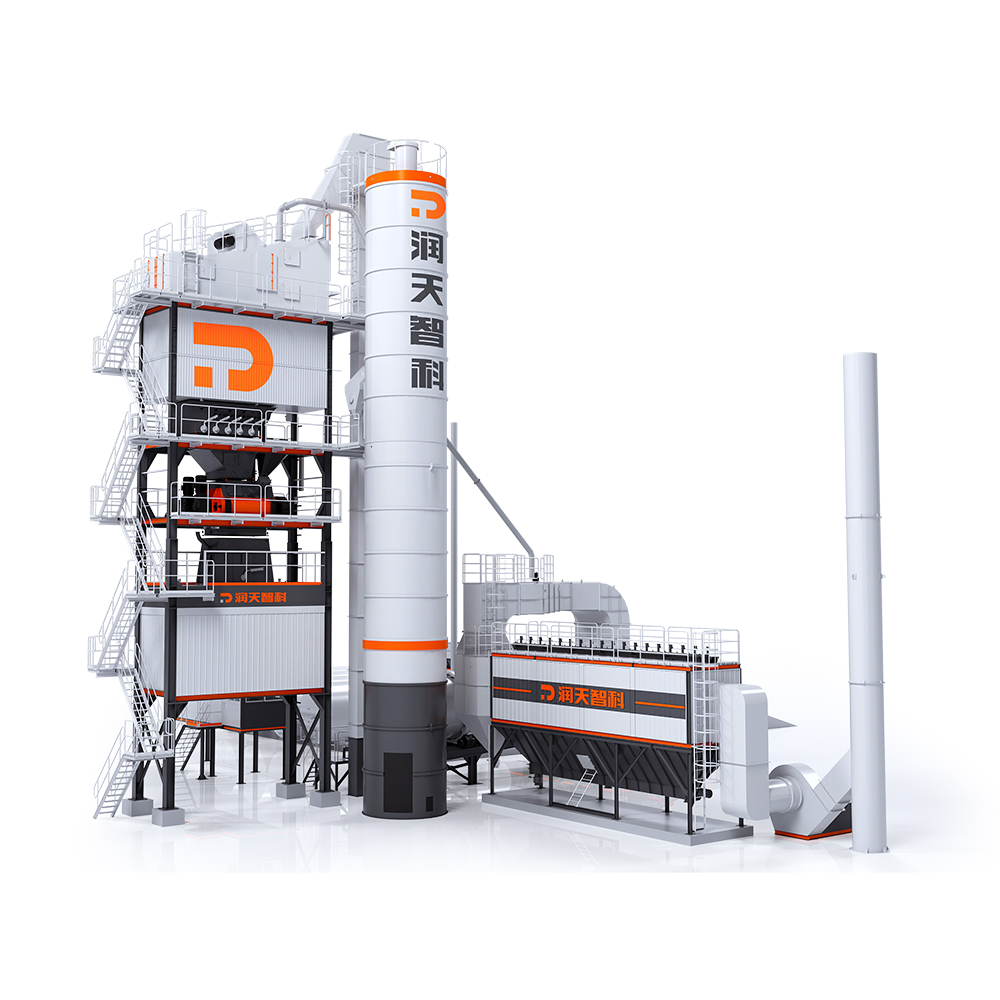 LB Series Asphalt Mixing Plant
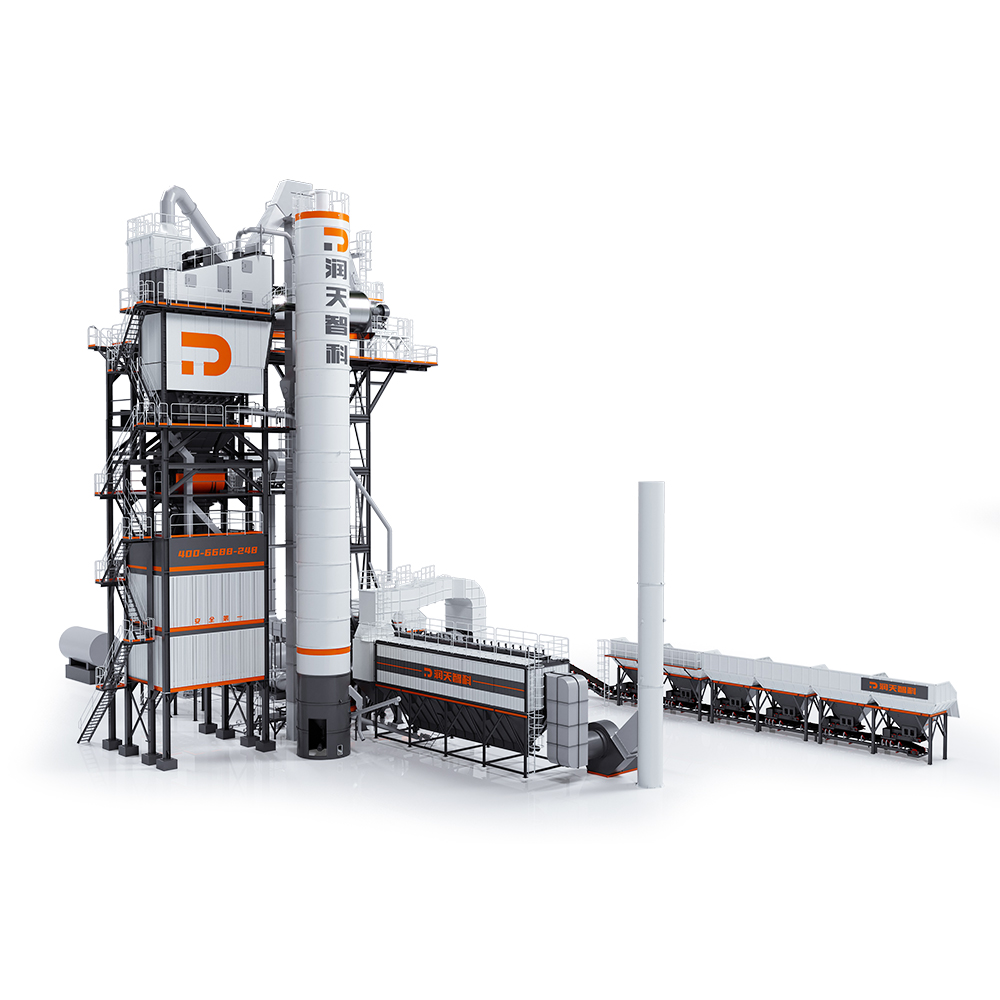 LBR Series Integrated Asphalt Mixing Plant
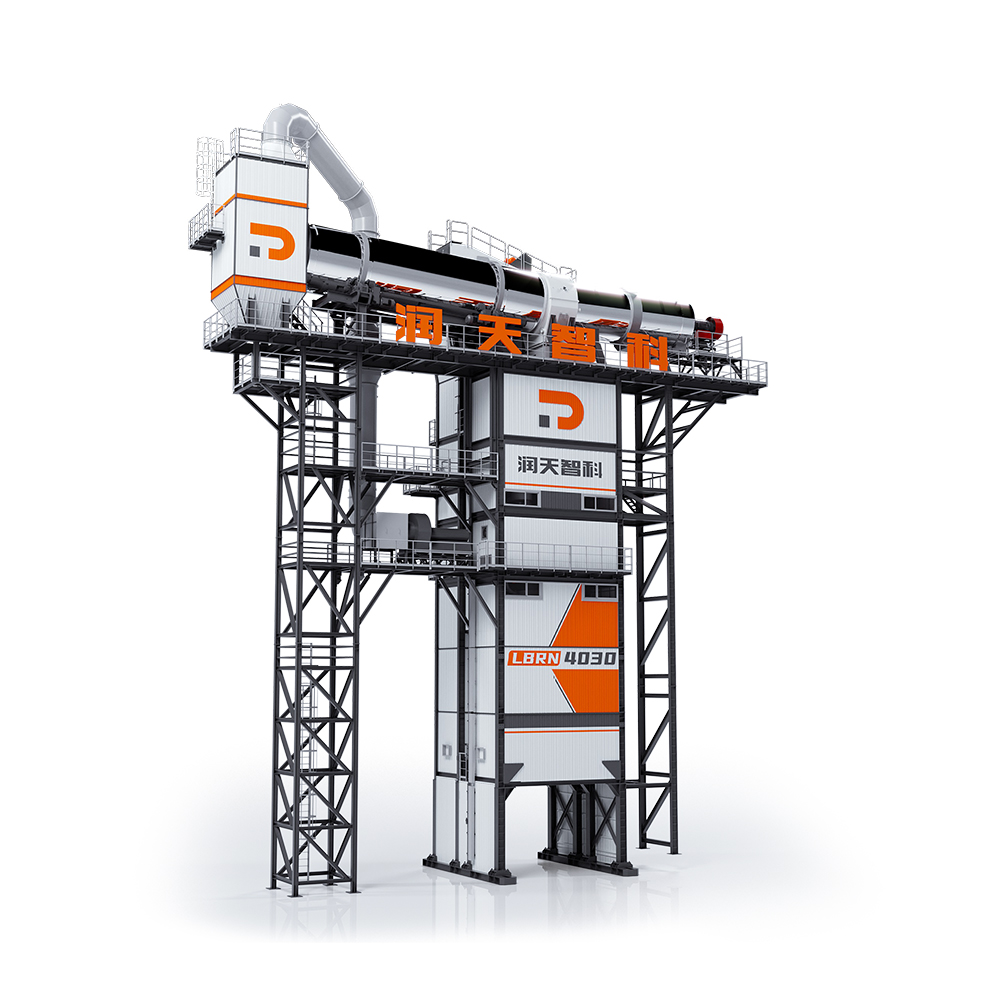 LBRN Series Counterflow Integral Asphalt Mixing Plant
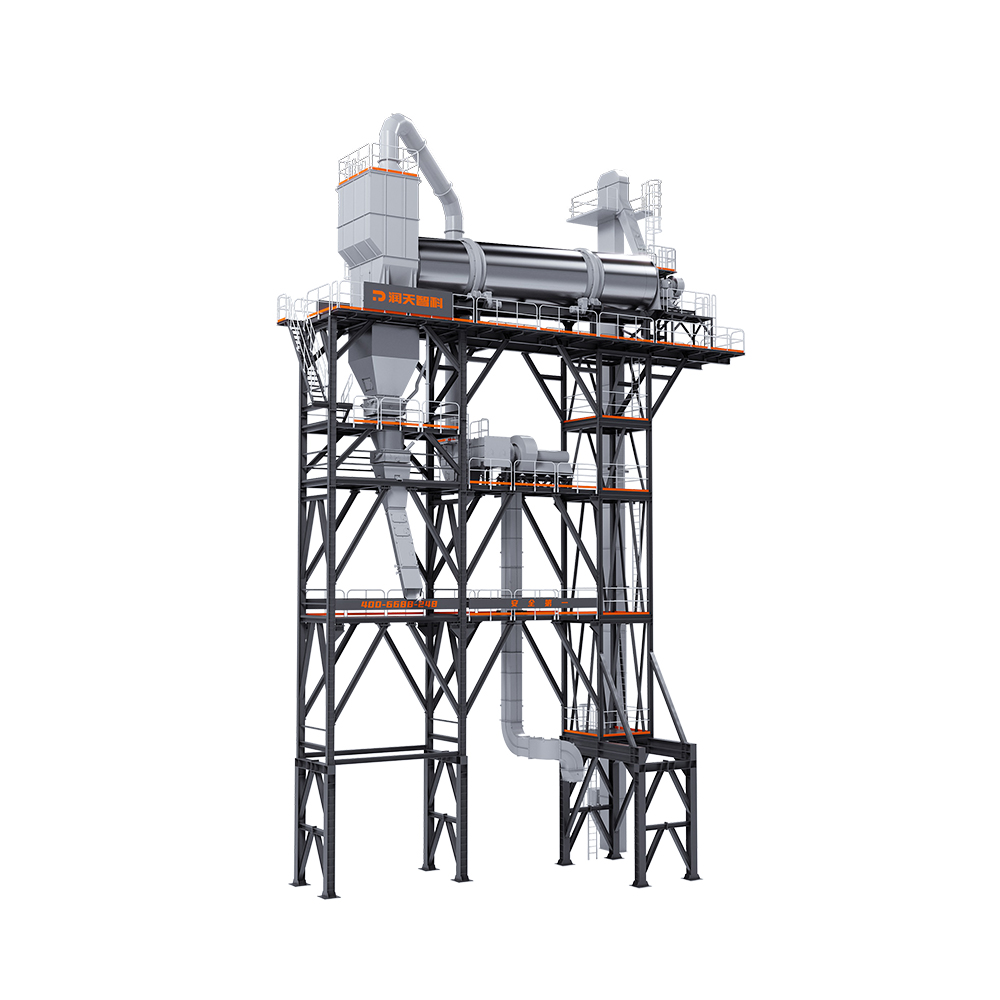 RZS Series Asphalt Mixing Plant
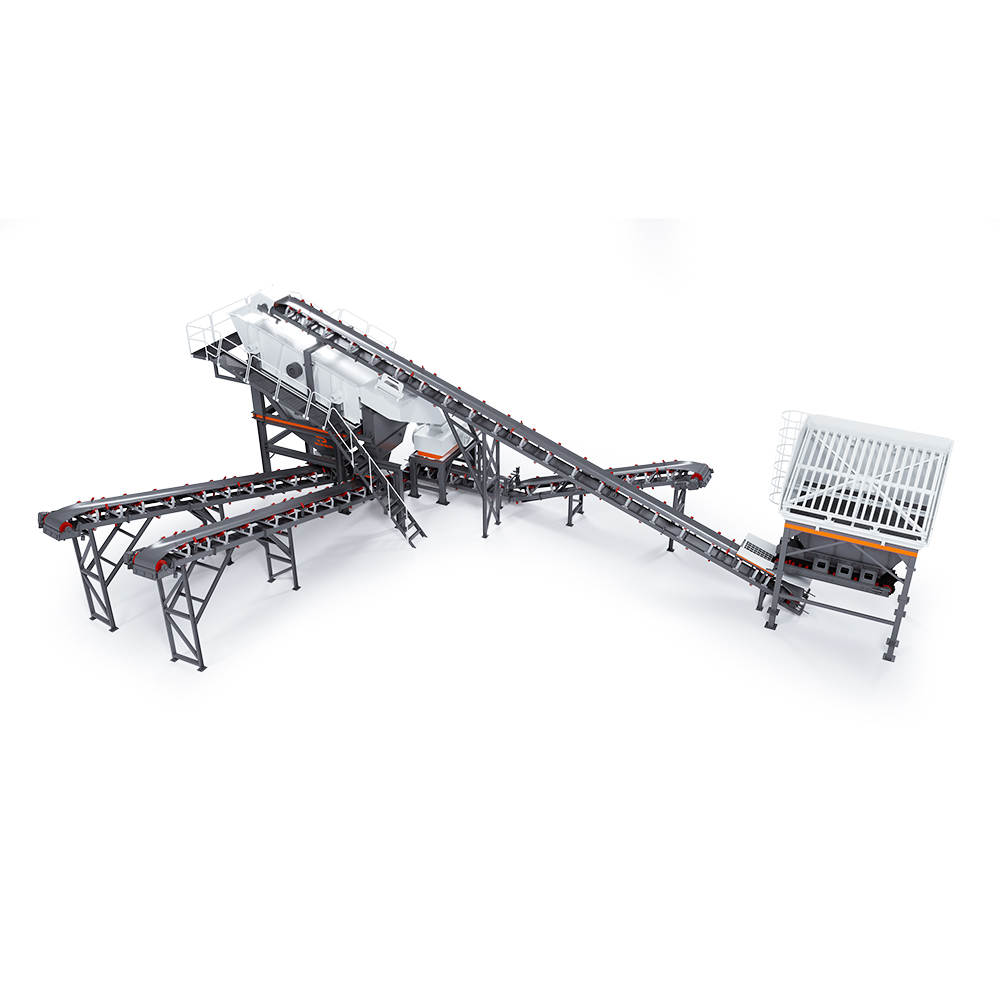 RTZS120 Series RAP Crushing & Screening Plant
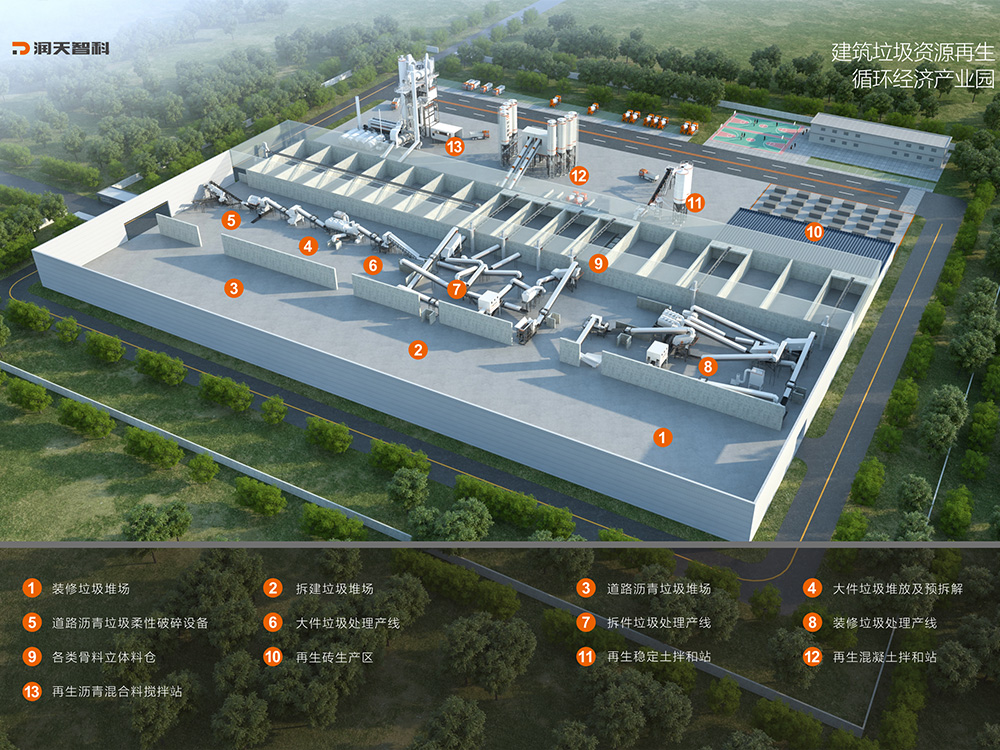 Construction Waste Resourceful Treatment Line