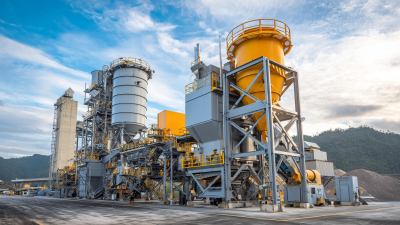
What is an Asphalt Batching Plant? A Comprehensive Guide for Beginners
An Asphalt Batching Plant plays a crucial role in the modern construction industry, particularly in the production of asphalt for road paving and other infrastructure projects. As the demand for quality asphalt continues to rise, understanding the components, functionality, and advantages of these plants becomes essential for contractors and builders alike. This comprehensive guide aims to demystify the asphalt batching process, providing beginners with the foundational knowledge required to navigate the complexities of asphalt production.
In this guide, we will explore the fundamental aspects of an Asphalt Batching Plant, including its various components, the operational process, and the benefits it offers over traditional methods. By breaking down the intricacies of how these plants work, we aim to equip readers with a better understanding to make informed decisions when investing in asphalt production. Whether you are a contractor looking to enhance your project capabilities or a novice in the field, this guide will pave the way for your journey into the world of asphalt batching.
What is an Asphalt Batching Plant and Its Main Functions
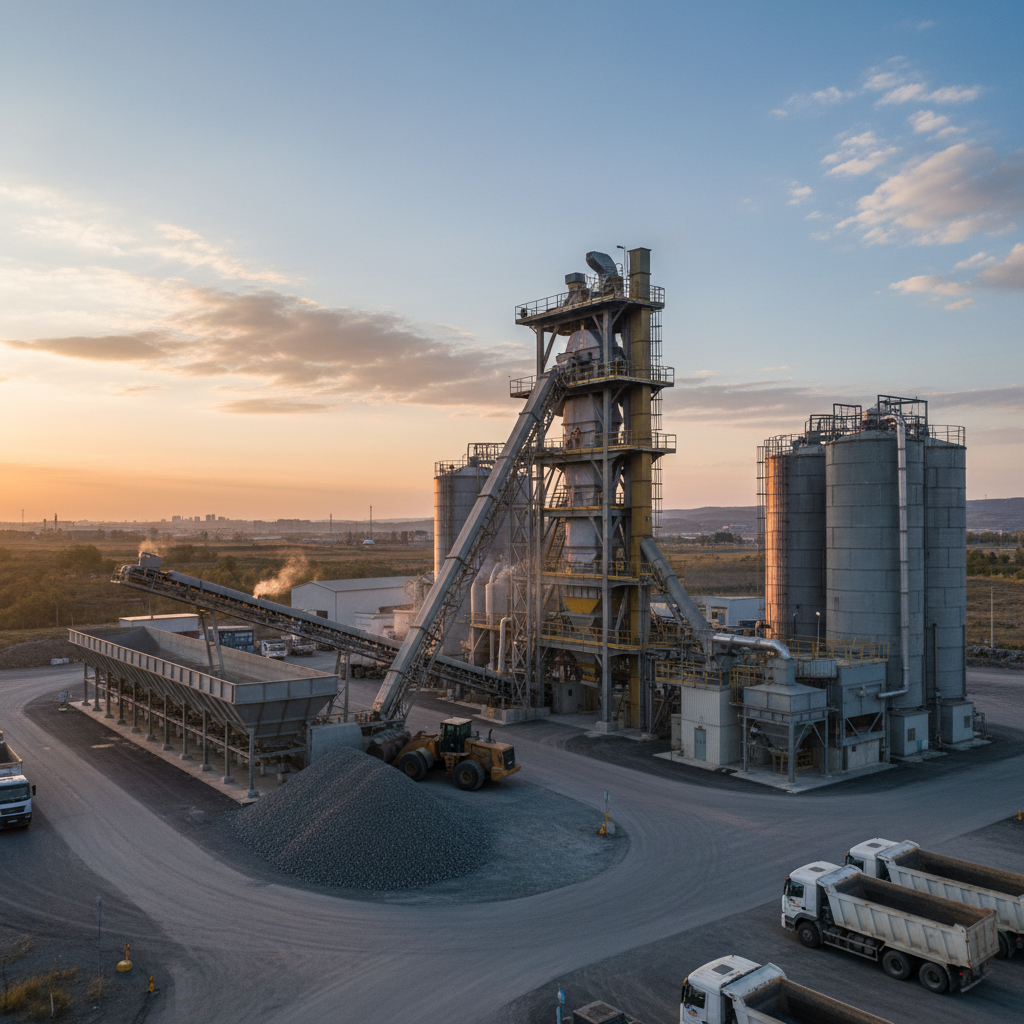
An asphalt batching plant is a crucial facility in the construction industry, primarily responsible for producing asphalt mixtures that are used in road construction and repair. These plants consist of several components, including a cold aggregate supply system, a drying system, a mixing tower, and storage silos. The main function of an asphalt batching plant is to combine various aggregates, such as gravel and sand, with bitumen in a controlled environment to create high-quality asphalt. This process ensures that the final product meets specific standards for durability and performance.
Recent developments in asphalt plant projects highlight the growing importance of these facilities. For instance, in Soddy-Daisy, initial rezoning approval for a new asphalt plant has sparked discussions about local environmental impact, as residents grapple with concerns over toxic fumes and odors from existing plants. Meanwhile, other regions are investing in modernizing their asphalt production capabilities, with a notable project in Kazakhstan expanding a plant to improve efficiency and output. Such initiatives underscore the vital role asphalt batching plants play not only in infrastructure development but also in addressing environmental and community challenges associated with their operations.
Key Components of an Asphalt Batching Plant Explained
An asphalt batching plant is a crucial facility in road construction that manufactures asphalt mixtures through a systematic process. Understanding its key components is vital for anyone looking to work in the field or simply comprehend how asphalt is produced. The primary components include the aggregate bins, dryer drum, and mixing tower. Each part plays a specific role in ensuring the quality and efficiency of the asphalt production.
The aggregate bins hold different types of aggregates, such as sand, gravel, and crushed stones. These materials are essential for achieving the desired properties of the asphalt mix. Next, the dryer drum heats the aggregates to remove any moisture, preparing them for mixing. The mixing tower is where the heated aggregates, bitumen, and additives come together. This process ensures a uniform asphalt blend that meets the required specifications for various road applications. Understanding these components helps demystify the operation of asphalt batching plants and highlights the intricate work involved in road construction.
Understanding the Different Types of Asphalt Batching Plants
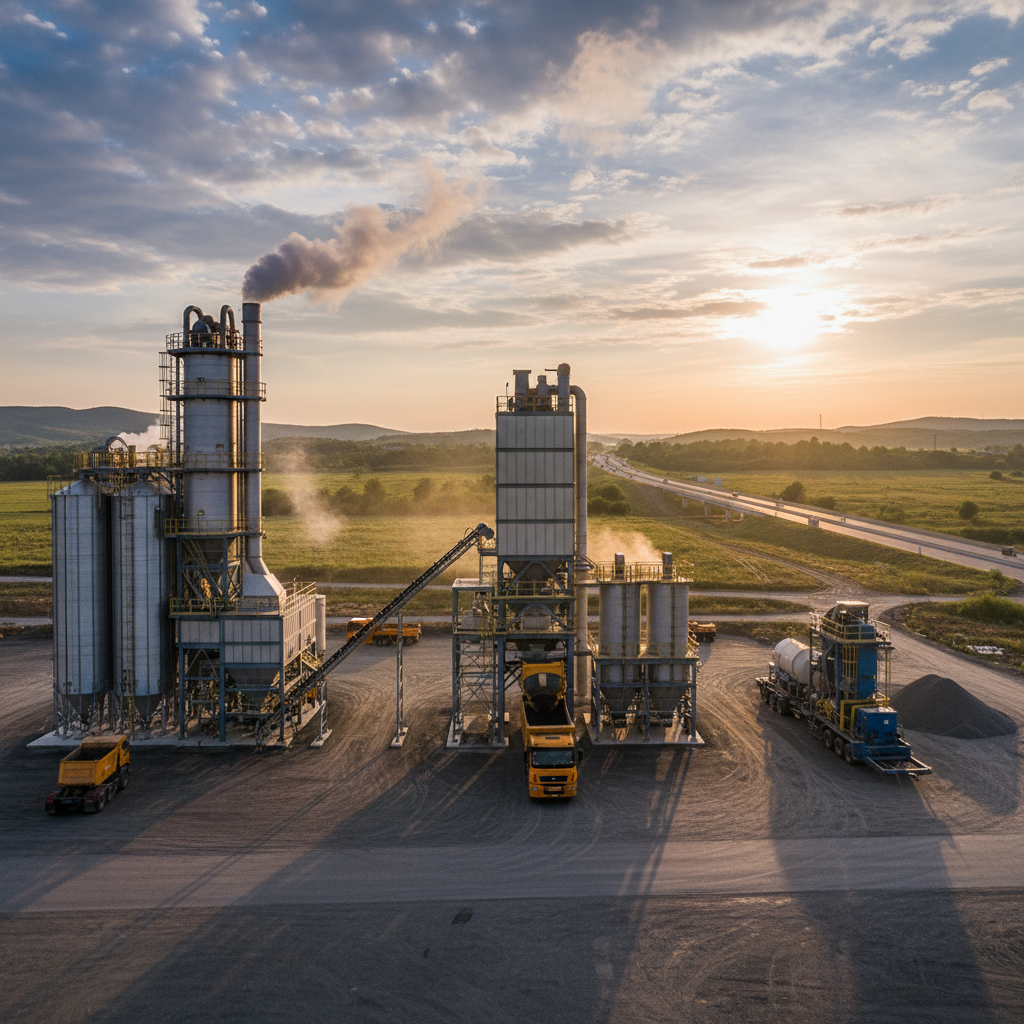
Asphalt batching plants are essential in the construction and maintenance of roads and parking lots, as they provide a consistent supply of asphalt mix.
There are several types of asphalt batching plants, each designed to cater to different production needs and project scales.
The three main types are continuous, batch, and mobile asphalt plants.
Continuous asphalt plants operate without interruptions, producing asphalt mix continuously using a streamlined process. This type is ideal for large projects that require a constant supply of asphalt. In contrast,
batch asphalt plants produce asphalt mix in controlled batches, allowing for precise adjustments in mix components. This method is often preferred for smaller projects or when customization is necessary. Lastly,
mobile asphalt plants offer flexibility and portability, making them ideal for projects that require relocation or have limited space. Each type has its unique advantages depending on the project requirements, production capacity, and logistical considerations.
The Process of Asphalt Production in a Batching Plant
An asphalt batching plant is a crucial facility in the construction industry, primarily responsible for producing asphalt mixtures that are used in paving and road construction. The process of asphalt production in a batching plant involves several key steps. Firstly, raw materials, including aggregates, bitumen, and fillers, are precisely measured and fed into the mixing unit. Research indicates that optimizing these materials can lead to a reduction of up to 10% in production costs while maintaining the necessary quality standards (Source: National Asphalt Pavement Association).
Once the materials are combined, they are heated to specific temperatures to ensure proper mixing and binding. Typically, the aggregates are heated to between 300°F to 350°F, allowing for effective coating with the bitumen, which enhances the durability of the final product. Advanced batching plants utilize technologies such as computer-controlled systems for accurate measurement and blending, increasing efficiency and consistency in production. A recent industry report highlights that the adoption of such technologies can enhance production rates by 15-20%, meeting the growing demand for high-quality asphalt in infrastructure projects (Source: International Road Federation).
Finally, after mixing, the asphalt is transported to job sites while maintaining optimal temperatures to ensure workability. This meticulous process within an asphalt batching plant not only ensures the provision of quality asphalt but also supports the broader infrastructure development goals essential for economic growth.
What is an Asphalt Batching Plant? A Comprehensive Guide for Beginners
| Feature |
Description |
Importance |
| Production Capacity |
Measures the amount of asphalt produced per hour, typically ranging from 80 to 400 tons. |
Determines the output efficiency of the plant. |
| Types of Mixes |
Includes hot mix, warm mix, and cold mix asphalt. |
Essential for meeting specific project requirements. |
| Control Systems |
Automated systems for monitoring and controlling production parameters. |
Enhances precision and reduces labor costs. |
| Environmental Impact |
Includes emission controls and recycling systems for waste materials. |
Compliance with environmental regulations and sustainability efforts. |
| Maintenance Requirements |
Routine checks and repairs needed for optimal operation. |
Ensures longevity and efficiency of the plant. |
Benefits of Using an Asphalt Batching Plant for Construction Projects
Asphalt batching plants are essential for modern construction projects, providing a reliable and efficient method for producing asphalt mixtures tailored to specific needs. The primary benefit of using an asphalt batching plant is the ability to achieve precise control over the mix design, ensuring the right blend of aggregates, asphalt binder, and additives. This precision results in a higher quality product that enhances the durability and longevity of paved surfaces.
Furthermore, asphalt batching plants contribute to cost efficiency by reducing waste and maximizing resource utilization. By closely monitoring the production process, operators can adjust the mix in real-time, minimizing errors and ensuring consistency. This not only leads to savings but also accelerates project timelines, allowing for faster completion of roadways and other asphalt-covered surfaces.
Tips: When considering an asphalt batching plant for your project, ensure that the plant is equipped with technology for continuous monitoring of materials. Additionally, always prioritize the choice of high-quality raw materials to further enhance the final product's performance. Finally, regular maintenance of the batching plant can prevent downtime and improve overall efficiency and output quality.

 Concrete Mixing Plant
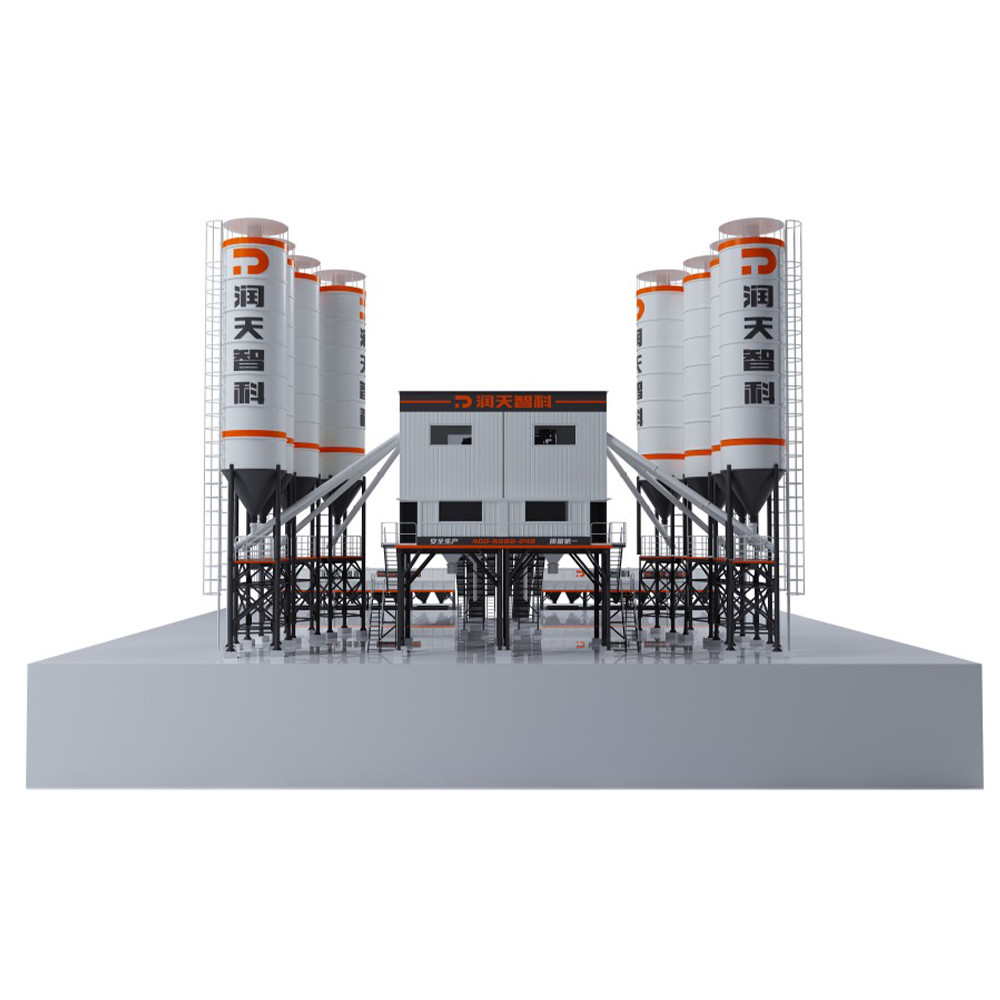 HZS Series Belt Concrete Mixing Plant
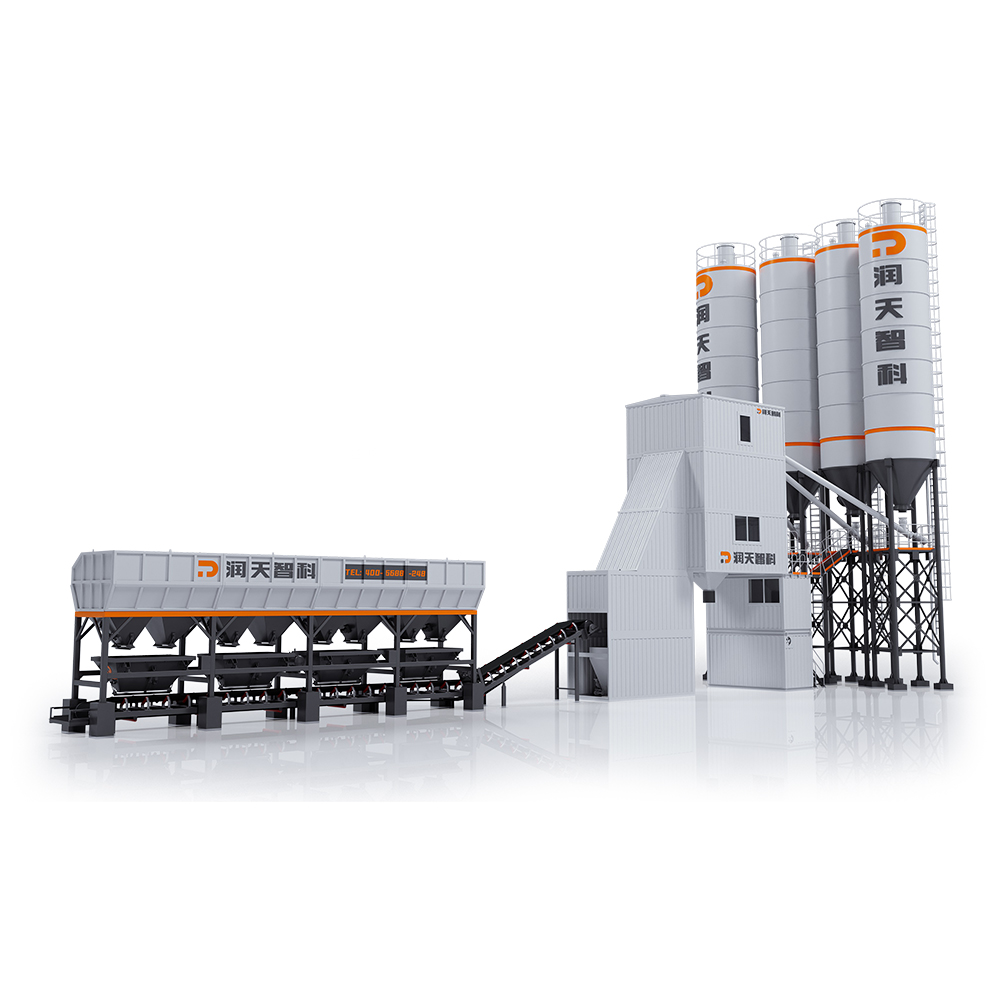 HZS Series Bucket-Lifting Type Container Concrete Mixing Plant
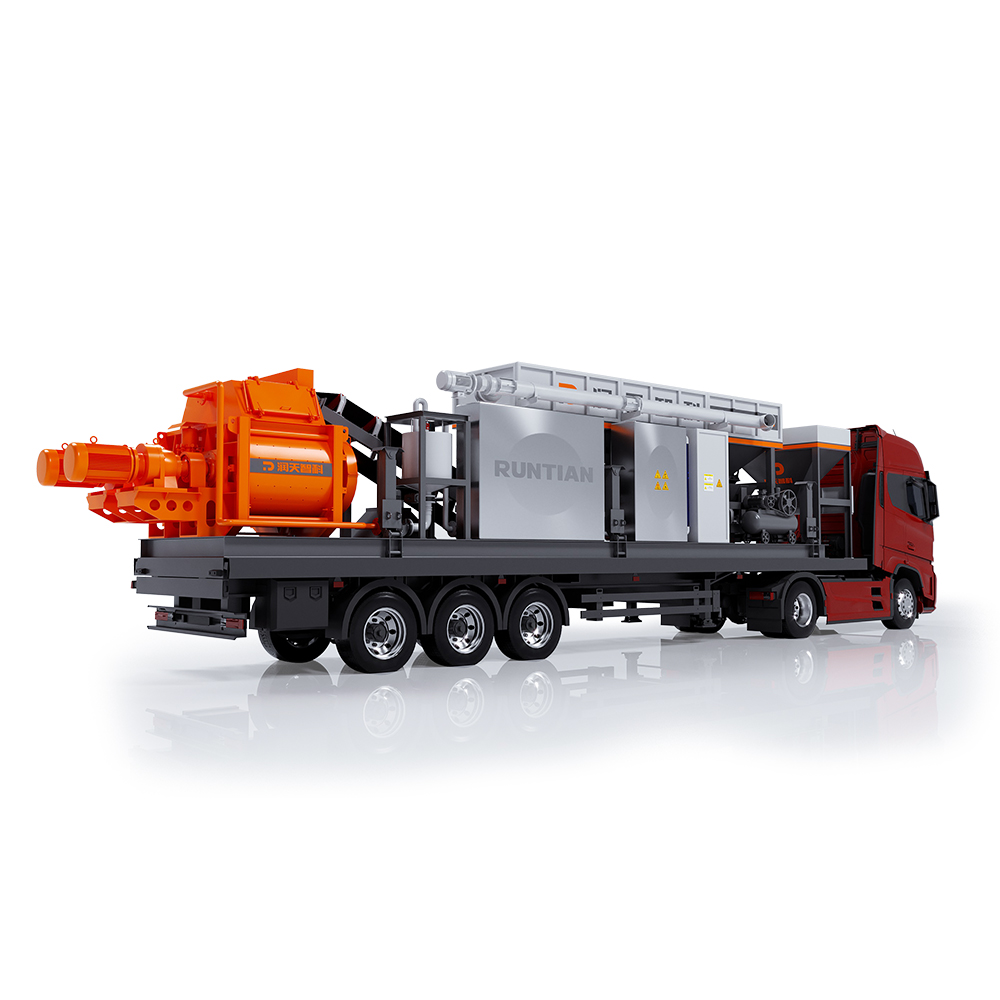 HZS60 Mobile Concrete Mixing Plant
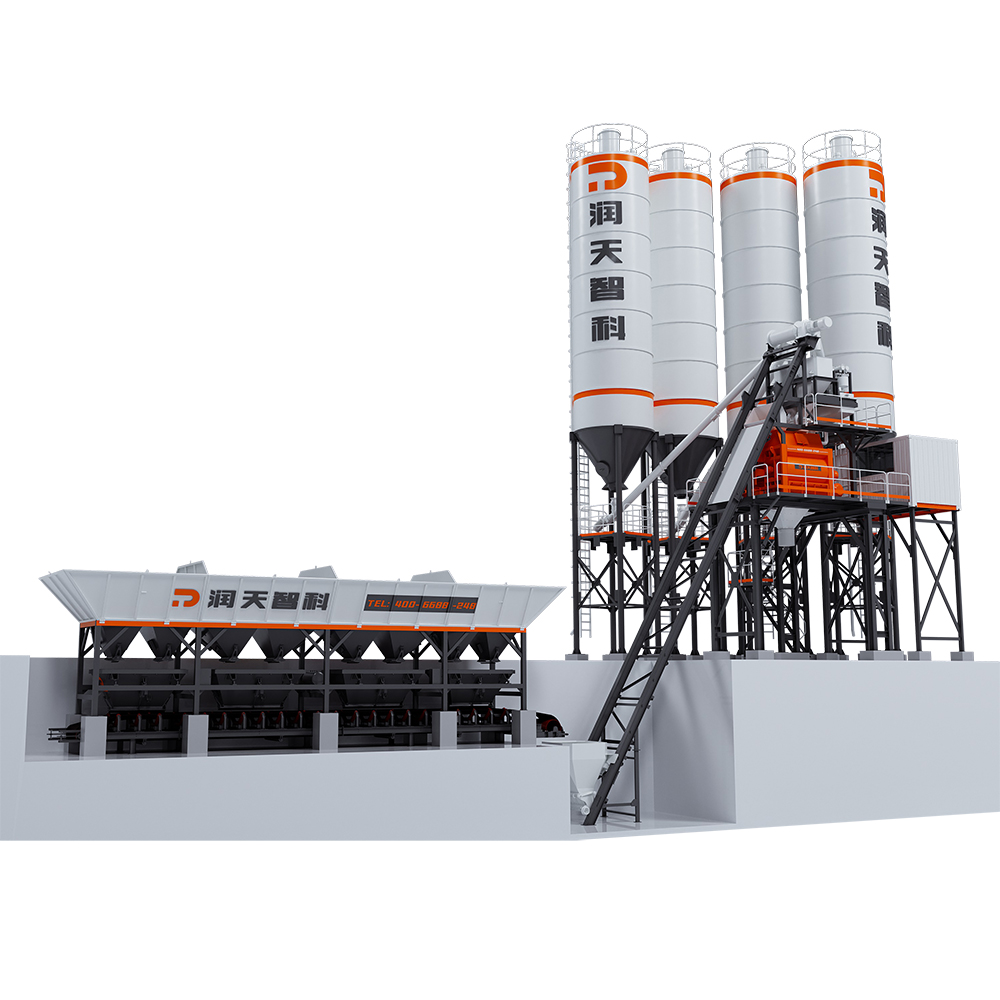 HZS Series Bucket-Lifting Type Concrete Mixing Plant
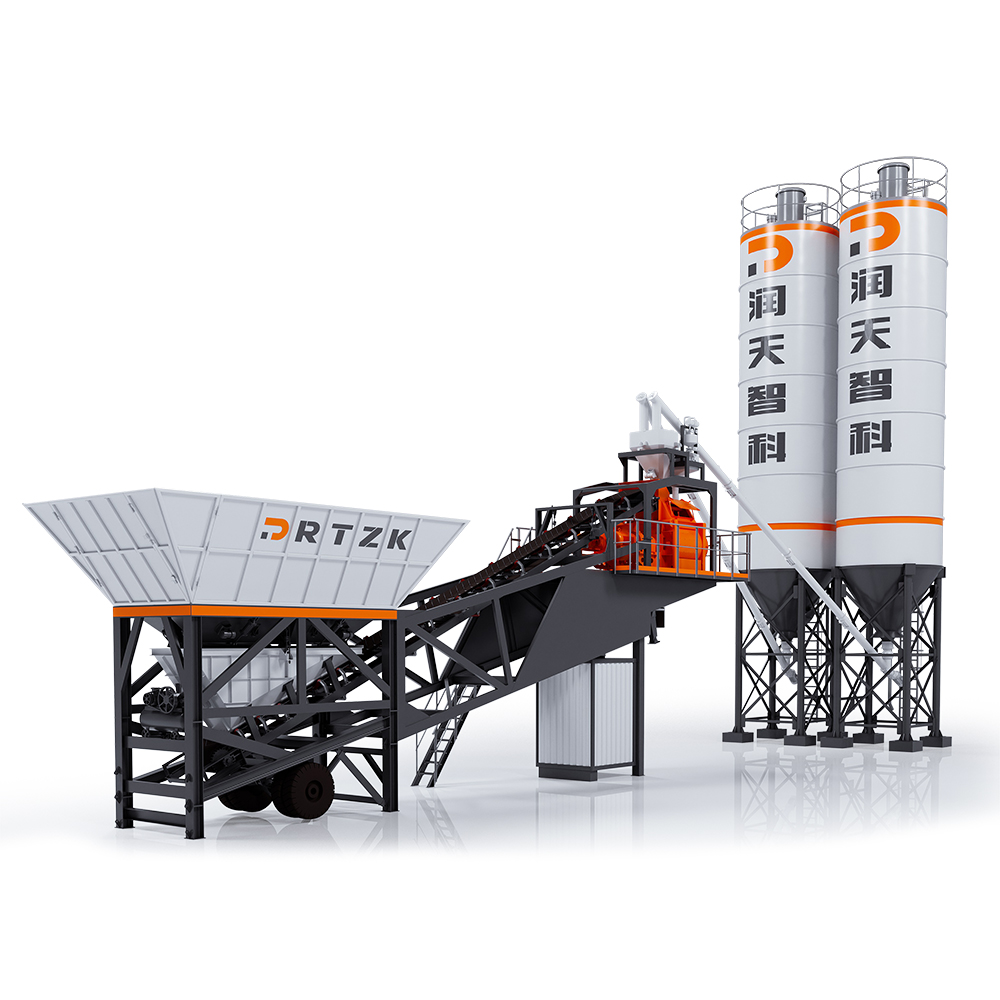 HZS Series Mobile Concrete Mixing Plant
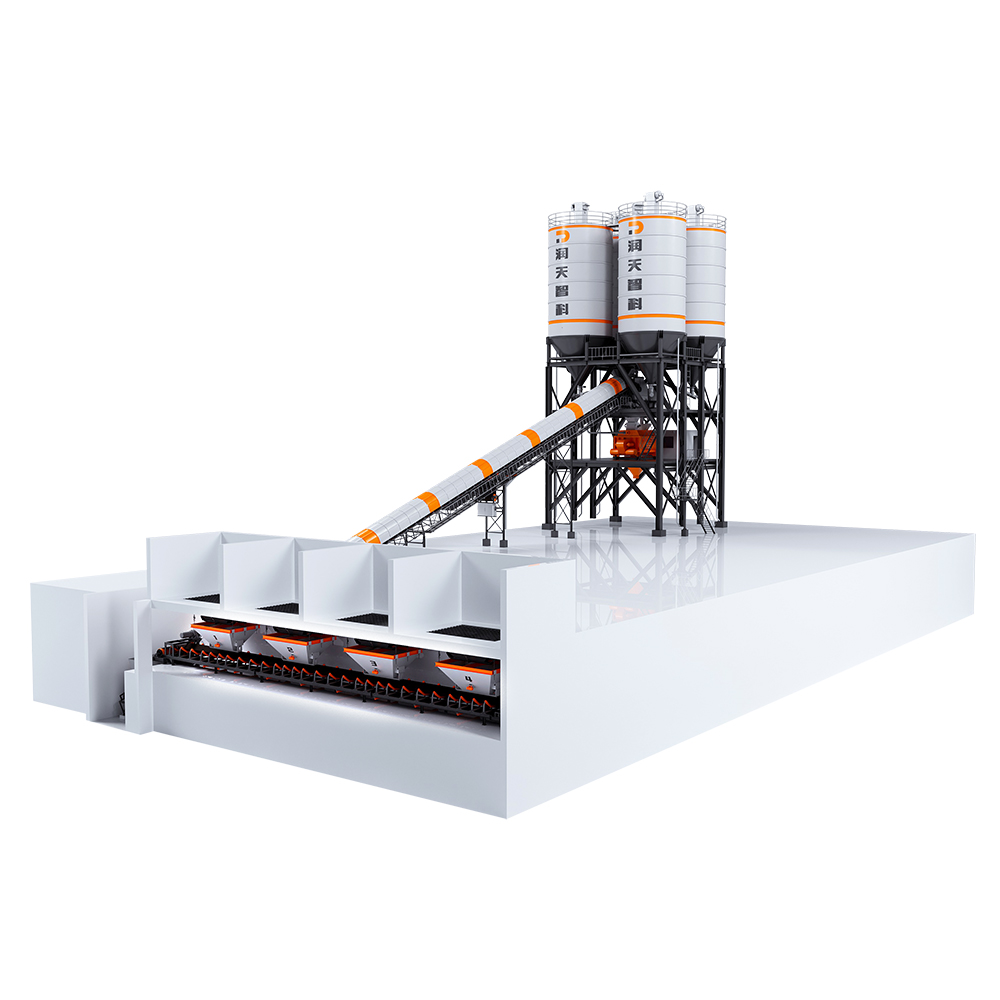 HZS Series Top-Mounted Concrete Mixing plant
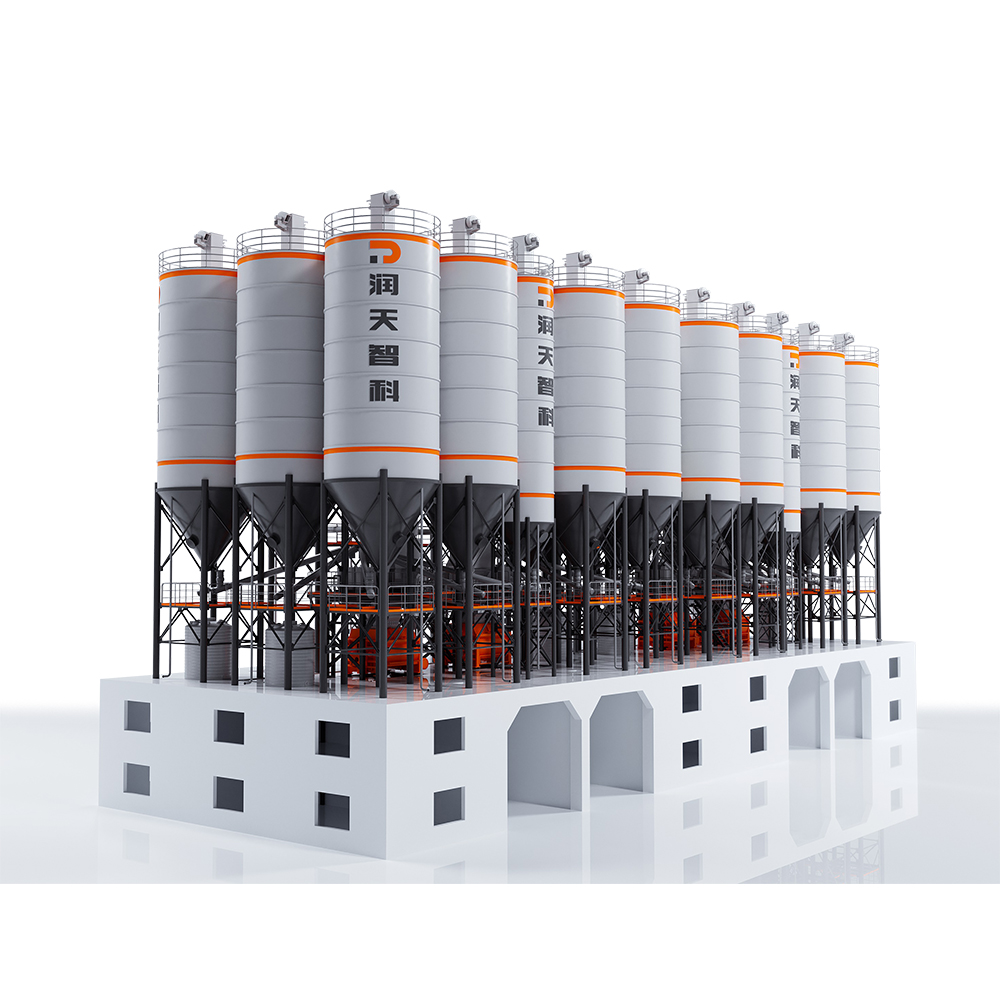 HZS Series Semi-Top Mounted Concrete Mixing Plant
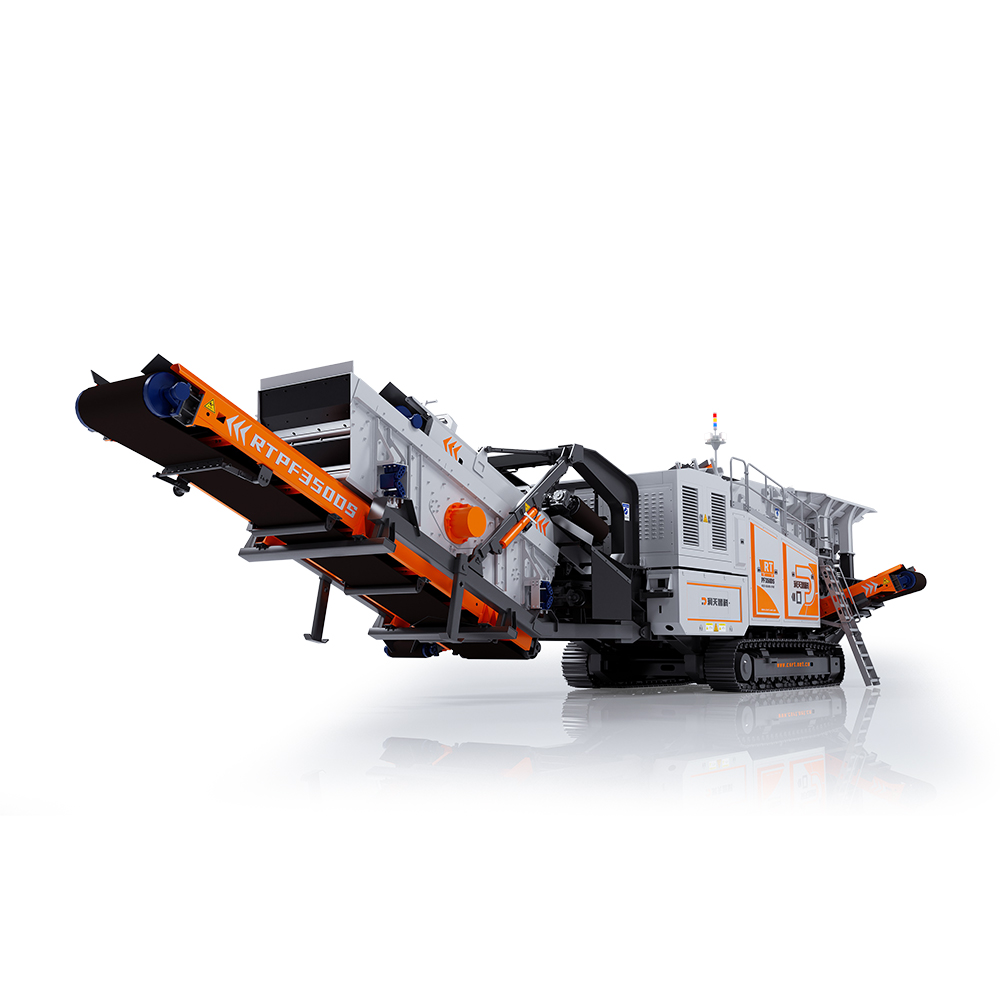 RTPF350DS Crawler Mobile Impact Crushing Plant
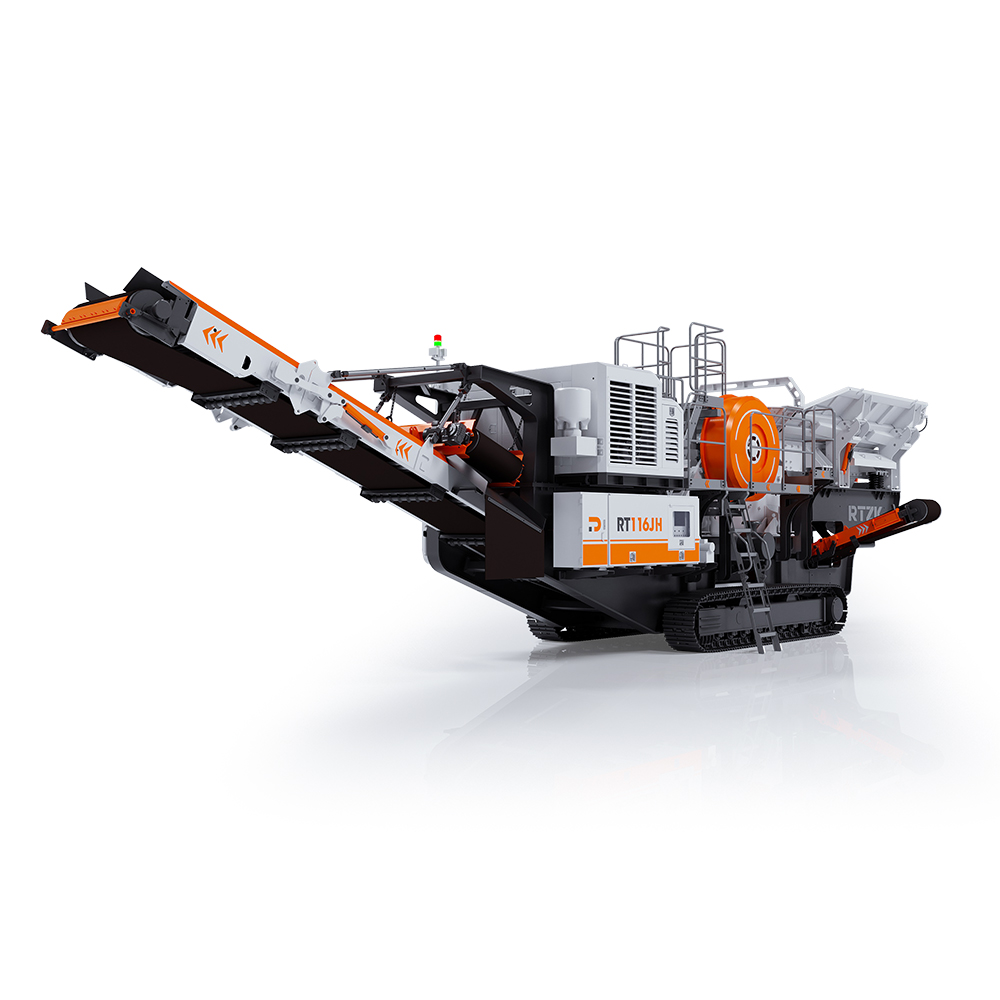 RT116JH Crawler Mobile Jaw Crushing Plant
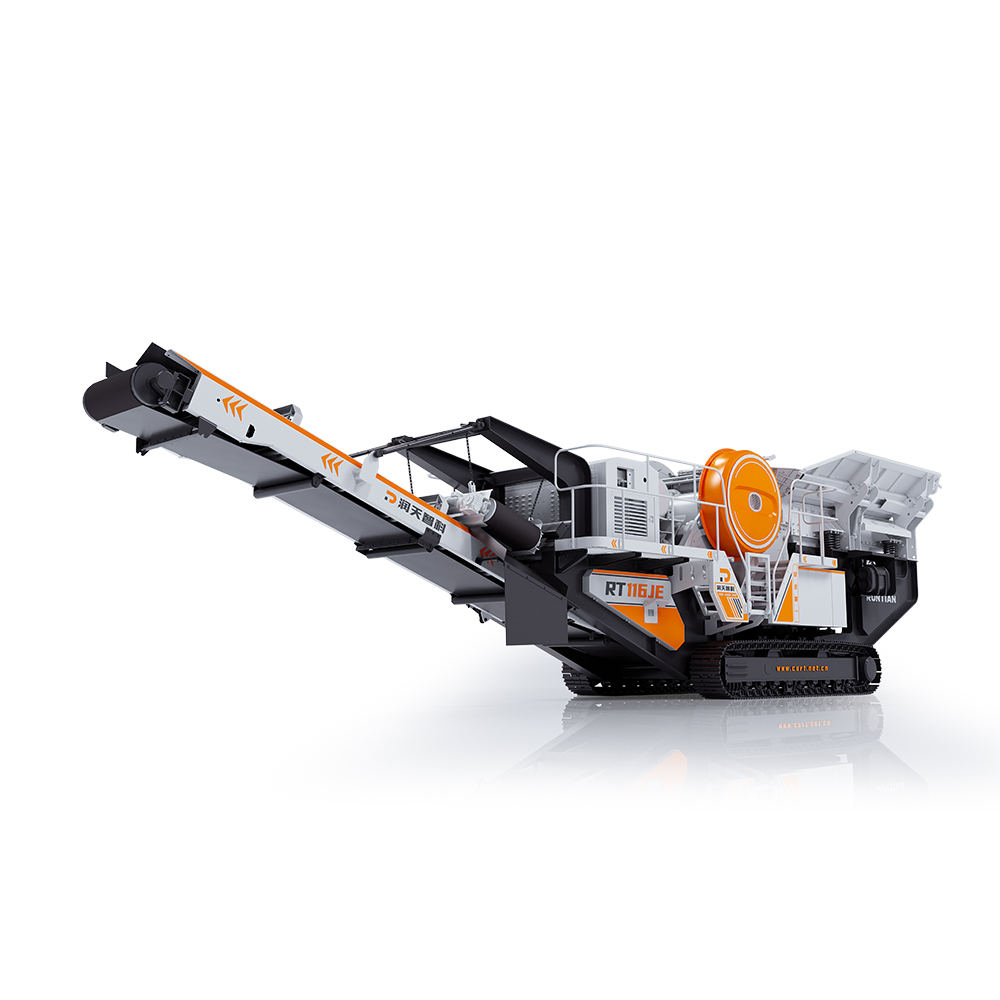 RT116JE Crawler Mobile Jaw Crushing Plant
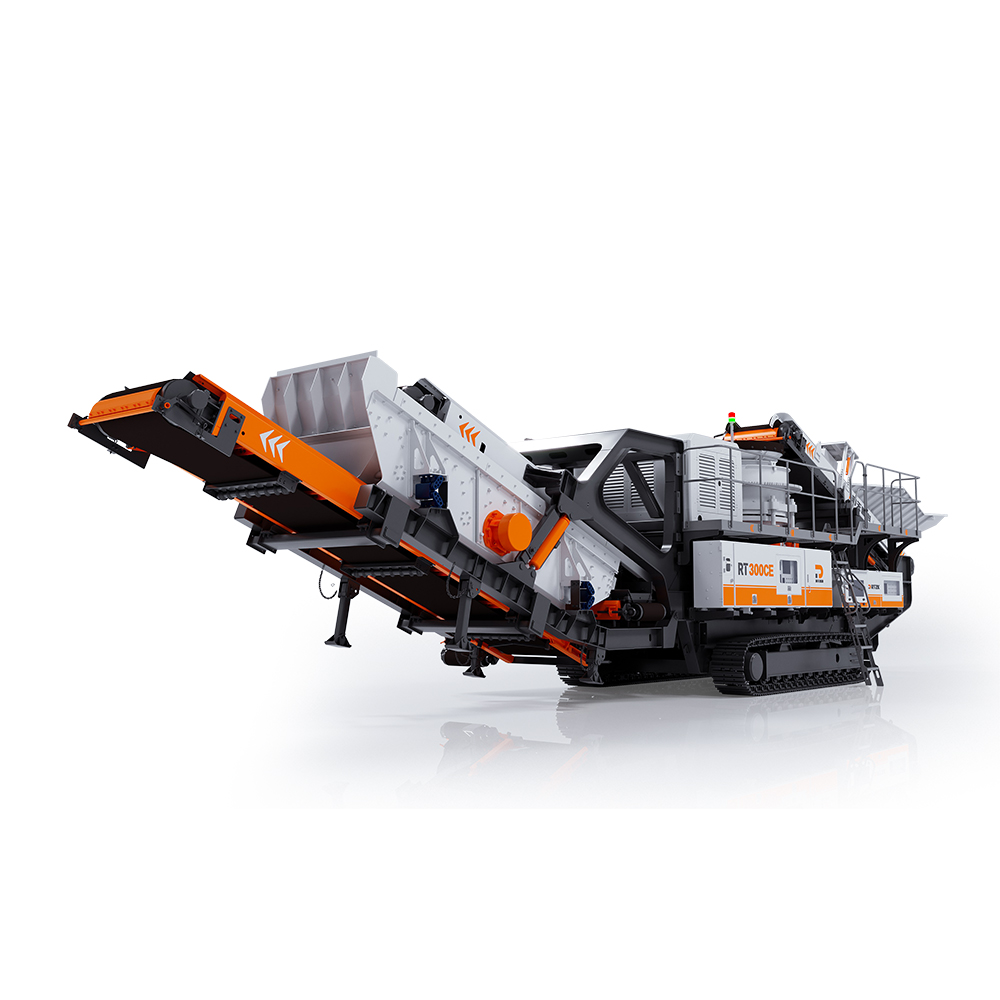 RT300CE Crawler Mobile Cone Crushing Plant
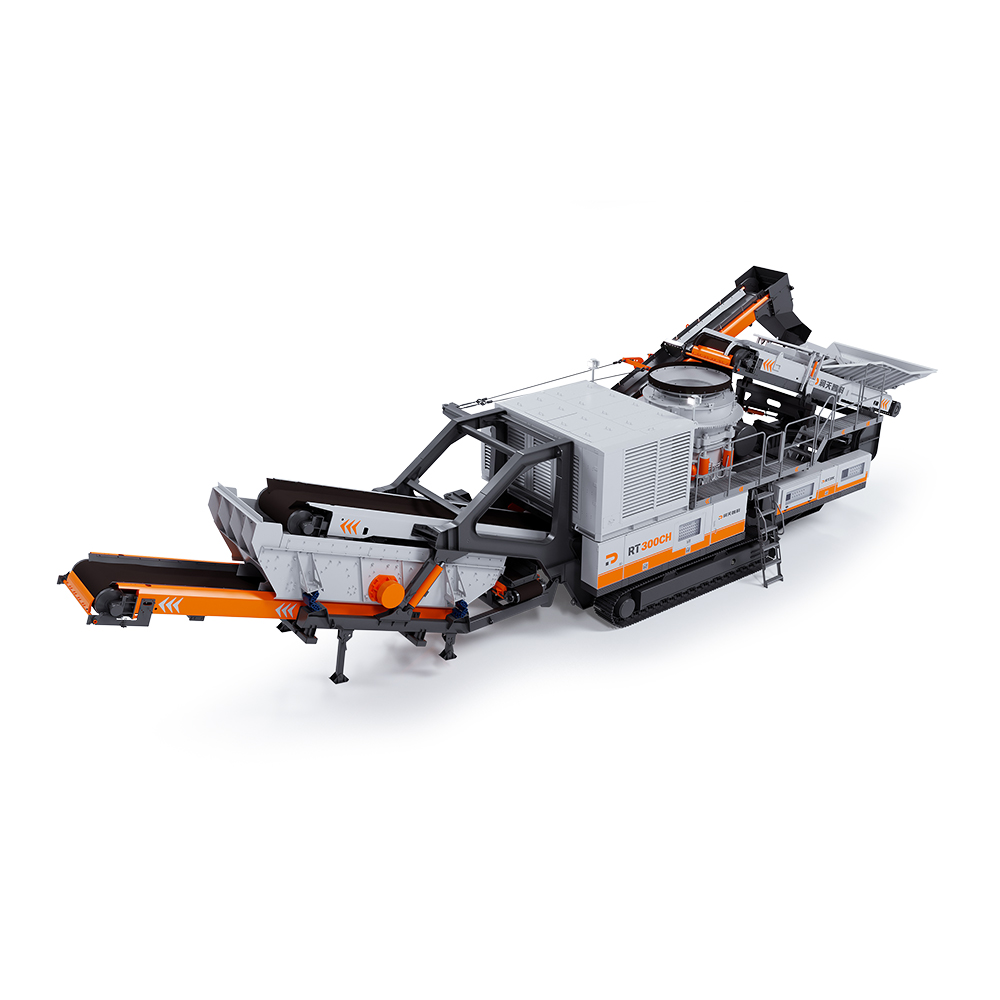 RT300CH Crawler Mobile Cone Crushing Plant
 RT5015H Mobile Scalping Screen
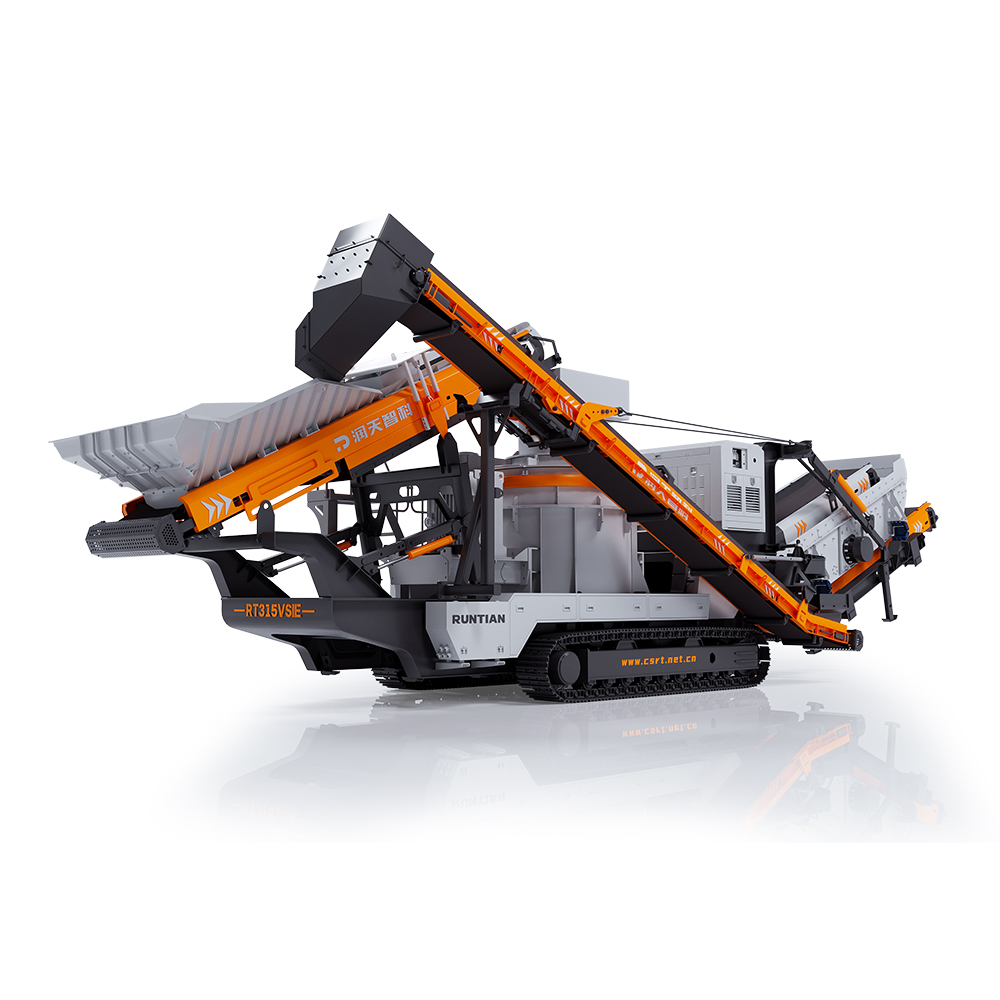 RT315VSIE Crawler Mobile Sand Maker
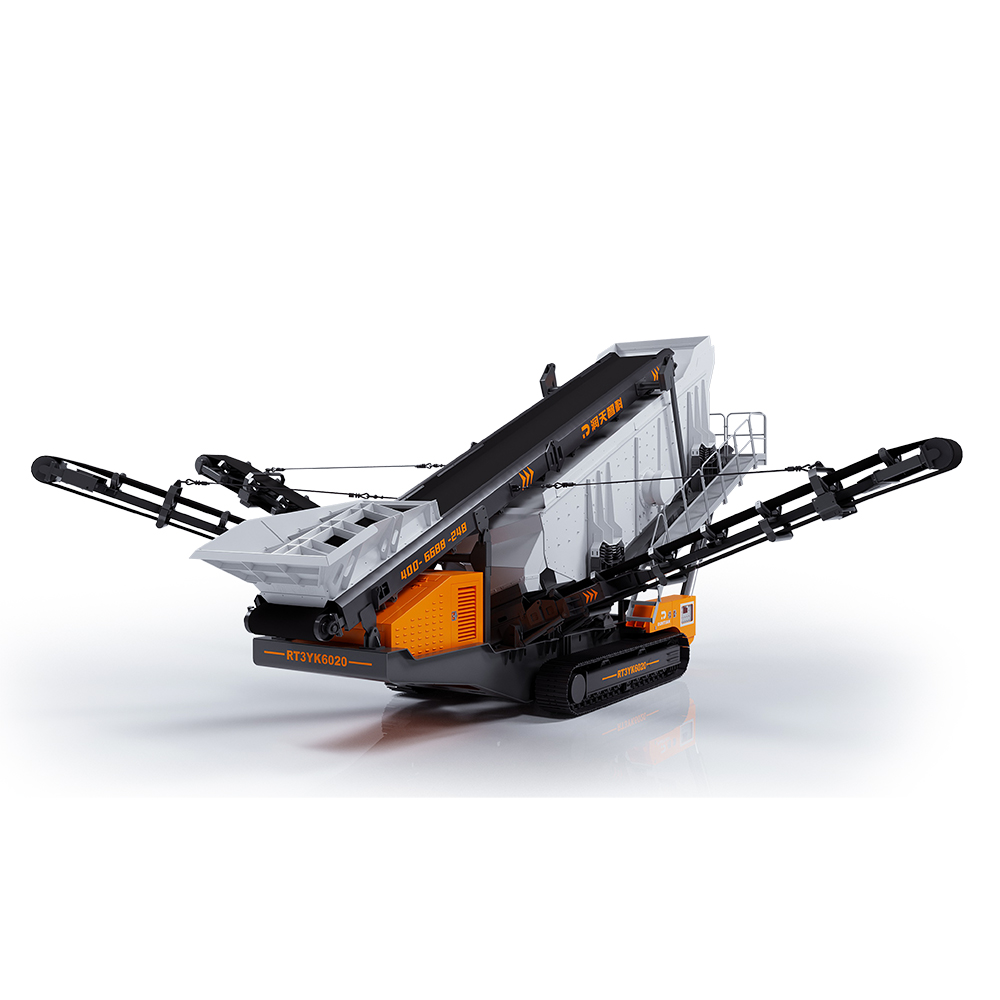 RT3YK6020 Crawler Mobile Screening Plant
 RT3YK6020M Modular Screening Plant
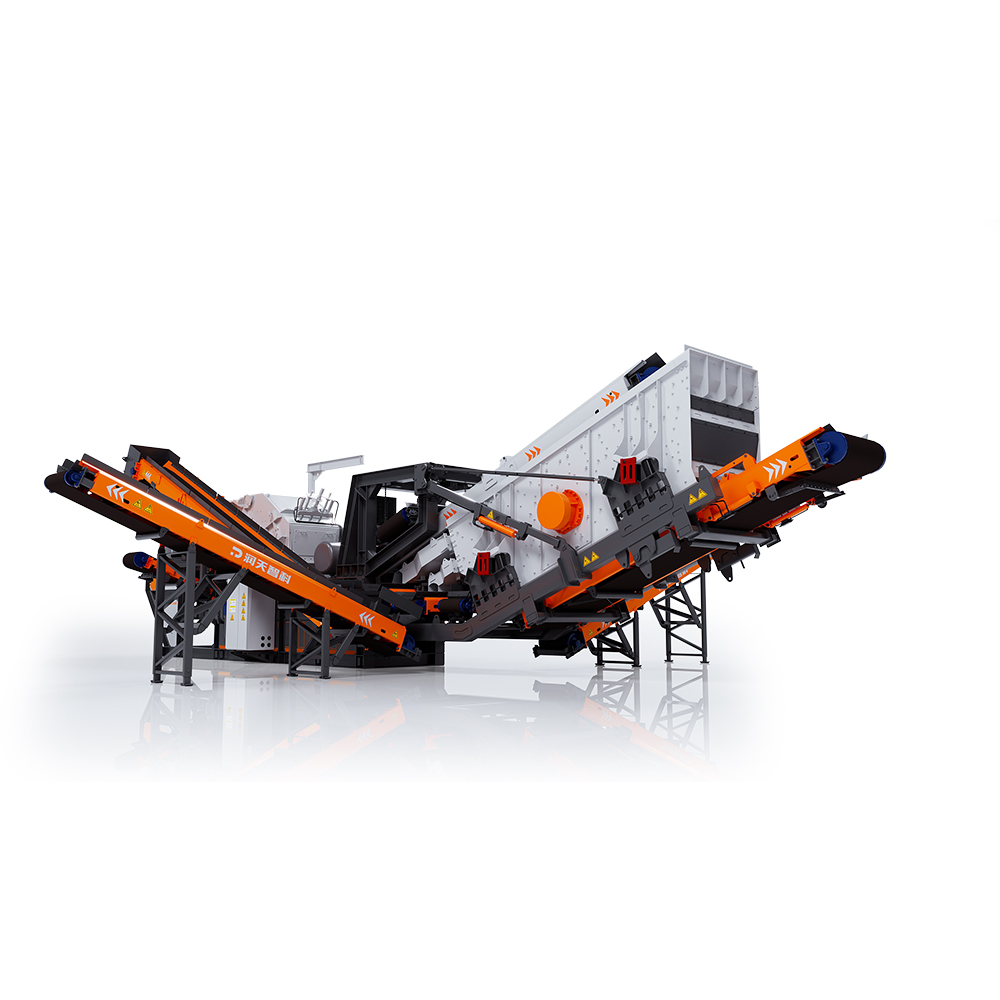 RTF260M Modular Counterattack Crushing and Screening Integrated Machine
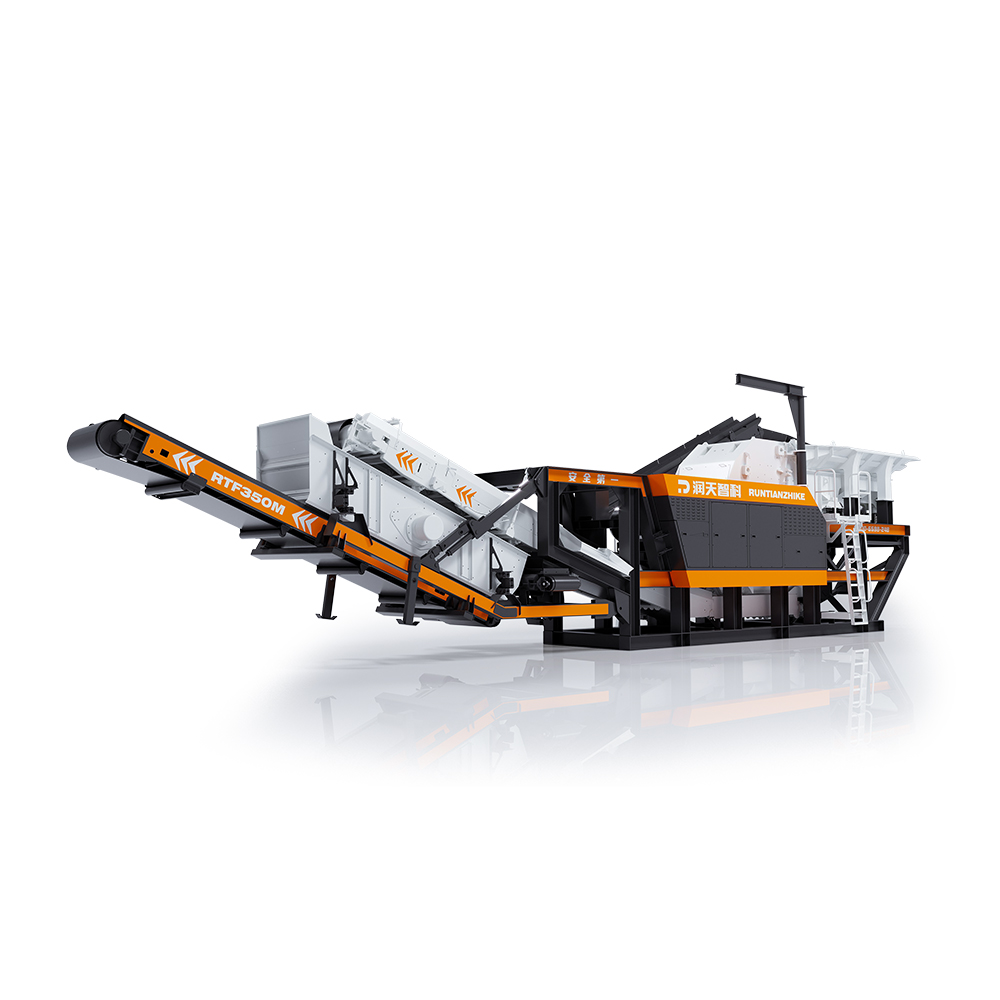 RTF350M Modular Impact Crushing Plant
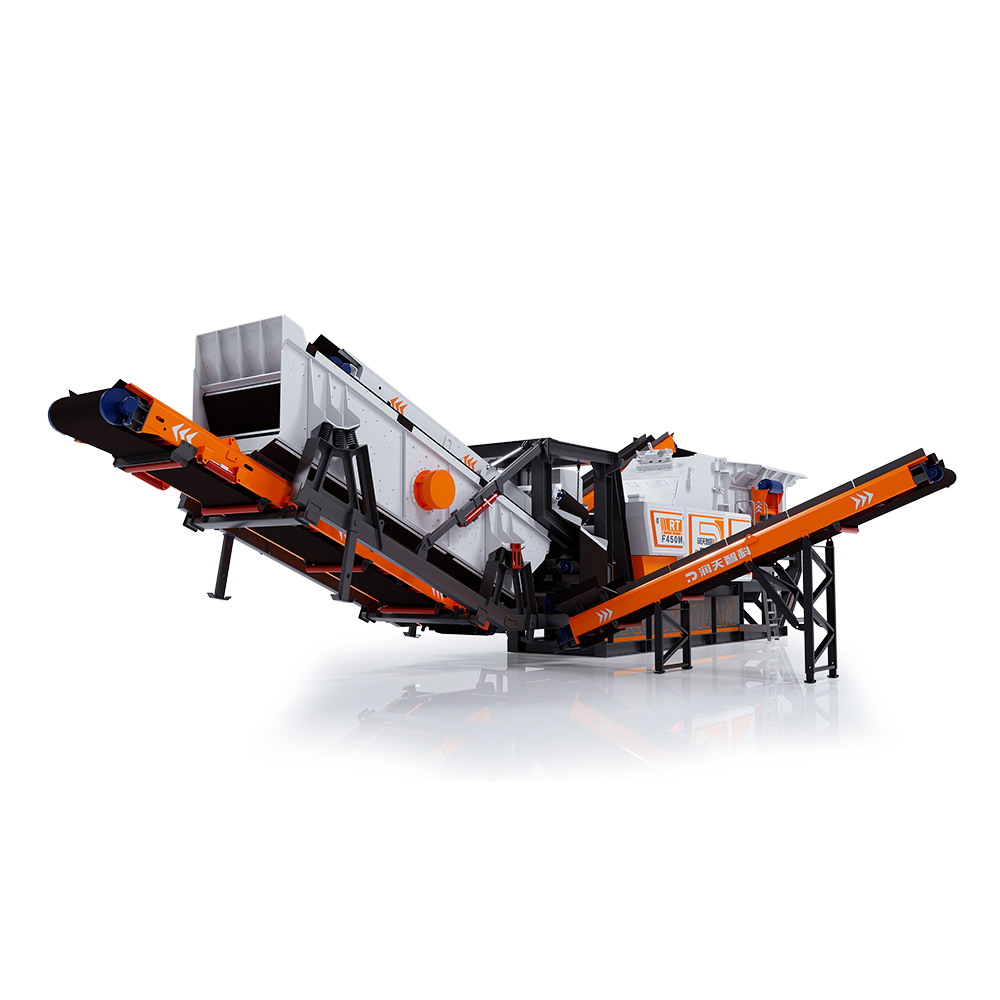 RTF450M Modular Impact Crushing Plant
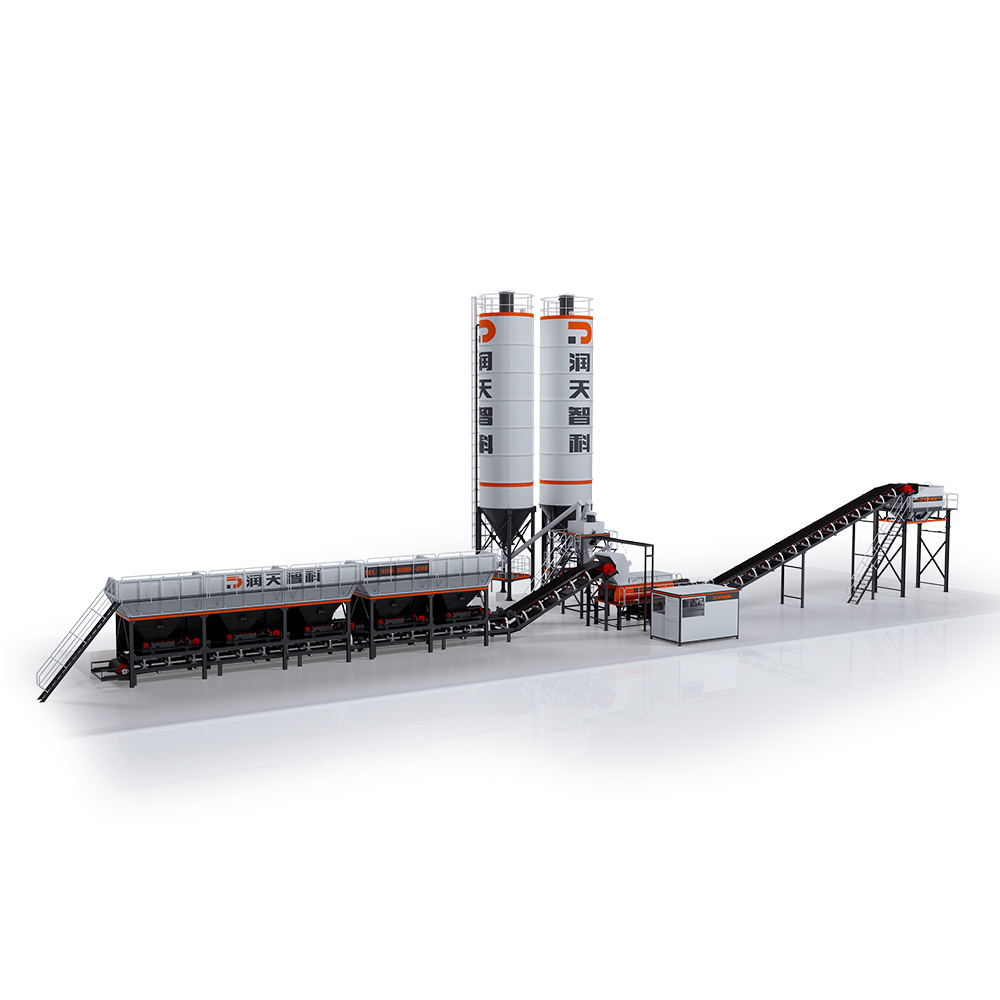 WDB Series Foundation-Free Stability Soil Mixing Plant
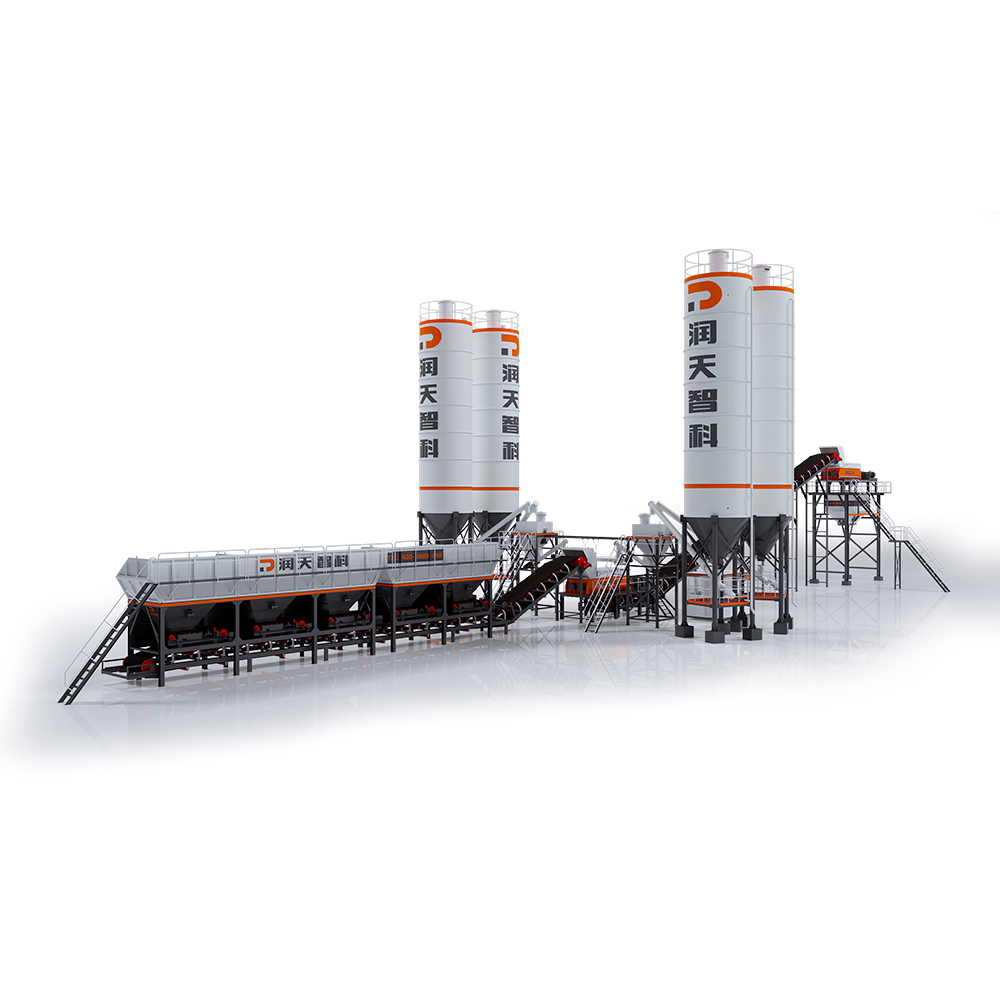 LCB Series Emulsified Asphalt Cold Regeneration Secondary Mixing Plant
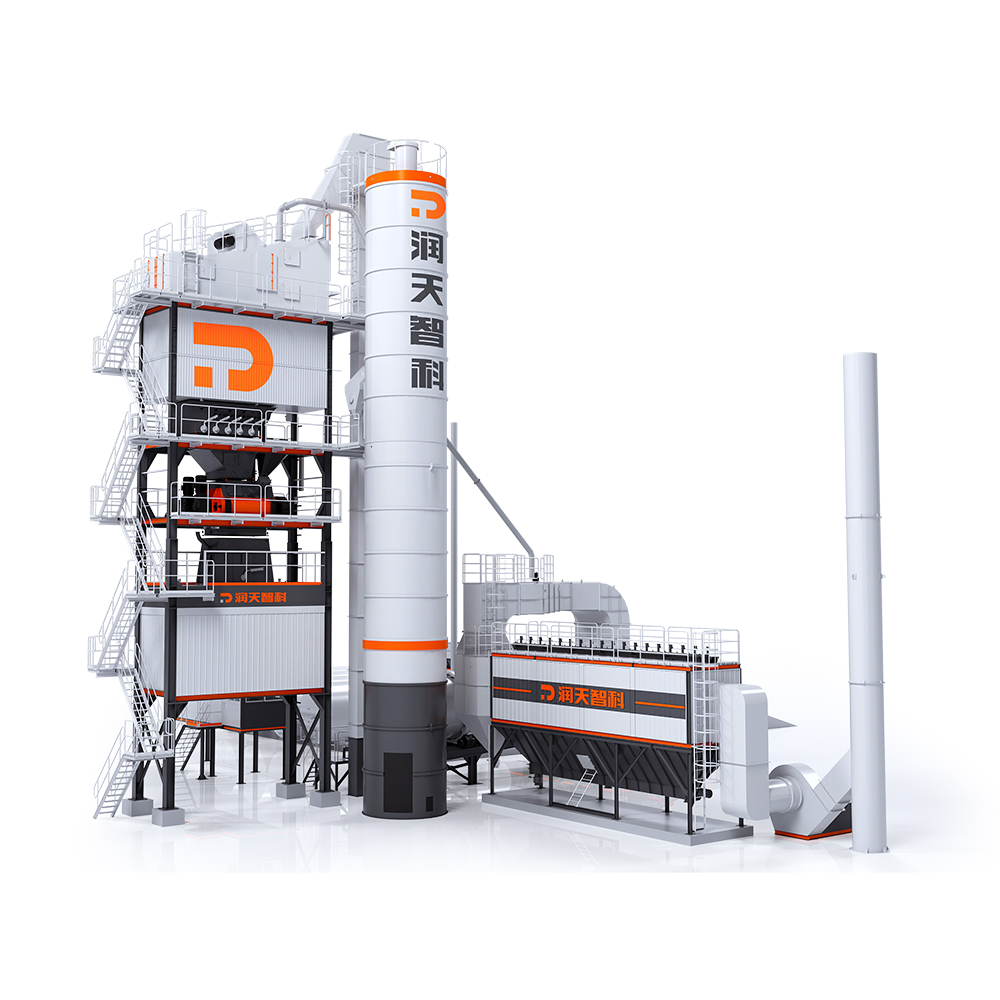 LB Series Asphalt Mixing Plant
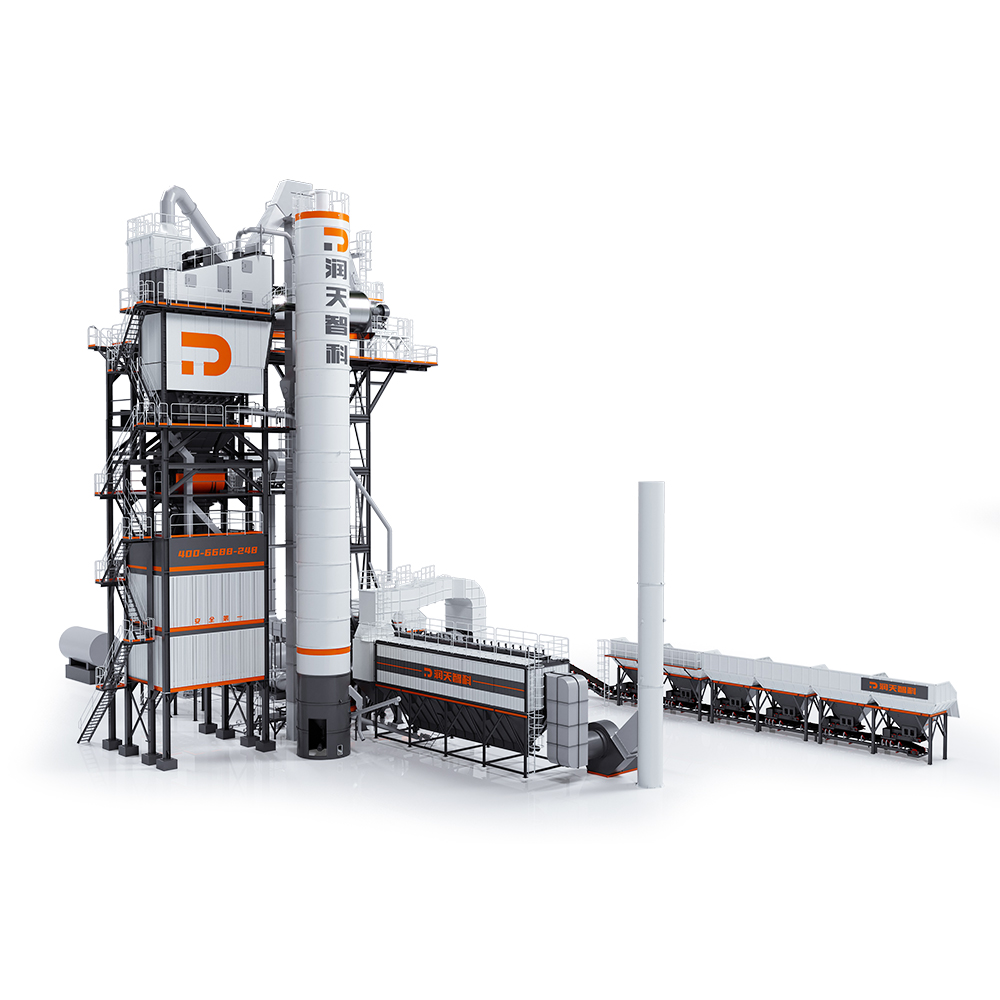 LBR Series Integrated Asphalt Mixing Plant
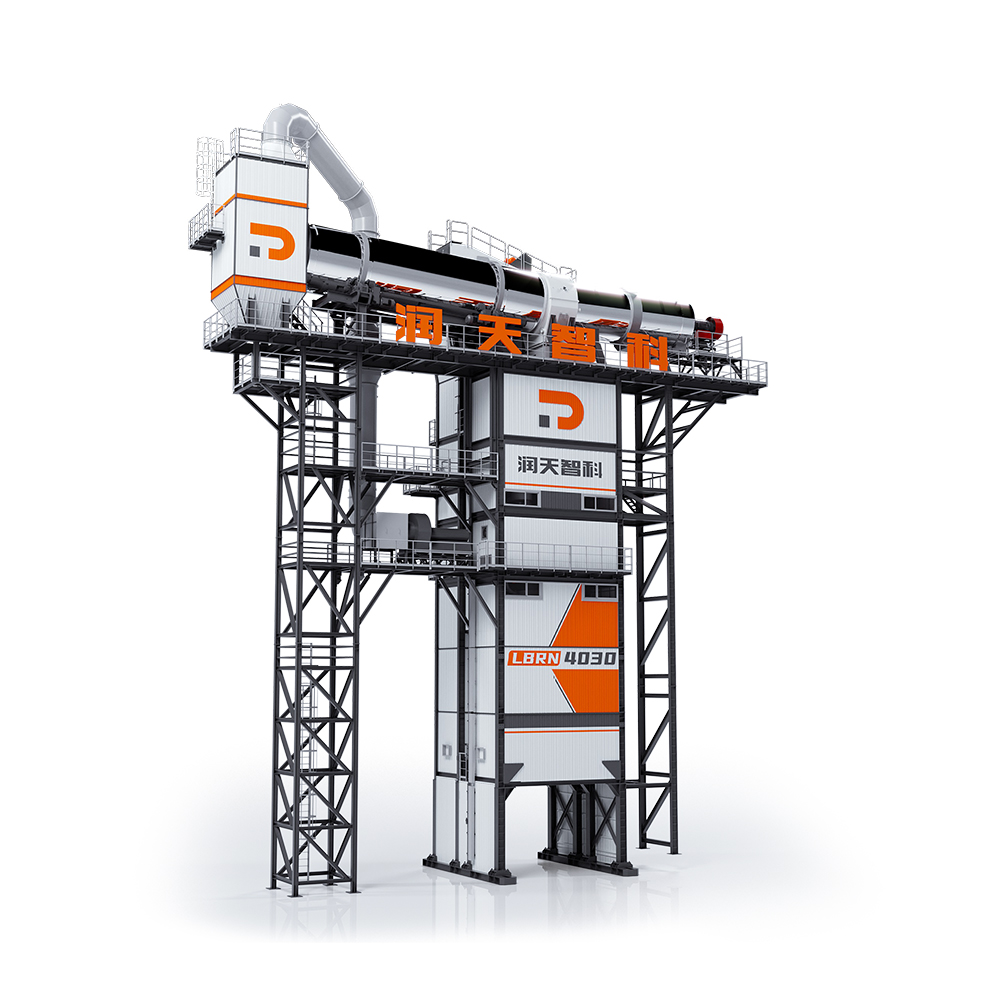 LBRN Series Counterflow Integral Asphalt Mixing Plant
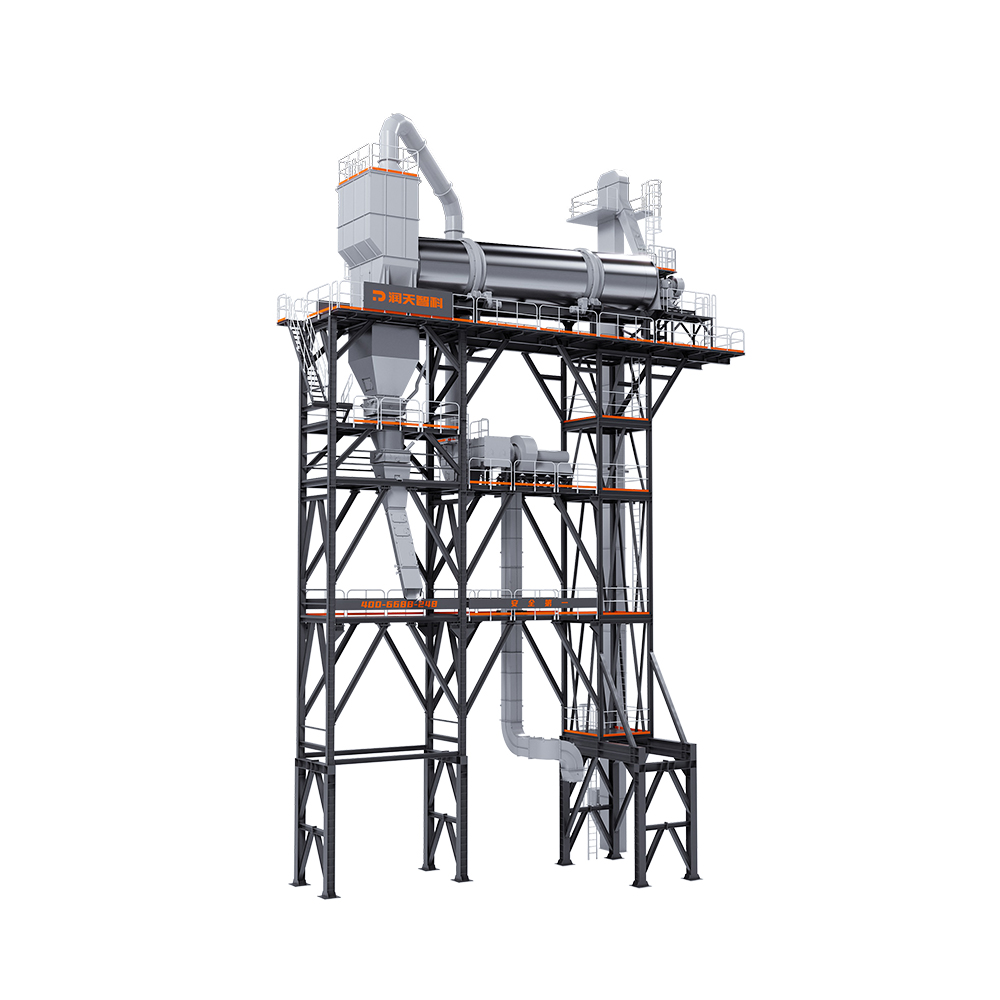 RZS Series Asphalt Mixing Plant
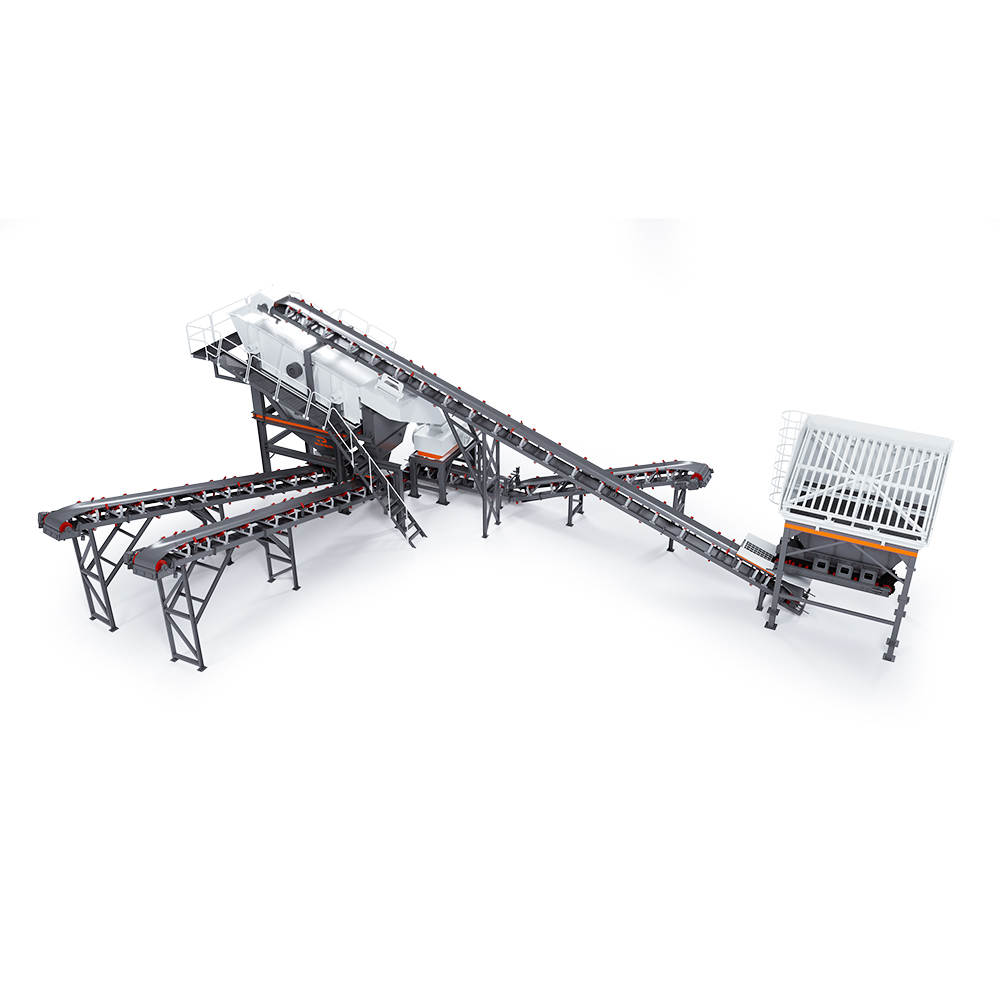 RTZS120 Series RAP Crushing & Screening Plant
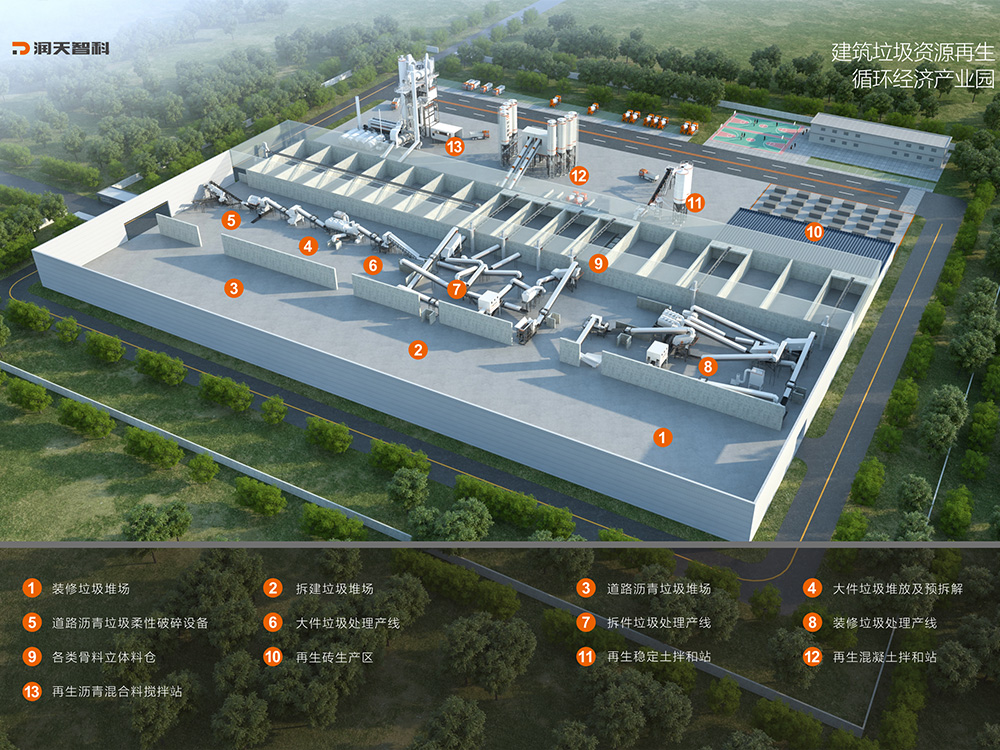 Construction Waste Resourceful Treatment Line