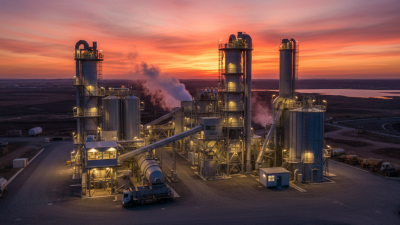
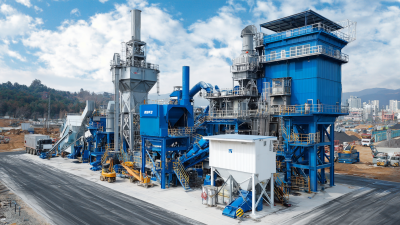
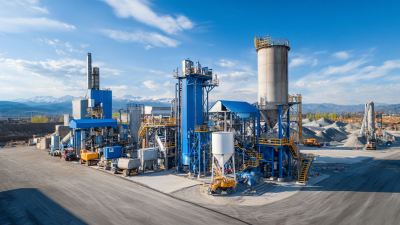
2026 Top Asphalt Batching Plant Features You Need to Know?
The importance of an Asphalt Batching Plant can't be overstated in today's construction industry. With advancements in technology, these plants are evolving rapidly. Key features in the upcoming 2026 models will enhance efficiency and productivity.
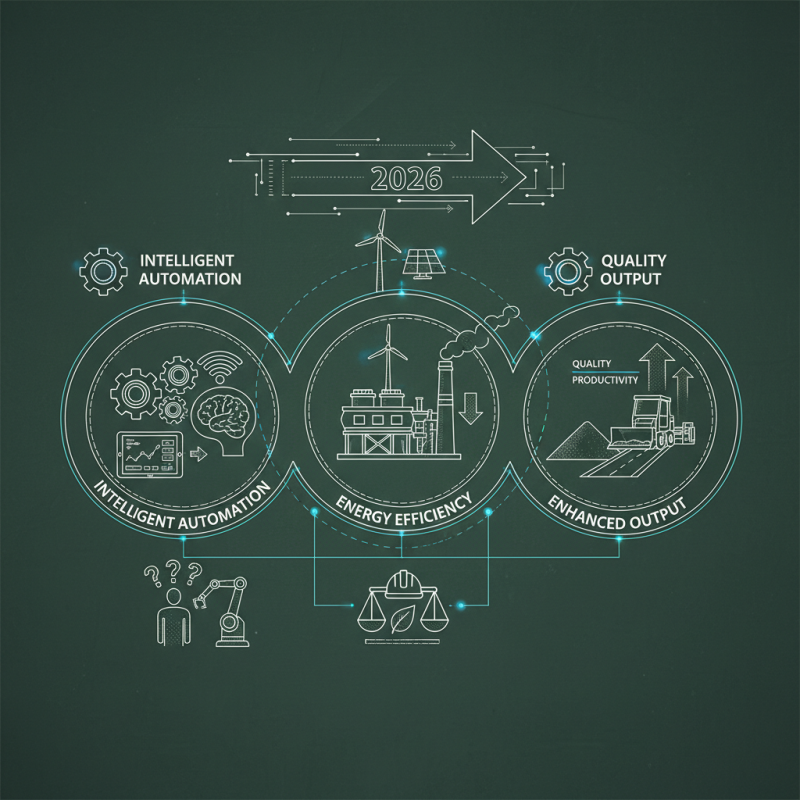
Modern asphalt batching plants are now equipped with intelligent automation. This innovation allows for real-time monitoring and adjustments. Such features aim to reduce waste and improve the asphalt quality produced. However, this reliance on technology raises questions about job displacement and skill adaptation.
Furthermore, energy efficiency is becoming a crucial factor. Upcoming models will focus on reducing emissions and conserving resources. It is essential to balance environmental concerns with operational needs. As we look ahead, understanding these features becomes vital for contractors and investors alike.
Key Innovations in Asphalt Batching Plant Technology for 2026
The asphalt batching plant industry is set for significant advancements in 2026. Emerging technologies will enhance efficiency and sustainability. For instance, a recent industry report noted that automation can increase production rates by up to 30%. This transition allows for more precise material handling, reducing waste.
Key innovations will focus on eco-friendly materials. The use of recycled asphalt is expected to rise. New mixing technologies can improve the blending of these materials, leading to stronger pavements. A study highlighted that using 30% recycled content can reduce carbon emissions by 20%. Yet, some plants struggle to implement these innovations effectively. Investment in training and technology is essential.
Tips: Evaluate your current infrastructure. Assess the potential for upgrades. Embrace digital solutions to streamline operations. Maintaining flexibility in adapting new technologies is crucial for growth. The landscape is changing, and those who adapt may thrive. Consider ongoing education to understand new processes and materials.
2026 Top Asphalt Batching Plant Features
Essential Features for Enhanced Efficiency in Asphalt Batching Plants
Asphalt batching plants play a crucial role in road construction. Their efficiency greatly influences project timelines and costs. To enhance productivity, certain essential features should be prioritized.
Monitoring systems are vital. They provide real-time data on mix quality and plant operation. This feature improves decision-making and can reduce waste. A good monitoring system helps detect issues early. Regular checks on batch consistency are necessary too. Delays can occur if this isn't managed.
Automation is another key aspect. Automated feeders can significantly enhance material handling. This reduces labor costs and increases precision in mixing. However, it's important to ensure that automation doesn't create dependency. Workers should still understand the manual processes. This knowledge is crucial for troubleshooting.
Maintenance features also deserve attention. Easy access to equipment simplifies routine checks. Plants often face wear and tear, so a thoughtful design can save time. Schedule regular maintenance, but don't rely solely on it. Always be proactive about potential problems to avoid unexpected downtimes.
2026 Top Asphalt Batching Plant Features You Need to Know
| Feature |
Description |
Benefit |
| Automated Control System |
Advanced software that manages the entire batching process. |
Increases precision and reduces human error. |
| Energy Efficiency |
Incorporates energy-saving technologies. |
Lowers operational costs and carbon footprint. |
| Modular Design |
Flexible configuration allowing customization. |
Adapts to various production needs and site requirements. |
| Real-Time Monitoring |
Live tracking of production metrics. |
Improves responsiveness and quality control. |
| Safety Features |
Includes automatic shut-off and overload protection. |
Enhances operator safety and reduces accident risks. |
| Dust Control System |
Technologies that minimize airborne particulates. |
Promotes a cleaner work environment and compliance with regulations. |
| Environmental Compliance |
Design adheres to current environmental standards. |
Helps avoid fines and promotes green initiatives. |
Environmental Considerations in 2026 Asphalt Batching Plant Designs
Asphalt batching plants are evolving. In 2026, more attention is being given to environmental considerations. Designers are challenged to create plants that minimize pollution and conserve resources. Innovative materials for manufacturing are being explored. These can lead to lower emissions during production.
One key feature is energy efficiency. Batching plants are incorporating renewable energy sources. Solar panels and wind turbines are becoming common. They can significantly reduce the carbon footprint. However, this transition has its hurdles. Initial costs can be high, and system integration can be complex.
Water management systems are also vital. Plants now recycle water used during mixing. This reduces waste and lowers operational costs. Yet, implementing such systems requires careful planning. Many plants still struggle with effective water recycling methods. Balancing efficiency and environmental responsibility remains a work in progress.
Cost-Effective Solutions for Asphalt Production in 2026
In 2026, the demand for asphalt production remains strong. Cost-effective solutions in batching plants are pivotal. The industry aims for efficiency while reducing costs. Reports indicate that around 30% of production costs can be reduced with advanced technology. This shift attracts more businesses looking for better margins.
Choosing the right equipment is essential. Modern asphalt batching plants are designed for high efficiency. They often utilize intelligent monitoring systems. Such systems can optimize fuel use and material costs. A study suggested that effective management could save an additional 20% in overhead costs.
Tips: Monitor your fuel consumption regularly. Small adjustments can lead to significant savings. Also, consider investing in automation. Though the initial cost may be high, long-term benefits often outweigh these expenses. Maintenance should not be overlooked. Regular checks prevent larger issues down the line. Prioritize function and cost-efficiency in every trial. Learning from each production run leads to continuous improvement.

 Concrete Mixing Plant
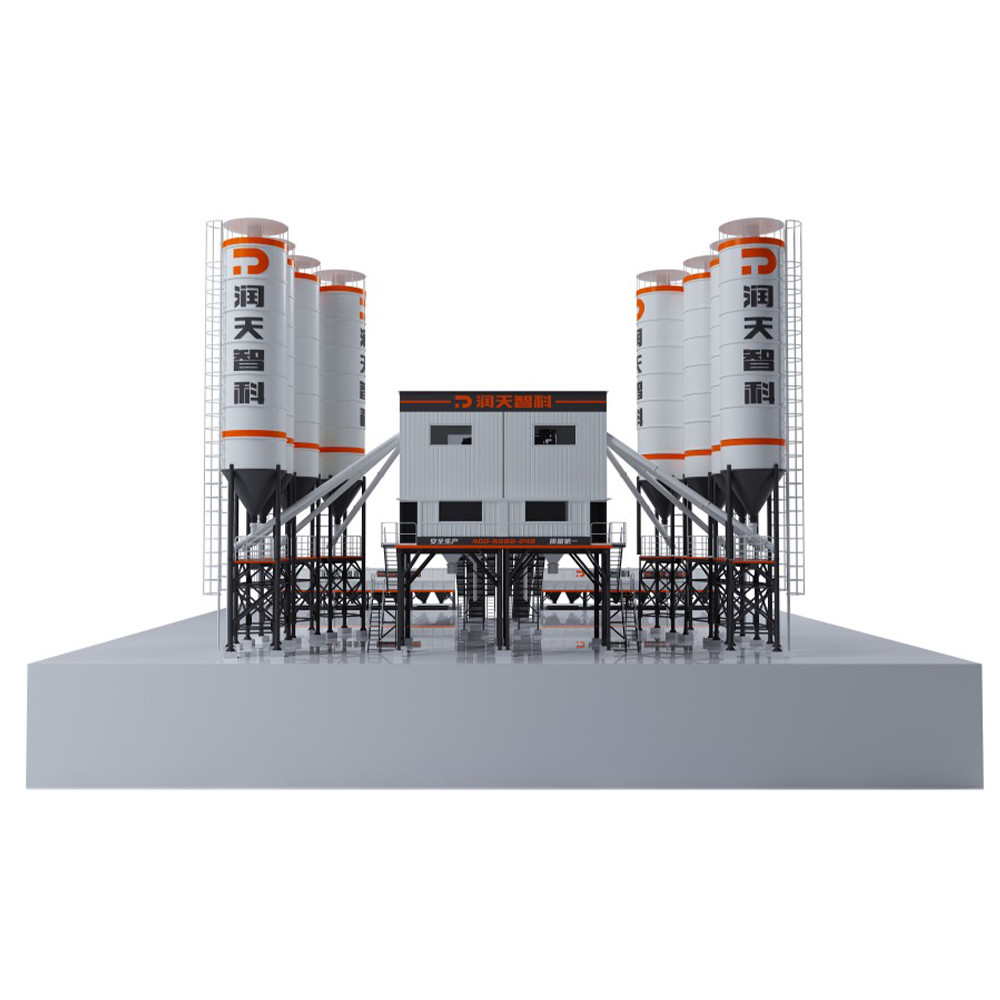 HZS Series Belt Concrete Mixing Plant
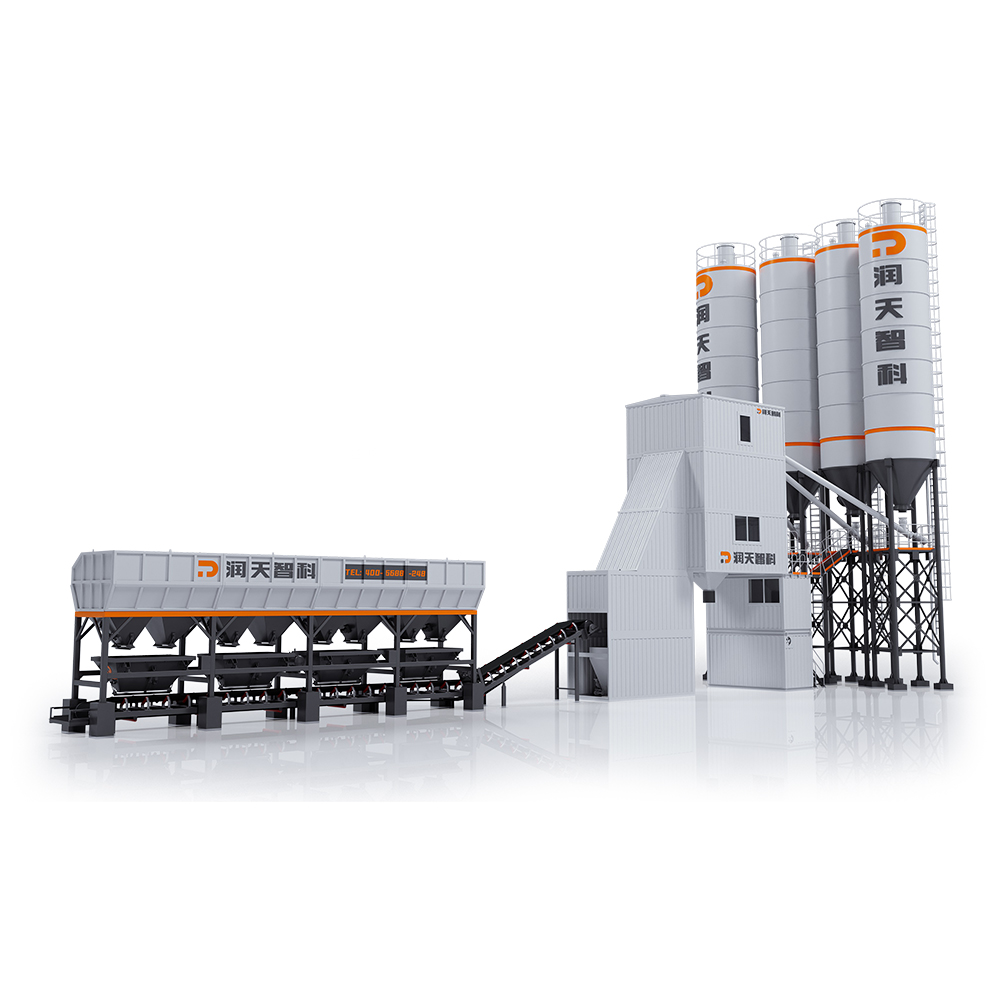 HZS Series Bucket-Lifting Type Container Concrete Mixing Plant
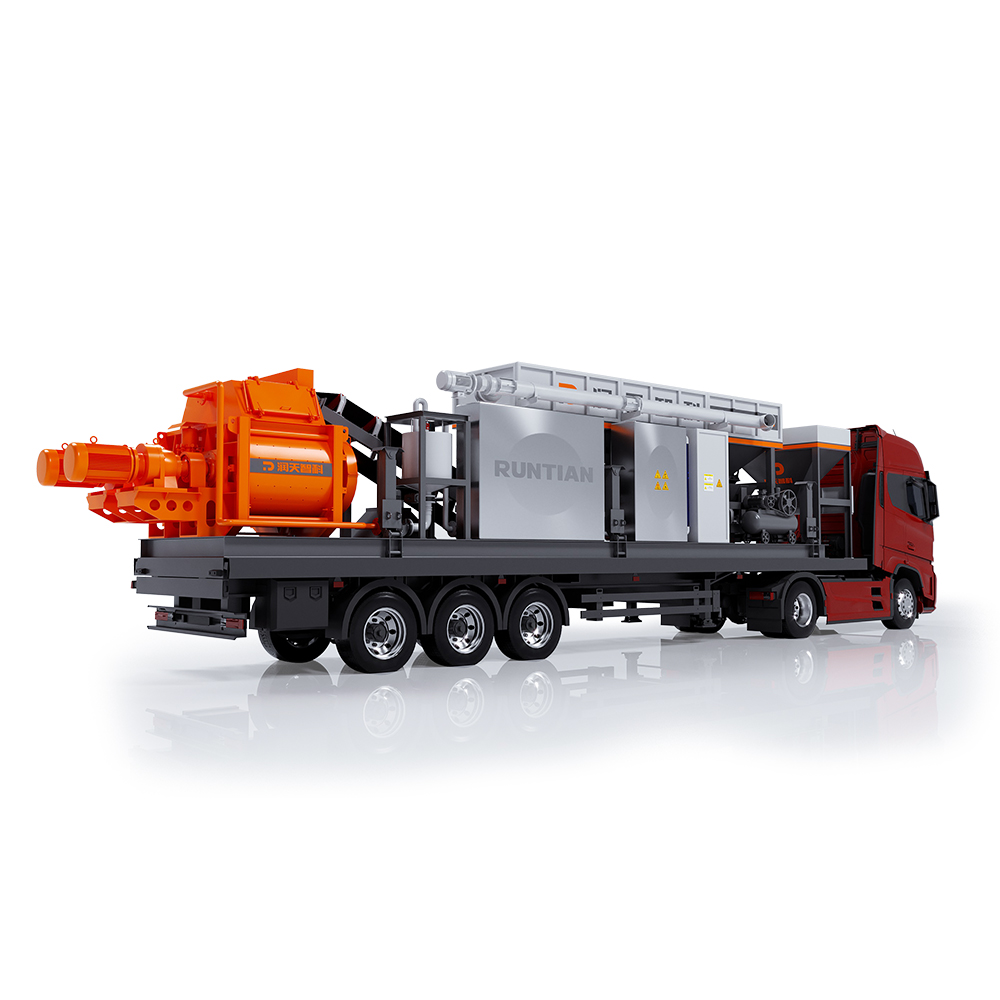 HZS60 Mobile Concrete Mixing Plant
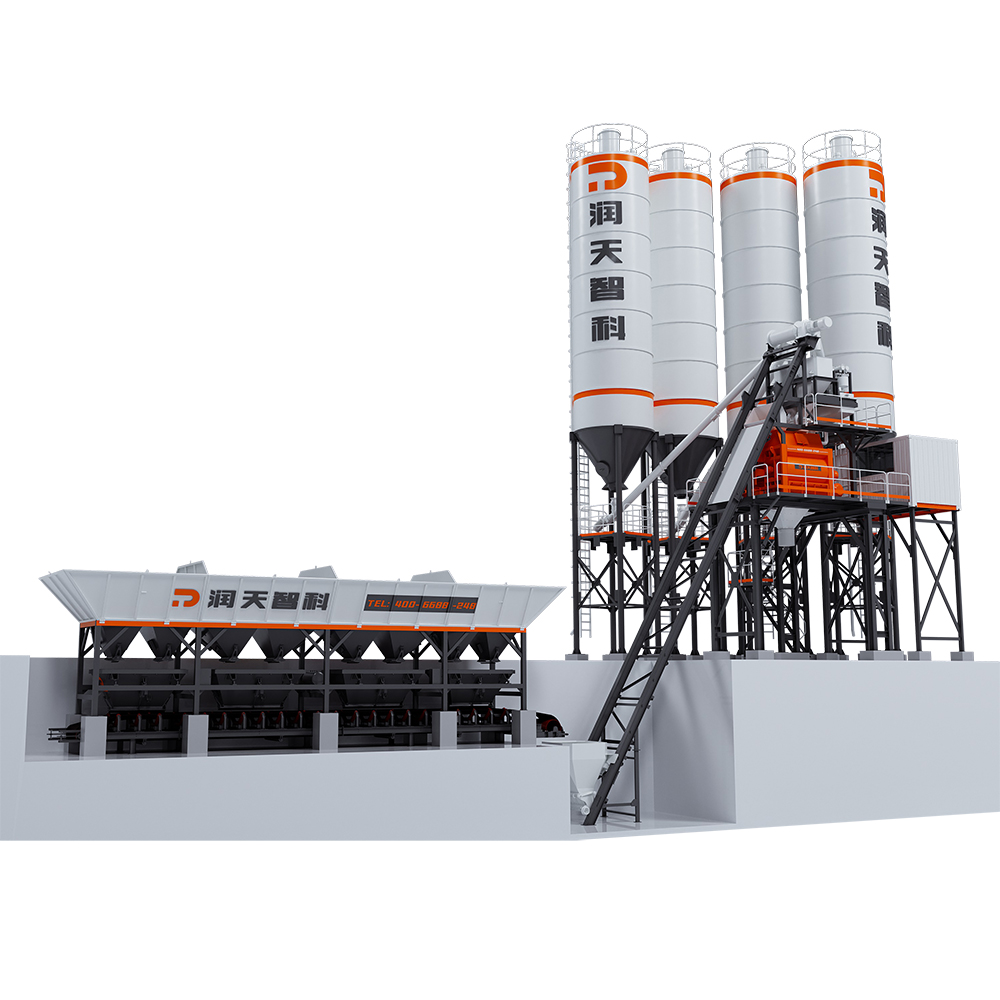 HZS Series Bucket-Lifting Type Concrete Mixing Plant
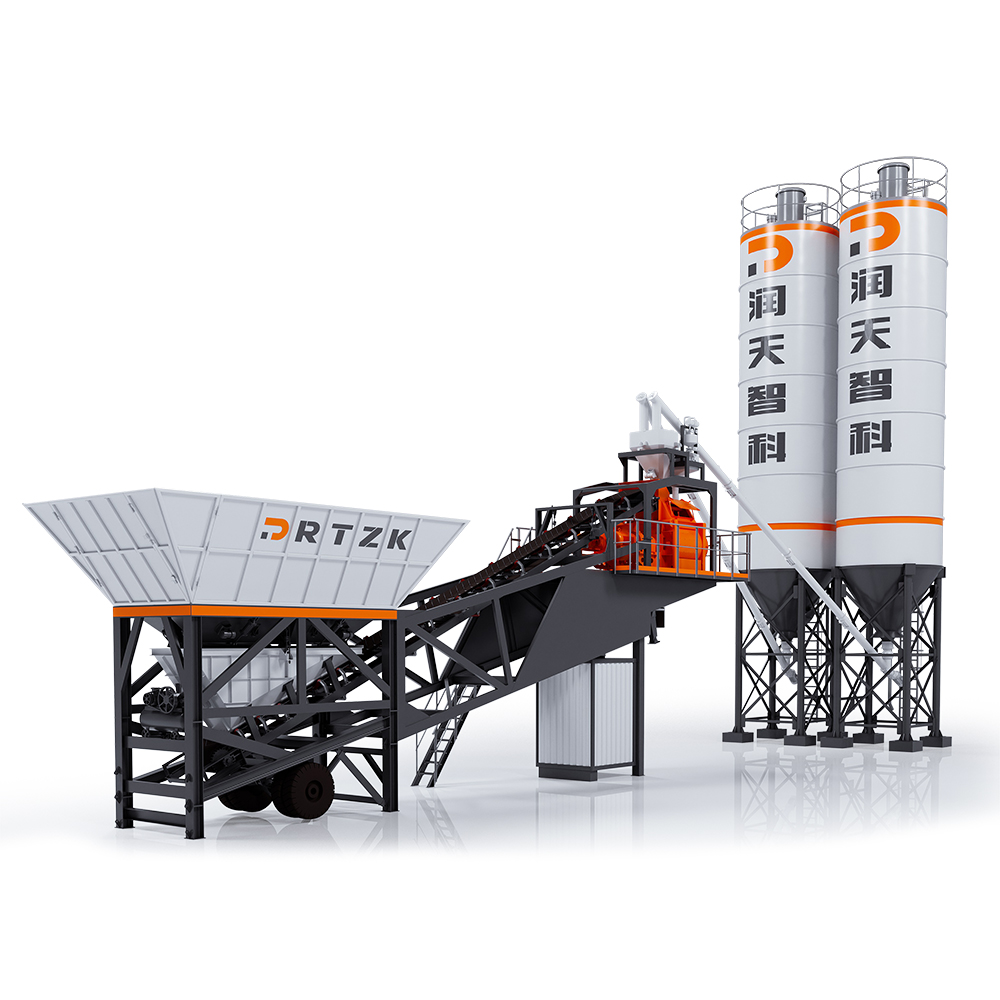 HZS Series Mobile Concrete Mixing Plant
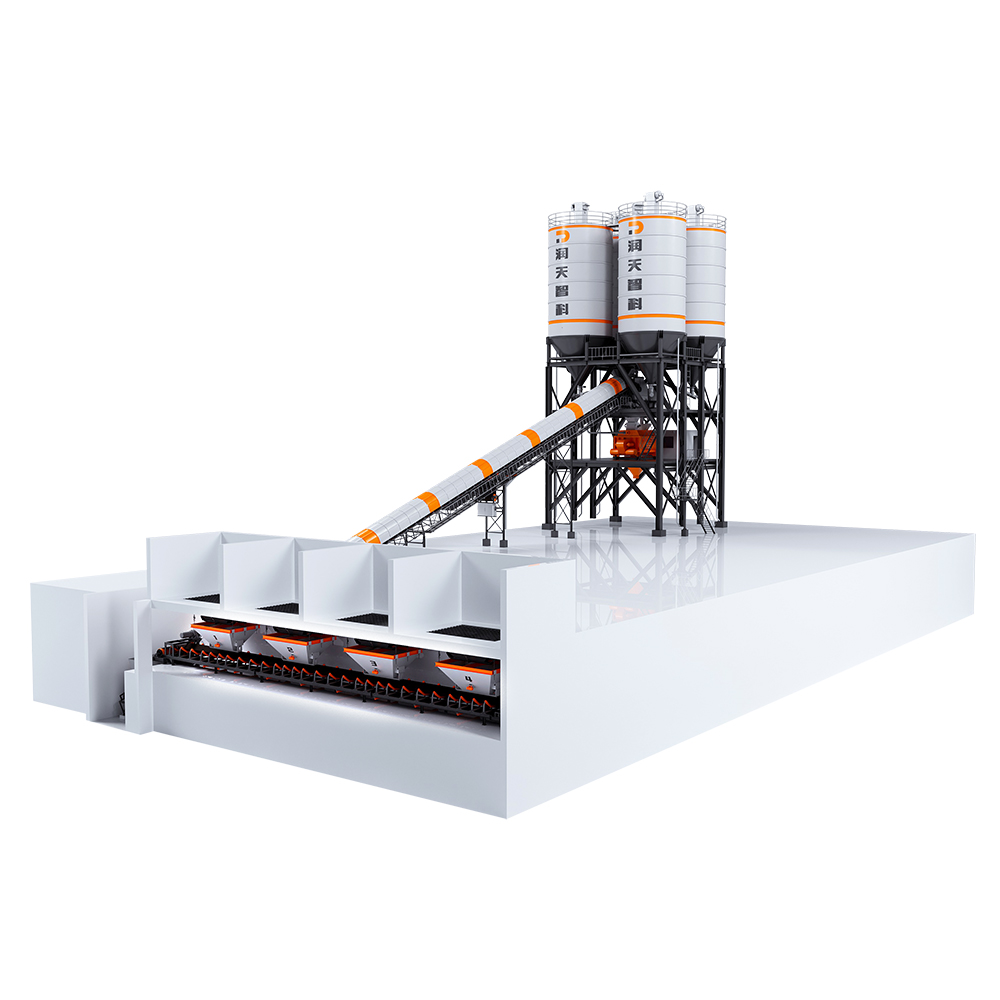 HZS Series Top-Mounted Concrete Mixing plant
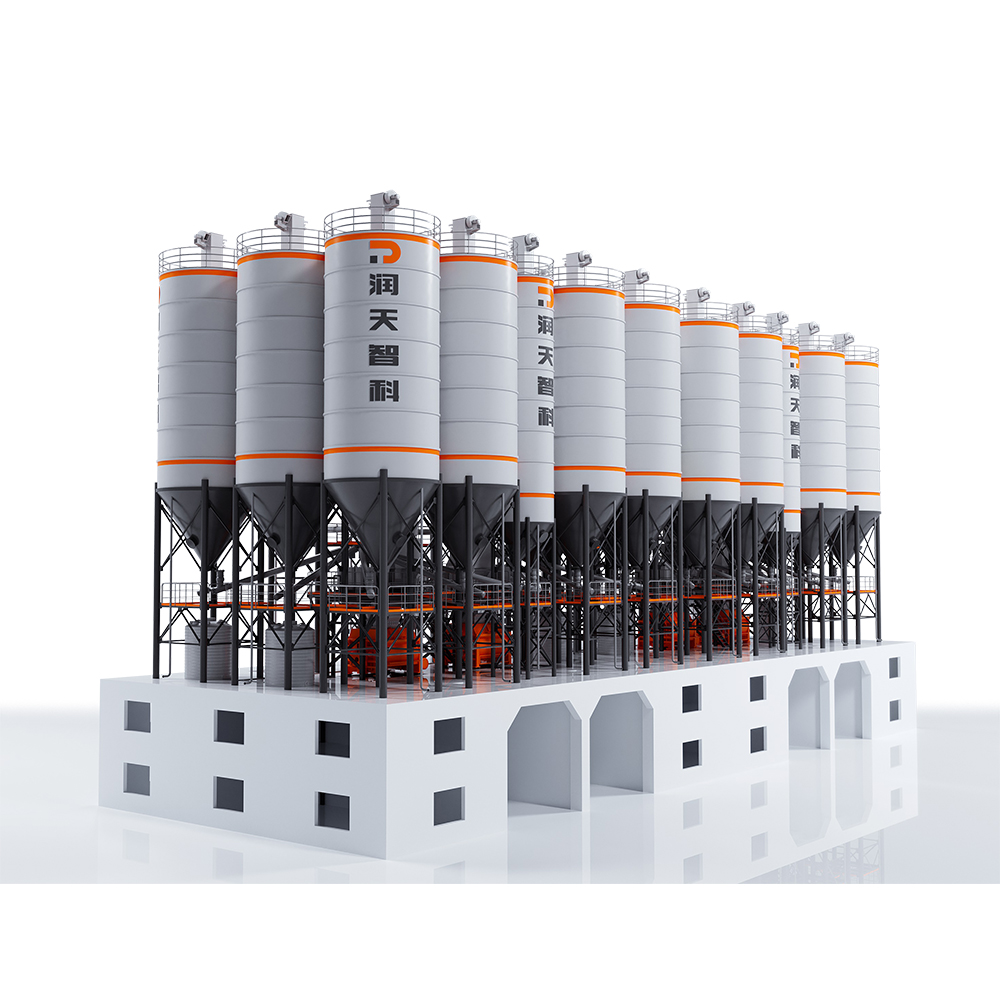 HZS Series Semi-Top Mounted Concrete Mixing Plant
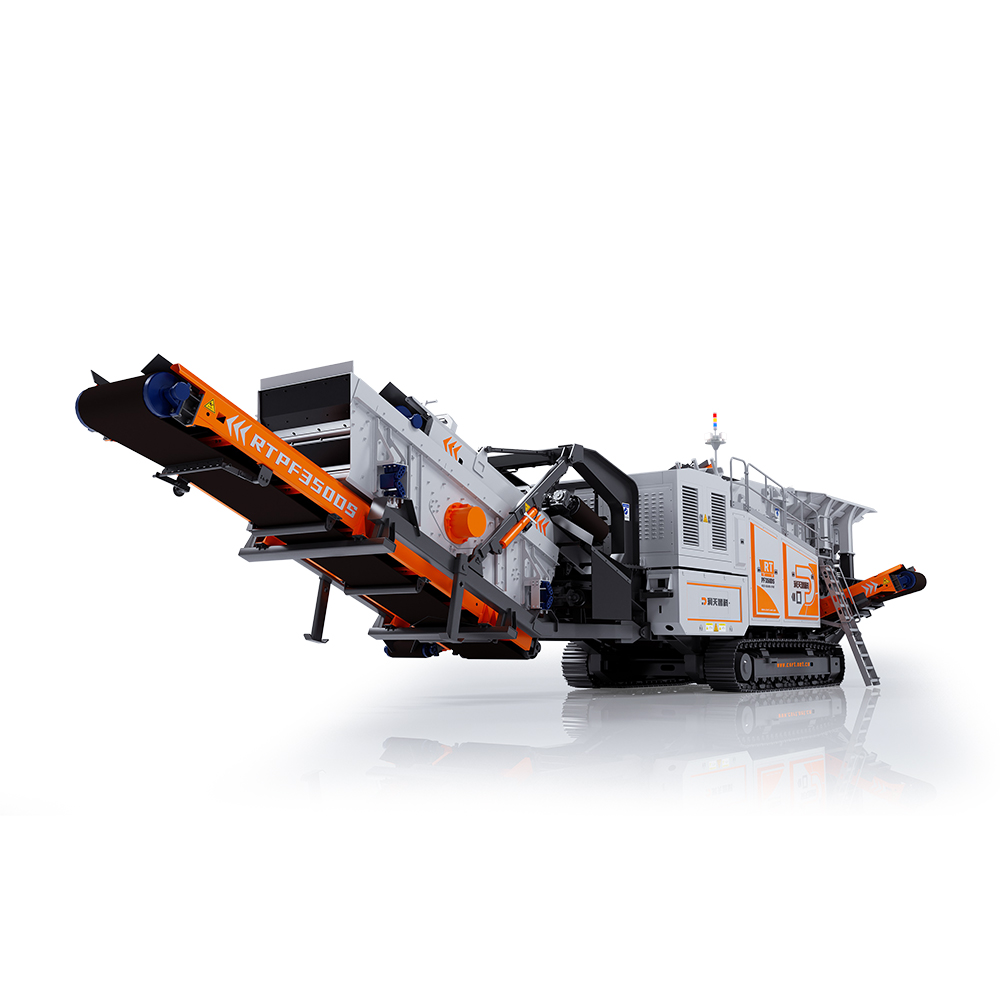 RTPF350DS Crawler Mobile Impact Crushing Plant
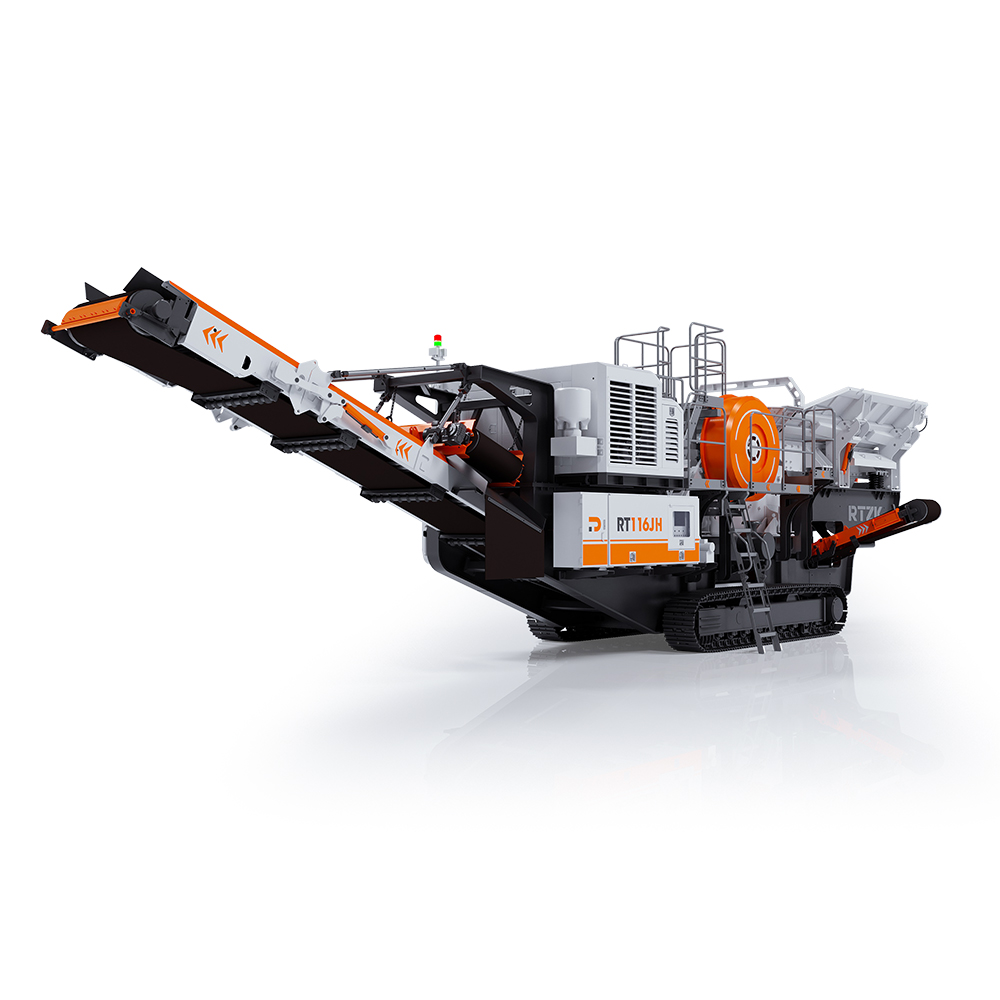 RT116JH Crawler Mobile Jaw Crushing Plant
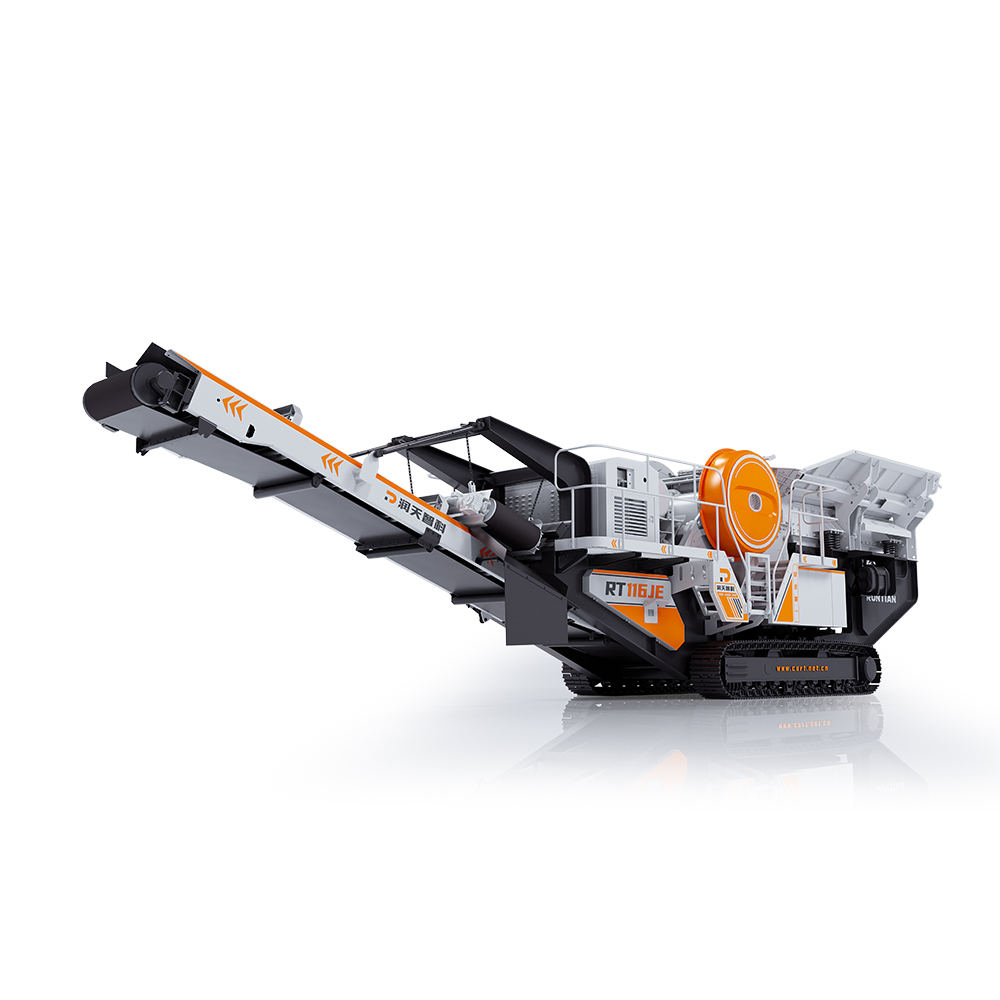 RT116JE Crawler Mobile Jaw Crushing Plant
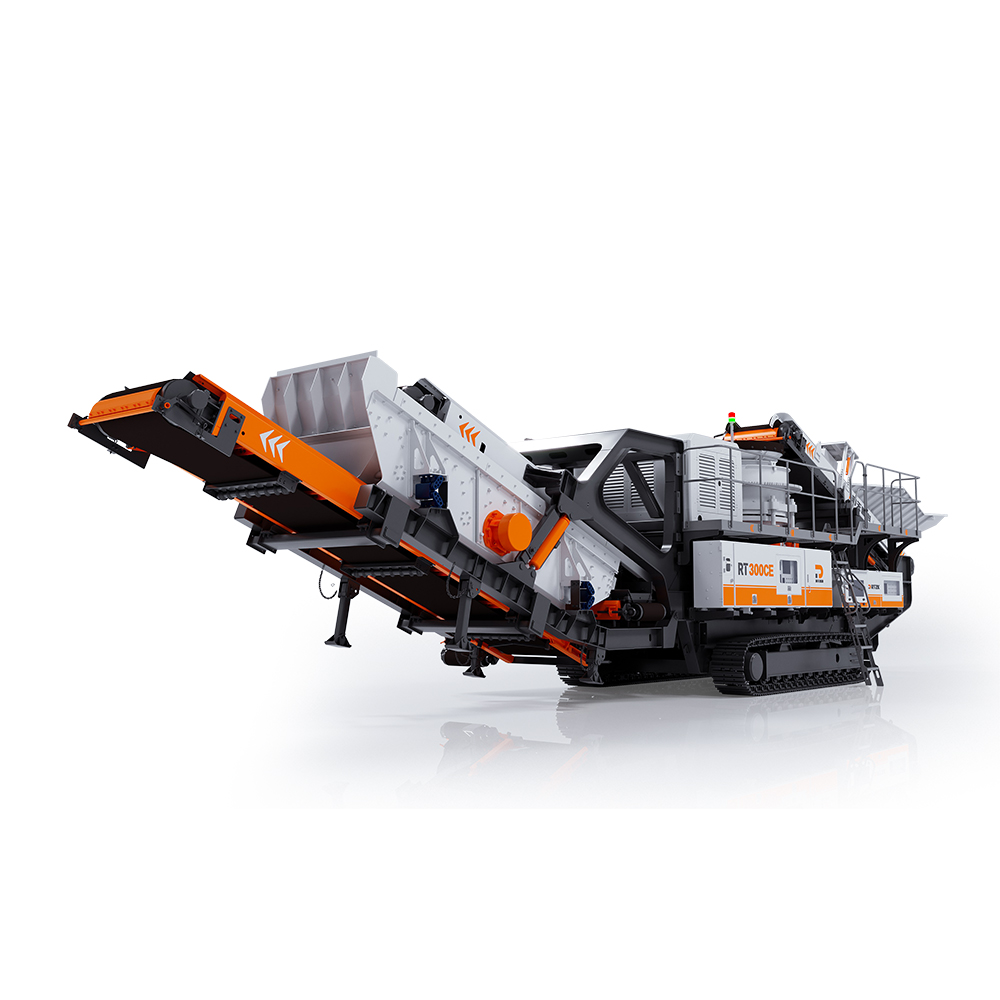 RT300CE Crawler Mobile Cone Crushing Plant
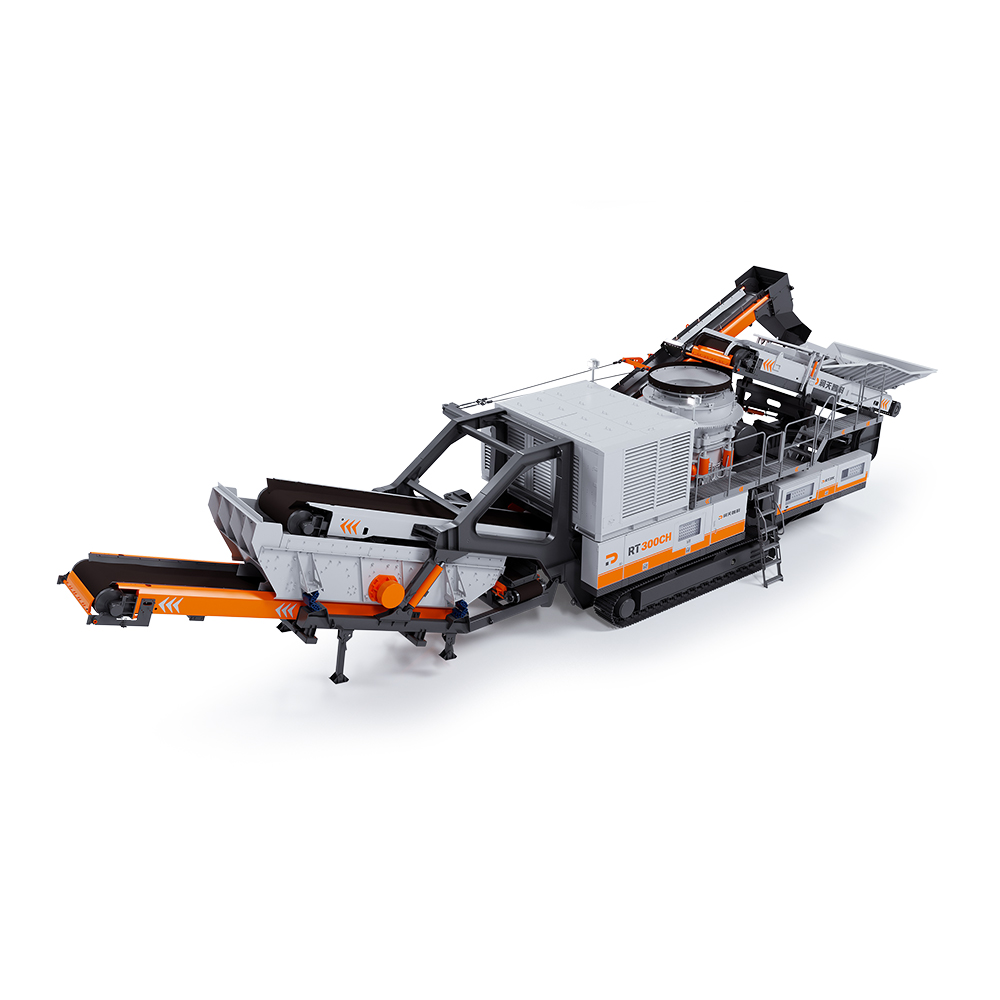 RT300CH Crawler Mobile Cone Crushing Plant
 RT5015H Mobile Scalping Screen
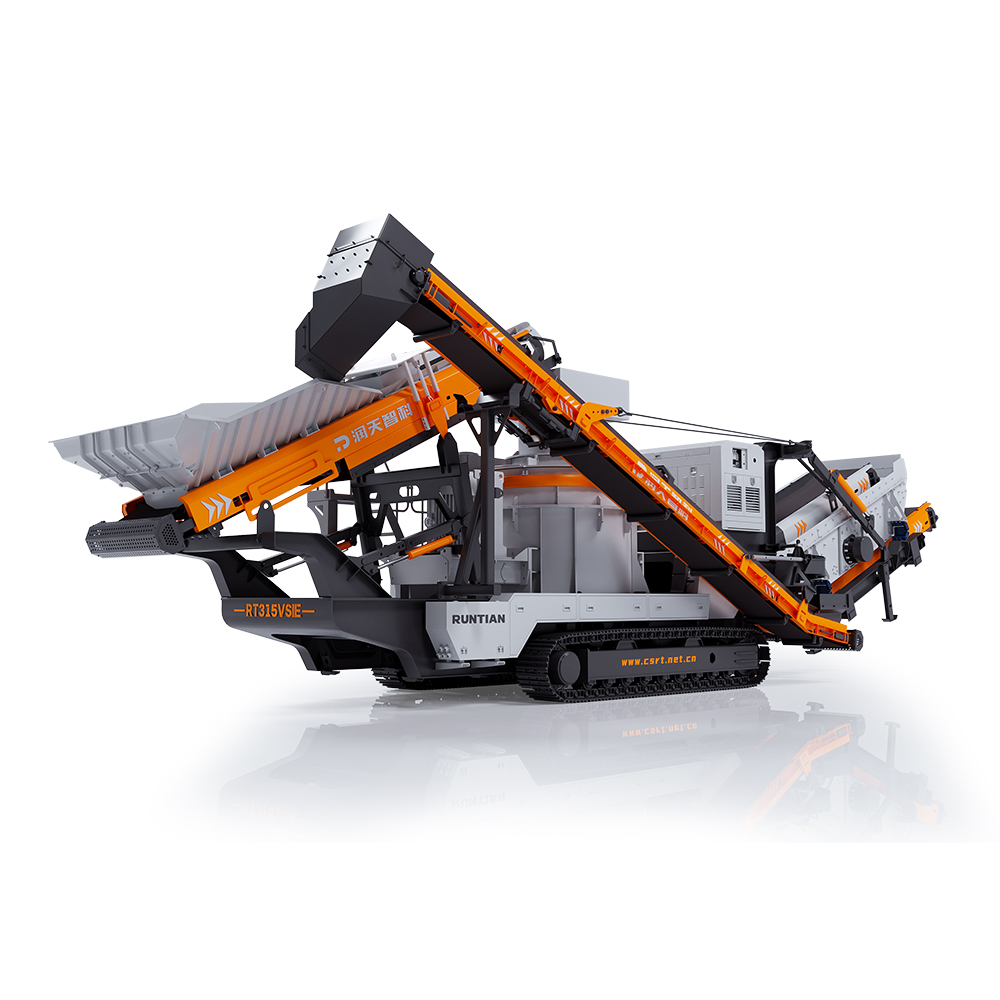 RT315VSIE Crawler Mobile Sand Maker
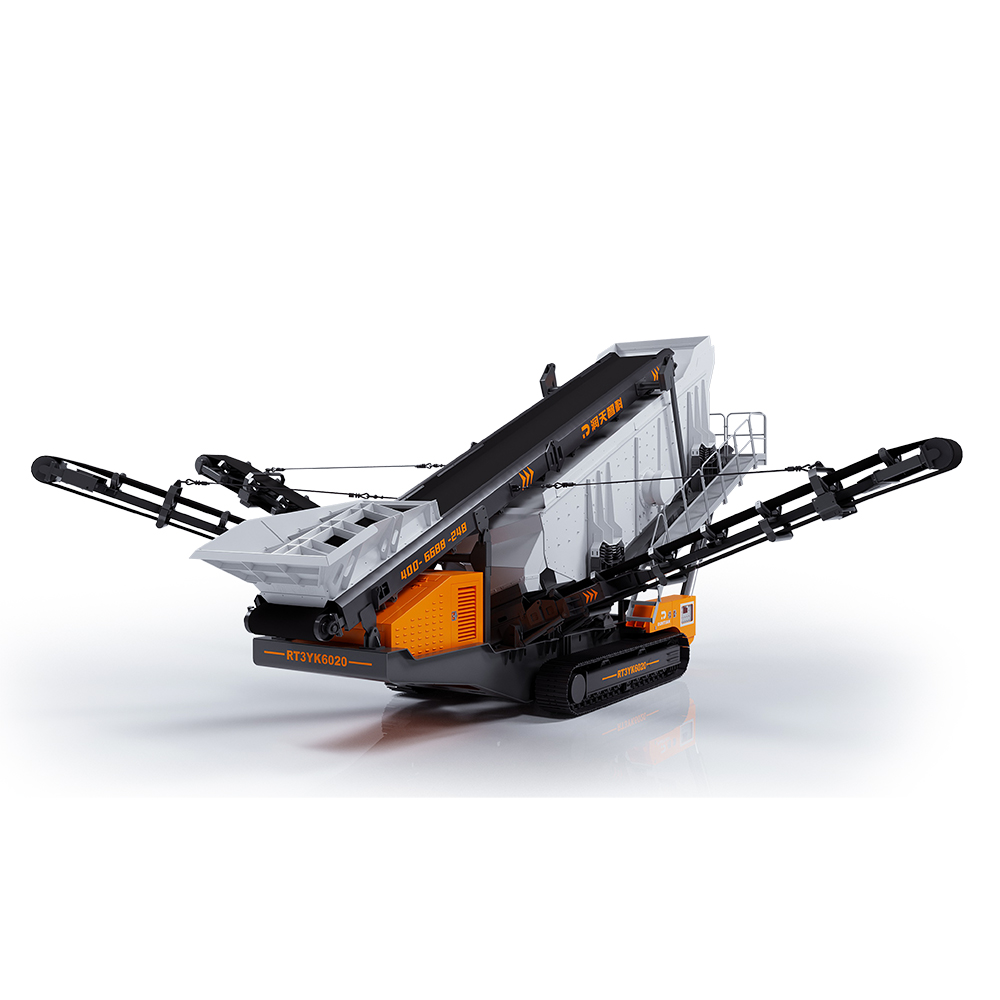 RT3YK6020 Crawler Mobile Screening Plant
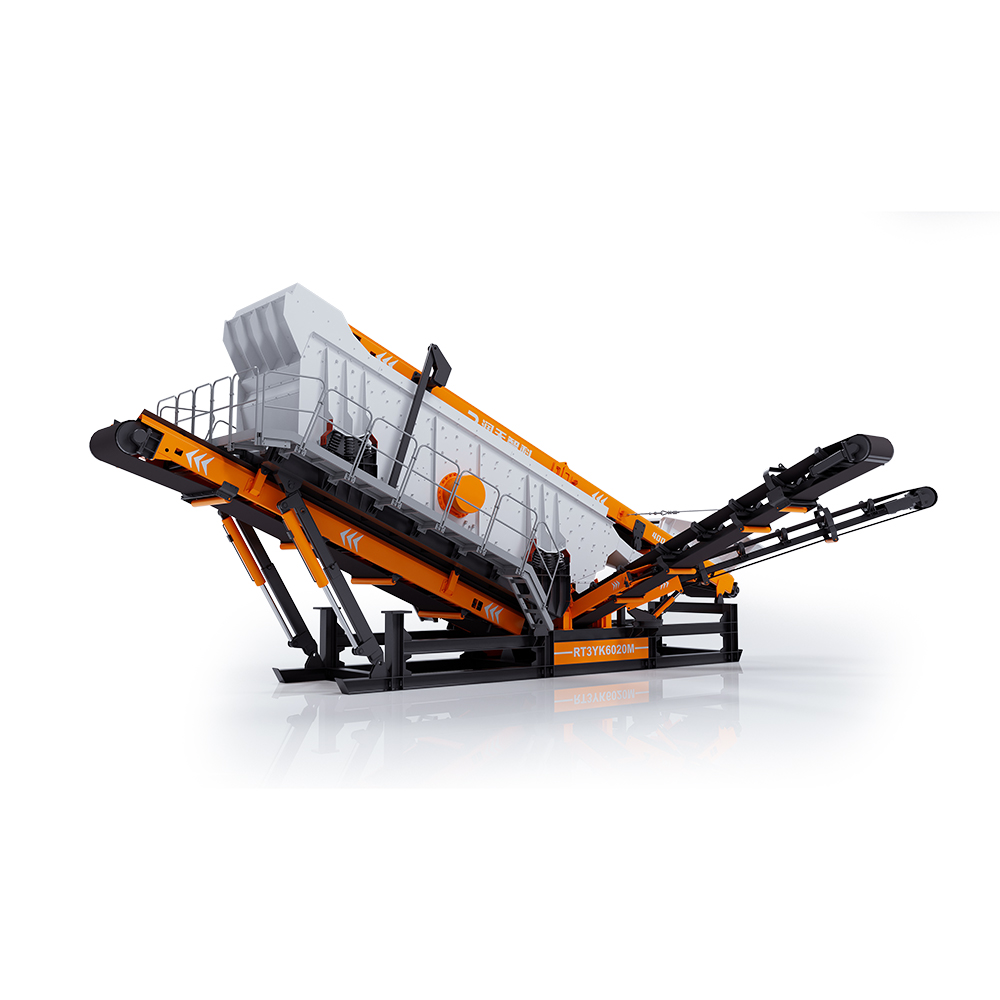 RT3YK6020M Modular Screening Plant
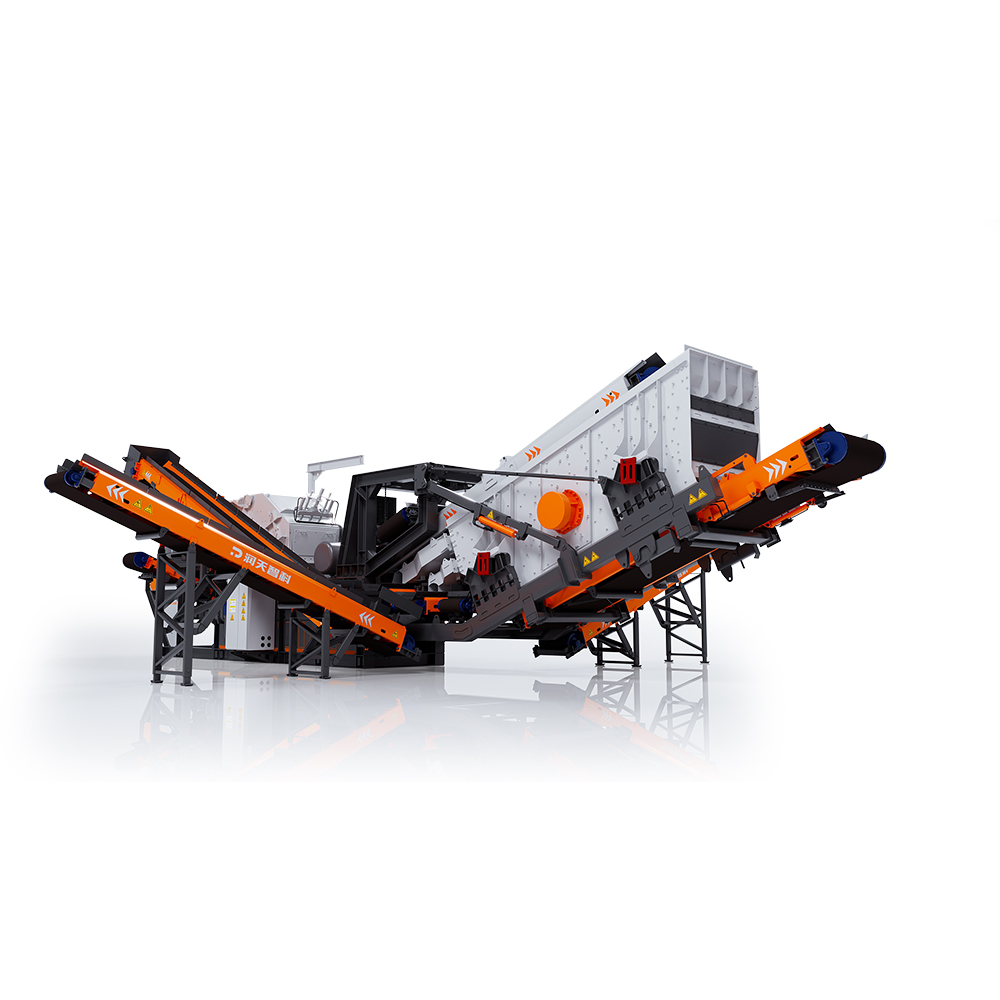 RTF260M Modular Counterattack Crushing and Screening Integrated Machine
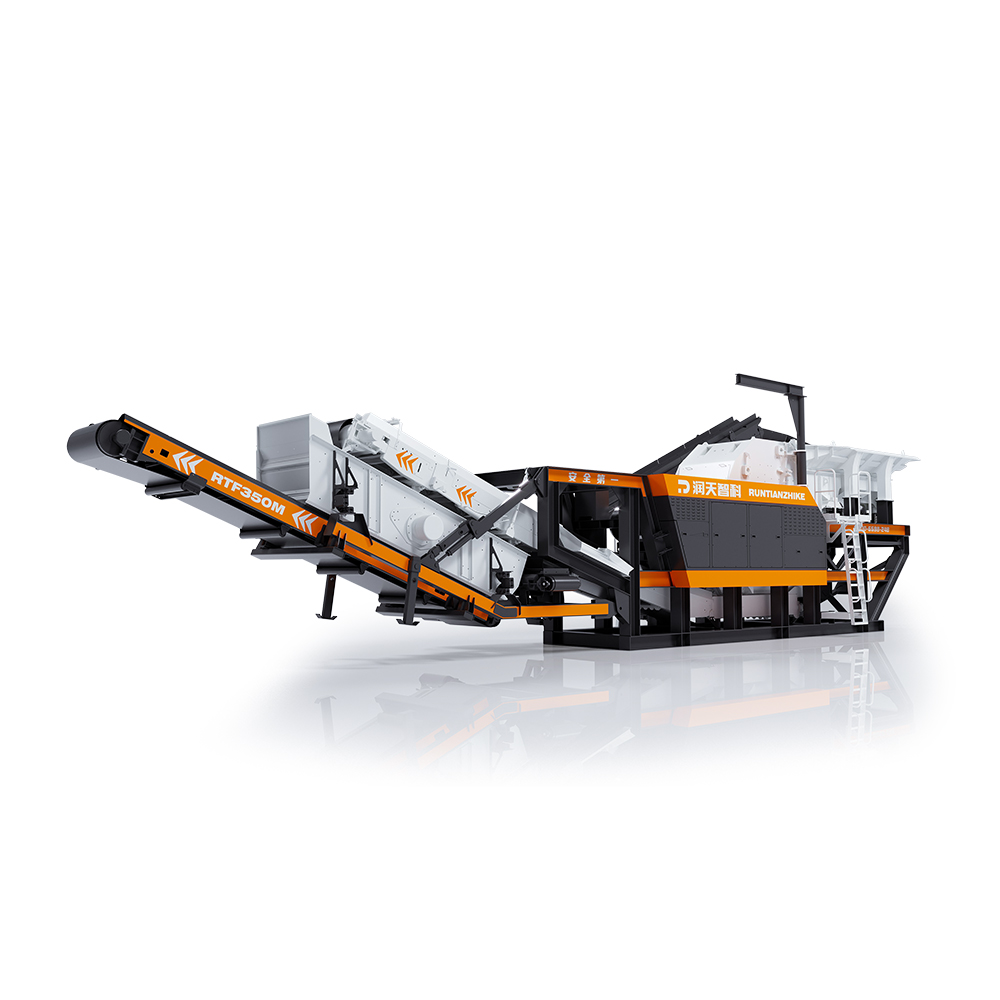 RTF350M Modular Impact Crushing Plant
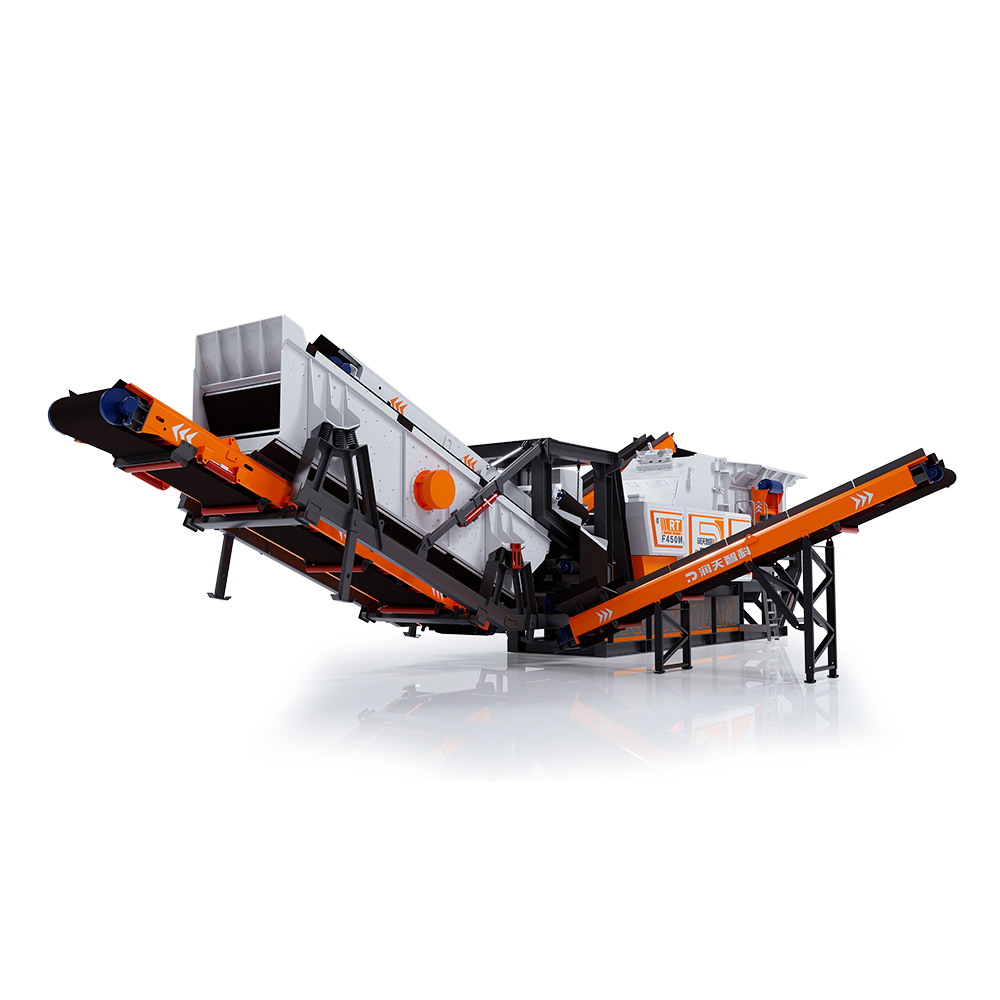 RTF450M Modular Impact Crushing Plant
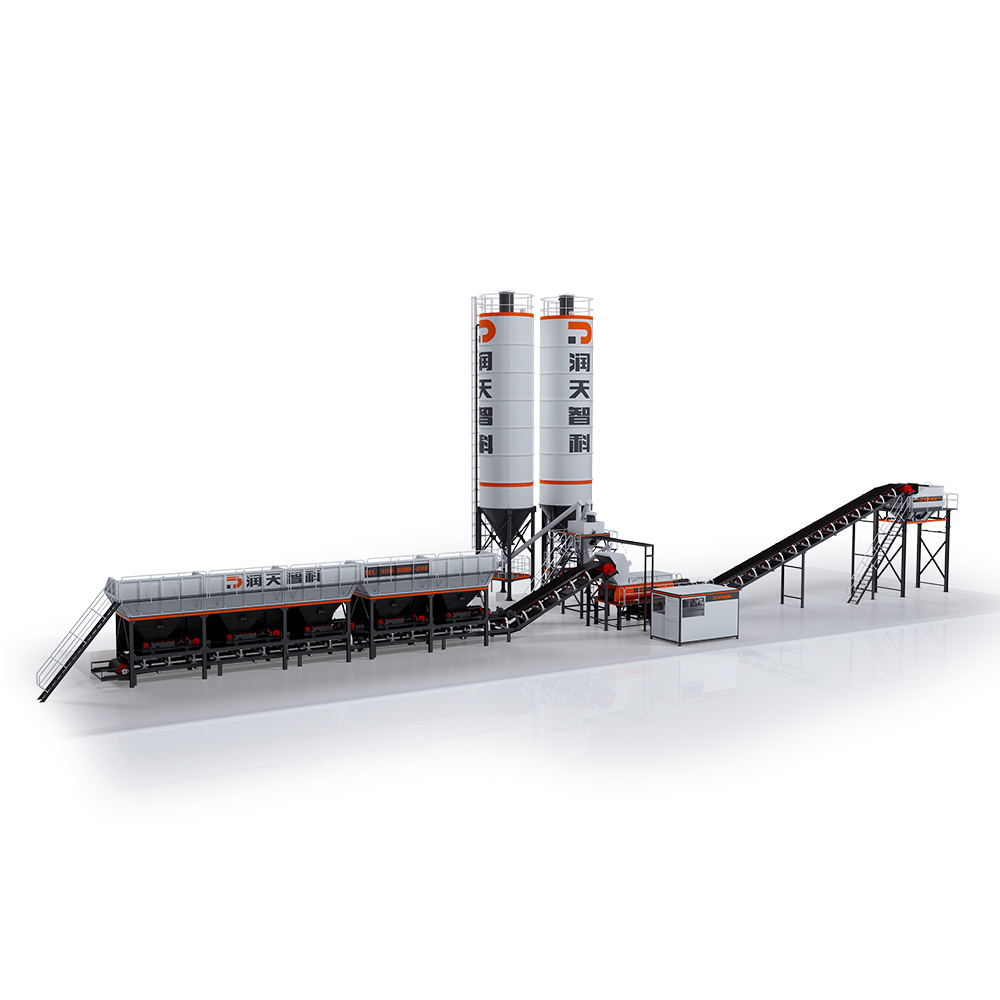 WDB Series Foundation-Free Stability Soil Mixing Plant
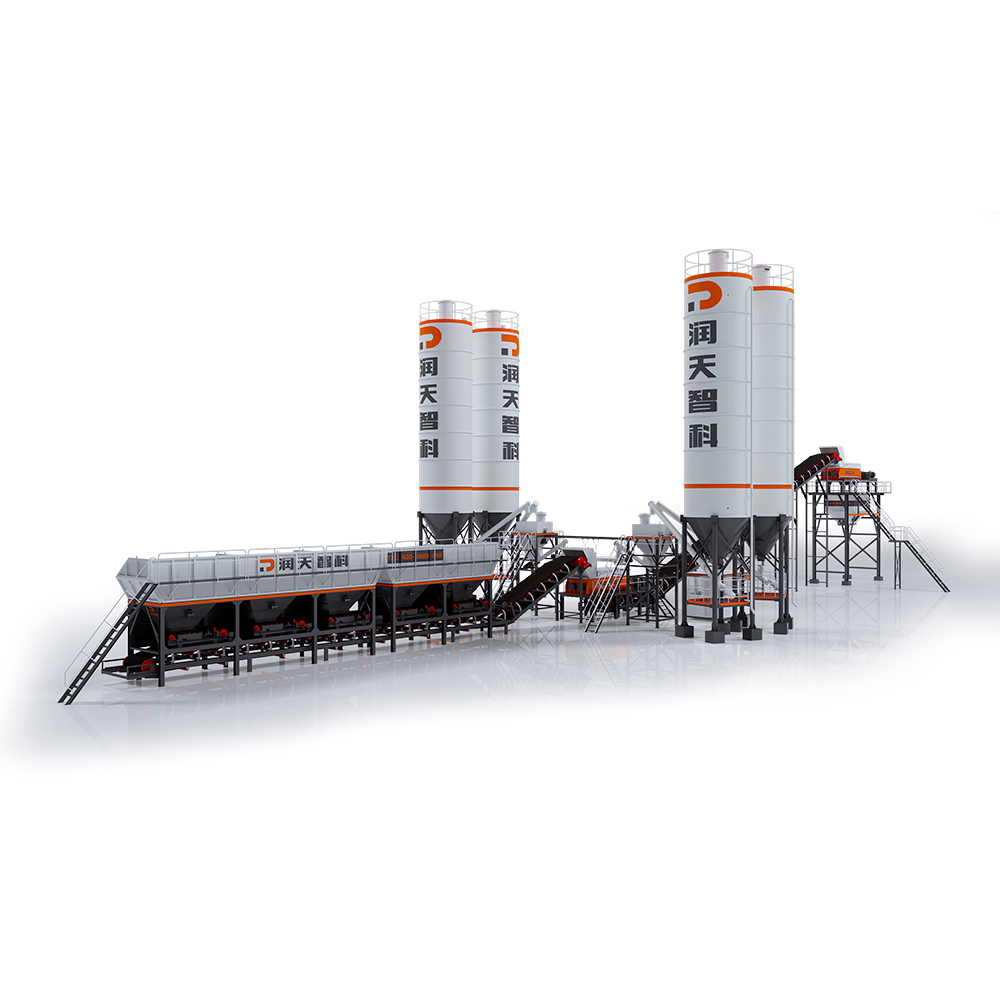 LCB Series Emulsified Asphalt Cold Regeneration Secondary Mixing Plant
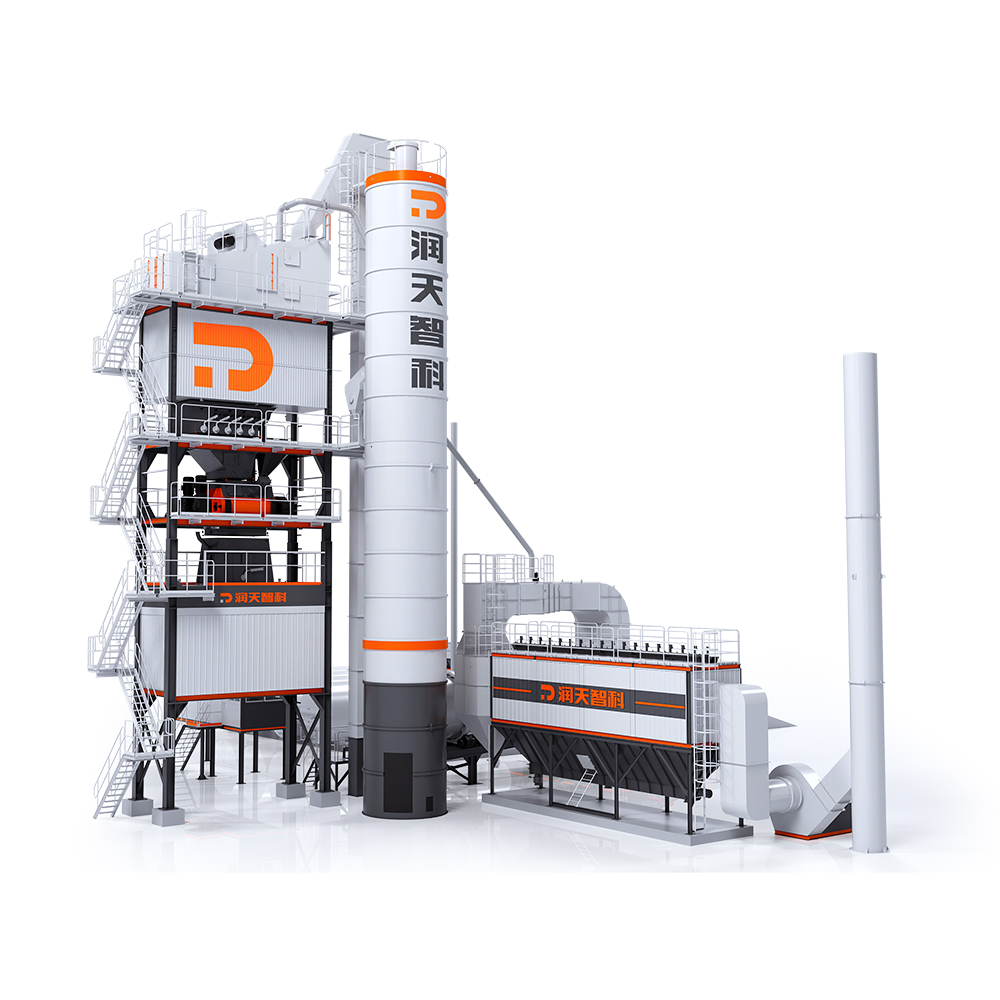 LB Series Asphalt Mixing Plant
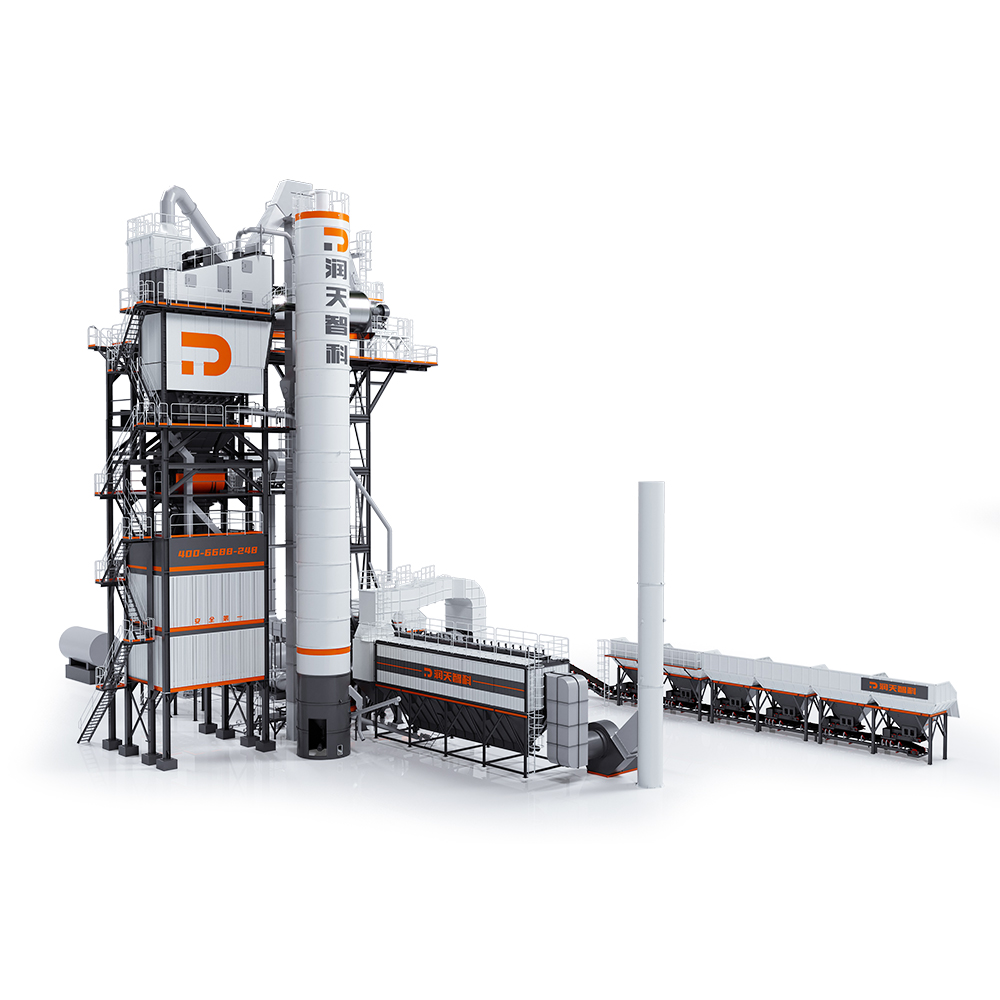 LBR Series Integrated Asphalt Mixing Plant
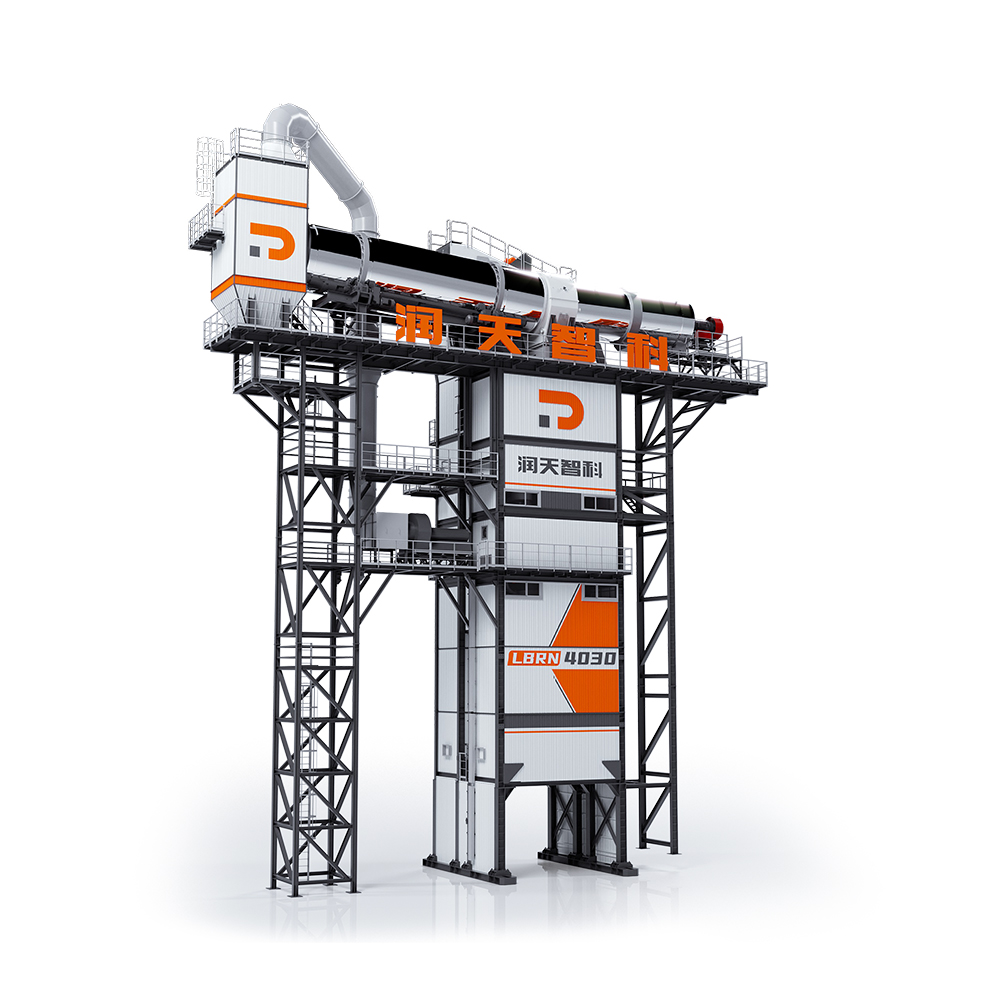 LBRN Series Counterflow Integral Asphalt Mixing Plant
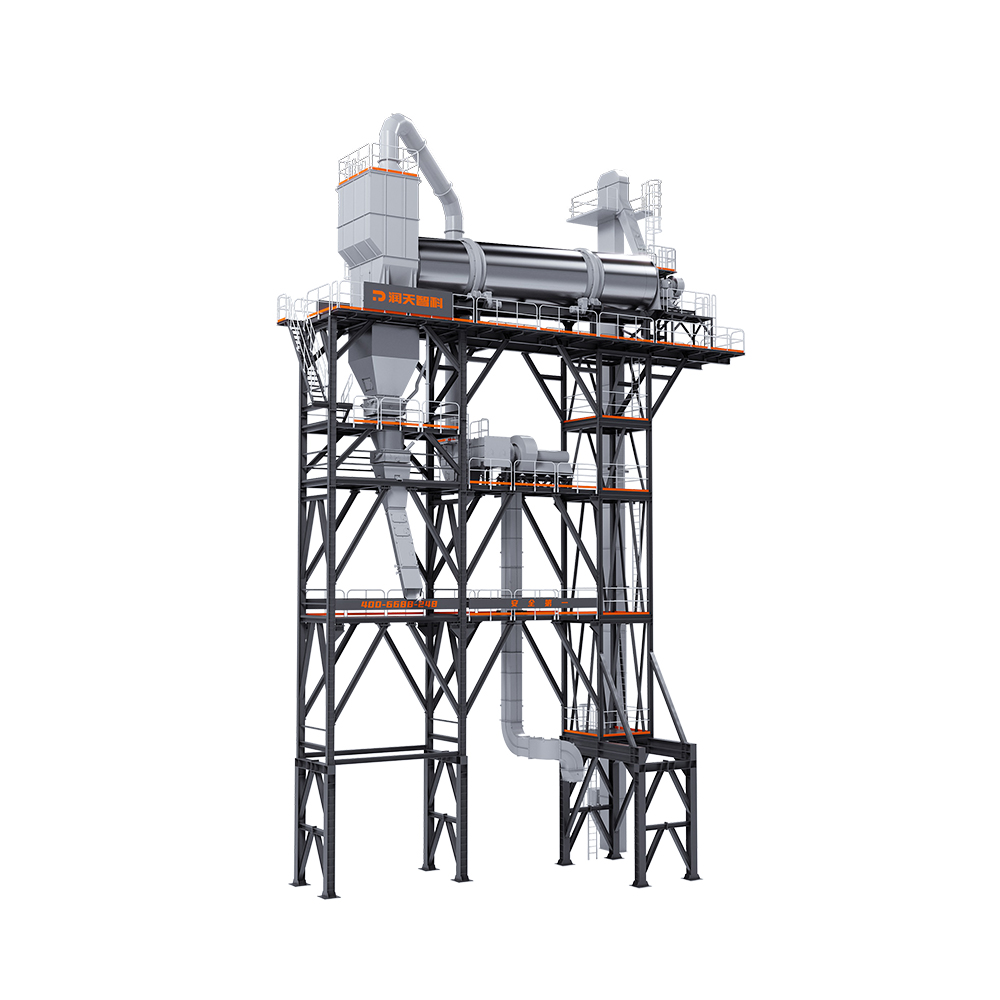 RZS Series Asphalt Mixing Plant
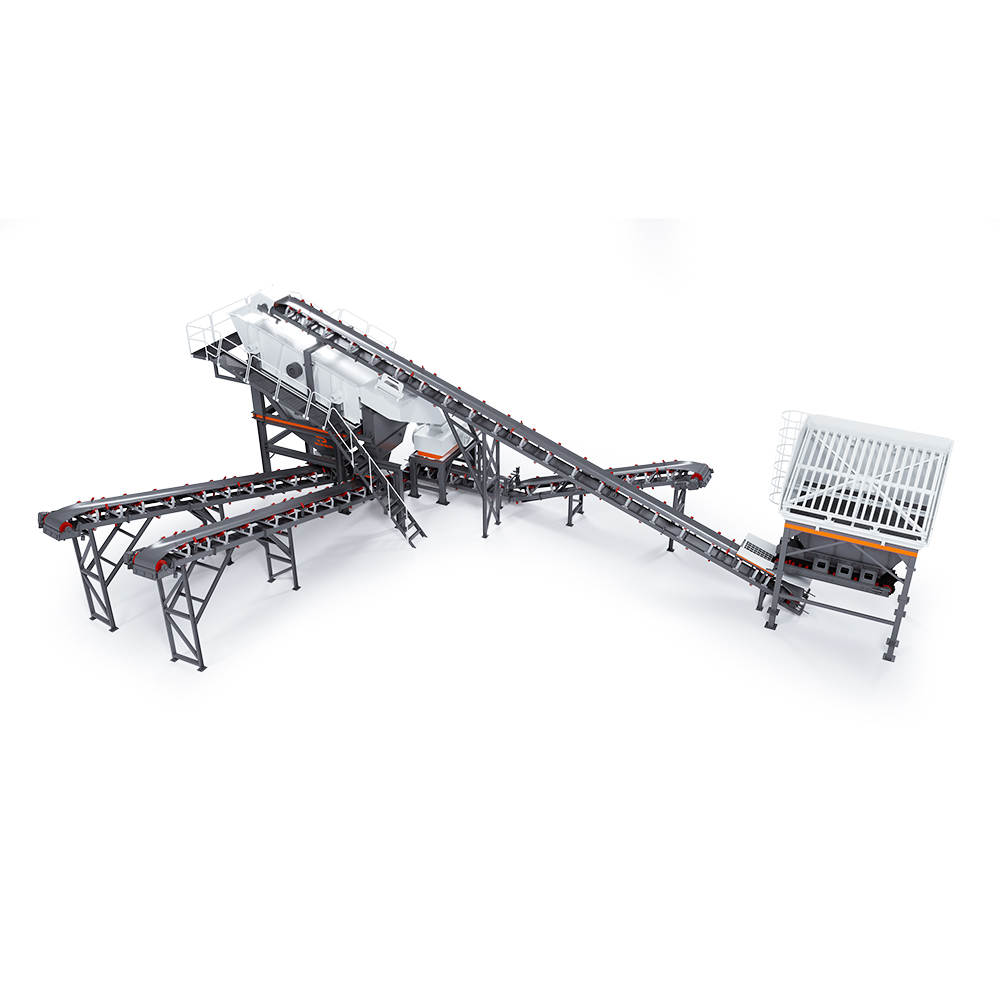 RTZS120 Series RAP Crushing & Screening Plant
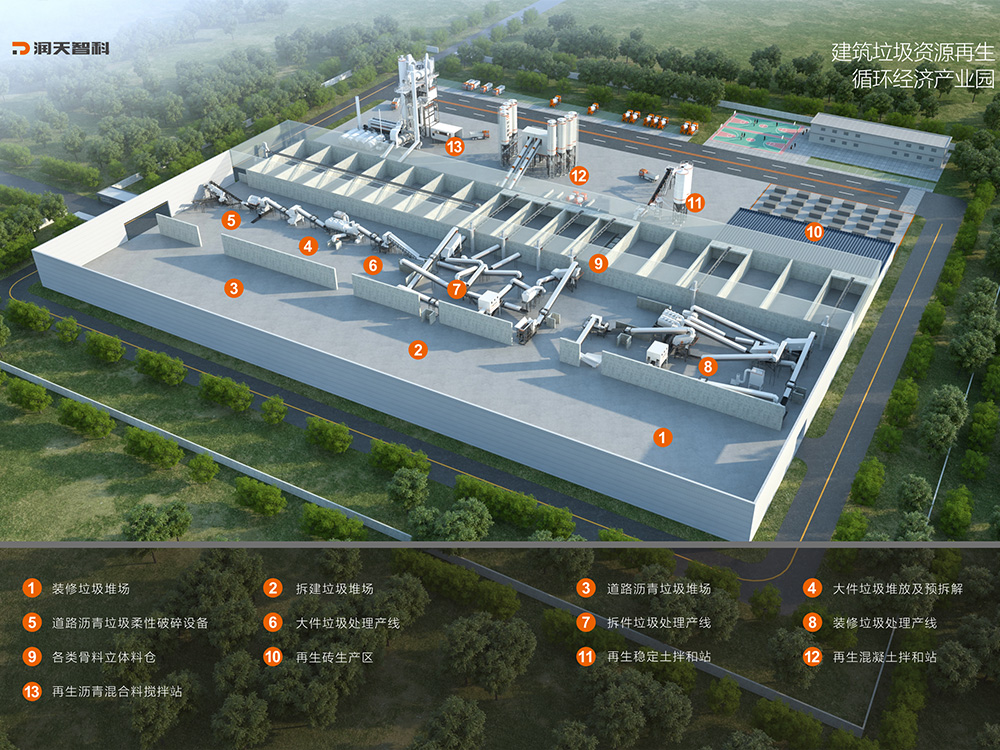 Construction Waste Resourceful Treatment Line