2026 Top Cement Mixer Construction Innovations You Need to Know?
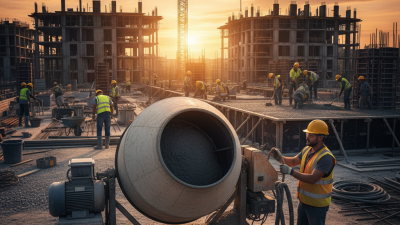
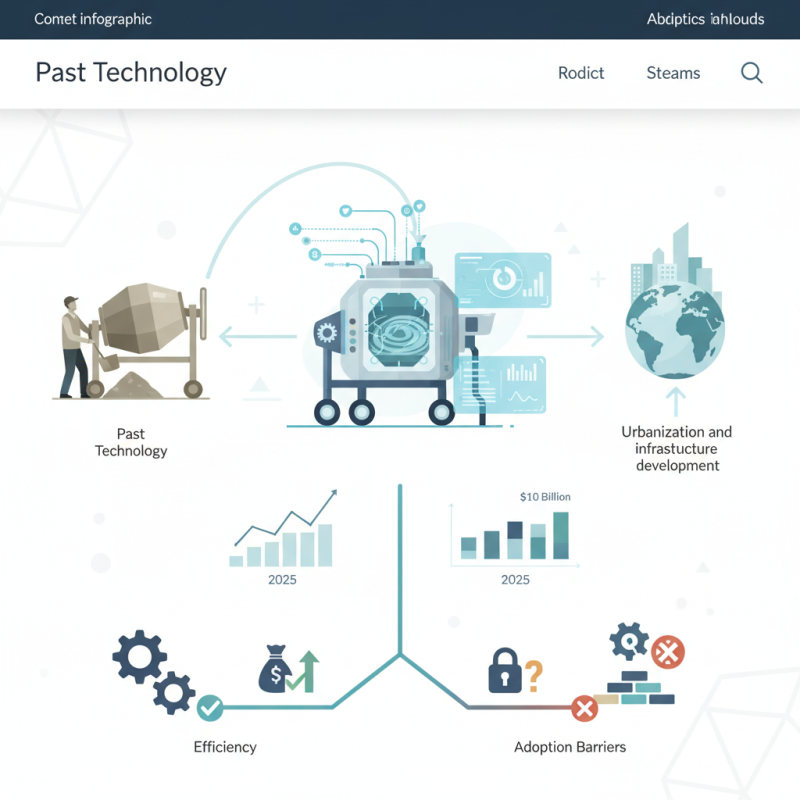
The evolution of Cement Mixer Construction technologies is crucial for enhancing productivity and efficiency in the construction industry. A report by Market Research Future highlights that the global cement mixer market is projected to reach approximately $10 billion by 2025. This surge is driven by increasing urbanization and infrastructure development. Innovations are paving the way for more sophisticated and automated mixing solutions.
Recent advancements have focused on integrating digital technologies into mixers. For example, smart sensors are being used to monitor the mixing process in real time. This not only ensures consistent quality but also helps in reducing waste. However, these innovations come with their challenges. Not all construction companies are quick to adopt these new technologies, often due to high initial costs or a lack of understanding of their benefits.
While many applaud these advancements, there are concerns about their practicality in diverse job sites. Some mixers may not perform as expected in all conditions. Companies must critically evaluate their specific needs before investing. Overall, the future of Cement Mixer Construction holds promise, but a careful approach is essential for truly realizing its potential.
Innovative Materials: Advancements in Cement Mixer Production for 2026
In 2026, the construction industry sees exciting innovations in cement mixer production. New materials are central to these advancements. Notably, lightweight composites and high-strength plastics are making mixers more efficient. Reports show these innovations can reduce overall weight by up to 30%. This decrease leads to fuel savings during transport, lowering operational costs.
Manufacturers are also exploring sustainable materials. Recycled aggregates are gaining traction in mixer production. These aggregates not only minimize waste but may also increase durability. An industry report indicates that mixers using these materials can extend operational life by approximately 20%. However, challenges remain in sourcing consistent quality recycled materials.
Tip: Always check material certifications before purchase. This ensures reliability and compliance with safety standards.
As trends evolve, staying informed becomes crucial. Innovations may lead to increased competition. Contractors might face difficulties adapting to rapidly changing technology. Continuous education and training are vital for adapting to these new tools effectively.
2026 Top Cement Mixer Construction Innovations You Need to Know
| Innovation |
Description |
Impact |
Expected Adoption Year |
| Smart Mixer Controls |
Automated controls that optimize mixing times and material usage through AI. |
Reduced material waste and improved efficiency. |
2026 |
| Self-Cleaning Mixers |
Mixers equipped with self-cleaning technology to minimize downtime. |
Increased uptime and reduced maintenance costs. |
2026 |
| Lightweight Composite Materials |
Use of advanced composites to reduce the weight of cement mixers. |
Enhanced mobility on the job site. |
2026 |
| Recycling Capabilities |
Incorporation of systems that allow for recycling of mixing by-products. |
Sustainability and reduced environmental impact. |
2026 |
| Modular Design |
Mixers designed with modular components for easy upgrades and repairs. |
Flexibility and cost-effectiveness in maintenance. |
2026 |
Smart Technology Integration: IoT Applications in Cement Mixing Equipment
The construction industry is experiencing a transformative shift with the introduction of IoT technology in cement mixing equipment. According to recent industry reports, IoT integration could improve efficiency by up to 30%. Features like real-time monitoring and automated adjustments offer significant benefits. Sensors now track everything from humidity to temperature, ensuring optimal mixing conditions. This data is invaluable for contractors, allowing them to make informed decisions quickly.
Managing these advancements can be challenging. Workers need training to effectively utilize new technologies. Construction firms must balance traditional methods with these innovations. The human touch is still necessary, even in a tech-driven environment. Mistakes can happen. Machines may misinterpret data, leading to potential mix variability. Regular maintenance and updates of software can help mitigate these issues.
Tips: Always verify sensor data. Use multiple sources to cross-check conditions. Encourage open communication between teams. This can help address common misunderstandings around tech usage, ensuring smoother operations on-site.
Sustainable Practices: Eco-Friendly Mixer Innovations Reducing Emissions by 30%
Innovations in cement mixer technology are moving towards sustainability.
Eco-friendly designs are emerging, aiming to reduce emissions significantly. Recent advancements promise a reduction of up to
30% in harmful emissions. This is essential in the construction
industry, which has traditionally been a high emitter of pollutants.
New materials and techniques are being explored. These mixers use advanced mixing methods to
minimize energy consumption. Electric-powered mixers are gaining traction, offering a
quieter alternative. Reduced noise pollution is an added benefit, creating
a better working environment.
Tips: Consider using mixers with adjustable settings. This maximizes
efficiency and minimizes waste. Look for features that allow for fine control over mixing speeds.
Additionally, regular maintenance extends the lifespan of the equipment.
Evaluate the long-term benefits of investing in eco-friendly mixers. The initial costs may be higher, but the savings in
energy and emissions are worth it.
Automation Trends: The Rise of Robotics in Cement Mixer Operations
Automation is transforming the construction industry, especially in cement mixer operations.
Robotics is becoming a key player. These machines are designed to enhance efficiency and reduce manual labor. They can mix, transport, and pour cement with great precision.
However, integrating robotics into construction sites is not without challenges. Training workers on new systems can be time-consuming. Not all workers are comfortable with technology. There's a risk of job displacement, which raises concerns. Balancing automation with human skills remains a contentious issue.
Meanwhile, automated mixers can operate in harsh conditions. They can work through bad weather or at night. This operational flexibility increases productivity. But reliance on technology can lead to technical failures, causing delays. It is essential to have contingency plans in place. Addressing these imperfections will be crucial for the future of construction innovation.
Efficiency Metrics: Enhancements Leading to 20% Faster Mixing Times in 2026
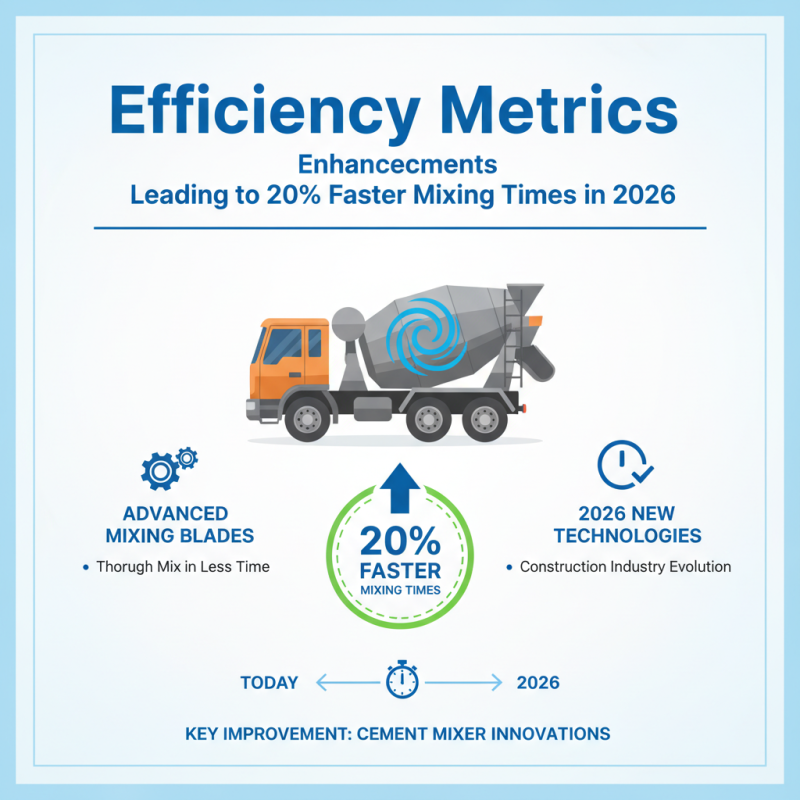
The construction industry is evolving rapidly, and cement mixers are at the forefront of these innovations. In 2026, new technologies aim to enhance efficiency metrics. One key improvement is the introduction of advanced mixing blades. These blades can achieve a thorough mix in less time. The result? Up to 20% faster mixing times.
Another significant innovation involves automated monitoring systems. These systems track the consistency of the mixture in real-time. Adjustments can be made instantly. This ensures the mix stays optimal. However, the implementation of such systems can be challenging. Workers need training to use these new features effectively. There’s also the question of reliability. Technology can fail, and that might delay projects.
Moreover, some mixers now integrate eco-friendly features. They reduce waste and increase material usage efficiency. Yet, these green options often come with higher upfront costs. Companies must weigh the benefits against their budgets. It’s a balancing act that demands careful thought. As innovations continue, it’s crucial to remain adaptable and open-minded in this evolving landscape.

 Concrete Mixing Plant
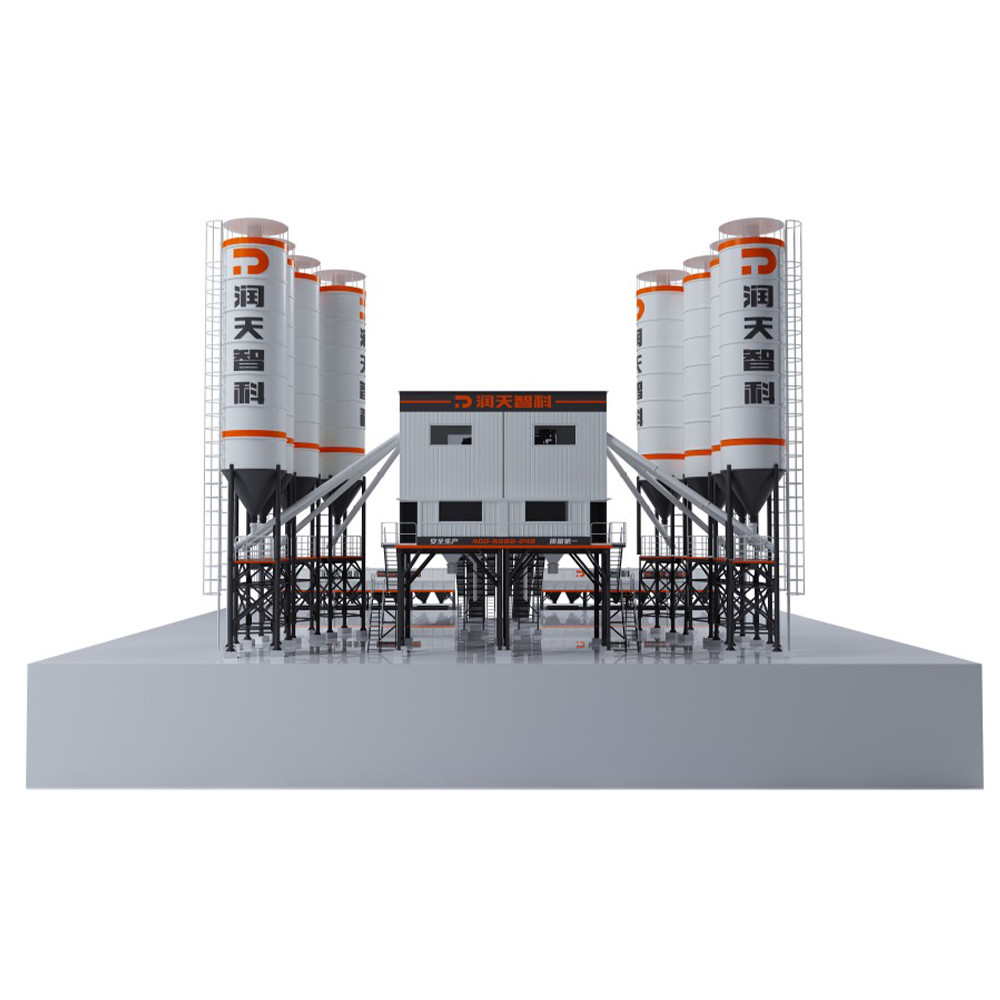 HZS Series Belt Concrete Mixing Plant
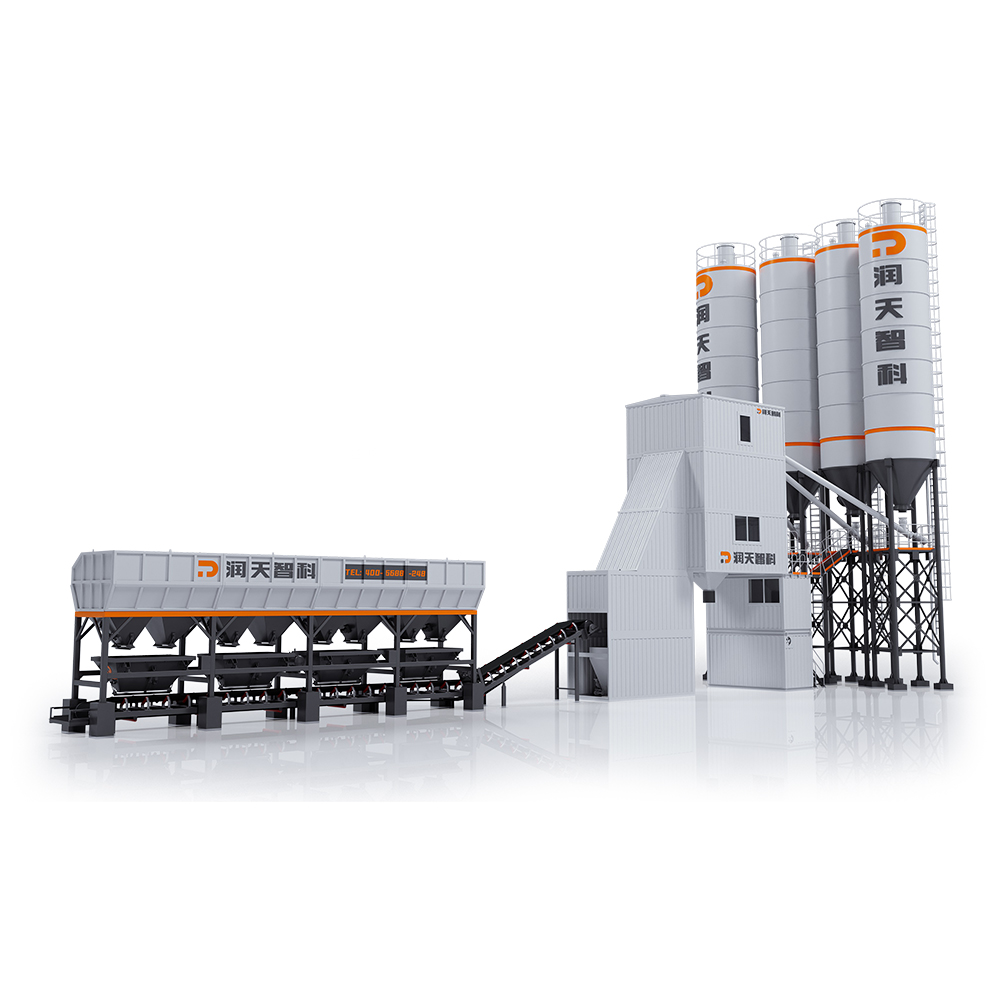 HZS Series Bucket-Lifting Type Container Concrete Mixing Plant
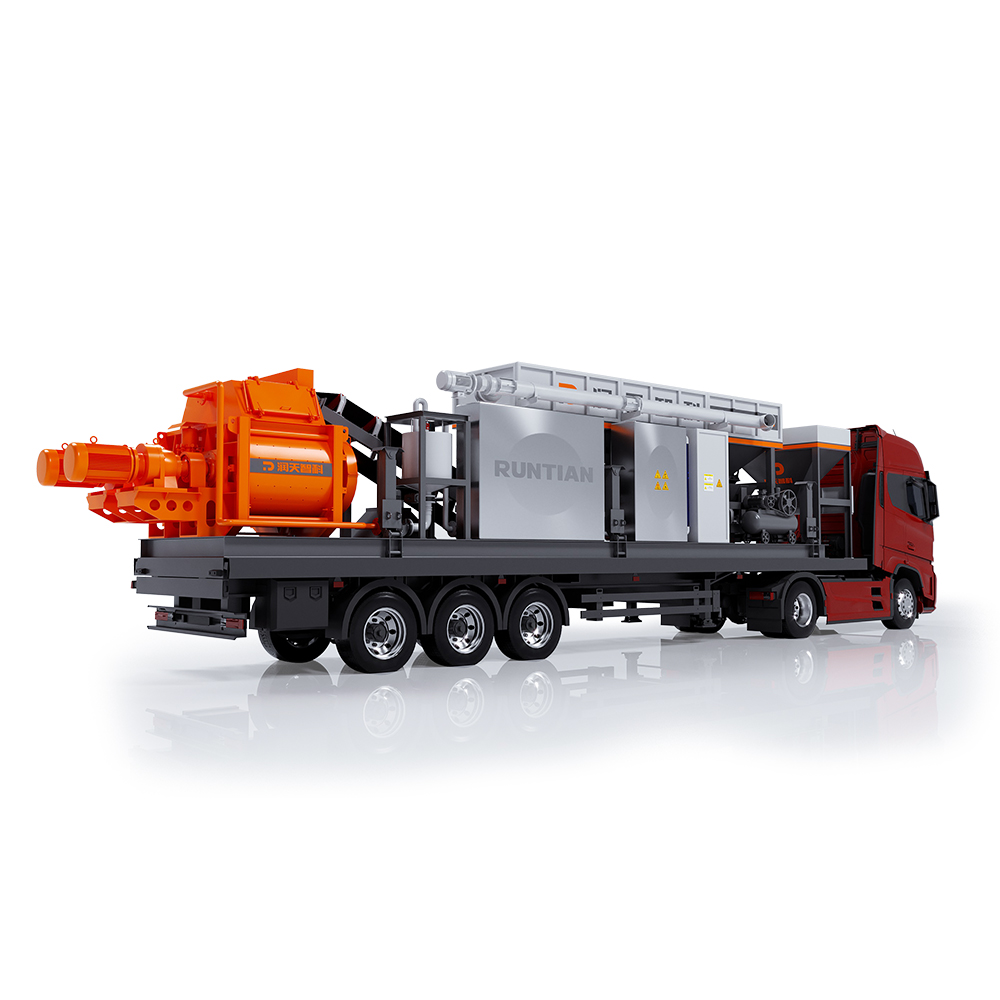 HZS60 Mobile Concrete Mixing Plant
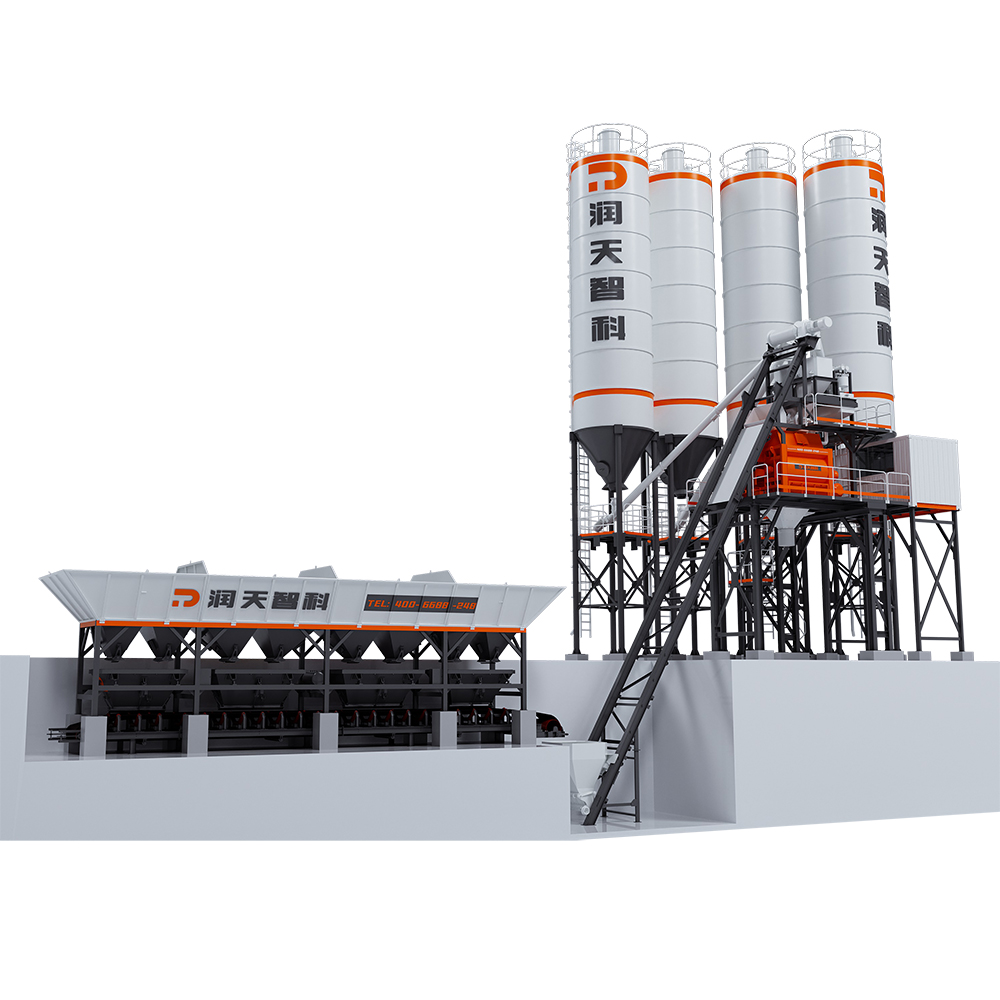 HZS Series Bucket-Lifting Type Concrete Mixing Plant
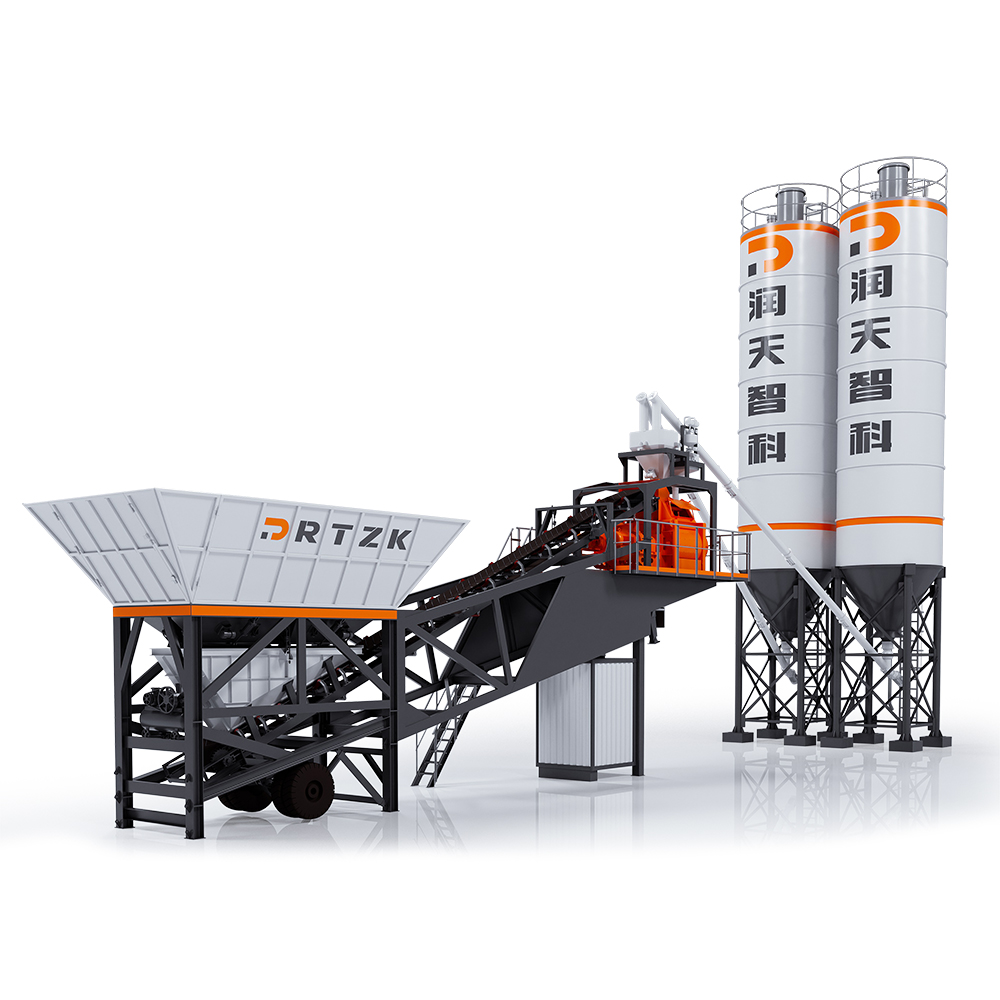 HZS Series Mobile Concrete Mixing Plant
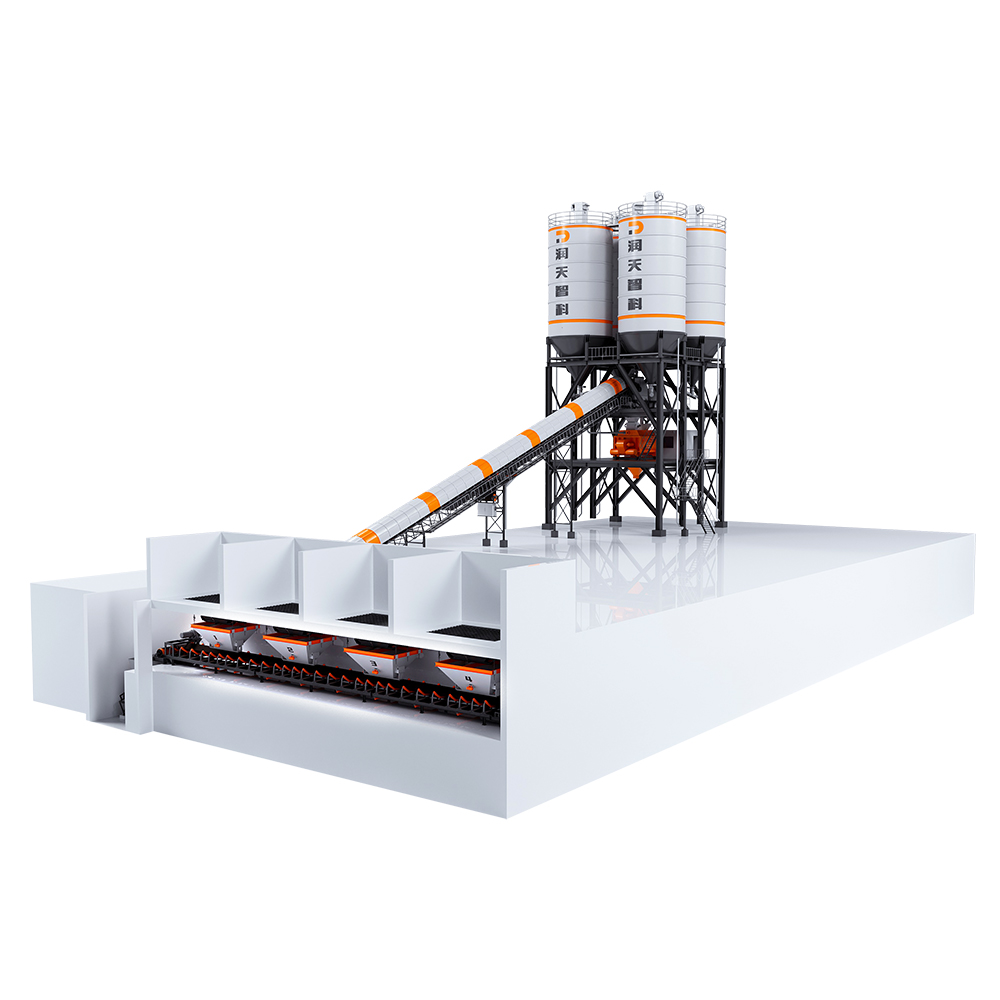 HZS Series Top-Mounted Concrete Mixing plant
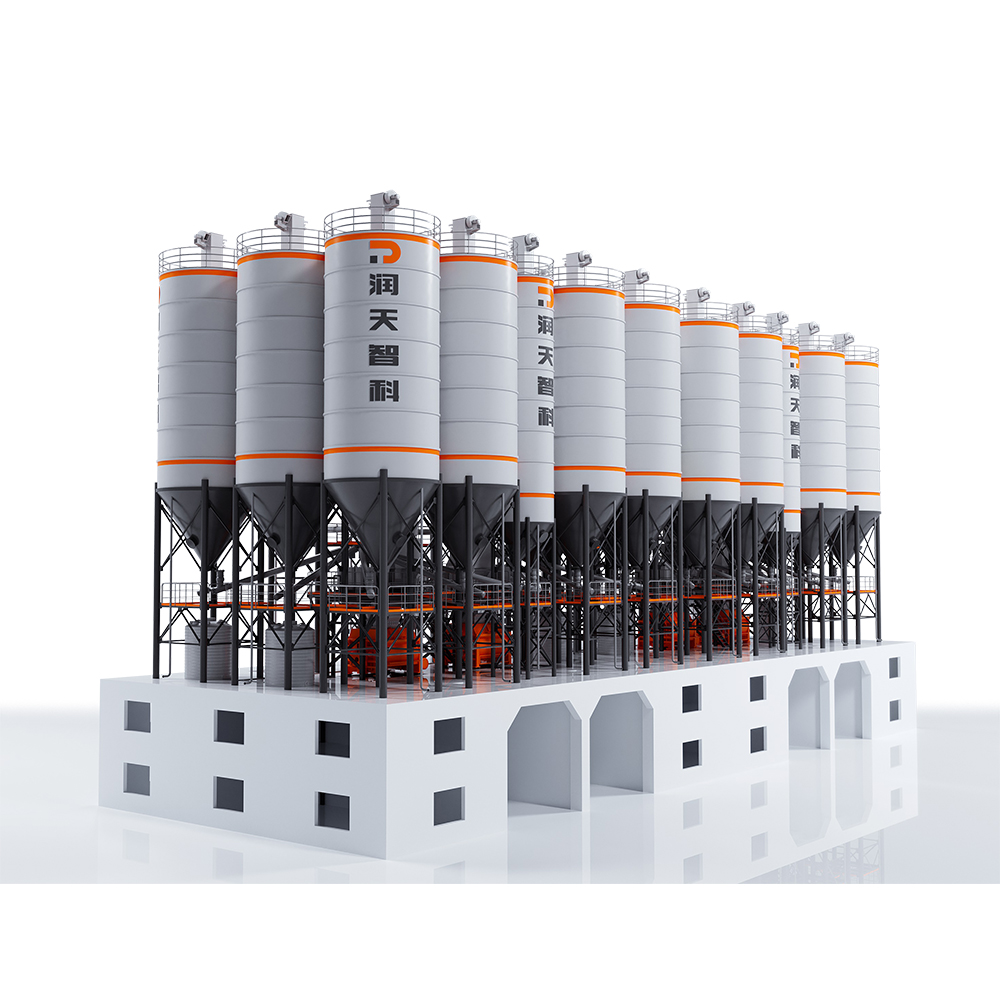 HZS Series Semi-Top Mounted Concrete Mixing Plant
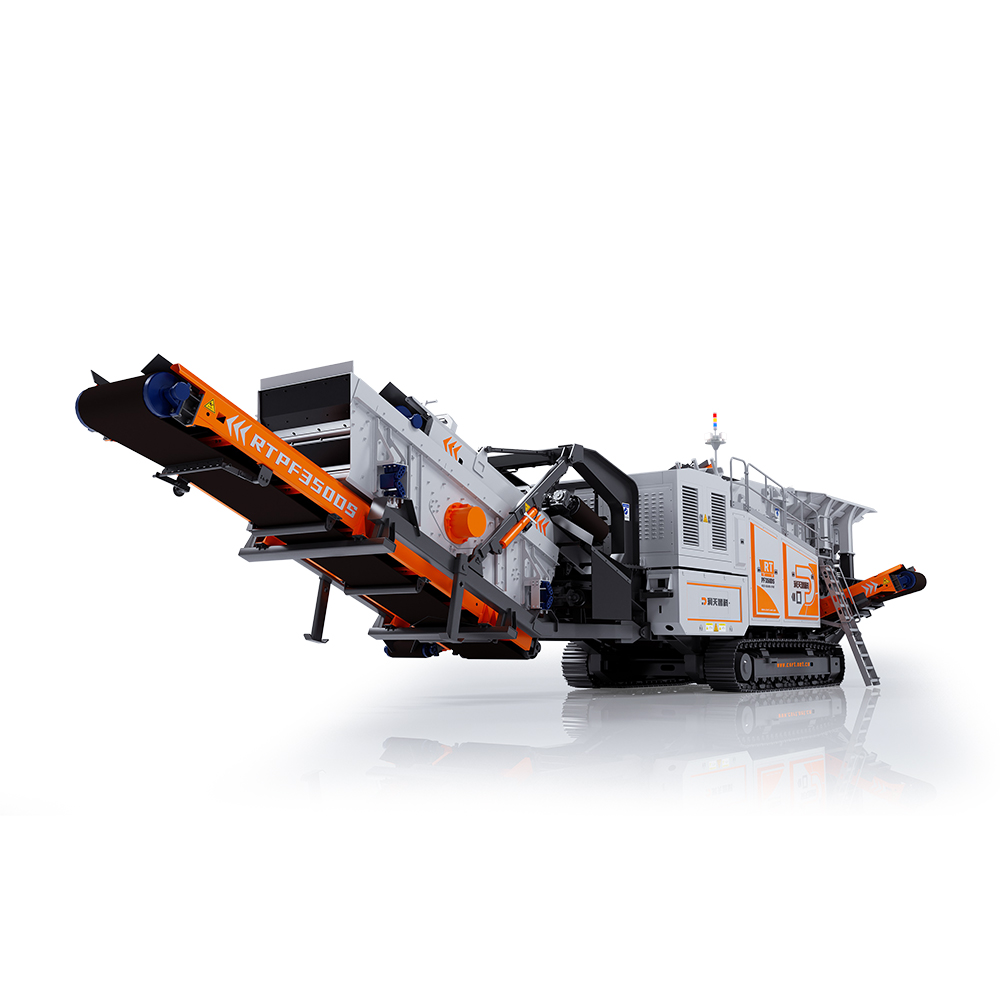 RTPF350DS Crawler Mobile Impact Crushing Plant
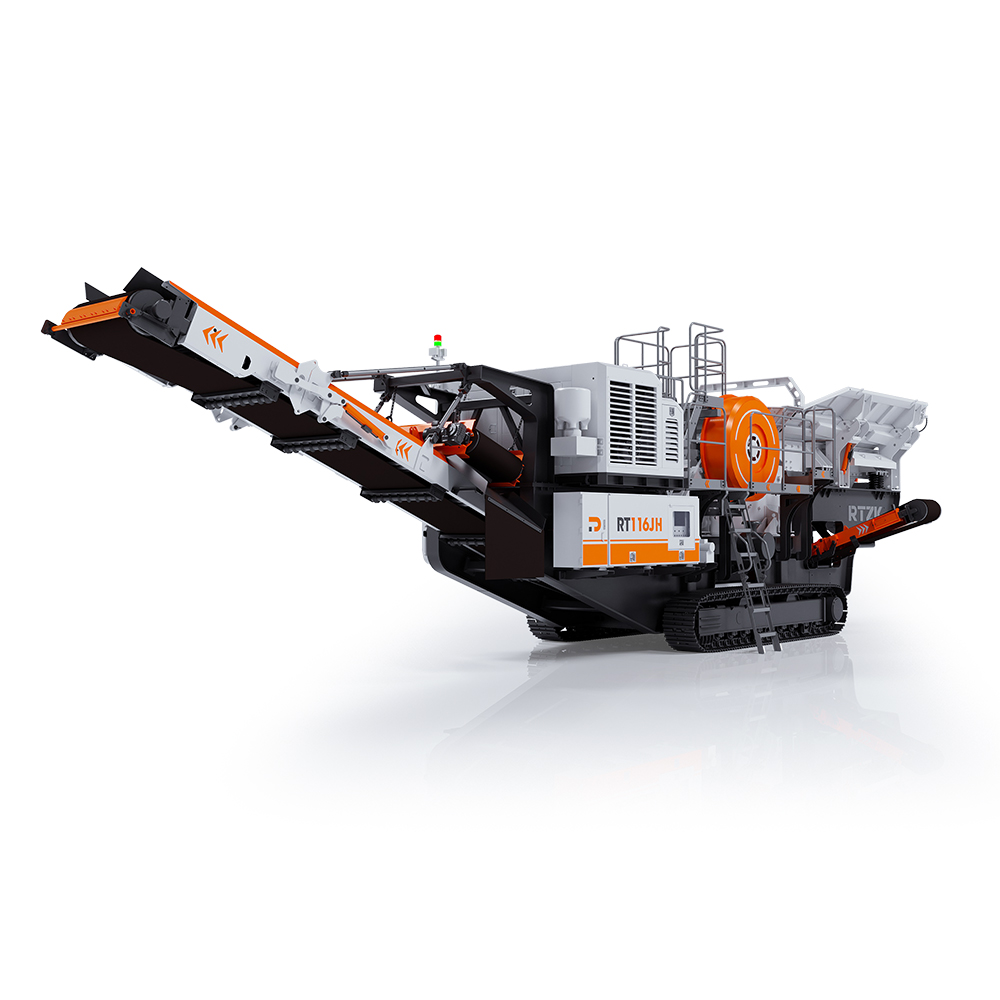 RT116JH Crawler Mobile Jaw Crushing Plant
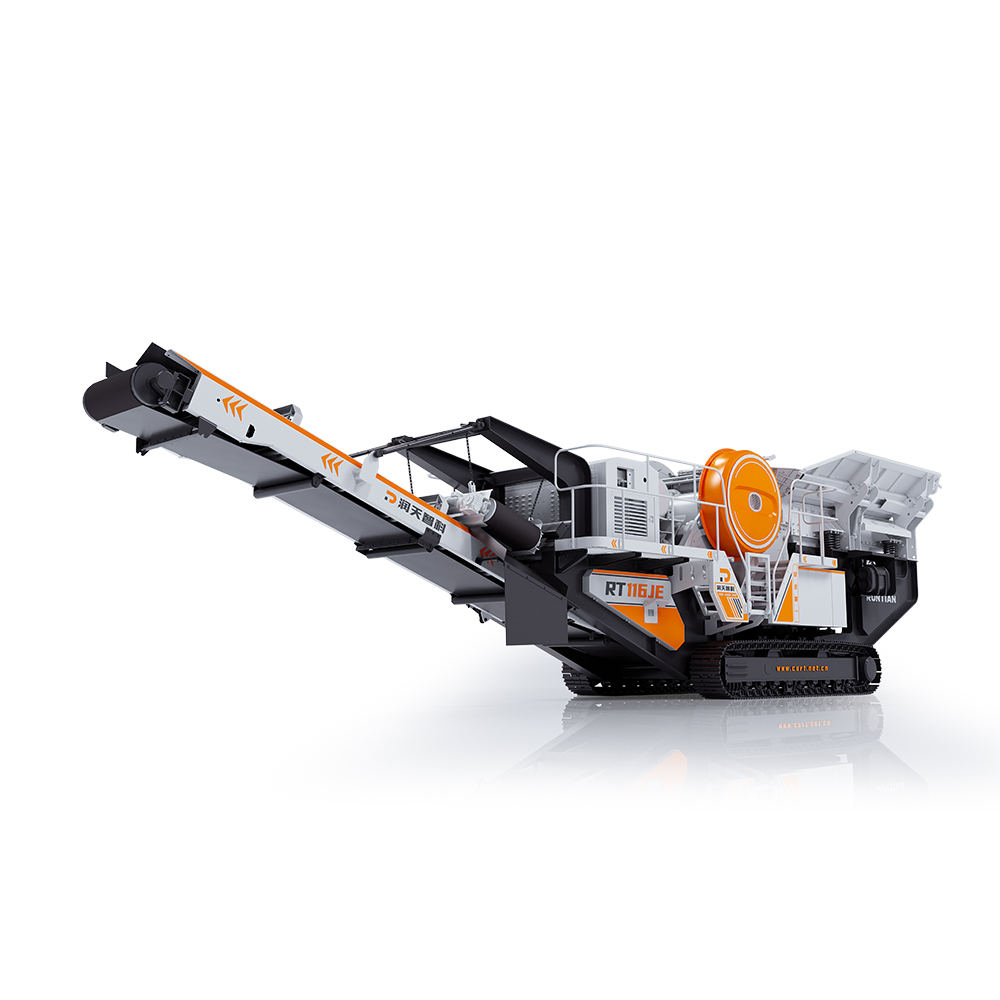 RT116JE Crawler Mobile Jaw Crushing Plant
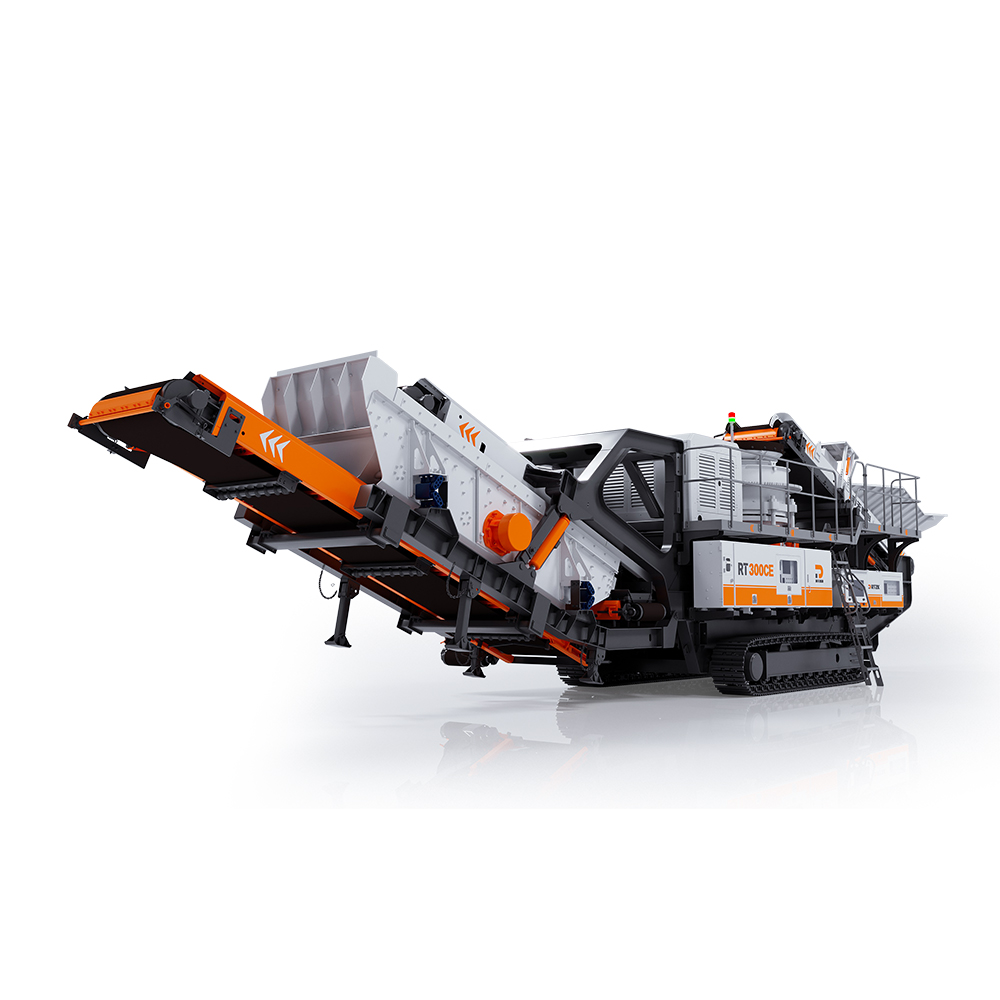 RT300CE Crawler Mobile Cone Crushing Plant
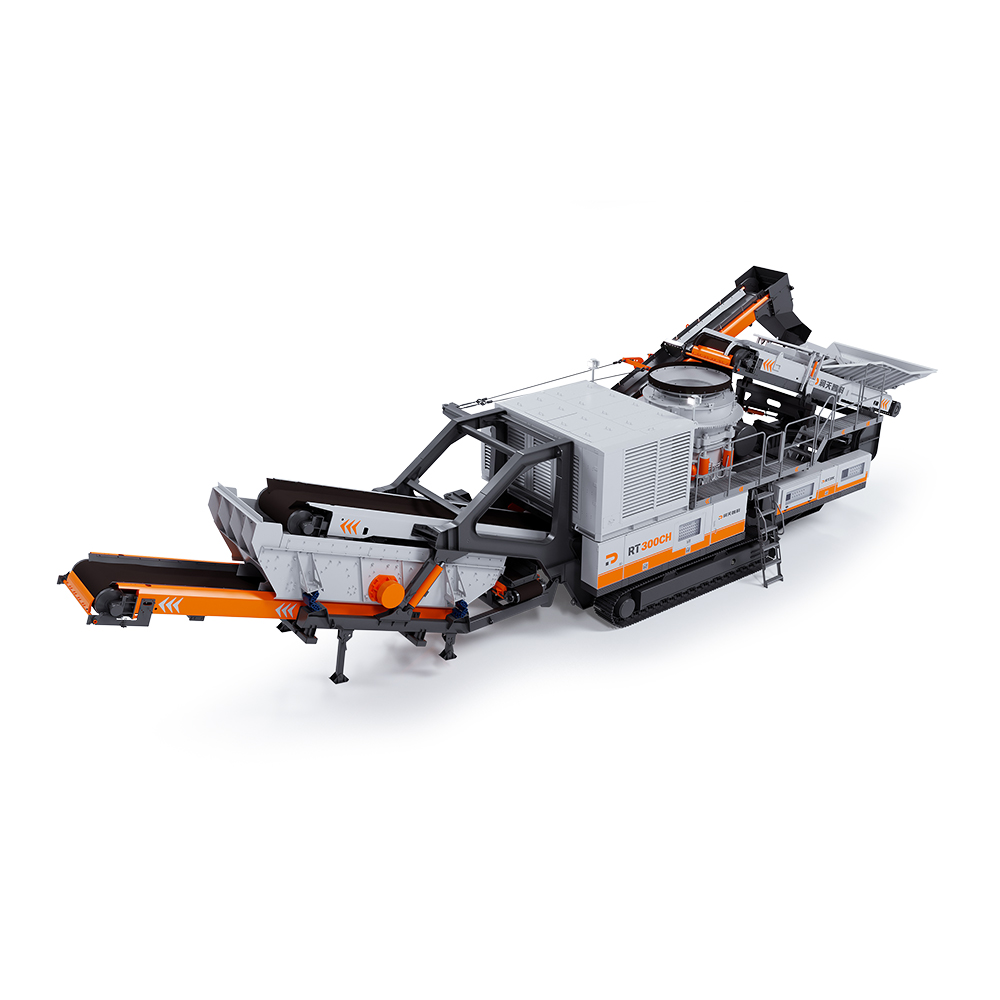 RT300CH Crawler Mobile Cone Crushing Plant
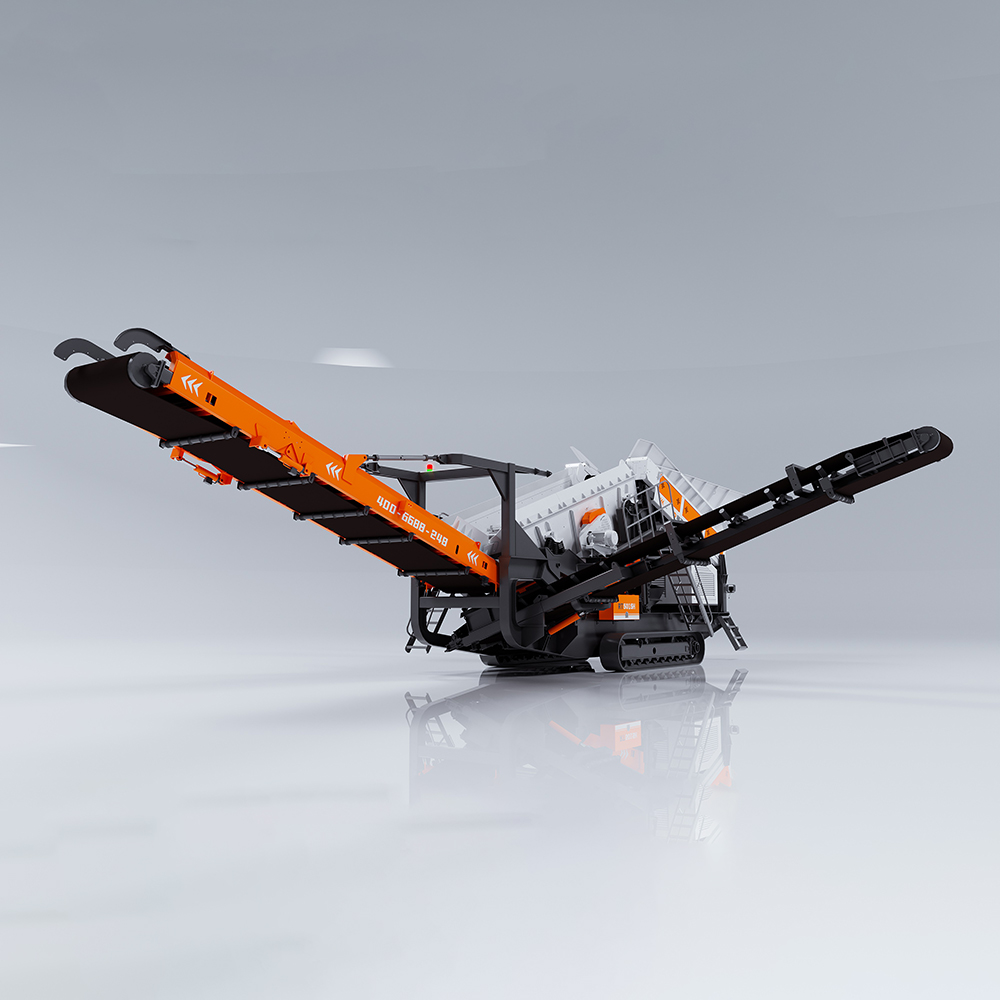 RT5015H Mobile Scalping Screen
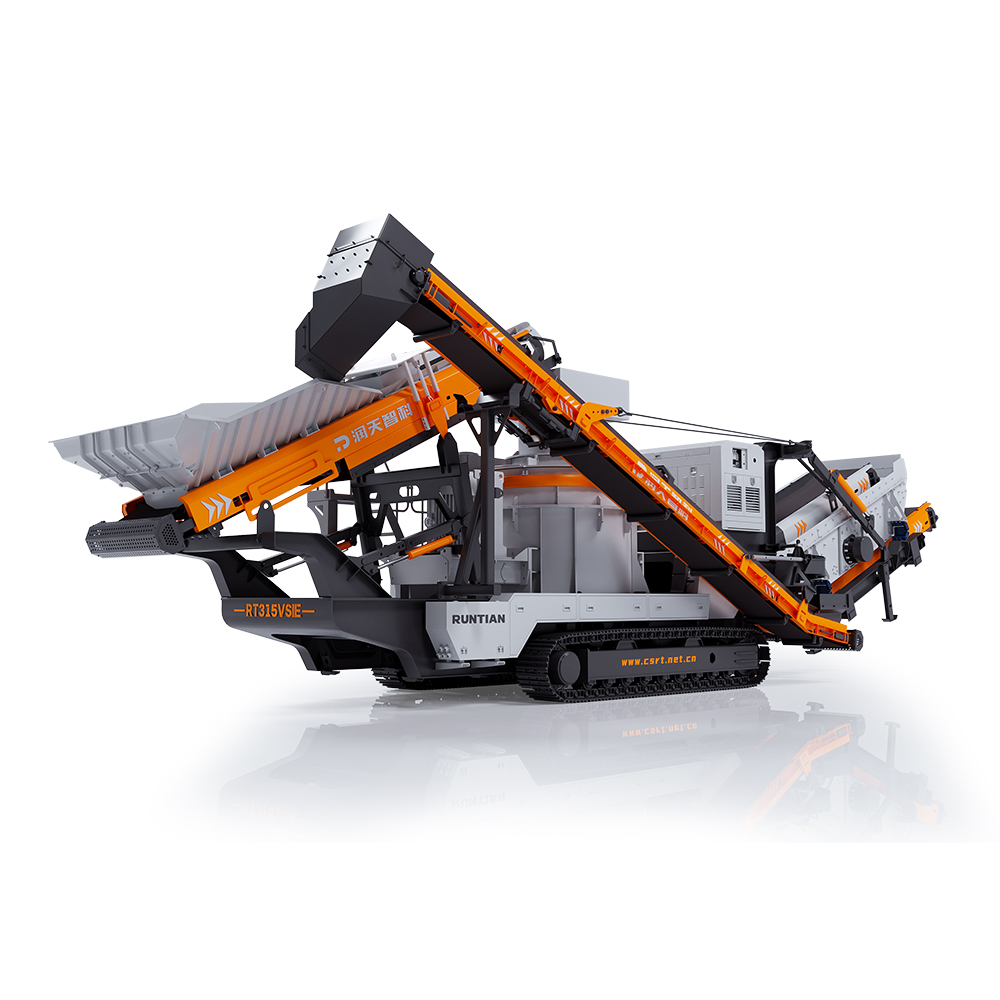 RT315VSIE Crawler Mobile Sand Maker
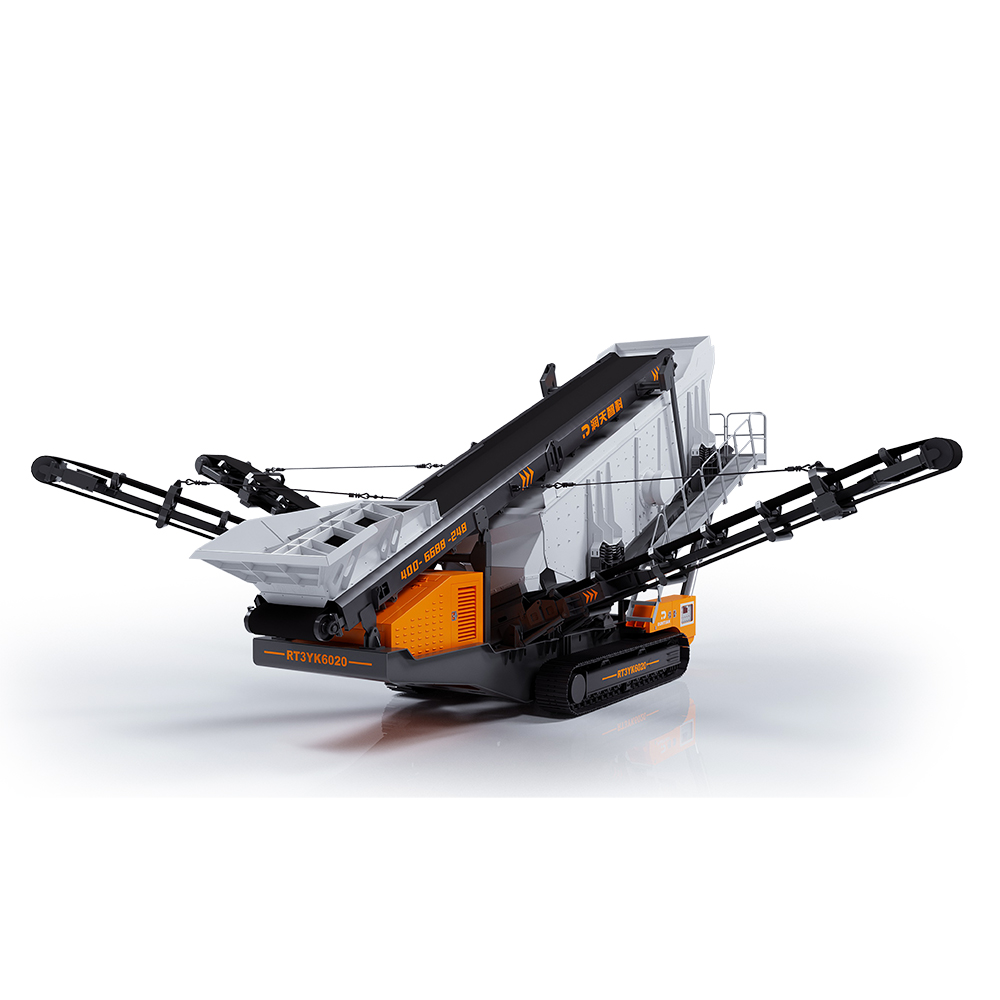 RT3YK6020 Crawler Mobile Screening Plant
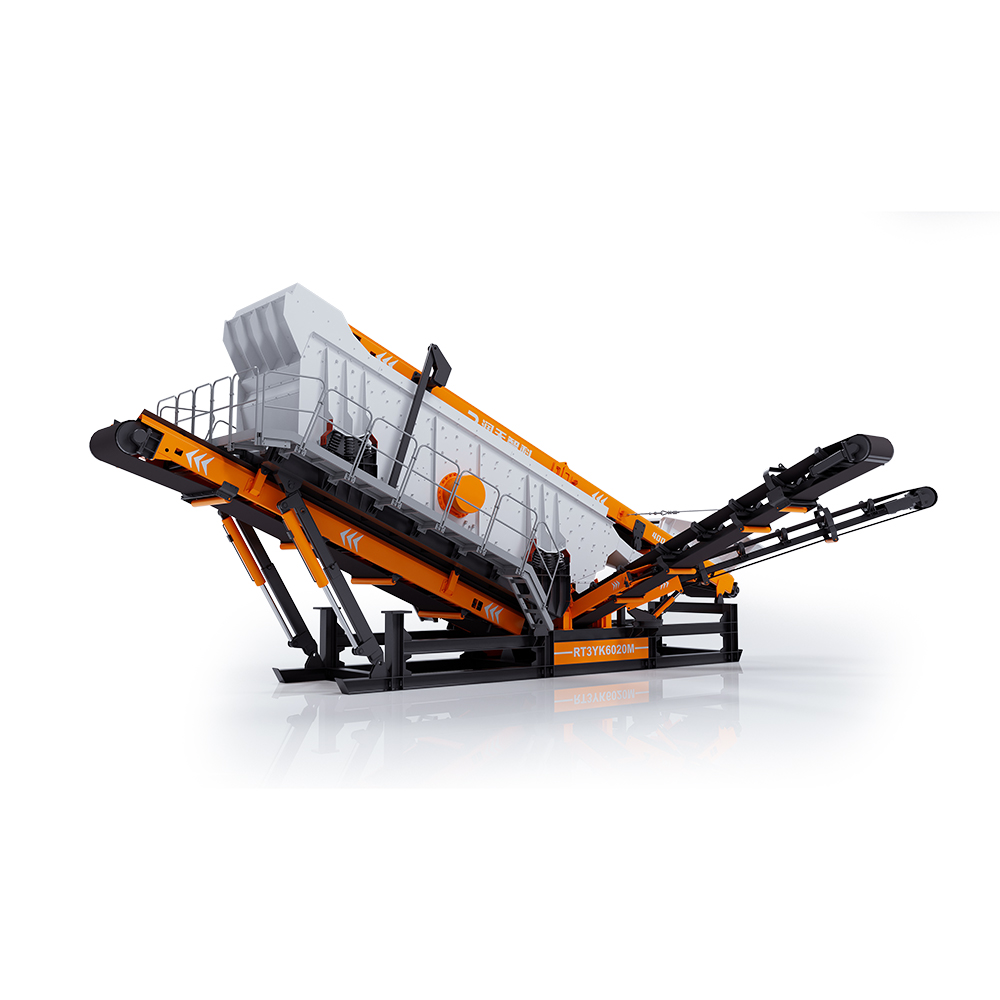 RT3YK6020M Modular Screening Plant
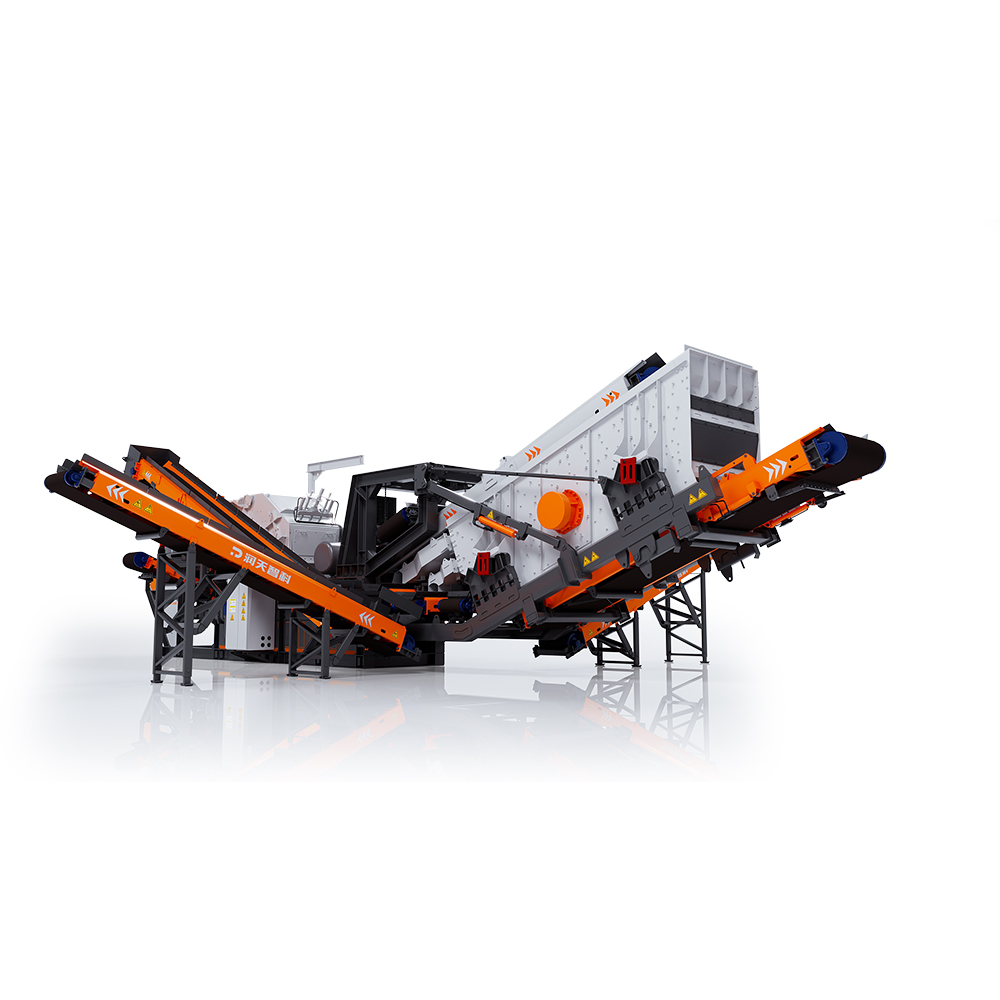 RTF260M Modular Counterattack Crushing and Screening Integrated Machine
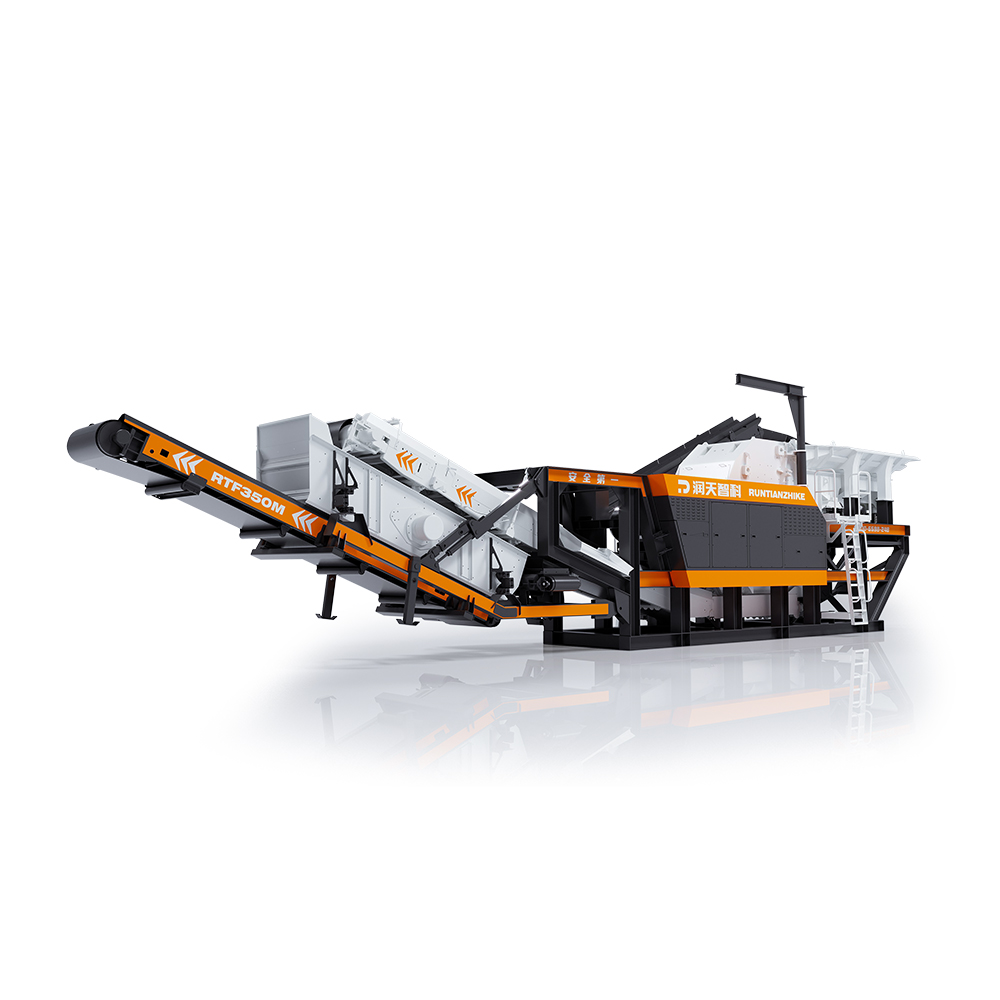 RTF350M Modular Impact Crushing Plant
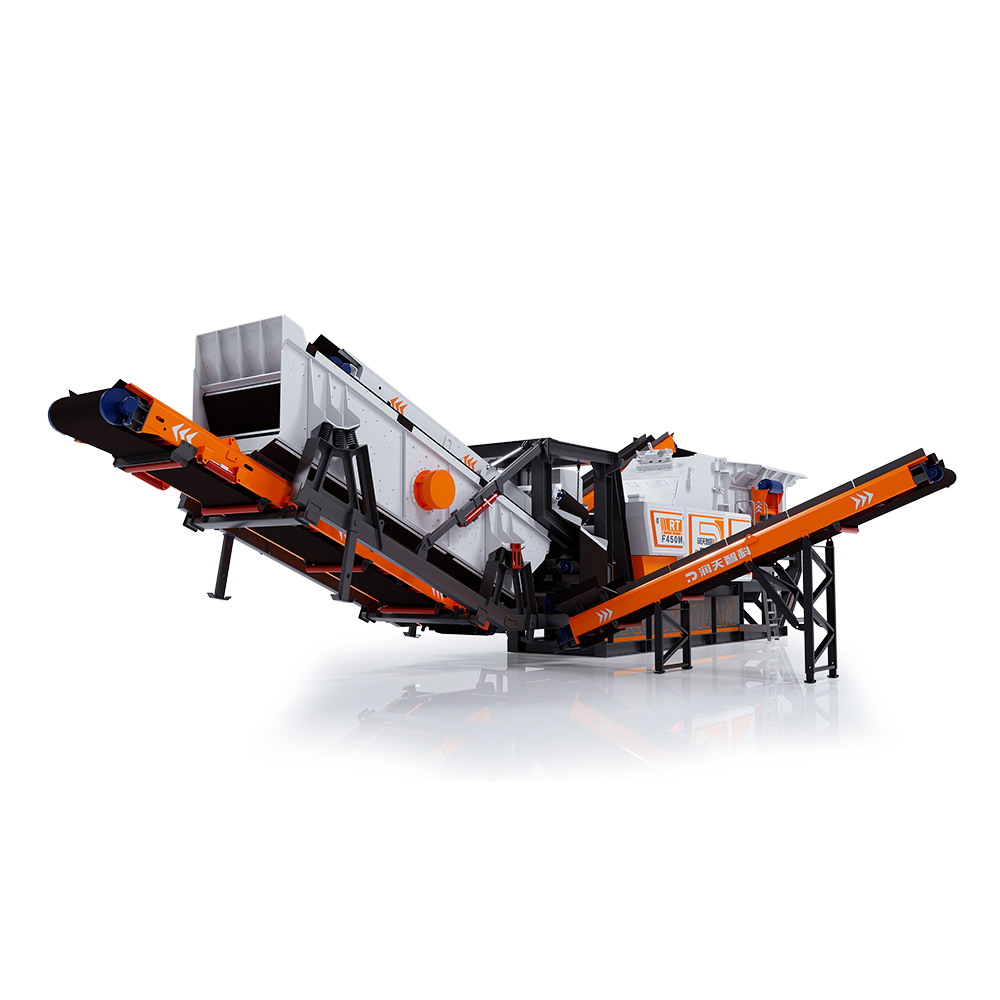 RTF450M Modular Impact Crushing Plant
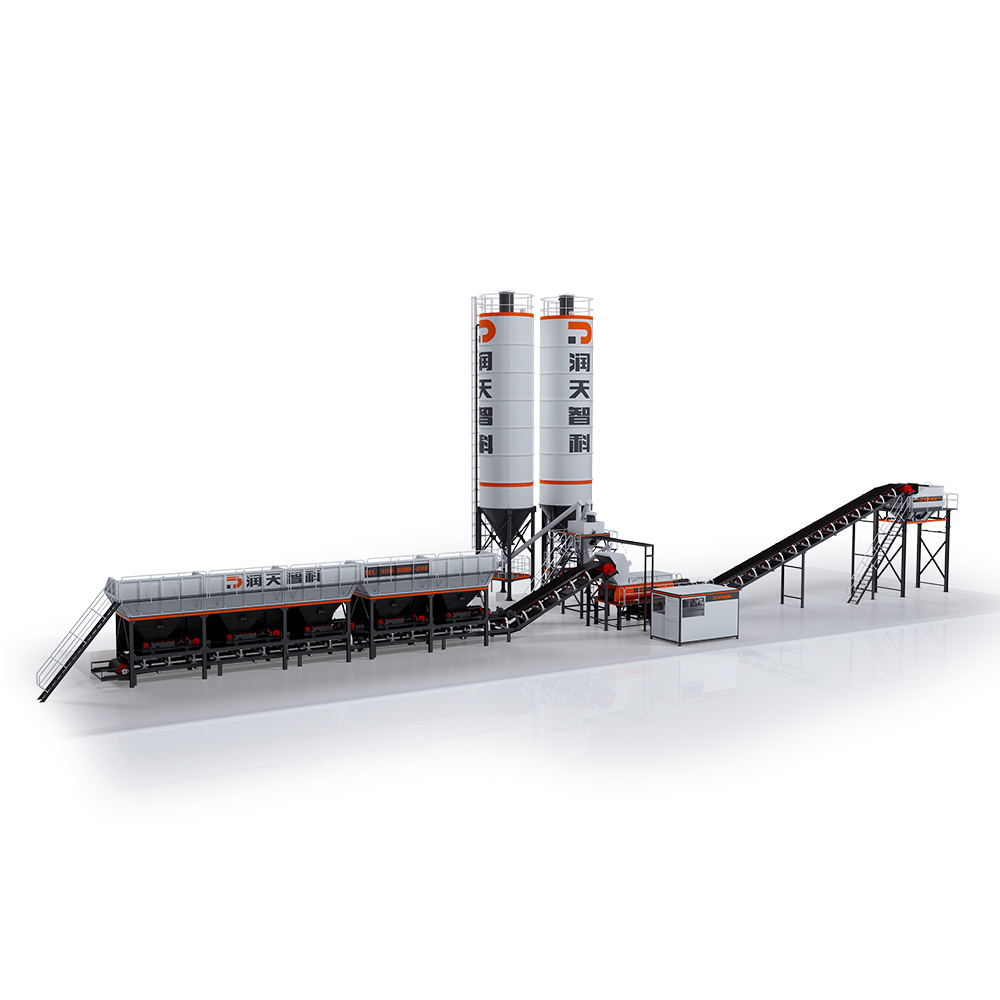 WDB Series Foundation-Free Stability Soil Mixing Plant
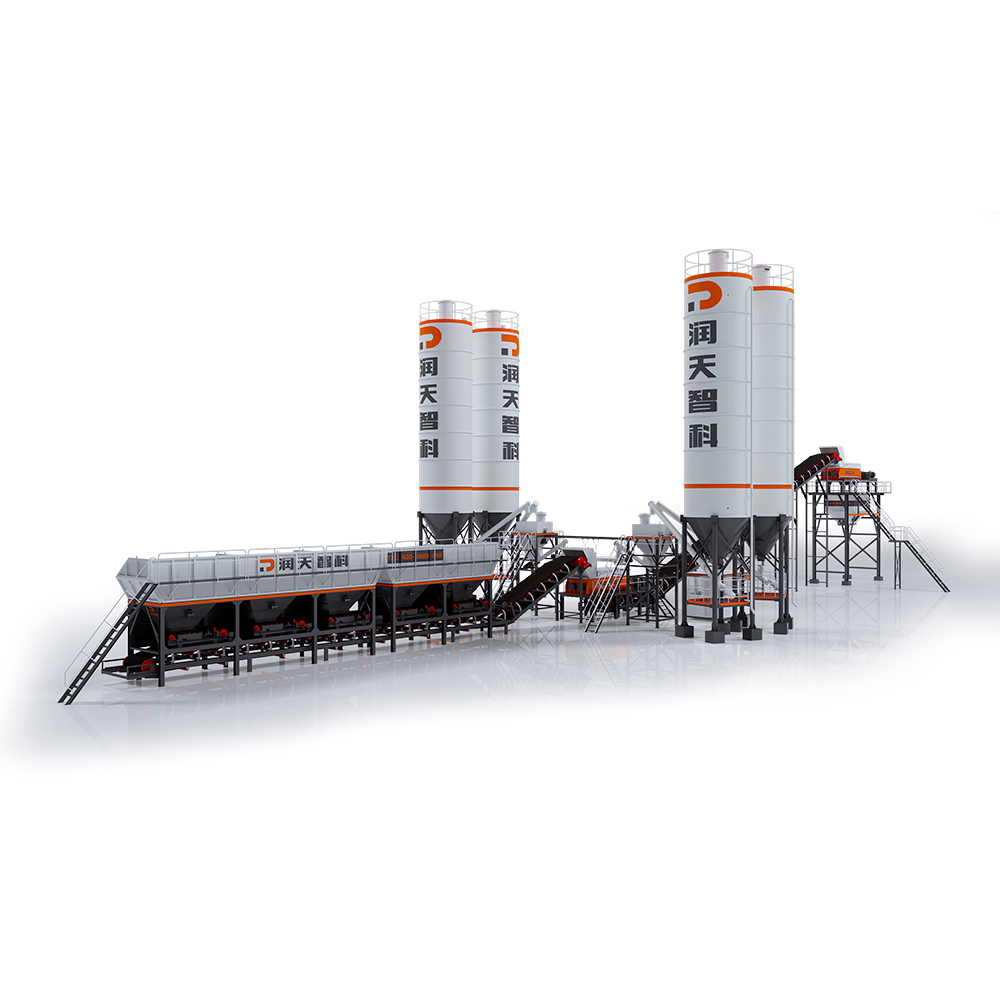 LCB Series Emulsified Asphalt Cold Regeneration Secondary Mixing Plant
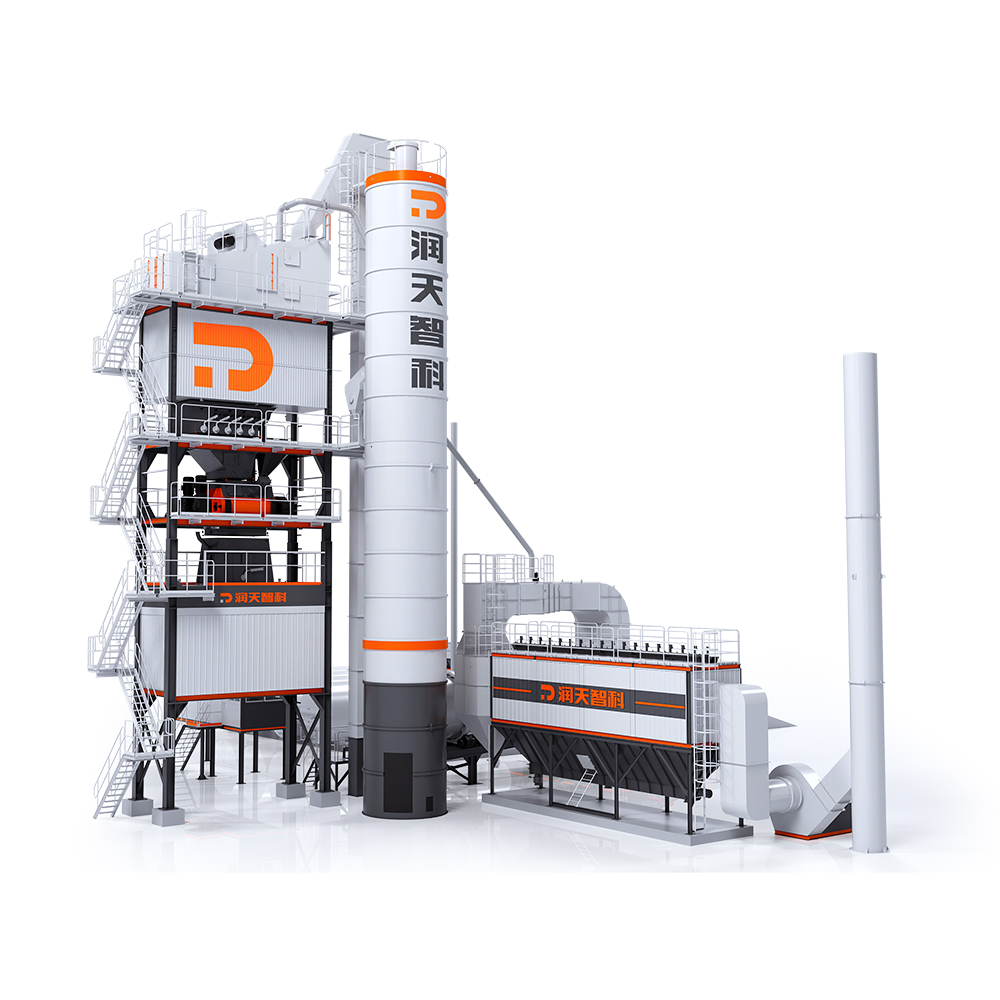 LB Series Asphalt Mixing Plant
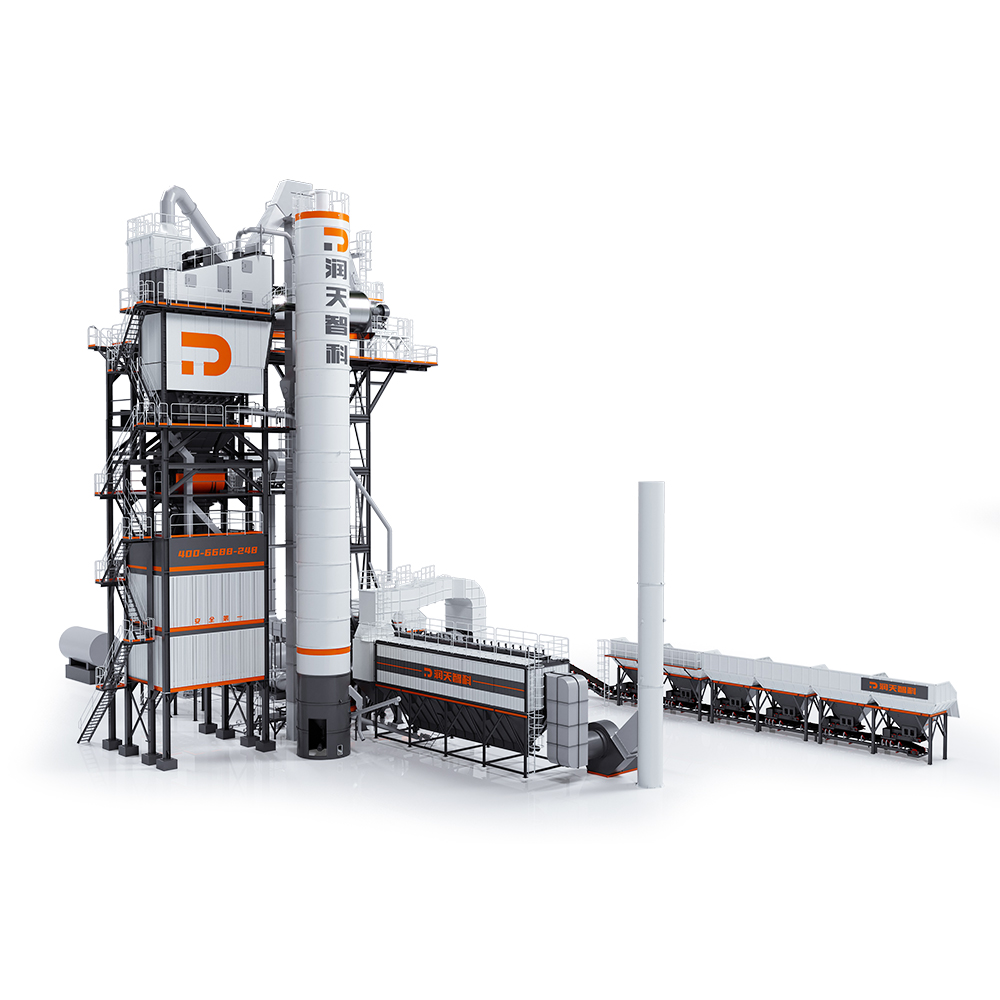 LBR Series Integrated Asphalt Mixing Plant
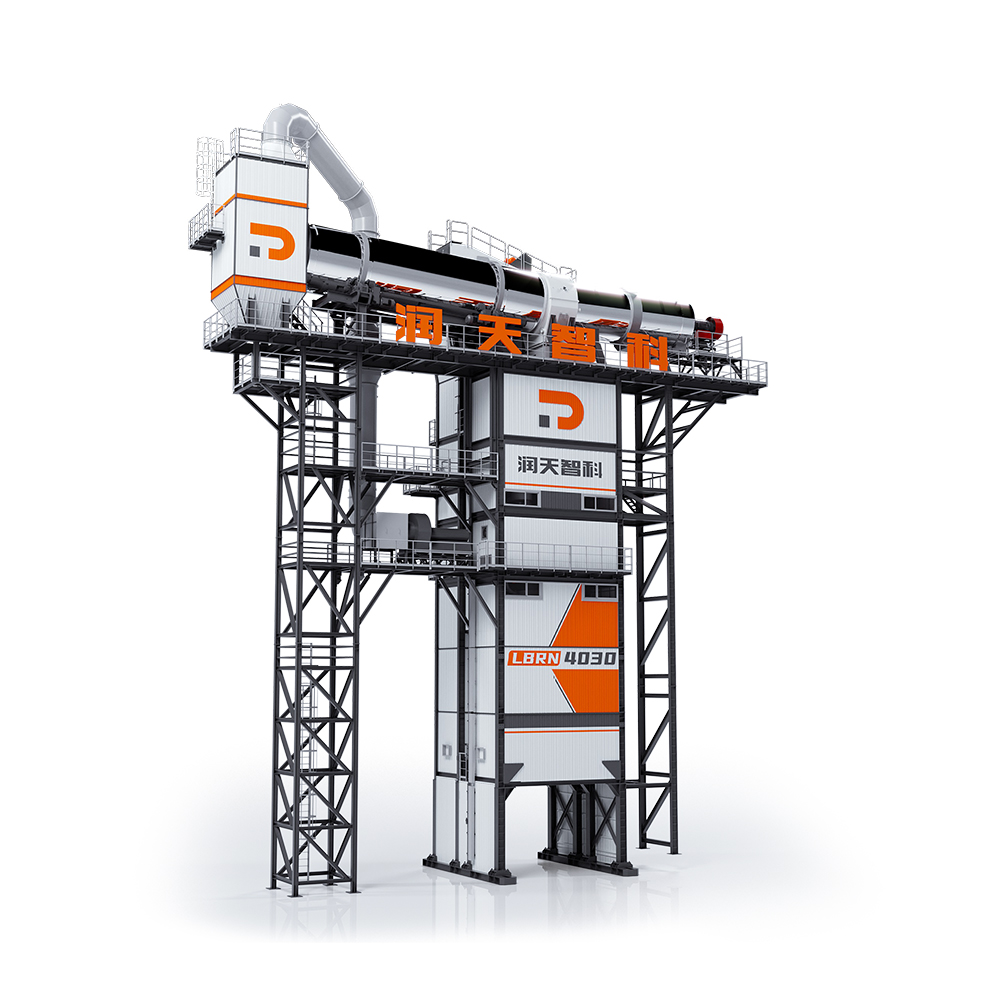 LBRN Series Counterflow Integral Asphalt Mixing Plant
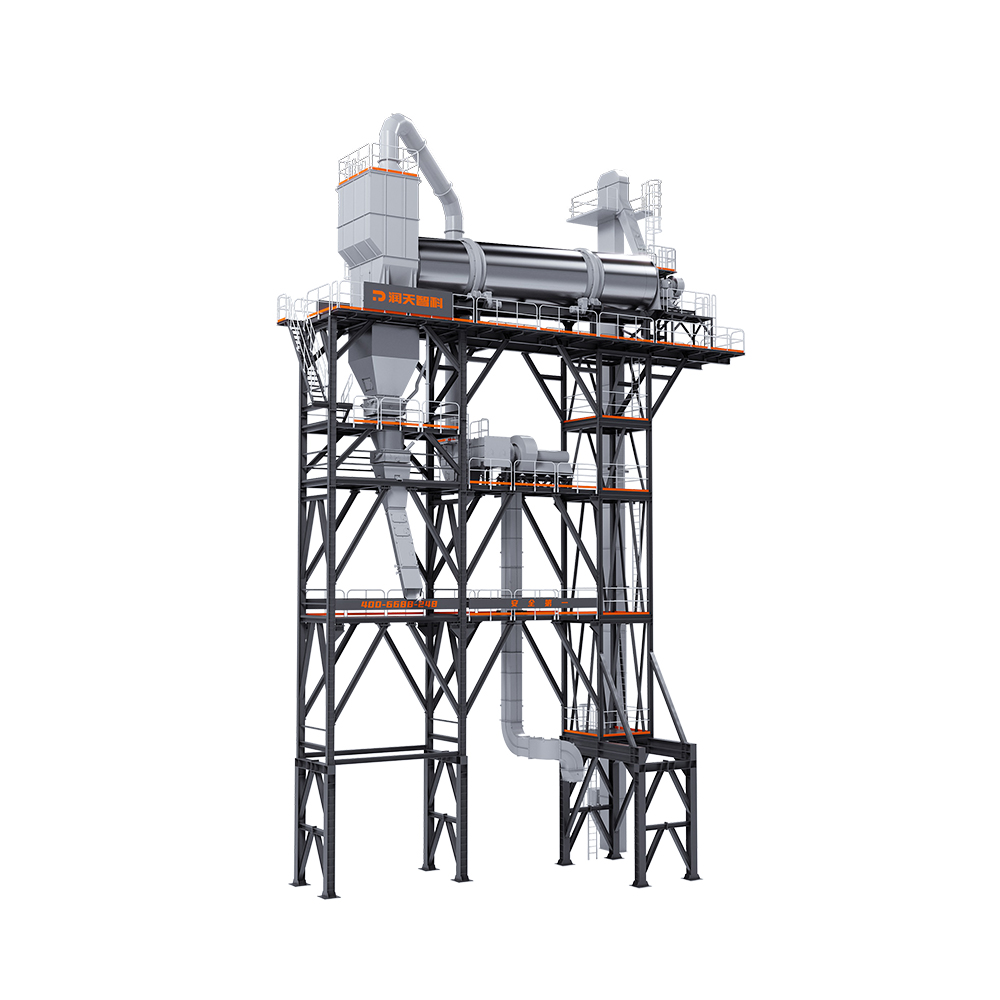 RZS Series Asphalt Mixing Plant
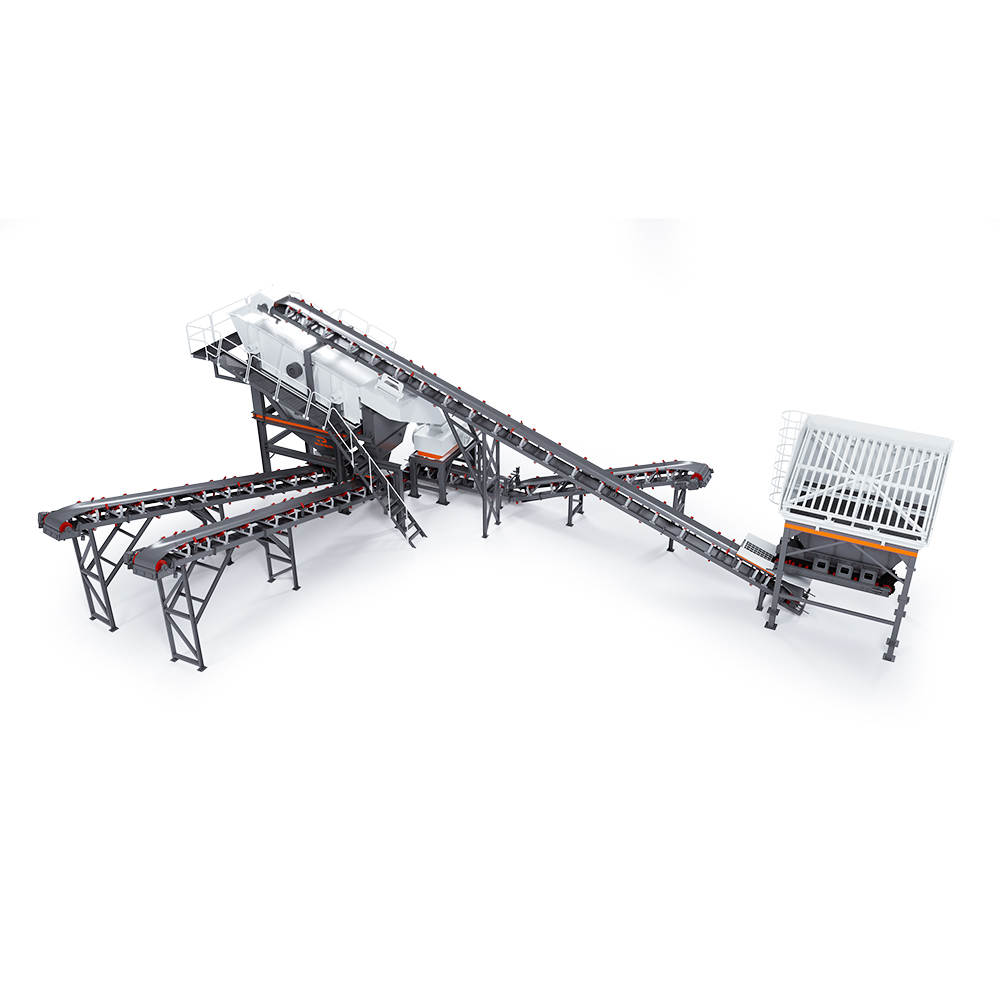 RTZS120 Series RAP Crushing & Screening Plant
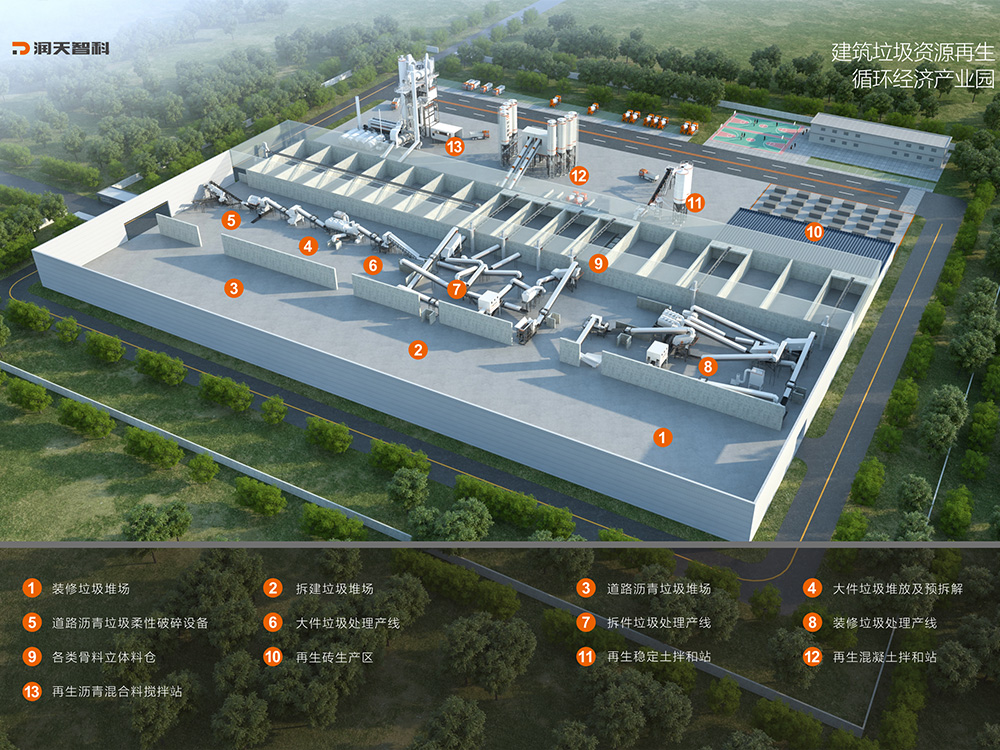 Construction Waste Resourceful Treatment Line