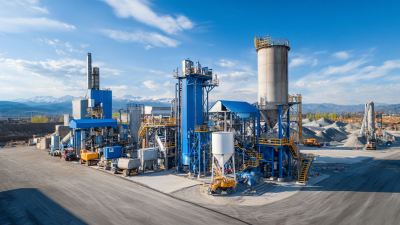
2026 Best Asphalt Plant Features and Benefits to Consider?
In the ever-evolving world of construction, the Asphalt Plant remains a critical component. Experts emphasize the importance of selecting the right features for efficiency and reliability. John D. Smith, a renowned engineer in the asphalt industry, once stated, "Choosing the right Asphalt Plant is vital for project success." This insight highlights how a well-chosen plant can significantly impact overall performance.
Modern Asphalt Plants are equipped with advanced technology. These innovations lead to increased production rates and better material quality. For instance, some plants offer smart controls that optimize fuel consumption. However, not every feature is applicable to all projects. This makes it crucial for buyers to reflect on their specific needs.
Deciding on the best features requires careful consideration. Key aspects to evaluate include production capacity, environmental impact, and maintenance ease. While many plants promise efficiency, not all can deliver sustainably. Thus, a thorough assessment is necessary to avoid costly mistakes in the future.
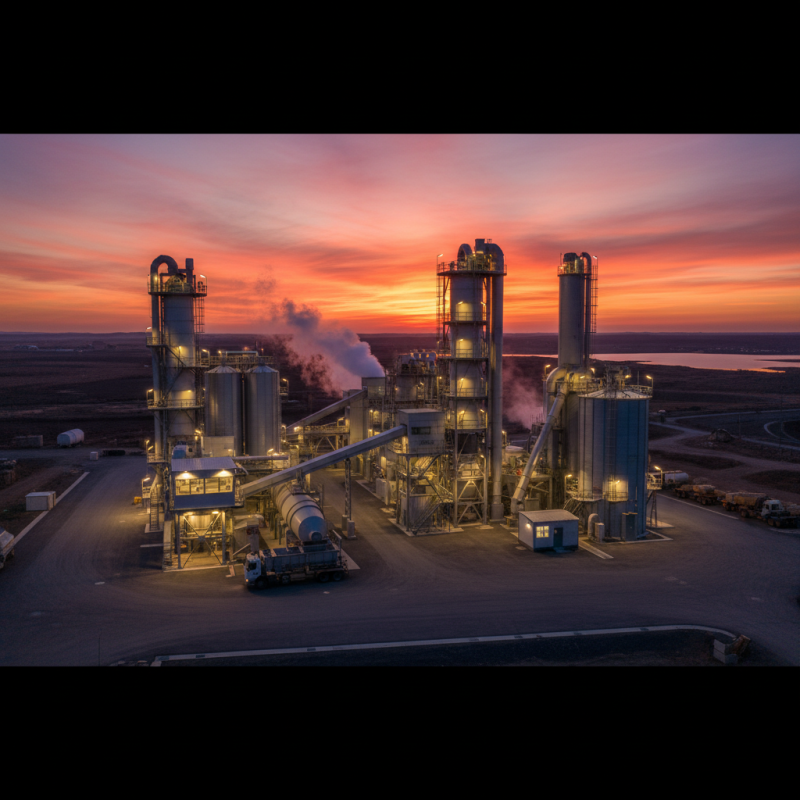
2026 Asphalt Plant Market Trends and Innovations Overview
The asphalt plant market is evolving rapidly. By 2026, industry analysis predicts significant changes due to technological advancements. Innovations in automation are aimed at boosting production efficiency. More plants are adopting smart technology for real-time monitoring. These advancements help in reducing waste and improving quality control.
Data shows that the global asphalt plant market size is expected to reach USD 3.6 billion by 2026. Many plants are focusing on sustainability. This includes using recycled materials in production. However, some operations still lag behind in adapting these eco-friendly practices. It’s crucial for plants to address these shortcomings. Customer demand for greener solutions is only increasing.
Innovation does not come without challenges. The integration of new technologies requires skilled personnel. A shortage of qualified workers may hinder progress. Moreover, some companies remain hesitant to invest heavily in unproven technologies. Keeping up with market trends is essential. Companies need to evaluate their strategies continually. This ensures they do not fall behind in a competitive landscape. The future hinges on flexibility and adaptation.
Key Features of Modern Asphalt Plants to Enhance Efficiency
Modern asphalt plants are evolving rapidly to improve efficiency and sustainability. Key features are now designed to optimize production processes. For instance, utilizing advanced digital control systems can enhance precision in temperature management. A report by the National Asphalt Pavement Association indicates that automated controls can reduce temperature inconsistencies by up to 30%. This decrease not only minimizes waste but also improves overall product quality.
Moreover, the integration of warm-mix asphalt technology significantly enhances plant efficiency. This method allows for lower mixing temperatures, reducing energy consumption. According to studies, using warm-mix can cut energy costs by roughly 20%. However, not all facilities have adopted these technologies. Some still rely on traditional methods, losing out on these efficiencies.
Another crucial aspect is the reduced emissions technology. Many modern plants implement systems that lower volatile organic compounds (VOCs) and particulate emissions. The latest environmental regulations demand these changes, but compliance can be difficult. Some plants struggle to upgrade existing systems, leading to lag in meeting new standards. Balancing the need for efficiency and environmental responsibility remains a challenge in the industry.
2026 Best Asphalt Plant Features and Benefits to Consider
| Feature |
Description |
Benefits |
| Reduced Energy Consumption |
Modern plants use advanced burners and insulation techniques. |
Lower operational costs and reduced emissions. |
| Batch vs. Continuous Mixing |
Options for both batch and continuous mixing processes. |
Flexibility in production to meet project demands. |
| Control Systems |
Integrated digital control systems for monitoring. |
Improved accuracy and efficiency in production management. |
| Recycling Capabilities |
Ability to reuse reclaimed asphalt pavement (RAP). |
Sustainable practices and cost savings on materials. |
| User-Friendly Interfaces |
Touchscreen control panels with intuitive navigation. |
Reduced training time and easier operation. |
| Modular Design |
Plants designed for easy transport and assembly. |
Flexibility in location and quicker setup times. |
Benefits of Advanced Technology in Asphalt Production Processes
The asphalt production industry is evolving rapidly. Advanced technologies are influencing production processes significantly. For instance, the introduction of automated mixing systems can enhance quality control. According to a 2023 report by the Asphalt Pavement Alliance, these innovations can reduce waste by up to 30%. This is a considerable benefit for plant operators, but it comes with challenges.
Data from industry studies also highlight that real-time monitoring tools improve efficiency. They allow for immediate adjustments, optimizing the mix’s properties. However, not all operators have adapted to these changes. Many are still relying on outdated practices. This gap reflects a need for training and resources in the workforce.
Moreover, drones and AI-based analytics are proving to be game-changers. These technologies enable better site management and predictive maintenance. Yet, they introduce complexities in data interpretation. Many teams may struggle to harness their full potential. The shift towards these advanced technologies promises a brighter future, but it requires careful consideration and adaptation.
2026 Best Asphalt Plant Features and Benefits
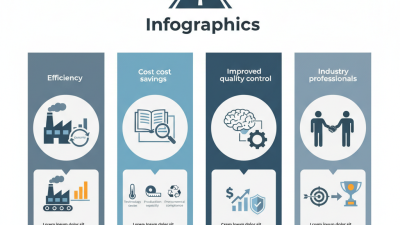
This bar chart illustrates the key features and benefits of advanced technology in asphalt production processes for 2026. With automation leading the way, energy efficiency and cost-effectiveness also stand out as critical factors that enhance production capabilities.
Environmental Considerations and Sustainability in Asphalt Plants
As the asphalt industry evolves, environmental considerations become crucial. Sustainable practices are now at the forefront of asphalt plant design. According to the National Asphalt Pavement Association, asphalt plants have reduced greenhouse gas emissions by 32% since 2009. This progress is largely due to improved technologies and processes.
Recycling is a key component in modern asphalt production. Up to 90% of reclaimed asphalt pavement (RAP) can be reused in new mixtures. This not only minimizes waste but also conserves natural resources. However, the challenge remains in ensuring consistent quality of RAP. Some plants struggle with contamination, which can impair performance.
Emissions control technologies, like baghouses and thermal oxidizers, play a significant role in reducing air pollutants. Yet, many plants still face difficulties in meeting strict regulations. Continuous monitoring and improvements are necessary to achieve sustainable goals. Balancing production efficiency with environmental responsibility is a complex task for many operators in the industry.
Cost-Effectiveness and ROI of Investing in New Asphalt Plant Models
Investing in new asphalt plant models can be a pivotal decision for any construction business. The cost-effectiveness of modern plants plays a key role. New models often come with advanced technology that enhances efficiency. This can lead to significant savings on fuel and maintenance costs. Better efficiency usually translates into higher output, which can improve profitability.
However, potential buyers should approach this investment carefully. Initial costs can be high. It’s essential to analyze the overall return on investment (ROI). Take into account factors like reduced labor costs and less downtime. Some new plants may promise great results but could require adjustments. Each business has unique needs, making it crucial to evaluate which features truly align.
Inadequate planning can lead to regrets. It is wise to consider the long-term benefits versus short-term expenses. Rushing the decision could mean missing the ideal option. Every feature, from technology to capacity, deserves careful thought. A clear understanding of your specific requirements can significantly influence the outcome of the investment.

 Concrete Mixing Plant
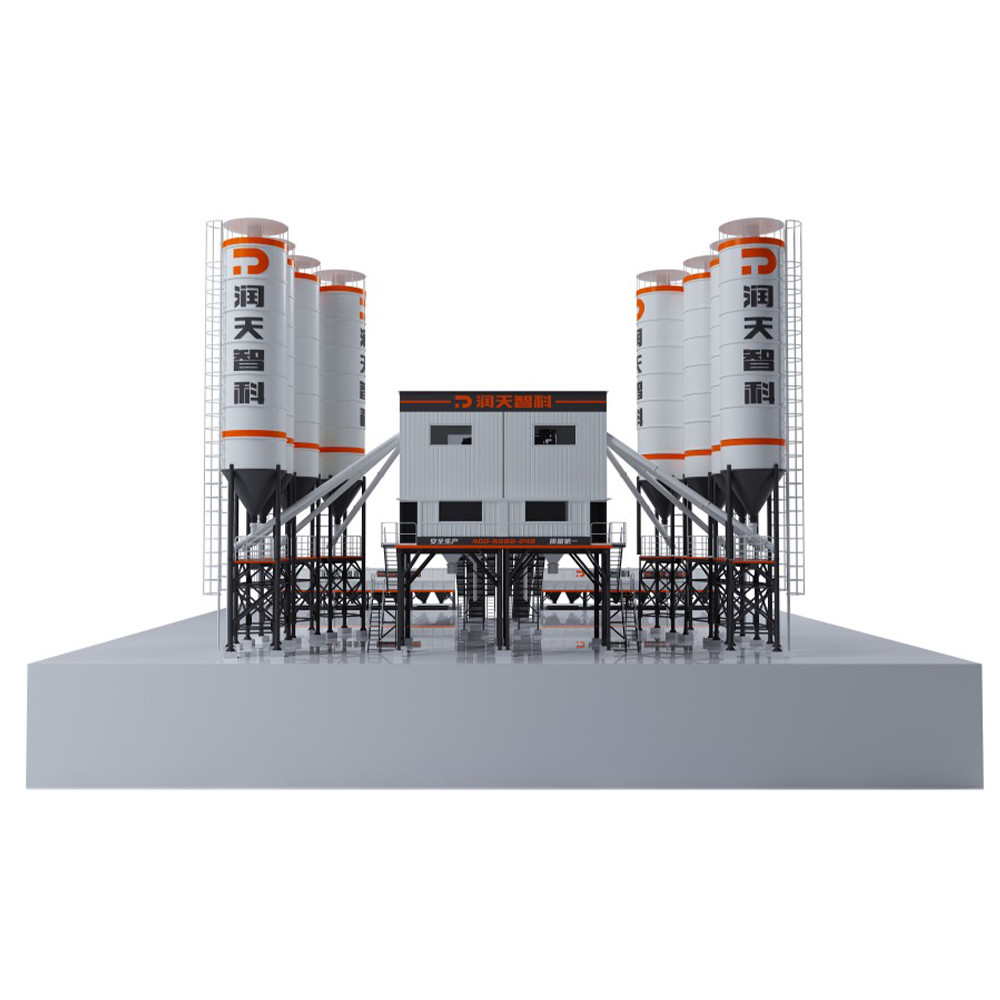 HZS Series Belt Concrete Mixing Plant
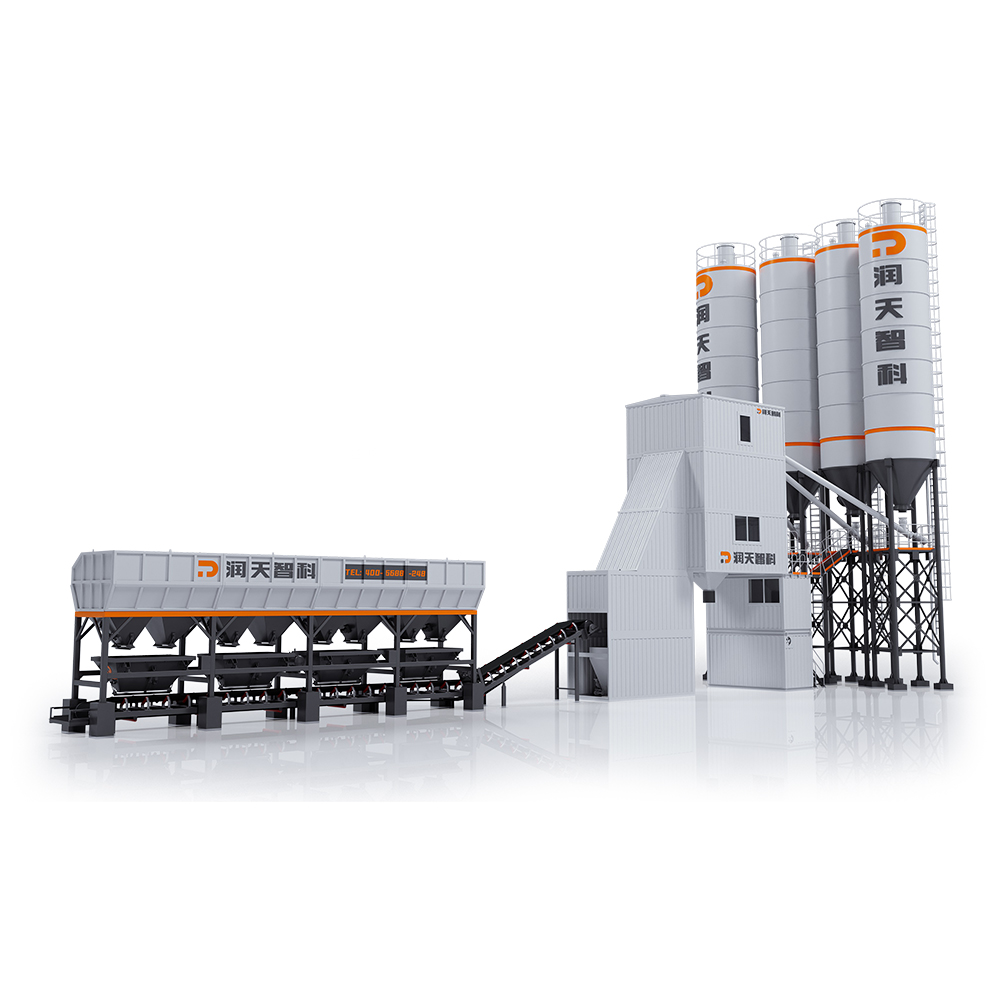 HZS Series Bucket-Lifting Type Container Concrete Mixing Plant
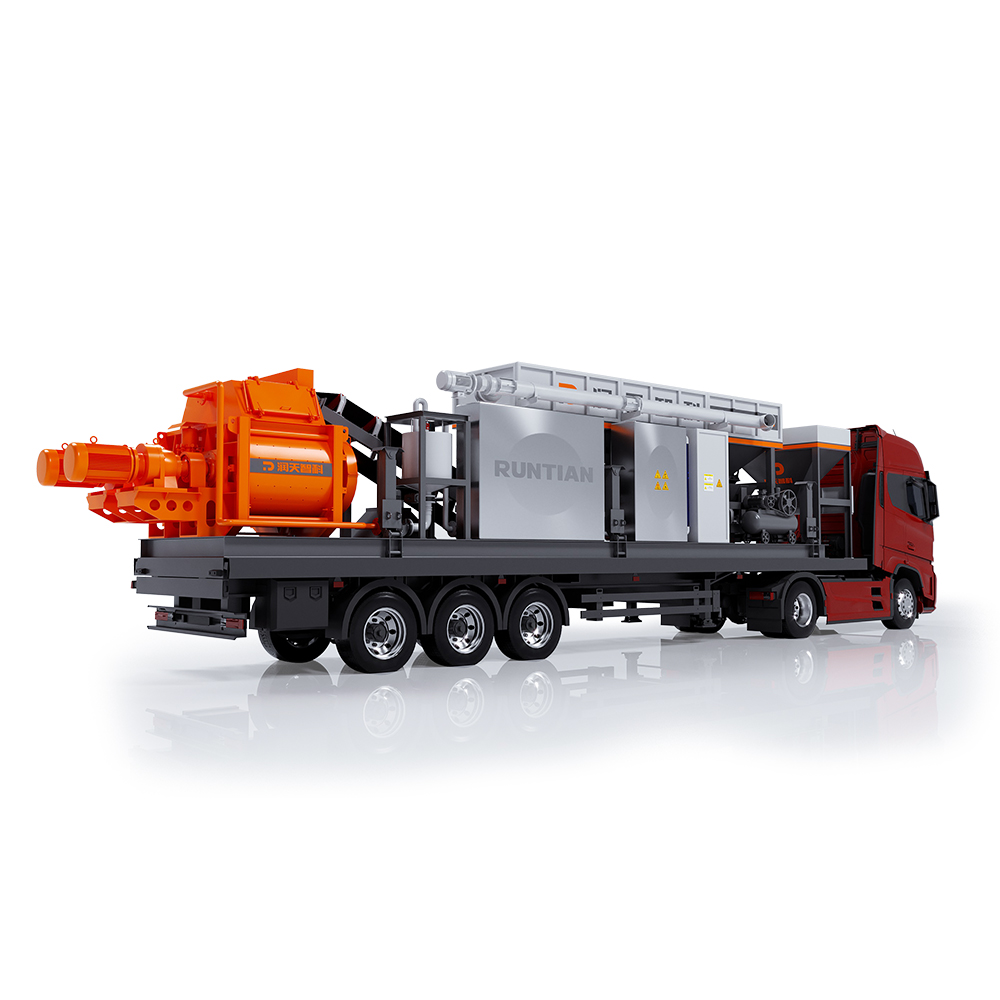 HZS60 Mobile Concrete Mixing Plant
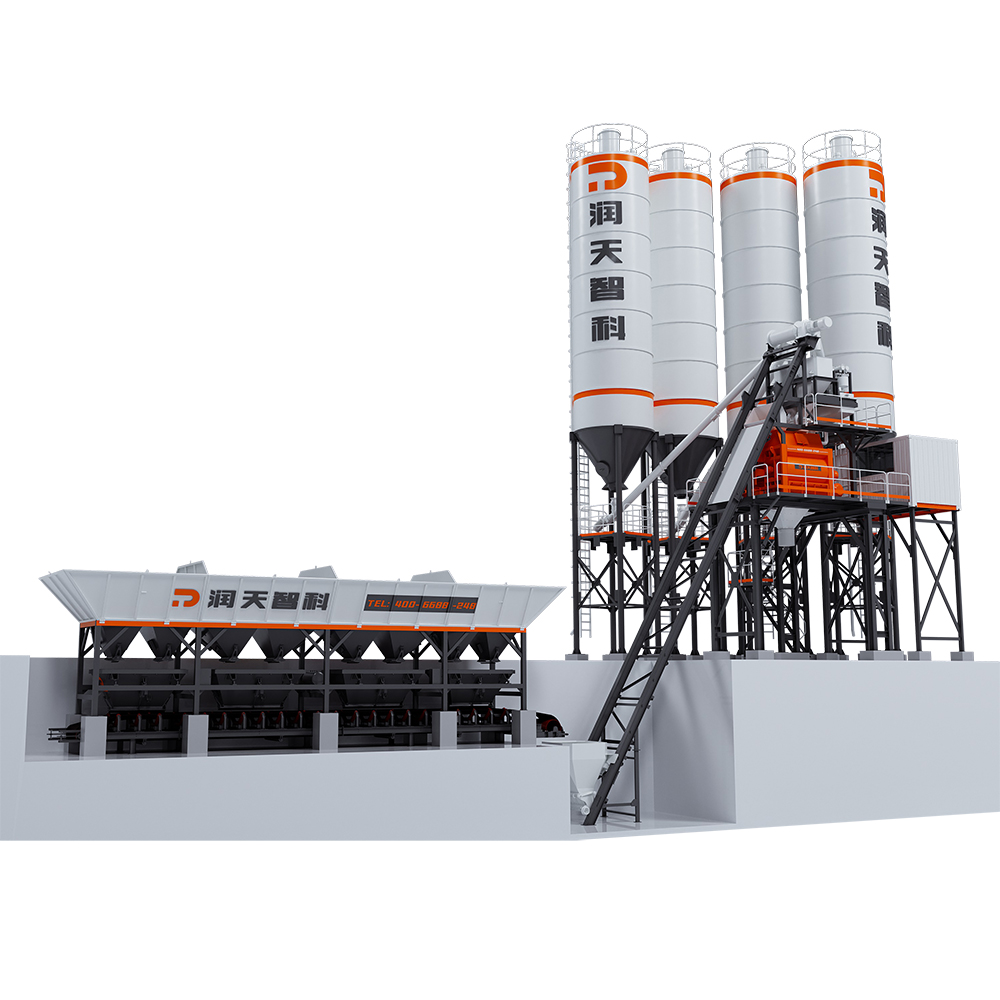 HZS Series Bucket-Lifting Type Concrete Mixing Plant
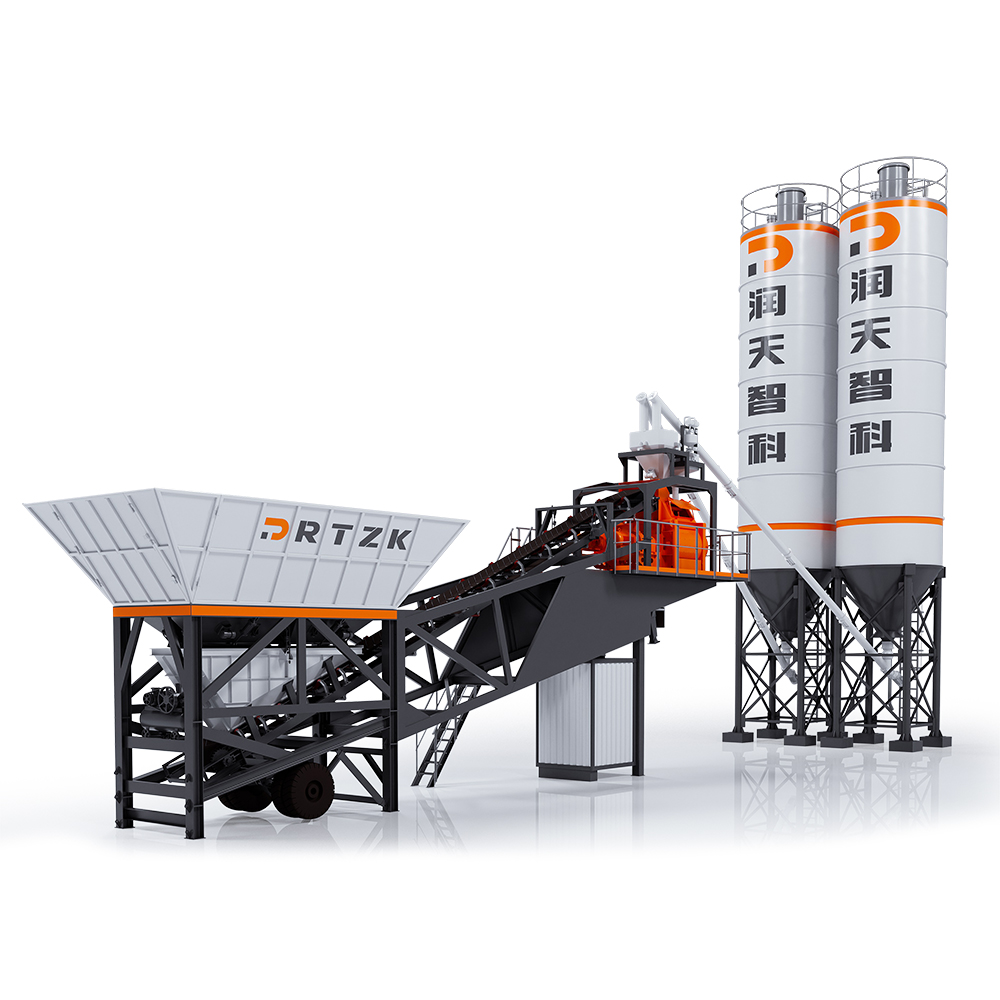 HZS Series Mobile Concrete Mixing Plant
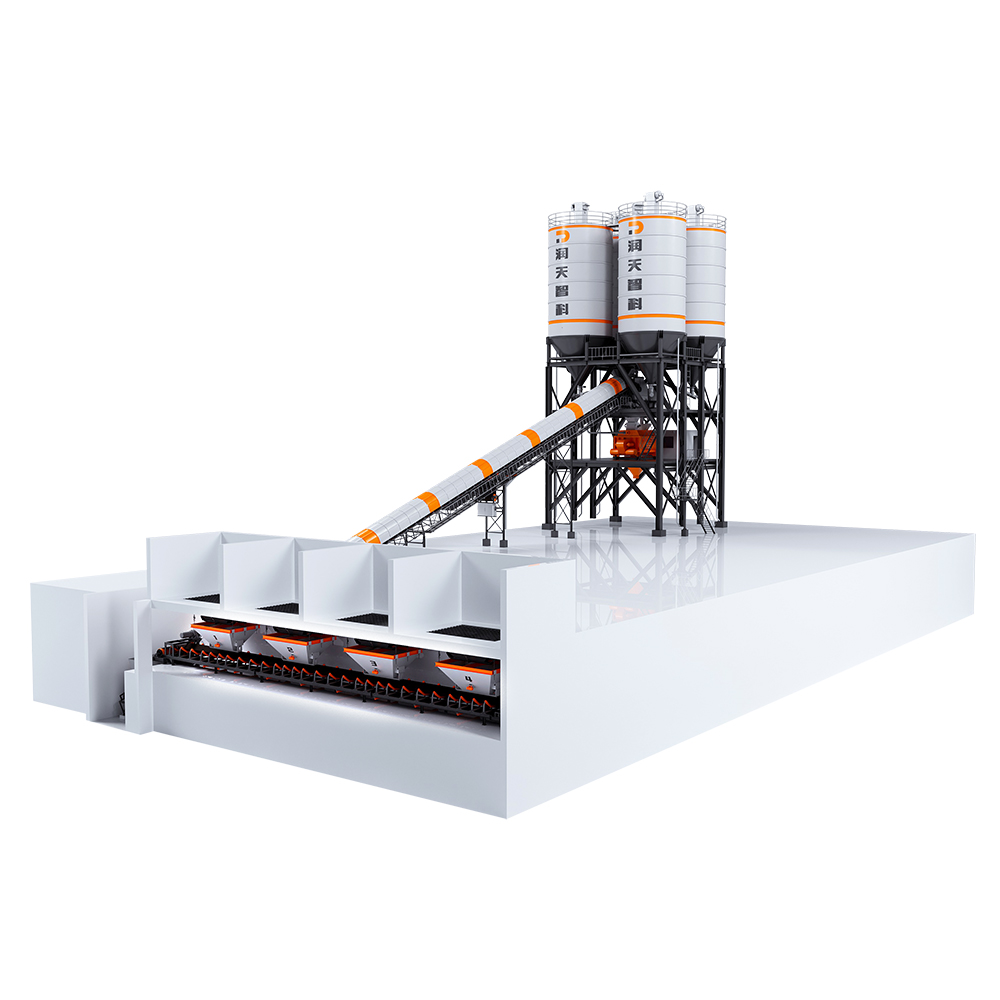 HZS Series Top-Mounted Concrete Mixing plant
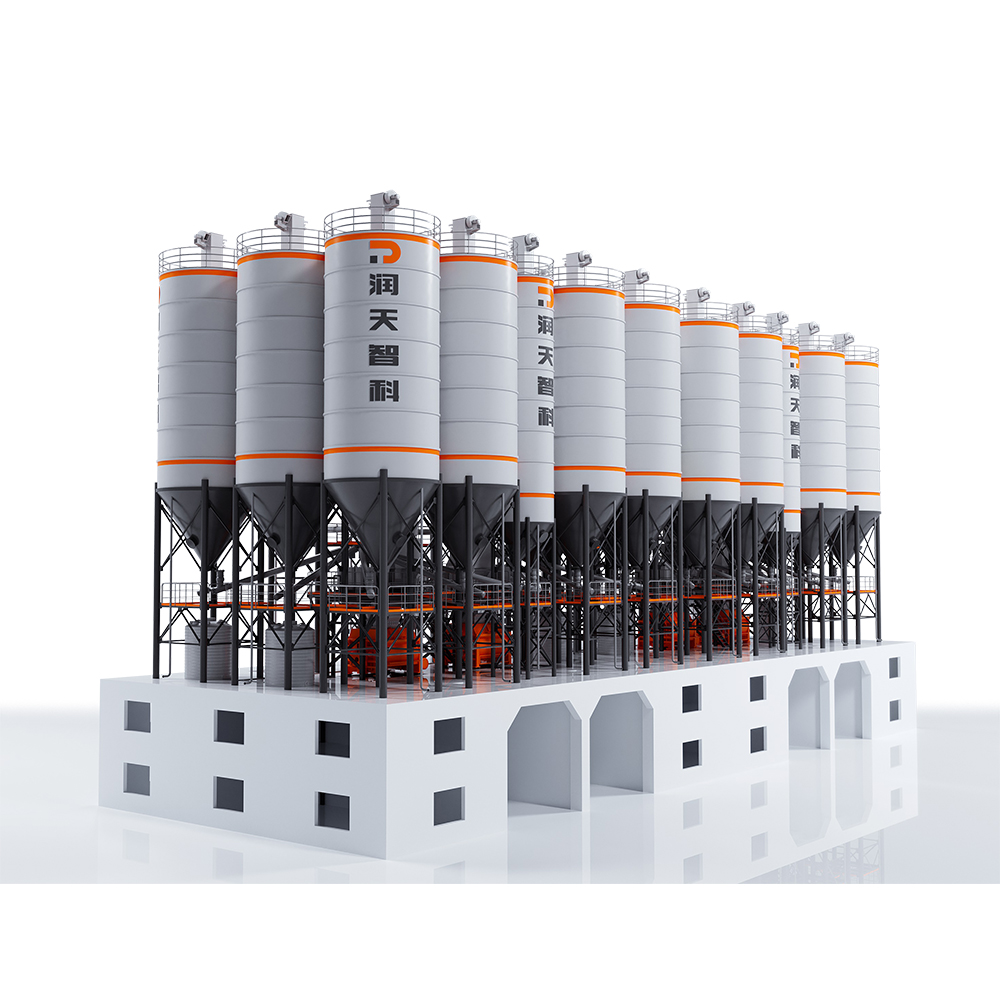 HZS Series Semi-Top Mounted Concrete Mixing Plant
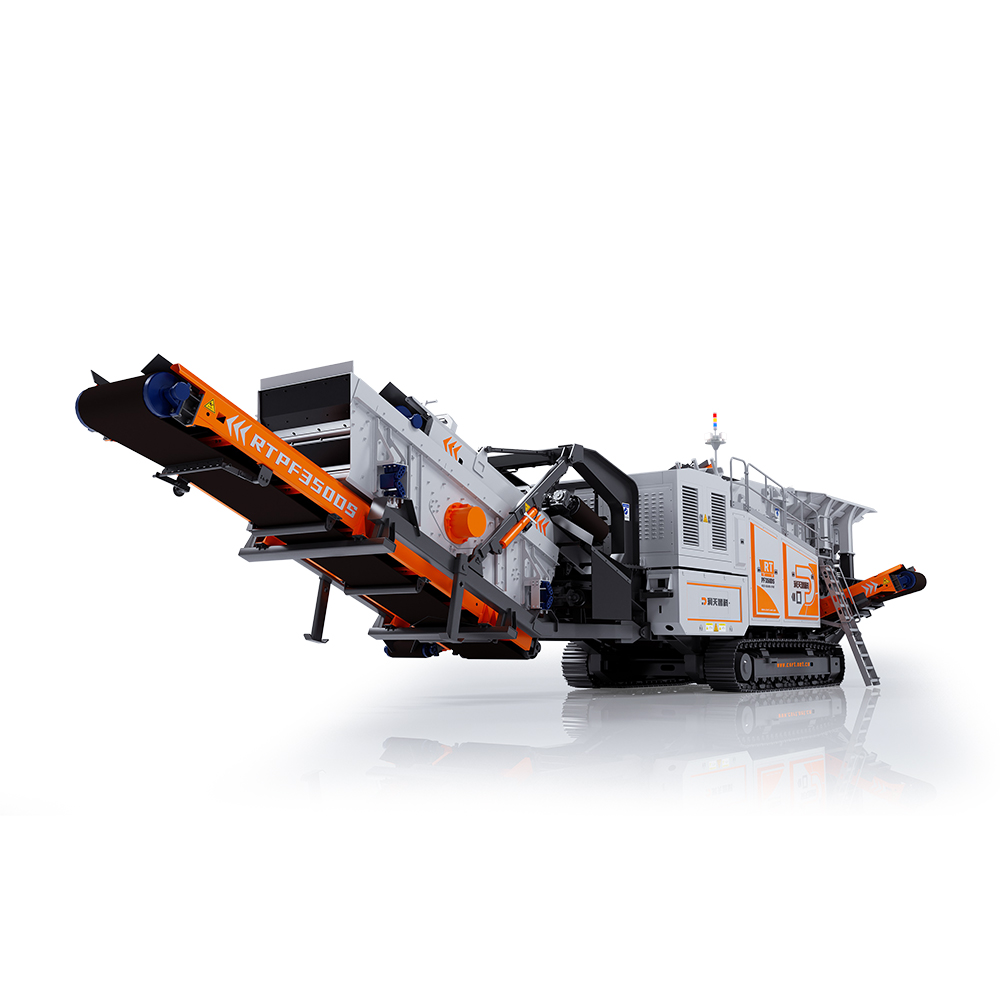 RTPF350DS Crawler Mobile Impact Crushing Plant
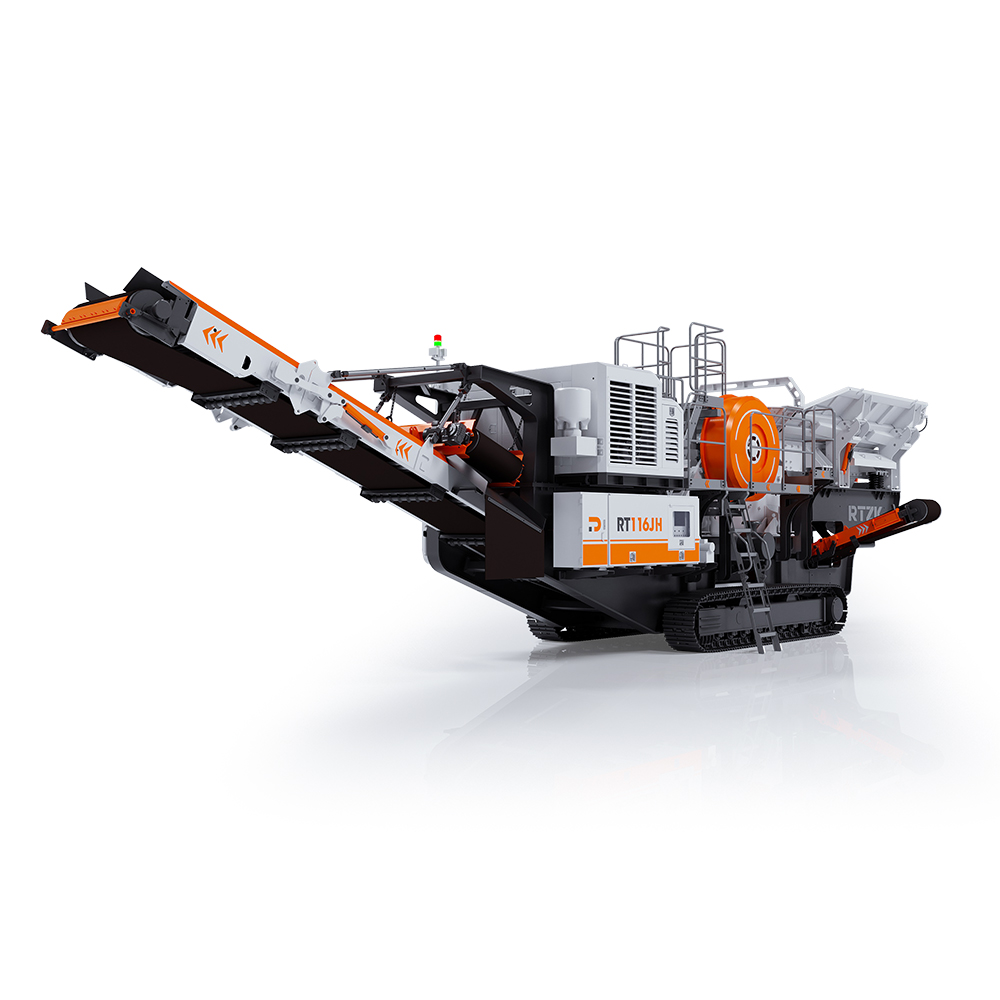 RT116JH Crawler Mobile Jaw Crushing Plant
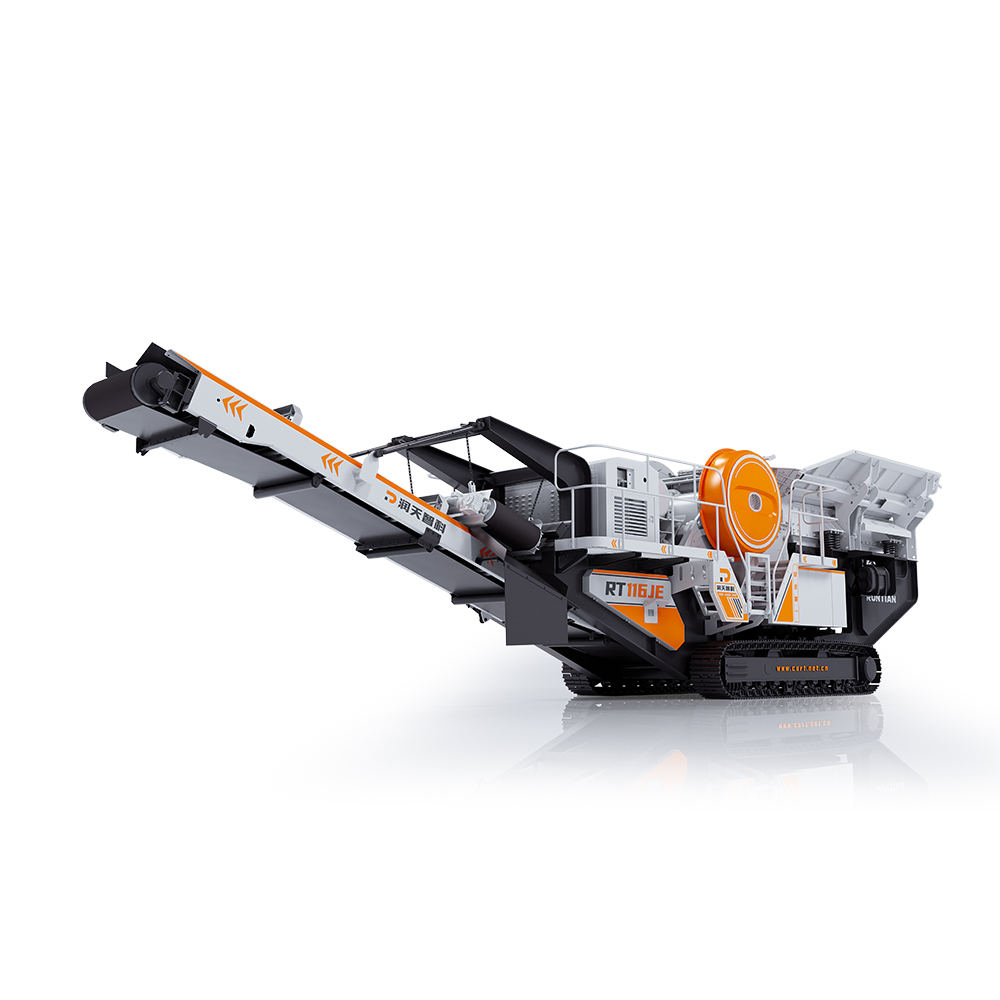 RT116JE Crawler Mobile Jaw Crushing Plant
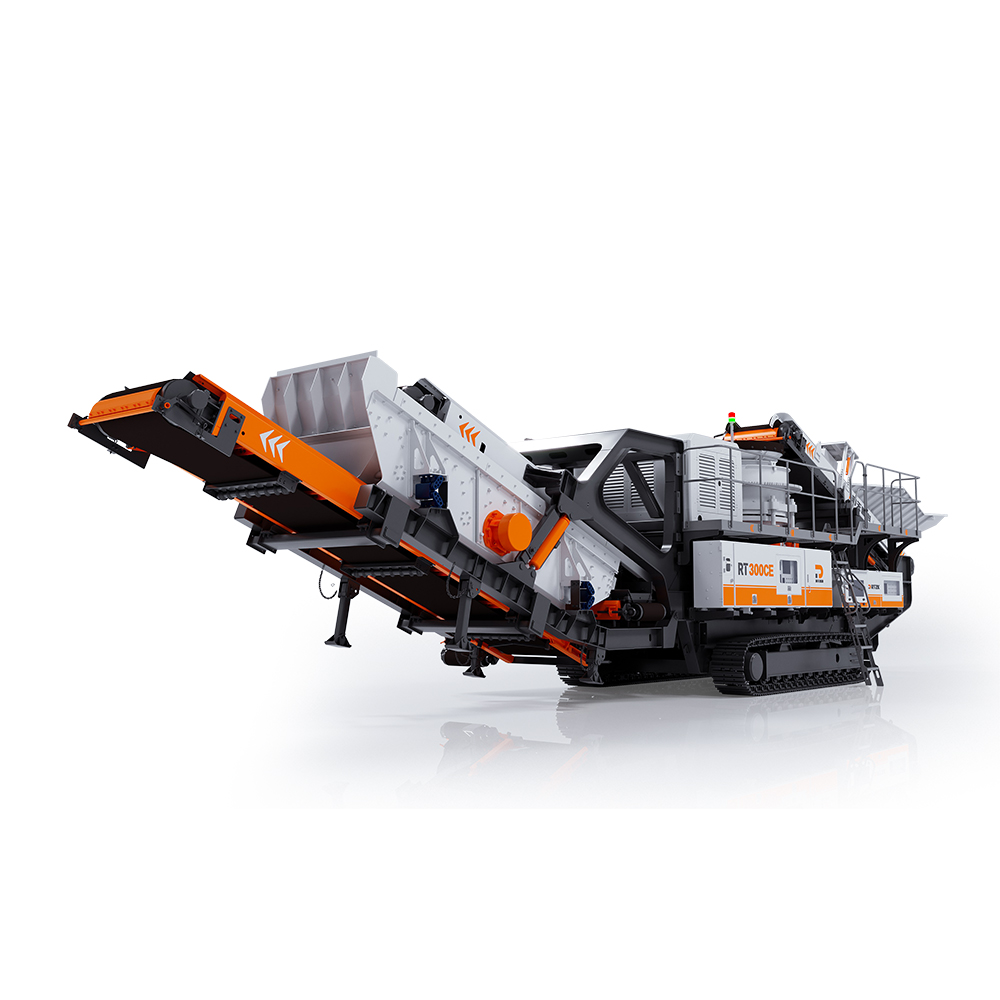 RT300CE Crawler Mobile Cone Crushing Plant
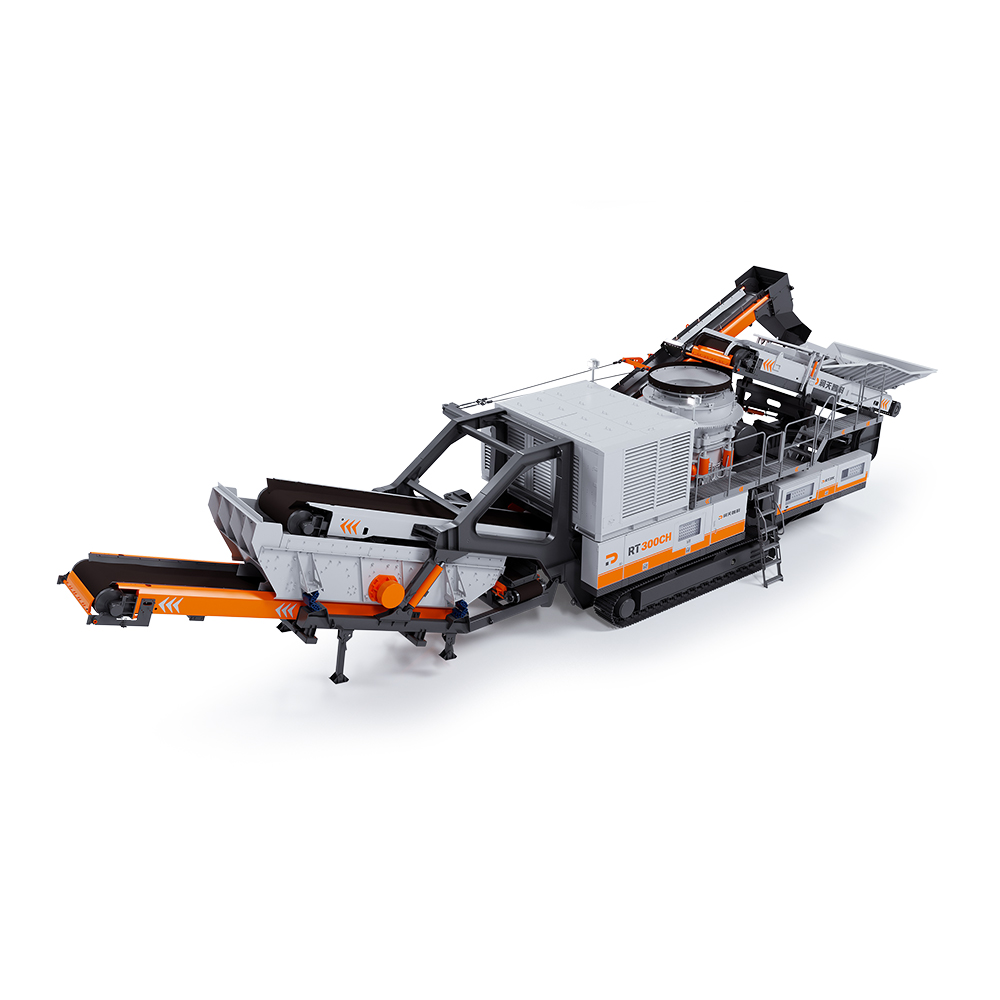 RT300CH Crawler Mobile Cone Crushing Plant
 RT5015H Mobile Scalping Screen
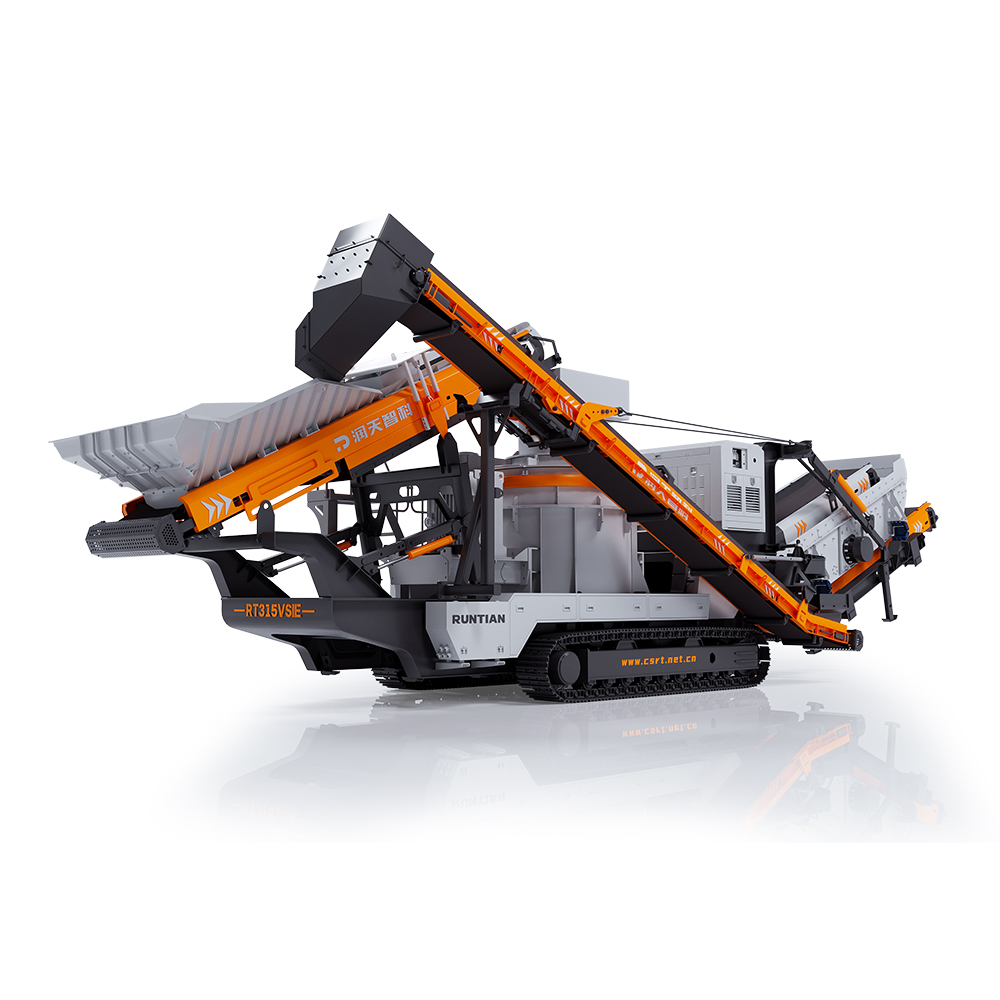 RT315VSIE Crawler Mobile Sand Maker
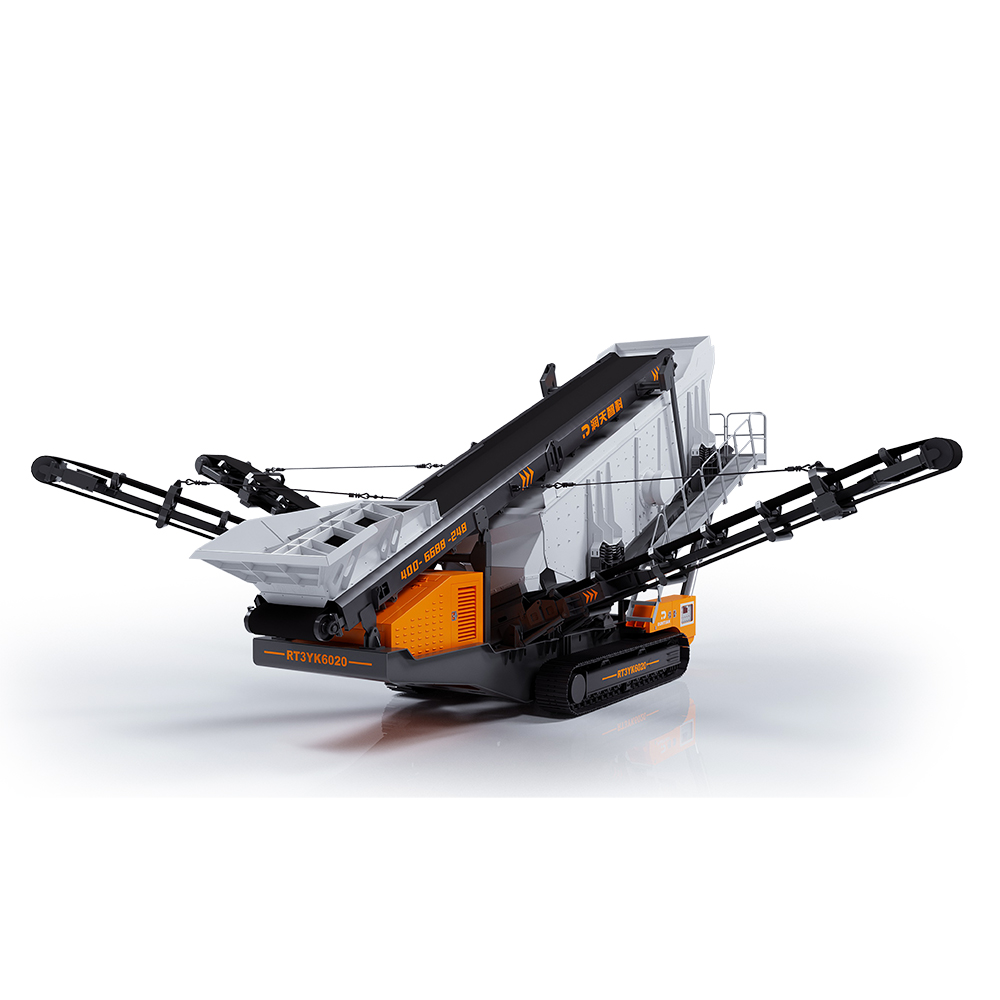 RT3YK6020 Crawler Mobile Screening Plant
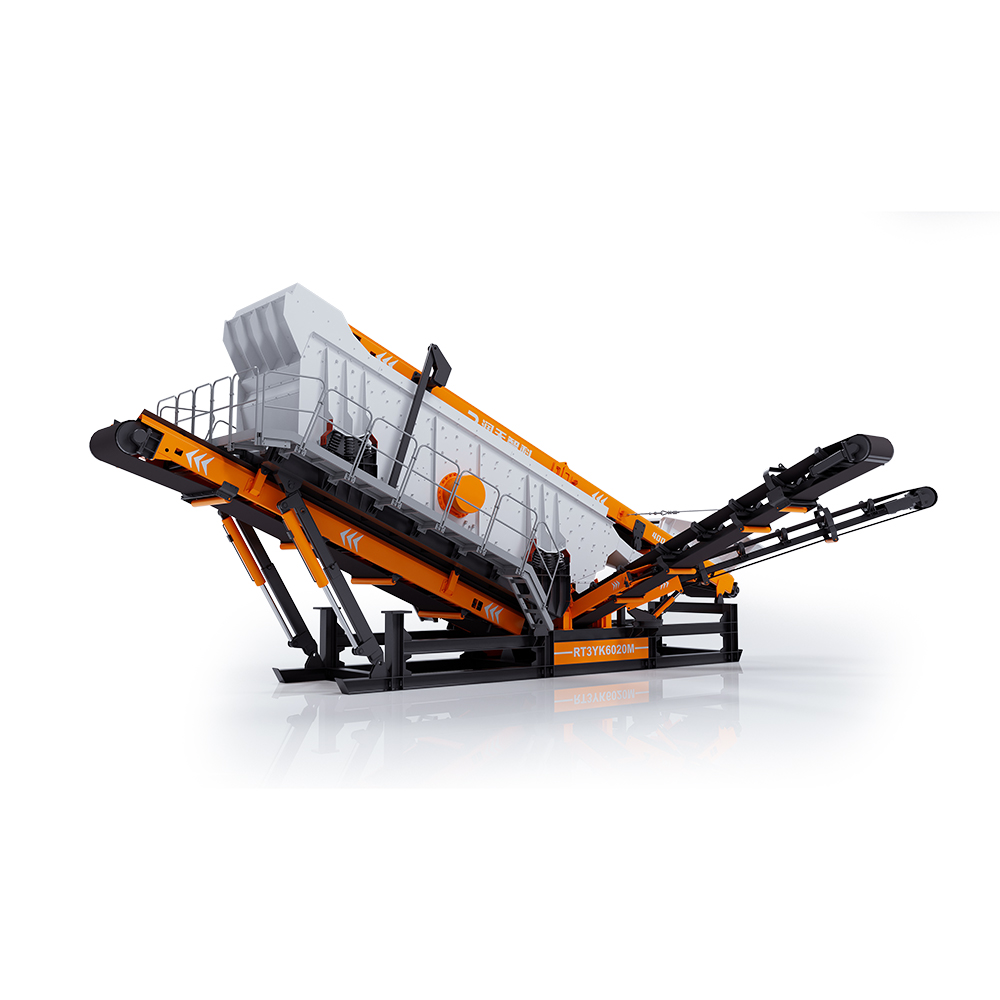 RT3YK6020M Modular Screening Plant
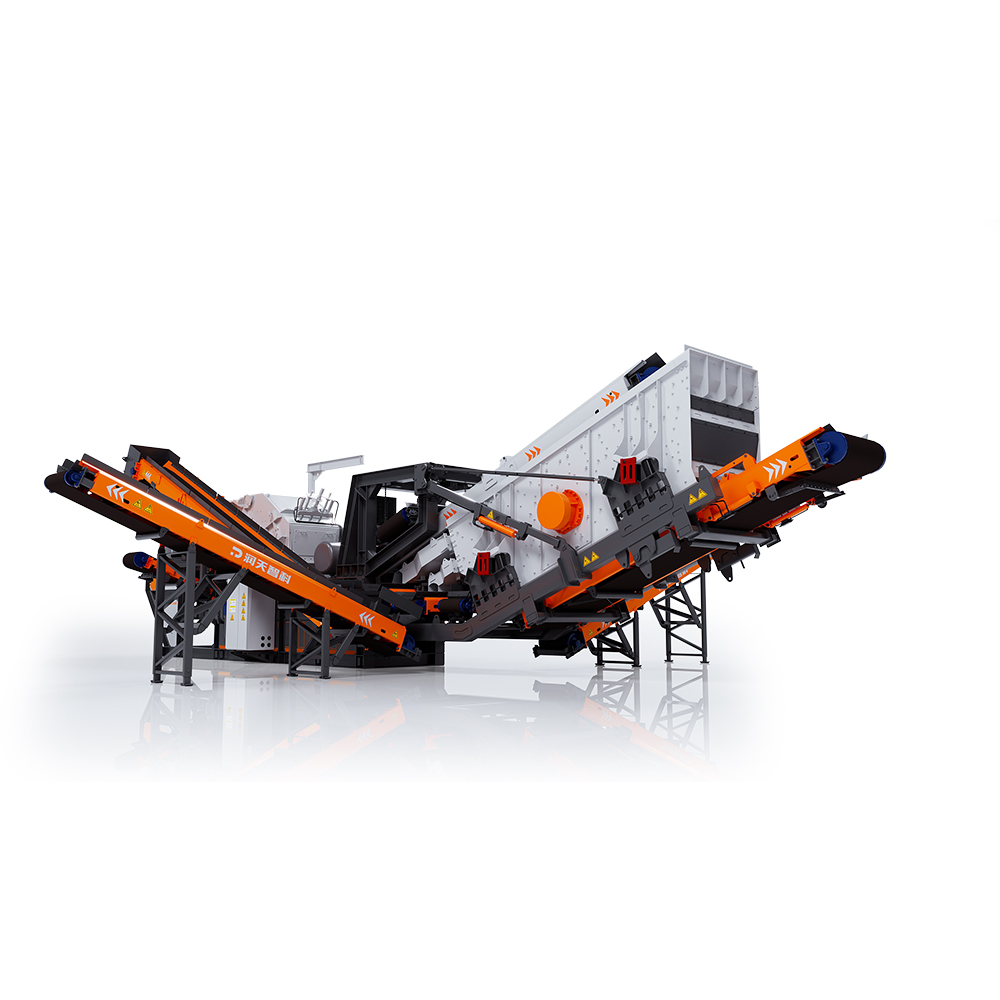 RTF260M Modular Counterattack Crushing and Screening Integrated Machine
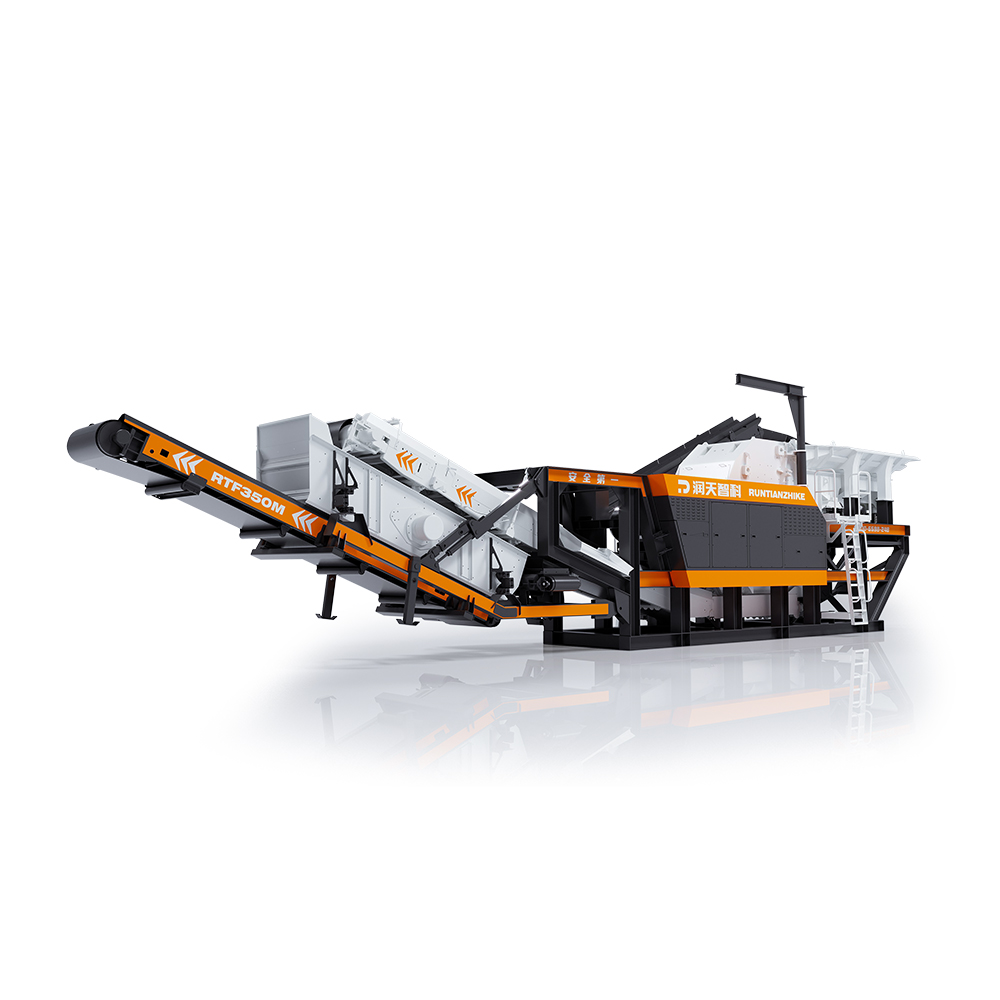 RTF350M Modular Impact Crushing Plant
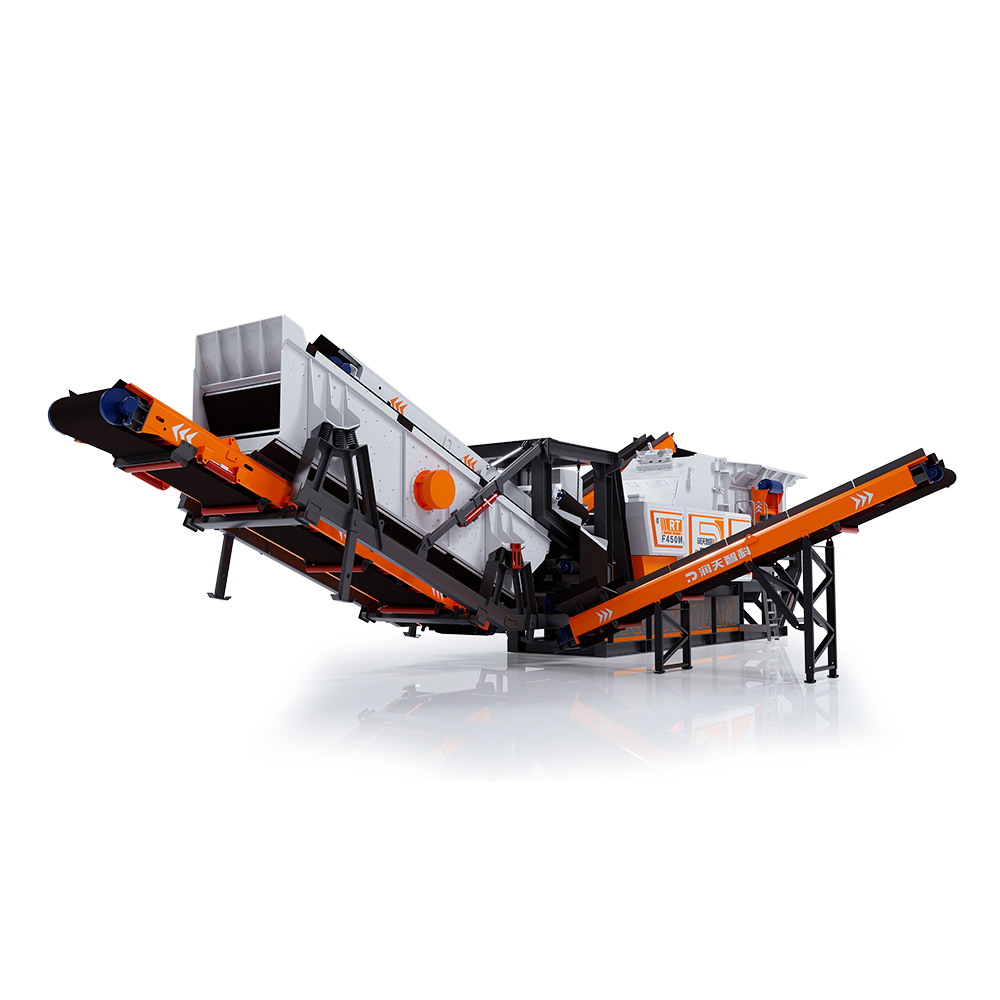 RTF450M Modular Impact Crushing Plant
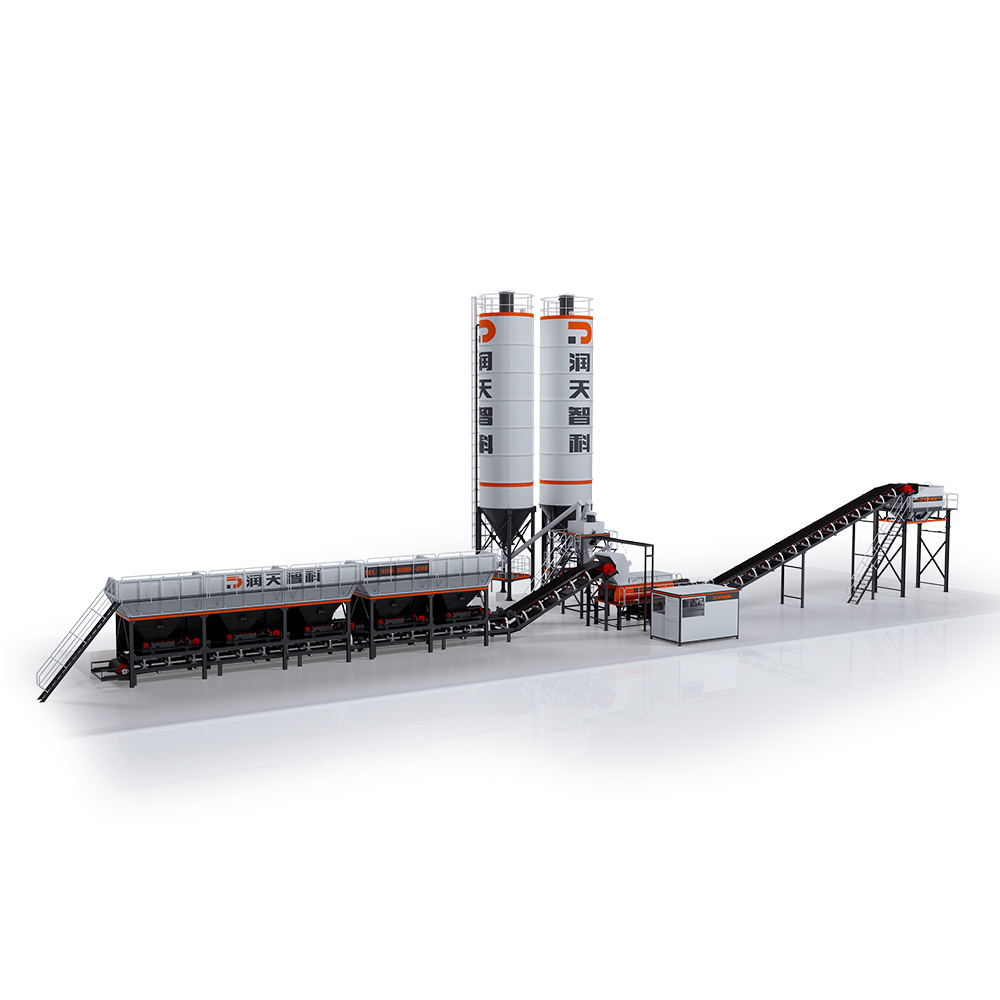 WDB Series Foundation-Free Stability Soil Mixing Plant
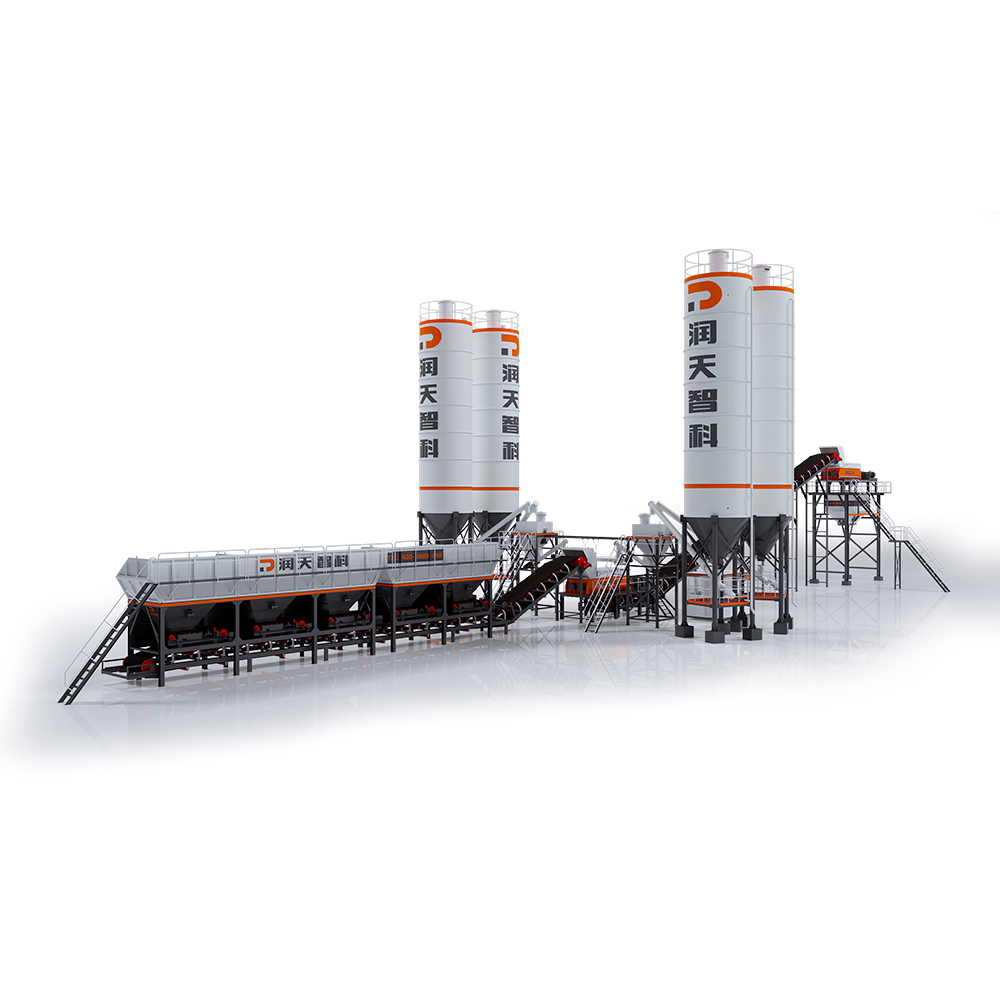 LCB Series Emulsified Asphalt Cold Regeneration Secondary Mixing Plant
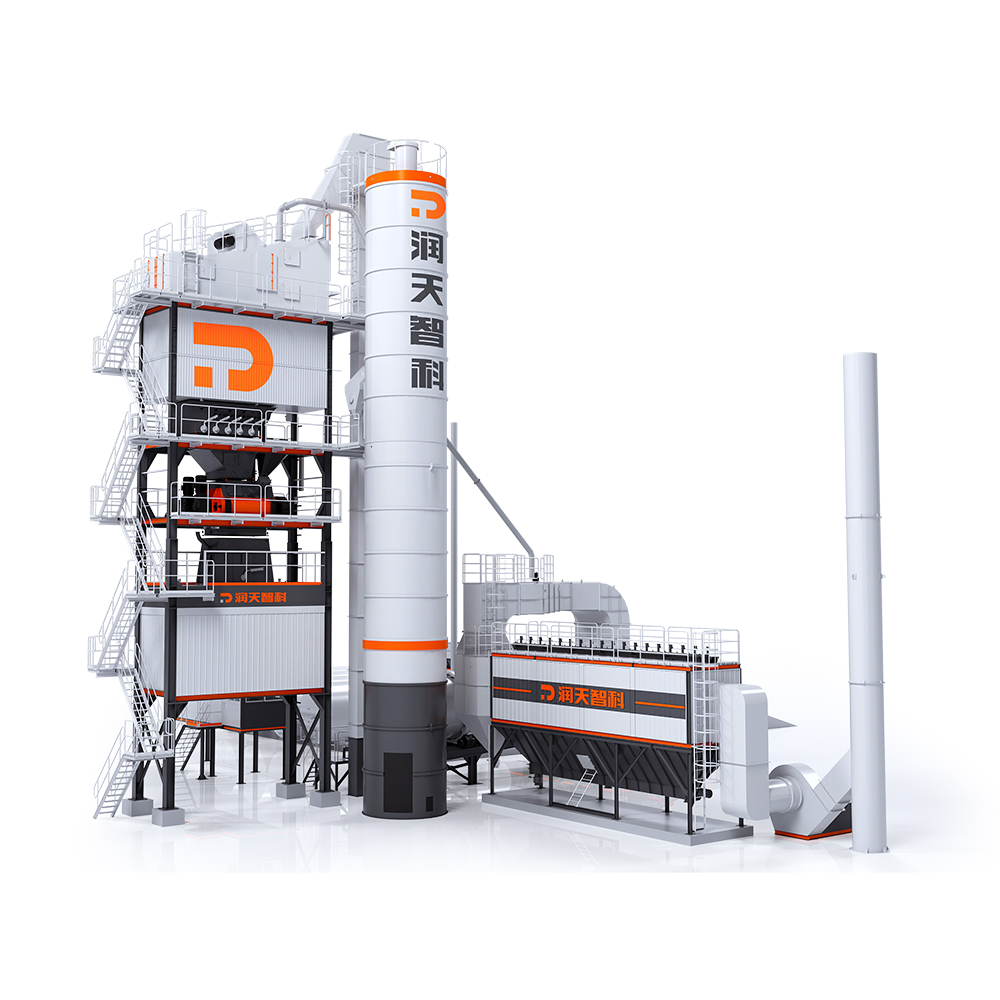 LB Series Asphalt Mixing Plant
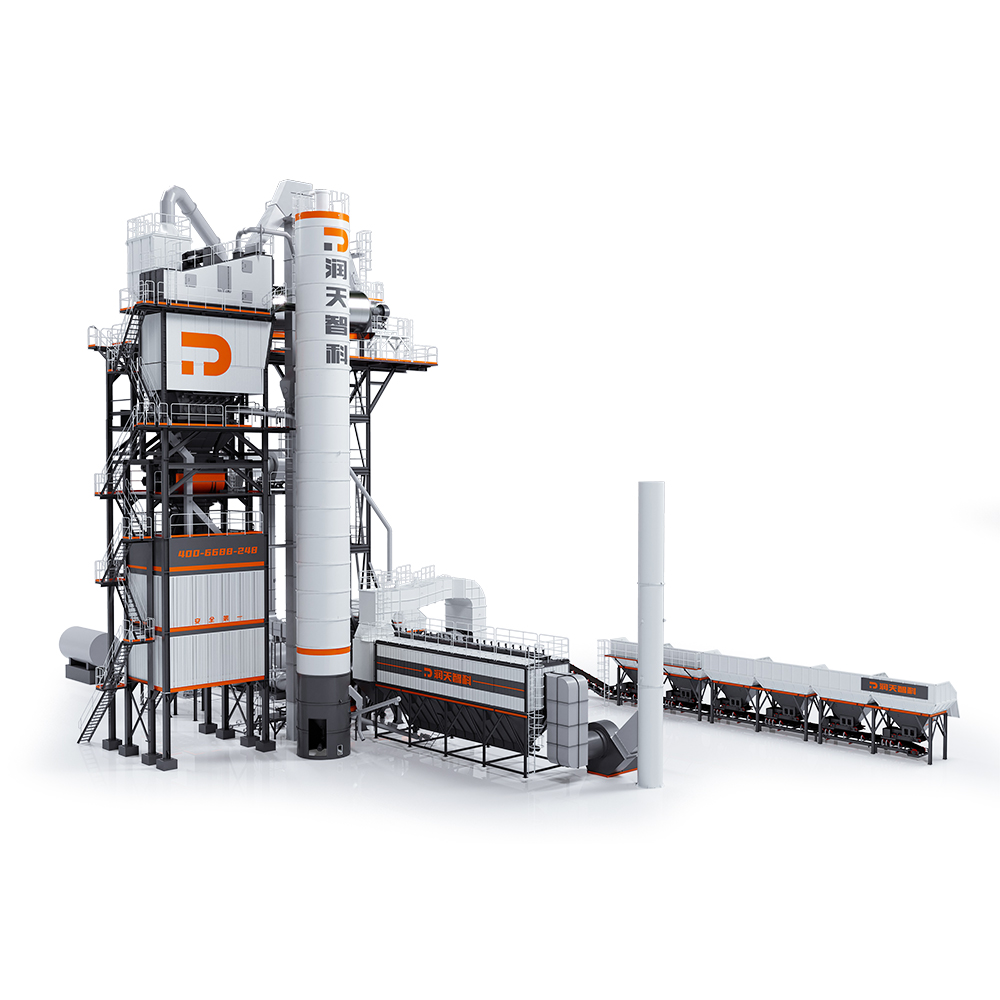 LBR Series Integrated Asphalt Mixing Plant
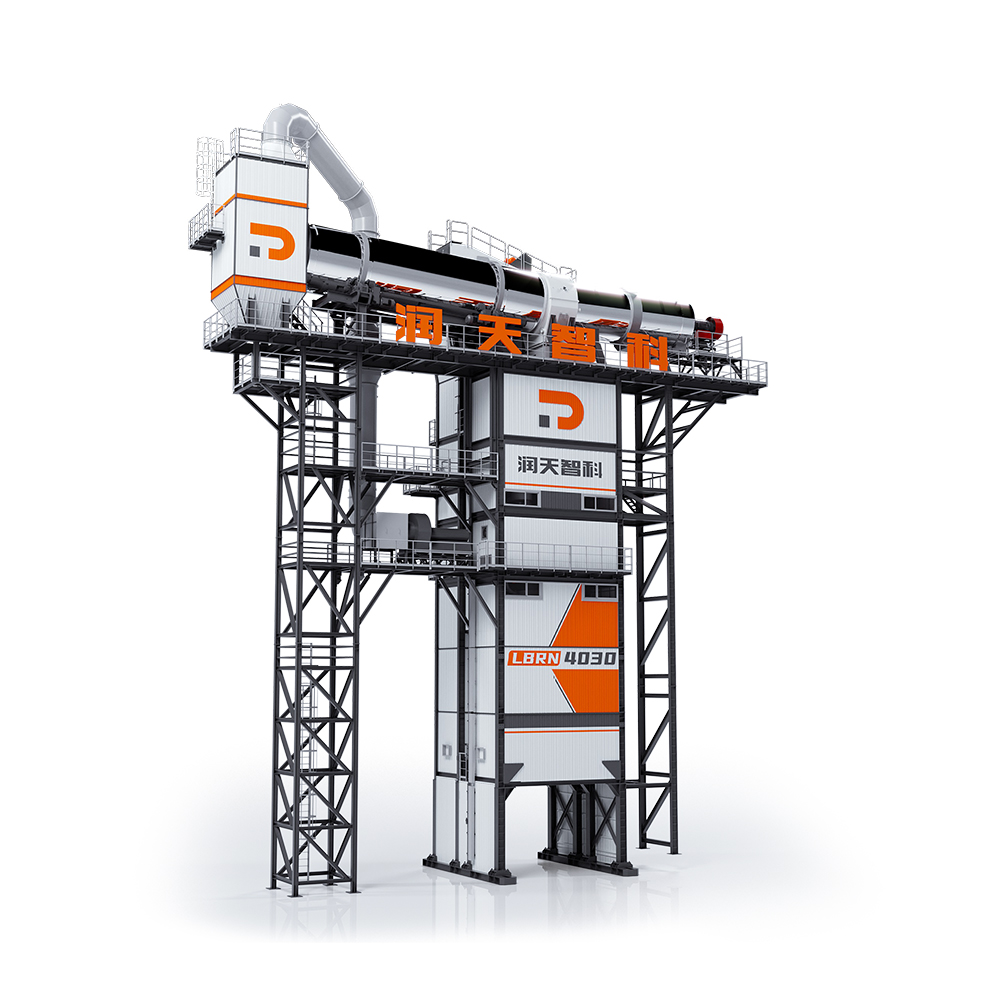 LBRN Series Counterflow Integral Asphalt Mixing Plant
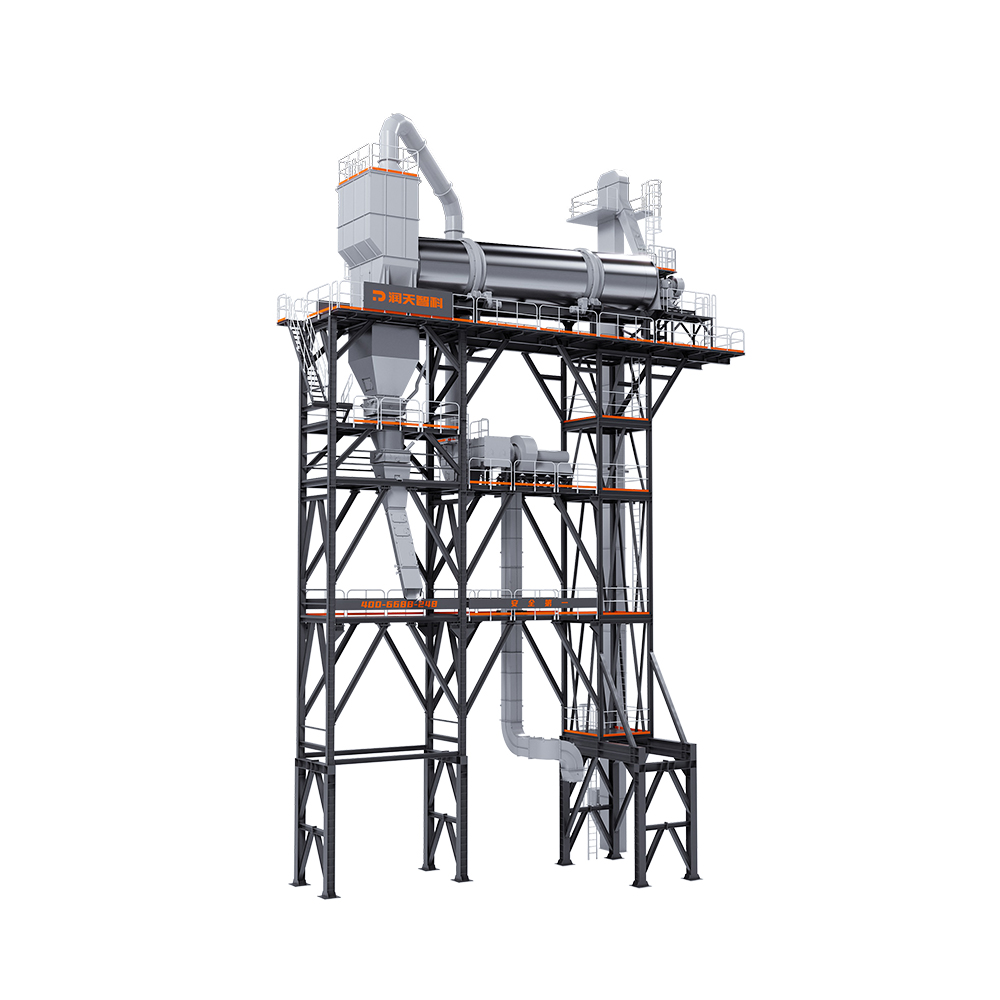 RZS Series Asphalt Mixing Plant
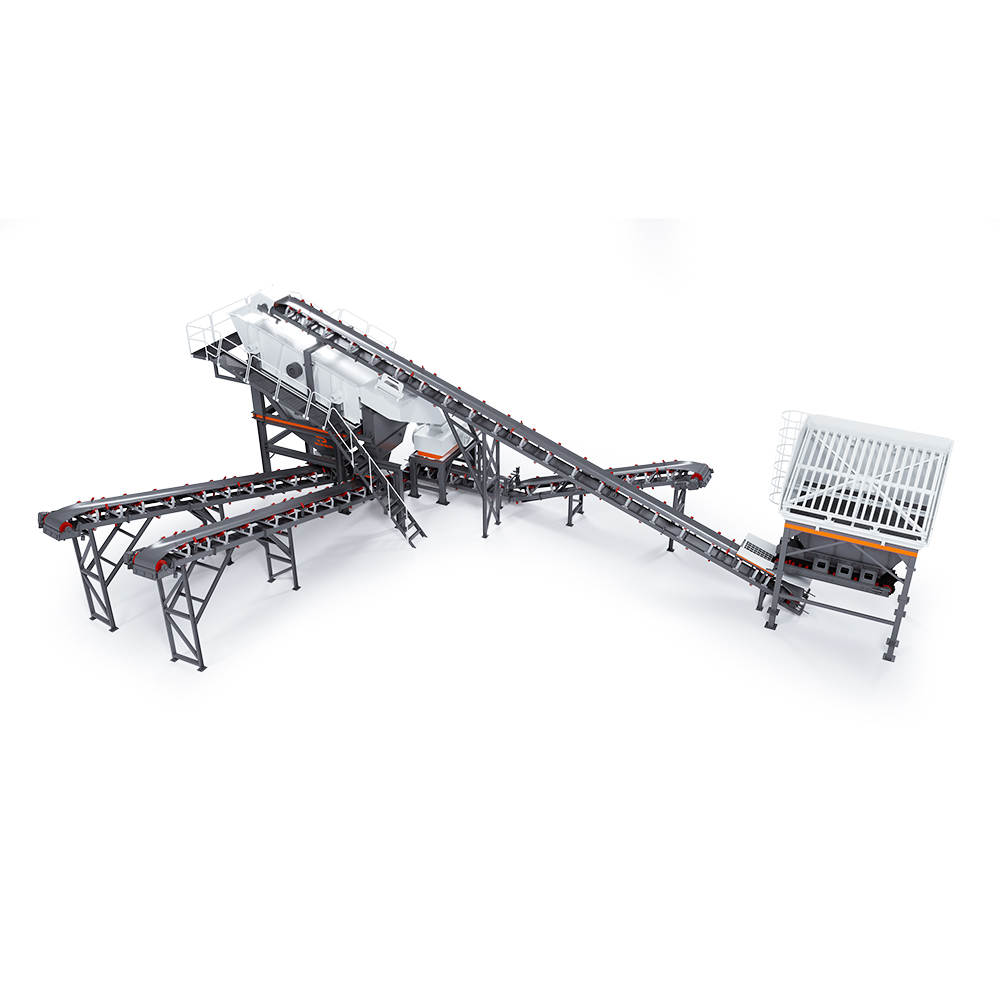 RTZS120 Series RAP Crushing & Screening Plant
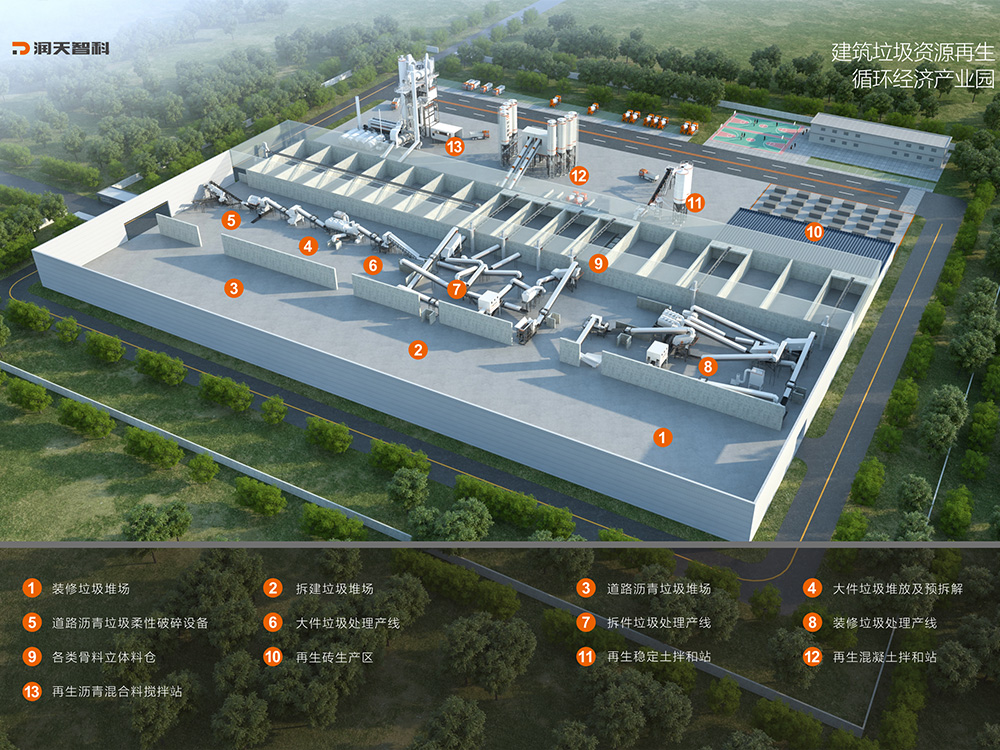 Construction Waste Resourceful Treatment Line