2025 Top Trends in Managing Demolition Waste for Sustainable Construction
As the construction industry increasingly recognizes the importance of sustainability, the management of demolition waste has emerged as a critical area of focus. With rapid urbanization and infrastructure development, millions of tons of demolition waste are generated each year, posing significant environmental challenges. Properly managing this waste not only reduces landfill usage but also promotes resource recovery, making it an integral part of sustainable construction practices.
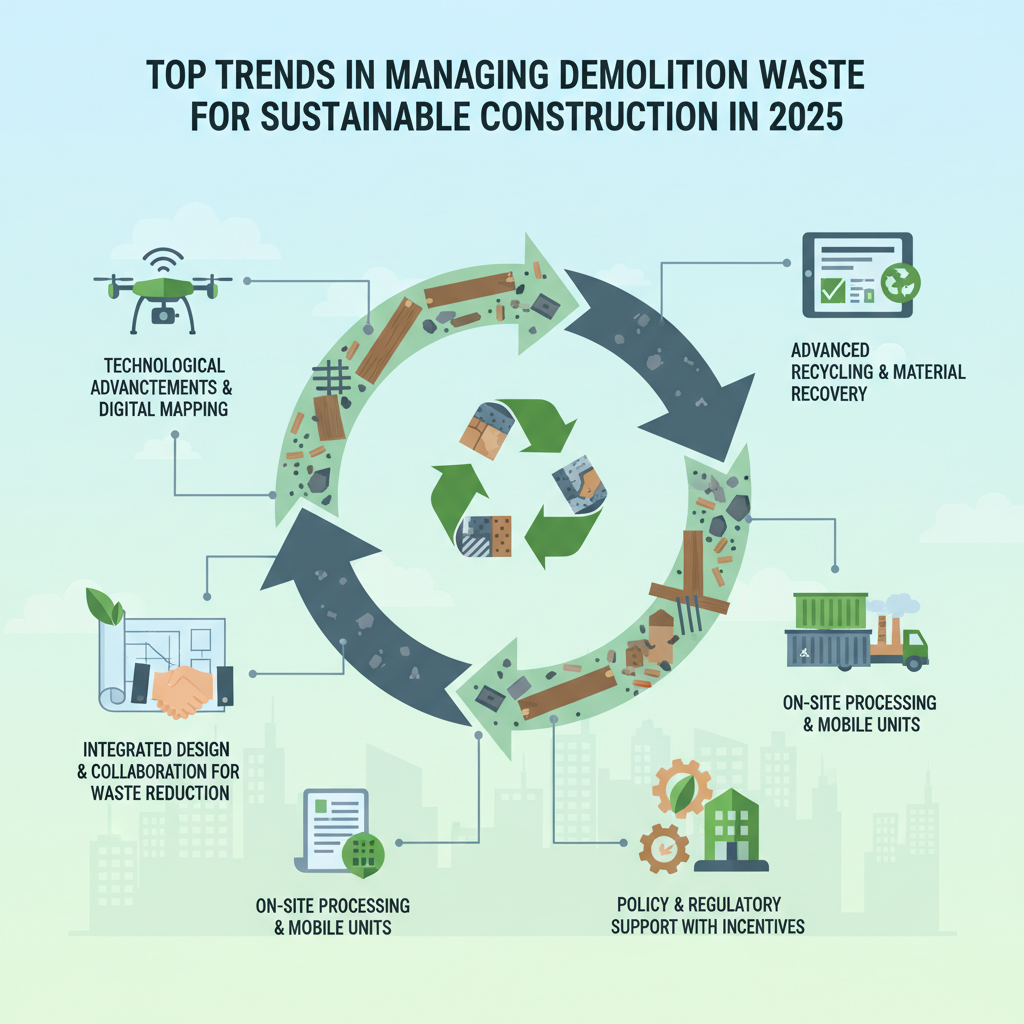
In 2025, we will witness a pivotal shift in strategies related to demolition waste management, driven by technological advancements and innovative recycling methods. Construction companies and policymakers are now more than ever motivated to implement practices that minimize the ecological footprint of construction activities. This evolution not only facilitates compliance with regulations but also enhances the overall efficiency of construction projects.
The forthcoming trends in managing demolition waste will showcase how integrating sustainability principles into demolition processes can lead to a more circular economy. By examining these trends, industry stakeholders will be better equipped to address the challenges of waste management and contribute to a greener future for the construction sector.
Emerging Technologies for Recycling Demolition Waste in Construction
The construction industry is increasingly turning to innovative technologies to address the challenges of demolition waste management. Emerging technologies such as advanced sorting systems, artificial intelligence, and robotic automation play a crucial role in enhancing recycling efficiency. High-tech sorting machines equipped with AI can quickly categorize materials like concrete, wood, and metals, ensuring that salvageable resources are diverted from landfills. This cutting-edge approach not only optimizes waste management processes but also maximizes the recovery of valuable materials, reducing the overall environmental impact of construction activities.
Moreover, the integration of blockchain technology in tracking demolition materials is revolutionizing the recycling landscape. By providing a transparent ledger of material provenance, stakeholders can verify the recyclability of materials more efficiently, fostering trust and collaboration in the supply chain. Additionally, innovative recycling techniques, such as the use of 3D printing with recycled materials, are gaining traction, pushing the boundaries of sustainable construction practices. These technological advancements signify a meaningful shift towards a circular economy, where demolition waste is not merely discarded but transformed into new opportunities for construction.
Innovative Materials that Enhance Sustainability During Demolition
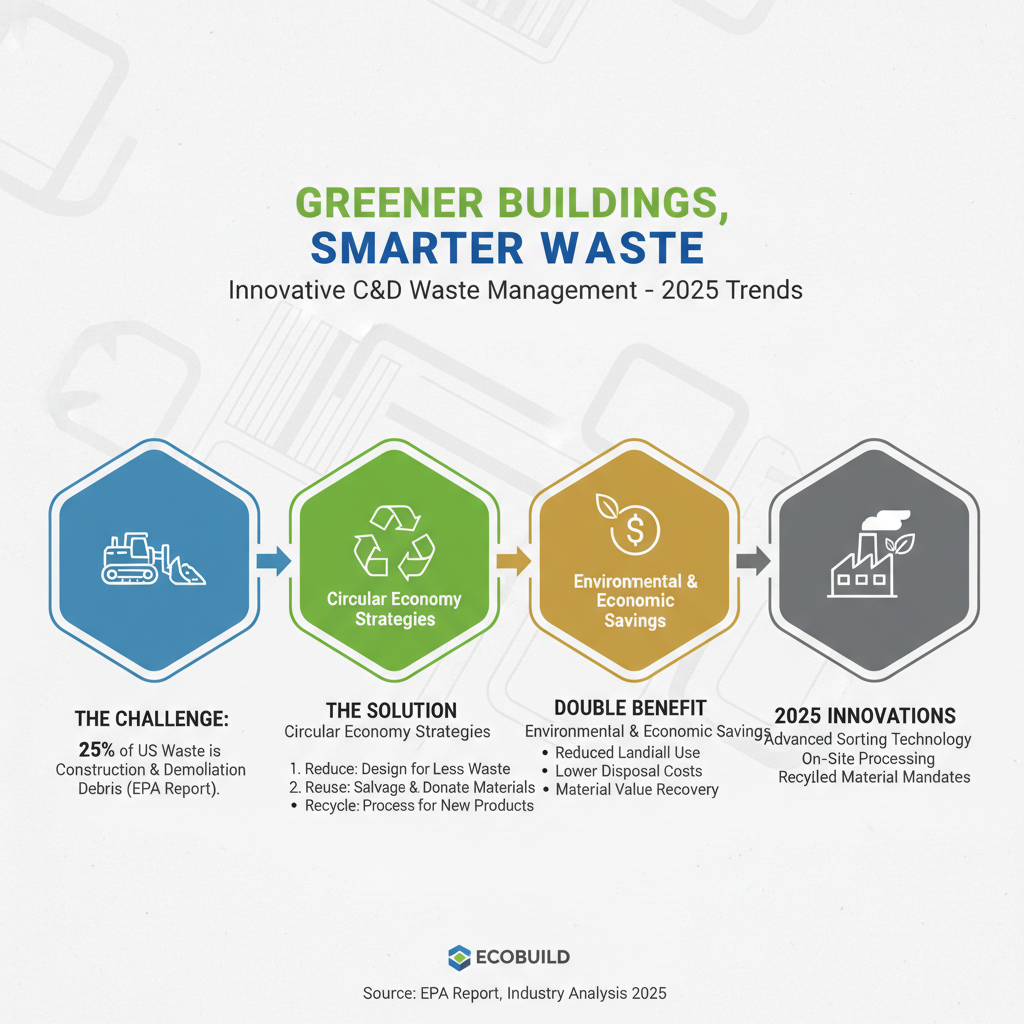
The management of demolition waste is poised to evolve significantly by 2025, with innovative materials playing a crucial role in enhancing sustainability. The industry is increasingly recognizing the need for a circular economy approach to construction waste, emphasizing the utilization of recycled and sustainable materials during demolition processes. Reports suggest that over 2 billion tons of construction and demolition waste are generated globally each year, which presents both a challenge and an opportunity for innovative material solutions.
To effectively manage this waste, companies are exploring alternatives such as reclaimed wood, recycled metals, and green concrete. These materials not only reduce landfill impacts but also can lower costs and improve project efficiency. A recent industry report highlighted that sustainable materials could reduce overall construction waste by up to 40%, showcasing their potential for significant environmental impact.
Tips for Sustainable Demolition:
- Consider integrating recycled materials into new construction to minimize waste generation.
- Implement a robust waste management system that prioritizes reuse and recycling during demolition.
- Stay informed about innovative materials and techniques that can enhance sustainability in construction practices.
Best Practices for Waste Management in Urban Demolition Projects
As urban areas continue to expand, demolition projects are becoming increasingly common, leading to substantial waste generation. Effective waste management practices are essential for minimizing environmental impact and promoting sustainability in construction. To achieve this, it’s crucial to incorporate strategic planning into demolition projects, ensuring that materials are efficiently recycled and repurposed.
Tips: Conduct a thorough pre-demolition audit to assess the materials present in the structure. This will help identify salvageable resources and establish a waste management plan that prioritizes recycling over landfill disposal. Additionally, collaborating with local recycling facilities can streamline the process of handling and processing recyclable materials.
Engaging all stakeholders, from project managers to construction crews, is vital to ensure that everyone understands and adheres to the waste management plan. Training sessions and clear communication can foster a culture of sustainability, encouraging workers to actively participate in waste reduction.
Tips: Implement regular progress reviews during the demolition phase to track waste diversion rates and make adjustments as needed. This proactive approach not only boosts recycling efficiency but also aligns with broader urban sustainability goals, ultimately transforming demolition waste management into a model of best practices.
Regulatory Frameworks Supporting Sustainable Demolition Practices
The regulatory frameworks governing demolition waste management are crucial for promoting sustainable construction practices. Governments around the world are increasingly recognizing the environmental impact of demolition activities, prompting them to enact stricter regulations that require the salvage and recycling of materials. By implementing policies that mandate waste reduction and the use of environmentally friendly practices, authorities create a structured approach to managing demolition waste, which can ultimately lead to a significant decrease in landfill dependency.
Moreover, these frameworks often encourage innovation in the construction industry by promoting research and development of new technologies aimed at waste recycling and reuse. As a result, firms are incentivized to adopt practices that not only comply with regulations but also enhance their operational efficiency. Financial incentives, such as tax breaks for waste reduction initiatives or subsidies for companies that demonstrate a commitment to sustainable demolition practices, further reinforce the importance of these regulatory measures. By supporting the development of a circular economy in construction and demolition, regulatory frameworks play a vital role in paving the way for a more sustainable future.
2025 Top Trends in Managing Demolition Waste for Sustainable Construction
| Trend |
Description |
Regulatory Framework |
Expected Impact |
| Increased Recycling Rates |
A higher percentage of demolition waste is being diverted from landfills through effective recycling processes. |
Circular Economy Policies |
Reduction in landfill waste and resource conservation. |
| Digital Waste Management |
Use of digital platforms for tracking and managing demolition waste more efficiently. |
Data Transparency Regulations |
Improved accountability and resource optimization. |
| Innovative Materials Reuse |
Focus on reusing materials from demolished structures in new construction. |
Building Code Revisions |
Cost savings and reduced environmental footprint. |
| Sustainable Equipment Use |
Adoption of eco-friendly machinery and techniques in demolition. |
Environmental Protection Standards |
Lower carbon emissions and enhanced health and safety. |
| Community Involvement |
Engaging local communities in the planning of demolition projects. |
Social Responsibility Regulations |
Increased social acceptance and project success. |
Case Studies Showcasing Successful Waste Reduction Strategies in 2025
As the construction industry increasingly embraces sustainability, managing demolition waste has become a paramount focus. A recent report from the Environmental Protection Agency highlights that construction and demolition (C&D) debris constitutes almost 25% of the total waste generated in the United States. Innovative strategies employed by companies in 2025 showcase how effective waste reduction can lead not only to environmental benefits but also significant cost savings.
One case study from a leading demolition contractor illustrates the successful implementation of source separation techniques. By sorting materials at the demolition site, the company achieved a remarkable 85% diversion rate from landfills, compared to the industry average of around 60%. Furthermore, recycled concrete and steel were repurposed in new builds, reducing the need for new raw materials and cutting overall project costs by 15%. This approach not only aligns with sustainable construction goals but also sets a benchmark for others in the industry.
Another example can be seen in a residential development project where advanced processing technologies were deployed. The use of mobile recycling units allowed the on-site recycling of asphalt shingles and wood materials, resulting in a closed-loop system. This method not only minimized transportation emissions but also contributed to a 40% reduction in waste production when compared to conventional practices. Such case studies underscore the increasing relevance of innovative waste management strategies, paving the way for a more sustainable construction landscape in 2025 and beyond.

 Concrete Mixing Plant
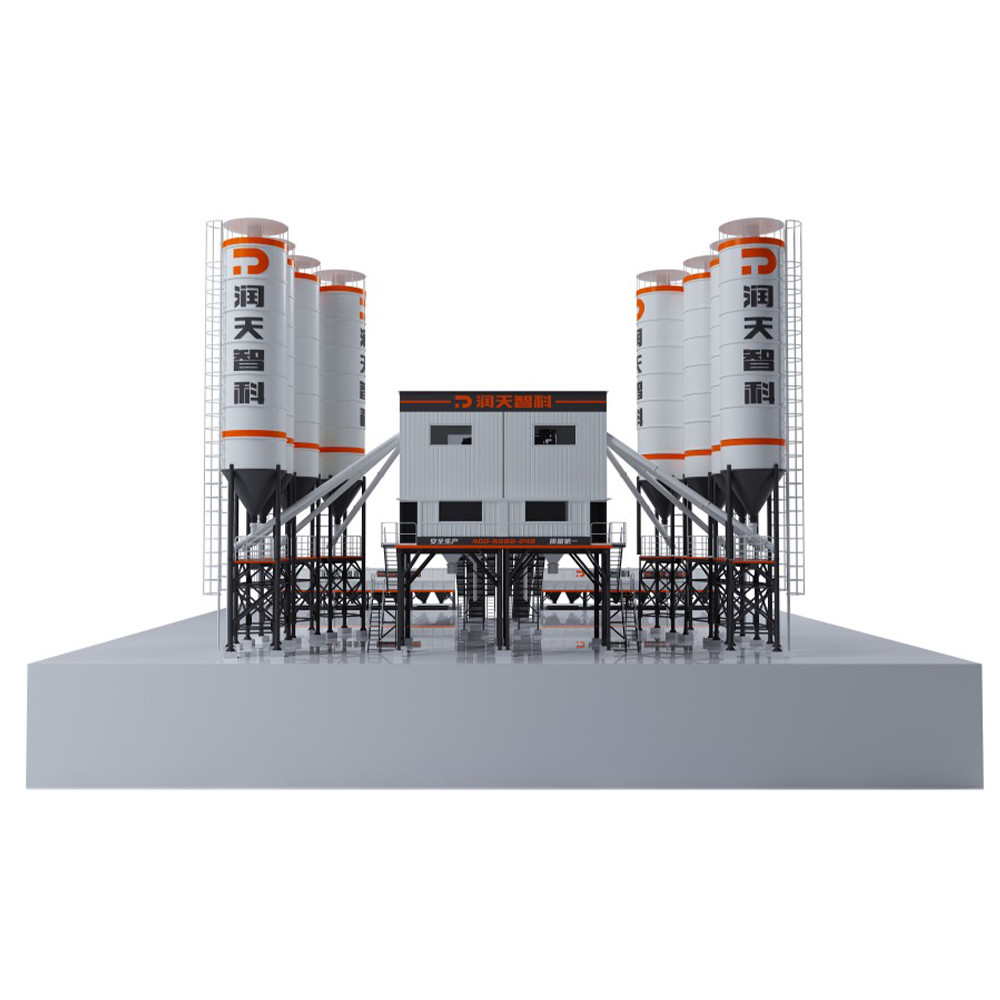 HZS Series Belt Concrete Mixing Plant
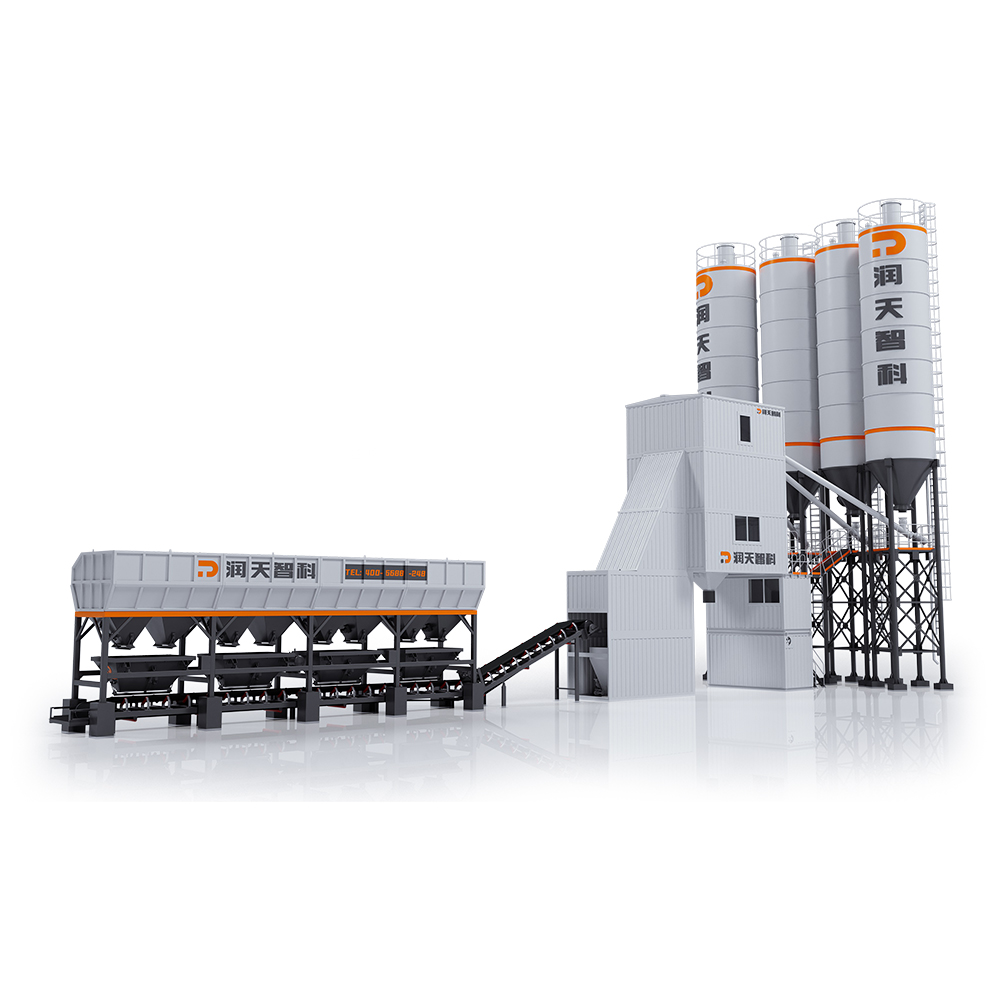 HZS Series Bucket-Lifting Type Container Concrete Mixing Plant
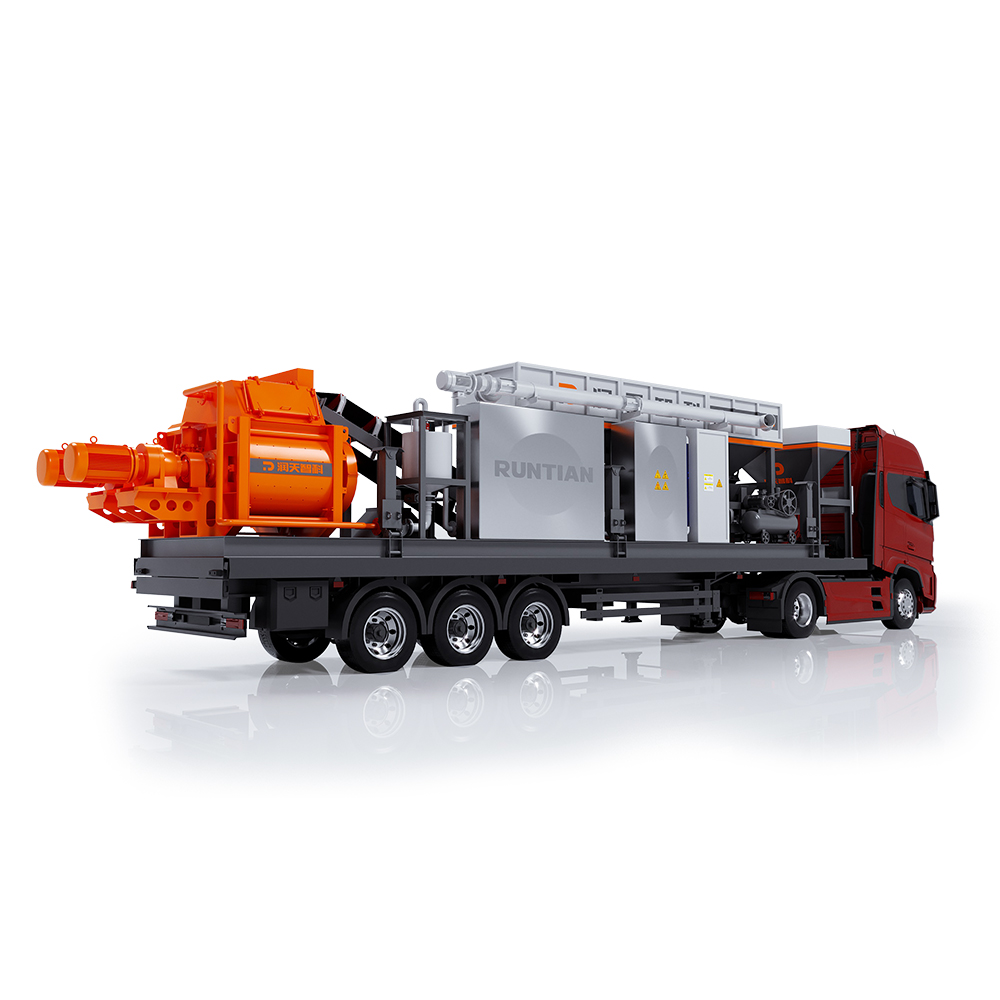 HZS60 Mobile Concrete Mixing Plant
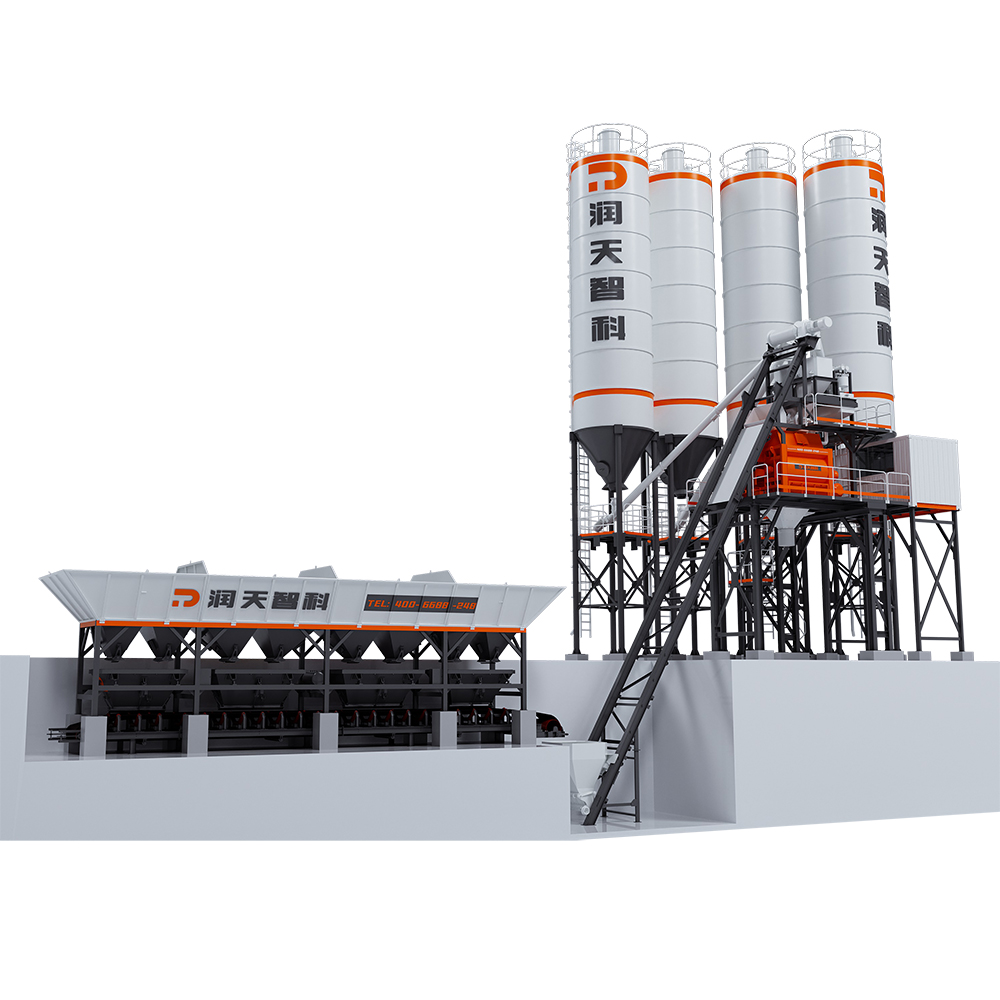 HZS Series Bucket-Lifting Type Concrete Mixing Plant
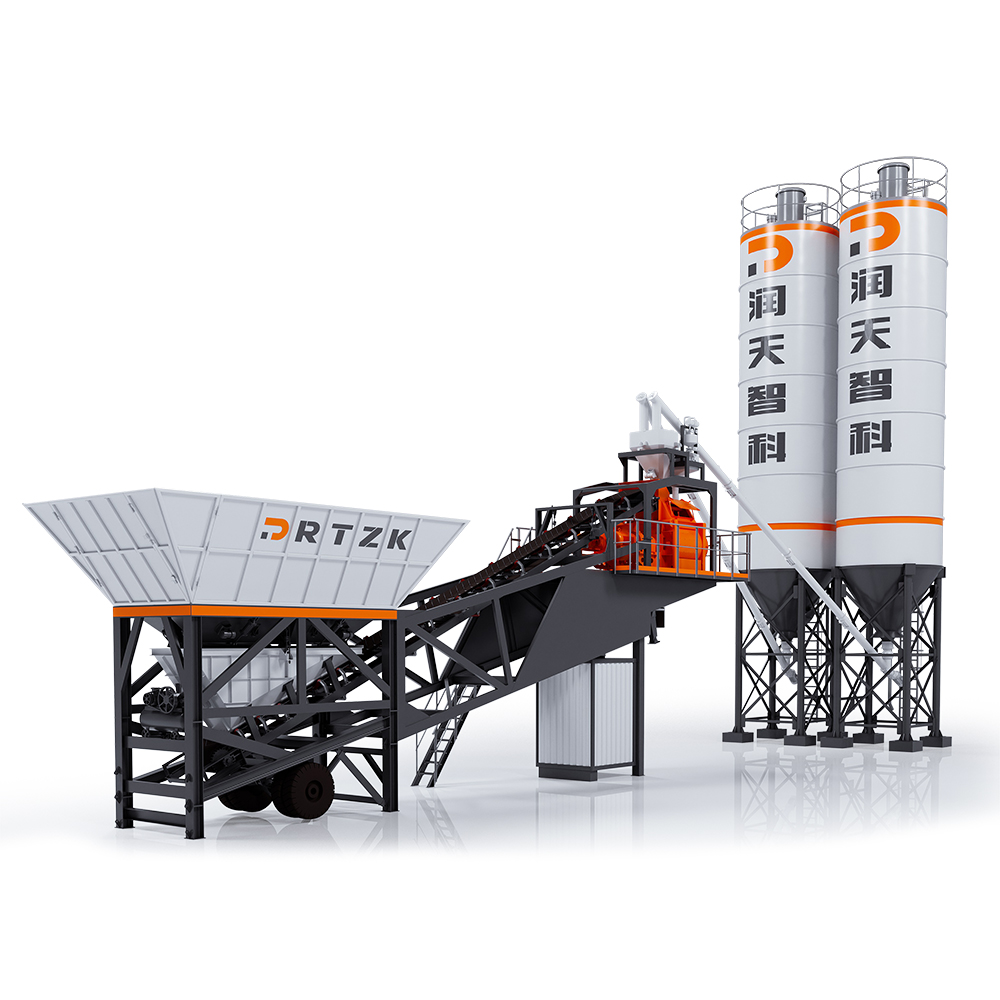 HZS Series Mobile Concrete Mixing Plant
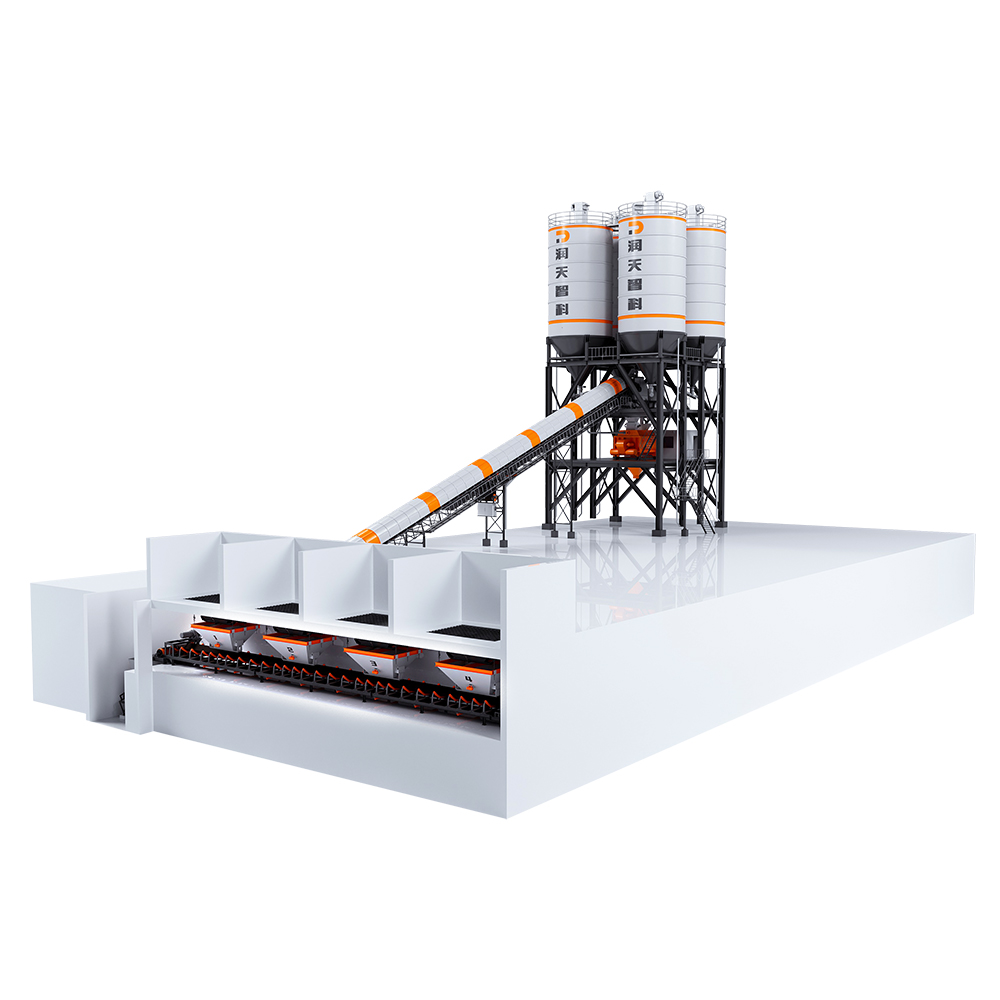 HZS Series Top-Mounted Concrete Mixing plant
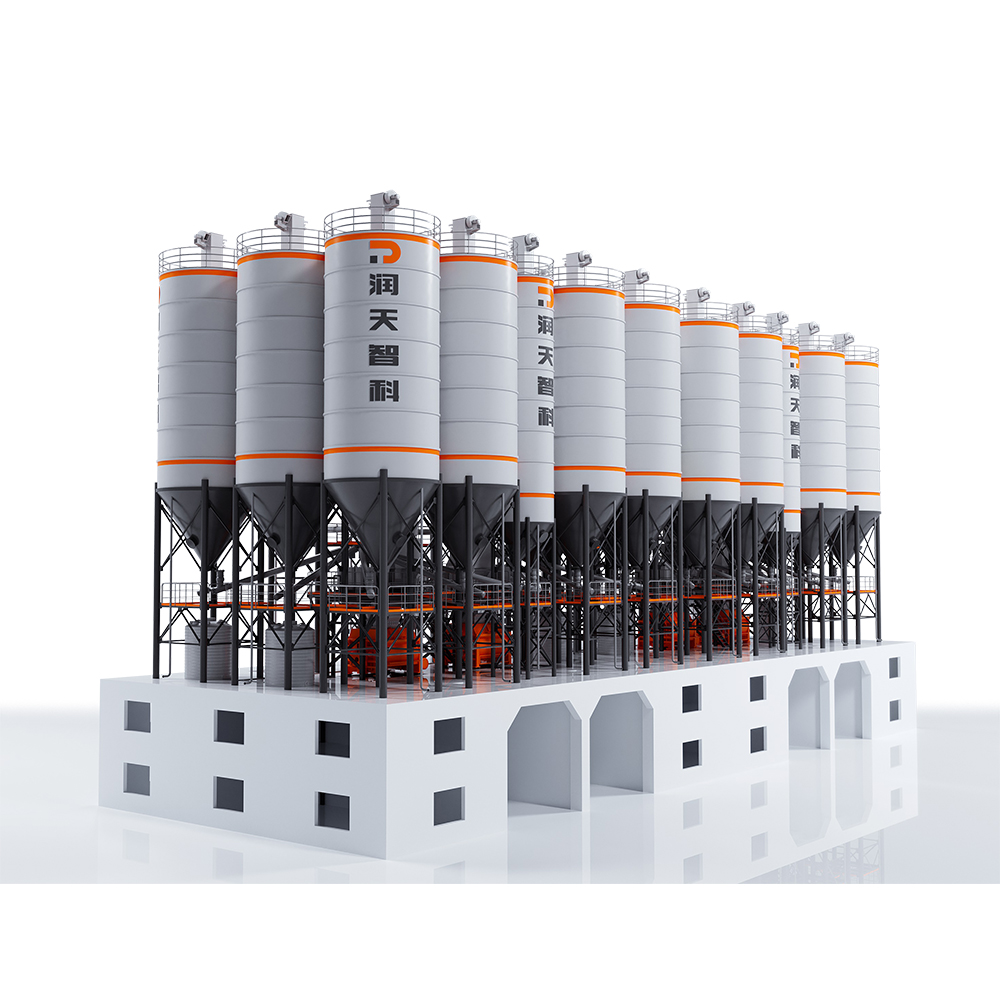 HZS Series Semi-Top Mounted Concrete Mixing Plant
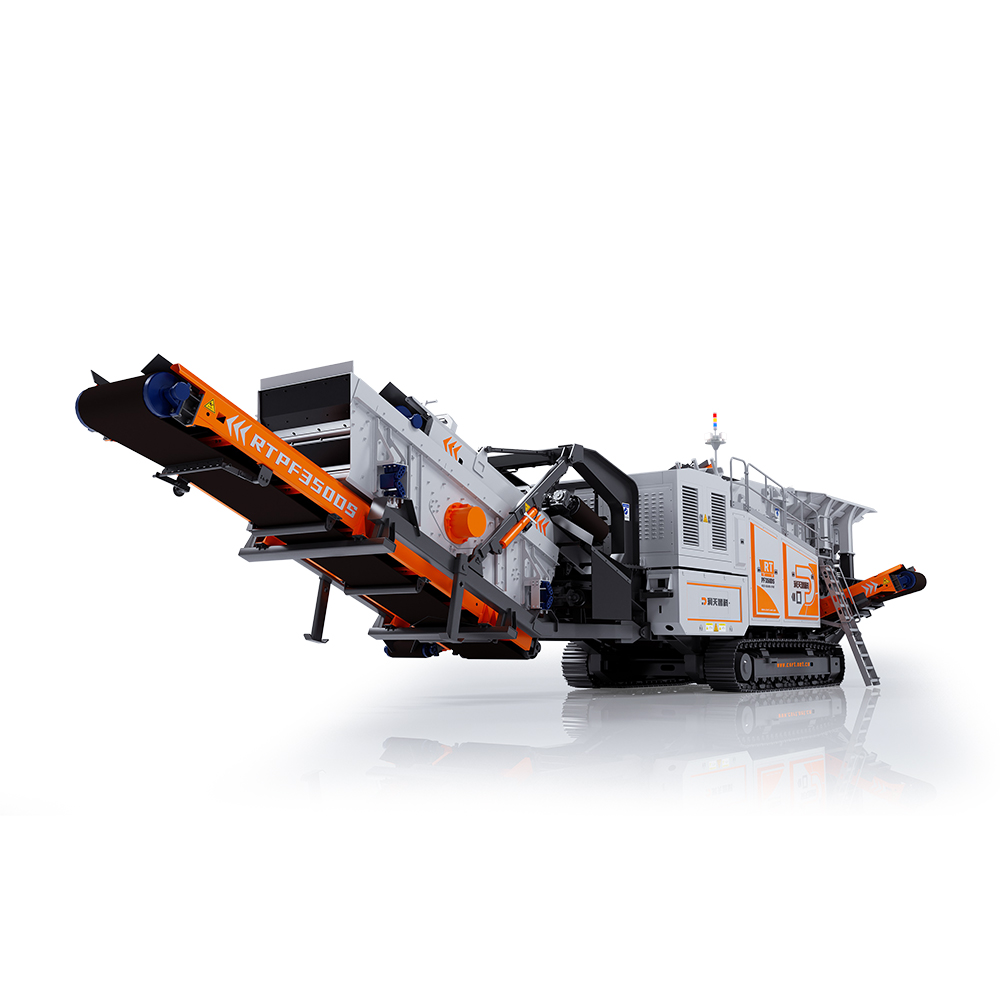 RTPF350DS Crawler Mobile Impact Crushing Plant
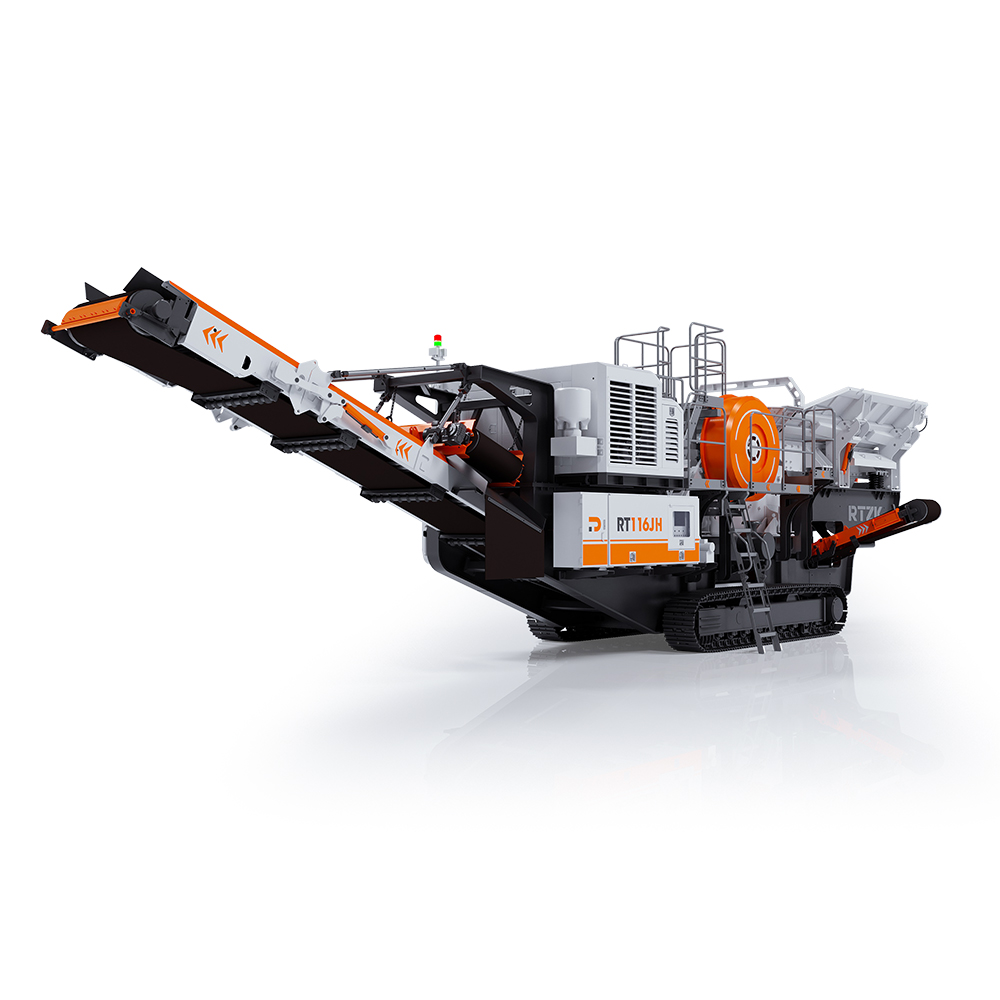 RT116JH Crawler Mobile Jaw Crushing Plant
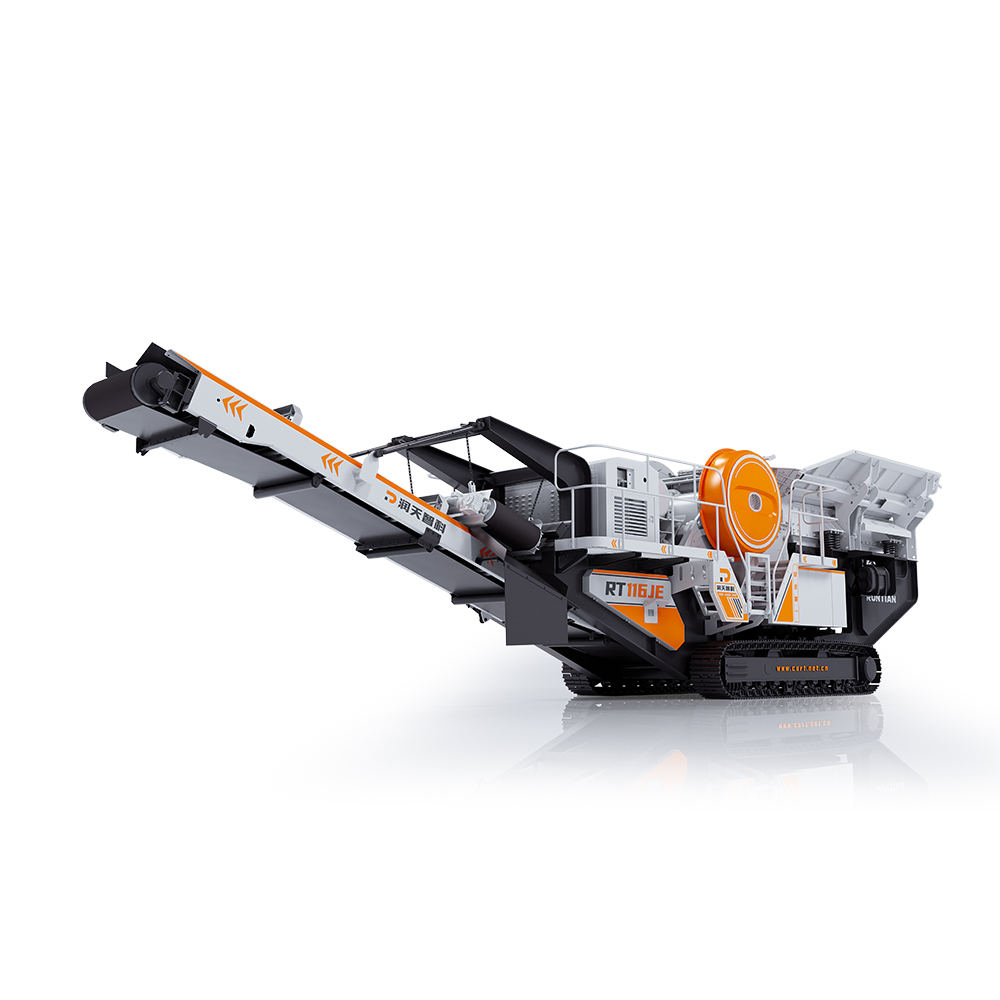 RT116JE Crawler Mobile Jaw Crushing Plant
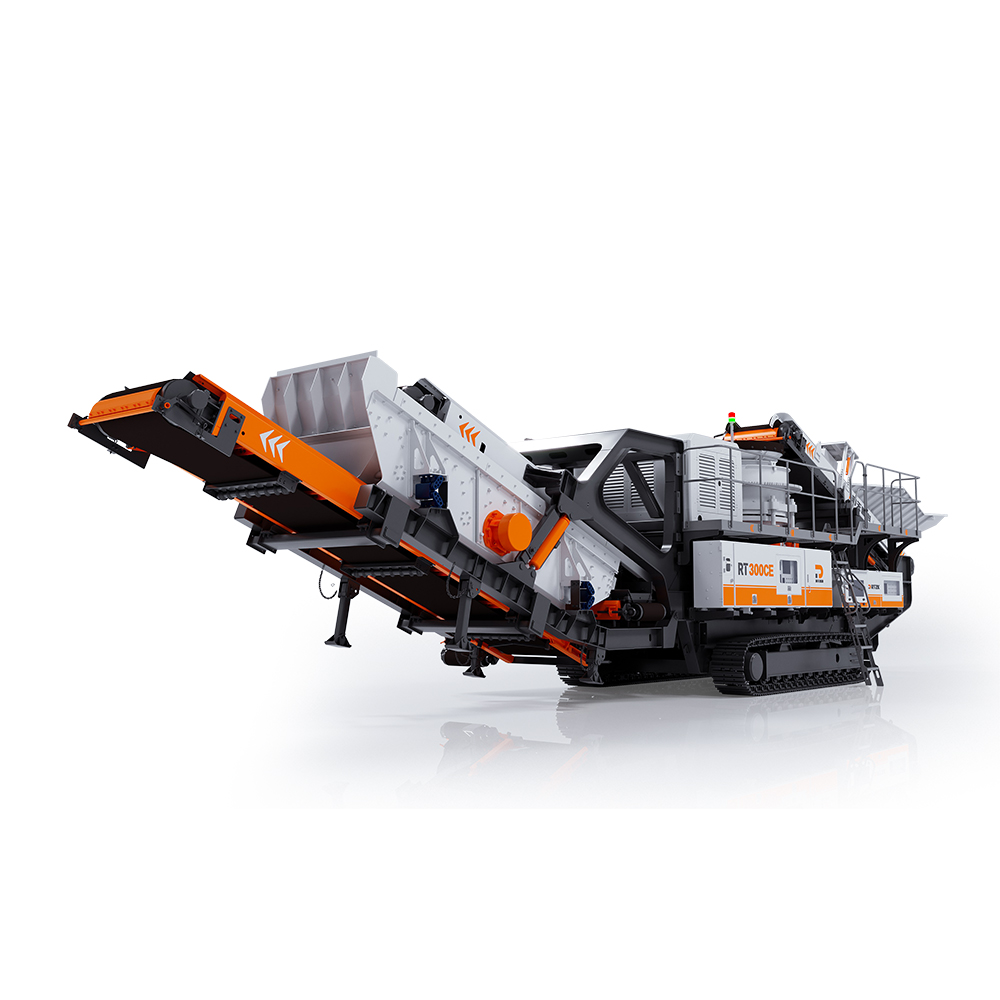 RT300CE Crawler Mobile Cone Crushing Plant
 RT300CH Crawler Mobile Cone Crushing Plant
 RT5015H Mobile Scalping Screen
 RT315VSIE Crawler Mobile Sand Maker
 RT3YK6020 Crawler Mobile Screening Plant
 RT3YK6020M Modular Screening Plant
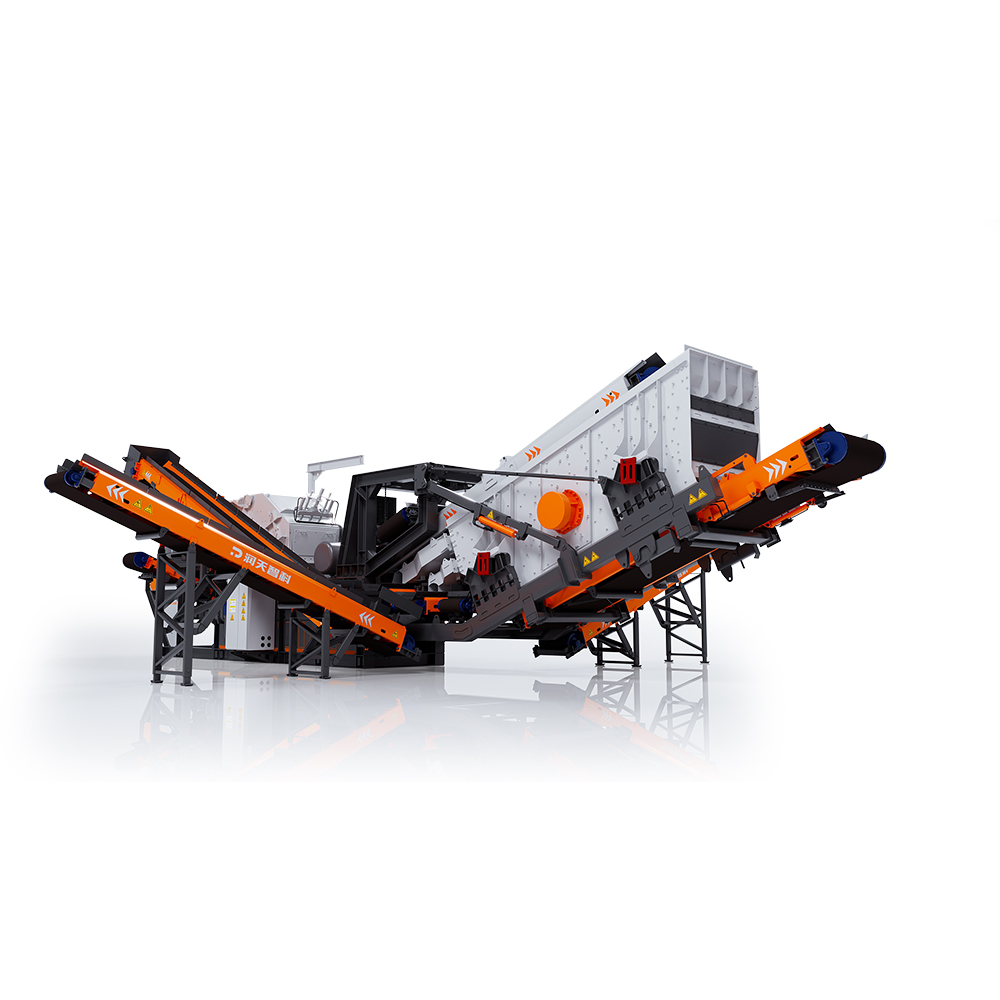 RTF260M Modular Counterattack Crushing and Screening Integrated Machine
 RTF350M Modular Impact Crushing Plant
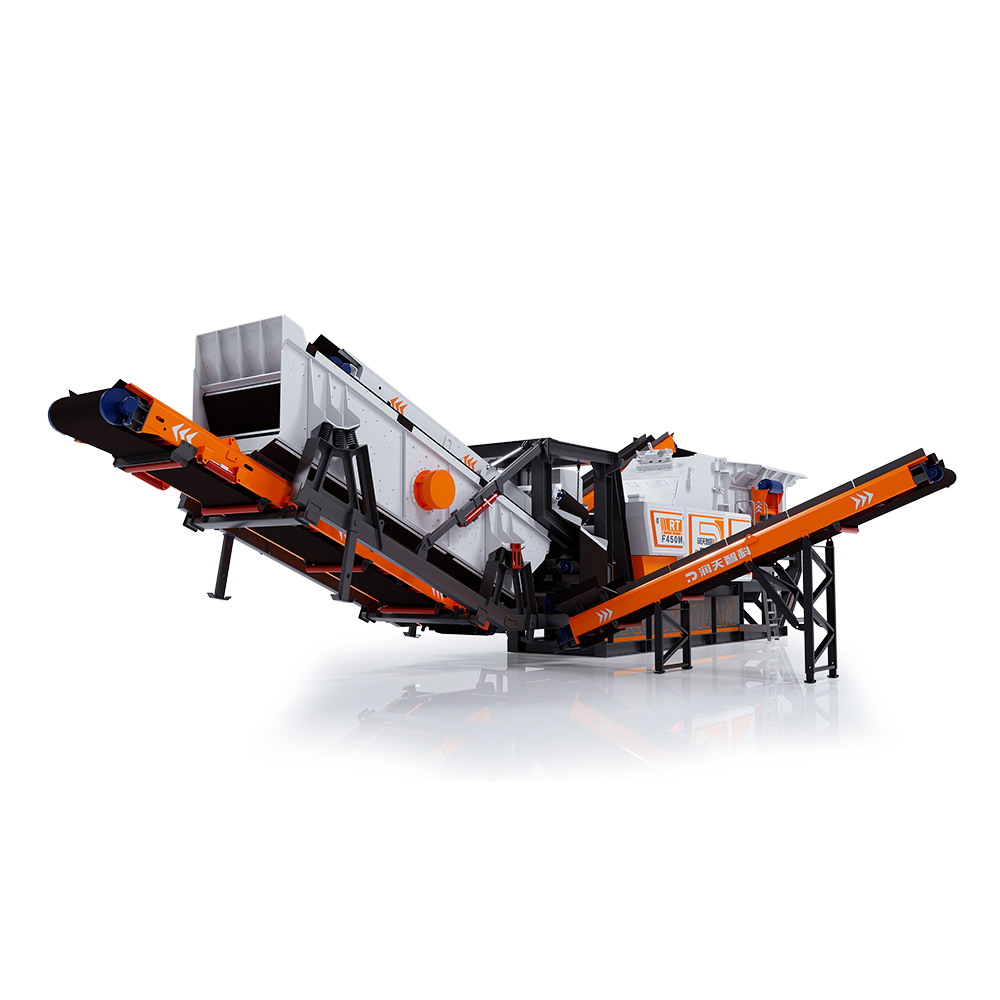 RTF450M Modular Impact Crushing Plant
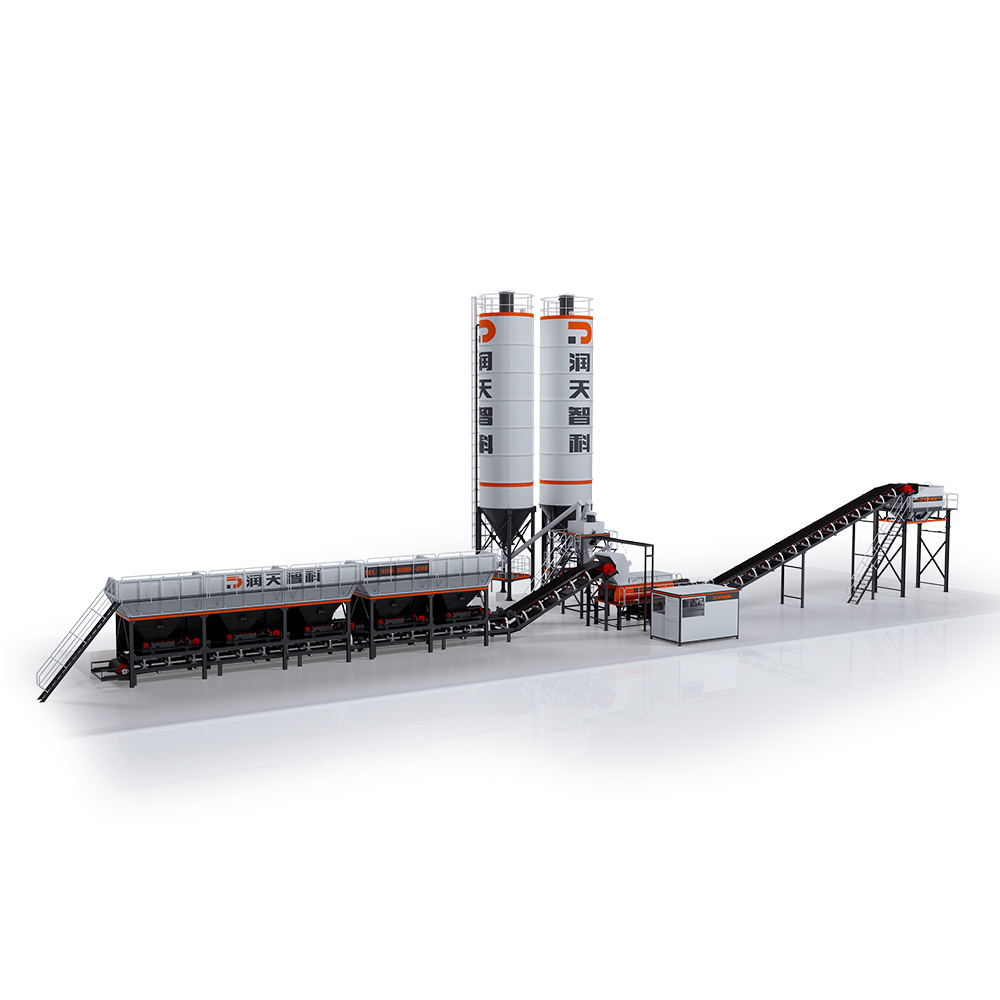 WDB Series Foundation-Free Stability Soil Mixing Plant
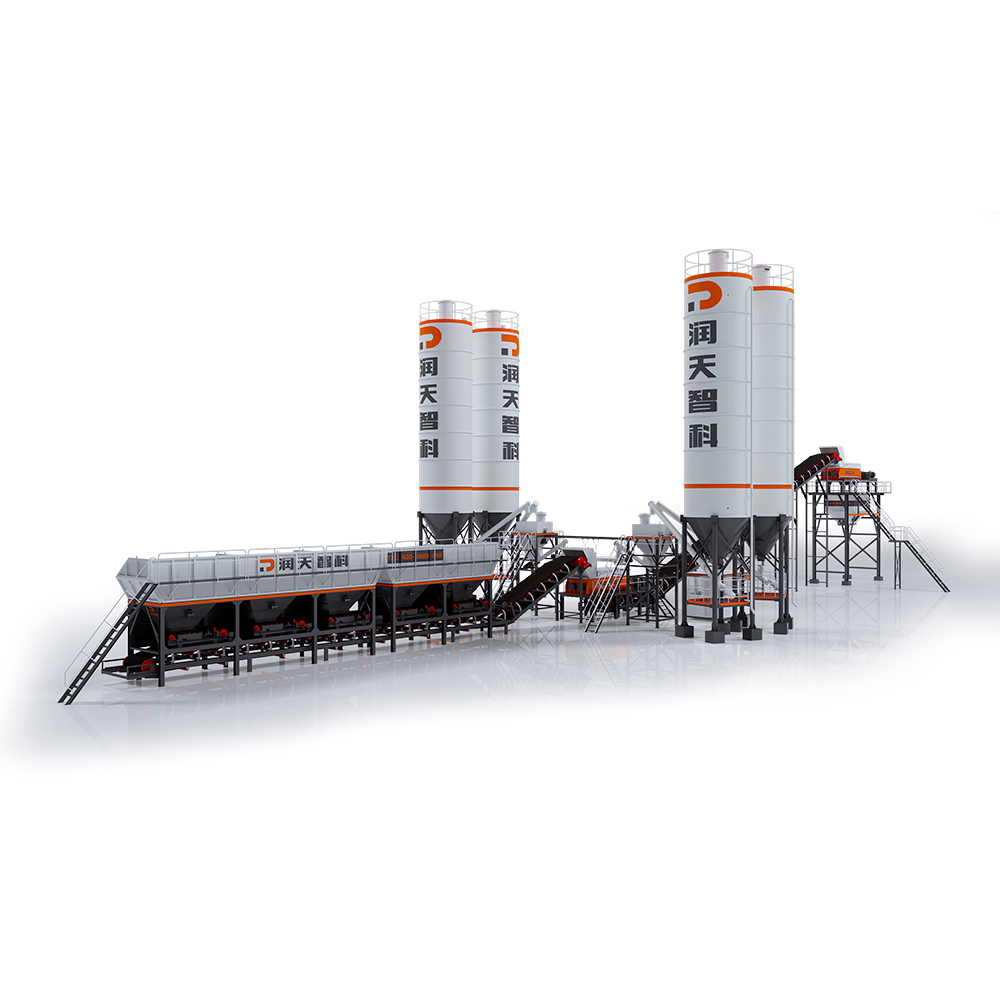 LCB Series Emulsified Asphalt Cold Regeneration Secondary Mixing Plant
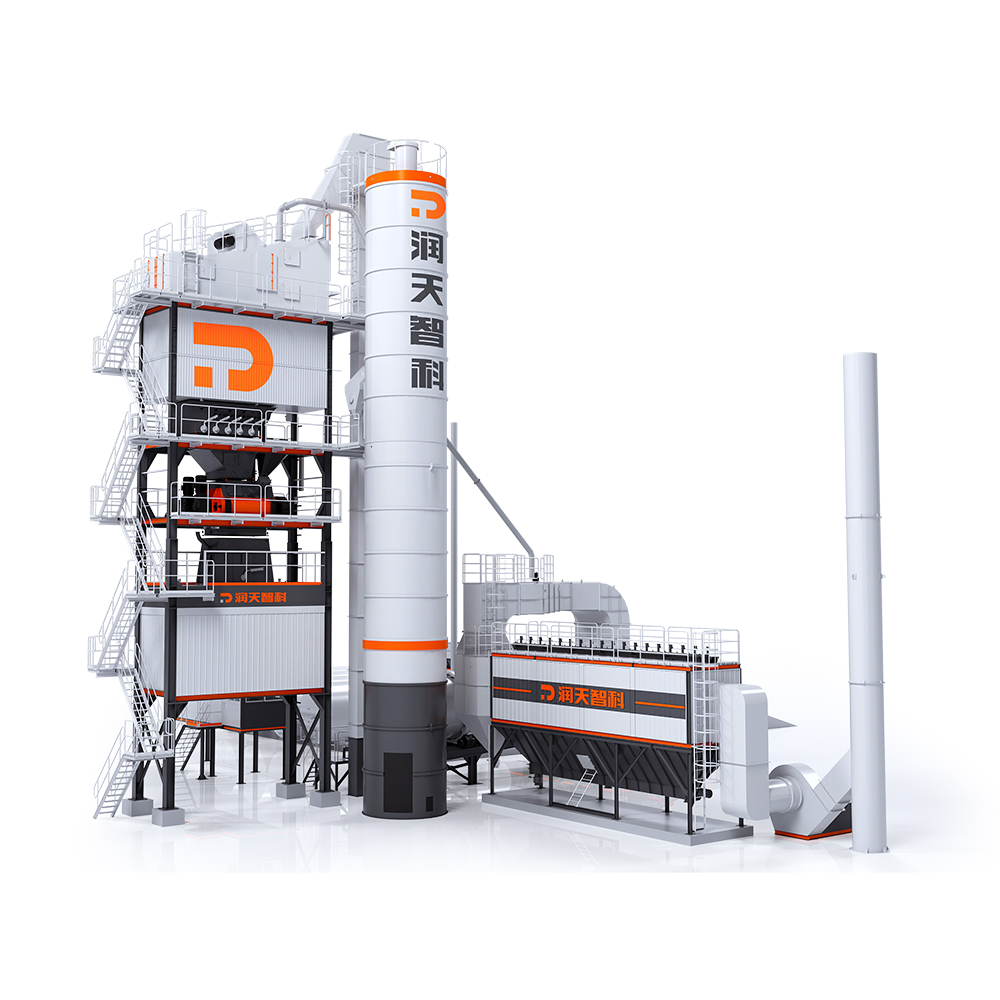 LB Series Asphalt Mixing Plant
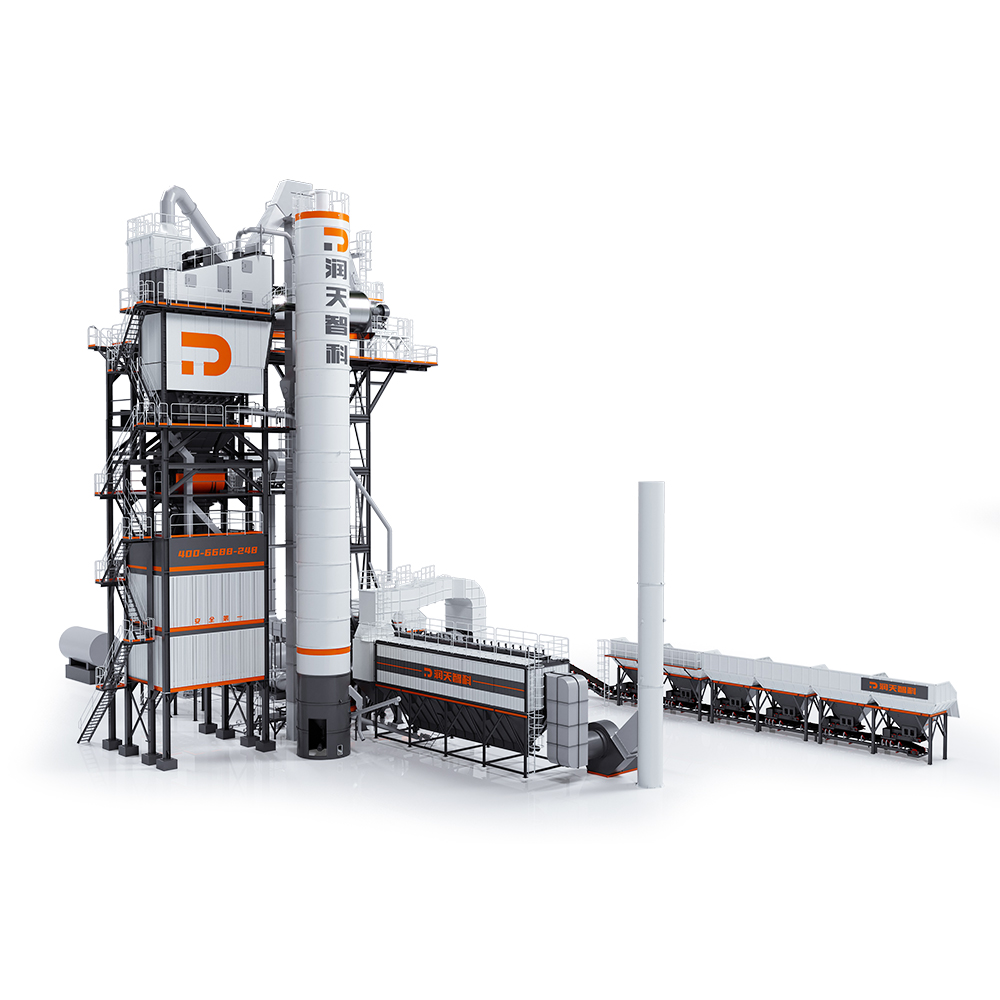 LBR Series Integrated Asphalt Mixing Plant
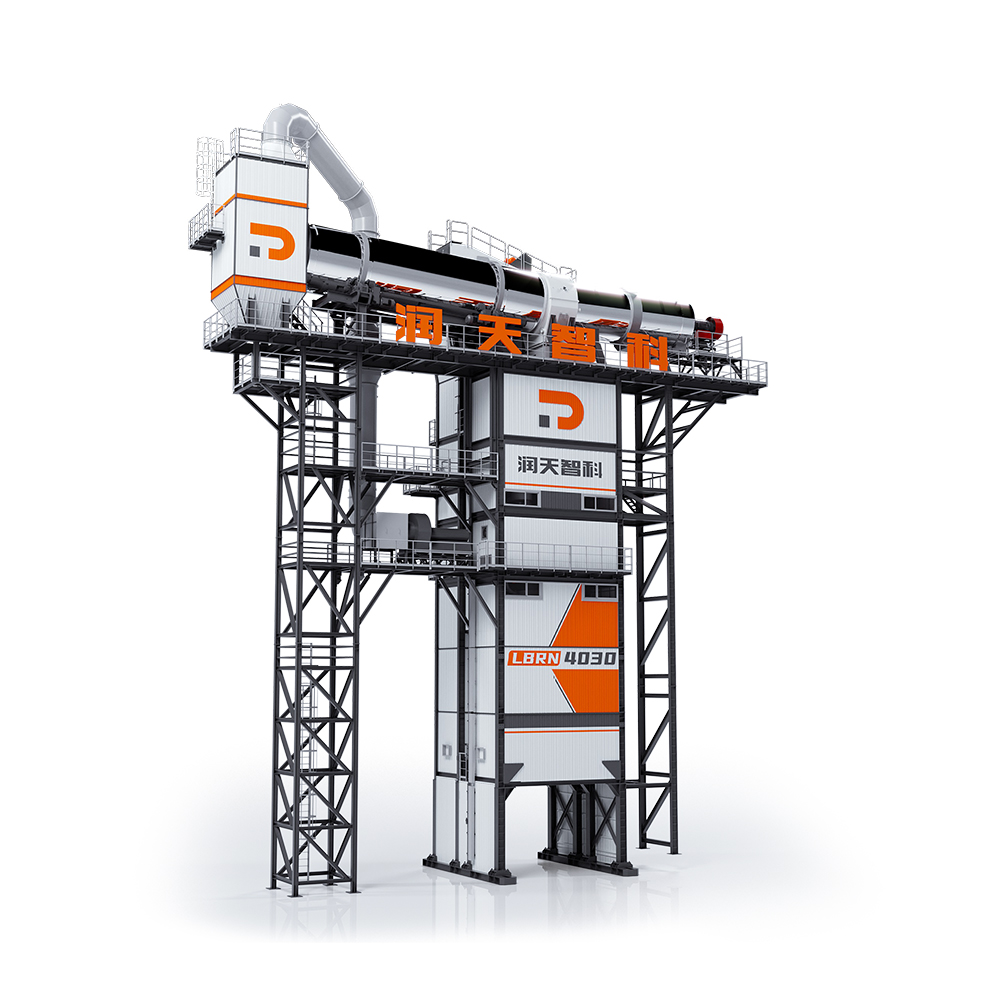 LBRN Series Counterflow Integral Asphalt Mixing Plant
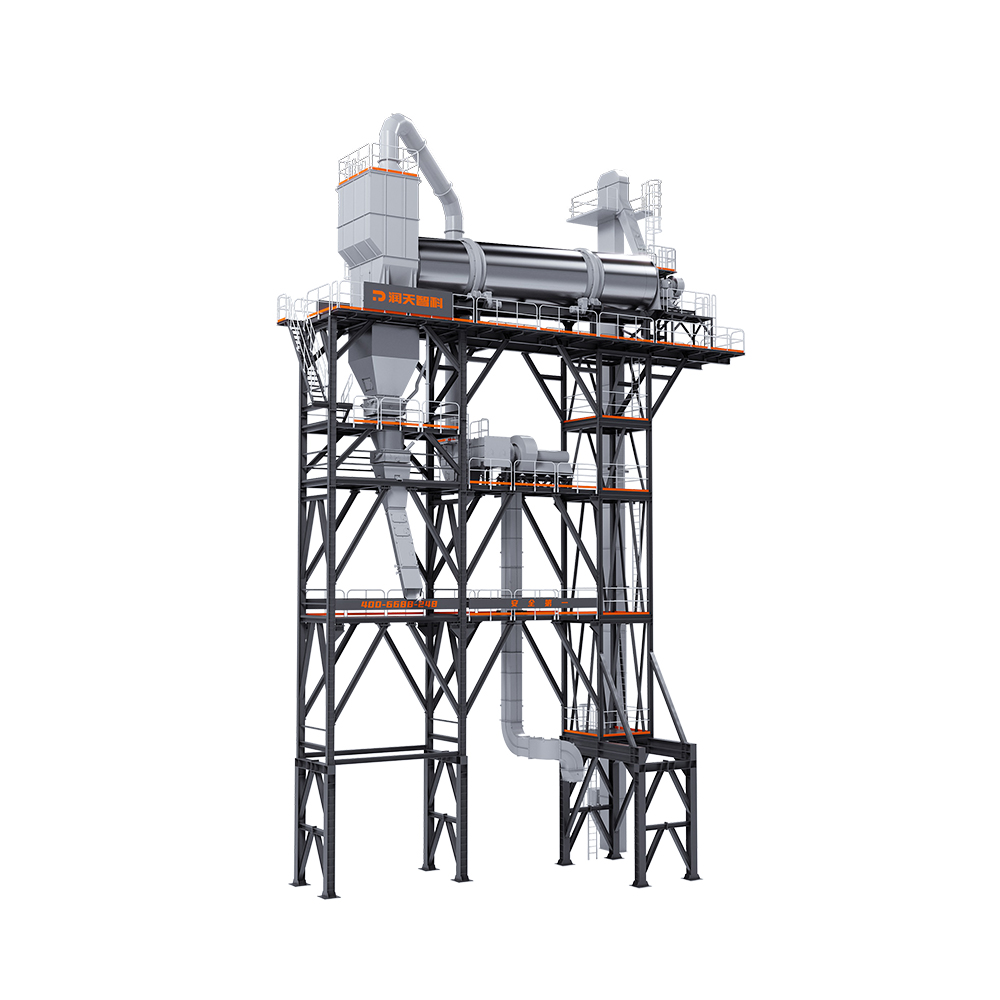 RZS Series Asphalt Mixing Plant
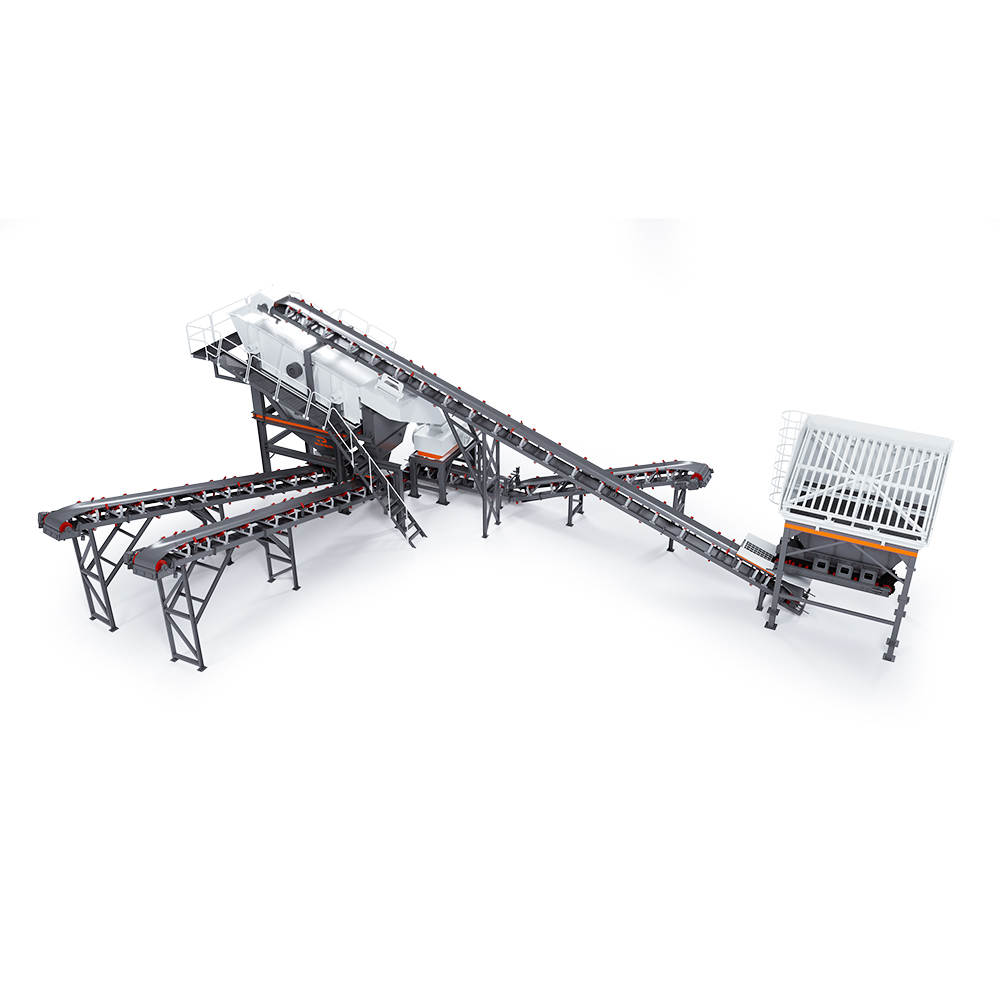 RTZS120 Series RAP Crushing & Screening Plant
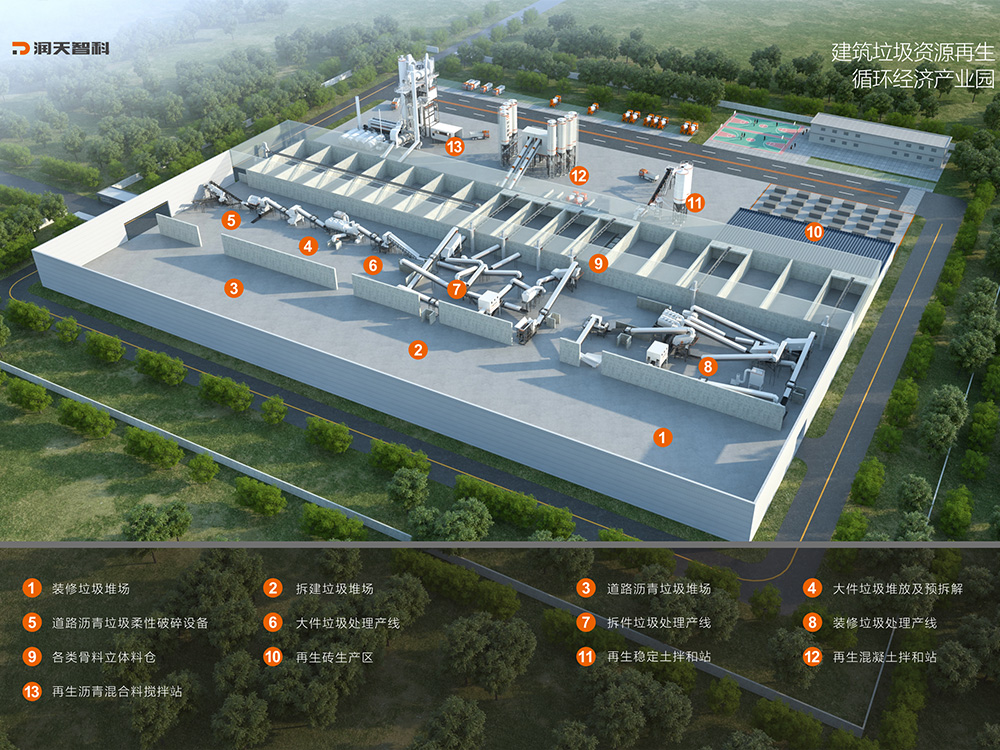 Construction Waste Resourceful Treatment Line